This weekend, CHFA NOW Toronto, Canada’s largest trade show for natural, organic, and wellness products, will spotlight five key trends set to shape the way Canadians shop in 2026. Running Friday, September 19, through Sunday, September 21, at Exhibition Place, the event will draw over 1,000 brands and 8,000 industry professionals to discover the latest and greatest innovations currently shaping the natural, organic, and wellness industry.
Aaron Skelton
“CHFA NOW Toronto is more than a trade show — it’s where the future of Canada’s natural, organic, and wellness industry comes to life,” said Canadian Health Food Association President and CEO Aaron Skelton. “From innovative products to inspiring entrepreneurs, this event highlights the creativity and growth driving our sector and a first look at the trends that will soon influence the marketplace.”
The CHFA is Canada’s largest trade association dedicated to natural, organic and wellness products. As a national not-for-profit association, its members include manufacturers, retailers, wholesalers, distributors, and importers committed to getting more healthy living products into the hands of more Canadians.
Heading into the show, CHFA has identified five emerging trends expected to shape the industry and hit retailers in 2026:
Minis: Small Size, Big Impact: As appetite suppression becomes more common due to the rise of GLP-1 medications and increased awareness of metabolic health, there is a growing consumer demand for mini meals, snacks, and drinks that deliver satisfaction without excess. This shift helps to fuel interest in smaller portions, offering greater flexibility, affordability, and a sense of reward without the guilt. At CHFA NOW: Unreal Snacks Dark Chocolate Coconut Bars, Henri Apple Cinnamon Bars
Bitter Brews & Functional Sips: A new wave of functional beverages is capturing attention by blending bold, bitter flavour profiles with wellness benefits. From matcha to mushroom coffee and cacao elixirs, consumers are embracing drinks that go beyond hydration. This trend is driven by a growing appreciation for global cuisines, adaptogens, nootropics, and longevity ingredients, as well as a desire for beauty and cognitive benefits in drinkable formats. At CHFA NOW: Origen Sea Water Electrolytes, Matcha Ninja Blue Matcha
Soft Wellness: Calm, Comfort, and Connection: In uncertain times, Canadians are carving out and embracing a wellness lifestyle that nurtures and provides joy. Consumers are turning to products and experiences that offer emotional support, incorporate rituals as a form of self-care, support the gut-brain connection, and promote rest and recovery. At CHFA NOW: Mosse – Sea Moss Beverage Powder, BioSnactive Foods Inc. – Code Red
Expanding the Health Span: Age Gracefully, Live Fully: As people live longer, the focus is shifting from extending lifespan to enhancing it – living better for longer. Functional foods, beverages, and supplements are evolving to support the complex needs of aging gracefully, from brain health to joint support. Cognitive health and brain nutrition products, proactive nutrition, and inspiration from the Mediterranean diet round out this trend. At CHFA NOW: Tony’s Really Good Olive Oil, Herbaland ACV & Fibre Jelly Stick, Poo Perfect Mango Passionfruit
Beauty from Within: Edible Indulgence with Benefits: Beauty and wellness are merging in the rising category of edible beauty. Consumers are increasingly turning to functional snacks, beverages, and supplements that support skin, hair, and nail health – and they want it all wrapped in a premium, snackable experience with elevated packaging that has sensory appeal. At CHFA NOW: The Meat Bar Beauty Boosting Protein Bar, Glow Green Co. Full On Hydration Face Moisturizer
The CHFA said the event brings together industry-leading voices and leaders in natural, organic, and wellness. One of the most anticipated features of the show floor is Incubator Alley, where emerging brands showcase groundbreaking products and fresh new perspectives.
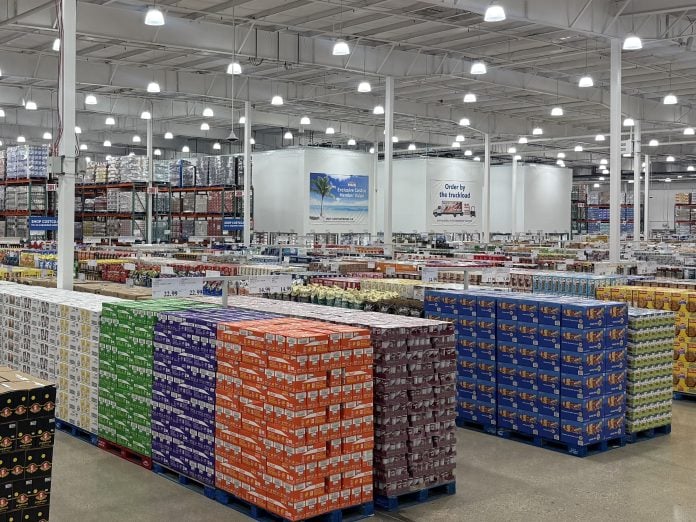
As consumer spending slows and inflationary pressures persist, Canadian retailers are facing a growing challenge: managing excess inventory in a volatile economic environment.
“Retailers are sitting on a lot more stock than usual,” said Alex Hennick, an industry expert who specializes in inventory and product distribution. “Lower consumer spending, driven by inflation and high interest rates, means products just aren’t moving the way they used to. That’s tying up cash flow, increasing warehousing costs, and creating major logistical headaches.”
Alex Hennick
The issue is especially pronounced for seasonal items, where timing and weather can make or break a season’s sales.
“Here in Toronto, we had a slow start to summer,” explained Hennick of Toronto-based A.D. Hennick & Associates. “So items like patio furniture, trampolines, and barbecues didn’t move as quickly. Retailers often buy these products in the off-season when supply is high, but if the timing is off or the season underperforms, they’re stuck with unsold inventory.”
Excess inventory is more than just a storage issue. It affects everything from liquidity to pricing strategies. Many retailers are being forced to offload products quickly, sometimes at a loss, to avoid the long-term costs of holding unsold goods.
“A furniture company might contact us in August with stock they need to clear before winter,” said Hennick. “Holding that inventory until next summer would cost them more in storage and staffing than it’s worth. In many cases, it’s more cost-effective to take a loss now than to carry the product for another year.”
To clear inventory, retailers are turning to several options:
Discounting to loyal customers (though this risks devaluing the brand)
Bulk sales to liquidators or through warehouse events
Selling to off-price or discount retailers
Donating surplus products
Exporting inventory for potential duty drawback claims
“We’re seeing more requests for liquidation and redistribution,” said Hennick. “It’s not just distressed stock anymore. It’s situational inventory. A distributor goes bankrupt, leaves product in a warehouse, and suddenly the warehouse owns goods they don’t want. These kinds of unique deals are becoming more common.”
The economic slowdown in housing is also spilling over into adjacent categories like home décor, blinds, and flooring, where consumer demand has softened significantly.
“People aren’t holding back because of price,” Hennick noted. “They just don’t have the money to spend. That’s where opportunity arises for those who can help retailers recover value from their unsold goods.”
Although a recent federal announcement to remove certain tariffs, originally imposed earlier this year, could ease some pressure on costs, Hennick cautioned retailers not to overreact.
“Yes, tariff removals offer short-term relief,” he said. “But the policy landscape is unpredictable. Tariffs can return mid-shipment, and if you haven’t accounted for that in your pricing strategy, your margins can evaporate.”
His advice for retailers moving forward: order less, plan smarter, and stay nimble.
Photo: Tima Miroshnichenko
“Many retailers are still forecasting based on trends from one or two years ago,” he said. “That’s a mistake. Focus on current demand. Build contingency costs into every decision. And above all, work closely with suppliers, customers, and logistics teams to ensure everyone’s on the same page.”
Timing, he added, is everything, especially when it comes to seasonal products.
“If your swimsuits show up in August, you’ve missed the window,” said Hennick. “Now you’ve got a warehouse full of unsold goods and zero opportunity to move them until next year.”
Ultimately, Hennick believes proactive planning and strategic relationships will be key to surviving the current retail environment.
“Someone will always have to absorb the cost,” he said. “But if the burden falls too heavily on one party, that business won’t last. The ones that survive will be those who adapt quickly, communicate well, and make decisions based on today, not yesterday.”
City Bracelet Collection (New York City). Image: Lisa Gozlan
Toronto-based jewellery brand Lisa Gozlan Jewelry is marking its six-year anniversary with a milestone event that could set the stage for a major U.S. expansion. The brand, co-founded in 2019 by Lisa and Ryan Gozlan, will host its first pop-up shop in New York City from September 17 to 21 at 21 Spring Street in SoHo. The timing coincides with the launch of its City Bracelet Collection, a six-piece lineup honouring six years of brand growth, with a seventh bracelet, inspired by New York, being revealed at the event.
The SoHo pop-up was deliberately timed to coincide with September Fashion Week and chosen for its international draw.
“New York feels like a second home, often called a ‘bigger Toronto,’” said Gozlan. “Given this connection and the city’s vibrant energy, especially around September Fashion Week, a pop-up here was a clear priority. SoHo is ideal due to its dynamic, trendy atmosphere, aligning with our customer base and serving as a global discovery hub.”
The pop-up will serve as both a sales event and a brand-building initiative.
“Beyond driving sales, our primary goals for this pop-up event are to build brand awareness and foster deeper customer connections,” Gozlan explained. “We aim to offer an immersive experience that allows customers to interact with our brand and feel part of the LG community. This approach has proven successful in the past, as demonstrated by our partnership with Holt Renfrew and our newest partnership with Selfridges in London to test new markets.”
Lisa Gozlan pop-up at 21 Spring Street in NYC. Image: Lisa Gozlan
Celebrating Six Years with City Bracelets
The anniversary will also see the launch of the City Bracelet Collection, each piece inspired by a city meaningful to the brand’s journey.
“City-inspired bracelets leverage universal themes of travel, nostalgia, and personal identity,” said Gozlan. “Wearing a city bracelet is about carrying a memory, commemorating a journey, or embodying an aspiration. Each city reflects our brand’s evolution, inspired by places that resonate with us and our customers over six years.”
The New York bracelet will debut exclusively at the SoHo pop-up.
“Our City Bracelets tap into the human desire to connect with travel or specific cities,” Gozlan said. “The New York bracelet was uniquely designed to capture the city’s distinct energy and iconic spirit, standing out while seamlessly integrating with the collection.”
Lisa Gozlan with an oversized City Bracelet in NYC. Image: Lisa Gozlan
The bracelets are special editions and will not be routinely restocked, though a re-release could be considered if demand is high.
“The City Bracelets are special edition and we currently do not have plans to restock them,” Gozlan confirmed. “However, if there is increased demand, we may consider re-releasing them in the future.”
This approach supports the brand’s strategy of encouraging customers to build personal collections.
“Our collections are versatile, allowing customers to build upon them by stacking and mixing designs,” Gozlan said. “The City Bracelet Collection aligns with our aesthetic of bold, collectible, and style-led pieces that can be effortlessly styled alone or combined with bestsellers, encouraging ongoing engagement beyond new launches.”
Lisa Gozlan opening party for the Soho pop-up. Image: Lisa GozlanLisa Gozlan at 87 Cumberland St. in Toronto. Image: Lisa Gozlan
Canadian Retail Footprint and Growth
Since its debut, Lisa Gozlan Jewelry has expanded its brick-and-mortar presence to four Canadian stores: Yorkville and Yorkdale in Toronto, Square One in Mississauga, and a west coast location in Vancouver’s Kitsilano neighbourhood.
The Yorkdale boutique, which opened in the summer of 2025, underscores the brand’s positioning in top-tier retail environments. The 435-square-foot store was designed by Clarisa Llaneza with signature elements by Etherington Designs and construction by Gozlan Group. Lease negotiations were managed by Brandon Gorman of JLL, reflecting a meticulous approach to real estate strategy that prioritizes prime locations and high foot traffic.
Lisa Gozlan outside the Soho pop-up. Image: Lisa Gozlan
Toward a Permanent U.S. Presence
If the SoHo pop-up meets key performance indicators, a permanent New York presence could follow in 2026.
“New York has consistently been on our radar and is highly requested,” Gozlan said. “Its proximity to Toronto also makes it easily accessible for our team, a key factor in our strategic expansion. Each existing market has provided invaluable insights into customer preferences and operational nuances.”
The company is also considering other U.S. metros for future growth, with a focus on urban neighbourhoods and high-traffic retail streets that match the brand’s positioning.
Site selection remains a cornerstone of Lisa Gozlan Jewelry’s strategy, with the brand favouring spaces that align with its design language and culture.
“Our site selection goes beyond traditional factors,” Gozlan said. “While co-tenants, pedestrian counts, adjacencies, and demographics are considered, the most crucial element is that the space ‘feels right.’ It must align with our brand aesthetic or have transformation potential. We are selective; our aim is not to open everywhere but to strategically expand while maintaining the brand’s exclusive yet accessible appeal.”
Lisa Gozlan jewellery. Image: Lisa Gozlan
Brand Origins and Design Philosophy
Lisa Gozlan Jewelry was founded to create modern, mixable jewellery pieces that could be worn daily without compromising on quality or style. Drawing from Lisa’s background in fashion and Ryan’s fifth-generation jewellery heritage, the brand merges contemporary aesthetics with craftsmanship rooted in tradition.
Known for its Happy Face Collection and stackable designs, the brand’s pieces are both accessible and collectible. Sustainability and ethical sourcing remain central pillars, with an emphasis on long-lasting quality and responsibly sourced materials.
Each boutique is designed to foster a sense of community and educate customers about the craft and materials behind each piece. This philosophy has extended internationally through the brand’s recent partnership with Selfridges in London, which allowed for a test of demand in the UK market.
RBC’s cardholder data for August shows core retail sales growth slowed from July—marking the third consecutive monthly slowdown in growth based on a three-month moving average, says Rachel Battaglia an economist at RBC.
Core retail sales—which excludes spending on autos and gas—grew 0.4% seasonally adjusted from July, when it rose 1.1%.
“This trend aligns with our broader economic outlook . We believe Canada’s economy will resume slow, but positive, GDP growth after a Q2 decline with relatively resilient consumer spending offsetting persistent headwinds in the industrial sector,” she wrote recently in a report.
Rachel Battaglia
“Solid consumer spending in July hit a bump in August. Total spending was down 2.2% m/m from July, reversing the previous month’s gain. Monthly spending data is always volatile, but the three-month moving average also grew more slowly for a third month.
“The ongoing contraction in gasoline spending—continuing on a three-month average basis since the elimination of the consumer carbon tax this spring—has been a significant driver of this trend.
“Still, most major spending categories saw growth—but slower—apart from clothing purchases, which accelerated. Travel spending dipped 0.1% seasonally adjusted on a three-month average.”
Battaglia said essential spending has shown a more persistent moderation compared to discretionary categories.
“This pattern is largely attributable to the drop in spending at gas stations—which is deemed essential—after the removal of the consumer carbon tax this spring. Spending on groceries has also flatlined since May, which is contributing to lower essentials spending as well,” she said.
“On a seasonally adjusted, three-month moving average basis, essentials spending contracted 0.6% m/m while other spending categories maintained positive growth.”
Consumer confidence measures were little changed from July. The Conference Board of Canada’s Index of Consumer Confidence contracted marginally after four consecutive months of improvement—and remains substantially lower from a year ago, she said.
The Bank of Canada’s Canadian Survey of Consumer Expectations mirrored the same pessimism among survey respondents regarding their spending intentions, and overall financial health. Consumers highlighted elevated job loss concerns were contributing to pessimism, added Battaglia.
“Despite the pessimistic indicators, consumer spending has remained more resilient than indicators would suggest—continuing to provide underlying support for the economy, even as other sectors face challenges,” she said.
“Meanwhile, the recent cooling in population growth—after years of record increases that bolstered aggregate consumer spending—likely contributes to the current spending moderation, creating an additional headwind for retail sales beyond weak consumer confidence.”
Vancouver has welcomed the return of Milestones with a new chapter for the restaurant brand. On September 4, the company debuted its first Milestones Test Kitchen along with an intimate cocktail destination, Fraser Bar, in a move that both honours the brand’s roots and signals its ambitions for the future. The location is 2745 Barnet Highway in Coquitlam.
The initiative is the result of a collaboration between Pacific Rose Hospitality Group and Foodtastic, the Montreal-based restaurant franchisor that owns Milestones. Together, the partners aim to use the Vancouver location as a proving ground for culinary innovation and a potential model for expansion across Canada.
“This launch marks the beginning of an exciting new era,” said Chad Huff, Partner at Pacific Rose Hospitality Group. “We are grateful to our amazing team and the great partnership that we have with Foodtastic, both of which allow us to focus our efforts on growing this amazing brand in Western Canada.”
Designed to balance familiarity with experimentation, the Milestones Test Kitchen presents a menu split evenly between customer favourites and new dishes under development. The goal is to gather feedback directly from diners and refine recipes before rolling them out to other locations.
Photo: Milestones/Foodtastic
Head Chef Jeff Dell described the approach as both rigorous and collaborative. “I’ve been entrusted with a very special role,” he said. “Our team is working intensely to find the right new recipes, and to gather feedback from the people whose opinion matters most to us – our local patrons.”
Beloved classics like Portobello Mushroom Chicken, Wham-Bam Shrimp and Chilli Chicken Bites remain, anchoring the menu with trusted comfort. But the kitchen is also exploring playful, globally inspired offerings such as Samosa Poutine, Lobster Frites and artisanal pizzas fired in a wood-burning oven.
The décor mirrors this mix of old and new, with a warm, modern aesthetic featuring natural materials and curated lighting designed to encourage lingering over meals.
Photo: Milestones/Foodtastic
Fraser Bar: An Intimate Escape
Directly above the Test Kitchen, Fraser Bar offers a distinct but complementary experience. Inspired by the prohibition era of the 1920s and early 1930s, the space features plush seating, dim lighting, and an extensive cocktail list emphasizing craft and storytelling.
Guests can enjoy shareable plates designed to pair with premium spirits, making Fraser Bar a destination not just for Milestones diners but also for those seeking an elevated evening out. The concept celebrates Milestones’ roots in the Fraser Valley while giving patrons a venue that feels both nostalgic and fresh.
Fraser Bar. Photo: Milestones/Foodtastic
The launch of the Milestones Test Kitchen and Fraser Bar fits squarely within Foodtastic’s strategy of revitalizing and expanding its diverse restaurant portfolio. Since acquiring Milestones in 2023, Foodtastic has invested in menu innovation and store refreshes to strengthen the banner’s positioning in the casual dining segment.
“We’re proud of our Canadian roots and DNA,” said Peter Mammas, founder and president of Foodtastic. “And while that’s true and important, I can tell you we’re just as proud of our people and our partners, like Pacific Rose Hospitality Group, who work tirelessly to serve our customers and live up to our values.”
Image: Peter Mammas
Foodtastic currently operates more than 1,200 restaurants across its 20-plus brands, including Second Cup Café, Freshii, and Pita Pit, with systemwide sales surpassing $1.1 billion annually. Its aggressive growth strategy combines franchising support with a steady stream of acquisitions, and the company has been steadily increasing its presence both domestically and internationally.
A Test Case for National Rollout
If successful, the Vancouver Test Kitchen model could become a template for other markets, allowing Milestones to innovate faster and roll out tested dishes to locations across Canada. The Fraser Bar, meanwhile, could evolve into a stand-alone concept in other cities, creating new opportunities for Foodtastic to reach urban consumers seeking distinctive cocktail experiences.
Industry observers note that the Canadian casual dining sector has been in flux, with operators investing heavily in experiential offerings to draw customers back into restaurants post-pandemic. By combining menu innovation with a fresh bar concept, Milestones appears to be positioning itself to meet shifting consumer expectations.
Retailers like to talk about being “data-driven.” The reality is that many still fly by instinct until the numbers confirm what they already believe. This approach isn’t the best in a tough market like Canada, where shoppers are hunting for value and imports are exposed to currency swings. The companies pulling ahead treat data as a steering wheel, not a rear-view mirror.
Supply chains
Most Canadian retailers lose money in supply chains. June’s$70.2 billion in retail sales looked healthy enough on paper, but 27% of businesses still reported being hit by supply chain delays. That figure, from Statistics Canada, conveys a clear message: growth can mask inefficiency until the next shock comes along.
What helps? Not broad strategy slides, but real-time dashboards that show what’s in stock, what’s on the way, and which supplier might fail you next week.Walmart Canada is spending C$6.5 billion on distribution upgrades, which tells you how seriously the big players take the problem. Smaller chains can’t match that, but they can demand cleaner vendor data and use basic AI forecasting tools. As ever, the choice is to spend now to fix or spend later on markdowns.
Personalization
If Canadian consumers have one consistent message, it’s that price comes first.KPMG’s 2025 retail survey found 56% of shoppers cite it as the main driver. However, 90% also belong to loyalty schemes, and 92% say those schemes influence their choices. That is a profitable system if handled carefully.
The risk is turning loyalty into surveillance. Leading retailers use customer segmentation and first-party data to tailor offers, notifications, picks, and cross-sells. Canadians worry about how their data is handled. The trick is to be transparent by saying, “Here’s the data we collect, here’s the discount or service you get in return”. When businesses offer personalized experiences, they should keep this in mind.
Omnichannel integration is also essential. This means making sure what customers see online matches what’s available in-store or for pickup. Poor inventory management will cause postal delays, which will cause shoppers to lose trust.
All this boosts lifetime value. Personalization lets you spend less on acquiring customers by keeping existing ones engaged. It turns occasional buyers into fans.
Pricing
Pricing remains the bluntest but most crucial tool. Core retail sales rose 5% in August, but only because retailers absorbed costs in some categories while passing them on in others. The Canadian consumer is more price-sensitive than ever, and a 1% misstep on the shelf can mean a lost sale.
That’s why dynamic pricing systems are becoming mainstream. Monitoring competitors’ prices online, adjusting in real time, and protecting margin thresholds is no longer optional if you want to remain competitive. Data, in other words, lets you avoid being caught flat-footed when rivals cut prices or currency fluctuations jack up import costs.
Forex Tools
Most Canadian retailers don’t like to talk about foreign exchange, but they should. Imports are enormous, and every fluctuation in CAD/USD or CAD/CNY translates directly into costs. The Bank of Canada notes that average daily FX volumes in April 2025 were up 12.7% from the year before, with derivatives activity up by more than a third. Someone is managing risk more actively.
CFOs in retail are hunting for the bestforex trading app to track live rates, set alerts when currencies hit pain points, and even take hedging positions. The goal isn’t exotic speculation. It’s simply protecting margins. If CAD weakens and your next container of goods costs 8% more, you need to know early enough to adjust pricing or lock in a forward contract. Ignoring currency risk is the quiet way profits vanish.
Implementation Steps
It’s easy to say you’re “data-driven.” It’s harder to prove it when margins are thin and shoppers can switch with a swipe. The difference between talk and practice lies in execution. Here is how to get started:
1. Audit your data foundation
Plenty of retailers claim to run on insights, but the data itself is too often a mess. Making decisions will become a guessing game if point-of-sale, warehouse, and supplier feeds don’t connect. Start with the basics: clean up your SKU master data, reconcile stock levels, and ensure product costs include everything from shipping to duties and currency fluctuations.
2. Deploy demand forecasting tools
Even simple forecasting adjusted for seasonality and promotions will cut overstock and stockouts. Pilot forecasting on your top sellers or fastest-moving lines, then expand. You may not need it every day, but the one time you do, it saves you from a nasty crash.
3. Ensure accurate pricing monitoring
Price remains the bluntest weapon in retail, which makes it too dangerous to handle without data. Competitor monitoring tools can flag when rivals shift prices so you’re not exposed. The key is to set rules so you never dip below margin thresholds. Without those rules, “dynamic pricing” becomes a code word for “margin suicide.”
4. Build a forex-enabled financial flow
For retailers relying on imports, ignoring currency risk is real. A modern forex app lets you track live rates, set alerts, and secure forward contracts before volatility eats your profit. Budgeting and procurement plans that don’t account for FX swings are unrealistic.
5. Personalize without creeping
Yes, Canadians like loyalty programs, and yes, personalization can turn occasional buyers into loyalists. But don’t push too far. Use loyalty data to group customers, offer relevant deals, and highlight local availability. Keep it transparent.
Turning Data into Dominance
Canadian retailers talk endlessly about being customer-focused and digitally savvy. The numbers show that only some have earned the right to claim it. The ones who are winning have taken the basics and turned them into operating habits.
The others risk being caught out by the next shock in supply chains, inflation, or exchange rates. The competitive edge in 2025 isn’t about inventing new retail. It’s about using the data that’s already on your desk.
A few years ago, I was working with a startup that was scaling quickly but struggling to keep up with operations.
Their internal team was buried in support tickets, late invoices, and messy handoffs between sales and customer success. The ops lead was so deep in fire drills he hadn’t touched the roadmap in weeks.
I stepped in to help fix things. We mapped the full process stack, from support queues to billing workflows, and identified three main areas that could be offloaded with the right workflows.
We brought in a BPO team to take over Tier 1 customer support, invoice processing, and CRM management.
Within six weeks, average response time dropped by 4%, invoice errors went to zero, and their sales reps finally had clean data to work from. More importantly, the leadership team had breathing room and a clear runway to focus on growth.
That’s the value of BPO when it’s set up right. The trick is finding a partner that can actually operate at that level. Here’s who’s doing it well in 2025.
Want a more detailed breakdown and 7 more top agencies? Keep reading.
How To Choose the Right BPO Partner (Before You Sign the Contract)
1. Define Whether You Need Muscle or Strategy
Every BPO firm will promise efficiency, but the reality is different. Some are execution-heavy, great for handling tickets, data entry, or transaction volume. Others lean strategic, offering feedback loops, process re-engineering, and operational insight.
If you only need task execution, you’ll pay less, but you won’t gain leverage. If you’re scaling fast or want to improve workflows, look for a partner who can sit at the table with your ops team.
For teams already operating out of a shared virtual office setup, the right BPO partner should feel like an extension of that environment, not a disconnected external vendor.
2. Probe Leadership Tenure, Not Just Agent Numbers
It’s tempting to choose based on scale, but headcount can be misleading. A 10,000-agent BPO might feel impressive until you realize their account managers cycle out every six months. In my experience, stability at the leadership and team-lead level matters more than raw size.
3. Test for Tech Fluency, Not Just Tool Familiarity
Plenty of BPOs advertise support for platforms like Zendesk or HubSpot, but there’s a big difference between “we’ve used it” and “we’re fluent.” Fluency means agents who can navigate workflows, create reports, and troubleshoot inside the tool without slowing down your internal teams. When evaluating vendors, don’t just ask if they use your systems.
Why Somewhere is the best business process outsourcing company in 2025: Somewhere has built its reputation on helping scaling companies plug in high-quality remote talent without the friction that usually comes with outsourcing.
Most BPOs hand you a prepackaged team. Somewhere doesn’t. They run a selective hiring process with just a 0.5% acceptance rate. In other words, every person you get has already been tested for communication, problem-solving, and remote-first skills.
It’s a setup startups and mid-sized teams both like. No retainers or no upfront fees. You can scale up or down without getting locked into a fixed contract.
They also back every hire with a six-month Perfect Hire Guarantee, which is rare in the BPO space.
With strong coverage across LATAM, Southeast Asia, and Eastern Europe, Somewhere offers both cost efficiency and genuine operational leverage. For founders or operators who want outsourced support that feels like a seamless extension of their own team, Somewhere delivers.
2. TaskUs: Best for Tech-Enabled Customer Experience
Founded: 2008
Headquarters: New Braunfels, Texas
TaskUs is basically the go-to outsourcer for SaaS companies and high-growth brands. They’re built for primarily online businesses – handling customer support at scale, content moderation, and all kinds of technical work. All with automation and analytics baked in.
If you want a modern partner that actually understands tech, TaskUs is a relatively safe bet. They don’t just answer support tickets, they give you reports that show customer trends and help you improve your product.
3. Helpware: Best for Multichannel Support Delivery
Founded: 2015
Headquarters: Lexington, Kentucky
Helpware builds custom teams across the U.S., Ukraine, Mexico, and the Philippines. Their superpower is flexibility – you can mix in-house and outsourced staff to cover voice, chat, email, and social channels.
They’re a strong fit for companies that need support across all channels to feel like part of their brand. Weekly QA checks keep the tone and quality consistent across every channel.
4. Conectys: Best for Compliance-Sensitive Outsourcing
Founded: 2004
Headquarters: Bucharest, Romania
Conectys focuses on regulated industries like fintech, healthcare, and gaming. They operate in 10 countries, with multilingual teams trained to work in compliance-heavy industries.
If audits and various regulations are a big deal for you, Conectys brings the right mix of scale and control. Their QA systems and escalation protocols are built to hold up under external audits, which makes them a solid pick for risk-sensitive businesses.
SupportYourApp handles customer and technical support for SaaS startups. Their teams are trained on tools like Intercom, Salesforce, and HubSpot, and they offer 24/7 multilingual coverage.
The big win is speed – they solve issues fast without sending everything back to your engineers. They also run structured onboarding programs for early-stage companies, so you can scale support without piling on headcount.
6. Transcom: Best for Enterprise Contact Centers
Founded: 1995
Headquarters: Stockholm, Sweden
Transcom has 30,000+ employees across Europe, Asia, and North America. They’re built for scale, managing large enterprise accounts with voice and digital support, technical services, and sales ops.
Their compliance systems and infrastructure make them a safe choice for enterprise outsourcing. They can also handle complex, multi-region rollouts with centralized reporting and local delivery teams. In other words, perfect for companies with global customers.
7. Flatworld Solutions: Best for Back-Office BPO
Founded: 2020
Headquarters: Princeton, NJ
Flatworld is focused on tasks like accounting, HR, data entry, and other repetitive back-end operations. They’re a good fit for companies that want to outsource routine workflows and keep costs predictable.
They’re known for transparent pricing and a focus on getting thins done. You can also customize service packages to match your exact process needs.
8. Invensis: Best for Scalable Support Teams
Founded: 2000
Headquarters: Bangalore, India
Invensis has 500+ clients in 20+ countries, covering customer support, helpdesk work, ecommerce operations, and data entry. They’re known for long-term relationships with their teams and scaling fast without losing quality.
Their onboarding and training make getting started easy, which is great for companies dealing with seasonal spikes or sudden growth.
9. Wing Assistant: Best for On-Demand Virtual Teams
Founded: 2018
Headquarters: Berkeley, California
Wing provides virtual assistants for startups and operators who need fast, task-level help. Their assistants handle things like sales research, scheduling, admin, and support, with U.S.-based managers keeping quality in check.
They’re a good fit if you want quick support without locking into a big outsourcing contract. You can spin up new assistant roles in under 48 hours, which makes Wing handy for teams with shifting workloads or urgent gaps.
10. Unity Communications: Best for Mid-Market Outsourcing
Founded: 2009
Headquarters: Gilbert, Arizona
Unity focuses on SMBs in healthcare, IT, and e-commerce. Their model blends U.S. based quality assurance with offshore delivery centers, giving clients local oversight plus global pricing.
They’re a solid option for companies too big for freelancers but not quite enterprise level yet. Unity also runs process audits and transition planning during onboarding, so you can shift workflows without slowing down daily ops.
Turning Outsourcing Into Leverage
The companies that get the most from BPO don’t treat it as a way to save money.
The startup I mentioned earlier didn’t just save money on customer support. They gained the ability to scale again. That’s the point of choosing the right BPO partner. Reclaiming time, stabilizing processes, and improving the customer experience without dragging down your core team.
Every successful business knows the importance of maintaining a clean and safe environment. However, a crucial aspect often overlooked is pest control. An effective pest control strategy is essential for any business, whether large or small, as pests can pose serious health risks and may also cause significant damage to property, equipment, and inventory.
Identification and Understanding of the Problem
To protect your employees, customers, and your business, it’s important to form a plan which can help you get rid of bugs, rodents, and other unwanted visitors. These pests not only negatively affect the physical aspect of your business, but also its reputation. Having a good pest control strategy will assure your employees and customers that you prioritize their health and safety.
The first step to developing an effective pest control strategy is to identify and understand your pest problem. Hiring a professional pest management service can be useful for this task. They are trained to identify various pests, their breeding habitats and habits, and formulate the best possible preventative and extermination strategies.
Prevention is Key
Once the pests and their habits have been identified, the next step is to prevent their entry into your premises. Pests such as rats, termites, and roaches are attracted to food sources and warm habitats. Therefore, ensure all potential entrances, such as cracks, crevices, and holes, are sealed, and keep areas, especially kitchens and washrooms, clean at all times.
Businesses with wood framing, shelving, or mulch landscaping should also formalize a termite prevention plan that pairs continuous monitoring (e.g., discreet bait-station systems), moisture control around foundations, and scheduled professional inspections to catch activity early. This proactive treatment-and-prevention framework helps avoid costly structural repairs, protects inventory and fixtures, and supports compliance with lease and insurance requirements.
Employee Training
Employee training is essential in maintaining a pest-free environment. Training should include recognizing signs of pest infestations, understanding potential risks associated with certain pests, and knowing what actions to take when a pest problem is detected.
Regular Professional Inspections
Professional pest control companies can provide regular inspections to help ensure that your pest control strategies are working as expected. These inspections can help identify any new pest problems early, before they become too difficult to manage. It also reassures your stakeholders that their health and well-being are a top priority.
Creating an Emergency Response Plan
Despite all precautions, pest infestations could still occur. An emergency response plan will help you handle such situations more effectively. Decide beforehand who to contact and what steps to take, so you can act quickly and minimize the impact on your business.
Use of Non-Toxic Pest Control Methods
Many businesses these days opt for non-toxic or less toxic pest control methods for safety and environmental concerns. Biological control, such as using natural enemies of pests, and the use of traps, are common non-toxic pest control methods that businesses can incorporate.
Documentation
Documentation can assist in tracking patterns and trends of pest infestation, which in turn can help in planning and implementing more effective pest control strategies. Keep records of all pest sightings, treatments applied, and tips on how to prevent future infestations.
All in all, a sound pest control strategy can save a business from a multitude of unforeseen problems. It might require an investment in terms of time and money, but the benefits – a safe, clean, pest-free environment that enhances the business’s reputation, employee morale, and customer satisfaction – make it all worth it.
In retail, billing a vendor or other entity can be a very repetitive process that can also be very time consuming. A manual process can increase risk and allow opportunity for many issues such as late payments, document errors, and other accounting issues. Fortunately, there are endless invoice template software options available that can assist retailers to fully automate their billing process as well as help present their business more professionally.
The Application of Invoice Template Software for Retailers
Transaction volume
Many retailers handle a very large volume of transactions. From one off transactions to recurring supply orders, many transactions can add up very quickly throughout the month. Using manual billing methods can get very overwhelming for retailers as there is no file management system. Many retailers are forced to figure out their own organization practice.
While many retailers can adapt to their own system, others can rely on a system that has been known to work and is reliable. Many Invoice Template Software applications provide document organization as well as cloud storage. This prevents documents from being lost and ensures that retailers can access any document from anywhere.
Billing Automation
Billing automation reduces any common human errors such as incorrect line items, miscalculated totals, and even duplicated documents. When documents are automatically generated and sent out to vendors, this can ensure that cash flow is consistent and documents are being sent out automatically without delay from human input.
Generally, all automation tools are major time savers. Instead of spending countless hours organizing and billing, retailers can focus their efforts on other areas of their business.
Branding
One of the most overlooked aspects when it comes to billing is company branding. The company’s logo, colors, and template design are some of the ways that retailers can differentiate themselves from their competitors. Not everyone is a graphic designer and many do not care to be which is why companies have the luxury of relying on already professionally made template designs. Every platform has their own variety of template designs from professional options to fun and creative designs. It depends on the retailer and the brand for which template design fits their image and brand.
What is Invoice Template Software?
Invoice Template Software is a system with pre-designed customizable templates that contains all of the fields needed to invoice a customer such as business details, item descriptions, quantities, and pricing. It also has the terms and conditions which further outlines how to get paid as well as any specific due dates.
What should be included within an Invoice Template?
Business name and contact information
Client’s name and contact information
Invoice date
Invoice number
Products or services as line items
Taxes, subtotal, and total
Due date
Terms and conditions
Walkthrough on How Retailers Can Automate their Billing
Select your Invoice Template Software
There are many options when it comes to choosing your preferred invoice template software. While many of the options are free, there are some that require payment for certain premium features. It depends on the retailers and what kind of features that they prefer when it comes to their billing. Some invoice template software options offer a free plan where you can invoice up to a specific amount before having to pay a monthly fee.
Customize a Template
Retailers can set up their invoice template by including their logo, store details and information, tax ID, and any payment terms within the terms and conditions area. Once configured, the template can be reused to send to a variety of vendors or suppliers.
Configure Automated Billing Settings
Retailers can schedule their invoices to go out on certain business days as well as setting up recurring invoicing rules if they prefer their invoices to be delivered automatically on specific days of the month.
Add Payment Methods
Adding payment options to the invoice can make it very convenient to be paid securely and quickly. Many options can include Credit Card, Paypal, and Stripe as a payment method depending on the invoicing platform.
Conclusion: Automating Retail Billing with Invoice Templates
With the rapid growth of digital tools, invoice template software has become essential for businesses that want to operate efficiently. The days of paper, pencil, and Excel sheets are in the past. While some retailers can still get away with using these methods, they will struggle to keep up with their competitors who are enjoying automated billing using their customized invoice templates.
When retailers pair a customized invoice template with automation software, they not only save time and reduce errors but also create a smoother billing process that allows them to concentrate on growth for other areas in their business.
When you plan an event, what do people actually remember afterward? It’s sometimes the menu….honestly, rarely the speeches. But the thing everyone remembers is the atmosphere, the laughter, and the little snapshots.
That’s why photo booths are no longer an optional extra. They’ve become the secret ingredient for creating unforgettable events. So, whether you’re looking at a photo booth rental in Toronto, exploring options in Brampton, or considering setups in Mississauga, the effect is the same. Guests walk away with keepsakes that last a long time after the event ends.
Here’s why photo booths work at every kind of gathering…big or small.
Proms and Graduations: Making Milestones Count
Prom night is hyped up for months. Graduation marks years of hard work. Students today want more than just a formal photo against a dull backdrop.
This is where a booth changes the energy. Think oversized glasses, glittery hats, and themed props that match school colours. Also, friends crowd together, laugh at their poses, and leave holding prints they’ll keep forever.
What makes it even better is the instant nature of it. No waiting around for a photographer to upload galleries weeks later. The photos are there, in hand, before the night ends.
For schools working on tight budgets, services like photo booth rental Brampton make it possible without overspending. It’s an affordable add-on that instantly lifts the experience.
Weddings and Anniversaries: More Than Formal Pictures
Weddings are emotional. They’re carefully planned down to the flower arrangements. But while the photographer captures the aisle walk and the first dance, they can’t be everywhere at once.
That’s where a booth steps in. It captures the raw, silly, joyful side of the celebration. Guests can be themselves…whether it’s pulling funny faces, squeezing into a group shot, or creating something to remember for the bride and groom.
The personalisation options make it even stronger. Couples can design templates to match their wedding stationery, add custom backdrops, or even create hashtags for digital sharing.
For anniversaries, it’s the same deal, except now you’re celebrating years of love with family and friends joining in.
It’s not a replacement for the photographer. It’s a layer that adds warmth and a little bit of personality to the event.
Corporate Events and Galas: Polished but Playful
Corporate events need a careful balance. You want to keep things professional, but you also don’t want the night to feel stiff.
Photo booths make that balance work. Imagine a networking event where people loosen up while posing together. It’s easier to break the ice when you’ve already laughed over a silly prop.
The business benefits are huge, too. Companies can brand their booths with logos, create custom templates, and even allow digital sharing straight to social media. That means every photo becomes free marketing.
Services like photo booth Mississauga are designed with this in mind. They cater to corporate crowds, offering sleek setups that feel high-end while still being fun. At a gala or a product launch, it’s an easy way to keep guests engaged while showing off your brand.
Birthdays, Holidays, and Private Celebrations
Not every event needs a ballroom or a corporate sponsor. Sometimes it’s a backyard birthday, a Christmas party, or a family reunion. And booths work just as well in those intimate spaces.
Think about it…what’s better than sending guests home with more than just memories? A physical print they can pin to the fridge or frame on their desk. It’s a party favour and entertainment rolled into one.
For kids’ birthdays, props keep them laughing and occupied. For adults, the novelty doesn’t wear off; it only gets funnier with each group shot, and at holiday parties, themed props like Santa hats or New Year’s glasses set the mood instantly.
A booth makes even the most casual gathering feel like a big event.
Why Event Planners Keep Choosing Photo Booths?
Ask any event planner and they’ll tell you: simple wins. And photo booths are about as simple as they get.
They require minimal setup, fit into almost any venue, and don’t need heavy supervision. One booth can entertain guests for hours without any extra effort from the host.
They’re scalable, too. For a small gathering, you can go with a compact, budget-friendly booth. For a large gala, you can choose open-air designs that accommodate big groups. Either way, guests are entertained and leave happier.
Planners know their reputation hangs in the balance of how guests feel. A booth isn’t just about photos…it’s about the overall vibe. It ensures people leave smiling, with something tangible in hand.
The Must-Have Factor
Let’s be clear about one thing: photo booths aren’t a passing trend. The reality is that they’ve become a universal part of events because they work on so many levels.
They entertain.
They create instant keepsakes.
They give hosts and businesses a way to personalise and brand their events.
They’re flexible enough to fit any occasion, from a teenager’s prom to a company gala.
If you’re hosting, don’t treat a booth as “extra.” Treat it as a core part of the experience. From photo booth rental in Toronto to setups in Brampton and Mississauga, the options are there to fit every event and every budget.
The only mistake? Waiting too long to book one. Because once guests experience a booth, they expect it at every event afterward.