In recognition of Pet Hunger Awareness Day this year, PetSmart Charities of Canada has announced a $100,000 grant and partnership with The Food Bank of York Region and Feed Ontario. The organizations are calling on the community to provide support for their local food banks – because when a family faces hunger, so do their pets.
As demand for food banks continues to rise, PetSmart Charities of Canada has announced a $100,000 grant to The Food Bank of York Region to help feed pets alongside families in need.
The funding, announced in recognition of Pet Hunger Awareness Day (held September 30), will support the distribution of pet food through local partners including the Markham Food Bank, Richmond Hill Food Bank and Newmarket Food Bank. The initiative also involves Feed Ontario.
Aimee Gilbreath
“We recognize that when people are facing challenging times, their pets are in it with them,” said Aimee Gilbreath, president of PetSmart Charities of Canada. “That’s why our partnerships with The Food Bank of York Region and Feed Ontario are so critical. Together, we can get pet food to families in need through distribution channels, such as food banks, that meet pet parents where they are.”
“We know how important pets are to people and families across the province, and we’re thankful to PetSmart Charities of Canada for taking action to help people and pets in need,” said Stewart. “Both through raising awareness on Pet Hunger Awareness Day, and through their grant funding program, their organization is helping food banks make sure pets don’t go hungry.”
PetSmart Charities of Canada launched Pet Hunger Awareness Day in 2023 to highlight the issue of pet food insecurity. According to the organization, more than 12 million Canadian households have a dog or cat, and pets are an important source of emotional and physical support for many families.
Last year, a $300,000 grant from PetSmart Charities of Canada helped Humane Canada launch the country’s first interactive Pet Food Bank Map. The tool has since identified 343 pet food assistance programs across Canada, supporting an estimated 20,000 pets.
The organization says while the grant focuses on York Region, similar needs exist across the country.
PetSmart Charities of Canada is encouraging Canadians to donate pet food where accepted, noting that many pet owners in crisis often sacrifice their own needs to care for their animals.
“Every donation helps ensure that no family member, whether two- or four-legged, goes hungry,” the organization stated.
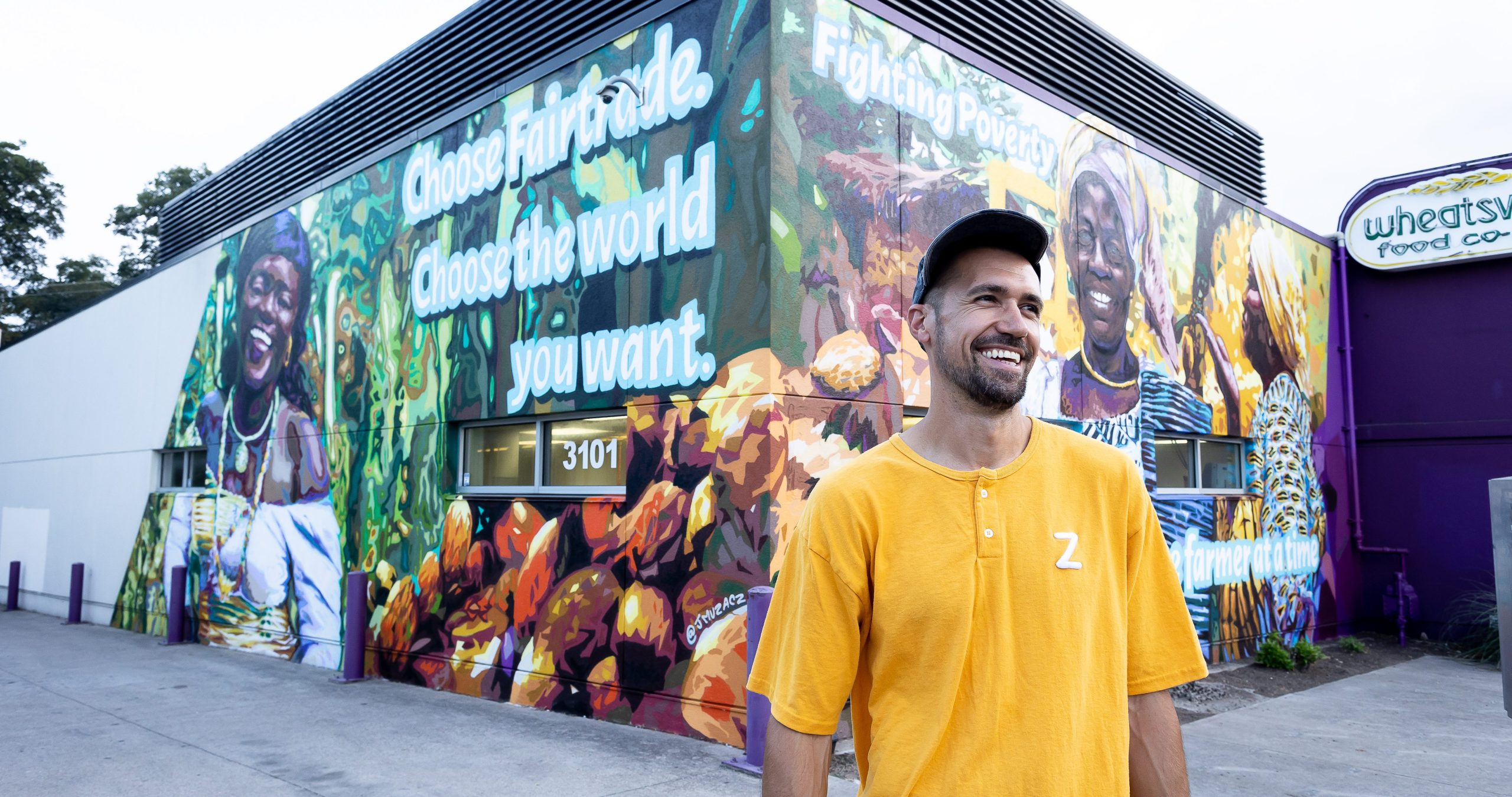
Fairtrade Canada has launched its annual Fairtrade Month campaign, calling attention to how everyday shopping choices can ripple outward to reshape global trade. Celebrated throughout October, the nationwide initiative coincides with Fairtrade Canada’s 30th anniversary and brings together brands, retailers, and educational institutions to promote a shared commitment to fairness, sustainability, and social justice.
This year’s theme, Together, We Are Fairtrade, underscores a collective approach to consumer activism. The campaign draws on fresh global research showing the tangible impact Fairtrade certification has on farmers and workers, even as Canadian shoppers demonstrate that ethical consumption need not come at the expense of quality or affordability.
Across the country, hundreds of retailers and nearly 30 major Fairtrade-certified brands are participating. Shoppers will encounter Fairtrade-themed flyer promotions, in-store displays, and point-of-sale features that highlight everyday staples such as coffee, chocolate, and tea. To encourage wider adoption, many participating companies are offering discounts of up to 25 percent on Fairtrade products during the month.
Beyond retail aisles, Fair Trade Campuses and Schools are playing a significant role. Universities and secondary schools across Canada are hosting local events and educational activities designed to raise awareness of ethical trade principles. Students and faculty alike are being asked to think critically about where their food and clothing come from, and how global supply chains can be reshaped through consumer demand.
An online hub, fairtrademonth.net, ties the campaign together. Canadians can use the site to track promotions, discover local events, and explore educational resources available in both English and French.
Image: Fairtrade America
Voices from the Movement
Canadian companies with longstanding Fairtrade commitments are using the month to reaffirm their dedication. Kicking Horse Coffee, based in British Columbia, has built its brand identity around bold flavour and ethical sourcing.
“At Kicking Horse Coffee, we believe that you can enjoy bold, kickass quality coffee while standing up for the farmers who make it possible,” said Laura Brown, Marketing Sustainability Lead at the company. “As a proud Fairtrade partner for nearly 30 years, our mission is to bring better coffee to more people—and we’re doing exactly that. In the last two years, over 1.5 million new coffee drinkers purchased our certified Fairtrade and organic coffee, with nearly 4.5 million kilograms of roasted Fairtrade coffee sold last year alone.”
Similarly, Camino, a worker-owned cooperative based in Ottawa, has embedded Fairtrade principles into its organizational DNA.
“The food industry exists in a complex global system where there is enormous pressure to put profit over people,” said Lincoln Neal, Sales and Marketing Director at La Siembra (Camino). “Our commitment to Fairtrade guides us through that difficult landscape. Our primary stakeholders are our members and small-scale farmers across the global south, not faceless investment portfolios or unaccountable venture capital. We will always put people over profit and measure our success by how many family farms we support.”
Fairtrade in Context
Fairtrade certification aims to guarantee minimum prices for goods while providing producers with an additional premium that can be invested in community improvements and business growth. For Canadian consumers, this means that a purchase of something as ordinary as a chocolate bar or a bag of coffee beans can help secure wages, gender equality, and environmental protections for farming communities abroad.
Canada has become one of the most active markets in the global Fairtrade movement. Since aligning its observance of Fairtrade Month with international schedules, Canada has joined dozens of countries in emphasizing October as a time to reflect on global trade equity. Over three decades, Fairtrade Canada has grown to encompass thousands of retail touchpoints, hundreds of community initiatives, and a strong consumer base that increasingly sees shopping as an expression of values.
The Impact of Canadian Consumers
Canadian engagement with Fairtrade has steadily increased in recent years, mirroring global patterns. Coffee remains the dominant category, with millions of kilograms of Fairtrade-certified beans sold annually. Chocolate, tea, and emerging categories such as textiles and produce also show growth potential.
The campaign’s educational component is designed to reinforce this momentum. By highlighting how even small purchases accumulate into substantial impact, organizers hope to broaden participation beyond committed advocates to reach mainstream shoppers. The message is simple: the everyday act of buying coffee, chocolate, or bananas can support a more equitable system.
Fairtrade Month has become a cultural touchpoint in Canada’s broader dialogue about ethical business practices. The annual National Fair Trade Conference, held alongside the month’s activities, brings together business leaders, activists, and academics to debate strategies and share best practices.
Vestiaire Collective has released its first report dedicated to men’s circular fashion, marking a new chapter in the global platform’s expansion into menswear.
The report, titled The Future of Resale: Menswear Edition, offers insights into how men shop and sell pre-loved luxury fashion. It also highlights top-selling brands and styles, and examines generational trends driving the market.
The initiative supports Vestiaire Collective’s strategy to grow its menswear segment through a dedicated category, which the company says is among its fastest-growing areas. The men’s assortment on the platform has expanded by 88 per cent over the past three years.
Maximilian Bittner
“Menswear has become one of our fastest-growing segments, reflecting a fundamental shift: men now intentionally participate in luxury resale, valuing exclusivity, accessibility at better prices, and investment potential,” said CEO Maximilian Bittner. “This launch reinforces our multi-category strategy to capture this market opportunity.”
The report identifies three primary motivations for male consumers engaging with resale: value, exclusivity and sustainability. Among respondents, 74 per cent cited affordability, while 39 per cent mentioned environmental reasons. Additionally, 70 per cent of men said they care for their items with future resale in mind.
According to Vestiaire Collective, men’s resale is gaining traction with a younger demographic, with 59 per cent of male customers belonging to either the Millennial or Gen Z generations, compared to 50 per cent of female users.
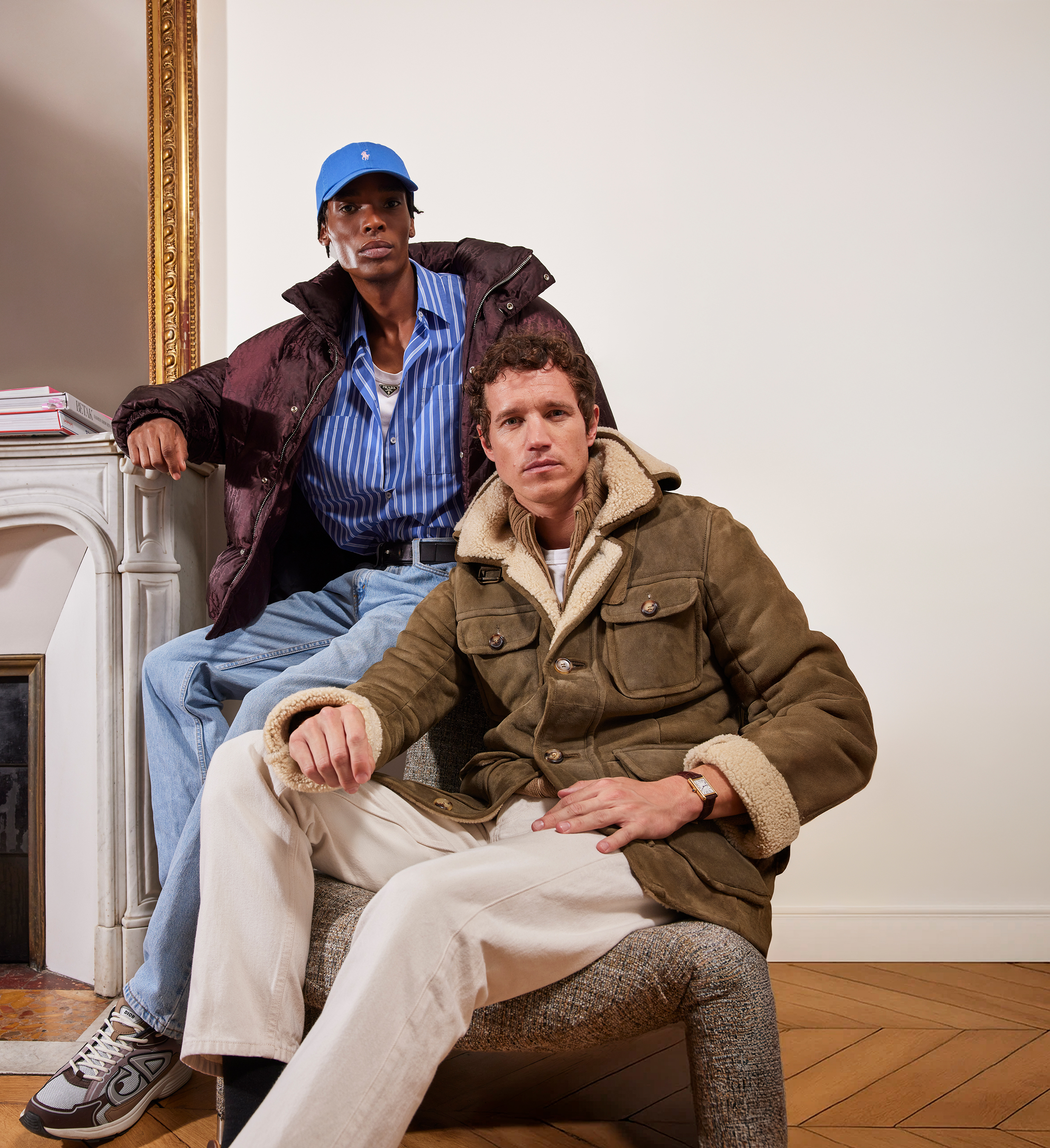
Photo: Vestiaire Collective
Highlighting the resale landscape, the report lists Louis Vuitton bags and Rolex watches as the most viewed items. Top-selling categories include jackets, sneakers and sweaters, considered staples of the modern male wardrobe.
Emerging brands in the resale space include Ami, which has seen a 300 per cent rise in interest, Zegna at 260 per cent, and Jean Paul Gaultier at 200 per cent.
Vestiaire Collective has offered luxury resale since 2009. The launch of a dedicated menswear experience builds on its offerings across womenswear, shoes, accessories, jewellery and watches.
The company said the report shows that resale is no longer a niche market, but one that is actively reshaping how men consume luxury fashion.
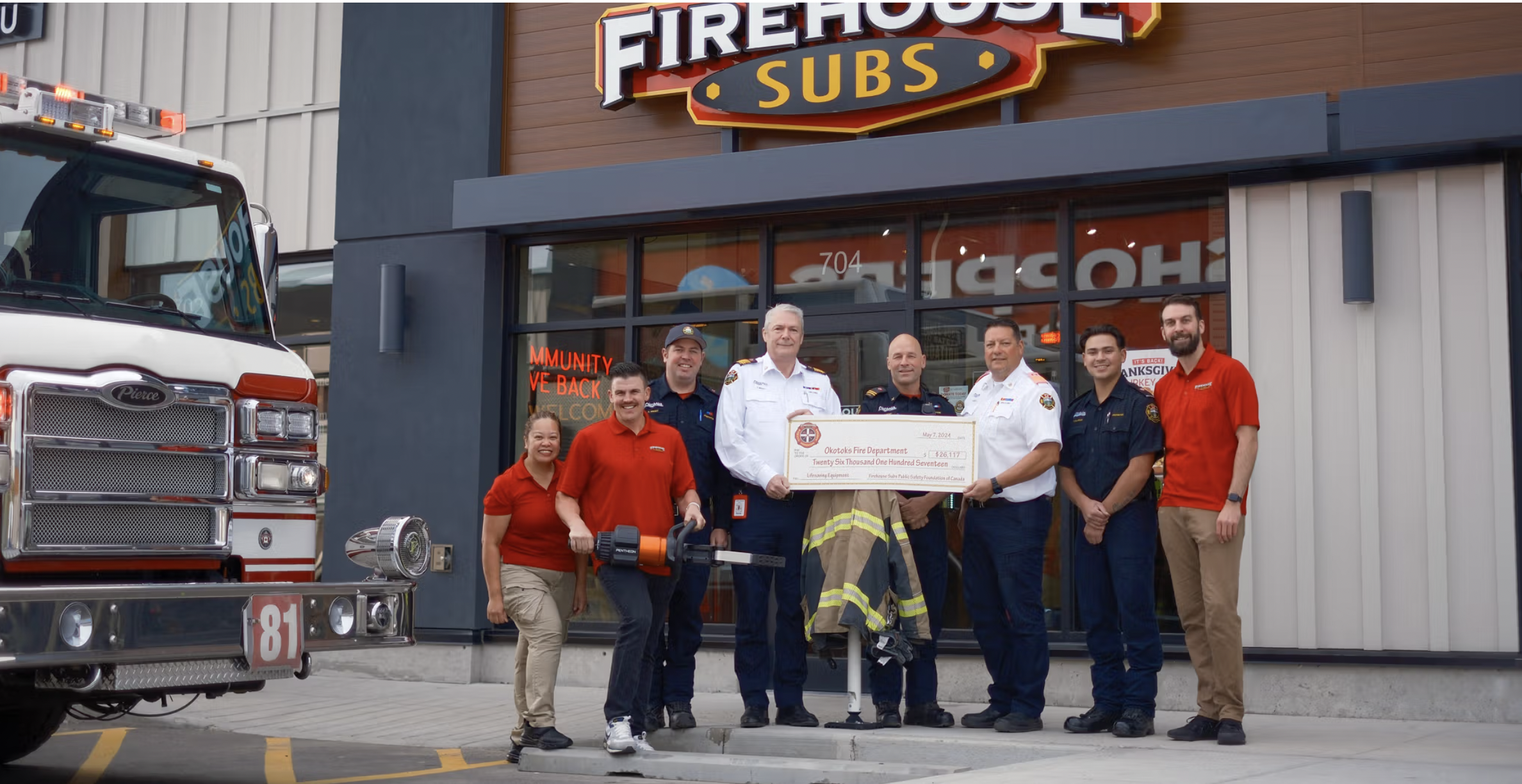
Photo: Firehouse Subs Public Safety Foundation of Canada
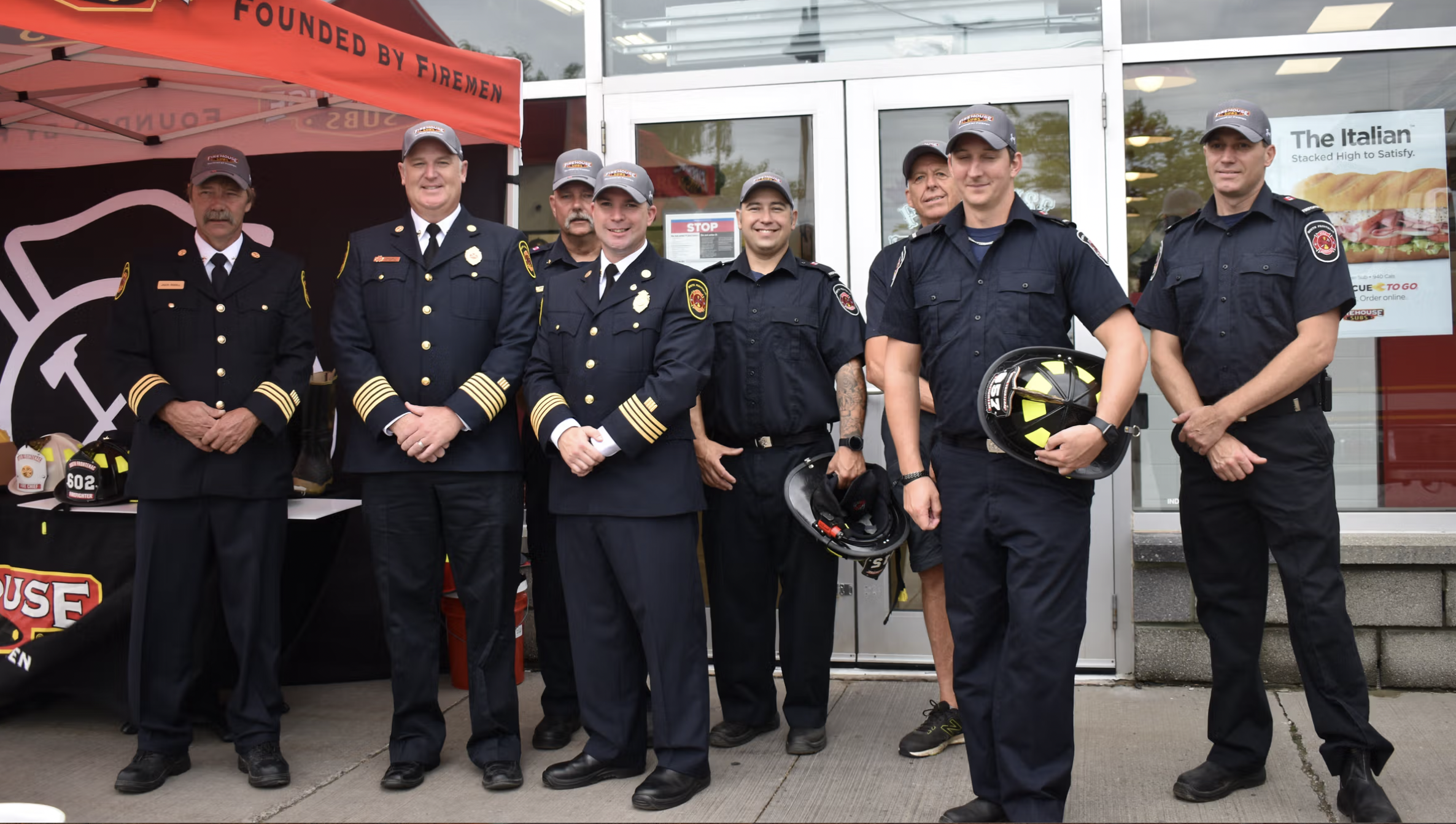
More than 80 Firehouse Subs restaurants across Canada will host Touch-the-Truck events on Saturday, Oct. 4, as part of National Fire Prevention Week.
The bi-annual event invites families to interact with first responders, climb aboard fire trucks and emergency vehicles, and learn about fire safety. According to Firehouse Subs, the initiative aligns with the brand’s mission of supporting public safety and local heroes.
Sam Gallant
“Firehouse Subs is more than just great food. It’s a brand built on supporting first responders and ensuring they’re equipped with the best tools possible to safely and effectively perform their jobs,” said Sam Gallant, general manager, Firehouse Subs Canada. “With these events, we hope to bring communities together to champion hometown heroes and give our guests the chance to learn about critical fire safety precautions that can make a real difference.”
The Touch-the-Truck campaign will be led by Kevin Wendt, a Canadian navy veteran, active firefighter and former contestant on Bachelor in Paradise Canada and The Traitors Canada. In 2019, Wendt’s fire station received a grant from the Firehouse Subs Public Safety Foundation of Canada for a drone with thermal imaging and smoke alarms.
“Knowing what to do in the event of a fire is critically important,” said Wendt, who is serving as the Firehouse Subs Touch-the-Truck ambassador. “That’s why I’m so proud to be partnering with Firehouse Subs on their upcoming Touch-the-Truck campaign – an event that not only allows communities to meet real life firefighters, but sends them home with simple fire safety tips that can save lives.”
Photo: Firehouse Subs Public Safety Foundation of Canada
The event is part of the brand’s broader commitment to public safety through the Firehouse Subs Public Safety Foundation of Canada. To date, the foundation has donated more than $5 million in lifesaving equipment to first responders and public safety organizations across the country.
In addition to the October 4 events, Firehouse Subs restaurants will sell $2, $5 and $10 anniversary medallions throughout First Responders Month to raise funds for the foundation.
Retail Insider is streamlining its Canadian retail news from around the web to include a handful of top news stories that can be viewed quickly during the day. Here are the top stories from the past several 24 hours.
Indigenous tourism in Alberta continues to gain momentum following a strong 2024 summer season, with projections indicating the sector will surpass its current $133.2 million contribution to the province’s GDP.
Indigenous Tourism Alberta (ITA), an organization representing nearly 200 member businesses offering experiences ranging from accommodations to cultural events, reported that close to 3,900 Indigenous tourism jobs were created across Alberta this year. By 2026, the sector’s contribution to Alberta’s GDP is expected to rise to $143.3 million.
Photo: Indigenous Tourism Alberta
“Tourism is Alberta’s largest service export and fourth largest export industry, but more than that, it is an incredibly powerful way for people to learn, connect and reflect,” said Chelsey Quirk, CEO of Indigenous Tourism Alberta. “Our members are proud to share their knowledge, culture and community, helping travellers gain a profound understanding of and connection with the resilience of Indigenous Peoples.”
According to The Conference Board of Canada, Indigenous entrepreneurs in Alberta generated $566 million in tourism revenues in 2023, making the province the second-highest in the country and accounting for 15 per cent of Canada’s total Indigenous tourism revenues.
Travel Alberta reported that tourism expenditures across the province reached a record $14.4 billion in 2024, followed by a six per cent revenue increase from January to July 2025 compared to the same period last year. This growth places Alberta’s visitor economy at a pace four times faster than the national average.
Terry Goertzen
“This summer’s strong tourism numbers show that Alberta’s visitor economy continues to thrive, even against broader economic headwinds,” said Terry Goertzen, vice-president of Indigenous relations and economic development at Travel Alberta. “A key part of this growth is the strength of Indigenous tourism, with Indigenous entrepreneurs and communities leading the way in sharing their stories and cultures with the world. Indigenous tourism is vital to Alberta’s visitor economy, and Travel Alberta is proud to invest in and support its continued momentum.”
A recent survey conducted among ITA members found that the sector continues to demonstrate resilience despite financial pressures. More than 90 per cent of Indigenous tourism operators in Alberta reported increased costs this summer, and over half said expenses rose significantly. Nevertheless, many businesses maintained or improved their performance.
Matricia Bauer
“We knew that 2025 would be a complex year with a lot of uncertainty,” said Matricia Bauer, owner of Warrior Women, an Indigenous experience company in Jasper. “With our community in recovery, we really did not know what to expect. But people showed up, and they continue to show up. To me, this is a clear reflection of the desire to explore Indigenous culture and make a meaningful contribution to the path toward reconciliation.”
More than half of surveyed businesses said their performance remained stable or improved compared to 2024, with nearly one in four reporting significant growth.
“Indigenous Tourism Alberta is very optimistic and encouraged by the growing interest from travellers both domestically and abroad, particularly as we prepare to welcome the world at the International Indigenous Tourism Conference in Edmonton in 2026,” added Quirk. “It starts with our members, who truly embody our industry’s resilience and care deeply about what it means to share their stories and culture with the world.”
CF Masonville Place in London, ON. Image: Cadillac Fairview
KingSett Capital, one of Canada’s most prominent private equity real estate investment firms, has announced that its KingSett Growth LP8 Fund has acquired a 50 per cent co-ownership interest in CF Masonville Place, a 650,000-square-foot regional shopping centre in London, Ontario.
The transaction is part of KingSett’s ongoing strategy of targeting premium retail and mixed-use properties across the country. For CF Masonville Place, it brings another major institutional owner alongside Cadillac Fairview, which developed and continues to manage the property.
The acquisition is part of the Growth Fund’s mandate to deliver sustainable income while also creating long-term value opportunities. “This investment reflects our focus on properties that are both financially strong and strategically positioned in their markets,” said KingSett Capital in the announcement.
CF Masonville Place (Image: Cadillac Fairview)
KingSett Growth LP8: A $2 Billion Platform
The co-ownership stake in CF Masonville Place comes less than three years after the launch of KingSett’s eighth Growth LP fund, known as LP8. Introduced in August 2022, LP8 secured $2 billion in equity commitments, marking one of the largest fundraising rounds in KingSett’s history.
The Growth LP funds are designed as closed-end vehicles that focus on acquiring, developing, repositioning, and actively managing Canadian real estate assets. KingSett has built a reputation for delivering risk-weighted returns through these strategies, attracting both institutional investors and ultra-high-net-worth individuals.
Across its various Growth funds, KingSett has raised more than $12 billion in equity since the company’s founding in 2002. Its assets under management have grown to exceed $18 billion, highlighting its role as a leading player in Canadian real estate private equity.
CF Masonville Place in London, ON. Image: Cadillac Fairview
KingSett’s Broader Retail Strategy
The acquisition at CF Masonville Place strengthens KingSett’s existing retail portfolio, which includes several notable shopping centres across Canada. The firm’s approach has often involved acquiring assets with repositioning potential, undertaking significant upgrades, and in some cases divesting mature properties after enhancing their value.
KingSett Capital acquired Ivanhoe Cambridge’s 50% stake in Bayshore Shopping Centre in 2022, becoming the sole owner at that time. As of 2025, KingSett retains a 75% interest while TD Asset Management holds the remaining 25%. Bayshore is one of Ottawa’s top shopping malls and has benefited from major reinvestment and redevelopment initiatives, including a $200-million expansion and ongoing densification plans adjacent to the property.
Other assets in the past have included Burlington Centre in Ontario and Midtown in Saskatoon, both of which feature strong regional retail draws. KingSett also owned Westmount Shopping Centre in London, which was sold in 2025 to Farhi Holdings Corp. for approximately $40 million, part of its selective capital recycling strategy.
In addition, KingSett has pursued mixed-use acquisitions with retail components, such as the 2025 purchase of Vancouver’s Pender Place office towers, which are connected to CF Pacific Centre, the largest shopping centre in British Columbia.
CF Masonville Place (Image: Cadillac Fairview)
Cadillac Fairview’s Role at CF Masonville Place
While KingSett acquires its new stake, Cadillac Fairview remains a key player as co-owner and operator of CF Masonville Place. Cadillac Fairview, wholly owned by the Ontario Teachers’ Pension Plan, is among the most influential landlords in Canadian retail. Its portfolio includes the country’s highest-performing malls, such as CF Toronto Eaton Centre, CF Pacific Centre in Vancouver, and CF Chinook Centre in Calgary.
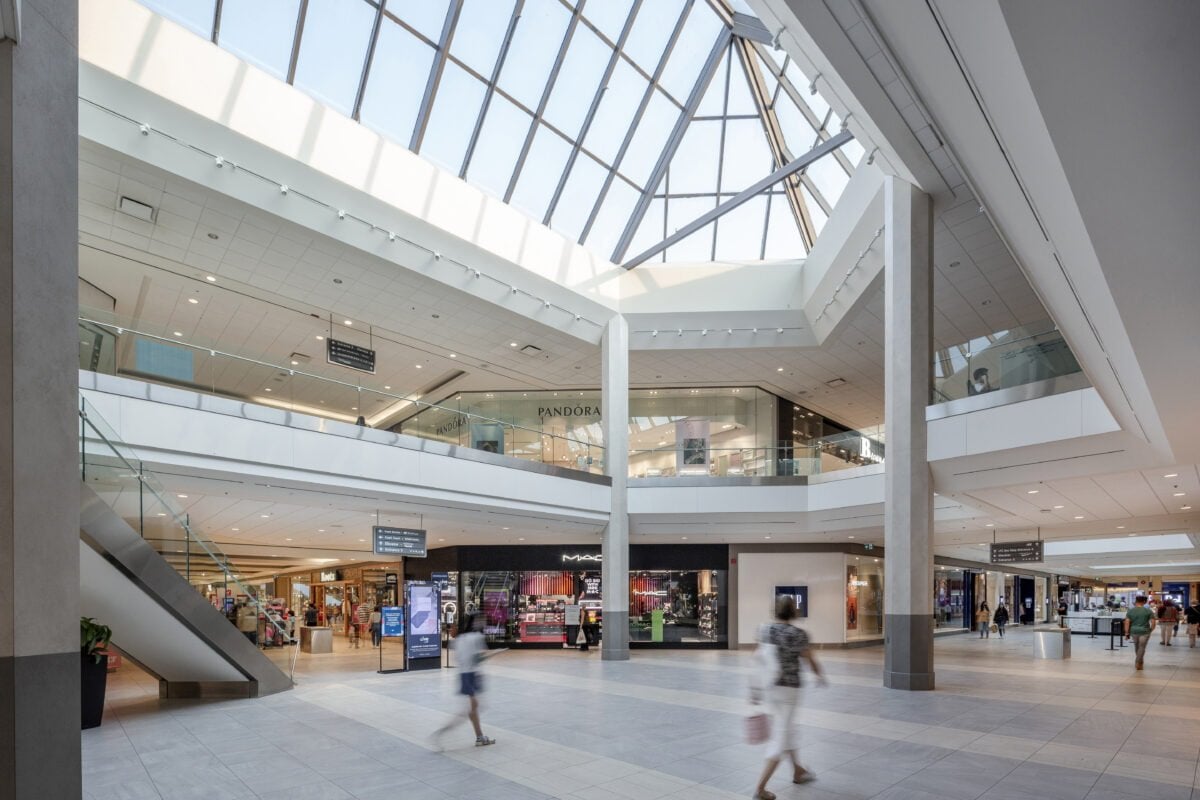
Cadillac Fairview has a history of reinvesting heavily in its assets. At CF Masonville Place, the most significant upgrade came in 2016 with a $77 million redevelopment that transformed the former Sears space, added 13 new retailers, and modernized the mall’s interior. The renovation helped reinforce Masonville’s position as a dominant regional centre.
In recent years, CF Masonville Place has continued to evolve with new tenant additions, including Athleta, Specsavers, and Hillberg & Berk, along with expanded spaces for established brands like American Eagle and Bath & Body Works. The mall’s mix of fashion, lifestyle, dining, and entertainment offerings positions it as a hub for London and the surrounding region.
CF Masonville Place in London, ON. Image: Cadillac Fairview
CF Masonville Place: A Regional Powerhouse
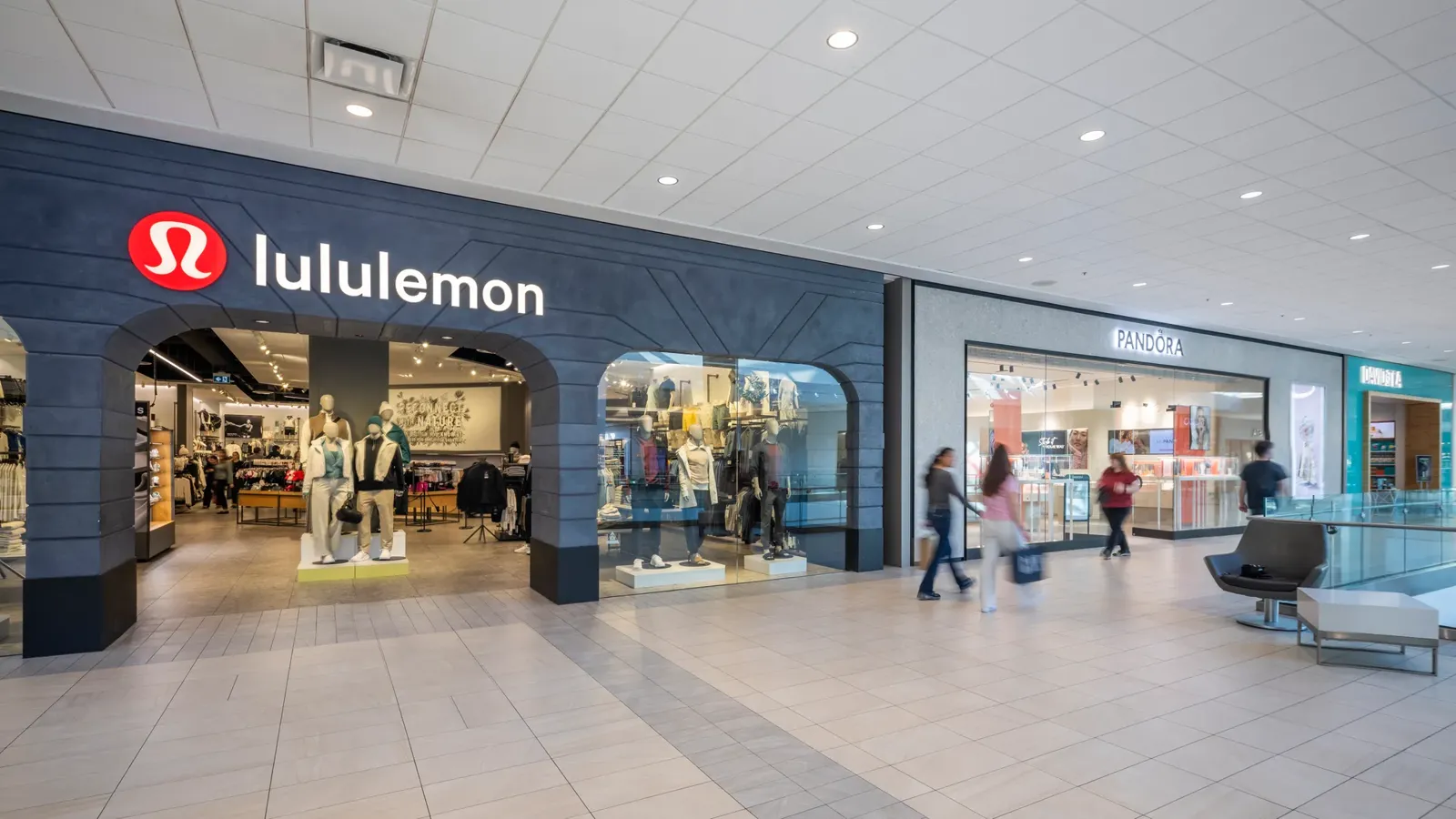
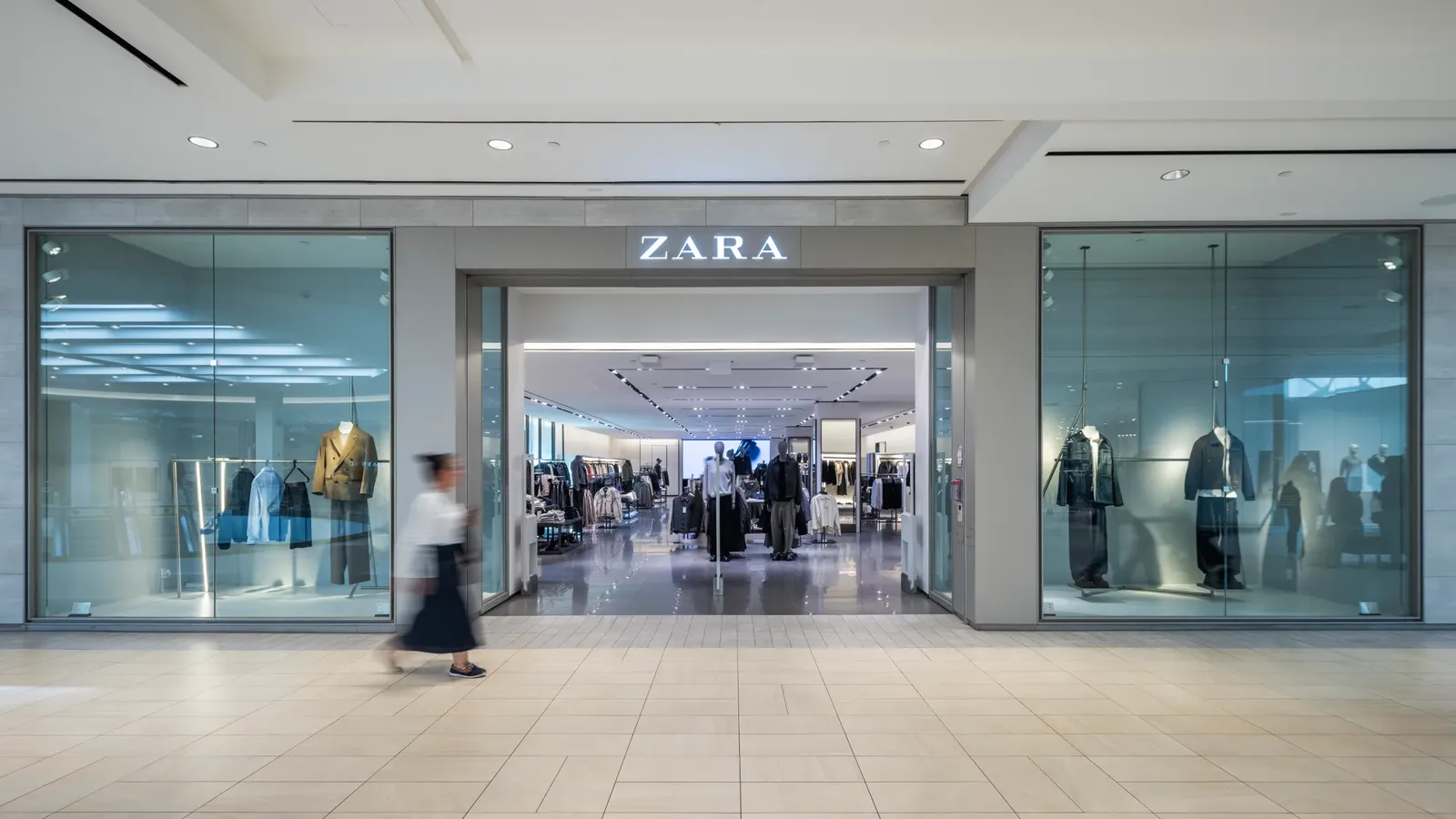
Located at 1680 Richmond Street North in London, Ontario, CF Masonville Place is widely recognized as the region’s premier shopping destination. With more than 150 stores, the centre is anchored by key retailers including Apple, Zara, H&M, Nike, and Sport Chek.
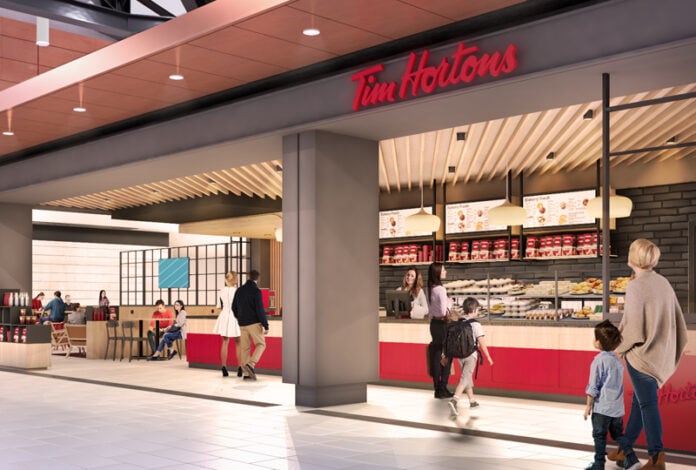
Beyond shopping, the mall incorporates significant entertainment amenities such as a Cineplex SilverCity/IMAX theatre and The Rec Room, a large-scale dining and gaming venue. Its dining mix ranges from a large food court to sit-down restaurants such as The Keg.
The trade area surrounding Masonville includes more than 700,000 people, stretching well beyond London into neighbouring counties. The proximity to Western University further boosts foot traffic and reinforces the mall’s reputation as a draw for both students and local families.
The Tim Hortons Orange Sprinkle Donut fundraising campaign has returned to restaurants across Canada, with 100 per cent of proceeds going to support Indigenous organizations.
The campaign was launched in 2021 by a group of Indigenous Tim Hortons restaurant owners and has raised more than $4.4 million to date. Last year’s initiative generated over $800,000.
“Thanks to the generosity of our guests and the dedication of Tims restaurant owners across Canada, last year’s Orange Sprinkle Donut campaign raised over $800,000 — a powerful demonstration of how we can all come together to help make a difference,” said Bagozzi.
“We are deeply moved by Tim Hortons continued dedication to the Orange Shirt Society through the Orange Sprinkle Donut campaign. Your generosity is more than a donation — it’s a powerful act of reconciliation and remembrance. These contributions help us sustain meaningful programs that uplift Indigenous voices, educate communities, and support healing across generations. Thank you for standing with us and helping ensure that Every Child Matters,” Henderson said.
“With support from the Orange Sprinkle Donut campaign, the Gord Downie & Chanie Wenjack Fund is reaching more than 9,500 educators from coast to coast to coast through our Legacy Schools program, providing educators with the educational tools and resources they need to teach the true history of residential schools and celebrate the strength and diversity of Indigenous knowledge, languages, and cultures,” said Midanik. “This year, as we commemorate the 10th anniversary of the Truth and Reconciliation Commission’s Final Report and 94 Calls to Action, Tim Hortons continued support enables us to broaden our reach and create meaningful opportunities for educators and students to respond to the Calls to Action.”
Tim Hortons Orange Sprinkle Donut is back TODAY with 100% of proceeds donated to Indigenous organizations (CNW Group/Tim Hortons Advertising and Promo Fund (Canada) Inc.)
“IRSSS is honoured to once again be a beneficiary of the Orange Sprinkle Donut campaign, and we are grateful to Tim Hortons and their guests across Canada for this generous support,” White said. “These contributions strengthen our ability to provide vital cultural, wellness, and crisis supports not only for Indian Residential School Survivors, but also for families living with the ongoing impacts of intergenerational trauma. The demand for our services continues to grow each year, and this partnership helps ensure we can reach more communities, including remote areas, with the healing resources they need today and for generations to come.”
“Our partnership with Tim Hortons’ Orange Sprinkle Donut campaign helps us create spaces where Indigenous youth can grow together,” said Googoo. “These camps encourage confidence, culture, and connection, ensuring that Indigenous youth leave with stronger community ties and a brighter outlook for the future.”
“The New Pathways Foundation wishes to express its deep gratitude to the Tim Hortons family who, year after year, support First Nations youth with heart through this meaningful campaign,” Cleary said. “Thanks to this commitment, we are able to continue our mission and offer youth from First Nations communities in Quebec opportunities that truly match their dreams.”
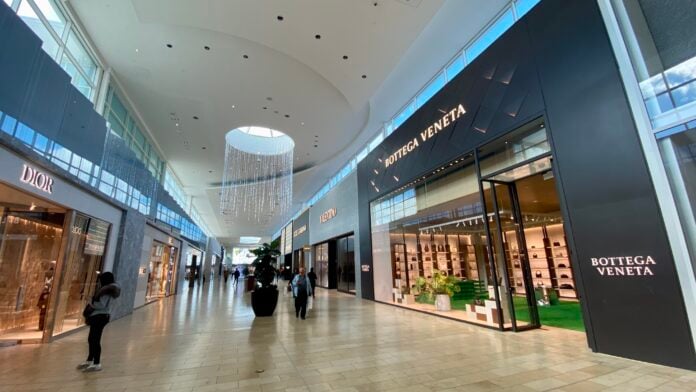
Luxury brands at the Yorkdale Shopping Centre in Toronto. Photo: Craig Patterson
Odyssey Retail Advisors, the New York-based real estate advisory firm specializing in luxury and contemporary retail, is making its first official move into Canada with the addition of a high-profile team of industry veterans. The expansion, which includes three Executive Vice Presidents and a Director, signals the company’s recognition of Canada as an important luxury and lifestyle retail market.
The new Canadian leadership team features Casdin Parr, David Bishop, and Ryan McCarthy as Executive Vice Presidents, alongside Lesia Czech as Director. Collectively, the four bring decades of experience representing some of the world’s most recognized luxury and fashion brands, as well as advising Canadian landlords and developers on key leasing initiatives.
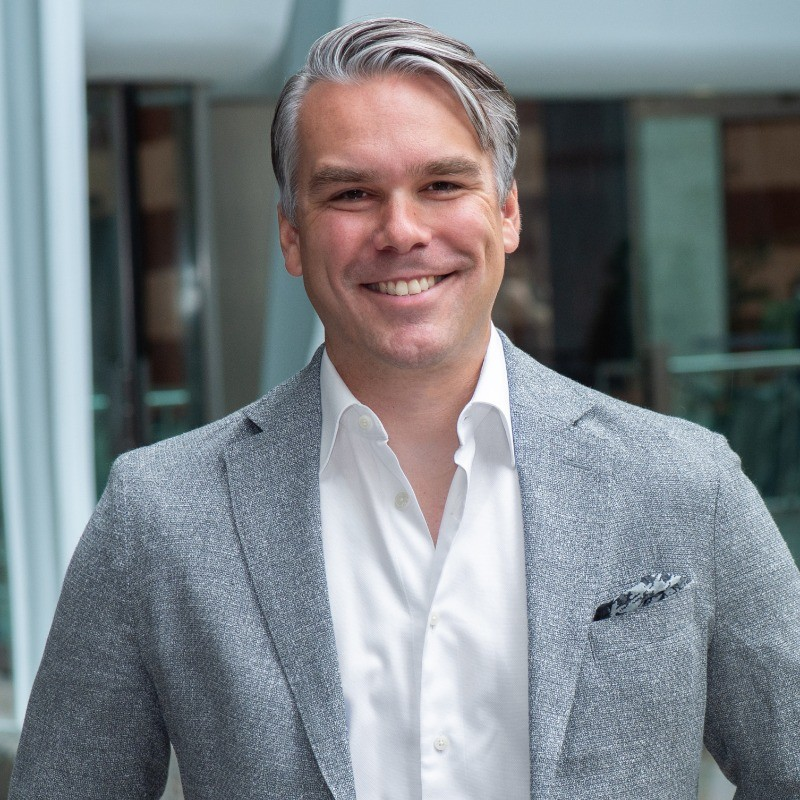
Rich Johnson
“This is a pivotal step in Odyssey’s continued evolution as a global advisory platform,” said Rich Johnson, Principal at Odyssey Retail Advisors. “Casdin, David, and Ryan are widely respected for their deep client relationships, market expertise, and strategic thinking. Their presence enhances our ability to support clients in one of the most important luxury markets in North America.”
Building on Established Relationships
According to Johnson, the expansion into Canada was driven by long-standing relationships with trusted professionals. “Our expansion concept has always been driven by the people,” he said. “It’s about bringing together individuals who share our values and our culture. I’ve known Casdin for years, dating back to his Oxford Properties days, and we’ve relied on him as our go-to sounding board for anything Canadian.”
The move also comes with credibility in the form of Bishop’s unmatched transactional history and McCarthy’s cross-country advisory experience. “David’s reputation and experience is unparalleled, not only in Canada but also by many standards in the United States,” Johnson noted.
The Canadian Team
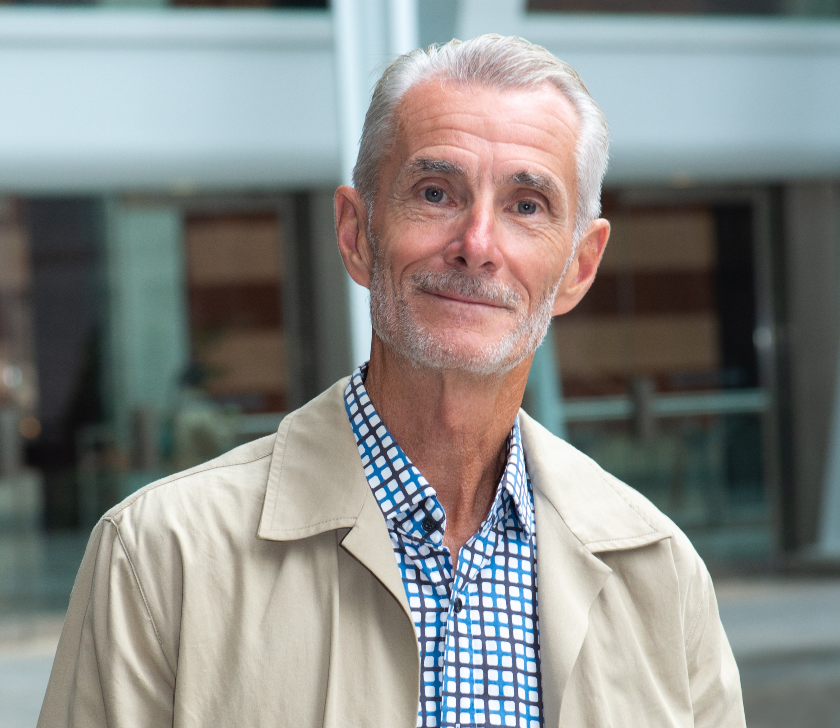
Casdin Parr
Casdin Parr: Parr joins Odyssey with more than 17 years of experience advising luxury and lifestyle retailers. He most recently served as Executive Vice President of Retail Advisory Services at JLL, where he represented brands such as Canada Goose, Nike, Sandro, Vuori, Kering, Richemont, and Ralph Lauren. Earlier in his career, Parr spearheaded leasing for a leading North American retail destination, introducing nearly two dozen international brands into Canada.
“The opportunity to join Odyssey felt like a natural next step,” said Parr. “The team has built a reputation for excellence and integrity that’s aligned with how we’ve always done business. We’re excited to bring that same level of insight and execution to clients navigating the Canadian retail market.”
David Bishop: With more than three decades of experience and over 3,000 transactions completed, Bishop is widely respected in the industry. He has held senior roles at JLL, Meridian Retail Group, and Northwest Atlantic, and is known for long-term client relationships and deep market expertise.
David Bishop
Ryan McCarthy: McCarthy specializes in tenant representation for national and international retailers. Formerly Senior Vice President and Broker of Record at JLL, he advised brands across Canada’s major markets and previously worked at Northwest Atlantic before its acquisition by JLL.
Lesia Czech: Czech brings a landlord-side perspective, having spent 15 years with Oxford Properties Group in property management and leasing. Most recently, she worked on Oxford’s National Mixed-Use and Urban portfolio. Her transition to Odyssey adds depth to the firm’s ability to balance landlord and tenant needs.
Canada as a Luxury Retail Market
For Odyssey, the Canadian retail landscape is particularly appealing because of its strength in luxury. Johnson emphasized that Canada’s entry barriers are relatively low compared to other countries, which makes it a natural next step for global brands.
Ryan McCarthy
“Toronto can support at least two luxury doors for most brands, and Vancouver remains a very strong one- to two-door market,” Johnson explained. “Montreal is more complex due to language requirements unless you are a French brand, but the overall opportunity remains significant.”
He also pointed to the excitement surrounding Vancouver’s Oakridge Park redevelopment and the recently completed Royalmount project in Montreal, both of which are drawing international attention.
Appetite for International Brands
Despite global market fluctuations, Parr observed that demand for retail space in Canada remains robust, particularly from international brands looking to enter the market.
“There is still a strong appetite for new entrants into the Canadian marketplace,” he said. “Inventory remains tight in the top retail corridors and shopping centres, much like in the United States. But every year, we typically see 15 to 20 international brands establishing themselves here, and I expect that to continue into 2026 and beyond.”
Lesia Czech
Odyssey’s presence in Canada will allow it to play a more direct role in facilitating these brand entries, providing both strategic advisement and transactional expertise.
A North American Network
Odyssey Retail Advisors has grown rapidly since its founding in 2019 by Johnson and Charlie Koniver, both former Kering executives, alongside Rick Strauss. In addition to its New York headquarters, the firm now has offices in Chicago, Miami, Los Angeles, and, with this latest move, Toronto. Each office is staffed with senior advisors who bring decades of local expertise.
The firm advises on a range of services including site identification, portfolio strategy, lease negotiations, and construction facilitation. In New York, Odyssey is actively involved in leasing Hudson Yards, while in Washington, D.C., it represents Heinz’s City Center development. Its New York team has focused on high streets such as Madison Avenue, Fifth Avenue, and SoHo, where the company works with leading luxury and lifestyle landlords.
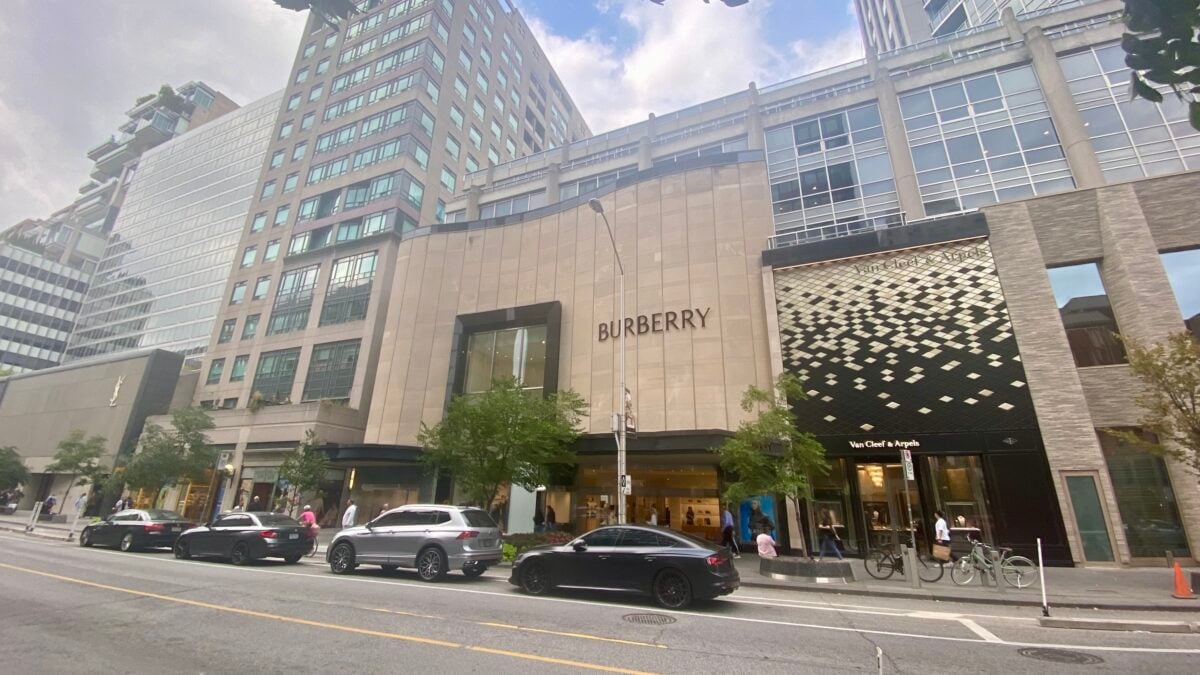
Represented by Odyssey Retail Advisors: 100 Bloor St W in Toronto. Photo: Craig Patterson
Balancing Advisory and Brokerage
While Odyssey provides brokerage services, Johnson stressed that the firm sees itself foremost as an advisor. “When we started the company, we built it around the kind of advisement we wished we had when we were on the client side,” he said. “It’s about delivering fully informed strategies so retailers can make the right decisions about where to open stores and how to grow.”
Parr echoed that sentiment: “It’s less about the size of the team and more about maintaining a bespoke level of service. Odyssey is structured to be nimble while providing the depth that clients expect.”
Industry Outlook
Both Parr and Johnson believe Canada’s retail market will continue to attract international attention. “Luxury brands are looking at Toronto and Vancouver very strongly, sometimes even before they consider U.S. cities like Washington, D.C.,” Johnson said. “Canada offers both a growing local luxury consumer base and relative ease of operations compared to other countries.”
As Parr prepares to speak at the upcoming ICSC conference in Toronto, he underscored the optimism. “There’s excitement across the board. For us, it’s about joining like-minded, quality people and keeping clients at the centre of everything we do,” he said.
Canadian headwear and accessories maker Crown Cap is focusing on international growth while maintaining its commitment to domestic manufacturing, according to Vice-President Cole Leinburd.
Cole Leinburd
“We’re based in Winnipeg,” said Leinburd in an interview. “About 40 to 45 per cent of our hat styles are made here in Winnipeg at our factory and head office.”
Founded in 1934, Crown Cap originally specialized in agricultural hats for farm and ranch workers on the Prairies. Leinburd said the company has since evolved to offer a wide range of styles and materials, including fur, shearling, leather, and fashion-oriented designs.
“We manufacture fall/winter hats, spring/summer hats, gloves, scarves, earmuffs, headbands, and quilted freezer jackets,” he said. “Those are proudly made in Winnipeg.”
Leinburd added that the company remains Canadian-owned and operated, with ownership passing to his father, Paul Leinburd, in 1987.
Photo: Crown Cap
Crown Cap products are sold across Canada, the United States, Europe, and Japan. The company works with department stores, independent retailers, and e-commerce platforms, including its own website. It also manufactures private-label items for global brands and supplies products to police forces, military units and government agencies across Canada.
“Canada is still our number one market,” said Leinburd. “We’re in every province and every territory. Primarily the Prairies and Ontario, but Quebec is also a huge province for us.”
Leinburd said customer preferences vary by region, with lighter-weight hats more popular in British Columbia and specific cold-weather styles preferred in the Maritimes and Prairies.
While the company has considered opening a storefront, no concrete plans are in place.
“For now we’re focusing on our wholesale partners,” he said.
According to Leinburd, trends in headwear shift year by year, but some staples remain strong performers.
“We’ve noticed for the past few years, the bucket hats are very popular,” he said. “But the baseball hat is always the most popular. Everybody can wear it—men, women—it looks good on everybody.”
Crown Cap’s transition from male-focused designs to unisex styles has also expanded its customer base.
“A lot of our hat styles are unisex,” said Leinburd. “We’ve added different colours or fabrics to make styles more feminine.”
Photo: Crown Cap
International markets, especially in Asia and Europe, are becoming an increasing focus.
“We’ve noticed there’s a demand,” said Leinburd. “People like Canadian-made products.”
Despite the company’s global growth, Crown Cap remains rooted in its Winnipeg origins.
“We’re very proud to continue to offer made-in-Canada products,” Leinburd said. “We’ve noticed an increase in demand since the pandemic to support local.”