Home Blog Page 256

Bloor-Yorkville BIA Appoints Janet McCausland as Executive Director

Photo: Bloor-Yorkville BIA

Toronto’s Bloor-Yorkville Business Improvement Area has appointed Janet McCausland as its new Executive Director, ushering in a new chapter for one of Canada’s most prominent luxury retail and urban districts.

McCausland assumed the role on January 5, 2026, succeeding longtime Executive Director Briar de Lange, whose retirement was announced in June 2025 after nearly 25 years of leadership at the organization. De Lange’s departure marked the end of a transformative era for the BIA, coinciding with its 40th anniversary year.


McCausland brings more than 25 years of senior leadership experience across strategic planning, communications, sustainability, stakeholder engagement, and community development, with a career spanning both the non-profit and private sectors.

McCausland takes over leadership of the Bloor-Yorkville BIA following the retirement of Briar de Lange, who played a central role in shaping the district into one of Canada’s most sophisticated urban neighbourhoods.

Janet McCausland

During her tenure, de Lange oversaw major public-realm and placemaking initiatives, including the Bloor Street Transformation, the redesign of Yorkville Avenue, and a wide range of beautification projects that elevated the pedestrian experience. These included crown lighting on trees, urban campfire benches, seasonal programming, and enhancements to Village of Yorkville Park.

Under her stewardship, Bloor-Yorkville strengthened its identity as a luxury destination while maintaining a strong sense of community and collaboration among nearly 1,400 member businesses. De Lange’s leadership was also defined by organizational stability, with the BIA’s core staff collectively representing decades of institutional knowledge.

McCausland now steps into the role at a moment when the district is experiencing another period of profound change.

Extensive Leadership Experience Across Sectors

Most recently, McCausland worked as an independent advisor, supporting purpose-driven developers, charities, and early-stage companies on strategy, partnerships, and external relations. Her advisory work focused on long-term growth, alignment with community values, and sustainable organizational outcomes.

Briar de Lange, photo: Bloor-Yorkville BIA

Previously, she spent a decade with The King’s Trust Canada, where she held senior roles including Head of Programs and Head of Communications and Sustainability. In those positions, she led national initiatives, strengthened stakeholder engagement, and guided sustainability-focused communications strategies across complex organizations.

Earlier in her career, McCausland led communications and engagement initiatives for environmental organizations and co-founded a national non-profit organization. Across these roles, she developed a reputation for collaborative leadership and for aligning strategic objectives with community and urban development priorities.

As Executive Director, McCausland will oversee the organization’s strategic vision and day-to-day operations, working closely with the Board of Management, member businesses, City of Toronto partners, and local stakeholders.

Her mandate includes advancing economic vitality, enhancing the neighbourhood experience, strengthening member engagement, and reinforcing Bloor-Yorkville’s position as a globally recognized destination for luxury retail, dining, culture, and urban living.

The role also involves guiding the BIA through continued urban intensification and commercial evolution, while preserving the character and prestige that have defined the district for decades.

Urban Campfire Benches on Bloor Street. Photo: Larry Leung
 

Canada’s Most Concentrated Luxury Street-Front Retail District

Bloor-Yorkville features the largest single clustering of luxury brand stores of any urban street-front retail district in Canada. The area is home to an exceptional concentration of global luxury flagship stores, many of which serve as Canadian or regional showcases for international brands.

Unlike enclosed luxury shopping centres, Bloor-Yorkville’s retail environment is defined by an open, walkable streetscape that integrates high-end retail with hospitality, culture, and residential uses. This format has helped position the district as both a shopping destination and a lifestyle neighbourhood.

Over the past five years, the area has undergone unprecedented change. Luxury brands have expanded or refreshed their footprints, new flagship concepts have entered the market, and the district has continued to gain relevance within the global luxury ecosystem as Toronto’s international profile has grown.

Alongside retail expansion, Bloor-Yorkville has seen significant residential development, with new towers featuring luxury homes reshaping the skyline. These projects have introduced a growing base of affluent full-time residents to an area historically defined by visitors and destination retail.

This demographic shift has supported the continued growth of upscale restaurants, cafés, wellness providers, and professional services catering to both local residents and international visitors. The result is a mixed-use urban district where retail, dining, living, and culture intersect.

Bloor St. W. in Toronto in October, 2024. Photo: Craig Patterson

Positioning the District for Its Next Chapter

McCausland’s appointment reflects a desire for continuity paired with strategic evolution. As the district balances heritage, growth, and global competitiveness, the Bloor-Yorkville BIA faces ongoing priorities related to public-realm quality, infrastructure, mobility, and stakeholder collaboration.

With a background rooted in sustainability, communications, and partnership-driven leadership, McCausland is positioned to build on the strong foundation established under de Lange, while guiding the organization through the next phase of Bloor-Yorkville’s evolution as Canada’s most prestigious urban luxury district.

More from Retail Insider:

Quebec SMEs Leading Retail Innovation [Op-Ed]

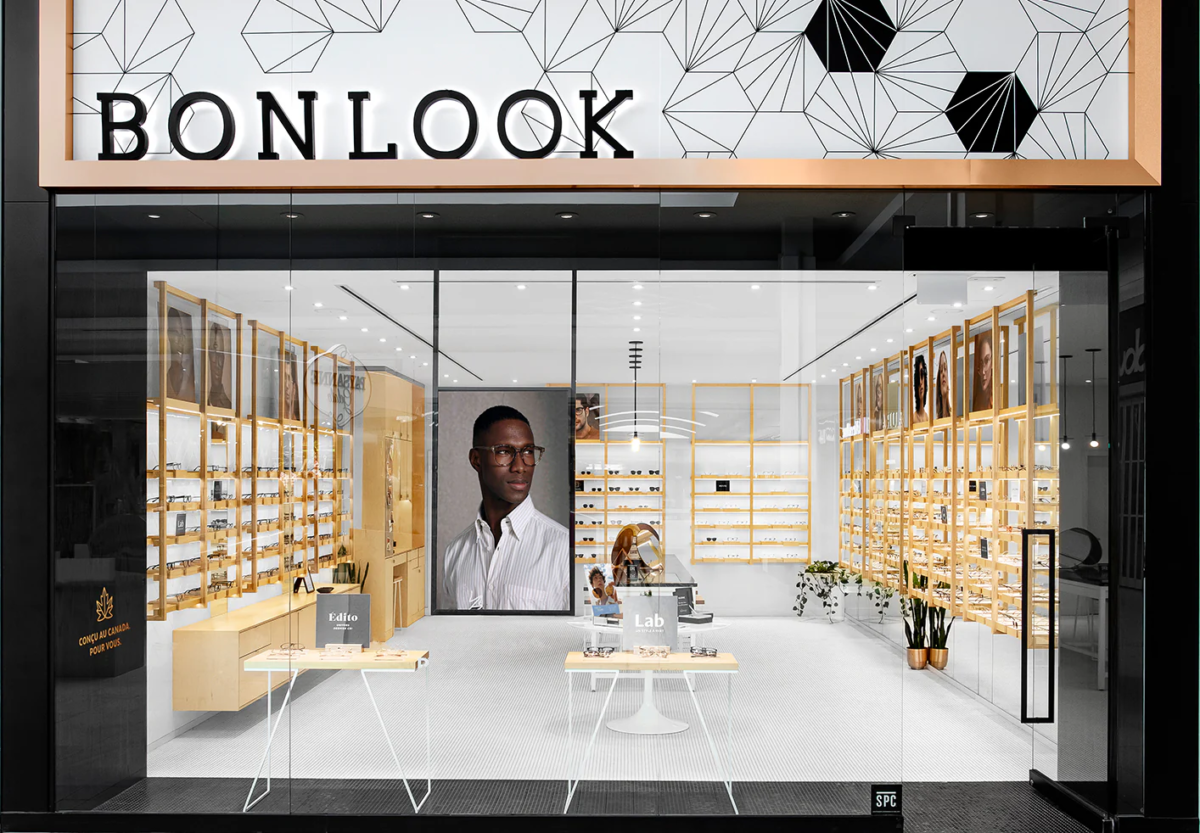
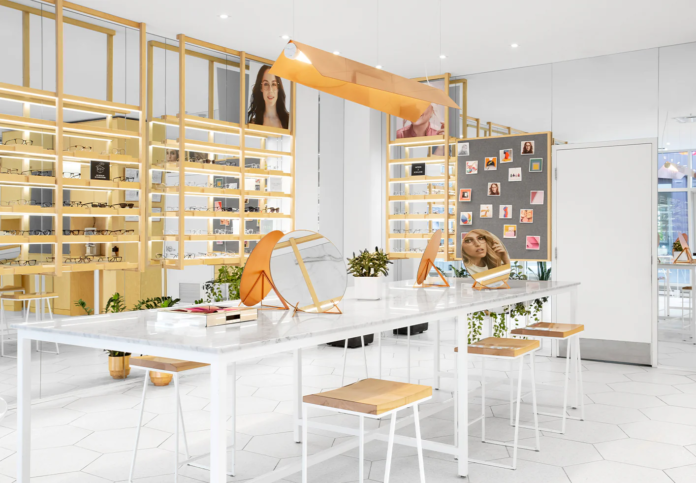
Inside a BonLook store. Image: BonLook

By William Bernasconi

Our province has plenty of success stories from small and medium enterprises (SMEs) that have grown into prosperous companies at home and abroad. This culture of innovation, supported by a strong entrepreneurial ecosystem, has made our province standout. As Harley Finkelstein, President of Shopify, once said, Montreal is the most entrepreneurial city he’s ever seen—a reflection of the energy and spirit that sets Quebec apart (Drimonis, 2023).

These local stories offer valuable insights. They highlight key trends in our retail landscape and provide lessons future companies can apply as they grow in their respective industries.

It’s inspiring to see how many Quebec businesses have scaled internationally without losing their brand essence. In a retail world dominated by e-commerce giants, these SMEs show how customer-centric strategies and agility can lead to remarkable success.

Brand Spotlights: Lessons from Quebec’s Standout SMEs

Omy Laboratoires

Omy Laboratoires is revolutionizing the cosmetics industry. Founded in 2018 to provide custom skincare solutions, the company has leveraged cutting-edge technology and science to create a business model and customer experience that is both intimate and innovative.

Personalization has become a key differentiator across retail. Customers are increasingly seeking experiences that offer products catered to their personal needs or lifestyles, and Omy Laboratoires is addressing this within a space where customers may otherwise be lost. Here, the company has blended artificial intelligence-driven recommendations with dermatologist-approved formulations to create their own space in the market. For this, the company developed their own technology, SkinIA, which leverages artificial intelligence to help customers discover and find the right products based on preferences and skin type (Espace CDPQ, 2020). By simplifying the overall shopping experience and quite literally guiding their customers along the process of finding the right products for their skin type and conditions, Omy Laboratoires removes the worries and uncertainties.

The brand has also leaned into digital marketing, using influencer campaigns (including collaborations with Geneviève Everell, a wellknown local entrepreneur) and data-driven targeting to build a qualified and loyal customer base. Their proprietary platform, North Finder, fosters influencer partnerships and further amplifies their reach (Knowles, 2025). Overall, their content highlights this clear benefit to customers of providing custom recommended products to directly address their needs.

It’s fascinating to see how personalization, when well executed, can reshape both customer experience and an entire industry. By combining AI skin analysis with custom formulations, Omy has created a more personal relationship with customers—successfully scaling this model with a recent launch in over 400 Jean Coutu and Brunet locations across Quebec, Ontario, and New Brunswick (Omy Laboratoires, 2024). This strategic retail expansion makes personalized skincare more accessible while staying true to the brand’s core values. Looking ahead, it will be interesting to see similar business models develop in other industries. Omy Laboratoires’ approach also highlights the importance of building a strong product innovation pipeline early on—a key factor that separates brands that make a splash from those that lead long-term.

BonLook store at Vaughan Mills. Image: BonLook

BonLook

BonLook’s journey from a digitally native brand founded in 2011 to a key player in eyewear retail exemplifies a successful omnichannel strategy. Early on, the company identified a growing trend: consumers wanted both convenience and the ability to try on eyewear in person. Their initial online launch attracted strong traffic, but low conversion rates revealed that shoppers preferred a tactile experience (Dopson, 2024). In response, BonLook blended a seamless e-commerce platform with strategically placed physical locations, redefining the eyewear shopping journey in Quebec and across Canada.

BonLook’s in-store experience remains focused around personalization, offering different tools for customers to find frames tailored to their facial structure and lifestyle. These include virtual try-on technology, the EyeMeasure app for accurate pupillary distance measurements, and a custom in-store iOS application that helps staff provide real-time product recommendations (BonLook, 2021). The company also seeks to make fashionable eyewear more readily accessible through their relatively affordable prescription models and direct-to-consumer business model. BonLook is continuously innovating with their monthly releases of new collections, positioning eyewear as a versatile fashion accessory rather than a standalone necessity—an approach further reinforced by their Trendsetter Rewards Program, which encourages ongoing engagement with the brand and its evolving styles (Ethos, 2024).

Looking into the future of retail, I see this as a great example of how a brand can disrupt a traditional industry with a well-crafted and affordable customer-first approach. Their shift to an omnichannel model demonstrates deep consumer insight. By cutting out intermediaries, BonLook has made fashion-forward eyewear more affordable while staying attuned to modern shopping habits.

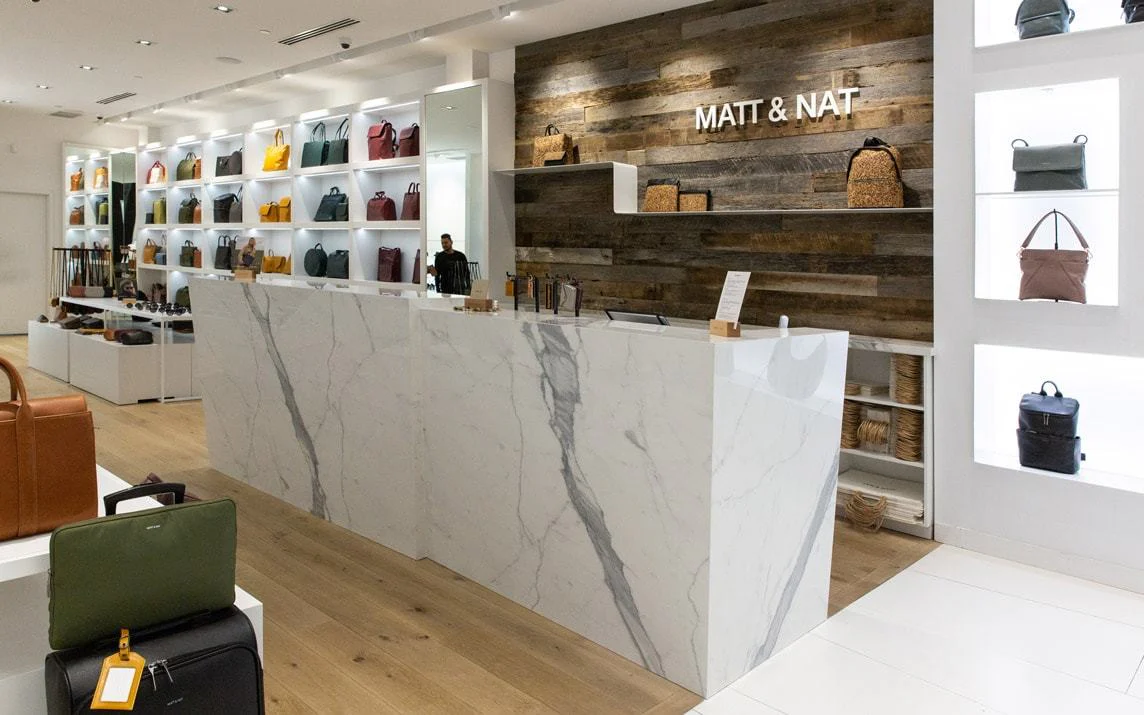
Matt & Nat store, image: Matt & Nat

Matt & Nat

Matt & Nat’s success in the fashion industry is a testament to the power of minimalism and ethical production. Founded in 1995 on core principles of sustainability, the brand quickly became known for its vegan leather products, appealing to style-conscious yet environmentally aware consumers.

At a time when ‘sustainable fashion’ carried little mainstream weight, Matt & Nat’s foresight and ethical leadership gave it a head start. Their blend of values and design created a unique offering, helping the brand grow into a major player in this space.

A key driver of their growth has been strategic sourcing and distribution. Their production was expanded around the world, which allowed the business to scale while at the same time maintaining the importance of product quality. In addition, the brand has continued to balance affordability and luxury, appealing to a large audience without having to compromise on aesthetics or sustainability. Notably, Matt & Nat incorporates sustainable practices by crafting all interior linings of their bags from 100% recycled plastic bottles, recycling approximately 21 bottles per bag. They also utilize materials such as biodegradable alternatives to traditional plastics, and have introduced collections featuring PVB, a material made from 100% recycled windshield glass resin (Matt & Nat, 2025).

Despite rising competition, Matt & Nat has stayed true to its founding philosophy while evolving its product lines. New materials like cork, recycled nylon, and biodegradable PU reflect their ongoing commitment to innovation. Their ability to merge sustainability with smart business decisions proves that profitability and ethics can go hand in hand.

I see the company as a great success story of a brand staying true to their values. Long before sustainability was a trend, they led with purpose. Their smart sourcing, expansion to 12 standalone stores across North America (2016–2019), and strong branding have helped them thrive in a competitive market (Patterson, 2019). As the demand for sustainable alternatives grows, Matt & Nat shows how mission-driven leadership creates long-term success.

Lessons from Past SME Challenges

While Quebec is home to many successful companies that began as small businesses, it’s also important to consider why others haven’t flourished. Across sectors, local businesses have often struggled to grow due to operational constraints, shifting consumer behaviour, and intense competition.

  • One common pitfall is overexpansion—growing too quickly, stretching resources, and losing customer focus. Controlled, strategic growth is essential.
  • Another challenge is the failure to adapt. Whether from competitors or consumers, companies must have their ear to the ground and be ready to respond, and perhaps adapt, when it is truly needed and makes sense. Over the past decade we have seen this with companies being resistant to the digital transformation revolution and have therefore found themselves losing relevance with the rise of online shopping.
  • Perhaps the most critical obstacle is financial mismanagement. Rapid scaling without the proper guardrails leads to increased operational costs, supply chain complexities and cash flow problems.

Quebec’s SME landscape is both inspiring and complex. Many of our province’s SMEs showcase both the risks and rewards that exist in entrepreneurship. The key takeaway? Together, these successes and struggles highlight that sustainable growth is not about speed but rather requires strategic decision-making, adaptability and financial discipline to navigate an ever-changing business landscape.

Common Success Strategies

As a hopeful future leader in retail, these success stories highlight essential strategies for scaling businesses sustainably. One of the most important is a clear brand identity. Being founded on strong core values and staying true to these will resonate with consumers who are increasingly more knowledgeable and can recognize true authenticity.

  • Adaptability is also critical. While many entrepreneurs may believe their strategies are future-proof, successful businesses do not resist change; they embrace it. When truly needed and strategically sound, the ability to pivot and adapt to change is a defining trait of long-term success.
  • A strong customer-centric approach is another common thread. Brands that build early relationships and actively listen to customer feedback foster long-term loyalty. Success comes from refining offerings, meeting evolving needs, and earning trust through engagement.
  • Equally important is maintaining a robust product innovation pipeline. While many great brands start with a hit product, true longevity comes from the ability to consistently launch relevant, high-performing products over time. This has been a defining strength of companies like the L’Oréal Group, whose continued market leadership is driven by ongoing product development rooted in science, trends, and consumer feedback. For SMEs, investing in innovation from the outset can be the difference between a fleeting moment of success and becoming a category leader.

The future of retail for SMEs is both challenging and full of opportunity. With digital-first consumers reshaping expectations, traditional models alone won’t suffice. Instead, those that embrace personalization, omnichannel experience and sustainability will be best positioned to thrive. While technology—from AI to seamless e-commerce—continues to evolve, long-term success will still rest on authenticity and strategic growth. Quebec’s SMEs have proven their resilience, and those that stay agile, customer-focused, and purpose-driven will shape the next era of retail.

William Bernasconi

About the Author: 

William Bernasconi is a marketing and digital strategy professional with a strong background in customer relationship management (CRM) and retail innovation. He was formerly responsible for the CRM marketing at Bombardier Recreational Products (BRP), a position in which he combined his academic knowledge with practical experience. He specializes in data-driven consumer engagement, digital retailing models, and emerging industry trends, and focuses on enhancing customer experiences through strategic marketing and technology.

Today, he is a Business Analyst at the Royal Bank of Canada (RBC) within the Amplify Program, where he contributes to the development of innovative tech solutions, many with direct applications in the retail and consumer space. He is also pursuing a Master’s degree in Retail Management at McGill University’s Bensadoun School of Retail Business.

His interest in small and medium-sized enterprises (SMEs) is deeply personal and stems from his experience working with a few startups in Montreal, where he witnessed firsthand the resilience, creativity, and drive that define these businesses. Being immersed in the energy and ambition of local entrepreneurs sparked a lasting passion for the SME ecosystem, one that continues to shape his perspective on innovation and growth. It is this connection, and a belief in the importance of supporting and spotlighting SMEs, that inspired him to write this article.


The Retail Council of Quebec presents the 2nd edition of the Next Gen Retail Perspective, a series of 4 articles, each written by a student from McGill University’s Bensadoun School of Retail Management (BSRM).

This series offers an opportunity to explore the ideas and perspectives of young professionals who are shaping the retail world of tomorrow. This article originally appeared on the CQCD website as part of a series. 

References:

More from Retail Insider: 

Future-Ready Fashion at AFA United in Style 2026

Photo: AFA Expo/AFA United in Style

The fashion industry is evolving quickly, and businesses across footwear, apparel and accessories are preparing for shifts in consumer behaviour, category demand and product expectations. AFA United in Style 2026, taking place February 8 to 10 at the Toronto Congress Centre, brings the entire national industry together to understand what is coming next. The show provides buyers, wholesalers and suppliers with early access to new collections that will shape future seasons, while also delivering insight into emerging trends that are influencing production and retail strategies. Companies that attend are positioning themselves ahead of the curve at a moment when change is constant.

AFA United in Style has become the only national event that unites these categories in one location. The result is an efficient buying and networking environment where product lines, market evolution and business priorities can be evaluated in real time. The ability to compare offerings and meet with multiple suppliers in a single venue continues to be a major advantage for retailers who want to make informed decisions under tight timelines. The event also gives brands an opportunity to present their collections to qualified buyers who are actively preparing for upcoming assortment planning.

The 2026 edition of AFA United in Style builds on a long tradition of helping Canadian businesses anticipate what is ahead. Attendees will see new ideas, reconnect with industry partners and gain clarity on how the market is moving. The event has been designed to support companies that want to lead with confidence, and it provides one of the most effective ways to prepare for the next buying cycle. For professionals who understand that agility and foresight are essential, AFA United in Style 2026 is a must-attend gathering.

The event takes place at the Toronto Congress Centre, 650 Dixon Road, from February 8-10, 2026.

For more information and to register, visit: www.afacanada.com/show

Retail Insider is working with AFA on a promotional campaign ahead of the event. To work with Retail Insider, contact Craig Patterson at craig@retail-insider.com

9 Engagement Ring Brands Everyone Recommends

Finding the right engagement ring takes time. You want something that fits your partner, your budget, and your values. Some people prefer working with a designer from scratch. Others want to pick from existing collections.

A few care deeply about where their diamonds come from. The brands on this list cover all of these preferences, and each one has built a reputation worth examining.

GOODSTONE takes a different approach to engagement rings. Every piece is bespoke and handcrafted by generational artisans in Los Angeles. The brand uses the most durable alloys of gold and platinum, and each ring is made to order rather than pulled from existing inventory.

The custom design process follows three steps. 

  1. First, you choose a setting that fits your story. 
  2. Second, you select a diamond with guidance from experts who walk you through the 4 Cs. 
  3. Third, artisans craft the ring to your specifications. 

You work with real people from start to finish.

Consultations happen via phone or in person at their Austin, Texas showroom. Both formats give you direct access to a designer. You see sketches, review details, and make adjustments until the design feels right. There is no limit on revisions and no pressure to buy. A $500 deposit starts the design work and applies to the final total.

Most custom rings start at $2,500, and GOODSTONE provides exact quotes based on your design with flexible payment options. Free lifetime repairs come with every purchase. Complimentary resizing is available if needed, though eternity bands cannot be altered. You can also request a free ring sizer before production begins.

2. Tiffany & Co.

Tiffany & Co. introduced the Tiffany Setting in 1886, and that design defined what most people picture when they think of an engagement ring. The brand remains a reference point for the category.

Tiffany is the only jeweler offering a triple excellent cut on all round brilliant engagement diamonds. This is the highest grade in the industry. The brand also traces 100% of its rough diamonds to known mines and sources, making it a leader in diamond traceability.

The Tiffany Ring Studio allows you to design a ring with a Diamond Expert. Pricing sits at the premium end, which matches the brand’s positioning. Craftsmanship is meticulous, and the artisans treat each diamond as a separate project.

3. Cartier

Cartier brings French luxury to the engagement ring market. The Set For You service allows you to choose your diamond, select a setting style, and pick your gold type. The process takes about three weeks.

The Solitaire 1895 references the year the first solitaire ring appeared in Cartier’s archives. A center stone held by four prongs creates a design where simplicity meets precision. The Maison positions its bridal collection as a way to create something that reflects a specific relationship.

Pricing is at the high end, consistent with Cartier’s place in the luxury market.

4. Gabriel & Co.

Gabriel & Co. has been crafting fine jewelry for over 35 years, and the bridal collection reflects that depth of experience. Thousands of styles are available, each made in 14k or 18k gold with GIA-verified diamonds.

Each ring carries a unique engraved serial number and a certificate of authenticity. The brand also uses recycled gold across its manufacturing process.

Buyers purchase through an authorized retailer network, working with a local specialist who knows the collection firsthand. For anyone who wants thoughtfully made bridal jewelry at an accessible fine jewelry price, Gabriel & Co. is worth a close look.

5. Brilliant Earth

Brilliant Earth has built its business around ethical sourcing. The brand offers engagement rings with what it calls Beyond Conflict Free diamonds. It uses ethically and sustainably sourced natural diamonds, recycled diamonds, and lab-grown diamonds.

The Renewable Collection uses diamonds created from 100% renewable wind and solar energy. All gold and silver in Brilliant Earth jewelry is more than 95% recycled. These details matter to buyers who want transparency about materials.

Comprehensive customization options are available, and all engagement rings include a free lifetime manufacturer’s warranty. Pricing falls in the mid-range, making it accessible compared to legacy luxury houses.

6. Blue Nile

Blue Nile started in 1999 and pioneered online engagement ring shopping. The brand’s Creative Studio lets you design a fully custom ring by choosing diamond shape, setting style, precious metal, ring shank, and additional details.

Experts are available 24/7 to help with custom designs. Free secure shipping applies to all US orders, and orders over $500 qualify for overnight delivery. Blue Nile also offers price matching, complimentary resizing, and complimentary cleaning.

The pricing sits in the mid-range, and the online model means lower overhead costs pass through to buyers.

7. James Allen

James Allen changed how people shop for diamonds online. The brand’s 360-degree Diamond Display Technology shows diamonds in HD with up to 40x magnification. You can see cut, color, clarity, and sparkle in ways that static images cannot capture.

This matters because two diamonds with identical GIA certifications can look quite different in person. James Allen’s viewing technology addresses that gap. The brand presents each of its 150,000+ conflict-free diamonds in magnified 360-degree HD.

Non-commissioned certified gemologists are available 24/7 via live chat, phone, and email. Real-Time Live Inspection software connects you with on-call diamond experts who can examine specific stones with you. Lifetime warranties cover repairs and adjustments.

8. Van Cleef & Arpels

Van Cleef & Arpels brings high jewelry heritage to bridal collections. The Maison’s first piece mentioned in sales records was a diamond-set heart from 1906. That connection to love stories has continued for over a century.

Your Poetic Setting is a special service where you create your own engagement ring. Solitaires come in platinum, white gold, or rose gold settings. Diamonds, rubies, emeralds, and sapphires adorn 17 timeless aesthetics.

Van Cleef & Arpels sits at the top of the luxury market. The brand emphasizes its High Jewelry savoir-faire and careful stone selection. Buyers here are looking for exceptional craftsmanship and exclusivity.

9. Catbird

Catbird has operated from Brooklyn since 2004. The brand uses over 95% recycled gold and recycled diamonds in its jewelry. All engagement rings are made to order in their Brooklyn studio.

The engagement ring collection began in 2014 with the birth of their Swans, 11 originally designed rings made with ethically-sourced materials and fair pricing. Today, the collection includes recycled diamonds, lab-grown diamonds, recycled 14k gold, and ethical stones.

Catbird’s trained jewelers handmake each piece, and the brand offers a lifetime guarantee. The company holds CFDA membership, Made in New York certification, and No Dirty Gold membership. These credentials support its sustainability claims.

Pricing is mid-range, and the focus is on quality and ethics rather than luxury branding.

Quick Comparison

BrandCustom OptionsStarting PriceKey Feature
GOODSTONEFull bespoke design$2,500Handcrafted in LA, lifetime repairs
Tiffany & Co.Tiffany Ring StudioPremiumTriple excellent cut diamonds
CartierSet For You servicePremiumFrench luxury, 3-week turnaround
Brilliant EarthComprehensive customizationMid-rangeBeyond Conflict Free diamonds
Blue NileCreative Studio builderMid-range24/7 expert support
James AllenBuild your ownMid-range360° HD diamond viewing
Van Cleef & ArpelsYour Poetic SettingHigh luxuryHigh jewelry heritage
CatbirdMade to orderMid-rangeBrooklyn-made, recycled materials
Gabriel & Co.Style variations via retailersMid-rangeRecycled gold, serial-number registration, GIA-verified diamonds

Making Your Choice

Each brand on this list serves a different type of buyer. The right brand depends on what matters most to you. 

  • Some people want to see their ring take shape through sketches and revisions with a designer. 
  • Others prefer selecting from established collections with immediate availability. 
  • Some need to know their diamond came from a traceable source. 
  • Others want maximum sparkle within a specific budget.

Visit showrooms when possible. Schedule virtual consultations. Ask questions about sourcing, customization limits, timelines, and warranties. The brands that make this list have earned their reputations, but reputation alone should not drive your decision.

Your partner will wear this ring for decades. Take the time to find the right fit.

Emerging Tools to Boost Product Discoverability in Competitive Markets

Consumers these days have more options than ever when searching for products that meet their needs. From independent sellers to large-scale online retailers, competition continues to intensify across nearly every category. As a result, businesses face two pressing challenges: standing out in crowded markets and ensuring products are easily discoverable by the right audiences. 

Fortunately, advances in technology have introduced a growing set of tools designed to help retailers overcome these hurdles, improve visibility, and drive stronger conversion rates.

Consider Partnering With An Expert

Among the many resources available, working with an Amazon agency has become a common strategy for businesses seeking to improve product discoverability in highly competitive online marketplaces. These agencies specialize in optimizing merchandising, search placement, and performance metrics to increase visibility and revenue. While their expertise is often associated with a single platform, the tools and methodologies they use—data analysis, optimization, and customer-centric positioning—can be applied broadly across the eCommerce ecosystem.

Leveraging Advanced SEO Tools

Search engine optimization remains one of the most effective drivers of product discoverability, but the tools supporting SEO have evolved significantly. Advanced SEO platforms help businesses identify high-intent keywords, optimize product pages, monitor competitors, and track performance over time.

Modern SEO tools provide actionable insights into how consumers search, what terms are gaining traction, and where opportunities exist to improve ranking. By aligning product content with real search behavior, businesses can increase organic visibility while attracting shoppers who are more likely to convert.

Utilizing AI and Machine Learning

Artificial intelligence and machine learning are increasingly embedded in digital retail operations. These technologies analyze large volumes of customer and product data to identify patterns that humans might overlook. AI-driven recommendation engines, for example, surface products based on browsing behavior, purchase history, and similar customer profiles.

Machine learning models can also anticipate demand shifts and adjust product visibility dynamically. This enables retailers to promote the right products at the right time, improving both customer experience and sales efficiency. As these tools mature, they are becoming more accessible to businesses of all sizes.

Investing in Data Analytics Tools

Data analytics plays a critical role in improving discoverability by turning raw information into strategic insight. Analytics tools help businesses understand how customers interact with product listings, where drop-offs occur, and which channels drive the highest engagement.

These insights allow retailers to refine pricing strategies, optimize product placement, and allocate marketing spend more effectively. From a financial perspective, data-driven decision-making improves return on investment while reducing wasted resources.

Exploring Augmented Reality for Engagement

Augmented reality is emerging as a powerful tool for enhancing online shopping experiences. By allowing customers to visualize products in real-world settings—such as previewing furniture in a living space or trying on apparel virtually—AR increases engagement and buyer confidence.

Higher engagement often leads to longer session times and improved conversion rates, which can indirectly boost product visibility. As AR technology becomes more widely adopted, it is likely to play a growing role in discoverability strategies across retail sectors.

Employing Social Media Management and Advertising Tools

Social media remains a key driver of product discovery, particularly in the early stages of the buying journey. Management and advertising tools help businesses schedule content, target specific audiences, and measure campaign performance across multiple platforms.

By combining organic content with targeted promotions, retailers can extend product reach, build brand familiarity, and drive traffic to product listings. These tools also provide valuable feedback on which messages and formats resonate most with consumers.

Final Thoughts

The digital retail landscape shows no signs of slowing down, and competition will only continue to intensify. Emerging tools—from advanced SEO platforms to AI-driven analytics and immersive technologies—offer businesses new ways to improve product discoverability and remain competitive.

By investing in the right tools and applying data-informed strategies, retailers can enhance visibility, strengthen customer engagement, and support sustainable growth in an increasingly complex marketplace.

Venkor Group: Your Trusted Experts for Garage Suites in Calgary

Calgary’s housing landscape is evolving, and homeowners are increasingly looking for ways to maximize space, add functional living areas, and increase property value. One of the most popular solutions in recent years has been garage suites. These versatile structures provide additional living or rental space while complementing the main home, making them an excellent investment for Calgary homeowners. Venkor Group has become a trusted name for designing and building high-quality garage suites calgary residents can rely on.

A garage suite is more than just a converted garage—it is a carefully planned, fully functional living space. From insulation and heating to plumbing and electrical systems, a properly built garage suite can serve as a comfortable rental unit, home office, guest suite, or private space for family members. Venkor Group approaches each project with the same attention to detail as a traditional home build, ensuring that every garage suite meets both municipal requirements and the homeowner’s expectations.

Building in Calgary comes with its own unique set of challenges. Extreme weather, seasonal temperature swings, and city bylaws require precise planning and construction. Venkor Group has extensive experience navigating these challenges, ensuring that foundations, structural systems, insulation, and roofing are all designed to handle Calgary’s climate. By managing every aspect of the build—from design and permitting to construction and final inspections—Venkor Group provides homeowners with a seamless, stress-free experience.

Design is a key part of every garage suite project. Homeowners want structures that complement the look of their main home while also maximizing functionality. Venkor Group works closely with clients to ensure that rooflines, siding, and windows integrate seamlessly with the existing property. Each suite is designed with practical layouts, sufficient ceiling height, efficient electrical and plumbing systems, and energy-efficient features to ensure comfort year-round.

One of the major advantages of garage suites is the potential for additional rental income. Calgary homeowners can create a private, fully equipped living space that meets city regulations for rental occupancy. This allows for a flexible investment opportunity that generates long-term returns while also enhancing the overall value of the property. Venkor Group’s experience in constructing garage suites calgary ensures that every project is not only visually appealing but also compliant with municipal codes and safety standards.

Functionality is at the heart of Venkor Group’s approach. Each garage suite is carefully designed to accommodate modern lifestyle needs, from open-concept living areas to dedicated storage spaces. Optional features such as heated flooring, high-efficiency windows, and smart home systems can also be incorporated to enhance usability and comfort. By combining practical design with professional construction, Venkor Group delivers suites that homeowners and tenants alike can enjoy for years.

In addition to quality construction, Venkor Group provides a highly professional client experience. Clear communication, transparent pricing, and consistent updates throughout the construction process ensure homeowners feel confident and informed every step of the way. This commitment to service has made Venkor Group a trusted partner for homeowners seeking well-built, functional, and attractive garage suites calgary can be proud of.

Whether you are looking to create a rental unit, a home office, or extra living space for family and guests, a garage suite is one of the smartest investments for a Calgary property. With Venkor Group’s expertise in design, permitting, and construction, homeowners can transform their garages into modern, functional, and high-value living spaces.

For Calgary homeowners considering a garage suite, choosing a reliable, experienced builder is essential. Venkor Group combines local knowledge, professional project management, and quality craftsmanship to deliver garage suites that stand the test of time and enhance the value and functionality of any property.

Canada’s K-Shaped Economy will Reshape Retail in 2026

Bloor Street in Toronto. Photo: Craig Patterson

Canada’s retail landscape shifted meaningfully over the past year, and the forces that shaped 2025 are increasingly defining what lies ahead in 2026. At the centre of this transformation is a deeply divided consumer economy, one where spending behaviour is no longer moving in unison across income groups.

The past year revealed a clear split between households that continue to spend with relative confidence and those that have been forced to pull back sharply. That divergence has reshaped performance across categories, formats, and price points. Retailers serving affluent consumers have remained comparatively resilient, while value-oriented banners have absorbed growing traffic from households under pressure.

This two-tiered environment has increasingly dictated which retailers are expanding, which are holding ground, and which are struggling to maintain relevance.

Consumer Confidence Remains Fragile

That polarization shows little sign of easing. Consumer sentiment remains fragile, particularly among middle- and lower-income households that bore the brunt of inflation, rising interest rates, and higher housing costs. Many Canadians entered 2025 with limited financial buffers, and over the course of the year, those buffers continued to erode.

A growing share of households are now either out of savings or actively drawing them down. At the same time, reliance on buy now, pay later options linked to credit cards has increased, quietly layering new debt onto already strained balance sheets. While this has supported short-term spending, it also raises longer-term risks for discretionary retail categories.

Tariffs and Job Anxiety Add New Pressure

Looking into 2026, trade-related uncertainty is already weighing on consumer behaviour. Even before the full impact of tariffs materializes, the mere threat of disruption has begun to affect confidence, particularly in sectors tied to manufacturing and industrial supply chains.

Job anxiety tends to influence spending well before employment losses become visible. When consumers are uncertain about future income, they delay purchases, reduce discretionary spending, and prioritize essentials. That behavioural shift is already evident in categories ranging from apparel to home furnishings.

Tariffs also risk reintroducing inflationary pressure through complex global supply chains. Many Canadian retailers source goods or components through the United States, and when those inputs are affected by tariffs elsewhere in the world, costs inevitably work their way back into the Canadian market.

Canadians prefer slower shipping
Photo: Amazon

Same-Day Delivery Resets Consumer Expectations

Convenience has emerged as one of the most powerful forces reshaping retail behaviour. Rapid delivery has fundamentally altered expectations, reducing the friction between desire and fulfillment to near zero.

In several major Canadian markets, consumers can now receive multiple deliveries in a single day. That level of immediacy significantly weakens one of the traditional advantages of physical retail, especially for routine or replenishment purchases. When convenience reaches that threshold, the question for consumers is no longer when to shop, but whether a store visit is necessary at all.

Massive investment in logistics infrastructure over the past decade has entrenched this shift, raising the bar for all retailers competing on convenience.

Physical Stores Still Matter, but the Role Is Changing

Despite the growth of e-commerce, Canada remains a store-first retail market. The vast majority of retail sales still occur in physical locations, underscoring the continued relevance of stores within the ecosystem.

However, their role is evolving. Stores increasingly succeed where they offer tangible advantages such as product trial, immediate access, knowledgeable staff, or experiences that cannot be replicated online. At the same time, even higher-income consumers, while still spending, have become more selective. Trading down in certain categories, particularly groceries, has become more common, even among households that remain financially secure.

Select segments, including luxury jewelry, have continued to perform well, reinforcing how uneven demand has become across the retail spectrum.

New luxury wing at Toronto’s Yorkdale Shopping Centre. Photo: Craig Patterson

Luxury Retail Emerges as a Bright Spot in 2026

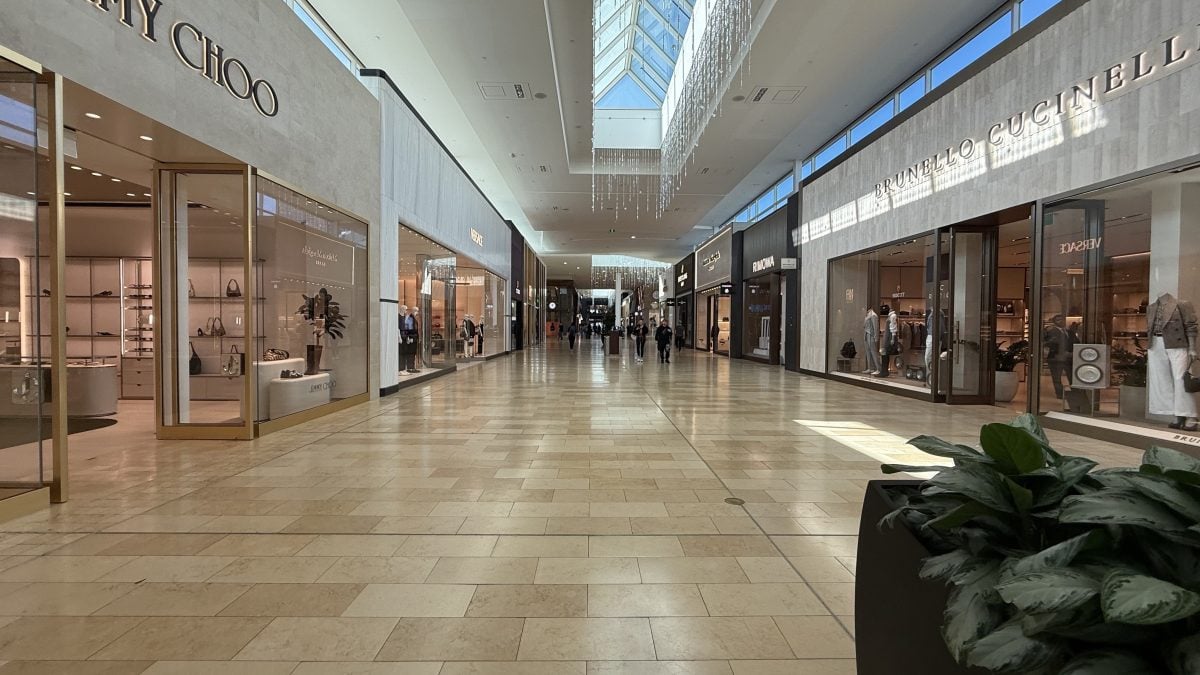
While many retail segments remain under pressure, 2026 is shaping up to be a pivotal year for luxury retail in Canada, driven by major new developments in Vancouver and Toronto. These projects signal continued confidence in high-income consumer demand and destination-based shopping.

A central milestone will be the opening of Vancouver Oakridge Park, formerly Oakridge Centre. The redeveloped mixed-use project features a significant luxury retail component anchored by leading global brands, positioning it as one of the most important high-end retail openings in Canadian history and a new benchmark for the market.

Toronto’s luxury ecosystem is also expanding. Yorkdale Shopping Centre is adding additional luxury retailers, while the Bloor-Yorkville district continues to attract new high-end brands. Together, these expansions underscore how luxury retail is emerging as one of the clearest areas of growth within Canada’s increasingly polarized retail environment.

AI Begins to Influence Shopping Decisions

Another notable shift in 2025 was the early influence of artificial intelligence on how consumers discover and evaluate products. AI-powered tools are beginning to function as digital shopping assistants, capable of searching across platforms, comparing prices, and surfacing recommendations with minimal effort from the user.

These tools increasingly handle the research phase of shopping, compressing what was once a multi-step process into a single interaction. Beyond discovery, AI is also playing a growing role behind the scenes, helping retailers forecast demand, optimize inventory, and respond more dynamically to consumer behaviour.

While still early, this shift has meaningful implications for how brands are found, how products are compared, and how loyalty is built.

Former Hudson’s Bay store at Sunridge Mall in Calgary. Photo: Quy La via Google Maps

Mall Owners Face Structural Challenges

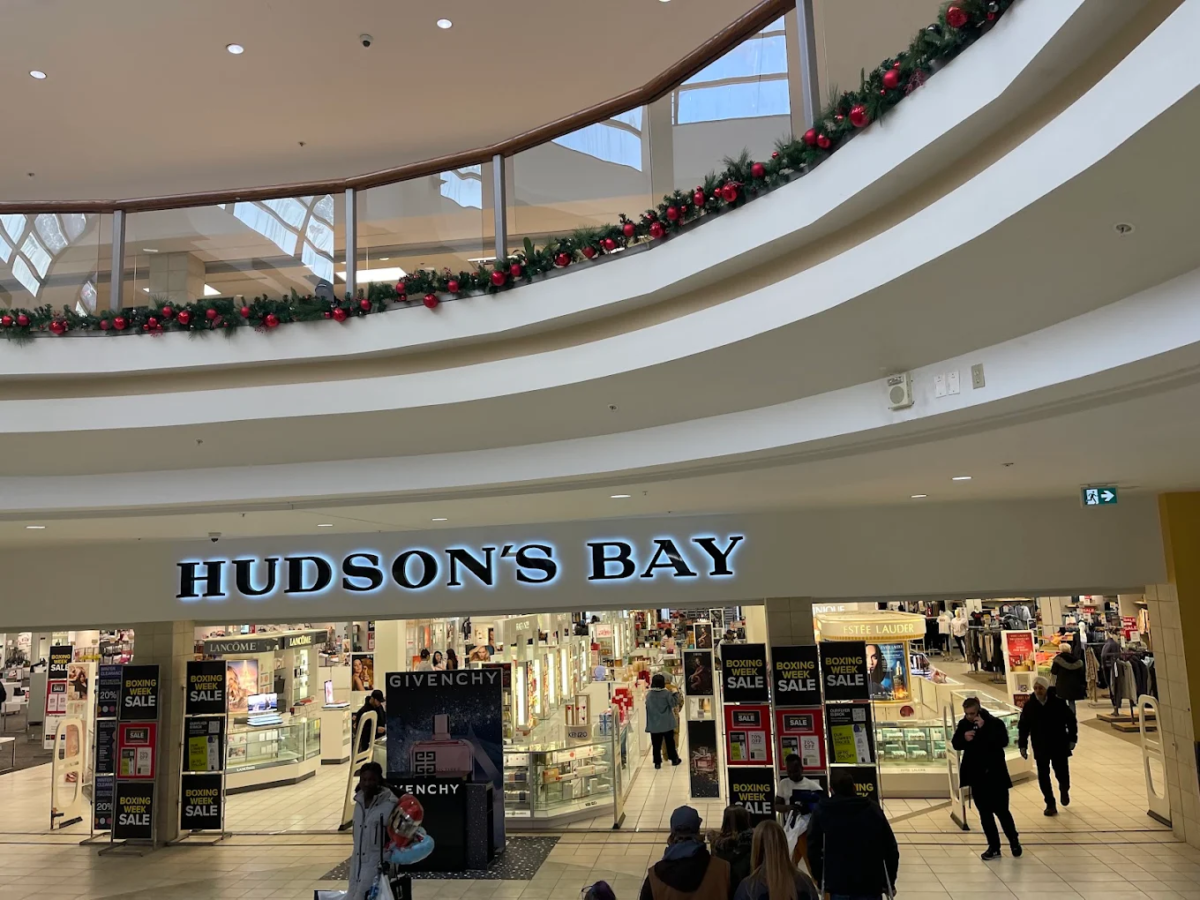
On the real estate side, structural challenges continue to intensify. Replacing traditional anchor tenants has become increasingly difficult, forcing mall owners to rethink how large-format space is used. The loss of Hudson’s Bay means millions of square feet of real estate must be backfilled or repurposed. 

In response, some centres are subdividing former anchor footprints or introducing non-traditional tenants such as service providers, recreational uses, or automotive-related concepts. While top-tier, marquee centres continue to attract demand and investment, many suburban secondary and tertiary malls are struggling to backfill space and sustain traffic.

The gap between prime retail real estate and everything else continues to widen.

What Comes Next for Canadian Retail

As 2026 unfolds, Canadian retail is entering another year defined by divergence. Income polarization, convenience expectations, employment confidence, and emerging technology will increasingly determine where consumers spend and how retailers compete.

Retailers that align with polarized consumer needs, rethink the purpose of physical space, and adapt to new discovery behaviours will be better positioned to navigate the uneven terrain ahead. For others, the K-shaped economy will continue to expose vulnerabilities, reinforcing that the next phase of Canadian retail will reward clarity, adaptability, and execution.

More from Retail Insider:

Why Customer Connection Is the New E-Commerce Advantage

Ecommerce and knowing the consumer. Image: Unsplash

E-commerce has reached a point of maturity where speed, convenience, and competitive pricing are no longer enough to differentiate a brand. The ability to transact effortlessly is now table stakes. What separates enduring brands from forgettable ones is their capacity to form genuine, lasting connections with customers in an environment increasingly defined by automation and abstraction.

Over the past two decades, digital commerce has optimized for efficiency. One-click checkouts, frictionless payments, and algorithm-driven recommendations have compressed the distance between desire and purchase. Yet in doing so, many retailers have unintentionally stripped away the sense of relationship that once defined great retail. Today’s challenge is not how to sell faster, but how to reconnect meaningfully at scale.

That question has been top of mind for me, which is why I recently spent time speaking with Prashant Ganti, who leads Product Management for finance and operations at Zoho. With two decades of experience building SaaS platforms that sit at the heart of business operations, Ganti brings a grounded and pragmatic view of what genuine customer connection looks like in a digital-first economy.

Moving From Transactions to Relationships

At its core, building real customer loyalty requires a fundamental shift in mindset. Too many e-commerce experiences still treat customers as anonymous endpoints in a funnel, valued primarily for conversion rather than continuity. Genuine connection begins when businesses move beyond transactional thinking and toward relational engagement.

This starts with listening. Actively seeking customer feedback, and responding visibly to it, signals respect and accountability. It tells customers that their experience matters beyond the moment of purchase. Feedback loops, when taken seriously, become trust engines rather than compliance exercises.

Personalization also plays a central role, but not in the superficial sense of inserting a customer’s first name into an email subject line. True personalization is rooted in understanding behaviour, preferences, and intent. When data is used responsibly, it allows retailers to design experiences that feel relevant rather than intrusive, helpful rather than manipulative.

Equally important is the quality of the digital experience itself. A seamless, intuitive, and well-designed online environment reduces friction and communicates professionalism. Customers may not consciously notice great usability, but they immediately feel the absence of it. Every unnecessary step, slow load time, or confusing navigation choice erodes trust.

Personalization Without Compromise

One of the more compelling aspects of Zoho’s approach is its emphasis on personalization without sacrificing data privacy. In an era when consumers are increasingly wary of how their information is collected and used, trust has become a competitive differentiator in its own right.

Zoho’s commerce ecosystem is designed to give businesses a deep understanding of customer behaviour while maintaining strict control over data security. Because the company supports the full technology stack behind an online order, from browsing through post-purchase fulfillment, it enables personalization across the entire customer journey rather than in isolated touchpoints.

Consider a customer browsing an online store powered by Zoho Commerce. As they move through the site, product recommendations and layout elements adapt based on prior interactions. If the customer abandons their cart, automated yet contextual follow-ups can be triggered, reminding them of their selected items without resorting to aggressive discounting or generic messaging.

After purchase, the relationship does not end. Thoughtful post-purchase communication, whether through tailored thank-you messages, relevant product suggestions, or loyalty program invitations, reinforces the sense that the brand recognizes and values the customer as an individual.

What stands out here is not the novelty of the tools themselves, but how cohesively they are applied. When nearly every subsystem involved in commerce, from inventory checks to refunds and returns, is connected, the customer experience becomes more consistent, predictable, and trustworthy.

Data as a Relationship Asset, Not a Revenue Lever

Customer data is often discussed in terms of monetization, but its more enduring value lies in relationship-building. When used thoughtfully, data allows businesses to understand customers in context rather than in fragments.

Best practices begin with centralization. A unified customer view ensures that marketing, operations, and service teams are working from the same understanding rather than conflicting datasets. Segmentation then enables relevance, allowing businesses to group customers based on meaningful criteria such as purchasing behaviour, preferences, or engagement history.

From there, insights can be translated into targeted communication that feels timely and appropriate. Promotions become more useful, recommendations more accurate, and messaging more human. Importantly, this only works when privacy and transparency are treated as foundational principles rather than legal afterthoughts.

Zoho’s emphasis on data ownership and security reflects a broader shift underway in digital commerce. As regulatory scrutiny increases and consumer expectations evolve, brands that can demonstrate ethical data stewardship will be better positioned to earn long-term trust.

Scaling Without Losing the Customer

One of the most persistent challenges for e-commerce businesses, particularly small and mid-sized operators, is scaling without diluting the customer experience. Growth often introduces complexity, and complexity can quickly undermine personalization if systems are not designed to scale intelligently.

Zoho Commerce was built with this tension in mind. As businesses expand their product assortments and customer bases, the platform scales operationally without forcing compromises on experience or cost structure. Order volumes, inventory management, and customer data all grow in tandem, preserving continuity rather than fragmenting it.

This matters because customers rarely differentiate between a brand’s growing pains and its values. From their perspective, a missed delivery, an out-of-stock item, or a delayed response is simply a broken promise. Technology that absorbs growth-related complexity behind the scenes allows brands to maintain consistency even as they evolve.

Automation With a Human Outcome

Automation and AI are often framed as threats to human connection, but in practice, they can enhance it when applied thoughtfully. The key lies in using automation to remove friction rather than replace empathy.

AI-driven tools can anticipate customer needs, surface relevant information, and automate routine interactions, freeing human teams to focus on moments that require judgment and care. For example, AI-powered chat interfaces can provide immediate assistance to customers browsing product details or pricing, ensuring support is available around the clock without feeling impersonal.

Predictive analytics further strengthen the customer experience by improving operational reliability. Demand forecasting and real-time inventory monitoring reduce the likelihood of stockouts, which remain one of the fastest ways to erode customer confidence. When customers can rely on availability and fulfillment, trust compounds over time.

The result is not less humanity in commerce, but more of it, expressed through reliability, relevance, and respect for the customer’s time.

The Future Belongs to Connected Brands

As e-commerce continues to evolve, the brands that win will not be those that simply adopt the latest technology, but those that use it to reinforce human connection rather than replace it. Genuine customer relationships are no longer built at the checkout, they are shaped across every interaction before and after it.

Technology platforms like Zoho offer a glimpse into how this balance can be achieved, combining scale, personalization, and trust into a single operational framework. For retailers navigating an increasingly competitive digital landscape, the message is clear. Efficiency may drive transactions, but connection sustains businesses.

In the end, loyalty is not engineered through features alone. It is earned through consistency, care, and a willingness to see customers as people rather than data points.

More from Retail Insider:

KaleMart24 Expands Rapidly With Toronto Entry Planned for 2026

Photo: KaleMart24

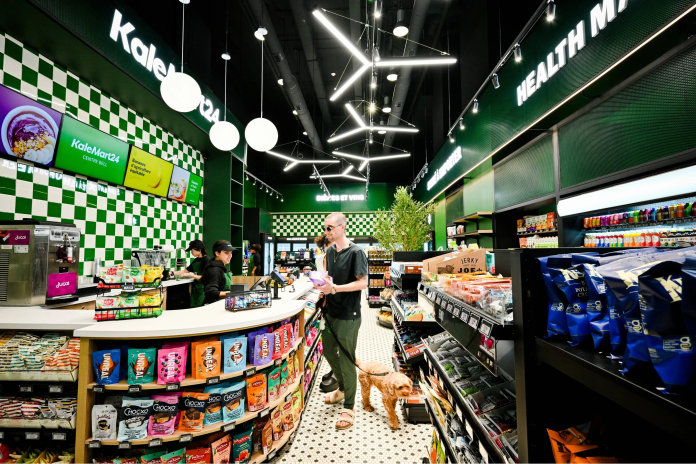
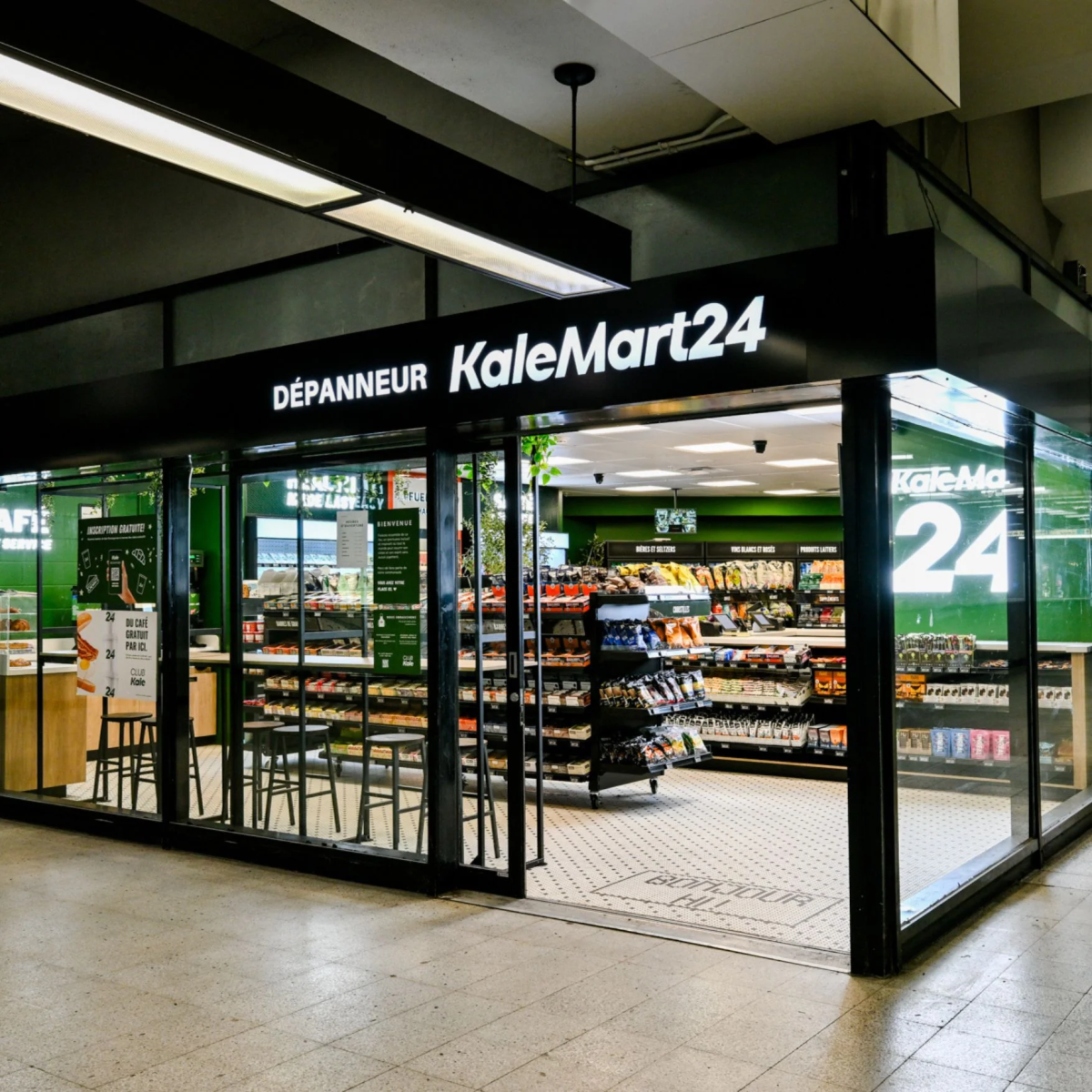
Montreal-based KaleMart24 is continuing a rapid expansion across Canada, announcing multiple new locations and confirming its first downtown Toronto store as part of an ambitious growth plan for 2026. The health-focused convenience retailer, which opened its first store in Montreal in spring 2024, has quickly established itself as a disruptive force within the traditional convenience store category.

In less than two years, KaleMart24 has grown to operate ten locations including eight stores in Quebec and two in Ontario. The company’s leadership and brokerage partners say the expansion has been intentional, with an emphasis on dense urban environments where demand for quick, better-for-you food and beverage options continues to rise.

The latest announcement confirms that KaleMart24 will open its first Toronto location in June 2026 at 601–603 Yonge Street, a highly visible corner site in the city’s downtown core. The approximately 1,800-square-foot space will mark a milestone for the brand as it enters Canada’s largest and most competitive retail market.

Future KaleMart24 at 601-603 Yonge St. in Toronto. Image: CBRE

From Montreal Launch to Multi-Province Momentum

KaleMart24’s early success has been driven by a concept that rethinks the role of the convenience store in an increasingly health-conscious urban landscape. The brand’s first location opened in Montreal in spring 2024 and quickly demonstrated strong consumer demand for a format that combines speed, quality, and a modern retail environment.

Since then, the company has steadily expanded within Montreal while selectively entering Ontario, using early locations as testing grounds to refine store design, merchandising, and operations. Today’s ten-store footprint represents what the company views as a foundation rather than a finish line, with systems now in place to support faster growth.

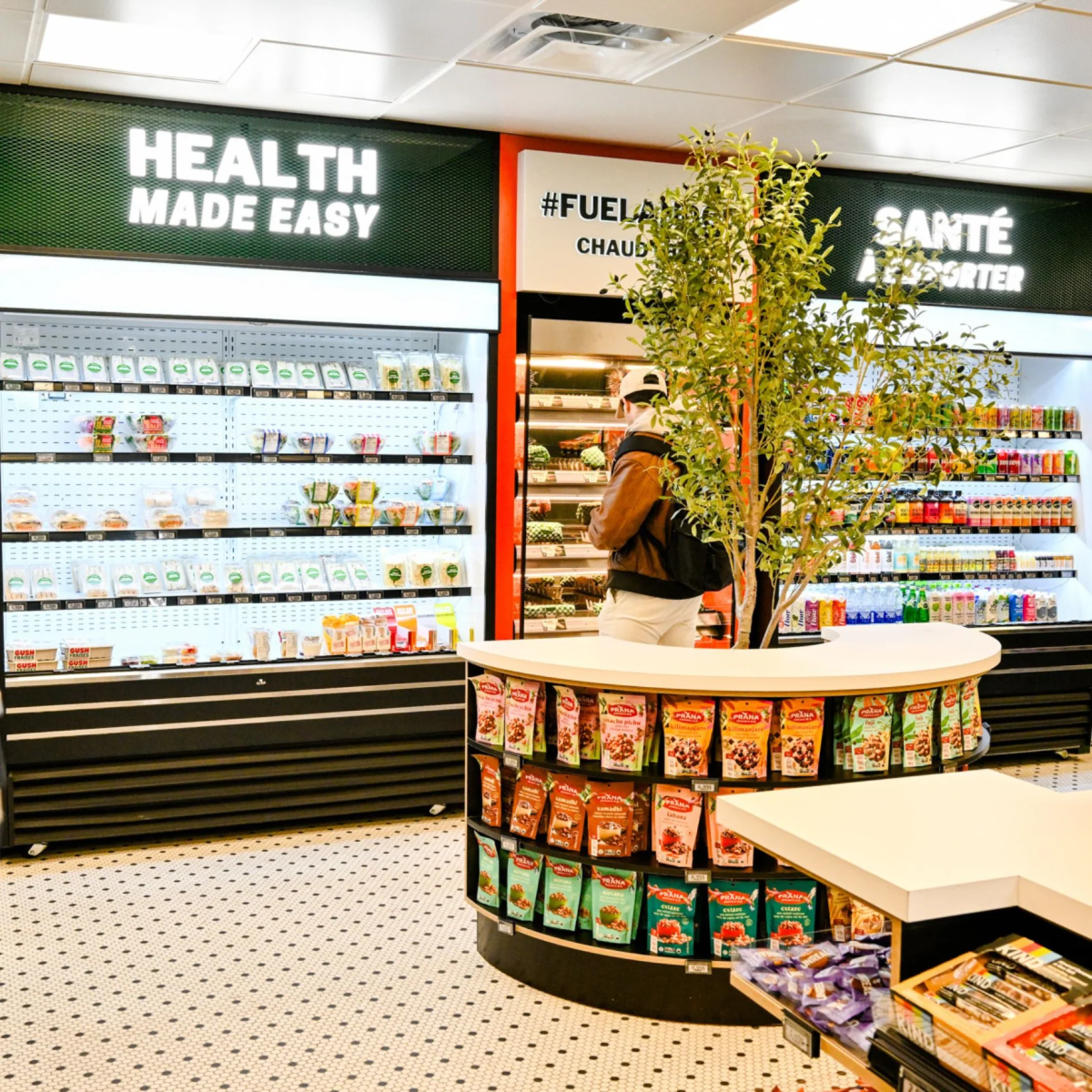
KaleMart24 has positioned itself as “the Whole Foods of convenience stores,” offering a curated product mix and a contemporary in-store experience that departs sharply from traditional c-store norms.

Tony Flanz
Tony Flanz

The brand’s national expansion is being led by Think Retail, with brokerage founder Tony Flanz overseeing site selection and deal execution across Quebec and Ontario. Flanz has worked closely with KaleMart24 since its early expansion phase, including the brand’s initial rollout in Quebec and its first moves into Ontario.

Think Retail has partnered with KaleMart24 founder and entrepreneur Oussama (Sam) Saoudi since the concept’s inception. Saoudi, who also founded Toro Beverages, brings experience from the consumer packaged goods sector, which has informed the brand’s focus on product quality, operational efficiency, and scalable growth.

Downtown Toronto Flagship Set for Yonge Street

KaleMart24’s Toronto debut will take place at 601–603 Yonge Street, a location chosen for both its foot traffic and its symbolic importance. Yonge Street remains one of Toronto’s busiest pedestrian corridors, serving a constant flow of students, downtown residents, office workers, and transit users.

The corner unit, scheduled to open in June 2026, will span approximately 1,800 square feet, aligning with KaleMart24’s preferred urban store format while allowing space for prepared food, beverages, and technology-enabled checkout systems.

The site carries a layered retail history. During the pandemic, part of the space was occupied by a Hasty Market grocery store, which closed in 2023. Prior to that, the Brownstone Bistro and Bar operated at the location for years as a long-term tenant, making the site familiar to local residents and workers.

In addition to its commercial appeal, 601 Yonge Street is a notable heritage building. The four-storey red brick structure was designed in a high Renaissance Revival style and features detailed stone dressings, brick and stone voussoirs, keystones, lintels, and column capitals.

Seven structural bays line Yonge Street, bookended by five-storey towers connected by a paneled parapet above a projecting cornice. Stained glass window transoms and a mix of stone and cast-iron lintels further distinguish the façade.

First Mall Location Planned at Montreal Eaton Centre

Alongside the Toronto announcement, KaleMart24 confirmed plans to open its first enclosed shopping centre location at the Montreal Eaton Centre in June 2026. The approximately 850-square-foot store will be located on the Metro level, directly facing the new REM entrance, placing it within one of Montreal’s most heavily trafficked transit-connected retail environments.

The Eaton Centre opening represents a strategic evolution for the brand, which has focused primarily on street-front and transit-adjacent locations. By entering a major enclosed mall, KaleMart24 is testing how its concept performs in a more traditional retail setting with longer dwell times and a broader shopper mix.

Management has positioned the mall location as complementary to its street strategy, rather than a shift away from it.

KaleMart24 at 505 Rue St-Catherine Est, Montréal, QC H2L 2C9

Focused on High-Traffic Urban Locations

Beyond these confirmed openings, KaleMart24 is actively pursuing additional sites in Montreal and Toronto as part of a broader plan to open at least 15 new stores in 2026. The focus remains on high-traffic environments, including street-front properties, open-air plazas, and office tower ground floors.

Ideal spaces range from 850 to 1,500 square feet, a size that allows the brand to maintain operational efficiency while offering a consistent customer experience. This approach reflects broader trends in urban retail, where smaller, high-performing footprints are increasingly favoured in dense city centres.

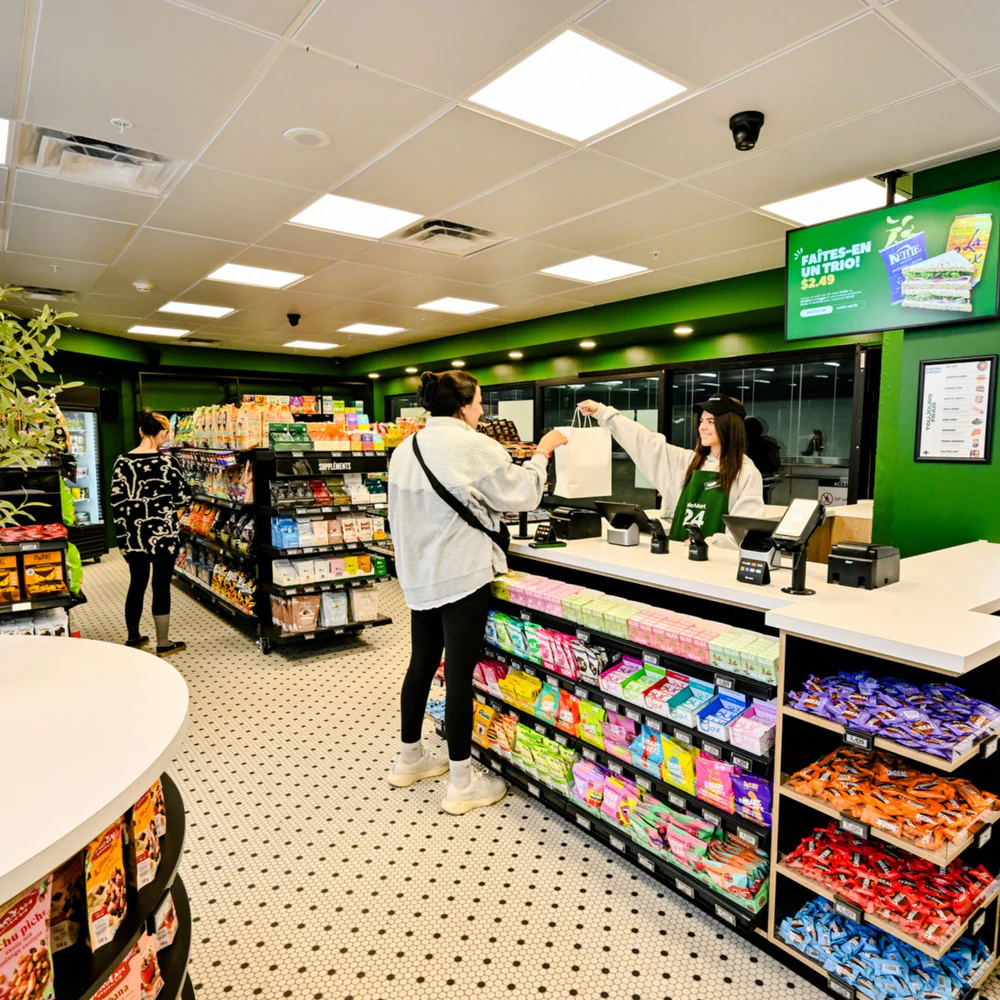
At the core of KaleMart24’s expansion is a deliberate redefinition of the convenience store. Rather than relying on traditional impulse categories, the brand emphasizes better-for-you products, freshly prepared food, and a bright, modern store environment.

Sustainability is embedded into the concept, influencing product selection, packaging choices, and operational practices. Technology also plays a central role, with self-checkout, contactless and mobile payments, and an integrated loyalty program designed to streamline transactions and encourage repeat visits.

More from Retail Insider: