

Contributors: Vanessa Velentzas, Michael Black, and Gavin Reiff of Richter
Once the epicenter of social life, malls were where teenagers gathered, seniors exercised, and shoppers found everything they needed—long before the days of Amazon and online retail. But over the years, their relevance faded, and the surge in e-commerce during the pandemic only accelerated their decline. So, what’s bringing people back to the in-store experience? The demand for something greater than what’s on the hanger. Because after all, the items can all be found online. What’s really drawing the attention of both brands and consumers is the next step in the evolution of shopping. Luxury brands – both those established, international labels, and emerging, Canadian names – are finding a new home in innovative, enticing spaces. Destination shopping, at its core, is all about the experience, as much as it is the inventory. It’s a concept that combines retail with engaging experiences. This approach goes beyond traditional storefronts, transforming retail into a curated, sensory-driven journey to attract affluent audiences.
“While e-commerce offers convenience, physical retail is adapting to provide something the internet cannot: a multi-sensory brand experience,” says Vanessa Velentzas, partner at Richter and retail advisory expert. “Luxury retail is evolving. These stores are no longer just places to buy products — they are becoming immersive environments designed to evoke emotion. Everything from the lighting to the scent to the music plays a role in transporting customers into a brand’s world.”
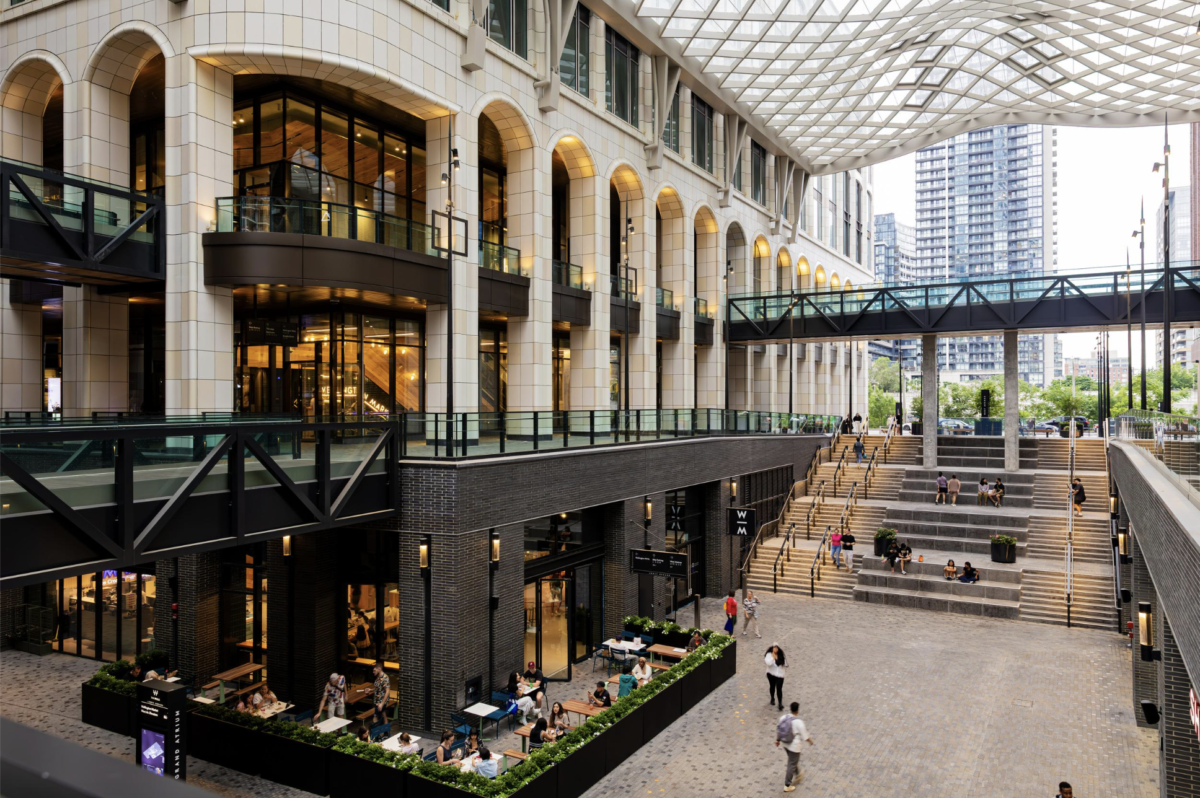
So where do shoppers go to find such experiences? Traditionally, those looking for luxury have sought out established destinations, like Toronto’s “Mink Mile” of Bloor St. with its many high-profile flagship stores. As Retail Insider noted in a previous article, in the last year and a half alone, “Bloor Street saw the openings of flagship Rolex, Van Cleef & Arpels, Ferragamo, Alexander Wang, …as well as a 10,400 square foot Saint Laurent.” And just around the corner from the Mink Mile is Yorkville. The quaint outdoor-indoor neighborhood where the well-heeled love to dine, shop, and see and be seen. Or Montreal, once Canada’s garment producing powerhouse, is seeing a slow-but-steady revitalization of neighbourhoods like Sainte-Catherine Street, and Quartier des Spectacles, a district where fashion, art, and entertainment intersect. But harkening this new era in experiential retail are two new destination-shopping-darlings, housing some of the world’s most iconic brands and attracting attention from both locals and tourists, alike: The Well in Toronto, and Montreal’s Royalmount.
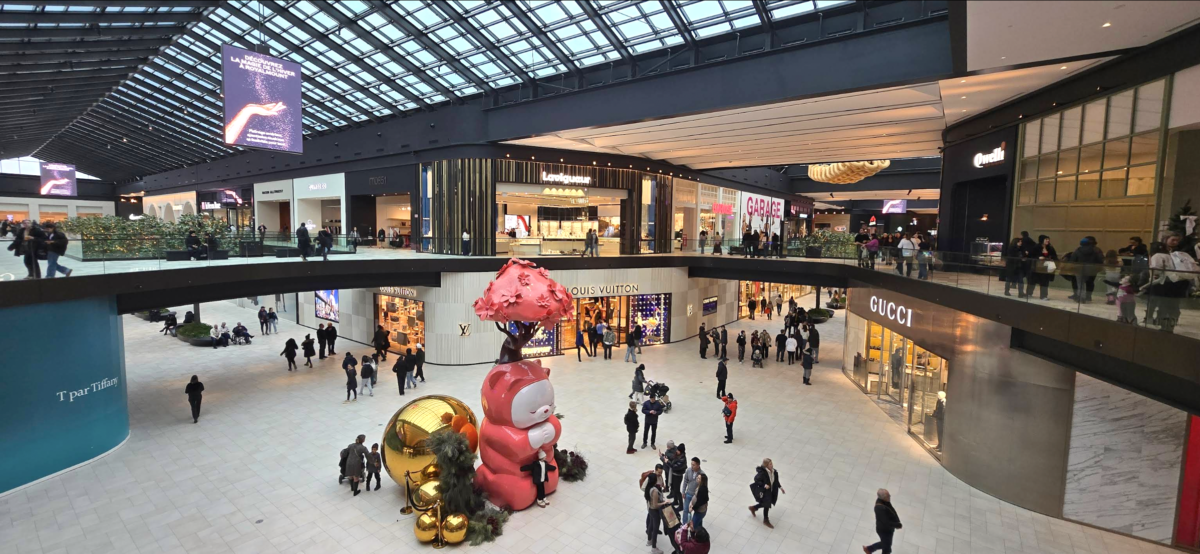
What draws such prominent brands – think Louis Vuitton, Gucci, and Saint Laurent – to such corridors? “What brands have with The Well and Royalmount, is the opportunity to build their environments from the ground up. It’s an enticing way for brands to express themselves,” says Richter partner and strategy advisor, Michael Black. “They are young, fresh, sought-after spaces that encourage more than just shopping. They are new destinations for residents of these bustling cities and they’re also garnering international attention and attracting tourist dollars.” Not only are these big-name luxury brands setting up shop, but so too are unique, more boutique, local, and emerging brands which offer products and places you just can’t find anywhere else.
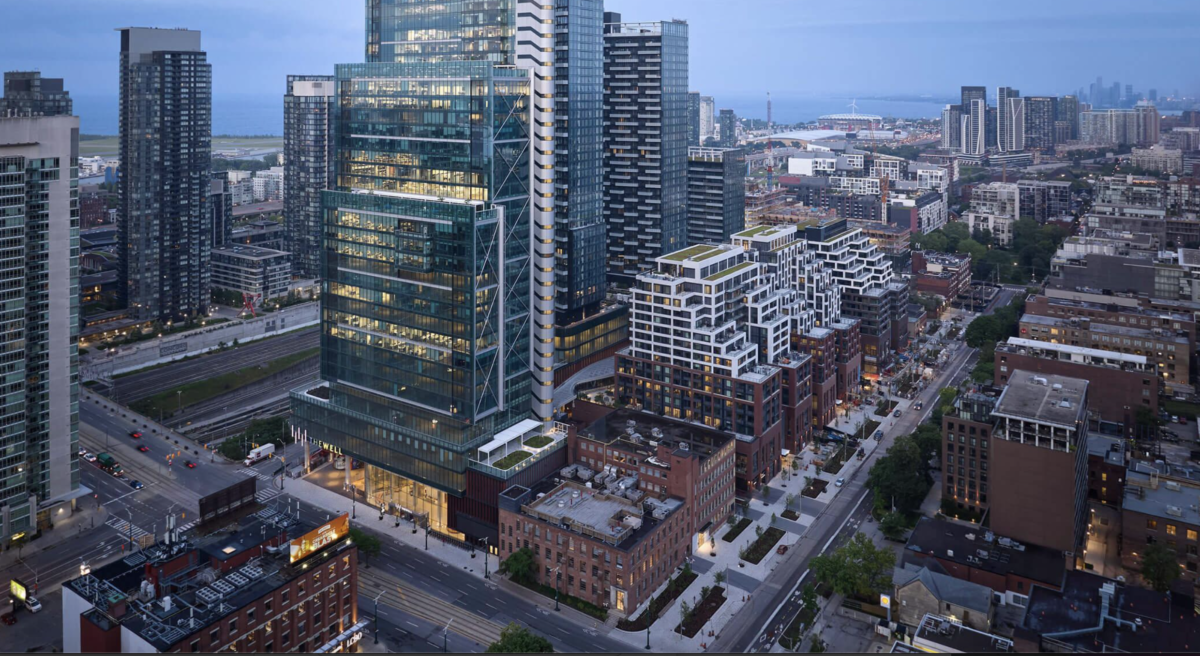
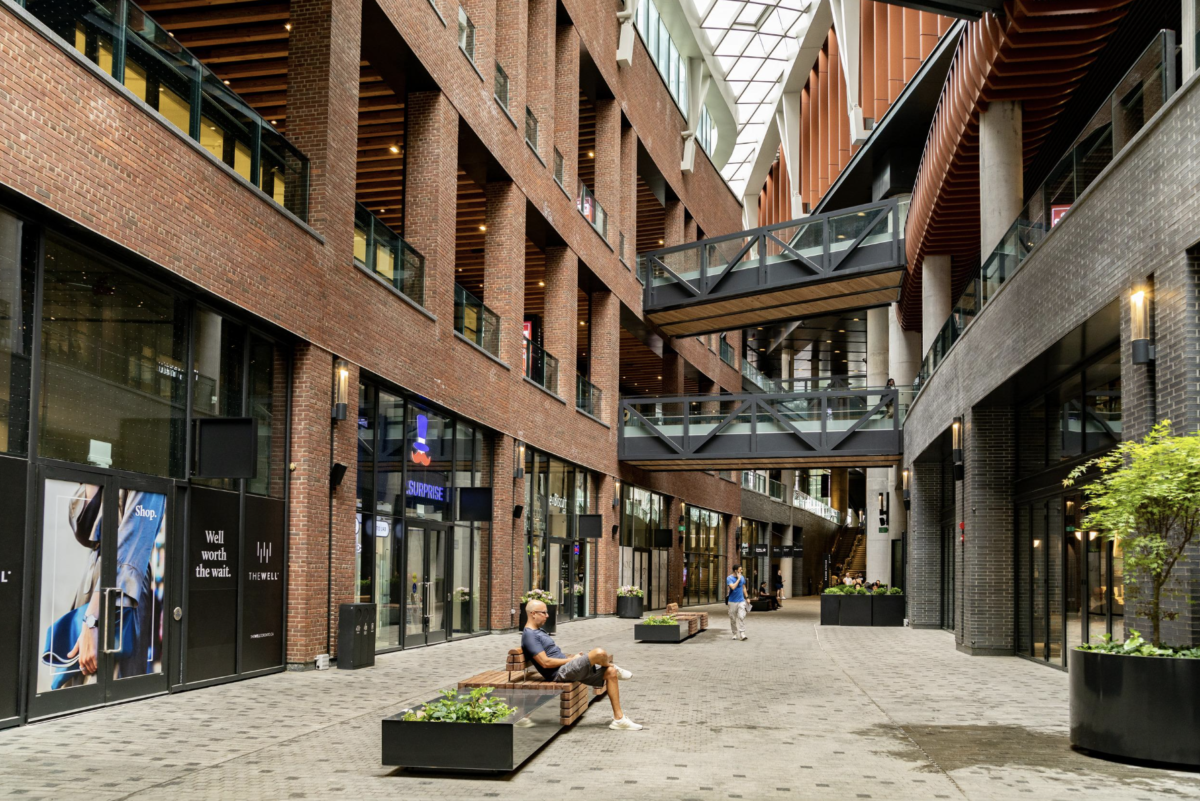
The Well, a $3.5 billion mixed-use project, is located in the heart of downtown Toronto, adjacent to both the financial core and the entertainment district. This transformative space blends upscale retail with office spaces, high-end residences, and entertainment, creating a self-contained ecosystem where shoppers can experience world-class fashion, fine dining, and leisure all in one place. It’s an architectural feat that welcomes the outside in and uses dynamic materials to uniquely define its various spaces and buildings.
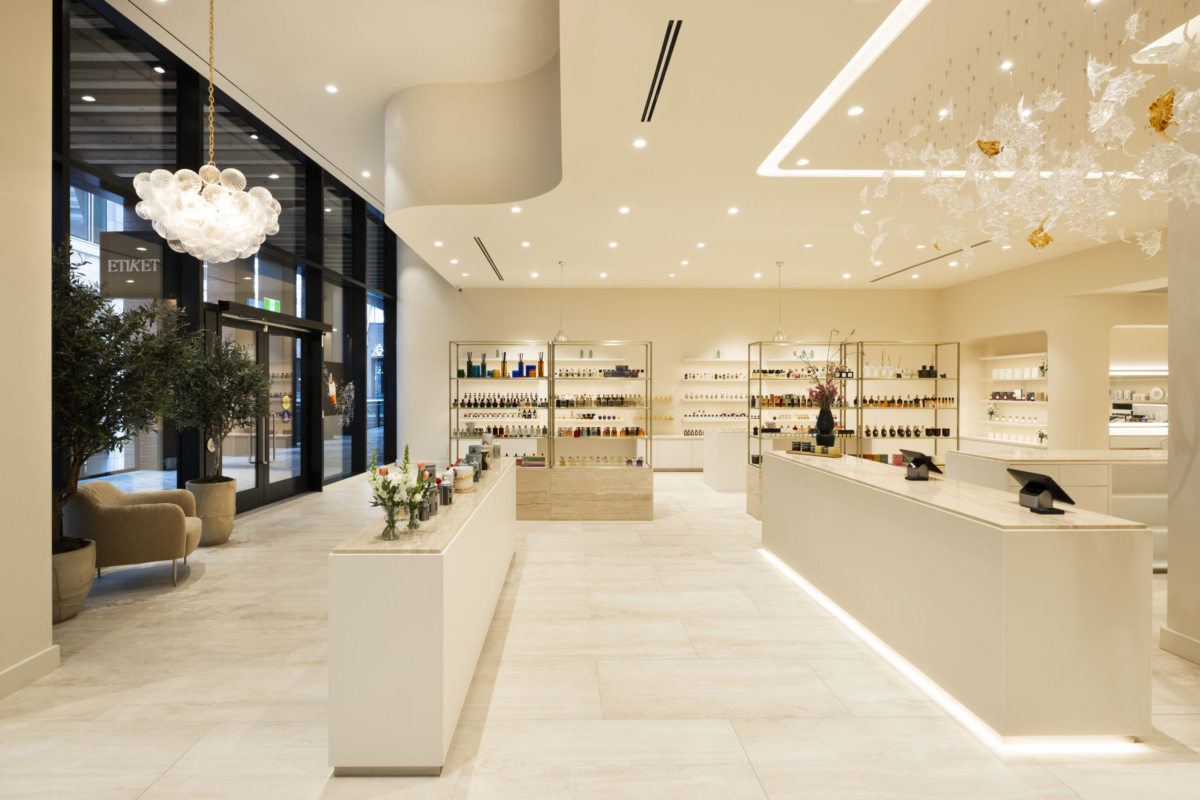
“Based on the tenants that call The Well home, it’s clear they’ve created space for Canadian brands that want to give shoppers more,” says Black. “Take, for example, a Canadian brand like Etiket. They are committed to bringing a luxury experience to shoppers with their spa treatments at The Well. They also carry full product lines, which contrasts with traditional department stores that may only offer one or two top-selling items for purchase in store.”
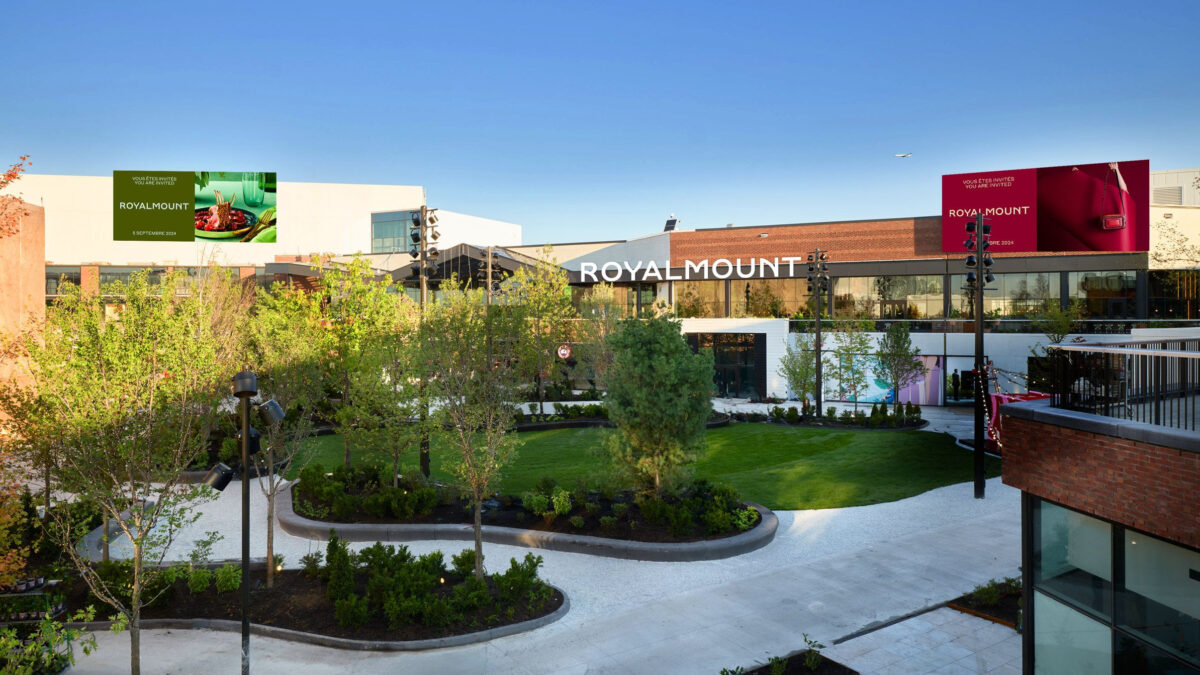
Another new destination shopping hub is Royalmount, a $7 billion mixed-use project that is reshaping Montreal’s retail landscape by integrating upscale shopping with dining, cultural venues, entertainment, and green spaces. Notably, developer Carbonleo highlighted Royalmount’s food hall in a previous interview with Retail Insider: “Le Fou Fou, [the food hall] will span about 35,000 square feet and be run by MTB Collective. The European-style food hall will have 12 distinct culinary offerings including catering plus four bars with indoor/outdoor dining that seats over 900 guests. It’s described as being Montreal’s first food hall to combine top-tier talent, hi-touch technology and programming all year round.” This immersive, walkable environment is set to become a central lifestyle destination for both locals and international visitors. “While each retail outlet is offering their own experiences, developers are taking this to heart, too,” says Velentzas. “Beyond shopping you can spend an entire day discovering amazing venues and attractions at a place like Royalmount. It’s a multi-branded, layered experience that offers so much more than window shopping.”
Key Drivers of Growth
Several factors are contributing to the rapid growth of luxury retail in Montreal and Toronto, making these cities increasingly attractive to both developers and retailers.
1. Tourism and Globalization
Both Montreal and Toronto benefit from a rising influx of international tourists, many of whom are drawn to luxury shopping offerings. This influx of tourism — coupled with the global recognition of Canadian cities as luxury destinations — helps drive demand for high-end retail experiences.
2. Affluent Local Consumer Base
Canada’s growing affluent population, particularly in urban centres like Montreal and Toronto, is another key driver of the luxury retail boom. High-net-worth individuals (HNWIs) are increasingly looking for curated shopping experiences that reflect their status and tastes.
3. Experiential Shopping
Modern luxury consumers are no longer content with traditional retail transactions. Today’s shoppers are seeking experiences, not just products. This shift reflects the concept of place – where visitors can interact with their environment. This concept is key in the design of developments like Royalmount and in the architectural highlights that make up The Well. Here, retail is integrated with entertainment, art, and dining to create a holistic experience. Whether through the physical environment, location, materials, VIP lounges, personal shoppers, or curated events, these developments are reshaping what it means to shop for luxury goods.
The Trend to Support Local
As luxury hubs like Royalmount and The Well gain prominence, smaller luxury retailers or independent Canadian brands may feel like it would be direct competition to be next to bigger brands in these larger developments. On the contrary, “there are opportunities for emerging labels to find space within these mixed-use developments,” says Richter VP and real estate advisor, Gavin Reiff. “Limited duration shopping experiences or special events assist in reaching a broader audience. Landlords also seek differentiation along with a mix of complementary offerings. Including local brands within their business plans and market positioning is a meaningful point of differentiation.” Focusing on niche products or services that cannot easily be replicated by larger luxury juggernauts can also give smaller retailers a competitive edge, which is something landlords may be looking for when curating the overall shopping experience for its audience, as well.
Further, while the recent threat of tariffs is causing economic uncertainty, it is also renewing a sense of local pride and an impetus to shop Canadian-made. And generally, high net worth individuals generally will maintain spending patterns under a variety of economic conditions. Luxury spending is also generally more resilient during economic downturns. In 2024, luxury apparel sales increased by 4.2%, with projections suggesting an 18.8% growth by 2027.
Montreal and Toronto have evolved into major players on the global retail stage, thanks to their embrace of the destination shopping concept. The integration of high-end retail with entertainment, culture, and leisure is reshaping the way consumers engage with brands. So where does this leave Canadian brands that are looking to establish themselves on the scene? For retailers, the key to success in this new era will be to adapt to the demand for experiential, immersive shopping experiences while finding ways to collaborate with larger developments like Royalmount and The Well.
“Many businesses have been challenged within this prolonged retail transition,” says Reiff. “However, there are opportunities where Canadian brands can benefit from this dislocation.” Michael Black adds to this: “this is a good time to ensure you are surrounded by the right people and to determine what is best for your brand’s vision, for your commercial objectives, and for your own personal goals.” Even if this is to be seen as an opportunity, Velentzas notes that, “retailers still must remain agile and responsive to shifts in consumer behavior.”
With strong local economies, a growing affluent consumer base, and an influx of international tourists, Montreal and Toronto are setting a global standard for destination shopping. Royalmount and The Well are proving that the future of retail isn’t just about what’s being sold, but rather how it is felt and experienced with all five senses. For Canadian brands, this presents an undeniable opportunity: the chance to stand alongside brand powerhouses, redefine what homegrown prestige looks like, and carve out a space in the next era of retail that’s all their own. A promising future for emerging and established brands right here in Canada, indeed.
More from Retail Insider:
- Royalmount Opens in Montreal
- Upscale Boutique/Spa Concept ‘Etiket’ Embarks on Expansion with Toronto Location and Plans for Further Growth Across Canada
- Unprecedented Growth of Luxury Retail in Canada
*Partner Content: Retail Insider worked with Richter to publish this article. To work with Retail Insider, contact Craig Patterson at craig@retail-insider.com





Meanwhile Oakridge Park in Vancouver has already announced 30 (yes 30!) individual luxury retailers to debut over the next year or so. It will be the largest expansion of luxury retailers in a single development in years in all of North America. Vancouver’s luxury market will dwarf that of neighboring Seattle, despite Seattle being a larger and wealthier city.
“2. Affluent Local Consumer Base. Canada’s growing affluent population, particularly in urban centres like Montreal and Toronto, is another key driver of the luxury retail boom.”
Is Montreal’s affluent population growing at a rapid clip? I havent seen any evidence (from Stats Can or otherwise) that Montreal is becoming wealthier.
Comment was deleted…. so reposting.
“2. Affluent Local Consumer Base
Canada’s growing affluent population, particularly in urban centres like Montreal and Toronto, is another key driver of the luxury retail boom.”
> I haven’t seen any data or indication of Montreal experiencing significant growth in HNWI. Incomes in the city remain below peer cities in ON and AB, and the absolute growth rate remains lower as well.