By William Bernasconi
Our province has plenty of success stories from small and medium enterprises (SMEs) that have grown into prosperous companies at home and abroad. This culture of innovation, supported by a strong entrepreneurial ecosystem, has made our province standout. As Harley Finkelstein, President of Shopify, once said, Montreal is the most entrepreneurial city he’s ever seen—a reflection of the energy and spirit that sets Quebec apart (Drimonis, 2023).
These local stories offer valuable insights. They highlight key trends in our retail landscape and provide lessons future companies can apply as they grow in their respective industries.
It’s inspiring to see how many Quebec businesses have scaled internationally without losing their brand essence. In a retail world dominated by e-commerce giants, these SMEs show how customer-centric strategies and agility can lead to remarkable success.
Brand Spotlights: Lessons from Quebec’s Standout SMEs
Omy Laboratoires
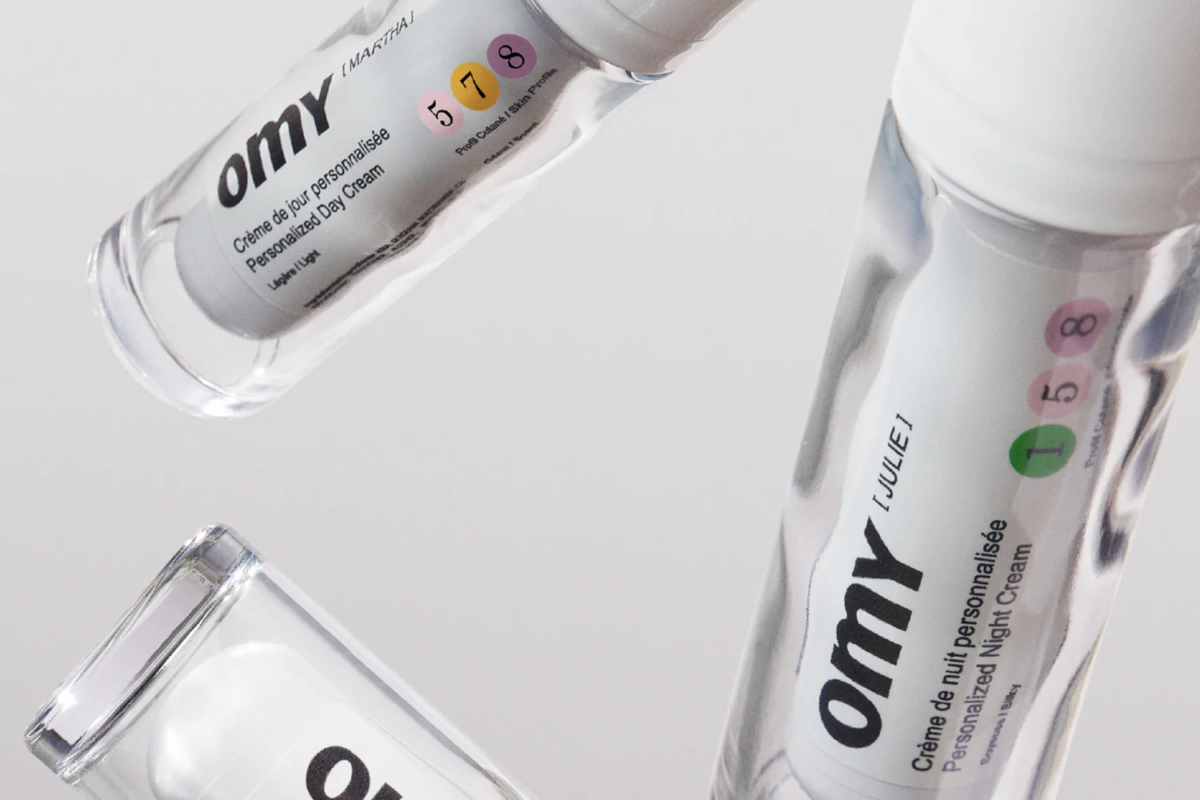
Omy Laboratoires is revolutionizing the cosmetics industry. Founded in 2018 to provide custom skincare solutions, the company has leveraged cutting-edge technology and science to create a business model and customer experience that is both intimate and innovative.
Personalization has become a key differentiator across retail. Customers are increasingly seeking experiences that offer products catered to their personal needs or lifestyles, and Omy Laboratoires is addressing this within a space where customers may otherwise be lost. Here, the company has blended artificial intelligence-driven recommendations with dermatologist-approved formulations to create their own space in the market. For this, the company developed their own technology, SkinIA, which leverages artificial intelligence to help customers discover and find the right products based on preferences and skin type (Espace CDPQ, 2020). By simplifying the overall shopping experience and quite literally guiding their customers along the process of finding the right products for their skin type and conditions, Omy Laboratoires removes the worries and uncertainties.
The brand has also leaned into digital marketing, using influencer campaigns (including collaborations with Geneviève Everell, a wellknown local entrepreneur) and data-driven targeting to build a qualified and loyal customer base. Their proprietary platform, North Finder, fosters influencer partnerships and further amplifies their reach (Knowles, 2025). Overall, their content highlights this clear benefit to customers of providing custom recommended products to directly address their needs.
It’s fascinating to see how personalization, when well executed, can reshape both customer experience and an entire industry. By combining AI skin analysis with custom formulations, Omy has created a more personal relationship with customers—successfully scaling this model with a recent launch in over 400 Jean Coutu and Brunet locations across Quebec, Ontario, and New Brunswick (Omy Laboratoires, 2024). This strategic retail expansion makes personalized skincare more accessible while staying true to the brand’s core values. Looking ahead, it will be interesting to see similar business models develop in other industries. Omy Laboratoires’ approach also highlights the importance of building a strong product innovation pipeline early on—a key factor that separates brands that make a splash from those that lead long-term.
BonLook
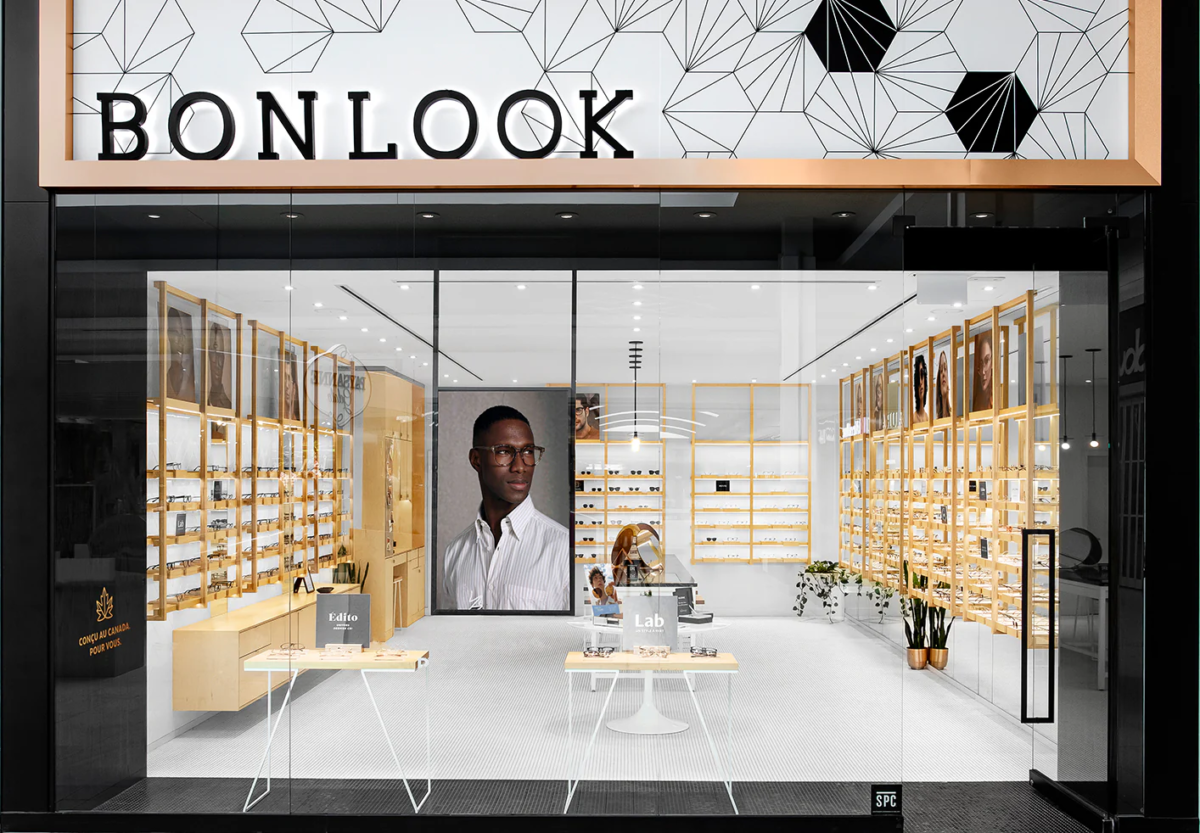
BonLook’s journey from a digitally native brand founded in 2011 to a key player in eyewear retail exemplifies a successful omnichannel strategy. Early on, the company identified a growing trend: consumers wanted both convenience and the ability to try on eyewear in person. Their initial online launch attracted strong traffic, but low conversion rates revealed that shoppers preferred a tactile experience (Dopson, 2024). In response, BonLook blended a seamless e-commerce platform with strategically placed physical locations, redefining the eyewear shopping journey in Quebec and across Canada.
BonLook’s in-store experience remains focused around personalization, offering different tools for customers to find frames tailored to their facial structure and lifestyle. These include virtual try-on technology, the EyeMeasure app for accurate pupillary distance measurements, and a custom in-store iOS application that helps staff provide real-time product recommendations (BonLook, 2021). The company also seeks to make fashionable eyewear more readily accessible through their relatively affordable prescription models and direct-to-consumer business model. BonLook is continuously innovating with their monthly releases of new collections, positioning eyewear as a versatile fashion accessory rather than a standalone necessity—an approach further reinforced by their Trendsetter Rewards Program, which encourages ongoing engagement with the brand and its evolving styles (Ethos, 2024).
Looking into the future of retail, I see this as a great example of how a brand can disrupt a traditional industry with a well-crafted and affordable customer-first approach. Their shift to an omnichannel model demonstrates deep consumer insight. By cutting out intermediaries, BonLook has made fashion-forward eyewear more affordable while staying attuned to modern shopping habits.
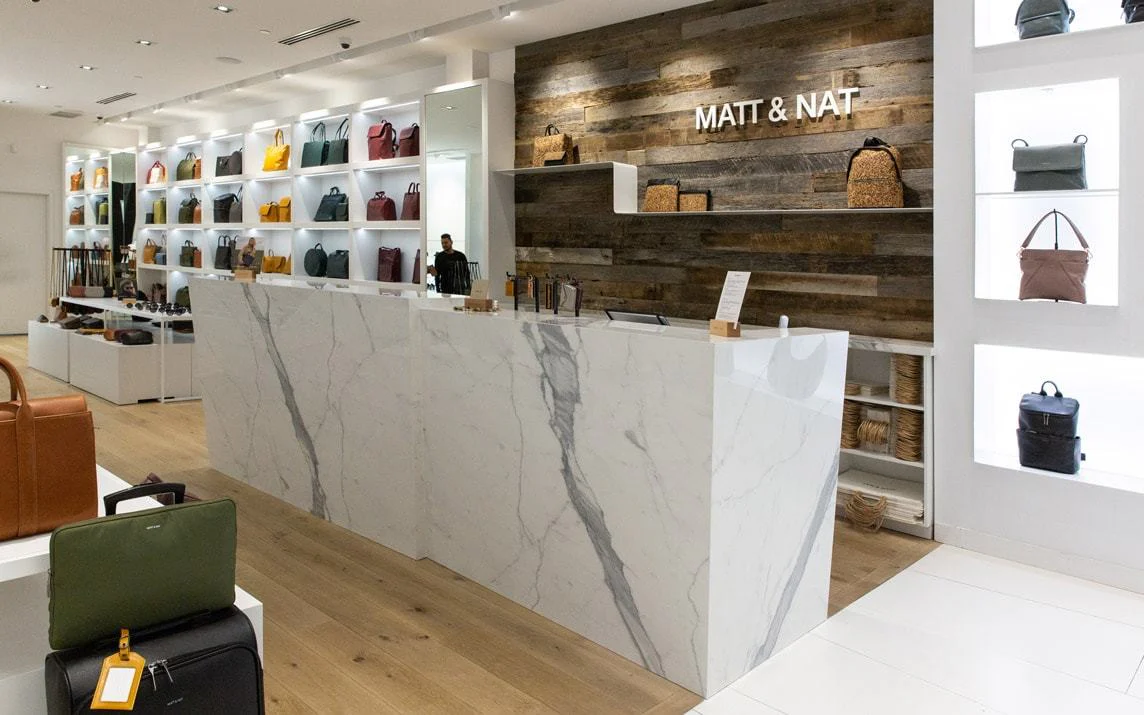
Matt & Nat
Matt & Nat’s success in the fashion industry is a testament to the power of minimalism and ethical production. Founded in 1995 on core principles of sustainability, the brand quickly became known for its vegan leather products, appealing to style-conscious yet environmentally aware consumers.
At a time when ‘sustainable fashion’ carried little mainstream weight, Matt & Nat’s foresight and ethical leadership gave it a head start. Their blend of values and design created a unique offering, helping the brand grow into a major player in this space.
A key driver of their growth has been strategic sourcing and distribution. Their production was expanded around the world, which allowed the business to scale while at the same time maintaining the importance of product quality. In addition, the brand has continued to balance affordability and luxury, appealing to a large audience without having to compromise on aesthetics or sustainability. Notably, Matt & Nat incorporates sustainable practices by crafting all interior linings of their bags from 100% recycled plastic bottles, recycling approximately 21 bottles per bag. They also utilize materials such as biodegradable alternatives to traditional plastics, and have introduced collections featuring PVB, a material made from 100% recycled windshield glass resin (Matt & Nat, 2025).
Despite rising competition, Matt & Nat has stayed true to its founding philosophy while evolving its product lines. New materials like cork, recycled nylon, and biodegradable PU reflect their ongoing commitment to innovation. Their ability to merge sustainability with smart business decisions proves that profitability and ethics can go hand in hand.
I see the company as a great success story of a brand staying true to their values. Long before sustainability was a trend, they led with purpose. Their smart sourcing, expansion to 12 standalone stores across North America (2016–2019), and strong branding have helped them thrive in a competitive market (Patterson, 2019). As the demand for sustainable alternatives grows, Matt & Nat shows how mission-driven leadership creates long-term success.
Lessons from Past SME Challenges
While Quebec is home to many successful companies that began as small businesses, it’s also important to consider why others haven’t flourished. Across sectors, local businesses have often struggled to grow due to operational constraints, shifting consumer behaviour, and intense competition.
- One common pitfall is overexpansion—growing too quickly, stretching resources, and losing customer focus. Controlled, strategic growth is essential.
- Another challenge is the failure to adapt. Whether from competitors or consumers, companies must have their ear to the ground and be ready to respond, and perhaps adapt, when it is truly needed and makes sense. Over the past decade we have seen this with companies being resistant to the digital transformation revolution and have therefore found themselves losing relevance with the rise of online shopping.
- Perhaps the most critical obstacle is financial mismanagement. Rapid scaling without the proper guardrails leads to increased operational costs, supply chain complexities and cash flow problems.
Quebec’s SME landscape is both inspiring and complex. Many of our province’s SMEs showcase both the risks and rewards that exist in entrepreneurship. The key takeaway? Together, these successes and struggles highlight that sustainable growth is not about speed but rather requires strategic decision-making, adaptability and financial discipline to navigate an ever-changing business landscape.
Common Success Strategies
As a hopeful future leader in retail, these success stories highlight essential strategies for scaling businesses sustainably. One of the most important is a clear brand identity. Being founded on strong core values and staying true to these will resonate with consumers who are increasingly more knowledgeable and can recognize true authenticity.
- Adaptability is also critical. While many entrepreneurs may believe their strategies are future-proof, successful businesses do not resist change; they embrace it. When truly needed and strategically sound, the ability to pivot and adapt to change is a defining trait of long-term success.
- A strong customer-centric approach is another common thread. Brands that build early relationships and actively listen to customer feedback foster long-term loyalty. Success comes from refining offerings, meeting evolving needs, and earning trust through engagement.
- Equally important is maintaining a robust product innovation pipeline. While many great brands start with a hit product, true longevity comes from the ability to consistently launch relevant, high-performing products over time. This has been a defining strength of companies like the L’Oréal Group, whose continued market leadership is driven by ongoing product development rooted in science, trends, and consumer feedback. For SMEs, investing in innovation from the outset can be the difference between a fleeting moment of success and becoming a category leader.
The future of retail for SMEs is both challenging and full of opportunity. With digital-first consumers reshaping expectations, traditional models alone won’t suffice. Instead, those that embrace personalization, omnichannel experience and sustainability will be best positioned to thrive. While technology—from AI to seamless e-commerce—continues to evolve, long-term success will still rest on authenticity and strategic growth. Quebec’s SMEs have proven their resilience, and those that stay agile, customer-focused, and purpose-driven will shape the next era of retail.

About the Author:
William Bernasconi is a marketing and digital strategy professional with a strong background in customer relationship management (CRM) and retail innovation. He was formerly responsible for the CRM marketing at Bombardier Recreational Products (BRP), a position in which he combined his academic knowledge with practical experience. He specializes in data-driven consumer engagement, digital retailing models, and emerging industry trends, and focuses on enhancing customer experiences through strategic marketing and technology.
Today, he is a Business Analyst at the Royal Bank of Canada (RBC) within the Amplify Program, where he contributes to the development of innovative tech solutions, many with direct applications in the retail and consumer space. He is also pursuing a Master’s degree in Retail Management at McGill University’s Bensadoun School of Retail Business.
His interest in small and medium-sized enterprises (SMEs) is deeply personal and stems from his experience working with a few startups in Montreal, where he witnessed firsthand the resilience, creativity, and drive that define these businesses. Being immersed in the energy and ambition of local entrepreneurs sparked a lasting passion for the SME ecosystem, one that continues to shape his perspective on innovation and growth. It is this connection, and a belief in the importance of supporting and spotlighting SMEs, that inspired him to write this article.
The Retail Council of Quebec presents the 2nd edition of the Next Gen Retail Perspective, a series of 4 articles, each written by a student from McGill University’s Bensadoun School of Retail Management (BSRM).
This series offers an opportunity to explore the ideas and perspectives of young professionals who are shaping the retail world of tomorrow. This article originally appeared on the CQCD website as part of a series.
References:
- BonLook. (2021). BonLook acquires virtual optical measurement tool EyeMeasure. GlobeNewswire.
- Dopson, E. (2024, 7 août). 12 Omnichannel Marketing Examples From Top Retailers. Shopify.
- Drimonis, T. (2023, 28 juillet). The next big move for Shopify president Harley Finkelstein? Montreal. Cult MTL.
- Espace CDPQ. (2020, 2 novembre). Main navigation L’Espace Partner funds Impact News Contact Fr Retour Omy Laboratoires: Offering customized cosmetics thanks to artificial intelligence.
- Ethos. (2024, 19 juin). Introducing BonLook’s Trendsetter Rewards Program.
- Knowles, L. (2025). Introducing North Finder, the Ultimate Search Engine for Canadian Beauty Products. Elle Canada.
- Matt & Nat. (2025). Our Materials.
- Omy Laboratoires. (2024, 7 mai). Omy Laboratoires Launches at Jean Coutu and Brunet Banners Across Quebec. Cision.
- Patterson, Craig. (2019, 25 novembre). Matt & Nat continues aggressive standalone store expansion. Retail Insider.