Home Blog Page 2

Retail Insider “Q3 2026 Grocery Report”: More Capacity, a Harder Fight for the Basket

Retail Insider has released Q3 2026 Grocery: Capacity Expands as Competition for the Basket Intensifies, authored by founder and publisher Craig Patterson. The report examines a competitive problem that opening announcements alone cannot answer: how much additional grocery business new investment will actually produce.

The report covers Canadian supermarkets, discount and specialty grocers, store development, merchandising, consumer purchasing and online fulfilment. It draws on Retail Insider reporting, company disclosures, government data and industry research, distinguishing Q3 developments from earlier reporting periods and projects scheduled for later years.

Retail Insider Reports bring together sector reporting and commercial analysis for retailers, suppliers and property owners. The Retail Insider Report Hub provides access to the full quarterly collection and its coverage of the wider Canadian retail economy.

General Themes

  • Discount is becoming more local: Store size, assortment and banner choice are being adapted to individual trade areas.
  • Opening counts need context: New builds, acquisitions, conversions and relocations create different changes in grocery capacity.
  • Households remain price-conscious: Slower inflation has not reversed the cumulative increase in food costs.
  • Online growth is not a profit measure: Order density, basket size and fulfilment costs determine the economics.
  • Existing stores matter: Added capacity must be assessed alongside cannibalization, store contribution and changes in household spending.

Retail Insider Coverage

Grocery inflation slowed to 2.8 per cent year-over-year in August, below the 3.0 per cent headline rate, but prices remained approximately 29 per cent above August 2021. NIQ findings cited in the report indicated more purchase occasions and lower average transaction spending across several retail channels. Those occasions are not a count of supermarket visits. They nevertheless show why retailers are competing for portions of a household basket rather than assuming one destination captures it all.

Loblaw’s $2.4-billion Canadian capital program includes investment in No Frills and Maxi, alongside pharmacy and other formats. Its roughly 75 expected openings should therefore not be read as 75 supermarkets. An approximately 8,000-square-foot No Frills in Dutton, Ontario, uses a curated assortment of about 4,000 products, while a larger Komoka store offers more fresh and prepared food. Both adapt discount to local demand, with their longer-term returns still to be established.

Metro is repositioning existing capacity through plans to convert 10 Ontario supermarkets to Food Basics. The company expects the selected sites to perform better under a different price proposition, with benefits building over subsequent fiscal years. Its fiscal third-quarter food same-store sales decline of 1.5 per cent was materially affected by the Laval produce-distribution strike. That result is not a clean measure of underlying demand or the case for banner conversion.

Empire raised its fiscal 2027 store target to more than 25 and plans approximately $850 million in capital spending. The target includes four acquired Mayrand stores, so it is not an entirely new-build program. FreshCo’s Atlantic Canada entry sits alongside investment in IGA, Safeway and other banners. Discount is important, but it is not the only format attracting capital.

Walmart’s planned Supercentres in former department-store spaces can introduce substantial grocery capacity without an equivalent increase in net store count. T&T’s approximately 68,000-square-foot CF Markville project is expected to replace its roughly 50,000-square-foot Unionville store in 2028, adding about 18,000 square feet rather than an entirely new 68,000-square-foot operation. Its planned 48,000-square-foot CF Polo Park store represents a different move: entry into Manitoba, expected in spring 2028. Each project changes local competition differently.

Operator turnover also needs to be separated from property viability. Valleyview IGA reopened at an established Edmonton grocery site after L’OCA’s departure, while McEwan plans to occupy former Pusateri’s space at Bayview Village in 2027. Sunterra’s Red Deer closure occurred during company restructuring, not proof of a general premium-grocery retreat. Crombie’s 11.3 per cent first-year rent increase on second-quarter renewals applied across its portfolio, not specifically to Sobeys or Safeway stores.

Broader Industry Coverage

Loblaw, Metro and Empire reported online growth of 19.3 per cent, 16.3 per cent and 11.3 per cent respectively in their latest fiscal periods. Those periods differ, preventing a like-for-like Q3 ranking. More digital revenue also says little by itself about the costs of picking, delivery, customer acquisition and dedicated facilities.

Metro plans to close its dedicated Montreal e-commerce facility and move toward store picking and third-party delivery. Its combined network measures, including the Ontario conversions, are expected to produce approximately $15 million in recurring annual after-tax earnings by the end of fiscal 2028, with roughly half attributed to each component. Using existing stores reduces reliance on dedicated infrastructure, but brings its own labour and operating requirements.

Empire is giving Voilà and third-party delivery different jobs after concluding that Canadian grocery e-commerce demand was smaller than originally expected. It closed its Calgary fulfilment centre and kept Vancouver plans on hold while retaining dedicated Toronto and Montreal facilities. The earlier restructuring was expected to improve annualized e-commerce operating income by approximately $95 million. Planned baskets and immediate purchases need not support the same fulfilment model in every market.

Instacart made its Clementine shopping assistant available to most Canadian and American customers in September. The launch establishes Canadian availability, not Canadian profitability gains. Early basket-size claims were not Canada-specific, leaving repeat use, conversion and customer retention as questions for subsequent evidence.

A September consent agreement made Empire’s earlier commitments on certain grocery property controls legally binding. Easing restrictive covenants and exclusivity clauses can reduce barriers without supplying suitable premises, capital or demand. Separately, the Competition Bureau’s investigation into minimum advertised pricing policies remained ongoing and was not a finding of wrongdoing. Empire also reported minimal immediate tariff effects and said it would challenge some supplier increases, illustrating why new costs do not automatically pass through unchanged to shelves.

Editor’s Take

The report argues for measuring transactions, real sales, store contribution and cannibalization rather than treating each opening as equivalent growth. July supermarket sales at constant prices were 2.4 per cent below a year earlier, but that establishment category excludes grocery sold through general merchandise retailers. It is evidence of pressure within one channel, not a complete measure of Canadian food demand.

Over the next six to 18 months, Metro’s conversions, smaller No Frills formats and Empire’s development program will provide clearer operating evidence. Several large shopping-centre projects extend into 2027 and 2028. Online investment needs the same discipline: growth must justify its picking, delivery and infrastructure costs rather than repeat the assumptions behind earlier overbuilding.

National averages cannot identify every underserved community or explain the economics of every site. They also cannot make additional capacity profitable merely because a retailer can afford to build it. The commercial test comes after opening, when incremental household spending can be separated from sales transferred out of existing stores.

Conclusion

Read the full Q3 2026 Grocery: Capacity Expands as Competition for the Basket Intensifies for the analysis of discount expansion, grocery property, online fulfilment and competitive rules. Its central distinction is between announcing capacity and earning an adequate return from it.

The Retail Insider Report Hub includes this report and the wider quarterly series. It provides a common starting point for following Canadian retail sectors and the operating decisions shaping their performance.


More from Retail Insider

Canadian Small Business Confidence Edges Up in October as Fuel Costs and Tariffs Weigh: CFIB

Yan Krukau photo
Yan Krukau photo

Long-term small business confidence edged up to 50.0 in October, up from 48.5 in September, as high fuel costs and tariff uncertainty continue to haunt small firms, finds the latest Monthly Business Barometer by the Canadian Federation of Independent Business (CFIB). 

Measured on a scale between 0 and 100, an index below 50 means owners expecting their business’s performance to be weaker over the next three or 12 months outnumber those expecting stronger performance.  

Absorbing tariff and fuel costs increases

Average price increase plans dropped to 2.8% after spiking to 3.3% in September. CFIB’s recent edition of the Main Street Quarterly shows that small firms planning to absorb more than half of tariff and fuel cost increases outnumber those intending to pass most of those costs on to customers.

“Sectoral confidence—also calculated as three‑month moving averages— remains weakest in agriculture, construction, manufacturing, transportation, and retail trade; with readings below 50. Transportation, construction, retail and manufacturing also recorded the largest declines in long-term confidence,” said the report.

Yan Krukau photo
Yan Krukau photo

Higher share of employers planning to lay off staff

‘Full-time staffing plans weakened further in October, with a higher share of employers planning to lay off staff (22%) than to hire (11%). This month marks the weakest net staffing intentions since the pandemic. 

“Insufficient demand remains the top constraint to business and production expansion, cited by 50% of SMEs, followed by the shortage of skilled labour (43%).

“Despite the additional pressures from higher fuel costs, about 70% of small businesses expect to pass on to customers only a very small part of these higher costs. On average, businesses expect to pass on only about one-fifth (21%) of the higher costs through price increases.”

More from Retail Insider:

Two-thirds of small business owners plan to exit within decade, CFIB says

https://kaboompics.com/ photo

Nearly two-thirds of Canadian small business owners plan to leave their businesses within the next decade, but just 6 per cent have a formal succession plan, putting more than $2 trillion in business assets at risk, according to a new report from the Canadian Federation of Independent Business (CFIB).

The report, released Thursday, says 63 per cent of owners expect to exit their businesses over the next 10 years, with retirement the primary reason. The findings highlight the challenge of transferring ownership to a new generation of entrepreneurs as business exits have outpaced new business entries in Canada since early 2024.

The CFIB is calling on governments to introduce measures to make business transitions easier, including tax changes, improved access to financing for prospective buyers and programs to connect retiring owners with potential successors.

“Canada is in an entrepreneurial drought. With a wave of owners preparing to exit, we can’t afford to lose viable businesses because of the difficulty in navigating ownership transitions or finding someone to take over the business. That’s a huge blow to the economy, and it puts jobs and local services at risk,” said Corinne Pohlmann, the organization’s executive vice-president of advocacy.

“A successful handover keeps a business open and brings a new generation of entrepreneurs into the economy, which is why governments need to pay attention and help make it easier to buy and sell a business.”

Finding buyers a major obstacle

Retirement accounts for 78 per cent of planned business exits, according to the report. However, other factors are also prompting owners to consider leaving, including burnout or stress, cited by 21 per cent, and high operating costs, cited by 20 per cent.

About 13 per cent of owners expect to close their businesses entirely, a proportion that rises to 17 per cent among retailers.

Finding a buyer or suitable successor is the most frequently cited obstacle to succession planning, identified by 47 per cent of owners. Being too busy to plan and difficulties determining the value of a business were each cited by 37 per cent.

The findings suggest that many businesses could face challenges finding new owners even when their current operators intend to sell rather than close. The lack of formal succession plans may also leave owners with fewer options as they approach retirement.

“Many business owners count on selling their business to fund their retirement. If they can’t find a buyer, they may have to delay retiring or close the business altogether,” said Marvin Cruz, CFIB’s senior director of research.

“A succession plan is the best way for owners to protect what they’ve built, and the earlier they start, the more options they’ll have.”

Owners weigh succession options

Most owners planning to exit expect to sell their businesses to someone outside their family, with 54 per cent identifying an unrelated buyer as their intended successor. Another 28 per cent plan to sell to employees.

Family transitions also remain an option for many owners. The report found that 21 per cent intend to sell their businesses to a family member, while 19 per cent plan to transfer ownership to a family member.

The figures indicate that owners may pursue more than one approach to succession, with sales and transfers forming part of the potential transition paths identified in the report.

Maintaining Canadian ownership is also a priority for many business owners. Seven in 10 respondents, or 72 per cent, said keeping their businesses Canadian-owned was important, including 68 per cent of those planning to sell outside their families.

Owners also placed considerable importance on protecting employees and maintaining their businesses’ community roles. Some 87 per cent said protecting employees was a priority, while 79 per cent emphasized continuing to support their communities.

“There is an enormous opportunity for the next generation of entrepreneurs to acquire an existing Canadian business, but they risk missing out without more government action to promote opportunities that come with buying an existing business,” Pohlmann said.

Kampus Production photo

CFIB calls for policy changes

The CFIB is asking governments to take several steps to encourage business succession and help prospective buyers acquire established companies.

Its recommendations include increasing awareness, particularly among young entrepreneurs, of the opportunities and advantages of purchasing an existing business. The organization also wants governments to add a dedicated Business Succession Stream to entrepreneur immigration programs.

On taxation, the CFIB is calling for changes to capital gains rules, including a lower 33 per cent inclusion rate on the next $2 million of gains beyond the Lifetime Capital Gains Exemption.

Other proposals include raising awareness of Employee Ownership Trusts as a succession option and creating a secure marketplace to connect business owners preparing to exit with vetted successors. The proposed marketplace would be modelled on Repreneuriat Québec.

The organization is also urging governments to explore ways to help first-time business buyers obtain financing, similar to existing supports for first-time homebuyers.

The recommendations are intended to address barriers that can prevent viable businesses from changing hands, while creating opportunities for new entrepreneurs to enter the market by acquiring existing operations.

The report, titled Passing the Torch: How Canada’s Small Business Owners Are Planning Their Exit and Why the Next Generation of Ownership Matters, examines owners’ plans for leaving their businesses and the importance of transferring ownership to the next generation.

The CFIB describes itself as Canada’s largest association of small and medium-sized businesses, with 103,000 members across industries and regions.

More from Retail Insider:

One in four Canadian small business owners required to guarantee financing personally: Equifax

Vitaly Gariev photo
Vitaly Gariev photo

Canadian small business owners are increasingly putting their personal finances at risk to support their companies, with more than one in four surveyed saying they have been required to personally guarantee business financing, according to a new Equifax Canada survey.

The survey found that 26 per cent of business owners had been required to provide a personal guarantee to obtain business financing, potentially putting savings, homes and other personal assets at risk. Another 21 per cent said they had applied for or opened a personal line of credit as a financial safety net for their business during the past two years.

The findings highlight the financial pressures facing small businesses and the extent to which owners may be relying on personal borrowing to maintain operations, particularly younger entrepreneurs.

Customer acquisition, rising costs top concerns

Finding and retaining customers was the most commonly cited challenge among surveyed business owners, identified by 53 per cent of respondents. Rising operating costs followed at 48 per cent, while 42 per cent cited workload, stress or mental health concerns.

Competition was identified as a challenge by 38 per cent of respondents, while 30 per cent pointed to a lack of capital or cash flow.

“Running a small business has always involved financial risk, but these findings highlight how closely business and personal finances can become connected,” said Jeff Brown, head of commercial solutions at Equifax Canada.

Equifax data also indicates that business owners, referred to as business principals in the company’s analysis, rely disproportionately on personal credit to fund and operate their companies. They have credit utilization rates 31 per cent higher than those of average consumers, personal credit balances 105 per cent higher and manage 44 per cent more credit trades.

The company also reported high usage of revolving credit and home equity lines of credit, or HELOCs, among business owners.

“This data clearly demonstrates a disproportionate dependence on personal credit to secure timely funding and sustain their operations. To put this in perspective, if businesses are relying on HELOCs to sustain operations – and they are doing this amid challenging real estate market fluctuations – this could put them in a difficult situation. When owners are using personal credit or pledging personal assets to support their business, the financial health of the company can have implications well beyond the business itself, ” notes Brown.

Younger owners more likely to put personal finances at risk

The survey found a substantial difference between younger entrepreneurs and older business owners in their reported reliance on personal guarantees and credit.

Among owners aged 18 to 34, 54 per cent said they had been required to provide a personal guarantee for business financing, compared with 15 per cent of owners aged 55 and older.

The same proportions applied to younger owners who said they had applied for or opened a personal or business line of credit as a financial safety net during the previous two years: 54 per cent among those aged 18 to 34, compared with 15 per cent among those aged 55 and older.

Among the smaller group of surveyed owners who had used a personal line of credit or provided a personal guarantee for their business, 45 per cent said the arrangements had affected their personal finances.

Reported consequences included reduced personal credit availability, cited by 20 per cent, and greater difficulty qualifying for a car loan, also reported by 20 per cent. Another 15 per cent said they had difficulty obtaining other personal credit, while 13 per cent reported difficulty qualifying for a mortgage.

“The findings suggest that younger business owners are managing several pressures simultaneously: maintaining customers and revenue, absorbing higher costs and, in some cases, finding additional financing to bridge cash-flow gaps,” notes Brown.

https://kaboompics.com/ photo

Business credit monitoring remains limited

Despite the reported financing pressures, awareness of business credit reports remains uneven among surveyed owners.

Just over half, or 54 per cent, said they had checked their business credit report at least once, including 34 per cent who had done so within the previous 12 months. Meanwhile, 15 per cent said they did not know how to access their business credit report, and 10 per cent were unaware their business had a separate report.

The survey also found interest in accessing credit information through existing banking relationships. Nearly two-thirds, or 64 per cent, of respondents said they would be interested in monitoring their business credit score directly through their bank’s commercial banking platform.

Among owners who had checked their business credit report within the past year, interest rose to 86 per cent. The figure was 74 per cent among owners under age 55, compared with 52 per cent among those aged 55 and older.

Last month, Equifax Canada reported on commercial credit trends, saying Canadian businesses were carrying more debt as tariffs and payment pressures deepened. That report also pointed to differences in how businesses were managing their financial obligations and allocating cash.

“You cannot manage what you cannot see,” said Brown. “Understanding a company’s commercial credit profile can help business owners better understand how lenders may view their business and the financing options that may be available to them. Making that information easier to access could help owners make more informed financial decisions.”

Equifax said it works with small-business lenders to support Canadian companies and offers a business credit report intended to provide a snapshot of a company’s financial profile.

More from Retail Insider:

Canadian small businesses expand teams as employee turnover declines: Wagepoint

Andrea Piacquadio photo

Canadian small businesses increased their average workforce by 44 per cent between 2019 and 2025 while reducing employee turnover and raising median hourly pay faster than inflation, according to a new report from payroll software provider Wagepoint.

The company’s 2026 Canadian Small Business Workforce Report, based on aggregated payroll data from approximately 6,800 Canadian small and mid-sized businesses, found that average headcount rose to 19.1 employees from 13.3 in 2019. The annual employee separation rate fell to 27 per cent from 38 per cent over the same period.

The findings also show a significant shift in workforce demographics, with Generation Z accounting for 38 per cent of employees at participating businesses in 2025, up from 18 per cent six years earlier. Millennials represented 41 per cent of the workforce, down from 55 per cent.

The report examines payroll data covering actual hires, departures and compensation from 2019 to 2025, offering a view of how participating small businesses have changed their staffing practices, workforce composition and pay levels.

cottonbro studio photo

Hourly wages outpace inflation

Median hourly pay increased 27 per cent over the six-year period, rising to $26.70 from $20.97, compared with an approximately 20 per cent increase in consumer prices, according to the report. Median full-time salaries rose by about 14 per cent.

The data also indicates that small businesses shifted toward full-time employment as their teams expanded. Part-time positions accounted for 69 per cent of headcount in 2025, down from 79 per cent in 2019.

Together, the changes point to a workforce that has grown in size while experiencing lower employee separation rates and higher hourly compensation. The report notes that larger teams create additional payroll and staffing responsibilities for business owners, including onboarding, accurate pay administration and employee retention.

The findings also have implications for accountants and bookkeepers who support small businesses, as payroll becomes a more significant part of the advice clients require when managing staffing and labour costs.

“Payroll data gives us a real-world view of how Canada’s small businesses are changing, from who they hire to how they pay and retain their people,” said Ben Richmond, CEO of Wagepoint. “These trends matter because small businesses are a major part of Canada’s economy, yet their workforce realities can be overlooked in broader employment data. Seeing how teams are growing, who’s entering the workforce, and how wages are keeping pace with inflation helps us better understand the pressures and opportunities facing small businesses today.”

Gen Z gains share of small-business workforce

The growing representation of younger workers was one of the report’s key findings. Gen Z’s share of employment more than doubled between 2019 and 2025, while the proportion of millennials declined, leaving the two generations accounting for a combined 79 per cent of the workforce in 2025.

The figures reflect changes in the composition of employees at businesses included in Wagepoint’s data rather than estimates covering every Canadian small business.

The report’s analysis is based on de-identified, aggregated payroll information from approximately 106,000 employees at businesses that used the platform during the six-year period. Partial-year 2026 data was excluded.

Wagepoint said the figures represent trends among businesses that operate formal payroll systems and should not be interpreted as estimates of the company’s market share or of the entire Canadian business population.

Western Canada recorded the largest increase in average workforce size among the three regions examined, with headcount rising 53 per cent to 18 employees per business in 2025 from 11.8 in 2019. The region also had the highest median hourly pay, at $27.58.

Central Canada had the largest businesses on average, with 20 employees in 2025, up from 14.5 six years earlier. The region’s annual employee separation rate declined to 26 per cent from 39 per cent.

In Atlantic Canada, Gen Z’s share of the workforce rose to 37 per cent in 2025 from 14 per cent in 2019, the largest increase among the regions. The report notes that this shift occurred despite the region having Canada’s oldest population.

Median hourly pay in Atlantic Canada increased 33 per cent during the period, rising to $25.19 from $18.95.

The regional results show that workforce growth, employee retention and wage increases varied across the country, with Western Canada leading in average headcount growth, Central Canada reporting the largest average business workforces and Atlantic Canada recording the largest increase in Gen Z representation.

Wagepoint, founded in 2012, provides payroll software to Canadian small businesses, accountants and bookkeepers. The company says more than 30,000 businesses, accountants and bookkeepers rely on its platform.

The full report is available at Wagepoint’s website  

More from Retail Insider:

HEINZ enters Canada’s ready-to-eat soup market with six new products

HEINZ photo
HEINZ photo

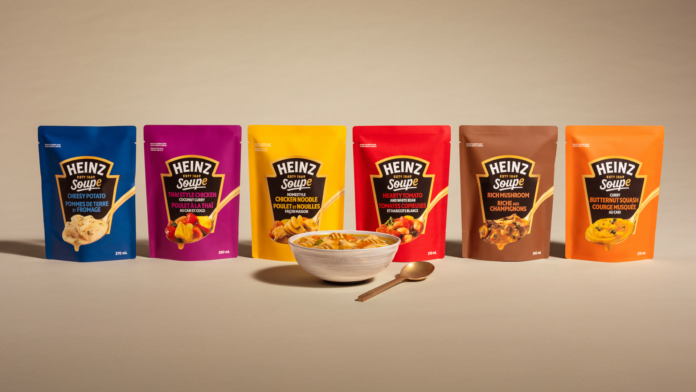
HEINZ is entering Canada’s ready-to-eat soup market with six varieties packaged in portable bags, marking the brand’s first move into the category in Canada and introducing a format that Kraft Heinz Canada says is new to the country’s major soup brands.

The HEINZ Soup Collection has rolled out nationwide, offering an alternative to traditional canned soup as the company expands its product portfolio beyond its existing canned tomato soup.

The launch also represents the first time a major brand has introduced ready-to-eat soup in a bag to Canadian consumers, according to the company. More than 80 per cent of ready-to-eat and condensed soup in Canada is still sold in cans, based on market data cited by Kraft Heinz Canada.

Six varieties target demand for convenience

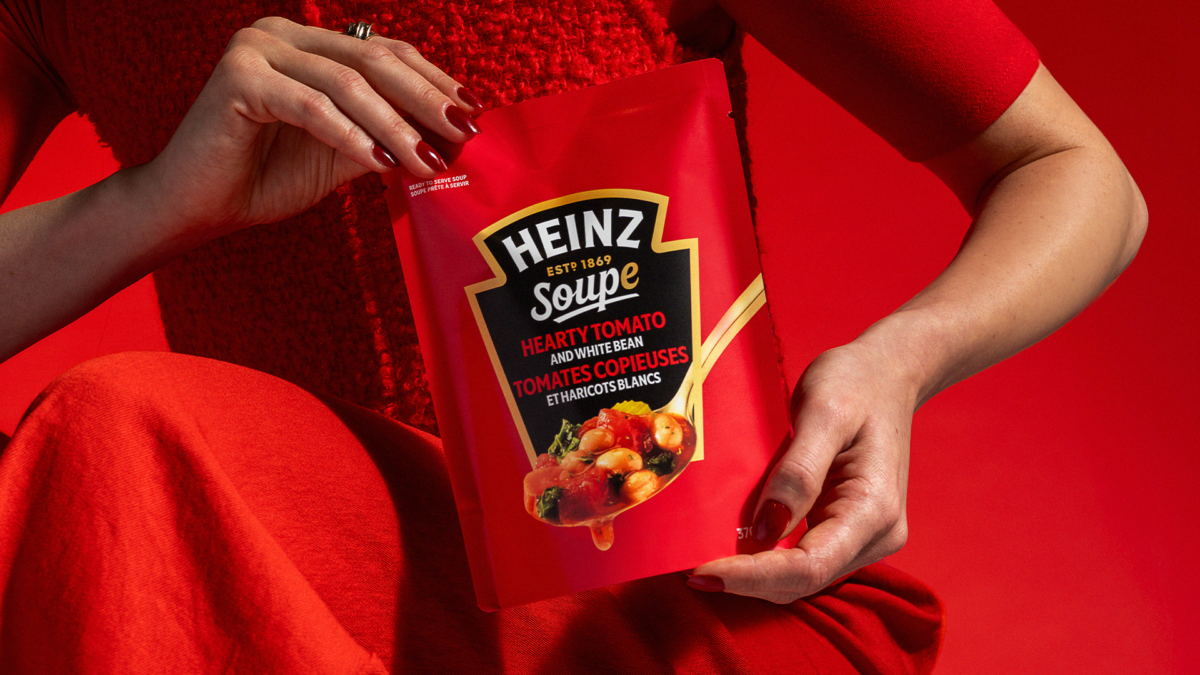
The collection includes Homestyle Chicken Noodle, Thai Style Chicken Coconut Curry, Hearty Tomato and White Bean, Cheesy Potato, Rich Mushroom and Curry Butternut Squash. The products are made with vegetables and are designed to offer a range of flavours and textures in a ready-to-eat format.

The bags are designed to be easy to open and do not require a can opener or additional ingredients, according to the company. Kraft Heinz Canada is positioning the products for occasions such as workday lunches, busy routines and meals on the go.

The launch comes as the company points to the size of the Canadian soup market, with 76 per cent of Canadians purchasing soup, according to NielsenIQ Homescan data cited by the brand.

“Canadians know HEINZ for making everyday foods better, and we see an opportunity to bring that same standard to more parts of the grocery store,” said Kelly Fleming, Chief Marketing Officer, Kraft Heinz Canada. “Soup is a category Canadians already love, but one that we believe is ready for something new. We’ve paired carefully crafted recipes with a more convenient format to deliver a satisfying, ready-to-eat option for the aisle.”

Expansion beyond existing soup products

The collection expands HEINZ’s soup offering, adding six ready-to-eat soup products and a new packaging format to the brand’s Canadian portfolio.

The company says the products are intended to provide an alternative for consumers seeking flavours and textures associated with homemade or restaurant-style soups without having to prepare them from scratch. The launch combines the convenience of a ready-to-eat product with recipes that extend beyond traditional soup offerings.

Kraft Heinz Canada’s broader portfolio

Kraft Heinz Canada traces its history to 1903, when James Lewis Kraft began selling cheese from a horse-drawn wagon in Stevensville, Ont. Heinz Canada was established in Leamington, Ont., in 1909, initially selling pickles sourced from local growers.

Following the 2015 merger of Kraft Foods Group and H.J. Heinz Company, Kraft Heinz Canada became a subsidiary of the newly formed Kraft Heinz Company, which trades on the New York Stock Exchange under the symbol KHC.

The company describes itself as Canada’s second-largest food and beverage company, with products including Kraft Peanut Butter, Heinz Ketchup, KD, Philadelphia Cream Cheese, Renée’s Dressing, Jell-O, Classico, Kool-Aid and Maxwell House. Its products are found in more than 97 per cent of Canadian households, according to the company.

Kraft Heinz Canada also identifies community initiatives, including Kraft Heinz Project Play and Kraft Hockeyville, as part of its local activities, alongside Kraft Heinz Project Pantry, which supports food banks across Canada.

In an interview with Retail Insider, Fleming spoke about the initiative.

What consumer research or market trends led Kraft Heinz Canada to believe Canadian shoppers are ready for a new ready-to-eat soup format, and what gap in the existing soup aisle are you looking to fill?

Canadians are looking for more from everyday meals—richer flavours, heartier textures and convenient options that fit busy routines. When it comes to soup, we saw a clear opportunity to modernize the aisle and bring something different. Canadians want the rich flavours and hearty textures they associate with homemade or restaurant-style soup, but they don’t always have the time or effort to make it from scratch. HEINZ Soup is designed to close that gap – delivering an elevated ready-to-eat soup experience without the time or effort required to make soup from scratch.

Why did Kraft Heinz choose a portable bag for the HEINZ Soup Collection, and what were the biggest challenges involved in developing and scaling soup in this format?

With more than 80 per cent of ready-to-eat and condensed soups still sold in a can, we wanted to give Canadians a fresh alternative and a convenient substitute that better fits busy schedules and on-the-go moments without needing a can opener or extra ingredients. The team worked hard to develop a recipe that delivered on the expected taste and texture while also ensuring that the new innovative format was easy to understand and intuitive to use.

How significant do you expect the HEINZ Soup Collection to become within Kraft Heinz Canada’s overall soup business, and what are your expectations for sales and market share in the first year?

We see the HEINZ Soup Collection as a meaningful step forward for our soup business in Canada because it’s designed to recruit and re-engage shoppers who want a more elevated, ready-to-eat soup experience that fits busy, on-the-go routines. That said, it’s still early, and our focus in year one is on building awareness, driving trial, and earning repeat—making sure the product and the portable bag format are clearly understood and deliver on taste and texture expectations.

How will the six recipes be positioned and priced relative to existing canned, carton and other ready-to-eat soup offerings, and which consumer segments are you specifically targeting?

HEINZ Soup is competitively positioned within the category, offering an elevated ready-to-eat experience for Canadians looking for rich flavours, hearty textures and everyday convenience.

Each flavour we designed features a Heinz twist on comforting classics our consumers know and love and are made with wholesome vegetables to offer restaurant quality flavour and hearty textures.

Will the launch remain exclusive to Canada, and if the collection performs well, do you anticipate expanding the range, introducing additional formats or bringing the concept to other markets?

While HEINZ has a presence in the soup category in other markets, this specific HEINZ Soup collection is exclusive to Canada. It’s too early to confirm what might come next, but we’re excited for Canadians to be the first to enjoy it and will continue to assess future opportunities.

More from Retail Insider:

Pinterest teams up with Mattel for Barbie experience

Pinterest and Mattel have teamed up to launch a new limited-time Barbie experience in Restyle, Pinterest’s AI-powered visual editing tool that lets people reimagine their own spaces with new styles, décor and design ideas.

The experience lets Pinterest users bring Barbie DreamHouse inspiration into their homes through five signature style edits, offering a new example of how brands can use personalized, visual experiences to move people from inspiration to action. The experience will be discoverable through official Barbie content, select searches and curated boards on Barbie’s Pinterest profile, with users able to refine their rooms using Barbie-approved décor finds. 

The campaign is grounded in growing audience interest. Searches for “Barbie DreamHouse aesthetic” are up 72% on Pinterest, while searches for “pink apartment ideas” are up 224% and “pink dorm aesthetics” are up 120%. Interest is also increasing for specific décor details, including “pink whimsy wallpaper” (+562%) and “pink wall decor” (+246%), said Pinterest.

For marketers and retailers, the story is bigger than a branded visual moment: it illustrates how a beloved IP can meet consumers at the point where inspiration becomes action. Pinterest’s internal data shows billions of home décor saves over the past year, but saving an idea does not necessarily help someone visualize it in their own home. Restyle is intended to bridge that gap with visual editing and product discovery. 

Restyle uses Pinterest Intelligence—Pinterest’s first-party signals and visual understanding technology—to help people try, buy and do. Users can take or upload a photo of a room, furniture or décor item, then add an object, change an item, erase an element or edit a scene with a text prompt. 

Partnering with Mattel and Barbie

Sara Pollack
Sara Pollack

Sara Pollack, VP, Global Head of Consumer Marketing, said this isn’t the first time Pinterest has partnered with Mattel and Barbie.

“And that’s for good reason: our mission is to bring people the inspiration to create a life they love; Barbie’s mission is to inspire limitless potential. We both believe in the power of manifesting possibilities,” she said.

“When it came to the launch of Barbie’s newest DreamHouse, it made complete sense to partner again. A dream house is, by definition, a house that reflects its owner’s unique tastes and preferences. That’s as true for Barbie as it is for all of us, and people all over the world use Pinterest for this very purpose – to figure out what their dream house vision is and to take steps – sometimes small, sometimes big – to make it real. 

“Our new Restyle feature makes envisioning your dream house even more actionable. An AI-powered camera experience, Restyle lets you visualize your own space with different aesthetics, products, colors and more, so you can make more confident decisions. Partnering with Barbie is the perfect way to begin introducing it.”

Barbie isn’t the only one who loves pink! Searches for “Barbie DreamHouse aesthetic” and “pink apartment ideas” are indeed up 72% and 224%, respectively, on Pinterest, as are “pink dorm aesthetics” (up 120%), “pink whimsy wallpaper” (up 562%), “pink wall decor” (up 246%) and “pink lace curtains” (up 99%), explained Pollack. 

“It’s a mood that’s playful, optimistic and unapologetic. Whether you’re a “pink lace curtain” person or not, what’s universal on Pinterest is turning inspiration into action. Pinners use visual search to explore a trend and land on a shoppable product in the exact color, texture or style they love. They save pins to boards and spot patterns in their taste that give them the confidence to buy. And now they can use Restyle to visualize inspiration in their own spaces. We’re a platform designed to help you take action,” she said.

Pinterest photo
Pinterest photo

Visualizing Barbie-inspired decor

The Barbie DreamHouse experience lives inside Pinterest through official Barbie content, curated boards on the Barbie Pinterest profile and select search terms, so it’s easy to find as part of how people already use Pinterest, added Pollack.

“From there, Restyle, powered by Pinterest Intelligence, combines Pinterest’s first-party signals with visual understanding technology. Upload a photo of your own room and transform it in seconds with one of five signature DreamHouse edits: mid-century Americana, chalet chic, superstar glam, Victorian romance or modern coastal. You can also use text prompts and visual editing tools to add, swap, change or erase items, and bring in Barbie-approved finds,” she said.

“Boards make it easy to save ideas you love, but it’s hard to know how they’d look in your own room. Restyle closes that gap. Instead of static or pre-styled inspiration, you get an interactive experience where you can test options, edit objects as you go, and discover and shop.”

Using AI-powered personalization and visual discovery 

Pollack said the collaboration shows a shift from static product imagery to something people can step into, where they can explore a brand’s aesthetic in a space that’s uniquely theirs. 

“With billions of home décor saves on Pinterest each year, there’s clearly a big appetite for inspiration. The opportunity is helping people move from saving ideas to testing them and acting on them,” she said.

“Visual understanding technology lets people see and try ideas in context before they decide. That takes them from discovering and saving to trying, shopping and taking action with more confidence. For retailers and brands, it makes product consideration more tangible, personal and actionable.”

Pinterest photo
Pinterest photo

Shaping the future of home decor discovery and shopping 

Pollack said Restyle is currently in beta for eligible English-language Pinners ages 18+ on iOS in the U.S. and Canada, “and right now we’re focused on getting the core experience right for people.”

“As it evolves, we see significant potential for visual AI to create new ways for brands and retailers to connect with people in deeper, more interactive ways,” she says.

“Tools like Restyle are key to making visual discovery interactive, personal, and actionable. Letting people actively edit, test, compare, and shop items inside real-world room photos is a game-changer. Visual search and AI are shifting home décor discovery from passive browsing to more confident, hands-on decision-making, and we think that shift is just getting started.”

More from Retail Insider:

Pinterest photo
Pinterest photo

Mine & Yours Celebrates 13 Years with Glamorous Toronto Fashion Show as Canadian Expansion Continues

Courtney Watkins on stage with Jeanne Beker at El Mocambo in Toronto, October 21, 2026, Mine & Yours 13 Years. Photo: Retail Insider

Canadian luxury resale retailer Mine & Yours celebrated its 13th anniversary Wednesday evening with an elaborate fashion show at Toronto’s El Mocambo, drawing more than 200 guests for a night of designer fashion, philanthropy and entertainment. The October 21 event, featuring founder and CEO Courtney Watkins and Canadian fashion personality Jeanne Beker, came as the company continues expanding its presence across Canada through a growing relationship with Holt Renfrew.

The celebration, titled Women Who Wear the Future, featured a cocktail reception, charitable silent auction, an on-stage conversation between Watkins and Beker, and a runway presentation showcasing men’s and women’s luxury designer fashion. Among those attending were Canadian fashion personalities Cailli and Sam Beckerman, known as the Beckerman twins.

The evening also provided an opportunity to discuss the retailer’s expansion plans. Watkins confirmed to Retail Insider that Mine & Yours is preparing to open at Holt Renfrew Ogilvy in Montréal, recently opened a pop-up at Square One Shopping Centre in Mississauga, and will maintain its Calgary Holt Renfrew operation into 2027.

Mine & Yours fashion runway presentation at El Mocambo in Toronto, October 21, 2021. Photo: Retail Insider

Designer Fashion Takes Centre Stage at El Mocambo

The atmosphere at El Mocambo was lively as guests gathered for cocktails and explored a silent auction featuring donated prizes, experiences and merchandise. The reception was followed by a conversation between Watkins and Beker and a fashion show featuring an extensive selection of luxury designer merchandise.

Models walked the runway in looks from Chanel, Gucci and Louis Vuitton, among other fashion houses. The presentation included both menswear and womenswear, with sparkling ensembles, statement fur pieces and sophisticated styling contributing to the glamorous atmosphere.

The runway show was a substantial production, with carefully coordinated looks and staging that gave the resale merchandise the kind of presentation typically associated with established luxury fashion retailers. It demonstrated how previously owned designer clothing and accessories can be presented in a setting that places as much emphasis on fashion and styling as on the merchandise itself.

The Beckerman twins, who attended the celebration, have an existing relationship with Mine & Yours through a curated closet-drop collaboration featuring designer pieces from their personal wardrobes. Their presence added another connection to Canada’s fashion community, alongside the retailer’s customers and other guests.

Courtney Watkins on stage with Jeanne Beker at El Mocambo in Toronto, October 21, 2026, Mine & Yours 13 Years. Photo: Retail Insider

Jeanne Beker Reflects on Cancer Journey

One of the evening’s most personal moments came during the on-stage conversation between Watkins and Beker, who spoke about her experience with cancer and the treatment she received at Toronto’s Princess Margaret Cancer Centre.

Beker reflected on the fourth anniversary of the beginning of her cancer treatment and discussed her recovery. The longtime Canadian fashion personality has previously spoken publicly about the care she received at Princess Margaret and the impact of that experience on her life.

The evening brought together several significant anniversaries. Mine & Yours was celebrating 13 years in business, while Beker will turn 75 in 2027, the same year Princess Margaret Cancer Centre marks 75 years since its founding in 1952.

The charitable component was an important part of the celebration. The event included a silent auction featuring trips, experiences, gifts and other donations from local businesses, with all auction proceeds benefiting the Princess Margaret Cancer Foundation. A portion of proceeds from selected merchandise sales also supported the charity.

Beker’s personal connection to Princess Margaret gave the fundraising activities particular significance. Her reflections on treatment and recovery brought a more intimate moment to an evening otherwise filled with fashion, music and celebration.

Mine & Yours fashion runway presentation at El Mocambo in Toronto, October 21, 2021. Photo: Retail Insider

Holt Renfrew Partnership Expands Across Canada

Mine & Yours is continuing to expand its Canadian retail presence through Holt Renfrew, with operations now established or planned in three markets beyond its standalone boutiques in Vancouver and Toronto.

Watkins confirmed to Retail Insider that Mine & Yours is preparing to open inside Holt Renfrew Ogilvy at 1307 Sainte-Catherine Street West in downtown Montréal. The location will bring the retailer’s luxury resale offering to the Québec market.

The Montréal expansion follows the recent opening of a Mine & Yours pop-up inside Holt Renfrew at Square One Shopping Centre in Mississauga. The location offers pre-owned designer handbags, apparel and accessories to shoppers in the western Greater Toronto Area, complementing the retailer’s standalone boutique at 79 Yorkville Avenue in Toronto.

Meanwhile, Mine & Yours will remain at Holt Renfrew in Calgary into 2027, Watkins confirmed. The company has not established a closing date for the location, extending its presence beyond the previously announced six-month pop-up period.

Mine & Yours first entered Calgary through a Holt Renfrew pop-up in April 2025, returning for a second activation in April 2026. The current operation is located on the department store’s second floor at CORE Shopping Centre in downtown Calgary, in space previously occupied by Dolce & Gabbana.

The Calgary arrangement has included an option for customers selling eligible designer merchandise to receive Holt Renfrew store credit. The arrangement connects the resale business with the department store’s assortment of new luxury merchandise and offers customers another way to participate in the designer resale market.

For Mine & Yours, the partnership provides access to established luxury shopping destinations without requiring standalone boutiques in every market. The Montréal opening will further extend that model into a major Canadian luxury retail market where the company has not previously operated a physical store.

Courtney Watkins in front of the Toronto Mine & Yours at 79 Yorkville Avenue. Photo supplied

From Vancouver Boutique to National Luxury Resale Retailer

Watkins founded Mine & Yours in Vancouver in 2013, initially operating from a boutique measuring approximately 300 square feet. The company subsequently expanded its Vancouver operations and entered Toronto, building a retail business focused on authenticated pre-owned designer fashion.

As previously reported by Retail Insider, the company had grown to more than 80 employees and nearly 10,000 square feet of retail space across Canada by September 2026. Its standalone boutiques are located in Vancouver’s Yaletown and Kitsilano neighbourhoods and Toronto’s Yorkville district.

Mine & Yours has also reported helping more than 150,000 designer pieces find new owners, with a longer-term goal of reaching one million pieces. Its growth has combined physical stores, online resale and collaborations with fashion personalities, including the Beckerman twins.

Mine & Yours fashion runway presentation at El Mocambo in Toronto, October 21, 2021. Photo: Retail Insider

Watkins Recognizes Team Behind Anniversary Celebration

The scale of Wednesday’s event reflected considerable preparation by the Mine & Yours team, from the cocktail reception and charitable auction to the runway presentation and evening entertainment. At the conclusion of her on-stage remarks, Watkins acknowledged and thanked employees for their work in organizing the celebration.

The evening continued with music and socializing at El Mocambo following the fashion show. For Mine & Yours, the next developments will take place in its stores, with Square One recently opened, Calgary continuing into 2027 and a Montréal debut at Holt Renfrew Ogilvy still to come.

More From Retail Insider

Kleanr Cosmetics Launches First Ever Machine Washable Makeup Brushes

Brooke Hegedus
Brooke Hegedus

Kleanr Cosmetics, a Toronto-based beauty brand, has introduced what it calls a new standard in makeup brush hygiene with the launch of its patent pending Brush Kleaning System. 

This proprietary collection of machine-washable makeup brushes and cleaning tools is designed with hygiene, efficiency, and sustainability in mind. Created for both everyday makeup users and professional makeup artists, Kleanr offers a smarter, more convenient approach to brush maintenance without compromising on performance or quality, says the company.

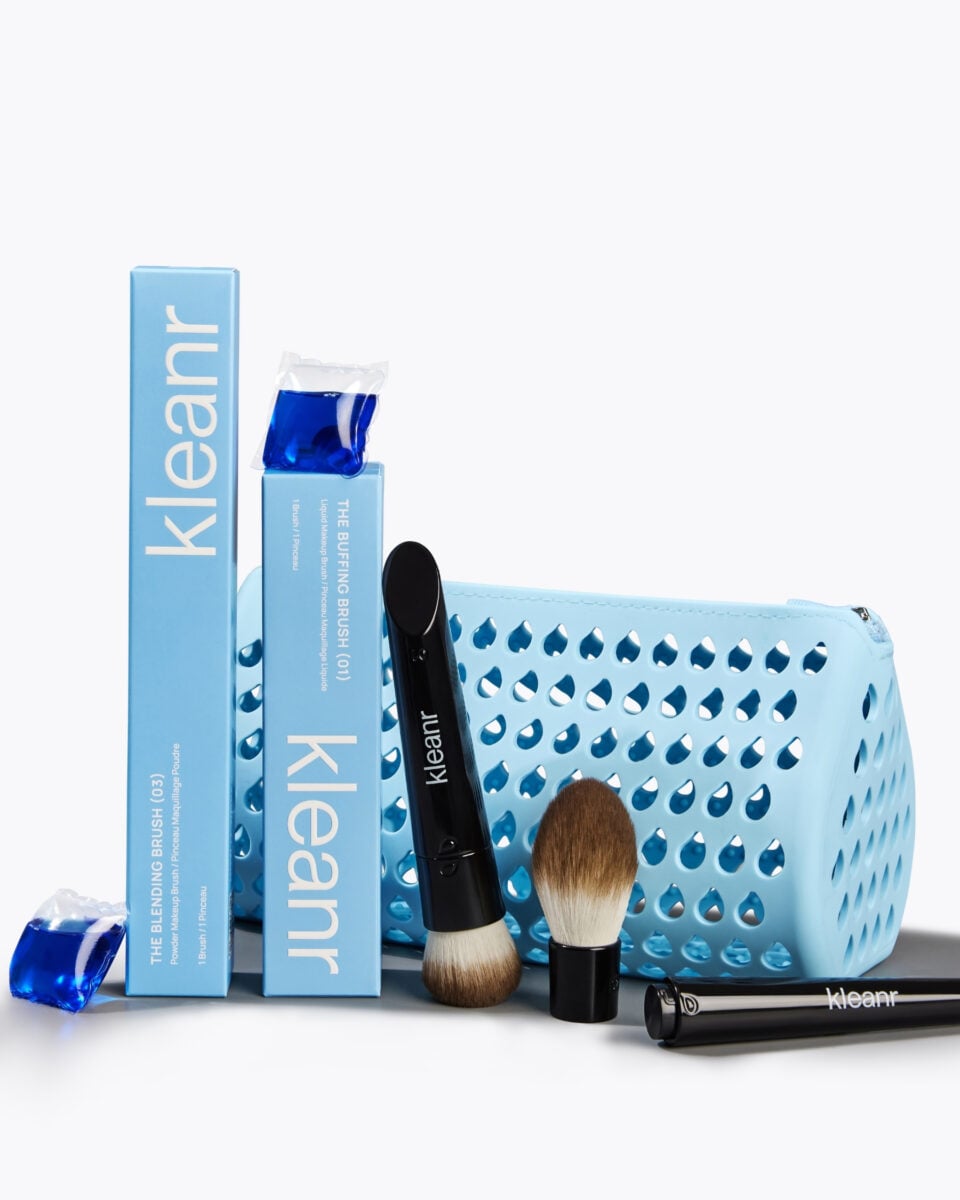
Kleanr’s debut collection includes three essential face brushes with detachable heads, an innovative silicone washing bag, and detergent pods formulated to disinfect and hydrate brush bristles. Sold together as a kit and individually, these products are designed to work together as a system for a thorough clean in any washing machine.

For professional makeup artists in particular, Kleanr said its products offer both a practical and hygienic solution. Brush heads are available for separate purchase and can be switched between clients, helping reduce kit size while supporting a more hygienic service.

“Makeup brushes are a timeless beauty tool that have yet to evolve to meet the demands of our fast-paced, results-driven world,” said Brooke Hegedus, founder of Kleanr Cosmetics. “At Kleanr, we’ve created a solution that combines quality, innovation, and convenience to simplify brush maintenance and encourage a Kleanr beauty routine.” 

Hegedus was inspired to create the brand through her own experience, “As someone who wears makeup daily, I always dreaded cleaning my brushes. Like many people, I would put it off for weeks, sometimes even months, leading to product buildup that affected both my skin health and makeup application. I knew there had to be a better way, and that’s how the idea for Kleanr was born.”

In an interview with Retail Insider, Hegedus talked about the company and the development of the products.

Brooke Hegedus
Brooke Hegedus

What prompted you to develop a machine washable makeup brush system, and what research or product testing went into developing the patent pending technology?

The idea for Kleanr came from my own frustration with cleaning makeup brushes. I wear makeup regularly and, like a lot of people, I found myself putting off washing my brushes because the process was tedious and time consuming.

One day while standing over my sink cleaning them, I remember thinking, wouldn’t it be great if I could just throw these in the washing machine the same way we wash clothes, sneakers, sports equipment and so many other everyday items?

That thought immediately sent me down a rabbit hole. I did an extensive online search to see if anything like it had ever been tried or done before, and to my surprise, I could not find an existing machine washable makeup brush system.

At that point, I had to test the idea for myself. I literally started sawing the wooden handles off regular makeup brushes, putting the brush heads into a mesh bra bag and running them through the washing machine just to see what would happen. My fiancé definitely thought I was losing it, but I needed to see with my own eyes whether the concept could actually work.

Those early experiments eventually turned into a 2.5 year product engineering and development process with Spark Innovations, an industrial design and product development firm. Together, we worked through countless prototypes, material testing, manufacturing trials and refinements across every part of the system.

The Washing Bag was probably the most challenging product for us to design and manufacture. From the beginning, I knew I wanted something that combined the protective function of a laundry bag with the textured surface of a traditional makeup brush cleaning mat. Making those two ideas work together in production was another story.

There were a lot of small details I refused to compromise on, from the texture and water flow to the shape, closure and overall durability. We went through months of prototyping and tweaking with the factory, so finally getting the green light on the design was incredibly rewarding. The final bag includes a textured interior to help create bristle agitation, perforations to support water flow and a locking zipper to keep the brush heads secure during the wash cycle.

The brushes themselves went through the same level of development. We had to consider the removable head connection, repeated exposure to water and heat, and how the brushes would continue to perform after machine washing. The final brushes use materials specifically selected for their water and temperature resistance and their ability to withstand repeated machine washing.

As the designs became more defined, protecting the intellectual property became an important part of the process as well. I worked closely with the intellectual property team at Craig Wilson and Company, who conducted an extensive patent and prior art analysis before we moved forward with filing. We wanted to understand what had been done before and make sure there was a meaningful basis for protecting what we had created.

Based on that analysis, we did not identify an existing patent for a silicone washing bag designed specifically to clean makeup brush heads in a washing machine, or for a makeup brush with removable heads designed specifically for machine washing. We ultimately filed two separate utility patent applications, one covering the makeup brush design and one covering the Washing Bag, both of which are now pending.

One thing I learned very quickly through the patent process is how much the smallest design and functional details matter. An idea can sound similar to something that has existed before at a broad level, but the specific way a product is designed, functions and solves a problem is where the distinction often lies. That process forced us to look at every element of the system incredibly closely and helped shape some of the details we ultimately brought into the final products.

Kleanr photo
Kleanr photo

How does the Brush Kleaning System compare with traditional makeup brush cleaning methods in terms of cleaning effectiveness, drying time, durability and maintaining brush performance after repeated machine washes?

The biggest difference is the amount of hands-on work and time involved. Traditional brush cleaning usually involves wetting, lathering, scrubbing and rinsing each brush individually. This can be a tedious and messy process that many people put off. With Kleanr, the process is much easier: brush heads are removed from the handles, placed together inside the Washing Bag with a detergent pod and cleaned in the washing machine.

One benefit that really stood out during testing was the drying time. Because the washing machine’s spin cycle removes so much excess water from the brush heads, they air dry considerably faster than brushes I wash by hand. I would typically have to leave my hand washed brushes to dry overnight, whereas in our testing, Kleanr brush heads have generally been dry and ready to use within about an hour. Drying time can vary depending on the brush, wash cycle and environment, but the difference has been very noticeable.

From the beginning, I also knew I did not want to create brushes that were simply easy to wash in the machine. The quality and performance had to be on par with, if not better than, the leading makeup brush brands. I wanted it to feel like having your favourite makeup brush, but without ever having to worry about the time consuming and messy task of washing it by hand.

Material selection was a huge part of making that possible. Kleanr brushes use PPE plastic handles and ferrules, epoxy resin glue, and synthetic fibre bristles, with each component selected specifically for water resistance, temperature resistance and repeated machine washing.

Many traditional makeup brushes are built with materials such as wooden handles, metal ferrules and conventional adhesives that are designed for hand washing rather than the heat, water exposure and movement of a washing machine. We had to rethink the construction from the ground up so the brushes could handle that environment without sacrificing how they feel or perform.

The Washing Bag was developed with the same mindset. It is made almost entirely of medical grade silicone, which we selected for its durability, hygienic properties, temperature resistance and non-reactive nature. The material was chosen specifically to withstand repeated machine washing while still protecting the brush heads and supporting the cleaning process.

For both the makeup brushes and washing bag, we went through boxes and boxes of material samples and tested different combinations until we found components that could perform exceptionally both during makeup application and through repeated machine washing.

I have also personally been using the same set of Kleanr brushes almost every day for over a year and washing them several times a week. Over that time, I have not noticed any meaningful change in the shape of the brushes or how they perform during makeup application.

Ultimately, the goal was never just to create a makeup brush that could survive a washing machine. It had to come out clean, maintain its shape and performance, and still feel like a high quality beauty tool that someone would genuinely want to use every day.

Kleanr photo
Kleanr photo

What testing has been conducted to support the claim that the detergent pods disinfect and hydrate brush bristles, and what evidence do you have regarding the system’s effectiveness in removing bacteria, makeup residue and other contaminants?

I want to clarify some of the wording used in our original press release. We initially described the detergent pods as being formulated to “disinfect and hydrate” the brush bristles, but we have notconducted independent microbiological testing to substantiate a specific bacterial reduction or disinfection claim, so I would not want to overstate that language.

The detergent pods were specifically developed to deeply cleanse brush fibres by removing makeup, oils, product buildup and residue. The formula combines surfactants and enzymes used for cleansing with ingredients selected to help prevent the fibres from feeling overly stripped after washing. Our Safety Data Sheet lists glycerin at 8%, where it functions as a humectant, and coconut fatty acids at 7% as an emulsifier.

Those ingredients were part of the reason we originally used the word “hydrate,” but we have not conducted a specific hydration study on the brush fibres, so I think it is more accurate to say that the formula was designed to cleanse effectively while helping maintain the feel of the bristles rather than claiming a measured hydration benefit.

In terms of cleaning effectiveness, the detergent is formulated to remove makeup, oils, product buildup and residue trapped within the fibres, while the Washing Bag adds mechanical agitation and allows water and detergent to flow throughout the brush heads during the wash cycle.

We have not yet conducted independent microbiological testing to quantify bacterial reduction or the removal of specific microorganisms. That is something I would like to pursue as the brand grows, because I think having measurable data around bacterial reduction would be valuable. For now, I would rather be very clear about what we can substantiate: the system is designed to remove makeup, oils, buildup and residue and to support a cleaner, more hygienic brush routine.

Who is your target customer, and how do you see the product serving both everyday makeup users and professional makeup artists, particularly in terms of hygiene, cost savings and the ability to replace individual brush heads?

Kleanr was intentionally designed for both everyday makeup users and professional makeup artists because, although their needs are slightly different, the underlying problem is the same: makeup brushes need to be cleaned regularly, but the process is time consuming and easy to put off.

For everyday users, the biggest benefit is convenience. I was that customer myself. I would delay cleaning my brushes simply because I did not want to stand at the sink washing them one by one.
Kleanr makes regular brush maintenance much more practical by allowing multiple brush heads to be cleaned together in the washing machine.

For professional artists, the system solves a slightly different problem. Hygiene and turnaround between clients are extremely important, and the removable brush heads allow artists to swap heads while continuing to use the same handles. At the end of the workday, the used heads can be machine washed and prepared for the next day.

Kleanr photo
Kleanr photo

The replaceable head design also creates a meaningful cost and sustainability advantage for both audiences. Our brush heads will be available for separate purchase at a fraction of the cost of replacing the full brush, so if a head eventually becomes worn or needs to be replaced, the customer can keep the handle and simply replace the part they need.

For professional artists in particular, there is also value in being able to build out a larger rotation of brush heads over time. Rather than purchasing a full brush every time they need more capacity between clients, they can add individual heads to the system as needed.

To me, this also fits with the broader shift I’m seeing toward refillable and replaceable products in beauty. I think consumers increasingly value the ability to replenish or replace only what they need, both to reduce cost and avoid unnecessary waste. Kleanr applies that same thinking to a category where the entire tool has traditionally been replaced as one piece.

Ultimately, Kleanr is for anyone who values makeup brush performance but wants a more convenient and hygienic way to maintain their tools. Whether that means making it easier for someone at home to wash their brushes more regularly or helping a professional artist manage a busy kit between clients, the system was designed to make good brush hygiene easier to maintain consistently.

With the products launching exclusively through your website in fall 2026, what are your initial sales and distribution goals, planned pricing, and longer term growth strategy for Kleanr Cosmetics in Canada and potentially international markets?

For our launch, Kleanr will be available exclusively through our website. I made that decision intentionally because I want the first stage of the brand to focus on introducing the system directly to consumers, educating them on how it works and learning from their experience with the products.


My initial focus is to establish product market fit and build awareness around Kleanr as a new approach to makeup brush maintenance. Because this is an entirely new concept, education will be a big part of the launch. I want customers to understand not only that the brushes can be machine washed, but why the removable heads, Washing Bag and detergent were all designed to work together.

At launch, the Brush Kleaning System Starter Kit will retail for $114 CAD. Individually, the Buffing Brush will retail for $28, the Sculpting Brush and Blending Brush for $26 each, the Washing Bag for $34, and a 30 pack of detergent pods for $16.

In terms of distribution, our initial focus will be Canada and the United States. I want to build a strong foundation in North America before expanding internationally. Longer term, I would love to see Kleanr available through major beauty retailers because I think the system becomes especially compelling when customers can see and experience the removable brush design in person.

My goal is for Kleanr to become known for creating practical beauty innovations that rethink routines people have accepted as inconvenient simply because that is how they have always been done. We are starting with three essential brushes, but that is only the beginning of the Brush Kleaning System line. We plan to continue expanding into additional brush shapes and sizes, and we already have other innovative products in development that build on Kleanr’s broader goal of making beauty routines more efficient, hygienic and practical.

More from Retail Insider:

More Canadians tapping into savings or borrowing to pay for food: Dalhousie report

Gustavo Fring photo
Gustavo Fring photo

A new report says Canadians are facing a new squeeze: transportation costs are soaring, familiar grocery-saving tactics are losing momentum, and more households are tapping savings or borrowing to pay for food.

Here are the key findings from the latest Canadian Food Sentiment Index from Dalhousie University’s Agri-Food Analytics Lab, supported by Caddle Insights:

1. Transportation costs are the new pressure point

Food remains the top cost concern (76.7%), but transportation has jumped to second place: 41.2% now rank it among the expenses rising most, up from 20.2% just six months earlier. Nearly eight in 10 (79.2%) say their transportation costs increased over the past year.

2. Grocery-saving strategies are losing steam

The six leading saving strategies are less frequently reported than two years ago. Coupon use fell from 30.5% to 20.3%; shopping at cheaper stores dropped from 24.9% to 21.0%. Seeking sales remains the leading tactic at 45.5%. Consumers may be reaching the limits of how much they can adjust.

“Canadians have spent years adapting their shopping habits to stretch their food dollars.” said Dr. Stacey Taylor, Assistant Professor of Accounting, Telfer School of Management, University of Ottawa. “The decline in several saving strategies suggests fatigue may be setting in. Households have limited time and energy to chase every deal, especially when getting to the store is becoming more expensive.”

3. Store brands are becoming a lasting habit

Choosing generic and private-label foods recorded the largest two-year gain among the value-based behaviours measured, rising from 2.91 to 3.47 on a five-point frequency scale. This suggests store brands are becoming a routine choice, even as inflation-driven brand switching has eased.

4. Food inflation feels much higher than it is

Canadians perceived food inflation at 7.9% over the past year, far above the 2.8% official grocery inflation rate used as the report’s August reference. More than half (53.0%) believed food prices rose at least 8% since last year and one in four (25.1%) expects increases above 10% in the year ahead.

“Slower inflation does not mean food has become affordable again. Canadians are still feeling the cumulative rise in prices, which helps explain why their inflation perceptions remain elevated. Rising energy costs add to household pressures, keeping affordability in the driver’s seat when making food choices. The stabilization of grocery shopping behaviours suggests that some cost-saving adjustments are becoming lasting habits,” said Dr. Armağan Özbilge, Assistant Professor, Faculty of Management, Dalhousie University.

5. One in three Canadians is drawing on savings or borrowing to eat

Nationally, 32% reported using savings or borrowing money to buy food, up four percentage points year over year. Saskatchewan recorded the highest rate (36%), followed by Alberta (35%) and Ontario (34%). Prince Edward Island was lowest (14%), although its small sample requires caution; Nova Scotia followed at 24%.

6. Dining out is driving the latest food-budget increase

Estimated combined monthly food spending reached $521, up from $497 in Spring 2025. Over the latest six months, grocery spending edged down from $412 to $409, while dining out and takeout rose by 3.8%.

Millennials lead food-away-from-home spending at $132.48 per month, ahead of GenX ($116.54).

“Overall, the results show that Canadians are not just confronting higher food prices; they are changing how they live with them. Transportation is taking a bigger bite, savings strategies are wearing thin, and one in three people is turning to savings or credit to put food on the table. That is a warning sign for household financial resilience,” said Dr. Sylvain Charlebois, Senior Director, Agri-Food Analytics Lab

Greta Hoffman photo
Greta Hoffman photo

Released twice a year, the Index tracks how Canadians perceive food prices, manage household spending and change their food purchasing habits. The Fall 2026 edition surveyed 2,998 Canadians and compares trends across five waves since Fall 2024.

More from Retail Insider: