Home Blog Page 30

Custom Silver Jewelry: Design Process, Benefits, and Expert Craftsmanship

Custom silver jewelry has become increasingly popular among individuals and jewelry brands looking for unique, high-quality designs that reflect personal style or strengthen brand identity. Unlike mass-produced jewelry, custom silver pieces are crafted to meet specific design requirements, making every piece distinctive and meaningful.

The Art of Designing Custom Silver Jewelry

Designing custom silver jewelry is a collaborative process that involves the client and the jeweler. It begins with a consultation, where the client shares their ideas, inspiration, and any specific requirements they may have. This could include the type of jewelry (such as a ring, necklace, or bracelet), the style (e.g., modern, vintage, or bohemian), and the symbolism or meaning they want the piece to convey.

For example, a couple may come to a jeweler with the idea of creating matching wedding bands that incorporate elements of their favorite vacation destination. They could provide pictures of the beach, the sunset, or local flora and fauna to inspire the design. For more complex or large-scale projects, many designers and jewelry brands choose to work with an experienced China jewelry manufacturer to turn creative concepts into production-ready collections while maintaining design consistency and manufacturing efficiency.

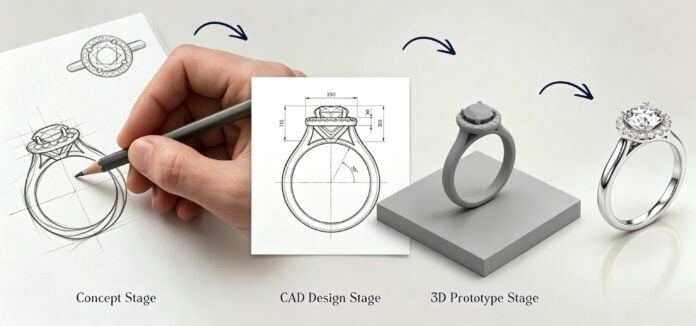
Once the initial sketch is approved, the jeweler will create a detailed design, which may include precise measurements, the placement of gemstones (if any), and the choice of silver alloy. This stage is crucial as it allows the client to visualize the final piece and make any necessary adjustments before the actual fabrication begins.

Some jewelers also use computer-aided design (CAD) software to create 3D models of the jewelry. This technology provides a more accurate representation of the design, allowing the client to view the piece from different angles and make more informed decisions. It also enables the jeweler to identify any potential design flaws or issues before moving forward with the manufacturing process.

For jewelry brands and retailers, this digital development process also makes communication more efficient. Professional manufacturers can optimize CAD files, recommend suitable production techniques, and prepare prototypes before bulk production, helping reduce costs while ensuring the final product matches the original design.

The Craftsmanship Behind Custom Silver Jewelry

Once the design is finalized, skilled craftsmen transform the concept into a finished piece of custom silver jewelry through a combination of advanced technology and traditional techniques.

The manufacturing process usually begins with CAD modeling and prototype development. Based on the approved design, manufacturers create precise molds or prototypes before moving into production. Casting is one of the most commonly used methods for sterling silver jewelry, allowing manufacturers to produce complex shapes while maintaining consistency across multiple pieces.

For more detailed or artistic designs, experienced jewelers may use hand fabrication techniques, carefully shaping, soldering, and refining individual silver components. This craftsmanship is especially valuable for unique custom designs that require fine details and special finishing effects.

Professional jewelry manufacturers typically use high-quality 925 sterling silver, precision casting equipment, and skilled polishing techniques to achieve reliable production results. During manufacturing, multiple quality inspections are performed to check dimensions, surface finishing, gemstone settings, and plating consistency.

After the main structure is completed, each piece goes through finishing processes such as polishing, stone setting, and surface treatment. These steps enhance the appearance, durability, and overall quality of the final jewelry piece, ensuring that every custom design meets the expectations of jewelry brands and wholesale buyers.

The Benefits of Choosing Custom Silver Jewelry

There are numerous benefits to choosing custom silver jewelry over mass-produced pieces. One of the primary advantages is the ability to create a truly unique piece that reflects your individual style and personality. Whether you have a specific vision in mind or want to commemorate a special occasion, a custom piece allows you to express yourself in a way that off-the-shelf jewelry cannot.

Take, for example, a woman who wants to create a pendant to honor her grandmother. She could work with a jeweler to incorporate her grandmother’s favorite flower, a meaningful symbol, or even a small engraving of her grandmother’s initials. The resulting pendant would not only be a beautiful piece of jewelry but also a cherished keepsake that holds deep emotional value.

Custom silver jewelry also offers a higher level of quality and craftsmanship. Since each piece is made by hand or with meticulous attention to detail, you can expect a superior level of finish and durability. Jewelers who specialize in custom work often use high-quality silver alloys and gemstones, ensuring that your jewelry will last for generations.

Additionally, choosing custom silver jewelry supports local artisans and small businesses. By working with a local jeweler, you are not only getting a unique piece of jewelry but also contributing to the local economy. You can also have a more personal connection with the person who creates your jewelry, as you are involved in the design process from start to finish.

Another benefit is the potential for customization in terms of size and fit. Mass-produced jewelry often comes in standard sizes, which may not fit everyone perfectly. With custom jewelry, you can ensure that the piece fits you comfortably and securely, whether it’s a ring that fits your finger just right or a necklace that drapes elegantly around your neck.

Beyond individual customers, custom silver jewelry has become an increasingly popular choice for jewelry brands, boutiques, and online retailers. Developing exclusive collections helps businesses strengthen their brand identity, avoid direct price competition, and offer customers products that cannot be found elsewhere.

Why Jewelry Brands Choose Custom Silver Jewelry

As consumer demand for personalized jewelry continues to grow, more jewelry brands are investing in custom silver jewelry to build distinctive product collections. From original design development and prototype creation to flexible production and private labeling, custom manufacturing allows businesses to respond quickly to changing market trends while maintaining product quality and brand consistency.

This approach is particularly valuable for private label brands, wholesalers, and independent designers seeking greater product differentiation in competitive markets.

Many experienced jewelry manufacturers also offer low minimum order quantities (MOQs), rapid prototyping, and flexible customization services, making it easier for both startups and established brands to launch exclusive collections with lower investment and reduced development risk.

Caring for Your Custom Silver Jewelry

Once you have your beautiful custom silver jewelry, it’s important to take proper care of it to ensure its longevity and beauty. Silver is a relatively soft metal, so it can be easily scratched or dented if not handled carefully.

To clean your silver jewelry, you can use a mild soap and warm water solution. Gently soak the jewelry in the solution for a few minutes, then use a soft-bristled brush to remove any dirt or debris. Rinse the jewelry thoroughly with clean water and pat it dry with a soft, lint-free cloth. Avoid using abrasive cleaners or harsh chemicals, as these can damage the silver and any gemstones in the piece.

When not wearing your custom silver jewelry, it’s best to store it in a cool, dry place. You can use a jewelry box or a soft pouch to protect it from scratches and tarnishing. If you have multiple pieces of silver jewelry, it’s a good idea to store them separately to prevent them from rubbing against each other.

Over time, silver may tarnish due to exposure to air and certain chemicals. To remove tarnish, you can use a silver polishing cloth or a silver cleaning solution specifically designed for jewelry. Follow the instructions on the product carefully and be gentle when cleaning the jewelry to avoid scratching it.

For example, if you have a custom silver bracelet with intricate details, you may need to be extra careful when cleaning it to ensure that the details are not damaged. Use a soft brush to gently clean the crevices and then polish the bracelet with a soft cloth to restore its shine.

In conclusion, custom silver jewelry offers a world of possibilities for those who want to own unique, meaningful, and high-quality pieces. From the creative design process to the skilled craftsmanship and the long-term care, every aspect of custom silver jewelry is a testament to the artistry and individuality it represents. Whether you are looking for a meaningful personal keepsake or developing an exclusive jewelry collection for your business, custom silver jewelry offers exceptional flexibility, craftsmanship, and long-term value. From one-of-a-kind designs to scalable production, personalized silver jewelry continues to be an ideal choice for both individual customers and growing jewelry brands.
Unveiling the Excellence of Endlessjewe: A Trusted Chinese Jewelry Manufacturer

China has become one of the world’s leading jewelry manufacturing centers, providing high-quality jewelry production solutions for brands, wholesalers, retailers, and designers worldwide.

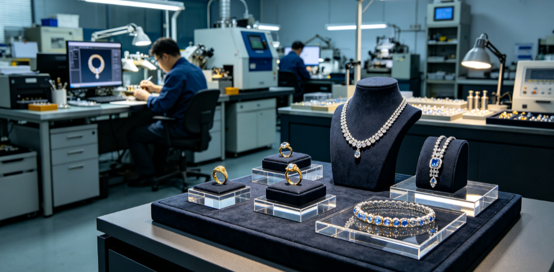
With over 20 years of experience, Endlessjewe is a professional Chinese Jewelry Manufacturer specializing in OEM and ODM jewelry production. Located in Guangzhou, China, we combine skilled craftsmanship, advanced technology, and a complete supply chain to help global customers create unique jewelry collections.

From concept development and design to manufacturing and delivery, we provide comprehensive jewelry manufacturing services for businesses around the world.


The Development of Jewelry Manufacturing in China

China has a long history of jewelry craftsmanship. For thousands of years, Chinese artisans have developed advanced techniques in working with precious metals, gemstones, and decorative materials.

Today, China’s jewelry industry has transformed from traditional workshops into a modern manufacturing ecosystem supported by:

  • Advanced production technology 
  • Skilled jewelry craftsmen 
  • Complete supply chains 
  • Professional quality management systems 

Modern jewelry manufacturers in China are capable of producing everything from fashion jewelry to high-end customized collections.

At Endlessjewe, we combine traditional craftsmanship with modern production methods to deliver high-quality jewelry solutions for international customers.


Professional Production Capabilities of Endlessjewe

As an experienced jewelry manufacturer in China, Endlessjewe provides complete production capabilities for different types of jewelry businesses.

Our product categories include:

  • Rings 
  • Necklaces 
  • Bracelets 
  • Earrings 
  • Pendants 
  • Charms 
  • Custom jewelry collections 

We specialize in manufacturing jewelry using various materials, including:

  • 925 Sterling Silver Jewelry 
  • Brass Jewelry 
  • Gold plated jewelry 
  • Gold vermeil jewelry 
  • Gemstone jewelry 

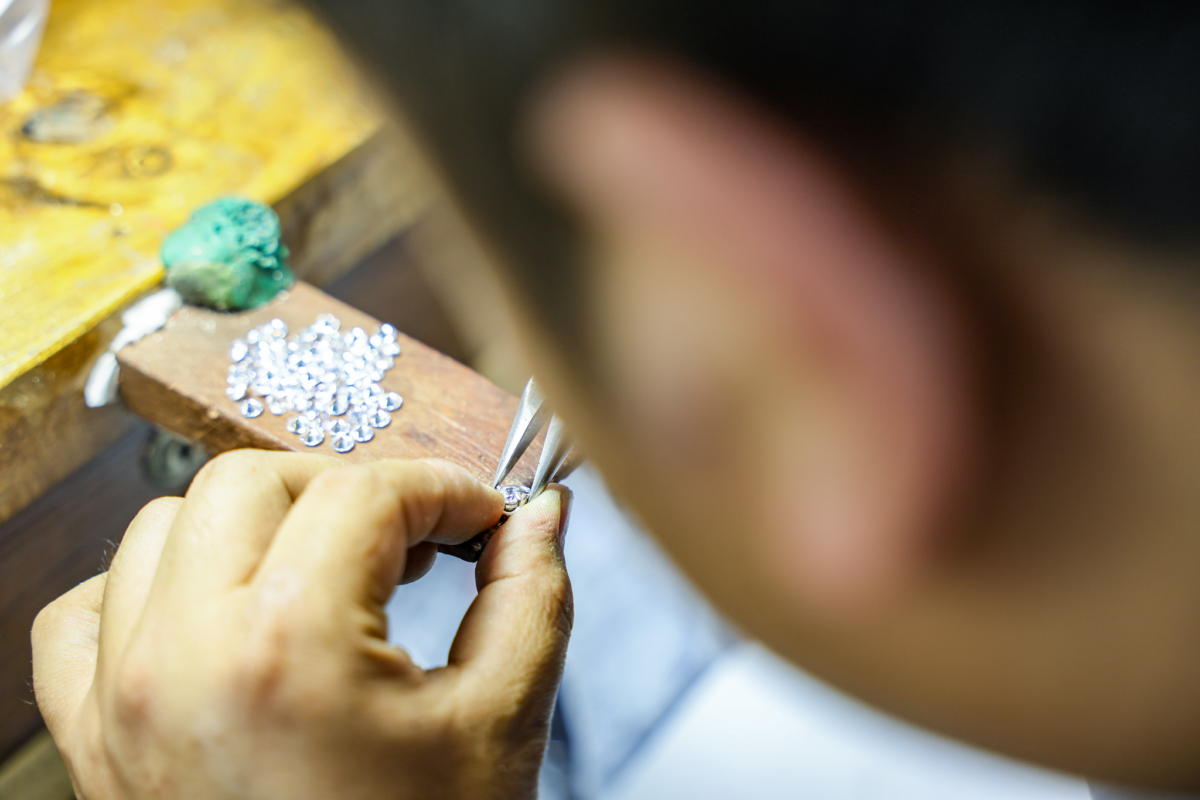
For gemstone-based products, we offer professional gemstone jewelry manufacturing services, including gemstone selection, setting, polishing, and final production.


Advanced Jewelry Manufacturing Process

A professional jewelry manufacturer requires not only craftsmanship but also advanced technology and efficient production management.

At Endlessjewe, our manufacturing process includes:

Jewelry Design & Development

Our design team helps customers transform ideas into finished products through professional design solutions.

We provide:

  • Custom jewelry design 
  • CAD jewelry drawings 
  • 3D modeling 
  • Product visualization 

With our 3D jewelry design service and jewelry 3D rendering service, customers can review and adjust designs before production begins.


Jewelry Casting and Production

After design approval, our production team begins manufacturing.

Our process includes:

  1. CAD design confirmation 
  2. Wax model creation 
  3. Jewelry casting 
  4. Stone setting 
  5. Polishing 
  6. Surface finishing 
  7. Quality inspection 

Our professional jewelry casting service ensures accurate details and consistent quality for every customized jewelry piece.


Custom Jewelry Manufacturing Solutions

One of the biggest advantages of working with Chinese jewelry manufacturers is flexible customization.

At Endlessjewe, we support:

  • Custom jewelry collections 
  • Private label jewelry 
  • Custom logo jewelry 
  • Brand-exclusive designs 
  • Small batch production 

Our jewelry private label service helps jewelry brands create unique products with their own identity.

Whether you are launching a new jewelry brand or expanding an existing collection, our team can provide complete support from design to production.


The jewelry market continues to evolve with changing consumer preferences.

Modern jewelry trends include:

  • Minimalist jewelry designs 
  • Personalized jewelry 
  • Sustainable jewelry 
  • Color gemstone jewelry 
  • Lab-grown diamond jewelry 

Consumers increasingly prefer jewelry that represents individuality and personal stories.

For example, birthstone jewelry has become increasingly popular. Gemstones such as amethyst, emerald, and ruby are widely used in customized jewelry collections.

Related gemstone resources:

  • February Amethyst Birthstone Guide 
  • Emerald May Birthstone Jewelry Guide 
  • Ruby July Birthstone Guide 

Strict Quality Control Standards

Quality control is one of the most important parts of professional jewelry manufacturing.

At Endlessjewe, every product undergoes multiple inspections before shipment.

Our quality control process includes:

  • Raw material inspection 
  • Product dimension checking 
  • Stone setting inspection 
  • Surface finishing inspection 
  • Plating quality testing 
  • Final appearance inspection 

Learn more about our manufacturing standards through our jewelry quality control process.

Our goal is to ensure every jewelry piece meets international customer expectations.


Why Global Brands Choose Endlessjewe

International jewelry brands, wholesalers, and designers choose Endlessjewe because we provide:

Complete Manufacturing Support

From initial ideas to finished products, our team manages every stage of production.

Competitive Factory Pricing

As a direct manufacturer, we help customers reduce sourcing costs while maintaining quality.

Flexible Customization

We support different project sizes, from sample development to large-scale production.

Reliable Partnership

With experienced production teams and professional service, we help customers build long-term jewelry businesses.

Learn more about our company through Endlessjewe Jewelry Manufacturer.


The Future of Chinese Jewelry Manufacturing

The future of China’s jewelry manufacturing industry will continue to focus on:

  • Digital jewelry design 
  • Advanced manufacturing technology 
  • Sustainable production 
  • Personalized jewelry experiences 
  • Global supply chain development 

With continuous innovation and improvement, Chinese jewelry manufacturers will remain important partners for global jewelry businesses.


Partner with Endlessjewe, Your Reliable Jewelry Manufacturer in China

Choosing the right jewelry manufacturer is essential for building a successful jewelry brand.

With more than 20 years of manufacturing experience, advanced production capabilities, and professional OEM/ODM services, Endlessjewe helps customers worldwide transform ideas into high-quality jewelry products.

Whether you need custom rings, gemstone jewelry, private label collections, or complete jewelry manufacturing solutions, our team is ready to support your business.

Contact Endlessjewe today and start creating your next jewelry collection with a trusted Chinese jewelry manufacturer.

Contact Endlessjewe

The Essential Guide to Jewelry Manufacturing: Sourcing, Process, and Quality

Jewelry manufacturers play a pivotal role in the global jewelry industry. They are the creative forces behind the beautiful pieces of jewelry that adorn people around the world. From the design stage to the final product, these manufacturers are involved in every step of the jewelry-making process. In this article, we will delve into various aspects of jewelry manufacturers, including their types, design and production process, quality control, market trends, and future prospects.

Types of Jewelry Manufacturers

There are several types of jewelry manufacturers, each specializing in different areas of the industry. One of the most common types is the mass-production jewelry manufacturer. These companies produce large quantities of jewelry at relatively low costs. They often use standardized designs and manufacturing processes to meet the high-volume demands of the market. For example, a well-known mass-production jewelry manufacturer might produce thousands of simple gold-plated necklaces for a major retail chain. These necklaces are usually made with machine-assisted processes, which allow for quick and efficient production.

On the other hand, there are custom jewelry manufacturers. These are the artisans who create unique, one-of-a-kind pieces based on the specific requirements of their clients. A custom jewelry manufacturer might work closely with a customer to design and produce an engagement ring that incorporates the customer’s favorite gemstones and a personalized design. This type of manufacturing requires a high level of skill and creativity, as well as a deep understanding of the customer’s needs.

Another type is the luxury jewelry manufacturer. These companies focus on creating high-end, exclusive pieces using the finest materials such as diamonds, platinum, and rare gemstones. Luxury jewelry manufacturers often have a long-standing reputation for craftsmanship and quality. For instance, luxury brands such as Tiffany & Co. are known for exceptional craftsmanship, while many growing brands rely on an experienced wholesale jewelry supplier to manufacture precision-crafted pieces at scale.

Design and Production Process

The design process in jewelry manufacturing is a crucial step. It begins with inspiration, which can come from various sources such as nature, art, or historical periods. Designers sketch out their ideas on paper, creating detailed drawings of the jewelry piece. They consider factors like the type of gemstones to be used, the overall style, and the target market. For example, if the target market is young, trendy consumers, the design might be more modern and edgy.

Once the design is finalized, the production process starts. For metal-based jewelry, the first step is usually metal casting. The design is used to create a mold, and molten metal is poured into the mold to form the basic shape of the jewelry. After casting, the piece undergoes various finishing processes such as polishing, engraving, and setting of gemstones. Gemstone setting is a highly skilled task, as it requires precision to ensure that the gemstones are securely held in place and are aesthetically pleasing.

In the case of beaded jewelry, the production process is different. Beads are selected based on their color, size, and material. They are then strung together using various techniques. Some beaded jewelry might also incorporate other elements such as metal findings or charms. For example, a handmade beaded bracelet might have a combination of glass beads, silver findings, and a small charm.

Quality Control

Quality control is of utmost importance in jewelry manufacturing. Jewelry manufacturers have strict quality control measures in place to ensure that their products meet the highest standards. One of the key aspects of quality control is the inspection of raw materials. Gemstones are carefully examined for their clarity, color, and cut. Metals are tested for their purity and strength. For example, gold is often tested to ensure that it meets the specified karatage.

During the production process, there are also multiple inspection points. Each piece of jewelry is checked for any defects, such as scratches, uneven surfaces, or loose gemstones. For instance, in a factory that produces diamond rings, every ring is inspected under a magnifying glass to detect any flaws in the diamond or the setting. After the production is complete, the final product is subjected to a comprehensive quality check. This includes checking the overall appearance, the functionality of any moving parts, and the durability of the piece.

Jewelry manufacturers also often obtain certifications to prove the quality of their products. For example, diamonds are often certified by gemological institutes such as the Gemological Institute of America (GIA). These certifications provide customers with confidence in the quality and authenticity of the jewelry they are purchasing.

The jewelry market is constantly evolving, and jewelry manufacturers need to stay abreast of the latest trends. One of the current trends is the growing demand for sustainable and ethical jewelry. Consumers are becoming more conscious about the environmental and social impact of their purchases. As a result, many jewelry manufacturers are using recycled metals and ethically sourced gemstones. For example, some companies are using recycled gold to reduce the environmental impact of mining. They are also ensuring that the gemstones they use are mined under fair labor conditions.

Another trend is the popularity of personalized jewelry. Consumers are looking for jewelry that reflects their individuality. Jewelry manufacturers are responding to this trend by offering customization options such as engraving names, dates, or special messages on the jewelry. For instance, a necklace with the initials of a loved one has become a popular gift item.

Technology is also playing a significant role in the jewelry market. 3D printing has revolutionized the jewelry design and production process. It allows for more complex and detailed designs to be created quickly and cost-effectively. Some jewelry manufacturers are using 3D printing to produce prototypes or even the final pieces. Virtual reality (VR) and augmented reality (AR) are also being used to enhance the customer experience. Customers can use VR or AR to visualize how a piece of jewelry will look on them before making a purchase.

Future Prospects

The future of jewelry manufacturers looks promising, but they also face some challenges. One of the opportunities is the growing middle-class population in emerging economies. As more people in these countries have disposable income, the demand for jewelry is likely to increase. Jewelry manufacturers can tap into these markets by offering a range of products at different price points.

However, they also need to deal with increasing competition. With the rise of e-commerce, more and more jewelry retailers are entering the market. This means that jewelry manufacturers need to differentiate themselves through innovation, quality, and customer service. They also need to adapt to changing consumer preferences, which can be influenced by social media and global trends.

Advancements in technology will continue to shape the future of jewelry manufacturing. New materials and manufacturing techniques will emerge, allowing for the creation of more unique and high-quality pieces. For example, nanotechnology might be used to create jewelry with enhanced properties such as increased strength or new color effects. In addition, the use of artificial intelligence in design and production could lead to more efficient processes and better-tailored products.

Overall, jewelry manufacturers will need to be agile and innovative to succeed in the future. By staying ahead of the trends, maintaining high-quality standards, and leveraging technology, they can continue to thrive in the competitive jewelry industry.

Daily Synopsis: Jul 31, 2026

Welcome to the Daily Synopsis by Retail Insider. We hope you enjoy the 10 articles we published covering notable developments in Canadian and international retail.

Alimentation Couche-Tard reached a deal to acquire a controlling stake in Poland’s Żabka Group for US$8.6 billion, significantly expanding its European footprint with over 13,000 stores integrated into its Circle K network and enhancing digital and loyalty platforms. Retail Insider also explored what Couche-Tard could gain beyond store growth from Żabka’s innovative convenience formats, autonomous checkouts, and robust digital ecosystem.

Sobeys surpassed its food waste reduction target five years ahead of the UN’s 2030 goal by expanding its FoodHero program and increasing food donations. Retail employment data released by Statistics Canada showed ongoing growth in retail jobs in May, led by food, beverage, and motor vehicle sectors. Additionally, Loblaw announced plans for about 75 new stores in 2027 focusing on discount, pharmacy, and healthcare formats, while Canada Goose advanced its year-round apparel strategy to diversify revenue. T&T Supermarket achieved record sales in California fueling its U.S. expansion into dense multicultural markets.

🗞️ The Day’s Retail Insider Article List

🌐 Canadian Retail News From Around the Web

What Couche-Tard Could Gain from Żabka Beyond 13,000 Stores

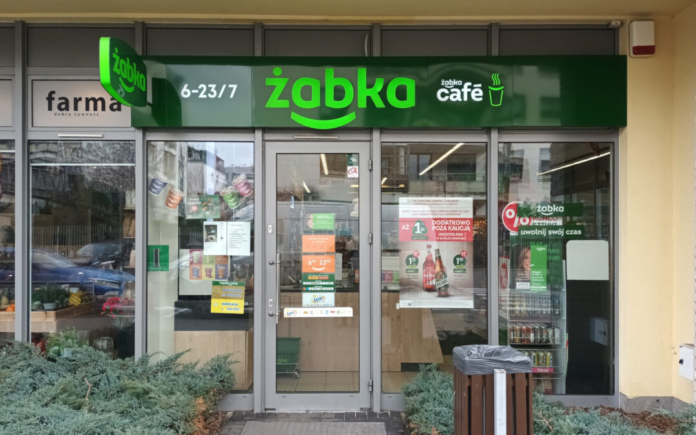
Żabka store. Photo: Notes from Poland

Alimentation Couche-Tard is poised to add more than 13,000 locations to its global network through its proposed acquisition of Żabka Group, but some of the most interesting assets it gains could be found inside stores measuring only a fraction of the size of a typical North American convenience location.

The Polish retailer has built a dense network around compact neighbourhood stores, backed by an extensive digital ecosystem, a major loyalty platform and a growing presence in autonomous retail. For Couche-Tard, those capabilities could provide lessons that extend across its global operations.

Montreal-based retail strategist Carl Boutet said Żabka has emerged as one of the more technologically progressive convenience-store operators in Europe, making its operating model an important part of the strategic value behind the acquisition.

“I find more interesting the tech thing,” Boutet told Retail Insider, pointing to Żabka’s autonomous stores and loyalty capabilities.

Boutet said acquisitions of innovative retailers can sometimes bring “extra digital DNA” into the acquiring company, while emphasizing that he has no inside knowledge of Couche-Tard’s plans for Żabka.

As Retail Insider reported Friday, Laval-based Couche-Tard has agreed to acquire a controlling stake in Żabka and launch a voluntary tender offer for the remaining shares at PLN 32 per share. The transaction values Żabka at approximately US$8.6 billion and would be the largest acquisition in Couche-Tard’s history.

Couche-Tard currently operates close to 17,300 stores globally, while Żabka reported 13,063 locations as of June 30. The combination would create a network of approximately 30,300 stores, although the way Żabka operates those locations may prove just as important as the number Couche-Tard is acquiring.

A Different Convenience Store Model

Żabka’s modular neighbourhood stores average approximately 65 square metres, or about 700 square feet, and operate across urban, suburban and rural markets. The network is supported by approximately 11,000 franchisees and has become deeply embedded in Poland, where approximately 18 million consumers live within 500 metres of a Żabka location.

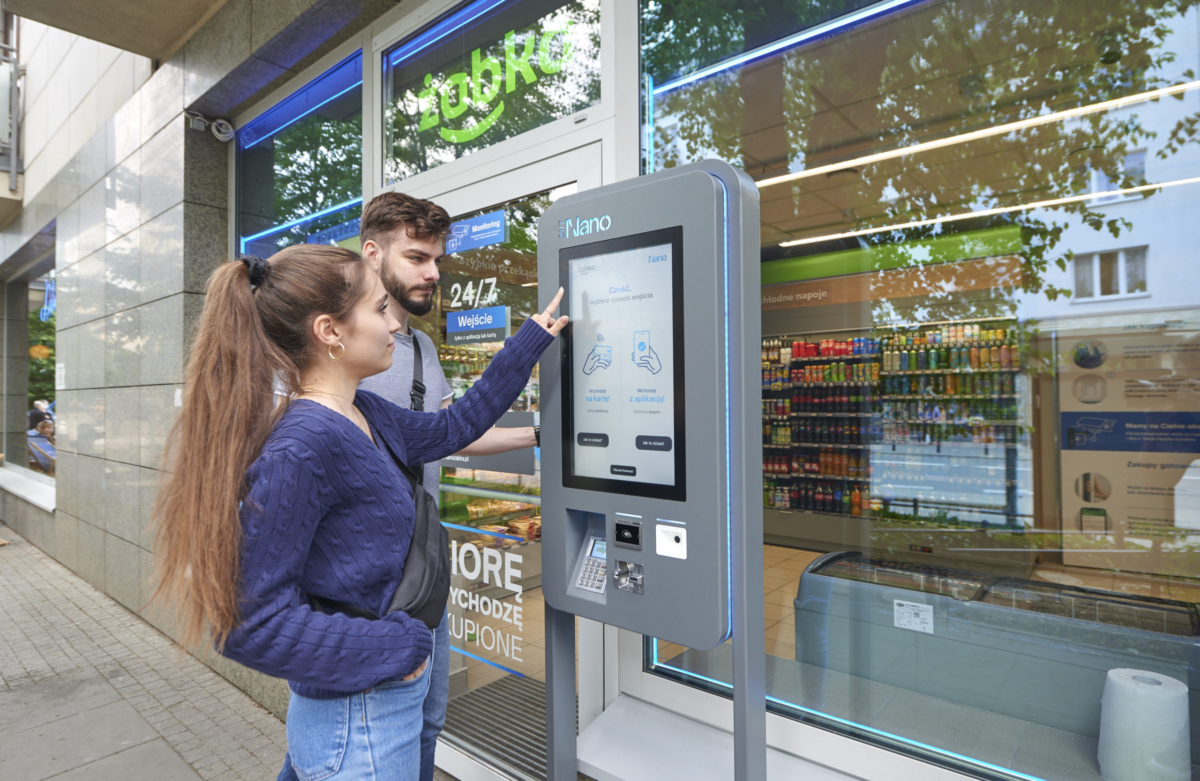
Technology is central to that model. Żabka has developed its Żabka Nano autonomous-store concept alongside a broader digital operation encompassing loyalty, e-commerce, meal delivery, logistics and retail media. The company processes approximately 4.3 million transactions per day and reported 11.2 million Żappka app users as of June 30.

Boutet identified checkout technology, compact formats and loyalty as three areas he believes could be particularly interesting for Couche-Tard.

Carl Boutet at Royalmount in Montreal. Image: Carl Boutet

“The checkout technology, the smaller footprint, the loyalty program, I think are all places where they could benefit from the acquisition,” he said.

The economics of smaller stores are especially relevant as retailers scrutinize how efficiently they use space. Autonomous checkout can reduce the area required for a traditional cash wrap and potentially allow more of a compact store to be devoted to merchandise, while a smaller footprint can increase the range of markets where a convenience retailer can operate.

“It allows them to go into different markets,” Boutet said.

Regional and suburban markets could potentially support more locations when each requires less space, he added. Technology, autonomous operations and new approaches to delivery can create additional possibilities around those formats.

Boutet also pointed to smaller and underserved Canadian communities, including places that have lost grocery or convenience options as conventional stores become increasingly expensive to operate. He stressed that he was not suggesting Couche-Tard intends to introduce Żabka’s model in Canada, but said acquiring a company experienced in operating compact stores gives Couche-Tard a wider range of models to study as it considers how convenience retail could evolve in different markets.

Digital Engagement at Scale

Żabka’s physical network is closely tied to its digital operations. At the end of 2025, the company reported 10 million digitally active shoppers, while purchases made by Żappka users averaged 20% higher than those of other customers. Revenue from Żabka’s digital customer offering grew 25% during the year.

Its digital ecosystem has also expanded beyond the core convenience business through operations including Maczfit, Dietly, Delio and Jush!, while Żabka has developed a retail media business using its physical network and digital customer relationships.

Couche-Tard has already identified digital engagement, customer loyalty and innovation among the capabilities it sees in Żabka. For Boutet, the opportunity does not necessarily require Couche-Tard to duplicate Żabka concepts store for store.

“I think it definitely can inspire and influence” how Couche-Tard approaches its business, he said.

Boutet also pointed to Couche-Tard’s expansion in Scandinavia, saying operations acquired there brought another wave of digital ideas into the company. He believes Żabka could provide a similar opportunity to study practices developed within another advanced convenience market.

What Couche-Tard Brings to Żabka

The exchange of expertise could work in both directions. Boutet describes Couche-Tard as one of the world’s strongest convenience-store operators, with an unusually disciplined approach to costs, merchandise and store productivity.

“That’s their superpower, is their discipline,” he said.

Boutet said Couche-Tard has historically paid close attention to which products generate the strongest turnover and how efficiently space and capital are being used. That operating culture has helped the company grow from a Quebec convenience business into a network spanning dozens of countries and territories, and could help explain the value Couche-Tard sees in Żabka.

“They’re one of the best operators in the world in this space,” Boutet said.

Couche-Tard has identified approximately US$250 million in potential annual cost and revenue synergies from the transaction, expected to be fully realized by the third year after closing. Żabka’s supply chain could provide another area for learning, with more than 99% of products sold through its stores supplied through its own distribution system. Couche-Tard CEO Alex Miller has said that approach aligns with the Canadian company’s efforts to increase control over merchandise supply.

Couche-Tard has also signalled that Żabka will retain significant autonomy. The Żabka brand and franchise structure are expected to remain, giving the business room to continue operating the model that has driven its growth.

Żabka autonomous store. Photo: Microsoft

Europe Becomes Much Bigger for Couche-Tard

The transaction would significantly alter Couche-Tard’s geographic profile. Europe currently represents roughly 30% of its store network, while with Żabka included, Europe would account for approximately 60% of the combined store base.

Żabka itself continues to grow quickly. The company opened 1,394 stores during 2025 and reported a 14.1% increase in sales to end customers to PLN 31.1 billion, while adjusted EBITDA increased 16% to PLN 4.07 billion. Its expansion has largely been concentrated in Poland, with Romania providing a platform for further growth outside its home market.

The acquisition therefore gives Couche-Tard a considerably larger position in Central and Eastern Europe while shifting the geographic centre of gravity of its overall store network.

‘In Many Ways a Bigger Deal’

Couche-Tard’s history of pursuing major international acquisitions gives the Żabka transaction additional context. The company abandoned its approximately US$46-billion pursuit of Seven & i Holdings, parent company of 7-Eleven, in July 2025 after a lengthy effort to bring the Japanese company to the negotiating table. Several years earlier, Couche-Tard had pursued French retail giant Carrefour before the French government opposed the proposed transaction.

Boutet believes Żabka could ultimately prove more significant from an operational and strategic perspective than either of those attempted acquisitions.

“I think this is in many ways a bigger deal than the attempted 7-Eleven or Carrefour acquisitions,” Boutet told Retail Insider.

His comparison is not about transaction value. Both attempted deals, particularly Seven & i, involved substantially larger companies. Boutet sees significance in the capabilities Couche-Tard can potentially absorb from Żabka and apply elsewhere in its global business.

“I think just from the operational standpoint, what they’re going to be able to learn from is going to be more worthwhile,” he said.

There is another connection between the companies, with Seven & i having itself explored acquiring a stake in Żabka in July before those discussions ended without an agreement. Żabka therefore gives Couche-Tard a concentrated convenience business with a different set of capabilities and a track record of rapid growth.

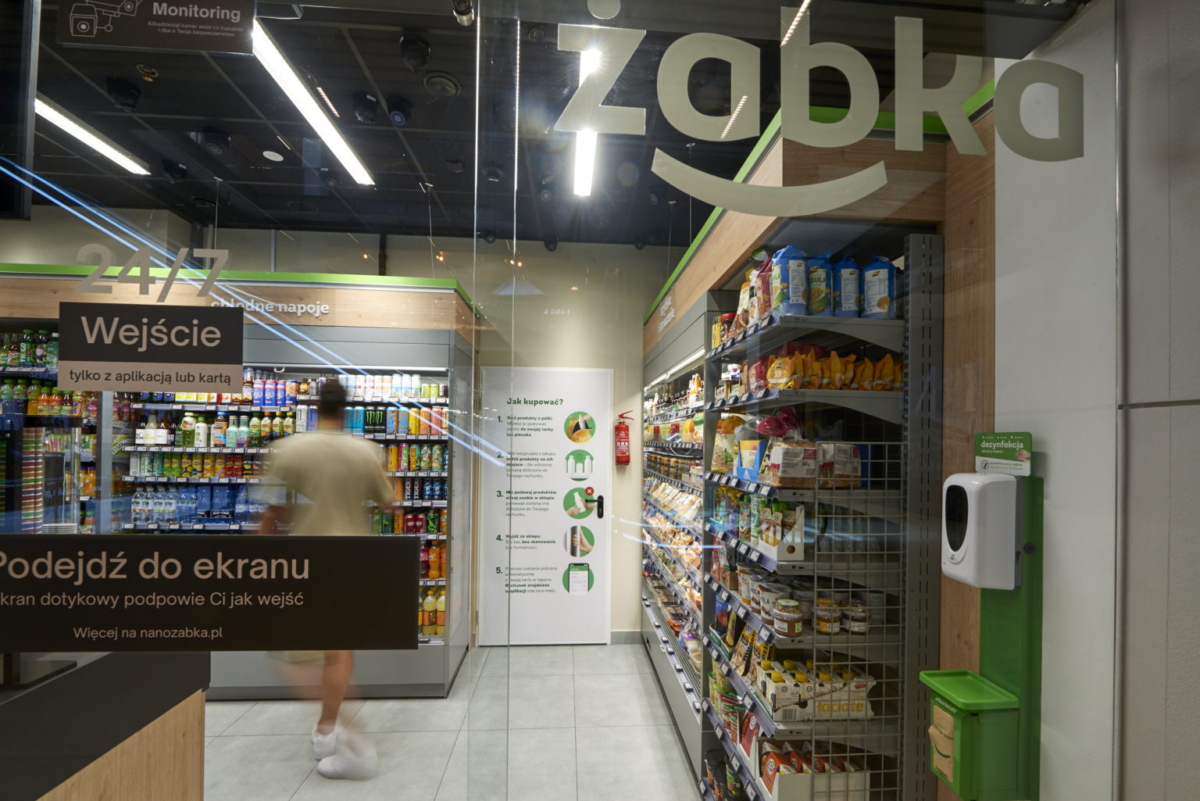
A Żabka shopper walks toward shelves full of beverages. Photo: Microsoft

An Overlooked Retail Innovation Market

The acquisition also puts a spotlight on a region Boutet believes receives relatively little attention in North American discussions about retail innovation. Asia and Western Europe frequently dominate conversations about advanced retail technology, while he said Central and Eastern Europe have also produced retailers willing to adopt and test new systems.

“For retail technology, Eastern Europe has been punching above its weight,” he said.

Żabka is a particularly visible example, having combined rapid physical expansion with autonomous stores, digital loyalty, e-commerce and other technology-enabled services. Boutet said the willingness to experiment in markets such as Poland has created pockets of retail innovation that can easily be missed from a North American perspective.

“They’ve got their hands on a really good one right now,” he said of Couche-Tard’s proposed acquisition.

“I’m super excited about it. I think it’s going to be really, really interesting to see this play out.”

For Couche-Tard, Żabka will bring considerable scale, taking its global network to approximately 30,300 stores and making Europe the largest geographic component of that network. The longer-term impact may become clearer as Couche-Tard gains greater exposure to the systems behind those 13,000-plus stores, from compact formats and autonomous checkout to digital loyalty and supply-chain operations.

How those ideas travel through Couche-Tard’s wider organization will be one of the more interesting retail stories to watch after the deal closes.

More from Retail Insider:

Kate Spade New York names Tyla global brand ambassador as artist fronts fall campaign (Video)

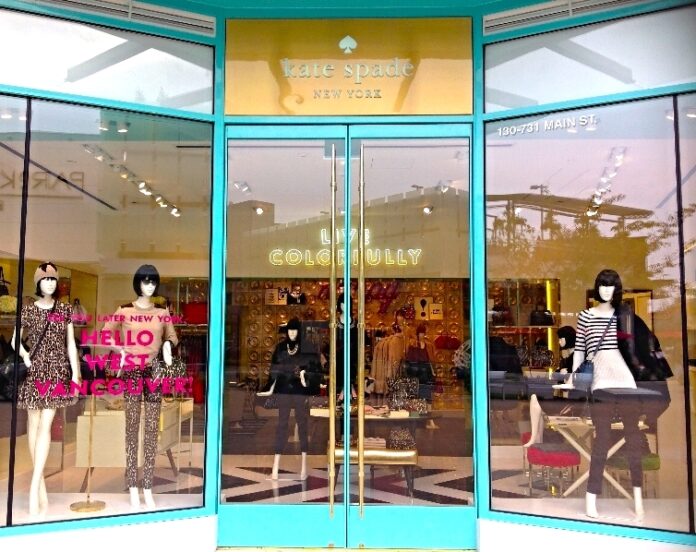
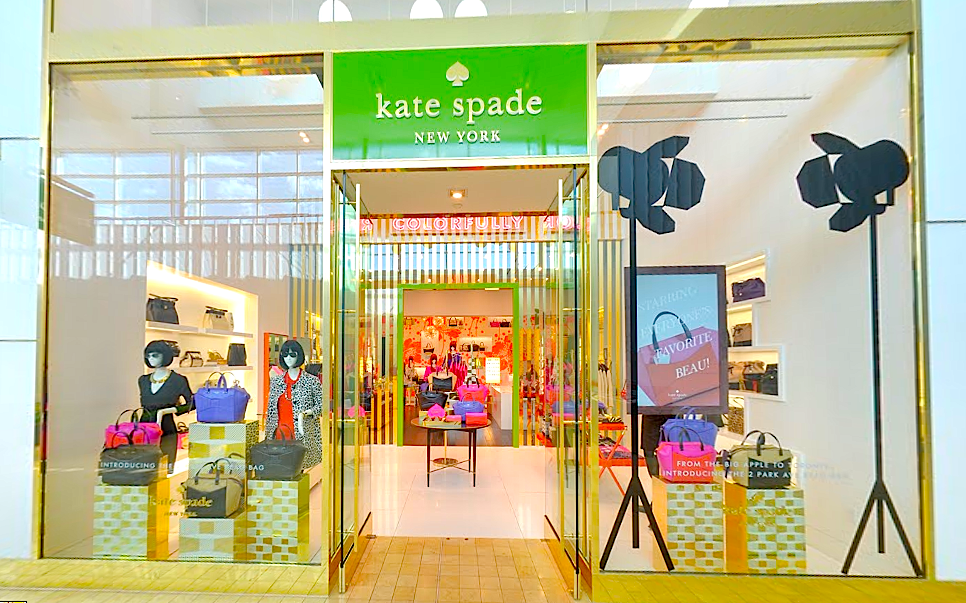
Kate Spade (Image: Park Royal Shopping Centre)

Kate Spade New York has named two-time Grammy-winning artist Tyla as its new global brand ambassador, with the singer set to make her debut in the company’s fall 2026 global campaign as the fashion brand expands its marketing efforts across multiple platforms.

The partnership will see Tyla featured in brand campaigns, social media content and in-store advertising, beginning with the fall campaign and continuing through additional promotional initiatives the company plans to unveil later this summer.

The announcement marks a new collaboration between the fashion label and the South African artist, whose appearance in the campaign coincides with the release of her sophomore album, APOP*. Kate Spade said the campaign centres on the theme of finding joy in everyday moments and incorporates references to the new album while showcasing the company’s Duo Mini shoulder bag in seasonal colourways, including Beet and Laurel Leaf.

“Tyla radiates what Kate Spade New York is all about: joy, optimism, and a confidence that lifts everyone around her,” said Eva Erdmann, CEO and brand president of Kate Spade New York. “From her music to her personal style, she makes people feel something. That’s rare. And she’s doing it at a pivotal moment in her career–a new album, a new chapter, and the world watching. We’re thrilled to have her with us as we spark something beautiful, together.”

Kate Spade said the fall 2026 collection will be available beginning in August, with additional products scheduled to launch throughout the season in its retail stores and on its website.

The company said the ambassador partnership is intended to extend across several consumer touchpoints, including advertising campaigns, digital content and retail displays, with Tyla serving as the face of the brand’s latest collection.

The announcement also coincides with Kate Spade New York’s participation alongside Tyla at a PAPER Magazine album launch event in Los Angeles. The company said it plans to release additional details about the campaign in August.

Youtube video

Kate Spade New York, founded in 1993, designs handbags, clothing, footwear, jewellery and accessories and operates as part of the Tapestry house of brands.

The company described Tyla as an artist whose career has expanded rapidly in recent years following multiple chart successes and Grammy recognition.

According to Kate Spade, the campaign will feature Tyla carrying the Duo Mini shoulder bag throughout the creative material, with the collection rolling out over the coming months as new seasonal styles become available.

The company did not disclose financial terms of the partnership or its duration.

More from Retail Insider:

Casavogue Extends Summer Sale with Savings of Up to 50 Percent

Casavogue has extended its Summer Sale for a limited time, giving customers another opportunity to save on furniture and home décor for every area of the home.

The extended promotion features discounts of up to 50 percent across all categories, including furniture for living rooms, dining rooms and bedrooms. Customers can also discover select liquidation pieces reduced by up to 60 percent, with availability varying by item.

The sale offers timely opportunities for homeowners completing a renovation, furnishing a new residence or preparing their interiors for the fall season.

More Time to Refresh the Home

Late summer often brings renewed attention to the home. Families begin preparing dining spaces for fall gatherings, reconsidering living-room layouts and completing projects that began earlier in the year.

At Casavogue, customers can explore sofas, sectionals, dining tables, chairs, bedroom collections, occasional furniture and decorative pieces in a wide range of styles. Savings across all categories allow visitors to consider a single statement piece or coordinate furnishings for several rooms.

The extended timeline also gives customers more opportunity to make considered decisions about scale, comfort, materials and how each piece will function within their space.

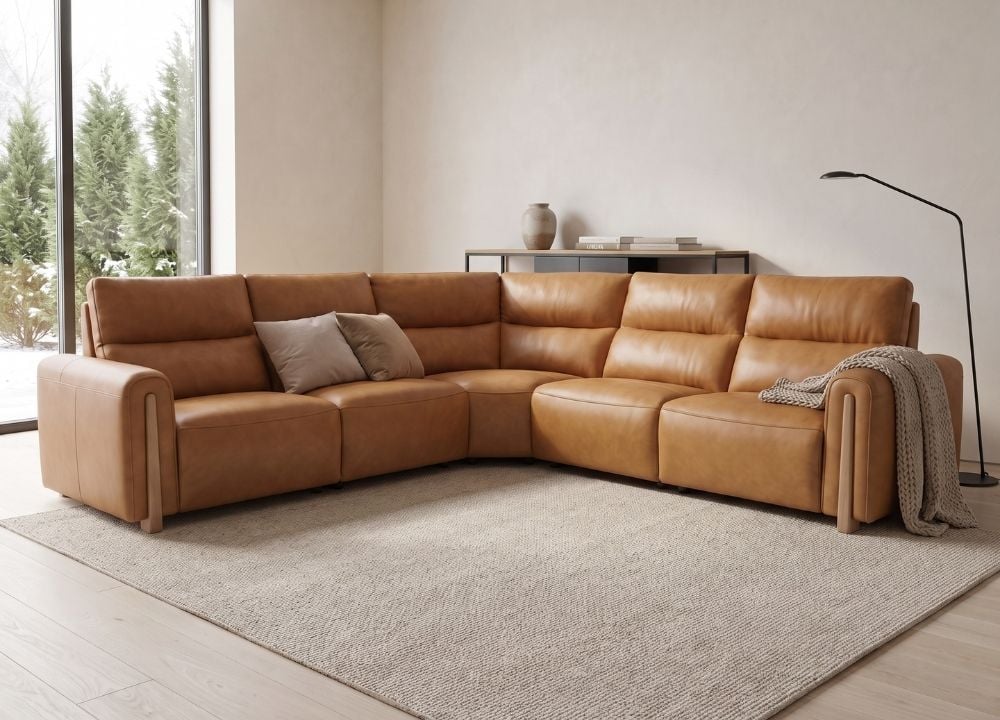
Charles David DNA Sectional Sofa

Discover Additional Liquidation Savings

Alongside discounts of up to 50 percent throughout the sale, Casavogue is offering reductions of up to 60 percent on select liquidation pieces.

These limited-availability furnishings provide especially strong value for customers whose preferences and space requirements align with the available designs. As selection may change throughout the promotion, visiting the showroom offers the best opportunity to view current pieces and explore available savings.

Inspiration Across 38,000 Square Feet

Casavogue’s showroom spans more than 38,000 square feet on boulevard Saint-Michel in Montréal. Complete room settings allow customers to compare furniture, materials and finishes while seeing how different elements can work together within the home.

The family-owned retailer has served Montréal customers since 1972, developing an assortment that includes Canadian and international furniture in contemporary, modern and classic styles.

Many collections can be personalized through choices such as fabrics, leathers, finishes and configurations. Casavogue’s design consultants are also available to help customers assess dimensions, coordinate furnishings and identify options suited to their lifestyle and interior.

Extended for a Limited Time

The extension gives customers additional time to explore Casavogue’s showroom and take advantage of seasonal pricing, including savings of up to 50 percent across all categories and up to 60 percent on select liquidation pieces.

The promotion is available for a limited time, and liquidation items remain subject to availability.

Visitors can explore the showroom Monday through Friday from 9:30 a.m. to 6:00 p.m., and Saturday and Sunday from 9:30 a.m. to 5:00 p.m.

Casavogue is located at 8260 boulevard Saint-Michel, Montréal, QC H1Z 3E2. For more information, call +1 514-360-3565 or book an appointment to receive personalized advice.

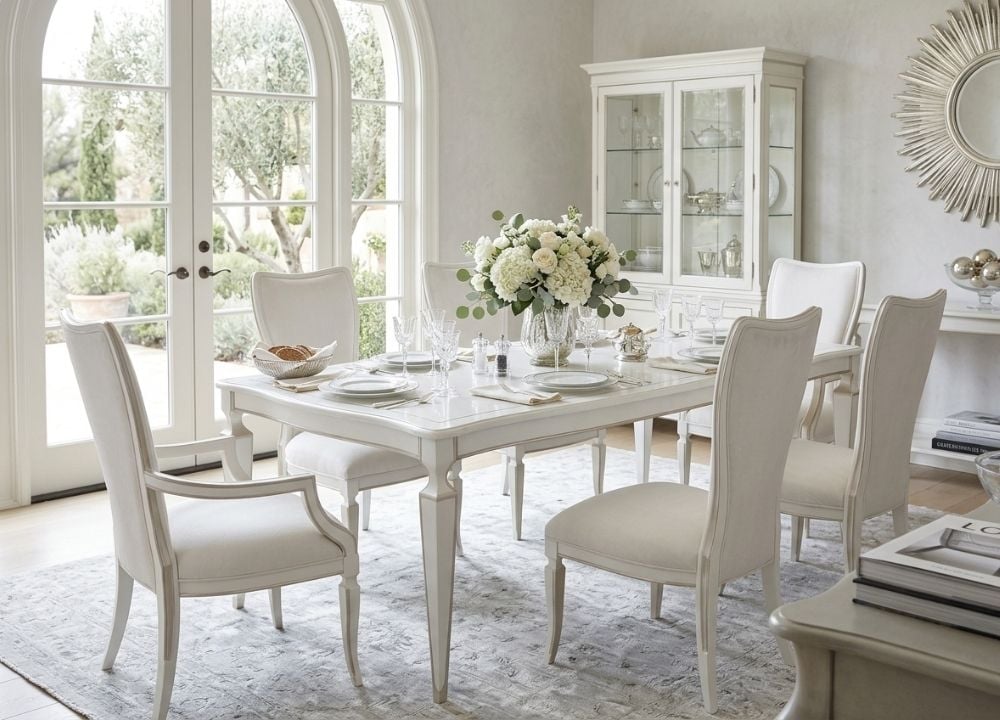
La Marissa Dining Set

Couche-Tard reaches deal to acquire controlling stake in Poland’s Żabka Group in transaction valued at US$8.6 billion

Żabka Group photo
Żabka Group photo

Alimentation Couche-Tard Inc. has reached an agreement to acquire a controlling stake in Poland’s Żabka Group and plans to launch a voluntary tender offer to buy all outstanding shares of the company in a transaction valued at about PLN32.62 billion (US$8.6 billion).

The Laval, Que.-based convenience store operator said it will make the offer through its wholly owned subsidiary, Circle K Polska sp. z.o.o., at PLN32 per share in cash. If completed, the deal would be the largest acquisition in Couche-Tard’s history.

The proposed acquisition would give Couche-Tard an immediate presence in Central and Eastern Europe through Żabka’s network of more than 13,000 convenience stores across Poland and Romania. The company said it intends to preserve Żabka’s management structure, franchise model, brand and local operations while adding the business to its existing network of nearly 400 Circle K service stations in Poland.

The transaction has the support of Żabka’s key executive managers and shareholders representing about 57 per cent of the company’s outstanding shares, including CVC Capital Partners and Partners Group, which have signed separate hard irrevocable agreements to tender all of their shares into the offer.

Couche-Tard said it expects to finance the acquisition through fully committed debt facilities underwritten by J.P. Morgan, with National Bank of Canada Capital Markets and The Bank of Nova Scotia acting as joint bookrunners.

“This is a transformational investment for Couche-Tard and an important milestone in our growth journey,” said Alex Miller, President and Chief Executive Officer of Alimentation Couche-Tard. “Żabka has built one of Europe’s most impressive convenience retail businesses, combining a powerful customer proposition with an entrepreneurial franchise model, a highly disciplined and proven operating platform, and a strong track record of growth. We have tremendous respect for what the Żabka team and its franchisees have accomplished. We are committed to supporting the continued growth of the Żabka business while drawing from its strengths in areas such as food, digital engagement, customer loyalty, private brand, supply chain, logistics and innovation, and as a result, further accelerating our Core + More strategy. Together, we will be well positioned to create lasting value for customers, franchisees, employees, business partners, and shareholders.”

Founded in 1998 and based in Poznań, Poland, Żabka has been listed on the Warsaw Stock Exchange since October 2024. The company says it processes about 4.3 million transactions daily and has approximately 11.7 million users across its digital channels.

Couche-Tard said that, based on the companies’ most recent reporting periods, the combined business would have illustrative pro forma revenue of about US$83.9 billion and adjusted EBITDA of about US$7.8 billion, excluding synergies.

Żabka generated about US$7.4 billion in revenue, adjusted EBITDA of about US$1.1 billion and net profit of about US$300 million over the trailing 12 months ended March 31, 2026, according to the companies.

Couche-Tard said it has identified approximately US$250 million in potential cost and revenue synergies that it expects could be fully realized by the third year after closing. It also said the transaction is expected to be accretive to adjusted EBITDA margin immediately and accretive to earnings per share by the second year following closing.

The company expects pro forma leverage of about three times net debt to adjusted EBITDA at closing and said it does not anticipate any impact on its credit rating.

Tomasz Blicharski, Chief Strategy and Development Officer and Chief Executive Officer designate of Żabka Group, said the proposed transaction marks the start of a new phase for the retailer.

“Today’s transaction marks the beginning of an entirely new and exciting chapter for Żabka Group. Couche-Tard shares our commitment to innovation, convenience and customer-centricity and recognizes the strength of the brand, the franchise community and the team that have made Żabka one of Europe’s leading convenience platforms. Together, we will be even better positioned to accelerate growth, continue investing in our people and capabilities, and create even greater value for customers, franchisees, and communities.”

Tomasz Suchański, CEO and Chairperson of the Board of Directors of Żabka Group, said the agreement reflects the company’s development over the past several years.

“Thanks to the dedication of our employees and the continued support of our customers, franchisees and business partners, we have built a company that has grown into one of Europe’s leading convenience platforms and become an attractive partner for one of the industry’s leading players. Today’s announcement reflects the strength of our business, the power of our brand, and the long-term value we have created together. It follows a highly successful nine-year partnership with CVC – and with Partners Group, which invested in 2019 – during which Żabka Group underwent a remarkable transformation, strengthened its market position and expanded into new areas of growth. This milestone would not have been possible without the commitment, passion, and hard work of everyone who has contributed to this journey.”

Żabka Group photo
Żabka Group photo

István Szőke, Managing Partner of CVC, said the investment firm’s partnership with Żabka had helped build the retailer into one of Europe’s largest convenience platforms.

“We are incredibly proud of everything that has been achieved during our partnership with Żabka. Together with an exceptional management team, we have built Europe’s leading convenience retail platform through technological innovation, operational excellence and disciplined execution, creating lasting value for customers, franchisees, employees and shareholders. We thank the entire Żabka team for their commitment and partnership and are confident Couche-Tard will be an outstanding long-term steward as the company embarks on its next chapter.”

The offer remains subject to regulatory approvals, including merger control clearance from the European Commission or Poland’s competition authority, foreign direct investment approval in Romania, and approval under the European Union’s Foreign Subsidies Regulation.

Couche-Tard said the number of Żabka shares it ultimately acquires will depend on shareholder participation in the offer. If it obtains at least 95 per cent of the voting rights, it intends to proceed with a compulsory acquisition of the remaining shares and seek to delist Żabka from the Warsaw Stock Exchange.

The offer document is expected to be reviewed by the Polish Financial Supervision Authority in time for the offer period to begin around Aug. 26. Subject to regulatory approvals, shareholder participation and any extensions of the acceptance period, Couche-Tard said it currently expects the transaction to close no later than December 2026.

More from Retail Insider:

Home Depot restructures leadership to streamline operations and accelerate growth strategy

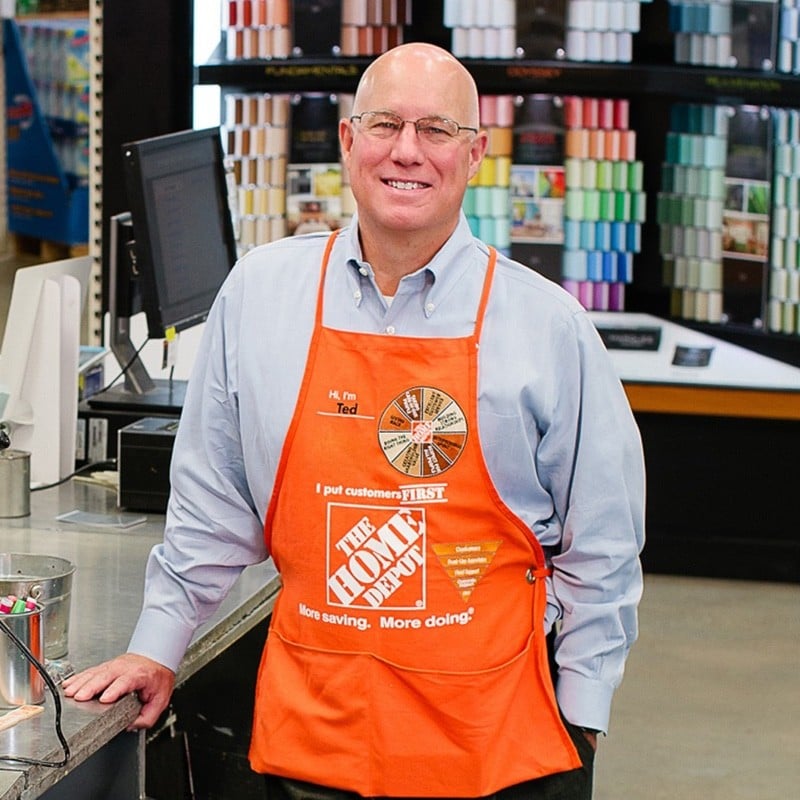
Photo: The Home Depot

The Home Depot is reorganizing its leadership structure as it seeks to simplify the customer experience, speed up innovation and expand its share of the home improvement market.

The retailer announced this week that it has realigned responsibilities across merchandising, loyalty, finance, professional customer operations and technology as part of a broader strategy aimed at strengthening its core business and supporting future growth.

The organizational changes consolidate several leadership portfolios under existing executives, with the company saying the moves are intended to improve coordination across business functions and support both do-it-yourself customers and professional contractors.

Ted Decker
Ted Decker

“To capture greater share of this enormous opportunity, our focus is clear: drive our core and culture, deliver a frictionless interconnected experience and win the Pro,” said Ted Decker, chair, president and CEO of The Home Depot. “We are aligning our organization to further support this strategy, enable smarter, faster innovation and create a more seamless customer experience for DIY and Pro customers.”

The company said the changes are designed to better align its merchandising, customer experience and technology operations while strengthening its professional customer business, which it identified as a significant area for future growth.

As part of the restructuring, The Home Depot has integrated its private brands merchandising team into its core merchandising organization under executive vice-president of merchandising Billy Bastek. The company said combining the functions is intended to improve product alignment and speed the introduction of new products.

The retailer has also consolidated its customer experience, online operations, financial services and loyalty teams into a single interconnected retail organization led by executive vice-president of interconnected retail Jordan Broggi.

The company said the move is intended to align customer-facing functions more closely and support more integrated shopping and financial services across its retail channels.

Professional customers remain a central focus of the company’s growth plans.

The Home Depot said it is replacing its Office of Integration with a new Office of Pro Acceleration, led by executive vice-president and chief financial officer Richard McPhail.

The office will oversee coordination across Home Depot Pro, HD Supply, SRS and Construction Resources, with responsibility for developing shared capabilities including customer relationship management, a common product catalogue and fulfilment operations.

The company said those efforts are intended to improve coordination across its professional businesses and support customers working across multiple business units.

Technology responsibilities are also being consolidated following the earlier appointment of Fran Bell as executive vice-president and chief technology officer.

The Home Depot said store, supply chain and professional product technology teams will now report through Bell’s organization, bringing artificial intelligence, data science, product management, user experience and technology under one leadership structure.

The company said the change is intended to accelerate the development and deployment of new technology across its operations.

The Home Depot described the leadership realignment as part of its strategy to strengthen its core retail business while expanding its capabilities for both retail and professional customers.

At the end of the first quarter of fiscal 2026, the company operated 2,361 retail stores and more than 1,280 SRS locations across the United States, Puerto Rico, the U.S. Virgin Islands, Guam, all 10 Canadian provinces and Mexico. It employs more than 470,000 associates.

More from Retail Insider:

Sobeys surpasses food waste reduction target five years ahead of UN goal

EXTERIOR OF SOBEYS GROCERY STORE. PHOTO: SUPERMARKET NEWS

Sobeys Inc. says it has exceeded its goal of cutting food loss and waste by 50 per cent, reaching a 50.3 per cent reduction from its 2016 baseline, according to the latest sustainable business report released by parent company Empire Company Ltd.

The company said the milestone was achieved five years ahead of the United Nations Sustainable Development Goal 12.3 target to halve global food waste.

The results were released as part of Empire’s 2026 Sustainable Business Report, which also outlines the company’s progress on greenhouse gas emissions, sustainable sourcing, community investment and workplace initiatives.

Empire said the food loss and waste reduction included 40.6 million pounds of food donated across Canada during fiscal 2026, while another 5.2 million pounds of food was diverted through the FoodHero program. The company said its food donation network supported more than 2,600 local charities across the country.

The retailer also said it became the first company to donate more than 100 million meals through Second Harvest’s food rescue network and was named the organization’s Top Food Donor for a fourth consecutive year. In Quebec, Sobeys said it received Food Banks of Québec’s 360° Donor Award for its food donation efforts, service and community impact.

Empire said it has focused on redirecting surplus food away from landfill over the past six years. As part of that effort, FoodHero is now available in more than 850 stores across Canada, where customers purchased 2.3 million kilograms of food during fiscal 2026.

“Reducing food waste takes commitment, and reaching this milestone reflects the collective efforts of teammates across our stores, Voilà customer fulfillment centres and retail support centres, together with suppliers and community partners, who work every day to recover more surplus food and keep it in the food system. As one of Canada’s largest retailers, we see this as both a responsibility and an opportunity to lead by example,” said Joshua Goodman, head of sustainability at Sobeys Inc.

The report also highlights other sustainability measures completed during the company’s 2026 fiscal year.

Empire said it reduced its Scope 1 and Scope 2 greenhouse gas emissions by 35.4 per cent compared with its 2019 baseline.

The company said 90 per cent of the fresh, frozen and canned fish and seafood sold under the Sobeys banner, measured by weight, met the criteria in its Sustainable Fish & Seafood Sourcing Guidelines. It also said 90.4 per cent of the palm oil used in its Our Brands, Farm Boy and Longo’s private-label products was certified sustainable.

Empire reported that it and its customers raised and donated $29 million to support programs focused on healthy bodies and minds in local communities during the fiscal year.

The company also said women held 38 per cent of its senior leadership positions and that it advanced to Phase 3 certification under the Canadian Council for Indigenous Business Partnership Accreditation in Indigenous Relations program.

Empire said it carried more than 13,000 products from local suppliers and producers while supporting 514 women entrepreneurs across Canada.

Empire Company Ltd. is headquartered in Stellarton, N.S. Through its wholly owned subsidiary, Sobeys Inc., the company operates food retail businesses and related real estate operations. Empire said it has approximately $32 billion in annual sales, $17 billion in assets and employs about 130,000 people through its subsidiaries, franchisees and affiliates.

More from Retail Insider: