Home Blog Page 31

Q2 2026 Canadian Retail Logistics: From Efficiency to Optionality


As part of Retail Insider Reports, this Q2 2026 Retail Logistics & Supply Chain Report analyzes Canadian retail trends by sector, market segment, ecosystem category, channel, and broad industry theme. Drawing on Retail Insider reporting, industry research, and public data, this report examines the forces reshaping retail logistics and supply chain strategy in Canada. The full report series is available through the Report Hub.

This report examines logistics and supply chain developments affecting Canadian retail, including sourcing, transportation, warehousing, fulfilment, inventory management, freight, distribution, and operational resilience.

*****

Canadian retailers are operating in an environment where disruption is no longer the exception.

Global conflict, tariff uncertainty, labour challenges, transportation disruptions, and changing consumer expectations have combined to create a supply chain environment that is more complex and less predictable than at any point in recent memory. For many retailers, the focus is no longer solely on efficiency and cost reduction. Instead, supply chains are being designed around flexibility, optionality, and resilience, with the ability to adapt quickly to disruption becoming a meaningful competitive advantage.

Market Context: Volatility Becomes the Operating Condition

Over the past several years, retailers have navigated a succession of challenges that include the pandemic, inflation, geopolitical conflicts, labour disruptions, and rapidly changing trade policies. Many of these pressures were initially viewed as temporary.

Today, many retailers recognize that volatility itself has become a permanent operating condition. The result is a fundamental shift in thinking. Supply chains are increasingly being designed to absorb shocks, adjust to changing circumstances, and maintain service levels during periods of disruption, even if doing so means accepting somewhat higher costs.

Building resilience often requires higher inventories, additional suppliers, and increased investment in technology, all of which can raise operating costs in the short term. Yet many retailers increasingly view these expenditures as necessary investments in long-term stability and competitiveness.

Global trade growth expectations have moderated amid tariff uncertainty and rising protectionism, reinforcing concerns that supply chain volatility is unlikely to disappear in the near term.

Broad Overall Themes

Canadian retail logistics and supply chain management in Q2 2026 reflected several interconnected themes:

  • Volatility and disruption remain defining characteristics of the operating environment.
  • Tariffs and geopolitical uncertainty are reshaping sourcing strategies.
  • Inventory discipline and visibility are becoming competitive advantages.
  • Retailers are prioritizing flexibility, redundancy, and optionality.
  • Automation and technology investment continue to accelerate.

  • Customer expectations are placing new demands on fulfilment networks.
  • Canadian infrastructure and transportation vulnerabilities remain concerns.

Retail Insider Coverage

Structural Costs Replace Temporary Disruption

Canadian retailers are increasingly accepting that many supply chain challenges are structural rather than temporary.

Labour costs, transportation expenses, inventory carrying costs, and geopolitical uncertainty continue to affect operating decisions. Industry experts increasingly argue that retailers cannot simply negotiate or wait their way back to pre-pandemic conditions. Instead, supply chain networks themselves must be redesigned to reflect a world in which disruptions occur more frequently and costs remain elevated.

The emphasis has shifted from short-term adaptation to long-term resilience and operational flexibility.

Geopolitics and Trade Uncertainty Reshape Supply Chains

Global events continue to have significant implications for Canadian retail supply chains.

Conflict in the Middle East, disruptions affecting shipping routes through the Red Sea, and concerns surrounding the Strait of Hormuz have created uncertainty around transportation costs, shipping times, and supply availability. Although some shipping routes have stabilized compared with conditions seen in 2024, retailers and logistics providers continue to plan for potential disruptions and cost increases.

At the same time, tariffs and trade policy uncertainty are influencing sourcing decisions. Canadian businesses continue to monitor trade tensions and the future of the Canada-United States-Mexico Agreement, recognizing that changes to tariffs or rules of origin could affect sourcing strategies and product costs.

Retailers increasingly assume that tariffs, geopolitical disputes, and transportation disruptions are recurring risks rather than temporary anomalies. Heavy dependence on any one country or region is now viewed by many companies as a vulnerability rather than an efficiency.

For many retailers, reducing dependence on China is no longer solely a geopolitical consideration but part of a broader effort to reduce concentration risk and improve supply chain flexibility.

Inventory Discipline Becomes a Competitive Advantage

Inventory management has become a strategic capability.

The industry has moved from supply shortages and excess inventories toward a greater focus on precision, visibility, and flexibility. Retailers are using technology and data analytics to improve demand forecasting, shorten buying cycles, and optimize replenishment.

The objective is no longer simply to reduce inventory. Instead, retailers are seeking the right inventory in the right place at the right time.

Inventory visibility has become particularly important as retailers attempt to balance service levels, working capital requirements, and the ability to respond to unexpected disruptions. Better inventory management can also improve profitability by reducing markdowns, minimizing stockouts, and improving fulfilment performance.

Retailers Build Optionality and Redundancy

The traditional supply chain model emphasized efficiency and lean operations. Today, retailers are increasingly building optionality into their networks.

This includes supplier diversification, nearshoring initiatives, additional distribution capabilities, and contingency planning. For some retailers, maintaining multiple sourcing options or carrying additional inventory may increase costs. However, those costs are increasingly viewed as investments in resilience.

Diversification has moved from being a strategic discussion to an operational priority. Retailers are increasingly examining opportunities in markets such as Mexico, Vietnam, and India as they seek to reduce concentration risk and improve supply chain flexibility.

The ability to shift suppliers, reroute product, or respond quickly to changing conditions is becoming a significant competitive advantage.

Automation and Visibility Become Capacity Tools

Technology investment remains a major theme in Canadian retail logistics.

Retailers are investing in automation, robotics, artificial intelligence, and advanced analytics to improve productivity, increase accuracy, and manage labour challenges. Pattison Food Group’s expansion of automated grocery fulfilment operations in British Columbia illustrates how automation is becoming a critical tool for increasing throughput and improving distribution efficiency.

Large Canadian retailers, including Canadian Tire, Loblaw, and Walmart Canada, have also invested significantly in distribution infrastructure, automation, and technology as supply chain capabilities become increasingly important competitive differentiators.

Technology investments are improving visibility across supply chains. Retailers increasingly rely on data to monitor inventory, identify bottlenecks, improve forecasting, and support operational decision-making.

Technology alone, however, is not a solution. Effective processes and reliable data remain essential to building resilient supply chains.

Demand Planning Gets More Difficult

Demand forecasting has become increasingly challenging.

Retailers must contend with economic uncertainty, changing consumer behaviour, weather disruptions, and event-driven demand patterns. Preparations for the FIFA World Cup in Toronto and Vancouver highlighted the complexity of planning for large-scale events that can create temporary spikes in demand, transportation pressures, and staffing requirements.

The ability to respond quickly to changing conditions is becoming just as important as forecasting demand accurately. Flexibility and responsiveness are increasingly valuable capabilities.

Last-Mile and Reverse Logistics Face New Pressure

Consumer expectations continue to evolve.

Shoppers increasingly expect fast delivery, accurate inventory information, and convenient return options. They also increasingly expect the speed and convenience offered by large global ecommerce platforms, placing additional pressure on retailers to invest in logistics capabilities.

Same-day delivery, click-and-collect services, and free returns have become important competitive tools, but they also place significant pressure on logistics networks and profitability. Ecommerce return rates in some retail sectors, particularly apparel, remain substantially higher than those in physical stores, increasing the importance of efficient reverse logistics capabilities.

Managing product returns efficiently has become a critical capability that affects customer satisfaction, operational performance, and profitability. Increasingly, logistics is becoming a customer experience issue rather than simply a back-office function.

Canadian Infrastructure and Transportation Risks Remain Challenges

Canada’s geography creates unique supply chain challenges.

The country relies heavily on rail transportation, marine shipping, trucking networks, and major ports to move goods efficiently across long distances. Labour disputes, weather events, wildfires, flooding, and transportation disruptions can have significant implications for supply chain performance and product availability.

Canada’s size and reliance on a relatively small number of transportation corridors can magnify the effects of disruptions, reinforcing the importance of contingency planning and network flexibility.

Supply chain resilience in Canada increasingly depends not only on retailer capabilities, but also on the reliability of the country’s broader transportation infrastructure.

Editor’s Take

Q2 2026 demonstrated that Canadian retail supply chains are entering a new phase.

The era of optimizing supply chains primarily for efficiency is giving way to a model that places greater emphasis on flexibility, visibility, and resilience. Tariffs, geopolitical tensions, labour disruptions, and changing customer expectations have made volatility a permanent feature of the operating environment.

Retailers are responding by redesigning networks, investing in technology, diversifying suppliers, and building greater optionality into their operations.

Supply chains are no longer simply back-office functions focused on moving products efficiently. They have become strategic capabilities that influence cost, customer experience, operational performance, and competitive advantage.

In a world where disruption has become a constant, the ability to adapt quickly may prove to be one of retail’s most important competitive advantages.

Representative Articles

Q2 2026 Policy & Regulation: Affordability Promises Meet Retail Operating Realities

As part of Retail Insider Reports, this Q2 2026 Retail Policy & Regulation Report analyzes Q2 2026 developments in Canadian retail policy and regulation. Drawing on Retail Insider coverage, industry research, government data, and broader market signals, it identifies key policy dynamics shaping retailers, landlords, suppliers, restaurants, and consumers. These reports are designed to deliver executive-level insights across major retail sectors and can be accessed through the Retail Insider Report Hub.

This report examines government policy, legislation, regulation, taxation, trade rules, competition policy, labour policy, and public-sector decisions affecting Canadian retail.

*****

Canadian retail policy in Q2 2026 was defined by a widening gap between political affordability promises and retail operating realities, as governments increasingly sought to address consumer concerns while retailers faced rising costs, expanding compliance obligations, labour challenges, public-safety issues, and growing operational complexity.

Across the quarter, policymakers focused heavily on affordability, grocery competition, public grocery proposals, food inflation, downtown revitalization, and retail crime. Retailers, however, faced a much broader set of operating pressures: rising compliance costs, trade uncertainty, labour constraints, packaging regulation, language-law obligations, supply chain costs, import rules, theft, violence, and expanding regulatory scrutiny.

The original policy discussion was most visible in food and grocery. Government-run grocery store proposals attracted political attention, while the Competition Bureau continued its work on grocery property controls and food affordability. But the broader retail industry faced a more complex policy environment extending well beyond grocery.

The quarter showed that regulation is increasingly becoming part of the cost structure of Canadian retail. Rules around packaging, language, labour, imports, competition, alcohol, food safety, retail crime, and downtown public safety are increasingly shaping how retailers operate, where they expand, and how they price.

Market Context: Affordability Pressure Meets Operating Complexity

Affordability remained the dominant political theme in Q2.

Food purchased from stores continued to rise faster than headline inflation, while grocery and food retail remained under close public and political scrutiny. Consumers remained highly sensitive to price, and public pressure on grocers, restaurants, suppliers, and policymakers continued.

Yet the operating environment behind those prices remained complex. Retail prices reflect not only margins, but also freight, wages, rent, utilities, packaging rules, supplier costs, tariffs, insurance, theft, technology, compliance, and financing conditions.

That complexity was visible across multiple sectors. Food and beverage retailers faced cost and pricing pressure. Restaurants continued to manage labour and menu-price challenges. Apparel and general merchandise retailers faced trade and tariff uncertainty. Retailers operating in Quebec faced expanding language compliance obligations. National chains and small businesses alike faced growing concern around retail crime, store safety, and employee protection.

The central policy issue in Q2 was therefore not simply whether prices were too high. It was whether public policy was addressing the true causes of retail cost pressure.

Broad Overall Themes

Canadian retail policy and regulation in Q2 2026 reflected several interconnected themes.

  • Affordability pressures remained politically dominant, but many cost drivers originated outside the store. Fertilizer prices, freight, tariffs, packaging rules, labour costs, recycling obligations, retail crime, and supply chain disruptions all contributed to higher operating costs.
  • Retail crime became a more urgent safety and cost issue. Industry groups increasingly framed theft and violence as problems affecting employees, customers, inventory controls, store design, insurance, and profitability.
  • Trade uncertainty and CUSMA review risk created additional planning challenges. Retailers and suppliers faced uncertainty around tariffs, rules of origin, sourcing, cross-border logistics, and pricing.
  • Competition policy increasingly extended into retail real estate. The Competition Bureau’s scrutiny of grocery property controls, restrictive covenants, and exclusivity clauses signalled that leasing practices may become a more important area of regulatory intervention.
  • Compliance obligations continued to expand. Quebec language laws, packaging rules, forced-labour import requirements, recycling frameworks, food safety enforcement, and measurement standards all added complexity.
  • Labour and immigration policies remained central to foodservice, rural retail, logistics, and customer-facing operations.
  • Government grocery store proposals illustrated the gap between political ambition and retail economics. Public grocery models may have political appeal, but they face significant challenges around margins, scale, procurement, staffing, systems, and real estate.
  • Downtown revitalization remained a retail policy issue. Public safety, housing, infrastructure, transit, homelessness, and office occupancy all affected retail vitality in urban cores.

Retail Insider Coverage

Affordability and Hidden Cost Pressures Shape the Policy Debate

Affordability remained the most visible retail policy issue in Q2, particularly in food and grocery.

Retail Insider’s coverage showed that public debate often focuses on retail pricing, but many cost pressures originate upstream. Fertilizer price increases, supply disruptions, tariffs, freight, packaging compliance, and recycling rules all affect the cost of goods before products reach store shelves.

This is particularly important in food retail, where margins are thin and supply chains are complex. A grocery price can reflect agricultural input costs, transportation, packaging, energy, labour, waste, shrink, rent, and supplier pricing before a retailer applies its own margin.

The same principle applies across retail. Apparel, home goods, electronics, general merchandise, and consumer packaged goods are all affected by trade costs, compliance rules, logistics, labour, and retail crime. When policymakers focus only on final retail prices, they risk overlooking the structural costs embedded throughout the system.

One of the quarter’s most important policy themes was hidden inflation. Regulations may be well intentioned, but compliance obligations can increase costs throughout the supply chain. Packaging rules, recycling fees, reporting requirements, tariffs, import documentation, and labour rules may not appear on receipts, but they can influence shelf prices.

The Grocery Code of Conduct Moves from Debate to Implementation

Another important development in Q2 was the Grocery Code of Conduct entering its first full year of operation. The voluntary industry-led framework aims to improve transparency, predictability, and dispute resolution between retailers and suppliers, addressing long-standing concerns around fees, contract changes, and power imbalances within the food supply chain.

The Code is significant because it represents a structural attempt to improve how Canada’s grocery supply chain functions rather than focusing solely on retail prices. While it remains too early to determine its long-term impact, the initiative reflects growing recognition that food affordability and competition issues often originate throughout the supply chain rather than solely at the store level.

Retail Crime Becomes a Safety and Cost Crisis

Retail crime became one of the most important retail-wide policy issues in Q2. Industry groups have increasingly emphasized that theft is not only a shrink problem. It is also a safety issue for employees and customers.

Retail Council of Canada has increasingly framed retail crime as a national safety issue rather than a traditional loss-prevention problem, citing rising violence and the growing operational burden placed on retailers through security investments, staff training, locked merchandise, and merchandise protection measures.

Rising theft, organized retail crime, violence during incidents, and repeat offenders are forcing retailers to invest in security, training, surveillance, loss-prevention systems, and store redesign. These measures can increase operating costs and affect the customer experience.

For retailers, the issue extends beyond lost product. Retail crime can influence staffing, store hours, employee morale, insurance, inventory availability, and decisions about where stores operate. In some markets, safety concerns can also affect downtown recovery and neighbourhood retail vitality.

This makes retail crime a policy issue rather than only an operational issue. Policing, prosecution, bail policy, mental health supports, addiction services, public safety, and downtown management all intersect with retail conditions.

The sector’s message is clear: retailers cannot solve organized theft and violence alone. Store-level controls matter, but public safety policy is increasingly part of retail policy.

Competition Bureau Scrutiny of Property Controls Could Reshape Retail Real Estate

The Competition Bureau’s continued focus on grocery property controls may prove to be one of the most consequential retail policy developments in Canada.

Retail Insider’s coverage of the Bureau’s multi-year push against property controls highlighted scrutiny of restrictive covenants and exclusivity clauses that may limit grocery competition and market entry.

Historically, exclusivity clauses and restrictive covenants have been common tools in retail real estate. Landlords used major grocery anchors to secure financing and stabilize shopping centres, while grocers sought protection from direct competitors within the same property or trade area.

The policy debate is now changing. Critics argue that some property controls can prevent competitors from entering markets, limit consumer choice, and restrict the reuse of vacant or underused retail space.

The issue has implications beyond grocery. If regulatory scrutiny leads to new limits on restrictive covenants or exclusivity clauses, it could affect landlords, developers, retailers, and municipalities. It could also influence redevelopment strategies, especially as large-format retail space changes hands and former department store boxes are remerchandised.

This is where retail competition policy intersects directly with retail real estate. The question is no longer only whether grocers compete on price. It is whether real estate practices themselves are shaping market access.

Trade, Tariffs and CUSMA Uncertainty Add Complexity

Trade uncertainty became a broader retail policy issue in Q2. CUSMA review risk, tariff uncertainty, rules of origin, forced-labour import enforcement, and cross-border supply chain complexity all create challenges for retailers and suppliers.

For food retailers and restaurants, trade uncertainty affects agricultural goods, processed food, packaging, equipment, and cross-border inputs. For apparel and general merchandise retailers, tariffs and import compliance can affect sourcing costs, assortment planning, pricing, and inventory timing.

Retailers operate on long planning cycles. Orders are placed months in advance, merchandise is sourced globally, and pricing strategies are built around expected landed costs. Trade uncertainty can therefore create risk even before tariffs or rules formally change.

Retail Council of Canada has raised concerns around tariffs on consumer goods such as clothing, footwear, and baby products, arguing that tariff costs ultimately affect affordability. This broadens the affordability debate beyond grocery and demonstrates how trade policy can become a consumer-price issue.

Canadian retailers have also continued to raise concerns about competitive disparities involving foreign online marketplaces and low-value shipments, arguing that differences in duty collection, customs treatment, and compliance obligations can create an uneven playing field for domestic businesses.

Forced-labour import rules are another emerging compliance area. Retailers increasingly need stronger documentation, supplier oversight, and traceability across global supply chains. The policy goal is important, but compliance will require investment in systems, legal review, supplier management, and customs processes.

Trade policy is therefore becoming both an affordability issue and a compliance issue.

Quebec Language Laws Increase Retail Compliance Obligations

Quebec language-law compliance remained an important retail-wide issue.

Retailers operating in Quebec face expanded obligations related to signage, packaging, websites, social media, customer service, workplace communication, product labelling, and marketing.

These rules affect both large national chains and smaller retailers. Compliance may require legal review, translation, packaging changes, website updates, signage modifications, staff training, and operational adjustments.

For retailers, compliance costs extend beyond physical stores and increasingly affect e-commerce platforms, mobile applications, customer communications, and digital marketing.

For national retailers, Quebec increasingly requires market-specific execution. A retailer cannot simply apply one national signage, packaging, or e-commerce template across the country without considering language-law requirements.

The issue also affects market entry. International brands entering Canada often look first at Toronto or Vancouver, but Quebec can require additional planning due to language compliance obligations.

This does not mean retailers should avoid Quebec. It means operating in Quebec requires more careful compliance planning, particularly as enforcement expectations rise.

Sustainability Rules and Packaging Regulations Add Hidden Costs

Sustainability regulation remained a significant compliance and cost issue. Extended producer responsibility frameworks, recycling rules, packaging reporting, record-keeping obligations, and fee structures are increasingly shaping costs for retailers, suppliers, and food producers.

These policies are designed to shift responsibility for waste management onto producers and improve recycling outcomes. However, they also create administrative and financial obligations that can be especially challenging for smaller businesses operating across multiple provinces.

The fragmented nature of Canadian packaging and recycling rules adds complexity. Different provincial frameworks can create different reporting obligations, timelines, fees, and definitions.

For retailers and suppliers, this means sustainability compliance is becoming a permanent operating requirement rather than a side issue. It also reinforces the broader hidden inflation theme. Environmental rules may be necessary, but their costs can flow through supply chains and eventually affect consumer prices.

Retailers are increasingly facing regulatory layering, where individual rules may be manageable in isolation but collectively create meaningful administrative and financial burdens.

Labour and Immigration Policies Remain Critical

Labour remained one of the most persistent operating challenges in retail and foodservice. Restaurants Canada’s call for provinces to opt into temporary foreign worker cap increases for rural regions reflected acute staffing pressure in certain markets. Rural restaurants, hospitality operators, and foodservice businesses often face smaller labour pools and greater difficulty filling roles.

At the same time, major operators continued to focus on local hiring. Tim Hortons’ campaign to hire 10,000 local people reflected both labour demand and the need to demonstrate commitment to domestic employment amid political scrutiny of temporary foreign worker programs.

The labour issue is broader than foodservice. Retailers continue to manage wage pressure, scheduling complexity, training needs, turnover, and competition for workers. Labour shortages can affect store hours, service levels, expansion plans, and customer experience.

Policy solutions will likely require a combination of immigration pathways, youth employment, training, productivity improvements, and local workforce development. Temporary foreign workers may provide relief in some markets, but they are not a substitute for long-term labour planning.

Government Grocery Stores Illustrate the Gap Between Policy and Operations

Government-run grocery store proposals remained one of the most visible policy debates in Q2. Retail Insider’s coverage showed growing political interest in public grocery stores as a response to food affordability concerns. Toronto’s proposed four-store public grocery test, along with broader political advocacy for government-operated food retail, reflected frustration with high food prices.

However, the operational challenges are significant. Grocery is a low-margin, scale-driven business requiring procurement systems, logistics, inventory management, store operations, technology, labour scheduling, shrink control, merchandising expertise, and supplier relationships.

Established grocers benefit from buying power, distribution infrastructure, private label programs, loyalty systems, and operational scale. Public grocery stores would need to compete in that environment while also managing political oversight, taxpayer exposure, and public expectations.

The issue is not whether food affordability matters. It clearly does. The question is whether public grocery stores are an efficient tool to address it.

The quarter’s evidence suggests that public grocery proposals may be politically attractive but operationally difficult. Community-based models, co-operatives, targeted food-security programs, and affordability supports may prove more practical than government-run grocery chains.

Food Fraud, Measurement and Enforcement Affect Consumer Trust

Food fraud and retail measurement issues remained important consumer trust concerns. Retail Insider coverage of food fraud highlighted risks around adulteration, mislabelling, and weak enforcement. Faulty meat scales and measurement inaccuracies also raised questions about whether consumers are always receiving what they pay for.

These issues are directly connected to affordability. When consumers are already sensitive to prices, trust becomes even more important. If shoppers believe they are being overcharged or misled, confidence in the food system erodes.

Regulatory agencies face difficult choices around inspection resources, enforcement priorities, and penalties. Stronger enforcement may require additional public resources, but weak enforcement can impose hidden costs on consumers and responsible businesses.

Trust is therefore a regulatory asset. Food retail depends not only on price and availability, but also on confidence that products are accurately labelled, fairly measured, and safe.

Alcohol Regulation Remains Fragmented

Alcohol regulation continued to illustrate the complexity of Canada’s provincial retail framework. Alberta’s extension of alcohol service hours showed one direction of reform, while ongoing barriers around direct-to-consumer alcohol shipping highlighted the persistence of provincial fragmentation.

For restaurants, producers, retailers, and consumers, alcohol rules remain highly uneven across Canada. This creates compliance complexity and limits the ability of some businesses to scale nationally.

Downtown Revitalization Remains a Retail Policy Issue

Downtown revitalization remained an important policy issue for Canadian retail. Big city mayors called for federal investment in infrastructure, housing, homelessness reduction, public safety, and downtown revitalization. These issues are not narrowly retail-specific, but they directly affect retail conditions.

Downtown retailers depend on workers, residents, tourists, students, visitors, transit users, and public safety. Weak office occupancy, homelessness, safety concerns, and infrastructure gaps can reduce foot traffic and increase operating challenges.

Retail vitality is therefore connected to broader urban policy. Investments in housing, transit, public realm, safety, and infrastructure can influence whether downtown retail corridors remain competitive.

This issue also connects back to retail crime and public safety. Retailers cannot create vibrant downtowns alone. They require functioning urban environments that support customers, employees, and investment.

Broader Industry Coverage

Regulation Is Becoming a Cost Driver

One of the most important themes in Q2 was the rising cost of compliance.

Retailers increasingly face obligations across packaging, labour, language, import documentation, food safety, recycling, privacy, accessibility, employment standards, and product labelling.

Each individual rule may have a clear public-policy rationale. However, the cumulative effect can be significant, especially for small and mid-sized retailers without large compliance teams.

This is an important distinction. The issue is not whether regulation is good or bad. The issue is whether policymakers account for cumulative cost, administrative complexity, and consumer-price effects when designing rules.

Affordability Policy Needs to Address the Full Cost Chain

Affordability policy often focuses on final prices, but those prices are shaped by the full cost chain. Food prices, apparel prices, restaurant prices, and consumer goods prices all reflect inputs, labour, logistics, rent, tariffs, shrink, compliance, and financing costs.

Policies that reduce competition barriers, improve supply chain efficiency, lower unnecessary costs, and support productivity may do more for affordability than interventions aimed only at final retail prices.

Retailers Face More Policy Risk

Retailers are operating in a more politically exposed environment. Grocery pricing, labour practices, retail crime, language compliance, sustainability, imports, and competition issues are all attracting more public attention.

This means regulatory risk is increasingly part of retail strategy. Retailers need to monitor policy developments, engage with industry associations, build compliance capacity, and communicate clearly with consumers and governments.

Editor’s Take

Q2 2026 showed that Canadian retail policy is becoming more complex, more interventionist, and more closely tied to affordability politics.

The original political focus was most visible in food and grocery, where high prices prompted renewed debate around government-run grocery stores, competition, food fraud, and property controls. But the broader policy environment facing retailers extends well beyond grocery.

Retailers are dealing with a wider set of pressures: trade uncertainty, packaging compliance, Quebec language rules, labour shortages, retail crime, sustainability reporting, import documentation, food safety, downtown public-safety concerns, and growing scrutiny of market structure.

The key issue is the widening gap between political promises and retail operating realities.

Affordability is a real concern for consumers, but many cost drivers sit upstream or outside the retailer’s direct control. Fertilizer prices, tariffs, freight, labour, packaging rules, shrink, and compliance costs all influence final prices. Policymakers who focus only on final retail margins risk missing the broader system that determines affordability.

The implementation of the Grocery Code of Conduct further underscores this reality. Policymakers and industry participants are increasingly recognizing that improving affordability may require addressing supply-chain relationships and market dynamics beyond the retail shelf.

Retail crime has also become a major policy issue. Theft and violence affect workers, customers, store design, inventory access, operating costs, and neighbourhood retail vitality. This is no longer only a loss-prevention problem. It is a public-safety issue.

The Competition Bureau’s continued focus on grocery property controls may ultimately become one of the most consequential retail policy developments in Canada. Restrictive covenants and exclusivity clauses have long been accepted tools of retail real estate, but growing scrutiny could reshape leasing practices, market entry opportunities, and redevelopment strategies.

Trade and compliance risk are also rising. CUSMA uncertainty, tariffs, forced-labour import rules, Quebec language laws, and packaging regulations all show how public policy increasingly affects sourcing, pricing, market entry, and operational execution.

Government grocery store proposals illustrate the broader challenge. They respond to real affordability concerns, but they underestimate the complexity of grocery operations and the scale advantages that define the sector.

The retailers best positioned for the coming years will be those that understand policy risk as part of business strategy. Compliance capability, supply chain visibility, labour planning, public-safety management, government relations, and real estate flexibility are becoming increasingly important competitive advantages.

Looking ahead, the key indicators will be Competition Bureau action on property controls, progress on CUSMA and tariff issues, retail crime policy responses, Quebec language-law enforcement, packaging and EPR costs, labour-market policy changes, and the results of any public grocery experiments.

Canadian retail policy is no longer a background issue. Regulation, compliance, trade policy, and public safety are increasingly becoming core business considerations that influence pricing, expansion decisions, investment, labour planning, and long-term competitiveness.

Representative Articles

Q2 2026 Canadian Retail Marketing and Media: Event-Driven OOH and Sustainability in Focus


As part of Retail Insider Reports, this Q2 2026 Retail Marketing & Media Report analyzes Q2 2026 Canadian retail marketing trends. It draws on Retail Insider’s coverage and Canadian operator transcripts to identify key market dynamics around event-driven advertising, sustainability in marketing and packaging, and experiential retail activations. The full report series is available through the Report Hub.

This report examines retail marketing, advertising, branding, customer acquisition, loyalty, digital media, social commerce, PR, and consumer engagement strategies.

*****

In Q2 2026, Canadian retail marketing shifted notably as major cultural events like the FIFA World Cup intensified competition for consumer attention in physical spaces. Brands and landlords that harness dynamic digital out-of-home advertising, authentic local activations, and measurable sustainability practices are gaining ground. This period highlights the commercial importance of programmatic DOOH, loyalty program scale, and retail real estate health as platforms for engagement, signaling a more integrated and event-responsive marketing landscape for Canadian retailers.

Broad Overall Themes

Q2 2026 marked a decisive pivot in Canadian retail marketing toward leveraging major cultural events, sustainability, and experiential activations to engage consumers in physical environments. These trends are reshaping brand and landlord strategies across the country.

  • Major events such as the FIFA World Cup are driving a surge in demand for dynamic, motion-based out-of-home (OOH) and digital out-of-home (DOOH) advertising, enabling brands to capture high foot traffic in key urban venues.
  • Sustainability is increasingly influencing marketing and packaging decisions, with Canadian packaging recyclability metrics providing tangible evidence of environmental responsibility that resonates with consumers.
  • Retail landlords are capitalizing on strong occupancy and urban acquisitions to embed experiential activations linked to local sports culture, reinforcing physical retail destinations as community hubs.
  • Programmatic DOOH and real-time localized creative during major events are delivering competitive advantages by offering contextually relevant messaging in crowded media environments.
  • Loyalty programs like PC Optimum are expanding as critical marketing infrastructure, supporting targeted consumer engagement across physical and digital channels.

Retail Insider Coverage

Event-Driven OOH/DOOH Advertising as a Strategic Priority

Canadian retail marketing in Q2 2026 was distinctly shaped by major events like the FIFA World Cup, which concentrated consumer attention in urban physical spaces. These events generated heightened foot traffic and public gatherings, creating prime opportunities for brands to deploy dynamic, localized OOH and DOOH advertising.

Research from Vistar Media Canada demonstrated that motion-based digital billboards deliver up to 67% higher brand awareness and stronger emotional engagement than static ads in event-driven settings. Programmatic DOOH campaigns optimized around fan zones and transit hubs in cities such as Toronto and Vancouver allowed brands to align messaging with live event activity effectively, even without official sponsorship. This approach helped brands break through digital clutter by leveraging physical presence and real-time creative adaptation.

Cineplex’s operational insights confirmed increased venue traffic and advertising spend during major events, validating the commercial significance of event-driven OOH strategies in Canada. While static DOOH remains effective, evidence suggests that incorporating motion and dynamic elements enhances impact in crowded, high-attention environments.

Sustainability’s Growing Role in Advertising and Packaging

Sustainability became a more prominent factor in Canadian retail marketing decisions, particularly in advertising formats and packaging. DOOH advertising offers environmental advantages over traditional OOH by reducing media waste, lowering carbon emissions, and eliminating physical production materials. Vistar Media highlighted DOOH’s low power consumption and programmatic buying efficiencies as key contributors to more sustainable advertising practices.

Packaging sustainability gained traction, especially among small businesses responding to consumer demand for eco-friendly products. Vistaprint coverage emphasized that sustainable packaging reflects brand values and environmental responsibility, influencing consumer preferences and first impressions. However, transcript evidence from George Weston Limited supports sustainability primarily through measurable packaging recyclability metrics rather than emotional branding benefits related to unboxing experiences.

These insights indicate Canadian retailers and marketers are increasingly integrating environmentally responsible practices into media planning and product presentation, aligning with evolving consumer expectations and corporate responsibility goals.

Experiential Retail Activations Amplify Physical Retail Ecosystems

Retail real estate operators leveraged strong occupancy rates and urban acquisitions to incorporate experiential activations tied to local sports culture, enhancing community engagement and driving foot traffic. CF Market Mall’s partnership with Calgary Wild FC featured soccer-themed interactive events and athlete appearances that foster authentic connections between retailers, brands, and local consumers.

The FIFA World Cup spurred landlords and mall operators to activate physical retail spaces with experiences resonating with fan enthusiasm. Transcript evidence from Choice Properties and Cineplex underscored the strategic role of these activations in reinforcing physical retail destinations as key platforms for brand engagement and community connection.

While quantitative commercial impact data remains limited, these experiential initiatives are increasingly recognized as valuable components of Canadian retail marketing strategies that differentiate physical retail environments and support community goodwill.

Broader Industry Coverage

Transcript evidence from Canadian operators adds depth to Retail Insider’s article-based analysis, sharpening the understanding of Q2 2026 retail marketing dynamics.

Event-Driven Demand and Media Spend Confirmed by Canadian Operators

Cineplex management explicitly linked the FIFA World Cup to increased demand in Canadian locations, validating event-driven traffic and activation potential. Advertising spend trends impacting Cineplex Media provide a Canada-specific signal of heightened media investment tied to major events, reinforcing the importance of venue-based advertising inventory during peak cultural moments.

Loyalty Programs as Core Marketing Infrastructure

George Weston Limited’s PC Optimum program, with over 18 million active Canadian members, underscores loyalty as a major marketing and retention channel. Cineplex’s Scene+ loyalty expansion further supports the growing role of owned audiences in complementing paid media, enabling more targeted and data-driven consumer engagement.

Sustainability Metrics Provide Tangible Brand Signals

George Weston’s disclosure that 98% of its controlled-brand plastic packaging in Canada is recyclable or reusable offers concrete evidence of sustainability commitments. This measurable packaging stewardship supports marketing narratives around environmental responsibility, though it does not extend to emotional branding claims for small business packaging.

Retail Real Estate Health Enables Activation Platforms

Choice Properties reported occupancy at 98.2% with strong tenant demand and ongoing urban retail acquisitions, signaling that Canadian retail destinations remain competitive platforms for brand activations and media placements. Cineplex’s new entertainment location at Vaughan Mills further links entertainment anchors to major retail hubs, reinforcing the physical ecosystem’s relevance for experiential marketing.

Editor’s Take

Q2 2026 confirms that Canadian retail marketing is increasingly anchored in the physical realm, with major cultural events like the FIFA World Cup serving as pivotal moments for brands and landlords to engage consumers through dynamic OOH and DOOH advertising. Cineplex’s confirmation of event-driven demand and media spend highlights that physical venues remain critical battlegrounds for consumer attention, challenging brands that rely solely on digital or static outdoor ads.

Retail landlords who embed experiential activations tied to local sports culture are leveraging strong occupancy and urban acquisitions to deepen community connections and sustain foot traffic. These activations are strategic investments, not mere promotions, and operators who neglect local culture risk losing relevance as physical retail competes with e-commerce on experience and engagement.

Sustainability has moved from a peripheral concern to a measurable factor shaping marketing and packaging decisions. The high recyclability rates reported by George Weston Limited provide a concrete benchmark for environmental responsibility in Canadian retail. However, claims about emotional branding through small business packaging lack solid Canadian evidence and should be approached cautiously.

The narrative of a wholesale shift from influencer marketing to peer recommendations is not supported by Canadian operator insights and should be treated skeptically. Instead, loyalty programs like PC Optimum and Scene+ are emerging as foundational marketing infrastructure, enabling precise, data-driven consumer engagement that complements event-driven paid media.

Looking forward, the market is dividing between those who can deliver real-time, localized, motion-based DOOH creative during major events and those who cannot. This capability will increasingly define competitive advantage in physical retail marketing. Executives should also monitor how experiential activations evolve from fan engagement to measurable commercial outcomes and expect sustainability metrics to become baseline expectations rather than differentiators.

Over the next 6 to 18 months, Canadian retail decision-makers must prioritize refining programmatic DOOH capabilities, integrating loyalty programs with physical activations, and embedding sustainability into core marketing and packaging strategies. Brands and operators that treat physical retail and event-driven marketing as secondary to digital-only approaches or fail to substantiate sustainability claims risk falling behind in a uniquely Canadian market that demands evidence-based, integrated marketing approaches.

Representative Articles

7-Eleven Canada Expands Slurpee Brand as Iconic Frozen Drink Turns 60

7-Eleven store on Government Street in Victoria BC. Photo: Apple Maps

Slurpee is turning 60 as 7-Eleven Canada extends one of convenience retail’s most recognizable products into new categories.

The retailer is marking the anniversary with a new line of packaged Slurpee Soda developed with Hamilton-based Collective Arts, limited-edition confectionery, artist collaborations and promotions surrounding 7-Eleven Day on July 11. The campaign broadens a name historically associated with the frozen drink machine at a time when 7-Eleven Canada is placing greater emphasis on fresh food, hot food and proprietary beverages.

The company operates roughly 550 locations from Ontario westward in a Canadian convenience market populated by much larger networks. Slurpee gives it something particularly valuable in that environment: a proprietary product with decades of recognition and a cultural position that competitors cannot easily reproduce.

“Canada’s love of the Slurpee brand is strong,” said Marc Goodman, Vice President and General Manager of 7-Eleven Canada. “It was only natural to reinforce this big year by working with a local brand like Collective Arts to create a distinctly Canadian way of celebrating the iconic beverage’s birthday.”

Slurpee Moves Beyond the Machine

The most notable product development in the anniversary campaign is a new Slurpee Soda line created with Collective Arts.

The packaged drinks are launching in Lychee Lemonade, Blue Raspberry Lemon Lime and Birthday Cake, with the latter available for a limited time. According to 7-Eleven Canada, the drinks contain five grams of cane sugar, are low calorie and retail for $1.99 at its stores.

The launch extends the Slurpee name into packaged beverages, broadening a brand historically tied to the frozen drink machine inside 7-Eleven locations. It also arrives as the Canadian business looks to increase the role of proprietary beverages within its broader sales mix.

Goodman has publicly outlined a five-year direction that places greater weight on fresh food, hot food and differentiated beverages as 7-Eleven moves closer to a quick-service restaurant model.

The Collective Arts partnership gives the anniversary a distinctly Canadian layer. Can artwork was created by Hamilton artist Art Club Mary, while other Canadian artists are expected to paint murals at selected stores during the summer.

“Slurpee drinks are something most of us grew up with,” said Matt Johnston, CEO and Co-Founder of Collective Arts. “We loved the idea of taking something so iconic and pushing it somewhere new.”

The anniversary program also extends into confectionery through Slurpee-branded gummies and lollipops, adding another category to a name still overwhelmingly associated with frozen beverages.

New Slurpee products to mark 60 years. Photo: 7-Eleven Canada

Winnipeg’s Crown Faces a Calgary Challenge

7-Eleven opened its first Canadian store in Calgary in 1969, beginning a presence that later expanded across British Columbia, Alberta, Saskatchewan, Manitoba and Ontario.

Winnipeg went on to develop the strongest association with Slurpee.

7-Eleven continues to identify the Manitoba capital as the Slurpee Capital of the World based on per-capita consumption, a distinction that has become part of the city’s consumer culture. The frozen drink’s popularity has endured through Prairie winters that would appear poorly suited to the category.

Now Calgary is gaining. Recent reporting from the Winnipeg Free Press cited Goodman as saying Calgary has become 7-Eleven Canada’s second-largest Slurpee market and is “knocking right on the door.” Winnipeg still holds the title, but its lead is no longer being treated as unassailable.

The geography gives the rivalry an unusual symmetry. Calgary was 7-Eleven’s Canadian starting point, while Winnipeg became its most famous Slurpee market. Six decades into the product’s history, both Prairie cities are again central to the Canadian story.

The rivalry also illustrates why Slurpee matters commercially. In Winnipeg, the product carries local identity and routine alongside nostalgia, giving 7-Eleven a relationship with consumers that ordinary convenience merchandise would struggle to match.

An Iconic Market Under Pressure

Winnipeg’s association with Slurpee has endured even as 7-Eleven’s store network in the city has faced significant pressure.

In 2024, city councillors said 7-Eleven representatives had warned that as many as 10 local stores could be at risk because of theft, financial losses and employee-safety concerns. The warning prompted discussions between company representatives and municipal officials over crime, store economics and worker safety.

By May 2026, at least eight 7-Eleven locations had closed in the city since the earlier warning, according to reporting from the Winnipeg Free Press.

The circumstances surrounding individual stores are not necessarily identical, and 7-Eleven has not attributed every closure to crime. The contraction is nevertheless notable in the market most closely associated with the Slurpee brand.

The network is changing elsewhere as well. Retail Insider has confirmed the closure of the long-standing 7-Eleven at College Street and Spadina Avenue in Toronto.

The Canadian changes are unfolding during a broader restructuring of 7-Eleven’s North American operations. Retail Insider reported in April that the company planned 645 closures during fiscal 2026, a figure that includes some conversions to wholesale fuel stores, alongside 205 openings. The company has not linked specific Canadian closures to that program.

7-Eleven is rationalizing parts of a vast North American network while directing greater attention toward stronger locations and more food-led formats.

Photo: 7-Eleven Canada

A Bigger Push Into Food and Beverages

The store network is only one part of the Canadian transformation.

Goodman has described an ambition to move 7-Eleven closer to a quick-service restaurant model that also sells convenience merchandise. The company operates four Canadian commissaries and has expanded fresh and hot food across its stores.

The retailer is also drawing more visibly on the Japanese convenience-store culture associated with its ownership. In 2026, 7-Eleven Canada introduced a Japanese-style tamago sando, while onigiri has also appeared in the assortment. Goodman has spoken publicly about bringing additional products popular in Japan into Canadian stores.

Selected locations have pushed the format further through licensed restaurant concepts. Stores in Alberta, Ontario and Manitoba have introduced dine-in seating and alcohol service alongside prepared food, including a licensed Winnipeg location opened in late 2024.

7-Eleven is trying to widen the number of occasions that bring customers through the door. A visit can now involve a meal, fresh food, coffee, a Japanese-inspired product, delivery pickup or a proprietary beverage.

Slurpee sits naturally within that strategy because it already gives the retailer a highly recognizable product closely tied to its own stores.

Turning a Giveaway Into Store Traffic

The July anniversary campaign is also built around transactions.

On July 11, customers at Canadian 7-Eleven stores can receive a free small Slurpee, with the limited-time Mountain Dew Cake Smash flavour among the offerings. The retailer is also promoting 71-cent wings and 711 bonus points for 7Rewards members, alongside selected buy-one-get-one beverage offers during the broader celebration period.

The giveaway is a traffic strategy. A free Slurpee creates the visit, discounted food gives customers another reason to spend, and bonus points connect the event to the 7Rewards ecosystem. Limited flavours and anniversary products add another reason to try something new.

Value is part of the wider summer approach as well. 7-Eleven is promoting any-size Slurpee drinks for $2.50 alongside other low-price food and beverage offers.

That matters in a convenience market where the competitive set increasingly stretches beyond other c-stores. Quick-service restaurants, grocers, dollar stores and mass merchants all compete for portions of the same food, beverage and immediate-consumption spending.

A proprietary brand gives 7-Eleven more control over the product, promotion and reason for the visit.

A Much Larger Canadian Rival

The importance of differentiation becomes clearer when 7-Eleven’s footprint is compared with Quebec-based Alimentation Couche-Tard.

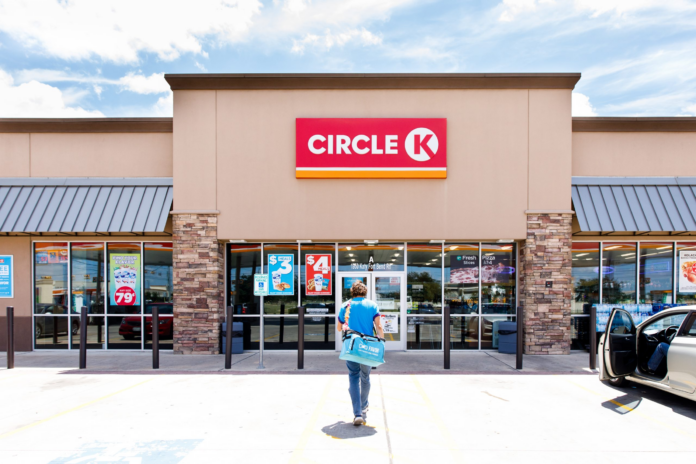
Couche-Tard operates more than 2,000 stores across Canada under the Circle K and Couche-Tard banners, giving it a substantially larger domestic network than 7-Eleven’s roughly 550 locations.

The competitive relationship gained an unusual dimension when Couche-Tard pursued Seven & i Holdings, the Japanese parent of 7-Eleven, before abandoning the proposed multibillion-dollar transaction in 2025.

For 7-Eleven Canada, the scale gap gives proprietary products added importance. Much of what fills a convenience store can be purchased across competing banners, including major soft drinks, packaged snacks, energy beverages and everyday staples.

Slurpee is different. Its identity remains closely tied to 7-Eleven, giving consumers a reason to choose the network that does not depend solely on location.

The same logic helps explain the wider focus on differentiated food and proprietary beverages. Against larger competitors, 7-Eleven has a strong incentive to build products and experiences that customers cannot easily find elsewhere.

A 60-Year-Old Brand Inside a Changing Business

Slurpee’s longevity gives 7-Eleven Canada something many retailers spend years trying to create: a product with broad recognition, deep nostalgia and unusual local cultural relevance.

The 2026 campaign is widening how that asset is used. Slurpee is moving into packaged soda and confectionery, being tied to Canadian artists and a Canadian beverage company, and supporting loyalty incentives, food promotions and store traffic. Its strongest Canadian market is also facing a challenge from a rising rival city.

The campaign is unfolding as 7-Eleven Canada increases its focus on food and proprietary beverages and navigates pressure across parts of its existing store base. It is doing so in a market where larger competitors have greater domestic scale and consumers have a growing number of places to buy food, beverages and everyday convenience products.

A 60-year-old frozen drink will not solve all of those challenges.

But as 7-Eleven works to give Canadians more reasons to visit its stores, Slurpee remains one of the strongest reasons it already has.

More from Retail Insider:

Aritzia Q1 Fiscal 2027 net revenue rises 43.4% to $951M

Aritzia at CF Toronto Eaton Centre in Toronto. Photo: Aritzia

Aritzia Inc., a global fashion retailer, announced Thursday its financial results for the first quarter ended May 31, with net revenue increasing 43.4% from a year ago to $951 million and comparable sales growth of 35.1%

“We delivered exceptional net revenue growth of 43% in the first quarter of Fiscal 2027, including an outstanding 35% increase in comparable sales. Our momentum was broad-based across the business – spanning all geographies, channels and categories. Robust demand for our Spring and Summer product, supported by our healthy inventory position, fueled this phenomenal performance. Our digital initiatives, new boutique openings and strategic marketing investments continued to drive increased awareness and widespread affinity for the Aritzia brand. Notably, our digital business gained significant momentum, with net revenue growth accelerating to 56%, while the United States remained our largest growth market with a 55% top line increase,” said Jennifer Wong, Chief Executive Officer. “In addition, we expanded our adjusted EBITDA margin by 410 basis points to a first quarter record of 20%. All of this culminated in a 96% increase in adjusted net income per diluted share.”

Jennifer Wong
Jennifer Wong

“Importantly, our strong momentum has carried into the second quarter of Fiscal 2027 as we consistently deliver against our three strategic growth levers – geographic expansion, digital growth and increased brand awareness. We also continue to invest in world-class infrastructure to ensure we remain well-positioned to capitalize on our long runway for growth in the United States and beyond. The strength of the Aritzia brand has never been more evident, and we look forward to executing on our strategic vision for the future.”

First Quarter Highlights

For Q1 2027, compared to Q1 2026:

  • Net revenue increased 43.4% to $951.0 million, with comparable sales growth of 35.1%
  • United States net revenue increased 54.5% to $638.1 million, comprising 67.1% of net revenue
  • Canada net revenue increased 25.0% to $312.9 million, comprising 32.9% of net revenue
  • Retail net revenue increased 38.7% to $666.3 million, comprising 70.1% of net revenue
  • Digital (formerly “eCommerce”) net revenue increased 55.5% to $284.7 million, comprising 29.9% of net revenue 
  • Gross profit margin increased 310 bps to 50.3%
  • Selling, general and administrative expenses as a percentage of net revenue decreased 150 bps to 32.0%
  • Adjusted EBITDA increased 80.5% to $191.6 million. Adjusted EBITDA as a percentage of net revenue increased 410 bps to 20.1%
  • Net income increased 176.6% to $117.3 million. Net income as a percentage of net revenue increased 590 bps to 12.3%. Net income per diluted share increased 175.0% to $0.99 per share, compared to $0.36 per share in Q1 2026
  • Adjusted Net Income increased 98.3% to $113.9 million. Adjusted Net Income per Diluted Share increased 95.9% to $0.96 per share, compared to $0.49 per share in Q1 2026
First Quarter Results Compared to Q1 2026
(unaudited, in thousands of Canadian dollars, unless otherwise noted)Q1 2027Q1 2026Change
% of net revenue% of net revenue%bps
Retail net revenue$     666,34470.1 %$     480,30672.4 %38.7 %
Digital net revenue284,66529.9 %183,01027.6 %55.5 %
Net revenue$     951,009100.0 %$     663,316100.0 %43.4 %
Gross profit$     478,02550.3 %$     312,79747.2 %52.8 %310
Selling, general and administrative     (“SG&A”)$     304,63432.0 %$     222,48333.5 %36.9 %(150)
Net income$     117,26312.3 %$      42,3916.4 %176.6 %590
Net income per diluted share$           0.99$          0.36175.0 %
Adjusted EBITDA$     191,57220.1 %$     106,13216.0 %80.5 %410
Adjusted Net Income$     113,87512.0 %$      57,4248.7 %98.3 %330
Adjusted Net Income per Diluted Share$           0.96$         0.4995.9 %

Aritzia said it expects the following for Fiscal 2027: Net revenue in the range of $4.55 billion to $4.75 billion, representing growth of approximately 23% to 28% from Fiscal 2026. This includes the contribution from retail expansion with 12 to 13 new boutiques and four to five boutique repositions. Eleven to 12 new boutiques and two to three repositions are expected to be in the United States with the remainder in Canada.

More from Retail Insider:

Aritzia photo
Aritzia photo

Q2 2026 Canadian Retail Real Estate: Scarcity, Curation and Selective Growth Reshape the Market

As part of Retail Insider Reports, this Q2 2026 Real Estate & Leasing Retail Report analyzes Canadian retail real estate and leasing trends. Drawing on Retail Insider coverage, REIT disclosures, industry research, and broader market signals, it identifies the key dynamics shaping leasing, redevelopment, capital allocation, and asset performance. These reports are designed to deliver executive-level insights across major retail sectors and can be accessed through the Retail Insider Report Hub.

This report examines retail real estate, leasing, shopping centres, mixed-use developments, landlords, tenants, mall operators, redevelopment, and commercial retail property trends.

*****

Canadian retail real estate has entered a scarcity-driven phase. Prime urban, open-air, necessity-based, and top regional assets continue to show strong leasing demand, limited vacancy, and rising rents, while many secondary malls face more difficult decisions around vacancies, legacy anchor space, capital requirements, and redevelopment timelines.

The quarter was defined by widening performance gaps and a growing scarcity of high-quality retail space. Well-capitalized landlords with strong assets are benefiting from constrained new supply, tenant demand for productive locations, and the expansion of necessity, value, food, service, and experiential tenants. International retailers also continue to view Canada as attractive, but their demand is increasingly concentrated in a small number of dominant retail nodes, luxury districts, and high-productivity shopping centres.

Despite economic uncertainty, retailers continue to invest in physical stores when they can secure productive locations, reinforcing the enduring appeal of high-quality Canadian retail real estate.

At the same time, the closure of Hudson’s Bay and related legacy department store space has created a major repositioning challenge across the country. The opportunity is significant, but it is complex, capital intensive, and uneven by market.

The result is not a uniform retail real estate recovery. It is a more selective market where scarcity, curation, capital access, location quality, tenant mix, and redevelopment flexibility increasingly determine winners and losers.

Market Context: Scarcity and Pricing Power Define Prime Retail

Recent REIT disclosures show that the strongest Canadian retail assets are benefiting from limited supply and strong tenant demand. RioCan reported record 25.8 per cent blended leasing spreads in Q1 2026, including 58.5 per cent new leasing spreads, along with 4.7 per cent commercial same-property NOI growth and 98.6 per cent committed retail occupancy. These results point to a market where high-quality retail space is scarce and landlords with strong portfolios are gaining pricing power.

SmartCentres also reported high occupancy, with in-place and committed occupancy of 97.6 per cent at March 31, 2026. The REIT later noted occupancy of 98.0 per cent, supported by value, necessity, grocery, and service-oriented retail. These figures reinforce the strength of open-air and necessity-based formats, particularly where retailers can access daily-needs traffic and established trade areas.

This context matters because it separates the strongest assets from the broader market. Canada is not seeing a broad oversupply of quality retail space. In many desirable locations, the challenge is the opposite: too little productive space, high construction costs, limited new development, and retailers competing for the best sites.

Very little new retail space is being built nationally relative to historical norms, largely because construction costs, financing conditions, and municipal approval timelines have made speculative retail development difficult. That scarcity is increasing the value of existing productive assets.

Broad Overall Themes

Canadian retail real estate in Q2 2026 is defined by a widening gap between high-performing prime assets and properties facing repositioning pressure.

  • Scarcity is driving leasing power in prime assets. High occupancy, limited new supply, and strong demand from necessity, value, food, service, and experiential tenants are giving leading landlords greater pricing power.
  • The market is polarizing. Top-tier malls, dominant open-air centres, grocery-anchored assets, and urban mixed-use nodes continue to attract capital and tenant demand, while many mid-tier and secondary malls face weaker productivity, anchor vacancy, and greater redevelopment complexity.
  • Open-air retail is one of the clearest winners of the current environment. Centres anchored by grocery, pharmacy, discount, food service, medical, services, and other necessity-based uses continue to benefit from frequent visits, resilient tenant demand, and institutional investor interest.
  • Curation is becoming a competitive advantage. Leading landlords are increasingly creating integrated retail ecosystems that combine shopping, food, hospitality, entertainment, wellness, public space, residential density, and cultural programming.
  • International retailer demand remains concentrated. Global brands continue to see Canada as attractive, but expansion activity is focused on a limited number of productive urban districts, luxury corridors, and dominant shopping centres.
  • Hudson’s Bay’s exit has created both opportunity and operational strain. Approximately 17 million square feet of HBC and related space has returned to the market, depending on scope. The release of former Hudson’s Bay space represents one of the largest merchandising resets in Canadian shopping centre history, creating both risk and opportunity for landlords and retailers.
  • Subdivision is becoming the near-term solution for many large-format boxes. Rather than pursuing immediate wholesale redevelopment, landlords are often breaking former department store spaces into multi-tenant configurations, creating units that can attract value, entertainment, grocery, services, fitness, food, and specialty operators.
  • Necessity and value tenants are absorbing demand. Grocery, pharmacy, discount, food service, services, wellness, medical, fitness, and entertainment tenants are increasingly important to leasing momentum and traffic generation.
  • Mixed-use redevelopment remains strategic, but timelines are stretching. Housing market softness, weaker condo pre-sales, high construction costs, financing pressure, and municipal complexity are slowing some mall redevelopment plans.
  • Capital scale is becoming a competitive moat. Landlords with liquidity, unencumbered assets, development expertise, and portfolio flexibility are better positioned to reposition assets, pursue acquisitions, and absorb near-term income disruption.
  • Secondary-market investment remains relevant. While capital and retailer demand are concentrated in top urban and suburban assets, value-add investors continue to look at regional malls and secondary markets where repositioning, leasing upside, and residential intensification may create long-term opportunity.
  • Community and experience remain important differentiators. Centres that connect to local demographics, cultural programming, food, entertainment, recreation, and services are better positioned to maintain relevance beyond traditional shopping.

Retail Insider Coverage

Prime Assets Lead a Polarized Market

Retail Insider’s coverage of Canadian shopping centre performance shows a wide gap between the country’s top-performing malls and the broader market. Top-tier centres such as Yorkdale Shopping Centre continue to generate exceptional sales productivity, while many mid-tier centres remain far below that level.

Recent shopping centre productivity data further illustrates the widening gap between top-tier assets and the rest of the market. Yorkdale generated $2,368 per square foot in 2025, exceeding the next closest Canadian shopping centre by more than $700 per square foot.

This divide reflects a broader shift in retailer strategy. Many brands are concentrating investment in fewer, more productive locations that offer stronger demographics, tourism, transit access, luxury adjacencies, food, entertainment, and brand visibility. The result is a flight to quality among both retailers and landlords.

International retailer demand reinforces this pattern. Retail Insider’s annual market entry study found that 20 international retailers entered Canada in 2025, with 70 per cent choosing Toronto for their first location. Activity clustered around Yorkdale Shopping Centre and the Bloor-Yorkville corridor, reinforcing the competitive advantages enjoyed by Canada’s most productive retail ecosystems.

For top assets, this creates a virtuous cycle. Strong tenant demand supports better merchandising, stronger sales, higher rents, and continued reinvestment. For weaker assets, the opposite risk emerges.

This is the barbell structure defining Canadian retail real estate: luxury, value, necessity, and experience continue to perform, while undifferentiated middle-market retail space faces more pressure.

Curation and District Creation Become Competitive Advantages

The strongest landlords are increasingly acting less like passive space providers and more like curators of retail ecosystems.

In Toronto, Bloor-Yorkville continues to demonstrate how luxury retail, hospitality, food, residential density, and streetscape improvements reinforce one another. Yorkdale remains the country’s most productive enclosed shopping centre because it combines luxury, fashion, food, entertainment, tourism, and merchandising discipline in a tightly curated environment.

In Vancouver, Oakridge Park shows how curation is becoming central to large-scale development. The project combines luxury retail, residential density, office space, public amenities, food, cultural programming, and rapid transit access within a single mixed-use ecosystem.

In Montreal, Mount Royal Village and other curated urban retail environments demonstrate how ownership control and district-level strategy can shape a retail area’s identity over time.

This shift matters because the best retail real estate is increasingly managed as a place rather than a collection of leases.

Hudson’s Bay Space Creates Opportunity and Complexity

The closure of Hudson’s Bay has released one of the largest blocks of retail space in modern Canadian history.

For landlords, the exit of a legacy anchor can be painful in the short term. However, it also gives landlords rare control over large-format boxes, some of which were governed by restrictive legacy leases and covenants.

The opportunity is to subdivide, reposition, and remerchandise space for tenants better aligned with current demand. Rather than waiting years for major redevelopment, landlords can create more flexible retail boxes for uses such as grocery, off-price, fitness, entertainment, medical, food halls, value retail, and specialty retail.

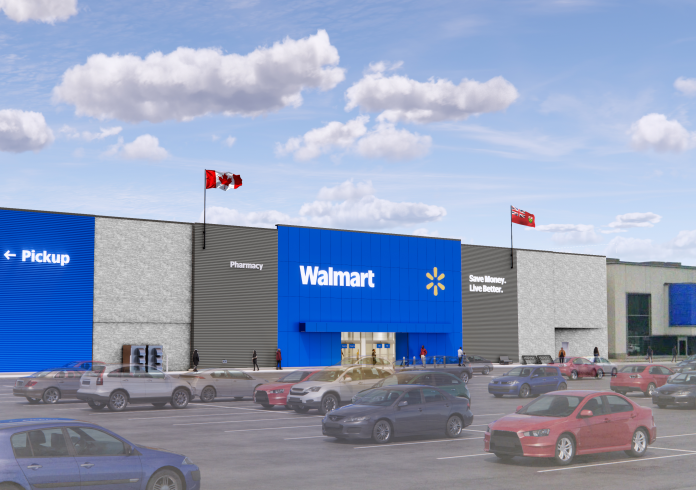
The Walmart announcement for the former Hudson’s Bay space in Ottawa illustrates how some large boxes can be backfilled by strong national retailers with traffic-generating potential.

The pace at which several former Hudson’s Bay locations have already attracted replacement tenants demonstrates that well-located retail space remains in demand, even when the boxes themselves require significant repositioning.

For many landlords, subdivision is becoming an exercise in incremental value creation rather than transformative redevelopment. A former department store may become several productive tenant spaces rather than a single replacement anchor.

The strongest results will occur where the broader centre has solid traffic, demographics, capital support, and leasing demand. Weaker centres may face a longer and more difficult path.

Open-Air and Necessity-Based Retail Continue to Outperform

Open-air retail formats anchored by grocery, pharmacy, discount, food service, and services continue to outperform many weaker enclosed assets.

SmartCentres’ high occupancy and Choice Properties’ planned acquisition of First Capital assets both reinforce the institutional appeal of necessity-based retail. These assets benefit from frequent visits, durable tenant demand, and categories less exposed to discretionary volatility.

Grocery has become one of the most valuable uses in Canadian retail real estate because it provides frequency, supports surrounding tenants, and remains attractive to institutional investors. Pharmacy, services, medical, fitness, and food uses can further strengthen the daily-needs profile of these centres.

This does not mean enclosed malls are obsolete. Top enclosed assets remain among the most powerful retail platforms in the country. However, the open-air and necessity-based segment continues to offer attractive defensive characteristics at a time when retailers and investors are prioritizing productivity, traffic, and resilience.

Necessity, Value, Food and Services Drive Leasing Demand

Leasing demand is increasingly concentrated in categories that generate frequency, solve everyday needs, or create experience.

Entertainment and recreation tenants are becoming more important components of merchandising strategies because they generate repeat traffic, extend dwell time, and support placemaking objectives.

This shift reflects changing consumer priorities. Shoppers continue to visit physical retail, but the reasons for visiting have evolved. Daily needs, value, food, social activity, services, and experience are increasingly important.

For landlords, leasing strategy is no longer simply about filling space. It is about building a tenant mix that generates repeat visits, supports dwell time, and creates durable traffic.

Redevelopment Slows, but Mixed-Use Remains the Long-Term Strategy

Mixed-use redevelopment remains one of the most important long-term strategies for Canadian retail real estate, but the timeline has become more difficult.

Several mall redevelopment projects have faced delays, cancellations, or strategic resets due to high construction costs, financing pressure, weak condo pre-sales, municipal complexity, and broader economic uncertainty.

Oakridge Park remains one of the clearest examples of the long-term direction of Canadian retail real estate. The approximately $5 billion to $6 billion project combines luxury retail, residential density, office space, public amenities, food, and cultural programming within a highly transit-oriented environment.

Oakridge also demonstrates the growing importance of destination creation. Retail, food, hospitality, public space, culture, office uses, and residential density are being designed as a single ecosystem rather than a conventional shopping centre with development layered around it.

This does not mean mixed-use retail redevelopment is no longer viable. It means the easy version of the story is over. Projects now require stronger phasing, deeper capital, better municipal alignment, and more conservative assumptions.

Capitalized Landlords Gain a Competitive Advantage

Capital strength is becoming one of the clearest differentiators in Canadian retail real estate.

Choice Properties’ planned acquisition of approximately $5.0 billion of First Capital retail assets underscores the institutional value of necessity-based urban retail. RioCan’s liquidity and substantial unencumbered asset base further illustrate the advantage of capital flexibility.

Capital flexibility is increasingly becoming a strategic advantage in itself. The ability to fund redevelopment, provide tenant allowances, pursue acquisitions, and absorb temporary income disruption may determine which landlords can fully capitalize on the opportunities emerging from market dislocation.

Secondary-market acquisitions also remain part of the picture. Smart Investment Group’s acquisition of McAllister Place in Saint John, following its Garden City acquisition in Winnipeg, shows that private capital continues to see opportunities outside Canada’s largest urban markets where repositioning, leasing upside, and long-term intensification potential may exist.

The gap between capitalized landlords and smaller or more constrained owners is likely to widen.

Community Strategy Supports Asset Relevance

Community-focused programming is becoming a useful tool for retail centres seeking to maintain relevance.

Programming, food, cultural events, local partnerships, recreation, and services are increasingly important competitive differentiators in diverse urban markets.

The most resilient centres will be those that give local consumers reasons to return beyond transactional shopping.

Editor’s Take

Q2 2026 confirms that Canadian retail real estate has entered a scarcity-driven phase. The best assets are not simply recovering; they are gaining pricing power.

The market is also becoming more polarized. Top regional malls, necessity-based open-air centres, grocery-anchored urban assets, and mixed-use retail nodes are attracting tenant demand and capital. Open-air centres anchored by grocery, pharmacy, discount, food, and services may be among the biggest beneficiaries of the current environment.

International retailer demand further reinforces the scarcity story. New entrants continue to choose a relatively small number of high-productivity Canadian retail nodes, particularly Toronto’s strongest malls and luxury districts. Recent shopping centre productivity data also shows how far the best assets have pulled ahead.

The closure of Hudson’s Bay has accelerated this divide. For landlords with strong locations and capital, former Bay boxes represent a rare chance to regain control, remove legacy constraints, subdivide space, and bring in more relevant tenants.

The most important near-term strategy is likely subdivision rather than full redevelopment. Large-scale mixed-use redevelopment remains important, but housing market softness and construction costs mean timelines will stretch.

Recent commentary from Primaris further suggests that some of Canada’s strongest enclosed mall owners continue to see significant embedded value in their portfolios despite near-term market challenges.

Curation is becoming one of the industry’s most important competitive advantages. The best landlords are not simply filling vacancies. They are building ecosystems around retail, food, services, hospitality, culture, entertainment, public space, and residential density.

Oakridge Park demonstrates that the long-term future of retail real estate is not simply more shopping centres, but highly integrated mixed-use districts that combine retail with residential, office, culture, and public space.

Canadian retail real estate has largely moved beyond recovery and into a scarcity-driven phase characterized by selective growth, constrained supply, district curation, and widening performance gaps between prime and secondary assets.

Looking ahead, the key indicators will be leasing spreads, former HBC backfill progress, the pace of box subdivision, mixed-use redevelopment delays, grocery and value tenant expansion, international retailer demand, and institutional appetite for necessity-based retail assets.

Scarcity, location quality, capital access, curation, and execution are increasingly becoming the defining competitive advantages in Canadian retail real estate.

Selected Articles

Q2 2026 Books & Entertainment: Fandom, Community and Experience Reshape the Market

As part of Retail Insider Reports, this Q2 2026 Books & Entertainment Retail Report examines Q2 2026 developments in the Canadian books and entertainment sector. It draws on Retail Insider coverage, company disclosures, earnings call transcripts, and broader industry research to identify the key market dynamics, trends, and commercial implications shaping retail strategies. These reports are designed to deliver executive-level insights across major retail sectors and can be accessed through the Retail Insider Report Hub.

This report examines Canadian books, music, gaming, collectibles, hobby entertainment, movie exhibition, and entertainment-focused retail businesses and consumer trends.

*****

Canadian books and entertainment retail entered Q2 2026 with a clearer divide between traditional product-led retail and operators building communities around fandom, experience, intellectual property, and cultural participation.

The strongest performers are not simply selling books, records, toys, games, movies, or entertainment access. They are giving consumers reasons to gather, discover, collect, participate, and identify with brands or cultural moments.

That shift was visible throughout the quarter. Sonic Boom’s flagship expansion in Toronto reflected continued consumer demand for curated physical media and vinyl records. Cineplex’s record first-quarter revenue and the opening of Canada’s largest Playdium at Vaughan Mills demonstrated the commercial potential of experiential entertainment venues within retail environments. Splitsville’s continued Canadian expansion reinforced the growth of competitive socializing. Roku’s Soccer Zone illustrated how streaming platforms are building event-driven digital hubs around major cultural moments. Pop Mart’s Canadian expansion highlighted the strength of collectible-driven retail built around original intellectual property, scarcity, and fandom.

At the same time, books themselves are evolving. New concepts such as Book Bar in Toronto’s Mirvish Village and genre-specific romance bookstores in Toronto and Ottawa are demonstrating that physical bookstores can succeed when they function as community hubs, event spaces, and cultural gathering places.

The result is a sector increasingly shaped by hybrid models. Physical retail still matters, but the most resilient formats are increasingly connected to discovery, experience, loyalty, nostalgia, digital content, and community.

Market Context: Physical, Experiential and Digital Channels Converge

Books and entertainment retail continues to evolve as consumers shift spending across physical products, digital content, events, and out-of-home experiences.

Canadian print book sales rose in 2025, providing evidence that physical books remain more resilient than many industry observers expected. Books continue to benefit from gifting, discovery, independent retailers, book clubs, social media, and the growing importance of reading communities.

Physical music also remains relevant. Vinyl continues to attract consumers who value tangible media, collecting, album artwork, and the cultural experience of shopping in specialized stores.

Out-of-home entertainment remains resilient as well. Cineplex reported $291 million in Q1 2026 revenue, its highest first-quarter revenue since 2019, supported by stronger box office and concession revenue per patron.

The broader market is not moving in one direction. Mass physical media remains challenged, but specialty books, vinyl, collectibles, experiential entertainment, gaming-adjacent venues, streaming hubs, and nostalgia-led retail concepts continue to create opportunities.

Broad Overall Themes

Canadian books and entertainment retail in Q2 2026 reflects a sector increasingly shaped by fandom, community, intellectual property, and experiential participation.

  • Specialty physical retail remains viable when it is curated and culturally anchored.
  • Collectibles and fandom are becoming more important. Pop Mart’s Canadian expansion and continued demand for trading cards, character merchandise, and limited-edition products show how entertainment brands can monetize intellectual property through physical stores, social media, and community engagement.
  • Experiential entertainment is becoming a stronger retail real estate category. Cineplex’s Playdium at Vaughan Mills and Splitsville’s expansion demonstrate how entertainment venues can drive traffic, dwell time, and group-based visits in shopping centres and mixed-use environments.
  • Digital platforms are becoming more event-driven. Roku’s Soccer Zone illustrates how streaming services can organize content around major cultural moments.
  • Nostalgia remains commercially powerful. Toys “R” Us, Zellers, vinyl records, retro toys, and character merchandise all point to consumer demand for brands and products that carry emotional memory.
  • Books are increasingly becoming social experiences. Independent bookstores, book bars, author events, and genre-specific concepts are proving that community can be as important as inventory.
  • Brand control is becoming more important. Entertainment companies increasingly want control over intellectual property, customer relationships, retail channels, and consumer experiences.

Retail Insider Coverage

Specialty Physical Media Retail Remains Resilient

Sonic Boom’s expansion to a 13,000-square-foot flagship store in Toronto illustrates the continued relevance of specialty physical media retail.

The store’s growth is not simply about selling records. It is about creating a destination for discovery, browsing, collecting, and community. Vinyl records continue to attract consumers who value tangible media, rarity, and the cultural experience of shopping in a curated environment.

This matters because it challenges the simplistic view that all physical entertainment retail is in decline. Broad physical media categories remain pressured, but well-positioned specialty operators can still thrive when they create emotional and cultural value that digital platforms cannot replicate.

Books Are Becoming Community Spaces

Books deserve more attention within the broader books and entertainment category. Print book sales in Canada have remained resilient, supported by strong frontlist titles, independent bookstores, gifting, children’s books, and growing interest in physical reading experiences. At the same time, bookstores themselves are evolving.

Book Bar in Toronto’s Mirvish Village combines books with wine, cocktails, events, and community programming, demonstrating how bookstores can become social and cultural gathering places rather than purely transactional retail environments.

Genre-specific concepts are also emerging. Romance-focused bookstores in Toronto and Ottawa have generated significant attention by creating spaces for highly engaged reading communities, book clubs, author events, and social gatherings.

Social platforms such as BookTok continue to influence reading habits and have helped fuel demand for genre-specific bookstores, author events, and community-driven book retail experiences.

Independent bookstores also continue to play an important role in local communities by hosting author events, book clubs, children’s programming, and cultural gatherings that strengthen customer loyalty.

These developments reflect a broader shift. Consumers are increasingly seeking places to gather around shared interests and identities. For bookstores, community may be becoming just as important as the books themselves.

Collectibles and Fandom Continue to Drive Growth

Pop Mart is one of the clearest examples of how entertainment retail is evolving.

The Beijing-based collectibles retailer has been expanding in Canada, with stores at CF Richmond Centre, Metropolis at Metrotown, and CF Toronto Eaton Centre. The company’s Canadian growth reflects strong consumer demand for collectible merchandise, character-driven products, original intellectual property, and discovery-oriented store experiences.

Pop Mart’s model blends retail, fandom, scarcity, social media, and intellectual property. Consumers are not simply buying products; they are participating in a collecting culture built around community and emotional attachment.

Trading cards also continue to gain popularity. However, the rapid growth of collectibles has created new challenges. High-value Pokémon and sports cards have become targets for theft and robbery in several Canadian markets, illustrating the increasing financial significance of collectible culture.

Trading cards and collectibles are increasingly being viewed not only as hobby products but also as alternative assets, contributing to both heightened consumer demand and increased security concerns.

This places Pop Mart and collectibles within a broader trend. The most successful entertainment concepts increasingly monetize fandom directly, using stores as both sales channels and community touchpoints.

Toys “R” Us Highlights the Value of Intellectual Property

The restructuring of Toys “R” Us Canada adds another dimension to the sector.

The separation of intellectual property, store leases, operating assets, and physical infrastructure demonstrates how entertainment-adjacent retail is increasingly being broken into distinct forms of value.

Brands with emotional equity and family recognition can retain significant value even when their operating models are under pressure.

The Toys “R” Us situation reinforces the importance of intellectual property ownership and customer relationships. In entertainment retail, brands themselves can sometimes be more valuable than the stores that sell them.

Experiential Entertainment Becomes a Retail Real Estate Anchor

Cineplex’s Q1 2026 results highlight the importance of combining physical entertainment with broader experiential formats.

The company reported $291 million in revenue, supported by box office strength and record box office and concession revenue per patron.

The launch of Canada’s largest Playdium at Vaughan Mills is a strong example of this strategy. The venue creates a major experiential draw within one of Canada’s busiest shopping centres and extends Cineplex beyond traditional movie exhibition.

Playdium demonstrates how entertainment venues can become important anchors within retail environments by driving traffic, family visits, and repeat occasions.

However, experiential growth also requires operational discipline. Location-based entertainment can be powerful, but it is not automatically easy.

Competitive Socializing Expands Across Canada

Splitsville’s Canadian expansion reinforces the rise of competitive socializing.

Bowling, arcade games, food, beverage, and group entertainment all sit within a broader consumer shift toward participatory experiences.

For landlords, concepts such as Splitsville can help reposition shopping centres and mixed-use properties by adding evening traffic, family visits, and corporate events.

The growth of competitive socializing reflects a wider shift in entertainment spending. Consumers still value out-of-home experiences, but they increasingly seek formats that combine activity, food, and social connection.

Digital Streaming Content Aligns with Major Cultural Events

Roku’s Soccer Zone launch in Canada ahead of the FIFA World Cup illustrates how streaming platforms are using major cultural events to organize and monetize attention.

The platform creates a digital destination around a cultural moment rather than leaving consumers to search across fragmented platforms.

This matters because digital entertainment is becoming more curated and event-driven. Major sports tournaments, concerts, and fandom communities can drive engagement across both digital and physical channels.

Nostalgia Remains a Powerful Retail Strategy

Nostalgia continued to play an important role in Q2.

Zellers’ return to a standalone Toronto store with diner-inspired elements, kiddie rides, toys, and family-oriented activations shows how legacy brands can use memory and emotional connection to drive interest.

Vinyl records, retro toys, character merchandise, and family brands all draw on emotional memory.

The challenge is execution. Nostalgia can create attention, but it must be supported by product relevance and a compelling customer experience.

Lifestyle Hospitality Shapes Urban Entertainment Districts

Liberty Entertainment Group’s 40-year milestone highlights the role of hospitality and entertainment in shaping urban cultural districts.

This matters because the boundaries between retail, food, entertainment, hospitality, and culture continue to blur. Consumers increasingly treat restaurants, venues, cinemas, stores, and events as part of the same social ecosystem.

Broader Industry Coverage

Fandom Is Becoming a Commercial Engine

Across books, records, collectibles, toys, films, streaming, gaming, and live entertainment, fandom is increasingly central to monetization.

Retailers and entertainment brands are using limited editions, memberships, events, community spaces, and social media to deepen customer relationships.

This shift favours brands that control intellectual property or can build communities around cultural identity.

Physical Retail Still Matters When It Creates Discovery

The strongest examples in Q2 reinforce that physical retail still matters when it creates discovery and emotional engagement.

Sonic Boom, Pop Mart, Book Bar, Playdium, Splitsville, and romance bookstores all show different versions of this idea.

The physical environment becomes a place to browse, collect, gather, read, play, and participate.

Operational Discipline Remains Essential

Experiential entertainment and specialty retail can generate strong consumer engagement, but they also carry execution risk.

Venues require labour, maintenance, and capital investment. Specialty retailers face inventory risk and changing consumer tastes.

The winners will not be defined by experience alone. They will be operators that combine creativity with disciplined execution.

Editor’s Take

Q2 2026 shows that Canadian books and entertainment retail is becoming less about product categories and more about communities, fandom, intellectual property, and experiences.

The quarter challenges two common assumptions. Physical entertainment retail is not dead, and digital entertainment is not simply replacing out-of-home experiences.

Instead, the market is becoming more selective. Curated books, vinyl, collectibles, toys, and specialty products can thrive when they are tied to discovery, fandom, nostalgia, and community.

Sonic Boom demonstrates the continued power of physical media when it is culturally anchored. Pop Mart’s Canadian growth shows how collectible-driven brands can turn intellectual property and scarcity into retail demand. Book Bar and romance bookstores demonstrate that books themselves are increasingly becoming social experiences.

Cineplex and Splitsville show the strength of experiential entertainment as a retail real estate category. Playdium at Vaughan Mills and competitive socializing concepts demonstrate how entertainment can drive traffic and repeat visits within major retail environments.

The broader lesson is that entertainment retail is increasingly about control: control of intellectual property, customer relationships, loyalty ecosystems, physical experiences, and communities.

Looking ahead, the key indicators will be the durability of vinyl and specialty book demand, the pace of Pop Mart’s Canadian rollout, the future of Toys “R” Us stores and brand licensing, Cineplex’s location-based entertainment performance, the growth of competitive socializing, and the role of major cultural events in driving both digital and physical engagement.

Canadian books and entertainment retail is not moving away from physical experiences. It is becoming more selective about which physical experiences matter. The winners will be those that can turn products into fandom, stores into gathering places, and entertainment venues into repeatable social experiences that build lasting communities.

Representative Articles

Q2 2026 Canadian Jewelry Retail: Experiential Luxury and Accessible Premium Reshape the Market

As part of Retail Insider Reports, this Q2 2026 Jewelry & Watch Retail Report covers Q2 2026 developments in the Canadian jewelry retail sector. Drawing on Retail Insider’s coverage, company disclosures, and broader market research, it identifies the key market dynamics, trends, and commercial implications shaping the sector. These reports are designed to deliver executive-level insights across major retail sectors and can be accessed through the Retail Insider Report Hub.

This report examines Canadian jewellery and watch retail, including luxury and fashion jewellery, watches, bridal, specialty retailers, consumer demand, and market developments.

*****

Canadian jewelry retail entered Q2 2026 in a position of relative resilience compared with many discretionary categories. Jewelry, luggage and leather goods retailers generated $457 million in sales in April 2026, up 5.9 per cent year over year despite a modest month-over-month decline.

The quarter also highlighted a market increasingly split between experiential luxury and accessible premium. Luxury retailers continued to invest in flagship stores, immersive environments, and personalized service, while founder-led and regional brands pursued growth through accessibility, community engagement, and differentiated value propositions.

At the same time, jewelry remains one of the retail categories where physical stores, personal service, and human relationships continue to matter deeply. Consumers may research online, but important purchases often still benefit from expert guidance, appointments, and immersive experiences.

The result is a sector where experience, service, and strategic expansion are increasingly shaping competitive advantage.

Market Context: Jewelry Sales Remain Resilient

Statistics Canada’s latest retail trade data shows that jewellery, luggage and leather goods retailers generated approximately $457 million in sales in April 2026, down 2.0 per cent from March but up 5.9 per cent year over year.

At a broader level, the category that includes clothing, accessories, shoes, jewellery, luggage and leather goods retailers rose 6.1 per cent year over year in volume terms, indicating continued resilience in discretionary spending categories tied to personal style and self-expression.

The Canadian jewelry industry remains meaningful in scale. Industry Canada data shows jewellery, luggage and leather goods stores generated approximately $5.7 billion in operating revenues in 2023, up from approximately $5.4 billion in 2022.

These figures suggest that jewelry remains an important and resilient category within Canadian retail, even as consumers remain selective and value conscious.

The market also reflects Canada’s increasingly K-shaped economy. Affluent consumers continue to support luxury and high-end jewelry purchases, while value-conscious consumers are gravitating toward accessible premium brands, lab-grown diamonds, and products that offer strong design and perceived value.

Broad Overall Themes

Canadian jewelry retail in Q2 2026 reflects a market increasingly shaped by experience, geography, and consumer bifurcation.

  • Experiential luxury is becoming the industry standard. Flagships, hospitality, appointments, and personalized service are increasingly important competitive advantages.
  • Physical retail remains essential. Jewelry is one of the categories where trust, personal relationships, and human interaction continue to play a major role in purchase decisions.
  • Canada’s luxury geography is broadening. Vancouver’s Oakridge Park, Calgary’s Stephen Avenue, and the continued evolution of Bloor-Yorkville demonstrate that luxury retail expansion is extending beyond traditional nodes.
  • Accessible premium brands continue to find growth opportunities through regional expansion, community engagement, and differentiated positioning.
  • Lab-grown diamonds are becoming an affordability and transparency story as much as a sustainability story.
  • Watches and collector communities are becoming increasingly important drivers of engagement, events, and experiential retail.
  • Canada continues to attract investment from global luxury brands despite more modest growth expectations in international luxury markets.

Retail Insider Coverage

Experiential Luxury Becomes the Industry Standard

The strongest theme in Canadian jewelry retail is the growing importance of experience.

Consumers purchasing jewelry often seek reassurance, expertise, personalization, and emotional connection. Whether purchasing an engagement ring, luxury timepiece, or special gift, the experience surrounding the purchase can be as important as the product itself.

Michael Hill’s new Vancouver flagship at CF Pacific Centre reflects this trend. The company continues to view Canada as a growth market and has invested in an elevated store environment that emphasizes service, appointments, and improved customer experience.

Royal de Versailles’ transformation of its Yorkville flagship also demonstrates how luxury jewelry retail is evolving. The company has significantly expanded its watch business while creating a more immersive environment for clients and collectors.

Luxury jewelry increasingly resembles hospitality and experiential retail. Comfortable consultation spaces, private appointments, events, and clienteling programs are becoming more common as retailers seek to deepen relationships and differentiate themselves.

The broader lesson is that jewelry retailers are not simply selling products. They are selling trust, memories, milestones, and experiences.

Physical Stores and Human Service Remain Critical

Despite the continued growth of e-commerce, jewelry remains one of the clearest examples of a category where physical retail continues to matter.

Consumers frequently want to see craftsmanship, compare diamonds and gemstones, try on products, and receive guidance before making significant purchases.

This helps explain why retailers continue to invest in physical stores despite broader digital disruption.

Gem Studio’s workshop concept demonstrates how jewelry stores can become participatory destinations where customers learn, create, and engage with the craft itself.

Hillberg & Berk’s stores similarly emphasize hospitality and community engagement, creating environments that feel approachable and welcoming.

The continued investment in physical stores also challenges the assumption that luxury categories will inevitably become predominantly digital.

Physical retail remains one of jewelry’s strongest competitive advantages.

Canada’s Luxury Geography Continues to Broaden

Canada’s luxury retail landscape continues to evolve. For many years, luxury jewelry investment was concentrated primarily in Bloor-Yorkville and a handful of luxury shopping centres. Q2 2026 demonstrates that new luxury nodes are emerging.

Oakridge Park in Vancouver has rapidly become one of North America’s most ambitious luxury developments, attracting major jewelry and luxury brands and creating a new luxury destination on the West Coast.

Calgary’s Stephen Avenue is also seeing renewed luxury interest, including Hermès’ relocation and expansion plans.

Toronto’s Bloor-Yorkville district remains Canada’s pre-eminent luxury shopping destination, but the market is becoming increasingly diversified geographically.

This evolution reflects confidence in Canada’s luxury consumer and demonstrates that luxury retail opportunities extend beyond traditional locations.

Jewelry Reflects Canada’s K-Shaped Economy

The jewelry industry increasingly mirrors Canada’s broader K-shaped economy. At the high end, affluent consumers continue to support luxury purchases, flagship investments, and premium watch categories. At the same time, many consumers remain price conscious and are seeking value, accessibility, and flexibility. This bifurcation creates opportunities for retailers serving both ends of the market.

Luxury brands continue to invest in flagship experiences and personalized service, while accessible premium brands are finding success through design, community engagement, and more approachable price points.

Understanding this divergence may be increasingly important for jewelry retailers and landlords alike.

Accessible Premium and Independent Brands Continue to Expand

Hillberg & Berk represents one of Canada’s most compelling accessible premium growth stories. The Saskatchewan-based company continues to expand through shopping centre locations while emphasizing community engagement, female entrepreneurship, and approachable luxury positioning. The company occupies a different market position than heritage luxury jewelers but demonstrates that meaningful growth opportunities remain outside the traditional luxury segment.

Montréal-based Sphinx & Emeralds illustrates another emerging direction within Canadian jewelry retail. The brand has positioned itself around lab-grown luxury, transparent pricing, and a direct-to-consumer approach that blends traditional craftsmanship with more accessible fine jewelry.

Its emphasis on storytelling, sustainability, and consumer choice reflects changing expectations among younger luxury consumers and demonstrates that growth opportunities exist outside traditional luxury models.

Independent and founder-led concepts also continue to find opportunities.

Gem Studio’s educational and experiential approach and emerging designer brands operating in specialty markets demonstrate that consumers remain interested in authenticity, craftsmanship, and differentiated experiences.

The continued success of these businesses illustrates that jewelry retail is not becoming homogenous. Multiple business models continue to coexist and thrive.

Lab-Grown Diamonds Become an Affordability and Transparency Story

Lab-grown diamonds continue to gain traction globally and are increasingly becoming more than a sustainability story.

Affordability is a major driver. Lab-grown diamonds can often cost significantly less than comparable natural stones, making larger or higher-quality diamonds more accessible to consumers.

For younger consumers in particular, transparency, value, and ethical considerations are becoming increasingly important.

At the same time, natural diamonds continue to retain significant appeal, particularly in luxury and gifting categories.

Rather than replacing natural diamonds, the market increasingly appears to be bifurcating.

Lab-grown diamonds are creating new opportunities for accessible luxury and bridal purchases, while natural diamonds continue to command prestige and emotional significance.

Watches and Collector Communities Drive Engagement

Luxury watches are becoming increasingly important to jewelry retail.

Royal de Versailles’ continued investment in watches, alongside growing interest in brands such as Tudor and Omega, reflects the strength of the category.

Watches often create highly engaged communities of collectors and enthusiasts. Launches, collaborations, special editions, and events help generate traffic and deepen customer relationships.

Collaborations such as Swatch x Audemars Piguet also demonstrate how watches can attract younger consumers and introduce new audiences to luxury categories.

For many retailers, watches represent both a product category and a community-building opportunity.

Canada Continues to Attract Luxury Investment

Despite modest global luxury growth expectations, Canada continues to attract investment from international jewelry and luxury brands.

The country offers a relatively stable economy, affluent urban markets, and an increasingly sophisticated luxury consumer base.

The investments being made by Michael Hill, Hermès, Chanel, Royal de Versailles, and other luxury retailers suggest continued confidence in Canada’s long-term potential.

This confidence is particularly noteworthy because it comes during a period of more measured global luxury growth.

Broader Industry Coverage

Gold Prices Are Influencing Consumer Behaviour

Elevated gold prices continue to influence jewelry pricing and purchasing decisions.

Higher gold costs can encourage consumers to consider alternative materials, lab-grown diamonds, lower-karat products, or more design-focused purchases.

They may also support interest in vintage, estate, and pre-owned jewelry categories.

Service and Relationships Are Competitive Advantages

Jewelry remains one of the most relationship-driven retail categories.

Consumers often develop long-term relationships with trusted jewelers, particularly for engagement rings, anniversaries, repairs, and important life milestones.

Retailers that successfully combine expertise, service, and trust may continue to enjoy meaningful competitive advantages.

Editor’s Take

Q2 2026 demonstrates that Canadian jewelry retail remains remarkably resilient.

Statistics Canada data shows the category continues to generate year-over-year growth, while retailer activity suggests continued confidence in the market’s long-term prospects.

The quarter’s biggest takeaway may be that jewelry remains deeply physical and highly experiential. Consumers may research online, but meaningful purchases often benefit from human interaction, expertise, appointments, and trust.

The emergence of new luxury nodes is also significant. Vancouver’s Oakridge Park, Calgary’s Stephen Avenue, and the continued strength of Bloor-Yorkville suggest that Canada’s luxury retail geography is becoming more diversified and sophisticated.

At the same time, the market increasingly reflects Canada’s K-shaped economy. Luxury demand remains healthy at the upper end of the market, while accessible premium, lab-grown diamonds, and value-oriented concepts are attracting a broader consumer base.

The growth of brands such as Hillberg & Berk and Sphinx & Emeralds also demonstrates that Canadian jewelry retail is not solely a luxury story. Accessible premium, founder-led brands, and lab-grown concepts are finding meaningful opportunities by aligning with changing consumer values around affordability, transparency, and self-expression.

Another important lesson is that experience increasingly matters as much as product. Michael Hill’s flagship investments, Royal de Versailles’ transformation, Gem Studio’s participatory workshops, and Hillberg & Berk’s community-focused environments all point toward a more experiential future.

Looking ahead 6 to 18 months, the key indicators will be the pace of luxury expansion in emerging nodes, consumer adoption of lab-grown diamonds, the continued strength of watch categories, and whether jewelry retailers can maintain growth amid broader economic uncertainty.

Canadian jewelry retail is not moving in one direction. It is increasingly bifurcated between experiential luxury and accessible premium, but both segments continue to demonstrate the enduring importance of physical stores, personal service, and meaningful customer relationships.

Representative Articles

Q2 2026 Sporting Goods & Outdoor: Participation and Experience Reshape Growth

As part of Retail Insider Reports, this Q2 2026 Sporting Goods & Outdoor Retail Report covers Q2 2026 developments in the Canadian sporting goods and outdoor retail sector. Drawing on Retail Insider’s coverage, company disclosures, and broader market research, it identifies the key market dynamics, trends, and commercial implications shaping the sector. These reports are designed to deliver executive-level insights across major retail sectors and can be accessed through the Retail Insider Report Hub.

This report examines Canadian sporting goods, outdoor recreation, fitness, athletic equipment, hunting, fishing, cycling, and related specialty retail sectors.

*****

Canadian sporting goods and outdoor retail entered Q2 2026 with demand remaining resilient in participation-driven categories, even as consumers stayed selective with discretionary spending.

Statistics Canada’s latest retail trade data shows that sporting goods, hobby, musical instrument, book and miscellaneous retailers generated approximately $4.20 billion in sales in April 2026, down 1.5 per cent from March but up 4.0 per cent year over year. The more focused category that includes sporting goods, hobby, musical instrument and book retailers generated approximately $1.39 billion, down 1.1 per cent month over month but up 3.4 per cent year over year.

In volume terms, the broader category was down 1.3 per cent month over month but up 2.9 per cent year over year, while the more focused sporting goods and hobby category was down 0.9 per cent month over month but up 4.1 per cent year over year. The figures suggest that demand tied to sports participation, active lifestyles, recreation, and fandom remains relatively healthy despite uneven monthly performance.

The continued prioritization of fitness, wellness, and active living has also created a supportive backdrop for the sector, even as broader discretionary spending remains under pressure.

The quarter’s larger story is not simply that retailers are selling sporting goods. Leading operators are competing to own the experiences, communities, loyalty platforms, and participation habits that generate demand for those products.

Market Context: Participation-Driven Demand Remains Resilient

Sporting goods and outdoor retail continues to benefit from consumer interest in fitness, wellness, team sports, recreation, and active lifestyles.

Canadian Tire’s first-quarter results reinforce this picture. SportChek comparable sales rose 3.3 per cent, marking the banner’s seventh consecutive quarter of growth, with strength in fanwear, athletic footwear, and hard goods.

That performance suggests participation-driven demand remains one of the sector’s strongest supports. Consumers may be cautious, but they continue to spend on categories connected to sport, recreation, wellness, and personal activity.

The market remains uneven. Seasonal categories such as outdoor living, patio, and weather-sensitive products can fluctuate with timing, weather, and household budgets. Outdoor apparel also remains mixed, with some premium and direct-to-consumer operators performing better than legacy or less differentiated formats.

The broader pattern is clear: categories connected to participation, community, and identity are proving more resilient than purely discretionary or weather-dependent categories.

Broad Overall Themes

Canadian sporting goods and outdoor retail in Q2 2026 reflects a sector increasingly shaped by participation, experience, and community engagement.

  • Retailers and brands are seeking deeper relationships with customers through loyalty ecosystems, experiential stores, direct-to-consumer channels, and community-based programming.
  • Participation is becoming a competitive moat. Soccer, pickleball, basketball training, fitness clubs, amateur sport, and fan merchandise are not simply product categories; they are ecosystems that create recurring engagement and demand.
  • Experiential real estate is also becoming more important. Fitness clubs, pickleball facilities, training centres, and destination stores are repurposing space into places where consumers participate, train, gather, and spend time.
  • Niche digital and resale models continue to emerge, while selective expansion and market repositioning are becoming increasingly important strategic themes.

Retail Insider Coverage

Participation Becomes a Competitive Moat

One of the clearest themes in Q2 2026 is the growing importance of participation.

Retailers and operators are increasingly investing in concepts that create repeat engagement, community, and recurring visits.

Pickleplex is a strong example. The company has grown rapidly across Ontario and plans further expansion, turning pickleball from a participation trend into a real estate and community model. Its growth shows how a sport can become both a commercial category and a physical gathering place.

The return of pickleball programming at The Well in Toronto also illustrates how landlords are using recreation and sports activations to drive traffic, dwell time, and community engagement.

SportChek’s floating futsal pitch in Toronto reflects a similar idea. The activation positioned the retailer around soccer participation and community energy at a time when interest in the sport is building ahead of major global events.

These examples show that sporting goods retail is shifting from transactions toward participation ecosystems. The companies that help create participation are increasingly better positioned to capture the spending that follows.

Experiential Real Estate Becomes Community Infrastructure

Sporting goods, fitness, and recreation concepts are increasingly important users of physical real estate.

MOVATI Athletic’s 71,000-square-foot Edmonton club illustrates how fitness operators are becoming sophisticated users of large-format retail and mixed-use space. The club combines training, wellness, spa amenities, studios, and social elements, creating a destination that extends beyond traditional gym use.

Pickleplex also demonstrates how sports operators can repurpose or activate underused spaces into community recreation hubs.

Shoot 360’s large Oakville facility adds another dimension, using basketball training, technology, coaching, and performance programming to create a specialized sports experience.

Princess Auto’s flagship in Winnipeg reflects the value of hands-on environments and large-format experiences, particularly in categories where consumers benefit from product discovery and practical engagement.

Increasingly, sporting goods and recreation operators are becoming important users of large-format retail real estate and community infrastructure.

For landlords, these uses are attractive because they drive repeat traffic, extend dwell time, and create reasons for consumers to visit beyond traditional shopping.

The real estate story is not simply about stores. It is about turning space into participation infrastructure.

Canadian Tire and SportChek Continue to Build Ecosystems

Canadian Tire remains one of the country’s most influential sporting goods operators because of the breadth of its ecosystem.

Through SportChek, Sports Experts, Atmosphere, Pro Hockey Life, Triangle Rewards, and long-standing investment in amateur sport, the company has built a platform that extends well beyond product sales.

SportChek’s seventh consecutive quarter of comparable sales growth illustrates the resilience of categories tied to participation, fandom, and active lifestyles.

Triangle Rewards and the company’s broader ecosystem also give Canadian Tire advantages in customer engagement, loyalty, and cross-banner relationships.

Canadian Tire’s investment in amateur sport helps support the participation system that ultimately drives demand for equipment, footwear, apparel, and accessories.

Selective Expansion and Market Repositioning Continue

Retailers are becoming more selective about where and how they grow.

Decathlon’s strategy illustrates this shift. After closing several stores in Ontario as part of a broader repositioning effort, the sporting goods retailer has continued to invest selectively elsewhere. The company recently acquired the former Toys “R” Us property in Saint-Bruno, Quebec, where it plans to develop a new store.

The move suggests that growth strategies in sporting goods retail are becoming increasingly targeted. Retailers are not necessarily pursuing more stores. They are focusing investment on markets, formats, and trade areas where they believe they can build stronger long-term customer relationships and achieve higher productivity.

This more disciplined approach to growth may become increasingly important as retailers seek to balance expansion opportunities with higher operating costs and changing consumer behaviour.

Fanwear, Footwear and Hard Goods Show Resilience

Sports-related categories continue to demonstrate resilience where demand is tied to participation, fandom, and community identity.

SportChek’s growth in fanwear, athletic footwear, and hard goods supports this point. These categories benefit from several overlapping demand drivers: organized sport, school and community activities, professional sports fandom, fitness routines, and major events.

Soccer remains particularly important as Canada moves closer to the FIFA World Cup. Retailers that connect merchandise, participation, and community activations may be better positioned to capture that demand.

The same applies to pickleball and basketball training. These are not merely product opportunities. They create participation loops that support equipment, apparel, footwear, accessories, and services.

Niche Digital and Resale Models Remain Promising but Secondary

Niche digital and resale models continued to emerge in Q2, though they remain smaller parts of the broader sector.

The Ball Depot’s e-commerce platform is an interesting example of category specialization. By focusing exclusively on ball-related products and using digital tools, the concept points to opportunities in highly focused sporting goods niches that may be underserved by generalist retailers.

MEC’s permanent Gear Swap store in Kelowna reflects continued interest in resale, repair, sustainability, and more circular outdoor consumption.

However, these concepts should be viewed as supporting trends rather than the primary drivers of the sector.

The larger shift remains the move toward participation, experience, loyalty, and customer relationships.

Outdoor Apparel Remains Uneven

Outdoor apparel remains a mixed category.

Some premium technical brands continue to show momentum through direct-to-consumer strategies, product innovation, and strong brand communities. However, legacy outdoor apparel formats face more uneven demand, particularly when performance is tied to seasonal weather, wholesale exposure, or less differentiated assortments.

Premium technical brands and community-driven operators continue to show resilience, while broader outdoor apparel remains more dependent on weather patterns and product differentiation.

This suggests that outdoor apparel is increasingly polarized. Brands with technical relevance, community engagement, product innovation, and direct customer relationships may outperform, while less differentiated operators may face pressure.

Editor’s Take

Q2 2026 shows a sporting goods and outdoor retail sector that is becoming less transactional and more ecosystem-driven.

The strongest operators are seeking greater control over customer relationships, participation, community engagement, loyalty, and physical experiences.

Participation may be the sector’s most valuable asset. The companies that help create participation—whether through community investment, training facilities, fitness clubs, loyalty ecosystems, or experiential activations—are increasingly better positioned to capture the spending that follows.

Real estate is also changing. Sporting goods and recreation concepts are turning physical spaces into destinations for training, fitness, play, wellness, and community. That creates new opportunities for landlords seeking traffic-generating uses and new challenges for retailers still relying on conventional product-led formats.

The market remains uneven. SportChek’s growth shows resilience in fanwear, footwear, and hard goods, while outdoor apparel and seasonal categories remain more sensitive to weather, product relevance, and consumer budgets.

Decathlon’s selective expansion strategy points to another emerging trend: retailers are becoming more disciplined about where they deploy capital and increasingly focused on markets and formats where they can build stronger customer relationships.

The next phase of the sector will be shaped by the durability of participation-driven demand, the scalability of experiential sports concepts, the performance of outdoor apparel, the effectiveness of loyalty ecosystems, and the ability of retailers to convert participation into long-term customer relationships.

The next phase of Canadian sporting goods and outdoor retail may be defined less by who operates the most stores or sells the most equipment and more by who controls the communities, experiences, loyalty platforms, and participation habits that create demand in the first place.

Representative Articles

Q2 2026 Canadian Health & Beauty: Scale, Integration and Trust Reshape the Market

As part of Retail Insider Reports, this Q2 2026 Health & Beauty Retail Report analyzes the Canadian health, pharmacy, wellness, and beauty sectors, drawing on Retail Insider coverage, company disclosures, and broader market research to identify the trends and commercial implications shaping the period. These reports are designed to deliver executive-level insights across major retail sectors and can be accessed through the Retail Insider Report Hub.

This report examines Canadian health, beauty, cosmetics, pharmacy, wellness, and personal care retail, including retailers, brands, store formats, consumer trends, and market developments.

*****

Canadian health and beauty retail is evolving from a product-driven business into an integrated ecosystem of healthcare services, loyalty programs, wellness offerings, and trusted advice. Pharmacy-led care, digital tools, beauty education, and wellness services are increasingly shaping how operators compete.

The quarter demonstrated that scale and integration are becoming major advantages. Pharmacy networks are expanding health services, loyalty programs are helping consumers manage affordability pressures, and stores are becoming service hubs for consultations, prescriptions, optical care, wellness, beauty discovery, and education. At the same time, consumers are demanding more transparency around product claims, ingredients, sustainability, and efficacy.

A 2026 Ipsos survey for HomeEquity Bank found that 90 per cent of Canadians aged 55 and older are maintaining or increasing their spending on health and wellness, while 76 per cent said they would cut other spending before reducing wellness expenditures.

That broader context helps explain why health, beauty, pharmacy, fitness, and preventative wellness are increasingly connected in Canadian retail strategy.

Market Context: Health and Personal Care Retail Remains Resilient

Statistics Canada reported that health and personal care retailers generated approximately $6.58 billion in sales in April 2026, making the category one of the stronger-performing retail sectors during the month.

Health and personal care inflation remained comparatively moderate. Statistics Canada’s May 2026 Consumer Price Index showed health and personal care prices rising 2.7 per cent year over year, below the national headline inflation rate.

These figures suggest that health and beauty spending is increasingly viewed as essential rather than discretionary. Consumers continue to prioritize products and services that support personal wellbeing, preventative health, and quality of life, even as affordability remains a concern.

Canada’s aging population is also providing a structural tailwind for the sector, supporting demand for prescriptions, preventative care, wellness products, vision care, and services that help consumers manage long-term health and quality of life.

Broad Overall Themes

Canadian health and beauty retail in Q2 2026 reflects a sector undergoing deeper integration.

  • Pharmacy-led healthcare is becoming a major growth engine as retailers expand services, virtual care, prescription support, and pharmacist-led programs.
  • Loyalty programs are evolving into strategic ecosystems that support retention, frequency, personalization, data collection, and household savings.
  • Physical stores remain highly relevant, but their purpose is changing. Stores are increasingly functioning as destinations for consultations, diagnostics, wellness services, beauty education, prescription support, and community engagement.
  • Health, beauty, pharmacy, optical, wellness, and boutique fitness tenants remain attractive to landlords because they generate repeat visits and service-based traffic.
  • Trust and transparency are becoming important differentiators. Consumers are placing greater emphasis on ingredients, science-backed claims, sustainability, and product credibility.
  • Digital tools are supporting integrated care models by improving convenience, facilitating virtual consultations, and strengthening omnichannel relationships.
  • Sustainability is becoming more experiential, creating opportunities for retailers to connect environmental initiatives with customer engagement.
  • Professional beauty, boutique wellness, and fitness concepts continue to show niche growth, reinforcing the broader convergence of health, wellness, and personal care.

Retail Insider Coverage

Pharmacy-Led Healthcare Becomes the Growth Engine

Pharmacy may be the most important growth story in Canadian health and beauty retail.

Loblaw reported Shoppers Drug Mart same-store sales growth of 3.8 per cent in Q1 2026, with pharmacy and healthcare services increasing 6.4 per cent. Metro reported pharmacy same-store sales growth of 5.1 per cent, with prescription drug sales increasing 6.1 per cent and front-store sales up 2.8 per cent, supported by cosmetics and health and beauty.

These figures show that pharmacy is becoming more than a traditional dispensing business. It is increasingly functioning as accessible healthcare infrastructure.

Retail pharmacies are expanding into preventative care, chronic disease management, vaccinations, consultations, diagnostics, and weight management services. Rexall’s new virtual weight management program is a strong example of this shift. The program combines physician assessment, pharmacist support, lifestyle guidance, treatment options, and medication delivery, including GLP-1 therapies.

The expansion of pharmacist-led services also reflects broader pressure on Canada’s healthcare system. As consumers face difficulty accessing timely care, pharmacies can become more important access points for advice, support, and ongoing health management.

For retailers, healthcare services offer an opportunity to strengthen relationships, increase visit frequency, and deepen customer trust while creating revenue streams that extend beyond traditional front-store retail.

Loyalty Ecosystems Become Competitive Moats

Loyalty programs are becoming one of the most important competitive advantages in the sector.

Programs such as PC Optimum, Pharmasave’s Blue Rewards, and Metro’s Moi are evolving beyond transactional rewards. They increasingly connect products, prescriptions, services, savings, and customer engagement.

Specsavers’ addition to PC Optimum following its expansion to 111 locations within Loblaw stores demonstrates how eyecare is being integrated into broader pharmacy, grocery, and loyalty ecosystems. The partnership gives consumers another way to earn and redeem points on essential health-related spending.

Pharmasave’s rollout of Blue Rewards across more than 800 participating stores shows how independent pharmacy operators are responding to affordability pressures and loyalty competition. The program also reflects a broader shift in consumer behaviour, with many Canadians using loyalty programs as a practical savings tool.

In an environment where consumers remain value conscious, loyalty can influence where people fill prescriptions, purchase wellness products, access eyecare, and buy everyday health and beauty items.

The value of these ecosystems extends beyond rewards. They provide retailers with customer insights, create opportunities for personalization, and increase switching costs.

Physical Stores Are Becoming Service Hubs

Physical retail remains central to health and beauty, but the role of stores is changing.

Stores are increasingly becoming service hubs where consumers access advice, consultations, prescriptions, optical care, beauty education, wellness services, and product discovery.

Rocky Mountain Soap Company’s continued growth in Ontario, including redesigned stores with nature-inspired design and community spaces, reflects the importance of localized physical retail experiences. The brand’s positioning shows how health and beauty stores can create stronger emotional connections through design, community, and product storytelling.

Shoppers Drug Mart’s BeautyBOUTIQUE platform also demonstrates how physical retail can support beauty discovery, premium product presentation, and expert guidance. In categories where advice and trust matter, stores remain an important part of the customer journey.

Specsavers’ in-store presence within Loblaw locations reinforces the value of co-locating health services within high-frequency retail environments. Optical, pharmacy, beauty, and wellness services benefit from convenience and repeat traffic.

For landlords, health and beauty tenants remain attractive because they are service-oriented and frequency-driven. Pharmacies, optical clinics, beauty stores, wellness studios, and boutique fitness concepts can bring recurring traffic and diversify tenant mix beyond traditional discretionary retail. This helps explain why pharmacies, optical retailers, wellness concepts, and beauty operators continue to attract retail real estate investment despite broader concerns about discretionary spending.

Digital Tools Support Integrated Care and Commerce

Digital innovation in health and beauty retail is increasingly practical.

Virtual consultations, digital pharmacy services, online vision care, e-commerce, and AI-supported tools are making health and wellness services more accessible.

Kits Eyecare’s appointment of Tai Silvey as President signals the company’s focus on scaling technology-enabled eyecare retail and improving customer experience. The company’s broader digital model reflects the growing role of online care, convenience, and personalization in health-related retail.

Rexall’s virtual weight management program also shows how digital tools can support integrated care by connecting physician assessment, pharmacist support, lifestyle guidance, and home delivery.

Rather than replacing physical stores, digital tools are complementing them. Consumers may discover products online, access services virtually, refill prescriptions digitally, and still visit stores for consultations and advice.

The most successful operators are likely to be those that use digital tools to improve access, strengthen relationships, and support service delivery rather than simply adding transactional e-commerce capabilities.

Trust and Transparency Gain Importance

Consumer expectations around transparency continue to evolve.

Brands that communicate clearly about ingredients, sourcing, efficacy, and science-backed claims are increasingly resonating with consumers.

Three Ships’ Toronto campaign challenging vague “natural” and “clean” beauty claims reflects rising skepticism toward unregulated beauty marketing. The campaign points to a larger trend: consumers are becoming more sophisticated and want clearer information about what products do and how claims are supported.

BYOMA’s expansion into Sephora’s Canadian store network also supports this theme. The brand’s clinically oriented positioning, ingredient education, and use of skin analysis tools reflect a broader shift toward science-backed skincare and consumer education.

For retailers and brands, trust is becoming a commercial asset. Vague claims may become less effective, while transparency, education, and evidence-based positioning can help build longer-term loyalty.

Sustainability Becomes Experiential

Sustainability initiatives are becoming increasingly interactive and customer facing.

L’Oréal Canada and Shoppers Drug Mart’s fragrance refill fountain program at 16 BeautyBOUTIQUE locations illustrates how sustainability can become part of the shopping experience itself. The refill model reduces packaging waste while giving consumers a tangible reason to engage with premium fragrance in-store.

This matters because sustainability is often discussed as a corporate responsibility issue, but in beauty retail it can also become experiential. A refill station creates a customer interaction, reinforces brand values, and can encourage repeat visits.

Sustainability initiatives are most powerful when they are tangible, easy to participate in, and integrated into the customer experience.

Professional Beauty and Boutique Wellness Show Niche Growth

Professional beauty and boutique wellness continue to generate targeted growth opportunities.

SalonCentric Canada’s acquisition of Cantin Beauté assets in Quebec strengthens its professional-only salon distribution network and adds scale in a specialized beauty channel.

STRONG Pilates’ planned expansion from seven to 40 studios by 2027 highlights the continued growth of boutique wellness and fitness concepts. While fitness is not traditional health and beauty retail, the expansion reflects the broader convergence of wellness, self-care, lifestyle, and retail real estate.

These categories remain smaller than pharmacy and mass beauty, but they often act as indicators of emerging consumer expectations around expertise, personalization, and experience.

Broader Industry Coverage

Healthcare and Retail Are Becoming More Integrated

The boundaries between healthcare and retail continue to blur.

Pharmacies are becoming destinations for services, consultations, diagnostics, prescriptions, and preventative care. Beauty retailers are emphasizing wellness, education, and ingredient transparency. Digital platforms are connecting products and services in more seamless ways.

This integration creates opportunities for retailers that can build trusted ecosystems around consumers’ health and wellness needs.

Wellness Spending Is Becoming More Resilient

Recent consumer research also points to the resilience of wellness spending. A 2026 Ipsos survey for HomeEquity Bank found that 90 per cent of Canadians aged 55 and older are maintaining or increasing their spending on health and wellness, while 76 per cent said they would cut other spending before reducing wellness expenditures.

Consumers increasingly view wellness spending as an investment in quality of life.

For retail real estate, the category’s appeal lies in its repeat-visit behaviour. Pharmacy, optical, beauty, fitness, wellness, and personal care tenants can generate recurring traffic and help centres become more service-oriented.

Trust Is Becoming a Commercial Asset

Trust may become one of the sector’s most valuable assets.

As consumers seek credible information and personalized guidance, retailers that combine expertise, transparency, convenience, and service access may be better positioned to build durable relationships.

Editor’s Take

Q2 2026 suggests that Canadian health and beauty retail is moving from product-led retail toward service-led ecosystems built around care, advice, loyalty, and trust.

Pharmacy is the strongest bridge between retail and healthcare. Shoppers Drug Mart, Metro pharmacy, Rexall, Pharmasave, and other operators are showing that pharmacies can play a larger role in preventative care, prescriptions, chronic condition support, weight management, and consumer health navigation.

Loyalty programs are also becoming more important. In a value-conscious environment, programs such as PC Optimum, Blue Rewards, and Moi can influence where consumers shop, fill prescriptions, access eyecare, and buy beauty or wellness products. These programs are no longer simply marketing tools. They are data, value, and retention platforms.

Physical retail remains essential, but its purpose is changing. Stores that provide advice, consultations, diagnostics, beauty education, and wellness services will have more strategic value than stores that simply display products.

Trust will be a defining issue. Consumers are increasingly skeptical of vague claims and more interested in science-backed products, transparent ingredients, and credible advice. Three Ships and BYOMA illustrate how transparency and efficacy can become competitive advantages, while L’Oréal and Shoppers show how sustainability can become part of the in-store experience.

The broader healthcare environment may also create opportunities. With many Canadians concerned about access to care and the state of the healthcare system, pharmacies and trusted health retailers may become even more important consumer touchpoints. The continued expansion of Canada’s massive wellness economy suggests that consumers are increasingly viewing health and wellbeing as long-term priorities rather than occasional discretionary purchases.

The future of health and beauty retail may belong less to merchants selling products and more to ecosystems delivering ongoing services, trusted advice, personalized relationships, and convenient access.

Looking ahead 6 to 18 months, the key indicators will be pharmacy service growth, loyalty program integration, the performance of virtual care models, consumer response to science-backed beauty claims, and the expansion of wellness-oriented retail formats. Scale will matter, but integration and trust may matter more.

Selected Articles