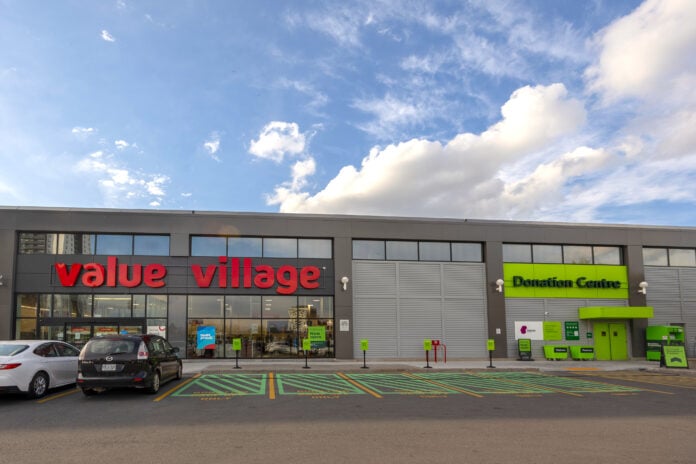
New Value Village store on Weston Road in Toronto. Photo: Value Village
Value Village has officially opened the doors to its newest location in the western part of Toronto’s North York today, May 8, offering Toronto residents a fresh destination for sustainable, secondhand shopping. Located at 2549 Weston Road in the Pelmo Park–Humberlea neighbourhood, the store is now welcoming customers eager to browse thousands of pre-loved items in a large, purpose-driven retail space.
Value Village has been part of the Canadian retail landscape for over four decades, operating 165 stores across all 10 provinces and employing more than 11,000 Canadians. The chain, owned by Bellevue, Washington-based Savers Value Village Inc., is the largest for-profit thrift retailer in North America and has been expanding steadily in urban centres like Toronto.
Nicole McPherson, Vice President of Canada Field Operations at Value Village, emphasized the importance of expanding access to sustainable shopping: “The store will offer shoppers more than just great deals and unique finds—it will provide a space to make mindful choices, shop with purpose, and give pre-loved items a new lease on life.”
A Commitment to Reuse and Sustainability
The new North York store contributes to Value Village’s broader sustainability mission. Between 2020 and 2024, the company helped divert more than 1.5 billion pounds of reusable goods from Canadian landfills. Each week, the new store will introduce approximately 34,000 items to its sales floor, ranging from fashion and accessories to housewares, electronics, and books.
As part of its unique business model, Value Village purchases donated goods from nonprofit organizations, paying them by volume regardless of resale outcomes. This model ensures a consistent revenue stream for partners while driving a reuse economy.
From fiscal 2020 through 2024, Value Village paid over $347 million to its Canadian nonprofit partners for secondhand goods—supporting charitable programming in communities across the country.
Partnership with The Kidney Foundation of Canada
Today’s store opening also marks the beginning of a new partnership between Value Village and The Kidney Foundation of Canada through the Kidney Clothes program. Donations made at the new location will help fund kidney research, patient care, and community outreach programs.
“The new partnership will help fund important programs and resources that strengthen The Kidney Foundation of
Canada’s mission,” said Sylvia Krampelj, Managing Director of Kidney Clothes. “The funds raised through contributions and donations at this Toronto store will help drive progress with groundbreaking research, enhance patient support programs and bring hope to individuals affected by kidney disease.”
Founded in 1964, The Kidney Foundation remains one of Canada’s leading charitable organizations in kidney-related research and advocacy.
The Rise of Thrifting in Toronto
The opening comes at a time when secondhand shopping is increasingly popular across Canada. According to the 2024 Thrift Report, more than 40% of Gen Z Canadians are engaging in thrifting, and 90% of Canadians have either donated to or shopped at a thrift store in the past year.
This growing interest in secondhand retail is driven by a blend of environmental awareness, rising cost-of-living pressures, and a search for unique, personal style. In a city like Toronto, where fast fashion once dominated, thrift stores like Value Village are becoming essential to both individual wardrobes and sustainable consumer habits.
The North York opening is part of Value Village’s mission to make secondhand shopping second nature. With more than 165 stores in Canada and an expanding footprint in Toronto, the brand is helping reshape consumer behaviour and spark community involvement—one donated item and one conscious purchase at a time.
Financial Highlights – Q1-2025 These comparisons are with Q1-2024 unless stated otherwise.
System-wide sales for the quarter were $696.1 million, an increase of 2.7%.
Record Q1 Revenue was recorded at $579.5 million, an increase of 3.1%, driven by strong performance in the furniture category and commercial appliance business.
Same store sales increase of 3.0% following a 9.0% increase in the first quarter of the prior year.
Gross profit margin was 44.59%, a 72-basis point improvement driven by a favourable retail category sales mix, improved furniture margin rate as well as supply chain related cost savings.
Adjusted net income for the quarter totaled $24.1 million, an increase of 47.0%.
Adjusted Diluted EPS for the quarter was $0.35, an increase of 45.8%.
On March 31, 2025, unrestricted liquidity was $469.7 million, comprised of cash, cash equivalents, debt and equity instruments and the undrawn revolving credit facility.
“In Q1, our team’s efforts to ensure optimal inventory availability enabled us to drive growth including a catch up on delivering sales booked during the fourth quarter of last year, leading to strong top-line results against an already robust comparable quarter. We continued to grow key categories during Q1, with particular strength in higher-margin furniture sales. The diversity of our business model was further demonstrated by another strong period of commercial, warranty and insurance sales growth. Our relentless commitment to cost control and operational efficiencies, combined with lower interest rates and sales growth, delivered exceptional profitability despite a challenging operating environment,” said Mike Walsh, President and CEO of LFL.
“While macroeconomic challenges persist related to tariff uncertainty across the retail sector, we are well-positioned, with an excellent in-stock inventory position, to continue delivering value to Canadian consumers. Our unmatched scale and rock-solid balance sheet, with $469.7 million in unrestricted liquidity, positions us to navigate market headwinds while delivering reliable returns to shareholders through our unwavering commitment to customer satisfaction.”
For the three months ended March 31, 2025, revenue was $579.5 million compared to $562.3 million in the first quarter of 2024 an increase of $17.2 million or 3.1%. The improvement was primarily driven by a 5.2% increase in furniture sales as a stronger inventory position enabled a catch-up of delivery on written sales from the fourth quarter and continued sales momentum in the first quarter. Additionally, the Company saw strong growth in the commercial appliance, warranty and insurance businesses. The strong overall performance was partially offset by softness in the mattress category, explained LFL.
“Given the Company’s strong and continuously improving financial position, our principal objective is to increase our market share and profitability. We remain focused on our commitment to effectively manage our costs but to also continuously invest in the business with growth initiatives that we expect will lead to increased traffic to both our online eCommerce sites and our 298 store locations across Canada,” it said.
“The Company is working towards creating the previously announced real estate investment trust in respect of some of its real estate holdings and will provide further information at the appropriate time.”
Leon’s Furniture Limited is the largest retailer of furniture, appliances and electronics in Canada. Our retail banners include: Leon’s; The Brick; Brick Outlet; and The Brick Mattress Store. Finally, with The Brick’s Midnorthern Appliance banner alongside with Leon’s Appliance Canada banner, this makes the Company the country’s largest commercial retailer of appliances to builders, developers, hotels and property management companies. The Company has 298 retail stores from coast to coast in Canada under various banners. The Company operates six websites: leons.ca, thebrick.com, furniture.ca, midnorthern.com, transglobalservice.com and appliancecanada.com.
The Retail Council of Canada (RCC) will present one of its most prestigious honours next month to Carmen Fortino, a longtime industry leader whose influence in Canadian grocery retail spans more than three decades.
Fortino, Executive Vice President, National Supply Chain and Procurement at METRO Inc., will be awarded the Canadian Grand Prix Lifetime Achievement Award at the RCC’s annual awards gala, recognizing his extensive contributions to the sector and his leadership in shaping one of Canada’s most vital industries.
Recognizing a Career of Commitment
The Canadian Grand Prix Lifetime Achievement Award is given to individuals who have demonstrated exceptional service and dedication to the Canadian retail and grocery industries. The recognition highlights individuals who exemplify a deep sense of responsibility to their organizations, communities, and the evolution of the industry at large.
Fortino’s career trajectory reflects this commitment. Since joining METRO Inc. in 2014 as Senior Vice President and Metro Ontario Division Head, he has steadily taken on greater responsibilities within the organization. His leadership expanded significantly in 2019 when he assumed oversight of METRO’s national supply chain operations. By 2022, Fortino’s portfolio encompassed both national supply chain and procurement—roles that directly influence how goods move across the country and how METRO collaborates with vendors and suppliers.
Fortino’s impact has been characterized by an integrative approach to operations, connecting logistics with merchandising and procurement in ways that have streamlined METRO’s national capabilities.
From Family Roots to National Strategy
Fortino’s deep understanding of the grocery sector is rooted in personal experience. His career began in the 1980s in his family’s grocery business in Ontario, where he developed a hands-on appreciation for the nuances of customer service, community engagement, and operational discipline.
Before joining METRO, he held senior leadership positions with another major Canadian grocery retailer, further solidifying his reputation as a leader with both strategic vision and operational depth.
This career path—starting in a local business and rising to national executive leadership—mirrors a trajectory that resonates deeply with the values celebrated by the Canadian Grand Prix Lifetime Achievement Award.
Industry Recognition
Fortino’s recognition by the RCC is the latest in a series of accolades reflecting his influence within the industry. In 2022, he received the Golden Pencil Award, one of the grocery industry’s most respected honours, and was also named one of Canada’s Best Executives by Report on Business. These acknowledgements reinforce his status as a transformative figure in Canadian food retail.
The RCC praised Fortino for his adaptability and ability to lead amid change, describing him as a constant presence in an evolving sector. His leadership has helped METRO navigate shifting consumer preferences, supply chain disruptions, and heightened demand for operational efficiency.
Diane J. Brisebois. Image: Retail Council of Canada
“Carmen Fortino has been a constant in a rapidly changing industry. What sets him apart is his ability to evolve—bringing decades of experience, starting in a family business in 1985, into bold, forward-thinking leadership,” said Diane J. Brisebois, President and CEO of RCC. “This Lifetime Achievement award is a tribute to the vision and the impact he’s had across every level of grocery retail in Canada.”
Honouring Industry Leaders
Fortino joins a distinguished group of past Lifetime Achievement Award recipients whose work has helped shape Canadian retail and grocery. Previous honourees include Anthony Longo and the Longo Family of Longo’s, Cindy and Tina Lee of T&T Supermarkets, Margaret Hudson of Burnbrae Farms, Darrell Jones of Pattison Food Group, John Pigott of Morrison Lamothe Inc. and Club Coffee L.P., Serge Boulanger of METRO Inc., Dino Bianco of Kruger Products, and Michael Medline of Sobeys Inc.
The award ceremony will take place on June 4, 2025, during the Canadian Grand Prix Awards Gala at the Toronto Congress Centre. The gala marks the culmination of RCCSTORE25, Canada’s leading retail conference, held June 3–4. The annual event draws more than 2,000 attendees from across North America and features presentations from more than 75 experts across the retail spectrum.
RCCSTORE25 and the Canadian Grand Prix Awards Gala
RCCSTORE25 serves as a platform for innovation, collaboration, and celebration across Canada’s retail ecosystem. The conference and gala recognize excellence in food, non-food, consumer packaged goods, and private-label product categories. The Lifetime Achievement Award stands as a highlight, spotlighting individuals who have left a permanent mark on the industry.
This year’s gala will also honour additional industry trailblazers, with Canadian entrepreneur Jenn Harper named among the award recipients.
The Retail Council of Canada’s Role
As the not-for-profit voice of retail in Canada, RCC represents more than two-thirds of the country’s core retail sales and 95 per cent of the grocery market. With over 2.3 million Canadians working in retail and more than 54,000 storefronts across the nation, the industry is the country’s largest private-sector employer. RCC supports a diverse membership ranging from independent retailers to national chains, online merchants, department stores, and quick-service restaurants.
In 2024, core retail sales in Canada—excluding motor vehicles and gasoline—exceeded $507 billion. The grocery segment, where Fortino’s work has had an outsized impact, continues to be a cornerstone of both consumer spending and national economic performance.
By recognizing leaders like Fortino, RCC underscores the importance of strong leadership, long-term vision, and community-centred values in maintaining a resilient and evolving retail industry in Canada.
“We are making solid progress executing the fundamentals of our business, despite a slower start to the year. We have clear growth plans across each of our brands and strong alignment with our franchisees. We’re seeing encouraging momentum in Q2 and combined with responsible cost management, are on track to deliver stronger results through the balance of the year and achieve at least 8 percent organic adjusted operating income growth in 2025,” said Josh Kobza, Chief Executive Officer of RBI.
Restaurant Brands International Inc. is one of the world’s largest quick service restaurant companies with nearly $45 billion in annual system-wide sales and over 32,000 restaurants in more than 120 countries and territories. RBI owns four of the world’s most prominent and iconic quick service restaurant brands – TIM HORTONS®, BURGER KING®, POPEYES®, and FIREHOUSE SUBS®. RBI’s principal executive offices are in Miami, Florida. In North America, RBI’s brands are headquartered in their home markets where they were founded decades ago: Canada for Tim Hortons and the U.S. for Burger King, Popeyes and Firehouse Subs.
The company reported for its first quarter:
System wide sales of $10.496 billion US compared to $10.512 billion in Q1 last year;
Net restaurant growth of 3.3%;
Total revenues of $2.109 billion compared to 1.739 billion last year;
Income from operations of $435 million compared to $544 million last year; and
Net income from continuing operations of $223 million compared to $328 last year.
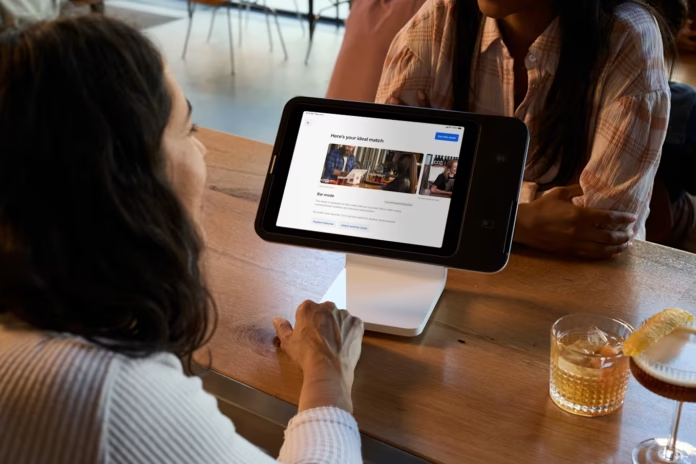
This is the company’s next-generation software that brings Square’s deep vertical-specific commerce and payments functionality into a single, unified app that sellers can personalize to meet the complex needs of their business today, while supporting their growth and evolution into the future, said the company in a news release.
“The new Square Point of Sale app makes it easy to manage everything—from concessions to restaurants to merchandise—and to switch between different modes with ease. When you have 19,000 fans at a Calgary Flames game, there’s a lot to manage. Square saves us time and money, and it just works, simplifying our operations on every level.”
Square launched its first mobile card reader and point of sale app 16 years to enable any seller to accept digital payments and never miss out on a sale.
“Through the years, Square partnered with sellers and offered industry-specific software products that allow them to operate from anywhere, while eliminating the many points of friction that come with managing and expanding a business,” said the company.
“Today, Square’s sellers continue to evolve. Hundreds of thousands of Canadian sellers now trust Square to run every aspect of their business, enabling them to grow while keeping their focus on their craft. They’re diversifying their businesses to reach new customers, create new revenue streams, and connect to their communities in entirely new ways. With the new Square Point of Sale, all the functionality is now consolidated into one single app, making it easier for sellers to discover the tools that are right for their business and expand their features as they grow. From our testing, we found that new sellers discovering and using industry-specific features grew nearly 80% from the rate on the previous Square POS experience.”
The company said the power and ease of Square Point of Sale resides in its modes – easy-to-understand feature sets, purpose-built for each industry, to give sellers a personalized POS experience that instantly sets them up with the right tools for their business. Sellers can easily add modes to expand their sales capabilities with no limitations on growth, while Square can now ship new features to more sellers at a faster rate.
There are currently seven modes available on Square’s platform, offering unique technology and feature needs even within verticals:
Three Food & Beverage modes let sellers choose highly tailored solutions for their needs:
Quick Service mode: Accelerates counter-service operations through intuitive modifier workflows and multi-channel menu management, ensuring swift and accurate order fulfillment at high-volume establishments.
Full Service mode: Streamlines complex dining operations with intelligent bill management, sophisticated coursing capabilities, and customizable floor plans.
Bar mode: Optimizes bar operations with real-time inventory tracking and conversational modifier inputs, ensuring fast and efficient service during peak hours.
Retail mode: Handles complex inventory management, varied pricing structures, and multi-location operations to power modern retail businesses.
Appointments mode: Seamlessly integrates scheduling, client management, and payment processing into one intuitive system for beauty and wellness businesses.
Services mode: Simplifies invoice management, estimates, and on-the-go payments for businesses that operate beyond traditional storefronts, like catering and home repair.
Standard mode: Square’s classic point-of-sale experience offers ultimate flexibility through its personalizable interface and versatile features.
Willem Ave
“Square Point of Sale is an all-in-one product that recognizes sellers’ needs are not one-size-fits all,” said Willem Ave, Head of Product for Square. “Businesses today have to be resilient, and able to adapt when new challenges – and opportunities – present themselves. With our new app, sellers can do just that – they don’t have to choose between breadth or depth; they can have both with Square.
“We’re also able to build innovative new features for sellers of all types and sizes even faster, with less overhead than required for maintaining many separate tools. We can deliver specialized software experiences for unique use cases and complex industries, while maintaining the ease-of-use sellers, their employees, and their customers expect from Square. Running a business is complex, and we make it streamlined and simple, so sellers can spend more time focused on their craft, customers, and communities.”
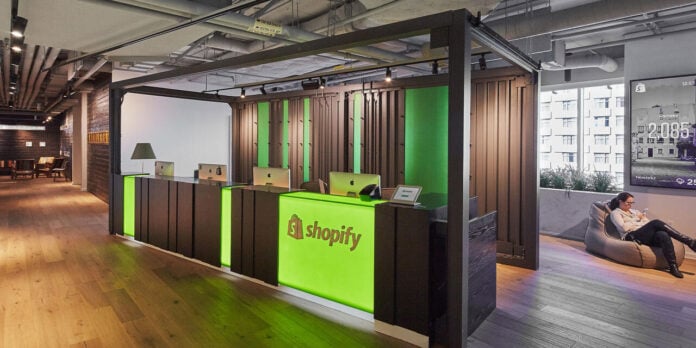
Shopify has now delivered double-digit free cash flow margins for seven consecutive quarters, it said in a news release.
Harley Finkelstein
“Our Q1 results confirm two clear facts. First, we are delivering both growth and profitability at scale. Second, businesses perform better on Shopify, regardless of market conditions,” said Harley Finkelstein, President of Shopify. “We built Shopify for times like these. We handle the complexity so merchants can focus on their customers. We ship products faster than anyone else, giving merchants the edge they need to succeed.”
Jeff Hoffmeister
Jeff Hoffmeister, Chief Financial Officer of Shopify, added, “Q1 marked another very strong set of financial results for Shopify, with 27% revenue growth and 15% free cash flow margin. We have now achieved eight consecutive quarters of pro forma revenue growth of 25% or more and seven consecutive quarters of GMV growth greater than 20%, all while increasing our free cash flow. These metrics highlight our strong performance and dedication to supporting our merchants’ success.”
For the second quarter of 2025, Shopify said it expects:
Revenue to grow at a mid-twenties percentage rate on a year-over-year basis;
Gross profit dollars to grow at a high-teens percentage rate on a year-over-year basis;
Operating expense as a percentage of revenue to be 39% to 40%;
Stock-based compensation to be $120 million; and
Free cash flow margin to be in the mid-teens, similar to the first quarter of 2025.
Shopify is a leading global commerce company that provides essential internet infrastructure for commerce, offering trusted tools to start, scale, market, and run a business of any size. Shopify makes commerce better for everyone with a platform and services that are engineered for speed, customization, reliability, and security, while delivering a better shopping experience for consumers online, in store, and everywhere in between. Shopify powers millions of businesses in more than 175 countries and is trusted by brands such as BarkBox, Vuori, BevMo, Carrier, JB Hi-Fi, Meta, ButcherBox, SKIMS, Supreme, and many more.
Consolidated comparable sales growth was 4.7%; Retail Revenue was up 4.0%.
Q1 saw essential and discretionary purchasing up, with increased customer traffic.
Q1 Normalized Diluted Earnings Per Share (EPS) was $2.18, up $0.80; Diluted EPS was $0.67, down $0.71 compared to the prior year.
“We had a strong quarter of sales and earnings growth, as we controlled the controllables, elevated customer loyalty, and delivered the great value and seasonal products customers were seeking. It’s clear Canadians are choosing CTC,” said Greg Hicks, President and CEO, Canadian Tire Corporation.
Greg Hicks
“Since March, we also announced our new transformative growth strategy – True North – and have hit the ground running with investments in new store concepts, dramatic expansion of Triangle Rewards including new RBC and WestJet loyalty partnerships, and a new company structure that maximizes our world-class customer insights and our ability to go to market in more efficient and modern ways.”
Canadian Tire Corporation, Limited has been a Canadian business since 1922. Its banners include Party City and PartSource; Mark’s; SportChek, Hockey Experts, Sports Experts and Atmosphere; and Pro Hockey Life. CTC’s banners, brand partners and credit card offerings are unified through its Triangle Rewards loyalty program. With nearly 12 million members, Triangle integrates first-party data to deliver valuable rewards and personalized experiences across nearly 1,700 retail and gasoline outlets. CTC also operates a retail petroleum business and a Financial Services business and holds a majority interest in CT REIT, a TSX-listed Canadian real estate investment trust.
“During the first quarter, CTC launched True North, its new four-year transformative growth strategy, designed to drive core retail growth through four strategic cornerstones: disciplined capital investments to build exceptional digital and store experiences; an expanded Triangle Rewards loyalty system; creating more personalized and data-driven customer relationships; and a more agile, tech-driven and efficient operating company. The strategy is designed to increase shareholder value above the Company’s historic levels. True North includes more than $2 billion in capital investment over the four years starting in 2025 across a series of value creating initiatives in each focus area, which will be overseen by a newly established transformation management office,” said the company.
“As part of True North‘s focus on expanding the Triangle Rewards system, the Company announced today a new partnership with WestJet Rewards, in addition to its March 27th announcement of the addition of RBC as a strategic Triangle partner. Both partnerships are expected to launch in 2026 and will be key building blocks for the strategy, creating more value for Triangle members, increasing member acquisition and engagement, and contributing to retail sales growth by expanding the reach and issuance of Canadian Tire Money beyond CTC’s retail banners and Canadian Tire Bank.”
Canadian Tire said True North‘s store enhancement program will invest in modern new store formats, expected to improve sales, margin and customer experience. Planned investments in 2025 include more than 30 Canadian Tire store projects and 18 Mark’s store projects, including seven new Bigger, Better, Bolder stores, capitalizing on Mark’s record of accretive returns and emerging market share opportunities in the casual apparel sector. In addition, SportChek is optimizing its portfolio, and opened with the second of its two new concept “Destination Sport” stores, located in Toronto, Ontario, in April of 2025.
“Since announcing the True North strategy, the Company has begun restructuring into a more agile operating company under a new senior leadership team,” it said.
“CTC is making progress towards the completion of its previously announced divestiture of the Helly Hansen business. The transaction is expected to close before the end of the second quarter, unlocking capital for shareholders and strategic capital investments.”
Cottonwood Centre in Chilliwack, British Columbia. Image: Cottonwood Centre
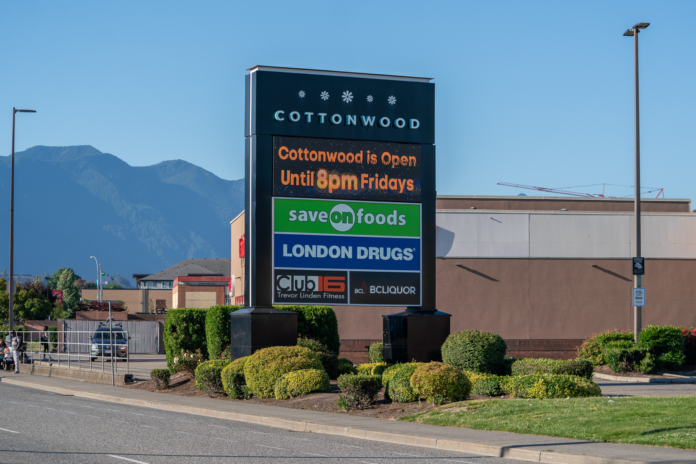
The Cottonwood Centre, a longstanding retail hub in Chilliwack, British Columbia, has been sold by its Vancouver-based owners — PCI Developments, Northland Properties, and Nicola Wealth — in a deal that marks a significant shift in Fraser Valley retail real estate. The new owner, Finix Holdings, now takes the reins of the 22-acre property at 45585 Luckakuck Way.
The transaction, finalized in April 2025, underscores ongoing investor interest in stable retail assets, particularly in rapidly growing suburban and exurban communities across Canada.
A Key Fraser Valley Retail Node
Established in 1974, the Cottonwood Centre has been a central gathering point for Chilliwack residents for over 50 years. With approximately 255,000 square feet of enclosed retail space and more than 60 stores, the property remains one of the largest enclosed shopping centres in the Fraser Valley.
Prominent anchor tenants include Save-On-Foods, London Drugs, Dollarama, Old Navy, and TD Canada Trust, with additional services offered by Club 16 Fitness and financial institutions such as Vancity. Adjacent to the west is a Canadian Tire store located at 45495 Luckakuck Way, occupying a separate legal parcel owned by Concord Pacific since its acquisition from Sears Canada in 2015.
The mall is positioned directly north of SmartCentres Chilliwack — a large-format retail centre owned by Ontario-based SmartCentres REIT — and benefits from high visibility and accessibility via the Trans-Canada Highway and Vedder Road.
A New Chapter: Sale to Finix Holdings
Finix Holdings, a private real estate investment firm with growing interests in Western Canadian retail and mixed-use properties, has now added the Cottonwood Centre to its expanding portfolio. The sale follows several years of capital improvements under the stewardship of PCI Developments and Nicola Wealth, who acquired the property from Morguard Corporation in 2019 for $73 million.
Nicola Wealth’s website confirms it held a 45% stake in the property via its Nicola Value Add Real Estate LP. PCI Developments acted as both co-owner and property manager through its Warrington PCI Management division. It remains unclear when Northland Properties joined the ownership structure or what the final stake distributions were at the time of sale.
Cottonwood Centre in Chilliwack, British Columbia. Image: Cottonwood Centre
Upgrades and Redevelopment Efforts
Since its 2019 acquisition, the Cottonwood Centre has undergone numerous upgrades aimed at modernizing the mall and improving the overall consumer experience. These efforts were particularly important in helping the centre adapt to shifting retail expectations in a post-pandemic environment.
Recent renovations have included enhanced wayfinding, updated interior finishes, and improved public amenities. A diversified mix of tenants — including both national retailers and local operators — has further solidified the mall’s position in the regional market. New foodservice additions, such as OPA! of Greece and Boardwalk Burgers, opened in late 2024.
Standalone Pads Drive Added Value
In addition to the enclosed mall footprint, the Cottonwood Centre site includes several standalone pad buildings that contribute meaningful value to the property’s long-term cash flow. These include an Earls Kitchen + Bar, Burger King, and Quesada Burritos & Tacos, each fronting major roadways for maximum visibility and accessibility.
These outparcel tenants, along with Canadian Tire next door, help to ensure steady foot traffic throughout the site and bolster the mall’s appeal to a broad demographic, from everyday errand shoppers to dine-in patrons.
Focus on Sustainability and Efficiency
In keeping with broader environmental goals, the Cottonwood Centre has implemented several sustainability initiatives over the past five years. Among the most notable: the introduction of energy-efficient lighting systems, comprehensive recycling programs, and the installation of 21 electric vehicle charging stations throughout the parking lot.
These efforts were recognized in 2023 when the property earned BOMA BEST Gold certification, a benchmark in Canada for environmental excellence in commercial buildings.
Cottonwood Centre in Chilliwack, British Columbia. Image: Cottonwood Centre
Community-Focused Retail Experience
The Cottonwood Centre has continued to engage with Chilliwack’s growing community through regular seasonal events, promotions, and family-friendly programming. Holiday-themed activations, sidewalk sales, and in-store events have long been a draw for residents across the Fraser Valley, encouraging repeat visits and positioning the mall as more than just a shopping destination.
Its mix of services and entertainment offerings — from fitness and beauty to banking and healthcare — makes the centre a one-stop destination for everyday life.
Regional Growth Fuels Retail Investment
Chilliwack, located approximately 100 kilometres east of Vancouver, has witnessed significant population growth in recent years. With rising real estate prices across the Lower Mainland, many families and retirees have relocated to Chilliwack for its relative affordability, natural surroundings, and expanding local economy.
Retail real estate has followed suit. The Cottonwood Centre’s latest sale is part of a larger trend where investors target assets in high-growth secondary markets. The acquisition by Finix Holdings signals confidence in Chilliwack’s continued evolution and the viability of regional shopping centres.
The Road Ahead
While Finix Holdings has not yet made public any redevelopment or repositioning plans, industry observers suggest that the property’s size and location present future intensification potential. With 22 acres of land, a prominent highway-adjacent location, and rising land values in the region, the site could support mixed-use development or further enhancements to the retail mix.
For now, Cottonwood Centre continues to serve as a key retail anchor in Chilliwack, combining legacy tenants with evolving consumer expectations.
As ownership transitions to Finix Holdings, the community will be watching closely to see what direction the centre takes in the years ahead.
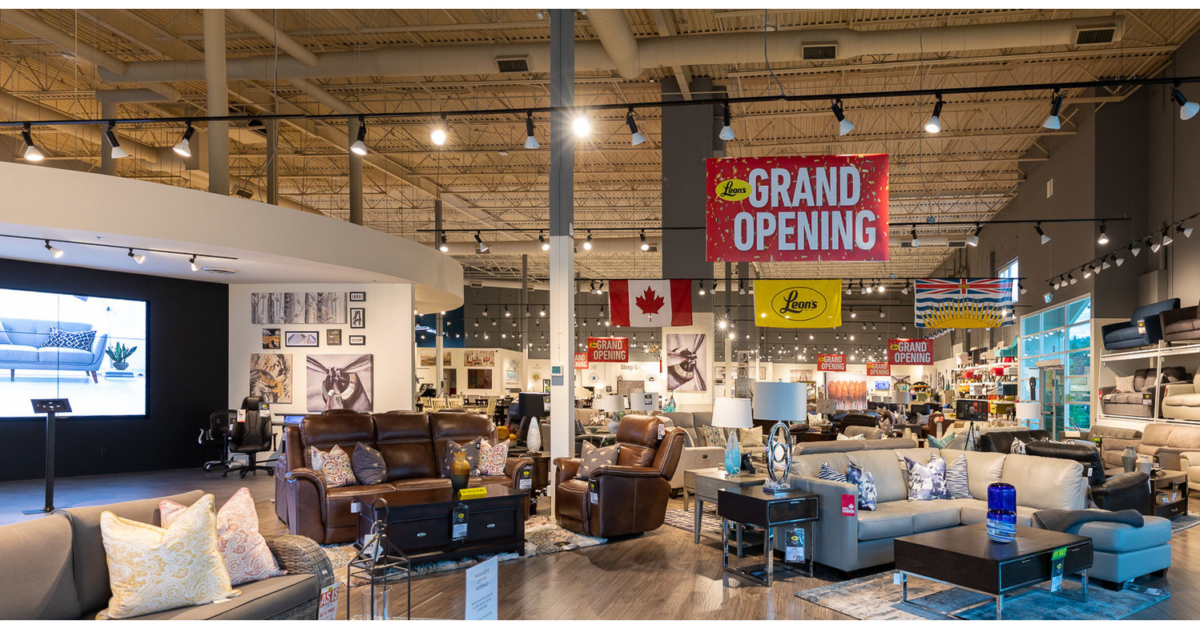
Leon’s Furniture Limited, one of Canada’s largest home furnishings retailers, reported better-than-expected first quarter results for fiscal 2025, driven by a combination of higher same-store sales, robust furniture demand, and operational efficiencies. According to a new research note published by Stifel Canada on May 8, Leon’s Q1 results reflect a “comfortable beat” across multiple performance indicators, suggesting the company is well-positioned despite macroeconomic uncertainty.
For the three-month period ended March 31, 2025, Leon’s reported a same-store sales increase of 3% year-over-year. The gain significantly exceeded both Stifel’s forecast of -2% and the consensus estimate of -2.7%, especially notable given a strong 9% comparable growth in Q1 2024.
According to the Stifel report, “Expectations were soft given that last year, Leon’s same-store sales had increased 9% Y/Y, making for a difficult comparable.” The results point to sustained consumer interest and potential market share gains, particularly in the furniture category.
Stifel analysts Martin Landry and Bahamin Abdolpanah observed that the company’s furniture sales rose 5.2% year-over-year in Q1, supported by “stronger inventory positions” and the possible influence of the growing “Buy Canadian” sentiment among shoppers. While Leon’s did not directly attribute the sales lift to nationalistic purchasing trends, Stifel suggests the retailer’s status as an established Canadian brand could have been a contributing factor.
Revenue and Gross Margin Expand
Leon’s reported Q1 revenue of $579.5 million, representing a 3.1% increase over the same period last year and surpassing consensus estimates of $550.8 million. The gains were primarily attributed to the uptick in furniture sales, along with continued strength in warranty and insurance products, commercial appliances, and other non-merchandise categories.
Gross profit for the quarter increased to $258.4 million, with gross margin improving by 70 basis points to 44.6%. This was higher than Stifel’s forecast of 43.6%, and was driven by a favourable product mix, higher-margin furniture sales, and improved supply chain efficiencies.
General and administrative expenses as a percentage of sales decreased by 40 basis points to 38.9%, also better than Stifel’s expectation of 39.4%. Reduced advertising spend, enhanced productivity in the distribution network, and lower retail financing fees contributed to the operating leverage.
EPS Jumps 41% as EBITDA Margin Expands
Adjusted earnings per share (EPS) came in at $0.34 for the quarter, up 41% year-over-year. This was significantly above Stifel’s forecast of $0.21 and the consensus estimate of $0.23. Adjusted EBITDA for Q1 totalled $60.3 million, a 14% increase compared to the prior year, with margins expanding 100 basis points to 10.4%.
These results led Stifel to revise its full-year 2025 and 2026 forecasts upward. Adjusted EPS for 2025 is now projected at $2.19 (up from $1.97), and for 2026 at $2.28 (up from $2.07). Revenue forecasts were also increased to $2.55 billion and $2.61 billion for FY25 and FY26, respectively.
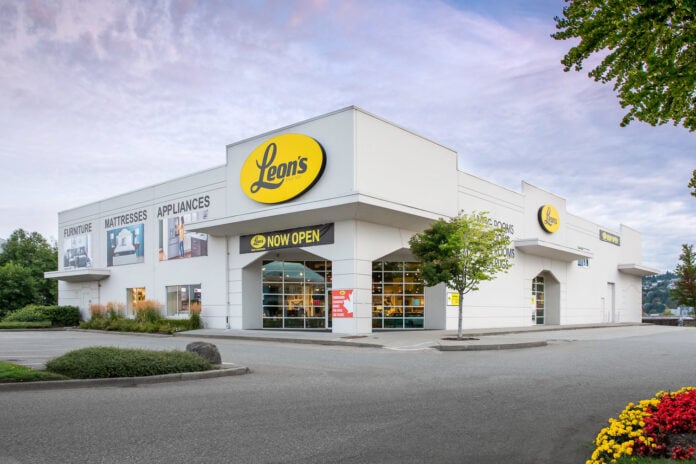
Photo: Leon’s Furniture
Market Share Gains Indicated by Sector Comparison
Leon’s performance in Q1 appears to have outpaced industry trends, suggesting market share growth. Statistics Canada data showed a 3.3% increase in overall sales for furniture, appliances, and electronics in January and February 2025. However, within that, furniture sales were reported to be flat year-over-year. Leon’s 5.2% increase, which includes March figures, indicates the company likely captured a larger portion of consumer spending in the category.
The Stifel report notes, “This suggests the company may have gained market share in the furniture category,” reinforcing Leon’s position as a dominant national player.
Positive Momentum and Cautious Optimism for Q2
Despite economic headwinds, including trade disruptions in January and harsh winter weather in February, the company saw strong sales in March that carried over into the second quarter. As a result, Stifel has increased its Q2 same-store sales assumption by 200 basis points to 2%, and raised its Q2 gross margin expectation by 10 basis points.
However, Stifel notes that management remains “cautiously optimistic” given ongoing volatility in the macroeconomic environment.
Stifel has reiterated its Hold rating and $27.00 target price for Leon’s shares. The valuation is based on a blended methodology incorporating three approaches. First, a 6.5-times multiple is applied to projected 2026 adjusted EBITDA, down slightly from a prior 6.8-times multiple. Second, a 12-times multiple is applied to 2026 forecasted EPS, compared to 13 times previously. Finally, the third input is a discounted cash flow (DCF) calculation that uses a 7.8% discount rate. At current trading levels, Leon’s is valued at approximately 11 times forward earnings—an above-average multiple for a Canadian small-cap consumer discretionary stock.
Risks Identified by Analysts
Stifel’s report outlines several risks that could affect Leon’s future performance. The company operates in a highly fragmented and competitive industry, and ongoing shifts toward e-commerce, particularly for smaller home accessories, may challenge Leon’s ability to sustain its margins. The analysts also flagged financial risk from the company’s exposure to commercial customers and franchisees, to whom Leon’s extends credit. A deterioration in the financial health of these partners could result in elevated bad debt expenses.
There is also operational risk tied to the retailer’s self-insured extended warranty programs. Failures in certain technologies or parts availability issues could drive up costs for the warranty business. Finally, the report raises the possibility that the anticipated value from spinning off real estate assets into a REIT may not materialize. Should management abandon these plans, there is a risk of downward pressure on Leon’s share price, as some investor expectations have likely been priced in already.
Company Overview
Leon’s Furniture Limited operates 298 locations across Canada under three key banners: Leon’s, The Brick, and Appliance Canada. The company is recognized for its deep national brand awareness, expansive in-house delivery infrastructure, and Canada’s largest network of service technicians. It also offers integrated financing solutions including insurance and warranties.
Conclusion
While Leon’s Furniture Limited remains in a competitive segment of Canadian retail, the company’s Q1 2025 results show strength in execution and potential for further market share gains. With management signalling confidence for Q2 and analysts raising their forward estimates, the retailer appears to be navigating a challenging environment with agility. However, investors may remain cautious until further clarity emerges on the REIT strategy and sustained margin growth.
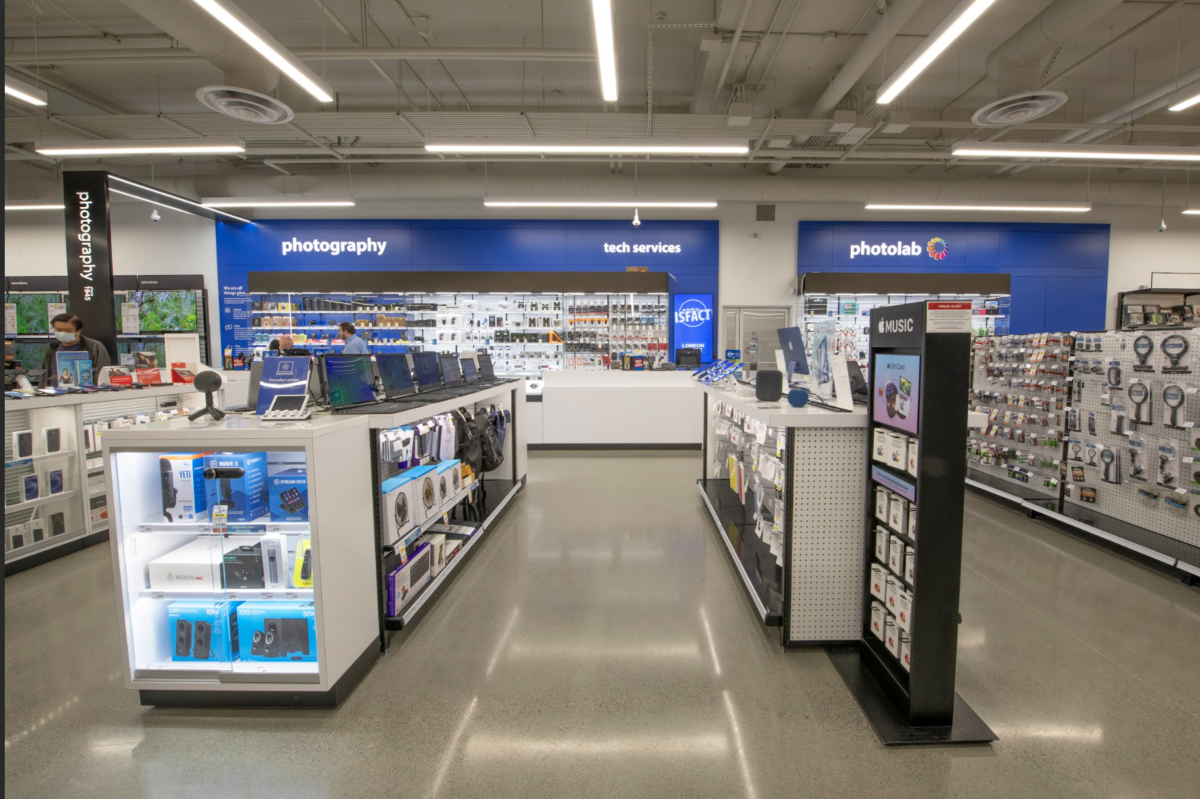
New London Drugs concept store at The Amazing Brentwood in Burnaby BC. Image: London Drugs
London Drugs is ushering in a new era for Canadian retail with the official opening of its most ambitious store to date — a 20,000-square-foot flagship at The Amazing Brentwood in Burnaby, British Columbia. Launching May 9, the concept store marks a significant evolution for the 80-year-old Western Canadian retailer as it focuses on innovation, human-centred design, and sustainability to reimagine the in-store experience for the decade ahead.
The opening also marks the relocation of London Drugs from its longstanding home in the former Brentwood Town Centre indoor mall — a transition that signals a broader transformation underway at the master-planned Brentwood development. With Shape Properties moving toward demolishing the former mall site to make way for future towers, green spaces, and walkable street retail, London Drugs is one of the earliest anchor tenants embracing this new vision for the area.
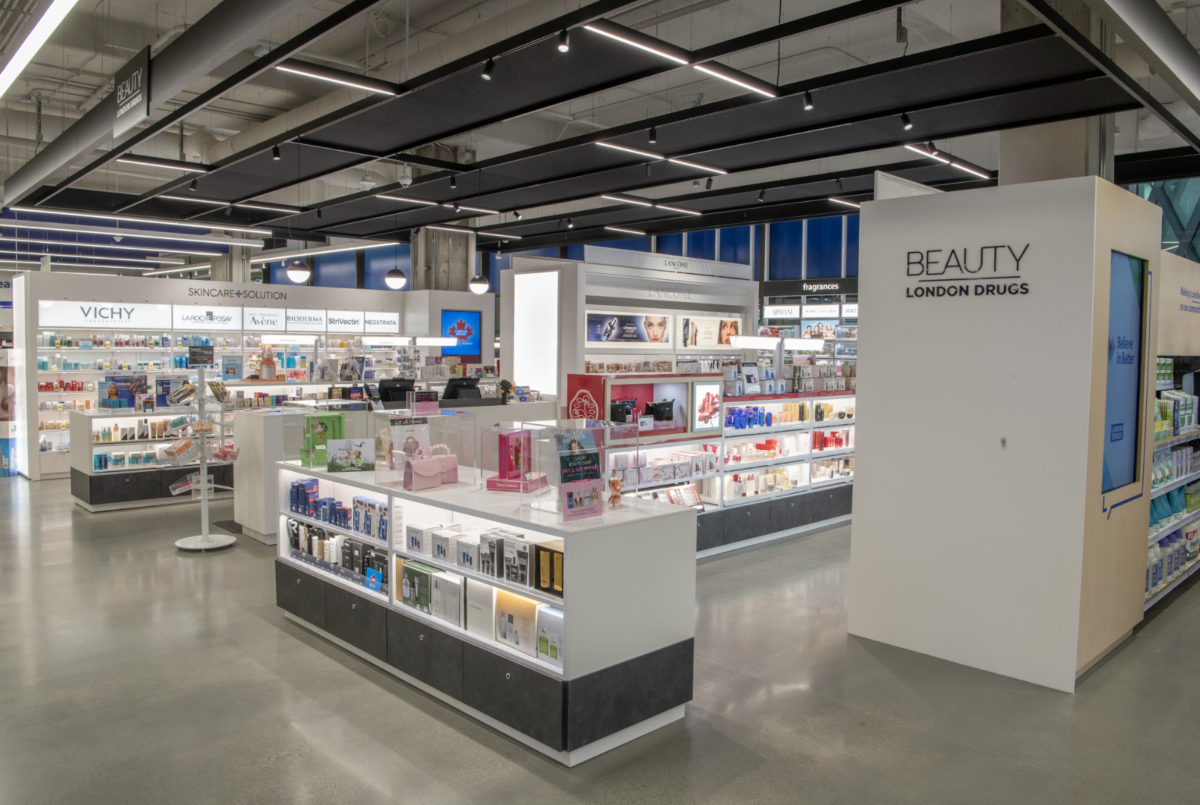
New London Drugs concept store at The Amazing Brentwood in Burnaby BC. Image: London Drugs
Reimagining the Future of Retail
Located in the main plaza of The Amazing Brentwood, next to LL Bean and beneath Cineplex’s The Rec Room, the new London Drugs store is the result of a multi-year design project initiated in 2021. In collaboration with Montreal-based interior architecture firm Rümker, the retailer began to explore what a 2035 retail experience might look like, and how it could serve the evolving needs of customers in an era marked by rapid social and technological change.
Clint Mahlman
“At London Drugs, we are inspired to create the best possible experience for our customers, driven by our desire to anticipate their needs before they discover the existence of those needs,” said Clint Mahlman, president and COO of London Drugs. “Through this project, we are showcasing our flexibility as a retailer to move with the evolving needs of our customers and adapt to provide a retail environment rooted in sustainability and wellness.”
The result is a store that pushes boundaries while remaining grounded in London Drugs’ core values — community, personalized service, and innovation.
A Space Built Around People
Guided by four key principles — assistance, personalization, community, and discovery — the Brentwood flagship introduces a radically open and seamless layout that fosters intuitive navigation and interaction.
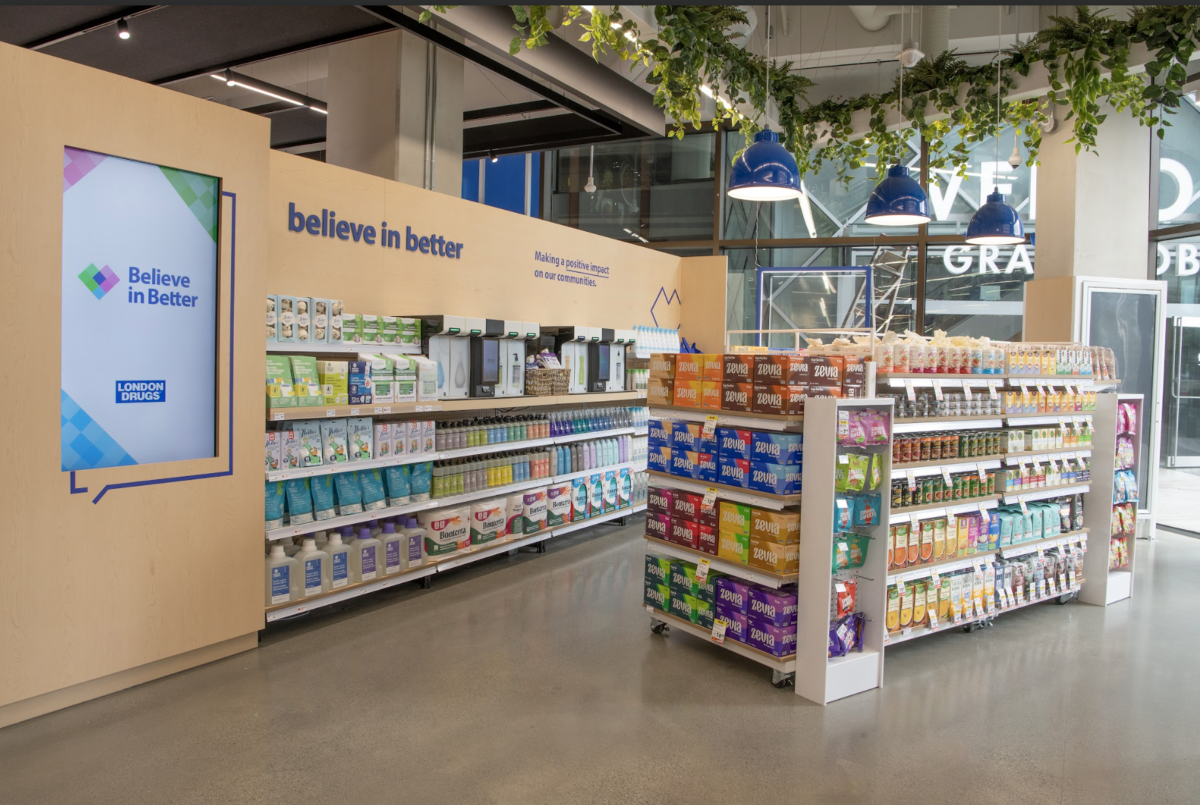
“This initiative is more than a redesign — it is a repositioning that expresses London Drugs’ commitment to a user-centered experience,” said Justin Dubé-Fahmy, president and founder of Rümker. “We explored and tested dozens of concepts and validated them with real users. Every aspect of the new shopping experience has been designed to feel intuitive, personal, and human. We are particularly proud of the ‘Believe in Better’ section, which anchors the space in the brand’s vision for a more sustainable future.”
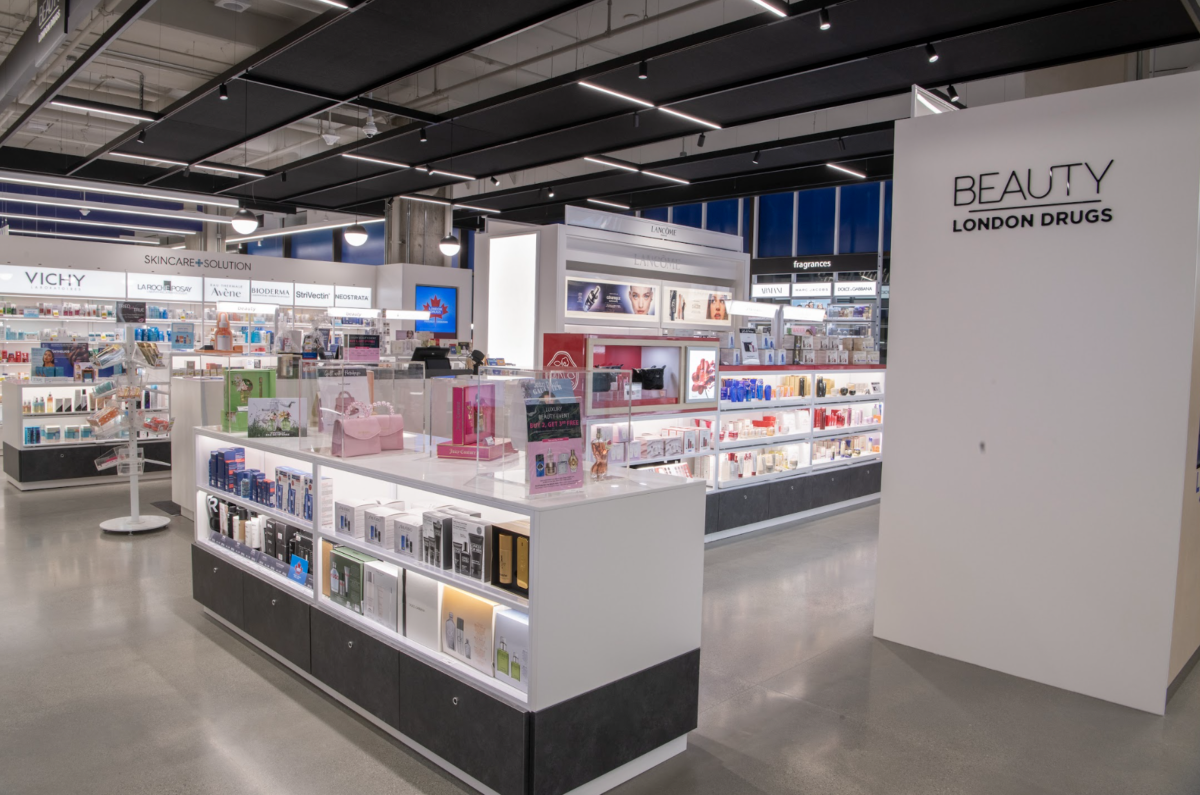
New London Drugs concept store at The Amazing Brentwood in Burnaby BC. Image: London Drugs
This “Believe in Better” zone serves as a central point for products and services aligned with health, wellness, and sustainability — a cornerstone of the new concept store. From curated beauty items with a dermatological focus to a wellness centre with enhanced pharmacy consultation rooms, the space is designed to support a 360-degree view of customer health.
“Providing the highest standard of personalized care to customers is at the heart of London Drugs, and our reenvisioned pharmacy enables our pharmacists to continue supporting the healthcare needs of the community into the future,” said Chris Chiew, vice president of pharmacy and healthcare at London Drugs.
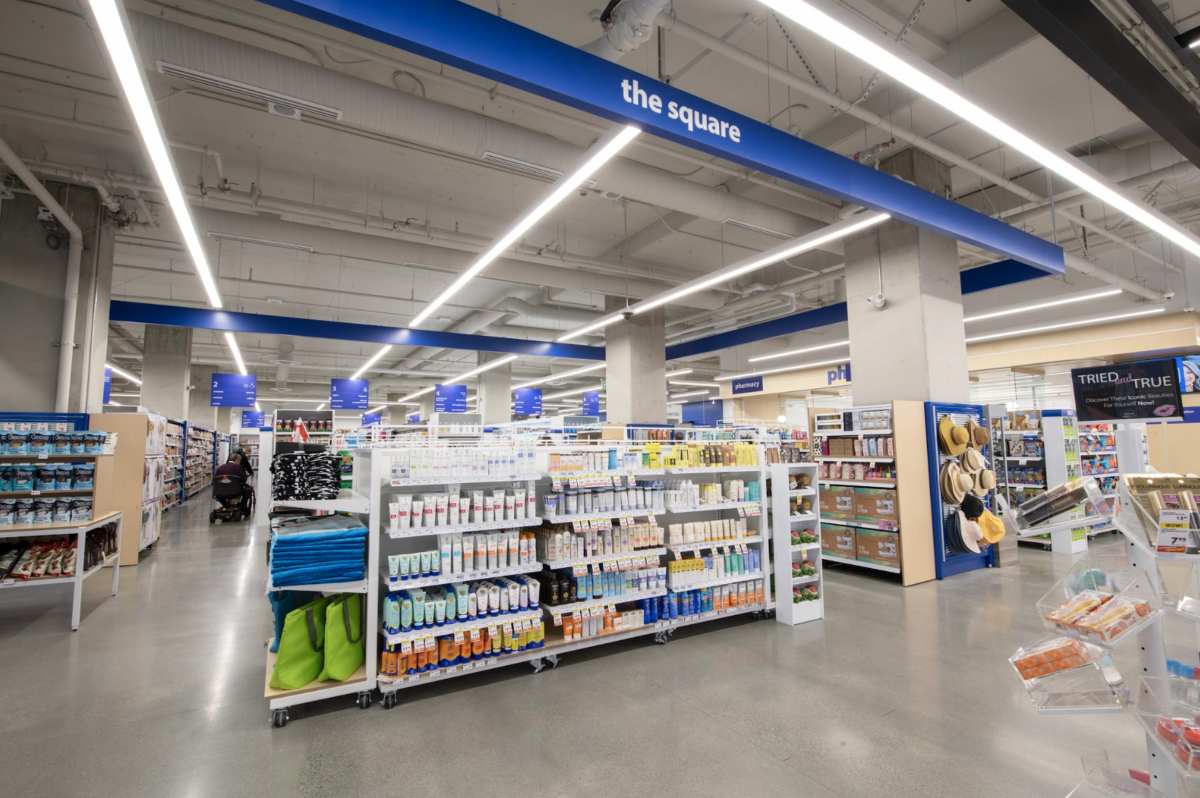
New London Drugs concept store at The Amazing Brentwood in Burnaby BC. Image: London Drugs
Sustainability Integrated Into the Everyday
Environmental sustainability also takes centre stage in the new concept. London Drugs has long been recognized for its recycling programs and waste diversion initiatives, and the Brentwood store builds on this legacy.
A key new feature is a refill station developed in partnership with SC Johnson, one of the world’s largest household goods manufacturers. Customers will now be able to refill reusable pouches with Method and Mrs. Meyer’s branded hand and dish soaps — a move that can cut retail plastic use by as much as 93%.
“The environmental benefits of refilling and reusing containers in terms of both carbon and plastic reduction are unparalleled,” said Fisk Johnson, chairman and CEO of SC Johnson. “We’ve worked closely with our partners at London Drugs to make the method® and Mrs. Meyers Clean Day® refill machines as convenient as possible for people, which is key to the success of refill/reuse systems. We think it is incumbent on all of us to innovate refill/reuse opportunities and push for regulatory measures to help with adoption of these systems.”
In addition to the refill station, the store features a redesigned product recycling area with clearly marked, accessible bins for a wide array of items, reinforcing the company’s long-standing environmental commitment.
“As London Drugs celebrates its 80th year in business in 2025, it is an honour for us to introduce more sustainable solutions for customers in our stores,” said Mahlman. “The continued support from customers across Canada is enabling us to do this, and we welcome everyone to experience the retail store of tomorrow at our Burnaby location.”
New London Drugs concept store at The Amazing Brentwood in Burnaby BC. Image: London Drugs
A Longstanding Retailer Positioned for the Future
Founded in 1945 by pharmacist Sam Bass, London Drugs has grown from a single storefront on Vancouver’s Main Street into a trusted regional chain serving Western Canada. Acquired by the H.Y. Louie Group in 1976, the company steadily expanded across B.C., Alberta, Saskatchewan, and Manitoba, while building a reputation for integrating photography, electronics, and household goods into its drugstore footprint.
Today, the company operates 80 stores and employs over 9,000 people. It offers everything from cosmetics and vitamins to tech support and insurance services — blending traditional pharmacy operations with a broader general merchandise approach. Its product lines include in-house brands such as Certified Data (computers), London Home (housewares), and London Naturals (wellness products).
More recently, London Drugs has invested in its digital infrastructure and omnichannel capabilities through its online platform, www.londondrugs.com, which allows customers to shop, book photo services, and refill prescriptions remotely.
New London Drugs concept store at The Amazing Brentwood in Burnaby BC. Image: London Drugs
In 2024, the retailer faced a significant challenge in the form of a ransomware attack that temporarily shuttered all store locations. The company refused to pay the demanded $25 million ransom, instead focusing on recovery and transparency. While some employee data was compromised, the company confirmed that customer data remained secure.
Despite that setback, the brand has rebounded, continuing to grow and adapt — and the Brentwood concept store is now being positioned as the blueprint for London Drugs’ future physical retail strategy.
“Enhancing and refining the retail experience for customers is a process that is always ongoing,” said Kevin Sorby, general manager of retail operations at London Drugs. “At London Drugs, we are operating with the future front and centre to ensure our stores and teams are adapting to support the diverse needs of the surrounding communities.”
New London Drugs concept store at The Amazing Brentwood in Burnaby BC. Image: London Drugs
A Model for Community-Based, Canadian Retail
The new concept store comes at a pivotal time in Canadian retail. As consumer expectations shift toward values-based shopping, wellness integration, and environmental responsibility, London Drugs is responding with a tangible commitment through its flagship. By combining sustainable innovation with a distinctly human approach, the brand is both reinforcing its existing identity and laying the groundwork for the next decade.
With plans to continue evolving its retail footprint, London Drugs’ Burnaby location could well become a model for future builds and renovations across the retailer’s Western Canadian network.