

Update: on the evening of Friday, March 7, Hudson’s Bay announced it had been approved for creditor protection after a CCAA filing.
Hudson’s Bay, the iconic Canadian department store chain founded in 1670, is reportedly preparing to file for bankruptcy within days, according to sources who spoke with the Wall Street Journal. The move follows mounting financial difficulties that have plagued the retailer in recent years, exacerbated by operational challenges and shifting market conditions.
The impending bankruptcy comes just months after Hudson’s Bay was spun off as a standalone business in December 2024. That separation occurred following a major transaction in which Saks Fifth Avenue merged with Neiman Marcus Group in a $2.65 billion deal, creating Saks Global. The newly formed entity, which also owns luxury retailer Bergdorf Goodman in New York City, is not expected to be affected by Hudson’s Bay’s bankruptcy proceedings, according to individuals familiar with the matter.
Since 2008, Hudson’s Bay has been controlled by private-equity investor Richard Baker, an American real estate mogul known for acquiring struggling retailers and leveraging their real estate assets. Despite previous efforts to revitalize the brand, Hudson’s Bay has struggled to maintain financial stability.
Operational and Financial Turmoil
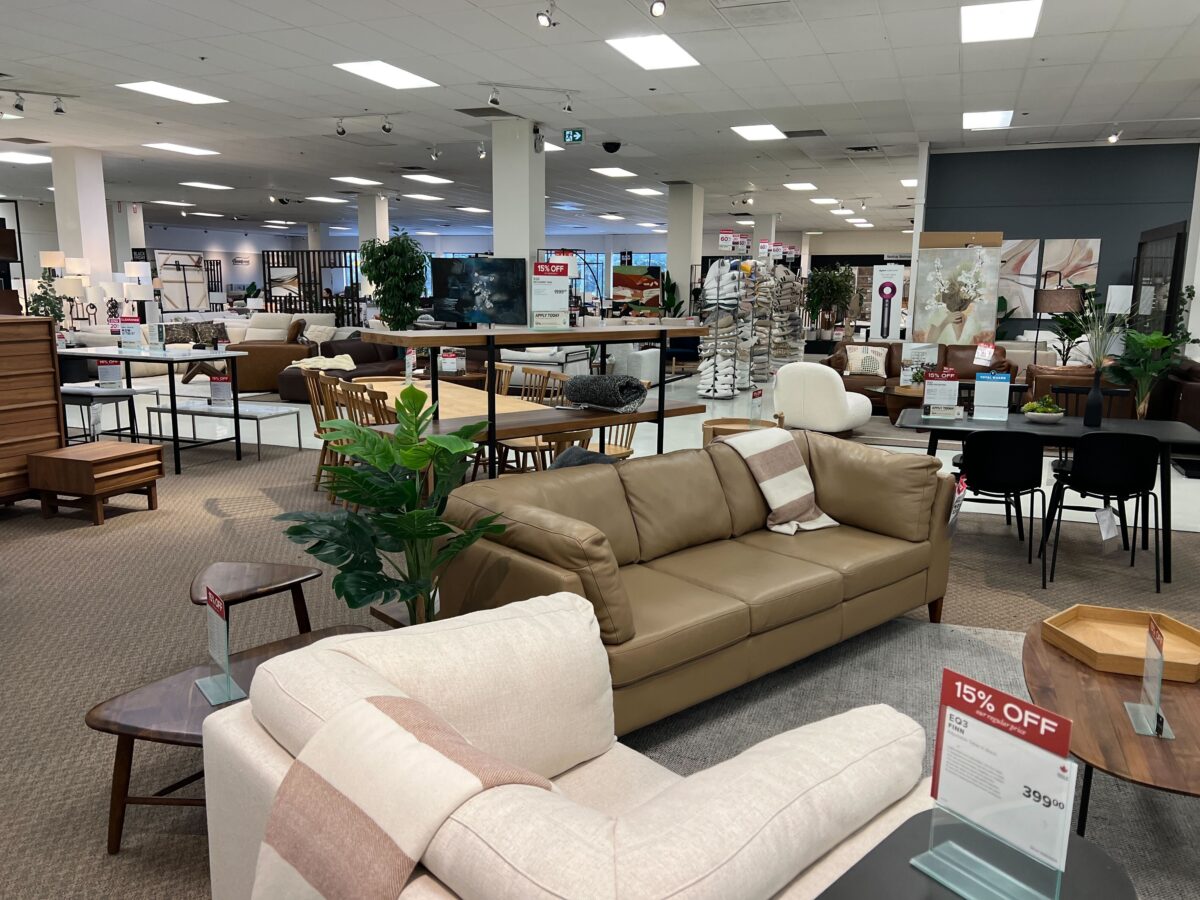
Hudson’s Bay currently operates more than 80 stores across Canada, making it one of the country’s most established retailers. However, it has faced increasing difficulties, including a lack of financial resources and issues with banking and credit facilities, as sources told Retail Insider in January 2024. The company has been attempting to stay afloat through strategic layoffs and asset sales, but these measures have not been enough to counteract its declining financial position.
The company’s challenges were further highlighted in July 2024, when a severe heatwave exposed infrastructure issues, leading to HVAC (Heating, Ventilation, and Air Conditioning) system failures at multiple locations. Stores in Vancouver, Victoria, Calgary, Abbotsford, Coquitlam, Winnipeg, and Windsor were temporarily closed due to unsafe conditions. Analysts suggested that the widespread HVAC failures, along with ongoing maintenance problems like malfunctioning escalators and elevators, pointed to deeper operational issues within the retailer.
Staff Layoffs and Cost-Cutting Measures
In response to growing financial pressures, Hudson’s Bay had enacted multiple rounds of layoffs in recent memory, including:
- In April 2024, the company restructured its organizational framework, eliminating fewer than 100 positions, which accounted for less than 1% of its workforce. This move was intended to secure long-term sustainability amid a challenging retail landscape.
- In January 2024, Hudson’s Bay laid off 41 employees, citing industry headwinds as a driving factor.
- To raise capital, the company sold off real estate assets, generating approximately USD$340 million.
Despite these actions, the financial strain appears to have deepened, making bankruptcy a likely next step.
The Zellers Revival and Consumer Reception
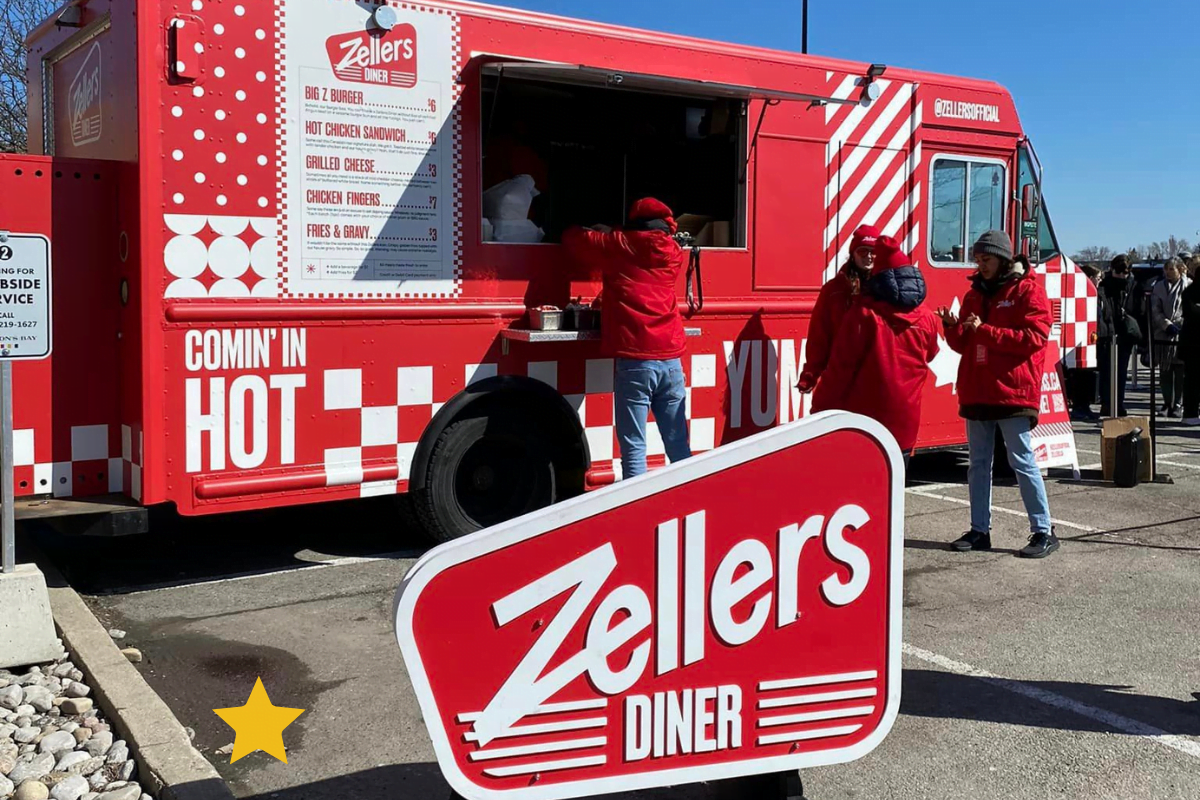
Hudson’s Bay had attempted to breathe new life into its business by reviving the Zellers brand, a nostalgic discount retailer that once had a strong presence in Canada.
- In August 2022, HBC announced plans to relaunch Zellers both online and through physical store-in-store locations within Hudson’s Bay stores.
- The first 12 Zellers sections opened in March 2023 in Ontario and Alberta, each ranging between 8,000 and 10,000 square feet.
- By April 2023, Zellers expanded to 25 locations, followed by an additional 21 pop-up shops in August 2023.
- In September 2023, HBC committed to introducing Zellers pop-ups in all remaining Hudson’s Bay stores by the holiday season.
Despite initial excitement, consumer response to the Zellers comeback has been mixed. A poll conducted in April 2024 revealed that while Canadians welcomed the return of the brand, many remained hesitant to shop there, with nostalgia alone not being enough to drive consistent sales.
A key aspect of Zellers’ strategy has been its partnership with Anko, an Australian brand associated with Kmart. While the products were generally well received, some consumers noted discrepancies in pricing compared to international markets.
The Leadership of Liz Rodbell

Amid these challenges, Hudson’s Bay appointed seasoned retail executive Liz Rodbell as its President and CEO in December 2023. Rodbell, who had previously served as Hudson’s Bay’s President from 2013 to 2017, was brought back to help steer the company through turbulent times.
During her prior tenure, she was credited with driving a 22% sales increase for the retailer. In returning to lead the company, Rodbell emphasized her commitment to strengthening brand partnerships and improving the customer experience. However, with Hudson’s Bay now on the verge of bankruptcy, the effectiveness of her leadership efforts remains to be seen.
Growing Concerns from Suppliers
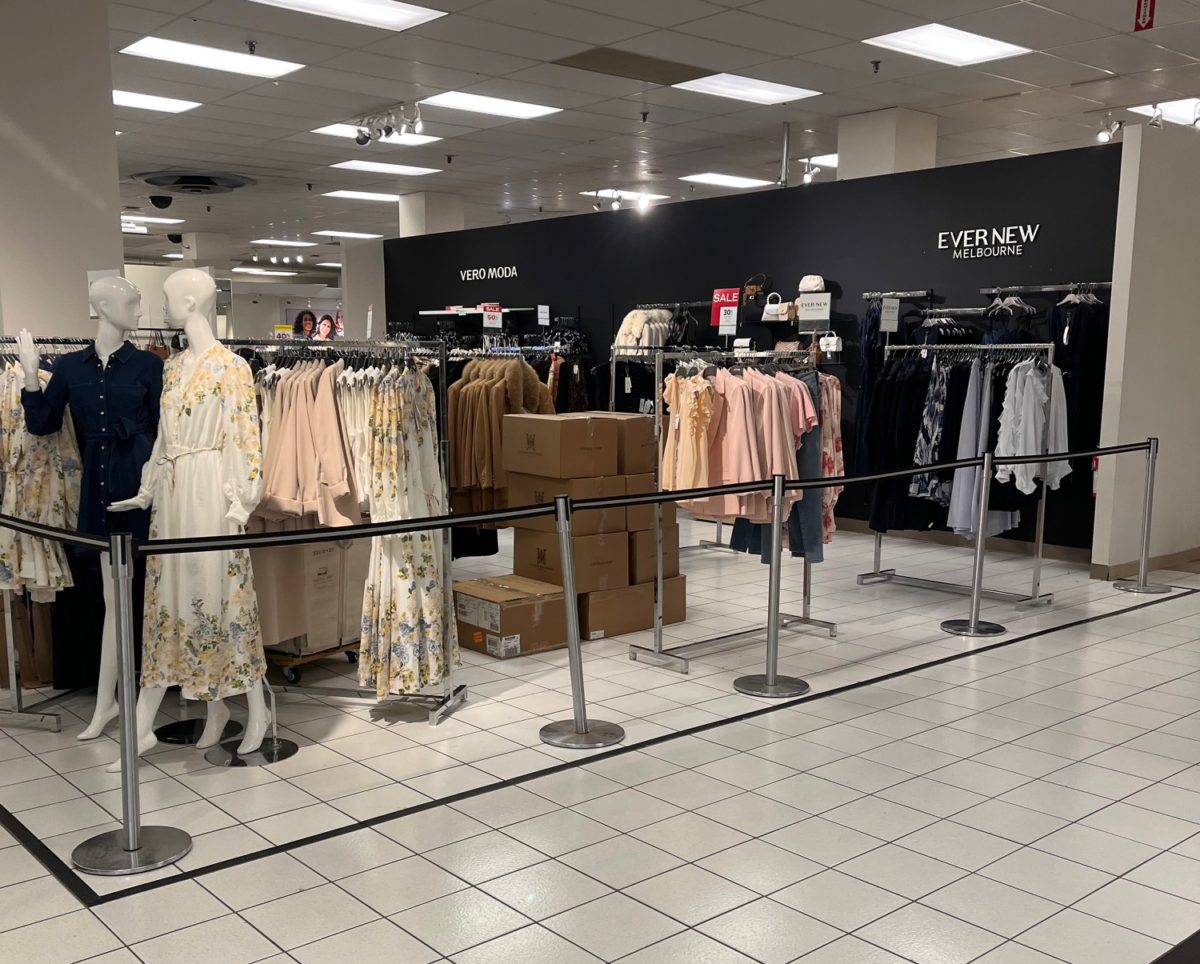
In a troubling development, Retail Insider has learned that yesterday and today, Aussie fashion brand Ever New Melbourne removed all of its merchandise from Hudson’s Bay stores. Multiple suppliers have reported outstanding debts for merchandise orders dating back to 2023.
These issues underscore the retailer’s cash flow problems, raising concerns about its ability to continue operations even in the short term. If more brands choose to sever ties with Hudson’s Bay, its inventory levels and store offerings could be significantly impacted.
What Lies Ahead for Hudson’s Bay?
With a bankruptcy filing looming, questions remain about what this will mean for Hudson’s Bay’s remaining stores, employees, and suppliers. While the retailer has attempted to modernize and adapt through strategic restructuring and brand revivals, it has faced continued financial headwinds that may now prove insurmountable.
Industry experts speculate that if Hudson’s Bay proceeds with bankruptcy, it could attempt to restructure its debt and continue operations in some form. However, given the company’s ongoing struggles and reliance on real estate sales to stay afloat, a more drastic reduction in store footprint—or even a full wind-down of the business—is also a possibility. One landlord told Retail Insider this week that they were hearing that about 50 of Hudson’s Bay’s stores could close with a bankruptcy filing.
As one of Canada’s most historic retailers, Hudson’s Bay’s fate will be closely watched by consumers, employees, and industry insiders alike. The coming days will determine whether the storied brand can find a way forward or if it will mark the end of an era in Canadian retail history.






I blame millennials for the Hudson Bay’s financial situation. That is, most millennials just buy everything online and rarely ever set foot inside a department store.
Yeah blame millennials, sounds like a boomer comment
Couldn’t be other factors, like old dirty stores, less and less selection/brands over the years, elimination of advertising even digital flyers, elimination of their own store card years ago and going to a Mastercard, no staff, etc etc etc
I’m a ‘boomer’ and I agree with everything you wrote there. Sadly, it has been going downhill for years.
Hey Bob, Richard Baker/greed/ego definitely had nothing to do with it LOL
Oh c’mon, it’s the ownership who bought the company for its real estate and invested way too little in updating the stores, who are at fault. I’m a millennial, and I enjoy spending what little impulse buying money I have at Simons. The same can’t be said for Hudson’s Bay, because their stores are a depressingly pathetic shopping experience.
Don’t be blaming Millenials. The store is run by American donkeys who have no idea what a Canadian market wants. Furthermore the prices in the Bay are silly and far too steep. Couple this with the multi billion dollar failure that was/is Zellers and local Management more interested in collecting pension packages than runnning a store and BOOM; failure. The company has been run like a joke for years now.
Completely agree. It was bought just for the real estate. Every single American -owned company that comes here or takes over a Canadian owned company destroys it! They haven’t a clie as to how Canadian markets operate, nor what the market can bear price-wise, nor reasonable profit margin expectations given our smaller market. They strip our businesses for parts and leave. Pathetic.
I’m a boomer. HBC’s downfall is their own fault. They went way upscale, into the luxury niche. I’m in my 70’s. I remember buying cheap watches there. Several years later their “cheapest” watch was $129. More recently, I needed a raincoat. All they had were $200 trench coats. Screw that noise.
… well I’m a Millenial.
I own 5 woolblankets , I have decorations from them, oven gloves bay brand , greeting cards bay brand , mits , scarfs , shower curtains , hats , sweaters , and a Christmas nutcracker , and tree ornaments.
So no, it’s not Millenials. The bay is one of my favourite stores , and I sadly think their older buildings are a big cost to them, and their size for one brand . I hope they can figure out how to keep something of the brand alive that is successful , and very Canadian .
It’s awful news — but it’s been coming for a long time. HOPEFULLY this is a successful filing under the CCAA and HBC can go forward with restructured debt and the ability to turn itself around. Of course shopping trends have changed/evolved, but they have no peers left — they should not be in this position. I can’t help but reflect on the last couple of years of Eaton’s (1997-1999). The difference, as I see it, is that Eaton’s genuinely fought to survive (after a decade of terrible decisions and a too late realization of trouble) — but they did fight. HBC has been entirely fallow since before the pandemic — it’s like no one cared. The failing infrastructure has made that obvious now for several years. Part of this (as I see it) has been baked in the culture of the company — they have always been seemingly unwilling to invest any $ in their stores (read up on the final condition of the Zellers store fleet at the time of the lease sales to Target for reference) — they were engaging in redundancy by neglect years before Amazon was a juggernaut. I hope a smaller, more nimble HBC can survive — and have ownership and leaders that actually care about the shopping experience again.
If the chain reduces to around 30 locations or so and these are their top locations, I think they’ll actually do well assuming that they can maintain their suppliers. Bankruptcy is the only way they can get out of all these decades long leases. Hopefully after that occurs a new buyer comes along who actually wants to run a retailer (instead of using the retailer as a retail investment) they will have a fighting chance of doing well in the long run. At the end of the day, there’s not much competition in the department store sector and while that sector is in massive decline, there’s still a market for it, the business just has to be runned properly.
Fail fast fail cheap has been the motto… it’s very slow and very expensive. They blow money on sully projects and ignore real ideas and management
It’s always sad to watch an icon disappear. Sears Canada, Woodward’s, Woolworth, Eaton’s, The Bay… The heyday of the department store is over. One stop brick and mortar shopping is, sadly, a thing of the past (now you do it online at the Everything store). But looking at the bright side…Trump is doing his damnedest to take us back to pre- WWll civilization so …. maybe all that’s old will be new again!
I see eerie parallels with the Eaton’s situation in the late 1990s. Badly dated stores, repairs and maintenance left undone, ownership who would clearly rather be doing something other than running a department store chain. The only difference here is that the owners’ names aren’t on the facades of the stores.
Eaton’s maintained it’s stores well as I recall it. Some were dated, no doubt, but they did not have functional deficiencies related to HVAC, escalators, etc. The handful of stores they remodeled in the mid 90s were outstanding (CF Lime Ridge, Erin Mills, others).
I remember visiting the Calgary Sunridge Eaton’s before it closed. The carpets were in bad shape, the chairs in the restaurant were tattered, the tiles were antiquated. They would have been better off to have gone public in the 1980s and to have used the money (and the time) to revamp their stores. Yes, the few premises they did extensively remodel (like Edmonton Southgate which they took over after Woodward’s went out of business) were very attractive.
It’s interesting when you look at T Eaton Co — while often neglecting the retail side they made some really shrewd real estate and development decisions — thinking of developments like the Toronto and Montreal Eaton Centres, Pacific Centre, Yorkdale, etc — had they not the rot seep in so deeply they probably could have salvaged a pared-down operation because the core group of stores (even at dissolution) drove really impressive sales and as you point out the revamped locations were great — the problem was the big ad push drove foot traffic into ALL of the stores, not just the revamps, and needless to say the in-store experience did not match the “times have changed” promise — as good as that campaign was. HBC took the former Eaton’s at CF Lime Ridge in Hamilton — its pretty depressing going in there knowing that when HBC took it over they went backwards with it in comparison to how it looked after it got the “a new kind of eaton’s” treatment in the mid 90s.
As a former employee of HBC I would say that it’s very sad for the company to be in this position.
HBC is run by Americans who never understood the Canadian retail market. They sold off a lot of the companies real estate holdings
They sold off the lucrative HBC credit card
They never strategized in the advent of Amazon and made their return policy more restrictive
The got rid of single use shopping bags
They coupled Saks to the Bay at a very difficult time in retail.
Hudson Bay still has a future if they go with the mantra less is more and service the middle class once again. Less stores and lower price points.
I recently tried to shop at the Bay. I was looking to purchase an iconic Canadian gift and was looking at the HBC striped blankets and the rest of that line. I was terribly disappointed to learn that almost the entire line was made oversees.
NO staffing! Overpriced goods! Dirty stores! Jumbled unmanaged inventory! A far cry from when it was under Canadian ownership. Why buy at ridiculous prices when you can go get the same stuff for half price a Winners