RONA inc., one of Canada’s leading home improvement retailers operating and servicing some 425 corporate and affiliated stores, has announced the expansion of its exclusive Tilley Tuff workwear line.
The retailer said the extended assortment includes new men’s products for spring and, for the first time, a women’s collection.
These new offerings are now available in selected RONA+ and RONA stores, as well as online at rona.ca.
Founded in 1980, Tilley Endurables is globally renowned for its meticulously designed outdoor hats and apparel. With a focus on sustainable materials and a commitment to lifetime quality, Tilley products are essential for any adventure, said the company.
Designed to meet the needs of today’s professionals
“Designed for Canadians facing the rigours of physical jobs and demanding environments, Tilley Tuff Workwear is priced to offer great value, with items starting at just $14.99. Focusing on durability, functionality, and the signature style Tilley Endurables is known for, the collection includes engineered apparel created with Tilley’s renowned attention to detail and commitment to high-quality materials,” said RONA in a news release.
Workwear now available for women working in construction and home improvement
Doug Young
“Whether they’re seasoned professionals or interior design enthusiasts, women in the construction and home improvement industry now have a destination of choice for comfortable and affordable clothing,” said RONA.
“Women play an important role in our industry, and we wanted to provide them options on what to wear on the worksite and offsite. Women are too often overlooked in the workwear category. Now, with Tilley Tuff, we offer them comfort, quality and great value. They can stock up on T-shirts, pants, jackets, long-sleeved work sweaters and shirts, all with a modern, professional look at RONA,” said Doug Young, Chief Merchandising Officer at RONA inc.
.
RONA inc. is one of Canada’s leading home improvement retailers headquartered in Boucherville, Quebec. The RONA inc. network operates and services some 425 corporate and affiliated dealer stores under the RONA+, RONA, and Dick’s Lumber banners. With a long and rich history, RONA inc. supports Canadians in their home improvement and construction projects since 1939. To achieve this, the company relies on a team of 21,000 employees, to whom it strives to provide an inclusive workplace where everyone is invited to contribute. As a result of its ongoing efforts in sustainable development, the company is recognized as one of Canada’s Greenest Employers. To learn more about the company, visit the website www.ronainc.ca.
“Our performance this quarter, which delivered increases in Net Operating Income of 4.6% and Adjusted Funds From Operations per Unit of 3.9%, underscores our ability to deliver strong returns for our Unitholders and once again demonstrates our reliability, durability and growth potential in the face of ongoing macroeconomic challenges,” said Kevin Salsberg, President and Chief Executive Officer, CT REIT.
Kevin Salsberg
“I’m also particularly proud to announce that we will be increasing our monthly distributions for the 12th time, providing our Unitholders with a compound annual growth rate in distributions of 3.3% since our initial public offering.”
As a result of CT REIT’s consistent growth and reliability, the Board of Trustees has approved a 2.5% distribution increase that will be effective with the July 15 payment to Unitholders of record on June 30, 2025. Monthly distributions will increase to $0.07903 per Unit, or $0.94836 per Unit on an annualized basis and the REIT is pleased to have been able to reward Unitholders with such increases in each year since its initial public offering in 2013, said CT REIT in a news release.
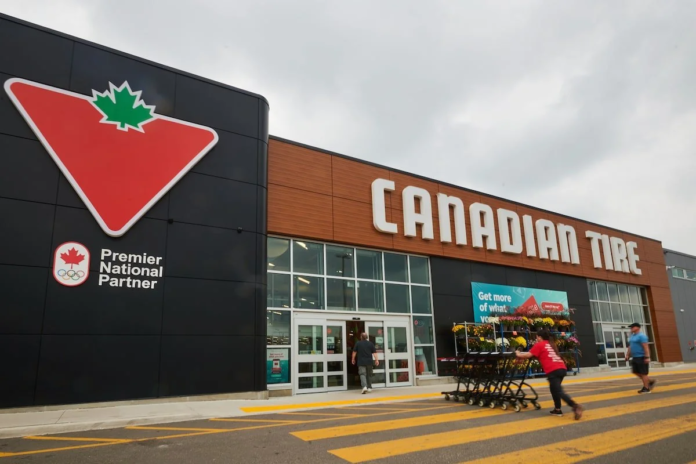
CT REIT also entered into a ground lease with a third party to facilitate the development of a new Canadian Tire store in Kelowna, BC.
CT REIT is an unincorporated, closed-end real estate investment trust formed to own income-producing commercial properties located primarily in Canada. Its portfolio is comprised of over 375 properties totalling more than 31 million square feet of GLA, consisting primarily of net lease single-tenant retail properties across Canada. Canadian Tire Corporation, Limited, is CT REIT’s most significant tenant.
Financial Highlights
Net Income – Net income was $105.7 million for the quarter, an increase of $4.5 million, compared to the same period in the prior year, primarily due to higher revenues from the Property portfolio and increases in the fair value adjustment on investment properties, partially offset by higher interest and property expense.
Net Operating Income (NOI) – Total property revenue for the quarter was $150.4 million, which was $6.2 million or 4.3% higher compared to the same period in the prior year. In the first quarter, NOI was $118.7 million, which was $5.2 million or 4.6% higher compared to the same period in the prior year. This was primarily due to the acquisition, intensification and development of income-producing properties completed in 2024, which added $2.3 million, rent escalations from Canadian Tire leases, which contributed $1.9 million and development fee revenue, which also contributed $1.0 million.
Same store NOI was $114.0 million and same property NOI was $115.8 million for the quarter, which were $1.7 million or 1.5%, and $3.5 million or 3.1%, respectively, higher when compared to the prior year. Same store NOI increased primarily due to the increased revenue derived from contractual rent escalations and higher property operating recoveries. Same property NOI increased primarily due to the increase in same store NOI noted, as well as from the intensifications completed in 2024.
Funds from Operations (FFO) – FFO for the quarter was $81.1 million, which was $2.9 million or 3.7% higher than the same period in 2024, primarily due to the impact of NOI variances discussed earlier, partially offset by higher interest expense. FFO per unit – diluted (non-GAAP) for the quarter was $0.342, which was $0.011 or 3.3% higher, compared to the same period in 2024, due to the growth of FFO exceeding the growth in weighted average units outstanding – diluted (non-GAAP).
Adjusted Funds from Operations (AFFO) – AFFO for the quarter was $76.1 million, which was $3.4 million or 4.7% higher than the same period in 2024, primarily due to the impact of NOI variances discussed earlier, partially offset by higher interest expense. AFFO per unit – diluted (non-GAAP) for the quarter was $0.320, which was $0.012 or 3.9% higher, compared to the same period in 2024, due to the growth of AFFO exceeding the growth in weighted average units outstanding – diluted (non-GAAP).
Canadian Tire Corporation is CT REIT’s most significant tenant. As at March 31, 2025, CTC represented 92.8% of total GLA and 91.8% of annualized base minimum rent. As at March 31, 2025, CT REIT’s portfolio occupancy rate, on a committed basis, was 99.4%.
As tariffs remain at the forefront of economic policy, data from the NielsenIQ (NIQ) recent North America Tariff Sentiment Study reveals that most consumers are bracing for a long-term economic hit.
NIQ surveyed nearly 10,000 consumers across the U.S. and Canada in late March and found that:
61% of U.S. consumers and 86% of Canadians expect tariffs to negatively affect their country’s economy this year.
The top areas of concern are essential categories, such as fresh produce, eggs, and dairy.
Many consumers are adjusting their behavior—planning to dine out less, delay major purchases, or prioritize locally made products, especially in Canada.
The NielsenIQ study is the first in a four-part series tracking how consumer sentiment around tariffs evolves throughout 2025, providing timely insights as policy developments unfold.
“In the past year, tariffs have dominated the global conversation, even as consumers still face significant economic pressures. With a new US administration acting quickly on proposed tariffs, it’s critical to stay vigilant on consumer reaction to these shifts,” said the NielsenIQ report.
The report indicated that 87% of Canadians are not in favour of tariffs while that number is 50% for Americans.
When asked about the tariffs specifically, a majority of consumers in North America expect a negative impact on the economy throughout the rest of this year and continuing for the next three years.
Photo by Mario Toneguzzi
61% expect a negative impact on the US economy the rest of this year; 33% extremely negative; 56% expect a negative impact on the US economy the over the next 3 years; 32% extremely negative
For Canada, it’s 86% expect negative impact this year, 79% negative impact next three years.
“Price concerns tied to tariffs are mainly on necessities across both USA and Canada Canadians more likely than Americans to buy domestic,” said the report.
“Made in” labeling is almost 2x more likely to drive a change in purchase behavior for Canada compared to the USA.”
The Nielsen report said delayed purchases are much more likely than expedited purchases.
“Shoppers in both USA and Canada are between 4x and 5x as likely to delay major purchases, rather than complete them before price changes due to tariffs taking effect,” said Nielsen.
“Americans are overall favorable towards purchasing US made products and somewhat likely to buy Canadian made products; this is a significant difference vs sentiment among Canadians.”
Retail Insider is streamlining its Canadian retail news from around the web to include a handful of top news stories that can be viewed quickly during the day. Here are the top stories from the past three days.
Gloucester on Yonge in Toronto. Image: Concord Adex
A prominent block on Toronto’s Yonge Street corridor is seeing a new wave of activity with the launch of Gloucester on Yonge, a mixed-use development by Concord Adex. Located at 591–597 Yonge Street, just steps from Wellesley subway station, the project combines ground-level retail, second-floor medical offices, and three luxury heritage townhomes.
The ground floor of Gloucester on Yonge features five retail units fronting Yonge Street. Two of the spaces have already been leased.
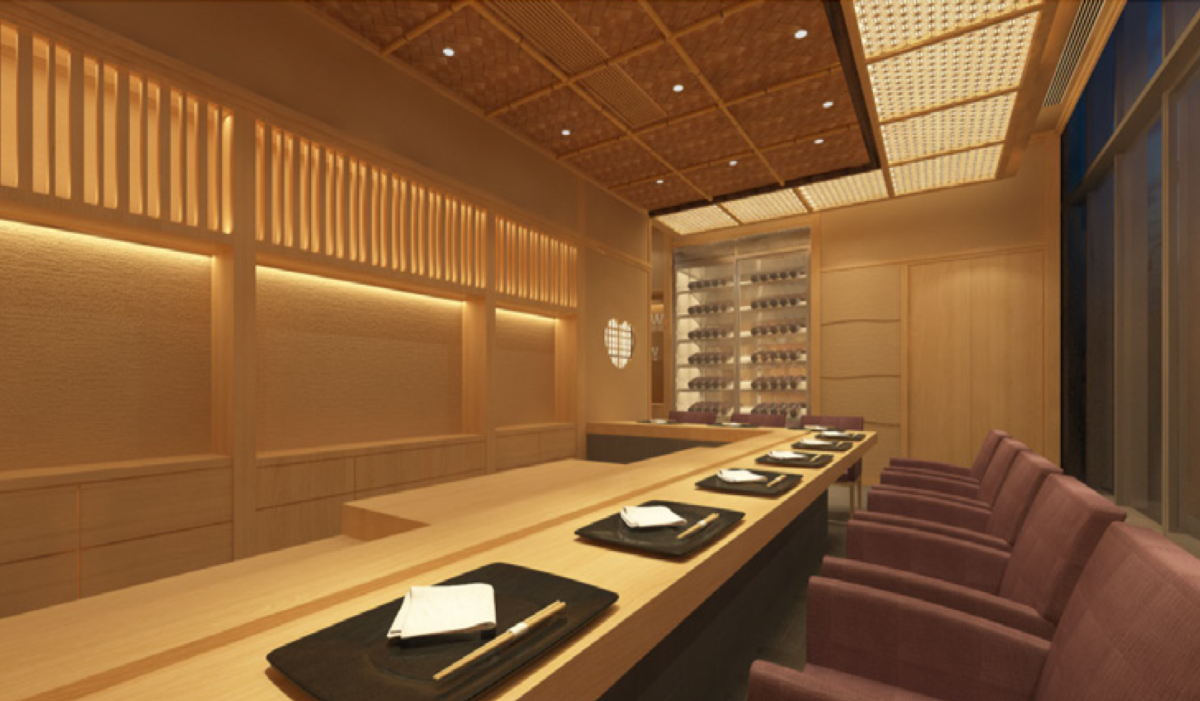
Sushi Kiwami at Gloucester on Yonge in Toronto. Image: Concord Adex
Sushi Kiwami, a renowned omakase restaurant brand established in 2017, has opened in Unit 1. With six locations, including the new Gloucester site, the brand brings an authentic Japanese dining experience to Toronto. Utensils, tableware, and other restaurant elements are sourced directly from Japan, while ingredients are flown in three times weekly from local Japanese fish markets. Sushi Kiwami’s chefs are veterans of Michelin-starred omakase restaurants in Japan, offering an elevated and authentic culinary experience for local diners.
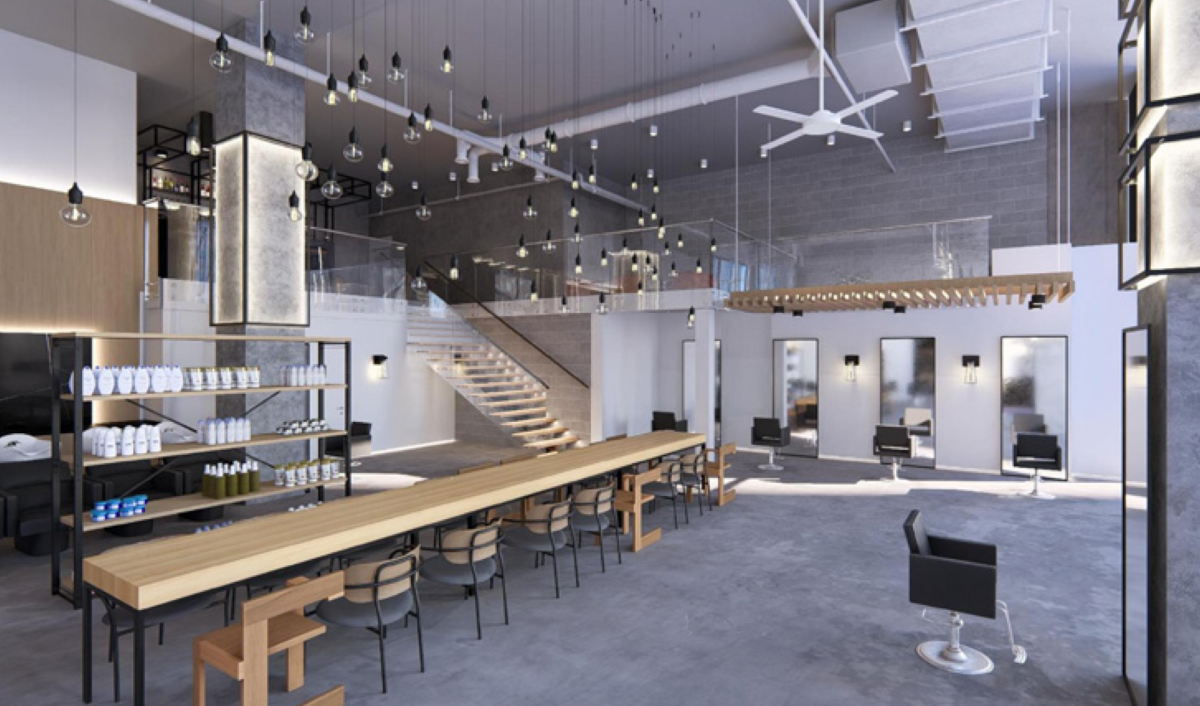
Next door, GOA Hair Salon is expected to open in Unit 3 by Summer 2025.
Rendering of the soon-to-open GOA Hair Salon at Gloucester on Yonge in Toronto. Image: Concord Adex
Remaining units—Unit 2 (1,165 square feet), Unit 4 (2,371 square feet), and Unit 5 (2,388 square feet)—are available for lease. Ceiling heights reach up to 21 feet, and infrastructure supports kitchen exhaust and venting, allowing for food-service uses. The site also includes 120 secured underground commercial parking stalls, a rarity in the downtown core.
Gloucester on Yonge in Toronto. Image: Concord Adex
Medical Office Ownership Draws Professionals
Above the retail space, the Gloucester Medical Office Centre offers condominium ownership opportunities for medical professionals. Office units range from approximately 1,200 to 2,875 square feet, with ceiling heights up to 17 feet and high-spec features including fibre internet, HVAC, and Concord’s BioSpace air filtration system. The second floor has dedicated elevator access from Yonge Street and the underground garage, which includes 116 commercial parking stalls.
Located within walking distance of Toronto’s top hospitals—including Toronto General Hospital, Mount Sinai, SickKids, and Women’s College Hospital—the medical centre is well positioned to serve a large catchment of patients and healthcare workers.
Heritage Townhomes at Gloucester on Yonge in Toronto. Image: Concord Adex
Heritage Townhomes Blend Luxury with Live/Work Potential
Facing Gloucester Street, L’Héritage at Gloucester includes three fully restored heritage townhomes offering a rare luxury live/work format. Ranging from 2,770 to 3,600 square feet, the townhomes feature restored Renaissance Revival red-brick façades and modern interiors.
Each unit is designed to support both residential and professional uses and is being marketed toward entrepreneurs, designers, and families. The layout supports business operations on the lower level, with open-concept residential living above. Expansive windows provide ample natural light throughout, supporting a lifestyle that blends work and home in one of Toronto’s most connected neighbourhoods.
Gloucester on Yonge in Toronto. Image: Concord Adex
A Mixed-Use Vision from Concord Adex
The Gloucester on Yonge development is part of Concord Adex’s broader mission to deliver future-proof, mixed-use communities in Canada’s major urban centres. With more than 40,000 homes built globally and nearly 150 towers, Concord continues to lead in integrating residential, retail, and commercial uses with sustainability and technology at the forefront.
As part of this commitment, Concord’s buildings feature smart systems, high-speed EV infrastructure, and energy-efficient design. The company’s Concord Green Energy division operates wind, solar, and hydroelectric projects across Canada—offsetting energy usage in its buildings many times over.
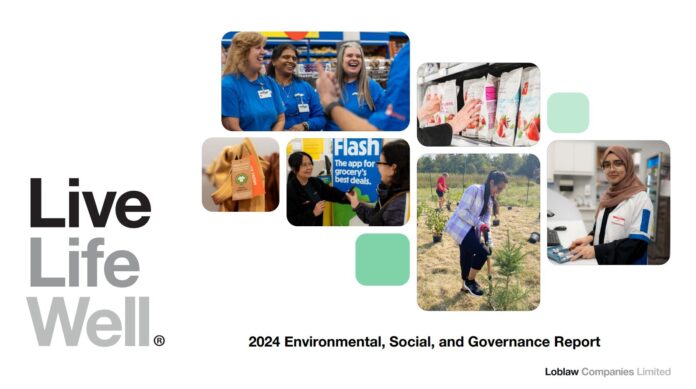
2024 Live Life Well® Report (CNW Group/Loblaw Companies Limited - Public Relations)
Loblaw Companies Limited says its success as a proud Canadian company is directly linked to the success and prosperity of Canada as a whole.
“When our communities are strong, we are collectively more resilient, more successful, and more connected,” said Loblaw, which shared its progress relative to these two important priorities, with the release of the 18th annual 2024 Live Life Well report.
“From Loblaw’s perspective, two of the many ways we contribute to the strength of the nation are by fighting climate change and advancing social equity. By reducing our carbon emissions and tackling food and plastic waste, we are helping to make Canadian communities healthier. By supporting the health and wellness of women and children, we are helping to make our communities stronger and more resilient,” said the company.
“That can involve delivering value, supporting Canadians with their healthcare needs, doing our part in fighting climate change and advancing social equity, and more. When we see ways to make Canada stronger, we’ll explore them, because we know we can have a big impact on the people and places we serve.”
Here are some key achievements for 2024 noted by Loblaw:
Achieving Net-Zero:
Achieved a 16% reduction in Scope 1 and Scope 2 greenhouse gas emissions compared to the 2020 baseline.
Invested more than $40 million to complete over 500 carbon reduction capital projects.
Approximately 32% of Scope 3 volume (by spend) came from suppliers with science-based targets.
Tackling Plastic Waste:
Achieved over 90% compliance relative to the in-scope Golden Design Rules for control brand and in-store plastic packaging, putting the company within reach of its 2025 goal to make all such packaging 100% recyclable or reusable.
Addressing Food Waste and Food Insecurity:
Diverted over 80,000 metric tonnes of potential food waste from landfill through food consistent donations and other food rescue initiatives.
Including donations of more than 50 million pounds of food to community-based food charities across Canada, in support of the Loblaw Feed More Families™ program.
Nurturing Future Generations:
Reached more than 997,000 children through the President’s Choice Children’s Charity, the nation’s largest non-government provider of direct-to-school food nutrition programs. The Charity is on track to reach its goal to feed one million kids by the end of 2025.
Supporting Health Equity for Women:
The Shoppers Foundation for Women’s HealthTM contributed more than $12.5 million in support of over 380 women’s health organizations across Canada, with the goal of making care more equitable and accessible for all women in Canada.
Supporting Local Communities:
Raised and donated $212 million (including in-kind donations) to support research, charities and non-profits across Canada, including the Salvation Army, World Wildlife Fund Canada, and other disaster relief and humanitarian response efforts.
Representation:
Achieved 39.5% representation of women in executive roles and 46% in management roles.
Achieved 28% representation of visible minorities in executive roles and 34% in management roles.
Committed to new representation goals for 2028.
Fostering Culture and Inclusion:
Trained over 198,000 colleagues and employees on fundamental diversity, equity, and inclusion topics, with over 2 million training courses completed through virtual and/or in-person classes and self-paced learning.
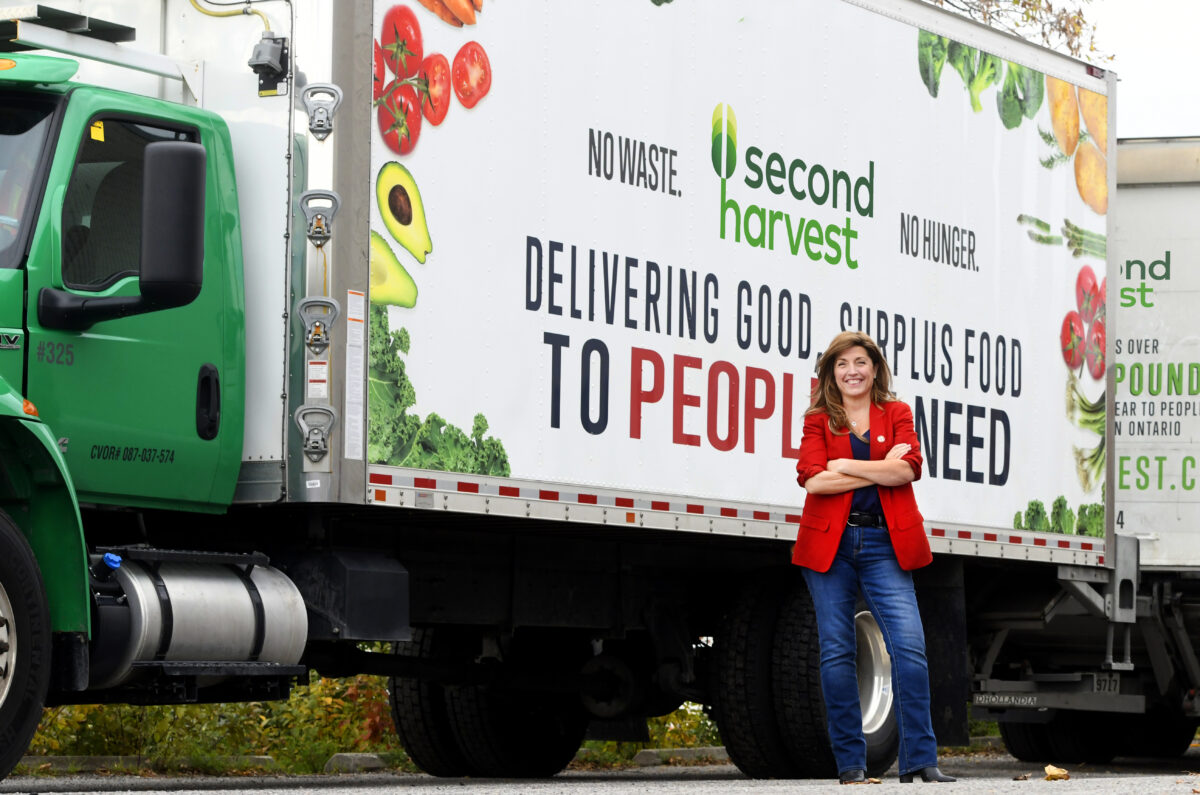
Source: Second Harvest
“Loblaw is a driving force behind real, measurable change. For four decades, their unwavering commitment to rescuing surplus food and reducing the environmental damage of food waste has helped us grow our impact year after year. Thanks to Loblaw, millions of pounds of good food are feeding people across Canada instead of ending up in landfills. We couldn’t ask for a more dedicated, visionary partner in the fight against hunger and food waste,” said Lori Nikkel, CEO, Second Harvest.
Kirstin Beardsley
“With over 2 million people visiting food banks this month, Food Banks Canada is immensely grateful for another year of support from our long-standing partnership with Loblaws. Thanks to their 2024 contributions, Loblaws stores donated over 8.1 million pounds, valued at approximately $29.11 million of surplus meat, bakery, dairy, produce and grocery products. We are thankful for Loblaw’s continued commitment to this initiative, the ongoing need for quality, perishable and fresh food continues to grow and it is an essential component of the local food bank offering. We are also appreciative for Loblaw Companies Ltd., its employees and its shoppers that have helped food banks across Canada to feed more families through its biannual food drives resulting in over 6 million meals to families in need,” added Kirstin Beardsley, CEO, Food Banks Canada.
Loblaw is Canada’s food and pharmacy leader, and the nation’s largest retailer. Loblaw provides Canadians with grocery, pharmacy, health and beauty, apparel, general merchandise, financial services and wireless mobile products and services. With more than 2,500 corporate franchised and Associate-owned locations, Loblaw, its franchisees and Associate-owners employ more than 220,000 full- and part-time employees, making it one of Canada’s largest private sector employers.
It has more than 1,100 grocery stores that span the value spectrum from discount to specialty; full-service pharmacies at nearly 1,400 Shoppers Drug Mart® and Pharmaprix® locations and in close to 500 grocery stores; PC Financial® services; affordable Joe Fresh® fashion and family apparel; and four of Canada’s top-consumer brands in Life Brand®, Farmer’s MarketTM, no name® and President’s Choice®.
Why do people in Toronto often choose gift baskets when they want to send a surprise?
That’s something many people ask, especially when birthdays, holidays, or special moments come around. In a big city like Toronto, where everyone is busy and life moves fast, gift baskets offer a thoughtful and simple way to show love, thanks, or celebration. They are full of small items that feel personal and cheerful—and most importantly, they can be shared without stress.
This article talks about why gift baskets are loved in Toronto, what makes them special, and how they fit every mood and occasion. We’ll also look at what types of gift baskets people send and how you can pick one that suits your message.
The Personal Touch Toronto People Appreciate
One big reason why gift baskets Toronto are so popular is that they feel personal. In a single basket, you can mix chocolates, snacks, tea, candles, books, and even skincare items. Some specialty baskets even cater to wellness or recovery themes—perfect for someone going through a medical journey, like a hair transplant, tummy tuck or other self-care treatment. Each item shows a bit of thought. And when someone receives it, they know it’s not random. It feels like the sender took time to think, “What would make them smile?”
In a city like Toronto, where people come from many cultures, it’s easy to find or create gift baskets that reflect different tastes. Whether it’s maple treats for someone local or tea from back home for an international friend, there’s always a way to make it feel just right.
Why Gift Baskets Are So Easy to Send
A big plus is that gift baskets are easy to order and deliver. You don’t need to stand in a long line or wrap anything yourself. Many local stores and online shops in Toronto prepare them beautifully and send them across the city or even beyond.
Especially when someone lives far away, or if you’re short on time, a gift basket feels like a full gift packed into one nice box. And because Toronto has strong delivery services, your basket reaches the person quickly and safely.
Perfect for Every Occasion
Gift baskets are perfect for almost every kind of moment. Let’s look at some of the times when people in Toronto love to send them:
Occasion
Basket Ideas
Birthdays
Chocolates, books, candles, snacks
Anniversaries
Wine, glasses, gourmet cheese, keepsake items
New Baby
Baby clothes, soft toys, skincare for parents
Thank You
Coffee, cookies, thank-you card, desk items
Holidays
Seasonal treats, decorations, sweet collections
Corporate Gifts
Office snacks, tea, local goods, eco products
Get Well Soon
Soups, healthy snacks, warm socks, soothing tea
Many gift baskets are curated specifically for couples, whether it’s a romantic anniversary box or a cozy night-in bundle with wine, snacks, and shared keepsakes that help create memorable moments together.
Every basket can be made simple or rich, depending on your budget. But no matter the size, it always carries your feelings across.
Why Toronto Shops Do It So Well
Toronto has many local businesses that make gift baskets with love. They know the area, they use local products, and they pack each basket neatly and beautifully. Some shops even let you choose each item that goes inside. You get a basket that feels full of care, and the receiver can see that too.
Also, many stores in Toronto now focus on healthy or eco-friendly products. So if your friend likes clean snacks or natural skincare, you can include that too. It’s a small way to respect their choices while still making them feel special.
Gift Baskets Build Memories
A good gift makes the receiver smile when they open it—and maybe even remember it months later. Gift baskets do that. A cozy blanket in a winter gift basket, or a cute mug in a tea-themed one, can stay with someone for a long time. Every time they use it, they think of the person who sent it. This is why many people now look for unique gift baskets that offer something a little different from the usual options. Choosing something distinctive can make those memories feel even more personal and lasting.
It’s not just about the things inside. It’s the whole feeling. When someone opens the basket and sees how nicely it’s packed, it brings happiness that lasts beyond the first moment.
Custom Options Are a Big Hit
Another reason people in Toronto love gift baskets is that you can customize them. Many local sellers let you pick:
What snacks or items to include
What color wrapping you want
A personal message card
The time and place of delivery
So instead of giving a general gift, you send something that looks and feels special. It’s like a gift with your name and mood built in.
They Work Well for Business Too
Gift baskets are not only for family and friends. In Toronto’s business world, many companies send them to clients, partners, or employees. It’s a kind way to say thank you, happy holidays, or good job. Since gift baskets look clean and professional, they’re perfect for formal settings too.
HR teams use them to welcome new employees. Managers send them when a team finishes a big project. And companies often order them for festive times like Diwali, Eid, Christmas, or New Year.
Toronto’s Love for Local and Seasonal Gifts
Toronto people often like supporting local brands. Many gift baskets include things like handmade soap, local honey, or snacks from a neighborhood bakery. This adds a homely feel to the gift and shows thoughtfulness. During holidays, many stores create seasonal baskets.
In winter, you’ll see cozy items like wool socks and peppermint cocoa. In spring, there might be fresh floral items or lemon treats. For those looking to send something special from a distance, it’s easy to order gift baskets online in Canadaand still add that local touch. It’s a simple way to match the mood of the season and make someone feel remembered.
Final Thoughts
Gift baskets are not just popular—they’re meaningful. Toronto residents choose them again and again because they fit into every moment and every kind of relationship. Whether it’s a close friend, a family member, or a business connection, a well-picked gift basket brings happiness without stress.
It’s the small details, like the choice of treats or the soft ribbon, that make a big difference. And in a busy city like Toronto, sending a surprise that feels personal, easy, and thoughtful is always a kind idea.
So if you’re planning to make someone smile soon, maybe it’s time to send a gift basket they’ll remember.
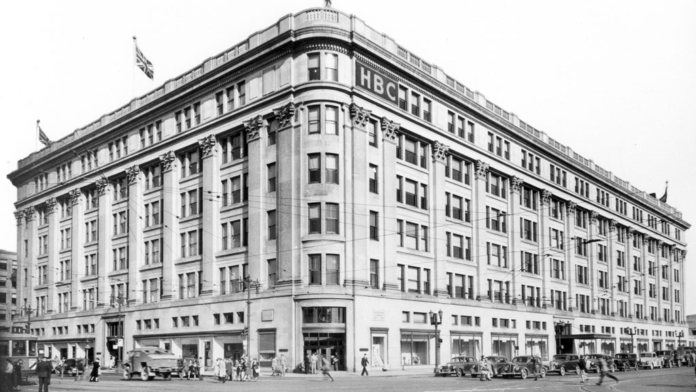
Historic photo of the former Hudson's Bay store in Winnipeg. Image: Manitoba Archives
On May 2, 2025, the Hudson’s Bay Company officially turns 355 years old—a historic milestone for one of the world’s oldest continuously operating companies. But instead of a celebratory mood, there is a growing sense of mourning. The venerable retailer, founded in 1670 as a fur trading enterprise and later transformed into a department store empire, is now teetering on the edge of extinction.
This anniversary could be its last.
In March of this year, Hudson’s Bay Company filed for creditor protection under Canada’s Companies’ Creditors Arrangement Act (CCAA). As liquidation sales continue and stores prepare to shutter, the 355th birthday may become a final tribute to a business that once helped shape Canada’s economic and cultural fabric.
A Company That Once Defined Canada
Hudson’s Bay’s origins are as old as Canada itself. On May 2, 1670, King Charles II of England granted a royal charter to “The Governor and Company of Adventurers of England trading into Hudson’s Bay,” giving it trading rights over a vast swath of North America. What began as a fur trading monopoly would go on to evolve into a dominant commercial force, playing a foundational role in Canada’s development—from mapping the West to establishing trading posts that eventually grew into cities.
In 1881, the company pivoted toward retail, and by the 20th century, Hudson’s Bay had reinvented itself as a department store brand. Its flagship locations in Vancouver, Calgary, Edmonton and Winnipeg (later Toronto, Ottawa and Montreal via acquisition), became architectural and commercial landmarks. The brand’s signature wool blankets, striped patterns, and seasonal sales became embedded in the national psyche.
But over the past two decades, the proud institution has faced mounting pressures.
Hudson’s Bay Co. fur traders. Image: Canadian Geographic/HBC
The March Into Bankruptcy
Hudson’s Bay Company filed for CCAA protection on March 7, 2025, following months of financial turbulence. According to court filings, HBC owes more than $1.1 billion to a broad roster of creditors, including landlords, suppliers, and tax authorities. The filing came after the collapse of talks with potential investors and amid rapidly declining sales.
A confidential internal memo leaked earlier this year revealed that HBC experienced a 33% decline in total sales in 2024, including a 49% plunge in e-commerce revenue—a devastating drop for a company that had invested heavily in online channels during the pandemic.
With a cash crunch and no immediate rescue capital, HBC was forced into creditor protection. Alvarez & Marsal Canada Inc. was appointed as monitor, and efforts began to restructure the business. But by late April, the strategy shifted from restructuring to liquidation.
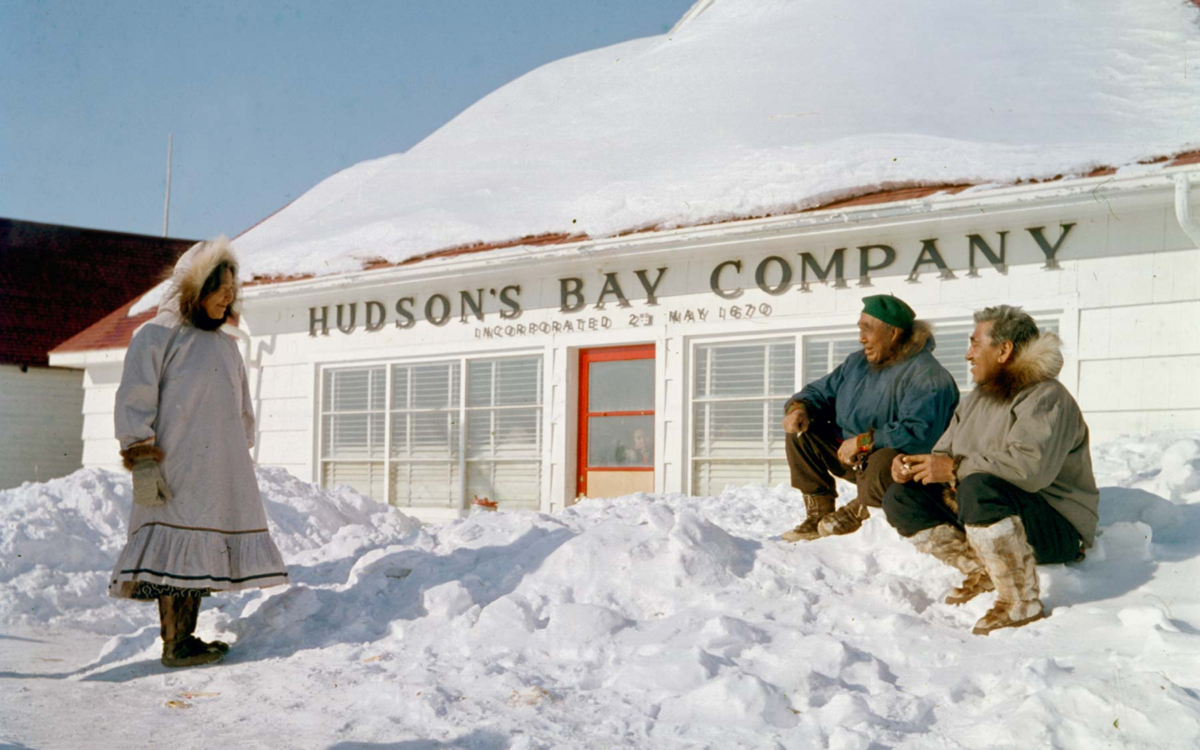
People talking outside the Hudson’s Bay Company post in Aklavik, NT, 1956.
(courtesy Library and Archives Canada/1971-271 NPC)
The Final Liquidation: Six Hudson’s Bay Stores Remain—For Now
On April 23, 2025, Hudson’s Bay announced that liquidation sales would begin at its final six remaining department stores, as well as one Saks Fifth Avenue location. The affected Hudson’s Bay stores include:
Hudson’s Bay/Saks Fifth Avenue Queen Street (Toronto)
Hudson’s Bay Yorkdale Shopping Centre (Toronto)
Hudson’s Bay Hillcrest Mall (Richmond Hill, ON)
Hudson’s Bay Sainte-Catherine Street (Montreal)
Hudson’s Bay CF Carrefour Laval (Laval, QC)
Hudson’s Bay CF Fairview Pointe-Claire (Pointe-Claire, QC)
The Saks Fifth Avenue stores at CF Sherway Gardens in Toronto and CF Chinook Centre in Calgary will also be shuttered, along with 13 Saks OFF 5TH stores. All locations are expected to close by June 15, 2025, effectively ending HBC’s 355-year-old retail operations.
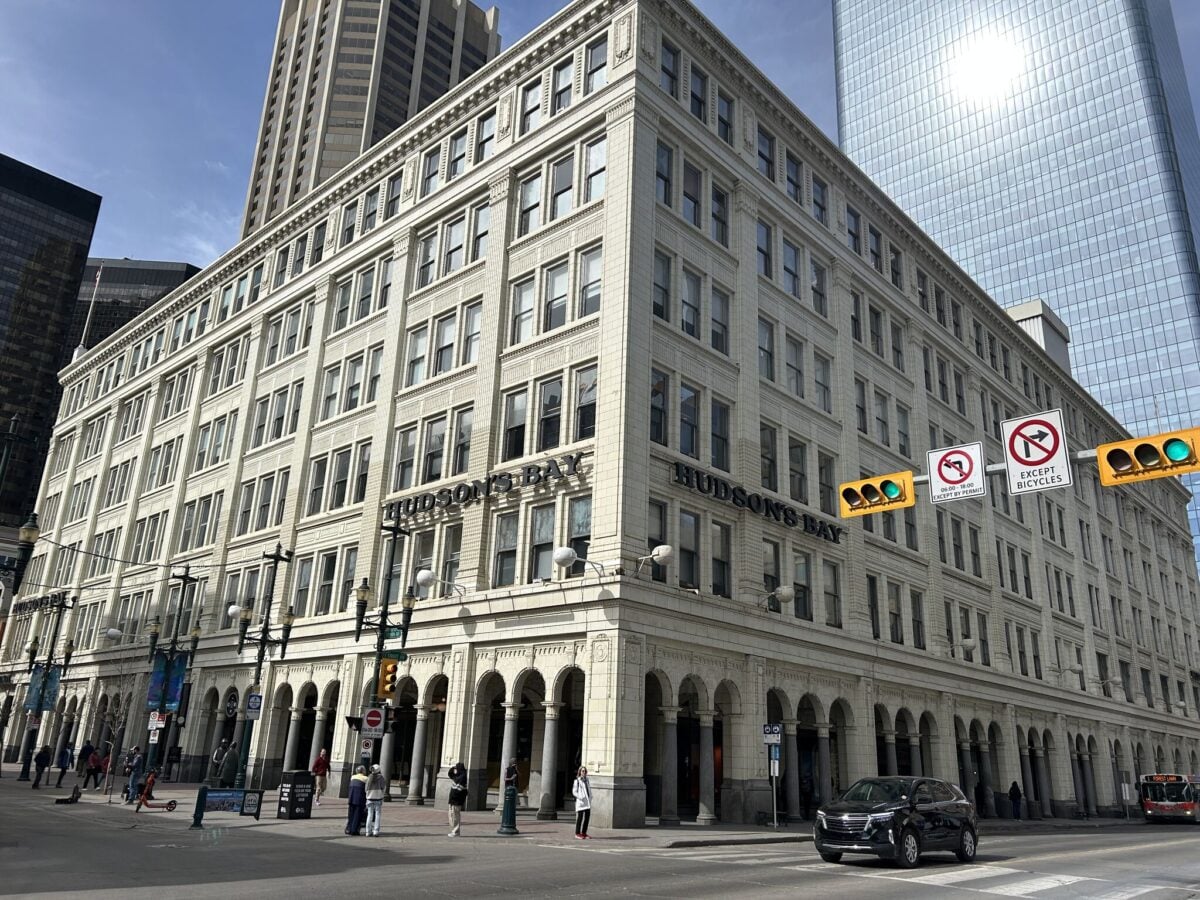
Hudson’s Bay downtown Calgary. Photo by Mario Toneguzzi
Disrepair, Distrust, and Diminished Relevance
As part of the court proceedings, documents revealed that many Hudson’s Bay properties had fallen into disrepair. Deferred maintenance and lack of capital investment created conditions that alienated both shoppers and landlords. In several cities, property owners had been seeking new tenants even before the bankruptcy was filed.
Retail strategist Carl Boutet, who has closely followed HBC’s decline, told Retail Insider in a recent interview that trust in the brand had eroded across all key stakeholders.
“Customers lost confidence in the experience, suppliers pulled back, and landlords started preparing for the worst,” said Boutet. “It became a self-reinforcing cycle of decline.”
Even the company’s private label strategy—once seen as a strength—lost traction. Shoppers began gravitating toward specialty retailers, fast fashion, and e-commerce platforms that offered better pricing and selection.
Hudson’s Bay Royal Charter from 1670
A Sale of Icons: Charter and Brand Up for Grabs
One of the most dramatic elements of the CCAA process has been the auctioning off of the company’s intellectual property and assets—including the Hudson’s Bay brand name and its 1670 Royal Charter, one of the oldest corporate charters in the world.
Multiple bids have emerged. Toronto-based investment firm Urbana Corp. publicly confirmed interest in purchasing the brand and charter, with CEO Thomas S. Caldwell noting that the historic value of the assets could be repurposed for modern applications. Other bids reportedly include one from Chinese-Canadian billionaire Weihong Liu and another reportedly from Canadian Tire Corporation, although details remain sealed due to court-mandated confidentiality.
The Royal Charter is currently stored under climate-controlled conditions in Manitoba, and its future—along with HBC’s heritage archives—is uncertain.
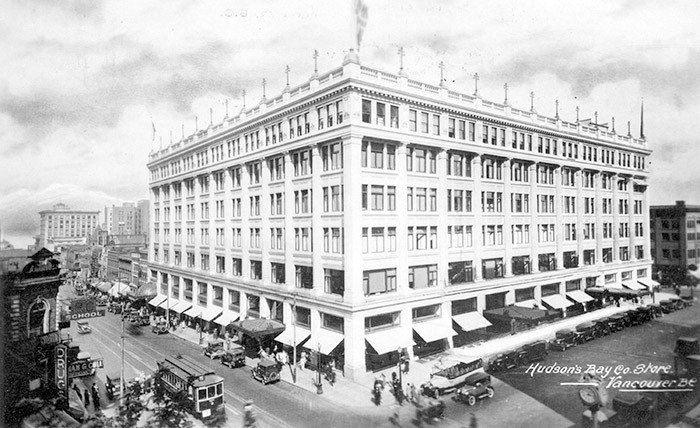
Hudson’s Bay downtown flagship in Vancouver, 1926. Photo: Vancouver Archives Item: Bu P77
Employees, Landlords, and Suppliers Left in Limbo
The CCAA process has left thousands of employees across Canada in a state of uncertainty. While court documents suggest some workers may receive severance and benefits from a limited pool of remaining funds, others could be left with little support, particularly if their contracts were terminated before the filing.
Landlords, many of whom are owed millions in rent, are also weighing their legal options. Shopping centre owners such as Cadillac Fairview, Oxford Properties, Ivanhoé Cambridge, and Primaris have already began strategizing repositioning former Hudson’s Bay boxes for new tenants.
Suppliers, including fashion brands, local suppliers, and logistics providers, face potential write-offs for outstanding invoices.
Downtown Edmonton Hudson’s Bay store on Jasper Avenue in the 1950s. Photo: HBC Heritage
What Comes Next?
With liquidation underway, questions remain about what—if anything—will survive of Hudson’s Bay Company. Will the brand be licensed or resurrected in another form? Could a digital-only Hudson’s Bay relaunch under new ownership? Or will the name join the ranks of other once-mighty but now-extinct department stores like Eaton’s, Woodward’s, and Sears Canada?
As of today, May 2, 2025, Hudson’s Bay Company is 355 years old. But unlike past anniversaries marked by promotions or historical retrospectives, this year’s milestone carries a somber weight. The nation’s oldest retailer may not live to see its 356th birthday.
In a world where retail is increasingly driven by convenience, technology, and personalized experience, Hudson’s Bay—once a symbol of endurance—is facing a quiet, if not undignified, exit.
And yet, for generations of Canadians, the brand’s history remains indelible. As it fades from shopping streets and skylines, Hudson’s Bay’s cultural imprint will persist—in memories, in archives, and in the very story of Canada itself.
Toronto-based WAXON Laser + Waxbar is preparing for a new chapter of rapid growth after announcing a significant strategic investment and partnership with Fraser Clarke, the owner of Massage Addict and a respected leader in Canada’s wellness franchise industry.
For Lexi Miles Corrin, Founder and CEO of WAXON, the moment marks a significant milestone in a journey that began 13 years ago.
Lexi Miles Corrin, Founder and CEO of WAXON Laser + Waxbar
“After 13 years of building WAXON from the ground up, this moment is deeply meaningful,” said Miles Corrin in an interview. “This partnership gives WAXON the resources, operational strength, and strategic counsel to reach its full potential. Our goal is clear: to become the number one provider of hair removal services in Canada. With Fraser, we have the right partner to get us there.”
WAXON, known for its focus on laser hair removal and waxing services, currently operates 24 locations across Ontario, Nova Scotia, and Alberta, with four additional locations under development. In just the past five months, WAXON has opened five new locations — a sign of the brand’s accelerating momentum.
A Strategic Partnership Years in the Making
The partnership with Clarke was the result of a relationship built carefully over two years.
“He’s been very clear from day one that WAXON was the business he wanted to invest in,” Miles Corrin explained.
“He didn’t want any part of the business if I wasn’t involved, which was important to me. I’m still a major shareholder and continue to lead the business.”
Clarke brings over 25 years of experience in scaling consumer health, wellness, and beauty brands. Under his ownership, Massage Addict grew from about 20 locations to over 130 locations nationwide — experience that Miles Corrin says will be crucial in taking WAXON to the next level.
“We’ve gotten to know each other over time, and what stood out most was our shared commitment to building a values-driven culture,” she said. “It was essential that our partner shared the same priorities around service quality, brand integrity, and community — and Fraser and his team do.”
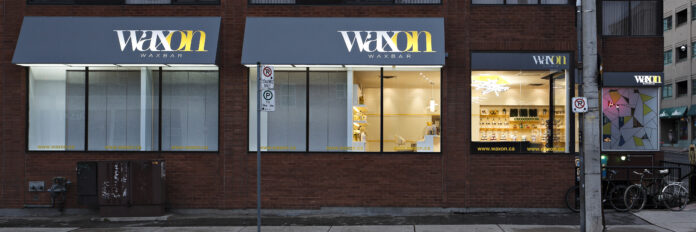
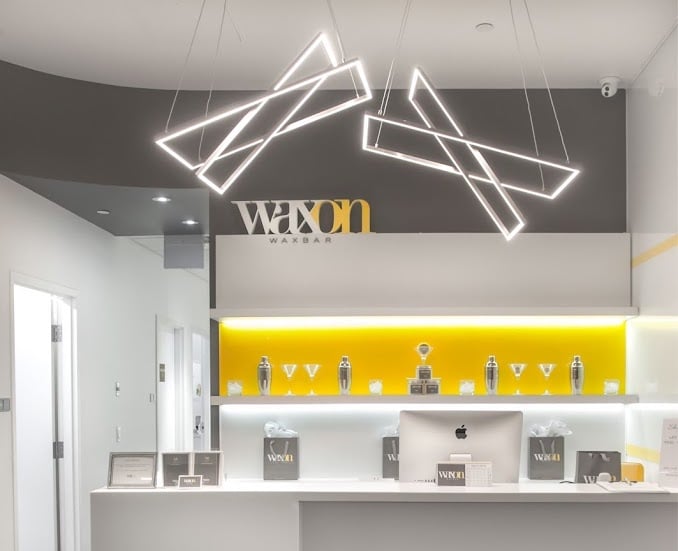
WAXON in Toronto’s Summerhill. Image: WAXON
Scaling Smart: A Vision for National Growth
With the new partnership, WAXON’s focus is twofold: enhance the support offered to franchise partners and expand strategically across Canada, particularly in underserved Western and Eastern markets.
“This isn’t just about scale — it’s about scaling smart,” said Miles Corrin. “We’re committed to maintaining the exceptional service, brand integrity, and community that have always differentiated WAXON, while expanding access to even more Canadians.”
The company aims to open 10 new locations in 2026, adding to the robust pipeline of four in development currently. The expansion plan is underpinned by a strong emphasis on “four-wall economics” — improving the profitability of each location while maintaining customer experience standards.
“We believe there’s still significant upside in our four-wall economics, especially on the laser business side,” said Miles Corrin. “We’re focusing on both new unit growth and making each individual location even stronger.”
WAXON typically looks for locations around 1,000 to 1,200 square feet, providing four to five treatment rooms. Demographically, ideal markets have a core population of women aged 25 to 50, with strong household income levels — although the client base spans ages 13 to 70+, with about 90% female clientele.
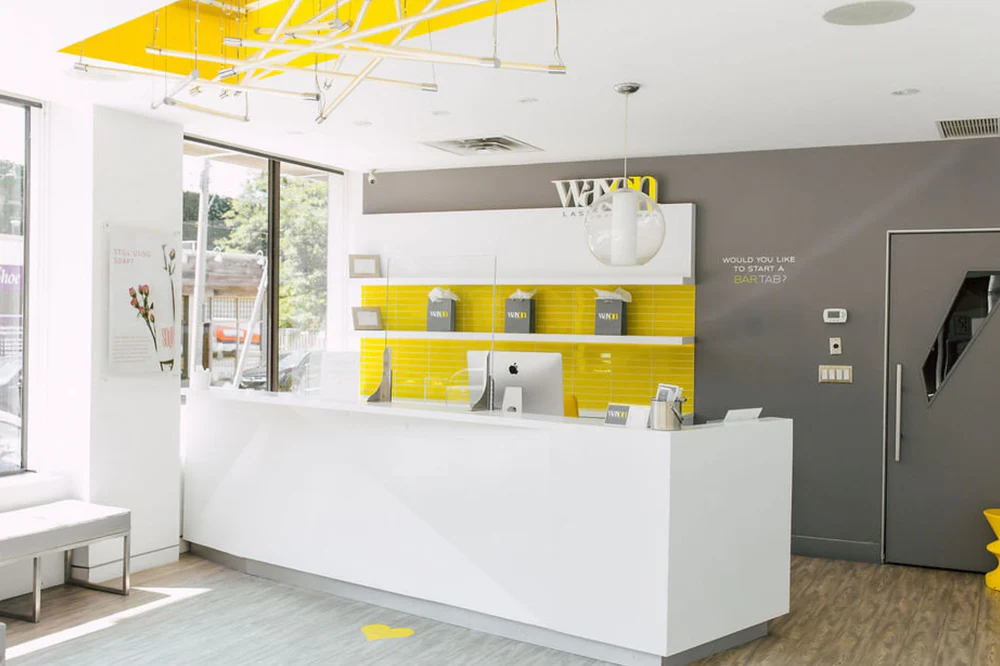
IMAGE: WAXON
Recent Expansion Highlights
In recent months, WAXON has been steadily building its footprint across Canada with a series of new openings.
The brand has launched new locations in Edmonton, Guelph, Woodbridge, The Beaches in Toronto, and Humbertown Plaza in Etobicoke, demonstrating its strategy of targeting high-potential markets.
The Humbertown Plaza location, in particular, has been a noteworthy addition. Despite ongoing redevelopment at the site, the WAXON team reports strong early performance, with expectations that the location will thrive even further once construction is complete.
“Humbertown has been an exciting location for us,” said Miles Corrin. “Even amidst the ongoing development, we’ve seen strong traction. Once the project is finished, it’s going to be a beautiful, high-demand spot.”
The brand’s expansion momentum continues with new locations currently in development, including a confirmed store in Newmarket, Ontario, and another GTA location that will be announced in the coming weeks.
With this aggressive yet calculated expansion strategy, WAXON is setting itself up for its largest growth year to date — and is laying the groundwork for sustained national growth in the years ahead.
Waxon at Yorkville Village in Toronto. Photo: Bloor-Yorkville BIA
Investing in Innovation: Next-Generation Technology
As WAXON expands its footprint, it is also investing heavily in upgrading its service offering.
Throughout 2025, WAXON is rolling out next-generation laser hair removal technology across its network, designed to offer faster, less painful treatments for a broader range of skin types.
“Our new laser technology is a major leap forward,” said Miles Corrin. “It’s incredibly effective across all skin types — particularly for clients of colour — and significantly reduces discomfort during treatments. We’re so excited to bring this upgrade to all our locations.”
The brand also boasts proprietary wax formulas developed in Europe, tailored specifically for sensitive skin and offering a more comfortable hair removal experience.
“We believe that different areas of the body require different types of wax,” Miles Corrin explained. “We have a specialized hard wax for sensitive areas and a proprietary strip wax for larger areas — both designed to minimize pain, redness, and irritation.”
These enhancements further differentiate WAXON from competitors and support its positioning as the hair removal experts.
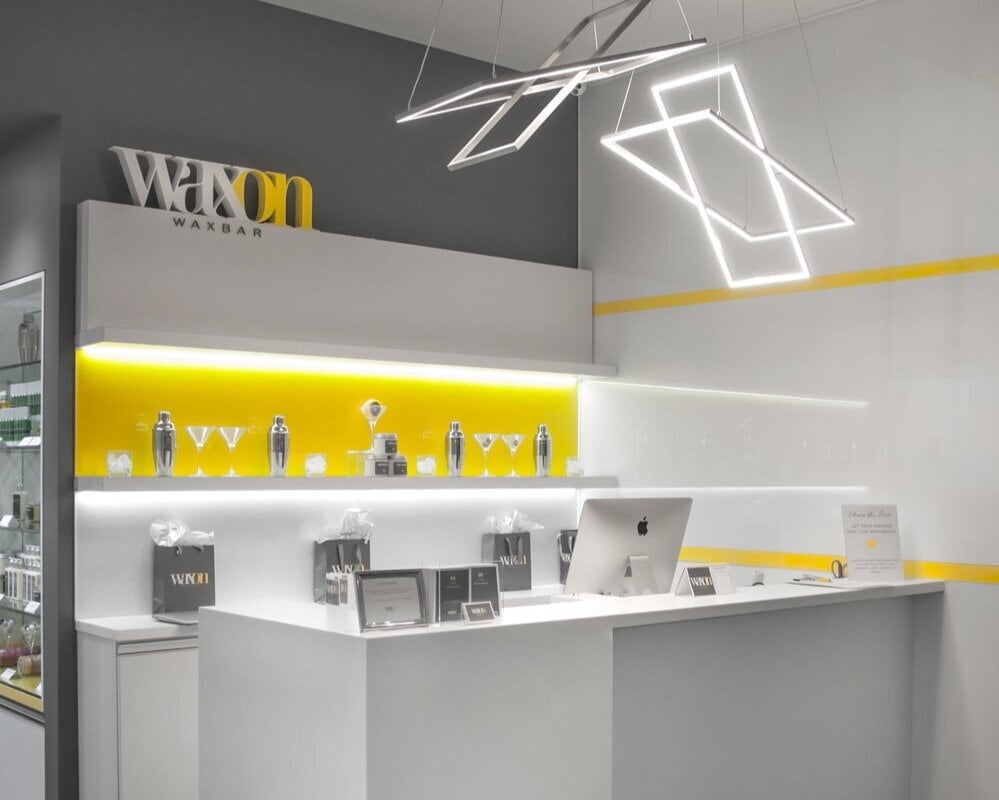
WAXON at Commerce Court in Toronto. Image: WAXON
COVID-19 Lessons: Essential Services and Client Loyalty
Reflecting on the challenges of the pandemic, Miles Corrin said the experience only reinforced WAXON’s importance to clients.
“During COVID, we were closed for 322 days. It was brutal,” she said. “But every time we reopened, our clients flooded back. It really showed us that professional hair removal is essential for so many people — it’s not just cosmetic, it’s part of their self-care routine.”
The brand’s strong team culture also played a critical role in its resilience.
“We had a 97% return-to-work rate after being closed for almost a year,” Miles Corrin said proudly. “That says a lot about our culture and the loyalty of our team.”
A Bright Future for the Brand
With Clarke’s investment and expertise now supporting the brand, WAXON is poised to accelerate its growth while staying true to its founding values.
“It’s a really exciting time,” said Miles Corrin. “For 13 years, it’s been just me leading WAXON. Now, having strategic partners with the right experience and mindset is a game-changer. Together, we’re going to make WAXON the national leader in hair removal — and we’re going to do it the right way.”
The move also sends a powerful message to the Canadian franchise and beauty sector: WAXON is just getting started.
“Our franchise partners, team members, and clients are all excited about what’s ahead,” she added. “The confidence and trust they’ve shown through this transition has been overwhelming, and it motivates us to keep pushing for more.”
Since 2000, the event has raised more than $27 million to support Campfire Circle’s hospital, community, and overnight camp programs (CNW Group/Campfire Circle)
Now in its 25th year, the Sporting Life 10K, hosted by the iconic sports and style retailer Sporting Life, is bringing together 23,000 participants on Yonge Street this Mother’s Day, May 11, in support of Campfire Circle, a charity that provides year-round programs for kids with cancer or serious illness and their families.
Since its inception in 2000, the event has raised more than $27 million to support Campfire Circle’s hospital, community, and overnight camp programs—offering joy, connection, and healing to thousands of children and their families across Ontario, said the company.
“This event is so much more than a run—it’s a movement,” said David Russell, Founder of Sporting Life. “For 25 years, we’ve watched tens of thousands of people lace up not just for the finish line, but for a cause that touches so many. Whether you’re running for your child, your friend, or just for fun—every step helps kids facing unthinkable challenges rediscover what it means to just be a kid.”
This year’s sold-out event includes an in-person race on May 11 and a virtual option from May 11–31, allowing supporters from across Canada and beyond to participate. The event hopes to help Campfire Circle raise over $2.5 million.
“Thanks to our extraordinary and longstanding partnership with Sporting Life, this race has become a cornerstone of our community,” said Alex Robertson, CEO of Campfire Circle. “Each participant, donor, and sponsor are a part of something powerful—helping kids rediscover joy, friendship, and belonging. Together, we’re building a world where children thrive and families heal.”
Funds raised will support Campfire Circle’s year-round programs at paediatric hospitals (SickKids, McMaster Children’s Hospital, Children’s Hospital at London Health Sciences Centre, and CHEO), in communities across Ontario, and at two medically supported overnight camps in Muskoka and Waterford.
Founded in 1979, Sporting Life operates 14 high-end stores across Canada’s largest cities in premium malls.
Since 1983, Campfire Circle (formerly Camp Ooch & Camp Trillium) has brought healing through happiness to kids with cancer or serious illness and their families. Through our in-hospital, community, and overnight camp programs, it creates opportunities for children to build friendships and social skills, develop self-confidence and resiliency, and improve their overall well-being. By providing play-based experiences, it empowers kids to take back their childhood, regardless of their medical diagnosis.
Now in its 25th year, the Sporting Life 10K is bringing together 23,000 participants on Yonge Street this Mother’s Day, May 11, 2025, in support of Campfire Circle. (CNW Group/Campfire Circle)