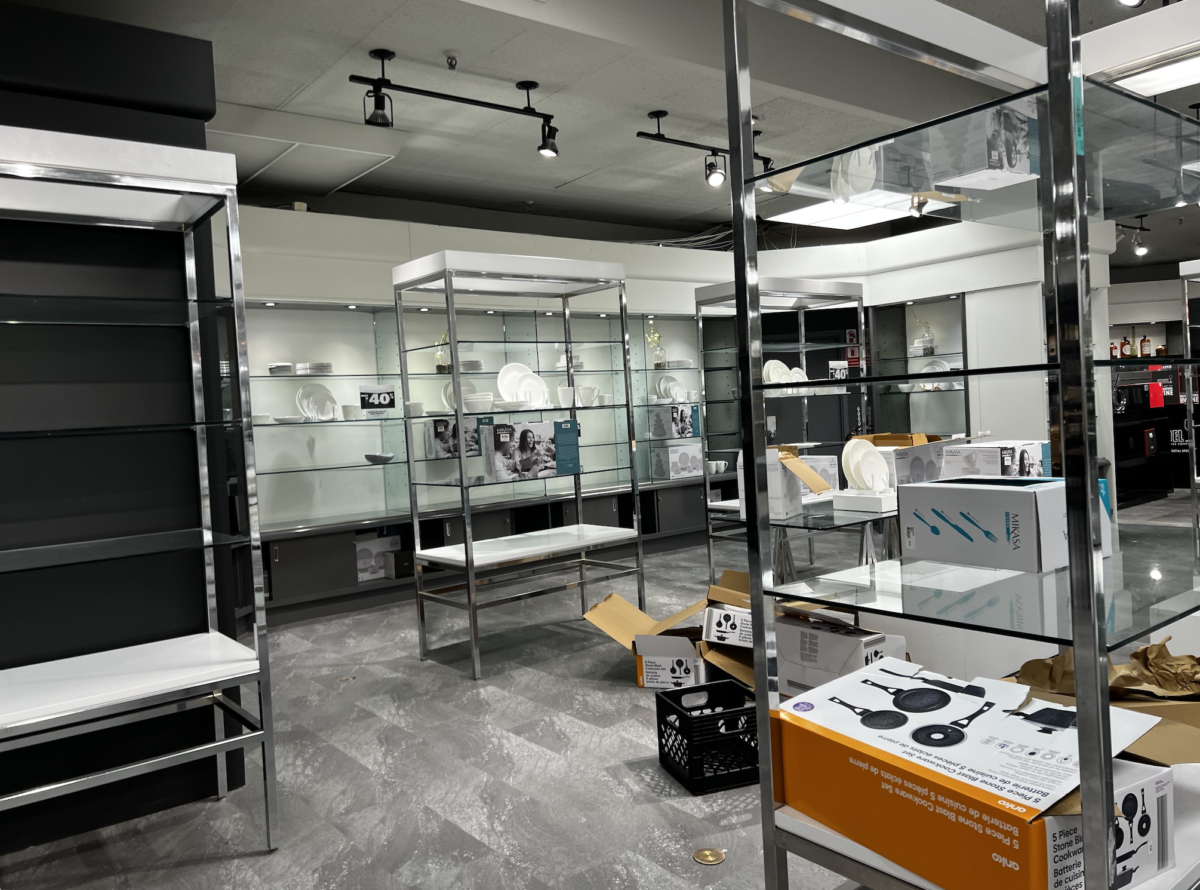
Walmart Canada is launching its first pharmacy clinic in St. Catharines, Ontario, with additional clinics opening later this year.
“The new in-store clinic space will enhance our licensed pharmacists’ ability to provide direct consultations and healthcare services within their expanded scope of practice to our St. Catharines patients, beyond dispensing medication via the pharmacy. The opening of these clinics continues to highlight Walmart Canada’s commitment to enhancing access to affordable, personalized care for Canadians while delivering best-in-class patient care,” said the company in a news release on Wednesday.
“With the convenience of the pharmacy clinic and pharmacy services under one roof, patients will benefit from a one-stop-shop experience for their healthcare needs. Each of the new pharmacy clinics will be located adjacent to an existing pharmacy within a Walmart Canada store, ensuring the seamless integration of pharmacy clinic and pharmacy services. Similar to a walk-in medical clinic, they’ll provide patients the ability to meet with licensed pharmacists who can treat minor ailments (UTIs, cold sores, allergies, skin conditions, etc.), conduct point of care testing (blood pressure, HbA1C, cholesterol, etc.), and offer medication management and support. Patients are welcome to schedule an appointment online or walk in.”
Alex Hurd
“One in 5 Canadians don’t have a family doctor or nurse practitioner they see regularly. Our Walmart pharmacy clinics will help close this gap by becoming an easy access point for our pharmacists to provide non-urgent consultations and services beyond dispensing medications,” said Alex Hurd, VP Health Services.
“Our goal is to help ease the strain on emergency departments and traditional walk-in medical clinics. This is a significant step for the healthcare needs of the communities we serve, and we look forward to continuing to provide our customers with affordable and accessible healthcare.”
Kiran Basra
“We’re excited to offer a new level of accessible healthcare to our patients,” said Kiran Basra, Senior Director, Pharmacy and Field Operations. “We’ve been granted a unique opportunity here in Canada with the expanded scope of practice for pharmacists. By leveraging our pharmacists’ expertise, we’re able to make a lasting impact on our patients by providing more personalized and effective healthcare solutions so they can continue to save money and live better.”
Located at the Walmart Supercentre at 420 Vansickle Road, the St. Catharines pharmacy clinic will operate Monday to Sunday, 10 a.m. to 6 p.m. Services provided will include:
The RCC said this honour is presented to a distinguished industry leader whose vision and impact have reshaped the retail landscape. Roberge is being recognized not only for his outstanding business leadership, but also for his lasting contributions to elevating Quebec’s fashion industry and strengthening Canada’s presence on the global retail stage.
“François’s career has always been about more than building a retail business — it’s been about leading with heart, purpose, and a bold vision for innovation and creativity,” said Diane J. Brisebois, President and CEO of RCC. “As la Vie en Rose marks 40 years, it stands not only as a Canadian success story, but as a testament to François’ values of entrepreneurship grounded in community, excellence guided by empathy, and a legacy that will inspire generations to come.”
Raised on a farm in Quebec and born into a family of merchants, François Roberge began his career in retail behind the wheel of a delivery truck for Boutiques San Francisco. In 1996, he acquired la Vie en Rose and began a thoughtful transformation of the brand, relocating its headquarters to Montreal and charting a course for growth. Under his leadership, la Vie en Rose expanded internationally, entering the Saudi Arabian market in 2004, acquiring Bikini Village in 2015, and launching into the United States in 2024. Today, the brand is recognized as a global leader in intimate apparel, with over 400 stores across 20 countries and a team of more than 5,000 employees, said the RCC.
Diane J. Brisebois. Image: Retail Council of Canada
“Roberge’s impact extends well beyond the success of la Vie en Rose. As the founder of the non-profit organization MMODE, he has played a pivotal role in positioning Quebec as a global fashion hub—driving international growth while championing local talent. In 2002, he established the Roses of Hope Foundation, which has since contributed over $4 million to breast cancer research and women’s wellness initiatives. More recently, his philanthropic efforts have expanded to include environmental causes, raising $1 million for nature conservation in 2024, with plans to match that support again in 2025,” said the national organization.
Capping off the first day of RCCSTORE25, Canada’s premier retail conference, the Excellence in Retailing Awards Gala will celebrate the industry’s top performers. Taking place June 3–4, 2025, RCCSTORE25 will feature 75+ expert speakers and draw retail leaders from across North America and beyond.
Founded in 1985 and headquartered in Montreal, la Vie en Rose is Canada’s leading specialty lingerie retailer. It has more than 400 locations worldwide.
Retail is Canada’s largest private-sector employer with over 2.3 million Canadians working in the industry. This sector is a major economic contributor, generating more than $93 billion annually in wages and employee benefits. In 2024, core retail sales (excluding vehicles and gasoline) exceeded $507 billion. RCC members account for more than two-thirds of these core retail sales and 95 per cent of the grocery market. The RCC membership extends across the country, embracing over 54,000 storefronts in diverse formats such as department, grocery, specialty, discount, independent retailers, online merchants, and quick service restaurants.
During the quarter, Loblaw said it continued its focus on providing Canadians with quality, value, service, and convenience, across its coast-to-coast network of stores and digital platforms.
“Strong customer response to everyday value offerings, personalized PC Optimum™ loyalty offers, and impactful promotions drove continued sales momentum and market share gains, underpinned by positive unit sales and larger baskets in Food Retail. In Drug Retail, pharmacy and healthcare services performed well, reflecting continued strong growth in prescription volumes and specialty drugs,” it said in a news release.
“Front store sales were strong across beauty categories and reflected an extended cough, cold and flu season, partially offset by the exit from certain items in the electronics category. Delivering against its capital investment plans to open approximately 80 new stores and 100 new clinics in 2025, the Company brought Hard Discount banners to five new communities and opened four new pharmacies with expanded clinics in the quarter, and opened a second T&T Supermarket in downtown Toronto.”
Per Bank
“We will continue to support Canadian companies and brands, highlight Canadian-made products in our stores, and deliver value across our network,” said Per Bank, President and Chief Executive Officer, Loblaw Companies Limited. “Our commitment to retail excellence is resonating with customers and allowed us to deliver consistent financial results.”
2025 FIRST QUARTER HIGHLIGHTS
Revenue was $14,135 million, an increase of $554 million, or 4.1%.
Retail segment sales were $13,837 million, an increase of $547 million, or 4.1%.
Food Retail (Loblaw) same-stores sales increased by 2.2%.
Drug Retail (Shoppers Drug Mart) same-store sales increased by 3.8%, with pharmacy and healthcare services same-store sales growth of 6.4% and front store same-store sales growth of 0.9%.
E-commerce sales increased by 17.4%.
Operating income was $906 million, an increase of $45 million, or 5.2%.
Adjusted EBITDA was $1,591 million, an increase of $47 million, or 3.0%.
Retail segment gross profit percentage was 31.5%, a decrease of 10 basis points.
Net earnings available to common shareholders of the Company were $503 million, an increase of $44 million or 9.6%.
Diluted net earnings per common share were $1.66, an increase of $0.19, or 12.9%.
Adjusted net earnings available to common shareholders of the Companywere $570 million, an increase of $33 million, or 6.1%.
Adjusted diluted net earnings per common share were $1.88, an increase of $0.16 or 9.3%.
Net capital investments were $191 million, which reflects gross capital investments of $246 million, net of proceeds from property disposals of $55 million.
Repurchased for cancellation 2.49 million common shares at a cost of $457 million. Free cash flow used in the Retail segment was $264 million.
Quarterly common share dividend increased from $0.513 to $0.5643 per common share, an increase of 10%, marking the fourteenth consecutive year of dividend increases.
RETAIL SEGMENT
Retail segment sales in the first quarter of 2025 were $13,837 million, an increase of $547 million, or 4.1%.
Food Retail (Loblaw) sales were $9,787 million and same-store sales grew by 2.2% (2024 – 3.4%).
The Consumer Price Index as measured by The Consumer Price Index for Food Purchased From Stores was 2.6% (2024 – 2.6%) which was in line with the Company’s internal food inflation; and
Food Retail traffic was flat and basket size increased.
Drug Retail (Shoppers Drug Mart) sales were $4,050 million, and same-store sales grew by 3.8% (2024 – 4.0%), with pharmacy and healthcare services same-store sales growth of 6.4% (2024 – 7.3%) and front store same-store sales growth of 0.9% (2024 – 0.7%).
Pharmacy and healthcare services same-store sales growth was 6.4% (2024 – 7.3%), led by specialty prescriptions. On a same-store basis, the number of prescriptions increased by 2.3% (2024 – 4.0%) and the average prescription value increased by 4.4% (2024 – 2.0%).
Front store same-store sales growth was 0.9% (2024 – 0.7%). Front store same-store sales growth was primarily driven by higher sales of beauty and over-the-counter (“OTC”) products, partially offset by the decision to exit certain low margin electronics categories.
Loblaw said it will “continue to execute on retail excellence while advancing its growth initiatives with the goal of delivering consistent operational and financial results in 2025. The Company’s businesses remain well positioned to meet the everyday needs of Canadians.”
In 2025, the company’s results will include the impact of a 53rd week, which is expected to benefit adjusted net earnings per common share growth by approximately 2%. On a full-year comparative basis, excluding the impact of the 53rd week, the company said it continues to expect:
its Retail business to grow earnings faster than sales;
adjusted net earnings per common share growth in the high single-digits;
to continue investing in our store network and distribution centres by investing a net amount of $1.9 billion in capital expenditures, which reflects gross capital investments of approximately $2.2 billion, net of approximately $300 million of proceeds from property disposals; and
to return capital to shareholders by allocating a significant portion of free cash flow to share repurchases.
In the first quarter of 2025, 10 food and drug stores were opened and 4 food and drug stores were closed. Retail square footage was 72.3 million square feet, a net increase of 1.0 million square feet, or 1.4% compared to the first quarter of 2024.
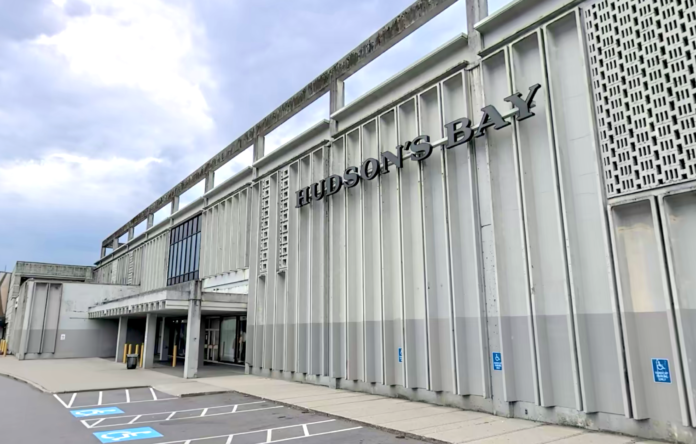
Hudson's Bay store at Guildford Town Centre in Surrey, BC. Photo: Apple Maps
As the dismantling of the Hudson’s Bay Company accelerates under court supervision, a Toronto-based investment firm has stepped forward with a bid that blends patriotism with strategic asset play.
Urbana Corp., led by CEO Thomas Caldwell, has confirmed its intent to acquire the Hudson’s Bay Company brand name and historic Royal Charter. If successful, Caldwell said the firm would donate the 1670 Charter to a museum in Canada.
“The Charter should be back in Canada. There are no ifs and buts,” Caldwell told the Financial Post. “It’s not like our constitution, but it’s not far off. It is the genesis of enterprise and trading and growth in Canada.”
Founded in 1670, the Hudson’s Bay Company is North America’s oldest commercial corporation. But after filing for creditor protection last month owing more than $1 billion, HBC is being forced to liquidate its assets, including store leases, fixtures, intellectual property, and a vast archive of more than 4,400 historic items, many tied to Canada’s colonial and commercial development.
A Strategic Bid with Nationalist Undertones
Caldwell, whose firm manages around $500 million in assets, noted that while acquiring the brand could yield licensing or retail opportunities, the primary motivation is to protect Canadian heritage. Urbana Corp., which is listed on the TSX, has experience investing in both public securities and private equity.
Carl Boutet
Retail expert Carl Boutet said the move was “unexpected,” describing Urbana as “out on left field” in a process otherwise dominated by retail entities and business operators.
“They’re not a retail operator. They’re more of an equity firm,” Boutet said in an interview. “But there’s a growing sense of cultural urgency around the Charter in particular. This is good PR for Urbana, no doubt — but also a smart asset play if they can license the brand or partner with someone else who wants to retail it.”
Interest Surges in Brand, Real Estate, and Artifacts
As the April 30 bid deadline looms, more than 60 bids have been submitted for Hudson’s Bay store leases alone. Multiple Canadian shopping centre landlords are said to be among the suitors, especially those looking to reclaim anchor spaces or repurpose properties.
Some Hudson’s Bay boxes require significant upgrades, as investment has been lacking for years. Saks Fifth Avenue’s Canadian real estate is also said to have seen considerable interest in particular, given that stores are newer and better maintained.
The Queen Street flagship Hudson’s Bay in Toronto, for example, needs tens of millions of dollars in plumbing upgrades. The deteriorating infrastructure has already impacted Saks operations, with its main floor restaurant Lena shuttered due to water issues.
Boutet said that even if someone were to acquire both the brand and store leases, the business model remains deeply challenged.
“The idea of decoupling the intellectual property from the physical store network makes a lot of sense,” he said. “Trying to revive both at once is just too heavy a lift.”
Liquidation at Hudson’s Bay Queen Street in Toronto, April 25, 2025. Photo: Craig Patterson
Chinese Billionaire Weihong Liu in Toronto Scouting Stores
One of the most talked-about figures circling Hudson’s Bay is Weihong Liu, a Chinese billionaire who has been rumoured to be exploring a 30-store acquisition strategy. Liu was in Toronto over the weekend, visiting the Queen Street Hudson’s Bay store and Yorkdale Shopping Centre. Her movements were shared on Chinese social media platform RedNote, where she has a sizable following.
While Liu has not commented publicly, Boutet said she may be the only bidder interested in acquiring both the brand and a significant number of leases.
“She could be aiming to take over a sizable footprint and run a leaner version of the department store concept,” Boutet explained. “But that comes with enormous cost and risk, especially considering landlords previously declined to reinvest under the former HBC management.”
Liquidation success: empty shelves at the Hudson’s Bay store in downtown Montreal on Monday, April 28. Photo: Maxime Frechette
Urbana’s Motives: History and Business
While Urbana’s focus appears to be the brand and Charter, rather than the retail operations, Boutet believes their move may offer a glimmer of hope for a Hudson’s Bay 3.0.
“If they acquire the IP, they could license it to someone like Simons, or even collaborate with a digitally native brand that wants to build on the heritage. There’s still value in the name — but only if you can do something fresh with it.”
Urbana’s stock surged more than 6% following news of its bid. The company confirmed on its website that its decision to pursue the HBC brand and Charter was tied to its interest in preserving Canadian business history.
“They’re publicly traded, so it’s all on the record,” said Boutet. “They had $497 million in other assets on their last balance sheet and $45 million in liabilities. So they’re well positioned to make a bid.”
Liquidation at Hudson’s Bay Queen Street in Toronto, April 25, 2025. Photo: Craig Patterson
What Happens Next?
The court has not yet indicated whether the Royal Charter will be protected from auction, although several parties have urged it be treated as a nationally significant artifact. So far, the Charter remains available to the highest bidder, subject to final judicial review.
“There’s nothing more historically important in the asset list than that Charter,” Boutet noted. “If anything should be preserved, it’s that.”
Meanwhile, many observers believe a piecemeal breakup of HBC is the most likely outcome. “You’ll have separate winners for real estate, brand IP, and artifacts,” said Boutet. “And that’s not necessarily a bad thing. It might be the clean break this company needs to evolve.”
He added, “The real question now is whether anyone can bring forward a compelling vision — not just to own these assets, but to do something meaningful with them.”
Retail Insider is streamlining its Canadian retail news from around the web to include a handful of top news stories that can be viewed quickly during the day. Here are the top stories from the past 48 hours.
As the seasons change and the years roll on, the elements have their way with your home’s defense systems; one of the most neglected-yet-important elements, your windows, may also be among the most vulnerable. Windows bring aesthetic value and, when rightly operating, play a major role in energy efficiency, comfort, and security. Being aware of the signs that tell you it’s time for an upgrade-well, perhaps with modern replacement windows and doors -could save you bucks, improve your lifestyle, and protect your investment. Here are five indicators that highlight how your windows have ceased to perform their functions and may be in need of a replacement.
1. Drafts and high energy bills
Most drafts coming in or going out through your window(s) would be a pretty clear indication that your windows are not doing that great. If you feel that cold air is seeping in your premises during winter, or warm air is coming in during summer, even with windows closed and locked, it’s a pretty clear sign-bad seals. This means conditioned air is escaping while an uninvited flow of outside air comes in, interfering with your heating and cooling systems to maintain a comfortable temperature inside. Therefore, without any changes in your habits, it is likely that you see a slow upsurge or even sudden increase in your energy bills. Another thing you could do is just walk along your window frames on a windy day and feel for moving air. Drafts could be eliminated and energy consumption cut down significantly over time by replacing windows with energy-efficient types with good seals.
2. Condensation Between Glass Panes
Modern double or triple-pane windows are constructed with an airtight seal between the glass layers and usually filled with an inert gas (most commonly argon) for better insulation purposes. If you see condensation inside these panes, it is a good indicator that the seal has given way. Once the seal is impaired, moisture can enter the insulating air space and remain there, leading to a perpetually foggy or cloudy appearance that no amount of wiping off will rectify. Not only is this fog deterring your view outside, but it also implies that the gas has likely escaped and that the window is worse than useless when it comes to insulating your home. Remember: a small amount of condensation on the inner surface of the glass during humid times is normal, but constant fogging in between the panes must lead to substitution since it means the window has lost its insulating property.
3. Hard to open, close, and lock
Windows that stick, are hard to open or shut or do not lock properly are not only inconvenient but are also dangerous. Window frames can become warped, rotten (in the case of wood), or a mechanical failure could render their operating mechanisms useless over decades. Windows become cumbersome to operate, causing irritation and blocking ventilation. Safety-wise, windows that do not shut and lock tightly threaten the integrity of your home-aiding forced entries. Any window that proves difficult to operate is an unmistakable sign of failing structural integrity or mechanical parts that will need replacement to ensure function and security.
4. A Damaged Appearance to Frames and Sashes
A complete evaluation of window frames and sashes may highlight indicators of decay worthy of replacement. Look for cracked or rotting wood, warped vinyl, or damaged aluminum. The peeling paint, water stains, and mold and mildew around the window frame are also signs of potential moisture ingress within the window structure. This type of damage obviously compromises the appearance of your home and may also affect the greatest strength of a window to seal tightly against the elements, allowing drafts and possibly structural problems to the walls nearby. Therefore, visible signs of deterioration must be addressed as soon as possible by replacement windows, so that no further damage can occur and the integrity of your home’s building envelope can be maintained.
5. Too Much Noise Comes Through
Windows can hardly stand against noise, but modern well-sealed, double, or triple-glazed variants can minimize outside noise almost satisfactorily. Noticing an increase in the volume of external noise entering the home could ultimately point to broken window seals or poor single-glazing in the first place. Replacing older, less efficient windows with modern multi-pane options could help restore serenity and calmness inside, therefore increasing comfort and quality of life-especially if you live near a busy thoroughfare. Sound insulation is one of the beneficial features that new replacement windows and doors will offer.
Failing to heed these signs can lead to excessive energy bills, discomfort in one’s own home, and even safety threats. Recognizing these signs for what they are and having timely replacement windows and doors put into the home will ensure energy efficiency, a comfortable living environment, and continued security and aesthetic appeal for the Canadian homeowner.
Former Hakim Optical location at Bloor and Bay streets in Toronto. Photo: Hakim Optical
Hakim Optical, one of Canada’s most recognized names in eyewear retail, has filed for creditor protection under the Bankruptcy and Insolvency Act (BIA) as it faces mounting financial pressures. On April 16, 2025, Hakim Optical Laboratory Limited filed a Notice of Intention to Make a Proposal (NOI), marking a pivotal moment for the Toronto-based company founded in 1967 by Iranian Canadian entrepreneur Karim Hakimi.
The filing comes at a time of heightened competition and shifting consumer behaviours within Canada’s optical retail industry. KSV Restructuring Inc. has been appointed as the Proposal Trustee, with Bennett Jones acting as counsel for Hakim Optical, Chaitons LLP representing the Proposal Trustee, and Loopstra Nixon LLP acting for the secured creditor.
Hakim Optical’s Storied Background
Hakim Optical began with humble roots, as founder Karim Hakimi started by grinding lenses from discarded window glass after immigrating from Iran to Canada. Over the years, the business grew significantly, building a national footprint of over 160 locations (now closer to 140) and gaining widespread brand recognition thanks to the memorable “Your Eyes Can Have it All at Hakim Optical” jingle.
Karim Hakimi
Headquartered in Toronto, Hakim Optical today employs around 650 people and offers a full suite of optical products and services, including prescription eyeglasses, sunglasses, safety glasses, and eye exams through affiliated optometrists. However, despite its long-standing presence, the chain has not been immune to pressures reshaping the Canadian retail landscape.
Mounting Challenges Lead to Financial Distress
Several factors contributed to Hakim Optical’s financial difficulties. Pandemic-related closures and associated revenue losses severely impacted operations. Competition intensified with the entrance of new players such as Specsavers, coupled with aggressive discounting from large-format retailers like Costco and Walmart. In addition, shifting consumer shopping patterns towards more value-based optical retail further strained Hakim Optical’s market share.
These challenges, along with mounting debt, ultimately culminated in the company’s decision to seek protection under the BIA in an attempt to restructure its operations and liabilities.
Secured Lender Positioned as Potential Buyer
A critical element in the unfolding restructuring is the role of 1001112855 Ontario Inc., which holds a secured claim against Hakim Optical of approximately $15.8 million. Incorporated on January 10, 2025, and headquartered in Bolton, Ontario, the company is directed by Dan Cesana and Mark Cesana of the Hardrock Group of Companies, and Renzo Moser and Jonathan Soriano of Trento Kia in Toronto.
Significantly, 1001112855 Ontario Inc. is not only Hakim Optical’s senior lender but also appears to be its prospective purchaser. This dual role positions the company to acquire Hakim Optical’s assets through a pending Asset Purchase Agreement (APA), subject to court approval.
Lawrence Ophthalmic Lab Inc. Enters Protection
In a related move, Lawrence Ophthalmic Lab Inc., under the same ownership umbrella, filed its own NOI on April 22, 2025. Lawrence’s financial position mirrors Hakim Optical’s in several ways, with 1001112855 Ontario Inc. also listed as the senior secured creditor.
Lawrence Ophthalmic Lab’s unsecured creditors primarily consist of key suppliers such as Nikon Optical Canada Inc. and Satisloh North America Inc., while Hakim Optical’s extensive unsecured creditor list includes numerous landlords, suppliers, and utility companies across the country.
Image: Hakim Optical
Financial Obligations Outlined
According to the filed documents, Hakim Optical Laboratory Limited has total creditor claims amounting to approximately $25.5 million. Of that amount, $15.8 million is owed to 1001112855 Ontario Inc. as a secured creditor, while unsecured creditors account for approximately $9.7 million. The list of unsecured creditors includes numerous landlords, suppliers, and utilities, reflecting the wide operational footprint of Hakim Optical across Canada.
Lawrence Ophthalmic Lab Inc., which filed its NOI on April 22, 2025, reports total liabilities of approximately $16.9 million. Like Hakim Optical, it also lists 1001112855 Ontario Inc. as its secured creditor for $15.8 million, while unsecured creditors are owed approximately $1.1 million. Unsecured creditors in Lawrence’s case primarily include major optical suppliers such as Nikon Optical Canada Inc. and Satisloh North America Inc.
Competition Reshaping the Optical Market
Retail expert George Minakakis, founder of Inception Retail Group, provided insights into the broader context behind Hakim Optical’s restructuring. “There’s intense competition now in the Canadian eyewear market,” Minakakis said. “Specsavers’ entrance into Canada has been a game-changer.”
George Minakakis. Photo: LinkedIn.
He noted that Hakim Optical was particularly vulnerable to new entrants and intensified discounting. “With Walmart, Costco, and others aggressively expanding their optical departments, traditional players like Hakim Optical struggled to maintain market share,” he said.
“As the founder and the strategic operator of Hakim Optical, Mr. Hakim was a maverick. He should be recognized as being one of the first to provide optical retail services and eye care to the public with multiple stores,” Minakakis said. “
“However, as competition grew and became more sophisticated with higher end products, store designs, in store eyecare and service propositions, it became a bigger challenge to remain relevant. In addition, Hakim Optical was also competing against organizations with deep marketing, merchandising, and financial capabilities.”
Weaknesses in Data Management and Revenue Impacts
A former Luxottica Senior Executive, Minakakis also added that as the world became more digitized and data a key attribute to growing one’s business. “The success attributes in this industry were contingent to communicating with customers both on new products, services, and the need for regular eye-exams. That’s in addition to having ample optometric doctor coverage,” Minakakis said. “However, optometrists are drawn to brands that have sufficient foot traffic and state of the art optometric equipment like SpecSavers and LensCrafters.”
The combination of operational fragility, increased competition, and shifts in consumer behaviour likely led to lost opportunities and revenue declines for the company.
Landlords and Vendors Impacted by Restructuring
The creditor filings reveal that Hakim Optical owes substantial sums to many landlords, including Oxford Properties, Ivanhoe Cambridge, and Cushman & Wakefield Asset Services. Utility companies such as Telus are also significant creditors, likely due to telecommunications services tied to store and operational systems.
In some cases, creditor claims may reflect lease obligations for the remaining terms rather than just unpaid arrears, suggesting an accelerated recognition of liabilities as the restructuring unfolds.
The Road Ahead for Hakim Optical
Both Hakim Optical and Lawrence Ophthalmic Lab Inc. are now navigating a court-supervised restructuring process. Finalizing the Asset Purchase Agreements with 1001112855 Ontario Inc. and seeking court approval for the sale are immediate priorities.
Creditors are currently stayed from taking action and will be invited to file claims at a later date once directed by the Proposal Trustee.
Minakakis expressed cautious skepticism about the company’s future under new ownership. “Without strong leadership, operational improvements, and a coherent brand strategy, it’s going to be very difficult for new owners to succeed,” he said.
Mark Carney smiles on stage at his campaign headquarters after the Liberal Party won the Canadian election in Ottawa, Tuesday, April 29, 2025. THE CANADIAN PRESS/Frank Gunn (Frank Gunn/THE CANADIAN PRESS)
The Liberal Party, now led by Mark Carney, has secured a fourth consecutive term, albeit once again with a minority mandate. This time, however, the Liberals have a stronger hand, as they can rely not only on the NDP but also the Bloc Québécois to maintain power. This broader base of parliamentary support could provide much-needed political stability at a crucial time, particularly as Canada prepares for a new round of trade negotiations with the United States and Mexico.
For the agri-food sector, the implications are significant.
First and foremost, carbon pricing will remain a central issue. Carney has made it clear that the industrial carbon tax will stay — a policy that continues to erode the competitiveness of Canada’s agri-food sector. The tax, currently set at $95 per metric tonne, is scheduled to climb to $170 by 2030. While consumers may not see this tax directly, businesses certainly do. More concerning is the Liberals’ intention to introduce a border carbon adjustment for imports from countries without equivalent carbon pricing regimes. While this could theoretically protect Canadian industry, it also risks making food even more expensive for Canadian consumers, particularly if the United States — our largest trading partner — remains uninterested in adopting similar carbon measures.
Carbon pricing can only work in a North American context if Canada, the United States, and Mexico move in lockstep. Acting alone risks undermining our own food security and competitiveness.
Supply Management Likely to Surface in Trade Talks
Another looming issue is supply management. Although all parties pledged during the campaign not to alter Canada’s supply management system for dairy, poultry, and eggs, it is almost certain to be a topic in trade negotiations. The American dairy lobby, in particular, will continue to demand greater access to Canadian markets. Canada’s supply management system — characterized by quota controls and exorbitant tariffs — is increasingly outdated. If the Liberals are serious about strengthening the agri-food sector, they would use this opportunity to chart a path toward reform. Modernizing supply management could lead to a more competitive, resilient industry while providing consumers with greater choice and better prices.
The previous Parliament’s passage of Bill C-282, which sought to shield supply management sectors from all future trade negotiations, was a deeply flawed move. Fortunately, the composition of the new Parliament should make it far less likely that such protectionist legislation will survive. A more pragmatic approach to trade policy appears possible.
On the domestic front, there are reasons for cautious optimism. The Liberals have promised to eliminate remaining federal barriers to interprovincial trade and to improve labour mobility — longstanding obstacles to the efficient movement of agri-food products across Canada. Momentum was building before the election, and it must continue if we are serious about building a stronger domestic food economy.
Infrastructure investment is another bright spot. The Liberals pledged over $5 billion through a Trade Diversification Corridor Fund to improve Canada’s export infrastructure, helping to lessen our dependency on the United States. Canada’s trade gateways are severely undercapitalized; strategic investment here is overdue and critical for agri-food exporters.
Commitment to Strengthening Food Processing in Canada
Finally, the Liberal platform was alone in explicitly committing to support food processing in Canada — a crucial pillar of domestic food security. An increased focus on manufacturing will not only create jobs but also reduce reliance on imported food products, making Canada more resilient in the face of global disruptions.
Historically, Liberal governments have been more urban-centric, with the agri-food sector — and especially farmers — often left feeling marginalized. The past four years have been particularly difficult, with frequent clashes over regulatory and trade policies. The hope now is that with greater political stability and a clearer focus on competitiveness, the next four years will bring a more constructive relationship between Ottawa and Canada’s agri-food sector.
The stakes are high. Canada’s food security, trade competitiveness, and rural vitality depend on it.
Junction Public Market in Vancouver. Photo: Patrick Carnagie
Downtown Vancouver’s popular outdoor marketplace, Junction Public Market, is set to return for a second year, launching its 2025 spring-summer season on May 1. Located at Granville Square, 200 Granville Street—between Waterfront Station and Canada Place—the unique shopping and entertainment destination will once again feature vendors operating out of customized shipping containers, food trucks, a licensed waterfront patio, and live programming.
The market will run from May 1 through September 28, 2025, operating Tuesday through Sunday from 10:00 a.m. to 7:00 p.m. Organizers have also announced plans for special seasonal events, including an Oktoberfest market and holiday programming extending into December.
“We are excited to partner with Cadillac Fairview again, to launch Junction Public Market for a second year,” said Patrick Carnegie, longtime public space manager and co-founder of Junction Public Market. “Our first year saw locals, downtown commuters and tourists alike visiting to snap selfies with the iconic Vancouver sign, grab lunch at a food truck, pick up gifts for loved ones, or enjoy after-work drinks on our licensed patio. Junction Public Market is now a Vancouver destination where people can meet, shop, and unwind with spectacular harbour views.”
Entry to Junction Public Market is free, making it an accessible option for residents and tourists alike looking to experience local culture, food, and entertainment in the heart of downtown.
Junction Public Market in Vancouver. Photo: Patrick Carnagie
Partnering with Cadillac Fairview to Activate Public Space
Cadillac Fairview, which owns and manages the plaza at Granville Square, is once again partnering with Junction Public Market to bring vibrancy and community activation to Vancouver’s financial district.
“We’re delighted to partner with Junction Public Market again to bring this vibrant experience to Vancouver’s financial district and waterfront community,” said Jesse Gregson, Vice President of Operations, Cadillac Fairview. “Last year’s event received fantastic feedback and we’re looking forward to transforming our plaza into a lively marketplace for everyone to enjoy.”
The initiative reflects a broader trend of downtown revitalization projects aimed at reimagining public spaces post-pandemic, with an emphasis on open-air markets, community events, and placemaking to attract foot traffic and support small businesses.
Mother’s Day Event Kicks Off Seasonal Programming
The 2025 season at Junction Public Market will officially kick off with a special Mother’s Day Market event, taking place on May 10 and 11 from noon to 5:00 p.m. The event promises a festive atmosphere ideal for family outings, featuring chocolate tastings, painting workshops, tarot card readings, and live entertainment.
Admission to the Mother’s Day Market is free, though some workshops and activities may involve a small fee. More information is available through the market’s website at junctionpublicmarket.com.
Organizers see these kinds of themed markets as an opportunity to bring the community together while showcasing local businesses and artisans in a fun and accessible way.
Junction Public Market in Vancouver. Photo: Patrick Carnagie
Shop Local: Vendors and Food Trucks Line Up for the 2025 Season
This year’s roster at Junction Public Market reflects an impressive mix of retail, food, and beverage vendors, with a strong emphasis on supporting local entrepreneurs.
Among the confirmed micro-retailers:
Art Spot
All the Good Things from BC
KK Jade Jewelry
OnlyViking
Standout Boutique
Bennu Leather
Cappelleria Bertacchi
Puccissime Pet Couture
Food and beverage options promise to be a highlight once again, with selections ranging from artisanal gelato to mead:
Gabronni Gelato
Cookies by John
Golden Age Meadery
The Lab
Ninja Quack Smoothie
Living Lotus Chocolate
Visitors can also expect a rotating schedule of additional food trucks and pop-up artisans throughout the season, making each visit to the market a unique experience.
Relax and Unwind at The Sipping Container Patio
A standout feature of Junction Public Market is its licensed patio, known as The Sipping Container, which offers visitors the chance to enjoy a drink with one of the best views in the city. The patio overlooks Vancouver’s harbour and the North Shore mountains, providing a scenic backdrop to a curated menu of local beers, wines, and pre-mixed cocktails—all available at reasonable prices.
The open-air design and waterfront setting have made The Sipping Container one of the more popular draws for after-work crowds and weekend visitors alike.
“Our goal is to create a place where people can gather, shop, eat, and relax,” Carnegie emphasized. “It’s about offering an experience that reflects the best of Vancouver—its creativity, community spirit, and stunning natural beauty.”
Junction Public Market in Vancouver. Photo: Patrick Carnagie
Expanding Programming for 2025
In addition to daily shopping and dining options, Junction Public Market will feature live music, special pop-up events, art installations, and interactive workshops throughout the spring and summer. Organizers encourage visitors to check the online event calendar regularly to stay updated on programming and vendor schedules.
The market’s extended programming into the fall and holiday seasons marks a notable expansion from its inaugural year. Seasonal events like Oktoberfest and a winter holiday market are expected to continue building Junction Public Market’s profile as a year-round destination.
“We learned from last year that Vancouverites want unique experiences downtown,” Carnegie added. “This year, we’re extending our footprint with new events and keeping the momentum going right into the holiday season.”
A Vibrant Addition to Downtown Vancouver’s Retail Landscape
With a growing focus on downtown revitalization and experiential retail, Junction Public Market is helping reshape how Vancouverites interact with the city’s core.
By blending shopping, dining, entertainment, and community engagement, the market offers a model that many cities are embracing: temporary and flexible retail spaces that encourage discovery and social interaction.
The collaboration between Cadillac Fairview and Junction Public Market also showcases how private landlords can play an active role in activating public spaces, supporting local businesses, and enhancing urban vibrancy.
As Carnegie aptly put it, “We believe that Junction Public Market is part of a bigger movement to rethink how people experience downtowns—and we’re proud to be leading that change right here in Vancouver.”
Vancouver-based waterproof footwear brand Vessi has announced the appointment of Lorrin Pascoe as its new Chief Marketing Officer (CMO)—a strategic move that signals the company’s ambitions to scale globally and solidify its position as a leader in waterproof sneakers.
The company, founded in 2018, has built a reputation for creating 100% waterproof, comfortable footwear that inspires people to embrace rainy days. With a loyal customer base and growing international recognition, the retailer is now focusing on deeper market penetration and brand storytelling—areas Pascoe is expected to spearhead.
Lorrin Pascoe, Vessi CMO (CNW Group/Vessi)
Pascoe brings over 20 years of experience in marketing leadership roles, with a proven track record of building category-defining brands and delivering sustainable business growth. He will oversee marketing strategy, digital campaigns, brand storytelling, and community engagement as the company enters its next phase of growth.
“Lorrin’s unique blend of creative vision and data-driven leadership makes him the perfect person to help shape the next chapter of Vessi,” said Andy Wang, Co-Founder and CEO of Vessi. “His passion for purpose-led brands and deep expertise in omnichannel marketing will be instrumental as we continue to redefine what it means to be a modern, mission-driven brand.”
Prior to joining Vessi, Pascoe held senior marketing roles at KOHO, Sonos, and Adidas, where he led high-impact campaigns and helped build strong brand communities.
Andy Wang
Speaking about his new role, Pascoe shared a personal connection to Vessi’s mission. “Having always had a deep personal connection with water, be it the ocean, rivers, or rain, discovering Vessi was almost life-changing for me, by unlocking the fun of wet weather,” said Pascoe. “I’m excited to help lead the brand into its next chapter – scaling with intention, connecting deeply with consumers, and amplifying the values that have made Vessi so beloved by its community.”
The appointment marks a key milestone for Vessi as the company continues to launch new product innovations and invest in customer-first initiatives aligned with its core values.
Founded in Vancouver, BC, Vessi’s mission is simple yet impactful: to inspire happiness in the rain. With its focus on waterproof comfort and style, the brand has redefined how people experience wet weather, transforming rainy days into opportunities.