Guildford Town Centre, the premier shopping destination in Vancouver’s Fraser Valley, says a number of recent retailer enhancements will elevate its already robust and diverse retail mix.
“This highly anticipated development will introduce a lineup of new retailers, including several first-in-Canada and first-in-British Columbia concepts, further cementing GTC as the region’s ultimate shopping and lifestyle hub,” it said.
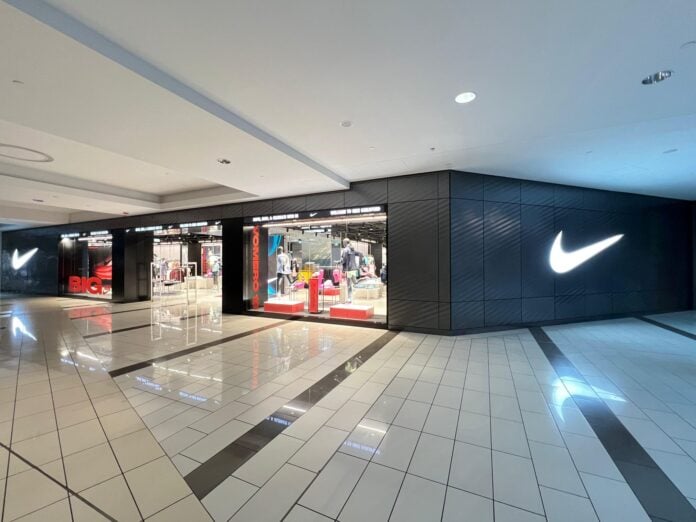
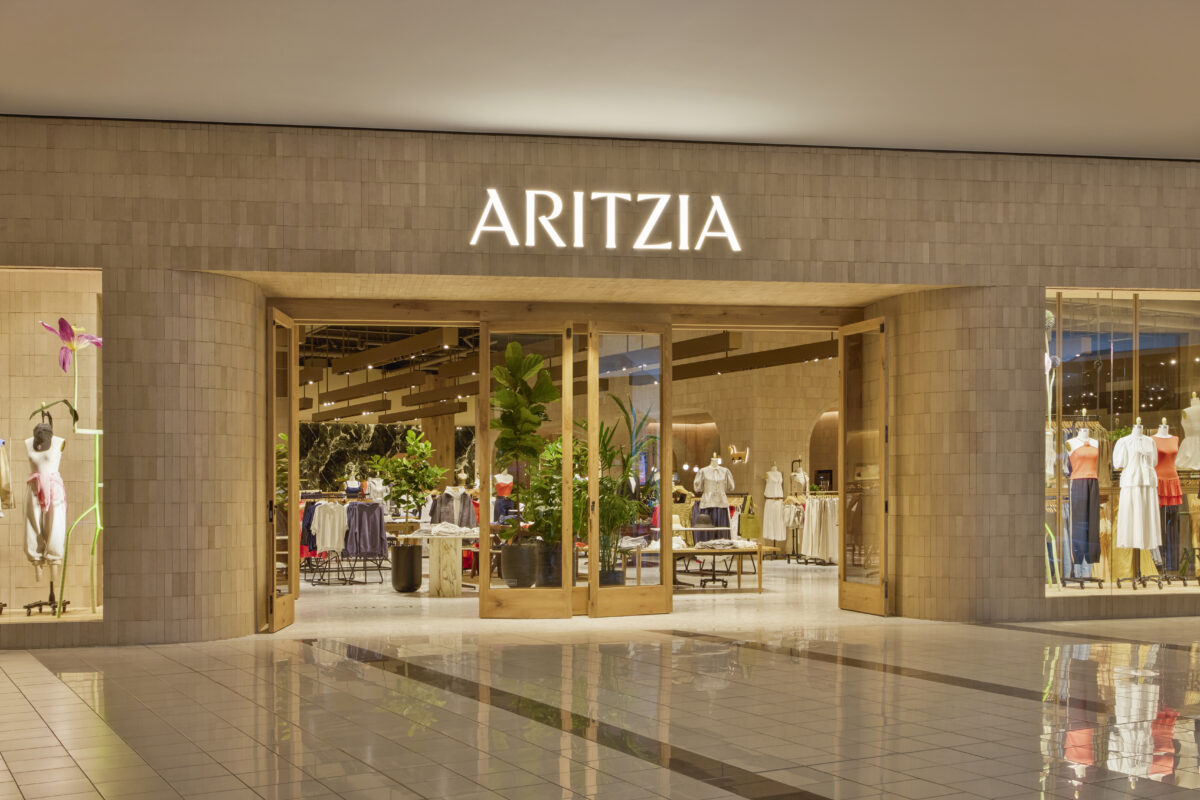
Anchoring the enhanced shopping experience is a newly-opened 12,000-square-foot, two-storey Nike concept store, the first of its kind in British Columbia, featuring ‘best-of’ product collections across running, training, basketball, Jordan and SB, as well as a Nike Kids. Guildford Town Centre is now also home to the largest Aritzia in Canada, debuting the province’s first-ever A-OK Café—a fresh, in-store café concept merging fashion and lifestyle in an inviting, community-oriented setting. Additional recent openings include Bailey Nelson, The Latest Scoop, a newly renovated H&M, and Popeyes, said the Centre.
Upcoming openings September through November include Knix, the trailblazing intimates brand known for its innovative and inclusive designs, a new and unique Aerie shop-in-shop within an expanded American Eagle totaling over 11,000 square feet, and a fully-renovated Sephora, offering beauty lovers an easier, more intuitive shopping experience, even more products from new and exciting brands, and fresh ways to discover the Next Big Thing in beauty. These arrivals join a variety of fashion, specialty, food & beverage, and lifestyle retailers at the Centre, ensuring visitors have access to an unparalleled selection of brands under one roof, it added.
“At Guildford Town Centre, our mission has always been to deliver an exceptional shopping experience that reflects the evolving needs and desires of our community,” said Kiran Deol, Marketing Manager at Guildford Town Centre.
“These exciting new brands and concepts, new to the Fraser Valley, reinforces our commitment to offering a vibrant, inclusive, and inspiring environment for our guests.”
Guildford Town Centre said the new tenants build on its longstanding reputation for delivering a best-in-class retail experience, now enhanced with new retailers, inviting gathering spaces, customized services like its Personal Styling Service, and thoughtful amenities to make every visit memorable.
Located in the heart of Surrey, Guildford Town Centre added that it is easily accessible from across the Fraser Valley and Metro Vancouver.
“With the addition of these marquee retailers, GTC continues to set the standard for shopping, dining, and community experiences in the region,” it said.
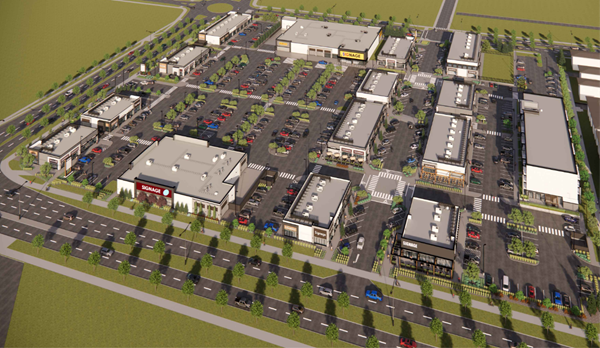
Belmont Commercial will feature 145,000 SF of retail space across 14 buildings in SW Calgary.
Anthem Properties Group Ltd., in partnership with Harbour Equity Capital Corp, has unveiled plans for a new open-air retail centre in Calgary’s rapidly growing Belmont community. The development, slated to open in the summer of 2027, aims to meet a pressing demand for shopping amenities in the West MacLeod Area Structure Plan, which is projected to serve more than 35,000 residents upon full build-out.
The venture marks the first collaboration between Anthem Properties and Harbour Equity, two firms with established reputations in Canadian real estate development and investment. Together, they are bringing a 145,000-square-foot centre designed to balance practical needs with community-oriented features. Anchored by a grocery store, a drug store, and a liquor store, the project also promises quick-service and full-service dining options, personal service outlets, and a bustling highstreet segment featuring a two-level childcare facility.
Expanding Options for Underserved Communities
The Belmont development reflects a persistent challenge for residents in Calgary’s southwestern suburbs: limited access to daily essentials that requires routine trips to neighbouring areas. Currently, many residents must travel five to ten minutes by car to reach grocery stores and pharmacies. By situating the new retail hub at 480 210th Avenue SW, with convenient access points from both 210th Avenue and Sheriff King Street, Anthem and Harbour Equity aim to elevate everyday convenience and reinforce Belmont as a self-sustaining community.
According to early development plans, the centre will comprise 14 buildings designed for a broad mix of uses. Two drive-thru locations will service quick-service restaurants, while additional pads will provide space for diverse operators seeking entry into this emerging market. The child-focused anchors, including a large childcare centre, signal one of the project’s core goals: to make family amenities central to the shopping experience.
Anthem’s Growing Calgary Portfolio
The Belmont retail centre represents Anthem Properties’ third significant ground-up retail project in the Calgary region in recent years. It follows the successful completion of Highstreet at Cornerstone in northwest Calgary and D’Arcy Crossing in Okotoks, both of which have demonstrated community-first design and strong tenant uptake.
Anthem, founded in 1991, has built a reputation for large-scale retail and residential projects across North America. The company oversees more than 400 residential and commercial developments, accounting for 12 million square feet of retail, industrial, and office space along with 44,000 homes. Its portfolio also spans more than 60 master-planned communities situated on 9,100 acres of land.
In a press release announcing the Calgary project, Jordan Carlson, Executive Vice President of Anthem Properties and President of Anthem Holdings Canada, emphasized the firm’s strategic ambitions. “We’re excited about the acquisition of this site as we continue to build on our track record of delivering vibrant shopping centres in Calgary. This marks our first partnership with Harbour Equity, and we’re proud to be working with a partner who shares our values and commitment to creating thriving community spaces. We look forward to building on our shared objectives through this project, and to exploring more opportunities together in the future,” Carlson said.
Timeline for Construction and Completion
Construction on the Belmont retail project began in August 2025, with completion anticipated in the summer of 2027. The two-year timeline reflects the level of complexity in delivering a multi-anchor retail environment tailored to diverse user needs. Site preparation and infrastructure improvements are expected to be completed in the first 12 months, while vertical construction of the retail and childcare buildings will follow.
Developers have highlighted the project’s emphasis on long-term community integration. By combining grocery and pharmacy anchors with unique features such as childcare and family dining, the retail centre is designed not only to capture routine spending but also to expand opportunities for social interaction and local employment.
Harbour Equity’s Role in the Development
For Harbour Equity, the Belmont centre underscores its strategic mission of backing experienced developers through joint ventures and equity participation in varied real estate asset classes. Since its founding in 2011, Harbour Equity has invested more than $300 million across Canada, partnering on more than 60 projects in over 20 cities. These investments span retail, residential, industrial, office, seniors housing, student housing, and self-storage.
By entering into its first partnership with Anthem Properties, Harbour Equity gains exposure to Calgary’s competitive but growing retail landscape, while Anthem gains the flexibility and equity support necessary to realize large-scale opportunities. Harbour Equity’s model, which frequently balances preferred equity and hybrid structures, is especially appealing to developers navigating rising construction costs and complex financing conditions in Canada’s changing market.
Calgary’s Retail Landscape and Growth Pressures
The Belmont initiative carries broader implications for Calgary’s evolving retail trends. Over the past decade, the city has witnessed fluctuating commercial development, with large enclosed malls often dominating discussions while suburban shopping centres play a quieter role in shaping everyday life. The arrival of new master-planned communities, especially in Calgary’s southwest, has shifted focus toward localized retail amenities that reduce vehicle trips and enhance livability.
The development reflects a wider movement toward open-air retail in Canada’s western cities, where lifestyle patterns, demographic shifts, and cost considerations are reshaping community retail. Unlike traditional indoor malls, open-air designs emphasize walkable streetscapes, integrated dining experiences, and easier access from surrounding neighbourhoods.
Southwest Calgary, and specifically the West MacLeod corridor, is particularly well-positioned for this type of development. Population growth, strong demand for housing, and improved road infrastructure have placed pressure on retail developers to deliver projects that meet both functional and aspirational community needs. Belmont’s retail hub could become a model for future suburban retail development in Alberta.
Retail Insider is streamlining its Canadian retail news from around the web to include a handful of top news stories that can be viewed quickly during the day. Here are the top stories from the past 48 hours.
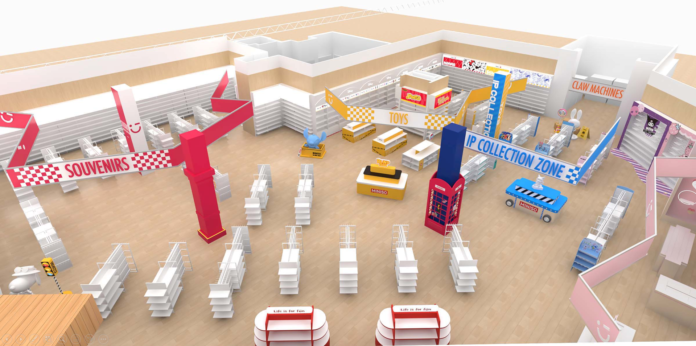
Rendering of the proposed layout of the new Miniso Land store at West Edmonton Mall. Image supplied
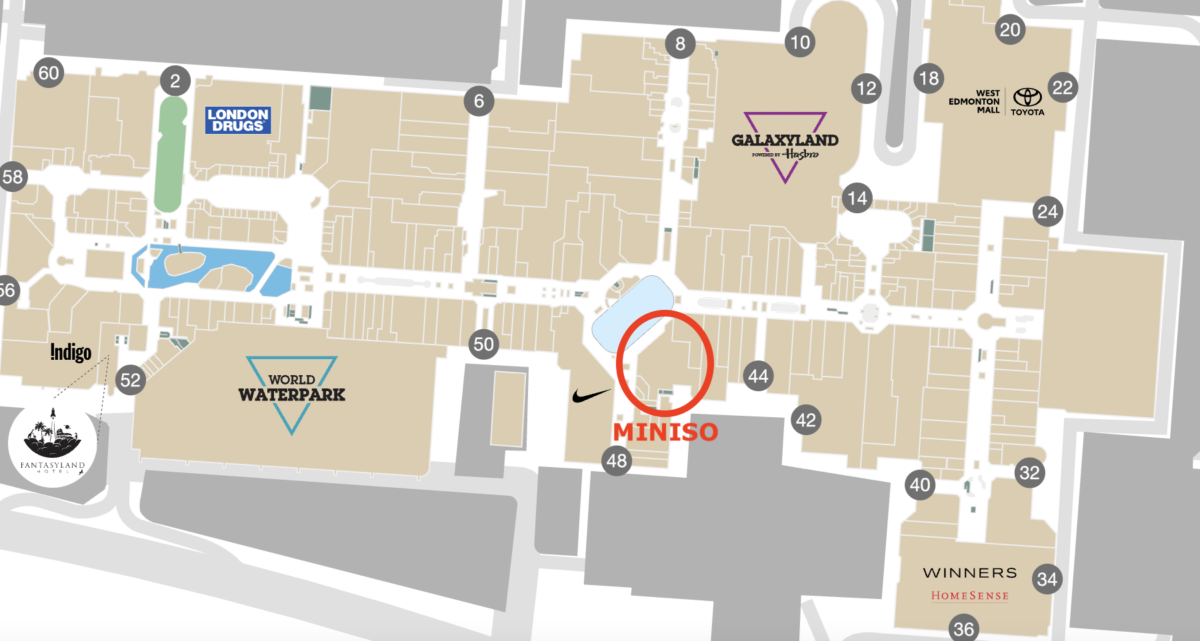
Miniso, the Chinese-founded lifestyle retailer known for its affordable design-led products and playful collaborations, is preparing a significant milestone in its Canadian expansion. The company has confirmed that it will launch the country’s first Miniso Land concept store this November at West Edmonton Mall.
At 12,000 square feet, the new flagship will be the largest Miniso in Canada by a wide margin, occupying the prominent space formerly home to Urban Outfitters. Overlooking the Ice Palace on Level One of Phase Two, the store will mark the Canadian debut of a format that the company has described as “a retail theme park,” blending immersive design, intellectual property (IP)-driven merchandising, and a constantly refreshed environment.
“We’re very excited to bring Miniso Land to Canada for the first time,” said Khalid Aberhouch, CEO of Miniso Canada, in an interview. “This is going to be the biggest store in the country, at least twice the size of our largest existing location, and ten times bigger than a regular Miniso. The experience for customers will be something truly special.”
The lease deal was arranged by Tony Savchuk and Afsar Khurshed of Colliers, representing Miniso, with Triple Five as landlord for West Edmonton Mall.
Rendering of a display in the new Miniso Land at West Edmonton Mall. Image supplied
A Landmark Concept for Canada
While the store signage will simply read Miniso, Aberhouch confirmed that the format is officially considered a Miniso Land location. The concept has already made waves in China, Singapore, and Europe, where large-scale immersive stores feature carnival-style interiors, oversized IP displays, and themed product zones tied to global entertainment franchises.
“This is the first one in Canada, but it won’t be the last,” Aberhouch explained. “We’ve been trying this model in several countries and the customer response has been fantastic. We’re confident that the Edmonton store will be the beginning of something bigger here.”
The 12,000 square foot West Edmonton Mall store aligns closely with the brand’s global criteria for Miniso Land, which typically start at 10,000 square feet.
Miniso Land location at West Edmonton Mall. Click image for interactive mall map
Expanded Product Selection and IP Partnerships
Unlike the brand’s typical 1,200–2,500 square foot shops, which stock a carefully curated selection of top-selling items, Miniso Land will showcase an extensive range of products—particularly IP merchandise.
“These kinds of stores let us expand into a much greater variety of IP blind boxes and licensed collections,” said Aberhouch. “We’ve signed contracts with really big players like Disney. Customers will find choices here that they simply can’t see in a regular store.”
He noted that multiple themed zones will define the store layout, each dedicated to a particular franchise or character world. “For example, you’ll see one section for Disney, another for One Piece, and another for Rio. Each will have its own decor and atmosphere. Customers will be able to walk from one world to another in the same store.”
Beyond global IPs, Miniso also wanted to root the Edmonton flagship in a strong Canadian identity. “We wanted to showcase a strong ‘Canada’ theme throughout the store,” Aberhouch noted. “At the entrance, you’ll find a train featuring a maple leaf and the first-ever ‘Edmonton’ city mark sculpture, both setting the tone for a uniquely local experience.”
Inside, shoppers will discover an exclusive Souvenirs area filled with Canadian-themed items aimed at both tourists and locals. The store layout will include three distinct zones: IP Collections featuring Sanrio, Disney, ONE PIECE and more; Toys with a wide variety for all ages; and Beauty highlighting trending skincare and cosmetics. To add a playful touch, the store will also feature a claw machine area designed to encourage exploration and extended visits.
The scale also allows for more extensive merchandising: while a typical Miniso might dedicate a single display table to an IP brand, the new flagship will feature as many as ten, along with themed wall sections for added storytelling.
MINISO’s IP Collection Store at CF Toronto Eaton Centre, Toronto. Image: Miniso
A Multi-Million Dollar Investment in Design
Aberhouch emphasized that the design budget for the Edmonton store far exceeds anything the company has spent in Canada before. “Just the design and materials will cost around one million dollars,” he said. “That’s twenty times more than what we usually invest in a store. It’s a huge commitment, but our research shows it’s worth it.”
In addition to high-end materials, the Miniso Land concept is built on flexibility. Fixtures and decor are designed to be refreshed regularly, ensuring customers always encounter a new experience. “We’ll change the design every few months to keep it exciting,” Aberhouch said. “We want customers to come back often and never feel like they’re walking into the same store twice.”
When asked why West Edmonton Mall was chosen for the Canadian debut, Aberhouch was clear: “That place is one of the best in Canada. It’s not easy to find a landlord who can provide 10,000 to 12,000 square feet in a prime location, and we wanted somewhere with incredible traffic and visibility. The Ice Palace location is perfect.”
West Edmonton Mall, the continent’s largest shopping centre at 5.3 million square feet, has long been a testing ground for retail concepts. The mall’s combination of entertainment attractions and international visitors made it a natural choice for Miniso Land’s introduction to Canada.
Store Staffing and Opening Timeline
The Edmonton flagship is set to open in November 2025, in time for the holiday season. With its size and seasonal traffic, the store will employ at least 40 staff during peak periods, including 15–20 on the sales floor daily.
“Christmas is the busiest time of year, and we want to be open for that,” Aberhouch said. “But really, any time is good for a store like this. West Edmonton Mall is busy year-round.”
The Edmonton flagship comes at a time of rapid growth for Miniso in Canada. The brand currently operates 83 stores across the country, with plans to surpass 100 by the end of 2025.
“Our plan is to open another 15 stores next year, and by 2030 we want to reach 300 across Canada,” Aberhouch revealed. “We’ve already done this in the United States, where there are now more than 300 stores. The results there have been very positive, and we see no reason Canada can’t support similar growth.”
Originally launched in Canada in 2017, Miniso faced financial turbulence in its early years, filing for bankruptcy in 2018 before being restructured under Miniso China in 2019. Since then, the brand has rebuilt with a renewed focus on IP-led retail and immersive shopping experiences.
To support its growth, Miniso Canada is also investing in logistics. Its current warehouse is located in the Greater Toronto Area, but a second facility will open in British Columbia next year to improve distribution efficiency.
“Right now, if I send a product to Quebec it arrives the next day, but BC might take two weeks,” Aberhouch said. “That’s not acceptable. With a new warehouse in BC, we’ll ensure replenishment is fast and reliable coast-to-coast.”
Target Demographics and Expanding Reach
Historically, Miniso’s Canadian customer base has been dominated by young shoppers aged 12 to 35, accounting for about 90 percent of traffic. However, Aberhouch is working to broaden the appeal.
“I want to make sure everyone, from young children to seniors, can find something at Miniso,” he explained. “We’re expanding the product mix to include items that attract all demographics, and the results so far have been very positive.”
Globally, Miniso Land has already opened in Shanghai, Guangzhou, and Madrid, with immersive flagship locations designed as miniature theme parks. The Edmonton store, while smaller than Shanghai’s three-level 21,500 square foot flagship, will introduce Canadians to the same entertainment-driven approach.
The strategy underscores Miniso’s broader evolution into an IP-led lifestyle brand, moving beyond traditional variety-store positioning into experiential retail. By combining shopping with play, Miniso Land embodies the company’s “Joy Philosophy,” which frames every visit as a discovery of delightful surprises.
Looking Ahead
As Miniso prepares to open its largest Canadian store, the company is also reinforcing its direct control of the market. Out of its current locations, only 11 are franchise-operated, and Aberhouch noted that no new franchises will be offered. “We want all future stores to be corporate-owned to ensure consistent execution and customer service,” he said.
For Aberhouch, the West Edmonton Mall launch represents both a flagship experience for customers and a showcase for his team’s dedication. “I’m very proud of our people in Canada,” he said. “They’re hardworking, engaged, and committed to making this company successful. I believe we have the right people to make it happen.”
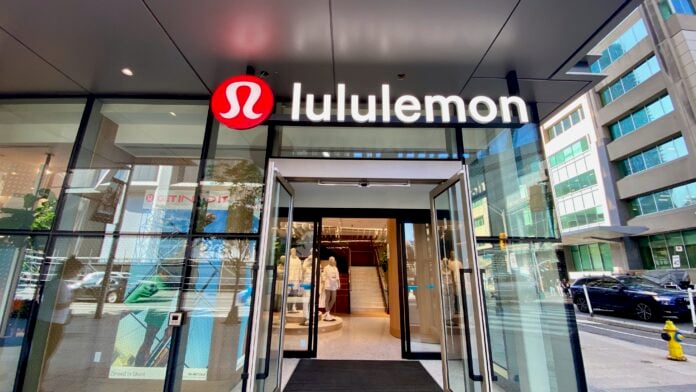
Entrance doors to Lululemon at Yonge and Bloor in Toronto. Photo: Craig Patterson
Lululemon Athletica Inc., the Vancouver-born athletic apparel giant, is confronting mounting challenges as shifting consumer behaviour in the United States, coupled with new tariff costs, weigh on its performance.
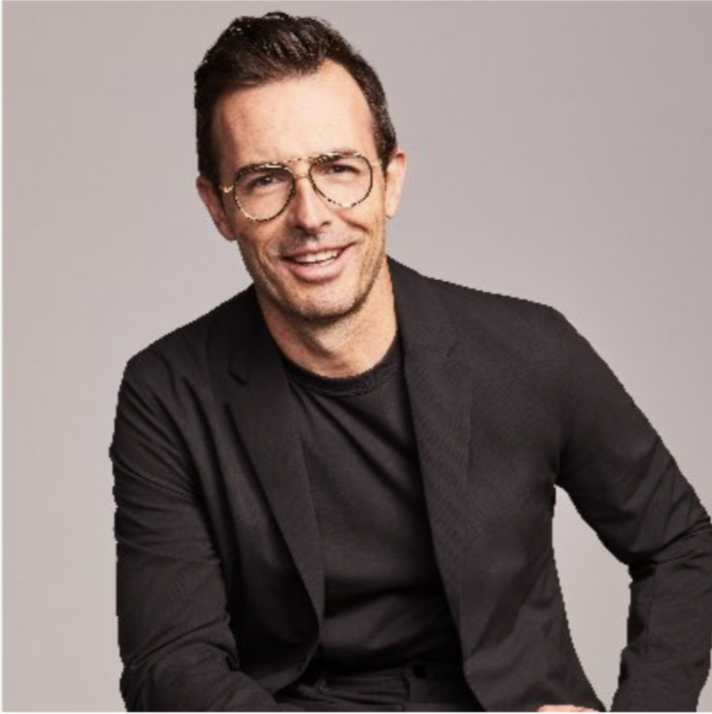
On its latest quarterly earnings call, CEO Calvin McDonald delivered a stark assessment of the company’s position. “We are not satisfied with the results for the quarter, and we know our brand can and will perform better than these results,” he told analysts Thursday.
The company reported net income of US$370.9 million in its second quarter, down from US$392.9 million in the same period last year. Diluted earnings per share fell slightly to US$3.10 from US$3.15. While revenue rose to US$2.53 billion from US$2.37 billion a year earlier, the pace of growth did not meet internal expectations.
Comparable sales in the quarter increased just one percent, a figure viewed as lacklustre given the company’s ambitious expansion plans.
Tariff Fallout and De Minimis Changes
The company’s earnings update underscored the strain of international trade policy shifts on global retailers. Meghan Frank, Lululemon’s chief financial officer, outlined the impact of tariffs and the recent removal of the U.S. “de minimis” exemption, which had previously allowed shipments valued at US$800 or less to enter the country duty-free.
“This removal will have a significant impact on our gross margin,” Frank said. “We now expect a 220-basis-point, or approximately US$240-million, mitigated impact on gross margin for the year.”
Calvin McDonald
Lululemon, which had been shipping many of its e-commerce orders to U.S. customers from Canada under the exemption, must now contend with added costs that erode profitability. The company cut its 2025 revenue guidance to between US$10.85 billion and US$11 billion, down from earlier projections of as much as US$11.3 billion.
Softer U.S. Market for Athleisure
Beyond tariffs, Lululemon is grappling with a broader shift in American consumer spending. “The overall market for premium athletic wear in the U.S. remains challenging,” McDonald said. “Consumers are spending less on apparel overall, spending less in performance active wear, and are being more selective in their purchases, picking out truly new styles.”
The comments reflect a cooling of the once red-hot athleisure segment that Lululemon helped define. The company’s lounge and social categories, McDonald acknowledged, have grown “stale,” and no longer resonate as strongly with customers. He conceded that the brand has leaned too heavily on the same product playbook across categories while competitors have multiplied.
A Competitive Landscape Crowded with Rivals
While Lululemon continues to command a loyal following, the competitive environment has shifted. “The competitive landscape is different today than it was even two or three years ago. And while no single competitor is having a meaningful impact on our business, there are now many players in the market,” McDonald said.
Major sportswear rivals like Nike, Adidas, and Under Armour have deepened their athleisure offerings, while new entrants ranging from direct-to-consumer startups to value-focused brands are expanding choices for consumers. The rise of fast-fashion retailers with performance-inspired collections adds another layer of pressure on margins and customer loyalty.
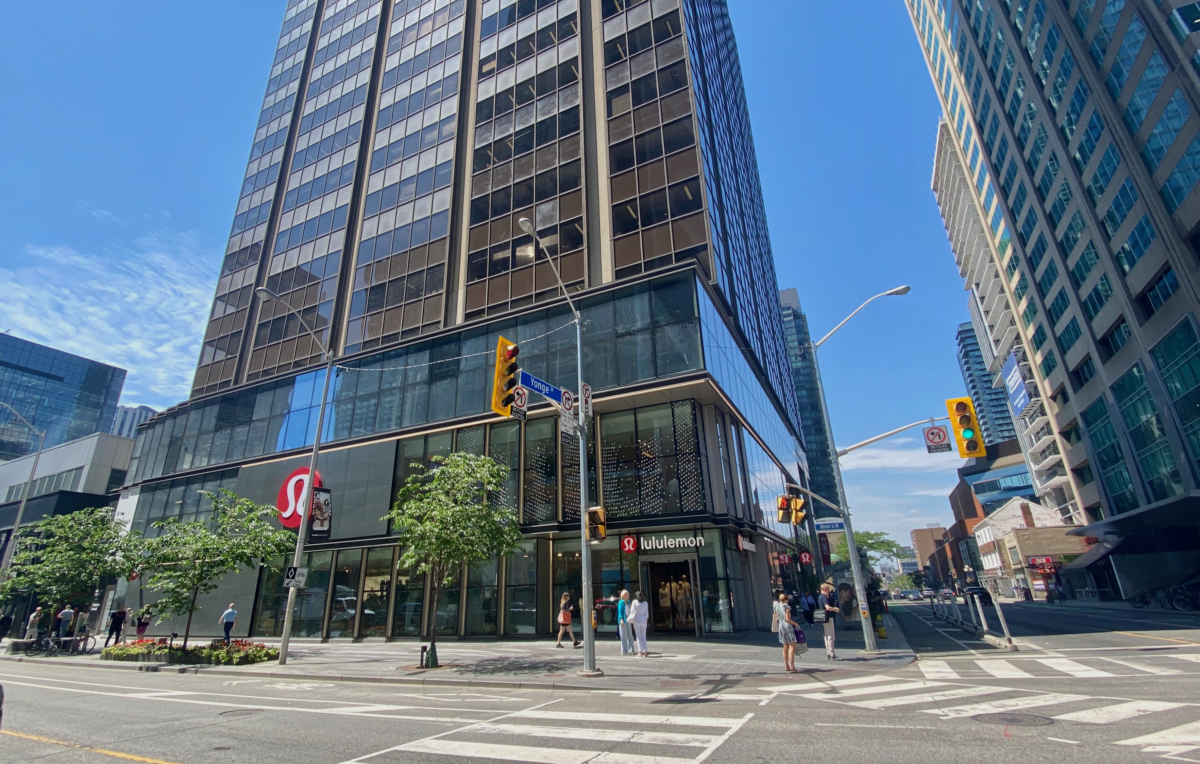
Lululemon flagship store at the corner of Yonge and Bloor in Toronto. Photo: Craig Patterson
Recent Store Growth and Global Expansion
Despite near-term turbulence, Lululemon continues to pursue growth in international markets. As of August 2025, the company operates 476 stores in the United States, its largest market, and nearly 130 in China, which recently surpassed Canada as the retailer’s second-largest market.
Globally, the company ended its last fiscal year with 767 stores and plans to add 40 to 45 more in 2025, with the bulk concentrated in Asia. Recent high-profile openings include a new flagship in Milan and entry into several European markets through franchise partnerships in Denmark, Belgium, Turkey, and the Czech Republic.
The company is also optimizing existing sites, with roughly 40 expansions under way. In Canada, Lululemon recently unveiled an upgraded store at Masonville Place in London, Ontario (now under new ownership), designed to enhance the in-store experience.
The Brand’s Origins and Evolution
Founded in Vancouver in 1998 by Chip Wilson, Lululemon began as a yoga-inspired design studio before opening its first retail store in 2000. Its early success rested on the popularity of its yoga pants and proprietary fabrics, particularly Luon.
Over time, the company expanded into apparel for running, cycling, training, and lifestyle wear, building a brand identity around wellness and community. Its vertical retail model, by controlling design, production, and direct sales, has given the company both exclusivity and high margins. Lululemon is widely credited with pioneering the athleisure trend, which has since become a staple of global fashion.
Today, the company’s product line includes performance fabrics such as Everlux, an expanded men’s collection, youth-focused apparel, accessories, and a growing footwear business. It has also experimented with streetwear through its Lab concept and with digital fitness through acquisitions, though the latter has faced mixed results.
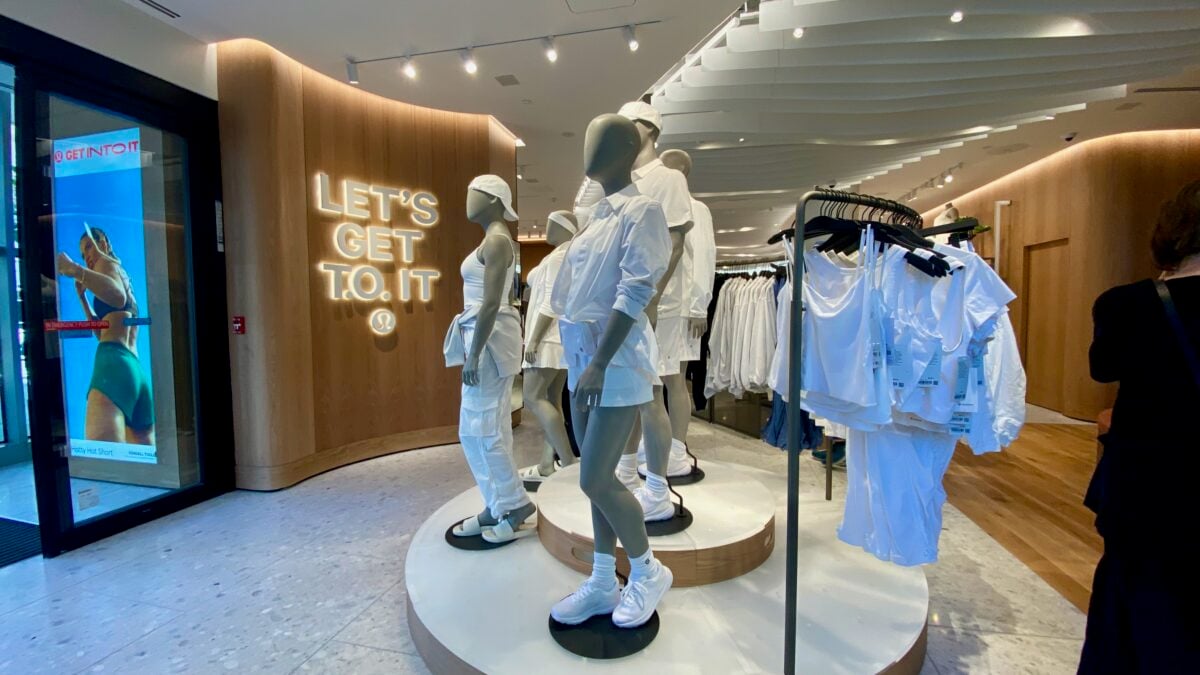
At the front entrance to the new Lululemon store at Yonge and Bloor in Toronto. Photo: Craig Patterson
Financial Discipline and Share Repurchases
In addition to store growth, Lululemon has deployed capital toward share buybacks. The company repurchased 1.1 million shares during the quarter at a cost of US$278.5 million. While such moves can support share price performance, they also reflect management’s balancing act between rewarding shareholders and investing in future growth.
Still, the current headwinds leave analysts questioning how much room remains for aggressive buybacks if profitability continues to come under pressure.
Looking Ahead
For Lululemon, the remainder of 2025 will test both its resilience and its ability to innovate. Management is tasked with reinvigorating categories that have lost momentum while navigating a difficult U.S. retail environment and higher international trade costs.
McDonald sought to assure investors that the brand remains focused on long-term performance. “We know our brand can and will perform better than these results,” he said.
The Canadian retailer’s global expansion underscores its ambition to remain a leader in athleisure, even as it adapts to changing consumer tastes and regulatory landscapes. Whether Lululemon can maintain its premium positioning and continue its growth trajectory will depend on how quickly it can adjust its product mix, expand internationally, and manage the new reality of tariffs.
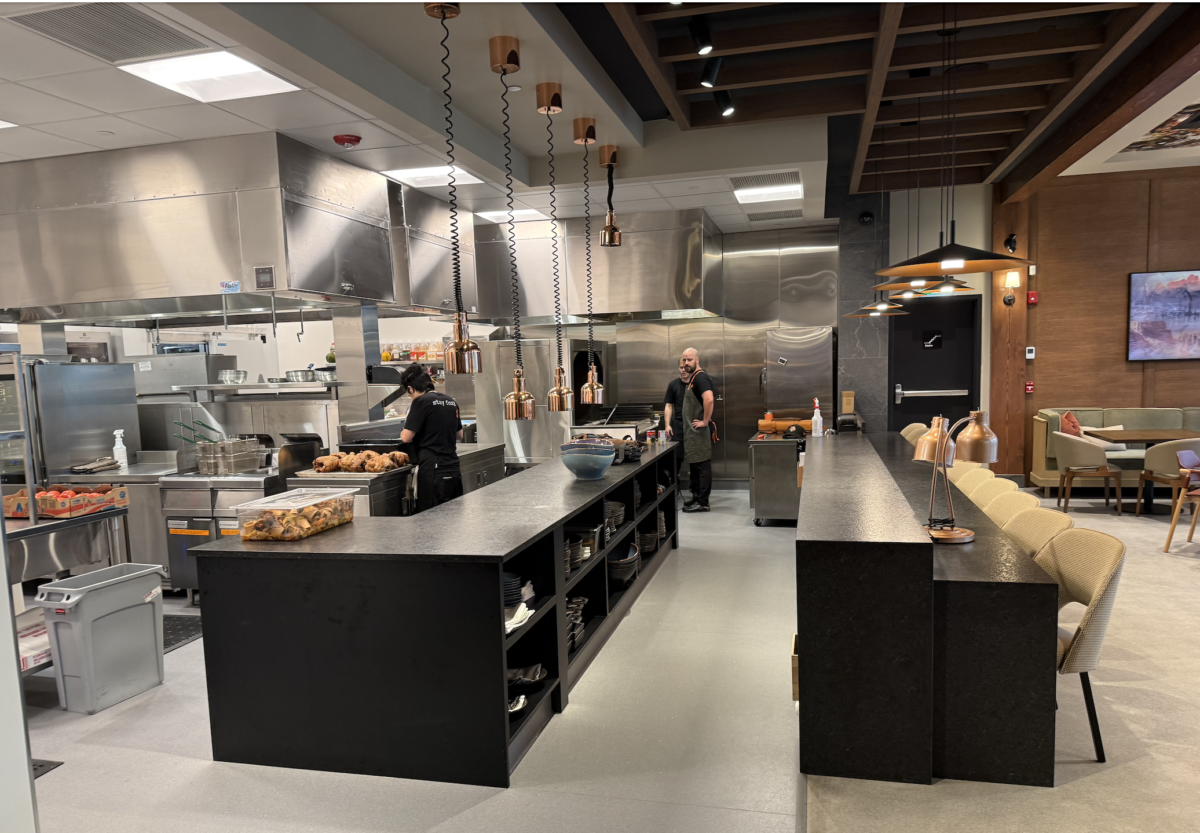
Spruce Meadows, one of Canada’s premier equestrian venues in Calgary, is enhancing its visitor experience with the launch of a new on-site restaurant, Foxtrot. Spearheaded by President and CEO Linda Southern-Heathcott, the initiative is part of a broader vision to make Spruce Meadows a year-round destination for locals and tourists alike.
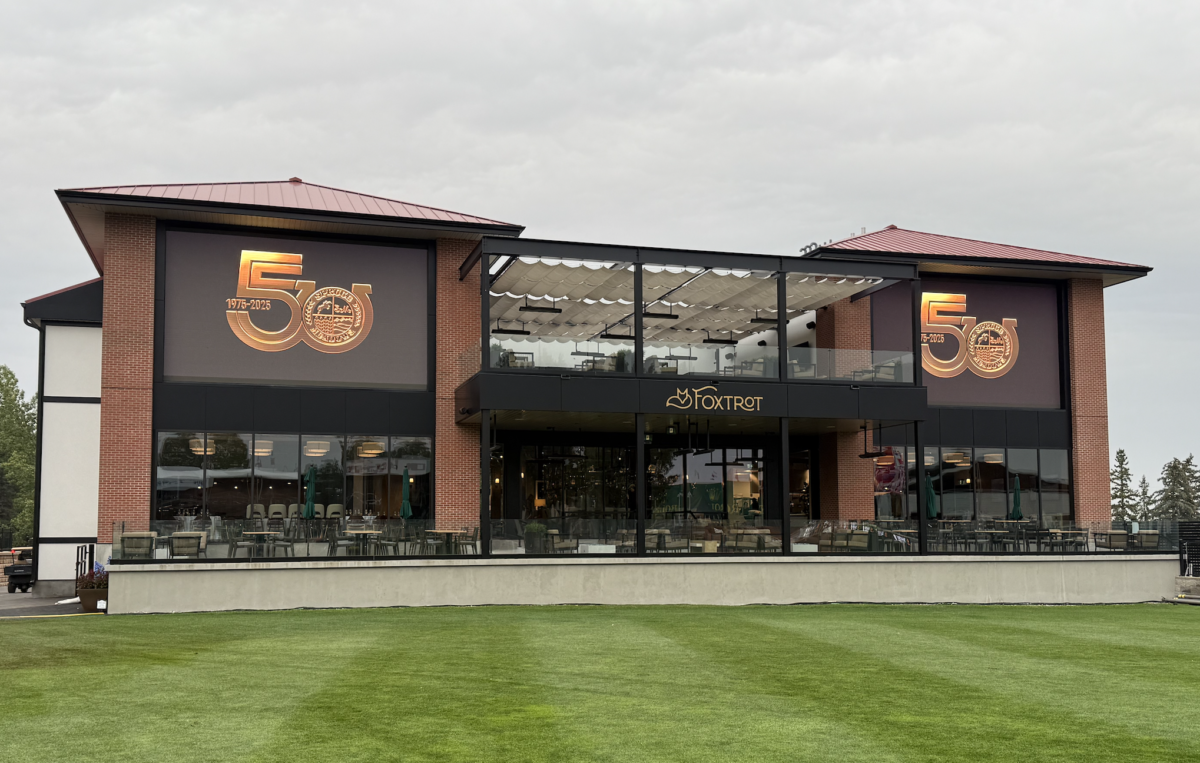
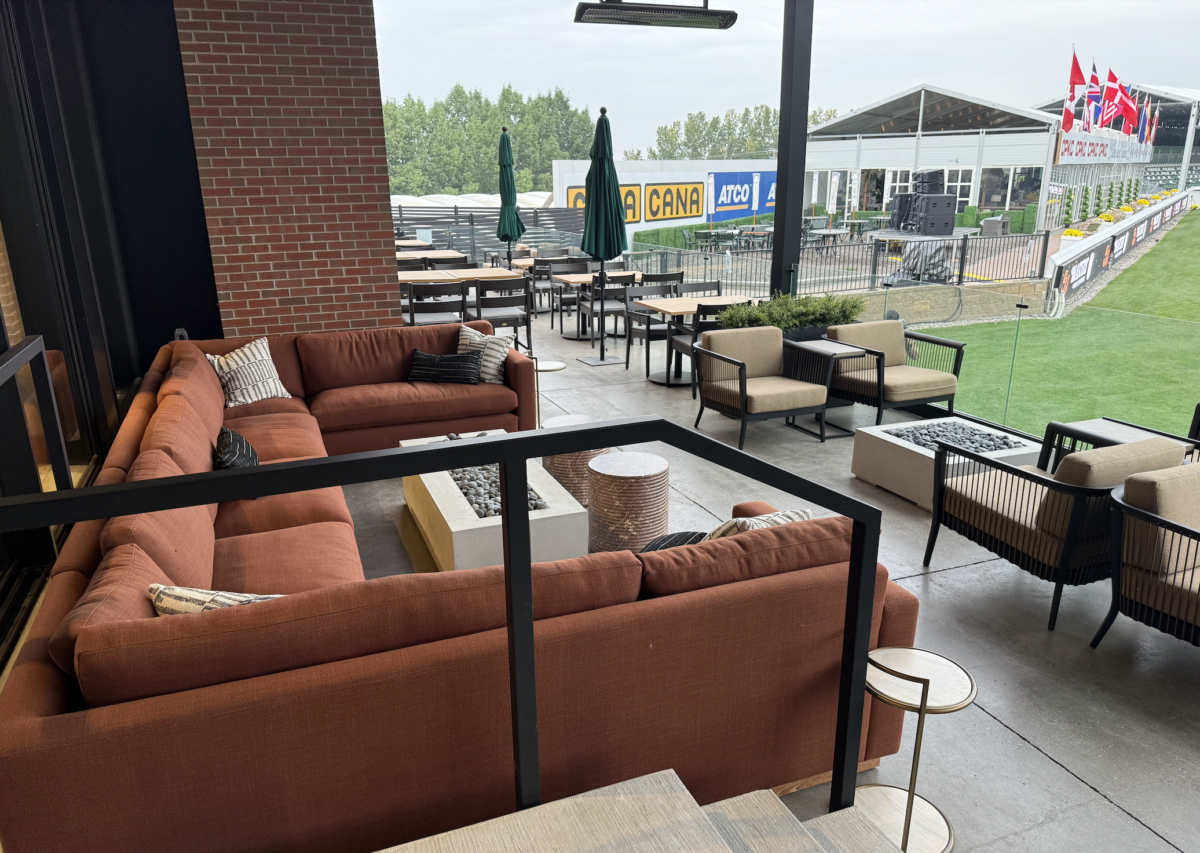
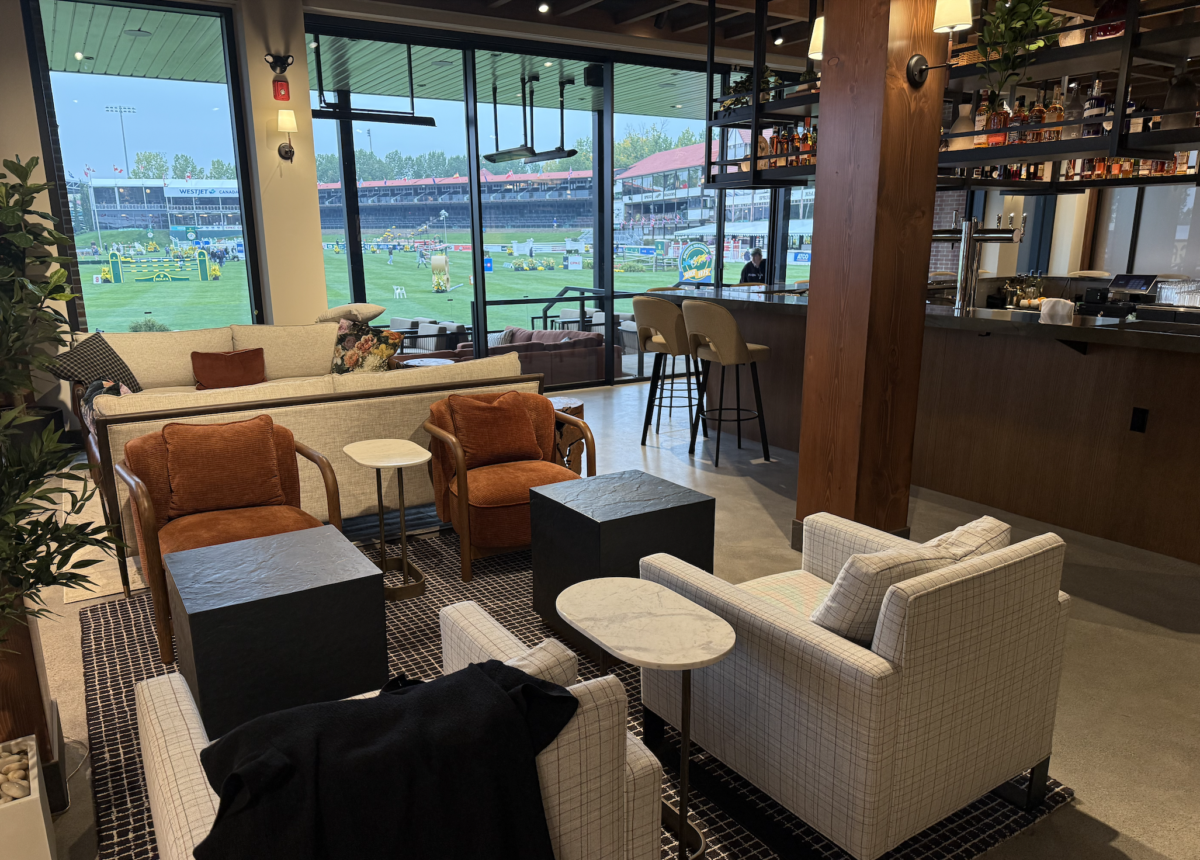
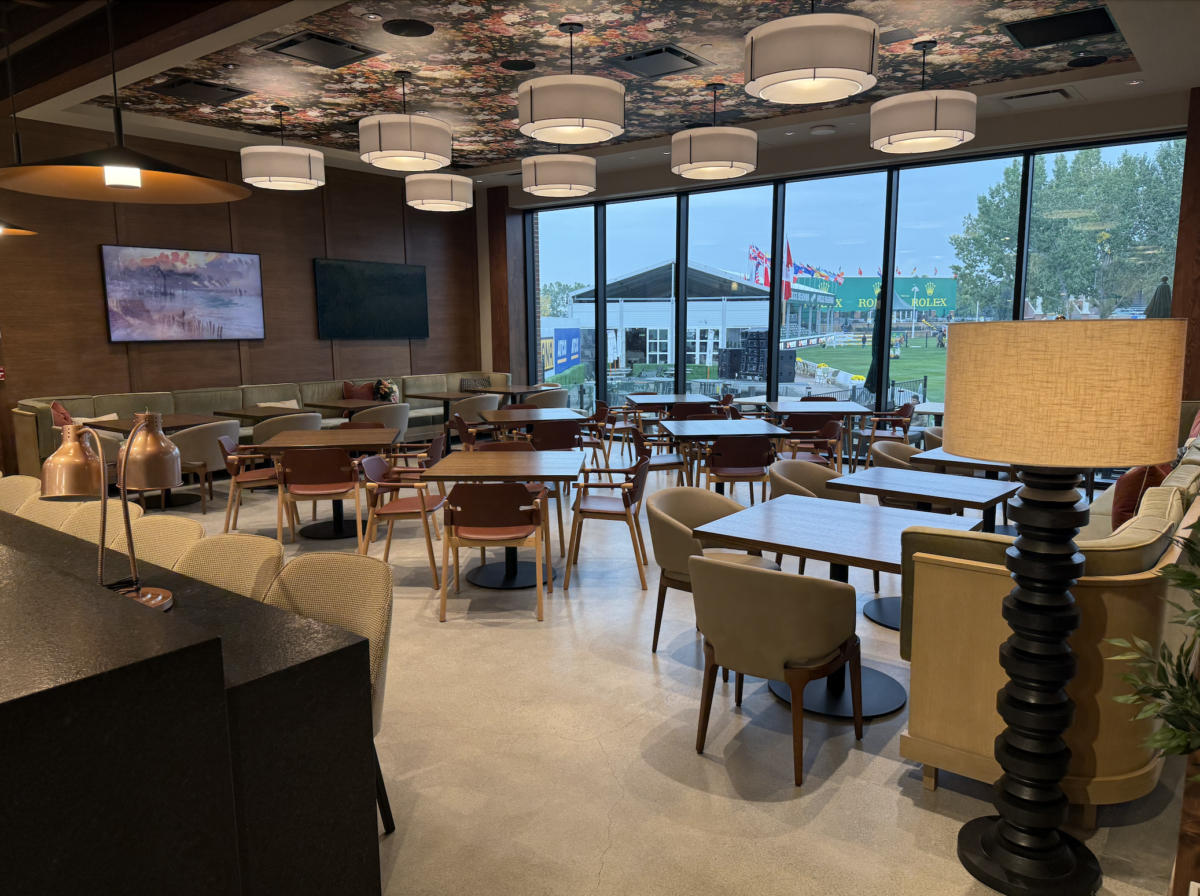
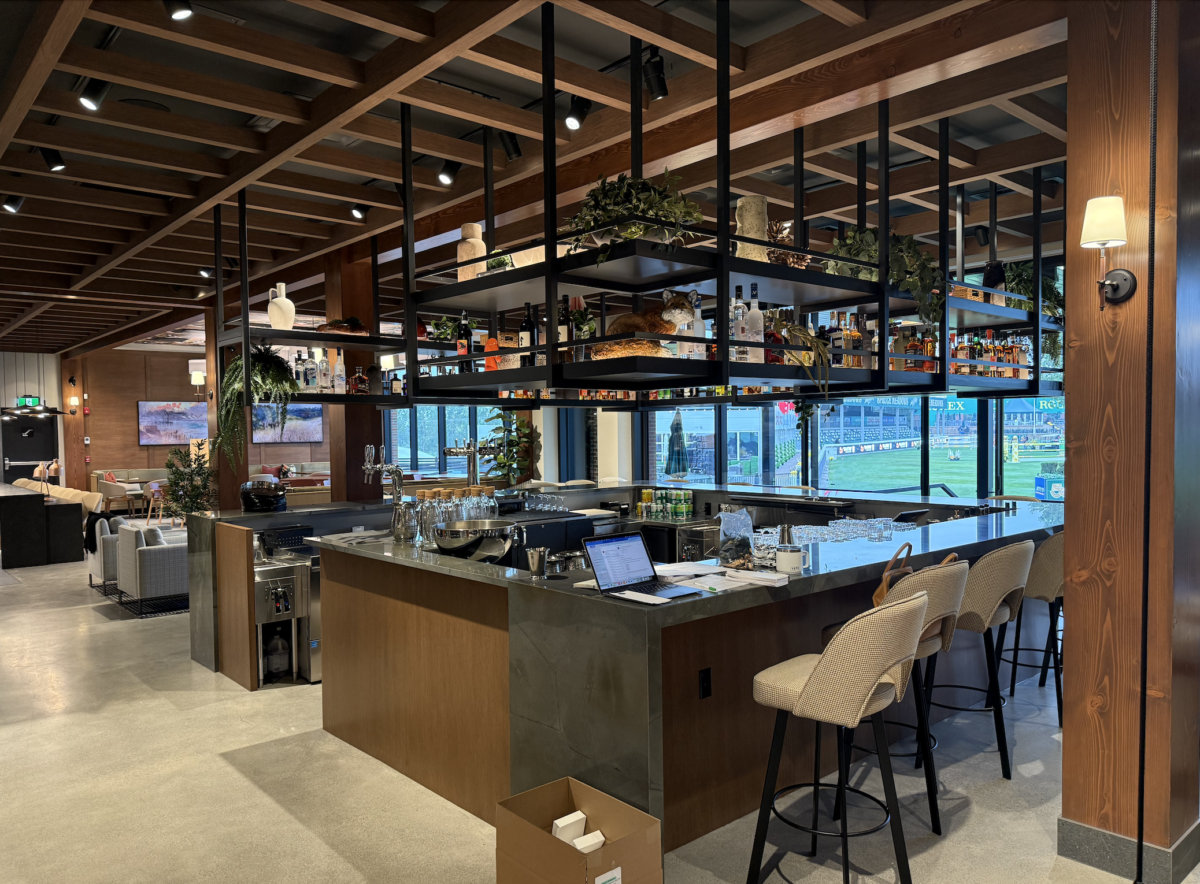
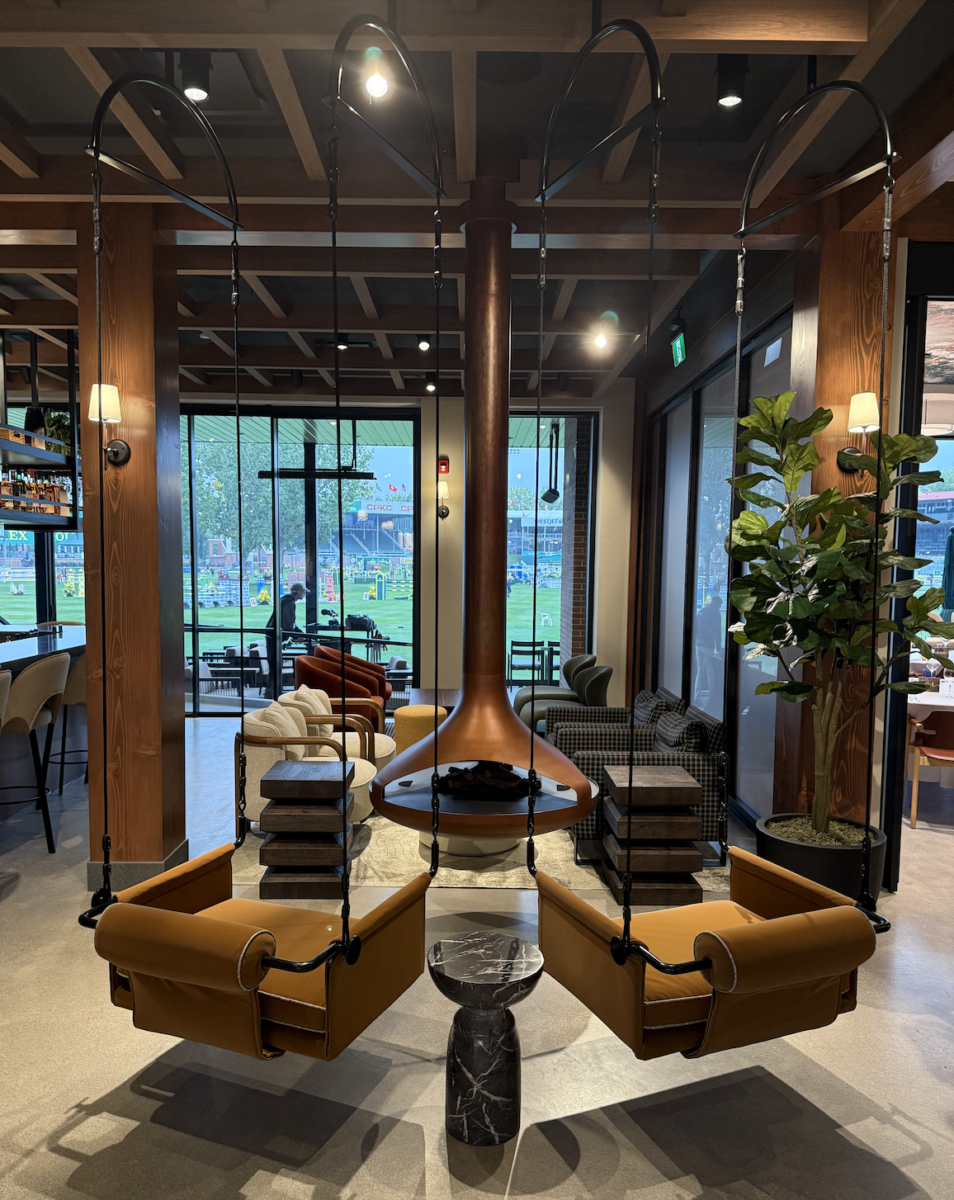
Located at the heart of the property, Foxtrot offers a unique dining experience with panoramic views of the iconic International Ring. While the restaurant has already hosted international riders and dignitaries during the Masters tournament, it will open to the general public later in September.
Linda Southern-Heathcott. Photo: Mario Toneguzzi
The venue is designed for flexibility and hospitality, with a seating capacity of 150 indoors, 80 on the main deck, and another 80 on an upper patio with a pub-style ambiance. An adjacent café space seats around 12 indoors and includes outdoor seating, ideal for casual visitors, cyclists, and families exploring the grounds.
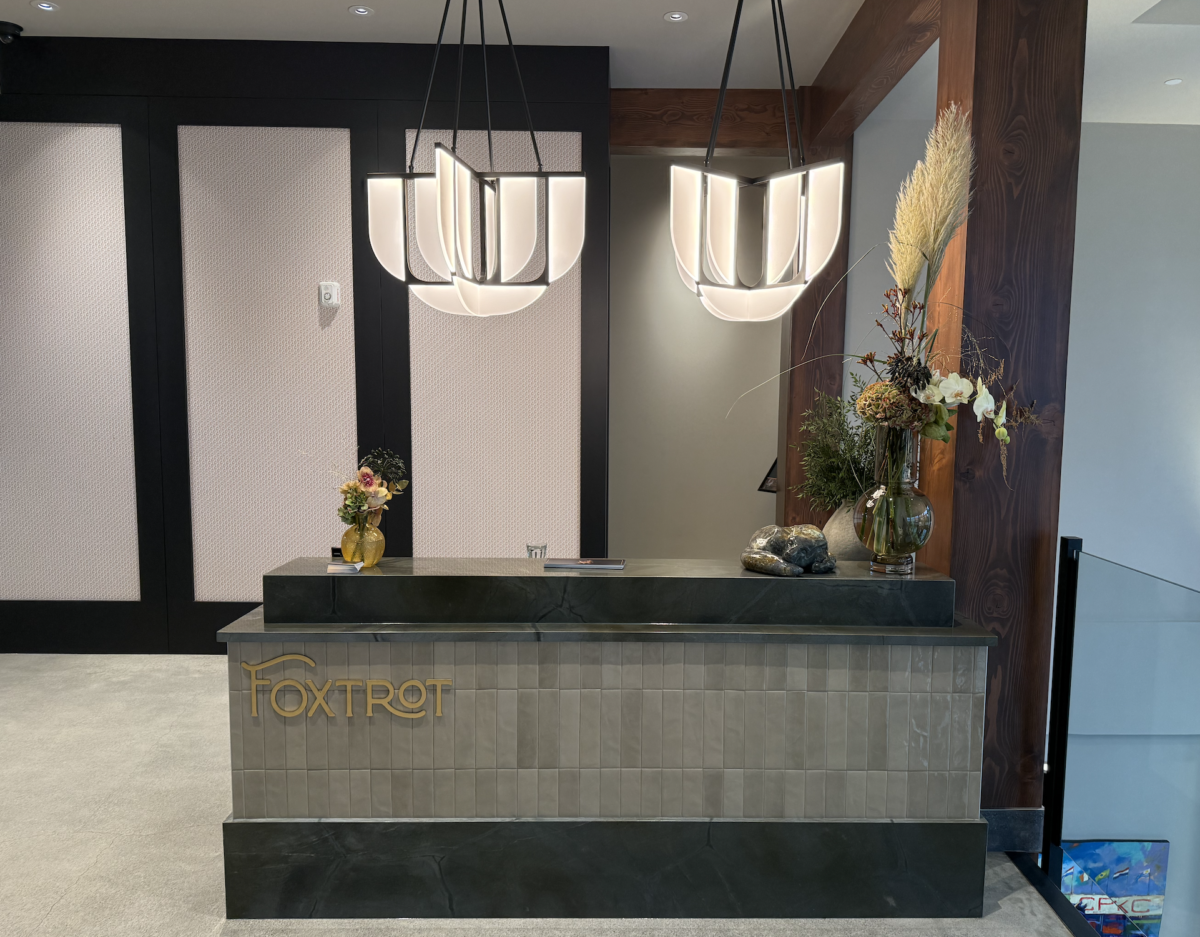
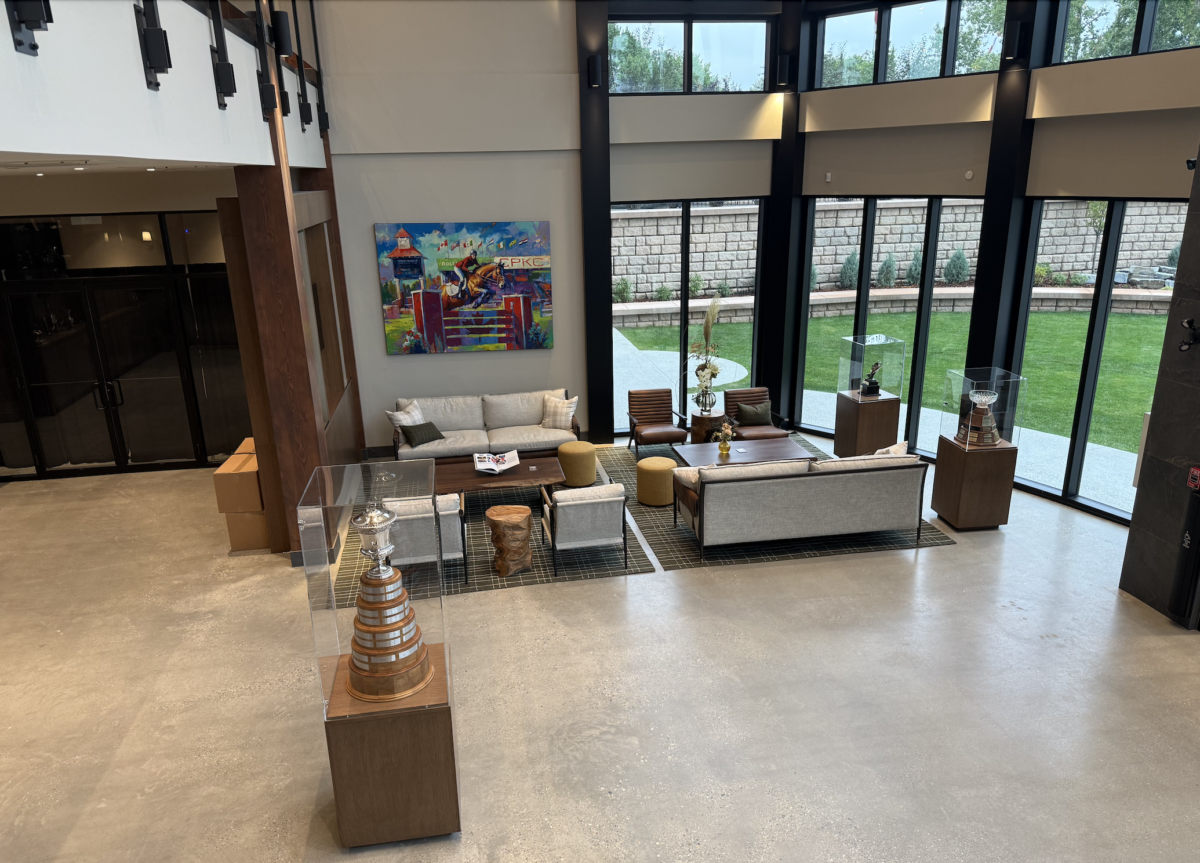
A standout feature of the new establishment is its grand entrance foyer, which doubles as a tribute space to Spruce Meadows’ storied history. The area showcases gifts and memorabilia from international teams and military partners, creating a museum-like atmosphere that blends culture with cuisine.
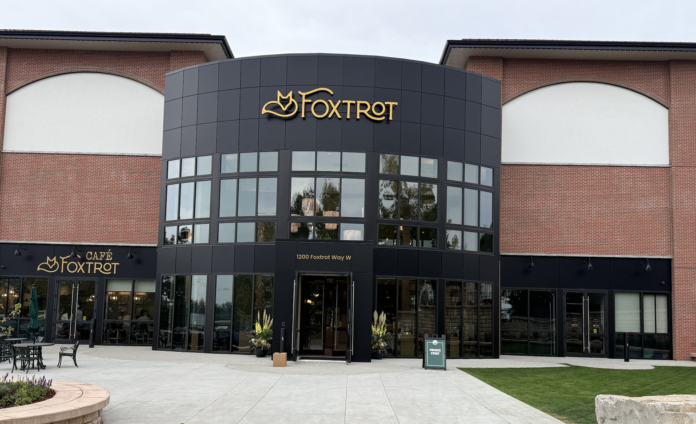
Foxtrot. Photo: Mario Toneguzzi
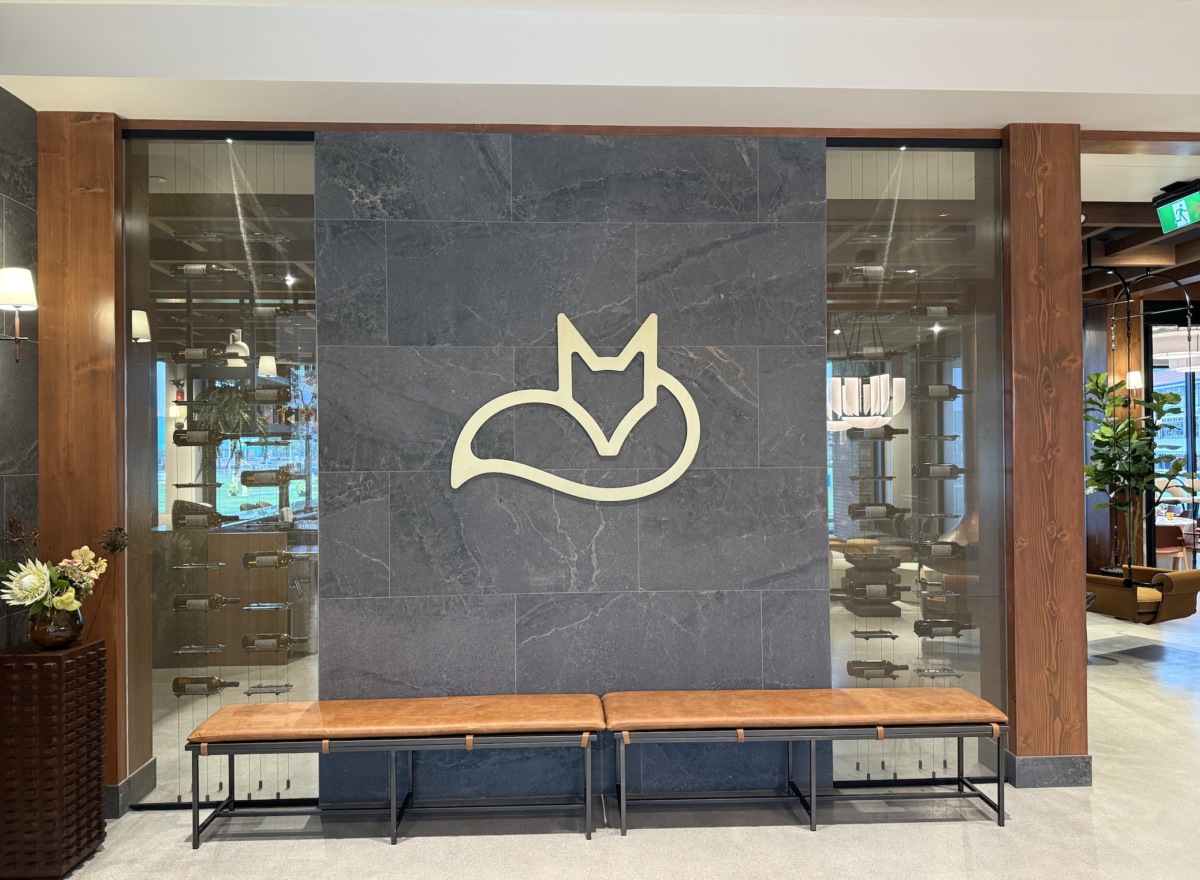
The name Foxtrot is inspired by a local fox affectionately named Eloise, who has made the International Ring her home. This whimsical connection reflects the restaurant’s aim to be rooted in the spirit of Spruce Meadows while welcoming the broader community.
The new dining venue is expected to serve as a hub for cyclists, families, and equestrian enthusiasts, reinforcing Spruce Meadows as a vibrant year-round destination beyond its competition calendar.
Foxtrot. Photo: Mario ToneguzziFoxtrot. Photo: Mario ToneguzziFoxtrot. Photo: Mario ToneguzziFoxtrot. Photo: Mario ToneguzziFoxtrot. Photo: Mario ToneguzziFoxtrot. Photo: Mario ToneguzziFoxtrot. Photo: Mario ToneguzziFoxtrot. Photo: Mario ToneguzziFoxtrot. Photo: Mario Toneguzzi
Inside a Loblaw Grocery Store (Image: Dustin Fuhs)
Canada’s food economy stands at a pivotal juncture. The Liberal and Conservative parties both propose reshaping the Temporary Foreign Worker (TFW) Program—but their sharply divergent approaches could lead to very different outcomes for what Canadians pay at grocery stores and restaurants.
Recent figures underscore the urgency of this debate: as of July 2025, youth unemployment (ages 15–24) sat at 14.6%, the highest level since 2010 outside of the pandemic, while the youth employment rate fell to 53.6%, the lowest since 1998 in non-pandemic years. Earlier in the summer, students returning to the job market faced even steeper challenges, with unemployment hovering near 17–18%, setting records for that time of year.
Against this backdrop, Pierre Poilievre’s plan to abolish the TFW Program entirely, replacing it with a narrow agricultural-only stream and a five-year phase-out in other categories, seeks to free up low-wage, labour-intensive roles—such as harvesting or kitchen prep—for Canadian youth. In theory, this could improve access to jobs and raise wages for younger workers. But the food sector operates on razor-thin margins, and sudden reliance on domestic labour would almost certainly drive up operating costs. Those costs won’t simply be absorbed—they’ll be passed on to consumers in the form of higher menu prices and more expensive groceries.
The Liberal plan—led by Mark Carney—opts for reform rather than elimination. It introduces a cap to reduce temporary residents (including workers and students) to under five per cent of the population by 2027 and tightens eligibility, permit lengths, and program oversight. Crucially, agriculture and food processing are explicitly exempted, ensuring that farms and processors maintain access to the labour they need. This more measured approach reins in misuse of the program while protecting supply, helping to moderate food price pressures.
The implications for prices are stark. If Poilievre’s model is adopted, Canadians can expect sharper and faster increases in both food-service and retail. Restaurants will need to hike wages to compete for domestic workers, leading to menu prices that rise faster than inflation. Grocers will see wholesale costs climb as farm and processing labour tightens. By contrast, the Liberal plan allows for a gradual adjustment while safeguarding agricultural labour, which should help contain inflationary shocks.
So which policy best serves a country grappling with high youth unemployment and a food system dependent on reliable labour? Poilievre’s proposal appeals to those eager to prioritize Canadian youth, but it risks jolting the food sector and undermining affordability. The Liberal reform plan, though far from perfect, offers a more pragmatic balance: reducing excesses, protecting supply chains, and keeping food as affordable as possible in an already volatile global environment.
In the end, the question is not whether Canadians will pay more for food—it’s how much more. One plan wagers on sweeping labour substitution to revive youth job prospects. The other emphasizes stability and gradual reform to steady the system. For households already under financial strain, the choice policymakers make could be the difference between manageable increases and another round of sticker shock at the till.
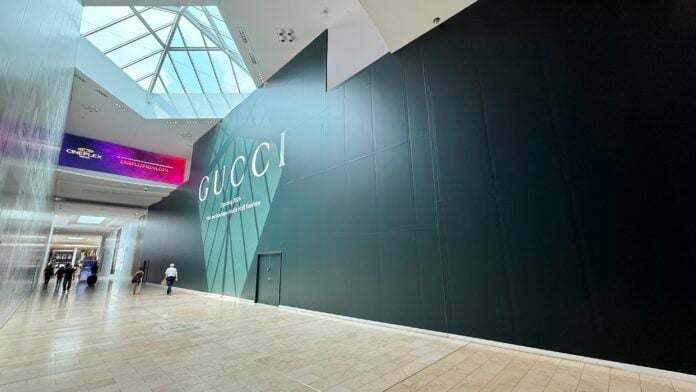
Gucci construction hoarding at Toronto's Yorkdale Shopping Centre. Photo: Craig Patterson
Gucci has begun construction on its largest store in Canada at Toronto’s Yorkdale Shopping Centre. The upcoming Gucci Yorkdale store will span about 12,000 square feet on a single level.
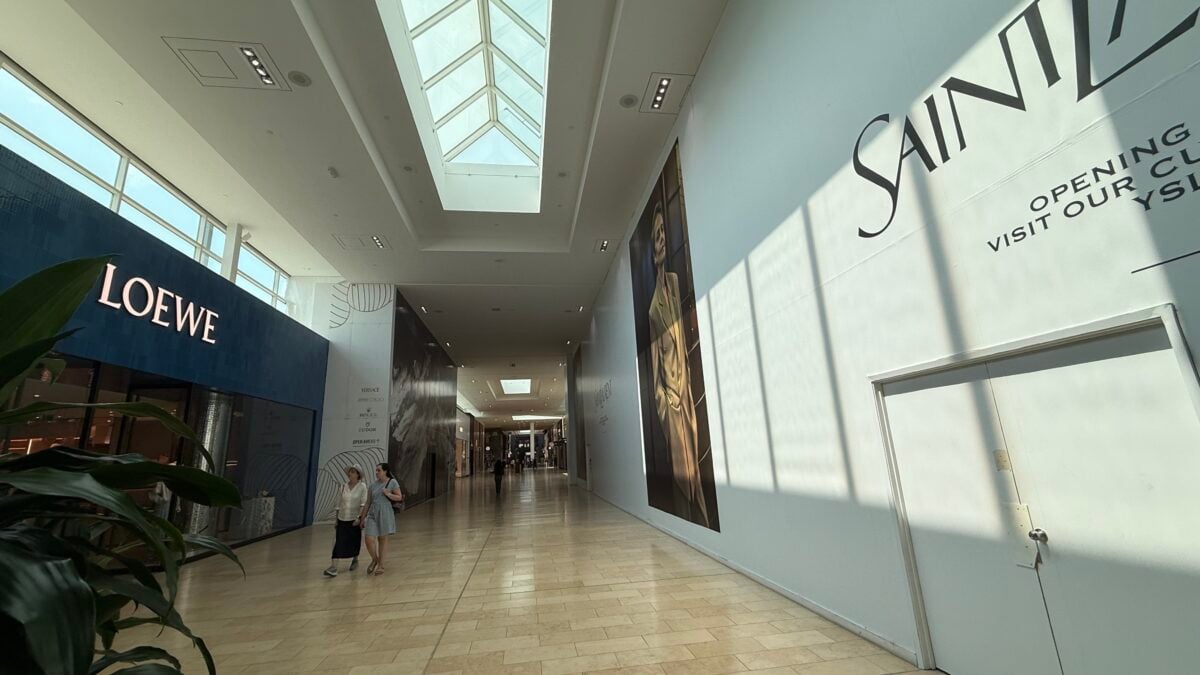
The location will anchor Yorkdale’s newest luxury wing, which has become a magnet for international brands. Gucci’s store will sit adjacent to a new 11,000-square-foot Saint Laurent flagship that is currently under construction. The Saint Laurent boutique will replace an existing location in the mall, creating an enhanced luxury corridor at one of Canada’s most productive shopping centres.
Current Gucci Presence in Yorkdale
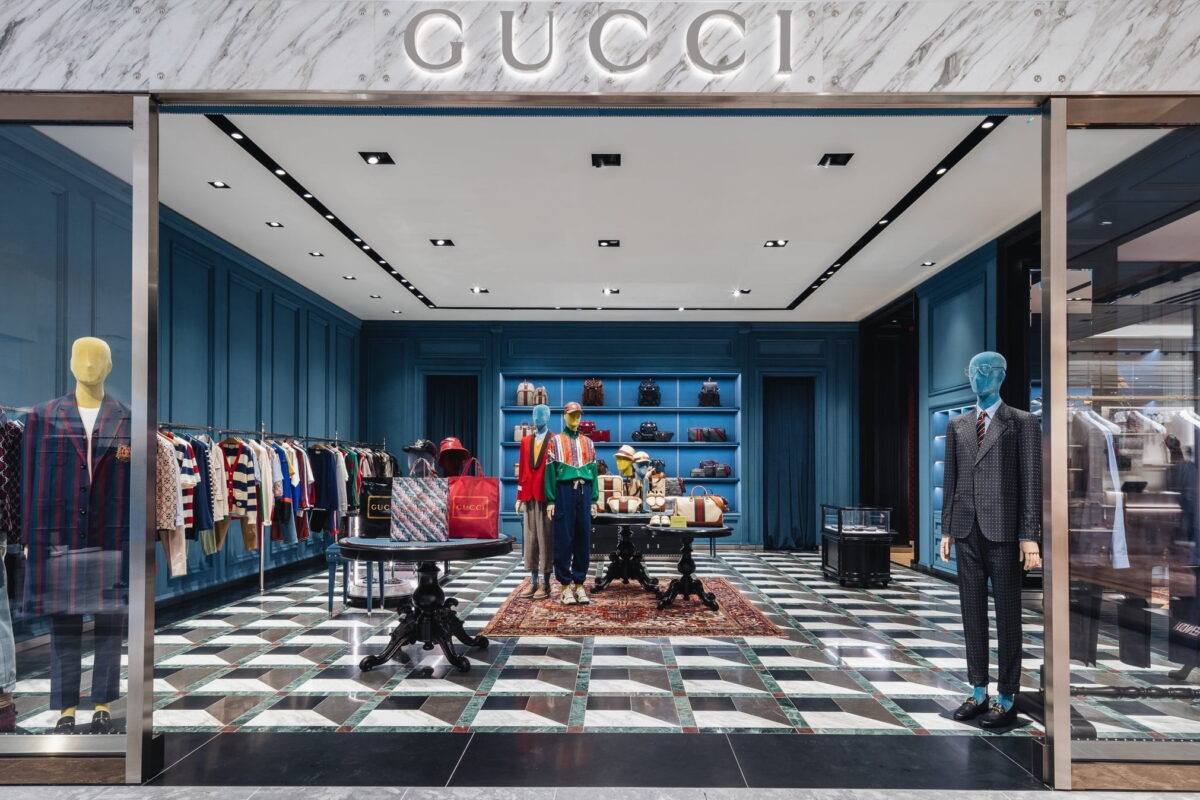
At present, Gucci operates a sizable concession within Holt Renfrew at Yorkdale. That boutique, which measures about 6,000 square feet and opened in 2019, is branded as a “World of Gucci” concept and features dual entrances, one facing into the mall and another accessible from inside Holt Renfrew. Whether this location will continue to operate once the larger Gucci Yorkdale store debuts remains uncertain.
The Holt Renfrew concession carries a mix of handbags, footwear, ready-to-wear, jewellery, and watches, and has been a key touchpoint for Gucci’s Canadian clientele. Its future will likely depend on how Gucci positions its new flagship within the mall, balancing brand presence inside Holt Renfrew with a full-scale standalone boutique.
Gucci concession at Holt Renfrew Yorkdale. Image via Gucci/Amachris
A Tight Canadian Network
Beyond Yorkdale, Gucci maintains a selective retail footprint across Canada. In Toronto, the brand operates a flagship at 130 Bloor Street West, which serves as the main downtown location. The Vancouver flagship at the Fairmont Hotel Vancouver, recently expanded to about 6,200 square feet, remains the largest Gucci store in Canada until Yorkdale’s opening.
Other Canadian locations include a full-line boutique at West Edmonton Mall and a new store at Montreal’s Royalmount development, which marked Gucci’s first standalone store in Quebec when it opened in 2024. In addition, Gucci maintains concessions within Holt Renfrew in Montreal, Vancouver, Calgary, and Toronto, along with a single outlet store at Toronto Premium Outlets in Halton Hills.
Yorkdale’s Growing Luxury Corridor
Yorkdale Shopping Centre has steadily built its reputation as Canada’s premier luxury retail hub. Anchored by Holt Renfrew, the mall has attracted an enviable roster of global luxury brands, including Cartier, Chanel, Dior, Louis Vuitton, and Prada. The addition of the largest Gucci Yorkdale store and the new Saint Laurent flagship underscores the property’s position as a central destination for luxury shopping in Canada.
Mall owner Oxford Properties has invested heavily in expanding and modernizing Yorkdale’s luxury offering over the past decade. The new Gucci boutique will be one of the crown jewels in this effort, providing Toronto with a dedicated, full-scale luxury environment that mirrors the brand’s flagship locations globally.
New luxury wing at Toronto’s Yorkdale Shopping Centre. Image: Craig Patterson
Gucci’s Global Strategy and Canadian Importance
Gucci’s decision to double its Yorkdale footprint comes at a pivotal moment for the brand. Globally, Gucci has faced financial headwinds, with sales declines reported in 2024 and 2025. Parent company Kering has responded by enacting leadership changes, appointing Stefano Cantino as Gucci’s CEO in January 2025 and naming Demna as Artistic Director in March 2025.
Canada, though a smaller luxury market compared to the United States, remains strategically important due to its stable consumer base and strong spending in urban centres. Gucci’s investment in Yorkdale aligns with the brand’s broader strategy of reinforcing its presence in key global luxury corridors, from New York’s Fifth Avenue to Vancouver’s West Georgia Street.
Despite recent financial turbulence, Gucci remains one of the world’s most recognized and influential luxury brands. Founded in Florence in 1921, the house is known for its bold designs, craftsmanship, and ability to blend tradition with modernity. Its signature motifs—the double-G logo, horsebit detailing, and bamboo elements—continue to resonate globally, while new collections under Demna’s direction are expected to refresh the brand’s creative vision.
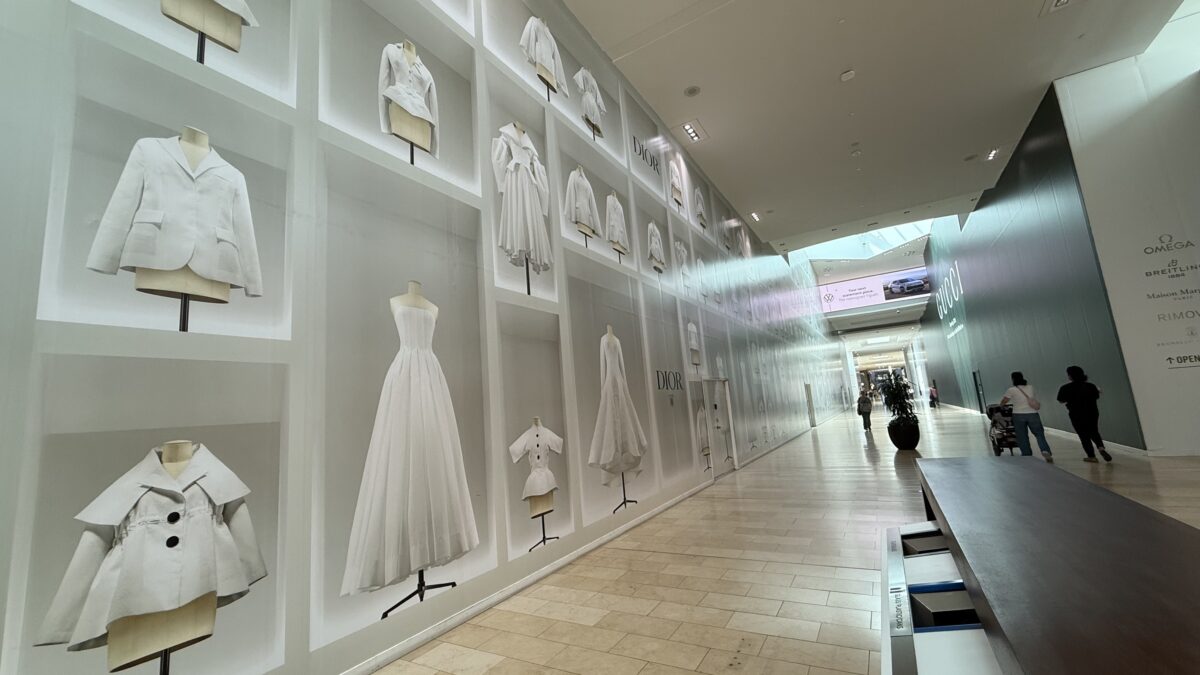
New Dior and Gucci in the luxury wing at Toronto’s Yorkdale Shopping Centre. Image: Craig Patterson
France Laure, the Québec-based skincare company with a history spanning more than five decades, has taken a decisive step into the digital marketplace. On September 18, 2025, the brand will officially launch its first e-commerce platform, marking a turning point in how it engages with consumers.
The move opens direct access to products once reserved for spas and professional estheticians, offering customers across Canada the opportunity to explore France Laure’s complete line of skincare solutions online. From signature formulas to limited editions, the site is designed as both a shop and an educational tool, promising expert guidance at the click of a button.
Founded in 1957 by French pharmacist Joseph Fantin, France Laure relocated to Québec in 1970, embedding itself into the province’s professional skincare industry. Over three generations, the company has evolved from a Parisian family business into a wholly Québec-owned operation.
After moving its design and production facilities to Montreal in 2001, the brand placed a strong emphasis on local expertise. Today, France Laure manufactures its products under the watchful eye of international standards, including Health Canada, EU guidelines, and FDA requirements. Since 2017, under the leadership of Frédéric Fantin, the company has modernized its identity while maintaining its dual commitment to science and nature.
New Skincare Innovations for 2025
Coinciding with its e-commerce launch, France Laure is introducing two products it describes as “hero innovations.”
The Gentle Bi-Phase Makeup Remover with Cornflower Floral Water is priced at $50 for 150 millilitres. Formulated with sensitive skin in mind, it is a dual-action remover designed for both eyes and lips. Its water-and-oil blend promises to dissolve waterproof makeup without leaving behind greasy residue or compromising the health of lashes.
The second addition, a 10% Glycolic Acid Peel at $68 for 30 millilitres, blends glycolic acid with hyaluronic acid for a combination of exfoliation and hydration. The treatment is aimed at refining texture, minimizing pores, and delivering visible radiance while softening early signs of aging.
An Inclusive Approach to Skincare
France Laure has long built its reputation on a philosophy of balancing natural ingredients with scientific advancements. Its product lines are grouped into collections — including Hydrate, Regenerate, Calm, Balance, Nourish, Illuminate, Reshape, and Protect — each tailored to different stages of skin health.
This approach reflects the company’s broader mission: ensuring that skincare adapts to the evolving needs of customers, whether that means soothing sensitive skin or providing advanced anti-aging treatments. All products are paraben-free, cruelty-free, and certified by PETA.
For decades, France Laure has been a fixture in spas and esthetician practices across Canada, recognized for its professional-grade formulas. By establishing a consumer-facing e-commerce platform, the company is extending its professional credibility directly into homes.
The online shop is designed to replicate the personalized experience of spa consultations. Shoppers can expect curated advice, educational content, and access to the full breadth of France Laure’s catalogue, ensuring the company’s expertise translates seamlessly to digital retail.
Upholding a Heritage of Science and Nature
France Laure’s identity continues to be defined by its origins in pharma cocosmetology, a field that blends medical-grade science with cosmetic innovation. Over the years, the company has invested in biotechnology research, refining products such as cleansers, serums, and treatments that meet dermatological and hypoallergenic standards.
Its enduring presence in the Canadian skincare sector underscores a commitment to both authenticity and innovation. For a brand that began as a Parisian family enterprise, the France Laure e-commerce launch signals a new era, expanding its influence from spas and salons to a global online audience.
Sheertex, the Montreal-based maker of rip-resistant tights now operating under the name SRTX Inc., has appointed Sophie Boulanger as its new chief executive officer. The announcement comes at a critical moment for the company, which has endured a turbulent year marked by a steep drop in valuation, a major refinancing deal, and the departure of founder Katherine Homuth.
Ms. Boulanger, a veteran of Canada’s fashion and retail sector, assumes the role from interim chief executive Timothy Leyne, who had stepped in after Ms. Homuth left the company in April. The leadership change is intended to stabilize the business as SRTX works toward profitability and expands its presence in global retail.
Sophie Boulanger
Ms. Boulanger brings a wide-ranging background in fashion and consumer goods to the role. Her early career included positions with L’Oréal Canada, Christian Dior Couture, and Boutique Jacob, giving her direct experience with both the operational and consumer-facing sides of the industry.
In 2010, she co-founded BonLook, a direct-to-consumer eyewear company that disrupted Canada’s optical retail market with stylish, affordable frames. Under her leadership, BonLook grew to nearly 40 stores and more than 400 employees before it was acquired by FYidoctors in 2021. She later served as CEO of the property technology company 1Valet and currently sits on the boards of outdoor goods manufacturers La Canadienne and Pelican International.
In a joint statement, SRTX’s major investors, including BDC Capital, Export Development Canada, H&M Hennes & Mauritz AB, and Investissement Québec, praised her appointment, citing her “entrepreneurial mindset, operational expertise, and vision for consumer-centric growth.” They expressed confidence that she would “accelerate SRTX’s mission to transform the apparel industry.”
Building on a Founder’s Legacy
In her own statement, Ms. Boulanger emphasized continuity, describing herself as “honoured to join the company at such a pivotal stage.” She credited Ms. Homuth for laying the foundation with “vision and entrepreneurial drive” and said she was eager to “carry that legacy forward.”
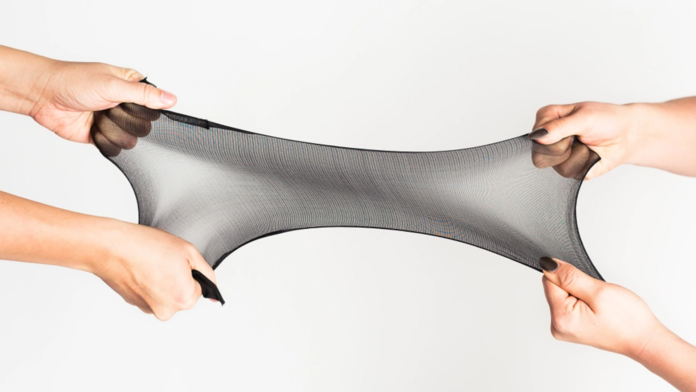
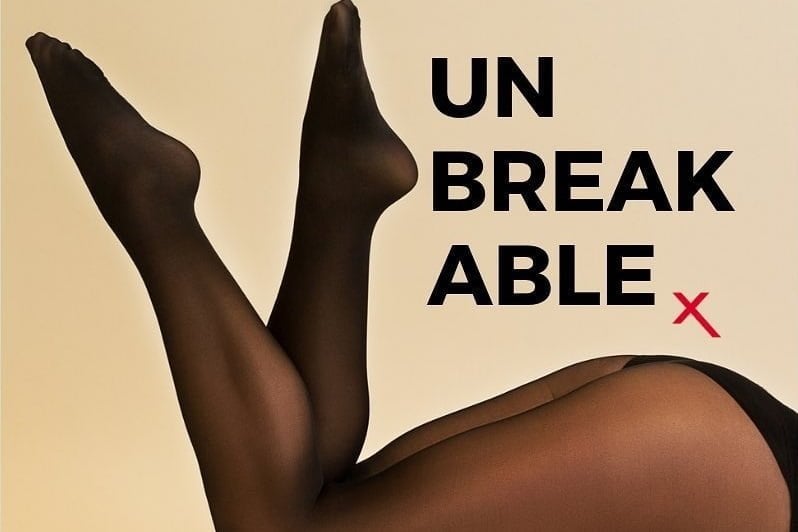
Ms. Homuth’s journey at Sheertex was widely recognized as one of Canadian retail’s most ambitious startup stories. She launched the company in 2017 with a product designed to solve a problem nearly every hosiery wearer knows well: runs and tears. By using ultra-high molecular weight polyethylene, a fiber more commonly associated with ballistic materials, Sheertex developed tights marketed as virtually unbreakable.
Her persistence convinced investors that durable hosiery could be a viable consumer product. The company went on to generate more than US$155 million in sales, with its tights eventually appearing on the shelves of H&M, Costco, Walmart, Macy’s, Holt Renfrew, and Kim Kardashian’s SKIMS brand.
Sheertex Advertisement
A Valuation Reset
Despite its successes, Sheertex faced a severe setback in 2024 when it struggled to raise US$75 million in new funding. Without the infusion, the company was unable to support its wholesale expansion and sustain operations while waiting for large retail orders to be fulfilled and paid.
The financing round that eventually closed earlier this year provided US$40 million from existing investors, but at a steep cost. The company’s valuation, once pegged at US$325 million, was slashed to US$95 million. The capital has given SRTX breathing room, funding production expansion and an ambitious goal to reach profitability by late 2025.
The recapitalization, however, underscored the challenges of scaling a capital-intensive manufacturing business, even one with an innovative product and strong retail partnerships.
Trade Pressures and Layoffs
SRTX’s troubles have not been limited to fundraising. The company has also faced geopolitical and trade-related headwinds, particularly the imposition of U.S. tariffs. The hosiery maker, which relies heavily on American customers, saw costs rise and competitiveness squeezed. In response, the company temporarily laid off about 40 percent of its staff in early 2025, a move that highlighted the fragile position of Canadian manufacturers navigating global trade policy shifts.
The layoffs and financial uncertainty contributed to Ms. Homuth’s decision to step down as CEO, marking the end of her tenure at the company she founded. She has since launched new ventures, continuing her entrepreneurial career.
From Disruptor to Mainstream Player
Sheertex began as Sheerly Genius, a Kickstarter-funded project that caught the attention of investors and consumers alike with its promise of sheer hosiery that would not rip. Its appearance in Y Combinator’s accelerator program and recognition from TIME Magazine as one of the “Best Inventions” helped propel its early growth.
By 2019, the company had relocated manufacturing to Montreal, building a vertically integrated operation to reduce costs and control quality. Over time, Sheertex broadened its scope beyond direct-to-consumer sales, signing distribution agreements with major global retailers.
The brand has also emphasized sustainability, seeking to change consumer perceptions of hosiery as disposable fashion. In 2024, Sheertex achieved B Corp certification, highlighting its environmental and ethical commitments, and announced recycling programs for used products.