Retail Insider is streamlining its Canadian retail news from around the web to include a handful of top news stories that can be viewed quickly during the day. Here are the top stories from the past 24 hours.
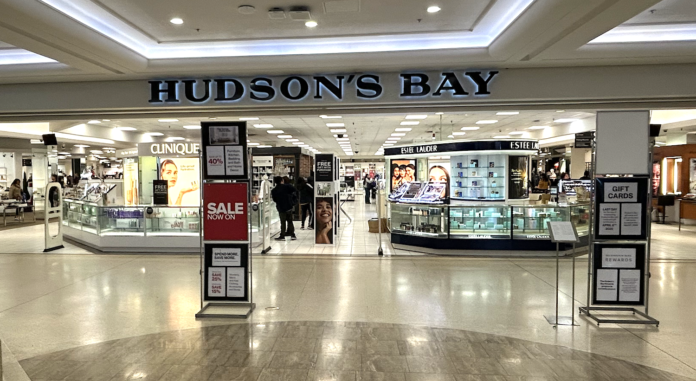
Hudson's Bay store at West Edmonton Mall. Photo: Kyle Kempfer
The Hudson’s Bay Company (HBC) is facing what could be the largest retail liquidation Canada has seen in decades. Antony Karabus, a seasoned retail expert, points out that while small-scale liquidations happen frequently, nothing compares to the scale of Eaton’s, Sears Canada, or now potentially HBC.
“Selling hundreds of million worth of inventory— that’s the biggest retail liquidation in Canada in many years,” says Karabus. “The last time there was something of this scale in Canada were the liquidations like Eaton’s and Sears Canada. This is the last big one.”
Antony Karabus
For a company that has played an integral role in Canada’s retail landscape for over three centuries, this latest chapter signals a profound transformation within the Canadian retail industry.
An Inevitable Outcome?
Many retail analysts saw this coming. According to Karabus, the moment HBC restructured and separated Saks Global from its Hudson’s Bay division, the writing was on the wall.
“This outcome was something I anticipated,” he explains. “I knew as early as January. It’s important to consider: how will people react if the company disappears? Employees will be saddened by the loss of their jobs, and the older generation will likely feel nostalgic. However, younger shoppers in Canada have largely moved away from traditional department stores.”
“Additionally, the pandemic had a significant, once-in-a-generation impact—downtown stores across Canada suffered from a prolonged lack of foot traffic due to extensive lockdowns.”
“I also feel for the numerous vendors who will suffer financial losses, both from unpaid invoices during the liquidation process and from the loss of future sales, as HBC was a major buyer for many suppliers. Furthermore, many landlords will now have to reconsider their business strategies, as the loss of The Bay as an anchor tenant will impact their revenues and leave them with large, vacant spaces that will need to be repurposed or filled with new tenants.”
With younger consumers shifting their spending habits to specialty retailers and e-commerce, the traditional department store model has struggled to maintain relevance.
The Nostalgia Factor
The potential downfall of Hudson’s Bay raises an important question: is the emotion around this more about the actual loss of the stores, or is it merely nostalgia?
“I would argue it’s primarily nostalgia,” Karabus says. “People are sad because they remember shopping there decades ago. But the reality is, if you don’t create a compelling shopping experience in beautiful, well-maintained stores, customers stop coming.”
Indeed, HBC has long been criticized for failing to modernize and maintain its stores. Some locations have outdated interiors, aging escalators, and an overall lack of appeal when compared to newer competitors.
The Importance of Reinvention
Retail success hinges on constant reinvention. Karabus highlights Canadian Tire as an example of a retailer that has successfully adapted to changing consumer needs.
“Look at strong retailers like Canadian Tire. They reinvent themselves every few years and have done an incredible job staying relevant and top of mind. They nurture talent internally, promote from within, and create a reason to exist,” he says. “HBC failed to do that. Was I surprised by what happened? Unfortunately not. But it is sad as it is so closely identified with the history of Canada. ”
The retail landscape is littered with the remains of once-dominant chains that failed to evolve. While some department stores globally have found success by focusing on luxury or experiential retail, HBC has struggled to define its identity in a rapidly changing market.
Beauty and Fashion: Once Pillars, Now Competition
For decades, department stores were the go-to destinations for beauty and fashion. However, the rise of specialty retailers has dramatically changed consumer behaviour.
“Beauty was a very big reason for going to department stores,” Karabus notes. “But now, you’ve got Sephora, Shoppers Drug Mart, Amazon, and countless other choices. The same goes for fashion.”
In an era where consumers can access high-end beauty products at drugstores and order designer clothing online with ease, department stores have lost their once-powerful draw. Without differentiation or a strong value proposition, HBC found itself in a precarious position.
Can Hudson’s Bay Survive?
A key question now is whether Hudson’s Bay can survive in any form. Karabus poses the question directly: “Does it really matter? Should Hudson’s Bay survive? Can it?”
While other department store chains worldwide have adapted through luxury-focused strategies or technological innovation, HBC has struggled to implement meaningful changes. Without a clear reinvention plan, many analysts believe its days are numbered.
“You only survive in retail if you create a good shopping experience,” Karabus emphasizes. “If your stores are tired, if escalators aren’t running, if you don’t modernize, people will just stop coming or simply wait for bargains. And that’s exactly what happened.”
The End of an Era?
If Hudson’s Bay does disappear from Canada’s retail landscape, it will mark the end of an era. But Karabus believes that the impact will be more emotional than practical.
“The younger generation doesn’t shop at department stores like they used to,” he says. “The people who feel sad about HBC are remembering something from the past, not something they actively support today.”
As liquidation looms, the fate of Hudson’s Bay remains uncertain. What is clear, however, is that the department store model must evolve to remain relevant in a rapidly changing retail world. And for HBC, that evolution may have come too late.
Farm Boy has unveiled its latest brand platform, A Farm Boy Fresh Twist, as part of its broader master brand strategy. The initiative aims to transform grocery shopping from a routine task into an engaging, fresh-market experience—reinforcing what makes Farm Boy unique. The brand refresh has been strategically integrated across customer touchpoints and is being supported by a 360-degree marketing campaign.
According to Farm Boy’s Director of Marketing and Media Relations, Alessandra Bisaillon, the new platform is rooted in the company’s long-standing commitment to high-quality, fresh, and local products, alongside a focus on customer service and in-store experiences.
Alessandra Bisaillon
Bringing the Brand to Life
The Farm Boy Fresh Twist platform is being executed through various touchpoints, including:
In-store experiences and displays that highlight fresh product innovations and showcase unique merchandising.
A dynamic hero video campaign (30-second and 60-second versions) capturing the energy of the Farm Boy shopping experience.
An emphasis on quality, value, and engagement, ensuring that every visit is both effortless and enjoyable.
To bring this initiative to fruition, Farm Boy collaborated with Evolve for creative execution, UM for paid media, North Strategic for PR and influencer partnerships, and Notch Video for video production.
A Strategic Move Rooted in Tradition
Bisaillon explained the reasoning behind the brand evolution, stating, “This is really a celebration of our foundational roots over the last four decades. We wanted to take a moment to refine our master brand and ensure we’re setting the stage for the next 5-10 years.”
The strategy was developed through a collaborative effort involving Farm Boy founder Jean-Louis Bellemare, President and General Manager Shawn Linton, and key members of the leadership and store teams. Through a series of whiteboard sessions, they identified key brand elements that have contributed to Farm Boy’s success over the past 44 years.
Bisaillon emphasized that the goal was to ensure that customers continue to perceive Farm Boy as more than just a grocery store: “Whether it’s our commitment to high-quality, locally sourced products, our friendly and knowledgeable staff, or our exciting in-store experience, we want customers to feel that Farm Boy is something special.”
Integrated Marketing and Customer Engagement
Farm Boy is taking a multi-channel approach to amplifying A Farm Boy Fresh Twist. The brand refresh is being reflected not only in marketing materials but also in-store layouts and merchandising strategies.
Bisaillon noted that customer feedback played a significant role in shaping the initiative. “Many of our brand fans have told us that Farm Boy isn’t just a place to buy food—it’s an experience. This platform is about celebrating that distinction and reinforcing what makes us different.”
From a marketing perspective, Farm Boy is leveraging a combination of social media, digital, and influencer engagement. The company’s PR agency, North Strategic, is leading the influencer strategy, while the hero video campaign features real customers rather than paid influencers. “We wanted to capture authentic reactions and showcase why people love Farm Boy in their own words,” Bisaillon added.
Image: Farm Boy
Continued Growth and Expansion
Farm Boy’s expansion across Ontario has been met with enthusiasm from consumers. The company’s latest location, in Toronto’s Leaside neighbourhood, served as a launchpad for the brand platform, which has now been rolled out across all 51 Farm Boy locations.
Bisaillon explained that the Farm Boy Fresh Twist concept is designed to be a long-term strategy rather than a short-lived campaign. “It’s embedded into everything we do—our merchandising, our service approach, and our in-store experiences.”
Additionally, the Leaside store’s product selection has been expanded to better serve local shoppers, offering a broader range of everyday essentials while maintaining the brand’s fresh-market appeal. “Our customers wanted to be able to round out their shop while still enjoying the Farm Boy experience, and we’ve listened,” Bisaillon said.
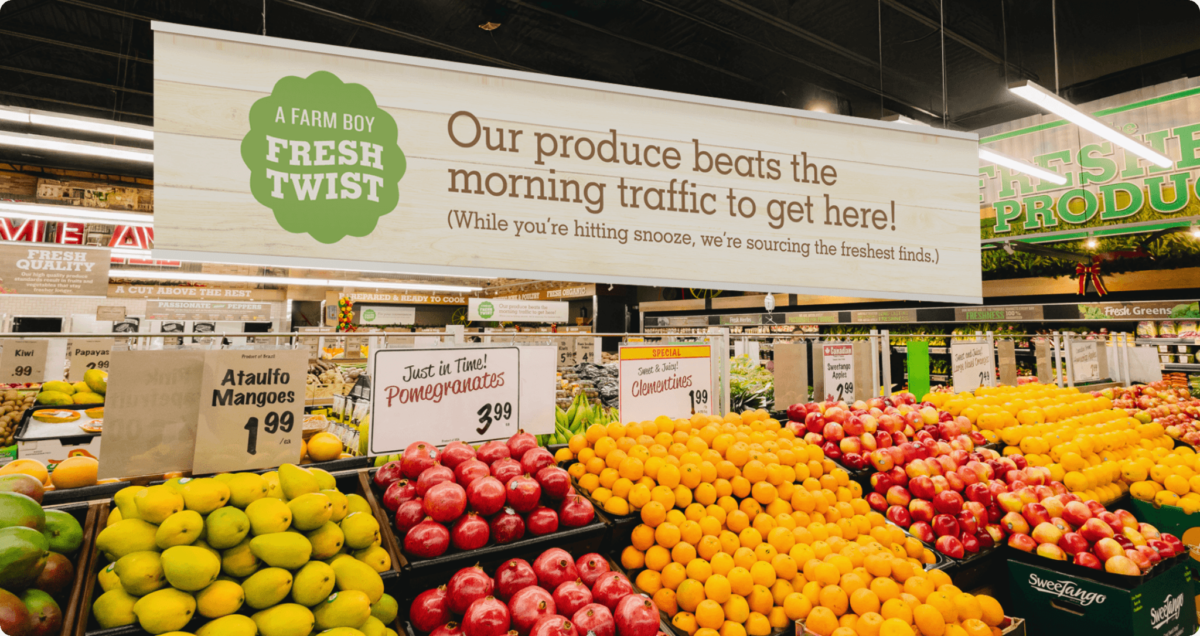
Image: Farm Boy
Innovation Through Partnerships
Farm Boy has also been enhancing its in-store experience through partnerships with well-known restaurant brands. The company has recently introduced collaborations with restaurants like Sud Forno and Terroni, offering pop-up food experiences that add to the excitement of visiting a Farm Boy store.
“It’s about bringing that element of surprise and delight to our customers,” Bisaillon said. “These partnerships help us offer something unique, whether it’s through a new prepared food option or an exciting in-store activation.”
Commitment to Local and Canadian Products
Amid growing consumer demand for Canadian-made products, Farm Boy continues to prioritize local sourcing. Bisaillon highlighted that the company has been working with local farmers and vendors for decades, ensuring that customers have access to fresh, high-quality Canadian products.
“This isn’t new for us—we’ve always championed local,” she said. “You’ll see it across our produce, grocery selection, and private label offerings. It’s part of what makes Farm Boy, Farm Boy.”
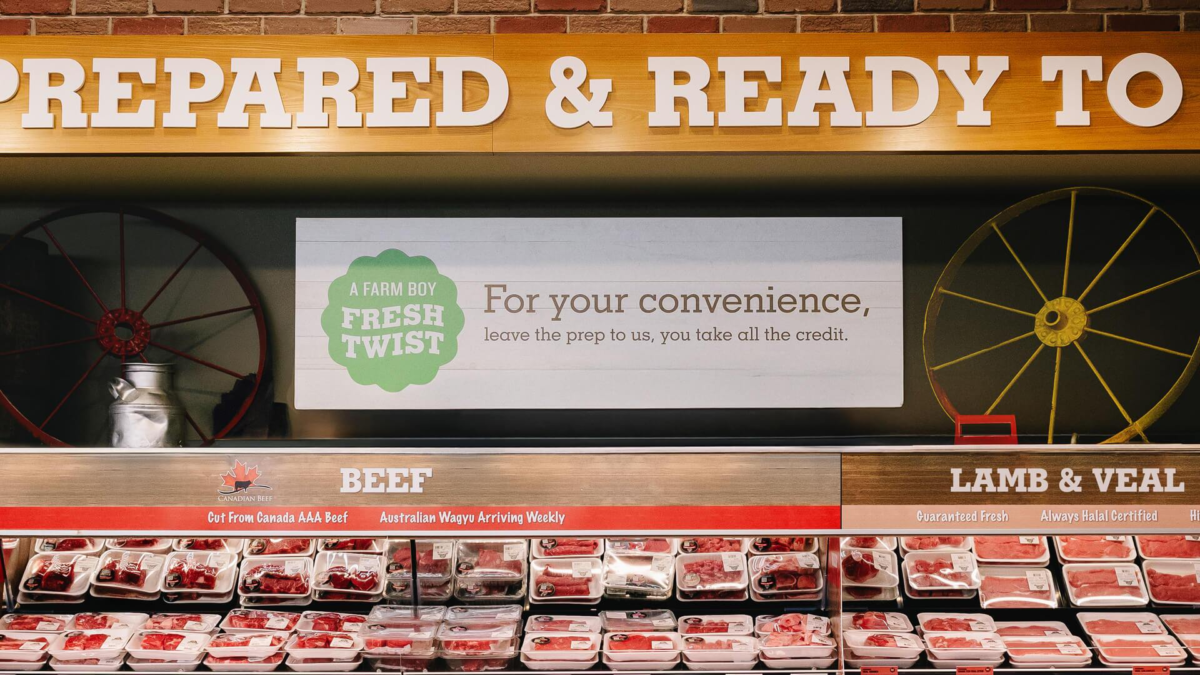
Image: Farm Boy
Looking Ahead
Farm Boy’s A Farm Boy Fresh Twist initiative marks an exciting new chapter for the brand as it continues to differentiate itself in Canada’s competitive grocery landscape. With a strong foundation built on customer engagement, innovative in-store experiences, and a commitment to quality, Farm Boy is well-positioned for continued success.
As Bisaillon put it, “We want customers to come in as shoppers but leave feeling like neighbours. That’s the essence of the Farm Boy experience.”
Knix, the intimates, swim, active and #1 Leakproof Brand in North America, has announced their latest campaign, “Out of Office,” to accompany the launch of their new swim collection.
The campaign features four female founders: Deepica Mutyala of Live Tinted, Babba Rivera of Ceremonia, Katie Sturino of MegaBabe, and Natalie Dusome of Poppy & Peonies. Each founder brings a unique voice, story, and fierce empowerment to the forefront of Knix’s most exciting swimwear launch yet, said the company.
“The ‘Out of Office’ concept was inspired by the idea that even the busiest women take time to disconnect, recharge and rejuvenate. Alongside this campaign, we’re excited to introduce our new innovative sculpt fabric, designed to make you feel supported, confident, and beautiful – in a swimsuit that works as hard as you do.”
Campaign Partners
Knix said its commitment to empowerment is embodied by the remarkable women featured in the campaign.
Deepica Mutyala
“Being part of Knix’s swimwear campaign has been a healing journey, helping me embrace my body and culture. I’m proud to support a brand that aligns with my values,” said Deepica Mutyala, Founder of Live Tinted.
Katie Sturino, Founder of Megababe, also shares her excitement: “This was one of the most empowering sets I’ve been on — not only did we look great in Knix swimsuits, but it was incredible to collaborate with such talented women.”
Natalie Dusome
“From day one, Knix has embodied community, inclusivity, transparency and empowerment, values that I celebrate both personally and professionally,” shared Natalie Dusome, Founder of Poppies & Peonies. “I feel inspired and honoured to have been in the company of such powerhouse female entrepreneurs, and to have experienced the energy that Knix, Joanna and her wonderful team have worked so hard to build.”
Babba Rivera
Babba Rivera, Founder of Ceremonia, reflects on her participation: “This campaign means a lot to me because supporting women-founded brands isn’t just trendy, it’s actually essential if you want to enhance your quality of life—because nobody will ever create for the female experience better than women themselves.”
The Collection
Knix said each piece in the collection offers a comfortable and supportive fit, owed to Knix’s new sculpt fabric, which smoothes and hugs.
“Whether you’re lounging by the pool, taking a dip, or soaking in the sun, the swimwear provides a flawless fit that moves with you. Designed to be both stylish and functional, the sculpt fabric also features UPF 50+ protection for an extra layer of care. Expect flattering, high-fashion and sexy silhouettes like high-cut bottoms and asymmetrical one-pieces. There are even customizable cuts such as the Sculpt Ruched One-Piece, where you can change up your look with various strap style options,” it said.
“The collection is available in XS-4XL, in a variety of stunning colours, including Black, White, Wild Cat (leopard print), Espresso, and Deep Orchid. Select pieces from the collection provide built-in leakproof technology.”
Knix’s Swim Collection is available at retail locations across Canada, as well as online at Knix.ca, with pricing from $45-$135 CAD.
Limited Edition Gift with Purchase Offer
To celebrate the launch, each participating brand in the ‘Out of Office’ campaign, is offering an exclusive gift with purchase to Club Knix loyalty program members with any online swimwear purchase from the new collection, while supplies last. Qualifying customer orders will receive either a Poppy & Peonies Cosmetic Bag in Espresso, a Ceremonia Guava Rescue Spray, a MegaBabe Mini Thigh Rescue Anti-Friction Stick, or a Live Tinted SPF 30 3-in-1 Mineral Sunscreen.
Founded by Griffiths in 2013, Knix is an industry leader in redefining intimates through innovation, inclusivity, and a commitment to breaking boundaries. From pioneering Leakproof underwear to revolutionizing wireless and underwire support, Knix said it challenges convention with thoughtfully engineered designs that blend function, comfort, and style.
“With a product range spanning bras, period-proof activewear, customizable shapewear, and everyday essentials available in an extensive size range, Knix continues to set new standards for how intimates should look, feel, and perform.” said the company.
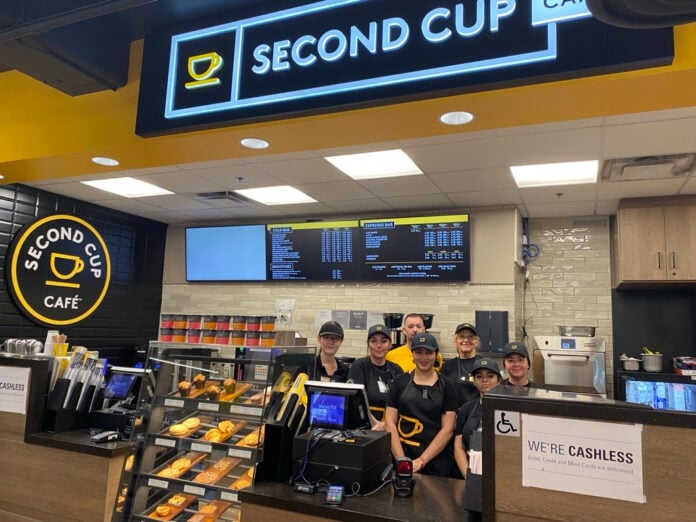
Second Cup Café, Canada’s premier specialty coffee retailer, is commemorating its 50th anniversary this year. From modest beginnings in 1975 as a kiosk selling whole bean coffee, Second Cup has evolved into a national brand deeply rooted in communities across the country.
Over the past five decades, Second Cup said it has remained dedicated to delivering exceptional coffee experiences, emphasizing quality, menu innovation and personalized service, as well as sustainability and community outreach.
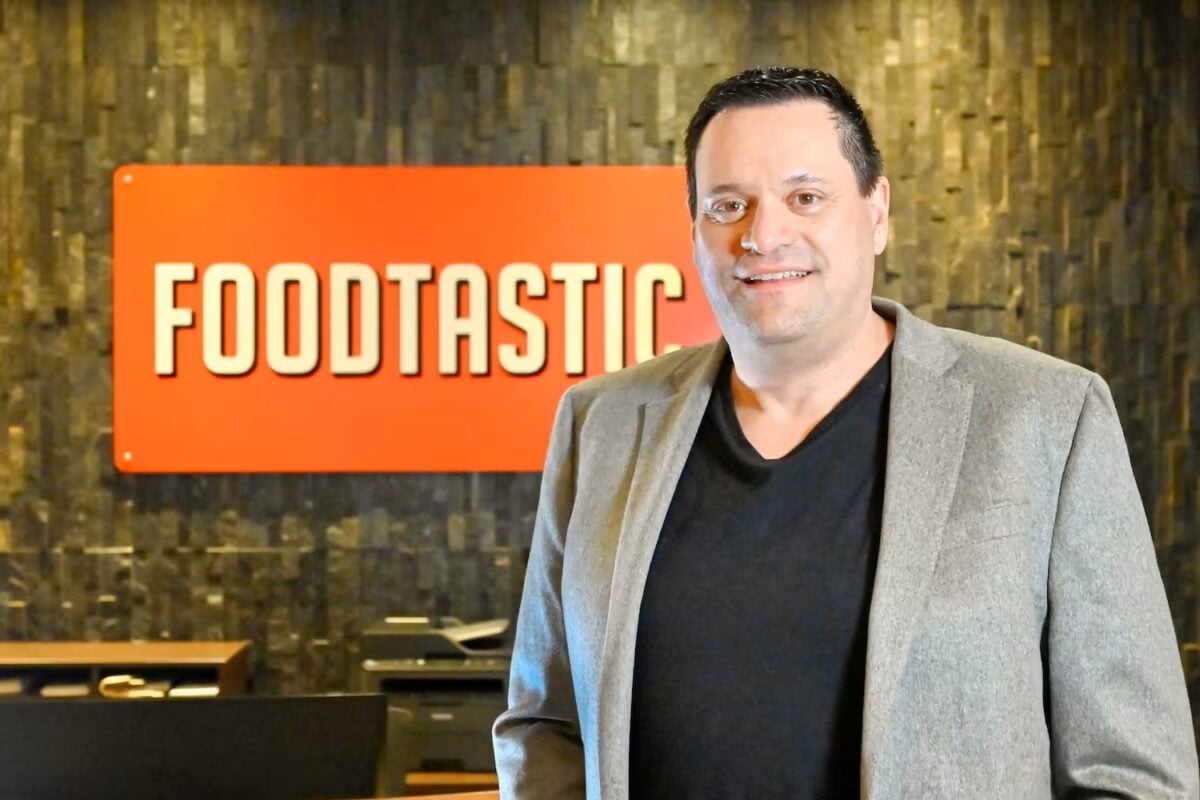
Peter Mammas, CEO of Foodtastic
“The Second Cup brand and its values are extremely precious in our eyes, but the key is the people behind the brand,” said Peter Mammas, Founder and CEO of Foodtastic, parent company of Second Cup. “This milestone has been made possible by Canadian passion and talent, working hard to meet one of our most basic needs – a cozy place to enjoy good company and a good cup of coffee.”
Second Cup said it will celebrate the anniversary with promotions and events that pay homage to its rich history and its customers’ diverse tastes. Details of the offerings and activities will be released in the next few months as the brand approaches its official anniversary date. The first kiosk opened in a shopping mall in Toronto in August 1975.
“We owe this incredible journey to our loyal customers, dedicated franchisees, and hardworking employees, whose passion and commitment have shaped Second Cup into what it is today,” added Mammas. “As a proudly Canadian brand, we look forward to continuing this mission for many years to come.”
Foodtastic is one of Canada’s largest restaurant franchisors, operating more than 1,200 locations across the country. Its diverse portfolio includes Freshii, Quesada, Pita Pit, Second Cup, Milestones, and over 22 other banners.
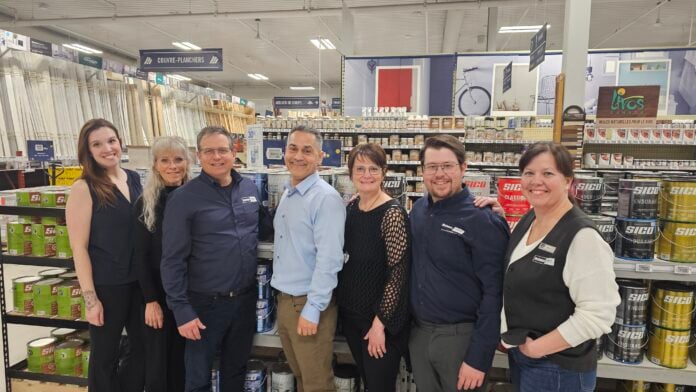
RONA inc., one of Canada’s leading home improvement retailers operating and servicing some 425 corporate and affiliated stores, has announced the acquisition of the RONA Forget store located at 302 Rue de Saint-Jovite in Mont-Tremblant by Carlos Munoz, a RONA affiliated dealer who already owns three stores under that banner in Montréal’s South Shore.
The transaction will ensure the future of the company that has been serving the local Mont-Tremblant community for 120 years, said the retailer in a news release.
“Over time, our business has become an integral part of the community. We have grown alongside our partners and our customers by sharing the values that are important to us, including authenticity, collaboration and commitment. We’re proud of RONA Forget’s growth, and it’s with great emotion and optimism that we’re passing the torch today to someone who shares these same values, so that the company can carry on and continue to shine,” said Benoit Forget, former shareholder of RONA Forget.
Backed by the same team of experts currently in place, Munoz said he is committed to serving the customers with the same high standards, offering them all the products they need to complete their home improvement projects, and getting involved in the community. He has solid industry experience and will play an active role in the company as General Manager. The Forget family will stay involved in the business to ensure a smooth transition for the team and for customers. Some family members will retain their position at the store for the long term as it continues to operate under the same name, added the retailer.
“The store benefits from a rich history and an obvious reputation in the Mont-Tremblant community. I have great respect for the company’s traditions and the solid foundations laid by the Forget family. By building on these strengths, I hope to leverage my expertise to continue to serve and support the local community. I look forward to joining the team so that together we can continue to grow the company. I also want to work with RONA’s team of dedicated experts, who are key partners in store operations,” said Munoz, new owner of the RONA Forget store.
“We are pleased to continue our collaboration with Carlos, who has now acquired his fourth RONA store in Québec. I would also like to thank the Forget family for their considerable contribution to the RONA network and to their community,” continues Mr. Ménard.
RONA inc. is one of Canada’s leading home improvement retailers headquartered in Boucherville, Québec. The RONA inc. network operates or services some 425 corporate and affiliated dealer stores under the RONA+, RONA, and Dick’s Lumber banners.
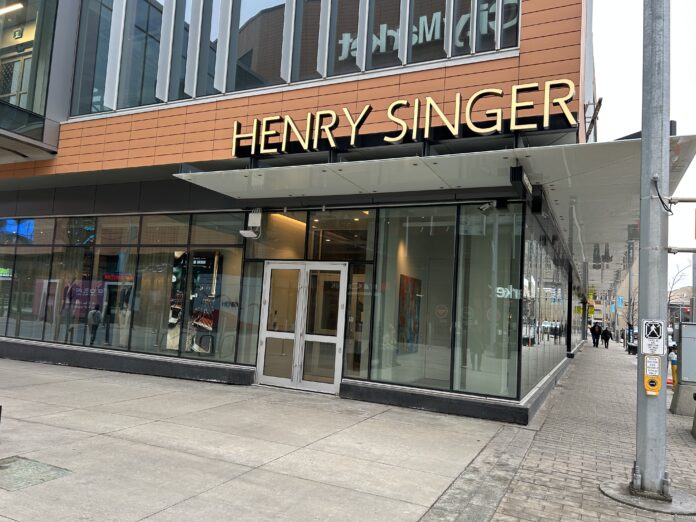
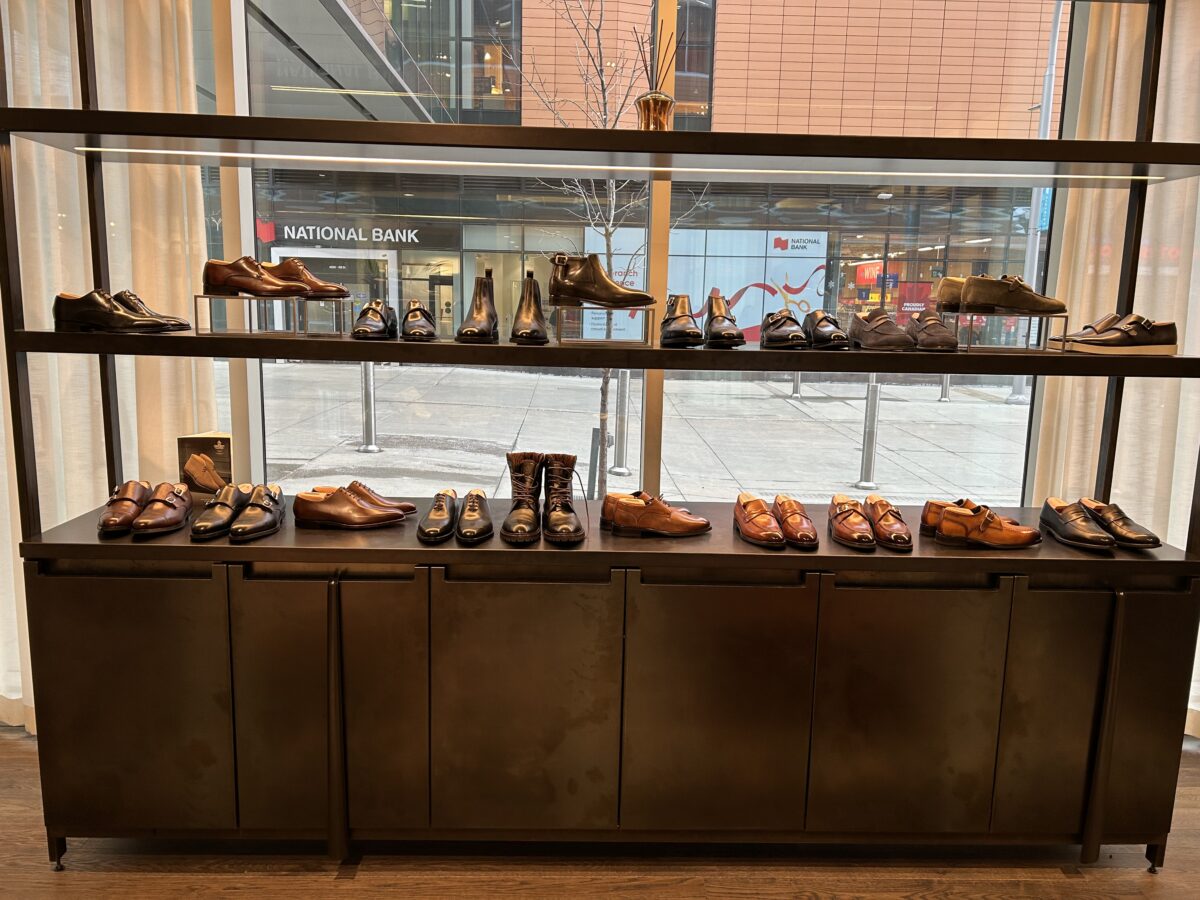
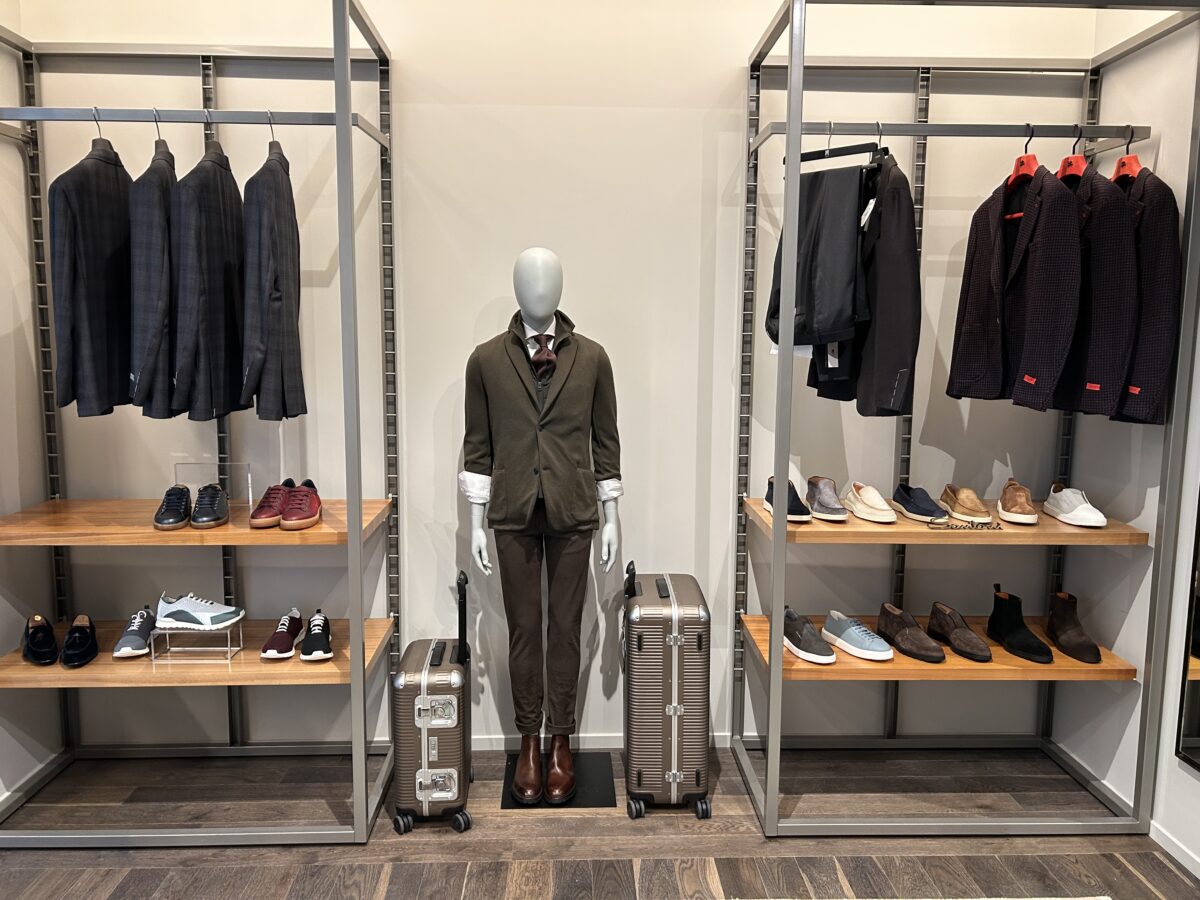
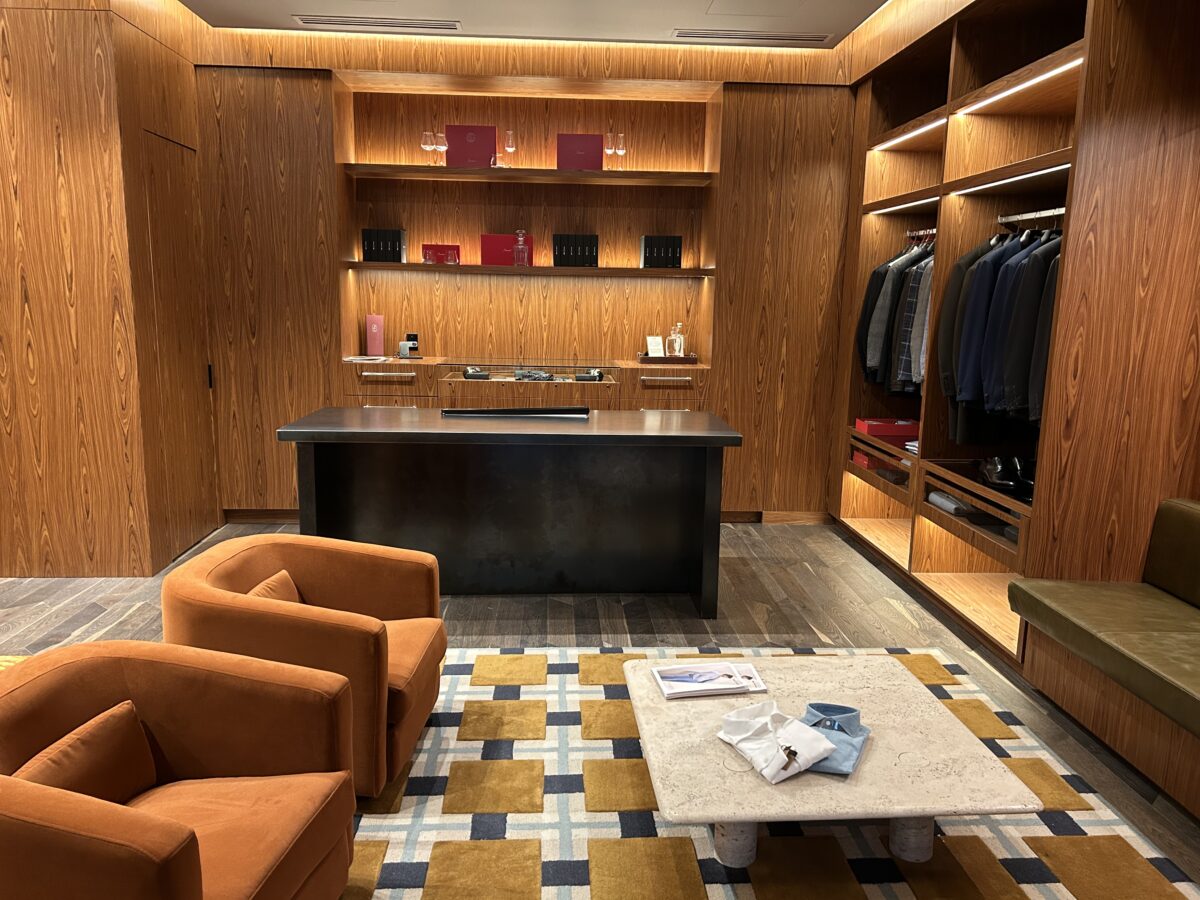
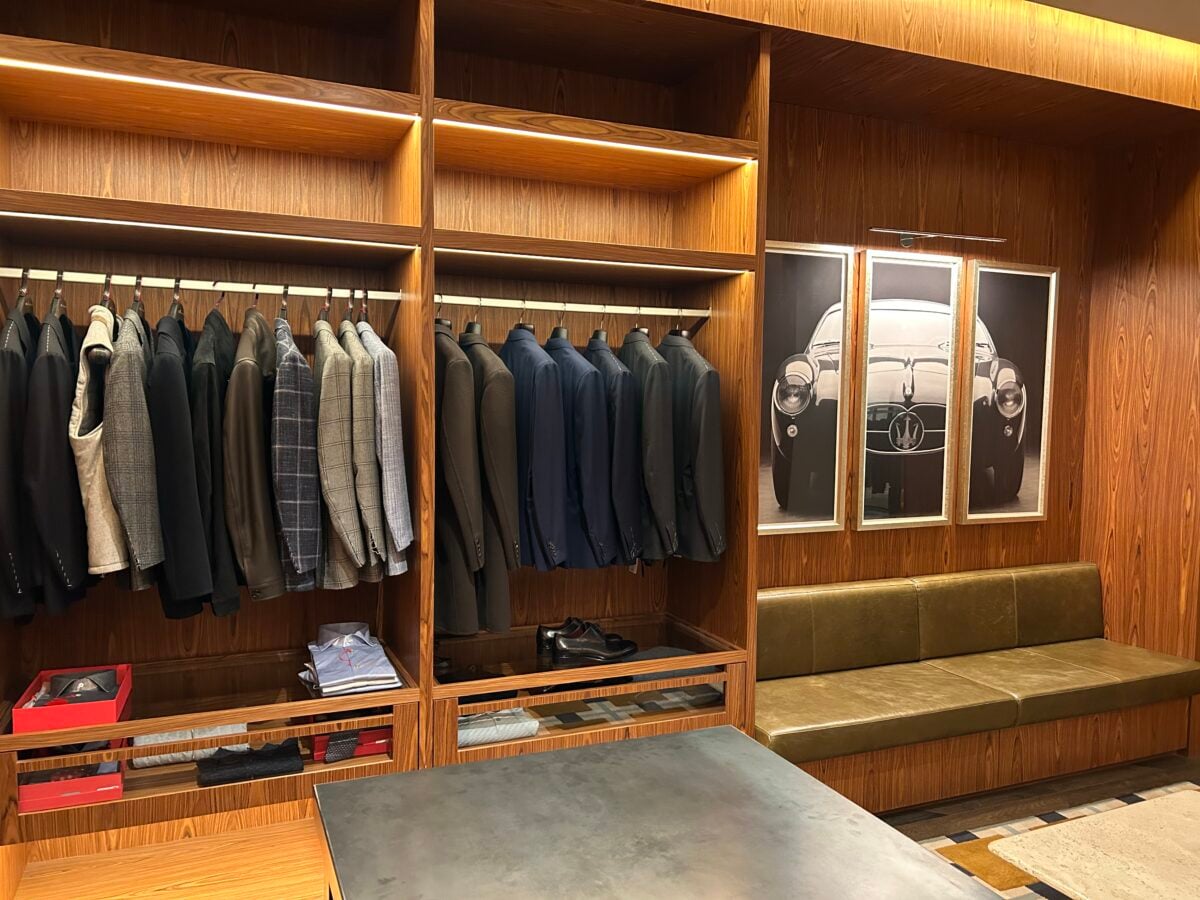
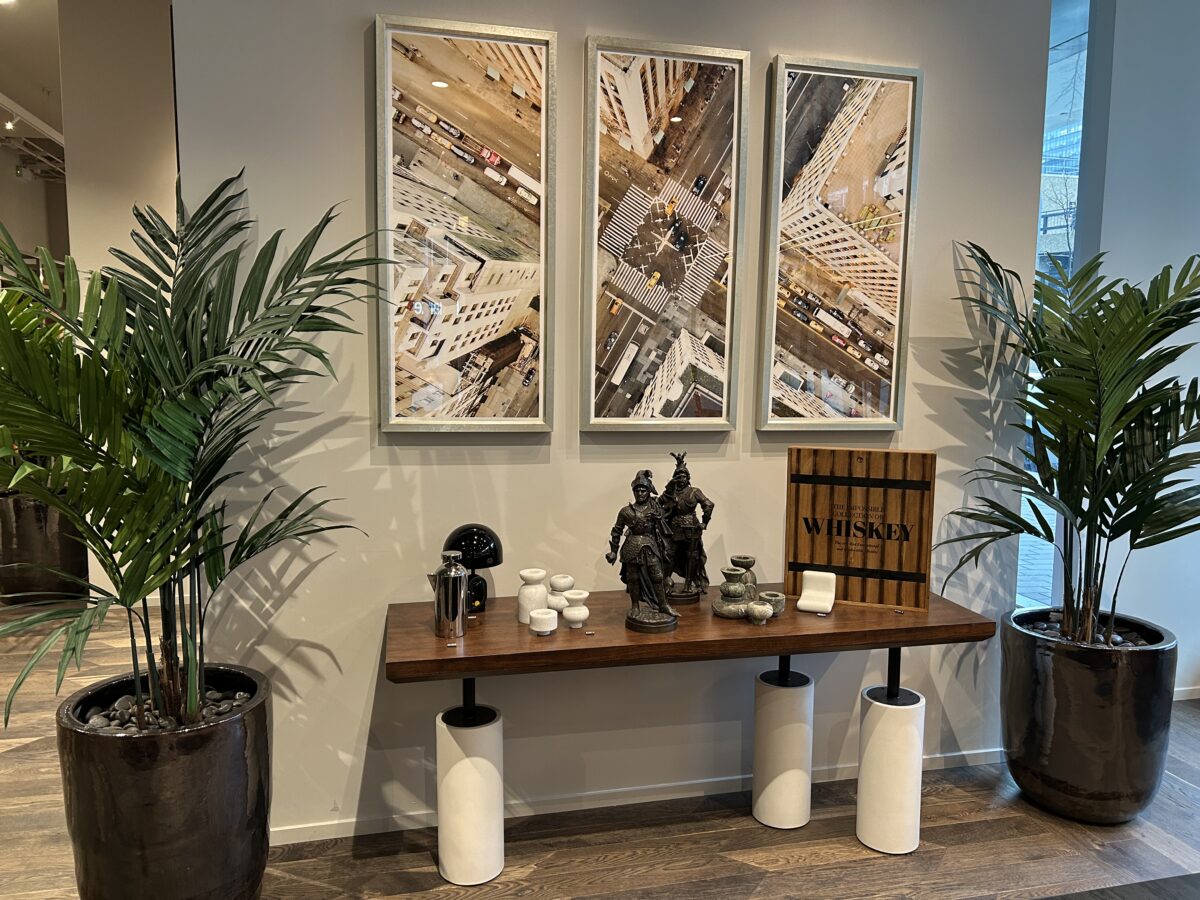
Henry Singer, the iconic Edmonton-based menswear retailer, continues to celebrate a successful first year at its new downtown flagship location in Stantec Tower, nestled in the heart of the ICE District.
Since relocating from Manulife Place, the store has not only maintained its loyal clientele but also attracted an influx of new customers, thanks to its high-visibility spot near Rogers Place.
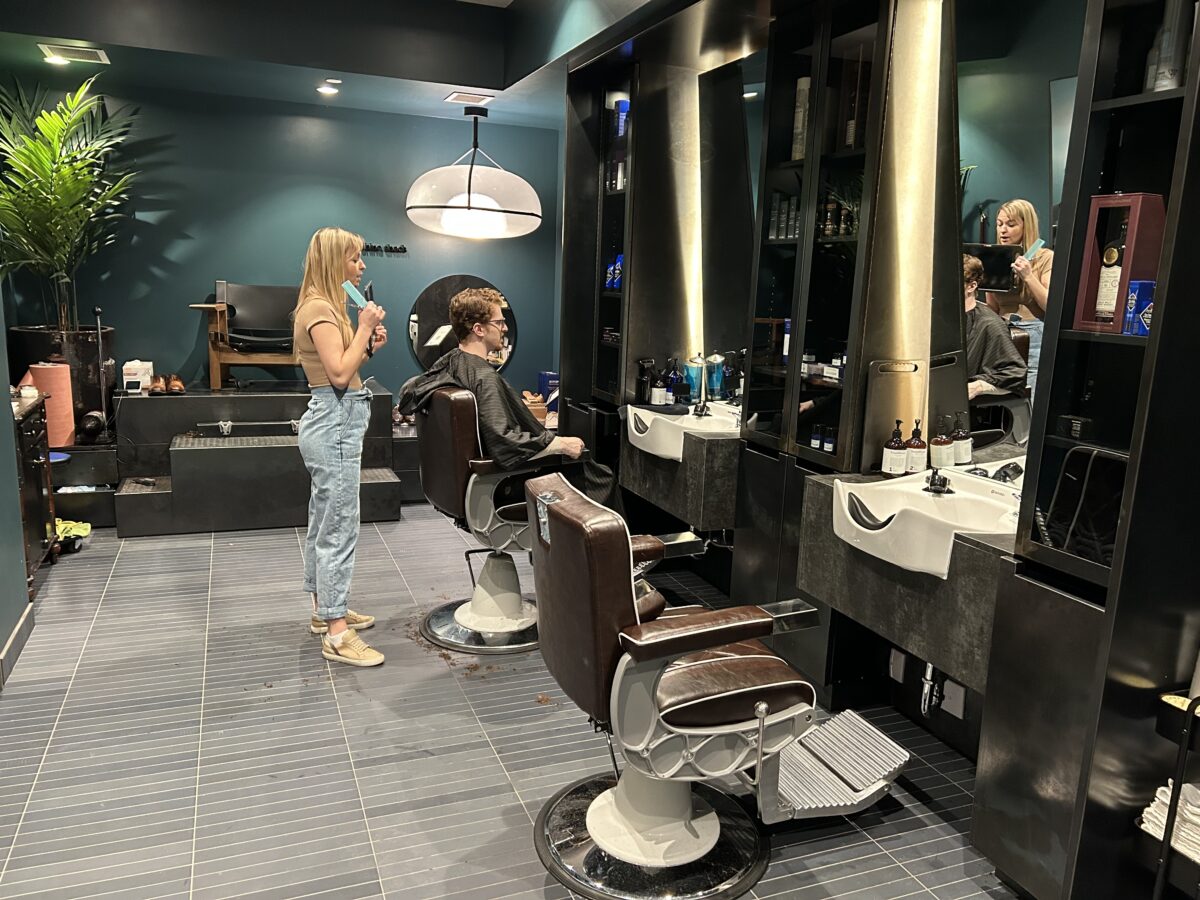
The move has proved to be a strategic success, as Henry Singer has expanded beyond upscale fashion to become a lifestyle destination. The store now features Bar Henry, an Italian-style cocktail bar, Parlour Barba, a full-service barbershop, and Shoeshine Shack, offering shoe care and repair services. This blend of fashion, grooming, and social spaces has made the store a popular stop for both locals and visitors, especially those staying at nearby hotels like the JW Marriott.
“We’re really happy with things. You know, I always personally say that it takes two years in any new location to truly know where you’re at. But, you know, if the first year is any sign we’re well ahead of expectations,” said Singer.
“I’m really pleased with the decision to move and getting open there. Just a lot of exposure. It’s a high visibility corner. The ICE district is the new heart of downtown Edmonton without question. We can feel the energy of all the events that happen there, obviously, including the Edmonton Oilers playing, but all the other events as well. Rogers Place is constantly going with different events and stuff going on.”
The previous store location was only a few blocks away and the retailer was there for more than 20 years.
“We’re lucky to have very loyal customers and so a lot of our customers have followed us over to the new location and that’s been huge for us. And we love seeing that, but we’ve also seen new customers and that’s part of the reason we wanted to make the move to attract attention, kind of raise our profile in the marketplace. And also it has helped to generate some new footfall for sure. We’re seeing new faces every day.
“We’re also seeing a little bit more new faces that work in the ICE district and/or in different buildings that have shifted over. But also new people that have never seen Henry Singer at all. And so some of them might be tourists coming in, staying at the JW for events, but also new locals as well. So it’s been a nice blend of, of just newness and fresh energy.”
Like almost every downtown Canadian city, Edmonton in recent years has had to deal with issues of safety in the downtown core as well as homeless people hanging out on the streets where businesses operate.
Photo by Mario Toneguzzi
“I think everyone in downtown Edmonton has that issue in one way or another. I would say the ICE district is the best part of downtown Edmonton in relation to that. That said we still have to be vigilant and I think the city is making efforts to do more to even clean up all of downtown, but specifically ICE district as well. And ICE district is the nicest and newest part of downtown without a question. For us, it’s a big improvement.
“We still feel like the new flagship is new. I mean, we’re only one year into it. We always like to see two full years to truly understand where we’re at. We still consider it new. We’ve been through the cycle once. Now we’re going to go back through it again and refine it a little bit. We know what the cycle looks like and we’ll refine it.
“It’s all new to us still, the location, our entirely new concept, we’re actually a lifestyle destination. We’re not simply a clothier anymore. Obviously we offer all of our wonderful matrix of products and brands and items. But we also have Bar Henry, which is an Italian style cocktail bar, as well as Parlour Barba, which is a full service barbershop. As well as Shoeshine Shack who does all the care and repair work.”
The small business confidence indicator reached a lower mark than it did at any time during the 2020 pandemic, 2008 financial crisis or 9/11, explained the national organization.
Simon Gaudreault
“Small business owners are feeling pessimistic about their business’s perspectives for the next few months or even beyond. It’s hard to make critical decisions for the long, medium or short term when so much can change within a matter of hours,” said Simon Gaudreault, CFIB’s chief economist and vice-president of research. “No one knows when the tariff war will end, and businesses are worried the worst is yet to come.”
To recoup the losses caused by tariffs and the ongoing financial struggles, small businesses plan to raise prices by an average of 3.7%, an increase from 3.0% in February – the largest month-over-month spike in price increase intentions since the pandemic. Average wage increase plans dropped to 1.9% from 2.2% last month, said the CFIB.
Weak small business optimism is also translating into lower hiring plans, with 19% of small firms planning to lay off in the next few months (up from 13% in February), and only 11% looking to hire, it said.
The report noted that insufficient demand has been steadily trending upwards since November 2024, reaching a new historical high of 59% of affected small firms in March, eclipsing the pandemic high mark of 53% for this indicator.
Confidence among all sectors also fell, with hospitality (17.0), manufacturing (18.6), transportation (21.0), and agriculture (21.3) at the bottom of the scale. In addition to U.S. tariffs, agriculture businesses are also facing 100% tariffs from China on canola oil, peas and oil cakes as well as 25% tariffs on pork and aquatic products such as lobsters, it explained.
“Chinese tariffs are coming at the worst possible time given the ongoing uncertainty in our trading relationship with the United States,” Gaudreault added.
All provinces registered a drop in optimism, with the three largest provinces among the most pessimistic: Ontario (23.4), Alberta (24.1) and Quebec (24.9).
Corinne Pohlmann
“Business confidence is at abysmal levels. If this doesn’t send a strong warning signal to policymakers that businesses urgently need all the help they can get to weather this storm, including a much-improved business environment here in Canada, then I’m not sure what will,” said Corinne Pohlmann, Executive Vice-President of Advocacy at CFIB.
“Now is the time to show strong support to small businesses. Taking proactive actions, such as making carbon tax rebates for small businesses tax free, adopting full mutual recognition right across Canada, increasing the lifetime capital gains exemption, and ensuring there are supports that are accessible to small businesses to help them through this challenging ordeal would significantly boost confidence at a time when small businesses need it the most.”
The CFIB is Canada’s largest association of small and medium-sized businesses with 100,000 members across every industry and region.
There isn’t a week it seems that goes by that Happy Belly Food Group, the fast-growing food company, isn’t announcing another expansion for its multi-brand concept.
And at the heart of the massive expansion strategy is the company’s CEO Sean Black, who has had a long history in the food sector. He’s been with Happy Belly for close to three years.
Black, who started his entrepreneurial journey in the Ottawa Valley at the age of 19, has built a successful career in the restaurant industry, growing multiple brands and opening hundreds of locations across North America.
“I grew up in the Ottawa Valley, just outside of Ottawa. In Arnprior,” Black shared. “I opened up my first restaurant when I was 19. I opened my first Extreme Pita in Ottawa. I started off as a franchisee, then bought a third of the company, and grew it to about 50 stores in Canada.” His venture eventually led him to create Mucho Burrito after encountering the success of Chipotle in the U.S.
Sean Black
Black is a co-founder in Crave IT Restaurant Group. In 2021 it sold its interest in both The Burger’s Priest (including its 25 franchised and corporately owned stores) and Fresh Plant Powered Restaurants to Recipe Unlimited, a publicly traded company on the Toronto Stock Exchange.
From 2013 to 2014, Black held the executive level position of Chief Development Officer at MTY Food Group, a publicly traded.
Prior to that, Black held various positions within the Extreme Brandz from 2000 to 2013. Overseeing Real Estate & Franchise Development of the brand portfolio franchise system.
In December 2022, Happy Belly appointed Black, who at that time was the company’s Chief Investment Officer, to its board of directors.
“As a natural evolution of Happy Belly’s growth, we are pleased to welcome Sean Black to the board of directors. Ever since joining us full time earlier this year Mr. Black has been invaluable to our team in shaping our growth strategy, building our M&A framework, and evolving our brand development and franchise models. He has been key in laying the groundwork for the future development of our company. He is a perfect fit for the expanded responsibilities of becoming a member of the board”, said Shawn Moniz, Chief Executive Officer of Happy Belly, at the time.
Then in August 2024, Black was named the company’s CEO.
After spearheading Happy Belly’s mergers and acquisitions strategy, real estate division, and franchise development for the previous two years, Black took on the additional role of CEO.
“With over 30 years of experience in the restaurant and franchising industry across Canada and the USA, Mr. Black brings a wealth of expertise to the role. His extensive background includes various C-suite executive roles in both private and public companies, as well as a deep understanding of capital market strategies and strategic partnerships. His proven success in implementing organic & inorganic growth strategies in the restaurant sector while executing on high-impact growth strategies uniquely positions him to drive Happy Belly’s growth through its next phase of development,” said the company at the time.
In his new role, the company said Black would drive Happy Belly’s strategic vision and evolve growth initiatives as the company strengthens its presence and market share in the QSR sector. It described Black as having the unique knowledge and skill set of what it takes to deliver on building a leading growth company evolving its stable of emerging brands.
His grandfather was in the restaurant business and for Black that was something he wanted to do. He was either going to be a police officer or in the restaurant business.
Black’s early work in the restaurant industry began as a way to support his love for hockey. “I needed to help make some extra money to play junior hockey,” he explained. “So I went and got a job in the restaurant business, and I just fell in love with it. Never left.” Fast forward to today, and Black has now been part of the industry for over 35 years, always driven by a passion for people and food.
“I love people and I love food. I love the challenge of it too, going out finding new locations, new real estate, expanding the brand.”
Happy Belly Food Group currently operates 10 brands, with plans to increase the portfolio to 15. “We want to be about 15 brands at all times,” Black stated. The company is rapidly expanding, with a goal of opening 30 to 50 restaurants annually across Canada, while also focusing on acquiring more brands. In the next 12 to 16 months, Black envisions the company reaching 100 locations and ultimately growing to 500 restaurants as the pipeline of franchise agreements continues to expand.
Black attributes the company’s success to its flexible and strategic approach to real estate. “We wanted to be able to fill gaps in the market. For example, if someone already has a burger concept, we can bring in a plant-based or Mexican brand,” he explained. This diverse portfolio allows Happy Belly to cater to various types of spaces and communities across North America.
Despite the fast-paced growth, Black maintains a hands-on approach to the business. “I’m in the restaurants typically five to seven days a week,” he said. “I love to cook, and I love being involved in it.” His commitment extends to the process of scouting new markets, where he personally evaluates locations to ensure they align with the company’s standards.
“We do our own homework on the ground before we sign any sites,” Black emphasized. “We visit the restaurants, the local community, and ensure it’s a good fit. That’s our process, and we don’t mess around.”
As Happy Belly Food Group continues to grow and innovate, Black’s dedication to the business and his team remains unwavering. “We started with one restaurant and ended the year with about 50 locations,” he said. “In the next 12 to 16 months, we’ll be at 100 stores. It’s a lot of work, but if you’re still having fun, there’s a reason why we’re still going strong.
“We’re students of the game. We’re kids. We started in this business as teenagers. We’re still in it. We love it. We love working with the landlords, working with our franchisees, helping people find opportunities across Canada, grow in the business. So far it’s working.”
With a clear vision and a love for the industry, Sean Black and Happy Belly Food Group are on track for continued success as they expand their footprint across Canada and beyond.
Retail Insider is streamlining its Canadian retail news from around the web to include a handful of top news stories that can be viewed quickly during the day. Here are the top stories from the past 48 hours.