Home Blog Page 443

Resilience key in ever-changing retail world: CBRE report

Photo- CBRE
Photo- CBRE

Retailer sentiment going into the new year remains positive, however, factors influencing the market will further entrench current trends and push change in the sector. Being forward looking and resilient will always be rewarded, and this has never been more true than in today’s competitive landscape, according to commercial real estate firm CBRE’s recent report, Canada Real Estate Market Outlook 2025.

  1. A supply-constrained retail landscape is expected to persist and reshape the typical store format in Canada. Retailers will ultimately be strategic, expanding into secondary markets or modifying the scale of their typical store.
  2. Sentiment going into 2025 remains positive, however, we are starting to see more normal growth levels following the boom pandemic years. Retailers that tap into savings, provide entertainment, or are innovative/experiential will continue to thrive during this time.
  3. Expanding where and how retailers access consumers may be what it takes to remain relevant in the year ahead. Diversifying sales methods may play a significant role in revenue generation, even if primarily used for branding.

Spillover effect from supply-constrained markets

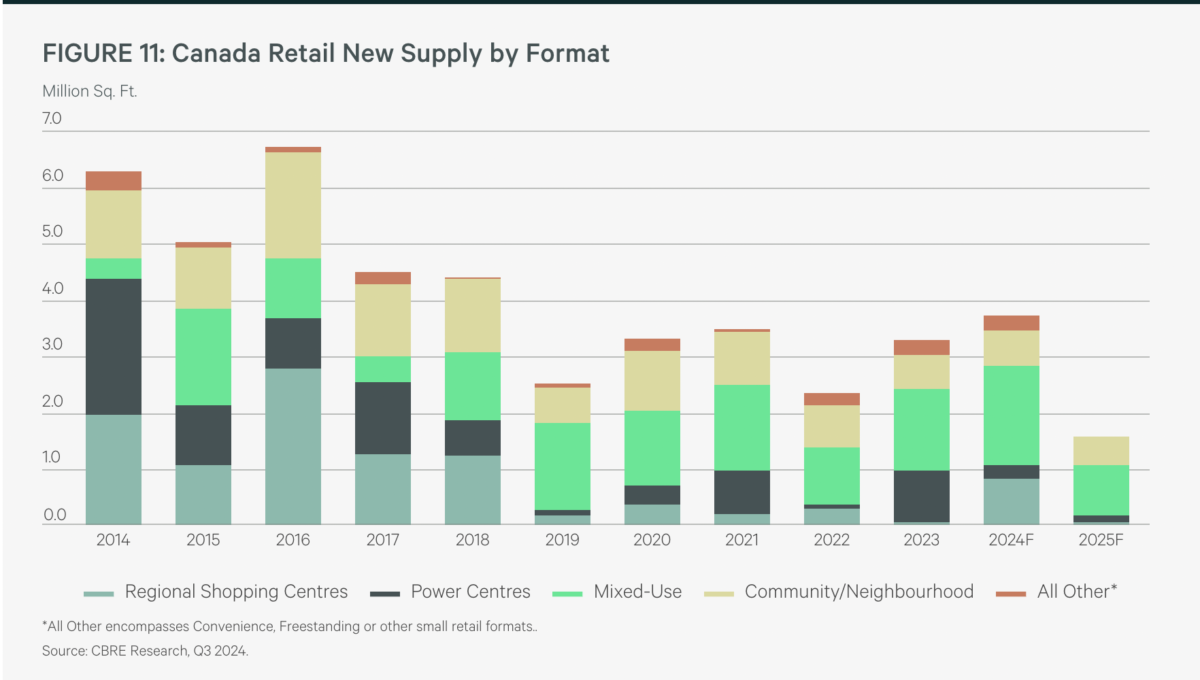
“As noted over the last few years, dwindling levels of new construction have resulted in a supply-constrained retail landscape in Canada with low vacancy and rising rents, especially among fixtured units. Unlike other property types, the main limiting factor has been elevated construction costs and not demand. With a restricted new supply pipeline expected to persist, anticipate these themes to continue in 2025 with robust demand putting pressure on vacancy and rents, although on a healthier growth trajectory,” said the CBRE report.

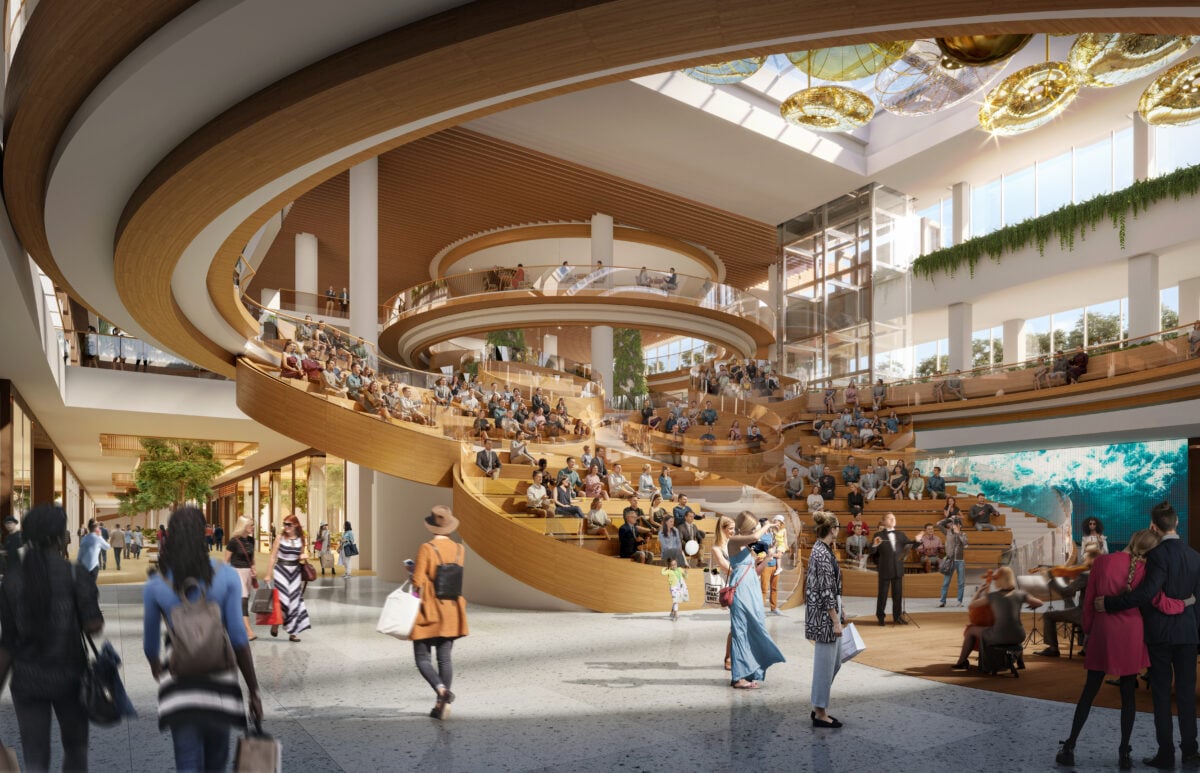
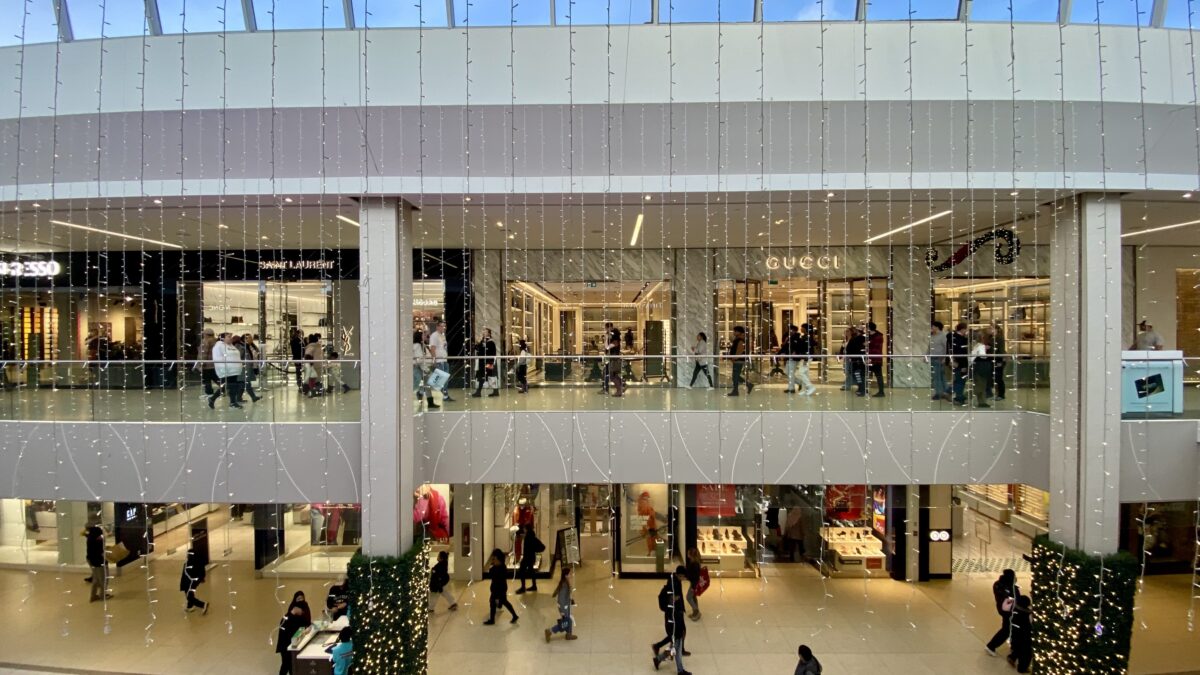
“Large-scale developments like the recently opened Royalmount in Montreal are few and far between. In fact, it has been a few decades since an enclosed mall has been built in Canada. Significantly leased on opening, the success of this property further proves levels of demand and that other properties of scale can be supported. Among current active construction, however, the average project or phase is 35,000 sq. ft. which is nearly 50% smaller than three years ago. This smaller-format offering, which is predominantly mixed-use with retail at grade, will reshape what the typical store looks like in the years to come.

“We have seen activity spill down to lower-quality product amidst lower vacancy, and in the year ahead, will see that continue with retailers expanding over wider geographies, either tapping into secondary markets or going south to the U.S. Retailers will ultimately be strategic during this time selecting spaces that still promote growth while working toward their long-term strategy. Domestically, an increasing number of brands will modify the scale of their typical store, for example Loblaws is currently rolling out smaller-format No Frills; Sephora meanwhile also opened their smallest location to date at The Well. Being forward looking and resilient will always be rewarded, and this has never been truer than in today’s competitive landscape.”
Graphic: CBRE
Graphic: CBRE

Retailers tapping into successes

CBRE said record levels of immigration and population growth have been a boon for the sector, which when paired with inflation and elevated interest rates, has resulted in exceptional growth, especially among necessity-based and discount categories. This confluence of factors is changing however, with recent announcements from the Government of Canada indicating they will curtail immigration targets. This could result in a challenging upcoming year for retailers, especially when layering in a potential recession and an associated pullback in consumer spending. Expect growth to continue, however in a more conservative manner.

“Shoppers will remain cautious and keep household budgets tight against this backdrop in 2025. Correspondingly, value or discount channels, including second-hand or consignment stores, will continue to be popular. Value Village has even expanded on this success with its boutique-branded locations. According to Trendex, cost savings are the biggest motivator for re-sell apparel shopping, the number one item purchased in second-hand stores, followed by books and furniture,” explained the report.

“Entertainment is another category that has been in expansion mode over the last 12 months and is poised for future growth in 2025. These operators are proven to be a destination for consumers and, much like necessity-based retail, can boost centre performance. Beauty is acting similarly and is now being recategorized as an everyday need. New to market entrants and acquisition of brands will push this category towards continued growth.

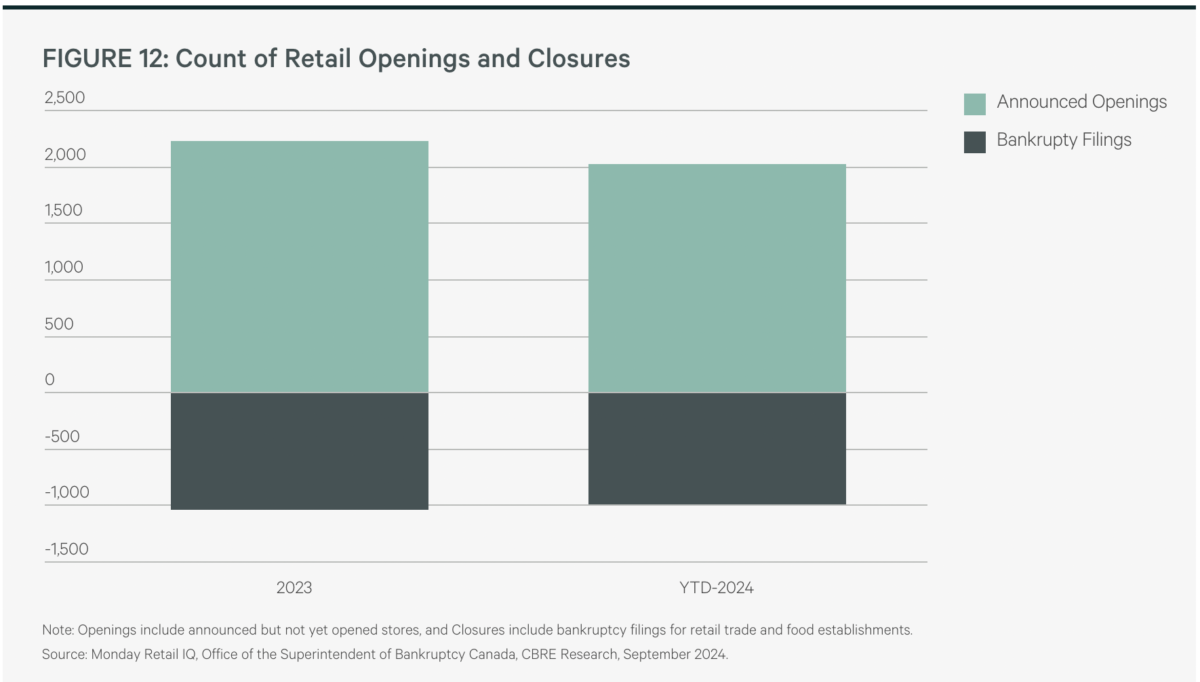
“As has been the case, churn is anticipated among middle of the pack or stagnant retailers without a differentiated offering. Bankruptcies and closures in the year ahead won’t be viewed as detrimental or as an indicator of poor market health. Instead, we’ve seen openings outpace closings, with well-located spaces quickly leased, in some cases even before being vacated by the exiting tenant.”
Graphic: CBRE
Graphic: CBRE

Channels for capturing market share

The report said that while business sentiment going into the new year has remained positive, recession fears will influence decision making, both on the retailer and consumer front. Future proofing business models will be top of mind, however changing consumer behaviours will challenge retailers with Forrester noting that 74% of retailers believe their organization will struggle to adapt to consumer expectations in 2025.

“We typically see Canadians stick to known brands and that has never been more true with EY noting that the percentage of customers willing to pay more for a brand they trust has increased significantly since 2023; this may be tested however in favour of finding a deal. Building off of the recent success of discount retailers, AIR MILES’ research found that 82% of survey respondents were more likely to shop at stores with a loyalty program; further, 66% will modify where and when they make a purchase to maximize points. Rolling out or expanding loyalty programs may be what it takes to attract and retain existing customers,” noted CBRE.

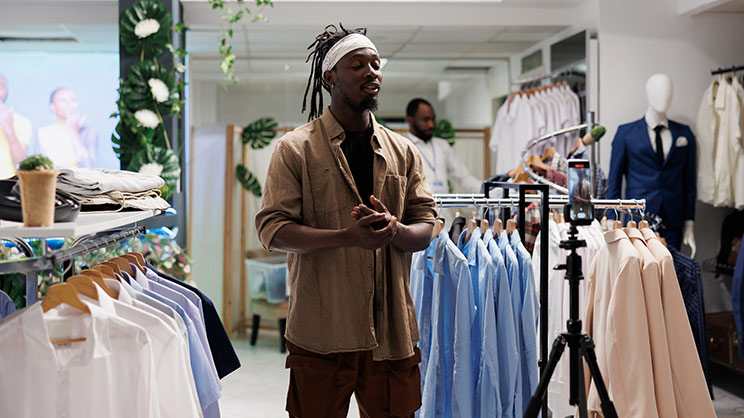
“Additionally, according to Deloitte’s 2024 Holiday Retail Outlook, a growing number of consumers are willing to shop directly through social media channels such as Instagram and TikTok, especially those aged 18-34. This was backed by the Retail Council of Canada’s Navigating the Future: A Study of Sales Strategies and Challenges for Canada’s Retail SMBs where it was noted that other sales methods play a significant role in revenue generation, even though some are still primarily used for branding rather than direct sales. Further from this study, the more sales channels businesses employ, the more optimistic they are about their business prospects, highlighting the importance of diversification. Expanding where and how you access consumers may be what it takes to remain competitive in the year ahead.”

Graphic: CBRE
Graphic: CBRE

Retail Rental Rates Rise Across Canada Amid High Demand and Race for Space: CBRE
Canadian Retail Sector to Face Challenges and Innovations in 2024 Amid Changing Consumer Behaviours and Rising Insolvencies: CBRE Report

Happy Belly appoints John Grieve to executive role

Heal is part of the Happy Belly Food Group (Photo credit: Heal website)

Happy Belly Food Group Inc., a leading consolidator of emerging food brands, has announced John Grieve as its Regional Vice President of Operations, Western Canada.

Sean Black
Sean Black

“Over the past 10 consecutive record-breaking quarters, Happy Belly has achieved significant growth through both organic expansion and strategic acquisitions across its portfolio of emerging brands. To support this momentum, we are excited to announce the appointment of John Grieve as our new Regional Vice President of Operations for Western Canada, overseeing our expanding footprint,” said Sean Black, Chief Executive Officer of Happy Belly.

“To support this momentum it was important for us to increase our bench strength. As a first step John will work closely with brand managers, franchisees, and corporate teams to align operational strategies with our growth goals, ensuring scalability, profitability, and the continued excellence that defines Happy Belly.

John Grieve
John Grieve

“I am happy to continue putting the band back together and reuniting with John as part of the team. I first met John when we hired him at CraveIt Restaurant Group where John played a pivotal role in overseeing Via Cibo and driving our growth in Western Canada. As our brands continue to scale, John’s expertise and leadership will be invaluable in guiding them through this exciting phase of expansion. In this key leadership position, John will concentrate on optimizing operational efficiency, elevating the guest experience, and supporting the ongoing growth of our franchised and corporate-owned locations. His extensive experience in the franchised food sector includes various senior leadership roles at Fat Burger, Crave IT Restaurant Group, Five Guys Burgers and Fries and Edo Japan.

“John brings a wealth of expertise that will help elevate our teams and brands including Rosie’s Burgers, Heal and Via Cibo in Western Canada. He is an excellent cultural fit, embodying an entrepreneurial spirit and a hands-on approach, working closely with our brand operators, financial teams, and partners. We are confident in his leadership as we continue driving growth through disciplined organic expansion and accretive M&A initiatives.”

Related Retail Insider stories:

Chick-fil-A beginning 2025 with 2 new locations in Ontario

Photo: Chick-fil-A
Photo: Chick-fil-A

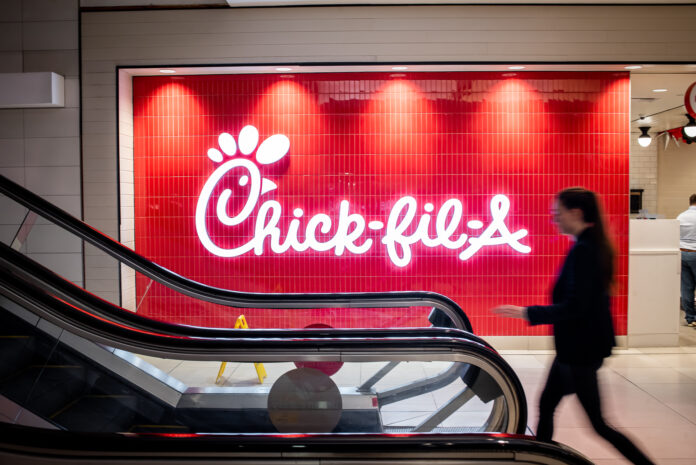
Two new Chick-fil-A restaurants will open this month in Ontario, continuing the brand’s long-term investment in Canada.

In a news release, the company said the two new locally-owned and operated restaurants will create approximately 170 jobs combined. Both restaurants, at CF Rideau Centre in Ottawa, and Cambridge Centre, will offer dine-in and take-out, with Cambridge Centre also serving people with drive-thru
service.

New Restaurants Opening in Ontario

● Chick-fil-A Rideau Centre will begin serving the Ottawa community Thursday, January 9 and is
located within the CF Rideau Centre Food Court at 50 Rideau Street, and will be open from 10 a.m.
to 9 p.m. Monday through Saturday. Hussein Tohme has been selected as the independent
franchised Owner-Operator. Tohme is from the Ottawa community and has a background managing
food and beverage teams for several national restaurant chains.

● Chick-fil-A Cambridge Centre will begin serving the Cambridge community Thursday, January 16
and is located at 405 Hespeler Road, and will be open from 10:30 a.m. to 10 p.m. Monday through Saturday. Olivia O’Brien (nee Efford) has been selected as the independent franchised Owner-
Operator. O’Brien is also the local Owner-Operator of Chick-fil-A Kitchener and will be the company’s second multi-restaurant Owner-Operator in Canada.

“Chick-fil-A’s franchise model is essential to how the restaurant serves others. Most Chick-fil-A restaurants
are owned and operated by a single individual, which means Chick-fil-A’s local Owner-Operators are small business owners, not passive investors, who work in their restaurants side by side with their Team Members each day,” said the company.

“Day-to-day activities of the business include employing approximately 70-100 full- and part-time Team
Members, serving Guests, cultivating relationships with local organizations and businesses, and tailoring
philanthropic efforts to meet the community’s needs.”

Since 2020, the company said it has donated about C$2 million (US$1.46 million) to Second Harvest to support local hunger-relief organizations. Second Harvest is one of Canada’s largest food rescue organizations and helps reduce the environmental impact of food waste by redistributing surplus food from across the supply chain to non-profits throughout the country.

“These two new restaurants will also be participating in the Chick-fil-A Shared TableTM program, an initiative that redirects surplus food from participating Chick-fil-A restaurants to local soup kitchens, shelters, food banks and non-profits to help feed those in need,” said the company.

“To date, more than 30 million meals have been created using Chick-fil-A Shared Table donations from 2,200 Chick-fil-A restaurants throughout Canada and the U.S.

“Chick-fil-A met its goal of opening 20 stores in Canada by 2025 ahead of schedule and is excited to continue its long-term investment in Canada, with the aim to open seven to ten restaurants per year. We are seeking franchise candidates in Canada with an entrepreneurial spirit and a CEO mindset, who are passionate about serving great food and providing exceptional hospitality in a fast-paced environment.”

Chick-fil-A, Inc. is the third largest quick-service restaurant company in the United States, known for its freshly-prepared food, signature hospitality and unique franchise model. More than 200,000 Team Members are employed by independent Owner-Operators in more than 3,000 restaurants across the United States, Canada, and Puerto Rico. In 2023, the company shared plans to expand by 2030 into Europe and Asia. The family-owned and privately held company was founded in 1967 by S. Truett Cathy.

Related Retail Insider stories:

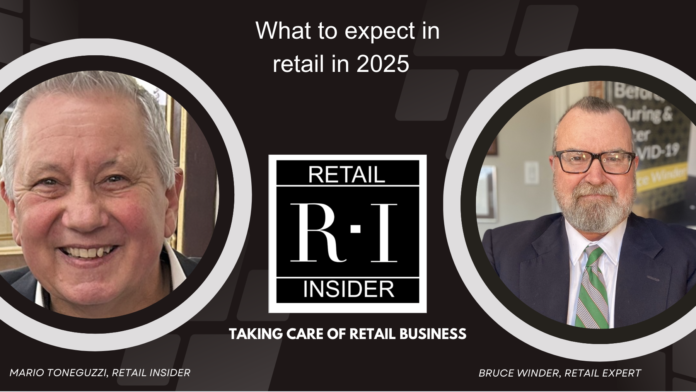
VIDEO: What to expect in retail in 2025: Bruce Winder

Bruce Winder, a top retail expert in Canada, discusses the recent holiday shopping season and what the retail sector can expect in 2025.

Winder discusses the mood of Canadian consumers these days, what sectors of the retail industry did well during the holiday period, what sectors didn’t do so well and are struggling, and if we can expect more of the same in 2025.

The 2024 holiday season brought a mixed bag of results for Canada’s retail sector, according to insights from Winder, one of the country’s top retail experts. While some segments performed well, others faced unprecedented challenges, reflecting broader economic headwinds and shifting consumer behaviours.

“I’ve never seen a year with so many challenges built into it,” said Winder. “The consumer was incredibly frugal, prioritizing sales and essentials, largely due to rising costs in areas like rent and food.”

While Black Friday and Cyber Monday remain major events, their impact has softened. Winder attributed this to the extended promotional period that now spans weeks, diluting the intensity of sales on those specific days. Notably, online sales during Black Friday were reportedly softer, with smaller retailers especially hard-hit due to disruptions like the Canada Post strike.

In contrast, Boxing Day saw significant foot traffic, surprising many with its robust activity in malls. However, this momentum may not have translated equally across all segments.

Value Retailers Shine, Mid-Range Struggles

Retailers in the value segment, such as Dollarama, Walmart, and emerging platforms like Temu, fared well. Consumers flocked to these outlets seeking affordability, with Temu becoming Canada’s most downloaded app in 2024.

Meanwhile, mid-to-high-end retailers catering to aspirational customers struggled. “Department stores like Hudson’s Bay likely faced challenges, as frugal consumers prioritized essentials over discretionary spending,” Winder noted.

Key Challenges and Outlook

The retail landscape was further complicated by the HST holiday, which caused logistical headaches but provided modest boosts in specific categories like toys and children’s clothing. Economic uncertainties, including potential geopolitical shifts and trade tensions, loom large over 2025.

Winder predicts further consolidation in the retail industry, with smaller players potentially exiting and larger brands scaling back operations. To succeed, retailers must focus on cost efficiency and leverage AI to better understand and serve their customers.

“It’s all about knowing your consumer better than the competition and offering incredible value,” Winder concluded.

As retailers brace for another challenging year, adaptability and innovation will be critical in navigating an uncertain future.

Related Retail Insider stories:

Canadian Retail News From Around The Web For January 7, 2025

Canadian Retail News From Around The Web

News at a Glance

Retail Insider is streamlining its Canadian retail news from around the web to include a handful of top news stories that can be viewed quickly during the day. Here are the top stories from the past few days.

‘It keeps you up at night’: Effects of postal strike linger into 2025, business owners say (CTV)

Toys ‘R’ Us Canada closing five stores, expanding HMV and adding play spaces (Financial Post)

Amazon is ending remote work. Its employees hope the company reconsiders (CBC)

Canadians to buy used over new in 2025, retail analyst says (CityNews)

‘I gave them a call, they didn’t pick up’: Canadian furniture store Wazo appears to have gone out of business (CityNews)

Looming increase in postage rates worrying for Windsor small business owners (CBC)

Canadians looking for more global flavours when it comes to food (CCentral)

Inside the biggest police sting ever at Shoppers Drug Mart (Toronto Star)

This Toronto convenience store was robbed before Christmas. The neighbourhood has stepped up (Global)

Queen West used to be the heart of Toronto. How did it go so wrong? (Toronto Star)

Quebec retail leader Geneviève Gagnon lands new acquisition (Hardlines)

Paris Baguette opens new stores in Vancouver (The Investor)

Kensington Market’s favourite pie shop is facing forced demolition (Streets of Toronto)

Proposed Winnipeg Costco could be growing in size (CTV)

Capilano Mall redevelopment: Developer plans to submit OCP amendment application in Spring (North Shore Daily Post)

Home Hardware in Melfort changes hands after 47 years (SaskNOW)

Suspects sought after jewelry store robbery at Mapleview mall (CP24)

Folio.YVR Partners with Public News Korea to Expand Global Reach

Image: Folio.YVR

Folio.YVR Luxury Lifestyle Magazine, a leading digital publication dedicated to the best of Canada’s West Coast, has announced an exciting two-year partnership with Public News Korea. The collaboration will distribute key Canadian luxury stories through Public News Korea’s extensive readership, raising the global profile of West Coast brands and personalities.

Founded in 2004, Public News Korea has earned a reputation for its commitment to public interest and social responsibility. With a broad domestic and international news network, including collaborations with Kakao, Naver, Daum, and Xinhua News Agency, it provides an ideal platform to share Folio.YVR‘s content with readers across Korea and Asia.

Global Exposure for Canada’s Luxury Brands

Through this new partnership, Public News Korea will feature exclusive Folio.YVR content highlighting some of the most prestigious luxury brands operating in Canada, including Maison Birks, OMEGA, Stefano Ricci, Maclaren, and Fazioli Pianoforte. Additionally, Folio.YVR‘s coverage of celebrated West Coast wineries, such as District Wine Village and Phantom Creek, will also be featured, alongside profiles of Canadian personalities like philanthropist Calvin Ayre. These stories, showcasing elegance, innovation, and entrepreneurial spirit, will reach Public News Korea’s diverse and sophisticated audience.

Helen Siwak

Helen Siwak, Editor-in-Chief and Publisher of Folio.YVR, expressed excitement about the partnership: “This collaboration is a pivotal moment for us as we continue to showcase the luxury lifestyle of Canada’s West Coast on the global stage. Public News Korea offers an unparalleled opportunity to connect with a dynamic audience in South Korea and across Asia, raising awareness of Canada’s luxury brands, fine wines, and influential entrepreneurs. We are thrilled to bring greater global recognition to Canada’s luxury scene.”

Expanding West Coast Luxury to Asia

This partnership is a key part of Folio.YVR’s global expansion strategy, enabling the magazine to share the vibrancy of West Coast living with readers across Asia. As interest in luxury brands grows in South Korea, Public News Korea’s robust platform provides the perfect avenue to promote Canadian luxury to an audience increasingly drawn to Western elegance and craftsmanship.

By spotlighting Canadian luxury brands, wineries, and prominent figures, Folio.YVR positions itself as an authority on high-end living and eco-luxury. The inclusion of stories on plant-based dining, fine wines, and opulent retreats adds an additional layer of sophistication, appealing to readers who prioritize environmental consciousness alongside indulgence.

A Strong Digital Presence for Canada’s West Coast Lifestyle

As Folio.YVR continues to highlight the beauty of Vancouver and the surrounding region, this partnership will strengthen the magazine’s presence in key international markets. Readers in South Korea will now be able to access in-depth articles that explore the intersection of luxury living and eco-consciousness, providing them with a unique glimpse into the best Canada has to offer.

The collaboration with Public News Korea helps to elevate Canadian luxury brands to an international audience, aligning with the growing demand for premium products in Asia. Folio.YVR’s editorial focus on luxury fashion, high-end travel, and elite lifestyle experiences aligns with the tastes of a sophisticated global readership, ensuring that the magazine’s stories resonate across borders.

About Public News Korea

Public News Korea is a respected media outlet established in 2004, known for its reliable coverage of both domestic and international news. With a strong commitment to public interest and social responsibility, Public News Korea reaches over 225,000 readers monthly (2024) and has built an extensive network that includes collaborations with Xinhua News Agency in China. This strong international presence makes it an ideal partner for Folio.YVR as the magazine expands its reach into Asian markets.

About Folio.YVR Luxury Lifestyle Magazine

Launched in 2019, Folio.YVR is Vancouver’s premier digital luxury lifestyle magazine, offering curated content on luxury experiences, high-end fashion, fine dining, travel, and eco-luxury living. With a focus on showcasing the best of Canada’s West Coast, Folio.YVR provides ad-free, expertly curated content that highlights Canadian changemakers, global influencers, and the refined living culture of Vancouver.

From exclusive luxury retreats to plant-based dining and opulent fashion, Folio.YVR inspires its readers to elevate their lifestyle through grace and sophistication. With its digital-first approach and an extensive newsletter distribution, Folio.YVR delivers high-quality content directly to its growing global audience, offering insight into Canada’s luxury sector with stunning visuals and compelling storytelling.

More from Retail Insider:

Subaru Canada Sets New Sales Record Over 12 Months

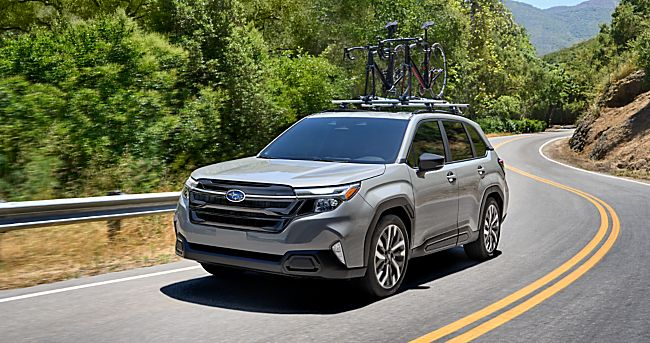
2025 Subaru Forester. Photo: Subaru Canada

Subaru Canada, Inc. has closed out 2024 with a record-breaking 68,043 units sold across the nation, marking an impressive 23.8% year-over-year increase. This remarkable achievement shatters the company’s previous sales record of 58,070 units, set in 2018, underscoring the continued success of the Subaru brand in Canada.

With strong performances from a diverse range of models, including the popular Subaru Forester, Crosstrek, and Impreza, Subaru Canada also saw the all-electric Subaru Solterra post its best-ever December sales, capping off a stellar year for the electric vehicle. The December total of 4,664 units sold represents a slight dip of 8.8% compared to December 2023, when 5,115 units were delivered. However, this minor setback does not overshadow the company’s overall growth throughout the year.

A Record Year for Subaru Canada

In a year of significant milestones, Subaru Canada’s total sales of 68,043 units exceeded expectations, and the company achieved impressive records across several vehicle models. The Subaru Forester reached an all-time high with 16,376 units sold, while the Crosstrek saw an outstanding 28,303 units delivered in 2024. The Subaru Impreza also enjoyed an impressive year, posting a 46.1% increase in sales over the previous year, with 3,276 units sold.

One of the standout stories of 2024 was the success of Subaru’s first all-electric vehicle, the Solterra. With 2,468 units sold in December, the Solterra posted its best monthly sales to date, contributing significantly to the overall success of the year. This highlights Subaru’s growing presence in the electric vehicle market and the brand’s commitment to sustainable mobility in Canada.

Subaru’s sales growth in 2024 reflects the broader consumer trend toward SUVs, with models like the Forester and Crosstrek benefiting from the ongoing popularity of compact crossovers. These vehicles offer a mix of performance, safety, and practicality, which has resonated strongly with Canadian consumers. Subaru’s commitment to all-wheel drive across its lineup remains a key selling point, especially in Canada, where challenging weather conditions require vehicles that can handle diverse terrains.

2024 Subaru Crosstrek, photo: Subaru Canada

Executive Praise for Achievements

Tomohiro Kubota, Chairman, President, and CEO of Subaru Canada, Inc., expressed his gratitude to the employees, dealerships, and customers who contributed to the company’s record-setting performance.

“For Subaru Canada, 2024 was a year for the record books,” said Kubota. “From our head office to every dealership across the country, I want to personally thank the dedication and hard work that went into making this the best year ever for Subaru Canada. This success is a testament to the passion and commitment of our entire team, and we look forward to continuing this momentum in 2025 and beyond.”

Strong Q4 Sales Performance

Subaru Canada’s fourth-quarter performance also showed strong growth, with 15,551 units sold in Q4 2024, a 3.0% increase over the same period last year. This consistency throughout the final quarter of the year underscores the ongoing demand for Subaru vehicles and the effectiveness of the brand’s marketing and sales strategies. With many of the company’s models seeing year-to-date sales records, Subaru continues to build on its strong reputation for safety, durability, and performance in the Canadian automotive market.

2024 Model Highlights

Subaru’s lineup has seen a continuous evolution, with each model contributing to the brand’s success in 2024. Some of the top performers include:

  1. Subaru Forester – With 16,376 units sold in 2024, the Forester remains one of Subaru’s most popular models, thanks to its practicality, safety features, and all-wheel-drive capability. It’s a favorite among Canadian families who require a versatile vehicle for year-round use.
  2. Subaru Crosstrek – The Crosstrek achieved an impressive 28,303 units sold, benefiting from the growing demand for compact SUVs that offer both urban practicality and off-road capability. The Crosstrek’s rugged design and efficient fuel economy continue to make it a popular choice for Canadian drivers.
  3. Subaru Solterra – Subaru’s first fully electric vehicle, the Solterra, made a significant impact in 2024. With 2,468 units sold in December, the Solterra not only set a new monthly sales record but also highlighted Subaru’s shift toward sustainable transportation. This vehicle marks a pivotal moment for the brand as it embraces the future of electric mobility.
  4. Subaru Impreza – The Impreza, known for its affordability and performance, saw a 46.1% increase in sales in 2024, with 3,276 units sold. The model’s success showcases Subaru’s continued strength in the compact car market, especially among those looking for a reliable vehicle with all-wheel-drive capabilities.

Subaru’s Commitment to Sustainability

Subaru’s commitment to sustainability is evident in its expanding electric vehicle lineup. The Solterra is a testament to the brand’s effort to embrace a cleaner future and meet the growing consumer demand for environmentally friendly vehicles. Subaru’s plans to further develop its electric vehicle offerings align with broader global trends toward electrification, and the company is making strides to ensure its vehicles meet stringent environmental standards while providing Canadian drivers with the performance they expect from the Subaru brand.

As more consumers turn to electric vehicles for their daily transportation needs, Subaru is poised to be a major player in the market, with the Solterra leading the charge in Canada. With this record year under its belt, Subaru is setting its sights on continued growth in the Canadian electric vehicle market, building on the momentum of the Solterra’s success.

2024 Subaru Impreza – All-Wheel Drive. Photo: Subaru Canada

Subaru’s Future Outlook

Looking ahead, Subaru Canada is optimistic about the future. The strong sales performance in 2024 has laid a solid foundation for continued success in 2025, and the company plans to focus on maintaining its position as one of Canada’s leading automotive brands.

Subaru’s ongoing commitment to innovation, sustainability, and customer satisfaction will remain central to its strategy moving forward. The introduction of new electric and hybrid models, along with the continued success of popular models like the Forester and Crosstrek, will help drive Subaru’s growth in the Canadian market.

As the automotive landscape evolves, Subaru Canada is positioning itself to meet the needs of Canadian consumers who value safety, reliability, and performance, while embracing new technologies that will define the future of the industry.

About Subaru Canada, Inc.

Subaru Canada, Inc. is a wholly owned subsidiary of Subaru Corporation of Japan. Headquartered in Mississauga, Ontario, Subaru Canada is responsible for marketing and distributing Subaru vehicles, parts, and accessories through a network of 96 authorized dealerships across Canada. With a strong focus on safety, all-wheel-drive capability, and sustainability, Subaru continues to build on its reputation as a trusted brand for Canadian consumers.

Sales Overview for 2024

  • December 2024: 4,664 units sold
  • December 2023: 5,115 units sold (-8.8%)
  • Year-to-Date 2024: 68,043 units sold (+23.8% compared to 2023)
  • Forester: 16,376 units sold in 2024
  • Crosstrek: 28,303 units sold in 2024
  • Solterra: 2,468 units sold in December, record year for the model
  • Impreza: 3,276 units sold, up 46.1% over 2023

Quarterly Overview:

  • Q4 2024: 15,551 units sold (+3.0% compared to Q4 2023)
  • Q4 2023: 15,099 units sold

Subaru’s strong year in 2024 demonstrates the brand’s ability to adapt and thrive in the Canadian market, leveraging its reputation for safety, performance, and reliability while embracing the future with electric mobility. As the company moves into 2025, it will undoubtedly continue to build on these achievements and work toward expanding its presence in the competitive Canadian automotive market.

More from Retail Insider:

Unprecedented Growth of Luxury Retail in Canada

Luxury brands at the Yorkdale Shopping Centre in Toronto. Photo: Craig Patterson

Luxury retail in Canada is undergoing a dynamic transformation, marked by a surge of high-end brands establishing themselves and expanding across the country. Key cities such as Toronto, Montreal, Vancouver, Calgary, and Edmonton are witnessing openings of new luxury stores, more so than at any time in Canada’s history.

The rapid expansion could create an over-saturation of luxury stores in the country. At the same time, new suburban luxury nodes are being created that will compete with more traditional urban cores.

Bloor St. W. in Toronto in October, 2024. To the right is the newly opened Loro Piana flagship, while across the street Burberry recently opened a flagship store. Photo: Craig Patterson

Bloor-Yorkville: Toronto’s premier luxury district

Toronto’s Bloor-Yorkville area continues to reign as a major luxury retail destination in Canada. The district, known for its village-like feel, recently added various luxury brand stores. Bloor Street West, formerly known as the ‘Mink Mile’, has seen a remarkable number of flagship luxury stores open on the street recently.

In the past 18 months alone, Bloor Street saw the openings of flagship Rolex, Van Cleef & Arpels, Ferragamo, Alexander Wang, Bon Point, Bulgari, Burberry and Loro Piana stores, as well as a 10,400 square foot Saint Laurent. There will be even more movement in 2025 when Tiffany & Co. relocates and opens a flagship in a branded building at 66 Bloor Street West, and other leases nearby are signed.

The Yorkville village area itself has developed with luxury retail, including along Yorkville Avenue and adjacent streets. Yorkville Avenue is lined with luxury stores including Chanel, Brunello Cucinelli, Christian Louboutin and Balenciaga. In the fall of 2024, U.K.-based Derek Rose opened its first store on Hazelton Avenue, while U.S.-based jeweller Chrome Hearts will unveil a store on Scollard Street, marking the first luxury brand on the street. We can expect Yorkville to continue to expand its luxury offerings, with brokers saying some top brands have shown serious interest.

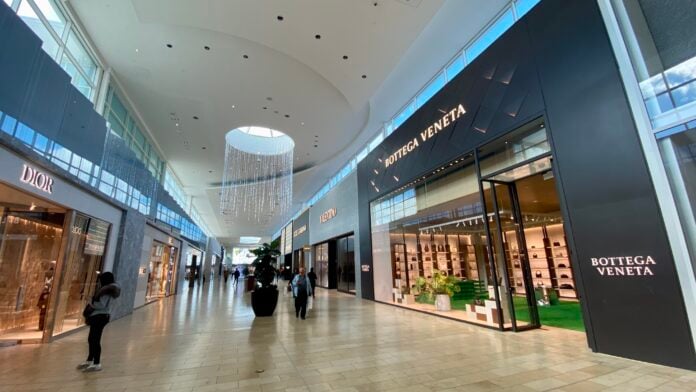
Luxury brands at the Yorkdale Shopping Centre in Toronto. Photo: Craig Patterson

Bloor-Yorkville vs. Yorkdale: competing for affluent shoppers

Toronto’s Bloor-Yorkville and the Yorkdale Shopping Centre are locked in a rivalry to capture the attention of the city’s affluent shoppers. Bloor-Yorkville offers an architecturally unique and charming outdoor experience enriched by luxury hotels, upscale dining, services, and cultural landmarks. Meanwhile, Yorkdale provides an expansive indoor shopping experience featuring an impressive availability of luxury stores. The climate-controlled environment and curated mix of luxury stores make Yorkdale a preferred destination for convenience-driven shoppers who want everything under one roof.

Many luxury brands are seeing the benefit of having stores in both nodes, given their different shopping patterns and diverse consumers.

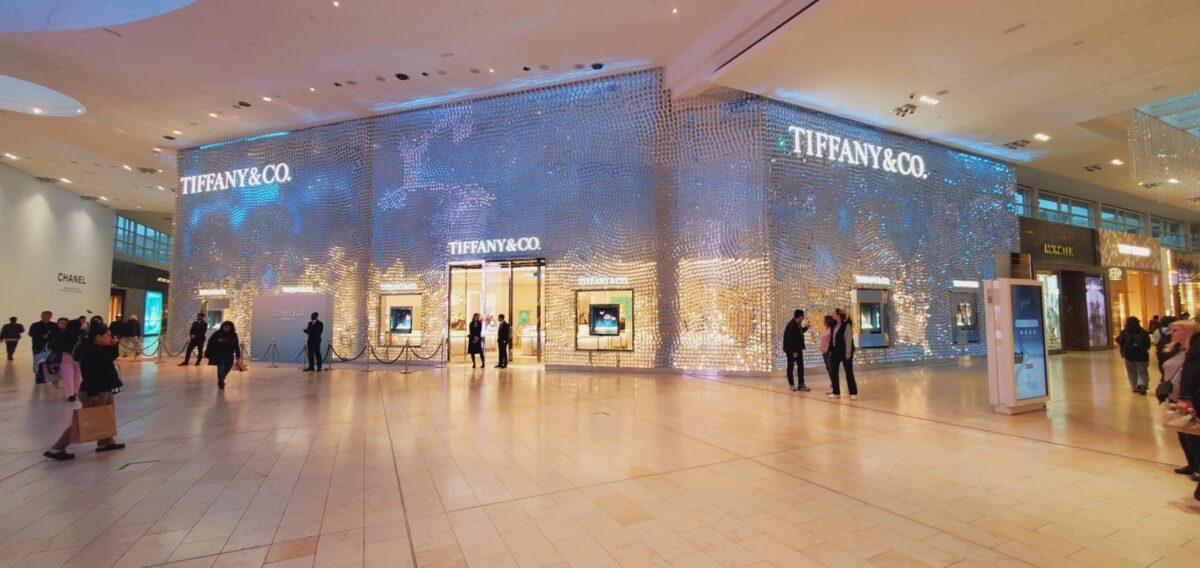
The newly updated and expanded Tiffany & Co. flagship at Yorkdale in Toronto includes 32,000 crystals. Photo: Craig Patterson
New luxury wing in the Yorkdale Shopping Centre in Toronto. Photo: Craig Patterson

Yorkdale Shopping Centre: A luxury powerhouse

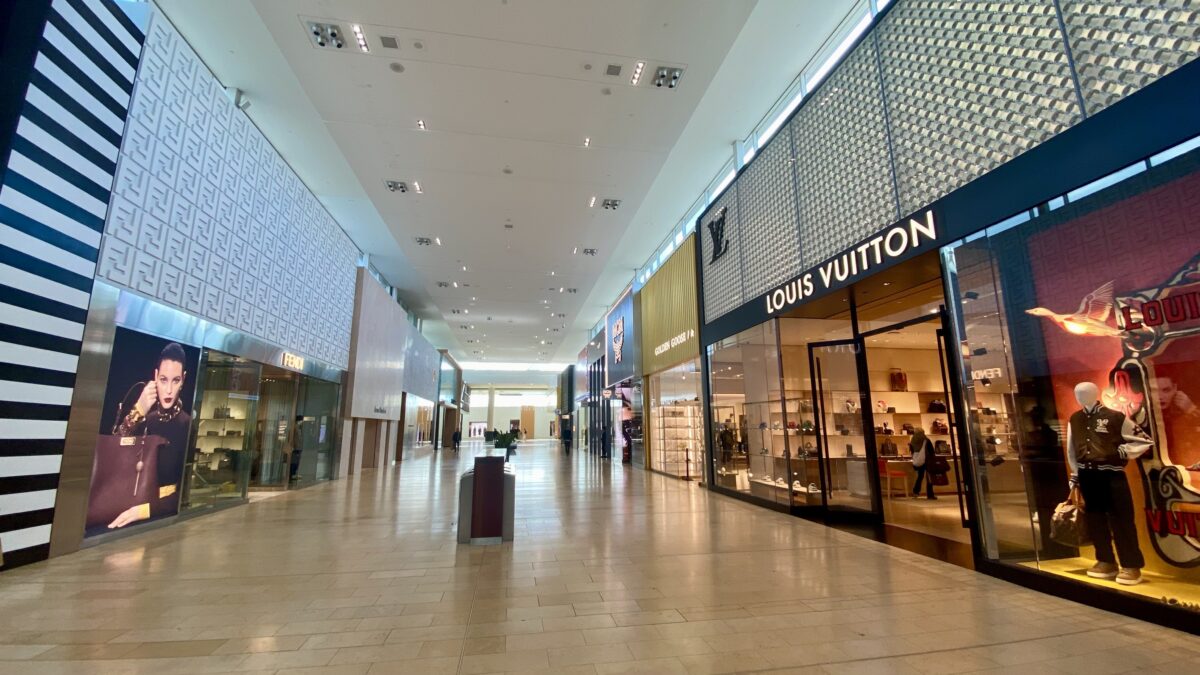
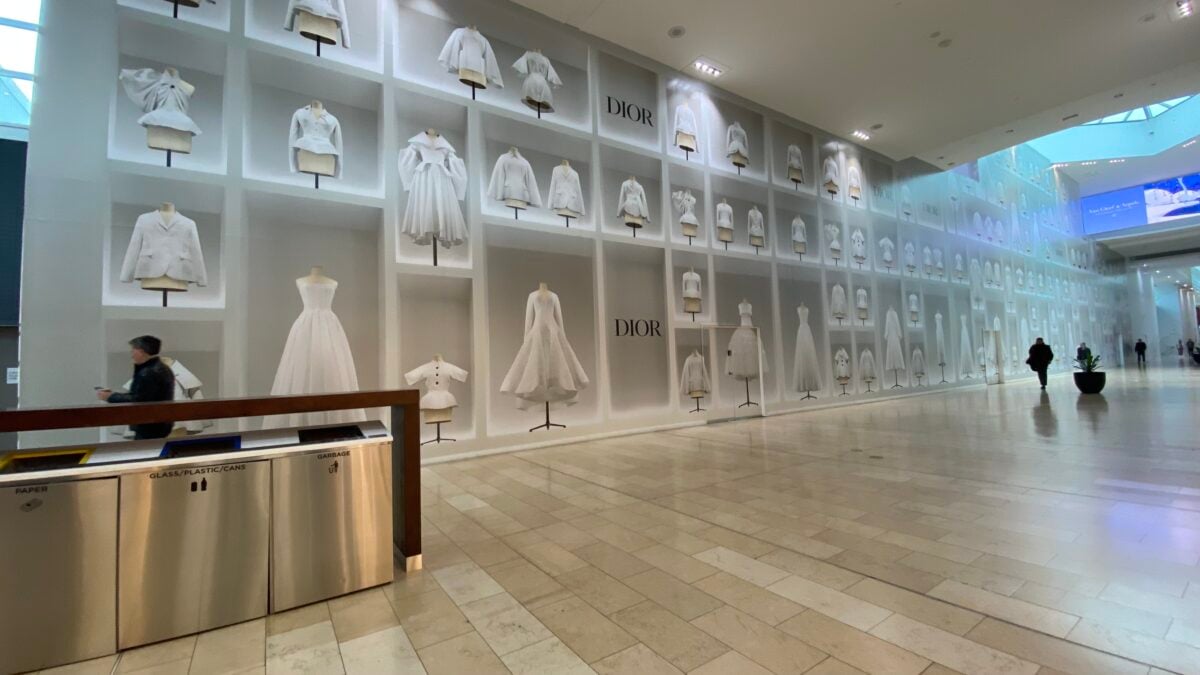
The Yorkdale Shopping Centre continues to solidify its status as a premier luxury shopping destination in Canada. Its luxury retail expansion has attracted a host of high-end brands, including the recent openings of Loewe, Brunello Cucinelli, Loro Piana, Jimmy Choo, Versace and Rimowa in a new 65,000 square foot luxury wing. The world-class luxury corridor will add other luxury brands soon including Canada’s first Maison Margiela store, a replacement store for Saint Laurent, and a 12,000 square foot Dior flagship store.

These boutiques join an already impressive clustering of luxury brands in the mall that have developed since sometime around 2013. Yorkdale has the largest and most concentrated clustering of luxury stores in Canada. The mall is also the launch pad for more international brands entering the country than anywhere — and it doesn’t hurt that Yorkdale is also the most productive mall in Canada in terms of sales per square foot, as well as the mall with the highest sales in the country, exceeding $2 billion annually.

Gucci at Royalmount in Montreal. Photo: Gucci

Royalmount: raising Montreal’s luxury landscape

Montreal’s Royalmount project is transforming the city’s luxury retail scene. The development aims to become a key player in Montreal’s luxury market by offering a curated mix of high-end brands and unique services. The shopping centre is located on Montreal Island, accessible by highway and transit.

The centre, which opened on September 5, 2024, is the first in Quebec to feature a clustering of standalone luxury brand stores. Names such as Louis Vuitton, Gucci, Tiffany & Co., David Yurman, Rolex, TAG Heuer, and others opened at Royalmount, which is part of an ecosystem that includes restaurants, a food hall, and various attractions aiming to entice visitors from the city and beyond.

Royalmount will compete with downtown Montreal for luxury shopping dollars. In fact, Retail Insider is being told that some shoppers from the West Island are heading to Royalmount instead of the city’s core, which features luxury retailers such as Holt Renfrew Ogilvy.

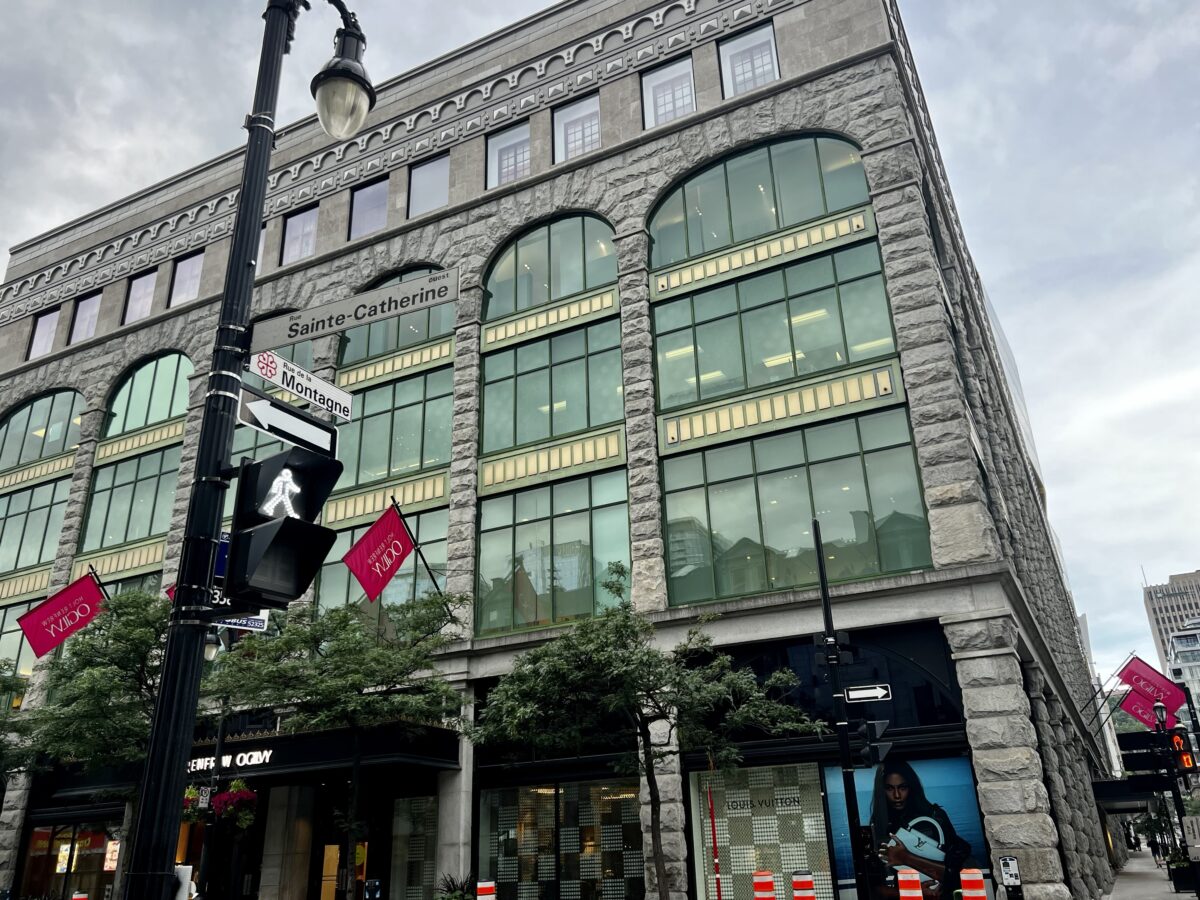
Holt Renfrew Ogilvy at 1307 Saint-Catherine St W, Montreal (Image: Maxime Frechette)

Holt Renfrew Ogilvy: a cornerstone of Montreal’s luxury scene

Downtown Montreal’s luxury market is anchored by Holt Renfrew Ogilvy, a flagship store spanning over 250,000 square feet and featuring a range of luxury concessions. Renowned brands such as Louis Vuitton, Tiffany & Co., Gucci, and David Yurman operate within its walls, while Holt Renfrew Ogilvy maintains exclusive partnerships with Hermès, Dior, and Giorgio Armani. The beautiful store at Sainte-Catherine Street and De La Montagne dominates downtown Montreal’s luxury retail scene, and will compete with Royalmount in a market that doesn’t spend as highly on luxury goods as residents in Toronto and Vancouver. There are hopes that affluent residents of Montreal will spend more at home with the increased availability of top brands in the city.

Oakridge Park north Atrium — several luxury brands will operate flagships nearby. Rendering via QuadReal

Oakridge Park: Vancouver’s luxury destination

Vancouver’s Oakridge Park (formerly Oakridge Centre) is undergoing a major transformation to become a hub for high-end shopping. The development will house brands like Tiffany & Co., Christian Louboutin, Louis Vuitton, Miu Miu, Loewe, Alexander Wang, Maison Margiela, and many others, offering a range of brands that may not have been able to locate space in the downtown core.

The former Oakridge Centre had a handful of luxury stores before its temporary closure in 2020 for an overhaul. That means that there’s a pre-existing client on Vancouver’s West Side that is likely to return. The vastly larger number of luxury brands in the 2025 “2.0” version of Oakridge will require critical spending power to support them.

When completed in the summer of 2025, Oakridge Park aims to become a second luxury node in Vancouver, complementing the well-established Alberni Street ‘Luxury Zone.’ Alberni Street itself features flagship stores from top-tier brands such as Prada, Hublot, Burberry, and Rolex. Adjacent streets house stores for brands such as Hermes, Dior, Cartier, Thom Browne, Saint Laurent and others.

Alberni Street at Burrard Street in Downtown Vancouver. Photo: Lee Rivett.

Oakridge Park vs. Downtown Vancouver: competing for luxury shoppers

As Oakridge Park establishes itself as a luxury destination, it will compete with downtown Vancouver’s Alberni Street/Luxury Zone for high-end clientele. The downtown Luxury Zone’s central location and prestigious status as a luxury corridor make it a key player in Vancouver’s retail scene, which has developed significantly over the course of the past decade with top brands.

Downtown Vancouver’s advantage is its proximity to hotels, attractions, cruise ships and tourists — while at the same time, the core has struggled with vagrancy and crime. Oakridge Park, on the other hand, lacks downtown’s tourist advantages but makes up for it with a fresh environment that can be controlled as a private indoor space.

It will be interesting to watch how the two luxury nodes attract shoppers in 2025, and whether or not both Oakridge and downtown will be successful attracting luxury shoppers concurrently.

Luxury corridor in West Edmonton Mall in Edmonton, December 2024. Photo: Craig Patterson

Western Canada’s luxury expansion: CF Chinook Centre and West Edmonton Mall

In Western Canada, Calgary’s CF Chinook Centre and Edmonton’s West Edmonton Mall have added luxury retailers in recent years, catering to demand while taking business away from downtown cores.

In 2019, CF Chinook Centre added Louis Vuitton as a tenant, joining brands such as Burberry and Tiffany & Co. in the mall. The shopping centre could see more luxury brands come as landlord Cadillac Fairview looks to establish a suburban luxury node. Louis Vuitton left downtown Calgary’s Holt Renfrew store for CF Chinook Centre — and there are now rumours that before the end of the decade, Holt Renfrew itself could exit downtown Calgary for CF Chinook Centre.

In Edmonton, West Edmonton Mall got busy in 2020 by adding a Louis Vuitton store, starting a movement that saw Gucci, Saint Laurent, Balenciaga, and Moncler subsequently open in the mall. And as in Calgary, the suburban West Edmonton Mall pulled brands from downtown. And in the case of Edmonton, the exit of Louis Vuitton from Holt Renfrew resulted in Holts shutting down entirely in the downtown core in early 2020.

While Calgary and Edmonton have seen luxury brands move into the market recently, the further expansion of new luxury brands isn’t expected to be nearly as dramatic as in Canada’s largest three cities, at least not for the foreseeable future.

Louis Vuitton on lower level of CF Chinook Centre
Louis Vuitton on lower level of CF Chinook Centre. Photo: Jessica Finch

Challenges facing luxury retailers in Canada

Despite the positive outlook, luxury retailers in Canada face challenges, including economic uncertainty, competition from online platforms, and the complexities of serving diverse regional markets. Companies such as Gucci recently slowed expansion plans in Canada, given the company’s lack of financial performance globally.

Other luxury houses have been reporting concerning global financial numbers as well. In 2024, conglomerates that have seen growth for years are now seeing weaker consumer spending, driving decisions to slow down store expansions in some markets. At the same time, brands are looking to markets with projected stronger growth and are signing long-term leases accordingly.

In Canada’s top luxury retail nodes, it’s clear that luxury brands are banking on the longterm success of Canada, particularly with retail nodes attracting high-end shoppers. That means that leases for new stores continue to be signed, including a flurry of activity that has seen Bloor Street and Vancouver’s Luxury Zone transform almost beyond recognition.

Despite economic challenges faced by many Canadians, the country is still home to a wealthy demographic that can afford luxury goods. Out-of-country visitors, including tourists, also help support luxury retail in Canada. Landlords and some luxury retailers have been advocating for the Canadian government to allow international tourists to get the tax back on goods purchased in the country. Similar programs in places such as France have resulted in lineups at luxury stores to buy goods.

The new luxury nodes that are developing across the country could potentially lead to over-saturation. Royalmount in Montreal may have been a risky move, considering how little luxury spending was happening in downtown Montreal. Hopes are that the market will expand with affluent locals choosing to shop at home, instead of elsewhere.

The same can be said of downtown Toronto versus Yorkdale, and now Vancouver’s luxury market will be tested with Oakridge Park offering a more robust clustering of luxury stores than what is available in the downtown ‘Luxury Zone’. It remains to be seen who will ultimately be successful and whether or not the market can handle duplicate store locations in competing luxury nodes. Another wild card in downtown Vancouver is Holt Renfrew, which houses many luxury brand concessions that will also open standalone stores at Oakridge Park.

*This article originally appeared in Retail Insider the magazine. Read the latest issue here.

Prepare yourself for the future of retail: JLL report

Image: JLL
Image: JLL

A new report by commercial real estate firm JLL, Prepare yourself for the future of retail, identifies some key trends in the retail industry.

Key highlights

Embrace technology: Innovations will create new opportunities. Artificial intelligence could take on shopping tasks, with unmanned drones and vehicles delivering orders as needed. AI may use consumer data to tailor the design, layout and merchandising of each store to the needs of its specific trade area.

Keep it human: The more virtual and automated shopping becomes, a greater premium may be placed on human experience: shoppers could be willing to pay more for it.

Understand mixed-use environments: New integrated mixed-use developments could change how we live and shop. Future retail spaces could more likely be a part of communities that blend residential, commercial, and recreational uses.

Cultivate spaces where planet and people thrive: Future retail spaces will have to prioritize sustainability and resilience, incorporating features like renewable energy systems. Retail environments will need to be designed to serve diverse populations equally.

A future vision for retail

“Since the emergence of e-commerce in the 1990s, some observers had predicted the demise of in-person shopping. They were mistaken. What has emerged is much more complex than a simple, binary online/offline shopping dichotomy. Consumers today enjoy a growing number of ways to shop that cater to their individual needs at any given moment. From delivery to click-and-collect to personalized in-store shopping, the retail ecosystem has exploited new technology to give consumers exactly what they want,” said the JLL report.

“In the JLL Experience Matters 2024 survey, 67% of shoppers in 10 countries told us they prefer shopping in person to shopping online.”

Image: JLL
Image: JLL

Drone delivery while you sleep

Artificial intelligence, robotics and even quantum computing could one day allow for intelligent human-like thought to be inserted into formerly impersonal interactions. Ubiquitous robotics and automated drones could become commonplace in many countries, said the JLL report.

  • In Dallas, Texas, Walmart is offering autonomous delivery by flying drone within a 10-mile radius of a growing number of Walmart stores. The retailer intends to eventually offer drone delivery to up to 75% of residents in the region.
  • Starship Technologies’ six-wheeled autonomous robots have made over six million deliveries in the US, UK, Finland, and Estonia.

Consumers of the future could make fewer regular trips to the store, as intelligent robots take on many of their shopping duties. AI, informed by sensors in home pantries and refrigerators, could be empowered to order refills of milk, eggs, and laundry detergent on our behalf, said JLL.

“Today’s smart refrigerators already hint at this future. For example, the Samsung Family Hub uses AI and internal cameras to track food inventory and automatically generates shopping lists for
low items, it said.

“Electric drones both small and large, in the air and on the roadways, would deliver these items when most sensible. Items needed immediately could be delivered right away, while other deliveries could be made in the evening when the cost of electricity is low, and the streets are less crowded,” explained JLL.

“In this possible future, retailers may shrink store footprints in neighborhoods where drone delivery has taken hold. They will also have to think about which technology partnerships they’ll need to make to successfully roll out such a complex initiative. Property developers could plan projects with drone delivery in mind, thinking about landing and parking spots in homes and apartment buildings, as well as areas devoted to drone loading, staging, charging and maintenance.”

Physical, digital, augmented… it’s all just shopping

Some future shoppers may make fewer overall trips to the store. But the trips they do make would more likely be for items they prefer to experience in person. Yet shopping experiences won’t be limited to brick- and-mortar retail. Shopping could encompass a seamless merging of digital, physical and hybrid activities. And with help from AI, those experiences could be highly personalized, said the JLL report.

Imagine the scenarios:

  • An AI assistant offers a shopper a menu of suggested outfits inspired by the shopper’s past purchases and body type. The shopper arrives at the shoe store having already trialed the store’s inventory via a virtual fitting on their digital twin.
  • A parent kicks off back-to-school shopping with a quick virtual fitting via augmented reality. Through smart glasses the parent is presented with realistic images of what their children would look like in their new outfits.
Image: JLL
Image: JLL

“Several apparel brands and retailers have tested technologies which may pave a path to this future. Shoppers are already enjoying virtual try-ons at home via mobile devices and VR headsets and in stores through AR-enabled mirrors. They may not yet be realistic enough to replace a visit to the fitting room but given time these technologies could improve. There are also a number of AI tools which offer style suggestions based on uploaded selfies, photos of wardrobes and information about past purchases,” noted JLL.

“E-commerce retailers would especially benefit from this technology. That’s because online apparel purchases would be more likely to fit and thus less likely to be returned or thrown away. This would be good for both the planet and the retailer’s bottom line.

“Shopping center owners may want to consider the impact this technology could have on their retail media networks. An interactive billboard could show an interested passerby how they might look wearing a piece from a designer’s latest collection. This could greatly increase the value of media engagements, thereby driving up revenue.

“While it’s still early days for these applications, retailers may want to engage technology providers today to develop relationships for the future. Those brands that have preexisting connections with vendors will be the fastest out of the gate as these new technologies arise.”

The full JLL report can be found here.

How AI will reshape businesses in 2025: Google Cloud Canada
Investment market activity in retail expected to heat up: Morguard

Canadian Small Businesses Navigate Economic Challenges in 2025

Small business setup at home. Image: Sendle

It’s not easy to run a small business, on the best of days. And – take it from many who are currently trying – it’s next to impossible when dealing with the string of challenges that retail entrepreneurs are faced with today. From a sluggish economy and increased costs to a severely pessimistic and disillusioned consumer, small business owners have got to contend with headwinds coming from multiple directions in order to sustain their livelihoods. And, according to David Nagy, digital pioneer and Founder of eCommerce Canada, they are headwinds that are really beginning to take their toll on small business owners operating across the country.

“Small businesses in Canada are really feeling that paralysis of uncertainty,” he says. “Many don’t know where to invest, and so they aren’t investing. They don’t know who to hire, what to hire for in order to find success. And, there isn’t a whole lot of confidence in the consumer today, either. Nobody believes that they should be out there spending money on things, because, for most, it doesn’t seem to make a bunch of sense at the moment. 

David Nagy
David Nagy. Photo: LinkedIn

Consumers today seem to be holding their cards pretty close to their chests, remaining extremely cautious about what they spend their money on. Real estate is down, as are vehicle sales, from traditional numbers. These are massive market indicators with impacts that tend to trickle down to shopping centres and Main Street retailers.”

Challenge and struggle

Nagy goes on to recognize other areas like hospitality that have been struggling, particularly those operating restaurants. Having endured a Summer that did not live up to the season’s historical performance, the plight of the restauranteur provides a painful reminder of the turbulent and tenuous times in which we’re living, and also serves as another stark reflection of a recoiled consumer. It’s a hesitance to spend that the industry expert says is resulting in a bit of a conundrum for most small business owners.

“Whether the weak economy is more a perception than a reality or not, it certainly doesn’t seem good to most,” he asserts. “As a result, consumers aren’t buying anything, online or in-store. They aren’t investing in anything. And so, small business owners aren’t investing in anything, either, because they have no idea what their return is going to look like. And there is certainly more competition than there is opportunities, and so most businesses have ended up with far more supply than they have demand. It’s not a favourable situation for them to be in. They’re running it at a deficit, scrambling to find new business where there just doesn’t seem to be any, often resorting to discounting and making exuberant offers. It’s all hampering the efforts of small businesses to sustain their operations, never mind grow their online business.” 

Control what you can control

In light of the current economic climate and industry landscape, Nagy suggests that small businesses have just got to put their heads down and power through this difficult period. He underscores the special kind of character that’s required to run a small business in Canada – one of toughness with the ability to adapt and respond on the fly, and to be resilient in the midst of hardship – believing that it’s these qualities that will see them through the storm, leading them once more toward a trajectory of success and growth.

“At the moment, it’s probably best that small businesses control what they can control,” says Nagy. “It’s always important to do so, but has perhaps never been more critical to the health of an operation. And, it’s also not a bad idea at all for small businesses to hold back when it comes to investment. Considering everything happening around us, it’s a rational decision and one that makes a lot of sense right now for most. For the few, it might be a good idea to invest against the grain and double down on the areas of the business that they’re investing in and growing. But, conditions aren’t really favourable at the moment in terms of taking risks.”

Canadian small business owners have a renewed sense of optimism. Photo: Ron Lach
Canadian small business owners. Photo: Ron Lach

Awaiting the opportunity

Nagy continues by acknowledging that it can be incredibly difficult for small business owners who may feel as though they’re stuck in a rut and unable to grow amid increasing competition. But, he offers that despite all of the admirable qualities that small business owners possess, patience may be the most important to leverage at the moment in order to weather the current negative impacts, preparing themselves for more moderate economic and market climes.

“Sometimes everyone just needs to wait for the pendulum to swing back,” he says. “And this is one of those times. We’ve got to wait patiently for consumer confidence to bounce back and for them to start spending again, allowing sales to bounce back. This is opposed to spending $100,000 in an effort to solve a challenge that can’t be solved with investment. Patience, and taking the opportunity to step back a bit to evaluate the parts of the business that are working and those that need attention, will be key while waiting for the opportunities to return.”

Return of investment

Despite the bleak nature of Nagy’s analysis, he says that he’s been in and around the retail and ecommerce industries long enough to know that it’s only a matter of time before that pendulum will eventually swing back. And when it does, those across the country who have withstood this brutal period will come out of it stronger and more determined than ever to succeed and continue to make a difference in their communities.

“Small businesses are the backbone to the communities that they operate in. There’s no question about that. And I’m sure that when the time is right – when consumer confidence is boosted and sales begin to return – Canadian small business owners will be more eager than ever to invest and innovate in order to improve their services and offerings and enhance their relationship with their consumer, both in-store and online.”

*This article originally appeared in Retail Insider the magazine. Read the newest issue here.

More from Retail Insider: