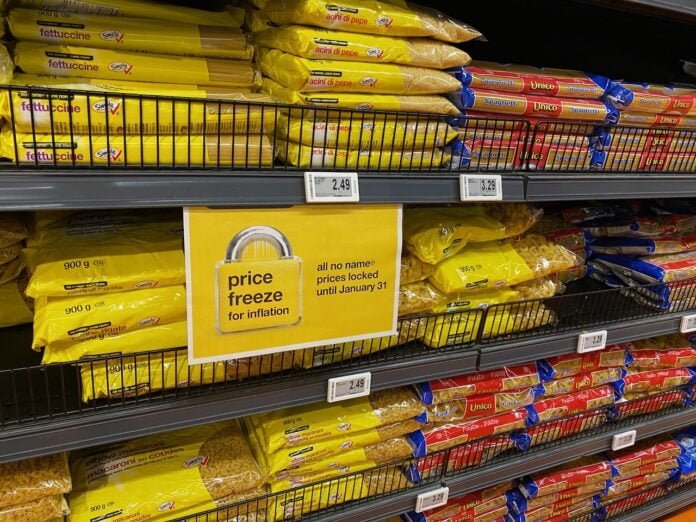
No Name Brand Signage at Loblaws Maple Leaf Gardens (Image: Dustin Fuhs)
As Canadian consumers face ongoing economic pressures, private label brands are gaining momentum in the retail and grocery sectors. According to Elliot Morris, Partner with EY Canada, the trend isn’t just growing—it’s accelerating faster in Canada than elsewhere globally.
“Private label is growing faster here in Canada than in other parts of the world,” said Morris in a recent interview. “There are twice as many people that are buying private label brands today in Canada than there were five years ago.”
Elliot Morris
He pointed to findings from EY’s latest Future Consumer Index, which surveyed 25,000 people globally. It revealed not only a spike in private label purchases but a strong level of retention among those who try them.
“About 40% of those who try private label don’t intend to return to brands,” said Morris. “So that just shows that there’s more willingness to try and then more willingness to stay with private label brands.”
Several factors are fueling the shift, including lingering inflation, supply chain disruptions during COVID-19, and ongoing concerns around pricing.
“There’s been persistent price pressure,” Morris said. “As we move into an era where there’s U.S. tariffs, or at least the threat of U.S. tariffs on products, it accentuates people’s willingness, desire, and perceived need to look for items beyond just price.”
Morris added that consumers are finding more value in attributes other than branding. “If brand has become relatively less important to people, other dimensions have become more important. Price first amongst them—but it’s also easy to find private label that has lots of other types of value and benefit beyond brand.”
While private label has long held sway in categories like fresh food, it’s now expanding into new territory. “When you think about beauty and cosmetics and personal care, and in some cases snacks and confectionary in particular, those are all places where private label are making big inroads,” Morris noted.
The implications for grocery retailers are significant. “The aisle is fundamentally changed,” said Morris. “Even within the grocery store, private label is becoming more front and centre especially in specific categories, and putting a bunch of pressure onto more traditional brands.”
Online, the pressure intensifies
“Through e-commerce private label continues to play more and more,” said Morris. “There’s an endless shelf, and one which consumers now feel more and more empowered to be able to search for themselves to find what they want.”
Traditional brands are under increasing threat from both private labels and challenger brands, and the risks are real. “If these companies don’t adapt, I fear that many traditional brands look to the recent history and believe that they have the muscle to be able to persist and win,” he said. “The challenge is that through each of those incidents, they’ve also decreased brand loyalty.”
He warned that many brands rely too heavily on old strategies. “The same old moves aren’t going to be able to keep you afloat,” he added. “A lot of the consumer products companies have to come up with new plays that enhance trust and also ensure that they’re able to continue to succeed.”
Innovation may no longer be enough
“More than 40% of consumers believe that the improvements that traditional brands are making through ‘innovation’ are really just dressed-up cost cutting measures in disguise,” Morris said. “A lot of the purchasing behaviour means that people are buying less as a result. So the returns to price changes are going down and down.”
Still, he sees opportunity on the horizon for brands that act quickly. “If consumer products companies can find ways to not only improve loyalty amongst their existing customers but go after new customers, I think that this is a big opportunity for them to be able to both grow share and continue to grow.”
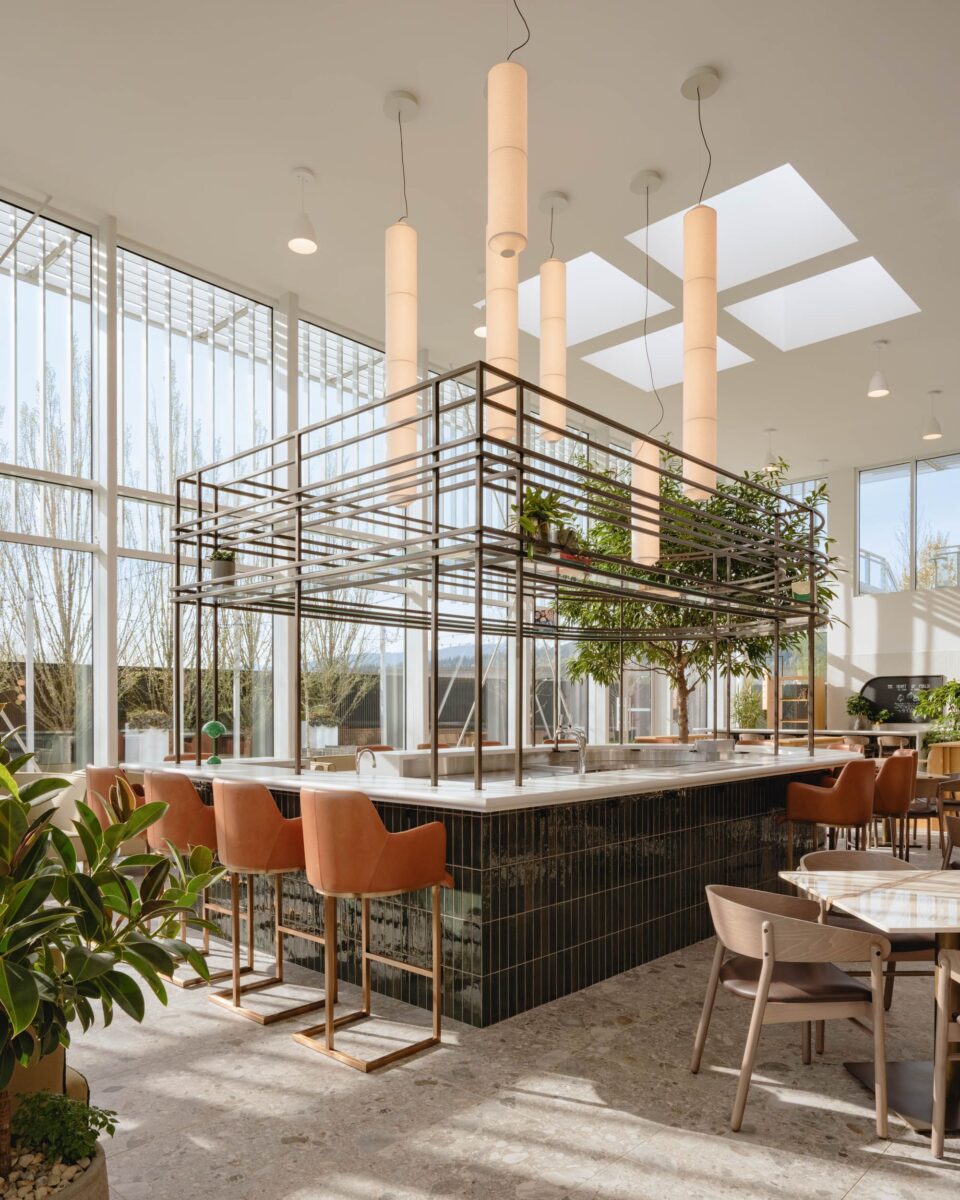
Marcon, in collaboration with QuadReal Property Group, is set to open TriCity Pavilion this spring at 2968 Christmas Way in Coquitlam. This marks the third and most ambitious iteration of the Pavilion concept and serves as a living preview of the forthcoming TriCity Central mixed-use development.
Spanning 12,000 square feet, TriCity Pavilion will showcase best-in-class local hospitality, innovative design, and cultural programming, and will be anchored by Nemesis and Gigi’s by Ask for Luigi—both making their debut in the Tri-Cities.
Nic Paolella
“TriCity Pavilion is a manifestation of the energy, culture, and quality that will define TriCity Central — a catalyst for what Coquitlam’s future as a regional city centre can look like,” said Nic Paolella, Executive Vice President of Marcon.
“It’s a living expression of the community we’re building – a place where people can already begin to experience what’s to come. To do this, we knew we had to collaborate with some of the brightest minds in the hospitality industry – Nemesis once again, and the Kitchen Table Group.”
This new Pavilion follows successful openings in Port Moody and Surrey, which have welcomed more than 250,000 visitors. A TriCity Central Sales Gallery, opening at a later date within the Pavilion, will offer a gathering space for realtors, prospective buyers, and locals to explore the vision for the future community.
Nemesis Brings Coffee Culture to Coquitlam
Jess Reno (Community | 102+Park by Marcon)
Following its successful debut in Surrey, Nemesis TriCity will bring its signature hospitality-first coffee experience to the region, including a full cocktail program, Dope Bakehouse pastries, and a dedicated pastry kitchen for fresh baked goods throughout the day. The new location will feature 50 seats across 2,300 square feet.
“The Tri-Cities is one of Metro Vancouver’s fastest growing regions, and we look forward to working with Marcon once again to bring a new community hub to life with TriCity Pavilion,” said Jess Reno, Founder and CEO of Nemesis. “It’s incredible to think this forthcoming location will be our fifth. We’re excited to continue our pursuit of ‘coffee creating culture’ in the Tri-Cities.”
Gigi’s by Ask for Luigi Brings Italian Warmth to the Tri-Cities
Joining Nemesis is Gigi’s by Ask for Luigi, the latest concept from Vancouver’s Kitchen Table Group, known for its MICHELIN Guide-recommended Ask for Luigi. Led by Top Chef Canada winner Chanthy Yen and Head Chef Lloyd Taganahan, Gigi’s will offer pasta, pizza, Italian wines, and cocktails in a relaxed space designed for everyday dining.
Jennifer Rossi
“With Gigi’s by Ask for Luigi, we’re bringing the same heart and hospitality that our Vancouver restaurants are known for to the Tri-Cities,” said Jennifer Rossi, Co-Founder of Kitchen Table Group. “In partnership with Marcon, we’ve created a space that’s warm, welcoming, and made for everyday dining. We can’t wait to open our doors later this spring.”
Designed for Community, Built for the Future
The Pavilion’s architecture is the result of a rare collaboration with internationally-renowned landscape architect Paul Sangha, marking his first foray into extending landscape into architectural form. Interiors for both Nemesis and Gigi’s were designed in collaboration with Marcon’s in-house Design Studio, aligning with each brand’s identity while complementing the Pavilion’s cohesive vision.
“TriCity Pavilion is a purpose-built destination and a tangible expression of what’s to come at TriCity Central,” added Paolella. “In partnership with QuadReal Property Group, we hope to bring a new era of downtown living to the Tri-Cities.”
TriCity Central: Coquitlam’s New Regional City Centre
TriCity Central is a future mixed-use community by Marcon and QuadReal, strategically located next to Coquitlam’s major transit hub—including the Millennium Line, West Coast Express, and regional bus loop. The plan includes over 4,000 homes, parks, retail, office space, and cultural initiatives.
Paul Faibish
“TriCity Pavilion is a bold and exciting preview of what’s to come at TriCity Central,” said Paul Faibish, Senior Vice President, Development at QuadReal Property Group. “In partnership with Marcon, our vision is to create a complete, connected urban hub for the Tri-Cities – one that reflects the diversity and vibrancy of this region. It all starts with community-first initiatives like this.”
February 2025 witnessed a modest increase in Canadian retail sales, with All Stores growth pegged at 1.0% YOY. This growth extended to discretionary spending with All Stores Less Automotive, Food, and Pharmacies which also saw a 1.0% YOY increase. Several factors influenced these figures, most notably:
The Bank of Canada’s decision to maintain interest rates amidst global economic uncertainties,
The conclusion of the GST/HST break in mid-February, adding sales tax back to products such as food, beverages, alcohol, and children’s goods. Though we are not yet clear on the full effects of this, initial data findings indicate it had a limited effect, and
Emerging US tariff concerns. Announcements began on February 1, 2025 with tariffs of 25% on most Canadian goods, and 10% tariff on oil, gas, and potash. Additionally, on February 10, there was an announcement of a 25% tariff on steel and aluminum products. Canada has also retaliated with tariffs on numerous US goods which has further caused increased concerns to Canadians as this will also raise prices.
Recently, alcohol consumption in Canada has seen a decline, often attributed to shifting preferences towards alternatives like cannabis. However, February defied this trend with a 0.6% YOY growth in Beer, Wine, and Liquor Stores sales. This unexpected increase might be linked to the looming threat of American alcohol being pulled from shelves—a reality that materialized on March 4. Throughout February, consumers may have engaged in precautionary stockpiling, anticipating the removal of American brands. This behavior underscores how geopolitical tensions and trade policies can ripple through consumer habits, prompting temporary shifts in purchasing patterns.
February is synonymous with Valentine’s Day, a period typically marked by heightened jewellery sales, and sales for Jewellery, Luggage, and Leather Goods increased by 11.2% YOY. However, the growth in this sector likely extends beyond romantic gestures. With less travel to the US, Canadians are increasingly favoring local destinations, bolstered by Air Canada’s extensive coast-to-coast representation. Furthermore, Air Canada’s recent alteration to its carry-on policy for domestic flights may have spurred consumers to invest in smaller luggage options. This scenario illustrates how changes in travel policies and preferences can catalyze sales in related retail segments, reflecting a broader shift towards Canadian-centric consumption.
As we dissect February’s retail sales landscape, several questions emerge for JCWG and industry stakeholders:
In the context of tariffs and economic uncertainty, how does prioritizing Canadian goods impact consumer sentiment and spending?
With the “Buy Canadian” movement gaining traction, are consumers sufficiently informed about which brands are Canadian?
What will be the impact of the Hudson’s Bay liquidation, and what ripple effects might this have on the Clothing and Accessories Stores category?
How will shopping centres respond to limit the effects of these new large Hudson’s Bay vacancy?
In what ways can national tourism bolster Canadian retailers amidst global travel uncertainties?
What steps are YOU taking to embrace and promote Canadian products?
Retail Sales by Product Category, Same Month Comparison
Sales for the Month of February
Feb-25
Feb-24
YOY
All Stores
56,894,172
56,341,072
0.98%
Motor Vehicle and Parts Dealers
15,132,775
15,068,122
0.43%
Gasoline Stations
5,845,318
5,766,786
1.36%
All Stores Less Automotive
35,916,079
35,506,164
1.15%
Food and Beverage Stores
11,549,143
11,518,909
0.26%
Supermarkets and Other Grocery Stores*
8,457,310
8,373,316
1.00%
Convenience Stores
571,782
635,286
-10.00%
Specialty Food Stores
779,186
780,179
-0.13%
Beer, Wine and Liquor Stores
1,740,864
1,730,128
0.62%
Health and Personal Care Stores
5,422,484
5,211,567
4.05%
All Stores Less Automotive, Food, and Pharmacies
18,944,452
18,775,688
0.90%
General Merchandise Stores
7,689,179
7,428,019
3.52%
Furniture, Home Furnishings, Electronic and Appliance Stores
3,001,998
3,084,749
-2.68%
Furniture Stores
935,492
980,689
-4.61%
Home Furnishings Stores
578,884
601,861
-3.82%
Electronics and Appliance Stores
1,487,622
1,502,199
-0.97%
Clothing and Accessories Stores
2,599,696
2,527,001
2.88%
Clothing Stores
1,978,565
1,924,514
2.81%
Shoe Stores
246,318
265,370
-7.18%
Jewellery, Luggage and Leather Goods Stores
374,813
337,117
11.18%
Sporting Goods, Hobby, Book and Music Stores
3,141,867
3,011,167
4.34%
Building Material and Garden Equipment
2,511,712
2,724,752
-7.82%
Miscellaneous Store Retailers
2,182,781
1,956,600
11.56%
Cannabis Retailers
404,708
386,806
4.63%
Retail Sales by Store Category, Year to Date Comparison
Year-to-Date Sales Ending February
Feb-25
Feb-24
YTD
All Stores
116,721,221
112,569,512
3.69%
Motor Vehicle and Parts Dealers
30,910,120
29,494,051
4.80%
Gasoline Stations
11,984,285
11,675,307
2.65%
All Stores Less Automotive
73,826,816
71,400,154
3.40%
Food and Beverage Stores
23,668,746
23,096,673
2.48%
Supermarkets and Other Grocery Stores*
17,470,485
16,998,290
2.78%
Convenience Stores
1,184,335
1,270,166
-6.76%
Specialty Food Stores
1,560,989
1,482,241
5.31%
Beer, Wine and Liquor Stores
3,452,937
3,345,976
3.20%
Health and Personal Care Stores
11,183,098
10,566,656
5.83%
All Stores Less Automotive, Food, and Pharmacies
38,974,972
37,736,825
3.28%
General Merchandise Stores
15,436,262
14,704,212
4.98%
Furniture, Home Furnishings, Electronic and Appliance Stores
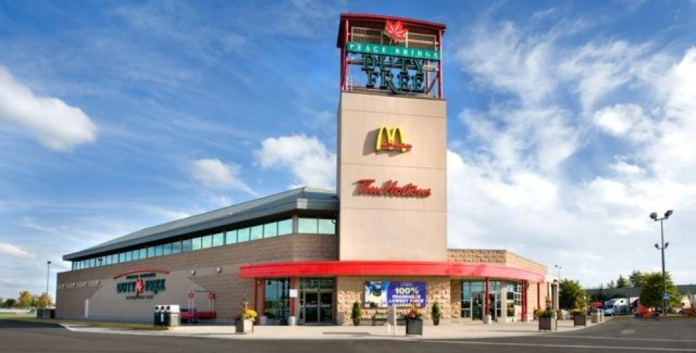
One of Canada’s most prominent duty-free retailers has entered receivership, as the Ontario Superior Court of Justice ordered a takeover of Peace Bridge Duty Free Inc., the long-standing operator of the duty-free shop at the Peace Bridge crossing between Fort Erie, Ontario, and Buffalo, New York.
In an order issued on April 17, 2025, Justice Jessica Kimmel appointed msi Spergel inc. as receiver over the retailer’s assets. The decision follows mounting financial challenges and substantial debt owed to creditors, including the Royal Bank of Canada (RBC) and the Buffalo and Fort Erie Public Bridge Authority, the landlord for the store.
Mounting Debts Spark Receivership Proceedings
The action comes after RBC filed an application earlier this year, claiming Peace Bridge Duty Free owes approximately $3.3 million in outstanding debt. Simultaneously, the Buffalo and Fort Erie Public Bridge Authority asserts that the retailer is in arrears of up to $17 million in unpaid rent and other obligations under the lease agreement.
According to court documents, Peace Bridge Duty Free Inc. has operated the high-profile store for more than 30 years, serving both Canadian and American travellers. The duty-free shop, situated at one of the busiest land crossings in Canada, was historically open 24 hours a day and employed around 90 staff members.
Despite its prime location and longstanding operations, the retailer has struggled financially in recent years, burdened by declining cross-border traffic and growing operational costs.
Lease Terms and Financial Obligations
Peace Bridge Duty Free’s current lease, signed on July 28, 2016, is scheduled to expire in October 2031. The lease mandates a minimum base rent of $4 million annually, equivalent to $333,333 per month, in addition to payments for sales taxes, property taxes, operating costs, and utilities.
The court filings revealed that despite arguments from the retailer suggesting the amounts owed are somewhat lower, the debt remains in the millions. As a result, the appointment of a receiver was deemed necessary to safeguard the company’s assets, manage operations, and pursue a structured liquidation or restructuring process.
Powers Granted to the Receiver
Under the terms of the receivership order, msi Spergel inc. is empowered to take immediate control of all assets and operations of Peace Bridge Duty Free. The Receiver is authorized to:
Manage and operate the business.
Collect all outstanding receivables.
Sell or lease assets with court approval for larger transactions.
Initiate or defend legal proceedings as necessary.
Oversee the sale or potential liquidation of the business.
The order also stays any legal actions or enforcement measures against the company without court permission and authorizes the Receiver to borrow up to $200,000 to fund ongoing operations, secured by a court-approved charge.
Cross-Border Travel Slump Fuels Financial Woes
The financial troubles facing Peace Bridge Duty Free reflect broader struggles across Canada’s duty-free sector.
According to U.S. Customs and Border Protection (CBP) data, the number of travellers crossing from Canada into the U.S. plunged by nearly 900,000 in March 2025 compared to the same month the previous year—a 17% year-over-year decline.
Observers attribute the steep drop to escalating political tensions, including President Donald Trump’s intensified trade policies and rhetoric critical of Canada. The decline in cross-border visits has eroded sales at duty-free outlets, which heavily rely on high volumes of cross-border traffic.
The impact has been widespread, but for retailers such as Peace Bridge Duty Free, already facing high fixed costs like minimum lease payments, the collapse in traveller numbers created insurmountable financial strain.
Continuing Operations for Now
Despite the receivership order, the Peace Bridge duty-free store continues to operate for the time being. The appointed Receiver will assess options for the business, which may include selling the assets, negotiating with creditors, or even trying to maintain ongoing operations if feasible.
However, given the magnitude of the debts and the sustained drop in cross-border traffic, significant challenges lie ahead. Sources suggest that if no buyer or restructuring solution emerges, the store’s future could involve liquidation of assets to satisfy creditor claims.
Broader Implications for Duty-Free Retail
The situation at Peace Bridge Duty Free may foreshadow broader challenges for land duty-free operators nationwide. With political instability affecting travel patterns, and increasing operational costs, other border retailers may soon find themselves grappling with similar financial headwinds.
The Peace Bridge Duty Free store, once a bustling 24-hour operation symbolizing the vitality of cross-border commerce, now stands as a cautionary tale of how shifting geopolitical dynamics and economic realities can rapidly upend long-established businesses.
Shake Shack Canada is shaking up its menu this spring with a bold and flavour-packed collaboration alongside Toronto’s acclaimed restaurant MIMI Chinese.
From May 13 to May 26, customers can experience this limited-time culinary partnership at all Toronto Shake Shack locations—Yonge & Dundas, Union Station, and Yorkdale Shopping Centre—as well as exclusively on Skip.
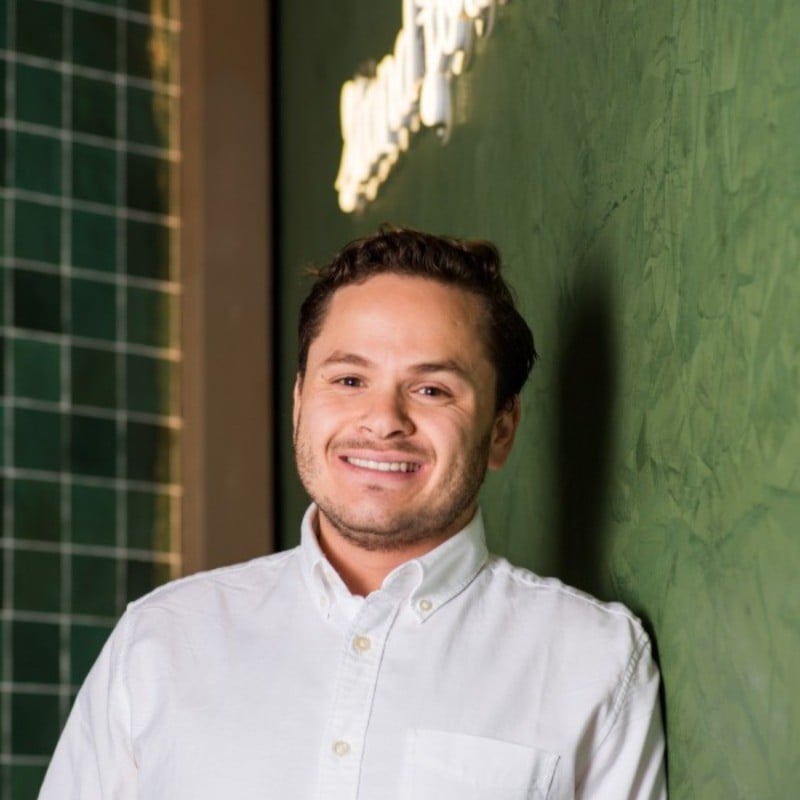
Billy Richmond
“We’re delighted to partner with MIMI Chinese to launch our first ever chef collaboration in Canada, celebrating the incredible local chef community we have here in Toronto,” said Billy Richmond, Business Director of Shake Shack Canada.
“Through this one-of-a-kind culinary experience, we are proud to introduce three new delicious menu items inspired by our roots in fine dining and emphasis on premium ingredients, which we can’t wait for our guests to enjoy!”
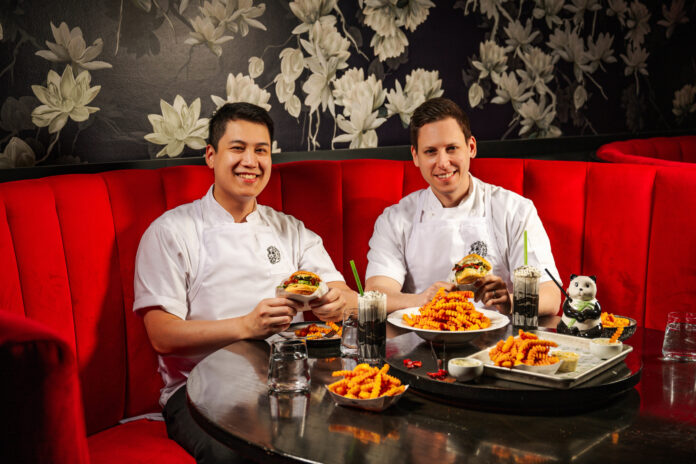
This collaboration brings together Shake Shack’s elevated take on classic comfort food with MIMI Chinese’s modern interpretation of traditional Chinese flavours. Chefs David Schwartz and Braden Chong—culinary leaders behind MIMI Chinese, a Michelin Guide-recognized Toronto hotspot—have infused regional Chinese inspirations into three limited-time creations, said the company.
The limited-edition menu includes:
Málà Chicken Sandwich: A fiery take on the Sichuan favourite La Zi Ji, featuring crispy fried chicken topped with MIMI’s house-made chili oil, charred scallion relish, green chili mayo, kosher pickles, and lettuce. The signature má (numbing) and là (spicy) flavour combination delivers a powerful punch.
Shaokao Fries: A street food-inspired dish that elevates crinkle-cut fries with a savoury mix of cumin, chili, and Sichuan peppercorn, served with green chili mayo for dipping.
Black Sesame Coconut Shake: A creamy, dessert-style shake blending black sesame paste with vanilla frozen custard. Inspired by traditional Chinese desserts and the nostalgic treat Tang Yuan, it’s a nutty, slightly bitter finish that’s both rich and refreshing.
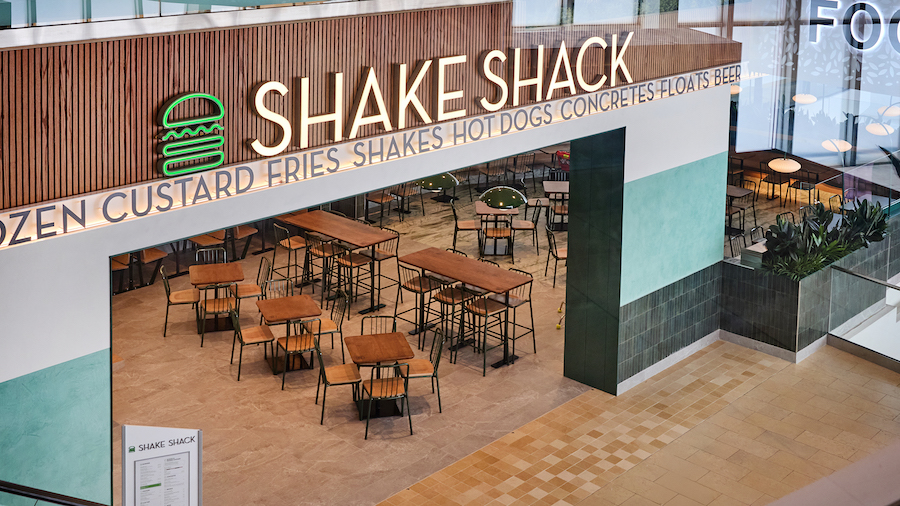
Shake Shack at Toronto’s Yorkdale Shopping Centre. Photo taken from food court escalators. Photo: Shake Shack
“MIMI Chinese pays homage to one of the world’s oldest and most diverse cuisines,” said David Schwartz, Creative & Culinary Director and Co-Founder of Big Hug Hospitality. “Partnering with Shake Shack gave us the opportunity to share these bold flavours with a wider audience and continue to spotlight regional Chinese food.”
“These collaborative dishes with Shake Shack are an example of how food is constantly evolving; trends and preferences change over time,” added Braden Chong, Executive Chef of MIMI Chinese and Sunnys Chinese. “At MIMI Chinese our priority is to represent Chinese food in the best way we can and this collaboration with Shake Shack is another opportunity to do exactly that.”
In addition to spotlighting culinary creativity, the partnership has a community-driven mission. A portion of proceeds from the collaboration will be donated to Fort York Food Bank, supporting those in the community facing food insecurity, said Shake Shack
This collaboration marks a milestone for Shake Shack Canada, which only opened its first three locations—Yonge & Dundas, Union Station, and Yorkdale Shopping Centre—since entering the market in 2023. The company promises more to come, hinting at further chef collaborations and innovative limited-time menu offerings in the future, it said.
In just two years, Vancouver-based menswear brand Champlain has emerged as one of the most promising new names in Canadian fashion. From its origins as a showroom concept founded by Jonathan Richard to its debut at national retailer Harry Rosen, Champlain is carving out a niche that blends the casual elegance of the West Coast with timeless metropolitan tailoring.
“Jonathan and I go way back,” said CEO Cameron Conn in a recent interview. “He came from the suiting world and I came from tech, but we both understood that there was a gap in the menswear market for men who didn’t want to live in hoodies, but also didn’t want to wear suits every day.”
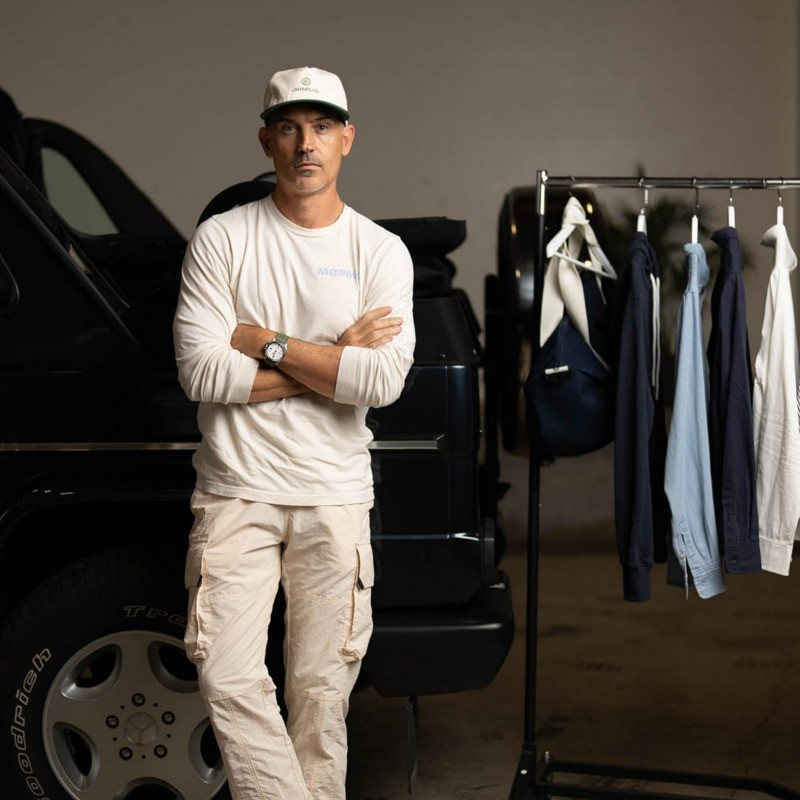
Cameron Conn
What began as a direct-to-consumer launch in September 2023 has already expanded into more than 50 retail doors across Canada, with further growth planned for the upcoming fall season.
Filling a Market Gap Between Athleisure and Traditional Tailoring
Champlain’s design philosophy is rooted in versatility and nostalgia. With price points generally under $200—outside of outerwear—the brand aims to provide high-quality, stylish clothing that transitions seamlessly from the office to the weekend.
“There’s so much athleisure and luxury at either end of the spectrum, but not much in the middle,” Conn explained. “We wanted to make clothing that felt classic but still modern—things people already understood, like polos and sweaters, but done in a way that feels relevant and stylish today.”
This mid-market positioning has found resonance not only with consumers but also with major retailers.
Harry Rosen and the Power of a Flagship Partnership
For any menswear brand in Canada, landing on the sales floor at Harry Rosen is no small feat—especially within its first year of operations. Champlain did just that, securing placements in multiple Harry Rosen locations for its Spring 2024 collection.
“To be honest, I didn’t even realize how big of a deal it was,” Conn said. “I had no benchmark. But once we were in, I understood the gravity of it. Getting that kind of distribution validated that we were offering something retailers and customers really want.”
To celebrate, Harry Rosen hosted a public-facing launch event featuring food, beverages, and an Axon Formula 1 race simulator. “It was a great activation,” Conn added. “We wanted people to come in, have some fun, and engage with the brand. Kids would jump in the simulator while their parents shopped. It brought energy to the space.”
Photo: Champlain
Retail Growth: From Independents to Major Chains
In addition to Harry Rosen, Champlain is stocked in Sporting Life stores across Canada and a variety of premium independents, including Plenty and Global Atomic. The brand is also beginning to establish a U.S. presence, though Conn is taking a measured approach given the evolving trade environment.
“We’re in five stores in the States, but we’re not committed to anything major yet. The great thing is we’re still small enough that we’re nimble. We’re not overleveraged,” he said.
Conn estimates that by fall, Champlain will be in about 80 doors total, including deeper commitments from current partners.
West Coast Casual Meets Montreal Sophistication
Though based in Vancouver, Champlain’s design influences stretch across the country. Richard, who hails from Montreal and has a background in suiting, brings a tailored sensibility to the collection. Conn noted that their customer is often someone seeking a middle ground—polished, but not overly formal.
“Jonathan was selling suits to guys who didn’t need to wear suits anymore. They were asking, ‘What now?’” Conn said. “We wanted to bring back the essence of those classic items—like the polo shirt—not just as casualwear, but as elevated pieces.”
The result is a brand that plays with heritage silhouettes—rugby shirts, varsity jackets, chunky knits—and recasts them in refined, wearable ways.
Photo: Champlain
Behind the Brand: Manufacturing and Sourcing
When Conn joined Champlain, one of his first priorities was to visit the factories. The brand manufactures primarily in China, with some product out of Turkey and Portugal. “For an emerging brand, China gave us the best quality-to-cost ratio,” he said. “But I wanted to see it for myself. It’s a family-run operation, and we’ve built a strong relationship.”
That relationship could evolve depending on trade policy. With rising uncertainty around tariffs—particularly from the U.S.—Champlain is exploring alternatives. “We’re in talks with larger distribution companies that have access to multiple global factories,” said Conn. “Flexibility is going to be key.”
He added that Champlain has so far absorbed additional tariffs and duties, rather than passing them on to American consumers. “It costs less to eat the fee than to deal with a returned item and reprocessing. And it leaves the customer with a better experience.”
Balancing Style with Business Fundamentals
As a former tech entrepreneur, Conn brings an operational discipline to Champlain’s rapid growth. Reducing liabilities and managing currency risk have been top priorities—particularly as the Canadian dollar has fluctuated.
“The exchange rate hit us hard on a payment cycle,” he said. “Now we’re holding U.S. dollars from U.S. customers so we can hedge better against swings in the dollar when paying Chinese suppliers.”
That pragmatism extends to product strategy as well. Champlain plans to expand into shorts, chinos, and cargos in 2026, but will avoid overextending its SKU count. A women’s line is also being considered, though Conn is cautious.
“We’ve just figured out the men’s body. Women’s is a whole different ballgame,” he said. “We’ll design it and keep it in our back pocket until we’re confident in the execution.”
Photo: Champlain
Vision for the Future: Wholesale First, DTC Second
While many new brands start online and dream of flagships, Champlain is intentionally focused on being a strong wholesale partner. The brand was built around a 70-point IMU, which Conn said was critical to appealing to retailers.
“That margin was strategic. It helped us get in the door,” he said. “We want to be good partners. That means providing high-quality product, good service, and solid margins.”
That said, Champlain isn’t ruling out physical retail. “We’ll be opportunistic,” Conn noted. “If the right location opens up at the right time, we’ll consider it. But for now, our growth is through retail partners.”
Charting Global Expansion Amid Uncertainty
Looking ahead, Champlain is carefully weighing international expansion, particularly in the face of shifting trade policies in the U.S.
“Tariffs, de minimis changes, compliance—it’s a lot,” said Conn. “But we’re monitoring what larger players like Temu and Shein are doing. They have the scale and resources to make informed decisions, so we can learn a lot from their moves.”
Conn remains optimistic that trade tensions will stabilize. “I don’t think this will last forever. There will be a recalibration,” he said. “And we’re positioning ourselves to be standing strong when that happens.”
Photo: Champlain
A Young Brand with an Old Soul
Champlain is young, but its roots are deep. Each garment is inspired by pieces that “have always been cool,” from 1960s golf wear to 1980s heritage British outerwear. That sense of continuity, paired with modern execution, is part of what makes the brand stand out.
“We’re not trying to reinvent the wheel,” Conn said. “We’re reviving timeless pieces and making them relevant for today.”
With strong retail support, a growing national footprint, and a thoughtful strategy, Champlain is quickly becoming a Canadian brand to watch—one that reflects where menswear is going and where it’s already been.
“We just want to be the brand that helps guys get dressed and feel good,” said Conn. “That’s it. No ego, no gimmicks—just good clothes that make sense.”
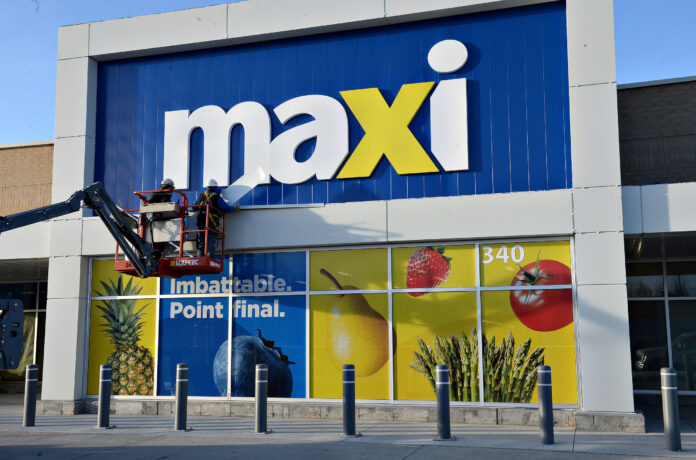
Maxi, Loblaw’s popular discount grocery banner in Québec, is expanding beyond its home province for the first time, with a new store set to open in Caraquet, New Brunswick this fall.
The move signals Loblaw’s continued commitment to offering affordable grocery options to more Canadians, while capitalizing on the strength of the Maxi brand, said the company.
The new store will be located at Place Saint-Pierre and will span 15,000 square feet. Construction is scheduled to begin in June, with the store expected to open later this year. The expansion will also bring a boost to the local economy, creating more than 30 jobs in the community.
Melanie Singh
“At Loblaw, we’re always looking for ways to bring value to more communities across Canada, and we believe Maxi offers a wonderful opportunity to do just that in Caraquet,” said Melanie Singh, President, Hard Discount Division, Loblaw. “The strong community values, Francophone heritage, and thriving region resonate deeply with the DNA of the Maxi banner, and we look forward to being part of this community.”
The move highlights Loblaw’s confidence in Maxi’s proven business model, which has made the banner a leader in Québec’s discount grocery space. The model focuses on delivering strong value to consumers without sacrificing quality or freshness, explained the company.
Patrick Blanchette
Patrick Blanchette, Vice President of Maxi, emphasized what shoppers in Caraquet can expect: “We are coming to Caraquet with our newest concept, which is a simplified and user-friendly shopping experience in a modern and welcoming environment. Maxi is the smart choice for consumers because they will find the freshness, quality, and variety of products they are looking for, all at low prices.”
The announcement has been warmly received by the local community. “The Town of Caraquet is pleased to welcome the first Maxi store outside of Quebec to its territory. This demonstrates the dynamism of our town and the growth of its business community,” said Bernard Thériault, Mayor of the town.
Maxi’s success is driven by its Imbattable price match policy, the PC Optimum™ rewards program, a strong focus on local products, and a constantly evolving product offering. Strategic investments like the Caraquet expansion reflect the brand’s ongoing mission to meet the needs of local customers while maintaining its core values, said Loblaw.
With over 185 stores across Québec, Maxi has been a fixture in the province for nearly 40 years. As part of the Loblaw group—Canada’s largest food and pharmacy retailer—Maxi continues to grow its footprint by offering Canadians more ways to save without compromise.
Toronto-based online car retailer Clutch is accelerating its expansion across Canada, combining its innovative digital platform with physical retail locations to make car buying as seamless as ordering a pizza.
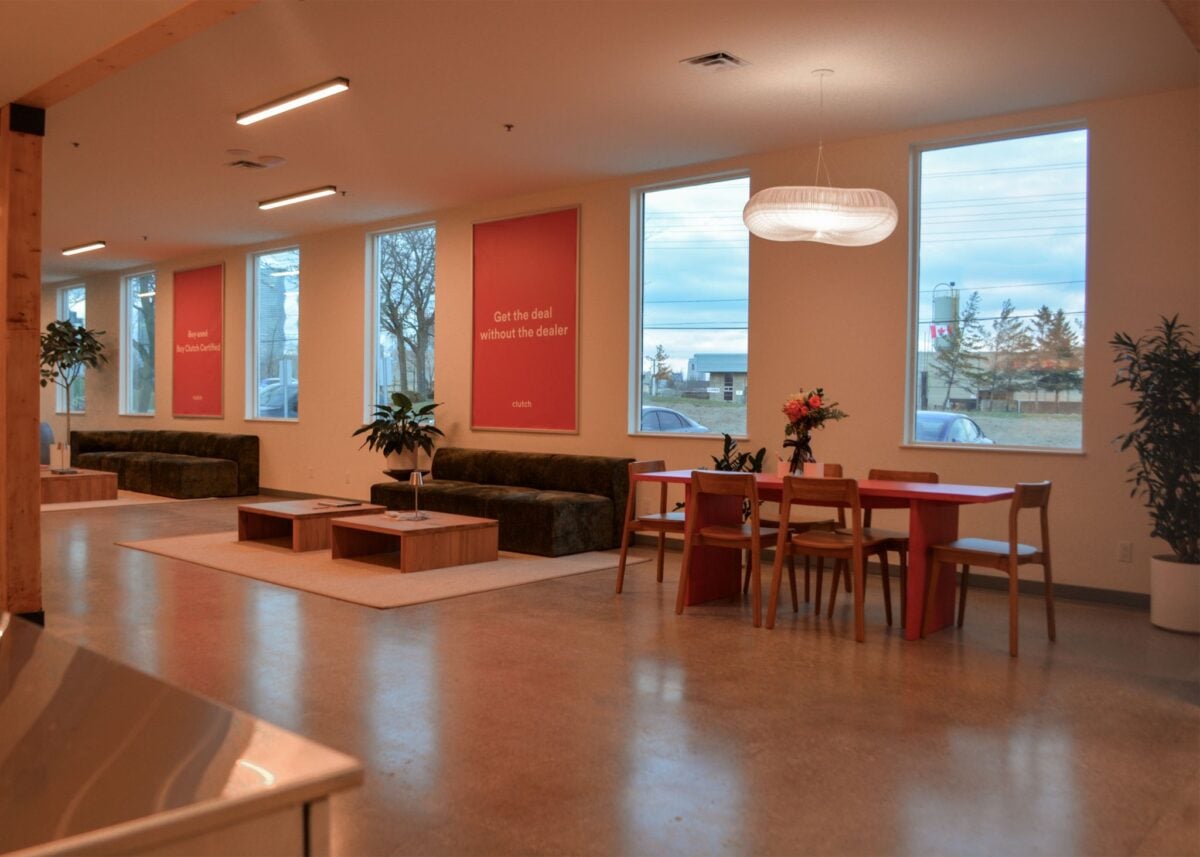
Canada’s largest online car marketplace recently opened a brick-and-mortar retail space andflagship facility in Mississauga, creating a physical touchpoint that brings its transparent, digital-first experience offline.
At 111,000 square feet, the facility is the largest vehicle inspection and reconditioning centre in Canada, bringing 400+ new jobs to Ontario. It will power end-to-end operations, ensuring every vehicle meets Clutch’s standards on quality, consistency, and transparency.
Source: Clutch
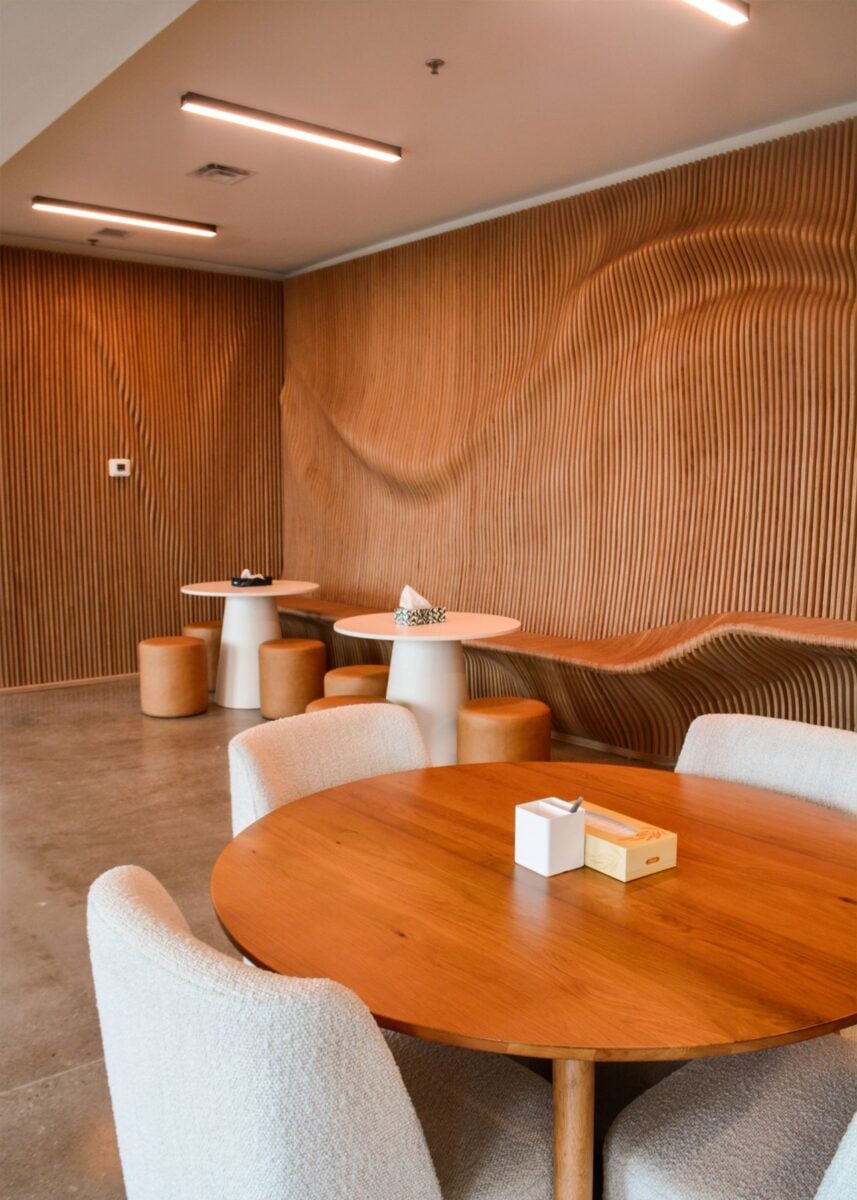
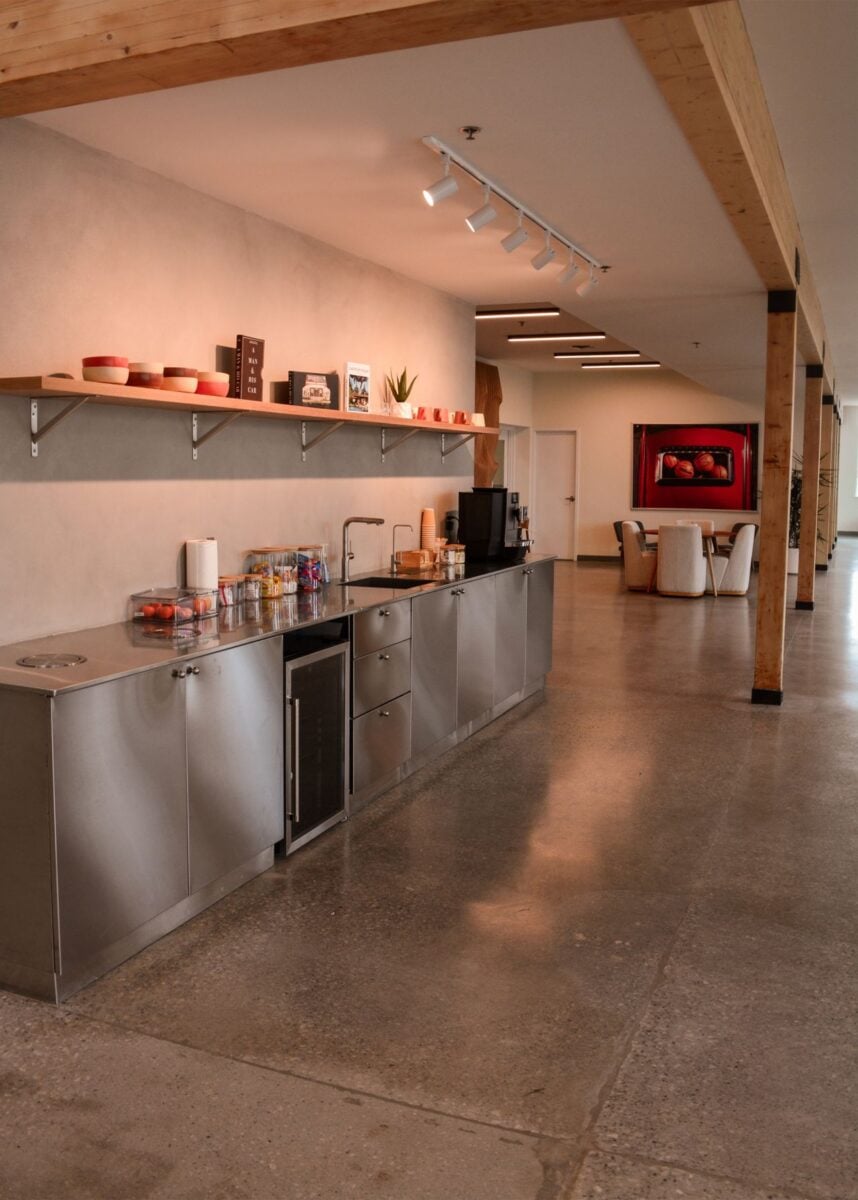
Designed to be both practical and welcoming, the new space is outfitted with Canadian-sourced furniture, customer wood details, and even a kid-friendly area for all customers, whether they’re there to pick up, drop off or just learn more about how Clutch works.
Founded in 2017, the company initially launched in Halifax due to what CEO Dan Park described as “ambiguous regulations on online car retail” in Ontario. After working closely with regulators, Clutch launched operations in Ontario in 2020.
Dan Park
“We’re a Canadian company, founded by Canadians, serving Canadians,” said Park. “So I think that’s an important fact.”
Clutch allows consumers to sell their vehicles directly to the company and buy fully inspected and reconditioned cars online. The platform currently purchases about $2 million worth of vehicles daily.
“We have a very rigorous inspection and reconditioning process,” said Park. “We have several facilities in the country. Our largest is in Mississauga. It’s a 20-acre facility with 100,000 square feet of warehouse space where we bring in the cars. We have Clutch inspectors, Clutch mechanics that certify and recondition those vehicles, and then we put them on a website.”
That site offers what Park calls “an Amazon-like experience where people can really buy a car almost as easy as buying a pizza.”
Clutch’s model also includes a self-built logistics network for vehicle delivery, using branded flatbed trucks to deliver and pick up cars directly from consumers’ homes. But in a move to support education and in-person interaction, the company is expanding its physical retail presence.
“We have a retail concept where people can pick up or drop off cars physically as well,” said Park. “Our main location is in Mississauga. We have one in Etobicoke, and we’re opening one in Markham, in the CF Markville Mall, next month.”
“These are locations where customers can either pick up or drop off vehicles and also receive any information about the company, about our process. Because, truth be told, buying a car online is not exactly familiar to everyone.”
Park said the physical retail locations help bridge that familiarity gap and reflect Clutch’s broader mission to revolutionize how Canadians buy used vehicles.
“It seemed crazy that, in more recent history, there’s no retail brand for used cars in Canada,” he said. “If you think about the U.S., there’s folks like CarMax, there’s large auto groups, there’s Carvana. There was a company called Vroom at the time. There was a bunch of different retail concepts. In Canada, your two options were to go to your local dealership or to meet some stranger in a Walmart or mall parking lot.”
Source: Clutch
Clutch now operates locations in Halifax, Vancouver, and across the Greater Toronto Area, with plans to expand further nationwide.
“We’re looking to expand a network across the country,” said Park.
Currently, Clutch is selling 1,200 to 1,300 vehicles per month.
“That gives consumers a very seamless and easy and transparent way to buy a car,” said Park. “The traditional car buying process can take hours and hours. You generally have to spend an entire Saturday or Sunday in a dealership, negotiating with some guy and trying to haggle on the price. Our model is entirely different. Everything is super transparent on our website. The price is the price.”
Financing options are built in, and customers can choose to pay upfront or in monthly installments.
“Behind all of this is a layer of technology, and at its core we are a technology company, building out a retail concept,” said Park.
“You know, since I’ve been in the business 15 years, I don’t think vacancy has been above maybe 6%,” said Rutherford. “The only caveat is, during COVID, we thought it shot up to over 10—we weren’t really sure at that time.”
Ryan Rutherford
According to Rutherford, stability in vacancy rates is directly tied to a scarcity of new construction. “The reason it continues to be stable—and maybe is going down—is the lack of construction, lack of development, lack of new sites. So existing space is becoming more sought after than it ever has been.”
In a recent retail report, Cushman & Wakefield released Five Fast Facts about the Calgary retail market:
Overall vacancy remains stable
Calgary’s overall retail vacancy rate sat at 4.2% as we moved into 2025. The primary source of vacant space in the city continued to be the Central Business District – the Beltline and the Downtown – with 13.5% vacancy. All is not how it seems, however. More on that in Fact #3.
The suburbs, for their part, all posted vacancy rates below 4% with the Suburban North markets clocking-in at 2.7% and those in the Suburban South posting 3.6% overall vacancy.
Reinvigorated urban activity
Leasing activity began shifting from the suburbs back toward the Central Business District. Tenants began collectively responding to the one-two-three combo of: 1) slowing new construction 2) increased competition for existing spaces and 3) the resulting higher asking rates/operating costs (which include property taxes) in the outer periphery.
In some instances, Calgary’s rates have exceeded Toronto and come second only to Vancouver.
The basics move the needle
New mixed-use development and commercial office redevelopment activity remained strong in the Downtown and Beltline. As such, grocery options to feed the growing urban population have become increasingly important.
In March, a 13,000 square foot No Frills opened in the Downtown West End*. Part of a new urban concept, it’s the first urban store in Calgary and the only grocery option north of 9th Avenue. It will serve the ~500-unit development and the surrounding community.
Buying Canadian, eh?
In the face of U.S. tariffs being applied to Canadian products, a surge in nationalism – prompted a strong ‘buy Canadian’ ethos among consumers.
In many instances, American products such as beer, wine and spirits have been made unavailable for purchase, but at the grocery level, retailers such as Loblaws and Save on Foods have made substantial efforts to identify and promote Canadian producers and Canadian-made products.
What’s on the horizon?
Calgary witnessed a continuing move toward retail density à la mixed-use development. Notable new examples include the West Village Towers (Cidex Group) in the Downtown and the West District – a master planned community by Truman.
As a result of the City of Calgary’s emphasis on commercial and residential densification, new and pending retail inventory is now almost exclusively an integrated aspect of residential communities and mixed-use developments.
Rutherford highlighted that certain parts of the city are especially tight: “Southwest, northwest—especially grocery-anchored or big regional shopping centres. There’s still northeast and, of course, downtown and some other pockets that bring it up to that four or five, but really stable overall.”
Downtown Core Shows Renewed Promise
Despite having the highest vacancy among Calgary’s retail submarkets, downtown is showing promising signs of recovery, driven by a combination of office-to-residential conversions and a resurgence of foot traffic.
“There’s more people back to work, more bodies and presence downtown during the day,” said Rutherford. “Also the office residential conversions, I think, are starting to maybe have a bit of an impact and also new development. There’s just more towers being finished now, like West Village Towers.”
He added: “It’s still the highest vacancy we have as far as a submarket in the city, the downtown, but it’s definitely going down.”
When asked if these conversions and new towers will drive more retail to the core, Rutherford was cautiously optimistic.
“I think it will. I think it’ll be a slow decrease in vacancy and slow increase in demand, but I think it’s turning that direction,” he said. “Just more bodies, more people down here, evenings and weekends, will translate to sales, which will support retail.”
Photo by Mario Toneguzzi
Local Retailers Feel Temporary Lift from Buy Canadian Sentiment
Rutherford also weighed in on the current “buy Canadian” sentiment and its impact on emerging and independent retail.
“I think it will [have an impact]. I think some have already noticed it,” he said, referencing a recent article highlighting Canadian EMERGE brand truLOCAL. “Local brands are benefiting from it.”
However, he cautioned against expecting long-term shifts in consumer behaviour.
“I don’t think that it’s sustainable though. I don’t see it continuing on past probably this year. I mean, I think once this election is over, people will probably go back to their typical habits.”
“At the end of the day, people want the things that they want. I think it makes them feel good to do it, but it’s just not a long-term thing, in my opinion.”
Landlords Seeking More, Development Lagging Behind
With new development stalling, landlords are starting to push rents higher, creating new challenges for tenants.
“There isn’t anything being built,” Rutherford said. “The existing centres—the good ones with grocery anchors or the regional shopping centres—are more sought after.”
He added that landlords, particularly large ones, are now seeking annual rent increases, a shift from previous trends.
“We’re seeing landlords asking for annual increases now—rents. They’re asking for, like, two and a half percent a year, in some cases, which is a new trend.”
That pressure is landing squarely on retailers, some of whom are struggling to keep up. “Some tenants just can’t,” Rutherford noted. “We’re kind of at this interesting point here where we need some new development to kind of soften that and bring that down. But right now, landlords are looking at ways to cut costs and looking to get it from the tenants.”
As trade tensions rise and the “buy Canadian” movement gains momentum, a Toronto-based wellness club is taking the patriotic message into the fitness space.
The Adelaide Club, located in the heart of Toronto’s Financial District, has launched its bold new “Train Canadian” campaign—encouraging Canadians to make a local choice not just at the checkout, but in their workout routines as well.
“Canadians are waking up to the idea that our choices—where we shop, what we eat, and yes, even where we sweat—matter,” said Clive Caldwell, CEO of the Adelaide Club. “If we can do without American liquor and take it off the shelves, surely we can do without American gyms. Especially since there are so many great Canadian alternatives.”
Source: Adelaide Club
The campaign, which officially launched April 15, is running on social media and out-of-home advertising under the banner “Elbows Up,” calling on Canadians to flex both their muscles and their patriotism. The message is clear: choose Canadian fitness over U.S. chains.
At a time when consumers are increasingly questioning their purchasing decisions, the Adelaide Club is tapping into a growing desire to support local businesses—especially ones with strong community roots and a uniquely Canadian approach to wellness.
“Many of our new members are telling us they’re rethinking all their choices—including where they work out. They want to support local, even when it comes to their health,” said Garth Sinclair, Membership Director at the Adelaide Club.
Source: Adelaide Club
The “Train Canadian” initiative is a direct response to the influx of American fitness chains in Canadian cities. But Caldwell believes that Canadian-owned clubs offer something different—and deeply meaningful.
“While American chains . . . have made their mark in cities like Toronto, we believe local clubs such as the Adelaide Club offer a more personalized and community-centric experience,” said Caldwell. “Our campaign calls Canadians to recognize the value in supporting homegrown businesses deeply rooted in our culture and community.”
The Adelaide Club positions itself as more than just a gym—it’s a wellness and social sanctuary, offering luxury amenities, elite personal training, and wellness programs sourced locally. Proudly Canadian and fiercely independent, the club continues to evolve while staying true to its roots.