Home Blog Page 509

StyleDemocracy Grows with E-Commerce and U.S. Warehouse Sales

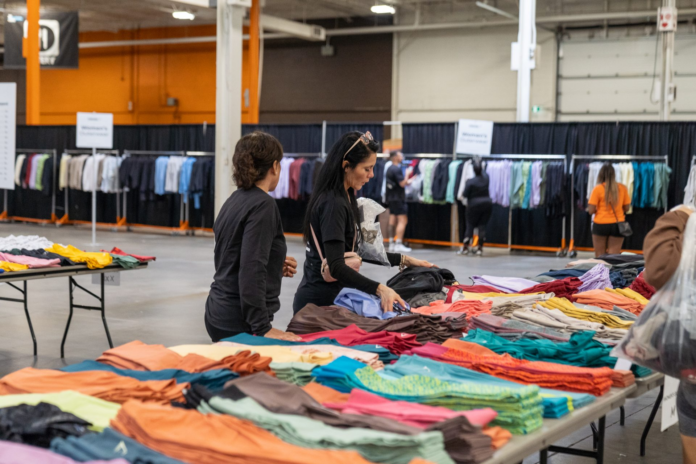
StyleDemocracy warehouse sale. Photo: StyleDemocracy

StyleDemocracy, a Canadian retail event company known for its large-scale warehouse sales, is transforming its business to include a more robust digital sales platform, all while continuing its successful in-person events.

Founded in 1999 by Michael Berg, the company has built strong relationships with global brands, offering an efficient solution for managing excess inventory. Now, under the leadership of his son, Oliver Berg, Vice President, and Alex Mazelow, Head of Digital, StyleDemocracy is expanding its reach, particularly through its evolving e-commerce strategy.

Business Origins and Growth in a Post-Pandemic World

Oliver Berg

StyleDemocracy’s roots go back to its origins in the retail industry. “My father started StyleDemocracy after our family business closed down. He leveraged his relationships with major retail brands to help manage excess inventory,” Oliver Berg explained. The company’s focus has always been on facilitating warehouse sales that allow brands to offload unsold stock while maintaining their brand integrity. From the start, StyleDemocracy worked with a wide array of high-profile brands, including Nike, Adidas, Ted Baker, and Max Mara, successfully filling a niche in the market.

The COVID-19 pandemic, however, forced a major shift in how the business operated. “We had to pivot when our in-person events were put on hold during the pandemic,” Berg shared. “Moving to e-commerce became necessary for us to continue serving our clients and keep the business running.” The shift proved beneficial, as post-pandemic retail saw a surge in excess inventory, making StyleDemocracy’s services more critical than ever.

Alex Mazelow

Before the pandemic, StyleDemocracy hosted around 10 to 12 events per year, mostly in the Greater Toronto Area. However, the demand for inventory liquidation skyrocketed in the aftermath of COVID-19, pushing the company to scale up operations. “In 2023, we hosted 20 events, and by 2024, we’re set to host 27, including several in the U.S.,” said Berg. The growth in demand reflects a broader trend in retail, where efficient inventory management has become a key priority for brands struggling with surplus stock.

StyleDemocracy’s E-Commerce Strategy Takes Shape

While the company’s warehouse events remain a staple, the move to e-commerce has been a vital part of its continued growth. Alex Mazelow, brought on as Head of Digital, has been tasked with guiding StyleDemocracy’s digital expansion. “We saw a massive opportunity to leverage our customer database, which has grown to over 400,000 people, and our strong social media following,” said Mazelow.

StyleDemocracy’s e-commerce strategy focuses on limited-time product drops that create a sense of urgency, mirroring the high-energy atmosphere of its warehouse sales. “We’re working with smaller quantities of in-demand products for each sale, offering a curated selection for a limited time,” Mazelow explained. These product drops will run between two and four days, designed to generate excitement and drive sales, much like the in-person events.

The company’s first post-pandemic e-commerce event launched last month for French luxury brand Christian Louboutin, known particularly for its footwear and bags. “The Christian Louboutin sale was fantastic,” said Mazelow. “We have more upcoming sales, including for brands 7 for All Mankind, Commes Des Garcons PLAY, and a designer fragrance sale in December”. 

Balancing Physical and Digital Sales to Maximize Brand Value

Though e-commerce is growing, StyleDemocracy remains committed to its physical warehouse sales, which continue to deliver impressive results for both the company and its clients. The in-person events offer a unique shopping experience that online sales cannot fully replicate. “In-person sales have a much higher conversion rate,” said Berg. “When customers attend a warehouse sale, they’re more invested—they’ve traveled, sometimes waited in line, and once they’re inside, they’re far more likely to make a purchase.”

This level of customer commitment leads to conversion rates of 70 to 80 percent for warehouse events, compared to the 2 percent conversion rate that is considered strong for e-commerce. “We reserve our physical warehouse sales for larger quantities of inventory because the in-person experience drives mass conversion. It’s a different game than e-commerce,” Berg explained.

As demand for their services continues to rise, StyleDemocracy is expanding its physical footprint across North America. The company is hosting more events in major U.S. cities, capitalizing on its ability to rent large venues and run high-volume sales events. “Our warehouse sales are often held in spaces as large as 50,000 square feet, which allows us to manage significant amounts of inventory,” said Berg. This flexibility gives StyleDemocracy a competitive edge in the U.S. market, where similar event-based models don’t exist on the same scale.
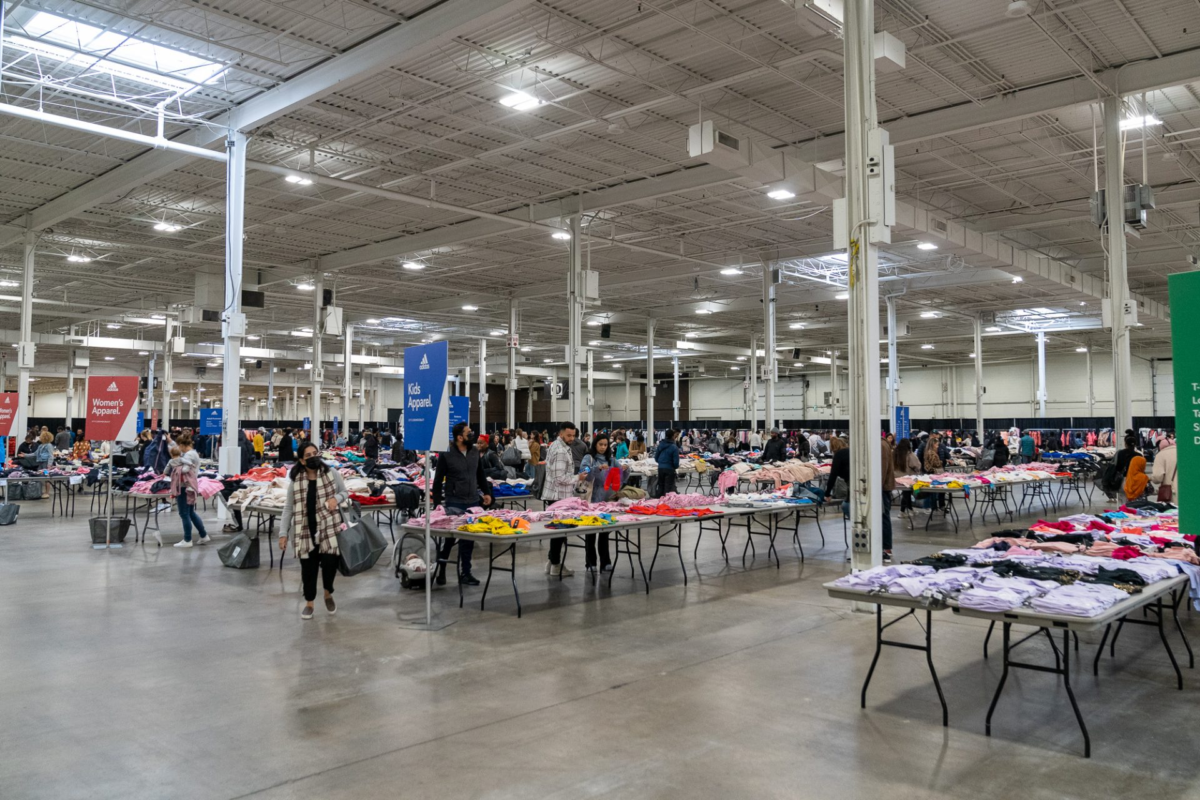
StyleDemocracy warehouse sale. Photo: StyleDemocracy

Building the Future of StyleDemocracy’s Sales Model

Looking forward, StyleDemocracy is poised to continue its expansion, both in terms of physical events and e-commerce initiatives. The company recently introduced StyleDemocracy Club Plus, a membership program that offers exclusive benefits for just $14.99 per year. Members receive early access to both online and physical sales, which adds a level of exclusivity and drives further customer engagement. The program has already attracted 15,000 members and continues to grow as the company expands into new markets.

“We’re working to create a seamless, unified experience for our customers, whether they’re shopping in-person or online,” said Mazelow. “The Club Plus program is an important part of that strategy, allowing us to provide value to our most loyal customers in a way that aligns with their shopping preferences.”

The future of StyleDemocracy is bright as the company looks to further scale its operations, particularly in the United States. “There’s a huge market opportunity for us south of the border,” said Berg. “We’ve already made significant strides there, and we’re just getting started.”

With a business model that effectively combines large-scale physical events with the speed and agility of e-commerce, StyleDemocracy is well-positioned to remain a leader in the retail liquidation space. The company’s ability to adapt and innovate in response to market demands has set it on a trajectory for continued success in both Canada and the U.S.

More from Retail Insider:

Canada’s Holiday GST/HST Tax Break: Relief or Economic Risk?

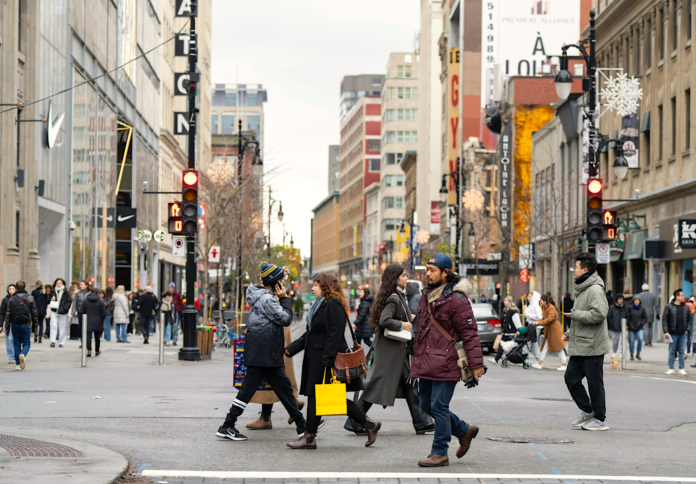
Shoppers on Sainte-Catherine Street take advantage of deals on Black Friday in Montréal on Nov. 29, 2024. THE CANADIAN PRESS/Christinne Muschi

By Shahidul Islam and Subhadip Ghosh, MacEwan University

The government of Canada has announced its plans for a temporary tax break by exempting GST/HST on certain items during the holiday season from Dec. 14, 2024 to Feb. 15, 2025. The legislation to enact the tax break has cleared the House of Commons and is now awaiting Senate approval.

The tax break applies to clothing, footwear, diapers, car seats, toys for children, jigsaw puzzles, physical video games, consoles and controllers, physical books, printed newspapers, Christmas and similar decorative trees, and food or beverages.

The purpose of this tax break is purportedly to offer financial relief to Canadians amid high food and housing costs. Minister of Public Services and Procurement Jean-Yves Duclos justified the decision as follows:

“Although inflation is down and our economy is strong, the cost of living remains a challenge for many middle-class Canadians. That is why the federal government is introducing a two-month tax break on groceries and everyday essentials.”

Government estimates suggest that someone spending $2,000 during the tax-free period could save between $100 and $300, while Pedro Antunes, the chief economist of the Conference Board of Canada, projects average household savings of $100 to $200.

But while the tax break will indeed put more money into consumers’ pockets as the government claims, whether it will actually ease inflationary pressures is uncertain.

Inflationary pressure

Tax reductions often create an income effect by increasing disposable income and boosting demand for various goods and services. If supply isn’t able to keep pace with the rising demand, this can lead to higher inflation.

If a tax reduction boosts capital formation — the total capital accumulation during a certain period — then it might not cause inflation. But this likely isn’t the case in this scenario, since GST reductions tend to boost demand without increasing supply.

Historically, similar tax policies have had short-term inflationary effects. For instance, following Prime Minister Stephen Harper’s GST reductions in 2006 and 2008, prices temporarily spiked before stabilizing.

A man with dark hair in a navy suit gestures with his hand while speaking into a microphone
Prime Minister Justin Trudeau participates in an armchair discussion at the Sustainable Finance conference in Ottawa on Nov. 28, 2024. THE CANADIAN PRESS/Adrian Wyld

The holiday tax break will cost the government an estimated $6.3 billion, which will likely have a multiplier effect on the economy. This occurs when an initial injection of government spending leads to a larger overall impact on the economy as the money circulates through it.

While the tax-exempt goods represent a small fraction of GDP, this multiplier effect could drive notable GDP growth in early 2025.

Another key economic concern is the potential for “price stickiness,” where businesses fail to pass tax reductions onto consumers. For instance, when the Alberta government ended its 13-cent-per-litre gas tax in 2022, not all gas stations reduced prices equally. A similar situation could occur if businesses choose to keep prices near pre-tax levels to retain part of the tax savings.

Implementation challenges to retailers

While the tax break offers relief to some consumers, it presents challenges for retailers. It will likely take a substantial effort for retailers to implement the tax exemption, with some finding it particularly challenging to do so in such a short period.

The Canadian Federation of Independent Business has argued that the new policy will add confusion and increase administrative costs for affected businesses. It has called on the government to offer a $1,000 credit in their GST/HST accounts to offset the burden.

A woman walks down the aisle of a grocery store
A customer shops at a grocery store in Sharon, Ont., in November 2024. The federal government has announced a sweeping promise to make goods like groceries, children’s clothing, Christmas trees and restaurant meals free from GST/HST between Dec. 14 and Feb. 15. THE CANADIAN PRESS/Chris Young

Sylvain Charlebois, a professor of food distribution and policy, has argued that the holiday tax break may seem like a relief but it could create long-term instability because the grocery savings are minimal and the benefits are disproportional.

Some businesses will likely see a boost in sales, however. Since all types of restaurant foods — dining in, takeout or delivery — will be covered by the tax break, restaurants will have a unique opportunity to attract more customers.

Winners and losers

There will be winners and losers from this tax policy, with the benefits disproportionately favouring higher-income earners. Wealthier households, who are less affected by inflation, are better positioned to take advantage of the tax break by spending more and saving more. These families will be able to more easily adjust their purchasing habits, such as stockpiling a year’s supply of baby diapers during the tax-free period.

It’s important to note that many essential grocery items, like produce and milk, are already tax-free under Canada Revenue Agency rules. The tax break will cover taxed items like carbonated drinks, candies, snack foods and alcoholic beverages. This means higher-income households, which spend more on discretionary items, stand to gain the most from a reduction in sales tax benefits.

This holiday tax break could exacerbate economic inequity — contrary to its stated objective. Taxes play a key role in reducing inequality, and any changes to the tax systems should consider that. Unfortunately, this GST reduction appears to fall short.

Moreover, the benefits are not distributed evenly across Canadian provinces and territories. Consumers from provinces with HST will not pay any taxes for the items listed in the policy, but those with standalone provincial sales taxes will still have to pay that tax. Alberta, which only charges GST, will be tax-free.

While the holiday tax break may offer limited economic relief, its potential adverse effects on inflation and income inequality cannot be overlooked. As such, we concur with Charlebois’s recommendation that permanently eliminating taxes on essential goods would deliver more equitable and lasting benefits.

About the authors:

Shahidul Islam, Professor Department of Anthropology, Economics, and Political Science, MacEwan University, and Subhadip Ghosh, Assistant Professor in Decision Sciences, School of Business, MacEwan University.

Disclosure statement

The authors do not work for, consult, own shares in or receive funding from any company or organization that would benefit from this article, and have disclosed no relevant affiliations beyond their academic appointment.

More from Retail Insider:

*This article was originally published in The Conversation, and was re-published with permission.

Jay Nok Modern Thai to Open in Vancouver’s Olympic Village

Jay Nok Modern Thai
Jay Nok Modern Thai

The closure of SalaThai earlier this year marked the end of an era in Vancouver’s culinary landscape.

For nearly 40 years, co-founders Sam and Joy Kongsilp shared their passion for authentic Thai cuisine. Now, the Kongsilp family is opening Jay Nok Modern Thai, a new restaurant that both honours SalaThai’s legacy and forges an entirely new path.

Located at 127 W 2nd Avenue in Olympic Village, Jay Nok is preparing to welcome guests in early 2025. 

“Jay Nok represents everything we love about Thai culture—bold, authentic flavours, the joy of coming together, and the seamless blend of tradition and modernity,” said the owners. “Our menu is a love letter to the dishes that shaped us, reimagined with a fresh, modern twist. We’re thrilled to share this passion with Vancouver and invite the city to experience Thai street food in a way that feels both familiar and entirely new.” 

Jay Nok’s opening will come just months after Sam and Joy were recognized as “Industry Pioneers” by the BC Restaurant Hall of Fame in October.

For Joy, the opening of Jay Nok is a deeply personal milestone. “Handing over the reins to the next generation is a proud moment for me,” said Joy. “SalaThai was built on a foundation of family, tradition, and love for Thai cuisine. Jay Nok reflects those same values but with a fresh, innovative vision. I couldn’t be happier to see the next generation bring our family’s legacy to life in a way that resonates with today’s diners.” 

The company said the new restaurant will offer a vibrant take on Thai street food and beverages, bringing bold flavours of Bangkok’s bustling markets and the spirit of a communal dining experience to the heart of Vancouver. The menu is rooted in tradition yet embraces modernity, with dishes designed for sharing with friends and family in groups of any size. 

Ensuring a seamless and welcoming experience for every guest

“At the helm of Jay Nok is an experienced team deeply rooted in Vancouver’s restaurant community. Executive Chef Bumpen “Jay Nok” Khangrang, whose culinary artistry was honed both in Thailand and through her tenure at SalaThai, leads the kitchen. Her talent for bold flavours and intricate presentation has earned her recognition from the Royal Thai Consulate in Vancouver and accolades throughout her career. General Manager Bobby Kongsilp and Project Manager Margarita Virata Santos bring decades of expertise to the front-of-house, ensuring a seamless and welcoming experience for every guest,” said the company in a news release.

“The restaurant space seamlessly transforms with the time of day. At lunchtime, guests will feel transported to Bangkok’s lively streets, with a bright, fast-casual atmosphere. By night, the restaurant becomes a glowing social haven, blending warm Thai charm with eclectic street-inspired decor, curated beats, and a lively cocktail lounge. With its blend of traditional Thai hospitality and a contemporary, urban edge, Jay Nok will offer a sensory feast and memorable dining experience for all occasions.”

Related Retail Insider stories:

Slow Shopping: A consumer shift toward intentionality: Sarah Stockdale (VIDEO)

With holiday spending in full swing, the shopping frenzy can feel inescapable. But a growing trend is encouraging consumers to step back and rethink their approach. Sarah Stockdale, founder and CEO of Growclass, calls it “slow shopping,” a concept centred on deliberate, intentional purchasing decisions.

“Slow shopping is about removing yourself from the manufactured urgency that marketers often create,” Stockdale explained in a recent interview. “It’s about focusing on what you genuinely want and need, and investing time and research into purchases that will last, rather than succumbing to the frenzy of sales events like Black Friday or Cyber Monday.”

Stockdale emphasized how pervasive marketing tactics can pressure consumers into feeling a false sense of urgency. “Many of these discounts are inflated,” she pointed out. “Amazon sellers, for instance, may raise prices in anticipation of a sale, so you think you’re getting a great deal when you’re not.” Tools like Honey or CamelCamelCamel can help shoppers verify whether a discount is truly worthwhile, she added.

Youtube video

Resisting the Frenzy

For consumers looking to slow down, Stockdale advises simplifying their digital environment. “Unsubscribe from email lists that encourage impulsive buying,” she said. “It’s a small step that helps reduce exposure to urgency-driven marketing.”

She also highlighted the importance of aligning purchases with personal values. “Small businesses need your support. Ask yourself: is the way you’re shopping aligned with your values? Are you buying things you’ll love and use for a long time, or are you chasing a quick dopamine hit?”

Caution on ‘Buy Now, Pay Later’

One popular trend, the rise of “buy now, pay later” services, also caught Stockdale’s attention. “We’re in a challenging economy, and these services, like Klarna, appeal to consumers by making purchases feel more accessible,” she noted. However, she cautioned against over-reliance. “If you can’t afford something now, it’s worth reconsidering. These schemes can impact your credit and financial stability.”

Building Trust in Retail

In today’s fast-paced retail landscape, trust plays a critical role. “With tools like Shopify and Klaviyo, anyone can launch an e-commerce store quickly,” Stockdale explained. “For brands, it’s crucial to build lasting relationships with customers by respecting their time and delivering real value.”

Despite economic challenges, surveys indicate consumers are spending more this holiday season. Stockdale attributes this to societal values tied to spending. “We’re constantly told our worth is tied to how much we spend on our loved ones, especially during the holidays,” she said. “Breaking that narrative is difficult, but it’s essential to resist the capitalist machine that drives this mindset.”

About Growclass

In addition to her insights on consumer behaviour, Stockdale shared her work with Growclass, a six-week growth marketing course and community. “We’ve built a network of over 1,500 marketers globally, helping them develop skills to grow their careers and economic impact,” she explained. “We want people to feel empowered in their purchasing and professional decisions.”

For Stockdale, the message is clear: slow shopping isn’t just about saving money; it’s about fostering a more intentional and value-driven approach to consumption.

Related Retail Insider stories:

Bank of Canada lowers overnight interest rate

Photo- Statistics Canada

The Bank of Canada today reduced its target for the overnight rate to 3¼%, with the Bank Rate at 3½% and the deposit rate at 3¼%. 

In a news release, the Bank said the Canadian economy grew by 1% in the third quarter, somewhat below the Bank’s October projection, and the fourth quarter also looks weaker than projected. 

“Third-quarter GDP growth was pulled down by business investment, inventories and exports. In contrast, consumer spending and housing activity both picked up, suggesting lower interest rates are beginning to boost household spending,” it said.

“A number of policy measures have been announced that will affect the outlook for near-term growth and inflation in Canada. Reductions in targeted immigration levels suggest GDP growth next year will be below the Bank’s October forecast. The effects on inflation will likely be more muted, given that lower immigration dampens both demand and supply. 

“Other federal and provincial policies—including a temporary suspension of the GST on some consumer products, one-time payments to individuals, and changes to mortgage rules—will affect the dynamics of demand and inflation. The Bank will look through effects that are temporary and focus on underlying trends to guide its policy decisions. In addition, the possibility the incoming US administration will impose new tariffs on Canadian exports to the United States has increased uncertainty and clouded the economic outlook.”

The Bank said inflation has been about 2% since the summer, and is expected to average close to the 2% target over the next couple of years. 

“Since October, the upward pressure on inflation from shelter and the downward pressure from goods prices have both moderated as expected. Looking ahead, the GST holiday will temporarily lower inflation but that will be unwound once the GST break ends. Measures of core inflation will help us assess the trend in CPI (Consumer Price Index) inflation.”

CPA Canada’s Chief Economist, David-Alexandre Brassard, said this latest move substantiates the Bank’s shifting focus from inflation to the slowing economy.

“Slowing wage growth and unemployment at a seven-year high—excluding the pandemic—signal that the economy needs support,” said Brassard. “The decision to cut rates now will provide relief ahead of potential tariff turbulence under Trump’s administration.”

“While the expected rate cut will ease debt repayment burdens for mortgage holders in particular, it won’t reverse price hikes,” added Li Zhang, CPA Canada’s financial literacy leader. “As the holiday season approaches, Canadians should create budgets and stick to them, resisting the urge to overspend regardless of interest rate cuts.”

Phil Soper, President and CEO of Royal LePage, said: “Starting in late spring 2024, we have seen the Bank of Canada continue to lower the cost of borrowing, a process that has prompted homebuyer demand to steadily rise, with a sharp uptick in activity following their first 50-point cut in October. This latest significant rate cut will help to sustain activity throughout the winter months, typically the slowest period for real estate transactions in Canada.

“Buyers have woken up to the reality that property prices are rising again, and more will feel an urgency to act before affordability erodes. As a result, we are anticipating a ‘pull-ahead’ of activity and an early start to the traditional spring housing market. Adding to this momentum is the change in lending policies that come into effect on December 15th, which we believe will coax more sidelined purchasers to take advantage of their expanded borrowing power.”

Photo: Retail Council of Canada

Peter Norman, Vice President at Altus Group, said: “I think one of the most important factors since the last rate adjustment is the fact that GDP numbers for the third quarter were surprisingly weak, which tipped the scales in favour of more – and faster – cuts. Yes, the CPI number crept up in October, but not to a worrisome level, so a smaller cut still seemed unlikely heading into this announcement.

“The US is our biggest trading partner, so while we don’t really know yet if trade tariffs will materialize next year, increased trade tensions can affect business investment decisions and investment confidence. These are things the Bank of Canada will do their best to head off and, once again, this points to more easing on the Canadian side.

“The Bank of Canada is a very blunt instrument – the impact of their decisions typically play out slowly over time, so today’s decision may not make an immediate difference to January employment, but will contribute toward a stronger 2025. However, capital flows respond more quickly to relative interest rates and, when that happens, business confidence is just a step behind.

“I expect the bank rate to settle at around 2.5%, which should lay the groundwork for a long-awaited uptick in transactions and development activity.

Ray Wong, Vice President at Altus Group, said: “Even with another decrease, it will take time for companies to get settled again, and not only feel more confident in the market – but start executing in a way that reflects that confidence. Canada is facing a significant challenge on the employment side, and I think that will take some time for the labour market – and the economy at large – to reflect the positive impact of the rate-cutting cycle.

“The Bank of Canada will continue to cut into 2025, but I think the rate at which they do so will ultimately depend on the Federal Reserve. The bid-ask gap is slowly closing, and I think we’re going to see steady increases in activity next year, as a reflection of this year’s rate decisions. Some owners and investors may try to get into the market a little earlier than their competitors, in which case they may come to the table with a slightly higher price to meet the bid-ask gap to secure certain properties. Of course, core assets will always get attention – but ultimately, I think we are looking at a slow and measured start to 2025.”

Related Retail Insider stories:

aaniin CF Eaton Centre pop-up hits one-month sales goal in 10 days

Aaniin
Aaniin

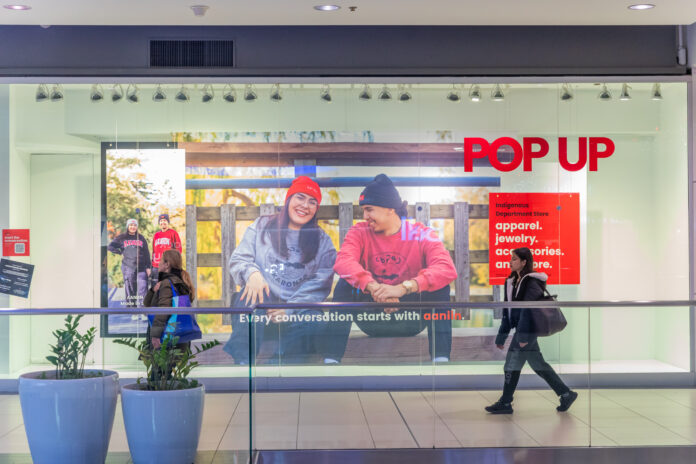
The Indigenous-owned aaniin pop-up retail store at the CF Toronto Eaton Centre has achieved an extraordinary milestone, exceeding its one-month sales goal in less than 10 days, generating four times its projected revenue within two weeks.

This groundbreaking achievement highlights the growing demand for Indigenous-owned brands and the impact of aaniin’s innovative retail concept.

Chelsee Pettit
Chelsee Pettit

“The success of aaniin isn’t just about meeting sales goals – it’s about showing the world the power of Indigenous entrepreneurship,” said Chelsee Pettit, founder of aaniin, an Anishinaabe entrepreneur from Aamjiwnaag First Nation. “This store is all about celebrating Indigenous creativity, and we’ve made supporting our community easier than ever in a way that’s powerful, accessible and inclusive.”

Since its launch on November 29, the aaniin pop-up has transformed retail at the CF Toronto Eaton Centre. “Aaniin,” meaning “hello” in Ojibwe, is more than a pop-up shop—it’s a movement to promote and expand Indigenous commerce, said the retailer in a news release.

“Spanning 6,500 square feet, this retail space features over 40 Indigenous-owned brands, including aaniin’s in-house streetwear brand, as well as apparel, jewelry, beauty, home goods, artwork, books, and more. This exciting addition to the Downtown Tkaronto (the Mohawk word for Toronto meaning “the place in the water where the trees are standing”) mall invites everyone to embrace Indigenous entrepreneurship and creativity in an entirely new way,” it said.

“In addition to aaniin’s in-house products, the pop-up showcases 45 other Indigenous-owned brands that are thriving this holiday season, benefiting from the visibility and sales momentum aaniin has created. From established names like Cheekbone Beauty and Lesley Hampton to emerging brands like Future Kokum, these businesses are enjoying one of their most profitable seasons yet. The initiative is empowering small brands to succeed in a retail environment that often prioritizes large-scale enterprises, creating opportunities for economic growth and broader recognition of Indigenous talent.”

aaniin is inviting shoppers to a special book signing and reading event on Saturday December 14 from 1 p.m. to 4 p.m. The event will feature Cree Nomad, the Métis-Cree, Two-Spirit author and climate activist, whose debut novel, Hey, June, has become a sensation since its release earlier this year. Attendees can bring their copy of the book or purchase one in-store to have it signed by the author, enjoy a reading from Hey, June, and sip tea while connecting with the community in a welcoming space.

Also, shoppers can enjoy mini makeover sessions with Cheekbone Beauty from December 12 to 14. The pop-up will remain open through December 31.

aaniin was founded in June 2021.

Related Retail Insider articles:

 Apothecare fills cannabis care gap with pharmacist-led consultations, expands support for veterans

Photo: Apothecare
Photo: Apothecare

With the rise of cannabis use for health and wellness, one company is stepping in to provide much-needed professional guidance. Apothecare, a pharmacist-led cannabis consultation service, is bridging the gap for Canadians seeking safe and informed cannabis use alongside conventional medicine.

Anushya Vijayaraghevan

“We saw a gap in care when cannabis was legalized in 2018,” said Anushya Vijayaraghevan, lead pharmacist and co-founder of Apothecare. “Consumers were walking into retail cannabis stores for health reasons but couldn’t access professional advice, as budtenders aren’t legally allowed to provide medical guidance. That’s where Apothecare steps in.”

Apothecare offers personalized, evidence-based consultations through its virtual platform. Using the Jane app, the company provides services across Ontario and is actively expanding nationwide. The consultations, conducted via phone or video, help clients navigate cannabis use safely, considering drug interactions, contraindications, and overall health goals.

Filling a Critical Need for Older Adults and Veterans


Vijayaraghevan shared insights into the demographics of Apothecare’s clients. “The average age of our patients is 61,” she explained. “Many are on four or more prescription medications, underscoring the need for professional oversight. Older adults are becoming more open to cannabis as the stigma fades, but they need proper guidance to avoid harmful interactions.”

Veterans, in particular, have emerged as a key focus for Apothecare. “Canada is home to nearly half a million veterans, 40% of whom are over 65,” Vijayaraghevan said. “Forty-five percent of veterans treated for mental health conditions turn to cannabis, often after leaving military service. Unfortunately, many rely on trial and error to find products because there’s limited access to knowledgeable healthcare professionals.”

To address this, Apothecare recently launched free wellness consultations tailored to veterans. “We want to make it accessible for them,” she emphasized. “Many family doctors aren’t educated in cannabis use and avoid discussing it, leaving veterans without guidance. Our services are here to support them with evidence-based care.”

Retail Partnerships Driving Growth

While Apothecare operates virtually, it maintains strong partnerships with retail cannabis stores. “We collaborate with retailers who refer customers needing health and wellness guidance,” said Vijayaraghevan. “Currently, we’re focused in Ontario . . . We’re also in talks with larger banners to expand our services further.”

These partnerships allow Apothecare to integrate its services seamlessly into the retail experience, ensuring that consumers have access to professional advice alongside their purchases.

A Vision for the Future

Looking ahead, Apothecare aims to continue expanding its reach while advocating for greater education and resources in the healthcare space. “Cannabis can be an effective tool for health and wellness, but it must be used responsibly,” said Vijayaraghevan. “Our goal is to empower Canadians with the knowledge and guidance they need to make informed decisions.”

With its unique pharmacist-led model, Apothecare is setting a new standard for cannabis care, ensuring that consumers—especially vulnerable populations like older adults and veterans—have access to safe, evidence-based support.

Related Retail Insider stories:

Square Ventures into the Canadian Cannabis Market with Jane Technologies Partnership
Garden City Cannabis Co. Cultivating Growth and Success through Smart Store Design [Feature Interview]

Black Friday/Cyber Monday sales up from last year: Moneris report

Photo by Anna Nekrashevich

New data released by Moneris, Canada’s leading commerce provider, reveals some good news for Canadian retailers from the recent Black Friday/Cyber Monday period.

While holiday sales are extending over a longer period, the allure of the Black Friday/Cyber Monday weekend remains strong, capturing significant consumer spending.

Week over week Black Friday sales were up 29% nationally while Cyber Monday sales rose by 13%.

Year-over-year, sales for Black Friday rose by 11% and increased by 10% for Cyber Monday.

Despite speculation that consumers might delay purchases for the GST tax break, Moneris’ data indicates otherwise. Strong sales could mean good things for businesses as we move into December, where some of the busiest shopping days occur as consumers make last-minute purchases and the GST break is set to come into effect. 

Peter Goldsztajn
Peter Goldsztajn

Peter Goldsztajn, Vice President, Corporate Data Analytics at Moneris: said “Heading into the holidays, data for September showed transaction volume was down year-over-year at –3 per cent, putting the pressure on Black Friday and Cyber Monday to show positive results for businesses. Based on Moneris’ data for Black Friday, transaction volume was up over +10 per cent year-over-year, driven by growth in transaction size.”

“Economic factors like elevated inflation have been top-of-mind throughout the year, leading consumers to be increasingly cost conscious. As a result, bigger basket sizes suggest shoppers took greater advantage of sales.

“While it isn’t the main event, Cyber Monday still showed strong results. Year-over-year, transaction volume was up +10 per cent, driven entirely by an increase in the number of transactions.

“With Cyber Monday rounding out the weekend of sales, higher transaction counts might be associated with consumers shopping around for items they may have missed on Black Friday, squeezing in purchases before any special sales end.

“There has been some concern that consumers would defer purchases due to the upcoming GST/HST tax break. However, significant increases for Black Friday and Cyber Monday suggest that was not the case, with holiday sales being too good an opportunity to miss.

“While businesses can feel reassured that consumers generally did not defer purchases, it will be interesting to see if spend increases once the break comes into effect. Ultimately, we will need to wait until all the data is available to get a proper understanding of the tax holiday’s impact on spending. 

“As a reminder, protecting your business is just as important as growing it. It’s never a bad time to review best practices with employees so you can make the most of the holidays. Often just a few small changes to your business can have a meaningful impact.   

“Keeping an eye on your terminals and using password protections can help prevent against as well as minimize losses from terminal theft. Clearly displaying return policies and contact information keeps customers informed and can minimize chargeback losses. For online transactions, using a solution like 3D Secure 2.0 shifts chargeback liability to the card issuer, further protecting your business. If you suspect fraud, call your payments processor, we’re here to help.”    

Regional year-over-year trends for Black Friday and Cyber Monday

EventRegionTotal SpendTransaction CountTransaction Size
Black FridayAlberta19%5%13%
Atlantic Canada18%0%18%
British Columbia19%0%19%
Manitoba13%9%4%
Ontario2%1%1%
Quebec14%13%1%
Saskatchewan25%8%16%
Territories-5%2%-7%
Canada+11%+4%+7%
 Cyber MondayAlberta17%11%5%
Atlantic Canada20%19%1%
British Columbia10%8%2%
Manitoba2%13%-9%
Ontario3%4%-2%
Quebec18%20%-1%
Saskatchewan2%13%-9%
Territories12%2%9%
Canada+10%+10%0%

About the data: Year-over-year data compares Black Friday 2024 against Black Friday 2023, and Cyber Monday 2024 against Cyber Monday 2023. Moneris reports measure spending in Canada across a range of categories by analyzing transaction data. The figures cited are derived from aggregated transaction data being processed by Moneris in the applicable categories.

Regional week-over-week trends for Black Friday and Cyber Monday

EventRegionTotal SpendTransaction CountTransaction Size
Black FridayAlberta+23%+11%+11%
Atlantic Canada+35%+14%+19%
British Columbia+34%+13%+19%
Manitoba+32%+16%+14%
Ontario+28%+17%+9%
Quebec+32%+21%+9%
Saskatchewan+21%+3%+18%
Territories-3%-1%-2%
Canada+29%+16%+12%
 Cyber MondayAlberta+8%+8%+0%
Atlantic Canada+12%+10%+2%
British Columbia+12%+8%+4%
Manitoba+10%+10%+0%
Ontario+15%+10%+4%
Quebec+12%+9%+3%
Saskatchewan+8%+9%-1%
Territories+6%+0%+6%
Canada+13%+9%+3%

About the data:Week-over-week data compares Black Friday 2024 against Friday the week prior. Week-over-week data compares Cyber Monday 2024 against Monday the week prior. Moneris reports measure spending in Canada across a range of categories by analyzing transaction data. The figures cited are derived from aggregated transaction data being processed by Moneris in the applicable categories.

Related Retail Insider articles:

Rocky Mountain Soap Co. Opens New Store with Fresh Branding

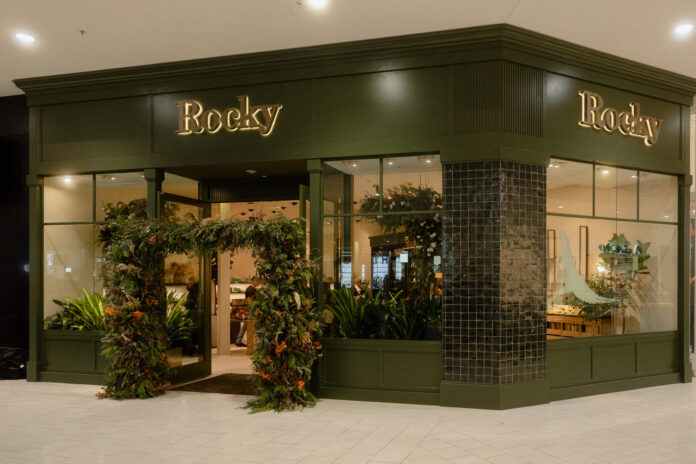
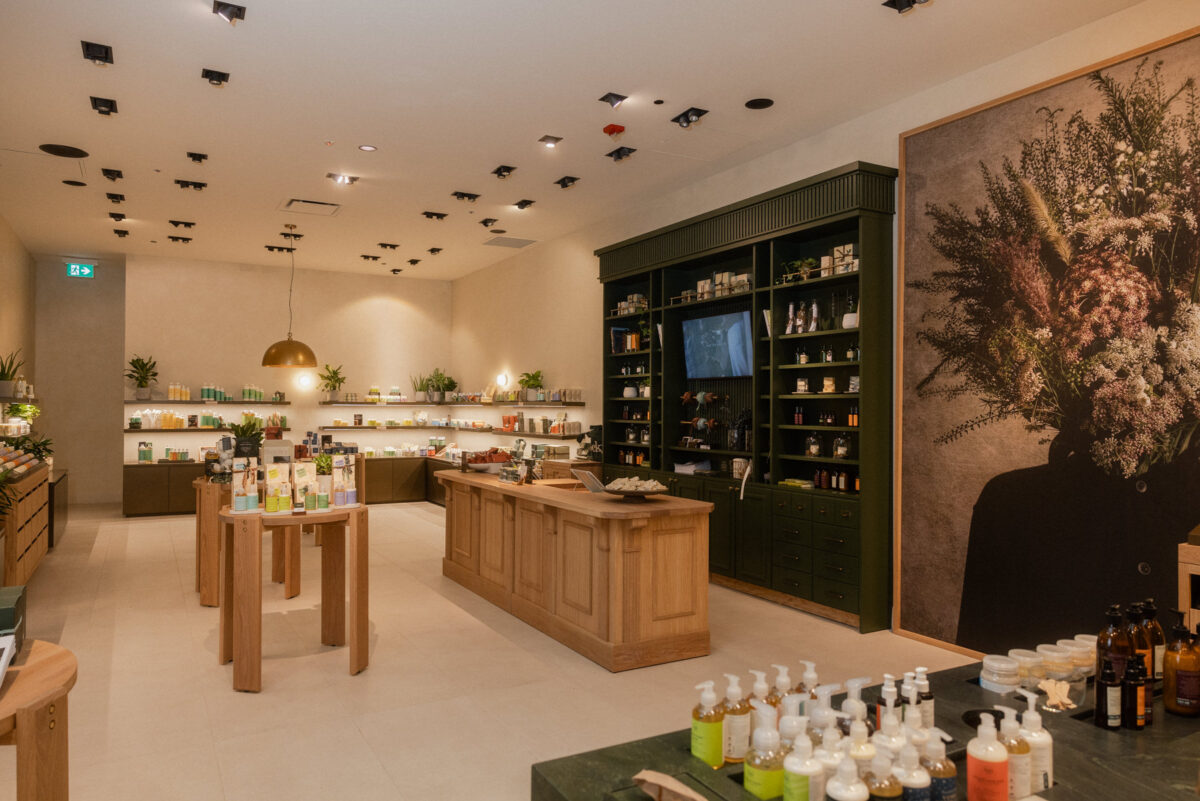
Rocky Mountain Soap Co. at SouthCentre Mall in Calgary. Image supplied

Rocky Mountain Soap Co., known for its commitment to 100% natural ingredients and handcrafted products, has opened its latest store at SouthCentre Mall in Calgary. The new location reflects an evolved vision for the brand with fresh aesthetics, a redefined identity simply as Rocky, and a deeper focus on natural beauty beyond soap.

“This is the first store to officially feature our ‘Rocky’ branding,” said Karina Birch, CEO of Rocky Mountain Soap Co. “While we’ve been using the ‘Rocky’ logo on packaging and marketing materials for about five years, this store marks the beginning of our full brand pivot, which has been in the works for quite some time.”

Karina Birch

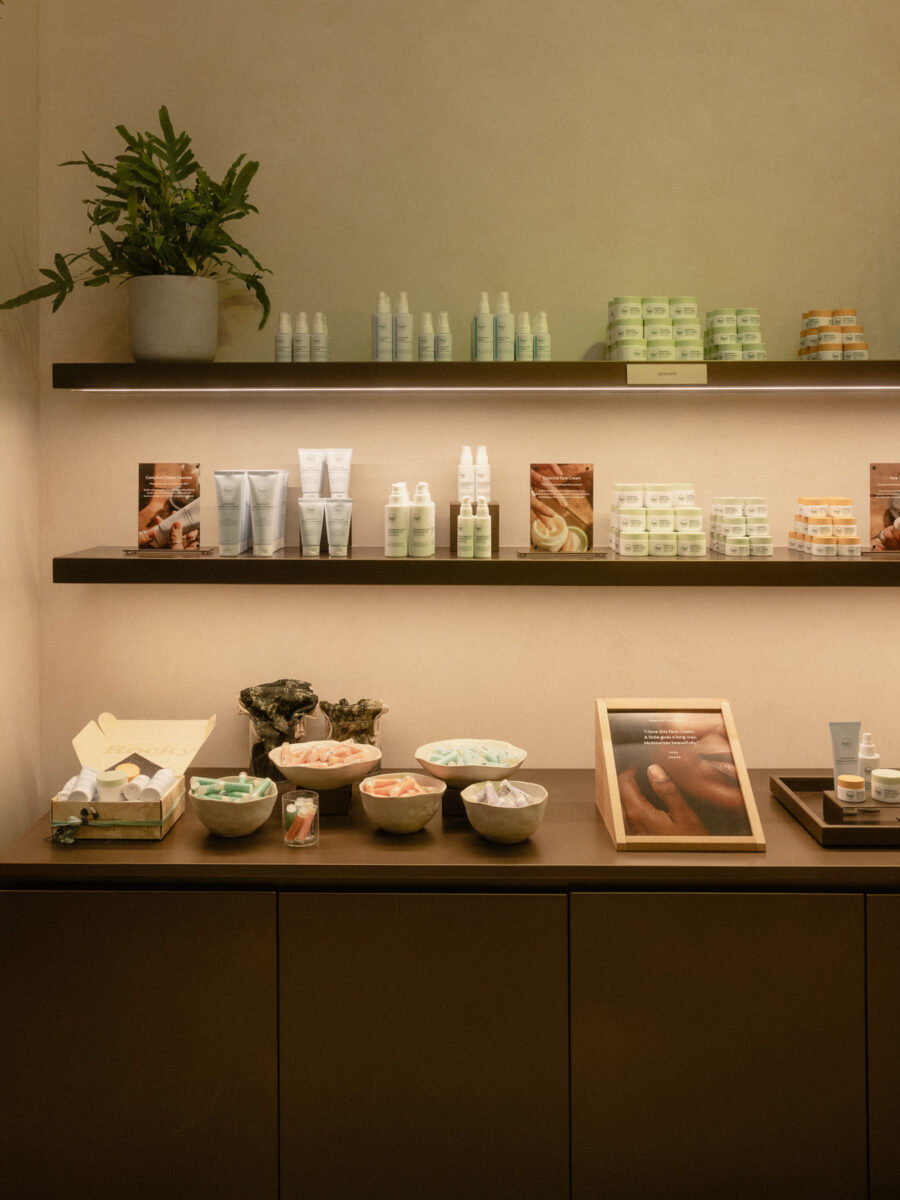
Birch explained that the decision stems from the company’s growth into new product categories. “Soap remains one of our top sellers, but our face cream is actually our number one product, both in units and sales. Over time, the brand has evolved to include more skincare and natural beauty solutions,” she added.

A Fresh Look Rooted in Nature

The SouthCentre store boasts a striking new design anchored in Rocky Mountain Soap Co.’s philosophy of connecting with nature. The store exterior features a deep, earthy green, which Birch describes as evoking the sensation of “walking into a forest.”

“We really leaned into the connection with nature,” she said. “The green is very grounding, and when paired with lush plants and organic textures, it creates a space that feels both natural and calming.”

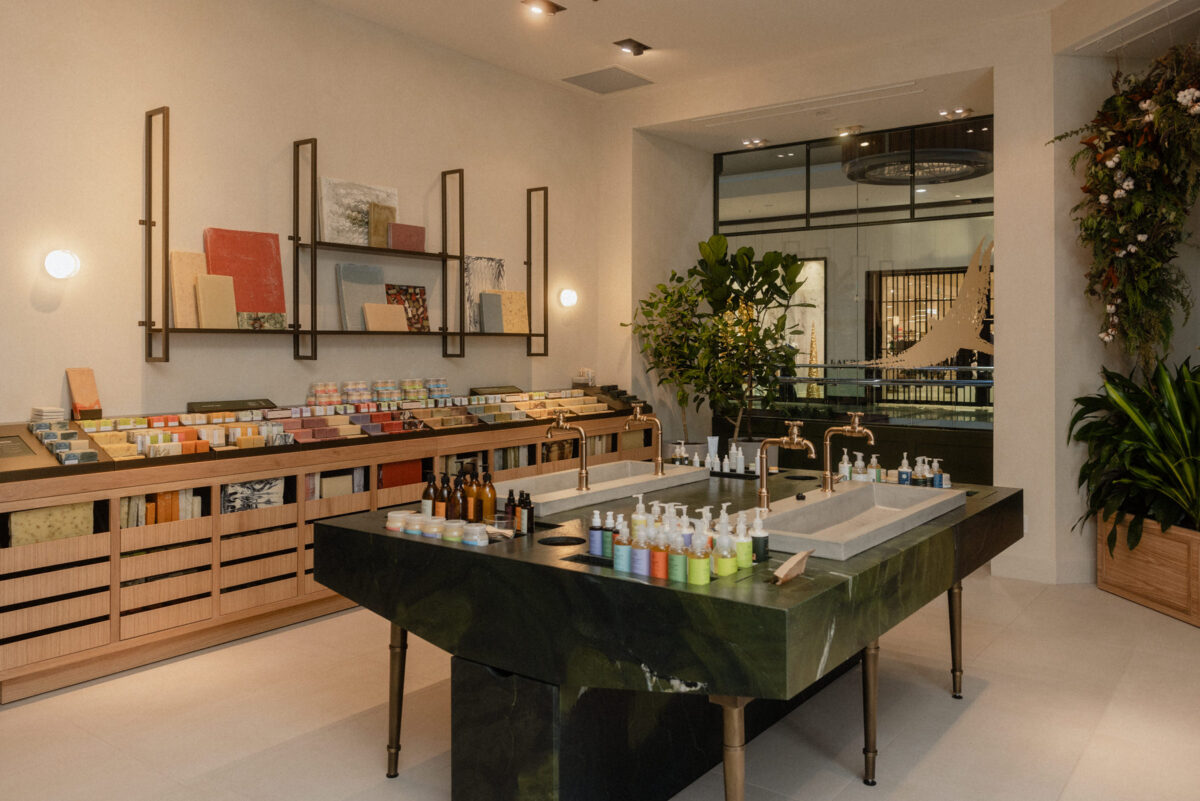
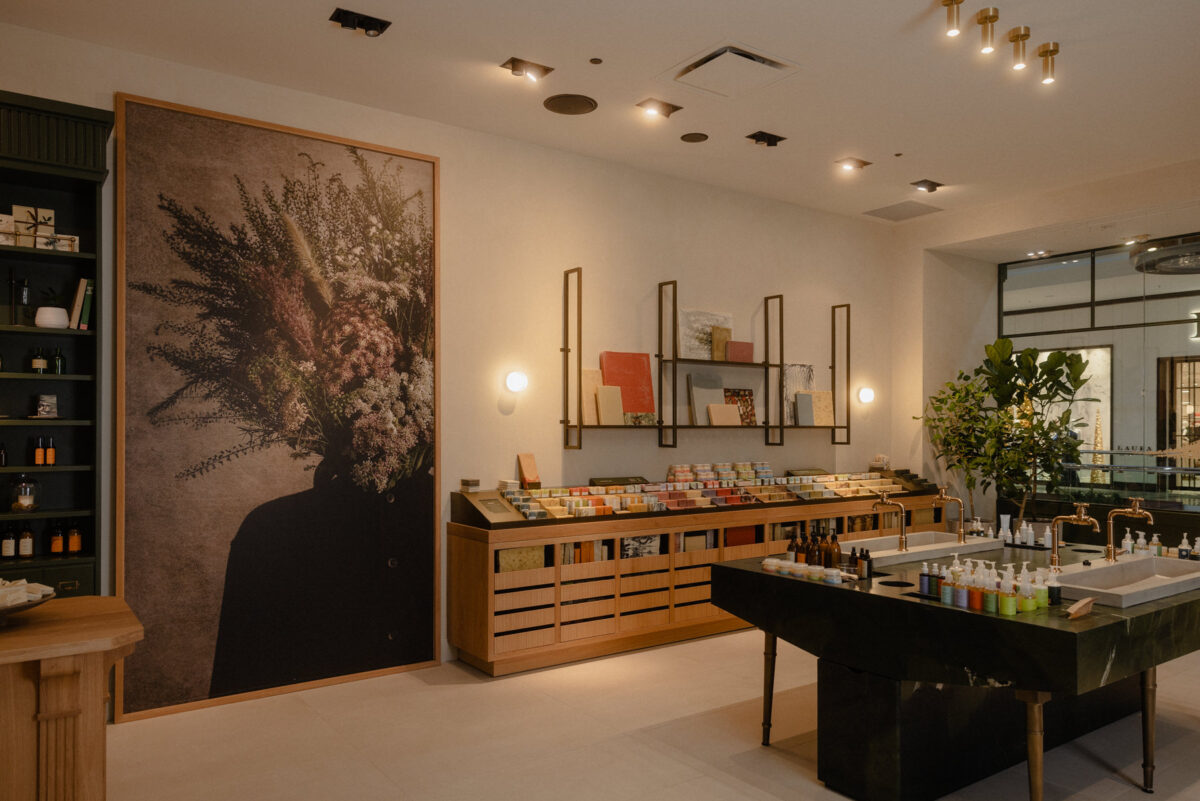
Inside, Rocky’s signature sink takes center stage. Designed as a community hub, the oversized, multi-faucet sink invites customers to experience the products hands-on.

“It’s our version of a changing room in fashion,” Birch explained. “Customers can try our products in new and unexpected ways. The sink experience allows us to demonstrate the versatility of a few everyday essentials—something our brand is really about.”

This interactive, experiential approach reflects Rocky’s belief in simplicity: offering fewer products but with multiple uses to meet modern skincare needs.

Inside Rocky Mountain Soap Co. at SouthCentre Mall in Calgary. Image supplied

Honouring Heritage, Embracing Innovation

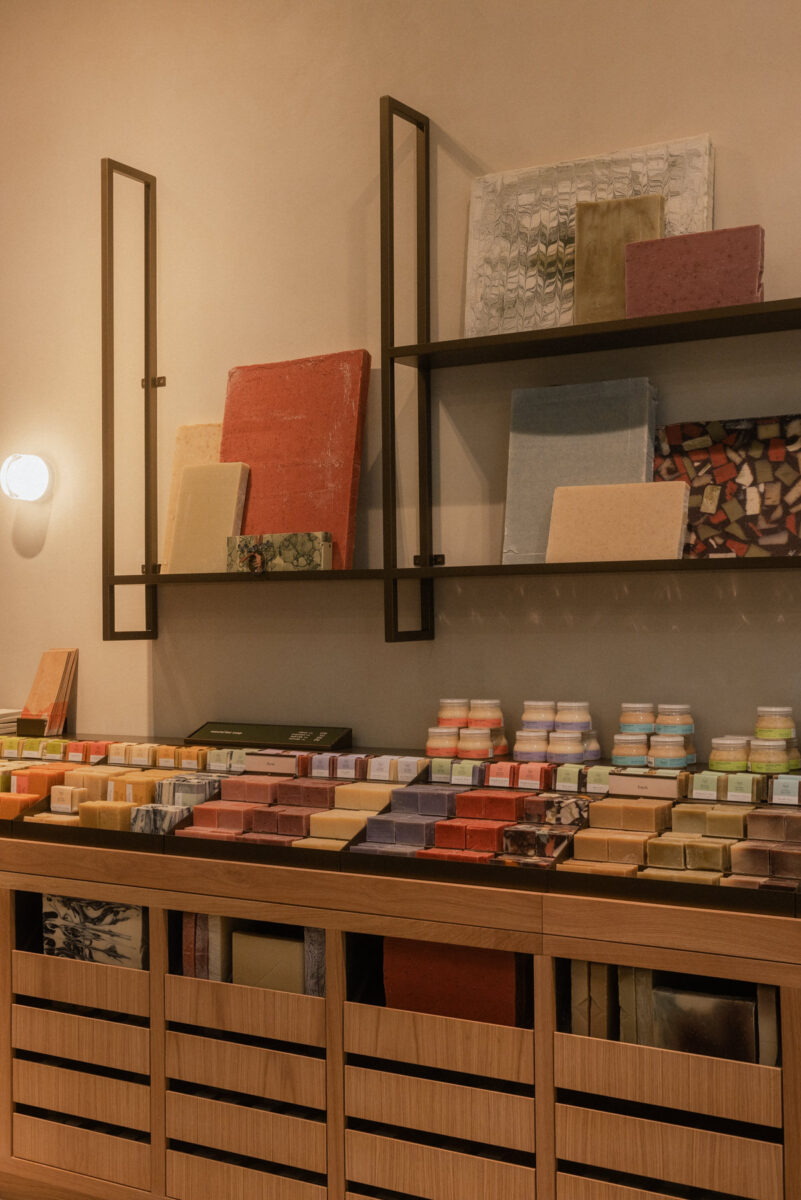
While the rebrand looks forward, it also nods to Rocky’s 25-year history. The store features an “apothecary display,” typically positioned behind the cash desk, which pays homage to Rocky Mountain Soap Co.’s roots in natural R&D and product formulation.

Birch takes pride in the brand’s long-standing expertise. “It’s rare for a beauty company to handle all their own R&D and manufacturing today,” she said. “We’ve been formulating in-house since day one, and this new store highlights that legacy.”

With their headquarters in Canmore, Alberta, Rocky Mountain Soap Co. continues to produce all of its products in-house. “Having our lab and workshop in the same building allows our team to collaborate closely,” Birch said. “If something isn’t working, we’re only 21 stairs away from finding a solution.”

Inside Rocky Mountain Soap Co. at SouthCentre Mall in Calgary. Image supplied

Expanding the Rocky Footprint

The SouthCentre opening is just the beginning. Birch confirmed that Rocky is rolling out the rebrand across its retail network, starting with renovations and new stores.

“We’re opening two additional locations this month: a newly renovated store at CF Polo Park in Winnipeg and a brand-new location at Midtown Plaza in Saskatoon,” she said. “By next summer, we’ll open two more stores in Ontario at CF Sherway Gardens and Upper Canada Mall, bringing our total to 15 locations.”

Ontario holds particular significance for Rocky’s growth strategy. Before the pandemic, the brand tested temporary stores in Toronto, including Yorkdale, CF Toronto Eaton Centre, and the PATH network.

“We learned a lot about the Ontario customer and how their expectations differ,” Birch said. “It’s a very diverse and dynamic market, and we’re excited to bring Rocky back to Toronto with the new branding and everything we’ve learned.”

However, expansion into major city centers like the Toronto Eaton Centre is not yet on the immediate horizon. “We’re focused on sustainable, strategic growth. That means high-quality store experiences in great locations,” Birch added.

Oberfeld Snowcap is representing Rocky Mountain Soap Co. in its expansion.

Inside Rocky Mountain Soap Co. at SouthCentre Mall in Calgary. Image supplied

E-Commerce and Future Plans

While brick-and-mortar remains a priority, Rocky Mountain Soap Co. is also refining its e-commerce strategy.

“E-commerce and physical retail feed into each other,” Birch explained. “Ontario is already our second-largest online market, so we know there’s demand. But we believe there’s still untapped potential in our online channel, and that’s a focus for us moving forward.”

Approximately 20% of Rocky’s online sales currently come from the U.S., though Birch says the company is not actively pursuing that market yet. “For now, U.S. sales are about retention—serving customers who discover us here in Canada. Once we’ve achieved everything we want domestically, we’ll turn our attention there.”

Image: Rocky Mountain Soap Co.

Sustainability and Innovation

Sustainability remains central to Rocky Mountain Soap Co.’s ethos, with new product development driven by this commitment.

“Our focus is on simplifying routines and innovating with sustainability in mind,” Birch said. “We’re working toward zero waste and constantly looking for ways to reduce our environmental footprint—from ingredients to packaging and manufacturing.”

The brand’s Rocky Returnables program exemplifies this approach. Customers can return 1-litre bottles of liquid soap, shampoo, and conditioner to stores for cleaning, sanitization, and reuse—a process that diverts significant amounts of plastic from landfills.

“Quality doesn’t have to mean indestructible,” Birch said, referencing the beauty industry’s reliance on long-lasting plastic packaging. “We believe in intentional design and thoughtful choices—whether that’s using bio-plastics derived from sugarcane or eliminating unnecessary secondary packaging.”

A Quarter-Century of Craftsmanship

As Rocky Mountain Soap Co. prepares to celebrate its 25th anniversary in January, Birch reflects on the brand’s journey.

“When we bought the business in 2000, it had one employee and $86,000 in sales,” she said. “We were in our early twenties and running mostly on blind optimism.”

Today, Rocky produces over 350 products, all made by hand in Canmore. “We’re proud to have stayed true to our roots while evolving into something bigger,” Birch said. “The mountains inspire everything we do. They remind us to stay connected to nature and keep our products simple, fresh, and effective.”

What’s Next for Rocky?

With its SouthCentre store setting the tone, Rocky Mountain Soap Co. is well-positioned for its next chapter. The brand’s emphasis on connection—to nature, to community, and to its heritage—continues to resonate with customers seeking natural beauty solutions.

“We’re optimistic about the timing,” Birch said. “It feels like a great opportunity to bring something new and exciting to Canadian retail.”

And as Rocky expands across Canada, Birch remains focused on the bigger picture. “For us, it’s always been about everyday essentials that connect people to nature. That’s what Rocky stands for.”

Inside Rocky Mountain Soap Co. at SouthCentre Mall in Calgary. Image supplied

More from Retail Insider: