Home Blog Page 55

How Luxury Retail Actually Works: Retail Staff

Editor’s Note: This article is part of a special Retail Insider thought leadership series exploring how luxury retail actually works, based on insights from luxury retail executive Douglas Mandel.

If product is the foundation of luxury retail, and store execution is the proof, then staff are the heartbeat.

Luxury retail does not work because of marble floors, curated lighting, or carefully edited assortments. It works because of human connection. The associate standing in front of the client determines whether the brand feels aspirational or transactional.

To understand how luxury retail actually works, we have to examine Luxury Retail Staff Strategy.

Douglas Mandel, former VP of Dior who led Canada and a veteran global luxury executive, makes a direct point. “You can’t build a client-centric brand without first building an employee-centric culture”.

For Canadian retailers navigating rising labor costs, digital disruption, and evolving client expectations, that statement is more than philosophical. It is operational.

The Client Experience Mirrors the Employee Experience

In luxury, the sales associate is not simply an employee. They are the frontline brand storyteller.

“They’re the ones translating product into emotion, and interaction into loyalty,” Mandel says.

Luxury brands often invest heavily in store design, visual merchandising, and marketing campaigns. Yet underinvestment in team development remains common. Training becomes rushed. Coaching becomes reactive. Feedback becomes transactional.

Douglas Mandel

The result is predictable. Service quality plateaus.

“The client experience will never exceed the employee experience,” Mandel argues.

Luxury Retail Staff Strategy begins with culture. Respect shown internally transfers externally. When associates feel empowered, supported, and educated, that confidence translates into poise on the floor.

For Canadian luxury retailers competing in increasingly sophisticated urban markets, empowerment is not a soft concept. It is a competitive advantage.

Leadership on the Floor

Luxury retail leadership cannot be confined to an office.

Mandel emphasizes the importance of leaders who coach in real time, who are visible on the floor, and who guide service standards by example. 

He compares strong retail leaders to orchestra conductors, bringing individual talent together toward a shared crescendo of service.

This metaphor captures something essential. Luxury service is collaborative. It requires rhythm. It depends on clarity of cues.

In Canada’s expanding luxury corridors, where global brands and domestic players operate side by side, visible leadership builds consistency. It ensures rituals are respected. It allows service standards to be refined daily rather than reviewed quarterly.

Luxury Retail Staff Strategy is not simply about hiring charismatic personalities. It is about building managers who understand culture as much as conversion.
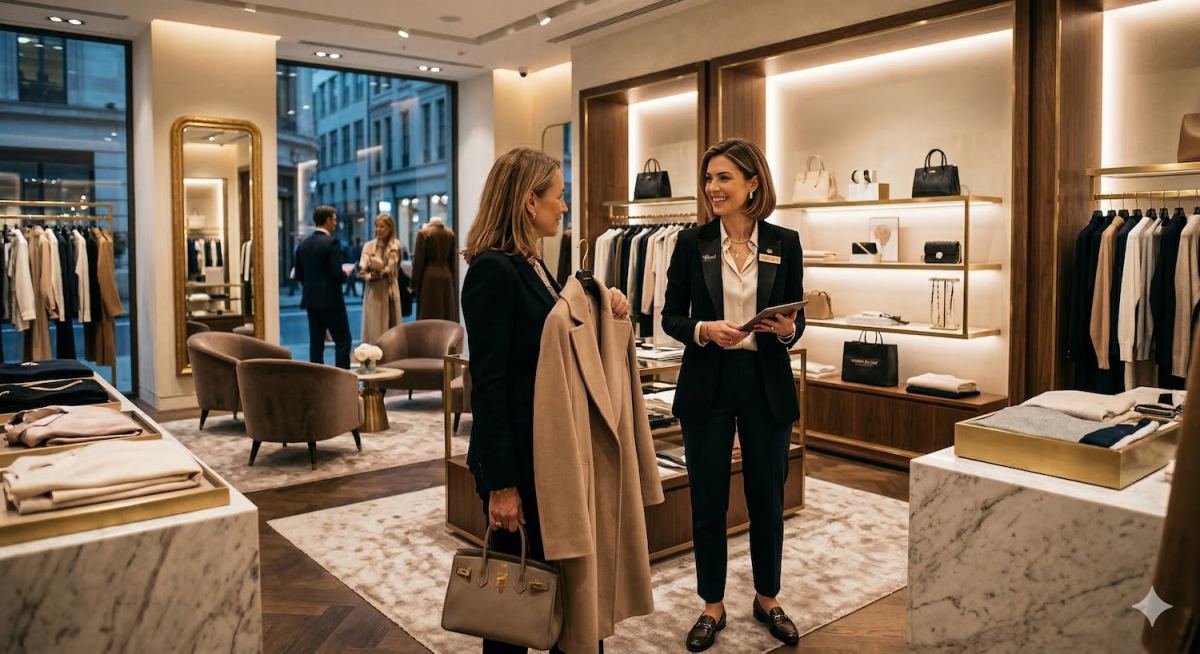
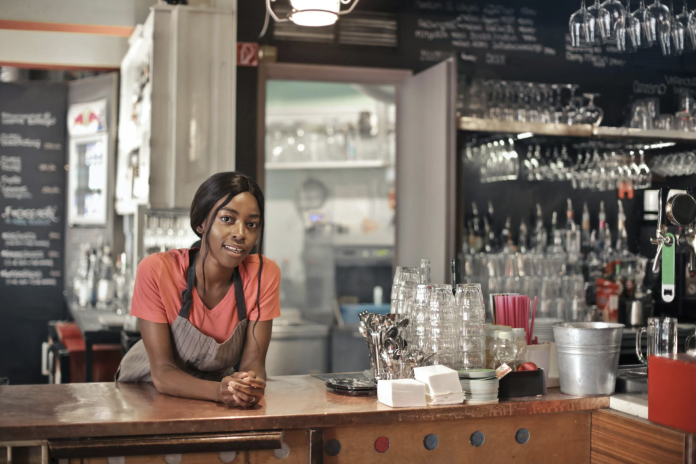
A retail worker and an employee in a luxury store. Retail staffing in Canada has its ups and downs says Suzanne Sears. Photo: RI/Google

Empowerment Over Pressure

The traditional sales model in retail often leans heavily on pressure. Individual quotas. Commission races. Internal competition.

In luxury, that model can undermine the very atmosphere the brand seeks to create.

“Luxury retail isn’t just about what you sell. It’s how you make people feel,” Mandel says.

When commission structures reward only the individual transaction, collaboration weakens. Associates compete for clients rather than collaborate around them. Clients sense tension. The emotional journey fractures.

Luxury Retail Staff Strategy requires a smarter approach to incentives.

The solution is not eliminating incentives. It is realigning them.

Team-based goals, retention metrics, service excellence recognition, and structured handoffs reinforce collective ownership of the client journey.

In luxury, the client does not care who closed the sale. They care how they felt.

For Canadian retailers, particularly in multi-brand stores and high-traffic luxury streets, compensation design shapes culture. When staff are rewarded for protecting relationships rather than capturing transactions, loyalty strengthens.

From Salespeople to Brand Stewards

Luxury associates must understand more than product features. They must understand the “why” behind the service standard.

Ownership transforms behaviour. When employees see themselves as stewards of the brand rather than executors of tasks, they deliver with pride.

Mandel emphasizes shifting from instruction-based management to empowerment-based leadership. 

That includes collaborative feedback, structured training, and clarity around the client journey.

In a market increasingly influenced by AI tools and automated service systems, human connection becomes the differentiator.

“In an era of AI chatbots and shrinking margins, human connection is the luxury,” Mandel says.

For Canadian luxury retailers investing in digital innovation, this perspective is critical. Technology can support service. It cannot replace the emotional nuance of a skilled associate reading a client’s cues.

Luxury Retail Staff Strategy must therefore prioritize emotional intelligence as much as product knowledge.
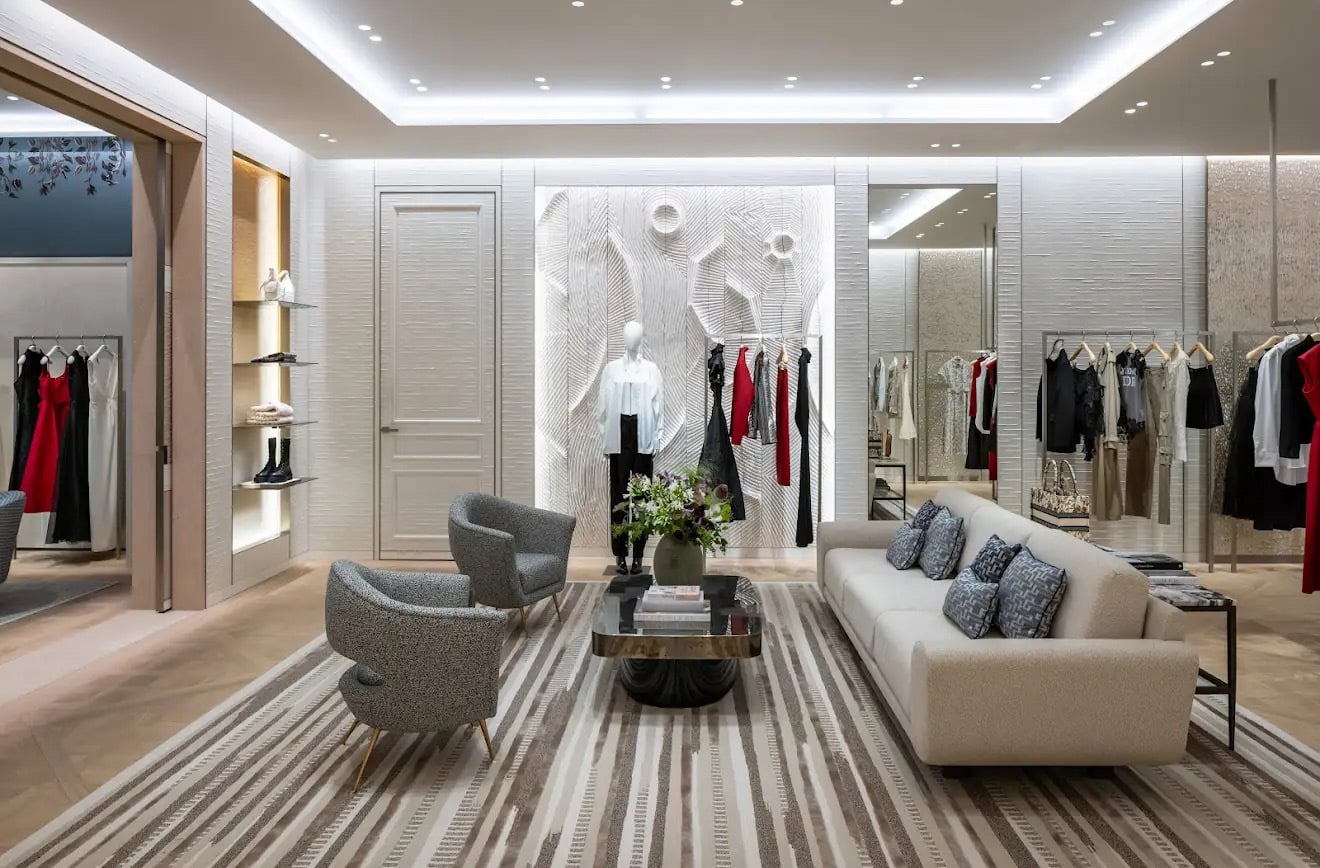
Dior Yorkdale store in Toronto. Photo: Daniel Bray, Here and Now Agency

The Baton Pass

Luxury service often involves multiple associates interacting with the same client. A greeter welcomes. A specialist presents product. A manager confirms availability. A cashier finalizes packaging.

Without clear protocols, these transitions become awkward.

Mandel highlights the importance of service rituals and zone clarity so associates know how to pass the baton gracefully. 

When handoffs are seamless, the client feels cared for. When they are clumsy, the magic dissolves.

In Canadian luxury environments, where bilingual service, tourism, and high expectations converge, choreography matters. Retail floor movement should feel effortless, even if carefully designed behind the scenes.

Luxury retail works because the experience feels personal, even when structured.

What This Means for Canada

Canada’s luxury market is growing more competitive. International brands are expanding. 

Domestic brands are professionalizing. Clients are increasingly global in perspective.

In this environment, Luxury Retail Staff Strategy will define the next era of performance.

The brands that thrive will invest in empowerment rather than pressure. They will design compensation models that protect collaboration. They will train leaders to coach on the floor. They will recognize that employee experience shapes client experience.

Product matters. Store design matters. Execution matters.

However, in the final moment, when a client decides whether to return, it is the human interaction that lingers.

Luxury retail does not work because of price. It works because of people.

Behind every iconic storefront stands a team. And when that team is empowered, aligned, and respected, the brand becomes real.

More from Retail Insider:

Danier Debuts New Store Concept Amid Expansion Phase

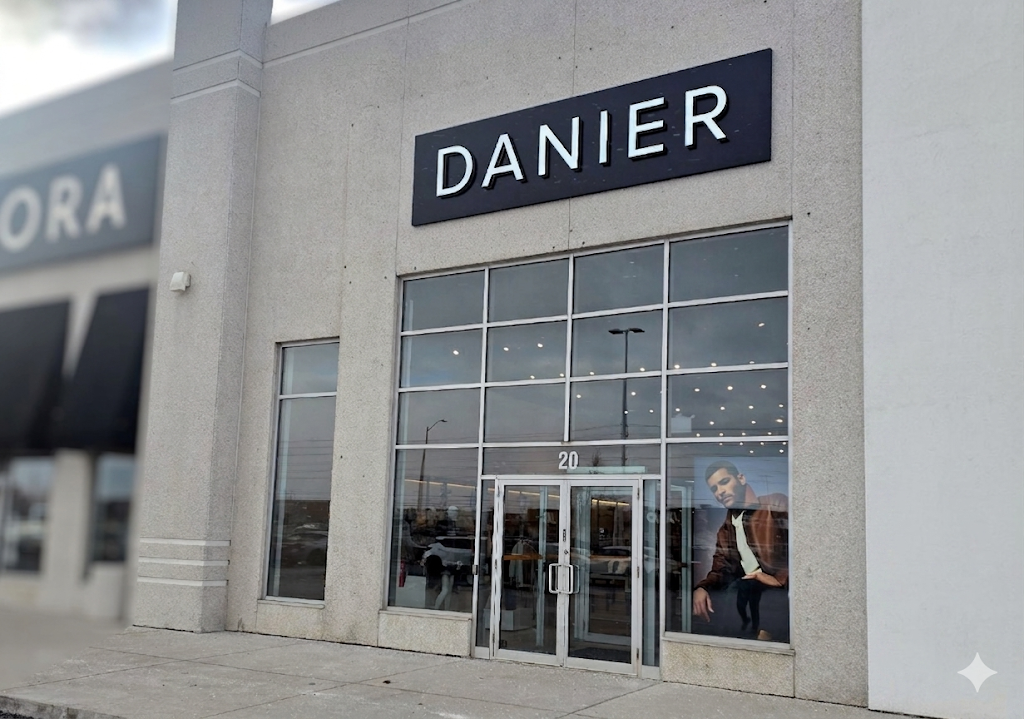
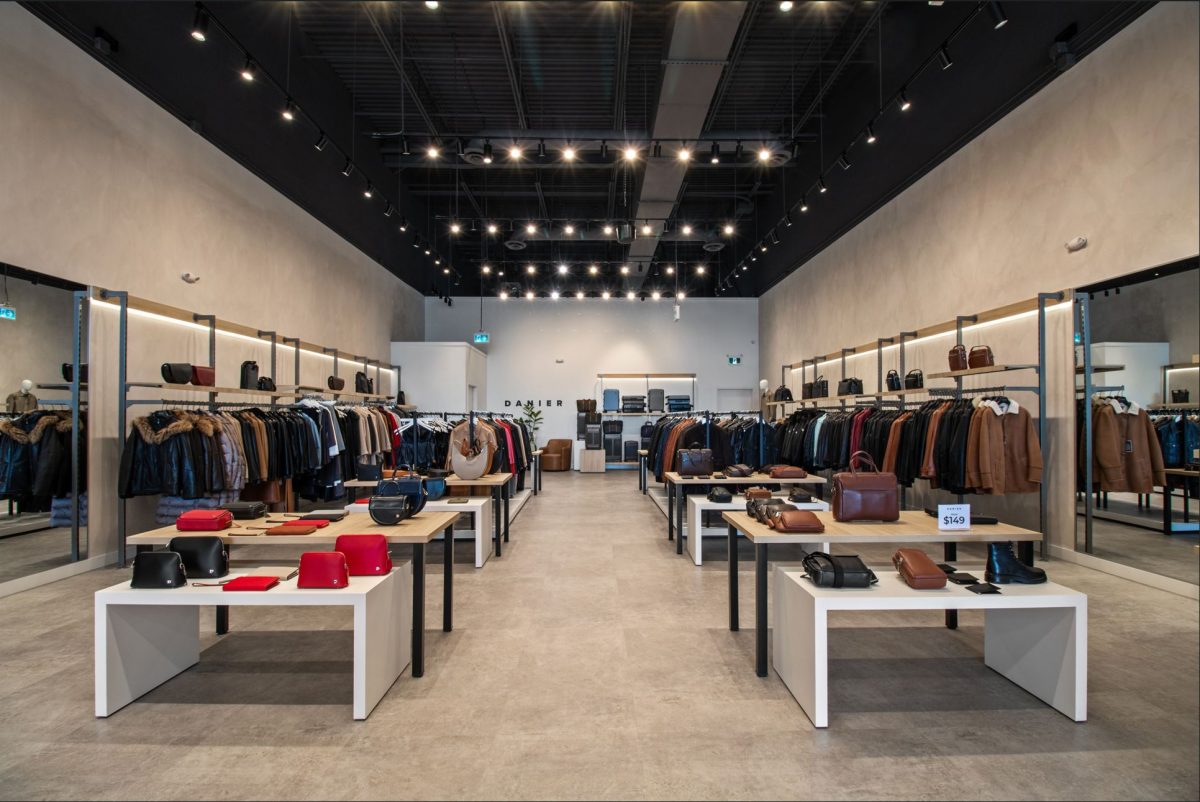
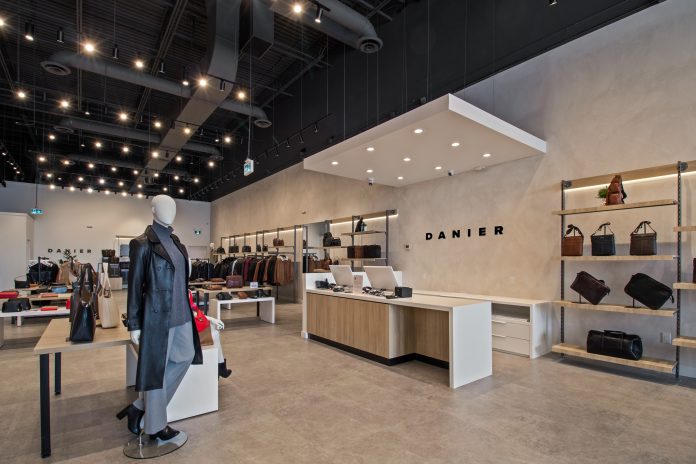
Danier store at Heartland Town Centre in Mississauga. Photo: Ashwin Raman

Canadian retailer Danier is entering a new phase of growth as it marks roughly a decade under current ownership, unveiling a new store concept and expanding into key markets with locations at Heartland Town Centre in Mississauga and The CORE Shopping Centre in downtown Calgary.

The brand, which was acquired out of bankruptcy in 2016, has undergone a significant transformation over the past ten years. Once a dominant mall-based leather retailer with more than 80 stores across Canada, Danier now operates a streamlined network of approximately 18 locations, supported by a growing e-commerce business and a repositioned product offering that extends well beyond its heritage in leather outerwear.

“We’re driven by the momentum behind the brand’s evolution,” said Olga Koel, Executive Managing Director at Danier, in an interview. “We want to grow, and we have a much bigger breadth and depth of our assortment now.”

Expansion Reflects Renewed Physical Retail Strategy

Olga Koel

The recent openings in Mississauga and Calgary highlight Danier’s continued belief in physical retail as a critical component of its strategy, even as digital commerce expands across the industry.

“Physical retail is still very important to us,” said Koel. “Even though e-commerce is strong in all categories, we really feel that the retail environment showcases the depth and breadth better than even an e-commerce site can.”

The Calgary location at The CORE Shopping Centre offers exposure to a dense, urban customer base and a fashion-forward tenant mix. According to Koel, the environment aligns well with Danier’s evolving positioning.

“It’s modern, it’s multi-category, and it’s a good fit for us,” she said. “It’s very fashion-forward, and with the tenant mix, that’s a perfect blend for Danier to be in that market.”

Meanwhile, the Heartland Town Centre store in Mississauga represents a different but equally strategic move. The open-air power centre is one of Canada’s highest-performing retail destinations, known for its strong traffic and co-tenancy with major global brands.

“We always felt that Heartland was part of our core strategy,” said Koel. “It has strong traffic, huge areas, and that was always very important for us to showcase the brand.”

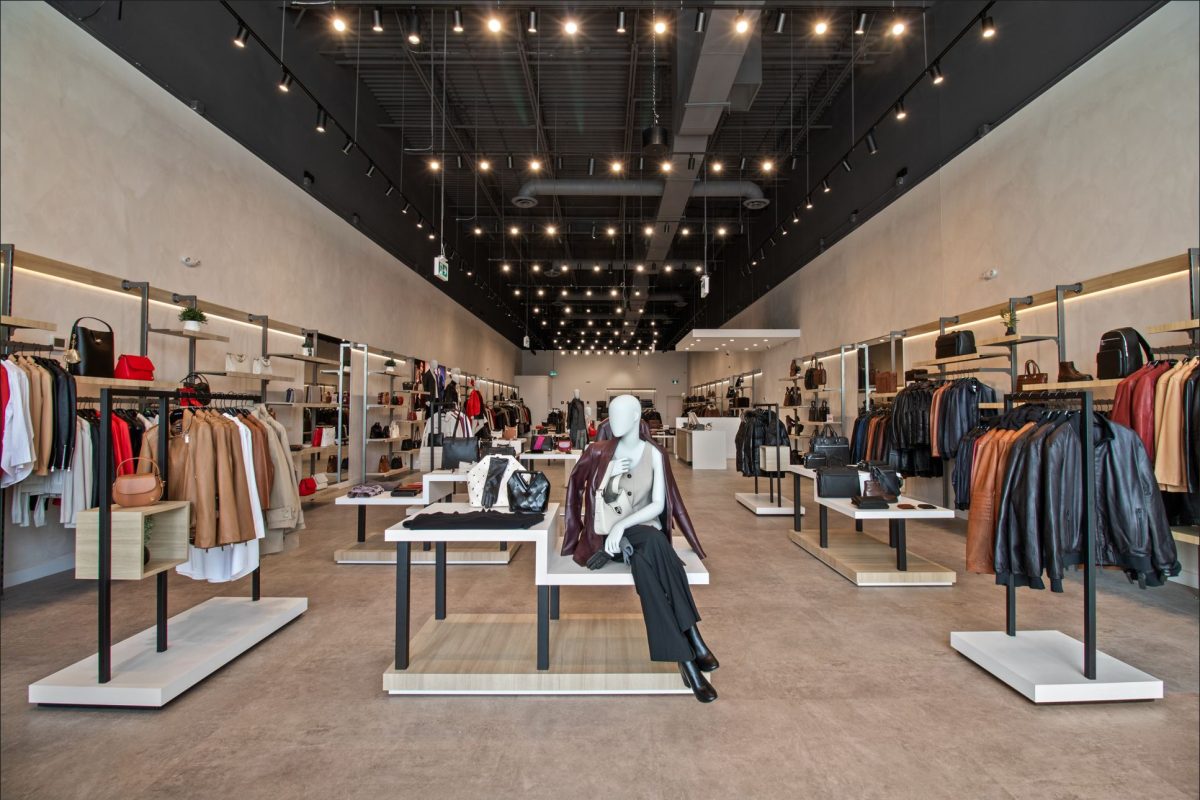
Danier store at Heartland Town Centre in Mississauga. Photo: Ashwin Raman

New Store Concept Debuts at Heartland

The Heartland location is particularly significant as it serves as the debut of Danier’s new store concept, which will inform future locations across the country.

“This is the foundation of our new focus going forward,” said Koel. “We want to change it, upgrade it, and move forward as the customers have changed and grown.”

The store spans approximately 4,200 square feet and has been designed to prioritize openness, visibility, and customer engagement. Unlike traditional layouts that emphasize density and transactions, the new concept is built around discovery and experience.

“It’s not dense and transactional, it’s about an experience,” Koel explained. “When you walk into the store, it’s open and presented in a way where you can see almost everything. It makes you want to discover the product and touch it.”

Danier store at Heartland Town Centre in Mississauga. Photo: Ashwin Raman

Design Strategy Elevates Brand Perception

The Heartland store was developed in collaboration with retail strategist and designer Ashwin Raman, founder of Ramans Design Services Inc. who was brought in to help reposition the brand’s physical environment through a strategy-led design process.

Rather than beginning with aesthetics, the project started with a pre-design phase that examined customer behaviour, brand positioning, and the in-store experience. This approach identified a key opportunity to move away from legacy store formats that prioritized product density toward a more refined and accessible environment focused on spatial clarity.

Ashwin Raman

“If we want to reposition the store and do justice to the product, we need to up the game and create a look and feel that is more like a boutique, but not spend as much as a boutique,” Raman explained.

The redesign introduces a hybrid retail model that blends boutique-style presentation with the operational realities of higher-volume merchandising. The store is organized into clearly defined zones, including a more open and curated front section, a central area designed for engagement and transactions, and a rear zone that accommodates broader assortments and clearance product.

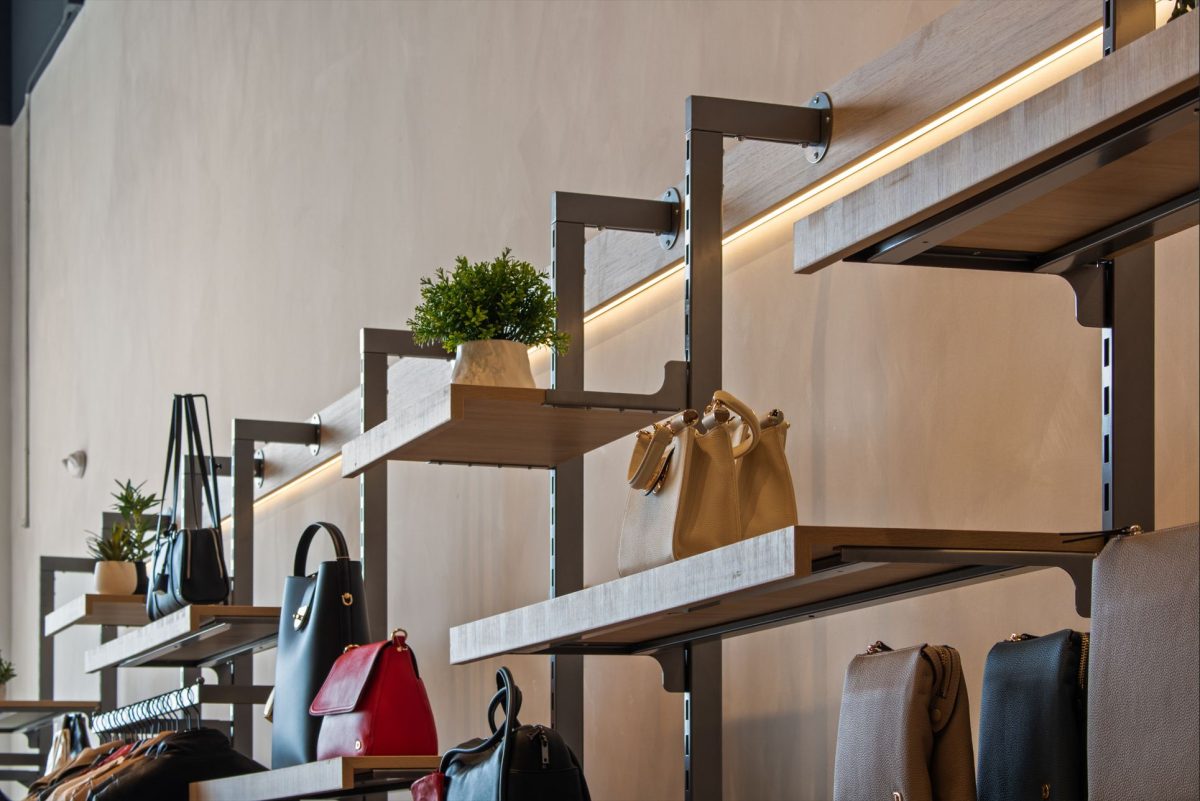
Lighting and materiality play a central role in shaping the environment. Warmer lighting tones enhance the depth and richness of leather and textiles, while new finishes, including textured walls, matte metals, and wood elements, create a more cohesive and elevated setting.

“We changed the lighting to a warmer temperature so the product really stands out,” said Raman. “We also created breathing room around the product so customers can move through the space and experience it properly.”

Custom-designed fixtures and improved circulation further support the experience, ensuring flexibility as product categories evolve while maintaining accessibility and ease of navigation.

The result is a retail environment that balances aspiration and accessibility, allowing Danier to elevate brand perception without abandoning its value proposition.

Danier store at Heartland Town Centre in Mississauga. Photo: Ashwin Raman

Product Evolution Expands Beyond Leather

While leather remains central to the brand’s identity, Danier has significantly broadened its assortment in recent years to reflect changing consumer preferences.

“The brand now is not just about leather,” said Koel. “That is our core competency and heritage, but we do a lot more now.”

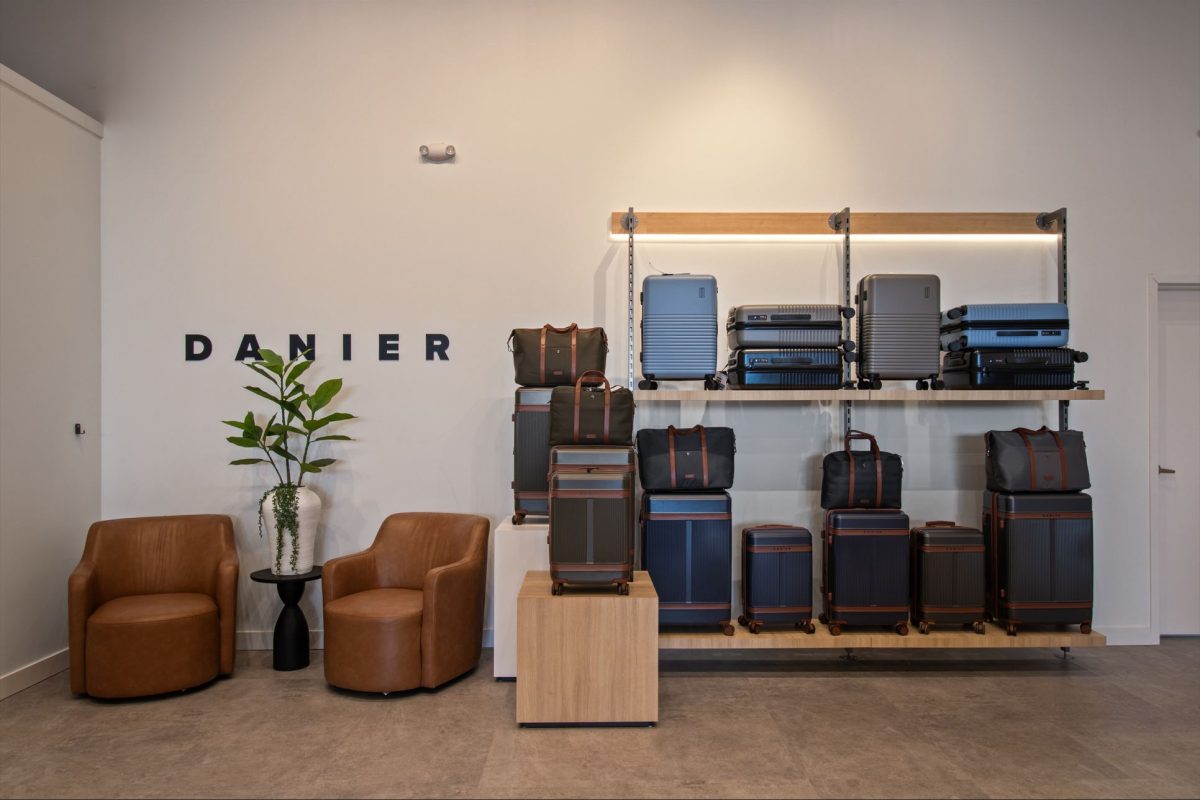
Today’s product mix includes wool outerwear, shirting, suiting, handbags, travel bags, and luggage. Koel noted that certain categories, particularly men’s bags and travel accessories, have seen strong growth.

“We’re finding that men are more and more shopping for bags,” she said. “Our assortment of travel bags and duffel bags has been extremely successful.”

The expansion into luggage is also a natural extension of the brand’s materials expertise, with products designed to complement its leather offering.

Danier store at Heartland Town Centre in Mississauga. Photo: Ashwin Raman

Broadening Customer Demographics

As the product assortment has evolved, so too has Danier’s target customer. Historically associated with an older demographic, the brand is now attracting a wider and younger audience.

“We’re getting everybody, actually,” said Koel. “We made a strong effort to include younger customers. Now we’re seeing customers in the 25 to 30 range, along with our existing base.”

This shift reflects both updated design direction and a broader lifestyle positioning, with collections intended to serve customers across different life stages.

“What we’re designing is for lifestyle and for life changes,” Koel said. “You can start younger and still find product that works for you as you get older.”

Danier store at Heartland Town Centre in Mississauga. Photo: Ashwin Raman

Looking Ahead: National Growth and Omnichannel Focus

Looking forward, Danier is focused on continued expansion across Canada, with an emphasis on establishing a presence in major markets while maintaining a strong digital platform.

“Over the next five years, we’re looking for more new retail stores,” said Koel. “We believe having stores in every major market is important.”

Despite the growth of e-commerce, Koel emphasized that physical stores remain essential for a brand like Danier, particularly given its focus on quality materials and higher price points.

“People want to see it, touch it, and try it on,” she said. “Once they experience it, they understand the value.”

More from Retail Insider:

KEEN and Space Available announce circular-driven collaboration 

KEEN photo
KEEN photo

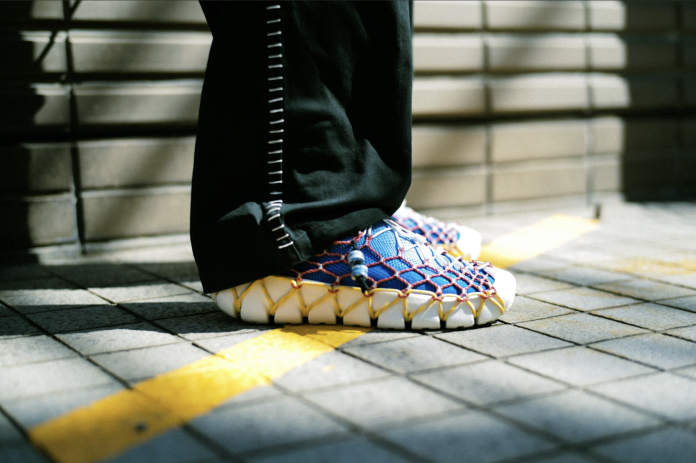
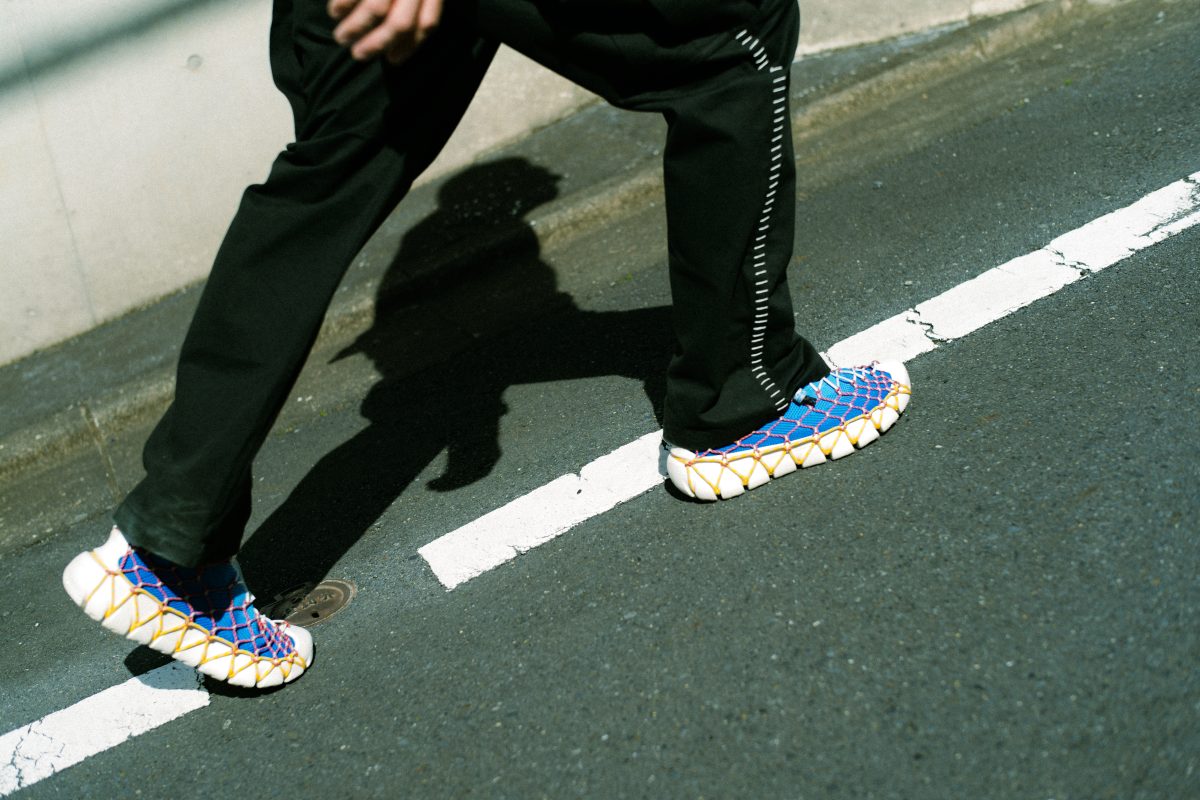
KEEN, maker of original hybrid footwear, and Space Available, a Bali-based sustainable design studio, have launched their first collaboration: the KEEN UNEEK 360.

KEEN and Space Available share a commitment to sustainability and circular design, creating products that foster a more conscious connection to nature. Blending KEEN’s outdoor performance heritage with Space Available’s upcycled, design-led philosophy, the collaboration bridges city life and the natural world, encouraging everyday engagement with the outdoors, explained a news release. 

“At the center of the partnership is the UNEEK 360—KEEN’s iconic two-cord silhouette reengineered with a modular, solvent-free construction. Eliminating traditional adhesives, the design supports KEEN’s detox initiative to remove harmful chemicals from footwear production,” it said.

“Consciously created with recycled materials—including cords made from recycled plastic bottles—the UNEEK 360 is built for durability and designed for end-of-life disassembly, marking a progressive step toward more circular footwear systems. 

“Inspired by the ocean and the natural world, the collaboration features a thoughtfully curated color palette and is elevated by Space Available’s signature design elements, including a hand-stitched co-branding logo on the shoe tongue and recycled-material charms.”

A special campaign film was created to capture the spirit of the collaboration. Set against a record store journey through Tokyo, the film explores themes of cultural connection and respect—celebrating the rituals, spaces and communities that shape creative expression. Moving fluidly between city streets and moments of quiet discovery, the film expresses a lifestyle rooted in culture, curiosity and a deeper awareness of one’s surroundings—reflecting the shared values of craftsmanship, authenticity, and conscious living that unite KEEN and Space Available, said the press release. 

KEEN photo
KEEN photo

Key features of the UNEEK 360 include:  

·        Recycled knit upper: Engineered knit upper contains recycled plastic bottles.  

·        Modular design: Innovative four-piece construction with removable knit upper can be disassembled at end-of-life.  

·        Abrasion-resistant foam outsole: Hybrid rubber/foam compound is super lightweight without compromising traction and durability.  

·        Articulated comfort: Cording moves on multiple axes for a snug, comfortable fit that adapts to your foot.  

·        Glue-free construction: Held together by cords, not glue, for a durable design that’s lighter on the planet.  

·        Pesticide-free odor control: Eco Anti-Odor uses natural probiotics that are safe for the environment. 

This limited-edition UNEEK 360 Space Available sneaker is available worldwide at $260 CAD (men’s sizing) through KEEN and Space Available’s official retail and online channels.  

Space Available is a sustainable design studio founded by Daniel Mitchell, the creator of the London-based brand LN-CC. Established in 2020 in Bali, the studio focuses on upcycling and recycling materials to create environmentally conscious products. 

Video of the campaign can be found here: https://tinyurl.com/58arf84d

More from Retail Insider:

KEEN photo
KEEN photo

CFIB calling on measures in federal budget to address declining entrepreneurship

Andrea Piacquadio photo

Small businesses are calling on the federal government to reduce taxes, incentivize investment and improve Canada’s entrepreneurial environment in its spring economic statement on April 28, says the Canadian Federation of Independent Business (CFIB).

Corinne Pohlmann
Corinne Pohlmann

“The government is too often focusing its policies on big businesses while ignoring Main Street. Government officials don’t know which business may be the next Lululemon, Shopify or Couche-Tard. Give all Canadian-born companies, of all sizes, a better chance to not just survive but thrive,” said Corinne Pohlmann, CFIB executive vice-president of advocacy.

“We’ve had six consecutive quarters of more businesses closing than entering the market, which means Canada is in an entrepreneurial drought, and it’s time government paid attention to small businesses.”

The CFIB said 73% of small firms say they are not confident that the federal government has their back as a business owner.

CFIB has sent a letter to Minister Champagne, urging the government to address Canada’s declining level of entrepreneurship and to invest in small businesses by:

  • Reducing the federal small business tax rate from 9% to 6% over the next three years.
  • Increasing the small business deduction threshold from $500,000 to $700,000 and indexing it to inflation
  • Introducing a lower EI premium rate for smaller employers.
  • Supporting succession planning by expanding existing current rollover provisions.
  • Incentivizing investment by expanding Immediate Expensing and the Accelerated Capital Cost Initiative to all capital investment and sectors to let business owners choose how best to use the deduction.
  • Introducing a lower capital gains inclusion rate tax on a second tranche of gains beyond the Lifetime Capital Gains Exemption (LCGE).
  • Eliminating two requirements for every new one introduced to reduce the red tape burden.
Jasmin Guenette
Jasmin Guenette

“These measures would provide immediate relief, increase productivity and help small firms invest in their operations and our economy. A country that neglects its small businesses will eventually lose its economic resilience. Fewer start-ups mean less innovation and competition, and slower economic growth,” said Jasmin Guenette, CFIB vice-president of national affairs. “Government needs to use the spring economic statement to deliver policies that will help small firms and future entrepreneurs succeed.”

The CFIB is Canada’s largest association of small and medium-sized businesses with 103,000 members across every industry and region.

More from Retail Insider:

METRO reports Q2 financial results with sales rising more than 4% from last year

Photo: DoorDash
Photo: DoorDash

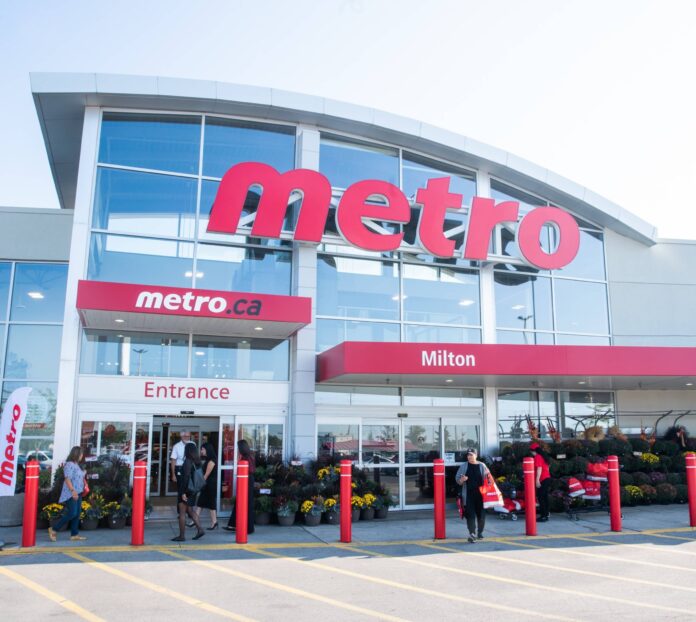
METRO INC. announced on Wednesday its financial results for the second quarter of Fiscal 2026 ended March 14, 2026, indicating overall sales grew by 4.% to just over $5.1 billion.

Eric La Flèche
Eric La Flèche

“We delivered solid second quarter results, driven by strong revenue growth and disciplined expense control, as our teams continue to offer the best possible value to customers across all our banners. We are very pleased with the expansion of our discount store network, which continues to fuel food sales growth, as well as with the sustained sales momentum in our pharmacy business.

“We are disappointed with the strike at our produce distribution center in Laval, our contingency plan is in place and our Quebec stores are now generally well stocked. We look forward to a resolution that considers the needs of our employees and customers while ensuring the long-term competitiveness of our company,” said Eric La Flèche, President and Chief Executive Officer.


2026 SECOND QUARTER HIGHLIGHTS
– Sales of $5,113.0 million, up 4.1%
– Food same-store sales up 1.8%
– Pharmacy same-store sales up 5.1%
– Net earnings of $246.6 million, up 12.1% and adjusted net earnings of $236.5 million, up 4.4%
– Fully diluted net earnings per share of $1.16, up 17.2% and adjusted fully diluted net earnings per share of $1.11, up 8.8%
– Returned $222.5 million to shareholders through share repurchases
– Opened or converted three stores in the quarter

“With regards to the strike at our produce distribution centre in Laval which began on March 30th, we look forward to a resolution that considers the needs of our employees and customers to ensure the long-term competitiveness of our company. This labour dispute will have an impact on our third quarter results and we will provide further details in due course. We remain focused on providing value to our customers and on driving growth through the expansion of our discount banners with the planned opening of about a dozen new or converted stores in this fiscal year while realizing efficiency gains throughout our supply chain and store network. We are confident that our effective merchandising programs, strong private label offering, our Moi program, a consistent execution at store level as well as our ongoing collaboration with our supply chain partners will allow us to continue to grow and deliver long-term shareholder value,” said the company.

With annual sales of more than $22 billion, METRO is a food and pharmacy leader in Québec and Ontario, providing employment to more than 97,000 people. As a retailer, franchisor, distributor, manufacturer, and provider of eCommerce services, the company operates or services a network of some 1,000 food stores under several banners including Metro, Metro Plus, Super C, Food Basics, Adonis and Première Moisson, and 640 pharmacies primarily under the Jean Coutu, Brunet, Metro Pharmacy and Food Basics Pharmacy banners.

More from Retail Insider:

Canadian tourism industry set for banner year: Destination Canada

Destination Canada photo

Canada’s tourism sector is entering a promising 2026 with tourism revenue outpacing the broader economy, according to Destination Canada’s Canadian Tourism Outlook 2026–2035, prepared with Tourism Economics.

Canada is in the race to seize a greater share of the USD $2.1 trillion global market for international visitor spending, said the organization.

The Canadian tourism sector celebrated a record 2025 summer, and this momentum looks set to continue through 2026 and beyond. The outlook forecasts tourism spending in Canada will expand by 6.0% in 2026, ahead of the 5.4% projected in previous outlooks. By 2035, total tourism revenue is projected to reach $216.3 billion, up 67% from 2024 levels, explained Destination Canada.

Tourism already ranks among Canada’s top service exports. The sector supports one in 10 Canadian jobs, injects more than $364 million daily into communities across the country, and returned $32.7 billion in municipal, provincial and federal tax revenue in 2024, it added.

Marsha Walden
Marsha Walden

“Tourism is a high-growth export with fast returns,” said Marsha Walden, President and Chief Executive Officer of Destination Canada. “The Canadian Tourism Outlook shows demand is accelerating, and the opportunity for Canada is even greater if we grow global market share and continue attracting more international demand.

“Business events continues to be a driver of economic growth with Canada’s global reputation riding high, the new federal investment into Destination Canada’s International Convention Attraction Fund (ICAF) announced last week, allows Canadian cities to seize this moment to increase our market share of international business events.”

Destination Canada photo

The drivers of the Canadian Tourism Outlook

  • Canadians are increasingly choosing to travel at home, with reshored spending expected to add $1.5 billion in 2025 and $4.4 billion between 2025 and 2027, giving the national outlook an immediate lift across Canada.
  • The United States remains Canada’s tourism cornerstone and largest international market, unmatched in scale, with total US spend forecast to grow 5.3% annually as higher-yield air arrivals outpace land and sea travel.
  • Overseas markets are the sector’s export acceleration engine, forecast to grow 9.8% annually through 2035, roughly double the US pace, strengthening diversification across markets, seasons and sources of demand.

The ICAF has helped secure 116 international events for Canada, generating more than $800 million in direct economic impact and supporting more than 6,600 jobs.

The organization said business events remain a high-yield export play, with association events projected to reach 132% of 2019 levels by 2028 and delegate volumes 118%, extending long-term trade, talent and legacy benefits for host communities.

In 2025, tourism generated $133 billion in visitor spending, supporting over 280,000 businesses in 5,000 communities. With revenues projected to grow to $177B by 2030, tourism is a key economic driver and one of Canada’s top service exports, with the potential to contribute 9-10% to Canada’s $300B trade diversification goal, noted Destination Canada.

More from Retail Insider:

Destination Canada photo

Tahini’s launches “first-of-its-kind” Shawarma Ramen

Tahini's
Tahini's

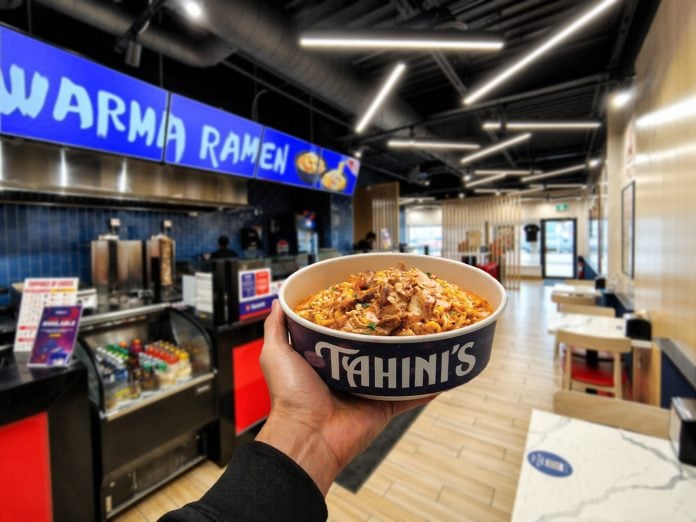
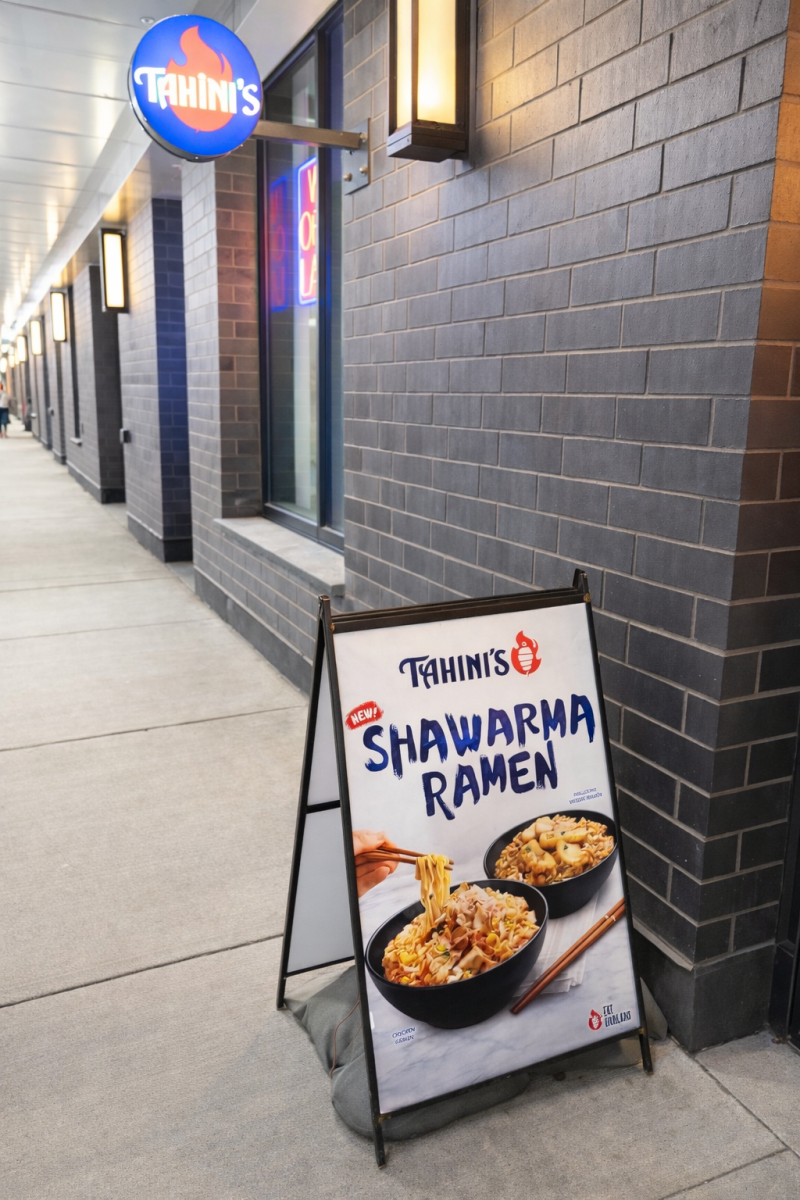
Tahini’s Restaurants, Canada’s fastest-growing Mediterranean fusion brand, is launching Shawarma Ramen.

Two years in the making, this first-of-its-kind, bold new creation brings together shawarma and ramen for the very first time ever, said the brand.

Omar Hamam
Omar Hamam

“Shawarma Ramen is exactly what Tahini’s stands for,” says Omar Hamam, Founder and CEO of Tahini’s. “This is a bold and creative product that makes people stop scrolling and say, ‘Wait, what?’. It’s already sparking curiosity and bringing new guests into our restaurants.”

Blending two of the world’s most craveable comfort foods, Shawarma Ramen delivers a rich, savoury broth layered with seasoned protein and unexpected toppings in one unforgettable slurp, explained the brand. 

“Warm, cheesy and packed with flavour, each bowl features corn, crispy onions, mozzarella cheese and Tahini’s signature spices. Guests can choose between chicken or halloumi, with both delivering incredible flavour and can enjoy it spicy or non-spicy,” it said.

“Shawarma Ramen has already generated more than 15 million impressions online, fueling a growing viral movement and driving in-restaurant inquiries across the country. At the same time, guest feedback from pilot locations has been overwhelmingly positive, with strong value perception and repeat visits as customers return and bring friends to experience the unexpected mashup.”

A nationwide rollout is set to begin in late May.

Tahini's
Tahini’s

Tahini’s is a unique, category-leading quick service restaurant group, founded in 2012, with more than 73 locations across Canada.

More from Retail Insider:

Tahini's
Tahini’s

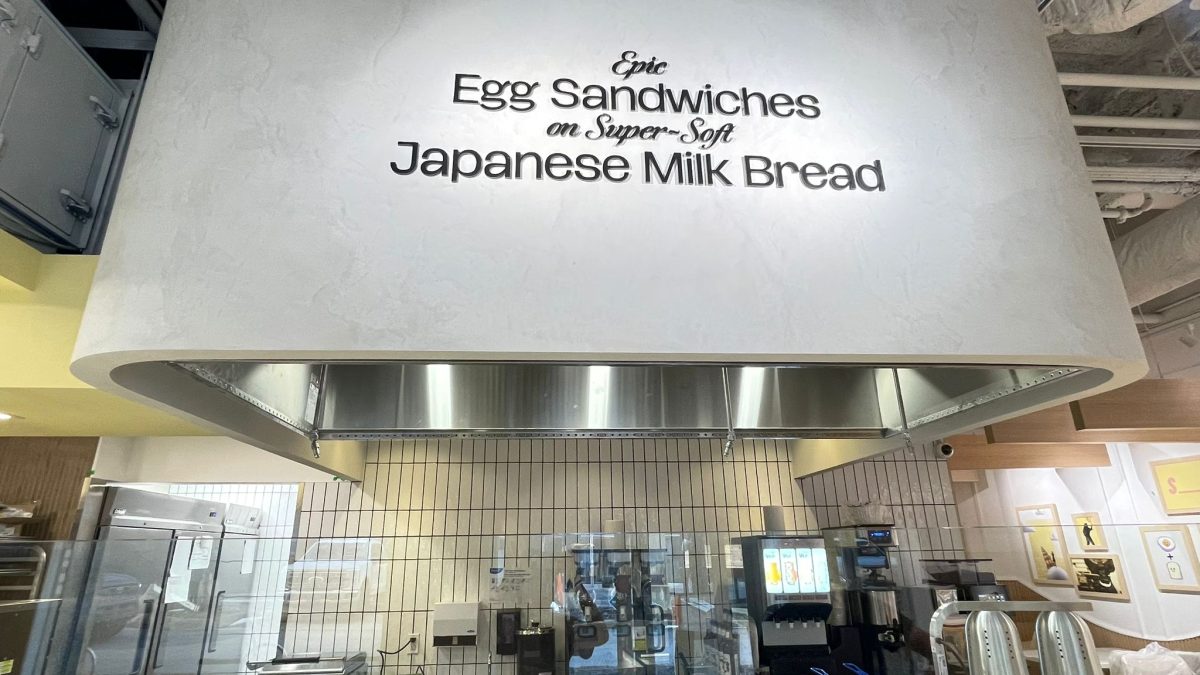
Egg Club opening first Edmonton location  

Egg Club
Egg Club

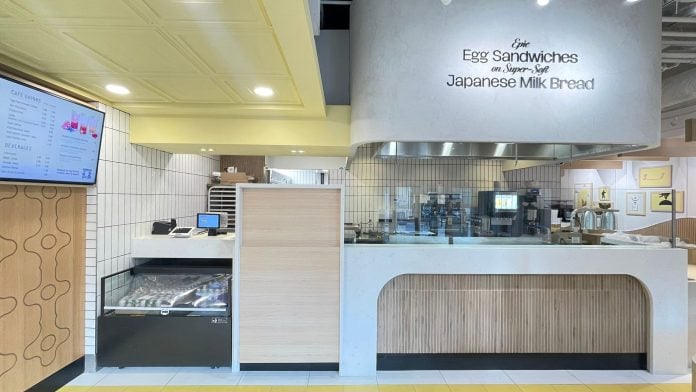
Egg Club, the Canadian breakfast brand known for its fresh ingredients, made-to-order sandwiches and commitment to everyday affordability, is opening its first Edmonton location on April 25 at 10115 100A St NW.

The expansion into Edmonton marks a significant step in its growth across Western Canada, following strong demand for high-quality, value-focused breakfast options that fit the needs of today’s cost-conscious consumers, said the company.

Jason Yu
Jason Yu

“While many operators are facing tough headwinds, we’re continuing to grow by staying focused on what guests care about most: quality, consistency and fair pricing,” said Jason Yu, President of Egg Club. “Edmonton is an exciting market for us and we’re looking forward to serving the community with breakfast that feels fresh, filling and accessible.” 

The new location will be locally owned and operated by Manny Cheema, an Edmonton-based entrepreneur with deep experience in the food and hospitality sector. Cheema began his career as a business owner at 24, later joining his family’s financial services firm before returning to the restaurant industry, said the brand.  

Cheema first discovered the concept during a visit to Calgary with his wife, where they were impressed by the concept and the quality of the food. That visit sparked his decision to bring the brand to Edmonton. 

“From the moment we tried Egg Club, we knew it was something special,” said Cheema. “We’re excited to bring that experience to Edmonton and become part of people’s morning routines.” 

The brand, which was founded in Toronto in 2020, plans to open additional locations across the GTA, Ottawa and Vancouver through 2026 as part of its national expansion strategy.  

Egg Club
Egg Club

More from Retail Insider:

Egg Club
Egg Club

Amazon expands partnership with NHLPA for communities

Amazon photo
Amazon photo

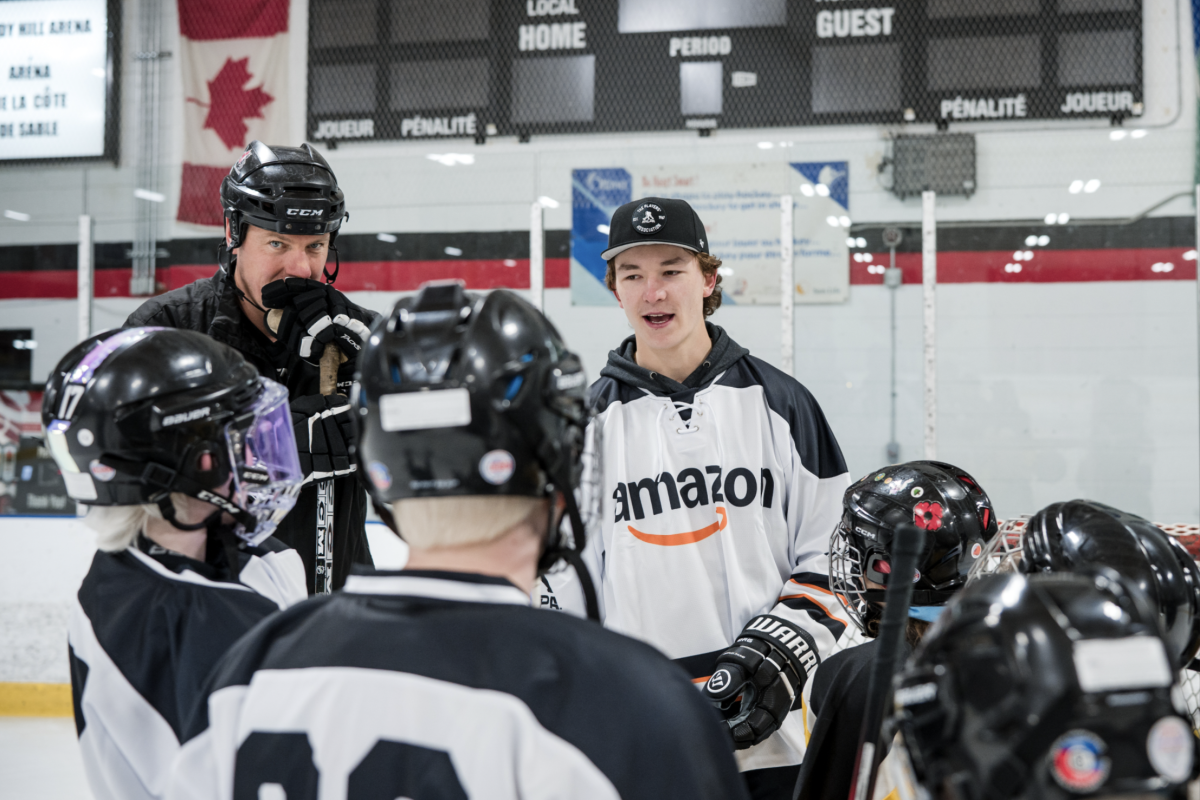
Amazon Canada and the National Hockey League Players’ Association (NHLPA) have expanded their ongoing partnership, with Amazon committing more than $1 million to local community organizations in 32 North American cities during the 2026–2027 hockey season.

Amazon said the partnership reflects its broader commitment to supporting the communities it serves, and where its employees live and work. Since launching in 2024, the partnership with the NHLPA has focused on delivering local impact by working closely with players and community organizations across Canada and, more recently, the United States.

Brian Huseman
Brian Huseman

“This expansion of Amazon’s partnership with the NHLPA will support hyperlocal community projects in 32 cities across North America,” said Brian Huseman, Vice President of Public Policy and Community Engagement at Amazon. “Our $1 million CAD commitment will further demonstrate that creating positive community impact requires not only investment in jobs and infrastructure, but meaningful local engagement and support for the causes that matter most.”

“The NHLPA is proud of the continued growth of our partnership with Amazon,” said Marty Walsh, Executive Director, NHLPA. “Through this joint initiative with Amazon and NHLPA Goals & Dreams, players across the league will continue giving back in the communities that support them every season. We look forward to expanding these meaningful connections next season to all 32 cities.”

Through the 2025–2026 NHL season, the partnership delivered more than $60,000 CAD in donations in Canada and more than $230,000 USD in the U.S., with organizations already seeing the impact – from expanding facilities to increasing access to critical community programs.

As part of the expanded partnership, NHL players will visit Amazon facilities in all 32 cities throughout the 2026–2027 NHL season, connecting with employees and presenting donations to local organizations making a meaningful impact in their communities, said the company.

Amazon photo
Amazon photo

More from Retail Insider:

Go Lime expands retail footprint through Home Depot and Walmart Canada

Milton Location (CNW Group/Go Lime Inc.)

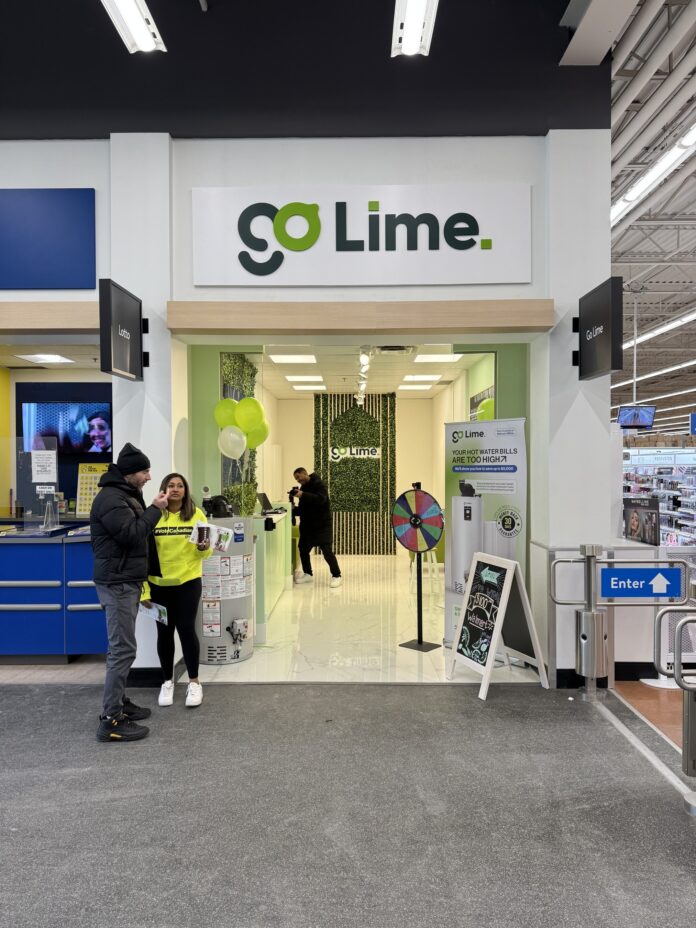
Go Lime Inc., a leading Canadian home comfort and energy solutions company, is significantly expanding its retail partnerships with Home Depot Canada and Walmart Canada.

The dual-channel expansion extends Go Lime’s reach to millions of Canadian households seeking accessible, flexible solutions across HVAC, water heaters, water filtration, and home energy management, said the company in a news release.

Go Lime is now active in 24 Home Depot locations across Ontario, following the addition of 15 new water heater stores in London, York Region, and Toronto.

On May 1, Go Lime expands further with the launch of seven Northern Ontario locations – Thunder Bay, Sault Ste. Marie, Timmins, North Bay, Sudbury, Huntsville, and Bracebridge- offering customers a comprehensive home comfort solution under one roof, including HVAC systems, water heaters, water filtration, and protection plans.

Jeff Schwartz
Jeff Schwartz

“Home Depot Canada saw the same thing we did: Canadian homeowners deserve a one-stop, trusted solution for everything in their mechanical room,” said Jeff Schwartz, President and CEO of Go Lime Inc. “This partnership is a natural fit and we’re just getting started on our national expansion ambitions.”

Since entering Walmart Canada in February 2025 with a single location, Go Lime has grown to five active stores across Ontario and is the only HVAC provider in any Ontario Walmart location. The partnership collectively reaches an estimated 10 million customers annually.

A sixth store is set to open in Windsor, Ontario in August, adding approximately two million additional annual customer touchpoints, with 10 further Walmart locations targeted for 2027.

Beginning in Q2 2026, Go Lime is expanding its Walmart product offering to include water testing and water filtration solutions, responding to growing consumer demand for water quality across communities in Ontario.

Community-embedded retail experts, multilingual customer engagement, and water testing stations at select locations have driven strong organic growth and referral activity at existing stores, said the company.

“What we’ve built at Walmart is something genuinely special,” said Schwartz. “Our experts are embedded in the communities they serve – they speak the languages of those neighbourhoods – and that trust translates into meaningful, lasting customer relationships.”

More from Retail Insider: