Advertisement
Home Blog Page 568

Despite Black Friday Records, November Retail Sales in Canada were Lacklustre [J.C. Williams Group Analysis]

Black Friday Sale at Roots Brookfield Place (Image: Dustin Fuhs)

By J.C. Williams Group

Canadian retail sales grew a mere 1.7% YOY for All Stores in November, with discretionary categories growing even less at 1.3% YOY for All Stores Less Automotive, Food, and Pharmacies.

Black Friday, as with recent years, continued to excel past its prior record-breaking results with sales increasing 24% (reported by Shopify) and 14% (reported by Square) over 2022. Square, who also owns Afterpay, experienced a 29% increase in customers using the “buy now, pay later” payment platform. This is reflective of the trend of consumers delaying larger purchases, or in this case, simply delaying larger purchase payments. The top categories, according to Shopify, were apparel and accessories, health and beauty, and home and garden, which was not necessarily reflected in the Canadian sales numbers. While Clothing and Accessories Stores (up 4.9% YOY) and Health and Personal Care Stores (up 7.1% YOY) performed well, Furniture Stores, Home Furnishings Stores, and Building Material and Garden Equipment Stores were down -4.2%, -2.3%, and -4.6% YOY respectively. This is likely partly a reflection of the delays of larger purchases with Canadians, and the increased housing costs meaning people are spending more on their houses and less on what goes in/around them a trend we had seen at the height of the pandemic.

Black Friday Sale at Thomas Sabo CF Toronto Eaton Centre (Image: Dustin Fuhs)

For the third month in a row, Motor Vehicles and Parts Dealers saw increased revenues, with November sales increasing by 5.3% YOY. There are numerous factors that could be affecting this trend:

  • The average price of a new vehicle in Canada continues to rise, with the current average being $67,817,
  • Many consumers had moved away from larger cities to work remote but are now required in the office at a hybrid capacity. As such, their gas-guzzling vehicles may not be ideal for a longer trip as costs continue to rise. In addition, couples may only have one car and need a second if they are living in a remote area and need to commute,
  • Linking both the average price and the need for vehicles increase, consumers may be opting for more hybrids/EVs to lower the costs in the long term, and
  • As mentioned last month, 2022 realizing the worst sales in new vehicles in over a decade.

As many Canadians were shopping for holiday in November, JCWG was contemplating how the rapidly changing toy market in Canada would influence retail sales in Canada. Toy stores are represented under the category of Sporting Goods, Hobby, Book, and Music Stores, whose sales were down -0.8% YOY, and -1.0% YTD in November. As Mastermind Toys, Toys R Us, and Melissa & Doug are all under new ownership, these stores are all likely to change (and hopefully for the better). However, it is likely that a large portion of the categories sales are going to Ecommerce (up 10.0% YOY), with some parents are opting for Electronics and Accessories Stores (up 9.2% YOY) for tablets, gaming consoles, and other electronic devices as alternatives to traditional toys. This will be a very interesting category to watch through 2024.

The deadline for partial CEBA forgiveness has arrived. As business groups warn of closures, JCWG is thinking about:

  • Are restaurants going to be the hardest hit by this deadline, as more than half are operating at a loss or barely breaking even as they were disproportionately affected by closures?
  • Will there be a noticeable decrease in competition for small businesses as closures are imminent?
  • Where in Canada will the most businesses not have been able to achieve loan forgiveness? While larger cities were closed longer, they were often those who were able to come back the strongest thanks to tourism.
  • When will businesses who managed to pay off 1/3 of their loan be able to pay back the rest? Will the next deadline be too soon?
  • How have YOU prepared for the repercussions of paying back pandemic supports?

For support with your small/medium business strategy, reach out to the trusted experience at JCWG!

Thank you J.C. Williams Group for this report.

Loblaw Brings Back 50% Discounts on Expiring Items in Stores After Backlash: What will Other Grocers Do? [Op-Ed]

Discounted Produce at Loblaw (Image: Dustin Fuhs)

It all started with an email from Loblaw last week, confirming its intention to reduce the discount on fresh expiring food items from 50% to 30% in stores where the previous policy still held. The rollout of this change was scheduled to occur over several weeks across the country, impacting many of Loblaw’s banners, including Zehrs, Loblaw, Provigo, and Atlantic Superstores. It’s worth noting that many other stores had already abandoned this practice years ago. However, the timing of this decision, in January 2024, when many consumers were grappling with financial challenges, did not sit well with Canadians. Not one bit.

Fortunately, Loblaw eventually reconsidered its decision and opted to maintain the 50% discount on expiring food items. This move was a positive response to the concerns voiced by the public. It’s not the first time Loblaw has reversed a decision in response to public sentiment. In 2016, Loblaw reversed its decision to stop carrying French’s products after facing a significant public backlash, famously known as the “Ketchup Wars.” During that time, consumers boycotted the stores, driven by a sense of patriotism and a desire to support tomato farmers in Leamington, whose Heinz plant had recently been saved by a contract with French’s to produce tomato paste, a major competitor to Heinz. Loblaw saw its sales plummet within days. This time around, the public outcry was driven by sheer desperation.

Discounted Produce at Loblaw (Image: Dustin Fuhs)

While some individuals called for a boycott in response to Loblaw’s recent decision, the company’s explanation for the change gave many pause. As the largest private employer in the country, Loblaw argued that it was aligning its discounting policy with competitors, which is a common industry practice. However, the concern was that consumers would now see similar discounts everywhere, with 30% becoming the new benchmark. Some politicians even called on the Competition Bureau to investigate the matter.

Another peculiar aspect of Loblaw’s strategy this time was its decision not to engage with any reporters. Instead, the news of the policy change came from Dalhousie’s Agri-Food Analytics Lab, which received confirmation from Loblaw about the adjustments to its discounting approach. This lack of communication raised questions about corporate transparency, a crucial element of corporate compassion. Loblaw may be hesitant to communicate with the public due to the widespread negative sentiment towards the leading grocery chain. However, it remains incomprehensible why the company would make such a decision, especially at this time.

Discounting expiring products has traditionally been a win-win situation for both consumers and retailers. Consumers save money, while grocers reduce food waste at the retail level – a straightforward benefit for all. This policy can lead to significant savings for consumers, with the 20% difference between a 50% and a 30% discount translating to $10 on a $50 piece of meat, a common scenario in today’s market.

Before the change, Loblaw had planned to encourage its customers to use the FlashFood appwhich had recently been revamped and saw a triple increase in downloads this week after Loblaw’s decision became public, according to the company. Food-rescuing apps like FlashFood, FoodHero, and Too Good To Go are valuable for those looking to save money, but they lack the tactile experience of inspecting expiring products in a physical store. Many consumers prefer the advantage of personally assessing expiring food items in-store before making a purchase.

Image: Too Good to Go x Longo’s

It’s never too late to do the right thing, and Loblaw eventually showed its compassion by reversing its initial decision. Most Canadians can appreciate that retailers have the flexibility to adjust their discounting policies to stay competitive. However, this decision had the potential to generate a significant public relations crisis, as it touched upon issues of food affordability, food waste, and Loblaw’s reputation. And it did. The initial decision itself was flawed, and the timing couldn’t have been worse. Thankfully, the company ultimately made the right choice for all of us.

Now, if we can encourage other grocers to follow Loblaw’s lead by offering a 50% discount on expiring food items, that would truly be a welcome development.

adidas to Open Massive Concept Store in Former Victoria’s Secret in Downtown Vancouver [Exclusive] 

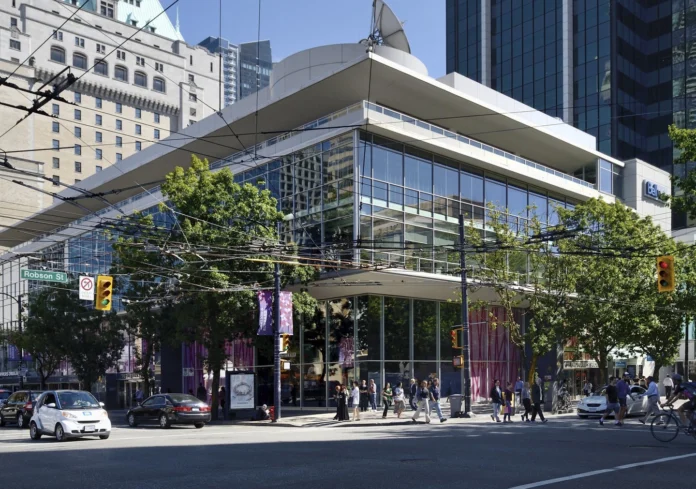
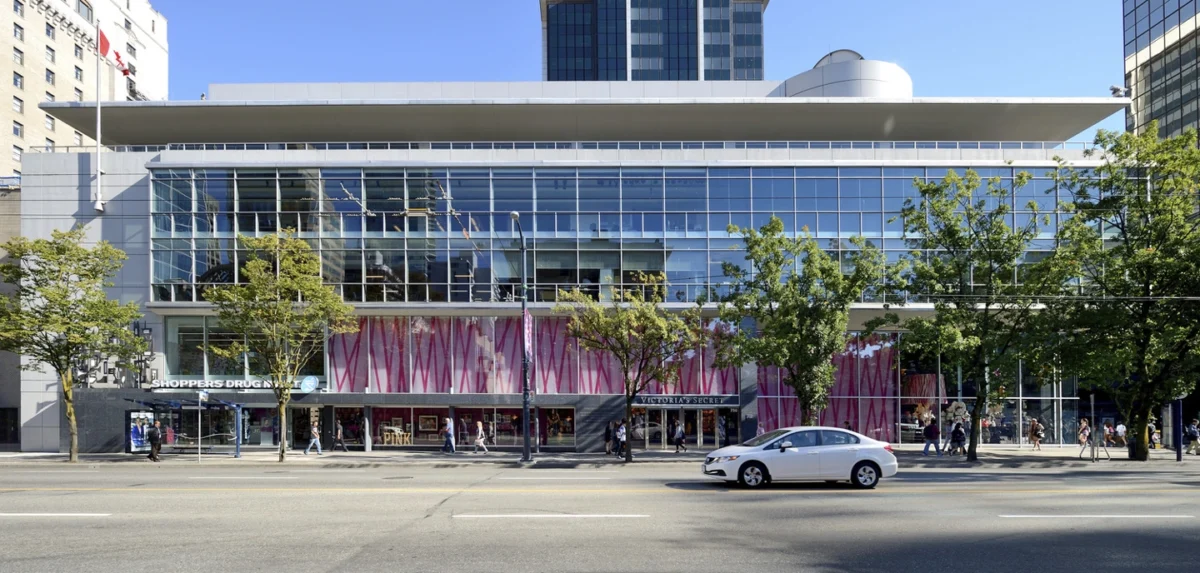
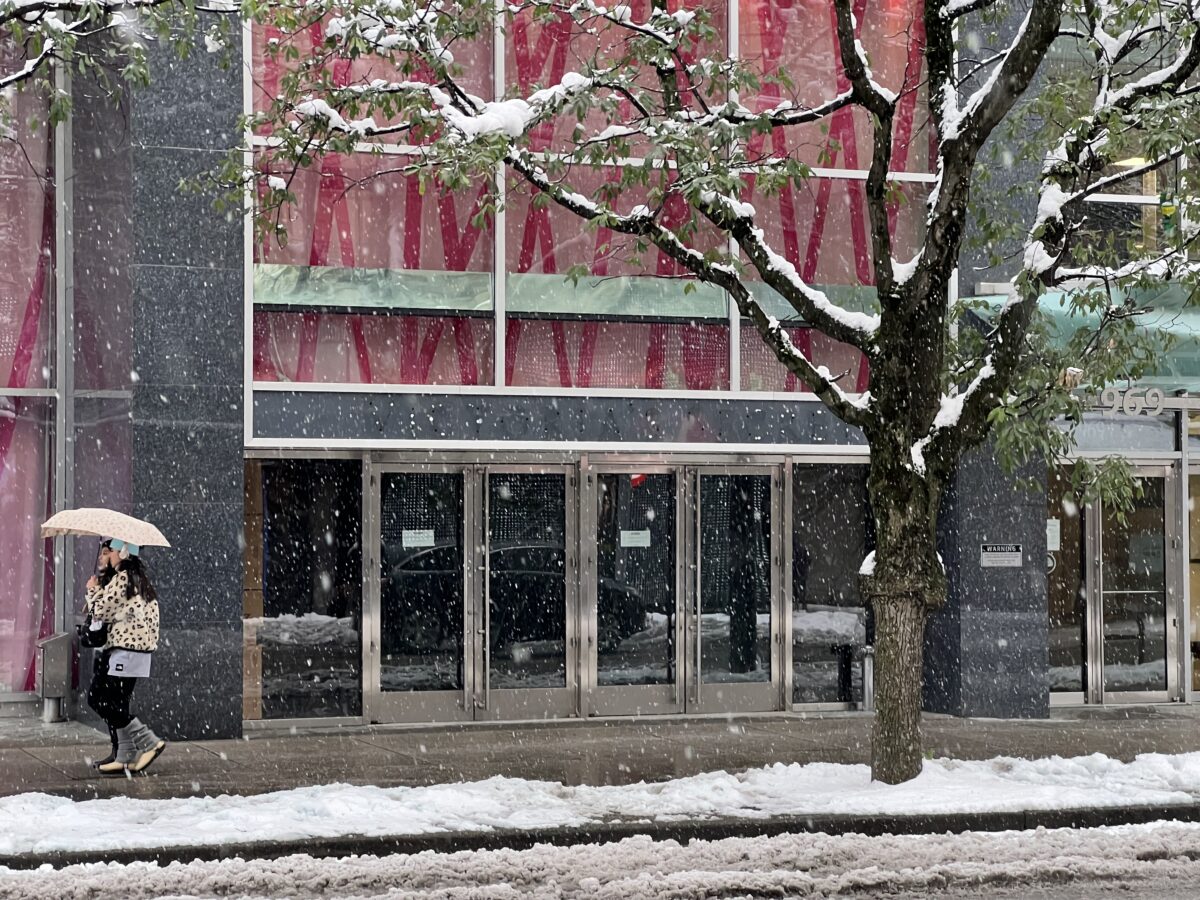
969 Robson Street (Image: Morguard)

German brand adidas will be opening a massive concept store in the former Victoria’s Secret location in downtown Vancouver’s Robson Central building.

The new adidas will span about 35,000 square feet over two levels. Further details on the concept store will be released soon as the brand prepares to start building what will be its largest store in Canada, by far. The addition of the new adidas store spells confidence in downtown Vancouver, with adidas also recently having reopened an expanded adidas Originals store on Granville Street. 

Mario Negris and Martin Moriarty of Marcus & Millichap negotiated the lease deal on behalf of adidas. Morguard is the landlord of the building at 969 Robson Street where adidas will be located. Victoria’s Secret will be relocating into a retail space nearly 9,000 square feet at CF Pacific Centre, most recently occupied by Hollister which relocated in the mall.

The iconic heritage-designated Robson Central building at the northeast corner of Burrard and Robson Streets also houses a Shoppers Drug Mart and Clearly store, as well as Bell Media/CTV upstairs. The building was built in 1957 and was Vancouver’s main library branch from that year until 1995, when it was converted to a commercial building with a Virgin Megastore occupying the base and a Planet Hollywood upstairs. The Virgin store was converted to an HMV in 2005, where it operated until its closure in early 2012. Planet Hollywood shut in 1999 after the company’s bankruptcy. 

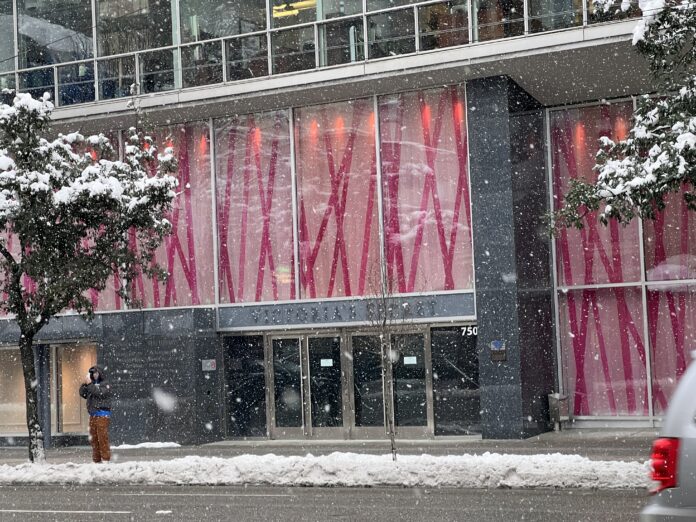
Closed Victoria’s Secret on 750 Burrard Street in Downtown Vancouver. Photo: Lee Rivett.
969 Robson Street (Image: Morguard)

In 1997, the upper levels were taken over by an independent television station, which was then taken over by CTV — various media productions take place in the space now. 

Victoria’s Secret opened its 35,000 square foot store in late August 2013 in the building to considerable fanfare. Sales were said to be mediocre. Shoppers Drug Mart opened an 11,000 square foot store on the Burrard Street-facing side of the building in 2014. 

Burrard entrance of former Victoria’s Secret on 750 Burrard Street in Downtown Vancouver. Photo: Lee Rivett.
adidas at CF Toronto Eaton Centre (Image: Dustin Fuhs)

adidas operates a network of stores across the country under various sub-banners. That includes adidas Originals, sport stores, outlet stores, and a new ‘halo store’ at CF Toronto Eaton Centre. The brand also wholesales in various multi-brand retailers across the country, ranging from sporting goods retailer to department stores depending on the collection. 

The addition of the new adidas concept store is exciting news for downtown Vancouver. Various other retailers have been opening on Robson Street, with Esprit’s first Canadian store set to soon open on the north side of the 1000 block. Other changes include the closure of Brooks Brothers on Alberni Street, which is expected to be subdivided into three smaller retail spaces for high-end brands. 

The 230,000 square foot Nordstrom space, currently vacant, is expected to see multiple tenants. A TikTok video from URBA Vancouver recently claimed that Quebec City-based retailer La Maison Simons would be taking over the top two levels of the former Nordstrom, making the store the largest in the chain at about 140,000 square feet. The video also claimed that Zara and Nike would occupy the main floor of the former Nordstrom, although that information is unconfirmed. 

We’ll follow up with this story as details become available.

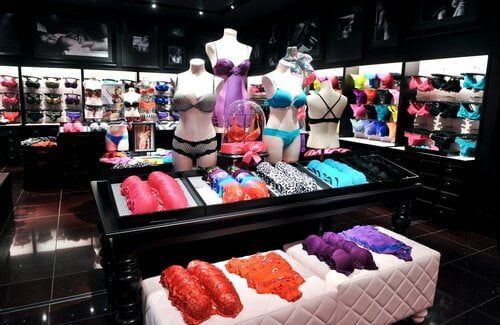
Victoria’s Secret To Relocate in Downtown Vancouver

Burrard entrance of former Victoria's Secret on 750 Burrard Street in Downtown Vancouver. Photo: Lee Rivett.

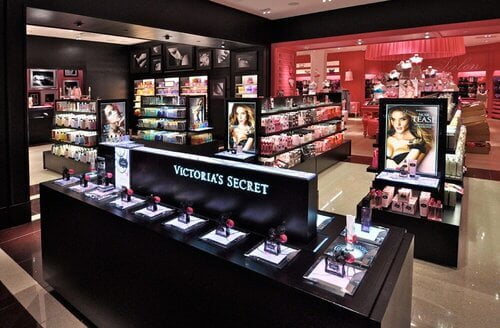
US-based lingerie and fashion retailer Victoria’s Secret is relocating its downtown Vancouver flagship from 969 Robson Street (at the corner of Burrard Street and Robson Street) into the CF Pacific Centre. Landlord Cadillac Fairview has confirmed to Daily Hive that the retailer would be downsizing into the shopping centre.

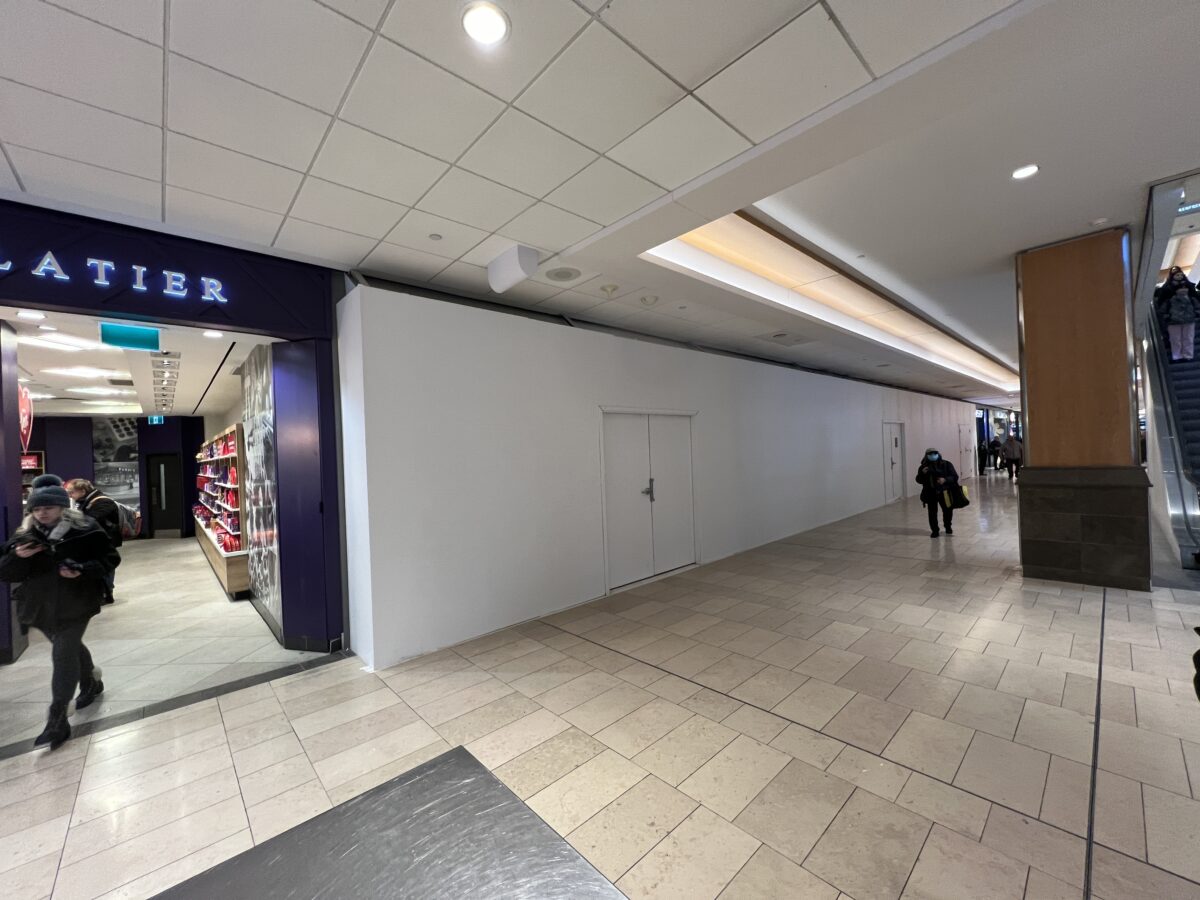
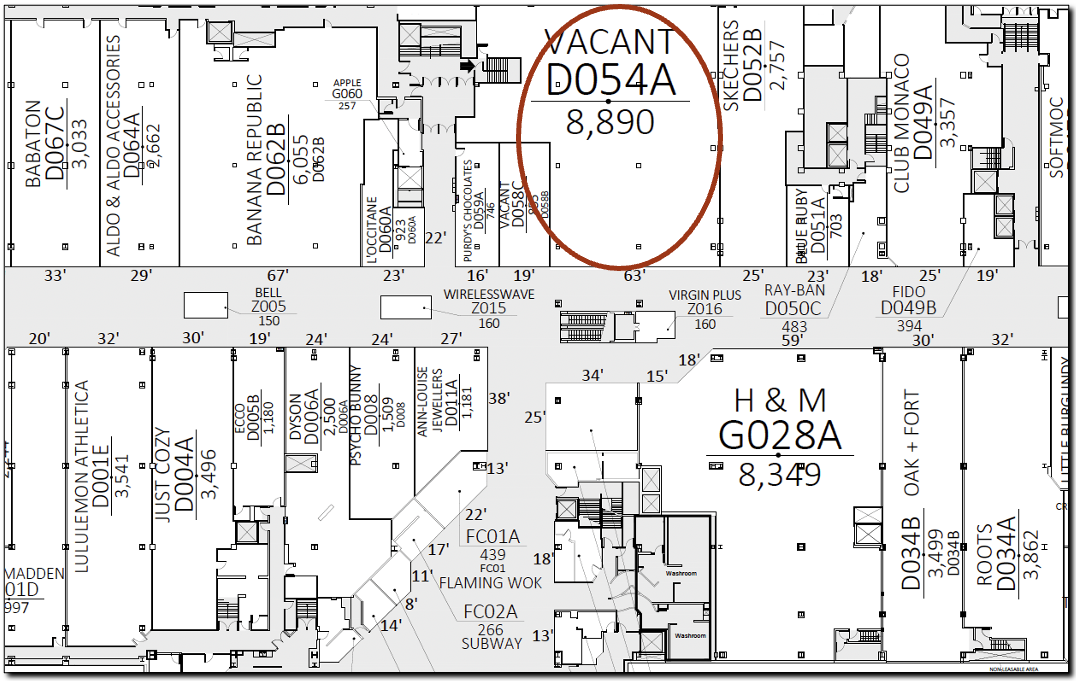
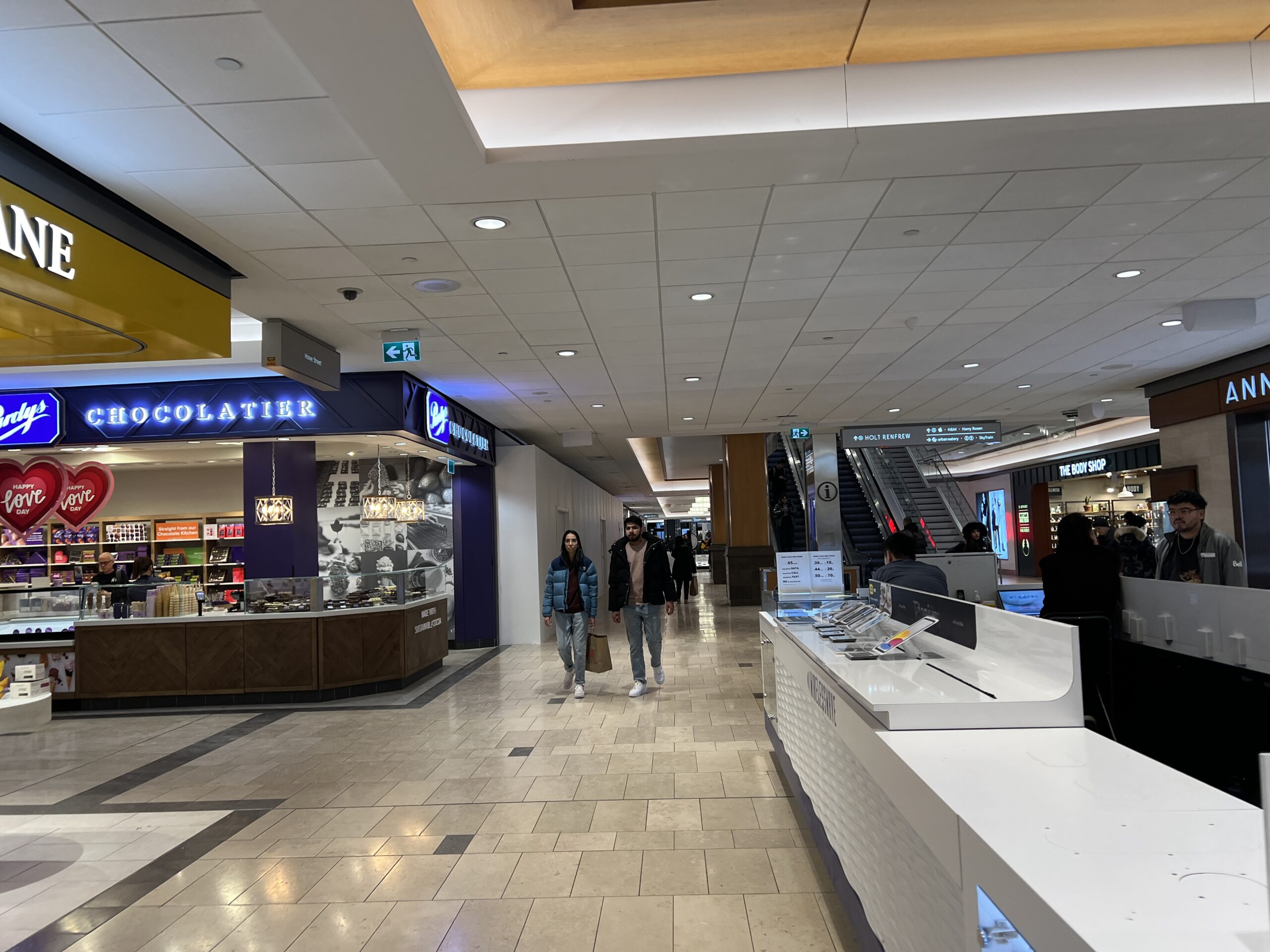
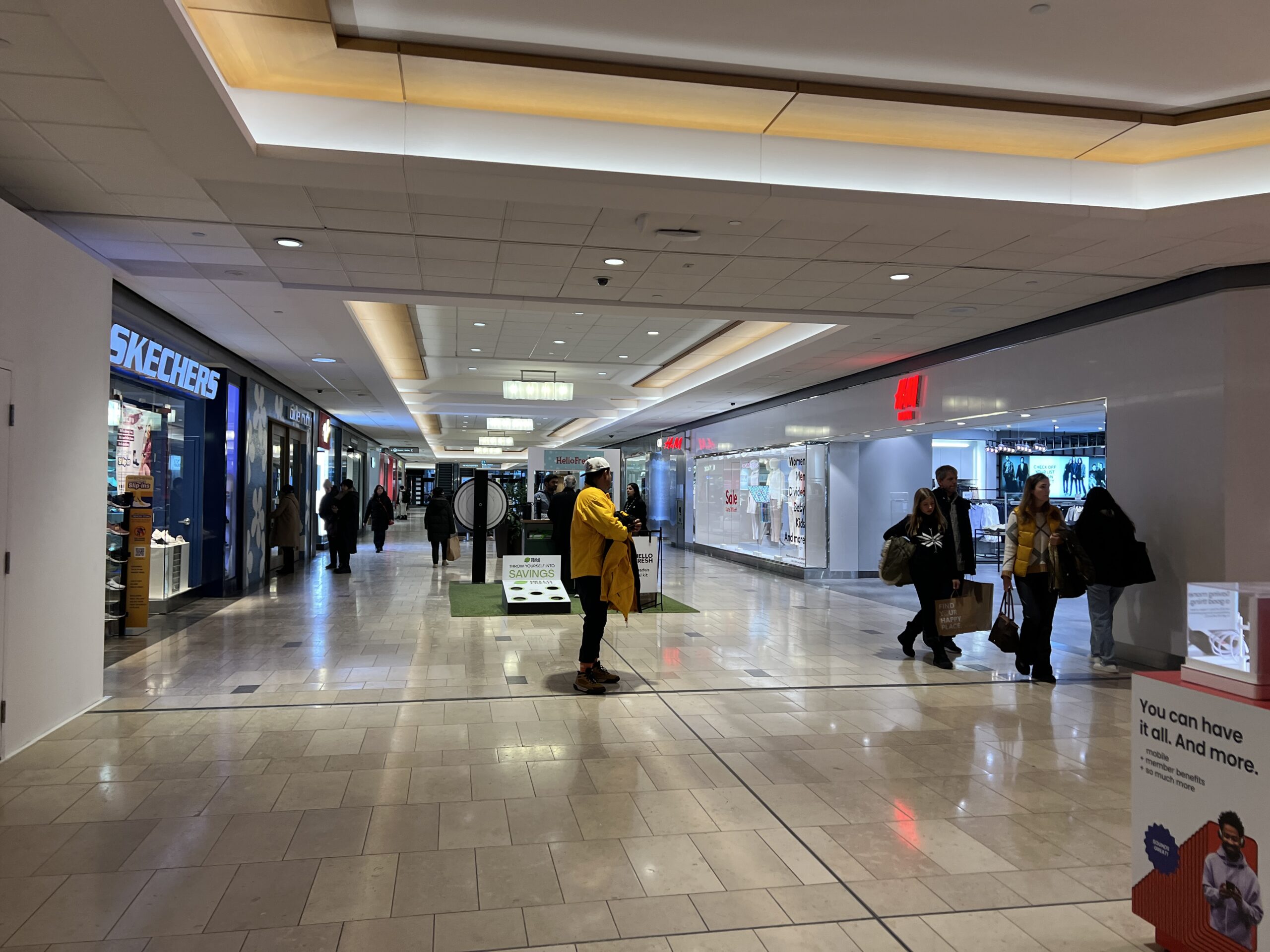
The new Victoria’s Secret location will be 8,890 square feet and was recently vacated by Hollister, which opened its new 4,509 square foot location at the south end of the shopping centre earlier this month. The new Victoria’s Secret location will be across from The Body Shop and H&M and between Purdy’s Chocolates and Skechers on the lower level.

Future location (white construction hoarding) of Victoria’s Secret in CF Pacific Centre. Photo: Lee Rivett
Future Victoria’s Secret location in CF Pacific Centre. Photo: Cadillac Fairview lease plan.

The former Downtown Vancouver location for Victoria’s Secret opened in 2013 and occupied 34,814 square feet over two levels. It was located in the Robson Central complex at the northeast corner of Robson and Burrard Streets. The basement level of the store was 20,815 square feet, while the ground floor was 13,999 square feet. The space was previously home to an HMV store and its second-level mezzanine had been removed to accommodate higher ceilings for Victoria’s Secret.

Victoria’s Secret substantially reduced its Canadian store count in 2020 following a temporary shutdown due to the COVID-19 pandemic. Parent company, L Brands, said at the time that it would permanently shutter 13 of Victoria’s Secret’s 38 Canadian stores, representing almost 35% of the Canadian fleet, as well as one Bath & Body Works location in the country.

Victoria’s Secret was founded in 1977 by Roy and Gaye Raymond. The inspiration came from Roy Raymond’s discomfort while purchasing lingerie for his wife in a department store. Seeking to create a more welcoming and specialized environment for such intimate purchases, the Raymonds opened the first Victoria’s Secret store in Palo Alto, California. The store was designed to feel like a Victorian boudoir, offering an elegant and comfortable space for both men and women to shop for lingerie. The brand quickly gained popularity for its luxurious and sophisticated products, leading to the expansion of its product line to include fragrances and body care products.

Closed Victoria’s Secret on 750 Burrard Street in Downtown Vancouver. Photo: Lee Rivett.
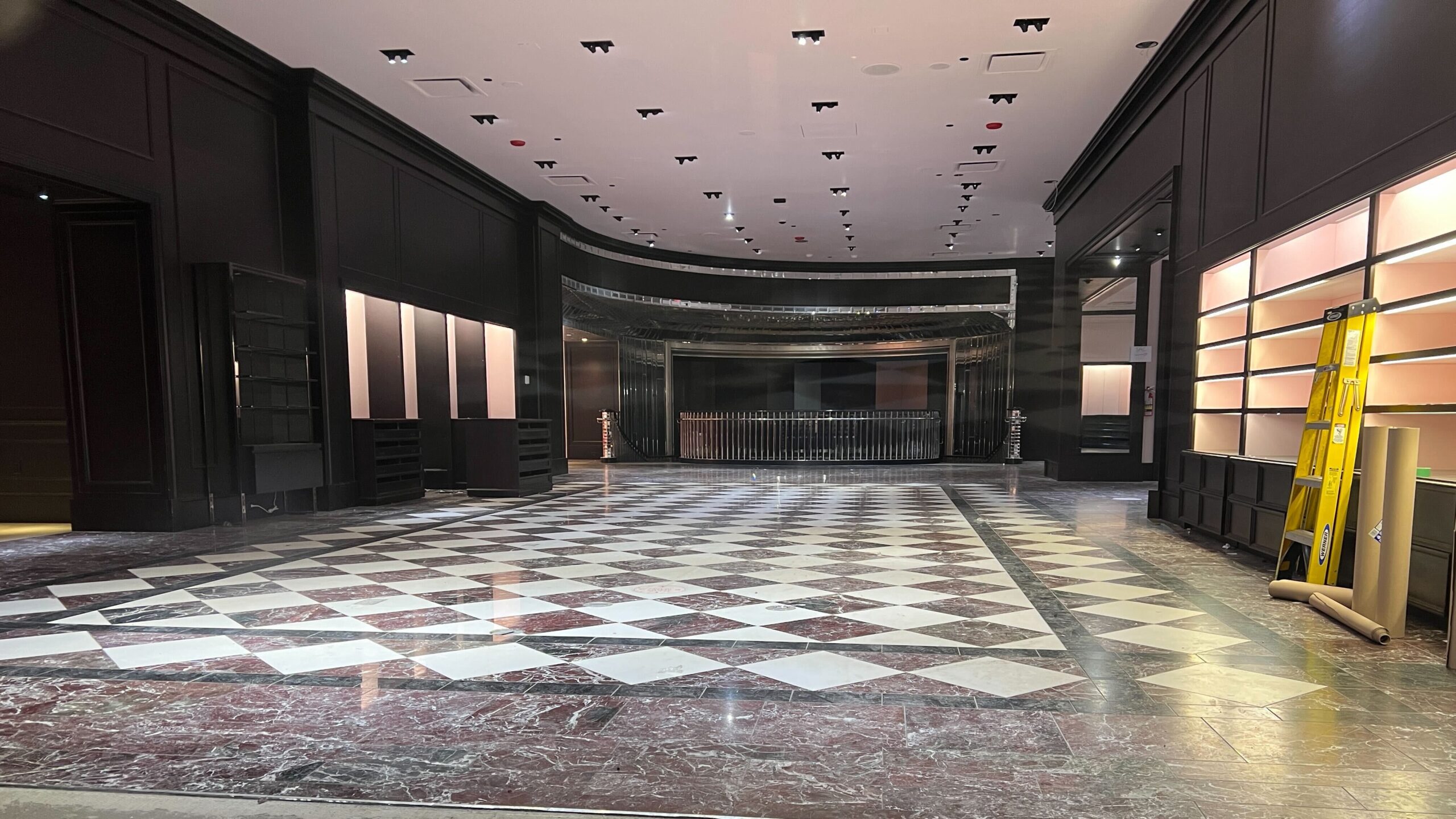
Cleared main floor at Victoria’s Secret from Burrard Street entrance (off Robson) in Downtown Vancouver. Photo: Lee Rivett.
Merchandise and store fittings being removed at former Victoria’s Secret in Downtown Vancouver. Photo: Lee Rivett.
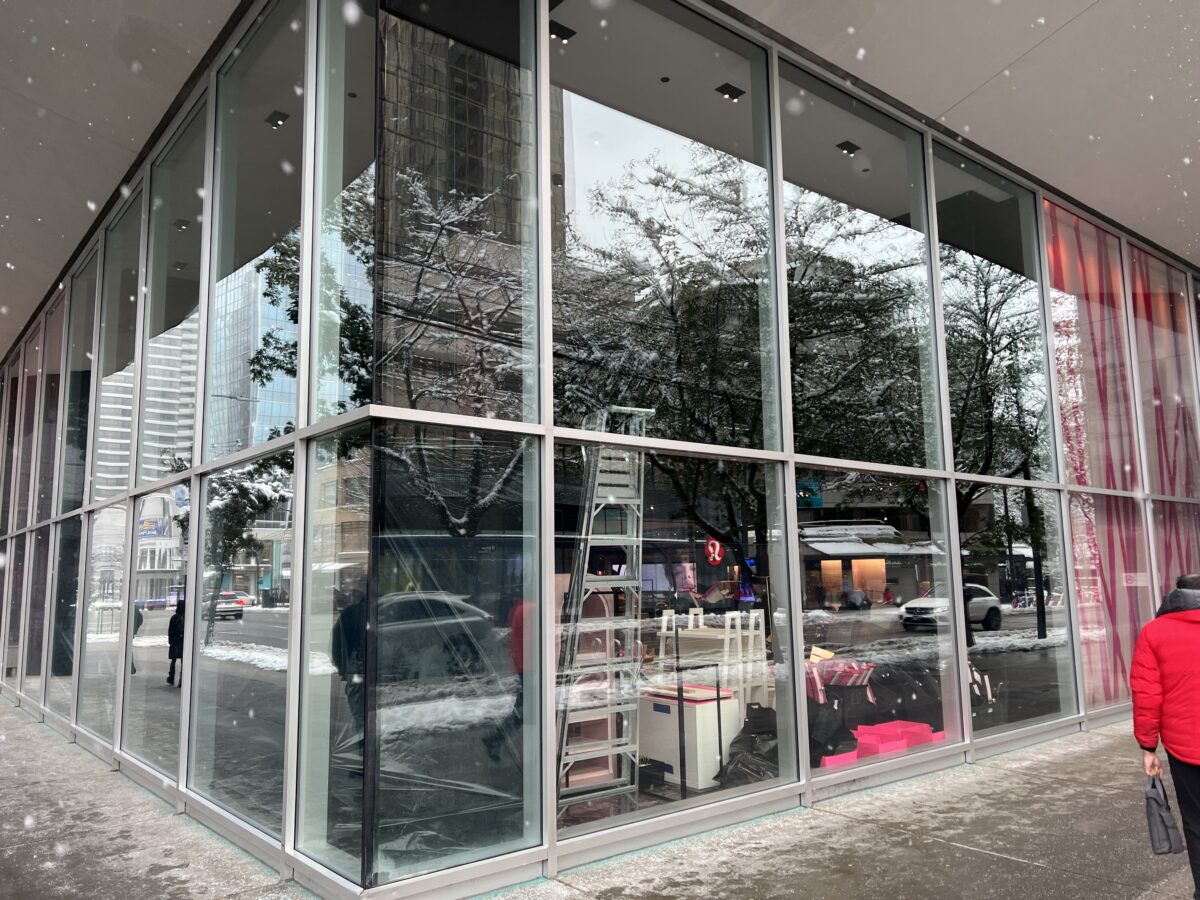
Robson Street entrance of former Victoria’s Secret in Downtown Vancouver. Photo: Lee Rivett.

By the early 1980s, Victoria’s Secret had become a successful chain in the United States, and in 1982, it was acquired by Limited Brands (now known as L Brands), a retailing giant. Under the leadership of Leslie Wexner, the CEO of L Brands, Victoria’s Secret underwent a significant transformation. The brand shifted its focus towards a female audience, revamping its product line and marketing strategies. It introduced the famous Victoria’s Secret Fashion Show in 1995, which became a major marketing tool and a global entertainment event. The show featured supermodels, known as “Angels,” and was instrumental in shaping the brand’s image as a purveyor of glamorous and sophisticated lingerie.

Victoria’s Secret’s expansion into the Canadian market began in 2010, with the opening of its first store in Edmonton, Alberta at West Edmonton Mall. The brand’s foray into Canada was part of its broader strategy to expand its international presence. Canadian customers welcomed the brand enthusiastically, leading to the opening of more stores across the country. In Canada, Victoria’s Secret offers a similar product range to that in the United States, including lingerie, beauty products, and the PINK line, which targets younger women. However, the brand has faced challenges in recent years, including changing consumer preferences and criticism over its lack of diversity and inclusivity. Despite these challenges, Victoria’s Secret continues to be a significant player in the lingerie market, both in the United States and internationally, including in Canada.

Future location (white construction hoarding on the right) of Victoria’s Secret in CF Pacific Centre. Photo: Lee Rivett
VICTORIA’S SECRET
VICTORIA’S SECRET

Hollister Opens New Location at CF Pacific Centre in Downtown Vancouver

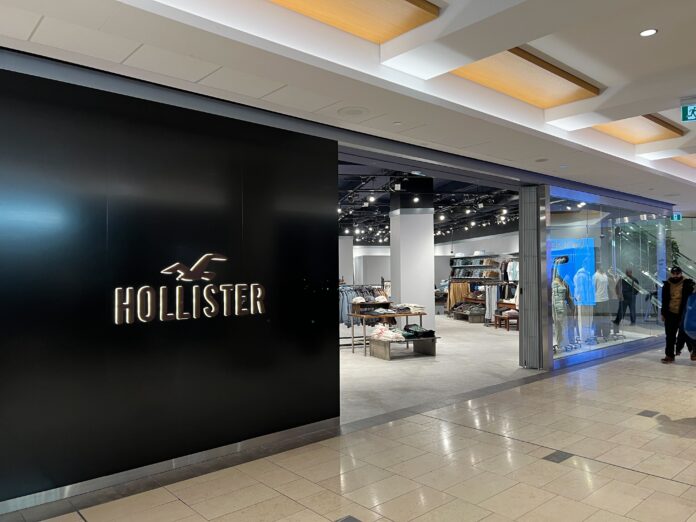
Hollister at CF Pacific Centre in downtown Vancouver. Photo: Lee Rivett.

American retail brand Hollister Co. has re-opened in downtown Vancouver’s CF Pacific Centre in a new location. The 23-year-old brand, known for its men and women’s casual apparel, has been a long-time tenant at the mall and has now moved southward along the lower level of the mall. Hollister’s former location across from H&M is slated to be the new home of Victoria’s Secret after it closed its flagship on Burrard Street and Robson Street last week.

The new Hollister location is much more prominent in CF Pacific Centre and is next to the primary escalators from Robson Street which funnels all foot traffic into the centre. It is located across from the Hugo Boss and Plus Shop (Sneakers). The location is on the south end of the retail stretch and the retail space directly to the north of it is currently vacant since Microsoft’s closure of brick and mortar stores in June 2020.

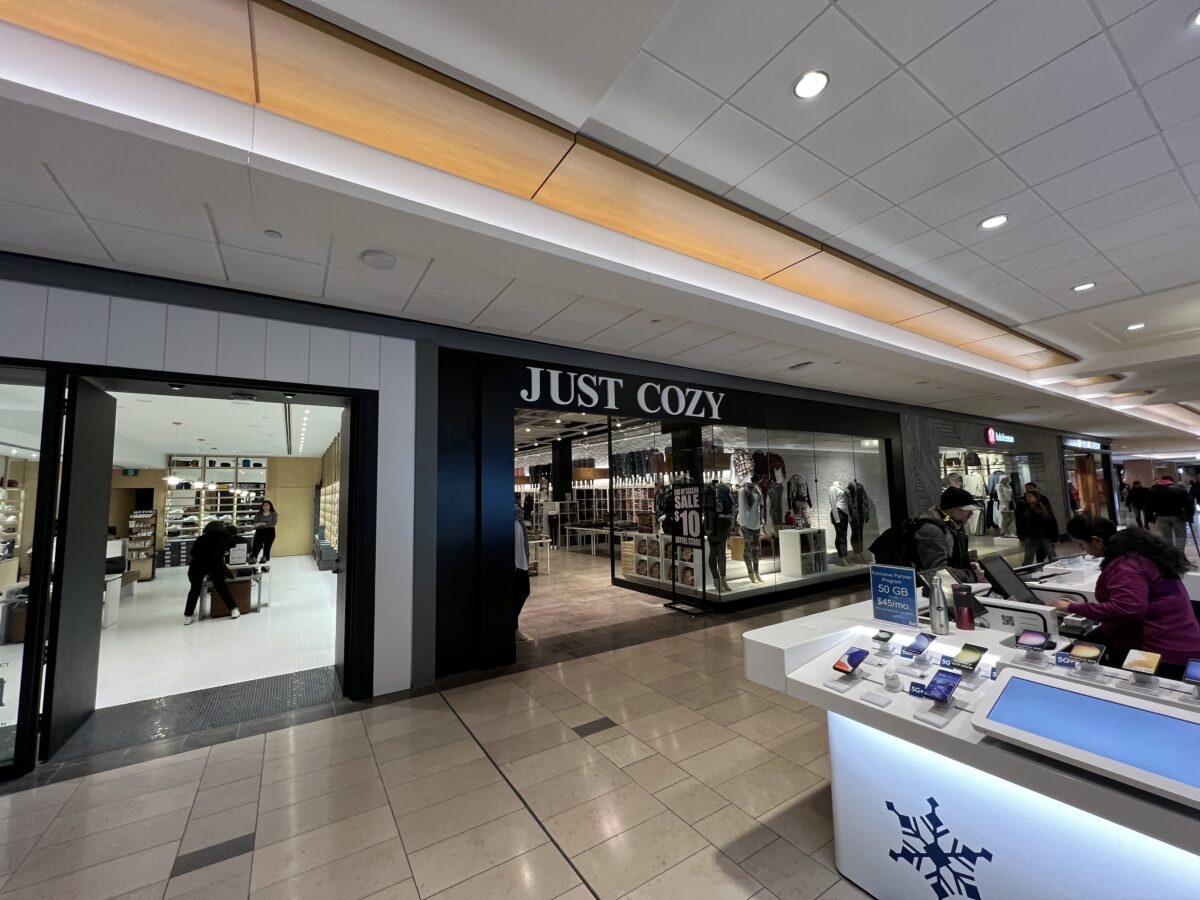
The new Hollister location is a 4,509 square foot space that was previously occupied by long-term tenant, Disney, before shuttering the location in 2021 as part of Disney’s exit from the Canadian market. Canadian company Just Cozy briefly occupied the retail space between the leases of Disney and Hollister. Just Cozy has now moved to a retail space between lululemon and Ecco Shoes on the same level.

New Hollister location in CF Pacific Centre. Photo: Cadillac Fairview lease plan.
Hollister viewed from descending escalators at CF Pacific Centre in downtown Vancouver. Photo: Lee Rivett.

Hollister is owned by Abercrombie and Fitch – which opened its first store in Vancouver at CF Pacific Centre in 2015 (excluding the Woodward’s-owned A&F of the 80s/90s in Canada). The Hollister location in CF Pacific Centre is the only store in British Columbia and forms part of the four Hollister locations in Western Canada. The other western Canada stores are located in Calgary, Edmonton, and Winnipeg.

Hollister was conceptualized and founded in 2000, with the intention of appealing to a younger demographic than its parent company. The brand was designed to embody the spirit of the Southern California surf culture, targeting teenagers and young adults with its casualwear. Despite its backstory as a fictional history centered around the supposed lifestyle of J.M. Hollister, a pioneer who emigrated from New York to the Dutch East Indies before eventually settling in California in 1922, Hollister Co. was purely a creation of the 21st century, crafted to resonate with a youthful, energetic, and adventurous audience.

Hollister quickly gained popularity in the 2000s, distinguished by its dimly lit stores, strong fragrance, and the use of loud music, creating an immersive and unique shopping experience. The brand’s clothing line featured a range of casual apparel, including jeans, t-shirts, dresses, and outerwear, often adorned with the Hollister logo. Beyond just fashion, the brand also came to represent a particular lifestyle, one that was relaxed, free-spirited, and connected to surfing and beach culture. Marketing campaigns heavily featured sun-kissed models and idyllic beach scenes, reinforcing the brand’s image. The growth of Hollister was rapid, and by the mid-2000s, it had become one of the most popular teen apparel brands in the United States, even outperforming its parent company, Abercrombie & Fitch, in terms of sales.

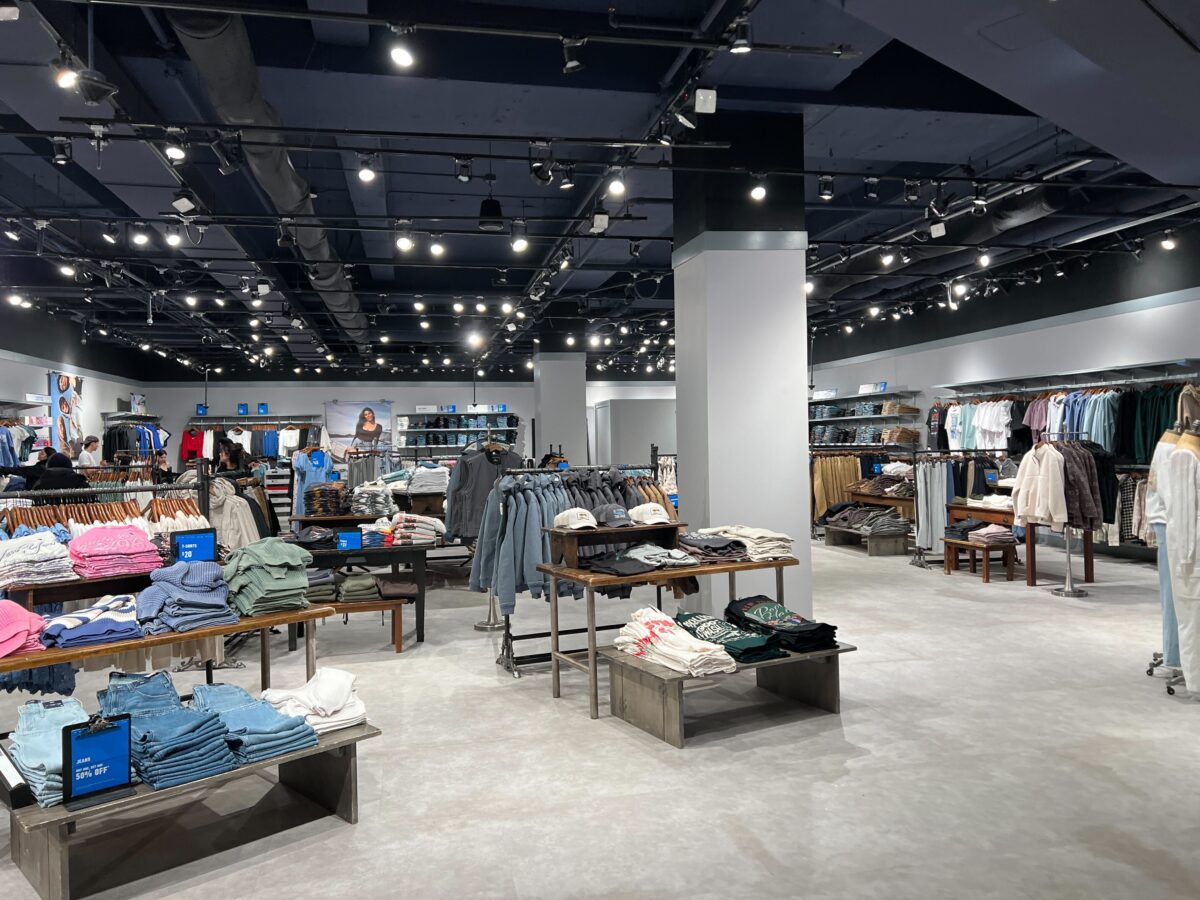
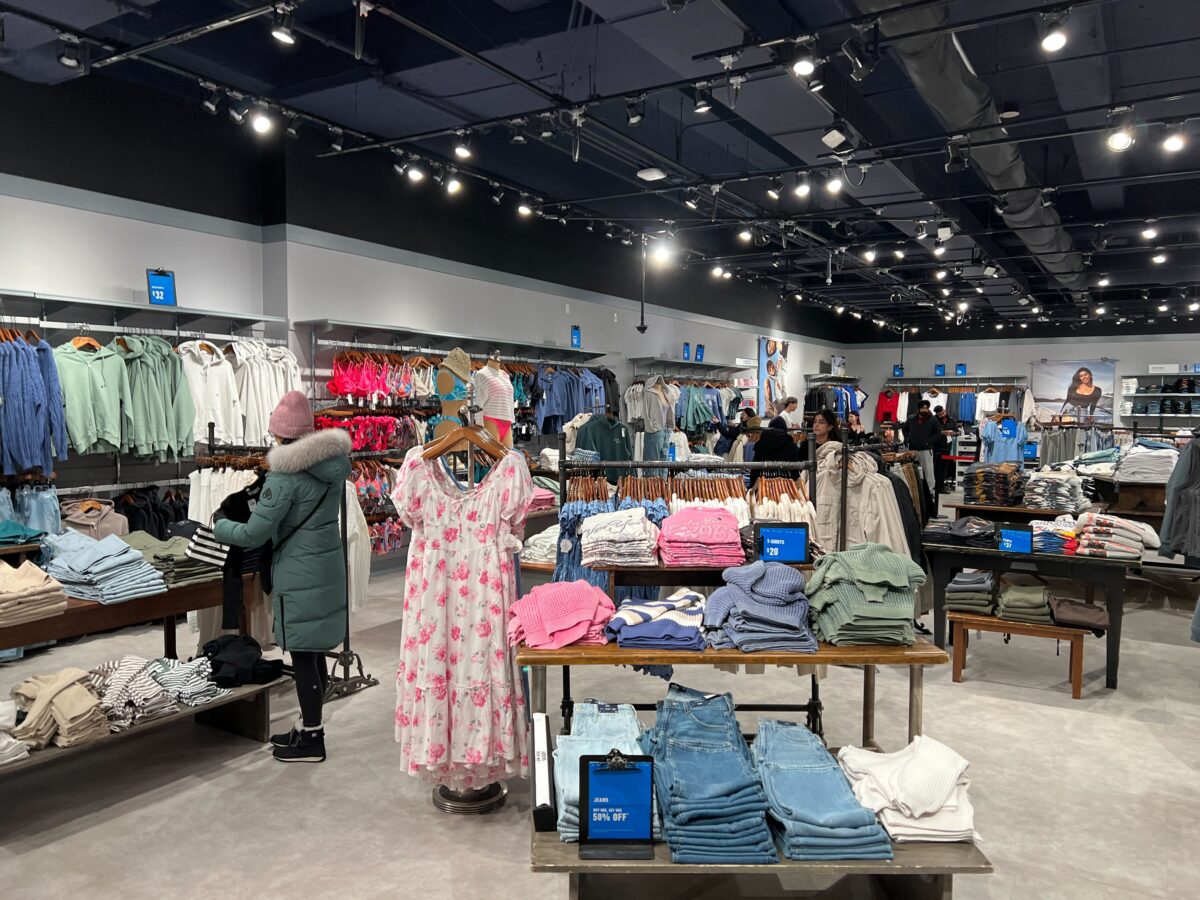
Interior of Hollister at CF Pacific Centre in downtown Vancouver. Photo: Lee Rivett.
Just Cozy located between Lululemon and ECCO Shoes in CF Pacific Centre in Downtown Vancouver. Photo: Lee Rivett.

RioCan Marks 30 Years on TSX, Reflects on Evolution from 20 to 200 Properties and Shift Towards Transit-Oriented Mixed-Use Developments [Interview]

RioCan’s Senior Leadership Team, along with Edward Sonshine, Founder and Chairman, RioCan REIT, joined Michael Kousaie, Vice President, Strategy and Product Innovation, Toronto Stock Exchange, to open the market in celebration of RioCan’s 30-year anniversary.

RioCan Real Estate Investment Trust, one of the founding and largest REITs in Canada, will mark 30 years as a public company on Friday with a bell ringing ceremony to open the TSX (Toronto Stock Exchange).

For the past three decades, RioCan has been a fixture in commercial real estate, managing vibrant shopping centres, residences, and mixed-use properties that cater to consumer needs. Today, its portfolio consists of about 200 retail-focused, increasingly mixed-use properties in Canada’s largest cities.

Oliver Harrison

Oliver Harrison, RioCan’s Senior Vice President, Leasing and Tenant Experience, said over the past three decades RioCan has grown and then it shrunk and diversified its portfolio.

“I’ve been with RioCan in May it will be 25 years. When I started we were in the process of sort of finalizing our first large scale acquisition . . . I think at the time we had 20 properties, we grew very quickly from that point. Probably until 2016 we peaked north of 200 properties, closer to 250 properties across North America. We had a large Canadian portfolio but we also had 40 properties and 10 million square feet in the United States,” said Harrison.

“No residential. That’s definitely something that’s changed and I would say we’re a little bit less particular about what we were focused on owning and operating than we are now. Right now we are heavily focused on owning and operating in the six major markets in Canada, predominantly transit-oriented properties, in some cases with a mixed-use component, primarily that mixed-use being residential. That historically was not the case. We were primarily buying power centres as we used to call them and building them, grocery anchored strip centres and enclosed centres. We still have a bunch of new format retail as we call it and grocery anchored strips but I think we’re down to maybe eight enclosed centres, maybe even less at this point in time.”

5th and THIRD East Village (Image: RioCan)
Image: RioCan

As at September 30, 2023, the RioCan portfolio was comprised of 192 properties with an aggregate net leasable area of approximately 33.6 million square feet (at RioCan’s interest) including office, residential rental and 10 development properties. 

“There is definitely opportunity for growth through both development and acquisitions. We still have a very healthy pipeline of sites that are either in the process for various city approvals to proceed with development and/or already approved and ready to proceed,” said Harrison.

“So I think development is certainly a big component of how we plan on growing in the future. Acquisitions to a lesser degree probably. But growth primarily through development in major markets and transit-oriented and in the form of mixed-use development.

“I don’t see us building any grocery-anchored strip centres or new format shopping centres. We just delivered Windfield Farms which is out in north Oshawa a year ago. But that’s probably the last one we’ll do for quite some time.”

The Well in Toronto (Image: Dustin Fuhs)

The jewel in the RioCan portfolio is the massive joint venture development The Well, in the heart of downtown Toronto.

The Well is a joint venture between RioCan REIT and Allied Properties REIT, bordering Front, Spadina and Wellington. It is a mixture of retail, commercial and residential space in downtown Toronto that will draw approximately 22,000 daily visitors, including the approximately 11,000 residents and employees that will live and work at The Well. 

Harrison said the demand for retail space remains really strong.

“In the urban markets, following population growth, retailers are looking to expand their network. Our pipeline is still very strong. Our occupancy remains at record highs in our retail portfolio and our retention ratio as well is on a historic basis still trending very positively,” he said.

“So the retail story is still great at the moment. Doesn’t mean there’s not going to be some bumps on the road because there always is but we’re very pleased with the growth that we’re seeing from our retail portfolio.”

The Well (Image: Dustin Fuhs)

Of the 13 RioCan Living™ buildings in operation 11 were stabilized and 97.5 per cent leased as at November 2, 2023. Total NOI (net operating income) generated from its residential rental operations for the Third Quarter was $5.6 million, an increase of $1.8 million or 46.3 per cent over the same period last year. An increase of approximately eight per cent in average monthly rent per occupied square foot on a same property basis contributed to the year-over-year improvement.

Occupancy commenced at FourFifty The Well™ on August 1, 2023. Construction of 236 units was completed in the quarter. The remaining 356 units were completed in phases through Q4 2023 and early 2024. Pre-leasing commenced in March 2023 and units are leasing at a healthy velocity and at rates in-line or above expectations.

The 2,605 condominium and townhouse units that are under construction as of September 30, 2023, are expected to generate combined sales revenue of over $800.0 million between 2023 and 2026 that can be redeployed to productive uses such as paying down debt or development. Of RioCan’s six active condominium construction projects, 86 per cent of the total units have been pre-sold, representing 95 per cent of pro-forma total revenues.

Martin Moriarty of Marcus & Millichap Shares Latest Vancouver Retail Insights [Video Interview]

Martin Moriarty of Marcus & Millichap Shares Latest Vancouver Retail Insights [Video Interview]

Craig Patterson and Martin Moriarty, Senior Vice President at Marcus & Millichap, discuss the dynamic nature of Vancouver’s retail market and growth. Moriarty sheds light on the transformation of key areas like the luxury zone along Alberni Street, the vibrancy of Robson Street, and the promising developments around Granville Street. He notes the arrival of high-profile brands like Balenciaga, signalling a robust and diverse retail environment.

Martin Moriarty. Photo: LinkedIn

In their conversation, they touch upon the significant transformations in areas like Oakridge Park and West 4th Avenue in Kitsilano. Moriarty speaks about the comprehensive redevelopment of Oakridge Centre into a mixed-use space, highlighting the expected influx of luxury retailers and the positive impact on the city’s retail landscape. The discussion also covers the evolution of West 4th into a hub for direct-to-consumer and outdoor brands, reflecting the street’s unique identity and its appeal to a millennial demographic.

Patterson and Moriarty then discuss the challenges and successes in revitalizing areas like Gastown, noting the recent upturn in retail activity and the potential pedestrianization of Water Street. Martin expresses optimism about the future of Vancouver’s retail sectors, underlining the city’s growing appeal on a global scale and its ability to attract diverse international retailers. The conversation concludes with a positive outlook on Vancouver’s continued growth and its evolving role in the global retail marketplace.

Granville Street in Vancouver (Image: Lee Rivett)

The Interview Series video podcasts by Retail Insider Canada are available through our Retail Insider YouTube Channel where you can subscribe and be notified when new video episodes are available.

If you prefer to listen to the audio version, it is available below:

The Interview Series audio podcasts by Retail Insider Canada are available on Apple Podcasts, Stitcher, TuneIn, Google Play, or through our dedicated RSS feed for Overcast and other podcast players. Also check out our The Weekly audio podcast where Craig and Lee discuss popular content published on Retail Insider which is part of the The Retail Insider Podcast Network.

Subscribe, Rate, and Review our Retail Insider Podcast!

Follow Craig:

Follow Retail Insider:

Listen & Subscribe:

Share your thoughts!

Drop us a line at Craig@Retail-Insider.com. You can also rate us in Apple Podcasts or recommend us in Overcast to help more people discover the show!

Background Music Credit: Hard Boiled Kevin MacLeod (incompetech.com). Licensed under Creative Commons: By Attribution 3.0 License. http://creativecommons.org/licenses/by/3.0/

State-of-the-Art $500M Virtual Film Production Studio Coming to Greater Toronto Area

Image: SP Studios

Ontario-based SP Studios Canada is currently in discussions with a Qatari private fund to secure $500 million in financing to establish the most technologically advanced virtual production hub in Canada.

As negotiations advance, SP Studios says that it is gearing up to finalize all design work, with construction expected to commence in the third quarter of 2024 and the project tentatively slated for completion in early to mid-2027.

The announcement follows SP Studios’ opening of Canada’s most advanced film production facility in Mississauga earlier this year. The new investment will expand on the initial initiative with a massive investment that will make SP Studios a major player in TV, film and video advertising.

Image: SP Studios

Virtual production technologies have shifted the movie production landscape in recent years. SP Studios Canada has emerged as a trailblazer in the Canadian virtual production domain, boasting its state-of-the-art 12,000 square foot facility in Mississauga where numerous high-profile clients routinely leverage their services. Incorporating cutting-edge technologies from renowned manufacturers such as Arri, Leitz, Brompton, Sony, Absen, and Mark Roberts Motion Control, the facility features everything from advanced LED walls to studio lighting and motion control robots.

Adding to the success of SP Studios Canada is the integration of Artificial Intelligence (AI). AI has revolutionized virtual production, enhancing efficiency and realism across various creative industries. In the realm of film and television, AI-driven technologies like machine learning and computer vision facilitate real-time rendering, motion capture, and scene optimization.

At SP Studios Canada, AI not only sparks creative ideas but also enables real-time pre-visualization of projects before they come to fruition. This adaptive technology enhances interactions between live actors and virtual elements, fostering seamless integration between the physical and digital realms in virtual production. Moreover, AI empowers creative individuals, such as freelancers without access to substantial computing power, by facilitating content generation and improving workflows to meet specific requirements.

For example, at SP Studios, AI is employed to rapidly upscale videos and images to the required resolution, allowing freelancers to access and edit content efficiently for final client approval. Consequently, AI not only reduces the time and costs associated with visual content creation but also optimizes workflows for superior client outcomes.

Image: SP Studios

But what precisely is virtual production? It’s a video content creation technique that leverages advanced technologies to seamlessly integrate computer-generated imagery (CGI) and physical sets in real-time. Unlike traditional green screen methods, virtual production empowers directors to visualize and capture intricate scenes more immersively and efficiently.

The popularity of virtual production has surged for various reasons, primarily due to its ability to streamline the filmmaking process. By merging practical sets with digital elements in real-time, filmmakers can make on-the-spot creative decisions, ultimately saving time and resources. This technique gained widespread attention with the extensive use of virtual sets in productions like The Mandalorian.

Key technologies are steering the virtual production revolution:

  • LED Walls: Large screens displaying high-resolution virtual environments in real-time offer actors and filmmakers a more immersive experience while reducing the need for extensive post-production work.
  • Motion Capture and Virtual Cameras: Real-time motion capture technology seamlessly integrates live-action performances with virtual elements, while virtual cameras enable directors to explore virtual environments and capture shots as they would on a physical set.
  • Game Engines: Integral to virtual production, game engines like Unreal Engine and Unity enable the creation of detailed virtual worlds and facilitate real-time interaction with the digital environment.
Image: SP Studios

Initially popularized in science fiction and fantasy genres, virtual production is now making its mark across various film genres. From dramas to comedies, filmmakers are embracing the versatility and efficiency that virtual production brings to the table. Moreover, it has facilitated global collaboration by allowing teams to work together in virtual spaces, proving invaluable for international productions. With the ability to make instantaneous changes to virtual environments, filmmakers can experiment with storytelling in unprecedented ways, opening the door to dynamic narrative structures and personalized audience experiences.

The virtual production industry is poised to be one of the fastest-growing segments in filmmaking and the movie industry as a whole. According to a report by Mordor Intelligence, the virtual production market is expected to grow at a CAGR of over 15% from 2021 to 2026. LED walls in virtual production are also on the rise, with a predicted market value exceeding $900 million by 2027, as per a study by Global Market Insights. A survey by the Visual Effects Society found that 67% of respondents believe virtual production will significantly impact the film and television industry in the next 2-5 years.

Virtual production has marked a new era in filmmaking, transforming how movies and commercials are conceived and created. As technologies evolve, virtual production is poised to become even more widespread, influencing not just the creative process but also the economics of content production. Filmmakers and industry professionals are embracing this innovative approach, and as virtual production becomes more accessible, it stands to shape the future of the cinematic experience.

More information about SP Studios Canada will be forthcoming as the company finalizes negotiations for the new GTA production facility. Retail Insider will follow up on this as new information is obtained.