Home Blog Page 58

Villages Calgary finds a new home in Calgary’s Inglewood neighbourhood

Photo: Villages Calgary

After more than four decades at the same location, Villages Calgary is relocating its retail operation to Inglewood after selling its longtime property, along Crowchild Trail northwest Calgary for $1.1 million, a move driven by declining revenues, falling customer traffic and a strategy aimed at reaching new shoppers.

The non-profit society will provide vacant possession of its existing building on Sept. 30 after the sale to a coffee roaster, while targeting a mid-September opening for its new 1,333-square-foot store on the main street in Inglewood. The organization said the sale closes a chapter that began with its occupancy of the building in 1984 and ownership since 2015.

The relocation represents a significant operational shift for the retailer, which is reducing its physical footprint by roughly half while redesigning its merchandising strategy and relying more heavily on online sales to complement the smaller storefront.

“We have to re-merchandise,” said Linnea Ferguson, a volunteer on The Villages’ marketing committee and a former assistant manager.

“We’re going to be focusing in-store on product that is appealing to this new demographic. That’s why we’ve hired a designer, because we have to be able to fit into that smaller space. But we do have a web store, so we’ll be able to continue selling other items online.”

Ferguson said the organization wants the new location to present a more curated shopping experience.

“For this space, we want it to be cohesive and balanced and not make the space appear cluttered,” she said.

Kevin McCann, Broker/Owner at Retail Leasing Services Inc., helped Villages find its new space.

Accessibility and customer access drive relocation

Linnea Ferguson
Linnea Ferguson

The decision to relocate followed several years of surveys involving customers, volunteers and members that identified shortcomings at the existing site.

Ferguson said respondents consistently pointed to accessibility, walkability and volunteer convenience as priorities.

“As you may know, we did a number of surveys of our customers, volunteers, and members over the last few years, because we’re a non-profit society,” she said.

“They identified three key things they felt we were missing in terms of our store. One was accessibility. One was walkability. And the other one was ease for volunteers.”

The new location, she said, addresses those concerns by offering a single-level layout, pedestrian traffic and parking.

The move also reflects changing retail dynamics for the organization.

Ferguson said customer visits and revenue have been trending downward for several years, with traffic worsening after road changes along Crowchild Trail.

“I think that’s the big incentive for moving,” she said. “Revenues have been declining, and our number of customer visits to the store has been declining for quite a long time.”

She said the organization observed a significant reduction in customer traffic following roadway upgrades that altered vehicle access to the area.

“We saw a steep decline when that happened,” she said.

Ferguson said destination businesses nearby appeared less affected by the traffic changes than a gift retailer dependent on browsing customers.

“When you’re in the gift shop business like we are, without that walking traffic, I think we’re sacrificing quite a bit,” she said.

Photo: Villages Calgary

Smaller footprint brings merchandising changes

The reduced retail space will require significant operational adjustments as the organization determines which products remain in-store and which shift primarily to online sales.

Ferguson said the move is also expected to change the customer base.

“I think we’re going to have more people in a younger age bracket,” she said.

The organization expects that demographic shift to influence merchandising decisions while requiring renewed efforts to build awareness of its mission.

“We are going to have to retell our story, because over the years we’ve built up quite a following of people who understand our mission in the northwest and the west side of Calgary,” she said. “They may not be as familiar here.”

She added that events, advertising and marketing will play an important role in introducing the organization to customers in its new neighbourhood.

Photo: Villages Calgary

Property sale marks end of long chapter

The sale of the existing building concludes a lengthy association with the property that stretches back more than four decades.

Ferguson said founder Erna Clippenstein initially operated the organization by selling self-help crafts from church to church before eventually establishing space inside a building owned with her husband.

Villages originally occupied only part of the main floor before gradually expanding throughout the property as other businesses closed and Clippenstein retired.

The organization later invested in maintaining the building, including repainting it in 2023 and completing other upgrades over the years.

Founded as a fair-trade certified retail outlet, Villages Calgary offers products from countries including Rwanda and Vietnam. Roughly 80 per cent of the store’s inventory is certified fair trade.

Originally independent, Villages Calgary later operated under the umbrella of the Mennonite Central Committee (MCC), which provided administrative support including HR policies and payroll. Prior to the COVID-19 pandemic, the MCC shuttered all of its own brick-and-mortar stores, allowing society-owned outlets like Villages Calgary to decide whether to continue independently.

More from Retail Insider:

Why visual search is reshaping beauty personalization: Pinterest (Opinion)

Pinterest photo
Pinterest photo
Sam Galanis
Sam Galanis

(Sam Galanis, Sales Director at Pinterest Canada, explores how visual search is transforming beauty discovery, creating more personal journeys that blend inspiration and commerce.)

Beauty consumers have never had more choice, yet finding the right product can feel harder than ever. Younger consumers are feeling this most acutely: nearly half of Gen Z say it is harder to make decisions today than it was last year, while 48% say they are buying more products they do not end up liking or using. Faced with an endless stream of recommendations, launches and trends, many shoppers are not lacking options; they are lacking relevance. That is the modern beauty discovery dilemma.

Traditional text-based search often struggles to solve it because beauty is rarely discovered in words alone. People do not always begin with the precise name of a lipstick, nail shade or haircut. More often, they start with a feeling, a finish, a look or an aesthetic they want to recreate. In beauty, inspiration is visual, emotional and highly personal.

Visual search queries continue to increase and are the fastest-growing search feature on our platform. This shift is especially pronounced among Gen Z consumers, who increasingly turn to visual platforms at the start of their journey and make up over half of Pinterest’s user base globally. For them, the process is not simply about finding a product quickly; it is about exploring identity, taste and self-expression. When that experience feels too transactional or generic, decision fatigue soon follows.

For the industry, this presents both a challenge and an opportunity. As digital beauty sales soar into the billions globally, the route from inspiration to purchase has become a decisive moment. Those that can make the experience feel intuitive, inspiring and personal will be far better placed to win attention and build lasting affinity.

A more intuitive path to purchase

Visual search is helping to unlock that opportunity by allowing consumers to begin with what catches their eye: a makeup look, a hairstyle, a nail design or even a packaging aesthetic. From there, they can explore related ideas and products in a way that feels much closer to how inspiration happens in real life.

What makes this so powerful is the growing sophistication of AI. Visual tools can increasingly interpret not just colour and shape, but also texture, tone and style intent. That means recommendations can feel less like a standard product feed and more like a curated journey tailored to the individual.

On Pinterest, for example, the Taste Graph has mapped over 80 billion signals based on what people search, save, Pin and engage with, creating a nuanced understanding of personal style that helps surface suggestions that feel uniquely relevant. Features such as Pinterest Lens and the Pinterest Assistant also help users move from an initial spark of inspiration to more refined exploration, making the experience feel expressive rather than purely transactional.

Pinterest photo
Pinterest photo

Where brands are getting it right

The brands seeing the greatest benefit from this shift are those that understand the path to purchase is rarely linear. Consumers do not always move neatly from need to search to purchase. More often, they browse, save, compare and imagine before they act.

Across the industry, leading beauty companies are already using AI to make the path from inspiration to purchase far more intuitive. The Estée Lauder Companies, for example, is connecting consumer signals through its ConsumerIQ platform, helping its brands better interpret what people are searching for, saving and engaging with. L’Oréal is embedding similar intelligence across its portfolio, including in brands such as SkinCeuticals, where AI is helping surface more precise recommendations based on individual needs and behaviours. In both cases, the emphasis is not simply on efficiency, but on making discovery feel more relevant, seamless and personal.

The future of beauty discovery

For the beauty category, the implications are clear. This is no longer just about answering an explicit search query; it is about showing up early, anticipating intent, supporting exploration and helping consumers find products that reflect who they are and how they want to express themselves.

The companies that will lead in this next chapter are those that truly embrace visual-search, AI-enhanced strategies not simply as a media tactic, but as a way to create more relevant and inspiring consumer experiences. In beauty, where personal expression is everything, the tools and platforms that make inspiration feel creative, precise and personal will shape not only what people buy, but how brands build connections in the first place.

More from Retail Insider:
Pinterest photo
Pinterest photo

Petsecure, Pet Valu announce multi-year collaboration offering discounts, shared benefits to pet owners

Petsecure photo
Petsecure photo

Petsecure and Pet Valu Canada Inc. have announced a multi-year collaboration aimed at offering discounted insurance, retail savings and expanded access to pet care resources for Canadian pet owners.

The arrangement brings together Petsecure, operated under Definity through Petline Insurance Company, and Pet Valu Canada Inc., one of the country’s largest specialty pet retailers. The companies say the initiative is designed to connect retail and insurance services in a more integrated customer experience focused on pet health, everyday supplies and long-term care needs.

At the centre of the collaboration is a set of discounts tied to Pet Valu’s retail network and Petsecure pet health insurance products. Customers shopping across the Pet Valu family of stores will be eligible for savings when purchasing new Petsecure policies, with additional benefits tied to loyalty program participation.

The eligible retail banners include:

  • Pet Valu
  • Bosley’s by Pet Valu
  • Paulmac’s Pets
  • Total Pet
  • Tisol

Under the agreement, Pet Valu customers will receive a five  per cent discount on a new Petsecure pet health insurance policy. Members of Pet Valu’s Your Rewards program with a completed My Pet Profile will receive an exclusive 10 per cent discount. Existing Petsecure policyholders will also be eligible for unspecified special offers in Pet Valu stores.

The companies say the collaboration is intended to create what they describe as a more connected experience for pet owners, linking everyday retail purchases with longer-term insurance coverage. It is expected to span multiple years, though no financial terms were disclosed.

Daniel Kennedy
Daniel Kennedy

“Our goal has always been to support the health and well-being of pets, and this new relationship with Pet Valu is a natural fit,” said Daniel Kennedy, Senior Vice President, and Chief Digital Officer at Definity. “By aligning our strengths, we can offer pet owners a seamless experience that provides both the protection they need and the products they trust, making it easier than ever to be a great pet parent.”

Kennedy’s comments underscore the strategic positioning of the partnership as a combined retail-and-insurance offering, with both companies pointing to improved convenience and coordinated value for customers.

Greg Ramier
Greg Ramier

From the retail side, Pet Valu described the collaboration as a way to broaden the services and expertise available to its customer base across Canada.

“We are pleased to work with Petsecure to provide devoted pet lovers across Canada with additional expertise and value, so their pets have access to well-rounded care when they need it,” said Greg Ramier, Chief Executive Officer at Pet Valu Canada Inc.. “Like Pet Valu, Petsecure is a trusted Canadian brand, that is committed to supporting pets, and pet parents, through all stages of their lives.”

Petsecure operates as part of Petline Insurance Company, which has focused exclusively on pet insurance in Canada since 1989 and offers multiple product lines under brands including Petsecure and Peppermint Pet Health Insurance. Pet Valu, meanwhile, operates a national network of more than 800 corporate-owned and franchised stores and offers an assortment of pet food, supplies and in-store services across its retail banners.

Petsecure photo
Petsecure photo

The collaboration comes as both companies look to deepen customer engagement through loyalty programs and cross-channel offerings, linking insurance coverage with in-store and digital retail experiences. The companies say the initiative is structured to provide ongoing value across both purchasing and care decisions for pet owners.

More from Retail Insider:
Online clothing leads e-commerce returns, with sizing driving most send-backs: Overnight Glasses

Kampus Production photo

Online clothing purchases are returned more often than any other product category, with an estimated 60 per cent of garments bought on the internet being returned, according to a June 2026 study commissioned by eyewear brand Overnight Glasses.

The research, based on a survey of 1,882 online shoppers, examined which products consumers return most frequently, the reasons for those returns, how quickly shoppers decide to send items back and how often retailers refuse refund requests. The findings come as consumers return nearly US$1 trillion worth of online purchases annually, according to a news release.

Clothing accounted for 38.3 per cent of all reported online returns in the survey, making it the largest return category by a wide margin. The study estimated that 60 per cent of clothing purchased online is returned, with incorrect sizing or poor fit identified as the primary reason. Most clothing returns occur within one to two weeks of delivery.

Among clothing items, T-shirts and tops had the highest estimated return rate at 72 per cent, while maternity clothing was returned about three out of five times because of changing sizing during pregnancy, according to the report.

Footwear ranked second, representing 13.9 per cent of reported returns. The study estimated that 56 per cent of shoes and boots purchased online are returned, largely because of sizing issues. Fashion shoes recorded the highest return rates within the category, while ankle boots and combat boots were also frequently returned because of calf-width mismatches. Retailers accepted about 90 per cent of footwear returns, said Overnight Glasses.

Electronics accounted for 11.5 per cent of reported returns, with an estimated return rate of 26 per cent. Phone cases were identified as the most frequently returned electronic product because customers often selected the wrong model for their devices. Screen protectors and charging accessories also recorded relatively high return rates when buyers ordered incompatible products.

Automotive products represented 5.4 per cent of reported returns, with an estimated return rate of 30 per cent. The study found that incorrect vehicle fit was the leading reason for returns, accounting for most send-backs in the category. Retailers were estimated to refuse 16 per cent of automotive return requests, often when parts showed signs of installation.

Home products made up 3.1 per cent of reported returns and had an estimated return rate of 31 per cent. The report said some returns were linked to products purchased for one-time events, including party decorations and novelty items, contributing to a higher retailer refusal rate than many other categories.

Tima Miroshnichenko photo

The study also identified several other categories with notable return rates. Accessories had an estimated return rate of 34 per cent, while baby and children’s products were estimated at 45 per cent. Beauty and personal care products had a lower estimated return rate of 21 per cent but the highest retailer refusal rate at 37 per cent because opened cosmetic products are often ineligible for return. Watches and collectibles had an estimated return rate of 19 per cent, while hardware and tools were estimated at 22 per cent.

Overall, the report found that clothing, footwear and electronics accounted for the largest share of reported online returns, with product fit, sizing and compatibility emerging as the most common reasons shoppers sent purchases back.

Gidon Sadovsky, chief executive of Overnight Glasses, said inconsistent sizing remains a significant contributor to clothing returns.

“The real problem is sizing. Brands can’t agree on what a medium or size 8 actually means, so shoppers end up ordering three sizes of the same shirt just to find one that fits. That’s not the customer’s fault. Other products have clear standards that work. For example, light bulbs show exact wattage. Tires list exact dimensions. Eyeglasses follow precise prescriptions from your eye doctor, so you know exactly what you’re getting. When measurements are standardized, returns drop.”

More from Retail Insider:
Daily Synopsis: July 2, 2026

Daily Synopsis2

Welcome to the Daily Synopsis by Retail Insider. We published 7 articles covering notable developments in Canadian retail and commercial real estate.

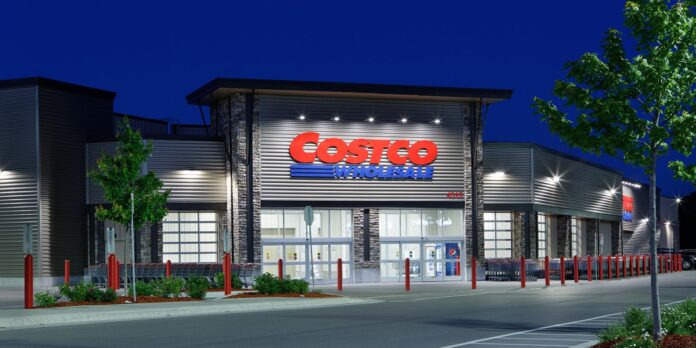
Costco is broadening its Canadian presence with at least 10 new warehouses planned in regions such as Ontario, Alberta, Saskatchewan, and British Columbia, while also expanding its Business Centre network. RYCO Properties acquired Calgary’s Marlborough Mall and intends to boost the property with improvements and tenant diversification. Furthermore, the Recipe Restaurant Group opened Ontario’s first Olive Garden at Vaughan Mills as part of a national expansion plan.

Canadian furniture brand Sundays is extending its physical retail footprint by launching showrooms in Southern California. GARAGE is adding its largest flagship store in Manhattan’s Flatiron District, blending retail and content creation in a 9,500-square-foot space. The shift of the Canadian Grand Prix to May significantly increased Montréal’s hotel demand, strengthening local tourism and retail activity early in the season.

🗞️ The Day’s Retail Insider Article List

🌐 Canadian Retail News From Around the Web will be back Monday. Have an excellent weekend.

Costco Expands Retail Footprint Across Canada with New Warehouses Planned

Image: Costco Canada

Costco is quietly building one of the most active retail expansion pipelines in Canada.

From Northwestern Ontario to Metro Vancouver, the membership-based retailer has warehouses under construction or in advanced planning across a growing list of communities, signalling confidence in the Canadian market at a time when many retailers are slowing expansion plans and reassessing their physical footprints.

Public records, municipal approvals, land transactions and construction activity point to at least 10 traditional warehouse projects in various stages of development across the country, alongside continued growth of Costco’s Business Centre format.

The projects suggest that Costco’s Canadian strategy is entering a new phase. After spending much of the past two decades establishing a presence in major metropolitan markets, the company is now pursuing a combination of suburban densification, regional expansion and additional capacity in communities where existing stores have become increasingly busy.

A Wave of New Openings Approaches

Several new Costco warehouses are expected to open before the end of 2026.

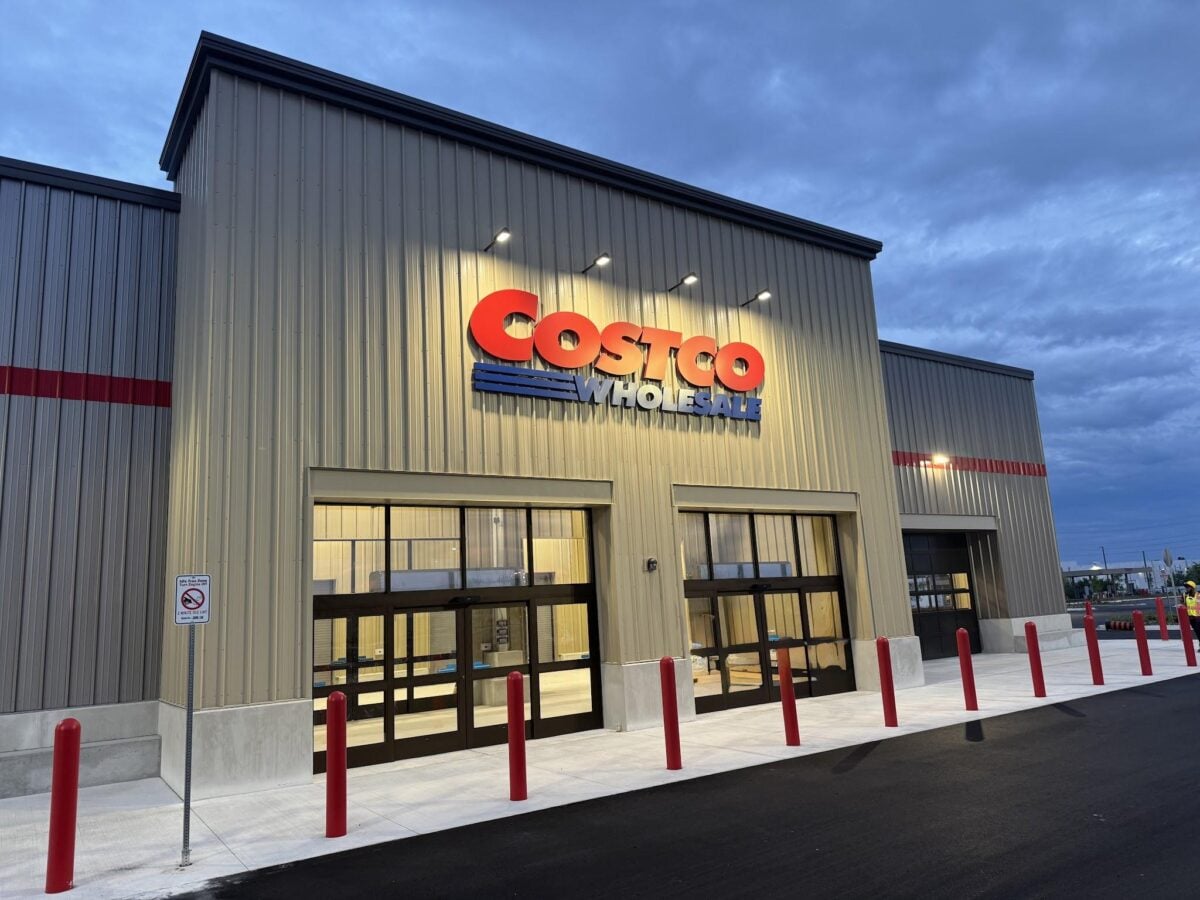
In Ontario, construction is underway on a new warehouse in Wasaga Beach, where the town issued a building permit in April and officials participated in a groundbreaking ceremony in June. The approximately 162,000-square-foot project represents a $50 million investment and is expected to create more than 370 jobs. The store will include a gas bar, tire centre and seasonal garden centre.

Another Ontario project is progressing in Windsor’s east end, where a second Costco warehouse is rising behind the Home Depot and Walmart complex off Tecumseh Road East. Construction has reached the structural steel stage and the developer is targeting a November opening.

Western Canada is also seeing significant activity. Construction is underway on Regina’s second Costco warehouse at 8701 Dewdney Avenue, where the store will anchor the new Horizons shopping district. In Alberta, a new Costco is being built at Bingham Crossing in Rocky View County west of Calgary, while another warehouse has received building permits and is now under construction at Manning Town Centre in northeast Edmonton (replacing a smaller store nearby).

Lloydminster is also preparing to welcome its first Costco warehouse. The approximately 160,000-square-foot project at 75 Avenue and 19 Street is expected to open in November and will serve a trade area that spans both Alberta and Saskatchewan, illustrating Costco’s willingness to pursue opportunities in mid-sized regional markets.

Costco Newmarket. Image: Costco Canada

Costco’s Canadian Development Pipeline

Expected Openings in 2026

  • Wasaga Beach, Ontario – Fall 2026
  • Bingham Crossing (Rocky View County), Alberta – Late 2026
  • East Windsor, Ontario – November 2026
  • Lloydminster, Alberta/Saskatchewan – Mid-November 2026
  • Regina West, Saskatchewan – Late 2026

Expected Openings in 2027

  • Thunder Bay, Ontario – Mid-2027 (estimated)
  • Halton Hills, Ontario – October/November 2027
  • South Surrey, British Columbia – Late 2027
  • Oakville/Burloak, Ontario – Fall 2027

Permitted / Timing to Be Announced

  • Edmonton (Manning Town Centre), Alberta – Building permit issued April 2026/construction under way
  • Caledon, Ontario – Advanced planning stage

Advanced Proposal

  • West St. Paul, Manitoba – Timing to be determined

Timelines are based on public records, municipal approvals and local reporting and remain subject to change.

The 2027 Pipeline Takes Shape

Beyond the projects expected to open this year, Costco has assembled a substantial pipeline of future developments.

Thunder Bay appears poised to become the retailer’s next entirely new regional market. Costco acquired land near Golf Links Road, Central Avenue and Innovation Drive, and “Coming Soon” signage was erected on the property in late June. Local officials and industry observers expect the store could open sometime in 2027.

In the Greater Toronto Area, Halton Hills council recently approved a major retail development at Regional Road 25 and 5 Sideroad that will include a Costco warehouse. Earthworks are expected to begin this summer, with the developer targeting an opening in late 2027.

Another significant project is taking shape in Oakville, where Costco has secured approvals for a warehouse at 3471 Wyecroft Road. The approximately 168,590-square-foot store will feature a two-level parking arrangement with roughly 1,000 spaces and is now expected to open in fall 2027 following extensive infrastructure work.

In Metro Vancouver, Surrey has approved a 165,000-square-foot Costco warehouse and gas station on 33 acres at 1891-1947 164 Street in South Surrey. Construction of a new Highway 99 overpass and related road improvements is progressing nearby, with the infrastructure project and warehouse expected to be completed on similar timelines.

Additional projects remain in various stages of planning and permitting. Municipal files strongly suggest Costco is pursuing a warehouse at 12100 Creditview Road in Caledon, while reports from Manitoba point to a proposed Costco development in West St. Paul north of Winnipeg. Neither project has been formally announced by Costco.

Why These Markets?

The geographic spread of Costco’s expansion offers insight into the company’s evolving Canadian strategy.

Several projects are located in some of Canada’s fastest-growing communities, including South Surrey, Halton Hills, Caledon and Rocky View County. Population growth, residential development and rising household formation have created the customer base needed to support additional warehouses.

Other projects address longstanding gaps in Costco’s network.

Thunder Bay would provide the retailer with its first location in Northwestern Ontario, serving a trade area that extends far beyond the city itself. Lloydminster similarly offers access to a broad regional market spanning two provinces.

The company is also adding capacity in markets where existing stores have demonstrated strong demand. New warehouses in Windsor, Regina and Edmonton will provide additional shopping options in metropolitan areas that continue to grow and where existing Costco locations are often among the busiest retailers in their respective markets.

Costo Business Centre in Winnipeg. Photo: Costco Canada

Business Centres Become a Second Growth Engine

Costco is also continuing to expand its Business Centre division in Canada.

The company opened a Business Centre in New Westminster, British Columbia, in November 2025 and followed with a Winnipeg location in March 2026. The format caters primarily to restaurants, small businesses and institutional customers, offering a merchandise mix that differs from traditional Costco warehouses.

No additional Business Centre projects have been publicly confirmed, though industry observers continue to identify markets such as Calgary, Halifax and Quebec City as logical candidates for future expansion.

A Retail Giant Still Finding Room to Grow

Costco’s expansion pipeline demonstrates that the company still sees considerable opportunity in Canada despite already operating more than 110 locations nationwide.

The projects now underway suggest that the next phase of growth will be driven by a mix of strategies: entering underserved regional markets, deepening its presence in high-growth suburban corridors and adding capacity in metropolitan areas where demand remains strong.

At a time when many retailers are slowing store growth or rationalizing store networks, Costco is continuing to invest aggressively in bricks-and-mortar retail across Canada. If the current development pipeline is any indication, the retailer’s Canadian expansion story is far from over.

More from Retail Insider:
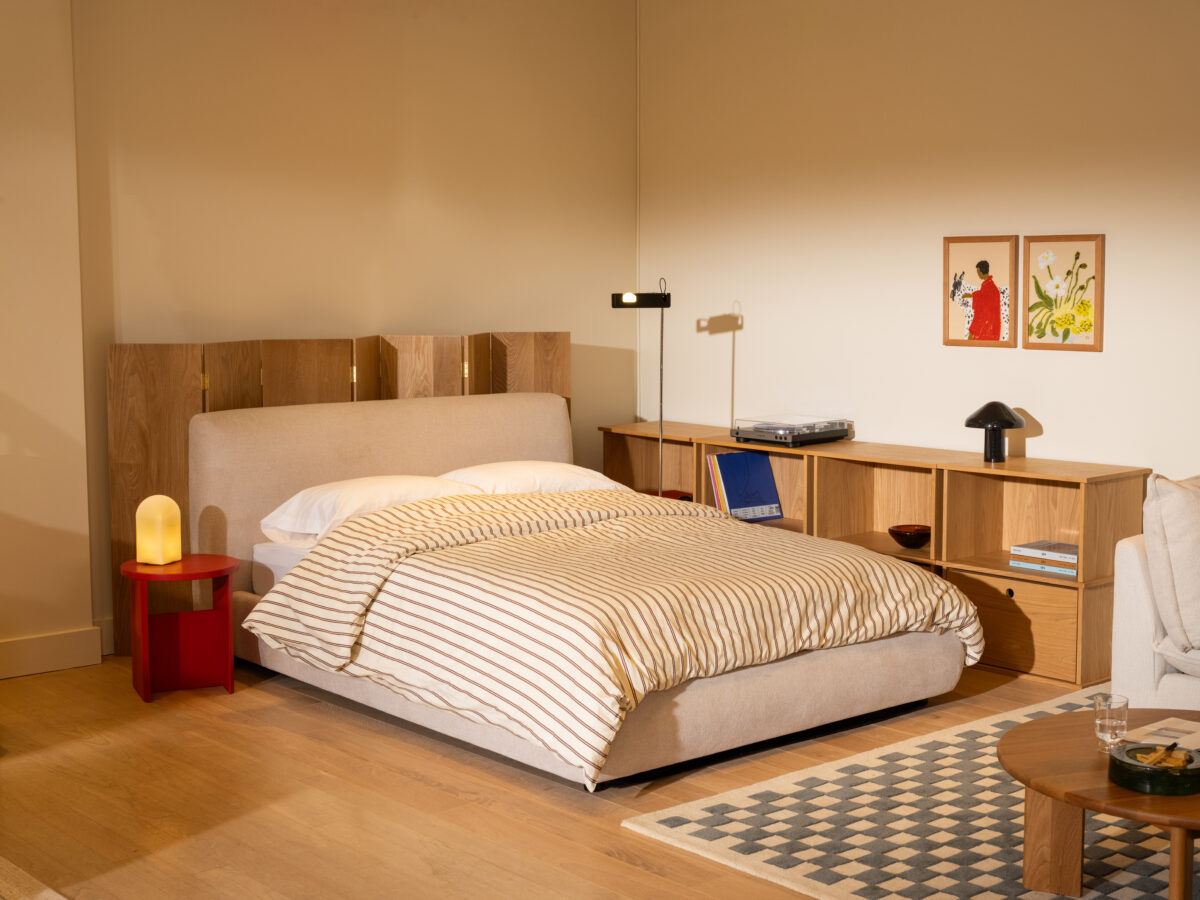
Canadian Furniture Brand Sundays Expands in Southern California

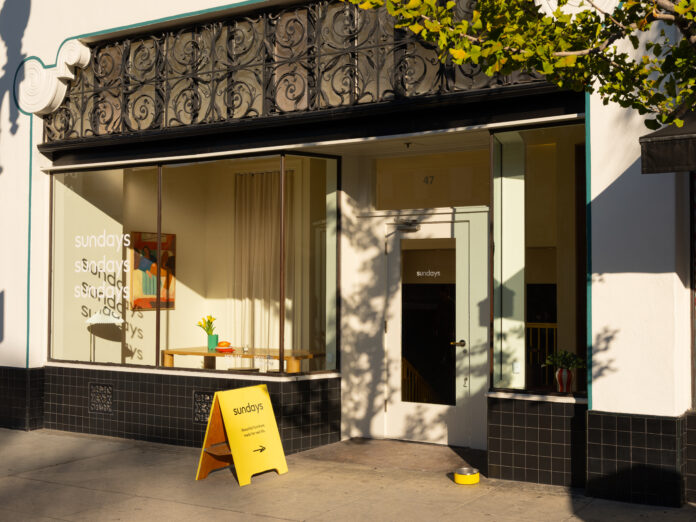
Sundays, Pasadena Location. Image: Sundays

Vancouver-based furniture brand Sundays is expanding again in the United States, adding two Southern California showrooms as the company continues to grow its North American retail footprint.

The company has opened in Pasadena and has added a permanent location in Santa Monica, following a Los Angeles-area pop-up that was originally planned as a short-term activation and was extended after strong customer response.

For Sundays, the move is part of a retail strategy first shaped in Canada. The brand, founded in Vancouver in 2019, started as a direct-to-consumer furniture company before gradually adding physical showrooms in Vancouver, Toronto and Calgary. Today, Sundays lists Canadian showrooms at Terminal and South Granville in Vancouver, Ossington in Toronto and The District in Calgary, along with U.S. locations in New York, Pasadena and Santa Monica.

The new California showrooms extend a model Sundays has been building since the pandemic: use ecommerce data and temporary retail to understand demand, then commit to permanent showroom locations when the market proves itself.

“The US is a much more competitive market than Canada. You can’t just take what worked at home and expect the same result,” Sundays Co-Founder Barbora Samieian says. “The biggest lesson for us has been that you have to earn your place in each market. We’ve done that by being patient, building real relationships, and not rushing into permanent retail before we understood the customer.”

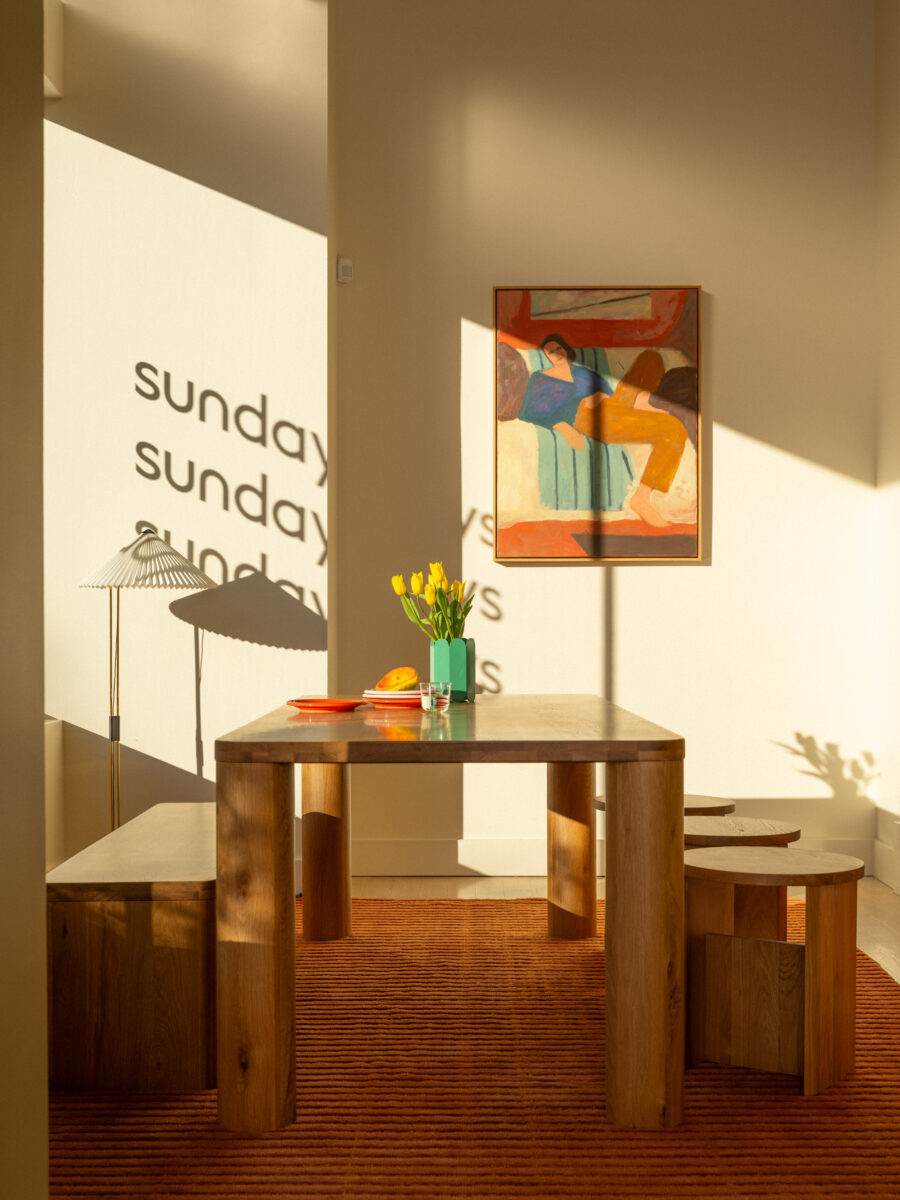
Sundays, Pasadena Location. Image: Sundays

A Canadian Showroom Strategy Goes South

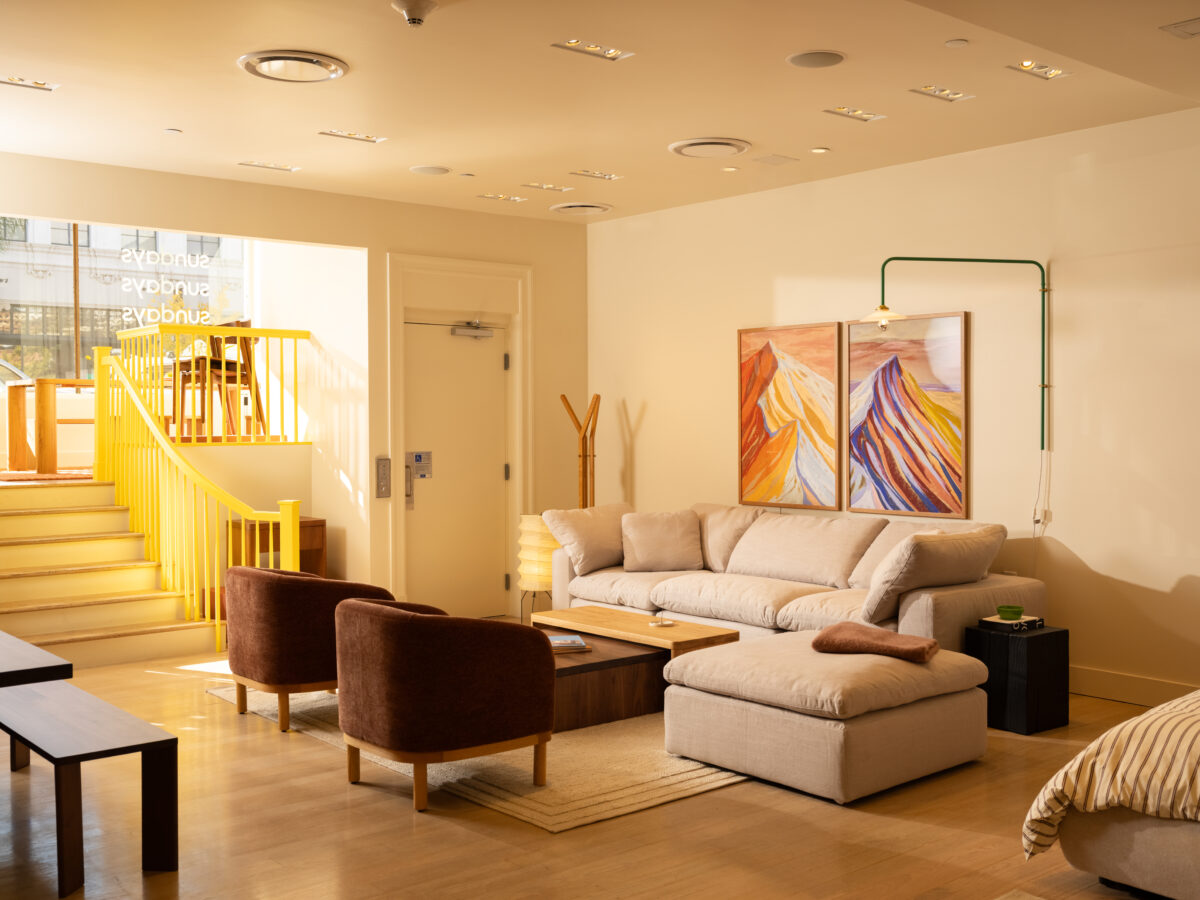
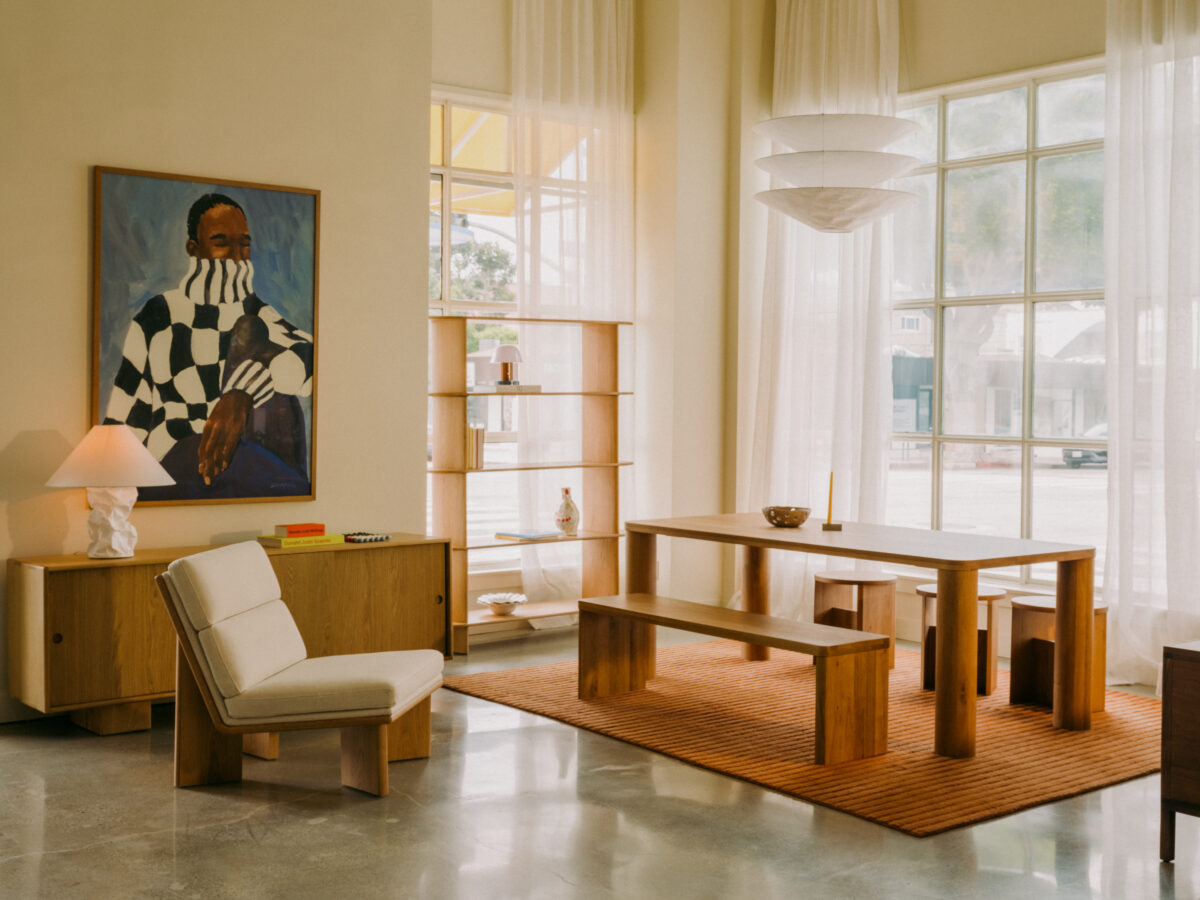
Sundays’ Southern California expansion includes a 2,100-square-foot showroom in Santa Monica and a 1,286-square-foot showroom in Pasadena. The Santa Monica location features design by Colapso Studio, which also designed the brand’s New York showroom and Vancouver Terminal HQ.

The Santa Monica space includes a yellow-tiled coffee counter and a Vermillion-stained island intended to support community events. Product on display includes Sundays best sellers such as the Field Dining Table, Get Together and Chill Time sofas, and the Plane Dining Table, along with newer pieces such as the Square Up collection.

The Pasadena showroom offers a smaller format, with a blue-and-white striped fireplace as a focal point and yellow tile details in the swatch area.

The company’s Los Angeles strategy began at Platform LA in Culver City. The pop-up was originally planned to run from March to April 2024. Sundays extended it several times, allowing the company to test the market before committing to permanent locations.

That approach follows a pattern the company has used before. Sundays’ Toronto showroom on Ossington Avenue began as a pop-up before becoming a permanent location. The company’s New York expansion also followed a temporary-to-permanent path.

“You get real data, real customers, real feedback without locking yourself into a long-term lease in a market you don’t fully know yet,” Barbora says. “Most of our permanent locations started as a pop-up.”

Sundays Santa Monica Location, Image: Sundays

From Vancouver Startup to North American Furniture Brand

Sundays was founded in Vancouver in November 2019 by Barbora Samieian, Moe Samieian, Sara Samieian and Noah Morse. The company launched with a direct-to-consumer model and a focused furniture assortment built around capsule collections.

The company’s early growth coincided with a period when consumers were spending heavily on their homes. That helped build awareness for digitally led furniture brands, but it also showed the limits of online-only retail in a high-consideration category.

Furniture is still a product many customers want to see, touch and test before buying. Sundays said that lesson became clear early in the company’s development and shaped its move into showrooms.

The brand’s Canadian footprint now includes two Vancouver locations. In March, Sundays opened its 15,000-square-foot Terminal HQ at 1728 Glen Drive in Vancouver. The space serves as both a retail environment and operational headquarters, and also introduced physical retail for sister brand Hetta while showcasing furniture from Moe’s.

That location gave Sundays a larger platform in its home market and moved the company beyond a single-brand showroom format. It also showed how the business is using physical space for retail, operations, merchandising and brand-building.

In addition to Terminal, Sundays operates its South Granville showroom at 1515 West 6th Avenue in Vancouver, along with its Toronto showroom at 113 Ossington Avenue and Calgary showroom at 220 12 Avenue SW.

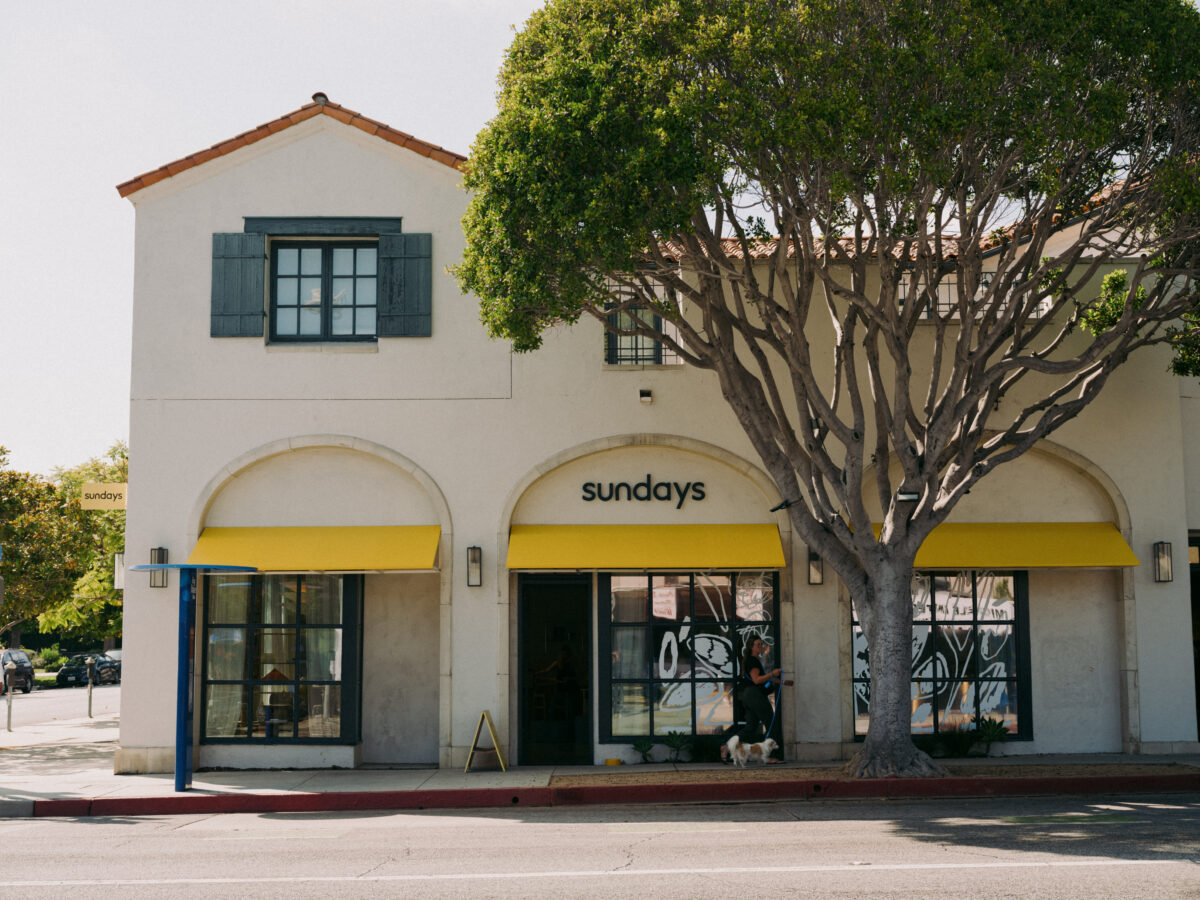
Sundays, Pasadena Location. Image: Sundays

Physical Retail Becomes More Important in Furniture

Sundays’ expansion comes as furniture retail remains under pressure in Canada. Statistics Canada reported that furniture retailers recorded $1.181 billion in seasonally adjusted sales in April 2026, up 1.3 per cent from March but down 3.2 per cent from April 2025. The larger furniture, home furnishings, electronics and appliances category was down 5.7 per cent year over year.

That environment has made customer experience and store productivity more important. Consumers are still buying for the home, but many are taking longer to make decisions and looking more closely at quality, price and service.

Barbora Samieian says the category has changed materially since the pandemic peak.

“Demand peaked in late 2021, early 2022, and it hasn’t come back to those levels,” the company said. “But even through the slowdown we’ve kept growing, and we’re proud of that. Consumers are more intentional now. They’re researching more, buying less but buying better. And they want to see and feel things in person before they spend.”

That shift supports the company’s showroom strategy. Sundays started online, but its growth increasingly depends on connecting ecommerce discovery with in-person evaluation. Customers may first encounter the brand online, then use a showroom to confirm fabric, scale, comfort and finish before purchasing.

“Both channels matter, and they blend into each other,” Sundays said. “People find us online, then come into the showroom to close the decision. That’s just how it works for this category. Retail isn’t going anywhere for us.”

Sundays Santa Monica Location, Image: Sundays

Using Data Before Signing Leases

A central part of Sundays’ expansion strategy is using ecommerce demand to identify markets before opening showrooms.

The company said it starts with its own data when evaluating future locations. Ecommerce activity can show where customers are already browsing and buying before the company commits to physical retail.

That was the case in Southern California, where Sundays said ecommerce traction and the extended Culver City pop-up helped support the decision to open permanent showrooms in Pasadena and Santa Monica.

“We opened a pop-up at Platform in Culver City, initially for two months, and we extended it multiple times,” Sundays said. “LA has a customer who gets what we’re doing, from the aesthetic to the quality and the premium service experience. Our ecommerce traction along with the pop-up supported the data to open in both Pasadena and now Santa Monica.”

The same thinking has shaped the company’s Canadian development. Sundays’ Retail Insider coverage in 2026 noted that the company had built a North American showroom network while continuing to balance ecommerce, logistics, trade relationships and physical retail.

For Canadian retail executives, that is the more useful part of the story. Sundays is not simply adding stores. It is building a repeatable expansion model that lowers risk before entering new markets.

Sundays, Pasadena Location. Image: Sundays

A Tighter Assortment in a Crowded Category

The home furnishings market remains competitive, with traditional chains, independent design stores, luxury furniture galleries and online brands all competing for discretionary spending. Sundays has tried to position itself through a focused assortment and a consistent design language.

The company said its collection is intentionally tight, with products designed to work together across rooms.

“Everything is designed to work together, which takes a lot of the guesswork out of furnishing a home,” Sundays said. “For us, it starts with the product. We’re obsessive about quality, the materials, the construction, how something feels when you sit in it or run your hand across it.”

That approach also gives the company a repeat-purchase opportunity. Customers may begin with a sofa, then return later for dining, bedroom or other pieces as they furnish their homes over time.

Sundays said that relationship with existing customers will be part of its growth over the next three to five years. The company is also adding Hetta, its sister brand, to some showrooms to serve customers looking for a different design direction.

“People don’t furnish their whole home at once,” Sundays said. “They may start with a sofa, come back for a dining table, come back again for a bedroom. Because our collection is designed to work together, we naturally become the brand people return to as they build out their space.”

Canada Remains Part of the Growth Story

Although the U.S. is a major growth focus, Sundays said Canada remains important to the company.

The brand’s Canadian network has already given it a base in three major markets: Vancouver, Toronto and Calgary. The newer Terminal HQ in Vancouver also gives the company more space to test a multi-brand approach and deepen its connection to the design community.

Babrora Samieian states there are no additional Canadian market announcements at this time, but the company is not finished growing at home.

“Canada is home. We’re not done there,” Sundays said. “And the US is still early for us, there’s a lot of room to grow.”

For now, the Southern California openings show a Canadian brand applying lessons learned in its home market to a larger and more competitive retail environment. The company’s growth has been measured, with pop-ups, ecommerce signals and showroom experience working together before long-term commitments are made.

That discipline may become more important as furniture shoppers remain selective and the category continues to move between online research and in-person decision-making.

More from Retail Insider:
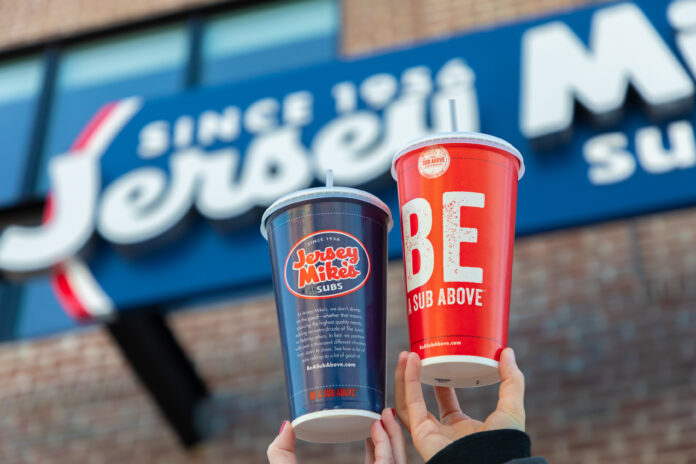
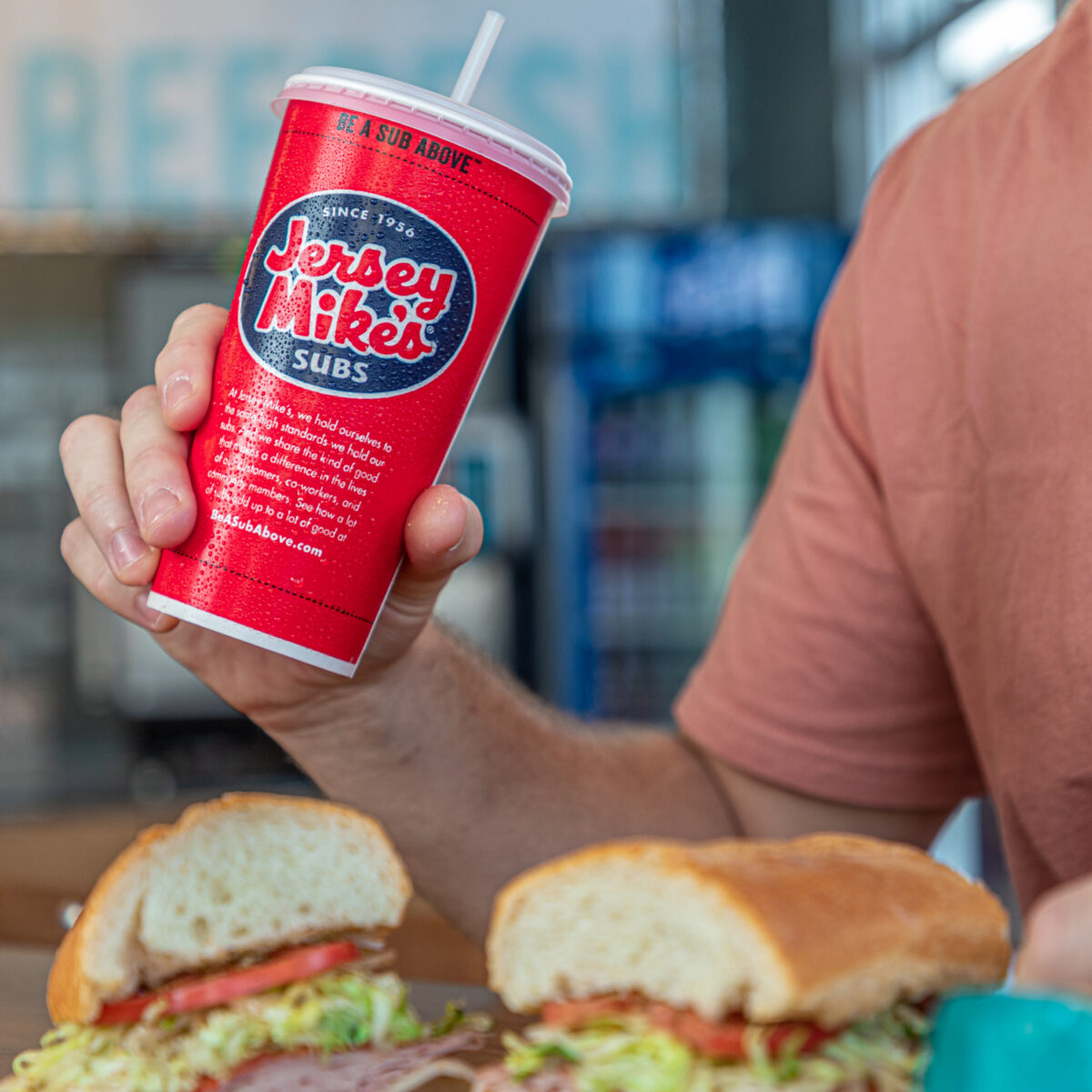
Jersey Mike’s Subs to open Burlington restaurant as Redberry continues Canadian expansion

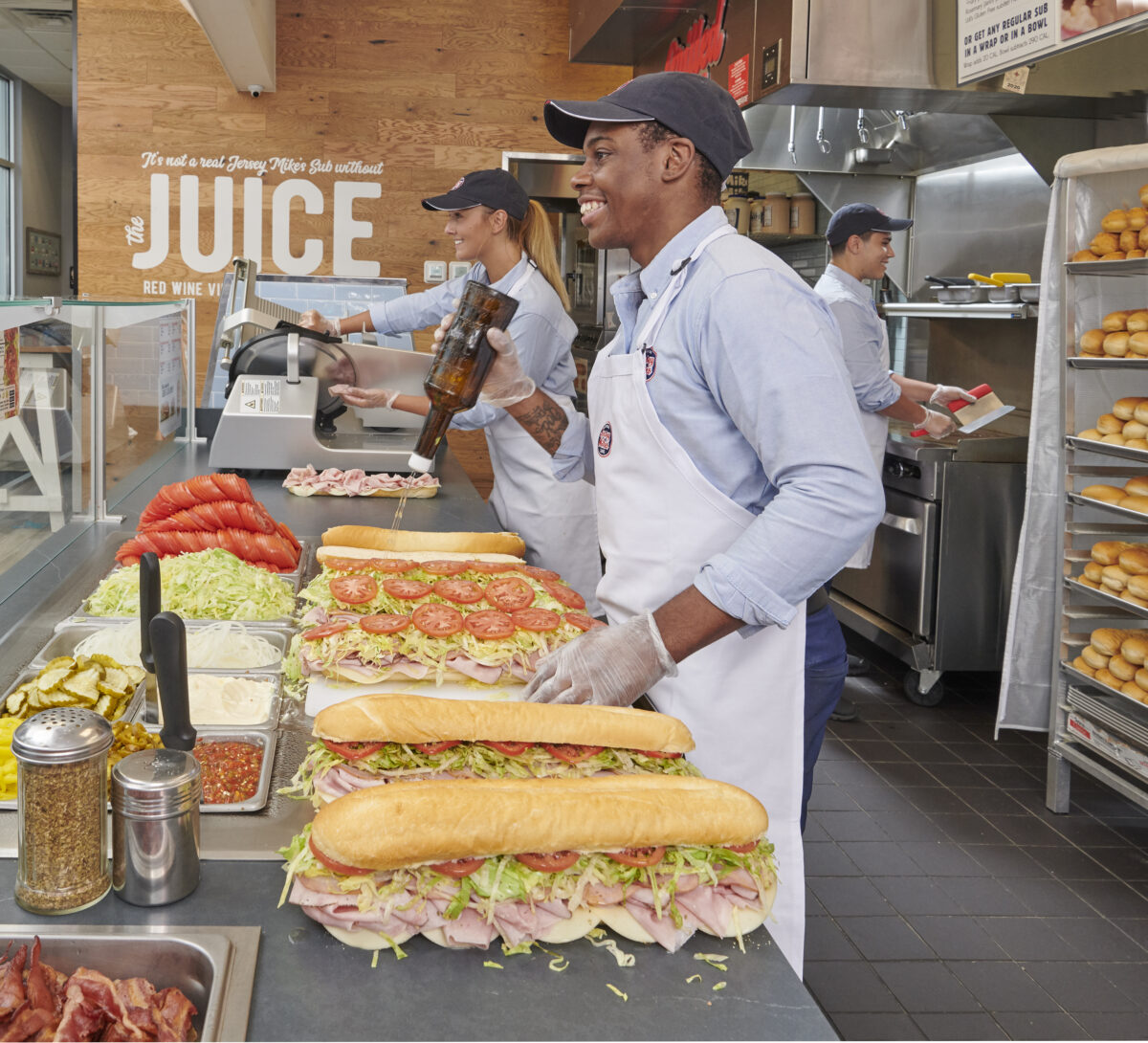
Jersey Mike's photo
Jersey Mike's photo

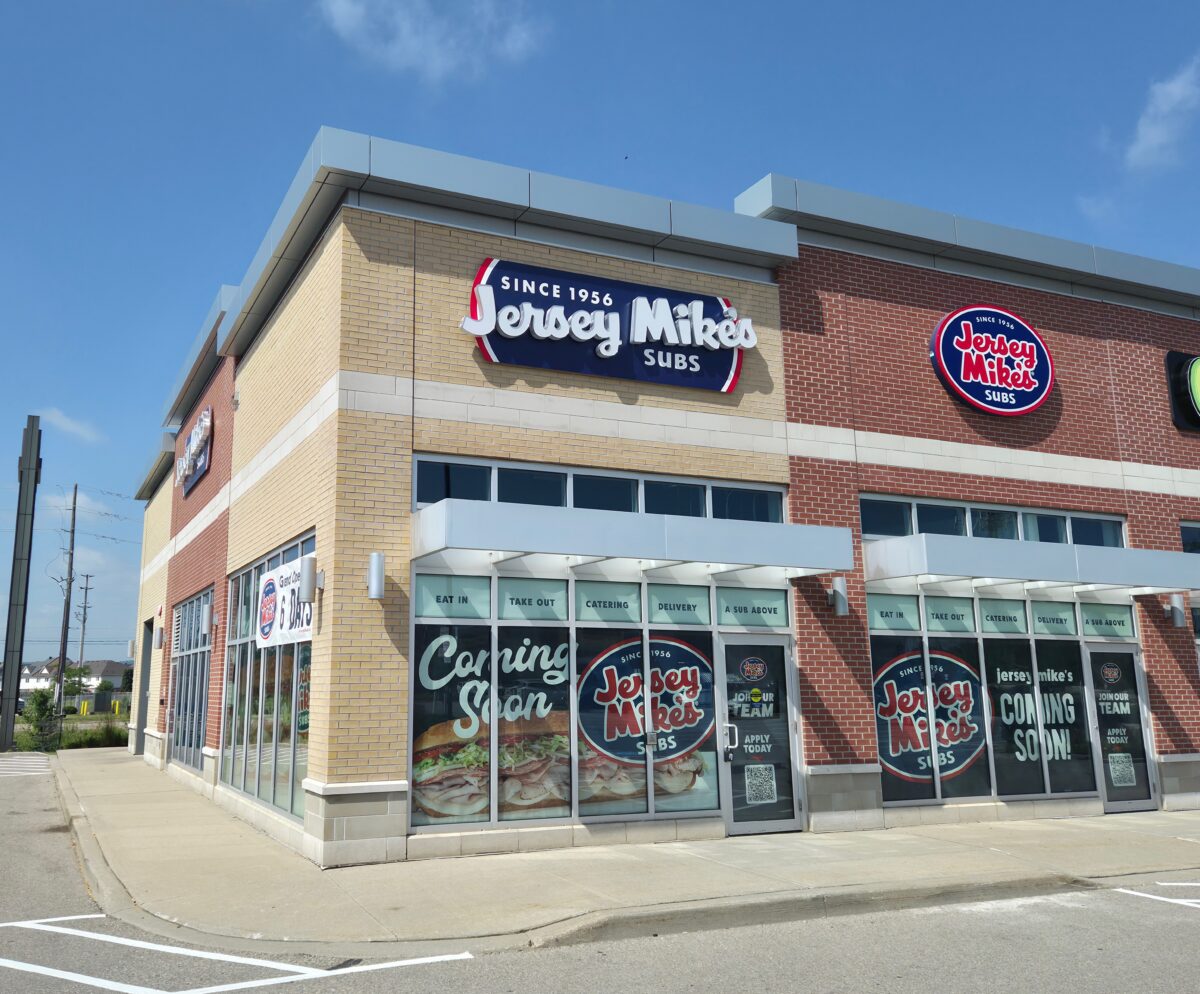
Redberry Restaurants is opening a new Jersey Mike’s Subs location in Burlington, Ont., next week, adding to its growing Canadian footprint as the company works toward a long-term expansion plan of 300 locations nationwide by 2035.

The restaurant, located at 3121 Appleby Line, is scheduled to open July 8. The opening will be accompanied by a five-day fundraiser in support of Make-A-Wish Canada, part of Jersey Mike’s previously announced commitment to raise $1 million for the charity by 2030.

Jersey Mike's photo
Jersey Mike’s photo

The Burlington restaurant becomes part of a network of more than 30 Jersey Mike’s locations now operating in Canada under Redberry Restaurants, one of the country’s largest quick-service restaurant franchisees.

The grand opening fundraiser will run from July 8 through July 12. Customers who receive a fundraising coupon distributed before the opening can make a minimum $3 donation to Make-A-Wish Canada in exchange for a regular sub. The offer is available only with a coupon.

Customers without a coupon can download the Jersey Mike’s mobile app during the promotion to receive a free regular sub after making their first in-app purchase. They will also have the option of making donations to Make-A-Wish Canada through a donation box inside the restaurant.

“We are excited to join this vibrant waterfront community and introduce Jersey Mike’s fresh sliced/fresh grilled sub sandwiches to our new neighbors in Burlington,” said Ken Otto, CEO, Redberry. “We urge everyone to come out to our grand opening fundraiser and support our longtime partner Make-A-Wish Canada in its mission to restore hope for children with critical illnesses by helping them realize their most heartfelt wish.”

Ken Otto
Ken Otto

In May, Jersey Mike’s announced a pledge to raise $1 million for Make-A-Wish Canada by 2030. According to the company, more than $270,000 has been raised since 2024 to help fund wishes for children with critical illnesses.

The Burlington restaurant will be open daily from 10 a.m. to 10 p.m. Customers will be able to order in person, through the Jersey Mike’s mobile app, online and through national delivery platforms. Catering services will also be available.

Redberry also said it will open a Jersey Mike’s at 5001 19th Street in Red Deer on Wednesday, July 8.  

Founded in 2005, Redberry Restaurants owns and operates more than 200 quick-service restaurants across Canada under the Burger King, Taco Bell and Jersey Mike’s Subs banners.

Jersey Mike’s, founded in 1956 as Mike’s Subs in Point Pleasant, N.J., operates more than 3,200 locations across the United States and Canada.

More from Retail Insider:
Jersey Mike's photo
Jersey Mike’s photo
Burlington location. Jersey Mike's photo
Burlington location. Jersey Mike’s photo

GARAGE to open new New York City flagship store in Manhattan’s Flatiron District

Following its London expansion, GARAGE says it is opening a new flagship in New York City, one of the world’s premier fashion capitals.

The Montréal-born brand, under the Groupe Dynamite umbrella which includes clothing store DYNAMITE, has officially confirmed it will open its largest, most immersive retail flagship to date in the heart of Manhattan’s Flatiron District. Occupying a premier multi-level corner at 5th Avenue and E 21st Street, this high-voltage destination is set to open in spring 2027.

While the brand maintains a presence in New York City’s SoHo, this opening marks a key step in GARAGE’s North American expansion, securing one of the most coveted retail footprints in Manhattan, said the company.

Romina Kolodziejska
Romina Kolodziejska

“We’re incredibly excited to bring GARAGE to the Flatiron district in New York City with our largest store to date. This flagship location represents a major milestone for the brand, allowing us to showcase our full expression of GARAGE in one of the world’s most dynamic retail markets,” said Romina Kolodziejska, Vice-President, Global Real Estate & Store Development at Groupe Dynamite Inc. “Expanding in New York at this scale underscores our confidence in the brand’s continued growth, and our commitment to meeting our customers where they are.”

Spanning over 9,500 square feet, the space is designed to be a content-creation hub. The flagship will blend Flatiron’s historic bones, soaring ceilings, and industrial textures, with GARAGE’s signature aesthetic, added the retailer.

“The arrival of the Flatiron flagship comes at a time of exceptional growth for GARAGE. While successfully scaling in major US hubs, like Las Vegas and Hawaii, GARAGE made its mark overseas with the recent opening of its first UK stores at Bluewater Shopping Centre and a premier location on London’s Oxford Street,” it said.

“Following the Flatiron launch, GARAGE will unveil similar multi-level destinations on Newbury Street in Boston, and M Street in Georgetown, District of Columbia, reinforcing its commitment to community and connection in the world’s most competitive retail landscapes.”

More from Retail Insider:
RYCO Properties announces acquisition of Calgary’s Marlborough Mall

RYCO Properties LinkedIn photo

In a LinkedIn post, RYCO Properties Ltd., a Calgary-based real estate development and commercial property company, announced the acquisition of Marlborough Mall, which it described as “a landmark destination in northeast Calgary.”

RYCO said it acquired the property with a clear vision: invest in the community, strengthen the tenant mix, and transform Marlborough into a vibrant destination that reflects the energy and potential of northeast Calgary.

The mall was previously owned by Primaris REIT. It originally opened in 1971.

David Lees, Executive Vice President at Cushman & Wakefield, represented RYCO in the transaction.

“Marlborough Mall is the flagship of the RYCO portfolio and one of northeast Calgary’s true regional destinations. At 385,000-plus square feet on 47 acres, with an LRT station at the door and a catchment reaching across the entire quadrant, it draws daily traffic that neighbourhood centres simply cannot match,” explained the company on its website.

“The centre is fully leased and held for the long term: a stable, income-producing cornerstone asset. Its scale, transit access, and decades of standing in the northeast make it one of the most resilient retail positions in the city.”

 Located steps from the Marlborough C-Train Station and minutes from downtown, Marlborough Mall occupies one of the most connected and strategically positioned sites in the city. For generations, it has served as a gathering place for local residents, families, and businesses, added RYCO on its social media post. 

Ryan Sidorsky
Ryan Sidorsky

“We believe Marlborough’s best days are ahead,” said Ryan Sidorsky, President of RYCO Properties. “This community has incredible momentum, strong families, growing businesses, and a deep sense of pride. Our goal is to invest in that future and create a destination that people are excited to visit, support, and enjoy.”

RYCO said its investment strategy focuses on property improvements, new retail opportunities, enhanced customer experiences, community programming, and long-term destination development. Additional announcements regarding tenants, events, and future enhancements will be made in the coming months.

The company said its vision is simple: create a safe, welcoming, and energetic destination where residents choose to gather, shop, dine, and connect.

“Marlborough has always been an important part of Calgary,” said Sidorsky. “We’re committed to helping it recapture its energy and realize its full potential as a destination for families, businesses, and the broader community.”

 RYCO Properties has its roots dating back to 1965. It owns and manages more than 1 million square feet of commercial real estate and over 700 acres of development land across Calgary and southern Alberta.

More from Retail Insider: