Welcome to the Daily Synopsis by Retail Insider. We hope you enjoy the 10 articles we published most recently, covering key developments in Canadian retail.
Canada’s labour market posted strong overall job growth but retail employment fell by 35,000, reflecting ongoing workforce challenges as retail expands. Canada’s luxury retail market entered a more strategic era focusing on flagship optimisation and experiential environments in major urban centres including Toronto and Calgary.
When retailers expand across Canada, the attention often falls on store openings, leasing activity, and market share growth. Less visible, but equally important, is the operational layer responsible for ensuring that a brand appears consistent across every customer touchpoint.
This behind-the-scenes work, increasingly described as retail creative production at scale, has become more important as retailers manage growing volumes of digital content, promotional campaigns, and in-store materials across hundreds of locations.
The growing complexity of omnichannel retail has significantly increased creative production demands across the industry. Retailers are now expected to maintain cohesive branding across e-commerce platforms, social media, digital advertising, mobile channels, physical stores, and localized marketing initiatives simultaneously, often within compressed campaign timelines.
For many organizations, maintaining that level of coordination internally can become both resource-intensive and operationally complex.
It is within this environment that Brandomatic Studios has positioned itself as a scalable extension of in-house retail marketing teams, supporting the execution of creative assets across digital and physical channels.
A Cohesive Extension of Retail Marketing Teams
Based in Vancouver, Brandomatic Studios works with medium to large retailers to support production needs ranging from digital asset adaptation and video editing to signage, campaign execution, and creative rollout.
Rather than replacing internal creative departments, the company operates as an embedded production partner working within established brand systems and guidelines.
“We act as an extension of the internal team,” said Keith Stride, Creative Director and Founder of Brandomatic Studios. “There’s one point of contact, and we manage the execution so clients can stay focused on strategy and growth.”
Keith Stride
Stride has worked with retailers including Best Buy, Mark’s, London Drugs, and Specsavers Canada. Brandomatic has supported Specsavers since the optical retailer entered the Canadian market in 2020, helping execute creative production across digital and in-store channels as the company rapidly expanded nationally. Specsavers has grown to more than 270 Canadian locations in roughly five years, making it one of the faster retail expansion stories in Canada’s optical sector.
Managing Brand Cohesion Across Hundreds of Touchpoints
As retailers scale, the number of required creative assets increases dramatically. Campaigns must be adapted for websites, social media, digital advertising, email marketing, video, and physical store environments, often under tight timelines.
This is where operational bottlenecks frequently emerge.
“A lot of the work happens behind the scenes,” said Stride. “But maintaining alignment across every channel is critical to how customers experience a brand.”
Brandomatic’s work includes adapting national campaigns into multiple formats, resizing assets for different platforms, producing short-form video, and executing in-store signage programs. While much of the activity happens quietly in the background, it plays a central role in shaping how consumers interact with retail brands.
The challenge becomes even greater for retailers operating across multiple regions and store formats, where campaigns often require localized adjustments while still maintaining a unified identity.
“Customers should experience one clear brand regardless of where they engage with it,” said Stride. “At the same time, local markets sometimes need flexibility in how campaigns are presented.”
Brandomatic graphics on screens in a Spescavers store.
Retail Timelines Continue to Accelerate
The pace of retail marketing has intensified significantly in recent years. Seasonal campaigns, promotional events, store openings, and product launches now require increasingly rapid turnaround times across multiple channels.
For many retailers, traditional workflows can struggle to keep pace with those demands.
“Retail doesn’t slow down,” said Stride. “Campaigns move fast, and brands need creative assets delivered quickly and consistently. That’s where a retail-focused production model becomes very effective.”
The ability to scale production capacity during key retail periods such as back-to-school, Black Friday, and holiday campaigns has become increasingly valuable for retailers managing large networks of stores and digital channels.
Rather than maintaining oversized internal teams year-round, retailers are increasingly looking for flexible production models that can expand during peak periods and contract when demand slows.
Brandomatic ad for BMW
Accessing Specialized Creative Talent
The remote production model also provides retailers with access to a broader range of specialized creative talent than many organizations could maintain internally.
Motion designers, editors, retouchers, production artists, and digital specialists can be deployed based on project requirements rather than fixed organizational structures.
For retailers producing thousands of creative assets annually, this approach can create operational efficiencies while also lowering production costs on a per-asset basis.
“There’s a practical side to this,” said Stride. “Retailers need quality work delivered quickly, but they also need workflows that are efficient and scalable.”
Retail and Hospitality Roots Shape the Approach
Stride’s background in both retail and hospitality has influenced the company’s operational philosophy and focus on customer-facing execution.
One of his early jobs was with Four Seasons Hotels and Resorts, an experience he says shaped his understanding of consistency and presentation.
“That environment really sharpened my understanding of how every touchpoint matters,” he said. “At Four Seasons, quality and consistency aren’t optional. Guests notice the details, and that mindset carries into the work we do today.”
(The image directly below is not an advertisement on this website, it’s an example of Brandomatic’s graphics work)
An example of a GIF design advertisement for Best Buy Canada created from a static image. Image: Brandomatic Studios
Creative Execution Becomes a Competitive Advantage
As retailers continue operating across more channels and customer touchpoints, the operational side of creative execution is becoming increasingly important.
Within that environment, retail creative production at scale is emerging as an operational necessity rather than a secondary support function. Retailers are under growing pressure to move faster, maintain cohesive branding, and adapt campaigns continuously across physical and digital environments.
Brandomatic Studios represents one example of how retailers are responding to those pressures through flexible production partnerships designed around speed, scalability, and executional consistency.
“We’re not necessarily the ones developing the overall brand strategy,” said Stride. “But we help make sure it shows up properly everywhere customers interact with the brand.”
For retailers navigating increasingly complex operating environments, the ability to execute creative efficiently and consistently may become just as important as the campaign ideas themselves.
Toronto-based Open Farm, a premium pet food brand, is partnering with PetSmart to bring its portfolio of pet nutrition to stores across North America and expanding access to “responsibly sourced, high-quality nutrition for pet parents.”
Beginning this month, Open Farm’s range of dry, wet, freshly crafted meals, freeze-dried raw, treats, and supplements will be available in nearly 1,700 PetSmart stores across the United States, Canada, and online. The company said the launch will be supported by a significant in-store presence at PetSmart locations, with merchandising displays designed to help pet parents easily discover the brand. With this partnership, Open Farm said its recipes will be available in more than 9,500 retail locations across North America.
“This is a milestone moment for Open Farm and a reflection of the trust we’ve built with pet parents over the past decade by delivering exceptional nutrition, uncompromising sourcing standards, and unparalleled transparency into how our recipes are made,” said Isaac Langleben, Co-Founder and Chief Executive Officer, Open Farm. “Partnering with PetSmart allows us to bring Open Farm to millions more pet parents while continuing to lead with the standards that define our brand.”
Isaac Langleben and Jacqueline Prehogan (
“We started Open Farm to raise the bar for pet food, and today we’re seeing that vision resonate at scale,” said Jacqueline Prehogan, Co-Founder and Chief Brand Officer, Open Farm. “As we grow, our responsibility grows with us—from the standards we set for every ingredient to how our recipes are thoughtfully developed with veterinary and nutritional expertise, and shared transparently with pet parents. We’ve never cut corners, and that won’t change.”
Open Farm said it was founded in 2014 to challenge conventional pet food through the Open Farm Promise, placing exceptional nutrition, animal welfare, sustainability, and transparency at the centre of every recipe. It said it has grown into a category leader in premium pet food, with a strong and expanding presence across both digital and physical retail channels, meeting pet parents wherever and however they shop.
Open Farm photo
Erika Tervelt
“As pet parents become more focused on ingredient quality and transparency, we’re excited to welcome Open Farm into our assortment to help us further meet and exceed their expectations,” said Erika Tervelt, Vice President of Consumables Merchandising, PetSmart. “Open Farm’s leadership in responsibly sourced nutrition, ingredient quality, and transparency make them a strong addition to our offering, and we look forward to introducing their recipes to more pet parents across our stores and digital channels.”
Oakridge Park in Vancouver. Photo: Craig Patterson
As luxury storefronts are now open at Vancouver’s highly anticipated Oakridge Park development and construction crews continue transforming Toronto’s Bloor-Yorkville corridor, Canada’s luxury retail landscape is entering a new era shaped less by rapid expansion alone and increasingly by competition for a small number of dominant urban retail ecosystems.
Over the past several years, Canada has experienced one of the most active luxury retail expansion cycles in its history. Global fashion houses upgraded stores, secured larger flagship spaces, and entered the Canadian market for the first time, while developers and landlords invested heavily in mixed-use projects and premium retail corridors designed to attract affluent consumers, tourists, and international brands.
Retail Insider’s annual studies tracking international retailer expansion into Canada have reflected this evolution in recent years. Following a major wave of international retail entries and flagship investment in 2023, activity became more selective in 2024 amid rising costs and broader economic uncertainty before strengthening again in 2025, when Toronto accounted for the majority of new international retailer entries into Canada.
Today, activity remains strong, though the market is becoming increasingly disciplined and concentrated as retailers navigate rising development costs, geopolitical uncertainty, evolving consumer behaviour, and shifting urban retail dynamics.
“There is absolutely still demand in the marketplace,” said Casdin Parr, Executive Vice President at Odyssey Retail Advisors, in an interview with Retail Insider. “While not as widely robust as previous years, select luxury retailers remain focused on best in class opportunities.”
Casdin Parr
Parr said the current environment partly reflects the extraordinary amount of activity that occurred over the previous several years as luxury and contemporary retailers repositioned stores, expanded footprints, and pursued new flagship opportunities across Canada’s major urban markets.
“There was unprecedented activity in the previous 24 to 36 months,” he said. “Whether that was expansions of brands that were already in the Canadian marketplace, or additional doors and new entrants in some of the major nodes or shopping centres.”
At the same time, international retailers continue evaluating Canadian expansion opportunities, particularly in Toronto, Vancouver, and Montreal. Industry sources also indicate that additional luxury and aspirational brands remain active in the market, though many retailers are approaching future growth more cautiously than during the aggressive post-pandemic expansion cycle.
Rather than slowing entirely, the market appears to be evolving into a more strategic phase focused on flagship optimization, experiential retail environments, mixed-use density, and long-term positioning within Canada’s most productive urban retail districts.
Bloor-Yorkville Continues to Reinforce Its Position as Canada’s Luxury Capital
Toronto’s Bloor-Yorkville district remains the country’s dominant luxury urban retail corridor, and the neighbourhood continues evolving as brands, landlords, and developers compete for increasingly scarce flagship opportunities within one of North America’s most productive urban shopping districts.
“There’s been lots of excitement in the node for the last 24 months,” Parr said.
The area has undergone substantial transformation in recent years as international luxury retailers expanded stores, upgraded façades, and pursued increasingly immersive flagship concepts designed to integrate fashion, hospitality, dining, wellness, and lifestyle experiences into a single environment.
Recent milestones include the completion of exterior work at OneTen Bloor and the renovation of Holt Renfrew’s Bloor Street flagship, projects that further elevated the visual presentation and prestige positioning of the corridor. The opening of retailers such as Loro Piana on Bloor Street West also reflects continued international interest in Yorkville’s evolving luxury ecosystem.
Corner of Bloor and Bay streets in Toronto, May 25, 2026. Photo: Craig Patterson
At the same time, several major mixed-use developments remain in various stages of planning and construction throughout Yorkville and the surrounding Bloor corridor, reinforcing long-term confidence in the neighbourhood despite slower development timelines affecting parts of the Toronto market.
“There are still some flagship opportunities on the street available,” Parr said, pointing to ongoing activity connected to retail space planned at the base of The One at Yonge and Bloor and the former Holt Renfrew Men’s space at 100 Bloor West.
Competition for large-format luxury storefronts has also intensified as global brands increasingly prioritize a limited number of dominant luxury districts capable of supporting experiential flagship environments and long-term brand positioning.
The district’s continued strength reflects several broader advantages that have helped solidify Yorkville’s position as a leading luxury retail destination, including a concentration of affluent consumers, strong tourism activity, premium hospitality offerings, and a highly limited supply of premium retail inventory.
Increasingly, the neighbourhood is evolving beyond a traditional shopping district into a broader luxury ecosystem combining retail, hotels, residences, wellness, dining, and entertainment uses. That transformation mirrors trends occurring in leading luxury districts globally, where mixed-use density and experiential urban environments are becoming central to long-term retail strategy.
The eventual opening of the new Tiffany & Co. flagship at the northwest corner of Bloor Street and Bay Street is also expected to strengthen the western portion of the corridor, an area historically positioned slightly outside the district’s densest concentration of luxury storefronts.
New luxury wing at Toronto’s Yorkdale Shopping Centre. Photo: Craig Patterson
Yorkdale Continues to Anchor Canada’s Enclosed Luxury Retail Market
While Bloor-Yorkville remains Canada’s dominant urban luxury corridor, Parr notes that the Yorkdale Shopping Centre continues reinforcing its position as the country’s leading enclosed luxury retail destination and one of the primary gateways for international brands entering the Canadian market.
The shopping centre has become a strategic entry point for global luxury and aspirational retailers seeking access to affluent consumers, tourism traffic, and exceptionally high retail productivity within a highly curated retail environment. Over the past several years, numerous international retailers entering Canada have prioritized Yorkdale alongside Yorkville as part of broader flagship expansion strategies.
Yorkdale’s importance within the luxury marketplace also reflects the growing concentration of premium retail activity around a small number of dominant retail ecosystems capable of supporting luxury flagship environments, tourism traffic, experiential retail concepts, and exceptionally high sales productivity, noted Parr.
Together, Yorkville and Yorkdale increasingly anchor Toronto’s broader luxury retail ecosystem, offering brands both street-front flagship opportunities and highly productive enclosed retail environments within the country’s largest luxury market.
Photo: Pre-opening event at Oakridge Park in Vancouver, May 27, 2026. Photo: Craig Patterson
Oakridge Park Represents One of Canada’s Most Significant Luxury Retail Developments in Years
In Vancouver, much of the industry’s attention is currently focused on Oakridge Park, a project widely viewed as one of the most transformative luxury and mixed-use retail developments undertaken in Canada in recent memory.
“The marketplace remains very excited to see Oakridge open,” Parr said. “The developers put together a fantastic collection of luxury, contemporary and aspirational brands in that project.”
The development, which opened May 28, introduced several first-to-Canada concepts while also bringing elevated flagship formats from established global brands into a highly integrated mixed-use environment combining retail, hospitality, residential density, entertainment, public space, and cultural programming.
Luxury brands expected at the development include Chanel, Dior, Miu Miu and Chaumet, reinforcing the project’s significance within Canada’s evolving luxury retail landscape.
More broadly, Oakridge Park reflects a growing shift within premium retail toward highly curated mixed-use destinations where shopping increasingly operates alongside residential living, dining, wellness, culture, and experiential programming.
The project’s influence may ultimately extend well beyond Vancouver itself.
For years, the city’s luxury market has largely centred around Alberni Street and CF Pacific Centre/Holt Renfrew, where demand for premium retail space remains exceptionally strong.
“Overall demand remains extremely high, both luxury and non-luxury,” Parr said. “There’s not a lot of available inventory.”
At the same time, many within the industry are closely watching how Oakridge Park may affect shopping patterns and leasing decisions within downtown Vancouver once the project fully opens and consumer traffic patterns begin adjusting.
“I think the luxury brands, many of them will be patient in understanding what the impact will be with Oakridge Park opening,” Parr said. “That will take some time to fully realize.”
Industry sources suggest some retailers may wait to evaluate long-term market dynamics between downtown Vancouver and Oakridge before pursuing additional stores or relocations within the region.
The situation highlights a broader shift occurring across major Canadian cities, where large-scale mixed-use developments are beginning to compete directly with traditional downtown luxury corridors for both consumer attention and premium retail tenants.
Although Canada’s luxury retail market has historically been concentrated within Toronto, Vancouver, and Montreal, Calgary is increasingly generating discussion as a market with growing long-term potential.
Parr said recent industry conversations point to rising confidence surrounding Calgary’s luxury retail future.
“I was with a developer this past weekend in Toronto that was highly bullish on Calgary,” he said.
Much of Calgary’s upscale retail activity has become centred in CF Chinook Centre, where several major international brands operate. However, increasing industry attention toward downtown opportunities suggests the city’s luxury geography may gradually evolve as residential intensification, office activity, and urban revitalization efforts continue reshaping the core.
Industry observers have also noted growing confidence in Calgary’s affluent consumer base, supported by strong household incomes, continued population growth, and broader economic momentum tied to Alberta’s evolving economy.
For years, Calgary often sat outside the centre of Canada’s luxury retail conversation compared to Toronto and Vancouver. That perception may gradually be shifting as retailers and developers increasingly view the city as a longer-term growth opportunity capable of supporting more upscale concepts.
At the same time, some luxury retailers appear increasingly willing to evaluate opportunities outside Canada’s traditional gateway markets as brands pursue broader national growth strategies.
While Calgary remains significantly smaller than Toronto or Vancouver from a luxury retail perspective, the market’s growing visibility within industry discussions reflects a notable shift in how some retailers are evaluating Canada’s future luxury opportunities.
Concours Royalmount, image supplied
Montreal Strengthens Through Infrastructure and Experiential Retail Growth
Montreal also continues building momentum as infrastructure upgrades, new developments, and evolving consumer districts reshape several parts of the city’s retail landscape.
“I am highly bullish on Montreal as a marketplace overall,” Parr said.
Much of the broader retail focus has centred around Sainte-Catherine Street, where ongoing reconstruction and streetscape improvements are gradually transforming the downtown pedestrian experience.
“The customer experience on Sainte-Catherine Street in the portions that are complete is significantly better than it had been previously,” Parr said.
The transformation reflects a broader trend occurring across major urban retail districts globally, where walkability, public realm improvements, dining, hospitality, entertainment, and experiential programming are increasingly influencing both leasing demand and consumer engagement.
Lululemon at 1035 Ste-Catherine O in Montreal. Photo: Maxime Frechette
Several major retail developments have recently contributed to renewed momentum along the corridor, including a new Apple flagship store as well as continued leasing activity from expanding international brands. Lululemon recently opened an 11,000-square-foot flagship at Sainte-Catherine and Peel, while Arc’teryx leased a three-level building formerly occupied by Michael Kors.
Parr said many retailers continue evaluating opportunities along Sainte-Catherine Street for 2027 and beyond as infrastructure work progresses further through downtown Montreal.
Meanwhile, Royalmount continues emerging as one of Canada’s most ambitious new mixed-use retail developments.
“Royalmount continues to build momentum within the luxury community as more industry executives get to fully experience the property,” Parr said.
He added that later shopping hours introduced at Royalmount have also helped improve weekend sales performance for many retailers operating within the property.
Beyond downtown Montreal, major enclosed shopping centres including CF Carrefour Laval continue attracting strong consumer traffic and retailer interest, reinforcing the broader strength of the Montreal market.
Luxury Retailers Continue Taking a Long-Term View on Canada
Despite geopolitical uncertainty and broader economic pressures affecting global retail, Parr said most luxury retailers continue viewing Canada as an attractive medium-to-long-term market.
“There’s no doubt that geopolitical circumstances have short-term impacts on people’s businesses that they need to account for,” he said. “But everybody that I speak with identifies it as something to weigh while still considering their medium-to-long-term plan.”
He added that while retailers have become more strategic and disciplined in evaluating future expansion opportunities, confidence in Canada’s strongest retail markets remains durable.
“It factors into the decision-making, but ultimately it’s a smaller consideration when discovering what the broader Canadian marketplace can provide long term,” Parr said.
The evolving retail landscape following the closure of Hudson’s Bay Company stores has also created new opportunities for landlords and brands pursuing direct-to-consumer strategies within Canada’s top shopping districts and enclosed centres.
As Canada’s luxury retail sector moves beyond the rapid expansion cycle that reshaped many of the country’s premier shopping corridors in recent years, the next phase of growth increasingly appears focused on fewer, larger, and more strategic flagship investments tied to experiential mixed-use environments and highly competitive urban retail ecosystems.
Endy is expanding its retail partnership with Silk & Snow with a new co-branded store in Winnipeg, marking the third time the two Canadian e-commerce players have joined forces in a shared physical location.
The Toronto-based mattress company says the store, located in the Kenaston area, reflects a broader strategy to build on its online success by growing its in-person retail presence while leveraging complementary strengths with its partner brand.
Both retail brands fall under the Sleep Country umbrella.
Jason Cassidy, President of Endy, said the move is part of a deliberate effort to extend the company’s national footprint and connect more directly with customers in markets where it is already seeing strong demand.
“Winnipeg is an existing market for Endy that does very, very well,” Cassidy said in an interview. “It’s one of our top markets in Canada. It’s one of our faster-growing markets in terms of sales and new customers.”
The Winnipeg location will be Endy’s fifth store in its fifth province, underscoring what Cassidy described as the company’s “national reach.” The expansion is also aimed at translating its established e-commerce base into physical retail engagement.
“This is really just expanding our e-commerce presence offline and tapping into our existing audience, our existing customer base we already have in a more tactile and tangible way,” he said.
Partnership model gaining traction
The new store builds on a growing partnership between Endy and Silk & Snow, a fellow Canadian e-commerce retailer focused on bedding and home products. The companies have previously collaborated on co-branded locations in Edmonton and Vancouver.
Cassidy said the pairing reflects how the two brands complement each other within the broader home and bedroom category.
“We think Endy and Silk & Snow are two of the larger and certainly leading e-tailers in Canada in the bedroom and home space,” he said. “When Canadians are looking specifically for a mattress to buy online, these are the top one and two in terms of consideration.”
The partnership allows each company to bring its core strengths into a shared retail environment. Endy focuses on mattresses, while Silk & Snow offers products such as linens, bed frames and related accessories.
“When you combine Endy’s real dominance in mattress and Silk & Snow’s dominance in linens and bed frames and the accessory side, it is a really nice partnership between the two,” Cassidy said.
Endy photo
The companies have also seen improving performance from their existing stores, which Cassidy said is helping inform the decision to expand the model.
“We’re starting to see greater productivity from our stores, so even the stores that we already own are growing in terms of revenue per square foot and productivity,” he said.
Store size and format flexibility
The Winnipeg location will span approximately 5,000 square feet, making it larger than the companies’ co-branded store in Vancouver. Cassidy said store size varies depending on market conditions, including real estate availability, but the combined format allows for a broader product assortment.
“We will have a bit more assortment on the Endy side in this store than we do in Vancouver,” he said.
Individually, Endy typically operates in smaller retail footprints of about 1,500 square feet, which Cassidy described as “ideal” for its product lineup and growth trajectory. Silk & Snow, by contrast, can scale into larger spaces, ranging from roughly 2,000 to 4,000 square feet.
The combined format allows both brands to adjust their presence within a shared space, depending on local demand and merchandising needs.
Endy photo
Broader retail strategy evolving
While the co-branded model is proving effective, Cassidy said it is only one part of Endy’s broader retail strategy as the company continues to expand across Canada.
“You can expect to see more Endy retail locations across Canada,” he said. “We are working through a few different model or asset types, so they may not always be combo stores.”
Cassidy pointed to the company’s standalone location at CF Sherway Gardens as a strong performer within its retail portfolio, suggesting Endy will continue to explore multiple formats as it grows.
“Endy at Sherway Gardens has been a real shining star for us in our portfolio of locations, and so we’ll be looking to replicate that again,” he said.
The approach reflects a balance between partnership-driven expansion and independent store development, allowing the company to adapt to different markets and customer preferences.
Endy photo
Looking ahead
Cassidy said the company is focused on continuing its expansion while maintaining momentum in both online and physical channels.
“We’re excited for Winnipeg,” he said.
As Endy builds out its retail network, the partnership with Silk & Snow appears set to remain a key component of its growth strategy, particularly in markets where a combined offering can broaden appeal and improve store productivity.
The company’s evolving approach suggests more experimentation with formats and locations as it seeks to translate e-commerce success into sustained in-store performance across the country.
DAVIDsTEA has returned to Durham Region with a new store at Oshawa Centre, re-establishing its presence in a market that the company says has been eager for the brand’s return as it accelerates a broader store expansion strategy across Canada.
The new location marks DAVIDsTEA’s sixth store in Ontario and comes as the Montreal-based tea retailer pursues plans to open four stores nationally in 2026, bringing its network to 25 locations by year-end. The Oshawa opening follows several years of transformation for the company, which has rebuilt its business around a combination of retail stores, e-commerce and wholesale distribution.
“There’s nothing like the joy of connecting with our community in person, bringing personalized recommendations and in-store tastings, and seeing tea bring people together,” said Sarah Segal, Chief Executive Officer and Chief Brand Officer of DAVIDsTEA. “Oshawa asked us to come back, and we’re proud to bring the full DAVIDsTEA experience home to Durham.”
The store is located at Oshawa Centre, Durham Region’s dominant enclosed shopping centre and one of Ontario’s largest retail destinations. The property is owned by Primaris REIT, which acquired Oshawa Centre in 2025 as part of a major portfolio transaction that expanded its ownership of leading regional shopping centres across Canada.
The opening adds another national retailer to Oshawa Centre’s merchandising mix at a time when shopping centre owners continue to focus on experiential retail concepts that encourage customer engagement and repeat visitation. For DAVIDsTEA, physical stores provide an opportunity to introduce customers to new products, offer personalized recommendations and create experiences that cannot be replicated online.
Customers visiting the new Oshawa store will find DAVIDsTEA’s assortment of loose-leaf teas, tea sachets, teaware, gifts and seasonal collections, along with the company’s growing Tea Bar concept. The beverage menu includes TeaPop lemonades and a dedicated organic matcha selection, including the Organic Cherry Swirl Matcha beverage highlighted in the company’s launch announcement.
Sarah Segal
The expanded Tea Bar and matcha offerings align with broader consumer demand for specialty beverages and wellness-focused products, categories that DAVIDsTEA believes will continue to drive growth in the years ahead.
Store-Led Growth Strategy Gains Momentum
While the Oshawa opening marks a return to a familiar market, it also represents one component of a broader national expansion strategy that management says is moving from planning into execution.
“Our store-led growth strategy is no longer a plan. It is gaining in momentum and on track,” Segal told investors during DAVIDsTEA’s recent first-quarter earnings call.
The company plans to open four stores this year, including locations at Oshawa Centre, Square One Shopping Centre in Mississauga, Southgate Centre in Edmonton and Metropolis at Metrotown in Burnaby, British Columbia.
Collectively, the four centres rank among Canada’s leading regional shopping destinations, providing DAVIDsTEA with access to substantial foot traffic in major urban markets. The Square One location is expected to open in July, further expanding the company’s presence within the Greater Toronto Area.
Management views the new stores as more than traditional retail locations.
“Each new store represents a high-traffic, high-profile location that will serve as both a brand billboard and a demand driver across our online and wholesale channels,” Segal said.
That approach reflects how DAVIDsTEA’s retail strategy has evolved in recent years. Rather than viewing stores solely as four-wall businesses, the company increasingly sees physical locations as a way to introduce customers to products, build brand awareness and support growth across e-commerce and wholesale channels.
The expansion is being supported by what management describes as a disciplined and highly targeted store model.
According to company executives, a typical new DAVIDsTEA store occupies approximately 750 square feet and requires an investment of between $400,000 and $475,000. The company is targeting annual sales of between $1.2 million and $1.4 million per location, with a four-wall contribution margin of roughly 25 per cent and a projected payback period of 15 to 18 months.
The strategy is already being tested through the company’s recently opened location at Laurier Québec in Quebec City, which opened in December 2025. Management says the store is performing in line with expectations and is serving as a proof point for the broader expansion program.
Executives also told investors that incremental cash flow generated by new stores is expected to help fund future growth, creating what management describes as an increasingly self-financing expansion model.
The economics represent a different approach from DAVIDsTEA’s earlier era of rapid expansion. Today’s strategy centres on a smaller fleet of highly productive stores in premier retail destinations that complement the company’s digital and wholesale businesses.
DAVID’sTEA at Oshawa Centre. Photo: Trevor Heisler
Building the Next Phase of Growth
DAVIDsTEA’s renewed focus on physical retail represents another step in the company’s evolution following its restructuring and transformation into a more diversified omnichannel business.
In an interview with Retail Insider last year, Segal described a disciplined approach to expansion, focusing on markets where customer engagement remained strong and where stores could complement online and wholesale operations. The Oshawa opening appears to align closely with that strategy.
During the recent earnings call, Segal noted that prior to the pandemic DAVIDsTEA operated more than 190 stores across Canada. She said management believes the Canadian market can support a significantly larger footprint than the company’s current network, though the company is taking a more measured approach to growth than in the past.
“Our near-term objective is to double our current store count from that base,” Segal said.
Today, DAVIDsTEA operates stores across several Canadian markets while also selling through its e-commerce platform and an extensive wholesale network that includes thousands of grocery stores, pharmacies and convenience stores throughout Canada and the United States.
With additional openings planned in Mississauga, Edmonton and Burnaby later this year, DAVIDsTEA’s store network remains a fraction of its historical peak. Management believes there is substantial room for further growth, and the Oshawa opening provides another indication that the retailer’s next chapter will be defined as much by physical stores as by e-commerce and wholesale distribution.
Veronica Beard at Oakridge Park in Vancouver. Image supplied
Canadian retailers continue to open stores, expand into new markets, and invest in major projects across the country. Yet the industry’s employment picture tells a very different story.
Statistics Canada reported that Canada’s economy added nearly 88,000 jobs in May, far exceeding economist expectations and marking the first significant employment gain since November 2025. The increase followed a net loss of approximately 112,000 jobs during the first four months of the year, suggesting that Canada’s broader labour market may be regaining momentum.
Retail, however, remains an outlier.
Wholesale and retail trade lost 35,000 jobs in May even as sectors including construction, manufacturing, transportation and warehousing, and accommodation and food services recorded gains. The national unemployment rate fell to 6.6%, while full-time employment increased by approximately 154,000 positions.
For retail recruiter Suzanne Sears, the latest labour market data points to changes that go well beyond a single month’s jobs report.
Sears said she is increasingly hearing concerns from candidates who are questioning whether retail offers the long-term stability and career opportunities it once did.
“They’re fed up with the store closures. They’re fed up with not having pensions,” she said. “It’s quite a rejection of retail as a career.”
Suzanne Sears
Retail Employment Continues to Diverge From Broader Labour Trends
The contrast between retail and the broader economy was particularly striking in May.
Construction added approximately 27,000 jobs during the month, while manufacturing, transportation and warehousing, information, culture and recreation, and accommodation and food services all posted gains.
Retail and wholesale trade moved in the opposite direction.
The trend is notable because it comes during a period of continued investment in Canada’s retail sector. Retail Insider has recently reported on a steady stream of store openings and expansion initiatives, including the launch of Vancouver’s Oakridge Park retail district, growth plans from various Canadian brands, and continued expansion by international retailers entering the Canadian market.
Luxury retail has been particularly active. New stores from brands including Louis Vuitton, Prada, Rolex and Veronica Beard have opened in Vancouver, while luxury retailers continue to invest in major Canadian markets.
Yet employment growth has not kept pace.
The industry’s labour challenges follow a period of significant disruption. The closure of Hudson’s Bay stores in 2025 eliminated thousands of retail positions across Canada, while other restructurings and store closures have added to uncertainty among workers evaluating long-term opportunities within the sector.
According to Sears, retail employment has been trending lower since late 2025 despite ongoing expansion activity.
The disconnect raises an increasingly important question: has retail become more productive, or is the industry simply learning to operate with fewer people?
Oakridge Park in Vancouver. Photo: Craig Patterson
Are Workers Reconsidering Retail Careers?
For decades, retail served as one of Canada’s largest employers and a training ground for future business leaders.
Many executives leading retailers, shopping centres, consumer brands, and real estate organizations today began their careers on store sales floors. Retail was often viewed as an industry where ambitious employees could advance into management, merchandising, marketing, operations, leasing, and executive leadership roles.
Sears believes that perception may be changing.
She said many candidates cite concerns about industry instability after years of bankruptcies, store closures, restructuring programs, and workforce reductions.
“Nobody wants to risk it,” she said.
The issue may be particularly relevant among younger workers.
Statistics Canada reported that youth unemployment declined in May, marking the first improvement since January. Yet Sears believes retail is increasingly competing against industries that are perceived as offering greater stability, clearer career paths, and stronger long-term prospects.
That shift in perception may be contributing to the sector’s ongoing hiring challenges.
Retail Sales and Employment Are Telling Different Stories
One of the more intriguing aspects of the current environment is that retail employment and retail performance do not appear to be moving in lockstep.
Consumers continue to spend despite economic uncertainty, shopping centres continue to attract new tenants, and retailers continue to announce expansion plans.
At the same time, employment remains under pressure.
Sears believes technology and changing operating models may help explain the divergence.
“I don’t think there’s a correlation between retail sales at this time and retail employment,” she said. “Companies are finding ways, usually through their online operations, to drive sales and profits without adding headcount.”
The continued growth of e-commerce, investments in automation, and broader efforts to improve efficiency may be allowing retailers to generate stronger results while relying on leaner staffing models.
Retail is hardly the only industry adapting to technology and productivity improvements. However, the sector’s employment trends have become particularly visible because expansion activity remains so prominent.
If the trend continues, retail employment may no longer serve as the straightforward indicator of industry health that it once did.
AI Is Transforming Retail Recruiting
Sears believes another major shift is already underway.
According to Sears, artificial intelligence is rapidly changing how candidates search for jobs and how employers evaluate applicants.
She described AI-powered job application tools as one of the most significant developments currently affecting recruiting. Some services can automatically identify job opportunities, generate customized resumes and cover letters, and submit applications with minimal involvement from candidates themselves.
The result is a dramatic increase in application volume.
Employers that once received dozens of applications for a position may now receive hundreds or even thousands. For hiring teams, that creates an entirely new challenge.
Sears said resumes increasingly look similar, while candidates often appear exceptionally qualified on paper.
“Every candidate is perfect,” she said.
The result is a recruiting environment where traditional online job postings may be becoming less effective, particularly for positions requiring specialized experience.
Sears believes specialized recruiters could become increasingly valuable as employers look for ways to identify qualified candidates beyond automated application systems.
Luxury Retail Faces Unique Staffing Challenges
The issue is particularly relevant in luxury retail.
As luxury brands continue expanding in markets such as Vancouver and Toronto, competition for experienced associates may intensify. Many of these positions require extensive product knowledge, relationship-building skills, and the ability to cultivate long-term client relationships.
According to Sears, those qualities are often difficult to evaluate through traditional online applications.
As a result, luxury brands frequently rely on referrals, industry networks, and specialized recruiters rather than conventional job boards.
The challenge has become increasingly relevant as Canada’s luxury retail sector continues to grow through projects such as Oakridge Park and new standalone boutiques opening in major urban markets.
New luxury wing at Toronto’s Yorkdale Shopping Centre. Photo: Craig Patterson
Employers Are Paying More for Top Talent
Despite weaker employment numbers overall, Sears said one development has surprised her.
“The willingness to pay more.”
Statistics Canada reported that average hourly wages rose 3.0% year-over-year in May to $37.24 per hour. Sears said employers increasingly appear willing to invest in candidates who can contribute immediately.
Rather than hiring aggressively across entire organizations, many companies seem focused on recruiting fewer people with stronger qualifications and specialized expertise.
The trend is particularly evident in management positions, luxury retail, and customer-facing leadership roles where experience can have a direct impact on performance.
Looking Toward the Second Half of 2026

While Sears expects hiring activity to remain relatively subdued during the summer months, she sees reasons for cautious optimism later in the year.
Unemployment rates improved in Toronto, Montreal, and Vancouver during May, developments that could help support consumer spending heading into the critical fall retail season.
“If all stays the same and nothing else terrible happens, I would expect that this fall we’re going to see some strong retail sales numbers and strong retail hiring,” she said.
Retail’s labour story has become increasingly complex. Consumers continue to spend, retailers continue to expand, and Canada’s broader employment picture is showing signs of improvement. Yet the industry is simultaneously navigating changing worker expectations, evolving technology, and new recruiting challenges.
Whether those forces ultimately translate into stronger hiring remains one of the most important questions facing the sector heading into the second half of the year.
Sears believes the answer may become clearer soon.
“We’ll wait and see if all these new store openings turn into new hiring,” she said. “Because right now they’re opening, but no new hiring. What’s going on?”
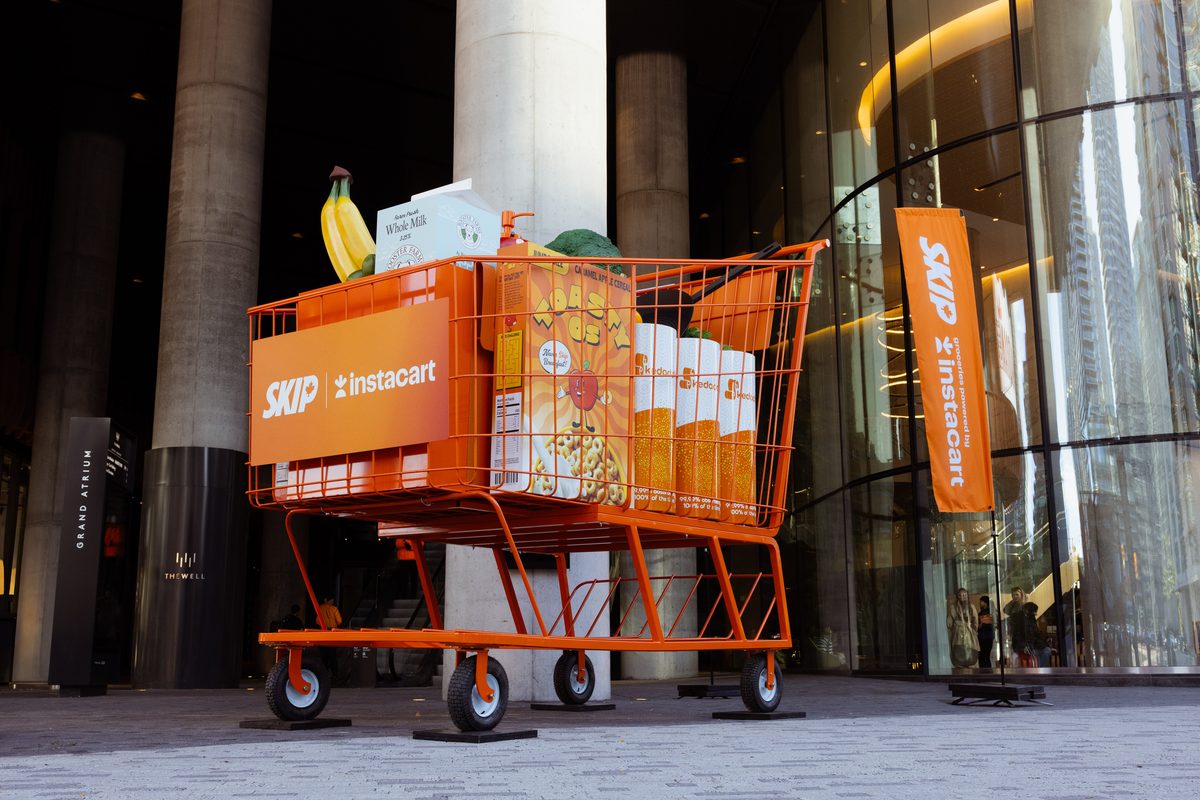
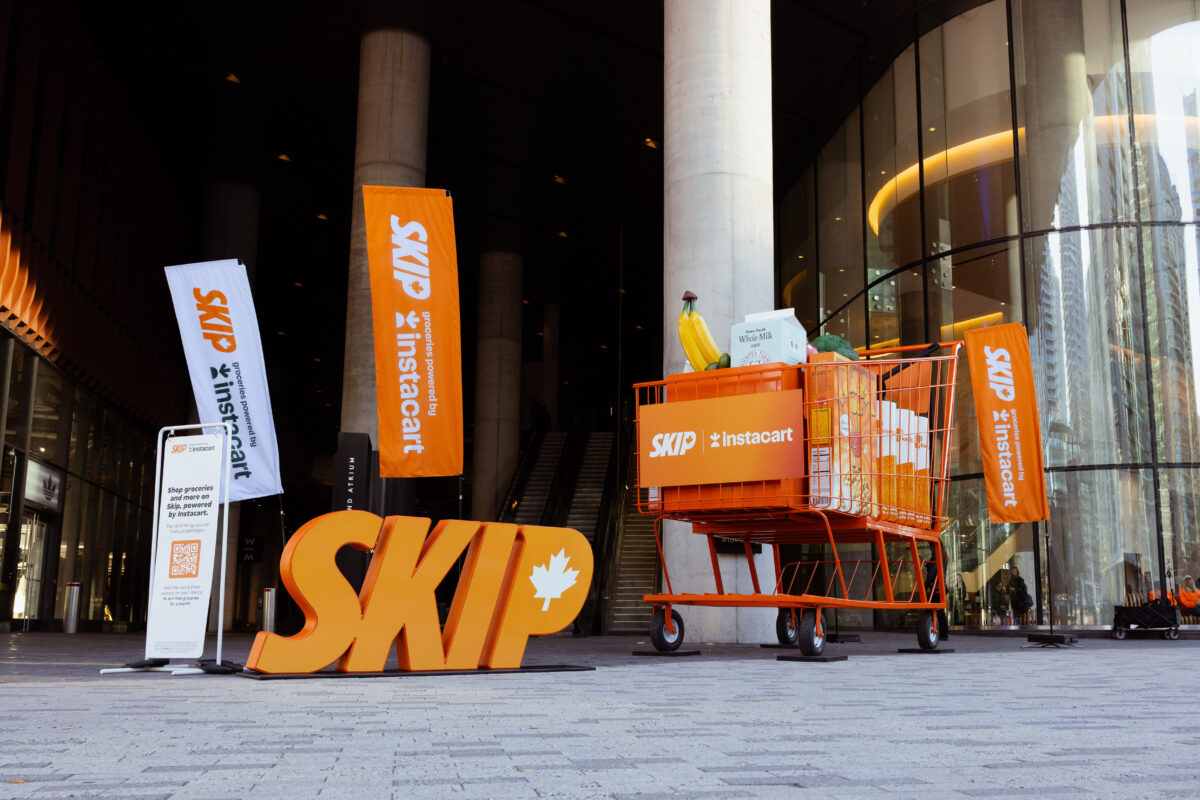
Instacart says it is expanding its Fulfillment Pro platform with new delivery management software and upgraded picking tools, as retailers seek more integrated systems to manage growing e-commerce operations.
The company said the updates are designed to help grocers streamline order fulfillment by bringing delivery, picking and labour management into a single system, addressing inefficiencies caused by disconnected tools.
The expansion includes software for retailers operating their own delivery fleets and enhanced in-store picking capabilities for staff, part of what Instacart described as an ongoing investment in its enterprise offerings. The platform is already used by more than 50,000 retail associates and supported over 45 million orders in 2025, according to the company.
Blake Wallace
“Retailers have made real investments in their ecommerce programs, and they need fulfillment tools that can scale with them,” said Blake Wallace, Vice President of Retail Partnerships at Instacart. “Fulfillment Pro brings picking, labor, and last-mile delivery into one system – giving retailers more control over their operations while helping them run more efficiently and deliver better experiences for their customers.”
The new delivery management system is aimed at retailers that run their own fleets, where coordinating routes, drivers and customer expectations can become increasingly complex as order volumes rise. Instacart said many existing delivery tools operate separately from in-store picking systems, adding operational challenges and affecting service consistency.
The updated software integrates the full workflow from picking to delivery, offering real-time visibility and route optimization tools. Dispatchers can monitor routes as they happen, make adjustments and manage exceptions, while drivers are provided with navigation tools, GPS tracking and automated customer communications.
The system also includes features designed to improve efficiency, such as load optimization and support for “megabatching,” which allows more than 20 orders to be grouped into a single delivery run. Instacart said this could enable fleets to complete more orders per trip while maintaining service levels.
Retailers are expected to begin rolling out the delivery management capabilities later this year.
The company is also upgrading its in-store picking software, building on tools originally developed for its network of approximately 600,000 shoppers over more than a decade of grocery operations. The enhancements are intended for retailers managing their own store teams.
Instacart website photo
The picking system supports multiple stages of fulfillment, including planning, item selection, substitutions and staging. Instacart said the updates are designed to improve speed and accuracy while supporting customer satisfaction.
New features include real-time communication between store associates and customers through an in-app chat function, as well as workflows that use scanning and dedicated bins to reduce errors such as missing or mixed items. The platform also supports multi-runner coordination for curbside pickup and includes automatic translation of customer messages to assist multilingual teams.
For store managers, the system builds on existing automated workflows by adding more control over batching, scheduling and labour allocation. Managers can assign or expedite orders as needed and set schedules across multiple locations.
Instacart said Fulfillment Pro can be deployed either as a standalone system that integrates with retailers’ existing technology or as part of a broader e-commerce solution alongside its Storefront Pro platform.
The company said the expanded capabilities are intended to support retailers investing in owned e-commerce operations and seeking systems that can scale across both online and in-store environments.
Amazon Web Services is introducing a new artificial intelligence tool aimed at helping retailers build their own conversational shopping experiences, extending technology developed for Amazon’s own platform to external businesses.
The company said its Agentic Shopping Assistant on AWS packages the architecture, code and technical guidance behind its Alexa for Shopping assistant into a deployable solution for retail customers, allowing them to create customized AI-driven shopping tools using their own data and branding.
The launch reflects a broader push by AWS to commercialize internal innovations from Amazon’s retail operations, offering them as services to enterprise clients. The company says the new tool can reduce development timelines for retailers seeking to build AI-powered interfaces, with deployments possible in a matter of weeks rather than years.
The Agentic Shopping Assistant was developed with the AWS Generative AI Innovation Center and is designed to give retailers a foundation they can adapt to their own catalogues, customer data and business rules. The system provides architecture guidance, starter code and access to AWS experts and integration partners.
Retailers are being encouraged to build their own AI interfaces as conversational tools increasingly shape how consumers search for and purchase products online. AWS said such systems can improve conversion rates compared with traditional keyword-based search, while allowing companies to maintain direct relationships with customers rather than relying on third-party platforms.
Amazon website photo
The company positioned the tool as a way for retailers to retain control over their brand voice and customer experience as AI agents become more central to commerce. Each implementation is tailored to a retailer’s specific environment, including its product catalogue and customer base.
Kate Spade, part of Tapestry Inc., is among the first companies to adopt the technology. The brand used the AWS solution to develop an AI-driven gift recommendation tool, launched in April, designed to guide customers through purchase decisions using conversational prompts.
The system engages shoppers by asking about the occasion, recipient and preferences, translating responses into curated product suggestions. The approach is based on insights drawn from customer interactions with Amazon’s Alexa for Shopping assistant.
The Kate Spade assistant was built using Amazon Bedrock AgentCore and Anthropic’s Haiku 4.5 model, with AWS infrastructure supporting functions such as authentication and performance monitoring. The company said the project moved from development to customer-facing deployment after approximately two and a half months of testing.
Yang Lu, chief information and digital officer at Tapestry, said the collaboration allowed the company to tailor the technology to its customers.
“We are excited about the possibilities agentic commerce can bring to our customers. AWS brought the recipe, but together we built the customization our consumers needed.”
AWS said the underlying system has been validated through its use within Amazon’s own retail operations, where AI-driven shopping tools have been refined through large-scale customer interactions. The company describes Amazon as “Customer Zero,” indicating that its internal systems serve as testing grounds for AWS products before they are offered externally.
Amazon website photo
The Agentic Shopping Assistant is built on a suite of AWS services, including Amazon Bedrock, AgentCore and OpenSearch. While the core technology is standardized, AWS emphasized that each retailer’s implementation is customized, allowing companies to integrate proprietary data and maintain competitive differentiation.
The company said retailers can deploy the system in roughly 60 days with support from AWS teams, positioning the offering as a faster alternative to building similar capabilities from scratch.
The move comes as AWS expands its portfolio of generative AI tools aimed at enterprise customers, particularly in sectors such as retail, customer service and business operations. The company said the new offering is intended to help retailers respond to shifting consumer expectations around personalized and conversational shopping experiences.
AWS said additional retailers are currently testing the technology, though it did not disclose names or timelines for broader adoption.
The company is encouraging interested retailers to engage with AWS directly to explore implementation options, signalling further efforts to scale the technology across the sector.
CF Market Mall is partnering with Calgary Wild FC to host a three-week interactive soccer experience aimed at engaging shoppers and promoting the city’s growing sports culture.
The event, called “The Ultimate Tryout,” will run until June 27 inside the Calgary shopping centre and feature a series of soccer-themed activities, digital simulations and athlete appearances.
The initiative reflects a strategy by Cadillac Fairview to drive foot traffic and deepen community engagement through experiential retail, while aligning with a new professional women’s sports franchise in the local market.
“We are proud to collaborate with Calgary Wild FC to bring the electric atmosphere of a professional stadium directly into CF Market Mall,” said Paige O’Neill, general manager of CF Market Mall. “Through this collaboration, we are creating a vibrant environment that blends digital innovation with interactive athletic challenges. Our goal is to foster genuine community connections and provide families, youth athletes, and future soccer professionals with a dedicated space to play, connect, and celebrate local sports.”
The activation will transform multiple areas of the mall into soccer-themed zones designed to attract both families and sports fans. Organizers say the event positions visitors as “recruits,” allowing them to participate in skill-testing activities while interacting with elements of the professional game.
CF Market Mall. Photo by Mario Toneguzzi
Among the features are:
A digital simulator challenge in centre court, where participants can test footwork, shooting power and accuracy using a penalty kick simulator and a physical target wall.
One-on-one Subsoccer matches in the grand court, offering short-format games in compact, table-style setups.
A locker room-themed photo installation located in front of a retail storefront, designed to replicate a professional team environment.
Scheduled appearances by Calgary Wild FC players, including two meet-and-greet sessions on June 20 and June 25.
A mascot appearance by the team’s character, Echo, during the event period.
The June 25 session is set to include appearances by goalkeeper Kaitlin Talbert and forward Jorian Baucom, providing an opportunity for fans to interact directly with professional athletes.
The mall operator said the programming is intended to appeal to a broad demographic, from youth athletes to casual visitors, while reinforcing the property’s role as a community hub.
The partnership comes as Calgary Wild FC establishes its presence as a new entrant in professional women’s soccer, with the mall activation serving as a platform to build visibility and connect with potential fans.
CF Market Mall. Photo by Mario Toneguzzi
Cadillac Fairview, which owns and operates CF Market Mall, manages a portfolio of office, retail and mixed-use properties across Canada and is wholly owned by the Ontario Teachers’ Pension Plan. The company reported $26 billion in assets under management.
The company said additional details on event timing, athlete appearances and related retail promotions are available through its website.
CF Market Mall. Photo by Mario ToneguzziCF Market Mall. Photo by Mario ToneguzziCF Market Mall. Photo by Mario Toneguzzi CF Market Mall. Photo by Mario Toneguzzi