Employment increased by 75,000 (+0.4%) in July and the employment rate rose 0.1 percentage points to 60.9%. The unemployment rate declined 0.1 percentage points to 6.4%, the lowest rate since July 2024, reported Statistics Canada on Friday.
Employment increased in wholesale and retail trade (+21,000; +0.7%); finance, insurance, real estate, rental and leasing (+18,000; +1.2%); professional, scientific and technical services (+17,000; +0.8%); as well as in construction (+16,000; +1.0%). In contrast, employment declined in public administration (-15,000; -1.2%) and agriculture (-9,600; -4.3%), noted the federal agency.
“Wholesale and retail trade (+21,000; +0.7%) recorded the largest employment increase across industries in July. Despite the monthly increase, employment in this industry was down by 50,000 (-1.7%) compared with 12 months earlier, largely reflecting a downward trend observed from January to May 2026,” said Statistics Canada.
Overall employment rose among core-aged people (25 to 54 years old) (+51,000; +0.4%), mostly for women in that age group (+33,000; +0.5%), it said.
The unemployment rate for core-aged women fell 0.3 percentage points to 5.2%, while it held steady for core-aged men (5.8%), youth (12.6%), and people aged 55 and older (5.2%).
There were more people working in Ontario (+52,000; +0.6%), British Columbia (+18,000; +0.6%), Manitoba (+5,900; +0.8%), and Nova Scotia (+4,600; +0.9%).
Average hourly wages among employees were up 2.8% (+$1.01 to $37.17) on a year-over-year basis in July, following growth of 3.3% in June (not seasonally adjusted), added Statistics Canada.
MART PRODUCTION photo
Since April, total employment was up by 181,000 (+0.9%), driven by a rise in full-time work (+193,000; +1.1%), said Statistics Canada.
The employment rate—the proportion of the population aged 15 and older who are employed—increased by 0.1 percentage points to 60.9% in July. The rate was up 0.2 percentage points compared with 12 months earlier, it said.
“In July, the number of private sector employees rose (+58,000; +0.4%), as did the number of self-employed workers (+44,000; +1.6%). These gains were partially offset by a decline in the number of public sector employees (-27,000; -0.6%). Since April, employment growth has been concentrated among private sector employees (+146,000; +1.1%) and self-employed workers (+73,000; +2.7%),” explained Statistics Canada.
Unemployment rate by province and territory, July 2026
Restaurants Canada said restaurants were the biggest creator of youth jobs in July compared to last year, according to Statistics Canada’s latest Labour Force Survey.
“In the first seven months of 2026, the restaurant and accommodation industry employed an average of 51,400 more young people than during the same period last year, a 11.4% increase, with restaurants accounting for 85% of those jobs,” said the national organization in a LinkedIn post. “Restaurants are Canada’s leading source of first-time jobs and career-building opportunities, representing one in six youth jobs.
“As youth unemployment remains a national challenge, investing in restaurants means investing in the next generation of Canada’s workforce.”
“However, at 6.4% the unemployment rate is still roughly half a per cent higher than where we estimate full employment lies, and therefore not yet at a level that will fuel domestically-driven inflation. As a result we continue to see the Bank of Canada remaining on hold this year and into the start of 2027.”
Doug Porter, Chief Economist, BMO Capital Markets, said: “Not unlike the GDP bounce from weakness at the turn in the year, the job figures are very much echoing the rebound. But, perhaps also like the GDP results, the recent job growth likely exaggerates the underlying strength in the economy. Even with the flashy headlines, we suspect that the yearly trend in both is more indicative of economic reality—job growth of just under 1% y/y and GDP growth of just under 2% y/y. Still, the big July gains are a hint of building momentum after the Q2 rebound, even as trade uncertainty still looms over the outlook. With wage growth taming further and energy prices more moderate, the BoC won’t take on a more hawkish tone yet, though a strengthening economic backdrop will could eventually push them in that direction if it persists.”
“Beyond just the jobs gains, the fall in the unemployment rate was encouraging given hiring outpaced a sizeable 61K gain in the labour force. This shows the economy was able to absorb more labour market slack in July. When coupled with the strong bounce-back in activity in the second quarter, some additional momentum on jobs in July is nice to see,” he said.
“The labour market is showing clear signs of recovery, but the 6.4% unemployment rate continues to signal an economy operating with some slack. Together with the prospect of new tariffs coming into effect on August 19th, the downside risks to the economy remain. We continue to expect the unemployment rate to gradually decline in the coming months as the economy deals with the volatility in energy prices and potentially more trade headwinds. Given this backdrop we expect the Bank of Canada to stay on hold for the rest of the year.”
Canada’s freight market is becoming increasingly uneven, creating new challenges for retailers trying to balance transportation costs, inventory levels and customer service expectations.
Gary Newbury
TFI International’s latest quarterly results suggest truckload transportation is strengthening while other parts of the freight market remain under pressure, reinforcing what supply chain experts say is becoming a more selective transportation environment. For retailers preparing for the important fall and holiday selling seasons, those differences could influence everything from inventory planning to transportation contracts and fulfillment costs.
“Canada’s freight market is not recovering in one piece,” said Gary Newbury, a Canadian supply chain strategist. “Conditions are strengthening in parts of truckload and specialised transportation, while steel, forestry and some consumer-facing activity remain comparatively weak.”
He said retailers should be cautious about planning around national averages or broad statements that the freight market is improving.
“The next capacity squeeze is likely to emerge by lane, service and product category before becoming visible in market-wide data,” Newbury said. “Transportation networks should be segmented into stable, vulnerable and potentially constrained flows, with capacity and contingency arrangements concentrated where the commercial exposure is greatest.”
Freight activity tells only part of the story
TFI reported stronger overall results during the second quarter, supported by improvements in its truckload and logistics businesses. Less-than-truckload transportation presented a different picture, with shipment volumes increasing while revenue per shipment declined, illustrating the pricing pressures that continue across parts of the market.
Company executives said pricing actions are expected to reduce lower-value freight while improving profitability. Management also described Canadian less-than-truckload demand as remaining relatively soft.
For retailers, the results illustrate an important point: higher shipment volumes do not automatically produce better financial performance.
“More freight did not automatically create more bottom-line value,” Newbury said.
The same principle applies throughout retail supply chains. Additional orders can create warehouse handling costs, split deliveries, returns, expedited replenishment and customer-service expenses that are not immediately apparent when a sale is recorded.
“Retailers can make the same mistake as carriers: pursuing additional volume that adds activity and complexity without adding sufficient margin,” Newbury said.
That distinction has become increasingly important as retailers serve customers through stores, e-commerce, marketplaces and direct-to-consumer channels. Two orders with identical sales values may generate very different profits depending on shipping distance, product size, delivery requirements and return rates.
Retailers selling furniture, appliances, home improvement products or seasonal merchandise may also experience freight conditions differently than businesses shipping smaller products such as apparel, cosmetics or accessories.
Driver Inc. enforcement may reshape parts of the market
Recent federal tax reporting and enforcement measures are beginning to reshape parts of Canada’s trucking industry.
The Canada Revenue Agency has lifted a moratorium on penalties for trucking companies that fail to report certain qualifying service payments. Beginning with the 2025 tax year, trucking businesses are required to report payments exceeding $500 to Canadian-controlled private corporations operating in the industry on T4A slips.
The measures are intended to improve tax compliance and address arrangements associated with the Driver Inc. model, under which some drivers provide their services through corporations instead of being treated as employees.
Federal officials have said non-compliance has allowed some operators to undercut compliant competitors while reducing employee protections and benefits.
During TFI’s earnings call, Chairman, President and CEO Alain Bédard said additional reporting requirements are beginning to affect the Canadian market, although Driver Inc. remains an issue.
Newbury said the gradual removal of artificially inexpensive capacity could lead to higher freight rates in some areas, although he believes retailers should view those increases in context.
“If artificially cheap capacity leaves the market, some rates will rise, but this should be viewed as the removal of an unsustainable subsidy rather than a new logistics cost,” he said.
Many large retailers already conduct financial, insurance and safety reviews before selecting transportation partners. Newbury believes they should also identify where their supply chains depend on unusually low freight rates, extensive subcontracting or financially fragile carriers.
“The greater risk is not paying slightly more; it is discovering during a peak period that the capacity being relied upon was never economically or legally sustainable.”
As retailers prepare for seasonal shipping peaks later this year, understanding where transportation capacity is genuinely resilient may prove more valuable than simply securing the lowest available rate.
Looking beyond the freight invoice
Transportation costs no longer dominate headlines as they did during the pandemic, but they continue to influence retail profitability.
The Bank of Canada’s second-quarter Business Outlook Survey found that many Canadian businesses continue to face higher costs associated with fuel, shipping and transportation while experiencing limited ability to pass those increases along to customers.
Newbury said retailers should continue monitoring landed costs while developing a more detailed understanding of cost-to-serve by product, customer and sales channel.
The quoted freight rate is only one component of transportation cost.
Inventory carrying expenses, split shipments, emergency expedites, service failures, customer-service recovery and markdowns can quickly outweigh the savings achieved through a lower transportation contract.
A delayed shipment of seasonal merchandise may reduce full-price selling opportunities and increase markdown exposure. An unreliable carrier can also create additional labour costs, replacement shipments and customer-service issues that ultimately exceed the difference between competing freight rates.
Understanding those trade-offs allows retailers to evaluate transportation decisions within the broader context of profitability instead of focusing exclusively on the freight invoice.
Scenario planning needs decision triggers
Tariffs and Canada-U.S. trade uncertainty continue to influence transportation planning across several industries.
TFI said freight related to steel and forestry products remains comparatively weak, reflecting ongoing trade uncertainty and slower activity in those sectors.
Many retailers already model different tariff, sourcing and demand scenarios. Newbury said the greater challenge is deciding in advance when those plans should change.
“What tariff, freight rate, exchange rate, or lead-time threshold will cause inventory to be repositioned, orders to be reduced, or supply to move elsewhere?” he said. “Who has authority to act, and within what working-capital limits?”
Those questions become increasingly important because inventory, merchandising, finance and transportation decisions are closely connected.
“Without those decisions being agreed in advance, scenario planning risks becoming an impressive collection of spreadsheets followed by the usual emergency meeting,” Newbury said.
Predetermined decision points can help retailers respond more quickly when market conditions change while reducing the temptation to overreact to short-term disruption.
Preparing for a more selective freight market
Newbury expects Canadian transportation capacity to tighten gradually and unevenly during the next 12 months instead of developing into a broad nationwide shortage.
That outlook generally aligns with TFI’s latest results, which point to stronger conditions in truckload transportation while other parts of the freight market continue to recover more slowly.
Retailers may benefit from protecting transportation capacity on priority routes without making unnecessary commitments across their entire distribution networks.
In an environment where freight conditions vary significantly by product category, region and transportation lane, flexibility may prove more valuable than securing the lowest freight rate or carrying additional inventory.
“The advantage will not belong to the retailer holding the most inventory or securing the lowest freight rate,” Newbury said. “It will belong to the one able to identify the trade-offs earlier and act before uncertainty becomes cost.”
Jamieson Wellness Inc., manufacturer and marketer of Canada’s #1 vitamins, minerals and supplements brand, announced Thursday that it has entered into a definitive arrangement agreement with Kirin Holdings Company, Limited where Kirin has agreed to acquire all of the issued and outstanding common shares of Jamieson at a price of C$45.75 per share in cash.
The transaction values Jamieson at approximately C$2 billion on a fully diluted equity value basis and approximately C$2.5 billion on an enterprise value basis. The consideration represents a 27% and 32% premium to the 20-day volume-weighted average price and 60-day VWAP on the Toronto Stock Exchange, respectively, for the period ending June 24, the last full day of trading prior to the media report and the company’s press release confirming the initiation of a process in regard to a potential transaction, said a news release.
“Today marks an exciting new chapter for our Company and for our iconic 104-year-old brand,” said Mike Pilato, President and CEO of Jamieson Wellness. “I am incredibly proud that our business will continue to flourish globally under the stewardship of a company with an even longer history and a deep commitment to health and wellness.
“From the beginning, it was clear that Kirin recognizes the importance of our heritage, our people, and our Canadian roots. Just as importantly, they are committed to investing in our brands. As a global C$22 billion leader in beverage, natural health, and consumer health, they bring the expertise, reach, and resources to help take our brands to the next level while preserving what has made Jamieson successful for more than a century.
“I want to sincerely thank our team, whose passion, commitment to our values, and entrepreneurial spirit have built this remarkable company over generations. Their belief in our Purpose of Inspiring Better Lives Every Day has enabled us to create a business that is respected both in Canada and around the world. I also want to thank our Board of Directors, partners, customers and shareholders for their trust and support throughout our journey. I firmly believe this transaction represents the best possible outcome for our Company, our talented team, and our shareholders. I look forward to working closely with our new colleagues as we continue building on our momentum from Toronto to drive growth globally for many years to come.”
Mike PilatoTim PennerAlastair Symington
“The Board carefully evaluated this transaction and unanimously concluded that it represents the best path forward for our Company and our shareholders,” said Tim Penner, Chair of the Board of Jamieson Wellness. “Throughout this process, our priority was to find a partner that not only recognized the significant value of our business and brands, but also shared our long-term commitment to our Purpose and values, innovation, and responsible growth.
“We are particularly pleased to have found a partner that appreciates the extraordinary heritage of this 104-year-old Canadian company and is committed to preserving and building upon that legacy. While today marks the end of one chapter in our company’s history, it also marks the beginning of an exciting new one. We believe this partnership will ensure that this iconic Canadian company, its brands, and its values continue to thrive for generations to come.”
“We are delighted to welcome Jamieson Wellness to the Kirin Group,” said Takeshi Minakata, COO of Kirin. “Kirin has deep respect for the Company’s rich heritage, the trust it has built with consumers, and the values that have guided its success over generations. This Transaction represents an important milestone in Kirin’s long-term growth strategy and a significant step in expanding our Health Science business into North America, the world’s largest vitamins and dietary supplements market. We look forward to supporting Jamieson Wellness’ continued success and creating sustainable value together for consumers, employees, shareholders, and communities.”
Jamieson Wellness photo
“The acquisition of Jamieson Wellness marks an important step in advancing Kirin’s Health Science vision to become a global leader in preventative health,” added Alastair Symington, CEO & Managing Director of Blackmores Limited. “It brings trusted brands, strong capabilities in innovation, brand building, manufacturing and go-to-market execution, and a scalable platform in the important North American market. Together, Kirin, Blackmores, FANCL and Jamieson Wellness strengthen a global platform now connecting North America, Asia and Oceania. By bringing together the distinctive strengths of our brands, the rich heritage of our businesses and the depth of talent from within our organisations, we will be better positioned to deliver preventative health solutions to more consumers globally while accelerating sustainable growth and long-term value for our customers.”
Kirin Holdings Company, Limited is a global company operating across five core business domains spanning Alcoholic Beverages, Non-alcoholic Beverages & Health Science, Non-alcoholic Beverages, Health Sciences, and Pharmaceuticals. The company traces its roots to Japan Brewery, established in 1885, which later became Kirin Brewery in 1907. Since then, Kirin has expanded its business operations by leveraging fermentation and biotechnology as core strengths. The company entered the pharmaceutical field in the 1980s, which has since grown into a global business. In 2007, the company transitioned to a pure holding company structure as Kirin Holdings, and it is now strengthening its Non-alcoholic Beverages & Health Science domain.
Jamieson Wellness is dedicated to “Inspiring Better Lives Every Day” with its portfolio of innovative natural health brands. Established in 1922, the Jamieson brand is Canada’s #1 vitamins, minerals and supplements brand. The company’s youtheory brand, acquired in 2022, is an established and growing lifestyle brand in the U.S. Combined, these global brands are available in more than 50 countries worldwide. The company also offers a variety of innovative VMS products as well as sports nutrition products to consumers in Canada with its Progressive, Smart Solutions, Iron Vegan and Precision brands.
Jamieson Wellness’ head office is located at 1 Adelaide Street East Suite 2200, Toronto.
Slate Grocery REIT reported second-quarter results Thursday, saying it completed more than 569,000 square feet of leasing activity during the period as it continued to see rental growth across its U.S. grocery-anchored real estate portfolio.
The real estate investment trust said leasing activity during the three months ended June 30, 2026 included renewals completed at higher rents and new agreements above existing in-place rental rates, while maintaining occupancy across its portfolio.
“We continue to have strong conviction in the outlook for our portfolio of high-quality grocery-anchored real estate,” said Blair Welch, Chief Executive Officer of Slate Grocery REIT. “In the second quarter, our team completed over 569,000 square feet of leasing at consistently high rental spreads. With our in-place portfolio rents still meaningfully below market, we believe the REIT is well positioned for continued long-term growth.”
Rent growth and occupancy
The REIT said renewals during the quarter were completed at 16.7 per cent above expiring rents, while new leasing deals were completed at 41.0 per cent above comparable average in-place rent.
Slate Grocery REIT reported that same-property net operating income, adjusted for completed redevelopments, increased by $3.8 million, or 2.3 per cent, in the second quarter on a trailing 12-month basis.
As of June 30, 2026, portfolio occupancy was 93.6 per cent. The REIT said average in-place rent across its properties was $13.10 per square foot, compared with a market average of $24.79 per square foot, leaving room for potential future rent increases.
Blair WelchSlate website photo
Debt profile and valuation
The REIT reported that its weighted average interest rate was 5.0 per cent, with 90.2 per cent of its debt carrying fixed interest rates. It said the debt profile provides stability for near-term financing costs.
Slate Grocery REIT said its weighted average capitalization rate remains above its weighted average interest rate on outstanding debt, allowing it to maintain positive leverage. The REIT said the combination of valuation levels and continued growth in net operating income is expected to support portfolio valuation over time.
Portfolio strategy
The REIT owns and operates grocery-anchored real estate in major U.S. metropolitan markets. It said its portfolio includes properties anchored by grocery tenants and that it expects the assets to provide cash flow and potential capital appreciation over the longer term.
Slate Grocery REIT is managed by Slate Asset Management, a global alternative investor and manager focused on essential real estate and infrastructure assets.
Premium Brands Holdings Corp. reported record second-quarter revenue and earnings on Thursday, while revising its 2026 sales and adjusted EBITDA guidance to reflect delays in certain product launches and customer promotional activity.
The specialty food producer and distributor said second-quarter revenue reached a record $2.4 billion, up 26.3 per cent, or $495 million, from the same period a year earlier. Organic sales growth was 7.5 per cent during the quarter.
Premium Brands owns specialty food manufacturing and differentiated food distribution businesses with operations across Canada and the United States.
Revenue and earnings increase
The company also reported record second-quarter adjusted EBITDA from continuing operations of $225 million, an increase of 29.5 per cent, or $51.2 million, from the second quarter of 2025. Adjusted earnings per share from continuing operations rose to a record $1.53, up 17.7 per cent, or 23 cents per share, from a year earlier.
Premium Brands said it generated record second-quarter steady state free cash flow of $116 million, or $2.22 per share, while net free cash flow for the quarter totalled $68.4 million. The company’s total debt-to-EBITDA ratio improved to 3.8:1 from 4.1:1 at the end of the first quarter of 2026.
“Our second quarter results provide an early indication of our earnings and cash flow potential as the investments we have made in recent years to position our company to benefit from fundamental changes occurring in the food industry begin to generate returns. Our sales grew by 26.3%, including 7.5% organic growth, our adjusted EBITDA and earnings per share grew by 29.5% and 17.7%, respectively, our total debt-to-EBITDA ratio fell to 3.8 : 1, and we are now once again generating solid net free cash flow,” said George Paleologou, president and chief executive officer.
Premium Brands photo
Outlook revised
The company said it completed the sale of its 74 per cent interest in Shaw Bakers and announced the shutdown of an older value-added beef processing facility during the quarter.
Premium Brands revised its 2026 sales and adjusted EBITDA guidance ranges, saying the changes were based mainly on delays in certain new product launches, including a customer’s decision to postpone several large promotions that had been scheduled for the second half of 2026 until early 2027.
Despite the revised guidance, the company reaffirmed that it remains on track to exceed its five-year plan targets for 2027 sales of $10 billion and adjusted EBITDA of $1 billion.
Growth strategy
The company said its U.S. Specialty Foods business made progress on its core growth initiatives during the quarter, generating organic volume growth of 10.7 per cent despite delays affecting some customer promotions and new product launches.
“As outlined in my recently published letter to shareholders titled “A New Food Order”, consumers’ growing focus on health and wellness, along with their evolving sophistication in measuring and tracking personal health data, is disrupting the food universe in unprecedented ways. Our portfolio of best-in-class premium food products that cater to three key mega food trends, namely high in protein, convenience and premiumization, combined with our new state-of-the-art production capacities and innovation capabilities, uniquely position us to capitalize on this disruption,” added Paleologou.
Premium Brands photo
Acquisitions and dividend
Premium Brands also said it continues to evaluate acquisition opportunities while maintaining its focus on strengthening its balance sheet.
“On the acquisitions front, we are evaluating several attractive opportunities, however, any transaction we complete will be done within the context of continuing to strengthen our financial position,” stated Mr. Paleologou.
Separately, the company’s board of directors approved a cash dividend of 85 cents per common share for the third quarter of 2026. The dividend will be paid on Oct. 15, 2026, to shareholders of record at the close of business on Sept. 30, 2026.
The company also said that, unless otherwise indicated in writing at or before the time a dividend is paid, each dividend paid in 2026 or a subsequent year will qualify as an eligible dividend for the purposes of the Enhanced Dividend Tax Credit System.
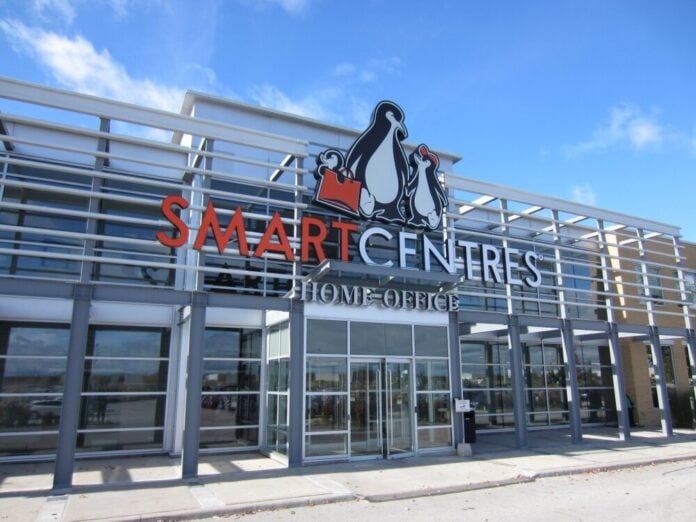
SmartCentres Real Estate Investment Trust reported higher occupancy, continued leasing activity and stable funds from operations in the second quarter, while posting a net loss driven largely by fair value adjustments on investment properties and financial instruments.
The Toronto-based REIT said occupancy reached 98.1 per cent as of June 30, up from the previous quarter, while funds from operations (FFO) per unit held steady at $0.58 compared with the same period a year earlier. Net operating income for the quarter totalled $139.9 million, down one per cent from the second quarter of 2025, while the trust reported a net and comprehensive loss of $147 million, compared with net income of $109.2 million a year earlier.
The results reflected continued leasing activity across the retail portfolio, progress on development projects and changes in the valuation of investment properties that weighed on earnings during the quarter.
“Building on Q1, we are pleased to report continued momentum in leasing demand and operational performance in Q2,” said Mitchell Goldhar, executive chairman and chief executive officer of SmartCentres. “Occupancy moved up to 98.1% with approximately 247,000 square feet leased during the quarter and rent growth of 12.0% (excluding Anchors). Same Property NOI increased by 2.6% (4.4% excluding Anchors), with very strong customer traffic and a strengthened tenant base. As of today, four of our six vacated Toys “R” Us locations have now been leased, at higher rents, with better tenant quality and covenants.
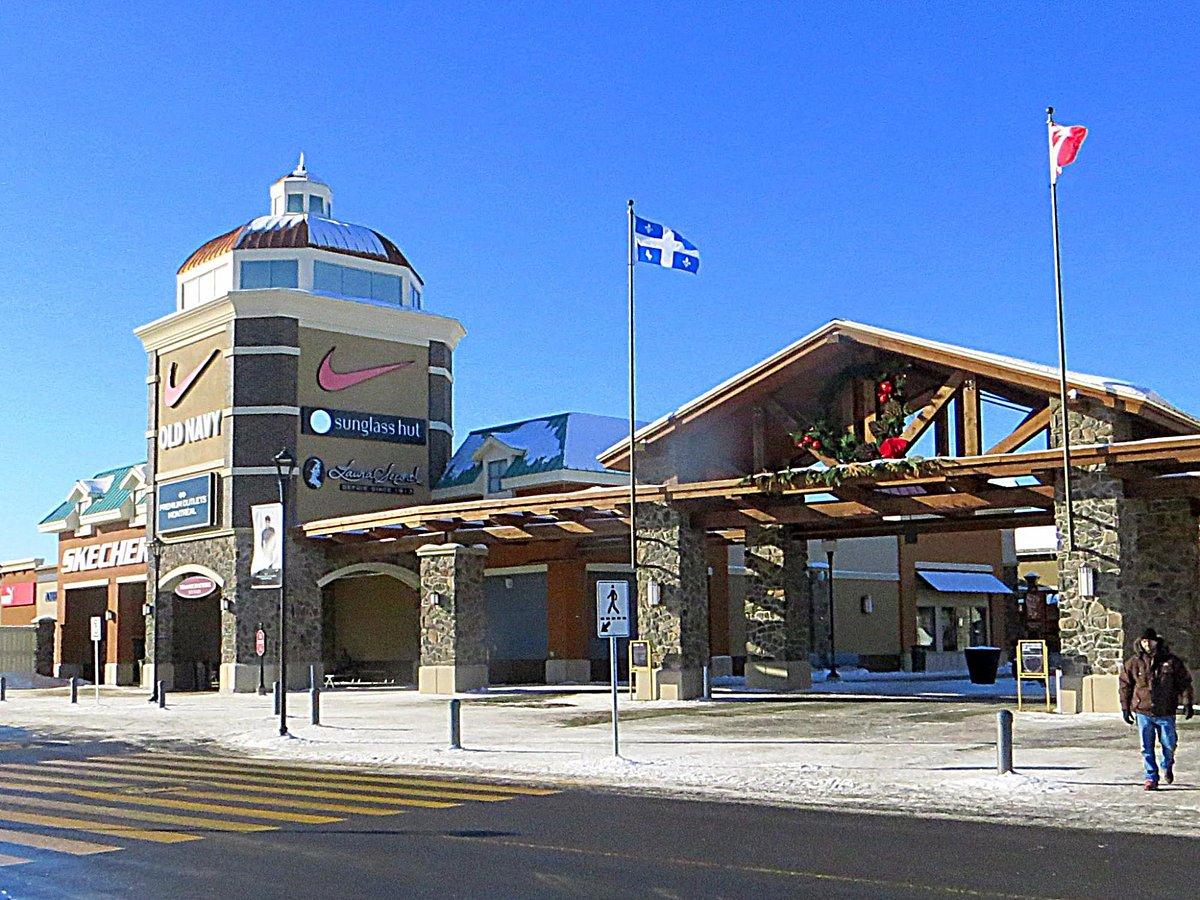
“Our development pipeline continues to add to the bottom-line with the initial opening of two self-storage projects in Quebec. In addition, two self-storage locations in British Columbia and one location in Alberta are currently under construction which will continue to add to the growth of the portfolio. Lastly, our two Premium Outlets continue to outperform with strong sales, rental growth and 99% occupancy; and the planned expansion at the Toronto Premium Outlets remains on track for construction commencement in Q4 of this year.”
The REIT said its in-place and committed occupancy rate increased by 0.5 percentage points from the first quarter to 98.1 per cent. Same-property net operating income rose 2.6 per cent from the same period in 2025, or 4.4 per cent excluding anchor tenants, supported by lease-up activity and higher rents.
SmartCentres said it extended 86 per cent of leases maturing in 2026. Rent growth on those renewals reached 12 per cent excluding anchor tenants and 6.6 per cent including anchor tenants.
Leasing activity remained active during the quarter, with approximately 247,000 square feet of vacant space leased. Three former Toys “R” Us locations were leased by the end of the quarter, with another leased after quarter-end. The REIT also said demand continued for newly developed retail space across its portfolio.
Development pipeline progresses
Construction continued on a 200,000-square-foot Canadian Tire flagship store in Toronto’s Leaside neighbourhood, with delivery to the tenant expected in the fourth quarter of 2026.
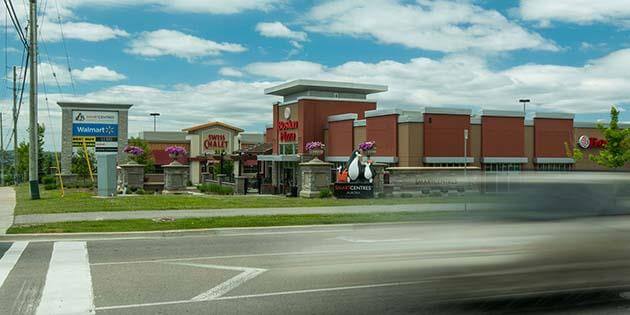
The REIT also acquired a 17-acre parcel in Winnipeg for about $10.1 million as part of its retail development program. The site is expected to be anchored by a Walmart operating under a 20-year lease.
Residential development also advanced during the quarter. SmartCentres said construction of the ArtWalk condominium project in Vaughan Metropolitan Centre continued, with about 93 per cent of the 340 units pre-sold. The underground parking structure has been completed, while formwork reached the ninth floor during the quarter.
Construction also began on a 65-unit rental building within the ArtWalk development, sharing the underground parking structure and related infrastructure with the condominium project.
The REIT expanded its self-storage portfolio during the quarter with the partial opening of facilities in Montreal (Notre Dame) and Laval East, Que. Construction continued on projects in Burnaby and Victoria, B.C., both expected to open in 2027, while work began on a facility in Edmonton (Allard) and construction contracts were awarded for another Edmonton location on 127 Avenue NW. The REIT and its partner are also seeking municipal approvals for two additional self-storage sites in Ontario and British Columbia.
SmartCentres photo
Fair value losses weigh on earnings
Despite stable operating performance, SmartCentres reported lower earnings because of valuation adjustments.
Net operating income declined by $1.4 million from a year earlier, primarily because fewer townhome closings were completed following the sale of the final remaining townhome unit in the Vaughan NW project during the quarter. The decline was partly offset by higher rental income generated through leasing and renewals across the commercial portfolio.
FFO per unit was unchanged at $0.58, while FFO with adjustments declined to $0.54 per unit from $0.55 a year earlier. The REIT attributed the decrease primarily to higher interest costs and general and administrative expenses, partly offset by increased rental income.
The REIT’s net loss of $147 million compared with net income of $109.2 million in the second quarter of 2025. SmartCentres said the change primarily reflected a $196.2-million fair value loss on investment properties, driven by market conditions and the anticipated timing of construction starts for certain future development properties, partly offset by lower discount rates at selected retail properties.
The quarter also included a $42.4-million fair value loss on financial instruments, primarily related to changes in the value of units classified as liabilities following an increase in the REIT’s unit price.
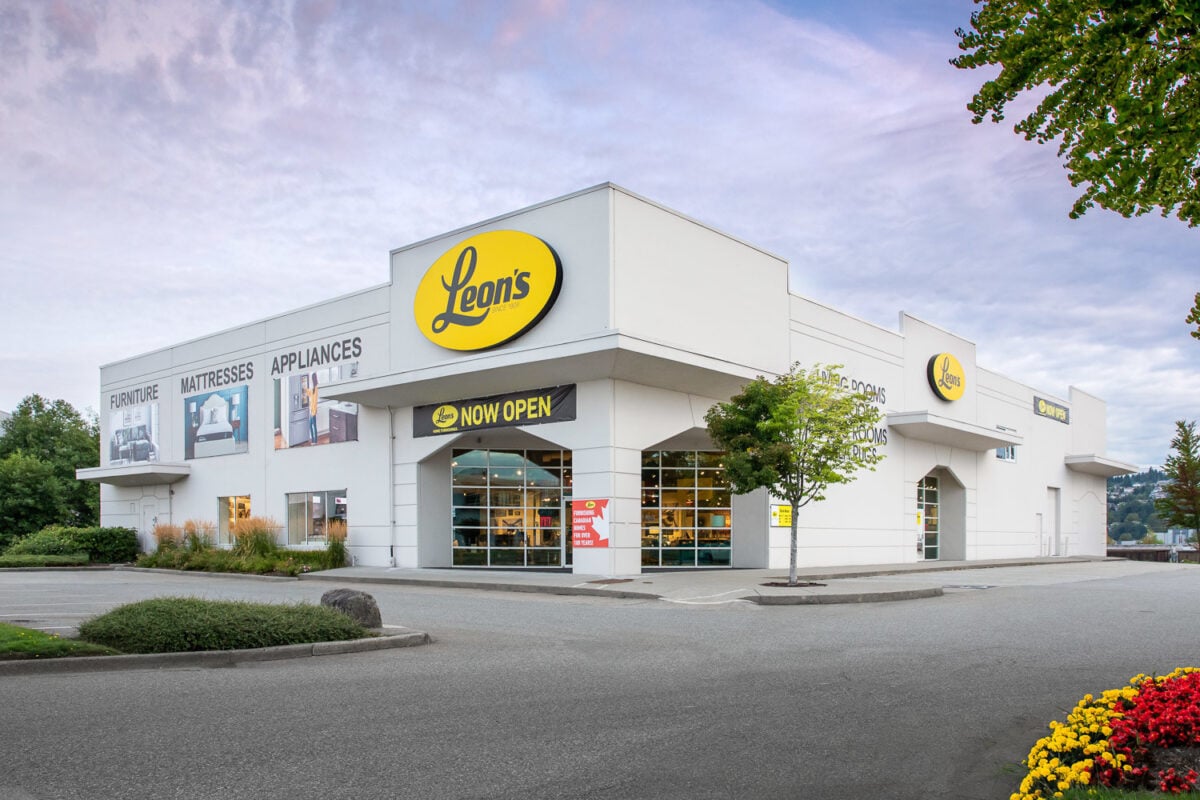
Leon’s Furniture Ltd. reported Thursday higher second-quarter net income despite lower revenue and system-wide sales, as the retailer pointed to cost management, cash generation and continued investment in store expansion during a consumer environment marked by cautious discretionary spending.
The Toronto-based company said net income for the quarter ended June 30 rose to $35.0 million, or 51 cents per diluted share, from $31.8 million, or 46 cents per diluted share, a year earlier. Revenue fell two per cent to $631.2 million from $644.1 million, while system-wide sales declined two per cent to $756.2 million. The company also opened four new franchise locations during the quarter.
The results reflected lower average selling prices as consumers continued to prioritize value, although the company said the number of retail units delivered increased compared with the same period last year. Same-store sales declined 2.2 per cent.
Revenue declined by $12.9 million from a year earlier, with furniture delivered sales down 4.2 per cent against what the company described as a strong prior-year comparison. Appliance sales also declined as builder activity slowed in the commercial channel and retail competition remained highly promotional. Those declines were partly offset by growth in the mattress category, which the company attributed to changes in its product assortment.
Margins pressured by foreign exchange
Gross profit totalled $281.7 million, down from $288.7 million a year earlier, while the gross profit margin slipped 19 basis points to 44.63 per cent from 44.82 per cent. The company said the margin was affected by foreign exchange revaluations tied to U.S.-dollar payables, partially offset by improved margins in its mattress business and higher revenue from insurance and delivery services.
Selling, general and administrative expenses fell to $232.6 million from $234.3 million, but increased as a percentage of revenue to 36.85 per cent from 36.38 per cent. Leon’s said the higher ratio reflected lower revenue, increased marketing costs related to promotions and new product partnerships, higher fuel and occupancy costs, and was partly offset by lower retail financing fees resulting from lower Bank of Canada interest rates.
Adjusted earnings fall despite higher reported profit
Adjusted net income, a non-IFRS measure used by the company, declined to $34.8 million from $39.4 million a year earlier. Adjusted diluted earnings per share fell to 51 cents from 57 cents. Leon’s said the year-over-year decline reflected lower sales, changes in the valuation of U.S.-dollar payables and the absence of a $1.4-million one-time benefit recorded in the second quarter of 2025 related to CURO Holdings Corp.
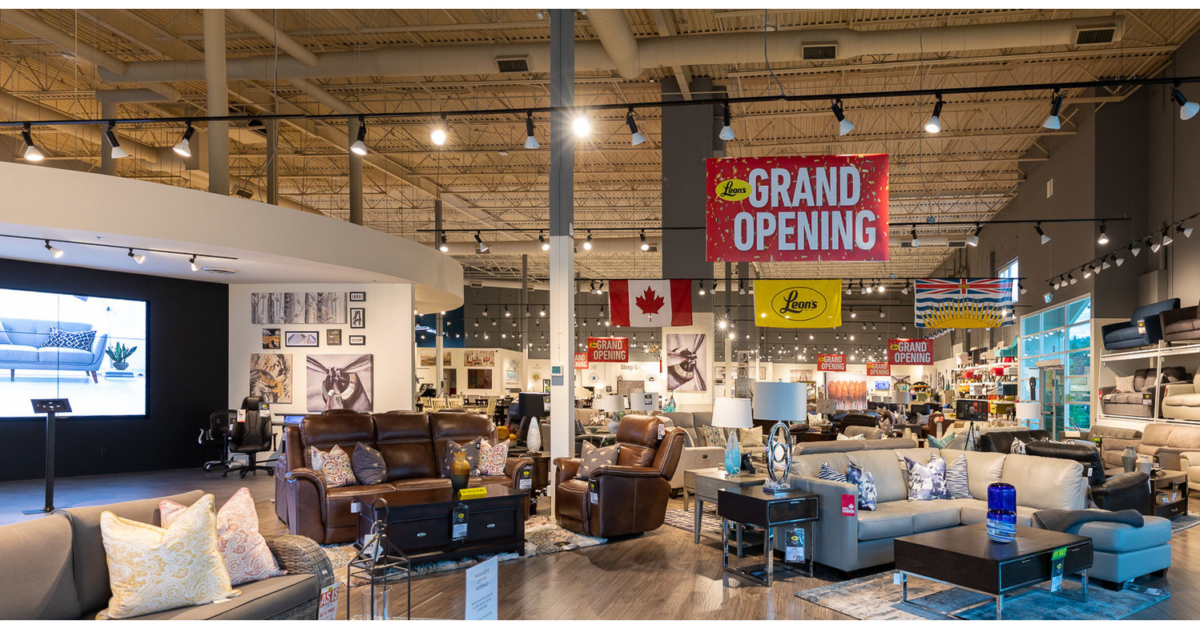
Photo: Leon’s Furniture
CEO says company remained disciplined during quarter
“During the second quarter, our team executed with discipline in an environment that unfolded largely as we anticipated, with consumers remaining selective on larger discretionary purchases. Against that backdrop, the mattress category was once again a standout, as our focused-assortment playbook continued to deliver. Gross margin came in at 44.6%, higher than the prior year when excluding a prior year accounting-related foreign exchange gain. This performance reflects our consistent focus on thoughtful merchandising and an optimized promotional strategy. Combined with ongoing cost management across the business, these efforts contributed to adjusted diluted earnings per share of $0.51.”
Liquidity strengthens as company expands store network
The company ended the quarter with unrestricted liquidity of $560.1 million, up from $454.5 million a year earlier. The balance included cash, cash equivalents, debt and equity instruments, and available capacity under its revolving credit facility. During the quarter, Leon’s repurchased about $3.0 million worth of shares.
Dividend maintained
The board declared a quarterly dividend of 24 cents per common share, payable Oct. 7, 2026, to shareholders of record as of Sept. 9, 2026. The company had previously paid a quarterly dividend of 24 cents per share on July 8.
Company focused on market share and growth
Leon’s said its principal objective remains increasing market share and profitability through cost management and continued investment in growth initiatives, including its e-commerce operations and retail network, which now includes 301 stores across Canada.
Outlook remains cautious
Walsh said the company is preparing cautiously for the remainder of the year while continuing to invest in expansion.
“Looking ahead, although we have seen encouraging signs, the operating environment remains challenging and we are planning the balance of the year prudently. Comparisons ease through the back half, and our focus remains on gaining share through this cycle and coming out of it in an even stronger leadership position as conditions normalize. We generated solid cash flow, repurchased approximately $3.0 million of shares and ended the quarter with $560.1 million of unrestricted liquidity. At the same time, we kept investing in growth, and the four new stores we opened during the quarter are off to a strong start. Our scale, national distribution network and rock-solid balance sheet position us to continue delivering value to Canadians, outperforming in our core categories, and delivering long-term returns for our shareholders.”
Part of Retail Insider Reports, the report analyzes Q2 2026 developments in Canadian retail marketing, advertising, branding, customer acquisition, loyalty, digital media, social commerce, public relations and consumer engagement. It draws on Retail Insider coverage and Canadian operator transcripts to assess event-driven advertising, sustainable media and packaging practices, and experiential retail activations.
Retail Insider Reports are designed to deliver executive-level insights across major retail sectors and can be accessed through the Retail Insider Report Hub.
General Themes
Live events increase the value of location: Major events such as the FIFA World Cup concentrate audiences around fan zones, transit hubs, entertainment venues and retail destinations, creating opportunities for contextually relevant advertising.
Motion strengthens DOOH performance: Research cited in the report found that motion-based digital billboards can deliver up to 67% higher brand awareness than static advertisements in event-driven settings.
Physical retail is an activation platform: Strong occupancy and investment in urban retail properties give landlords and brands opportunities to connect shopping destinations with sports culture and community events.
Loyalty has become core infrastructure: Large programs such as PC Optimum and Scene+ provide owned audiences that can complement paid media and support more targeted engagement.
Sustainability requires evidence: Environmental considerations are influencing media and packaging decisions, but measurable outcomes carry more weight than broad branding claims.
Retail Insider Coverage
Retail Insider’s reporting documented how advertisers are approaching the FIFA World Cup and other major events through dynamic OOH and DOOH campaigns. Coverage featuring Vistar Media Canada examined the performance of motion-based creative, the use of programmatic buying around high-traffic locations and the environmental advantages of digital formats that reduce physical production materials.
The report also draws on Retail Insider stories about experiential and community-oriented marketing. CF Market Mall’s partnership with Calgary Wild FC brought soccer-themed events and athlete appearances into the shopping centre, showing how landlords can connect retail properties with local sports culture. Coverage of sustainable small-business packaging added another perspective on how product presentation can communicate brand values, while also revealing where stronger Canadian evidence is still needed.
Broader Industry Coverage
Canadian operator transcripts reinforce the commercial importance of physical venues and owned audiences. Cineplex management linked the FIFA World Cup with increased demand at Canadian locations, while advertising-spend trends affecting Cineplex Media supported the case for event-driven inventory. The company’s new entertainment location at Vaughan Mills further connects entertainment anchors with major retail hubs.
George Weston Limited reported more than 18 million active Canadian PC Optimum members, demonstrating the scale loyalty programs can bring to customer engagement. It also disclosed that 98% of its controlled-brand plastic packaging in Canada is recyclable or reusable. Choice Properties, meanwhile, reported 98.2% occupancy alongside strong tenant demand and continued urban retail acquisitions, providing a healthy real estate base for media placements and experiential activations.
The report cautions that commercial impact data for many experiential initiatives remains limited. The next challenge is to connect foot traffic and fan engagement with measurable sales, loyalty and customer-acquisition outcomes.
Editor’s Take
Canadian retail marketing is not simply returning to traditional outdoor advertising. It is turning physical space into a more responsive media channel. The emerging advantage belongs to organizations that can combine live context, localized motion creative, loyalty data and relevant on-site experiences. Brands relying on static campaigns or digital-only strategies face growing pressure when audiences gather around major events. At the same time, sustainability claims are moving toward a higher standard in which disclosed metrics matter more than sentiment.
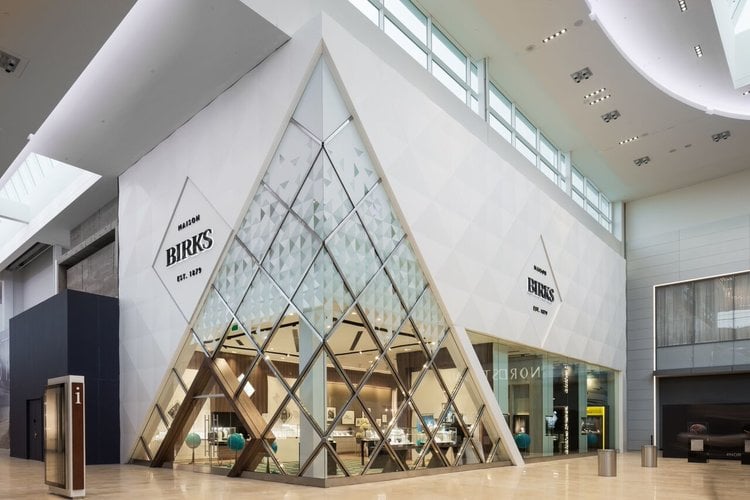
Maison Birks (620 Saint-Catherine St W, Montreal) Image: Dustin Fuhs
Birks Group has secured financing through 2031, reported a substantial improvement in its operating performance and announced plans to leave the NYSE American, placing the historic Canadian jeweller at another important point in its financial restructuring.
The Montreal-based company said it intends to voluntarily delist its Class A voting shares from the NYSE American and transition trading to the OTCQB market. Birks expects to file Form 25 with the U.S. Securities and Exchange Commission on August 17, 2026, with its final day of trading on the NYSE American anticipated around August 27.
The announcement comes shortly before the end of a compliance period granted by the exchange and only weeks after Birks reported higher sales, stronger margins and a return to operating profitability for fiscal 2026. The sequence highlights the distinction between an improving retail operation and a balance sheet that remains under considerable pressure.
Birks is performing better than it was a year ago, its principal financing arrangements have been extended, and the company continues to invest selectively in its Canadian store network. It nevertheless remains burdened by debt, high financing costs and negative shareholders’ equity, conditions that stronger sales alone have been unable to resolve.
Birks Plans Move to OTCQB
Birks said its Class A shares have been approved to trade on the OTCQB, an over-the-counter market operated by OTC Markets Group. The company plans to continue filing information through the SEC’s EDGAR system and providing semiannual financial information and annual audited financial statements.
The transition does not mean Birks is going private or that its shares will cease trading. It does represent a meaningful change for investors, since OTCQB-listed companies generally receive less market visibility and may experience lower trading liquidity than those listed on a national securities exchange.
For customers, however, the change may be largely invisible. Birks has not indicated that the move will affect its stores, employees, merchandise, customer orders or day-to-day retail operations.
The company said it considered several alternatives before determining that voluntary delisting was in its best interests. Birks did not quantify any anticipated savings or state that reducing listing expenses was the principal reason for the decision.
Birks at Yorkdale Shopping Centre (PHOTO: BEN RAHN/A-FRAME)
NYSE Compliance Deadline Approached
The timing is closely connected to Birks’ existing compliance issues with the NYSE American. Birks was notified in February 2025 that it did not comply with certain continued-listing requirements related to shareholders’ equity and sustained losses. The exchange later accepted a compliance plan submitted by the company and gave Birks until August 25, 2026 to regain compliance.
The voluntary delisting was announced less than three weeks before that period was scheduled to end. The NYSE American had not announced that Birks’ shares would be involuntarily removed, but the company’s decision provides an orderly resolution to an exchange-compliance process that remained outstanding despite a considerably stronger fiscal year.
That context is important because the delisting follows a period of improving retail sales. Birks has made meaningful operational progress, although its financial position continues to reflect accumulated losses, substantial borrowing and the cost of adapting to changes across the luxury jewellery and watch sector.
Fiscal 2026 Results Showed Improvement
For the year ended March 28, 2026, Birks generated net sales of $205.4 million, an increase of $27.6 million, or 15.5 per cent, from fiscal 2025. Comparable-store sales increased 2.6 per cent.
Gross profit rose to $79.2 million from $66.3 million, while gross margin improved to 38.5 per cent from 37.3 per cent. Adjusted earnings before interest, taxes, depreciation and amortization increased to $12.9 million from $9.2 million.
The company also returned to operating profitability, reporting operating income of $3.1 million following an operating loss of $5.5 million one year earlier. Its net loss narrowed to $3.4 million from $12.8 million.
A significant portion of the revenue increase came from Birks’ acquisition of European Boutique, a Greater Toronto Area luxury jewellery and watch retailer. Birks completed the acquisition of European Boutique’s retail operations in July 2025, adding four stores and strengthening its position in the Toronto-area luxury watch market.
The company also reported stronger sales of Birks-branded jewellery, higher average transaction values and growth in third-party branded jewellery. Comparable-store growth of 2.6 per cent shows that the improvement was not entirely acquisition-driven, although the underlying increase was considerably more modest than the headline revenue gain.
Foreign-exchange movements also helped the results. Birks benefited from a weaker U.S. dollar and recorded a foreign-exchange gain on its U.S.-dollar debt, compared with a loss during the previous year.
Taken together, the figures marked a considerable improvement for a retailer that has experienced several years of store changes, international brand departures, management transitions and financial pressure. They did not establish that Birks had achieved sustainable profitability.
Maison Birks store in downtown Vancouver. Photo: C. Hagemoen
Financing Costs Remain a Burden
Birks remained in a net-loss position even after generating operating income during fiscal 2026. Interest and other financing costs reached approximately $8.8 million, substantially exceeding the company’s $3.1 million in operating income.
That gap helps explain why improved store performance has not yet translated into bottom-line profitability. Birks may be selling more merchandise at stronger margins, but a significant portion of the benefit continues to be absorbed by the cost of its financing.
The company ended the fiscal year with approximately $1.5 million in cash and cash equivalents. Inventory stood at more than $126 million and represented the large majority of current assets, while current liabilities exceeded current assets.
Birks also continued to report a shareholders’ deficiency, reflecting the accumulated effect of previous losses. Those balance-sheet conditions were central to the NYSE American compliance issue and could not be corrected through one year of improved sales and margins.
Luxury jewellery retailers typically carry substantial inventory, and that inventory supports Birks’ asset-based borrowing arrangements. Birks nevertheless remains dependent on continued access to secured credit and lender support.
Gordon Brothers Deal Extended Financial Runway
In June, Birks completed a financing package intended to provide additional liquidity and extend its principal debt maturities. The company entered into a five-year, $32.5-million senior secured term loan with an affiliate of Gordon Brothers. The facility replaced a previous $26-million secured term loan and matures in June 2031.
Birks also extended its revolving credit facility with Wells Fargo Canada to June 2031 and increased total commitments to $93 million from $90 million. A separate $3.75-million loan from controlling shareholder Mangrove Holding was extended to the same year.
Birks said the financing could support working capital, store renovations, omnichannel capabilities, digital commerce and other strategic initiatives. The arrangements removed a significant near-term refinancing concern and gave management more time to improve the performance of the business.
That additional runway comes at a considerable cost. The Gordon Brothers loan bears interest based on Term CORRA plus between 6.75 and 7.75 percentage points, depending on Birks’ fixed-charge coverage ratio. The Mangrove shareholder loan carries an interest rate of 12.2 per cent beginning August 1, 2026.
The refinancing addressed maturity and liquidity pressure more directly than profitability. Birks now has greater certainty around its principal lending arrangements through 2031, while interest expense remains one of the largest obstacles separating operating improvement from a net profit.
With its longer-term financing in place, the move to OTCQB resolves another area of uncertainty as management works to improve the underlying business.
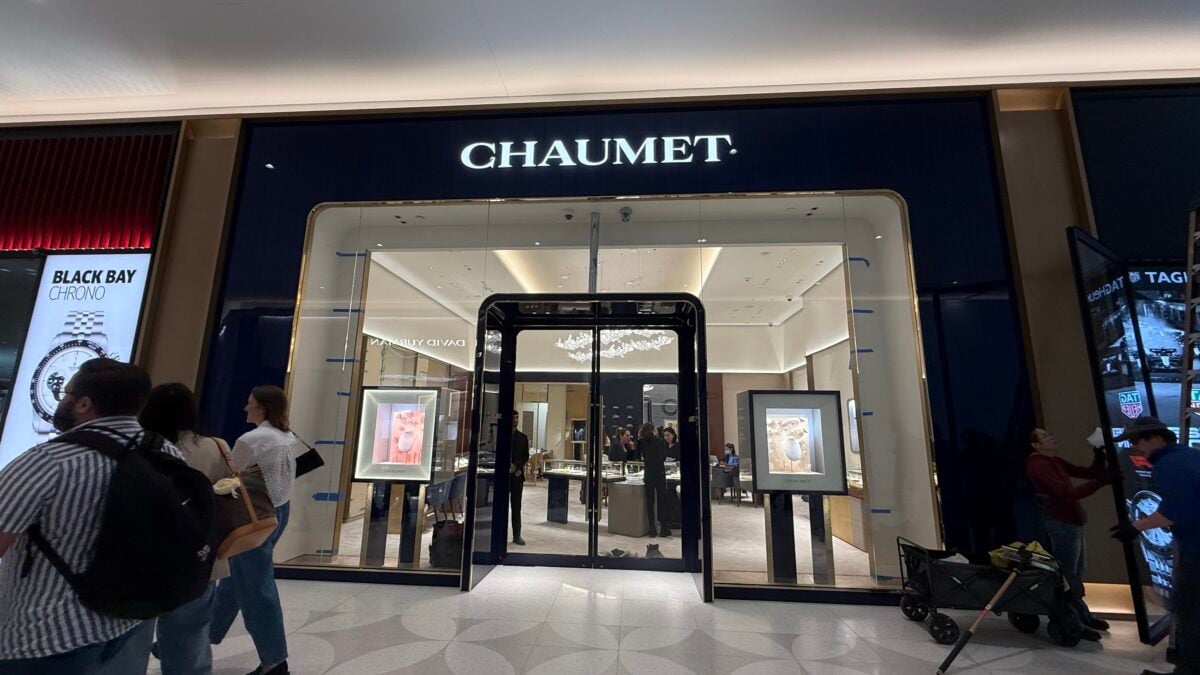
First standalone Chaumet store in North America at Oakridge Park in Vancouver. Photo: Craig Patterson
Canadian Store Operations Continue
There is no public indication that the delisting will result in an immediate reduction of Birks’ Canadian retail network. The company plans to open a Birks-branded store at Oakridge Park in Vancouver in fall 2026. Birks already operates the newly opened Chaumet boutique at the development, the French jewellery house’s first standalone location in North America.
European Boutique has expanded the company’s Greater Toronto Area presence, while Birks continues to invest in its proprietary jewellery collections and selected relationships with international luxury brands. The recently completed financing package also identified store renovations, omnichannel capabilities and digital commerce among the areas that could receive investment.
In Toronto, questions have persisted around the long-term future of the Manulife Centre Birks store at 55 Bloor Street West. Former president and chief executive officer Jean-Christophe Bédos previously told Retail Insider that the store was expected to close, although he later said there was no immediate closure plan following further discussions with the landlord.
The location remains open, and a vendor Retail Insider spoke with recently said the Bloor Street store is expected to continue operating for now. Its assortment has changed considerably following the departures of Van Cleef & Arpels, Cartier and Panerai, all of which have established or expanded standalone locations nearby.
The continued operation of Bloor Street, the planned Oakridge Park store and the integration of European Boutique indicate that Birks continues to invest in its Canadian retail business. The company appears to be allocating capital selectively while adjusting its store network and brand portfolio to changes in the luxury market.
Birks Brand Takes on Greater Importance
Birks-branded jewellery was one of the stronger components of the company’s fiscal 2026 performance, and its proprietary collections are likely to become increasingly important to its future.
International luxury jewellery and watch houses have been seeking greater control over distribution, store design, presentation and customer relationships. Several brands that were once prominently represented inside Birks stores now operate their own Canadian boutiques or work through a smaller number of specialized retail partners.
Birks’ proprietary jewellery gives the company more control over product development, pricing, margins, inventory and presentation. It also gives the retailer a distinct identity at a time when access to some of the industry’s largest international brands is becoming more selective.
European Boutique provides additional scale in luxury watches, while operated boutiques such as Chaumet offer another growth model. Birks can continue participating in the expansion of international brands where suitable partnerships remain available while placing greater emphasis on the Birks name within its own stores.
The company’s ability to generate stronger sales and margins from proprietary jewellery will be important as it manages borrowing costs and invests in its network. Revenue growth will have to translate into sustained earnings if Birks is to move beyond the financial pressures that have characterized recent years.
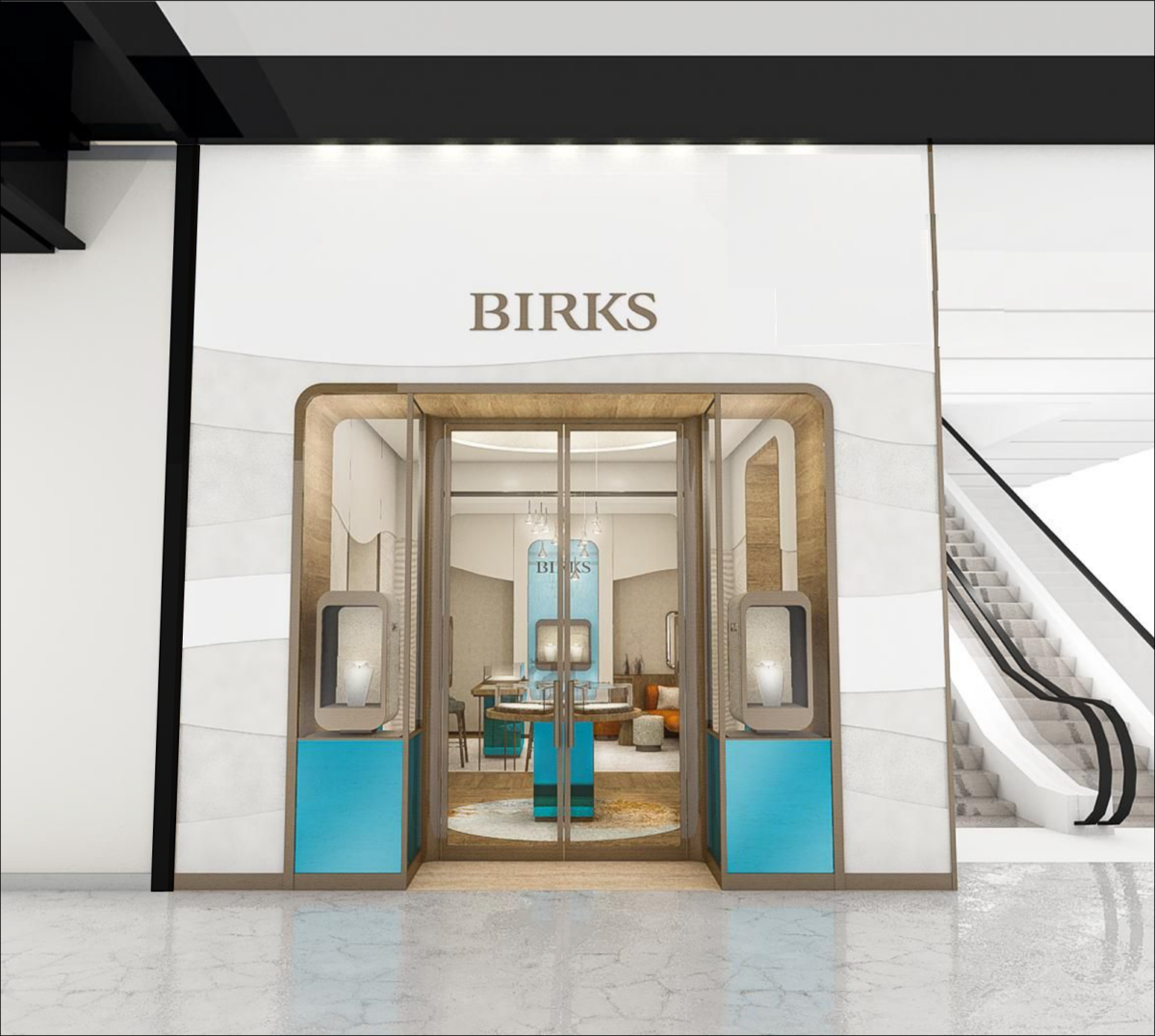
Rendering of the new Birks store, set to open September 5, 2024, next to TimeVallée. Image provided by Birks
The Next Test Is Sustainable Profitability
Birks’ departure from the NYSE American represents a significant corporate change, but the trading venue itself will not determine the future of the retailer.
The company enters fiscal 2027 with stronger revenue, improved margins, positive operating income and lending arrangements extended through 2031. It also continues to carry substantial debt, limited cash, negative shareholders’ equity and financing costs that exceeded the operating income generated during its latest fiscal year.
The OTCQB transition gives Birks an orderly path forward after a prolonged exchange-compliance process. It separates the immediate question of where the company’s shares trade from the larger challenge facing the business.
Birks has gained time, liquidity and greater certainty around its financing and public-market status. The more consequential test now is whether stronger retail performance, growth in proprietary jewellery and selective store investment can generate consistent profitability after financing costs.