

As part of Retail Insider Reports, this Q2 2026 Retail Food Service Report provides structured analysis of the Canadian food service sector, drawing on Retail Insider coverage, company disclosures, and Statistics Canada data to identify the market dynamics, trends, and commercial implications shaping the period. The full report series is available through the Report Hub.
This report examines Canadian foodservice retail, including quick-service restaurants, full-service restaurants, cafés, food halls, chains, franchised operators, and consumer dining trends.
*****
Canadian food service entered Q2 2026 with resilient sales but tougher competition for traffic. Operators are not facing a broad collapse in dining demand. Instead, the market is being shaped by value sensitivity, franchise-led growth, menu innovation, convenience-focused real estate strategies, wellness-oriented concepts, and renewed competition in coffee and breakfast.
The quarter highlighted several overlapping themes. Multi-brand platforms such as Foodtastic and Happy Belly Food Group are using acquisitions, franchising, and shared infrastructure to scale. Legacy quick service brands including Burger King Canada and A&W are investing in menu improvements to reinforce relevance. Pizza operators are seeing uneven performance, with Boston Pizza reporting sales gains while Pizza Pizza faced same-store sales pressure. Specialty and fusion concepts are producing mixed outcomes, with Tahini’s expanding around a viral product platform while PLANTA reduced its Canadian presence. Coffee competition is also entering a new phase as Dunkin prepares to return to Canada through Foodtastic while Tim Hortons invests heavily in new restaurants and renovations.
At the same time, food service is becoming more important to real estate strategy. Food halls, mixed-use developments, entertainment venues, food court concepts, office catering platforms, and wellness fast-casual brands are giving operators and landlords new ways to capture traffic beyond traditional restaurant formats.
Market Context: Foodservice Spending Remains Resilient
Statistics Canada’s latest food services and drinking places data shows continued spending momentum heading into the second quarter. Total sales in the subsector increased 0.8 per cent in April 2026 to $8.8 billion. Limited-service eating places rose 0.7 per cent, while full-service restaurants increased 0.5 per cent. Restaurant food prices were up 3.0 per cent year over year.
The data suggests consumers are still spending in food service, but operators are competing in a more demanding environment. Higher prices, cautious household budgets, and strong promotional activity are pushing brands to sharpen value propositions, improve convenience, and differentiate through menu quality, loyalty, experience, and format innovation.
Broad Overall Themes
Canadian food service in Q2 2026 reflects a market where demand remains present, but growth is harder to capture. Operators with scale, strong franchise systems, clear value propositions, and flexible formats are better positioned, while those lacking differentiation face greater pressure.
- Value and affordability remain central to traffic generation. Promotional platforms, bundles, cautious pricing, and everyday value offers are increasingly important as consumers weigh restaurant spending against household cost pressures.
- Multi-brand franchising platforms are gaining influence. Foodtastic’s acquisition of Kinton Ramen, its Dunkin master franchise agreement, and Happy Belly Food Group’s expanding brand portfolio all point to the growing importance of platform operators with franchise infrastructure, real estate relationships, and brand management capabilities.
- Coffee and breakfast competition is intensifying. Dunkin’s planned Canadian re-entry gives the market a new potential challenger, while Tim Hortons is reinforcing its dominant position through significant investment in new builds and renovations.
- Legacy quick service brands are using menu innovation to defend relevance. Burger King Canada’s core menu upgrades and A&W’s smash burger launch show how established chains are trying to improve perceived quality while remaining accessible.
- Specialty, wellness, and fusion concepts are producing mixed outcomes. Tahini’s demonstrates the potential of culturally resonant, social-media-driven menu innovation, while HEAL Wellness shows continued momentum for health-oriented fast casual. PLANTA’s contraction points to the challenges facing premium plant-based concepts in Canada.
- Real estate and format innovation are becoming more important. Food courts, food halls, mixed-use projects, non-traditional locations, office catering platforms, and entertainment-based food service environments are giving operators new ways to reach consumers beyond traditional restaurant formats.
- Community engagement continues to support brand affinity. Campaigns such as McHappy Day and culturally resonant activations can deepen consumer connection, though they work best when paired with strong operations, value, and product relevance.
Retail Insider Coverage
Scale and Multi-Brand Platforms Drive Growth
Multi-brand franchising platforms are becoming more influential in Canadian food service. Foodtastic is one of the clearest examples. The company’s acquisition of Kinton Ramen adds a Canadian-born Asian dining brand with dozens of locations across Canada and the U.S. to a portfolio that now spans multiple restaurant categories. The deal strengthens Foodtastic’s position as a national platform operator and reinforces the growing appeal of scalable, culturally relevant concepts with proven operating models.
Foodtastic’s master franchising agreement to bring Dunkin back to Canada further demonstrates how established platform operators can act as growth partners for global brands entering or re-entering the Canadian market.
Happy Belly Food Group represents another version of the platform model. The company reported $63.1 million in system-wide QSR sales for fiscal 2025, up 108 per cent year over year, while its operating restaurant count increased from 43 to 77. Its acquisitions and investments across emerging food brands point to a growth model built around shared infrastructure, franchising, and brand portfolio management.
This model can accelerate growth by giving smaller concepts access to franchising expertise, site selection support, operating systems, and capital markets visibility. The next phase for platform operators will depend on franchisee economics, site quality, operational consistency, and the ability to scale without diluting individual brand identities.
Value and Affordability Remain Critical Traffic Drivers
Food service demand remains resilient, but consumers are still price sensitive. This makes value one of the most important themes in the sector. Pizza Pizza’s Q1 2026 results showed the pressure clearly, with same-store sales down 4.1 per cent amid softer demand, constrained discretionary spending, and a competitive promotional environment. Its response, including value-focused offers such as meal deals, reflects the importance of affordability in driving walk-in traffic and repeat visits.
Boston Pizza showed a more positive trajectory, reporting Q1 franchise sales growth and same-restaurant sales growth of 3.1 per cent. The company attributed performance to increased guest traffic, takeout and delivery momentum, and promotional initiatives.
For operators, the key challenge is balancing value with margin protection. Aggressive discounting may support short-term traffic but can pressure profitability if not supported by operational discipline, menu engineering, and franchisee alignment.
Legacy QSR Brands Invest in Core Menu Quality
Legacy quick service brands are using menu improvements to defend market share and strengthen consumer perception. Burger King Canada’s upgrades, including changes to buns, fries, packaging, and chicken products, reflect an effort to improve the core guest experience rather than relying solely on limited-time offers.
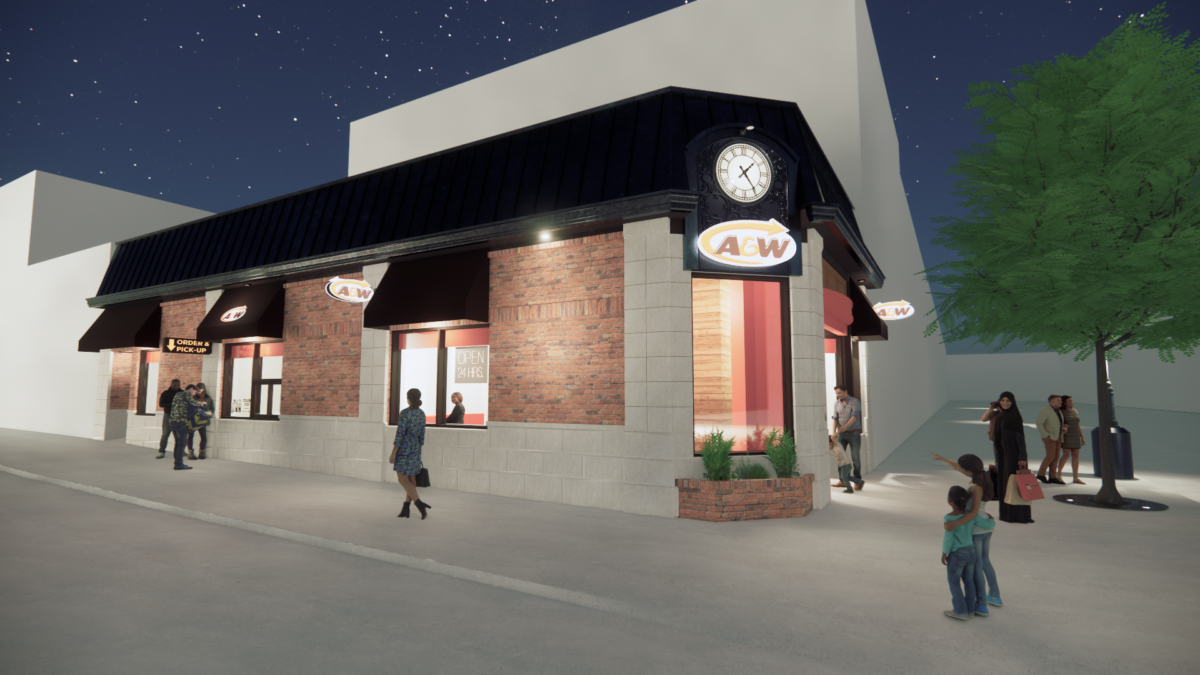
A&W’s nationwide smash burger launch points to a similar strategy. The brand is leaning into product news and quality cues to remain relevant in a crowded burger market.
This matters because legacy QSR operators face pressure from multiple directions: value-focused competitors, premium fast-casual brands, delivery platforms, and younger consumers with more dining options.
Coffee and Breakfast Competition Intensifies
The coffee and breakfast segment is entering a more competitive phase. Dunkin is preparing to return to Canada through a master franchising agreement with Foodtastic, with the first Canadian location expected in late 2026 or early 2027 and a longer-term plan for hundreds of locations nationally.
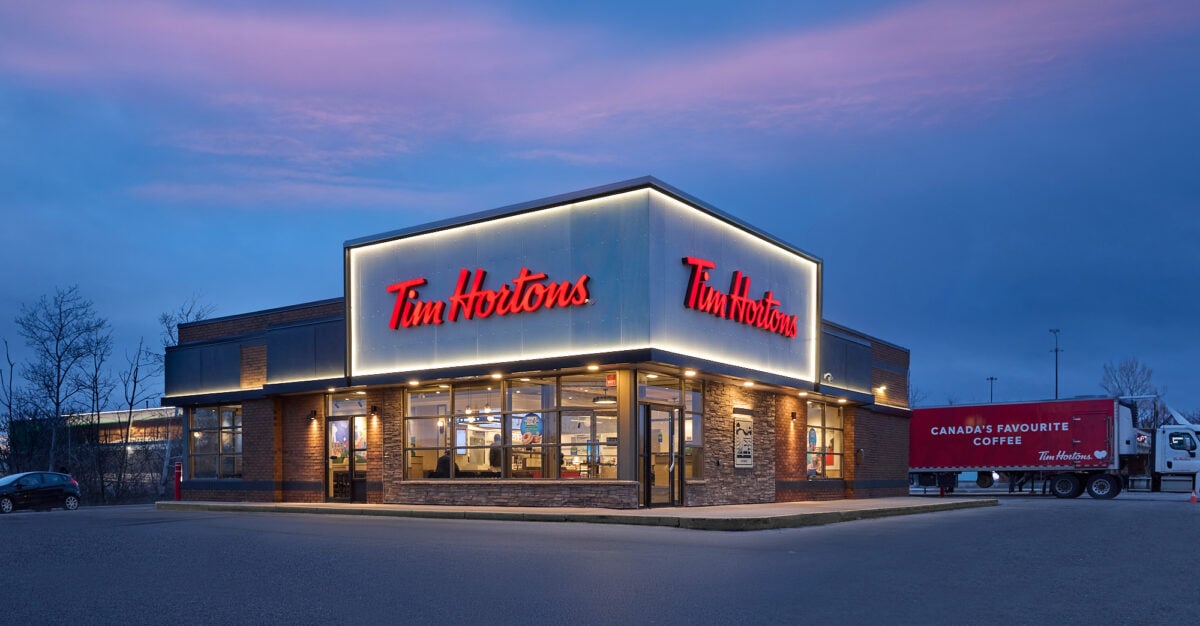
Tim Hortons is not standing still. The company and its restaurant owners are investing $400 million in Canada in 2026, including 80 new restaurants and 400 renovations. That investment reinforces the scale advantage Tim Hortons continues to hold as it updates restaurants, expands in growth markets, and supports franchisee confidence.
Canada’s coffee market remains intensely competitive, and consumer routines are difficult to displace. Dunkin’s return will likely play out over several years, but it adds another layer of competition to one of the country’s most important food service categories.
Wellness, Specialty and Fusion Concepts Show Divergent Outcomes
Specialty food service concepts continue to produce mixed results. Tahini’s Shawarma Ramen illustrates the upside of product innovation tied to cultural relevance and social media momentum.
HEAL Wellness reflects another important growth direction. The brand’s expansion across Canada and into the U.S. shows continued demand for health-oriented fast casual concepts built around smoothies, bowls, functional ingredients, and wellness positioning.
At the same time, PLANTA’s contraction in Canada points to the challenges facing premium plant-based dining. The broader takeaway is that specialty concepts require more than novelty. They need strong unit economics, clear audience definition, operational consistency, and formats that can scale.
International and Culturally Specific Concepts Continue to Resonate
Canadian food service continues to benefit from consumer interest in international and culturally specific concepts. Kinton Ramen’s growth and Foodtastic’s acquisition of the brand show that Asian dining concepts can scale meaningfully when they combine brand recognition, operational discipline, and adaptable formats. Kinton’s first food court concept at Vancouver’s Waterfront Centre also demonstrates how international food brands can use smaller formats to reach high-traffic urban environments.
Tahini’s provides another example of culturally resonant menu development and cross-cultural flavour profiles that generate attention and differentiation.
Canada’s population growth and increasing cultural diversity continue to create opportunities for internationally inspired and culturally specific food concepts.
Food Service Becomes a Placemaking Tool
Food service real estate is adapting to consumer demand for convenience, experience, and flexibility. Mirvish Village’s The Kitchen is a strong example. The 19,000-square-foot food hall and event venue combines restaurant vendors, bars, live entertainment, and programming, positioning food service as a central part of mixed-use placemaking.
Food halls continue to blur the lines between restaurants, entertainment, and experiential retail, making them increasingly attractive components of mixed-use developments.
Kinton Ramen’s food court concept at Vancouver’s Waterfront Centre reflects a different approach, using a streamlined format suited to high-volume, convenience-oriented urban environments.
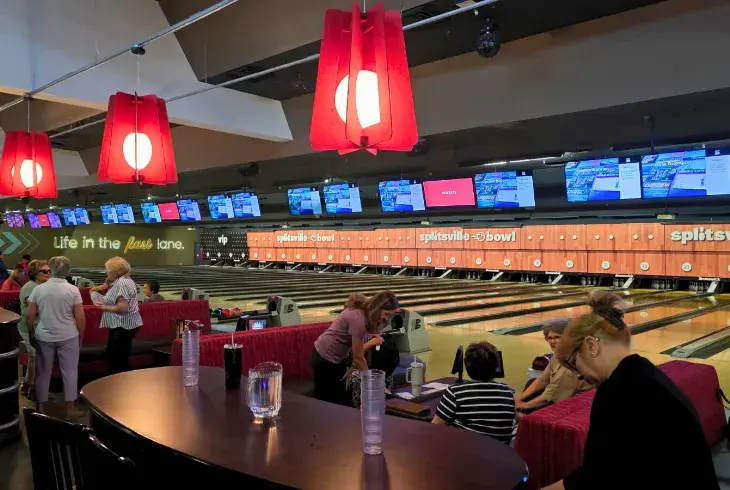
Splitsville Bowl’s expansion into mixed-use retail environments points to another trend: dining, entertainment, and social activity increasingly overlap.
Major mixed-use projects such as Oakridge Park in Vancouver also illustrate the growing importance of food and beverage offerings in creating destination environments. In these projects, restaurants and food experiences are not secondary amenities. They are part of the broader strategy to create all-day traffic, hospitality, and community energy.
For landlords, food service remains an important leasing category, but the formats are changing. Food courts, quick service kiosks, food halls, drive-thru sites, entertainment venues, and mixed-use dining environments are all becoming part of a broader real estate toolkit.
Non-Traditional Channels Create New Food Service Opportunities
Food service growth is also extending beyond conventional restaurants. Nüu Catering’s office-focused model shows how food service can support return-to-office culture by connecting workplaces with local restaurant brands.
These channels matter because the definition of food service is widening. Operators are not only competing for dine-in, takeout, and delivery occasions. They are also competing for workplace meals, event catering, food hall visits, entertainment occasions, and mixed-use traffic.
Community Engagement Supports Brand Affinity
Community-linked campaigns continue to play a role in strengthening brand connection. McDonald’s McHappy Day raised more than $10.8 million in 2026 for Ronald McDonald House and children’s charities, showing the enduring power of large-scale cause marketing.
Other culturally resonant campaigns, including KFC’s Montreal Forum seats activation, demonstrate how brands can use nostalgia, local identity, and cultural memory to deepen consumer engagement.

Broader Industry Coverage
Demand Is Uneven Across Segments
The Canadian food service market is not moving uniformly. Company results show meaningful variation by segment and brand.
Boston Pizza’s sales growth suggests resilience in casual dining when operators combine traffic-driving promotions, takeout and delivery strength, and franchisee execution. Pizza Pizza’s same-store sales decline shows the pressure facing value-oriented operators when consumer confidence softens and promotional competition intensifies.
Franchisee Economics and Execution Will Determine Growth Quality
Franchise-led growth remains central to Canadian food service, but unit-level economics will be decisive. Tim Hortons’ investment in new builds and renovations reflects confidence in its Canadian franchise system and long-term market opportunity.
Jersey Mike’s continued Canadian expansion through Redberry also points to the importance of experienced franchise operators in scaling U.S. QSR brands across Canada.
Expansion quality matters more than expansion announcements. New restaurants must be supported by viable trade areas, strong franchisee recruitment, operating discipline, supply chain strength, and marketing support.
Promotional Intensity Is Here to Stay
Restaurant operators are likely to remain promotional through the balance of 2026.
Higher menu prices, cautious consumers, and intensified competition are pushing brands to use bundles, limited-time offers, loyalty programs, and value platforms to sustain frequency.
Real Estate Strategy Is Becoming More Flexible
Food service operators are increasingly using different formats for different occasions.
Traditional restaurants remain important, but growth is also coming through smaller footprints, food courts, food halls, drive-thru sites, mixed-use developments, entertainment venues, office catering, and urban convenience formats.
For shopping centre landlords, food service continues to be a traffic driver and a tool for repositioning properties.
Labour and Productivity Remain Underlying Pressures
Food service operators continue to face pressure from labour availability, wage costs, training, and operational complexity.
This helps explain why some brands are pursuing simplified menus, smaller formats, digital ordering, franchising discipline, and operational systems that improve throughput and consistency.
Editor’s Take
Q2 2026 confirms that Canadian food service remains resilient, but the market is becoming more competitive and more selective.
The strongest food service operators are those combining scale, value, convenience, and menu relevance. Tim Hortons has the advantage of national reach and franchisee investment. Foodtastic is positioning itself as a major platform for global and domestic brand growth through Dunkin and Kinton. Happy Belly is demonstrating how emerging brands can scale through acquisition and franchising, though its next phase will require careful attention to unit economics and execution.
Legacy QSR brands are responding with product upgrades and menu innovation. Consumers are looking for value, speed, consistency, and relevance. Brands that improve food quality while maintaining affordability will be better positioned than those that simply add limited-time offers without a clearer value proposition.
The coffee and breakfast category deserves close attention. Dunkin’s return to Canada is significant, but it should be viewed as a long-term competitive development rather than an immediate disruption.
Specialty, wellness, and fusion concepts will remain an important part of the market, but performance will be uneven. Tahini’s shows the upside of cultural relevance and social media-driven product innovation. HEAL Wellness shows the strength of health-oriented fast casual when supported by brand clarity and expansion discipline. PLANTA’s contraction shows that premium specialty concepts must still prove sustainable economics in Canada.
For landlords, food service remains one of the most important categories for traffic, dwell time, and mixed-use activation. The Kitchen at Mirvish Village, Kinton’s food court format, Splitsville Bowl, and the broader role of restaurants at mixed-use projects such as Oakridge Park all show how food service is becoming more central to placemaking.
Food service is increasingly about creating occasions and ecosystems around convenience, entertainment, and community.
Looking ahead, the key indicators will be the pace and quality of Dunkin’s rollout, Tim Hortons’ renovation and new-build execution, Happy Belly’s ability to sustain growth, Foodtastic’s integration of Kinton, promotional pressure across QSR and pizza, and the performance of food service tenants in mixed-use and non-traditional formats.
The Canadian food service market is not weakening broadly. Instead, it is becoming more demanding, more competitive, and increasingly shaped by scale, experience, convenience, and disciplined execution.
Selected Articles
- Happy Belly Food Group Reports $63.1M in 2025 Sales – Mario Toneguzzi – 2026-05-01
- Burger King Canada doubles down on core menu in strategic brand play – Mario Toneguzzi – 2026-04-14
- Dunkin’ and Foodtastic sign deal to open hundreds of locations in Canada – Mario Toneguzzi – 2026-05-12
- Tahini’s launches “first-of-its-kind” Shawarma Ramen – Mario Toneguzzi – 2026-04-22
- Kinton Ramen introduces 1st food court concept at Waterfront Centre Vancouver – Mario Toneguzzi – 2026-05-05
- McHappy Day raises more than $10.8 million for Ronald McDonald House, children’s charities – Mario Toneguzzi – 2026-05-15
















Great insights! The Canadian food service industry is clearly evolving beyond just serving meals—it’s becoming more focused on customer experience, convenience, and long-term brand value. Concepts that combine innovation with consistent execution are likely to stay ahead.
As Dunkin continues expanding, many customers will also be looking for transparent information before they visit. That’s why resources covering the Dunkin Donuts menu with prices can be valuable, helping people compare options, plan their orders, and better understand what the brand offers alongside other major QSR chains.