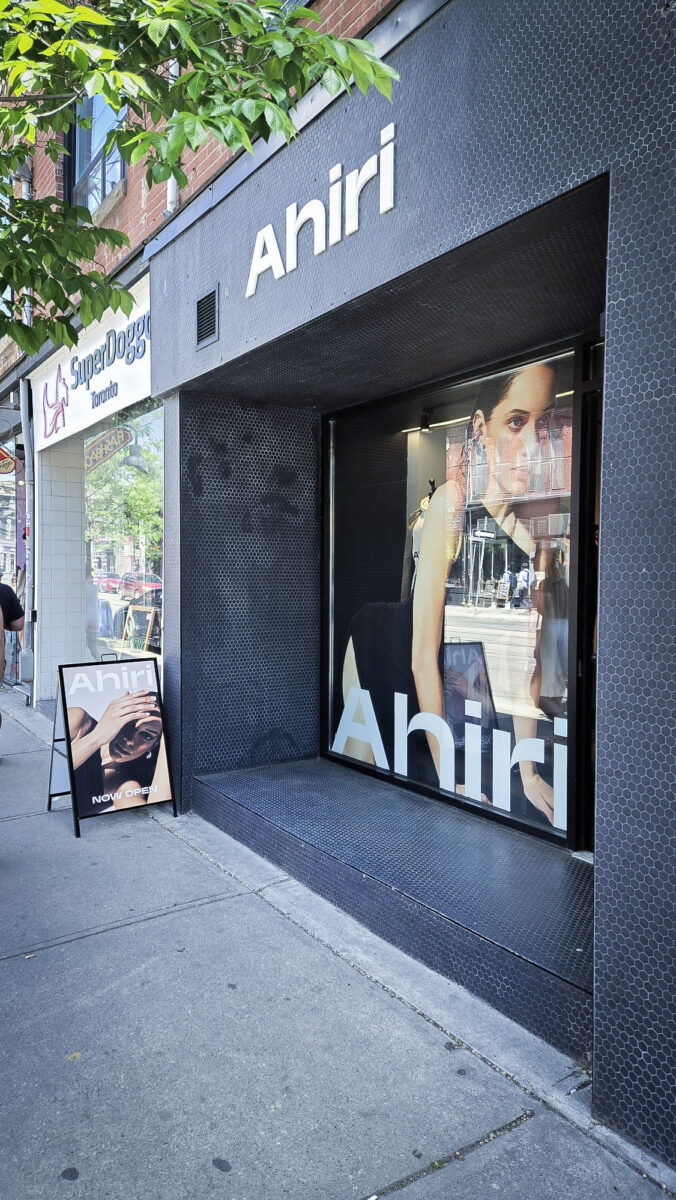
Ahiri at 797 Queen St W, Toronto, ON (Image: Ahiri)
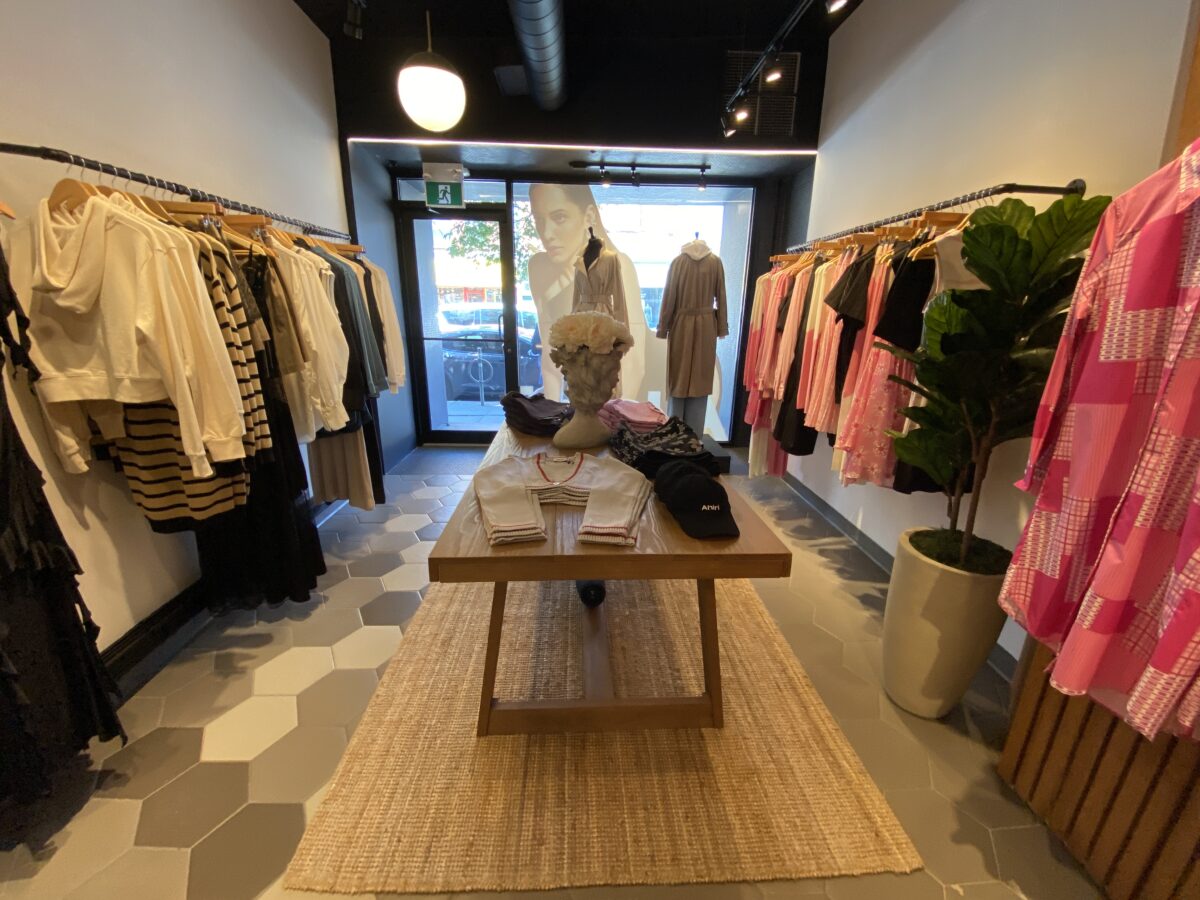
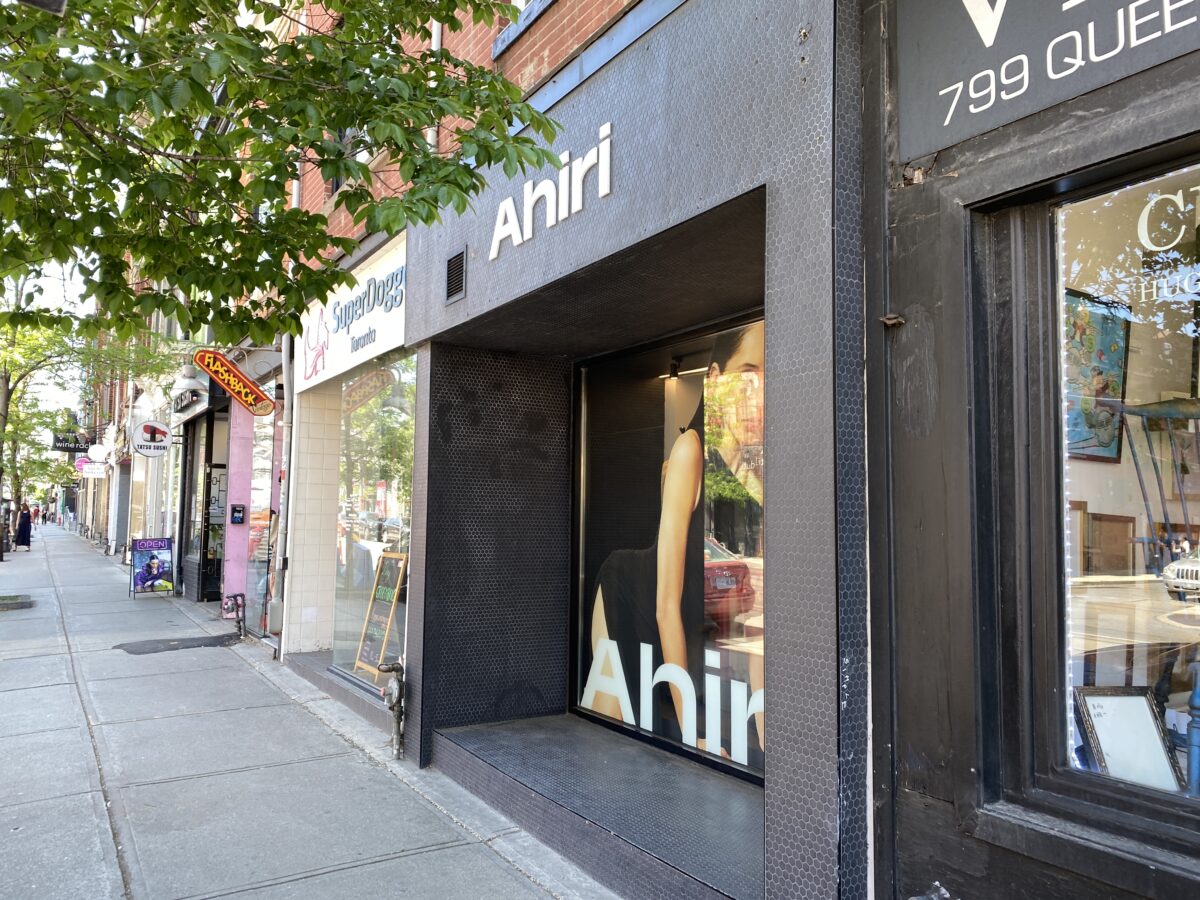
Canadian womenswear label Ahiri, which began as an online retailer, launched its flagship store at 797 Queen Street West in Toronto.
This is the first permanent store for the brand and houses its design studio on the retail floor along with its office and warehouse.
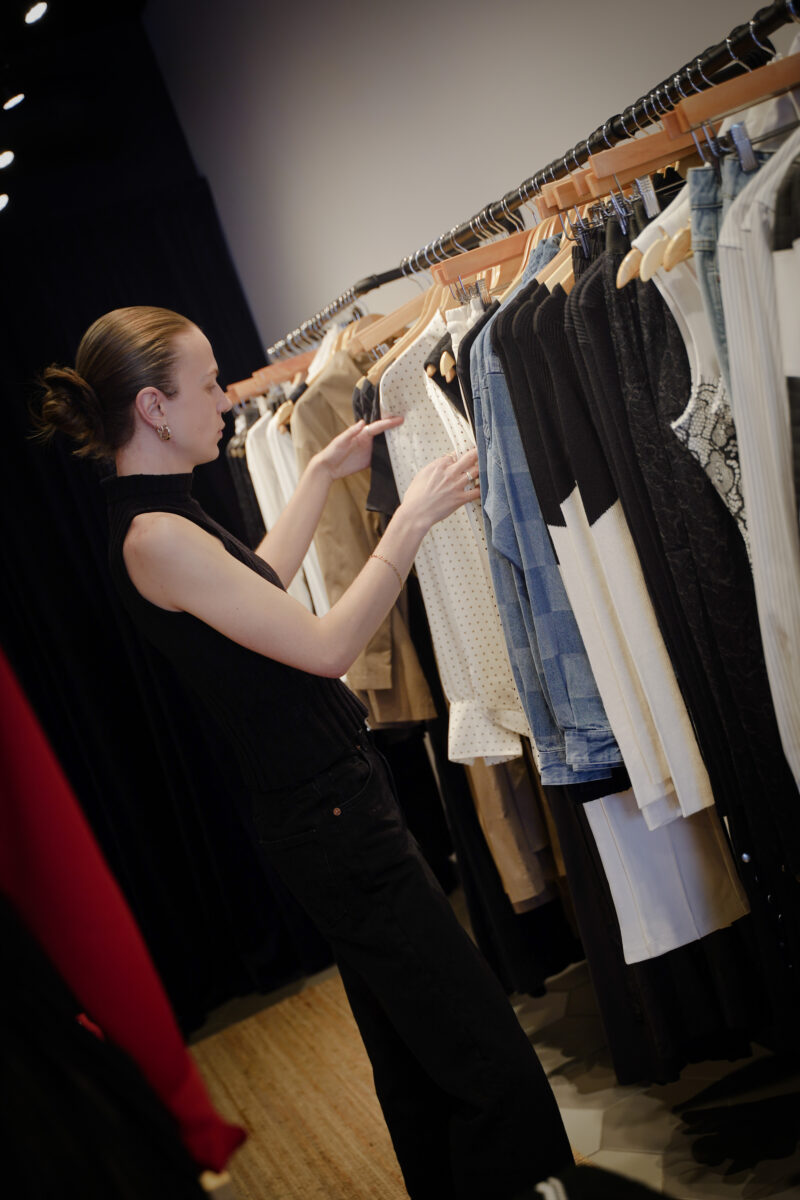
The retailer said combining its studio and retail spaces means Ahiri customers can be part of the label’s design process and experience the world of designer Michael Jafine. This behind-the-scenes access offers a deeper connection, making it more than just a shopping trip. Toronto-based visual consultant Jairo Betancur, known for his work with renowned brands such as Gucci, Hudson’s Bay and Club Monaco, is overseeing the store’s visual presentation and merchandising.
Ahiri at 797 Queen St W, Toronto, ON (Image: Ahiri)Ahiri at 797 Queen St W, Toronto, ON (Image: Ahiri)
“Co-locating our retail, designer studio, office and warehouse will save time, resources and allow Ahiri to streamline its operations. Our customers can see what Michael is working on, give their feedback and be a meaningful part of Ahiri’s ecosystem. They will get a behind-the-scenes look at the design process, including mood boards, fabric swatches and other in-studio accoutrements,” said Sheetu Latif, CEO and co-founder, Ahiri.
“This is a huge moment for Ahiri and our team couldn’t be more excited to offer a fresh retail experience. Ahiri is all about timeless designer fashion and now our customers can get a behind-the-scenes look at our creative process and give their own input. The relationship with our customers will become more intimate, as they will now be reflected in our upcoming collections in a deeper way,” added Jafine.
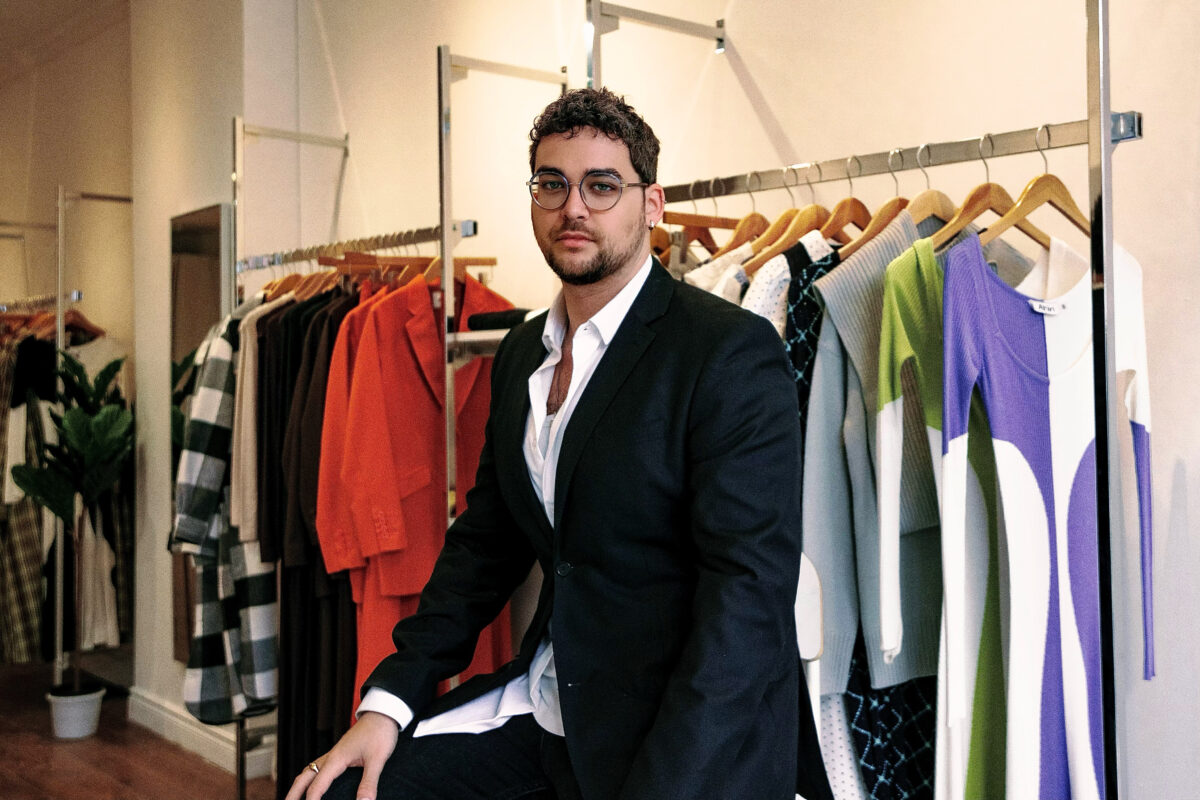
Ahnaf Ali and Sheetu Latif (Image: Ahiri)Michael Jafine (Image: Ahiri)
The brand was launched in 2021 by co-founders Sheetu Latif, Naimul Chowdhury and Ahnaf Ali. It has since dropped four collections.
“When we set out to create Ahiri, we made it our mission to offer quality, designer garments at sensible prices, all designed locally. We also set out to create garments that elevate everyday basics and integrate easily into our customer’s current wardrobes,” said Ali.
“We’re cultivating a fresh community of fashion enthusiasts in Canada who appreciate and actively seek new designs at exceptional prices.”
Jafine received his bachelor’s in fine arts for fashion design at Parsons The New School for Design in New York City. Working for brands such as Proenza Schouler, The Row and Behno, he trained his design and tailoring skills to later create his own fashion line before joining Ahiri. In his design process, he values craftsmanship, sustainability, and emotion, blending the three to create new and innovative approaches to the timeless classics of a wardrobe.
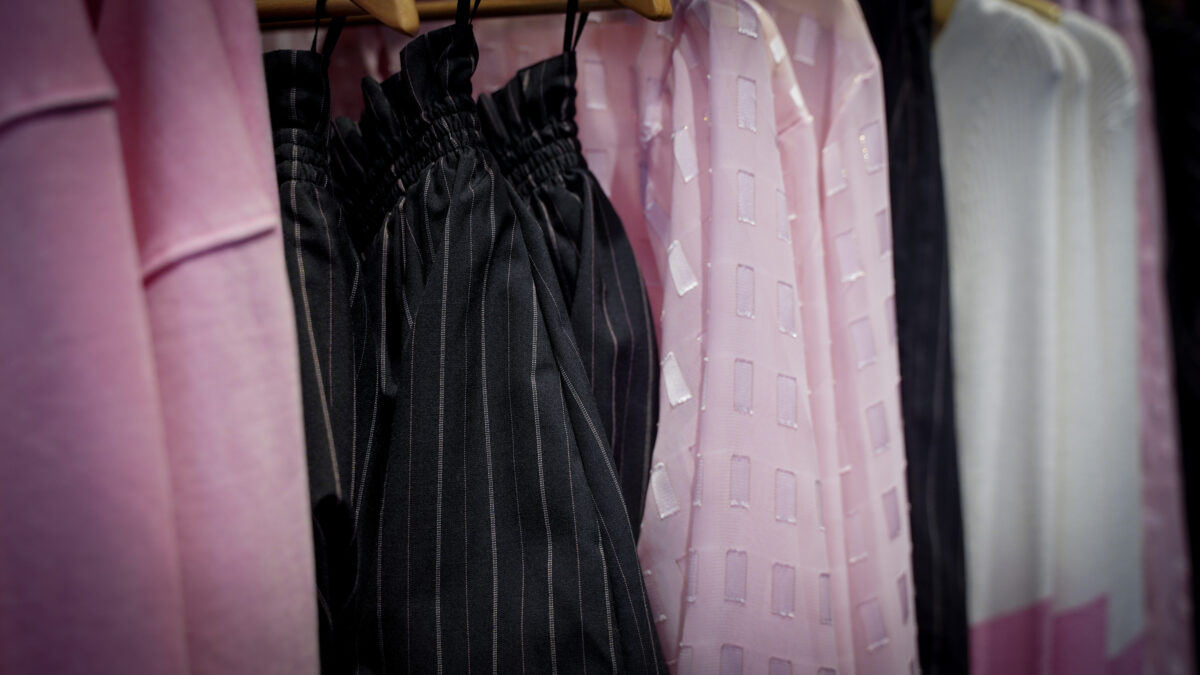
Ahiri at 797 Queen St W, Toronto, ON (Image: Ahiri)Ahiri at 797 Queen St W, Toronto, ON (Image: Ahiri)
“The way we position ourselves is that it doesn’t necessarily have to cost you an arm and a leg to have nicely designed, good quality, good fabric, nicely constructed clothes,” said Latif. “That is our niche, you can say.
“We’re incredibly excited about the opening of the new flagship store. It’s our first permanent location that brings together retail space, design studio, office and warehouse, all under one roof.
Ahiri at 797 Queen St W, Toronto, ON (Image: Dustin Fuhs)Ahiri at 797 Queen St W, Toronto, ON (Image: Dustin Fuhs)
“This is a start and you can call it our pilot. Obviously we feel that we need a presence in the West Coast and in the fashion capital of Canada also in Montreal. Actually you would be surprised. We are getting a lot of attention in the USA. I actually want to open one in L.A. and one in New York. You have to dream.
“It will all depend on how well we do here. We’re confident and this will be the model we will replicate in other places.”
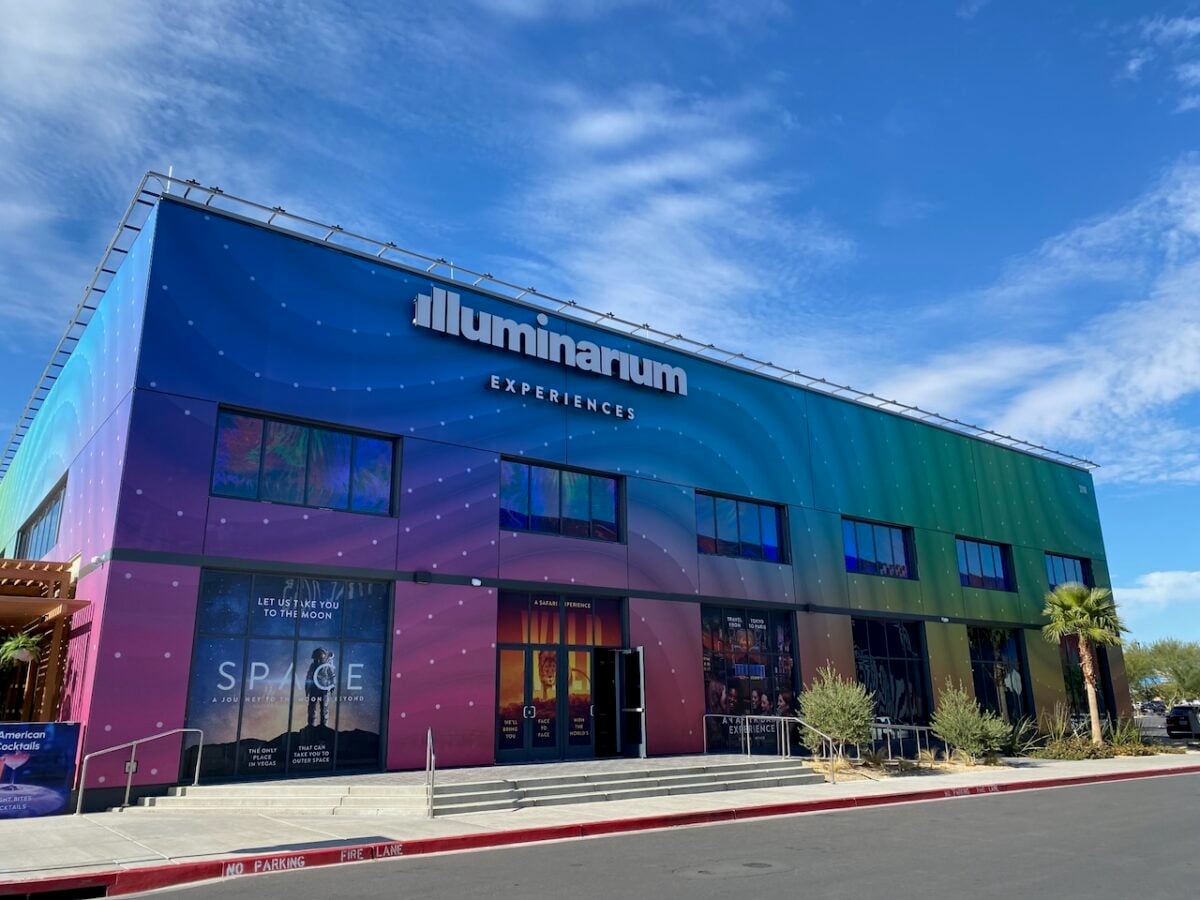
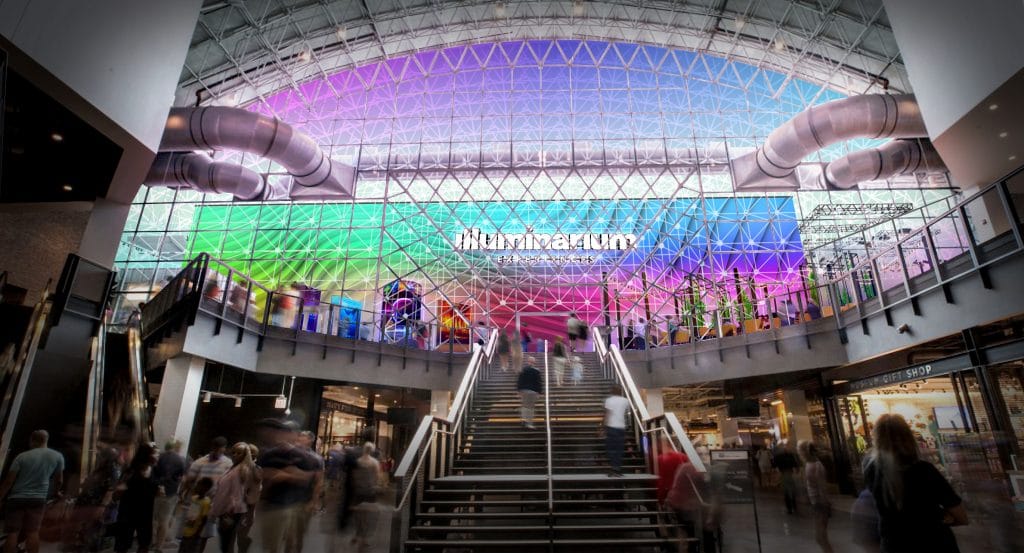
Illuminarium, a technology interactive space in Toronto, is planning on exploring expansion in Canada with possible locations in Calgary, Montreal, Ottawa, Vancouver via a travelling concept.
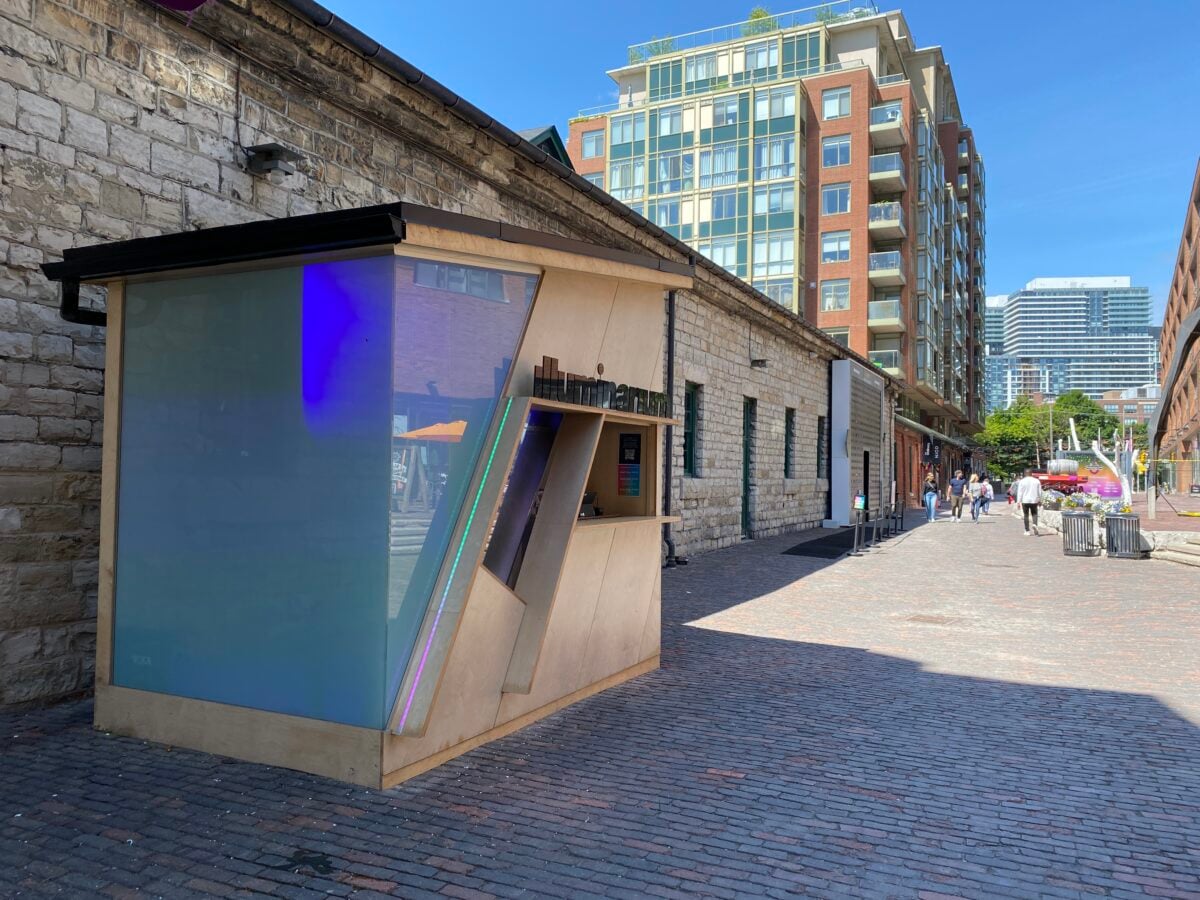
The Distillery District location opened August of last year and has been successful since, especially during the holiday season. The company partnered with Toronto-based Secret Location and uses cutting-edge technology to engage all four senses: seeing, hearing, smelling, and touching. Along with any expansion plans, Illuminarium is getting ready for the increased number of visitors during the summer months.
Ryan Andal
“We had an incredibly busy period leading up to the holidays, which was fantastic. The Distillery District holiday market got somewhere between 800,000 to a million visitors over a six to seven week period, so we managed to get quite a few people through our space. The second busiest period for us is the summer, so as soon as kids are let out of school at the end of June, we are expecting more people to come see our shows,” says Ryan Andal, President and Co-Founder of Secret Location and Partner of Illuminarium Toronto.
Illuminarium Toronto (Image: Dustin Fuhs)Illuminarium Toronto (Image: Dustin Fuhs)
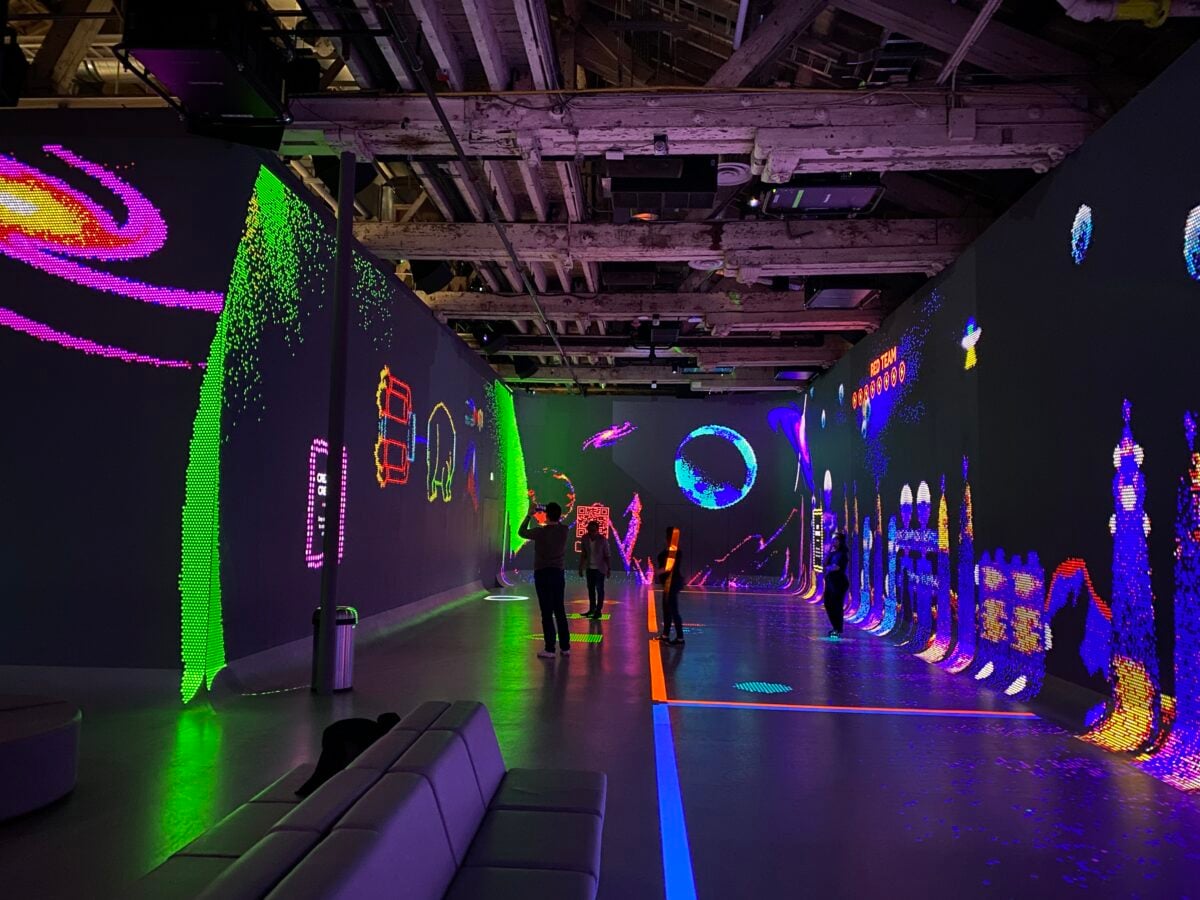
The 13,500 square-foot complex has three rooms, and one that is designated for introducing guests to the experience. Andal says they welcome guests every 15 minutes and “pulses them into the space.”
“One room is for onboarding guests into the space, so it is a bit of a preview show that takes about five minutes or so. We can accept as many as 50 guests, although that does get a bit tight, so somewhere between 30 to 50 we usually put into that room. A host will come out, introduce the show that everyone is about to see and then after the show, we have the doors automatically open and welcome guests into the main, larger projection space.”
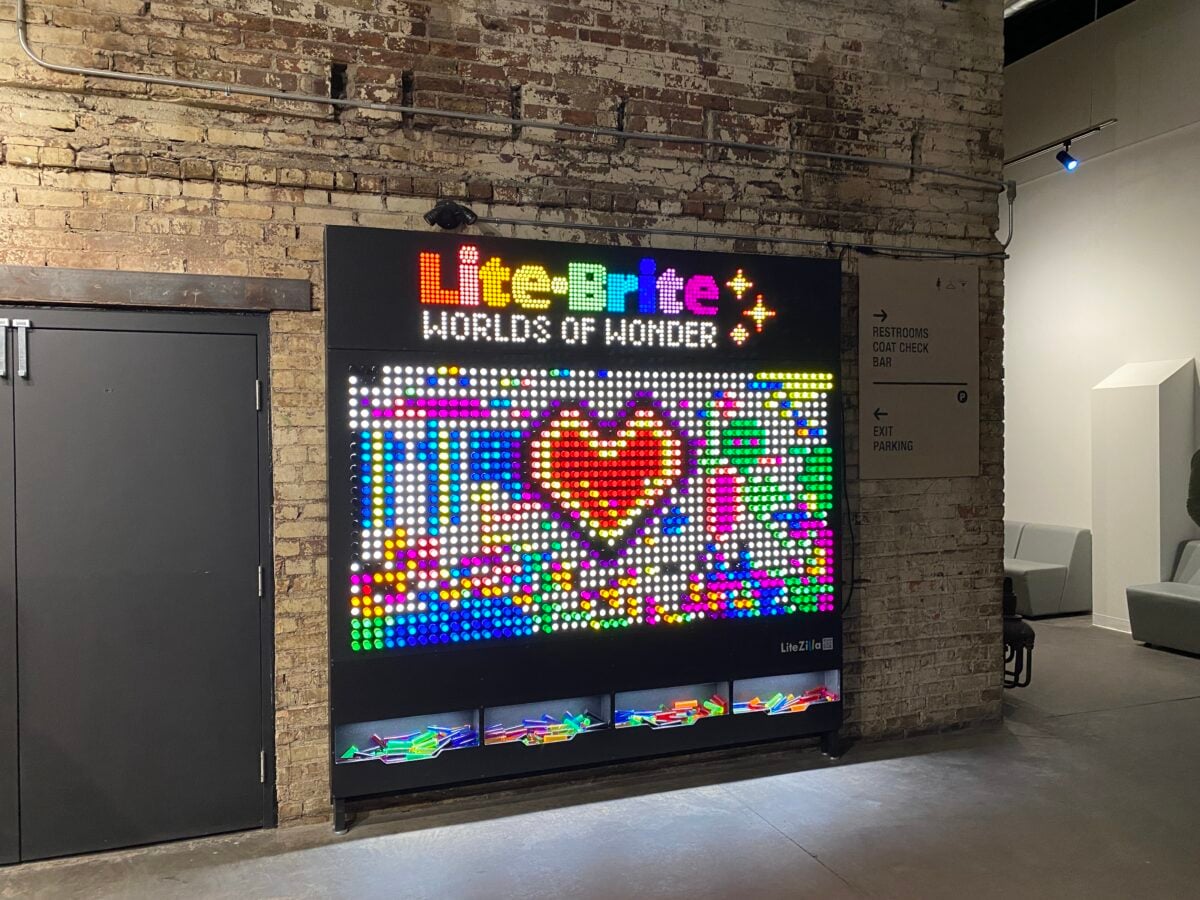
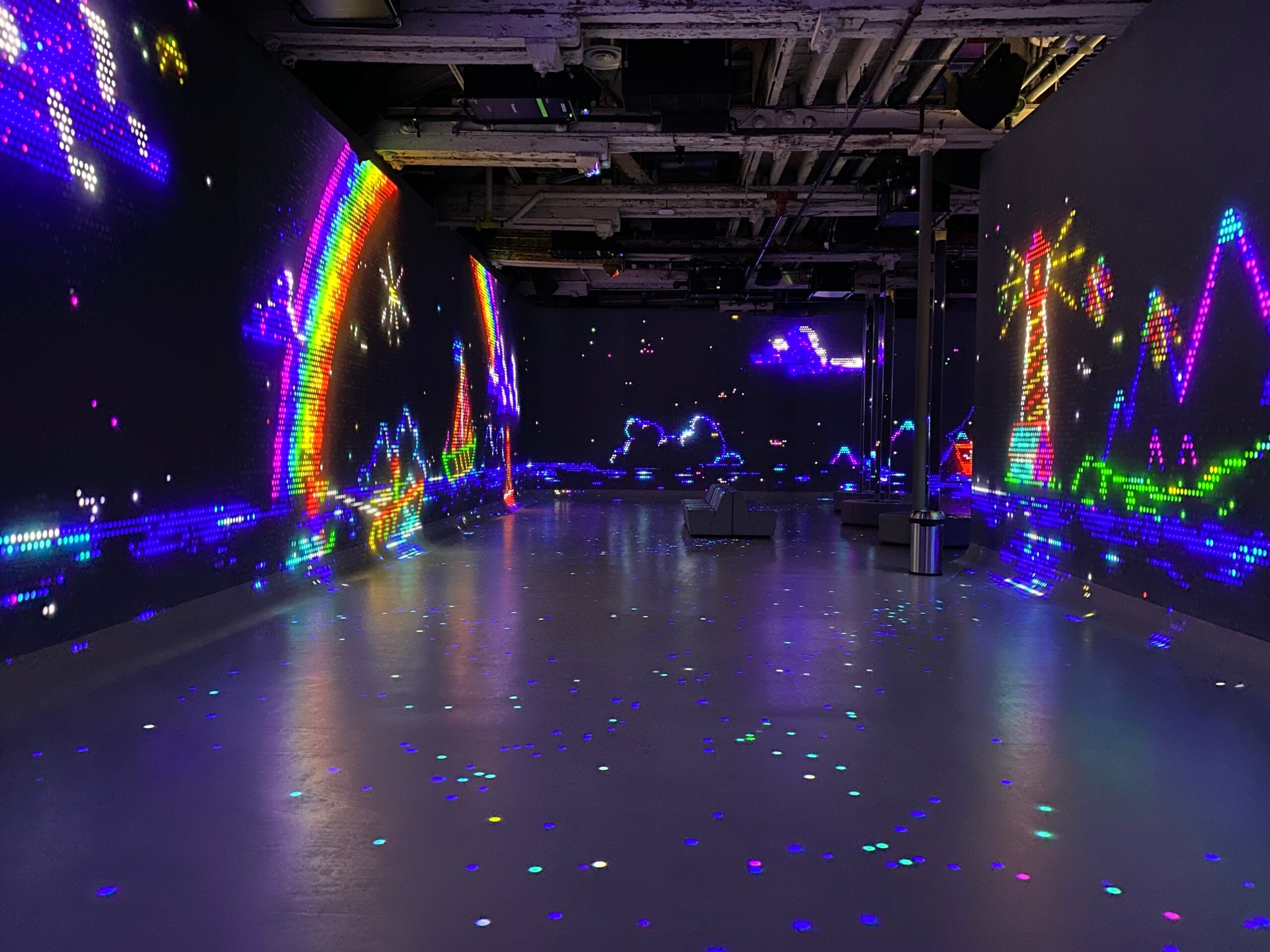
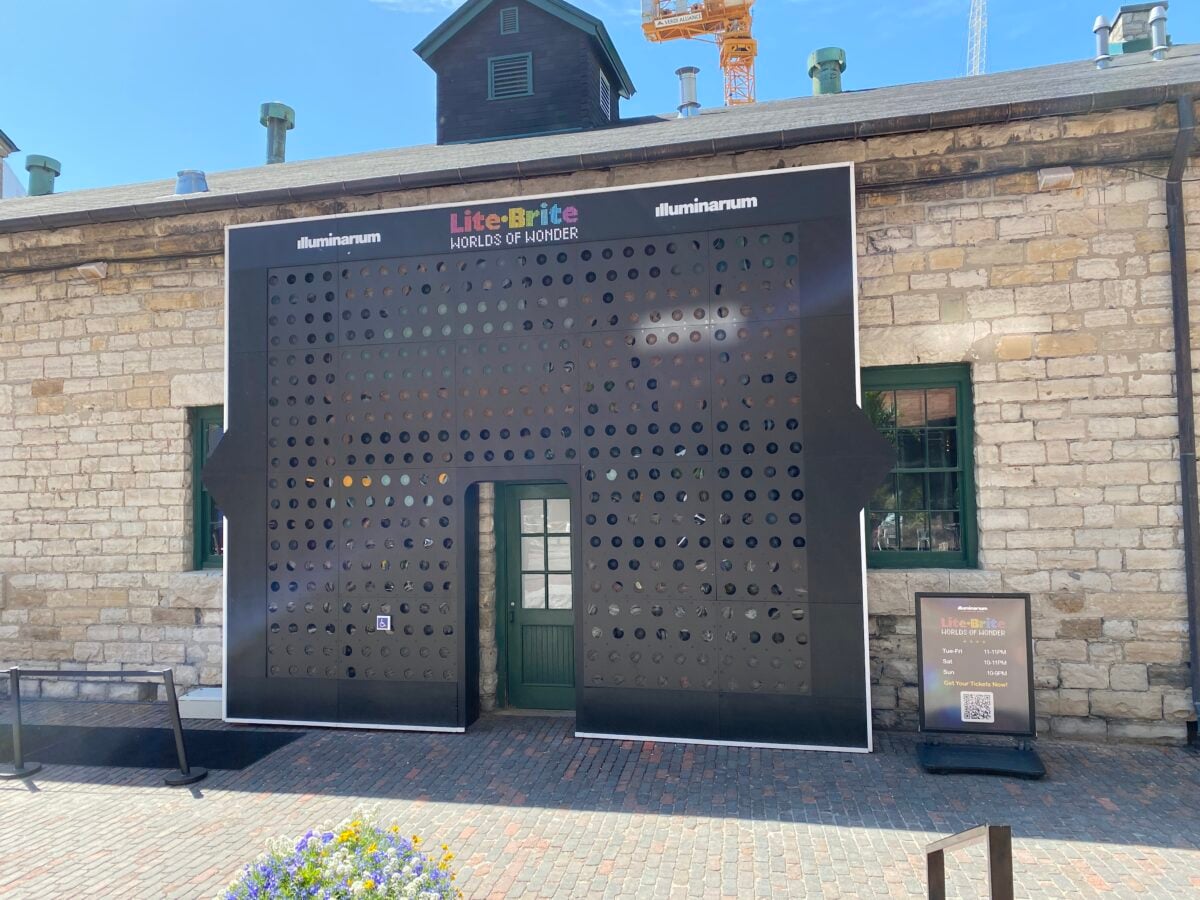
Andal says the interactive show goes on for around 45 minutes and has a mix of live gaming, interactivity, and cinematic narratives. Once the show is over, guests can experience an interactive play area, which right now is Light Bright where there is a photobooth area where they can turn guests into a LITE-BRITE Character and more activities.
LITE-BRITE: Worlds of Wonder
Image: Illuminarium TorontoIlluminarium Toronto (Image: Dustin Fuhs)
“Our LITE-BRITE show is doing really well and it is obviously playing into the nostalgia of that toy, and the gaming and play areas in that space works really well for both Gen Z, kids, and families. I would probably say that it is one of the best shows we have done from an event series perspective.”
The show is partnered with Hasbro, a leading toy and game company and is inspired by a classic toy and blends elements of gaming, creative activities, and technology to create an engaging and entertaining environment for all ages. Guests are able to create their own LITE-BRITE character, can turn themselves into a LITE-BRITE character using AI technology, and the space as interactive games.
“We have all of these childlike games that we have built into the experience. Colouring sheets that you can colour on the floor, we have QR codes that you can connect to and then draw a character and then see how it appears on the walls, and we have games like tower defence or exquisite corpse.”
Guests can expect a “60-minute interactive show, 12 activations in the digital play space, an immersive retail experience, three cinematic worlds, real life hosts to welcome you to the experience” and “visitors can us their bodies to interact with the immersive show, play and create a physical LITE-BRITE toy, and following the experience, visitors can take a memorable take-home photo.”
Future shows
Illuminarium at AREA15 in Las Vegas (Image: Dustin Fuhs)
Wizard of Oz, an immersive musical that will bring the story to life with visuals, sound, and “a fully immersive environment.” This show is expected to appear by the end of the year.
Mythologies will explore five different cultures including Chinese, Canadian Indigenous, African, Greek, and Norse mythology.
Dinosaur-themed show featuring lifelike visuals and floor vibrations to enhance the experience. The expected timeline for this is about two years.
“It is the most requested thing that we have ever had in our space, which is people want to see dinosaurs on the screen. So we are working on a prehistoric world exhibition that I think would be a lot of fun to be able to see and feel it in that scale, particularly in locations like Las Vegas, where they have haptic flooring. So being able to see and feel the rumble on the floor when a Brachiosaurus is walking throughout the space would be really fun.”
New Concepts
Andal says they have added an immersive bar where guests can get drinks and snacks while “seeing a bit of the show playing in the space.” The new bar space is designed to match the theme of the show that is playing.
“I think in the summer months, we will start to ramp it up. Right now, we are just serving mocktails and snacks, but we are in the middle of getting our alcohol permits so once that happens we will start doing some alcoholic drinks.”
Andal says the goal would be to get an alcohol licence within the next month.
Illuminarium is also looking at adding a dining concept, similar to its successful location at AREA15 in Las Vegas. Guests would be offered a three course meal surrounding an immersive environment and live performances.
“The immersive dining experience in Las Vegas is really upscale, they did several nights during the Super Bowl and sold out every night. So after seeing the success, we want to figure out a dining concept here. We have been talking to a variety of different partners on how we can incorporate not just the dining, but a story concept into the show itself and it will be a bit experimental.”
The immersive dining experience is planned to be available by the end of the year.
Summer events
Illuminarium Soul Expansion (Image: Illuminarium)
During the summer, Andal says there will be new collaborations with artists, such as its new wellness series.
“We have a wellness series that we are going to be doing and we have a partnership with a group called Soul Expansion. They do a bit of a meditative yoga experience and it was sold out the last time we did it as I think we had 180 people in the space to do the solo expansion experience.”
The space will also host comedians as these shows have sold out in the past.
“We are going to be doing a bit more in the comedy space and more in the wellness space – but that is the beauty of a space like ours, we can transform it into whatever we want. So whether it is a dance, vocal performance, comedy show, wellness experience – it starts off with a grey box, but you can turn that grey box into any environment that you want to.”
Expansion Plans
Illuminarium Toronto (Image: Dustin Fuhs)Illuminarium Toronto (Image: Dustin Fuhs)
To provide this unique experience to everyone, Andal says the company is looking at a travel concept to bring shows across Canada.
“We are interested in wanting to see if we can bring this kind of entertainment and digital immersion to as many locations as possible. So we are in the midst of building a touring kit that we can bring into our other spaces for this show and other shows we are producing. So that is sort of the next big step for us.”
As for new locations in Canada, Andal says they are looking at expanding into Vancouver, Montreal, Ottawa, Calgary, and possibly around Kingston, Ontario.
“I feel like there are lots of pockets where we can service the style of entertainment that is becoming more and more interesting. But we are still sort of in the early stages of figuring out more permanent locations in Canada.”
Glenn Green of g squared hospitality is representing Illuminarium in the Canadian market and can be reached via email.
Andal says the next location will most likely be in Montreal or Vancouver.
“I am very interested in the Quebec market and we are looking at a partnership with someone in Montreal right now. It is a very different market from Toronto and it does open up some distribution in Europe as well, which is interesting. Montreal also has a lot of creators and being able to partner with them would be the goal of why we want to open up a space there.”
Soon-to-Open Chicago Illuminarium (Rendering: Illuminarium)
Outside of Canada, Illuminarium is expanding more into the United States including a new location in Chicago opening this summer. The company already has locations in Las Vegas and Atlanta.
“When you look at the kinds of entertainment that you would get at Disney or Universal, for the most part, it always seems incredibly expensive to go to and is a once in a lifetime experience. And the types of shows and immersive experiences we have, we want to bring to larger city centres on a smaller scale to make it more accessible on a regular basis to the average family, that is our overall goal and the more that we can have these spaces that we can transform into different things – the easier that goal will be to accomplish.”
Retail Insider is streamlining its Canadian retail news from around the web to include a handful of top news stories that can be viewed quickly during the day. Here are the top stories from the past 24 hours.
This comes following the completion of a successful two-year trial period first announced on June 2, 2022.
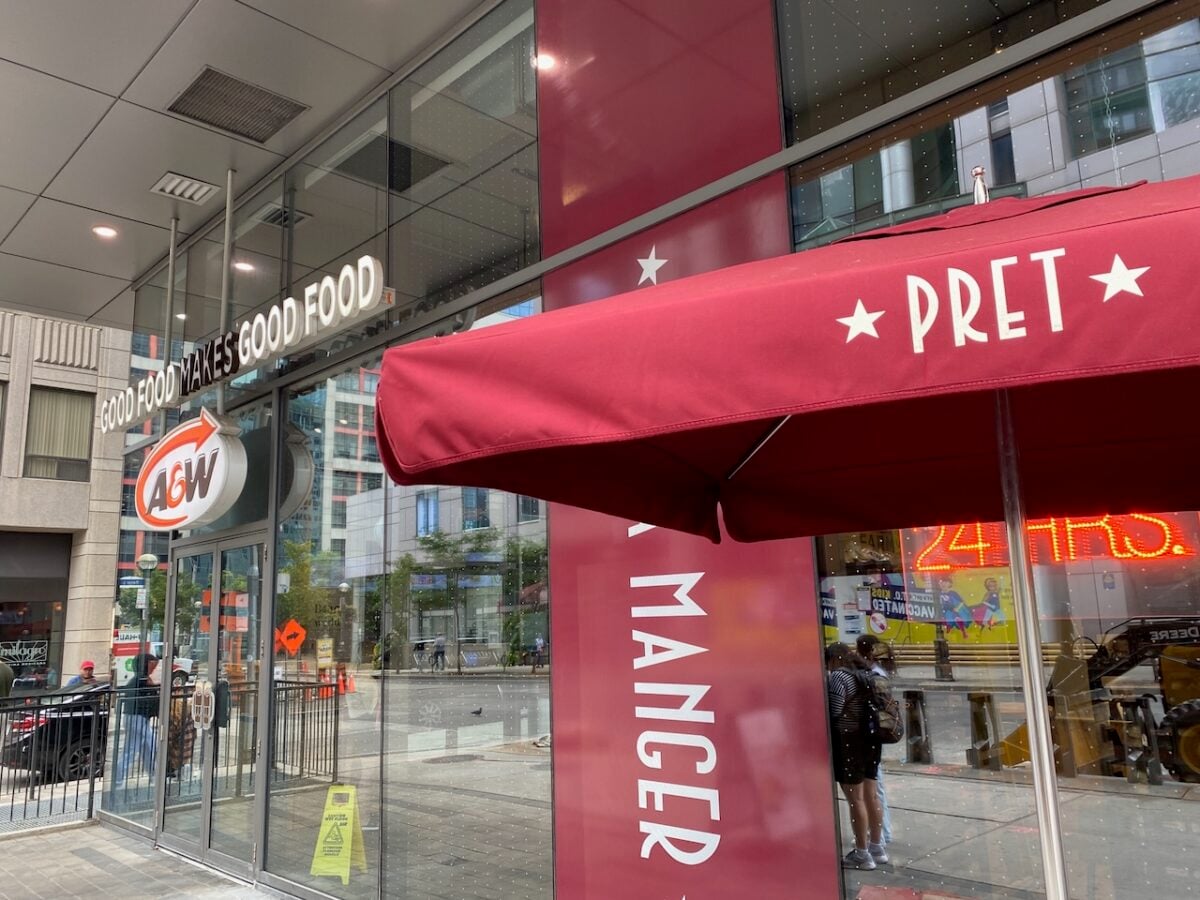
“Food Services has exclusive master franchisor rights to Canada for the Pret brand and will introduce Pret’s products to Canadian consumers in a variety of carefully selected formats, beginning with a national roll out of Pret coffee in A&W restaurants this fall,” said A&W in a news release.
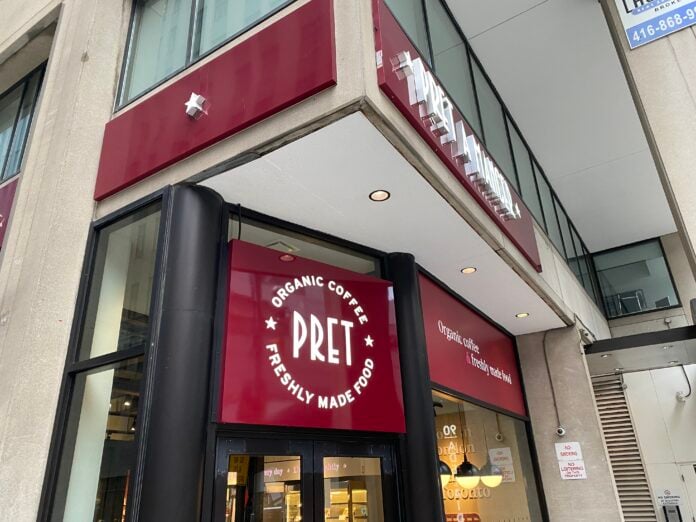
Pret A Manger Toronto at 90 Adelaide St E (Image: A&W)
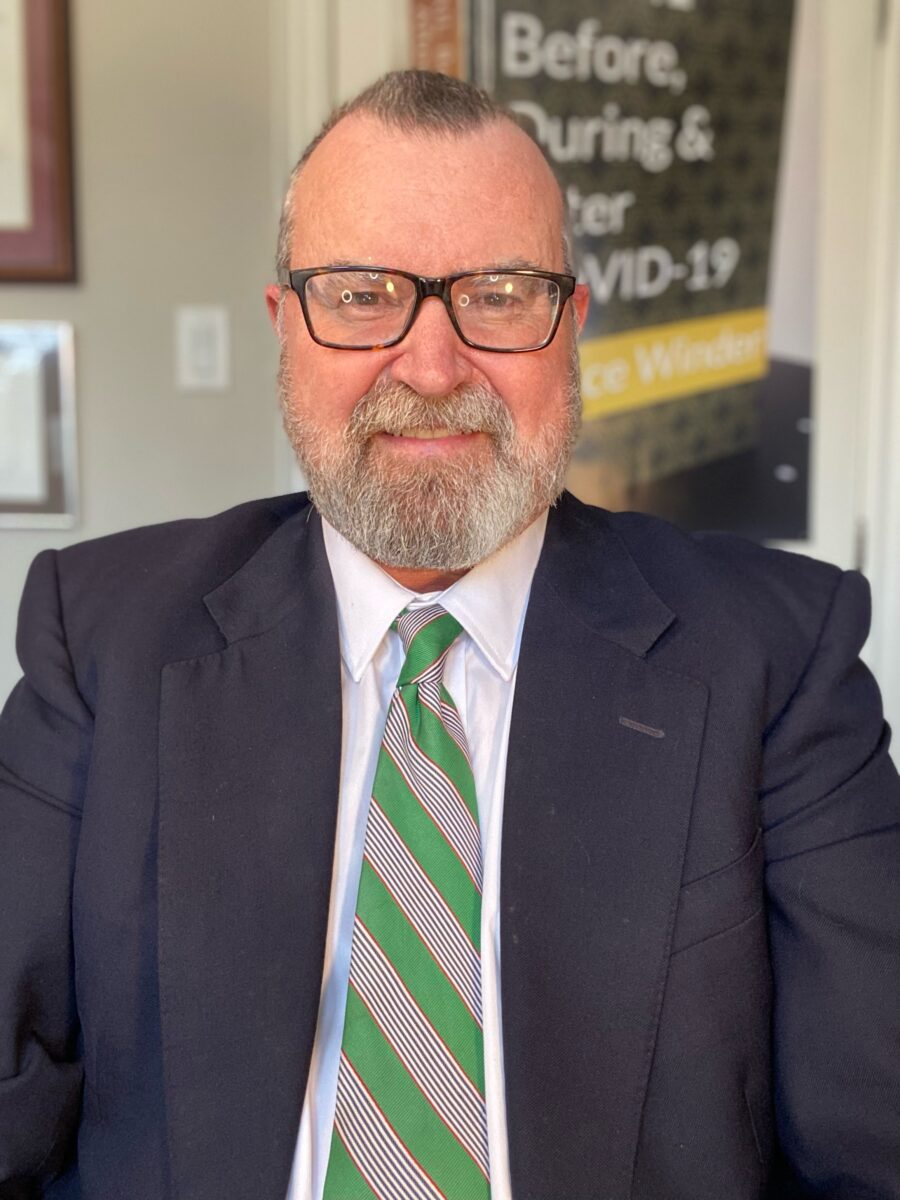
Bruce Winder, Retail Analyst & Author, said the expansion of the Pret brand in Canada is exciting and offers Canadians additional choice.
Bruce Winder
“Based on the assortment of food and beverages offered by Pret I think they have a good chance of success. Their healthy menu hits the sweet spot for consumers looking to eat well on the go,” he said.
“The tie up with A&W is smart as it gives Pret a partner that knows the Canadian food service market well and has been successful over a number of decades. A&W receives a new stream of cash flow and a more diversified offering, appealing to a wider market.
“This win/win approach has been used extensively as food service brands take on international markets.”
Michael Kehoe, Broker of Record for Fairfield Commercial Real Estate said the announcement of the A&W / Pret A Manger development plan for Canadian expansion is great news on the national food service scene.
Michael Kehoe
“The Pret global vibe will infuse fresh energy into the A&W brand with new menu items and a unique coffee offering. It’s positive news for both brands and I am looking forward to seeing how it is rolled out across the various locational formats,” he said.
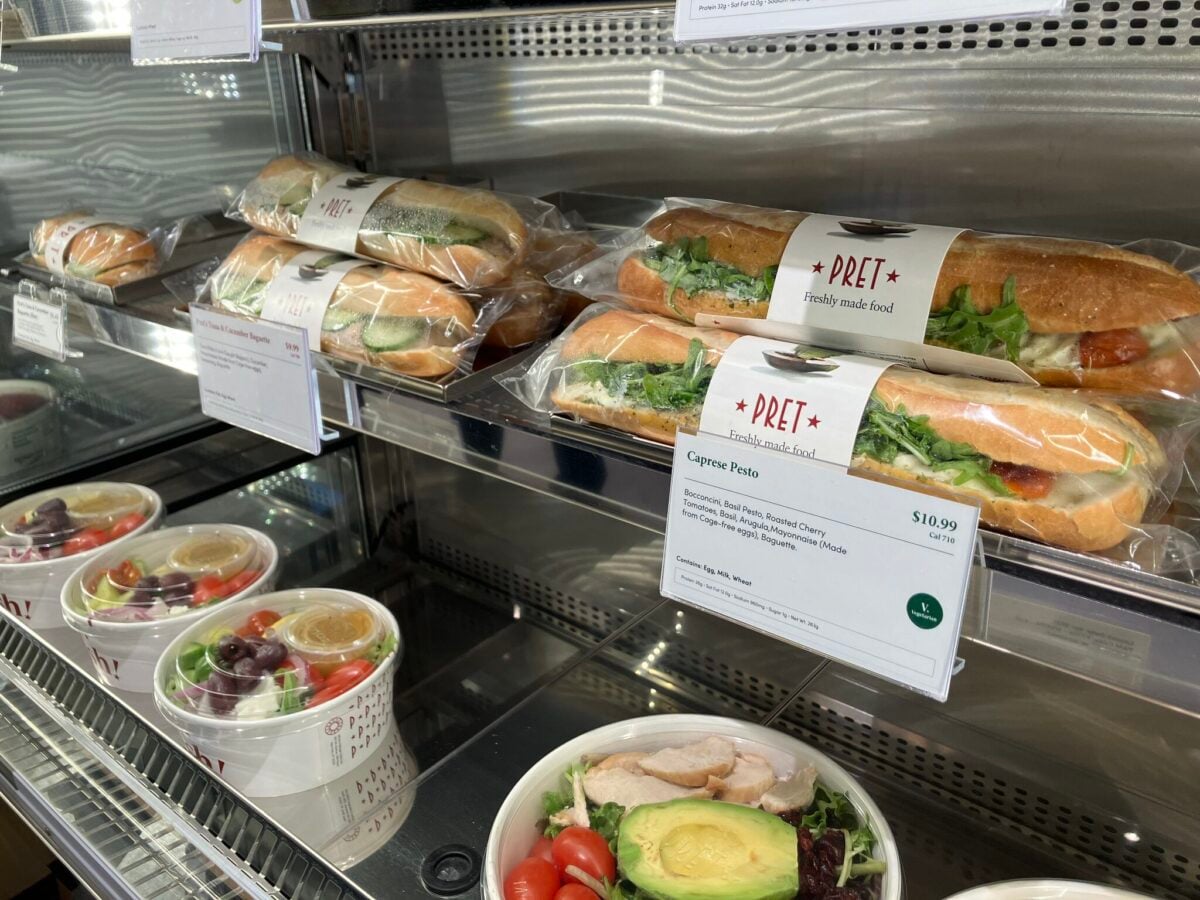
Pret A Manger is a sandwich and organic coffee chain commonly referred to as Pret and based in the United Kingdom. The first shop opened in London in 1986 where the company is headquartered today. Pret’s sandwiches, salads and wraps are freshly handmade each day in shop kitchens using quality ingredients and all coffees, teas and hot chocolates are organic. Pret operates more than 650 shops worldwide with more than 9,500 team members in 18 markets (United Kingdom, Ireland, United States, Hong Kong, France, United Arab Emirates, Kuwait, India, Luxembourg, Switzerland, Belgium, Singapore, Germany, Canada, Italy, Spain, Qatar, Greece).
“The Pret brand was first offered in a trial pop-up format in certain A&W restaurants in 2022, and expanded to a first stand alone Pret location in downtown Toronto in 2024. The development plan calls for Food Services continuing to increase the number of physical locations offering Pret products across Canada over an initial ten-year development term. Sales of Pret products within A&W restaurants in the Royalty Pool will be subject to the 3% royalty paid by Food Services to the Fund,” said A&W.
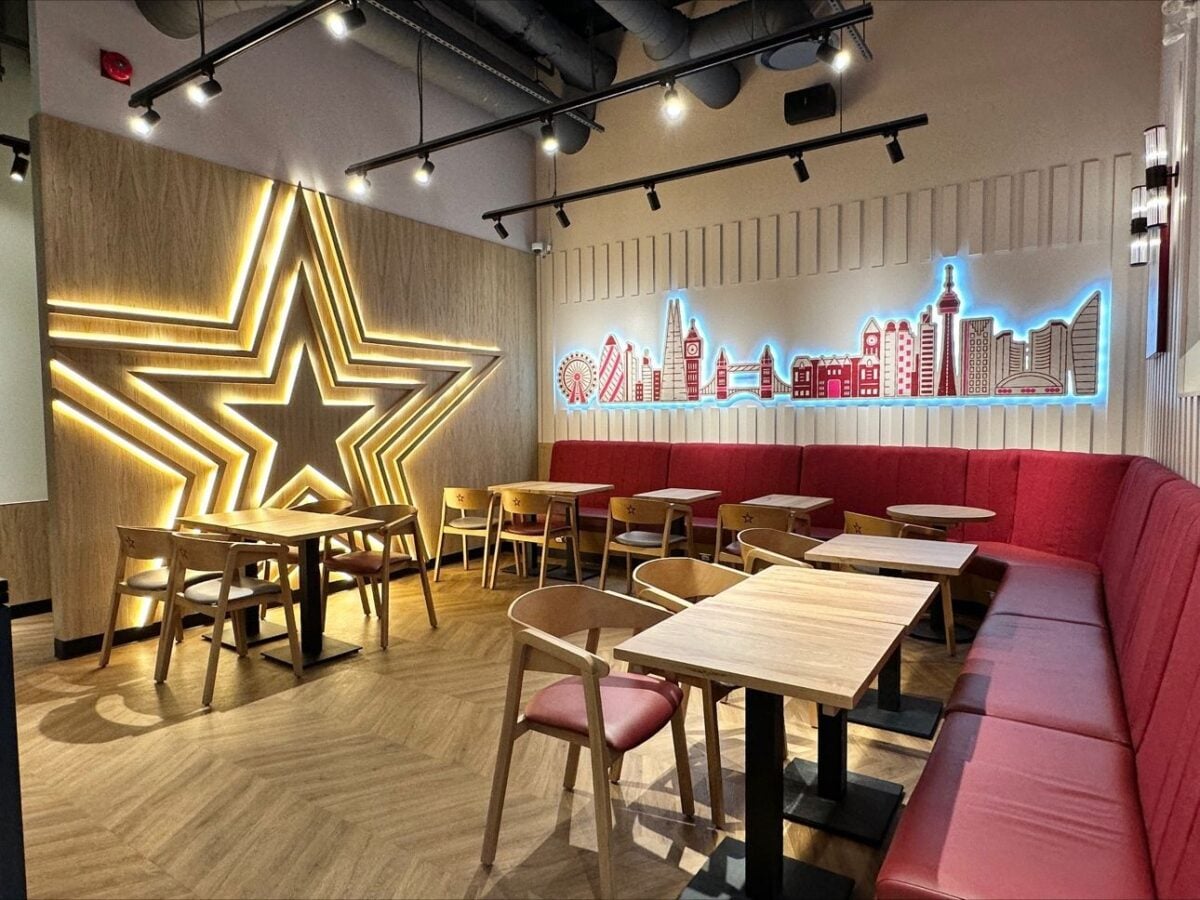
Pret A Manger Toronto at 90 Adelaide St E (Image: A&W)
A&W Food Services of Canada Inc. is a corporation amalgamated under the laws of Canada and is 100 per cent Canadian owned. A&W is the nation’s second largest hamburger restaurant company with over 1,000 locations coast-to-coast.
Jorrie Bruffett
In January, Pret opened its first standalone shop in Toronto at 90 Adelaide St.. Since 2022, pop-up shops have introduced Toronto and Vancouver locals to Pret’s organic coffee and freshly made grab-and-go food. This new standalone Pret shop is the next evolution of the beloved brand’s expansion to Canada, said the company at the time.
“This expansion into Canada is a natural next step for Pret globally. We are committed to bringing the Pret brand to more people, wherever they are and after the warm welcome from locals at our Pret pop-ups in Canada, we’re excited to continue expanding our footprint and menu offerings to more Canadians,” said Jorrie Bruffett, President, Pret A Manger North America.
Pret a Manger at A&W Canada on John Street in Toronto (Image: Dustin Fuhs)
In 2022 when Pret opened two pop-ups in Toronto and one in Vancouver, Susan Senecal, Chief Executive Officer of A&W Food Services of Canada, told Retail Insider that Canadians have long been calling for bringing Pret to their community, having experienced the iconic coffee and sandwich shop in London, UK, New York City, and beyond.
“A&W Canada has admired Pret for a while. It started with a love of its fresh sandwiches and salads and grew from there. We approached the brand and got talking, then realized that we have a lot in common and so do the people in the businesses,” she said.
“Pret’s fresh grab-and-go concept is perfect for guests with busy urban lifestyles – plus Vancouver and Toronto are both large international cities. From there, it was a race to see where we could build our first pop-up the fastest! We have strong franchisee interest in both markets and in this case, Vancouver was ready first.
“For Pret, it’s an exciting expansion into a new market. Canadians come to A&W for the best tasting burger made with simple, high-quality ingredients and now with Pret we can expand that to fresh-made sandwiches, salads, soups and pastries, prepared right in our kitchens.”
According to officials, Pret was started by two college friends who set out to create the sort of food they craved but couldn’t find anywhere – nutritious, simple and delicious, prepared fresh every morning. They opened their first shop in London in 1986 and the brand has since revolutionized the concept of sandwich making and on-the-go meals, expanding all over the world, said the company.
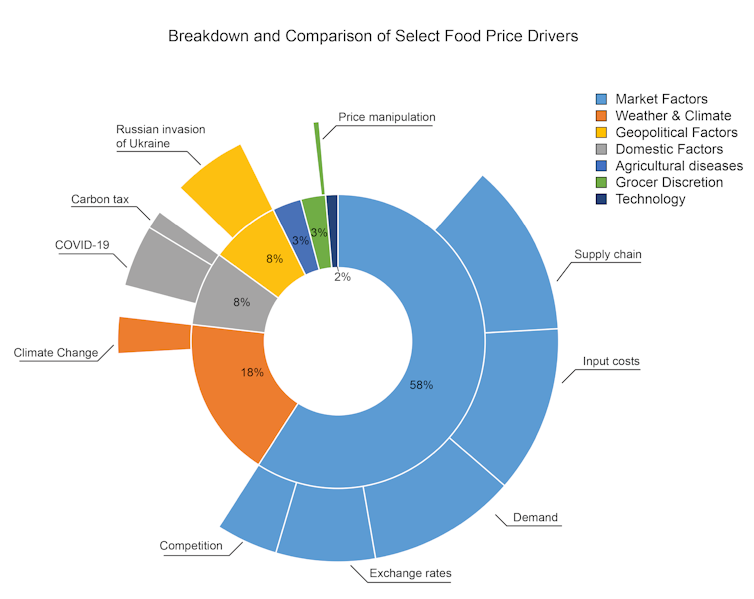
Unfortunately, consensus on why food price are so high is in short supply. Explanations given in reports like Canada’s Food Price Report and the news media range widely, from the war in Ukraine to supply chain issues to the carbon tax.
Our analysis found that most claims about food prices in these reports lack scientific rigour. Nearly two-thirds of the explanations for price changes given are not backed by evidence. Arguments about the causes of food inflation are frequently incomplete, neglecting to connect the dots between cause and effect.
For instance, reports may identify the influence of unfavourable weather, climate change or changing retail demand, but fail to elaborate how these translate into actual price increases at the till.
Understanding why food prices are so high and why they are changing is critical to the well-being of our society. THE CANADIAN PRESS/Christinne Muschi
British philosopher Stephen E. Toulmin published a simple approach for evaluating the quality of scientific arguments in 1958. In a nutshell, for a scientific argument to be complete, it needs to have three components: a claim, verifiable observations or data that provide grounds for that claim, and an explicit theory or assumption that links the data logically to the claim.
For scientific arguments to be rigorous, they should also back up the strength of their assumptions and qualify their claims by exploring reasonable counterarguments. However, most of the arguments in these reports fall short of this, failing even to provide basic evidence in support of their claims.
These reports are not scientific publications, but rather qualify as “grey literature” — information produced outside traditional academic publishing channels.
Nevertheless, they are published under the logos of academic institutions and government agencies. Given their prominence in Canadian media and policy, we believe it is important for the public to know that the arguments presented in these reports do not live up to scientific standards.
Overlooking key issues
While the reports do identify potential drivers of food prices, they have some noteworthy gaps.
In our analysis, only three per cent of the over 200 explanations for food price changes point to grocer actions or other agency in the private sector as driving price increases. This reflects a tendency to portray food prices as erratic and overwhelmingly opaque.
Without rigorous and transparent analysis, we’re left with an incomplete picture of why food is so expensive and what we can do about it.
What we need is a new approach. Food is a human right, but a unique one in that we rely on the private sector to provision it. We should expect a higher standard than with other consumer goods, and the private sector has arguably not earned the benefit of the doubt given their history of price fixing.
One positive step towards generating trustworthy evidence about food prices would be to incorporate transparency measures into the code of conduct the Canadian government is developing with grocers. This could include third-party audits, open data-sharing and a clear breakdown of what’s driving price changes — from the farm to the shelf.
Peer review of research is a critical aspect of responsible science. In our paper, we highlight the process that the Canadian Science Advisory Secretariat provides for federal fisheries science, as one possible model for government-based food price reports.
If food prices are rising because they are starting to reflect the true social and ecological costs of production, we will need to enter a broader conversation about economic and livelihood reform to ensure that everyone can afford food. But without a clear picture of the actual drivers, we lack the necessary information for developing policies that protect the rights and well-being of Canadians.
Dr. Brian Pentz, now post-doctoral researcher at The Nature Conservancy, was lead author on the study and contributed to the writing of this article.
By Philip A Loring, Adjunct Associate Professor, University of Guelph and Ryan M. Katz-Rosene, Associate Professor, School of Political Studies, L’Université d’Ottawa/University of Ottawa.
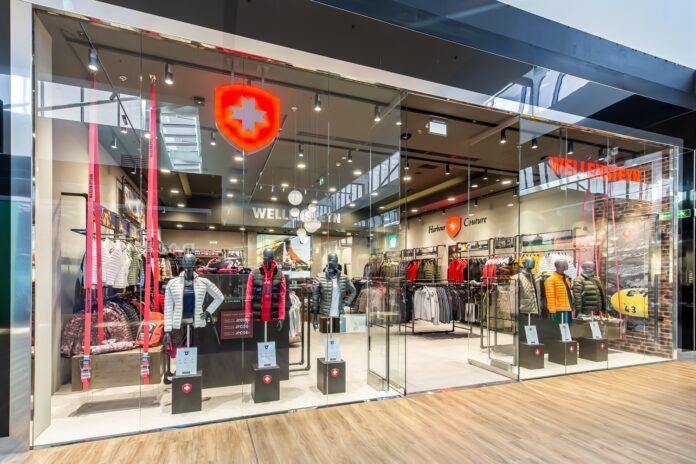
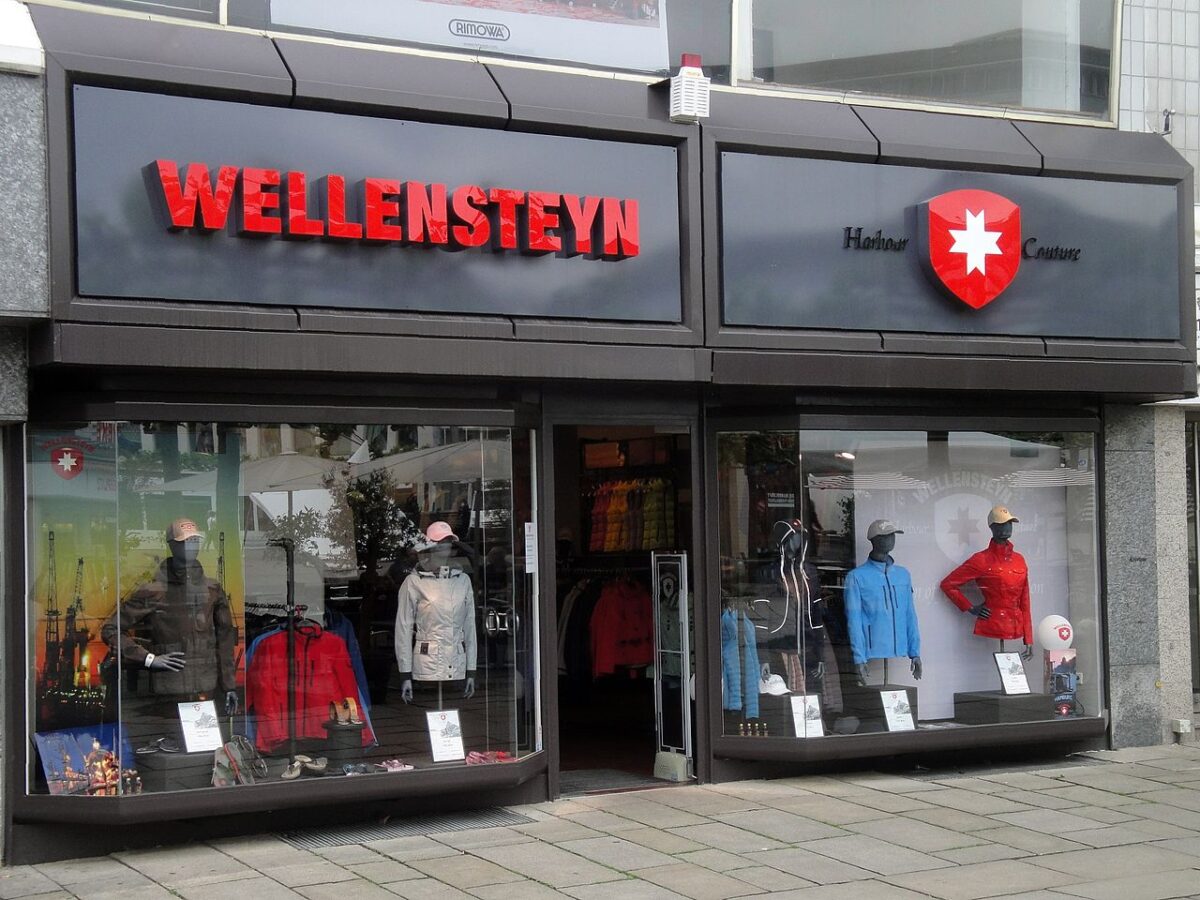
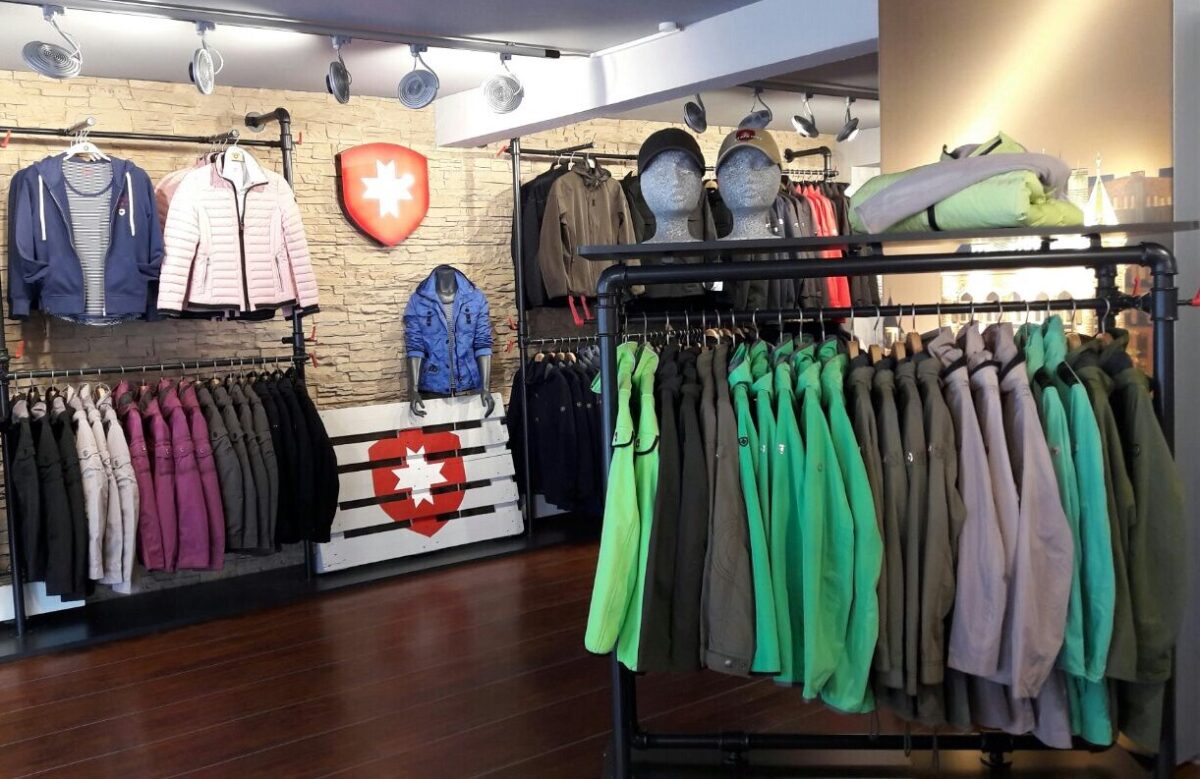
Wellensteyn at Wrocław Fashion Outlet (Image: Wellensteyn)
Wellensteyn, an iconic outdoor coat and accessory company that caters to fashion and function, is expanding into Canada with at least 20 stores to be launched in the next five years.
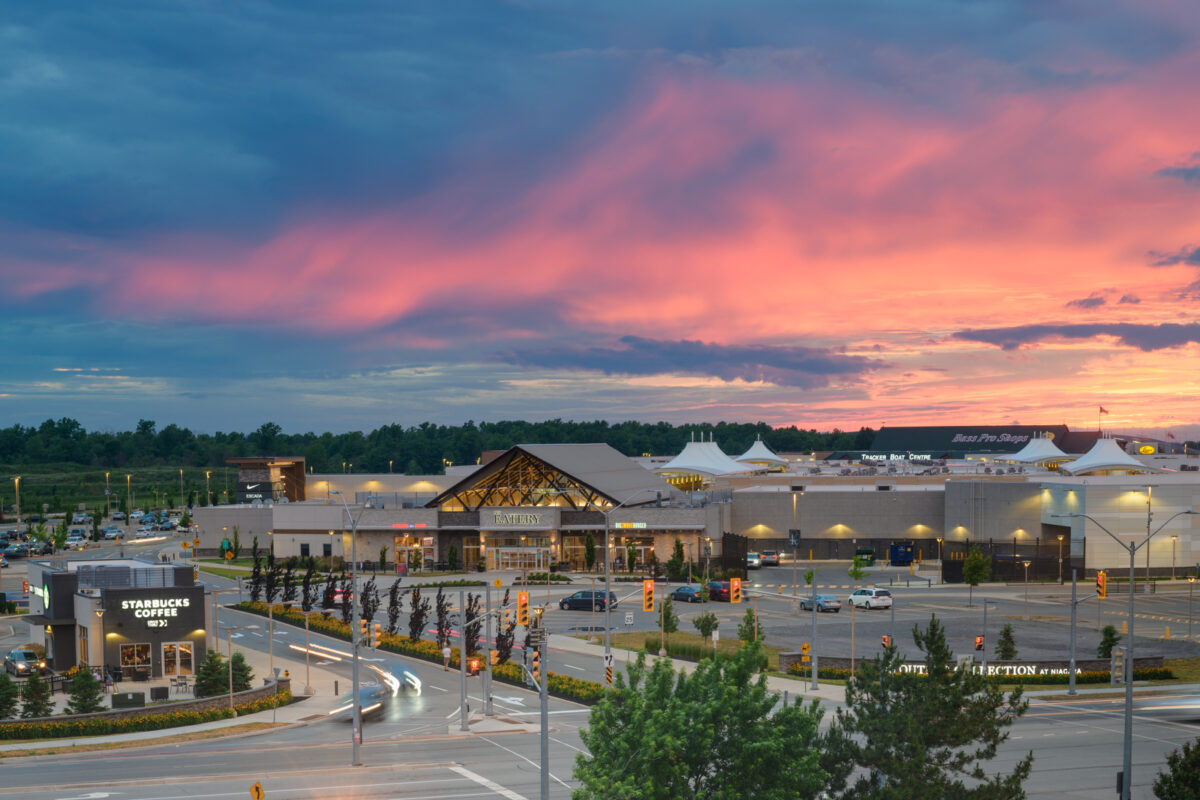
Tony Flanz, President of Montreal-based Think Retail, which consults and represents international, national, and regional retail chains, and is helping the brand with its real estate needs, said a 2,145-square-foot store will open in mid-August at the Outlet Collection at Niagara.
Tony Flanz
“Outlet Collection at Niagara is the perfect fit for this unique high-quality brand,” he said.
“The company’s origins date back to 1940s Germany when Adolf Wuttke, a welding rod dealer who made instruments used to help explore the depths of the North Sea, set out to create next-level outerwear for people working on the water and in the shipyards. His parkas were made with unique waxed sailcloth that could withstand the elements, while keeping workers safe and warm.
“In the 1990s, the family-run business branched out, moving beyond workwear and protective clothing, to offer a new generation of outdoor enthusiasts a selection of well-designed jackets for all seasons. Today, Wellensteyn embodies the same dedication to quality, with an elevated focus on style. Catering to men, women and children with its jackets, as well as shoes, hats, scarves, belts, sunglasses, watches and other accessories, Wellensteyn is a strong global brand with wide appeal. Well established in Europe and available at select retailers in North America, the brand is poised for expansion across Canada.”
Flanz said the plan is to open at least 20 stores here, with the initial focus on Ontario, followed by British Columbia and Alberta. Locations of about 2,000 square feet in outlet centres are of prime interest.
He said the Niagara outdoor shopping destination features an array of more than 100 brand name fashion and lifestyle retailers, including Aritzia, Nike Factory Store, Kate Spade New York, Brooks Brothers Factory Store, Coach, Michael Kors and Tommy Hilfiger.
Wellensteyn in Kassel (Image: Wellensteyn)
Dr. Gyorgy Szabolcs Gonda, Director and Owner of Welligo Inc., the importer and distributor of Wellensteyn jackets and accessories in Canada, imports and sells Wellensteyn in several countries: Hungary, Slovakia, Czech Republic, Romania, Canada.
He said the brand is the primary authentic workwear jackets for both women and men with tested and approved functionality, innovative fabrics and excellent quality for all purposes.
“This company specializes in jackets and it is a leading jacket brand in Europe,” said Gonda.
“Its superb quality and durability enables these jackets to be also used as workwear. We sell many jackets to companies in B2B which proves this point. These companies want to make their employees happy, protected and look great in Wellensteyn . . . even if the jackets are used every day or under harsh circumstances.
“Probably this is the key to Wellensteyn’s success, where we’ve found a gap in the market. Wellensteyn offers outstanding industrial quality, therefore, these jackets can be used as workwear too. In addition to that, these models and colours offer a unique, well-designed and very fashionable look on the streets, and customers like this match.
“Maybe at first glance this doesn’t seem to be so important and interesting but this is actually a big deal: Wellensteyn jackets can be cleaned in normal washing machines at home. The materials, the layers in it, will stay in place and it will look just the same after washing which means that you will be able to use it for a very long period of time. This is absolutely not fast fashion. Windproof, waterproof, water repellent materials, breathing membrane layers are used in most of the Wellensteyn jackets.”
Image: Wellensteyn
Gonda said Adolf Wuttke launched the production of mechanical instruments that were used to plunge into the depths of the North Sea about 70 years ago. These instruments, i.e. the “Kastengreifer” (for lifting seabed sand) or “Planktonhai” (for catching plankton from the sea) are still in use worldwide.
“Ever since, Mr. Wuttke’s customers – the German shipyard industry – needed sturdy, resistant, and long lasting workwear. So he created a full line of stylish jackets that incorporated heavy, seaworthy and waxed sailcloth that was tailor-made, besides the so-called “Deutschleder” (German Leather),” he said.
“Out of this design, the demand was created for functional and protective clothing, which qualified for offshore work in rough circumstances and by the stormy sea.
“After these decades of expertise in performance, ergonomics and requirements for tough and practical work wear, Mr. Wuttke’s son, Thomas took over the company in 1986 and extended it to create a new generation of functional outerwear.”
Gonda said there are more than 100 mono label stores across Europe, many premium retailer chains and department stores (like Peek & Cloppenburg) are selling Wellensteyn in Germany, Austria, the Netherlands, Switzerland, Italy, Denmark, Hungary etc.
“Wellensteyn would like to expand overseas. We are successful with our new market expansions and Canada was on our list of course. Last but not least, the Canadian weather conditions mean even higher potential compared to southern countries in Europe, like Italy,” he said.
Retail Insider is streamlining its Canadian retail news from around the web to include a handful of top news stories that can be viewed quickly during the day. Here are the top stories from the past several days.
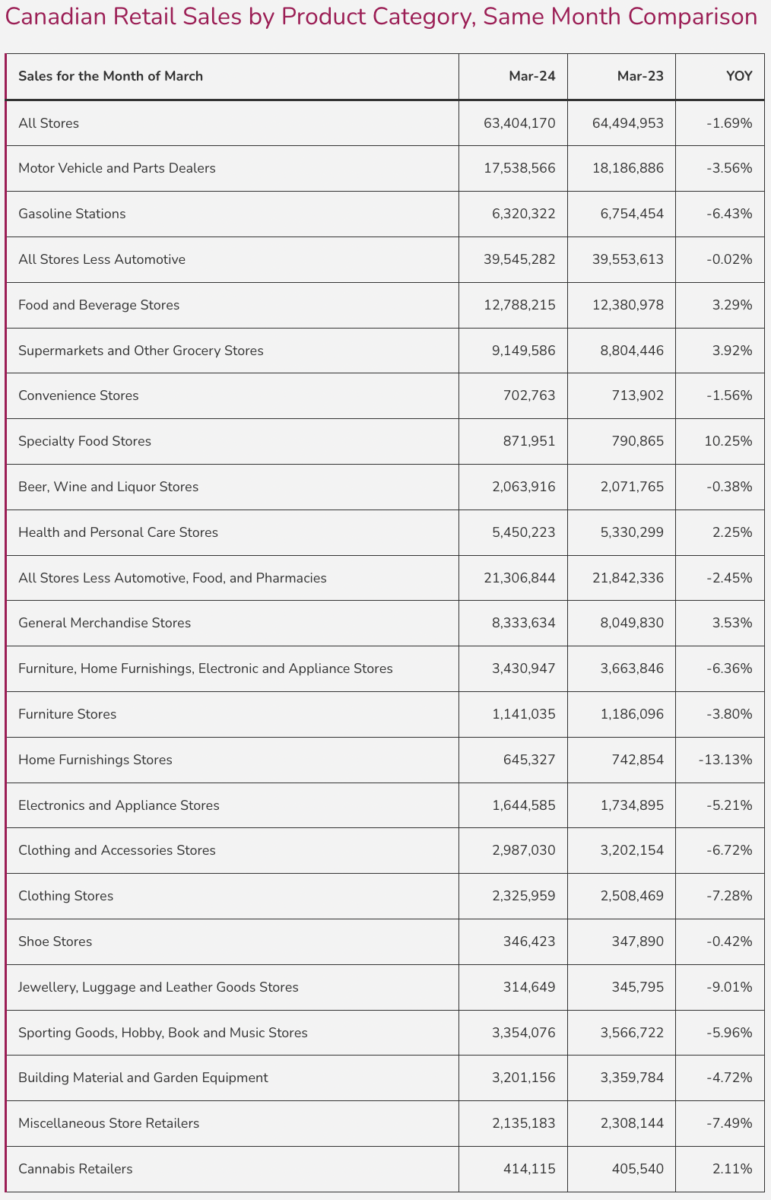
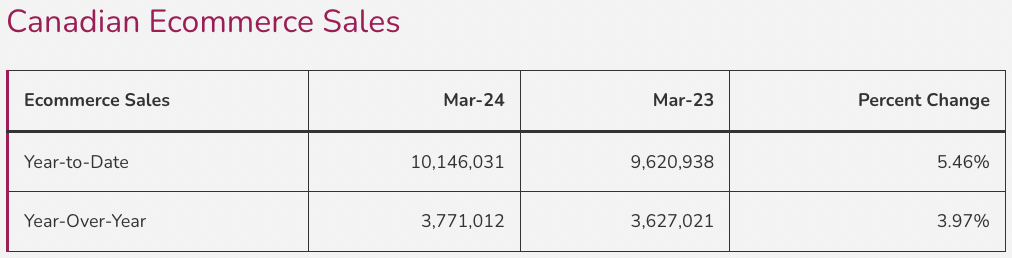
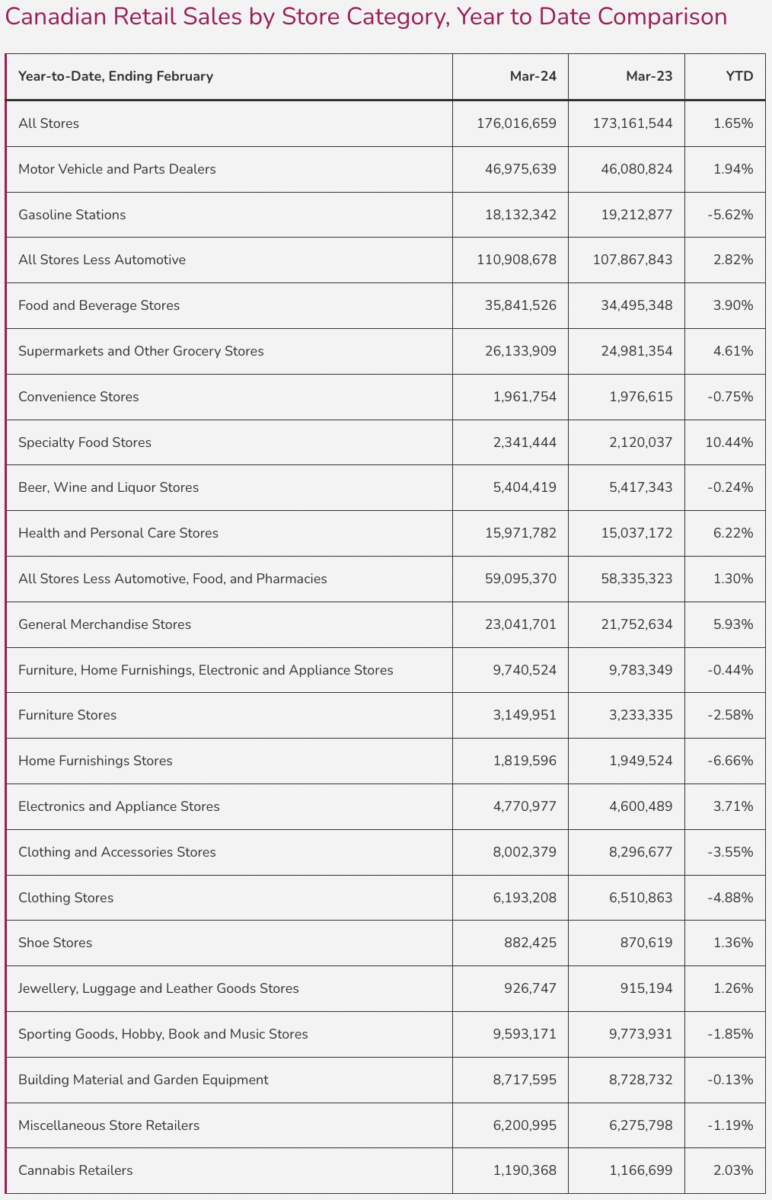
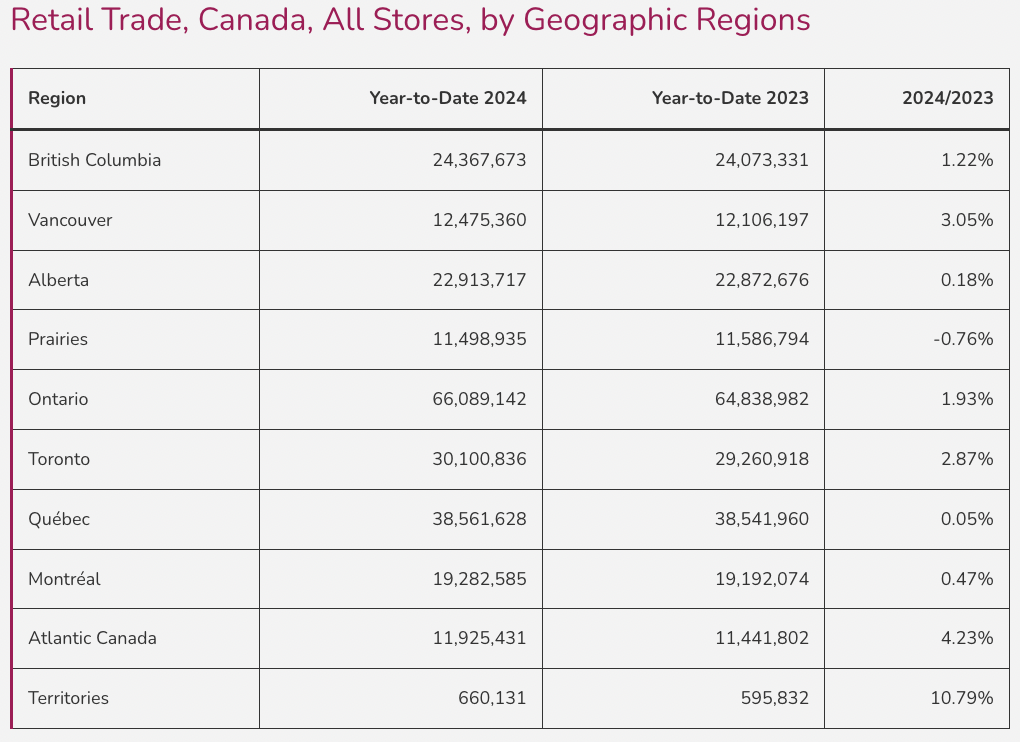
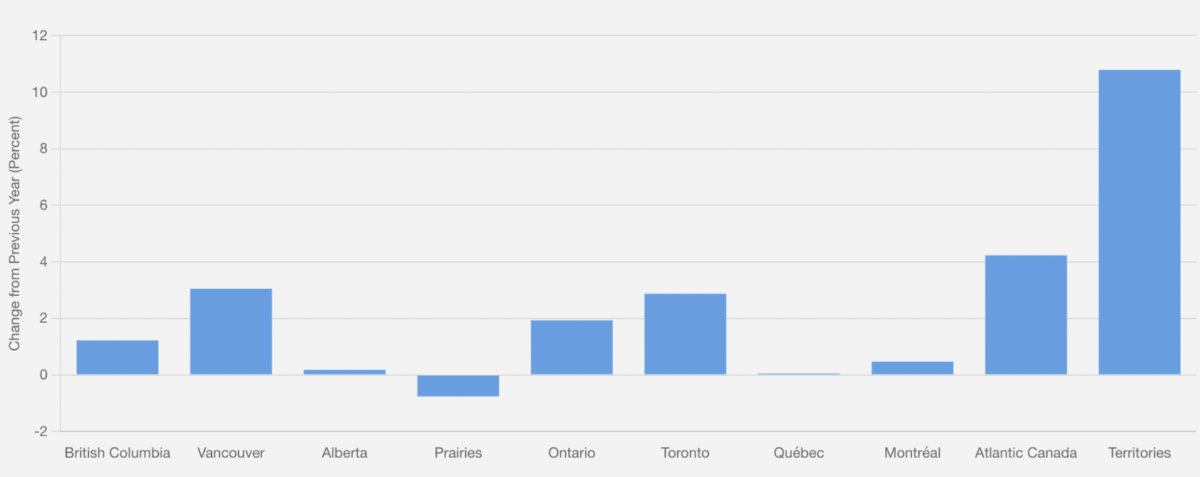
Canadian retail sales slumped in March with All Stores declining -1.7% YOY, with discretionary categories (All Stores Less Automotive, Food, and Pharmacies) down -2.5% YOY. March experienced two fewer shopping days (Good Friday and Easter Monday) in 2024 compared to 2023, but this is only a small factor as high levels of inflation continue.
Retail in general is seeing fluctuating footfall in Canada. Shopping centres are down approximately -6.3%, whereas BIAs are up by 10.9% at the end of March 2024, as compared to 2023. While this does not immediately correlate to sales, this is a telling factor that can predict the prevalence of browsing and potential future purchases.
Grocery prices and the associated large grocers were top of mind in March, and remain top of mind at the time of writing. Grocery prices are up over 20% compared to this time in 2021 and consumers have responded in multiple ways, including moving to lower cost options and full boycotts. A partial result of these changes in consumer behaviour have resulted in continued increased revenue for Specialty Food Stores.
In March, the category’s revenue is up 10.3% YOY. January and February also saw increased revenues, up 6.6% YOY and 14.4% YOY respectively.
Canadians are more willing to shop with small grocery stores. In a study by Wagepoint, findings included: 58% of consumers are willing to pay more for items/services in order to support a local grocery store, with 78% wishing they could do some or all of their shopping at a small business. A large barrier for consumers is access. There are insufficient small grocery options in their area, or they are not aware of them.
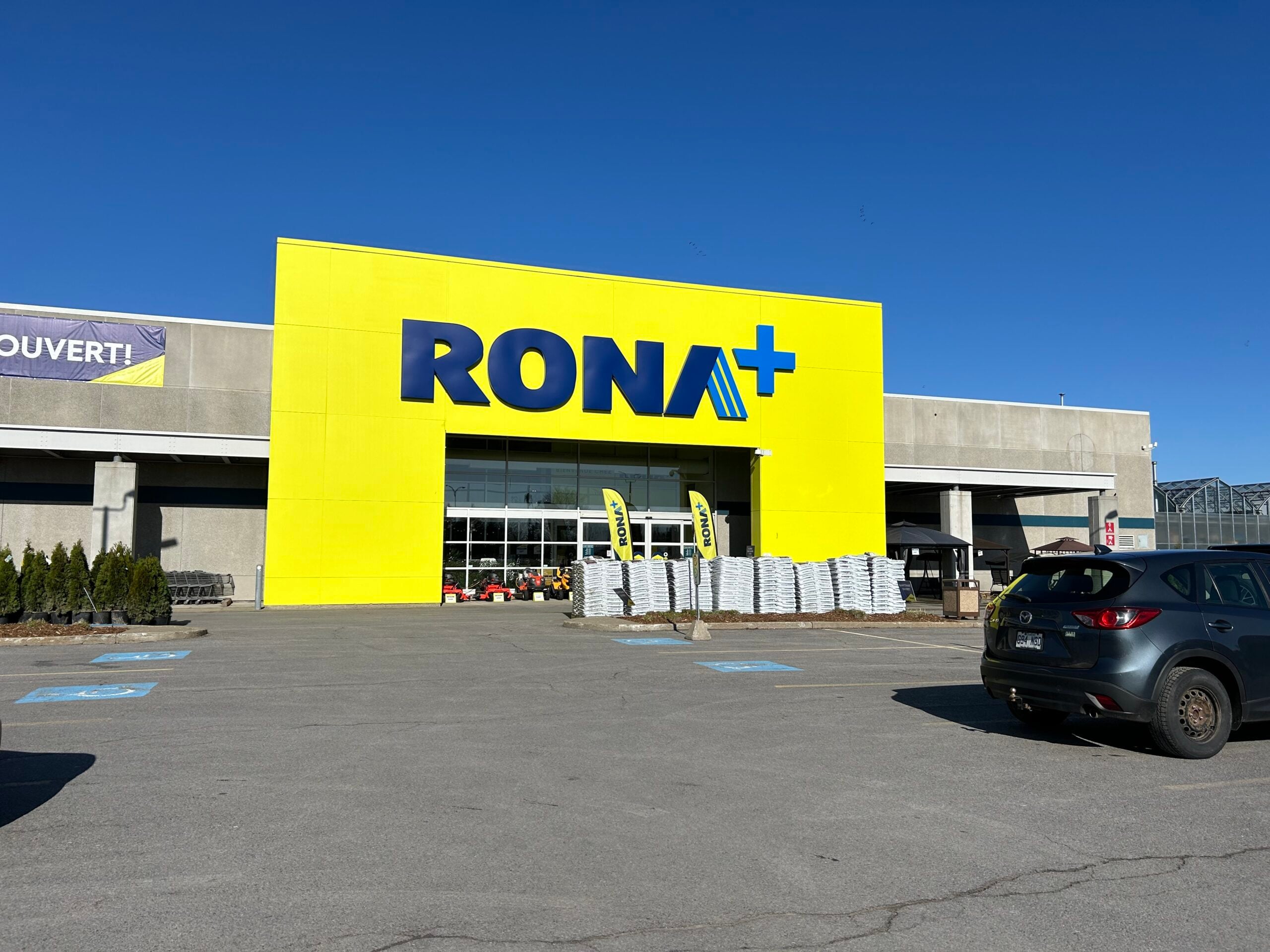
RONA+ Charlemagne (Image: RONA)
Building Material and Garden Equipment stores were down -4.7% YOY in March, echoing what we are hearing from the industry. Both Lowes and Home Depot both reported decreased sales in Q1 2024, which had been predicted; Lowes was down -4.4% YOY and Home Depot -2.3% YOY.
Lowes, specifically, experienced decreases in both average transaction size as well as number of transactions. Overall, these decreases are as a result of fewer discretionary sales (patio furniture, barbecues, etc.), as well as decreases in consumers taking on large scale projects, such as remodels.
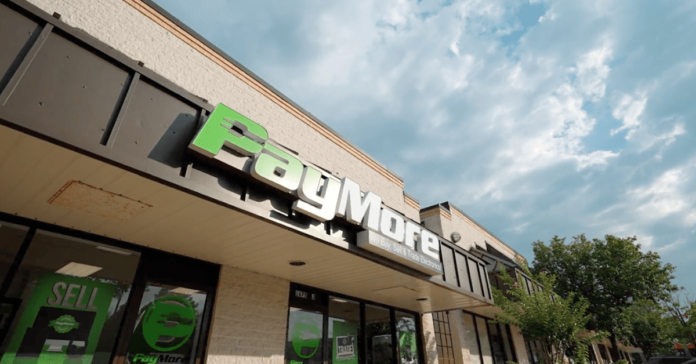
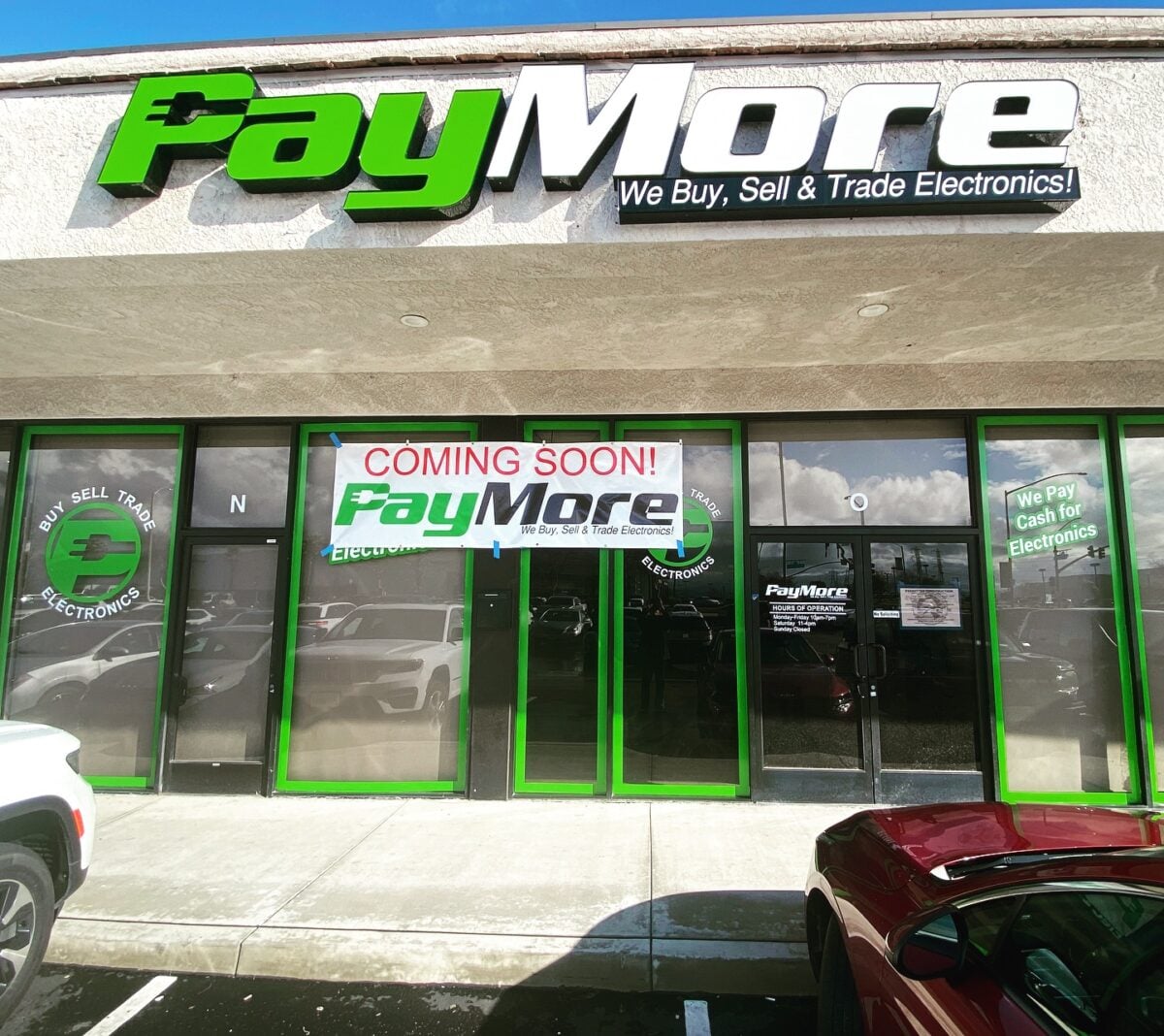
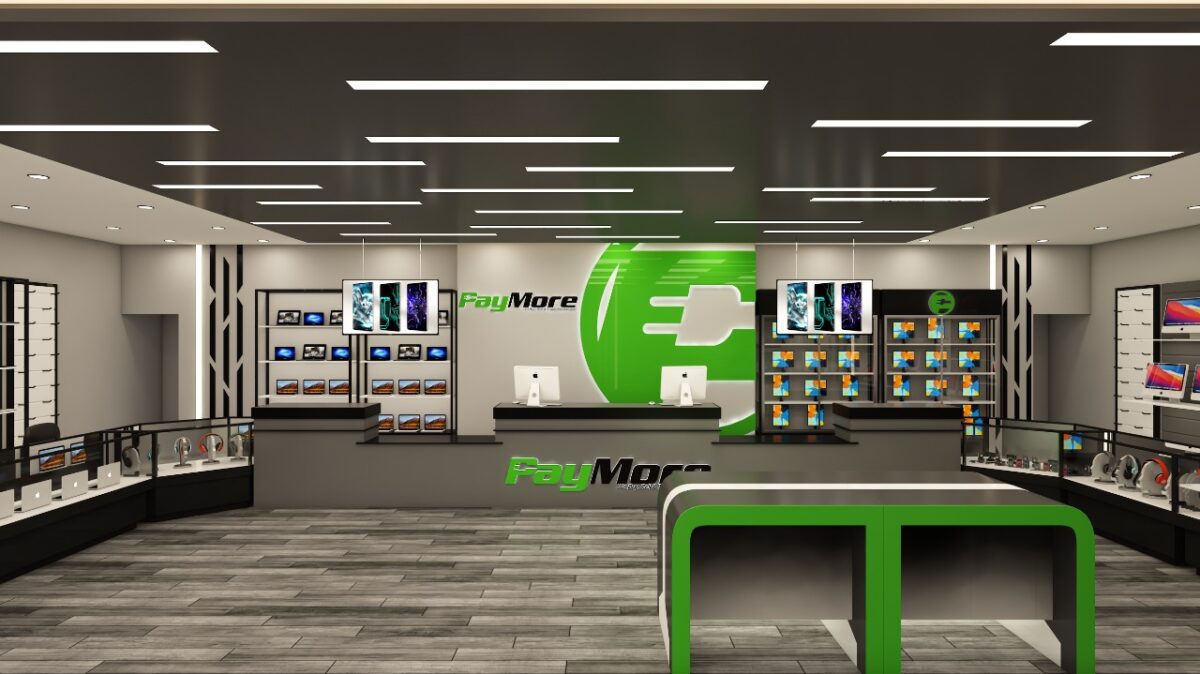
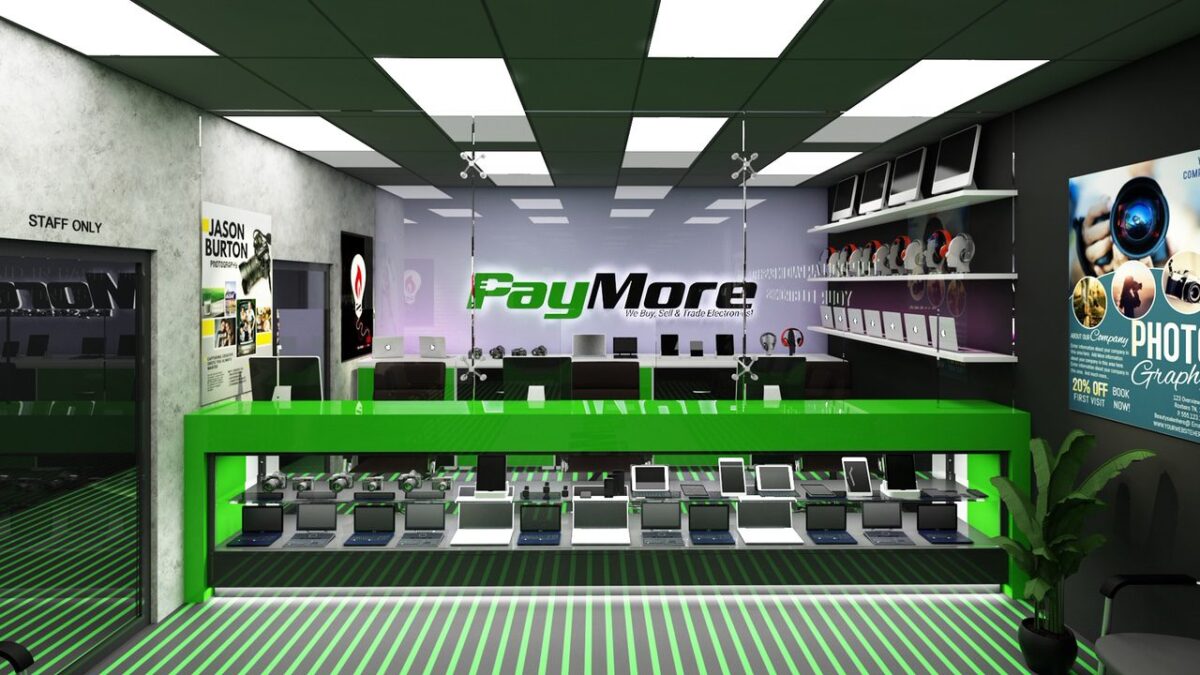
Second-hand electronics retailer PayMore, based in the United States, is expanding its retail footprint into Canada.
Stephen Preuss, Co-Founder and CEO of PayMore Stores, said the brand’s goal is to grow to as many communities as it can “because as long as technology is around, people will need to buy, sell, trade, and recycle their devices.”
Stephen Preuss
PayMore was founded in Massapequa, New York to obtain and repurpose old electronics and recirculate them back into the marketplace instead of having them pile up in landfills.
“We are a buy, sell, trade, recycle electronics retail store. We started this path in 2004 my partner and I . . . We built our business on technology and data. We just happen to sell electronics in a retail format. We ran our business in Long Island and then we started franchising in 2020. We opened up our second location at that point in time,” said Preuss.
Image: PayMore
“To date now, we have 36 stores open in 16 different states. We have another 55 being opened this year. So by the end of the year we should have 100 locations open in 29 different states. And we have contracted now including stores that we have open about 270 that are opening in the United States and we are now opening several in Canada as well.
“It’s a retail format where people come in. They have optionality in electronics which is not available anywhere else besides us. It got to the point where people were looking for different options outside of going to an Apple store and paying $3000 for a phone or going to Best Buy and having to buy something new off the shelf. We have really opened up the channels of optionality in the second-hand electronics space and we’ve also, one of our big missions when we started this, was to really revolutionize the second-hand industry as a whole which is highly stigmatized. When you think of second-hand industry you think of a pawn shop. And that’s not what we are. We are a clean, regimented, franchise business where people are comfortable coming in in better shopping centres. We have beautiful stores and our technology allows our customers that are interfacing with our staff to be highly educated on what they can pay for that item and we believe in giving a fair deal so customers come back. Overall, we’ve really changed the concept, the feel and the execution of the second-hand store.”
He said customers return 70 per cent of the time which is highly extraordinary compared to other second-hand stores that customers only come back about seven per cent of the time.
Preuss said Canada is the brand’s first international exposure.
“The Canadian market is very similar to the U.S. market. But not only that, there is the understanding of what a second-hand market is there. As well, the retail and the real estate is very similar. And also there’s not a lot of differences between the technology stack that we use in the U.S. as opposed to some of the other places that we’re looking into internationally,” he said.
“So it was a natural progression for us. Everywhere we put one of our stores in the U.S. we’ve become the highest grossing second-hand store in that specific market. Now we have so much exposure in the U.S. it was a natural progression for us in Canada. It really took a long time. It took about a year and a half to find the right first mover for us in Canada which we’ve found with our franchisee that’s doing five stores in the Ontario area.”
Image: PayMore
Preuss said the first store will open in August with a second store to follow before the end of the year in the Greater Toronto Area.
“We have mapped out the entirety of Canada. Real estate is my background. So we’ve worked with some local folks there to map it out. We’re looking at 120 stores in Canada over the next 10 years, coast to coast,” he said.
Image: PayMore
Spearheading this deal for the brand is Ontario native Richard Price, who brings over 20 years of experience as a director of sales, selling and managing teams from SMB to enterprise in multiple successful SaaS Businesses.
“I wanted more freedom in my career and as a first-time entrepreneur, I also wanted to see a proven concept that will help each community that it’s a part of,” said Price. “The market for buying and selling electronic devices is huge not only in Canada, but around the world. Seeing PayMore’s growth and success in the United States, on top of its mission to pay people for their unused tech and to safely recycle unwanted tech, made this the perfect opportunity for us and this market.”
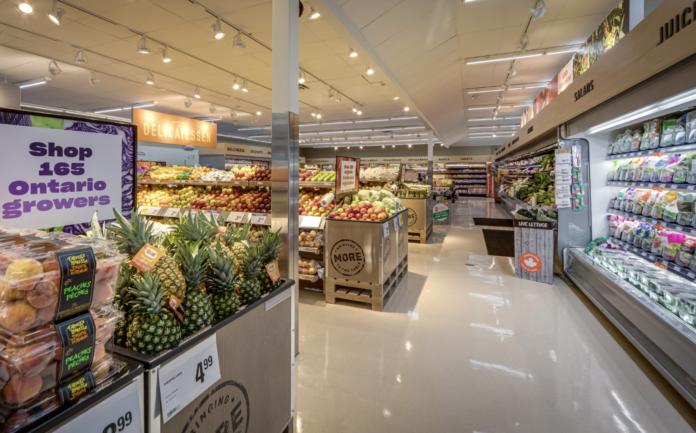
The recent move by Canada’s Competition Bureau to investigate the parent companies of grocery giants Loblaws and Sobeys marks a significant step in addressing anticompetitive behavior in the retail grocery sector. This investigation, initiated on March 1, focuses on the alleged use of property controls by these firms, which purportedly restrict competition through their lease agreements and control over land vacancies. With these two companies holding a combined market share of over 50% in the Canadian food retailing market, the potential implications are substantial.
According to Federal Court records, the Commissioner of Competition’s inquiry centers on suspicions that Loblaws and Sobeys are using their property controls to limit the activities of potential tenants, thereby reducing competition. This is particularly concerning in rural areas where communities often have limited grocery options, making them especially vulnerable to such practices. The allegations suggest that these companies are not only controlling who can lease space in shopping centers but also holding onto vacant lands to prevent competitors from entering the market.
Sobeys’ parent company has responded by calling the inquiry “unlawful,” reflecting the tension and defensiveness within the industry. However, many observers are not surprised by these developments, as the grocery sector has long been criticized for its market control tactics. The investigation underscores a broader issue: the control of market access and the strategic importance of location in the grocery business. These companies have mastered the art of location optimization, ensuring their dominance by strategically positioning and protecting their stores.
The public’s frustration with the grocery industry has been building, partly due to the long-running bread price-fixing scandal that has plagued both the industry and the Competition Bureau. After nine years, the investigation remains unresolved, eroding public trust. The current investigation into Loblaws and Sobeys is a crucial opportunity for the Bureau to demonstrate its commitment to protecting consumers and ensuring fair competition.
Within the grocery industry, there is a prevailing belief among executives that their practices are justified, driven by the need to maximize profits and serve customers. These practices have become normalized over decades, making it challenging to shift industry culture. However, the current food security crisis in Canada, highlighted by a poor rating from Food Banks Canada, has made the public less tolerant of actions that limit their access to affordable food options.
The Competition Bureau’s role is akin to law enforcement in ensuring market fairness. Just as speed limits and police patrols keep roads safe, the Bureau’s oversight is essential to prevent anticompetitive practices in the grocery sector. For the Bureau to regain public trust, it must complete this investigation swiftly and transparently, with clear recommendations made public. This will signal to both the industry and consumers that the Bureau is actively policing the market.
While the public needs to be educated about the complexities of the food industry, it is equally crucial for grocers to recognize that they are dealing with a more informed and less tolerant consumer base. The Competition Bureau’s investigation is a necessary step in aligning industry practices with public expectations and ensuring a fair and competitive market. This shift begins with robust oversight and decisive action from the Bureau.