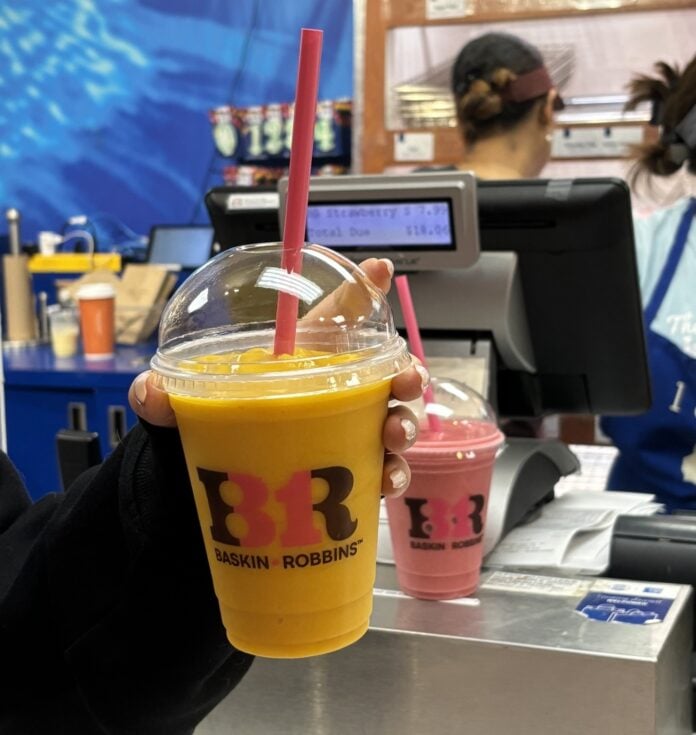
Baskin-Robbins is making the back-to-school season smoother for guests and Canadian youth this year.
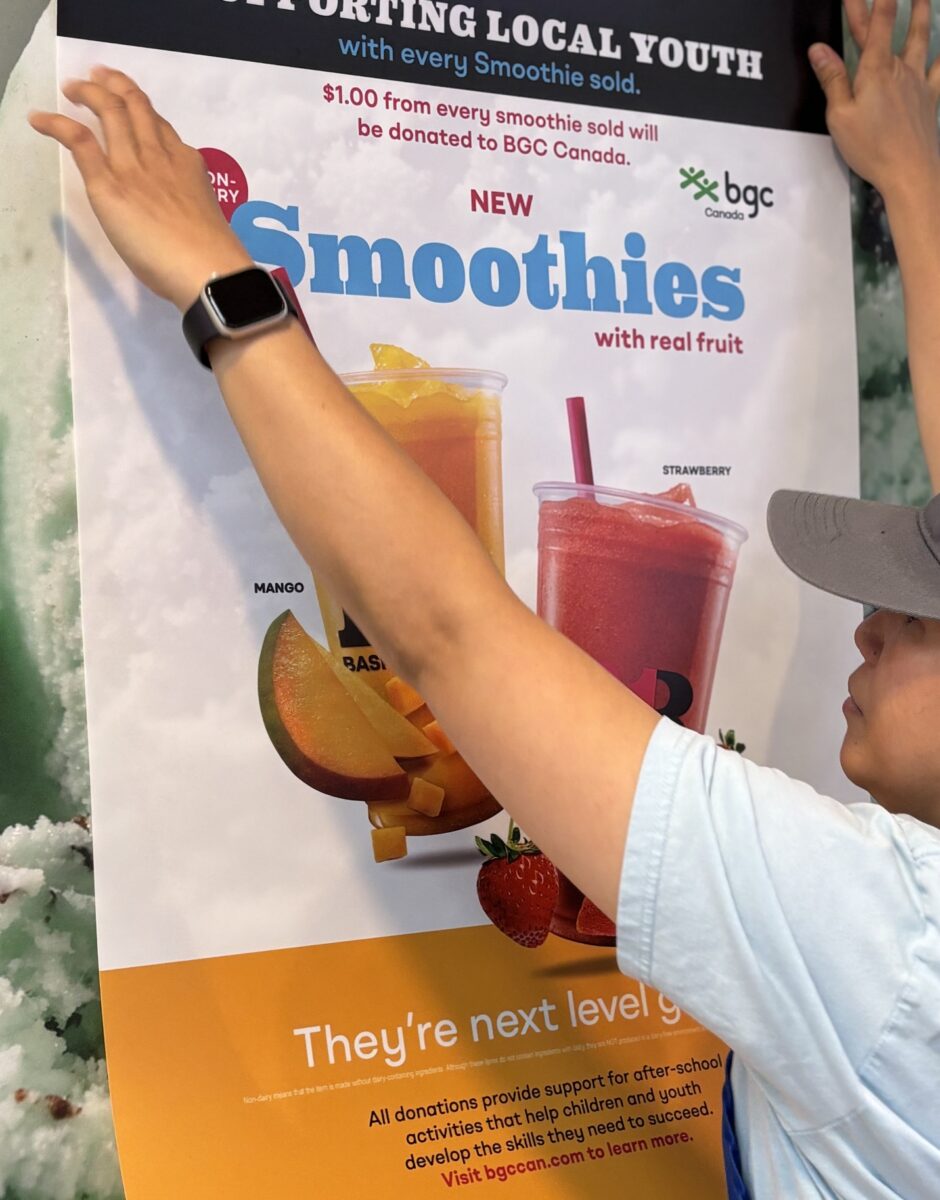
Throughout September, the ice cream and frozen treat specialist is offering a special promotion on its new Non-Dairy Real Fruit Smoothies – allocating $1 per Smoothie sold to BGC Canada (formerly Boys and Girls Clubs of Canada) in support of Canadian youth of all ages, and backgrounds.
Natalie Joseph
“A refreshing smoothie is a treat any time of the year,” said Natalie Joseph, spokesperson for Baskin-Robbins Canada. “But this is particularly true this September. As we all adjust to a new school year, it’s nice to start things off with a treat for our heroic children, while helping to fund BGC programs that are accessible to all children.”
Baskin-Robbins said it hopes to raise $30,000 through the month-long campaign. Since 2017, Baskin-Robbins has raised more than $130,000 in funds and in-kind value for BGC through programs such as this one.
“From successful fundraising campaigns to generous in-kind donations, Baskin-Robbins Canada continues to show its commitment to BGC Clubs and the families and communities we serve across the country,” said Brooke Duval, Senior Director, Partnerships & Philanthropy at BGC Canada. “Nothing goes together better than kids and frozen treats and we are thrilled at this sweet opportunity from Baskin-Robbins.”
Available at all 116 Baskin-Robbins locations, Non-Dairy Real Fruit Smoothies are available in two flavours Strawberry and Mango. They are also available through delivery using major delivery apps.
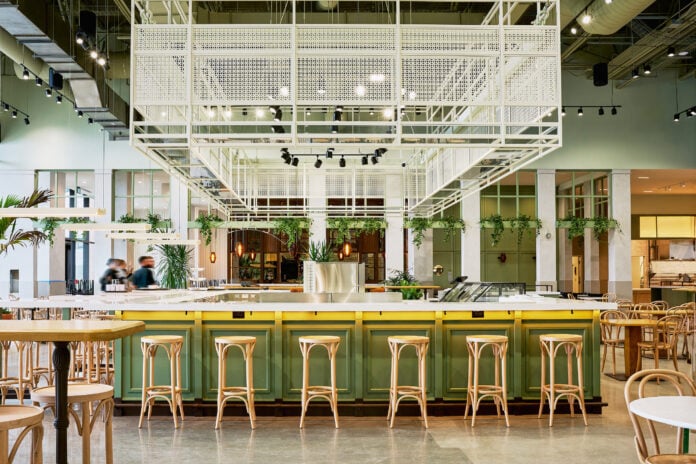
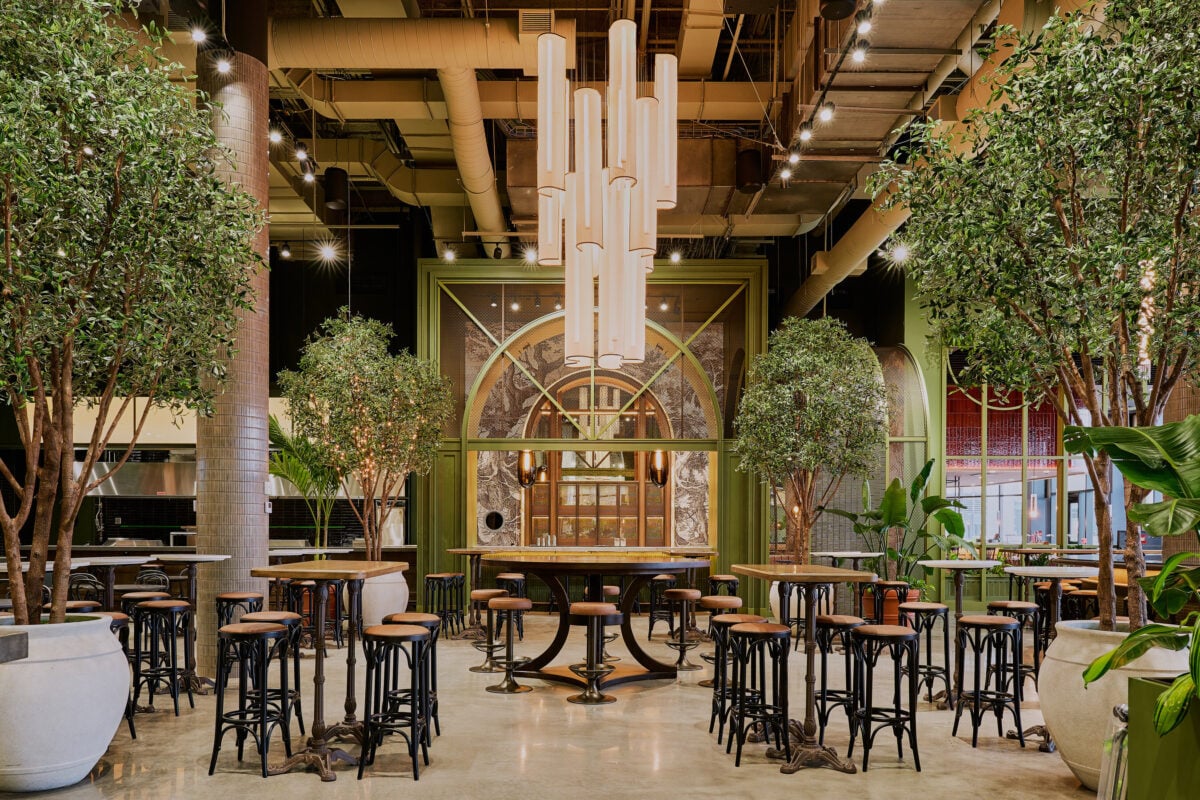
Le Fou Fou Food Hall Photo credit: Charlie Deuner (CNW Group/Le Fou Fou)
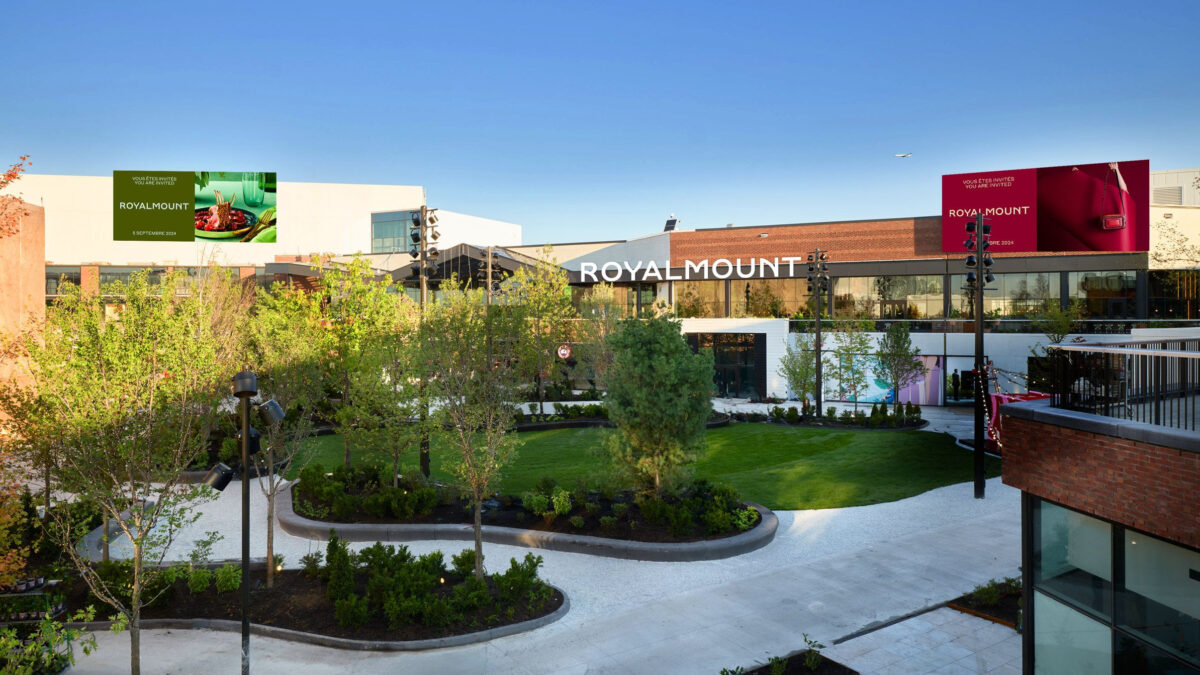
Le Fou Fou, a European-style food hall, opened Thursday in the heart of the new Royalmount development in Montreal.
With two à la carte restaurants, 10 unique culinary concepts, and three individually themed bars, Le Fou Fou says it is a destination created to stimulate the imagination and tantalize tastebuds.
“Can’t make up your mind? Not to worry, thanks to Le Fou Fou’s custom-built ordering system in partnership with Lightspeed and 5Loyalty, diners can order dishes from different vendors delivered seamlessly to the table on one check.
Le Fou Fou Food Hall Photo credit: Charlie Deuner (CNW Group/Le Fou Fou)
“In partnership with Carbonleo, we have focused on crafting an elevated environment in a beautifully designed space at Le Fou Fou where each guest can connect with one another and an exciting array of culinary delights.”, reflects proprietor David Haas of MTB Collective, owner of Le Fou Fou.
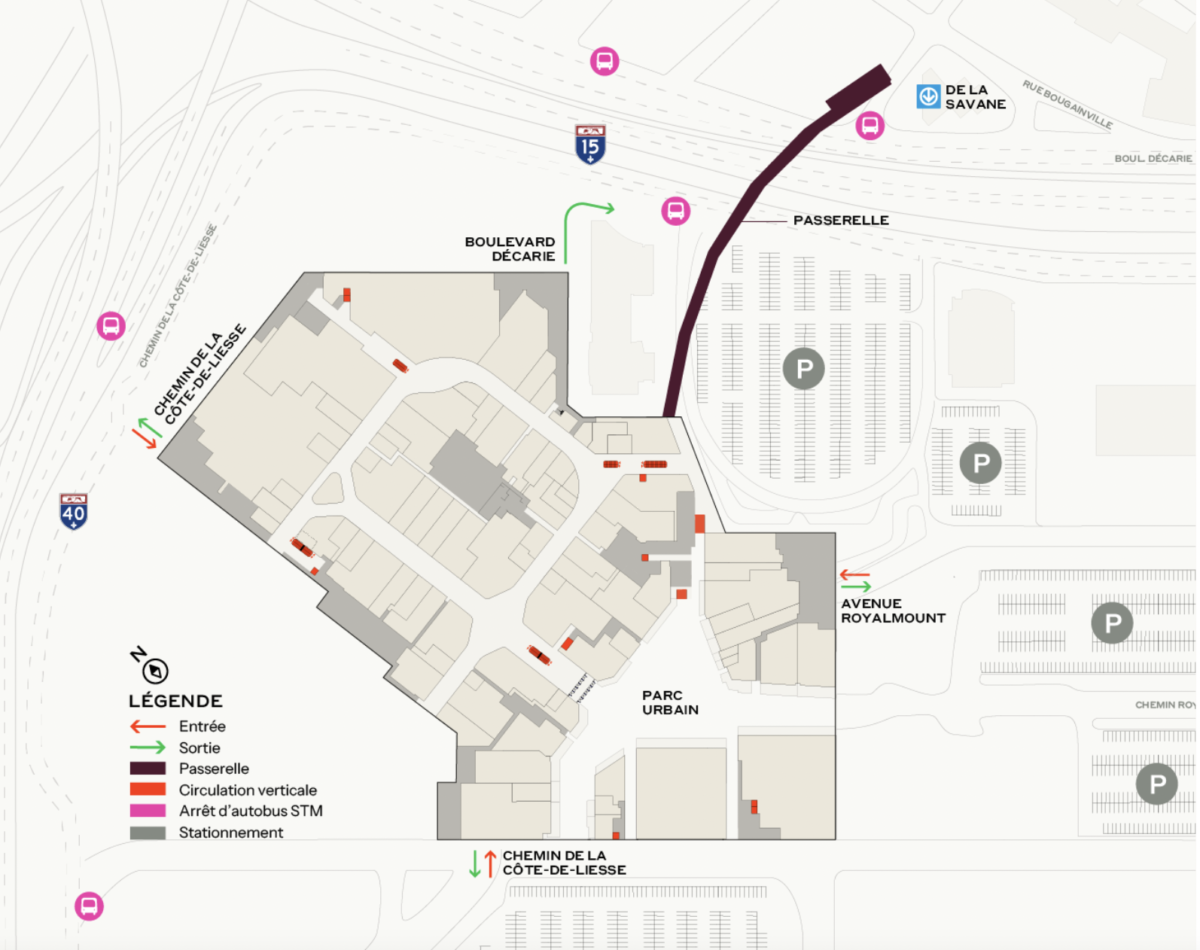
Le Fou Fou succeeds in honoring the city’s reputation as a gastronomic capital with a creative and playful twist. Conveniently located in the heart of Montreal’s midtown district, shoppers, nearby workers, and foodies alike can access Le Fou Fou via the brand-new indoor footbridge directly linking it to the De la Savane metro station or use the ample parking available to visitors.
The restaurants and bars at Le Fou Fou are the following:
À la Table Vins et Fromage, offering uniquely Fou Fou wine flights perfectly paired with premium charcuterie from À la table by Hanna.
Bar Sucré, delightfully unexpected post-dinner cocktails and decadent desserts by the slice.
Eva’s all-day café by Shah Kash offering a mouth-watering all day menu from classic brunch staples to Mediterranean inspired plates and juicy fried chicken.
Exchange Marché du Café offering local roasts, specialty lattes, and a selection of pastries by the renowned Hof Kelsten bakery.
Hogar Taqueria by the Torres brothers serves up authentic chef-crafted Mexican classics such as tacos, enchiladas, and tostadas made with steakhouse-quality ingredients.
Il Miglio by legendary restaurateur Claude Pelletier, offering his signature, made from scratch pastas.
James Beard Award Winning Chef Tony Messina comes to Montreal with two unique concepts for Le Fou Fou. Kishu sushi bar and Bayswater Raw Bar presenting the freshest seafood from towers of oysters and caviar to uni hand rolls paired with sake.
Le Lucky Belly, comptoir asiatique serving up poke, boba and regional Asian specialties.
PRIME Bar à Boeuf by Lenny Lighter of the original Moishes, offering irresistible burgers and steak frites crafted from top-notch cuts of meat, infused with decades of steakhouse know-how.
Spirulina health bar, has something for everyone, serving up mouth-watering toasts, salads, and smoothies, by Jessica Power and Olivia Farruggia.
Le Taj bold and flavorful Indian cuisine serving a variety of classics and specialties by renowned Montreal restaurateur Kabir Kapoor.
Tiramisu, also by the Lucky Belly Group fires up artisanal pizzas and Italian specialties with a hint of Asia.
Tori Ramen by Hanhak Kim, promises to deliver the finest ramen in Montreal, drawing inspiration from his travels to Tokyo.
Le Fou Fou’s cocktail bar serving hand-crafted cocktails with fresh ingredients and artisanal spirits.
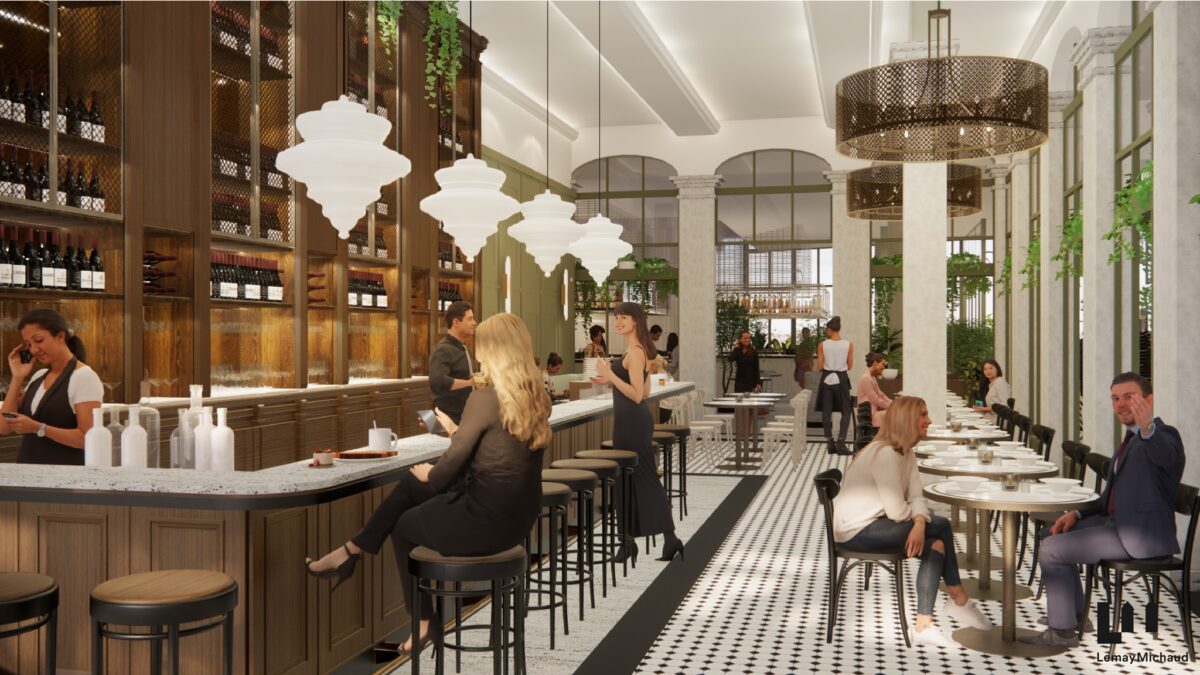
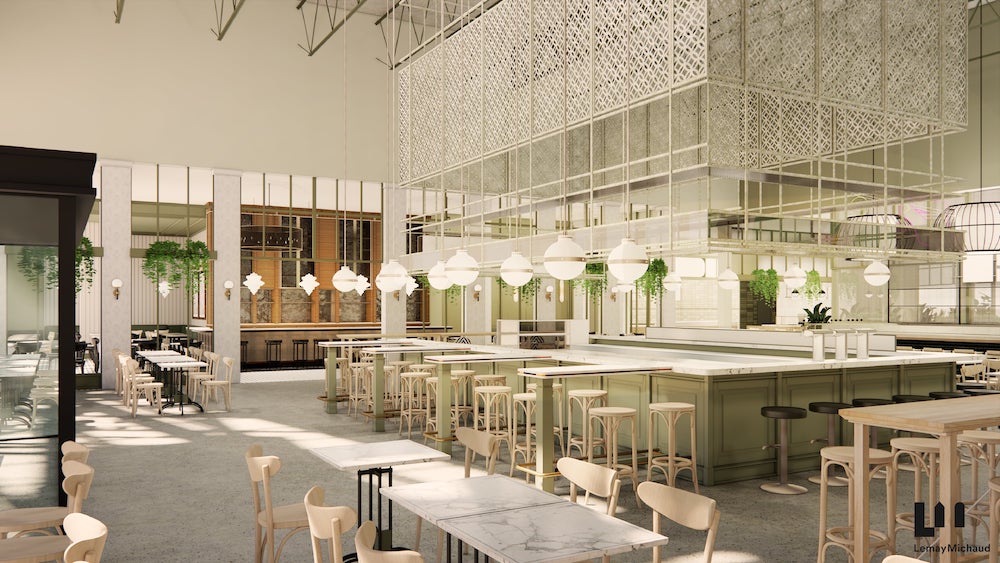
Rendering of Le Fou Fou by LemayMichaud (CNW Group/Le Fou Fou)
Year-round special programming will include culinary collaborations, live musical performances, art showcases, cultural event screenings, and more! The inaugural “Punch Brunch” series, launching on weekends this fall, features decadent brunch menu items from each vendor served with unexpected communal punch bowls for everyone to enjoy.
Conceptualized as a European-style food hall, Le Fou Fou is Montreal’s first to combine top-tier talent, hi-touch technology, and programming all year round. An over 30,000-square-foot indoor space, and 6,000 square feet of exterior space includes 12 distinct culinary offerings, including catering, plus three bars with outdoor dining that seats over 900 guests. Le Fou Fou is open seven days a week for all-day dining and has an exclusive in-house catering partner, Traiteur Brera, to accommodate corporate & private events.
The transaction is subject to customary closing conditions, including necessary regulatory clearances, it said.
“With a dynamic history of innovation and growth dating back to 1904, Rexall operates 385 pharmacies across Canada and employs approximately 8,000 team members. Rexall is known for providing exceptional patient care and customer service with an ongoing dedication to caring for Canadians’ health, one person at a time,” said Birch Hill in a news release.
“Well.ca is a one-stop destination where consumers can find better-for-you everyday essentials and discover Canada’s newest wellness brands and products. Offering customers more than 40,000 conveniently delivered health and wellness products, Well.ca strives to provide consumers with choice, dependability and ease, every time they visit.
“Birch Hill’s experience championing community brands and Canadian businesses, long-term hold period and focus on growth makes it the right partner for Rexall and Well.ca as they are repositioned for future success.
“Understanding the valuable role pharmacies play in local communities, Birch Hill is committed to maintaining and investing in reliable, accessible healthcare services to expand Rexall’s current network of pharmacies across Canada. With the right investment strategy, there is tremendous opportunity to strengthen the role Rexall plays in the healthcare landscape, providing more services to Canadians from more locations, including pharmacy primary care to address critical healthcare needs.”
McKesson Corporation will remain Rexall and Well.ca’s wholesale distribution supplier, ensuring a smooth transition for the business, added Birch Hill.
Birch Hill is a Canadian mid-market private equity firm with a long history of driving growth in its portfolio companies and delivering returns to its investors. Based in Toronto, Birch Hill currently has $5 billion in capital under management. Since 1994, the firm has made 72 investments, with 57 fully realized. Today, Birch Hill’s 15 partner companies collectively represent one of Canada’s largest corporate entities with over $8 billion in total revenue and more than 40,000 employees.
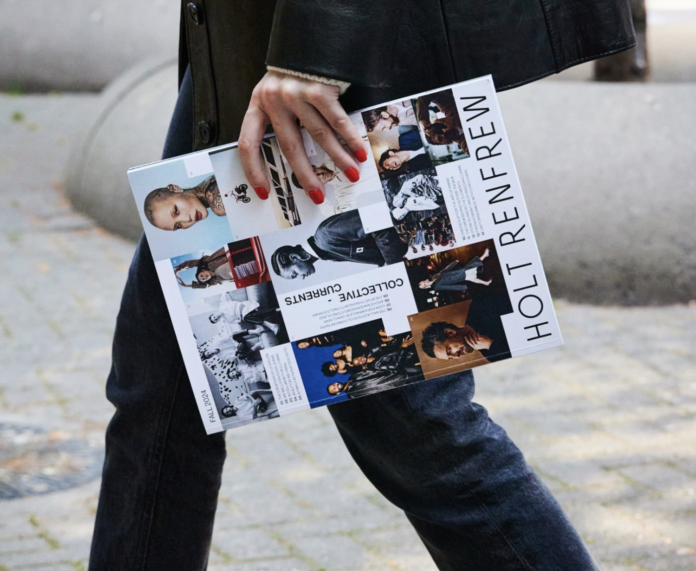
“No longer a vendor-driven catalogue, the magazine has evolved into a coffee table-worthy publication. The Fall 2024 issue, entitled “Collective Currents”, showcases Holt Renfrew‘s commitment to culture and creativity. Tapping into thought leaders like designers, makeup artists, chefs and beyond, the pages brim with insights from the diverse community builders who are defining Canada’s cultural conversation,” said the fashion retailer.
Stories include:
“The Art of Dining,” profiling the owners of new Montréal hotspot restaurant, Le Violon. Chef Danny Smiles, artist Dan Climan and friends are featured in Holt Renfrew’s fall fashions, with an accompanying write-up exploring the ritual of dining — a gathering space for connection, conversation, and celebration.
“Outside the Box,” featuring the collective behind Bully Magazine: stylist-turned-editor-in-chief and founder, Bobby Bowen, along with editorial team, Tré Akula, and Avery Medina, dressed in the season’s best outerwear. Their Q&A explores the meaning of community, the role of print media in a digital world, and their approach to cold-weather styling.
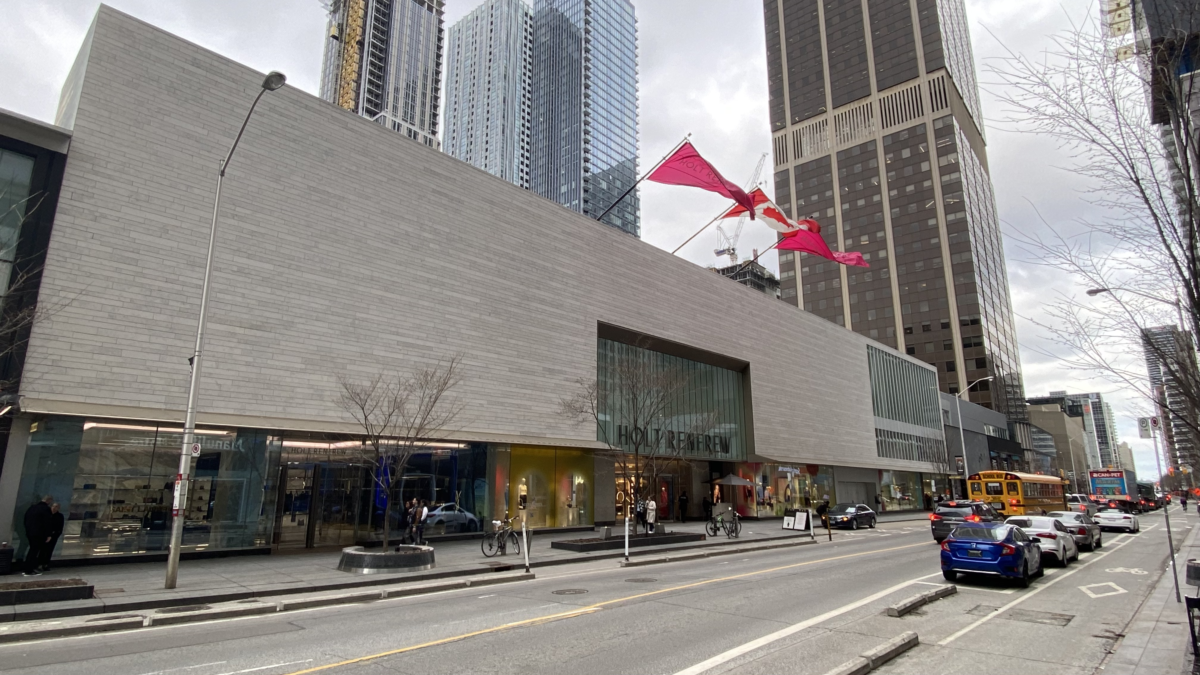
Holt Renfrew’s Bloor Street store on March 27, 2024. Photo: Craig Patterson
“Carved in Stone,” two of Stone Islands preeminent obsessives and collaborators: Archie Maher, founder Arco Maher and Avi Gold, owner/founder, Better Gift Shop, in conversation about the importance of the brand, in advance of the Stone Island Material Research: ‘984-‘024 exhibit at Holt Renfrew Ogilvy, this October.
“Creative Parallels,” a conversation between Marco Baldassari, co-founder and CEO of Eleventy Menswear, and Paolo Ferrari, the founder of Studio Paolo Ferrari. They discuss the intersection of tailoring, architecture, and design, along with the upcoming Holt Renfrew and Eleventy collab: The Carbone Capsule.
Wes Wolch
“I am thrilled to share our Fall Magazine, Collective Currents. We are proud to spotlight incredible individuals, from across Canada and the globe who are moving culture forward,” said Wes Wolch, Senior Vice President, Marketing, Holt Renfrew. “This issue is a vehicle for community connection that reflects Holt Renfrew’s mission to empower self-expression and ignite positive change.”
Holt Renfrew’s Fall Magazine, Collective Currents is available online and at Holt Renfrew locations in Toronto, Montréal, Calgary, and Vancouver.
Holt Renfrew is considered Canada’s top fashion and lifestyle retailer. Founded in Quebec City in 1837, it now has seven stores across Canada, including four in the Greater Toronto Area, plus Montreal, Calgary, and Vancouver, customers can also experience Holt Renfrew’s offerings via holtrenfrew.com. Holt Renfrew was acquired by the Weston family in 1986 and continues to be privately and Canadian-owned.
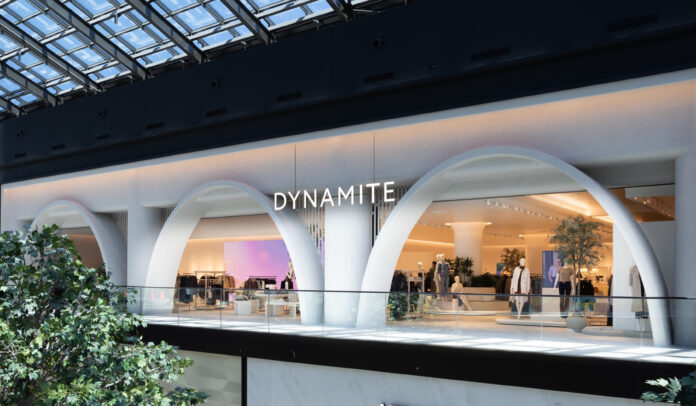
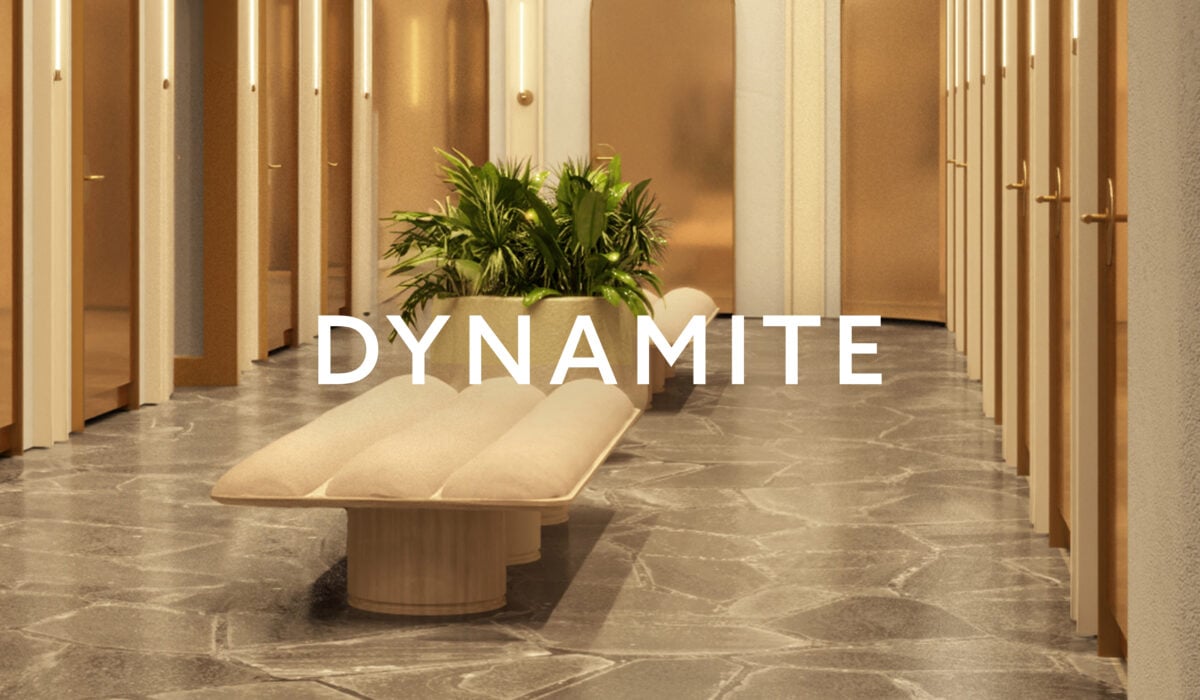
Dynamite at Royalmount in Montreal. Photo courtesy of Dynamite
Montreal-based Dynamite, a leading women’s lifestyle and fashion brand, is opening today its largest flagship store—over 8,000 square feet—in its 40-year history, at the new ROYALMOUNT shopping centre.
The company said the new location marks a significant milestone for the legacy brand and will be the retailer’s most considerable flagship experience in its history with uxury-inspired shopping.
Photo courtesy of Dynamite
This state-of-the-art retail space represents a fresh vision for the brand, reflecting Dynamite’s evolution and commitment to deliver against the ever-evolving needs of today’s modern, busy, and multi-dimensional consumers, it said.
Stacie Beaver
“The ROYALMOUNT debut is an inspiring and exciting time for the brand. Our new concept in this location allows us to deliver an elevated and luxurious experience to our customers and is the perfect translation of today’s Dynamite as we evolve into a true fashion-forward destination,” said Stacie Beaver, President and COO.
“We have been honored to serve our customers as a leader in fashion for decades, and we are honored to begin this fresh new chapter with them as well.”
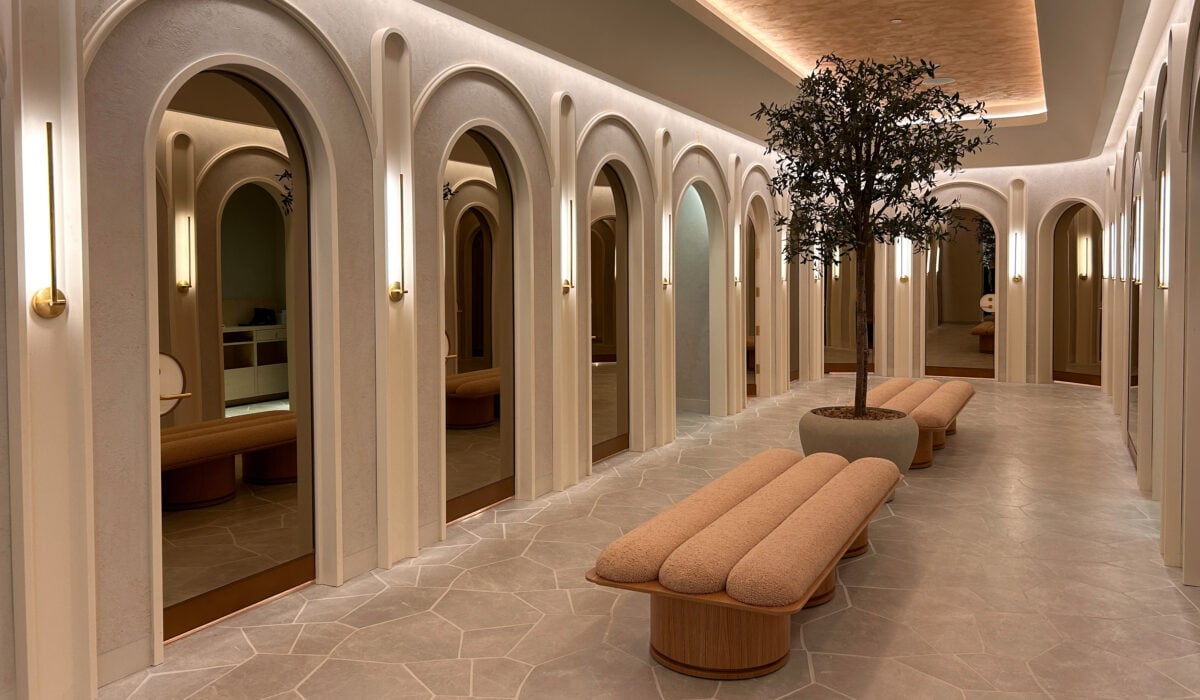
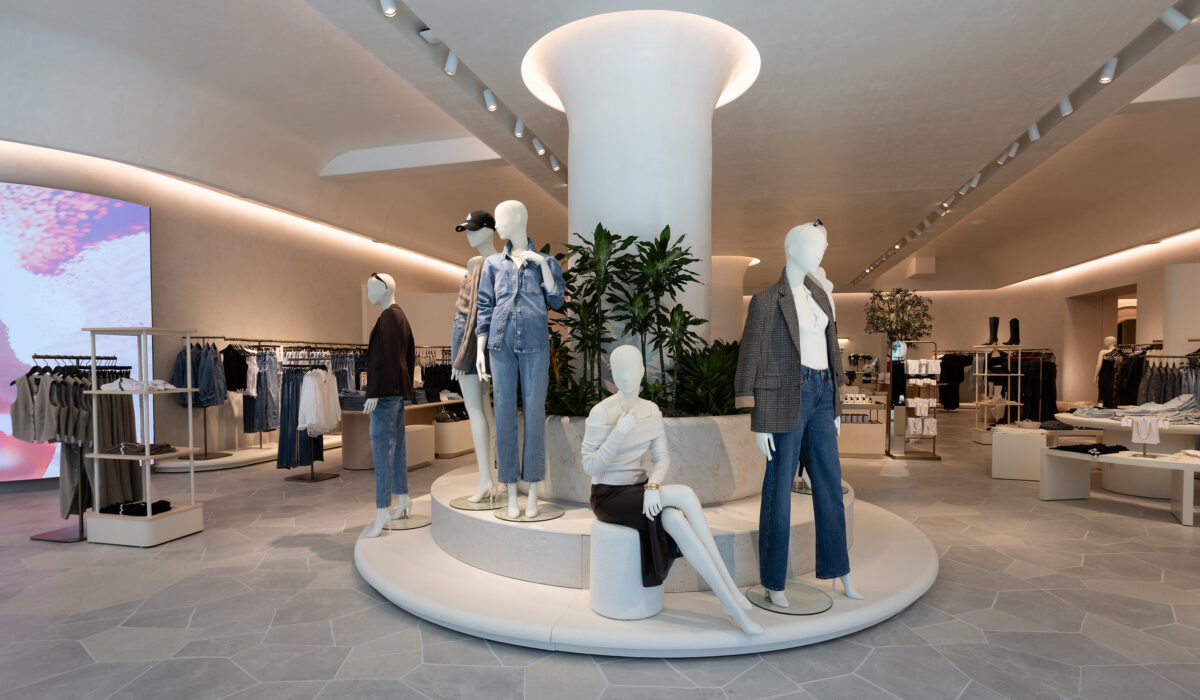
The retailer said the reimagined flagship concept will feature meticulously curated collections, exclusive capsules, and on-site stylists, ensuring a refined and personalized shopping experience. A key highlight of this location is its innovative fitting rooms, designed to provide customized, one-on-one service models and clienteling.
Photo courtesy of Dynamite
“This focus on elevated, individualized shopping experiences promises to offer customers a new level of delight and satisfaction, fitting in with the new standard in retail excellence that ROYALMOUNT embodies. ROYALMOUNT is the largest concentration of luxury flagship stores in the province,” it said.
Photo courtesy of Dynamite
“Customer obsession is at our core, and we are inspired daily by the women who seem to make having it all and doing it all look possible, even when it’s not perfect,” added Beaver.
Founded in 1984 as a subsidiary of Groupe Dynamite Inc., Dynamite currently operates 93 store shopping experiences spanning across Canada and the United States, as well as online at www.DynamiteClothing.com
Photo courtesy of Dynamite
ROYALMOUNT is a new Montréal destination located in the heart of midtown, where connectivity, creativity, and sustainability meet and thrive. It will feature more than 170 retailers, and the largest concentration of luxury flagships in the province, as well as 60 restaurants and experiential attractions. It was conceived by real estate development and management company Carbonleo. The first phase will consist of an 824,000-square-foot two-level retail and lifestyle complex. The district will also house a three-kilometre elevated linear park as well as a 1.8-acre urban park.
Retail Insider is streamlining its Canadian retail news from around the web to include a handful of top news stories that can be viewed quickly during the day. Here are the top stories from the past 24 hours.
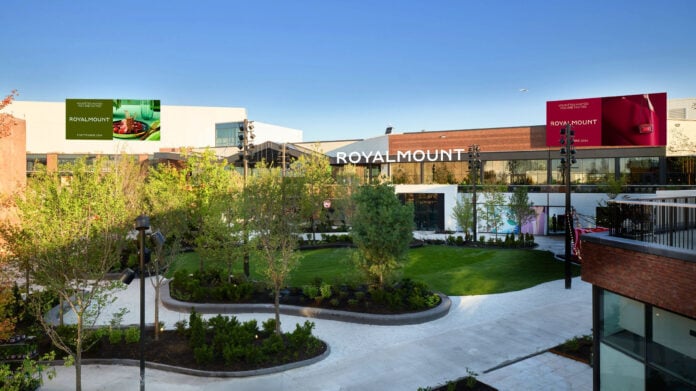
The first phase of the retail component of the Royalmount development in Montreal opened to the public at 10am on Thursday, September 5.
The ambitious project, spearheaded by developer Carbonleo and partially financed by L Catterton, adds competition to the Montreal retail scene. It also creates a second luxury node in the city, with the developer hoping that the market will expand to support both.
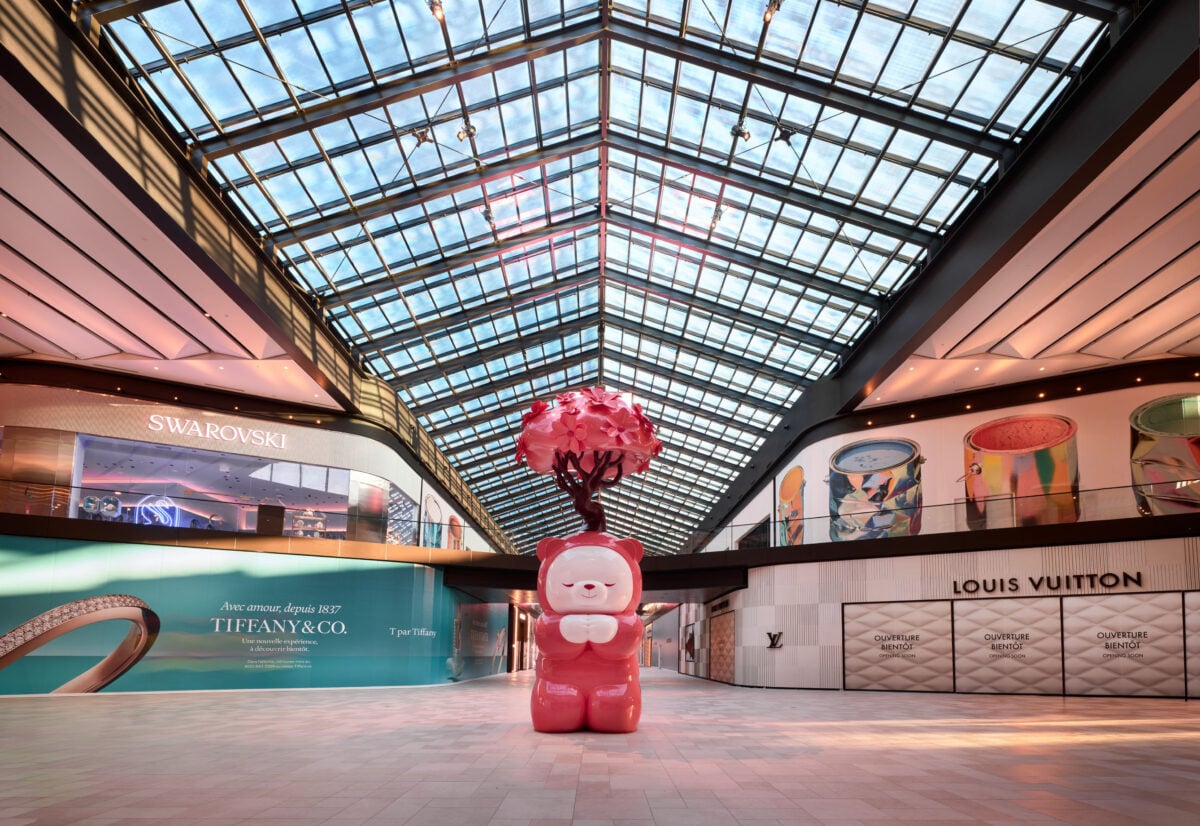
The 824,000 square foot commercial centre features the largest concentration of international luxury stores in the province. Brands include Louis Vuitton, Gucci, and Versace, many of which are making their standalone store debut in Quebec.
The complex features a 77,000 square foot urban park at its centre. There is a public art trail with over 60 installations from both emerging and established artists, curated in partnership with MASSIVart.
Royalmount is on track to become the largest LEED Gold retail project in Canada, incorporating numerous eco-friendly features into its design. A $50 million 200-meter skybridge connects the complex directly to the De la Savane metro station, promoting the use of public transportation.
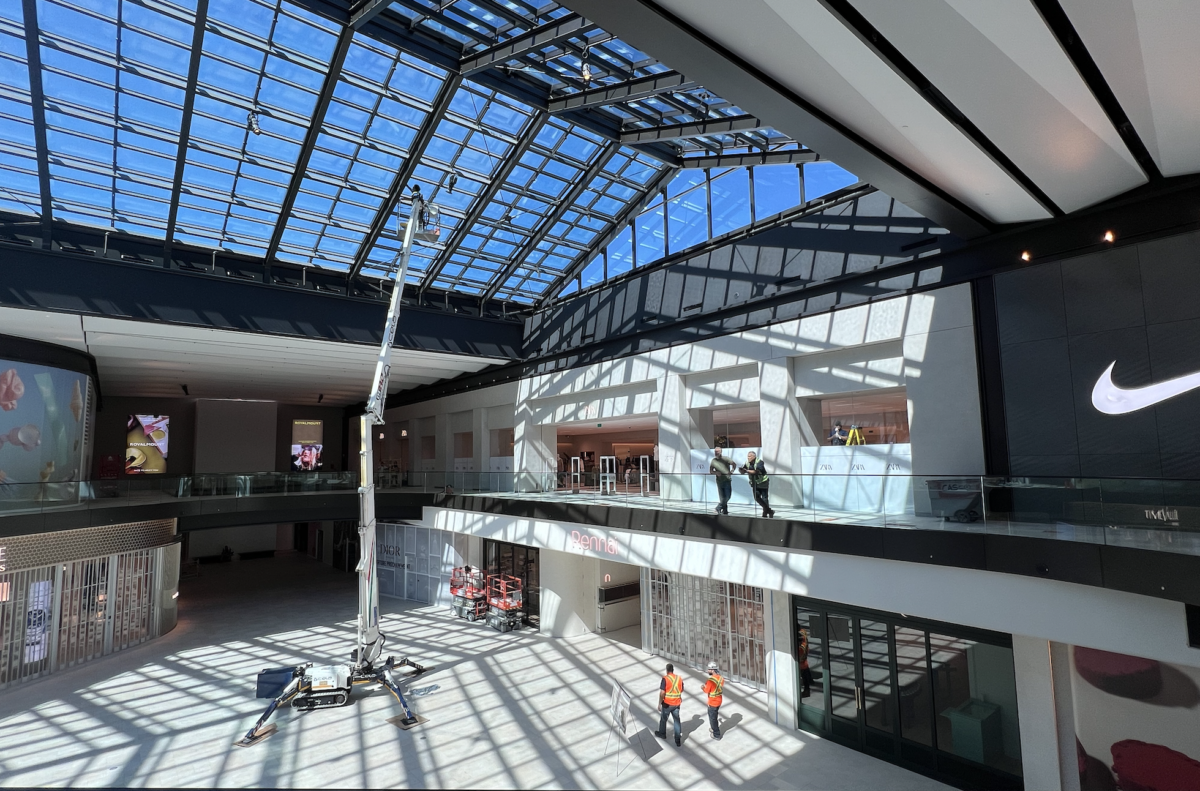
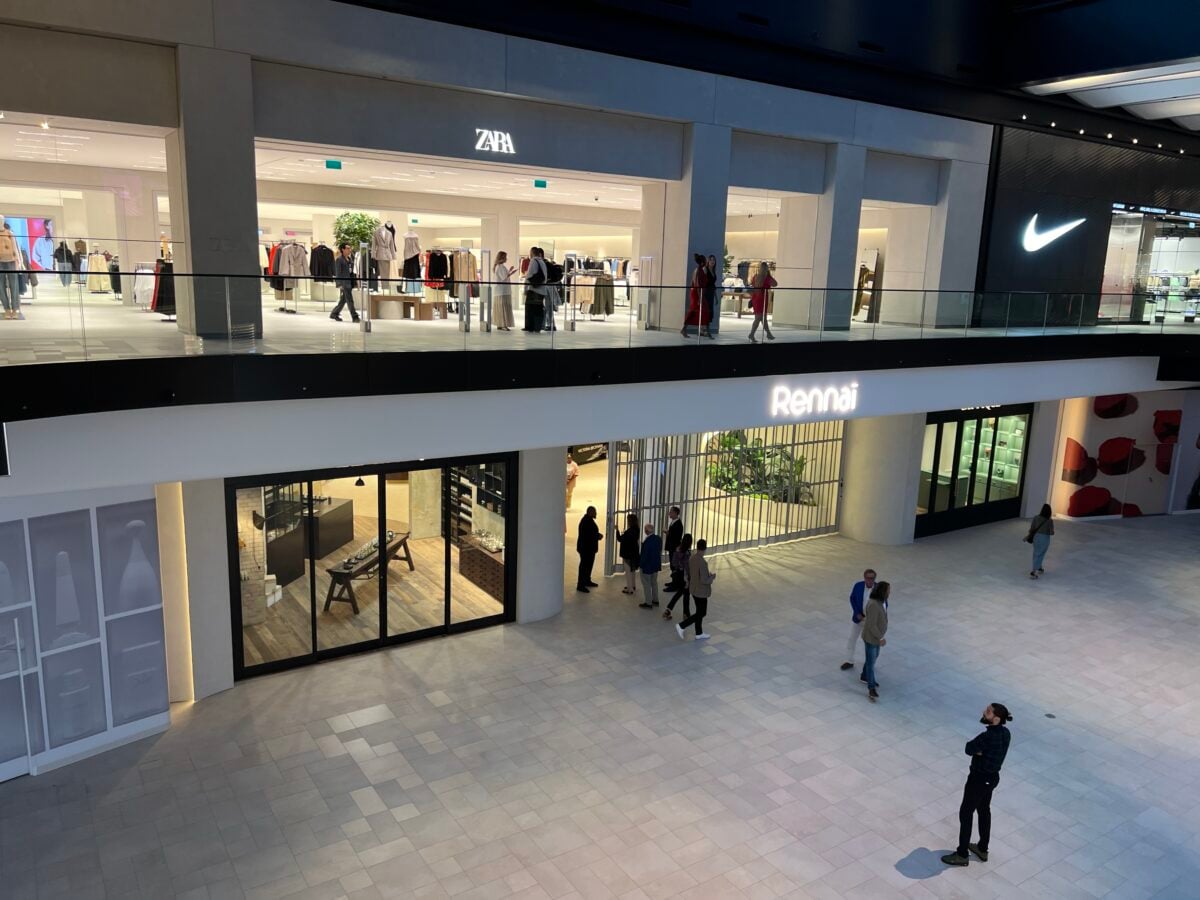
Royalmount floor plan. Image: screen capture from Royalmount.comLooking down from the second level towards Rennaï on the lower level, and Zara/Nike on the second level. Photo: Maxime Frechette
Eventually a VIP Cineplex and Rec Room arcade will open at Royalmount. And in 2026 an aquarium will open at Royalmount as well.
About 50% of the 110 retailers were ready to open by September 5. Others will open later — Gucci, for example, will open September 20. Chocolate retailer Jeff de Bruges will open in December. And other retailers such as RH, Balenciaga, Tiffany & Co. and Rolex won’t open until 2025.
The shopping centre has about 4,000 above and below-grade parking spots. And parking isn’t free technically — the first half-hour of parking at Royalmount is free, and you get an extra free half-hour if you download Royalmount’s parking app. It costs $2.50 per half hour to park at Royalmount after that.
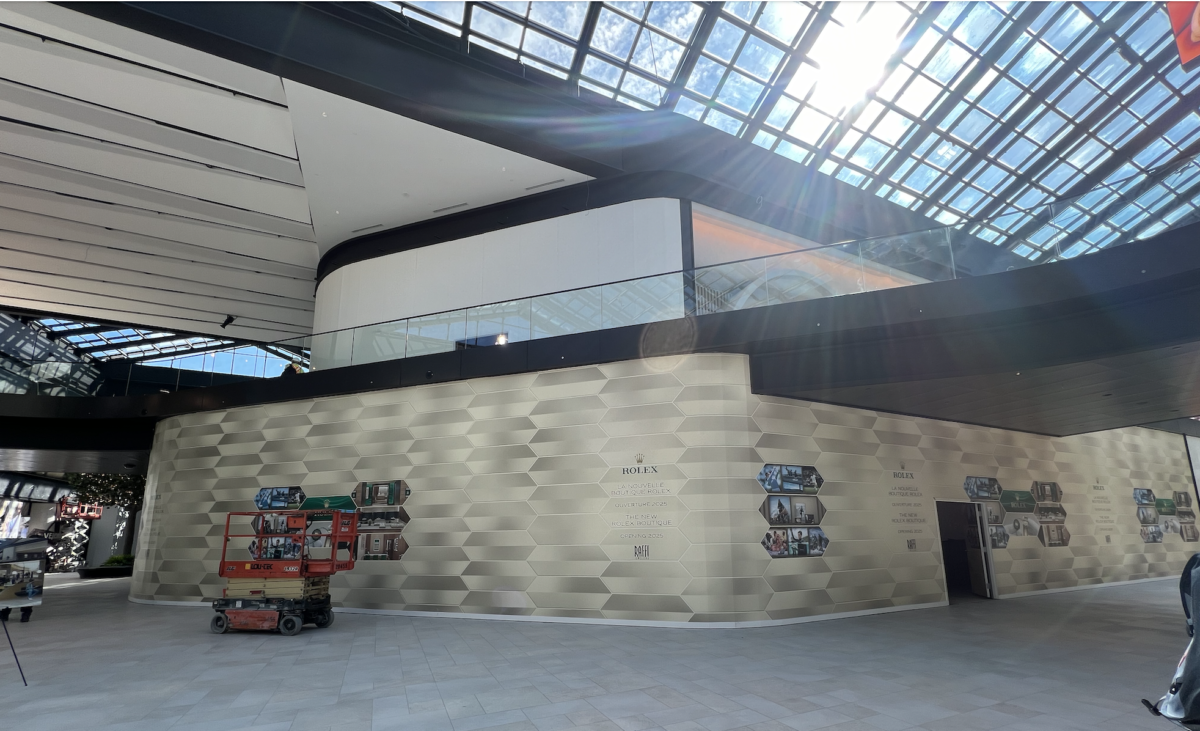
Future 7,400 square foot Rolex store at Royalmount in Montreal, which will become one of the largest in the world when it opens next year. Photo: Maxime Frechette
Royalmount is located at the intersection of Highway 40 and the Decarie Expressway. Some locals have expressed concerns about vehicular traffic in the area, which could increase as Royalmount gains popularity. Developer Carbonleo is suggesting visitors take alternative modes to get there, including public transit.
The development is expected to eventually house a mix of high-rises with homes, offices, and a mix of parks and other buildings to create a larger community. The first phase of Royalmount opening this Thursday is only about 8% of the development’s ultimate build-out plans for the site, which began assembly about a decade ago.
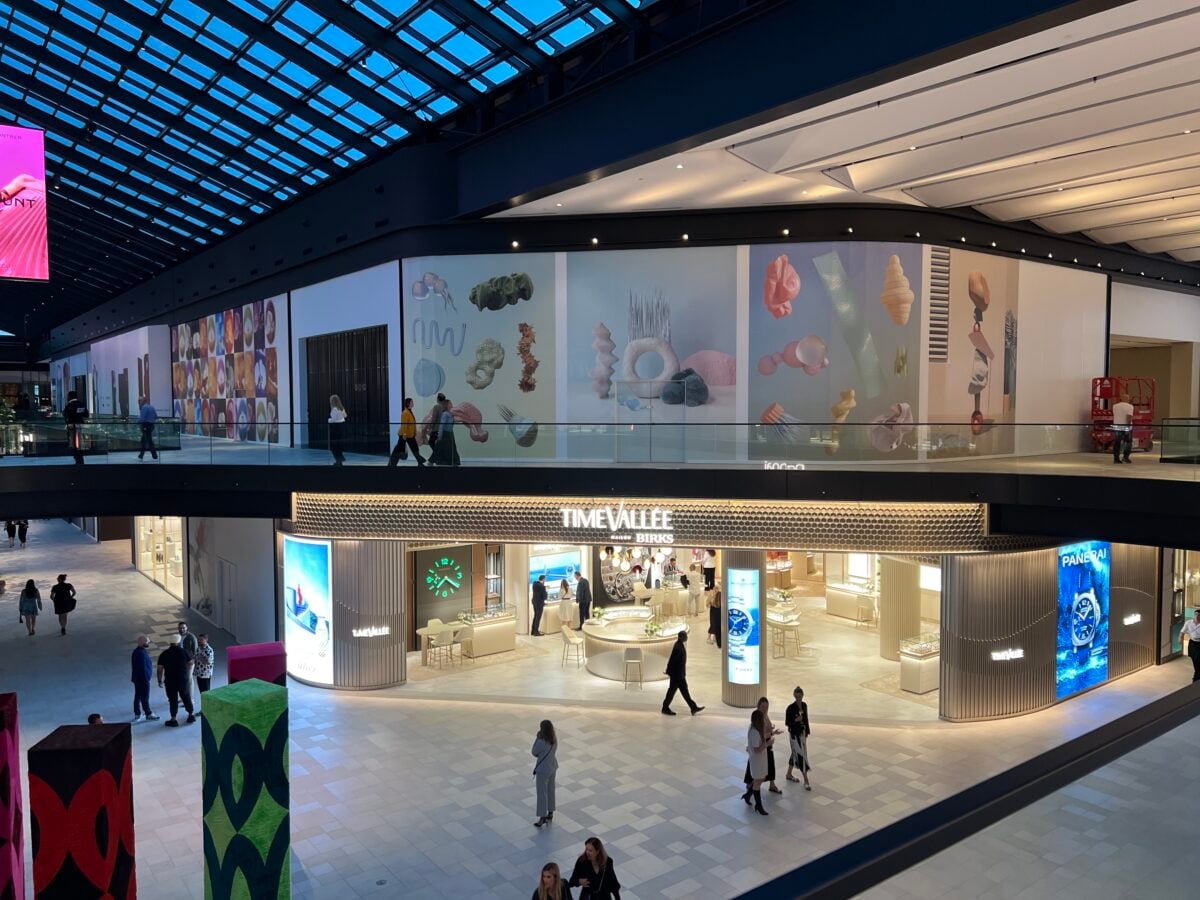
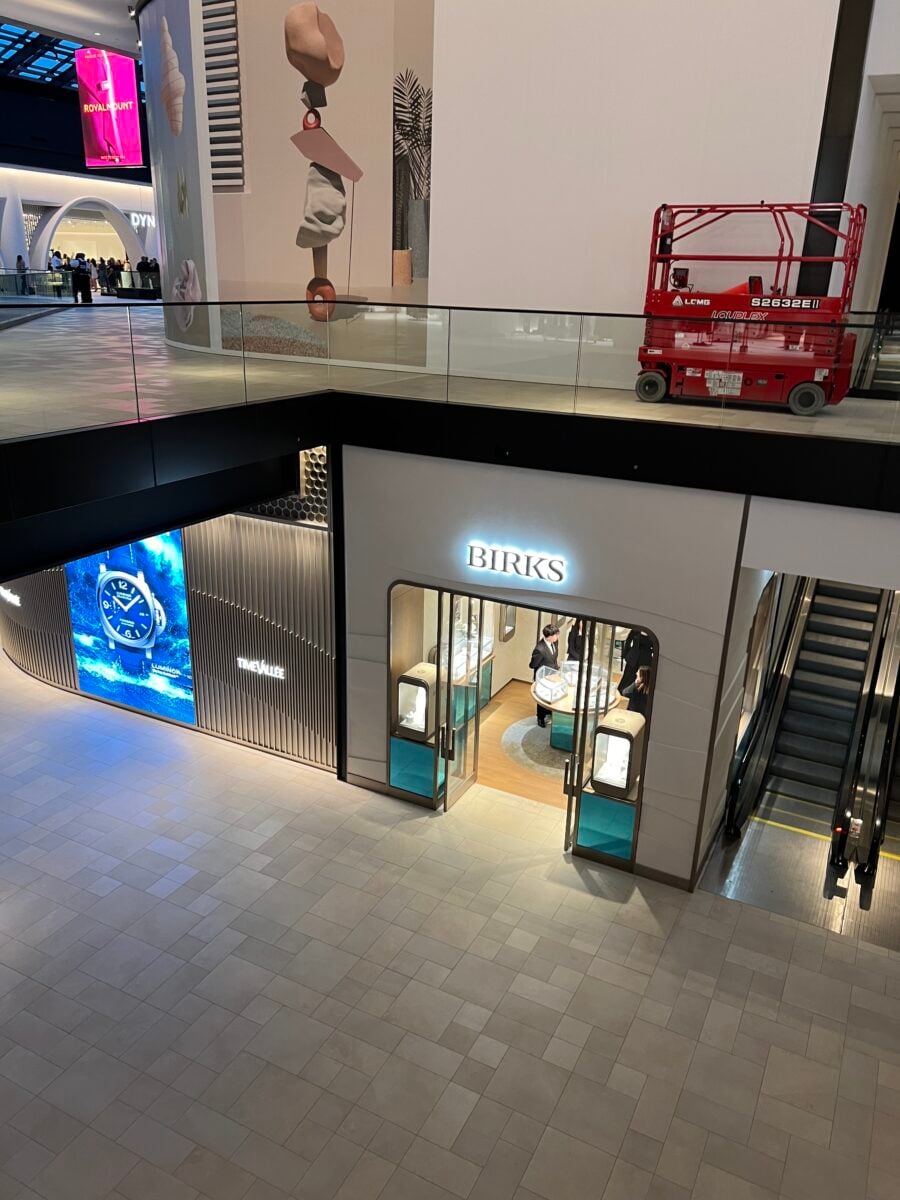
Birks recently announced that it was bringing the multi-brand luxury watch concept TimeVallée to Canada, with the first location open at Royalmount in Montreal. Photo: Maxime Frechette
Royalmount could be a draw for some tourists visiting the region, depending how extensively it markets itself as a destination. The expansive mix of luxury brands at Royalmount itself will make it a draw for those seeking such brands and price-points. If it all works out, the centre could become one of the most productive in the country in terms of sales per square foot, similar to how Yorkdale dominates both luxury store availability and sales productivity in the Toronto market.
Royalmount’s developer is hoping that locals will also flock to the centre’s high-end retailers, in effect expanding the luxury retail market in Montreal. Montreal is home to a considerable amount of wealth — five out of the 20 wealthiest neighbourhoods in Canada are in the city. That wealth has typically bought luxury goods elsewhere, leaving few luxury brands downtown beyond those at Holt Renfrew Ogilvy and a handful of others nearby.
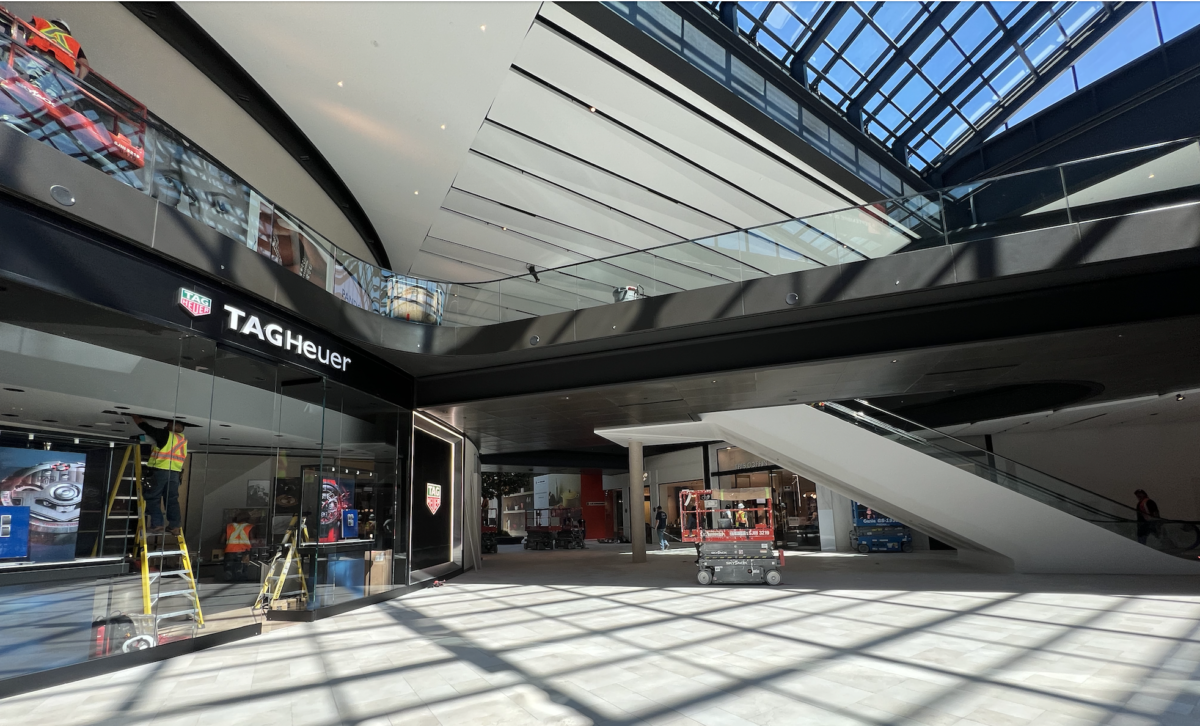
TAG Heuer watch store set to open at Royalmount in Montreal. Photo: Maxime Frechette
Holt Renfrew Ogilvy dominates downtown Montreal’s luxury retail offerings, with over 200,000 square feet of space housing brands and concessions for some significant luxury names. That includes Louis Vuitton, Tiffany & Co., Gucci, and David Yurman, which will also have standalone stores at Royalmount. Holt Renfrew Ogilvy will keep some area exclusives however, including concession boutique spaces for brands such as Hermes, Dior and Giorgio Armani.
Centre Rockland on Montreal Island has already lost its Zara store to Royalmount, and other retailers such as H&M could also exit given the competition. Royalmount, as a sparkling new and dynamic retail centre, has advantages over some of the older shopping centres in the Montreal area as a result.
This fall and into 2025, retailers and foodservice businesses will continue to open at Royalmount. Retail Insider will provide periodic updates on what’s newsworthy.
Brands open at Royalmount as of September 5th include:
A&W
Accessoires Gio
AllTrueist
Aldo
Alo Yoga
Anine Bing
Arc’teryx
Bikini Village
Birks
BMO
Browns
Canada Goose
Christofle
Coach
David’s Tea
Dolce Vita
Dynamite
Garage
Greiche & Scaff
IWC
Jack & Jones
Jimmy Choo
Judith & Charles
Jugo Juice
L’Occitane
La Vie en Rose
Le Fou Fou
Longchamp
M/2
Mackage
Maison Monaco
Marie Saint Pierre pop-up
Mango
Michael Kors
Moments Intimes
Moncler
Nike
Olivier Peoples
Omega
Pilgrim
Qwelli
Rennaï
Sephora
Sports Experts
Starbucks
Steel N Ink
Steve Madden
Sunglass Hut
Swarovski
TAG Heuer
Time Vallée
Tris Coffin
Uniqlo
Versace
Yves Rocher
Zara
Birks concept store at Royalmount in Montreal. Photo: Maxime FrechetteRennaï and Zara stores at Royalmount in Montreal. Photo: Maxime Frechette
Thank you Geminy for the first two photos in this article.
Le Fou Fou is poised to become a centerpiece of Montreal’s vibrant dining and entertainment scene. Spanning over 30,000 square feet, the food hall features 12 distinct dining concepts, three bars, and a spacious 6,000 square foot outdoor terrace.
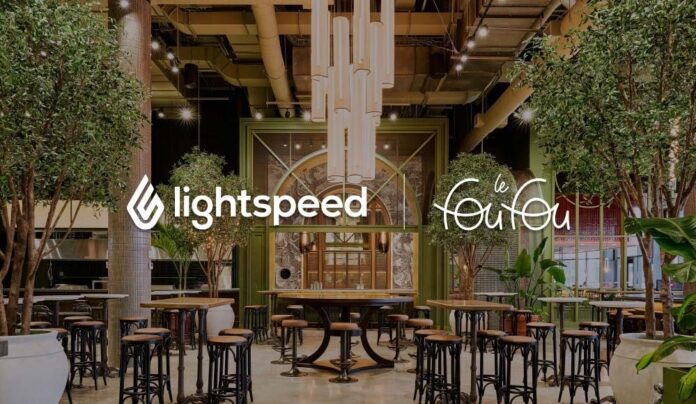
The partnership between Lightspeed and Le Fou Fou introduces cutting-edge technology to elevate the food hall experience. Lightspeed’s platform will power all vendors, offering a seamless blend of self-service and table-service ordering options. This integration aims to boost efficiency and position Le Fou Fou as a premier destination in Montreal’s competitive food scene.
Le Fou Fou food hall at Royalmount in Montreal. Photo: Le Fou Fou
Dax Dasilva, Founder and CEO of Lightspeed, said, “As a Montreal-based business, this partnership holds special significance for us. We’re not only supporting a project that will breathe new life into the area but also setting a new standard in the food hall industry.”
Le Fou Fou will utilize key features of the Lightspeed Restaurant platform, including multi-basket ordering and a Kitchen Display System. These technologies are designed to enhance operational efficiency and improve customer experience. The platform also incorporates a loyalty integration system, offering personalized rewards across various dining options.
Royalmount in Montreal. Photo supplied by Carbonleo
David Hass, Founder of MTB Collective, the company behind Le Fou Fou, emphasized the importance of technology in creating an exceptional guest experience. “The partnership between Le Fou Fou and Lightspeed allows for multi-basket ordering, resulting in a cutting-edge technology stack that addresses long-standing industry pain points,” Hass explained.
The food hall officially opened on September 5th, accommodating over 900 guests. It features a diverse range of culinary offerings, including Eva’s, Tiramisu, Le Taj, and several other popular local eateries.
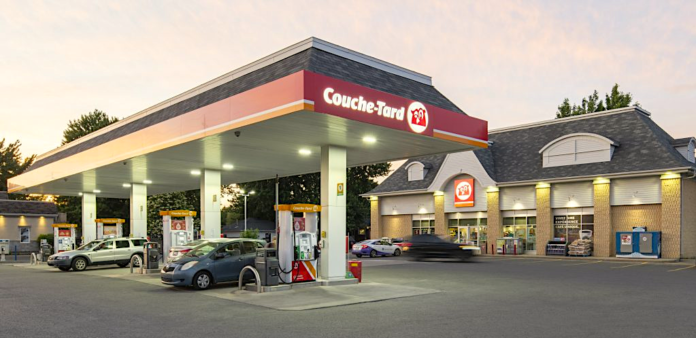
Canadian convenience store operator Alimentation Couche-Tard Inc. has reported a slight decrease in net earnings for the first quarter of fiscal 2025. The company attributes the dip to cautious consumer spending patterns.
The Quebec-based retail giant, known particularly for its Circle K brand, saw net earnings attributable to shareholders fall to US$790.80 million in Q1. This represents a decline from US$834.1 million in the same period last year.
Earnings per share stood at 83 cents, down from 85 cents in the previous year. Analysts had projected earnings of 84 cents per share, according to LSEG Data & Analytics.
Despite the earnings slip, Couche-Tard’s revenues showed significant growth. The company reported total revenues of US$18.3 billion, a substantial increase from US$15.6 billion in the prior year. The revenue boost was primarily driven by the company’s expanded European operations, following its acquisition of retail assets from French oil giant TotalEnergies SE.
Brian Hannasch, CEO of Couche-Tard, acknowledged the persistent weakness in consumer behaviour. At the same time, he emphasized the company’s focus on its long-term strategy amidst these challenges.
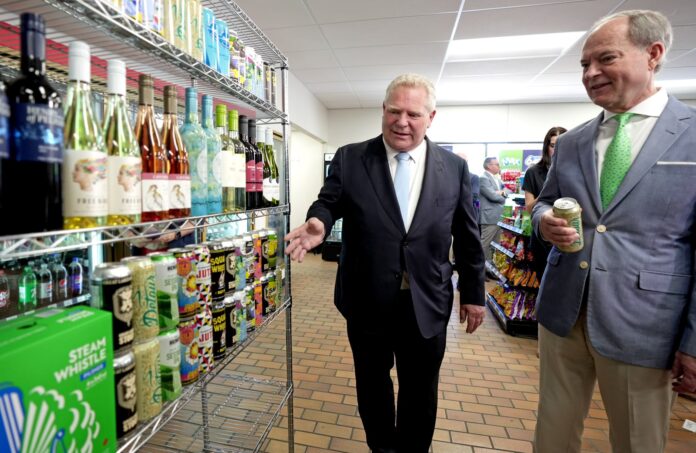
Ontario’s retail landscape is undergoing a shift as convenience stores across the province begin selling alcoholic beverages starting Thursday.
The Alcohol and Gaming Commission of Ontario (AGCO) has approved approximately 4,800 convenience store licenses for alcohol sales. The expansion allows these retailers to offer beer, cider, wine, and ready-to-drink beverages to customers.
Some have expressed concern about the potential impact on youth and communities. The Ontario Secondary School Teachers Federation (OSSTF) has raised alarms about the proximity of these newly licensed stores to educational institutions.
OSSTF President Karen Littlewood highlighted the lack of regulations regarding the distance between licensed convenience stores and schools. She pointed out that some stores, like Convenience Canada on Queen Street West in Toronto, are located just 130 meters from schools such as Parkdale Collegiate Institute.
The move contrasts with existing regulations for cannabis retailers, which must maintain a 150-meter distance from school properties. The discrepancy has sparked debates about consistency in public health and safety measures.
Community reactions are mixed. Some residents support the initiative, citing increased convenience and competition. Others worry about the potential risks associated with easy access to alcohol near schools and public spaces.
The Ontario government, led by Premier Doug Ford, has accelerated the timeline for the policy change. Initially slated for implementation by 2026, the government moved the date forward to September 2023 for convenience stores and October 31, 2023, for grocery stores.
To ensure compliance, the AGCO is intensifying inspections of licensed retailers. In a recent case, Mabelle Tuck Shop in Etobicoke faced a 21-day suspension of its alcohol retail license for allegedly selling alcohol before the official start date.