Pet Valu on Front Street in Toronto (Image: Dustin Fuhs)
Canadian retailer Pet Valu has appointed Greg Ramier to the newly-created position of President and Chief Operating Officer (COO), effective immediately. The strategic addition to the executive team comes as the retailer seeks to strengthen its omnichannel capabilities and drive long-term profitability in an increasingly competitive market.
Greg Ramier
Ramier, a seasoned retail industry veteran with over three decades of experience, will be responsible for executing key strategic initiatives and overseeing crucial aspects of the business. His role will encompass supervision of merchandising, marketing and digital operations, supply chain management, and both franchise and corporate store operations. Reporting directly to CEO Richard Maltsbarger, Ramier is expected to bring a comprehensive understanding of retail dynamics to Pet Valu’s growth strategy.
Pet Valu has more than 800 locations across the country, including both corporate-owned and franchised stores. The company has built a reputation for knowledgeable customer service and a premium product offering. Pet Value stores offer a diverse product range of over 9,000 items, including proprietary brands.
Concurrent with Ramier’s appointment, Pet Valu announced the upcoming retirement of Christine Martin-Bevilacqua, the company’s Chief Administrative Officer. Set to retire on October 19, Martin-Bevilacqua leaves behind a legacy of over 22 years of service to the company. Her tenure has been marked by significant contributions to human resources, franchising, real estate management, and facilities operations.
CEO Richard Maltsbarger praised Martin-Bevilacqua’s impact on the company, stating, “Christine’s contributions are too impactful to be overstated. She has been a steadfast partner and advisor, playing a crucial role in shaping the professional and personal development of countless individuals within our organization.”
The reshuffling of executive responsibilities following Martin-Bevilacqua’s retirement will see the franchising, real estate, and construction teams report to Ramier, while human resources will fall under Maltsbarger’s purview. This restructuring aims to streamline operations and foster continued growth in Pet Valu’s retail footprint and digital presence.
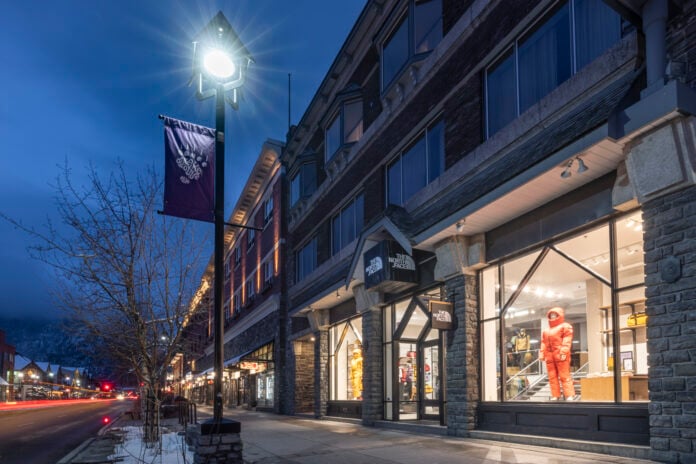
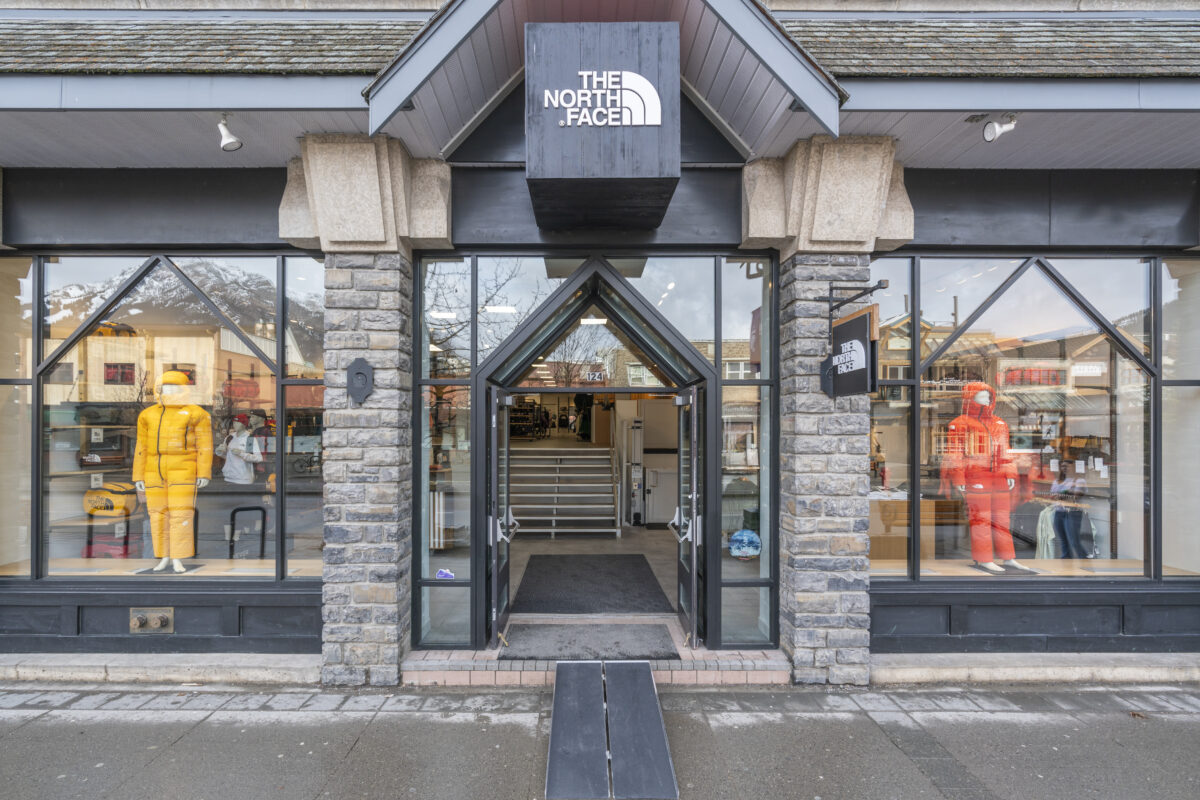
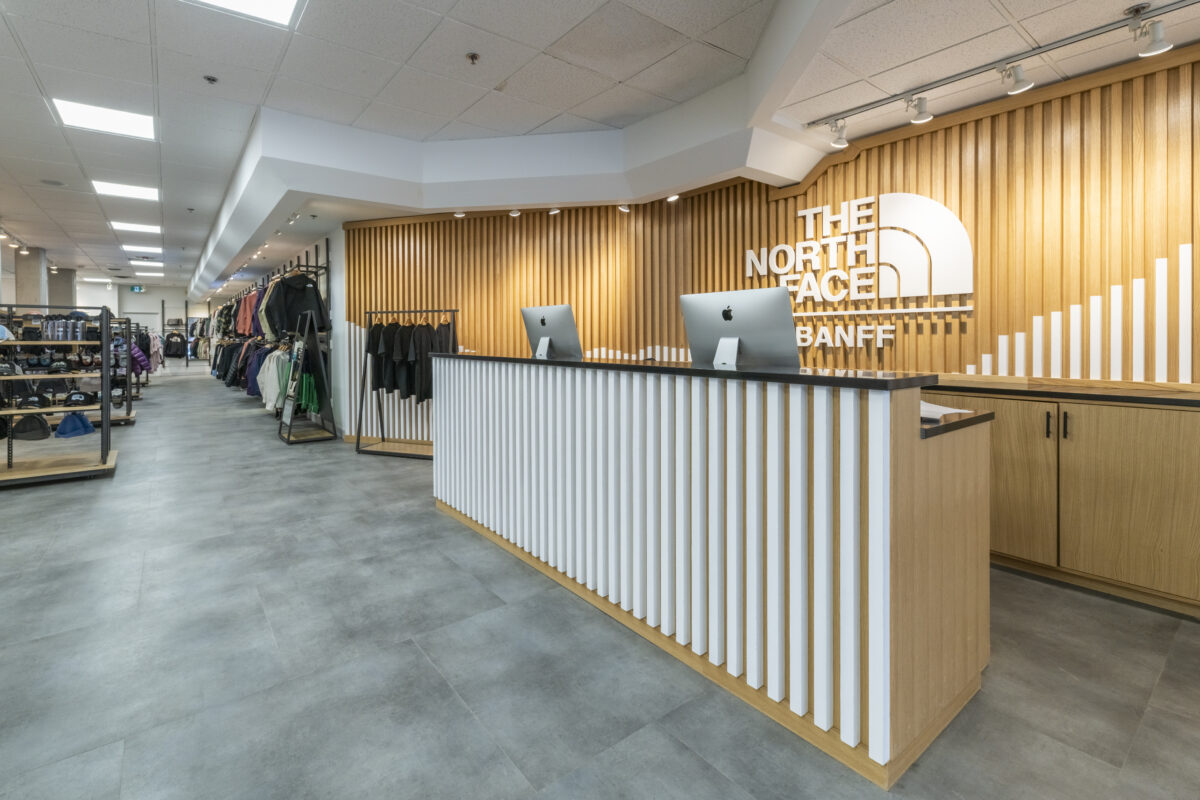
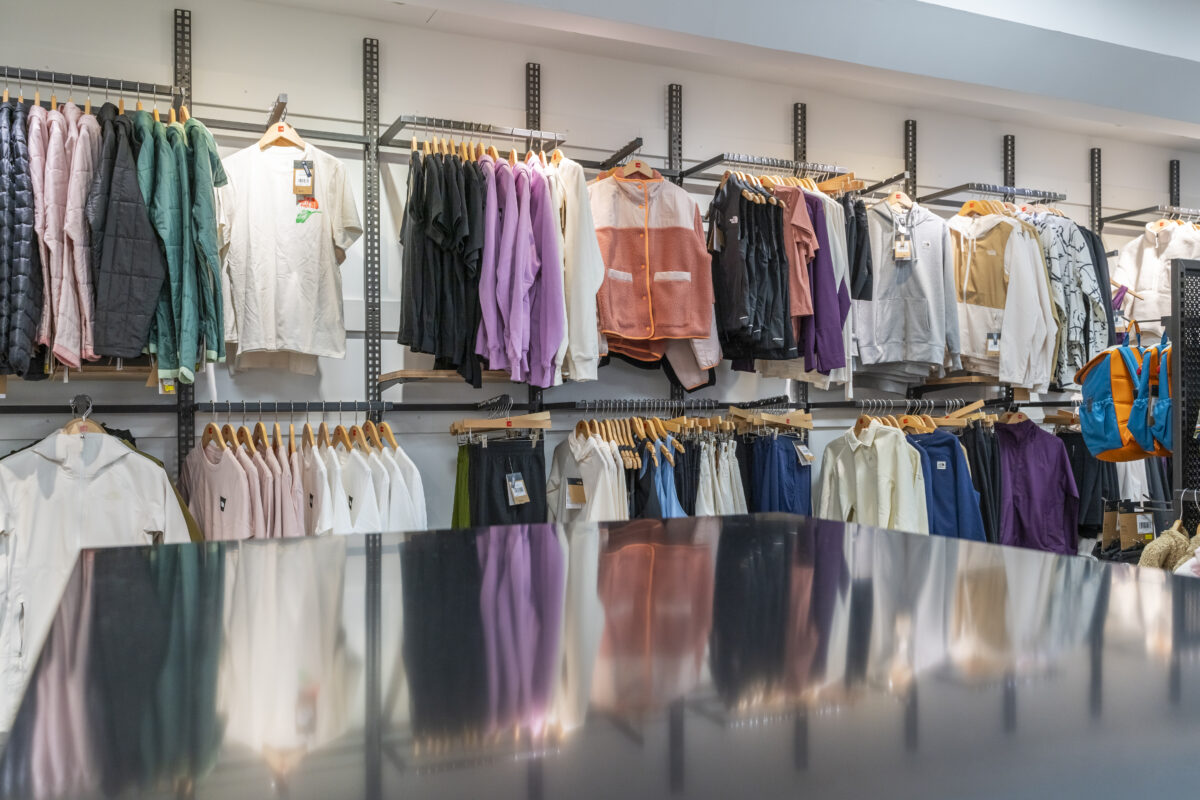
The renovated North Face store on Banff Avenue in Banff, Alberta. Photo: Nick Fitzhardinge Photography
The North Face located in Banff, Alberta has recently undergone renovations to improve accessibility and overall flow for consumers. The storefront will be celebrating its 15th anniversary this Fall and will continue to innovate product offerings to meet consumer trends.
“The North Face store is located smack dab in the middle of Banff Avenue, which is the main strip in our little mountain town in a national park. It is the oldest national park in Canada and we get around 6 million visitors a year. We opened our location in 2010 and we are going into our 15th year, and it has been really, really worn out and was due for a refresh,” says Lydia Wilson, the local co-owner of The North Face in Banff.
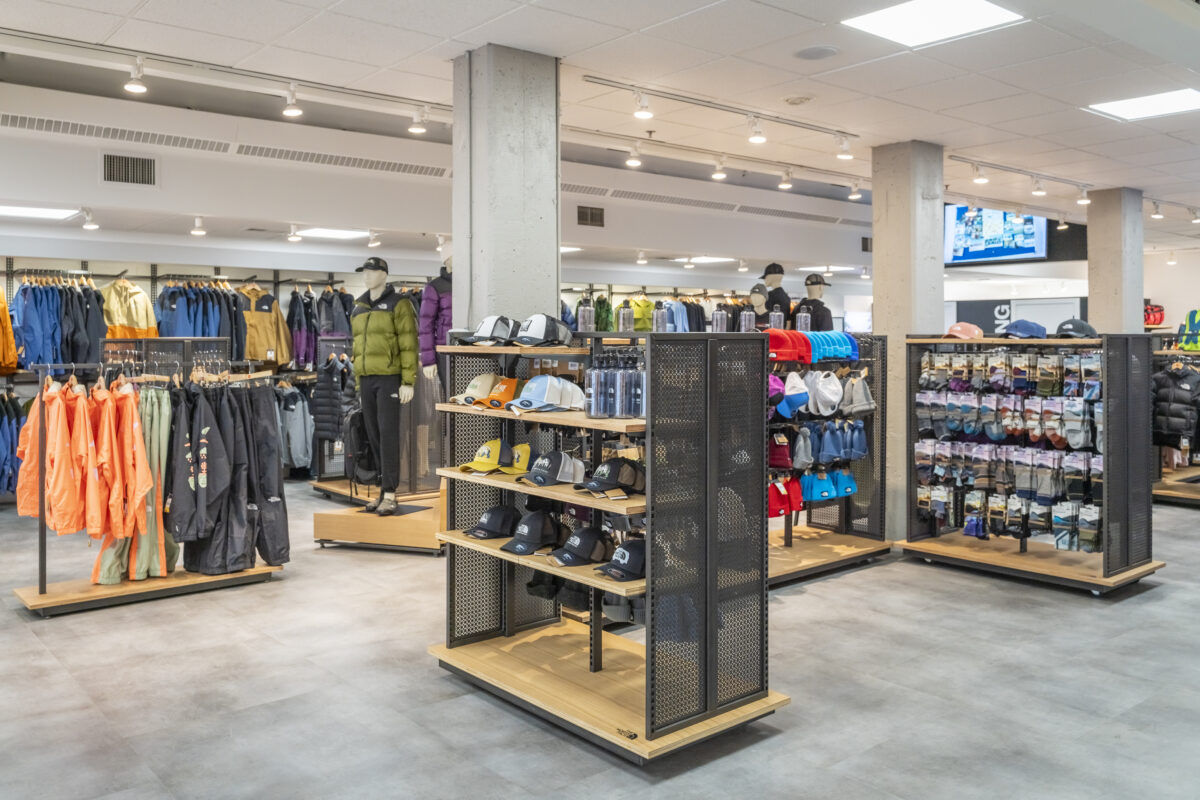
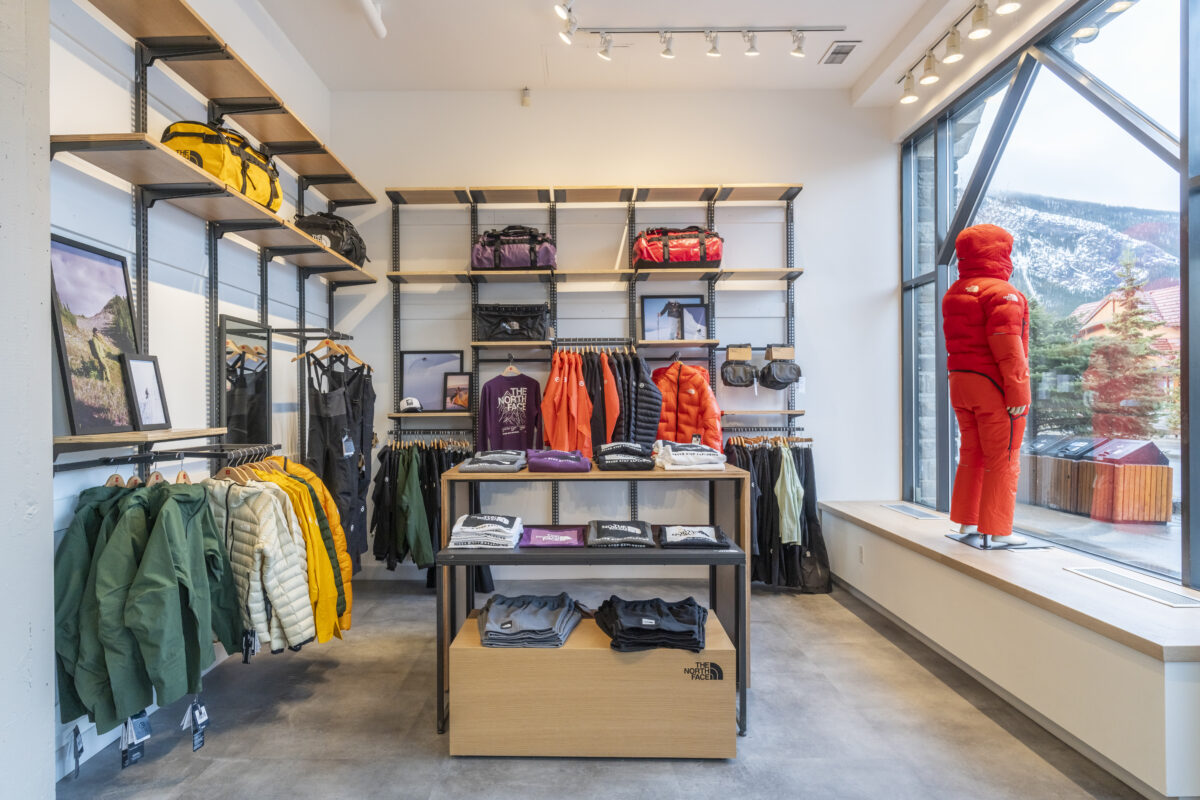
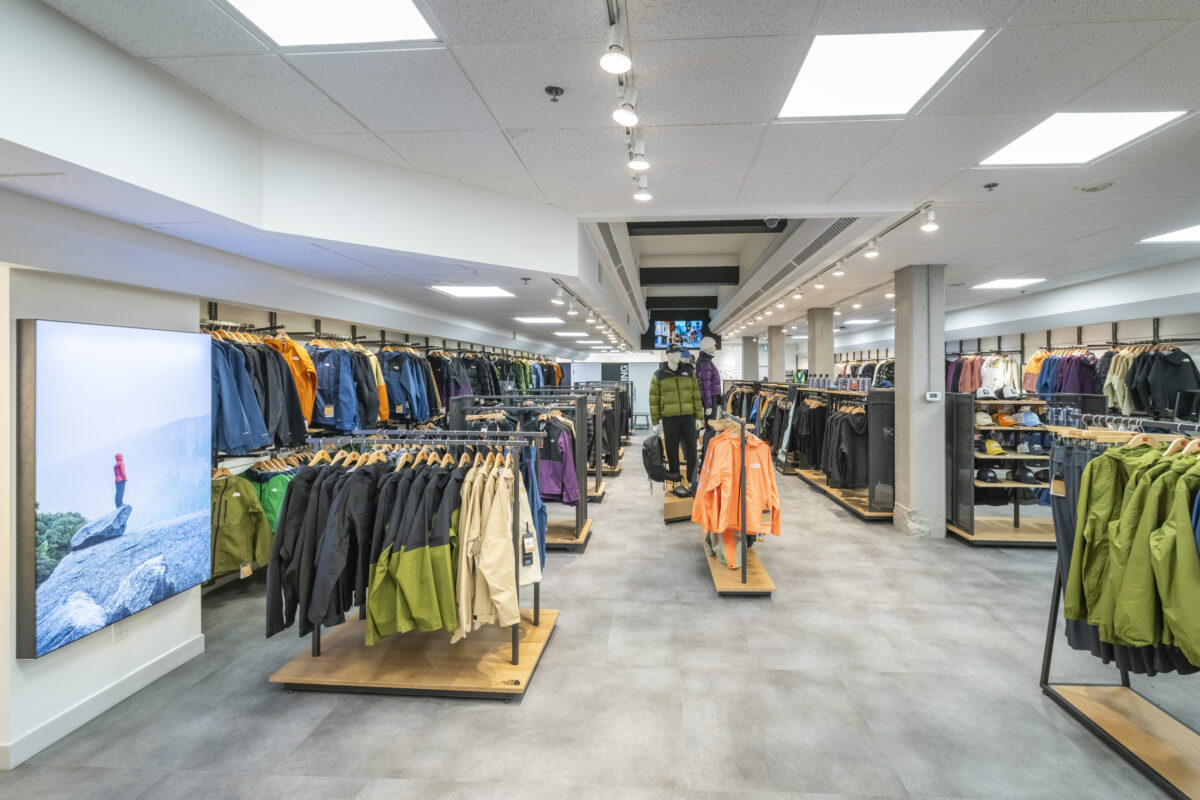
To make the space more modern, the renovation changes included a new floor plan, updated fixtures and signs, new counters, and new equipment.
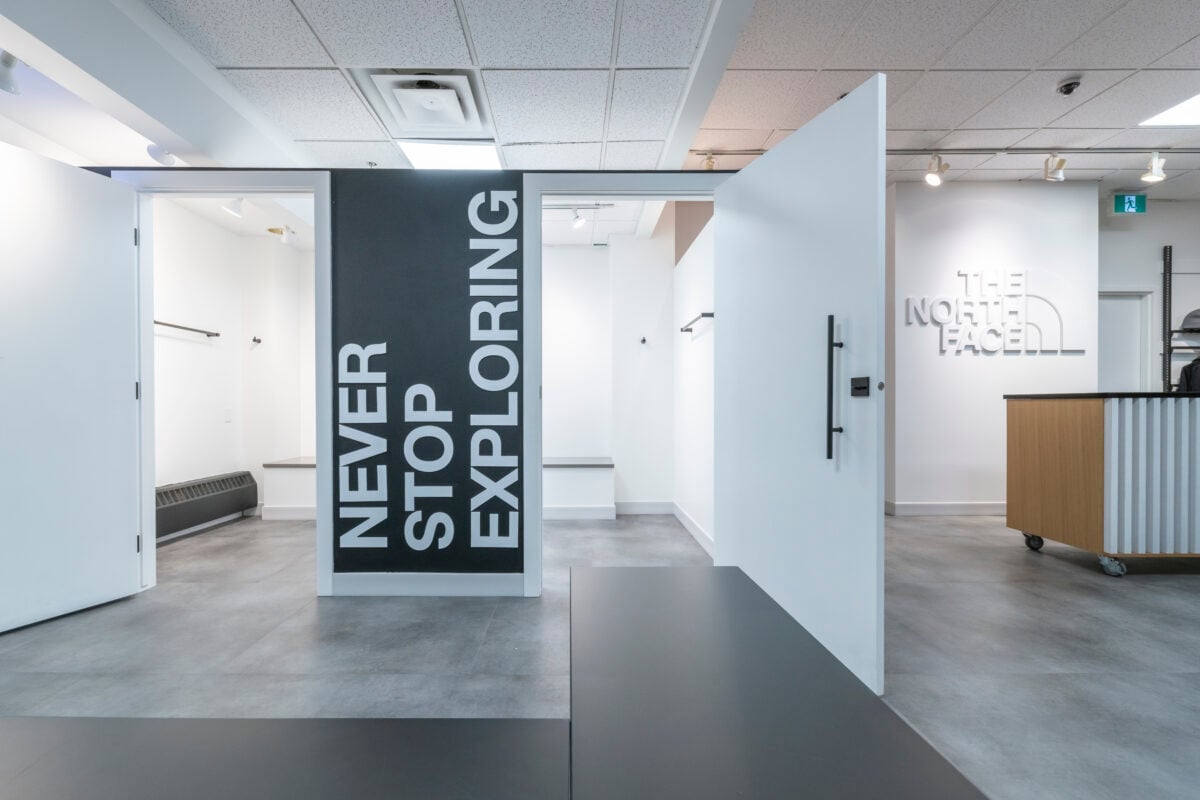
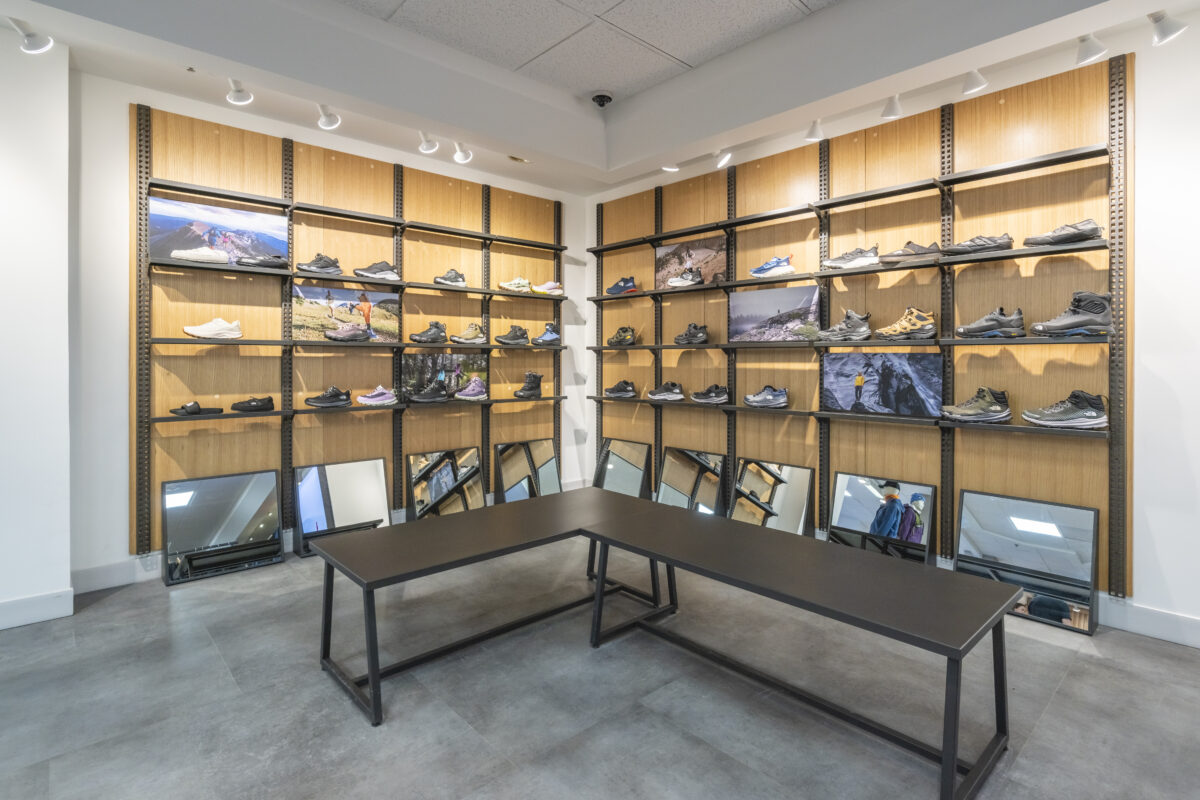
Inside the renovated North Face store on Banff Avenue in Banff, Alberta. Photo: Nick Fitzhardinge PhotographyInside the renovated North Face store on Banff Avenue in Banff, Alberta. Photo: Nick Fitzhardinge Photography
“The North Face from Montreal coordinated with designers, retail experts, and engineers from SGK to design the store. At this point, they analyzed traffic patterns, where the brand is going, and what the brand wants to feature in terms of categories. They came up with a brilliant redesign and this past January 2024 we closed the store and we did it.”
Now wheelchair accessible
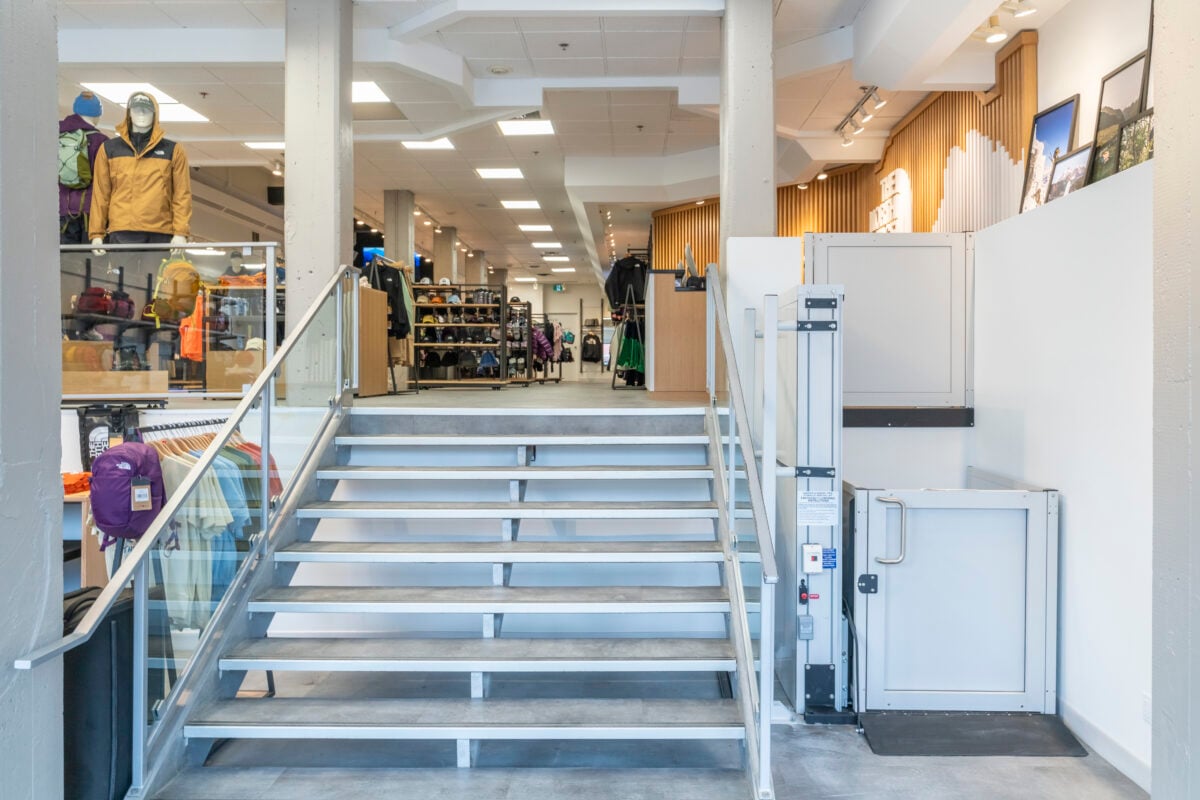
Wilson says the location reopened at the end of February. One of the biggest changes consumers can notice is the store pushed back its cashier desk into the back of the space to provide shoppers with a natural flow and additional space. Wilson says they also added a wheelchair lift.
“Our building is about 110 years old and it has a step up and stairs inside. A lot of the older buildings are not wheelchair accessible, which becoming accessible to all visitors is really important to the brand. So we put in a wheelchair lift and it has been working marvelously. It looks great, and it has been really simple and easy to use.”
New elevator inside the renovated North Face store on Banff Avenue in Banff, Alberta. Photo: Nick Fitzhardinge PhotographyRamp in front of the renovated North Face store on Banff Avenue in Banff, Alberta. Photo: Nick Fitzhardinge Photography
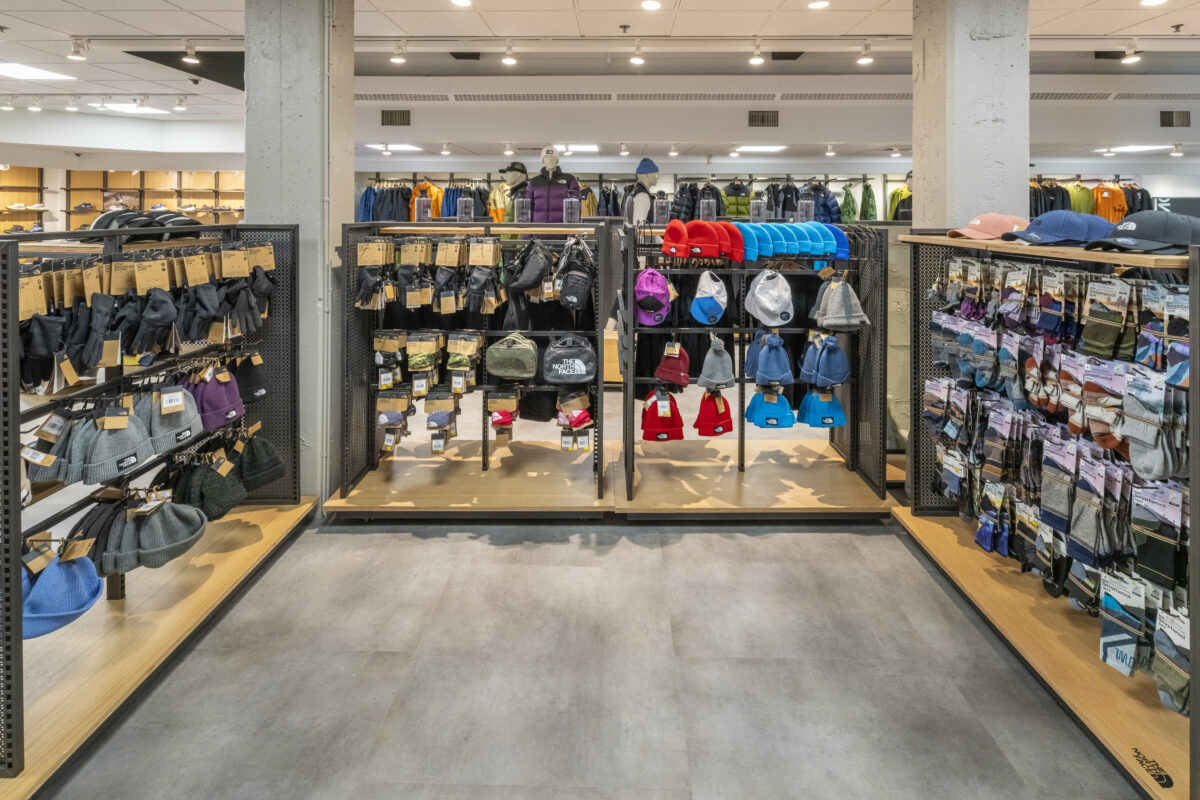
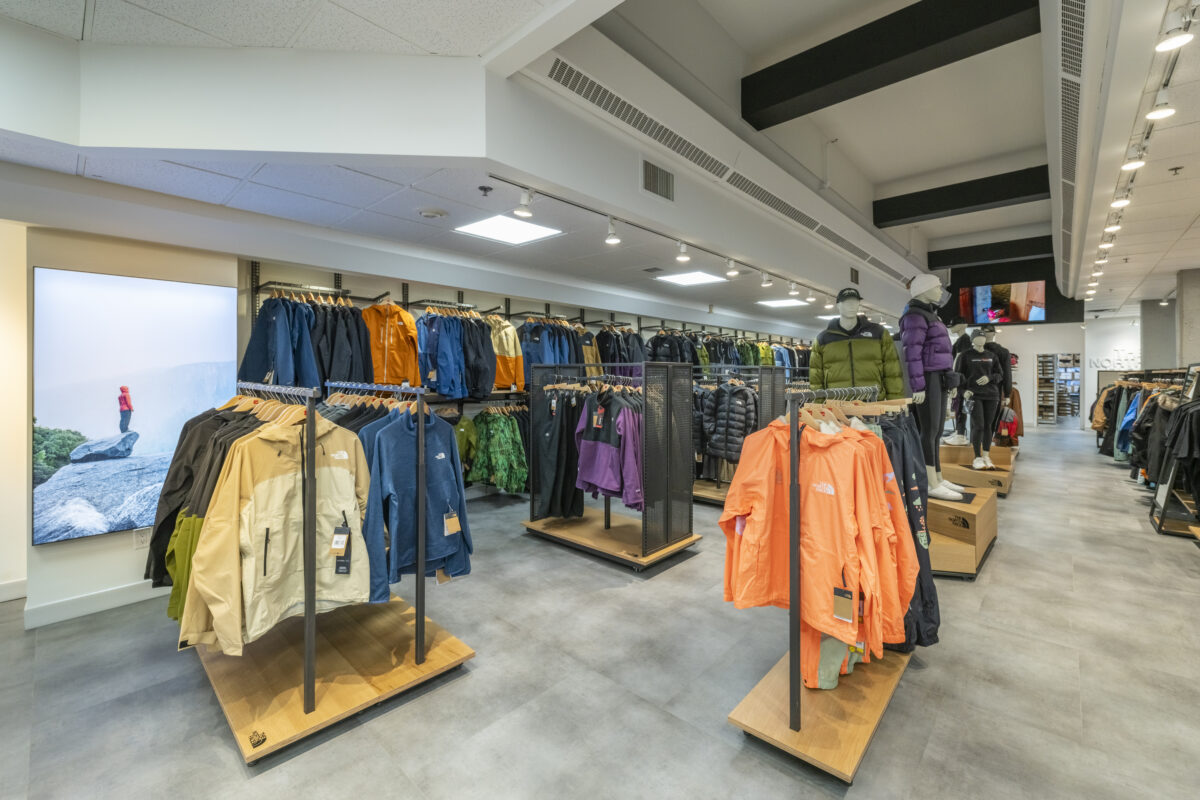
Wilson says the brand also renewed all the furniture inside and is “the first store in Canada with this new suite.” Consumers can now find new light oak and black fixtures, along with two new dressing rooms which are also wheelchair accessible. Wilson says because consumers are usually buying heavy jackets, ski pants in the winter, and a lot of gear, the brand decided to provide more space in fitting rooms and lots of hooks for products and personal items.
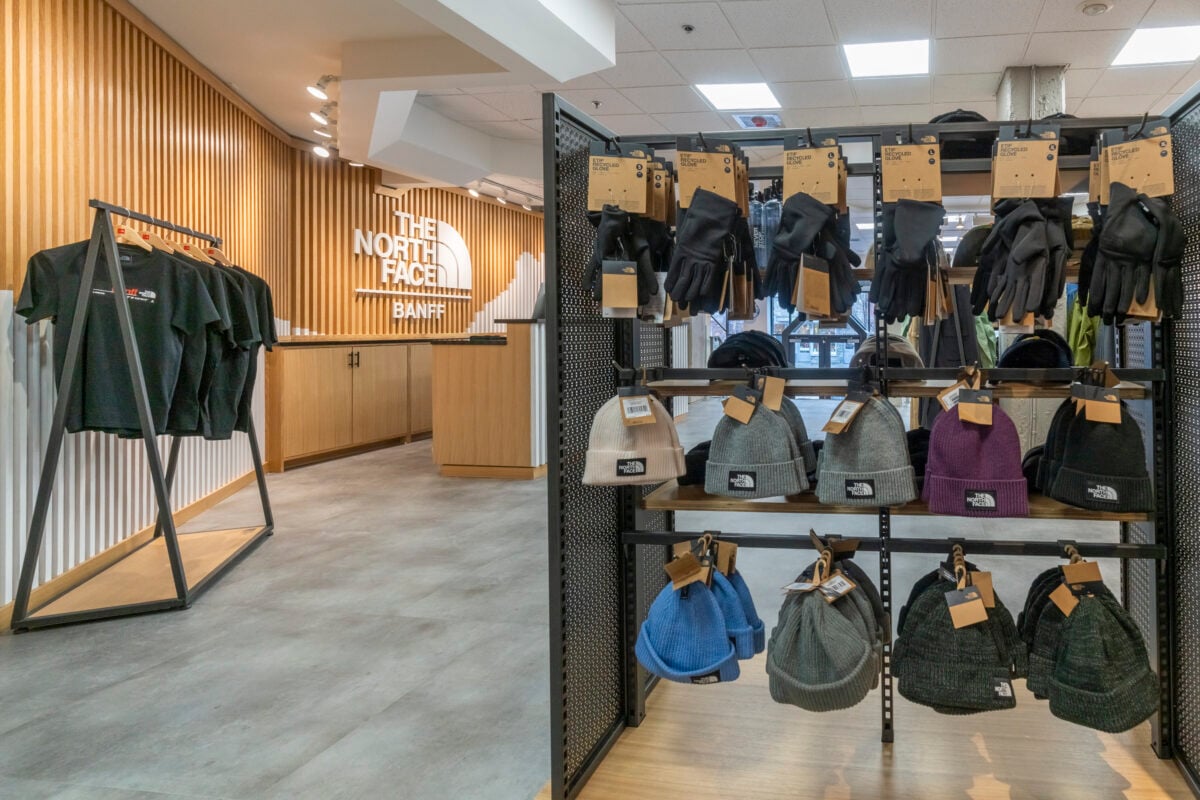
“We have received comments about the vibe and the store feels great and people really like the modern oak slats behind the counter. The SGK came up with a large acrylic North Face logo that says Banff underneath and has a mountain silhouette behind it, so that is a real feature when people enter the store and a really nice design. Consumers are really loving the redesign as it is just lighter, brighter, bigger, and better.”
Along with using SGK from the United States, the brand used Chris Nadeau and Tiffany McKenna from The North Face Canada along with Morgan Shakotko, renovation co-ordinator and store manager and Byron Tarchuk from Tarchuk Construction Inc. Wislon says the whole team went above and beyond to make the redesign happen.
Inside the renovated North Face store on Banff Avenue in Banff, Alberta. Photo: Nick Fitzhardinge PhotographyInside the renovated North Face store on Banff Avenue in Banff, Alberta. Photo: Nick Fitzhardinge Photography
4600 feet high – “we feel privileged”
“We are the highest store in Canada at around 4600 feet and we feel really privileged. Everyday we get to sell items that are designed to be used in this type of environment. Some people buy hiking boots, snow sports gear, hiking packs and go out right away and use them in the environment they are designed to be used in.”
Unlike other North Face locations where after buying products there is a delayed sense of gratification, consumers who shop at the Banff locations are able to use products as soon as they step out the door. This also creates a unique sense of community, even for tourists.
“People will often pop off a plane and realize they do not have the right footwear for trails, so they will come in and grab a pair of hiking boots and just go have an incredible day and they will come in that evening to tell you about their day. So there are a lot of circle moments where people are inspired, they purchase, and then they come back and tell you about what they did. It is an incredible high for our team to be part of their trip and their experiences.”
Inside the renovated North Face store on Banff Avenue in Banff, Alberta. Photo: Nick Fitzhardinge PhotographyInside the renovated North Face store on Banff Avenue in Banff, Alberta. Photo: Nick Fitzhardinge Photography
Wilson also says due to the weather constantly changing, people will just come in and get what they need.
Staff are also equipped to help consumers find exactly what they need for their adventures and will also provide suggestions for tourists on what to do in Banff: “Most of our staff are here for the outdoors, so we are hiking, skiing, snowboarding, climbing, and biking. So just asking any one on our team what they love to do on a weekend is often a good place to start if somebody doesn’t have a plan.”
Outside of helping tourists, Wilson says they interact with the community by participating and providing sponsorships for local sports and school events.
“We are involved each year with the Banff Mountain Film Festival, and we have done different things over the years. We have done block parties, photo booths, and more – we have done a lot of different activities. The Banff Mountain Film Festival is a premier mountain film festival in Canada, and after films are screened and awards are given, here in Banff every October, the festival then tours around the world for a year – so we love being part of that.”
Inside the renovated North Face store on Banff Avenue in Banff, Alberta. Photo: Nick Fitzhardinge PhotographyInside the renovated North Face store on Banff Avenue in Banff, Alberta. Photo: Nick Fitzhardinge Photography
“Creating a community within a community”
As the team is coming from everywhere, even internationally, The North Face provides a lot of support to transition staff to the Banff lifestyle. Wilson says this includes providing practical assistance with basics such as setting up mail, banking, and finding housing to helping staff find furniture and kitchen appliances.
To create a sense of community within the team, Wilson also says she organizes social events such as camp-outs, barbecues, and staff outings for food and drinks. The brand also provides sponsorships to staff members who are interested in local sporting events and will cover the entry fees and will help those pursuing professional athletes careers. The Banff location provides a welcoming environment for each staff member and Wilson says this helps them adjust to their life in Banff, meet their personal goals, and to make new friends.
“I think often, they need a friend. They need a hand to hold. When you move to a new place, it is very disorienting so everything from how to get their mail sorted out can be a real challenge here in Banff. We regularly in the summer will do little camp-outs, little barbecues, go for staff beers, that kind of thing. So just creating a community within a community.”
Inside the renovated North Face store on Banff Avenue in Banff, Alberta. Photo: Nick Fitzhardinge PhotographyInside the renovated North Face store on Banff Avenue in Banff, Alberta. Photo: Nick Fitzhardinge Photography
Wilson and her husband also have another North Face location in Jasper, a few hours from Banff and close to another national park. This location opened in 2005 and Wilson says they will also be renovating this location within the next year or so, which will “allow some time to pass since completing renovations on the Banff location.”
Going forward, Wilson says as the competition continues to increase in Banff, she plans on staying fresh, innovative, and will stay on top of trends to “avoid becoming stale.”
“People have gone through a lot and they are more careful with their money, and they want to spend it on things that are really health giving as people don’t like to waste money as much. So investing in outdoor gear is something that scratches that itch of shopping and having new things that you can feel really good about because it is getting you out on the trail”.
Last month the Jasper North Face store was badly damaged in a large fire that destroyed nearly a third of the community. The store will reopen when permitted — and this week we learned that residents can return to the town on Friday, August 16.
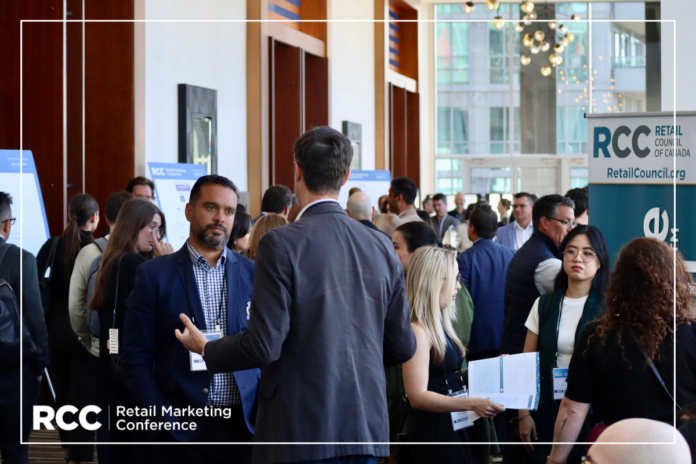
Retail Council of Canada’s (RCC) Retail Marketing Conference on September 12, 2024, in downtown Toronto is an immersive dive into the latest trends and innovations that are reshaping the retail marketing. This year’s conference covers advances in AI, technology and data, digital marketing, Canada’s changing demographics, the growing influence of Gen Z, and the evolving interplay between physical and digital retail experiences. Here is a look at some of the sessions and speakers on this year’s Main Stage. (see full Agenda)
Harnessing AI: The Future of Personalized Marketing and Creativity
Neil Patel, Co-Founder of NP Digital, will take you on a wild ride through the world of AI in retail marketing. From hyper-personalized campaigns to AI-driven creativity, get ready to see more new ways that AI can transform your marketing game and deliver unprecedented results.
Understanding How Gen Z will Shape, Influence, and Impact the Future of Retail
Forget everything you know about retail—Gen Z is rewriting the rules. Nikolas Lopez, Senior Research Director at Leger, will present insights from Leger’s Youth Study and Digital Study, exploring how Gen Z’s unique behaviors and preferences are impacting retail. And don’t miss the sneak peek into Gen Alpha—because if you think Gen Z is influential, just wait.
Mastering Brand Identity in a Value, and Values Based, Retail Environment
Ready to make your brand unforgettable? Amar Singh, Senior Director Retail at Kantar, and Ivano Pirro, Vice President of Retail Sales at Bell Virgin Plus & TheSource share their expertise on building a strong, recognizable brand identity that resonates with today’s value-conscious consumers. Watch for retail speakers joining this session.
Collaboration Leads to Success
Rupen Seoni from Environics Analytics will reveal how data collaboration can maximize your marketing impact. Discover the power of combining first, second, and third-party data to drive effective, measurable campaigns.
Crafting Compelling Campaigns for Canada’s Multicultural Market
Canada’s multicultural landscape is a goldmine for marketers. Bobby Sahni of Ethnicity Matters will show you how to craft campaigns that navigate cultural sensitivities and resonate with diverse communities.
The Future of Physical Retail with Doug Stephens
Closing RCC’s Retail Marketing Conference will be the incredible Doug Stephens, Retail Futurist and Founder of Retail Prophet.
Embark on an interactive journey into the future of physical stores and how they are evolving from experiential hotspots to dynamic spaces. Learn how to adapt your retail spaces to stay ahead in a rapidly changing retail landscape.
On September 12, 2024, at the Delta Hotels by Marriott in downtown Toronto, and be part of the conversation that will shape the future of retail marketing in Canada. Early Bird Discount Rates apply until August 15, 2024,
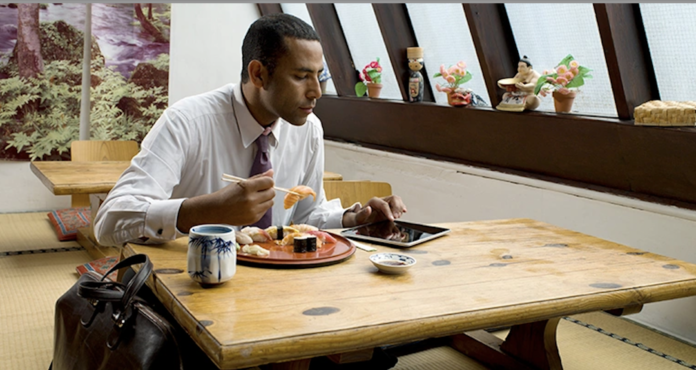
Lightspeed Commerce Inc. has unveiled data that signals a significant opportunity for Canadian restaurants. According to the company’s recent survey, a remarkable 43% of Canadians are now opting to dine alone in sit-down restaurants, presenting a lucrative market segment for savvy restaurateurs to target.
This trend is particularly pronounced in Toronto, where half of the city’s diners are embracing solo meals. The surge in solitary dining is driven by various factors, with self-care emerging as the primary motivation for 31% of respondents. Other key reasons include the desire to explore new eateries (25%) and work-related lunches (28%).
Dax Dasilva, Founder and CEO of Lightspeed, emphasized the potential of this market: “At a time where restaurants are competing for hard-earned dollars, the solo diner is an untapped market with plenty of opportunity.” The statement underscores the importance for Canadian restaurants to adapt their offerings and spaces to accommodate and attract solo diners.
The survey reveals a shift in seating preferences that restaurants should note. In Toronto, 38% of solo diners now prefer regular tables, compared to just 20% opting for bar seating. This change suggests that restaurants could benefit from redesigning their spaces to create more welcoming environments for individual patrons, moving beyond the traditional bar seating option.
Canadian restaurants have the opportunity to innovate and create specialized experiences for solo diners. Taking inspiration from international examples, such as the “Table for One” concept at Avant Garden in New York City, Canadian establishments could introduce similar offerings. These might include curated single-person menus, dedicated solo dining areas, or special promotions targeted at individual diners.
The data also provides insights into solo diners’ activities during meals, which restaurants can use to enhance the dining experience. With 39% of solo diners enjoying people-watching and 40% catching up on digital communications, restaurants could consider offering window seating or creating comfortable spaces that accommodate both relaxation and productivity.
Moreover, the survey highlights broader trends in Canadian dining habits that restaurants should address. With 69% of respondents noticing higher food prices and 42% reporting smaller portions, establishments need to strike a balance between profitability and value. In Toronto, diners are adopting money-saving strategies like taking leftovers home (36%), choosing value meals (34%), and taking advantage of happy hour deals (26%). Restaurants could leverage these insights to create attractive offerings for budget-conscious solo diners.
To capitalize on the solo dining trend, Canadian restaurants might consider the following strategies:
Redesign seating arrangements to accommodate solo diners comfortably.
Develop special menus or promotions tailored to individual diners.
Create dedicated spaces or experiences for solo patrons.
Offer amenities that cater to solo diners’ activities, such as reading materials or charging stations.
Train staff to provide attentive yet unobtrusive service to solo diners.
As the solo dining trend continues to gain momentum, it presents a significant opportunity for growth in the Canadian restaurant industry. Establishments that recognize and cater to this emerging market segment stand to gain a competitive edge. By adapting their offerings, spaces, and marketing strategies to appeal to solo diners, Canadian restaurants can tap into this growing demographic and potentially increase their market share.
The insights provided by Lightspeed’s survey offer valuable information for restaurateurs looking to innovate and expand their customer base. As the dining landscape evolves, it’s clear that solo diners represent a significant and growing demographic that demands attention and tailored experiences. Canadian restaurants that successfully cater to this trend may find themselves at the forefront of a new era in dining culture.
Experimenting with consumer-based philanthropy at the grocery store level is a concept that intrigues both economists and social entrepreneurs alike. The idea of relying on consumers’ generosity and altruistic nature to help those in need, while simultaneously keeping a grocery store afloat, raises important questions. But can it truly work?
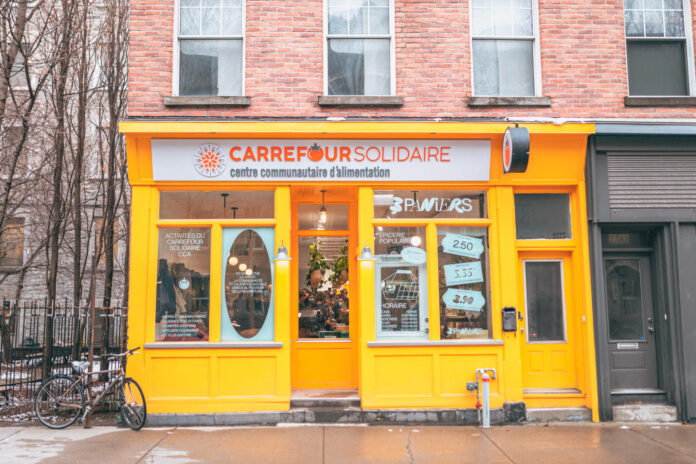
A notable experiment is currently underway in Montreal, where an independent grocery store called 3 Paniers has recently opened. This store offers three distinct price points: the “Solidarity Price,” which reduces profit margins to make groceries more affordable for those on tight budgets; the “Suggested Price,” which includes a standard profit margin essential for the financial health of this social enterprise; and the “Pay-it-Forward Price,” which not only covers costs but also subsidizes the Solidarity Price, supporting the store’s broader mission.
The question remains whether many consumers will opt for the Pay-it-Forward option. While one can be hopeful, the reality may differ. Consumers, regardless of their financial means, often manage their food budgets in a variety of ways. Stores like 3 Paniers may attract individuals who are drawn to the mission, but their numbers are likely to remain small.
Photo: carrefoursolidaire.orgThree price tags for items in the new 3 Paniers store in Montreal. Photo: carrefoursolidaire.org
A similar concept was tested at The Anarchist, a self-described “anti-capitalist” café in Toronto, which operated on a “pay what you can” model. It closed last year after just over a year in business. Despite this, the idea has not disappeared. Another Pay-What-You-Can food market opened in Kitchener in June, aiming to improve food accessibility in the community. Numerous lesser-known initiatives across the country share this goal: how to encourage the more fortunate to support those left behind while grocery shopping. Yet, this remains an elusive concept that has not proven successful over time.
Altruism appears easier for food banks and food-rescue organizations like Second Harvest to tap into. Integrating different socio-economic groups within a single store has always been challenging. The concept of the wealthy supporting the poor in real-time, as they interact within the same retail space, is precisely what these outlets strive to achieve. While the beauty of these initiatives lies in their potential to create socio-economic portals for all, most will likely struggle to survive in the long term. Human nature, with its tendency to compartmentalize, often means that people are unwilling to overpay for their own food to support others.
Some of this work, however, is already being done on a much larger scale, albeit without much fanfare. Despite facing criticism for years, major grocers like Loblaw, Sobeys, Metro, Costco, and Walmart Canada contribute significantly to food banks and food-rescue agencies. For instance, Metro, the smallest of the country’s big three grocers, donated more than $60 million to food banks last year. These companies, while profitable, also play a substantial role in supporting the needy, contributing to various initiatives such as child welfare, literacy, education, and housing.
Smaller social enterprises, on the other hand, aim to bring communities together, involving volunteers and fostering a sense of collective responsibility. It’s hard to argue against the value of these efforts. Most of us would like to see these enterprises succeed and thrive. Yet, making these initiatives sustainable will remain a significant challenge.
Allowing consumers to choose their price is certainly an intriguing concept. It’s just a shame we can’t do the same with our personal income taxes.
Retail Insider is streamlining its Canadian retail news from around the web to include a handful of top news stories that can be viewed quickly during the day. Here are the top stories from the past few days.
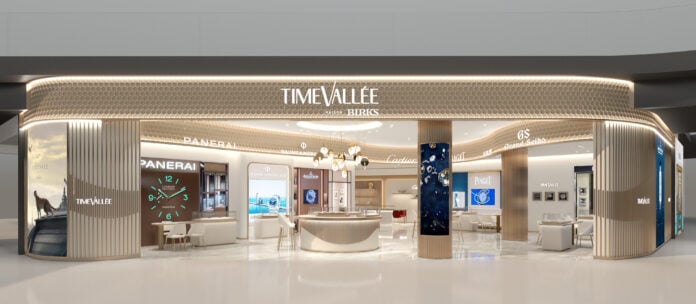
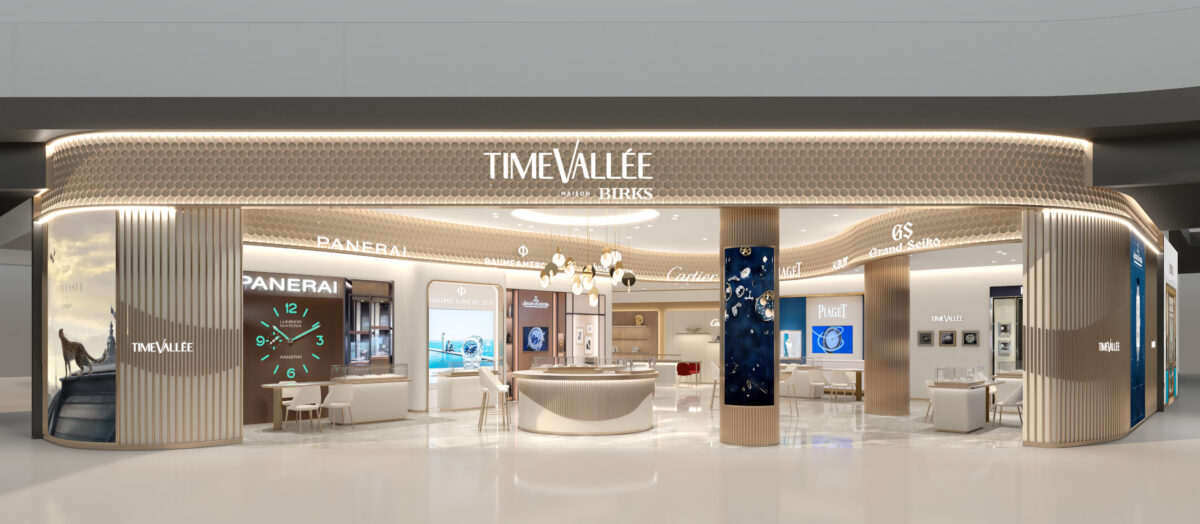
TimeVallée Facade Rendering, Royalmount in Montreal. Image provided by Maison Birks
Montreal-based jeweller Maison Birks is opening two locations in Canada for Richemont-founded luxury multi-brand watch retailer TimeVallée. The first TimeVallée store will open next month in Montreal, and a second will open in 2025 in Vancouver.
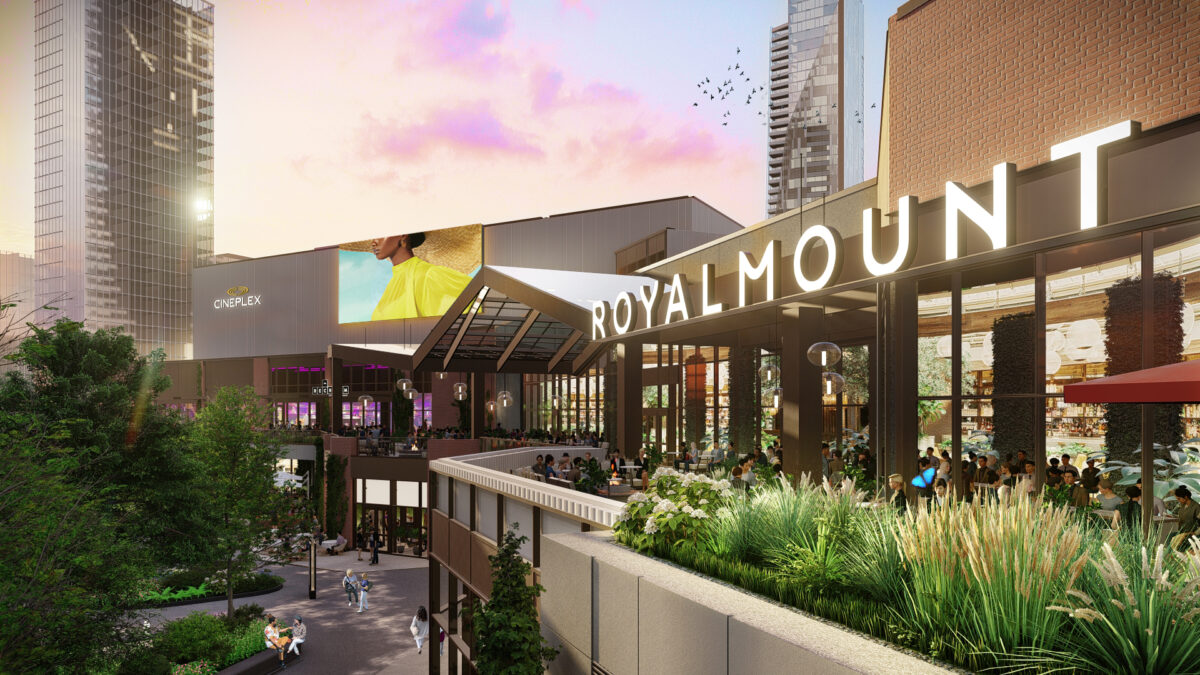
Swiss luxury conglomerate Richemont founded the TimeVallée concept in 2014, creating an elevated retail environment housing various leading watch brands. The Montreal location for TimeVallée is scheduled to open on September 5 at Royalmount, spanning about 2,800 square feet.
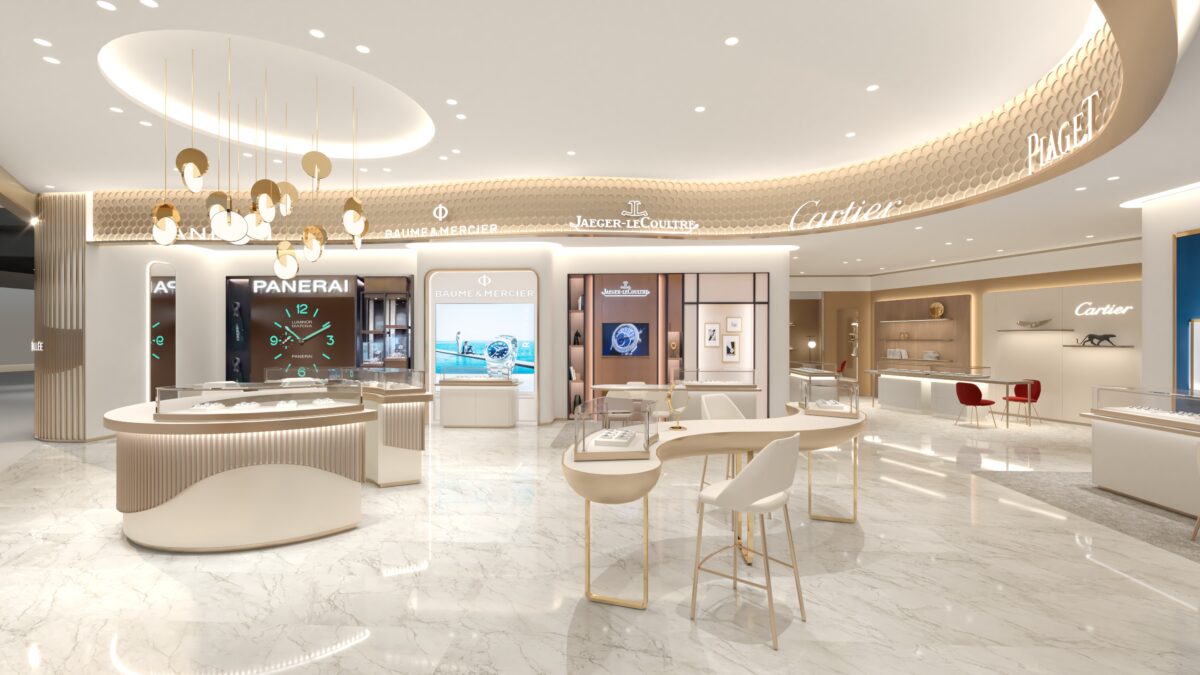
Royalmount’s TimeVallée will feature seven luxury watch brands, including Baume & Mercier, Cartier, Chopard, Grand Seiko, Jaeger-LeCoultre, Panerai and Piaget. The store’s bright interior will feature a curving gold watchband-inspired marquee, also found in other TimeVallée locations worldwide.
TimeVallée Interior Rendering, Royalmount in Montreal. Image provided by Maison BirksTimeVallée Facade Rendering, Royalmount in Montreal. Image provided by Maison Birks
Royalmount will be TimeVallée’s 50th location globally, with more than 30 stores in China as well as locations in the Middle East, Japan, South Korea, India, Spain and Switzerland. The first US store recently opened at American Dream in New Jersey. Most locations are standalone with the exception of some concessions in department stores, including in two El Corte Ingles locations in Spain. TimeVallée locations are run by local partners in these markets.
Birks secured the rights to operate TimeVallée’s Canadian stores, a move that will see Birks expand its brand offerings in the highly competitive watch category. Luxury brands at TimeVallée have their own dedicated areas, offering an assortment of watches that in some cases might not be found elsewhere.
Time Valée’s second Canadian location will open in 2025 at the overhauled Oakridge Park in Vancouver, which will be home to some of the world’s top luxury brands. More details will be revealed about the Vancouver TimeVallée store, which will also carry a range of the world’s top watch brands.
“We are proud and thrilled to partner with TimeVallée to bring our knowledge of the Canadian luxury landscape to this innovative luxury watches retail concept.” said Jean-Christophe Bédos, President and CEO of Birks Group Inc. in a statement.“As the demand for high-end watches continues to grow in Canada, Maison Birks is uniquely poised to service the needs of watch enthusiasts.”
The Chateau D’Ivoire jewellery store in downtown Montreal could be most impacted by TimeVallée’s move into the Montreal market — currently six of the seven brands carried at TimeVallée at Royalmount are also listed on the website as being carried at Chateau D’Ivoire, which recently overhauled its expansive storefront on Rue de la Montagne. Royalmount will also become home to other luxury watch brands, which will create a clustering that could become a destination for watch collectors.
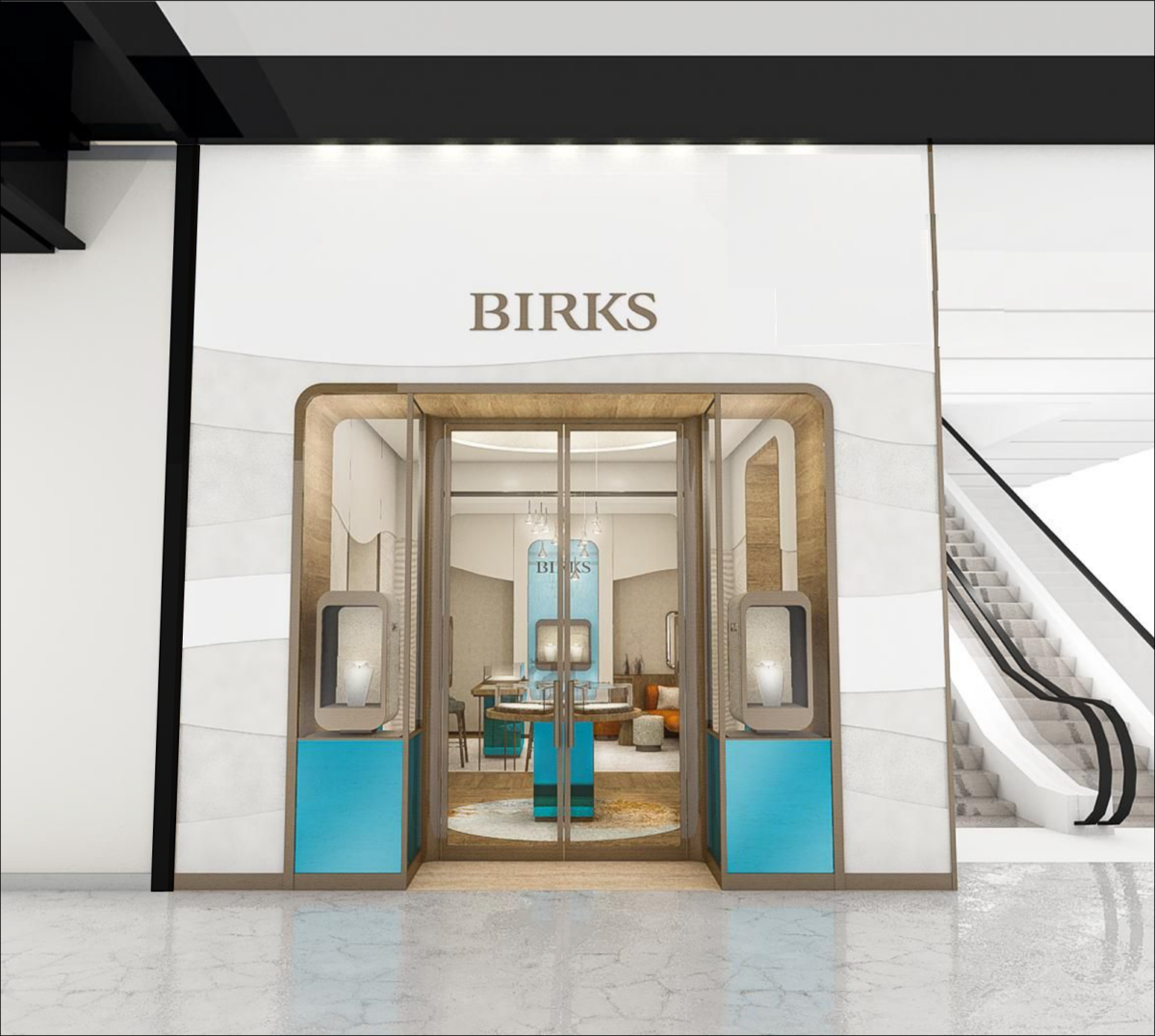
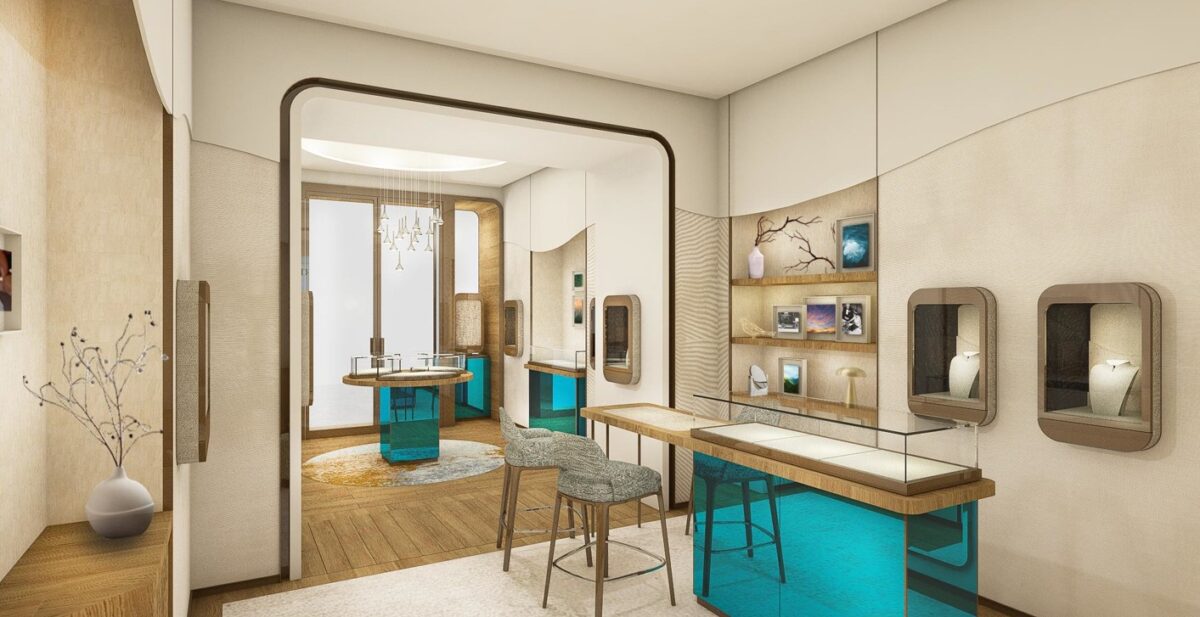
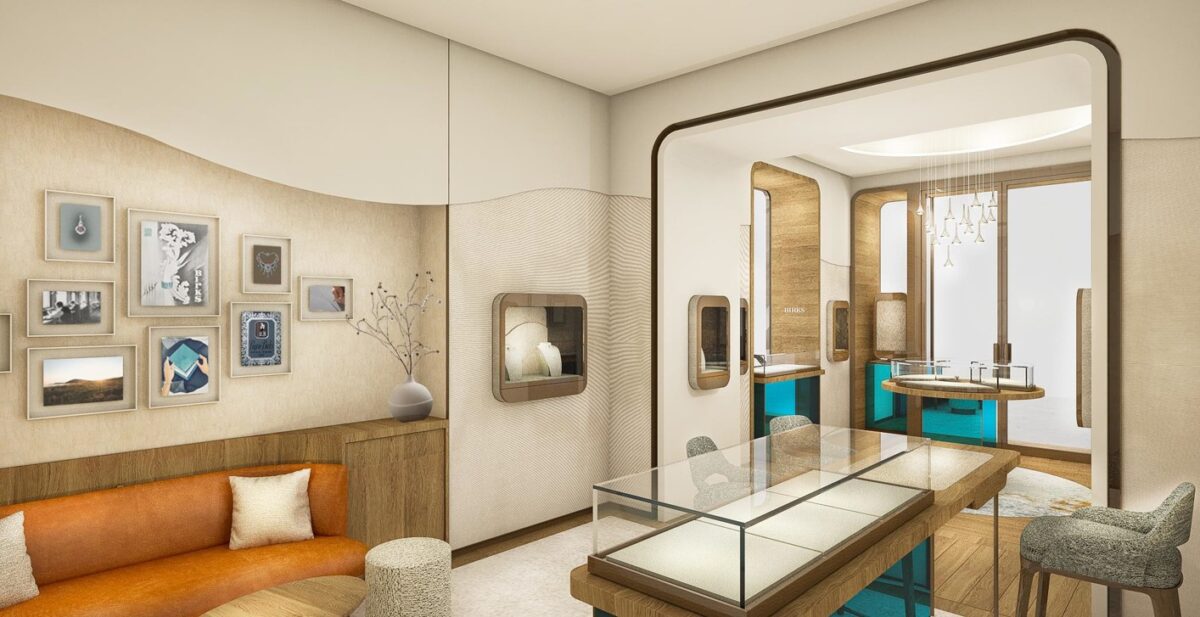
Rendering of the new Birks store, set to open September 5, 2024, next to TimeVallée. Image provided by Birks
Birks is looking to expand its market share across jewellery categories. The retailer is also innovating by launching a new store design, which will include an intimate storefront for Birks-branded jewellery at Royalmount next to TimeVallée. The new store was designed by French luxury retail architecture firm Landmark Architecture.
Rendering of the new Birks store, set to open September 5, 2024. Image provided by Birks
Birks CEO Jean-Christophe Bedos said in an interview that the retailer is looking to add more brands in the future, in an effort to boost the retailer’s bottom line while bringing the best names in jewellery and watches to Canada. The Chaumet brand from Paris has shown strong sales numbers in Canada at Birks, prompting Birks to make plans to open two standalone storefronts for Chaumet in Canada. One is confirmed to be opening in 2025 at Oakridge Park in Vancouver, and the other will open at the Yorkdale Shopping Centre in Toronto.
Rendering of the new Birks store, set to open September 5, 2024. Image provided by Birks
Last year, Birks completed a substantial renovation to its 2,288 square foot store at CF Carrefour Laval near Montreal, including adding a 257 square foot Breitling boutique in an adjacent space. The 4,186 square foot Birks store at CF Chinook Centre in Calgary was also renovated and expanded, with a Rolex shop-in-store added as well. The downtown Vancouver flagship saw a partial renovation with ongoing updates that will soon include a concession for ultra luxury watch brand Roger Dubuis, which also recently opened a store on Bloor Street in Toronto.
Last year Birks closed stores in downtown Winnipeg and Guildford Centre in Surrey, and the year before locations closed in downtown Victoria, downtown Saskatoon, and in Oshawa ON. Bedos said that Birks is evaluating its retail portfolio as it looks to the future of jewellery retail in Canada.
The move to bring TimeVallée to Canada is a positive one, introducing a proven luxury watch concept to the country that also has the backing of Richemont. Bedos said that Birks will continue to innovate and look at new ways of attracting consumers to the retailer, which has operated in Canada since its founding in Montreal in 1879.
Inside a Loblaw Grocery Store (Image: Dustin Fuhs)
Of course, there’s “shrinkflation,” which everyone despises when the quantity decreases but the price stays the same, and “shelflation,” where a product’s shelf life is compromised due to supply chain issues. These phenomena, present for decades, contribute to the rising cost of groceries. However, “stretchflation” seems to be a new trend in our grocery stores.
Stretchflation, first reported in Europe, involves increasing the quantity of a product while its price rises disproportionately. It’s a more insidious way to deceive consumers. An unverified example is Saputo’s sliced provolone sold at Costco. The package size increased from 620 grams to 750 grams, a 20% increase. However, the price of the 750 grams is over 15 dollars, more than a 25% increase, according to some reports. It seems that some bakery products have also faced this issue recently. Stretchflation is hard to detect as the approach is quite subtle.
These cases are rare in our grocery aisles for now, but we might see more in the future. The recent consumer revolt against shrinkflation is pushing manufacturers and distributors to offer more, but they also seem to be asking for more in return with stretchflation.
The common denominator of all these strategies is the economic context of raw materials. Sugar is about 50% more expensive than five years ago, and cocoa is 103% more expensive. Orange juice prices are at a record high. There is always some ingredient that experiences a price surge for one reason or another. Either some ingredients increase wildly, or prices fluctuate enormously, as seen with wheat and other commodities at the beginning of Russia’s invasion of Ukraine in 2022. Manufacturers need to adjust to maintain their market share. But stretchflation is different.
The primary motivation is likely to defend the industry’s image, not just to cut costs and offer less. For about twenty years, starting from the inflationary phase of the early 1980s, bulk buying was the trend. “Big was king,” as the saying goes. Since then, there have been two major cycles of shrinkflation: in 2008-09 and more recently, from 2022 to now. The recent cycle of shrinkflation probably ended earlier this year, but the industry’s response seems to be stretchflation.
One could always wish to legislate to prevent companies from changing quantities. But we risk seeing prices increase further, and there’s nothing illegal about it.
Nevertheless, these tactics are a nuisance for all of us. The most concerning aspect of these quantity reduction or increase strategies is their effect on our bills and how Statistics Canada measures their impact on food inflation. Although the federal agency reassures us that it monitors the effect of these strategies on food inflation, it rarely provides clear examples of how it adjusts its methodology accordingly.
Another issue is retail sales taxes. Many food products lose their tax-exempt status if the quantity is too reduced. This is the case for ice cream, puddings, or even granola bars, for example. Reading the rules on what is taxable or not at the grocery store is complicated. With quantity changes, many products become taxable simply because the quantity has been reduced, or vice versa.
Besides wanting to legislate, the lack of transparency on our grocery bills regarding taxes is probably the most pressing issue to address.
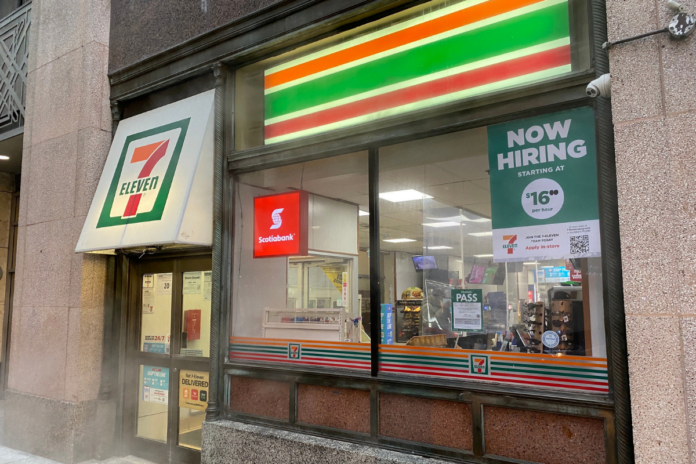
7-Eleven Hiring Sign on Bay Street in Toronto (Photo: Dustin Fuhs)
7-Eleven is set to revolutionize its operations in Ontario. The chain has secured liquor licenses for nearly all of its over 50 locations in the province, allowing it to not only sell beer, wine, cider, and ready-to-drink cocktails for takeaway but also offer in-store consumption.
The move comes as the Ford government in Ontario has paved the way for convenience stores, supermarkets, and gas stations to begin selling alcohol starting September 5th. 7-Eleven, recognizing the changing landscape, has embraced this new opportunity, positioning itself as a hybrid retailer-cum-dining establishment.
The expanded focus on food and dining is evident in the chain’s recent efforts to enhance its in-store offerings, including the introduction of freshly breaded chicken.
The alcohol-related changes will be rolled out in a phased approach, with two 7-Eleven locations in Leamington and Niagara Falls already offering in-store consumption. The company plans to extend this concept to most of its Ontario stores by 2025 and beyond, transforming the traditional convenience store experience.
The new liquor licenses will allow 7-Eleven to serve alcoholic beverages with food in a designated dining area within each store. Customers will be able to enjoy their drinks on-site, with a requirement that the dining section be separated from the rest of the store by a meter-high wall and open from noon to 11 pm daily.
Beyond Ontario, 7-Eleven is also expanding its alcohol offerings in Alberta, with 20 licensed locations in the province. The company has plans to further extend this concept to other provinces as the regulatory landscape evolves.
The shift towards in-store dining and alcohol sales represents a strategic move by 7-Eleven to adapt to the changing needs and preferences of Canadian consumers. As traditional convenience store items like cigarettes continue to decline, the chain is seizing the opportunity to redefine itself and cater to a more diverse customer base.
The introduction of beer, wine, cider, and ready-to-drink cocktails for takeaway at almost all of of 7-Eleven’s Ontario locations is also expected to drive additional foot traffic and revenue for the chain. With the exception of the store at Toronto Pearson International Airport, where alcohol sales are prohibited, 58 out of the 59 Ontario 7-Eleven locations will offer these products.
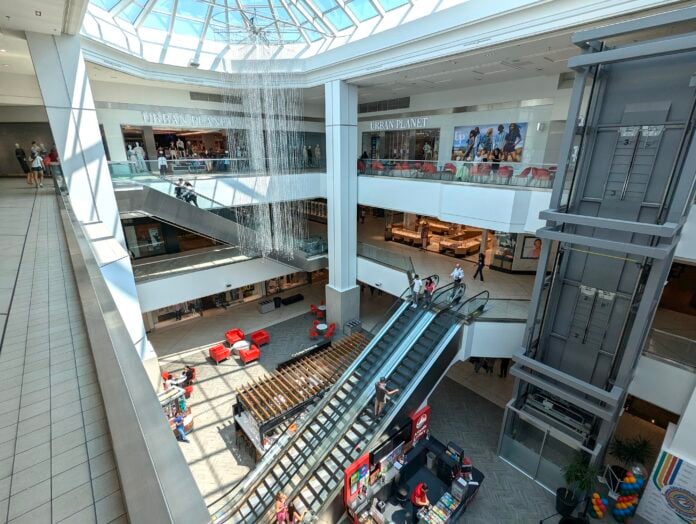
Mic Mac Mall in Dartmouth, Nova Scotia. Photo: Curtis Patterson
In a distressed market, the Canadian retail landscape is undergoing significant changes. While the overall retail sector showed a 0.8% decrease in sales in May, certain retail segments appear to be gaining momentum.
The post-pandemic commercial real estate market has been marked by uncertainty, with investors and developers adopting a cautious “wait and see” approach. However, the retail sector has demonstrated considerable resilience amidst the turbulence.
A key trend emerging in the Canadian retail landscape is the bifurcation of the market. Prior to the rise of e-commerce, stores primarily competed with their immediate neighbours. Today, the market is “nosier” than ever, with an abundance of competition both online and offline, leaving consumers overwhelmed with choices.
This bifurcation has created a distinct advantage for luxury and discount retailers. Luxury brands appeal to the upper-class consumers who may be more insulated from economic headwinds, while discount retailers cater to the increasingly cost-sensitive shoppers. Conversely, mid-tier retailers, such as traditional department stores, face a tougher challenge in capturing consumer loyalty and interest.
Retailers must now recalibrate their value proposition to effectively appeal to consumers who have the power of choice across a wide range of options, from e-commerce brands and luxury retailers to discount providers, direct-to-consumer startups, and boutique retail experiences.
Another emerging trend is the surge in popularity of boutique food halls. These smaller-format, curated spaces not only offer a more affordable alternative to traditional restaurants but also attract a unique range of specialty vendors that may be difficult to find elsewhere. In the current landscape, these hyper-localized, thoughtfully curated retail environments appear to be more appealing to Canadian consumers and potentially more beneficial to a brand’s bottom line.
As the Canadian retail sector navigates a period of disruption, the ability of brands to align with the evolving needs and preferences of cost-conscious consumers will be crucial in determining their success. The bifurcation of the market and the rise of boutique retail experiences are just two of the many transformations shaping the future of Canadian retail.