Home Blog Page 632

Are Comprehensive ‘World Of’ Concessions Best for Department Stores? [Podcast]

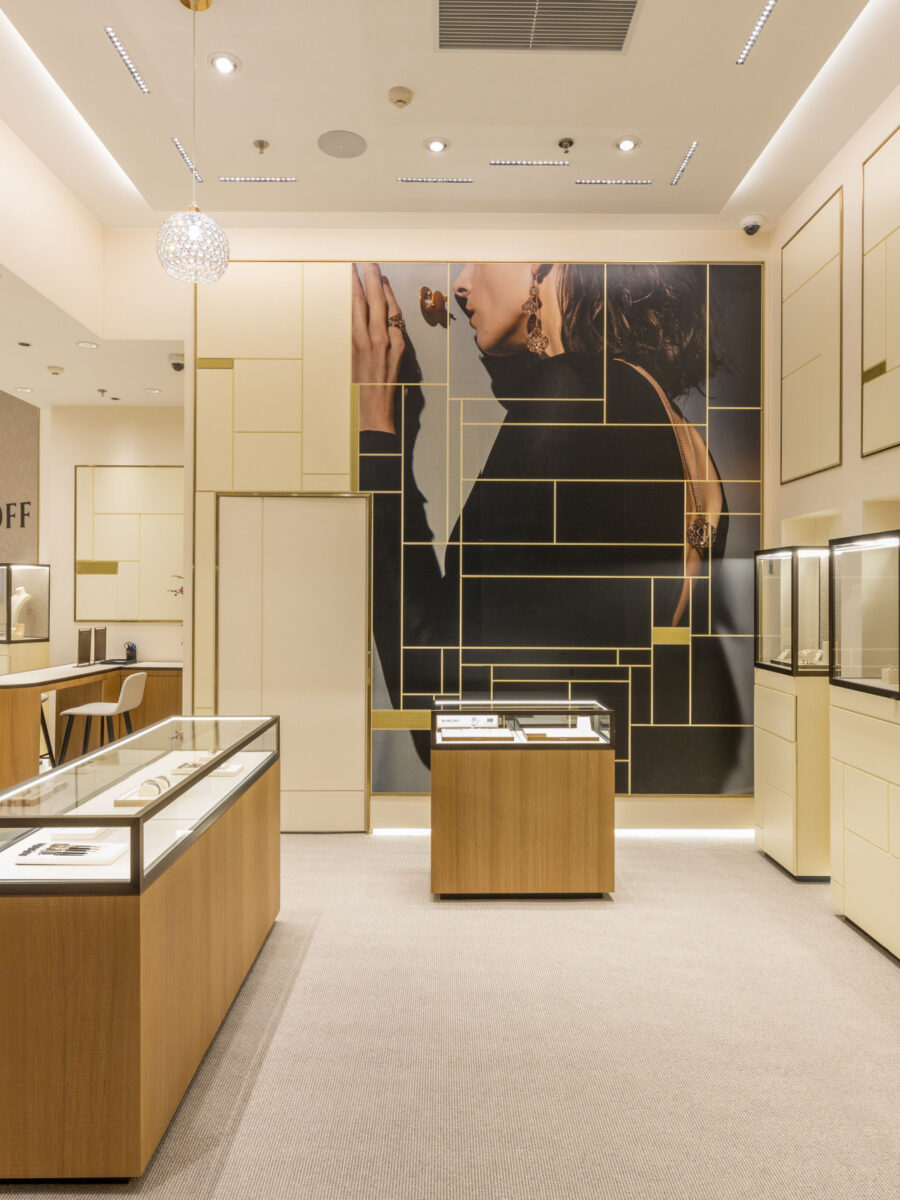
GUCCI’S YORKDALE BOUTIQUE PHOTO: GUCCI

Craig and Lee discuss the intriguing juxtaposition between traditional department stores and the contemporary trend of brand-specific “World Of” concessions within the realm of retail. Delving into the heart of this topic, they examine the implications for consumer experience and shopping convenience. While department stores historically aimed to provide a comprehensive assortment of brands and products under one roof in departments, the emergence of brand-specific concessions challenges this notion by condensing a brand’s entire spectrum into a single space. The hosts explore the pros and cons of both approaches, reflecting on how these strategies cater to different shopping behaviours and brand preferences.

Lee shares his personal perspective on the advantages of department stores for discovering diverse brands and comparing various offerings. He highlights the importance of a consolidated space to accommodate varying body types and preferences, allowing customers to efficiently explore different fits and styles. On the other hand, they ponder the appeal of “World Of” concessions, which aim to provide a one-stop-shop experience for loyal brand enthusiasts. While this model appeals to shoppers who know exactly what they want, it raises questions about the potential dilution of the distinct department store shopping experience.

As the discussion unfolds, Craig and Lee contemplate the evolving role of department stores in a rapidly changing retail landscape. They consider how the concept of department stores has transformed over time and how they compete with the allure of specialized brand spaces. The hosts dissect the strategic decisions of brands and retailers in adopting these contrasting models, questioning whether the “World Of” concessions might eventually transition into standalone stores. Ultimately, the conversation underscores the evolving nature of consumer preferences, shopping behaviours, and retail strategies, painting a vivid picture of the intricate balance between tradition and innovation in the retail industry.

The Weekly podcast part of the The Retail Insider Podcast Network by Retail Insider Canada and is available on Apple Podcasts, Stitcher, TuneIn, Google Play, or through our dedicated RSS feed for Overcast and other podcast players.

Transcript

Announcer 0:00
This is a Retail Insider PodCast. You’re listening to “The Weekly”.

Lee Rivett 0:08
Welcome to this week’s episode of “The Weekly” by Retail Insider. I’m Lee Rivett and I’m joined with the owner and publisher of Retail Insider Media, Craig Patterson, to discuss this week’s most read articles on retail-insider.com. So thanks for joining me, Craig.

Craig Patterson 0:22
Hello, everyone.

Lee Rivett 0:23
Now in this podcast episode, I was reflecting on our latest Yorkdale expansion news. It got me thinking about these brand-specific “World Of” concessions or “shop-in-shop” retail popups where a brand will have all of their offerings across their whole retail spectrum … in one spot. Now, the whole idea of a department store is to be able to go browse through a bunch of different brands of one specific thing. It could be looking at all the different women’s shoes, for example, or looking at the different coffee makers. So Craig, when you have these pop ups or world of concessions in a department store, I was wondering what your thought was on these brand-specific activations that are plunked into department stores, that seems to be going against the whole department store philosophy where he should have things grouped together in categories. So what’s your thought?

Craig Patterson 1:11
Yes, yes. This is such a good question. Thank you for asking it, Lee because I think it can build some confusion. If a person can walk into Holt Renfrew and they know what brand they want to buy – like, “This is my Gucci day. I want an outfit”. Yeah, you can walk into the Gucci store and you’re gonna be able to pick out your shoes and your bag and your clothing and jewelry and whatever else they’ve got in there. And that goes for Dior and other brands as well. But yeah, typically how it would work with a department store. So in Neiman Marcus store in the United States – because they don’t do these “World of” concessions in the same way – you would have a concession for handbags. So you’re gonna have a handbag area, and it’s like, yeah, I want to go shop for a handbag. I’m gonna go to the handbag area, and then I want to buy a dress. So I’m gonna go to the clothing area. And, we see concessions for shoes, and some of these really snazzy bigger stores, including a few in Holt Renfrew, like Chanel has a concession in Vancouver for only shoes.
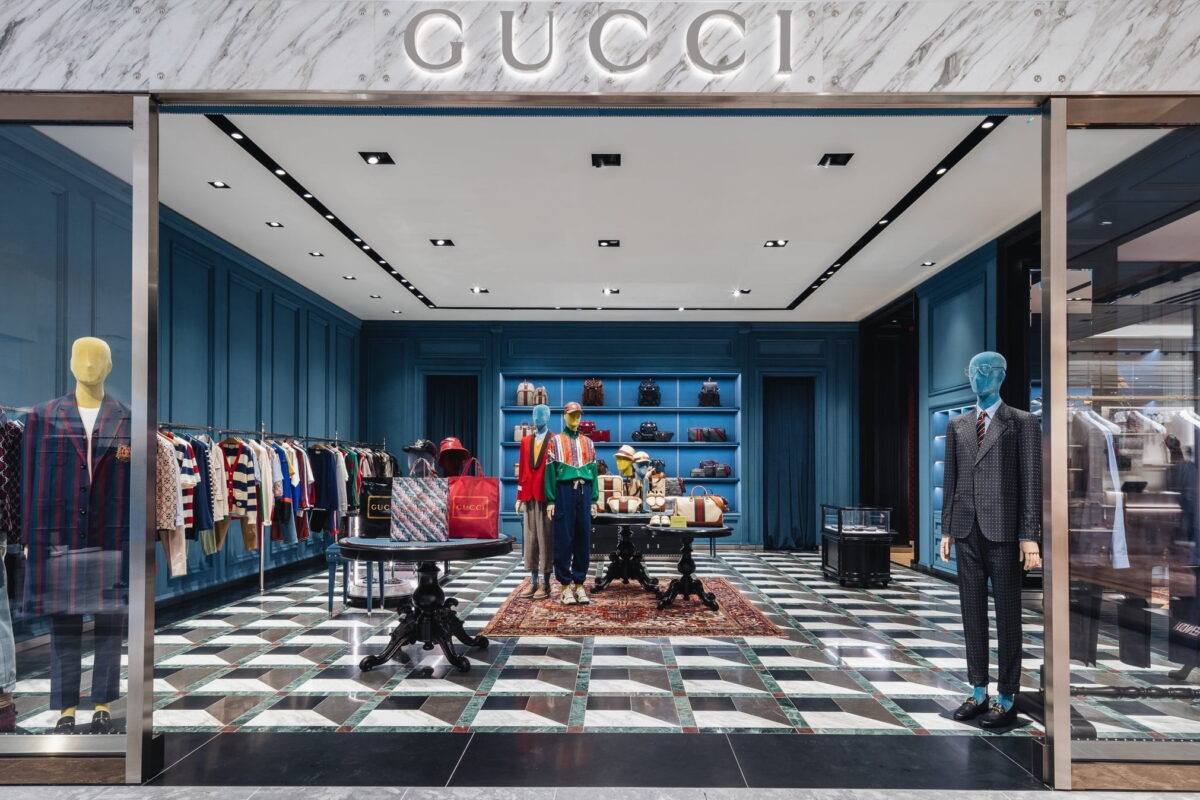
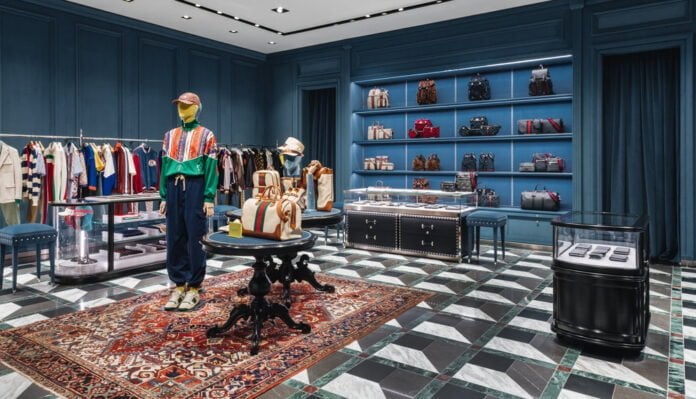
Gucci concession at Holt Renfrew Yorkdale. Image via Gucci/Amachris

Lee Rivett 2:06
Exactly. That’s the idea behind the department store concept.

Craig Patterson 2:10
It makes more sense if you have a department store or a store that has different sections for different, you know, shoes and bags, to have these separate shops in there.

Lee Rivett 2:19
Now, in contrast, what about the “World Of”s?

Craig Patterson 2:23
The “World of” concessions is a way for these brands to really just showcase everything in one spot. So you want to match a bag, some shoes or create an entire outfit? Yeah, you can do that in the “World of” concession. But I think it’s creating confusion, or at least it’s not quite as convenient for a shopper saying, well, now I want to buy a dress, or a guy wanting to buy an outfit.

Lee Rivett 2:48
What do you think the end effect or result of putting these “Worlds of” concessions in the middle of a department store?

Craig Patterson 2:54
Yeah, I think it blurs the lines between department store and shopping center. Because when you have a “World of” concession, it really is just a brand that’s been plopped in in its entirety in one spot. And you know, it’s great for the brand if it’s strong enough to be able to support that business model and bring consumers in and say, you know, I’m buying everything Burberry or you know, being able to see everything in one area as opposed to having to walk around the store and find your Burberry shoes and your Burberry bags or Burberry trench coats or whatever, you know, like having to go to different parts of the stores for the brand. But no, that’s something I’ve been thinking about recently as well. You know, is this “World of” concession situation best for these brands?

Lee Rivett 3:35
Well, I think it’s best for the brand, like they have a lot of obscure stuff that wouldn’t necessarily fit into a specific department in a department store. So it’s yeah, it’s good for the brand, but maybe not for the department store.

Craig Patterson 3:47
Well, I mean, it’s best for the brands but is it best for the store like Holts? Probably – maybe not? I don’t know. I mean, it’s different from what you see at Neiman Marcus. You go to the American department store like Nordstrom in Seattle and they’ve got a Chanel shop on the main floor, which is bags, and I think some shoes and stuff but it’s not the full ready to wear, you have to go upstairs for that ready to wear boutique. And that’s quite common, I think with Chanel with these American stores, whether or not it’s a Saks Fifth Avenue in a big city, or a Neiman Marcus or Nordstrom, typically these are going to be spaced out more like a department store. But Holt Renfrew is almost taking a model you see in Asia or even a shopping center model and in some cases, you know, having these “World of” concessions with everything in it just being you know, plopped down in prime real estate. So at the same time, it is pretty cool to walk through a store and have all of these “World of” concessions, but I’m not discounting it or I’m not slamming this in any way whatsoever. I mean, I have a lot of respect for Holt Renfrew and I’m very impressed with a lot of things but I don’t know though the world of concession thing remains to be seen how successful it is if these concessions end up just stepping out and opening their own stores. So we’ll see how it goes over the next few years. I find this stuff fascinating. I’m mean that you got me excited with that question.

Lee Rivett 5:02
Well, what I find that I love about the department store model is – I have ungangly, long arms. So it’s really difficult for me to find a long sleeve shirt that fits me in the length of my arm, but then it also fits me in the torso. So normally, they either fit length in the sleeve, and then I’m swimming in the midsection on it. So if I wander into a “World of” concession, or one of these independent standalone brand stores, if I try on one shirt that’s long sleeve and it’s halfway down my forearm, I know that brand is pretty much a write off for anything, that’s a long sleeve, right? So I love the idea of either going to a thrift store, which has all the brands together, or a department store, which has all the brands together as well so I can try the different brands. So if this brand is too short in the sleeve, then I can try the next one. And if I find a brand or two, that is fitting me in the length, that I know that that brand is one to go with. So at that point, I’ve already purchased the item from the department store, but then I would keep that in mind for later for going to the “World of” or going to the standalone store that they would potentially have, right? So for me, that’s why both have a place. But why I typically start out with a department store because sometimes even the brand has changed their methodology on how they actually do their fitting at the end of the day.

Craig Patterson 6:25
Now, that makes sense, in terms of sizing, or just even the product itself, you know, if I if I want to go and buy a pair of sneakers or something, or I’m thinking of a young gentleman, I know that we I mentor, he needed some sneakers one time, and it’s gonna be a lot easier to go to an area with a bunch of shoes and pick stuff out then saying I gotta go to all these boutiques. And maybe they’ll have some great shoes. I don’t know, what does Fendi have today? You know, what is Prada have today? You know, you gotta go from shop to shop and look around. It’s not as convenient. But I understand what the brands are doing. But is it? Is it a the best shoppable experience for consumers? I don’t know, I talked to some consumers about that. I mean, I don’t think it would be but some may prefer it. You know, it really depends. I mean, some people just know their brands, and they’re like, I’m a Givenchy guy. That’s what I wear. And and maybe that works. But I think it really depends. And maybe this works more for women as well. Women may know the brands more, but a lot of guys now are also getting in on this. I mean, I mean, we’ve seen men’s fashion just explode in terms of sales in popularity, and men have become more fashion forward. I’ve seen that over my lifetime, for sure. I’ve seen stores years ago, where the men’s departments were basically just an afterthought, you go into a Saks Fifth Avenue. And, you know, you might have a little corner and one floor of a store. I’m just remembering the one in Minneapolis, which had a few sweaters and a few other things, way back in the day. And now you go to Saks Fifth Avenue and a downtown store like Chicago, you got one or two floors dedicated to menswear, or even in downtown Toronto. Much, much more comprehensive and you’ve got all kinds of brands. Anyways, menswear has definitely taken off, there’s no question there. And that’s certainly during my lifetime.

Lee Rivett 8:08
To touch upon the customer experience or shopping experience aspect: For me if I go into the Levi’s store that standalone – or the “World of” Levi’s – to try on some jeans and find out that nothing fits because my thighs are large. It’s nothing against the brand. It’s just now I’ve wasted everyone’s time including myself going all the way to the Levi’s store just to be able to try on their jeans and nothing fits. So I find that then going to True Religion, or Frank & Oak, or whatever the case may be – is just a poor shopping experience for me. And I feel like I’m just being judged for wasting everyone’s time and walking out with nothing. So for me, I love the idea of being able to try all these different brands just to see what fits for me this season, right? And then either buying it at the department store or thrift store, or then feeling comfortable going into the “World of” or standalone store to buy stuff knowing that that brand fits me because I’ve already answered the question of whether I’m wasting time or not by going down that path if that makes sense.

Craig Patterson 9:12
Yeah, it makes sense. I’m just thinking like if I was to go if I wanted a pair of jeans this week, I would probably go to the Manulife center and go to over the rainbow jeans and because they have like a denim wall and it’s there’s different brands in there and you’re like great, it’s jeans, it’s what I want. It’s gonna be so much easier for me to go to the denim wall and you know, get one of those salespeople to help me pick out some jeans than having to go from brand to brand, to brand to brand to pick these things out as opposed to just going to the denim wall and saying this is great. There’s hundreds of pairs of jeans here and I’m going to find something that I want so I know for myself, I think the denim wall just sounds so much easier than yes having to, you know, go from brand shop to brand shop to brand shop. But at the same time, if I’m having a day, if I was, say, in London, I went to Selfridges and wanted to make a day out of a shopping trip. I wouldn’t have as much of an issue going from shop to shop, I don’t think but it really depends how a person is shopping as well. I mean, I know for myself, the Hudson Bay Queen Street men’s store. It is it’s just too big. It’s about 100,000 to 220,000 square feet. It’s got to be the biggest men’s presentation in Canada. And it’s huge. I mean, there’s a lot of stuff there. And it is actually broken up quite a bit into categories. But nevertheless, it’s just absolutely massive. I mean, it takes you half a day to actually shop that properly. And I just don’t have that time.

Lee Rivett 10:46
Well, thanks for going through talking about the department store versus the “World of” or standalone store comparison with me. I appreciate it. It’s just super fun to kind of talk about some of these things. And otherwise I’ll chat with you next week. Craig,

Craig Patterson 10:59
Thank you so much everyone for listening. Take care and bye for now.

Subscribe, Rate, and Review our Retail Insider Podcast!

Follow Craig:

Follow Retail Insider:

Listen & Subscribe:

Share your thoughts!

Drop us a line at Craig@Retail-Insider.com. You can also rate us in Apple Podcasts or recommend us in Overcast to help more people discover the show!

Background Music Credit: Hard Boiled Kevin MacLeod (incompetech.com). Licensed under Creative Commons: By Attribution 3.0 License. http://creativecommons.org/licenses/by/3.0/
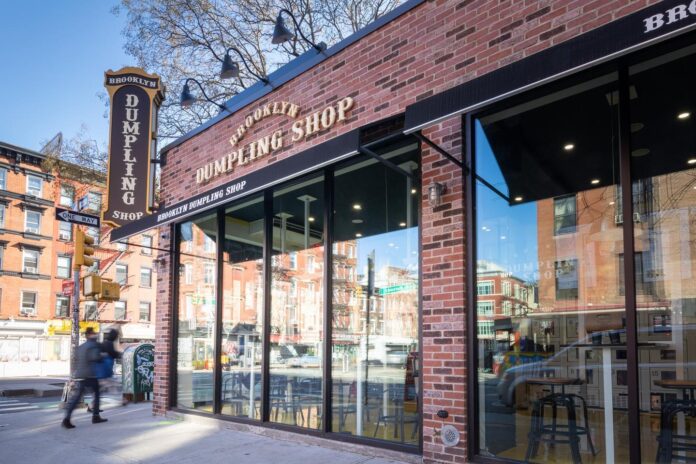
Zero-Contact Foodservice Concept ‘Brooklyn Dumpling Shop’ Entering Canada with Plans for Over 100 Locations [Interview]

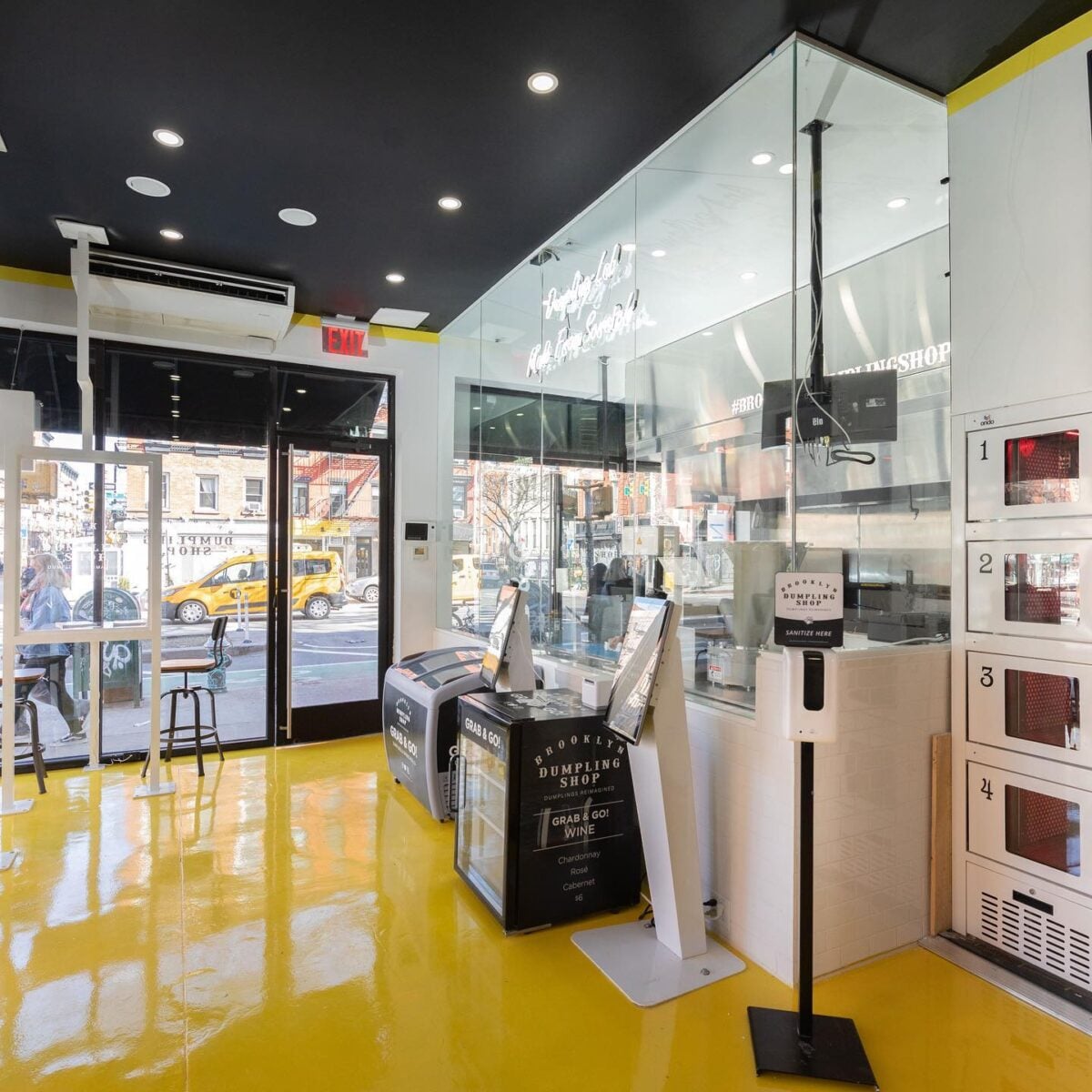
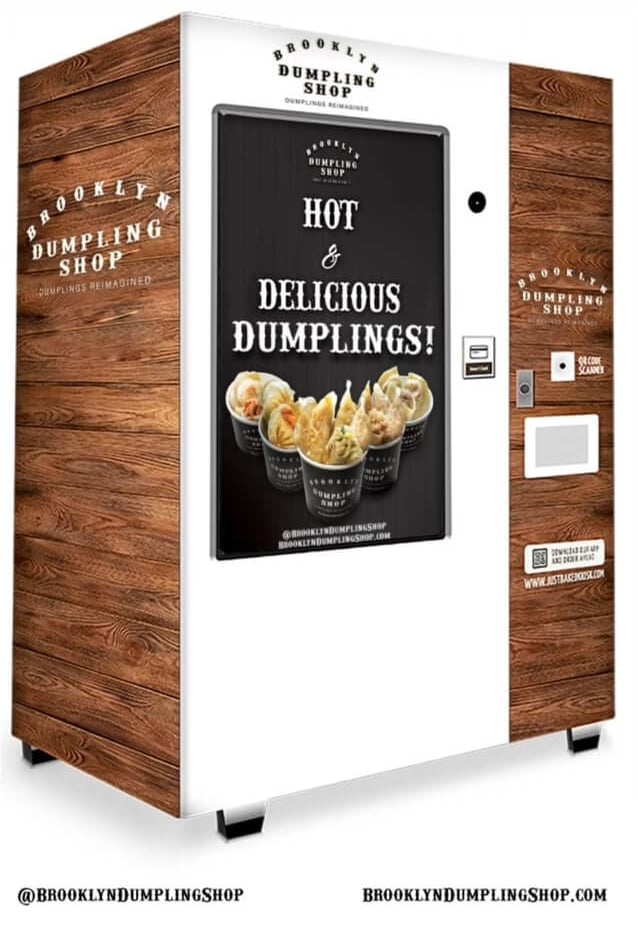
Image: Brooklyn Dumpling Shop

Brooklyn Dumpling Shop, an innovative zero contact dumpling shop, is arriving in Canada this upcoming October and has plans to expand throughout the country with over 100 locations.

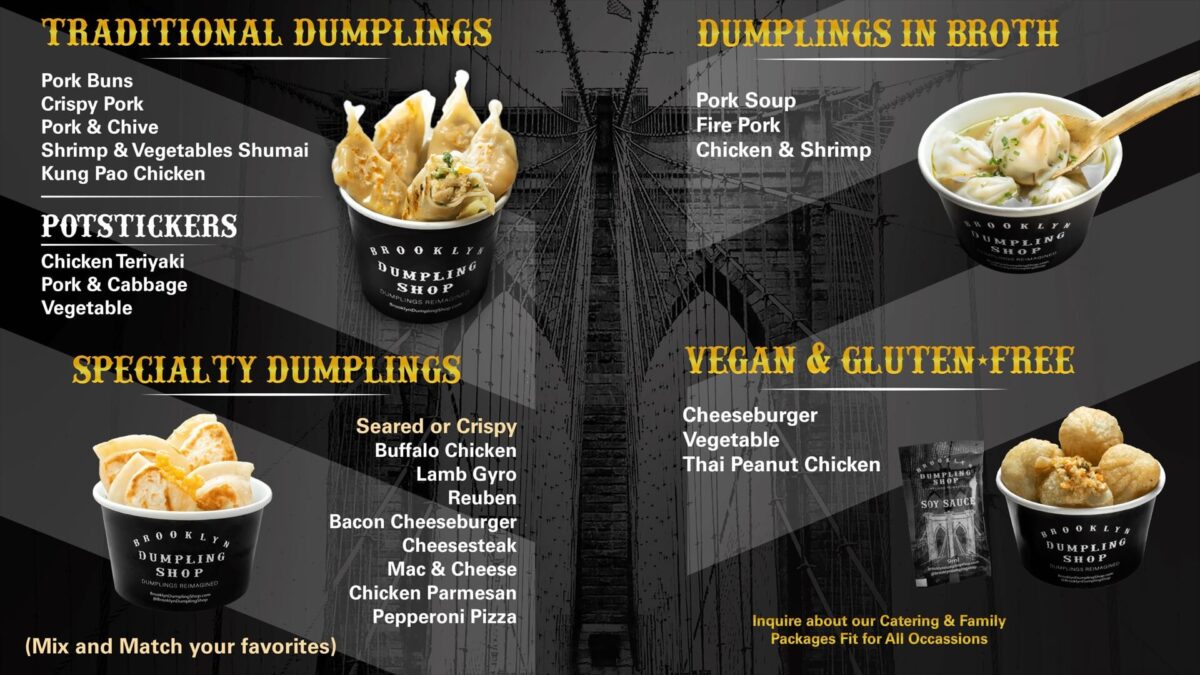
The Brooklyn Dumpling Shop will be a new concept in Canada and offers a zero contact experience. The restaurant offers traditional dumplings along with specialty dumplings such as mac and cheese and pepperoni pizza. Consumers can also find vegan and gluten free options, breakfast dumplings such as bacon and cheese, and dessert dumplings. The specialty dumplings started at the restaurant Brooklyn Chop House and since then has seen success.

“The dumplings became so big at Brooklyn Chop House that I simultaneously wrote a book called Damn Good Dumplings and then from there, we came up with the idea of doing a fast casual version of it – and that is where Brooklyn Dumpling Shop was born,” says Stratis Morfogen, the founder and CEO of Brooklyn Dumpling Shop and Brooklyn Chop House. “The dumplings became a huge hit. I took mac and cheese, pastrami, bacon, cheeseburger, lamb, peanut butter and jelly – and I made them into dumplings.”

Stratis Morfogen (Image: Brooklyn Dumpling Shop)

Plans for Canada

Youtube video

Currently, Brooklyn Dumplings have five locations opened in New York City and five under construction. By the end of September, the restaurant will have twelve locations and by the end of the year will have twenty – including the locations planned for Canada. To expand in Canada, Morfogen said he was approached by and has partnered with Sitewise Solutions Inc.

“We gave the rights to the group and they are now the franchise oil for Canada. After experiencing the concept in New York, they wanted to bring it to Canada. Their plans already include opening 108 Brooklyn Dumpling Shops in the next ten years.”

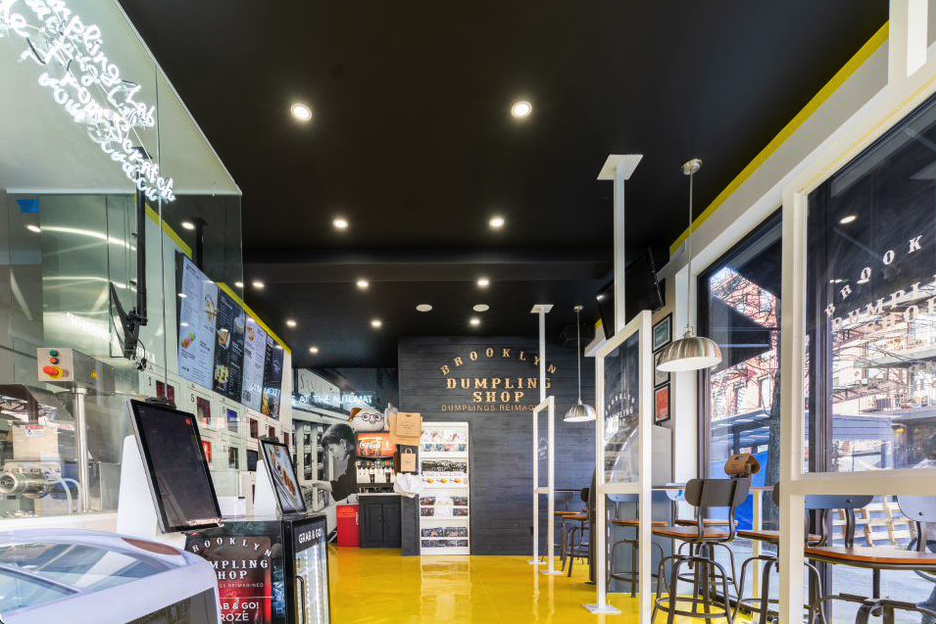
Image: Brooklyn Dumpling Shop
Image: Brooklyn Dumpling Shop Menu

The first three locations in Canada will be in Calgary, Edmonton, and Vancouver. As for exact locations, Morfogen was only able to clarify Calgary.

The Calgary location will be at 1113-9th Avenue SW. The construction for the restaurant has already begun and will be opening up its doors for October 2nd. As for the locations in Vancouver and Edmonton which will be opening by the end of the year, leases have been signed but they are waiting for official leases to be completed.

“The whole country is going to be scaled. First starting in Calgary, Edmonton, and Vancouver and then the group will make its way throughout Canada. The contract allows them for 110 units, and they have ten years to build them.”

Using Automat Concept for Zero Interaction

Image: Brooklyn Dumpling Shop

All locations provide a contact free experience for consumers.

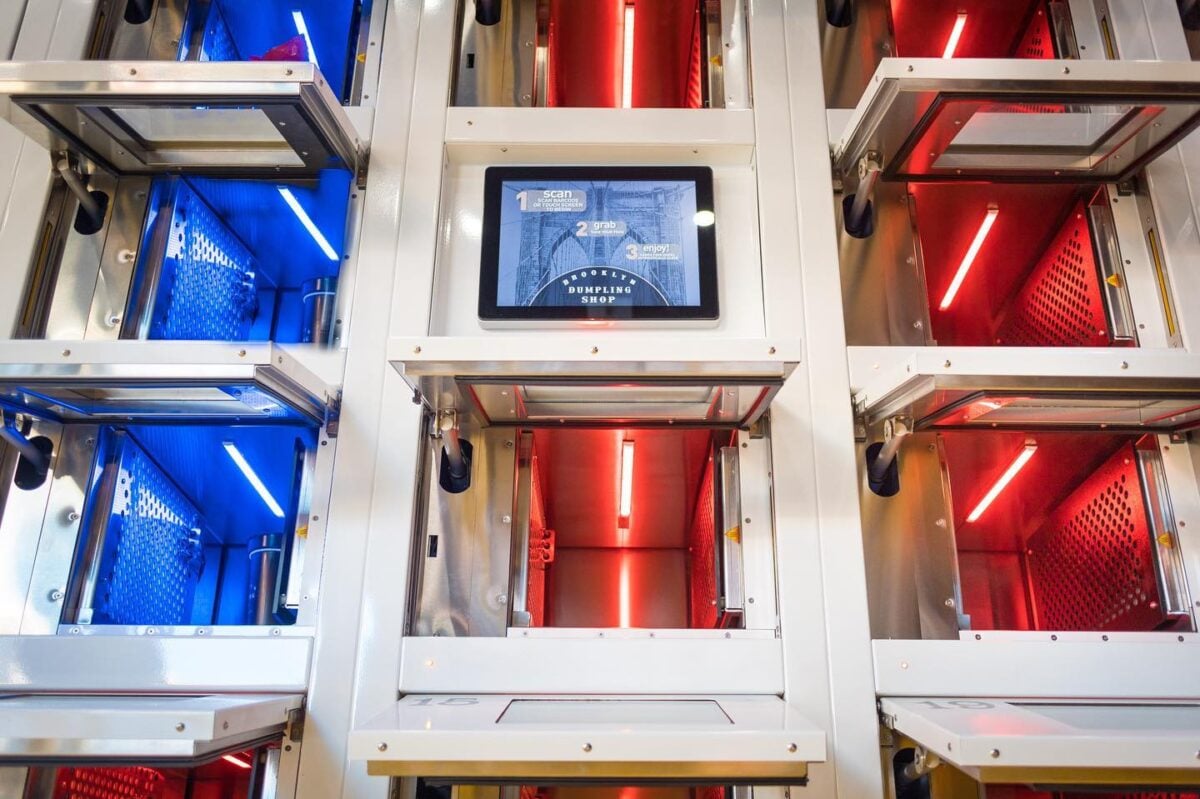
“Automat is in every Brooklyn Dumpling Shop – it is part of our model. We don’t have cashiers, we don’t have any transactional staff, All our customer service is one-on-one and operations but our transactions are created by smartphone which engages with the Automat.”

Consumers can use their phones to place an order, pick a time, and then the product will be waiting in the 140 degree automat locker. Consumers will receive a QR code to their phones which is used to scan to open the locker and pick up the order. Temperatures can be changed for each locker depending on what has been ordered. As with any traditional restaurant, there are tables available for consumers.

Along with the in-store automat concept, the Brooklyn Dumpling Shop also has vending machines. The vending machines are controlled by an app and the dumplings are cooked inside the vending machine within three minutes.

Both concepts will be used in Canada and people can expect to see the vending machines hopefully by the middle of next year.

Dumplings Vending Machines (Image: Brooklyn Dumplings)
Youtube video

This is not the first time the automat concept has been used as it began in 1895 in the Berlin Zoological Gardens. The first automat concept arrived in the United States in 1902 and only took nickels. They disappeared for decades and eventually were seen again during the pandemic to limit interactions between consumers and staff.

Brooklyn Dumpling Shop also offers catering services and sells apparel and accessories online such as sweaters, shirts, hats, aprons, and more.

“Brooklyn Dumpling Shop is different as Canadians have never seen this before. If they think of it as like a mini sandwich – that is basically what the Brooklyn Shop is. We call it the pig in the blanket for sandwiches and it is easy to eat. It is great to introduce to children and it makes amazing parties and catering.”

Alcohol Retailers in Canada Seeing Reduced Sales Amid Decreasing Consumption [Op-Ed]

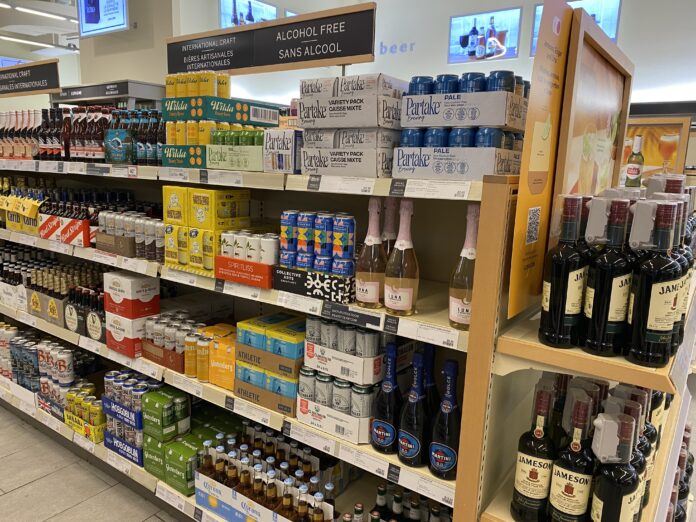
LCBO Toronto Front Street Non-Alcoholic Section (Image: Dustin Fuhs)

“Canada is redefining its relationship with alcohol, as declining sales are influenced by factors such as weather, health concerns, and the growing popularity of non-alcoholic alternatives. While the statistics may imply a shift towards sobriety, alcohol will continue to hold a significant place in our culture for the foreseeable future.”

Is Canada sobering up?

Canada appears to be undergoing a noteworthy transformation in its relationship with alcohol. According to Statistics Canada, Canadians are purchasing less alcohol than they did the previous year, and a myriad of factors are at play. From shifts in weather patterns to the allure of non-alcoholic alternatives and concerns raised by the World Health Organization regarding the link between alcohol and cancer, it’s clear that the landscape of Canadian drinking habits is evolving. But is Canada truly sobering up?

According to the latest Retail Sales Update from Ottawa, Canada’s liquor and beer sales continue to show a slowdown, down -0.9% from May to June 2023. Sales are also down -2.8% from last year, a notable drop, while cannabis sales surged by 3.3%. Other sources may point to different numbers, but it appears as though Canadians are generally buying less booze now. These statistics raise intriguing questions about the factors influencing Canadian drinking habits.

One potential factor contributing to the decline in alcohol sales is the weather. The last several months have brought about erratic weather patterns, leading to unpredictable winters and a dampened summer in many parts of the country. Weather uncertainty can affect consumer behavior. For instance, warm weather often leads to increased alcohol consumption, with Canadians flocking to patios and barbecues. When the sun doesn’t shine as consistently, it’s possible that people are less inclined to indulge in alcoholic beverages, contributing to the decline in sales, as indicated by the recent Retail Sales Update.

The World Health Organization’s concerns about the link between alcohol and cancer cannot be ignored. Canada’s new Guidance on Alcohol and Health, which encourages Canadians to drink less and the suggestion that perhaps containers of alcoholic products should be labeled in the future, likely gave pause to some Canadians. Public health messages and research findings connecting alcohol consumption to various health issues, including cancer, have been gaining traction. Canadians may be reevaluating their drinking habits considering these warnings, leading to a decrease in alcohol consumption.

Non-alcoholic alternatives have also been on the rise. The beverage industry has responded to changing consumer preferences by offering an array of enticing non-alcoholic options. These include craft non-alcoholic beers, alcohol-free spirits, and mocktails that provide the same sensory experience as traditional alcoholic beverages without the intoxicating effects. With the stigma of not drinking diminishing, more Canadians are choosing these non-alcoholic options, contributing to the decline in alcohol sales.

Furthermore, there seems to be a shifting social dynamic regarding alcohol consumption. In the past, abstaining from alcohol might have been met with raised eyebrows, but today, it’s becoming increasingly socially acceptable not to drink. Millennials and Generation Z are leading this change, with many embracing a “mindful drinking” approach and choosing not to consume alcohol as part of a broader wellness trend.

Cannabis, on the other hand, continues its ascent in popularity. The recent surge in cannabis sales, as revealed by the Retail Sales Update, raises questions about whether Canadians are substituting alcohol with cannabis. With the legalization and normalization of cannabis use, it’s plausible that some individuals are opting for this alternative to relax and unwind.

The decline in alcohol sales, even during the early summer when Canadians typically enjoy outdoor activities, suggests that these trends are more than just a fleeting phenomenon. Canada appears to be on a trajectory towards a more moderate drinking culture, driven by a combination of factors.

With all of this mentioned, it’s important to approach this issue with nuance. While alcohol sales are down, it’s not an indication that Canadians are universally abstaining. Instead, they are making more conscious choices about when and how much they drink. This shift is not only a reflection of changing attitudes towards alcohol but also a response to a rapidly evolving economic landscape. Inflation plays a huge part. What needs to be underscored are rising retail prices for all food products, including liquor and beer. The April 1 Federal escalator tax coupled with other provincial taxes have made these products more financially prohibitive. With higher food prices, priorities shift. While we all need to eat, drinking alcoholic beverages is far from being a necessity. Sales will likely bounce back eventually when the cost of living is not much of a top-of-mind issue for consumers.

Numbers may suggest that Canada is sobering up, but it’s doing so with a newfound sense of consciousness and choice. Alcohol remains very much a part of our culture, traditions, and ways we celebrate and live key moments of our lives together.

Vancouver-Based Luxury Reseller ‘Mine & Yours’ Expands into Toronto with Yorkville Storefront [Photos]

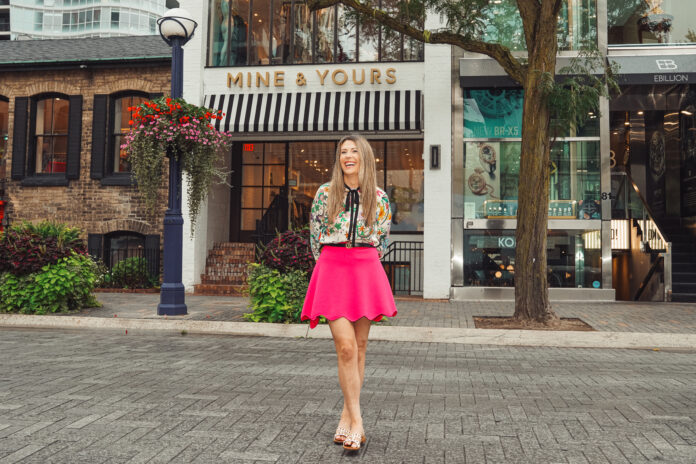
Courtney Watkins in front of the Toronto Mine & Yours at 79 Yorkville Avenue. Photo supplied

Vancouver-based luxury reseller Mine & Yours has expanded into Toronto with a storefront in the city’s affluent Yorkville area. The store opened last week and is already busy with customers. 

Mine & Yours was founded in 2013 by Courtney Watkins with a store on Hornby Street in the city’s downtown core. The retailer has since opened two permanent storefronts in Vancouver’s downtown core on Howe Street and Davie Streets, and it now has a third location in the Toronto market. It also has an e-commerce site. 

The Toronto store location spans about 3,000 square feet over three levels at 79 Yorkville Avenue. The retail space formerly housed retailer Free People which has closed several locations in Canada. 

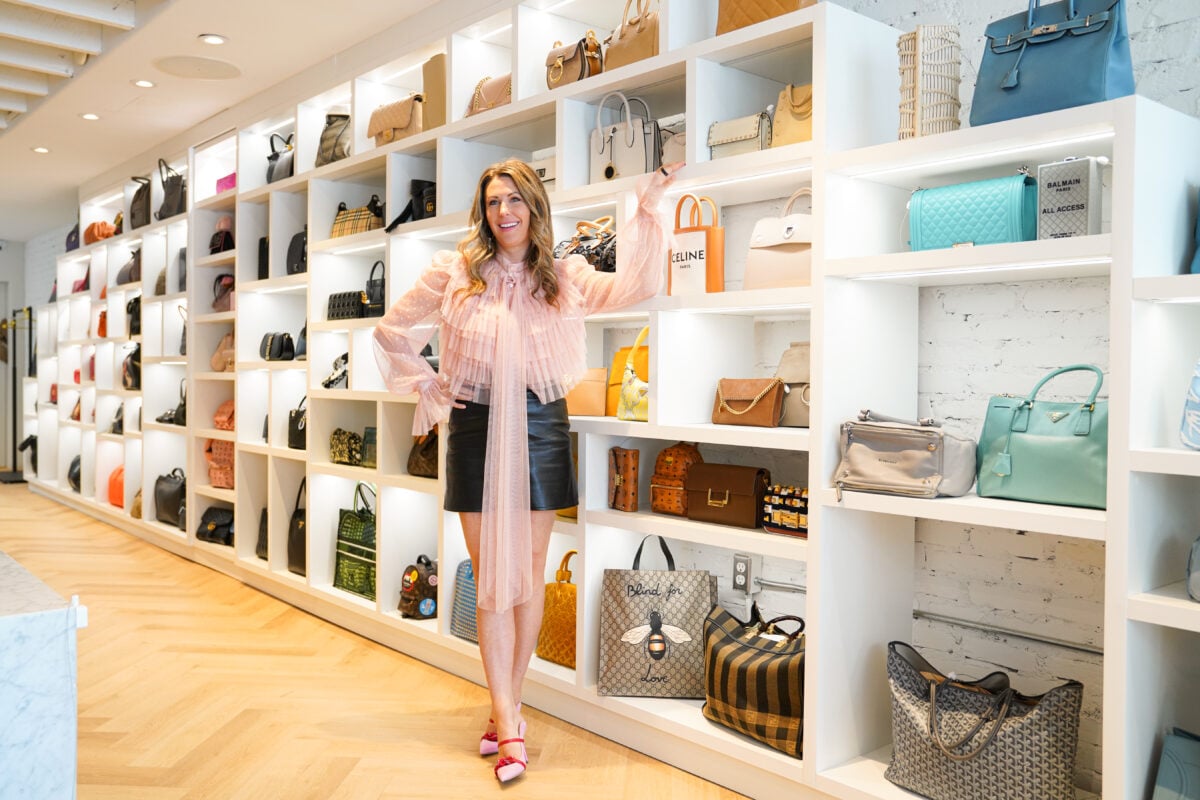
Courtney Watkins on the main floor of the new Yorkville Mine & Yours store. Photo supplied.
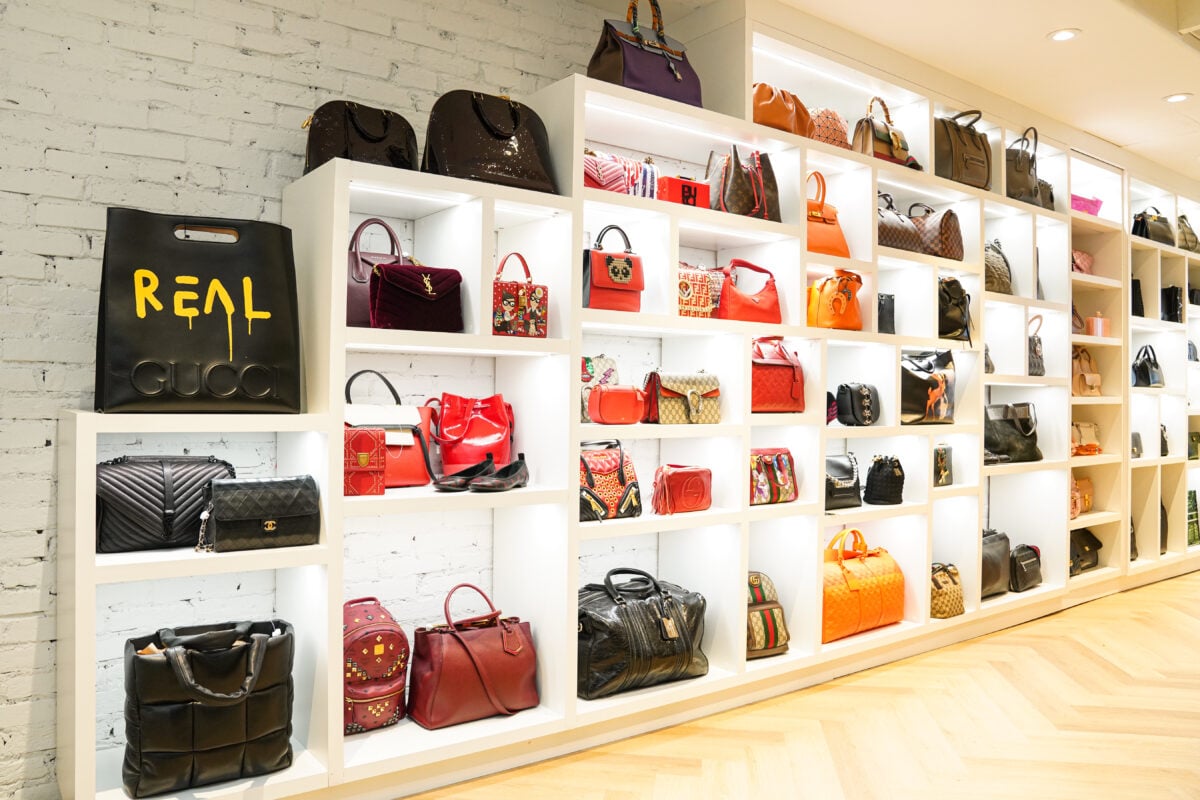
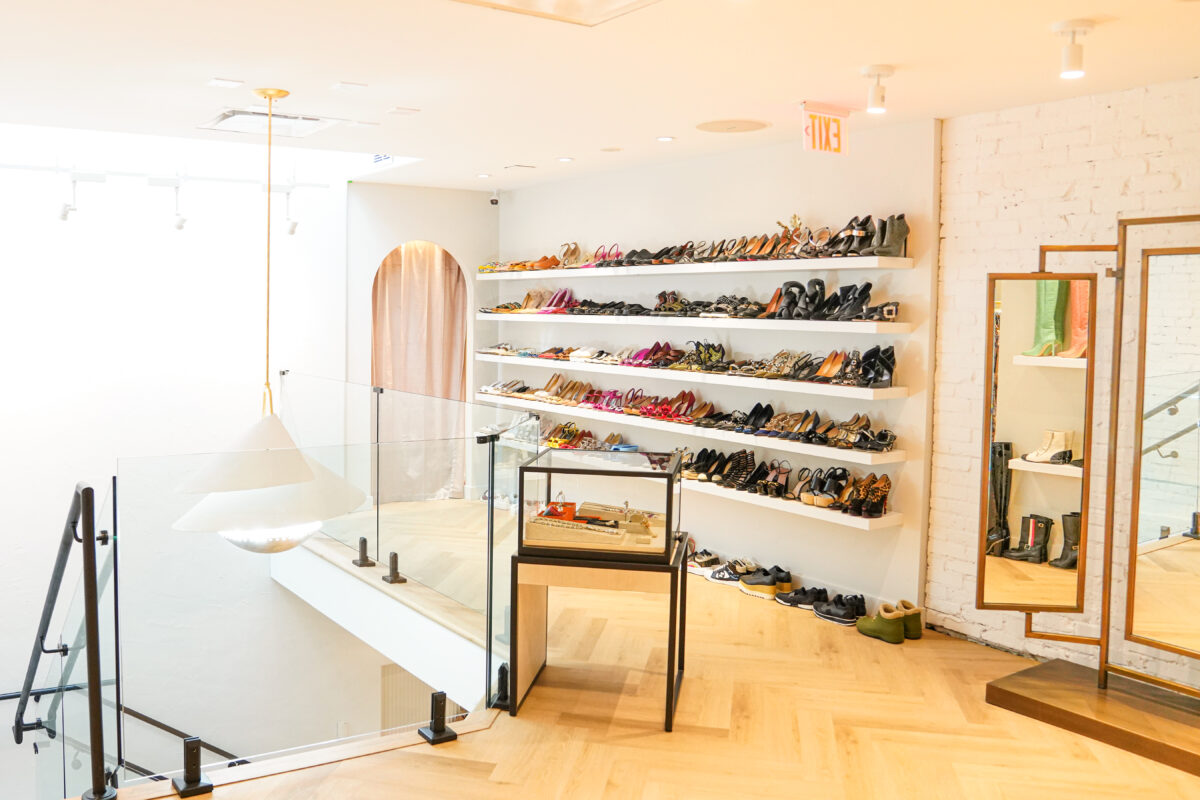
Designer handbag wall on the main floor of the new Yorkville Mine & Yours store. Brands include Chanel, Gucci, Hermes, Delvaux, and others. Photo supplied.

The new Toronto Mine & Yours features retail showrooms on the two upper levels, as well as a lower level transactional lounge where people can sell designer goods to the retailer. Renovations to the space added light wood herringbone floors and white marble trim in the space, including on a stairway leading to the second level. 

The main floor of the Toronto store houses bags, jewellery and some women’s fashions, while women’s fashions and men’s fashions can be found upstairs. Women’s footwear also has its own section upstairs on a wall. 

The store was designed by Erica Grace of Toronto-based Erica Grace Design.

Last Week Mine & Yours hosted two opening parties to celebrate the new space, while at the same time engaging the community. Watkins said that as with Vancouver, private events and shopping parties will be an integral part of the Toronto retail experience. Building a community has been key to Mine & Yours’ success in Vancouver. 

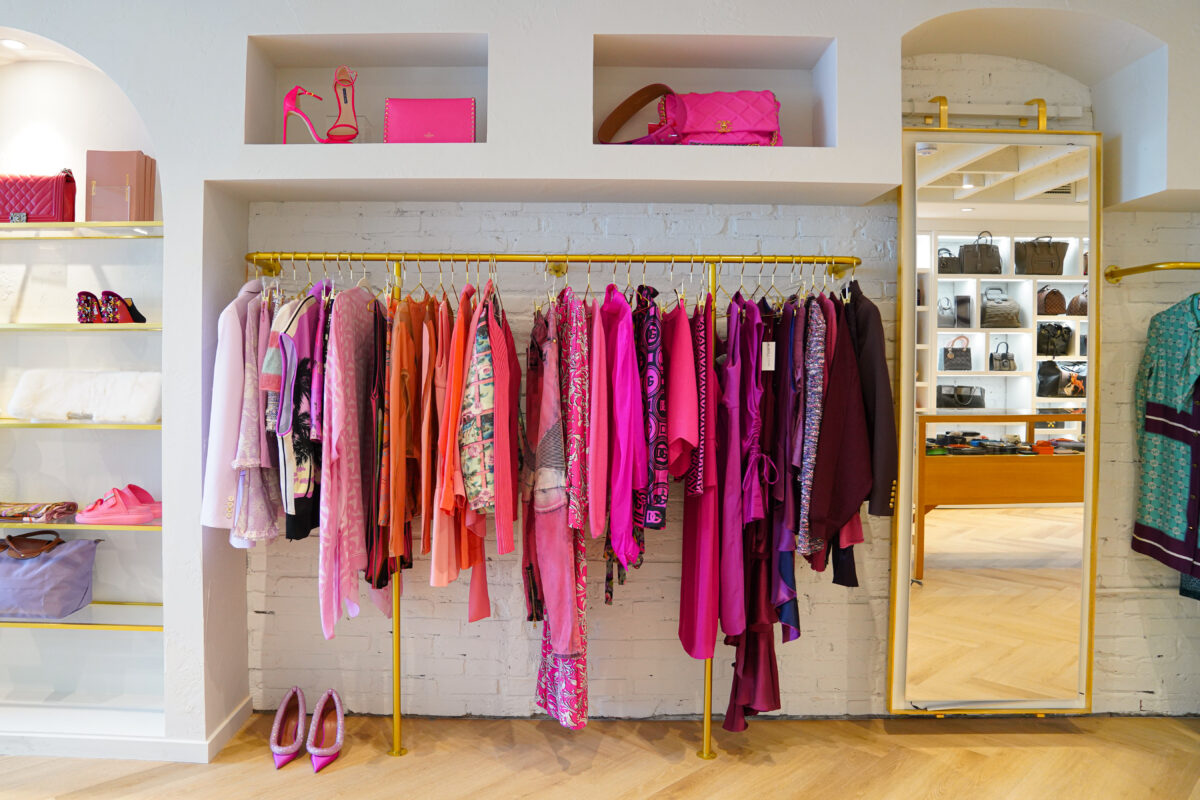
Bags, shoes and women’s clothing on the main floor of the new Yorkville Mine & Yours store. Photo supplied.

Watkins took months to find the retail space and considered various areas of Toronto for the store. She worked with Arlin Markowitz of CBRE’s Urban Retail Team to eventually find the 79 Yorkville Avenue space.

Mine & Yours joins another reseller on Yorkville Avenue — Russell Oliver, aka ‘The Cash Man’ opened luxury reseller Oliver’s across the street at 88 Yorkville Avenue in late 2021 and the store is said to be doing well in terms of sales. 

Both stores carry a range of designer bags and jewellery from brands such as Hermes, Chanel, Gucci, Prada, Tiffany & Co. and many others. 

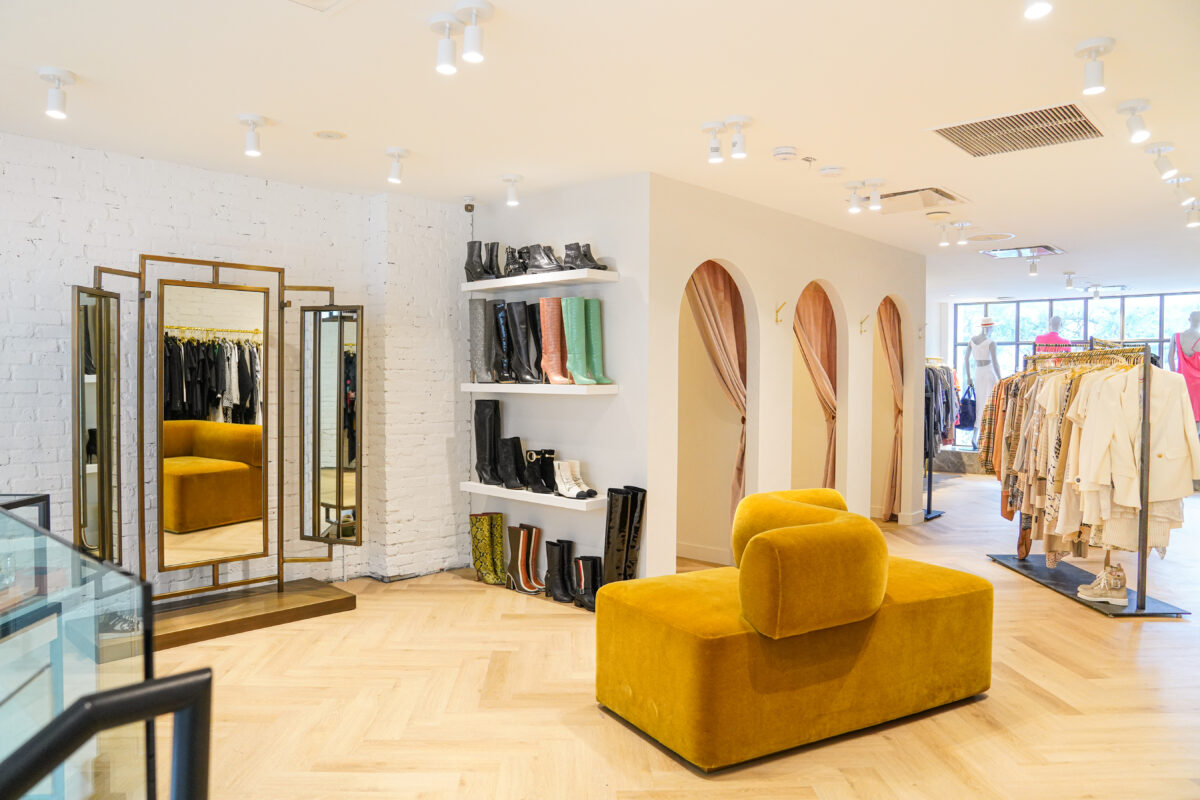
Second floor of the new Yorkville Mine & Yours store. Photo supplied.
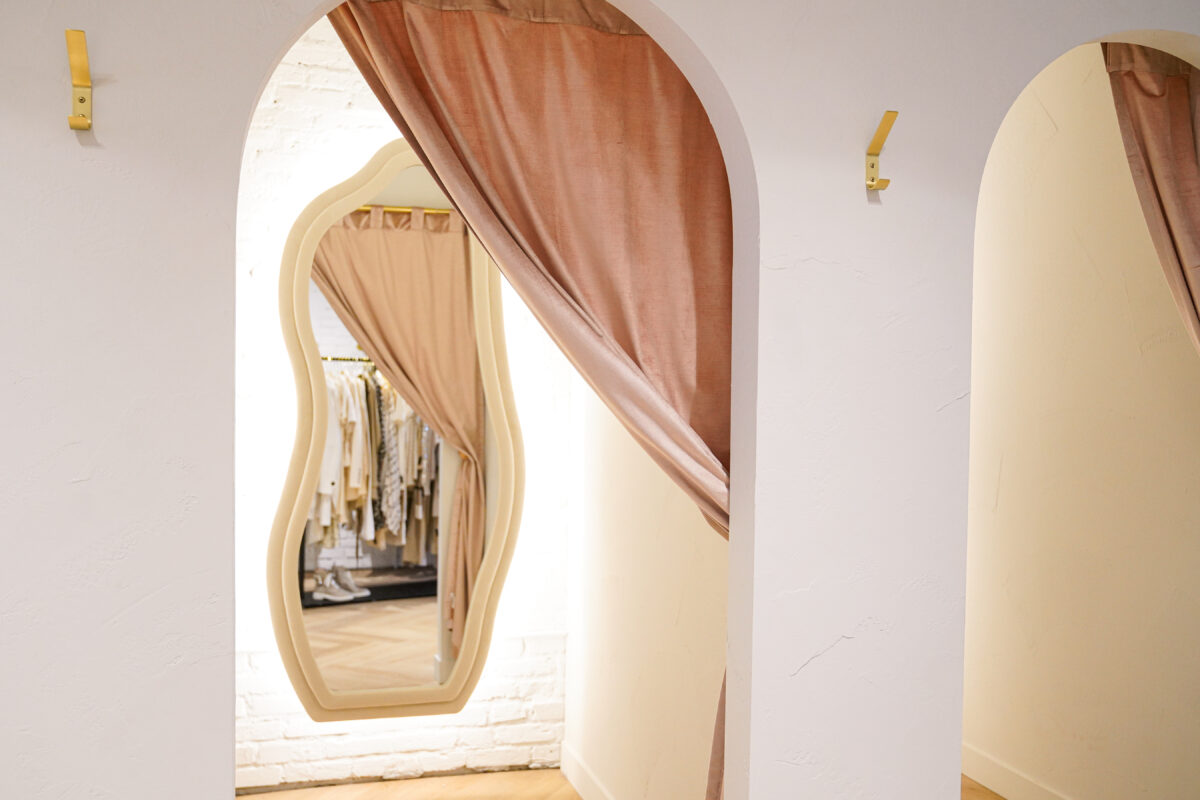
Close-up of the dressing room design on the second floor of the new Yorkville Mine & Yours store. Photo supplied.
Shoe wall on the second floor of the new Yorkville Mine & Yours store. Photo supplied.

Several full-priced luxury brand stores are located nearby on Yorkville Avenue. Next door to Mine & Yours is Italian luxury brand Isaia, which in December of 2021 opened its first Canadian storefront at 77 Yorkville Avenue. A few doors to the west is Christian Louboutin, while across the street storefronts for luxury brands include Balenciaga, Chanel, Versace, Brunello Cucinelli and Kiton among others. Youthful retailer John Elliott recently opened nearby and this fall, cult fashion favourite Kith will join them with a 10,000 square foot store at 78 Yorkville Avenue. 

Toronto’s Bloor-Yorkville area is changing rapidly with new retailers being added. Various mixed-use developments will also add nearly 10,000 more residents to the area in a few years, including in some new buildings where residential condominium units will average over $5 million each. The expanded wealthy population is expected to benefit the area’s retail, restaurants and other businesses. 

Mine & Yours’ expansion this year will continue with another location opening this fall at 2061 W. 4th Avenue in Vancouver’s Kitsilano area, which will be the fourth location for the retailer. We recently reported on the street which is seeing the addition of new national and international retail brands. We’ll follow up on this article with Watkins, including how the Toronto store is doing post-opening as well as further details on the Kitsilano store opening. 

Luxury Jeweller KORLOFF Seeks Partnership to Expand into Canadian Market [Interview]

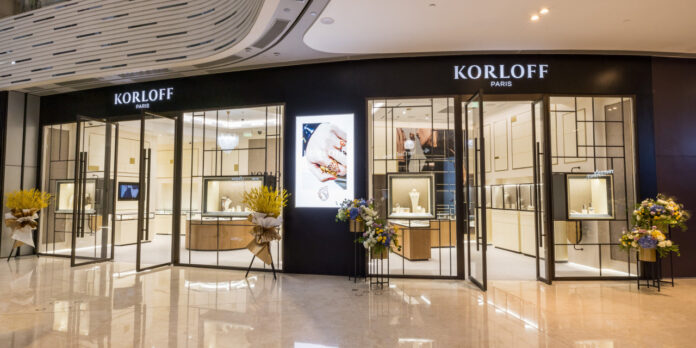
KORLOFF BOUTIQUE IN SHANGHAI AVENUE MALL (Image: KORLOFF)

Renowned international jewelry brand KORLOFF is looking for an exclusive partner in Canada to open either a standalone boutique or a shop-in-shop model. 

The Behar Group Realty Inc., a real estate brokerage based in Toronto, has been mandated by KORLOFF to find a Canadian partner.

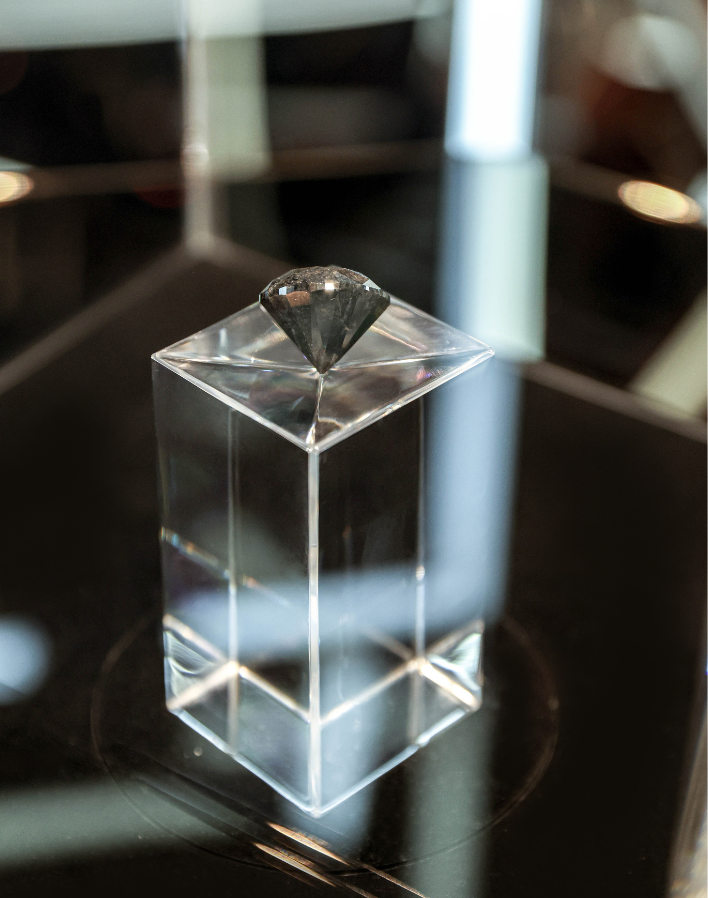
The Paris-based KORLOFF’s story begins with the world’s most mysterious diamond, a unique 200-carat rough black diamond cut into an 88-carat brilliant jewel.

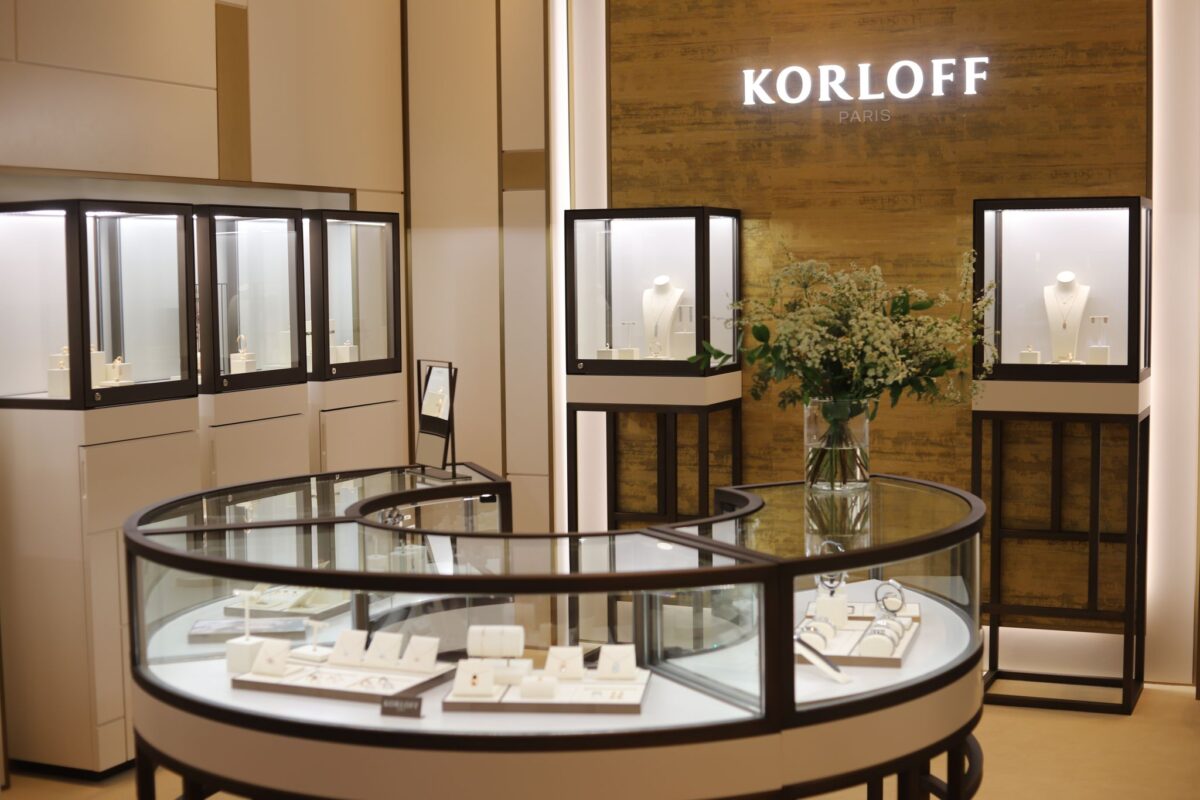
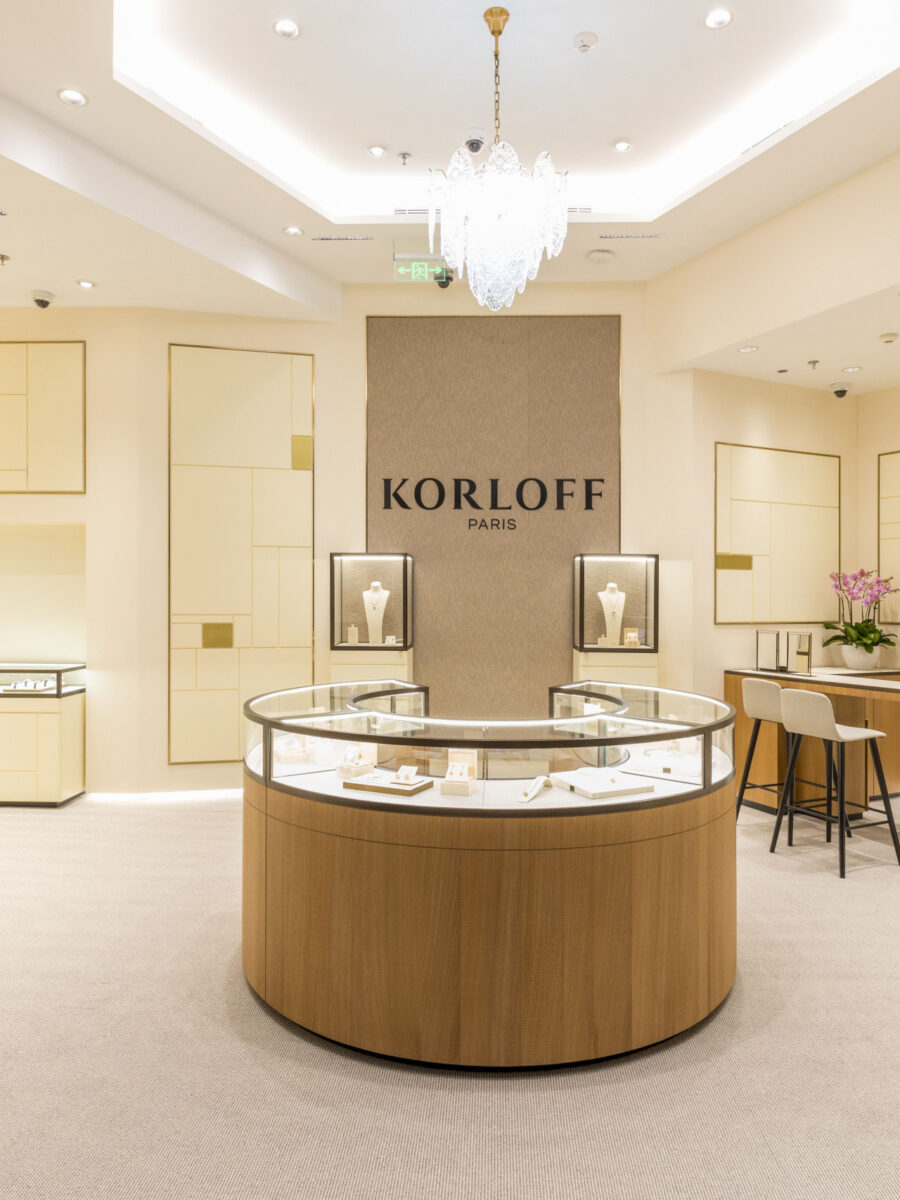
KORLOFF boutique in Hyundai Department Store Pangyo 1F in Seoul (Image: KORLOFF)

In 1978, Maison KORLOFF was founded. Today it has a presence in about 55 countries and has about 40 flagship boutiques around the world, primarily in Asia, the Middle East and Europe.

Bassam Azakir

Bassam Azakir, Chief Executive Officer of Korloff, said the brand has two options knocking on its door for Canada.

“We have assigned the team at The Behar Group to look at these opportunities. We are looking today more and more to penetrate the market through the networking of Behar,” said Azakir. 

Avi Behar, Chairman & Chief Executive Officer of The Behar Group Realty, said “in the spirit of a cosmic theme, the stars would need to properly align in order for us to find the right platform for KORLOFF to penetrate into Canada.”

Avi Behar

“And part of what I mean by that is we’re not just chasing real estate. We’re looking for the right type of partnership – somebody who knows and believes in the brand, and who might have space where we can arrange a store within a store or some alternative joint venture structure,” said Behar.

“And even when we do find that partner, we’re not looking to roll out 10 or 20 stores in Canada. Canada might support two locations, maybe three.

“Our primary focus is to find the right partner, rather than focusing on a real estate search. The most likely partnership will already be in the luxury goods sector, possibly a luxury jewelry business or some other retail application. Ideally, we want one solid partnership that would see the vision and roll with it in Canada.”

Azakir said to penetrate a market from scratch “you need lots of time, passion, and energy and capital.”

“The maximum that we’re looking at is two or three locations in Canada,” he said. 

“Why it’s an interesting project is we are one of the very few affordable luxury businesses.”

According to the brand, the story of Maison KORLOFF is inextricably linked to its eponymous black diamond, made of matter formed in the explosion of a supernova nearly four billion years ago.

“Thrown to earth and expelled from its core in a volcanic eruption, the huge 200-carat nugget was acquired by the Korloff-Sapojnikoff family, members of the Russian nobility. Mysterious and fascinating, endowed with a powerful magnetism, the gem has been passed down like a talisman through the generations,” says the company.

The Black Diamond (Image: KORLOFF)

“With the revolution that took down the tsarist regime, the family sought refuge in Europe, where its members escaped the horrors taking place in their country of origin. 

“The black diamond became synonymous with renewed luck and happiness. Subsequently owned by the famous Krochmal & Lieber – the upper class of diamond traders – the black diamond then cast its spell on French diamond dealer Daniel Paillasseur, who acquired it.”

The Metro Strike: The Battle That Could Redefine Canada’s Grocery Industry [Op-Ed]

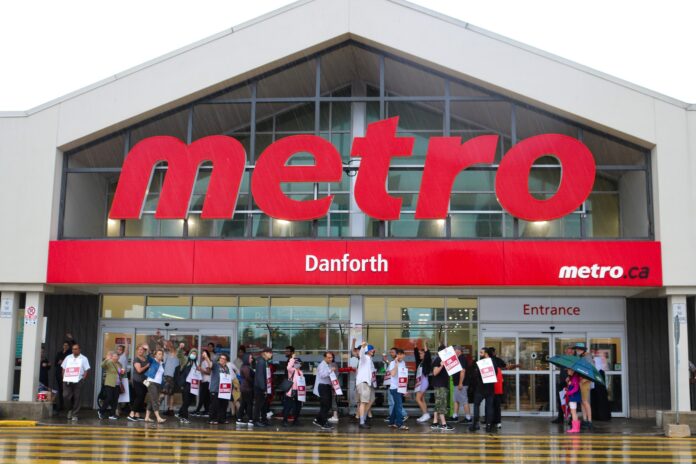
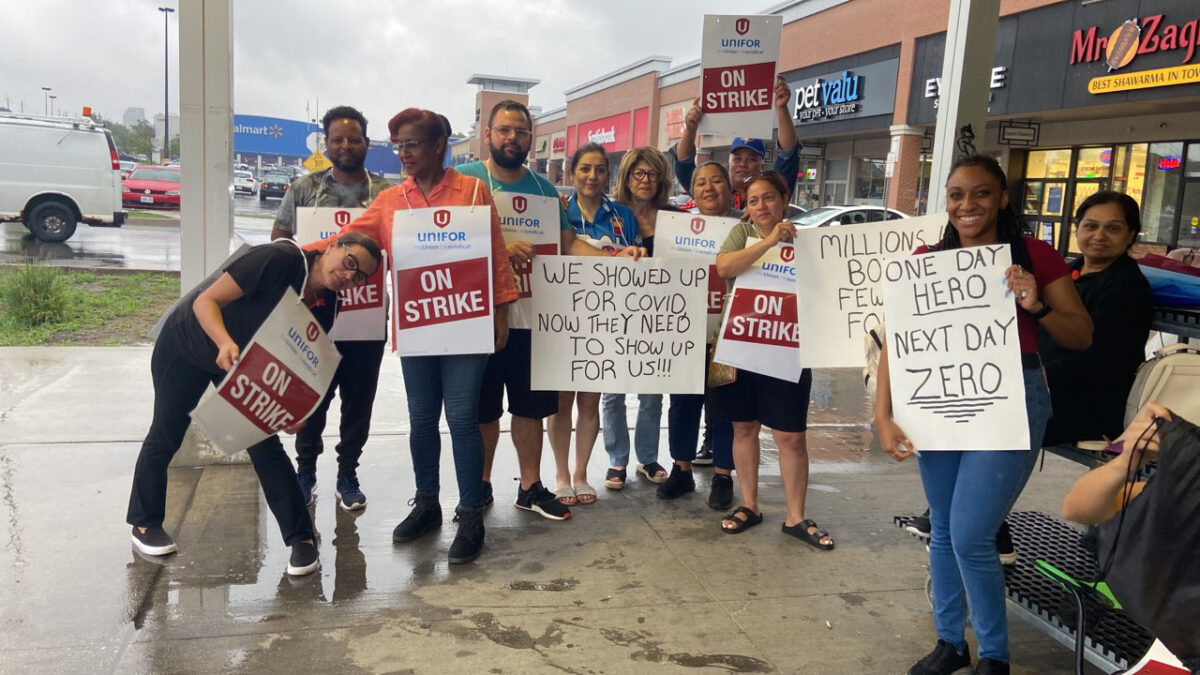
Metro Danforth (Image: UniforCanada)

Amidst the summer heat, a cold front has descended upon the Greater Toronto Area. However, this frigid front has nothing to do with the weather and everything to do with a growing chasm between grocery giant Metro and its 3,700 striking workers. As Metro files a labour complaint and picketing workers gather at two critical distribution warehouses, the consequences of this clash extend far beyond the picket lines, threatening to reshape the entire grocery industry in Canada.

The strike, which started on July 29, has thrown 27 Metro stores across the GTA into disarray. Workers walked off the job after rejecting a tentative agreement recommended by their own bargaining committee – a move that sent shockwaves throughout the industry. Until this week, the strike impacted only these 27 stores, but its effects are steadily rippling outward. Most Metro consumers in Ontario will likely witness the consequences of this labour dispute through empty spaces in various sections of their grocery stores. Halting trucks departing from distribution centers, which are vital links in the cold chain, could sadly result in more food waste, as discarding food may be necessary if the cargo is no longer safe to consume. A bold move indeed by the striking workers.

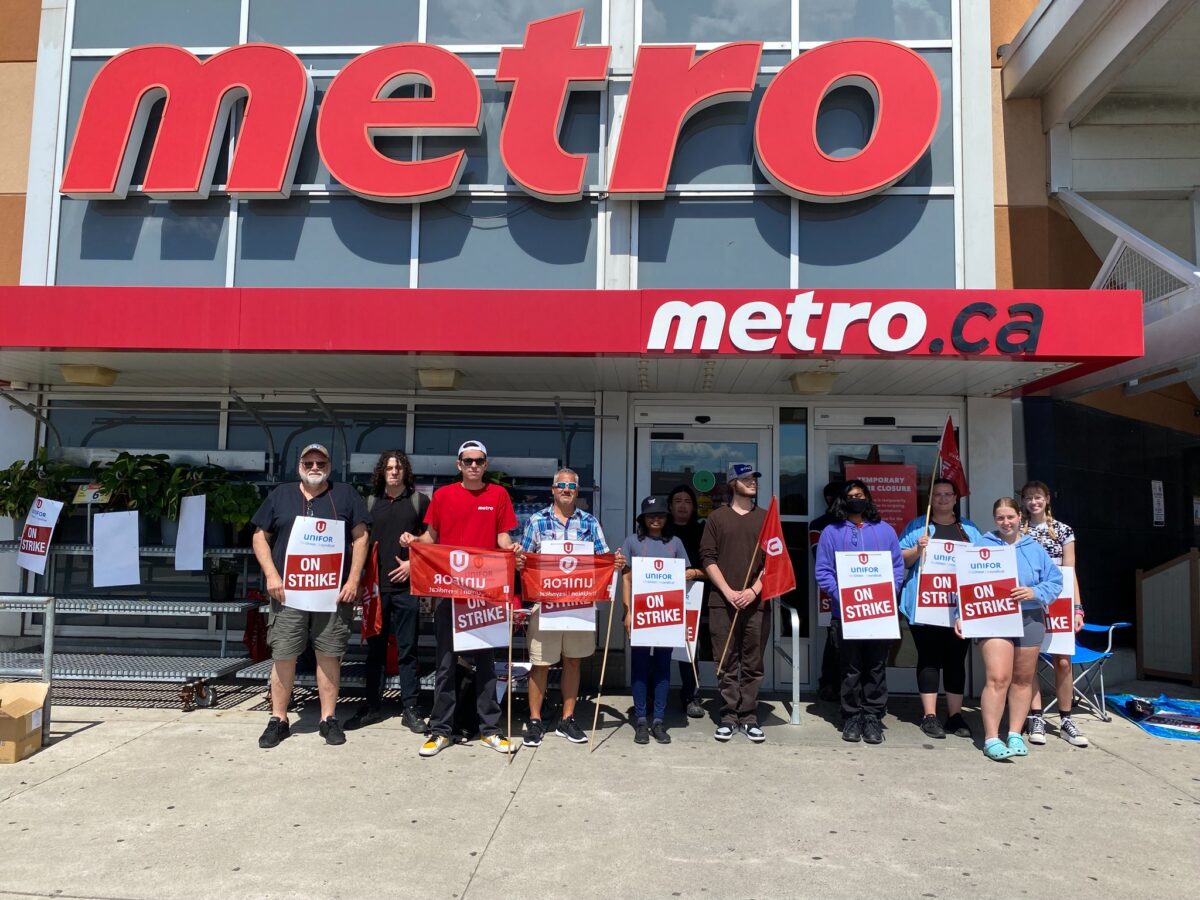
Metro Strike (Image: UniforCanada)

But make no mistake; this strike is a litmus test for the public’s moral compass, and so far, the workers have garnered substantial support. Despite the potential for a settlement favouring workers to push food prices even higher, the public’s response has been surprisingly muted.

When the “Hero Pay” program was introduced during the pandemic, it revolved around work hazards and the risks associated with the virus. The public sympathized. However, with higher food prices now at the forefront, the context has shifted. This is about making the grocery industry an attractive career option, but more importantly, it’s about ensuring dignified work. While Metro allocated millions in bonuses to a handful of executives, employees received a gift card of up to $300, exclusively redeemable at Metro-owned stores – a rather perplexing situation. It’s no wonder Metro finds itself embroiled in a strike.

Nonetheless, while this dispute undoubtedly centers on wages and benefits, it signifies a larger battle – one that pits traditional Labour practices against the inexorable march of automation and artificial intelligence. The workers on the picket lines are not simply pursuing personal gains; they are essentially championing the cause of every grocery store employee in Canada. Their strike symbolizes a broader struggle against a business model that relies on top-heavy organizations while prioritizing low margins and meager wages.

Image: UniforCanada

Conversely, grocers across Canada are watching closely. If the workers succeed in their demands, it could set a precedent that resonates far beyond the picket lines. The prospect of fair wages and improved working conditions may become the new normal, but it could also usher in a seismic shift in how groceries are delivered to our shelves.

Automation and AI are knocking on the doors of the grocery industry, promising efficiency and cost savings. If workers secure concessions through this strike, grocers might be encouraged to explore alternative avenues, such as increased utilization of AI and automation. The traditional model of hiring around 80 full-time employees to operate a store could give way to hiring fewer than 50 workers with higher wages and an entirely different skill set, focused on managing and maintaining automated systems. The public should prepare for this potential transformation as well.

As the strike continues, it is likely to intensify with each passing week. The longer it endures, the deeper the scars it will leave on both sides. We must acknowledge that the grocery industry, like many others, stands at a crossroads. How it navigates this strike, and its aftermath will establish a precedent for the entire Canadian labour landscape. If Metro’s workers succeed in their fight for fair compensation and humane working conditions, the way grocery stores operate in Canada could undergo a profound transformation. The substantial influx of self-checkouts, as irritating as it may have been to many Canadians, could only mark the beginning of this evolution.

In-Sport Fashions Forges Landmark Distribution Deal with Allbirds for Canadian Market

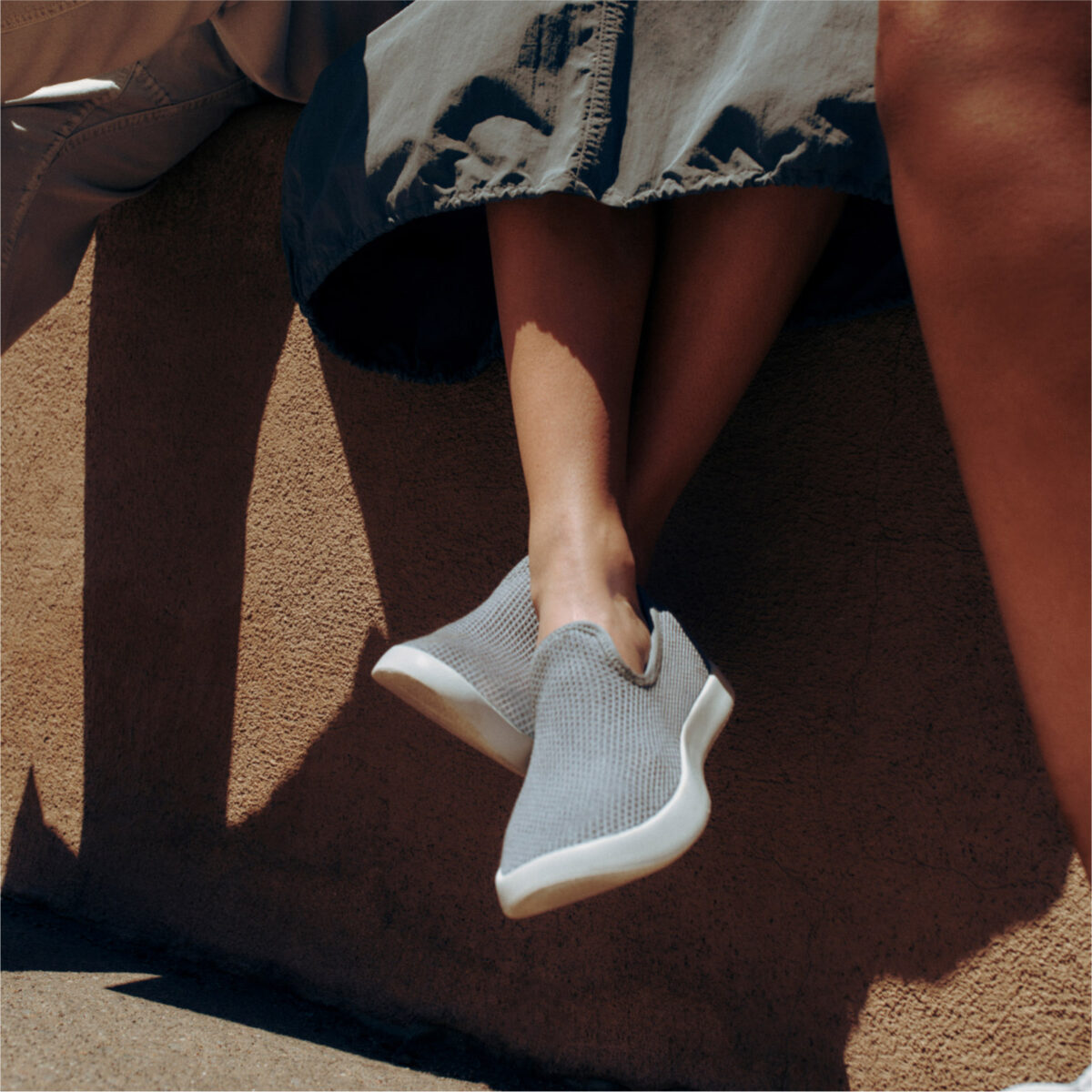
In-Sport Fashions, a well-established Canadian distributor of specialized lifestyle, athletic and outdoor products, is announcing its exclusive partnership with the globally renowned sustainable footwear brand Allbirds. Starting September 15th, 2023, In-Sport Fashions will become the distributor for Allbirds products in all Canadian channels of operations that includes retail locations, allbirds.ca, as well as opening up distribution to wholesale partners.

Known for its sustainable and pioneering footwear designs, Allbirds has garnered international recognition for its consistent commitment to eco-friendly practices and choice of material, comfort, and distinctive design philosophy. Such principles also resonate deeply with In-Sport Fashions, according to the company.

Under this new distribution agreement, In-Sport Fashions will leverage its expansive network of retailers and distribution avenues to make Allbirds’ product line accessible to customers across Canada. This move not only solidifies Allbirds’s standing in the Canadian landscape, but also underscores In-Sport Fashions’ dedication to providing consumers with premium products.

Karine Laforest and Andrew Nelson, Co-Owners of In-Sport Fashions, shared their enthusiasm: “It is a pleasure to collaborate with Allbirds, becoming their exclusive partner in Canada. The brand’s unwavering focus on sustainability, combined with its knack for blending comfort with style, mirrors our own company ethos. We are eager to set forth on this collective journey, aiming to create a significant positive ecological footprint.”

Travis Boyce, VP of Business Development at Allbirds, said: “We are excited to partner with the team at In-Sport to further grow the Allbirds brand across Canada. The In-Sport track record with other brands speaks for itself, and we are looking forward to building on all the success the brand has had in the country already.”

The timing of this partnership aligns with the shift in consumerism towards sustainable and ethically produced goods. The eco-friendly materials utilized by Allbirds, like their signature Merino Wool, resonate with the rapidly expanding community of eco-conscious consumers.

For a deeper insight into Allbirds’ Canadian offerings and to stay updated with recent news, visit www.allbirds.ca.

About In-Sport Fashions:

Having carved a niche in the Canadian landscape for distributing lifestyle, athletic and outdoor products, In-Sport Fashions stands tall with over three decades of industry presence. Its staunch belief in quality, style, and green practices makes it a preferred distributor for Canada’s elite lifestyle, athletic and outdoor brands.

About Allbirds, Inc.:

Dreamed up in New Zealand, Allbirds launched in San Francisco in 2016 with the ethos of using natural materials to create the world’s most comfortable shoes. With carbon reduction as its north star, Allbirds is paving the way for a more sustainable approach to business through product innovation, industry collaboration (like open sourcing its footprint calculator) and being the first footwear brand to carbon label all of its products.

Sales Contact:

Karine Laforest

karine@insport.ca

Marketing Contact:

Mark Smith

mark@insport.ca

*****

*In-Sport Fashions sponsored this article. To work with Retail Insider, contact craig@retail-insider.com

Hudson’s Bay Launches Outlet Store Concept 

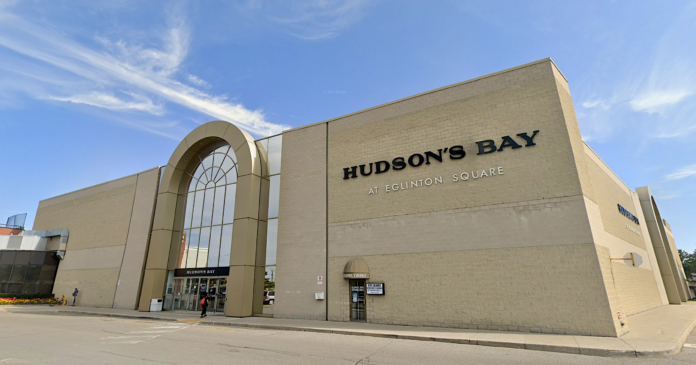
Hudson's Bay at Eglinton Square in Toronto, 2019. Photo via Google Street View

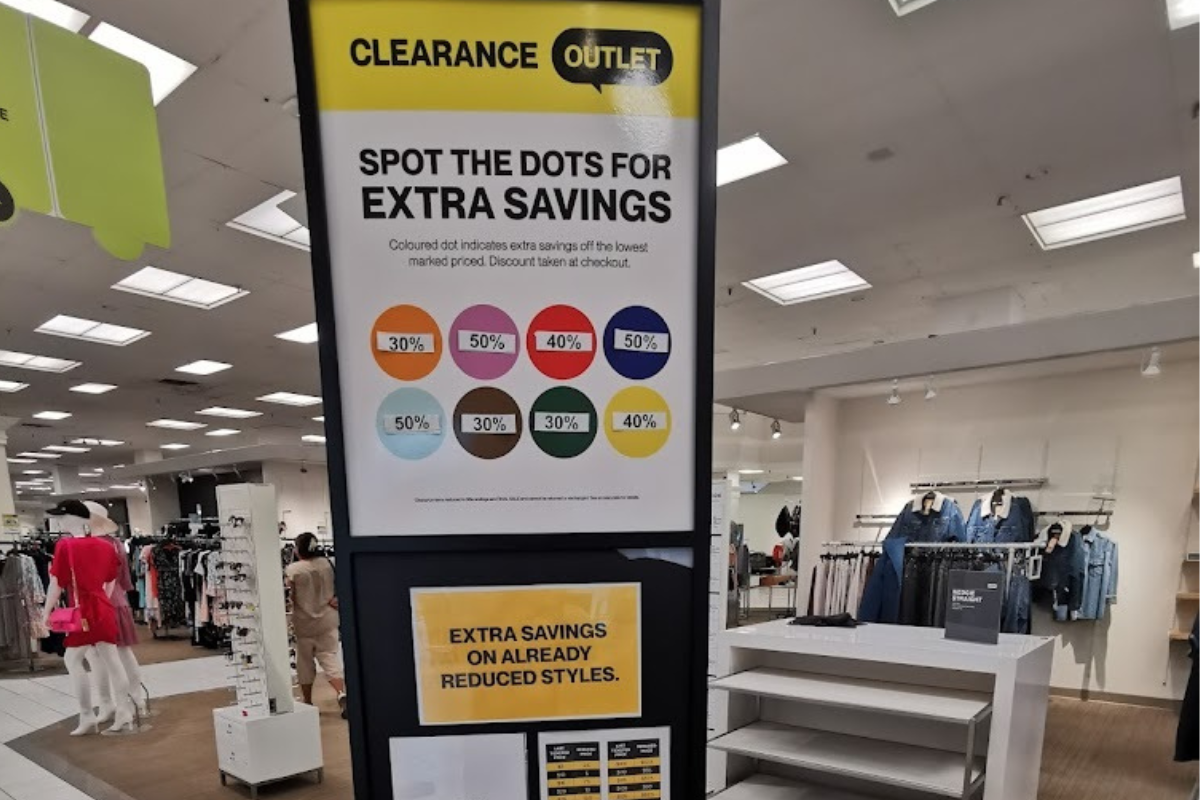
Department store retailer Hudson’s Bay has launched a Hudson’s Bay Outlet division with a storefront in Toronto. An existing Hudson’s Bay location in Edmonton will also be modified to offer outlet pricing as part of a store downsizing.  

Recently the 115,000 square foot Hudson’s Bay store at Eglinton Square in Toronto was restocked with clearance merchandise from Hudson’s Bay stores including apparel, accessories, intimates and footwear — home furnishings are also being offered in a space in the store that until recently housed a beauty department. 

Kosi Sivasankaran, Chief Stores Officer at Hudson’s Bay, said in a statement, “Transforming our Eglinton Square location into an outlet store for customers creates a fun and unique shopping destination, distinct from the Hudson’s Bay full-line experience.” Pricing and product is meant to “surprise and delight”, according to  Sivasankaran, which includes something of a “thrill of the hunt” element. 

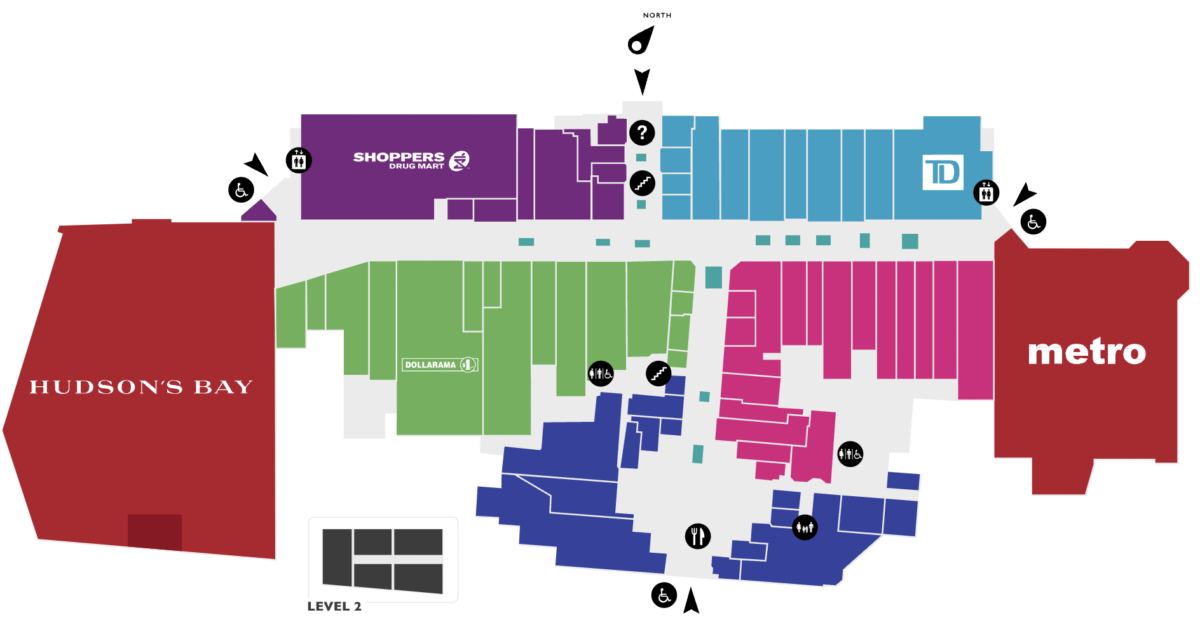
Eglinton Square floor plan, click image for interactive version
Inside the new Hudson’s Bay Outlet at Eglinton Square. Photo: Google Images

New product will be shipped to the Hudson’s Bay Outlet store every two weeks from the retailer’s full-priced stores. Customers can earn Hudson’s Bay Rewards points on all purchases made at the outlet location. 

Tiffany Bourré, spokesperson at Hudson’s Bay, said that no other Hudson’s Bay Outlet store locations are in the works at this time. 

Hudson’s Bay’s Londonderry Mall store in Edmonton is also being downsized to one floor as reported recently in Retail Insider, with that location offering outlet pricing — renovations will be completed next month. The smaller Hudson’s Bay store will span about 60,000 square feet, half the size of the current two-level full-priced department store. Earlier this year, Hudson’s Bay had announced that the Londonderry store would be closing, and we’ve since been informed that it’s no longer the case. 

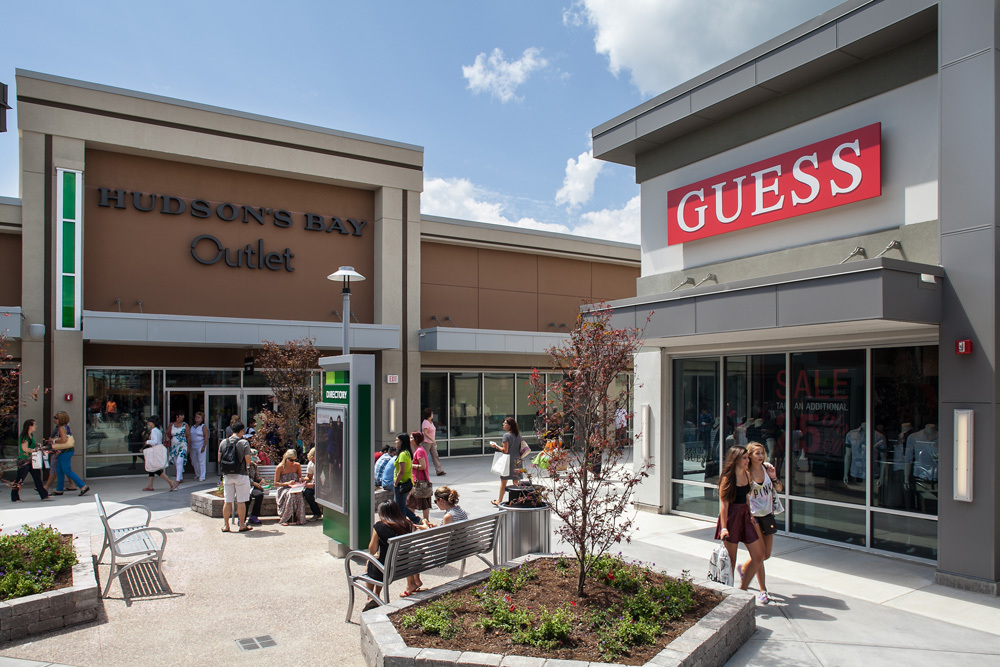
This isn’t the first time that Hudson’s Bay has had an outlet division. In August of 2014, the retailer launched its Hudson’s Bay Outlet concept with a 25,000 square foot storefront at the Toronto Premium Outlets. A Hudson’s Bay Outlet subsequently opened at the Montreal Premium Outlets in the fall of 2014 in a 27,000 square foot space. 

Former Hudson’s Bay Outlet at Toronto Premium Outlets. Photo: Toronto Premium Outlets via Facebook

The Toronto Premium Outlets location was converted to HBC-owned Saks OFF 5TH in March of 2016, and the Montreal Hudson’s Bay Outlet was shut in the spring of 2021. Unlike in Toronto, the Montreal location was not converted to the Saks OFF 5TH banner, which is said to now be struggling in Canada with some locations having closed.  

The timing could be right for Hudson’s Bay to relaunch its outlet division. Several months ago, Nordstrom Rack shut its seven Canadian outlet stores to coincide with the company’s exit from the Canadian market

Hudson’s Bay Outlet will also compete with TJX’s Canadian retail brands Winners, Marshalls and HomeSense given the categories carried. 

Department stores have been beefing up off-price offerings in the United States as well, with Macy’s expanding its Backstage concept. US-based Target was spawned from Minneapolis-based Dayton’s which once operated upscale full-priced department stores in the Midwest. It’s not yet known if the Hudson’s Bay Company will look to introduce outlet departments to its full-priced department stores as Macy’s has done. 

Future redevelopment plans for Eglinton Square. Image via Urban Toronto

It’s also not known for how long the Toronto Hudson’s Bay Outlet will remain open, given massive mixed-use redevelopment plans for Eglinton Square that include thousands of condominium units in towers. No major redevelopment plans are known to be in the works for Londonderry Mall in Edmonton.