Home Blog Page 669

Club Champion Continues Canadian Expansion with 1st Vancouver Location [Interview]

Club Champion Vancouver (Image: Club Champion)

Club Champion has opened a new golf fitting studio in Vancouver with more locations to come.

“In the simplest terms we are a very comprehensive data driven club fitting and building company. We basically do club fitting and measure through a series of different diagnostics your ability or capability to hit a golf ball and measure up the best clubs we can find to maximize your production or maximize your capability to hit a golf ball,” said Joe Lee, chairman of the company.

Joe Lee

Club Champion’s headquarters are just outside of Chicago. Overall, it has 115 locations in the U.S., four locations in Canada, three in the UK and three in Australia.

In Canada, besides the new location in Vancouver (in Richmond), it also has a presence in Calgary, in Toronto and in Mississauga. The two in the Toronto area have been open for four or five years. The Calgary location has been around for about a year.

Image: Club Champion

To kick off its international expansion, Club Champion acquired top Canadian club fitter, Tour Experience Golf (TXG) in 2022.

Ian Fraser

 “There has always been a mutual admiration between TXG and Club Champion,” said Ian Fraser, TXG’s founder, at the time of the acquisition. “We share a similar belief that every golfer deserves the best possible equipment for their game, and now we get to work together to further that message.” 

Now, the two brands are coming together under one brand umbrella to serve North American golfers. 

“We work with all major manufacturers . . . and what our real secret sauce is to be frank is we can separate the shaft and the head from each other so you can try on anything on the market together,” said Lee. 

“We can mix and match all over the board with no bias. So we don’t care what club you end up playing with, we just want it to be the best one for you. And we go one step further, we actually assemble those clubs to spec. We actually have our own build shop. We have a 20,000-square-foot build shop right here in the States. We actually assemble the clubs to exact specs. So swing weight, length, lie of the iron, loft, all those things that can make a difference in what your performance is and how consistent your clubs are from club to club throughout your set.”


Club Champion Vancouver (Image: Club Champion)
Image: Club Champion

Lee said there’s a build shop in Toronto that assembles the clubs for all the four Canadian stores. 

Lee said Club Champion locations are anywhere between 2,500 to 3,500 square feet. A location would typically have two or three fitting bays (simulator bays) and a putting green with a putting analyzer. There’s also a small build shop to do repairs or simple grip changes. 

“We have big time plans for Canada. We believe that golf just like it is here is very popular for a certain segment of citizens that are passionate about the game. They play a lot. It’s a big part of their life. They may not be the best players in the world but they want to get better,” said Lee.

“So we think wherever there’s pockets of golfers and golf courses in a metro area or a small area that we can be a success. That’s pretty much the model we’ve done here. We’re only four stores today. I think there’s definitely plans to be in 15 to 18 locations by the time we’re mature in Canada.”


Loewe to Open 1st Standalone Canadian Storefront at Toronto’s Yorkdale Shopping Centre

Future Loewe at Yorkdale Shopping Centre (Image: Dustin Fuhs)

LVMH-owned Spanish luxury brand Loewe is building its first standalone Canadian storefront at Toronto’s Yorkdale Shopping Centre. The brand entered Canada wholesale several years ago and is said to have rapidly gained market share and consumer dollars. 

Construction hoarding is now up for Loewe, which will occupy about 4,000 square feet in a new central luxury wing that is currently under development at Yorkdale. Loewe will be joined by a 3,250 square foot Brunello Cucinelli storefront nearby, as well as about 10 other luxury brands that will open in the new wing over the course of months as construction is finished. 

Yorkdale Shopping Centre (Image: Dustin Fuhs)
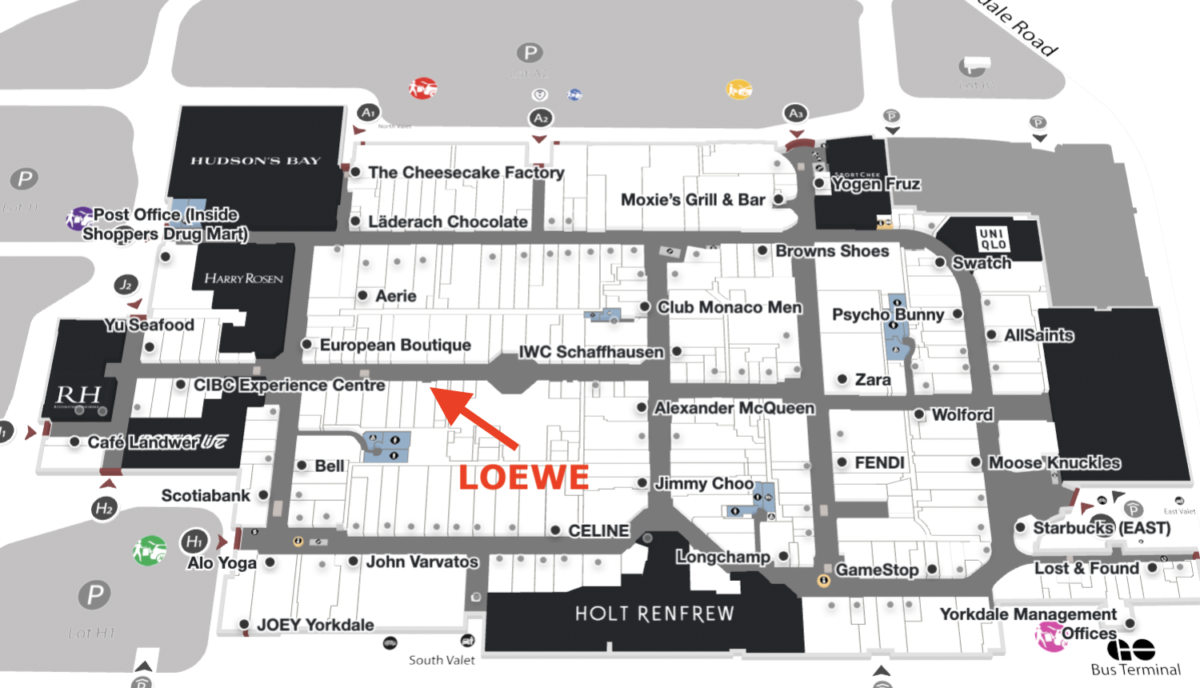
Click image for interactive Yorkdale mall map

Loewe’s first substantial presence in Canada was in 2015 when Nordstrom opened a shop-in-store for the brand at its Vancouver location. Loewe boutiques subsequently opened inside Nordstrom’s downtown Toronto and Yorkdale stores. 

Holt Renfrew subsequently picked up the brand, which is said to now be the top-selling wholesale leather goods brand at Holts for the moment. Loewe has a small leather goods presence in a space at Holts Yorkdale, and ready-to-wear for the brand is carried is carried at Holts in Toronto and Vancouver. With Nordstrom’s exit from Canada in the spring, Holt Renfrew is now the primary retailer in Canada for Loewe, which is also carried at The Webster on Scollard Street in Toronto. 

On Wednesday morning, Lyst revealed its Q3 list of the world’s hottest fashion brands, and Loewe ranked second.

It’s not yet known if Loewe will exit Holt Renfrew’s Yorkdale store with the opening of the standalone storefront in the mall. Sources say that Loewe was also in talks to open a standalone Vancouver store in the Oakridge Park retail development which will house an expansive assortment of luxury brands and will open in 2025. 

Yorkdale is adding luxury retailers at a rapid pace with the opening of its new luxury wing, and is expected to become one of the world’s top centres in terms of luxury brand offerings. Retail Insider will continue to report on new tenants in the luxury wing when permitted. 

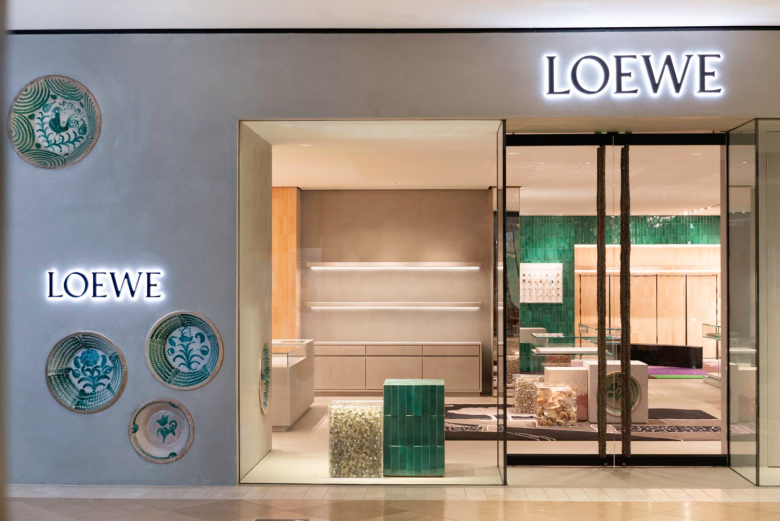
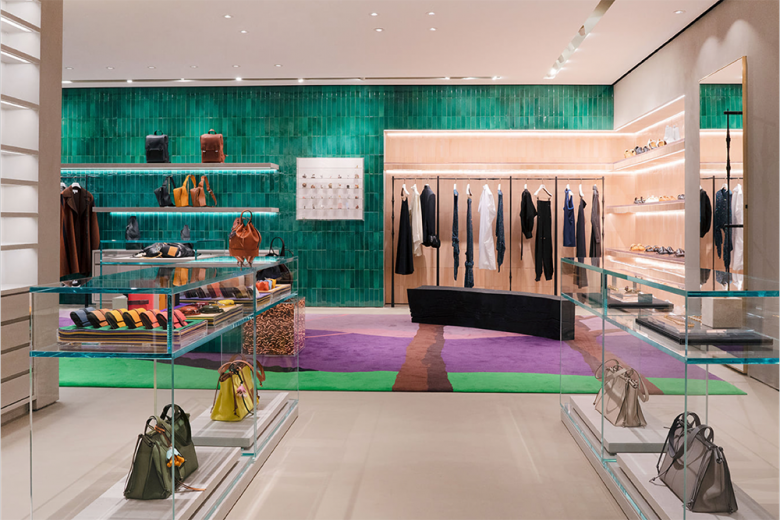
Loewe South Coast Plaza (Image: Loewe)

Loewe was founded in Madrid in 1846, making leather goods for royals and other affluent clients. The brand continued to grow modestly over the decades, being acquired by LVMH in 1996. The brand has grown rapidly over the past decade following the appointment of creative director Jonathan Anderson in 2013. 

Today, Loewe operates standalone stores in major markets globally and it also wholesales in various upscale retailers. The brand has expanded over the years beyond leather goods to sell ready-to-wear clothing, footwear, accessories, home goods, fragrances, candles and other categories. In the United States, Loewe operates full-priced stores in New York City (Soho), East Hampton NY, Beverly Hills (Rodeo Drive), Orange County (South Coast Plaza), Honolulu (Ala Moana Center), Las Vegas (Wynn), and in Miami (Miami Design District). The brand also operates two outlet stores in the United States, and can be found wholesale in retailers such as Saks Fifth Avenue and Nordstrom. 

Canadian Restaurants on the Brink: Skyrocketing Costs, Labour Shortages and Mounting Debt Threaten a $100 Billion Industry

The Danforth (Image: Dustin Fuhs)

The crisis cannot be understated these days for the restaurant and foodservice industry.

In fact, a submission by Restaurants Canada for the 2024-2025 federal budget tells it all in just the name of the report: Surviving Inflation: Restaurants Teetering at the Edge. 

And indeed they are.

Kelly Higginson

“One-third of restaurants in Canada are operating at a loss due to the high costs of food, a lack of available labour, and new rules are making it harder every day to eke out a profit,” said Kelly Higginson, President and CEO, Restaurants Canada.

Here are some disturbing numbers the industry faces today:

  • Four-in-10 Restaurants Canada members expect profit margins to be worse in 2023 than 2022;
  • Eight-in-10 foodservice companies report lower profits in 2023 than 2019 and 70 per cent of Canadians are visiting full-service restaurants less frequently;
  • 300 restaurants declared bankruptcy in the first five months of 2023, 89 per cent more than in 2022;
  • Eight in 10 restaurant companies reported lower profits in 2023 than in 2019;
  • Half of restaurants and food service companies report operating at a loss or just breaking even as food costs continue to grow; and
  • Before the pandemic, only seven per cent of the industry was operating at a loss compared to 33 per cent today, and only five per cent reported “just breaking even” compared to 18 per cent today.
Mill Street in the Distillery District (Image: Dustin Fuhs)

Canada’s foodservice sector is struggling and Restaurants Canada says urgent changes are needed to help restaurant businesses survive and thrive over the months ahead.

Higginson said it’s never been more difficult to be a restaurant owner in Canada.

“And they have been in this position for three years. The volatility, the lack of stability, the lack of predictability. If you don’t have predictability and stability and it’s all about volatility, it makes running a business almost impossible,” she said.

“The profitability levels are really challenging . . . That really impacts where I’m concerned about is this refinancing piece of the Canada Emergency Business Account (CEBA) plan.”

“Pre-pandemic we were at 12 per cent of our operators who were operating at a loss or barely breaking even and now we’re at 51 per cent. There’s a direct correlation to the volatility that they’ve experienced with all the lockdowns and other challenges that came throughout the pandemic but also with the extraordinary levels of inflation. It’s everything that comes into their restaurants. Utilities are six to eight per cent. We’ve got vegetables up to nine per cent, dairy over six per cent. Beef has gone up 11 per cent. The list goes on and on. So something they were paying $5 for before the pandemic, they’re now paying $9, they’re now paying $12.

“So these are really challenging parts of running the business and the part of it that makes me the most concerned and really lose sleep at night. “

Former Green Grotto at 832 Bay Street (Image: Dustin Fuhs)

The overall industry contributes $100 billion annually to the Canadian economy. It is the fourth largest employer in the country with more than 1.1 million employees from coast to coast to coast.

Higginson said restaurants are absorbing a large portion of the increasing costs.

“There is really only so much you can charge someone for a blueberry muffin, right? There’s only so much you can charge somebody for an avocado sandwich. They understand that there is a ceiling and they’re trying to balance that,” she said. “That’s a really tough position for these operators because the way you find out that people think that your prices have gone up too much is they just don’t come back. The seats are empty.”

The number of bankruptcies this year doesn’t count the number of restaurants that simply closed their doors and stopped operating. 

“We are suffering significantly. It’s a $100 billion industry and the fourth largest private employer. We matter to the communities, to Canadian customers. We serve 22 million customers a day. So in the daily lives of our customers, we matter to their day to day and we also matter to the Canadian economy,” said Higginson. 

Shuttered Pizza Pizza at Bathurst and Queen Street (Image: Dustin Fuhs)

In mid September, Prime Minister Justin Trudeau extended deadlines for CEBA loan repayments, providing an additional year for term loan repayment, and additional flexibilities for loan holders looking to benefit from partial loan forgiveness of up to 33 per cent.

The repayment deadline for CEBA loans to qualify for partial loan forgiveness of up to 33 per cent is being extended from December 31, 2023, to January 18, 2024. The government said repayment on or before the new deadline (or March 28, 2024 if a refinancing application is submitted prior to January 18, 2024 at the financial institution that provided their CEBA loan), will result in loan forgiveness of $10,000 for a $40,000 loan and $20,000 for a $60,000 loan.

But the Canadian Federation of Independent Business (CFIB) said it is disappointed with the announcement.

Dan Kelly

“The government has failed to address the most critical issue on outstanding CEBA loans – the loss of the $20,000 forgivable portion for those unable to repay the loans by year end. The extension of the forgivable deadline by a few weeks will be of very little value to the thousands of small business owners who just don’t have money to repay now,” said Dan Kelly, President and CEO of the CFIB. “According to CFIB’s latest data, 69% of small businesses that accessed the loan have not yet been able to repay any of it. Only 18% have repaid their loan in full as of September.”

Higginson said many restaurants incurred a lot of debt over the last couple of years just to keep their businesses going.

“That’s a pretty concerning process to go through . . . If I was to look at the numbers, I’m very concerned. I’m incredibly concerned when I look at the numbers that are struggling with profitability. I’ve got 85 per cent of table service restaurants that have an outstanding CEBA loan and 66 per cent of foodservice companies say that they are in debt due to rising costs, inflation and COVID. Those percentages are really concerning for us.”

In its submission to the federal government, Restaurants Canada made the following recommendations:

  • Lower Federal Small Business Tax Rate from nine per cent  to eight per cent. With the razor-thin profit margins many restaurants faced pre-pandemic, exacerbated by added inflationary pressures, transportation taxes and business loan repayment, many restaurants have little to no capital to reinvest in their operations. Lowering the small business tax rate will allow them to pay off outstanding debt, invest in automation and energy saving equipment, expand employee benefits and invest in training and retention;
  • Index Passive Investment Income Threshold to Inflation. In 2018, the federal budget set limits on the amount of passive income that can be kept in a business before higher taxes kick in at $50,000. This limit has not increased since 2019, even as inflation has increased by 15.4 per cent in the same time. This has limited the capacity for foodservice businesses to invest in growing their operations. Indexing the passive investment threshold to inflation will encourage restaurateurs to make investments in technology, sustainability and benefits and professional development for their employees;
  • Allow Restaurant Meals to be an Entirely Deductible Business Expense. Though the sector has rebounded somewhat since the sharp decreases in traffic over the course of the pandemic, continued work-from-home and hybrid work options have led to lingering effects. Allowing restaurant meals to be a deductible business expense would further incentivize business owners and their employees to hold meetings or events in restaurants, which would further increase patronage and traffic for other businesses in downtown cores and community hubs across Canada;
  • Permanently Maintain Cap on Alcohol Excise Tax Escalator. Alcohol excise duties in Canada are automatically indexed to inflation at the start of each fiscal year. In the context of current and unprecedented inflationary pressures, this was projected to equate to
     6.3 per cent for 2023, which would result in a $750 million hit to the food service – an average of $36,000 per restaurant. However, the 2023 federal budget recognized the challenging inflationary context and capped annual excise tax increases to two per cent. Though this measure was lauded across food and beverage industries, the cap is set to expire in April 2024. The removal of this vital measure would leave the sector vulnerable to unpredictable year-over-year increases in 2024-25 and beyond. We recommend keeping the alcohol excise duty at the two per cent cap for the immediate future;
  • Support Alignment on Recycling and Packaging Initiatives. Restaurants have been working to proactively meet evolving single-use packaging legislation in the transition to a circular economy. However, they require clear timelines, viable alternatives, and cross- sector consistency to do so. The federal government can play a leadership role in helping the sector source viable, cost-effective alternatives to traditional plastic products. Similarly, there is a lack of jurisdictional harmonization when it comes to sustainability legislation, with many provinces and municipalities lacking a framework for best practices.m It is imperative that government work with provinces and territories to develop consistent guidelines that promote harmonization of packaging, labeling, and recycling legislation and support businesses adjusting to these changes. Doing so will help to ensure businesses operating in multiple jurisdictions are not unnecessarily duplicating overhead costs as they adapt to regionalized rules;
  • Creating Jobs and Streamlining Pathways to Employment. Accounting for one of every six vacancies, the foodservice and accommodation sector has one of the highest vacancy rates of any Canadian industry with nearly 100,000 empty jobs. Staff shortages have limited restaurant capacity, driving many even further into debt as they struggle to recoup their bottom line. Notably, the sector is also the largest employer of immigrants and newcomers to Canada. As such, the restaurant sector is uniquely positioned to support Canada in achieving its population growth targets through expanded immigration policies and programs, while helping small businesses from coast to coast to keep their lights on;
  • Create a New Temporary Foreign Worker Program Stream for the Food Sector. One key mechanism to augment workforce capacity is the Temporary Foreign Worker Program (TFWP), which ensures employers can quickly bring in workers to fill short-term labor market gaps. However, program capacity is limited, and it does not include food-sector specific streams despite the industry’s unique needs and historic vacancies. One model of a sector specific TFWP stream is in the agriculture industry. To be eligible for the Agriculture Stream, employers must be hiring for production in specific commodity sectors with activity that relates to on-farm primary agriculture. Creation of a similar model in the foodservices industry would address key and sector-specific labour demands;
  • Expedite Implementation of the Trusted Employer Program. Budget 2022 invested $29.3 million over three years to introduce a Trusted Employer Model that reduces red tape for employers meeting the highest standards of living and working conditions. In June 2023, the Standing Committee on Agriculture and Agri-Food released its Grocery Affordability Report which included a recommendation that the Government expedite the implementation timeline for the Trusted Employer Program. Accelerating implementation of the program ahead of the 2025 deadline would be a significant and meaningful step towards relieving current administrative burdens, addressing pressing labor shortages, and strengthening the sector;
  • Provide a Temporary Reprieve on the Labour Market Information Assessment. With nearly 100,000 job vacancies across the restaurant sector, many employers are turning to foreign workers to fill growing labour shortages. When undertaking the process of hiring foreign workers, employers must first complete a Labour Market Information Assessment (LMIA), which confirms the need to hire a foreign worker while also highlighting the lack of domestic workers to fill the role. The prospective foreign worker is unable to apply for a work permit until their employer’s LMIA application is approved. Against a backdrop of historic job vacancies, the LMIA only contributes to red tape and makes it more challenging for employers to acquire the staff necessary to keep their operations running. As such, we recommend that the LMIA requirement be waived for employers in the restaurant industry for a period of six months, allowing them to address critical upfront labour shortages while seeking out ways to sustainably augment capacity in the long term. 

Ontario’s 2-Tier Minimum Wage: As Discriminatory Now as it Was in the 1990s [Op-Ed]

The province of Ontario has increased its minimum wage to $16.55 per hour — unless workers are students under the age of 18, in which case their labour is only worth $15.60.

Québec and Manitoba eliminated their two-tier minimum wage in the late 1980s over concerns that the wage differential amounted to age discrimination and therefore violated Canada’s Charter of Rights and Freedoms. Ontario almost did as well 30 years ago. But the Ontario NDP government broke its promise, as I detail below.

The issue is personal for me. When I was 17 years old, I was hired by my hometown library. But a week into the job I was called into the head librarian’s office and told that they had made an administrative error. They would need to pay me the lower rate.

With that, my wages dropped from $4 an hour to $3.15. Over the next year, I worked for substantially less than other students hired at the same time and who were doing the same work. This is an experience not easily forgotten.

Age discrimination

A few years later, I did something about it. As the head of a provincial student group, Ontario New Democratic Youth, I launched a campaign on the issue in late 1989. As I wrote at the time:

“If the two-tiered system was based upon any other category (of difference), it would not be tolerated.”

We made the case that it was “unfair to value one person’s labour less than another’s simply on the basis of age.”

We then launched a Charter of Rights and Freedoms challenge on the issue of age discrimination with the help of Toronto labour lawyer Steven Barrett. A notice of application was submitted to the Supreme Court of Ontario in April 1990.

But then, most unexpectedly, the Ontario NDP won the election in September 1990 and Bob Rae became premier.

It seemed strange to us to continue the court challenge as our youth group was the party’s youth wing. Besides, the Ontario NDP had promised to eliminate the two-tier minimum wage in its election platform. It was also mentioned in the government’s first speech from the throne. So, we dropped the lawsuit.

A photo of the paperwork pertaining to the lawsuit the author’s youth group launched and then dropped. (Steven High)

The Ontario government reduced the student differential in 1991 to 45 cents an hour from 85 cents an hour, promising to eliminate it altogether the following year.

Bob Mackenzie, the NDP’s labour minister, even told the media at the time that the under-18 minimum wage “just cannot work in a society that promises equality and fairness. In fact, the existence of the student differential is currently before the courts in a challenge under the Charter of Rights and Freedoms.”

But then something changed, and the NDP decided to maintain the lower differential.

I have long wondered what happened.

Employer lobbying

Thirty years later, I am writing a book on how the NDP government responded to the industrial crisis. So, I decided to do some digging in the archives to find out why.

Thanks to Richard Allen, an NDP cabinet minister and historian who donated his records to McMaster University, I discovered that the Ontario Restaurant Association and other employer groups lobbied hard to convince the NDP cabinet to reverse itself.

According to archival material, they argued:

“The student minimum wage category should not be seen as discriminatory against young inexperienced workers, instead it should be viewed as an affirmative action initiative which assists young inexperienced workers in gaining employment.”

These were tough economic times and the youth unemployment rate was a dismal 18 per cent.

A photo of the paperwork pertaining to the lawsuit the author’s youth group launched and then dropped. (Steven High)

To find out more, I filed an access-to-information request and discovered that a decision was made in September 1991, the same month the NDP abandoned its longstanding promise to deliver public auto insurance, to hold off on eliminating the youth differential.

Instead, the Student Minimum Wage Consultation Group was formed with representatives of the four main employer groups in the hospitality industry, all with a strong vested interest in maintaining the youth differential, as well as two service-sector unions and an obscure student group nobody ever heard of.

The consultation group recommended keeping the differential.

Discriminatory differential

In its April 1993 cabinet submission on the subject, the Ministry of Labour conceded that the differential was discriminatory but recommended it was maintained anyway.

Here is how they worded it:

“Clearly, the student minimum wage does discriminate on the basis of age and student status. The student component does not appear to present any legal difficulties, but the age discrimination is a complex legal issue.”

It went on to say that “legal analysis concluded that if a Charter challenge were to be raised again there is a risk that the student differential could be found to violate the Canadian Charter of Rights and Freedoms on the basis of age discrimination.”

Ontario Premier Doug Ford makes an announcement on the province’s minimum wage in November 2021. THE CANADIAN PRESS/Nathan Denette

Thanks to us dropping our case, the ministry could advise: “There is no legal ruling directly on this issue and no current challenge.” The NDP cabinet therefore agreed with the warped line of reasoning that paying less to younger workers was a form of affirmative action.

Thirty years later, young people in Ontario are still paying the price: 95 cents an hour, to be precise.

By Steven High, Professor of History, Centre for Oral History and Digital Storytelling (COHDS), Concordia University

This article is republished from The Conversation under a Creative Commons license. Read the original article.

Van Cleef & Arpels Opens Canadian Flagship Store on Bloor Street in Toronto [Photos]

Van Cleef & Arpels Toronto Bloor (Image: Van Cleef & Arpels)

Richemont-owned French jewellery brand Van Cleef & Arpels has opened its Canadian flagship store at 100 Bloor Street West in Toronto. It’s the third standalone location for the brand in Canada after Van Cleef & Arpels opened its first standalone storefront in the country in 2017. 

The new Bloor Street store spans about 2,500 square feet on one level, with a soaring facade that is a first of its kind for the brand in the Americas. The Art Deco-inspired black and golden geometric and pyramidal pattern facade is said to be inspired by Egyptian history reminiscent of Claire-voie. 

Van Cleef & Arpels Toronto Bloor (Image: Van Cleef & Arpels)

The beautiful space within features several rooms housing products, including a range of high-jewellery pieces not found in other locations. Two hand-crafted, French-made glass chandeliers illuminate the space, with rooms within featuring intricately panelled walls.

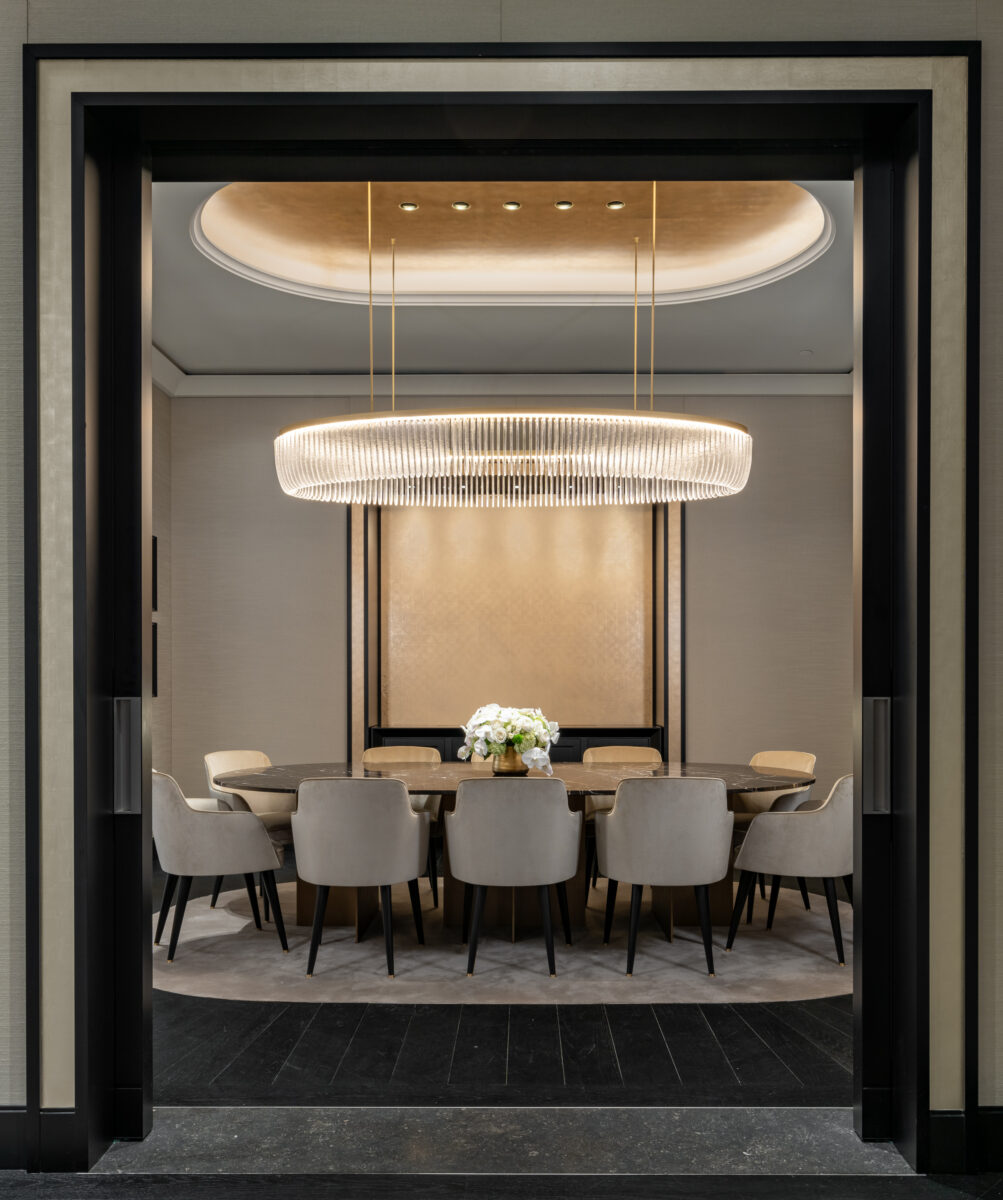
Unique to Canada, the Bloor Street store includes two rooms for private shopping and events. A salon, which has the appearance of a luxurious living room in a Paris apartment, can be made private for one-on-one shopping. Next to it is an ‘events room’ that has the appearance of a fine dining room, with custom fabric walls depicting a floral motif and an elegant oval shaped Veronese style chandelier that is encased by a gold leaf ceiling in the centre of the space.

It’s the third standalone Van Cleef & Arpels store in Canada. The brand opened its first store in Canada at Toronto’s Yorkdale Shopping Centre in the summer of 2017, spanning about 1,620 square feet on one level. A second Canadian location opened in Vancouver at 1069 Alberni Street in late 2017, spanning more than 4,000 square feet over two floors. 

In Montreal, a licensed Van Cleef & Arpels boutique operates within the Birks flagship store on Ste-Catherine Street. On Bloor Street at the Manulife Centre in Toronto, as well, Birks currently houses a Van Cleef & Arpels store with its own street-facing entrance — it’s not yet known if the boutique will remain open or if another brand will replace it. The first licensed Van Cleef & Arpels boutique space in Canada opened at the downtown Vancouver Birks flagship in 2006 spanning about 300 square feet (and Toronto shortly thereafter). The Vancouver boutique was expanded in early 2016 to 1,435 square feet and it closed during the pandemic. 

Van Cleef & Arpels Toronto Bloor (Image: Van Cleef & Arpels)

The Bloor Street Van Cleef & Arpels replaces a Zegna store that opened at 100 Bloor in December of 2018. The Zegna store involved a partnership with Ermenegildo Zegna and Harry Rosen, and the store was ultimately unprofitable and shuttered last year. JLL, under the direction of Brandon Gorman, leased the former Zegna space. Casdin Parr of JLL represented Van Cleef & Arpels in the lease deal to put the brand into 100 Bloor. 

Toronto’s Bloor Street is seeing rapid change with the addition of luxury brands. Several stores are under construction with anticipated opening dates this year, including Rolex at 101 Bloor Street West, and a row of stores at 110 Bloor Street West including Saint Laurent, Alexander Wang, Anne Fontaine and Paris Baguette. Several luxury watch brands will open at the base of the Park Hyatt Hotel before the end of the year, and more leases are said to have been signed on the street with announcements to follow here in Retail Insider. 

It’s not yet known if Van Cleef & Arpels will open more standalone stores in Canada. Sources were unable to confirm if any talks or negotiations had taken place for stores at Royalmount in Montreal or Oakridge Park in Vancouver, both of which will have an expansive roster of luxury stores upon opening. Royalmount’s opening date is set for August 15, 2024 and Oakridge Park is expected to open some time in 2025. 

Richemont also operates standalone boutiques in Canada for its jewellery brands including Piaget, IWC, Panerai, Vacheron Constantin, Montblanc and Jaeger LeCoultre. These are all in the Toronto and Vancouver markets though Piaget has yet to open a store in Vancouver. Chloé, known for its women’s ready-to-wear and bags, operates a flagship at Toronto’s Yorkdale Shopping Centre which is currently being renovated. Richemont also owns pricey Belgian luxury brand Delvaux which has concessions at Holt Renfrew stores in downtown Vancouver and at 50 Bloor Street West in Toronto. 

British Brand ‘FatFace’ Continues Canadian Store Expansion with 1st Outlet Store and More Locations to Open this Year [Interview]

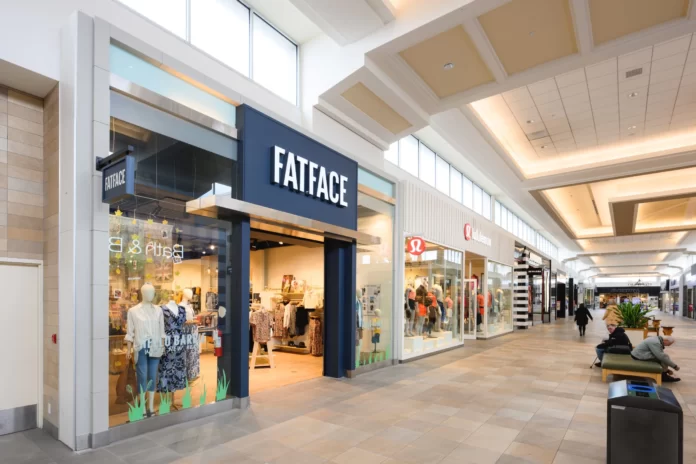
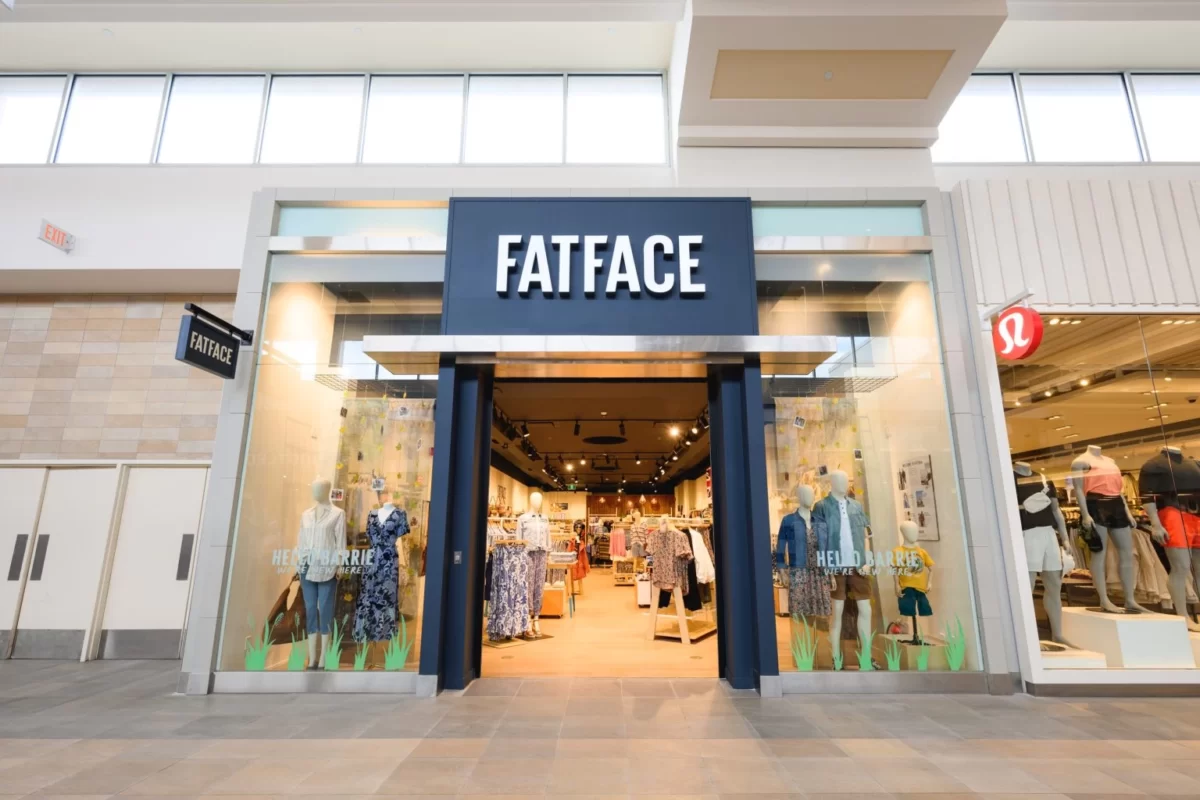
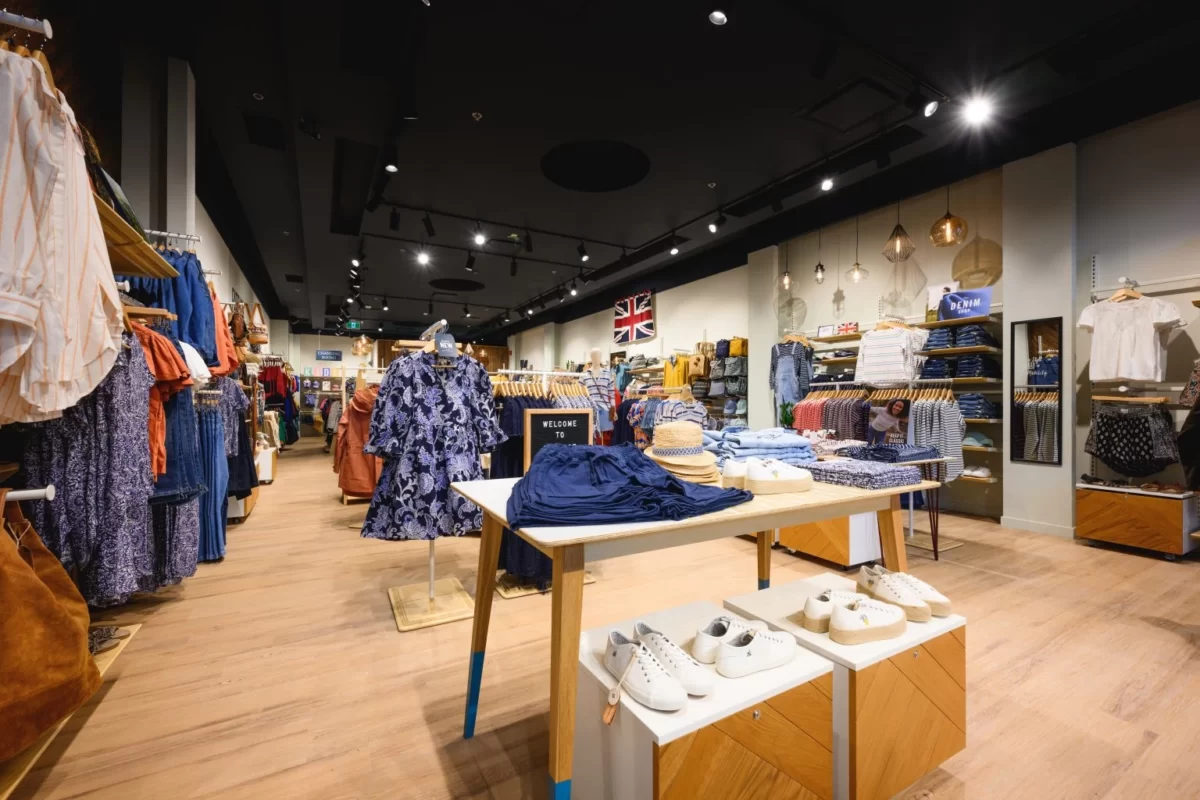
FatFace in Georgian Mall, Barrie, Ontario (Image: GTA General Contractors / Mike Black PhotoWorks)

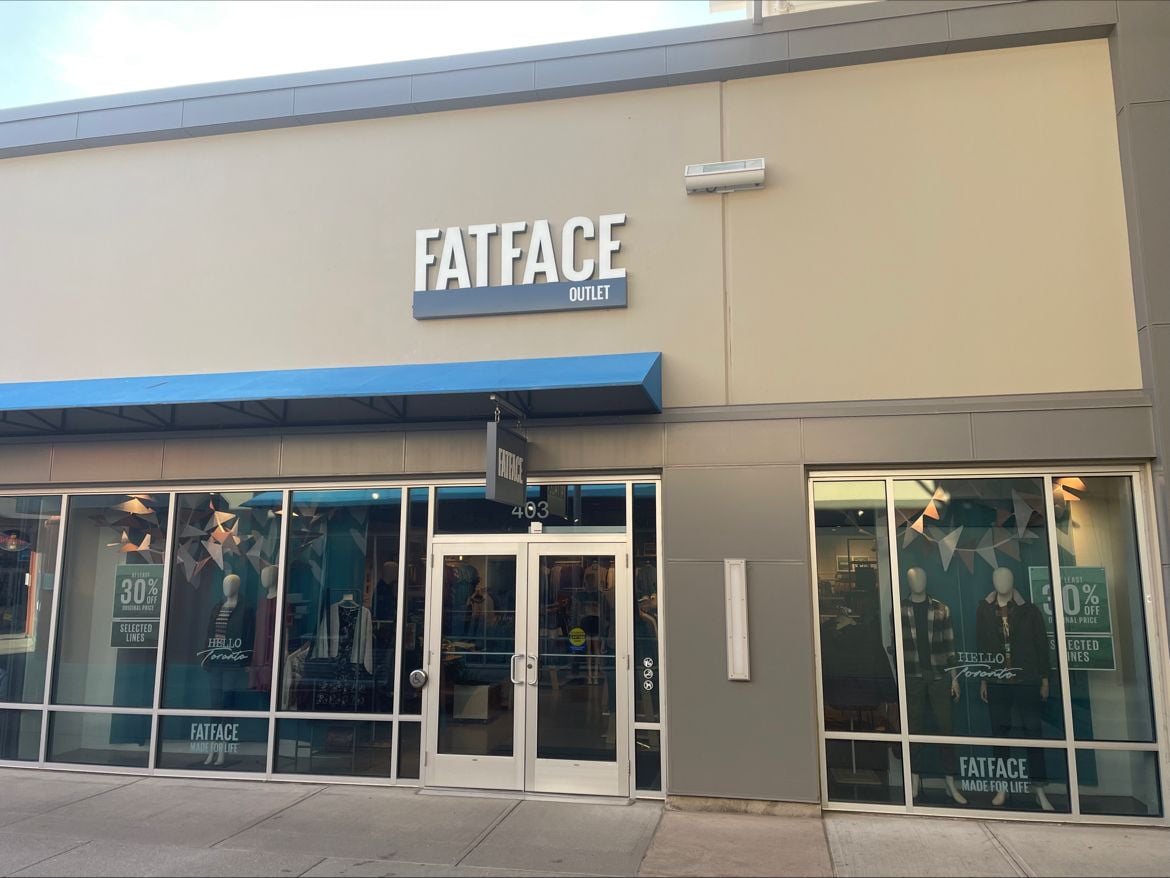
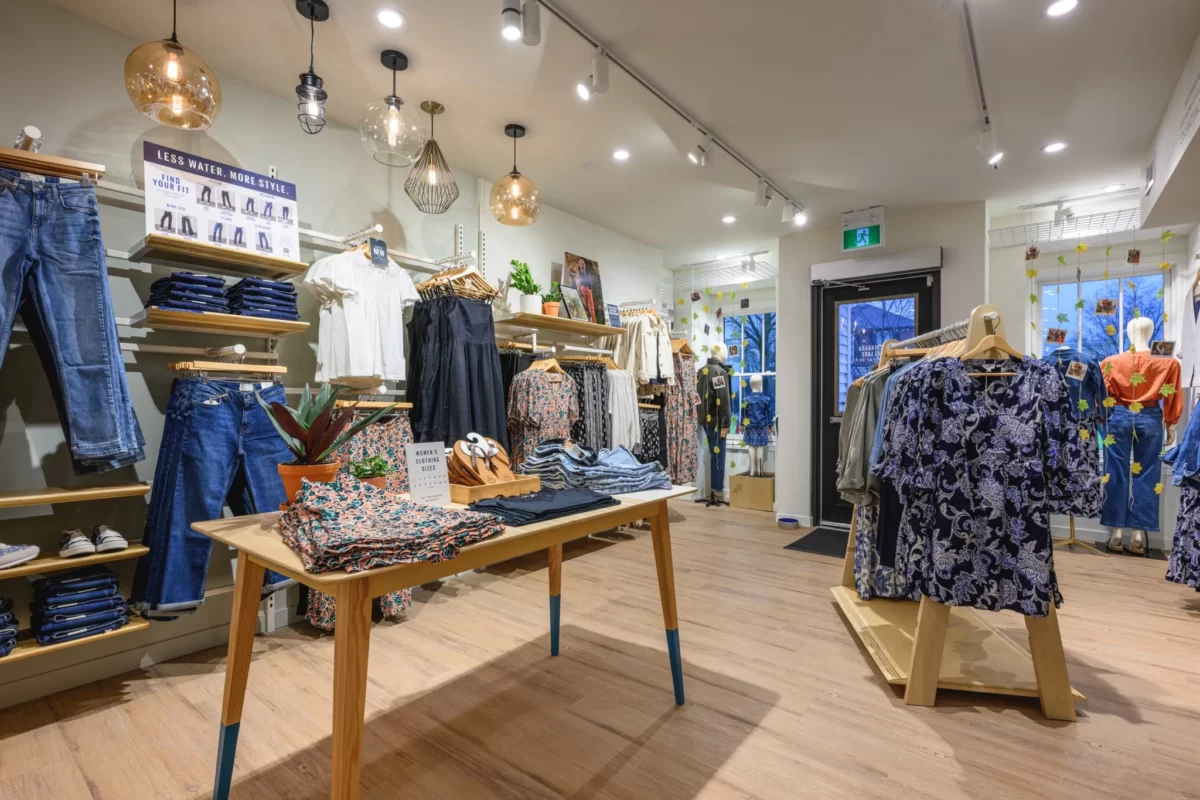
FatFace, a British, family, lifestyle clothing brand that is Made for Life, has opened its first Canadian outlet store at Toronto Premium Outlets in Halton Hills.

FatFace opened its first three stores in Niagara-on-the-Lake, Barrie and Newmarket earlier this year. 

Mark Wright

The opening of the stores in Canada follows months of research using insights from the US and Canadian customers to identify the towns to launch in and builds on a successful performance in the United States, ever since the first store opened in North America six years ago, said the retailer, said Mark Wright, Chief Operating Officer at FatFace.

“While this is our first outlet store in Canada, we have two outlet stores in the US, where customers love being able to buy clothes from current and past seasons. Earlier this summer we launched a pop-up in Toronto’s Distillery District, and we’re excited to also be putting down some roots down in the Toronto area at Toronto Premium Outlets,” said Wright.

“This is just the start of our journey in Canada, and we’re really excited to see where it will take us. Our first store only opened in May, and we already have five up and running, including our pop-up in Toronto’s Distillery District. What’s more we’re planning on opening another three stores before Christmas. In terms of generating growth in this new market, we’re sticking with the brand’s roots of relying on strong word of mouth about excellent product and customer service. You won’t see any FatFace advertising, but you might spot people wearing their favourite Airlie sweatshirt in the special Canadian flag design.

“While Canadian customers can currently use the US website to order online, we are working hard to improve and refine this experience, with updates to come in early 2024. All the early signs are good, and we’re committed to building a credible and loved brand in Canada.”
FatFace at Toronto Premium Outlets (Image: Linkedin)
FatFace in Georgian Mall, Barrie, Ontario (Image: GTA General Contractors / Mike Black PhotoWorks)

Jennifer Bowyer and Jeff Berkowitz of Aurora Realty Consultants represents FatFace in Canada. According to Aurora’s website, FatFace stores will ideally be in the 1,200 to 1,800 square foot range in tourist markets (such as Niagara-on-the-Lake) as well as high streets and shopping centres. 

FatFace currently has 180 stores in the UK, five in Ireland and over 25 stores in the US and Canada. Looking ahead, FatFace plans to open three further stores in Canada in 2023. This will take the number of Canadian stores to eight

“We are a global brand with commitment and appetite to extend in North America. Alongside new store openings, we are growing our online business in the UK, US and Europe. We also sell our products through third party stores and websites, such as at Next in the UK and Van Maur in the US,” said Wright.

“FatFace is an iconic British brand with a trusted heritage providing great quality clothing. Back in 1988, two friends with a love of the outdoors and adventure began selling homemade T-shirts and sweatshirts out the back of a campervan to fund their adventures. Now 35 years old, our rich brand heritage continues to delight customers, with ranges for all the family.

“The brand’s popularity continues to grow as we execute our strategy: never compromising the quality of our products, being laser focused on our multi-channel offering, growing our international business and all the while remaining dedicated to sustainability to ensure the business is fit for the future. Our headquarters are in Havant, on the south coast of England. We love being by the seaside, where outdoor living is an important value, inspiring us to create products our customers love.”

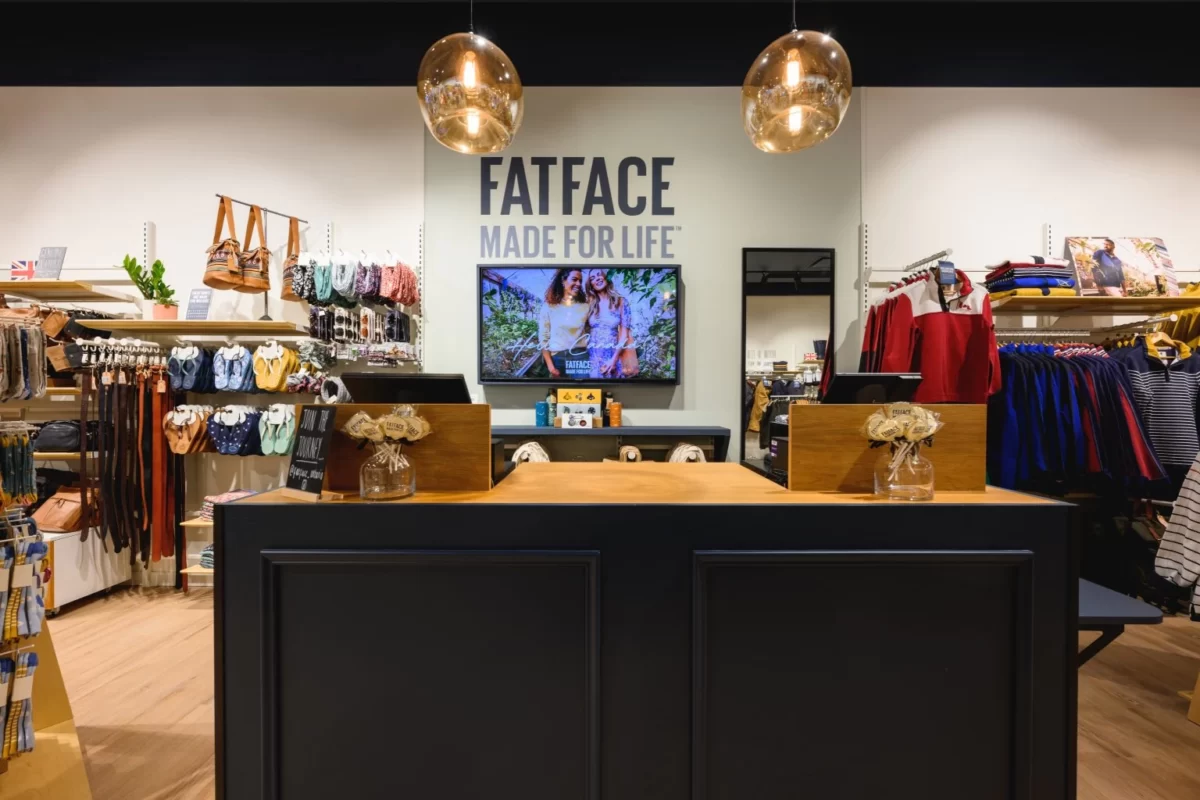
FatFace in Georgian Mall, Barrie, Ontario (Image: GTA General Contractors / Mike Black PhotoWorks)

Although FatFace started out with a focus on men’s ski and sportswear, it is now firmly a family lifestyle brand, said Wright.

“Our current sales mix is around 65 per cent on womenswear, 25 per cent on menswear, and a small but important selection of kidswear and accessories. Last year we launched a pet range as part of our commitment to make clothes for the whole family. Our customers have a thirst for life and sense of adventure. Authenticity, community and sustainability are important to us in all our locations. We take this responsibility to our customers and their environments seriously, as evidenced by the fact that we recently became the UK’s largest retailer to be awarded B Corp status,” he said.

“From our responsible sourcing practices, climate conscious initiatives and inspiring charity partnerships to the wonderful people who are driving change across our business and in our local communities, becoming a B Corp™ is a celebration of all that we stand for. Our sustainability journey began over 10 years ago but fast forward to today – now an international multi channel business – and we are more focused and ambitious than ever on finding ways to reduce our impact on the planet, and positively support our colleagues and the communities we operate in. We know this is something our customers care about whether they’re buying one of our iconic Airlie sweatshirts, or purchasing some of our novelty socks.”

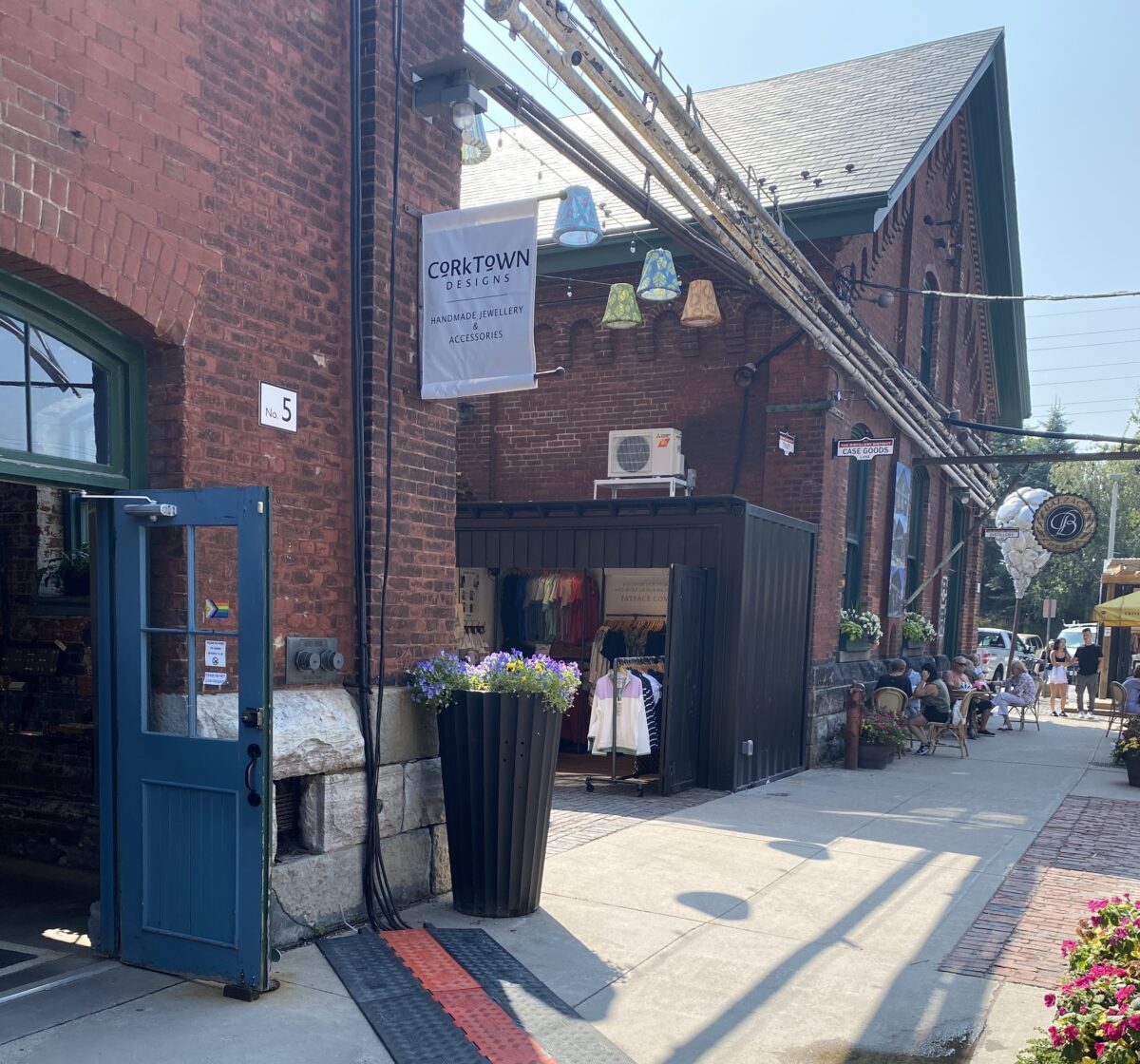
FatFace Pop-up at The Distillery District (Image: Dustin Fuhs)
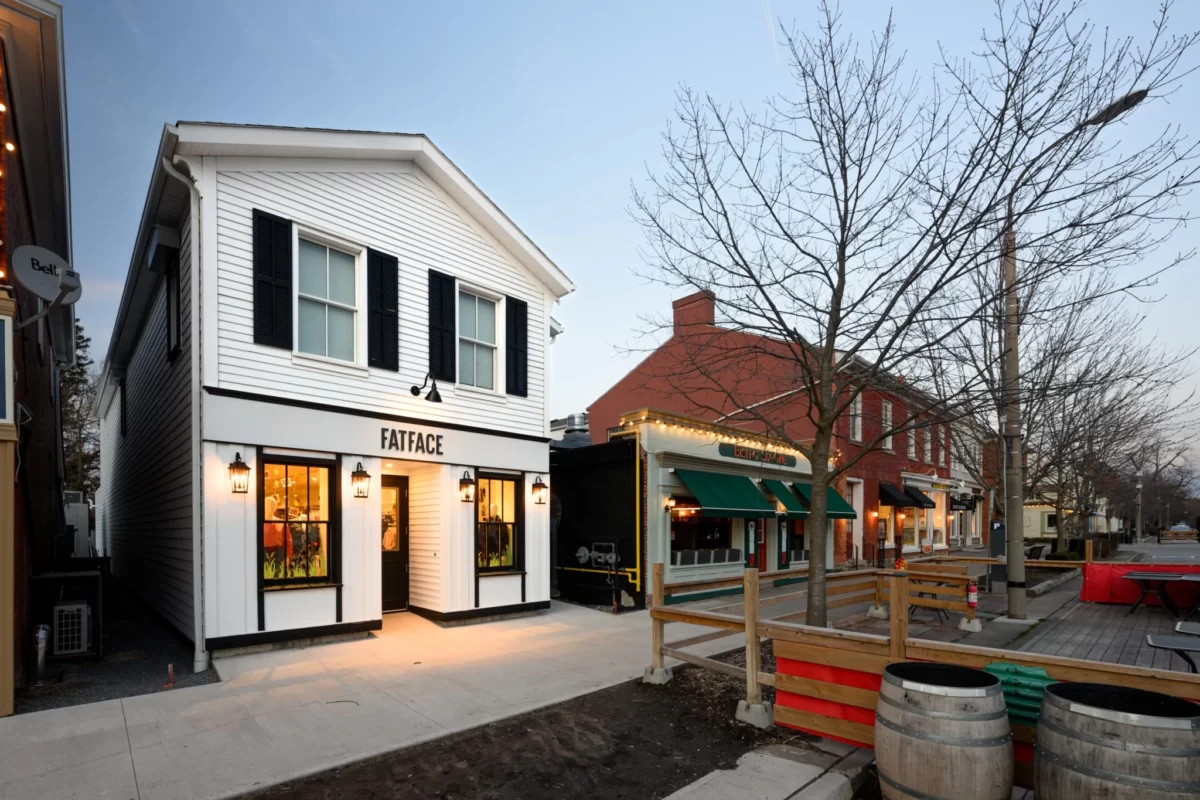
FatFace in Niagara-on-the-Lake, Ontario (Image: GTA General Contractors / Mike Black PhotoWorks)

Wright said what sets the retailer apart from other brands is the breadth of its  product range married with its unwavering commitment to quality.

“Whether shoppers are looking to get kitted out for the outdoors, have a relaxing night in, or get dressed up for a special occasion, our customers know they can rely on FatFace for an outfit that never compromises on style or quality. In that sense, we have no real direct competitors taking the same holistic approach to providing high quality clothing for the whole family to live in, no matter the occasion,” he said.

***Photos courtesy of Mike Black PhotoWorks

Icebreaker Strategizes Canadian Growth with New Initiatives and Enhanced E-commerce [Interview]

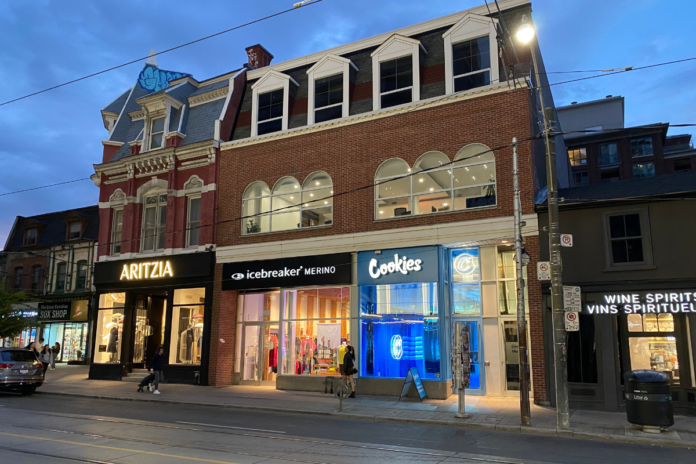
Icebreaker at 278B Queen St W, Toronto, ON (Image: Dustin Fuhs)

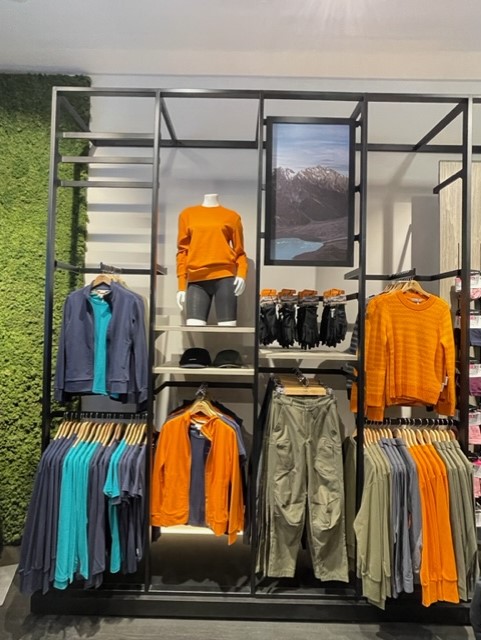
Icebreaker, a New Zealand-based brand focusing on Merino wool outdoor clothing, is looking to enhance its wholesale program, expand its product selection, and is continuously looking to improve its sustainability initiatives such as reducing plastic in products and shipping.

Noah Bryan

Icebreaker was founded in 1995 and its first expansion into the international market was in Canada. Today, it has nine locations in Canada, has an e-commerce team to support the Canadian market, has a wholesale program, and is now looking to increase consumer awareness of the brand.

“Our big focus for this year is really focused on increasing consumer awareness and the benefits of Merino Wool and Icebreakers approach to natural performance apparel. So when you think about it, growth for the brand in the Canadian market – we think about the investment we are making in growing consumer awareness. Icebreaker has been invested in the Canadian market for decades, and we will continue to emphasize the importance of the Canadian consumer,” says Noah Bryan, the North America General Manager for Icebreaker.

Product Selection And Expansion

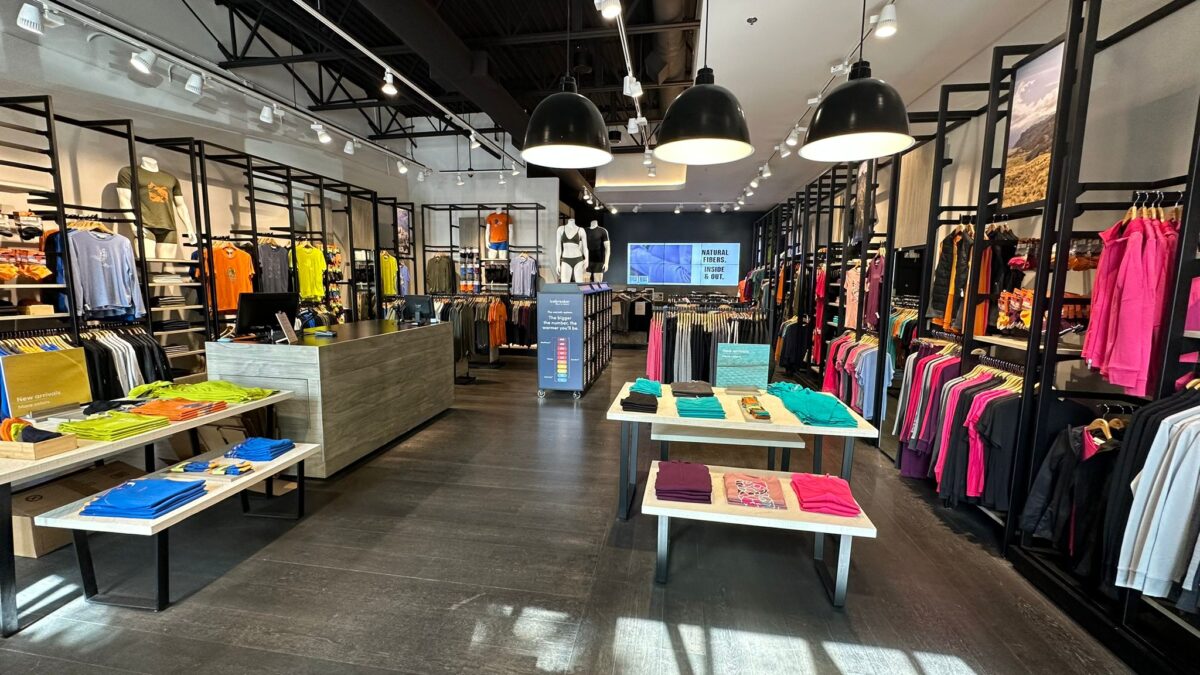
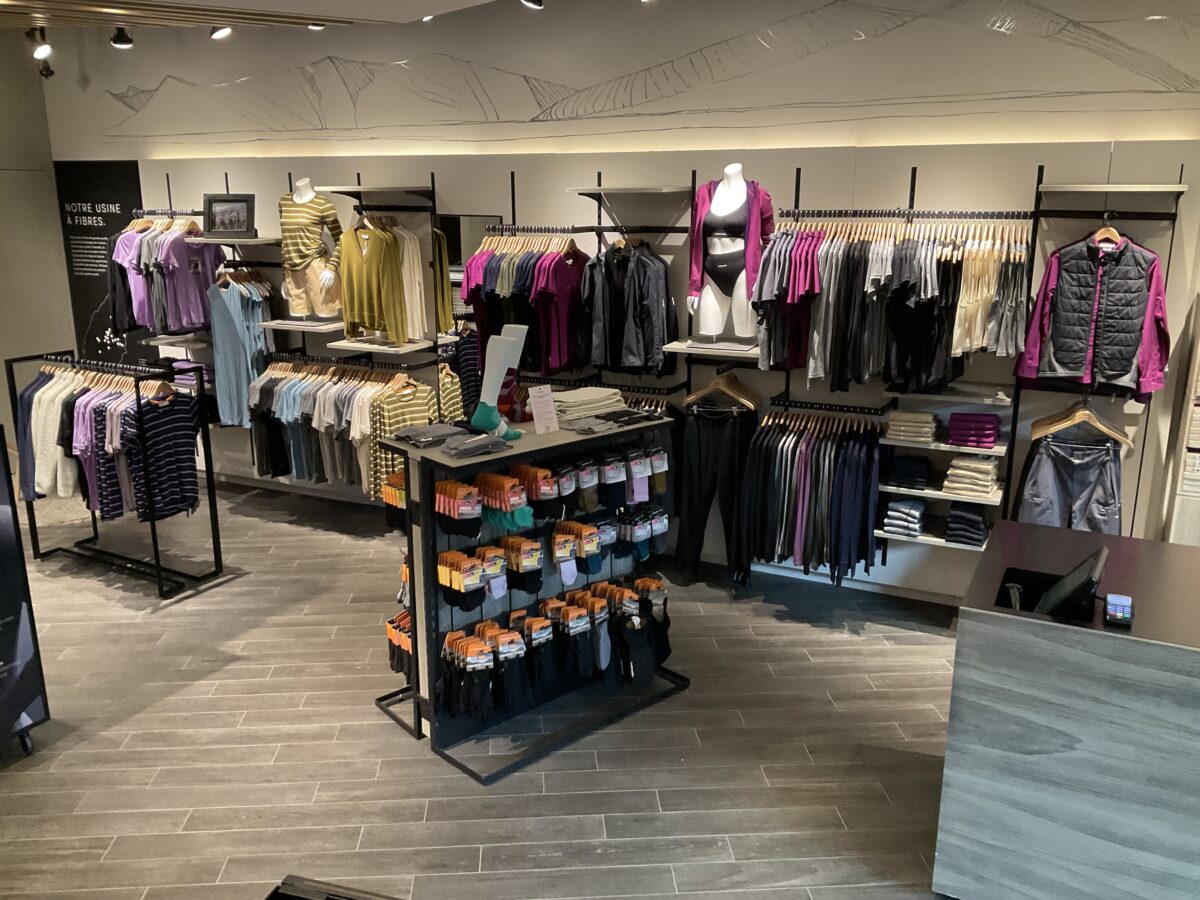
Icebreaker at CF Carrefour Laval (Image: Icebreaker)

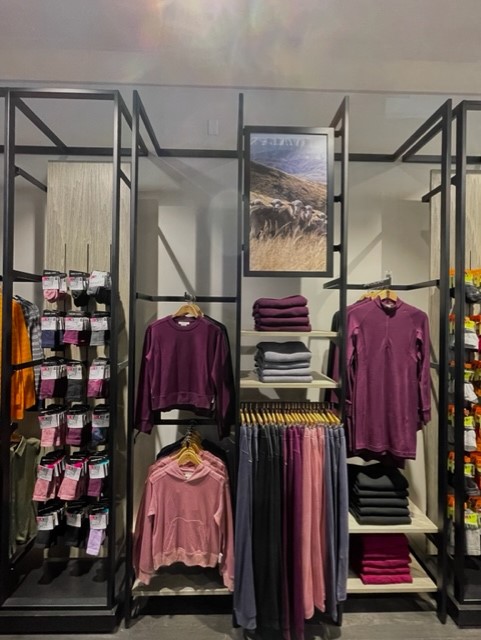
Consumers can find a variety of products for Men, Women, and children. Last year, the brand introduced its real fleece program where consumers can find 100 percent natural Merino wool and high pile fleece which Bryan says is soft, warm, and breathable.

Icebreaker’s current collection is for the Winter 2023 and consumers can expect the brand to build out its athletic wear.

“We have built out the new program for this current season and we are very excited about that. It will also extend to some more athletic silhouettes called the Descender franchise, which will continue to build into and really meet the needs of a consumer who wants 100 percent natural performance apparel without a compromise to performance.”

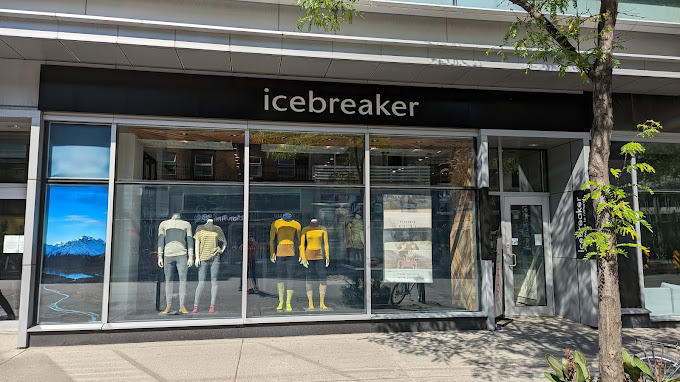
Icebreaker has Canadian storefronts in Vancouver, Toronto, Calgary, and in Montreal and has no plans to expand; however, Bryan says it is going to be expanding staff in Canada for the growing demand and will be providing more support to its current wholesale partners.

“Right now, we are not expanding our footprint, although we have expanded our staffing in Canada to accommodate a more robust wholesale presence for the brands. We have more teams servicing our wholesale customers in the Canada market, but our retail footprint will remain the same in the near term,” says Bryan. “We partner with the best retailers in Canada, and so it is less about expansion and of doors and partners, but more about the growth within existing partners that we have and supporting them with better merchandising and point of purchase sales materials.”

E-commerce platform and Loyalty Program

Icebreaker Nature Rewards

Bryan says Icebreaker’s e-commerce platform is a great way to communicate with consumers and let them know about what is happening within the brand.

“We are really excited about the way that the Canadian e-commerce site for Icebreaker engages with the consumer. We have the ability to tell really fantastic stories and we continue to kind of roll out new initiatives for the brand. Our e-commerce site specifically tends to be a great vehicle for us to communicate things that maybe have a more narrow commercial application but represent innovation and kind of groundbreaking fabric technologies for Icebreaker,” says Bryan.

Icebreaker also provides a loyalty program for consumers, nature rewards. Under the loyalty program consumers can get fifty points for signing up, ten points per dollar spent, and five points when you purchase products on sale. There are four levels in its loyalty program:

Icebreaker at CF Carrefour Laval (Image: Icebreaker)
  • First Level offers consumers who registered a voucher for ten percent off.
  • Tier 1 offers a $20 voucher when you have 2,000 points and a single-use free express shipping voucher.
  • Tier 2 offers $60 when you have 5,000 points, and unlimited shipping for three months.
  • Tier 3 offers $150 when you have 10,000 points and unlimited free shipping.

All levels include early access to sale offerings and products. Additionally, consumers only have one year to use their points as they will reset on the date you signed up.

Although people can easily shop online, Bryan says they still encourage people to come in-store to experience the products through its touch labs.

“The only thing that will be changing is we will continue to use our stores as a way for consumers to really put their hands on the product. We call our retailers touch labs because we feel very strongly that once you experience the quality and feel of an Icebreaker, you won’t go back.”

Icebreaker Montreal 1515 Saint-Catherine St W (Image: Google)

Zero Plastic and New Dare To Repair Program

Bryan says Icebreaker made a commitment years ago to go 100 percent plastic free in its apparel collections and in the upcoming collection – it is forecasted at 98.3 percent plastic free across the entire apparel collection. In addition to the collection, this also applies to shipping as Bryan says the brand does not use any plastic in packaging, tags, or labels – everything is natural.

Icebreaker also has a new program, Dare to Repair, that will be rolled out across stores in Canada soon. The program allows consumers to bring in broken products and have it repaired by a qualified seamstress, learn about how to take care of the product, and consumers can learn what happens to the product once it has reached its limit. This will decrease the amount of consumers throwing away an item just because it is broken and will allow products to last longer.

“We are one of the few brands who have come to this place very early on and we have been very consistent about how we execute. We will continue to drive that pace forward, and sometimes that requires innovating new fabrics to replace synthetics, without compromising performance. Icebreaker has been committed to doing this for years and our commitment remains as strong as ever.”