Home Blog Page 690

Urgent Action Needed to Tackle Out-of-Control Commercial Rent Crisis, Report Warns

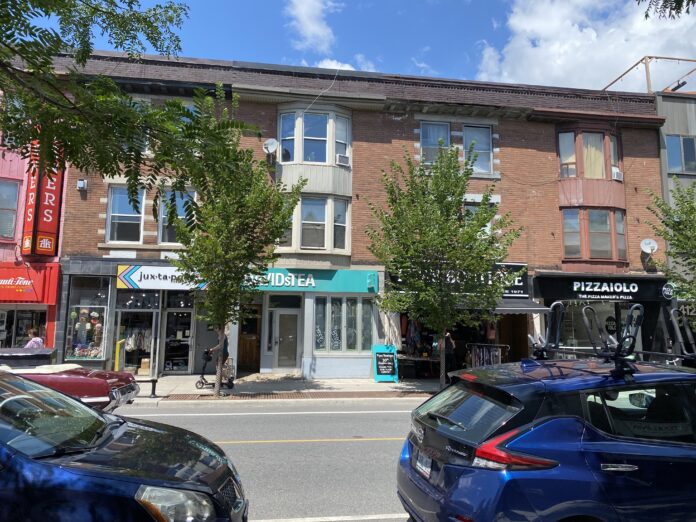
Vacated DavidsTEA on Bloor Street in the Annex (Image: Dustin Fuhs)

Small businesses need urgent action on the commercial rent crisis that is out of control in Ontario.

A report, called Out of Control, by the Better Way Alliance, says the COVID pandemic has deepened a pre-existing crisis – unaffordable commercial rent that is shutting down small businesses. 

“Even before the pandemic, rents were so high that it was difficult – sometimes impossible – for small businesses to break even or tuck away a small profit for a rainy day. Media headlines regularly shared news of businesses forced to close because of increasingly insurmountable rent costs. In Ontario, there are 400,000 small businesses, and across Canada small businesses employ almost 70 per cent of people in the private sector,” says the report.

“Small businesses are the heart of vibrant, friendly communities – places to gather, do some shopping, and take care of errands. Entire neighbourhoods are named for the diversity of the small businesses and people that inhabit them. Places like Little Jamaica, Little India, and Chinatown enliven our cities. But a lack of commercial rent protections in Ontario is threatening small businesses, the jobs they have created, and the vibrancy they bring to our communities. 

“People who are not small business owners may be shocked to learn there are neither guidelines for fair and predictable rent increases nor set standards for leases and shared costs. Commercial landlords can charge, change, and do almost anything they want. It is legal to increase rent by any amount. Landlords can evict small businesses in favour of new tenants or leave the space vacant, even after small business owners have paid out-of-pocket to renovate their space. Landlords can pass on surprise bills for thousands of dollars at their sole discretion. They are not held to basic building maintenance repair or heating and cooling standards. Commonly accepted guidelines and standards that exist for residential tenants are not in place for small business tenants. And, there is no official mechanism to resolve disputes between commercial landlords and tenants. This leaves small business tenants at the mercy of landlords, whose property investment appreciates in value with or without rental income. Even the most savvy small business owners have little leverage to negotiate fair lease agreements.”
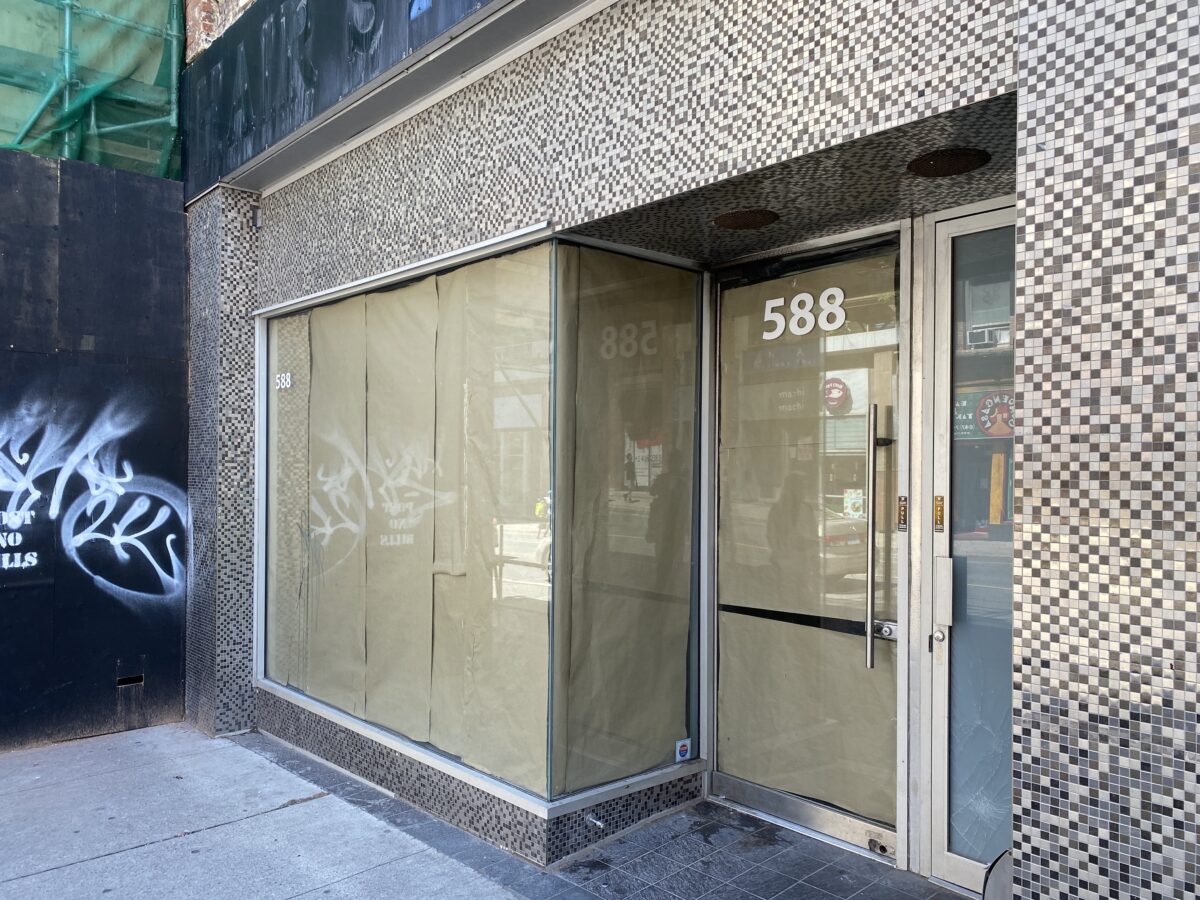
Yonge at Dundonald (Image: Dustin Fuhs)

The commercial rent affordability crisis is threatening their livelihoods, the jobs they create, and benefits they bring to neighbourhoods. It is clear that action is needed by the Ontario provincial government to remedy the commercial rent affordability crisis for small businesses, added the report.

The commercialrent.ca website was launched to bring awareness to the issue.

Aaron Binder, Director of the Better Way Alliance, said the business group put together a survey of its members and a few non-members in late 2021 and 2022 because it had been receiving a lot of feedback about rent costs and lease agreements.

Aaron Binder

“We’re hoping to develop some deeper dives into the philosophy of free market versus fair markets in relation to commercial property,” said Binder.

“We’re a group of businesses that advocate for ethical employment, for decent work, paid sick days, higher wages, fair scheduling practices. All of our businesses exemplify these ideals and we’re across every industry in Canada. 

“And the evidence we see not just from our businesses but from across the globe is that when you treat your employees well, they treat your business well.”
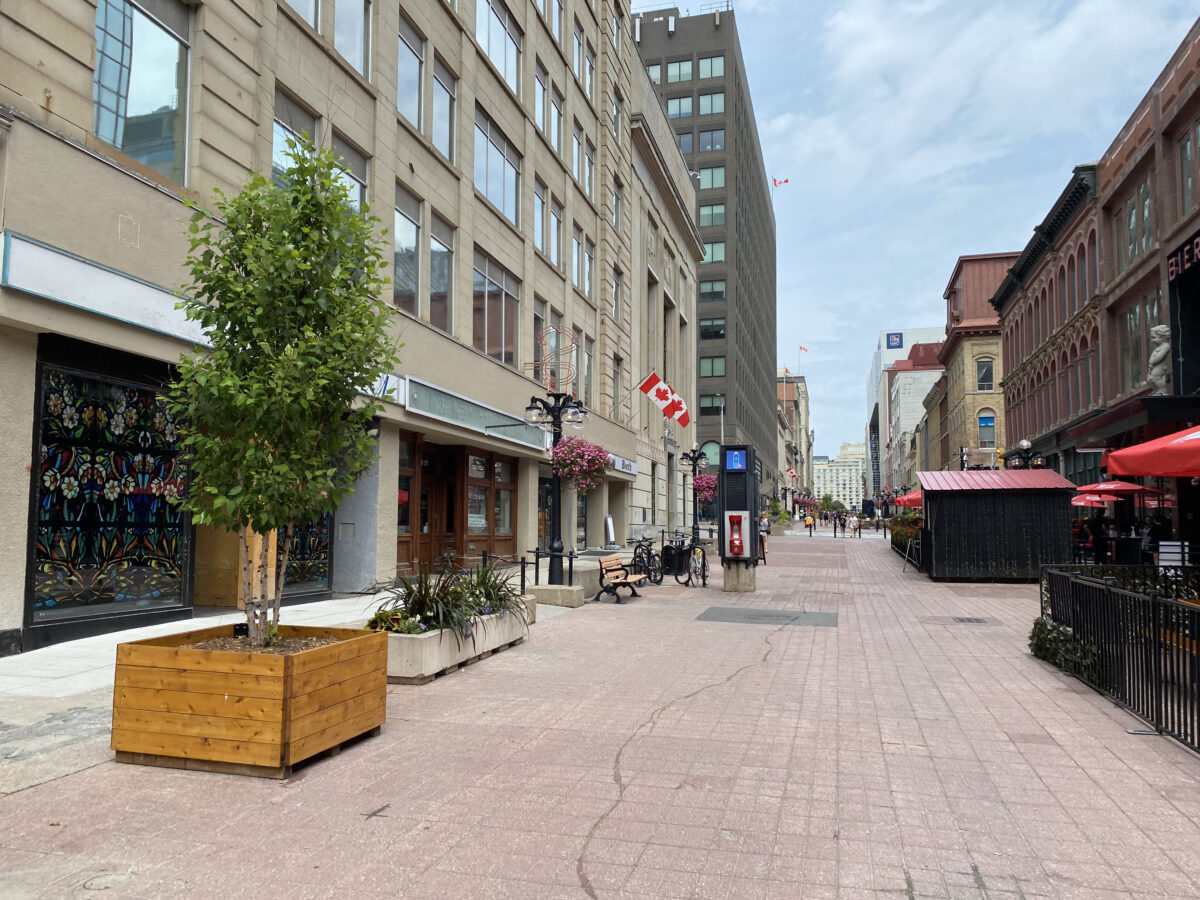
Sparks Street in Ottawa (Image: Dustin Fuhs)

The report found that nine in 10 small businesses list rent as one of their top three expenses. For over half, rent accounts for more than 60 per cent of overall expenses.

The report added that three quarters of small businesses have experienced a one-time rent increase of 10 per cent or more; one in six have experienced an increase of 50 per cent or more; one in 10 have seen their rent double during a single increase. 

It also said that over 40 per cent of small businesses have moved in the past due to rent increases or difficulties with their leases or landlords. Over half anticipate being forced to move at the end of their current lease for these reasons.

The report said the provincial government must:

• Create rent guidelines for year-overy-ear increases that apply to all commercial tenants, including new tenants;

• Standardize leases to ensure fairness and transparency for shared costs, and ensure priority is given to existing tenants when lease term is up; and 

• Create a mechanism to enforce rules and resolve disputes.
Inflation is Down Overall in Canada, So Why are Grocery Bills Still Going Up? [Op-Ed]

Loblaws Queen Street West (Image: Field Agent)

Despite Canada’s inflation rate falling to its lowest point in two years, food prices remain high. The Consumer Price Index slowed to 2.8 per cent in June compared to last year, but food prices increased by 8.3 per cent. Food prices in stores increased by 9.1 per cent.

The gap between general inflation and food prices is puzzling — and frustrating — for many, especially because the Bank of Canada’s interest rate hikes don’t seem to be affecting food prices at all. In periods of high inflation, central banks raise interest rates to moderate price increases, or, ideally, bring them down.

But food prices don’t respond to interest rate policies as much as other factors do. This is because food demand is relatively steady — we can’t put off food purchases like we might put off the purchase of a new computer or car.

So if interest rates won’t help bring down food prices, what will?

Competition Bureau report

Metro in Vaudreuil-Dorion, QUE (Image: Field Agent)

Canada’s competition watchdog, the Competition Bureau, recently released a report that called for more competition in the Canadian food retail market. The report suggested that more competition might help high food prices in Canada.

The report also acknowledged that some retailers have non-grocery businesses which can muddy the waters relative to food margins. In fact, Loblaw executives have attributed the company’s growth to increased sales at Shoppers Drug Mart.

Similarly, Eric La Flèche, president and CEO of Metro, told the Standing Committee on Agriculture and Agri-Food in March that Metro’s food margin had actually decreased, but was offset by a higher pharmacy product margin.

The CEO of Sobeys testified that they didn’t see the same growth as Metro and Loblaws because their pharmacy business is smaller. However, the Competition Bureau’s report ignored this, instead focusing on individual profit growth, which was similar for all three major brands.

Although this is just a small sample, if margin growth truly played a significant role, we would expect it to be more directly reflected in profit growth.

Foreign competition

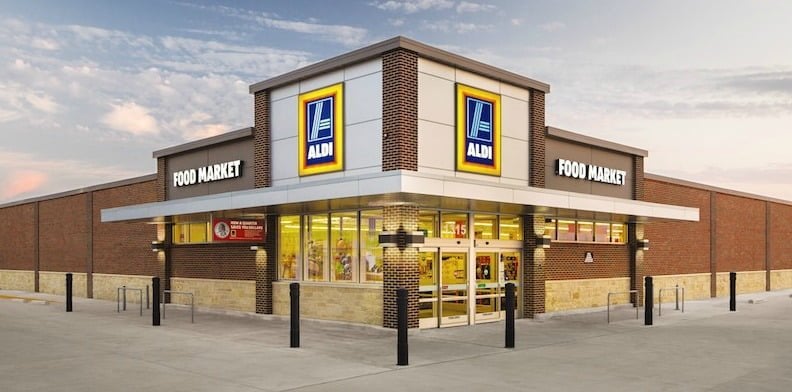
PHOTO: ALDI

The Competition Bureau’s report also suggested that more foreign competition would benefit Canadian consumers, but that foreign competitors viewed the Canadian market as tough to break into.

A spokesperson from the Retail Council of Canada said foreign competitors didn’t feel they would be able to compete when it comes to prices. Given this, it’s difficult to see how foreign competition would actually help bring prices down.
Retail concentration can be a concern if it gives companies the power to extract higher profits from consumers. On the other hand, size provides economies of scale, which allows companies to build efficient distribution networks and buy in larger volumes.

But the report is completely silent on the trade-offs between concentration and economies of scale. If too many efficiencies are lost through less concentration, prices could actually go up.

It is worth highlighting that when Sobeys bought a controlling share in Longo’s (a premium regional grocery chain in Ontario) they highlighted distribution and sourcing as key benefits of the deal. Longo’s will operate as it always has but benefit from better buys and distribution reducing costs.

If all of this is true, then what’s actually causing food price inflation?

No single cause for food inflation

The reality is that there isn’t a single cause for food price increases in Canada; there are a combination of factors that affect different food categories.

Edible fats and oils have gone up almost 20 per cent in the past year, while ham and bacon have actually decreased by 3.4 per cent. This suggests price differences are coming from a variety of causes.

Russia’s invasion of Ukraine has had a significant impact on the prices of wheat and edible oils. As a result, wheat-based products like pasta, bread and flour have seen increases.

The impact of the war was made worse by countries limiting exports to protect domestic consumers. India curtailed wheat exportsArgentina limited wheat and soybean oil and Indonesia limited palm oil exports. This puts even greater pressure on price.

While there was a short respite when Turkey brokered a deal with Russia to allow Ukrainian grain to flow, Russia recently said it will not renew the deal and is attacking and destroying Ukrainian export infrastructure. Prices may rise again.

A perfect storm

Extreme weather has also played a significant role in food price inflation. Flooding in California’s Salinas Valley caused disruptions in lettuce and tomato production, leading to higher prices for these products.

Europe had price increases and product shortages this winter due to bad weather conditions in northern Africa and southern Europe. As weather events get more intense and more frequent due to climate change, these issues are likely to worsen in the future.

Besides extreme weather, other factors like supply chain disruptions and exchange rate volatility also contribute to changes in food prices.

All these factors are happening simultaneously to create a perfect storm of food price increases. Unfortunately, since there are so many factors involved, there isn’t a single factor that can bring down food prices. It’s a complex situation that will require careful consideration and multiple approaches to address.

By Michael von Massow, Associate Professor, Food Economics, University of Guelph

This article is republished from The Conversation under a Creative Commons license. Read the original article.

Revamped Ground Floor at 33 Yonge Street in Downtown Toronto to Become Food Destination with 5 New Tenants [Exclusive]

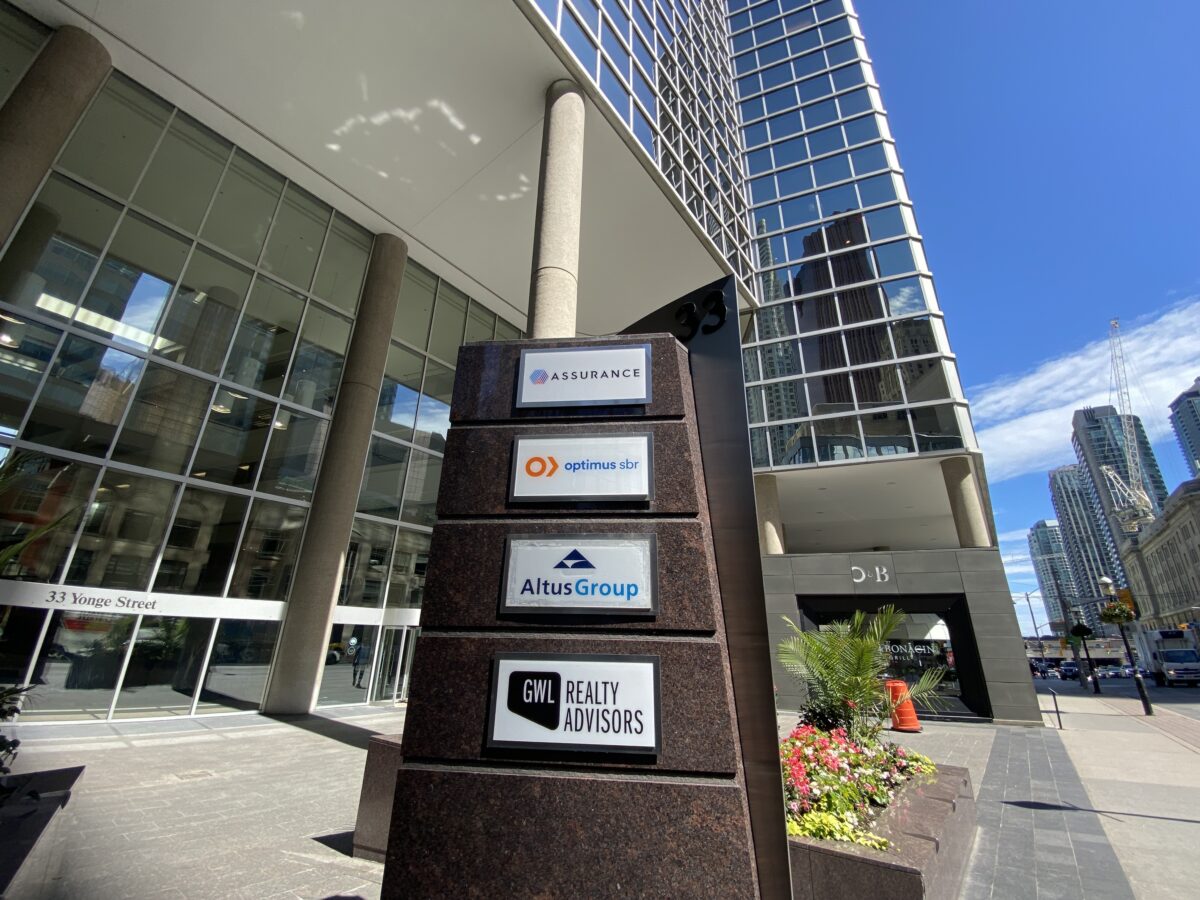
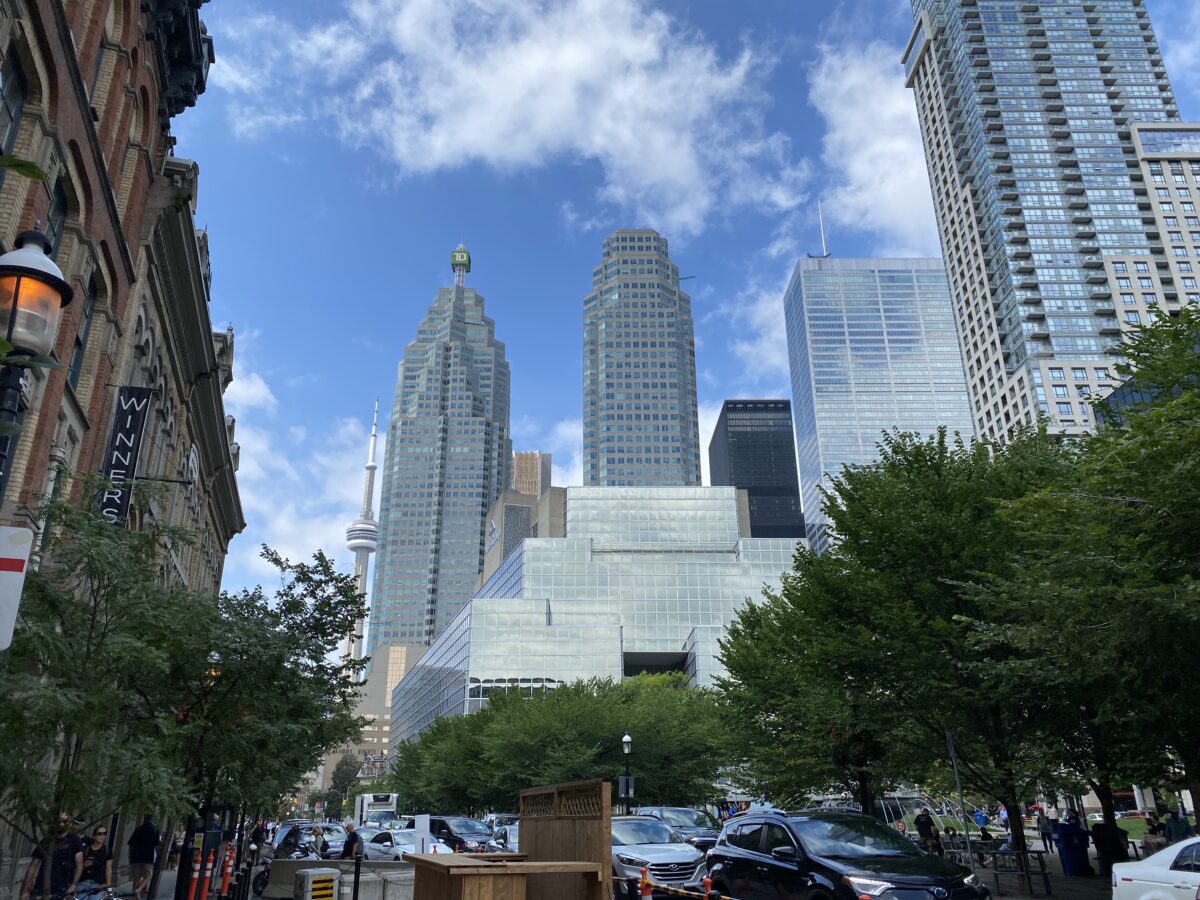
33 Yonge Street (Image: Dustin Fuhs)

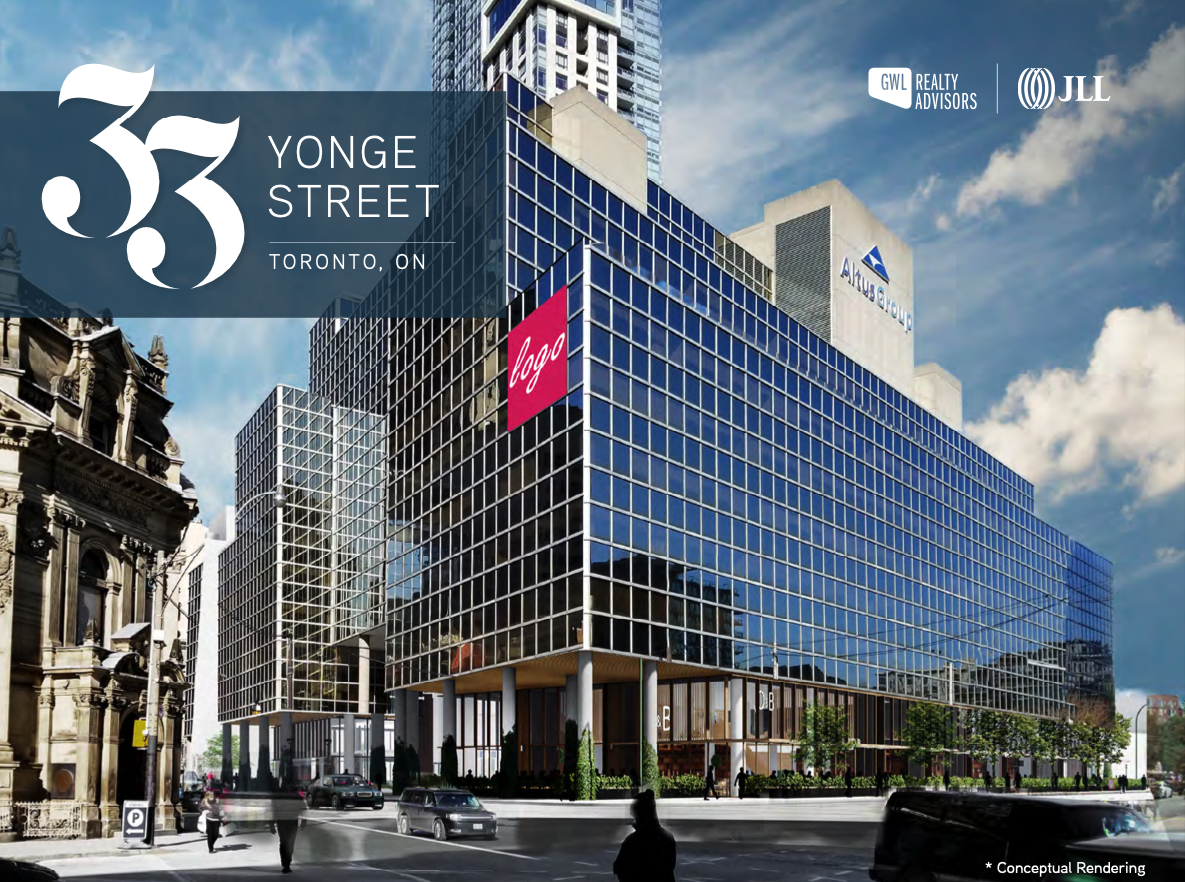
A number of new ground floor restaurant deals at 33 Yonge Street will create a food destination in the heart of downtown Toronto.

The property is managed by GWL Realty Advisors on behalf of the Canada Life Real Estate Fund and the London Life Real Estate Fund.

Devan Sloan

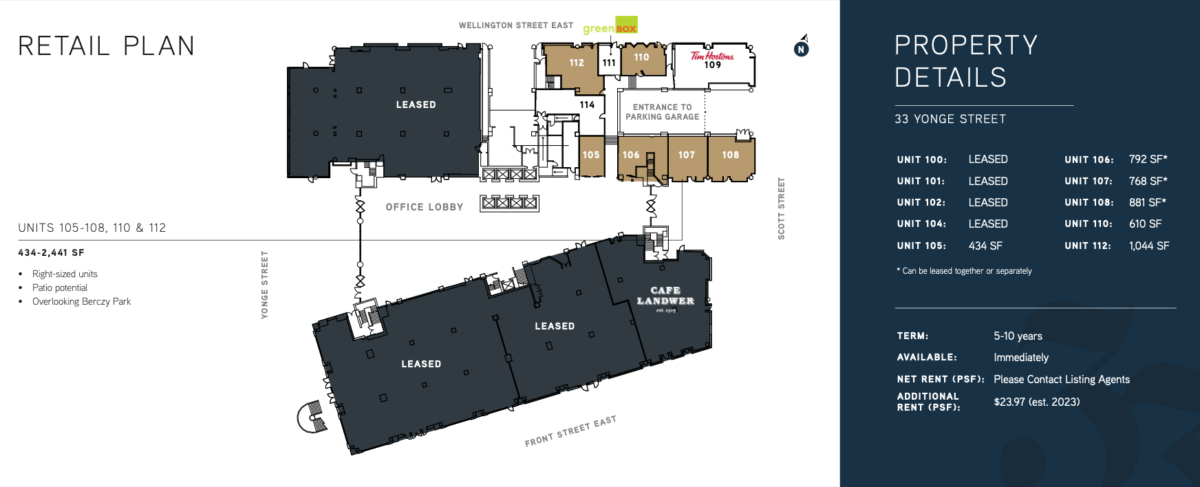
“We’ve recently completed five new restaurant deals to replace the four existing concepts,” said Devan Sloan, Vice President, Leasing for GWL. “One of them is Café Landwer and beside them will be the third concept for the owners of the award-winning Giulietta and Osteria Giulia. It will be uniquely branded and although we don’t know the name yet, it will be an Italian steakhouse.”

“We’re then splitting the former O&B (Oliver & Bonacini) space in half and O&B will do two concepts – a new version of Biff’s, taking half of the space, and then a new Latin concept in the other half.”

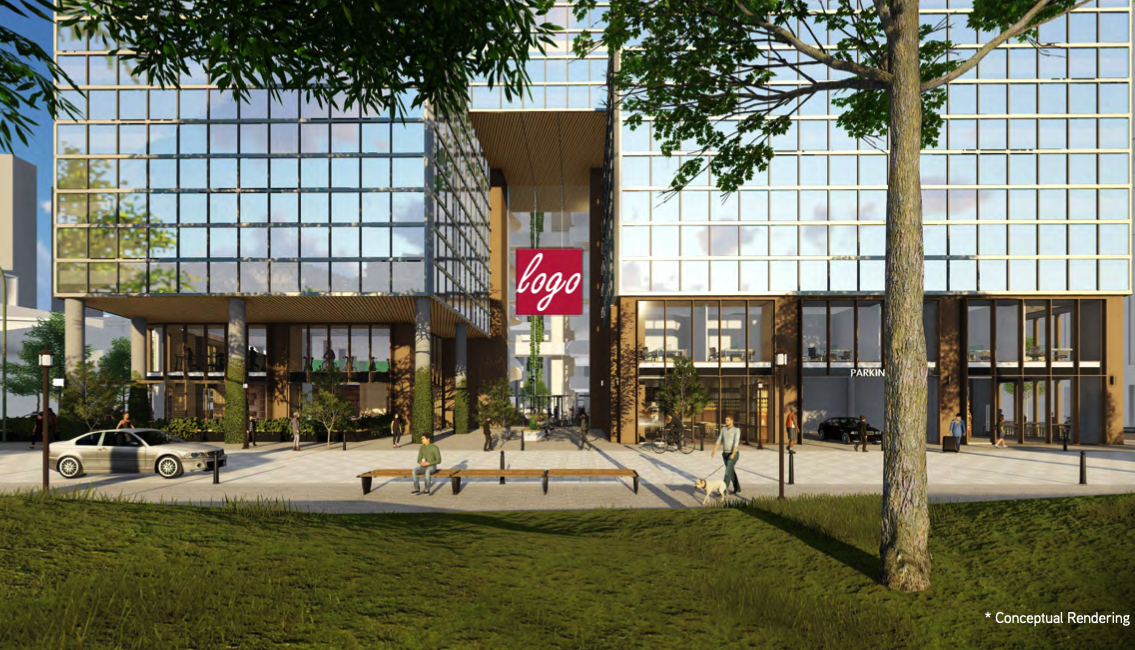
33 Yonge Street (Conceptual Rendering: GWL Realty Advisors)
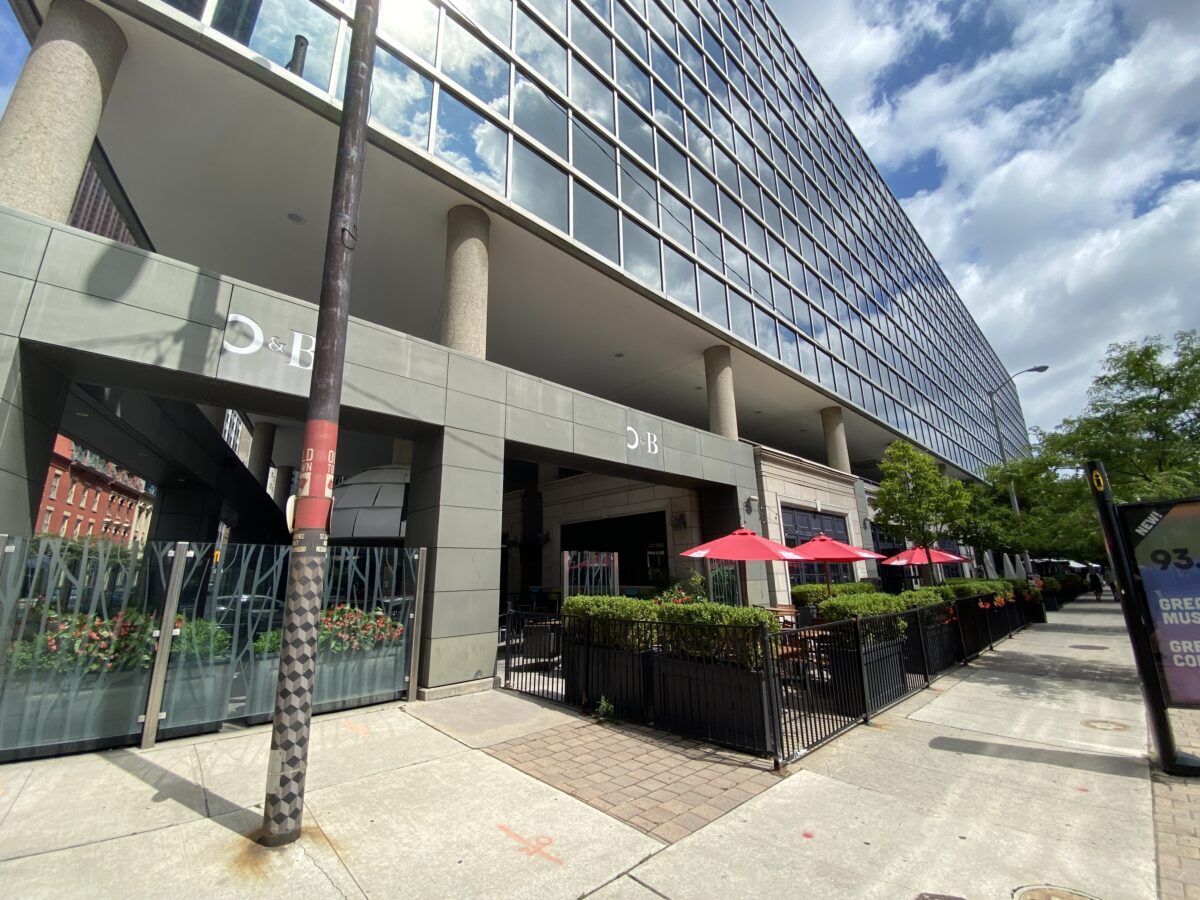
Oliver & Bonacini at 33 Yonge Street (Image: Dustin Fuhs)

O&B is also opening a third concept in the building. 

“It’s a mid-century modern American restaurant,” said Sloan.

The five deals represent close to 30,000 square feet of space.

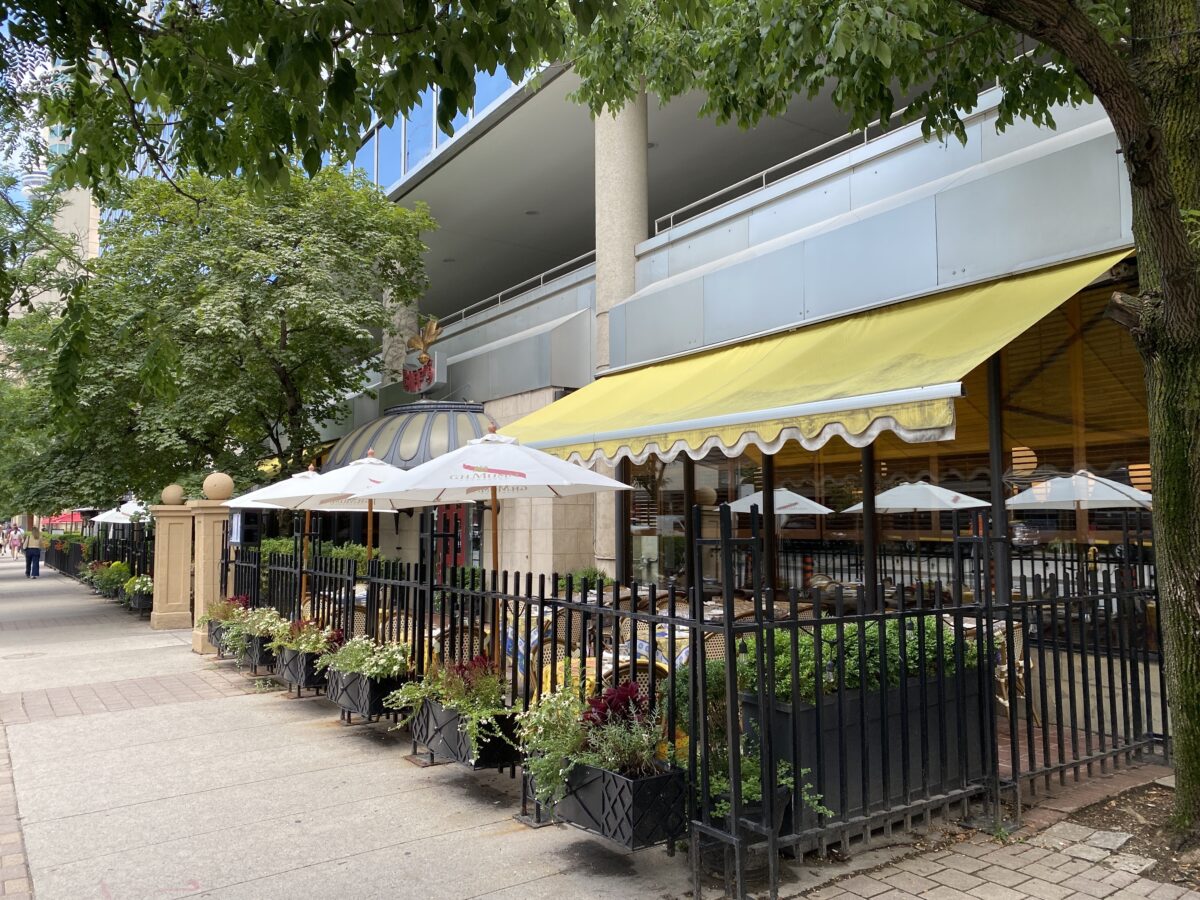
Biff’s at 33 Yonge Street (Image: Dustin Fuhs)
33 Yonge Street (Image: Dustin Fuhs)

The 13-storey building was built in 1982 and has a total square footage of about 550,000 square feet with about 40,000 square feet for retail which is about 13 units. The building is primarily office with about 200,000 square feet of availability. The anchor tenants include Altus and GWL. CIBC recently moved out of the building, vacating about 190,000 square feet.

Brandon Gorman

Brandon Gorman, Senior Vice President, Broker, Agency Retail Group, JLL, said a few smaller units of retail space are available at the building.

“We’ve got a number of smaller units available but we’re being very selective with the remaining space. This is a really great story . . . Cafe Landwer and Giuletta are two of the best operators in the city and O&B, who has been a prominent tenant at 33 Yonge for years, has multiple exciting new concepts planned for the building”

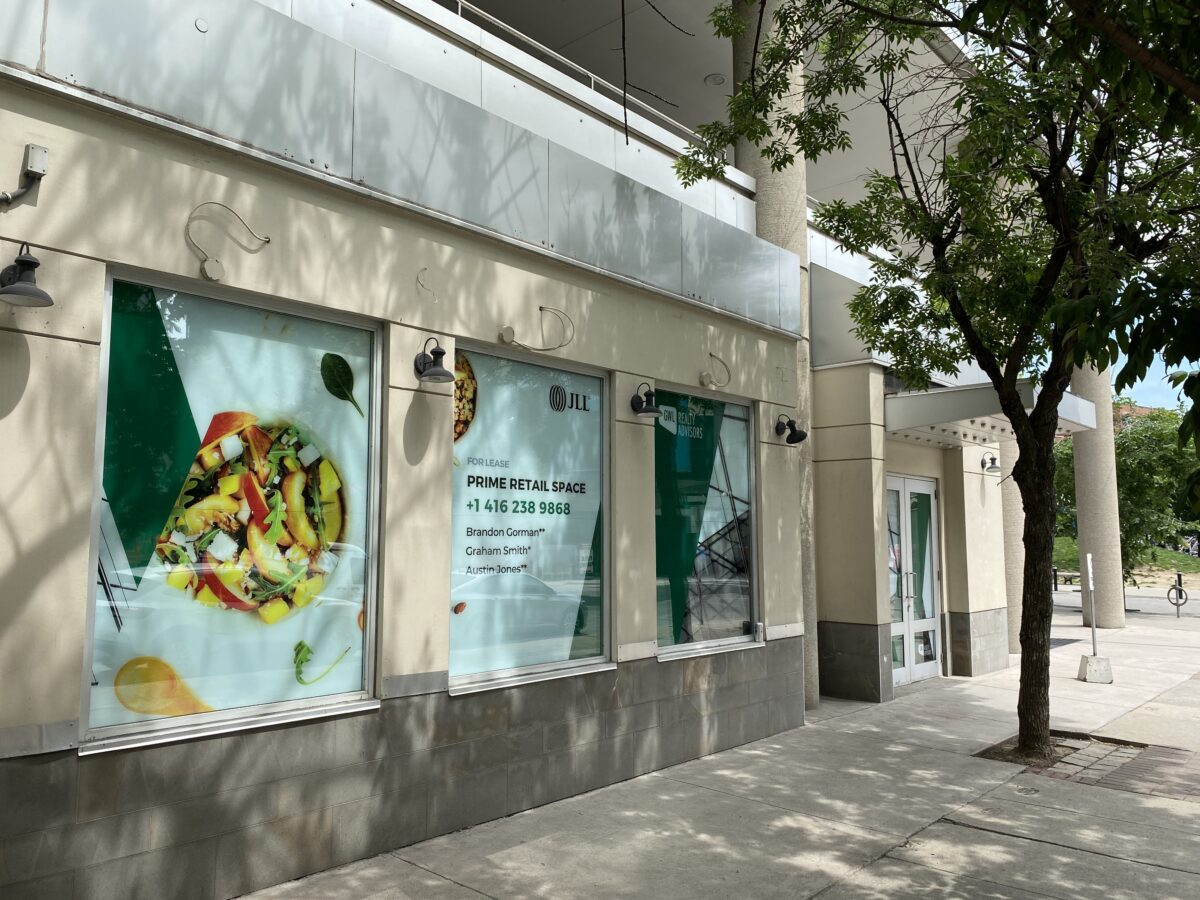
Former Fran’s Restaurant at 33 Yonge Street (Image: Dustin Fuhs)
33 Yonge Street (Image: Dustin Fuhs)

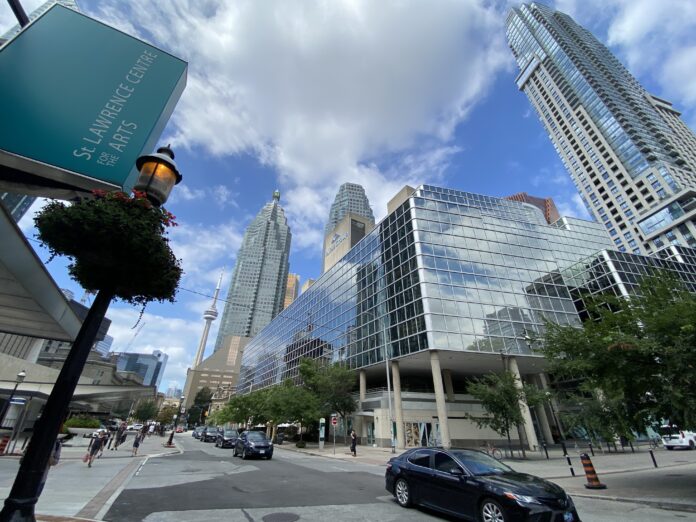
33 Yonge Street is a landmark building that connects two of Toronto’s most remarkable locations – the Financial District and the historic St. Lawrence neighbourhood. 

“We’re very excited about the new amenity offering,” said Sloan. “These restaurateurs will make 33 Yonge a restaurant destination in the financial core.”

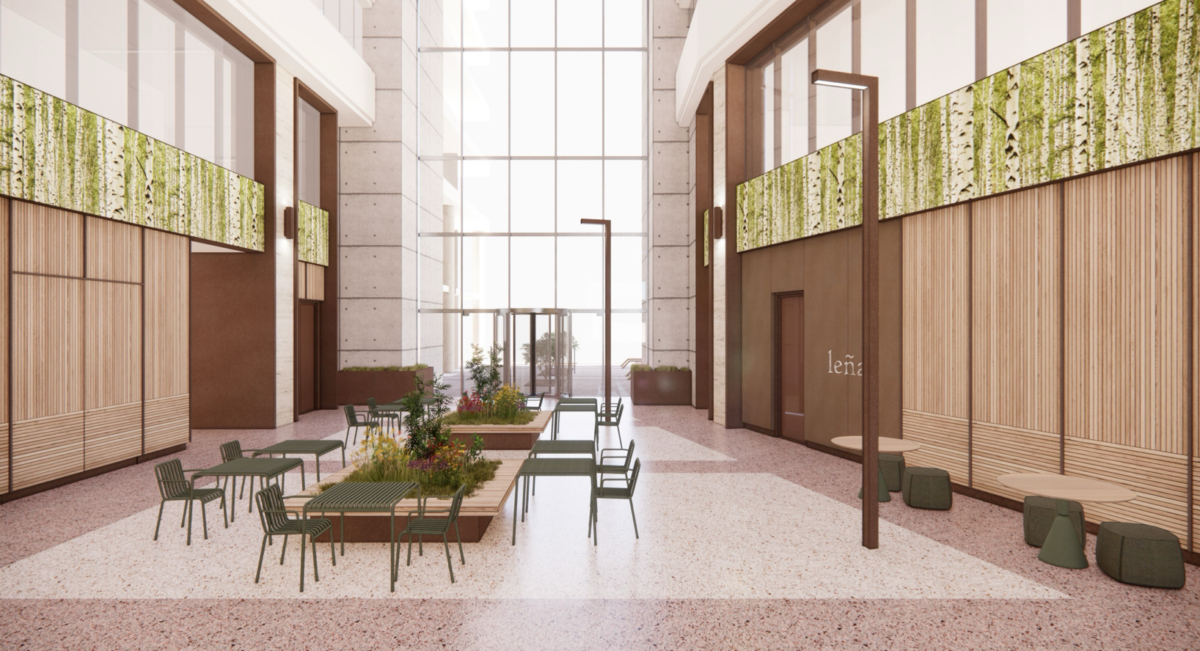
33 Yonge Street (Conceptual Rendering: GWL Realty Advisors)

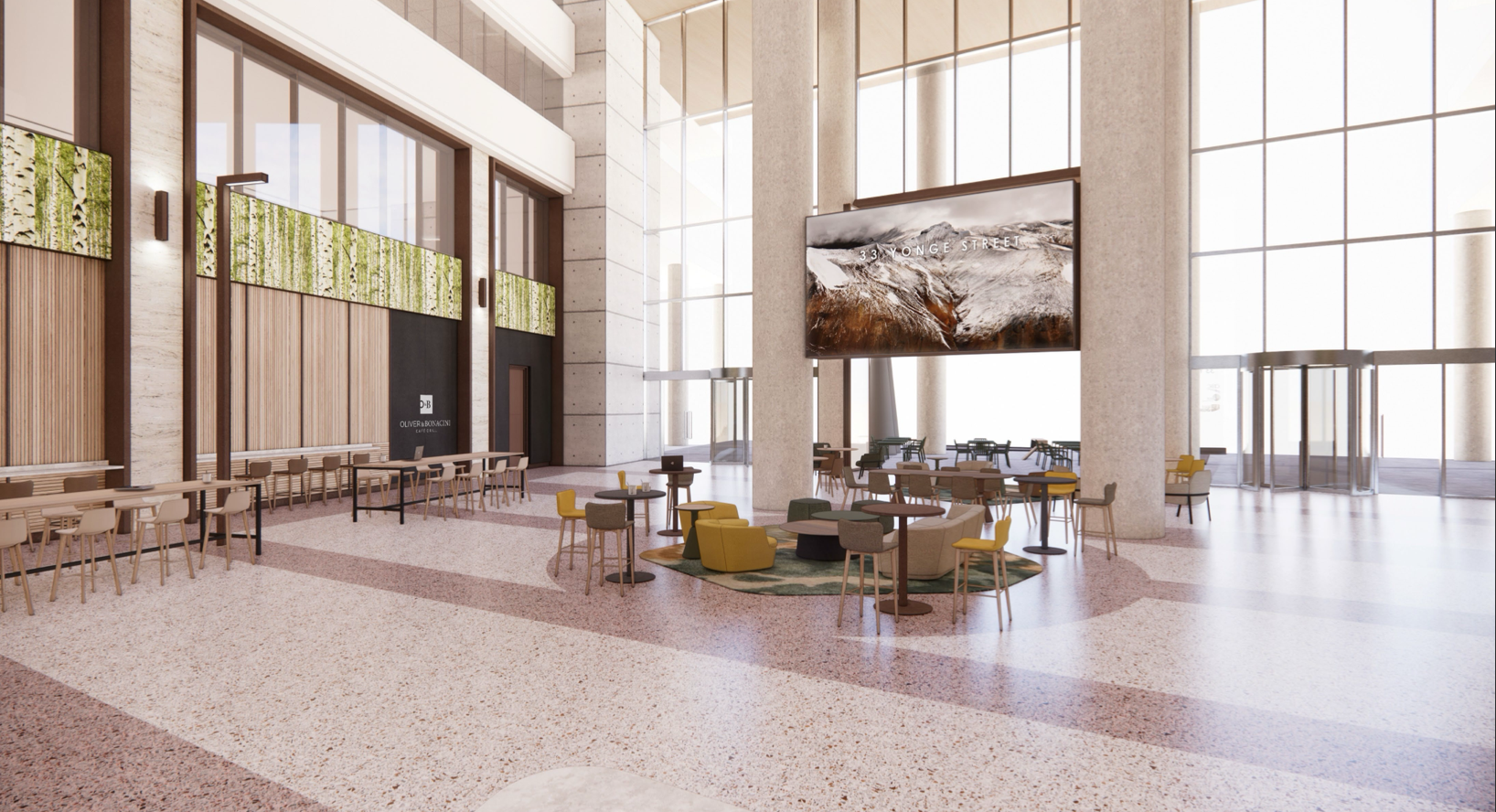
Gorman said GWL also has significant lobby renovation planned for the building.

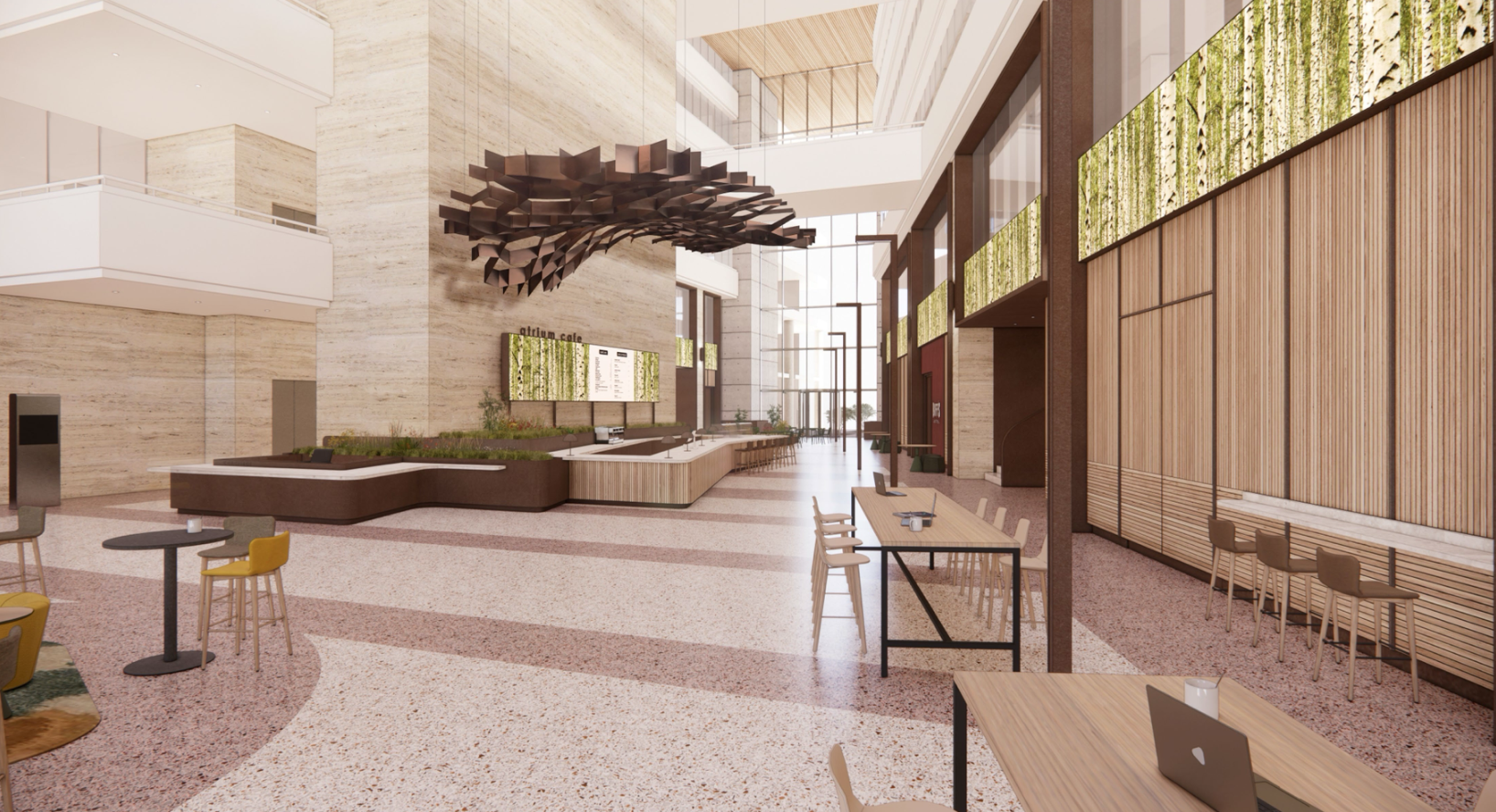
“Ownership is investing a substantial amount of capital and will be completing a significant renovation of the lobby – the renovation along with the new food and beverage offerings will completely transform the asset. By the end of next year 33 Yonge Street is going to be spectacular”

Sloan said the ownership group feels the building straddles the Financial core and the St. Lawrence market neighbourhood.

“So it’s sort of the introduction from the St. Lawrence neighbourhood to Bay Street,” he said. “We really have that unique mix of a professional office building in the core with a neighbourhood feel. It’s one of the few atrium buildings in the city. The atrium cuts the building in half and provides significant natural light to the lobby and office space.”

“It’s a very well-known and well-located building close to Union Station but it also fronts onto Berczy Park. You have this whole set of amenities East of 33 Yonge that is totally unique to being on Bay Street.”

33 Yonge Street (Conceptual Rendering: GWL Realty Advisors)
33 Yonge Street (Image: GWL Realty Advisors/JLL)

“We have this unique opportunity to reset the retail and invest money into the lobby in order to take the amenities to a whole new level. The idea here is we’re repositioning the retail for the building to appeal to our customer and we really think of our customer as being our office tenant.”

The Hockey Hall of Fame is situated directly across the street.

Walmart Canada Launches Subscription-Based Free Next-Day Delivery in Fight for Consumer Loyalty: Interviews

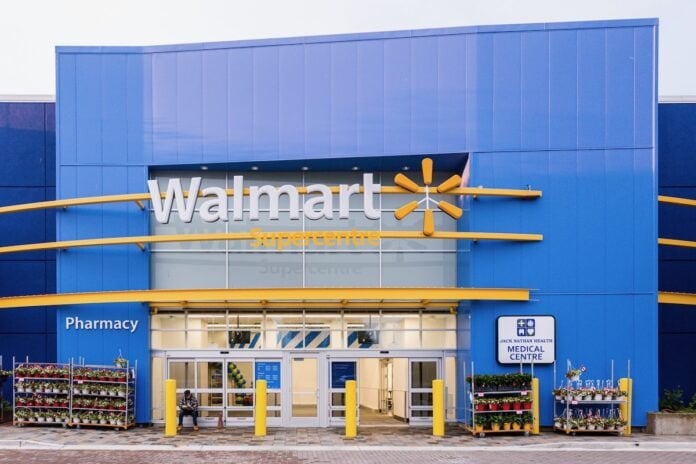
Walmart Canada at Hillside Shopping Centre in Victoria, BC (Image: Walmart Canada)

Walmart Canada has launched Delivery Pass, offering customers access to unlimited, free next-day delivery on thousands of items for less than $2 per week.

The subscription program includes free next-day delivery and discounted same-day and express delivery from stores; a competitive price of $8.97 monthly or $89 per year to access unlimited delivery; and an opportunity for consumers to spend less time shopping in-store with groceries and more delivered right to their door. 

Laurent Duray

“Canadians don’t have to choose between fast, convenient delivery and our everyday low prices. We’re transforming our omnichannel offering to better serve Canadians, aiming to build the most efficient, consistent and affordable way to shop in Canada,” said Laurent Duray, Chief E-commerce Officer, Walmart Canada. “Delivery Pass is going to be a gamechanger for Canadians by giving them the products they need, when and how they want them, at the best prices.”

Image: Walmart Canada Delivery Pass

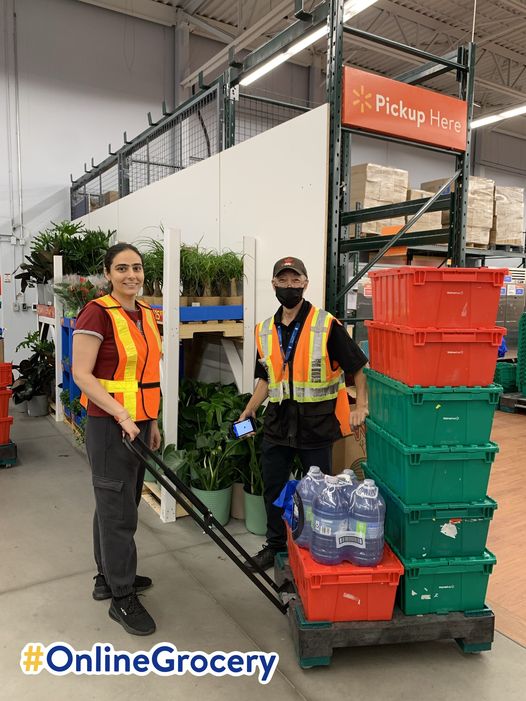
Amanda Shoalts, Senior Manager, Store Fulfilled Strategy, Walmart Canada, said the Delivery Pass is very simple to use. A time for delivery is booked that is convenient for the customer, items to be purchased are added to checkout and delivery fees are waived. 

Amanda Shoalts

She said the Delivery Pass is currently available for purchase through the Walmart app. Once the Delivery Pass is purchased customers can place orders on either the Walmart app or on walmart.ca.

“We know that customers are really busy and always looking for ways to save both time and money,” said Shoalts. “So we were really trying to find a way to hook up with saving time and money for either a monthly or an annual fee. Our mission is to build the most convenient, fast and omnichannel experience. We identified a way we could provide our customers with access to unlimited free next-day delivery on thousands of items for less than $2 a week through Delivery Pass.”

She said Delivery Pass will be a “game-changer” for Canadians, giving them the products that they need when and how they are looking for them at the best price.

Today, it’s available to customers in the Greater Ottawa Area and the Greater Toronto Area.

“We’re excited to continue to roll out the Delivery Pass across the country,” added Shoalts.

“We’re committed to rolling Delivery Pass out across the country over the coming weeks and months to provide Canadians across the country with access to an additional way to save time and money with Walmart.”

Image: Walmart Canada

Walmart says the Delivery Pass includes more than 65,000 items, including groceries and general merchandise.

Ignacio Baladrón

“Not only will our customers save money when shopping with Walmart Canada, they can now spend less time shopping in-store with groceries and more delivered right to their doors from our stores. We’re unlocking access to unlimited, free next-day delivery on items including groceries, electronics and toys, at a low price they can afford,” said Ignacio Baladron, Vice President, Omnichannel Operations, Walmart Canada. “We’re excited to launch today and already have ambitious plans to evolve the program and unlock new features. Delivery Pass is just getting started!”

Walmart Canada operates a chain of more than 400 stores nationwide serving 1.5 million customers each day. Its online store is visited by more than 1.5 million customers daily.

Huntsville-Based Wolfe Co. Expands with New Store, Wholesale Program, and Upcoming Sister Brand [Interview]

Image: Wolfe Co.

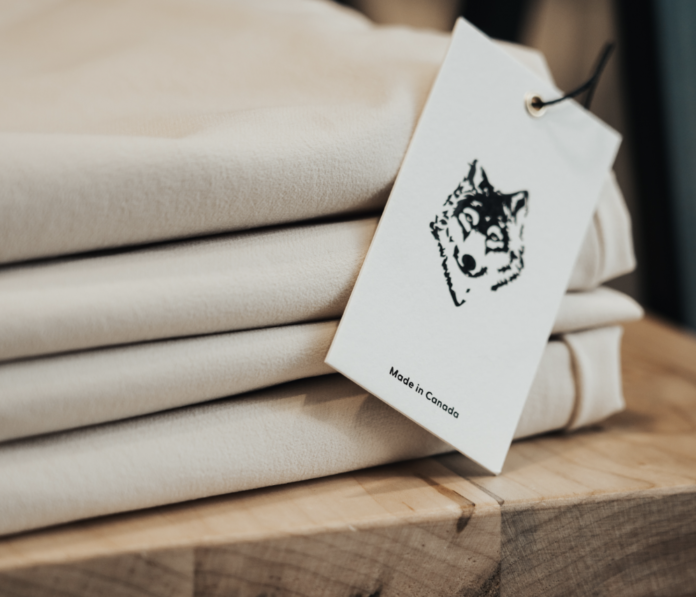
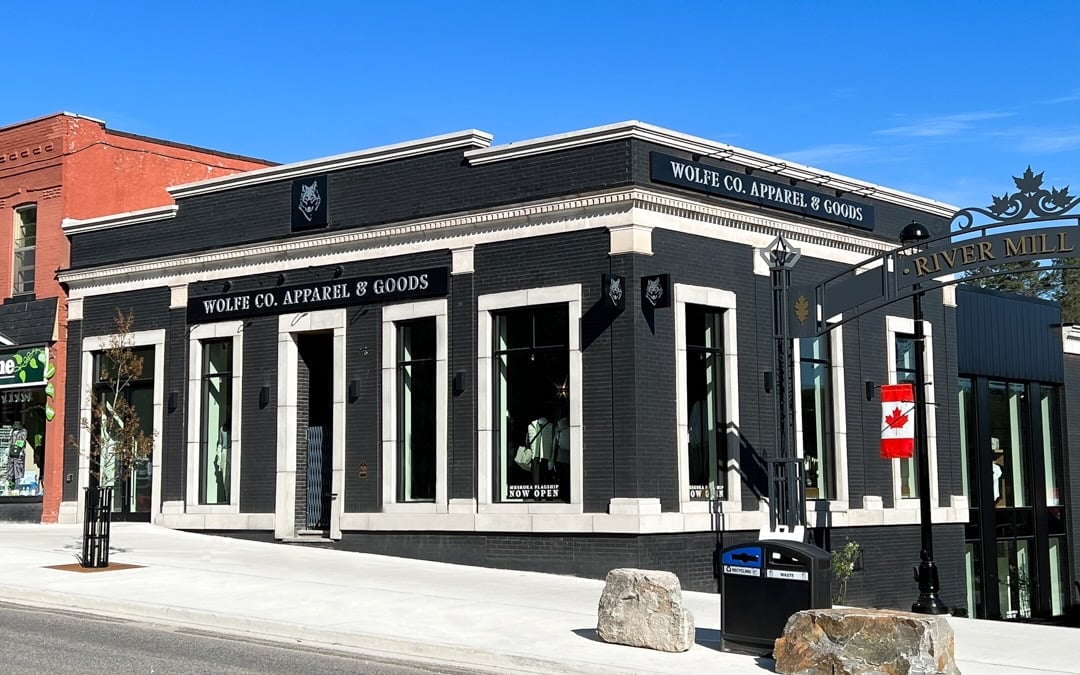
Canadian based clothing brand, Wolfe Co., is going to be adding more locations in Canada, has a new wholesale program, and is in the process of developing a new sister brand.

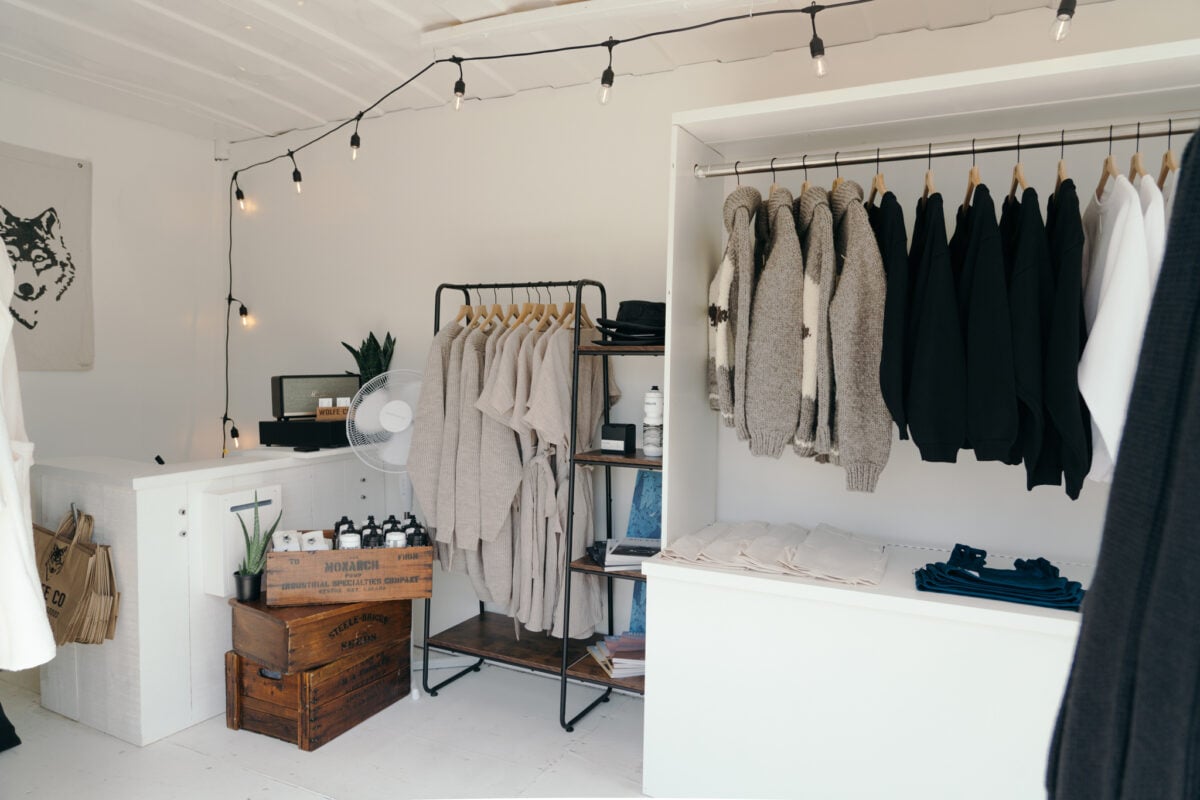
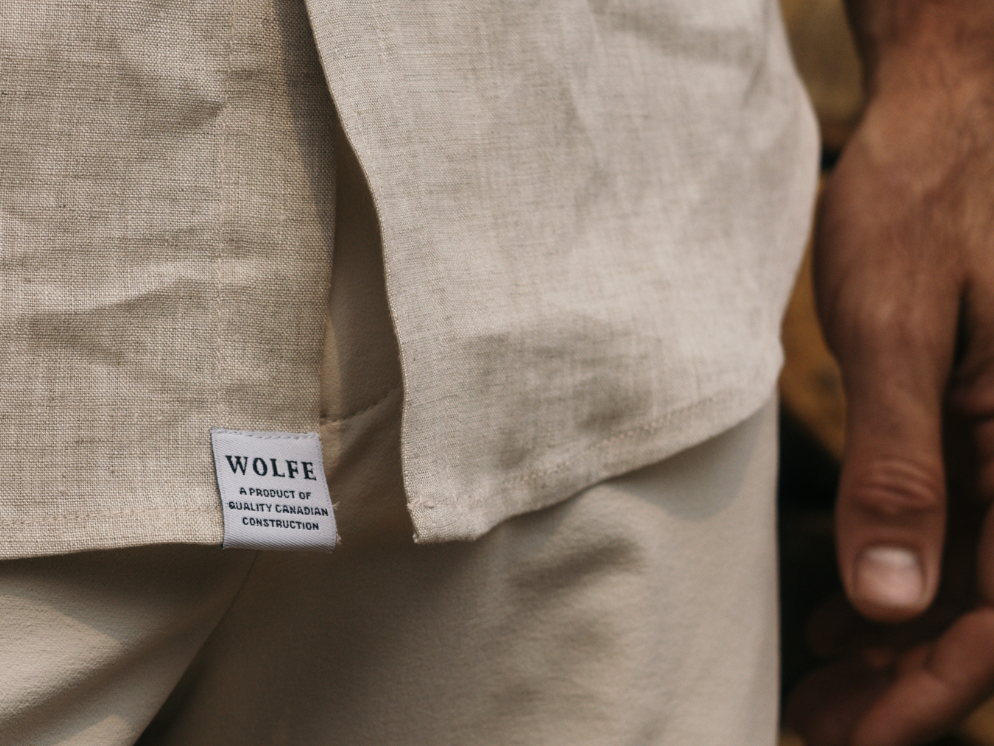
The brand opened its first flagship store in 2021 in Huntsville. Consumers can find a variety of Canadian made products and Brit Powell, the founder and CEO of Wolfe Co., designs all products and has them made in Toronto or Vancouver. Everything from the stitches to the labels are made in Canada as staying local is important to the brand. Consumers can find a variety of clothing options for men, women, and children.

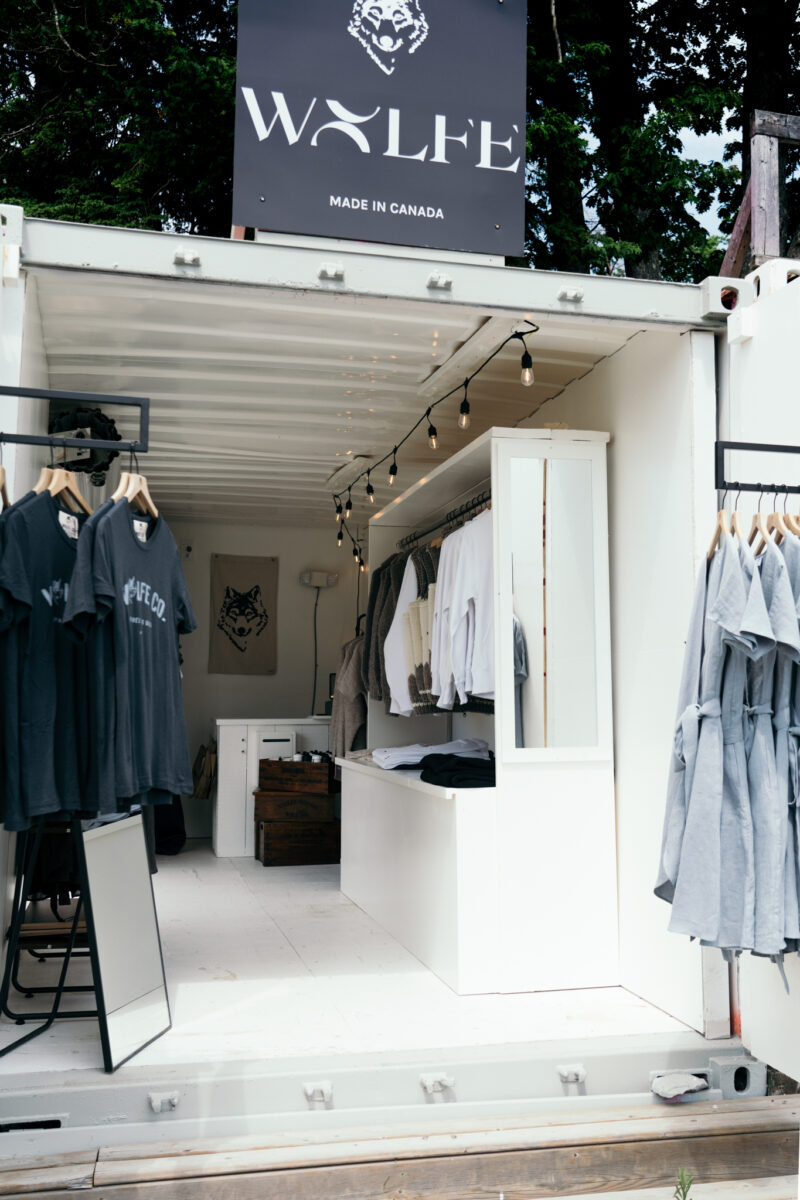
Almost two years after opening the flagship location in Huntsville, Powell has opened a second location in Muskoka in Minett, but as a pop-up location. The seasonal location is 400 square feet and opened last month and will remain open until Labour Day. Consumers can find its “newest and hottest” products.

Image: Wolfe Co.
Image: Wolfe Co.

“This year I jumped on opening another location and it has been exciting. It is nice to expand because as much as it is still in Muskoka – Muskoka is still a big place and there are a lot of cottagers. Muskoka’s Summer Experts, puts on a pop up village in two of their locations. They have Minett and they also have Port Carling. They basically have a collection of shipping containers that you can rent out for the summer season and it really took off a few years ago,” says Powell.

Along with the brand, Powell says consumers can find other retailers such as Waxon, Lululemon, Roots, and more.

New Wholesale Program Coming Soon

Image: Wolfe Co.

A few years ago, Powell said the company tried opening a wholesale program; however, due to the demand of being a small business – Powell had to put the brakes on. Fast forward to today, and Powell is ready to open the program across Canada and internationally.

“It was difficult as a startup to maintain a wholesale program in addition to trying to sell directly to consumers online and in-store. So we decided to dial it back and just focus on ourselves for a while, but now everything is pretty settled and we have a good collection of items that are here to stay now. So, we started building applications to retail stores across Canada and internationally and there has already been some interest, so it is exciting.”

Powell said she has been focused on Ontario for the past few years, and now she would like to move beyond, and now with the wholesale program she can expand. The program has already received applications from California, the West Coast of Canada, Ontario, and more are starting to roll in.

The earliest consumers will be able to see retailers carry its products will be Spring of 2024. Powell said she would like to see retailers in Toronto, Halifax, Victoria, and Vancouver carrying her products so she is keeping her eyes open for locations. Instead of big box stores, Powell said she is looking for independent retailers.

“We are looking for more independent small to medium sized retailers. We do not really want to get into big box stores at all. It just does not fit with the aesthetic or the brand’s values. So we are looking at stores that typically stock local, sustainable, and ethically produced high end brands – that is what we are going after.”

Powell said she decided to open the wholesale program as it is a perfect way to expand the brands presence without having to put any of their own resources into it.

Upcoming Sister Brand

Image: Wolfe Co Apparel (38 Main Street East. Huntsville, ON)

“Still fairly confidential, but what I can say is right now we are working on a sister brand for Wolfe Co. and the first few products are already in production – so we should be seeing that in the very near future.”

Powell said the sister brand will be focusing on menswear and a couple of the products will be available this upcoming Fall. The new brand will be focusing on using a lot of natural fibers, will be “very rugged in the same way that Wolf Co is already, but will be a lot earthier, neutral, and will have a lot of wool and linen cotton.”

The sister brand will have its own website and digital presence, but until those are ready, Powell said they will be rolling out the new products on the Wolfe Co. website.

Expansion Plans

Image: Wolfe Co.

Within the next five years, Powell says she is looking at expanding by adding a few more locations – either permanent or pop-up locations.

One pop-up location Powell says she is working on will be in Toronto.

“We are working on the possibility of another short term pop-up location in Toronto later in 2023, but I have not finalized any details yet. We have a lot of people up in Huntsville who are from the GTA, so it just makes sense to meet them where they are and try to see what our success would be like in a bigger city like Toronto.”

Powell says the pop-up location would be around November during the holiday season. As for other locations, Powell said she is keeping an eye out for locations in Nova Scotia and British Columbia.

Powell, along with nine other women, won the Visa grant for IFundWomen. This is the fifth year of the organization and Powell said the top ten recipients from 3,500 applicants across Canada, received grants of $10,000. The winners also receive memberships to different business organizations across Canada and a one year mentorship program through York University.

“It was a shock for sure. They held a big networking event, had an entrepreneurship panel, and a big catered party last week in Toronto, so it was very exciting. We got to showcase all of our products and connect with Visa executives so it was a great opportunity and has driven a lot of attention to the brand.”

L.L.Bean Expanding into Quebec Market with 2 Stores, Launching French Language Website for Canada [Interview]

L.L. Bean at Amazing Brentwood (Image: Shape Properties)

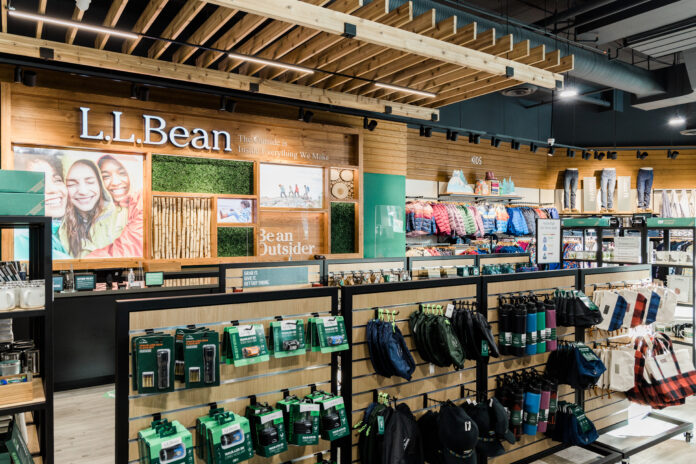
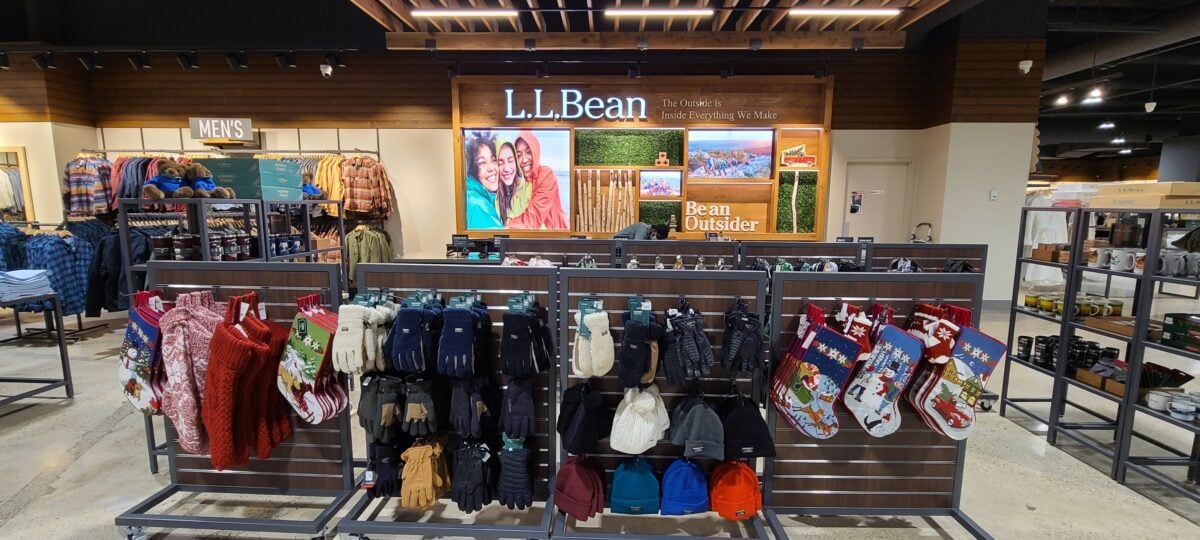
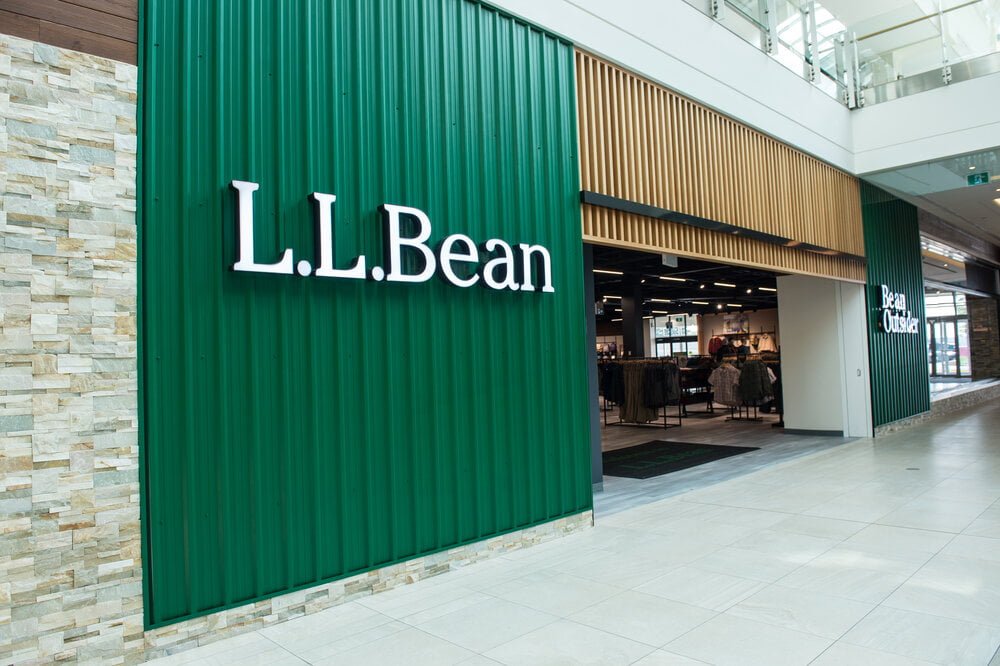
L.L.Bean, the iconic, Maine-based outdoor retailer specializing in quality and durable outdoor gear and apparel, is opening its first two Quebec locations: Saint-Bruno-de-Montarville and Boisbriand.

L.L.Bean is also launching a French version of its website for its customers in Quebec and across Canada. In advance of the launch, customers can visit www.llbean.ca/Quebec for more details. 

Stephen Smith

“It’s an honour for L.L.Bean to be able to expand into Quebec and bring the L.L.Bean shopping experience to our Quebecois customers. We are also excited to reach new outdoor enthusiasts via our retail presence and our new French language website. We are looking forward to enabling everyone to enjoy the restorative power of being outside,” said Stephen Smith, President and CEO, L.L.Bean.

With 18,000 square feet of floor space, the Saint-Bruno-de-Montarville store, located at CF Promenades St-Bruno, will be ready for August 25. The Boisbriand location, in the heart of the Faubourg, will open its retail space of 11,500 square feet on September 29.

L.L.Bean at West Edmonton Mall (Image: Christopher Lui)

Charlie Bruder, Vice-President and General Manager of International & Wholesale at L.L.Bean, said the brand’s purpose is to inspire and enable people to experience the restorative power of being outside. 

Charlie Bruder

“So we really want to create those connections with the outdoors and as we think about Quebec, it is a great match for our purpose,” said Bruder. “We think about the green spaces, the parks, the mountains, the access to all those fantastic outdoor activities that are so restorative, it just felt like a perfect coupling.

“We’ve been serving the market through our website and have seen great growth there. Our business in Quebec through our website has doubled over the course of the past four years. For us, that was a great indicator that we’re really ready to create some physical presence in the market. That ultimately is what led us to the timing of now.

“Both are going to be in malls in outdoor lifestyle centre locations. Historically, we’ve seen those kind of more suburban locations, the ones that are a little bit on the outskirts, they tend to be the gateway to the outdoors and they’re places that people are traveling through as they’re going outside. They’re easily accessible. As we were doing our research we found an incredibly strong demographic fit for the brand. That’s what led us to those locations specifically.”

Exterior of L.L.Bean first Canadian store at Oakville Place. Photo: George Pimentel

Bruder said the retailer sees more potential growth in Quebec.

“With these two stores and continued momentum in our direct business, we’re going to look to re-double our business in Quebec in the near term here. We’re very excited in the tremendous potential in the Quebec market,” he said.

The company said the two new stores will ensure a coast-to-coast presence in Canada for the company. 

Wayne Drummond

“Since launching L.L.Bean in Canada five years ago, the brand has been actively expanding its physical presence in every major city from coast to coast. We’re delighted with the positive response and are excited to continue our growth with the opening of two new stores in Quebec, in Saint-Bruno-de-Montarville in August and Boisbriand later this fall. The addition of these new stores allows us to continue serving outdoor adventure enthusiasts in Quebec by providing them with quality clothing and equipment for their outdoor activities,” said Wayne Drummond, President, Jaytex Group. Drummond was president of Hudson’s Bay stores until last year when he retired from the company after 34 years.        

L.L.Bean has 110 years of history and nearly 100 stores around the world, including 13 in Canada operated by Canadian licensing partner Jaytex Group.

Image: L.L.Bean (Ottawa Train Yards)

In addition to apparel and outerwear, the company also offers travel, hiking and camping equipment, footwear, and home and pet products. Outdoor enthusiasts will find everything they need.

“We are going to continue to strategically assess opportunities (in Canada) but we want to continue to grow our store footprint in partnership. We actually work with a fantastic partner who licenses our brand and operates our stores up in Canada – Jaytex Group out of Toronto. And they do a fantastic job and have been awesome partners and they’ve been constantly looking very opportunistically at the market for where would be a good fit,” said Bruder. 

L.L.Bean, Inc. is a leading multichannel merchant of quality outdoor gear and apparel. Founded in 1912 by Leon Leonwood Bean, the company began as a one-room operation selling a single product, the Maine Hunting Shoe. Still family owned, Shawn Gorman, great grandson of Leon Leonwood Bean, was named Chairman of the Board of Directors in 2013. 

L.L.Bean operates 56 stores in the U.S and 25 stores in Japan, and has 13 licensed retail store locations in Canada. The 220,000-square-foot  L.L.Bean retail store campus in Freeport, ME, is open 24 hours a day, 365 days a year and welcomes more than three million visitors every year. 

McArthurGlen Outlet Mall Near Vancouver Thrives with Double-Digit Visitor Surge Amidst Growing Domestic Tourism in 2023 [Interview]

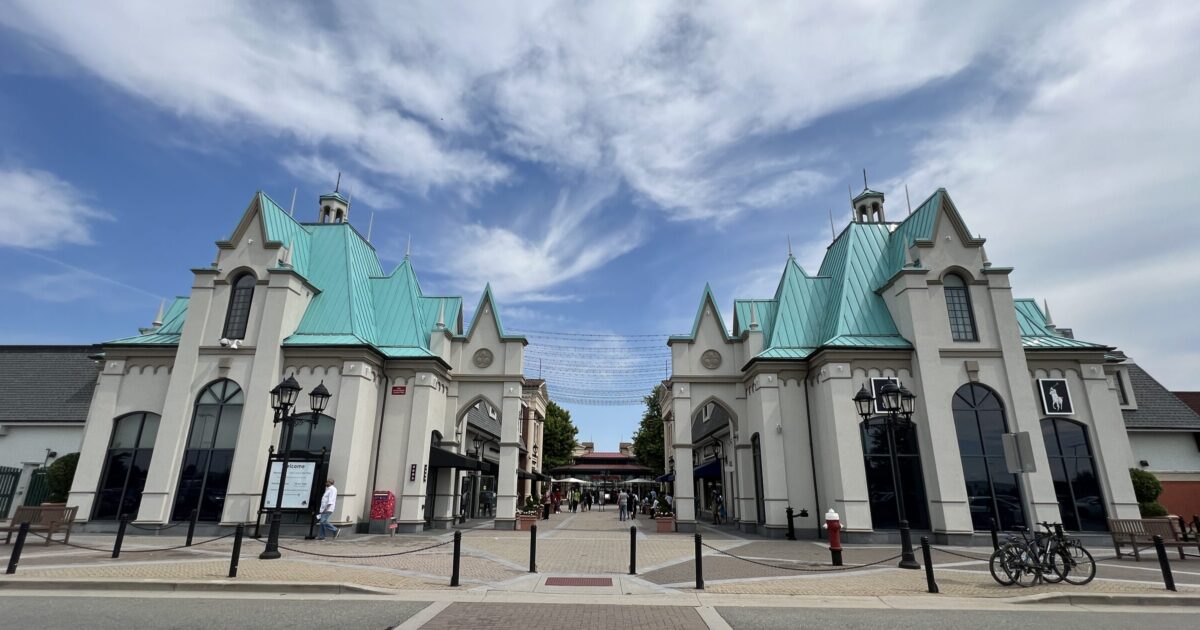
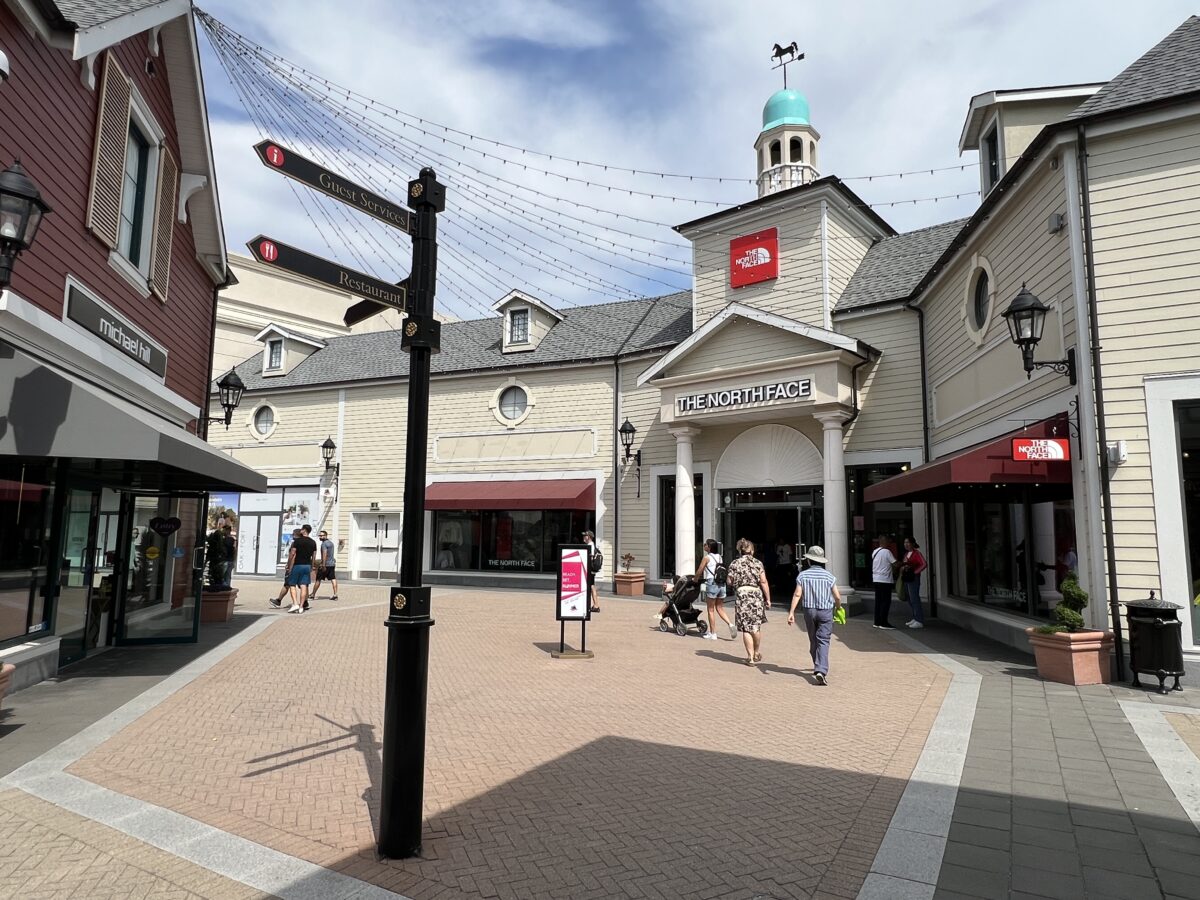
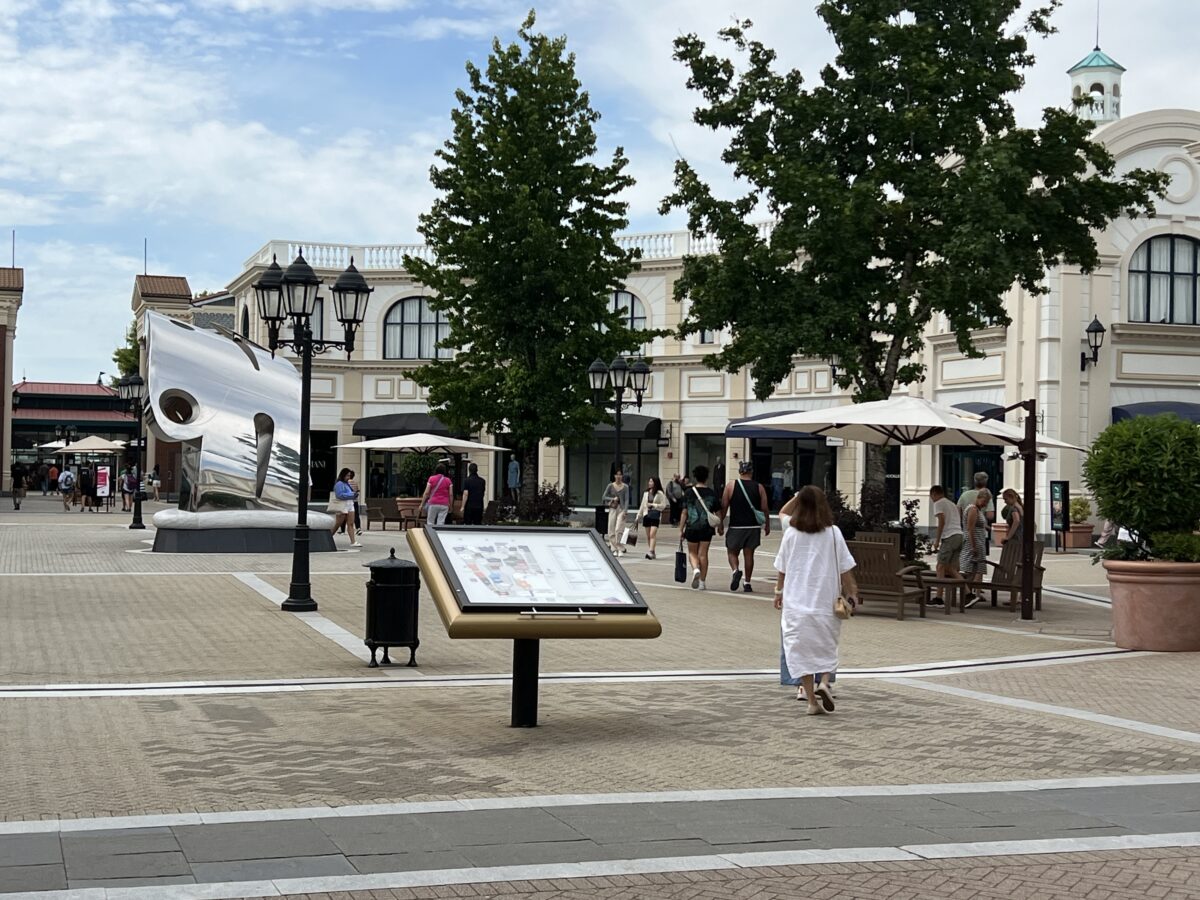
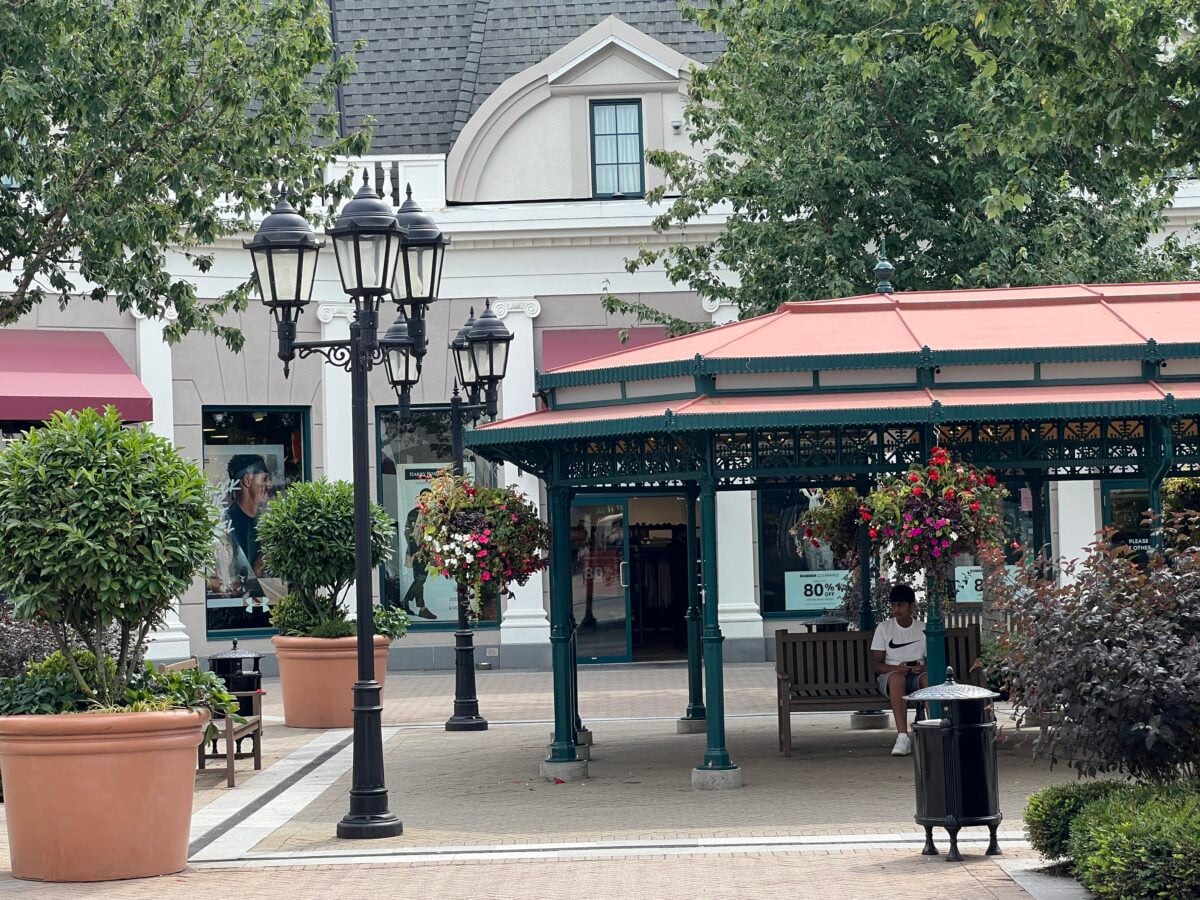
McArthurGlen Designer Outlet in July 2023. Photo: Lee Rivett.

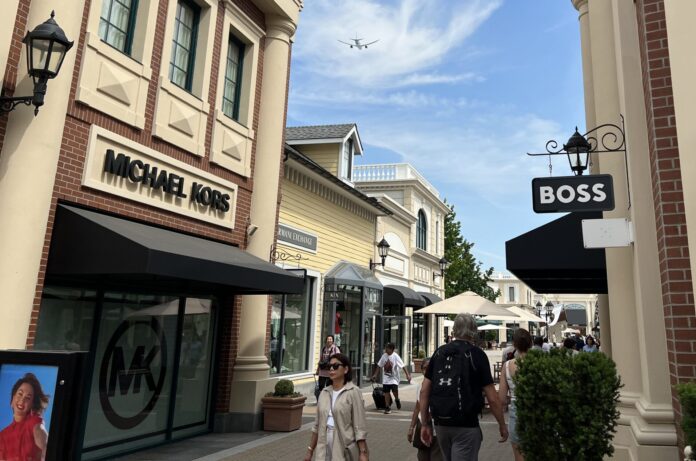
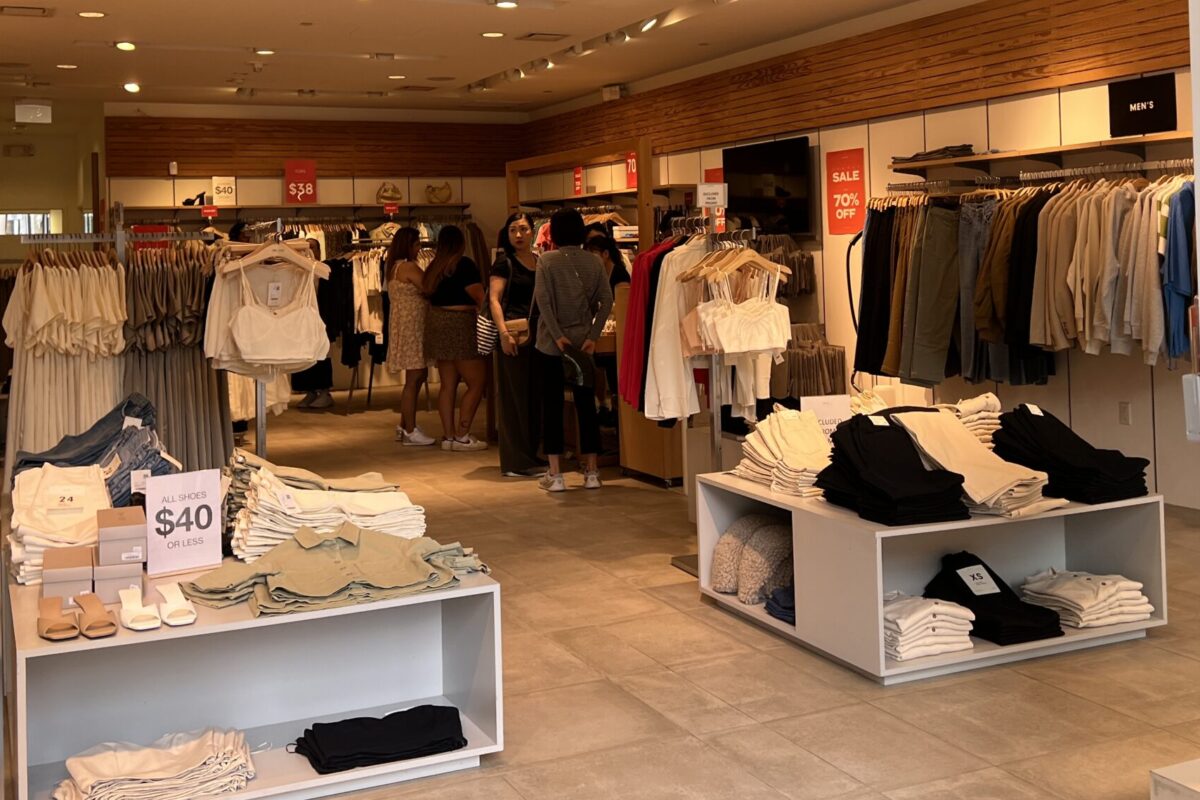
McArthurGlen Designer Outlet Vancouver has experienced an 18 per cent increase in visitor numbers over last year (year to date), and an impressive 11 per cent visitor increase when compared to pre-pandemic levels in 2019.

Local foot traffic has remained high, with a strong 70 per cent of shoppers being local visitors, a 10 per cent increase from pre-pandemic levels. 

Robert Thurlow

Robert Thurlow, General Manager of the shopping centre, said 2023 has been a very strong year for the shopping centre. 

“Actually from a footfall and numbers point of view, what we’re looking at is we’ve been trending high double-digit growth compared to last year, 2022 .   . . Toward the end of last year, we were already achieving and we had already regained and kind of come back to pre-COVID numbers last year in 2022. It was a very successful year,” he said.

“But we were continuing to add on to that throughout this year. So we’re seeing nice double-digit increases compared even back to 2019 which was of course for anybody in the retail business that was their high water mark.”

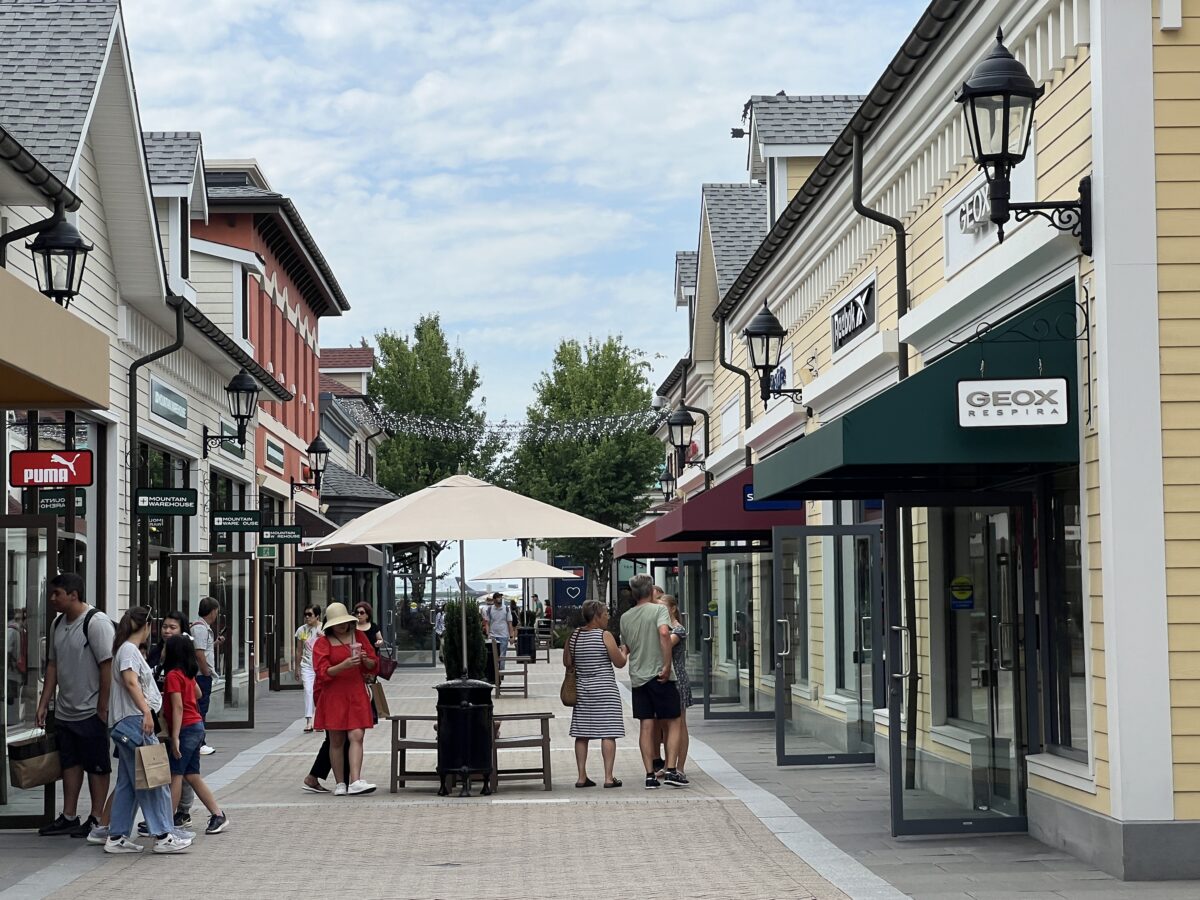
McArthurGlen Designer Outlet in July 2023. Photo: Lee Rivett.

While cross-border shopping has slowed down, McArthurGlen has seen a positive increase in domestic shoppers.

A recent report by Statistics Canada said tourism spending in Canada grew 2.6 per cent in the first quarter of this year, due to an increase of 3.5 per cent in domestic tourism spending by Canadian residents. 

The benefits of shopping and traveling close to home attracted a growing number of shoppers, making up a larger percentage of visitors than ever before.

McArthurGlen has seen strong domestic tourism from Ontario, Alberta and Quebec.

“What’s interesting is that domestic visitors is actually 15 per cent higher than it was in 2019,” said Thurlow. “We’re seeing people in really strong numbers who are coming out here who maybe would have decided to maybe do a European vacation or maybe go to the Caribbean.

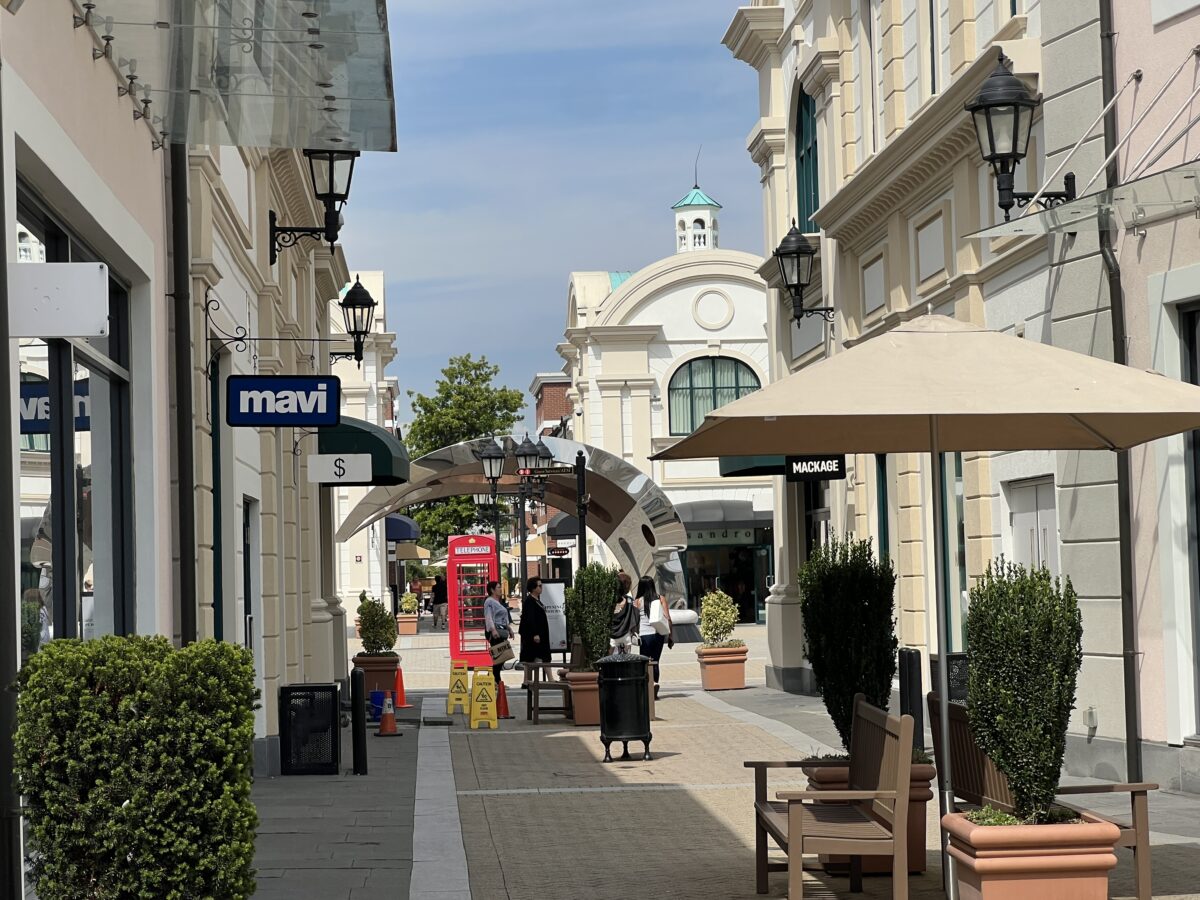
McArthurGlen Designer Outlet in July 2023. Photo: Lee Rivett.

“But obviously with interest rates being very high and airfare being very expensive, especially to foreign destinations, we’re seeing a lot of those people maybe change their plans and deciding well you know I don’t want to spend $10,000 going to Europe, I’ll spend $5,000 and stay in Canada.”

The shopping centre now features more than 80 designer brands, 10 cafes and restaurants, a playground, and a variety of annual family-friendly events. 

In 2022, traffic was up 29.8 per cent from 2021 and just over 30 per cent up in sales.

Caffe Artigiano at McArthurGlen Designer Outlet in July 2023. Photo: Lee Rivett.
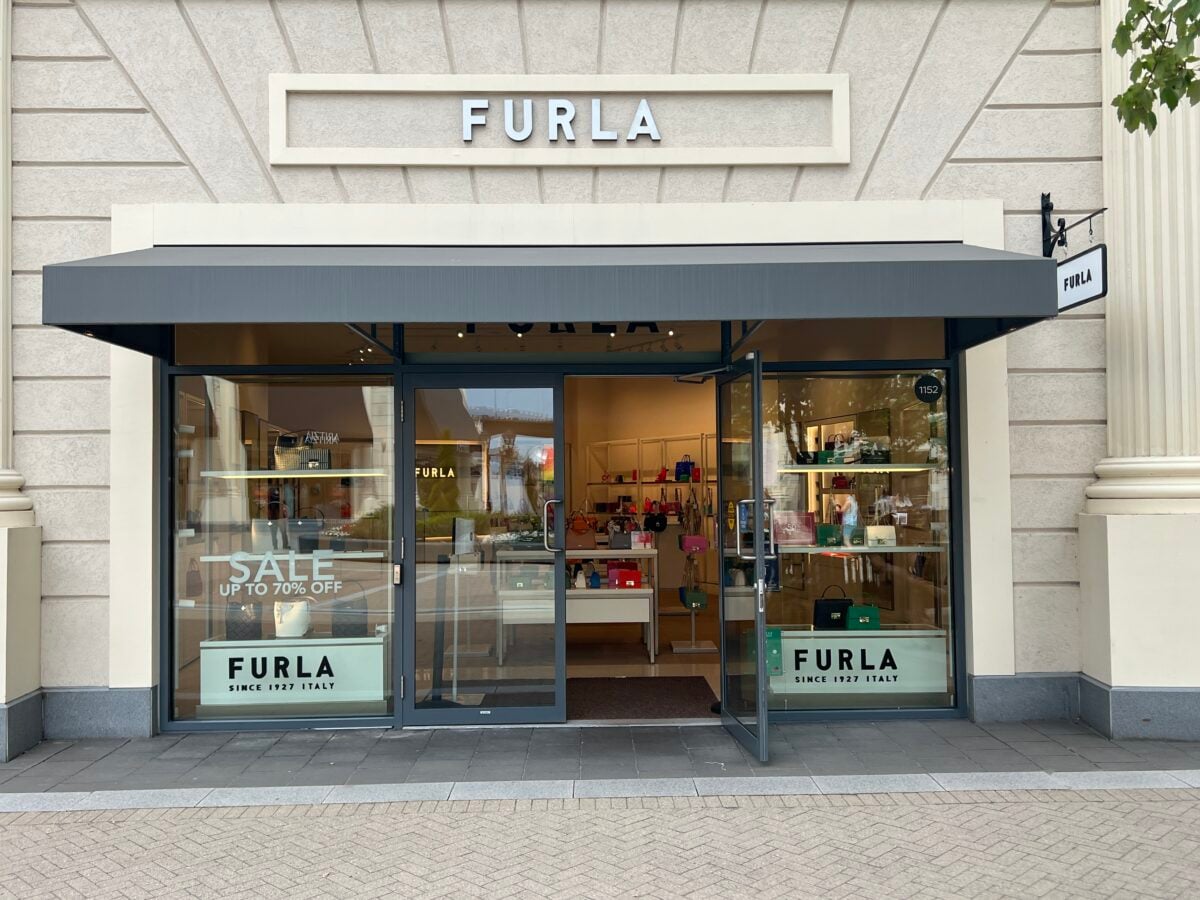
Furla at McArthurGlen Designer Outlet in July 2023. Photo: Lee Rivett.
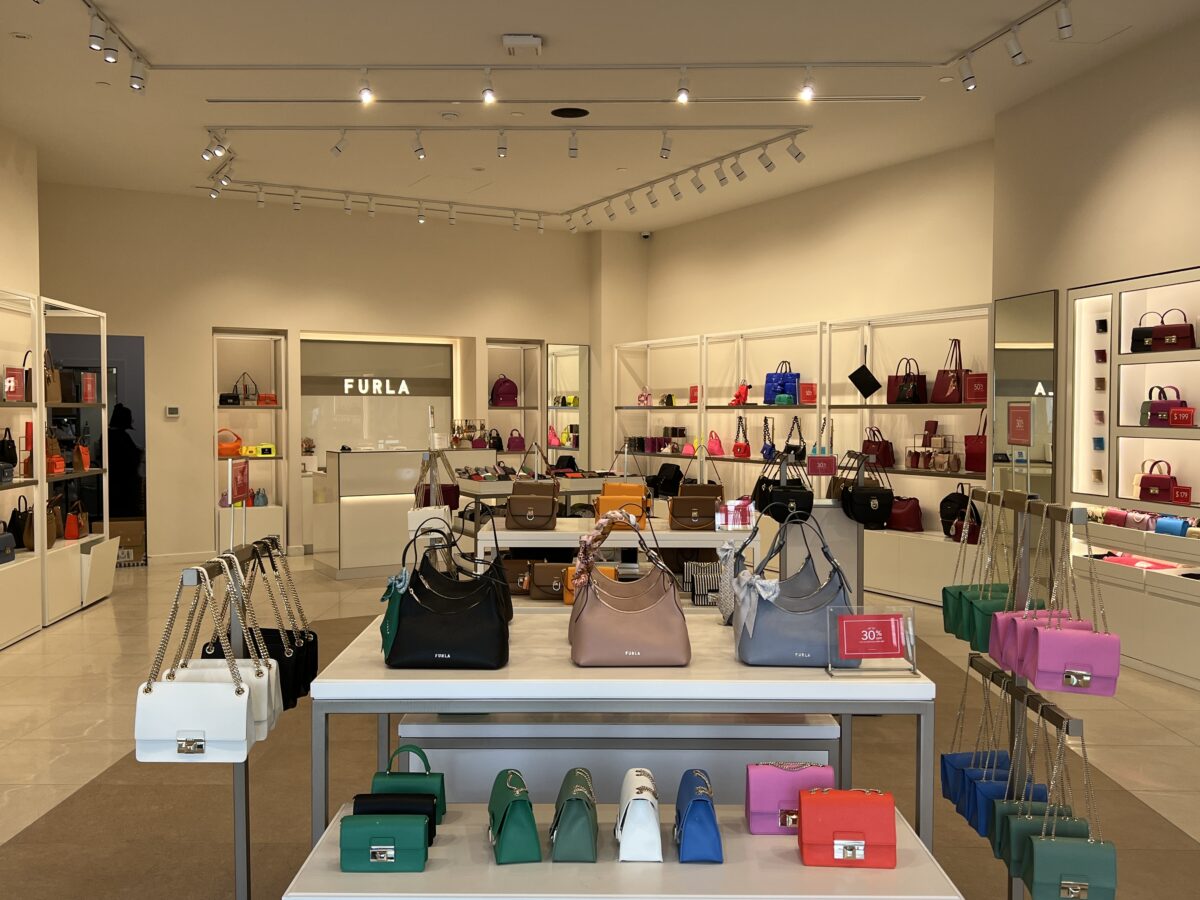
Interior of Furla at McArthurGlen Designer Outlet in July 2023. Photo: Lee Rivett.
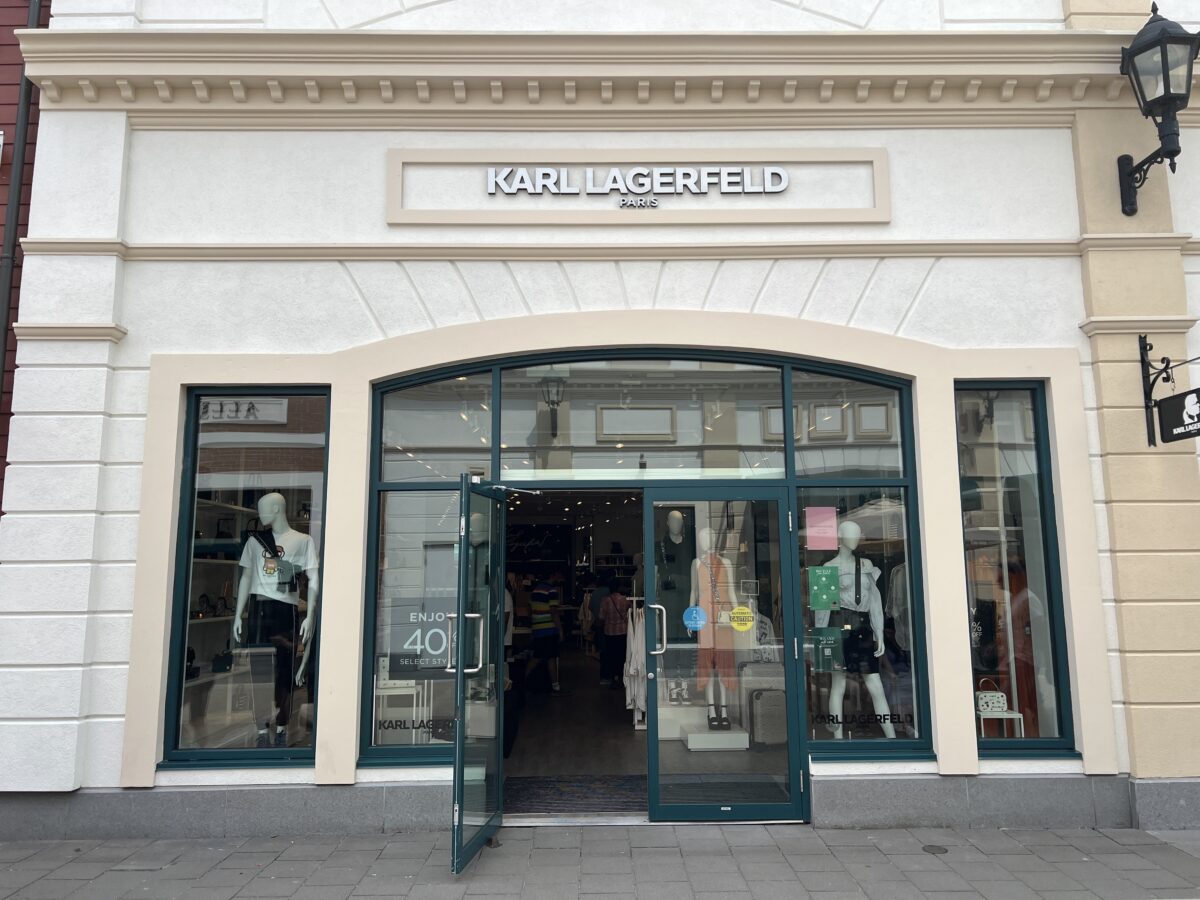
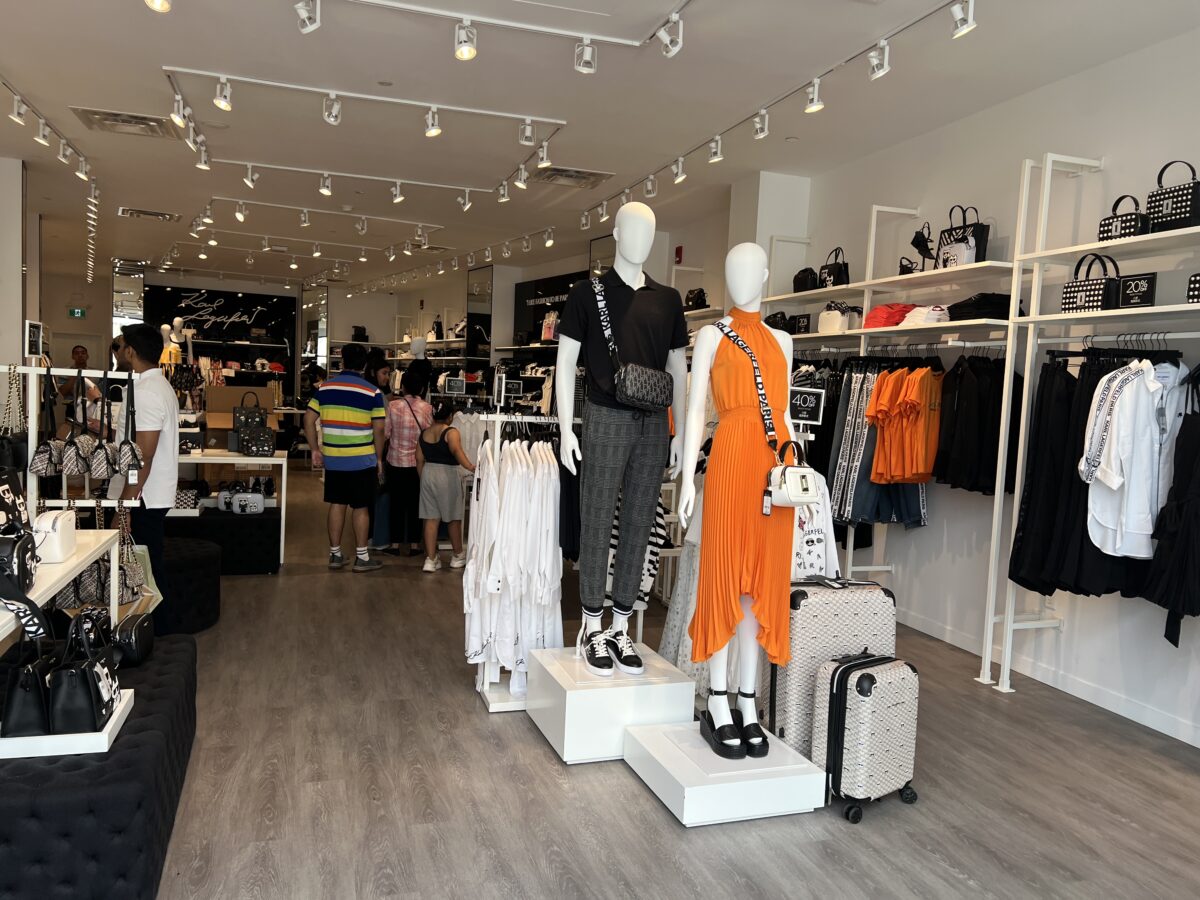
Karl Lagerfeld at McArthurGlen Designer Outlet in July 2023. Photo: Lee Rivett.
Interior of Karl Lagerfeld at McArthurGlen Designer Outlet in July 2023. Photo: Lee Rivett.

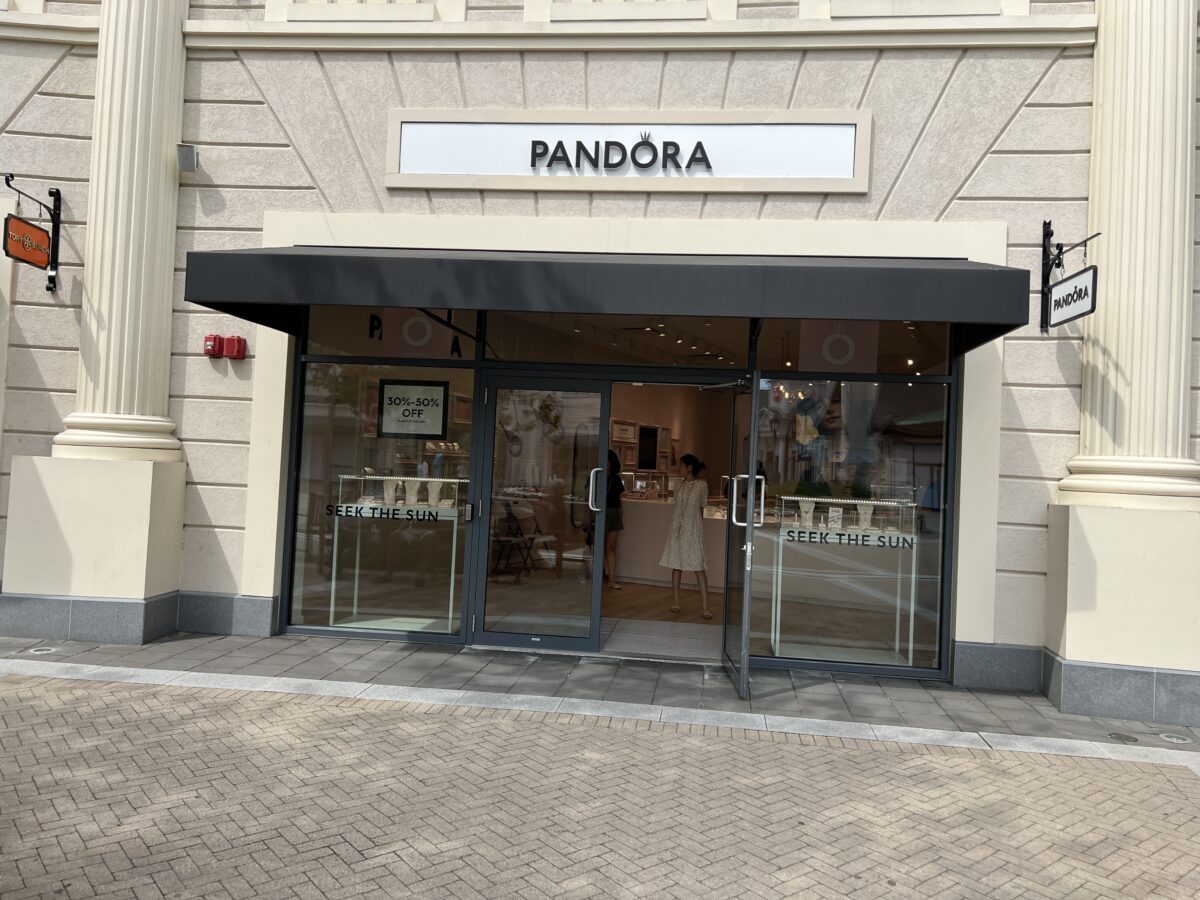
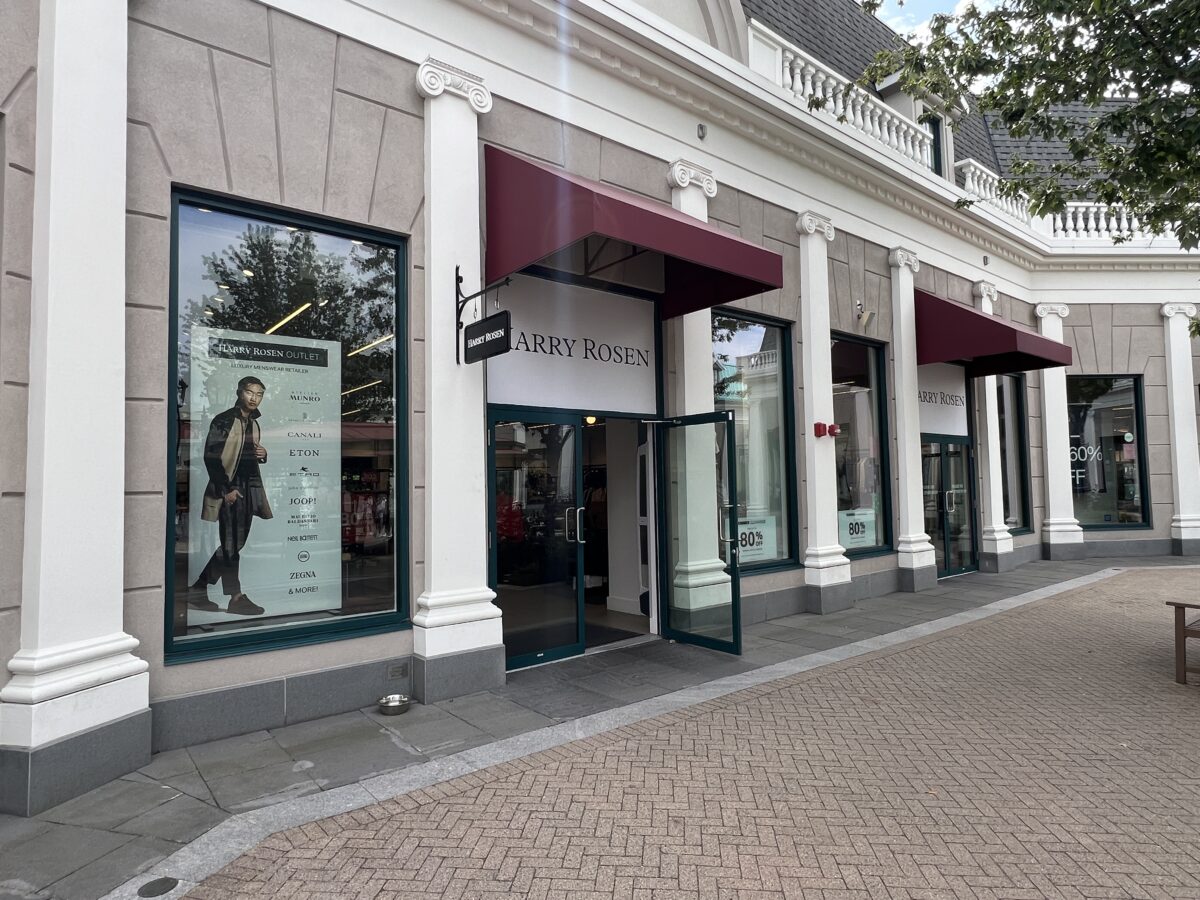
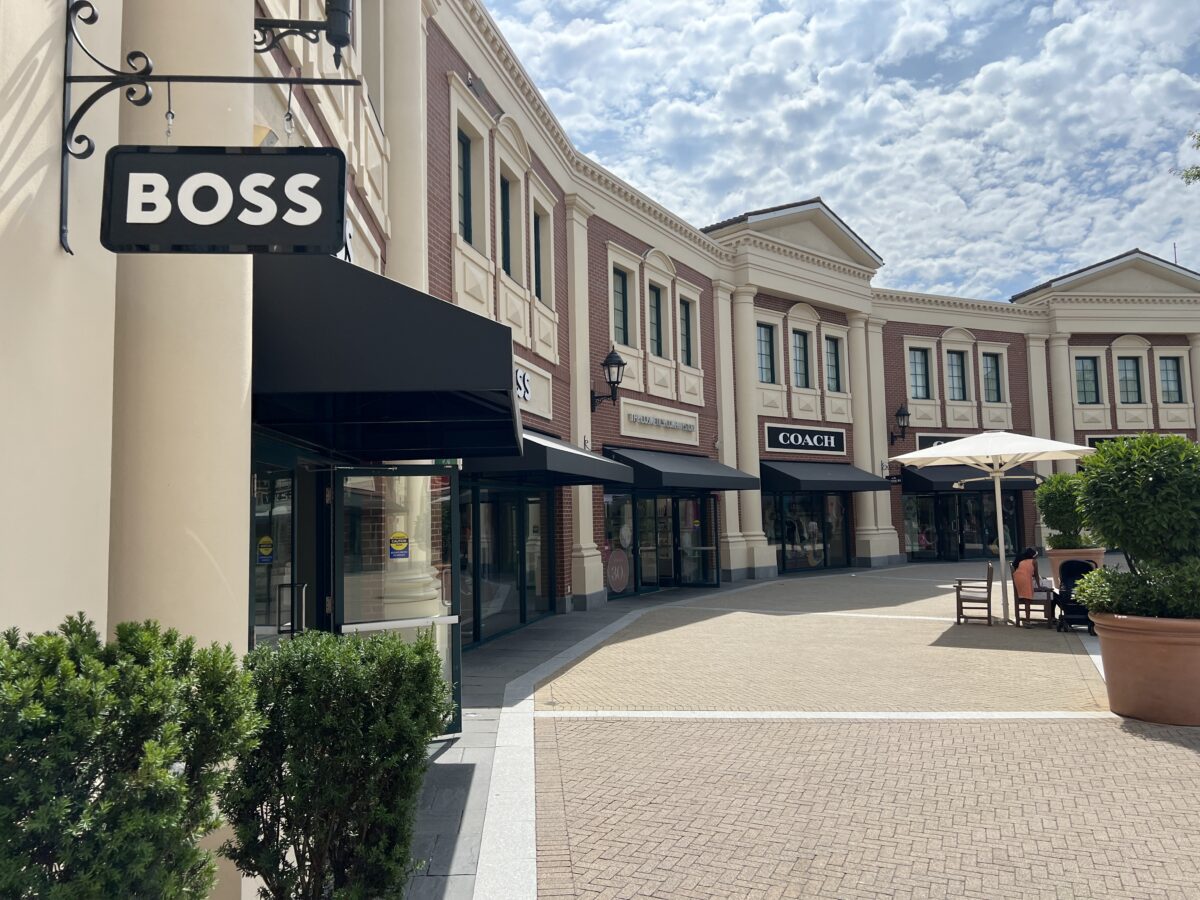
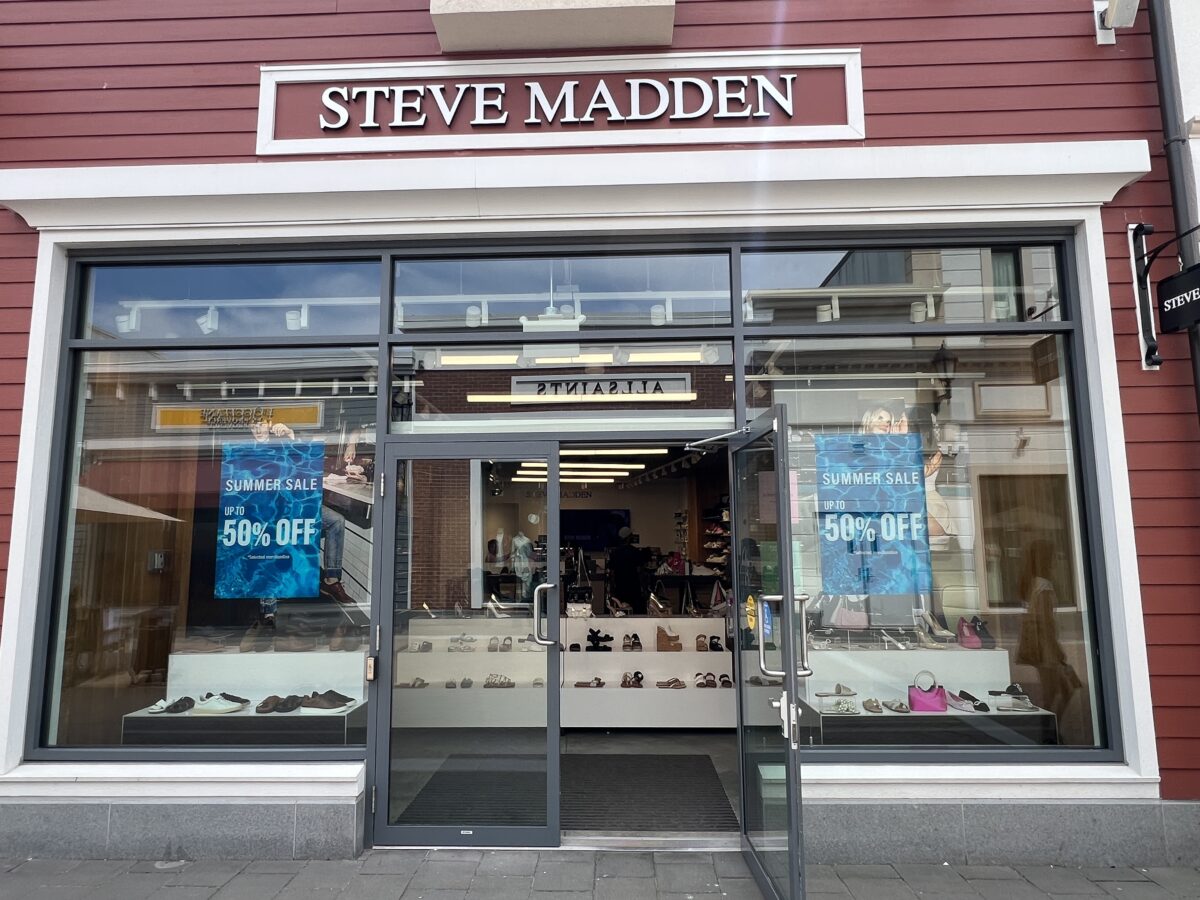
In 2022, the centre opened seven new stores – Furla, Karl Lagerfeld, Pandora, Harry Rosen, Browns, Steve Madden and Castella Cheesecake.

The second phase of McArthurGlen was opened just a few months before the pandemic struck in March 2020.

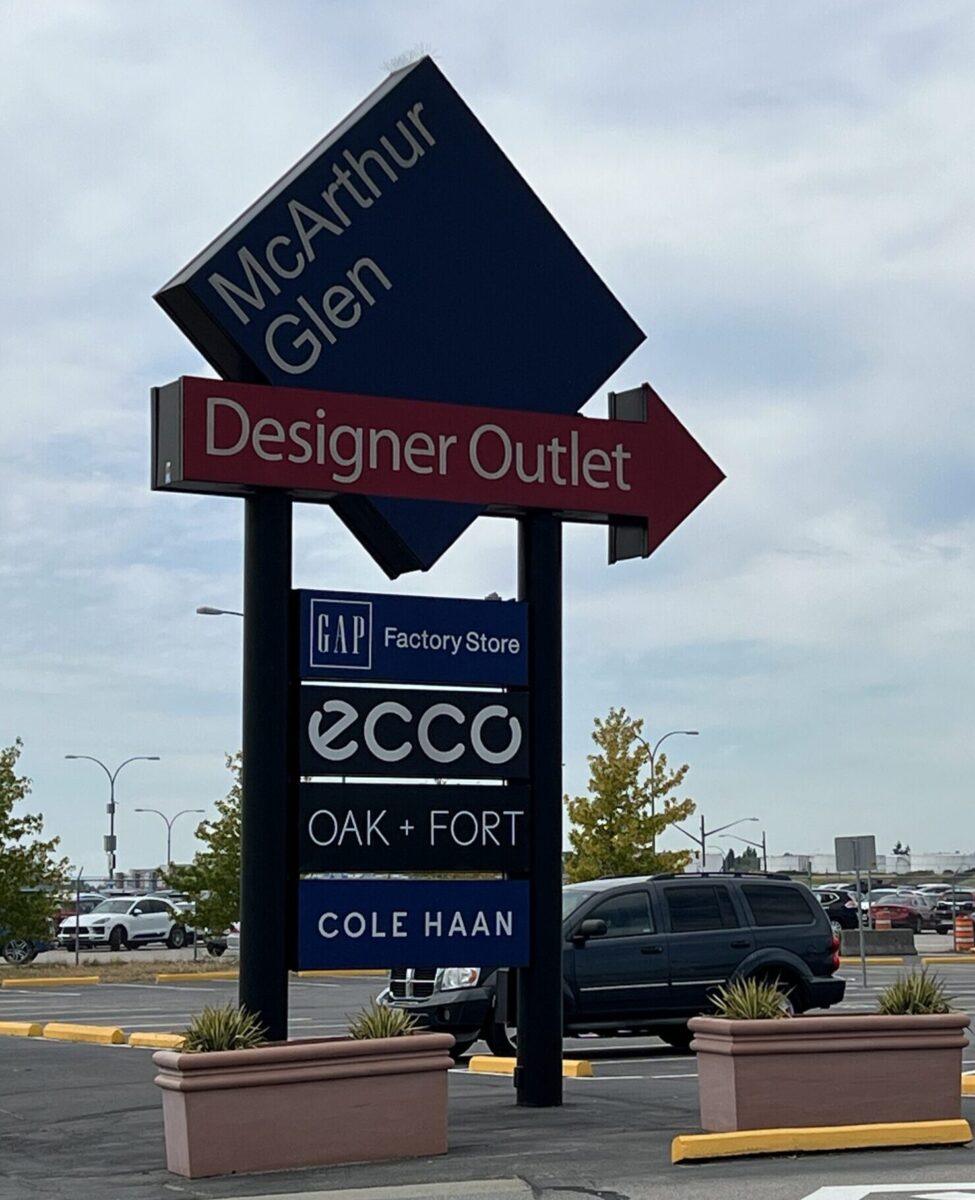
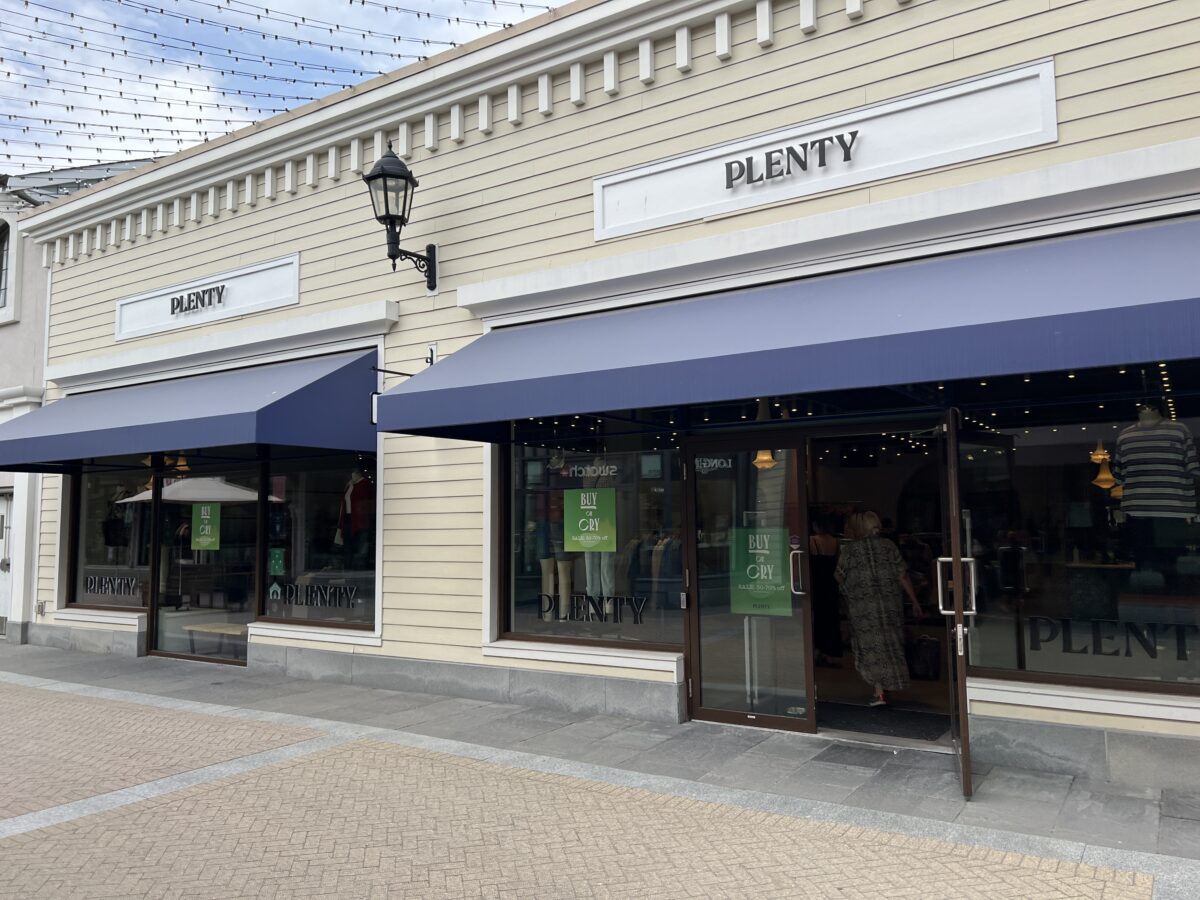
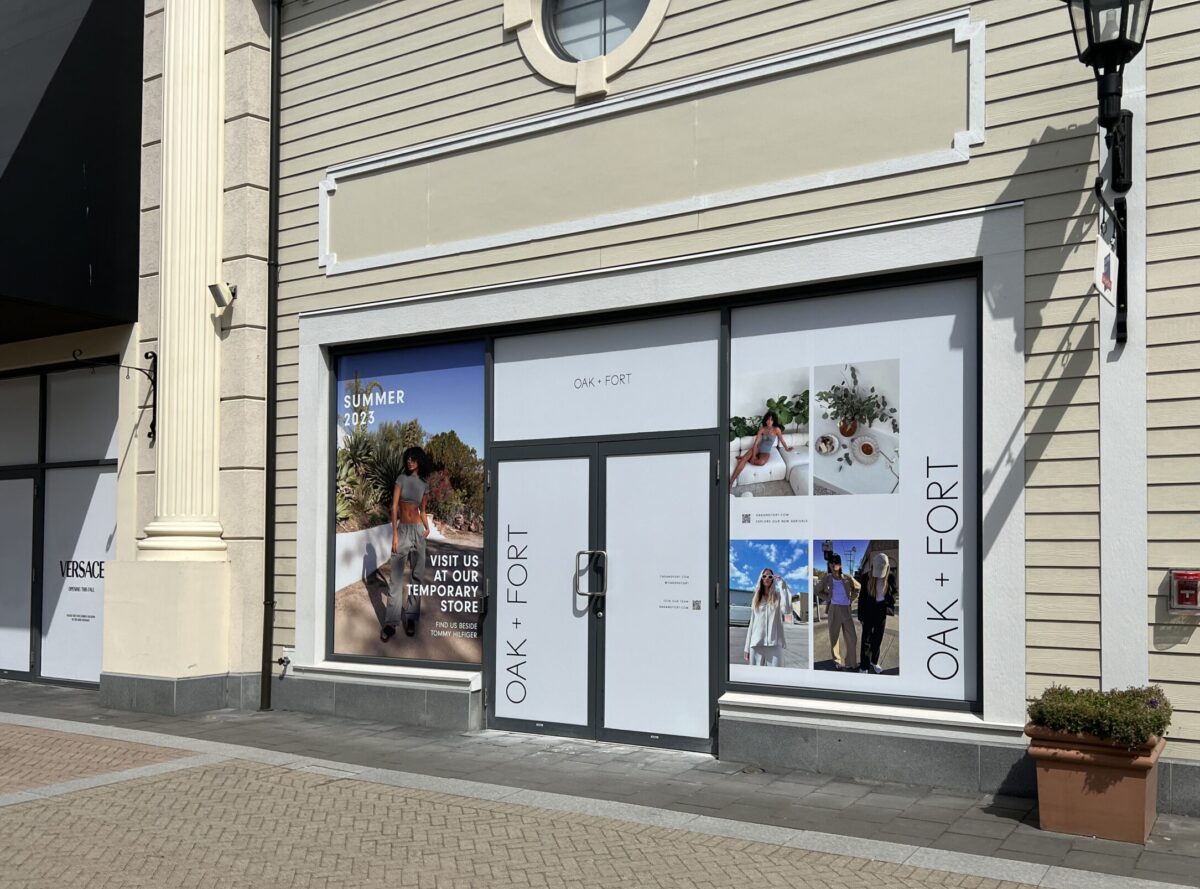
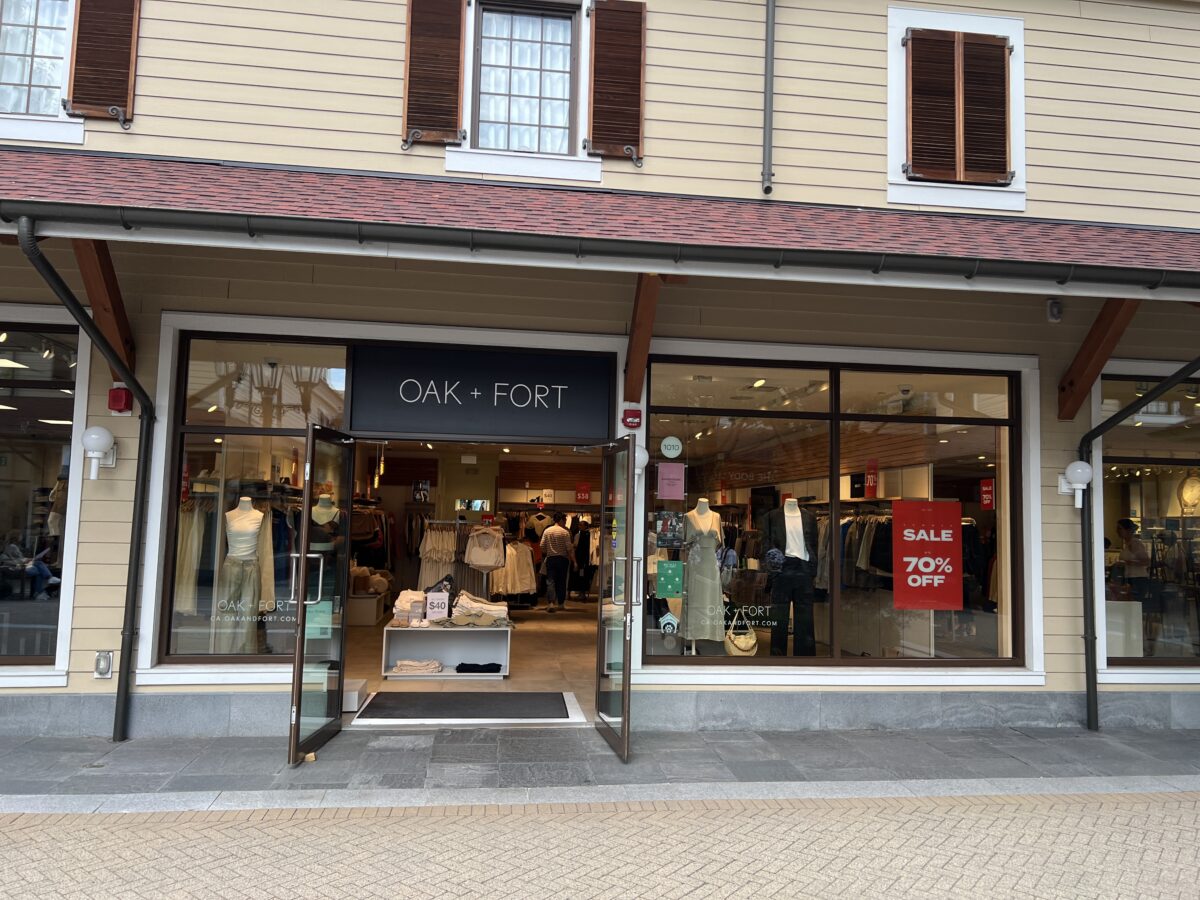
Thurlow said a new Plenty store has opened recently at the shopping centre as well as a permanent Moose Knuckles location. Oak & Fort will be opening a new permanent location later in the year as well as the introduction of Psycho Bunny. 

McArthurGlen Designer Outlet in July 2023. Photo: Lee Rivett.
Pandora at McArthurGlen Designer Outlet in July 2023. Photo: Lee Rivett.
Harry Rosen at McArthurGlen Designer Outlet in July 2023. Photo: Lee Rivett.

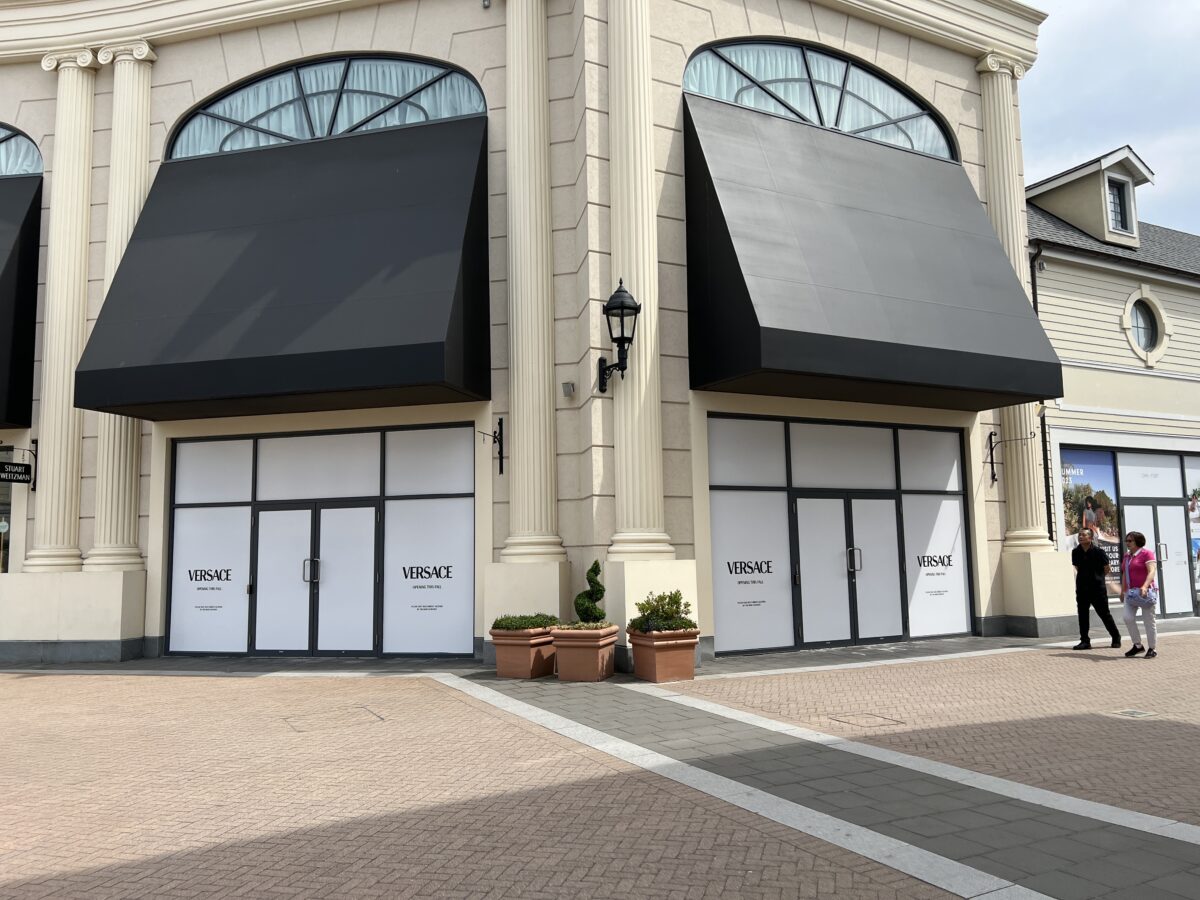
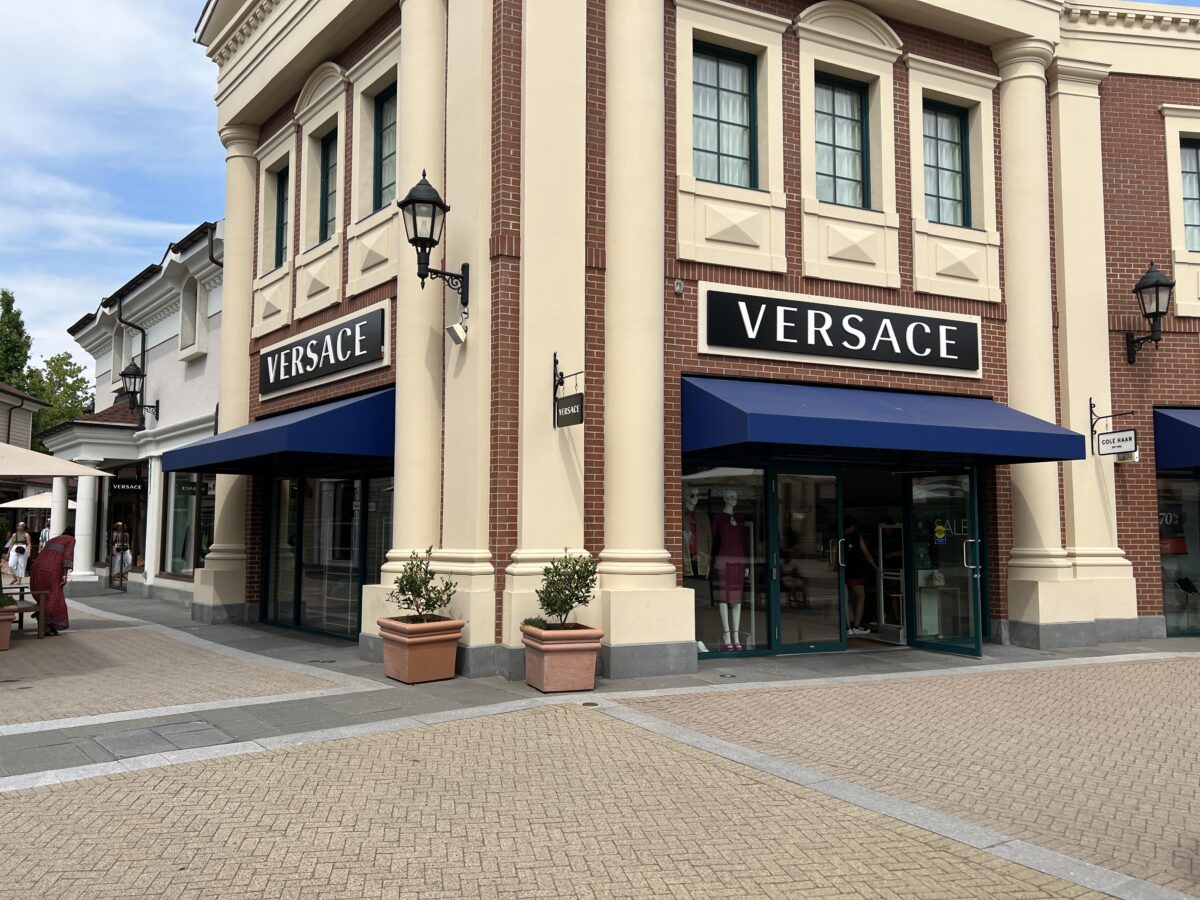
The current Versace space will be expanding and moving into a larger unit.

“There’s been lots happening here on the leasing front and by the time we get to year end we’ll be what I would consider to be fully let. We’ll be at 99 per cent. Really not much space left after that point. I think that speaks to what’s been going on in our market for people coming to Designer Market. We are the only Designer Outlet in the region so it sets us apart from others. And I do think we’re seeing consumers who had maybe been shopping in regular full price retail everywhere discovering us for the first time.”

McArthurGlen currently has about 325,000 square feet.

McArthurGlen Designer Outlet in July 2023. Photo: Lee Rivett.
Steve Madden at McArthurGlen Designer Outlet in July 2023. Photo: Lee Rivett.
Plenty at McArthurGlen Designer Outlet in July 2023. Photo: Lee Rivett.
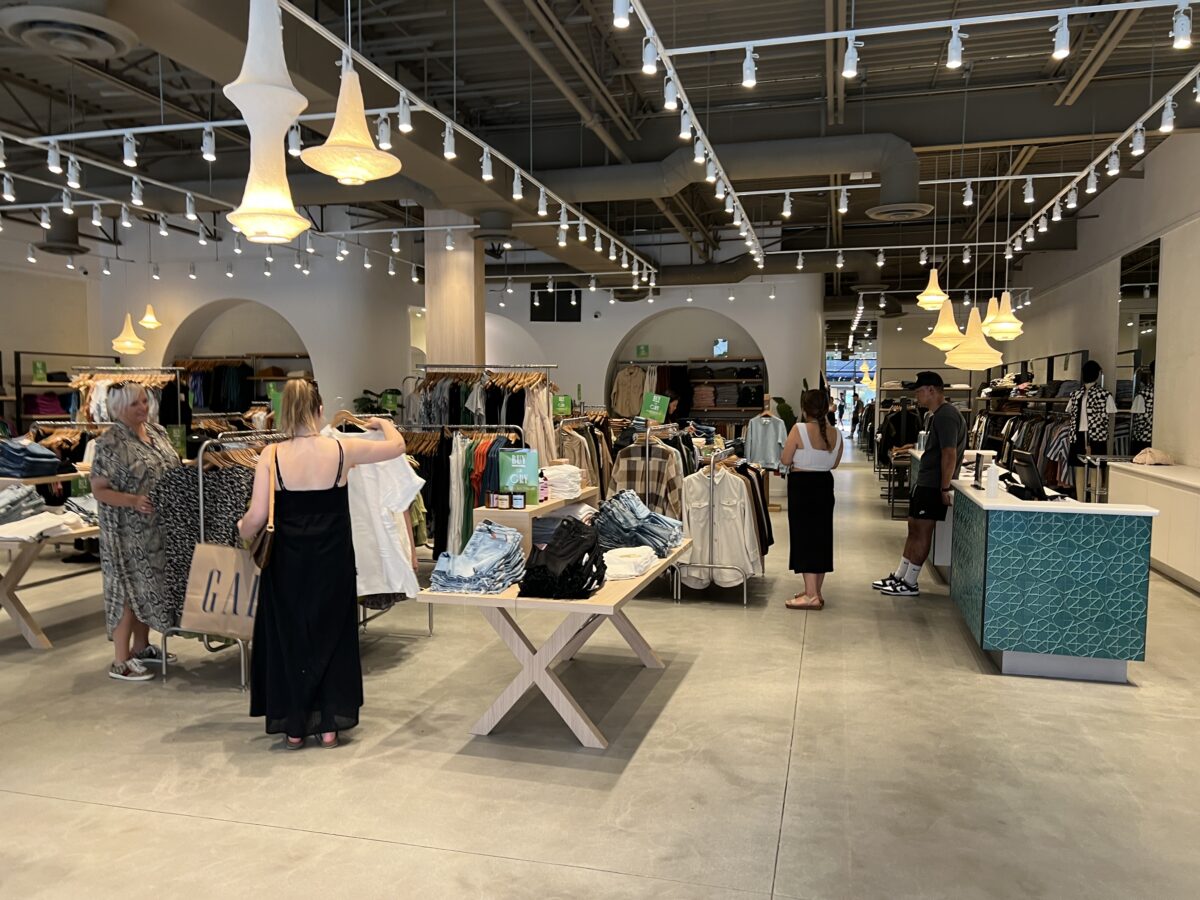
Interior at Plenty at McArthurGlen Designer Outlet in July 2023. Photo: Lee Rivett.

“We are planning a phase three. We’re working on that now . . . we do have land on the northeast corner of the property right now,” explained Thurlow in a previous Retail Insider story.

“It’s about another 65,000 square feet that will be our phase three. That will be about an additional 30 to 35 stores depending on how we carve up the space. That’s coming on the radar very quickly and I think we should have an announcement about that within the next few months about our planned timing for that phase.”

Future Versace location at McArthurGlen Designer Outlet in July 2023. Photo: Lee Rivett.
Current Versace location at McArthurGlen Designer Outlet in July 2023. Photo: Lee Rivett.
Future Oak + Fort location at McArthurGlen Designer Outlet in July 2023. Photo: Lee Rivett.
Current Oak + Fort location at McArthurGlen Designer Outlet in July 2023. Photo: Lee Rivett.
Interior of current Oak + Fort location at McArthurGlen Designer Outlet in July 2023. Photo: Lee Rivett.

For retailers in Canada, particularly in major cities such as Vancouver, Toronto, Montreal, Ottawa, Calgary and others, tourism is a key part of their success.

After a couple of tough years due to COVID, the overall tourism and travel sector in Canada is slowly returning to pre-pandemic levels.

According to Statistics Canada, tourism spending in the country grew 2.6 per cent in the first quarter, due to an increase of 3.5 per cent in domestic tourism spending by Canadian residents. Tourism gross domestic product (GDP) (+2.3 per cent) and jobs attributable to tourism (+2.7 per cent) also rose in the first quarter.

McArthurGlen Designer Outlet in July 2023. Photo: Lee Rivett.
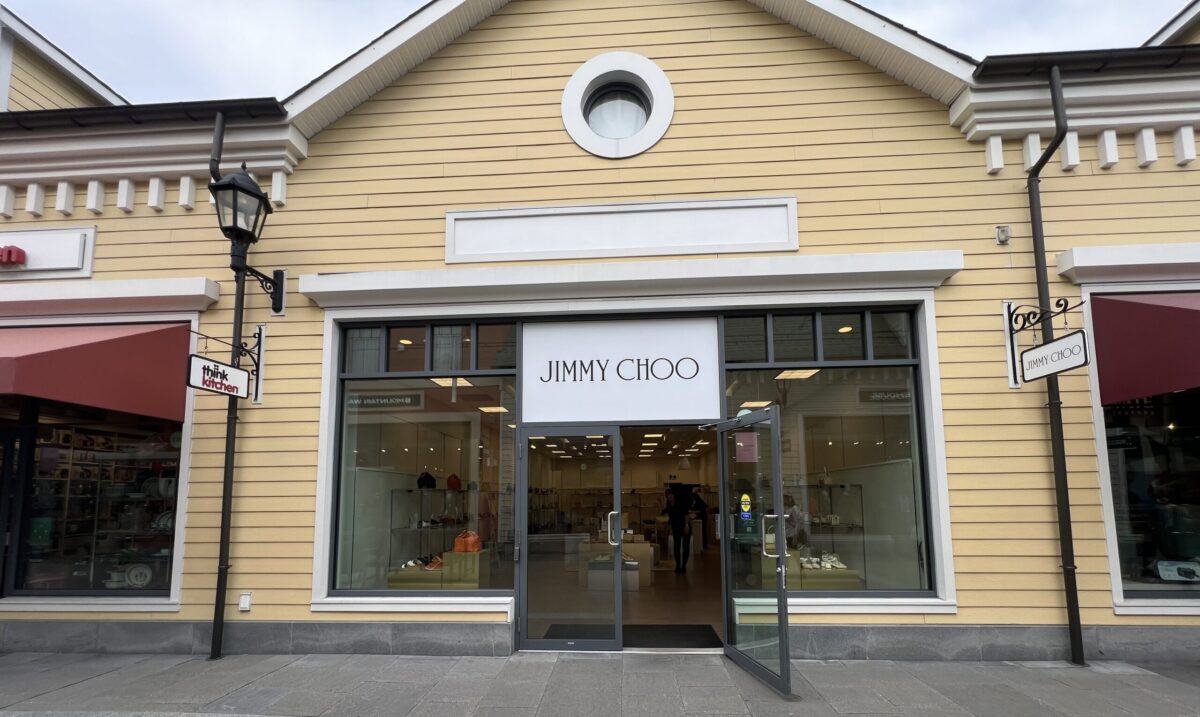
Current Jimmy Choo at McArthurGlen Designer Outlet in July 2023. Photo: Lee Rivett.
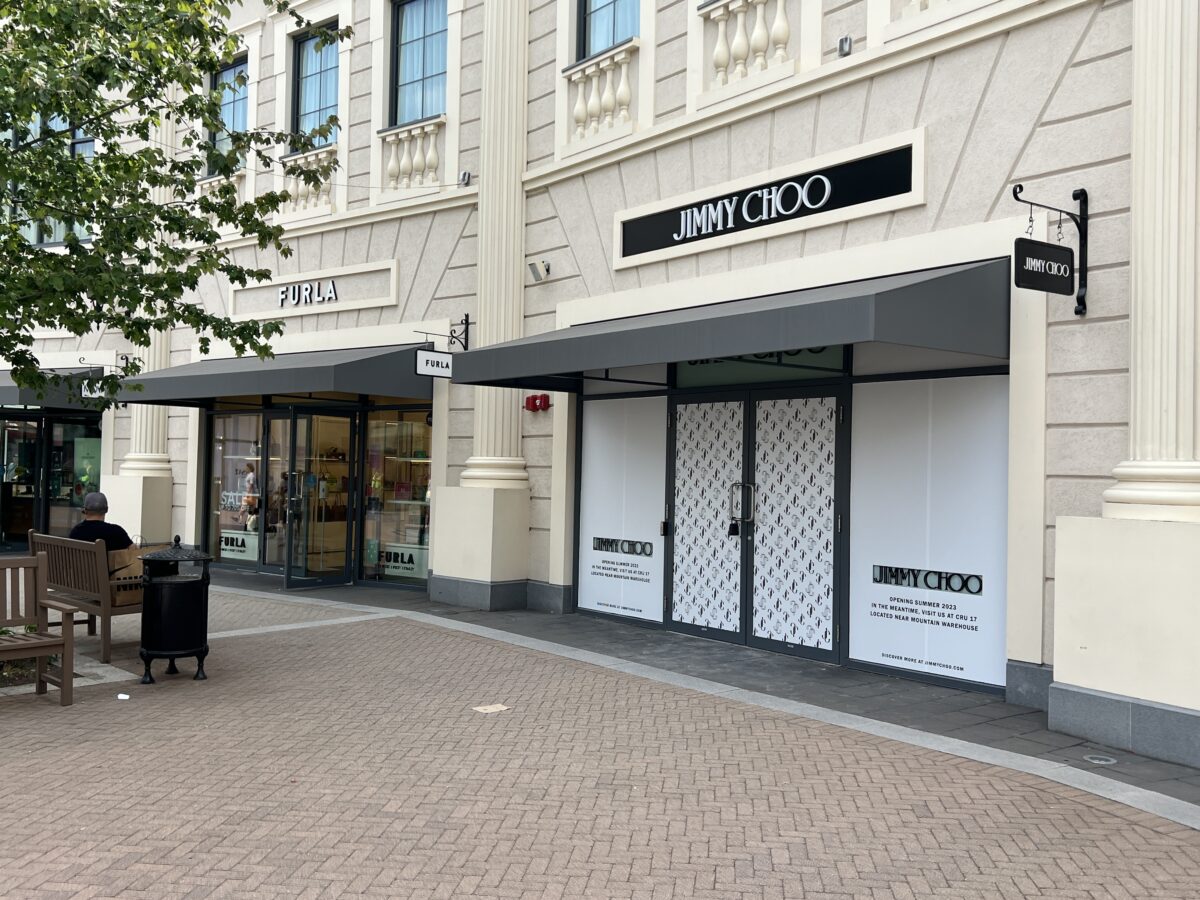
Future Jimmy Choo location at McArthurGlen Designer Outlet in July 2023. Photo: Lee Rivett.

Passenger air transport (+2.9 per cent) contributed the most to the growth in tourism spending in the first quarter, followed by food and beverage (+4.7 per cent) and accommodation (+2.2 per cent) services. As a result of this continued overall growth, tourism spending rose to 86.7 per cent of its level in the fourth quarter of 2019, before the COVID-19 pandemic, said the federal agency.

It said tourism spending in Canada by Canadians increased 3.5 per cent in the first quarter of 2023, following a 1.3 per cent decline in the previous quarter. In the first quarter of 2023, increased spending on passenger air transport (+4.6 per cent), food and beverage (+6.1 per cent) and accommodation (+4.4 per cent) services contributed most to the rise.

But StatsCan said tourism spending by international visitors edged down 0.1% in the first quarter of 2023, after double-digit increases in each of the last three quarters of 2022. In the first quarter of 2023, declines in passenger air transport (-3.2 per cent) and accommodation services (-0.6 per cent) were mostly offset by growth in non-tourism products (+2.7 per cent), vehicle fuel (+7.5 per cent) and vehicle repairs and parts (+6.8 per cent). Overnight travel by non-residents declined 0.4 per cent, while same-day travel by non-residents increased 10.5 per cent.

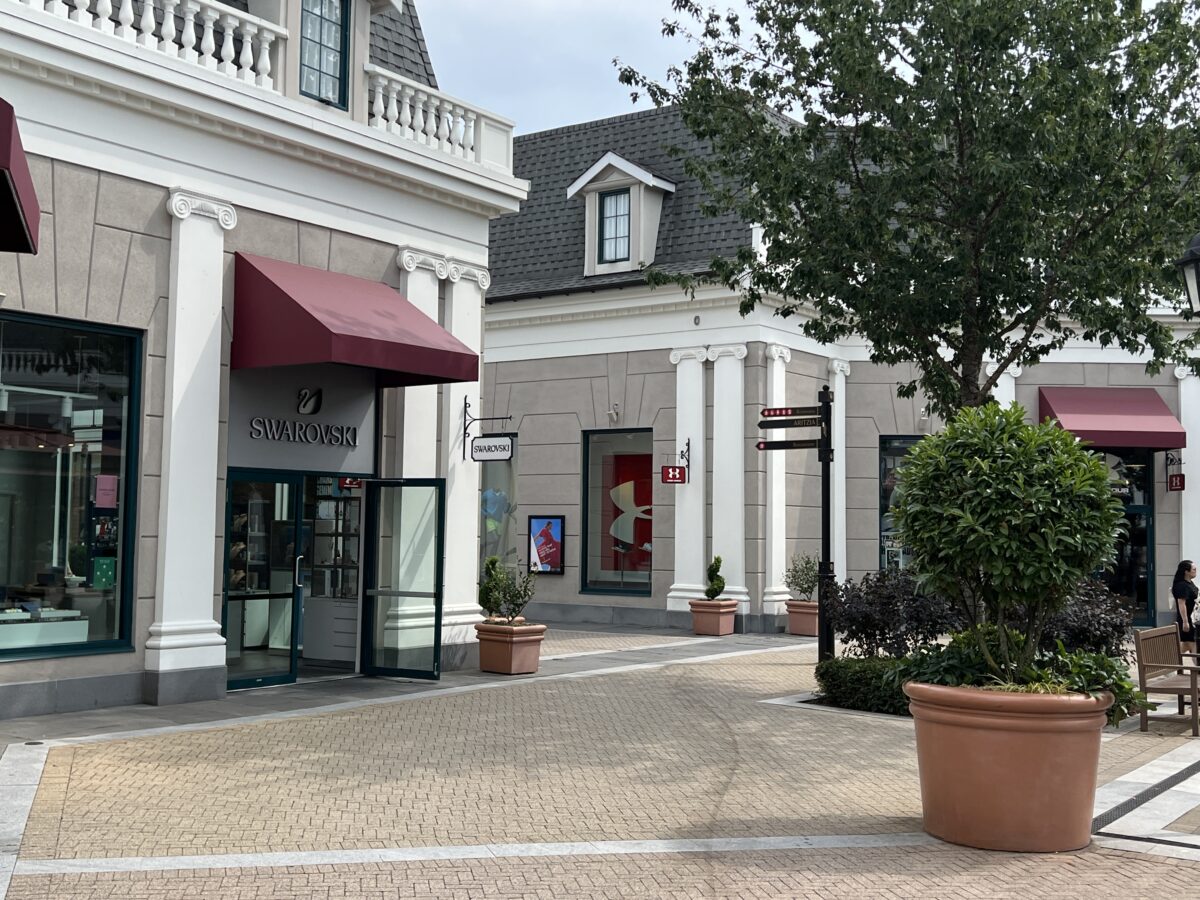
Swarovski at McArthurGlen Designer Outlet in July 2023. Photo: Lee Rivett.
McArthurGlen Designer Outlet in July 2023. Photo: Lee Rivett.

Dr. Phone Fix Expanding Presence with High-Profile Location at West Edmonton Mall, Targets National Growth [Interview]

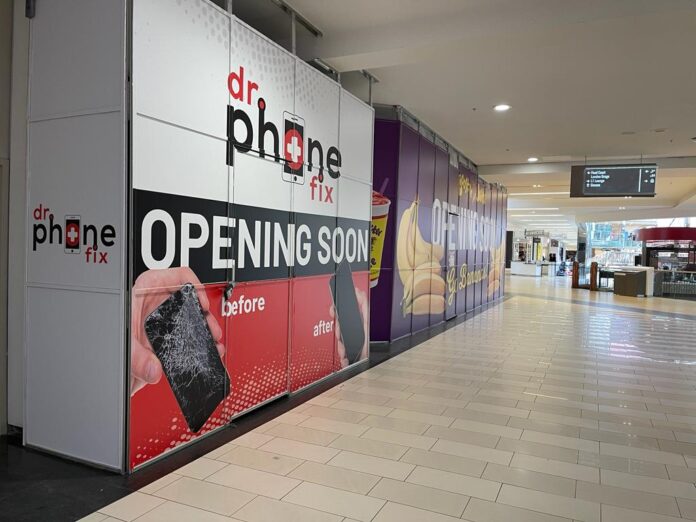
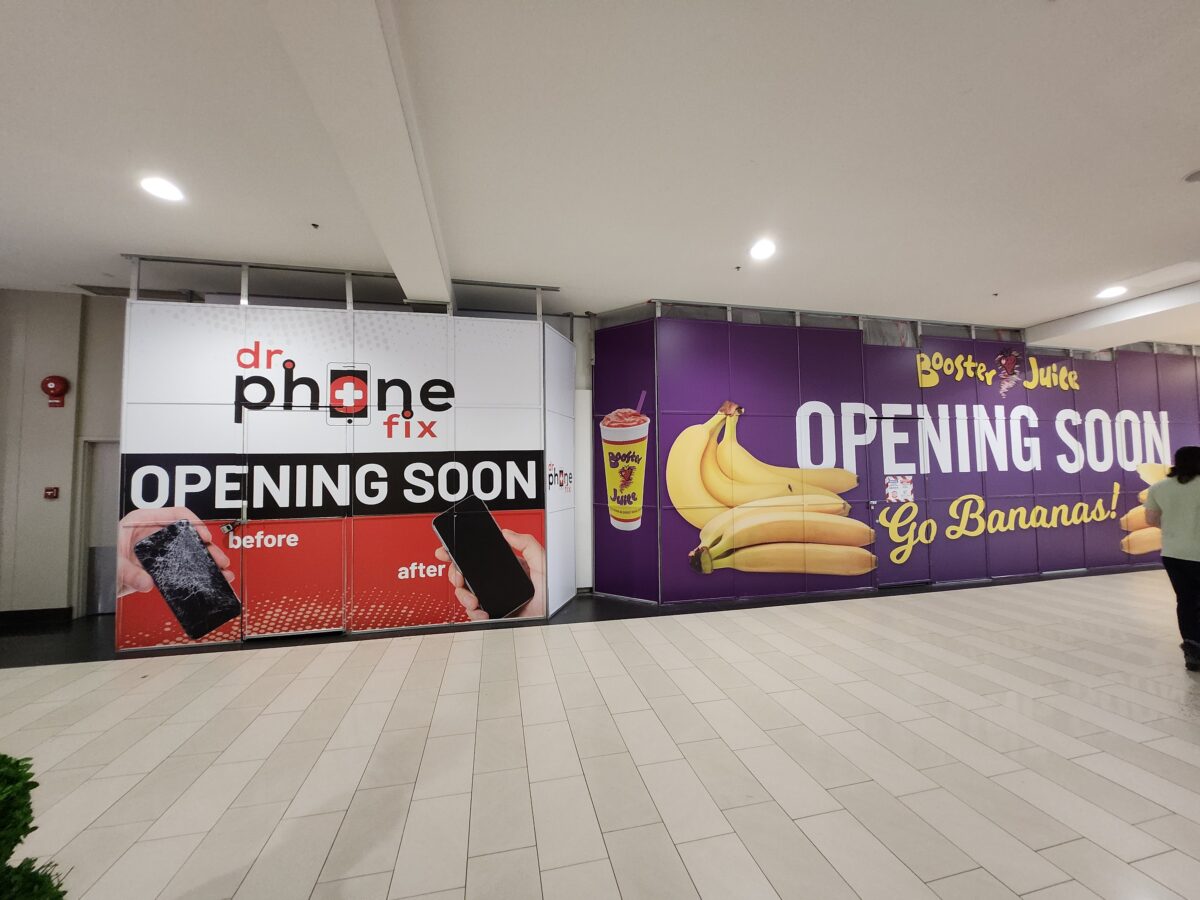
Dr. Phone Fix at West Edmonton Mall (Image: Dr. Phone Fix )

Edmonton-based Dr. Phone Fix, Canada’s fastest growing cell phone and electronics repair chain, is continuing to expand its footprint in Canada and is opening a unique location soon at the West Edmonton Mall.

“For us, we’re thrilled to be going into West Edmonton Mall because of its reputation/worldwide profile. It’s an amazing opportunity to showcase our brand,” said Warren Michaels, VP, Brand and Business Development for the company.

Michaels called it a golden opportunity, an extraordinarily valuable marketing opportunity and a centre piece of its promotional strategy, with the shopping centre seeing 90,000 visitors a day, up to 200,000 a day on high traffic days such as during Christmas. 

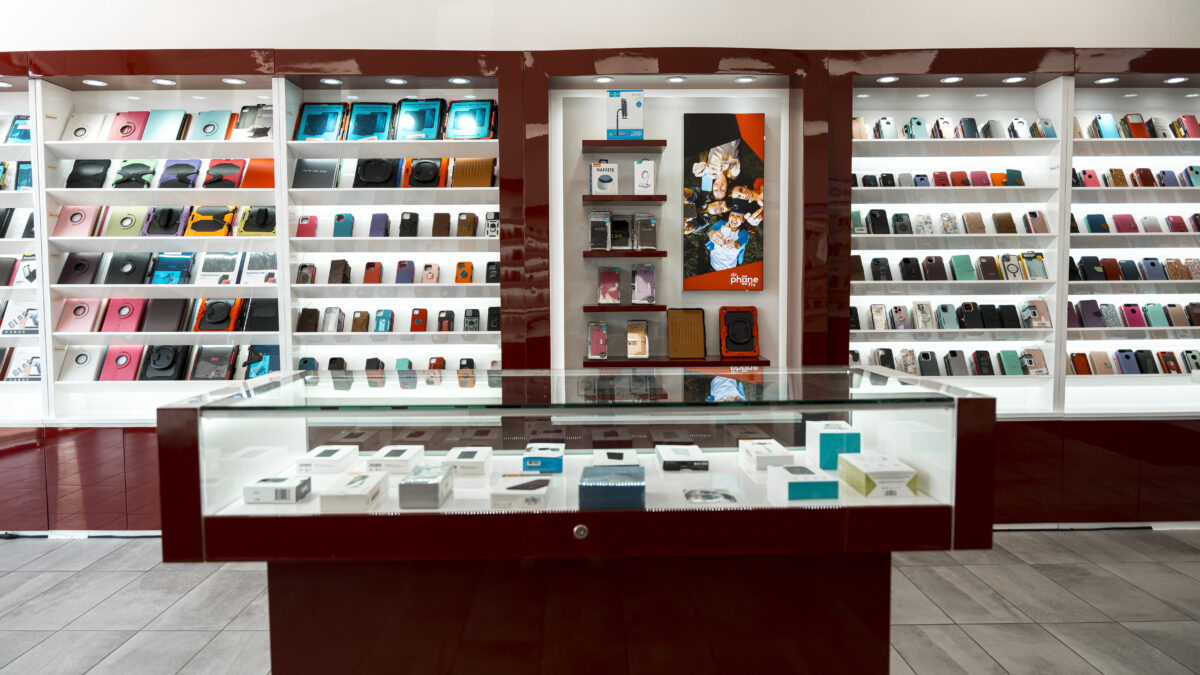
Image: Dr. Phone Fix

It will be the company’s eighth store in the Greater Edmonton Area.

“Ordinarily we’re in plazas. New shopping plazas and we do that because of convenience. People can get in and out very quickly. They park in front of our store, drop off a cell phone, they jump out and head out again. We don’t ordinarily go into malls. That’s not our plan, our format,” said Michaels.

“But West Edmonton is a super opportunity because it enables us to not only have a presence in the mall but also to be seen by 90,000 visitors a day. We’re not going to get all those going past our store or in our store but at least we have that chance. We have that opportunity. That’s one of the biggest things, the opportunity for branding.”

Until it opens in WEM, it’s using the storefront as a giant billboard.

Dr. Phone Fix at West Edmonton Mall (Image: Dr. Phone Fix )

Dr. Phone Fix currently has 34 locations in 20 cities in four provinces. The plan is to grow the national footprint to about 200 stores.

“Our goal is 500 people in total. Way over 400 technicians,” said Michaels.

“Our growth continues to explode. We’re moving fast. We’re burning up the road in my mind.”

Image: Dr. Phone Fix

In the past year, the company has opened six new locations.

“Each store is somewhat identical in terms of the layout and the shelving and so on,” said Michaels. “We have a format but depending on the space you get you’ve got to work with the space.”

Stores are about 1,000 square feet and the West Edmonton Mall is about that size.

It now has 14,000 online verified positive Google reviews – a big jump since last year’s 4,000.

Last year, it had 50 technicians. Today it has 65.  

“We have struck deals with the world’s two largest cell phone makers to provide repair services for their customers. We project that will be a new multi-million-dollar revenue stream for the company,” said Michaels.

Image: Dr. Phone Fix

The growth in the industry is pretty obvious these days with a staggering number of people with cell phones and many of them have more than one device.

“I wouldn’t say we’re recession-proof if a recession happens unfortunately but we’re pretty well protected. Everybody has cell phones and there’s certain things they would not do without and a cell phone is one of them,” said Michaels in a previous Retail Insider story.

“People are now keeping their phones slightly over three years as opposed to model changes almost yearly. And so if a recession was to hit, people would be buying our pre-owned phones rather than buying up.

“It’s a massive, massive growth industry. It’s hard to get solid numbers.”