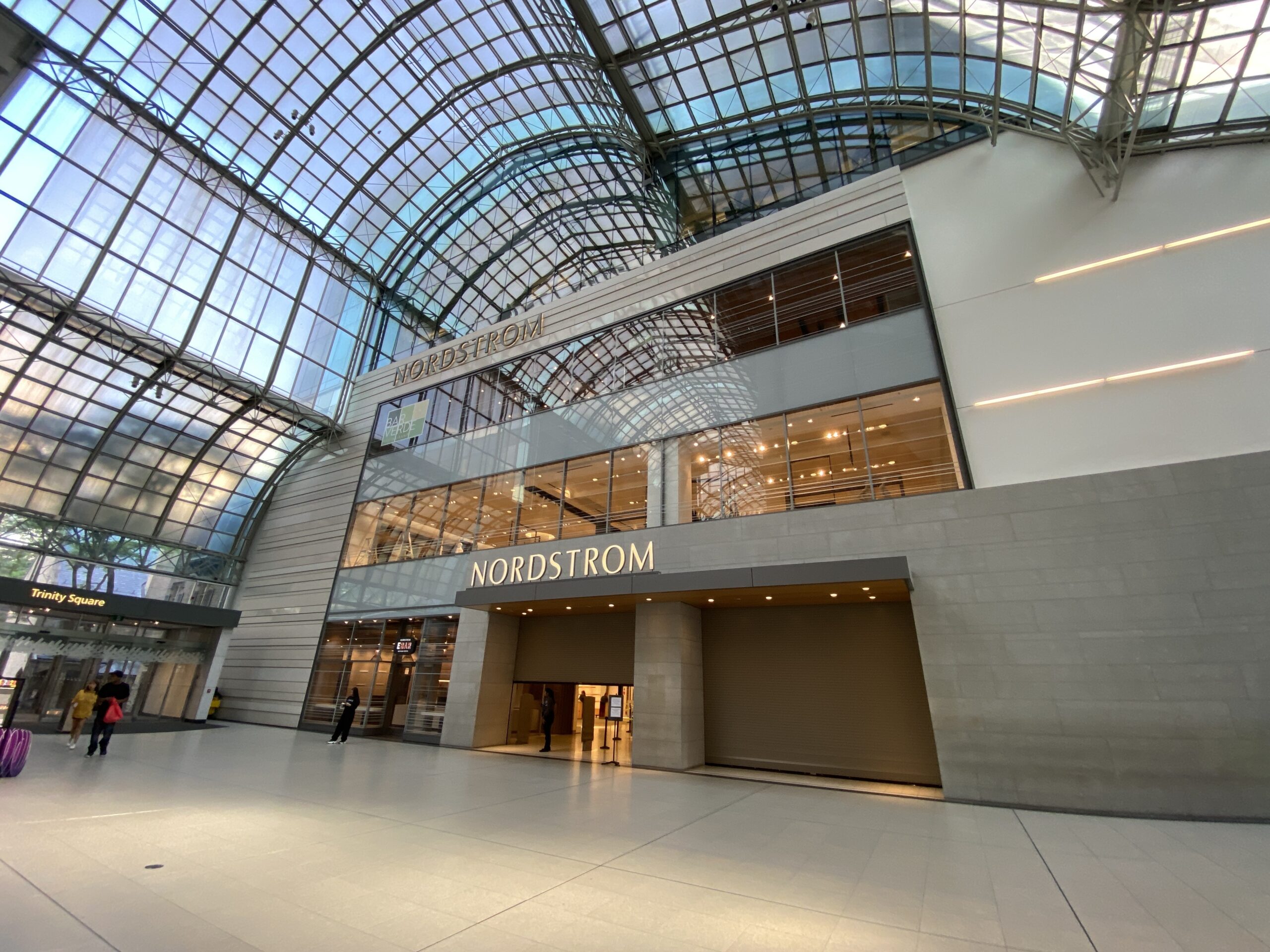
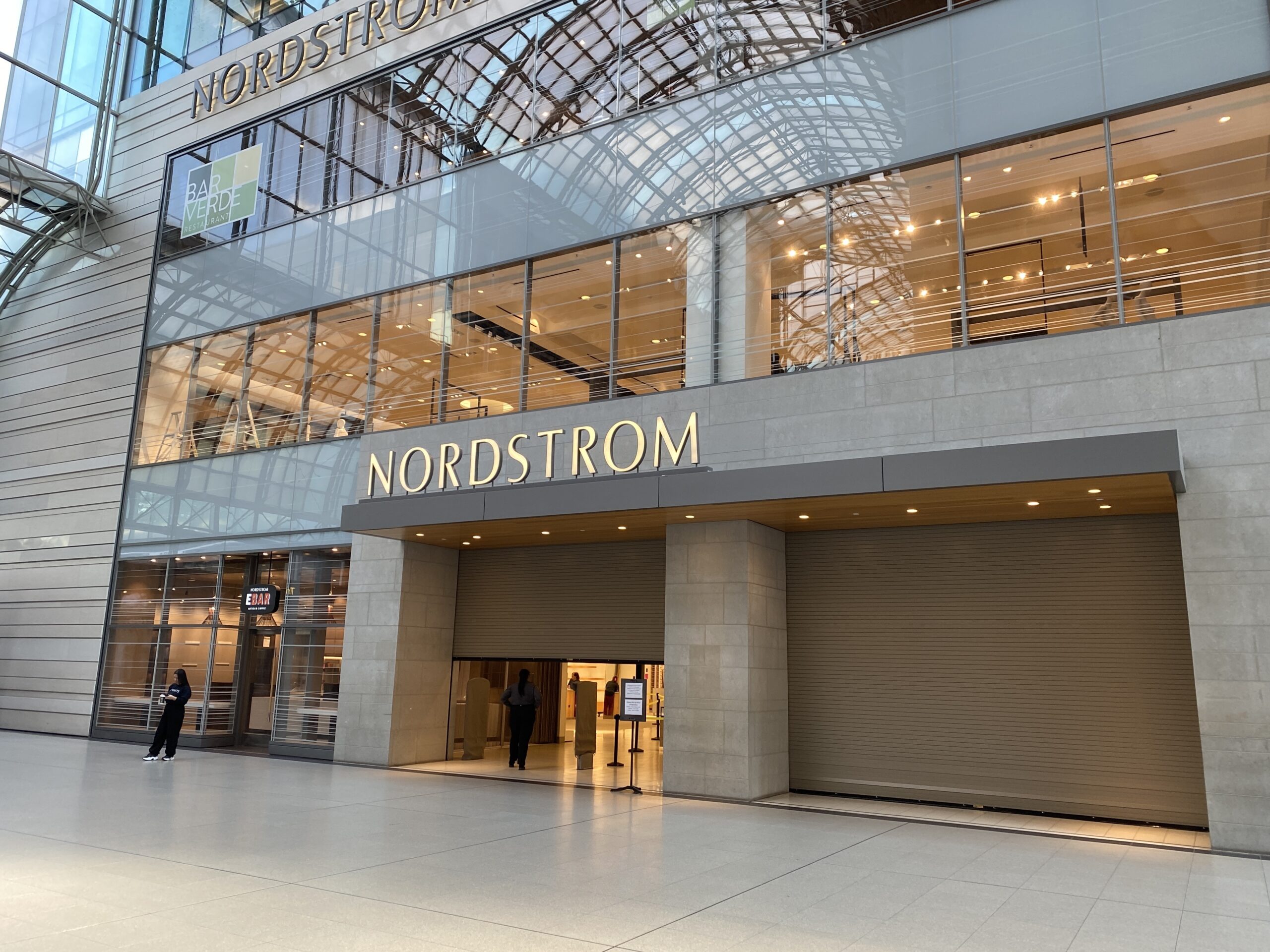
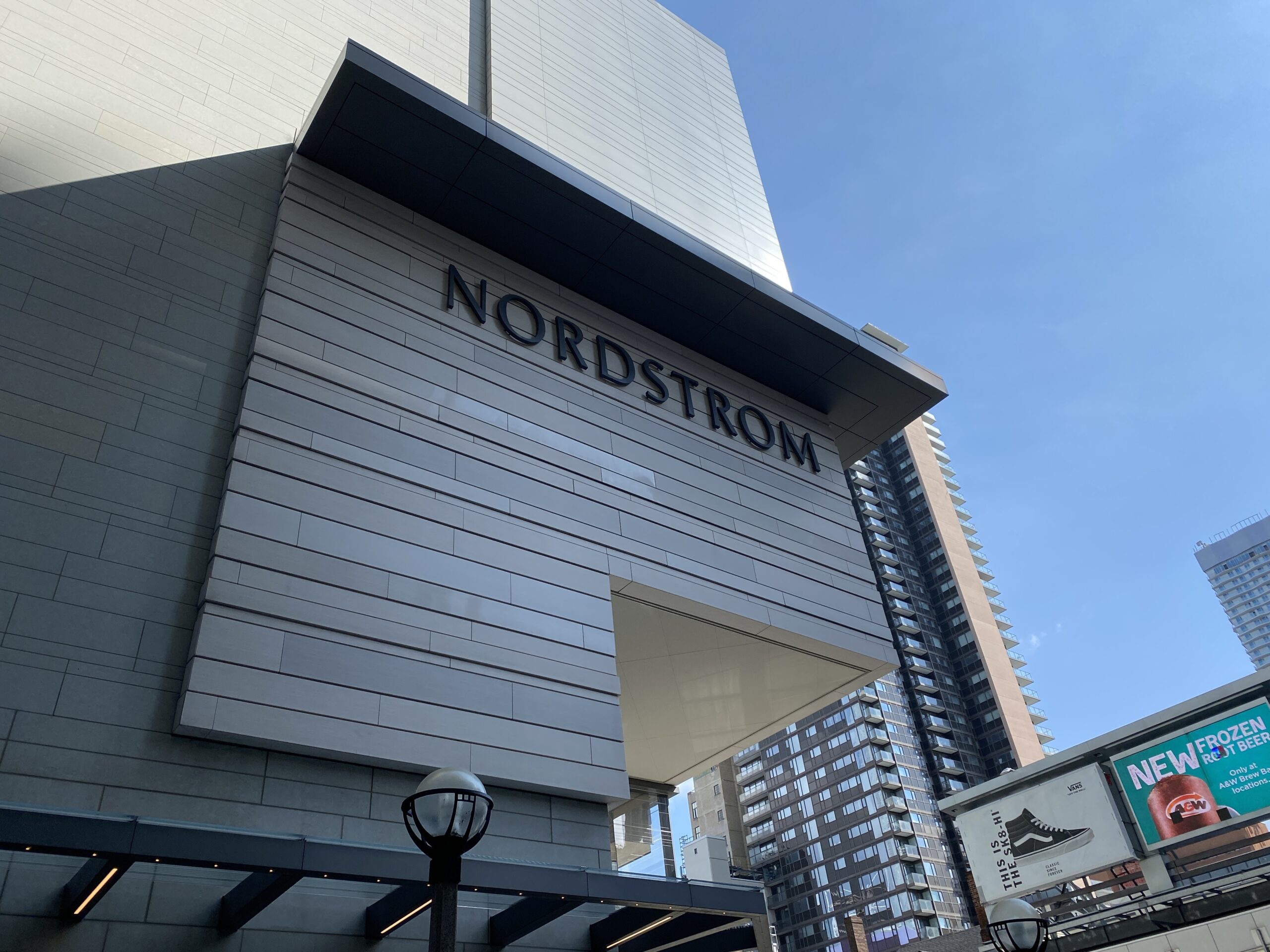
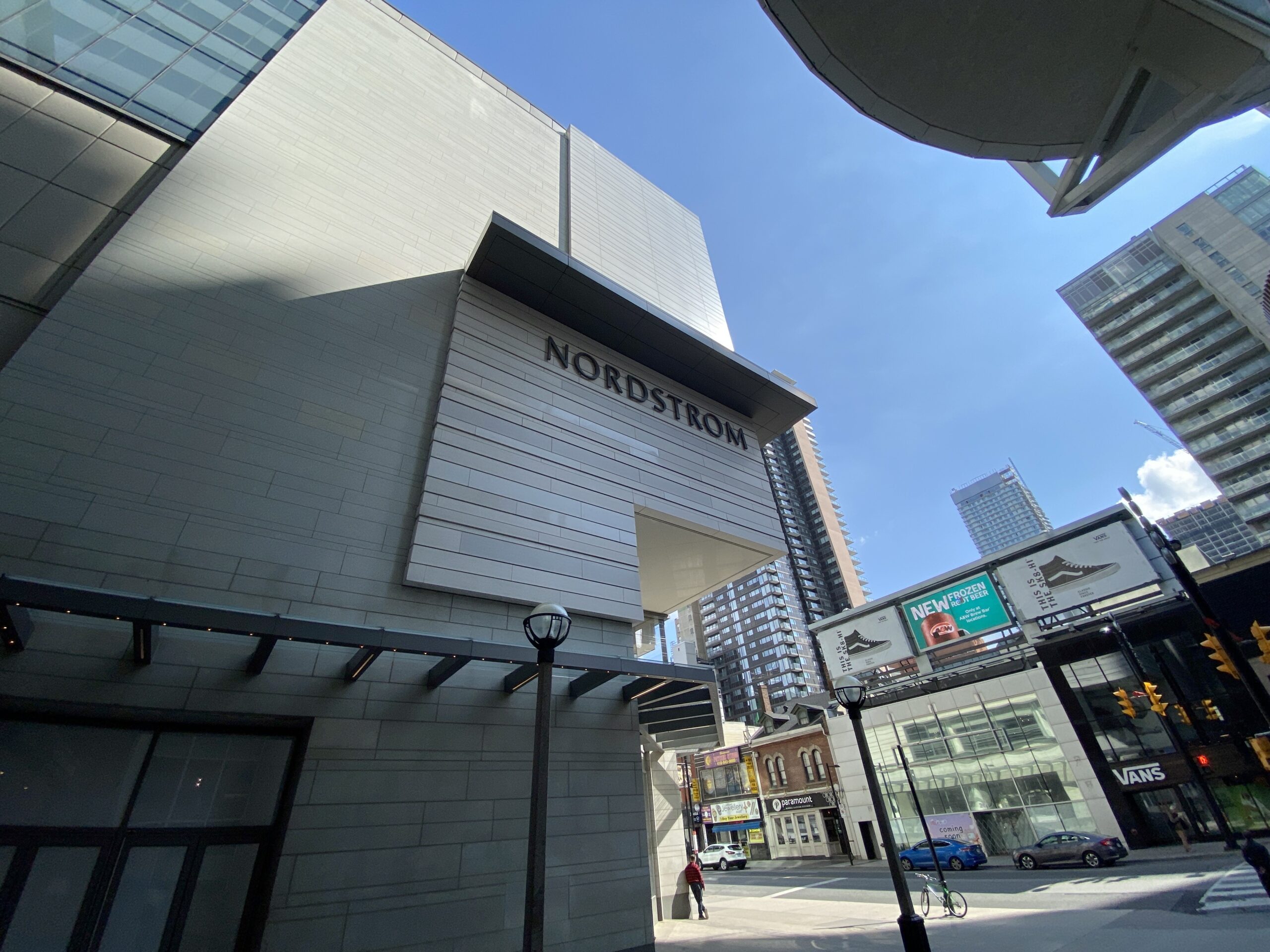
Samsung Canada has partnered with Code Ninjas in the Greater Toronto Area to launch ‘Galaxy Builders’, an interactive learning experience to encourage coding for young Canadians.
Youth, between the ages of 5 and 14, are invited to attend free coding workshops where they can learn how to code and create an interstellar digital Galaxy and test their innovations using Samsung Galaxy devices at select Samsung Experience Stores and Code Ninja locations across the GTA.
Raj Doshi
“As the digital landscape continues to evolve, computer coding skills are more important than ever and we’re proud to work with Code Ninjas to empower Gen Alpha coders to unlock their potential to learn with Samsung Galaxy technology,” said Raj Doshi, Head of Mobile Business at Samsung Electronics Canada. “Equipped with our Galaxy mobile devices, these digital experiences not only give youth the opportunity to learn a key digital skillset, but also provide them with a space to unleash their imagination and bring their worlds to life.”
“As our future generation of leaders, Code Ninjas believes that there’s never been a more exciting time to advance our culture – starting with our youngest ones,” said Sapan Jot, owner of Code Ninjas South Etobicoke in Toronto. “Every kid deserves the chance to unlock their innate, unlimited capacity to learn, and coding helps nurture key skills such as teamwork, problem solving, and critical thinking. We’re thrilled to work with Samsung Canada to provide seamless coding experiences and expose even more youth to these skillsets.”
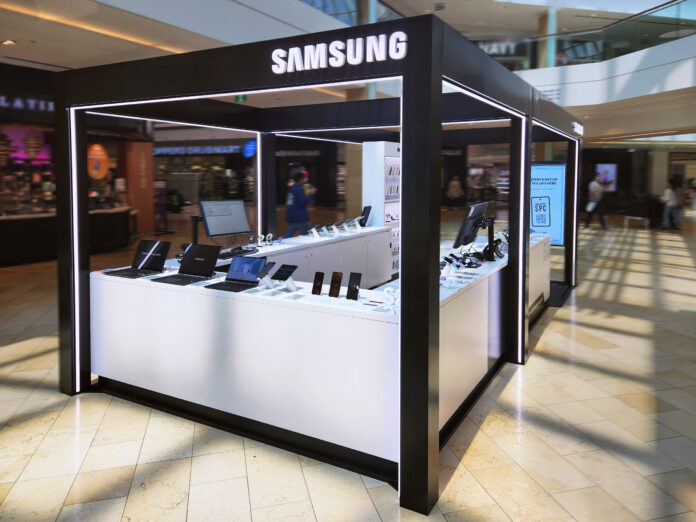
Image: Samsung
Using the Code Ninjas curriculum catered for youth, the activations will be equipped with Samsung Galaxy Tab S8 Ultra, Galaxy Z Fold4 and Galaxy S23 Ultra devices. The Android open source platform paired with the intuitive usability of Galaxy devices makes learning how to code more accessible to anyone. With Code Ninjas instructors on hand providing step-by-step lessons, participants will build their own personalized constellation using code on an easy-to-use software app that allows them to adjust parameters such as number of stars, colours, planets, and rate of pulsation.
The Samsung-created Galaxy Builders camp will be available to participants at Code Ninjas locations in Etobicoke North, Etobicoke South and Leaside on June 10, June 17, June 24, and July 8, 2023. These locations will also be integrating Samsung Galaxy technology, including the Galaxy Tab S8 Ultra, Galaxy S23 Ultra and Galaxy Z Fold4, into the existing camp curriculum from June 1, 2023.
The Galaxy Builders workshops will also be hosted at Samsung Experience Stores on the following dates:
CF Sherway Gardens from July 8 to July 9.
CF Toronto Eaton Centre from July 15 to July 16.
Parents and guardians looking to bring their youth to participate in these workshops can register on the following site, www.samsung.com/ca/galaxybuilders.
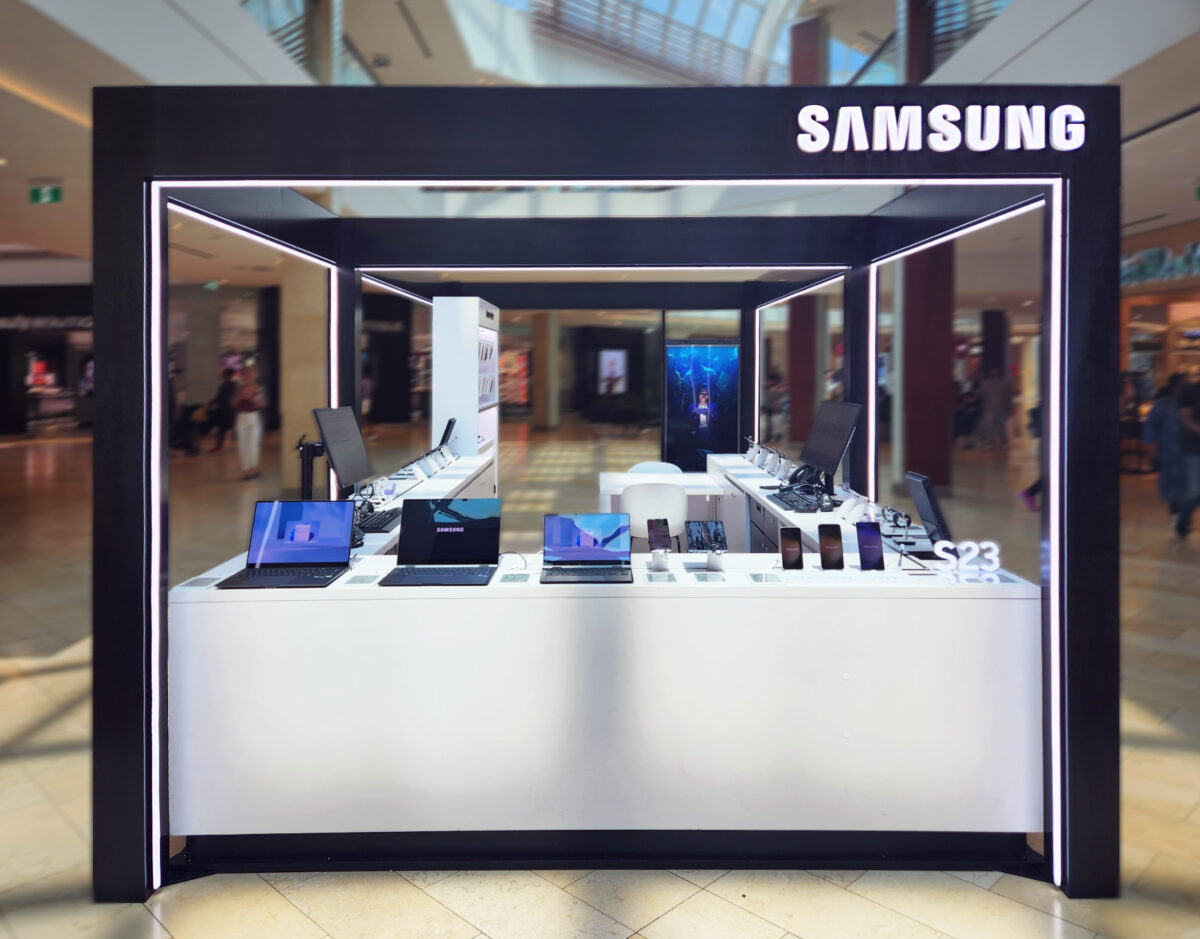
Image: Samsung.ca
Krista Collinson, Head of Direct to Consumer and Retail Excellence, Samsung, said the company has nine Samsung Experience Stores located in Canada’s biggest and busiest shopping destinations across the country, including Toronto, Montreal, Edmonton, Burnaby, and more.
Krista Collinson
“We also continue to look for expansion opportunities in other cities across Canada. In each community, we are proud to offer consumers a chance to experience the latest Samsung products, and receive tips, guidance and support from our Samsung experts onsite,” she said.
Its two newest locations are the Square One Shopping Centre in Mississauga and Bramalea City Centre Mall in Brampton.
“As part of Samsung Canada’s retail strategy, we’re constantly updating and evolving our retail footprint designs and locations to effectively service our existing and potential customers,” said Collinson.
“Square One and Bramalea City Centre are top shopping destinations in Mississauga and Brampton, which are both growing markets. Our two new locations are designed to invite consumers to conveniently discover our connected device ecosystem hands-on and encourage connections with our knowledgeable staff.
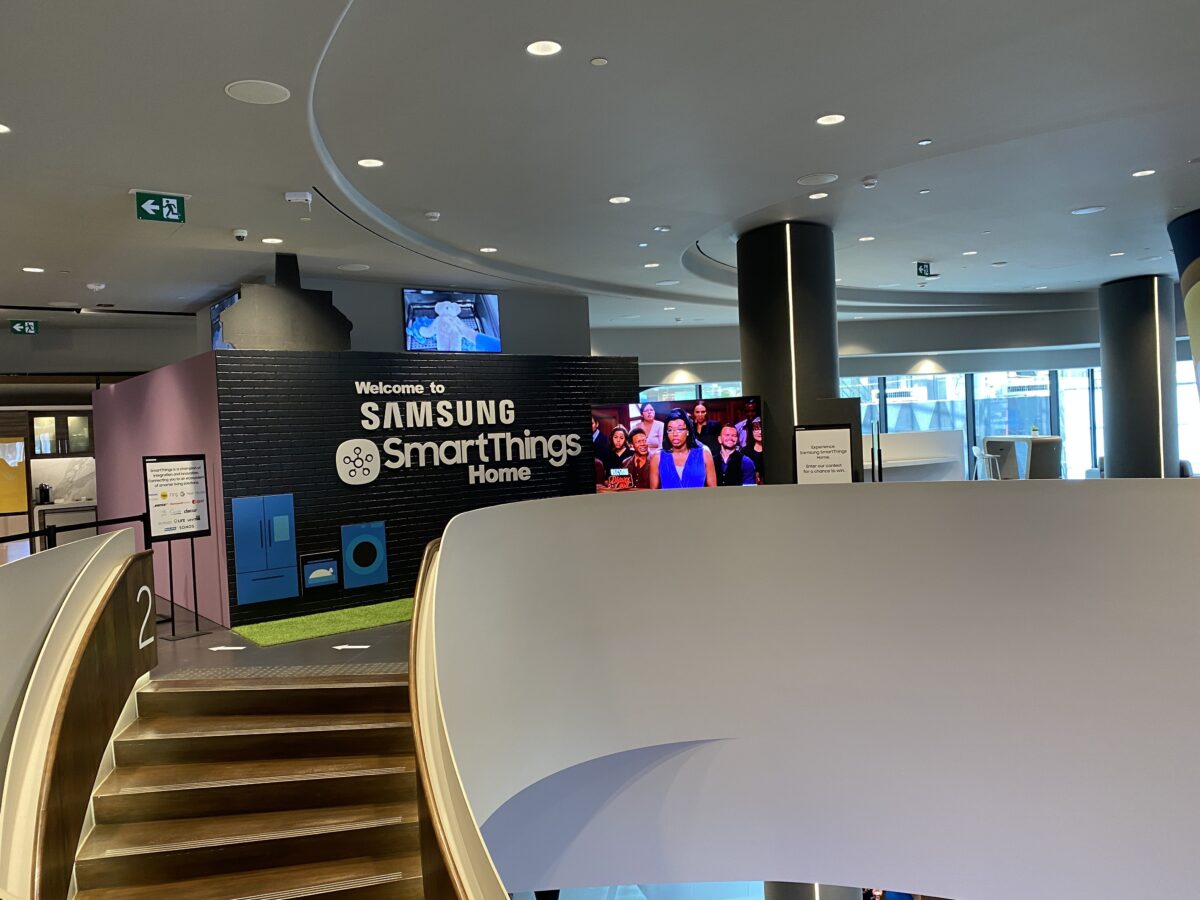
Samsung SmartThings Home at CF Toronto Eaton Centre (Image: Dustin Fuhs)Samsung SmartThings Home at CF Toronto Eaton Centre (Image: Dustin Fuhs)
“A Samsung Experience Store (SES) is a physical and immersive consumer experience for guests to try our latest products hands-on. Customers can see, touch, and feel products to understand how they can seamlessly integrate technology into their lifestyle and receive expert guidance and service support from our team. Stores offer a seamless online-offline shopping experience to meet the needs of Samsung Customers. Many of our SES locations also host unique in-store events to showcase our new innovations in real-life scenarios.
“Currently we are running several photography workshops featuring the Galaxy S23 Ultra at our SES locations in Montreal and Burnaby. We’ve also partnered with Code Ninjas on a program called ‘Galaxy Builders’ to encourage coding amongst young Canadians – with upcoming classes at our SES Yorkdale and Sherway locations. And, our SES location at the Toronto Eaton Centre features a new SmartThings Connected Home Experience, which showcases the possibilities of a Samsung connected world.”
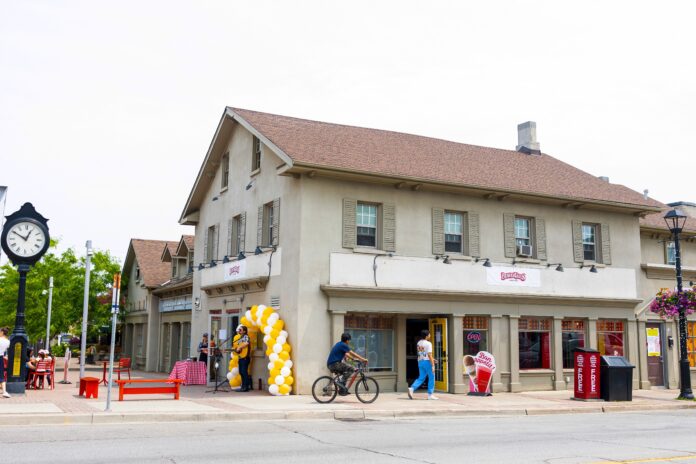
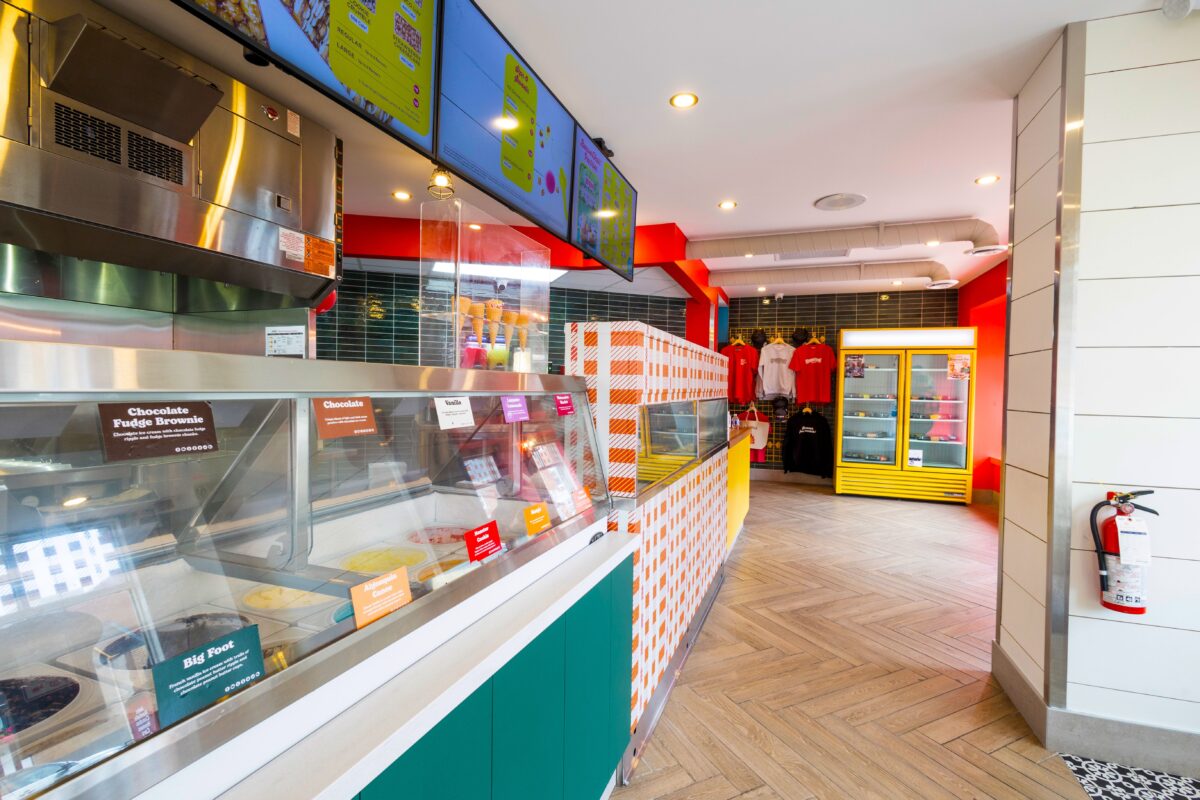
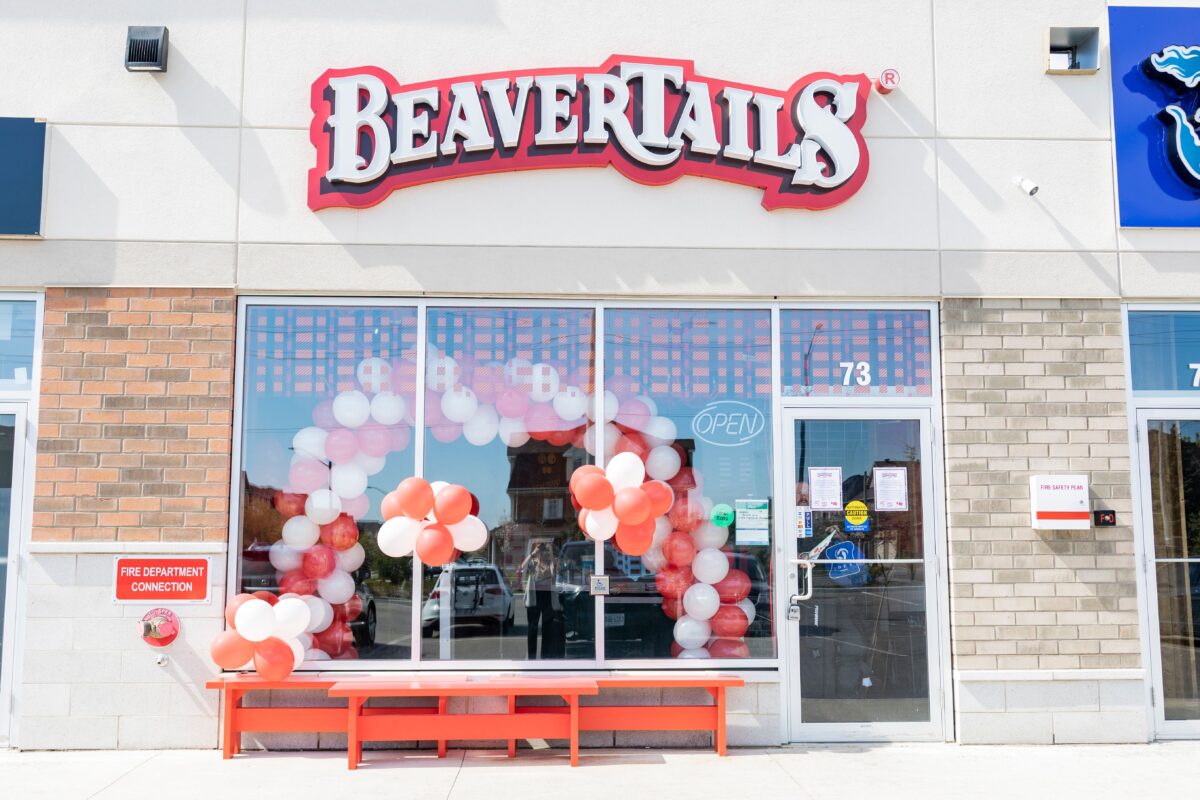
BeaverTails Queen Street South, Mississauga (Image: BeaverTails)
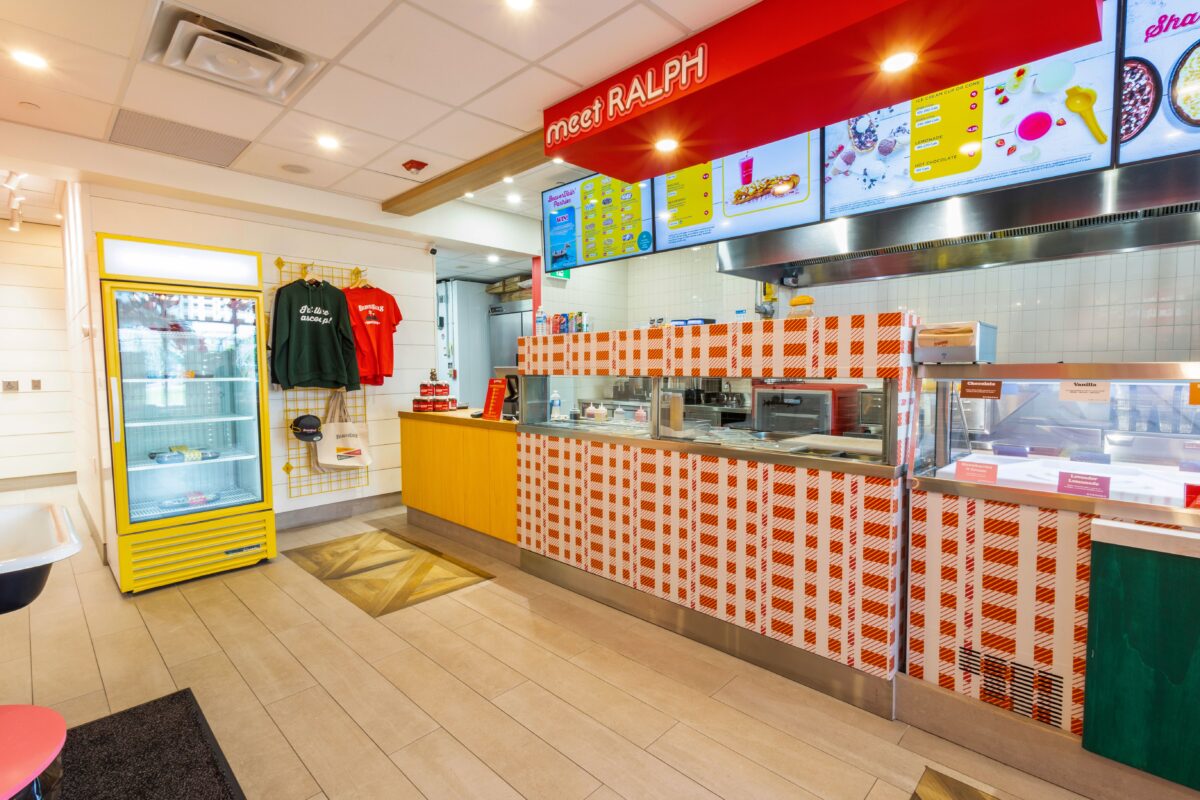
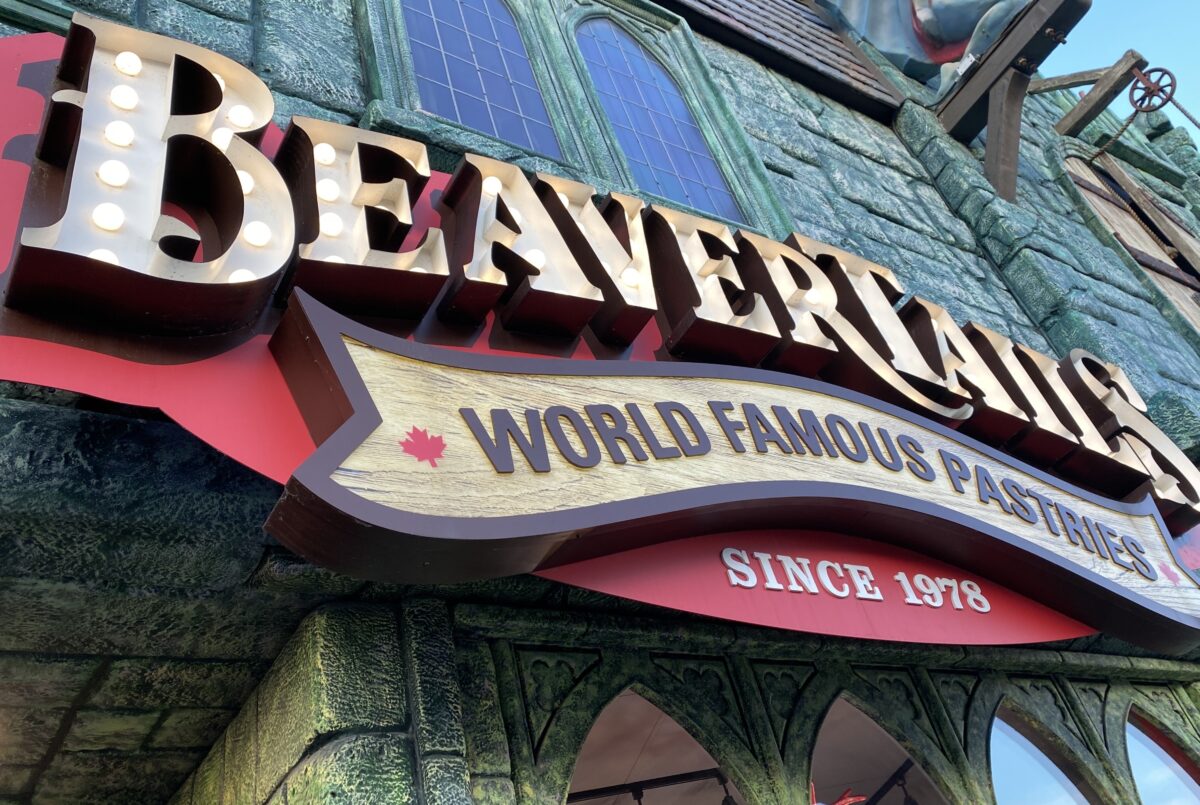
BeaverTails continues to aggressively expand its brand across Canada with new locations opening and more to come.
Recently, the maker of unique pastries, opened six new locations in the Greater Toronto Area – two in Mississauga, one in Halton Hills, one in Milton, one in Burlington and one in Kitchener-Waterloo.
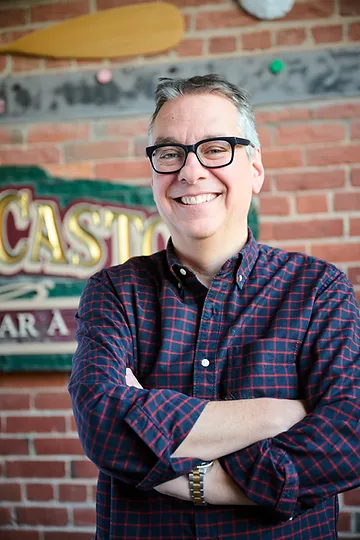
“The western GTA and Kitchener-Waterloo are some of the most dynamic regions in Canada. They are fast-growing and prosperous but retain their identities and charm. Expanding our presence within this thriving region was an obvious strategic decision and we are proud to be a part of these vibrant communities,” said Pino Di Ioia, CEO, BeaverTails.
BeaverTails Queen Street South, Mississauga (Image: BeaverTails)
Pino Di Ioia
Today, there are 196 BeaverTails points-of-sale in four countries.
Di Ioia said five or six more stores are expected to open before the end of this year including in Whistler, BC, “which is way overdue to construction delays,” and on Calgary’s busy 17th Avenue S.W. high street near Mount Royal Village. The two stores are opening soon. The company is also opening a new location in White Rock, BC., near Vancouver.
He said a recent location opened in Charlesbourg around Quebec City.
“In our opinion, Canada is 350 (locations),” said Di Ioia of the potential number of locations eventually in the country. “So we still have a long way to go. And the reality is there is, as much as 200 sounds like a big number, we always remind people about a third are mobile trailers. About another third are amusement parks.
“So in fact we don’t have much brick and mortar. These series that we are opening – 10 stores – all of these are brick and mortar. Those are our home runs. Our classic stores. When you look at places like Charlesbourg or Mississauga, the 350 seems very conservative for Canada.”
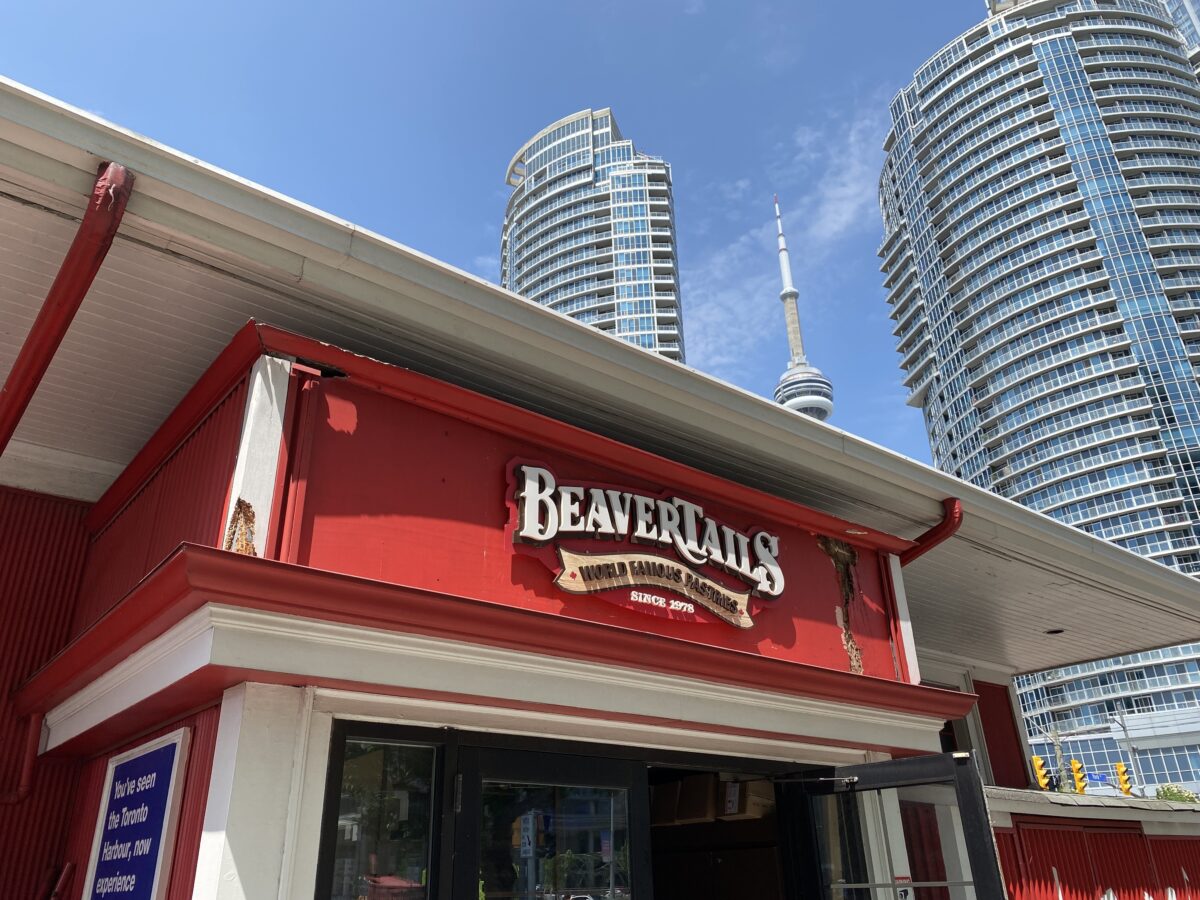
BeaverTails at Kitchener Waterloo Boardwalk (Image: BeaverTails)BeaverTails Toronto Waterfront – 145 Queens Quay W (Image: Dustin Fuhs)
Based on an old family recipe, BeaverTails pastries are a Canadian icon – a unique and delicious treat. Served hot and topped with numerous choices, including cinnamon and sugar, chocolate hazelnut spread, Reese’s Pieces and peanut butter, BeaverTails pastries aim to satisfy indulgences of all tastes.
Grant and Pam Hooker began serving the BeaverTails artisanal pastry in 1978 at the Killaloe Fair, just west of Ottawa.
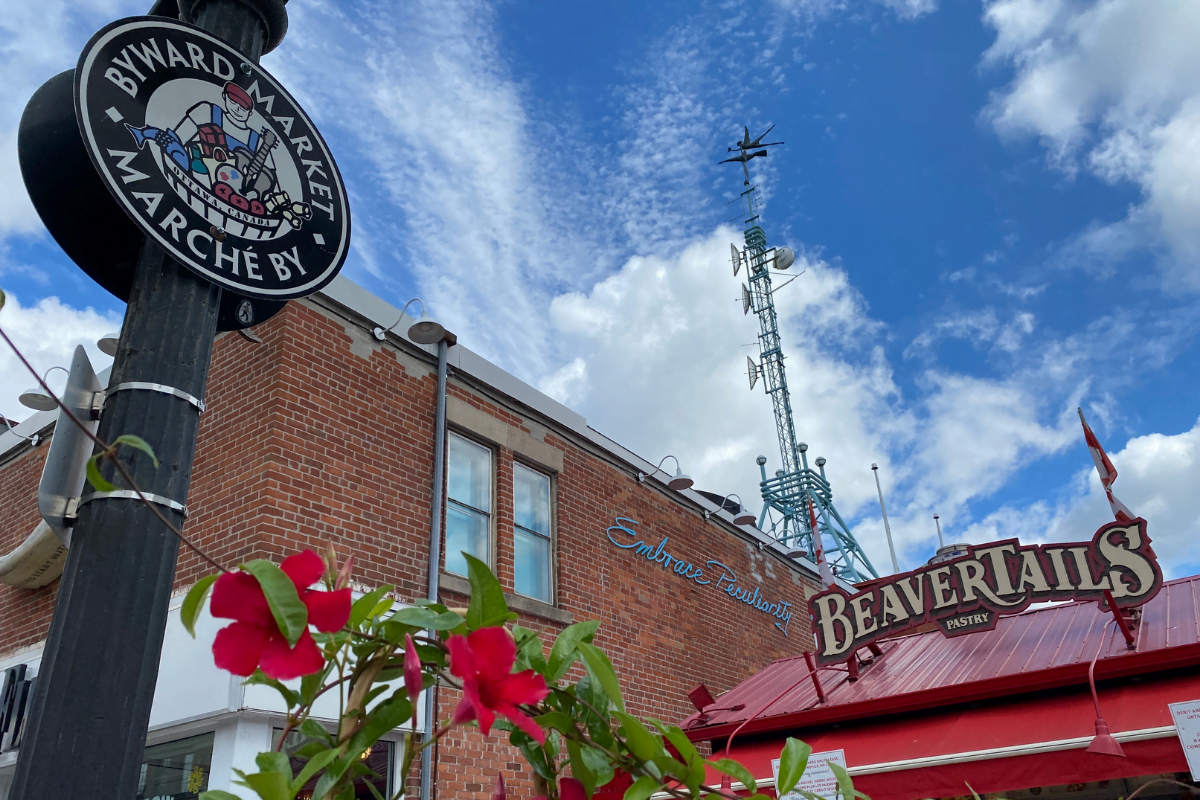
Today the brand is known internationally with intense interest sparked after U.S. President Barack Obama visited Ottawa’s Byward Market in February 2009 and indulged in the iconic treat.
“The brand is just continuing to be established,” said Di Ioia. “We used to think we’re becoming mature. I guess at 45 years we’re not mature any more – we’re north of that. But the brand just keeps getting known more and more.
“We’re doing more and more to keep the brand relevant and fresh. So whether it’s our ice cream program or our poutines or our BEAVER BITES® and our take home product, there’s more there that satisfies not necessarily more day parts like traditional competitors would talk about because for us really the snack industry is afternoon and after supper. Not that we don’t have a breakfast, lunch and dinner.”
BeaverTails Erin Mills
(Image: BeaverTails)BeaverTails Trenton, Ontario Construction (Image: BeaverTails)
The number one consideration for new locations is pedestrian traffic, said Di Ioia.
“When you are used to the tourist zones, the pedestrian was given. You’re not going to go to Blue Mountain (Ontario) and not get pedestrians. You’re not going to go to Whistler and not get pedestrians. It comes as part and parcel of the reality,” he said.
“But now as we expand further afield when you look at places like White Rock of course it’s the beach and there’s lots of pedestrians. But you look at 17th Avenue in Calgary. Why did we choose that? Because there’s a pedestrian zone there.”
BeaverTails Niagara Falls (Image: Dustin Fuhs)BeaverTails in Byward Market in Ottawa (Photo: Dustin Fuhs)
BeaverTails began its strategy of opening ‘community’ shops’ – new locations principally in suburban retail plazas – in early 2020. Now, it is making the BeaverTails experience more accessible to people in residential neighbourhoods.
“Building on 45 of years of history, we work hard to keep the BeaverTails brand relevant and appealing to our customers,” said Di Ioia. “Most recently, our ‘community’ shop approach is intended to bring the BeaverTails magic to where our customers live, work and shop.”
BeaverTails ‘destination’ shops, including Grouse Mountain, Banff Avenue, Toronto Waterfront, Mont Tremblant and Cavendish Beach represent the company’s heritage and remain central to its brand. The experience of enjoying BeaverTails treats is often associated with a vacation or an outdoor activity.
“Some Canadians are losing faith in the capitalistic nature of our food economy, which is why some are asking for a windfall tax or even broader food price regulation. While we should not forget why food companies exist, grocers should also engage with Canadians with the intent to foster trust, and Loblaw’s new receipt checking policy is not a step in the right direction.”
Loblaw’s Receipt Checking is Wrong
Currently, many households are grappling with the rising cost of living. According to a recent report by Community Food Centres Canada, the poverty rate among working-age single adults in Canada is three times higher than the national average. Alarmingly, nearly a quarter of working single adults live below the poverty line. This concerning statistic indicates that a significant portion of the population is facing financial hardship. Many Canadians are personally experiencing or know someone who is struggling compared to just a year ago.
The increasing expenses of shelter and food, which are fundamental necessities of life, are placing a significant financial burden on many Canadians. Approximately 45 percent of mortgage holders have variable rates, directly impacted by the Bank of Canada’s efforts to combat inflation. For instance, if an individual has a $300,000 mortgage spread over 25 years, they are currently paying over $7,000 annually just to maintain their home. As more Canadians renew their mortgages, the number of individuals experiencing increased mortgage payments will inevitably rise. Furthermore, rents across the country are also on the rise, further exacerbating the financial strain on individuals. These escalating costs create a substantial financial burden. In terms of grocery expenses, purchasing the same quantity of food as compared to the previous year would require an average of over $1,100 more. Consequently, individuals would need to allocate over $8,000 to maintain the same quality of life.
Given the difficulty in reducing shelter expenses unless through relocation or shared accommodations, many Canadians are forced to cut back on their food expenditures. Despite inflation, most Canadians are spending less on food. This shift is so significant that many are quick to blame food companies. There is a growing sentiment that food should be free or that food prices should be regulated, which is understandable. As faith in the capitalistic nature of our food economy diminishes, some individuals even propose imposing windfall taxes to discourage companies from excessive profits. However, while these ideas may be intriguing, they are likely to lead to even worse scenarios for Canadians.
Some Canadians, academics, and political leaders have lost sight of the primary purpose of food companies. These companies must generate profits in order to fulfill their mission and continue operating. Profit generation is essential. The debate surrounding how much profit food companies should be permitted to generate has been intensely discussed in recent months. Striking the delicate balance between profit-making and maintaining a food-secure market is unique to the food sector and sets it apart from other industries.
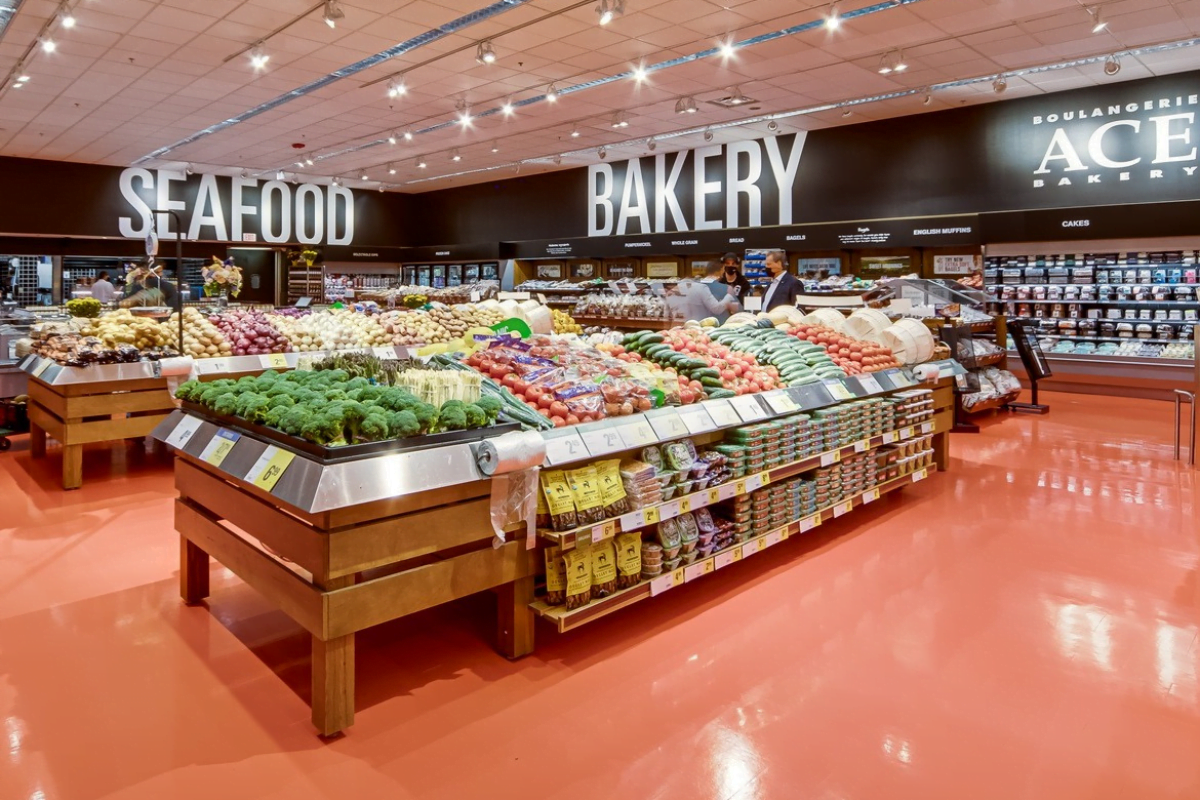
Loblaw at 301 Moore Avenue in Toronto (Image: Loblaw)
Food companies are established to leverage the advantages that size and expertise bring, primarily to enhance efficiency on a large scale. Not everyone has the ability to hunt, fish, cook, process, and so on. While it may be theoretically possible for everyone to engage in these activities, efficiency is not guaranteed.
The concept of the experience curve aptly demonstrates that as a food company expands, it accumulates greater experience and achieves improved performance, particularly in terms of cost-effectiveness. This surpasses what individuals or small communities can achieve. Large-scale farmers, for example, excel in their craft due to the experience curve. Companies also exhibit remarkable adaptability, enabling them to navigate sudden market shifts caused by climate change, labor disputes, or other socio-technological disruptions. By relying on food companies with an innovative mindset, food systems can enhance their resilience, a perspective that many Canadians have overlooked.
However, numerous market failures have been observed over the years, encompassing various issues such as the manipulation of bread prices, the imposition of “black-out” periods, the exploitation of low-paid employees, the timing of corporate bonuses, the exercise of supply chain bullying by certain grocers, and the remarkable volatility of food prices. While the proposition of making food free or implementing a windfall tax may seem tempting, it is unlikely to effectively address any of these problems. Instead, a more robust and authoritative Competition Bureau, in conjunction with the establishment of a Grocer Code of Conduct, holds greater potential for success in enhancing accountability within the food industry. While challenges will inevitably persist, the elimination of abusive practices within the supply chain and towards consumers is certain to contribute to their mitigation.
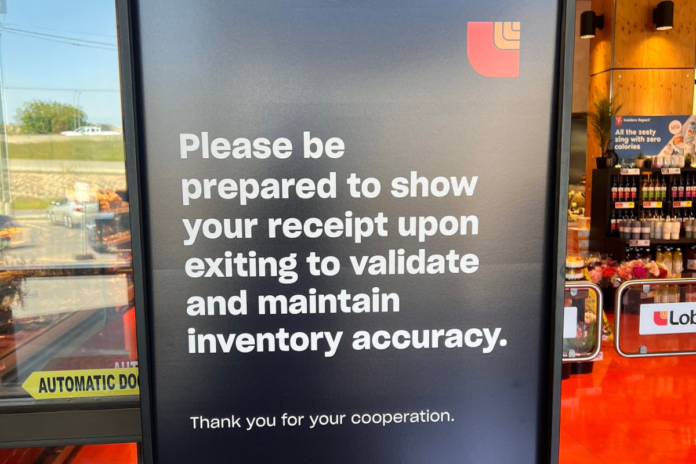
And abuse can be quite real for consumers. For instance, Loblaws recently implemented receipt verification in numerous stores across the country without providing a rationale for this decision. In contrast, Costco has been practicing receipt verification for several years as a means of validating memberships. However, it is worth noting that Costco’s approach differs, as they verify receipts for all customers. Randomly inspecting grocery receipts as customers exit stores is not conducive to fostering a social contract that can build trust between Canadians and the food industry.
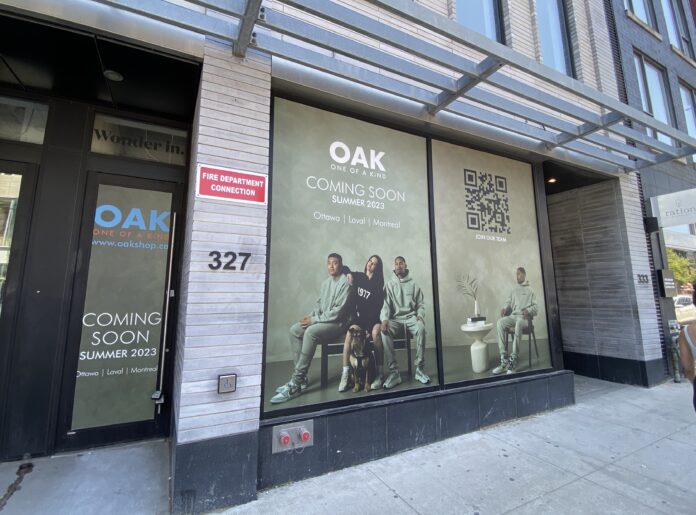
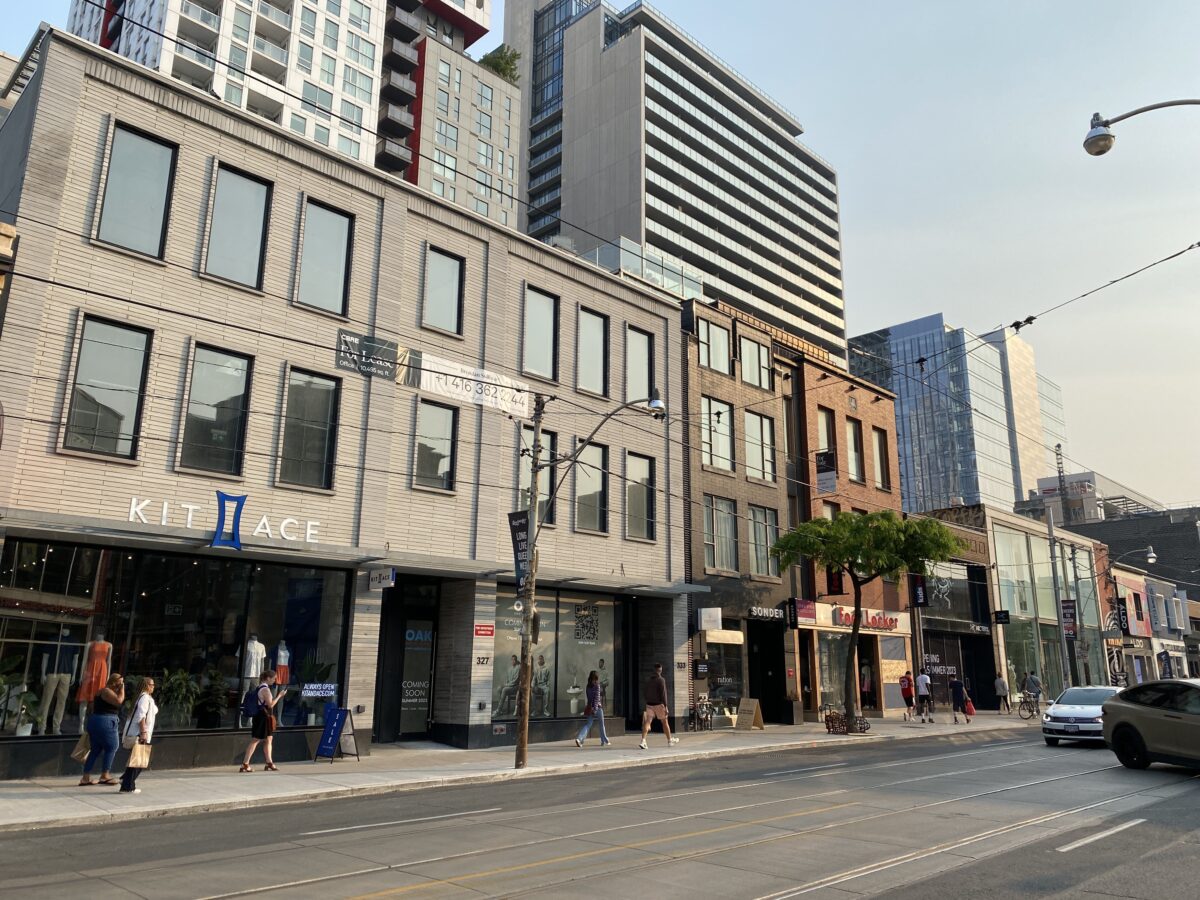
Future OAK One of a Kind at 333 Queen Street West in Toronto (Image: Dustin Fuhs)
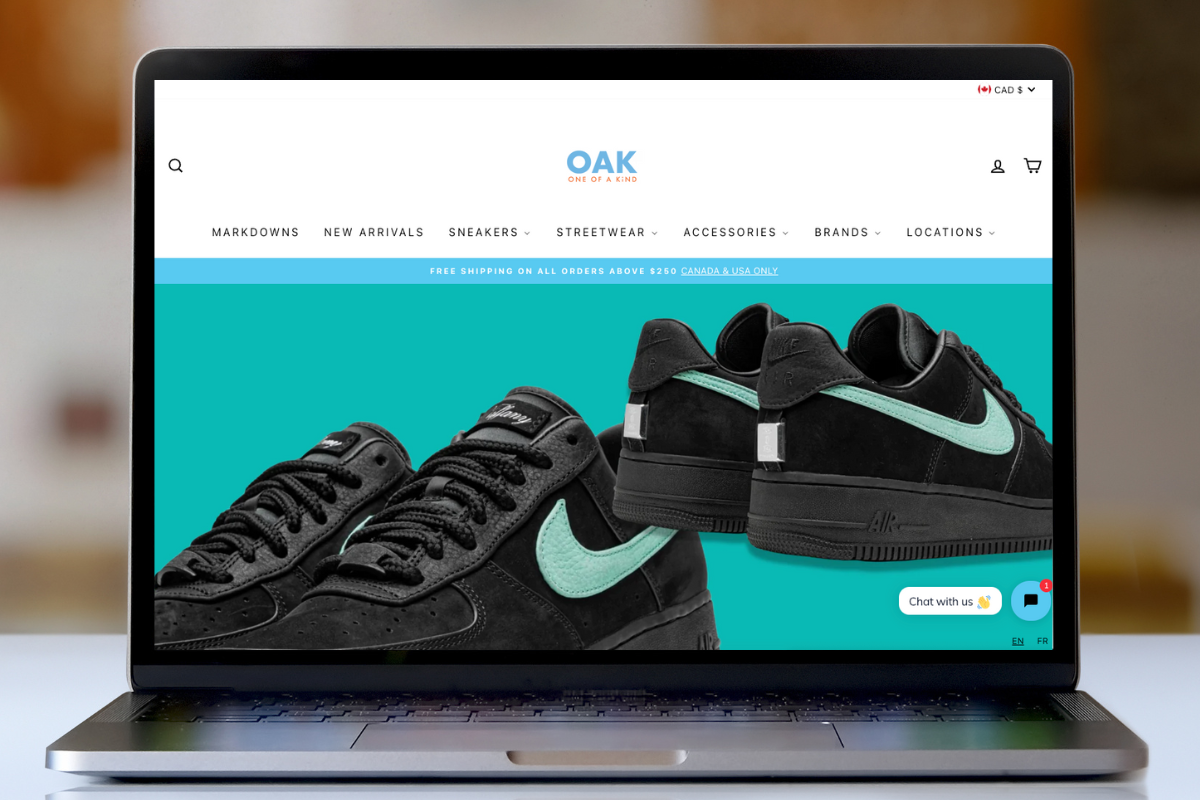
ONE OF A KIND, also known as OAK, which began as a resale boutique for footwear, is expanding its retail footprint with plans to open a new concept, flagship store this summer on Queen Street West in Toronto.
Franco Benalia, one of the brand’s founders, said the new store, its fourth, will be about 2,500 square feet.
“This is our biggest location to date and it’s probably one of the biggest sneaker stores in Canada,” he said.
“Before, our brand was associated with being sneaker, streetwear re-sellers. However, our brand really has developed more into a one-stop shop for anything that’s currently trending in the market. Moreover, we do focus on sneakers and streetwear but our brand is also going to introduce its own private label soon which we’ve been getting a lot of requests and demands from our community through our social networks.
“We went through a whole redesign, a whole restructuring in terms of the brand itself.”
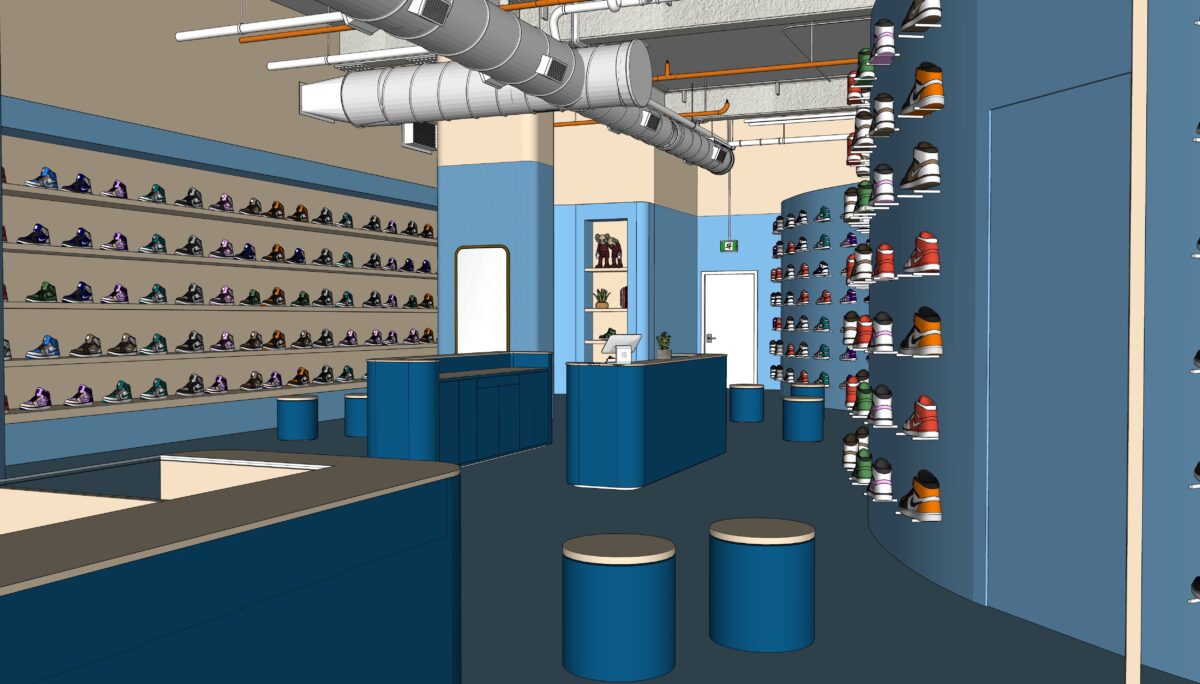
Future ONE OF A KIND at 333 Queen Street West in Toronto (Image: Dustin Fuhs)OAKShop Queen Street (Rendering: SB Architecture)
Before, the brand was referred to as OAKSHOP. Now it’s using the moniker OAK or ONE OF A KIND.
The brand has two locations on Montreal area street fronts – in Westmount and in Laval – and a location just down the street from CF Rideau Centre in Ottawa.
The first store in Montreal opened February 2020.
“We still only focus on exclusive products. Prior, we didn’t have the widest range in variety and brands whereas now we have a much larger catalog. We’ll sell toy collectables, designer items, vintage designer handbags and more high ticket items typically whereas before it was primarily streetwear and sneakers,” said Benalia.
“The decision to open in Toronto was pretty straightforward because we also run an e-commerce website and we noted a great majority of our customers are actually from Toronto. So over the last year we’ve been getting countless requests from people about opening in Toronto. Based on the demand from our community as well as the data provided on the amount of interest we have in Toronto, it was almost a no-brainer to install our flagship location there.
“Toronto is one of the biggest consumers of retail goods in Canada. So logically for us that was the next step.”
Image: oakshop.caOAK Shop Ottawa (Image: OAK One of a Kind)
Benalia said the Toronto store will be used to elevate the brand in general and introduce new concepts through it.
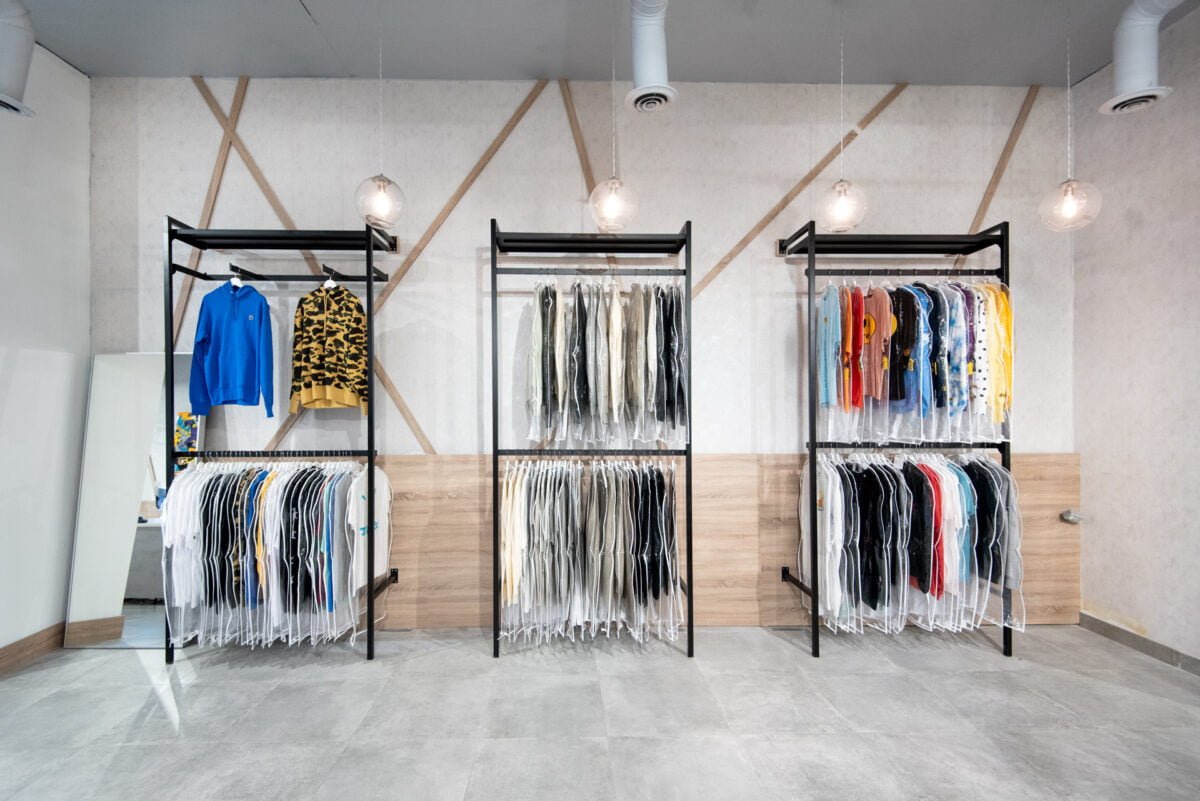
“We invested a lot of time and money into the design element of the store that embodied the brand. It’s really unique when it comes down to the colours we’ve chosen, the finishes and the details. It really equates to being an elevated experience and a place where customers can come in and share the same passion for the fashion trending products, sneakers, collectables, art, and anything in that realm. We’re hoping to use that space to become the main community hub in Toronto,” he said.
“For us, expansion is going to come more from introducing our private label, introducing our own product and incorporating those within the mix that complement the sneakers and streetwear very well. After Toronto, we’re always pondering about expansion but for us the expansion after Toronto is really going to come on our online, e-commerce.”
Benalia owns the business with Andrew Rusnac.
“It’s a funny story about how we met to start the brand. Since I was 16, I was kind of doing this without a storefront. Building my own clientele online. I would line up at every single sneaker release to collect pairs and I would also go to sneaker conventions in Toronto, Vancouver, all over Canada,” said Benalia in a previous Retail Insider story.
“We did a few deals online and then I met my partner as he was finishing school. He wanted to do something different. We both had a crazy passion for sneakers and realized we had a great opportunity to create a renowned brand. He took the next plane ticket to Montreal and stayed the week. In this time we plotted the brand concept and created a proper business plan. Next thing you know he moved to Montreal and we launched our company.”
“We are scaling at a rapid rate and we are beefing up our back end team. You’re going to really see the brand explode within this year.”
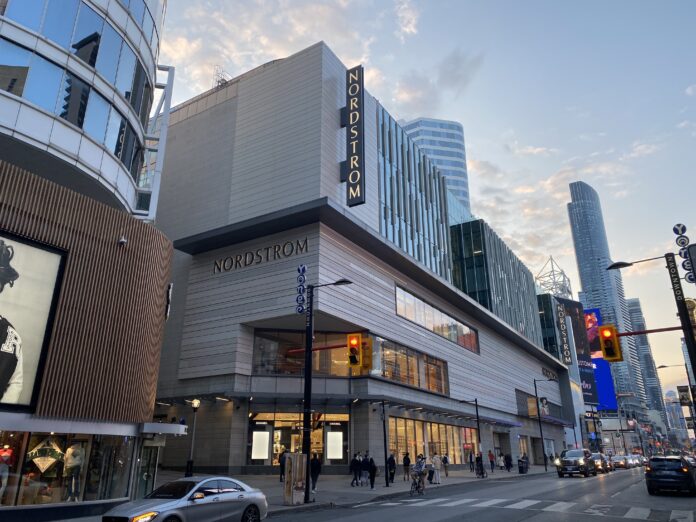
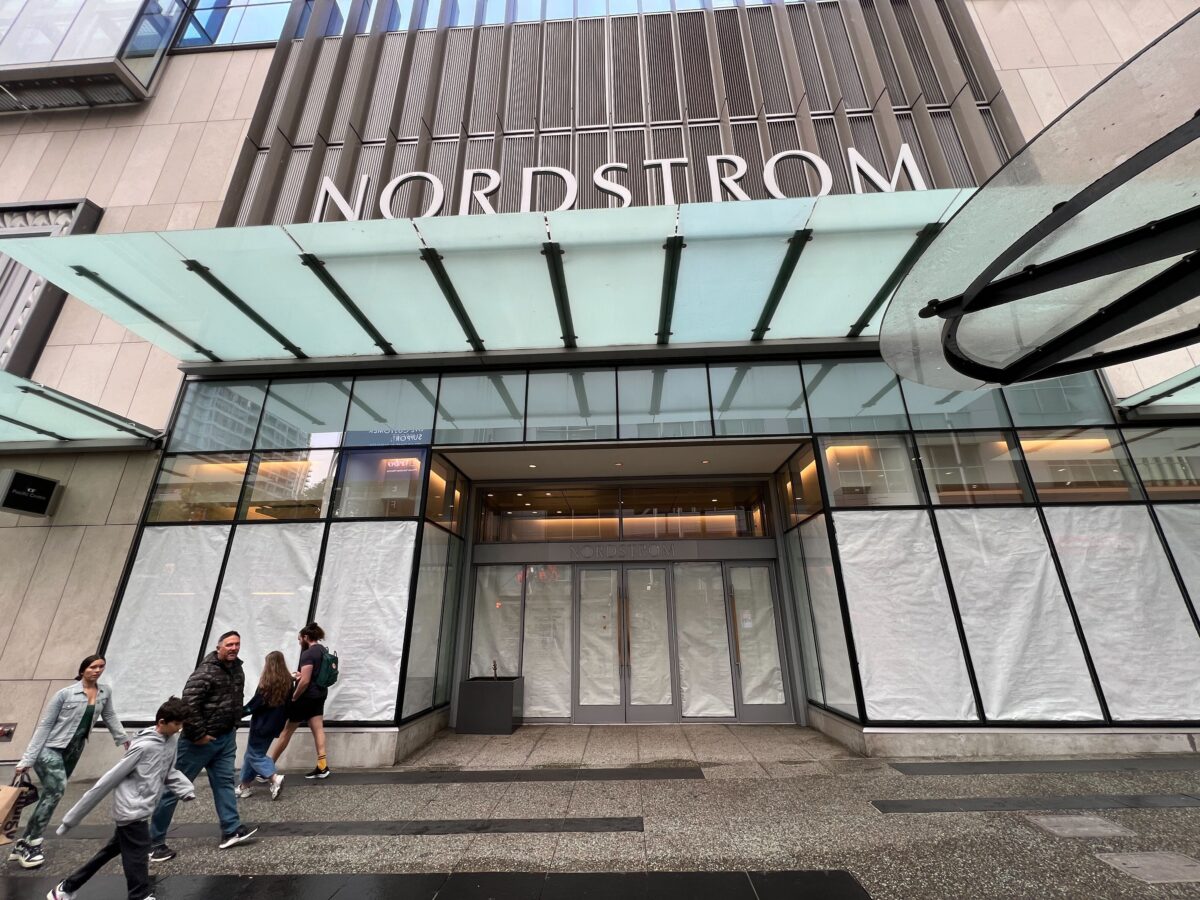
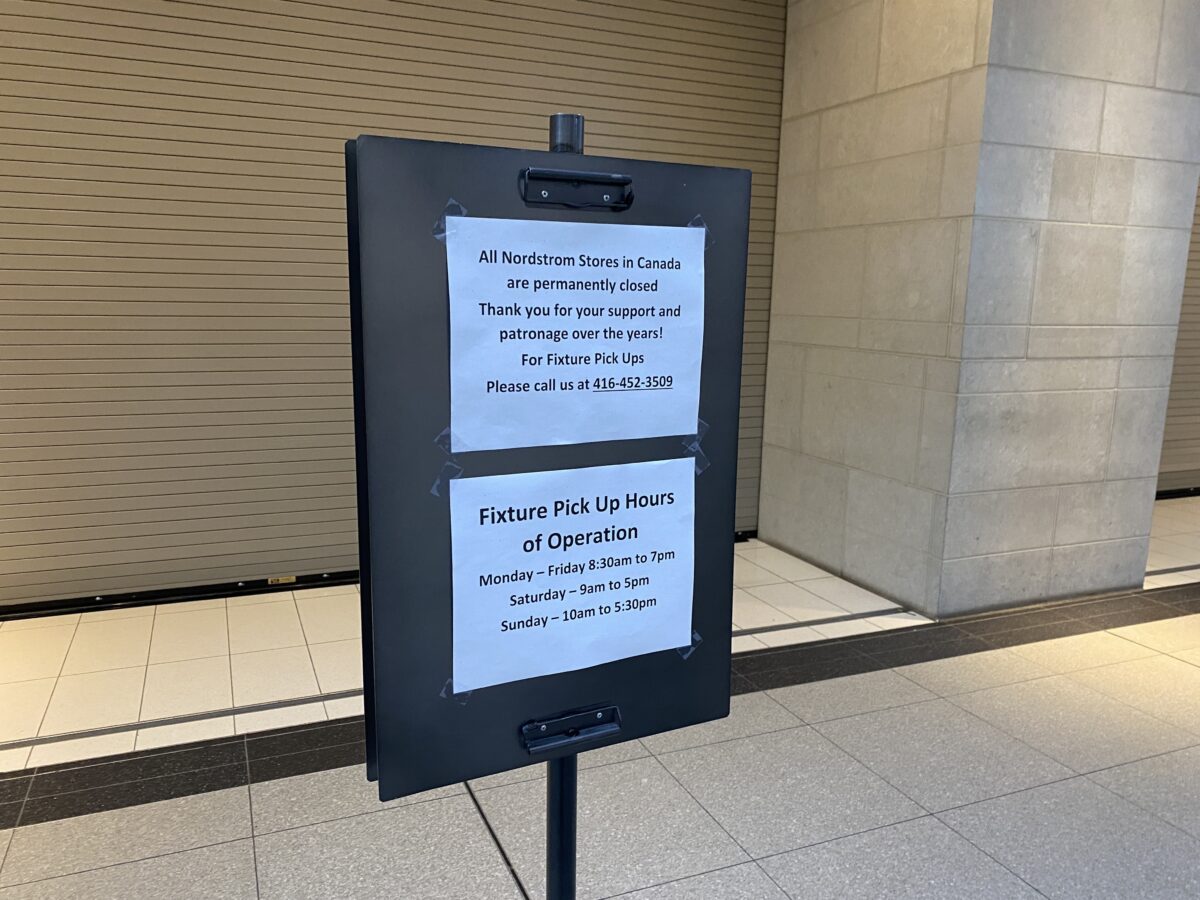
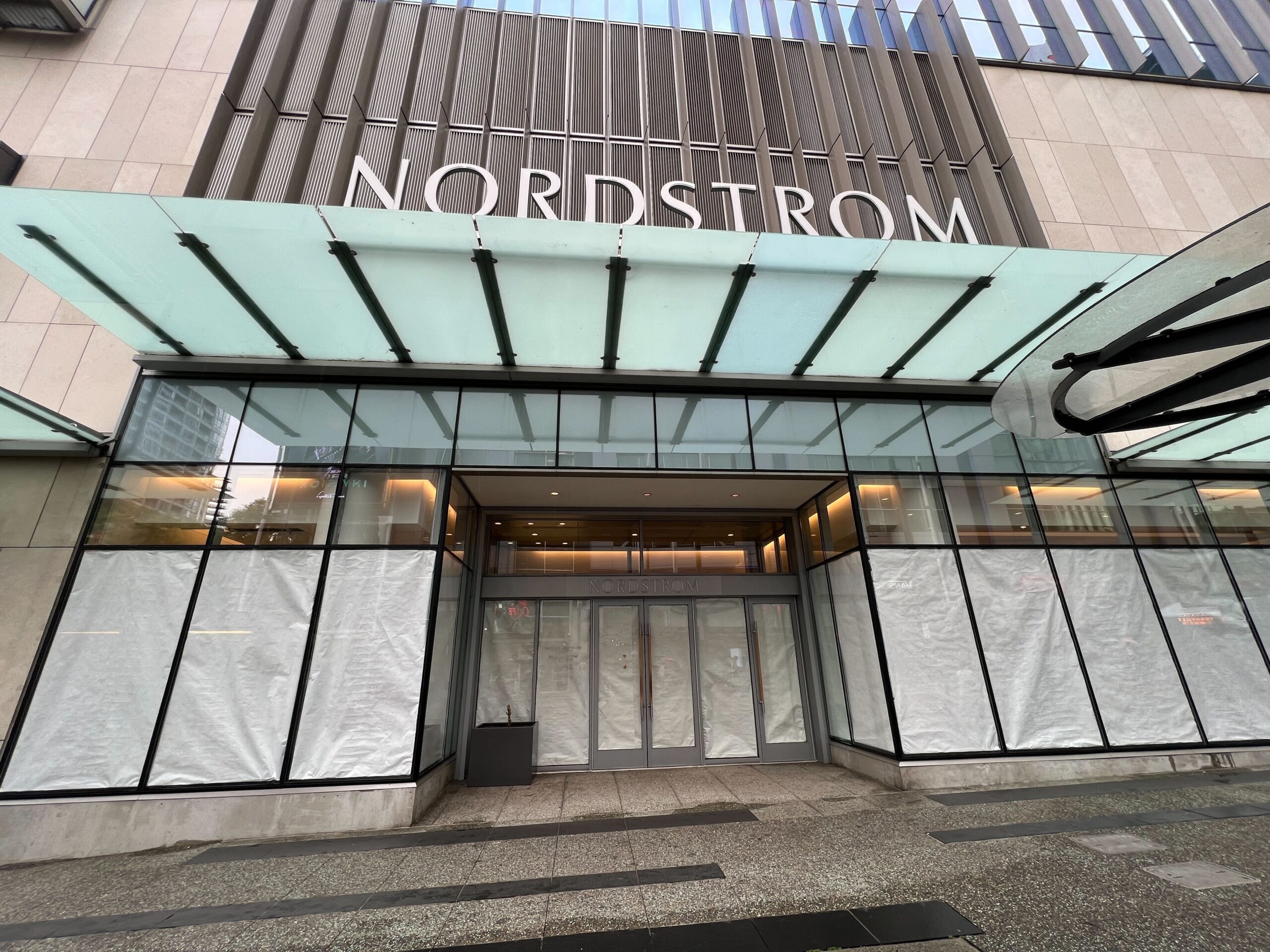
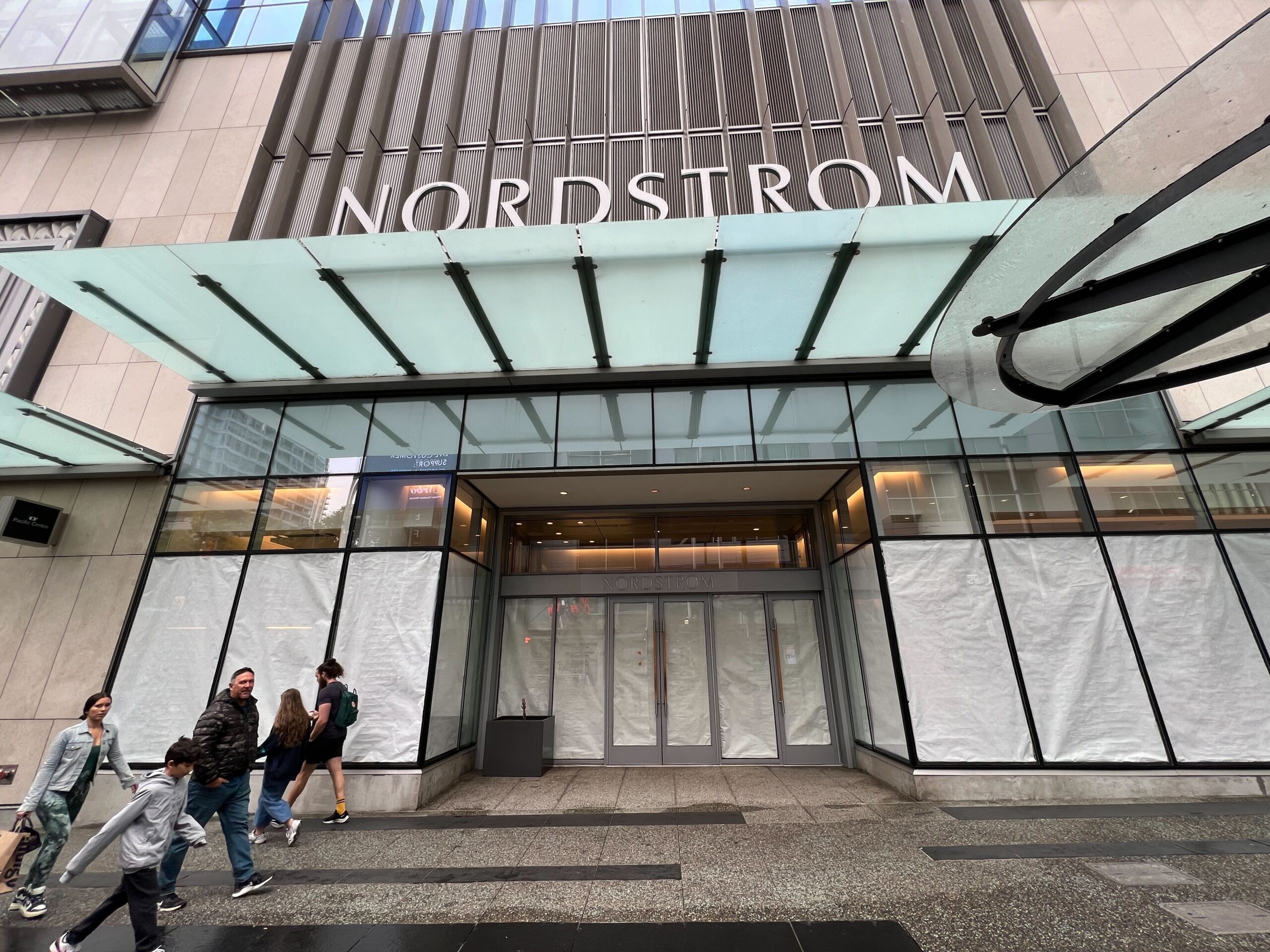
A Shuttered Nordstrom at CF Pacific Centre (Image: Dustin Fuhs)
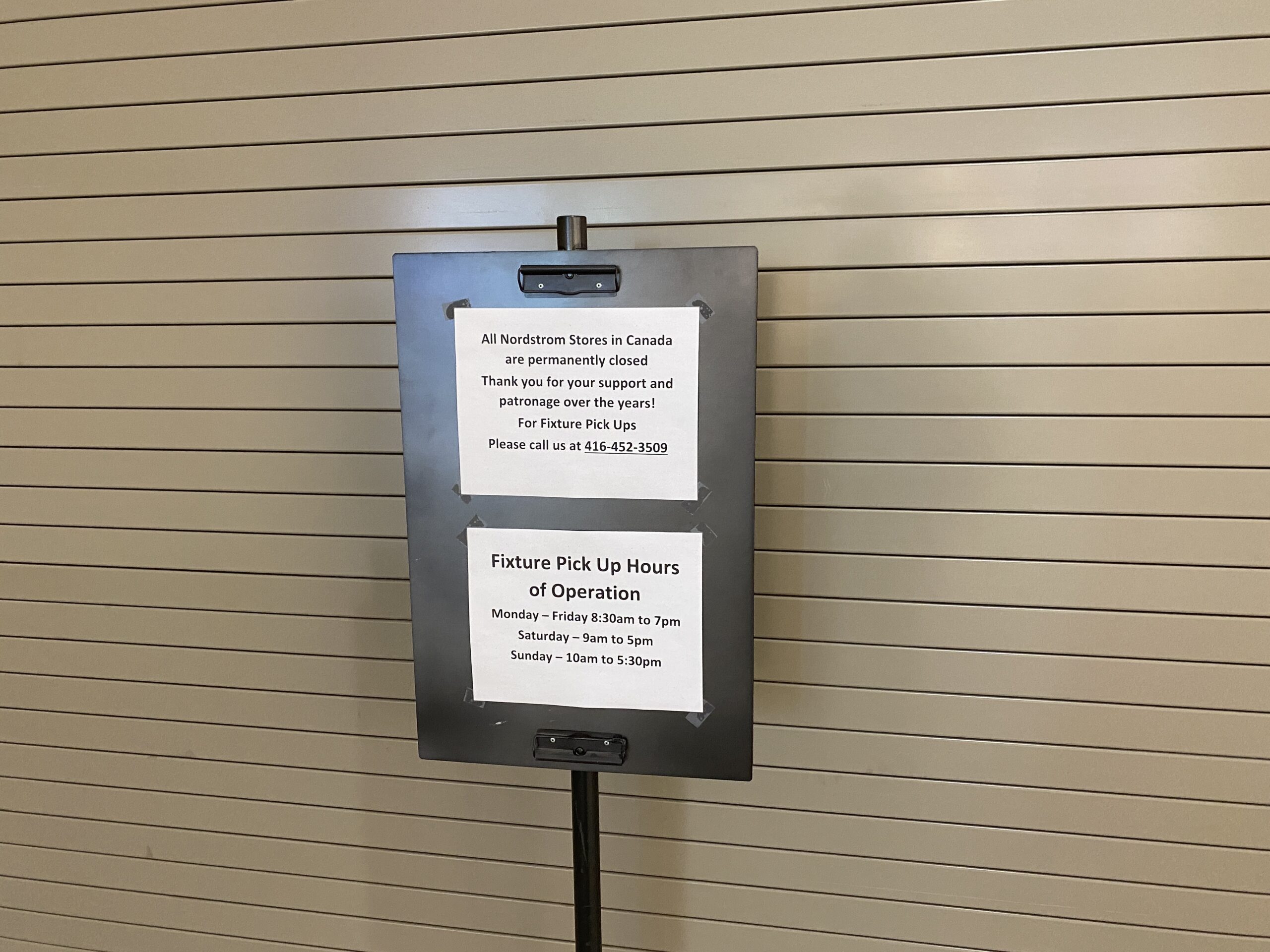
Craig and Lee discuss the final exit of Nordstrom from Canada after almost 8 years, including the smashing of fixtures by staff in Vancouver during liquidation, challenges Nordstrom had in Canada, speculation on future of old Nordstrom locations and an American Nordstrom discussion.
The Weekly podcast part of theThe Retail Insider Podcast Network by Retail Insider Canada and is available on Apple Podcasts, Stitcher, TuneIn, Google Play, or through our dedicated RSS feed for Overcast and other podcast players.
Announcer 0:00 This is a Retail Insider Podcast. You’re listening to “The Weekly”.
Lee Rivett 0:08 Welcome to this week’s episode of “The Weekly” by Retail Insider. I’m Lee Rivett and I’m joined with the owner and publisher of Retail Insider Media, Craig Patterson, to discuss this week’s most read articles on retail-insider.com. So thanks for joining me, Craig.
Craig Patterson 0:22 Hello, everyone.
Lee Rivett 0:23 Now for this podcast, we wanted to do one final acknowledgement of Nordstrom as it took its final gasp of air in the Canadian marketplace over this last week. Now media has been flooding our news feeds with a range of opinions on the exit of Nordstrom as the chain unwound its 10 years of operations in Canada. Now, its death march began back in March 2023. As it announced it was going to shutter its Canadian operations. But then things got promptly ‘real’ as it pulled the plug on the website at that point. So next up was the seven “off price” are “discounted” stores called “Nordstrom Rack”, which shuttered in mid May, leaving the six full price stores, called simply “Nordstrom”, to hold liquidation sales to offload as much product before closing last week. So now we’ve crossed that finish line and the final remnants of Nordstrom – being these full price stores – have closed across Canada. So Craig, to recap, yes, it’s 10 years ago, and 2014 Where Calgary opened up the first full price store. And then it popped up in Vancouver, Toronto and Ottawa. So a lot of Canadians have seen and shopped at these stores. So now – 10 years later and it’s now shuttered – what’s your thoughts, Craig?
Craig Patterson 1:33 Well, goodness me. Yes, Nordstrom has officially vacated the Canadian market in terms of having stores. Last week, oh my goodness – I think it was in Daily Hive and probably other social media – there were some really startling videos of employees at Nordstrom smashing the heck out of fixtures. In the store. It was a bit of a farewell
Lee Rivett 1:55 Well, and for me, it just triggered like the Vancouver Riots back in the day around the Olympics. But yeah, the optics of that was not so great for me.
Craig Patterson 2:02 It seemed fitting and it was also really brutal to see.
Lee Rivett 2:05 Yeah. Like Sledgehammers.
Craig Patterson 2:07 Rather shocking. And it was just jarring. I put it on on the Retail Insider Instagram pages as a repost. And people were reacting with shocked comments and whatnot. And I agree. That’s why I posted it on there.
Lee Rivett 2:21 There’s a lot of context that people didn’t have. When you take a look at the Vancouver riot people just wanted to break stuff just to ‘break stuff’ or ‘steal stuff’. This was not the case for that. There is likely a reason or rationale as to why people were breaking things with sledgehammers.
Craig Patterson 2:36 Now, retailers, in some cases do have to actually destroy certain things just at the end of these sorts of situations.
Lee Rivett 2:42 Yeah, and we don’t have any internal memo from Nordstrom confirming the suspicion but it would make sense that you have branded fixtures and shelving – that they would have to be destroyed.
Craig Patterson 2:51 This has happened in the past. So when Disney had originally left Canada over a decade ago, and then left more recently during the pandemic as well – I don’t know about the second time in terms of things being destroyed in terms of fixtures and whatnot from the store as well as perhaps some product. Nevertheless, the just the optics of the people with sledgehammers bashing things to pieces in the store was just quite a shock.
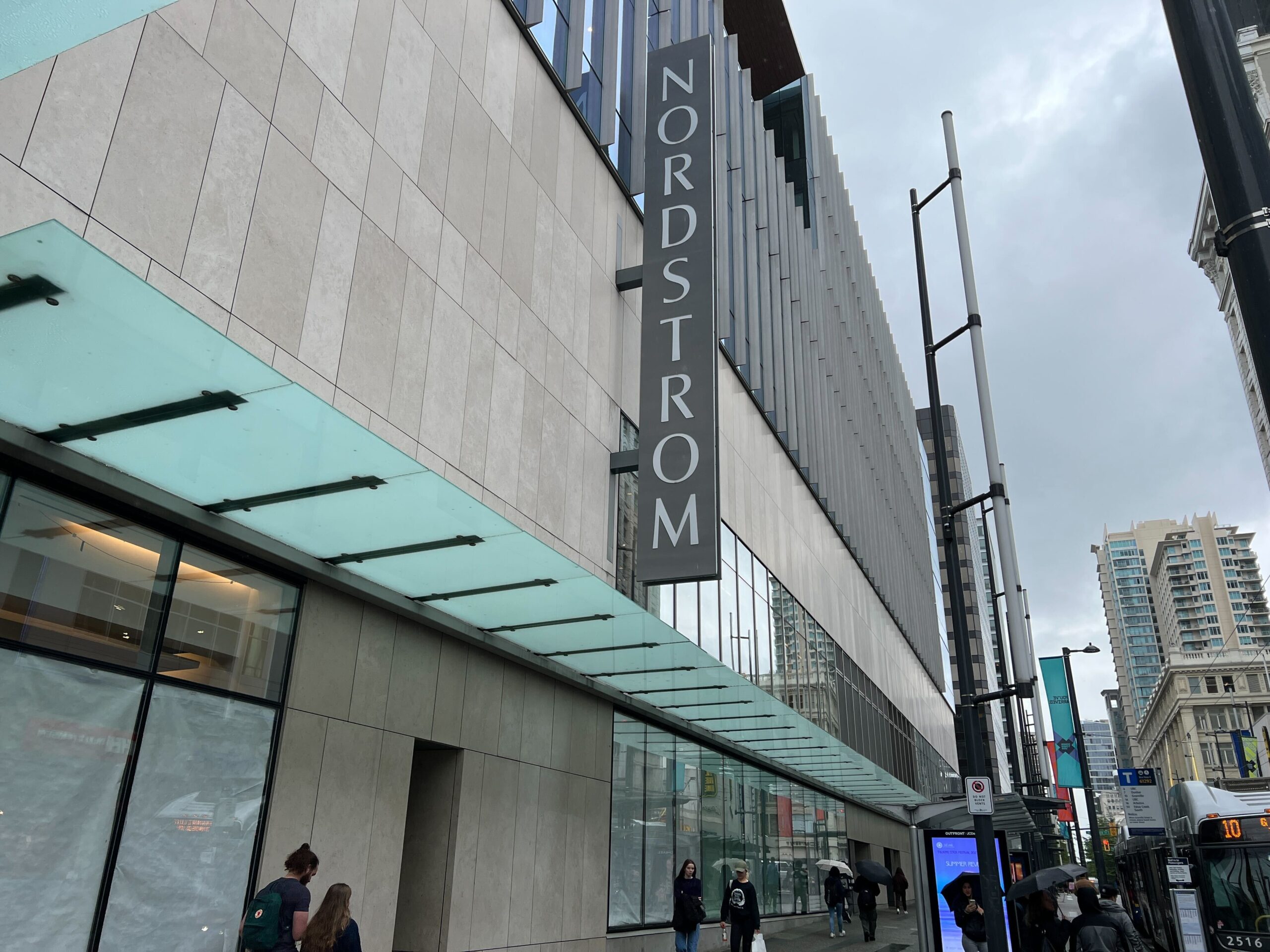
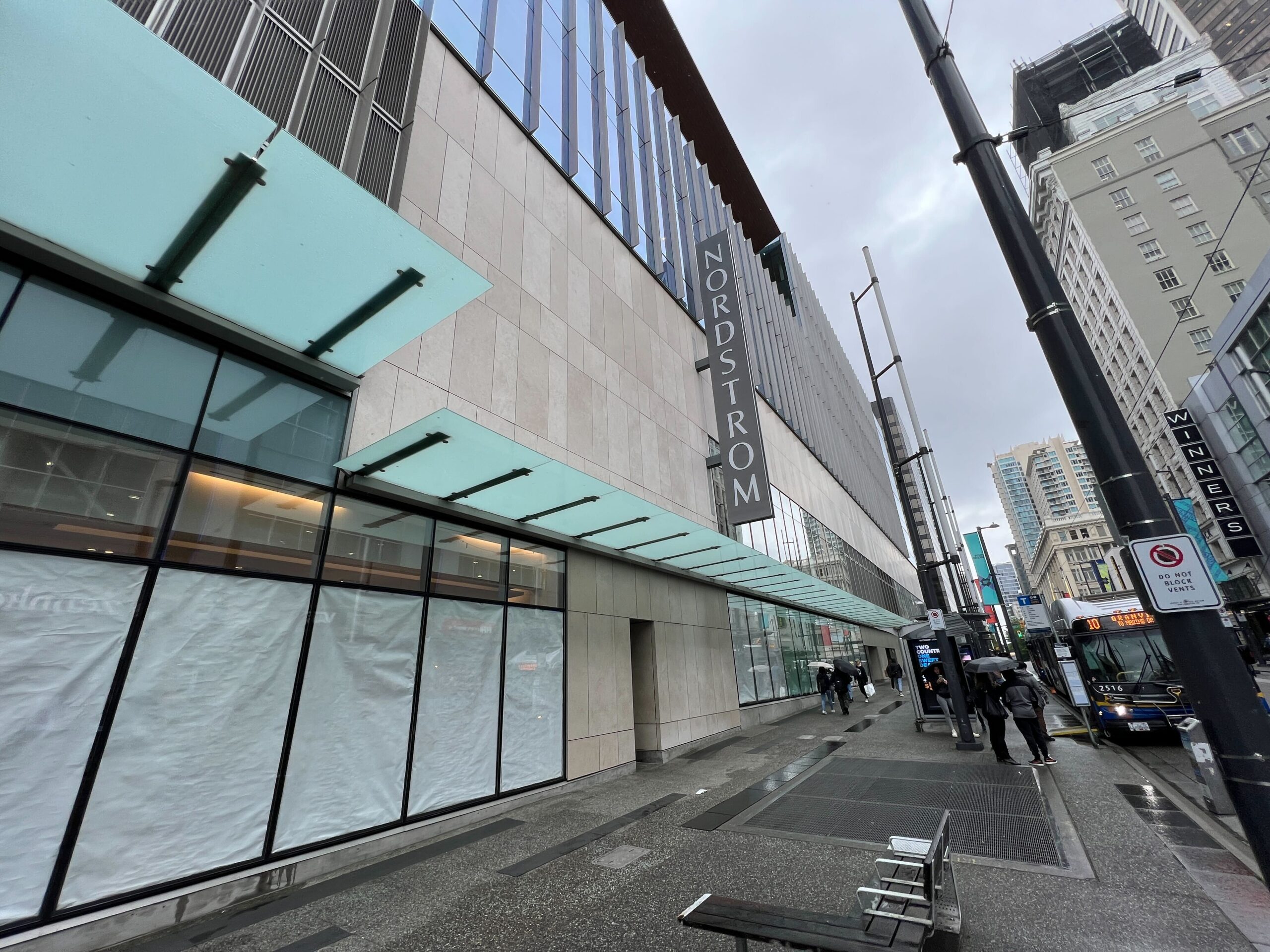
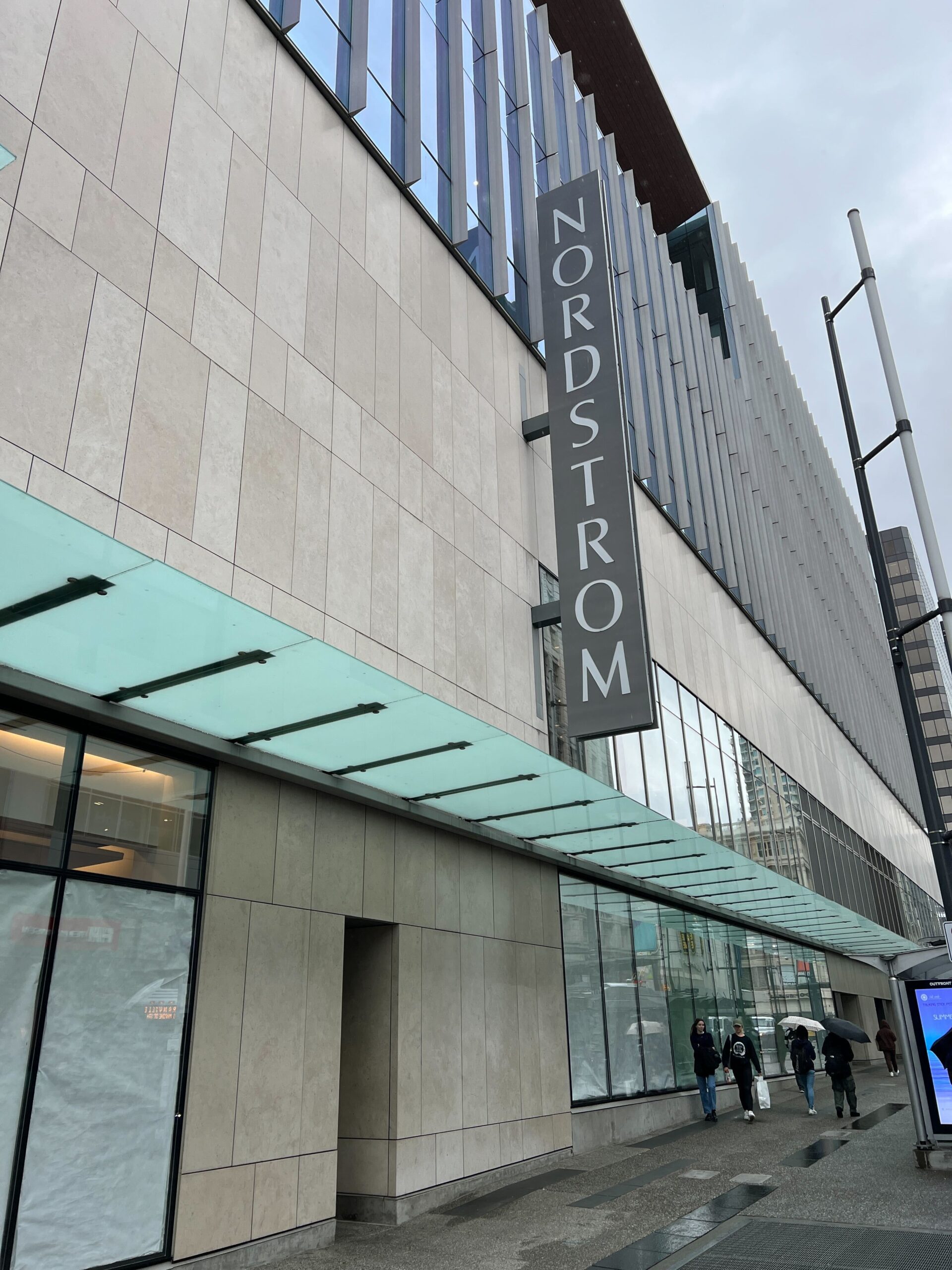
Shuttered Nordstrom at CF Pacific Centre (Image: Lee Rivett)
Lee Rivett 3:16 When will you take a look at the downtown Vancouver “Nordstrom” full price store – it was a Sears Canada before. They spent a whole lot of time and effort to bring it up to the current “look and feel” of the full price Nordstrom. It was beautiful. So it was shocking to me to see sledgehammers going to a store like that because at the end of the day, it just was sad and kind of a waste.
Craig Patterson 3:38 So about 10 weeks ago, I posted a personal Instagram story as well. We had been at Yorkdale with JC Williams Group and I just I had this moment we walked through the Yorkdale Nordstrom store and I thought this is a nice looking store. It’s well built. It’s It looks beautiful. What an incredible waste. And I did put out a bit of a message that was slightly scathing. I just said Nordstrom was leaving Canada with its tail between its legs. And this is an embarrassment. I don’t think that Nordstrom put in a ‘full effort’ in Canada to be a great retailer. It put an ‘OK effort’, I think – the stores overall were pretty decent, but I think some were in the wrong locations. And I think that they didn’t bring the right brands in. And we know over the years as some of these brands have been secured by retailers such as Holt Renfrew and Hudson’s Bay. But nevertheless, what did Nordstrom have to offer to Canadian consumers that wasn’t already available in the market?
Lee Rivett 4:33 Yeah, and I think that you could get all the brands that were at Nordstrom at other locations.
Craig Patterson 4:37 And that’s a problem. If you think about if – I’ll call it a department store though I don’t know if Nordstrom could be technically called a department store – but at this point, we can go online and buy the same stuff. We can go to the brand stores that are individually say in the same mall and buy that stuff. Whether or not that’s Nike or whether or not that’s you know, Chanel cosmetics or whether or not that’s a pair of On running shoes. These are all things that we can get somewhere else within Nordstrom stores. Not many of the brands that were at Nordstrom were not available elsewhere.
Lee Rivett 5:10 And there’s exceptions to that too. Like Delvaux was a Belgian brand of like handbags and wallets inside of leather goods. They were in the Vancouver and Toronto full price Nordstroms as well. So now that they’ve all shuttered, I went into the Holt Renfrew in downtown Vancouver and was able to talk to their new concession that just opened up there.
Craig Patterson 5:32 And then I spoke to Jody Wolf, who I asked to run through Yorkdale as I didn’t have a chance to get up there on time, and Jodie said, there’s no Delvaux at Holt Renfrew there. So it looks like just Vancouver for now has it but remains to be seen. That was one of very few brands you could only get at Nordstrom in Canada, and I don’t know how well the brand was doing. So I think it probably would do better at Holt Renfrew anyways, because Holt Renfrew gets a wealthier shopper.
Lee Rivett 5:54 And that’s the feeling I got from the downtown Vancouver full fledged Nordstrom as well. But I’ve never been to the American Nordstrom stores. So how are they different from the Canadian variants?
Craig Patterson 6:04 I think Nordstrom was a little bit different than the American stores. I was in Las Vegas recently. I got to go to a Nordstrom store there. One thing I thought was interesting about the American’s Nordstrom stores is they seem to be dropping some designer brands. They don’t have as many as they had before. This was an issue in Canada as well. But the former creative director that had left Nordstrom, Jeffrey, who also had a store there he I think he had a lot of relationships with brands and now that there’s a new person that’s come in to replace him, I think they’re gonna start building some of those relationships again. So you’ll see some more designer brands.
Lee Rivett 6:34 And besides brands, how’s the overall company doing in the United States?
Craig Patterson 6:38 San Francisco market is finished for Nordstrom, which is a little bit shocking. They’ve announced that they’re going to be closing their downtown San Francisco store. Sales have absolutely tanked. It’s also tanked in the shopping center, with Westfield defaulting on its mortgage and handing over the keys to its lender to basically take over the operations of the Westfield, San Francisco shopping center. I don’t know how Bloomingdale’s feels about that. But this is quite a time for them. But anyways, that’s sort of a sidetrack here, but Nordstrom, the United States overall, is a pretty decent retailer. Not to say that the Canadian operations were bad, but I think they were a little bit different. I also miss having a piano player at Nordstrom, but that’s for older people that might remember this, being a part of the stores.
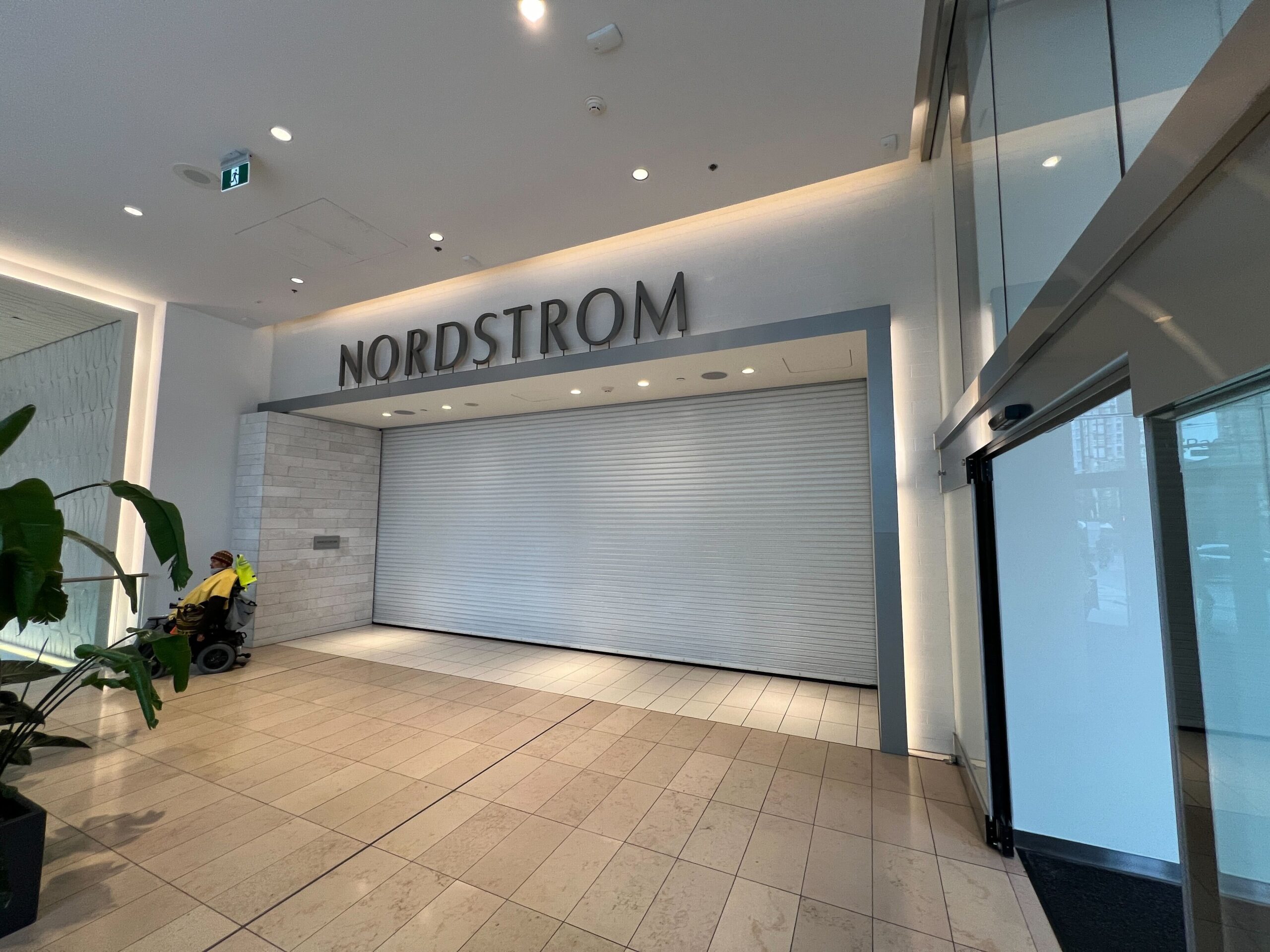
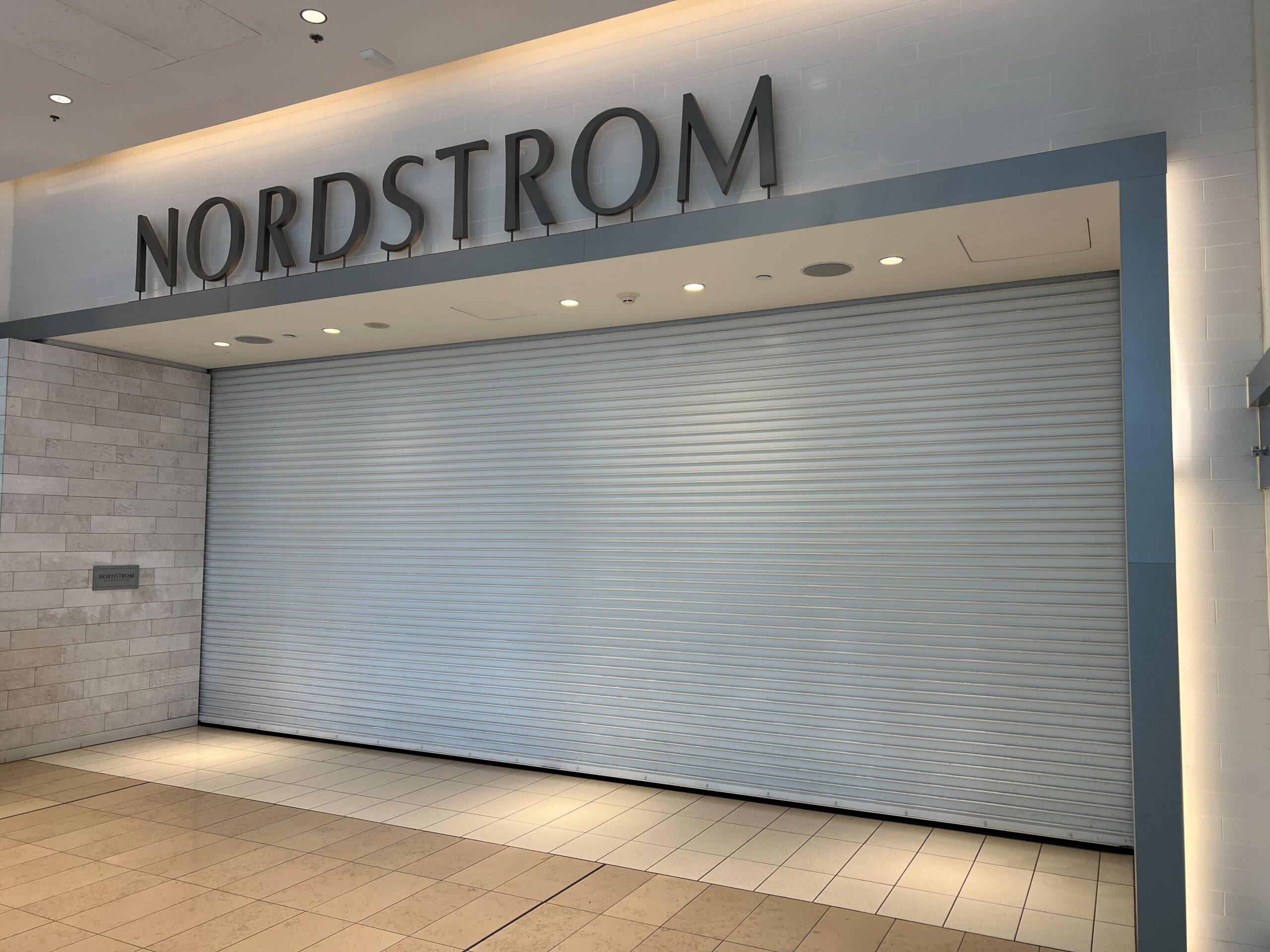
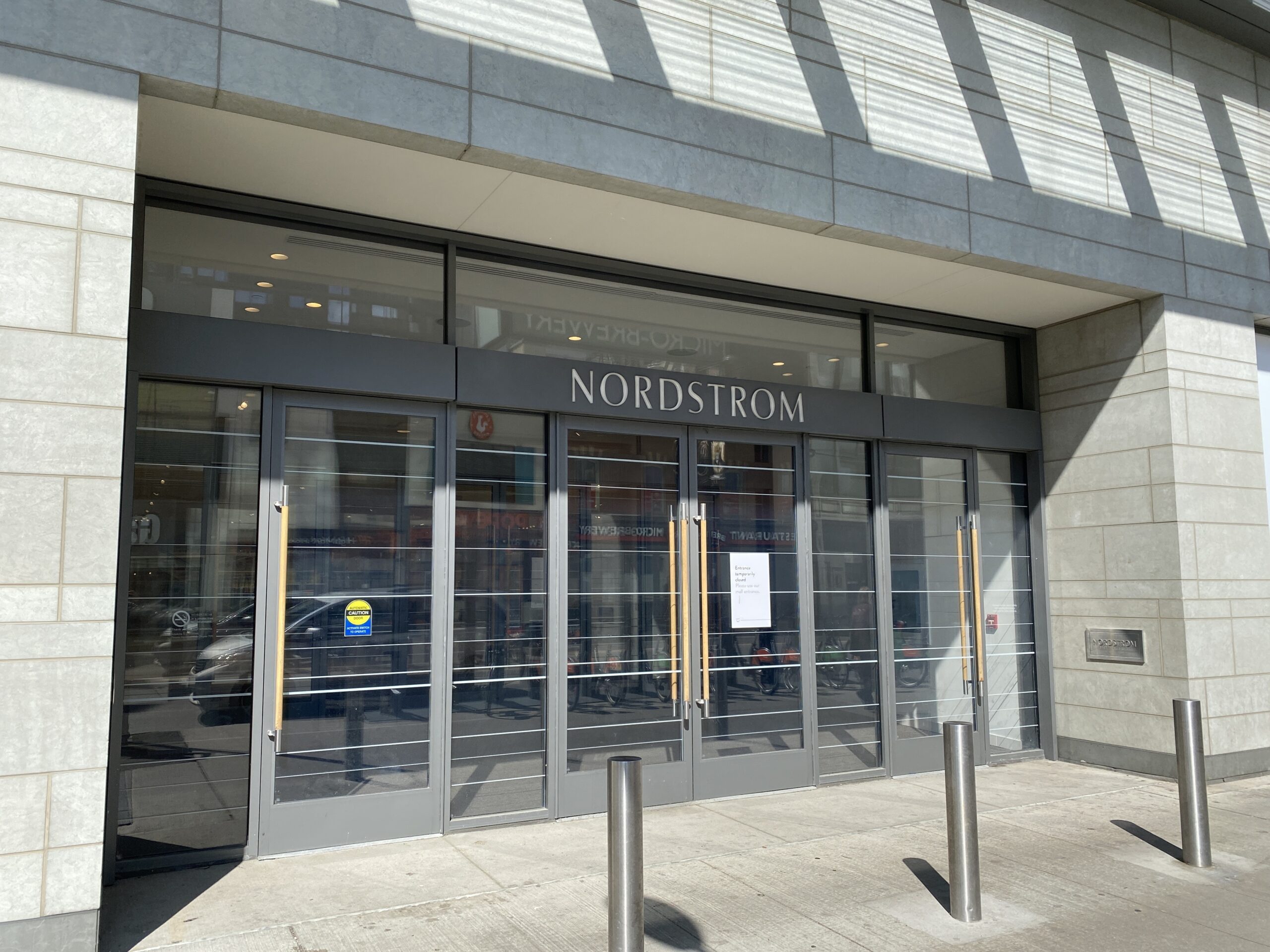
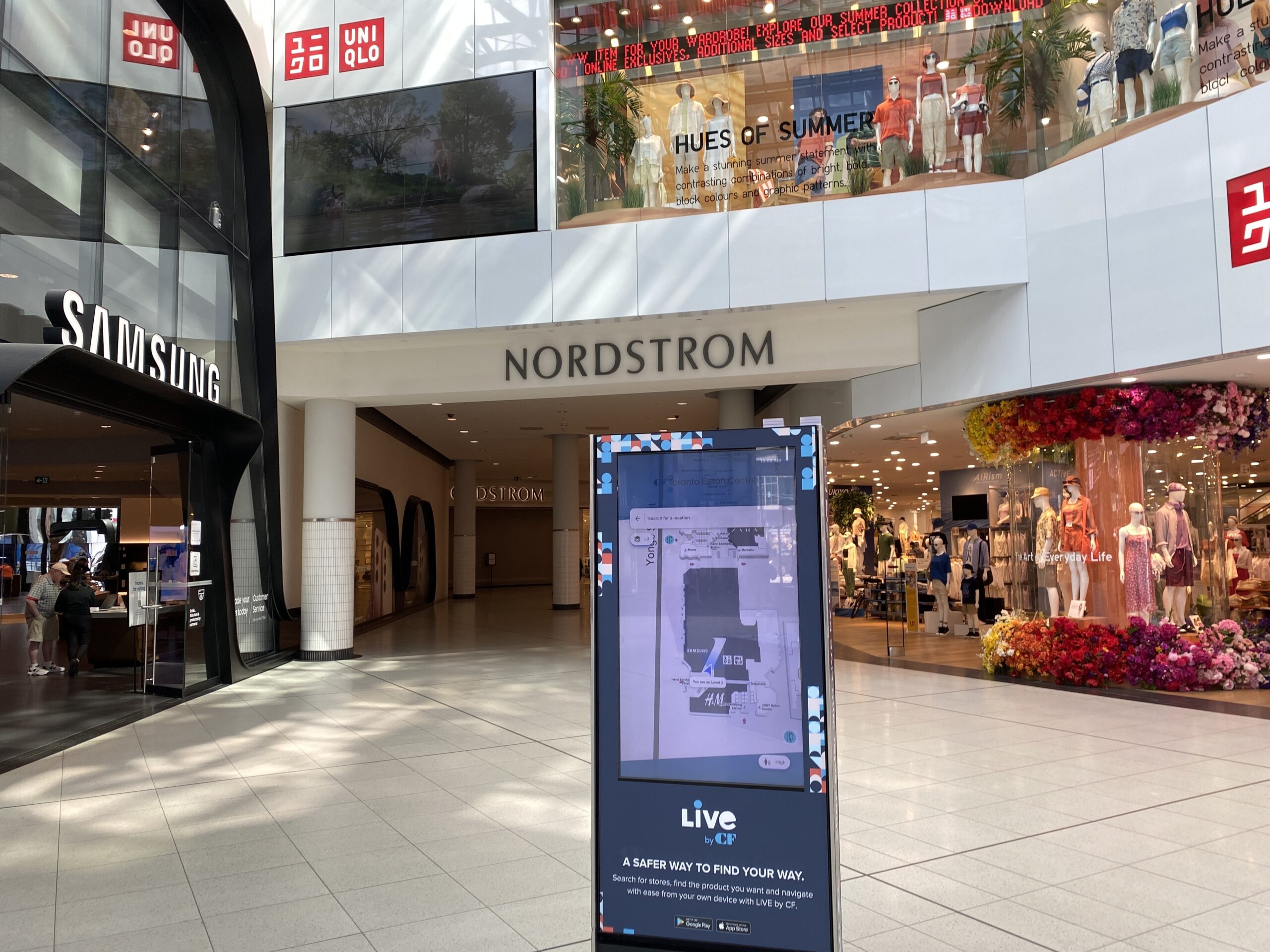
Closed Nordstrom at CF Toronto Eaton Centre (Image: Dustin Fuhs)
Lee Rivett 7:22 Now that Nordstrom, Canada has completed its exit, it’s done, everything is closed. What are you finding is the sentiment in the Canadian marketplace now that it’s closed?
Craig Patterson 7:33 I will say that I have spoken to some Nordstrom shoppers in Canada who are actually sad to see it go. Because they had sales associates that would put stuff aside for them and say, “This might fit you. This might look good on you.” and some Canadians had establish these relationships with some of these brands. That’s really too bad. I mean, they’re gonna have to find other places to shop.
Lee Rivett 7:52 And where do you think they’re going to do?
Craig Patterson 7:53 They’ll be able to do it. I mean, there’s brands out there, and maybe they’ll go online. There were brands in Nordstrom that have websites and also have standalone stores in Canada and are available in other retailers. So people will be able to find these brands. It’s going to happen, it’s just a matter of locating it, but it won’t be at Nordstrom anymore. And will people shop on the Nordstrom American website, and do you know customs over to Canada? I highly doubt it. Maybe a few but probably not that many, maybe some people from Vancouver will go down to the Seattle store to shop because they were doing that before Nordstrom entered the Canadian market anyways.
Lee Rivett 8:27 Now that Canadians are looking at Nordstrom Canada in our rearview mirrors, there was a lot of speculation on what the void of Nordstrom Canada would leave behind in the Canadian retail marketplace. So, in your opinion, there’s been quite a bit of time that Nordstrom Canada hasn’t really effectively been here, right, like liquidation sales doesn’t really count as fully operating in Canada. So are you seeing any early indicators on what the Canadian economy or retail environment is doing as a result of this departure?
Craig Patterson 9:01 We may see some headwinds for retail in Canada. And this would have probably hit Nordstrom before its closing. And I think it’s going to probably continue to hit retailers that are not catering to that top luxury market. If you look at where things have gone with inflation, and you look at where the cost of living has gone, just generally, you look at real estate prices whether or not a person is renting a home or looking to buy it with interest rates going up with rents going up with the cost of food going up a lot of consumers out there that may have been aspirational and we’re looking at buying certain goods – or even more expensive goods or even just mid price goods – have stopped shopping. And this is a huge concern for retail. I knew that our real estate prices were going to bite us in the ass eventually here in Canada because you look at a place like Texas where you can buy a home for a reasonable price and the salaries are actually pretty high and the taxes are not terrible on top of that to people that can afford to buy more stuff. So Americans generally have a better/higher buying power than Canadians. We look like a prosperous country. We have all kinds of great retail our malls are doing so much better overall than in the United States. And I think retail here is thriving. And It shocks me because Americans have more money. They say, “Well, yeah, Canadians like to buy things on sale and whatnot” I don’t think it’s because we’re more pragmatic. I think it’s because we have to because we’re broke. Because our housing is so damn expensive, and things have gotten so expensive. You go to Loblaws and what Dustin posted a photo of two bags of chips for $9. And they would have been a buck 99 Before the pandemic. I mean, we’re getting gouged. I don’t care what Sylvan Charlebois says, But, you know, these grocery stores are absolutely gouging us because I went to Whole Foods, and I paid three bucks less for a huge thing of iced coffee than I would have at Loblaws. So we are getting gouged at these stores. There’s no question there. I should probably do a separate podcast on this because it does piss me off a bit.
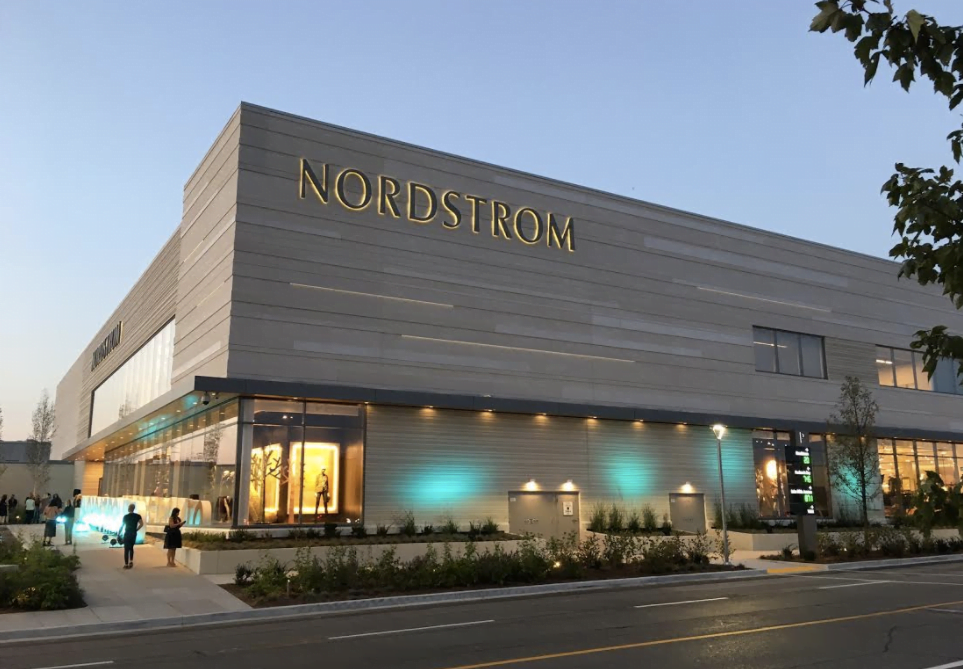
CF Sherway Gardens Nordstrom (Image: Nordstrom)
Lee Rivett 10:50 On what do you think is going to happen with these Nordstrom box stores? Like we talked about it before? But let’s have you had any more time to think about that?
Craig Patterson 10:57 That’s a good question. I mean, I don’t have a lot of insight or, or I don’t have a lot of insight into this right now other than what I think I did. I’ve done TV and radio discussing this for a few months now. But my expectation – and we even did a podcast on this – is that the Nordstrom Rack stores will probably be pretty easy to be picked up by retailers. The Young and Bloor locations probably going to go to some big brands that we all know. I’m not saying I know which one I’m just saying it’ll probably be a household name or something because they can afford the rent and it’s a big spot. So you might see a big something in there. That’s like a big Nike flagship store. And I’m totally just making that up. That is not in any way anything that I’ve even heard of being negotiated. So that’s why I’m saying it but look at a good place for a Nike flagship store by the way, if anybody’s there brokering that deal.
The other Nordstrom Rack stores, they’ve run between 30,000 and 40,000 square feet, typically here in Canada. They might go to a boutique grocery store, maybe a Sport Check might open it, that’s not going to be hard. It’s these bigger Nordstrom stores that are spanning anywhere from about 140,000 square feet to about 230,000 square feet. Those are gonna have to be filled. La Maison Simons may have an opportunity to go into some of these boxes. I don’t know if Simon’s has the money to do it, but you never know. In downtown these, these boxes could be split up. I’m thinking primarily Toronto and Vancouver, but it costs millions and millions of dollars to do that. In Vancouver at the CF Pacific Center, you’ve got a Nordstrom store. There’s fire stairs, there’s components to this old Eatons building, which are going to be quite challenging to have to repurpose if they want to turn this into a shopping mall. So we’ll see I don’t know what’s gonna happen there. But hey, I mean Cadillac, Fairview lost a lot of money with this Nordstrom situation here. Five of those six department stores were in Cadillac Fairview malls – one is an Oxford mall being Yorkdale. So Cadillac, Fairview of sure is going to want to somehow recoup as much as they can on this disaster of Norstrom leaving think that our landlords up here in Canada are generally in a better shape than what we’re seeing in the United States. Our real estate is more valuable typically in the cities here. We have less retail space per person. If this happened in the United States. I’d be more worried – if I was American doing this report.
Lee Rivett 12:05 Do you have anything to kind of wrap up and final thoughts here?
Craig Patterson 13:18 I also optimistic and I think that we’re going to see some interesting stuff happen in Canada over the next few years. I don’t think this is an end of the world situation. I think it’s a matter of adapting and doing something new. But it’ll be interesting to watch. So really, what we’ll do is we’ll keep our ear to the ground, see what we can hear. And eventually we’ll be reporting on what’s going to be replacing these Nordstrom stores. Be it the full sized ones as well as Nordstrom Rack so it’s going to be an interesting and exciting time to be reporting here at Retail Insider, as it always is.
Lee Rivett 13:46 Thank you very much for going through this with me. It’s again, it’s the farewell to Nordstrom pretty much so. But otherwise talk to you next week.
Craig Patterson 13:52 Thank you so much, Lee, and thank you so much everyone for listening. Take care and bye for now.
Subscribe, Rate, and Review our Retail Insider Podcast!
Drop us a line at Craig@Retail-Insider.com. You can also rate us in Apple Podcasts or recommend us in Overcast to help more people discover the show!
Background Music Credit: Hard Boiled Kevin MacLeod (incompetech.com). Licensed under Creative Commons: By Attribution 3.0 License. http://creativecommons.org/licenses/by/3.0/
Nordstrom Canada at CF Pacific Centre
1 of 7
Shuttered Nordstrom at CF Pacific Centre (Image: Lee Rivett)
Shuttered Nordstrom at CF Pacific Centre
Shuttered Nordstrom at CF Pacific Centre (Image: Lee Rivett)
Shuttered Nordstrom at CF Pacific Centre
Shuttered Nordstrom at CF Pacific Centre (Image: Lee Rivett)
Shuttered Nordstrom at CF Pacific Centre
Shuttered Nordstrom at CF Pacific Centre (Image: Lee Rivett)
Shuttered Nordstrom at CF Pacific Centre
Shuttered Nordstrom at CF Pacific Centre (Image: Lee Rivett)
Shuttered Nordstrom at CF Pacific Centre
Shuttered Nordstrom at CF Pacific Centre (Image: Lee Rivett)
Shuttered Nordstrom at CF Pacific Centre
Shuttered Nordstrom at CF Pacific Centre (Image: Lee Rivett)
Shuttered Nordstrom at CF Pacific Centre
Nordstrom Canada at CF Toronto Eaton Centre
1 of 9
Closed Nordstrom Canada at CF Toronto Eaton Centre (Image: Dustin Fuhs)
Closed Nordstrom Canada at CF Toronto Eaton Centre
Closed Nordstrom Canada at CF Toronto Eaton Centre (Image: Dustin Fuhs)
Closed Nordstrom Canada at CF Toronto Eaton Centre
Closed Nordstrom Canada at CF Toronto Eaton Centre (Image: Dustin Fuhs)
Closed Nordstrom Canada at CF Toronto Eaton Centre
Closed Nordstrom Canada at CF Toronto Eaton Centre (Image: Dustin Fuhs)
Closed Nordstrom Canada at CF Toronto Eaton Centre
Closed Nordstrom Canada at CF Toronto Eaton Centre (Image: Dustin Fuhs)
Closed Nordstrom Canada at CF Toronto Eaton Centre
Closed Nordstrom Canada at CF Toronto Eaton Centre (Image: Dustin Fuhs)
Closed Nordstrom Canada at CF Toronto Eaton Centre
Closed Nordstrom Canada at CF Toronto Eaton Centre (Image: Dustin Fuhs)
Closed Nordstrom Canada at CF Toronto Eaton Centre
Closed Nordstrom Canada at CF Toronto Eaton Centre (Image: Dustin Fuhs)
Closed Nordstrom Canada at CF Toronto Eaton Centre
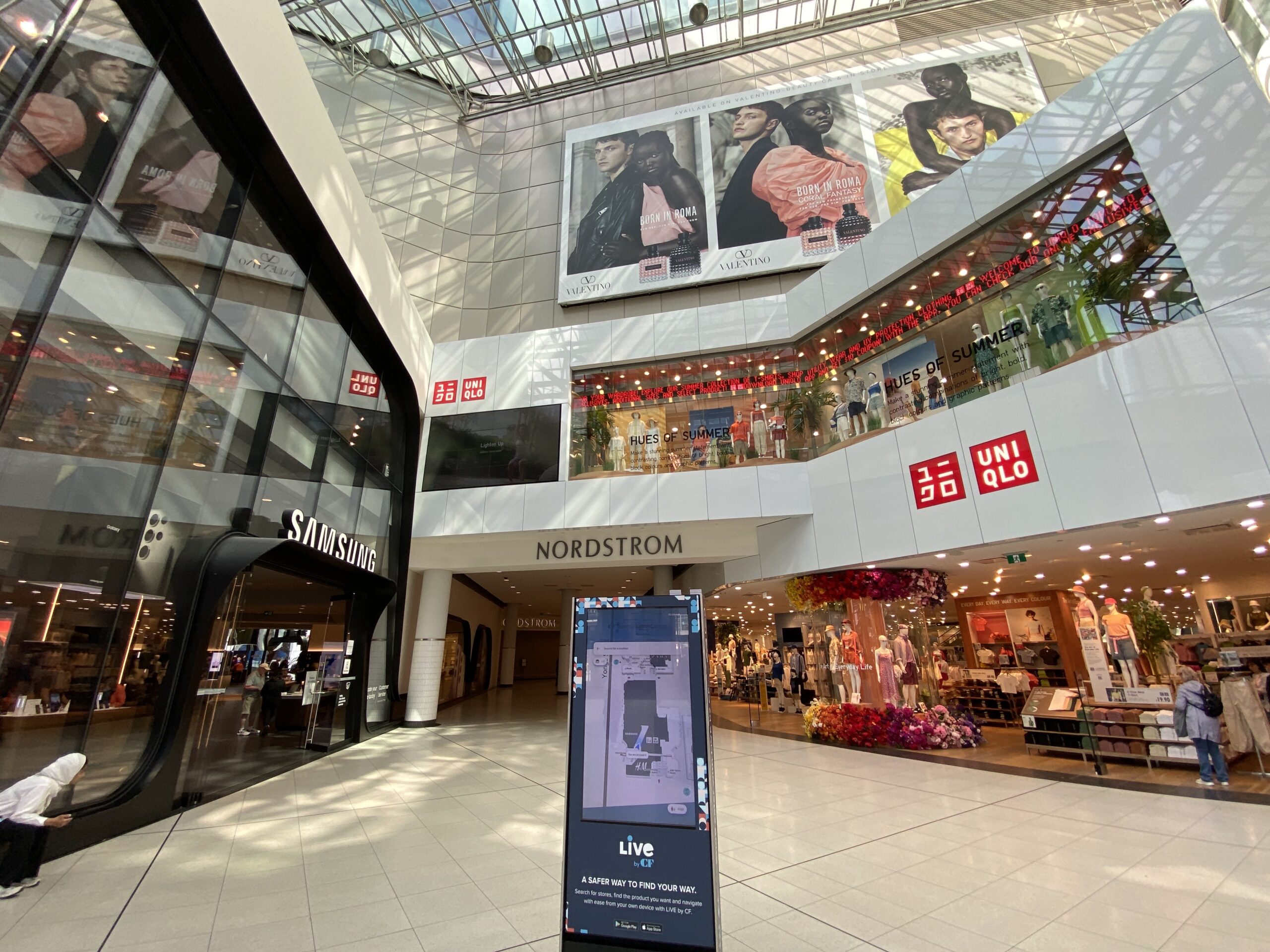
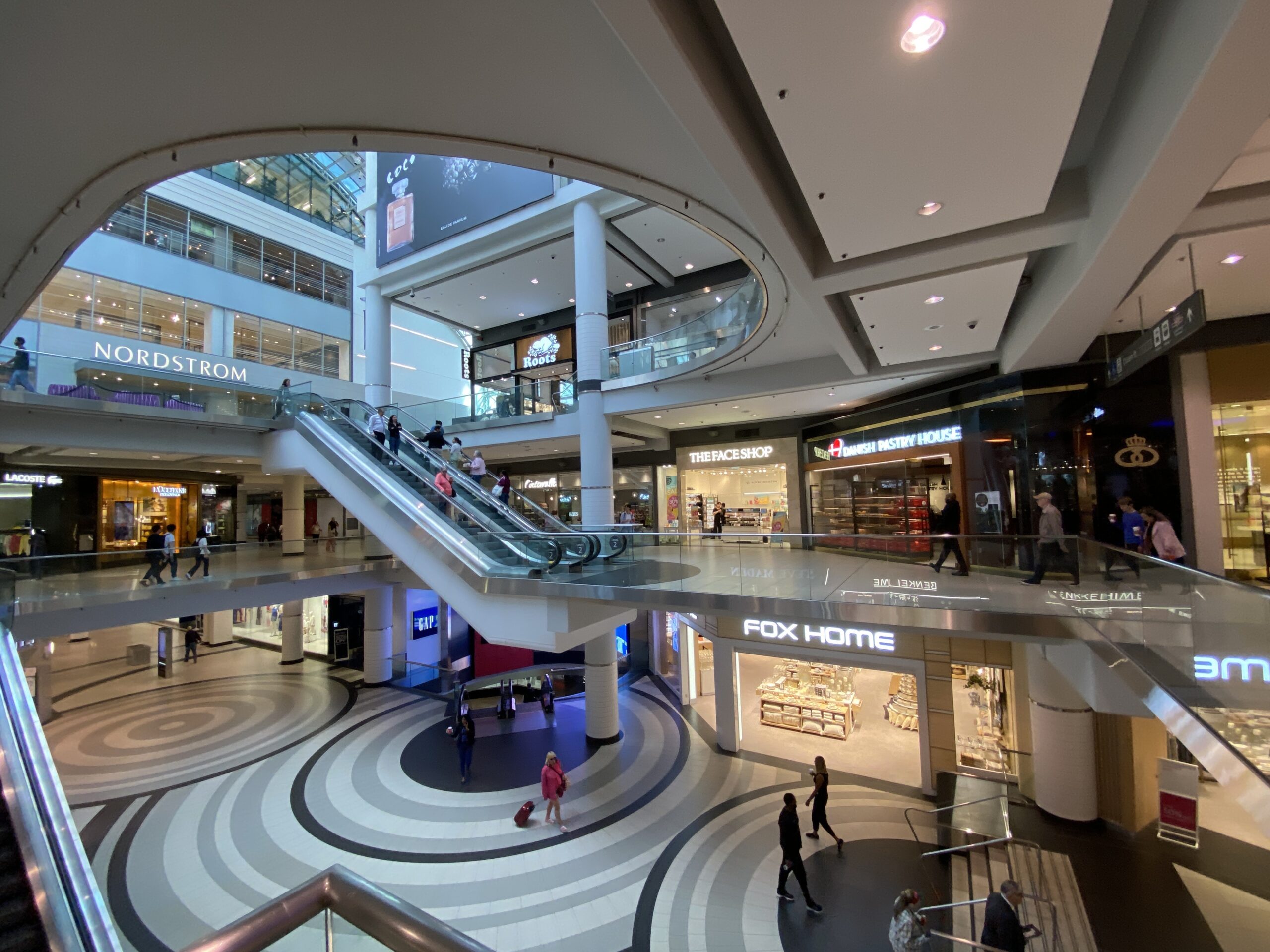
CF Toronto Eaton Centre with Shuttered Nordstrom Canada (Image: Dustin Fuhs)
CF Toronto Eaton Centre with Shuttered Nordstrom Canada
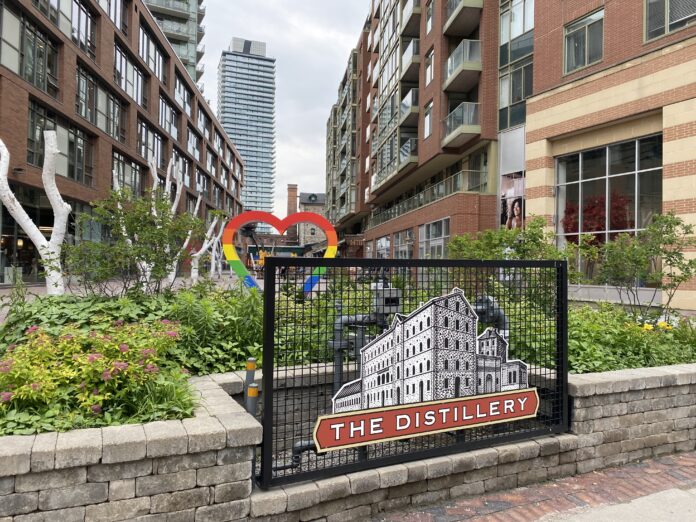
Distillery District in Toronto (Image: Dustin Fuhs)
Toronto’s Distillery District has become an incubator for small business with a strategy of bringing first-to-market concepts to the neighbourhood.
John Berman, one of the partners in the development, said the Distillery has always focused on boutique and character-filled retail.
“We want unique stores, stores that are well designed. We prefer stores in which there’s an owner present or an owner directly involved so it doesn’t have a large corporate feel,” said Berman. “And we want the Distillery to be a mix of really interesting stores that you don’t necessarily find in other spots in Toronto.
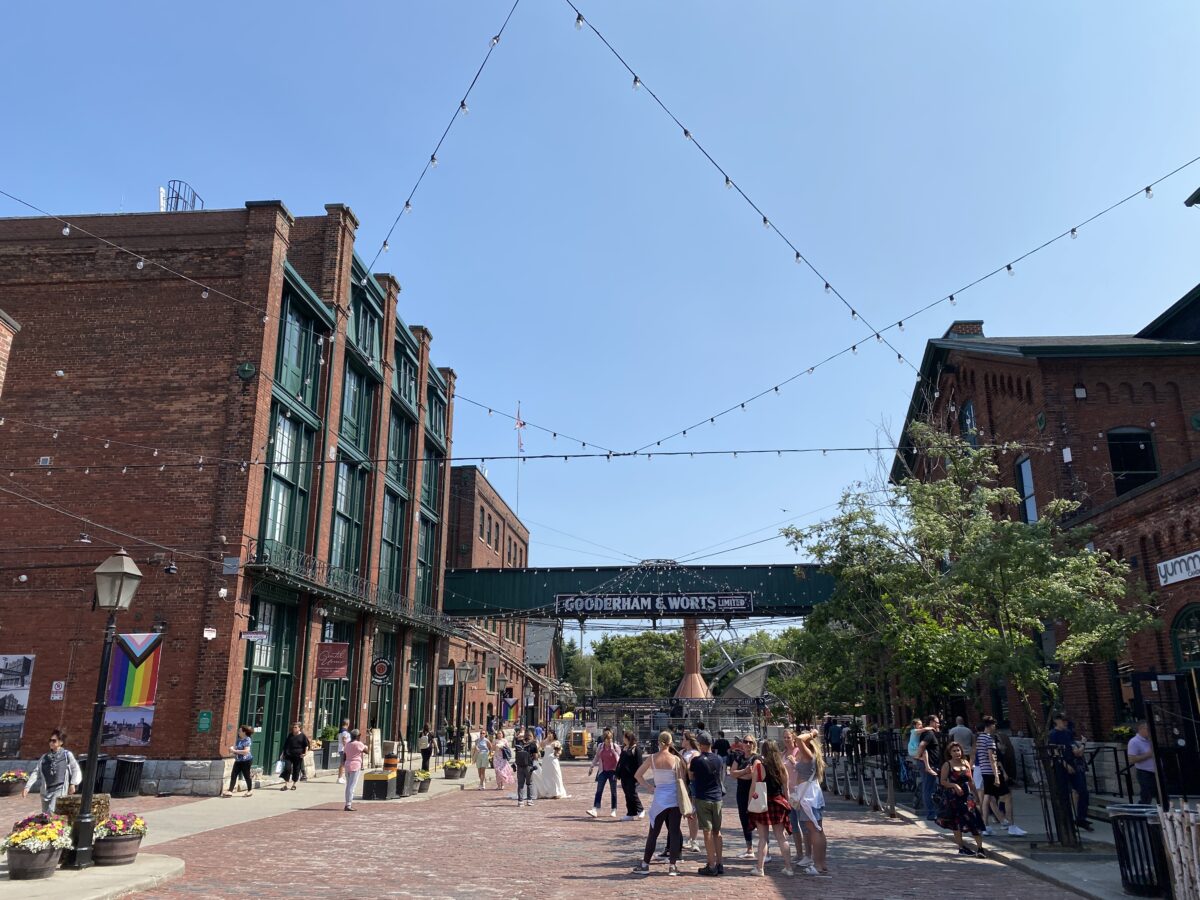
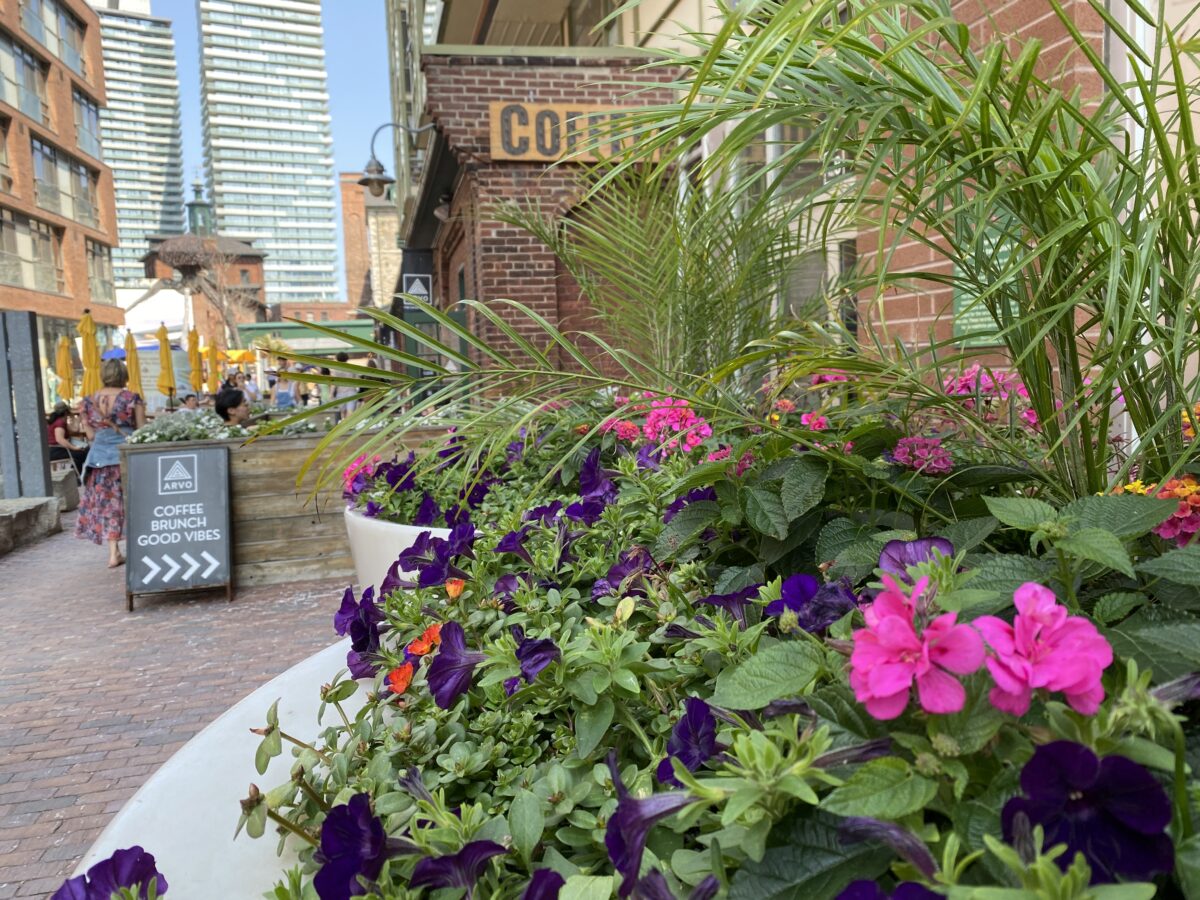
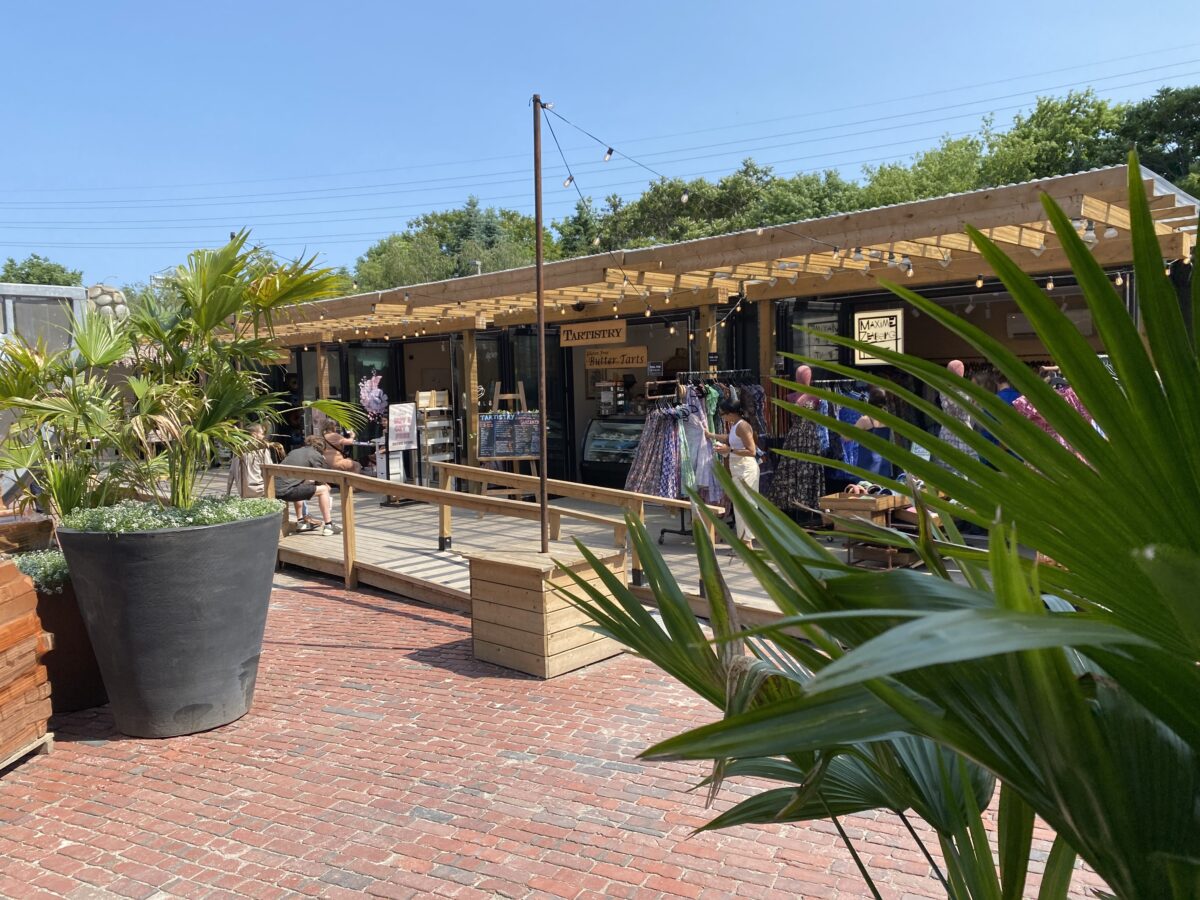
The Distillery District (Image: Dustin Fuhs)ARVO at The Distillery District (Image: Dustin Fuhs)
“The Distillery has always been an incubator. We encourage small businesses. Many of the businesses here start here as kiosks or even cabins and expand into stores. And the stores grow. We’ve had many tenants start up. Even tenants like SOMA Chocolate which is very well-known now throughout the city. It started with a tiny little space and they grew into the approximately 3,500-square-foot space that they have. Sport Gallery I think are on their third expansion and they started very small in an upper floor retail space. They moved into a smaller retail space and now they’re also in about 3,500-square-foot space.
“Many of the tenants start that way. So the Distillery has really become a spot for individuals to test their concepts and grow their concepts. Because it’s such high traffic in the Distillery, they get a lot of eyeballs on their space and it’s really helped them grow into other locations as well.”
“Gemlet is a great example. Gemlet started with the retail container two years ago in the Distillery. They’ve just completely knocked it out of the park. They’re incredibly popular and I know their sales far exceed even their wildest expectations when they initially talked to us,” said Berman.
“They now have I believe it’s a several thousand square-foot store in one of the largest malls they’ve been approached. So they’re expanding and it all started with a little container in the Distillery District.”
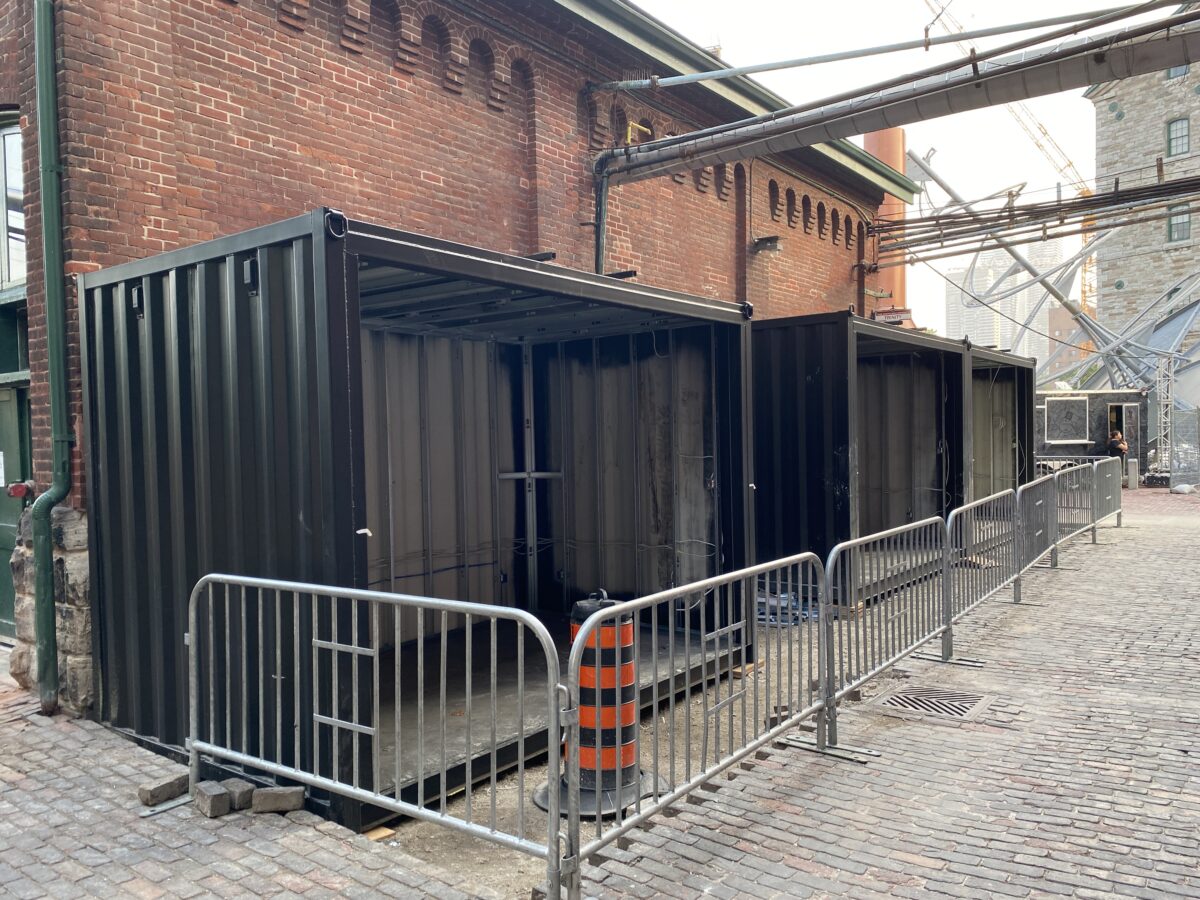
The Distillery District (Image: Dustin Fuhs)Future Containers at The Distillery District (Image: Dustin Fuhs)
The Distillery currently has over 90 tenants in about 250,000 square feet of space.
“We’ve been working for the last year and a half on our Building 74 which is the building that College Boréal is moving into. So we’ve been renovating that. A very, very extensive renovation. College Boréal is the largest French college in Ontario. They’re going to be opening their school year in the Distillery this coming September and they have over 3,000 students who will be in the Distillery,” said Berman.
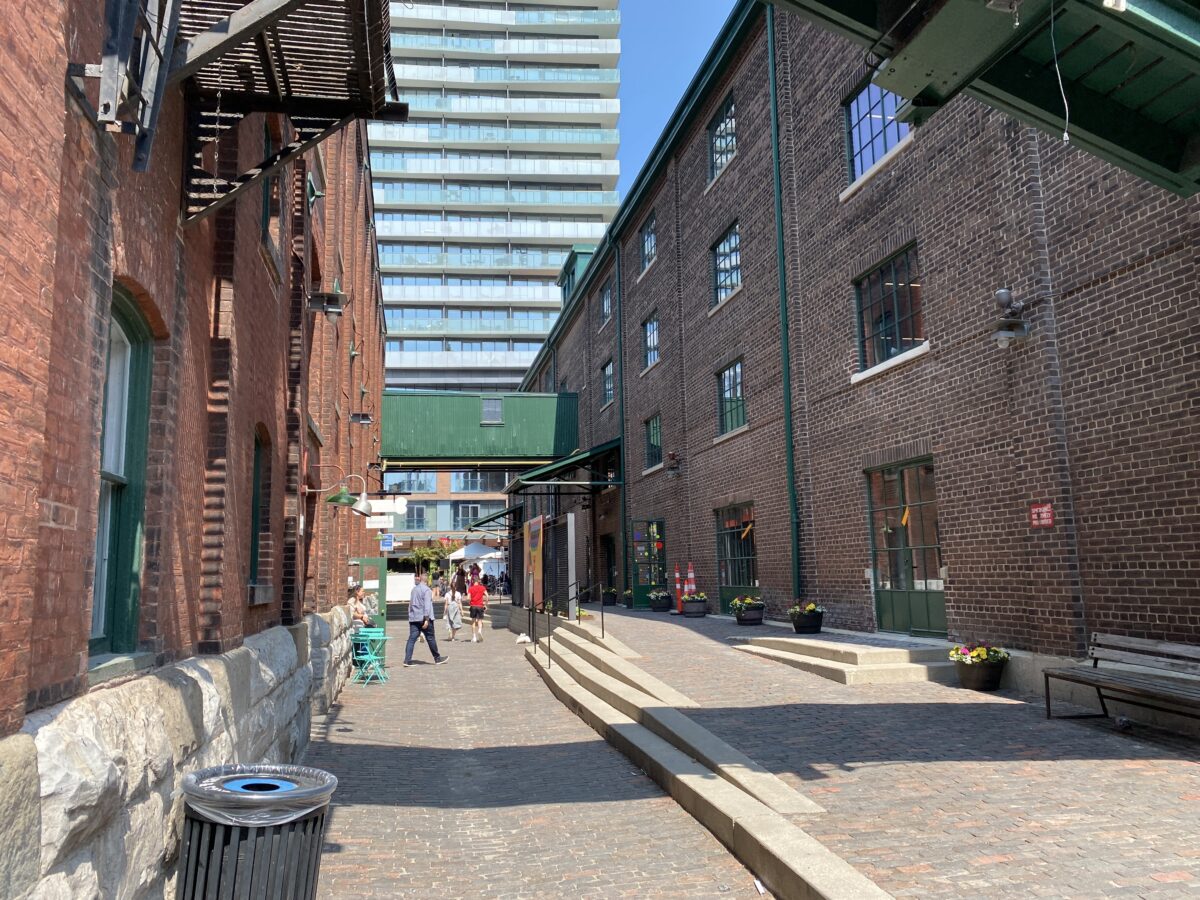
“As part of the renovation of two buildings and renovation of the whole lane between them, we’re working on four new retail spaces. And the four retail spaces we thought were very important to keep the retail on both sides of this new lane and the reimagined lane. We’re putting a very artistic lighting installation in along the lane.
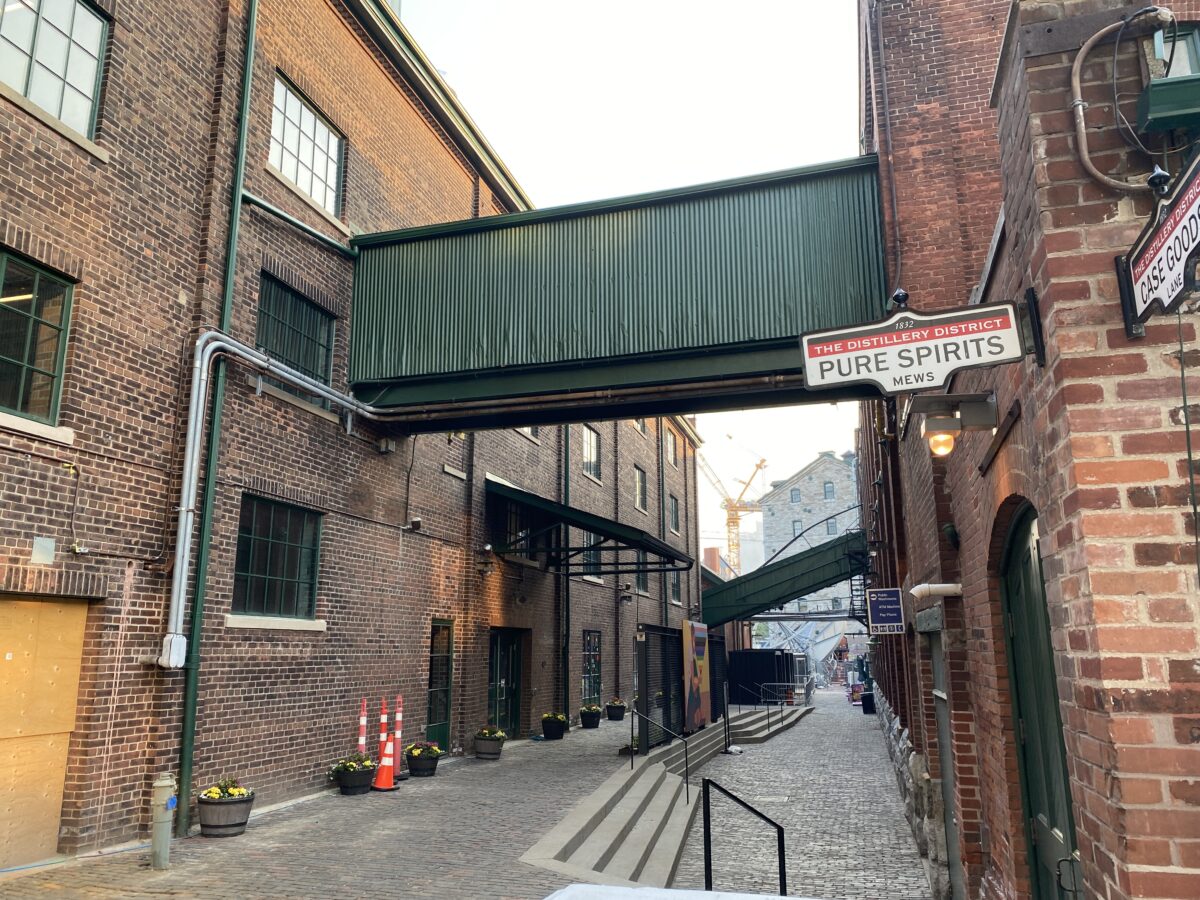
“Two years ago we launched a container village in the Distillery and it’s been extremely successful. The tenants there have done really well. We’ve decided to expand the retail container village into Case Goods Lane as well. So we’ve ordered three new containers that will be the entrance of Case Goods Lane. We have this new lighting installation that’s going to Case Goods Lane then we have four new retail spaces facing into Case Goods Lane as well.”
The Distillery District (Image: Dustin Fuhs)The Distillery District (Image: Dustin Fuhs)
The four new retail spaces include Bee & Co., Millicent Vee Knits & Jenny Greco, Toronto Pen Shoppe and Pepper Palace.
The Distillery District has also signed another new retailer Jacob & Sebastian, a quaint body care product boutique.
There are currently six retail containers.
One of the new retail container tenants will be British lifestyle and fashion retailer FatFace which will be part of the brand’s first foray into the Canadian Market from the UK, including stores in Niagara-on-the-Lake, Georgian Town Mall in Barrie and Upper Canada Mall in Newmarket.
“We have lots of room in the Distillery so we anticipate we’ll keep on adding to them over time,” said Berman of the container initiative.
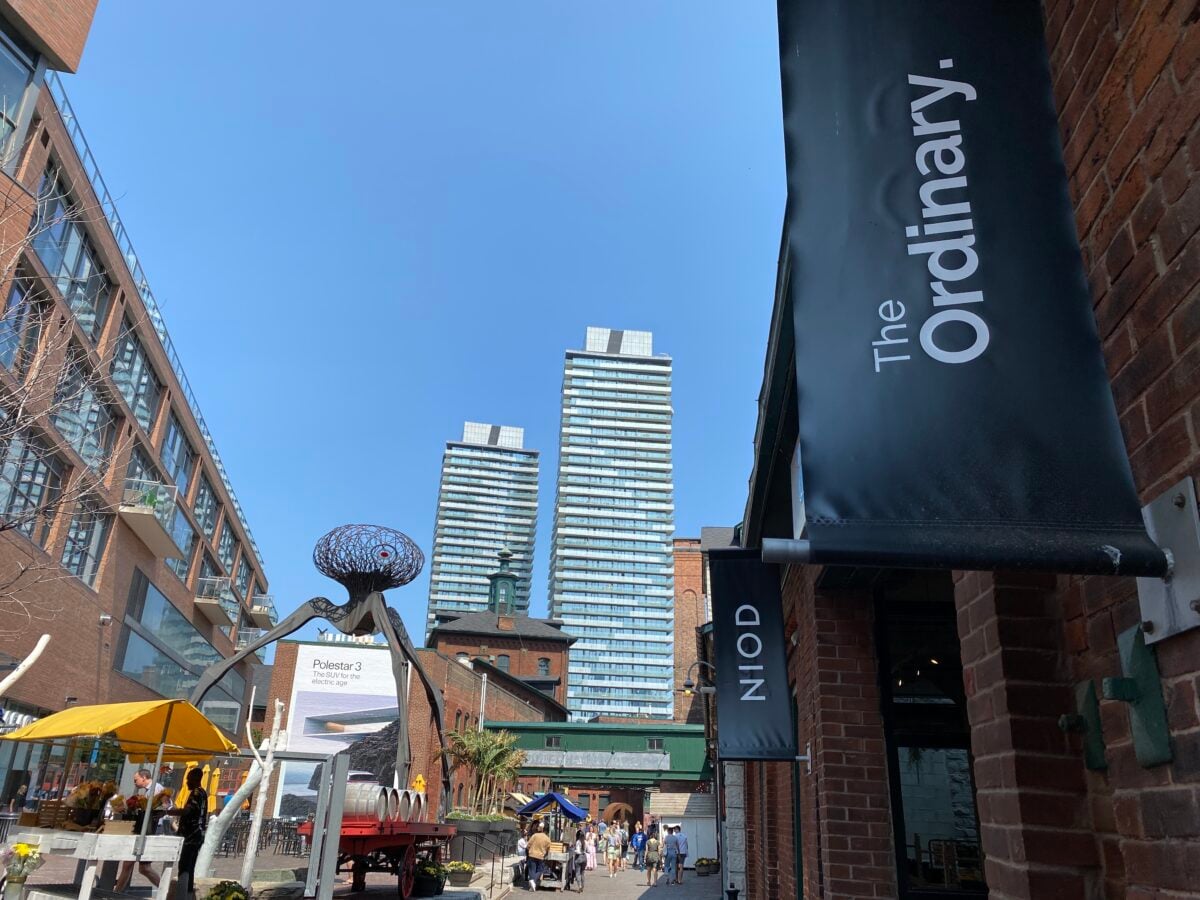
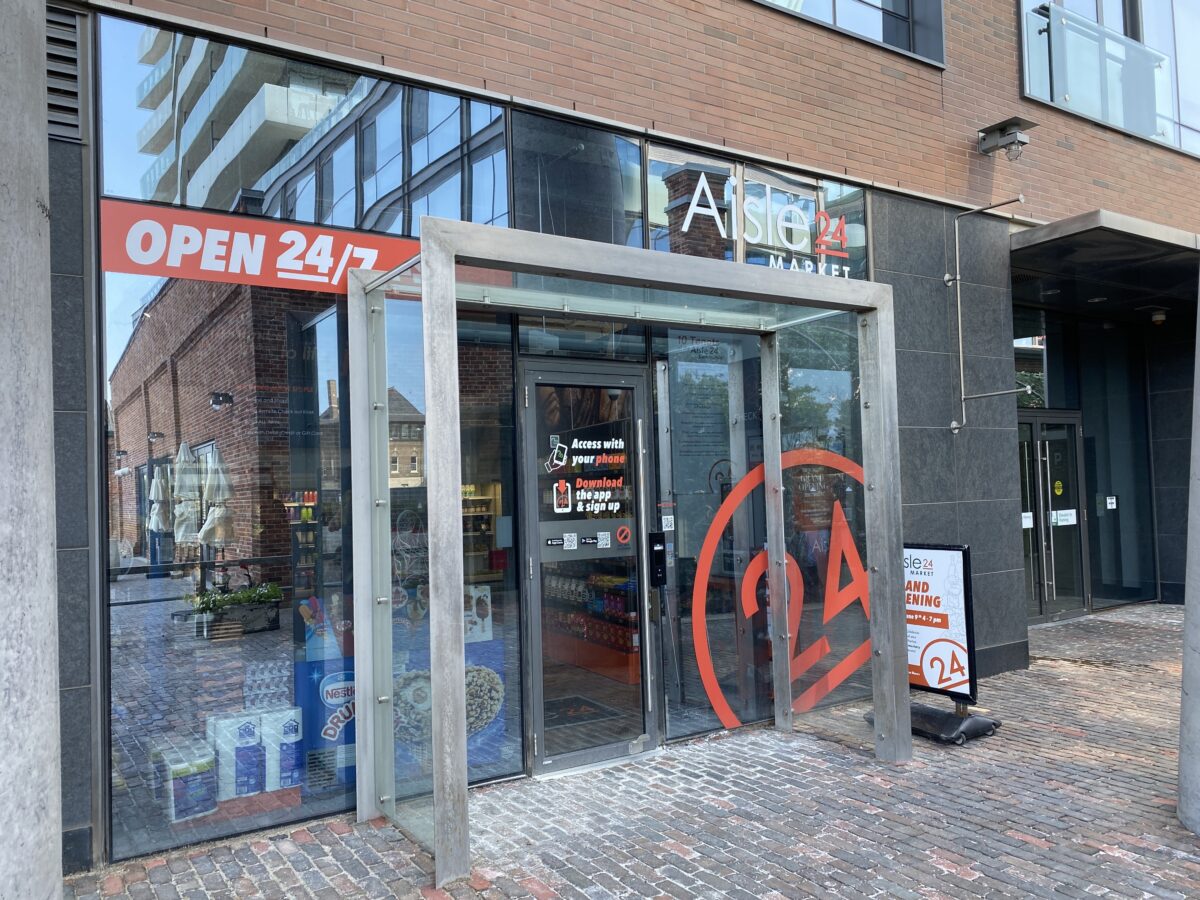
The Ordinary at The Distillery District (Image: Dustin Fuhs)Aisle24 at The Distillery District (Image: Dustin Fuhs)
“We’ve had people traveling from all over the world now to see what we’ve done and to try and understand how we’ve been able to do this. There were many naysayers 20 years ago but I think they’re all seeing that this is a very unique and special concept that has worked incredibly well.
“We’ve always said the Distillery should have big city sophistication and small town charm. So when you come to the Distillery you’ll find unique restaurants, unique cafes, live theatre, lots of galleries, you’ll find very, very unique boutique retail.”
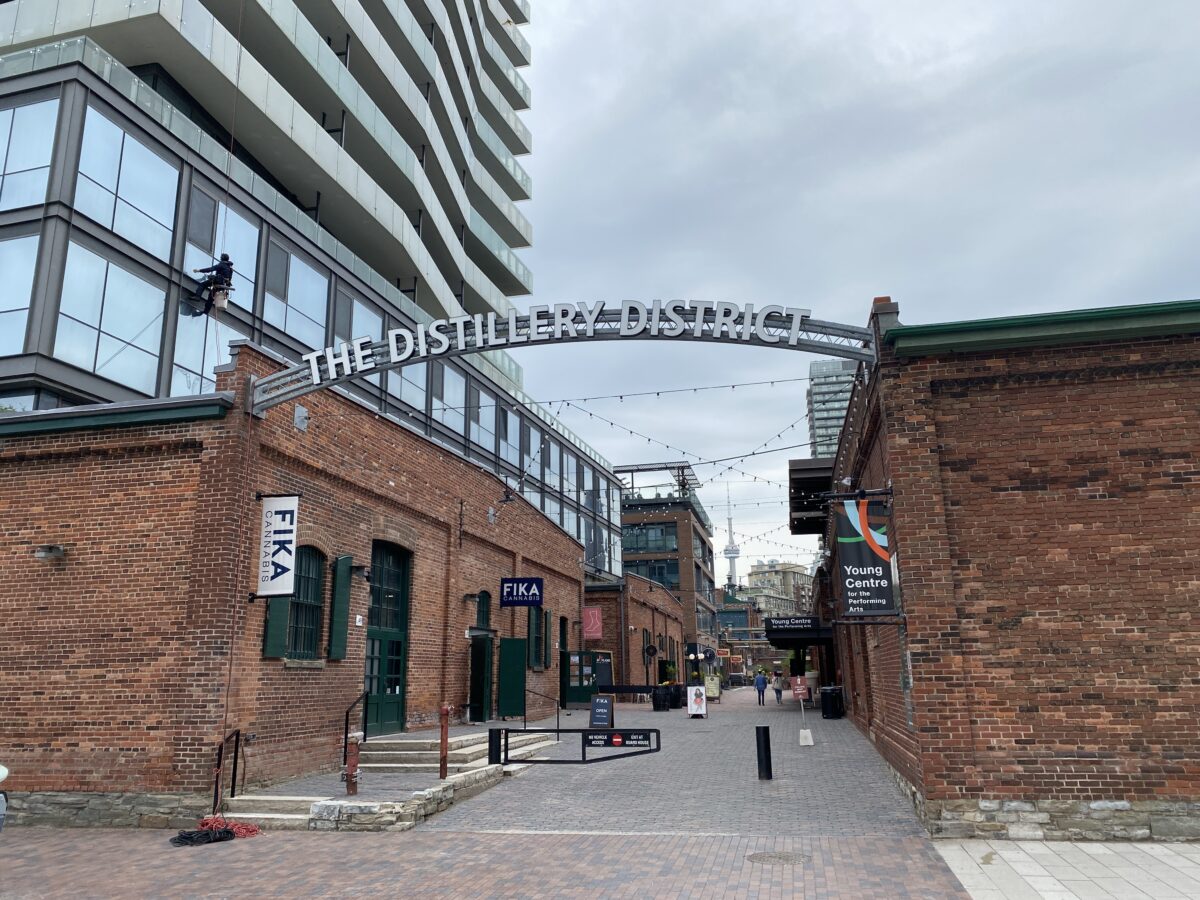
The Distillery Historic District opened in 2003. It is widely regarded as one of Canada’s premier arts, culture and entertainment destinations. It’s a national historic site, originally founded in 1832. The 13-acre walking district is a dramatic fusion of old and new. An inspired blend of the largest collection of Victorian Industrial architecture in North America and stunning 21st century design and creativity. The result is an internationally acclaimed village of one-of-a-kind stores, shops, galleries, studios, restaurants, cafes, theatres and more, which was named one of The Coolest Shopping Districts Around the World by The Guardian.
The Distillery District (Image: Dustin Fuhs)The Distillery District (Image: Dustin Fuhs)
The District is owned by DREAM and Cityscape. Berman is a partner and owner of Cityscape. Cityscape purchased the Distillery in December 2001 and DREAM purchased half of the Distillery in October 2004.
“The area was a completely dilapidated site. It had never really been updated since the days of the liquor company and even then the buildings were more or less the same shape that they were in the late 1800’s. It had no services to the buildings to speak of,” said Berman in a previous Retail Insider story.
“It had a completely antiquated sprinkler system that was run originally through one of the old buildings on site. There was no sewage on site. The first toilet when we flushed it emptied onto one of the streets. The streets were muddy. There weren’t bricks on the street as people think . . . The buildings weren’t up to code and they were completely run down. But they had the beauty to them. They had never really been touched.”
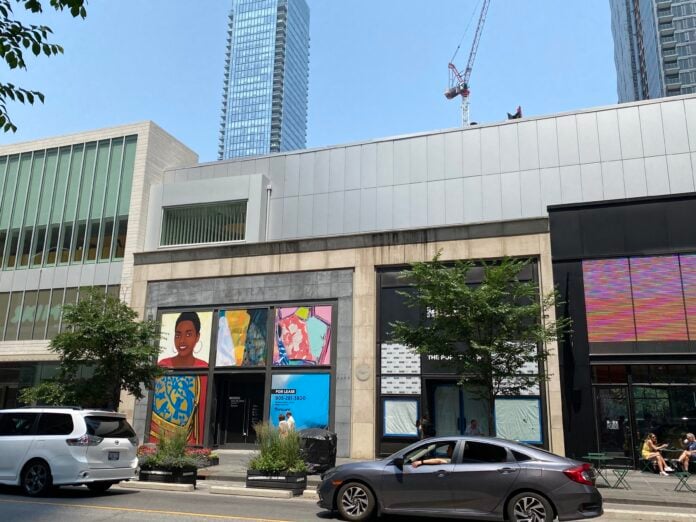
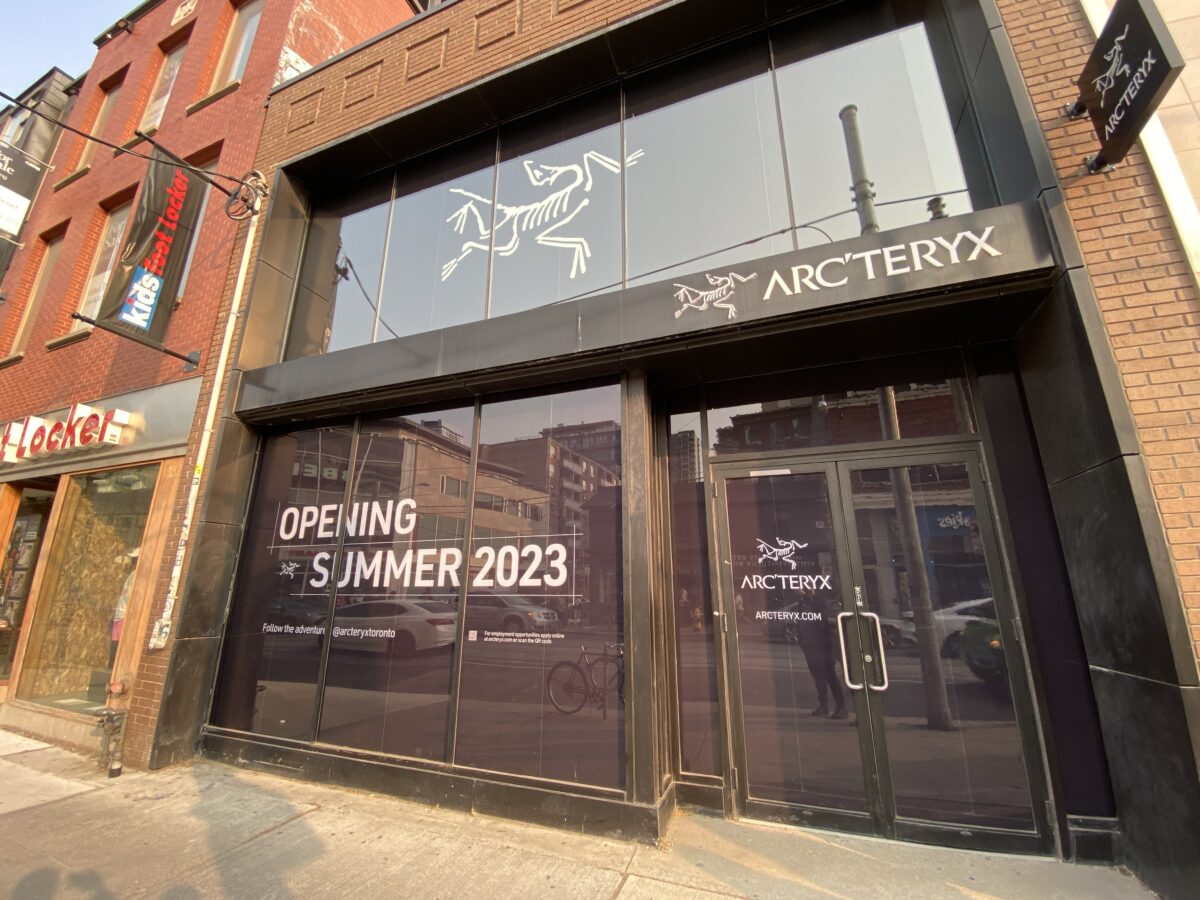
Future Arc'teryx at Holt Renfrew Centre (Image: Dustin Fuhs)
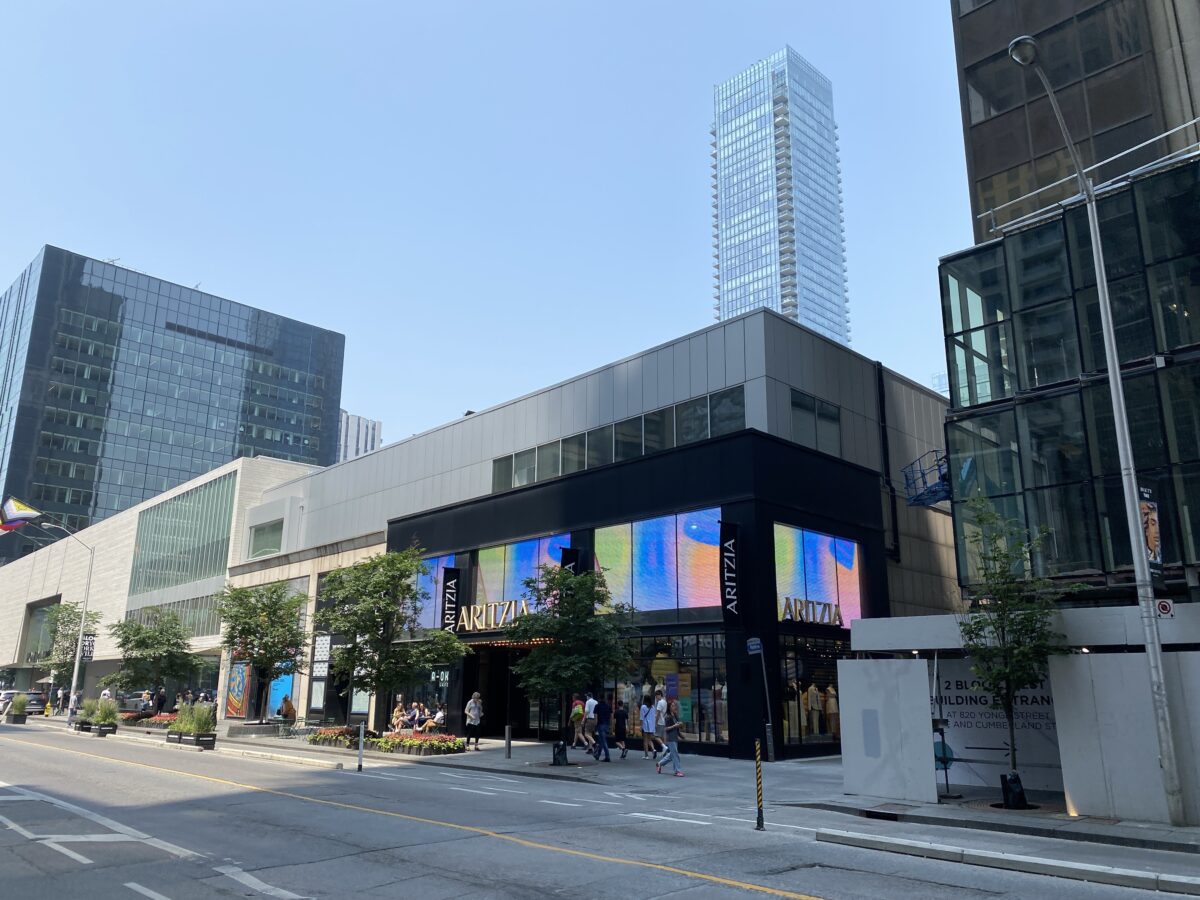
Retail Insider has learned that Vancouver-based outdoor brand Arc’teryx has secured a lease for a large retail space at the Holt Renfrew Centre at 50 Bloor Street West in Toronto’s Bloor-Yorkville area.
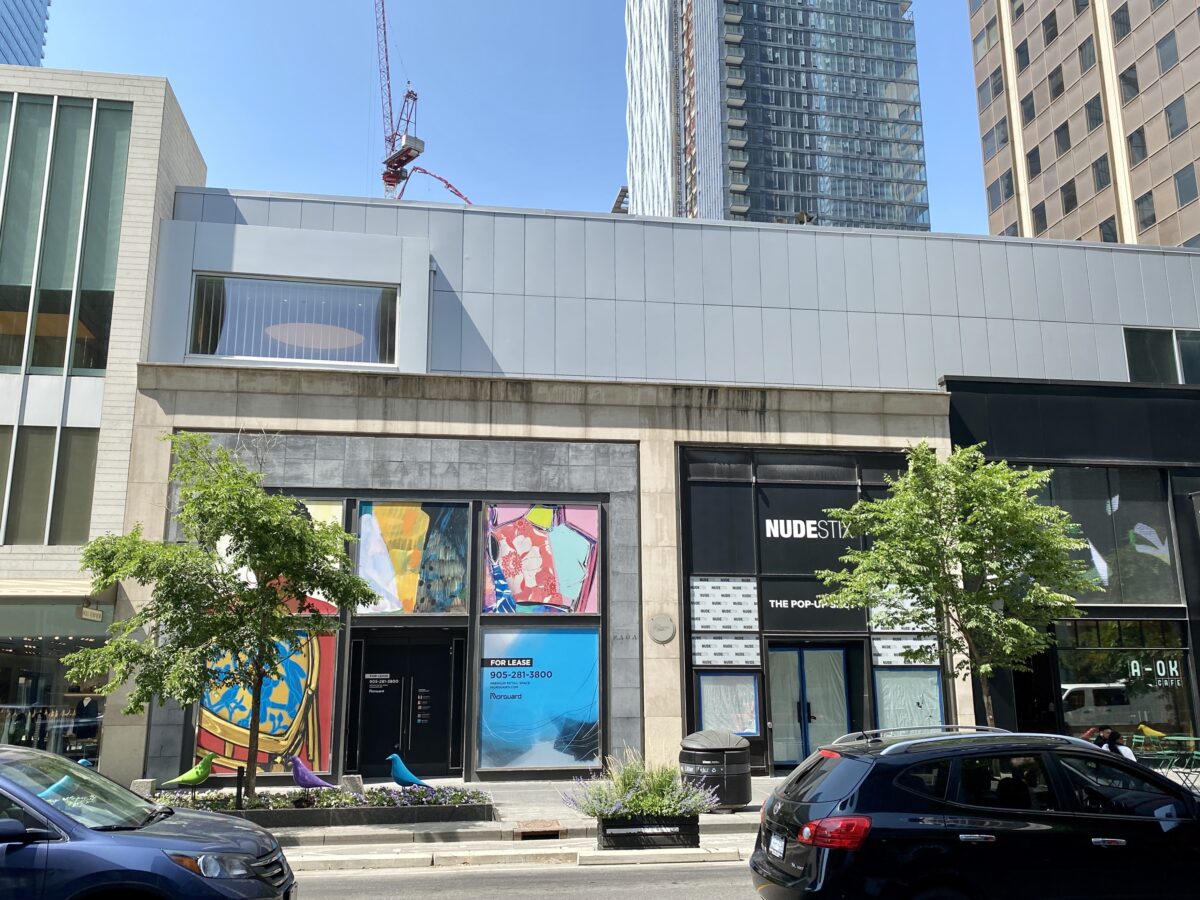
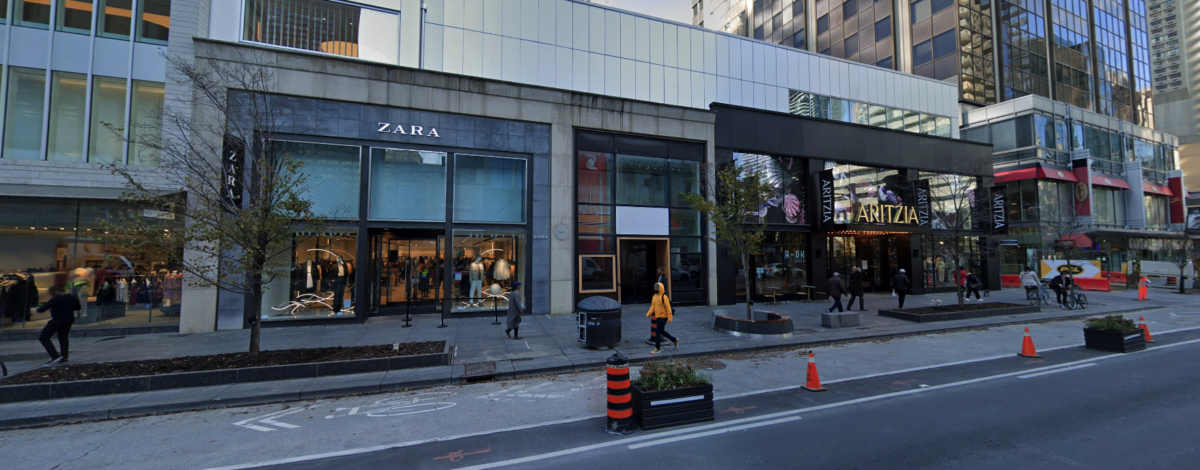
The store will see the redevelopment of two retail spaces, demolishing the existing demising wall between the former Zara (A4) and Fossil (A5) units and combining into a single unit on the concourse level of the shopping centre. The construction will also see the removal of stairs, with the existing opening between the streetfront and concourse levels being closed in the former Zara space.
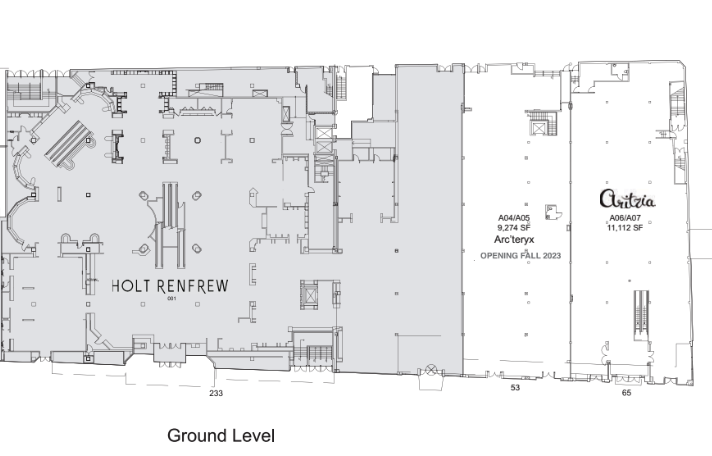
The new 9,263 SF Arc’teryx location will occupy a 53 foot stretch of Bloor Street, between the 190,926 SF Holt Renfrew flagship store and the 11,112 SF Aritzia store.
Holt Renfrew Centre Leasing Map (Image: Morguard)Future Arc’teryx at Holt Renfrew Centre (Image: Dustin Fuhs)2 Bloor Construction on the Right next to Holt Renfrew Centre (Aritzia, Future Arc’teryx and Holt Renfrew) Image: Dustin FuhsThe Former Zara on Bloor Street (Image: Dustin Fuhs)
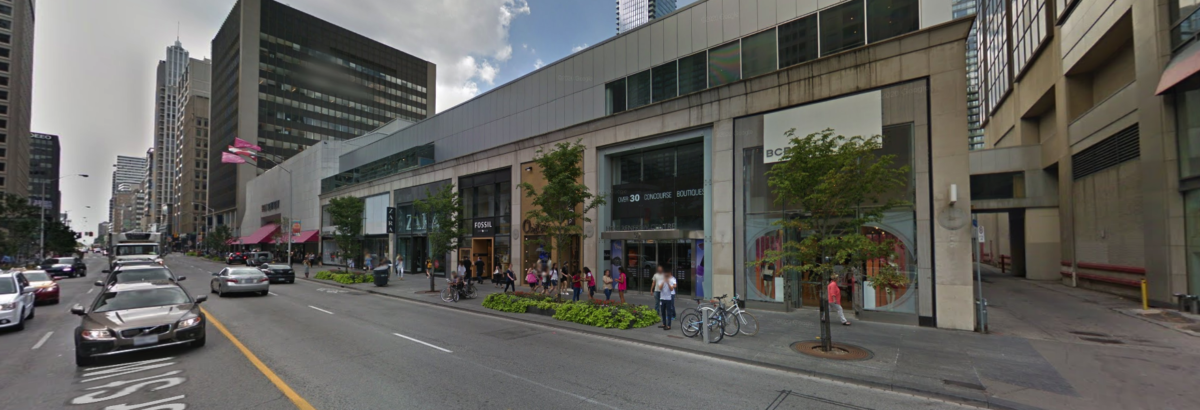
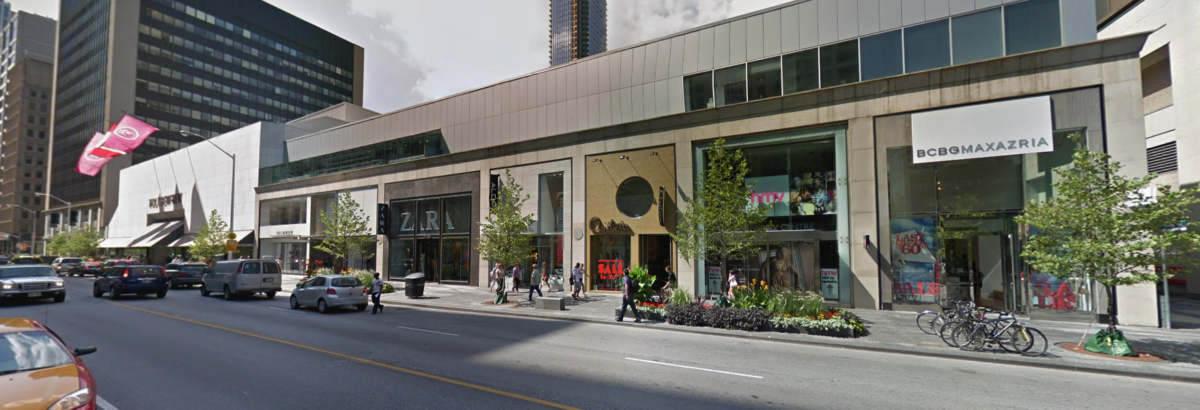
Spanish fast-fashion retailer Zara shuttered its store at the Holt Renfrew Centre in February 2022, vacating the neighbourhood after almost 22 years, having opened on April 11th, 2000. Retail Insider covered the closure with in-depth reporting on the location in an article from last year.
Zara continues to operate several stores in the Toronto market, including two downtown at CF Toronto Eaton Centre and on Queen Street West. Zara also operates stores across the country in major markets. The retailer’s first Canadian store opened in 1998 at Place Montreal Trust in downtown Montreal.
Holt Renfrew Centre – October 2020 (Image: Google)Holt Renfrew Centre – August 2016 (Image: Google)Holt Renfrew Centre – August 2011 (Image: Google)
Fossil opened its store in 2014 and after six years on Bloor Street, closed Holt Renfrew Centre location around the start of the pandemic. Before Fossil, the space was an Aldo.
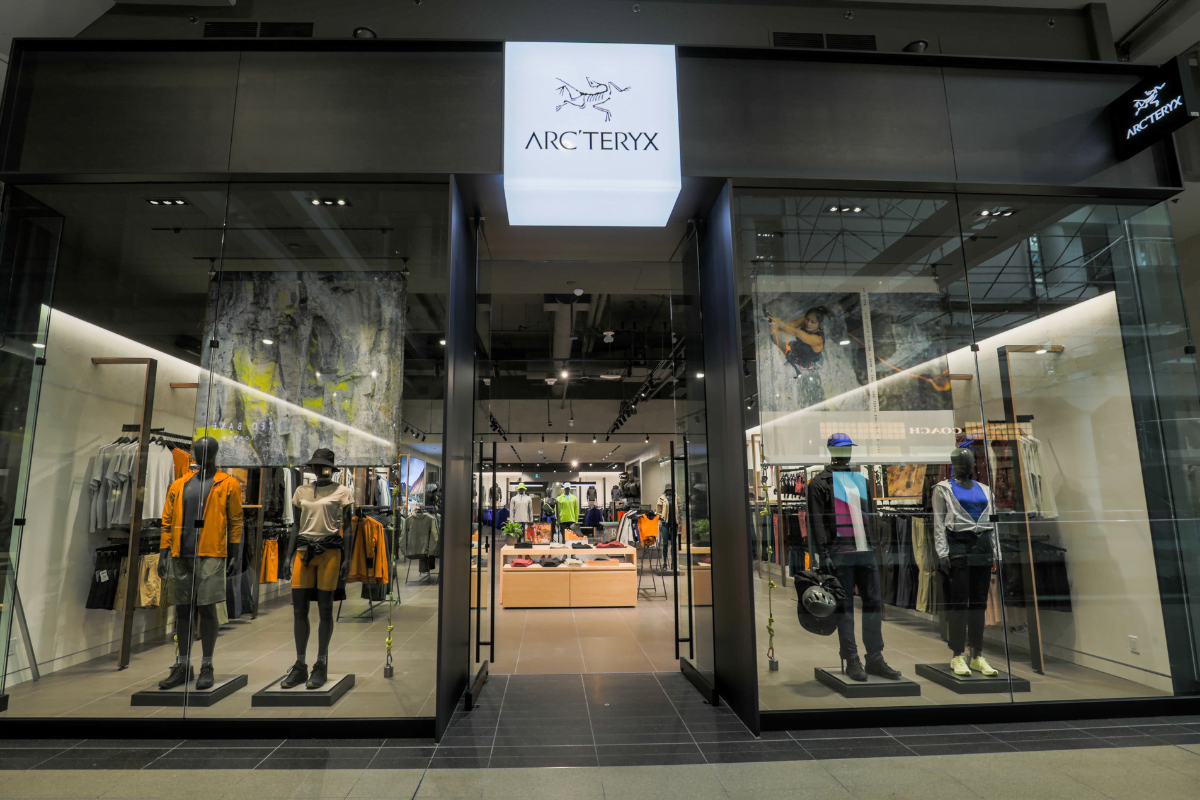
Arc’teryx at CF Toronto Eaton Centre (Image: Ryan Anthony/Arc’teryx)
Arc’teryx has been investing in the downtown Toronto market, with the introduction of a store at CF Toronto Eaton Centre, which includes a ReBIRD repair station. The Queen Street West location has recently had construction hoarding installed as part of an interior renovation and is scheduled to re-open Summer 2023.
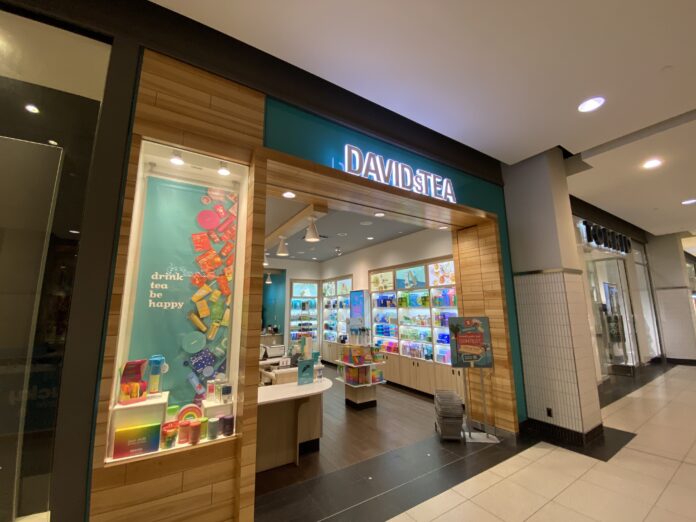
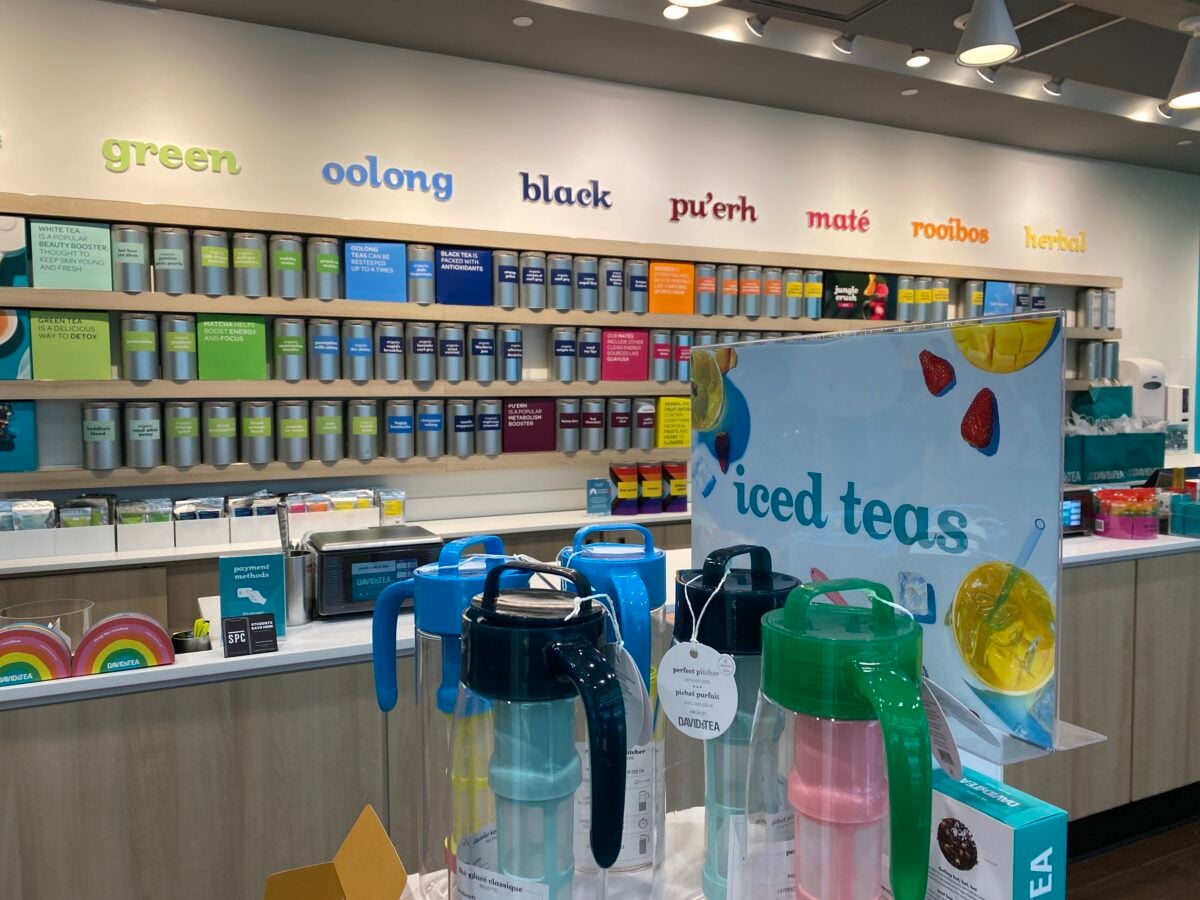
DAVIDsTEA at CF Toronto Eaton Centre (Image: Dustin Fuhs)
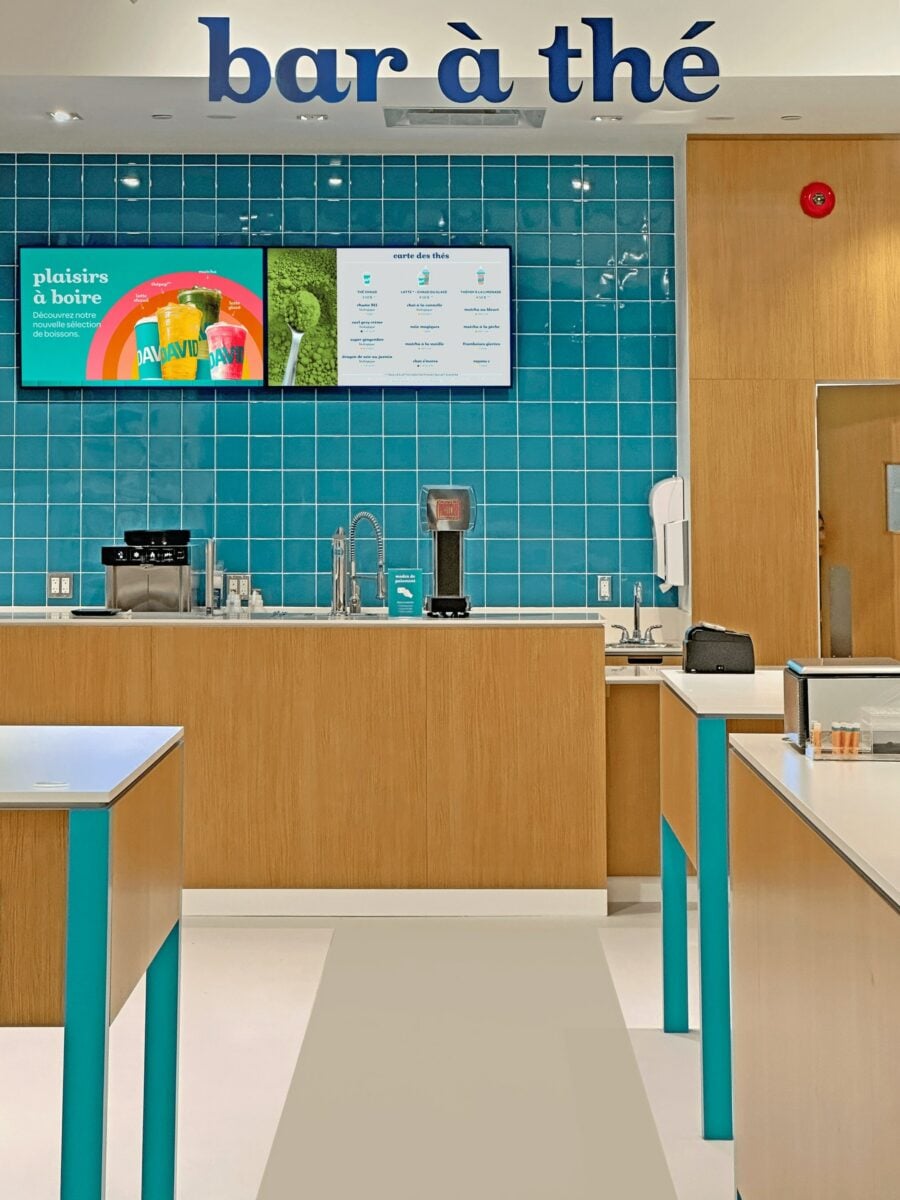
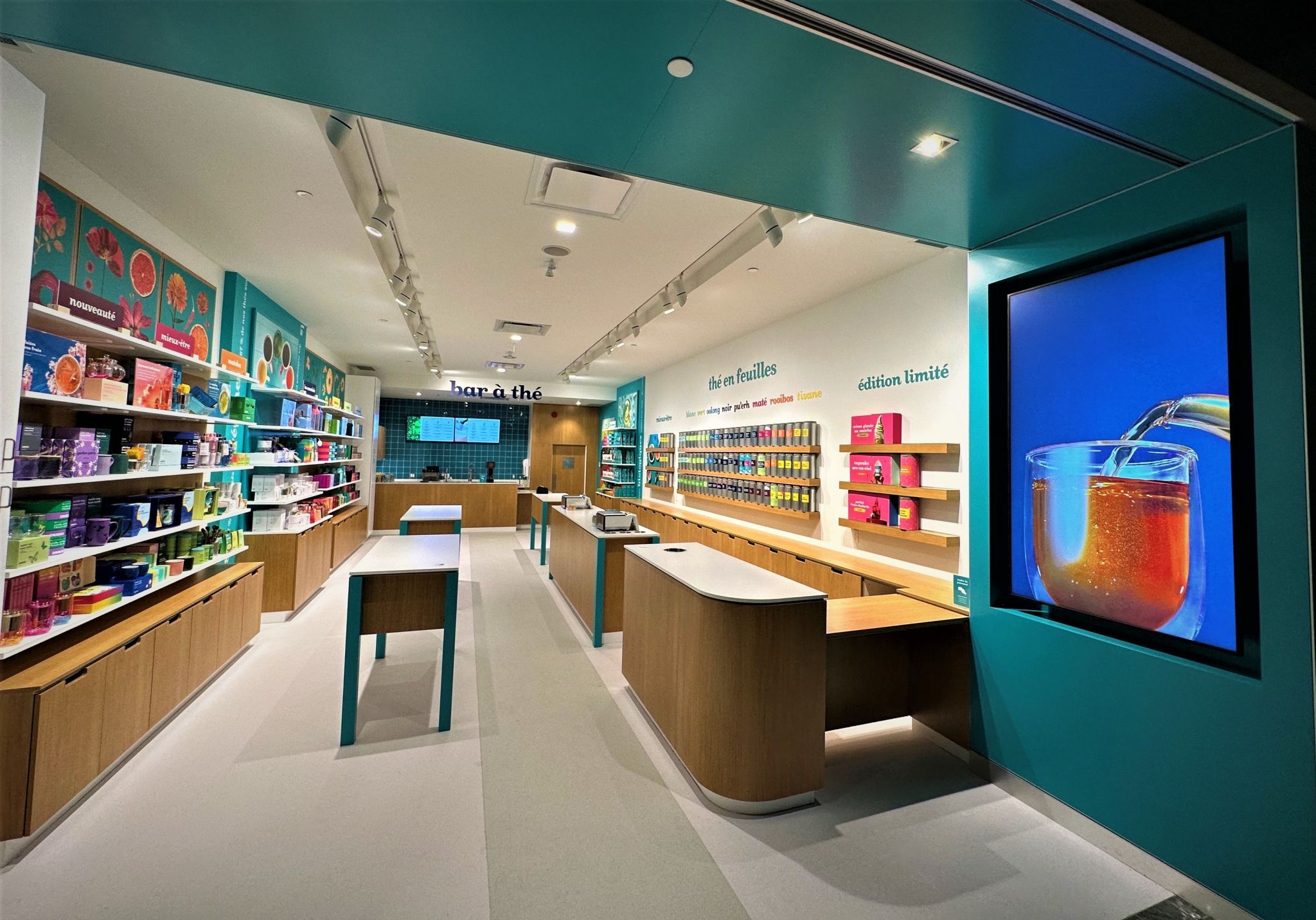
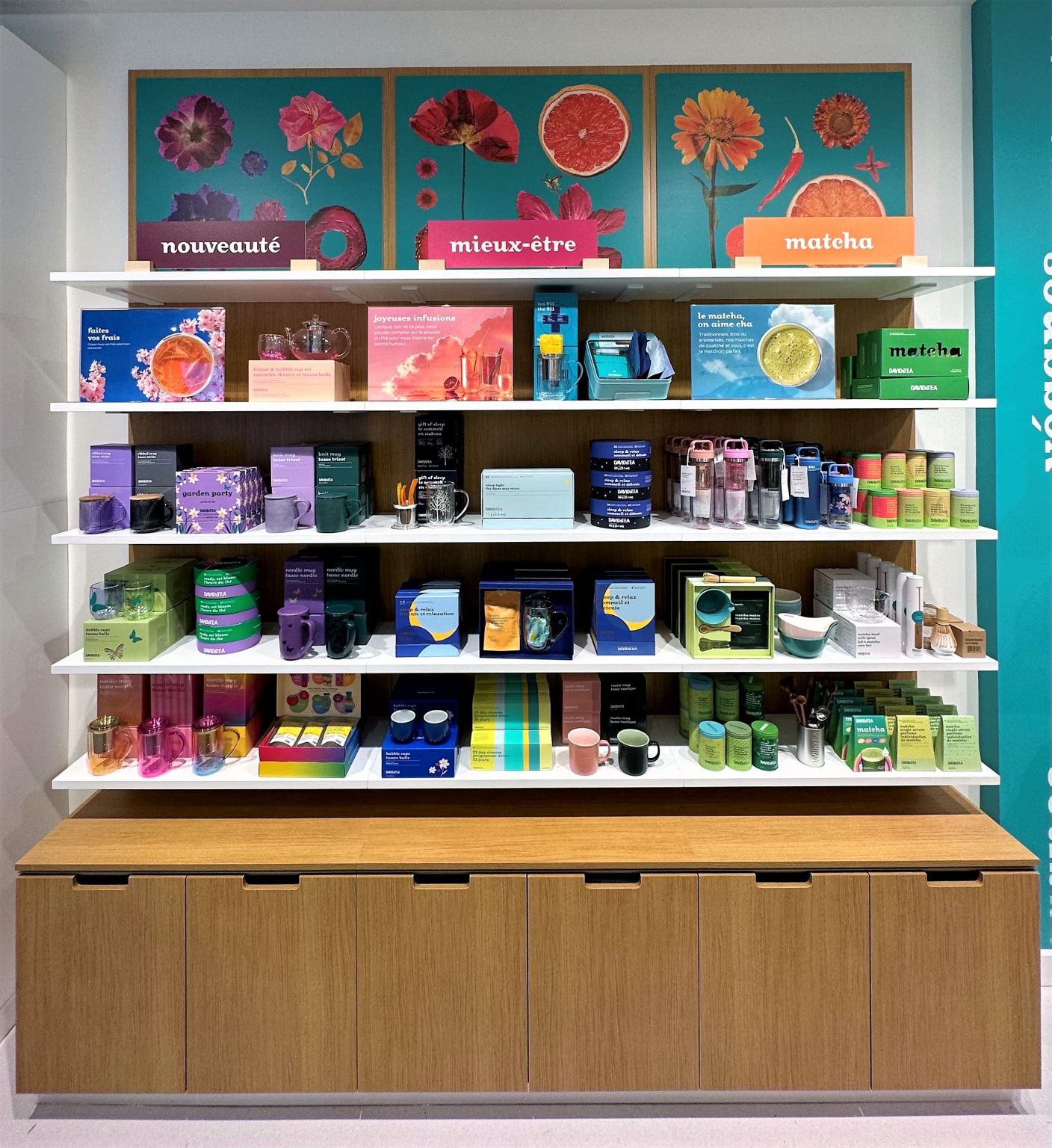
DAVIDsTEA is expanding its Tea Bar concept with plans to roll it out to different locations across the country.
The specialty retailer first opened its Tea Bar, in-store, in late 2022 at CF Carrefour Laval and then in early 2023 in Les Galeries de la Capitale in Quebec City.
Its latest location is in the CF Toronto Eaton Centre.
“We are eager for this next step in our journey and cannot wait to see how a new focus on tea beverages can open up a world of tea lifestyle and interest for our customers. Crafted, premium, amazing-tasting sparkling tea and tea lattes are a great way to explore our flavours and discover how many ways there are to enjoy loose leaf tea,” said Sarah Segal, DAVIDsTEA’s Chief Executive Officer and Chief Brand Officer.
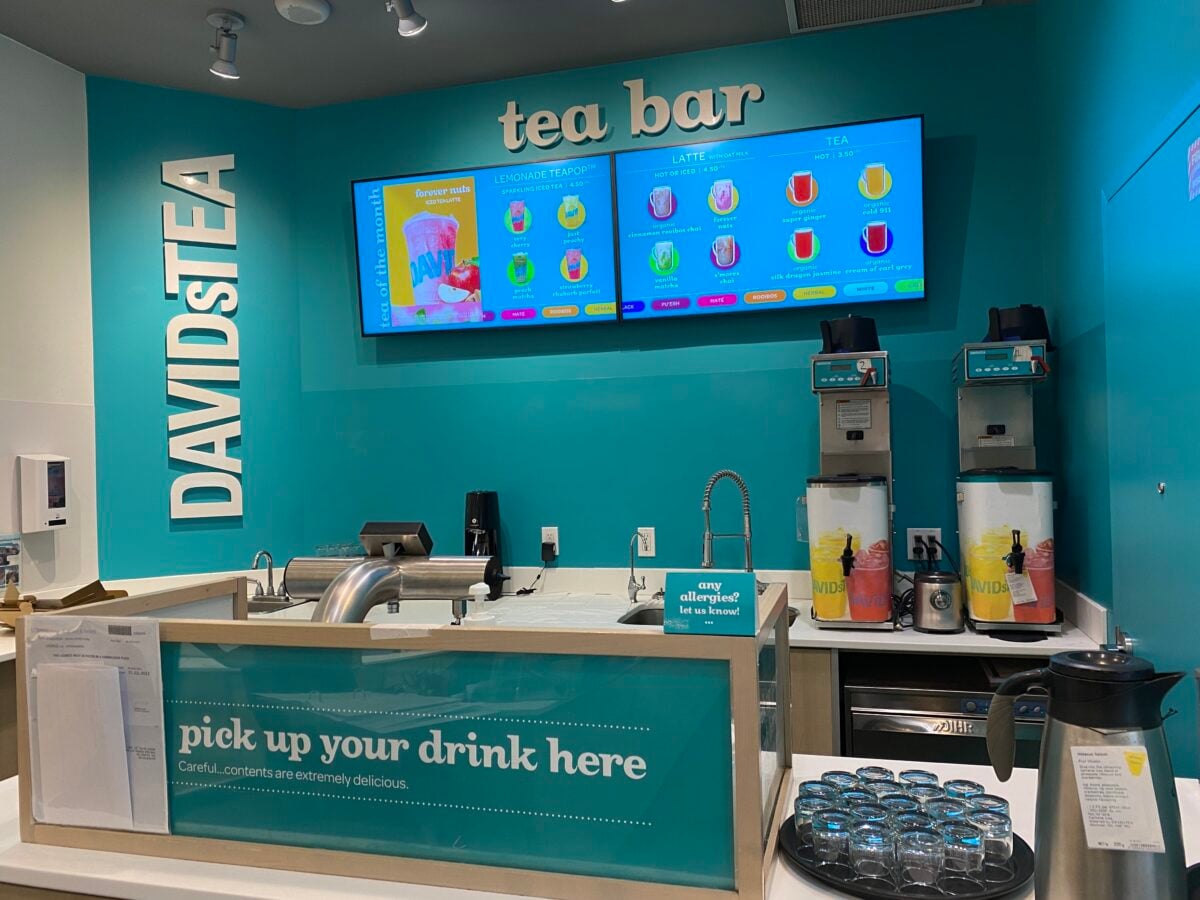
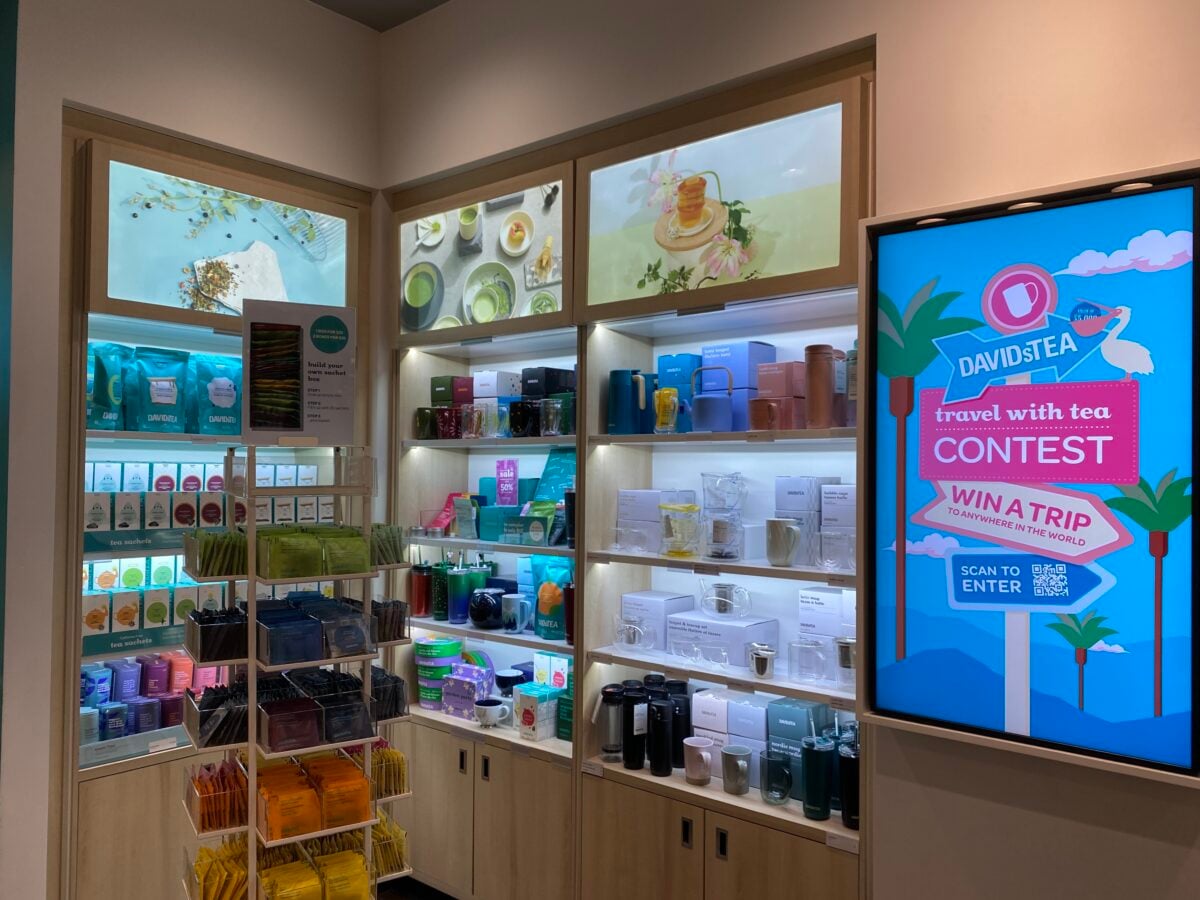
DAVIDsTEA at CF Toronto Eaton Centre (Image: Dustin Fuhs)DAVIDsTEA at CF Toronto Eaton Centre (Image: Dustin Fuhs)
Sarah Segal
Segal said the company has plans to open Tea Bars before the end of this year in CF Rideau Centre in Ottawa and CF Pacific Centre in Vancouver.
“We always offer beverages in our locations but it was never our focus. It was really kind of an afterthought and it’s really something we’ve just focused on more. We decided because of consumer demand, because of where the market’s going, because of the opportunity, we also think it’s a great customer service and experience piece,” she said.
“We want to have things that are available more quickly. We think there were improvements to our service model that we wanted to get to. And I think with a smaller fleet of stores we were able to put all that feedback together and create the Tea Bar because it was not an overnight thing. We’ve been serving beverages for a long time and we knew there was opportunity.”
By leveraging new proprietary technologies, DAVIDsTEA offers a curated menu that accelerates the beverage preparation experience without diluting the specialty component. The Tea Bars offer an exclusively curated, and seasonally changing, menu that showcases the wide variety of beverages at DAVIDsTEA. Consumers can expect to discover hot and iced tea lattes, matcha, along with TeaPop™ and TeaPop™ lemonade. The vegan-friendly menu exclusively features oat milk to amplify the flavour experience and to cater to a wider audience. Through these innovative, handcrafted, to-go beverages, DAVIDsTEA addresses the void in the specialty take-out tea market, says the company.
“This is really our step into the takeout tea market, speciality beverage, to-go beverage and we think we did it in a true to the brand way,” said Segal.
“It’s a differentiator for us. We thought there was a real gap in the tea to-go space. Our teas have no syrups, no added sugar. It’s really just pure tea – very pure ingredients, very simple ingredients. We felt that was really missing honestly from the landscape.”
DAVIDsTEA Expands Tea Bar Rollout on a National Scale (CNW Group/DAVIDsTEA)DAVIDsTEA at CF Toronto Eaton Centre (Image: Dustin Fuhs)
The company currently has 18 stores in Canada. In 2020, DavidsTea went through restructuring under the Companies’ Creditors Arrangement Act. The Montreal-based chain at that time had more than 220 locations across Canada and the U.S.
“We signed with Royalmount in Montreal. We are looking in the Montreal area for sure. We think it’s a great market for us and we’re looking at certain other Canadian markets. I don’t want to share exactly which ones at this stage because it’s still in negotiations but we are looking in other Canadian markets that are very strong for us.
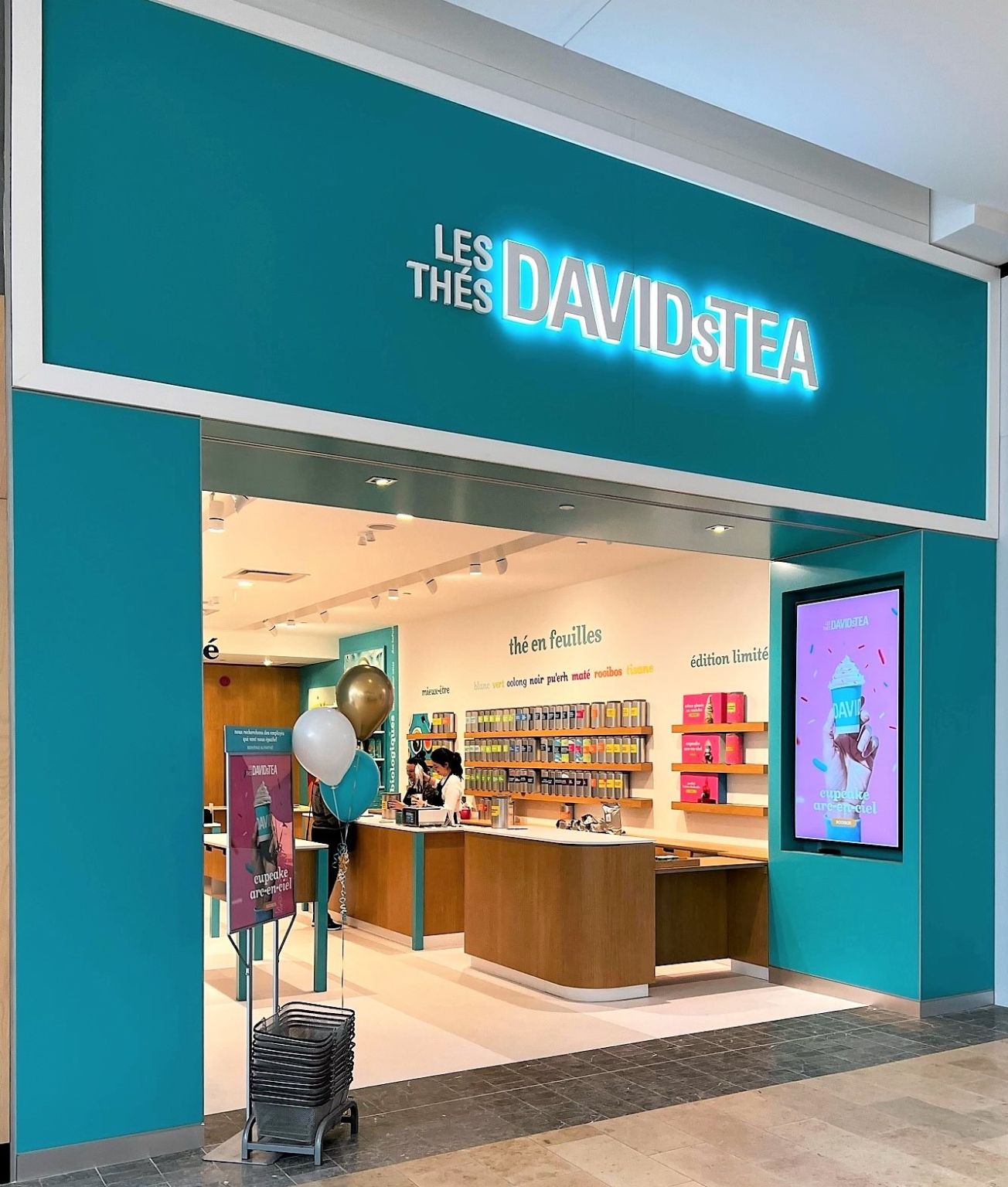
DAVIDsTEA at Galeries De La Capitale (Image: Oberfeld Snowcap)
DAVIDsTEA at Galeries De La Capitale
DAVIDsTEA at Galeries De La Capitale (Image: Oberfeld Snowcap)
DAVIDsTEA at Galeries De La Capitale
DAVIDsTEA at Galeries De La Capitale (Image: Oberfeld Snowcap)
DAVIDsTEA at Galeries De La Capitale
“Overall we’re very eager to connect with people in our stores as part of an omnichannel experience. We don’t think it’s one or the other. We like it as a complementary experience, especially to discover some of our new stuff but replenishment too. There’s also different kinds of discovery and exclusive online”, said Segal.
“We also have an app that’s launching in the fall and it’s a way to bridge that full experience together and really provide more information to our customers. I think that’s something that people have always asked for from us. There’s so much going on. They want information. That’s where the web, that’s where the app is really going to help enhance the store experience.”
DAVIDsTEA offers a specialty branded selection of high-quality proprietary loose-leaf teas, pre-packaged teas, tea sachets, tea-related accessories and gifts through its e-commerce platform at www.davidstea.com and the Amazon Marketplace, its wholesale customers which include over 3,800 grocery stores and pharmacies. The company offers primarily proprietary tea blends that are exclusive to it, as well as traditional single-origin teas and herbs.
The Standing Committee on Agri-Food and Agriculture in Ottawa has recently published a report addressing the investigation into food inflation and examining whether food companies are opportunistically leveraging the inflationary environment to raise prices. The term “greedflation,” coined by certain politicians and economists, highlights the notion of excessive greed and self-interest, which may contribute to inflationary pressures, particularly directed towards food companies.
The report exhibits a strong and well-founded approach, likely crafted by MPs who dedicated time to comprehend the intricacies of food distribution and pricing. It surpasses the numerous superficial accusations we have now heard for months. Initially, Ottawa demonstrated support for the concept of “greedflation”, but subsequent engagement with industry experts enabled MPs to gain a more comprehensive understanding of the matter. Consequently, the report emphasizes that Parliament should assign higher priority to other pressing concerns. Despite initial pretenses and political disputes, the committee ultimately got it right.
Most of the recommendations urge Parliament to prioritize efficiency throughout the supply chain. This entails supporting farmers, acknowledging the support needed by indigenous communities, particularly in Northern regions, establishing reciprocal standards for imported products, and eliminating best-before dates. Although diverse in nature, these recommendations highlight the dire need for a comprehensive food policy in Canada. The investigation conducted by the committee simply reinforced what was already known.
Of utmost importance, the Committee advises the government to fortify the Competition Bureau’s mandate and enable effective competition oversight within the Canadian grocery sector. This entails addressing “black-out” periods when grocers implicitly freeze wholesale prices, revenue-sharing mechanisms, and barriers to entry for external players. This aspect emerges as the report’s most critical component.
Among the 13 recommendations, two stand out prominently. The first is Recommendation no.1, which proposes that the Government of Canada should undertake necessary measures to gather and publicly disclose data on costs throughout the entire agri-food supply chain in Canada. This includes acquiring detailed cost data from sectors such as primary agriculture, food and beverage processing, and food retail. The underlying intention of this recommendation is to provide increased transparency to the public, which seeks answers and clarity. However, transparency, when taken to extremes, can present challenges.
Implementing such a system, encompassing thousands of products, would prove arduous, and ensuring data accuracy would pose a significant challenge. Companies disclosing their true costs may encounter a competitive disadvantage compared to those opting not to disclose accurate data. Ottawa would need to employ a substantial team of auditors to verify the validity of the data. Companies would also need to increase costs by hiring more personnel solely for compliance purposes, thereby potentially leading to increased food prices. Full cost disclosure may necessitate revealing sensitive information, including proprietary formulas, supplier contracts, or manufacturing processes. Consequently, companies and investors might choose to withdraw from such a market. Additionally, it could grant unfair advantages to foreign companies that are not obligated to disclose unless their operations are based in Canada. Paradoxically, cost disclosure could potentially result in collusion or anti-competitive behavior among companies. If all companies have access to detailed cost information, there is a risk of coordinated pricing strategies or practices that impede competition, ultimately limiting consumer choice and market dynamics, which should be avoided.
The second noteworthy recommendation is Recommendation no.9, proposing that the Government of Canada explore the possibility of implementing a windfall profits tax if the upcoming study conducted by the Competition Bureau reveals instances of abuse by grocers. It is crucial to note that the Competition Bureau’s study was never intended to evaluate greed within the system. Additionally, a windfall tax would discourage competition over time, representing a short-term solution that could detrimentally affect our food autonomy as a nation.
Ultimately, the task of measuring greed proves to be exceedingly challenging. Attempting to delineate an acceptable threshold for profitability becomes an exercise in futility. In essence, what cannot be properly measured cannot be properly assessed. That is what “greedflation” is. Instead of incessantly engaging in finger-pointing, our efforts should be directed towards fortifying the food industry, precisely as recommended in the report.
Tableau, a leading data analytics platform owned by Salesforce, is poised to disrupt the retail industry with its groundbreaking generative AI technology. Pedro Arellano, SVP & GM at Tableau, Salesforce, shared his insights on the potential impact of Tableau’s latest advancements during an interview.
According to Arellano, Tableau’s previous innovation, TableauGPT, had already transformed the market by empowering data analysts. Now, with the introduction of Tableau GPT and Tableau Pulse, the power of data is set to reach even more individuals, including non-analyst professionals, fulfilling Tableau’s mission of democratizing data access. Arellano was enthusiastic about the possibilities this new technology holds, saying, “I see a similar opportunity for Tableau to disrupt again, this time, putting the power of data in the hands of even more people.”
Arellano highlighted the benefits of Tableau’s generative AI technology for the retail sector. He explained that retail, with its rich and diverse data sets, has always relied on business intelligence (BI) for decision-making. However, with Tableau’s advancements, the industry can now move beyond simply understanding what happened to uncovering the ‘why’ and the ‘so what’. Tableau GBT serves as the intelligent engine, while Tableau Pulse offers a user-friendly experience, allowing retail store managers, for example, to access valuable insights without the need for data analysis expertise. Arellano noted that generative AI and Tableau’s user-friendly interface enable store managers to anticipate trends and make informed decisions by leveraging the power of AI and machine learning. He emphasized, “This is what’s going to empower everybody, including that retail store manager, to just be better at their job with data.”
Pedro Arellano
When it comes to the potential applications of generative AI in retail, Arellano said that the possibilities are endless. One notable example he discussed was the ability to provide merchandisers and designers with a richer understanding of customer behaviour. By going beyond charts and dashboards, Tableau’s technology can offer insights such as what products customers are buying, where and in what quantities, as well as detailed customer profiles. Additionally, generative AI combined with other data sets, such as Salesforce, can help retailers make informed decisions regarding marketing campaigns, supply chain optimization, and even store location planning. Arellano explained that the goal is to simplify data analysis and decision-making for individuals across various roles within the retail industry, regardless of their level of data literacy. He believes that Tableau’s generative AI technology has the potential to revolutionize not only retail but also numerous other industries.
As with any emerging technology, concerns about confidentiality and responsible data usage arise. Arellano acknowledged these concerns and emphasized the importance of responsible use of AI and data. Particularly in the retail sector, where customer data is involved, maintaining consumer trust is vital. Arellano pointed out that Tableau is committed to addressing these concerns by ensuring the responsible use of data and providing transparency about how the algorithms operate. Tableau aims to build trust among its customers by demonstrating the value and benefits of its generative AI technology while upholding ethical standards.
Tableau’s generative AI technology is ultimately poised to be a contributor to the transformation of the retail industry by empowering a wider range of professionals to make data-driven decisions. With its user-friendly interface and advanced analytics capabilities, Tableau’s latest advancements offer a simplified approach to data analysis and decision-making.
As Arellano highlighted, the potential applications of generative AI in retail are vast, enabling retailers to gain deeper insights into customer behaviour, optimize marketing campaigns, and improve overall operational efficiency. However, responsible data usage and maintaining consumer trust remain essential considerations as the industry embraces this transformative technology.