Home Blog Page 71

RCCSTORE26: Where the Industry’s Biggest Conversations Happen

Every year, Canada’s retail community comes together at RCC’s STORE Conference, and this year’s event reflects the full weight of the moment facing the industry. From economic headwinds to technological transformation, the agenda brings together the sector’s leading voices to examine what’s changing, what it means, and what retailers need to do about it.

The Economic Reality

The conference opens with a conversation between CIBC Deputy Chief Economist Benjamin Tal and RCC CEO Kim Furlong. As Tal examines the macroeconomic landscape shaping Canadian retail in 2026 — consumer confidence, interest rates, labour dynamics, and global pressures — he and Furlong will connect those forces directly to retail performance.

AI and the Evolving Customer Journey

Artificial intelligence is reshaping how Canadians discover, research, and buy and RCCSTORE26 reflects that reality across multiple sessions.

  • Technology and e-commerce executives from Groupe Dynamite (Dave Stephens, CTO) and Loblaws (Rohit Sriram, SVP, Ecommerce) discuss how AI is being integrated into the customer experience today.
  • Google Canada’s Eric Morris shares how leading retailers are using AI to drive smarter discovery and deeper engagement.
  • New research presented with Caddle and RCC puts Canadian consumer behaviour at the centre of the conversation, offering retailers actionable insight into how AI is already influencing purchase decisions.

The Future of Physical Retail

What brings a customer through the door — and keeps them coming back — remains one of retail’s most consequential questions.

  • Michaels CEO David Boone and SVP, Stores for Canada Derek Schweitzer discuss how North America’s leading specialty arts & crafts retailer is evolving its store environment to inspire customers and deepen connection.
  • Simons’ Chief Marketing and Digital Officer Frederick Lecoq and Holt Renfrew’s SVP of Product and Planning Carolyn Wright examine how legacy retail formats are being reimagined through elevated service, curated assortment, and the seamless integration of digital and physical channels.

Brand Building, Loyalty & Emotional Connection

In a fragmented, performance-driven environment, building lasting consumer relationships requires more than a campaign.

  • Three of Canada’s top marketing executives — Canadian Tire’s Irene Daley, Miele’s Ekaterina Dobrokhotova, and Reitmans’ Isabella Bonin — come together to examine how leading brands balance short-term performance with long-term equity, and what it takes to earn lasting loyalty in a market where consumers have never had more choices.
  • Staples Canada’s VP Marketing Debbie Lai joins author Jean-Pierre Lacroix to explore how emotional brand design drives loyalty at the moment of decision, before logic even enters the picture.

Canadian Retail, Front and Centre

STORE is built for Canada’s retail community. RCC advocacy updates, Quebec-specific programming and network, and on-the-ground perspectives and data anchor every conversation to the realities of running retail in this country. Whatever is happening in the economic or policy environment, this is the room where Canadian retailers work through it together.

RCCSTORE26 takes place June 2–3 in Toronto. This is not the year to sit it out.

Tickets are available now at storeconference.ca.

Partner content. To work with Retail Insider, contact Craig Patterson at craig@retail-insider.com
More from Retail Insider:

Soft Start to 2026 Masks Resilient Consumer Spending in Canada

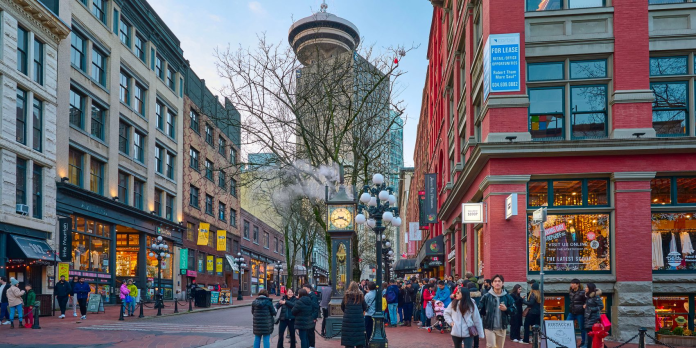
Gastown area in Vancouver. Photo: Cathay Pacific

January delivered a muted 1.8% YOY across Statistics Canada All Stores, a slow start to 2026. Discretionary momentum remains intact: All Stores less Automotive, Food, and Pharmacies rose 5.6% YOY, signalling that core, non-essential spend is still growing. The drag stems from timing and turbulence more than a sudden stop in demand.

Two forces dominated the month. First, January’s wave of post‑holiday returns was larger than usual. Omnisend (via Retail Insider) flagged sharp increases versus the average week in 2025; 39% in apparel, 19% in games, and 19% in pets and animals; pulling December enthusiasm back out of January receipts. Second, geopolitical instability and supply‑chain ambiguity continued from 2025 into 2026, prompting retailers to be cautious on inventory, pricing, and promotions.

Clothing and Accessories grew 5.8% YOY, a respectable result but well off the 11.0% YTD in 2025. The gap likely reflects the post-holiday return trend dampening net sales. There may have been some lift from last‑minute preparations for February’s Winter Olympics: Lululemon national‑team merchandise and cold‑weather performance wear saw heightened social media posts (“unbox my kit”), nudging demand in late January. However, pricing pushback and divisive design feedback may have tempered full‑price sell‑through, keeping promotional intensity elevated and limiting upside.

With the housing market, especially condos, under pressure, categories tied to furnishings, renovations, and sales continued to struggle. Furniture, Home Furnishings, Electronics and Appliance Stores fell −2.3% YOY; Building Material and Garden Equipment declined −2.9% YOY. These sectors are tightly coupled to transaction volumes, renovation confidence, and home equity effects: fewer moves mean fewer big‑ticket replacements; tighter budgets defer “nice‑to‑have” refreshes. The Bank of Canada’s hold at 2.25% in January offers some hope: rate stability can impact refinance math, but the pass‑through to retail goods typically lags. For now, shoppers are trading down, stretching replacement cycles, and prioritizing essential maintenance over discretionary projects.

Motor Vehicle and Parts Dealers declined −4.2% YOY, reflecting a rise of global conflict risks, tariff uncertainty, and consumer wait‑and‑see. While the immediate impact was likely small in January, shoppers (especially prospective EV buyers) are reacting to headlines about Chinese vehicles entering Canada under a new trade agreement. The initial 49,000 units at lower tariffs represent only ~3% of the market, but the signalling matters: buyers anticipating sharper price points may delay purchases to reassess total cost of ownership. If pricing pressure intensifies and CUSMA tensions evolve, the medium‑term mix and margin landscape could shift meaningfully.

As we move into spring, JCWG is thinking about:

  • What are the effects of GLP‑1s on retail spending, specifically food and beverage and fashion?
  • With a decline already occurring in alcohol, how will the new tax in Ontario drive these sales down further?
  • What is the actual impact on sales from the major increases in oil prices?
  • How are YOU preparing to adapt your supply chain to continued trade tensions?

Retail Sales by Product Category, Same Month Comparison

Sales for the Month of JanuaryJan-26Jan-25YOY
All Stores60,929,06359,827,0491.84%
Motor Vehicle and Parts Dealers15,116,97315,777,345-4.19%
Gasoline Stations5,794,6246,138,967-5.61%
All Stores Less Automotive40,017,46637,910,7375.56%
Food and Beverage Stores12,668,82412,119,6034.53%
Supermarkets and Other Grocery Stores*9,526,4019,013,1755.69%
Convenience Stores603,690612,553-1.45%
Specialty Food Stores825,283781,8035.56%
Beer, Wine and Liquor Stores1,713,4491,712,0730.08%
Health and Personal Care Stores6,193,8375,760,6147.52%
All Stores Less Automotive, Food, and Pharmacies21,154,80520,030,5205.61%
General Merchandise Stores8,363,8747,747,0837.96%
Furniture, Home Furnishings, Electronic and Appliance Stores3,313,3153,392,474-2.33%
Furniture Stores1,058,8901,093,853-3.20%
Home Furnishings Stores641,807641,0500.12%
Electronics and Appliance Stores1,612,6191,657,572-2.71%
Clothing and Accessories Stores2,896,5622,731,1446.06%
Clothing Stores2,288,3732,162,2905.83%
Shoe Stores268,704268,6390.02%
Jewellery, Luggage and Leather Goods Stores339,484300,21513.08%
Sporting Goods, Hobby, Book and Music Stores3,804,9763,300,35315.29%
Building Material and Garden Equipment2,776,0772,859,466-2.92%
Miscellaneous Store Retailers2,649,2602,209,77219.89%
Cannabis Retailers466,074418,32511.41%
Foodservices and Drinking Places7,718,2637,316,7245.49%

Retail Sales by Store Category, Year to Date Comparison

Year-to-Date Sales Ending JanuaryJan-26Jan-25YTD
All Stores60,929,06359,827,0491.84%
Motor Vehicle and Parts Dealers15,116,97315,777,345-4.19%
Gasoline Stations5,794,6246,138,967-5.61%
All Stores Less Automotive40,017,46637,910,7375.56%
Food and Beverage Stores12,668,82412,119,6034.53%
Supermarkets and Other Grocery Stores*9,526,4019,013,1755.69%
Convenience Stores603,690612,553-1.45%
Specialty Food Stores825,283781,8035.56%
Beer, Wine and Liquor Stores1,713,4491,712,0730.08%
Health and Personal Care Stores6,193,8375,760,6147.52%
All Stores Less Automotive, Food, and Pharmacies21,154,80520,030,5205.61%
General Merchandise Stores8,363,8747,747,0837.96%
Furniture, Home Furnishings, Electronic and Appliance Stores3,313,3153,392,474-2.33%
Furniture Stores1,058,8901,093,853-3.20%
Home Furnishings Stores641,807641,0500.12%
Electronics and Appliance Stores1,612,6191,657,572-2.71%
Clothing and Accessories Stores2,896,5622,731,1446.06%
Clothing Stores2,288,3732,162,2905.83%
Shoe Stores268,704268,6390.02%
Jewellery, Luggage and Leather Goods Stores339,484300,21513.08%
Sporting Goods, Hobby, Book and Music Stores3,804,9763,300,35315.29%
Building Material and Garden Equipment2,776,0772,859,466-2.92%
Miscellaneous Store Retailers2,649,2602,209,77219.89%
Cannabis Retailers466,074418,32511.41%
Foodservices and Drinking Places7,718,2637,316,7245.49%

Ecommerce Sales

Jan-26Jan-25
Ecommerce Sales, YTD3,894,9403,764,5433.46%
Ecommerce Sales, YOY3,894,940 3,764,5433.46%

Regional Sales, Year to Date Comparison

RegionYear-to-Date, 2026Year-to-Date, 2025YTD
British Columbia8,617,8447,936,1048.59%
Vancouver4,515,2684,326,3604.37%
Alberta8,203,1567,936,1043.37%
Prairies*3,988,1213,994,983-0.17%
Ontario22,517,75322,211,1421.38%
Toronto10,172,67510,084,9750.87%
Québec13,150,46012,818,7992.59%
Montréal6,495,0996,448,3510.72%
Atlantic Canada4,218,3514,186,2110.77%
Territories233,379225,6863.41%

NATIONAL RETAIL BULLETIN

Stay up to date with JCWG’s monthly analysis on U. S. and Canadian retail sales.

New headquarters for Calgary developer Truman includes well-known brands

Truman photo
Truman photo

Calgary developer Truman has moved into its new company headquarters in the West District of the city with several retail and hospitality brands also having a presence in the building. 

Those brands include well-known Calgary entities Alforno and Village Ice Cream. 

Alforno, named after the Italian word for “oven,” is the heart of Teatro Group’s baking program – serving fresh bread and pastries daily to its restaurants, as well as guests visiting in person or taking it to go. Inspired by owner Dario Berloni’s love for the relaxed elegance of Italian café culture, Alforno been around since 2015. Alforno says its goal is simple – to create everyday moments of delight through Italian-inspired coffee, handcrafted pastries, thoughtfully prepared food, and warm hospitality. 

Founded in 2012, Village Ice Cream is a beloved Calgary-based small business known for its artisanal, handcrafted ice cream made from the finest ingredients. With locations in Victoria Park, Britannia Plaza, Garrison Corner, Bridgeland, University District and now West District, Village Ice Cream continues to be a cherished destination for quality and community. 

“West District will be a true destination for Calgarians. As this community continues to grow, we wanted to make sure we brought together some of Calgary’s most beloved brands under one roof, to offer a downtown experience in West District,” said Tony Trutina, Truman’s COO.

Abby Woitas, the company’s Marketing Manager, said Truman’s HQ also includes Hula Poke (open), Rejuvenation, a dermatology clinic (summer 2026), House of Toli, a salon and spa (summer 2026), PULSE, a fitness studio (Summer 2026). 

Abby Woitas
Abby Woitas

On completion of West District, Woitas said the neighbourhood would encompass about 17 condo projects, one townhome development, 11 single family homes. The condo projects are a mix of for sale and rental. 

“The majority of the properties that are going to be located within West District are considered mixed-use buildings. There will be multi-family residences on the top and retail offerings on the first floor,” added Woitas.

“West District is a master-planned community, so it’s designed with walkability in mind. Having all these retailers accessible through sidewalks, even at the main floor of the building that you live in, really adds to that master plan.

“Having all these retailers so easily accessible and within walking distance gives you the retailers you’d find downtown that you wouldn’t normally be able to easily get to, located here in the southwest. It brings them to your doorstep.

“We’re trying to take a lot of the downtown energy and the downtown vibe from a retail perspective and bring that to the southwest, where it’s been lacking over the years.”

Truman photo
Truman photo

For more than 40 years, Truman has been an Alberta-based family-owned developer and builder, which has delivered thousands of new homes and more than two million square feet of retail, office and industrial space across the Calgary region. 

Besides continuing to build out West District, the company has plans to build JW and W Marriott (400 hotel rooms and 360 residences) across from Stampede Park,  Autograph Collection (320 rooms) on Stampede Park, Fairmont Hotel (225 hotel rooms and 100 branded residences).

It also has residential projects planned for the Beltline inner-city neighbourhood – Imperia (273 units, opening from 2027-2028), Lincoln (276 units, opening from 2027-2028), Gallery First & Tenth (120 units, opening 2027-2028).

And Truman will be building out the Princeton residential community in Rocky View County.

More from Retail Insider:

Truman photo
Truman photo

Fake product reviews surging in AI era: Omnisend

Kampus Production photo

A new Omnisend study reveals a growing paradox: even as fake online content – deepfakes, ‘AI slop’, fake news sites – becomes more widespread, trust in online product reviews by users is rising. Today, 82% of Canadians say they trust online product reviews, and 22% trust them more than they did two years ago.

However, external research from Capital One suggests that 30% of online reviews on average are fake or misleading, and 82% of consumers encounter fake reviews at least once a year.

“In the age of AI, people are naturally turning to other people for reassurance. When everything from product descriptions to images can be generated instantly, reviews can feel more genuine than anything a brand says,” said Marty Bauer, Ecommerce Expert at Omnisend. “But just because it feels genuine doesn’t mean it’s real. It’s important to be extra cautious and use common sense – even when the content looks human.

“Consumers are trying to navigate a digital world they don’t fully trust, where the tool they rely on most – user reviews – may be failing them. It’s a kind of loop where people are overwhelmingly skeptical of AI, yet still depend on content that AI can easily manipulate.”

Marty Bauer
Marty Bauer

In a world where AI makes content seen online harder to trust, consumers are drawn to user reviews as a source of real-world validation, said Omnisend.

Even though 56% of Canadians use AI for shopping – especially for product research (50%) – an overwhelming majority (89%) cite lingering concerns, such as AI-generated recommendations being biased (28%) or paid for (30%), it said.

Also, 94% admit they double-check AI-generated recommendations before making a purchase, and 18% say they always verify. 

In the age of AI, how brands present reviews matters just as much as having them, said the report.

“These days, it’s less about the sheer number of reviews you have and more about how much people can trust them,” said Bauer. “Shoppers are looking for simple signs that reviews are real – verified purchases, detailed feedback, and transparency on how it’s collected. Brands that invest in these trust markers are the ones that will stand out.”

Omnisend has these tips for online retailers:

  • Surface key information – and don’t rely on volume alone. Highlight pros, cons, and the most helpful feedback in structured formats that are easy for both shoppers and AI tools to interpret. A smaller set of detailed, specific, and even mixed reviews builds more credibility than hundreds of generic five-star ratings.
  • Show what makes reviews trustworthy. Prioritize verified purchases, timestamps, reviewer history, and rich detail – photos, context, use cases. Use industry-standard practices like “verified buyer” badges, moderation disclosures, and fraud detection tools to signal authenticity.
  • Use independent verification when possible. Third-party review platforms or external validation tools can add an extra layer of credibility and reduce perceived bias.

More from Retail Insider:

Olympics offer key advertising lessons for brands ahead of the 2026 World Cup, says Vistar Media Canada

Vistar Media photo
Vistar Media photo

With almost 20 million Canadians recently glued to Olympic coverage – whether it was a gold medal game or an iconic athlete – the Olympics were not to be missed. 

Offering more than moments of national pride, they offer a blueprint for how brands should approach large scale cultural events. 

As Canadians prepare to host the World Cup, there are five critical learnings for advertisers looking to maximize impact in today’s fragmented media landscape, according to Scott Mitchell, Managing Director of Vistar Media Canada:  

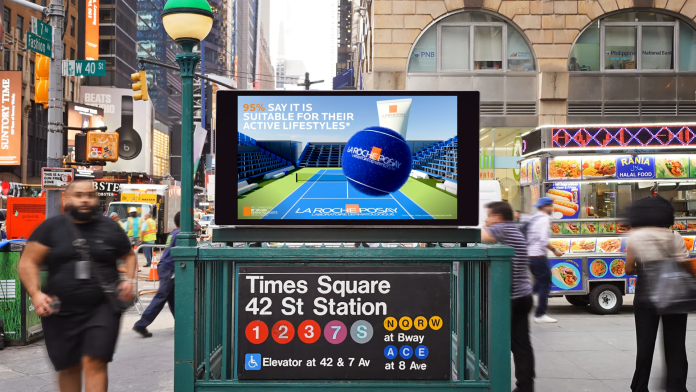
  • Physical Presence Cuts through Digital Fragmentation: During moments of mass attention when digital feeds are saturated, out-of-home becomes the unavoidable shared media layer, and brands that dominate key physical spaces win disproportionate mental availability. 
  • OOH (Out of Home) is Now a Content Engine: Because Olympic moments live as much on social as on broadcast, bold, real-time digital, OOH designed for shareability turns physical screens into powerful amplification platforms. 
  • Context and Local Relevance Drive Performance: While national pride peaks during global events, hyperlocal, dynamic creative tied to cities, athletes, and real-time moments outperform generic messaging. 
  • Culture Peaks Reward Share of Voice: During high-intensity moments like opening ceremonies and finals, concentrated, high-impact OOH drives stronger recall than dispersed, always-on campaigns. 
  • Big Moments Build Long-Term Brand Equity: Brands that show up at scale during memory-making events like the Olympics become part of collective memory, building lasting emotional associations beyond the event itself. 
Scott Mitchell
Scott Mitchell

The best data-driven OOH campaigns ensure that the ads don’t just appear during cultural events but meaningfully participate in them.  

Mitchell said major cultural events like the Olympics highlight the limits of purely digital environments. 

“During moments like these, people aren’t just scrolling — they’re showing up. Whether commuting, traveling, gathering with friends, or watching highlights in real time, these are the occasions where physical media really shines,” he said.

“We’re so accustomed to digital environments vying for attention that it’s easy to forget how draining that can be. During major cultural events, screens fill up, feeds scroll by, and messages start to blur together. Out-of-home doesn’t ask for a click or a pause — it simply exists alongside people as they move through their lives.

“That physical presence gives brands a different kind of weight. When a message appears in the real world, especially during a cultural moment everyone is already engaging with, it feels purposeful and credible. You’re not interrupting the conversation; you’re becoming part of it. And in something as shared and emotionally charged as the Olympics, that difference matters.”

Mitchell said the most effective Olympic OOH campaigns aren’t just media placements; they’re cultural expressions designed to be shared. 

“Large-format, contextual creative naturally lends itself to social behaviour; people take photos, post videos, and share experiences when a message feels timely and relevant. Brands that think beyond the screen, using bold creative, real-time updates, or locally resonant executions, can extend OOH far beyond its physical footprint. The street becomes the studio, and social platforms serve as the amplification layer, allowing a single well-executed OOH moment to live across multiple channels,” he explained.

Vistar Media photo
Vistar Media photo

“This same approach will define success during upcoming events like the World Cup. Stadium districts, fan zones, transit corridors, and hospitality hubs become live content environments. Smart brands will design OOH not just for reach, but for the ripple effect.”

What’s interesting about events like the Olympic Games is that while they’re global, people experience them in very local ways. Fans are watching from specific cities, commuting through specific transit hubs or gathering at the same neighbourhood bar every night to catch the highlights, noted Mitchell.

“That’s where out-of-home really comes into its own. OOH lets brands speak to where people are and how they’re feeling in that moment, not just what’s happening on the world stage. Context like time of day, location, and audience mindset all shape how a message lands, especially when emotions are already running high,” he said.

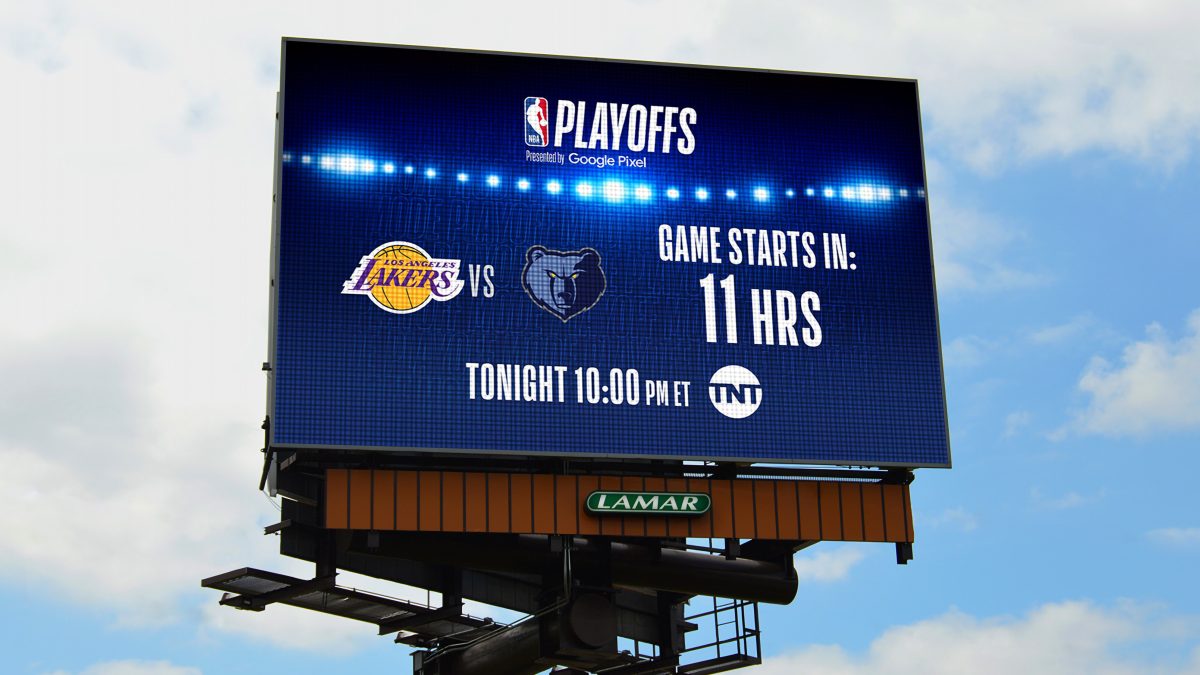
“During events like the Olympics or even the upcoming World Cup, dynamic creative can shift based on which national team is playing, which city is hosting, or even the live score or outcome of a match. Whether reacting to a medal win, a prime-time broadcast, or a local viewing hotspot, hyperlocal OOH ensures brands feel present and responsive, not generic or disconnected from what people are actually experiencing.”

Vistar Media photo
Vistar Media photo

Mitchell said cultural peaks are moments when attention converges. During the Olympics, consumers are more receptive to brand messaging that feels additive to the experience rather than interruptive, and that’s where out-of-home really stands out. 

“OOH isn’t about quick bursts or chasing every headline; it’s about sustained visibility when interest is at its highest. Brands that show up consistently in high-traffic environments start to own the physical space, which naturally translates to a stronger share of voice,” he shared.

“For instance, a food brand timed its ads as Canadians won Olympic medals. These specifically timed ads participated in the cultural moment, adding to the excitement while subtly keeping its brand top of mind. The bigger lesson for upcoming moments like the World Cup is commitment.

“Brands that secure meaningful physical presence early, across transit, retail, and high-impact urban placements, will dominate share of voice while competitors fight for fragmented digital attention.”

Vistar Media photo
Vistar Media photo

While the Olympics may last a few weeks, the brand impact can last far longer. OOH plays a critical role in anchoring a brand to moments people remember, including where they were, who they were with, and how they felt during the Games.

“By showing up in the physical world during meaningful cultural moments, brands signal scale, confidence, and relevance. That association doesn’t disappear when the event ends; it becomes part of the brand’s story,” said Mitchell.

“In 2026 and beyond, especially with a packed cultural calendar including the World Cup, the brands that win won’t just be those chasing attention; they’ll be those owning the moments that matter.”

More from Retail Insider:

Walmart Canada launches Scintilla Digital Landscapes to deliver deeper e-commerce shopper insights

Since Walmart Data Ventures launched in Canada in 2024, its Scintilla platform has helped democratize Walmart’s first-party data and empowered suppliers and merchants to keep the customer at the heart of every decision. 

While Scintilla’s Channel Performance and Shopper Behaviour solutions have been available in the market, Walmart Data Ventures has launched its Scintilla Digital Landscapes solution in Canada.  

Powered by pre-purchase behavioural data from Walmart.ca and the Walmart mobile app, Scintilla Digital Landscapes can reveal meaningful insights, like how customers enter the sales funnel and where they might fall out of it, uncovering new ways to attract customers and grow a business, said the retailer.

With Scintilla Digital Landscapes, users can answer key questions like: 

  • How are shoppers finding my brands and products?;
  • What does the shopper’s path-to-purchase look like, and how likely are they to buy?;
  • When are my potential customers in-market?;
  • How are my products performing compared to the category at large? 

With this launch, Walmart Data Ventures continues to scale its Scintilla platform — delivering innovative, market-relevant solutions that help suppliers grow alongside Walmart Canada while improving the shopping experience for customers at every touchpoint, it said.

Jaed Khan
Jaed Khan

Jaed Khan, VP, Data Office, Walmart Canada, said Scintilla is a platform that Walmart developed globally.

“And what it does is it allows our suppliers and our merchants to really understand what the customer is doing and how we’re performing in meeting the customer’s needs,” he said. 

“We have several modules in there. We have Shopper Behaviour, which is focusing on what the customer is buying and who they are. We have Channel Performance, which is showing where the products are performing across our channel — how we are performing in store, e-commerce, etc. We have Customer Perception, which is coming soon, which really helps you hear directly from the customer in terms of why they’re buying certain products.

“And the one that was recently announced is Digital Landscapes, which really is driving into our online business, our e-commerce business.

“It allows suppliers and our merchants to really understand that path to purchase — from how did they search for something, how did they come into the ecosystem, how did they land on the product — all the way down to what they’re buying. It allows us to make really informed decisions around: do we have the right product? Are we serving the customer the way they want to be served? Are we serving them where they want to be served?”

If you think about the age we’re in right now, where data is driving decisions, we’re relying more on data to really understand customer behaviour — to understand whether we’re serving the customer in the right place, for the right product, at the right time, explained Khan.

“If we think about the industry shifting, customers want speed and they want choice. What this allows us to do is have that first-party understanding of what is really happening — what does the customer really want? Where are the key friction points? Are we serving them with the right thing at the right pace, in the right moment?

“The more we can understand that, we’re able to serve the customer better because we can tune and respond to that need.”

Khan said the retailer’s mission in terms of getting data and making that available so it can make decisions around a single source of truth and a trusted data set just continues. 

“This is just another module, and we’ll have other modules launching soon that really help us build out that ecosystem of what the key data points are that we need to make those decisions and help serve our customer,” he said.

“We have Customer Perception, which will be launching (in the future).

“After that, we have a plan to roll out other modules as they come out.”

Walmart photo
Walmart photo

As a retailer, 15 or 20 years ago, what did retailers know? They knew that they put some stuff on the shelf and it sold. They didn’t know why, to who, where, or when.

“Today we can really understand that journey. Technology is moving at an accelerated pace. When it comes to something like Scintilla, it becomes key as we’re changing that pace,” added Khan.

“Twenty years ago, technology would change at a much slower pace, and customer adoption would be slower as well. Today that is increasing exponentially. What Gen AI was doing six months ago is totally different from what it can do today. That’s an exponential shift in terms of speed.

“That also means customer behaviour and adoption are changing at an equally exponential rate. Having the data through platforms like Scintilla, which allows us to stay on top of those changes, becomes absolutely critical — to map back to how we serve the customer, where we serve the customer, and when.”

More from Retail Insider:

Daily Synopsis: Apr 2, 2026

Our most recent Retail Insider articles are listed below, followed by Canadian Retail News From Around the Web. Nations Experience is reimagining Oakville Place’s former Hudson’s Bay space into a large-scale foodtainment hub that blends grocery, dining, and entertainment. Meanwhile, Groupe Dynamite’s Garage brand is rapidly expanding in the U.K. with high consumer demand, signaling promising global growth. Also included is a critical view on Toronto’s public grocery pilot and Rocky’s Ontario expansion focusing on nature-inspired experiential retail. Together, these stories highlight evolving retail formats and expansion strategies shaping the market.


🗞️ The Day’s Retail Insider Article List


🌐 Canadian Retail News From Around the Web

How to Buy Authentic Luxury Handbags Safely Online

By: Lyssanoel Frater

The online luxury market has been rapidly growing, with handbags being one of the most popular purchases. Luxury purses are regarded not only as fashionable accessories but also as status symbols and safe investments.

Shoppers seeking high-quality luxury purses turn to trusted online shops like 24S to avoid the risk of counterfeit purses and ensure the purses they purchase are authentic.

Buying Authentic Luxury Handbags From Credible Sellers

The global luxury handbag market is estimated to reach 36.6 billion dollars in 2026 and steadily increase with a Compound Annual Growth Rate (CAGR) of 6.6%. With such high demand, shoppers need to purchase from retailers with a solid reputation.

A reputable retailer of luxury handbags will invest in the authentication process and will provide documentation to their customers outlining the traceable sourcing. Retailers like 24S will also seek brand partnerships so they can offer products directly from major fashion houses.

Established online retailers with a good reputation ensure the handbags are not counterfeit through a verification process. This proves authenticity and a high-quality product.

A luxury handbag retailer should provide clear pricing, including whether or not international purchases include additional fees. The retailers often offer insurance and signature confirmation for the shipped handbags to increase security.

Additionally, reputable online retailers offer more reliable customer support and work with customers to resolve any disputes. These retailers often have a 14- to 30-day window for returns. Also, many trusted retailers offer guidance for handbag care or repair services.

Key Authenticity Indicators of Luxury Handbags

Luxury handbags are often sold in dust bags and branded boxes, but these can be faked. The handbag quality is a clear indicator of whether a bag is real or a dupe.

To verify if a handbag is authentic, a shopper can check for several telltale signs. The leather should be high-quality and feel durable, and the stitching should be precise and straight. The hardware should be metal, not plastic, and shouldn’t feel hollow or be flimsy.

The logo placement is also important. The logo should be in the correct font and have even spacing. For example, Celine luxury handbags feature a logo that is stamped into premium leather.

Warning Signs of Fake Luxury Handbag Retailers

There are red flags that customers should be aware of when searching for a reputable online retailer.

If the prices of the handbags are significantly below market value, this often indicates that the handbag is not authentic. Another sign that an online store is a scam is if they have a no-return/no-refund policy.

Another red flag is if the seller doesn’t have reviews or doesn’t appear to have a seller history. If the website has poor grammar and misspelled words, this is another warning sign. Also, be alert to over-edited images or a lack of close-up photos.

The descriptions of the handbags should be detailed and include dimensions, materials, and where they were manufactured. If the descriptions are sparse, this is a clear red flag.

Frequently Asked Questions

How can you tell if a luxury handbag is authentic online?

A reputable seller will have clear, detailed descriptions of the products, multiple photos, transparent policies for returns and refunds, and will outline the authentication process.

Is it safer to buy Celine handbags from an established luxury platform?

Established online retailers with clear authentication processes and policies are safer to purchase from, as opposed to sites that don’t have a clear seller history. 

Are lower prices on designer handbags always a good sign?

A definite red flag when looking into whether or not a handbag is authentic is if it is listed way below the market price. If a deal looks too good to be true, this is a sign to look for a reputable luxury handbag retailer.

Nations Experience Takes Possession at Oakville Place

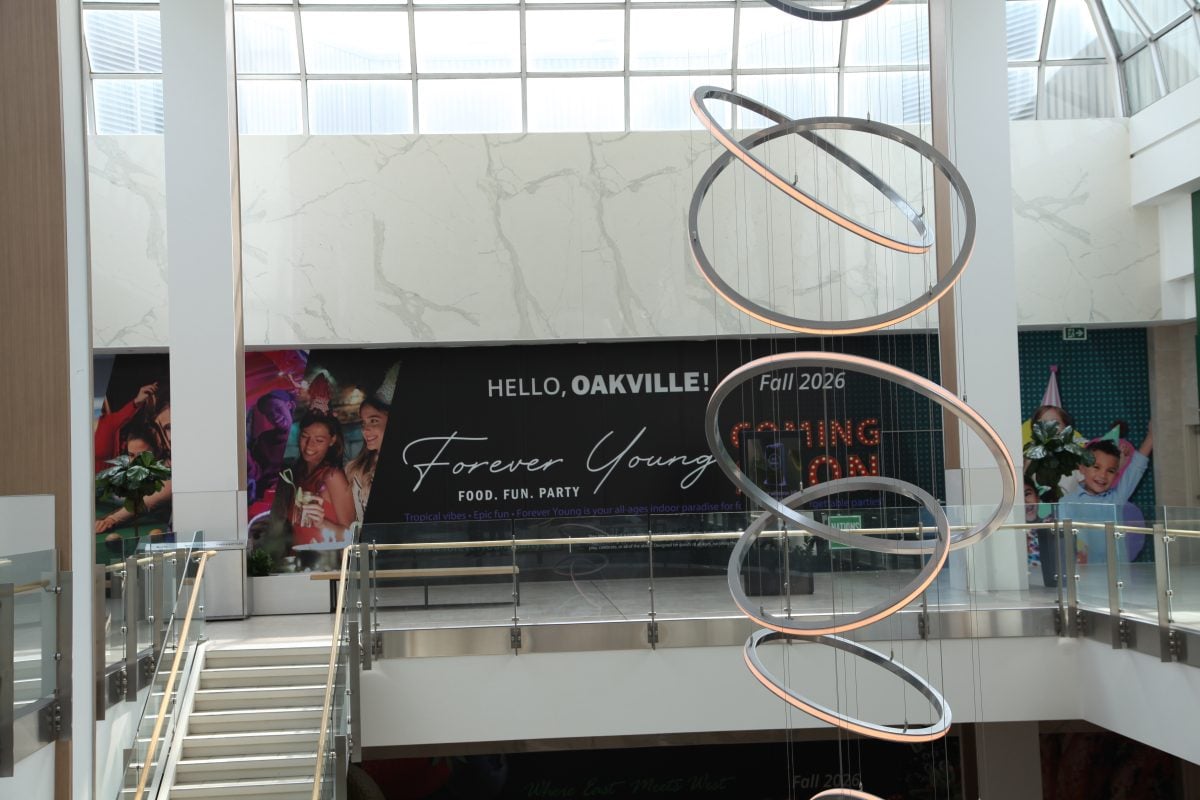
Nations Experience’ signage inside the former Hudson’s Bay space at Oakville Place

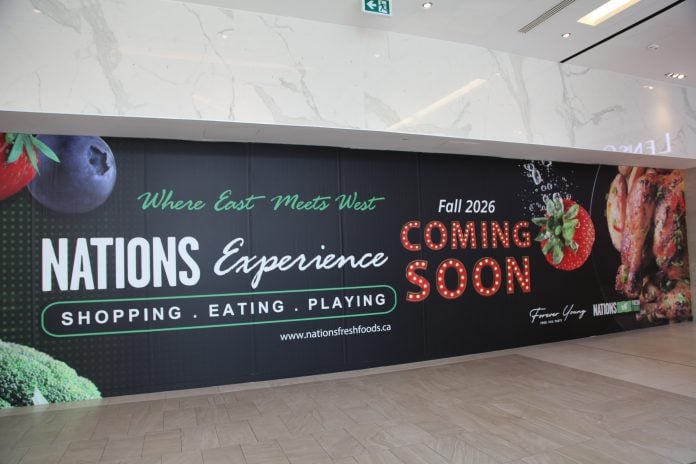
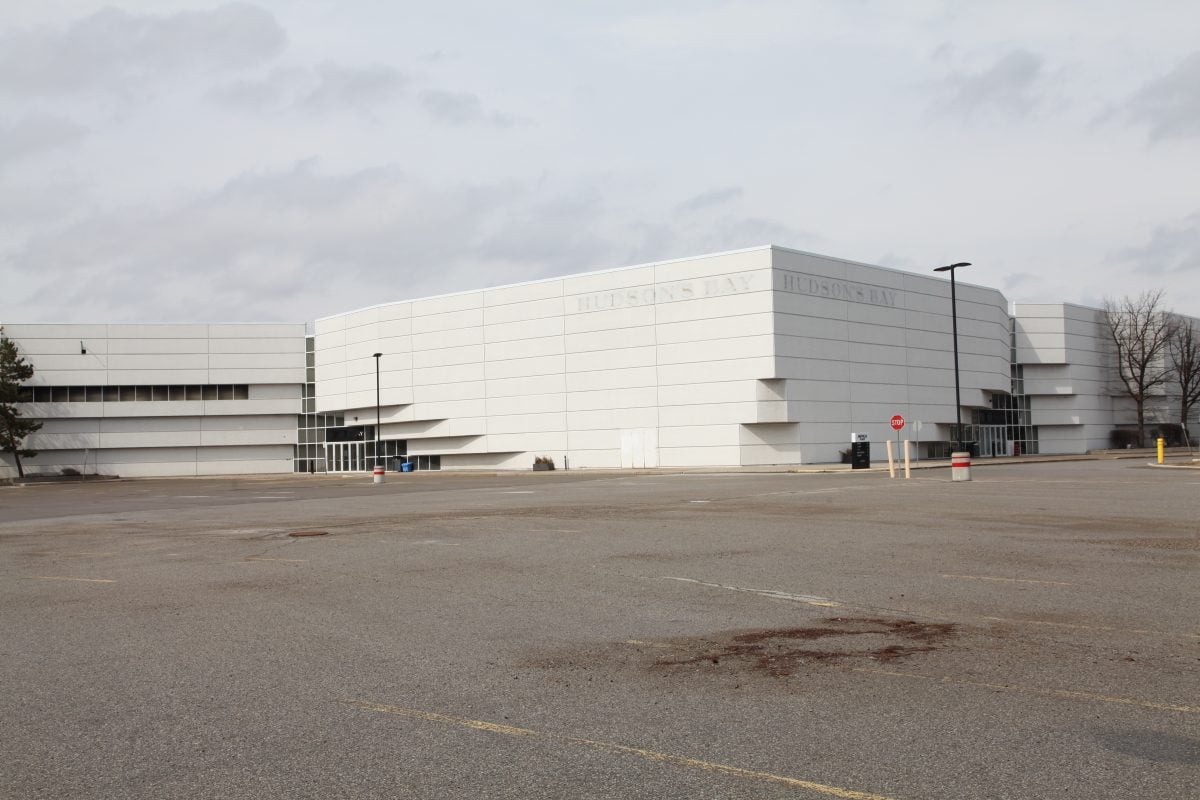
Nations Experience has taken possession of the former Hudson’s Bay space at Oakville Place, marking a significant milestone in the evolution of a project that Retail Insider first reported on in November 2025. The update signals that the concept is moving from planning into execution, with construction expected to begin shortly.

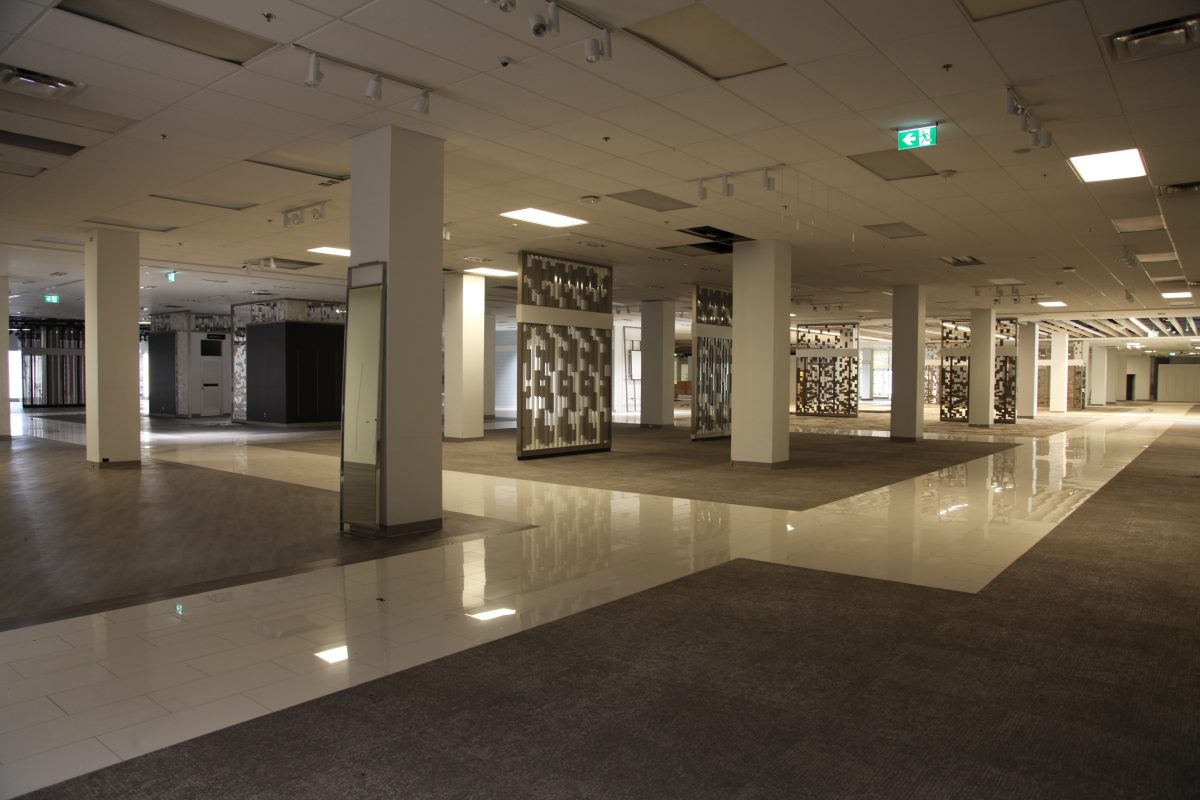
According to Frank Ho, Vice President of Real Estate Development for Nations Experience, the company has now officially taken possession of the two-level former department store space, which spans about 120,000 square feet. Ho indicated that the redevelopment will transform the former Hudson’s Bay box into a large-scale “foodtainment” destination that combines grocery, prepared food, dining, and entertainment in a single environment.

Interior view of Oakville Place highlighting the future location of the Nations Experience concept

Retail Insider Update on a Major Oakville Project

Retail Insider was first to report on the planned Nations Experience location at Oakville Place late last year, and this latest update provides a clearer picture of where the development stands today. Based on information provided by Ho, the project is now entering a more visible phase as Nations prepares to begin construction and introduce the concept to the market.

Ho described the Oakville project as part of a broader shift in how large-format retail spaces are being reimagined, particularly as former department store spaces across North America continue to challenge shopping centre owners looking for viable long-term replacements.

Interior view of the former Hudson’s Bay space prior to redevelopment

A New Role for the Former Department Store Anchor

For decades, department stores served as the central anchors of enclosed shopping centres, helping drive traffic and support surrounding tenants. Ho suggested that this traditional model has weakened as consumer habits have changed, creating the need for more dynamic uses that encourage repeat visits and longer stays.

In Oakville, Nations Experience is positioning its concept as a response to that shift. According to Ho, the model is designed around frequency, dwell time, and a more immersive customer experience rather than conventional retail categories alone. The goal is to create an anchor that brings people into the centre not only to shop, but also to dine, gather, and spend time.

Nations Experience Combines Grocery, Food Hall, and Entertainment

Ho said the Oakville Place location will bring together several elements under one roof. The lower level is expected to include the grocery and prepared food components, including fresh departments such as produce, seafood, and meat, as well as a broad international food offering aligned with the brand’s “Where East Meets West” positioning.

He also indicated that the project will include a major entertainment component under the Forever Young banner on the second level. That space is expected to feature attractions such as indoor play areas, arcade games, virtual reality experiences, and event-oriented uses designed to broaden the appeal of the destination.

According to Ho, the concept is intended to function as a unified ecosystem rather than a series of separate uses. Grocery is expected to drive regular visits, prepared food adds energy and immediacy, and entertainment encourages customers to remain in the space longer.

Exterior of the former Hudson’s Bay building at Oakville Place

Why Oakville Place Matters

Ho pointed to Oakville’s demographics and location as important factors in the decision to move forward with the project there. As one of the more affluent communities in the GTA, Oakville offers the kind of customer base that can support both everyday grocery traffic and destination-oriented food and entertainment uses.

The former Hudson’s Bay closure also created an opportunity to rethink how a large anchor box could function within the shopping centre. Ho suggested that while many former department store spaces have been divided up or repurposed for limited uses, the Oakville Place redevelopment is intended to restore sustained traffic at scale.

That is particularly significant as Oakville Place continues to reposition itself with new anchors and tenants following major changes to its lineup.

The Nations team during the initial walkthrough of the Oakville Place site

Garden Centre to Launch as Early Activation

One of the more immediate developments is a phased rollout that will begin before the full concept opens. Ho said a large-scale garden centre is scheduled to launch this month, allowing Nations Experience to establish an early presence at the property and begin building awareness in the community.

That early activation is expected to serve as a visible sign of progress while construction continues inside the former Hudson’s Bay space. Based on the current timeline provided by Ho, a broader opening is anticipated in Fall 2026, with some entertainment elements potentially extending into 2027.

Existing retail environment at Oakville Place

Part of a Larger Evolution for Nations

Nations Experience, formerly Nations Fresh Foods, has steadily expanded across Ontario over the past decade. The business traces its roots to the Oceans Fresh Food Group and first launched in Vaughan in 2012 before expanding to locations including Hamilton, Mississauga, Toronto, and Brampton.

Ho positioned the Oakville store as part of the continued evolution of the Nations Experience format, which builds on the company’s move beyond conventional grocery retail into larger mixed-use environments. The first Nations Experience store opened at Stock Yards Village in Toronto in 2017 in a former Target space, combining multicultural grocery with food hall and entertainment elements.

The Oakville location appears to represent a further step in that strategy, particularly with the larger and more defined Forever Young component planned for the second floor.

A Broader Industry Signal

The redevelopment of the former Hudson’s Bay space at Oakville Place is notable not only because of its scale, but also because of what it suggests about the future of retail real estate. Based on Ho’s description of the concept, Nations Experience is aiming to create a new kind of anchor, one built less around traditional merchandise and more around a mix of daily needs, food-led traffic, and leisure activity.

If successful, the project could offer a useful model for landlords dealing with large vacant department store spaces. It also reflects the growing importance of concepts that increase both dwell time and visit frequency in an increasingly competitive retail environment.

The company’s real estate advisory is being supported by TOP CATS REALTY INC., with contacts Kelly Laughton at 416-419-7470 and Gerry Lazar at $416-464-2271.

More from Retail Insider:

The Equipment Leasing Lifeline Saving Canadian Restaurants From Crushing 2026 Costs

As the Canadian hospitality industry navigates a deep financial reset in 2026, restaurant operators are facing a landscape defined by escalating costs and critically thin margins. A stark forecast from Dalhousie University predicts that following 7,000 closures in 2025, another 4,000 establishments will shut their doors this year, bringing the two-year total to 11,000 lost restaurants. With 41% of operators currently reporting they are either losing money or merely breaking even, the traditional model of large, upfront capital expenditures for kitchen equipment has become increasingly untenable.

Compounding this crisis is a recovery in demand for commercial space, which continues to drive upward pressure on rents in an environment where consumers are already pulling back on discretionary spending and alcohol consumption. In this high-pressure climate, a strategic shift toward equipment leasing has emerged as an essential lifeline. By opting for leasing over ownership, operators can preserve vital cash flow to cover rising wages, insurance, and food costs, providing the liquidity necessary to survive the industry’s most challenging period in decades.

Analysis: A Convergence of Challenges for Canada’s Hospitality Sector

The financial pressures facing Canadian restaurateurs stem from a convergence of systemic challenges building for years. As early as 2024, Restaurants Canada reported that 62% of the nation’s establishments were operating at a loss or just breaking even—a crisis driven by the “triple-threat” of food inflation, rising labor costs, and soaring real estate rates.

By 2026, this margin squeeze has reached a critical tipping point. With bankruptcies having already hit a decade-high and closures now consistently outpacing new openings, even historically successful establishments are struggling to maintain profitability. This environment makes protecting liquid assets a requirement rather than a preference. Defensive financial strategies are now essential for operators to navigate a market defined by high overhead and shifting consumer spending.

The New Imperative: Preserving Capital at All Costs

In an industry where margins are notoriously thin, healthy cash flow is often the difference between solvency and closure. When the bulk of revenue is immediately allocated to rent, payroll, and inventory, there is virtually no capacity for significant, one-time capital outlays. For many, the need to replace a failing commercial range or upgrade a dishwasher can trigger a financial crisis, a problem exacerbated by high operating costs noted in the Vancouver market. This makes large-scale investments a considerable risk for the majority of operators in the current climate.

This reality forces operators into a difficult position: either take on high-interest debt or continue using inefficient, outdated equipment that can increase energy costs and hinder kitchen productivity. The dilemma has prompted the search for alternative financing models that align with the current economic realities of the foodservice sector. The necessity to conserve funds for daily operations has made traditional purchasing methods a luxury that fewer businesses can afford, pushing innovative financial solutions to the forefront of industry strategy.

How Restaurant Equipment Leasing Offers a Strategic Advantage

In response, many operators are turning to restaurant equipment leasing to manage their finances proactively. Canadian-owned suppliers like Kitchener-based s.t.o.p. Restaurant Supply have developed comprehensive leasing programs that transform a massive capital expense into a predictable, manageable monthly operating cost. This approach frees up thousands of dollars in upfront capital, which can be redirected toward essential operational needs like marketing or staff retention. Their programs are designed specifically to address the cash flow challenges currently plaguing the industry.

By partnering with established financing providers like EconoLease, these programs offer a streamlined application process and quick approvals, often within 24 hours. This allows restaurant owners to acquire everything from refrigerators and ovens to full kitchen setups without draining their bank accounts. The predictable monthly payments, with terms ranging from 12 to 60 months, make budgeting far simpler and protect a business’s working capital from sudden shocks. This structure is particularly beneficial for startups and growing businesses that require access to premium equipment to compete effectively.

Leasing vs. Buying: A Financial Snapshot

Feature/BenefitLease Commercial Kitchen EquipmentBuy Commercial Kitchen Equipment 
Upfront CostLower upfront payments with predictable monthly costsHigher upfront investment, but full ownership from day one
Cash FlowPreserves working capital and spreads costs over timeSignificant capital outlay upfront; no ongoing payments after purchase
FlexibilityEasier to upgrade or adjust as business needs changeLong-term stability; full control over equipment
Ideal ForStartups, growing businesses, or seasonal operationsEstablished businesses investing for the long term

More Than Money: The Operational Benefits of Modern Leasing Models

The strategic value of leasing extends well beyond immediate cash preservation. It provides operators with access to the latest, most efficient commercial-grade equipment from top-tier brands like Hobart and Browne—assets that might otherwise be financially out of reach. Newer equipment is often more energy-efficient, leading to tangible savings on monthly utility bills and contributing to a more sustainable operation. This access to modern technology allows kitchens to improve performance and reduce their environmental footprint simultaneously.

Furthermore, leasing models offer unparalleled flexibility. With terms typically ranging from 12 to 60 months and lease-to-own options, businesses can adapt their equipment lineup as their menu or concept changes. This agility is particularly crucial for startups and growing businesses, for whom startup-friendly leasing approvals can significantly lower the formidable barriers to entering the market. Programs that offer full-service support, from initial kitchen design and layout to installation and after-sales service, provide an additional layer of value, allowing operators to focus on their core business of serving customers.

A Forward Look: Leasing as a Permanent Fixture in a Resilient Industry

The widespread adoption of equipment leasing should not be viewed as a temporary fix for a struggling industry, but rather as a permanent and sophisticated evolution in restaurant financial management. By converting capital expenditures into operating expenses, restaurant owners can build more agile and financially stable businesses capable of withstanding market volatility. This shift in thinking from ownership to access allows for greater operational nimbleness and smarter allocation of resources, which is essential in a fast-paced sector.

As the Canadian hospitality sector navigates the uncertainties of 2026 and beyond, the ability to smartly manage capital will be a key determinant of long-term success. Financial and strategic partners that provide flexible and accessible leasing solutions are no longer just suppliers; they are fundamental enablers of the industry’s future health, innovation, and survival. A robust leasing ecosystem provides the foundation for new entrepreneurs to launch their ventures and for established operators to continue innovating without being constrained by capital limitations.