Canada’s retail market is showing a mix of strong growth and limited space. In major cities like Toronto, demand for retail locations is rising, while available space remains tight. At the same time, brands are expanding with more focused strategies, prioritizing community connection, product quality, and digital integration. With vacancies shrinking and rents increasing, both retailers and landlords are working within a market that offers opportunity, but also clear constraints.
This week also highlights how retailers are evolving the way they connect with customers. Many are introducing more immersive store concepts, forming new partnerships, and refining how their businesses operate. These shifts reflect a broader focus on experience, wellness, and lifestyle alignment. At the same time, the shortage of retail space adds pressure to these strategies, shaping how companies plan for growth and long-term investment.
Retailer News
The spotlight on Canadian-origin brands growing with intention continues, notably with Joseph Ribkoff’s global expansion under new leadership. CEO Stephen Belfer is accelerating the brand’s accessible luxury positioning by modernizing its omnichannel retail footprint, combining e-commerce with strategic physical and wholesale touchpoints in Europe and North America, all while reinforcing its Canadian manufacturing heritage through proprietary fabric innovation.
Similarly, Ottawa-based Juice Dudez’s unique franchising model prioritizes owner-operator character, enabling steady growth rooted in community and real fruit ingredients rather than capital alone. This approach, detailed in its growth plans, highlights the value mission-driven concepts bring to competitive foodservice and real estate markets by fostering authentic customer connections.
Winnipeg’s Freed & Freed is expanding its vegan outerwear distribution to North American and international retailers, leveraging strong U.S. demand and its century-old legacy to boost its luxury positioning. Their distribution expansion underscores how heritage domestic production and sustainability commitments can create differentiated retail propositions that resonate broadly.
Within urban retail environments, the declining Toronto retail vacancy rate, confirmed by reports of a record-low availability, is echoed on the micro-level with neighbourhoods like Ossington and Leslieville now reaching zero streetfront vacancies. This scarcity intensifies competition for prime local retail locations that food, beverage, and experiential tenants increasingly covet. Concept-driven developments such as Toronto’s Elm-Ledbury The Mews retail arcade demonstrate how curated leasing fosters vibrant community-centric retail in multi-family residential settings, leveraging boutique and experiential formats to set new standards in urban placemaking.
Retailer Financials / Trends / Reports
Canada’s retail sales continue a modest upward trajectory, as noted by Statistics Canada’s January 2026 report showing a 1.1% increase driven by motor vehicles, general merchandise, and specialty segments. While this signals underlying consumer resilience, appetite for discretionary spending remains cautious, as detailed in TD’s analysis of an increasingly battle-worn but steady consumer sector.
Retailers like Dollarama reflect this duality of resilience and operational pressure in their financials. The company surpassed $7 billion in sales for fiscal 2026 through aggressive store openings and international ventures, yet disclosed a tempered outlook due to transformative costs in Australia. Such results, emphasized in Dollarama’s sales report, underscore the critical balance between domestic stability and growth risk in global expansion efforts.
In apparel, Groupe Dynamite is poised for a strong earnings surge, powered by strategic premium store placements and UK entry. This performance is discussed in earnings coverage and confirms that focused repositioning and international diversification remain viable levers even as the apparel landscape remains challenging, making it an important case study for those tracking retail real estate optimization and tenant mix strategies.
Retailer People News
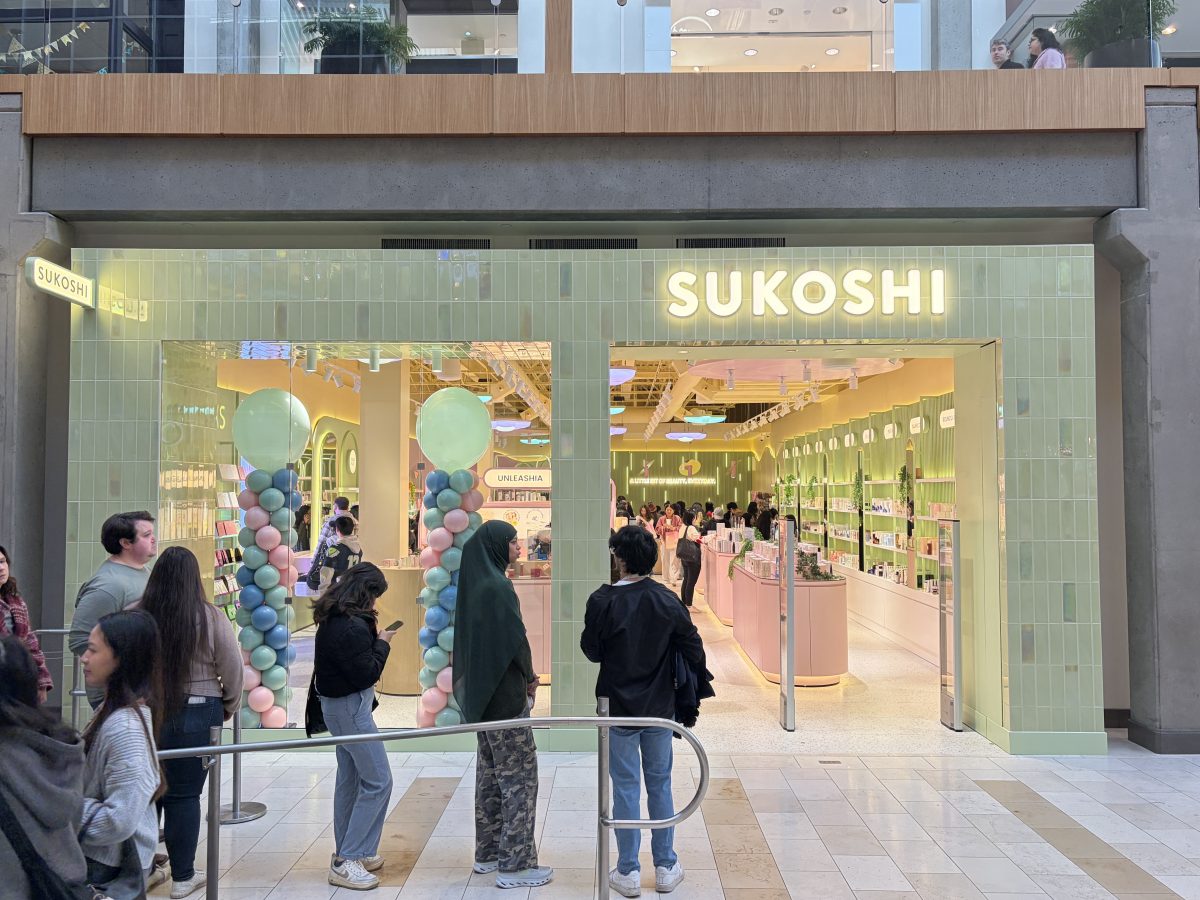
Among notable leadership stories, Linda Dang’s growth of SUKOSHI as a beauty retail powerhouse highlights the efficacy of experience-driven stores combining discovery, education, and curated Asian beauty to meet evolving consumer expectations. Her approach, detailed in the profile on SUKOSHI’s success, illustrates how deep specialization and immersive environments can differentiate retail in a digital-driven marketplace.
Similarly, the rapid expansion plans of brands such as Toronto-based Egg Club, targeting growth from nine to potentially 20 stores this year in the breakfast QSR sector, exemplify how leadership vision drives market innovation and footprint scaling. These moves, noted in the Egg Club coverage, speak to rising competition in fast-casual dining that will impact retail leasing and consumer traffic patterns.
Retailer Op-Eds
Analyses of grocery pricing and retail dynamics remain front and centre, with Dr. Sylvain Charlebois emphasizing the profound impact of rising food costs on consumer behaviour in rising grocery prices, including shifts toward cheaper brands and credit reliance. His insights raise questions about systemic supply chain issues that transcend retail pricing strategies, urging a holistic policy perspective that stakeholders across retail and real estate must consider.
Meanwhile, reflections on discount grocery competition dismiss the likelihood of Aldi and Lidl’s imminent entry into Canada due to entrenched market and logistical barriers, explored in the Aldi and Lidl analysis. This perspective clarifies that Canadian grocery competition will continue evolving through internal consolidation and retailer expansion rather than foreign discount disruption, informing real estate expectations for grocery-anchored developments.
On the luxury front, the concept of ‘desire’ remains a subtle but powerful marketing strategy, as articulated in luxury marketing op-ed. The discussion around luxury branding as an aspirational and mythological exercise rather than a price or promotion game offers valuable lessons for Canadian retailers aiming to build long-term prestige and cultural relevance in a global context.
Editor’s Take
This week’s coverage points to a retail real estate market that is under pressure, but still full of opportunity. In Toronto neighbourhoods such as Ossington and Leslieville, extremely low availability highlights a mismatch between supply and demand. As a result, retailers are being forced to make more precise and strategic decisions about where they open stores. At the same time, landlords and developers are responding by rethinking how spaces are leased and curated. Concepts like The Mews show how retail environments can be designed to better reflect local demographics and lifestyle trends.
Meanwhile, a range of brand expansions demonstrates that thoughtful, well-defined growth strategies continue to succeed despite real estate challenges. Companies such as Joseph Ribkoff, Juice Dudez, and Freed & Freed are growing by staying true to their brand identity and building strong customer connections. They are also blending physical stores with digital and experiential elements in a deliberate way, offering a useful model for others as consumer expectations continue to evolve.
Finally, retail sales remain relatively strong even as consumer sentiment becomes more cautious. This suggests that long-term success will depend on a balance between operational discipline and creating meaningful customer experiences. The leadership perspectives and opinion pieces this week reinforce that navigating economic and policy pressures requires both flexibility and clear direction, particularly in sectors like grocery and luxury, where pricing, supply chains, and brand storytelling play a critical role in shaping consumer engagement and real estate value.
This Week’s Articles
Retailer News
- Payroll employment declines in retail trade: Statistics Canada — Mario Toneguzzi — Mar 26
- Foodservices and drinking places sales increase: Statistics Canada — Mario Toneguzzi — Mar 26
- Elm-Ledbury Retail Vision Takes Shape in Toronto — Craig Patterson — Mar 26
- Shake Shack taps Toronto’s Pizzeria Badiali for Canadian chef collaboration — Mario Toneguzzi — Mar 26
- New chapter for Windsor Station – Group Society and Laurier Capital acquire iconic Montréal landmark — Mario Toneguzzi — Mar 26
- Leyad Expands Leadership as Retail Portfolio Grows — Craig Patterson — Mar 26
- Joseph Ribkoff Expands Globally Under New CEO — Craig Patterson — Mar 25
- Canadian Tire and WestJet Launch Loyalty Partnership — Craig Patterson — Mar 25
- Poshmark unveils redesigned app, ushering in new chapter of style discovery — Mario Toneguzzi — Mar 25
- Apple Business Launch Brings Maps Ads to Canada — Craig Patterson — Mar 25
- Retail Marketing Automation for Shopper Promotions — Craig Patterson — Mar 25
- Huge growth plans for Ottawa-based Juice Dudez — Mario Toneguzzi — Mar 25
- Tression launches new category of fashion-forward compression garments designed for everyday wear — Mario Toneguzzi — Mar 25
- Small businesses urge governments to keep momentum on reducing internal trade barriers: CFIB — Mario Toneguzzi — Mar 24
- Galleria Opens Largest Store with K-Town Concept — Lee Rivett — Mar 24
- KEEN launches trail running category — Mario Toneguzzi — Mar 24
- Rexall expands Moore Park Pharmacy in Toronto to offer more same-day care services amid family doctor shortage — Mario Toneguzzi — Mar 24
- Toronto Retail Availability Hits Record Low — Craig Patterson — Mar 23
- Icebug Expands Trail Line with Myr RB9X Launch — Craig Patterson — Mar 23
- Restaurant merch becoming increasingly more popular: Lightspeed Commerce — Mario Toneguzzi — Mar 23
- Everwild wellness hospitality brand to open three new locations — Mario Toneguzzi — Mar 23
- Destination Canada and ‘Team Canada’ open the door to global tourism investment — Mario Toneguzzi — Mar 23
- Dare Foods partners with Canada Soccer — Mario Toneguzzi — Mar 23
- Saskatoon’s Midtown shopping centre supporting city’s Bus Rapid Transit system — Mario Toneguzzi — Mar 23
- GARAGE launching stores in United Kingdom — Mario Toneguzzi — Mar 21
- Tim Hortons launching its second collab with Ryan Reynolds (Video) — Mario Toneguzzi — Mar 21
- OLEN launches debut collection of minimalist Italian leather sneakers — Mario Toneguzzi — Mar 20
- Winnipeg-based Activate Games accelerating international growth — Mario Toneguzzi — Mar 20
- Freed & Freed Expands Distribution for Canadian Outerwear — Craig Patterson — Mar 20
- Downtown Grocery Growth Accelerates in Canada — Craig Patterson — Mar 20
Retailer Financials / Trends / Reports
- From Chaos to Control: UPS Capital Report Highlights How Merchants Can Win the Last-Mile Battle — Retail Insider — Mar 26
- Ossington and Leslieville Hit Zero Retail Availability — Craig Patterson — Mar 26
- Consumer sector remains resilient but increasingly battle-worn: TD — Mario Toneguzzi — Mar 26
- Dollarama Shares Fall as Australia Expansion Weighs on Outlook — Lee Rivett — Mar 25
- Dollarama sales surpass $7 billion in its fiscal year — Mario Toneguzzi — Mar 24
- Groupe Dynamite Earnings Expected to Surge — Craig Patterson — Mar 23
- Retail sales on the rise: Statistics Canada — Mario Toneguzzi — Mar 20
Retailer People News
- VIDEO: Healthy Planet sees rise of micro meals and demand for cleaner, nutritious snack options — Mario Toneguzzi — Mar 26
- Egg Club founder targets rapid expansion after launching breakfast QSR concept — Mario Toneguzzi — Mar 26
- SUKOSHI Founder Linda Dang Builds North American Beauty Retail Powerhouse — Craig Patterson — Mar 24
Retailer Op-Eds
- Food Taxes in Canada Are More Problematic Than They Appear — Sylvain Charlebois — Mar 25
- Why Aldi and Lidl Are Unlikely to Enter Canada — Craig Patterson — Mar 24
- Rising Grocery Prices in Canada Are Changing Consumer Behaviour — Sylvain Charlebois — Mar 23
- From The Desk: Canadian Retail’s Urban Expansion and Inflation Pressures Shape 2026 Outlook — Craig Patterson — Mar 20
- The Art of Desire in Luxury Marketing — Craig Patterson — Mar 20