Financial District in Toronto (Image: Dustin Fuhs)
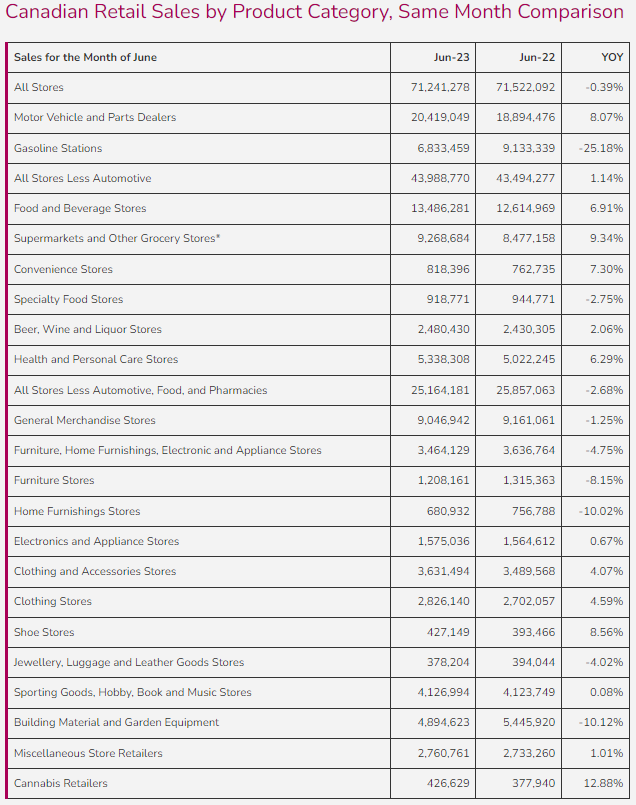
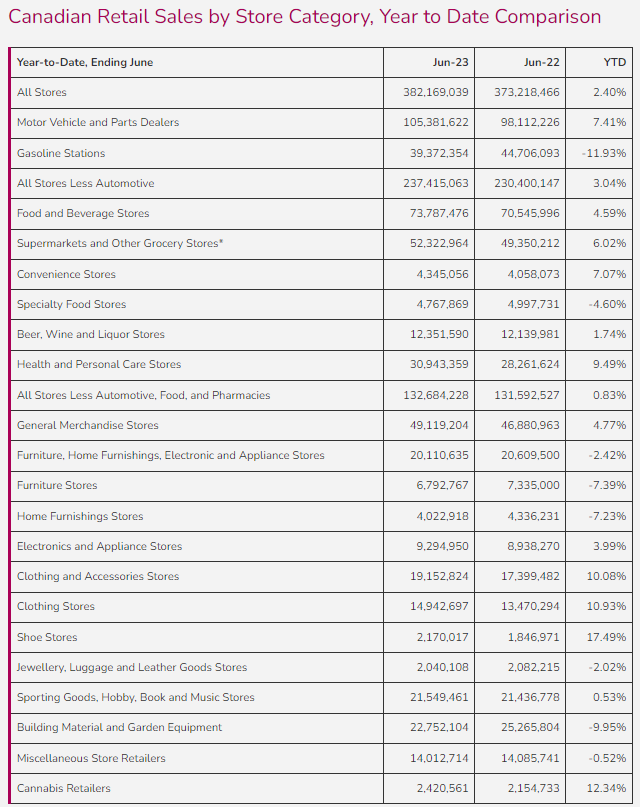
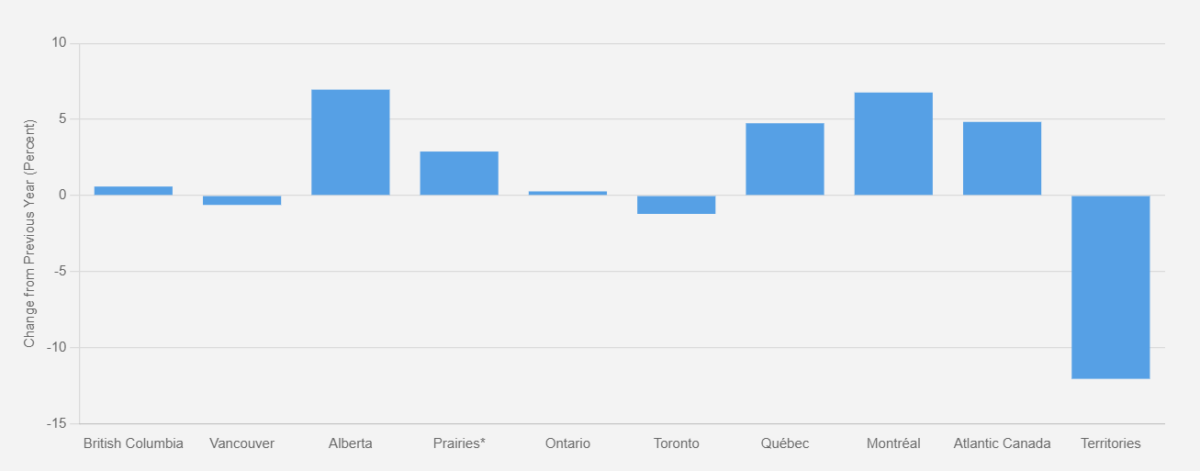
Canadian retail sales began to decrease in June 2023 with All Stores in June decreasing -0.4% YOY and All stores Less Automotive, Food, Pharmacies down -2.7% YOY as inflation continues its stronghold on Canadian consumers.
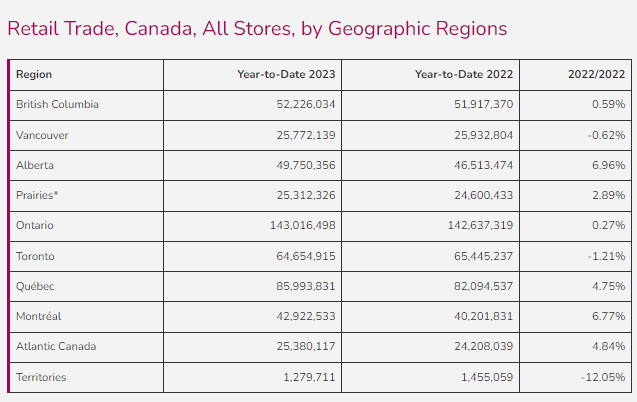
The decreases in sales is in part due to the continued decreases in spending in the two most expensive cities in the country: Toronto and Vancouver, down -1.2% YTD and -0.6 YTD respectively. These two cities account for, on average, approximately a quarter of total Canadian retail sales. As such, with the cost of living being the highest of all cities in Canada, consumers in these regions seen to be cutting back their spending more than others. In addition to the cost of living, June was a period of unprecedented wildfire smoke in Ontario, which likely kept many consumers inside and not spending. There are numerous categories in June that are reflective of the effects of inflation:
Supermarkets and Other Grocery Stores, though up 9.3% YOY, rising food costs are up 9.1% over 2022, therefore a much less impressive increase,
Building Material and Garden Equipment, down -10.1% YOY, and
Furniture, Home Furnishings, Electronics and Appliance Stores are all down in June, reflecting the effects of inflation down -4.8% YOY.
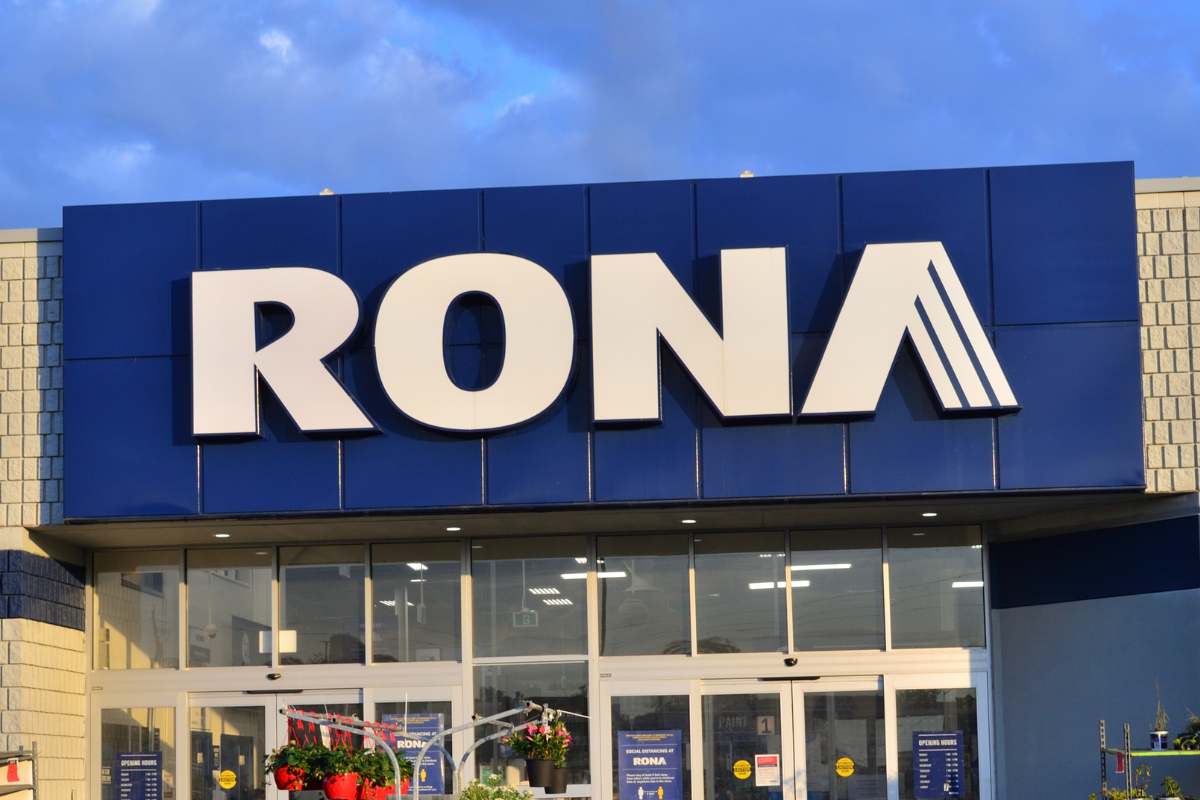
Apart from food, both other categories comprise of big ticket items, products that customers simply cannot afford at the moment. Rona, a significant retailer in the Building Material and Garden Equipment category, reported the elimination of 500 jobs in June as a result of these changing market conditions.
81% of Canadians intend to shop at brick-and-mortar retailers in their neighbourhood rather than online,
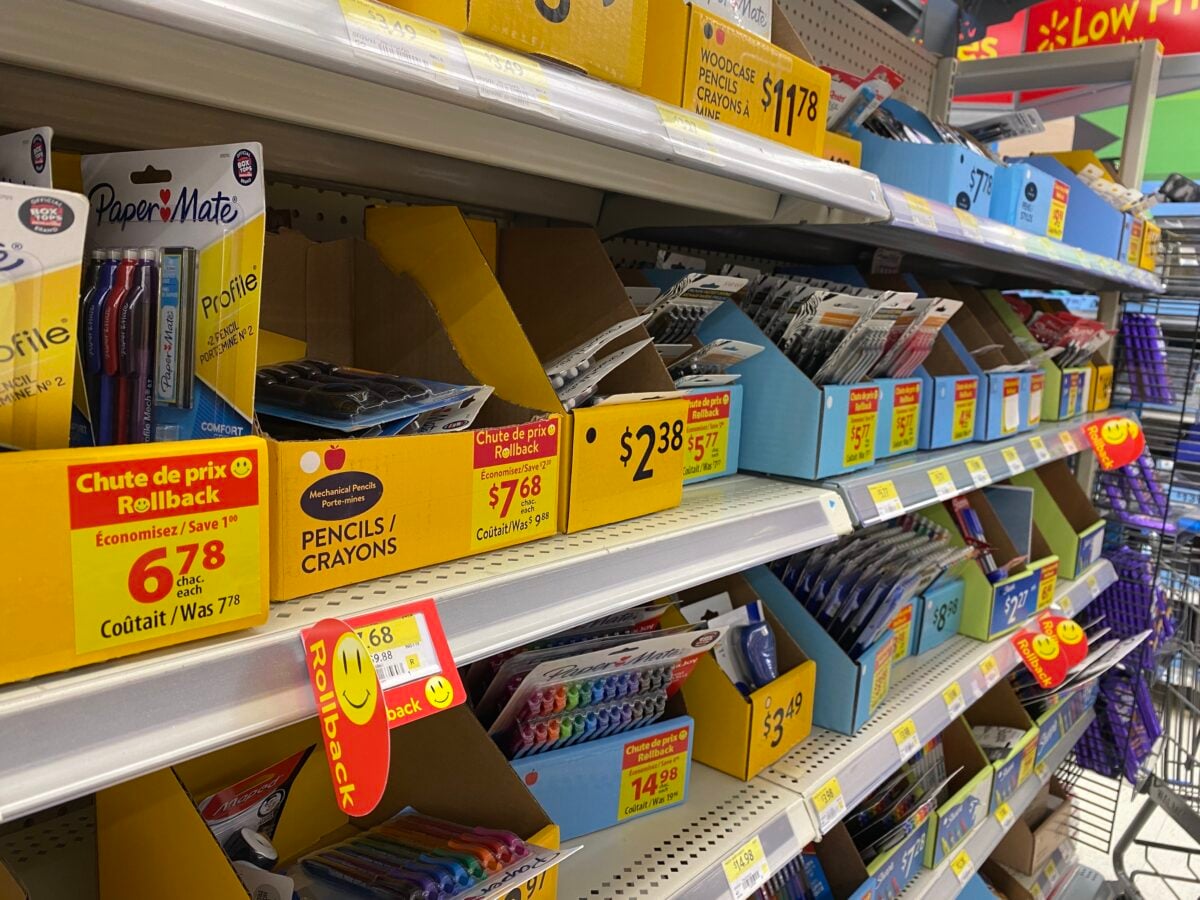
60% of Canadians expect to spend on stationary (the top category), whereas in 2022 stationary didn’t even crack the top ten, and
Big box stores are expected to take 62.3% of back-to-school sales in 2023.
The expected back-to-school trends from the survey are not surprising with wider inflation trends, such as consumers not looking to purchase electronics (typically big ticket items). As we are in the throws of back-to-school at the writing of this bulletin, and even approaching Halloween, JCWG is thinking about:
Did Amazon Prime Day have the impact on Canadian sales that it does in the US in July?
Will Halloween be the latest shopping event to experience the post-pandemic “holiday creep” (moving the shopping season further forward)?
Which retailers will be the most successful in back-to-school with the changes in consumer preferences?
Are city sales decreases in part as a result of tourism, or mainly residents?
How have YOU prepared for the transition from back-to-school to Halloween?
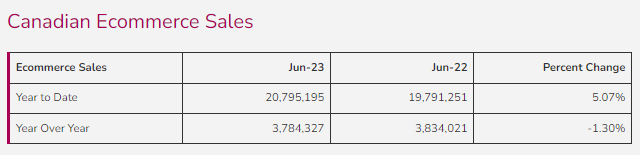
Canadian Retail Sales by Product Category, Same Month ComparisonCanadian Retail Sales by Store Category, Year to Date ComparisonRetail Trade, Canada, All Stores, by Geographic RegionsCanadian Ecommerce Sales
According to the Canadian Federation of Independent Business, one-fifth of all businesses in Canada—nearly 250,000 small businesses—could be at risk of closing their doors next year unless the federal government changes the deadline for repayment of the Canada Emergency Business Account.
Currently the deadline is December 31. If the CEBA loan is not repaid by then, small business owners will lose the up to $20,000 forgivable portion and pay the entire amount at a five per cent interest rate.
CFIB is pushing the federal government to extend the repayment deadline for the CEBA loan to the end of December 2025 or at least 2024.
“Almost 900,000 CEBA loans were approved across Canada. Many businesses had no choice but to take on this loan due to circumstances beyond their control. This includes businesses in some of the hardest hit industries such as the retail industry and tourism sector. Mandatory business closures and other government health restrictions left businesses with severe income losses and cash flow issues,” says a recent letter sent by more than 250 business associations to Deputy Prime Minister and Finance Minister Chrystia Freeland.
“Despite their best efforts, high interest rates, inflation and increased labour costs are making it difficult for small-and-medium size businesses to keep their heads above water, let alone make any dent in the debt many had to take on to survive pandemic restrictions. A recent analysis of over 15,000 Canadian businesses found that inflation, input costs, and interest/debt costs are the three most acute obstacles faced by business (at 56 per cent, 40 per cent and 38 per cent, respectively), and the smaller the firm, the more constrained they are by debt.”
The letter says 49 per cent of small businesses are still making below normal revenues; 50 per cent of Canadian foodservice operators are currently operating at a loss or breaking even compared to 12 per cent pre-pandemic; and, 45 per cent of Canada’s tourism businesses are likely or somewhat likely to close within the next three years without government intervention into their mounting debt load.
Many small business owners are also now discovering that in the fine print of the loan many of them unknowingly provided a personal guarantee on the loan, meaning even if the business closes its doors the owner is responsible personally for the debt.
That’s raising fears that this could lead not only to more business closures in the country but also to more personal bankruptcies.
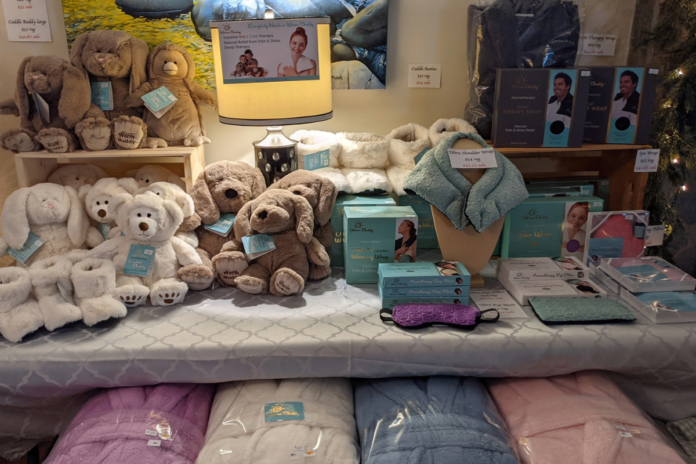
In this video interview, Karen McKee, President of Warm Buddy, discusses the plight of small business owners today and the challenges they continue to face.
The Video Interview Series by Retail Insider is available on YouTube.
Connect with Mario Toneguzzi, a veteran of the media industry for more than 40 years and named in 2021 a Top Ten Business Journalist in the world and the only Canadian – to learn how you can tell your story, share your message and amplify it to a wide audience. He is Senior News Editor with Retail Insider and owner of Mario Toneguzzi Communications Inc. and can be reached at mdtoneguzzi@gmail.com.
Also check out the other series offered by Retail Insider, including The Weekly podcast and The Interview Series, which are both available on Apple Podcasts, Stitcher, TuneIn, Google Podcasts, or through our dedicated RSS feed for Simplecast and other podcast players.
Retail Insider is streamlining its Canadian retail news from around the web to include a handful of top news stories that can be viewed quickly during the day. Here are the top stories from the past 24 hours.
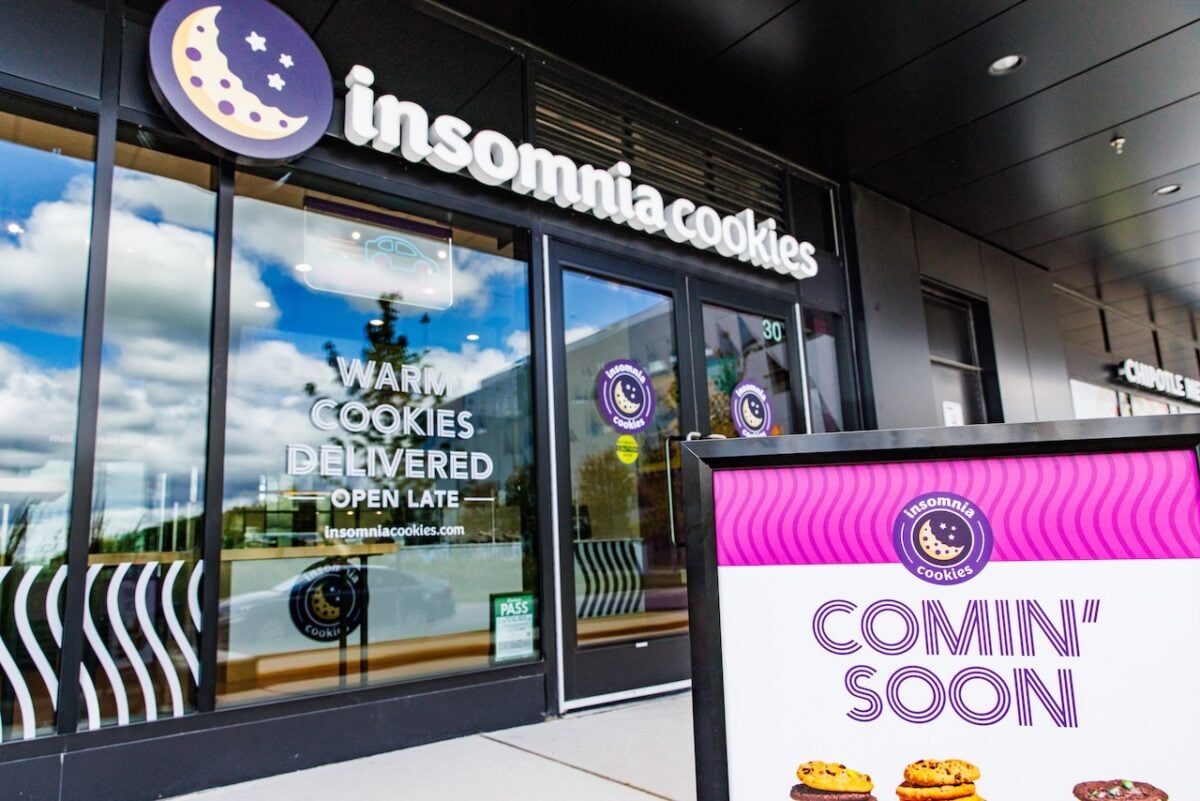
Insomnia Cookies at York University in Toronto, Ontario (Image: Insomnia Cookies)
Some great news for insomniacs in Canada.
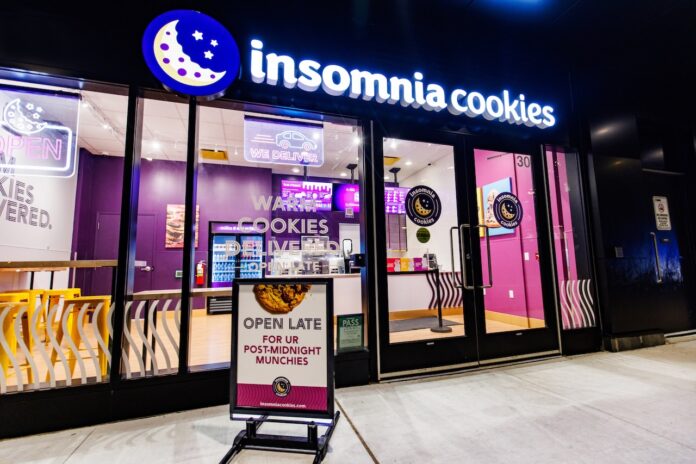
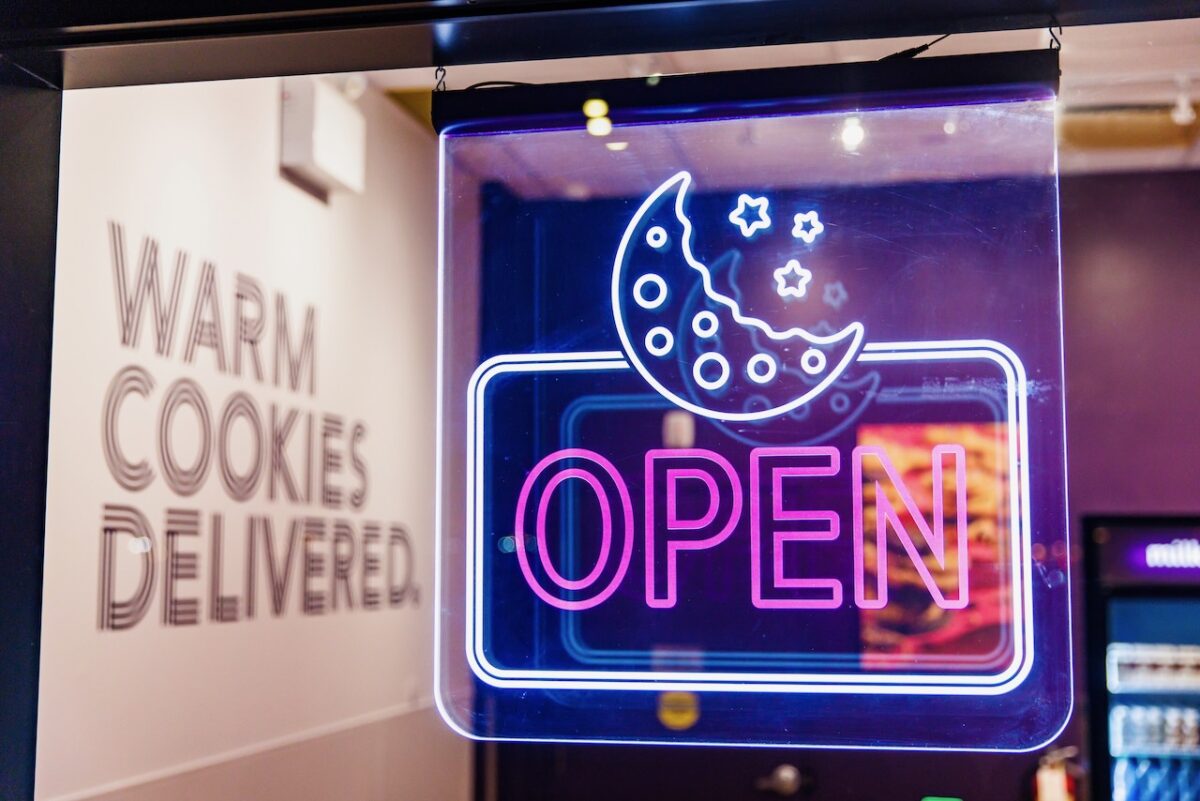
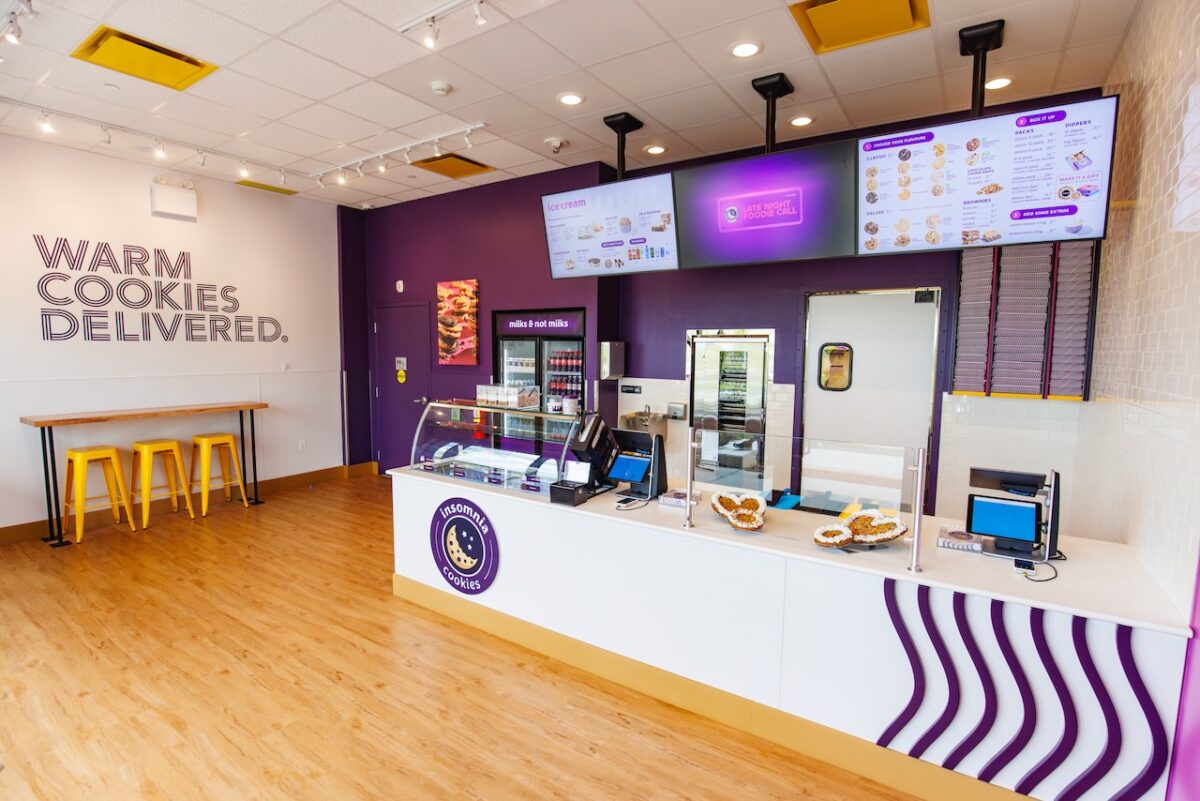
Insomnia Cookies, a brand known for delivering warm cookies to satisfy late-night cravings, particularly for the university community, is officially opening its first store in Canada September 9 at York University in Toronto.
Insomnia Cookies was conceptualized in 2003 at the University of Pennsylvania when founder, Seth Berkowitz, set out to fill the void in late-night food delivery options, specifically when it came to satisfying his sweet tooth. Today, Insomnia Cookies is a rapidly-expanding late-night bakery concept headquartered in Philadelphia, with over 245 locations and counting, on or near college and university campuses across the U.S., and now in Canada.
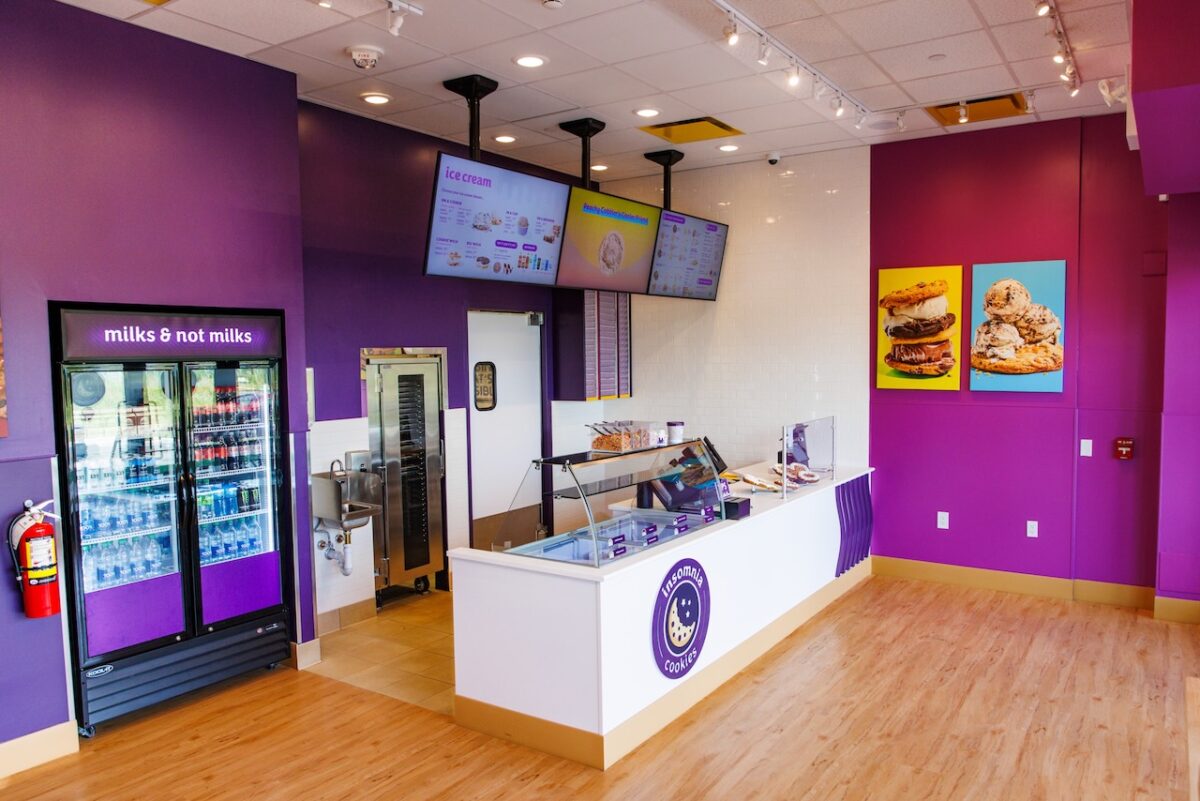
Insomnia Cookies at York University in Toronto, Ontario (Image: Insomnia Cookies)Insomnia Cookies at York University in Toronto, Ontario (Image: Insomnia Cookies)
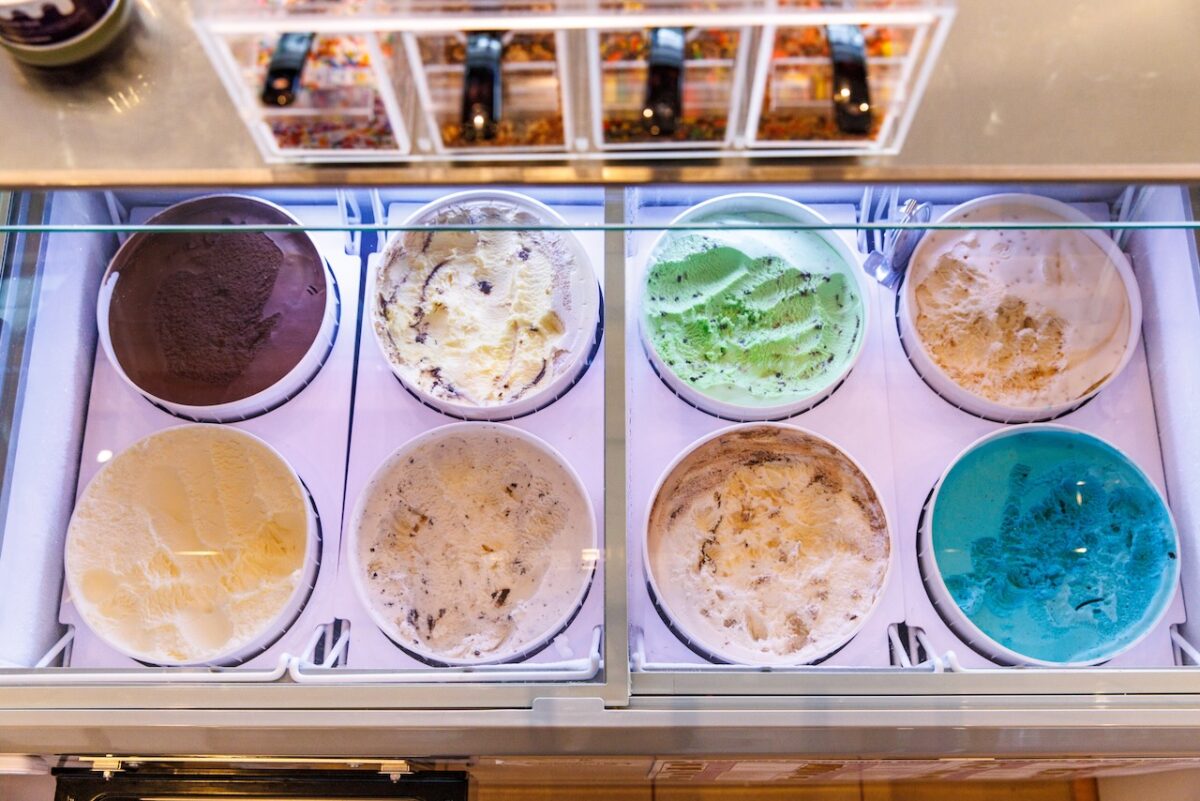
Sébastien Piché, Regional Director, Canada, said the brand specializes in cookies, ice cream and also milk and non-milk products delivered late at night until 1 a.m. or 3 a.m. depending on the days of the week.
Sébastien Piché
“We deliver them warm all the time,” he said of the cookies.
Tom Carusona, Chief Marketing Officer, said about 65 to 75 per cent of the brand’s stores are in some way associated with a university.
Tom Carusona
“That could mean that they’re within walking distance of campus. It could mean they’re on campus or it could be in a city like New York City near Columbia University but you’re within the city. You’re part of the city but you’re servicing that college community. It’s a very important part of the brand. It’s where we started and it will be a continued part of the brand which is obviously why we’re so close to York,” he said.
All Insomnia Cookies locations do dine-in, takeout and delivery. But it’s most well known for its warm cookie delivery. Locations are typically between 800 to 1,000 square feet. All the cookies are baked in each location but the cookies are centrally produced so that it can ensure quality across its entire footprint. There are about 20 different flavours always on the menu.
Insomnia Cookies at York University in Toronto, Ontario (Image: Insomnia Cookies)(Image: Insomnia Cookies)
Piché said there’s “a big white space” in Canada for the brand to grow.
“It’s the perfect product for late-night delivery that touches students for sure because it’s part of the DNA but also extending to regular consumers that are looking for different options late night and the evening and also for light industrial areas where we have offices around that are looking for something a little bit different than they would typically get from a traditional bakery concept that they would get in their area,” he said.
“This is what’s interesting with York as a first step. We do have a nice combination student campus for sure as we are on campus, but the 10-kilometre radius we’re around has a lot of residential and a lot of light industrial as well. It’s a good way for us to create some awareness about our brand, not just from a student base but also globally.”
Carusona said the company goal is for more than 50 locations in Canada and maybe close to 100.
“It’s hard to say that because we’re just opening now. We want to make sure we feel really confident in the brand. We’ve seen it work in the U.S. Since I’ve been here we’ve added well over 100 stores in just the last few years. We’re not franchised in North America at all. These are all company-owned stores. So I feel really confident certainly within the Greater Toronto Area, Montreal, Vancouver,” he said.
“There’s lots and lots of great places for us to open up and our strategy with real estate is kind of twofold. One is certainly to be where the college students are but the second thing is what we call our own the night strategy. Finding the places where people are up and out enjoying the night, going to restaurants and bars, central business districts where lots of young people live, get delivery, are out at night. There’s lots and lots of that across Canada. We feel really confident and are excited about our expansion.”
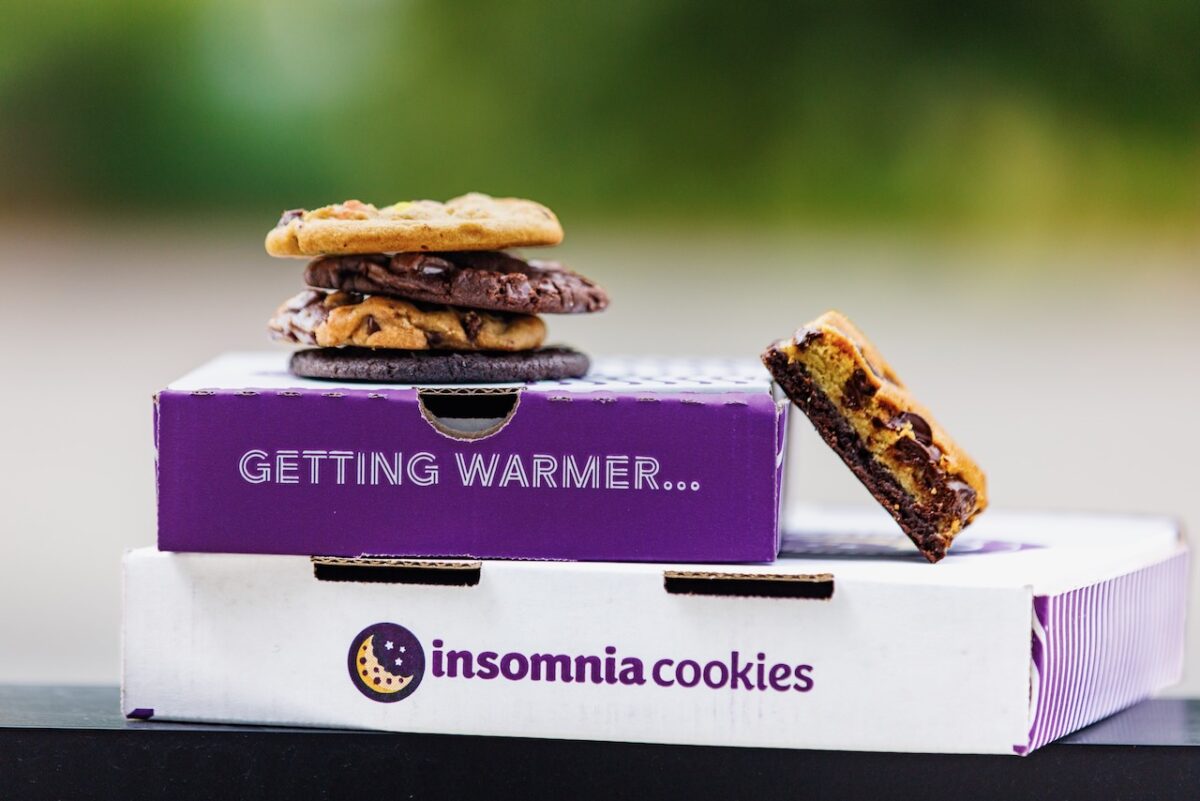
Insomnia Cookies at York University in Toronto, Ontario (Image: Insomnia Cookies)Insomnia Cookies at York University in Toronto, Ontario (Image: Insomnia Cookies)
The brand has produced a specific cooking just for Canada that includes SKOR.
“Our approach to the menu is what we call a how you dream it approach,” said Carusona. “The thought is we want to give our Insomniacs as many flavours as possible to choose from and then as many ways to put them together as possible . . . There’s lots and lots of different ways to enjoy the flavours and that’s really important for our Insomniac community.”
Insomnia Cookies’ first Canadian location is at 85 The Pond in The Quad at York University.
The retail industry has always been a dynamic landscape, evolving rapidly to keep pace with changing consumer behaviours and technological advancements. As the digital era continues to reshape how consumers shop, retailers increasingly turn to Managed Service Providers (MSPs) to navigate this transformation. These tech-savvy partners are proving to be invaluable allies in ensuring seamless operations, optimal customer experiences, and improved bottom lines for retailers of all sizes.
The Digital Retail Revolution
In a world where e-commerce and brick-and-mortar stores coexist, a retailer’s success hinges on its ability to offer a seamless, omnichannel experience. From digital in-store experience to inventory management systems and point-of-sales applications, the technology infrastructure required for modern retail can be overwhelming and put pressure on their network. Finding the right balance between investment in technology and other business priorities is a crucial challenge. This is where Managed Service Providers step in.
What are Managed Service Providers (MSPs)?
Managed Service Providers are companies that offer technology services to businesses on an outsourced basis. Their key focus is to take over managing, maintaining, and optimizing the network, enabling retailers to concentrate on their core operations while leveraging cutting-edge technology.
Mathieu Bergeron
“We’re seeing the retail space in need of technology. Typical retailers act as an entity with multi-sites that need to communicate with their corporate head office, with the centralized application,” said Mathieu Bergeron, VP Marketing & Strategy for GoCo, a Canadian managed network provider.
“Whenever they need to have access to their applications through the cloud, whenever they need to increase their bandwidth, we provide them with networks that enable not only a specific store or a specific restaurant or a specific location to get what they need from their perspective but also to network together through their corporate offices and corporate application.
That includes digital menu board access, in-store Wi-Fi, higher bandwidth availability, wireless redundancies so that their point of sales and critical applications stay online whenever there’s an outage with their main circuit, traffic prioritization so core applications are prioritized over employees surfing on the internet for example.”
“We’re conscious that retailers in Canada are facing pressure from inflation or employee shortages. They want some good technology but don’t necessarily want to pay large investments upfront. So, at GoCo, we’re purposely streamlined to offer them good service with next-generation technology at a price they can afford. We enable their digital transformation. We can ensure that their critical applications stay up when they need them.”
The retail industry’s future lies at the intersection of technology and consumer demand. Managed Service Providers are emerging as trusted partners, guiding retailers through this exciting yet complex digital transformation journey. By seamlessly integrating technology, enhancing security, and enabling retailers to focus on their core competencies, MSPs are paving the way for a new era of retail success.
In a world where digital interactions increasingly shape shopping experiences, MSPs are the unsung heroes, driving the retail industry’s evolution and helping businesses thrive in the face of technological disruption.
Backed by TELUS, the innovative GoCo model provides businesses with a fully managed approach that reduces retailers’ expenditure on IT personnel & equipment and increases the reliability and performance of their network, security and voice services. With over 55,000 managed sites across the country, they are a leading managed network services provider in Canada.
*****
*GoCo partnered with Retail Insider and sponsored this article. To work with Retail Insider, contact craig@retail-insider.com
Back to School at Indigo CF Toronto Eaton Centre (Image: Dustin Fuhs)
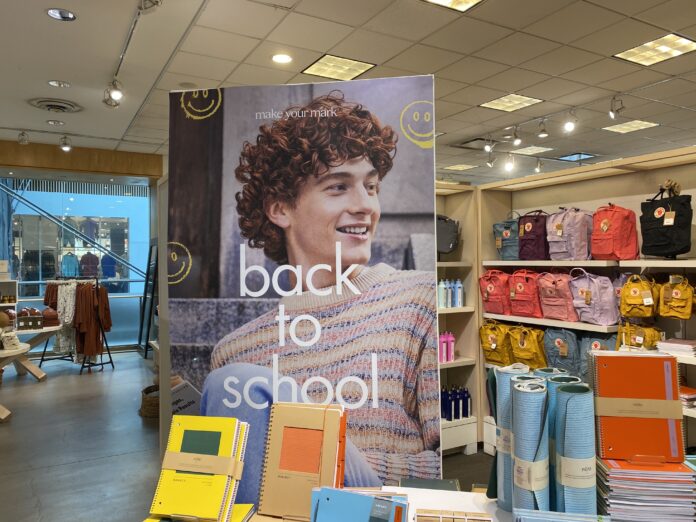
As back to school shopping is coming to an end, Jeff Doucette, General Manager at Field Agent Canada and Jamie Cormack, the co-founder of Herschel Supply Co, discuss the current state of back to school shopping, new trends, and what consumers can see in future years.
Early Bird Gets the Worm
The biggest difference Doucette and Cormack have seen this year is consumers completing their back to school shopping earlier – even starting in May.
Jeff Doucette
“Back to school shopping continues to get earlier and earlier every year. We have seen back to school displays starting to hit the stores right after the kids are out of school or if you are at Costco, sometimes you see the back to school products starting in late May. Parents are definitely shopping earlier than usual,” says Doucett.
Doucette says the three biggest retailers for this year’s back to school shopping are Walmart, Costco, and Dollarama. All three started displays earlier this year as Doucette says around forty percent of parents started shopping earlier compared to previous years and one reason might be because of the supply chain. As parents last year experienced supply shortage, Doucette says it could have scared parents into shopping earlier.
Back to School at Walmart Canada (Image: Dustin Fuhs)
The second reason for the increase of shopping earlier could be because of inflation.
“People are shopping for value. Everyone knows inflation is out there and it is real, so they are shopping earlier. Maybe you can pick up a few things along the way to save some dollars versus going out at the last minute and buying everything at whatever price in the last week of August. Some of these smart shoppers are getting out earlier because they know it is going to cost more this year,” says Doucette.
Jamie Cormack
Herschel Supply Co has also noticed consumers shopping earlier compared to previous years.
“Back to school feels like it is back to what it was before the pandemic. We obviously have seen an increase in sales and we are seeing some early shoppers. It is nice to see that the season is getting back to normal and it feels a lot more like the old days,” says Cormack.
What Consumers Are Looking For
This year, Doucette said consumers are not just shopping for school supplies, but are shopping more for clothing, footwear, and backpacks.
“When we take a look at the types of things people are buying, we definitely see footwear and clothing being important categories. People are shopping more for clothes than they are for basic school supplies such as pens and pencils,” says Doucette. “Some schools are now supplying basic school supplies or allow parents to buy in advance, so only 81 percent of people are shopping for actual school supplies.”
Herschel Supply Co at CF Toronto Eaton Centre (Image: Dustin Fuhs)
Two school items parents are buying less of this year Doucette says include electronics and hand sanitizer.
Last year, 53 percent of consumers said they would buy electronics such as calculators and computers but this year it has decreased to 39 percent. One reason for this change could be because during the pandemic, a lot of students needed technology at home for remote learning. As these products have a tendency to last years, there was no need to buy more or replace.
“We did see some things on the way down, like electronics and maybe a bit obvious but things like hand sanitizer. Only 34 percent of people said they would buy it this year and that number was 58 percent last year, and was 75 percent at the height of the pandemic. So that is one category that less and less shoppers are looking to buy,” says Doucette.
On the flip side, Doucette said backpacks are popular this year as it seems like 70 percent of kids have bought a new backpack this year.
Herschel Backpacks – New and Improved
Herschel Supply Co at CF Toronto Eaton Centre (Image: Dustin Fuhs)
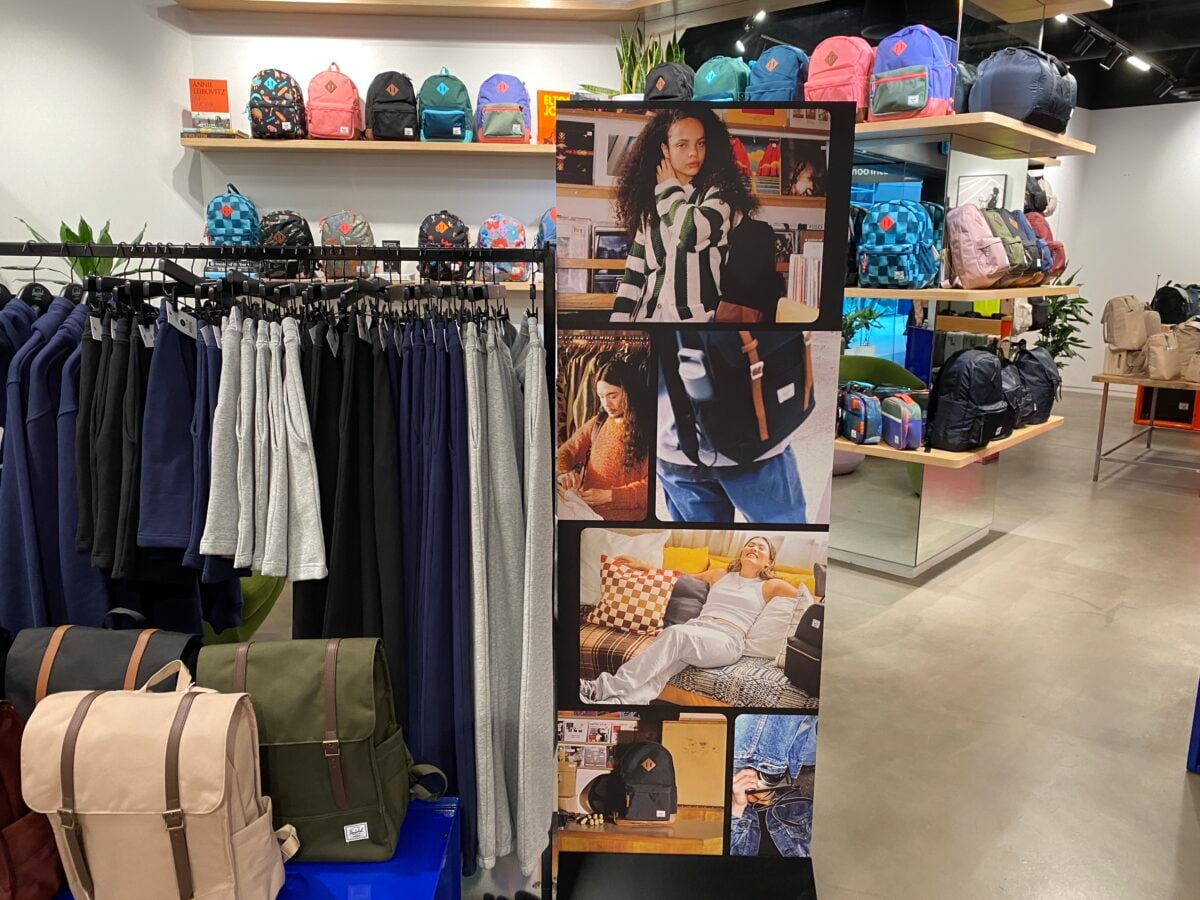
Herschel has lined up the 90s trend for this back to school season and is continuing to evolve as technology grows.
“I think this year in particular really lines up well for us because on a trend front, the 90s for us is back and that really blends well with everything we do. We really look at classic design, utility design with a modern twist,” says Cormack.
Compared to previous years, Cormack said Herschel has taken a step forward into technology and fabrication. The brand has also taken a step forward into sustainability as over 90 percent of its brands are sustainable.
“We really focused on textiles and truly looked at the user today going back to school with more technology. So making sure that we have the right feature set to match what students are looking for to go back to school,” says Cormack.
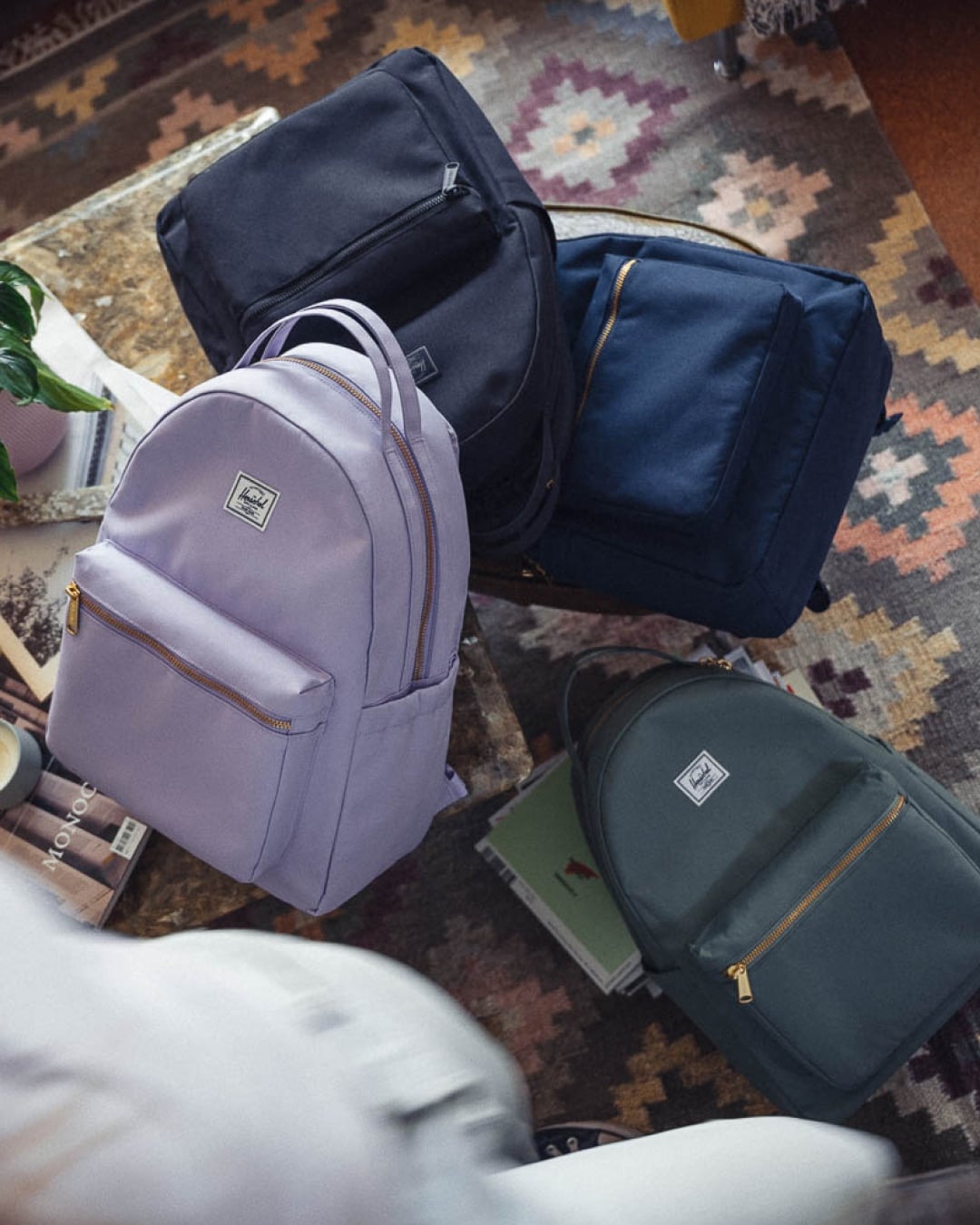
Cormack says its backpacks have more computer sleeves, better internal pockets, smaller pockets for things like air pods, and chargers.
Image: Herschel Supply Co.
Image: Herschel Supply Co.
The most important thing Cormack said was they designed their backpacks to have easy access and to have pockets that make sense.
“We do not want to just add a bunch of pockets – we want to add the right pockets in the right places so that our consumer can unzip a bag and go in the pockets just in the right place and where it feels natural and unforced,” says Cormack.
One thing Herschel has paid particular attention to is computer sleeves. In addition to protecting tablets with its built-in sleeves, Cormack says they have made the sleeves easier to access.
“If you are just sitting down, you can access the tablet from the side of your bag, or you can unzip the bag for access. So we have multiple options on how to access things easier, making it faster to pull things in and out,” says Cormack.
As some things progressed, some features have stayed the same such as the need for a water bottle or hoodie. In terms of finding the right backpack for your needs, Cormack says consumers need to love the aesthetic first, think about what they need it for, and if you want a smaller or larger bag.
“You have to fall in love with the aesthetic, volume of the bag, and then you dive into the features. Our bags are consistent through having water bottle packers, external pockets, and small pockets for keys, but when you get inside – you have to determine if the bag is right for you,” says Cormack.
As for upgrades to next school year, Cormack says they have already started working on their plans and are constantly looking into upgrades.
“We have already started working on our backpacks for next year. Nothing is drastically different, but the brand feels so progressive as we have new partnerships planned, new prints, new colours, and some new silhouettes coming so it is really exciting,” says Cormack.
What’s For Lunch?
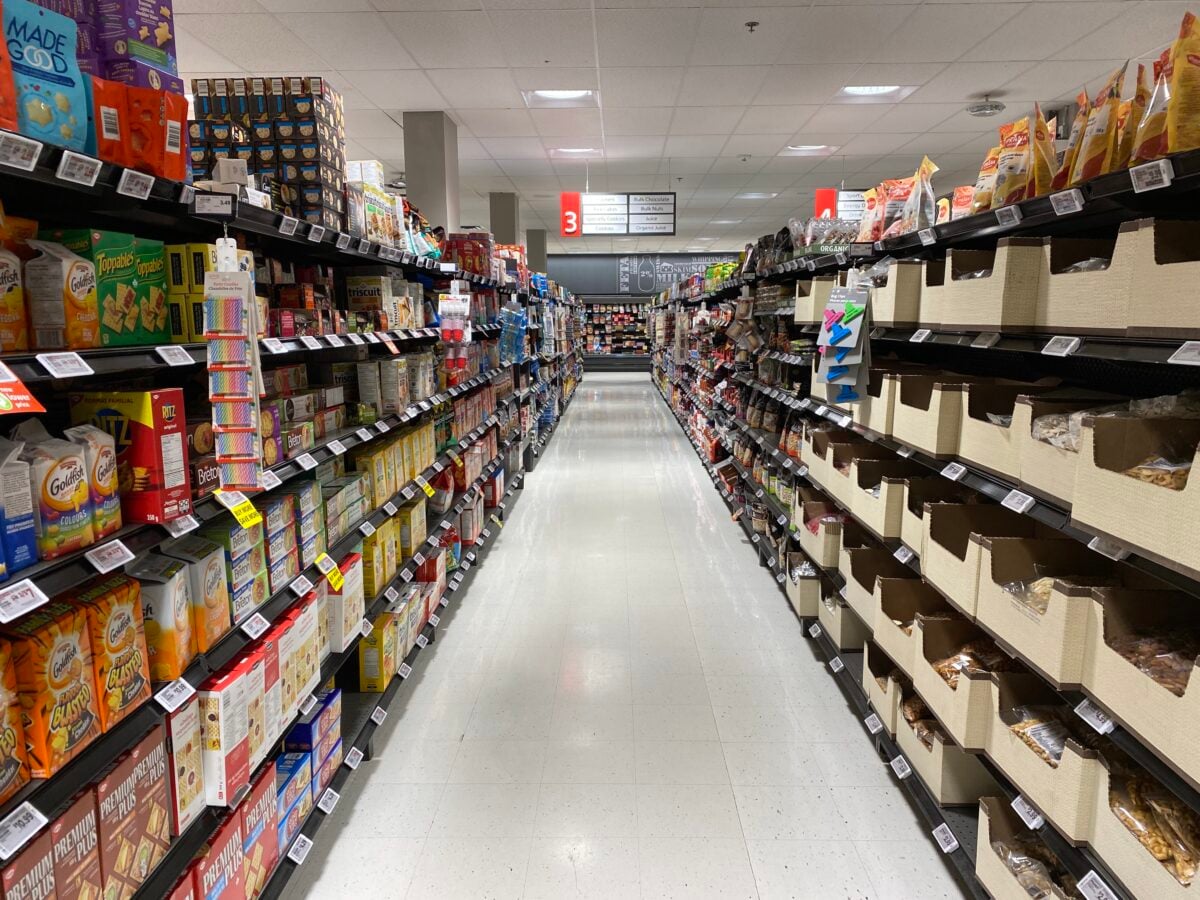
Snack Aisle at Metro (Image: Dustin Fuhs)
Being out of remote learning and back in school also means parents need to organize lunches and snacks.
“That side of the business has probably rebounded quite a bit in terms of lunch packing items versus lunch you might feed your kid at home. I might cook them spaghetti for lunch if they are home, but if they are off to school – I might be making them a sandwich,” says Doucette.
Doucette says the amount of food bought per household probably will not change; however, the type of food consumers buy will.
One thing Doucette thinks is missing is food retailers capturing the “food basket throughout the year.”
“I have not seen it yet, but I think it would be an amazing idea for food retailers to have a cafeteria that has a menu for the week as it would be interesting to have different meal plans.”
If food retailers have an option for five day meal plans it would make it easier for parents to quickly shop for the week. Doucette also mentioned retailers having everything for school in close proximity and solutions for mix and match lunches – “that could go a long way to being a really convenient solution.”
Making Shopping Painless
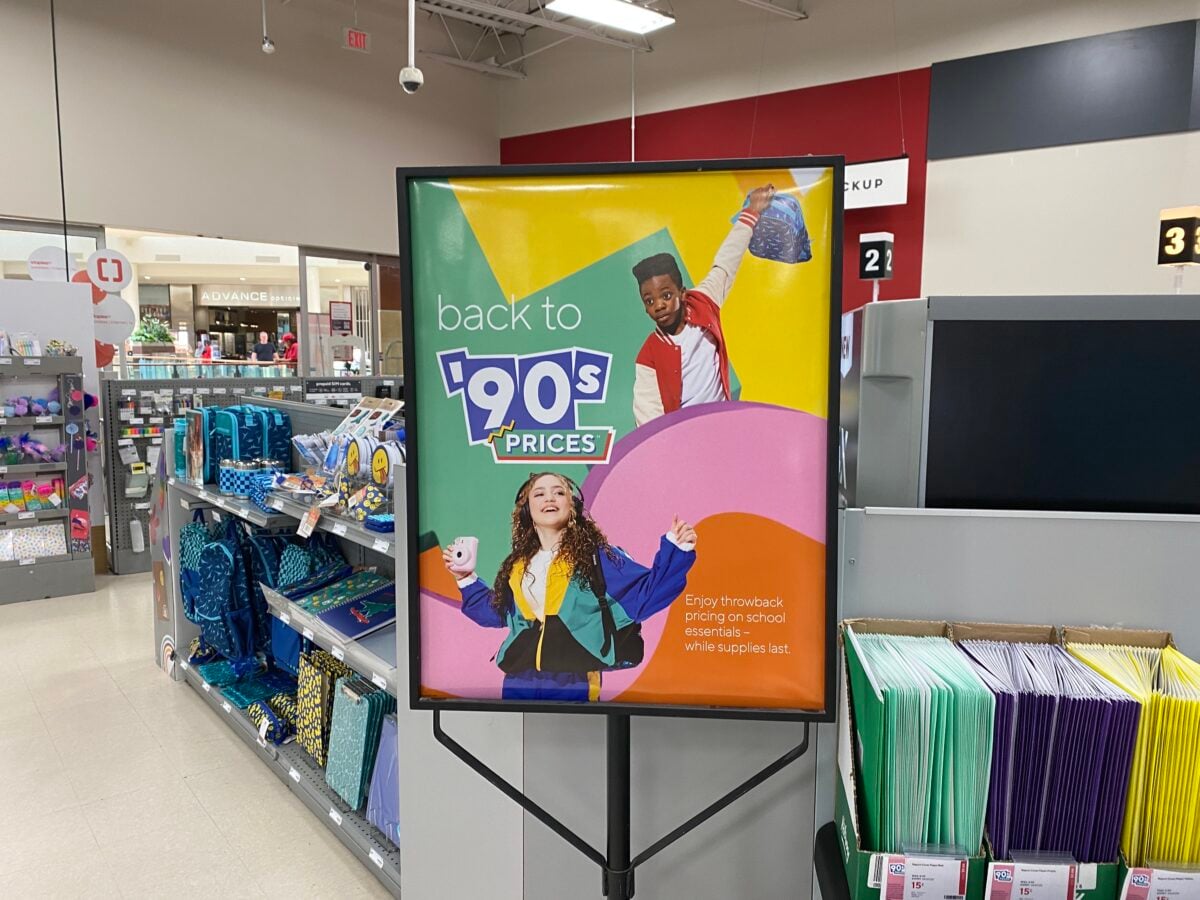
Back to School at Staples Canada (Image: Dustin Fuhs)
Doucette has said most back to school retailers, such as Walmart and Staples, have its back to school shopping all in one place – a shop in shop. Consumers are doing the bulk of their shopping from a dedicated back to school area and said even with his kids, this year he was able to complete 95 percent of his shopping in the section.
The shop in shop experience also is an opportunity to show parents what is cool this year for kids and some retailers go further and divide it by age group, making it easier to find the right products for students.
Online shopping has also seen an increase as Doucette says at least 80 percent have done some of their shopping online.
“When we look at where consumers are shopping online, Amazon wins the battle in terms of shopping back to school online and Walmart comes second. The ability to push on the ecommerce side makes it even easier, even if it is not delivered to your home,” says Doucette.
Doucette said online retailers could have a landing page for back to school with a student checklist and either have the items shipped to your home or pick it up at a store location. They would also have the opportunity to divide products into different age groups, again making it easier to find what is cool as parents may not know what to buy for their kids.
“Retailers need to make back to school shopping more convenient and easier as it is not fun for anybody. It takes some preplanning, but the reality is – school is already here this year and now is the time for retailers to start thinking about back to school 2024. Some of these things may not be something you implement today, but next year,” says Doucette.
Retail Insider is streamlining its Canadian retail news from around the web to include a handful of top news stories that can be viewed quickly during the day. Here are the top stories from the past 48 hours.
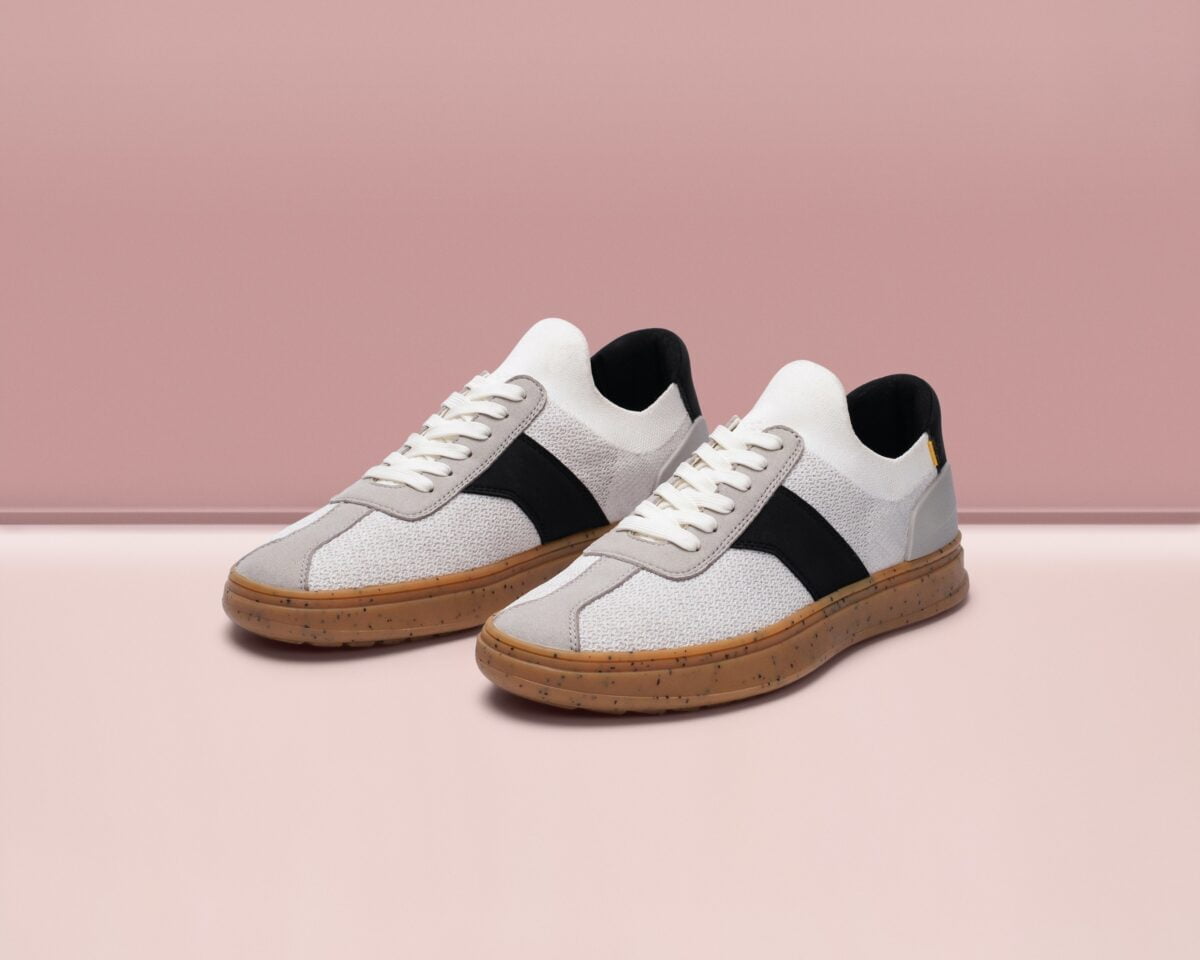
Just weeks after purchasing retailer Kit and Ace, Unity Brands has now acquired Vancouver-based Casca Footwear.
Under the leadership of David Lui (CEO, Kit and Ace), Joe Mimran (Founder, Club Monaco and Joe Fresh), and Frank Rocchetti (with experience at Tilley, Loblaws), Unity is assembling a portfolio of what they call “outstanding Canadian apparel brands devoted to quality and excellence.”
Joseph Mimran
Mimran said Unity was interested in the retailer because of the amount of good branding it has done “and really an assortment that I think just needs more exposure.”
“I think that what’s been missing – to get more exposure. We’ve got such a nice foundation of customers that I think this fits perfectly with that psychographic. When you can offer a head to toe solution, I think it’s a value add,” said Mimran.
“The design sensibility is very much the Kit and Ace sensibility which is the other reason we think it’s going to be very synergistic. This is a very difficult business, the footwear business and so you don’t want to just try and tackle it on your own. (Founder Braden Parker) has done a lot of the heavy lifting and we’re going to be the beneficiaries of that heavy lifting.”
Volvo Cars Canada and Casca Footwear take steps toward a sustainable future with an inspired shoe (CNW Group/Volvo Car Canada Ltd.)
David Lui
Lui said what really attracted him to the brand is actually putting the product on his feet.
“And walking with it, working with it, kicking the tires with it, and how comfortable they are. It was a turning point for me. So not only does it look great, it feels great and it wears well. That to me was a selling point and I see a tremendous opportunity to take the designs, to add a little bit more on the assortment size.”
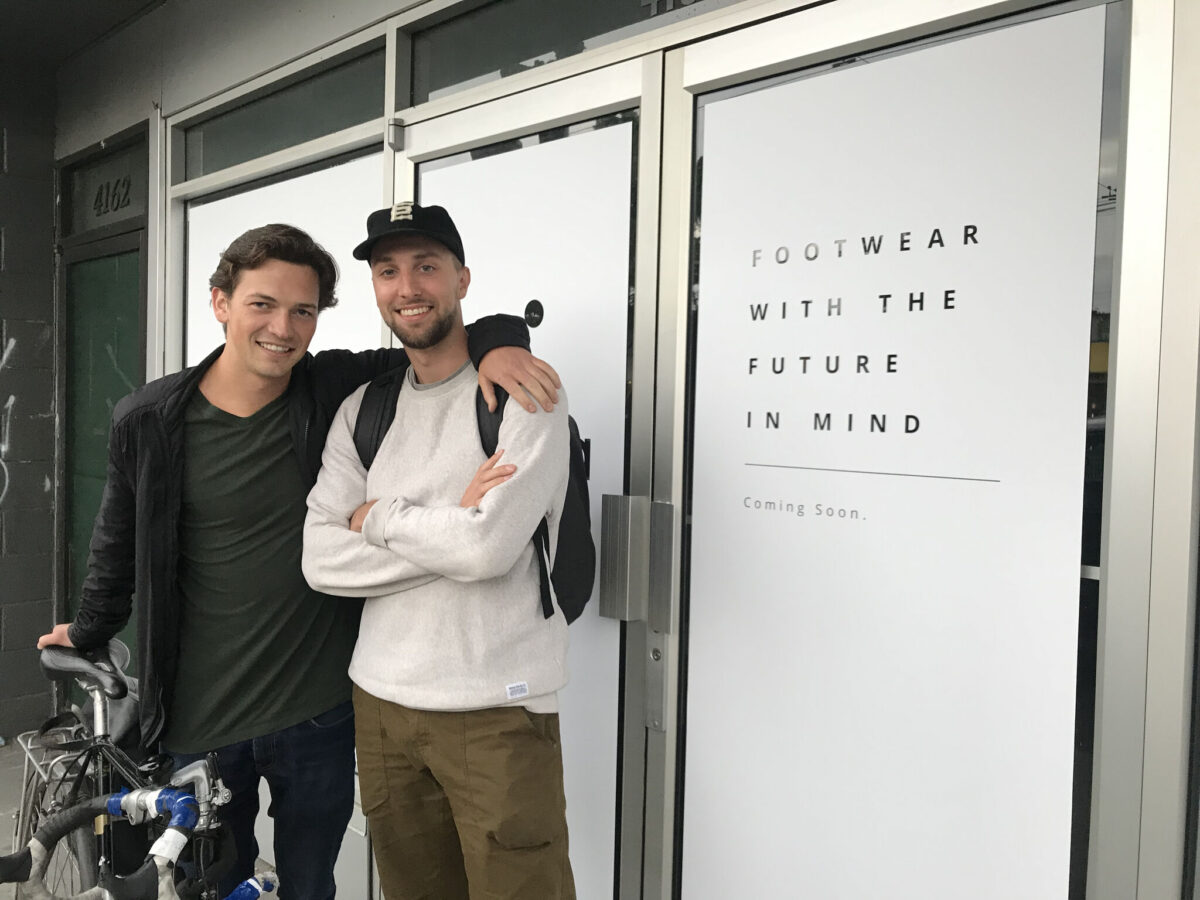
Two roommates, Braden Parker and Kevin Reid, established Casca in 2017 out of a Kitsilano basement suite. Their vision revolved around crafting footwear that flawlessly fused functionality, comfort, and style. The brand’s dedication to promoting a holistic lifestyle through ergonomic design and high-quality materials resulted in a dedicated customer base.
“It really came from the idea of wanting to create perfect footwear that could really honestly put up with the demands we have in the Pacific Northwest,” said Parker. “We wanted a pair of shoes that could support us all day, that was really comfortable and also was really versatile that you could dress up, dress down. That was kind of the original genesis of the brand.”
Braden Parker and Kevin Reid
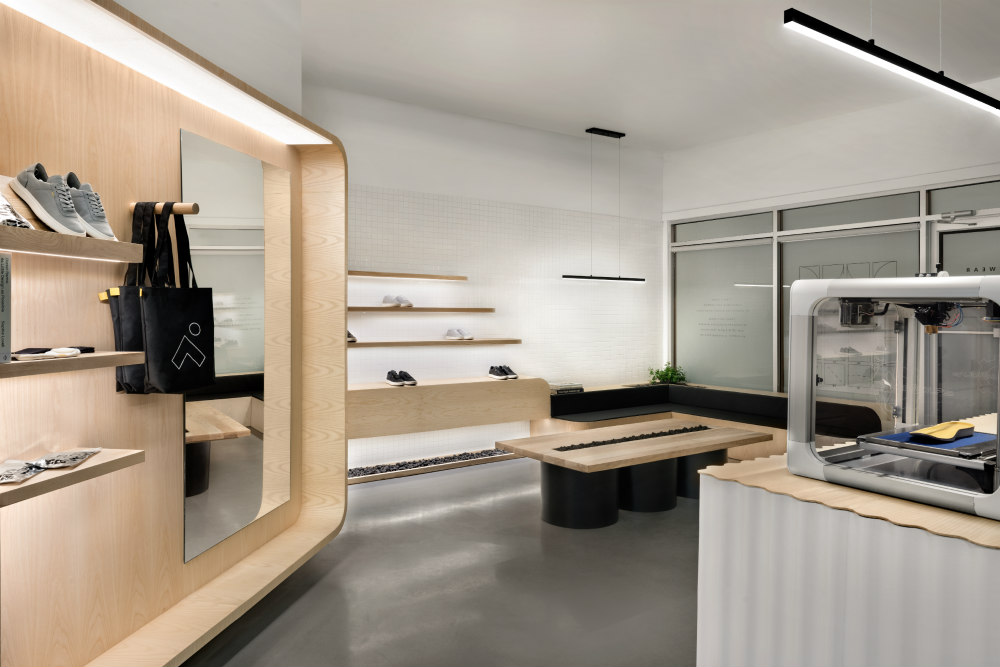
Today, the brand has one physical retail space in Vancouver but the retailer is primarily online.
Parker, who will not be continuing in any role with the company, said the purchase of the brand will provide Casca the resources to take it to the next level.
“The expertise that Joe and David and Frank and Unity Brands have to really grow our presence, grow the product line, and get our shoes on more people’s feet, is really exciting and going to take Casca to the next level of growth,” said Parker.
This strategic acquisition is Unity Brand’s newest addition to their portfolio. In mid-2023, the company acquired the elevated essentials brand Kit and Ace. This acquisition marks a significant milestone for Unity Brands as they embark on a journey to amplify Casca’s mission of promoting wellness and an active lifestyle on a global scale.
“We do like the idea of trying to bring a few more brands into the fold. That is kind of how we’re looking at Unity Brands and the opportunity that Unity Brands has to offer is going to be a little bit of synergy as we look at other opportunities,” said Mimran.
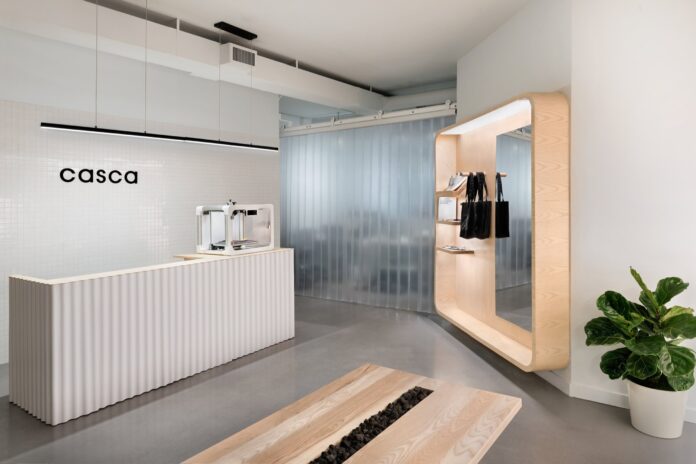
Casca (Image: Neil Barbisan)
“We love the Canadian aspect of it. We think being Canadian-centric and Canadian-focused is one thing that I personally like. Trying to support Canadian talent is something that I think we should try and do wherever possible. I’ve always built brands from Canada and I’ve always believed in our own capabilities here in this country. I think that’s one of the things we’re looking for.
“The other thing is sort of birds of a feather where we can get product and brands that feel right together as a basket of brands I think is good. And also where we can get true synergies. There’s no reason to buy a brand where there’s no synergy at all. That’s really not something we’re looking to do.”
As Unity Brands look to Casca’s future, they aim to expand the company into new markets and grow its product offering.
“We will look at growth in online, wholesale distribution to retailers in North America, and it could also include abroad, offer them in Kit and Ace stores and online. More plans to be developed,” added Lui.
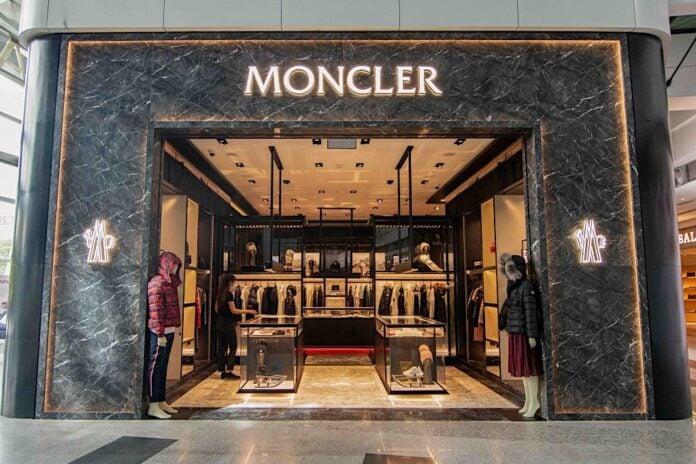
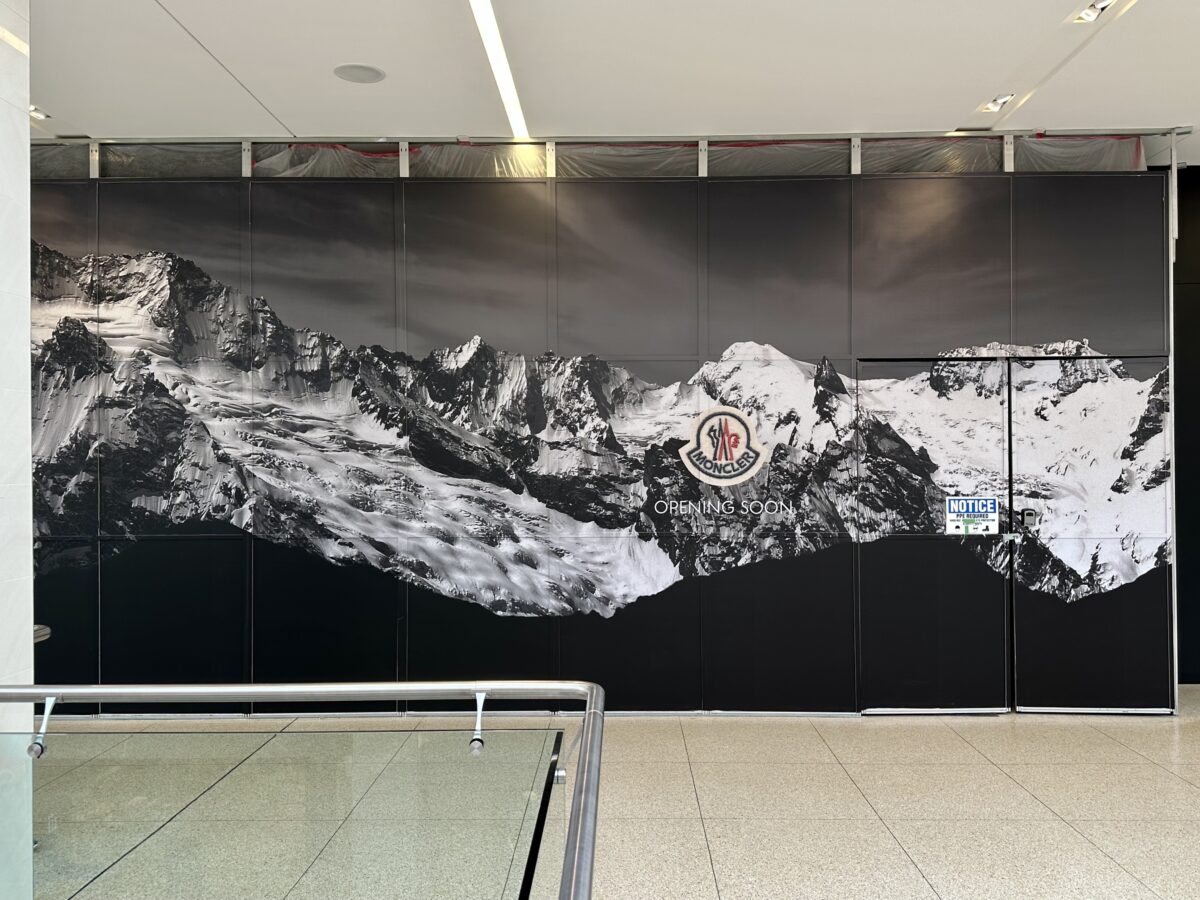
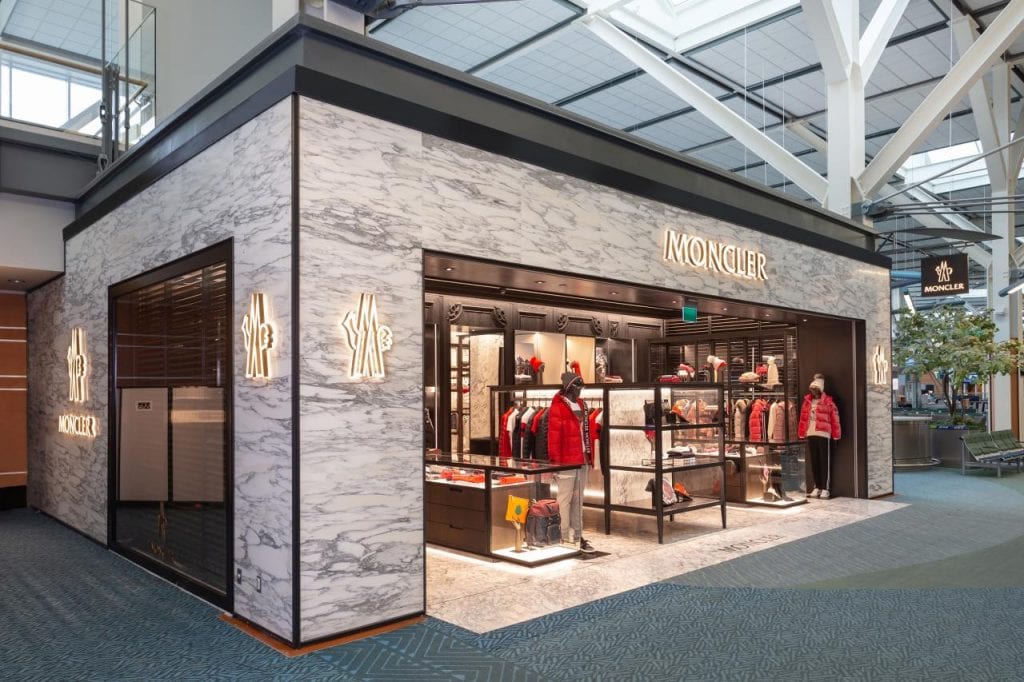
Italian luxury brand Moncler is expanding its presence in Canada with a store at West Edmonton Mall in Edmonton. The store, currently under construction, will be the first standalone location in Alberta and will also be the largest to open in Canada to date.
Moncler will take nearly 4,000 square feet on the second level of West Edmonton Mall near several other luxury retailers. The Moncler store replaces spaces formerly occupied by Kate Spade and Lacoste, both of which were recently relocated at West Edmonton Mall.
The Moncler store will be located next to the mall’s Balenciaga store, which opened earlier this year. Other nearby luxury brands include Louis Vuitton, Gucci, and Saint Laurent, all of which opened in the mall since 2019. Tiffany & Co. is considered to be the first luxury store to have opened in the mall in 2013, marking a decade since West Edmonton Mall’s luxury expansion began.
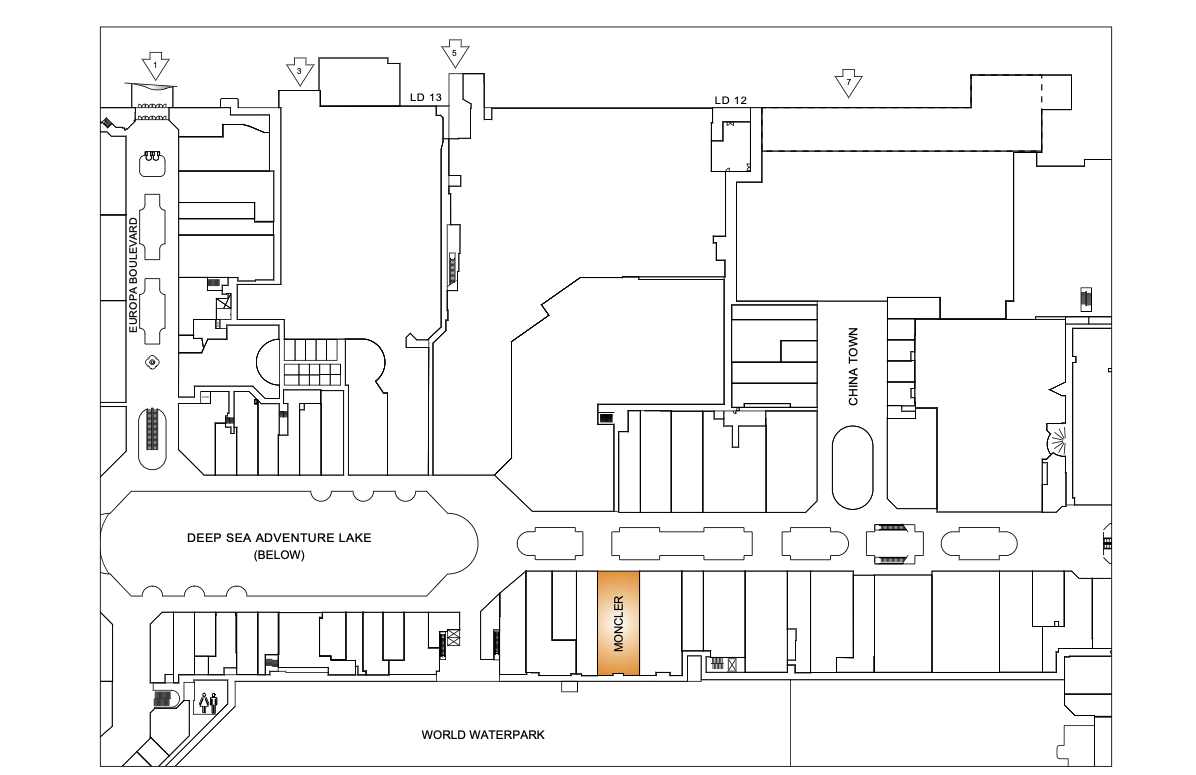
Construction hoarding at West Edmonton Mall. Photo: Anton Atienza Click image for interactive West Edmonton Mall map
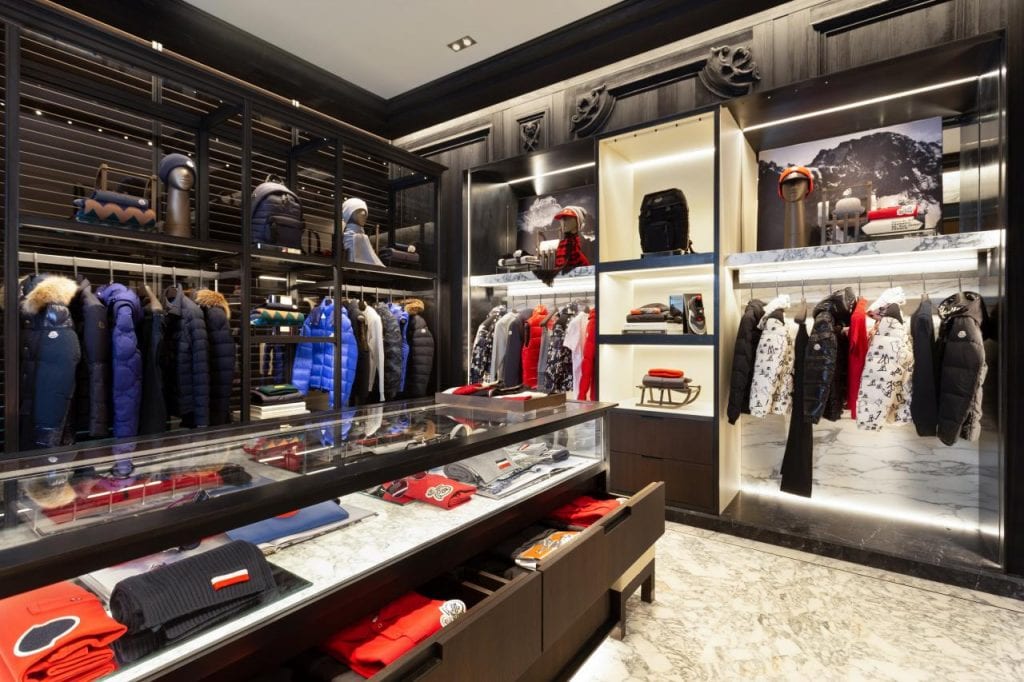
Moncler, founded in Milan in 1952, has become renowned for its high-quality down jackets and sportswear. The name “Moncler” is derived from the abbreviation of Monestier-de-Clermont, a picturesque Alpine town near Grenoble, France.
In 2003, the brand was acquired by Italian entrepreneur Remo Ruffini and since then, it has expanded its reach globally. Although founded in Italy, Moncler’s flagship store is on the Rue du Faubourg Saint-Honoré in Paris. The company also owns Stone Island, an upscale menswear brand with a store in Toronto and wholesale distribution nationally.
The Edmonton market makes sense for Moncler, given its climate. Moncler’s outerwear is known to be very warm and given the relatively high disposable income in the Edmonton market, the store could do well. Moncler will be located a few doors down from two outerwear competitors, Canada Goose and Moose Knuckles, both of which have gained market share in the Edmonton market with standalone stores as well as wholesale distribution in multi-brand retailers.
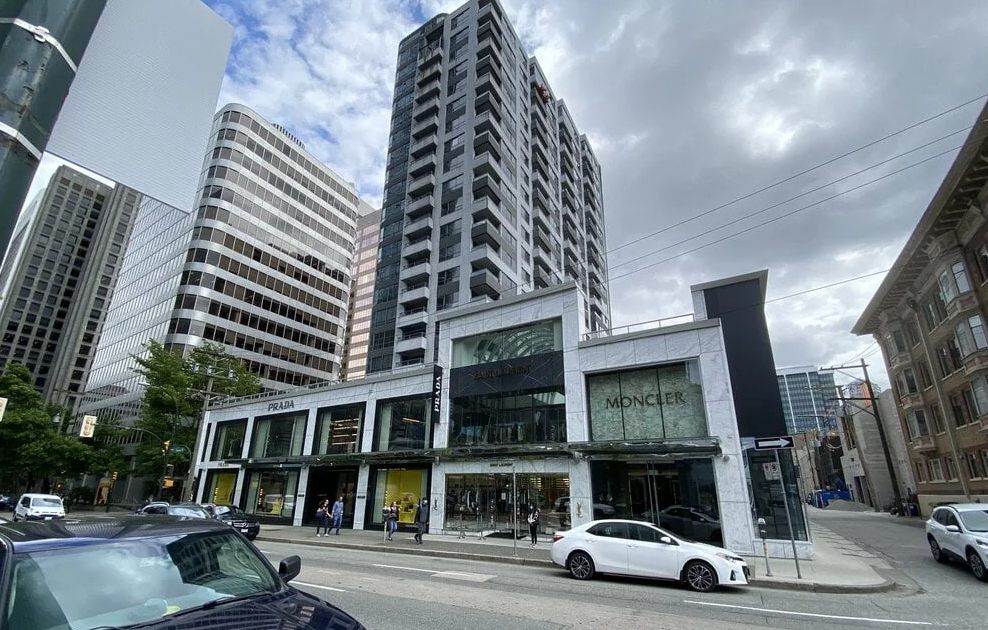
Moncler store on Thurlow Street in Vancouver. Photo: Lee RivettImage: Moncler
Moncler’s West Edmonton Mall store will be the fourth standalone location for the brand in Canada. Moncler’s first Canadian store opened at Toronto’s Yorkdale Shopping Centre in the summer of 2014, spanning about 2,525 square feet. A second store opened in Vancouver in late 2015, spanning about 3,500 square feet over two floors. In the fall of 2016 Moncler opened a standalone storefront in the Colonnade at 131 Bloor Street West in Toronto, with almost 3,100 square feet on one level. Moncler also operates a store at Vancouver International Airport, which opened in 2019 and is about 1,000 square feet.
Holt Renfrew also houses Moncler boutique spaces in all of its six large stores, and Harry Rosen carries the brand including boutique spaces such as in the Bloor Street flagship. The Saks Fifth Avenue store in downtown Toronto also currently houses a Moncler boutique space for women on its third floor, and various other upscale retailers in Canada carry the brand wholesale as well.
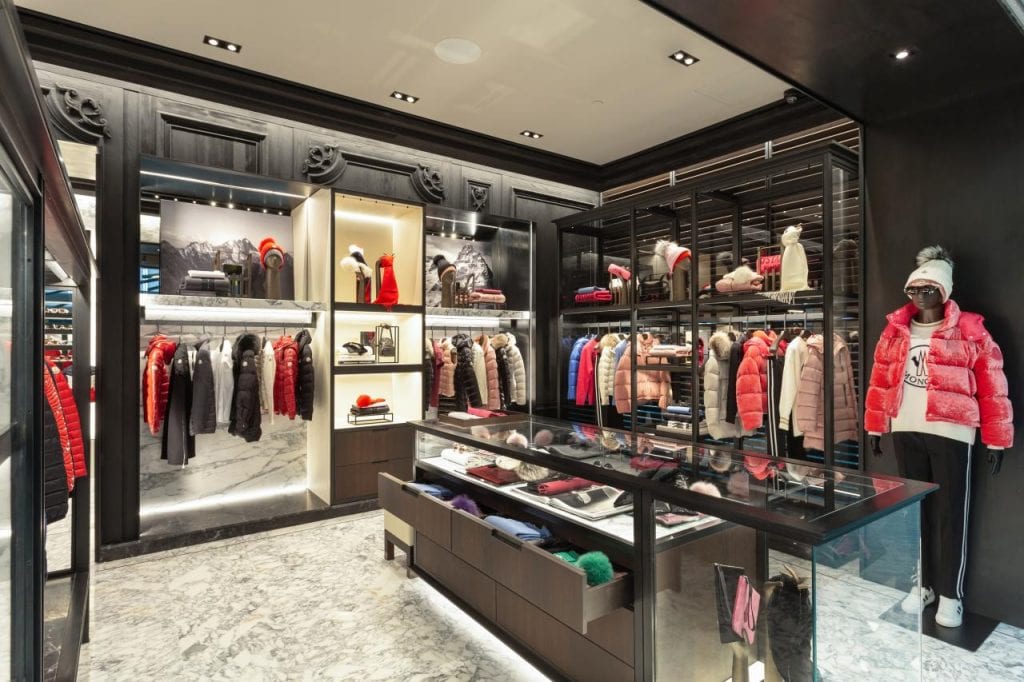
Vancouver airport Moncler. Image: MonclerInside the Vancouver airport Moncler. Image: Moncler
Moncler has not confirmed if it will be opening any more Canadian stores. It would be no surprise if the brand opened at Royalmount in Montreal and Oakridge Park in Vancouver within the next two years, given the expected luxury tenant lineups at both projects which are currently under construction. Both retail centres will feature significant clusterings of luxury brands with leasing ongoing.
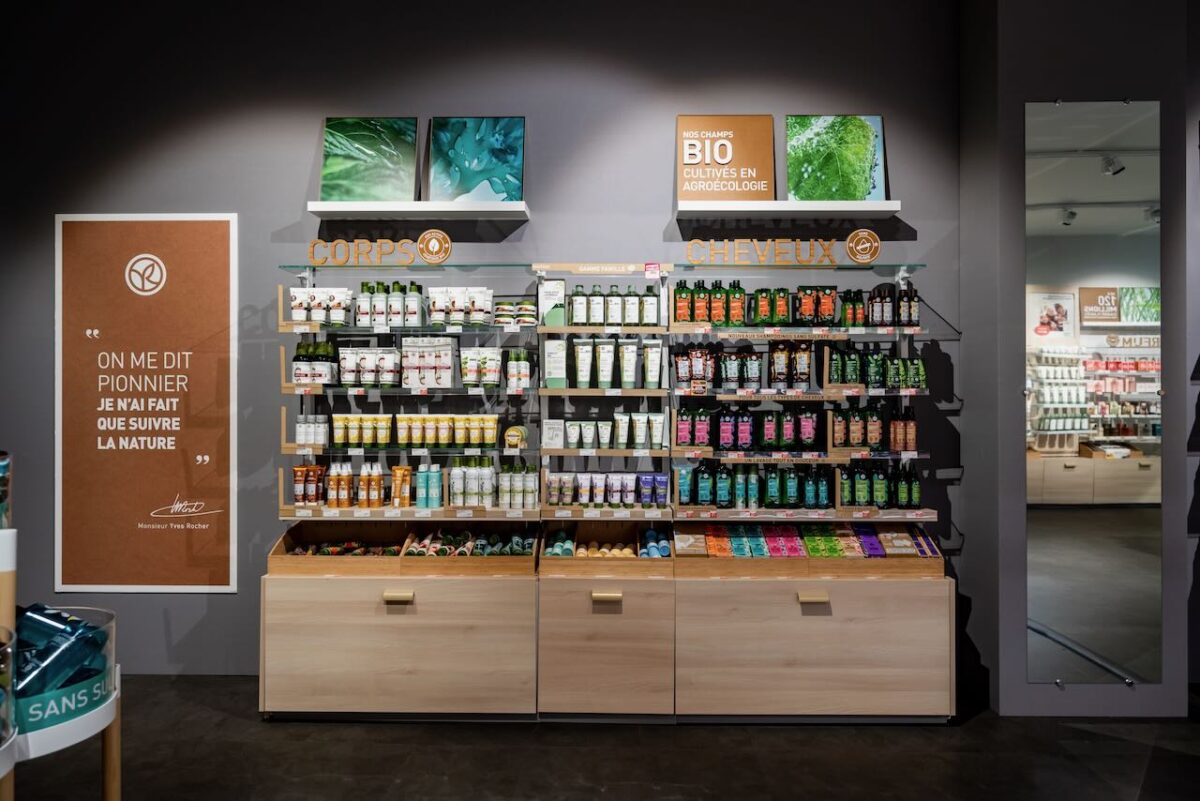
Yves Rocher has unveiled its new brand strategy, “Retour Aux Sources” which is reconnecting the retailer with its roots.
The new brand strategy for the botanical beauty brand includes: a renewed in-store shopping experience, a redesigned pricing strategy, and a revised loyalty program.
Julie Huynh
Julie Huynh, Managing Director of Yves Rocher North America, said the updated strategy aims to reconnect the brand to its founding mission: to offer natural, responsible beauty, by cultivating, revealing and transmitting the incredible power of plants through cosmetics with proven plant power.
In addition, the new strategy aims to forge an even deeper and more authentic connection with the customer, whose input was at the heart of this brand repositioning initiative, she said.
“We have listened to our customers,” she said, adding that following the pandemic the company focused on its business model and reaching customers with an emphasis on increasing awareness for the brand to “remain in the game.”
“These findings made us really think about a new strategy and when I say new it’s not really new because at the end of the day we are just coming back to our roots – what makes the brand Yves Rocher being Yves Rocher since its creation in 1959.”
Yves Rocher Boutique (Image: Yves Rocher)
The retailer has 44 stores in Canada, all in Quebec, after closing 10 of its stores in Ontario earlier this year, mainly in the Greater Toronto Area.
With products manufactured in its own factories and grown on 60 hectares of organically farmed fields, Yves Rocher was born in the small village of La Gacilly in Brittany, France, in 1959. As a pioneer of natural cosmetics, Yves Rocher used the village’s natural plants as the basis for its products, each with an essential botanical ingredient; a concept that revolutionized the cosmetics industry.
Today, Yves Rocher is a leader in responsible botanical products, offering over 1,000 products covering all cosmetic needs, distributed in over 3,000 stores worldwide.
Huynh said Canada is a pilot country for the new brand strategy. She said the current strategy does not include the addition of more stores at this time in Canada.
“We are concentrating on Quebec because we know that it’s where the footprint of the brand is,” she said. “And then with this new strategy we want to refocus on our roots. Make sure that our customer knows our brand positioning, the botanical expertise, recruit new customers through those channels and also offer her an omnichannel experience – online and offline.”
Yves Rocher Boutique (Image: Yves Rocher)
The retailer said the refresh was prompted by the brand’s existing customers as research initiatives allowed Yves Rocher to gain insight into customers’ desire for the brand to refocus on its guiding principles, such as botanical expertise, rather than on what distorts it, such as promotional noise.
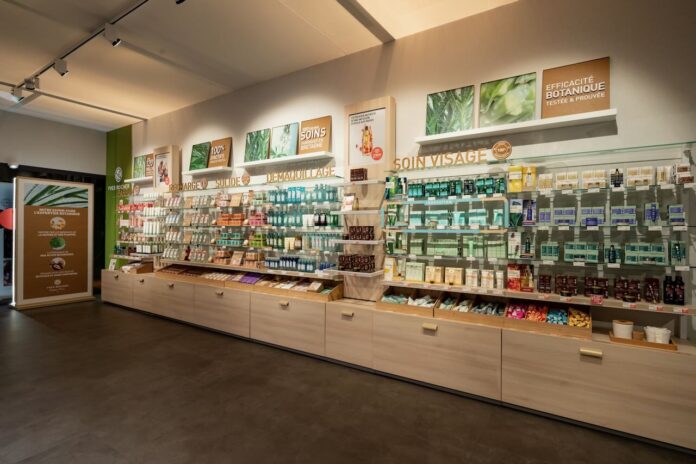
“Building upon this newfound understanding, Yves Rocher’s new strategy, Retour Aux Sources, is guided by the overarching objective of reconnecting with the essence of the brand: its mastery of botanicals and its art of formulation, from plant to skin,” said the retailer. “The new in-store experience refocuses on Yves Rocher’s botanical expertise and commitment to formulation, manufacturing, and sourcing.”
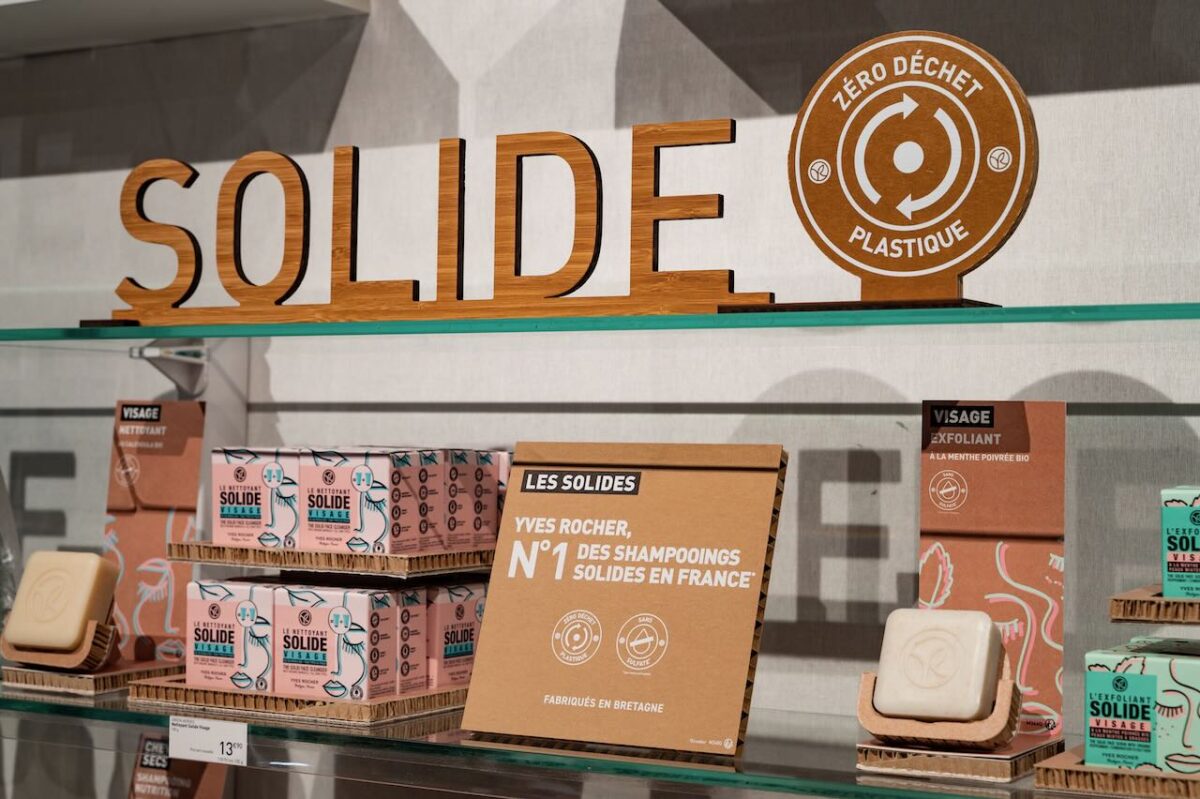
“Customers will have the opportunity to discover Yves Rocher’s new “Committed Stores” – a redesigned store concept that reflects Yves Rocher’s brand identity. These innovative stores will embody Yves Rocher’s values by utilizing eco-friendly materials, highlighting the brand’s commitments to eco-design, formulation and sustainable sourcing. In addition, the stores will incorporate visually-enhanced communications detailing the manufacturing process of their containers and the commitment to the reduction of plastic use.”
Image: Yves RocherImage: Yves Rocher
While in the past the brand focused on providing value through promotions, discussions with customers led to the brand realizing that its history and botanical expertise were often overshadowed by this promotional strategy.
“As such, Yves Rocher undertook a comprehensive reevaluation to align its prices with the brand’s definition of beauty: natural, responsible, impactful, and accessible to all. By focusing on softer, more consistent prices rather than promotional noise, Yves Rocher aims to provide customers with a shopping experience rooted in its expertise and values,” it said.
“The last facet to support Yves Rocher’s updated strategy is the introduction of a new in-store-only loyalty program designed to encourage both well-being and nature conservation. The program, which launches in tandem with the former pillars, will allow customers to accumulate points with every purchase and earn extra points for eco-friendly product choices. Customers will then be able to redeem their points for a range of personalized rewards or use their accumulated points to contribute towards planting trees.”