Yves Rocher has unveiled its new brand strategy, “Retour Aux Sources” which is reconnecting the retailer with its roots.
The new brand strategy for the botanical beauty brand includes: a renewed in-store shopping experience, a redesigned pricing strategy, and a revised loyalty program.
Julie Huynh
Julie Huynh, Managing Director of Yves Rocher North America, said the updated strategy aims to reconnect the brand to its founding mission: to offer natural, responsible beauty, by cultivating, revealing and transmitting the incredible power of plants through cosmetics with proven plant power.
In addition, the new strategy aims to forge an even deeper and more authentic connection with the customer, whose input was at the heart of this brand repositioning initiative, she said.
“We have listened to our customers,” she said, adding that following the pandemic the company focused on its business model and reaching customers with an emphasis on increasing awareness for the brand to “remain in the game.”
“These findings made us really think about a new strategy and when I say new it’s not really new because at the end of the day we are just coming back to our roots – what makes the brand Yves Rocher being Yves Rocher since its creation in 1959.”
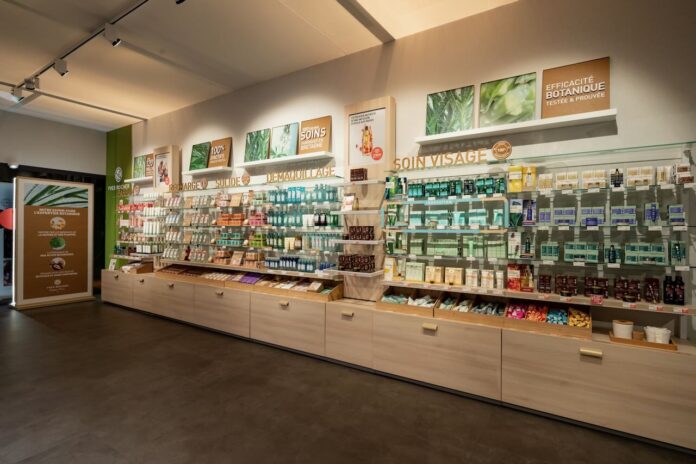
Yves Rocher Boutique (Image: Yves Rocher)
The retailer has 44 stores in Canada, all in Quebec, after closing 10 of its stores in Ontario earlier this year, mainly in the Greater Toronto Area.
With products manufactured in its own factories and grown on 60 hectares of organically farmed fields, Yves Rocher was born in the small village of La Gacilly in Brittany, France, in 1959. As a pioneer of natural cosmetics, Yves Rocher used the village’s natural plants as the basis for its products, each with an essential botanical ingredient; a concept that revolutionized the cosmetics industry.
Today, Yves Rocher is a leader in responsible botanical products, offering over 1,000 products covering all cosmetic needs, distributed in over 3,000 stores worldwide.
Huynh said Canada is a pilot country for the new brand strategy. She said the current strategy does not include the addition of more stores at this time in Canada.
“We are concentrating on Quebec because we know that it’s where the footprint of the brand is,” she said. “And then with this new strategy we want to refocus on our roots. Make sure that our customer knows our brand positioning, the botanical expertise, recruit new customers through those channels and also offer her an omnichannel experience – online and offline.”
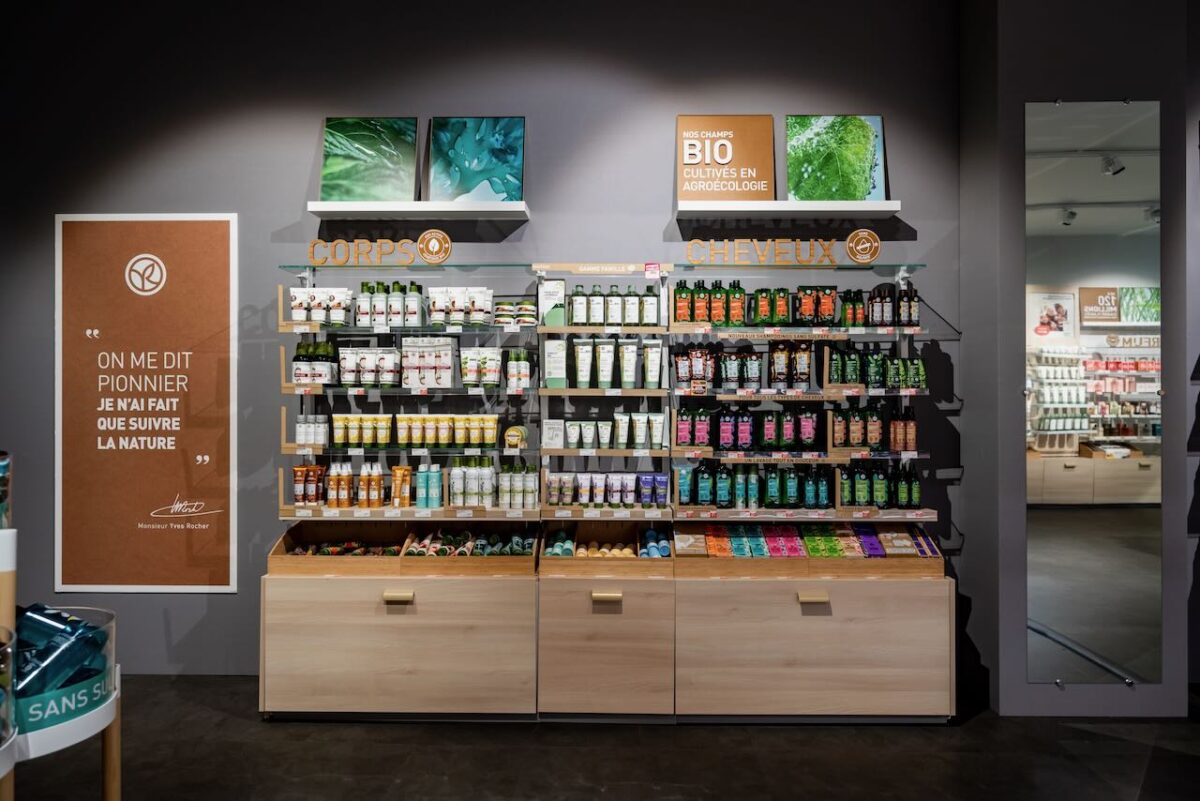
Yves Rocher Boutique (Image: Yves Rocher)
The retailer said the refresh was prompted by the brand’s existing customers as research initiatives allowed Yves Rocher to gain insight into customers’ desire for the brand to refocus on its guiding principles, such as botanical expertise, rather than on what distorts it, such as promotional noise.
“Building upon this newfound understanding, Yves Rocher’s new strategy, Retour Aux Sources, is guided by the overarching objective of reconnecting with the essence of the brand: its mastery of botanicals and its art of formulation, from plant to skin,” said the retailer. “The new in-store experience refocuses on Yves Rocher’s botanical expertise and commitment to formulation, manufacturing, and sourcing.”
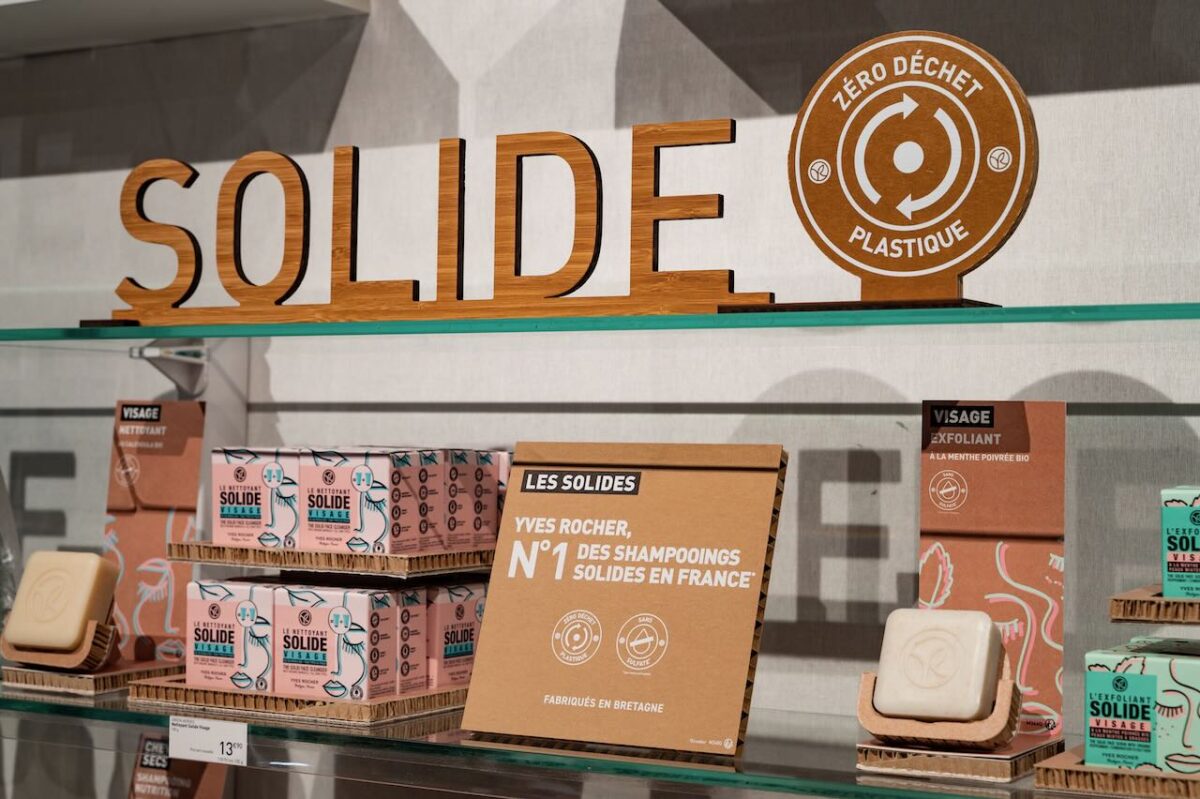
“Customers will have the opportunity to discover Yves Rocher’s new “Committed Stores” – a redesigned store concept that reflects Yves Rocher’s brand identity. These innovative stores will embody Yves Rocher’s values by utilizing eco-friendly materials, highlighting the brand’s commitments to eco-design, formulation and sustainable sourcing. In addition, the stores will incorporate visually-enhanced communications detailing the manufacturing process of their containers and the commitment to the reduction of plastic use.”
Image: Yves RocherImage: Yves Rocher
While in the past the brand focused on providing value through promotions, discussions with customers led to the brand realizing that its history and botanical expertise were often overshadowed by this promotional strategy.
“As such, Yves Rocher undertook a comprehensive reevaluation to align its prices with the brand’s definition of beauty: natural, responsible, impactful, and accessible to all. By focusing on softer, more consistent prices rather than promotional noise, Yves Rocher aims to provide customers with a shopping experience rooted in its expertise and values,” it said.
“The last facet to support Yves Rocher’s updated strategy is the introduction of a new in-store-only loyalty program designed to encourage both well-being and nature conservation. The program, which launches in tandem with the former pillars, will allow customers to accumulate points with every purchase and earn extra points for eco-friendly product choices. Customers will then be able to redeem their points for a range of personalized rewards or use their accumulated points to contribute towards planting trees.”
Roark Capital, a private equity firm that boasts a portfolio encompassing Arby’s, Baskin-Robbins, Buffalo Wild Wings, and Dunkin’ Donuts, has made headlines with its recent announcement to acquire Subway, the world’s second-largest restaurant chain by outlet count, boasting over 37,000 locations globally. Notably, Canada alone houses over 2,900 Subway restaurants, with the province of Saskatchewan featuring an astonishing ratio of one Subway restaurant for every 9,800 residents.
This monumental deal, valued at a potential $9.55 billion, including debt, contingent upon achieving specified financial benchmarks, marks a historic moment in the food industry. This agreement represents the culmination of an extended and competitive auction process that commenced in February of this year, garnering significant attention from various private equity firms. Nevertheless, the substantial investment of over $9 billion in a restaurant chain facing challenges raises eyebrows, particularly considering that Subway’s global sales peaked at $18 billion in 2012 and have encountered hurdles ever since.
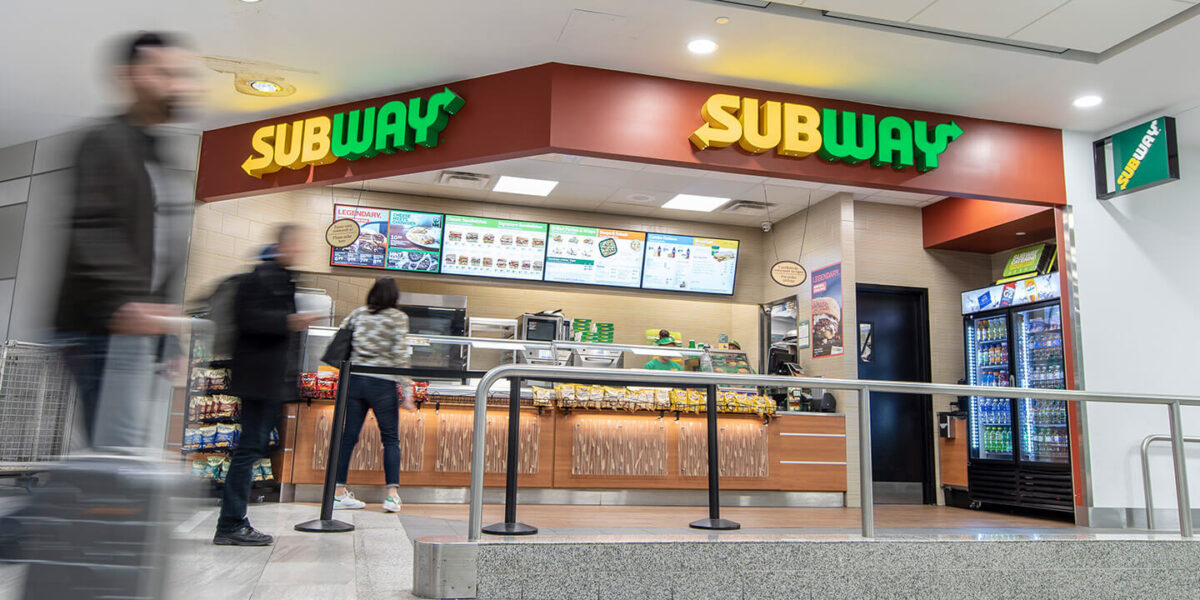
Subway at Pearson Airport – Terminal 3 – After Security | Pearson Airport
Over the past decade, Subway has grappled with formidable competition in the sandwich industry. Initiating store closures in 2016, the chain continued this trend between 2018 and 2019, closing over 2,000 outlets across the United States and Canada. Moreover, Subway’s foray into the breakfast market aimed at diversifying meal offerings beyond lunch, dinner, and snacks, but the outcomes proved, at best, mixed.
Subway’s recent history has also been marred by public relations challenges, commencing with concerns regarding ingredient authenticity and supply chain issues. In 2017, a CBC Marketplace investigation cast doubt on the authenticity of certain Subway ingredients, culminating in a lingering defamation lawsuit that is yet to be resolved—a detrimental development for any restaurant business. Another lawsuit, alleging the absence of tuna in Subway’s products, was recently dismissed, but not before causing substantial damage to the brand’s reputation.
The chain also faced criticism regarding serving sizes and the accuracy of its “foot-long” sandwiches, with consumers taking to social media platforms to express their concerns. The Jared Fogle scandal further compounded Subway’s woes. Formerly celebrated as a spokesperson who famously shed 245 pounds by consuming Subway sandwiches, Fogle’s image took a severe hit in 2015 when he was arrested. Pleading guilty to charges involving child pornography and illicit activities with a minor across state lines, he is currently serving a 15-year prison sentence in Colorado. Earlier this year, a documentary titled “Jared from Subway: Catching a Monster” provided an in-depth look at his life and the legal proceedings surrounding his case.
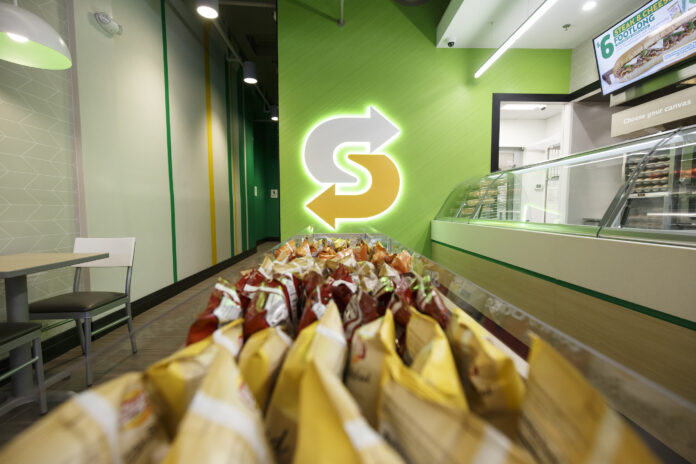
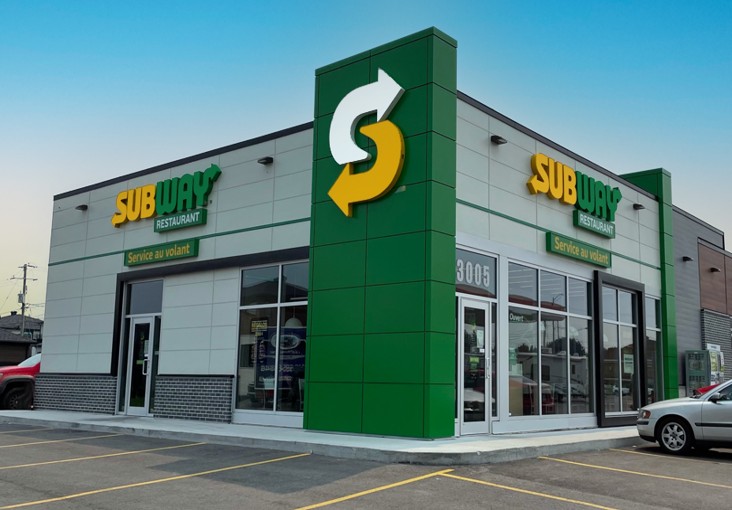
Image: Subway
Subway’s frailty is underscored by its sales per store, which significantly lags behind industry leaders. While Chick-fil-A, for instance, reports sales exceeding $5 million per individual store, Subway does not even feature among the top 30. Subway has often been regarded as an accessible entrepreneurial opportunity, but its aggressive expansion approach led to an oversight of market analysis, as outlets were established in areas with uncertain chances of success. Most Subway outlets operate as franchisee-owned businesses. The 2021 New York Post report alleging financial exploitation of immigrant franchisees has further exacerbated the chain’s troubles.
In early 2022, Subway Canada introduced its “Eat Fresh Refresh” campaign, enlisting new brand ambassadors, primarily athletes, and revitalizing menu items such as rice bowls, in addition to enhancing ingredients with Canadian cheddar cheese and smashed avocado. While these changes were noticeable, Subway faces a considerable rehabilitation journey ahead.
Roark Capital’s acquisition of Subway presents a unique opportunity for revitalization, focusing on enhancing revenue per outlet by reducing the number of restaurants, optimizing supply chain operations, and refining the branding strategy. However, franchise owners may find themselves on edge amid the uncertainty of what lies ahead.
Wildfires are challenging supply chains and communities in British Columbia.
The Retail Council of Canada is continuing to participate in supply chain roundtables and monitor the impacts of wildfires on both the supply chain and communities.
“At this point, the wildfires in South Central B.C. are having the greatest impact on the supply chain. Rail and road traffic continues to move, although there are smaller detours impacting the main truck route between the Port of Vancouver and Eastern Canada,” said the national organization.
“Some communities in the Northwest Territories, as well as the Shuswap and Okanagan regions of B.C. have been significantly impacted by the fires. RCC extends our sympathies to those Canadians who have lost homes or businesses. For those wanting to give to the support of evacuees and recovery, the Canadian Red Cross has created a wildfire relief fund.”
An aerial image of the Lower East Adams Lake Fire showing active smoke activity. The image shows the Adams Lake Mill on the west side of the lake and evacuated communities on the east side. (CSRD photo)
Greg Wilson, Director, Government Relations and Regulatory Affairs for the RCC, said “right now things are quite okay which is to say the only real problems are supply to direct fire zones.”
“And even that is quite a bit better because you have two interruptions on Highway 1 but one of them, the Fraser Canyon interruption, isn’t a major truck route. Most of the trucks go up the Coquihalla (Highway) and then join the Highway 1,” he said. “The impacts are relatively good at this point.
“The first couple of days there were lots of rail (issues). At one point, between the two major railways they had about 40 trains backed up. We were worried because about half of that is probably retail containers but that seems to be relatively good at the moment. So the concern is just getting goods into a couple of communities and the worst ones are in the Shuswap right at the moment.”
Image: Central Okanagan Emergency
Gary Newbury, Rethink Retail’s Top 100 Retail Influencer in 2021, 22 & 23 | and CITT’s Innovator Award 2020, said the focus on reporting around the wildfires, quite understandably, focuses on the direct impact on people’s lives and the sheer devastation being incurred to great swaths of forestry land and inhabitants.
Gary Newbury
“As wildfires become more controlled, attention will switch to helping people recover from their losses and displacement, and finally to the aspects of how vital routes and products/services were disrupted due to the wildfires especially in rural and remote communities,” said Newbury, who helps business leaders navigate disruption and reinvigorate supply chain performance.
“Simple things we take for granted like potable water, basic foodstuffs, power, light and heating will have all been fundamentally disrupted and efforts will be directed towards restoring transportation and distribution lines to and from affected communities, and rebuilding them.
“Without doubt, much thought will have to be given to how forestry management practices have been allowed to deteriorate to the extent that forest fires became quickly unmanageable. Some thought should be on poor decisions by government to save federal tax dollars, when clearly Canada will be paying a heavy debt for these outbreaks for years to come. The fundamental impacts on businesses and consumers away from the wildfires is yet to be established.
“Given we are already in a cost-of-living crisis, something which tends to affect rural and remote communities very hard, prices will likely rise due to more expensive transportation and accessibility to communities and to businesses that support them.”
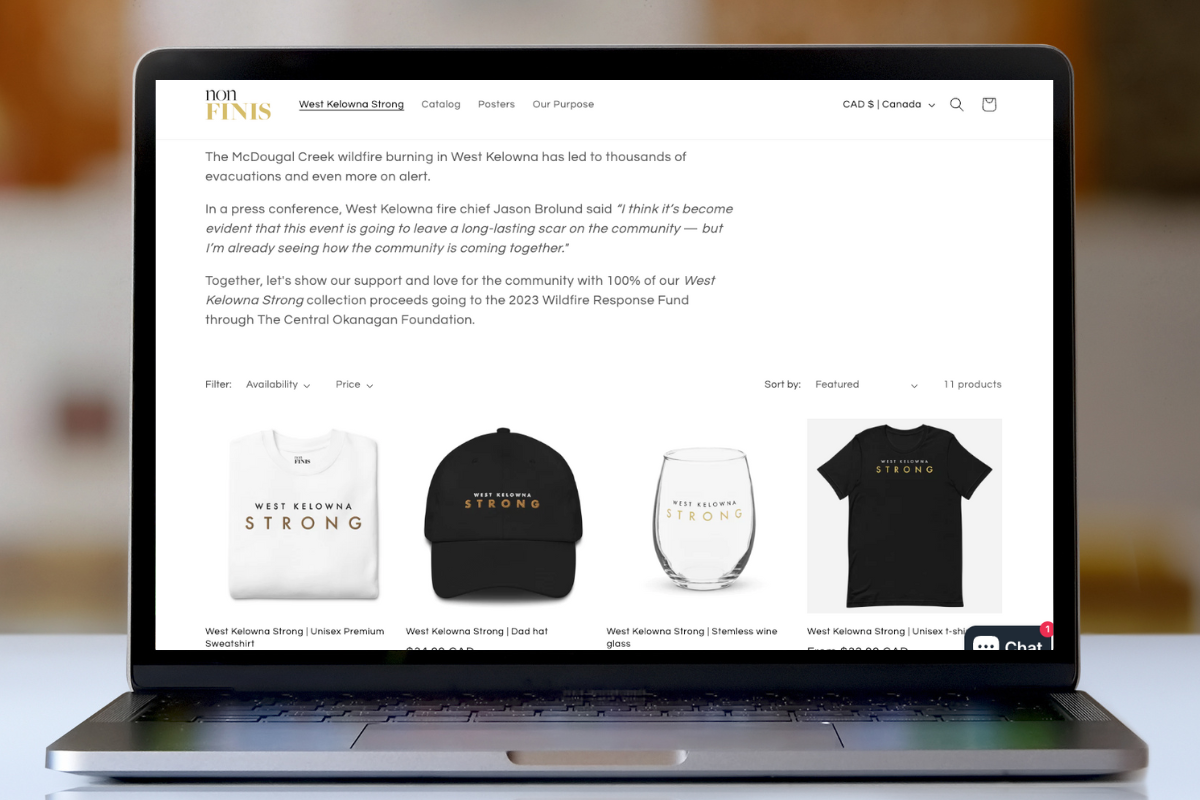
West Kelowna Strong
The BC Wildfire Service continues to respond to the McDougall Creek wildfire (K52767) adjacent to West Kelowna, the Walroy Lake wildfire (K52808) adjacent to Glenmore and the Clarke Creek wildfire (K42815) on the west side of Lake Country. pic.twitter.com/AXstbWCpsT
Newbury said the impact of the British Columbia port strikes has also been very disruptive.
“I have read reports and listened to my network indicating for every day the ports remain closed, it is likely seven to 10 days of delays in processing inbound (and outbound) ships, drayage and making product available for shipment across Canada was being experienced, besides the lack of visibility due to the chaos of off/on strike action,” he said.
“Midway through the handful of days the unions had been on strike, figures of around 40 to 50 days of delays were being suggested. This is devastating for retailers and other businesses looking to serve their customers or waiting for a vital component to complete assembly.
“Prior to the pandemic, we used “Just in Time” supply chains to drive efficiencies and lower costs of bringing product from international suppliers. The downside of this supply chain design was poor resiliency to operate under volatile conditions. These JIT supply chains became highly disrupted. Roll the clock forward three years and it does seem that lessons have not been learned around the need for flexibility in capacity and the need to really accelerate automation of basic functions.
“Technology continues to advance. However, it seems, our openness to embrace such is somewhat limited. And now interest rates have risen progressively over the last 12+ months, the window for making sensible investments is fast closing, which means we remain reliant on labour and goodwill to join up our supply chains which tend not be viewed as robust outside of Canada.”
Panco, the popular international children’s clothing chain is coming to Canada.
Entrepreneur and Canadian partner Mehmet Varol is bringing the concept to the country with plans to open Panco’s first Canadian store in Vancouver.
“I have worked as an executive for the Canadian subsidiary of a global clothing brand since 2009. I recently completed my tenure at the company to embark on a new chapter in my professional journey. I collaborated with the Panco brand to bring it to Canada,” said Varol.
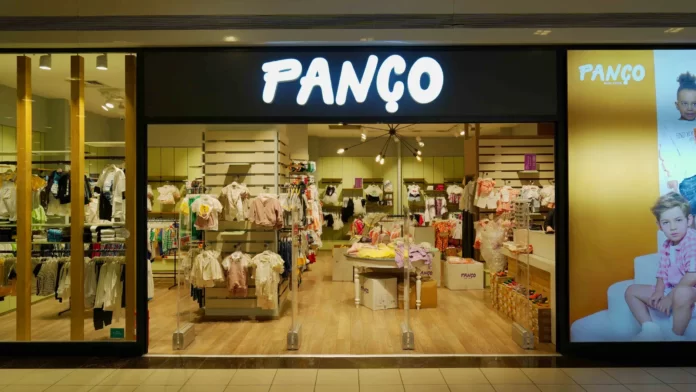
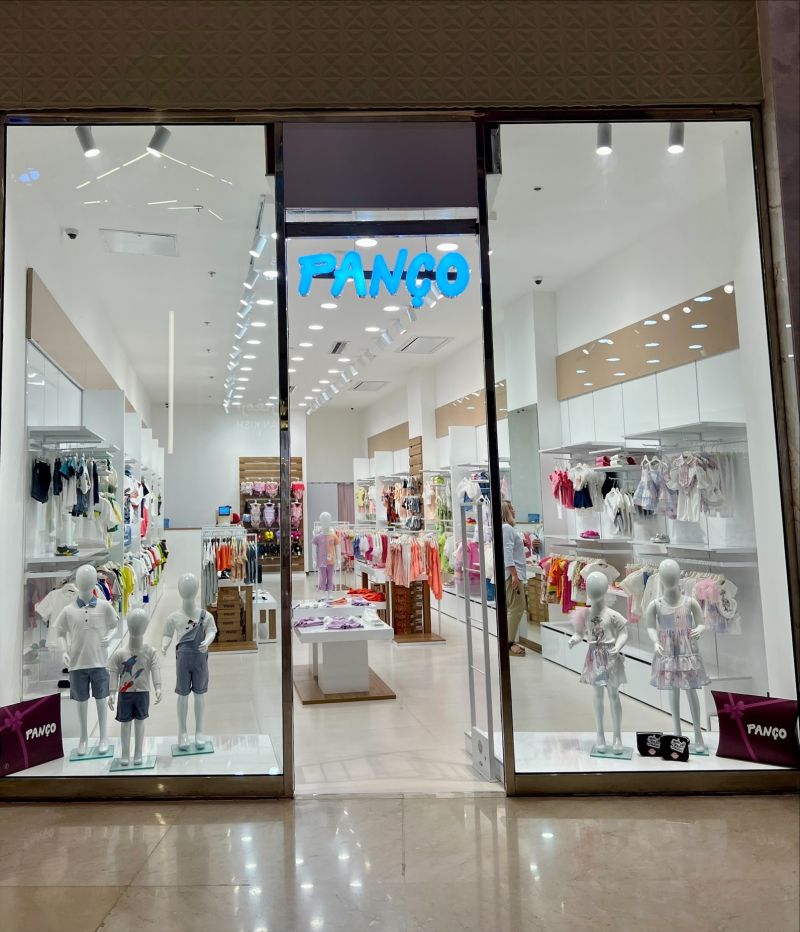
Image: Panço
“Panco is a brand with a rich legacy, shaping children’s fashion in Turkey for over four decades and now in 37 other countries. Recognizing the potential of Panco’s unique designs and commitment to quality, I saw a wonderful opportunity to introduce Canadian families to this beloved brand. Panco has dressed generations of children, and my aim is to create that same sense of comfort and style for Canadian kids.
“Panco stands out in several ways. Firstly, Panco’s uniqueness lies in its ability to blend original designs with a focus on children’s health and comfort. Our collections aren’t just about fashion; they’re about confidence and well-being. Secondly, Panco prioritizes quality materials and craftsmanship, ensuring that each piece is not only fashionable but also durable. Lastly, Panco has been a trusted choice for Turkish families for decades, and our success can be attributed to our dedication to high-quality materials, breathability, and attention to detail. We plan to communicate this uniqueness to Canadian customers through our storytelling, emphasizing how Panco has been a part of cherished moments for generations.”
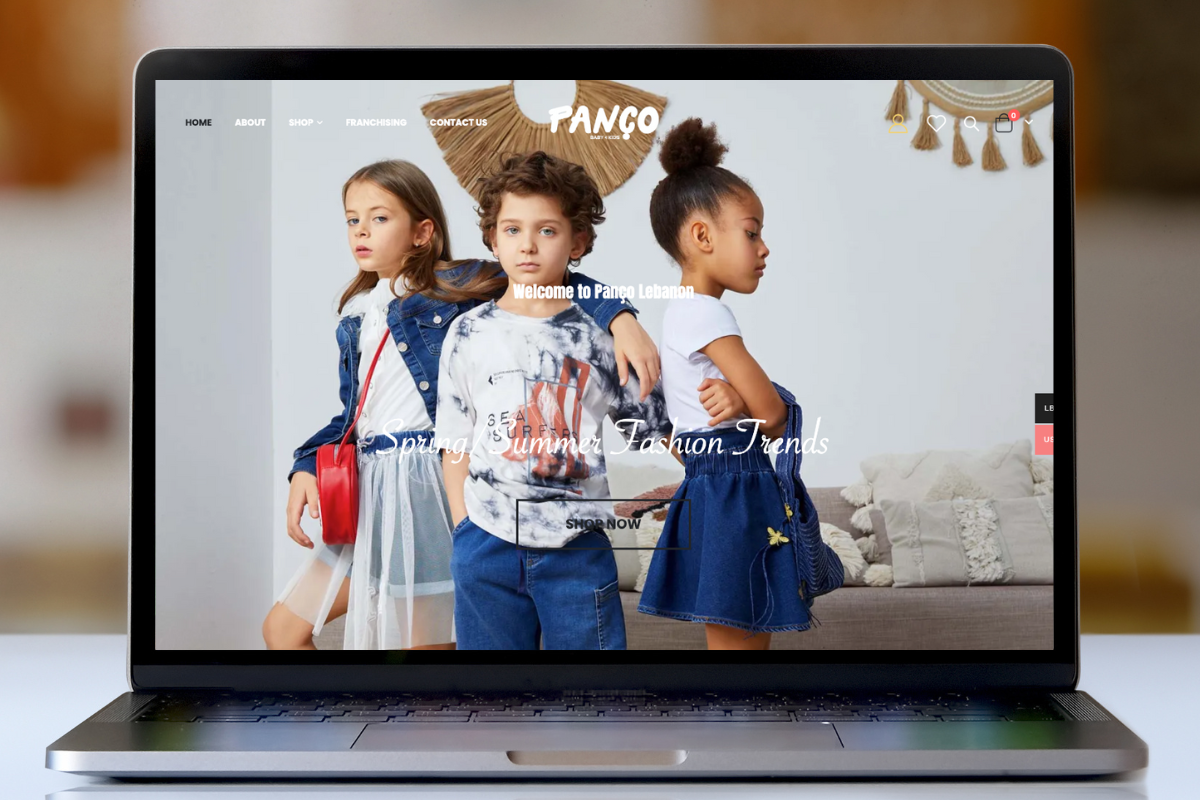
Image: panco-kids.com
Varol said the company is committed to sustainability as it prioritzes natural fabrics and avoids harmful substances, aligning with international standards.
“We’re proud to have earned the “Ecological Reliability Certificate” for our efforts. As Panco expands globally, we’re also working towards reducing our carbon footprint and exploring eco-friendly production methods to ensure we’re taking care of the environment for the generations to come,” he said.
“We believe that using natural materials in our products is beneficial for both our children and our planet. Natural materials such as cotton, wool and linen are breathable, durable and biodegradable. They also reduce the risk of allergies, irritation and infection for children’s sensitive skin.
“Panco ensures quality production and service for our customers by following our core values of highest quality under innovative production, always protecting our brand’s credibility, and providing the best service to our guests in our stores who are not only customers but parents. We understand that children’s clothing should prioritize their health and comfort. That’s why we use 100 per cent cotton fabrics, ensuring breathability and sweat absorbency. We have a rigorous quality control system that checks every stage of our production process, from sourcing materials to finishing products.”
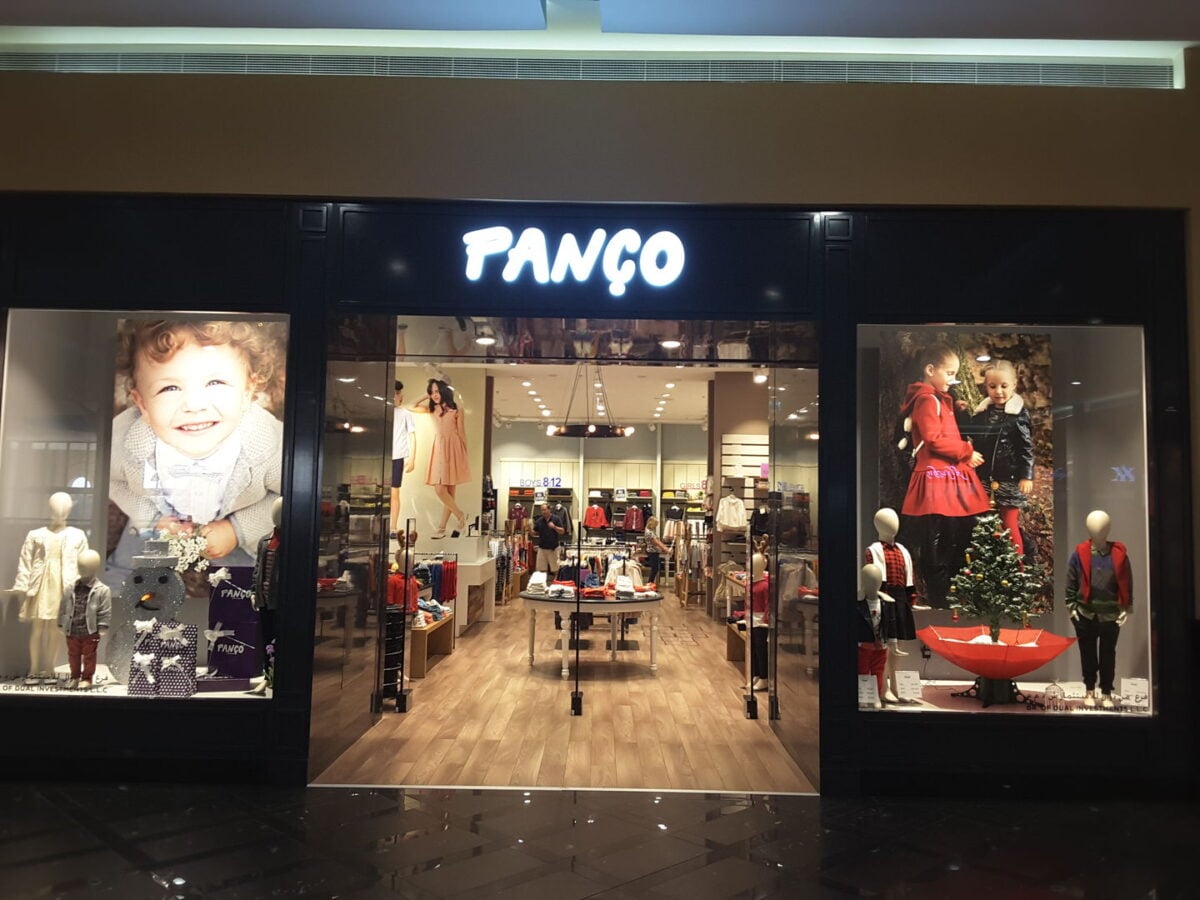
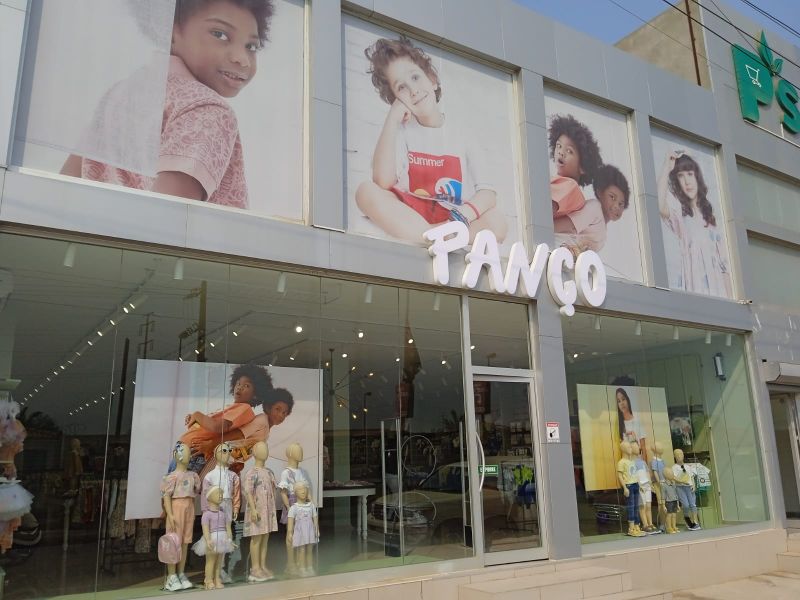
Image: Panco Children’s Clothing
There are 142 stores in Turkey and 77 stores in 37 countries.
“We are exploring high traffic, super regional mall locations in Vancouver right now. We also want to raise awareness and recognition of our brand among Canadian consumers by launching marketing campaigns, sponsoring social causes, collaborating with influencers, and creating loyal customer programs,” added Varol.
“Introducing a new brand is always a thrilling endeavor, and with Panco, we see both challenges and opportunities. One challenge is establishing brand recognition in a competitive market. However, we view this as an opportunity to showcase Panco’s unique identity and story. Canada’s multicultural landscape also offers a chance for us to connect with diverse communities that might appreciate our remarkable brand.
“I’d like Canadian consumers to know that Panco is not just a clothing brand; it’s a quality production for children’s health and happiness. Every Panco piece tells a story, combining tradition with modernity and reflecting the values of quality, comfort, and individuality. We invite Canadian families to embark on this journey with us, as we bring a touch of Turkish charm and creativity to their children’s wardrobes.”
Varol said the Vancouver store is expected to open sometime in 2024. In the short term, the goal is to have five stores in the Greater Vancouver Area then eventually move across the country.
Image: Panco Children’s Clothing
Tony Flanz, of Think Retail which is helping the brand with its real estate needs, said Panco Children’s Clothing opened its first retail location in Istanbul in 1984.
Tony Flanz
“(Vancouver is) a great fit for the brand, which radiates a fun, fashion-forward vibe that is both stylish and accessible. Its collections target newborns up to age 14, with designs and patterns that go beyond the usual children’s fare. From tanks and t-shirts to shorts, cold weather gear, sleepwear and a wide-range of accessories, Panco will appeal to parents and kids looking for a fresh approach to fashion for school or play,” he said.
“Think Retail is thrilled to work with Mehmet Varol as he brings this exciting and well-established children’s clothing brand to Canada. The initial focus is on finding a debut space in Vancouver that’s 1,500 to 2,000 square feet, preferably in a super regional mall.
“Panco will hit the ground running: This is a strong brand with a proven track record and deep experience with new market entries.”
Craig and Lee discuss the intriguing juxtaposition between traditional department stores and the contemporary trend of brand-specific “World Of” concessions within the realm of retail. Delving into the heart of this topic, they examine the implications for consumer experience and shopping convenience. While department stores historically aimed to provide a comprehensive assortment of brands and products under one roof in departments, the emergence of brand-specific concessions challenges this notion by condensing a brand’s entire spectrum into a single space. The hosts explore the pros and cons of both approaches, reflecting on how these strategies cater to different shopping behaviours and brand preferences.
Lee shares his personal perspective on the advantages of department stores for discovering diverse brands and comparing various offerings. He highlights the importance of a consolidated space to accommodate varying body types and preferences, allowing customers to efficiently explore different fits and styles. On the other hand, they ponder the appeal of “World Of” concessions, which aim to provide a one-stop-shop experience for loyal brand enthusiasts. While this model appeals to shoppers who know exactly what they want, it raises questions about the potential dilution of the distinct department store shopping experience.
As the discussion unfolds, Craig and Lee contemplate the evolving role of department stores in a rapidly changing retail landscape. They consider how the concept of department stores has transformed over time and how they compete with the allure of specialized brand spaces. The hosts dissect the strategic decisions of brands and retailers in adopting these contrasting models, questioning whether the “World Of” concessions might eventually transition into standalone stores. Ultimately, the conversation underscores the evolving nature of consumer preferences, shopping behaviours, and retail strategies, painting a vivid picture of the intricate balance between tradition and innovation in the retail industry.
The Weekly podcast part of theThe Retail Insider Podcast Network by Retail Insider Canada and is available on Apple Podcasts, Stitcher, TuneIn, Google Play, or through our dedicated RSS feed for Overcast and other podcast players.
Transcript
Announcer 0:00 This is a Retail Insider PodCast. You’re listening to “The Weekly”.
Lee Rivett 0:08 Welcome to this week’s episode of “The Weekly” by Retail Insider. I’m Lee Rivett and I’m joined with the owner and publisher of Retail Insider Media, Craig Patterson, to discuss this week’s most read articles on retail-insider.com. So thanks for joining me, Craig.
Craig Patterson 0:22 Hello, everyone.
Lee Rivett 0:23 Now in this podcast episode, I was reflecting on our latest Yorkdale expansion news. It got me thinking about these brand-specific “World Of” concessions or “shop-in-shop” retail popups where a brand will have all of their offerings across their whole retail spectrum … in one spot. Now, the whole idea of a department store is to be able to go browse through a bunch of different brands of one specific thing. It could be looking at all the different women’s shoes, for example, or looking at the different coffee makers. So Craig, when you have these pop ups or world of concessions in a department store, I was wondering what your thought was on these brand-specific activations that are plunked into department stores, that seems to be going against the whole department store philosophy where he should have things grouped together in categories. So what’s your thought?
Craig Patterson 1:11 Yes, yes. This is such a good question. Thank you for asking it, Lee because I think it can build some confusion. If a person can walk into Holt Renfrew and they know what brand they want to buy – like, “This is my Gucci day. I want an outfit”. Yeah, you can walk into the Gucci store and you’re gonna be able to pick out your shoes and your bag and your clothing and jewelry and whatever else they’ve got in there. And that goes for Dior and other brands as well. But yeah, typically how it would work with a department store. So in Neiman Marcus store in the United States – because they don’t do these “World of” concessions in the same way – you would have a concession for handbags. So you’re gonna have a handbag area, and it’s like, yeah, I want to go shop for a handbag. I’m gonna go to the handbag area, and then I want to buy a dress. So I’m gonna go to the clothing area. And, we see concessions for shoes, and some of these really snazzy bigger stores, including a few in Holt Renfrew, like Chanel has a concession in Vancouver for only shoes.
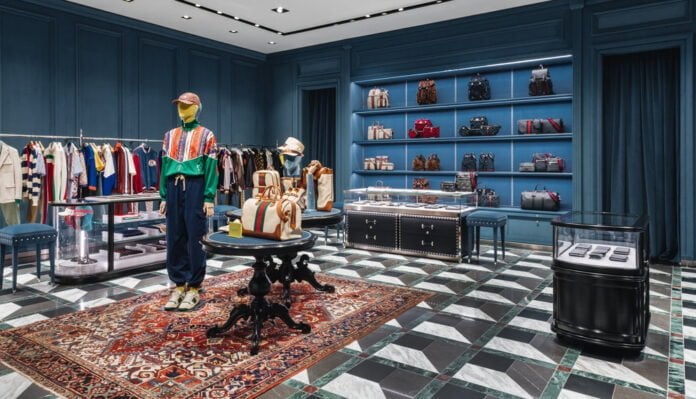
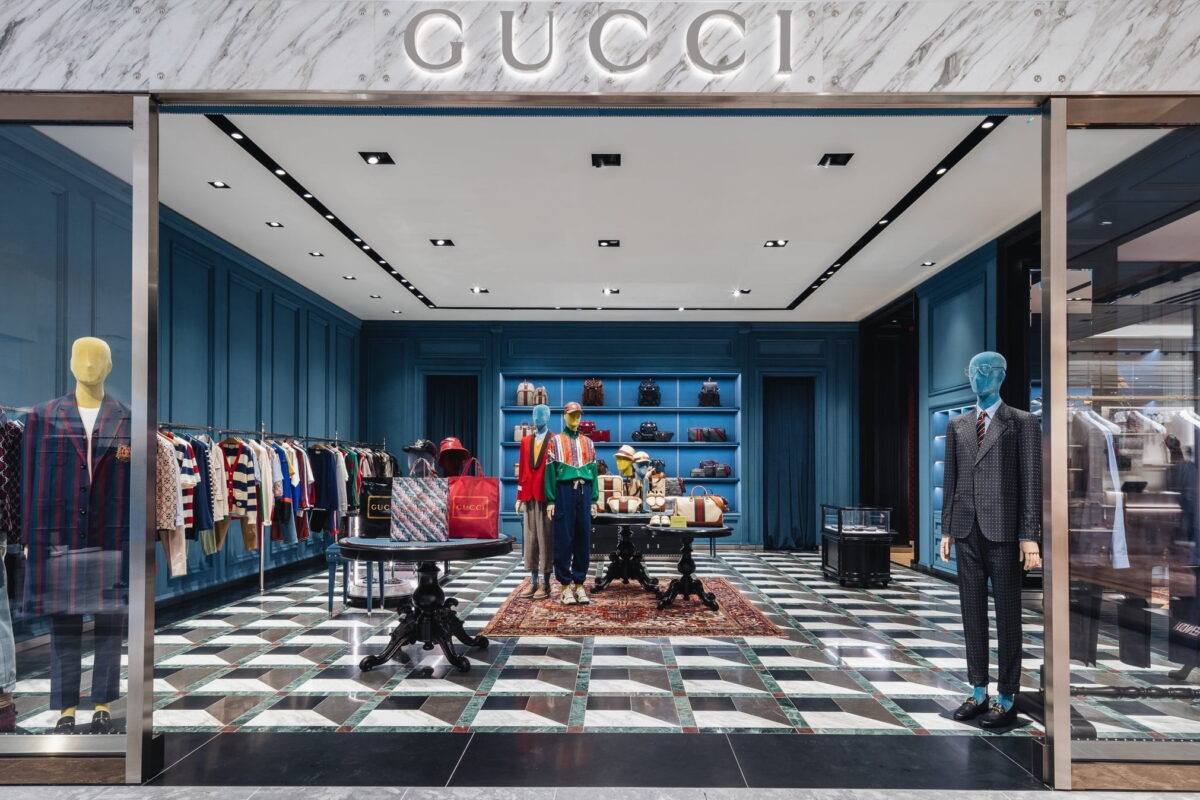
Gucci concession at Holt Renfrew Yorkdale. Image via Gucci/Amachris
Lee Rivett 2:06 Exactly. That’s the idea behind the department store concept.
Craig Patterson 2:10 It makes more sense if you have a department store or a store that has different sections for different, you know, shoes and bags, to have these separate shops in there.
Lee Rivett 2:19 Now, in contrast, what about the “World Of”s?
Craig Patterson 2:23 The “World of” concessions is a way for these brands to really just showcase everything in one spot. So you want to match a bag, some shoes or create an entire outfit? Yeah, you can do that in the “World of” concession. But I think it’s creating confusion, or at least it’s not quite as convenient for a shopper saying, well, now I want to buy a dress, or a guy wanting to buy an outfit.
Lee Rivett 2:48 What do you think the end effect or result of putting these “Worlds of” concessions in the middle of a department store?
Craig Patterson 2:54 Yeah, I think it blurs the lines between department store and shopping center. Because when you have a “World of” concession, it really is just a brand that’s been plopped in in its entirety in one spot. And you know, it’s great for the brand if it’s strong enough to be able to support that business model and bring consumers in and say, you know, I’m buying everything Burberry or you know, being able to see everything in one area as opposed to having to walk around the store and find your Burberry shoes and your Burberry bags or Burberry trench coats or whatever, you know, like having to go to different parts of the stores for the brand. But no, that’s something I’ve been thinking about recently as well. You know, is this “World of” concession situation best for these brands?
Lee Rivett 3:35 Well, I think it’s best for the brand, like they have a lot of obscure stuff that wouldn’t necessarily fit into a specific department in a department store. So it’s yeah, it’s good for the brand, but maybe not for the department store.
Craig Patterson 3:47 Well, I mean, it’s best for the brands but is it best for the store like Holts? Probably – maybe not? I don’t know. I mean, it’s different from what you see at Neiman Marcus. You go to the American department store like Nordstrom in Seattle and they’ve got a Chanel shop on the main floor, which is bags, and I think some shoes and stuff but it’s not the full ready to wear, you have to go upstairs for that ready to wear boutique. And that’s quite common, I think with Chanel with these American stores, whether or not it’s a Saks Fifth Avenue in a big city, or a Neiman Marcus or Nordstrom, typically these are going to be spaced out more like a department store. But Holt Renfrew is almost taking a model you see in Asia or even a shopping center model and in some cases, you know, having these “World of” concessions with everything in it just being you know, plopped down in prime real estate. So at the same time, it is pretty cool to walk through a store and have all of these “World of” concessions, but I’m not discounting it or I’m not slamming this in any way whatsoever. I mean, I have a lot of respect for Holt Renfrew and I’m very impressed with a lot of things but I don’t know though the world of concession thing remains to be seen how successful it is if these concessions end up just stepping out and opening their own stores. So we’ll see how it goes over the next few years. I find this stuff fascinating. I’m mean that you got me excited with that question.
Lee Rivett 5:02 Well, what I find that I love about the department store model is – I have ungangly, long arms. So it’s really difficult for me to find a long sleeve shirt that fits me in the length of my arm, but then it also fits me in the torso. So normally, they either fit length in the sleeve, and then I’m swimming in the midsection on it. So if I wander into a “World of” concession, or one of these independent standalone brand stores, if I try on one shirt that’s long sleeve and it’s halfway down my forearm, I know that brand is pretty much a write off for anything, that’s a long sleeve, right? So I love the idea of either going to a thrift store, which has all the brands together, or a department store, which has all the brands together as well so I can try the different brands. So if this brand is too short in the sleeve, then I can try the next one. And if I find a brand or two, that is fitting me in the length, that I know that that brand is one to go with. So at that point, I’ve already purchased the item from the department store, but then I would keep that in mind for later for going to the “World of” or going to the standalone store that they would potentially have, right? So for me, that’s why both have a place. But why I typically start out with a department store because sometimes even the brand has changed their methodology on how they actually do their fitting at the end of the day.
Craig Patterson 6:25 Now, that makes sense, in terms of sizing, or just even the product itself, you know, if I if I want to go and buy a pair of sneakers or something, or I’m thinking of a young gentleman, I know that we I mentor, he needed some sneakers one time, and it’s gonna be a lot easier to go to an area with a bunch of shoes and pick stuff out then saying I gotta go to all these boutiques. And maybe they’ll have some great shoes. I don’t know, what does Fendi have today? You know, what is Prada have today? You know, you gotta go from shop to shop and look around. It’s not as convenient. But I understand what the brands are doing. But is it? Is it a the best shoppable experience for consumers? I don’t know, I talked to some consumers about that. I mean, I don’t think it would be but some may prefer it. You know, it really depends. I mean, some people just know their brands, and they’re like, I’m a Givenchy guy. That’s what I wear. And and maybe that works. But I think it really depends. And maybe this works more for women as well. Women may know the brands more, but a lot of guys now are also getting in on this. I mean, I mean, we’ve seen men’s fashion just explode in terms of sales in popularity, and men have become more fashion forward. I’ve seen that over my lifetime, for sure. I’ve seen stores years ago, where the men’s departments were basically just an afterthought, you go into a Saks Fifth Avenue. And, you know, you might have a little corner and one floor of a store. I’m just remembering the one in Minneapolis, which had a few sweaters and a few other things, way back in the day. And now you go to Saks Fifth Avenue and a downtown store like Chicago, you got one or two floors dedicated to menswear, or even in downtown Toronto. Much, much more comprehensive and you’ve got all kinds of brands. Anyways, menswear has definitely taken off, there’s no question there. And that’s certainly during my lifetime.
Lee Rivett 8:08 To touch upon the customer experience or shopping experience aspect: For me if I go into the Levi’s store that standalone – or the “World of” Levi’s – to try on some jeans and find out that nothing fits because my thighs are large. It’s nothing against the brand. It’s just now I’ve wasted everyone’s time including myself going all the way to the Levi’s store just to be able to try on their jeans and nothing fits. So I find that then going to True Religion, or Frank & Oak, or whatever the case may be – is just a poor shopping experience for me. And I feel like I’m just being judged for wasting everyone’s time and walking out with nothing. So for me, I love the idea of being able to try all these different brands just to see what fits for me this season, right? And then either buying it at the department store or thrift store, or then feeling comfortable going into the “World of” or standalone store to buy stuff knowing that that brand fits me because I’ve already answered the question of whether I’m wasting time or not by going down that path if that makes sense.
Craig Patterson 9:12 Yeah, it makes sense. I’m just thinking like if I was to go if I wanted a pair of jeans this week, I would probably go to the Manulife center and go to over the rainbow jeans and because they have like a denim wall and it’s there’s different brands in there and you’re like great, it’s jeans, it’s what I want. It’s gonna be so much easier for me to go to the denim wall and you know, get one of those salespeople to help me pick out some jeans than having to go from brand to brand, to brand to brand to pick these things out as opposed to just going to the denim wall and saying this is great. There’s hundreds of pairs of jeans here and I’m going to find something that I want so I know for myself, I think the denim wall just sounds so much easier than yes having to, you know, go from brand shop to brand shop to brand shop. But at the same time, if I’m having a day, if I was, say, in London, I went to Selfridges and wanted to make a day out of a shopping trip. I wouldn’t have as much of an issue going from shop to shop, I don’t think but it really depends how a person is shopping as well. I mean, I know for myself, the Hudson Bay Queen Street men’s store. It is it’s just too big. It’s about 100,000 to 220,000 square feet. It’s got to be the biggest men’s presentation in Canada. And it’s huge. I mean, there’s a lot of stuff there. And it is actually broken up quite a bit into categories. But nevertheless, it’s just absolutely massive. I mean, it takes you half a day to actually shop that properly. And I just don’t have that time.
Lee Rivett 10:46 Well, thanks for going through talking about the department store versus the “World of” or standalone store comparison with me. I appreciate it. It’s just super fun to kind of talk about some of these things. And otherwise I’ll chat with you next week. Craig,
Craig Patterson 10:59 Thank you so much everyone for listening. Take care and bye for now.
Subscribe, Rate, and Review our Retail Insider Podcast!
Drop us a line at Craig@Retail-Insider.com. You can also rate us in Apple Podcasts or recommend us in Overcast to help more people discover the show!
Background Music Credit: Hard Boiled Kevin MacLeod (incompetech.com). Licensed under Creative Commons: By Attribution 3.0 License. http://creativecommons.org/licenses/by/3.0/
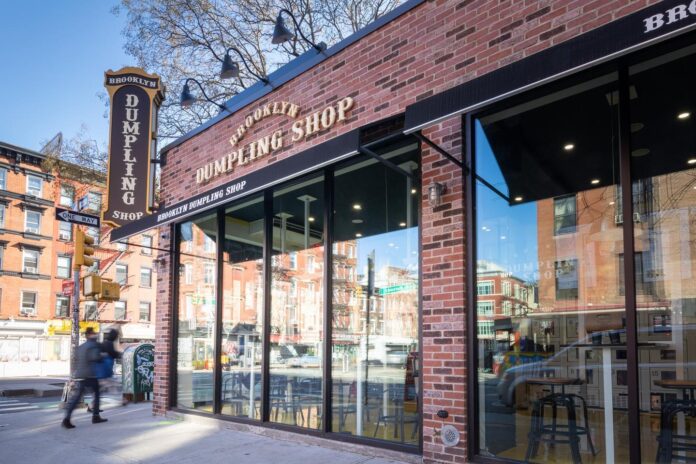
Brooklyn Dumpling Shop, an innovative zero contact dumpling shop, is arriving in Canada this upcoming October and has plans to expand throughout the country with over 100 locations.
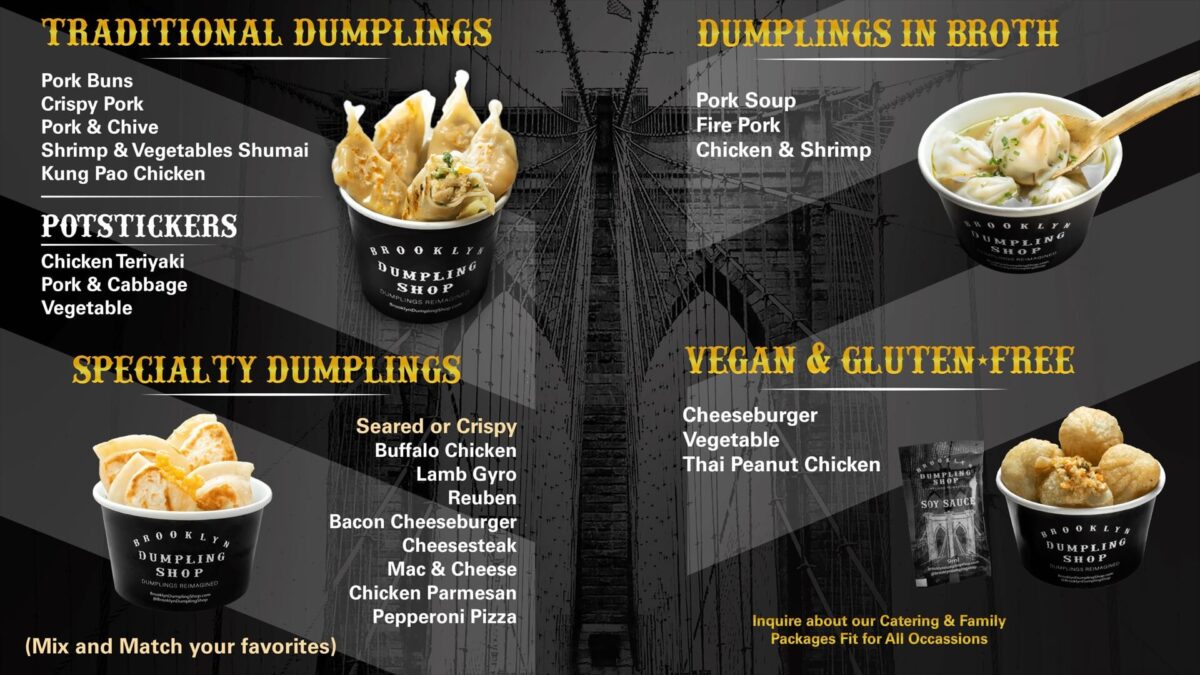
The Brooklyn Dumpling Shop will be a new concept in Canada and offers a zero contact experience. The restaurant offers traditional dumplings along with specialty dumplings such as mac and cheese and pepperoni pizza. Consumers can also find vegan and gluten free options, breakfast dumplings such as bacon and cheese, and dessert dumplings. The specialty dumplings started at the restaurant Brooklyn Chop House and since then has seen success.
“The dumplings became so big at Brooklyn Chop House that I simultaneously wrote a book called Damn Good Dumplings and then from there, we came up with the idea of doing a fast casual version of it – and that is where Brooklyn Dumpling Shop was born,” says Stratis Morfogen, the founder and CEO of Brooklyn Dumpling Shop and Brooklyn Chop House. “The dumplings became a huge hit. I took mac and cheese, pastrami, bacon, cheeseburger, lamb, peanut butter and jelly – and I made them into dumplings.”
Stratis Morfogen (Image: Brooklyn Dumpling Shop)
Plans for Canada
Currently, Brooklyn Dumplings have five locations opened in New York City and five under construction. By the end of September, the restaurant will have twelve locations and by the end of the year will have twenty – including the locations planned for Canada. To expand in Canada, Morfogen said he was approached by and has partnered with Sitewise Solutions Inc.
“We gave the rights to the group and they are now the franchise oil for Canada. After experiencing the concept in New York, they wanted to bring it to Canada. Their plans already include opening 108 Brooklyn Dumpling Shops in the next ten years.”
Image: Brooklyn Dumpling ShopImage: Brooklyn Dumpling Shop Menu
The first three locations in Canada will be in Calgary, Edmonton, and Vancouver. As for exact locations, Morfogen was only able to clarify Calgary.
The Calgary location will be at 1113-9th Avenue SW. The construction for the restaurant has already begun and will be opening up its doors for October 2nd. As for the locations in Vancouver and Edmonton which will be opening by the end of the year, leases have been signed but they are waiting for official leases to be completed.
“The whole country is going to be scaled. First starting in Calgary, Edmonton, and Vancouver and then the group will make its way throughout Canada. The contract allows them for 110 units, and they have ten years to build them.”
All locations provide a contact free experience for consumers.
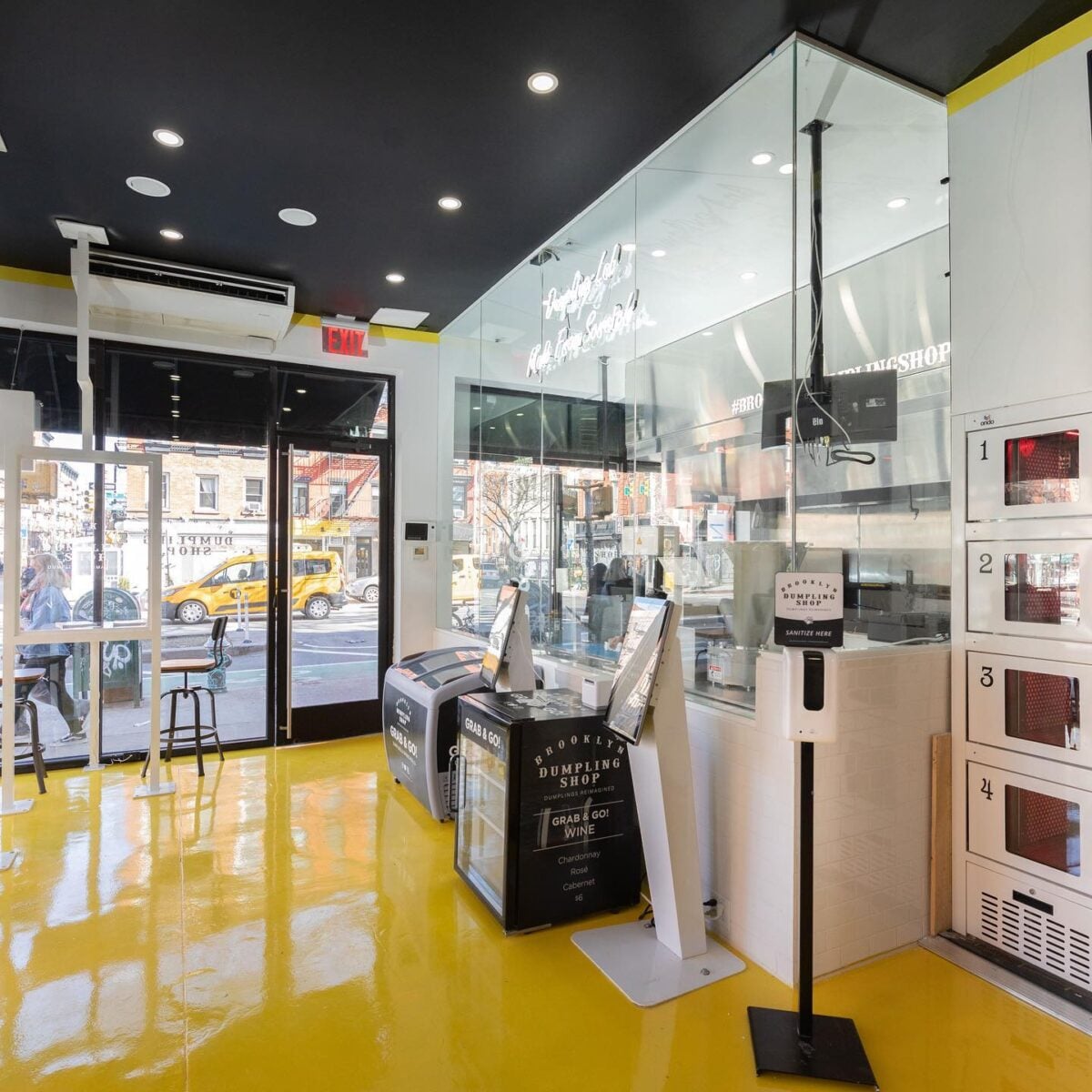
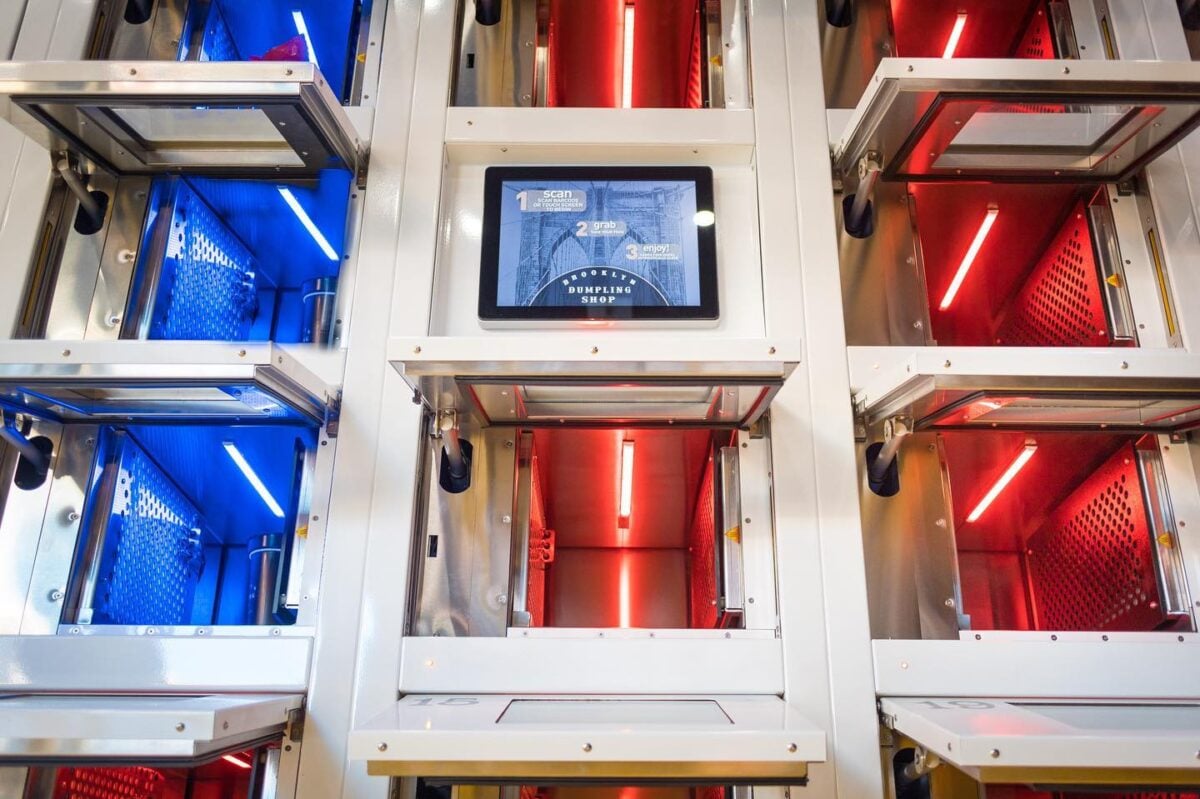
“Automat is in every Brooklyn Dumpling Shop – it is part of our model. We don’t have cashiers, we don’t have any transactional staff, All our customer service is one-on-one and operations but our transactions are created by smartphone which engages with the Automat.”
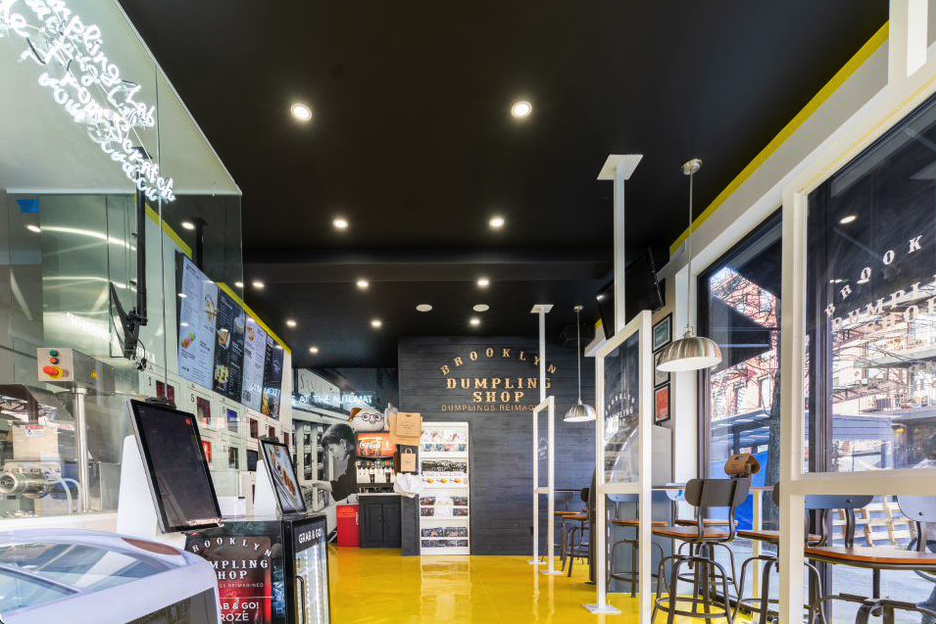
Consumers can use their phones to place an order, pick a time, and then the product will be waiting in the 140 degree automat locker. Consumers will receive a QR code to their phones which is used to scan to open the locker and pick up the order. Temperatures can be changed for each locker depending on what has been ordered. As with any traditional restaurant, there are tables available for consumers.
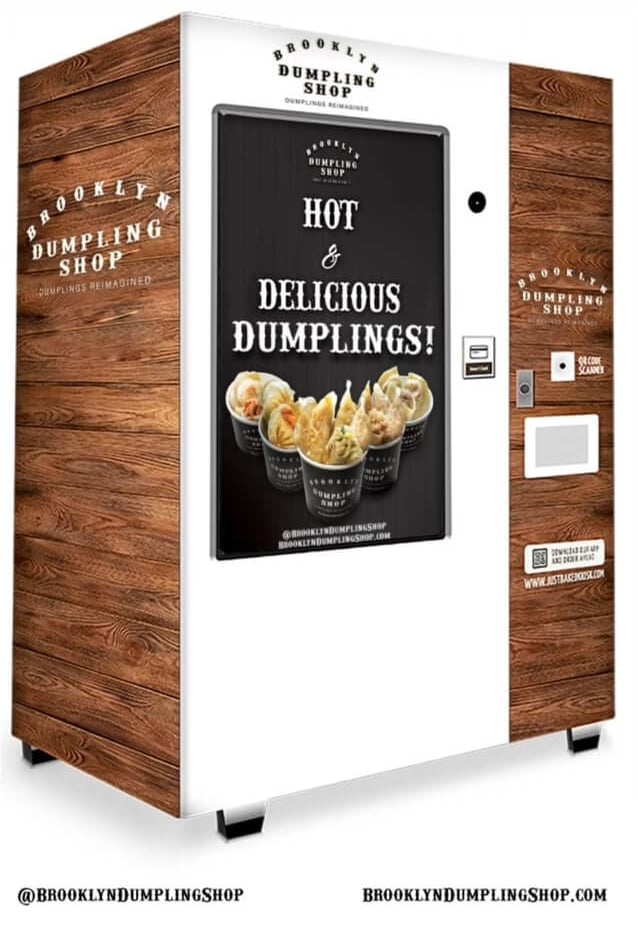
Along with the in-store automat concept, the Brooklyn Dumpling Shop also has vending machines. The vending machines are controlled by an app and the dumplings are cooked inside the vending machine within three minutes.
Both concepts will be used in Canada and people can expect to see the vending machines hopefully by the middle of next year.
This is not the first time the automat concept has been used as it began in 1895 in the Berlin Zoological Gardens. The first automat concept arrived in the United States in 1902 and only took nickels. They disappeared for decades and eventually were seen again during the pandemic to limit interactions between consumers and staff.
Brooklyn Dumpling Shop also offers catering services and sells apparel and accessories online such as sweaters, shirts, hats, aprons, and more.
“Brooklyn Dumpling Shop is different as Canadians have never seen this before. If they think of it as like a mini sandwich – that is basically what the Brooklyn Shop is. We call it the pig in the blanket for sandwiches and it is easy to eat. It is great to introduce to children and it makes amazing parties and catering.”
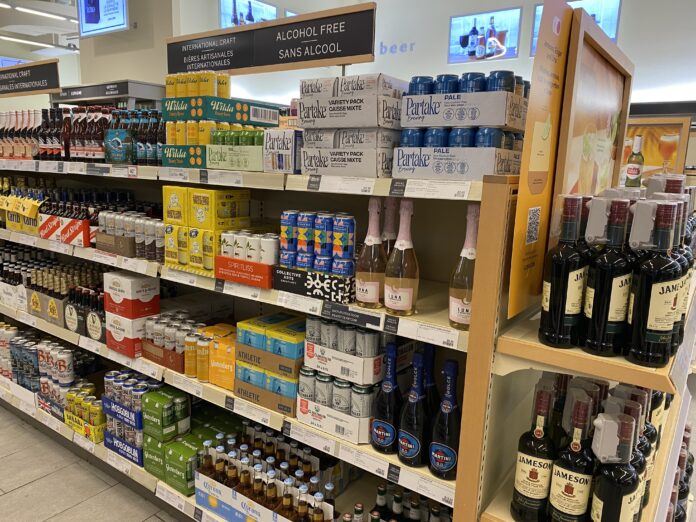
LCBO Toronto Front Street Non-Alcoholic Section (Image: Dustin Fuhs)
“Canada is redefining its relationship with alcohol, as declining sales are influenced by factors such as weather, health concerns, and the growing popularity of non-alcoholic alternatives. While the statistics may imply a shift towards sobriety, alcohol will continue to hold a significant place in our culture for the foreseeable future.”
Is Canada sobering up?
Canada appears to be undergoing a noteworthy transformation in its relationship with alcohol. According to Statistics Canada, Canadians are purchasing less alcohol than they did the previous year, and a myriad of factors are at play. From shifts in weather patterns to the allure of non-alcoholic alternatives and concerns raised by the World Health Organization regarding the link between alcohol and cancer, it’s clear that the landscape of Canadian drinking habits is evolving. But is Canada truly sobering up?
According to the latest Retail Sales Update from Ottawa, Canada’s liquor and beer sales continue to show a slowdown, down -0.9% from May to June 2023. Sales are also down -2.8% from last year, a notable drop, while cannabis sales surged by 3.3%. Other sources may point to different numbers, but it appears as though Canadians are generally buying less booze now. These statistics raise intriguing questions about the factors influencing Canadian drinking habits.
One potential factor contributing to the decline in alcohol sales is the weather. The last several months have brought about erratic weather patterns, leading to unpredictable winters and a dampened summer in many parts of the country. Weather uncertainty can affect consumer behavior. For instance, warm weather often leads to increased alcohol consumption, with Canadians flocking to patios and barbecues. When the sun doesn’t shine as consistently, it’s possible that people are less inclined to indulge in alcoholic beverages, contributing to the decline in sales, as indicated by the recent Retail Sales Update.
The World Health Organization’s concerns about the link between alcohol and cancer cannot be ignored. Canada’s new Guidance on Alcohol and Health, which encourages Canadians to drink less and the suggestion that perhaps containers of alcoholic products should be labeled in the future, likely gave pause to some Canadians. Public health messages and research findings connecting alcohol consumption to various health issues, including cancer, have been gaining traction. Canadians may be reevaluating their drinking habits considering these warnings, leading to a decrease in alcohol consumption.
Non-alcoholic alternatives have also been on the rise. The beverage industry has responded to changing consumer preferences by offering an array of enticing non-alcoholic options. These include craft non-alcoholic beers, alcohol-free spirits, and mocktails that provide the same sensory experience as traditional alcoholic beverages without the intoxicating effects. With the stigma of not drinking diminishing, more Canadians are choosing these non-alcoholic options, contributing to the decline in alcohol sales.
Furthermore, there seems to be a shifting social dynamic regarding alcohol consumption. In the past, abstaining from alcohol might have been met with raised eyebrows, but today, it’s becoming increasingly socially acceptable not to drink. Millennials and Generation Z are leading this change, with many embracing a “mindful drinking” approach and choosing not to consume alcohol as part of a broader wellness trend.
Cannabis, on the other hand, continues its ascent in popularity. The recent surge in cannabis sales, as revealed by the Retail Sales Update, raises questions about whether Canadians are substituting alcohol with cannabis. With the legalization and normalization of cannabis use, it’s plausible that some individuals are opting for this alternative to relax and unwind.
The decline in alcohol sales, even during the early summer when Canadians typically enjoy outdoor activities, suggests that these trends are more than just a fleeting phenomenon. Canada appears to be on a trajectory towards a more moderate drinking culture, driven by a combination of factors.
With all of this mentioned, it’s important to approach this issue with nuance. While alcohol sales are down, it’s not an indication that Canadians are universally abstaining. Instead, they are making more conscious choices about when and how much they drink. This shift is not only a reflection of changing attitudes towards alcohol but also a response to a rapidly evolving economic landscape. Inflation plays a huge part. What needs to be underscored are rising retail prices for all food products, including liquor and beer. The April 1 Federal escalator tax coupled with other provincial taxes have made these products more financially prohibitive. With higher food prices, priorities shift. While we all need to eat, drinking alcoholic beverages is far from being a necessity. Sales will likely bounce back eventually when the cost of living is not much of a top-of-mind issue for consumers.
Numbers may suggest that Canada is sobering up, but it’s doing so with a newfound sense of consciousness and choice. Alcohol remains very much a part of our culture, traditions, and ways we celebrate and live key moments of our lives together.
Retail Insider is streamlining its Canadian retail news from around the web to include a handful of top news stories that can be viewed quickly during the day. Here are the top stories from the past three days.
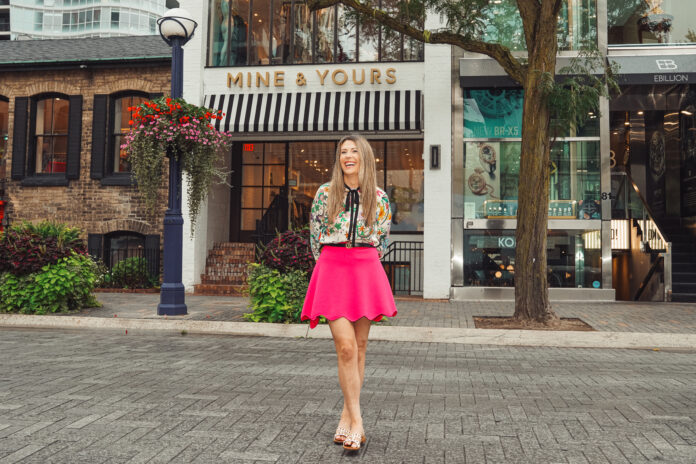
Courtney Watkins in front of the Toronto Mine & Yours at 79 Yorkville Avenue. Photo supplied
Vancouver-based luxury reseller Mine & Yours has expanded into Toronto with a storefront in the city’s affluent Yorkville area. The store opened last week and is already busy with customers.
Mine & Yours was founded in 2013 by Courtney Watkins with a store on Hornby Street in the city’s downtown core. The retailer has since opened two permanent storefronts in Vancouver’s downtown core on Howe Street and Davie Streets, and it now has a third location in the Toronto market. It also has an e-commerce site.
The Toronto store location spans about 3,000 square feet over three levels at 79 Yorkville Avenue. The retail space formerly housed retailer Free People which has closed several locations in Canada.
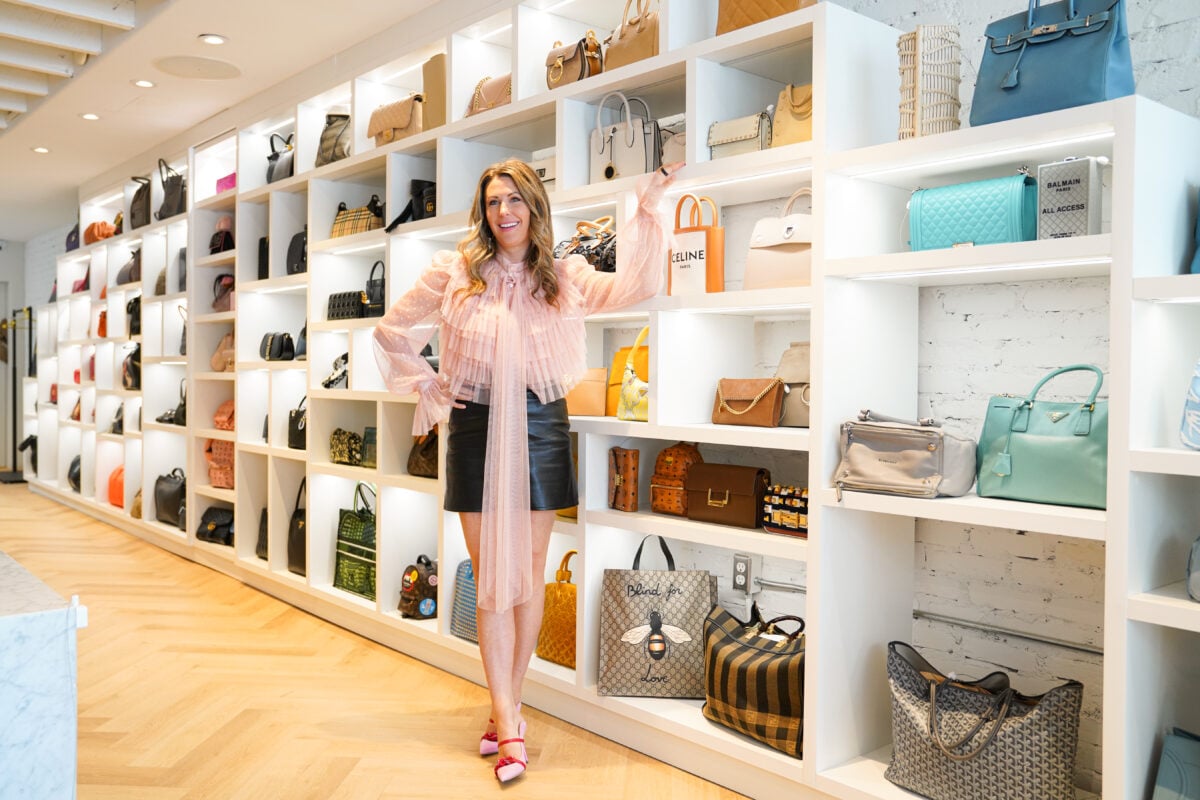
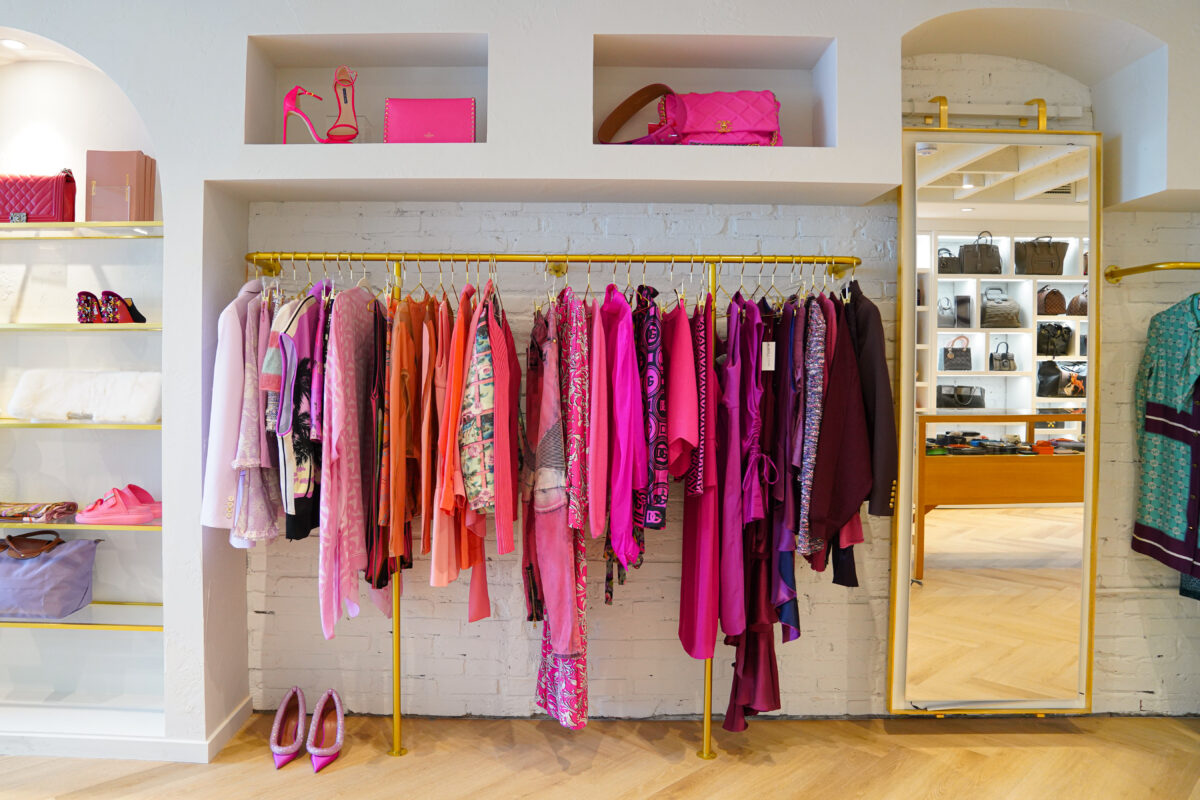
Courtney Watkins on the main floor of the new Yorkville Mine & Yours store. Photo supplied.Designer handbag wall on the main floor of the new Yorkville Mine & Yours store. Brands include Chanel, Gucci, Hermes, Delvaux, and others. Photo supplied.
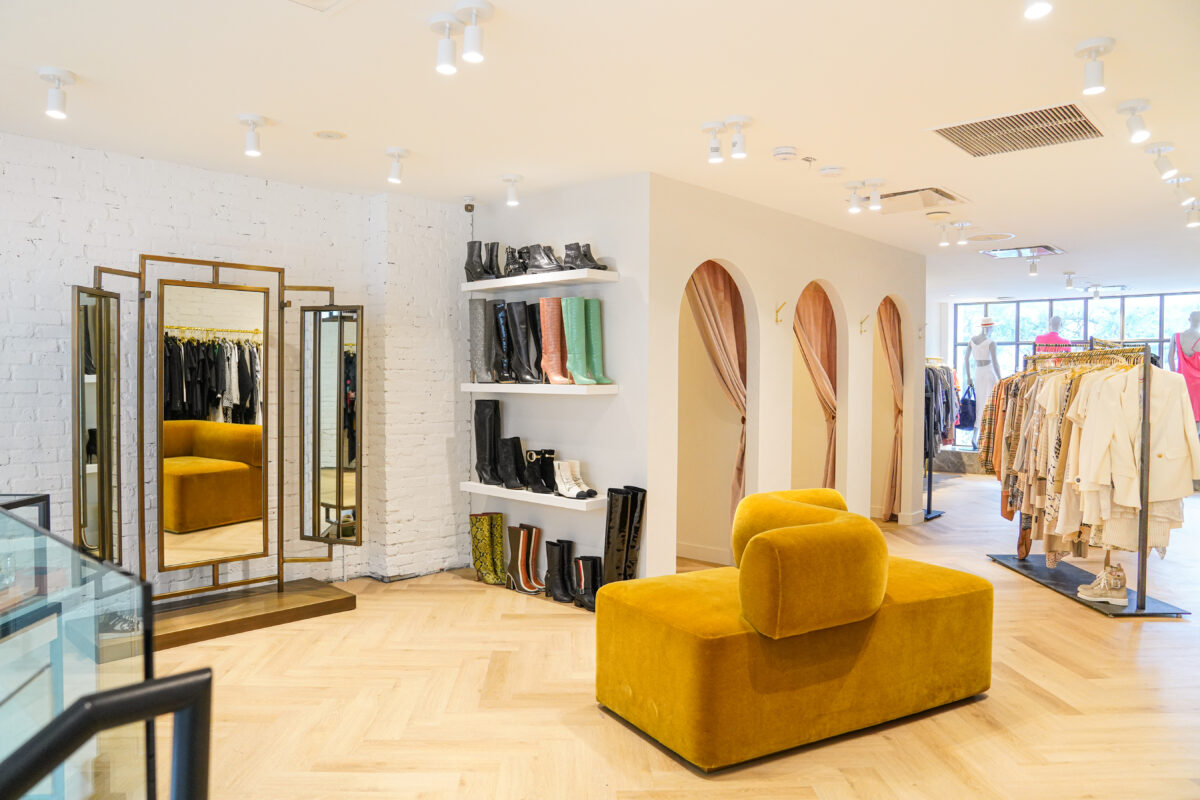
The new Toronto Mine & Yours features retail showrooms on the two upper levels, as well as a lower level transactional lounge where people can sell designer goods to the retailer. Renovations to the space added light wood herringbone floors and white marble trim in the space, including on a stairway leading to the second level.
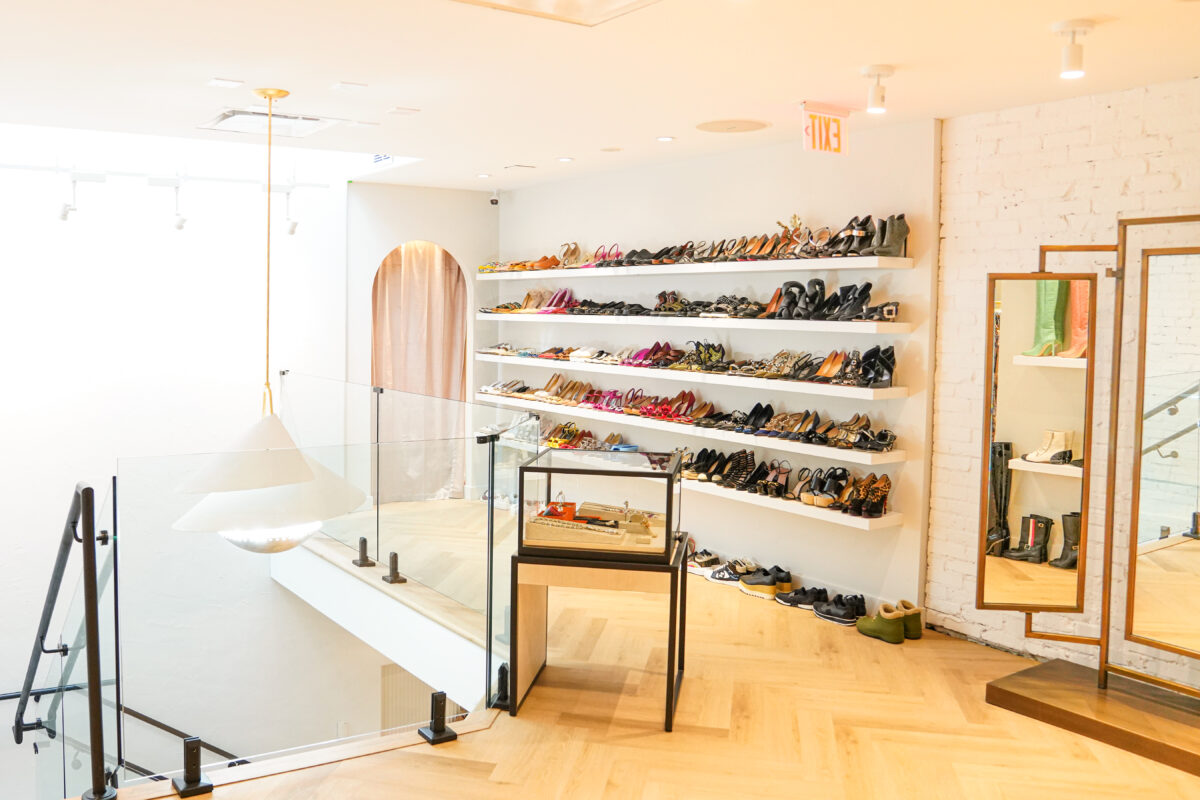
The main floor of the Toronto store houses bags, jewellery and some women’s fashions, while women’s fashions and men’s fashions can be found upstairs. Women’s footwear also has its own section upstairs on a wall.
The store was designed by Erica Grace of Toronto-based Erica Grace Design.
Last Week Mine & Yours hosted two opening parties to celebrate the new space, while at the same time engaging the community. Watkins said that as with Vancouver, private events and shopping parties will be an integral part of the Toronto retail experience. Building a community has been key to Mine & Yours’ success in Vancouver.
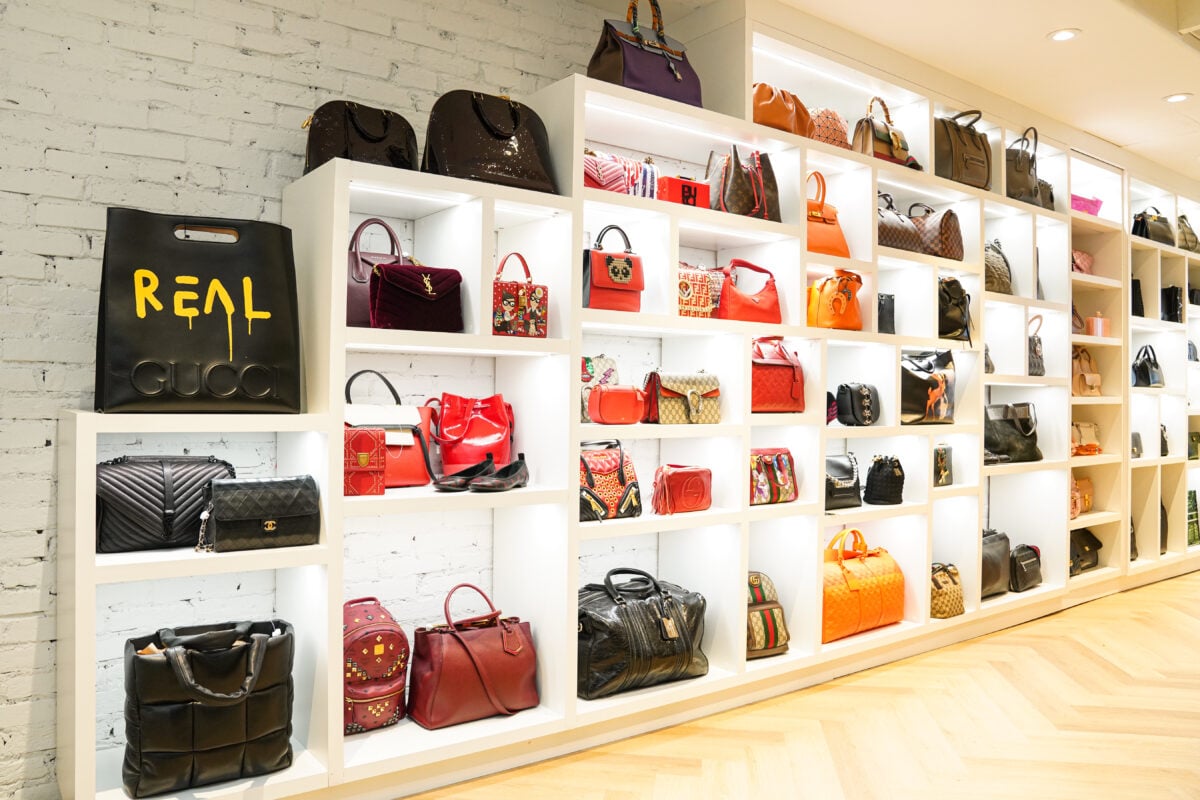
Bags, shoes and women’s clothing on the main floor of the new Yorkville Mine & Yours store. Photo supplied.
Watkins took months to find the retail space and considered various areas of Toronto for the store. She worked with Arlin Markowitz of CBRE’s Urban Retail Team to eventually find the 79 Yorkville Avenue space.
Mine & Yours joins another reseller on Yorkville Avenue — Russell Oliver, aka ‘The Cash Man’ opened luxury reseller Oliver’s across the street at 88 Yorkville Avenue in late 2021 and the store is said to be doing well in terms of sales.
Both stores carry a range of designer bags and jewellery from brands such as Hermes, Chanel, Gucci, Prada, Tiffany & Co. and many others.
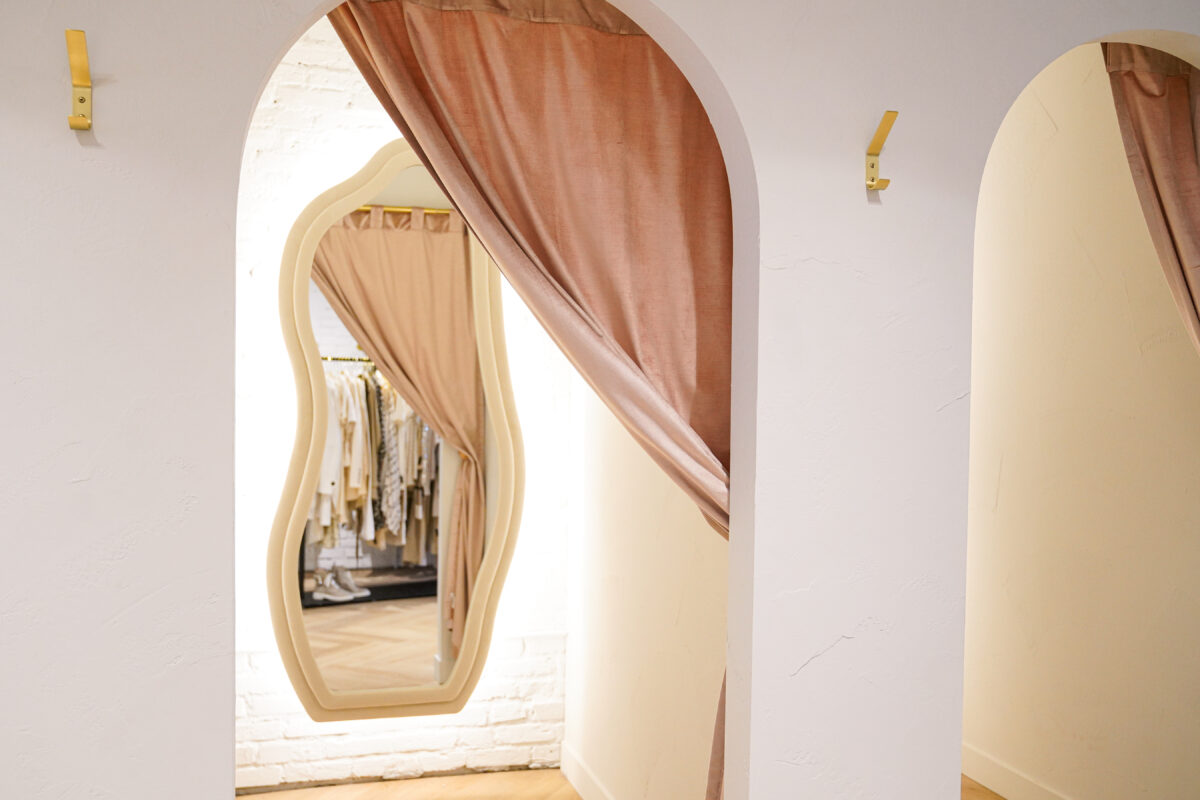
Second floor of the new Yorkville Mine & Yours store. Photo supplied.Close-up of the dressing room design on the second floor of the new Yorkville Mine & Yours store. Photo supplied.Shoe wall on the second floor of the new Yorkville Mine & Yours store. Photo supplied.
Several full-priced luxury brand stores are located nearby on Yorkville Avenue. Next door to Mine & Yours is Italian luxury brand Isaia, which in December of 2021 opened its first Canadian storefront at 77 Yorkville Avenue. A few doors to the west is Christian Louboutin, while across the street storefronts for luxury brands include Balenciaga, Chanel, Versace, Brunello Cucinelli and Kiton among others. Youthful retailer John Elliott recently opened nearby and this fall, cult fashion favourite Kith will join them with a 10,000 square foot store at 78 Yorkville Avenue.
Toronto’s Bloor-Yorkville area is changing rapidly with new retailers being added. Various mixed-use developments will also add nearly 10,000 more residents to the area in a few years, including in some new buildings where residential condominium units will average over $5 million each. The expanded wealthy population is expected to benefit the area’s retail, restaurants and other businesses.
Mine & Yours’ expansion this year will continue with another location opening this fall at 2061 W. 4th Avenue in Vancouver’s Kitsilano area, which will be the fourth location for the retailer. We recently reported on the street which is seeing the addition of new national and international retail brands. We’ll follow up on this article with Watkins, including how the Toronto store is doing post-opening as well as further details on the Kitsilano store opening.
Retail Insider is streamlining its Canadian retail news from around the web to include a handful of top news stories that can be viewed quickly during the day. Here are the top stories from the past 24 hours.