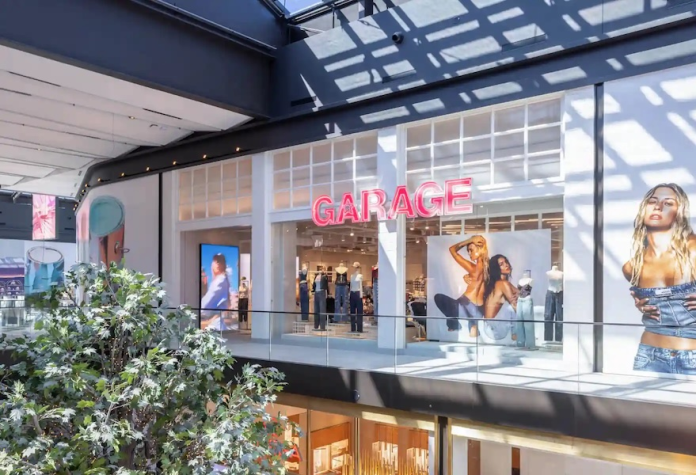
The Montreal-based company said Kon, who most recently served as President, Chief Operating Officer and a member of the board of directors at Toronto-based artificial intelligence company Cohere, joins the board after holding senior leadership roles spanning technology, finance and operations.
The appointment comes as Groupe Dynamite continues to expand its retail and digital operations internationally while focusing on technology, data and artificial intelligence as part of its business strategy.
“Martin brings a unique combination of technology leadership, operational expertise and strategic insight that will be highly valuable to Groupe Dynamite as we scale our business. His experience at Cohere, YouTube and leading global consulting firms has given him a deep understanding of how technology, data, and AI can accelerate innovation, strengthen our operating model and support disciplined growth. As we continue to execute our long-term growth strategy, Martin’s perspective will further strengthen our Board, help position Groupe Dynamite for its next phase of growth and support the creation of lasting value for our shareholders,” said Lutfy.
Martin KonAndrew Lutfy
Kon said he sees opportunities for the retailer as it continues its international expansion and invests in technology.
“Groupe Dynamite has built something rare – two brands that customers genuinely love, backed by disciplined, profitable growth. As the father of two daughters who are devoted GARAGE and DYNAMITE shoppers, I’ve seen that loyalty firsthand. The opportunities ahead are compelling: continued expansion internationally across the U.S., the U.K. and beyond, deepening community through social media, and harnessing data and AI to strengthen an already-strong operating model. I’m honoured to join the board and to help Andrew and the team pursue these growth vectors in its next chapter,” added Kon.
The company said Kon currently serves as a board director, researcher and strategic advisor to a select group of operational and capital market organizations, with a focus on enterprise reinvention through artificial intelligence. His current roles include serving as an industry advisor to KKR, a member of the Client Advisory Council at J.P. Morgan Advisors and a member of the McGill Desautels International Advisory and Advancement Board.
Groupe Dynamite said Kon is also scheduled to begin doctoral research at the University of Cambridge in October 2026, where he will study what the company described as “The Reinvention Paradox in the Age of AI.”
Before joining Cohere, Kon served as Chief Financial Officer, internally titled Business Finance Officer, at YouTube within Google/Alphabet. Groupe Dynamite said he oversaw global strategy, finance, business operations and data analytics during a period in which YouTube grew to more than US$40 billion in annual revenue while improving its operating margins.
The company said Kon helped lead Cohere’s growth from a research-focused organization into what it described as a transatlantic sovereign artificial intelligence company that had a reported valuation of US$20 billion as of April 2026.
Groupe Dynamite operates women’s fashion retail stores and e-commerce businesses under its GARAGE and DYNAMITE banners. The company said it operates in Canada and the United States and has recently expanded into the United Kingdom as part of its international growth strategy. It employs approximately 7,200 people, who participate in the company’s Shared Success Program through ownership exposure.
RIMAP Hospitality Services Inc., one of Canada’s leading hotel management companies, has announced that Moxy Ottawa Downtown is now officially open, “welcoming guests to a bold new hospitality experience in the heart of the nation’s capital.”
Located at 126 York Street in the heart of Ottawa’s iconic ByWard Market district, Moxy Ottawa Downtown introduces a bold new hospitality experience designed for the next generation of travellers – playful, social, energetic, and undeniably fun. Smack dab in the middle of the action, the hotel places guests steps from Rideau Street, Gatineau, and Ottawa’s top business, entertainment, shopping, and cultural destinations,” said the company.
Following the successful opening of AC Hotel by Marriott Ottawa Downtown in 2025, Moxy Ottawa Downtown marks the next chapter in RIMAP Hospitality’s growing presence in the capital region, with the highly anticipated Renaissance Hotel Ottawa Downtown set to follow in 2027, said the company.
“At Moxy, hospitality is about energy, personality, and creating unforgettable moments,” said Marc Varadi, President of RIMAP Hospitality Inc. “We are incredibly excited to introduce this dynamic lifestyle brand to Ottawa and bring a completely new hotel experience to the city. Moxy Ottawa Downtown is designed to be more than a place to stay–it’s a social hub, a nightlife destination, and a gathering place for travellers and locals alike.”
At the centre of the experience is Moxy Bar, the heartbeat of the hotel and a high-energy social destination expected to quickly become one of Ottawa’s go-to gathering places. Open daily for breakfast and dinner, Moxy Bar offers handcrafted cocktails, elevated casual dining, and a lively atmosphere that transitions seamlessly from day to night. Guests and locals can also look forward to a rotating calendar of weekly entertainment and social programming, including games nights, live DJ performances, themed events, and interactive experiences designed to bring people together. With curated programming, live entertainment, and an energetic vibe, Moxy Bar delivers an atmosphere designed to keep the excitement going well into the evening, explained the company.
“Moxy Ottawa Downtown captures the spirit of the city’s evolving social and cultural scene,” said Stéphane Pelletier, Regional General Manager, RIMAP Hospitality Inc. “Every detail has been thoughtfully designed to encourage interaction, excitement, and discovery. From the guest experience to the entertainment programming, this hotel is built to surprise people in the best possible way.”
The hotel also offers a variety of amenities designed to balance social energy with relaxation, including a fitness centre, and flexible gathering spaces for both work and play.
Mox: Brand Ambassador, Moxy Ottawa Downtown
Guestrooms at Moxy Ottawa Downtown have been intentionally designed to maximize every inch of space, blending smart functionality with playful details and modern comfort. Rooms feature walk-in showers, motion-activated LED guide lights, clever wall-mounted storage solutions, and flexible layouts that encourage guests to use the space however they like. Stylish, efficient, and full of personality, the guestrooms embody the Moxy brand’s fresh take on modern travel, it said.
“Marriott International is thrilled to continue its partnership with RIMAP Hospitality Services Inc. with the opening of Moxy Ottawa Downtown,” said Aaron Laurie, AVP of Development, Eastern Canada, at Marriott International. “Moxy Hotels has redefined the lifestyle hospitality category around the world through bold design, vibrant social experiences, and an energetic spirit that resonates strongly with today’s travellers. We are excited to see the brand make its Ottawa debut in the heart of the ByWard Market.”
RIMAP Hospitality Services Inc., Montreal-based hotel management company, was founded in 2007. In just over a decade, RIMAP has become one of Montreal’s largest hotel operators, currently managing internationally recognized brands under the Marriott, Hilton, and IHG Hotels & Resorts banners.
CF Markville is bringing the excitement of the track directly to local residents.
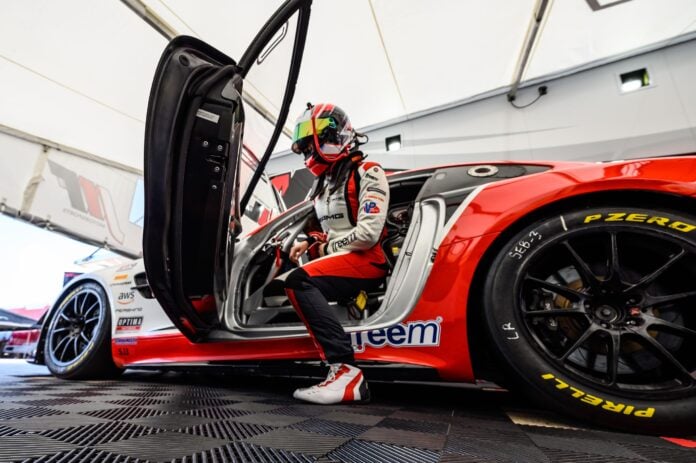
On Saturday, August 1 and Sunday, August 2, CF Markville’s Grand Court will transform into an interactive pre-race pit stop. Designed specifically for sports fans, local families, and thrill-seekers alike, the Racing Simulator Experience offers an up-close look at the high-speed world of professional racing, said the shopping centre.
“We are thrilled to welcome families and racing fans to CF Markville to kick off a historic milestone for our city,” said Kelly Vieira, General Manager, CF Markville. “As Markham hosts its largest-ever sporting event, we wanted to bring that trackside energy directly to our community. Whether guests are testing their skills on professional simulators or meeting local star Demi Chalkias, CF Markville will be the ultimate hub for pre-race excitement.”
Visitors to CF Markville can look forward to a lineup of free, interactive experiences that offer something unforgettable for guests of all ages, said the shopping centre:
Authentic Race Car Display: Visitors can view an authentic radical race car parked in the Grand Court. The vehicle will remain on display throughout the weekend, offering guests a unique, up-close look at professional racing engineering and a memorable photo opportunity.
Professional Racing Simulators: In partnership with Toronto Racing Simulators, the event will feature four state-of-the-art, professional-grade simulators. Guests are invited to test their driving skills on a virtual recreation of the actual Markham Indy race circuit, competing to match or beat professional lap times.
The 1:20 Speed Challenge: To elevate the competitive spirit, CF Markville is hosting a time-trial challenge. Any participant who successfully clocks an average simulator lap time of 1:20 or faster will instantly win a $15 CF SHOP! card (while supplies last).
Local Athlete Appearance: Markham native Demi Chalkias – professional racer, Radical Cup Canada competitor, and the groundbreaking first mother to compete in the series – will make special guest appearances. Representing Team Demi, Chalkias will be onsite for exclusive meet-and-greets, autographs, and media/photo opportunities on both days from 1:00 PM to 3:00 PM.
Canadian pet owners appear reluctant to reduce spending on their animals, even as higher living costs continue to shape household decisions.
A new national study found that 80 per cent of surveyed cat and dog owners expect to maintain or increase their pet spending over the next 12 months. Thirty-two per cent anticipate spending more, while 48 per cent expect their budgets to remain stable. Only 12 per cent expect to spend less.
Pet-related purchases appear to have become a protected expense for many households. When respondents were asked what they would cut first if finances became tighter, 51 per cent selected dining out or takeout. Clothing and fashion followed at 38 per cent, personal grooming and self-care at 30 per cent, and coffee or tea-shop purchases at 22 per cent. Travel, streaming services and fitness spending also ranked ahead of pet expenses as potential areas for reduction.
The findings come from the 2026 Canadian Pet Shopping Report, conducted by consumer data platform Caddle in collaboration with Pet Valu. Approximately 10,000 Canadian adults participated in the May 2026 research, with the main analysis based on 2,184 cat and dog owners responsible for household purchasing. The results were weighted to represent the Canadian population.
The report presents a resilient consumer category, though the spending within it remains highly contested. Canadians may be protecting their pet budgets, but they are comparing value, shopping across several channels and expecting retailers to provide greater convenience.
Pet Budgets Are Protected, but Value Still Leads
Food, treats and litter represent a meaningful monthly expense for many owners.
The most common spending range was between $50 and $99 per month, reported by 32 per cent of respondents. Another 29 per cent spend between $100 and $199, while eight per cent spend at least $200. In total, 36 per cent spend $100 or more each month on those three categories alone.
Those figures exclude veterinary care, grooming, insurance, toys and other services and merchandise.
Price and value ranked among the three most important food-purchasing considerations for 51 per cent of respondents. Veterinary recommendations followed at 40 per cent, while 36 per cent identified functional health benefits such as digestive or joint support.
Brand reputation was selected by 28 per cent, natural or organic ingredients by 25 per cent and Canadian or locally sourced products by 20 per cent.
The findings show owners balancing affordability with nutritional needs, professional guidance and product quality. Some are managing that balance by combining products from different price tiers.
Among respondents who mix pet-food types or brands, 31 per cent said they do so to meet different needs. Another 29 per cent combine premium and budget products to save money, while others cited picky eating, nutritional variety or veterinary recommendations.
Pet Valu’s recent performance provides useful context. The company reported flat same-store sales in the first quarter of 2026, with a 0.6 per cent increase in average spending per transaction offset by a 0.6 per cent decline in transactions. Management said the quarter was shaped by heightened value-seeking behaviour among consumers.
The results show how owners can preserve their overall pet budgets while becoming more selective about individual purchases, promotions and retail channels.
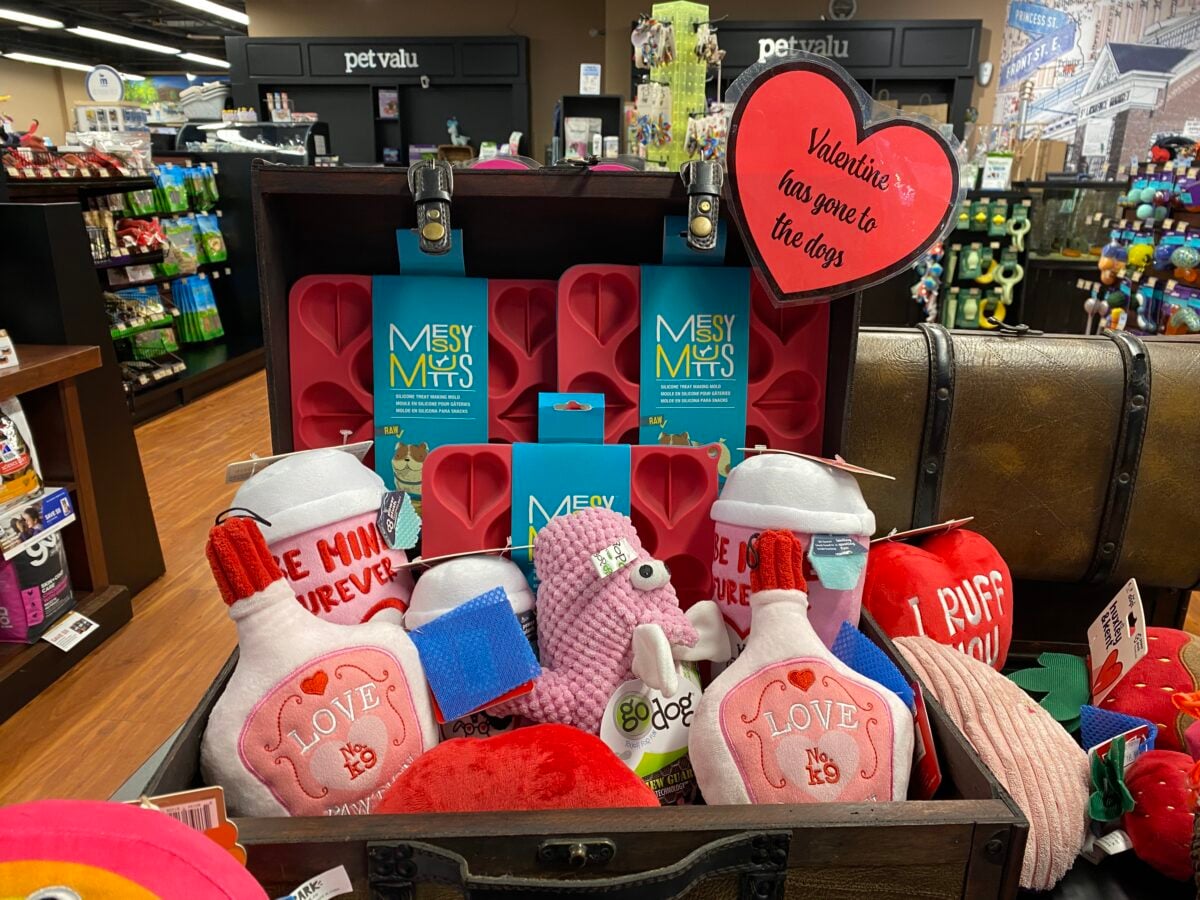
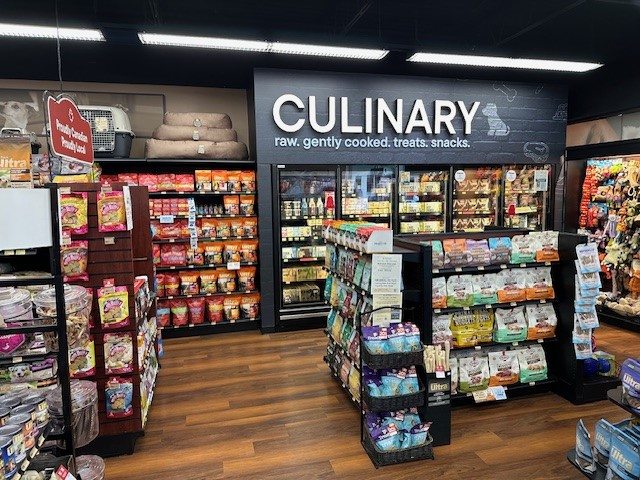
Valentine’s Day at Pet Valu (Image: Dustin Fuhs)
Specialty Retail Leads an Omnichannel Market
Specialty retailers remain the most common primary destination for pet food and treats.
Thirty-nine per cent of respondents said they shop most often at a pet specialty store. Big-box retailers followed at 29 per cent, grocery stores at 18 per cent, online retailers at nine per cent and veterinary clinics at three per cent.
The broader channel data shows that many consumers do not confine their spending to one format. Forty-one per cent sometimes use specialty stores beyond their primary shopping destination, while 38 per cent sometimes use big-box retailers. Grocery stores serve as a secondary channel for 30 per cent, and 28 per cent sometimes purchase online.
Nearly one-third of respondents, at 31 per cent, tried a new channel for food or treats during the previous year.
That movement gives retailers opportunities to win incremental purchases, but it also means a customer’s preferred store may capture only part of the household’s total pet spending.
Among respondents whose main channel is a specialty store, 43 per cent said they shop most often at the combined group of Pet Valu, Mondou or Global Pet Foods. PetSmart accounted for 31 per cent, while 26 per cent selected another specialty retailer. The 43 per cent figure covers three separate retail groups and should not be interpreted as Pet Valu’s individual market share.
Pet Valu ended its first quarter with 870 stores after opening eight locations during the period. System-wide sales increased 2.5 per cent to $375.2 million, while revenue rose 3.2 per cent to $287.9 million.
The company generated $1.53 billion in system-wide sales during fiscal 2025, an increase of 5.6 per cent. Same-store sales rose 1.6 per cent, and the network ended the year with 863 stores. Pet Valu entered 2026 planning approximately 40 additional openings.
Online Ordering Becomes Part of the Routine
Online purchasing extends well beyond the nine per cent who identify digital retailers as their primary channel.
For pet food, 17 per cent of respondents said they buy online always or almost always, while 27 per cent do so often, defined in the report as monthly or more. Another 33 per cent purchase online sometimes.
For treats, 13 per cent buy online always or almost always, 24 per cent do so often and 34 per cent shop online sometimes.
The report summarizes the findings by noting that 44 per cent buy pet food online at least often, while 37 per cent do the same for treats.
Digital ordering is therefore becoming part of a wider shopping routine. A customer might visit a specialty store for product discovery or advice, order routine items online and use a grocery or mass merchant for fill-in purchases.
That pattern makes home delivery, click-and-collect and recurring orders increasingly important for retailers operating physical store networks.
Auto-Ship Becomes a Customer-Retention Tool
The report’s findings on auto-ship provide one of its clearest signals for the retail industry.
Forty-one per cent of respondents currently use a subscription or auto-ship service, including 19 per cent who use one regularly and 22 per cent who do so occasionally. Another 18 per cent are interested or have considered subscribing.
For 55 per cent of owners, having auto-ship available is important when choosing where to shop. Twenty-three per cent described the service as very important and a key reason they use their preferred retailer, while 32 per cent called it somewhat important.
The consequences of removing the service could be significant. If their preferred retailer did not offer auto-ship, 30 per cent said they would switch to another retailer that does. A further 15 per cent would move to an online subscription provider. Combined, 45 per cent could take their business elsewhere.
Forty-eight per cent would continue shopping in-store without a subscription, while seven per cent were uncertain.
Auto-ship can help retailers secure recurring purchases and reduce the chance that routine replenishment orders migrate to a competitor. It also gives store-based operators a way to participate in subscription shopping while maintaining a broader relationship with the customer.
Competitive pricing may win a transaction. Reliable recurring delivery can help determine who keeps the customer.
Availability and Ingredients Can Prompt Brand Switching
Pet owners also appear willing to reconsider brands when products become difficult to find or a perceived improvement enters the market.
Twenty per cent said they never or rarely switch food brands or types, while 39 per cent change only when needed, such as when a health issue arises. Twenty-nine per cent switch every few months, and 12 per cent do so monthly or more.
When asked what would be most likely to persuade them to switch, 53 per cent selected better availability. Better ingredients ranked second at 32 per cent, while 15 per cent selected a better price. Overall, 68 per cent said they would be likely to switch if a better option became available or its ingredients improved.
The results do not diminish the role of price, which remains the leading consideration when consumers choose food. They show that reliability and product composition can become decisive once a customer has established a purchasing routine.
For retailers, repeated out-of-stocks may place both the immediate sale and the wider customer relationship at risk. A shopper unable to find a preferred formula may discover a replacement brand, another store or a recurring online option.
Pet Valu store, photo: Stifel
Health, Values and Professional Advice Shape Decisions
Feeding habits are varied, giving retailers room to serve several product formats and price points within the same household.
Forty-three per cent of respondents combine dry and wet food. Thirty-eight per cent use dry kibble only, while 10 per cent use wet or canned food and nine per cent primarily use raw or freeze-dried products.
Sixty-three per cent mix food types or brands at least sometimes.
Ethical and environmental considerations also form part of the purchase decision. Cruelty-free products or the absence of animal testing were selected by 43 per cent, followed by organic or natural ingredients at 39 per cent and local or Canadian sourcing at 31 per cent. Environmental impact was selected by 28 per cent, while 20 per cent identified recyclable or environmentally friendly packaging.
Veterinarians remain the most trusted source of pet-related advice, selected by 62 per cent of respondents. Online reviews and ratings followed at 11 per cent, friends and family at 10 per cent, other sources at nine per cent and pet-store staff at seven per cent.
The results give health claims, ingredient transparency and professional credibility considerable importance for brands and retailers, particularly in premium and functional food categories.
AI Enters the Pet-Product Discovery Process
Artificial intelligence is beginning to influence how some owners research their pets’ needs.
Thirty-two per cent of respondents have used an AI tool for a pet-related question, although only six per cent said they do so often. Twelve per cent use AI sometimes and 14 per cent rarely, while 68 per cent have never used it for this purpose.
Among those who have used AI, 48 per cent asked about diet or nutrition, 42 per cent sought information about symptoms or health concerns, 36 per cent requested product suggestions and 23 per cent asked about behaviour or training.
Most users continue to check the information elsewhere. Sixty-nine per cent said they always or usually verify AI-generated advice with a veterinarian or another source.
For retailers and product companies, the product-suggestion figure may be the most relevant. AI tools could become another point of discovery alongside search engines, retailer websites, online reviews, veterinarians and store associates.
Category Loyalty Is Stronger Than Retailer Loyalty
The spending resilience reflected in the report is supported by the place pets occupy in Canadian homes.
The study estimates that 52 per cent of Canadians own a cat or dog. Eighty-seven per cent of owners agree that their pet is a full member of the family, including 58 per cent who strongly agree.
Twenty-one per cent plan to add a pet during the next year. Among current owners asked what they would do following the loss of a pet, 75 per cent said they would eventually get another one.
Those relationships help explain why pet spending can remain resilient while other discretionary categories face pressure.
Retailers should not assume that loyalty to the category translates into loyalty to one banner, channel or brand. The report describes customers who are attentive to price, prepared to mix products, comfortable shopping across several formats and willing to change providers when availability or convenience falls short.
Canadian consumers may be reluctant to reduce what they spend on their pets. They appear far more willing to reconsider where they spend it.
EMERGE Commerce Ltd., an acquirer and operator of profitable e-commerce brands and technologies, has reported preliminary unaudited results for the second quarter ended June 30, 2026.
Revenue expected to be between $9.0M and $9.1M vs. $8.5M
Gross margin expected to be approximately 39% vs. 36%
Adj. EBITDAexpected to be between $1M and $1.1M vs. $958K
Cash Position grew to $4.8M (June 30, 2026) vs. $3.5M (June 30, 2025) and $4.1M (March 31, 2026)
EMERGE said it expects to file its full Q2 results in late August.
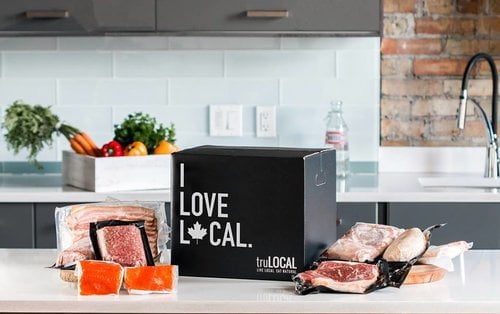
EMERGE Commerce describes itself as a disciplined acquirer and operator of profitable e-commerce brands and technologies across Direct-to Consumer and Business-to-Business segments. Its D2C portfolio spans its Grocery and Golf verticals. truLOCAL is its flagship Canadian meat and seafood subscription service. Its Golf vertical includes UnderPar(discounted golf experiences), JustGolfStuff and Tee 2 Green (discounted apparel and equipment). EMERGE B2B houses Viral Loops, its referral marketing platform.
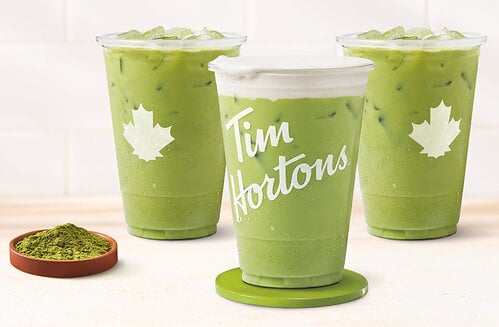
Tim Hortons has introduced a new lineup of handcrafted hot and iced matcha beverages at participating restaurants across Canada, expanding its beverage menu with drinks made using what the company says is high-quality, 100 per cent pure and authentic matcha tea.
The launch adds five matcha-based drinks to the chain’s menu and marks the company’s latest product introduction aimed at broadening beverage options beyond its traditional coffee and tea offerings.
According to Tim Hortons, the matcha used in the new beverages is produced from shade-grown green tea leaves that are picked, dried and double-ground into a fine powder. The company said the process is intended to produce a fresh matcha flavour and vibrant green colour.
The new lineup includes a Vanilla Iced Matcha Latte with Cold Foam, Original Iced Matcha Latte, Unsweetened Iced Matcha Latte, Hot Vanilla Matcha Latte and Hot Matcha Latte.
“We’re proud to be launching a high quality matcha experience for Tims guests across Canada. We sourced a 100 per cent pure matcha green tea that is double-ground at a low-temperature to deliver an authentic and delicious matcha for both our iced and hot beverages,” said Matthew Feaver, Head of Innovation for Tim Hortons.
Feaver said the company developed the lineup to appeal to both existing matcha drinkers and customers interested in trying the beverage.
“Our matcha lineup is designed to delight both longtime matcha fans and guests who are looking to explore the world of matcha as a delicious alternative to coffee or black tea. Guests can enjoy their matcha at Tims in a variety of different ways including sweetened or unsweetened, with vanilla flavour, and with cold foam.”
Matthew Feaver
The beverages are now available at participating Tim Hortons restaurants across Canada.
Tim Hortons said the matcha beverages are made using tea leaves that are double-ground after harvesting and drying. The company said the resulting powder is used in both its hot and iced drinks.
The product launch expands the company’s specialty beverage offerings, which already include espresso-based drinks, teas and iced beverages. The new matcha lineup provides customers with additional options available in both hot and cold formats, including sweetened and unsweetened variations.
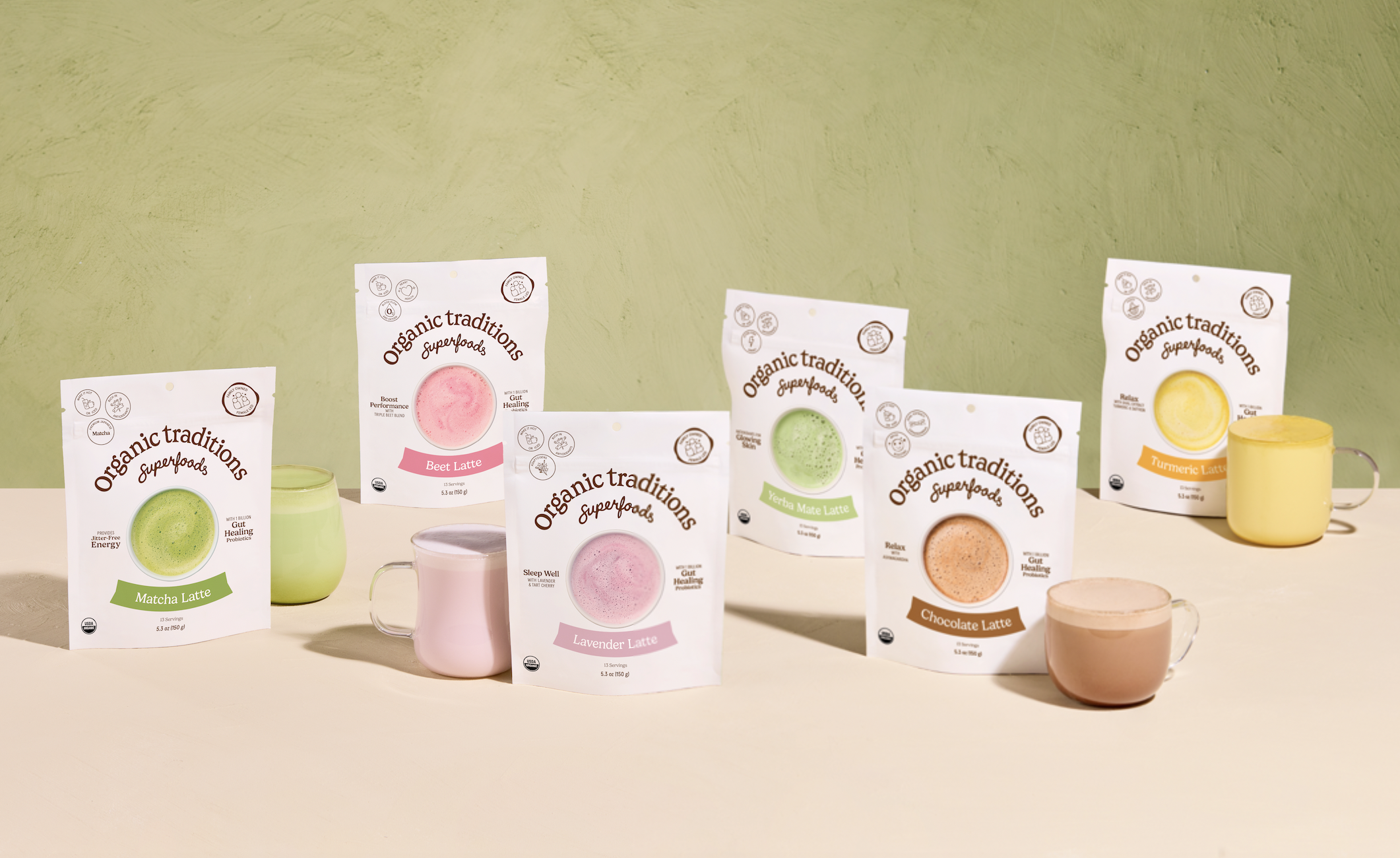
Canadian wellness brand Organic Traditions is entering a new phase of growth after securing US$10.5 million (approximately C$15 million) in Series A financing to support expansion across North America.
The Toronto-based company said the investment will be used to accelerate U.S. retail growth, expand its e-commerce business, advance product innovation and strengthen the operational infrastructure needed to support a larger business. Organic Traditions plans to add products to more than 1,500 U.S. retail doors in 2026 while building on a Canadian retail network that already includes more than 6,000 stores.
The financing follows a period of steady evolution for the company. Retail Insider reported last year on Organic Traditions’ 25th anniversary and major rebrand, an initiative that refreshed its visual identity, modernized its packaging and positioned the business for continued growth under second-generation Chief Executive Officer Ally Mamalider. The latest investment provides additional resources to advance that strategy.
Growth Plans Extend Beyond Canada
Organic Traditions said proceeds from the financing will support U.S. retail expansion, direct-to-consumer growth, new product development and additional hiring as the company expands its North American footprint.
The investor group, organized through OT Investors LLC, includes executives and operators with experience at companies including Freshpet, Shopify, Frito-Lay, Colgate-Palmolive and City National Bank. Walter N. George, president of OT Investors LLC, said the investors were attracted by Organic Traditions’ position within the growing functional wellness category and its long-term growth potential.
According to Organic Traditions, revenue has increased 70 per cent over the past three years. The company projects overall revenue growth of 36 per cent across Canada and the United States during the coming year, including anticipated growth of 82 per cent in U.S. retail and 64 per cent in e-commerce.
Those projections reflect the company’s expectations and underscore the importance it places on expanding beyond its established Canadian business.
Ally Mamalider, second-generation founder and CEO of Organic Traditions
Building on More Than 25 Years of Growth
Organic Traditions was founded more than 25 years ago by Jerry Zeifman and is now led by his daughter, Ally Mamalider.
Over the past several years, the company has broadened its portfolio while making functional wellness products more accessible to mainstream consumers. Retail Insider’s previous coverage detailed the company’s rebranding efforts, which simplified product messaging and introduced updated packaging as Organic Traditions expanded beyond its roots in specialty natural food retail.
The financing builds on work that has been underway for several years as the company has strengthened its brand, introduced new products and broadened its retail presence.
Canadian Retail Provides the Foundation
Although the financing is intended to accelerate growth in the United States, Canada remains the foundation of the business.
Organic Traditions said its products are available in more than 6,000 retail locations across Canada, in addition to its own e-commerce platform and Amazon. Over time, the company has expanded beyond specialty natural food stores into grocery and wellness retailers as consumer demand for functional nutrition has continued to grow.
That established retail network provides an important platform for expansion. Entering the U.S. market requires more than consumer demand—it also depends on supply chain capabilities, retailer relationships and the operational experience needed to support a much larger distribution network. Organic Traditions enters this next phase after developing those capabilities over more than two decades in Canada.
More Than 1,500 U.S. Retail Doors Planned
Organic Traditions said it plans to expand into more than 1,500 U.S. retail locations during 2026.
The company identified existing U.S. retail partners including Erewhon, Fresh Thyme, Earth Fare, MOM’s Organic Market, Jewel-Osco and Better Health, providing a snapshot of the markets where the brand has already established a presence.
While the announcement does not identify which retailers account for the planned expansion or provide a detailed rollout schedule, Organic Traditions identified U.S. retail growth as one of the principal priorities for the newly raised capital.
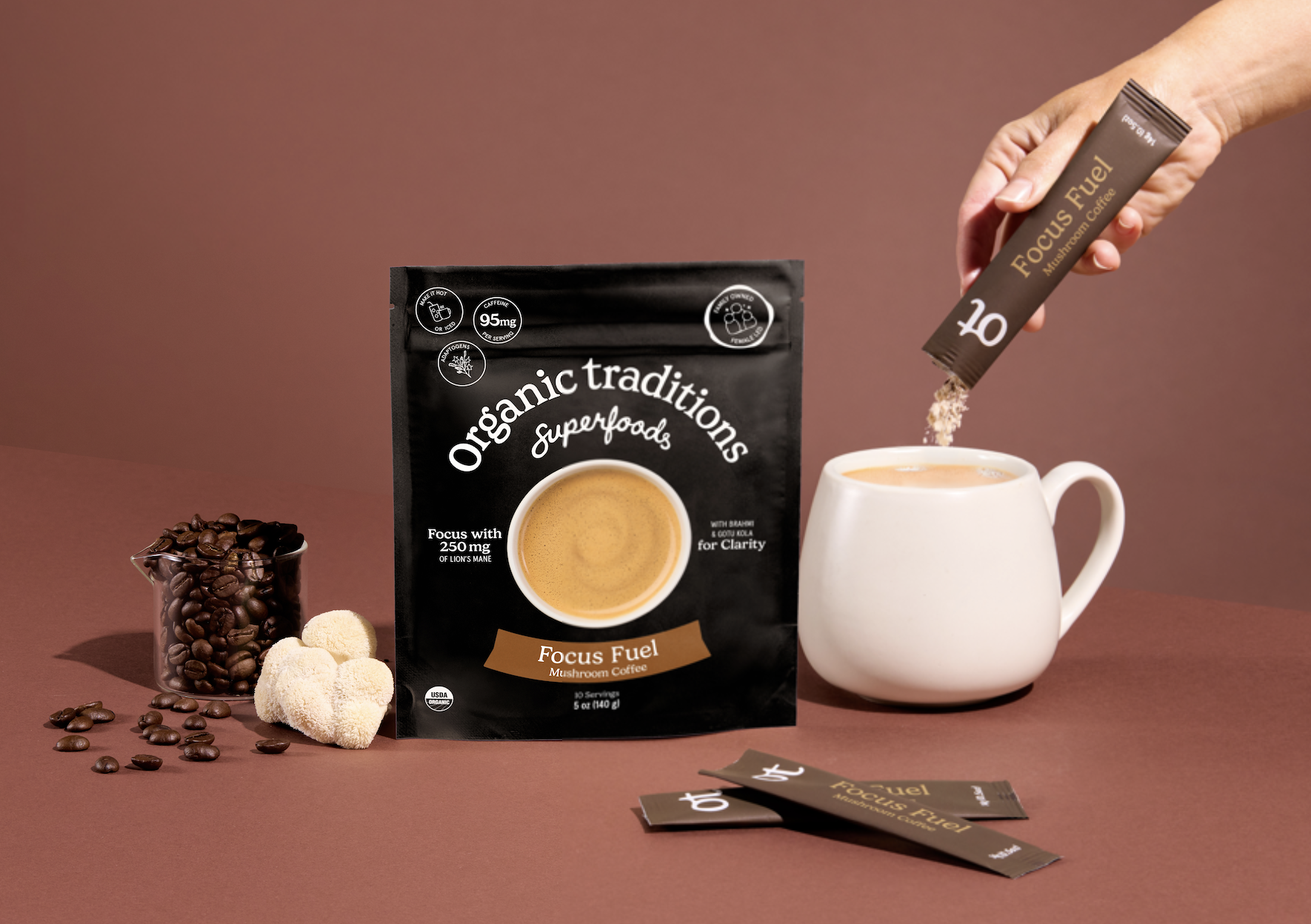
Image: Organic Traditions
Product Innovation Continues
Alongside geographic expansion, Organic Traditions continues to invest in new products.
The company highlighted Fiber Flow, a fibre supplement containing prebiotics and probiotics, as one of its fastest-growing product platforms. Organic Traditions said the product launched through Costco Canada earlier this year, sold out online three times during its first two weeks and is expected to grow by more than 200 per cent over the coming year as additional product formats and clinical research are introduced.
Fiber Flow joins a broader portfolio that includes mushroom coffees, matcha beverages, greens blends and other functional nutrition products designed for consumers seeking convenient daily wellness solutions.
Looking Ahead
Organic Traditions’ latest financing reflects years of steady growth rather than a sudden shift in strategy.
The company has expanded its retail distribution, refreshed its brand, broadened its product assortment and strengthened its digital business while maintaining its roots in the Canadian market. The new capital provides additional resources to accelerate those efforts and pursue a larger opportunity in the United States.
For Canadian retailers, the announcement highlights another homegrown consumer brand using an established domestic business as a platform for broader North American expansion. Organic Traditions enters this next phase from a position built over more than 25 years, with an extensive Canadian retail network already in place. The next stage will be measured by how successfully that foundation translates into continued growth on both sides of the border.
Retail Insider has published Q2 2026 Sporting Goods & Outdoor: Participation and Experience Reshape Growth, authored by Craig Patterson as part of Retail Insider Reports. The report examines developments across Canada’s sporting goods and outdoor retail sector, drawing on Retail Insider’s reporting, company disclosures and broader market research to identify the commercial trends shaping the industry.
Retail Insider Reports are designed to deliver executive-level insights across major retail sectors and can be accessed through the Retail Insider Report Hub.
This edition covers Canadian sporting goods, outdoor recreation, fitness, athletic equipment, hunting, fishing, cycling and related specialty retail sectors. Rather than focusing solely on retail performance, the report examines how participation in sport, wellness and recreation is influencing customer behaviour, real estate strategies, loyalty ecosystems and long-term retail growth.
General Themes
Participation Drives Demand – Retailers tied to organized sport, fitness and recreation continue to benefit from resilient consumer engagement despite selective discretionary spending.
Experience Becomes Competitive Advantage – Operators are investing in activations, community programming and destination experiences that strengthen customer relationships beyond traditional merchandising.
Real Estate Evolves into Community Infrastructure – Fitness clubs, sports facilities and experiential concepts are increasingly becoming valuable traffic drivers within retail properties.
Loyalty Ecosystems Gain Importance – Retailers with integrated brands, rewards programs and long-term customer engagement platforms are creating stronger competitive positions.
Expansion Becomes More Disciplined – Retailers are pursuing targeted growth strategies focused on markets and formats with the strongest long-term potential.
Niche Concepts Continue to Emerge – Digital specialists, resale models and category-focused retailers are finding opportunities within underserved segments while remaining secondary to broader participation trends.
Retail Insider Coverage
Retail Insider’s coverage throughout the quarter documented many of the developments that shaped the report’s conclusions. Stories covering SportChek’s participation-focused activations, Pickleplex’s rapid expansion, MOVATI Athletic’s Edmonton club, Shoot 360’s technology-driven basketball training facility, Princess Auto’s Winnipeg flagship, Decathlon’s selective expansion strategy and MEC’s permanent Gear Swap concept collectively illustrated how sporting goods retail is expanding beyond product sales.
The report also highlights Retail Insider’s reporting on projects such as Pickleball programming at Toronto’s The Well, The Ball Depot’s specialized e-commerce platform and Canadian Tire’s continued investment in SportChek, Atmosphere, Sports Experts, Pro Hockey Life and Triangle Rewards. Together, these stories demonstrate how retailers are investing in customer participation, community engagement and long-term loyalty rather than relying solely on transactional retailing.
Broader Industry Coverage
The report suggests that Canada’s sporting goods sector is increasingly being shaped by experiences rather than inventory alone. Participation in sports, fitness and recreation is becoming an important source of recurring customer demand, encouraging retailers to invest in ecosystems that combine physical stores, digital engagement, loyalty programs and community programming.
The findings also point to changing opportunities for commercial real estate. Fitness operators, training centres and sports facilities are becoming attractive tenants because they generate repeat visits, longer dwell times and neighbourhood activity. At the same time, retailers are becoming more selective about expansion, directing investment toward locations and formats capable of building stronger customer relationships while responding to changing consumer spending patterns.
Editor’s Take
The strongest conclusion from this quarter’s report is that sporting goods retail is becoming a participation business as much as a merchandising business. Retailers that help consumers play, train, compete and build communities are creating advantages that extend well beyond product assortment. As participation becomes the foundation for loyalty, real estate decisions, customer engagement and long-term spending, competitive advantage increasingly belongs to retailers that own the relationship rather than simply the transaction.
Mississauga-based ZoRaw Chocolates is building its retail footprint around a clear category decision: the company wants consumers and retailers to see its products as chocolate, not protein bars.
Founder Gigi Gill told Retail Insider that ZoRaw is now available in more than 4,000 retail locations. Grocery and club stores account for the largest portion of its physical retail business, with distribution through retailers including Costco, Whole Foods Market, Metro, Sobeys, Save-On-Foods and London Drugs.
The company is also preparing to enter Walmart Canada in 2026, while e-commerce remains its largest individual sales channel.
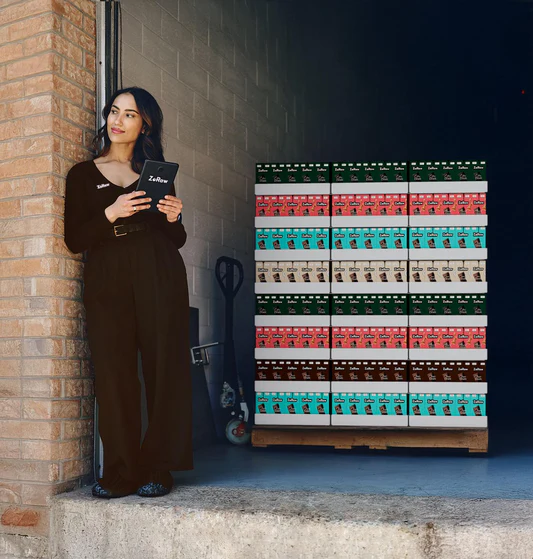
ZoRaw manufactures its products at its own facility in Mississauga. Gill said the plant has the capacity to produce approximately 30,000 chocolate bars per day, giving the company room to support larger retail accounts and future geographic expansion.
The factory was established beginning in 2020. ZoRaw launched its retail and e-commerce strategy in 2022.
Finding a Gap Between Chocolate and Protein Bars
Gill developed ZoRaw after identifying a gap between conventional chocolate, sugar-free confectionery and protein snacks.
Gigi Gill, Founder of ZoRaw
“The gap was that there was no chocolate on the market that had that extra benefit of protein,” Gill said.
Consumers looking for protein were generally directed toward protein bars, while those seeking less sugar could choose from an existing range of sugar-free chocolate. Gill believed neither category fully addressed the consumer who wanted the taste and experience of chocolate with additional protein and fibre.
“When they miss chocolate, eating a protein bar doesn’t really satisfy that craving or taste because it’s not chocolate,” she said.
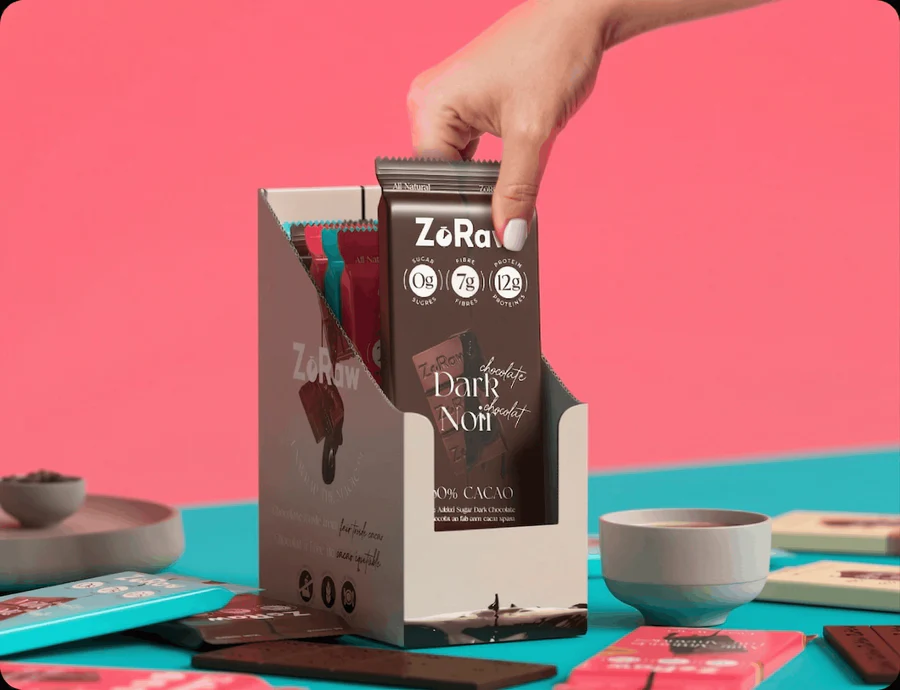
ZoRaw’s products are positioned around protein, fibre and no added sugar. The company’s challenge has been communicating those features without allowing them to define the product category.
That distinction became more important as ZoRaw pursued larger grocery and club retailers.
Moving Away from Sports Nutrition
Gill said the company initially considered positioning ZoRaw within sports nutrition, where shoppers were already familiar with protein-focused products.
The team later decided that placing the brand in that category could narrow its audience and put ZoRaw in direct competition with established protein-bar companies.
“We’ve got to be firm with our identity,” Gill said. “We’re chocolate first because we’re made from the cocoa all the way up.”
The protein-bar category also attracts shoppers who often compare products based on calories, protein content and nutritional efficiency. ZoRaw is targeting a different occasion.
“We’re not a protein bar. We’re a chocolate bar,” Gill said. “Our consumers see it the same way. They understand this is a chocolate bar first, and then the benefits are second.”
That positioning gives ZoRaw access to a wider consumer base, but it also places the company against established chocolate brands with strong recognition, large promotional budgets and extensive shelf space.
Gill described ZoRaw’s core customer as an everyday shopper who wants to make a modest change without adopting a strict fitness or nutritional routine.
“Our customer is an everyday person just looking to do a little better for themselves” she said.
Clearer Messaging Supported Retail Expansion
Gill said one of ZoRaw’s most important lessons has been the need to explain the product quickly.
Emerging consumer brands often work through several layers before reaching the shopper. The brand sells to a buyer, may work with a distributor and must then rely on the retailer’s merchandising and marketing teams to present the product.
Each participant has different priorities. Retailers are concerned with category sales, pricing, margins, promotions and inventory performance. The brand must make its point of difference understandable within that system.
“Keeping the consumer front and centre is always important” Gill said.
ZoRaw continued to adjust its packaging and sales messaging as it expanded into larger accounts. The objective was to communicate that the product belonged in chocolate while making the protein, fibre and sugar information visible enough to support the purchase.
Gill said this became especially important as the company entered retailers such as Costco and prepared for Walmart.
“We really make sure that we are a mass-appeal product” she said. “At the end of the day, it’s just chocolate. It’s made the same way as any other chocolate product.”
The company’s physical distribution gives it access to more shoppers, but maintaining those listings will depend on sales within each store. Repeat purchasing, promotional performance and retailer-specific assortment decisions will become more important as ZoRaw’s door count grows.
In-House Manufacturing Creates Room to Scale
ZoRaw’s decision to manufacture internally gives the company direct control over production, product development and capacity.
Gill began setting up the Mississauga factory during the pandemic, when travel restrictions made it difficult for international equipment specialists and engineers to enter Canada.
Her background was in biochemistry and management consulting, not industrial machinery. She learned the equipment while the facility was being assembled and continues to take a hands-on role when production issues arise.
Gill said the company used automation to create a facility capable of producing up to 30,000 bars per day without taking on the cost structure typically associated with a larger manufacturer.
“When you’re a small brand and you’re starting out, you want to maximize and be as nimble as possible without that overhead cost of what actually could produce 30,000 bars a day” she said.
The company’s approach to automation is focused on increasing output and improving how employees use their time.
“It doesn’t necessarily mean cutting headcount,” Gill said. “It’s how do you use that headcount to be more smart and intellectual and use that information to do better.”
The stated production figure represents capacity, not confirmed daily output. ZoRaw has not disclosed its current utilization rate, annual production volume or the number of shifts operating at the facility.
Gill said the company is examining further expansion as it takes on larger retailers and looks beyond Canada.
ZoRaw Homepage Graphic, Image: zorawchocolates.ca
Cocoa Volatility Affects Pricing Decisions
Higher cocoa costs have created another challenge for ZoRaw as it tries to make the product accessible to mainstream consumers.
Gill said the company has worked to protect its shelf price by reviewing costs across the business, adjusting promotional spending and working with retail partners during periods when additional discounting is possible.
“We had to ensure that we were pulling all the other levers without having to change up our price” she said.
ZoRaw was able to limit some increases, but Gill said cocoa costs ultimately affected the suggested retail price.
The company now monitors commodity pricing closely and tracks how consumers respond when shelf prices change.
“We’re in this weird scenario where we’re trading cocoa like it’s a stock or like it’s gold” Gill said. “We’re always monitoring it.”
The pricing issue is especially important for a brand trying to move beyond natural-food and specialty retail. ZoRaw must justify its price through taste and nutritional attributes while competing against conventional chocolate products that benefit from greater purchasing scale.
Retail promotions are one way to narrow that gap. Gill said ZoRaw works with retail accounts to provide funding when market conditions allow the company to support a lower promotional price.
Product Preferences Differ by Channel
ZoRaw’s original chocolate bars remain its strongest-selling format, although sales patterns vary between online and store-based customers.
Gill said plain milk chocolate performs best through e-commerce. Almond products sell more strongly in physical retail.
The difference was unexpected.
“We would have thought our almond SKU would be the best seller across the board, but it wasn’t” Gill said.
ZoRaw has also introduced smaller bite-sized products. Gill said those formats have not been available long enough to replace the original bars as the company’s strongest sellers.
The company has reduced its emphasis on vegan products after they generated weaker sales. Gill connected that decision to changing consumer priorities and the growing attention given to protein.
The result is a more focused assortment built around products with wider appeal. It also shows why retailers and brands cannot assume that one product mix will perform equally across e-commerce, grocery and club channels.
New Products and Markets Will Drive the Next Stage
Gill expects ZoRaw’s next phase of growth to come from a combination of new products and geographic expansion.
“Growth will definitely come from launching more products and then just expanding outwards” she said. “More SKUs, more regions.”
The United States is a priority, although Gill said trade conditions and other external factors can affect the timing of expansion.
Retail calendars also influence how quickly a brand can grow. Paperwork may be completed months before a product reaches shelves, while changes in buyers or category plans can delay a rollout.
Gill said those external timelines are a larger constraint than ZoRaw’s current manufacturing capability.
The privately held company does not disclose revenue. Gill said ZoRaw has been growing between 150 and 200 percent annually, while acknowledging that percentage growth is easier to achieve from a smaller starting point.
Building a Woman-Led Manufacturing Business
Gill also wants ZoRaw’s growth to create more opportunities for women in manufacturing.
She recalled contractors directing equipment questions to her male business partner while the factory was under construction, even though Gill was leading the technical work.
“They would naturally go to him” she said. “He’s like, ‘You’ve got to talk to her.’ And then the contractors would look, like, ‘Her?’”
Gill said the experience motivated her to learn the machinery and take responsibility for troubleshooting production equipment.
“I’ve spent a lot of time learning our machinery, fixing our machinery” she said.
She wants more women to view manufacturing as an accessible career and business opportunity, particularly in Canadian food production.
That goal remains connected to ZoRaw’s commercial strategy. Building internal production capacity has allowed the company to develop products, respond to retailer demand and pursue larger accounts without relying entirely on outside manufacturers.
Competing for the Everyday Chocolate Occasion
ZoRaw’s longer-term objective is to become an everyday chocolate brand.
Gill wants the products to reach consumers beyond the health-food and fitness categories, including workplace snackers, families and shoppers looking for an alternative to conventional chocolate bars.
“It’s really a mainstream product” she said, adding that she sees ZoRaw competing for purchases that might otherwise go to established brands such as Hershey’s or Oh Henry.
The company has built the distribution and manufacturing base needed to test that ambition. Its next challenge will be converting wider availability into repeat sales.
That will require ZoRaw to maintain a clear product identity, manage price pressure and show retailers that chocolate with added protein and fibre can generate sustained demand beyond a specialized health and wellness audience.