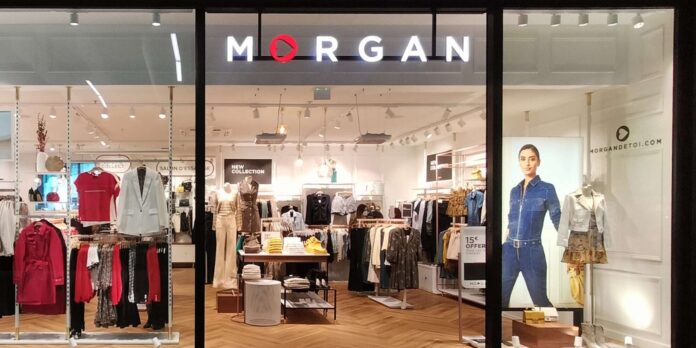
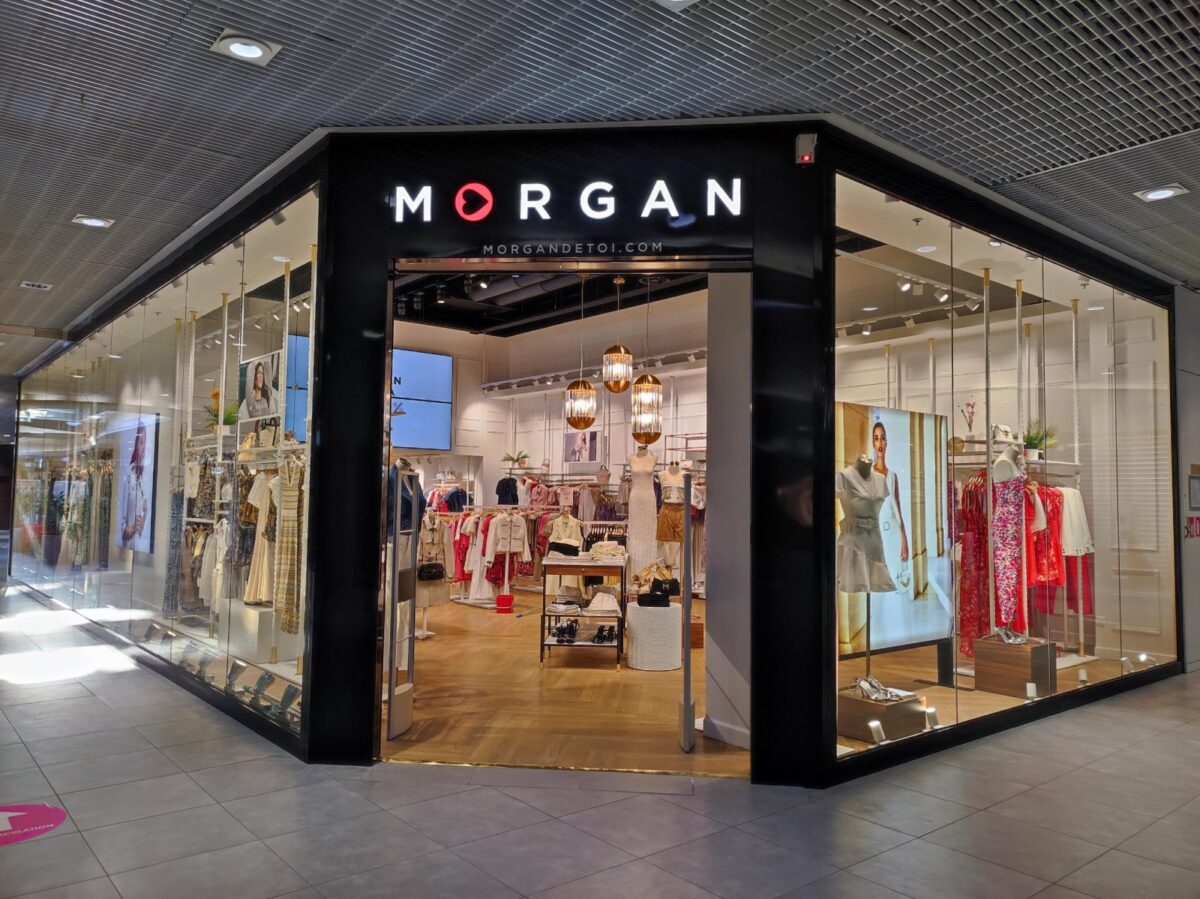
Morgan de toi, a Parisian women’s wear brand, has set its sights on expanding into the Canadian market.
Marcel Rinaldy
Marcel Rinaldy, President of Groupe 3M, who will be the Canadian partner/developer of the brand, said Canada is recognized for entrepreneurship, world-class cultural talent, safe cities, excellent quality of life, which perfectly corresponds to the values of the Morgan brand, sincerity, requirement, proximity, audacity, agility, coworking.
Rinaldy and his team are working with Montreal-based real estate firm Think Retail to expand the Morgan brand into Canada.
“For several decades, Morgan has been dressing women to make them feel attractive and powerful. The French brand was built from an identity fashion signature, without ever ceasing to evolve. Capturing the spirit of the times and creating novelty: these are Morgan’s values for expressing its wardrobe. Morgan fashion accompanies the daily life of all city dwellers, by betting on cuts that sublimate the silhouette and accessories that boost the look,” said Rinaldy.
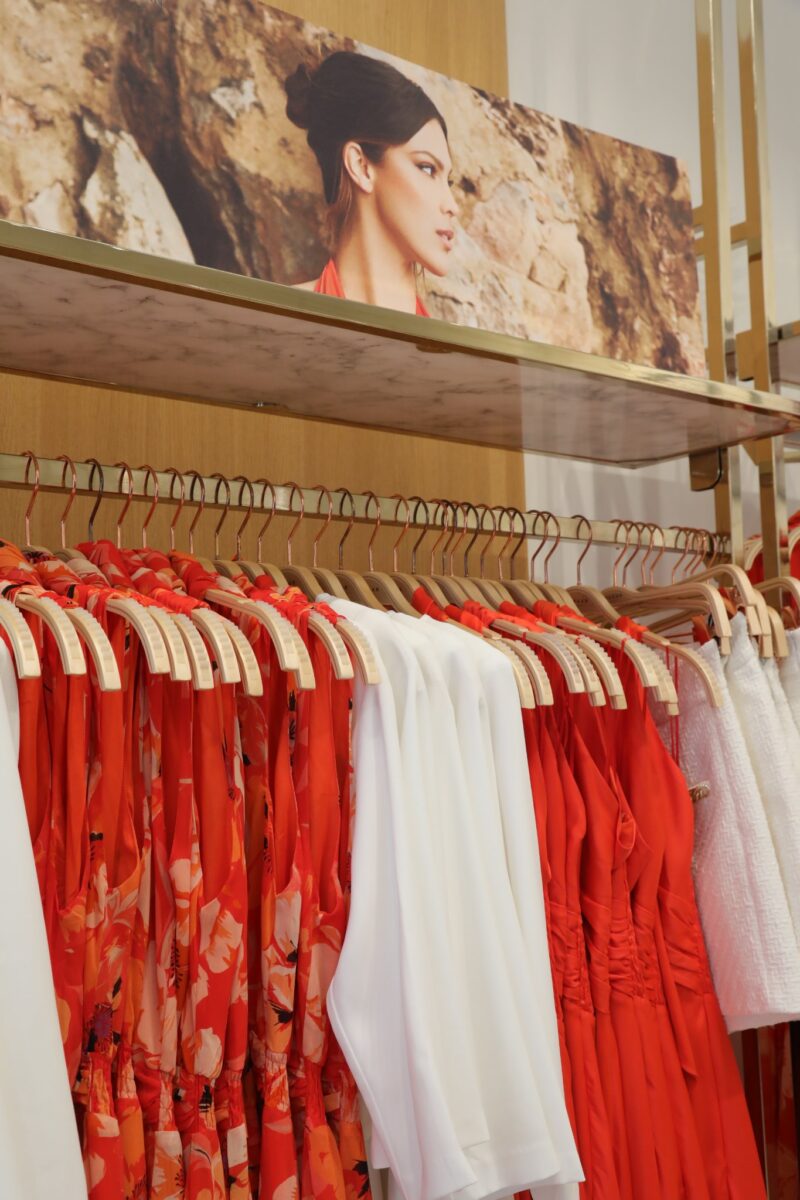
Image: Morgan de Toi
He said the brand specializes in women’s clothing 25 to 45 years old, chic for every day and occasion.
There are 180 stores in France and 327 internationally.
“Morgan writes her love story with fashion by collaborating with influential women: Caroline Receveur, Georgia May Jagger and Iris Mittenaere have joined the adventure to make femininity shine throughout the world,” said Rinaldy.
“For several years, (Morgan has been) committed to structuring and developing its responsible business approach. Our desire is to offer a healthy and dynamic work environment to our employees, and to develop the best products while respecting our partners and the environment. Our social responsibility approach is based on four structuring commitments for the development and sustainability of our activities: offering responsible products and services that meet customer expectations; ensuring employees a fair and motivating working universe’ building and developing ethical partnerships; and controlling the environmental footprint.”
Image: Morgan de Toi
Tony Flanz, President of Think Retail, says the plan is to start with several stores in Quebec. Ideal spaces are 1,500 to 2,000 square feet in enclosed smalls and along high streets. The goal is to open several boutiques in Quebec in the next couple of years.
Tony Flanz
“Chic, playful, sensual—fashionistas will be excited to welcome Morgan de toi, a Parisian women’s wear brand to Canada,” says Think Retail in a post on its website. “Founded in 1968, the mid-price brand was acquired in 2019 and has since grown into a powerhouse with a strong global presence that includes a network of more than 1,000 points of sale—branded stores and shops-in-shops, both in France and around the globe.
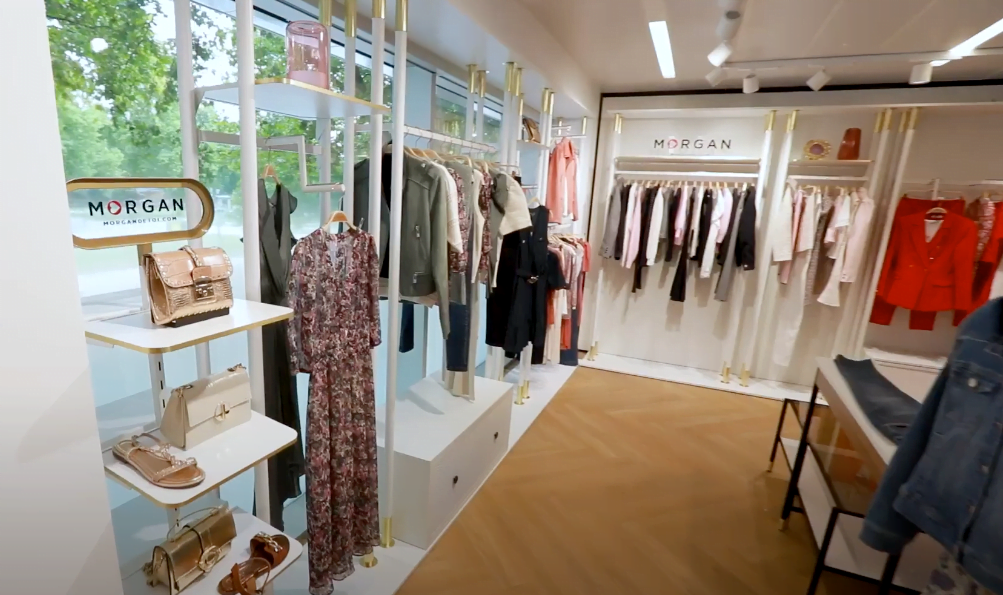
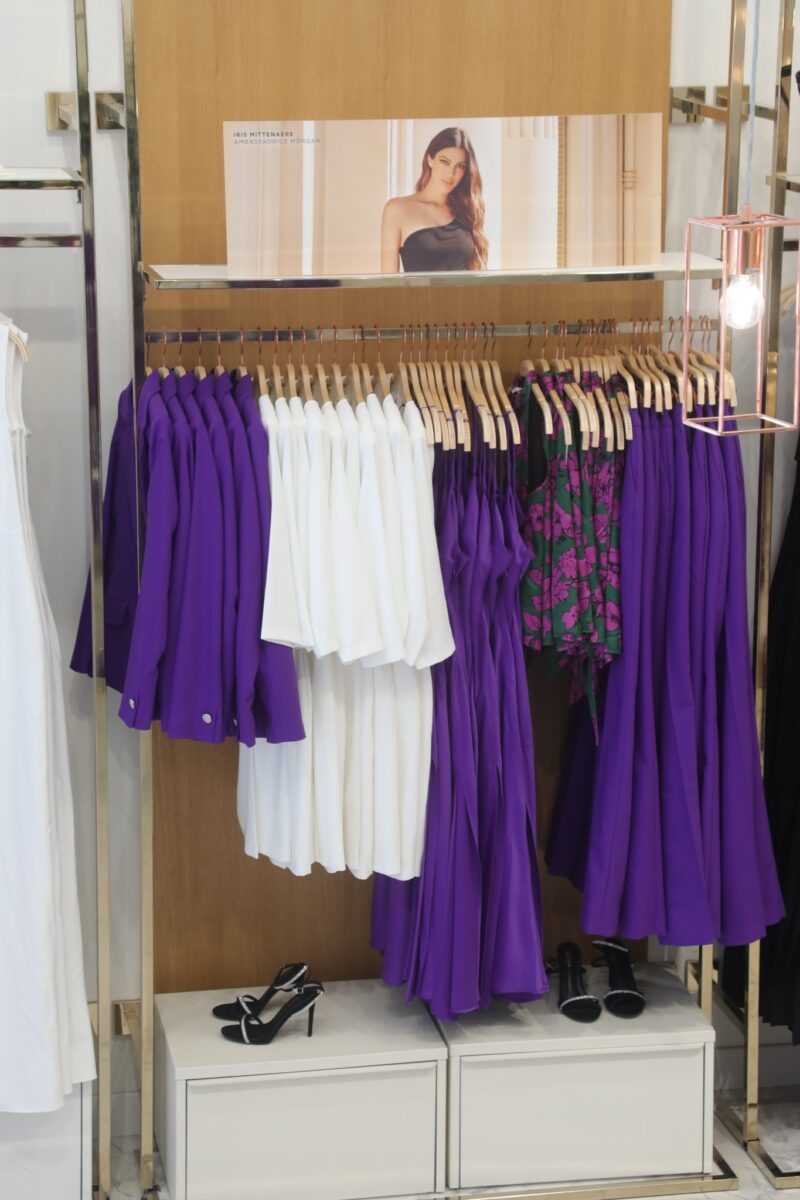
“The versatile retail brand targets urban women ages 25 to 45, with everyday chic that spans casual to work and dressy. The well-priced range includes t-shirts and sweaters, as well as dresses, trousers, skirts, outerwear, shoes and accessories. The concept is perfectly captured by brand ambassador Iris Mittenaere, former Miss France and Miss Universe, who encapsulates French beauty and style. Her strong following and influence help keep the brand in the spotlight.
Image: Morgan de Toi
Image: Morgan de Toi
“In addition to great style, Morgan has substance, touting its commitments to sustainability, including a goal to use 100 per cent more sustainable cotton for its products. ‘More sustainable’ cotton includes cotton from farms, which are part of the Better Cotton Initiative, recycled cotton and organic cotton. This fits nicely with the values of its target demographic.
Over the years, Morgan has developed an international cult following for its French elegance with a modern twist. This is an ideal tenant, with a successful history and strong brand awareness.”
Rue Sainte-Catherine at Rue de la Montagne (Image: Dustin Fuhs)
Like most major markets in Canada, Montreal’s retail sector has experienced some challenging times over the past few years because of the COVID pandemic.
But the sector has rebounded somewhat with the end of lockdowns and the easing of public health measures. More people are out shopping. Post-secondary students are back in classrooms in the downtown area. More tourists are visiting Montreal.
And as in most Canadian cities, downtown retail still has some obstacles to overcome as office vacancy is not yet back to normal pre-pandemic levels – in fact it may never be back to normal as more companies adopt flexible and hybrid working environments.
Rocco Matteo
Rocco Matteo, Managing Partner of E3 Consulting in Montreal and a former Vice President at RONA, said there has been a slow down in retail sales in the Montreal area recently.
“I don’t think it’s any different from any other city in Canada but particularly from Montreal, what I’ve seen is definitely the (elevated) interest rates have been having a huge impact on the high produced goods,” he said.
“When you look at the shopping malls, and I visited several in the last few weeks, unfortunately I do see still a trend of some empty locals in the malls. I do see some down trend in the traffic.”
Check out the full video interview below with Matteo who talks about some of the trends in the retail sector in Montreal, the challenges of the downtown market and what the city can expect for the rest of the year.
The Video Interview Series by Retail Insider is available on YouTube.
Connect with Mario Toneguzzi, a veteran of the media industry for more than 40 years and named in 2021 a Top Ten Business Journalist in the world and the only Canadian – to learn how you can tell your story, share your message and amplify it to a wide audience. He is Senior News Editor with Retail Insider and owner of Mario Toneguzzi Communications Inc. and can be reached at mdtoneguzzi@gmail.com.
Also check out the other series offered by Retail Insider, including The Weekly podcast and The Interview Series, which are both available on Apple Podcasts, Stitcher, TuneIn, Google Podcasts, or through our dedicated RSS feed for Simplecast and other podcast players.
Retail Insider is streamlining its Canadian retail news from around the web to include a handful of top news stories that can be viewed quickly during the day. Here are the top stories from the past three days.
Young happy woman using credit card for online shopping in the evening at home.
This collaboration promises to put power back into the hands of local retail business owners.
TORONTO, ON and BIRMINGHAM, AL– February, 2023 – Zenergy Communications, a leading integrated marketing-communications agency, today announced its exciting new partnership with Retail Strategies, a US-based consulting firm that works with communities across North America on economic development and downtown revitalization. The first of many collaborative projects includes a webinar entitled ‘Retail Through the Lens of Omni-Channel’ supported by sessions guiding small business owners through the process of creating marketing campaigns using relevant channels, platforms, and devices to promote products to customers and prospects.The new module provides an integrated understanding of omni-channel and digital marketing possibilities along with one-on-one sessions for personalized support.
Linda Farha, Founder and President of Zenergy remarked: “Our Retail Through the Lens of Omni-Channel masterclass along with six supporting tailored intensive sessions will help retail owners maximize their business potential and grow their customer base even amidst these uncertain economic times. The landscape of digital marketing is constantly evolving, as are customers’ expectations, and small business owners must now be equipped with a comprehensive understanding of digital marketing strategies. This module was designed to do just that.”
“Small business represents 99% of the national economy and they are more than the heartbeat of communities; they are the economic engine,” explained Jenn Gregory, President of Retail Strategies’ Downtown Strategies division. “Our team is confident that this unique program, developed by Zenergy Communications, will break down barriers for small business owners and make digital marketing strategies more accessible and comprehensible.”
The partnership promises to put power back into the hands of small business owners by giving them the training and resources they need to better grow and engage their customer base and convert that engagement into sales. This relationship between Zenergy and Retail Strategies will continue to deepen as they expand the Omni-Channel for Retail module to communities across North America and work together to develop new sessions across various sectors.
About Retail Strategies
Retail Strategies is the national expert in recruiting businesses and strategically developing communities. Their mission is to provide the real estate expertise, tools, and human effort that position deserving towns as alluring locations for national businesses and destinations for tourism and quality of life amenities.
About Zenergy Communications
Founded in 2003 by multi-disciplined entrepreneur Linda Farha, Zenergy Communications Communications is an award-winning integrated marketing-communications firm that specializes in content production, creative campaigns, and strategies for brands looking to grow their business.
From its offices in Toronto, Montreal, and New York, Zenergy services both national and international clients across a diverse range of industries including Manufacturing, Retail, Healthcare Services, Technology, Entertainment, and Food & Beverage.
From traditional marketing and PR to transformative digital campaigns, Zenergy has been delivering bilingual end-to-end MARCOM and MARTECH solutions that drive impactful results for nearly 20 years.
Zellers 2023 Reboot: Will it be a Success? [Podcast]
Craig and Lee talk about Zeller’s brand reboot in 2023, including the new shop-in-stores currently under construction within Hudson’s Bay stores as well as the introduction of food trucks with some favourites from the past. Will it be a success, or will Canadians be disappointed with what’s to come?
The Weekly podcast by Retail Insider Canada is available on Apple Podcasts, Stitcher, TuneIn, Google Play, or through our dedicated RSS feed for Overcast and other podcast players. Also check out ourThe Interview Seriespodcast where Craig interviews guests from across the Canadian retail landscape as part of theThe Retail Insider Podcast Network.
Drop us a line at Craig@Retail-Insider.com. You can also rate us in Apple Podcasts or recommend us in Overcast to help more people discover the show!
Background Music Credit: Hard Boiled Kevin MacLeod (incompetech.com). Licensed under Creative Commons: By Attribution 3.0 License. http://creativecommons.org/licenses/by/3.0/
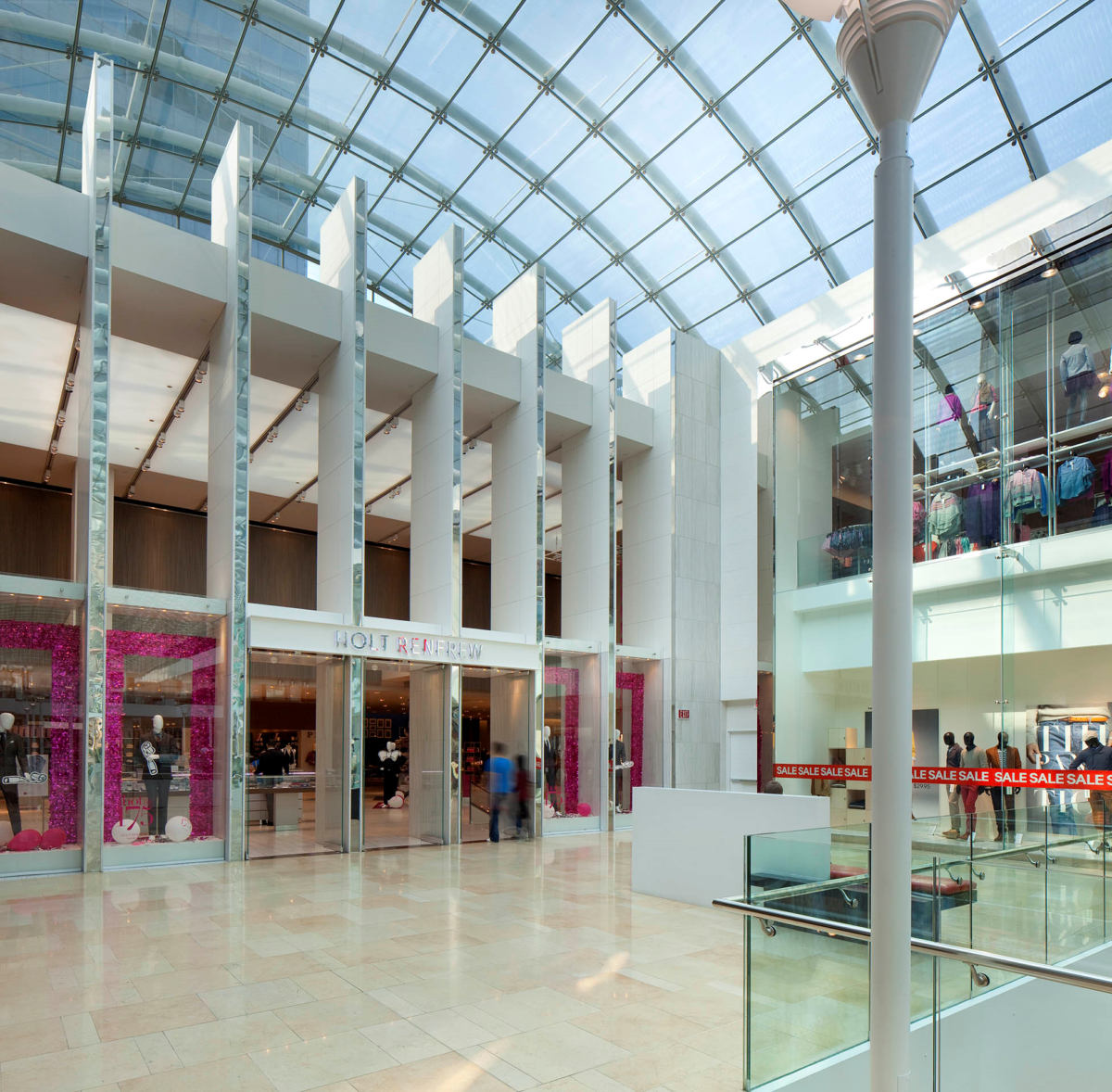
Despite continued challenges in the downtown retail market, iconic Canadian brand Holt Renfrew is showing its confidence in Calgary with a long-term lease renewal at the CORE shopping centre in the heart of the city.
“We are very happy to commit long-term to downtown Calgary because this store and people are an important part of our business. The changes are going to be exciting and Calgarians will benefit by being able to choose from even more of the best fashion, beauty and lifestyle products from around the world and right here in Canada,” said Sebastian Picardo, President and CEO, Holt Renfrew, in a statement.
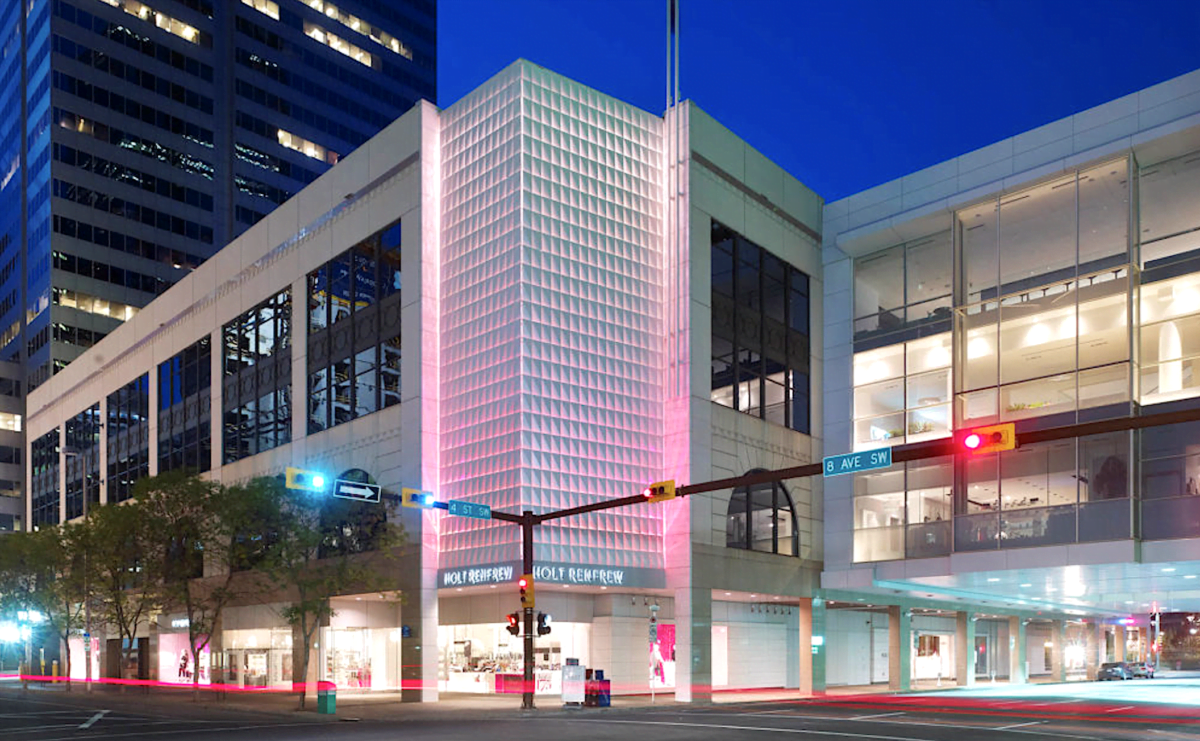
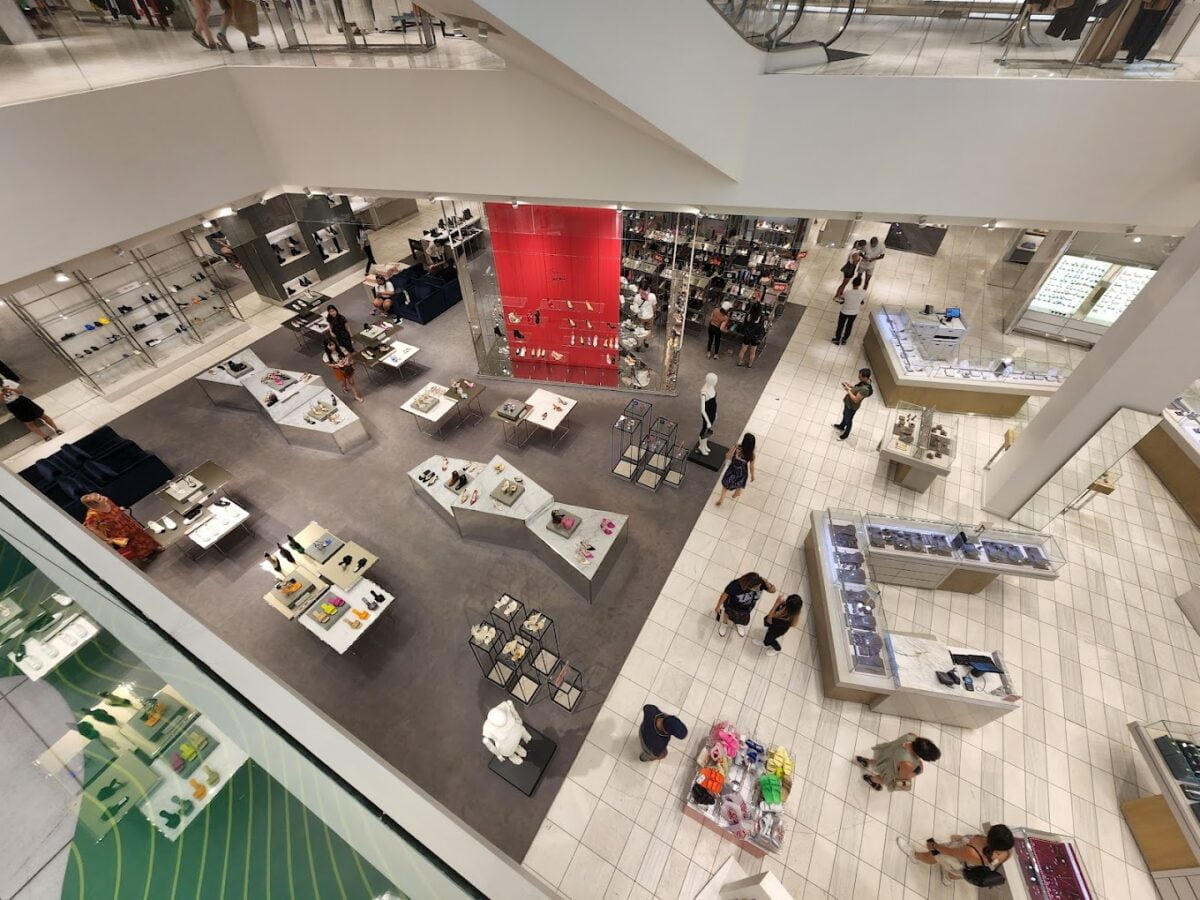
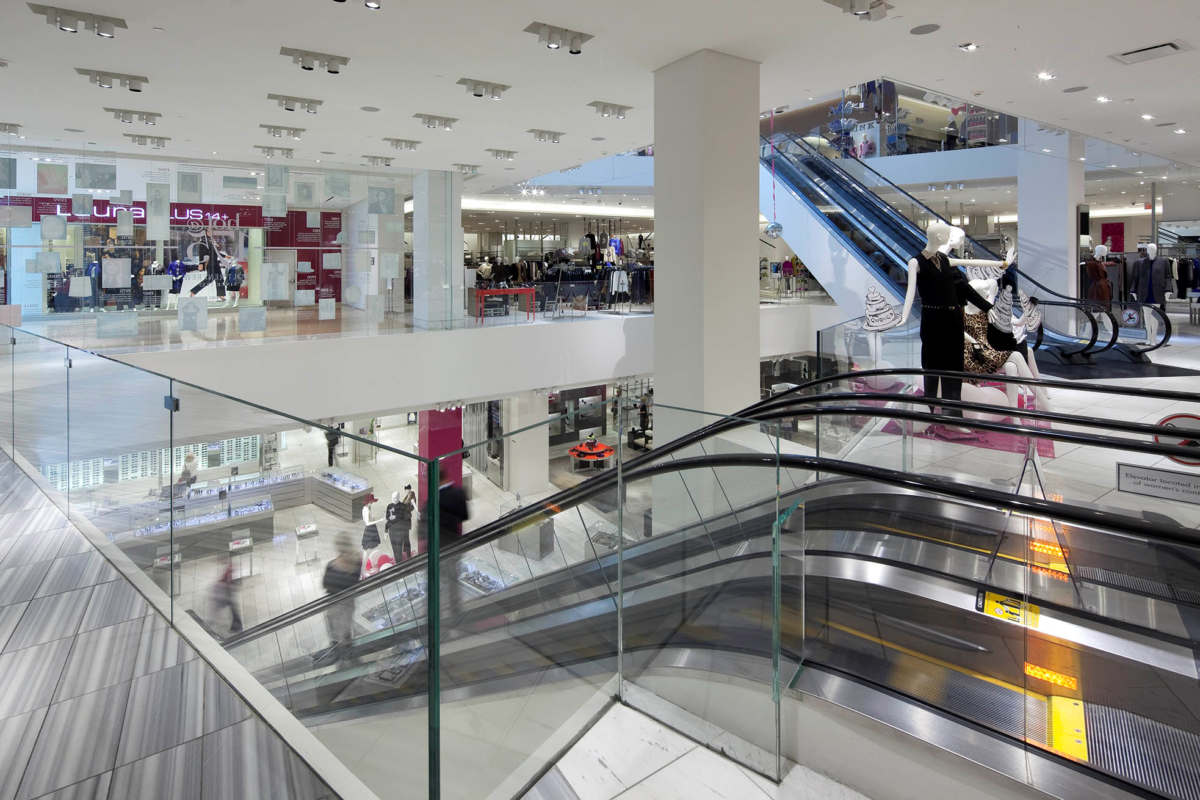
The 149,000-square-foot Calgary store originally opened in 2009 and employs more than 275 people. The four-level store includes a top level not currently used for retail sales space.
Officials did not say how long the renewal of the lease is for.
(Image: Entuitive)Photo: Francine Ma/Google
The CORE, owned by real estate company Ivanhoé Cambridge, is part of a 2.1 million-square-foot mixed-use office and retail complex.
“We enjoy being engaged with our community and have been involved in many initiatives in the city. It’s exciting to be part of the revitalization of our downtown. We built the current store over 14 years ago to last and remaining in the heart of downtown will help to improve the vibrancy of our great city. Our team loves building new relationships and are very grateful for our existing customers who have been so loyal to us over these many years,” said Debra Kerr, Vice-President Retail West, Holt Renfrew.
“We’re really, really happy to be staying downtown and investing in the community here. We want to be part of the revitalization of downtown and we’re proud of our core. Our customers and our employees, they love the store. We want to grow here. It’s a beautiful store. We built it to last. So a renewal makes sense for us. We’re really excited to still be downtown.”
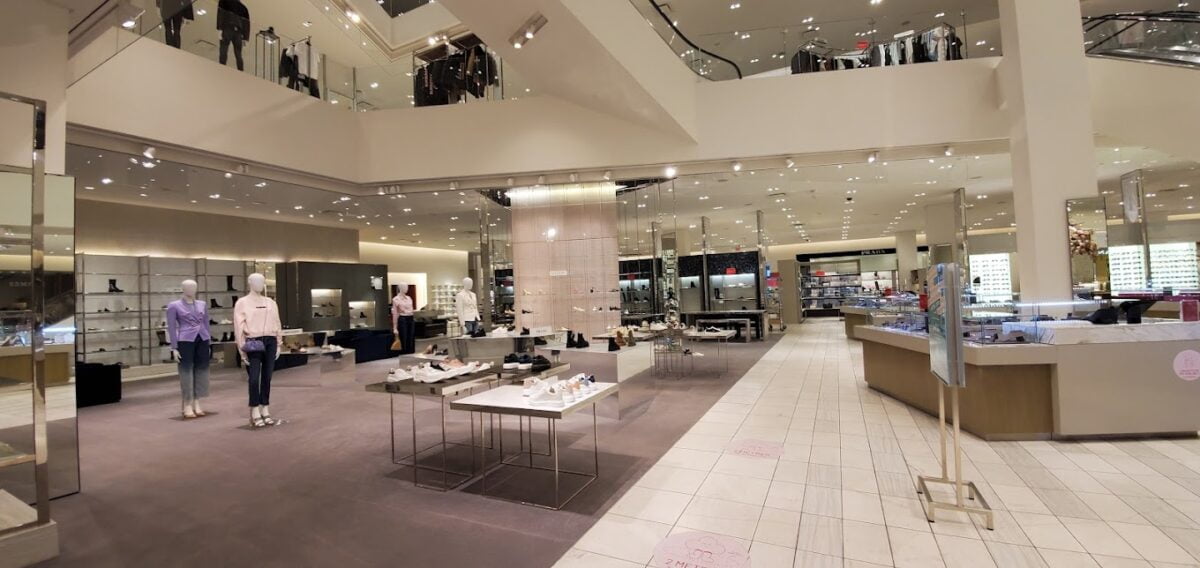
3rd floor mall entrance from the CORE into Holt Renfrew Calgary (Image: Entuitive)Photo: Victor Law
Kerr said the downtown is a draw of any major city.
“We’ve made a presence here. Fourteen years ago when we came here, when we moved to this location, we really made a stance in the market. And I think that being in the heart of any city, the downtown has to have that energy. We keep close to our customers. We’re very connected to the relationship that we have,” said Kerr.
“We have a lot of really personalized relationships and we built them long term. They really think it’s important for us to be downtown. So do our employees. They love working in the core. And I see the downtown revitalization here. I think that we need to be part of that.
“We’re looking at lots of new expansions within the store and lots of new brands. We’re excited about the downtown. We’re excited about the future. When we look at our future here, I think it’s a bright one for Holt Renfrew in Calgary.”
Holt Renfrew Calgary (Image: Entuitive)
As part of the renewal, Holt Renfrew will be making some further upgrades to the store elevating the customer experience for Calgarians, the company said.
“Some of the enhancements include adding over 25 more of the world’s best fashion, beauty and lifestyle brands for customers to enjoy. An expanded World of Gucci boutique and La Prairie beauty shop are among some of the exciting developments that will be happening later this year in the Calgary store,” said the company.
The street level Gucci concession is expected to house ready-to-wear for men and women as well as categories including bags, footwear and accessories. Sources said that this could preclude the rumoured move by Gucci to open a standalone Calgary location at CF Chinook Centre.
“We are thrilled to renew our partnership with Holt Renfrew at the CORE. A relationship that started in 1992 with 30,000 square feet of floor space has grown today to 149,000 square feet. We are proud of our association with Holt Renfrew as it continues to contribute to the distinctive character of the CORE as a unique and vibrant urban community hub in downtown Calgary,” said Ruby Paola, Vice President, Leasing, Canada, Ivanhoé Cambridge, in a news release.
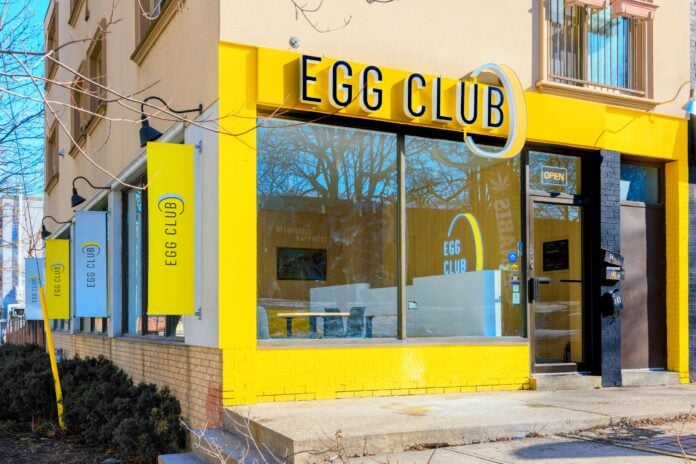
Egg Club’s tagline is “Affordable Happiness” and the Toronto-based eatery wants to bring its unique brand of egg sandwiches to hundreds of markets across the country.
Egg Club, which began in September 2020, currently has four locations in Toronto – Dundas, Wellesley, North York and Liberty Village. Its offering includes the combination of its specialty Japanese Milk Bread called Shokupan and a traditional Western-style egg sandwich.
Jason Yu, President and one of the founders of Egg Club, said the brand is looking at opening up to 300 locations across the country.
Yu said the eatery’s prices are based on the company’s belief that everyone deserves an affordable every day meal. Egg Club was launched to create a space where it can share that belief with everyone.
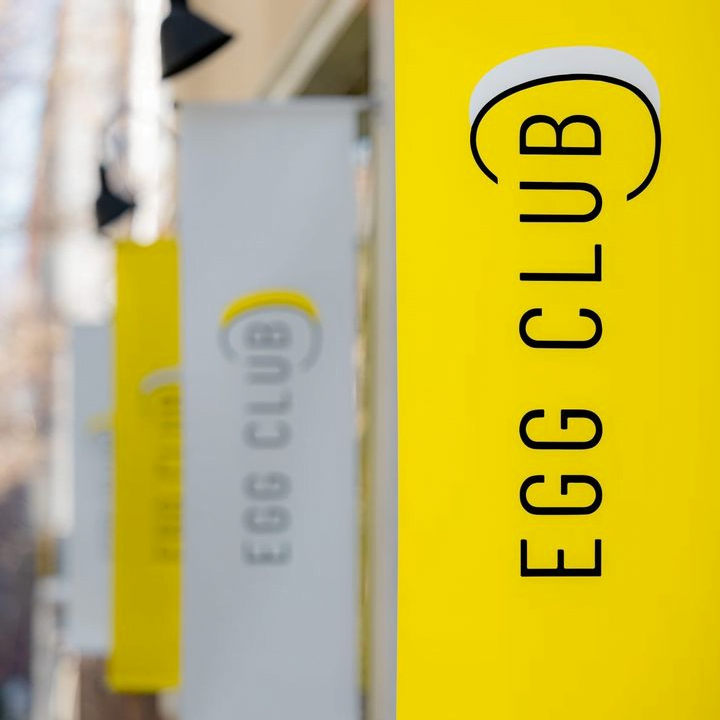
Egg Club on Dundas in Toronto (Image: Egg Club)
“We specialize in egg sandwiches. So we are a breakfast, lunch and brunch targeted store at an affordable price – affordable happiness as our slogan says,” said Yu.
“We’re the first ones to introduce the bread called Shokupan to Toronto basically.
“We are targeted to open 300 locations nationwide. That’s our dream.”
Yu said with the current challenging economy consumers are looking for cheaper prices.
“We’ve really tried to make it as cheap as much as possible but at the same time the high quality as much as possible,” he said. “That’s our goal at the moment – to serve delicious egg sandwiches and at the same time make it as affordable as much as possible for people to visit us every single day.
“For ourselves, we don’t need as much equipment as well as our space. Therefore, we can kind of go anywhere to be very small. 500 square feet. Even for our third location it’s only 450 square feet actually. We can go anywhere. We can fit anywhere.
“And our product itself is for everyone to be honest. Everyone loves eggs. People have been growing up with eggs. It’s in our history. The egg itself has been around for thousands of years. Everyone is very familiar with eggs and that’s why we really love this concept. Everyone feels welcome. It’s not something that people don’t know about. We’ve revolutionized the old egg sandwich into an affordable and fun sandwich that people can enjoy.”
Retail Insider is streamlining its Canadian retail news from around the web to include a handful of top news stories that can be viewed quickly during the day. Here are the top stories from the past 24 hours.
Nordstrom at CF Pacific Centre (Image: Lee Rivett)
Retail sales growth is expected to moderate this year but despite the recent deterioration in consumer sentiment, core sales in Canada should still increase two to three per cent with most of the growth coming from inflation rather than from an increase in the volume of purchases, says a new report by commercial real estate firm JLL.
Tim Sanderson, Executive Vice President & National Lead, Retail, JLL Canada, said 2022 finished strong with retail sales at shopping centres being back to 2019 levels.
Tim Sanderson
“Traffic was back and sales were back and conversion rates were very strong. I think there’s a lot of landlords and retailers alike who are looking for that to continue through 2023,” said Sanderson. “I think the inflationary winds that seem to be blowing through the economy are going to have an impact on that.
“What we are going to see and we are seeing already, and this has started in the U.S. a couple of quarters ago, is that flight to value where retailers like Walmart and Costco and Dollarama and those value propositions are the ones where people are shifting their spending to.
“People are concerned about their level of savings. Everything costs more in an inflationary environment. The cost of groceries. The cost of fuel for their cars. So wherever the consumer can save a buck I think they’re going to be looking to do so. We’ve almost got two classes now in this country. The rich who don’t care about any of it and just continue to spend and that drives a strong business. And then there’s the rest of us who have to start looking every month ‘okay what did I spend last month to keep this household running and what’s it going to cost me this month’.”
CF Toronto Eaton Centre (Image: Dustin Fuhs)
Weary of inflation, rising interest rates, and declining home values, Canadians had put off holiday purchases as long as possible, contributing to a weaker November. Shoppers were more confident in December, however, largely overriding their intentions to cut back significantly in the spirit of the holidays and lower gas prices. In one of the strongest performances in the past decade, retail sales over the holiday season rose about six per cent year-over-year, said the JLL report.
It also said the overall vacancy rate for Canada’s major shopping centres has continued to decline and is now lower than before the pandemic. However, not all malls are experiencing the same vacancy changes, and several remain above pre-pandemic levels. Recent announcements of new store openings should have a further downward impact on vacancy.
“The low vacancy rate is being driven by the fact that there’s no new product coming out of the market,” said Sanderson.
“Retailers that are expansion minded are looking for space and they can’t find it. I think the retail real estate development people if you will, or landlords, kind of I don’t want to say took their eye off the ball going back to 2019, but the fact we’re not seeing new product in 2023 is a result of what was happening in 2019 and 2020 because that’s the lead time for these projects.
“The major markets in this country and the downtowns in these major markets are still at poor occupancy rates for their offices. Toronto’s still at 43 per cent . . . We still need to get people back into these offices because that fuels everything that happens around these offices whether it be restaurants or retail.”
Here’s the JLL’s look at key retail trends in major Canadian markets:
Calgary
Image: JLL
With less pandemic-era restrictions than other cities, Calgary’s retail sector has bounced back faster than others. Suburban retail continues to outperform downtown, which has struggled with lagging office occupancy. Several notable retail developments have been completed in 2022: ONE Properties opened the 158,000-square-foot Bow River Shopping Centre, Canderel launched the 400,000-square-foot Taza (The Shops at Buffalo Run), and Triovest submitted a development proposal for a large mixed-use development along Stephen Avenue in downtown.
Edmonton
Image: JLL
Retail rents have been on the rise due to higher construction and labour costs passed through from landlords. This is also a consequence of falling supply of new retail space. Suburban retail has performed much better than the urban core, as downtown Edmonton continues to struggle with lagging office utilization. Retail investment sales reached $213 million for the year, a significant improvement from 2021. Investor appetite for well-located essential retail is strong in Edmonton, particularly owing to the risk-adjusted return compared to industrial and multi-family assets.
Halifax
Image: JLL
Overall, the city’s retail market remains stable and continues to see little change year over year. The city passed a new zone-based tax system that will shift more of the property tax burden to suburban business parks like Dartmouth Crossing, Bayers Lake, and Bedford Commons. The move is meant to help stimulate downtown businesses, which will see decreasing property tax rates.
Montreal
Image: JLL
Retail had its strongest year since 2014 with over $1.7 billion in investment sales. This was fueled by Groupe Mach’s acquisition of the Cominar REIT retail portfolio, as well as the closing of the final tranche of TD Asset Management’s 50 per cent share purchase of CF Carrefour Laval from Cadillac Fairview. Asking rates and foot traffic have increased throughout 2022, and vacancy rates have decreased with each passing quarter. While there is room for improvement, momentum has been returning with each passing quarter.
Ottawa
Image: JLL
Retail investment sales surpassed $300 million for the year. Private buyers have been the most active cohort, though Costco notably purchased its facility at 1900 Cyrville Road from LaSalle Investment Management for $42.5 million. Canadian Tire relocated to Carlingwood Mall from a prominent site at 1660 Carling Avenue. Cadillac Fairview recently announced the addition of a 288-unit tower to the city’s largest mall, CF Rideau Centre.
Regina and Saskatoon
Image: JLL
Meadows Market, a Costco-anchored power centre on the southeast periphery of Saskatoon, sold for $47 million in one of Saskatchewan’s largest retail investment sale transactions in several years.
Southwestern Ontario
Image: JLL
Retail investment sales were dominated almost exclusively by private investors (75 per cent of sale volume) and users (21 per cent). The largest sale in the region in 2022 was 970 Upper Wentworth St. in Hamilton, where Everest purchased a 79,000-square-foot retail plaza for $26 million ($329 per square foot). Across the street at Lime Ridge Mall, Cadillac Fairview has submitted a proposal to raze the former Sears building and construct two 12-storey residential towers. Retail in downtown Kitchener has struggled with lagging office occupancy; however, the construction of new residential projects are generating more foot traffic.
Toronto
Image: JLL
High frequency spending data suggests that consumers are returning to physical retail in a decisive way. This is echoed by Statistics Canada data showing that e-commerce penetration has fallen from a pandemic peak of 11 per cent to about six per cent now. Once thought to be the downfall of bricks-and-mortar retail, it is becoming clear that e-commerce is a complement to in-person shopping as retailers develop omnichannel solutions like click-and-collect. Retail investment sales reached $1.3 billion for the year. Investors are encouraged by rising foot traffic across all retail segments, though most trades that have occurred have been for assets with essential needs or defensive tenancies.
Vancouver
Image: JLL
The city is engaging in a planning process to remake the Granville Entertainment District. Proposals include new retail offerings, cultural uses, retaining heritage character, improving pedestrian accessibility and limiting traffic.
Winnipeg
Image: JLL
2022 was a fairly active year for retail sales in Winnipeg. Shindico acquired the 200,000-square-foot Swancoat retail portfolio of primarily essential needs assets. Meanwhile, MEC’s building at 303 Portage Avenue was sold as part of a national portfolio and they entered into a long-term lease on the property. Retail vacancy fell from 4.1 per cent to 3.2 per cent, while average rents fell slightly from a year ago. Cadillac Fairview and Shindico released plans for their redevelopment at Polo Park. The proposal would add 3,700 new housing units in more than a dozen buildings of six to 12 storeys. Construction cost is estimated at over $1 billion.
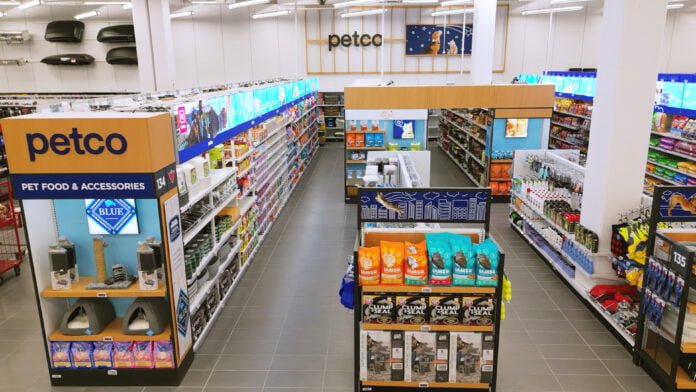
Canadian Tire and Petco Shop-in-Shop (Image: Canadian Tire)
Canadian Tire is continuing to expand its Petco shop-in-shop stores across the country.
The retail giant said Petco shop-in-shops are now featured in over 80 per cent of Canadian Tire stores and are planned to grow to 90 per cent by this summer.
It said the investment enables it to further tap into Canada’s $5.3 billion pet market and expand its exclusive Petco product assortment through dedicated store space.
Michael Magennis
“We started this partnership with Petco in 2018 as we knew how important pets were to Canadian families. Now, nearly five years later, we have observed significant growth within the category, and with 60 per cent of Canadian households now home to a family cat or dog, we continue to see the pet category as one with tremendous growth potential. With this expansion, we’re excited to be able to offer even more Canadian pet parents access to a variety of premium pet products at great prices,” said Michael Magennis, Senior Vice President, General Merchandising at Canadian Tire Retail.
“The Canadian pet market landscape is an estimated $5.3 billion business. Petco shop-in-shops are now featured in over 80 per cent of Canadian Tire stores and are planned to grow to 90 per cent by this summer. CTC’s investment in the pet category is a core part of the renewed Canadian Tire store concept and broader product assortment being rolled out as part of the company’s Better Connected strategy.
“The pet industry demonstrated persistent growth throughout the pandemic with the Canadian dog population growing by 4.6 per cent to 7.6 million and the cat population increasing by 2.4 per cent to 8.4 million. According to market research, this growth is expected to continue with 64 per cent of Young Millennials indicating they plan to acquire a pet within the next five years. This data demonstrates that pets continue to be an integral part of the Canadian family and Canadian Tire’s brand purpose is We Are Here to Make Life in Canada Better for all our customers and their growing families.”
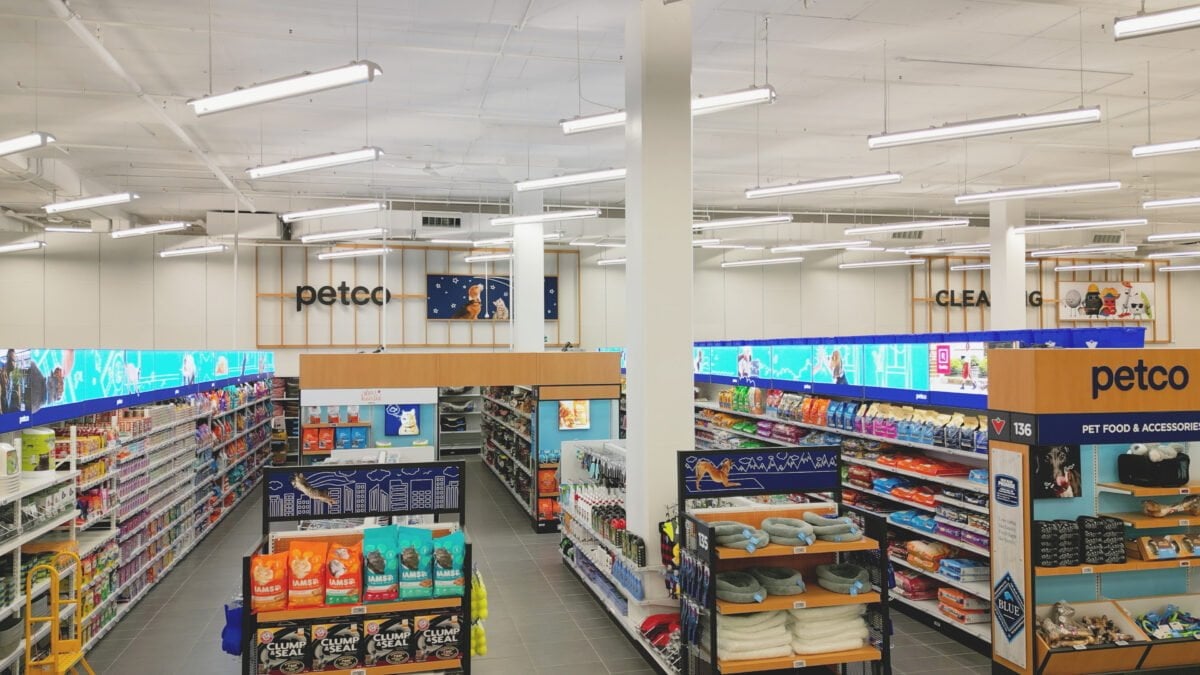
Canadian Tire Carlingwood (Image: Canadian Tire)
Petco was founded in 1965 and today it operates more than 1,500 pet care centres across the U.S., Mexico and Puerto Rico, which offer merchandise, companion animals, grooming, training and a growing network of on-site veterinary hospitals and mobile veterinary clinics.
Amy College
“Canadian Tire’s legacy as one of the go-to retailers for living, playing, fixing, automotive and seasonal products has cemented them as a household name in Canadian homes. Through our exclusive expanded partnership with Canadian Tire, we’re growing awareness of, and access to, Petco’s health and wellness products within Canada’s dynamic and rapidly growing pet market,” said Petco Chief Merchandising Officer Amy College.
“Four years after our teams brought this exciting and innovative concept to pet parents, the continued growth of our partnership speaks to pet parents’ deep confidence in Petco’s pet care expertise, as well as the power and reach of Canadian Tire’s connection with the local market. These shop-in-shops will continue to bring innovation to existing Canadian Tire pet parents and attract new customers for years to come.”
Canadian Tire and Petco Shop-in-Shop (Image: Canadian Tire)
Canadian Tire said the expansion will give more Canadians access to a broadened and exclusive offering of Petco’s premium pet products – including Petco’s fast-growing WholeHearted line of premium pet food and treats, and its popular lifestyle and fashion brand for pets, Reddy.
“The shop-in-shop experience will also feature a variety of additional Petco brands, including SoPhresh pet litters and litter accessories, and Well & Good, a pet care line with a wide range of expert-formulated, high-quality first-aid solutions, remedies and grooming products and tools.
CTC’s investment in the pet category is a core part of the renewed Canadian Tire store concept and broader product assortment being rolled out as part of the company’s Better Connected strategy,” said the retailer.
Canadian Tire Corporation’s retail business is led by Canadian Tire, which was founded in 1922. The retail segment also includes Mark’s, Pro Hockey Life, SportChek, Hockey Experts, Sports Experts and Atmosphere. CTC also owns and operates Helly Hansen.