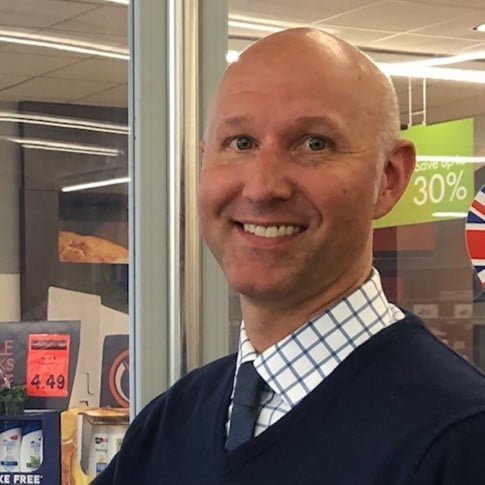
Kelley Keehn, best-selling author and personal finance educator, discusses today’s high cost of living and its impact on consumers.
Keehn talks about inflation and rising costs, the impact that is having on spending, the impact for retailers, how discount stores are doing in this environment and advice for consumers in these times.
The Video Interview Series by Retail Insider is available on YouTube.
Connect with Mario Toneguzzi, a veteran of the media industry for more than 40 years and named in 2021 a Top Ten Business Journalist in the world and the only Canadian – to learn how you can tell your story, share your message and amplify it to a wide audience. He is Senior National Business Journalist with Retail Insider and owner of Mario Toneguzzi Communications Inc. and can be reached at mdtoneguzzi@gmail.com.
Also check out the other series offered by Retail Insider, including The Weekly podcast and The Interview Series, which are both available on Apple Podcasts, Stitcher, TuneIn, Google Podcasts, or through our dedicated RSS feed for Simplecast and other podcast players.
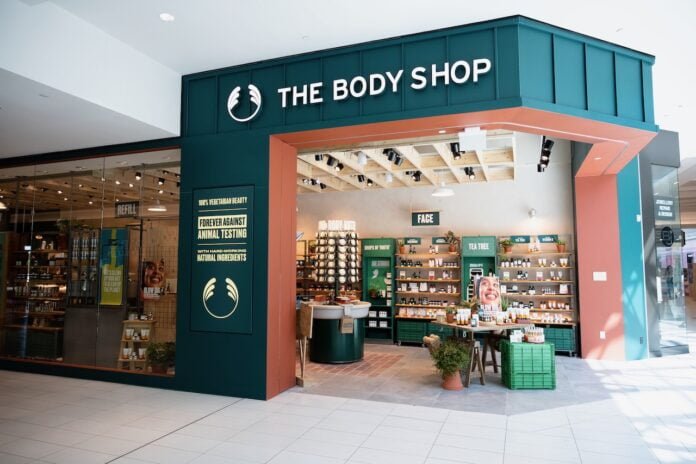
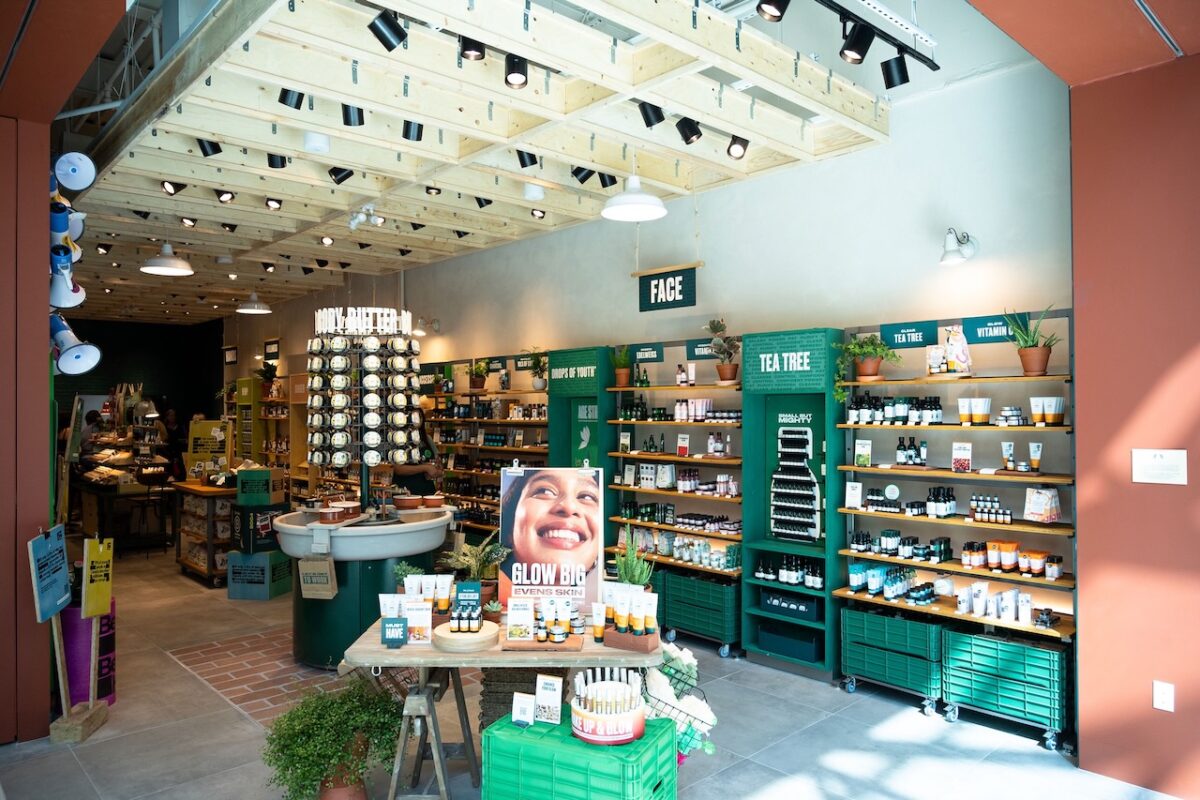
The Body Shop Canada continues to expand new Workshop concept stores across the country, celebrating its activist roots.
The concept was launched in 2020 prior to the pandemic at CF Pacific Centre in Vancouver. Recently, it also opened in Oshawa Centre and Market Mall in Calgary with stores to open as well in November at West Edmonton Mall and at the Metropolis at Metrotown in Burnaby, BC in 2023.
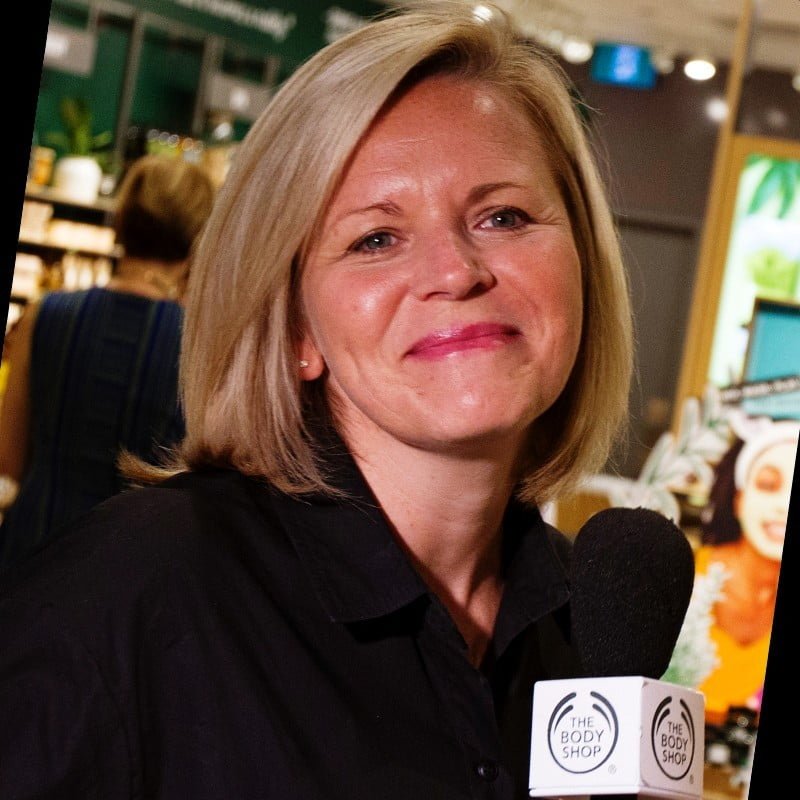
Hilary Lloyd
“To a lot of people, the concept of ‘changing the world’ can sound a bit abstract. With our workshop stores, we want to bring people together to realize that they can be change makers and are capable of making small changes that could benefit our communities and the planet,” said Hilary Lloyd, VP of Brand and Activism for The Body Shop North America.
“From our refill stations to our new Wellness body care range, customers will get to shop the products that make them feel good, while also doing good. These stores are the ultimate changemaking beauty experience. Our stores and products have always been, and always will be, a way to connect people to environmental and social justice issues.
“There’s a healthy runway of Workshops to come which we’re just in the process of finalizing the details on. We’re really excited about what’s coming.”
Image: The Body Shop
Founded in 1976 in Brighton, England, by Dame Anita Roddick, The Body Shop is a global beauty brand and a certified B Corp and today has 123 stores in Canada. The Body Shop operates about 3,000 retail locations in more than 70 countries.
Lloyd said the new concept Workshop is designed with many purposes in mind.
“The first is we want them to be really inviting and customer engaging spaces,” she said. “When you’re in a Workshop, you’re sort of all hands on deck, sleeves rolled up, more active in the experience. That’s a really big part of the experience we’re trying to create with the new concept.
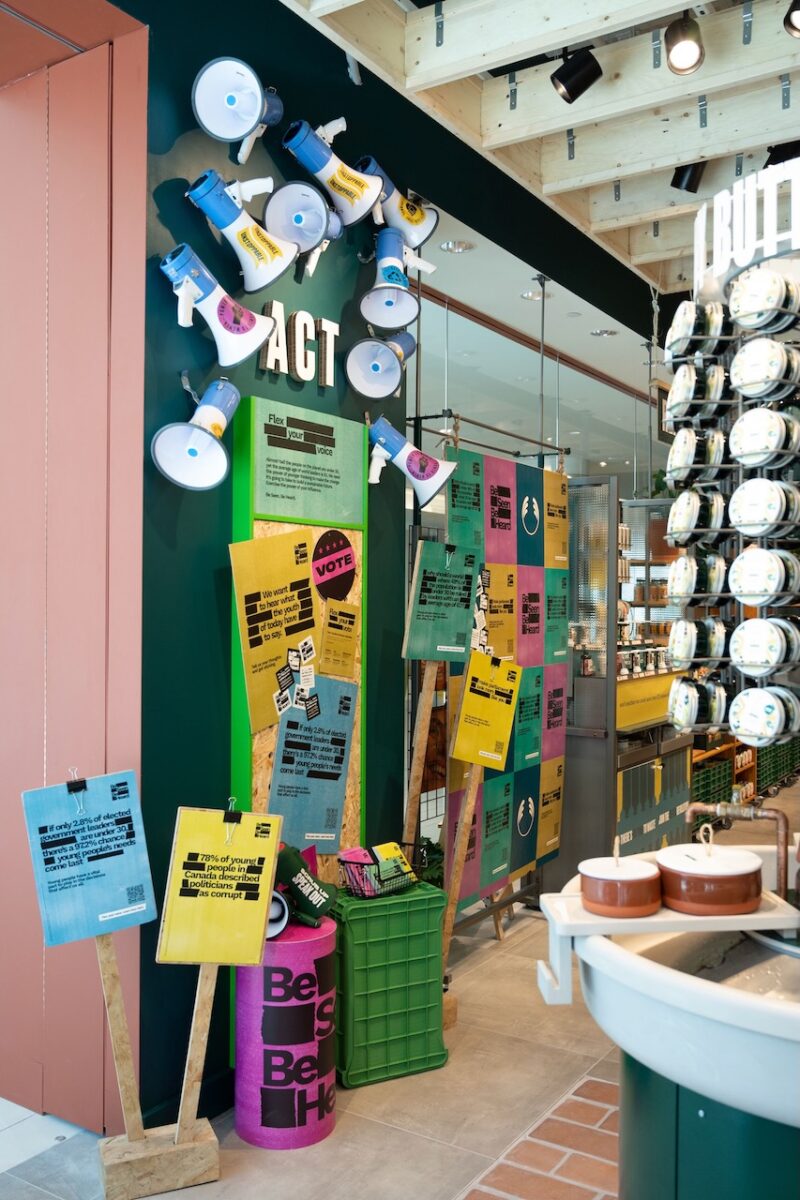
“The other piece that’s unique I think to The Body Shop and our very long history and heritage is there is a really clear intention to take the store and its concept back to our activist roots. So the stores themselves are designed to reflect and support the local communities where we operate.
“Ideally what we do in these store locations is we would bring to life issues and stories that are important to the communities where we operate. So really, at the end of the day, we’re developing and rolling out a store concept that is designed around experiences and really those experiences should be about our products and getting people to fall in love with the incredible products we sell and then also facilitating the experience of community activism in the markets where we operate.”
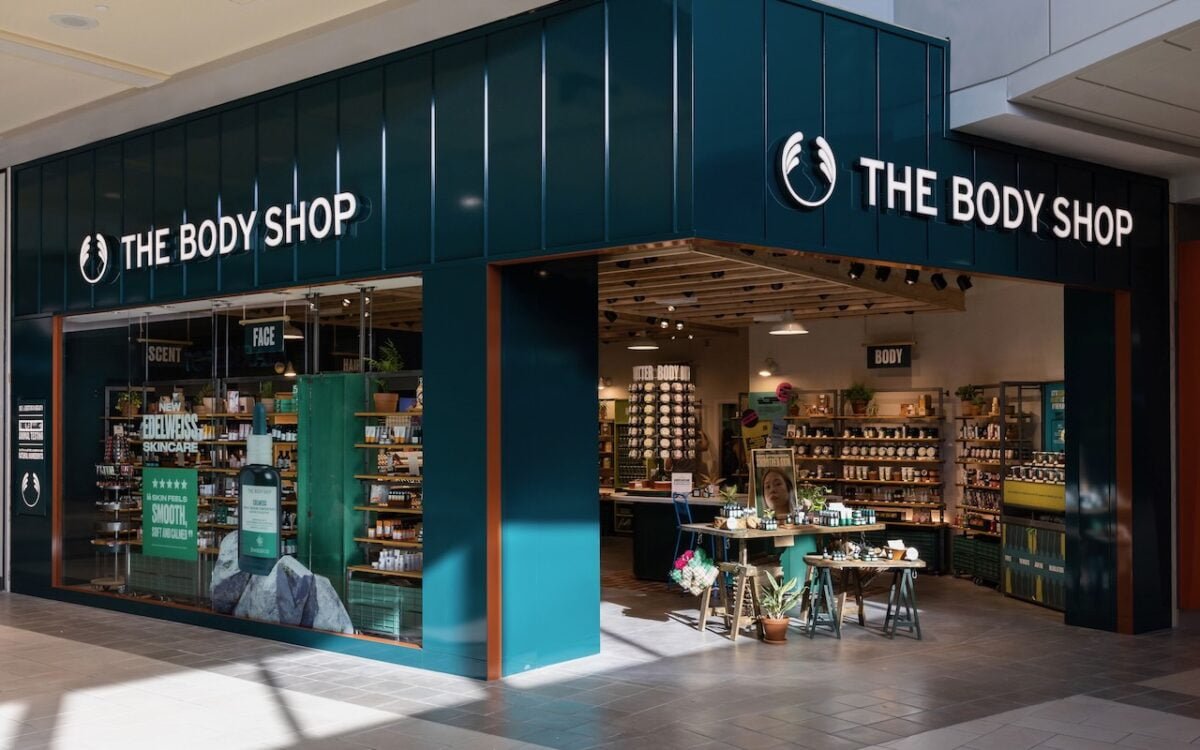
The Body Shop at Market Mall in Calgary (Image: The Body Shop)
Lloyd said the new concept Workshop is basically the same footprint as existing stores. The new concept has a much wider and inviting entrance with more of the store experience flowing out into the centre. There will be more interactive experiences for customers with sinks where they can test and try products and ask for consultation for skin care.
“Certainly we have a need to reinvigorate the brand and re-remind our Canadian customers of who The Body Shop is and why we exist in the world and what benefits we can create for them,” she said. “So we need a store environment that facilitates us trying to support the brand in building that understanding.
“I think the other thing is that we also needed a fit and an experience that reflects who we are and our values. We’re a certified B Corp. We’re a purpose-led business. We have extraordinary natural products that we sell. And so we needed a store environment that reflects back those values. Because of that specifically, it was time for an upgrade and time for the Workshop concept.”
Image: The Body Shop
All the new Workshop locations currently operating and to come in November are in renovated existing stores. In the future, the concept will be rolled out in other existing stores and new builds.
“We’re always on the lookout for opportunities for new builds within the real estate environment that we have,” explained Lloyd. “It will be very likely a mix of both. Right now, we’re focused on the malls and the locations we operate in making improvements in those locations at the same time that we’re sort of looking out to see where The Body Shop could add value in a community context whether it’s within a mall or in another location. We’re working on both.”
Lloyd said the plan for the rollout of the new concept is “very, very ambitious” and in process.
Image: The Body Shop
“Canada, where The Body Shop is concerned, we’ve got a really stable customer base. We’ve been in the market for over 40 years. Customers know us and understand us and understand the business. I think our opportunity is to re-remind them of who we are through this Workshop concept and this new store process and we’re really, really excited about it,” she said.
Recyclable materials, 100 per cent recycled countertops created from recycled plastic destined for landfill: circularity is the beating heart of this store concept, said the retailer. The stores are fitted with a range of upcycled and reclaimed materials such as reclaimed wood and part-recycled plastic storage crates. Even down to the lightweight aluminum facade, every care has been taken to ensure the environmental footprint of every Workshop is as tiny as possible.
The gifting station is a place to personalize gifts with ribbons and recyclable paper. There’s new makeup stands and a dedicated area giving customers the chance to learn about the issues that affect their communities, see for themselves how rewarding social and environmental change can be and meet others who feel the same way. All of the new stores have refill stations to encourage people to bring back and reuse aluminum bottles. Sustainability is a huge part of the new concept.
Ahead of the upcoming in Toronto on September 28-29, a Trends Report has been released discussing supply chain, strategies for targeting the right customers, and investment strategies, with a discussion how these affect retailers. []
The report comes at a pivotal time as retail sees significant change brought by shifts in consumer behaviour resulting from accessibility of technology and the lasting effects of the COVID-19 pandemic.
The report is broken down into sections. Emerging retail technology is the first part of the report, which goes on to discuss QR Codes and how they are of ongoing importance, and RFID technology which is already proving transformative for retailers such as Amazon Go. The discussion also includes the concept of experiential technology and the future of autonomous delivery.
The report then dives into the topic of post-Covid investment strategies for retailers which are seeing a bounce-back as consumers pick up spending. An increase in online shopping is requiring more investment in online channels by retailers as well as investments in omnichannel and marketing.
Tackling supply chain, inflation and fuel costs is another section of the report, representing a hot topic and a point of pain for many retailers as costs have soared and shipments have been a challenge in some instances. Ongoing inflation has been one of the biggest challenges to retailers with consumers complaining of increasing prices.
The fourth section of the report includes strategies to target the right customers in a cookie-less world — it’s a very hot topic among marketers grappling with Google’s decision to remove third-party tracking from its Chrome browser. Marketers are now faced with challenges as consumers still want personalization online, and fortunately other options are available.
The future of omnichannel retail is the final section of the report, including talking points around the store of tomorrow. Creating an integrated customer experience while optimizing supply chain and creating an optimal workforce will be crucial for retailers as the world continues to change.
[]
The highly anticipated will take place September 28-29 in downtown Toronto at the located at 370 King Street West. Dozens of speakers have already been confirmed. []
eTail is a two day retreat designed to help businesses increase profits with action-packed strategies and connections made with the top mind’s at Canada’s most successful retailers.
Download the to see the completeand inspiring sessions at this year’s eTail Canada Conference.
Retail Insider is streamlining its Canadian retail news from around the web to include a handful of top news stories that can be viewed quickly during the day. Here are the top stories from the past 24 hours.
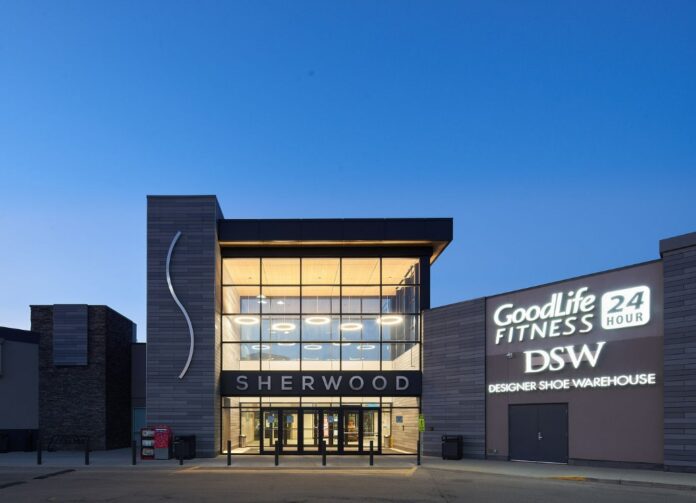
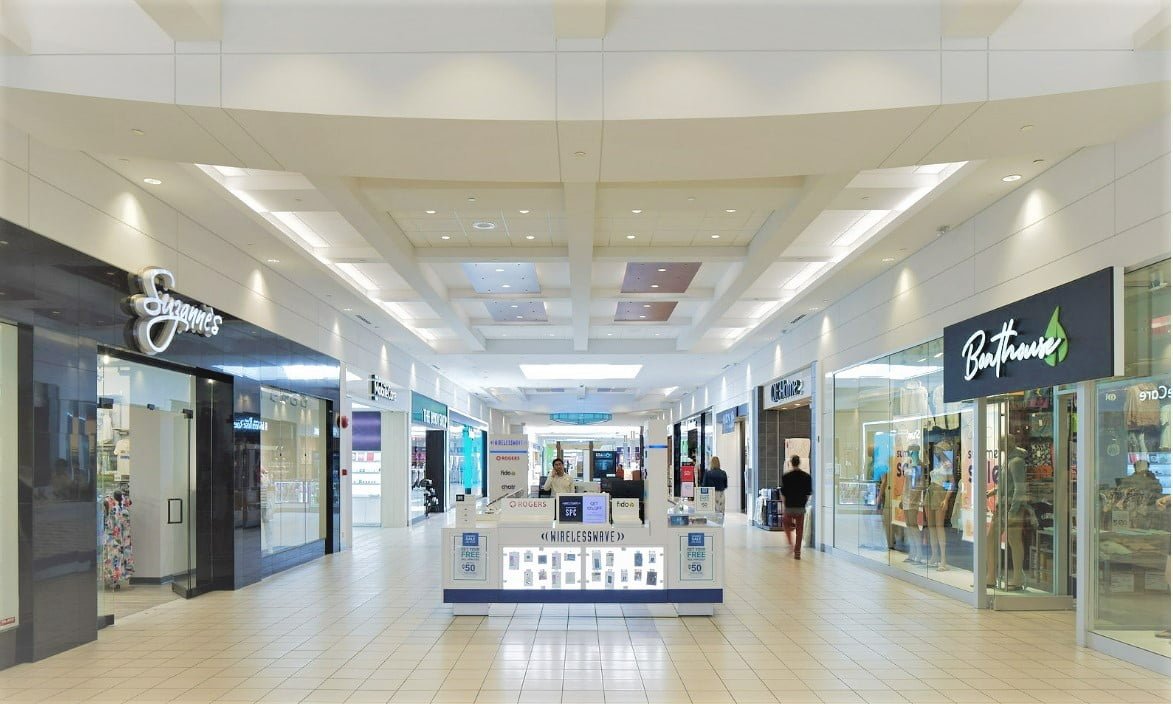
Sherwood Park Mall (Image: Sherwood Park Mall / Primaris REIT)
Leasing activity in the past year has been very brisk for Primaris REIT’s Sherwood Park Mall property, just outside of Edmonton, leading to increased foot traffic and excitement about the shopping centre’s future.
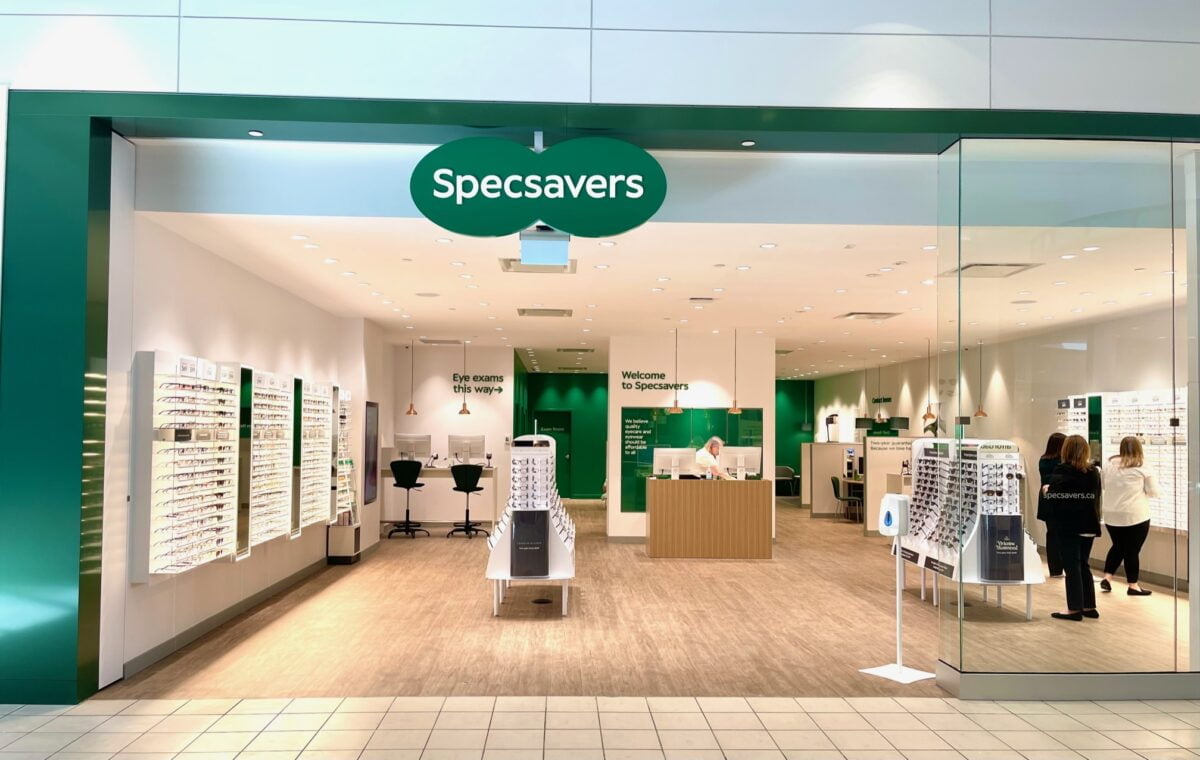
Rebecca Quinn, Marketing Manager, Sherwood Park Mall, said eyewear retailer Specsavers has been one of several key retailers that have opened in the shopping centre in the past year. Their first store in Alberta opened in late August.
“It’s a great offering. We’re a community-based property so I think it will really appeal to our community,” she said.
Specsavers at Sherwood Park Mall (Image: Sherwood Park Mall / Primaris REIT)
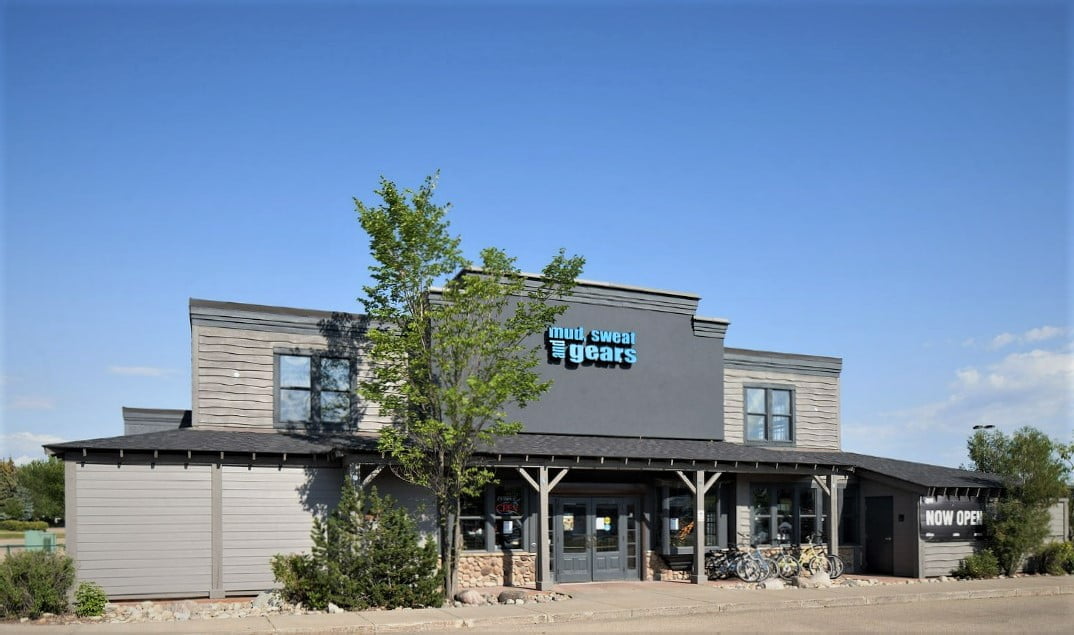
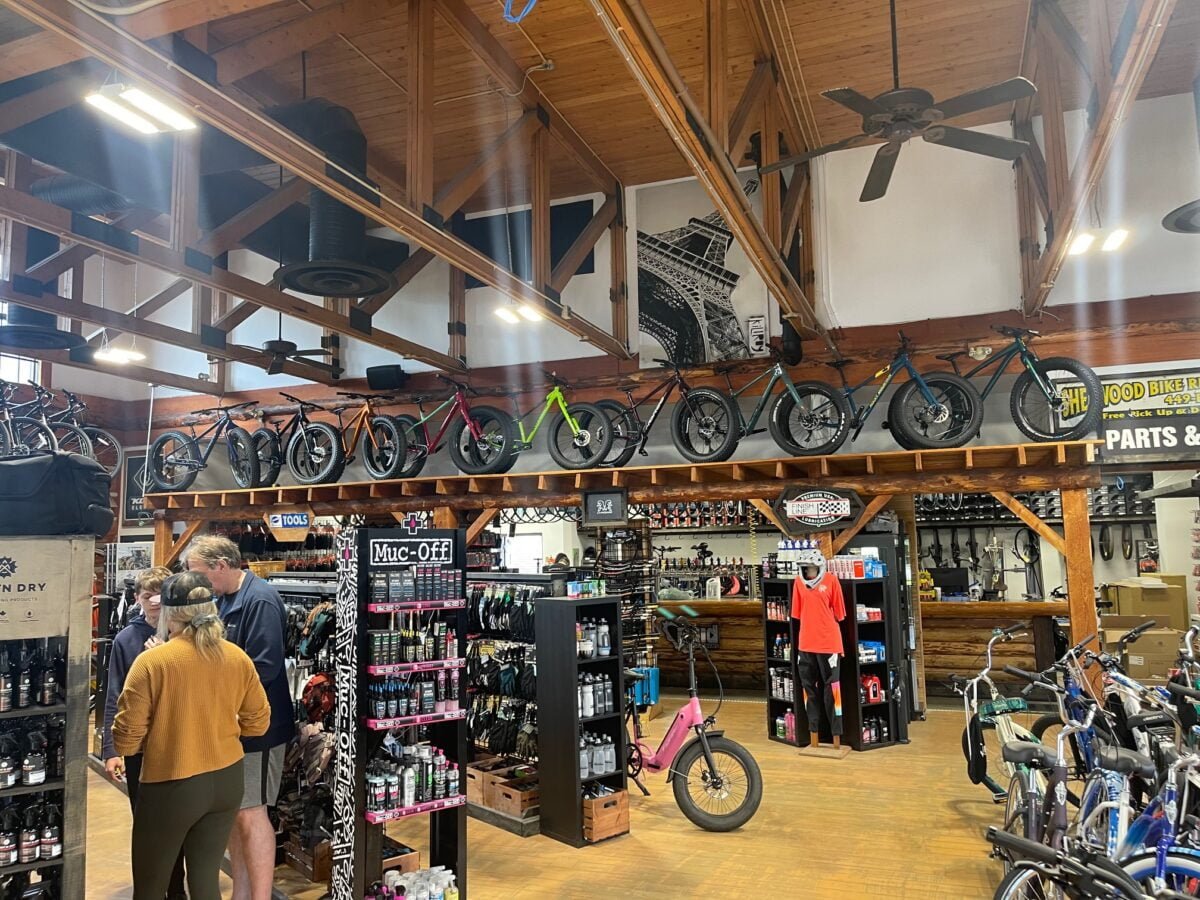
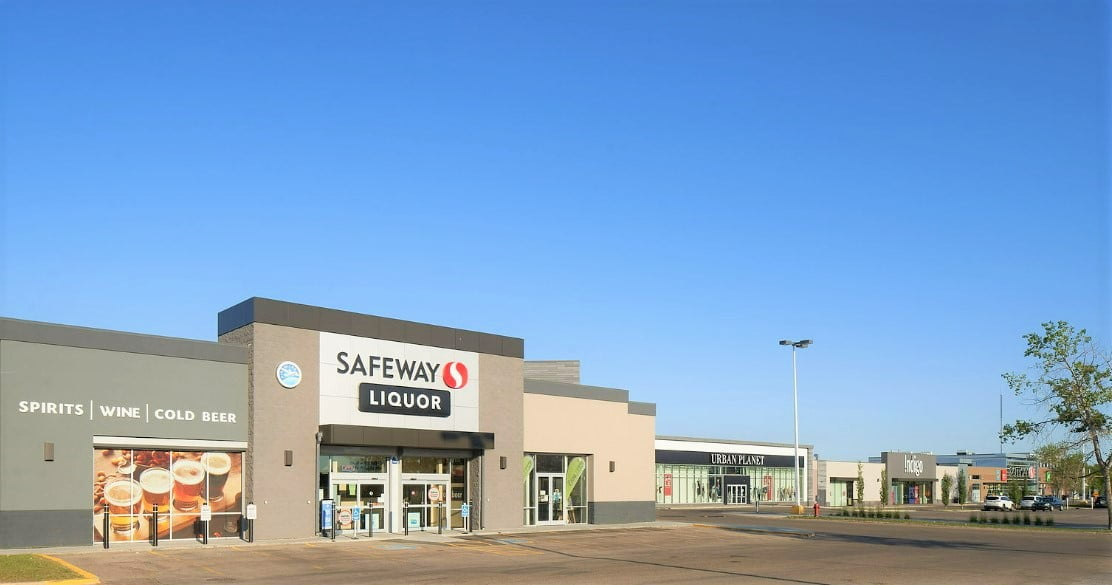
Also opening in the past year have been Safeway Liquor Store, Best Buy, New York Fries, clothing retailer Boathouse, Shaw and local business Mud Sweat and Gears.
“Mud Sweat and Gears is a local, very well-known bike retailer, and they’ve opened this summer in our former Montana’s (restaurant) location. The transformation through their renovations has been amazing.” added Quinn.
The mall is celebrating 50 years of existence this year with just under 400,000 square feet of retail space over one level and roughly 85 tenants. And Seana Almer, General Manager, said the mall currently is sitting at about 90 per cent occupied.
Mud Sweat and Gears at Sherwood Park Mall (Image: Sherwood Park Mall / Primaris REIT)Mud Sweat and Gears at Sherwood Park Mall (Image: Sherwood Park Mall / Primaris REIT)
The mall is located in an established area of Sherwood Park, just east of the City of Edmonton.
Almer said another big and exciting thing taking place at the shopping centre is a $4-million Cineplex renovation that was sidelined due to COVID.
“That finally started. They’re retrofitting all 10 auditoriums with the recliner seating. Work started (in August) and they’re expecting to have them all done by Christmas. We actually announced that about six weeks before COVID hit and it’s been shelved until this year. So we’re super excited about that and excited to offer that to our community.
Boathouse at Sherwood Park Mall (Image: Sherwood Park Mall / Primaris REIT)
“Leasing’s has some great traction right now and there’s a lot of conversations going on which is really wonderful but nothing that’s ready to be shared,” added Almer about future tenants to the property.
Quinn said the new tenants have created an increase in interest within the community.
“We’re still coming out of the pandemic. We’ve been seeing traffic numbers normalize and the New York Fries opening, I’m telling you, the excitement for that tenant was amazing,” she said.
“I think our Leasing team has worked hard to attract and diversify our tenant mix for our community. Sherwood Park Malls is showing great at 50! With our finished renovations and new additions, we are seeing people come back into the property with longer dwell times …it is a place to shop but also a place to gather. Strathcona County wants to shop local and with us offering a wider variety of tenants we hope to see continued growth in years to come.”
Safeway Sherwood Park Mall (Image: Sherwood Park Mall / Primaris REIT)
Almer said Sherwood Park Mall aims to listen and tries to meet the needs of the community.
“Edmonton is probably the most over-retailed landscape in the country. So we’re taking the opportunity to try and fit the needs of our community with the spaces we have available. For example the New York Fries deal was a long time coming for us because of other considerations, so the continuous work to improve the tenant mix has been a consistent goal for us,” she said.
Indigo at Sherwood Park Mall (Image: Sherwood Park Mall / Primaris REIT)Dollarama and Best Buy at Sherwood Park Mall (Image: Sherwood Park Mall / Primaris REIT)
“Best Buy has also been a game changer. (Retail Insider) did the article on the new format. That location, being able to offer the electronics piece for our community – when we didn’t have many options – I think it speaks to just looking at what the community needs and working hard with our leasing and tenant partners to fill those gaps.”
Almer added that Sherwood Park Mall provided retail stability in the community throughout the pandemic.
“At Sherwood Park Mall, we didn’t lose a single tenant because of COVID-related decisions. Primaris as a whole also worked really hard to maintain our tenancies and work with our partners. That’s a piece of the story that’s important to note because during COVID there were many stories circulating about the big, bad landlords. We’re not at all like that. We worked very hard to keep those partnerships alive and to keep the lights on in our centre and it’s a story that we’re really proud of.”
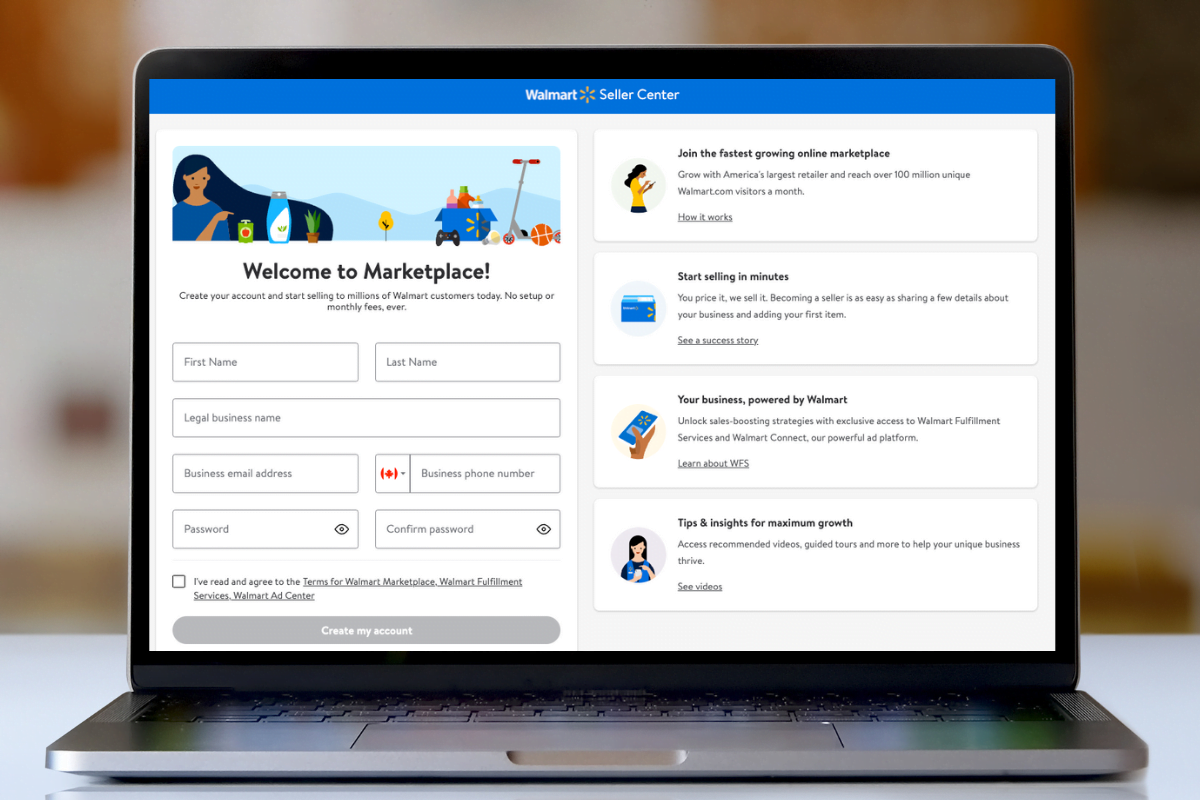
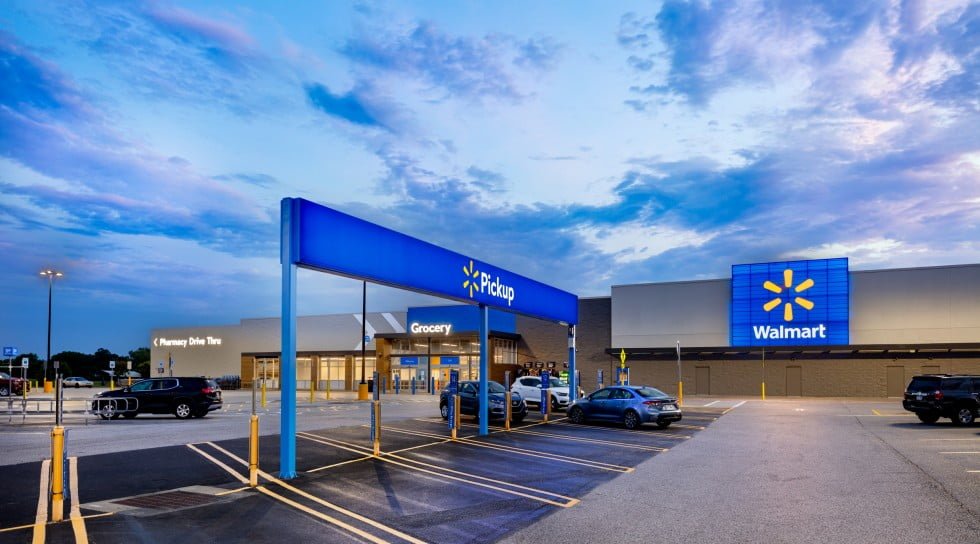
Retail giant Walmart is offering Canadian companies a straightforward way to expand stateside as the company is recruiting Canada-based sellers to join its flagship U.S. Marketplace and serve a growing base of more than 120 million loyal online shoppers each month.
Walmart said entrepreneurs and e-commerce sellers interested in being among the first to explore the opportunity can sign up for the Virtual Walmart Global Seller Summit – Canada on Sept. 8. It will feature practical sessions hosted by Walmart executives and cross-border payments provider Payoneer. The company said attendees will learn how they can take advantage of simplified onboarding, streamlined fulfillment, targeted promotions, integrated financial services and other support to help them rapidly scale and grow in the U.S. and Canada.
“Since 2017, Canada-based sellers have been able to participate in Walmart Canada’s growing Marketplace offering, allowing them to sell to the more than 1.5 million customers who visit Walmart.ca each day,” said Brooks Forrest, Senior Director, International Marketplace Development, Walmart U.S.
Image: Walmart Seller Center
“Now, Canadian ecommerce sellers are also able to join Walmart’s U.S. Online Marketplace and reach a community of more than 120 million U.S. customers each month, providing an opportunity for expansion. Sellers of all sizes can join our marketplace and grow their ecommerce footprint. There are no setup, subscription, or monthly fees. Walmart simply deducts a referral fee once a sale occurs and our competitive referral fee percentages vary by category.
Brooks Forrest
“Plus, sellers can use tools like Walmart Fulfilment Services that help streamline their cross-border deliveries and Walmart Connect, a media platform for advertising and marketing campaigns.”
“In both our Canadian and U.S. markets, our Marketplace offering is growing every day. By working with sellers through Marketplace, we’re able to provide our customers with even more choice as we work to serve more people and help everyone save money and live better,” said Forrest.
“We’re proud to offer Canada-based businesses even more opportunity through ecommerce, which now includes being able to sell on both the Walmart Canada and U.S. marketplaces. Whether this is a seller’s first experience selling through Walmart’s Marketplace or whether this is a natural next step to scale their existing Walmart Canada Marketplace offering, we want to help our sellers succeed.”
Image: Walmart.com
Through Marketplace, Walmart is able to provide its customers with more choice than ever before, he added.
“Inviting international sellers, like those based in Canada, to sell on Walmart.com is part of how we’re expanding our assortment and continuing to grow our ecommerce business – a top priority for Walmart. This is a big milestone – we see huge potential for Canadian companies to sell to our U.S. customers through Marketplace and look forward to welcoming these sellers. Canada has a strong international brand associated with trustworthiness, reliability and quality that we’re proud to make available.”
Walmart said the drive to attract Canadian companies builds on decades of Walmart’s engagement with retailing and ecommerce in Canada. Giving sellers on the thriving Walmart.ca marketplace an opportunity for international expansion, it also comes as local businesses, especially small- and medium-sized enterprises, are looking to reap the benefits of the Canada-United States-Mexico free trade agreement (CUSMA), it said.
Darren Carithers
In a statement, Darren Carithers, senior vice president of Marketplace development for Walmart International, said that Walmart is focused on growing its U.S. and Canada marketplaces and investing heavily in new tools and services for sellers.
“Building e-commerce marketplaces that both customers and sellers trust has been a priority for Walmart for years. Whether you are an experienced Walmart seller or new to the Walmart family, we want to help you succeed on our U.S. and Canadian marketplaces,” he said. “By working together, we can serve more customers and help everyone save money and live a better life.”
Ya Wen
“Payoneer’s mission is to connect small businesses to the global economy. Our partnership with Walmart gives our sellers the opportunity to work with one of the biggest names in retail. We are delighted to see more Canadian entrepreneurs and small businesses joining the global digital economy and selling to U.S. consumers on Walmart Marketplace,” said Ya Wen, senior vice president, Americas, Payoneer, in a statement.
HearCANADA, the retail division of Denmark-based WS Audiology, is planning to rapidly expand its footprint in Canada over the next few years.
The company currently has 81 locations in the country, primarily in Ontario, but spread from coast to coast.
Terri Brzozowski, Interim Marketing Director for HearCANADA, said over the years the company had acquired a number of different smaller brands and rebranded them under the one umbrella.
“The kickoff (to expansion) is really this rebranding – aligning the brand to create some awareness nationally and then the next phase of this is a significant growth opportunity for us in terms of adding new clinics,” she said.
HearCANADA offers a range of hearing aids and accessories. Consumers can purchase hearing aids, accessories, and batteries from one of its local hearing clinics. It also offers a variety of services related to hearing care and hearing aids including hearing tests, earwax removal, or hearing aid repairs.
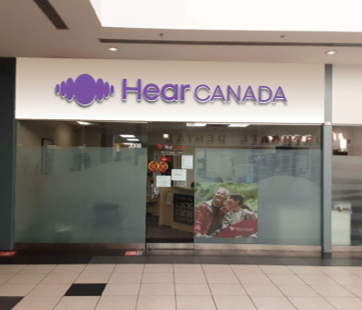
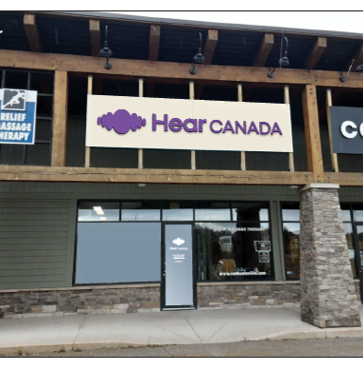
Image: HearCANADA
Image: HearCANADA
Brzozowski said the company’s overarching goal is to add 100 new clinics. She said 80 per cent of its business is done in Ontario currently. The expansion will move more into western markets such as Alberta and British Columbia being priority areas.
“Obviously we’re going to take a scaled approach to that. I think in our next fiscal (year) that starts in October we’ll start with at least 10 clinics,” she said.
Aurora Realty Consultants is the real estate representative for HearCANADA on their Canadian national growth project, to expand access to hearing aids and care, in order to reach more people around the country, coast to coast.
The company said the new facilities will be in traditional and nontraditional medical, office, hybrid and retail commercial real estate facilities with emphasis on client access and convenience.
Image: HearCANADA
“Our demographic is growing to begin with. I think hearing care is becoming more important to the consumer. There’s a great understanding of the importance of hearing health care. We’re finding studies that can directly relate hearing loss and cognitive decline. So I think people are just becoming more aware of the importance of managing their hearing health,” said Brzozowski.
“I think the pandemic has taught us it’s important to really manage our own health in general and hearing is a big part of that.
“What we’re trying to do as a company, there’s always this stigma around hearing decline and wearing hearing aids in general. So what we’re trying to do with this rebrand is knock down that stereotype and WS (Audiology) is also a manufacturer of hearing aids. We have a wholesale partner as well so we’re trying to take the product and the image and tie them together so creating products that are more adaptable to the changing demographic. The demographic alone, if you think of a 70-year-old plus now versus a 70-year-old plus 20 years ago, their lifestyles have certainly changed. Quality of life has improved. So they want to take charge of their hearing.”
Brzozowski also said the company is starting to see a younger demographic – 55 years old plus – with mild, slight hearing loss.
“Between changing demographics, changing stigma, they all create opportunities for us to jump on,” she said.
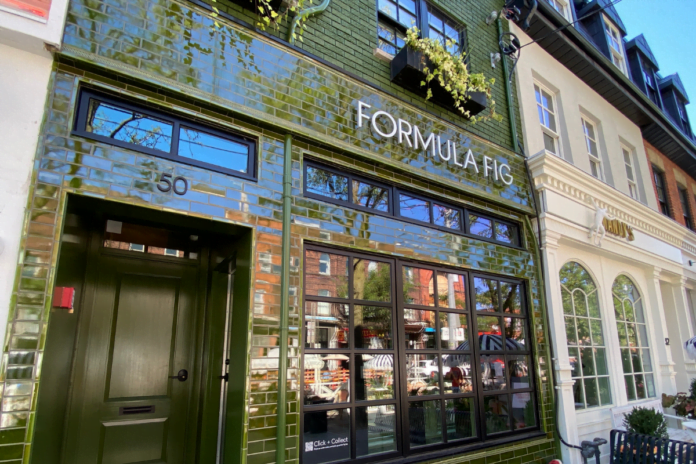
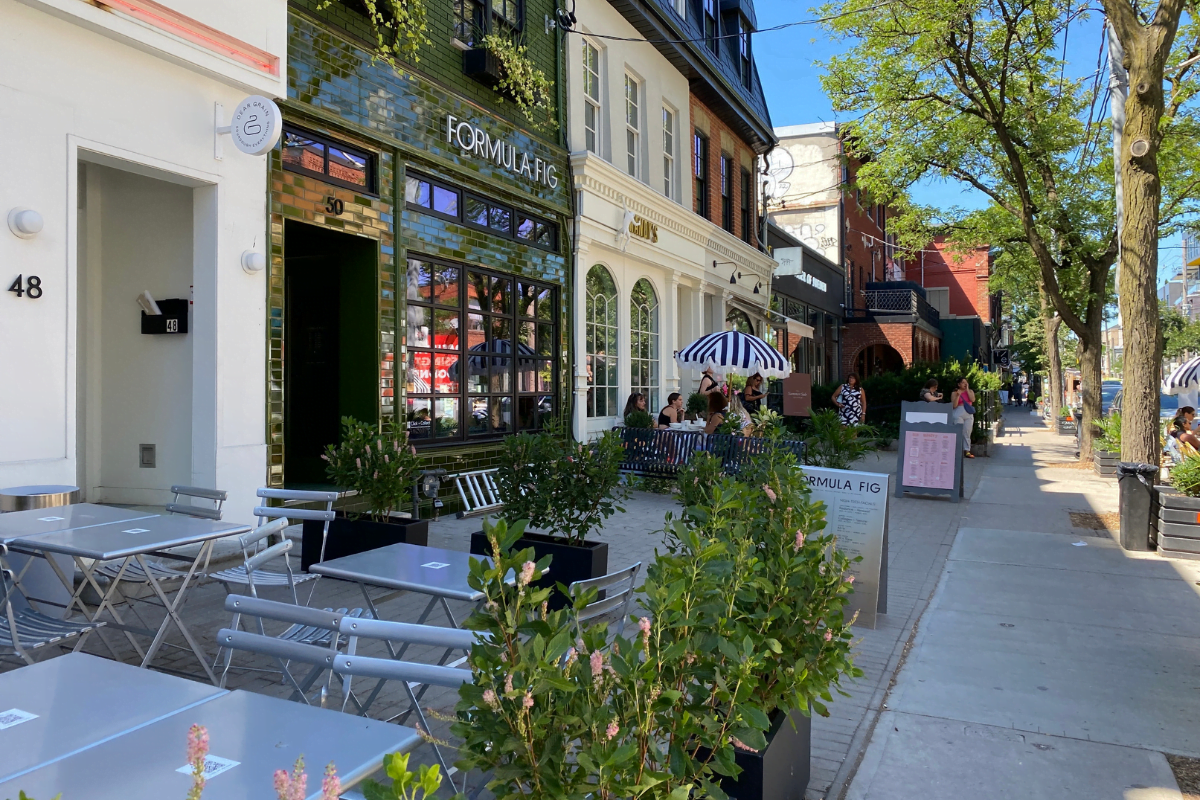
Formula Fig at 50 Ossington Avenue (Image: Dustin Fuhs)
Vancouver-based skincare retail concepts Formula Fig has recently expanded to its first location in Toronto with the plan of opening five to seven stores across Canada and in the United States by 2023.
Formula Fig was inspired when the owner and founder, Jessica Walsh, found a gap in the skincare industry as customers needed to go to multiple places to take care of their skincare needs. At Formula Fig, customers can have all their skincare needs taken care of from in store services and take-home products.
“Think about it – if you want to go somewhere for all your ‘essential’ skincare needs, what are your options? You have to go to your Dermatologist for injectables, med-spa for facials, and a skincare retailer for your products. Most of these are uninspiring and intimidating! Getting an appointment is challenging and takes up too much of your day. Most of the time, they are located off the beaten track. At Formula Fig – we change all of this. We combine a best-in-class skincare offering of high-tech facials, injectables, and skincare products,” says Walsh.
“It’s Time to Give a Fig About Your Skin”
Formula Fig at 50 Ossington Avenue in Toronto (Image: Kiara Schwartz)
Formula Fig at 50 Ossington Avenue in Toronto (Image: Kiara Schwartz)
Formula Fig at 50 Ossington Avenue in Toronto (Image: Kiara Schwartz)
Formula Fig provides several of skincare treatment options that are 45 minutes or less including injectables and facials. Injectables are for customers who are looking for skincare from within, these treatments include vitamin IVs, Stingers to help with wrinkles, and vitamin shots.
Customers can also experience Formula Fig’s numerous facials that are divided into four different categories: Laser, Super, Core, and Self Serve which is zero contact. All locations also offer take-home products.
New Location
Formula Fig at 50 Ossington Avenue (Image: Dustin Fuhs)Formula Fig at 50 Ossington Avenue in Toronto (Image: Kiara Schwartz)
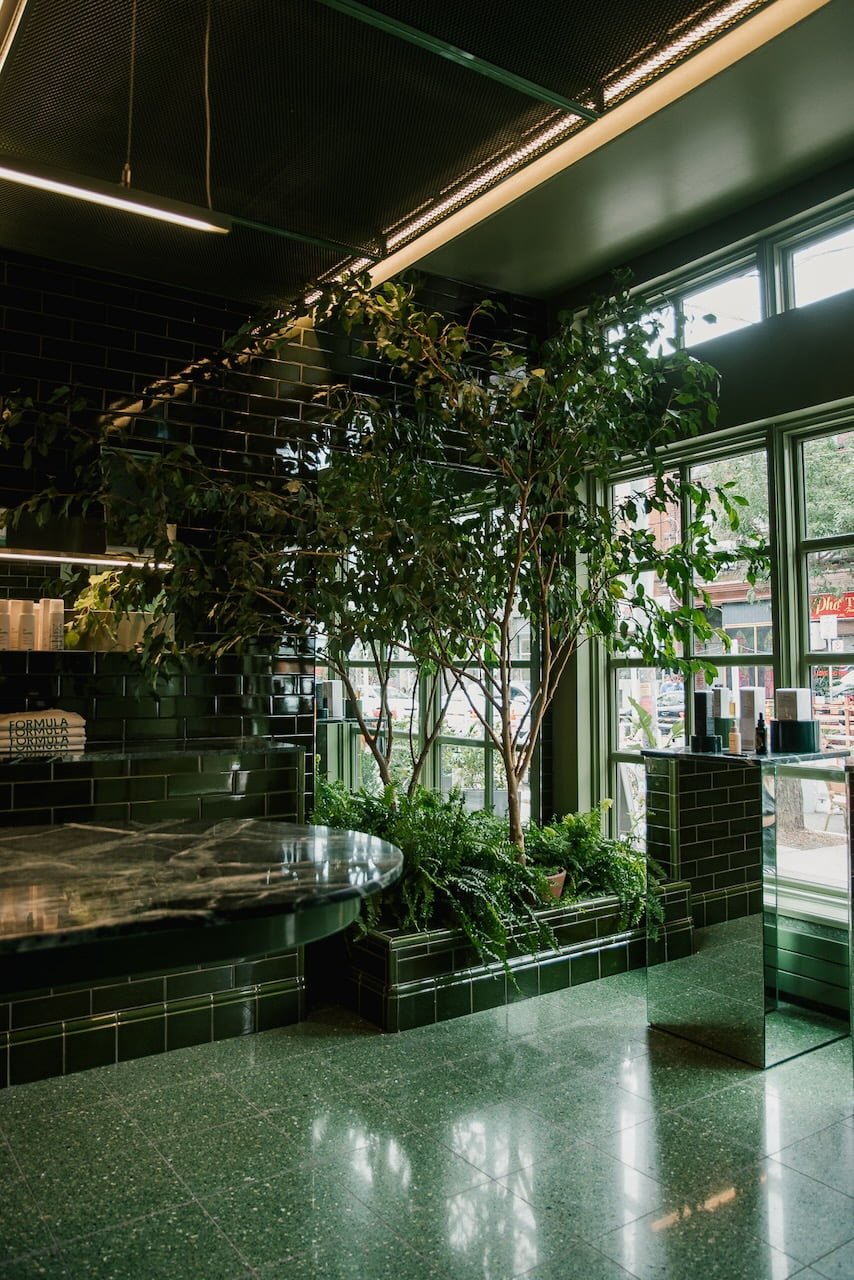
Formula Fig has recently added its first location in Toronto. Located at 50 Ossington Avenue customers can experience its full service and product menu – and its exceptional interior designs that are customized for each store with keeping in the lines of the Formula Fig palette of textured greens and rich pinks.
The new location will be 800 square feet and will have a lushest interior.
“For Fig Bar Ossington, I was inspired by the London Tube (my hometown) and incorporates design elements such as curved seating cubicles and endless, infinite mirrors, creating tunnel-like effects. We also sourced the tiles we used from the same manufacturer as those used for the actual London Tube!”
Formula Fig at 50 Ossington Avenue in Toronto (Image: Kiara Schwartz)
Formula Fig at 50 Ossington Avenue in Toronto (Image: Kiara Schwartz)
Formula Fig is also opening its third location in West Vancouver opening in September where the interior design inspiration came from a swimming pool.
“The effect is meant to feel like standing at the bottom of a beautiful, green-tiled pool. The metallic ceiling ripples like water, and outside the treatment rooms, you can see the sunshine gleaming through the surface. All the walls are elegantly curved, creating a transportive, dreamlike feeling. As you can tell, I’m looking forward to this one opening.”
As for these specific locations, Walsh wanted Formula Fig to be in a thriving and inspirational community as it is essential to the brand and is looking forward to expanding within Canada and internationally.
Future Plans
Co-Founders JJ Walsh and Anita Chan (Image: Britney Gill)
In addition to the new location opening in September in West Vancouver, Formula Fig is also planning to expand into the United States. Its first location will be in North Sycamore Los Angeles and is planning to open by the end of the year. After this, Formula Fig will have four locations across Vancouver, Toronto and one in Los Angeles and will not be stopping there as it is planning on opening five to seven new locations across the United States and Canada by 2023.
“We combine a best-in-class curated skincare offering of high-tech facials, injectables, and high-quality skincare products. Not only is our offering unique to what you can find elsewhere, how we offer it is, too: beautiful, welcoming, immersive destinations in your favorite neighborhoods. All our locations are where you would already be going to meet a friend, grab a coffee, be inspired, and we hope that a visit to Formula Fig becomes a part of this routine!”
Jackson Turner of CBRE negotiated the lease for the Ossington store and represents Formula Fig in its store expansion.
Retail Insider is streamlining its Canadian retail news from around the web to include a handful of top news stories that can be viewed quickly during the day. Here are the top stories from the past several days.
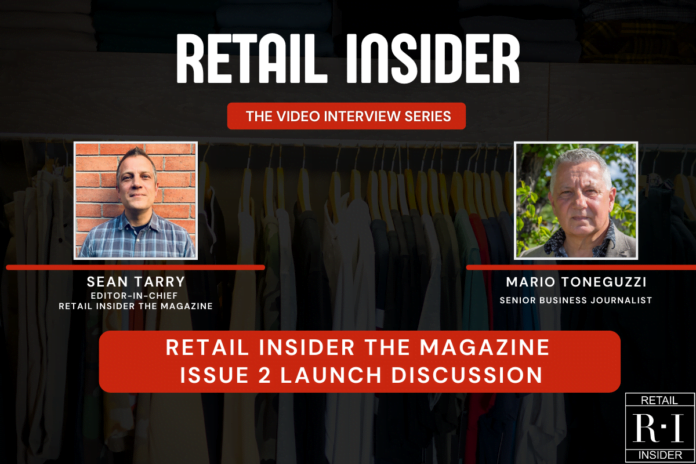
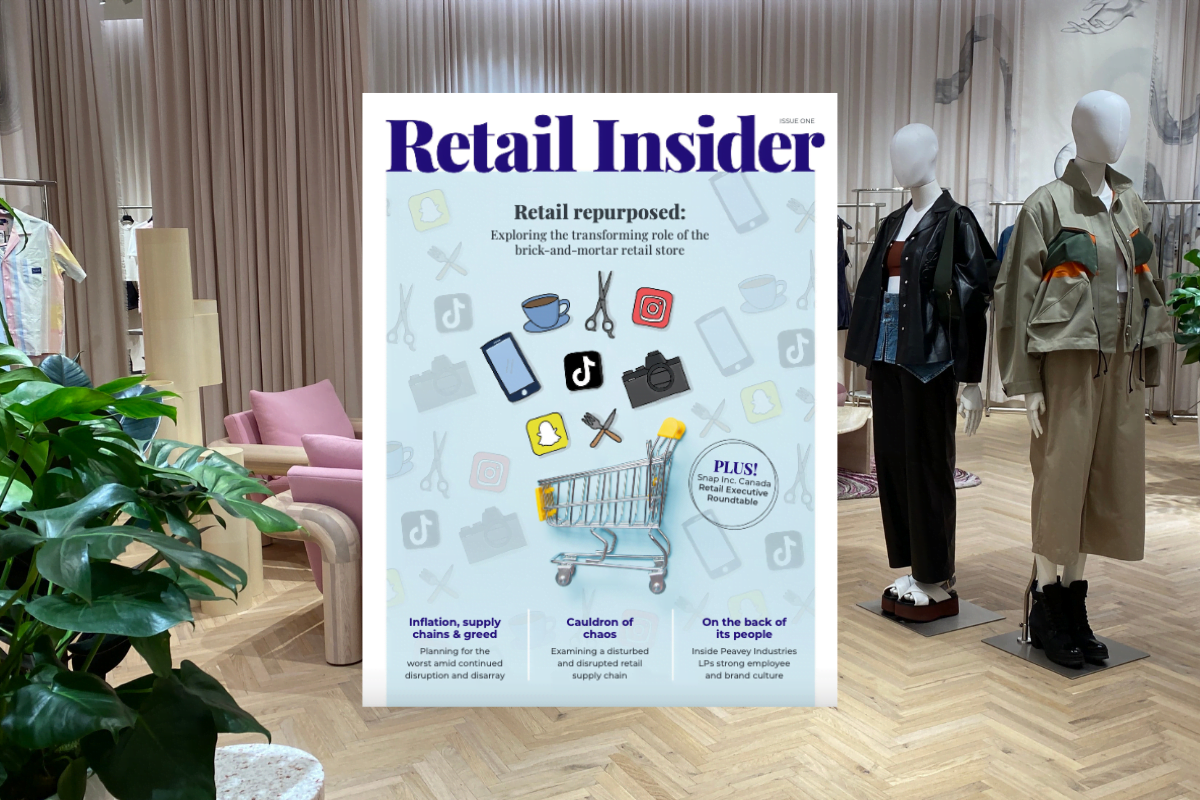
Tarry talks about the feedback from the first issue and how it went, preparation for the second issue, the use of a variety of writers and experts, topics and issues to be discussed in the second issue and what lies ahead for the publication.
The Video Interview Series by Retail Insider is available on YouTube.
Connect with Mario Toneguzzi, a veteran of the media industry for more than 40 years and named in 2021 a Top Ten Business Journalist in the world and the only Canadian – to learn how you can tell your story, share your message and amplify it to a wide audience. He is Senior National Business Journalist with Retail Insider and owner of Mario Toneguzzi Communications Inc. and can be reached at mdtoneguzzi@gmail.com.
Also check out the other series offered by Retail Insider, including The Weekly podcast and The Interview Series, which are both available on Apple Podcasts, Stitcher, TuneIn, Google Podcasts, or through our dedicated RSS feed for Simplecast and other podcast players.