Minhas talks about why she is on social media, the channels she uses, venturing into the world of podcasts, why more business owners should adopt social media, branding and personally doing social media.
The Video Interview Series by Retail Insider is available on YouTube.
Connect with Mario Toneguzzi, a veteran of the media industry for more than 40 years and named in 2021 a Top Ten Business Journalist in the world and the only Canadian – to learn how you can tell your story, share your message and amplify it to a wide audience. He is Senior National Business Journalist with Retail Insider and owner of Mario Toneguzzi Communications Inc. and can be reached at mdtoneguzzi@gmail.com.
Also check out the other series offered by Retail Insider, including The Weekly podcast and The Interview Series, which are both available on Apple Podcasts, Stitcher, TuneIn, Google Podcasts, or through our dedicated RSS feed for Simplecast and other podcast players.
Retail Insider is streamlining its Canadian retail news from around the web to include a handful of top news stories that can be viewed quickly during the day. Here are the top stories from the past three days.
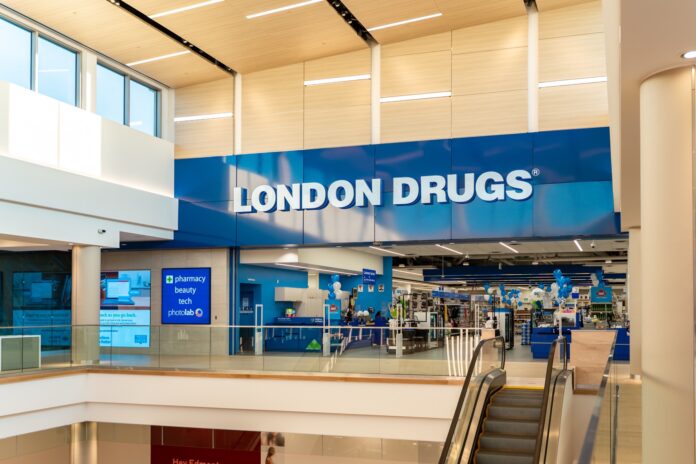
Richmond BC-based London Drugs has opened a large storefront at Southgate Centre in Edmonton. The unique store is located on the second level of the North Wing of the mall, relocating from a standalone pad store located at 10531 – 51st Avenue formerly within the London Centre strip mall.
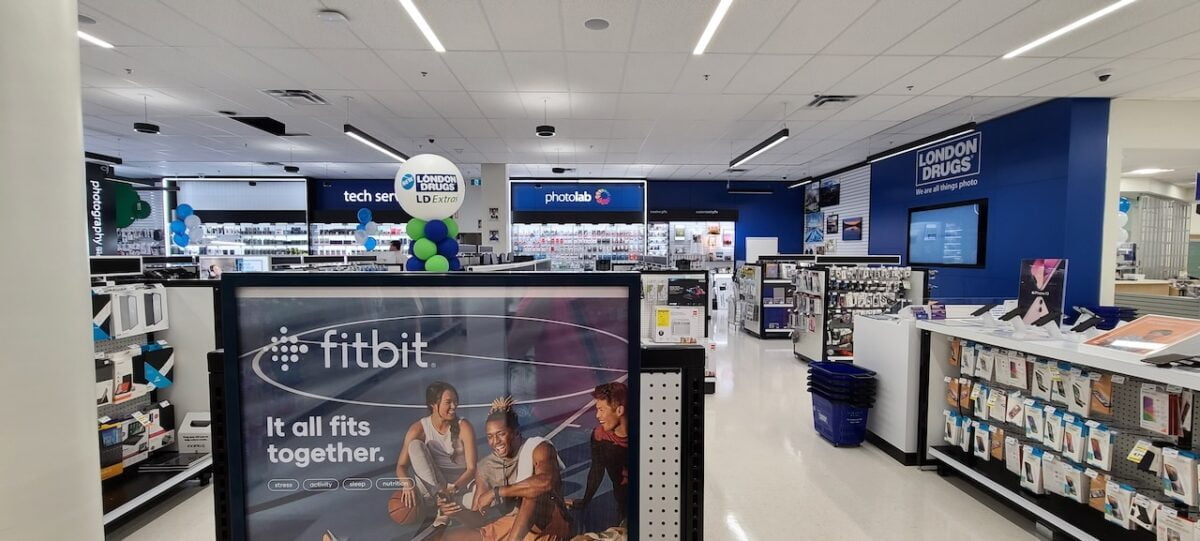
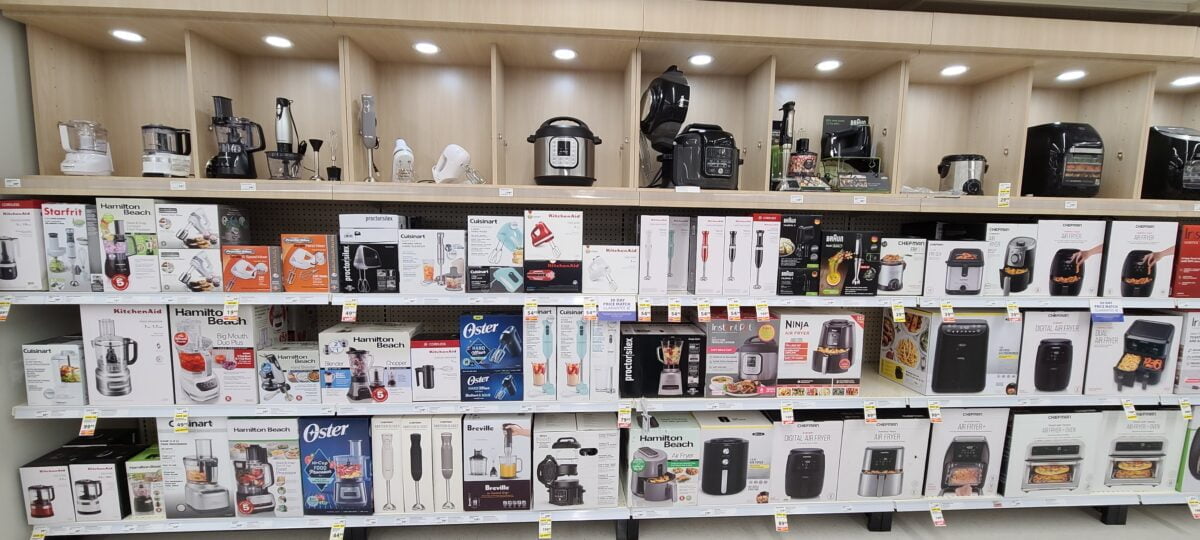
The new Southgate store has an expanded retail footprint of 29,600 square feet and contains all of the signature London Drugs departments including Pharmacy, Cameras, Photolab, Cosmetics, Appliances, Electronics and Computers.
The former pad location opened in 1982 and had a retail footprint of 20,919 square feet. London Drugs was founded in 1945 and is an expanded pharmacy retailer that carries a range of products from A to Z. It currently has a network of 79 physical stores located in British Columbia, Alberta, Saskatchewan and Manitoba and also has an online presence through www.londondrugs.com which ships to customers across Canada. To learn more about London Drugs, read this Retail Insider interview with Clint Mahlman, President and Chief Operating Officer of London Drugs.
Store Tour of the New Southgate London Drugs Store
London Drugs Southgate (Image: Christopher Lui)London Drugs Southgate (Image: Christopher Lui)
This open store concept is the latest evolution of the London Drugs store format. We were fortunate to be provided with a store tour by Rob Felix, Senior Vice President, Merchandising.
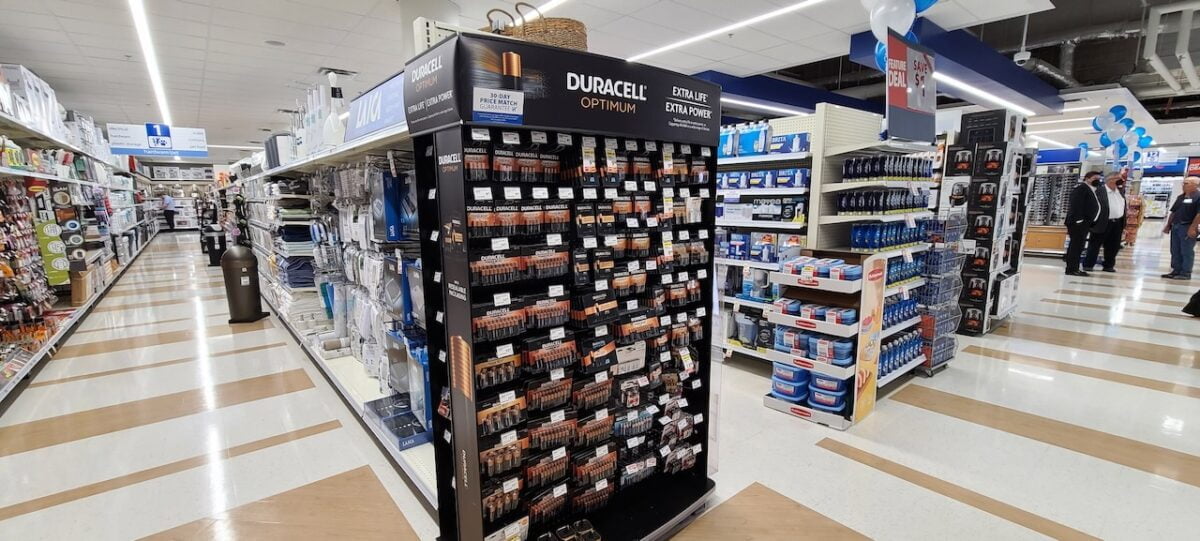
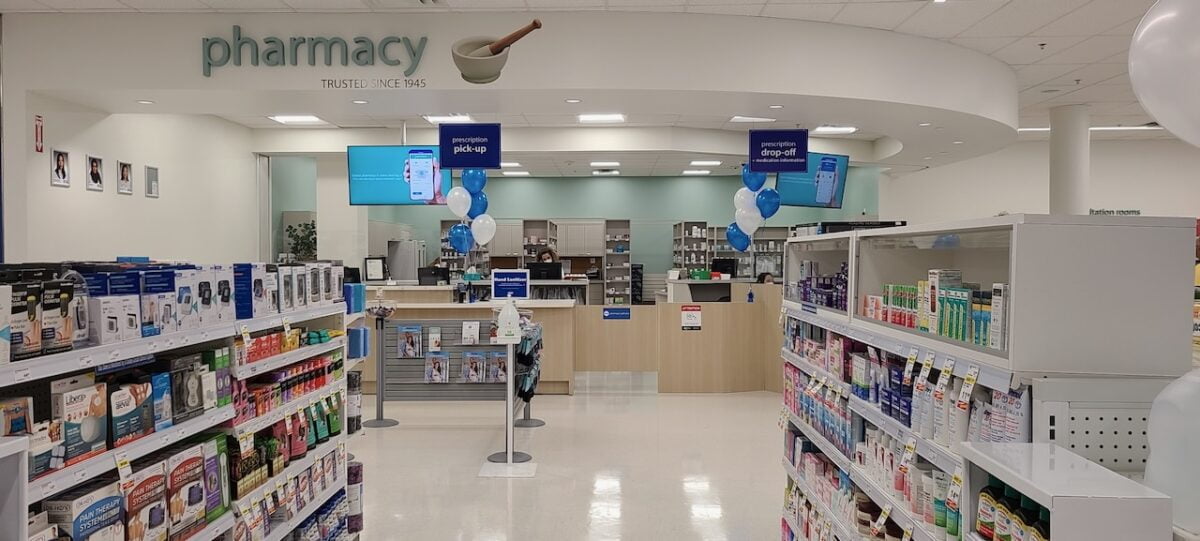
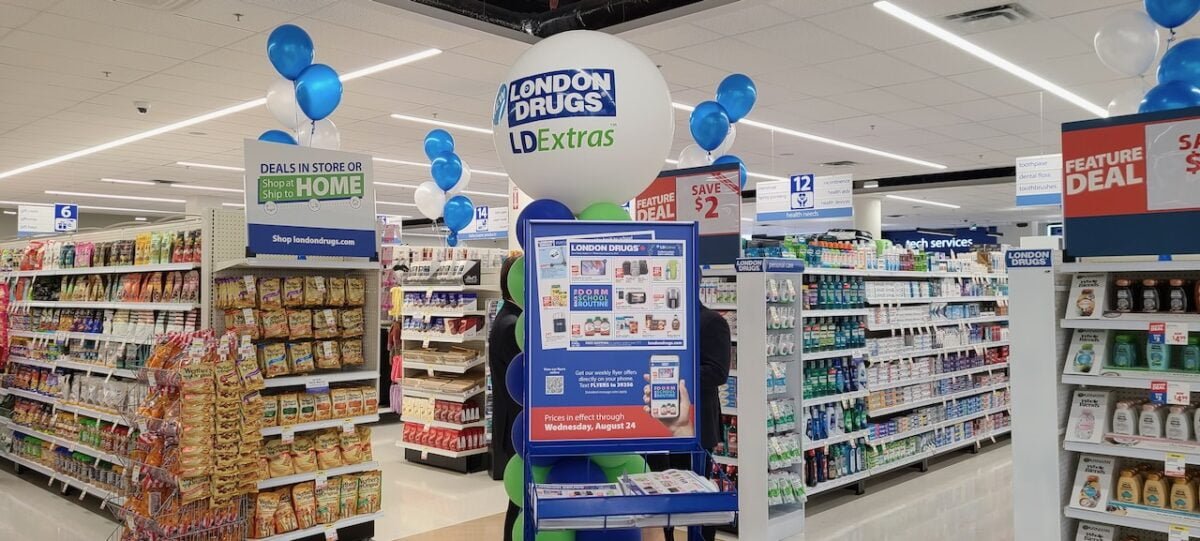
Walking towards the Pharmacy department, Felix pointed out the wider aisles that drive shoppers to this section. The average aisles in London Drugs stores are 6 feet wide with the new Southgate store boasting aisles spanning 10 feet in width.
London Drugs Southgate (Image: Christopher Lui)
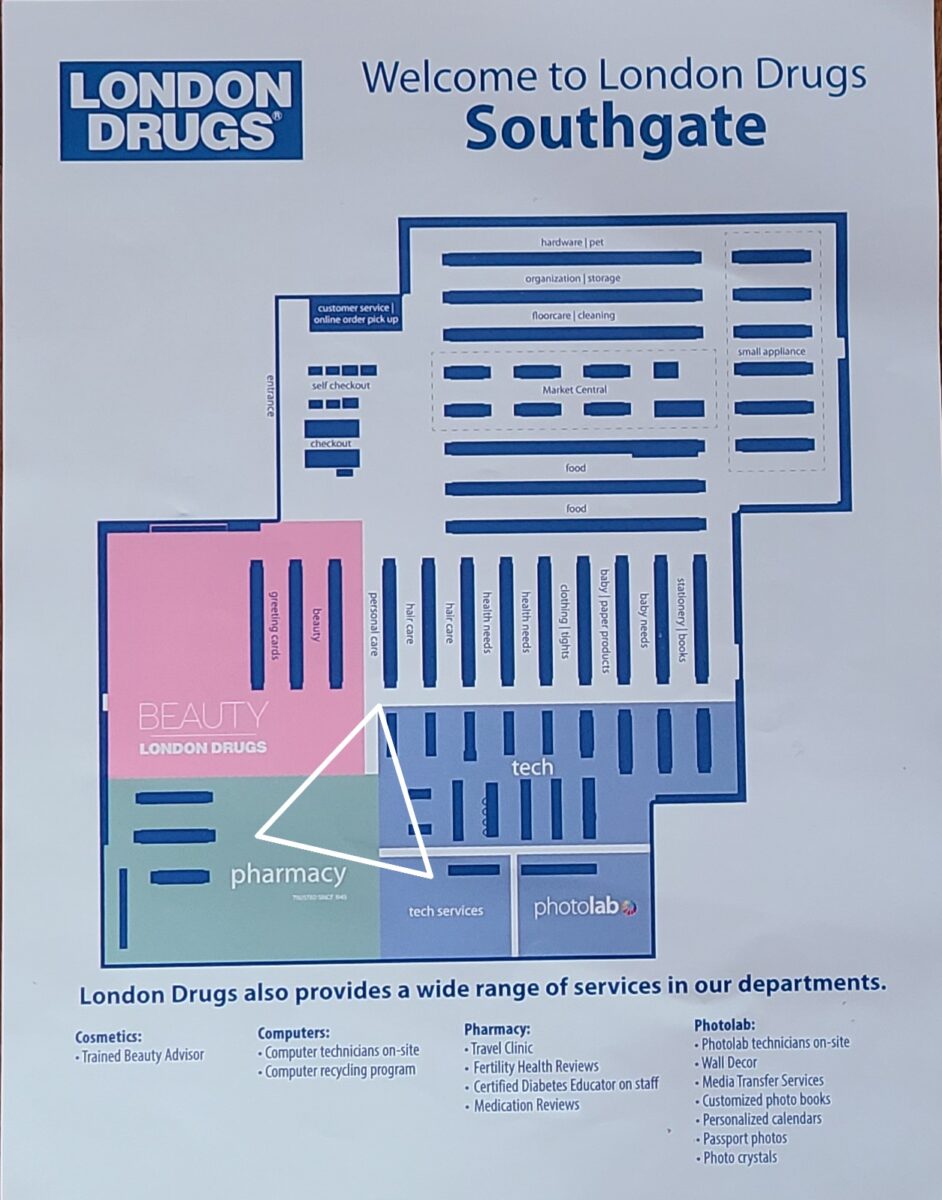
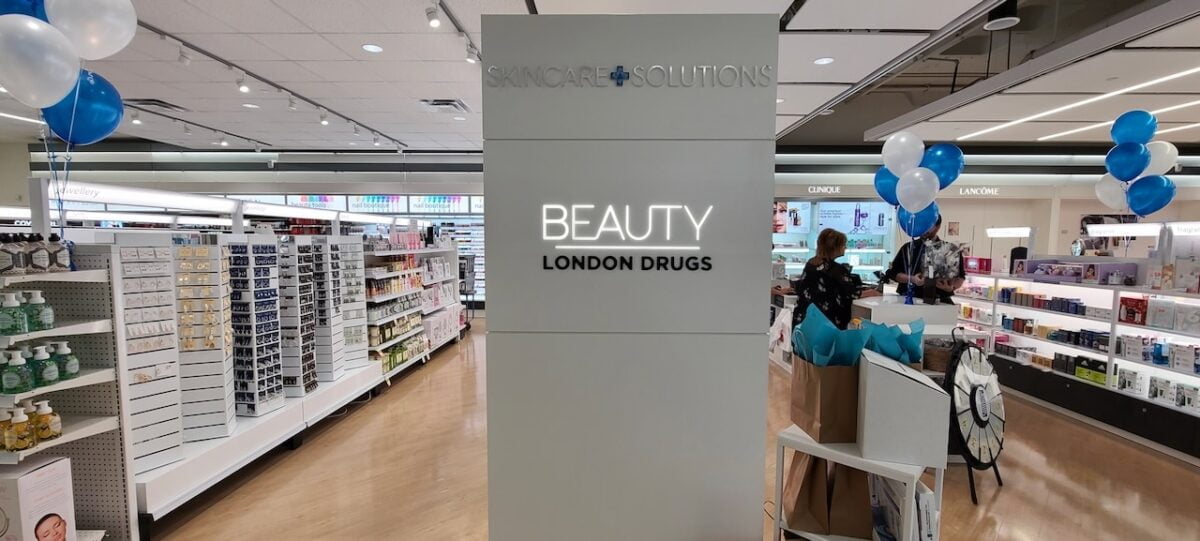
A unique design approach in this store revolves around the location of the Pharmacy, Beauty and Tech departments. The design approach mimics the Kitchen Work Triangle design. In this design, the three elements (cooktop, sink, and refrigerator) are laid out in a triangle pattern to maximize efficiency and reduce wasted steps. Similarly locating the Pharmacy, Beauty and Tech departments in a triangular format allows cross merchandising of complementary products near or adjacent to each other.
London Drugs Southgate (Image: Christopher Lui)
London Drugs Southgate (Image: Christopher Lui)
The Pharmacy is located in the center of the triangle and flanked by the Tech department on the right. To the left is a department housing Health Tech and Health Lifestyle products such as health monitors, scales, thermometers, massagers, body supports and yoga equipment. The location within the store provides the opportunity for the customer to be assisted by pharmacy professionals for their health questions such as heart rate and blood pressure, while tech associates are available to assist with questions such as how to link the health tech devices to their smartphone. With the Beauty department on the left, this allows merchandising of skincare products in an integrated manner. The pharmacy professional can provide information on pharmaceutical-grade skincare products while the cosmeticians are able to provide information on cosmetic skin care brands. Overall, this allows an integrated approach to customer service. The key benefits include allowing associates to assist the customer with different needs without having to leave their home departments, providing a one stop visit for customers by reducing the number of steps locating store departments and leading to a higher store conversion rate.
London Drugs Southgate (Image: Christopher Lui)
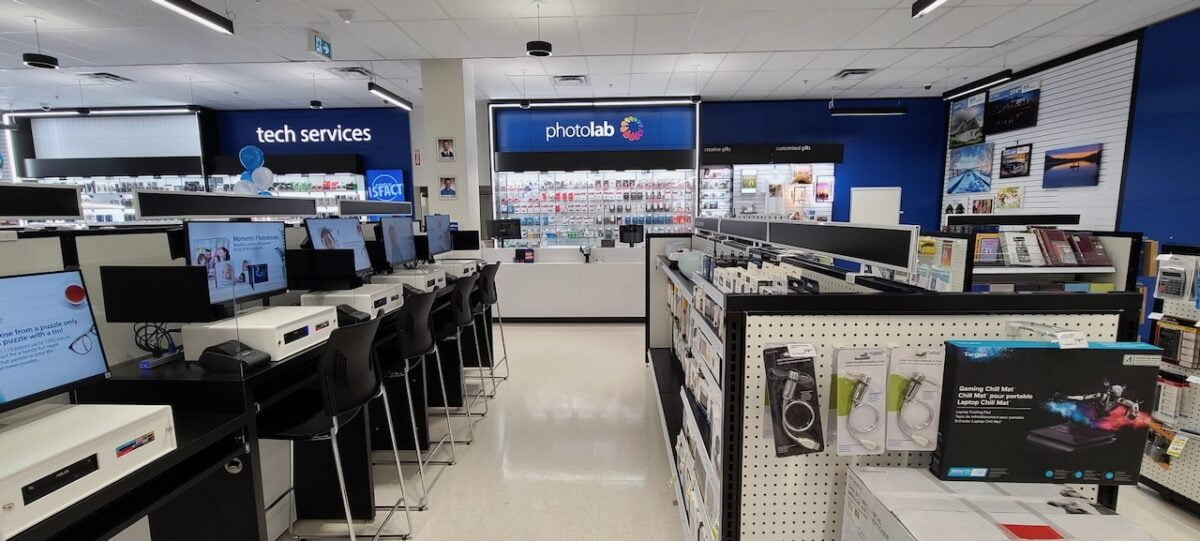
The Tech department also has an expanded Tech Services section. The service provides dedicated in-store, home and remote technology support services. The in-store service technicians offer out-of-warranty work on HP, Lenovo, Asus, ACER, Apple, Microsoft products, assistance with a software or hardware setup, installation, virus removal, cleaning, data transfers, troubleshooting, software conflicts and education.
London Drugs Southgate (Image: Christopher Lui)London Drugs Southgate (Image: Christopher Lui)
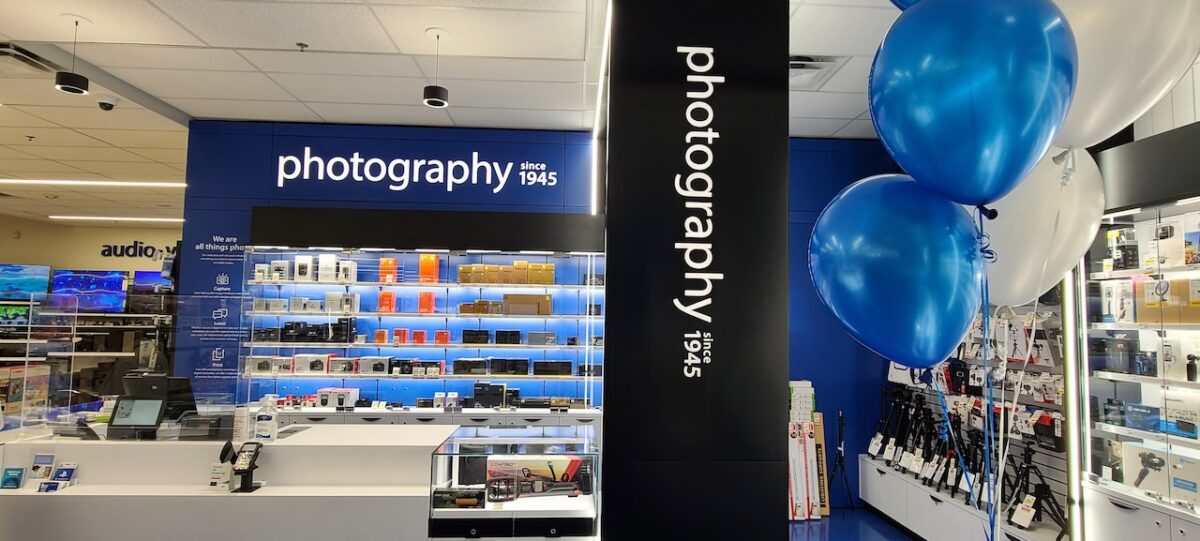
The Photolab within the Tech department has also expanded in the new Southgate London Drugs. As other retailers were exiting this business, London Drugs reinvented the Photolab to resonate with both an older and younger demographic. The Photolab offers traditional services including photo finishing, media transfer and passport photos. For the younger shopper, London Drugs has tapped into the personalization trend for the Photolab. You can print your picture on pillows, blankets, caps, mugs and more. There are also dedicated photo editing computers for customers to finalize their images instore and leveraging assistance from the Photolab associates.
London Drugs Southgate (Image: Christopher Lui)
The Beauty department has expanded to include dedicated areas with branded fixturing for Biotherm, Clinique and Shiseido.
London Drugs Southgate (Image: Christopher Lui)
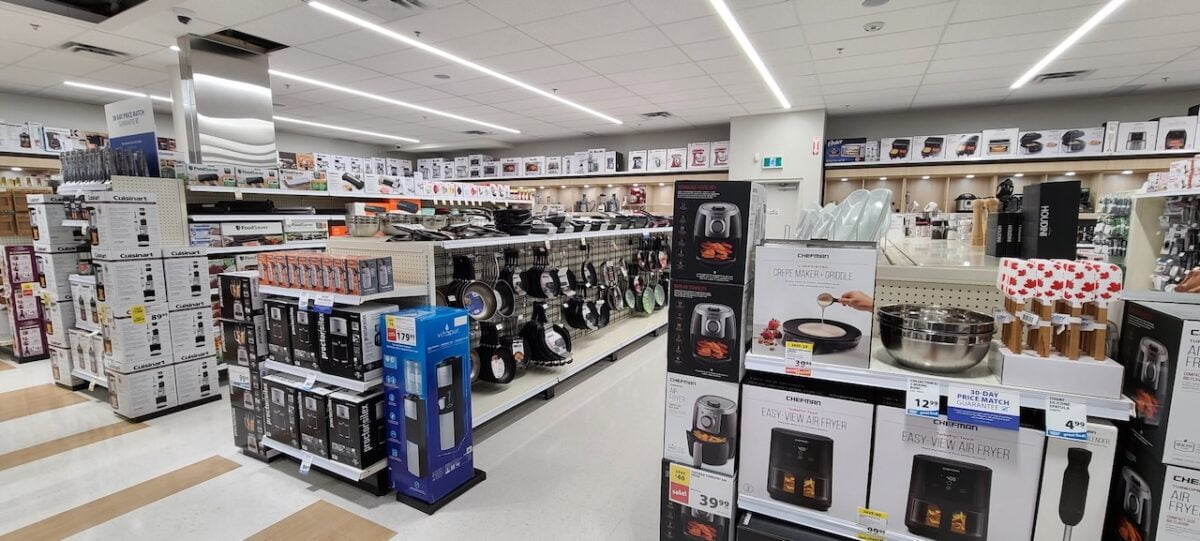
The Housewares department focuses on everyday household items and brands such as Starfrit and Salton. There are other housewares retailers within Southgate Centre that carry higher end houseware products and this merchandising strategy helps fill the gap for everyday items.
London Drugs Southgate (Image: Christopher Lui)
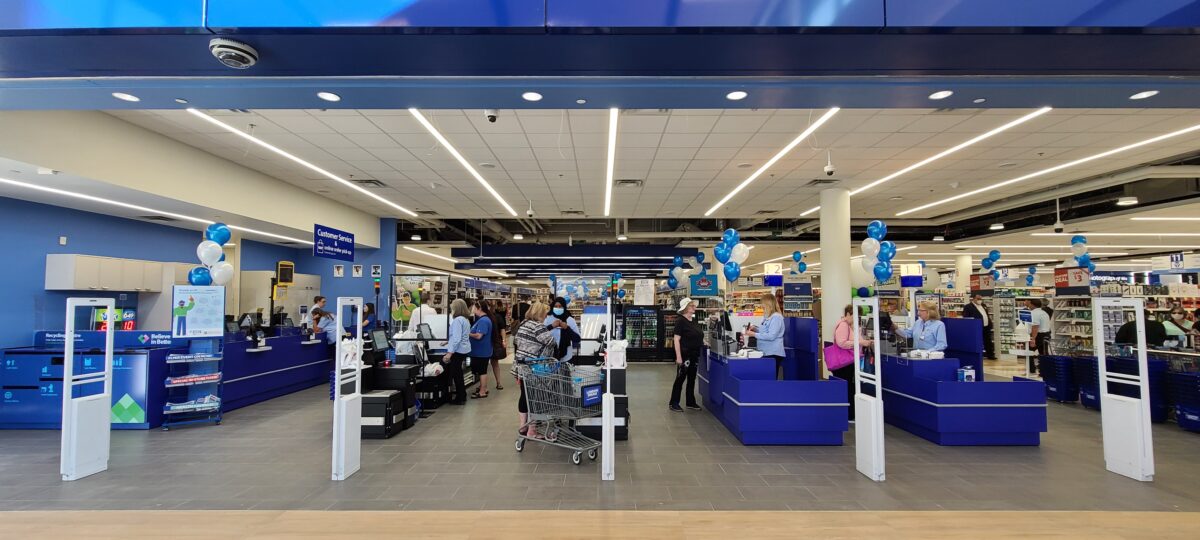
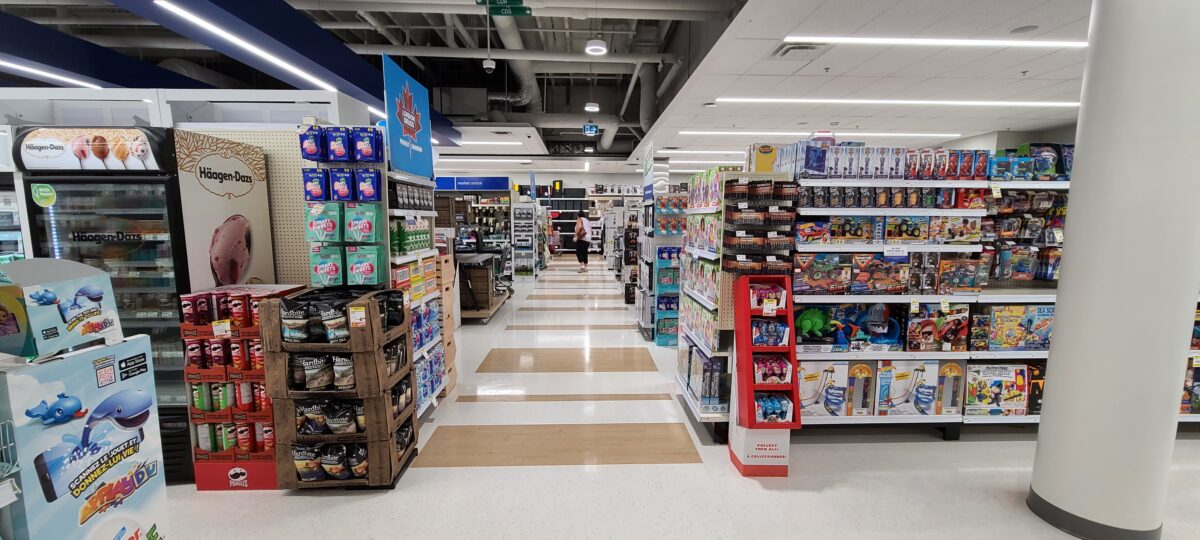
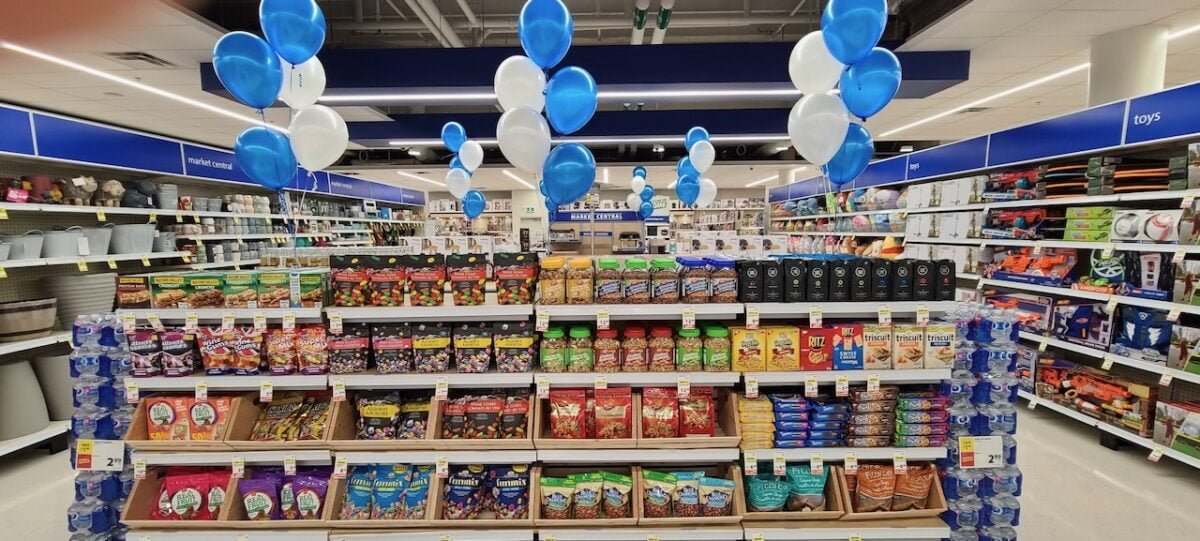
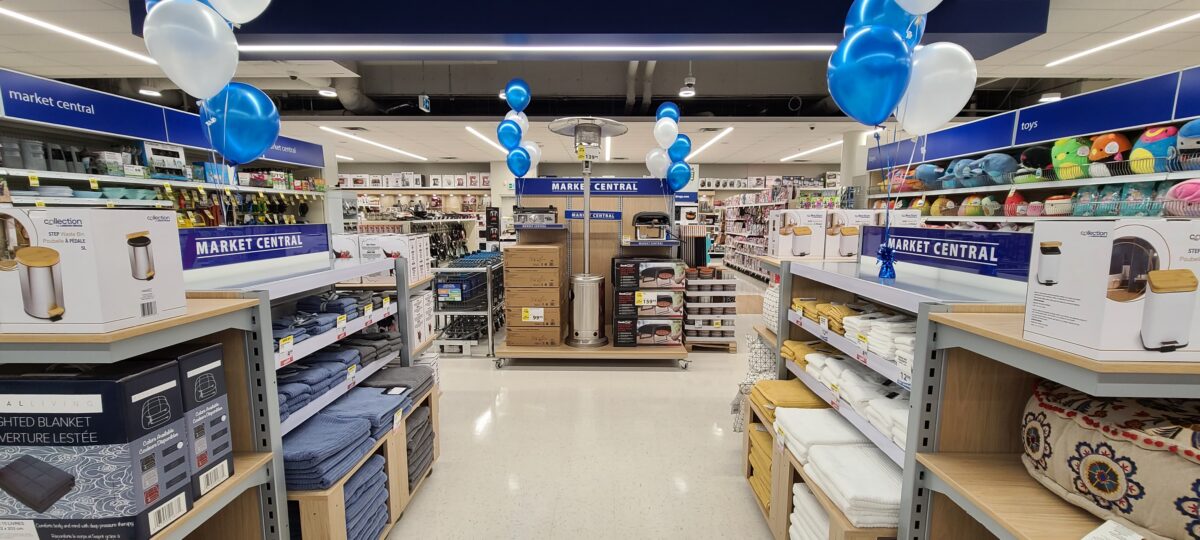
Another unique merchandising concept in the store is Market Central, located near the checkout. Previously known as the promotional aisle, Market Central has modernized this concept. The concept essentially creates a curated boutique concept within a larger store allowing customers to find new and unique products that they may not otherwise find. At the Southgate store, this space utilizes two main aisles with moveable fixtures on castors for the middle section and specialized shelving with wood accents on the perimeter.
London Drugs Southgate (Image: Christopher Lui)
Market Central can be modified for different seasons as well as promotional cycles — moveable fixtures allow space that can be transitioned to fit various items without costly fixture movement and also creates the treasure hunt atmosphere for customers that changes throughout the year. Currently the section houses summer goods such as sunglasses, suncare and pizza ovens. Soon, the department will be transitioned to Back to School offerings.
London Drugs Southgate (Image: Christopher Lui)London Drugs Southgate (Image: Christopher Lui)
Market Central has been very successful and is being rolled out across the chain. It has also been recognized as a finalist for the In-Store Experience and Design Award at the 2022 Retail Council of Canada Excellence in Retailing Awards.
Analysis
London Drugs relocating to Southgate Centre is a great opportunity for both the retailer and Southgate Centre. The distance from the original store to Southgate Centre is only 1.3 kilometers away, approximately 5 minutes by car. There is great transit access to Southgate from the former location in the Empire Park neighborhood. The relocation to Southgate should transition the store’s existing customers as well as add new customers that would not have travelled to the original store. Being at Southgate is advantageous since there is the Southgate Transit Centre with both bus and light rail transit transfers adding additional volume of people. Overall London Drugs joining Southgate Center is an excellent addition to the retailer mix and will resonate with both existing and future shoppers.
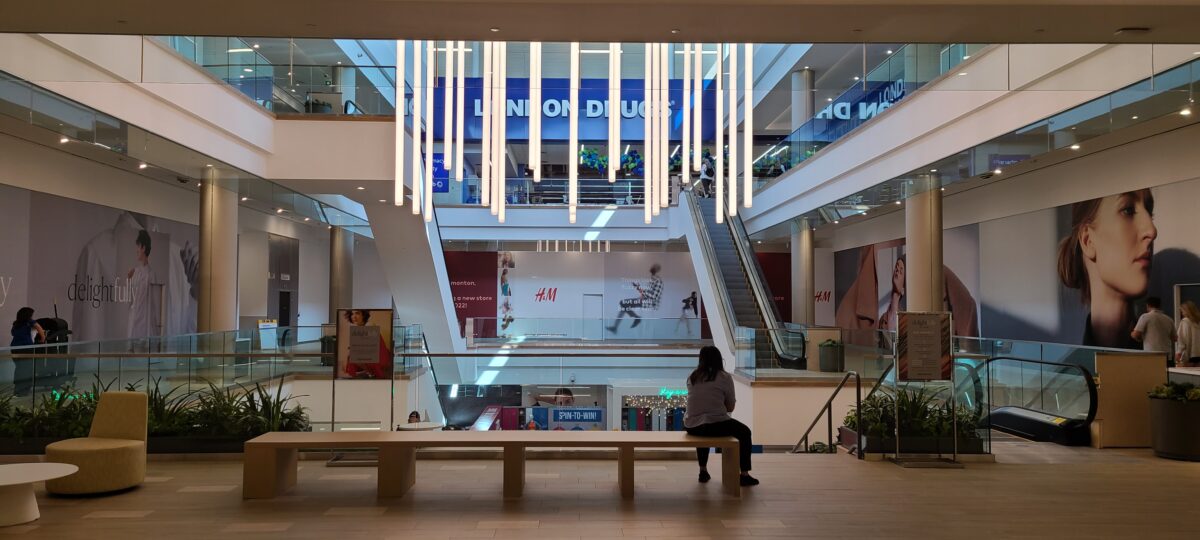
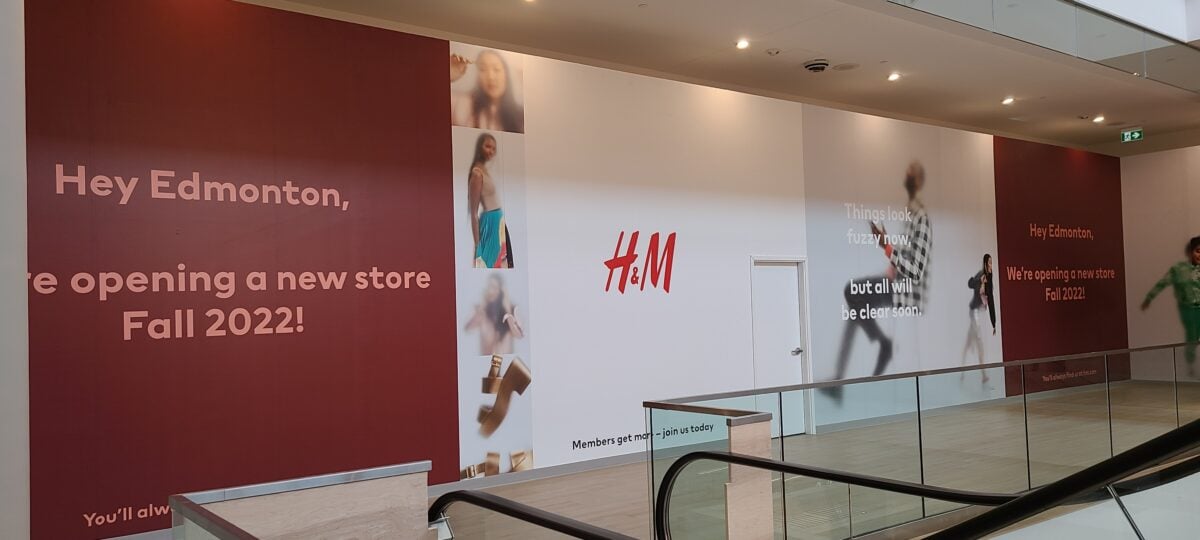
Future H&M at Southgate (Image: Christopher Lui)Future H&M at Southgate (Image: Christopher Lui)
There is still more exciting North Wing redevelopment to come. We will be reporting on additional retailers that will be opening in the North Wing in the near future including Sporting Life, H&M and Michael Hill slated to open Fall 2022 as well as the grand unveiling of the wing.
History of the Space
Located in Southwest Edmonton, Southgate Centre opened over 50 years ago on August 12, 1970. With a total retail footprint of 940,967 square feet, Southgate Centre is a super-regional mall with 159 stores and services. A few notable current tenants include Edmonton founded Poppy Barley and Edmonton’s only Restoration Hardware, Crate & Barrel and Nespresso stores.
The North Wing Redevelopment was announced in 2020 with an estimated cost of $93 Million. The entire North Wing is approximately 260,000 square feet with Ledcor as the contractor for the project. This redevelopment included (1) reconfiguring the former anchor tenant space to smaller scale retail stores, (2) expanding the retail square footage by annexing mall corridors and annexing additional tenant space with select existing tenants including Starbucks, Coles Bookstore now rebranded as Indigo Spirit and Dairy Queen Treat / Orange Julius combo store relocated to existing space within the mall, (3) adding an open concept atrium seating area, (4) adding a new east facing loading dock and (5) adding infrastructure including accessible bathrooms, elevators and escalators.
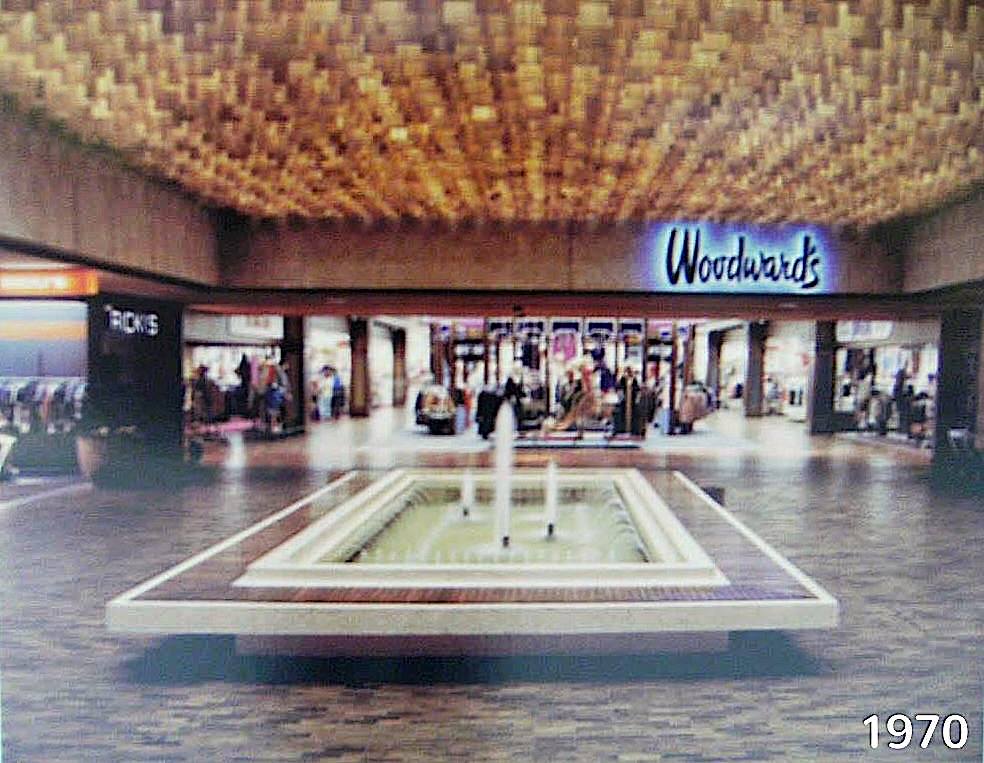
The former Woodward’s store at Southgate Centre in Edmonton in 1970. Image via Woodward’s Facebook page
Renamed The North Wing, this original anchor space spanned over 293,809 square feet with a main floor, upper floor and basement floor. It was occupied by the Woodward’s Department Store from 1970 to 1993 – it was consistently the chain’s top performer. The Woodward’s store also included a Woodwood’s Food Floor which is now the Safeway Canada Supermarket (52,571 square feet), Woodwards Garden Centre which is now occupied by George Richards Big & Tall Menswear store and an open space for lease (7,238 square feet) and the Woodwards Tire Centre on an external pad which is now occupied by Scotiabank and Southgate Dental Centre (10,311 square feet). The combined Woodward’s Southgate retail footprint was over 304,120 square feet. When the Woodward’s department store chain closed due to bankruptcy, it was subsequently replaced with an Eaton’s Department Store. The Eaton’s store was open from 1993 to 1999 and spanned 234,000 square feet. Eaton’s also closed due to bankruptcy and Sears Canada moved into the same retail footprint from 1999 to 2018 and unfortunately also closed due to bankruptcy. For a temporary time between Spring 2018 to Fall 2019, a local furniture store, Big Comfort occupied the main floor of the former Sears space.
Podcast: A Closer Look At Vancouver's Luxury Retail Nodes & the What's to Come
This week Craig and Lee discuss the Vancouver luxury retail market including upcoming changes. While downtown Vancouver has dominated in terms of luxury retail offerings, two landlords are building malls that will also target luxury brands and may split the market into three separate luxury retail nodes that could have an impact on the region for years to come.
The Weekly podcast by Retail Insider Canada is available on Apple Podcasts, Stitcher, TuneIn, Google Play, or through our dedicated RSS feed for Overcast and other podcast players. Also check out ourThe Interview Seriespodcast where Craig interviews guests from across the Canadian retail landscape as part of theThe Retail Insider Podcast Network.
Drop us a line at Craig@Retail-Insider.com. You can also rate us in Apple Podcasts or recommend us in Overcast to help more people discover the show!
Background Music Credit: Hard Boiled Kevin MacLeod (incompetech.com). Licensed under Creative Commons: By Attribution 3.0 License. http://creativecommons.org/licenses/by/3.0/
Lexi Miles Corrin recognized a void in the Canadian market for high-end and efficient waxing services at competitive prices back in 2012.
And that’s when she left her career as a management consultant and started WAXON Laser + Waxbar. Today, WAXON has 14 locations with half of them franchises and half corporate. All locations are in the southern Ontario region with the exception of one in Halifax.
“We have two new locations that we’re hoping we can get geared up to open this year. That will be York Mills and the Avenue Lawrence in Toronto as well,” said Miles Corrin, the company’s founder and CEO.
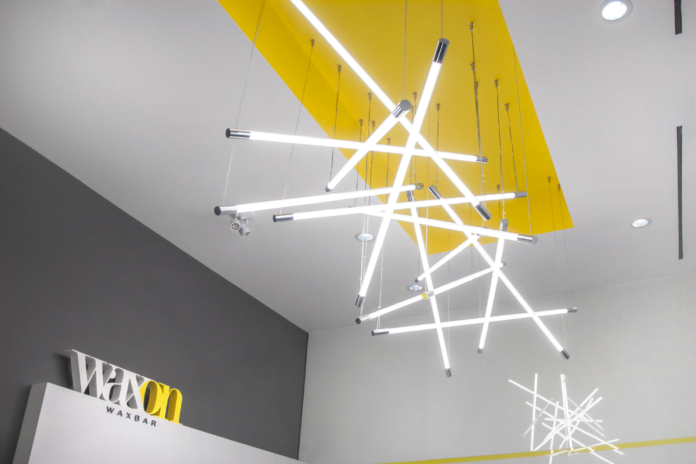
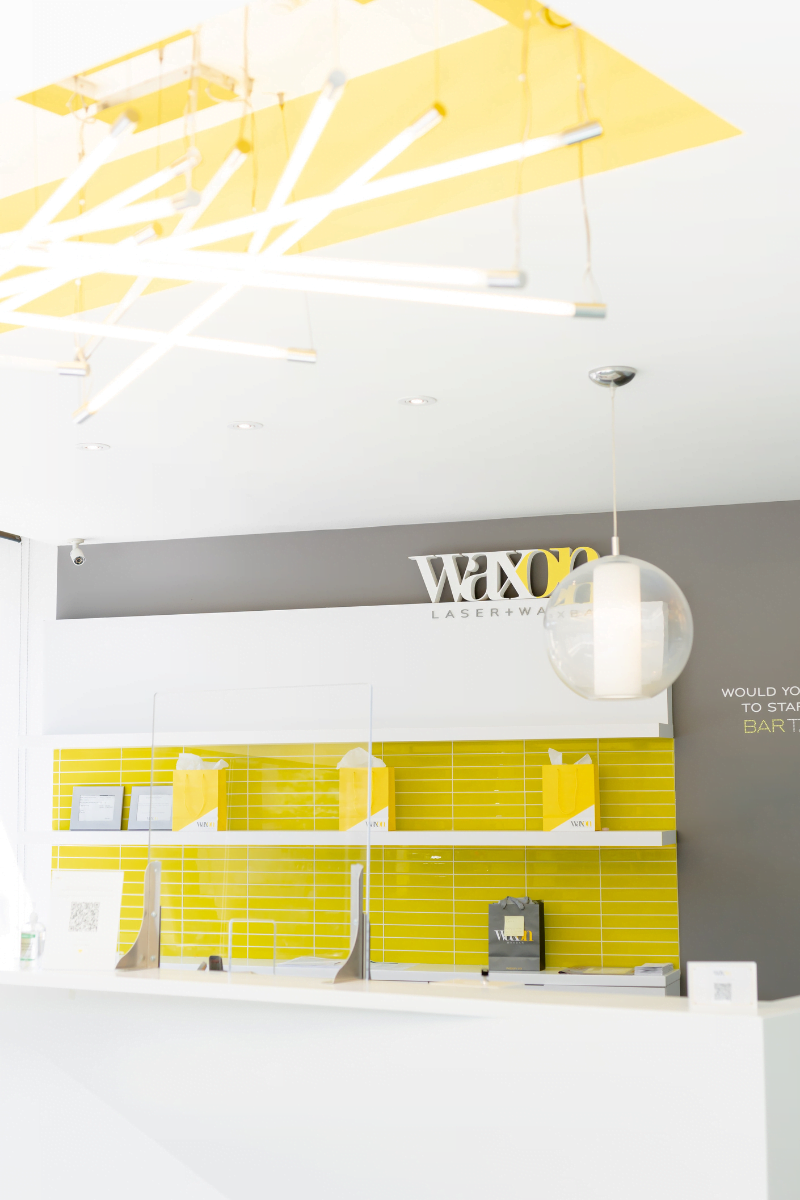
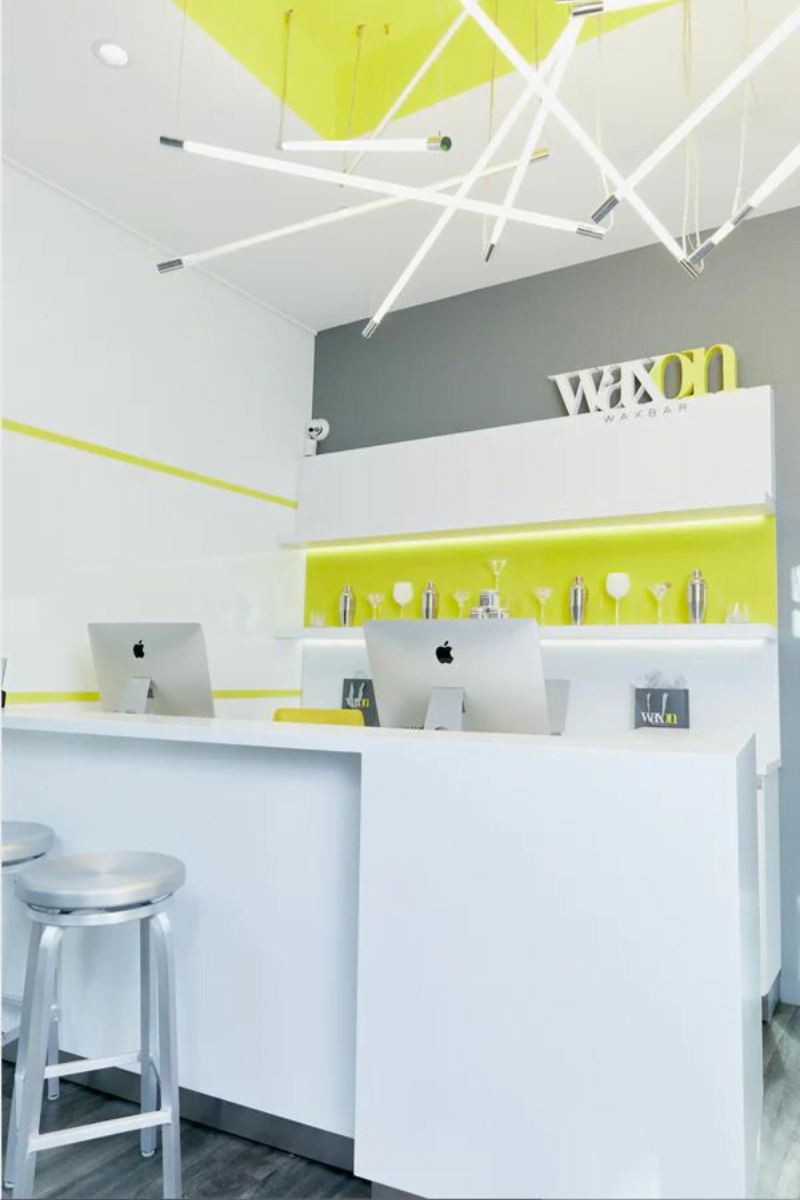
WAXON Laser and Waxbar (Image: WAXON)
WAXON Laser and Waxbar (Image: WAXON)
WAXON Laser and Waxbar (Image: WAXON)
The company’s first location was in the Summerhill neighbourhood in Toronto. WAXON’s first franchise location was in London, ON, in 2017.
“Our predominant focus most recently has been in franchising. When I opened WAXON and started the business, at first I thought I could grow the business very quickly, 100 locations, franchise them all, no big deal in five years, and quickly learned that is not the best way to build the business or franchise business,” said Miles Corrin.
Lexi Miles Corrin
“So we had about four locations under our belt before we opened our first franchise location and had those running for quite a bit of time to kind of really learn the business and then opened a couple of franchise locations, took a step back, opened another corporate location, and again learned so many new things, and then really started to put a very big focus on franchising the business. And that’s where we’re at today, feeling a lot more confident in what we’re providing our franchise partners and the support they’re getting from us and the brand, and really setting them up for success in terms of training and things like that.
“We’re going to continue to approach our growth with a goal of opening 10 locations from basically now until the end of next year. Those are all franchise locations. However, we’re approaching kind of our five-year plan of growth as a combination of franchise and corporately-owned locations. I think it’s really important to do this and it’s a bit different from a lot of businesses, especially aesthetics out there, that we do both because I think it’s really important for us to stay in the game alongside our franchise partners. COVID’s a perfect example of that. We were right alongside experiencing the exact same things as our franchise partners were at the same time in a world that no one knew the right path to go down and we were navigating it all together. I know that actually brought us together stronger as a company . . . because we were in it with our franchise partners. So we’re approaching it with the goal to have a 50-50 split maintained as we grow and use our corporate locations as an opportunity to expand into new places.”
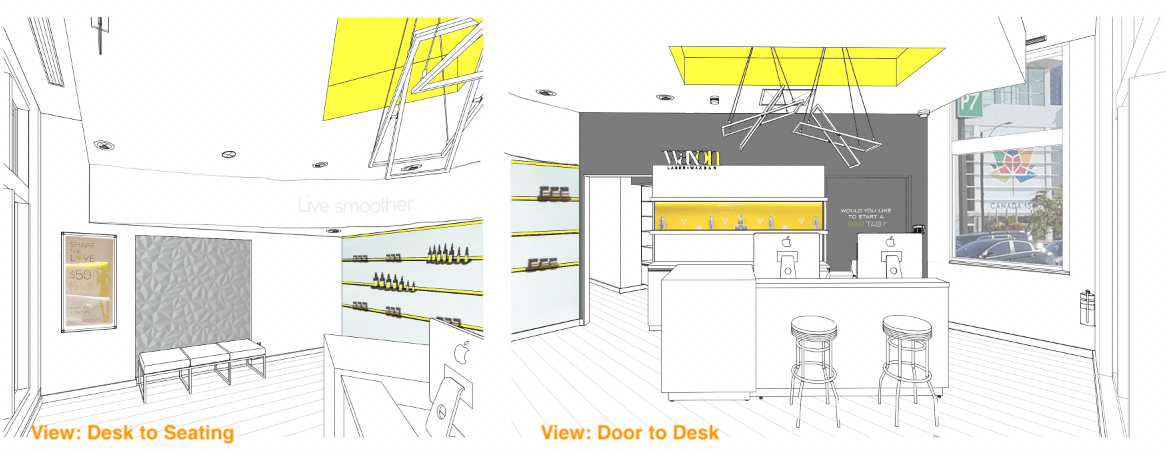
Stoney Creek WAXON (Rendering: WAXON)
The company also has a pop-up every summer in Muskoka.
Miles Corrin said the company has talked a lot about using the pop-up as a form of marketing moving forward because it’s a great way to get the brand out there.
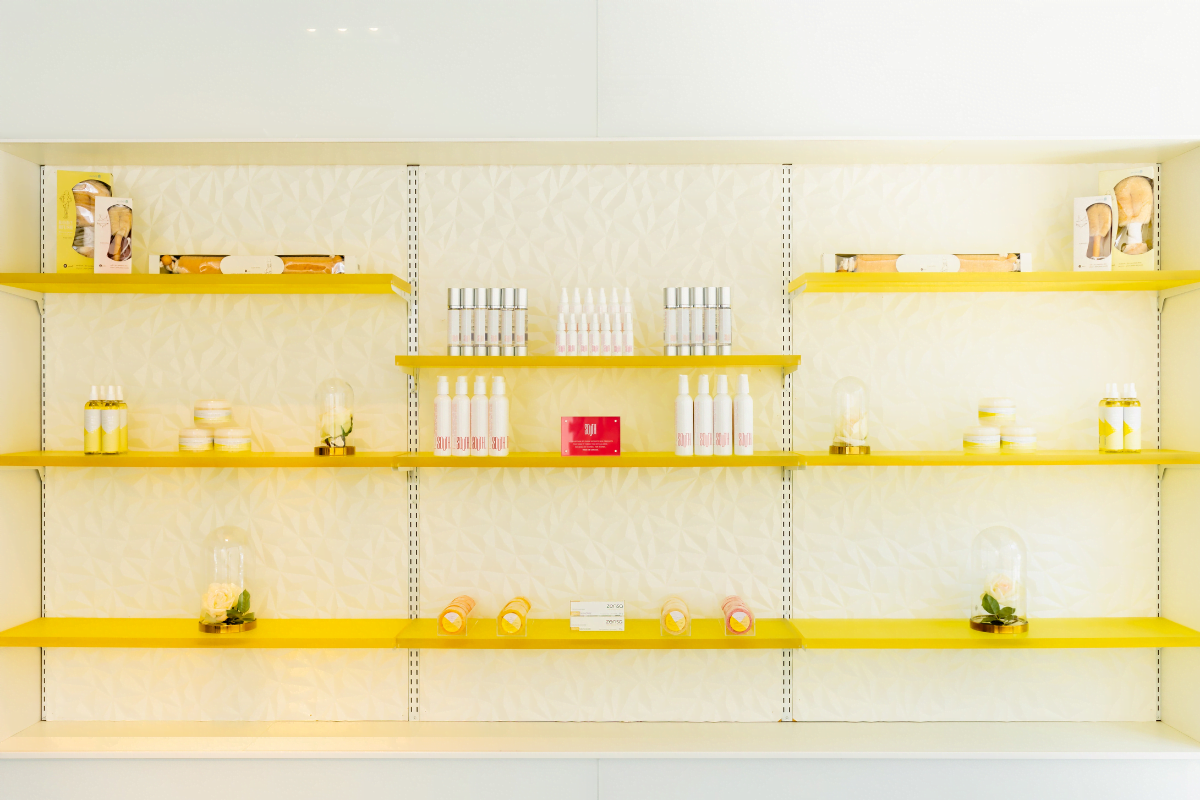
“For us, we focus solely on hair removal per se in terms of our service offering,” she said. “And that includes waxing and laser. However, as an overall company we’re actually a lot of more than that in terms of what we incorporate into the business. We provide a product offering. We have our own exclusive products that we develop and cater towards our clients’ needs.
“We kind of look at the inside of our business as a combination of our service offering, the education that we provide to the clients within the service also and also online and our blog as well as the podcast we have, and then our product offering as well. For us, it’s all about convenience, quality and providing it all at a very convenient and affordable price point. That’s where our differentiating point is.”
Retail Insider is streamlining its Canadian retail news from around the web to include a handful of top news stories that can be viewed quickly during the day. Here are the top stories from the past 24 hours.
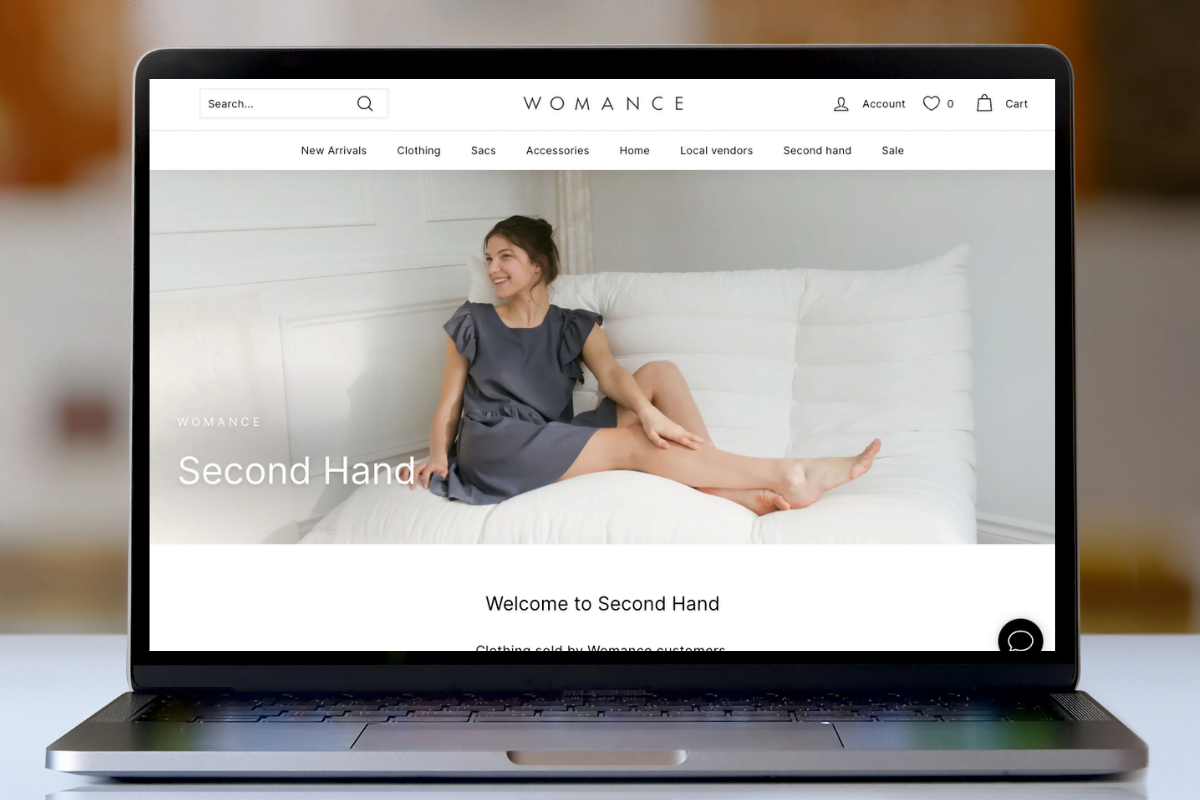
Recurate, a leader in branded resale technology, has released its first-ever resale report showing that resale is not niche and is not just for Gen Z but 74 per cent of people across all major markets, ages, genders and socioeconomic status shop recommerce.
Other key findings include:
Brand loyalty will increase with brand-owned resale. 75 per cent of all recommerce participants said recommerce would increase their brand loyalty and frequency but right now third party marketplaces are their only option;
Opportunity to increase customer base and decrease production. 85 per cent of recommerce shoppers would try a new brand if recommerce was offered;
Frequent fashion without fast fashion. 72 per cent of recommerce shoppers shop at least every two to three months;
Brands aren’t doing enough. 62 per cent of sellers feel brands could do more to help them participate in recommerce; and
Customers are demanding brand-owned resale. Nine out of 10 people who shop and sell pre-owned want to shop peer-to-peer recommerce directly from the brand.
Womance (Image: Womance.com)
“This consumer report quantifies the tremendous opportunity of brand-owned resale,” said Karin Dillie, VP Partnerships at Recurate. “The numbers are clear – brands who launch in-house resale programs can create substantially more loyal, more frequent customers than brands who don’t.
“We really thought there was a ton of research. You see it pretty much every day, every week, about new items being sold . . . We wanted to do a report that was less focused on exactly what brands were selling or trends and predicting things and more actually understanding consumer behaviour and what they’re excited about – how they want to behave and how they want to interact directly with brands if the opportunity was there for them.
Karin Dillie
“Customers want brands to do more to get them involved in circularity. So 62 per cent of customers surveyed said that they thought that brands could do more to engage in circularity and make resale really easier. That to me was a pretty big call to action for brands in this space.
“We also found this cohort of customers we’re calling circulars. So they do both buying and selling. I think historically a lot of people thought of those two as very separate demographics. Either you are a resale seller or you are a resale buyer and kind of not both. So we’re seeing this emerging trend especially among young consumers under the age of 30 that want to engage with both and they’re the ones that are really actively participating in this and they’re super excited for a variety of reasons to get brands involved in resale.”
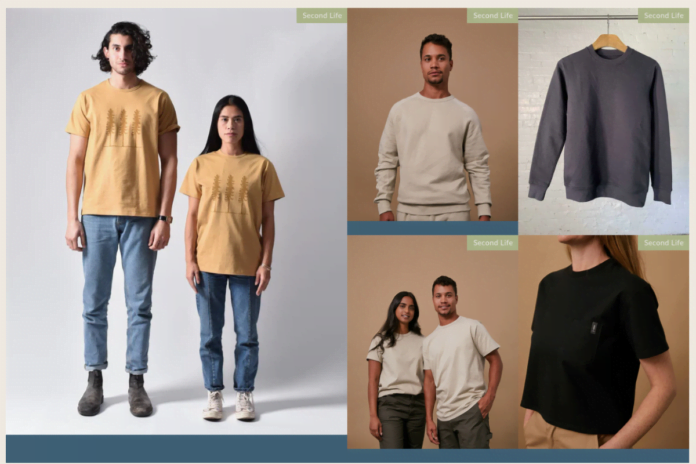
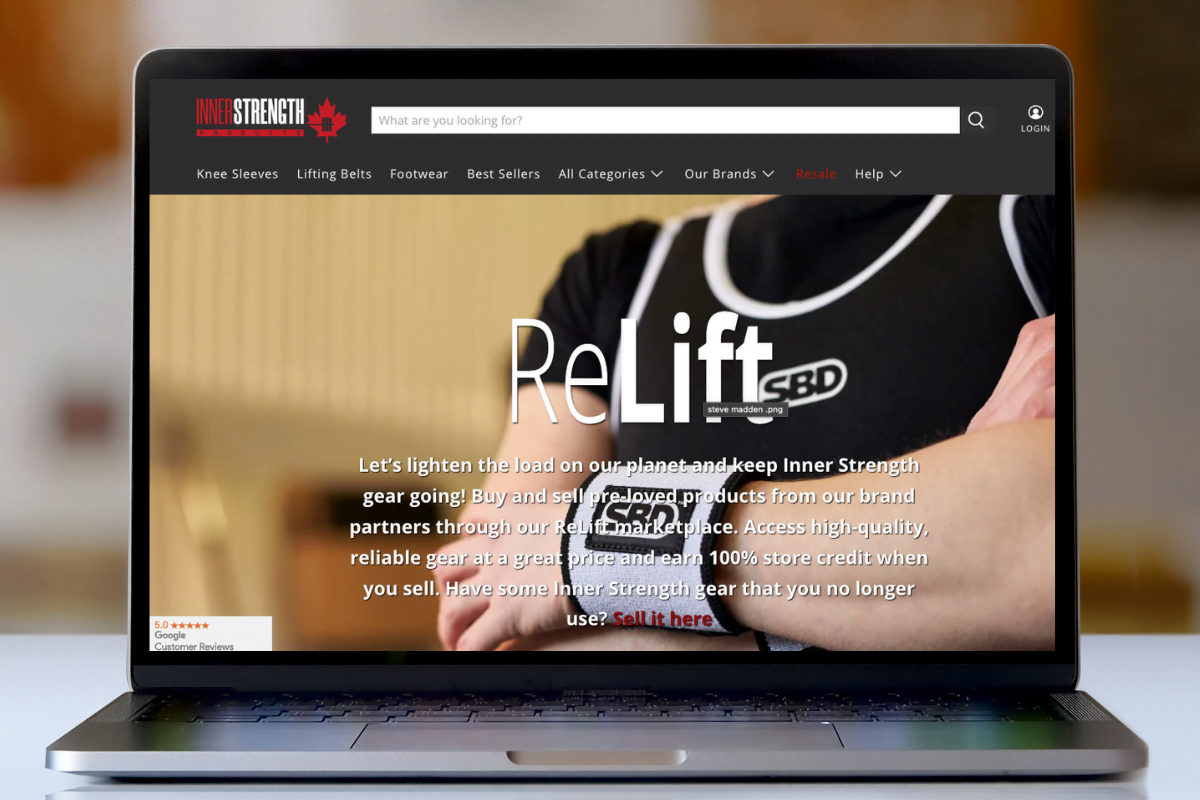
ReLift by Inner Strength Products
Adam Siegel, CEO and Co-founder of Recurate, said the company was launched in the early part of 2020 and is based in Washington, DC.
Adam Siegel
“We are a B2B technology company. We basically have software that integrates them to brands’ websites, ecommerce sites, and we enable a new experience for those brands where their customers can buy and sell pre-loved items directly on their brands’ websites,” he said.
Siegel said the company is live with several brands in Canada today and several more US brands that have large customer bases in Canada.
“So we’ve done thousands and thousands of Canadian transactions. We’re translated into French Canadian and English and we have a partnership with Canada Post. Yes, very much engaged in the Canadian market.”
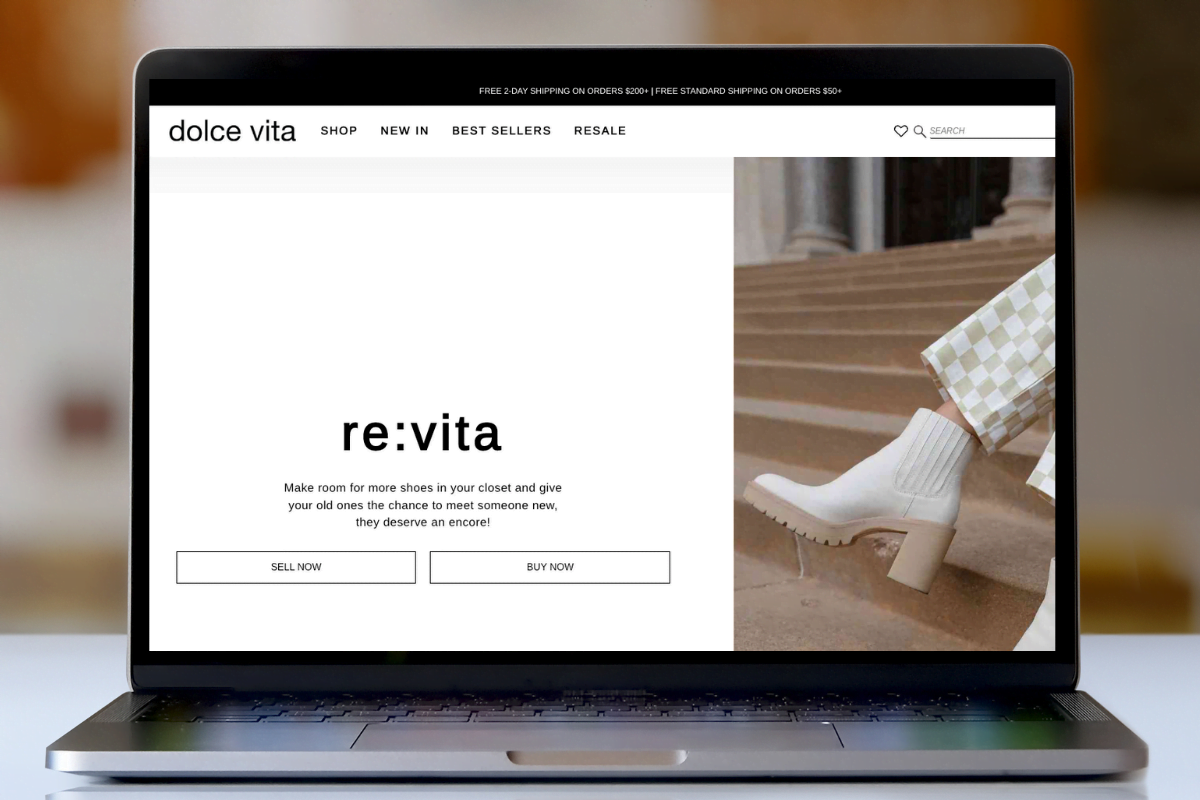
Dolce Vita (Re:Vita)
Recurate’s Resale Report findings show that as the resale market continues to grow and outpace traditional retail, it is imperative that brands are able to leverage resale as a sustainability initiative and revenue driver. For brands, recommerce is key to unlocking the next chapter of growth, engagement, and loyalty.
The Resale Report is an important component of Recurate’s larger mission to empower brands with the support and technology they need to meaningfully participate in the circular economy.
Siegel said two-thirds of Canadians surveyed are likely to very likely to purchase second hand, clothing, accessories or gear if they were sold by individuals through a known brand’s website.
“To me, that’s an extremely high number. It’s super interesting,” he said.
Also, almost two-thirds of Canadians would shop a new brand that offered second hand options.
“The rationale we see why customers are willing to shop new brands if they offer pre-loved options is because oftentimes customers aspire to shop brands but they may not be able to afford and to get pre-loved options it makes the cost more reasonable for them to be able to try a brand they otherwise wouldn’t be able to,” he said.
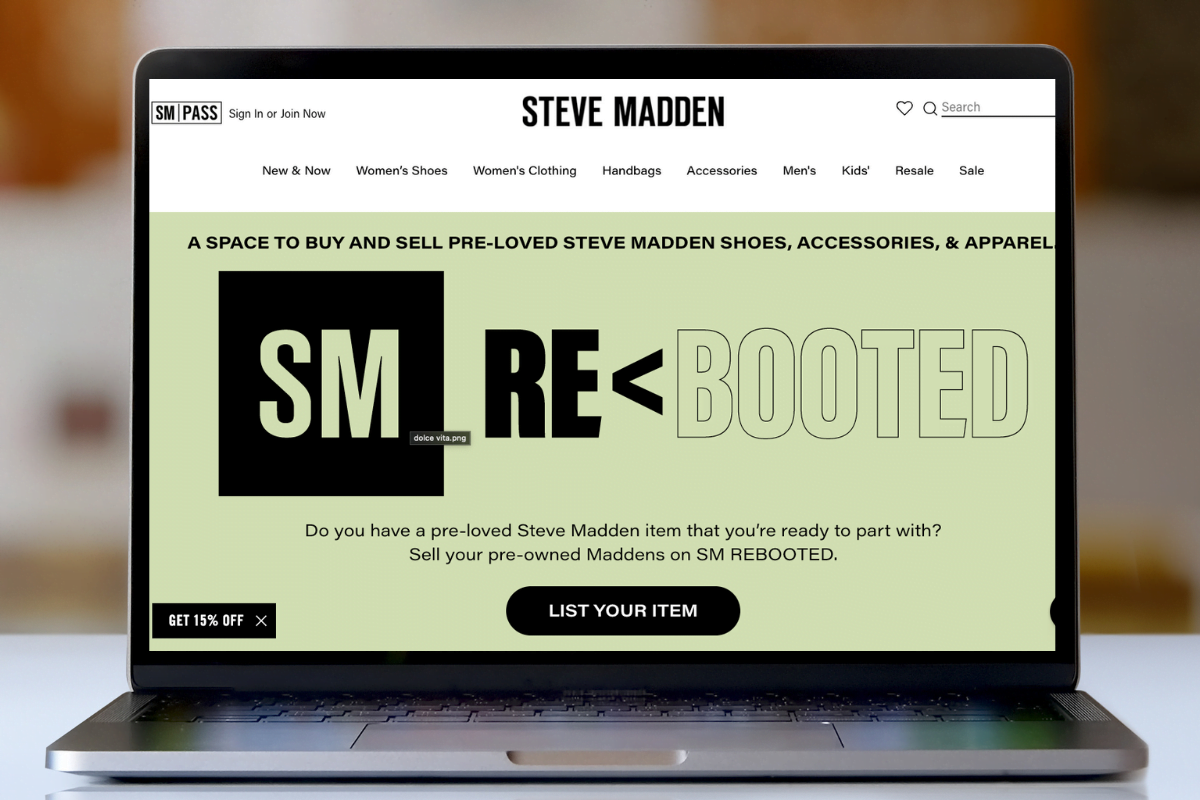
SteveMadden.com (ReBooted available in the US exclusively thus far)
Dillie said more and more retail brands are launching recommerce sites.
“They’re just figuring out how they want to do it,” she said. “There’s a lot of options in resale. So now they’re really thinking about what makes sense for their customers.”
For many consumers, recommerce is about price point and can be an entry point for them to certain brands, she said.
“People are also conscious about sustainability. It motivates them as a buyer. They want to buy second hand. They know that it’s extending the life of items. There’s also a lot of people who like to find treasures.”
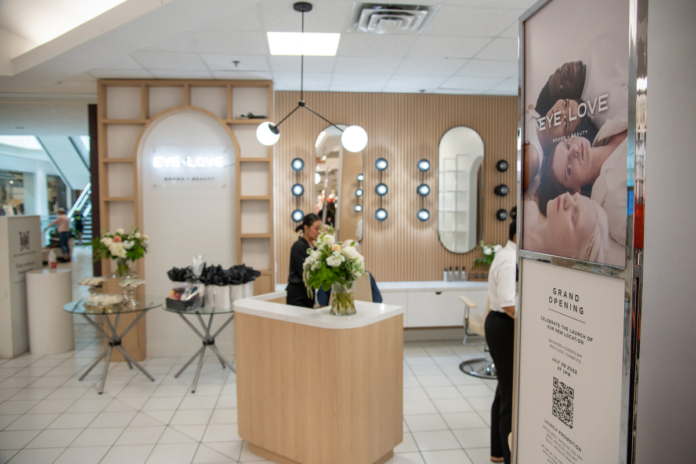
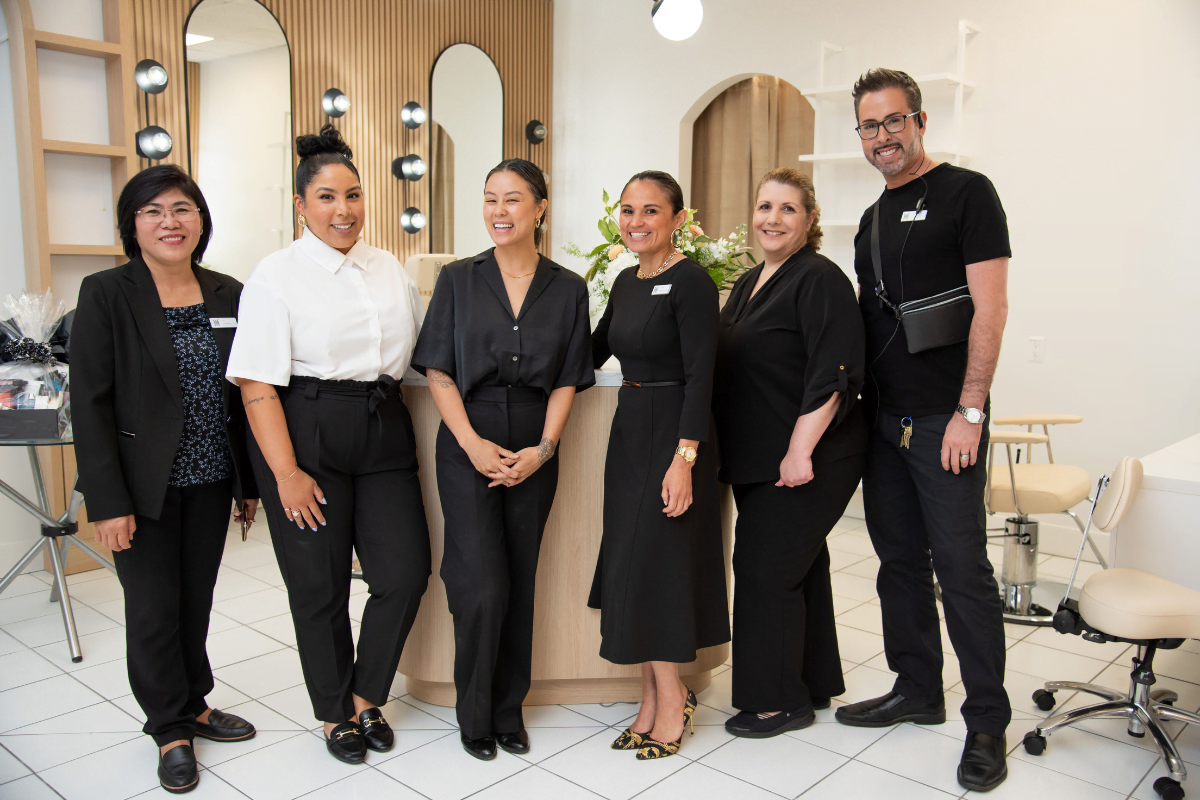
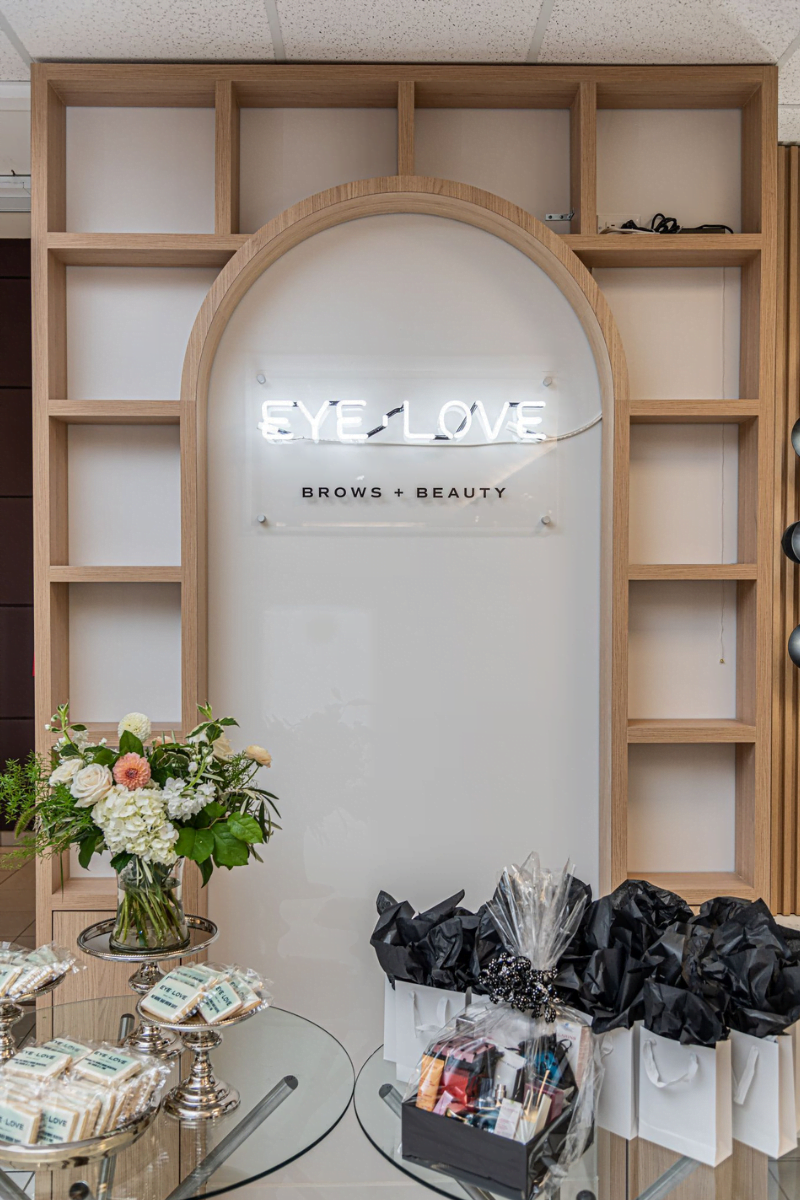
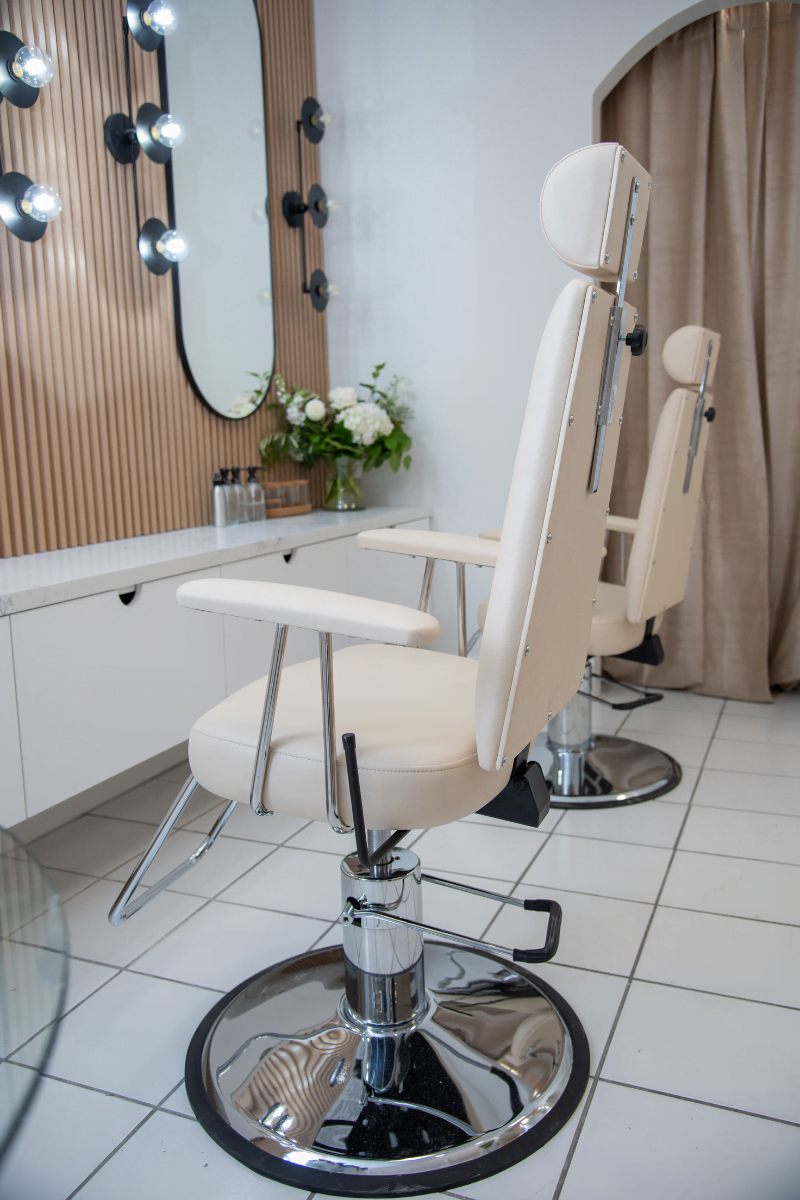
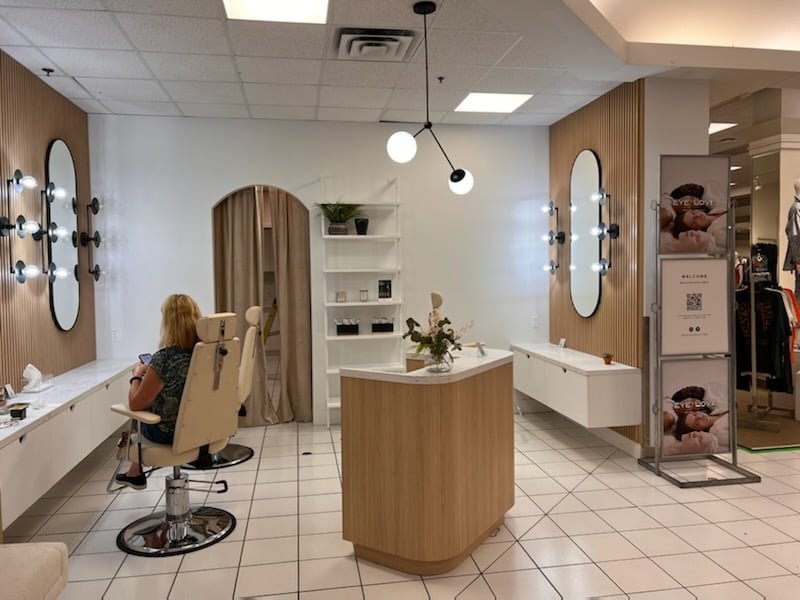
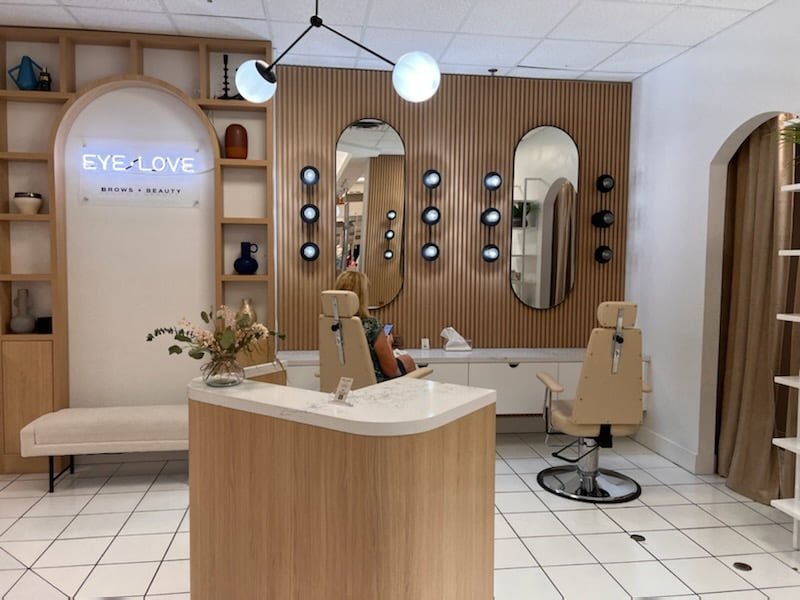
Eye Love Beauty Bar in Hudson's Bay Ottawa Bayshore Centre (Image: Eye Love)
Toronto-based Eye Love Beauty Bar has partnered with Hudson’s Bay at Bayshore Centre in Ottawa, bringing a new experience and clientele to both companies. Hudson’s Bay has been welcoming more concessions into its stores, and Eye Love Beauty Bar jumped on the opportunity to expand into the Ottawa market in an already proven high-traffic location.
As some background, Eye Love Beauty first opened in 2011 on Queen Street West in Toronto with the concept of brow shaping, lashes, makeup, and skincare services. Before becoming a brows artist, the founder Mary Dang, focused on makeup; however, she decided to open Eye Love Beauty because she noticed a gap in the cosmetic industry as no one solely focused on brows.
“My inspiration behind Eye Love Beauty was before the big eye-brow craze when brows were just an afterthought, and you wouldn’t really go into a brow shaping studio. As a makeup artist, if you create beautiful makeup on someone’s face but their brows are not properly shaped, there is no amount of makeup that would fix that. Brows are an essential part of your face and I felt we needed something just focusing on brows instead of an add on service,” says Dang.
New Partnership
Eye Love Beauty Bar in Hudson’s Bay Ottawa Bayshore Centre (Image: Eye Love)
Eye Love Beauty Bar in Hudson’s Bay Ottawa Bayshore Centre (Image: Eye Love)
Eye Love Beauty Bar in Hudson’s Bay Ottawa Bayshore Centre (Image: Eye Love)
Mary Dang
Hudson’s Bay reached out to Eye Love Beauty just before the pandemic offering a partnership. As for the location, Dang said at the time of the offering she had just found out she was pregnant. As her family lived in Ottawa, the store would allow her to work and get additional support from family which made having a business in the city attractive.
“We needed more support from family because Covid was such a big thing, and we were so isolated as we were not around a lot of family so that is when we decided to explore spreading outside of Toronto and into Ottawa and killing two birds with one stone.”
Dang said Ottawa was also her top choice because she noticed the city did not have a lot of offerings where brows where the main thought, or customized brow shaping.
“We are about emphasizing what you naturally have and bringing back what you naturally have, pretty much brow rehab. So, I thought Ottawa would be a great way to experiment if Eye Love Beauty would be successful here, which I think it will be.”
Eye Love Beauty Bar in Ottawa (Image: Eye Love Beauty Bar)
Eye Love Beauty Bar in Ottawa (Image: Eye Love Beauty Bar)
Dang said the new partnership has been a learning curve for her and she needed a lot of help and hired a business attorney to make sure everything was in place and her needs were met. Other than figuring out the legal logistics of the partnership, Dang said it was a great experience, a lot of hard work, and has appreciated the Hudson’s Bay’s patience and guidance as she went through the process.
“It means a lot to me a great company like the Hudson’s Bay recognizes the importance of what we are offering, and they want us to be apart of their amazing department store and offer our services to their clientele. It makes the brand feel more real.”
Dang said this partnership will help both companies as it will improve brand visibility for Eye Love Beauty while bringing in new clientele to Hudson’s Bay. Eye Love Beauty’s demographic ranges between 20 years-old to around 50 years-old and it services both women and men.
The New Store
Eye Love Beauty Bar in Hudson’s Bay Ottawa Bayshore Centre (Image: Eye Love)
Eye Love Beauty is in the cosmetics department of the Bayshore Hudson’s Bay store, where it will be offering similar services as the Toronto location expect for makeup. Services at Eye Love Beauty include brows, lashes, and skin treatments. Eye Love Beauty has private rooms for facials, while brows and lashes are done outside for more visibility.
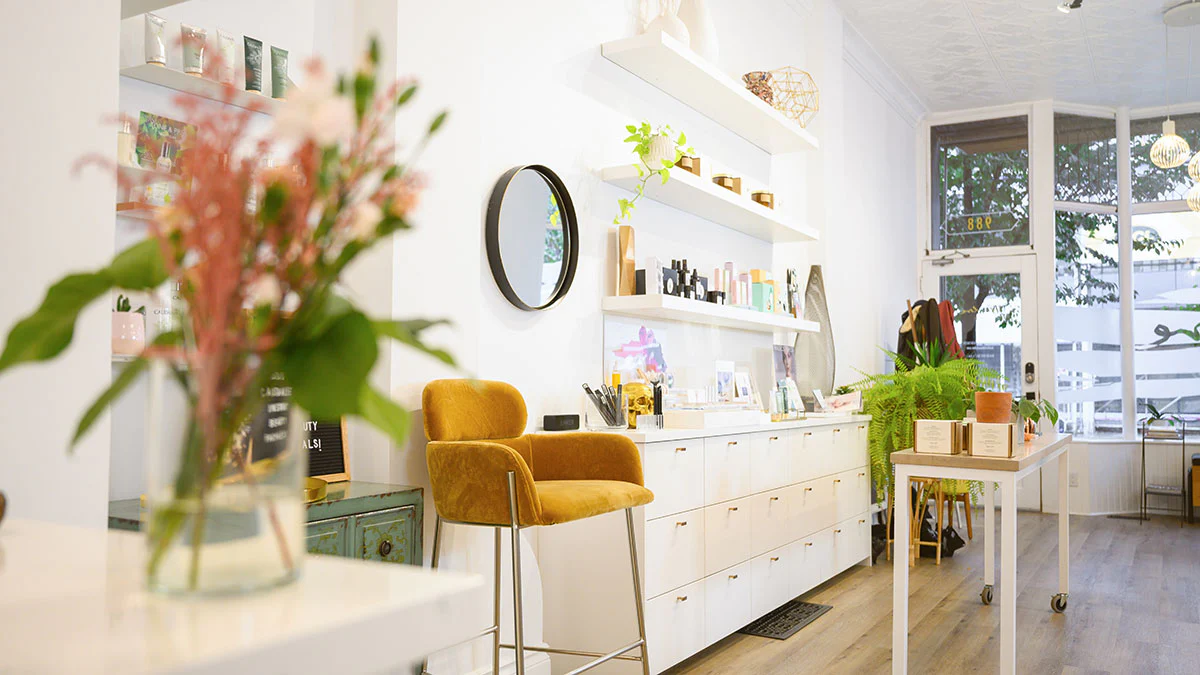
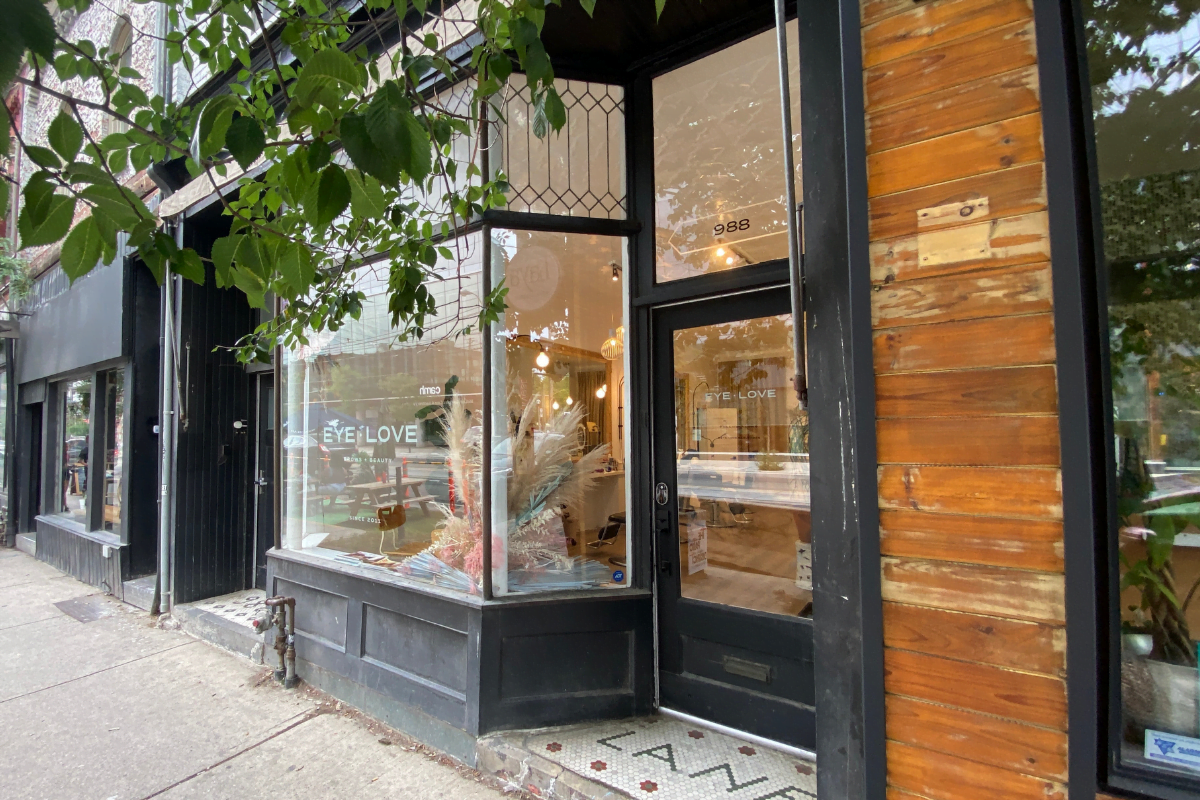
The space at Hudson’s Bay is 300 square feet and customers can also buy products to take home to help with makeup, brows, lashes, and skincare. The store in Toronto is 900 square feet located at 988 Queen Street West where it offers its full-service menu.
Loyal Followers
Image: Eye Love Beauty Bar (Queen West)Eye Love Beauty Bar on Queen Street West (Image: Dustin Fuhs)
“The first month has been great, the one thing I discovered is we have such a loyal following, there are clients I haven’t seen in years that have moved out here. There is such a great support from clients who have already experienced Eye Love Brows that have moved, or they shared with their friends out here.”
One obstacle Dang is hopeful she will overcome is Eye Love Beauty’s price point as it is a little higher than a usual brow waxing.
“The price point is a little higher, so I am getting the same reactions as when I first opened Eye Love Beauty 11 years ago. Clients are used to paying a certain price for their brows whereas when you come in for the first time with us, it’s a full-on appointment, its like a hair appointment. You would discuss your concerns, goals, and I will show you how to take care of them at home, so people are a little bit hesitant based on the price, but I think once they experience the service, we will win them over.”
The initial appointment will be a 45-minute service, as apposed to 10-15 minutes at a salon, and will be $45. The first initial appointment is recommended as it allows the brow artists to “dive right into the brows, access, and point you into the right direction.”
Dang said the goal of this new partnership will to be expanding across Canada, but she will have to see how well the company does first before making any plans. Eye Love Beauty is also going to be introducing its sister brand and they are in the process of crafting a brow cosmetics line. “It will be our hero products to create the most natural effortless brow. It will be two products that we will be out that we use to fill in our brows everyday to give you a realistic brow and easy to use for our clients.” The new line is expecting to appear at the end of the year or early next year.
In-person events such as the Calgary Stampede, elevated oil prices and increased tourism has returned to Calgary in the first half of 2022, showcasing the resiliency of the city and driving optimism in the retail market, according to a mid-year retail real estate report by CBRE.
“Calgary’s adaptable retailers have been increasing their market share, expanding on concepts, and capitalizing on the returning consumerism. Landlords are diversifying their tenant mixes, back filling vacancies and welcoming new market-entrants and brands to Calgary. However, optimism is marred by rising interest rates, increasing construction costs, supply chain issues, scarcity of certain equipment and delays in permitting and financing,” said the report.
“After two years of challenges for the retail sector grappling with COVID-19, Calgary is back open for unrestricted business. Retail options continue to be in demand as vacancy rates compress for a second consecutive half.”
The report said Calgary’s overall retail vacancy continues its downward trend, dipping 30 bps from 6.2 per cent at mid-year 2021 to a healthier 5.9 per cent for the first half of 2022.
Image: Fourth Street BIA
“Net absorption is strong and demand for existing units with any pre-existing infrastructure is on the rise. Developers continue to navigate through the upward pressure on construction/land costs, constrained supplies and permitting delays. For the first time since the second half of 2015, the amount of product under construction is below a million square feet. If inflation and rising costs don’t hinder the progress, we expect the pipeline of new supply and construction numbers to rise over the next half as the residual bottle necks brought on by the pandemic begin to subside,” explained the report.
The areas that experienced the largest half-over-half declines in retail vacancy are Calgary’s East submarket falling 390 bps to 3.8 per cent, the Northwest submarket decreasing 380 bps to 5.5 per cent, and the South submarket declining by 290 bps to 3.7 per cent. The Southeast continues to have the lowest vacancy rate in Calgary, down 70 bps to 2.2 per cent.
“The North Central, East, Southeast and South sectors of the city have an average vacancy rate of 3.6 per cent leading to an increase of pre-leasing activity from the expanding retailers attracted to the development and demand of new homes in these areas. These submarkets account for approximately 90 per cent of suburban home development in Calgary over the next five years. Alternatively, vacancy in the Central Business District (CBD) remains elevated and has increased by another 110 bps to 12.6 per cent this half, inflating Calgary’s overall vacancy average. Historically the CBD suffers from chronically high vacancy rate with a 10-year average of 9.6 per cent,” said CBRE.
“The CBD’s 2022 challenges stem from an increased reliance on hybrid work models and record levels of office vacancy (33.7 per cent in Q2 2022) which continue to negatively impact foot traffic in downtown Calgary. Rental rates for this product continue to compress with higher inducements to attract qualified retailers to the area. Removing CBD vacancy numbers out of the equation, Calgary would be sitting at 4.5 per cent overall vacancy.
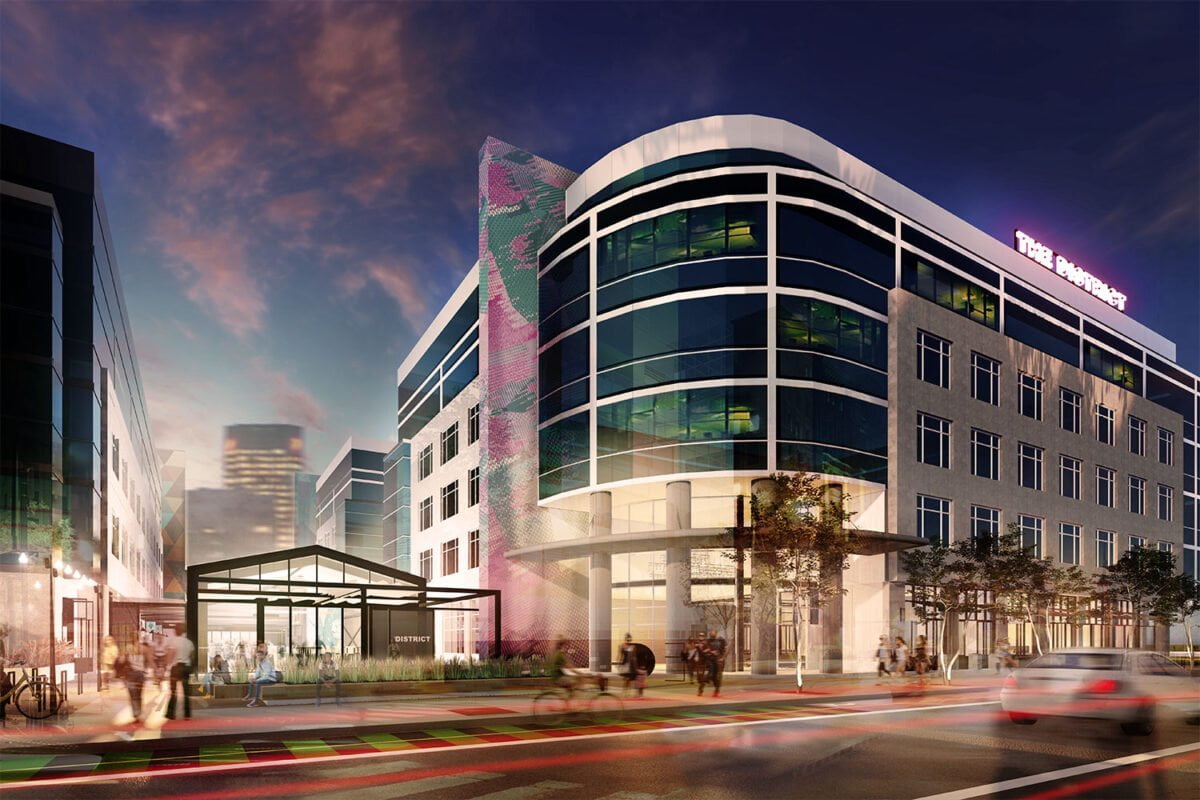
The District (Image: CBRE)
“As we saw in H2 2021, new construction pro formas are being revisited and revised to reflect the rising costs associated with development. For some projects the increases have forced holds on development progress until the economics work without forcing unsustainable rents onto their tenants. Pre-leasing pricing for new shell space is marginally increasing but longer fixturing periods and higher inducement packages are being discussed, and in some cases, implemented to meet leasing thresholds to start construction. Significant increases to build-out budgets have tenants trying to find even more ways to reduce costs where they can. To offset initial start up capital requirements, there is an increasing demand for existing space with any pre-existing infrastructure in place, leading to marginal increases in rent and reduced inducements offered for older product with good infrastructure.”
John Moss, Senior Vice President, Retail Leasing and Investment with CBRE, said there’s a lot of activity in the leasing world but you have to break it down by different areas of the city.
John Moss
“The downtown core is still suffering significantly,” said Moss. Like many downtowns across the country, the shift towards remote work, particularly in the past two years because of the pandemic, has hit retail in those areas very hard.
“But the peripheries, the pedestrian pedways, the Kensingtons, the Bridgelands, the Inglewoods, the Marda Loops, the 4th Streets and the 17th Avenues, those urban places have all seen significant vigour. They’ve come back and they are starting to do exceptionally well. And those pockets that might have been created from COVID are now being leased up.”
He said the suburban markets are strong.
Calgary Farmers’ Market (Image: Mario Toneguzzi)
“With Calgary as a whole, the residential growth that we’ve seen through the residential developers is very strong and what always happens with residential growth is the requirement and need for those retail amenities and services,” added Moss.
“So we are going to see and are continuing to see significant suburban and retail construction because the momentum the city is seeing on a net migration, on a residential density and growth, basis. It’s great to see.
“There’s a lot of national and international tenants looking at Calgary because of how robust our economy is showing . . . This city has so much headwind working on its back that I think the city will see a boom that will compete with 2014.”
Moss said a redevelopment of the Eau Claire Market as well as an eventual new hockey arena/event centre in the old Victoria Park neighbourhood, adjacent to Stampede Park, will provide a big boost for downtown retail in the future.
He said the food and beverage sector in Calgary has come back stronger than ever because of the pent-up demand for people to get out of their homes after the two-year pandemic.
Wellness is also a big retail category today.
“Anything that combats and you can’t get from ecommerce has definitely thrived and if there’s an experience attached to it, it’s thriving,” he said.
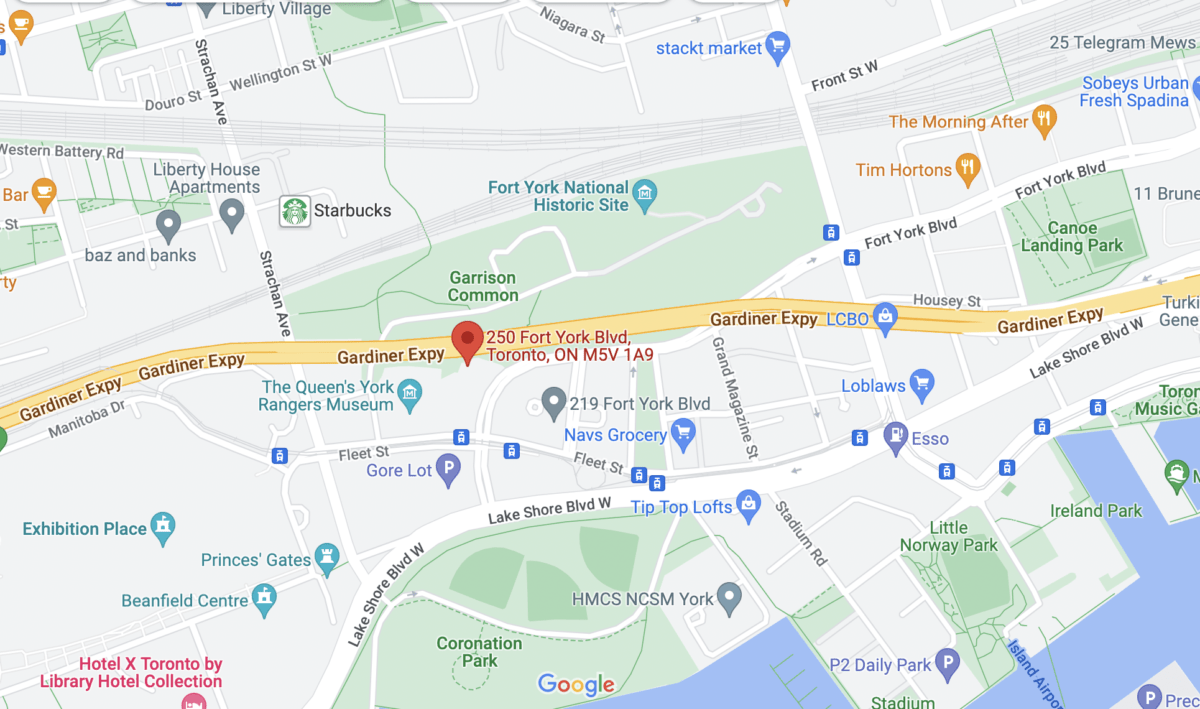
On Saturday August 27th, Toronto-based J2 Retail Management will launch its latest ‘Community Playground’ concept at Toronto’s Bentway located at 250 Fort York Blvd. The activation will include over 40 vendors as well as numerous activations.
The outdoor market, protected from the elements by the Gardiner Expressway above, will also include carnival games and there will be other activations to entertain visitors.
Sustainability will be a key message as part of the Bentway Community Playground, with vendors selling vintage items while encouraging consumers to embrace the circular economy. The activation will take place at The Bentway on Saturday from 1:00pm to 7:00pm.
Click image for interactive Google Map
As part of its evolution, J2 Retail Management has expanded its service offerings and is now hosting Community Playground activations in the Greater Toronto Area. Founders Jodie Wolfe and Brian Le Saux, both retail veterans, have grown J2 Retail Management’s operations by offering services that include logistics and supply chain management, merchandising, e-commerce, and visual media. Their company operates several warehouse spaces in the Toronto area with plans for further expansion.
Wolfe and Le Saux say that more Community Playground activations are forthcoming as the duo continue to expand the concept into 2023.
*Partner content. Email craig@retail-insider.com to work with Retail Insider.