Retail Insider is streamlining its Canadian retail news from around the web to include a handful of top news stories that can be viewed quickly during the day. Here are the top stories from the past three days.
Retail Insider is streamlining its Canadian retail news from around the web to include a handful of top news stories that can be viewed quickly during the day. Here are the top stories from the past 24 hours.
Todd Throndson, Managing Director of Avison Young in Calgary, discusses the impact on retail and the food industry of a return to downtown foot traffic.
Throndson talks about Calgary having the highest downtown foot traffic volume in Canada and third in North America, the impact that has had on vacancy rates in the downtown office market, and what the future holds for the downtown this year.
The Video Interview Series by Retail Insider is available on YouTube.
Connect with Mario Toneguzzi, a veteran of the media industry for more than 40 years and named in 2021 a Top Ten Business Journalist in the world and the only Canadian – to learn how you can tell your story, share your message and amplify it to a wide audience. He is Senior National Business Journalist with Retail Insider and owner of Mario Toneguzzi Communications Inc. and can be reached at mdtoneguzzi@gmail.com
Interviewed this episode:
Avison Young Vitality Index:
Avison Young Downtown Calgary Office Q1 Report:
Likes, Share and Subscribe to Mario Toneguzzi on YouTube!
Also check out the other series offered by Retail Insider, including The Weekly podcast and The Interview Series, which are both available on Apple Podcasts, Stitcher, TuneIn, Google Podcasts, or through our dedicated RSS feed for Simplecast and other podcast players.
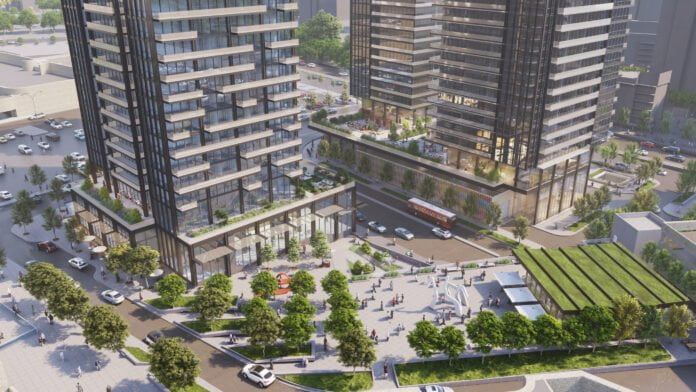
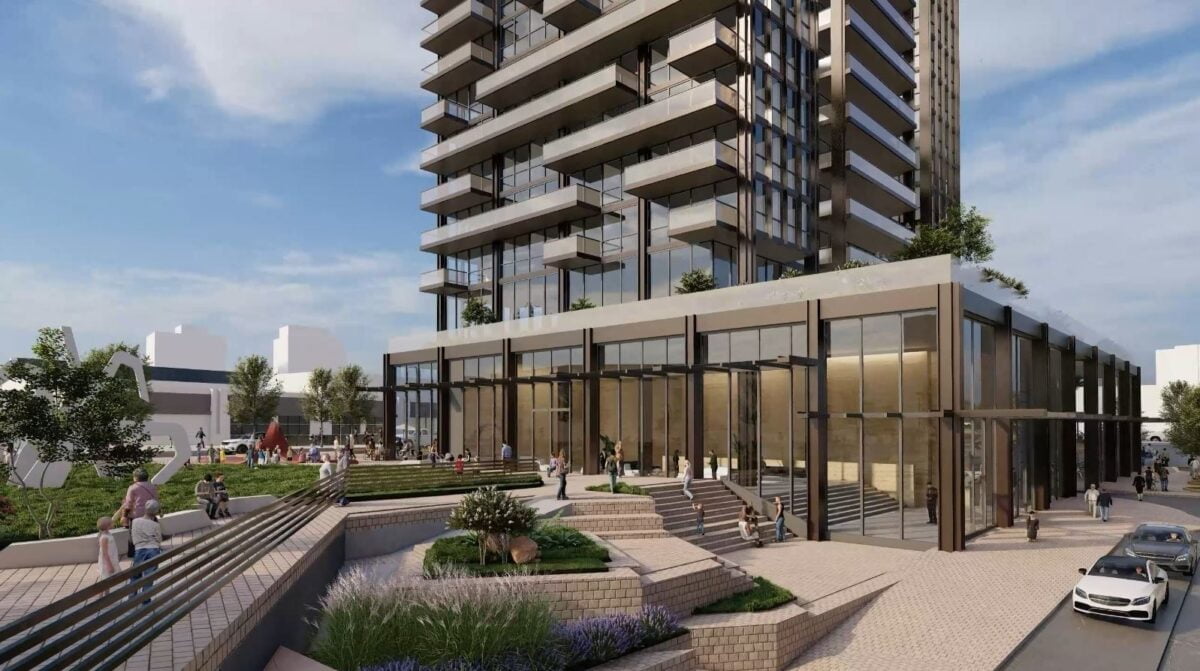
View looking South-East over Village Green (CNW Group/Cadillac Fairview Corporation Limited)
Shopping centre landlords across Canada are increasingly redeveloping their underutilized parking lot land and adding a residential component to their properties.
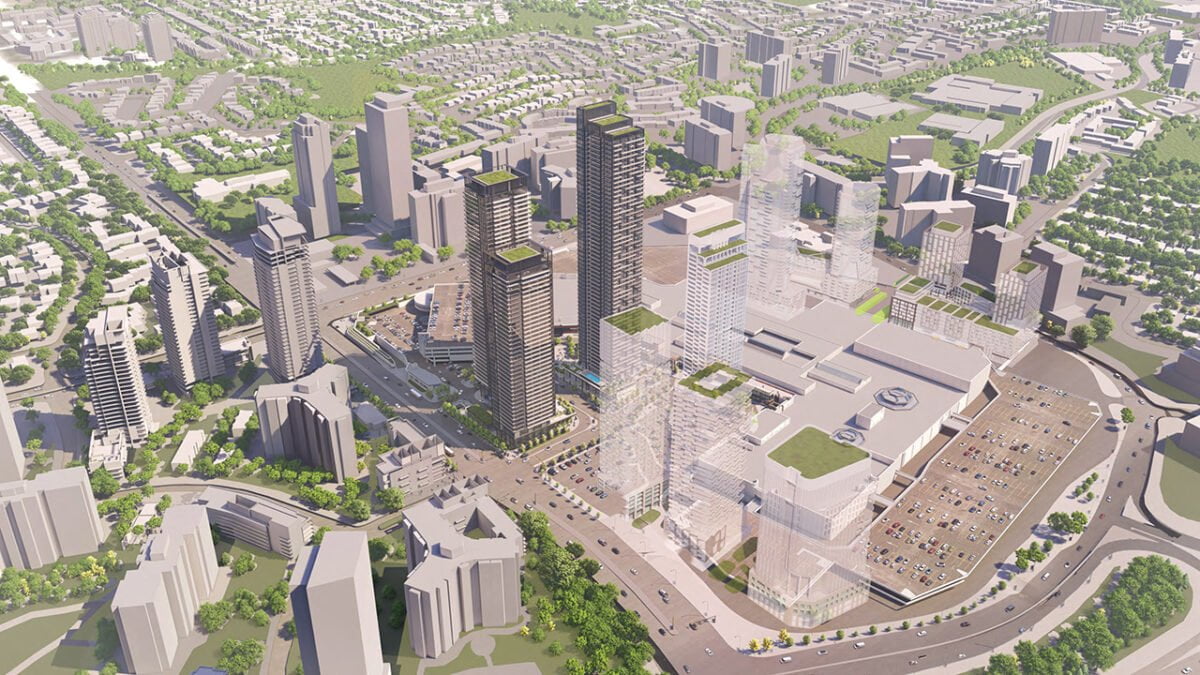
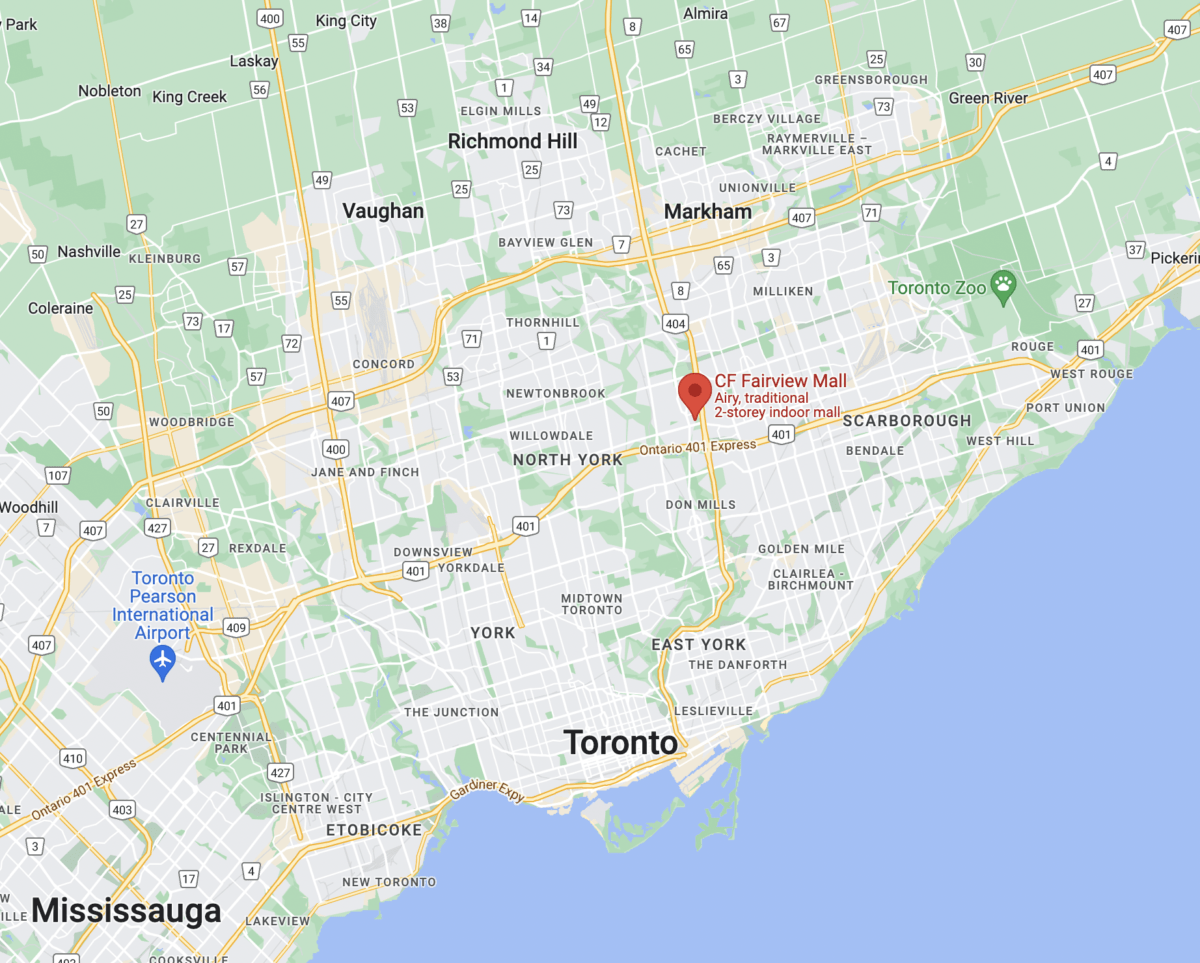
The latest is Cadillac Fairview, along with its partner SHAPE, who recently announced their joint rezoning submission for the first phase of a new Master Plan that anticipates a series of developments, which will ultimately surround and complement its landmark property CF Fairview Mall, creating a vibrant, new community in North Toronto.
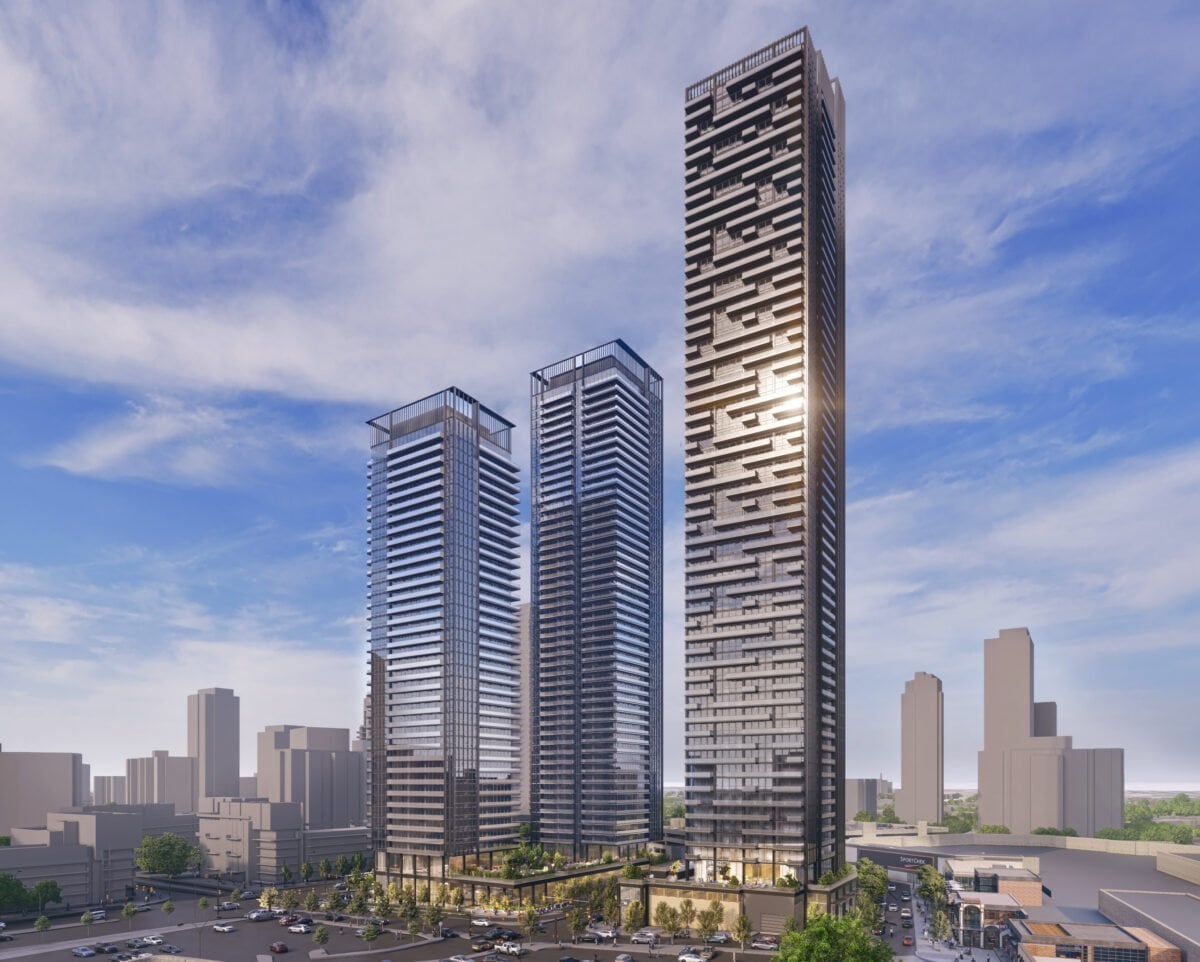
The first phase of development is located at the doorstep of the Don Mills Subway station, on the South side of the shopping centre fronting onto Sheppard Avenue East. This phase is approximately 1.1 million square feet of mixed-use development, which will consist of three new buildings, two condominium towers and one CF rental residential building, with retail and amenities. A new pedestrian urban plaza, the “Village Green” will be situated between the TTC and the residential buildings, providing much improved pedestrian access for the entire community living, working, and shopping in the area. The rezoning application required to permit the Phase 1 development has now been filed with the City.
“Canadian shopping centre owners are densifying their properties at an unprecedented pace to unlock value that has been held within components of their properties such as underutilized parking fields and low-density anchor store spaces,” said Michael Kehoe, broker with Fairfield Commercial Real Estate.
“This strategy syncs up perfectly with transit-oriented development trends and the demand for residential housing and other mixed-use structures that will add important amenities to the communities where they are situated and drive traffic to the retail and food service components of the projects.
Major mall ownership and management teams in Canada are the masters of densification that keeps these properties relevant to the consumer and a blue-chip commercial real estate investment over the long term.”
View looking West from the 404 (CNW Group/Cadillac Fairview Corporation Limited)View northwest to CF Fairview Mall Redevelopment with Phase 1 highlighted. Image: Cadillac Fairview/SHAPE
“I think we will see more of this, particularly in larger cities as space is at a premium and demographics line up nicely with this approach. Many younger Canadians cannot afford a house and do not want to spend hours commuting to work. They also want convenience, and this trend offers that. They want to live, play and potentially work in the same location,” said Winder.
“The trend to mixed-use malls allows numerous stakeholders to benefit. Landlords significantly increase the eventual cash flow and thus value of the properties, builders make money on the construction, governments get additional taxes and can say they create jobs, commercial tenants receive greater sales with a captive customer base and residential tenants get convenience and a new supply of housing. Finally, the environment benefits as citizens use less fuel as they are closer to mass transit and may not need a vehicle.”
Click image for interactive Google Map
But Winder said potential negatives of this trend include heightened congestion as population density increases significantly, difficulty finding a place to park if you drive to the mall and finally, greater lack of affordable housing as many of the units in these new builds are middle to high priced.
George Minakakis Principal of advisory firm Inception Retail Group Inc., and author of The New Bricks & Mortar Future Proofing Retail said C tiered centres have a number of empty locations more than in 2019. B tiered malls have some empty stores and a number of unfamiliar store operators with temporary looking storefronts. Of course the A malls are still drawing healthy traffic where the rest are not enjoying the same volumes. Their only choices now are to evolve.
“Shopping centres across North America are in need of either a renewal, redevelopment or complete repositioning strategy. The redirection they take all depends on the shopping centre, its current performance, existing demographics and the potential for continued growth,” he said. “Many have been talking about mixed use for the property shopping centres sit on. But that doesn’t mean all of them will see the same kind of redevelopment or success and it could take years. A lot more changes can happen in the retail industry both from consumers and disruptive technology being introduced. Yes, we should expect a lot more changes coming.
“Retail has been undergoing a lot of competitive threats. As a result, retailers have been rationalizing their store counts and simultaneously growing e-commerce, coupled with economic and consumer behaviours today. And so many malls are aging, they are all generally identical in their representation of retail offerings and not as exciting. There is also a convenience factor to consider. Fairview is an ideal centre to develop given its location and access to commuter transportation.
“Obviously, in the case of this shopping centre, redeveloping the available lands to create a community where you live, shop and potentially can work in, fits with the changes the pandemic has brought about along with a growing community of gig workers. Depending on the demographics you can bring back new life to shopping centres that are tired. Traffic drives sales and profits. And developers are bringing more value to their land holdings.
View looking East rental tower lobby in the background (CNW Group/Cadillac Fairview Corporation Limited)
“The only negative is that it may not work for all. I am an advocate for turning malls into different specialty categories, for example some just furniture, others technology and some just services and health and wellness. We have to reimagine all of this or it will be more trying the same and failing. Even if it doesn’t work out, the space used for commercial uses could also be converted to residential development. “
CF Fairview Mall, Canada’s first two-storey mall, is currently completing a previously announced $80 million renovation and revitalization dedicated to transforming 230,000 square feet of existing department store and other retail space, including T&T Supermarket outlet, to introduce brands, restaurants and improve pedestrian access to the property and the nearby Don Mills subway station. The mall renovation is expected to be completed in late 2022.
“For more than 50 years, CF Fairview Mall has been a community hub in North York, serving the evolving retail, transit, entertainment and service needs of the local area residents and businesses. As our longest operating shopping centre in the GTA, the Master Plan redevelopment extends our long-term vision and supports an expanding demographic seeking convenient, high-quality, and accessible residency in a dynamic, transit-connected community,” said Wayne Barwise, Executive Vice President, Development, Cadillac Fairview.
“SHAPE could not be more excited to expand into the Toronto market alongside our valued partner, Cadillac Fairview. Following our incredible success with RC at CF Richmond Centre, we’re ready to raise the bar, engage the local community and set a new standard for urban living with the complete reimagination of CF Fairview Mall,” said John Horton, President and CEO, SHAPE.
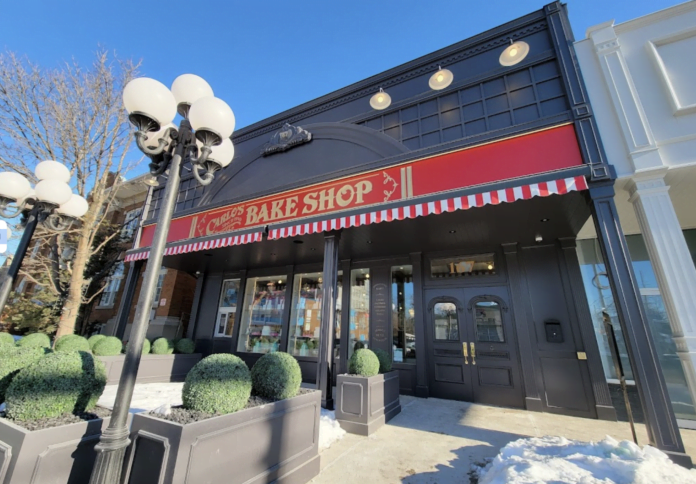
Port Credit standalone storefront. Photo: Fran Olmstead via Google Images
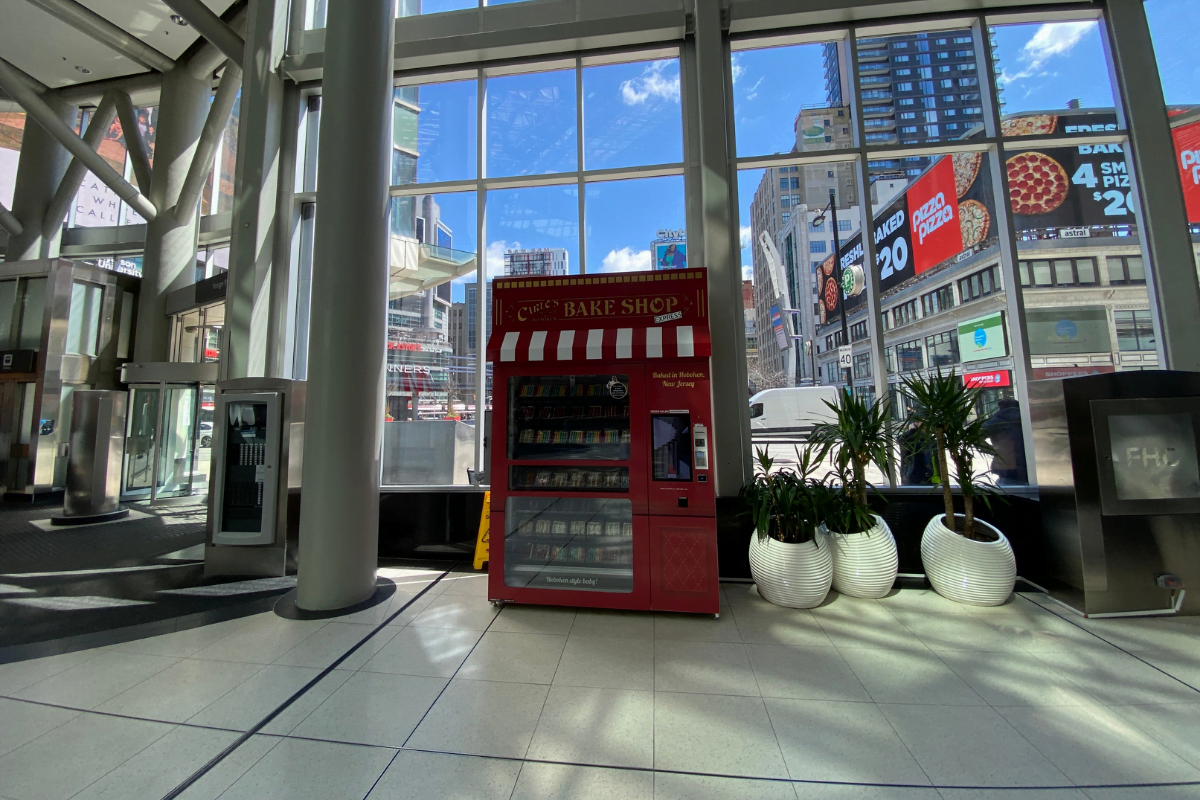
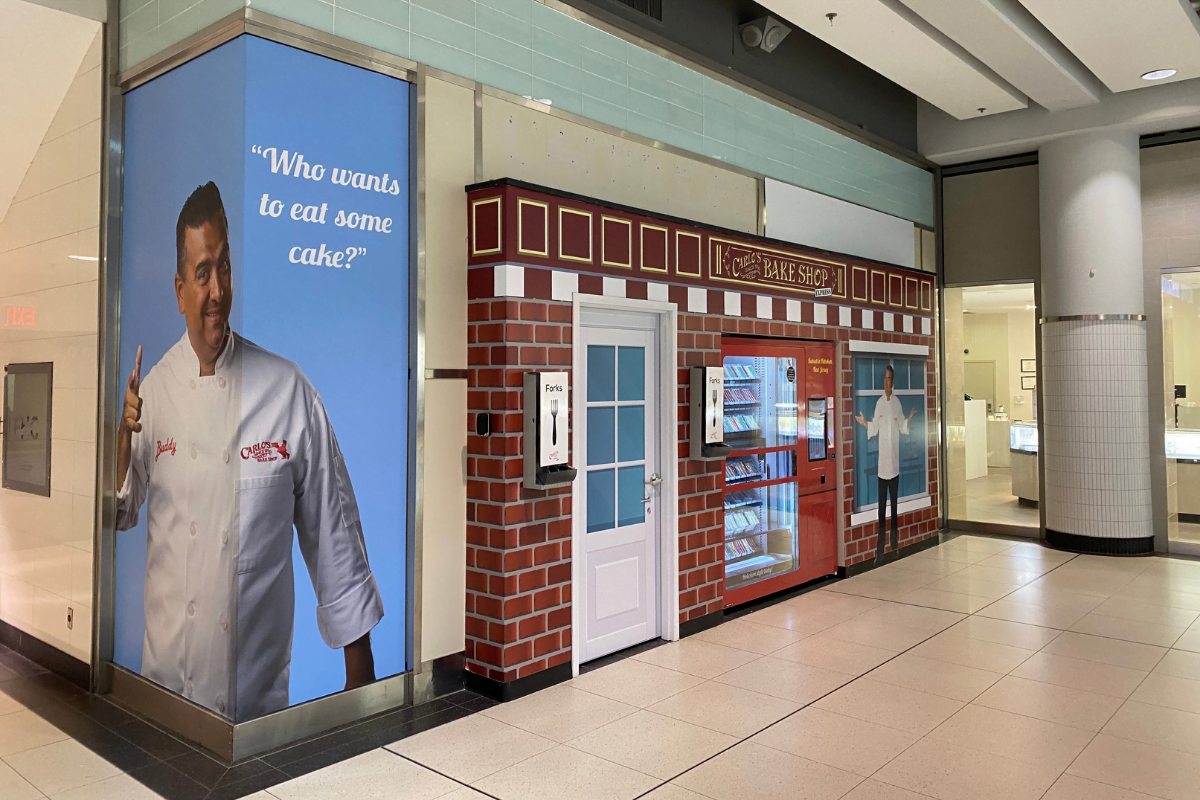
The famous Carlo’s Bakery has opened its first retail location in Canada in the Port Credit neighbourhood of Mississauga as it also continues to expand its footprint with its unique automated CAKE ATMs across North America.
The ATMs are temperature controlled and restocked daily.
Chris Zownir
Chris Zownir, Managing Partner of Carlo’s Bakery Canada, said the brand began in Canada in 2019 with the CAKE ATMs in Toronto and it rapidly spread the number of automated machines across the country and into the United States.
“During the pandemic, during the lockdowns, we started shipping cake across Canada to people’s doorsteps and then the next progression is we opened up the brick and mortar bakery in Port Credit in January of this year,” he said.
In Canada, the company has about 30 ATM locations in high-traffic areas such as shopping centres.
“My business partner (Gino Tomaro) grew up in this neighborhood (Port Credit) and there’s a lot of family history here, a lot of connections to this area specifically with our team. And in addition to that we really wanted to pick a location that was community based, that was family oriented, that we could really connect with the community. So that was really important to us,” said Zownir.
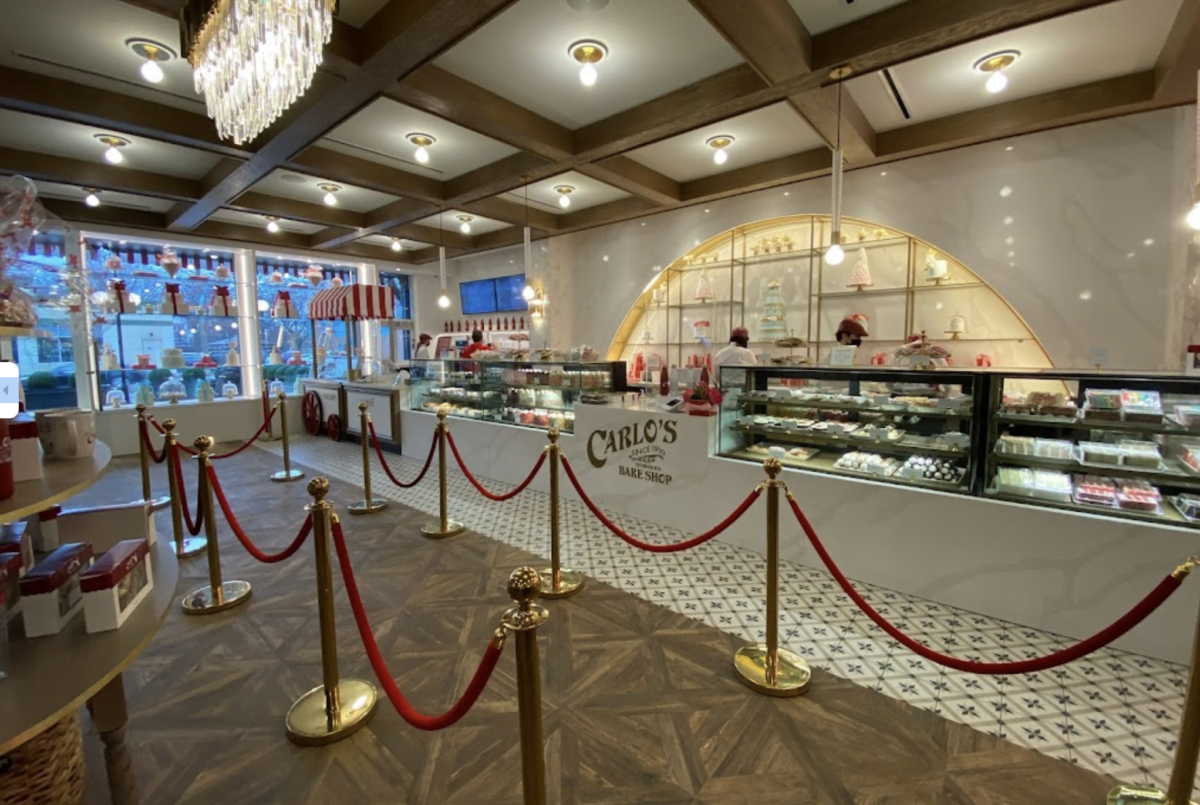
Port Credit location, photo: Michael Lambert via Google ImagesCarlo’s Bakery Express ATM at CF Toronto Eaton Centre (Image: Dustin Fuhs)
As for the CAKE ATMs, Zownir said the company is definitely expanding with additional locations throughout Canada as well as in the US.
“We’ve got some in Las Vegas, South Florida. We’re going to continue to expand. Multiple locations in the US with more coming,” added Zownir.
“My business partner and I, our background is in retail and in automation. We wanted to work with a well-known, established popular brand in the automated space so we partnered with Carlo’s Bakery. They just have an incredible brand, an incredible family history, an incredible product. We wanted to partner with them to bring their product to a modern, retail environment such as high-end automated retail. And when we did we saw some great success with it in terms of people being excited about the machine, the technology, the ease, the fun and playful experience of it. It’s not just about ‘hey I’m hungry I want a piece of cake and I want it right now and that’s the most convenient thing for me to get’. It’s about telling the story of a brand. It’s got Buddy’s voice (brand founder Buddy Valastro) that comes on when you buy a cake that says his common term ‘hey who wants to eat some cake?’, which he says at the end of every show if you watch the TV show Cake Boss.
Carlo’s Bakery Express ATM at CF Toronto Eaton Centre (Image: Dustin Fuhs)
“We’ve incorporated a lot of that fun and playfulness of the brand into the technology. The lights go on, we created a jingle that plays while you’re shopping. We wanted to create an experience that connects people with the brand and something they’re going to remember saying ‘oh my gosh the cake was amazing but the machine was so much fun and we had a lot of fun. What a great experience’.”
Zownir said the company is always looking at different opportunities and if it makes sense to find another location, it is open to expansion.
“There’s popularity with the brand. Buddy came up to Canada to visit. He’s got a great fan base and people love him and his family and the show and the bakery and the brand. With that popularity of the brand and the product, we’re open to expanding when the time and the location is right for sure,” he said.
At the Port Credit location, the space allows for a savoury program there as well with pizza and sandwiches.
“It’s about creating this memorable experience which we’re really committed to,” said Zownir.
Carlo’s is a family owned bakery featured on the TLC hit show Cake Boss. Carlo’s, originally opened by Carlo Guastaffero in 1910, was acquired by Bartolo Valastro Sr. in 1964. Since the untimely passing of Bartolo Sr. in 1994, matriarch Mary Valastro and her children Grace, Maddalena, Mary, Lisa and master baker Bartolo Jr. “Buddy” Valastro have expanded the business with the help of their spouses, according to the company’s website.
“Because of the Valastro family’s dedication to quality and excellence, Carlo’s has received national recognition. Master Baker Bartolo Jr. “Buddy” has been featured in numerous publications, such as Modern Bride, and The Knot. Buddy’s cake design was voted by the Today’s Show viewers as best cake in America. He has also appeared in many other media outlets, including multiple appearances on the Food Network, for his intricate sugar art designs specialty cakes and wedding cakes that look just as good as they taste,” said the company.
Retail Insider is streamlining its Canadian retail news from around the web to include a handful of top news stories that can be viewed quickly during the day. Here are the top stories from the past 24 hours.
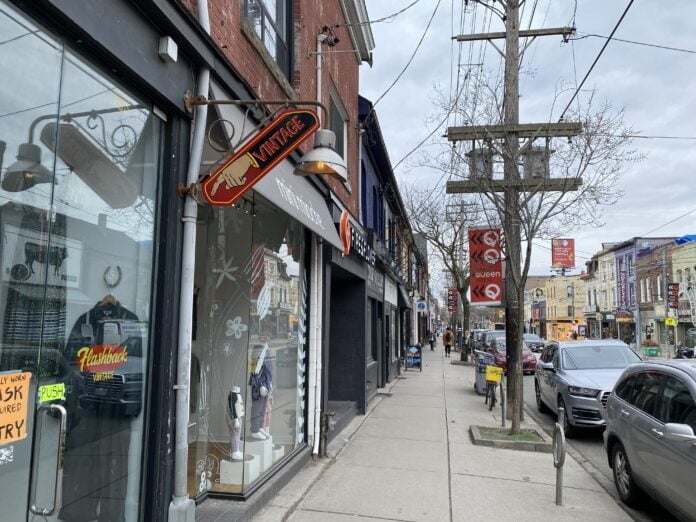
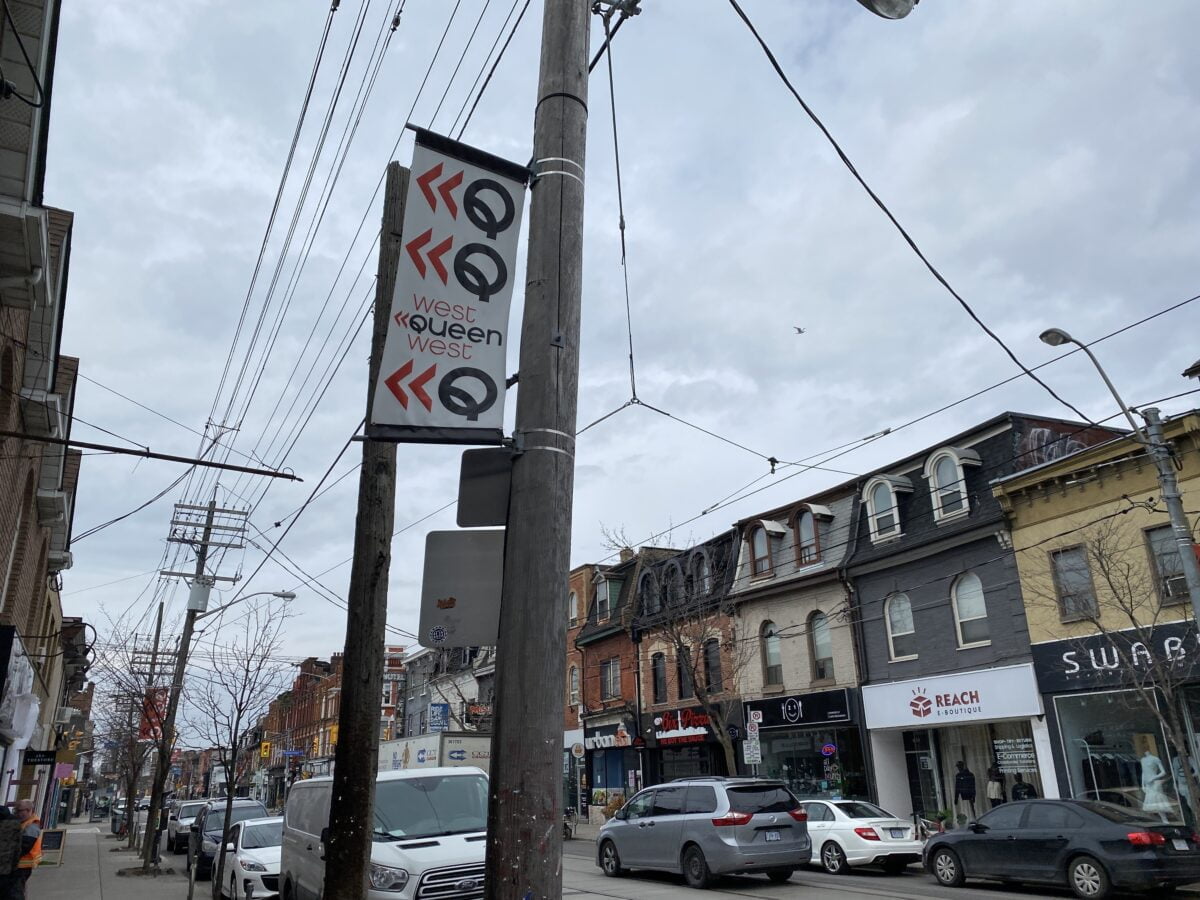
West Queen West in Downtown Toronto (Image: Dustin Fuhs)
As the economic effects of the COVID-19 pandemic ravages the iconic West Queen West neighbourhood in Toronto, local retailers and landlords alike are struggling to mend their neighbourhood’s now-fractured identity.
In 2014, Vogue voted the area, spanning from Bathurst Street to Gladstone Avenue, the second coolest neighbourhood in the world. But by 2022, Robert Sysak – executive director of the West Queen West BIA – said the community lost more than one in 10 local shops, more than 60 per cent of which were fashion retailers.
“It’s devastating. It’s cost people their friendships, marriages and lives,” he said in an interview over the phone.
Sysak noted the area’s local fashion retailers were hit hardest. He said because these stores tend to occupy smaller and narrower spaces, their intimate layouts meant they weren’t able to safely operate during the pandemic.
“But being so close to and seeing your neighbourhood tailors and designers is the magic of West Queen West,” he said.
Joseph Gatto, who owns several properties in the community, said the street’s art galleries also suffered at the hands of the pandemic. He said most independent galleries were either forced to leave the area or outright close.
“These galleries created the right kind of texture you need for a place like Queen Street,” he said in an interview.
Gatto also said the neighbourhood’s restaurants faced significant losses. He estimates more than 20 of them – spanning from University Avenue to Dufferin Street – plan on either shutting down or going up for sale.
“Restaurateurs lost the energy and motivation to keep going,” he said.
Sysak said when small businesses stop receiving government subsidies and grants, he expects another 10 to 15 per cent of West Queen West’s shopkeepers to close their doors.
“People, who have lost so much, are going to have to make some really tough choices,” he said.
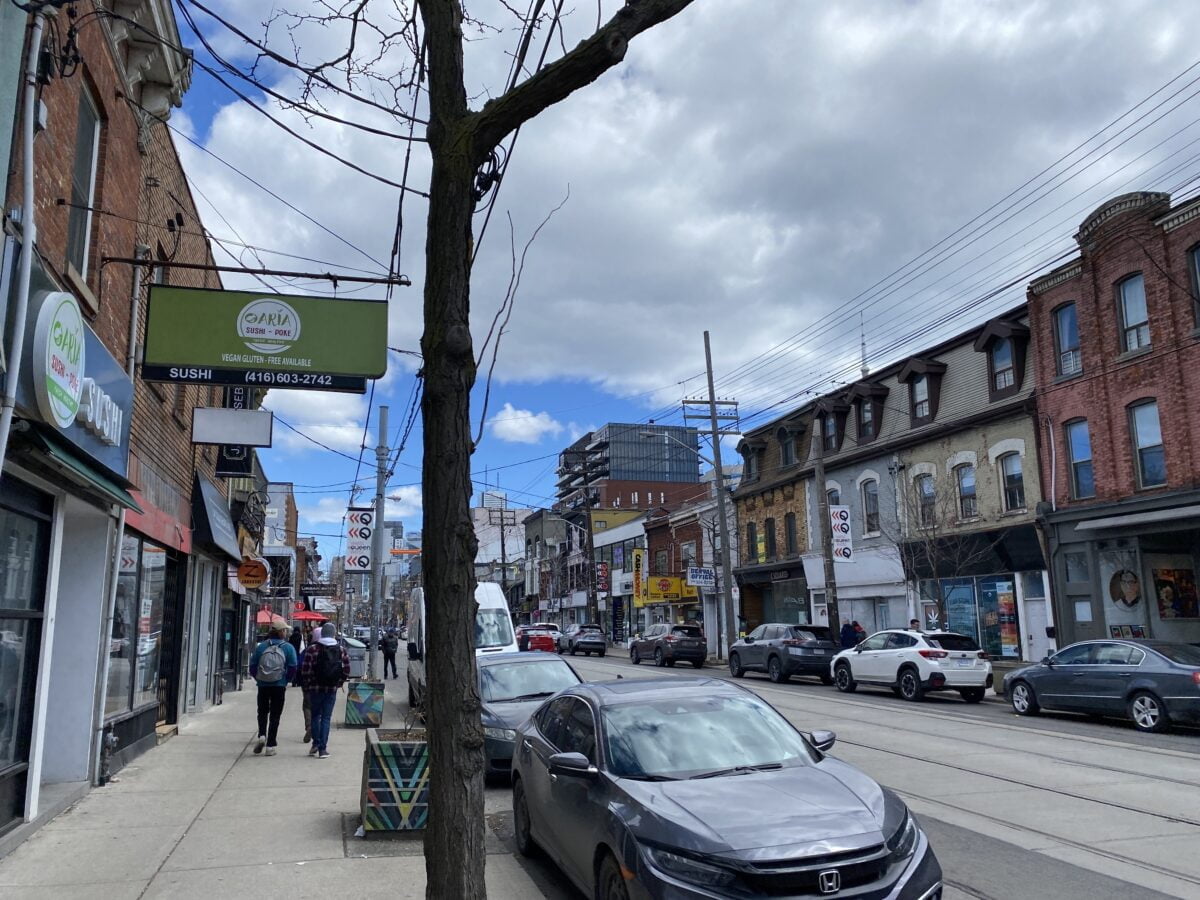
Queen Street West (Image: Dustin Fuhs)
The ‘end’ of local retailing
Doc Von Lichtenberg, owner of Doc’s Leathers and Motorcycle Gear – located near Trinity Bellwoods Park – said the pandemic is one of many obstacles on the road to recovery for Toronto’s local businesses.
“The days of the small shopkeeper are coming to an end,” Von Lichtenberg said in an interview.
He said local retailers can no longer keep up with rising costs and lost revenue, which he feels are characteristic of today’s economy. Specifically, he believes high taxes are draining vendors of the capital necessary to succeed in a post-pandemic world.
“Like a wounded dog, some businesses may still be open. But they’re either going to limp back to existence, or they’re going to die a slow death of a thousand cuts,” he said.
Joseph Gatto said these high costs also shrink the profit margins of the neighbourhood’s landlords. He said his 1200 square foot property is taxed at around $24,000 a year, which comes to $20 in yearly taxes per square foot. Like Von Lichtenberg, Gatto anticipates these costs are going to destroy local businesses.
“I don’t think they’re going to get their money out. They only have around a few months left,” he said.
On top of this, Sysak said he estimates 70 per cent of West Queen West’s stores owe at least $190,000 in debt or more, with rent alone making up more than 80 per cent of what they owe.
“For some people, it’s going to take years to pay off – if ever,” Sysak said.
Von Lichtenberg, who has been running his store for five decades and counting, said the loss of Toronto’s local vendors will negatively impact the city’s communities. He said beyond retail, these establishments provide an invaluable service to the area – noting how some small shopkeepers maintain their section of the sidewalk, keeping both pedestrians and shoppers safe.
In addition, he believes Toronto relies on neighbourhoods like West Queen West to attract tourists.
“We’re also ambassadors for the city,” he said.
West Queen West in Downtown Toronto (Image: Dustin Fuhs)
West Queen West’s weed infestation
As the state of West Queen West’s economic vitality worsens, some members of the community are also concerned about the neighbourhood’s new herb on the block.
Gatto said cannabis dispensaries have oversaturated the area, occupying retail spaces formerly used by the street’s now-defunct art galleries. Because of this, local retailers aren’t taking too kindly to their presence.
“The cannabis businesses impose themselves on the neighbourhood of Queen Street West,” he said.
Von Lichtenberg echoed similarly hostile sentiments towards the number of dispensaries near his area.
He said big brand pot shops, unlike their non-dispensary retail counterparts, don’t facilitate the right type of atmosphere needed to sustain the charm of a community like West Queen West. Von Lichtenberg said retailers need to provide a sense of warmth and intimacy, something he believes multi-franchised cannabis stores just can’t do.
“Small shopkeepers are the human backbone of this city,” he said.
The road ahead for Queen Street
Although cannabis dispensaries experienced a high during the pandemic, Gatto said the industry’s success on Queen Street West is about to crash – hard. He expects more than 70 per cent of pot shops to close their doors in the next two years.
“We have a vicious cycle going on. First, galleries go. Then, dispensaries come in. Now, they’re the ones going out,” he said.
So, with galleries, restaurants and dispensaries all unable to endure on West Queen West during the pandemic, landlords and the BIA alike are wondering what’s next for the neighbourhood.
Gatto is uncertain. He said the street’s forecast is hard to predict because he feels such a wide array of businesses have already tried and failed to establish themselves in the area, that it now feels like the list of potential newcomers has been exhausted.
But Gatto noted how COVID-19 incentivized a new, alternate source of income for landlords, which he predicts could continue in a post-pandemic economic climate: pop ups.
During the pandemic, Gatto said many landlords in the community tried to offset vacancy-induced losses by leasing their spaces out to short term pop ups. He recalled how another Queen Street property of his – with a square footage of about 4500 – had the potential to make him at least $25,000 in the span of a week when he leased it out as a temporary pop up.
“We were making double the money we would’ve been making with a full time tenant,” he said.
Ultimately, Gatto believes the neighbourhood will only be able to fully recover when its trademark art galleries return. He said these businesses made the street what it was. Without them, there is no West Queen West.
“I’d love the idea of organizations like the Art Gallery of Ontario subsidizing local artists,” he said.
Sysak believes once people begin spending more at their local retailers again, the area can finally bounce back to its pre-pandemic peak. In fact, he hopes the spring and summer will attract more shoppers than ever before.
“People love the sunshine and the magic of West Queen West,” he said.
He anticipates the street’s inherently welcoming atmosphere also has the potential to expedite the healing process.
“When you go into Doc’s Leathers, and you see the quality of the products and the service, it makes you want to come back again,” he said.
And like Gatto, Sysak hopes the neighbourhood will reinvest back into the street that made it – at least according to Vogue – one of the coolest places in the world.
“Most importantly, say ‘thank you’ to those small businesses who have sacrificed so much for their livelihoods, their employees and their communities,” he said.
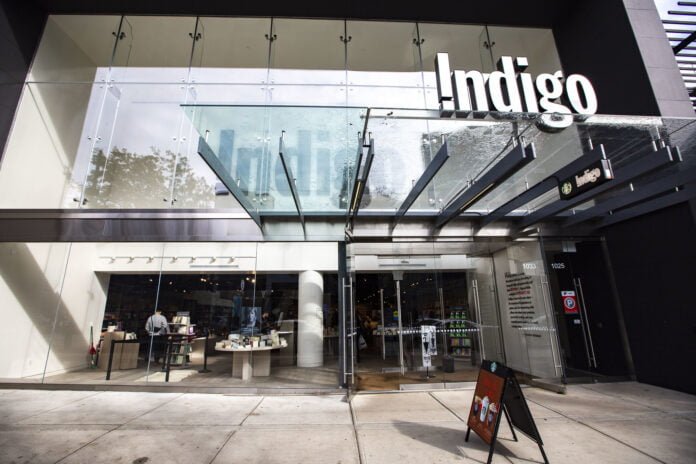
Indigo store on Robson Street in Vancouver. Image: GoToVan via Flickr
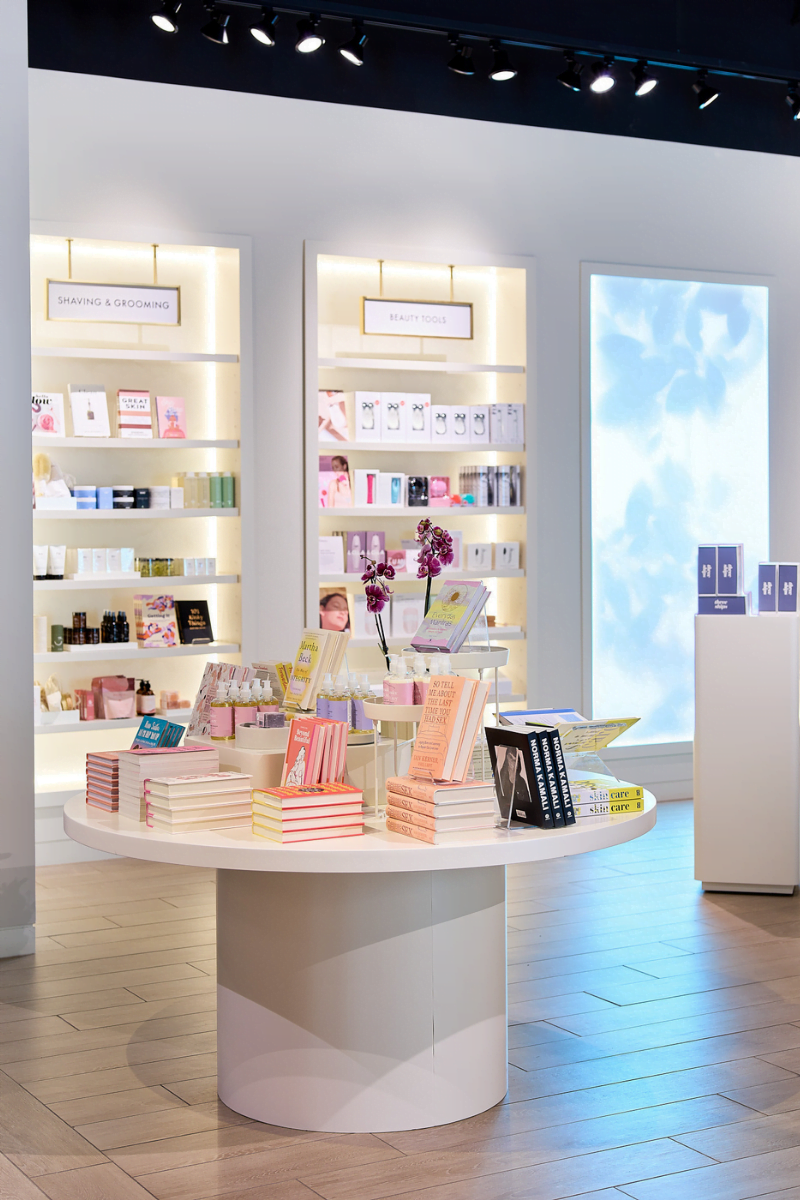
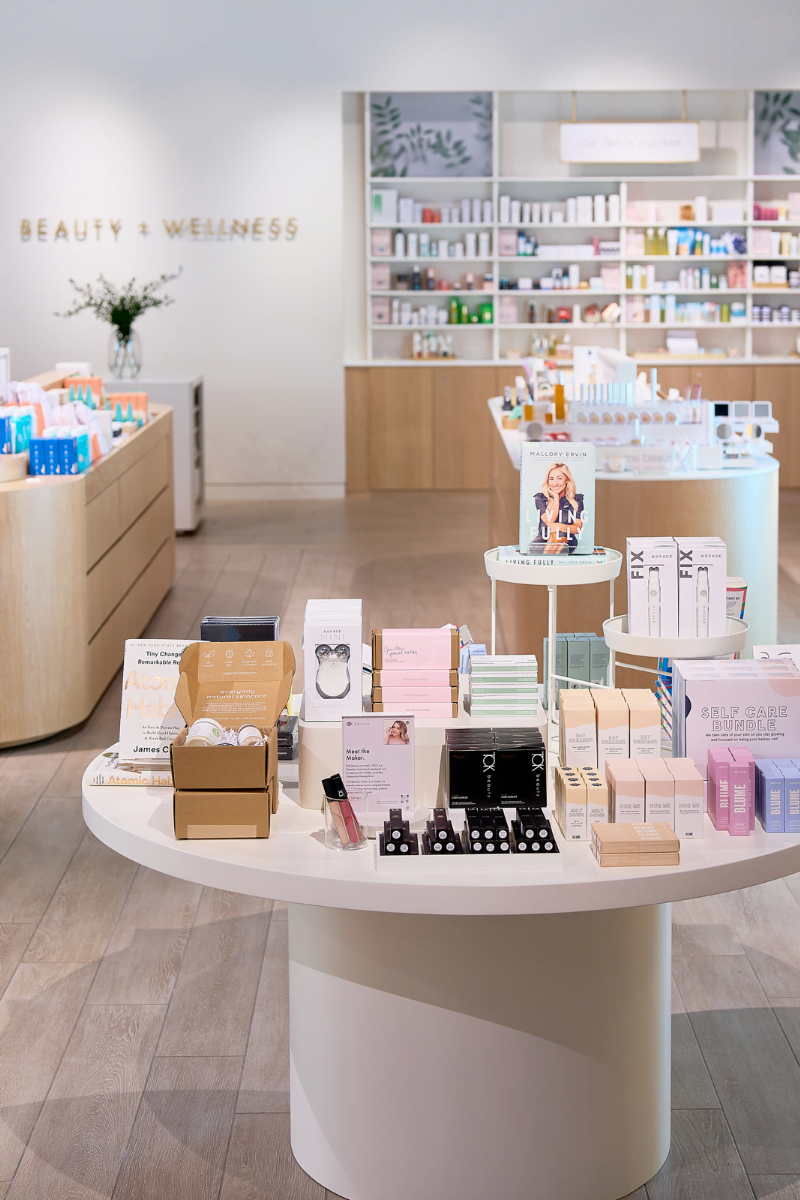
Indigo, Canada’s largest book and lifestyle retailer, is launching what it describes as the first of its kind Beauty and Wellness shop at the Indigo Robson Street store in Vancouver.
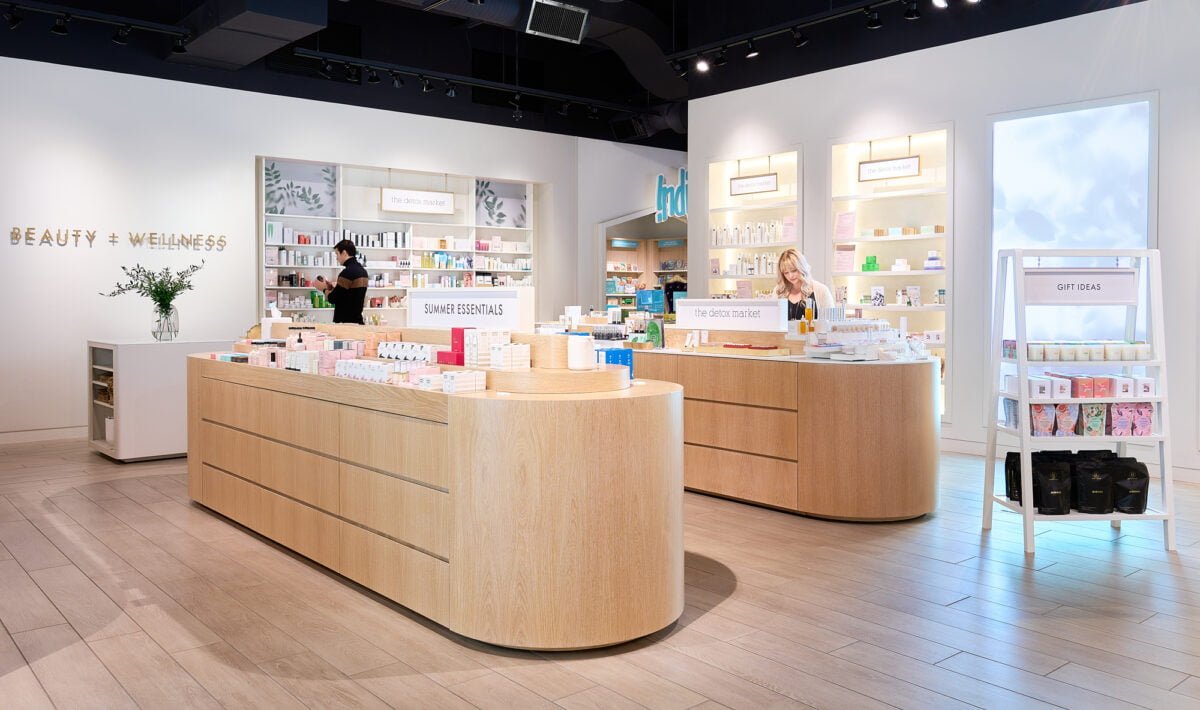
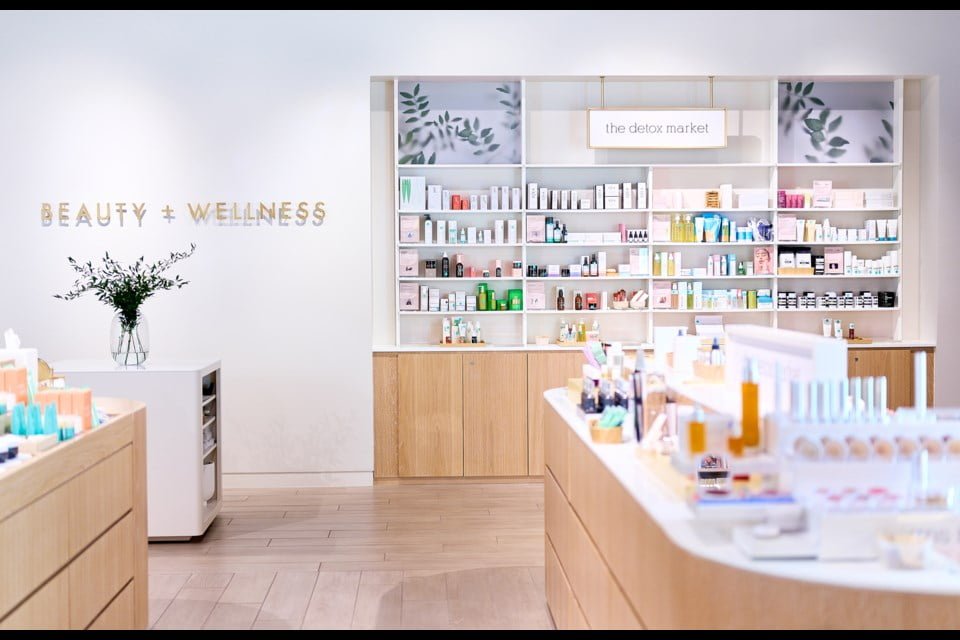
The company said the new initiative, in about 1,300 square feet of space, offers customers an elevated beauty and wellness shopping experience, curated with an expanded assortment of must-have beauty and wellness essentials.
“The new Robson and Beauty Wellness shop takes a shop-in-shop approach. It’s beautifully designed, giving customers an opportunity to explore the expansive assortment and test and interact with the products, with everything they’re looking for all in one place,” said Pam McDermott, Merchant Vice President of Lifestyle.
Photo: Indigo
“Indigo introduced the shop as a response to increased customer demand and excitement about our existing assortment. Whether it’s a great book or an exciting new product, Indigo has remained focused on providing customers with the essentials that support them on their individual wellness journey, whether they’re just starting out or know what they’re looking for. We believe that self-care, beauty, and wellness are for everyone. Our goal is to continue to expand our offerings and connect our customers with the best possible assortment of books, brands, and products we know they’ll love, and we’re thrilled that the new shop does exactly that.”
McDermott said Indigo has seen a consistent and increased interest in the Vancouver market for beauty and wellness that continues to grow.
“As one of our more recently opened locations, the Robson store has the space to grow this business in a significant way. In creating this Beauty and Wellness Shop, we’re able to offer an interactive environment where customers can gather, shop the assortment and engage with the product in a meaningful way. The space also gives us the opportunity to give retail presence to categories that have traditionally only been available online, helping to build awareness of the wellness assortment as a whole,” she said.
“While Robson is the only store with a shop of this scale, many of our stores across the country have a great in-store wellness experience with a similar assortment and selection of brands that customers can shop and enjoy.”
Photo: Indigo
Katharine Poulter, Chief Commercial Officer, Indigo, said the retailer’s beauty and wellness business has seen consistent, increased customer demand as the self-care category continues to grow throughout and beyond the pandemic.
“This shop is a natural extension of our existing book, beauty and wellness business. We know that our customers turn to us for information and resources, as well as curated products, to help them live their lives on purpose. We’re excited to offer the Vancouver community an elevated in-shop experience and an even broader assortment of brands to support them on their wellness journey. Whether they’re just starting out or are seasoned beauty and wellness shoppers, there’s something for everyone,” she said.
Indigo said some of the best brands in beauty and wellness will be available including Origins, Shiseido, Bala, Therabody, The Detox Market, Three Ships, Patchology, Blume, Foreo and Bushbalm.
Photo: Indigo
Photo: Indigo
The first Indigo location opened in Burlington Ontario in 1997. Indigo Books & Music Inc., as it exists today, was created in August 2001 upon the merger with Chapters Inc.
As of January 1, it operated 88 superstores under the banners Chapters and Indigo and 85 small format stores, under the banners Coles and Indigospirit.
In its most recent financial results, Q3 for fiscal year 2022 and the 13-week period ended January 1, revenue for the quarter increased $65.3 million or 17.9 per cent to $430.7 million compared to the same period last year, and $47.0 million or 12.2 per cent to pre-pandemic levels (13-week period ended December 28, 2019.)
Indigo reported net earnings of $45.1 million ($1.62 net earnings per basic common share) compared to net earnings of $30.7 million ($1.11 net earnings per basic common share) last year, an improvement of $14.4 million or 46.9 per cent.
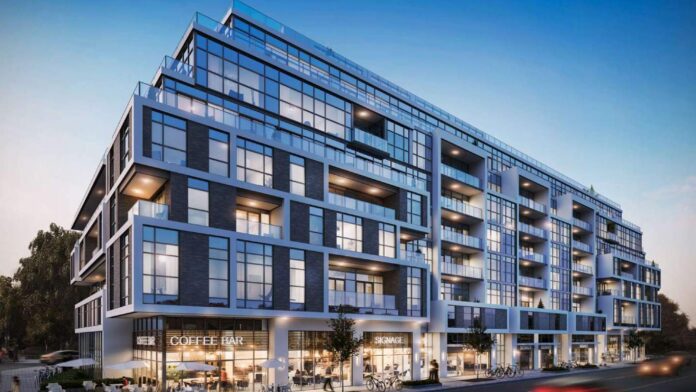
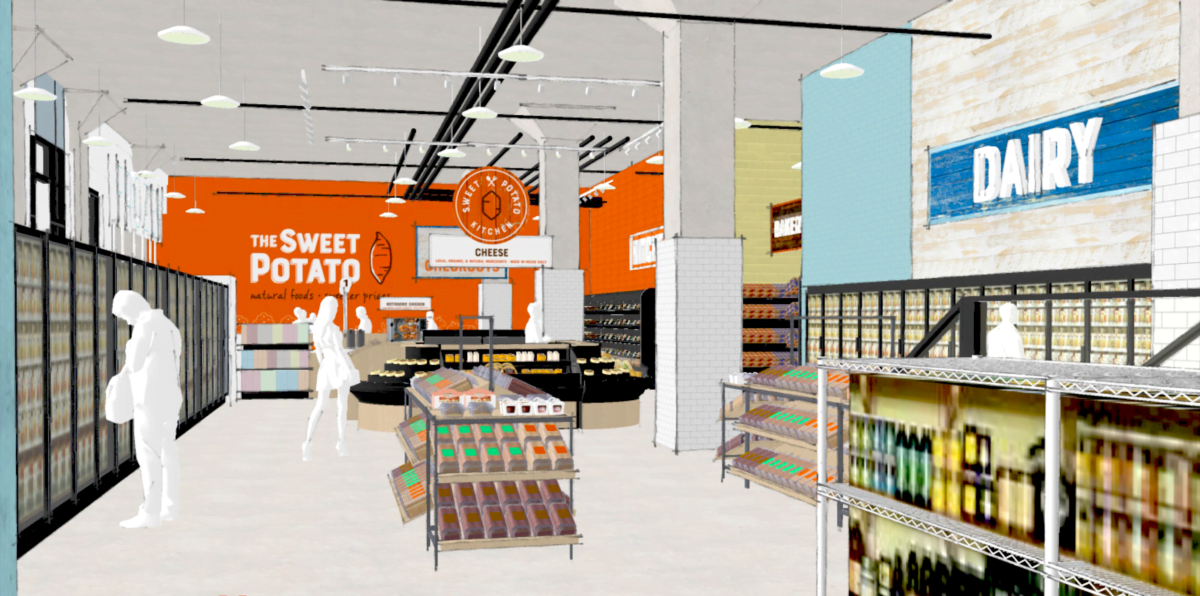
The Sweet Potato, a neighbourhood natural grocer stocking local and organic produce, meat and dairy, plus gluten-free items, will be expanding this year into its second location as the anchor retail tenant at Toronto’s newest luxury apartment rental community, The Stack.
Midori Miyamoto, Marketing Manager for the grocer, said there is no firm date for the opening of the new location but it likely would be by November of this year.
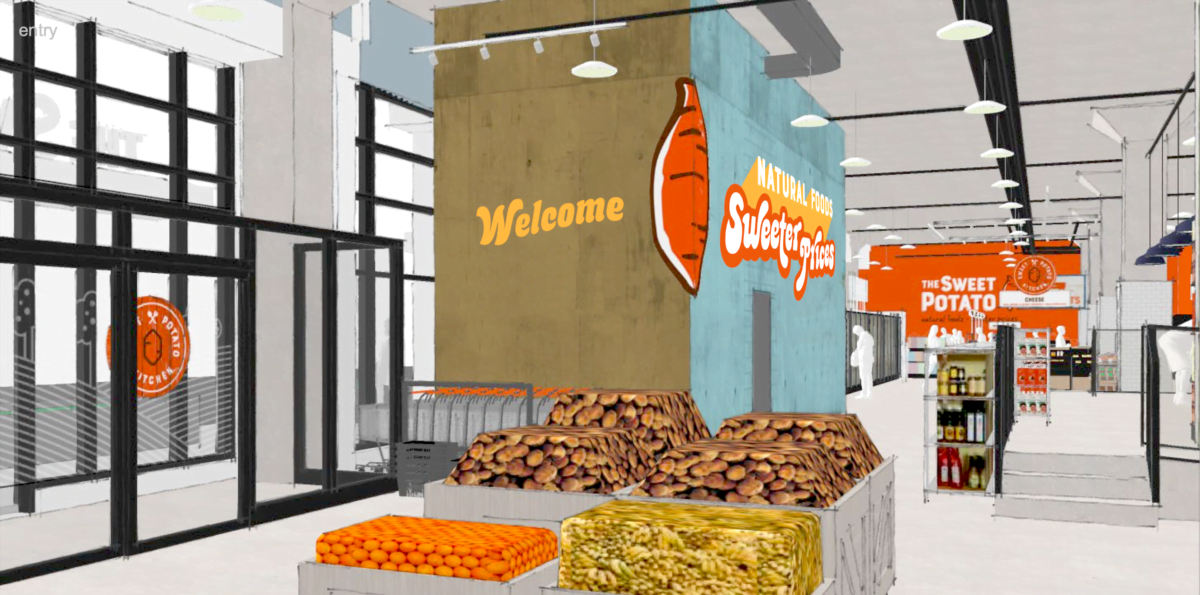
Rendering of the Bayview store, image supplied
The Sweet Potato has been at its current Vine Avenue location for about five years in about 10,000 square feet of space. Its second location at 730 Hillsdale Avenue East at Bayview will be about 16,000 square feet.
“We’re a local, independent, owner, natural and organic food store, “ said Miyamoto. “We’re a community-based business.”
She said the company’s focus on local produce and locally-grown foods is a good match for the neighbourhood, which is underserved in that area and has a sophisticated palate.
Ali Fieder and Calvin Holland of Avison Young are representing The Sweet Potato in its Canadian expansion and negotiated the lease deal for the retailer. The team at DWSV Realty negotiated the Bayview lease deal on behalf of the landlord.
The Sweet Potato began about 15 years ago as a small organic weekend market in High Park, in the west end of downtown Toronto. It then moved into its first location of about 3,000 square feet but years later moved the operation into its current 10,000-square-foot space on Vine Avenue in The Junction.
Jay Brown, Owner of The Brown Group of Companies which is behind the development of The Stack, said The Stack, in the Leaside neighbourhood of Toronto, is a project near and dear to his heart as it has taken so much of his time from the land assembly to the development and construction.
“It was really, really important to me that I got the right retailers,” he said. “I didn’t want a revolving door of people who go in and out. And retail is tough. It was getting tough even before COVID and COVID sort of kicked that into high gear. But I really wanted the right mix of retail and the right retailers.
Rendering of the Bayview store, image supplied
“I went out to The Sweet Potato store with my wife and my daughter and I was immediately impressed at the products that they carried and the way it looked. It’s really sort of farm to table, organic, with an emphasis on healthy lifestyle brands and I was really, really impressed.
“The Junction area has a lot of similarities with Leaside. So we started talking to the owners and they’re terrific people. They’re really passionate about what they do. They’re really invested in what they do and they really seem to care and have a real pride of ownership and it just seemed to be a great fit for this building and this neighbourhood.”
The Stack has 146 apartments and about 18,000 square feet of retail at grade. The rest of the retail space of about 2,000 square feet will be taken up by Maker Pizza.
Residents started moving into the project on April 1.
According to The Sweet Potato’s website, at 16, Digs Dorfman worked after school, stocking the shelves of his grandfather’s grocery store. As a lifelong Type 1 Diabetic, Digs has always been passionate about finding tasty, healthy, and affordable food, so as a part-time high-school gig, it was a natural fit (pun intended) with his interests and lifestyle, it said.
“After a young adulthood working in the Montreal and Toronto music scenes, he surprised himself by finding his way back to the family biz, when in the Spring of 2005 he started running the High Park Organic Market,” said the company.
“Over the next few seasons, Digs began to feel more and more like a part of the community as he got to know the many kind and interesting neighbourhood residents who would pass by each week. At the same time, he began to feel more and more that eating well shouldn’t cost a fortune, and started forming strong relationships with local farmers who were just as passionate about healthy food as he was.
“But people would always ask: where are we going to go to buy healthy food once the market shuts down at the end of the season? How about a local place where we can shop year-round? So, he bought some old fridges and some old wooden shelves and opened The Sweet Potato a few months later just north of the park in a cozy little neighbourhood known as The Junction.
“Three weeks after opening, Digs hired a brilliant temp named CJ to help him organize the new office, and as it turned out, the two worked really well together. Digs asked him to stay on as an office manager, and as the store grew, CJ became an increasingly integral part of its operations. Nine years later, they’re business partners with an amazing and vibrant team of staff and managers working beside them.”
The Sweet Potato moved in the fall of 2017 into the 100-year-old building on Vine Avenue, which was just around the corner from the original location, and added a bakery, a butcher, a fancy cheese island – and space for two carts to pass each other in the aisles.
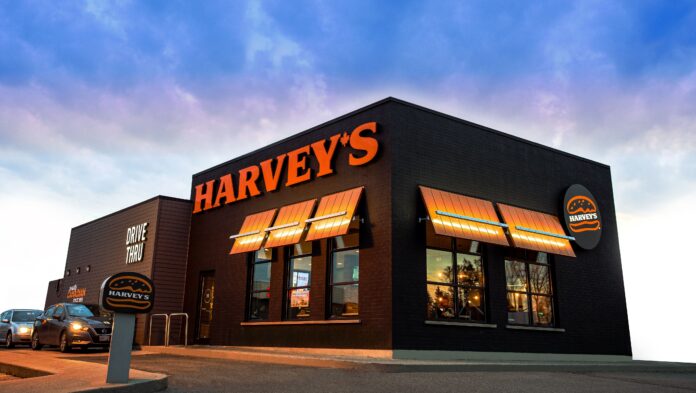
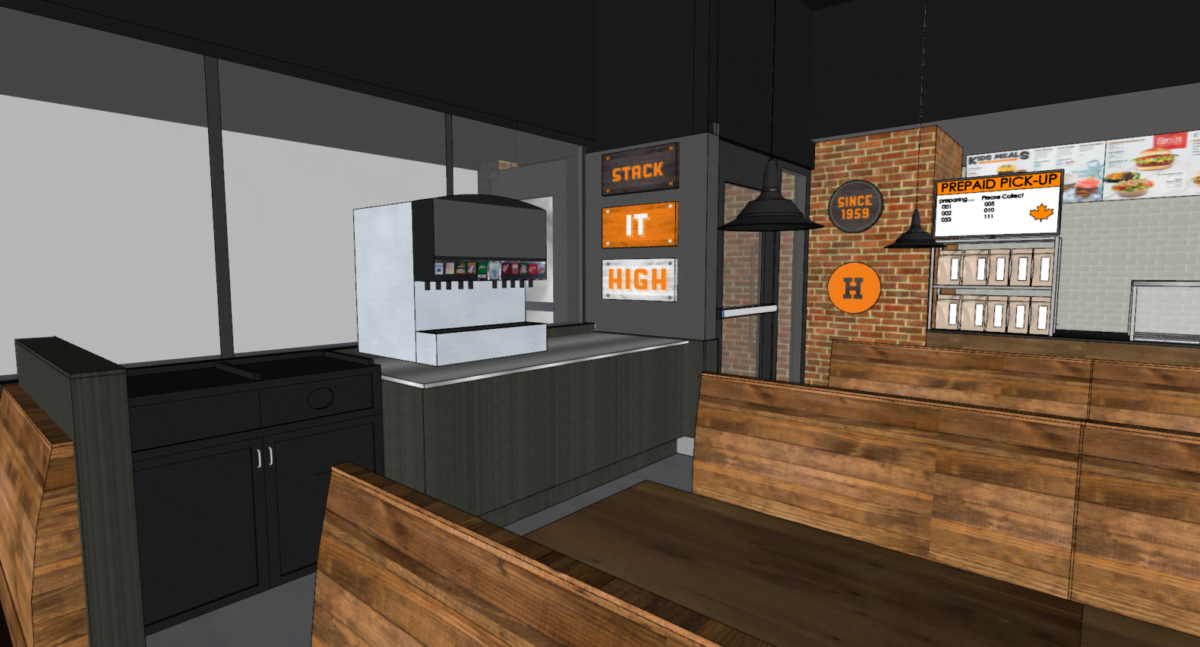
Since 1959, Harvey’s has been a staple of the Canadian quick service restaurant industry and even through the pandemic the iconic national brand has continued to grow its footprint across the country.
David Colebrook, President of Harvey’s, said the food establishment opened about 10 new locations in the past two years and has about 300 now in Canada with plans to grow to about 500 within the next few years.
David Colebrook
“We’ve had great success in the last two years. Obviously as things were locked down we were still allowed to do takeout and drive-thru, primarily. So Harvey’s has fared very well and has been one of the fastest growing QSR burger chains in Canada over the last two years,” said Colebrook.
“The last two years have been very difficult on the overall restaurant industry, the food service industry, with the impact of COVID and the closure of dining rooms. Restaurant people in general are some of the most entrepreneurial and adaptive people you will ever find. I think people managed through it whether it was takeout or delivery all those sorts of options of how they kept their businesses going.
“The key thing for Harvey’s, because we have drive-thru and or takeout, it allowed us to still be open and serve Canadians. Obviously when COVID first came in March 2020 everyone was significantly impacted but QSR as a whole was able to rebound including Harvey’s. Full service restaurants had a much more difficult time because of the dining room situation.”
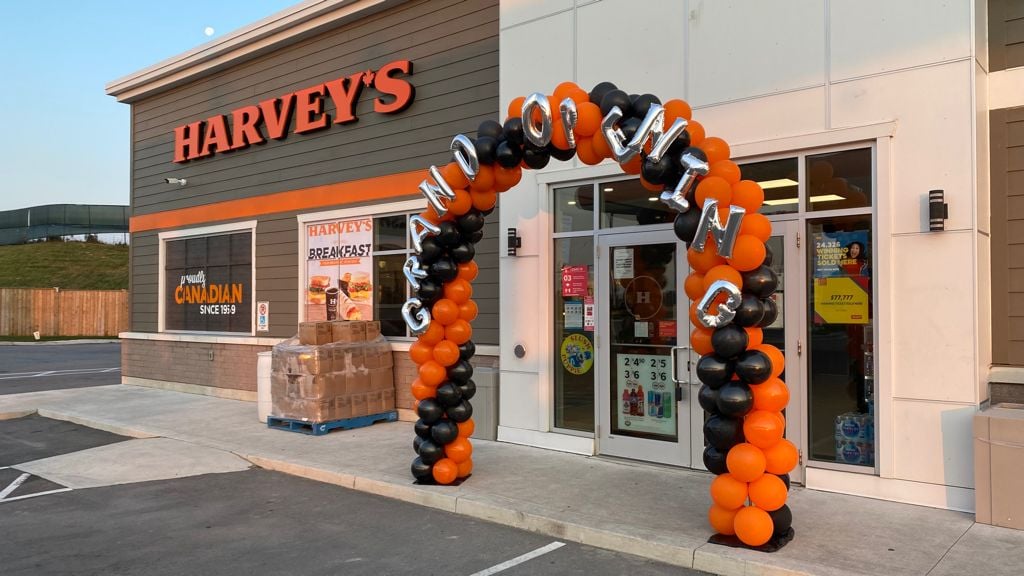
Image: Harvey’s in Stoney Creek, Ontario.
Colebrook said the company’s target is to grow significantly in Canada from coast to coast.
The brand is not represented in BC but plans are to eventually grow into that market as well.
“We are looking to get to our long-term goals of around 500 units which we think is a good target for us and achieve that in the next five to 10 years,” he said. “And we’re very focused on it. Constantly looking at sites, looking at partnerships and we’re open to different formats and different sizes. It doesn’t have to be just a one size box with a drive-thru. We’re open to inline opportunities as well as gas station additions and other options like universities and colleges, many different types of formats in order to grow.”
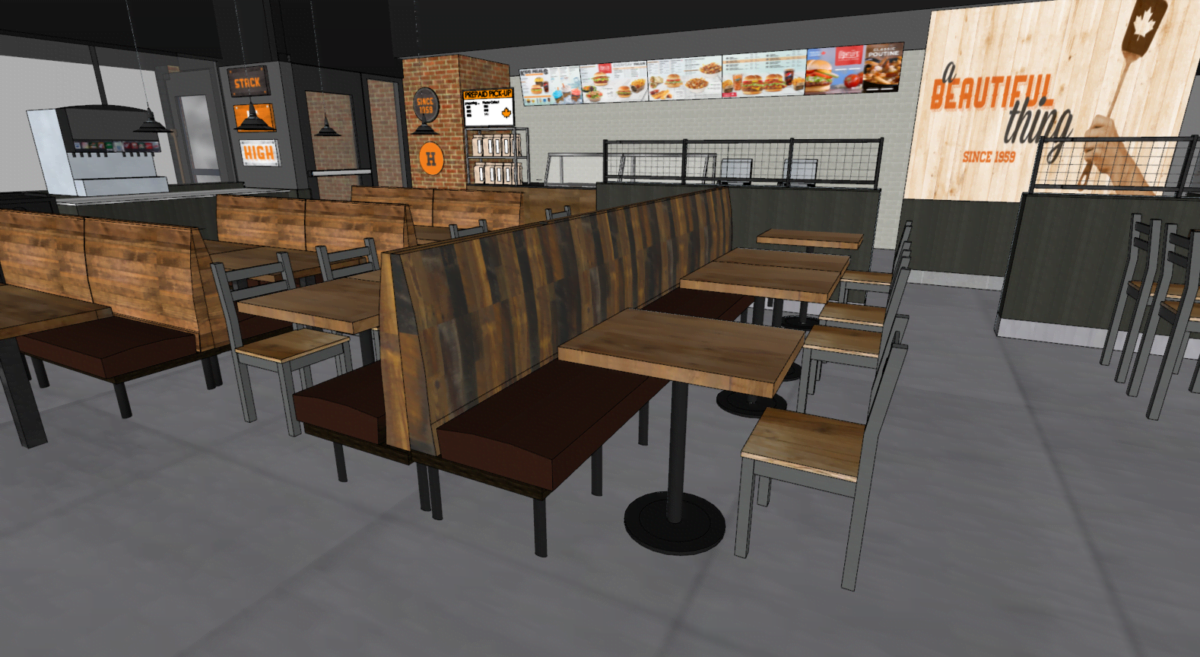
Rendering: Harvey’s Rendering: Harvey’s
Colebrook said Harvey’s has had a great growth platform over the last few years by first and foremost focusing on what made it famous and made it grow into a great brand originally more than six decades ago which is customization, quality and a flame-grilled burger.
“That has been the pillar of the growth. The other key pillar of the growth has been making a difference in our community which is another part of our mission,” he said. “We’ve done a lot of things, particularly I would say in the last two years, to really amplify that part of our strategy.”
It’s donated to the food banks in Canada. By the end of this year, it will have planted 84,000 trees in the country to reduce the carbon footprint. Almost all the packaging is made using recycled materials. It also sources primarily Canadian ingredients where it can. The Harvey’s RV has also been driving across Canada giving away burgers to frontline workers throughout the pandemic. And it has raised money for youth hockey and supported the Professional Women’s Hockey Players Association.