Retail Insider is streamlining its Canadian retail news from around the web to include a handful of top news stories that can be viewed quickly during the day. Here are the top stories from the past 24 hours.
Exterior of Oakville L.L.Bean store. Photo: L.L.Bean
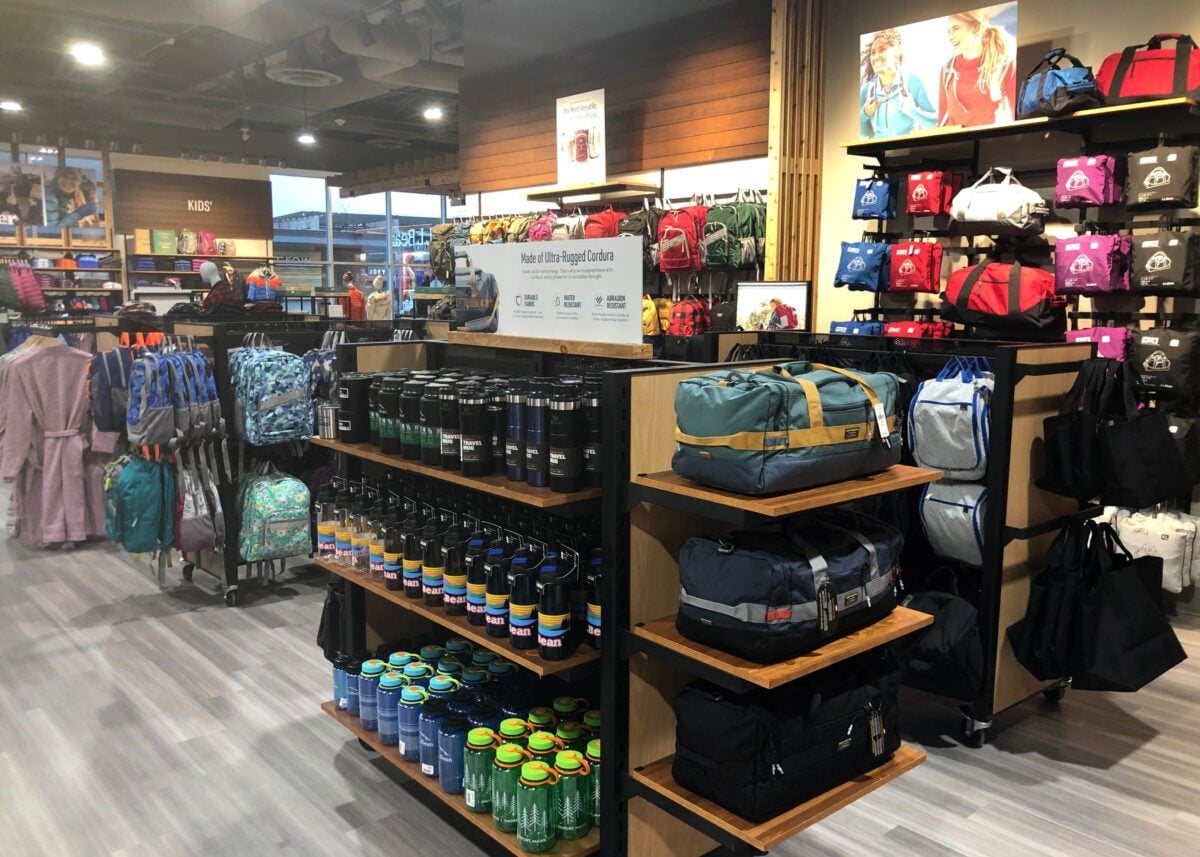
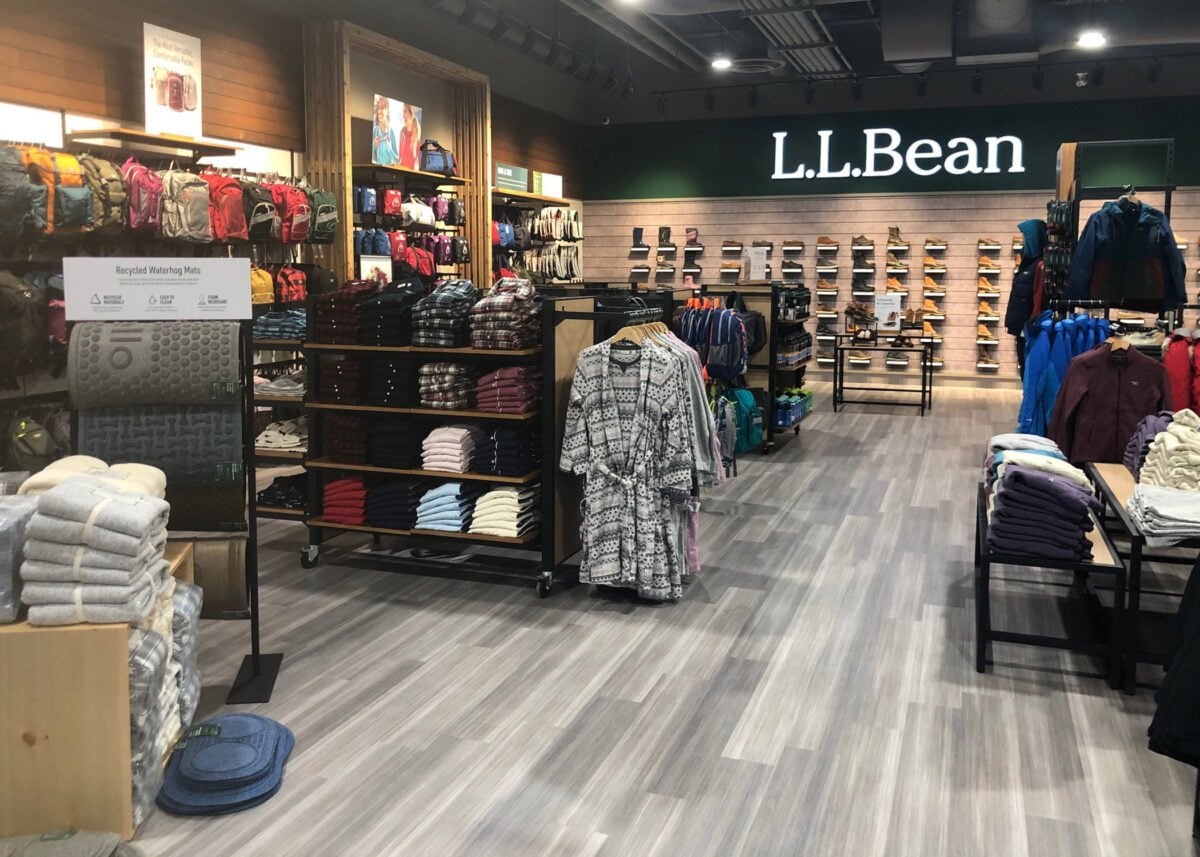
U.S.-based outdoor specialty retailer L.L.Bean has announced that it will open five more Canadian stores this year as the company continues with its Canadian expansion into new markets. Each of the five stores will be firsts for the Moncton, Kitchener, Kingston, Edmonton and Niagara Falls regions.
The retailer says that it’s bullish on growth after seeing its most successful fiscal year in its 110-year history. That includes a 14% increase in revenue company-wide and 20% growth in online sales for L.L.Bean in Canada.
Toronto-based Jaytex Group has the exclusive license for L.L.Bean stores and wholesale distribution in Canada. Brokerage Oberfeld Snowcap represents L.L.Bean in Canada for its expansion under the direction of Andrew Laudenbach, who so far has negotiated leases for nine L.L.Bean locations in Canada that are already open as well as the five new locations opening in 2022 that will include the following:
Moncton, New Brunswick at CF Champlain – Opening August 2022
Kitchener, Ontario at The Boardwalk – Opening September 2022
Kingston, Ontario at Cataraqui Centre – Opening October 2022
Edmonton, Alberta – Opening Fall 2022
Niagara Falls, Ontario – Opening Fall 2022
Each L.L.Bean will offer an assortment of men’s, women’s and kid’s active and casual apparel, outerwear, footwear, gear and equipment.
The Moncton location will be the second for L.L.Bean in the Canadian Maritimes, following the opening of a store last year at Dartmouth Crossing near Halifax. CF Champlain is considered to be the leading shopping centre for the region.
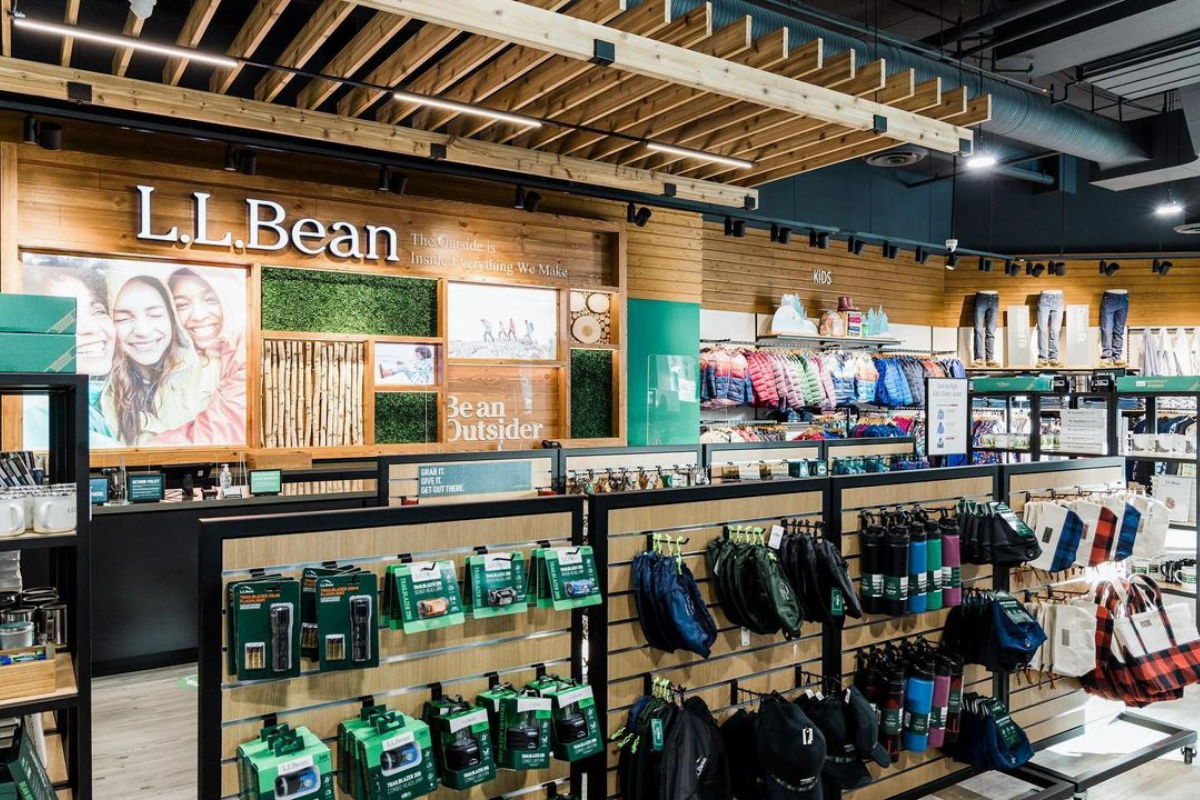
Interior of the new Don Mills L.L. Bean store. Photo: L.L. BeanInterior of the new Don Mills L.L. Bean store. Photo: L.L. Bean
The Boardwalk in Kitchener is a big box centre, while the Cataraqui Centre in Kingston is a traditional enclosed shopping centre anchored by Hudson’s Bay. L.L.Bean will occupy part of the former Sears space at Cataraqui Centre according to a source.
The exact locations of the Edmonton and Niagara Falls L.L.Bean stores have yet to be released, and both will open later next fall.
L.L.Bean entered the Canadian market in 2018 with an online store and opened its first brick-and-mortar location in Oakville Ontario in August of 2019. At the time, plans were in place to eventually open about 20 stores across Canada. L.L. Bean currently has nine stores in the provinces of Ontario, British Columbia, Alberta and Nova Scotia.
Last year was a successful year for L.L.Bean in Canada. “In 2021, we successfully opened four L.L.Bean retail stores across Canada, expanding our reach into Victoria and Vancouver, Calgary, and Dartmouth, N.S. We have seen strong demand for our selection of outdoor footwear, apparel, equipment and gear, exemplifying Canadians’ love for the outdoors,” said Howie Kastner, president of Jaytex Group.
“The addition of five new locations will greatly help us reach markets where interest in L.L.Bean is already high, as demonstrated through strong e-commerce sales. We are excited to open in each of these communities and increase our ability to serve more customers in Canada.”
L.L. Bean at Amazing Brentwood
Charlie Bruder, L.L.Bean Vice President and General Manager of International and Wholesale, added, “We’re grateful to our Canadian customers who continue to look to L.L.Bean to outfit them for adventures of all kinds. As a heritage outdoor brand, our focus has always been to ensure our customers are equipped with durable, quality goods they can depend on for years to come. By joining more communities across Canada, we’ll ensure even more people are outfitted to experience the restorative power of time outside.”
Family-run L.L.Bean was founded by Leon Leonwood Bean in 1911 when he developed the brand’s flagship product, the Maine Hunting Shoe, which combines rubber bottoms with leather uppers to ensure one’s feet remained dry while hunting. L.L.Bean was officially founded in 1912 and has been in business for nearly 110 years.
The company’s original Maine flagship complex has been open since 1917, spanning 220,000 square feet and is open 24 hours a day, 365 days a year. Last year for the first time in its history and due to the pandemic, the flagship had been operating on reduced hours temporarily. The motivation behind L.L.Bean’s always-on hours was to accommodate visiting sportsmen who would drive all night and wanted an early start the following day.
In addition to the Maine flagship, L.L.Bean operates over 50 stores in the US and also has a multi-store presence in Japan.
COVID debt, rising costs and lack of sales pose major challenges to a small business recovery in Canada, says the national organization representing the sector.
According to the Canadian Federation of Independent Business, only 40 per cent of small businesses are back to normal revenues for this time of the year and only 27 per cent say they are fully recovered.
On top of that is a mounting debt load which small businesses had to take on to get them through the COVID19 period with its lockdowns and other public health safety measures.
Dan Kelly
“Two-thirds of small businesses (65 per cent) have had to take on debt, at an average of $160,000, just to survive the past two years,” said Dan Kelly, President and CEO of the CFIB. “For almost 900,000 business owners, up to $60,000 of this debt is in the form of a government-backed Canada Emergency Business Account loan.
“The 2022 budget missed an opportunity to forgive a larger portion of these loans for the most deeply affected small businesses.”
The CFIB represents about 100,000 small businesses across all sectors throughout the country.
Kelly said over the past two years at no point had over 40 per cent of small businesses been able to bounce back to normal levels of revenue.
“We thought that now that restrictions have been largely lifted, particularly at the provincial level, that we would see more of a rebound and more businesses inching back to normal operations. I was really surprised, depressed in fact, to see, while we are about 40 per cent, it’s now 42 per cent of businesses that are back to normal levels of revenue. Imagine that. Less than half of Canadian businesses are at normal levels of revenue for this time. Most of our members are telling us they have not had a normal month of sales in over two years,” said Kelly.
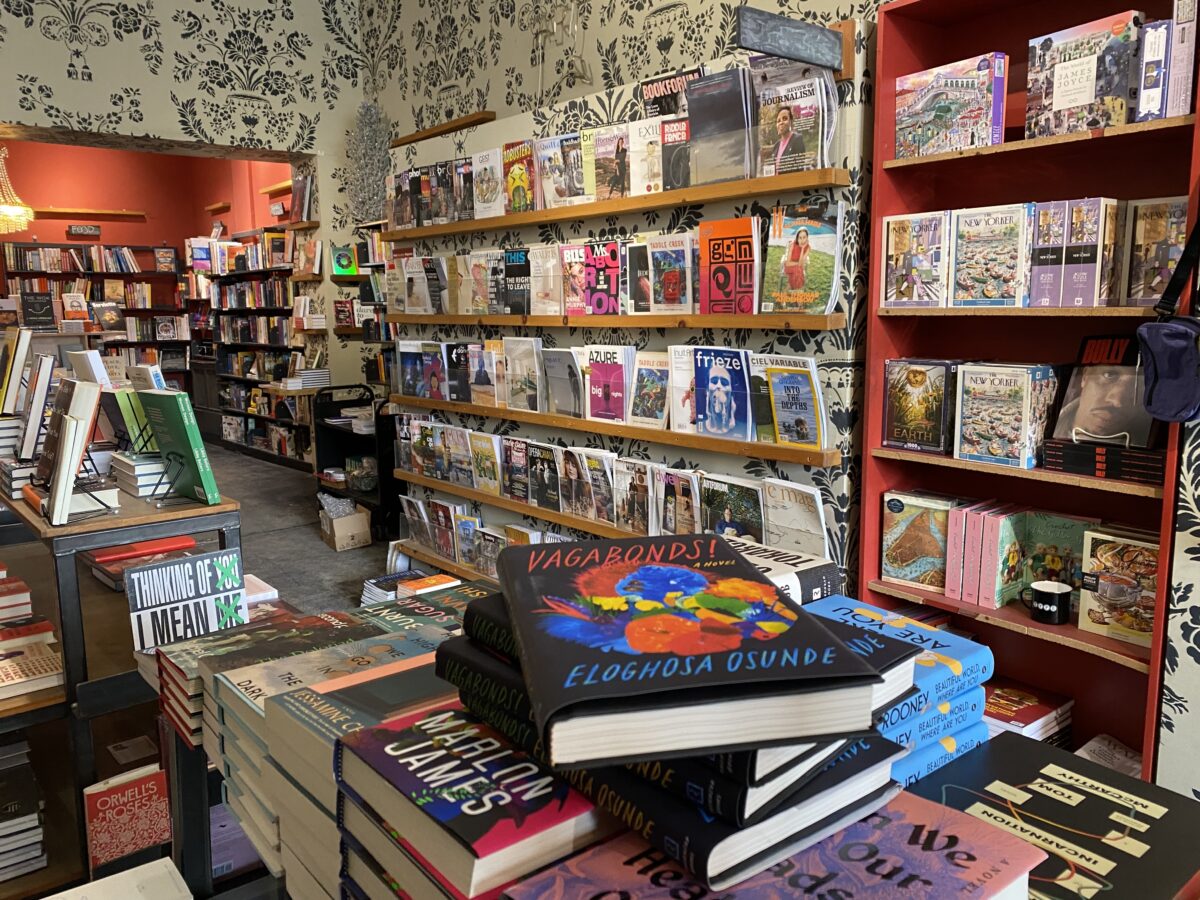
Type Books at 883 Queen Street West (Image: Dustin Fuhs)
“And when you add to that the staggering debt level that they’ve taken on through the pandemic, the fact that sales are not back and of course costs are rising through the roof, this is really creating some terrible math for small business owners.”
Kelly said a couple of factors are contributing to the continued situation where normal sales and revenue have not returned for small business owners.
“While the restrictions are lifted, the psyche on the part of consumers has not yet changed. Many consumers, especially with this most recent round of worry about BA.2 (the Omicron variant of the Coronavirus), are continuing to stay home,” he said.
“There’s no question it’s having an impact on small business. So that’s chapter number one to explaining what’s going on. Secondly, there seems to be a disconnect between what’s happening at the larger economic level. The headline economic numbers for the country are good. Job creation numbers are good. GDP growth has been quite positive. But that isn’t telling the whole story.
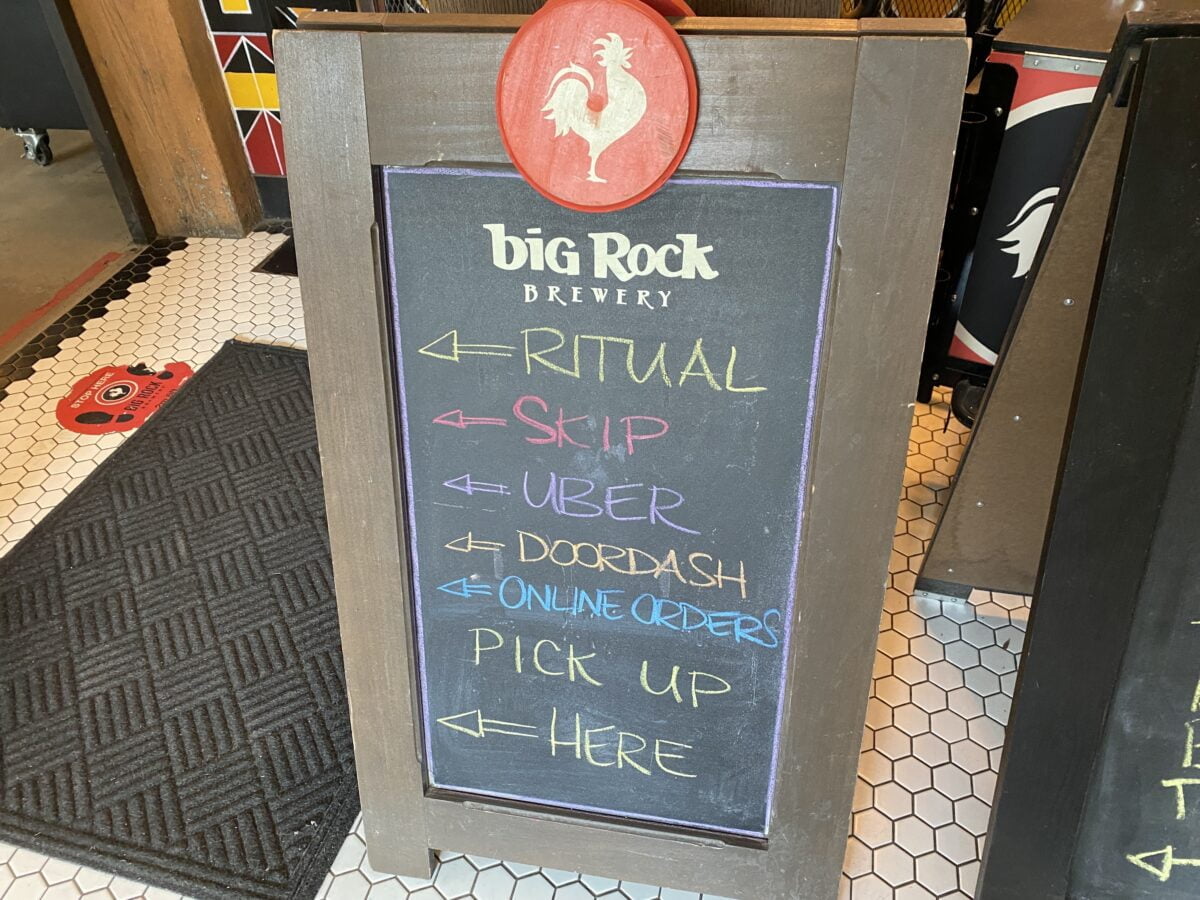
Big Rock Brewery in Liberty Village (Image: Dustin Fuhs)
“When you look at the sectors that were most deeply affected, retail, hospitality, the service sector, arts and entertainment, these businesses which of course are a huge chunk of the small business community, they are still super far away from normal.
“The final piece that I’ll mention is of course we all have to admit that there are likely some permanent changes in economic activity that have happened over the course of the pandemic. The growth of online shopping and virtual activities. Offices not coming back yet in large numbers. Workers not coming back in downtown cores. So there are some questions as to how much of this is temporary and how much of this is permanent. And that we haven’t yet figured out as to how significant those factors are.”
Kelly said the fact only 27 per cent of small business owners have fully recovered is “really low and worries me.”
“When you look at the debt levels that businesses have taken on, even those that are back to normal, the average small firm has taken on $160,000 in COVID-related debt – $60,000 of that typically is in the form of a CEBA (Canada Emergency Business Account) loan – a government-backed loan, $100,000 of that is other debt that they just inherited either in lines of credit or borrowing from family members, cashing in RSPs, whatever,” said Kelly.
“When we look at that debt burden, a business actually doesn’t have to just go back to normal but if they’re going to have to repay that, they’ve got to go above normal to be able to try to get the debt retired and we’re not seeing signs of that happening, certainly not happening any time quickly.”
And that’s one of the reasons the CFIB is pushing so hard for the federal government to forgive a larger portion of those loans to give small businesses a little more room to operate. The CFIB is calling on the federal government to help the hardest hit SMEs deal with their COVID-related debt by increasing the forgivable portion of their CEBA loan to at least 50 per cent and extending the repayment deadline beyond December 2023. It is also asking the government to help new businesses that were excluded from the CEBA program and to forgive a portion of other federal COVID-19 loan programs like HASCAP (Highly Affected Sectors Credit Availability Program).
Despite the long road back to normal, all major COVID support programs end on May 7, said the CFIB. A huge number of small firms are also facing major challenges with rising costs for energy, inputs and insurance (90 per cent) or hikes to government-imposed costs for carbon and payroll taxes (82 per cent). This may explain why almost three-quarters (72 per cent) of small business owners did not find the measures in the 2022 federal budget particularly helpful for their situation, said the national organization.
“We understand the government wants to close the door on many of these programs. They’re super costly. I want to end subsidies too, but if we time it too early before businesses are fully recovered we run the risk of having a bunch of failures and that’s why we need our focus at CFIB on this debt issue. If we can at least get the burden of debt off the shoulders of business owners, we believe that more of them would have a fighting chance of survival,” said Kelly.
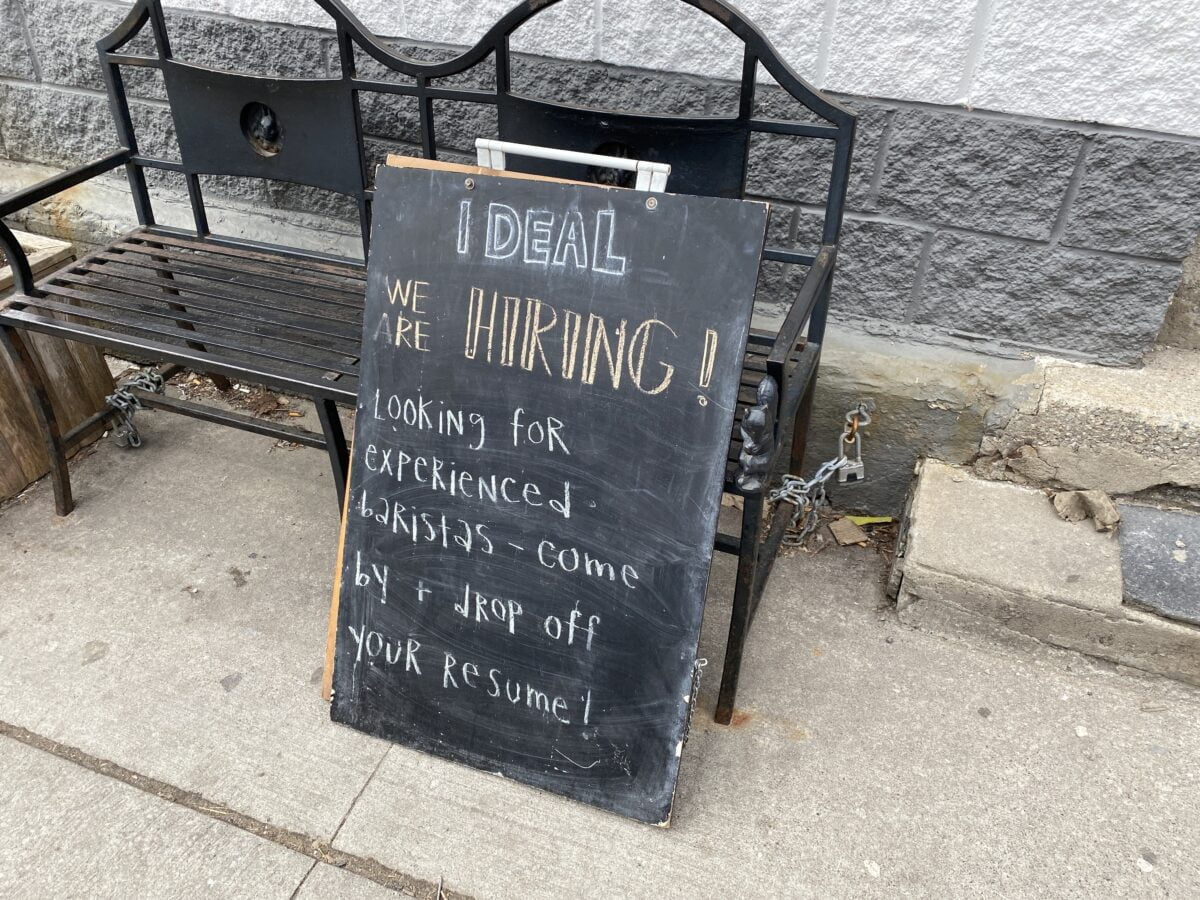
Now Hiring at Ideal Coffee & Wine on Ossington (Image: Dustin Fuhs)
He said small business owners also need some help from government on the cost side of the equation.
“Every single line on a business budget is under pressure. Not all of that is controlled by government but some of it is. The shortage of labour. Giant issue right now. Wage levels are going up through the roof. Many provinces have added to the problem by increasing minimum wages at this time, increasing payroll taxes like EI and CPP, those are going up. Those we believe should be frozen,” said Kelly.
“Energy costs are a huge worry on the part of all of us and small business owners. The government decided to go ahead with carbon tax increases on April 1. We believe that was a bad idea. We have been pleased to see a few provinces, Ontario and Alberta announcing an end to or a reduction in the fuel tax. That certainly will help a little bit. We should be seeing more of that across Canada.
“But the other thing the federal government had promised but didn’t deliver on was lower credit card processing fees. These are huge fees. More of our transactions these days are on credit cards, not paying the cash, cheques or even debit right now. As a result of that, the government did promise business owners that they would work with VISA, Mastercard and the banks to lower these processing fees. That was promised in 2019. Here we are in 2022, more consultation, not any action.”
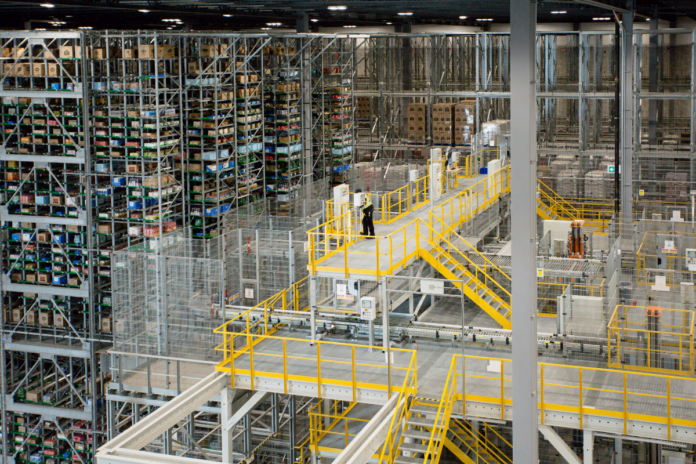
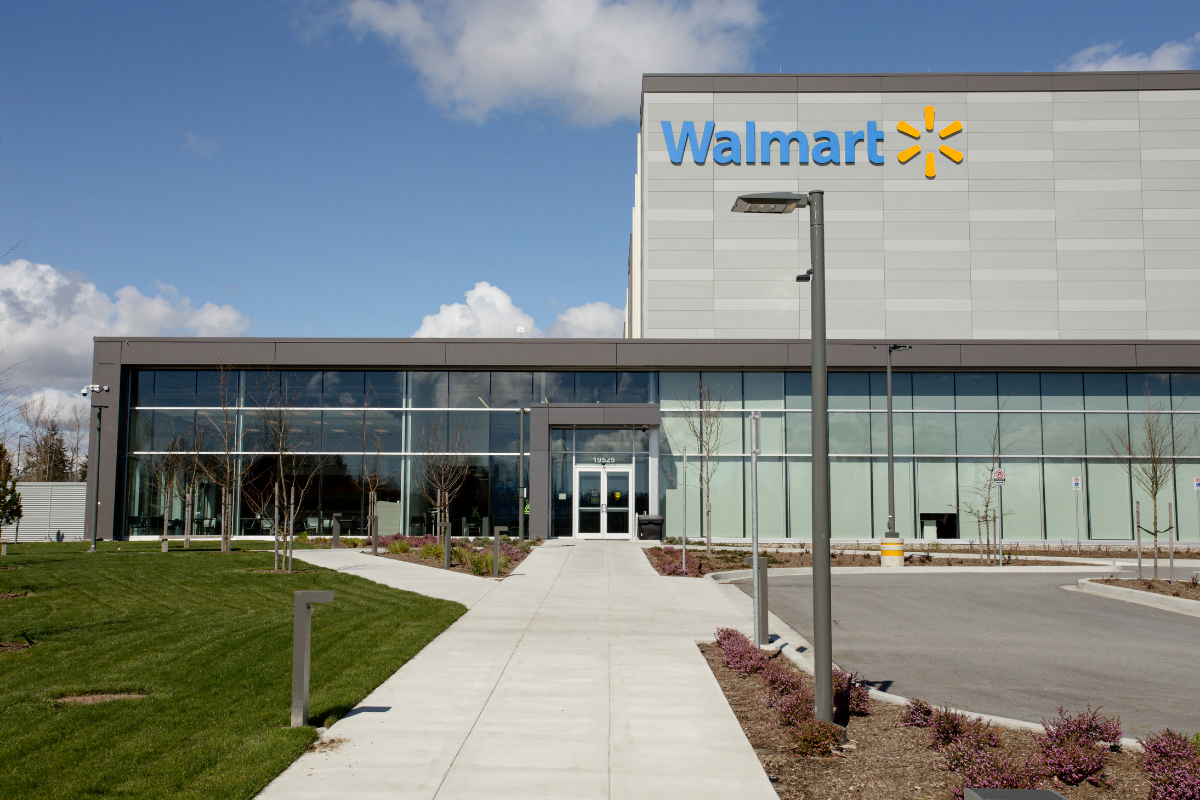
Walmart Canada distribution centre in Surrey, B.C. (Image: Walmart Canada)
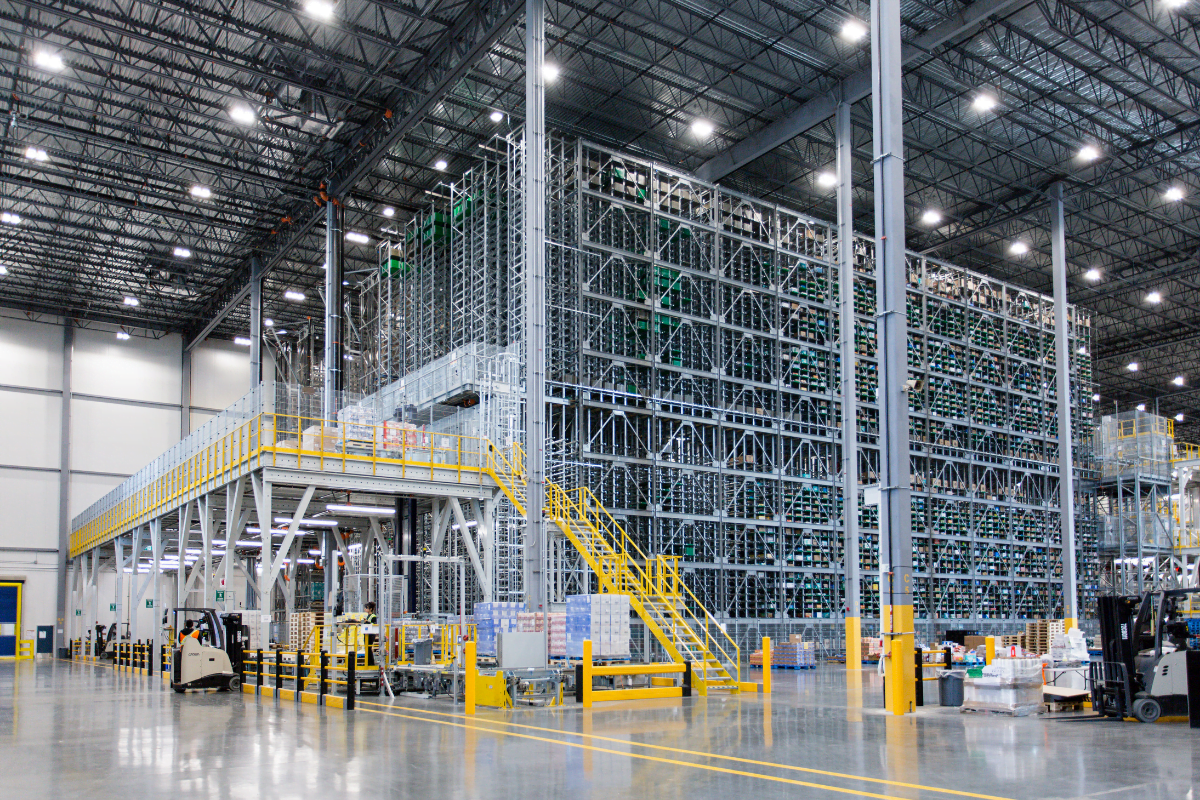
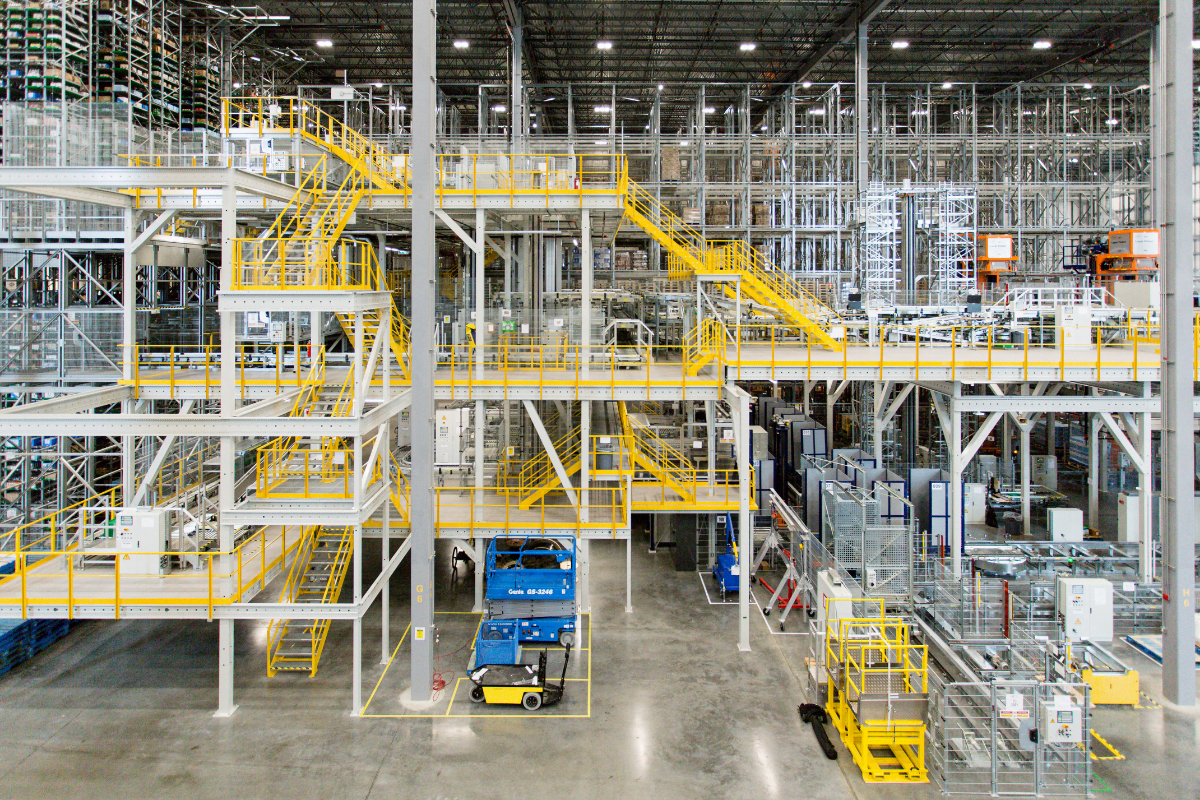
Walmart Canada has opened in Surrey, BC, what the retail giant describes as its most advanced grocery distribution centre, a state-of-the-art facility with leading-edge technology features and a focus on sustainability.
The 300,000-square-foot, $175-million facility is part of Walmart Canada’s $3.5 billion investment to generate significant growth and speed up the flow of products through the company’s supply chain across Canada.
Horacio Barbeito
It is the company’s first distribution centre in British Columbia. It has 17 across Canada.
“We’re incredibly proud of our new sustainability-focused and technology-enabled distribution centre in Surrey. Facilities like this one are an investment in the community, our associates and customers and allow our suppliers to get their products into the hands of Canadians across the country even faster,” said Horacio Barbeito, President and CEO, Walmart Canada, in a statement.
“We continue to strengthen our world-class supply chain to ensure Canadians have access to the products they need in a way that’s fast, efficient and minimizes our impact on the environment so that they can live better.”
Walmart Canada distribution centre in Surrey, B.C. (Image: Walmart Canada)
John Bayliss, Executive Vice President, Chief Transformation Officer, Walmart Canada, said Surrey is the most technologically-advanced facility for Walmart in Canada and is also the future hub for its electric fleet.
John Bayliss
“This is only the start for what Canadians can expect from Walmart: we’re transforming how we enable our supply chain and associates with leading-edge technologies and innovations.
“The reason for getting into the Lower Mainland first and foremost is really getting closer to the customers in British Columbia. We’ve been supplying grocery and frozen dairy into British Columbia out of Calgary. And you can imagine, that supply line the number of kilometres on the road, getting into Lower Mainland, getting into British Columbia, is really important for speed and also having availability where it counts in the major centres in BC. That was the real driving force behind this program.
“One of the challenges historically in British Columbia is the availability of land and also the cost of land. This is where technology has unlocked that equation for us finally where by building up we’ve been able to use a smaller footprint. So the site’s 300,000 square feet. A traditional DC of this class would be closer to the half a million square foot mark. And I think we’re on about 30 acres of land, give or take a few acres. We’d need to double that if we’re building the conventional way. So technology here has really unlocked DC for us and that’s why now.”
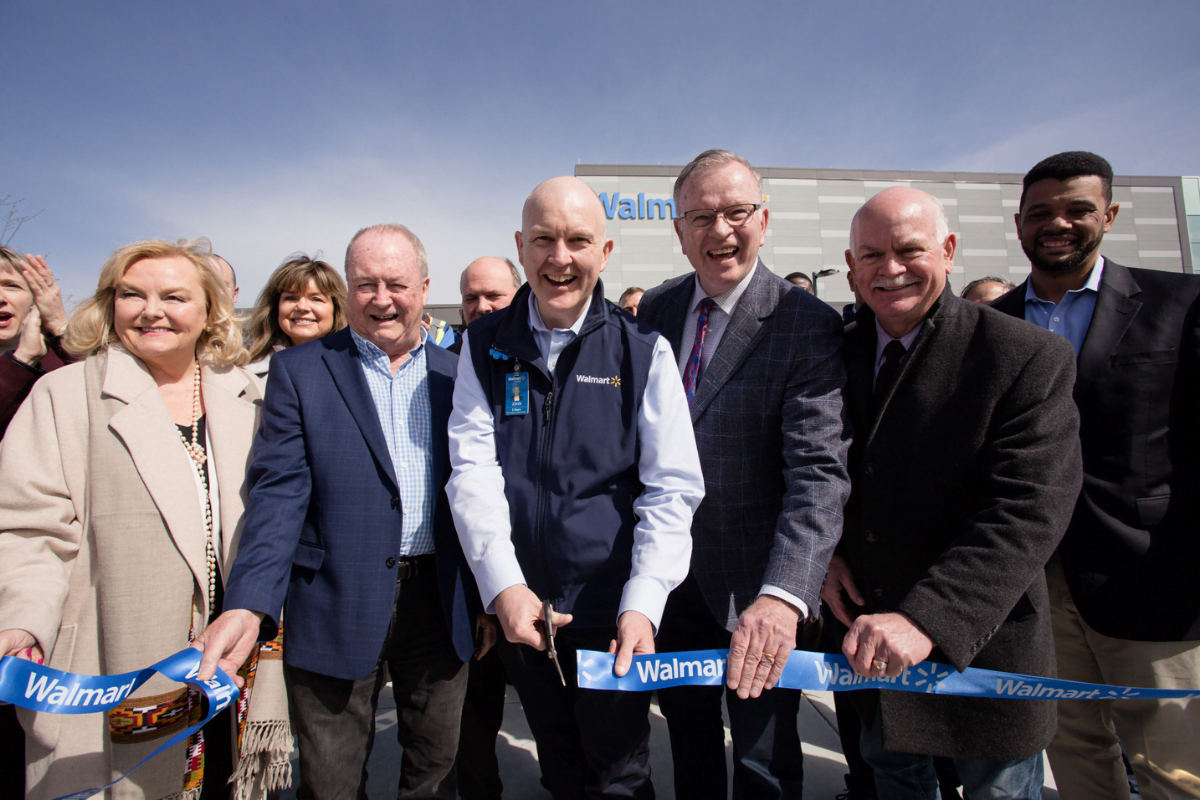
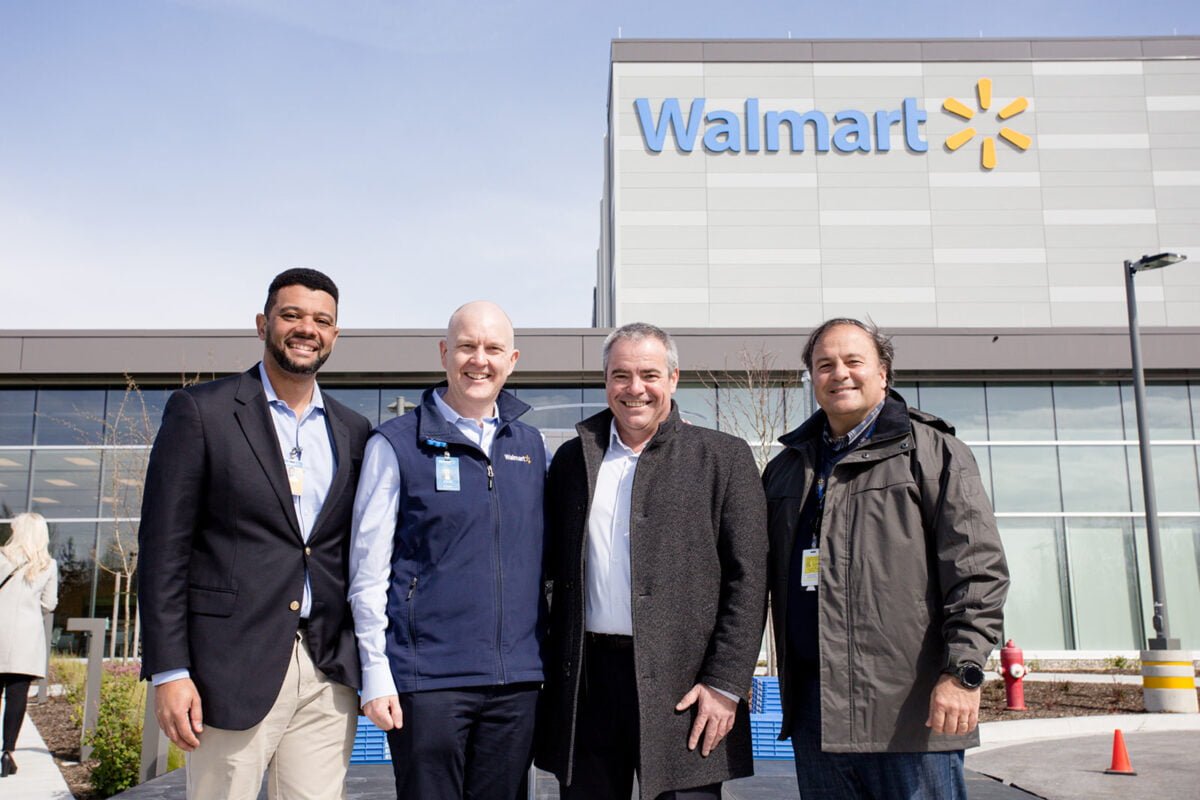
MP Kerry-Lynne Findlay, South Surrey, Minister Bruce Ralston, John Bayliss, EVP, Transformation Officer, Walmart Canada, Mayor of Surrey Doug McCallum, MLA Garry Begg, Jason Evans, VP, International Realty & Supply Chain, Walmart.
Bayliss said the Surrey Grocery Distribution Centre will employ more than 250 people once fully operational and will provide ambient (pantry items), fresh and frozen grocery goods to 45 Walmart stores in British Columbia.
He added that distribution through the facility will reduce the company’s long-haul trips from Alberta and directly reduce its carbon footprint, supporting Walmart’s journey to becoming a regenerative company.
“We are just incredibly proud of the building because it is the most technologically-advanced site that we’ve created in Walmart international and more certainly of any of our distribution centres here in Canada,” said Bayliss.
Walmart listed the following key features of the new distribution centre:
Capable of processing 150,000 order picks per day that will be delivered to 45 Walmart stores across British Columbia;
A future hub for Walmart’s electric fleet, including semi trucks and a fully-electric yard truck fleet;
Will employ more than 250 people once fully operational and created more than 300 construction and engineering jobs during the building phase;
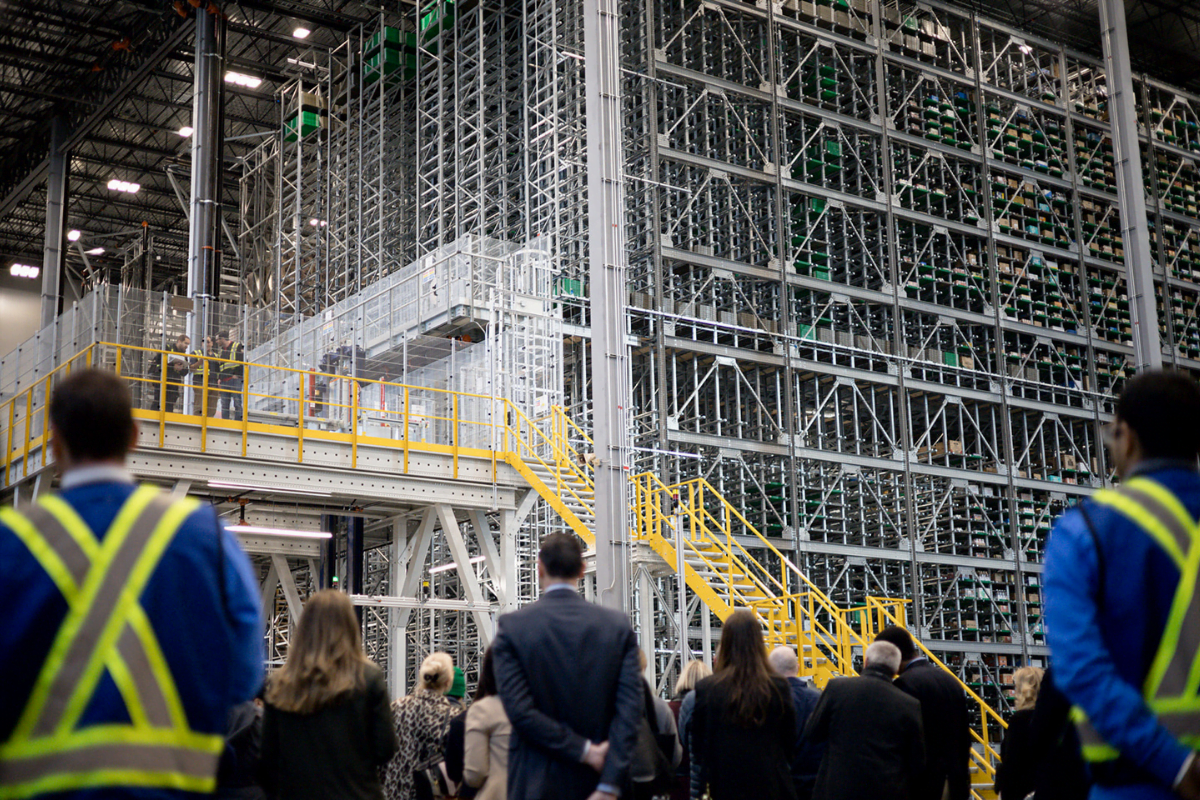
Built vertically, optimizing the land use with racking up to 66 feet;
Large windows throughout the facility promote natural light in the perimeter; and
Outdoor park and picnic area provides an opportunity for associates and community members to enjoy nature directly outside of the facility.
Walmart Canada distribution centre in Surrey, B.C. (Image: Walmart Canada)Walmart Canada distribution centre in Surrey, B.C. (Image: Walmart Canada)
Walmart said key sustainability features include:
LED lighting and intelligent controls, which can reduce energy consumption by 70 per cent;
Efficient refrigeration systems using environmentally preferable CFC free carbon dioxide (CO2);
HVAC system designed to reclaim heat rejected from the refrigeration system and leverage it in radiant under floor heating;
On track to becoming a zero-waste facility;
Special fans to maintain temperature throughout the facility;
Natural filtration systems for water to protect the local waterways and fish hatchery in the vicinity;
Recycled content in building materials, including recycled glass countertops in the lunchroom; and
18,000 new plants have been included on-site.
“This modern facility was built vertically, using about half of the land mass that would be required for a traditional equivalent facility, and directly reducing its overall carbon footprint. This is made possible by including cutting-edge technology from WITRON. Incorporating this technology makes it possible to complete as many as 150,000 order picks per day, improving the efficiency and speed of distribution while requiring less physical effort from associates,” said the company.
Bayliss said WITRON is helping Walmart drive great efficiencies, great production and really helps the people employed at the distribution centre serve the stores better.
“Also, it’s a sustainable site. We’ve designed this with the aim of having this be ultimately a zero waste facility and so there’s features like the LED lighting, we’re using efficient refrigeration systems . . . We’ve got a natural filtration system for water that helps the surrounding ecosystem,” he said.
Walmart Canada distribution centre in Surrey, B.C. (Image: Walmart Canada)Jason Evans, VP, International Realty & Supply Chain, Walmart, John Bayliss, EVP, Transformation Officer, Walmart Canada, Karl Hoegen, CEO of WITRON, North America, Patricio Dallan, SVP, Supply Chain, Walmart Canada
“An interesting thing is that the building incorporates recycled content . . . We’ve designed it in a way with an eye to sustainability because ultimately we have a goal to be a much more regenerative company.”
When asked if there could be more distribution centres in BC in the future, Bayliss said: “If we’re looking at our future network, BC is a rapidly growing market for us. We’re certainly going to keep our eye on it. We are spending a lot of time now investing in our stores in British Columbia which is part of our $3.5 billion investment (in Canada). We have a number of stores in British Columbia that we’re upgrading right now and included in the upgrades is renovation to help their omni fulfillment capabilities. So using those stores as distribution hubs as well.”
Walmart has been in British Columbia for 28 years and has 47 stores and the distribution centre, employing 12,000 people. In 2021, Walmart invested more than $16 million in store upgrades in British Columbia.
The retailer has more than 400 stores in Canada and more than 100,000 employees.
Retail Insider is streamlining its Canadian retail news from around the web to include a handful of top news stories that can be viewed quickly during the day. Here are the top stories from the past 24 hours.
Retail Insider Media Ltd. is excited to announce our exclusive partnership with Progress Retail. As a leading Retail Operations and Employee Experience (EXP) platform in Canada, Progress Retail will work with Retail Insider to curate content specifically derived from its unique user and anonymized client insights, as well as bring its renowned and personalized retail education to retailers across the country.
“What Progress Retail has brought to the market is far more than just another tech platform. It’s an end-to-end solution for retailers to engage employees, decrease turnover, and connect the entire business under one platform,” said Retail Insider founder, CEO and Co-Editor-in-Chief, Craig Patterson.
“The breadth of what Progress Retail can provide has never been needed more by retailers with the drastic changes to the landscape over the past two years with the pandemic,” continued Patterson.
“It’s been a pleasure collaborating with Craig and Retail Insider the past few years, and we’re honoured to kick off this partnership in conjunction with our continued growth and focus in Canada,” said Ray Riley, Progress Retail’s CEO.
As retailers push more and more change into the innovation pipeline, it culminates at the store level, and therefore employee experience is impacted if the best tools are not available to help embed the change successfully to maximise benefit from investments.
Andrew Smith, author of Retail Innovation Reframed and advisor to Progress Retail says “the single biggest focus for every retailer right now must be the ability to change at pace. There is no point creating bright and shiny new experiences for your customers if your store teams aren’t coming along on the journey. A focus on their experience and their learning journey is key”.
A few of the challenges Progress is helping retailers across the world solve every day:
The show floor is the heart of every retail operation. Progress Retail ensures an engaged and connected employee experience that allows for consistency and improved outcomes in every execution from merchandising to campaigns, to new technology.
Progress Retail helps you retain talent, execute on change quicker and more effectively, and ensures your frontline teams are highly capable and up to date with dynamic, role-tailored learning experiences.
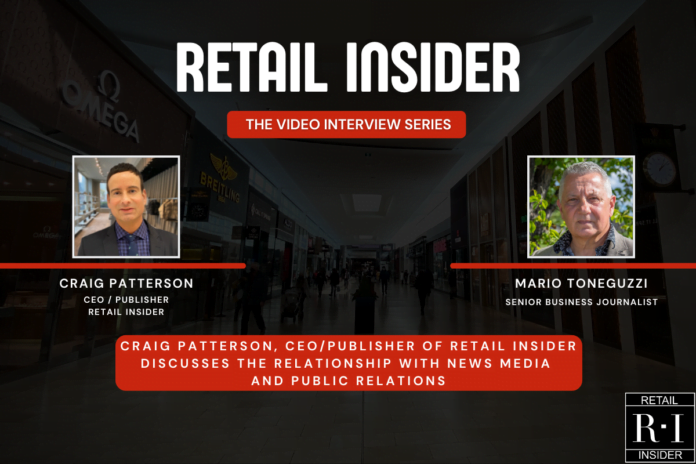
Video Interview: Craig Patterson, CEO/Publisher of Retail Insider Discusses the Relationship with News Media and Public Relations
Craig Patterson, CEO/Publisher, Retail Insider, discusses the current relationship with the news media and the communications/public relations industry.
Patterson talks about what media looks for in a story, pitches to the media, paid versus earned media, supplying questions in advance of an interview, companies wanting to see news stories in advance of publication.
The Video Interview Series by Retail Insider is available on YouTube.
Connect with Mario Toneguzzi, a veteran of the media industry for more than 40 years and named in 2021 a Top Ten Business Journalist in the world and the only Canadian – to learn how you can tell your story, share your message and amplify it to a wide audience. He is Senior National Business Journalist with Retail Insider and owner of Mario Toneguzzi Communications Inc. and can be reached at mdtoneguzzi@gmail.com
Also check out the other series offered by Retail Insider, including The Weekly podcast and The Interview Series, which are both available on Apple Podcasts, Stitcher, TuneIn, Google Podcasts, or through our dedicated RSS feed for Simplecast and other podcast players.
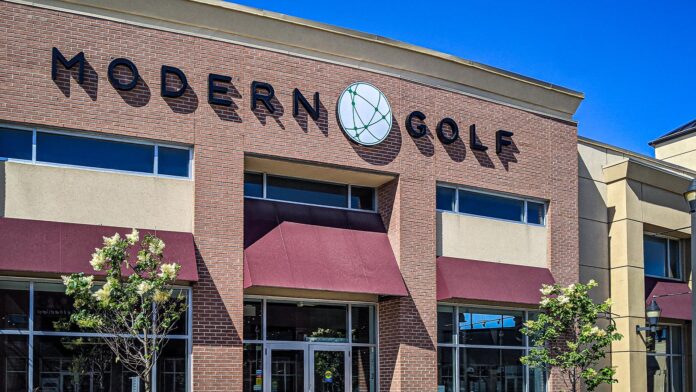
Modern Golf in Vaughan, Ontario (Image: Modern Golf)
Toronto-based retailer Modern Golf continues to capitalize on the current golfing boom in Canada and is poised to continue to grow its operations across the country.
Paul Fisher
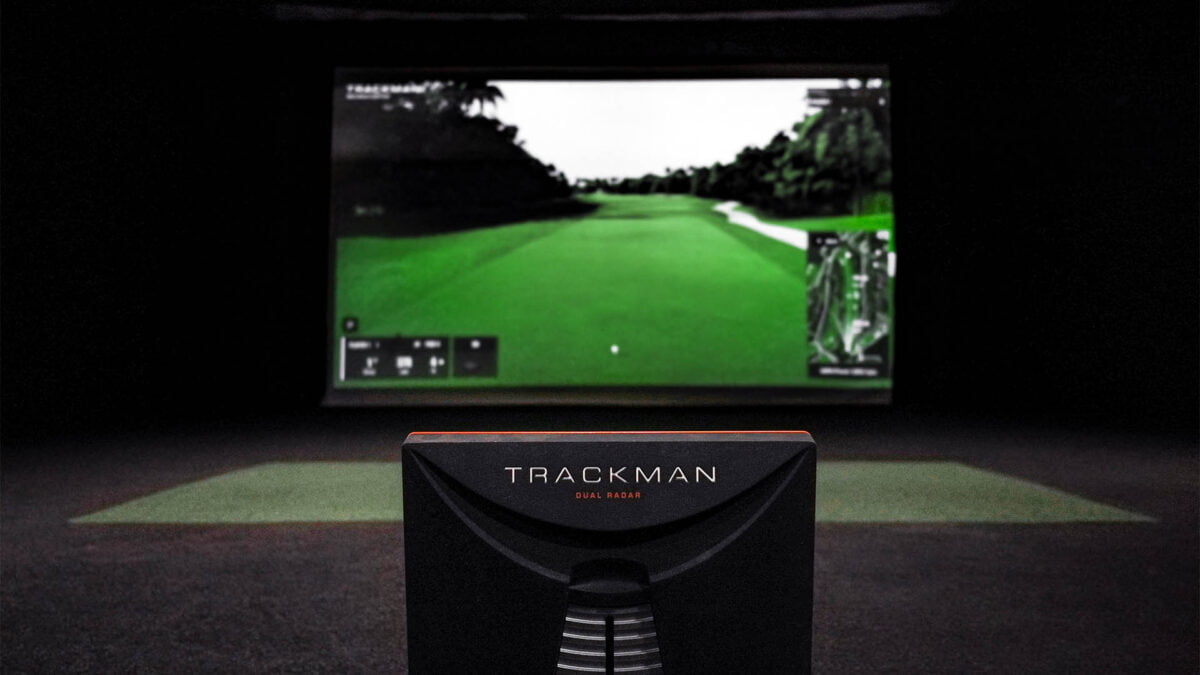
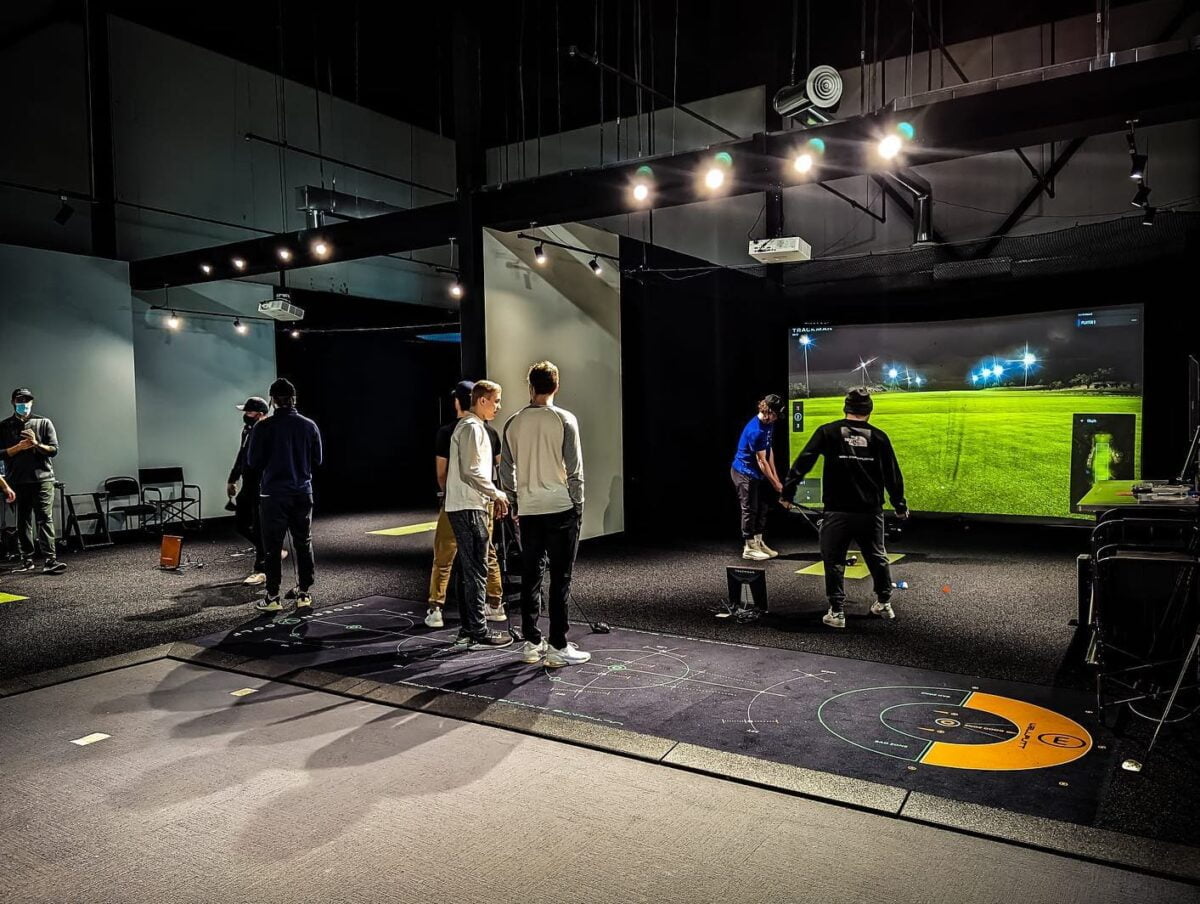
The unique concept, which offers an indoor experience for avid golfers, fitting and lessons, will open its eighth location in early May in the Mic Mac Mall – Atlantic Canada’s largest enclosed shopping centre in Dartmouth, Nova Scotia, across the harbour from Halifax.
The launch of the new location is the company’s first inside an enclosed mall in Canada.
Paul Fisher, Managing Partner of Modern Golf, said six more Modern Golf locations in Canada are planned for the rest of this year.
“We’ve definitely ramped up the growth and the indoor golf space is on fire, said Fisher. “Whether it’s club fitting, lessons or the simulator space, it’s unbelievable what’s happened in the last 24 months in the retail/entertainment golf space.”
Image: Modern Golf
“I think there is a shift in how golfers view their time,” continued Fisher.
“It’s huge in the US obviously right now but Canada is just on fire. No let down in golf retail, that’s for sure.
“The greatest opportunity that’s come out of the pandemic has been that golf can be played in an hour instead of five. The length of time golf took to play was a huge impediment to the growth of the game. You basically had to give up your entire day to play. Now, with a place like Modern Golf, in just one hour you can play with your friends, potentially eat and drink, and have a complete social experience – it’s changed things for sure.”
Image: Modern GolfImage: Modern Golf
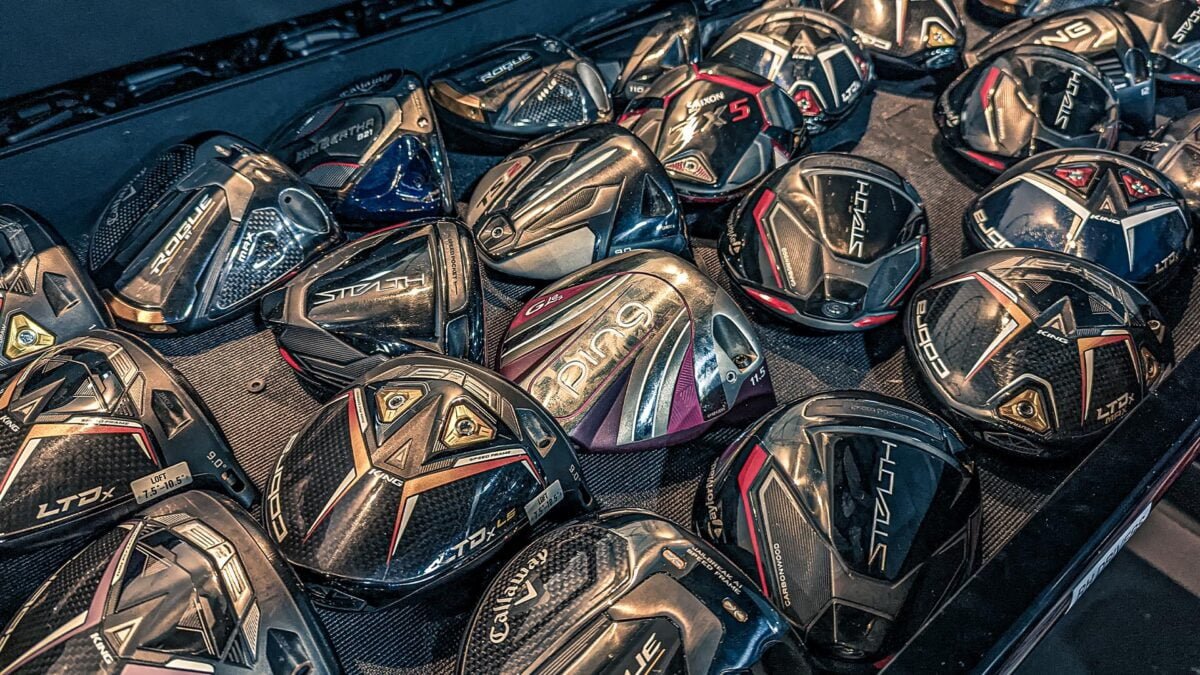
“The exciting thing for us, from a retail perspective, is that whether it takes an hour or five to play, golfers still need golf clubs. There are a lot of people that are playing indoor golf, or even began playing golf indoors during the pandemic, and that’s what they think golf is. Best of all, it’s working for them and their modern lifestyles. They still play outdoors, but they may not play as frequently. It’s a generational opportunity.”
Fisher said a significant percentage of Modern Golf’s new business is a younger demographic and people who just took up the sport during COVID. More women as well.
“It’s certainly been different. And it’s great because golf is an amazing game. It’s the only sport you can play for a lifetime competitively, recreationally, or socially with friends,” he said. “I think it’s great that more people are realizing that you can have a lot of fun playing golf no matter your reasons for playing.”
Modern golf is committed to providing a great experience no matter the reason you play golf.
“We want you to walk in with a smile and walk out with an even bigger smile. I would say that can be through two ways that you’re either having more fun through golf or that you’re getting better.
Image: Modern Golf
“We’ve started to get into the golf entertainment space by launching leagues and having time open to the public for those exact reasons. We look at these opportunities as great ways to create experiences and develop positive energy. When I visit one of our locations and the parking lot is jammed, and people are laughing and having a good time, that’s what I really want to see.”
Fisher said part of the strategic focus when it looks at new locations is what can be considered ‘entertainment nodes’.
“I’m a huge believer that the mall is part of the entertainment fabric of Canada. We don’t have urban downtowns so much as the US. Obviously, places like Toronto, Montreal and Vancouver, they have very distinct urban downtown cores, but even some of the larger cities in Canada – Winnipeg, Calgary and Edmonton for example – they’re driven quite heavily by their suburbs,” he said.
“I loved going to the mall when I was a kid; that was entertainment for me. And I’ve realized many people feel the same way. So, when we talk about growing further within our entertainment model, we focus on being part of these critical entertainment areas in cities across the nation.
“We’re clustering in and around mall areas and it’s really working. Mic Mac in Halifax is the first Modern Golf location that will actually move into a mall. It might be the first time anybody’s done this in Canada and we can’t wait to see it happen.”
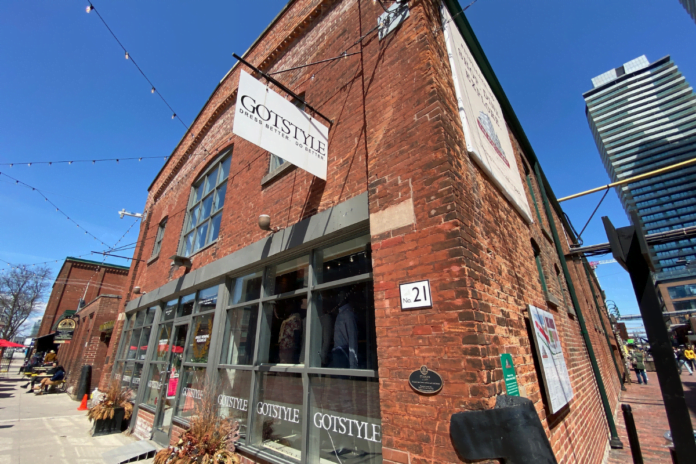
Gotstyle at the Distillery District in Toronnto (Image: Dustin Fuhs)
Melissa Austria, founder of clothing retailer Gotstyle, is doubling down on the company’s digital efforts to embrace the reality of the current retail landscape.
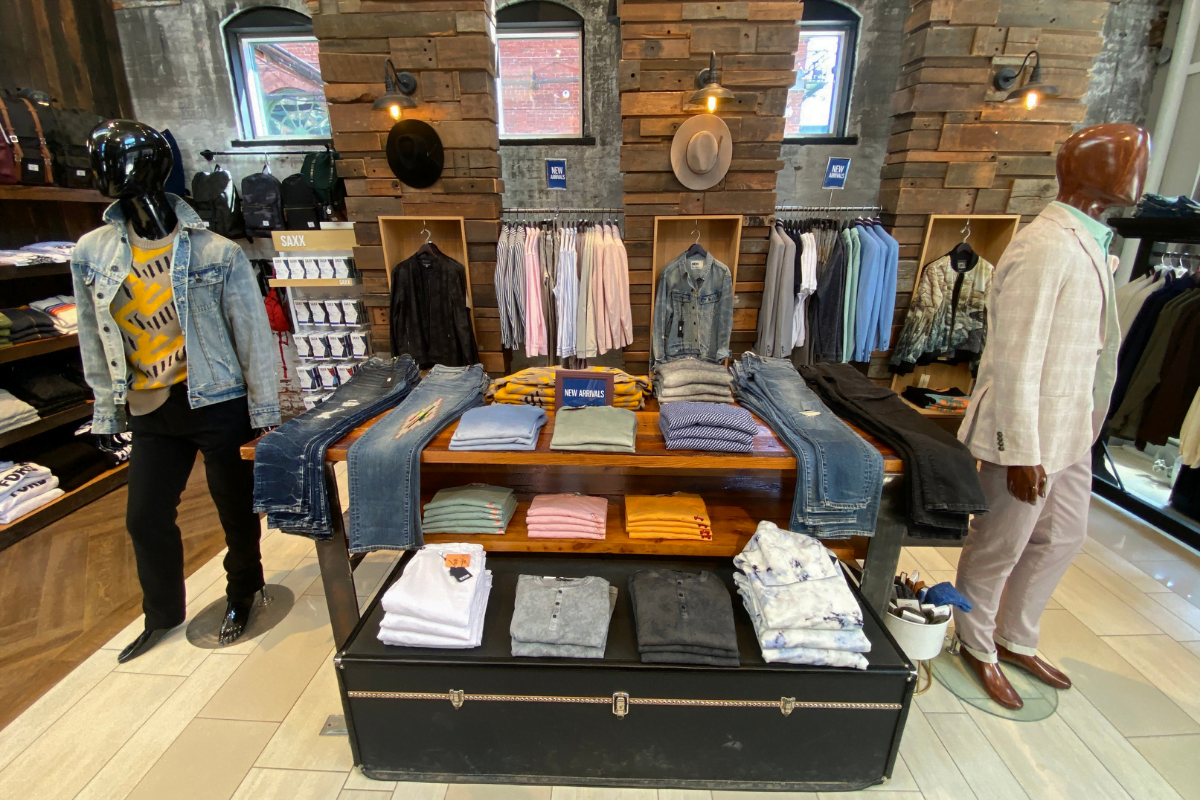
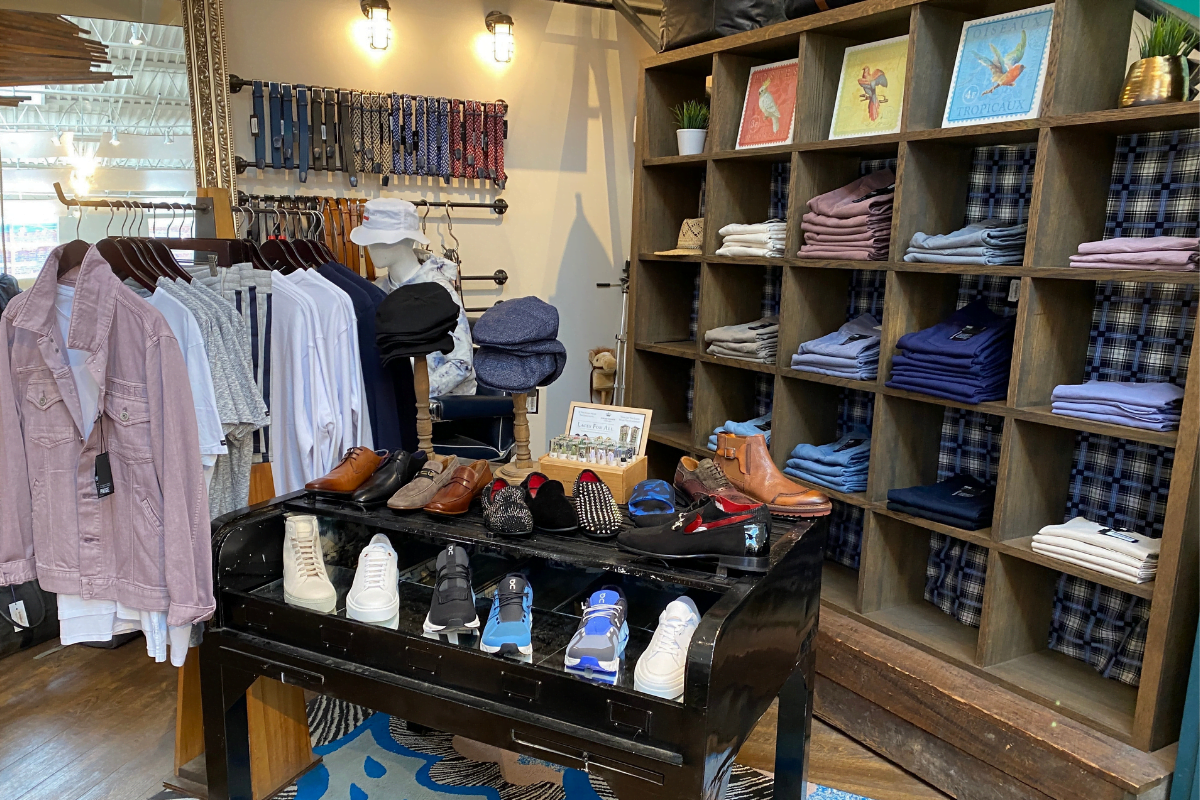
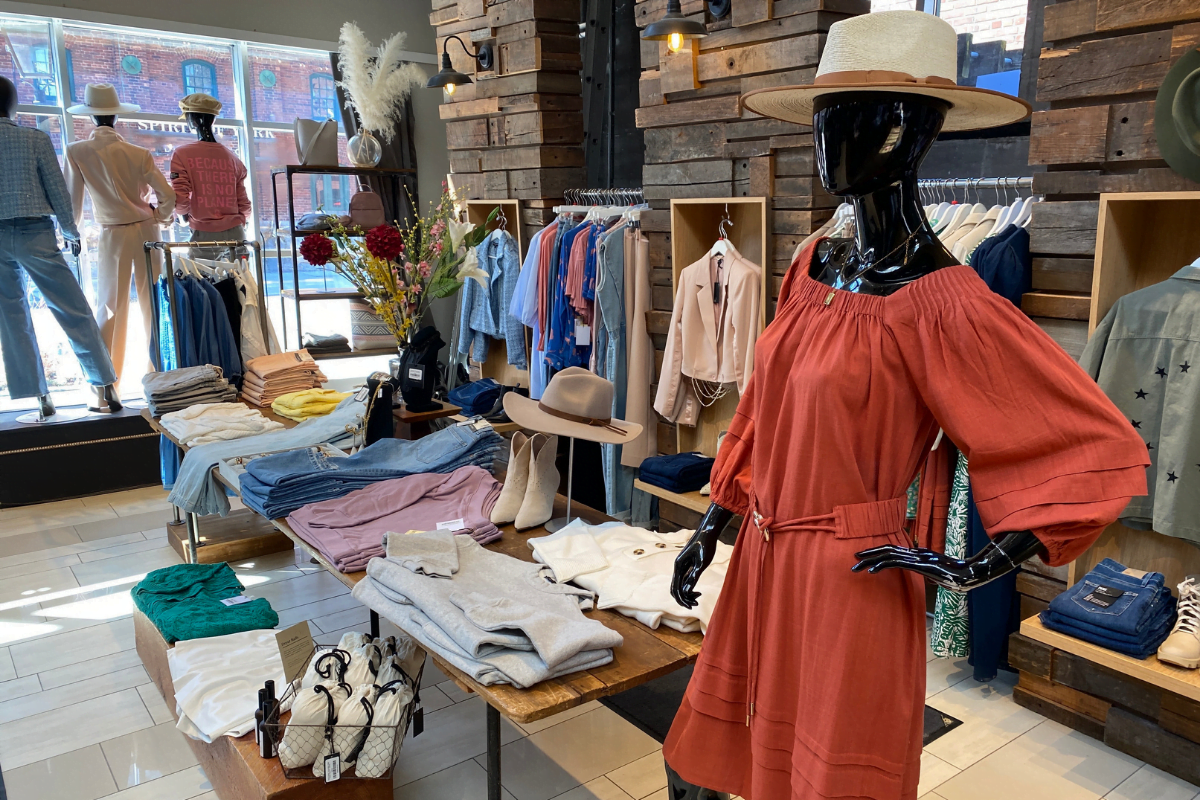
Gotstyle, which began in 2005, has a 7,000-square-foot-store in the historic Distillery District in Toronto with plans to launch several digital initiatives with no additional physical locations in its future.
Melissa Austria
“I don’t think I will ever sign another lease again. I’m putting all my eggs into digital growth,” said Austria. “So definitely, if anything, what COVID has taught us is you don’t necessarily need a physical store but it’s great having the store as your showroom. Essentially 70 per cent of our business still comes from our brick and mortar store but I think with the new things that are coming, we can definitely try to be global without having to expand our footprint. So obviously online being one of them.
“Adding to your online so it gives a more curated experience and you’re not sort of shopping by yourself alone. So we’ve definitely been experimenting with virtual shopping. So that means you book an appointment with a stylist and we can virtually walk through the store with you. We’re expanding on that hopefully. We’re going to be test piloting a robot coming soon to walk around the store. Just to give it a try.
“We also do something called the Trust Us kit which is something that we’re doing within Canada right now. You do a virtual call. We have this only with our existing clients so it has that trust factor. We find out what you’re looking for and then we send clothes to your house. We pick it up the next day and we just charge you for whatever you keep. That’s what we’re doing to augment the online shopping.”
Austria said Gotstyle will also be doing more live shopping events.
“When I was at (the) Shoptalk (conference in March in Las Vegas), they were definitely talking a lot about it. We did a test doing live shopping during COVID . . . We’re live on our site and customers can buy directly with one click. It’s reducing the steps that they need to take to buy. Trying to make it as easy as possible for them,” she said.
At Shoptalk, Austria said the idea of hosted live shopping was discussed as a trend.
“It’s interesting because they were saying it’s not necessarily somebody who is Instagram famous. You need a strong host who is good at selling but you don’t need to have someone with a million social media followers. They just have to be good at selling,” she added.
“They were talking about how live shopping is so big in China. It’s going to be like a trillion-dollar industry. They were even saying, which I don’t know I agree with, that live shopping can or will overtake online shopping eventually. I thought that was a pretty big statement for them to make.
“I think the thing that was appealing to me is that it doesn’t have to be somebody famous. It doesn’t have to be an Instagram influencer. It’s just somebody who can engage really well with the audience and sell.”
Austria said many of the shopping behaviours and patterns created during COVID will be solidified with many consumers.
“With our core customer who is 40 (years old) and up, they still want that tactile experience, coming to the store. They still want that help, but at the end of the day that consumer isn’t going to start eventually shopping less and less. So it’s more just trying to be aware of that new consumer that’s coming up who is completely digitally native,” she said.
Austria said people don’t give enough kudos to independent retailers because now they’re no longer dealing with just a brick and mortar store. They’re dealing with a whole other business which is the online digital business.
“You’re not only going to be an expert at buying a product, doing the marketing, and customer service on the front end. It’s also what is in your tech stack that you need to have on the back end. Now you have to know about digital marketing. Online is overwhelming sometimes,” she said, adding for independent retailers it can be a big learning curve.
“One other initiative that we’re launching that we’re super excited about which some people might think is kind of weird in a retail store like us is we’re launching a consignment program. We do know, especially for the younger generation, this is something that’s really important to them. It’s really with only, I would say, the past year where people are asking what do you have as sustainable in the store and they really want to know and they want brands to be transparent.
“We’re just going to be doing it with products that you bought from our store. So it’s not bringing in outside products. It’s kind of a way of being full circle . . . Bring it back to the store, we’ll sell it for you, you get paid back in a gift card.”
Retail Council of Canada’s annual STORE Conference is returning this year, live and in person, May 31 and June 1, 2022, at the Toronto Congress Centre. The must-attend retail event of the year brings together Canada’s most influential retail leaders, world-renowned visionaries, and passionate entrepreneurs to discuss the most critical issues affecting retail today.
RCC STORE showcases respected business innovators who are encouraged to talk candidly about current challenges, how to drive change, and about the future possibilities for retail.
“This will be the first major in-person retail conference in Canada since 2019,” said Michelle Ribout, Vice President, Education & Partnerships at Retail Council of Canada and key organizer behind the RCC STORE 22 Conference. “It was therefore extremely important that we design this conference to help bring retail executives and industry experts from across Canada together to learn from one another.”
In past years, prior to COVID, over 2,500 retail leaders from across Canada would regularly attend the RCC STORE Conference.
This year, more than 75 speakers will talk about today’s pressing retail challenges. The agenda will include sessions on: store operations innovations, leveraging technology’s newest frontier, changing values for employee and customer experiences, customer insights, and what the new era of customer fulfillment looks like.
More information can be found on the RCC STORE website at storeconference.ca.
“There are so many exciting opportunities that have come out of the ongoing pandemic. Many retailers have changed their business models to be more responsive to their customers’ changing needs. RCC STORE 22 will inspire with retail stories of companies and entrepreneurs who have taken advantage of the new landscape to reemerge stronger and better positioned for ongoing and future success,” said Ribout.
There will also be an exhibitor floor at RCC STORE 22, which will feature some of the most innovative business partners, from startups to leading established companies. These exhibitors will be available to demonstrate their cutting-edge technologies, strategies, and retail solutions.
RCC STORE 22 will also host two gala awards shows and dinners. On the first evening, the Excellence in Retailing Awards Gala will recognize the best in retail innovation and creativity in 11 distinct retail categories. There will also be special awards of distinction given to prominent retail leaders in Canada that have led companies to outstanding business success, consistently demonstrating community commitment and support.
On the second evening, the Canadian Grand Prix New Product Awards will celebrate the best new products of 2021. The awards recognize excellence in food, non-food and private label categories. Entrants represent national and regional brands as well as private label.
And of course, one of the key elements to a conference like this is the networking part of it.
“That’s something that we’re really focused on having more of this year,” said Ribout. “We have multiple networking breaks throughout the day and then before each of our Galas there’s also a networking reception. People are consistently sharing with us their excitement to reconnect and be among others who share a passion for retail.”
To sign up to attend this year’s in-person RCC STORE Conference in Toronto, visit: https://storeconference.ca Take advantage the advanced rates by booking by April 29, 2022 and save $100.
*Partner content. To work with Retail Insider, email craig@retail-insider.com