Decathlon Canada will be opening its first Western Canada store at Southcentre Mall in Calgary, with a grand opening scheduled for November 6th, 2021. The 63,000 square foot location is the 10th store and includes an additional 7,000 square feet for an automated warehouse featuring 27 robots.
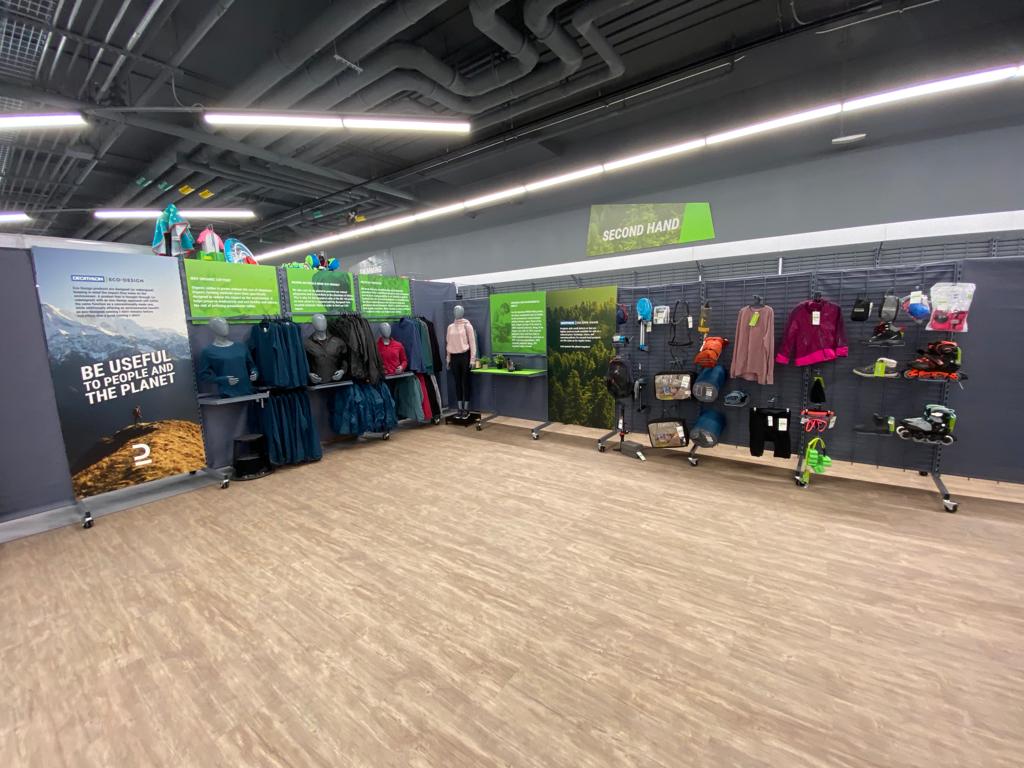
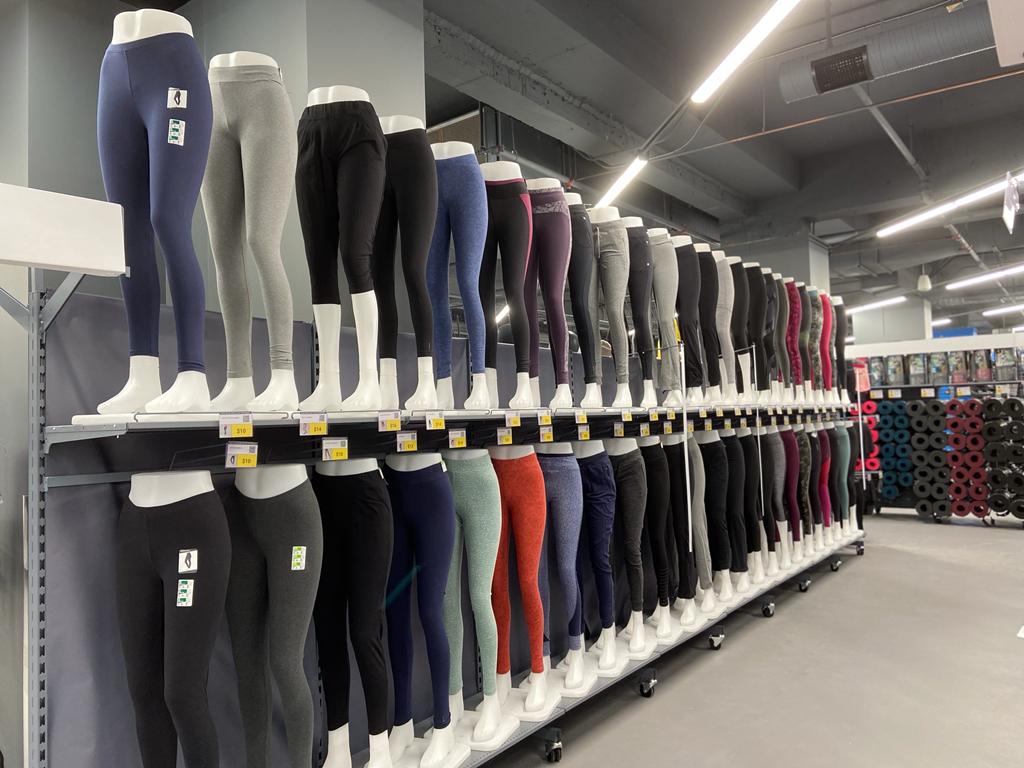
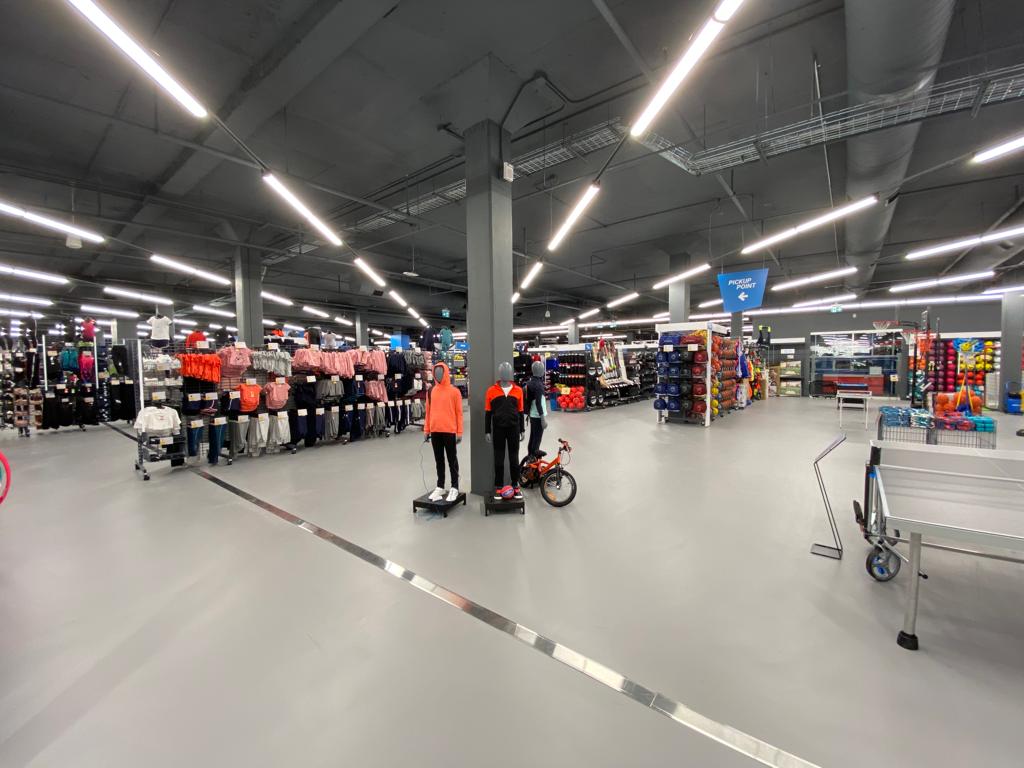
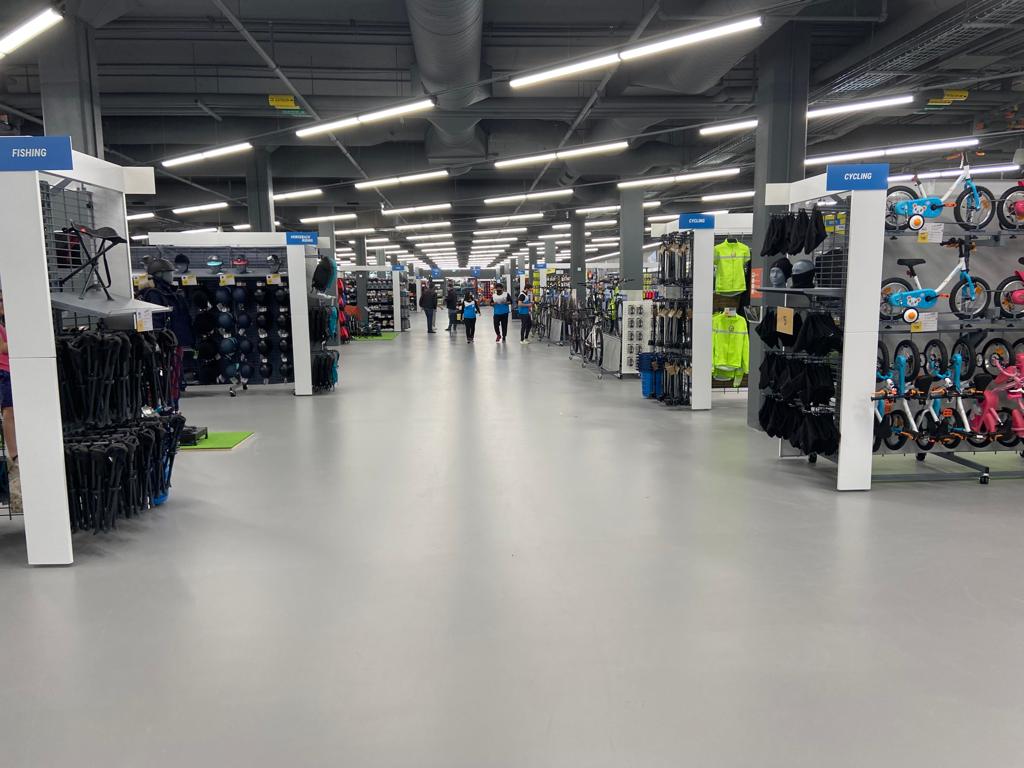
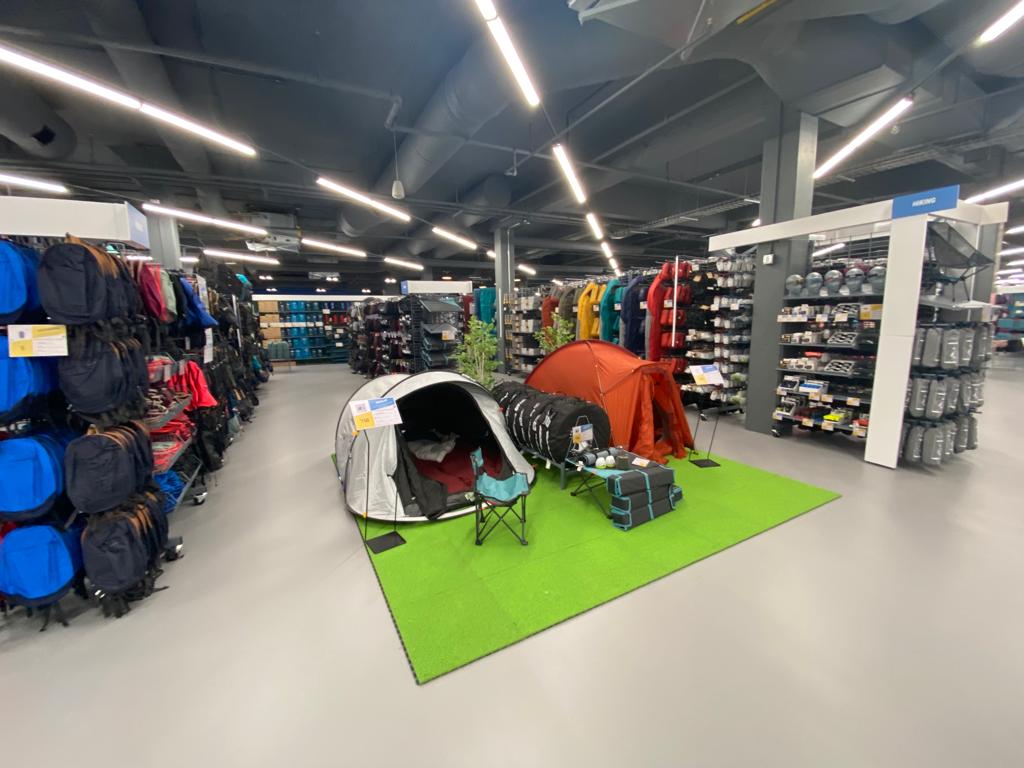
The Calgary location is unique in the chain for the sales floor layout, as the automated warehouse functionality has allowed the store to house one-third less physical inventory. The selling floor is set up for more product displays and showrooms of select products and categories, which will make the store more of a visual experience. Retail Insider covered the announcement of the store in June 2021.

“The addition of Decathlon to the Southcentre portfolio is a significant milestone indicative of the economic growth currently taking place in our city,” says Jason Bos, General Manager, Southcentre Mall. “With Decathlon now open, the shopping centre is at 90 percent occupancy, and we are proud to introduce this first-to-market retail experience to the community as we continue to establish Southcentre as a first-class shopping destination. We hope Calgarians will enjoy getting to know Decathlon, not only as a sporting goods retailer, but also as a leader in innovation, technology and sustainability.”
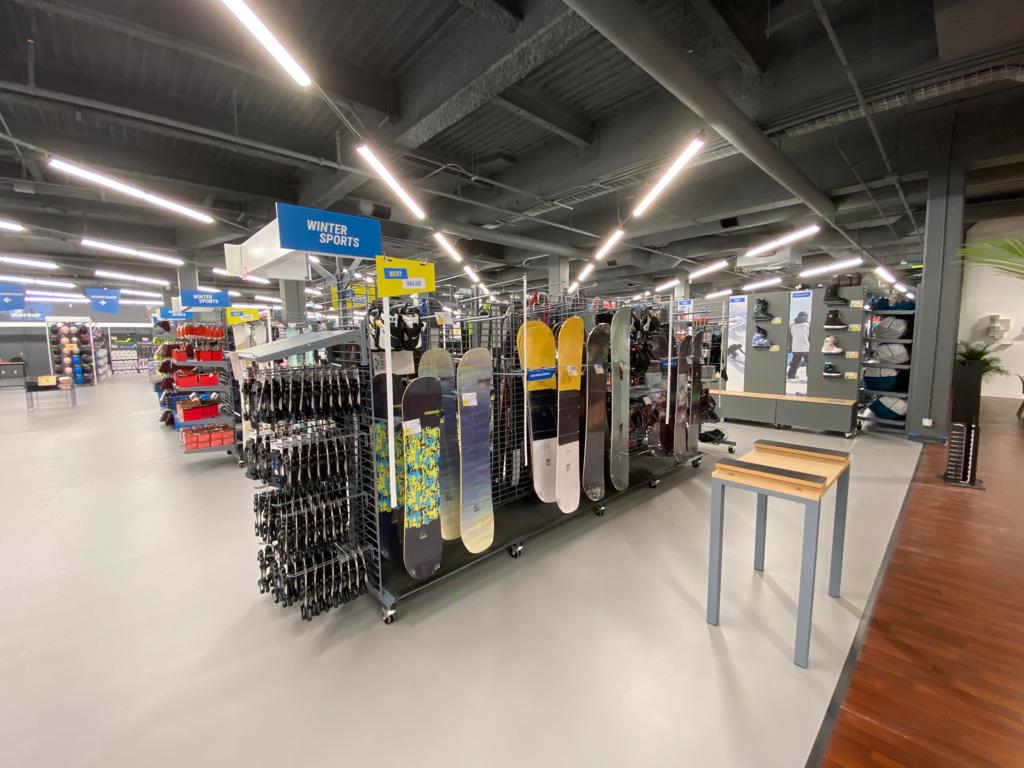
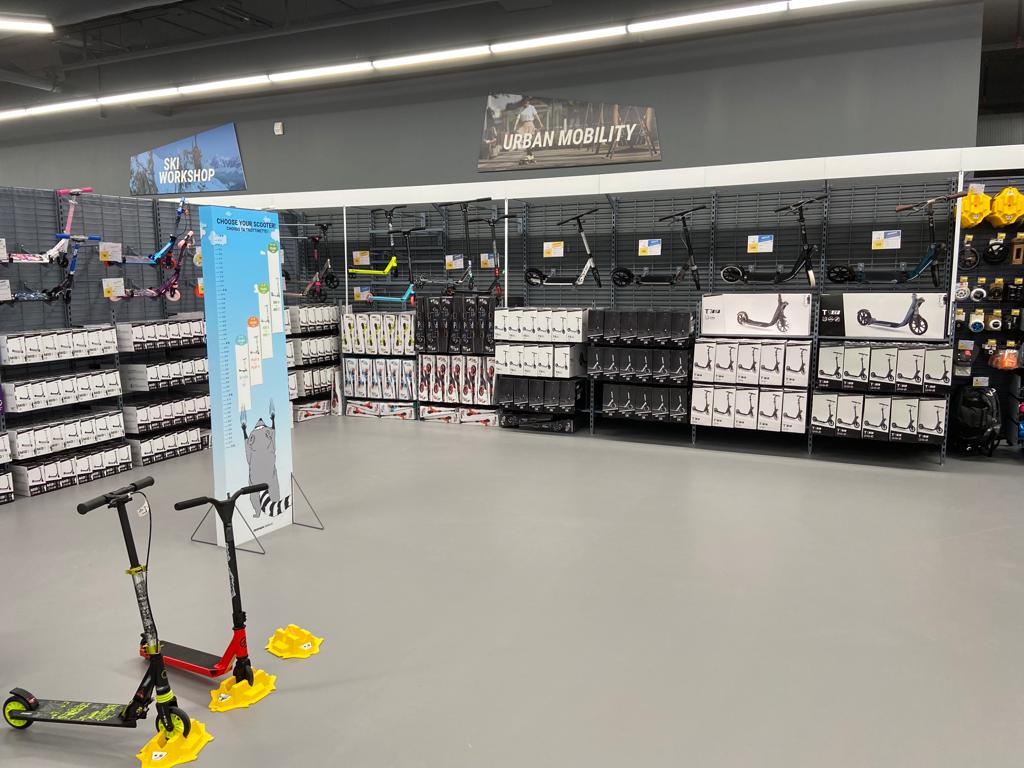
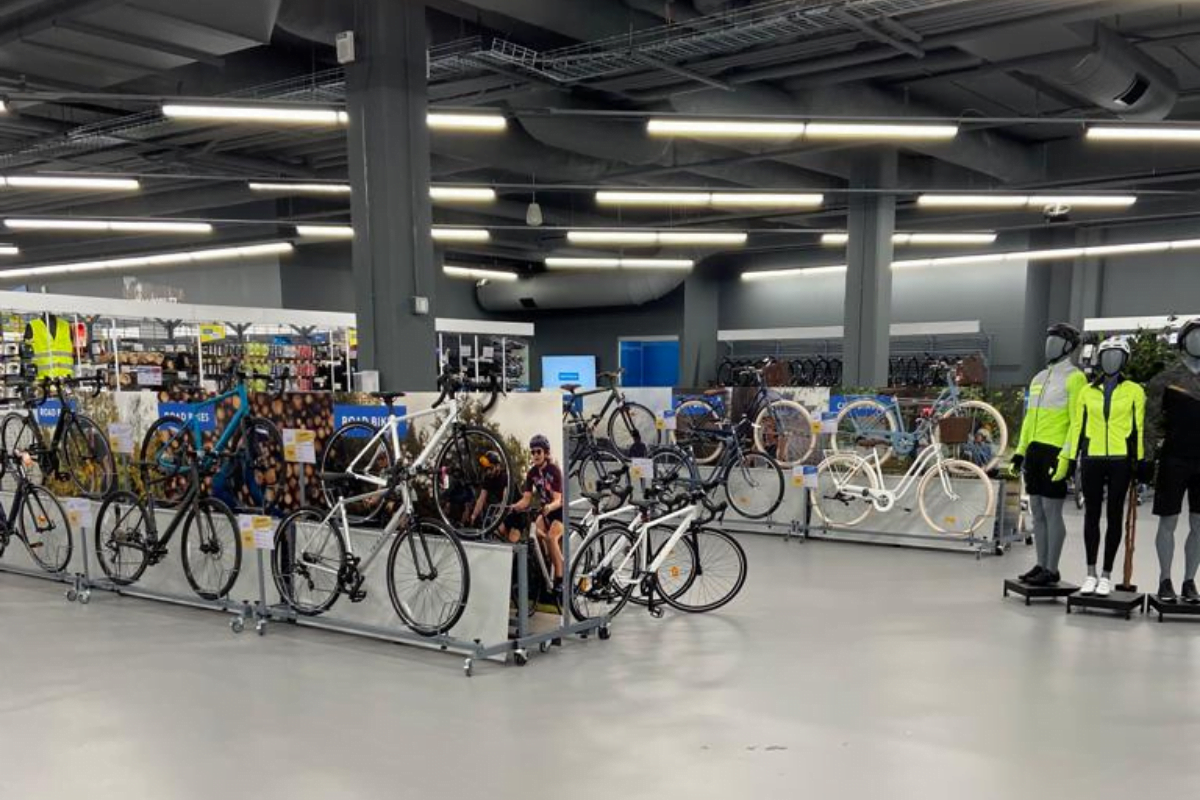
Decathlon Calgary will be offering more than 7,000 products featuring over 65 sports and activities. In addition to hiking and outdoor, cycling, winter and summer sports, team sports and running – the brand will have products for horseback riding, fishing, dance, archery, racquet sports and more.
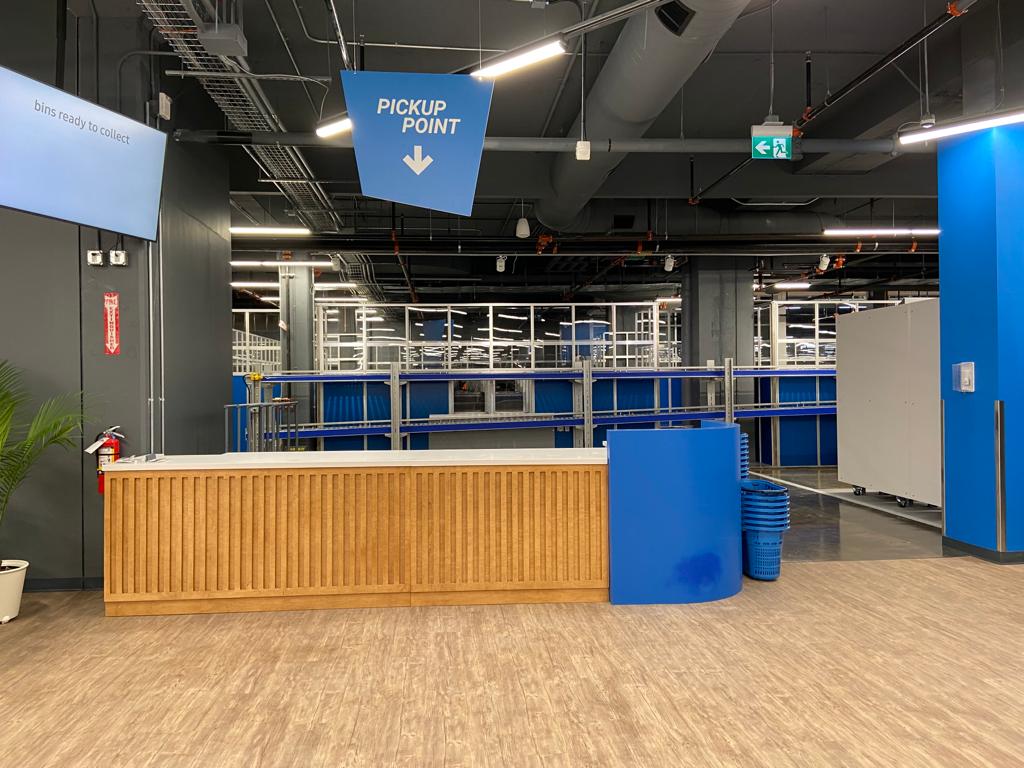
The automated warehouse in the store will allow for a redistribution of staffing, focusing more on the customer-facing roles and creating a highly experiential retail environment. Systems allow customers to request items from the warehouse and have them available for pick-up at a designated location in the store. This will be accomplished through a store collaborator or via a dedicated app.
The 27 robots will be staffed by a team of 6 and can be viewed from two in-store viewing locations.
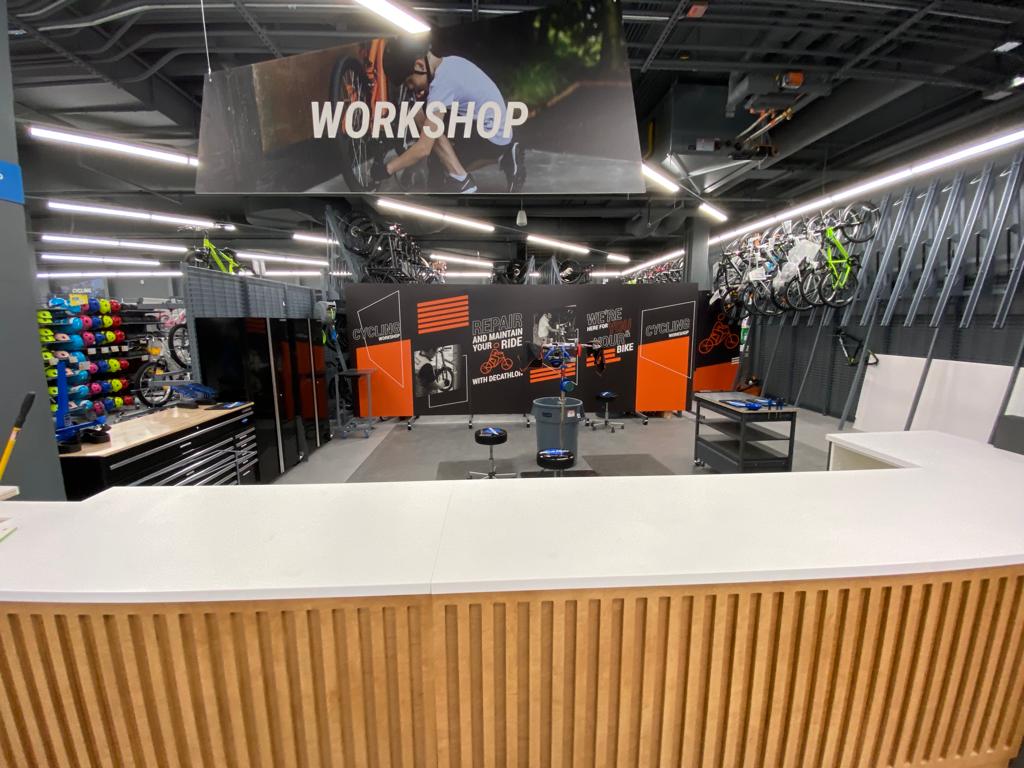
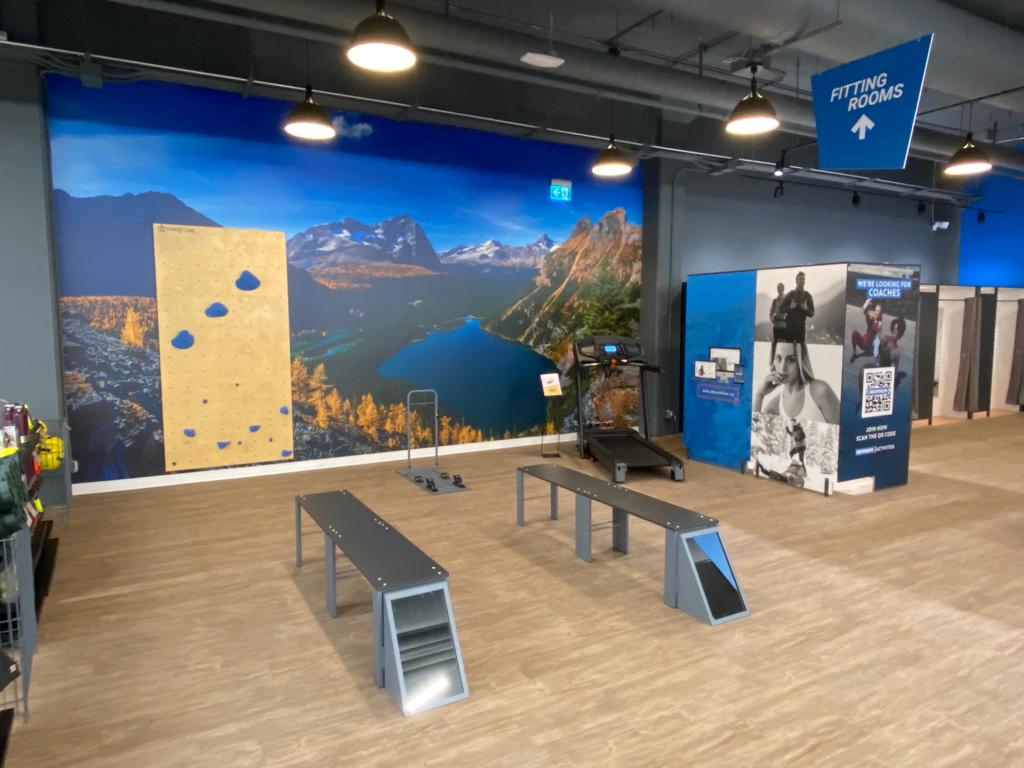
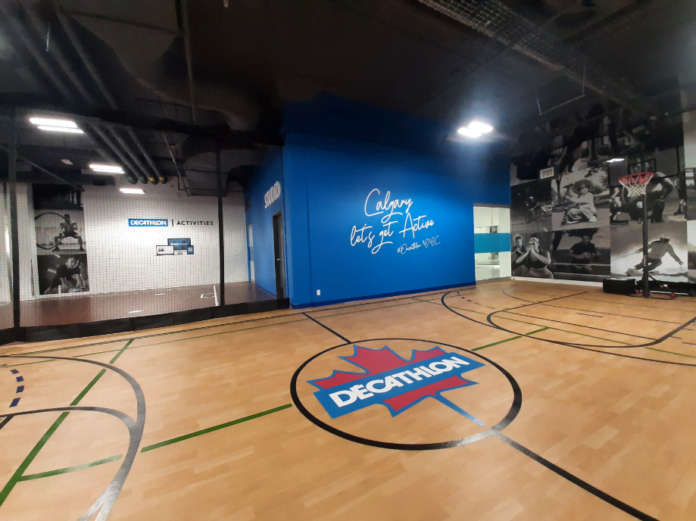
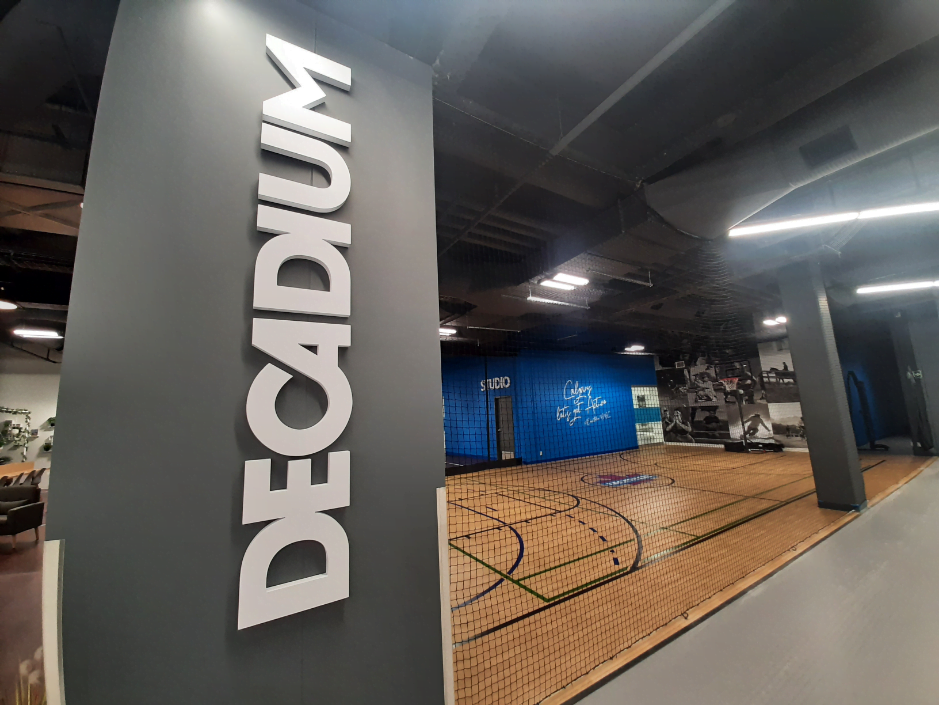
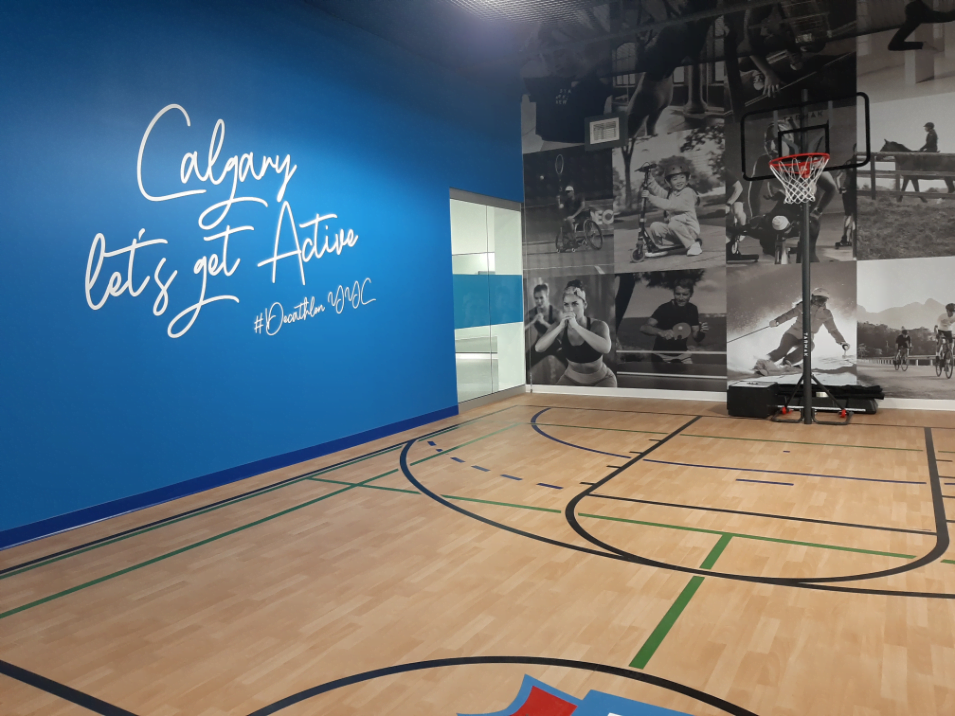
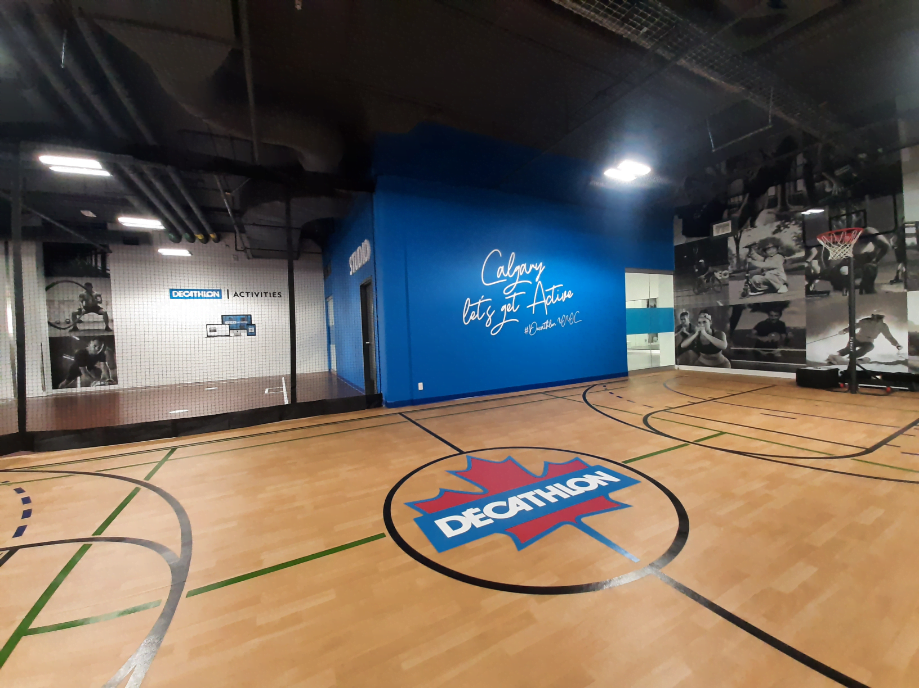
The store also features an entire section dedicated to backyard activities and ways to keep active at home. All Decathlon Canada stores include test zones, after sales service workshops (bike tune-ups, ski fitting, skate sharpening, etc), co-working space, and dedicated spaces for sports activities.
“From the wide range of sports we offer at affordable and fair prices, to in-store activities, to service workshops, to second-hand and eco-designed products, we aim to be a trusted partner for people in Calgary looking for solutions to getting and staying active,” said Craig Binch, store leader for Decathlon Calgary.
Decathlon Canada opened the first store in Brossard, Quebec in 2018 and has since grown to 10 locations in Canada, including:
- Dartmouth, NS
- Sainte-Foy, QC
- Brossard, QC
- Laval, QC
- Boisbriand, QC
- Downtown Montreal, QC
- Ottawa, ON /
- Vaughan, ON
- Burlington, ON
Future locations that are being considered for the expansion include Vancouver and Winnipeg.
Decathlon was founded in 1976 in Lille, France and has grown to 1,709 stores in 60 countries and employs 103,138 teammates (as of August 2021)
Related Retail Insider Articles
- Brief: Decathlon Opens Impressive Store, Athleta Replacing Nike at Yorkdale
- Inside Decathlon’s New Store in Vaughan Near Toronto (Photos)
- Sporting Goods Retailer Decathlon Opens Pop-Up Store in Brampton
The Decadium at Decathlon Calgary
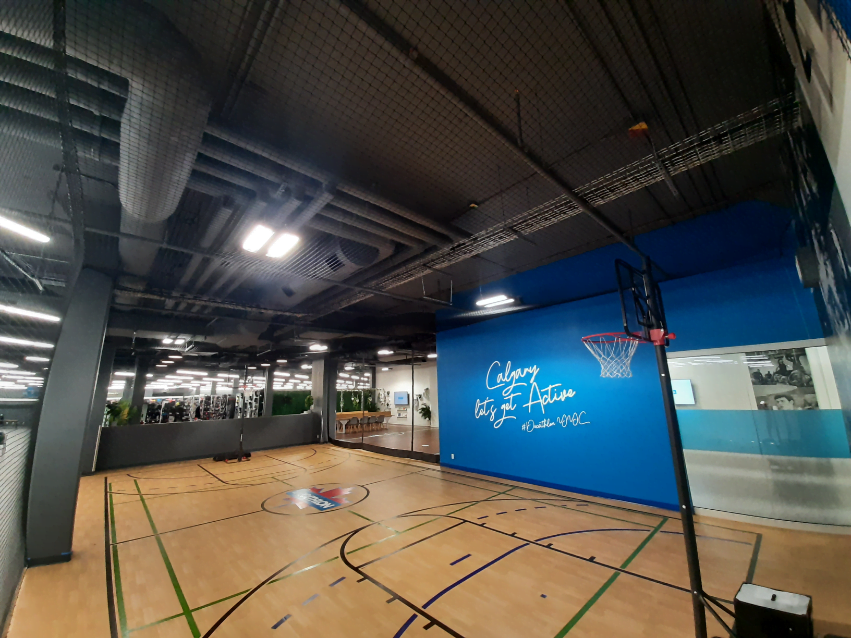
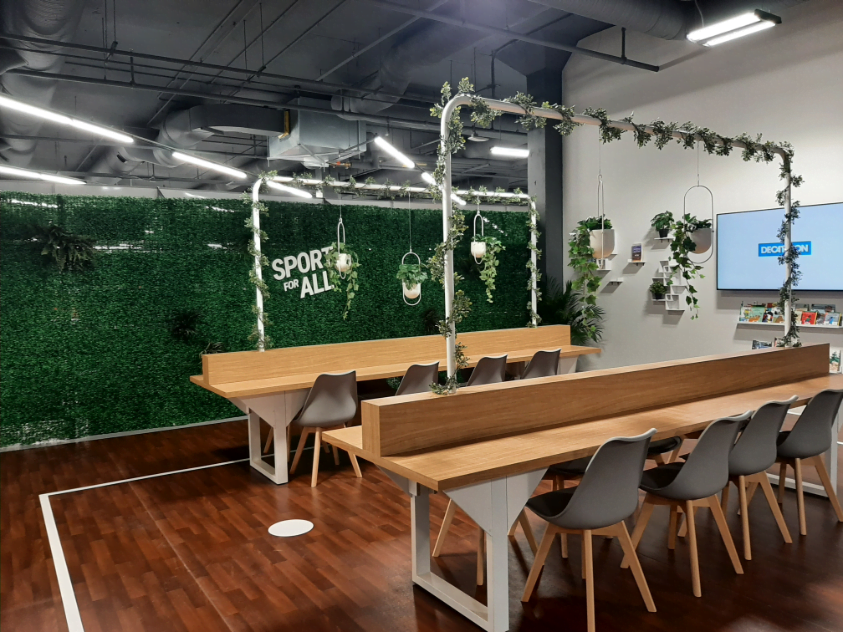
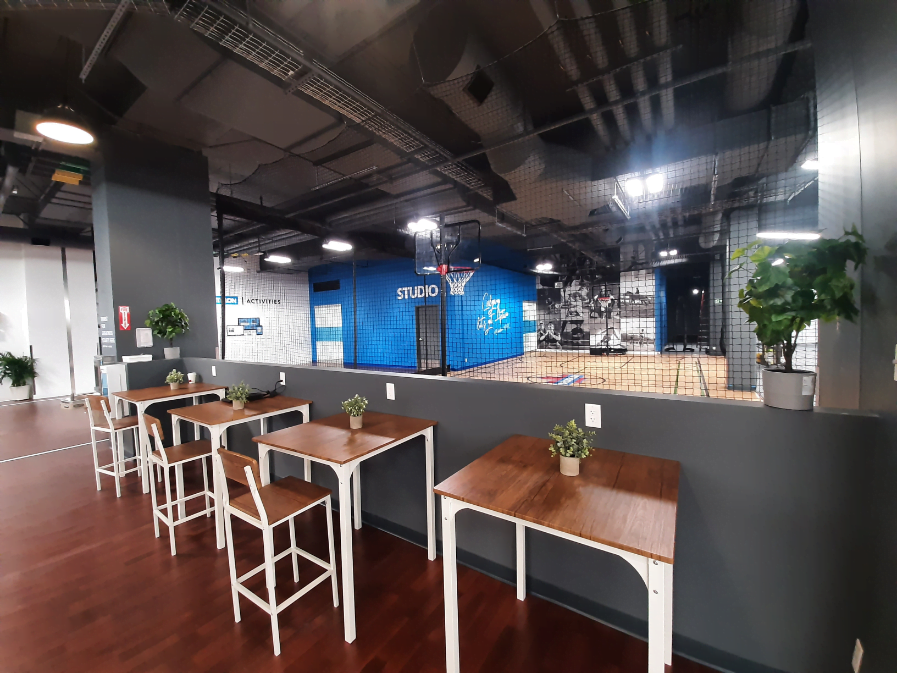
Store Features at Decathlon Calgary
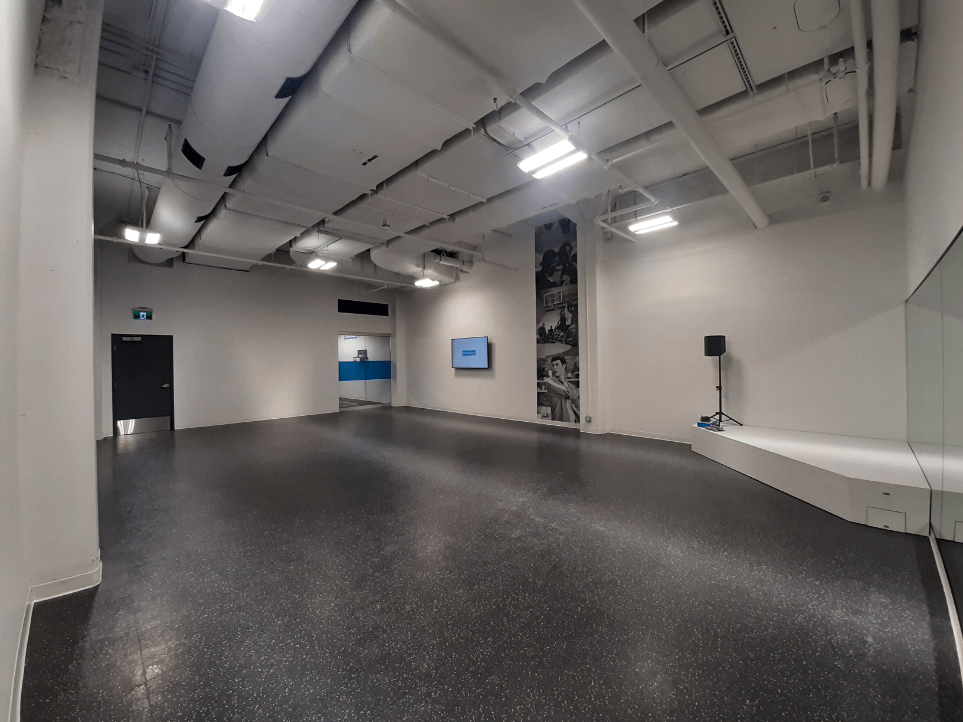
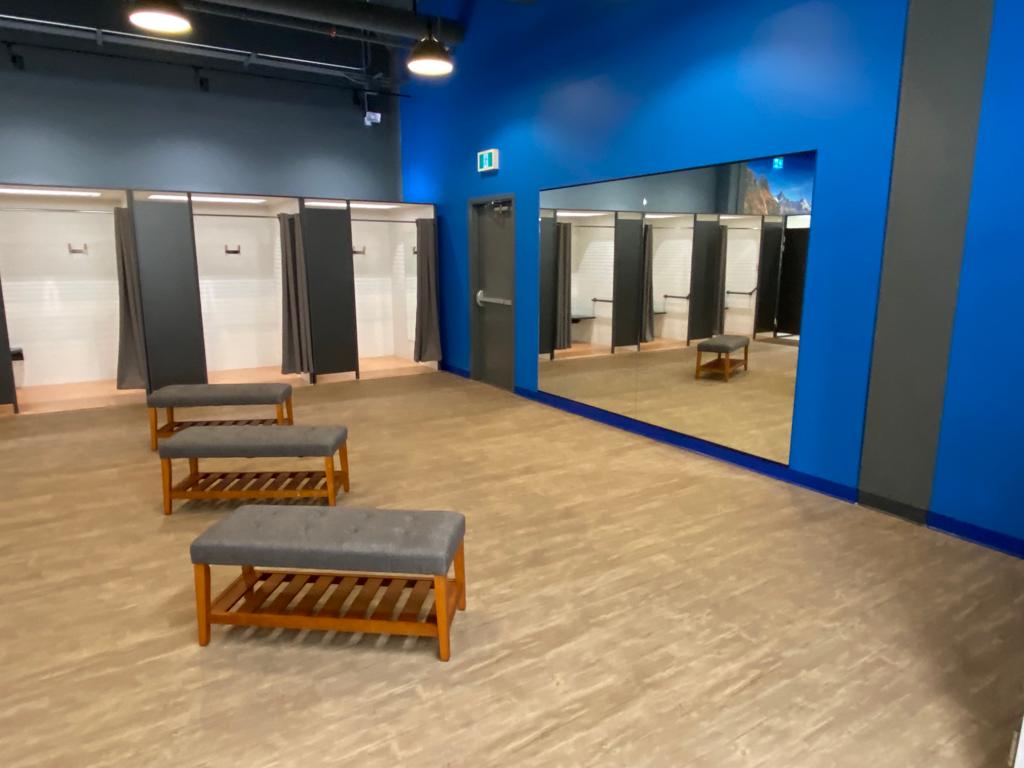
Additional Store Photos from Decathlon Calgary