Retail Insider is streamlining its Canadian retail news from around the web to include a handful of top news stories that can be viewed quickly during the day. Here are the top stories from the past 24 hours.
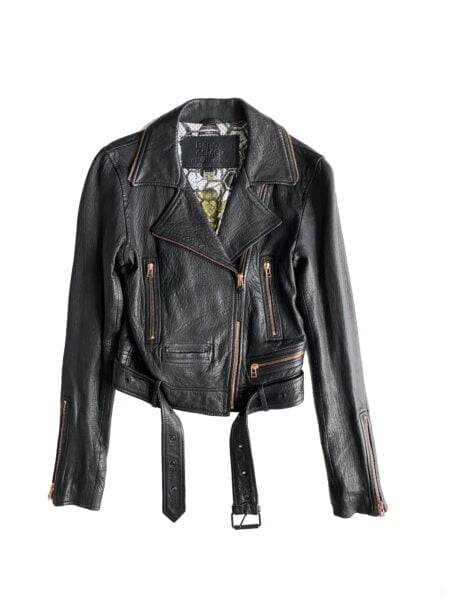
Toronto-based socially-conscious fashion brand Bano eeMee is expanding its line and is targeting Canadian retailers for distribution. Founder Aleem Arif recently returned to Toronto after spending time in the US and Asia and has launched a range of denim jackets to complement Bano eeMee’s ethically sourced leather jackets that the brand launched with its founding in 2012.
The new Bano eeMee denim line includes jackets for women and men using sustainably sourced materials. Arif said that the jackets, currently produced in both dark and medium washes, are an option for vegan customers in an effort to be inclusive. “Denim is an age-old fabric that is ideal to create pieces that are long-lasting,” Arif said.
Technology is built into the material which has a stretch to it along with moisture wicking and a silver ion treatment that suppresses odours.
New denim line. Image: Bano eeMee
New denim line. Image: Bano eeMee
“Our denim is sustainably sourced. We are working with our production partners to implement the ‘ozone wash technology’ to help conserve water in denim manufacturing,” Arif said.
Bano eeMee is a brand with a story. Aleem Arif founded the brand in Calgary in 2012 after relocating from Boston where he worked previously with an investment firm. A bold idea for a new fashion brand and a move to Calgary were risks that paid off with Arif discovering his passion for fashion design with a difference — he wanted to create fair-work opportunities in disadvantaged communities around with world. With that, he set up manufacturing in his native country of Pakistan.
The sale of a Bano eeMee jacket is said to translate into fair paid work for two days for three artisans. Designs are timeless and are meant to evolve into wardrobe staples with a level of quality intended to last for years.
Image: Bano eeMee
Image: Bano eeMee
The leather jackets are made from 100% vegetable tanned supple lamb leather, a by-product of the food industry. Any hard manual burnishing work is put in to the garment by hand to highlight the natural grain of the leather. Jackets are constructed with all-year-round wearability in mind and come in a range of styles that have resonated with consumers.
Bano eeMee’s other product lines include a range of vibrant scarves and during the pandemic it launched face masks made from a faux suede-like material created from recycled plastic bottles.
In an interview, Arif said that he’s looking to further expand his line into multi-brand retailers in Canada. That includes distribution for the new denim line as well as the brand’s popular leather jackets and scarves.
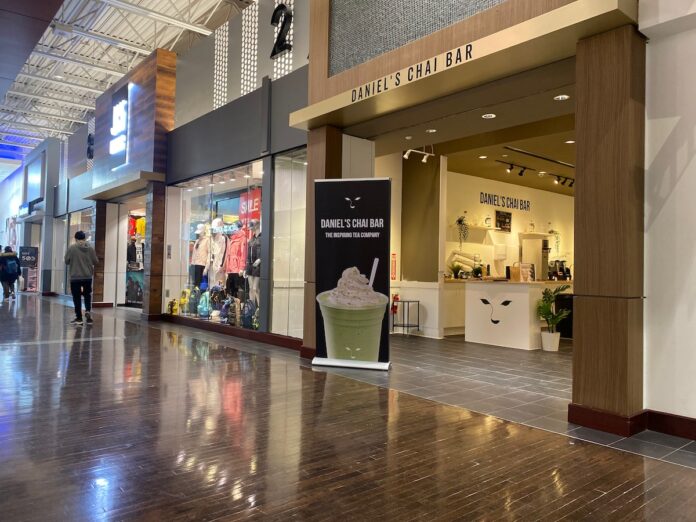
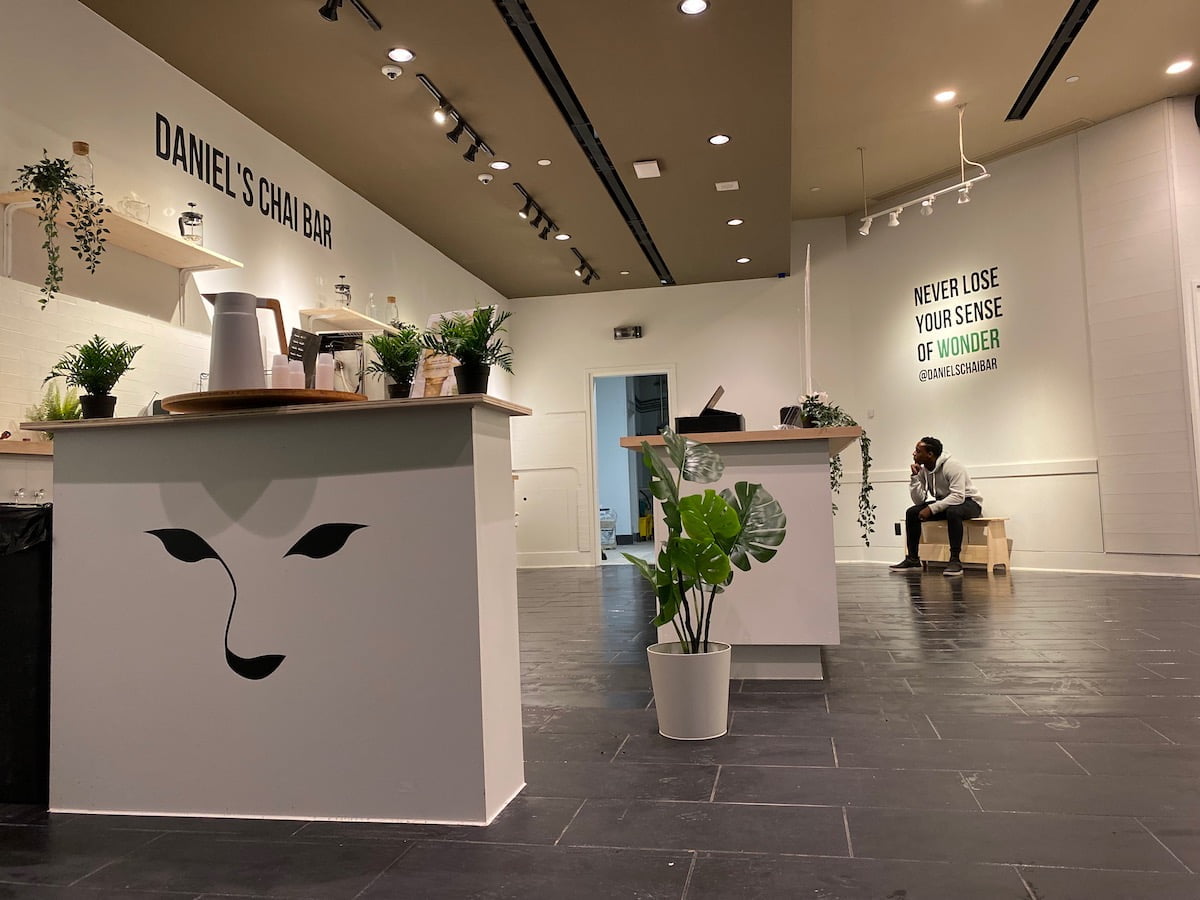
Daniel's Chai Bar Vaughan Mills -(Image: Daniel Lewis)
Brampton-based cafe Daniel’s Chai Bar opened a 1,236 square foot location at Vaughan Mills near Toronto, taking over a vacated Starbucks location for a proof of concept pop-up.
This is the second location for the quick service beverage concept, which opened its first store at Bramalea City Centre in late 2021 under the branding of ‘Daniel’s Chai Bar’. The founder’s former brand was called ‘T by Daniel’ and that was retired during the pandemic as a shift towards the new franchise model.
Daniel Lewis
“Daniel’s Chai Bar Vaughan Mills is a unique conceptual blend of our classic delicious menu, experienced in a new, upscale environment,” said Founder Daniel Lewis.
“We felt that we could really offer our customers something special if they could experience the warmth of our humble tea shop beginnings in Downtown Brampton, where they were first introduced to drinks like: The Famous Lion Chai latte, The Frozen Arctic Lion or the Fudge Fantasy, but in a clean and minimalistic designed space that would make for some aesthetically pleasing photos and an overall cool and relaxed vibe.”
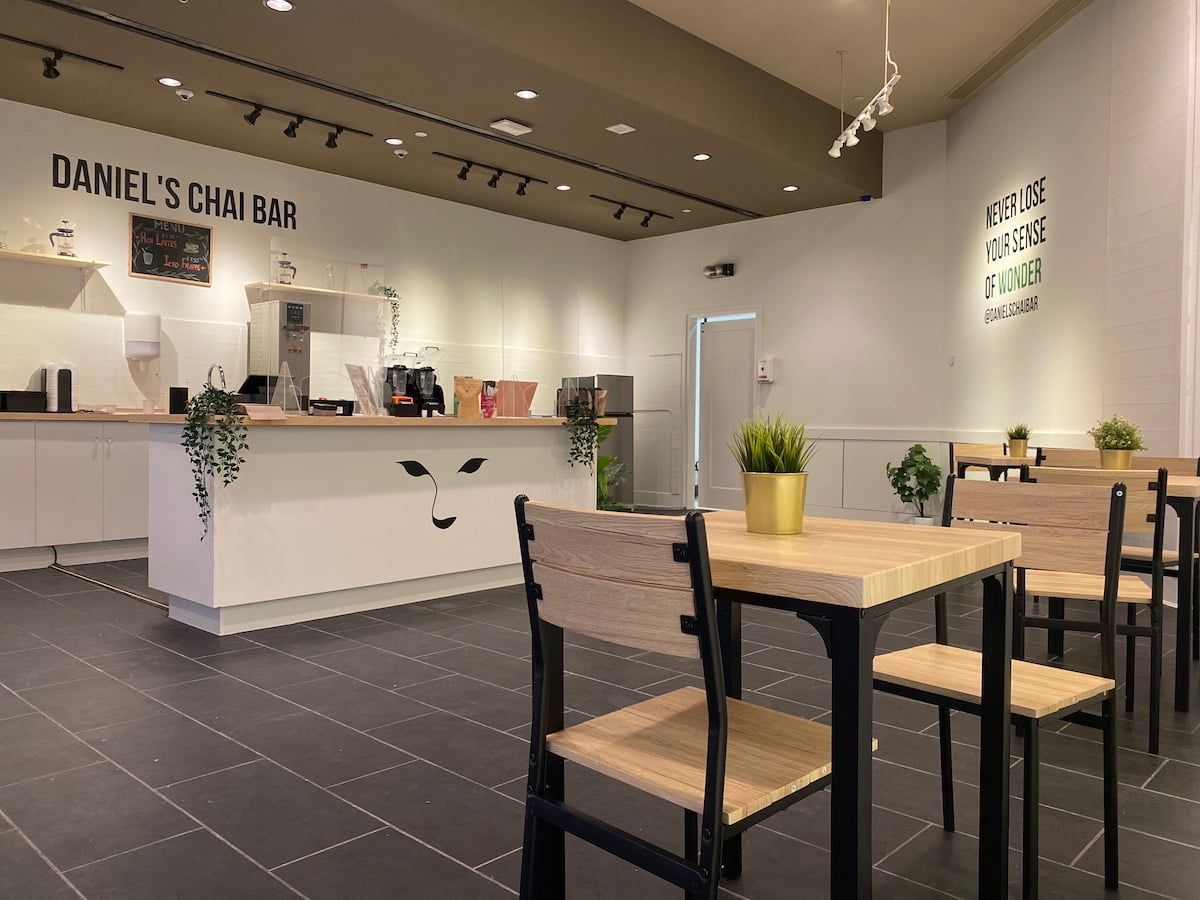
Daniel’s Chai Bar Vaughan Mills -(Image: Daniel Lewis)
The Vaughan Mills location gave the team an opportunity to create a concept that could be rolled out into more coffee shops that closed during the pandemic.
“When I first walked into the former Starbucks space, I immediately could see what needed to be done to completely evaporate the warm, cozy atmosphere once enjoyed by Starbucks lovers (a title I shamelessly identify with myself). It also gave us the opportunity to create a design that would allow us to stand out as an in-line store that offers beverages in a section of the mall that is well-distanced from the food court.”
Design conclusions were made throughout the process, with Lewis providing the breakdown of the two major areas of focus.
“Lighter and Brighter. The only way we could dissolve the wooden oaks, dark browns and dim lighted cafe vibe of the former Starbucks, was to go fully white and very bright. We painted the entire space brilliant white and left the black tiles as a bold contrast to the now cloud-looking space and I had the counters custom built with shiny oak countertops tying our store theme of white, black & oak right into the space. The green plants and wall accessories added the warm and friendliness that we wanted to display so we didn’t end up looking like a hospital that sells tea and we decided that the taupe brown ceilings also gave a sense of warmth to the space that complimented the oak countertops and still made it feel like you were in a place that you could feel relaxed in and enjoy something tasty.”
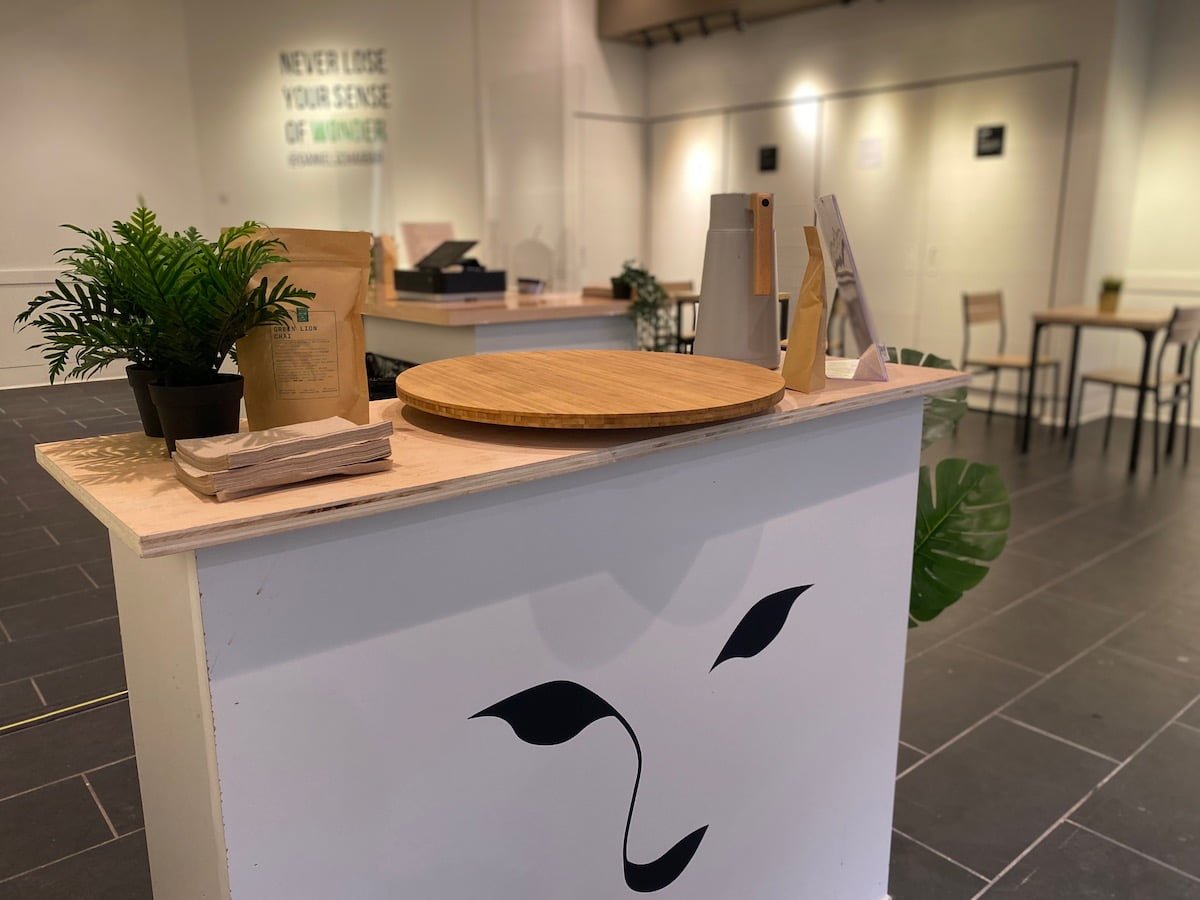
Daniel’s Chai Bar Vaughan Mills -(Image: Daniel Lewis)
“The second conclusion I came to in regards to the design was that we wanted to create space. Less bulky furniture and counter space and more islands and walkable areas. When I looked at the previous Starbucks counters, I noticed that it took up half of the floor space and the barista’s and staff were all locked inside with one flap door exit leading to the customer area. I imagined what it might be like if we opened up the entire counter space and made the front more like an island that staff can freely walk around and even bend down to welcome small children or engage in a more intimate conversation with customers. An open design like this would even be a strong statement to our core beliefs as a brand that always seeks to be transparent and open with what we do, how we do it and who we are. I really believe our design achieved this.Vaughan Mills provides an opportunity for Daniel’s Chai Bar as the business is set to take on the next level of expansion, transitioning into a franchisable concept.”
Daniel’s Chai Bar Vaughan Mills -(Image: Daniel Lewis)
Image: Daniel’s Chai Bar
Image: Daniel’s Chai Bar
Franchising quick-service restaurant concepts in 2022 is increasingly popular, with expansions being announced daily with existing brands going into new markets and spaces. Lewis shared that the idea behind the pop-up was to see where the momentum could lead.
“The opportunity to open up in Vaughan Mills was really a confirmation to me that as a brand we are headed in the right direction. We are really starting to iron out a franchisable model that can be simple, minimalistic, attractive but at the same time energetic, delicious and fun bringing that sense of magic and entertainment to any space we occupy. We fit in, but we stand out and I think we really proved that with our concept and design at Vaughan Mills. Since December of 2021 Daniel’s Chai Bar has gone from one location in Bramalea City Centre to three additional locations (Vaughan Mills, Upper Canada Mall and Square One Pop-Up) in only 4 months, I think this is strong evidence that we have found a model that is simple, desirable and poised for healthy growth. All factors that will be important when offering our franchise opportunities in the near future.”
With hundreds of vacated Starbucks locations across the country and a changing of direction at the top, with Howard Schultz returning as interim CEO, the brand is in a reinvention mode. This gives brands like Daniel’s Chai Bar the opportunity to create community and culture during an expansion where many cafes currently sit empty.
“When I started Daniel’s Chai Bar, I made a post on Instagram announcing the launch of my new, reimagined tea bar concept and I asked my customers, friends, followers and really myself, “Can we build the next great Canadian company? Can we be what Tim Horton’s & Starbuck’s is for coffee? Or what McDonald’s is for fast food? I concluded that although these thoughts may seem like colossal dreams… Nobody ever achieved anything colossal without first daring to ask. Opening Daniel’s Chai Bar in a former Starbucks is another good reason for me to believe that it’s possible and I can.”
Odd Burger, one of the world’s first vegan fast-food chains and first to go public, has signed an agreement with Sai-Ganesh Enterprises (SGE), a family-owned hospitality group specializing in franchising and commercial construction, to open 36 new locations in Alberta and British Columbia over the next seven years.
James McInnes, Odd Burger co-founder and CEO, said the brand will grow from its current six locations in southern Ontario to about 20 by the end of this year.
James McInnes
The company opened its first location at the end of 2016 in London, Ontario.
“At the time we were Canada’s first vegan fast-food chain,” said McInnes.
He said about 10 sites are currently in various stages of development including Ontario, Calgary and Victoria.
Odd Burger Ottawa Announcement
Odd Burger Victoria Announcement
“We think we can open hundreds of locations in Canada and over a thousand in the US,” said McInnes of the brand’s long-term plans.
SGE will oversee franchise sales to individual owners, store construction, and support for franchises in its territory. In addition to supporting franchise growth, SGE plans on launching a corporate restaurant location in Western Canada that will be used for training new franchisees.
“SGE is always looking for truly new and unique opportunities in fast food, and Odd Burger is among the most exciting and modern concepts we have ever encountered,” said Utsang Desai, president of SGE. “As lifelong vegetarians we have a passion for healthy eating and environmental stewardship, and Odd Burger also adds innovative technology that enhances efficiency, profitability, and customer experience.”
McInnes said one challenge in franchising is providing an ideal level of support and service to locations that are distant to its corporate headquarters, but partnering with SGE has eliminated that concern entirely.
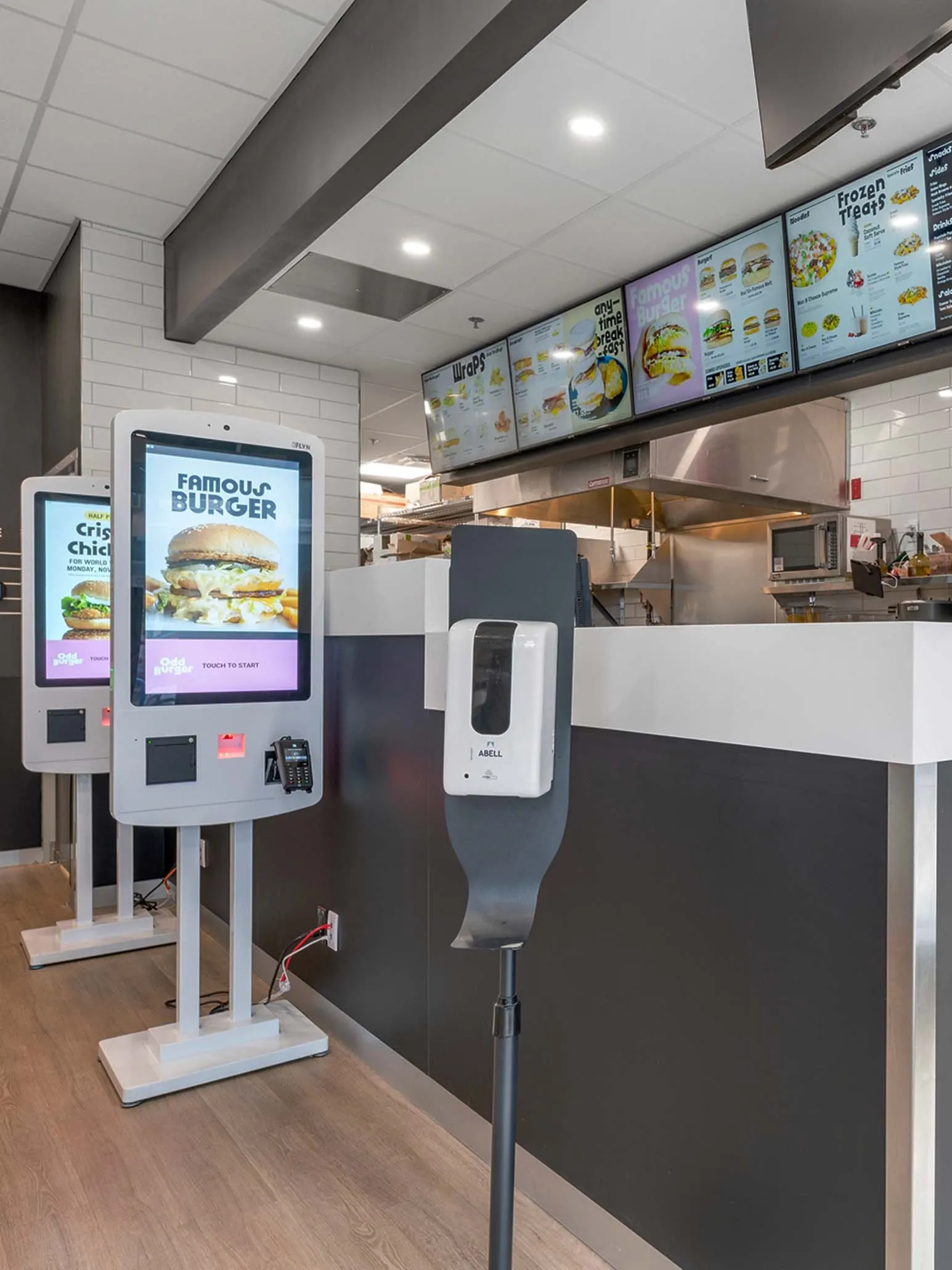
Image: Odd Burger
Image: Odd Burger
“Area development agreements are a logical way for us to grow and make an impact in new regions, so we’re eager to forge similar relationships with like-minded developers in Canada, the U.S. and internationally,” he added.
McInness said there’s lots of reasons for the company’s ambitious growth plans.
“Let’s start with our food. Our food is plant-based. It’s considered the most sustainable food source in terms of carbon footprint and emissions. And our menu is 100 per cent plant-based,” he said. “Consumers are getting more and more aware of the consequences of the environmental effect of their diet. We see a big shift.
“We see a big opportunity there of people shifting from traditional fast food to plant-based fast food. Being the dominant plant-based fast food brand, we see such a huge opportunity for growth. We’ve been building this for years in anticipation that there’s going to be this big switch in how people think about food both in terms of their health, animals and environment.”
He said the company is hoping to expand into the US by the end of this year.
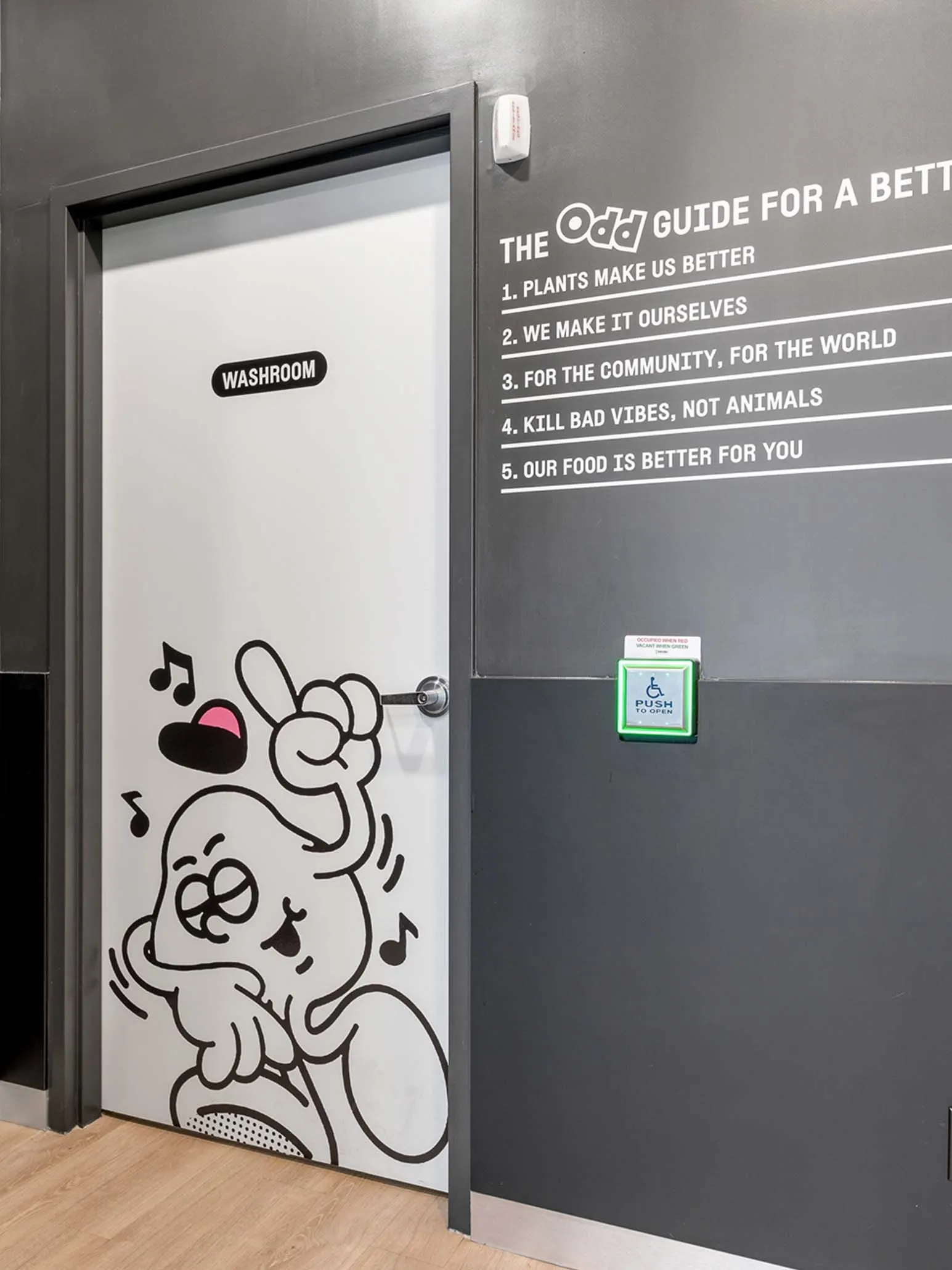
Image: Odd Burger
Image: Odd Burger
McInnes said the brand is comparable in price to traditional fast food.
“We think that’s a very powerful aspect of what we do. We really remove the guilt from fast food. Traditionally, the fast food industry is based largely on guilt. When you eat fast food, you know you didn’t do your body any good. How do we rid the guilt so people can celebrate eating fast food again? That’s really what I think Odd Burger excels at both from a branding and marketing point of view,” said McInnes.
SGE is a family-owned and operated hospitality group with expertise in franchising and commercial construction. SGE has built its reputation by seeking out and introducing newer concepts in the fast-food industry. SGE owns master franchisor rights for BarBurrito in Saskatchewan and area developer rights for Meltwich in the provinces of British Columbia, Manitoba, and the Atlantic Provinces (New Brunswick, Newfoundland and Labrador, Nova Scotia, and Prince Edward Island). SGE also holds an advisory role in the expansion of Fast Fired Pizza into Western Canada.
Retail Insider is streamlining its Canadian retail news from around the web to include a handful of top news stories that can be viewed quickly during the day. Here are the top stories from the past 24 hours.
BeaverTails Planning Significant Expansion Across Canada: Video Interview
Pino Di Ioia, CEO, BeaverTails, discusses the iconic Canadian brand’s appeal and the company’s expansion plans. This year many more locations will open ‘close to home’ for more Canadians as BeaverTails shifts its strategy from tourist locations to become even more of a household name with stores at neighbourhood retail centres. Di Ioia also discusses the recent Ottawa trucker protests and the impact on his locations there.
The Video Interview Series by Retail Insider is available on YouTube.
Connect with Mario Toneguzzi, a veteran of the media industry for more than 40 years and named in 2021 a Top Ten Business Journalist in the world and the only Canadian – to learn how you can tell your story, share your message and amplify it to a wide audience. He is Senior National Business Journalist with Retail Insider and owner of Mario Toneguzzi Communications Inc. and can be reached at mdtoneguzzi@gmail.com
Also check out the other series offered by Retail Insider, including The Weekly podcast and The Interview Series, which are both available on Apple Podcasts, Stitcher, TuneIn, Google Podcasts, or through our dedicated RSS feed for Simplecast and other podcast players.
“Given skyrocketing prices, Canadians are looking for ways to save money at the grocery store. And compared to our American counterparts, Canadians have drastically fewer options.”
The food inflation rate in Canada in February was 7.4%, the largest yearly increase since May 2009. With a much higher food inflation rate these days, consumers are desperate to find new ways to save at the grocery store. Both in the United States and Canada, consumers are increasingly using food rescuing apps, going for the “enjoy tonight” deals, trading down on brands and product quality, and reading weekly flyers. But one advantage American consumers have in their savings toolbox that Canadians lack is an incredibly sophisticated couponing industry.
The inflation rate in America in February was 8.6%, but the couponing culture in the United States is far more advanced than that in Canada. Most households in the U.S. will receive numerous coupons every week. They are literally everywhere. Since the start of the pandemic, promotions in Canada, including coupons, are incredibly hard to find.
In the U.S, for example, coupon stacking – using more than one coupon to purchase the same item – is a common practice allowed in many stores, while few in Canada would allow it. In fact, it is not unusual in the U.S. to get a product for free using coupon stacking. Stores in the United States will also double the value of coupons for certain days. And to make things even more interesting, using coupons on already discounted food products is also quite frequent in the United States. Not in Canada. You can also get a credit in some stores if the value of your coupon is worth more than the product itself: say, if your product is worth one dollar and your coupon is worth two dollars, some retailers will give you a credit, just like cash. It’s a different world.
Coupon clipping companies are driving the American couponing industry. These are companies that clip, collect, and sell coupons to the public. People can actually go online and order as many coupons as desired. Empowering consumers with ways to save is embedded in the American way of life and allows consumers to save big at the grocery store.
In other words, given the options Americans have for saving, a food inflation rate of 8.6% in the United States is perhaps equivalent to 5% in Canada, perhaps. With the lack of tools to save, Canadians are somehow held hostage by food inflation.
While some Canadians claim to save up to $400 a week using coupons, whether digital or paper-based, doing so requires a great deal of work, almost 30 hours a week to manage. The culture is not the same in Canada and we haven’t accepted it as much, but times are changing as food prices are rising at a record pace.
A recent survey from Dalhousie University suggested that using coupons is the most popular cost-saving strategy consumers intend to follow at the grocery store in 2022. A total of 52.8% of Canadians intend to use coupons more often. People want to use more coupons but understanding the conditions and compliance rules for using coupons can be quite overwhelming.
It’s time for the Canadian food industry to up its couponing game. Canadians need a break, but most important, the industry needs to show it understands consumers are feeling the pain and that it wants to help those on an incredibly tight budget. And since prices are only going to go up, Canadians will certainly appreciate the help.
Volume discounting is also an issue. Asking Canadians to buy at least three or four items at a time to save, when they only need one, is unpractical and problematic. Not only does it discriminate against single-person or single-parent households, but it is also getting people to buy more than they need, potentially generating more food waste. Promotional strategies need to get smarter.
Grocers and food manufacturers have supplied Canadians with decent high-quality products, at affordable prices, for many years. There are only eight countries in the world where people spend less than 10% of their household income on food, and Canada is one of them. But rising food costs are getting Canadians to look around for mitigating options, and the industry needs to show it’s willing to help.
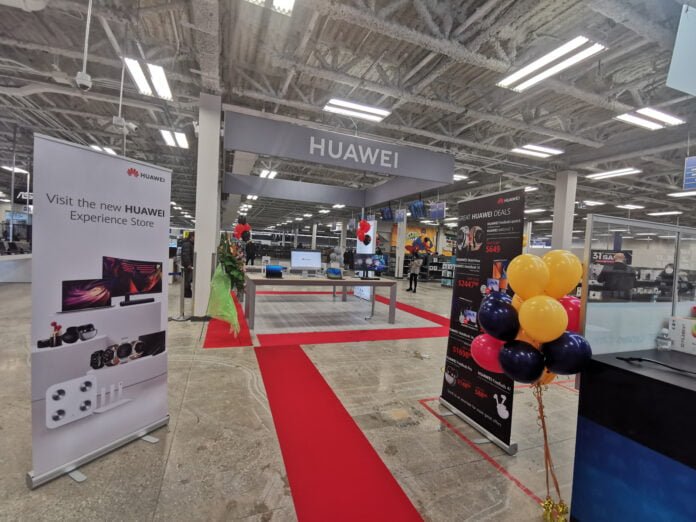
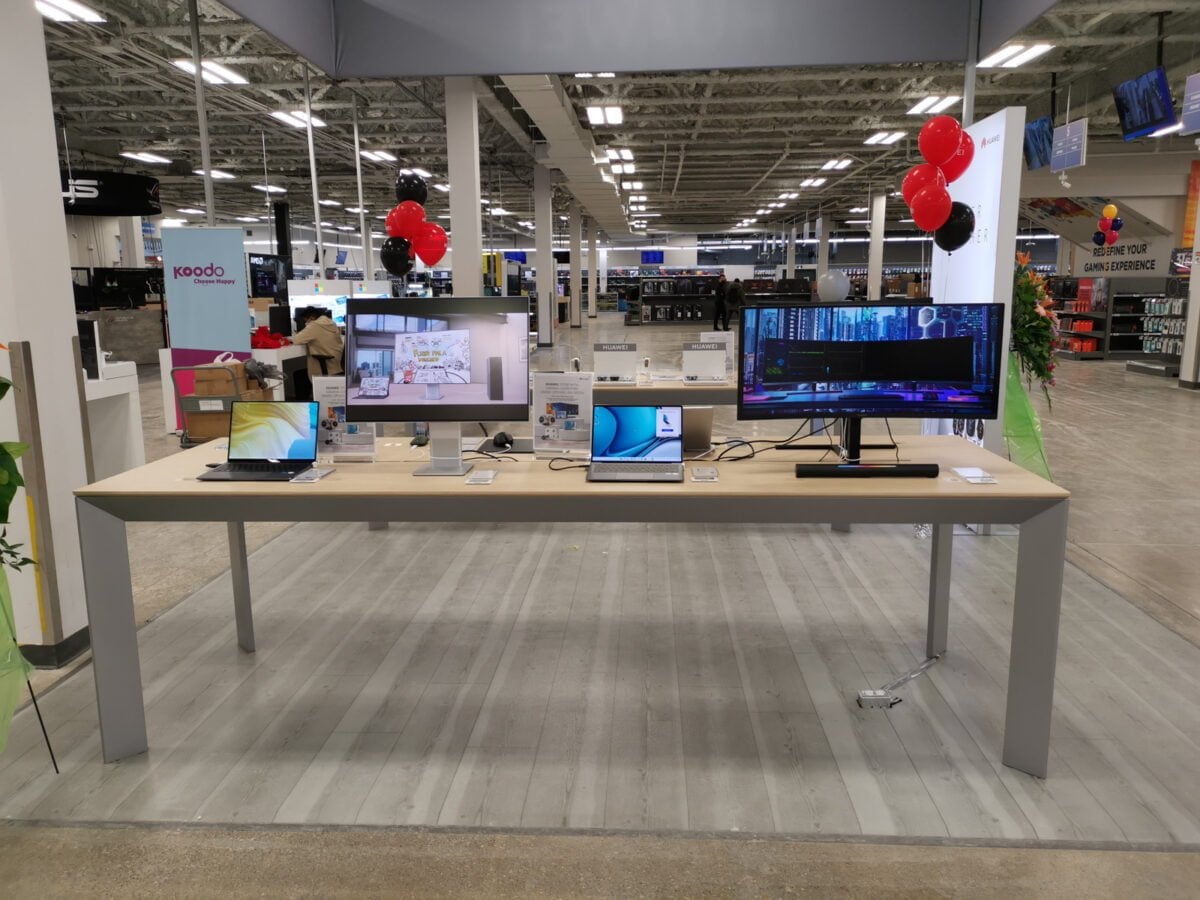
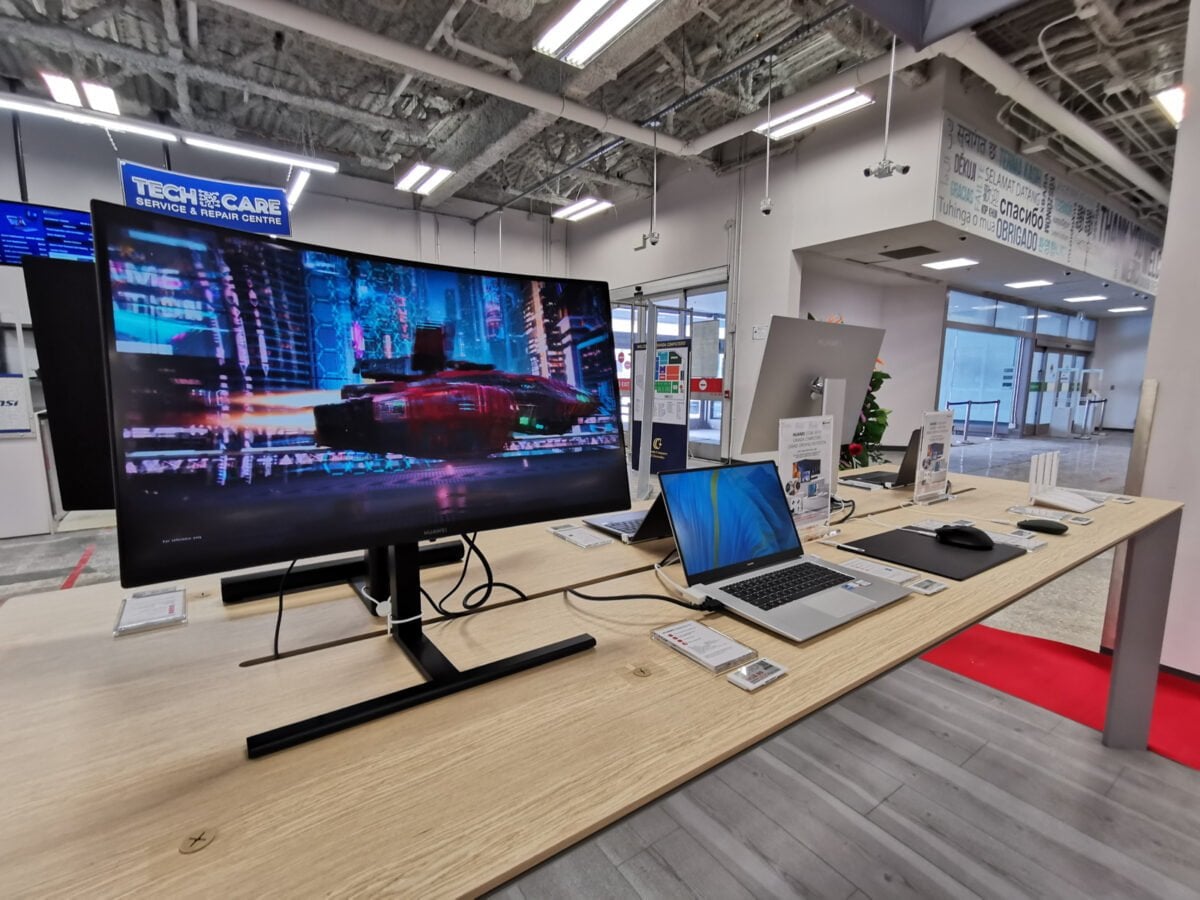
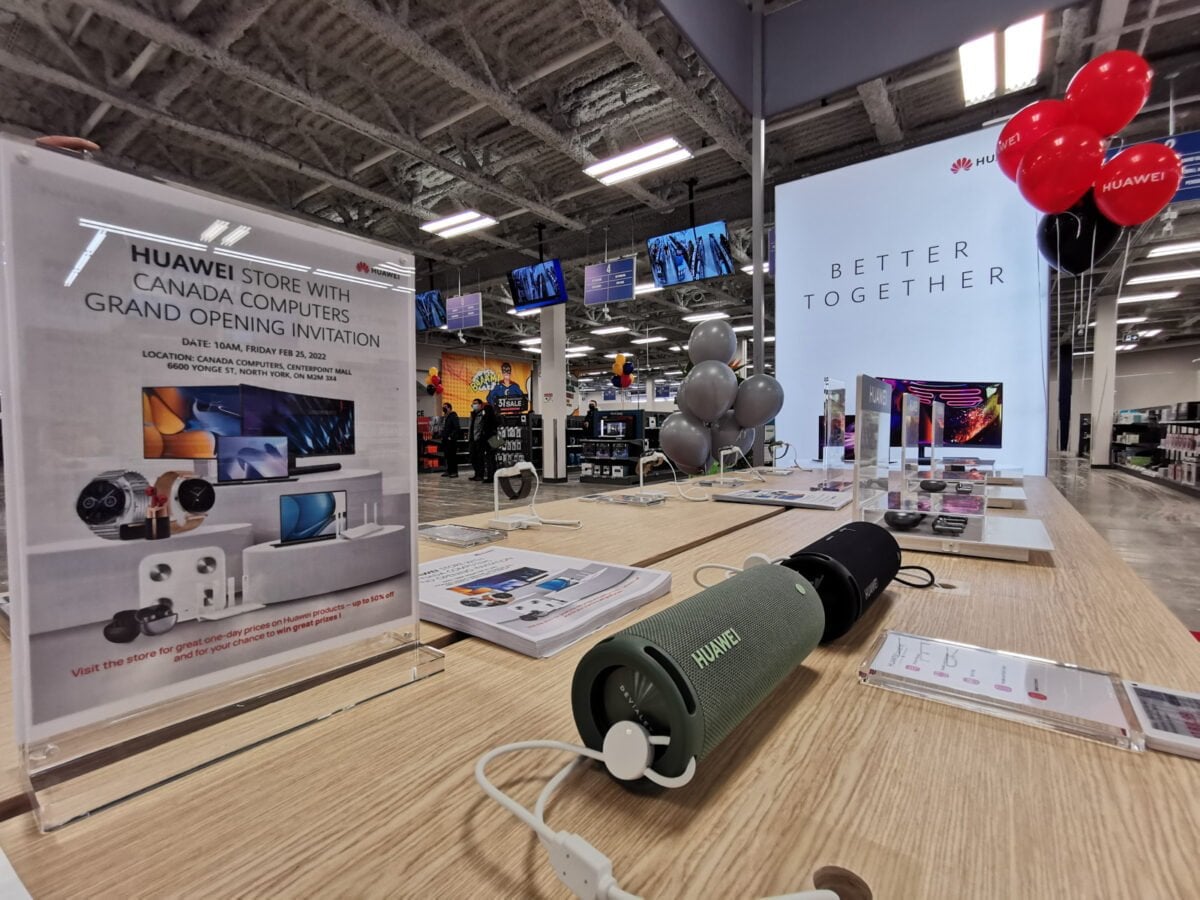
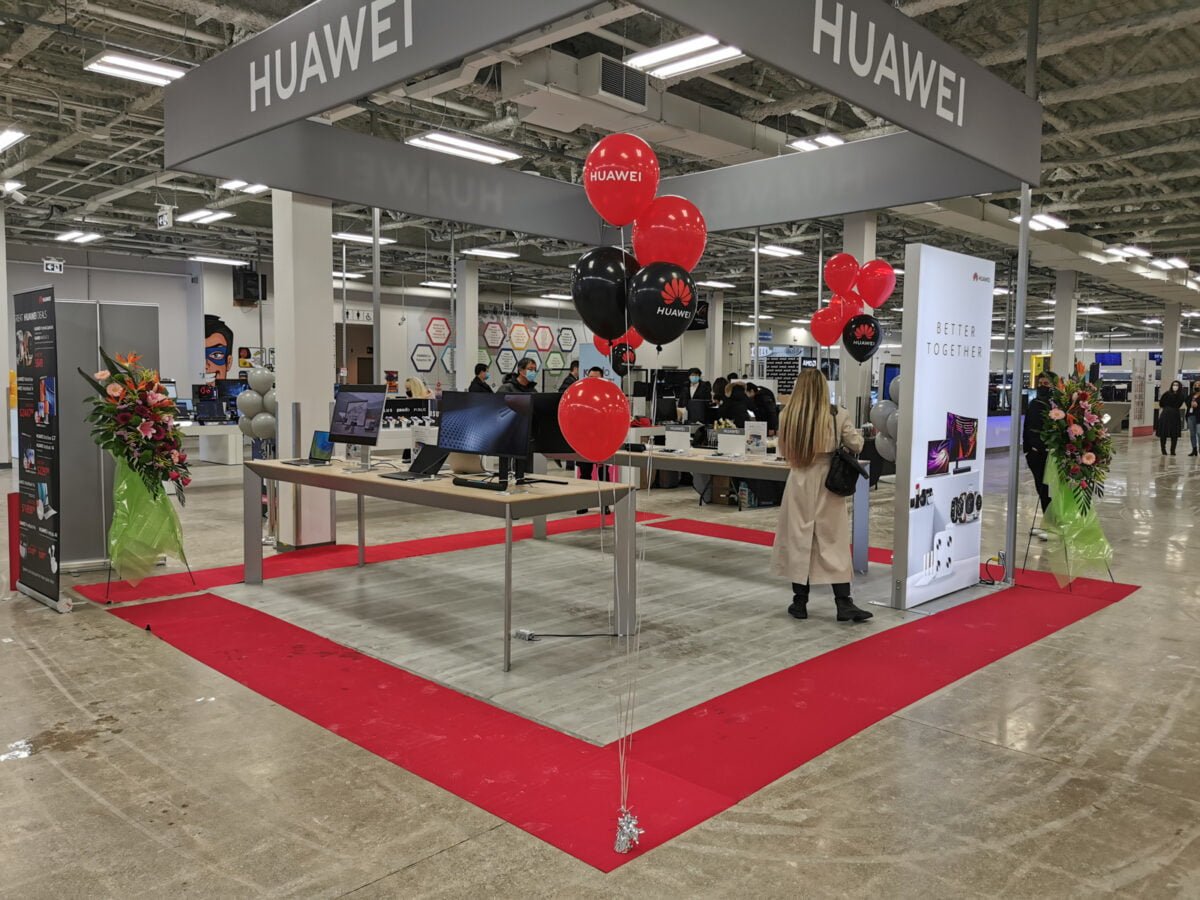
HUAWEI at Canada Computers North York (Image: HUAWEI)
Huawei, a leading international technology company, has launched its first innovative store-in-store location in Canada with plans to aggressively expand the concept throughout the country.
Radek Krasny
The Huawei store, for laptops, monitors, wearables, audio products, tables and smart home devices, was launched at the Canada Computers North York location in Toronto. It marked the beginning of retail expansion across Canada.
Radek Krasny, Director of Marketing, Huawei Canada, said the company plans to open 15 new Canada Computers store-in-store locations in major Canadian markets from coast-to-coast.
“All the store-in-stores will be located within Canada Computers. We signed a strategic partnership with Canada Computers as our first retail partner to open our store-in-stores,” he said.
HUAWEI store opening (CNW Group/Huawei Consumer Business Group)HUAWEI at Canada Computers North York (Image: HUAWEI)
“All the 15 locations will be open by spring of this year, within the March/April period. We are in the 15 busiest Canada Computers retail locations across the country with plans to add more.”
“One of the reasons why we invested in Canadian retail is that Huawei has been known in Canada mostly for our superior smartphones. We introduced our brand to the Canadian market in 2017 and our key focus for the first 3 years was solely Smartphones and Tablets. We started to expand our Canadian product portfolio in 2019”
The launch of the retail footprint is an effort to show Canadians the company’s full portfolio of products.
“Globally our flagship stores are called Huawei Experience Stores which are located in Europe, Asia and other markets. We were planning to bring one or two HES to Canada with consideration of Toronto, Montreal, and Vancouver. Plans were put on hold due to COVID. We are continuously exploring the opportunity with future plans to open our Canadian flagship Huawei Experience Store. For now, the smaller footprint store-in-stores will solidify our commitment to our Canadian open market retailers,” said Krasny.
HUAWEI at Canada Computers North York (Image: HUAWEI)HUAWEI at Canada Computers North York (Image: HUAWEI)
He said one of the key focuses of this year are laptops including professional and gaming monitors. And Canada Computers is a strategic retailer in this category.
“ Our plan and our goal is to expand across Canada partnering with all retailers. Canada Computers is our first key strategic partner for store-in-store retail, featuring the full portfolio of Huawei products. We currently have distribution across trusted Canadian retailers like Costco, Staples, Canada Computers, Visions, Walmart, London Drugs, Amazon and more.”
Simon Shilong Li
Li Shilong, General Manager of Huawei Device BG Canada, said the Canadian roll-out of the store-in-store concept is a strong sign of the brand’s sustainable investment and its goal to strengthen the connection to the Canadian market.
“Huawei utilizes the power of digital solutions and technological innovations to improve and simplify life for our customers. With our new stores located across Canada, we can now respond even more closely to the individual needs and wishes of Canadians,” said Shilong.
HUAWEI at Canada Computers North York (Image: HUAWEI)HUAWEI at Canada Computers North York (Image: HUAWEI)
“Canada Computers is happy to welcome Huawei Canada partnership from coast to coast, starting with our North York location. This partnership signifies our commitment to showcasing leading global technology to enhance our customer retail experience,” said Gordon Chan, CEO of Canada Computers & Electronics. “With 31 years of business, we look forward to elevating our portfolio by developing strong relations to advocate for a sustainable future.”
Huawei’s products and services are available in more than 170 countries and are used by a third of the world’s population. Fourteen R&D centres have been set up in countries around the world, including Germany, Canada, Sweden, Russia, India and China. Huawei Consumer BG is one of Huawei’s three business units and covers smartphones, PC and tablets, wearables and cloud services, etc.
Founded in 1991, Canada Computers & Electronics is a retailer of personal computers, IT and components, as well as consumer electronics. Canada Computers & Electronics has 40 store locations across Canada.
Back in 2001, Sam Osmow had an idea to bring Mediterranean cuisine to the people of Streetsville, Ontario – a “village in the city” of Mississauga.
Today, Osmow’s has grown into a national brand with 127 locations by the end of March and plans to grow into the largest Mediterranean fast casual chain in North America.
Ben Osmow, CEO and Head of Franchise Operations, said the company, which was started by his father, didn’t start franchising until 2015 when it had about 13 locations “mainly run by friends, family or even very diehard customers that became our first franchisees.”
Osmow said the concept really took off and became the biggest Middle Eastern, Mediterranean, franchise in Canada because it found a way to Westernize and modernize Middle Eastern cuisine.
“So essentially taking products that would be traditional dishes back home and finding a way to Westernize them,” he said.
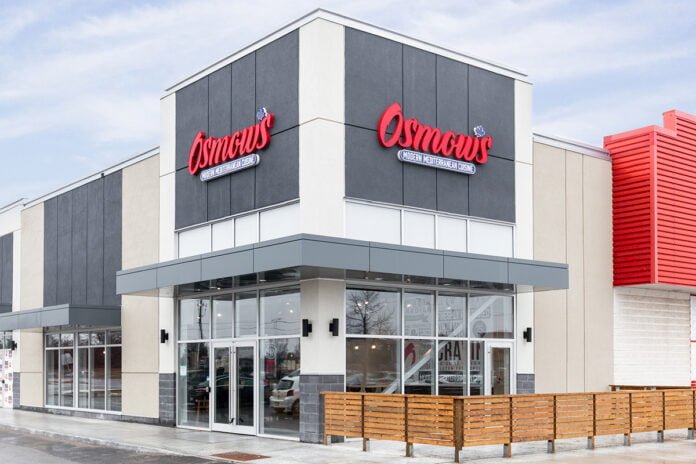
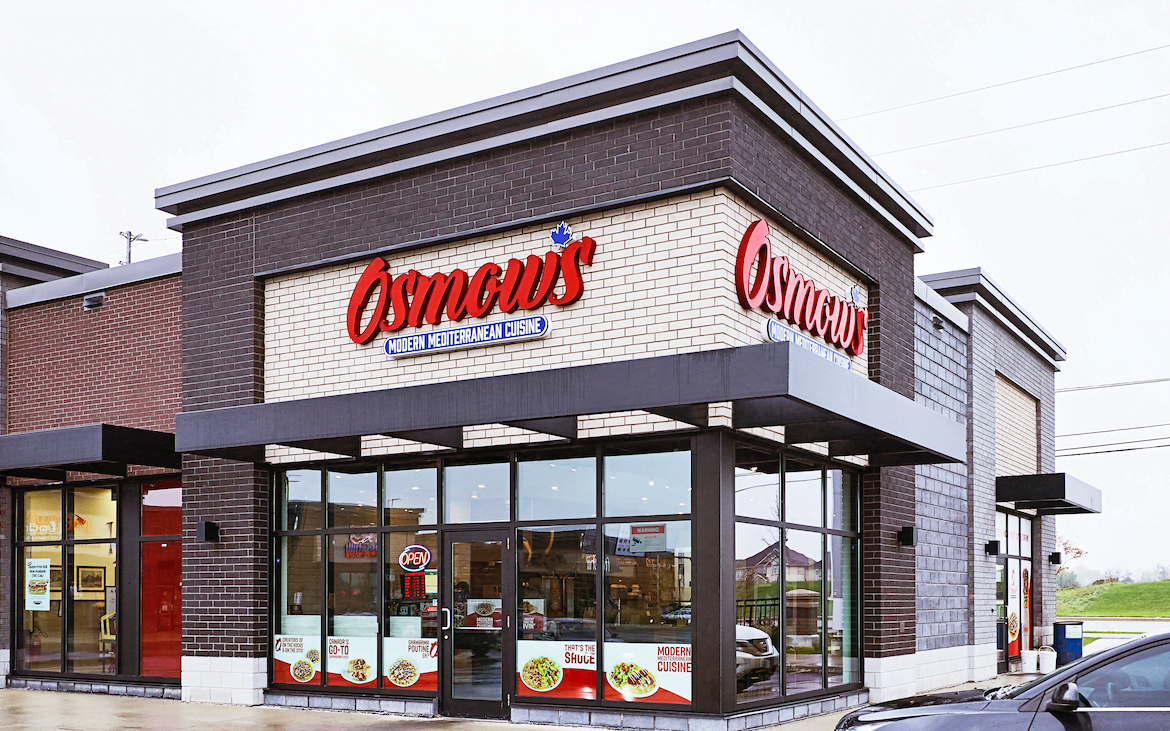
Osmow’s at Mapleview Mall (Image: Osmow’s)
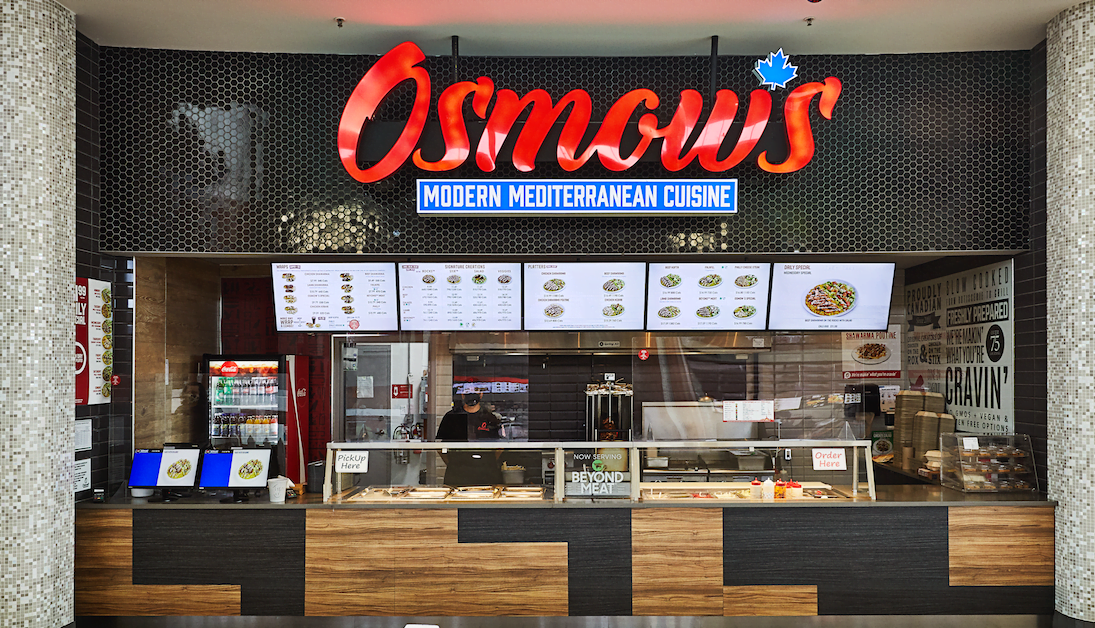
Image: Osmow’s
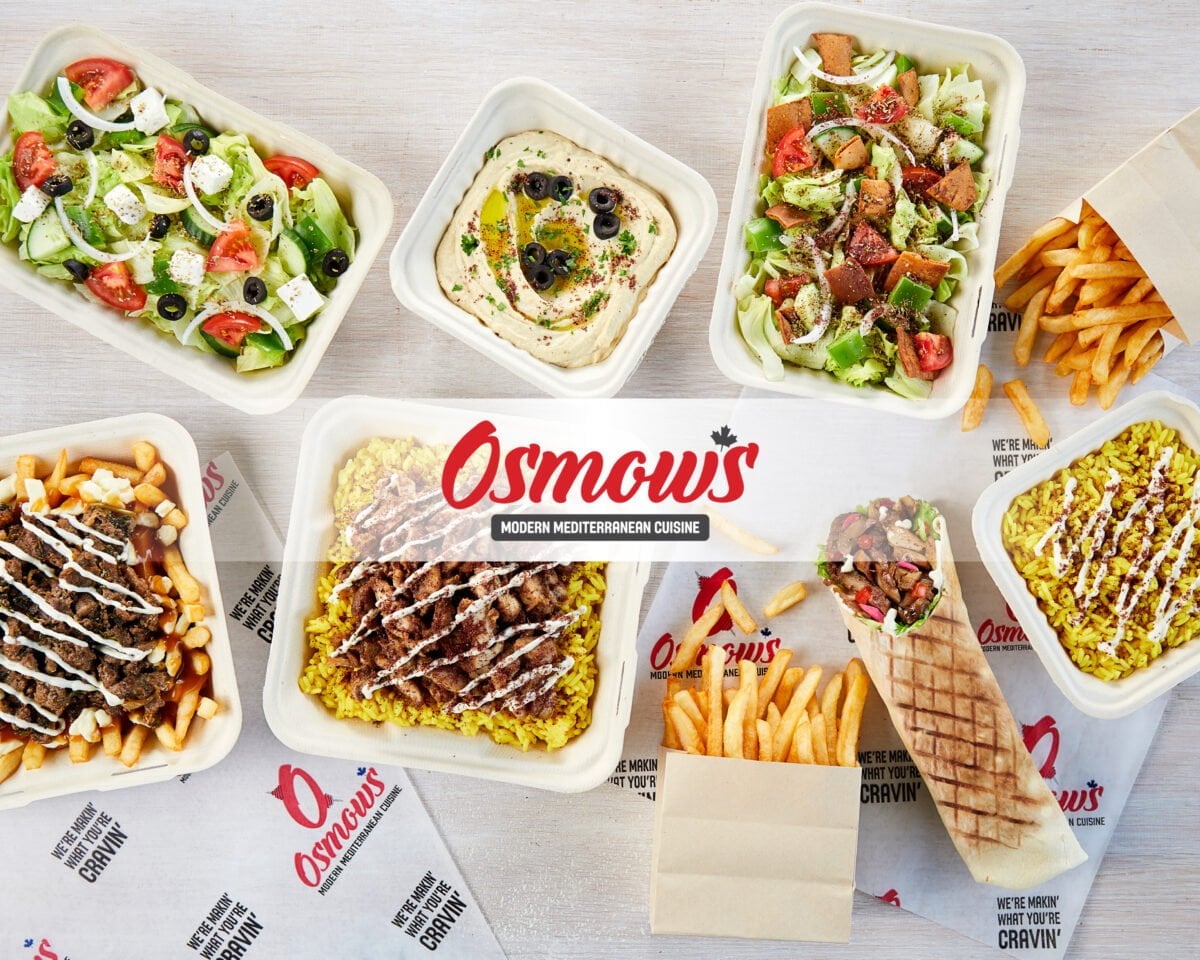
Image: Osmow’s
When it comes to expansion plans, Osmow said “the sky’s the limit.”
“We want to be the largest brand within North America, ultimately, on the Mediterranean side. There’s many franchises that have done it on burgers. There’s many franchises that have done it on subs and on pizza. But there hasn’t been a brand that’s hit home across Middle Eastern, Mediterranean, food,” he said.
“So far we’ve developed ourselves as that go-to brand in Canada with having the largest number of locations by far and over the next few years we’re hoping we can be that go-to brand across all of North America.”
On the company website, Sam Osmow describes how the family-owned and operated business began.
Image: Osmow’s in Brampton
“When I arrived in Canada from Egypt, I was determined to do whatever it took to be successful. I worked different jobs trying to make my way in this new world. I pumped gas, worked retail, but always with the desire to get back to my real passion – food,” he writes.
“Finally, I scraped enough money together to buy a sub shop in 1999, but two years later, I wasn’t seeing the success I’d hoped for. One day a customer asked me what I was having for lunch . . . Shawarma! He was captivated by the aroma and flavour of my lunch.
“My customer inspired me to close the sub shop, along with the help of my family we painted, rebranded, and opened the first Osmow’s a week later. I did whatever I could to get our local community to give Mediterranean food a try, including giving out free samples at local festivals; soon people were lining up for it.
“It hasn’t always been easy, but I’ve loved every minute of this journey, and I am so happy working alongside my family everyday to bring Osmow’s to loyal customers, like you. I still love hearing your feedback and trying new ideas that our customers come up with. Thank you for being a part of our extended Osmow’s family . . . because to us, family is everything!”
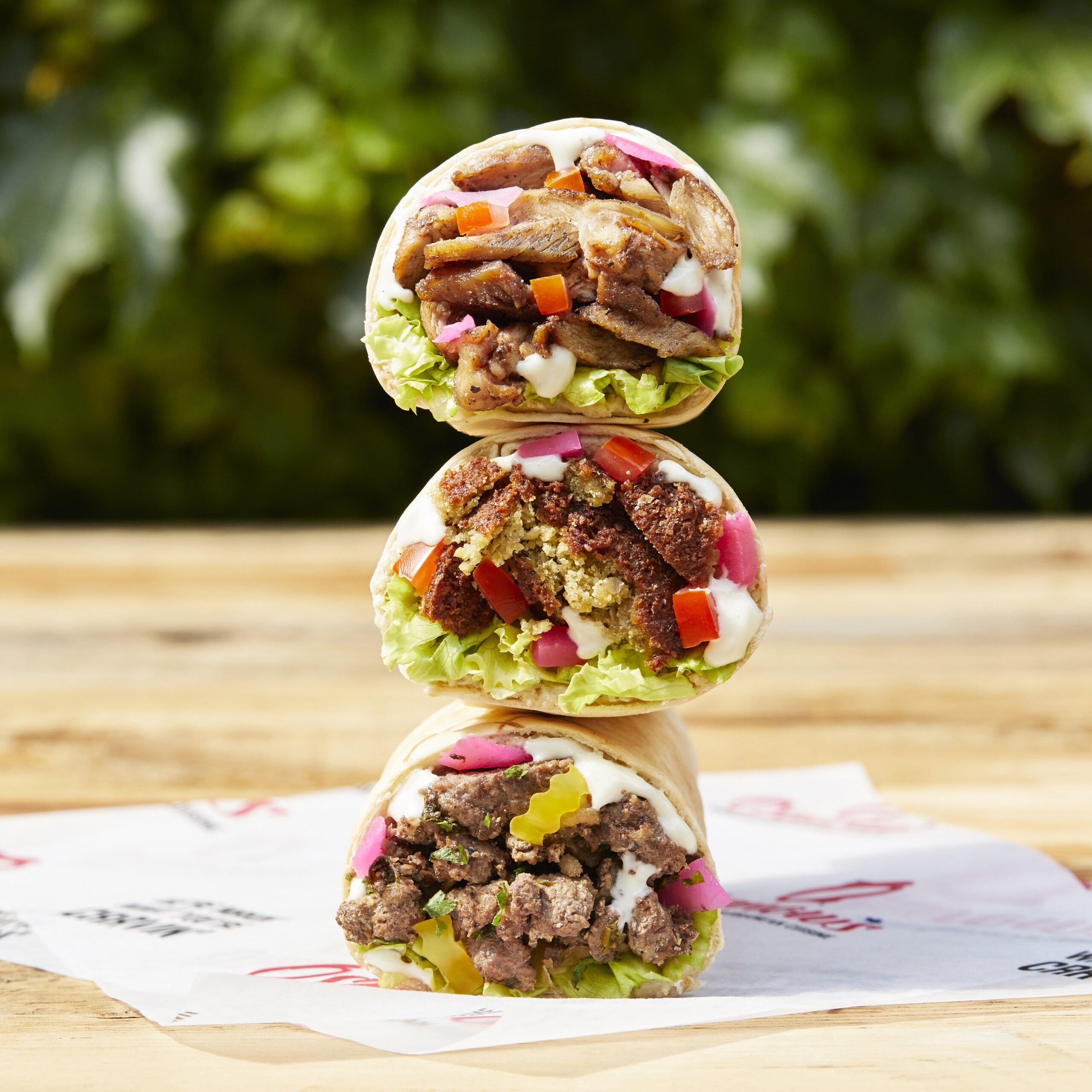
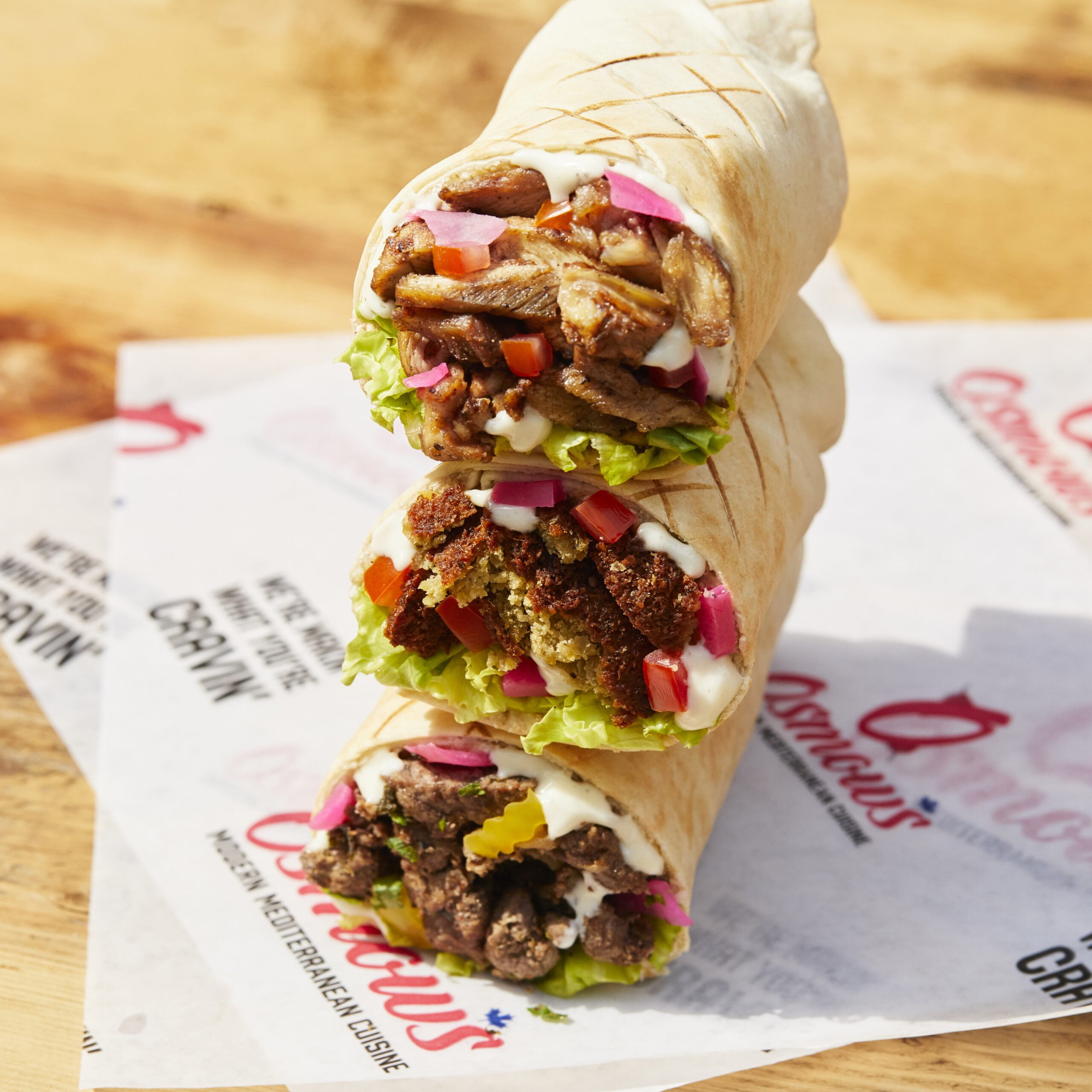
Image: Osmow’s
Ben Osmow said his father worked night and day, all day, every day in that restaurant.
“I could say the rest is history but it didn’t get off to a great start to be very honest. It was something a lot of people were not familiar with shawarma and hummus. That was 20 years ago. Now shawarma has become a staple not just in Ontario but I would say in most major markets across Canada,” said Osmow. “It’s growing in popularity and it’s kind of a go-to cuisine right now in terms of trends.
“When I grew up here and went to elementary school here, I grew up on sub day and pizza day. And now we have over 30 elementary schools that order from Osmow’s for shawarma day. It’s absolutely incredible for me and that number is growing and we on-board more and more schools every few months. I’m really excited about that because that just means there’s going to be a new generation out there growing up having shawarma from a very young age and not discovering at a late age that most Canadian consumers do.”
Osmow said the brand has a multi-unit model where a franchisee is able to take multiple locations to expand the brand.
“We always look to work with great franchise partners and most of our franchises are multi-operated. We’re opening up about 30 to 40 new restaurants per year but that being said if we come across some great franchise partners, let’s say in deeper parts of Quebec, or Montreal or so on, it’s obviously something that would be a benefit for all of us,” he said.
As commerce and consumer habits evolve, the function of preventing loss in retail has become increasingly complex. Teams charged with protecting and enhancing retail profitability must take on new responsibilities to protect people, property, and assets.
Retail Council of Canada’s virtual Retail Loss Prevention Forum, on April 12, 2022, will examine how retail loss prevention and risk management teams are evolving their roles, responsibilities, and empowering their staff with the new skills and approaches required to be effective in today’s retail environment.
During this packed ½ day forum, leading retailers will share real-life, actionable examples of how new proactive tactics are outsmarting felonious activities. Some of the topics and speakers include:
The New Risk Management Model: Chris Strongman, Vice President, Enterprise Risk Management, Aritzia LP and Rui Rodrigues, Executive Advisor, Retail Council of Canada. Strongman will chat with Rodrigues about benefits and challenges of moving from a loss prevention to an enterprise risk management model, the strategic transformation at Aritzia, and how Aritzia’s leadership is supporting these new priorities in decision-making to protect its business.
The Impact of Changing In-Store Experiences: Calandra Guiry, Director Loss Prevention, Sephora Canada and Paul Trickett, National Director of Asset Protection and Health & Safety, Staples Canada. Guiry and Trickett will share how their teams are shifting their focus to better support and protect new types of in-store experiences while reducing potential losses by rethinking traditional asset protection.
Mitigating the Creative Deception of Professional Fraudsters in Retail: Guy-Paul Larocque, Acting Officer in Charge, Canadian Anti-Fraud Centre, RCMP and Rita Estwick, Director, Security Fusion Centre, Canada Post. Laroque and Estwick will discuss returns fraud, gift card fraud, cryptocurrency red flags, and other fraud trends that are becoming even more prevalent with continual advances in technology and how consumers now shop.
Advancing Collaboration on Organized Retail Crime in Canada: Chris DaCosta, Senior Manager, Central Investigations, The Home Depot Canada, Tony Sheppard, ORC expert, and Director, Loss Prevention Solutions, ThinkLP, and Supt. Robert Gourley, Halton Police. DaCosta, Sheppard, and Supt. Robert Gourley of Halton Police discuss how retailers can work together to help change perceptions and block the impact of organized retail crime at a time when collaboration between retailers, law enforcement, and justice has never been more important.
The insights shared and debated at this year’s RCC Retail Loss Prevention Forum on April 12, 2022 will shape the future of loss prevention, asset protection and risk management for retailers in Canada. Register today to be part of these important conversations and help your teams anticipate the best ways to lead your organization through the evolving complexities ahead.
Discounts are available for junior professionals and groups of five or more who register together.