Special Edition 31: Interview with DUER Jeans Founder Gary Lenett on Canadian Retail
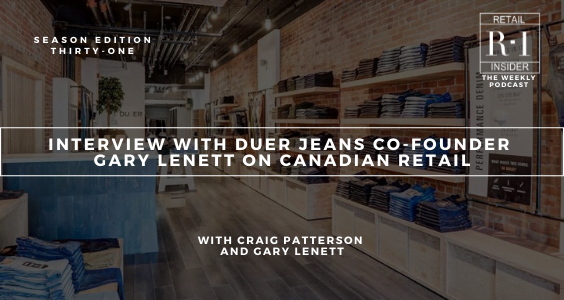
Gary Lenett, co-founder of Vancouver-based DUER, speaks to Craig about how he founded the brand, his vision for the future of retail as well as advice for entrepreneurs.
The Weekly podcast by Retail Insider Canada is available on Apple Podcasts, Stitcher, TuneIn, or through our dedicated RSS feed for Overcast and other podcast players.
Subscribe, Rate, and Review our Retail Insider Podcast!
Hairy Rosen Store on Bloor - Photo by Craig Patterson
Iconic Canadian retailer Harry Rosen has launched an industry first in men’s luxury grooming with a curated offering of essentials for hair, face and body.
Ian Rosen, EVP Digital & Strategy for Harry Rosen, said the tailored collection is in response to men’s growing interest and investment in personal care.
“Since 1954 when my grandfather started this store we have been helping men set the tone by elevating their personal sense of style and now we’ve grown and established a new offering in grooming and the expanded customized offering is vintage Harry Rosen. It’s highly curated. We’ve partnered with some of the best brands out there and it’s a really exciting evolution for us as we build a deeper relationship with our clients,” he said.
Hairy Rosen Store on Bloor – Photo by Craig Patterson
“Our category expansion was inspired by what our customers told us they want and need. This has historically always been our approach. As a third generation Rosen, I watched my grandfather build a heritage of trust that Canadian men have counted on since 1954. Grooming is now a part of that legacy.”
Currently, some brands are available through omnichannel, but Rosen said the primary channel is online with instore to come once there’s a sense of normalcy in retail due to the public health restrictions brought on by the COVID-19 pandemic.
“It is a new category for us. It’s definitely a first for us to expand outside of clothing. We’ve been in fragrance for a while but we’ve established a much deeper offering in hair, body, face, shave, you name it. We definitely see opportunity in the category and we see that men are investing much differently in personal care,” said Rosen.
“So along with buying the perfect sweat suit to lounge around the house with, they’re also investing in a great face cream, beard oil, special and sustainable hair and body wash. We just wanted to make sure that we were there for our clients as their routines are evolving and changing too.”
The retailer cites statistics showing that 40 per cent of men aged 18-64 grew facial hair since COVID-19 began, with more than half growing a beard they plan to keep. Also men’s hair length and styling searches increased by 25 times, according to Pinterest.
“While working from home, everyone is aware of how they show up on-screen more than ever,” said Rosen. “Being in lockdown doesn’t mean shutting down self-care and we believe grooming can play a big part in maintaining one’s confidence and well-being.
“We’ve only just begun. We welcome other brand partners in the grooming space and plan to expand into more categories including watches, fitness gear and apparel and home.”
The grooming collection features 400+ products, 25 per cent which are Canadian-proud from Alberta to New Brunswick to Quebec.
Hairy Rosen Product Line via HarryRosen.com
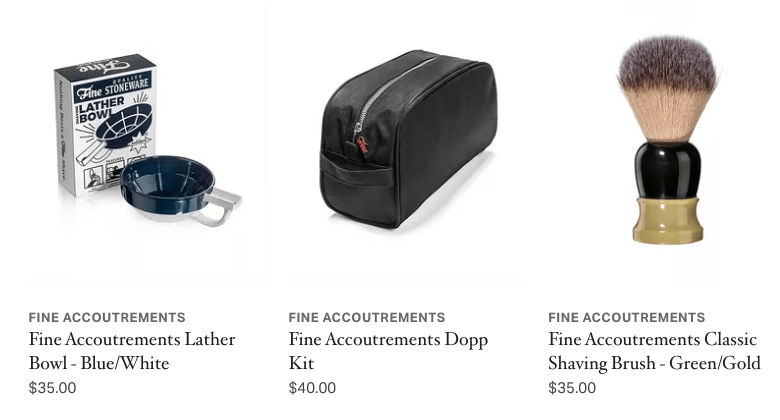
The company said the new grooming line intentionally includes tools and products for all skin and hair types. It also showcases best-in-class products at a range of price points, with the goal of establishing Harry Rosen as the destination for men’s grooming. With a selection of the finest blades, brushes, beard oils, shaving soaps, skincare and fragrances to suit each unique individual, every man has the opportunity to elevate their grooming routine, said the retailer.
“I like to think there’s two types of brands. We have the grooming, heritage, legacy, staple brands that you have to have to be in the grooming space. So we have Kent which is an incredible hair brush and beard brush brand. We have Truefitt & Hill which has kind of the shave category on lock. We have Wahl beard trimmers and razors which are barbers’ choices around the world,” said Rosen.
“And we have a bunch of new modern brands that are pushing the envelope on product innovation as well. We’re working with a company called Educated Beards out of New Brunswick which as a beard owner myself I stand behind their stuff. It’s definitely incredible. We are partnering with a company called Wise Men’s Care which has natural, sustainable hair and body wash, face cream, hair and pomade. We’re definitely on two ends of the spectrum. We’re standing by that heritage but we’re also introducing our clients to people who are pushing the envelope.”
Hairy Rosen Product Line via HarryRosen.com
1 of 5
Harry Rosen is now the first and only nationwide men’s luxury retailer in Canada with online dropship capabilities. The grooming line is the company’s first that is available via this technology. Powered by industry disruptor Convictional’s Supplier Enablement Platform, this dropship and marketplace infrastructure lets brands rapidly onboard and integrate, creating a seamless customer experience and accelerating speed to market. Products are accessible directly from a select group of supplier partners who are a good fit with the Harry Rosen brand.
“We partnered for this launch with industry disruptor Convictional which is a Toronto startup and I think that’s a thing of note because we’re partnering with brands in a much different way and it allowed us to get to market extremely quickly with this,” said Rosen.
“We’re kind of reinforcing the online sales growth that we’ve seen over the past year with more reasons to shop with us and more ways to add value to that shopping experience. So, at the same time as shopping for your summer essentials you can get a great fragrance to partner up with it. So there’s synergies between the shopping experience. We’re already seeing clients also navigate to the how-to’s and the content we’ve put up behind the grooming launch because people have a lot of questions and we want to be there to answer them.”
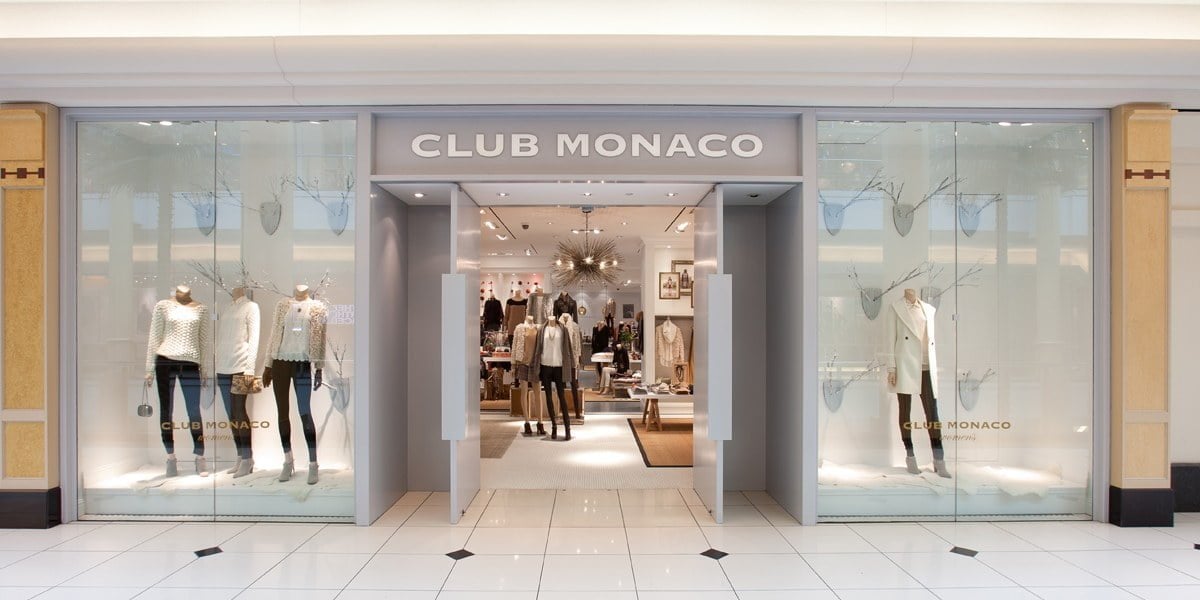
New York City-based Ralph Lauren announced Thursday that it sold its Club Monaco subsidiary to private equity firm Regent LP. Club Monaco was founded in Toronto in 1985 and Ralph Lauren acquired the brand in 1999. Regent is expected to expand the Club Monaco brand with details to follow.
“Club Monaco is a beloved brand with a modern style, loyal customer base and long runway for growth,” said Michael Reinstein, Chairman of Regent. “We see tremendous opportunity for Club Monaco and are excited to leverage our retail and e-commerce expertise to build upon the strong brand that the Ralph Lauren team built over two decades of stewardship.”
Photo: Somerset Collection
The deal is expected to close at the end of June and the purchase price wasn’t disclosed. Polo Ralph Lauren paid about USD $52 million for Club Monaco in 1999 as well as an additional $35 million for debt.
Beverly Hills-based Regent owns several other fashion brands including Montreal-founded lingerie retailer La Senza.
Club Monaco was founded in 1985 by Joe Mimran, Saul Mimran, and designer Alfred Sung. Club Monaco is known for its well designed casual clothing. Club Monaco operates stores throughout Canada primarily in shopping malls and the retailer also has several street front and outlet stores. Club Monaco also has stores in the United States, UK, China, Taiwan, Hong Kong, Macau, Singapore, South Korea, and Sweden.
We recently reported that Club Monaco had shut its flagship store at 157 Bloor Street West in Toronto. Club Monaco also recently opened a storefront at the CF Carrefour Laval shopping centre near Montreal.
Hudson’s Bay Takes 15% Pledge for BIPOC-Owned Brands
Photo: Hudson’s Bay
Hudson’s Bay announced Thursday that as of this fall, at least 15% of all new brands purchased for its stores and thebay.com will be BIPOC-owned or designed. That includes designers that are Black, Indigenous or otherwise deemed ‘of colour’.
Hudson’s Bay is the first department store in Canada to commit to the Pledge. And as part of the Pledge, the retailer will also be reviewing its internal business organization to ensure, by 2022, 15% or more of the design talent for owned brands are BIPOC, and will work toward supporting the onboarding, growth and success of emerging BIPOC brands.
“As one of the country’s leading corporate citizens, Hudson’s Bay has a responsibility to drive equity and inclusion in Canada,” says Iain Nairn, President & CEO of Hudson’s Bay. “Our commitment through the Fifteen Percent Pledge is part of a holistic change to how we do business, and will hold us accountable to providing opportunity and delivering products that are representative of the diversity of our customers, associates and communities.”
“We’re excited to welcome Hudson’s Bay as the first Canadian department store to take the Pledge and commit to investing in BIPOC businesses,” said Aurora James, founder of the Fifteen Percent Pledge. “As a Black business owner and proud Canadian, it’s encouraging to see this iconic brand take a pivotal step toward driving equity across retail. This is the first time Hudson’s Bay has made a commitment like this in its 350-year history, and we hope their dedication and leadership encourages other international retailers to support brands that are representative of their diverse populations.”
The 15 Percent Pledge was founded in 2020 by Aurora James (creative director of fashion label Brother Vellies) and is a 501(c)(3) nonprofit advocacy organization urging retailers to allocate 15 percent of their shelf-space to Black-owned businesses. In Canada, the Pledge was extend to Indigenous people and people of colour. A total of 22 companies to date have signed on — the first was Sephora in the US and Indigo was the first retailer in Canada.
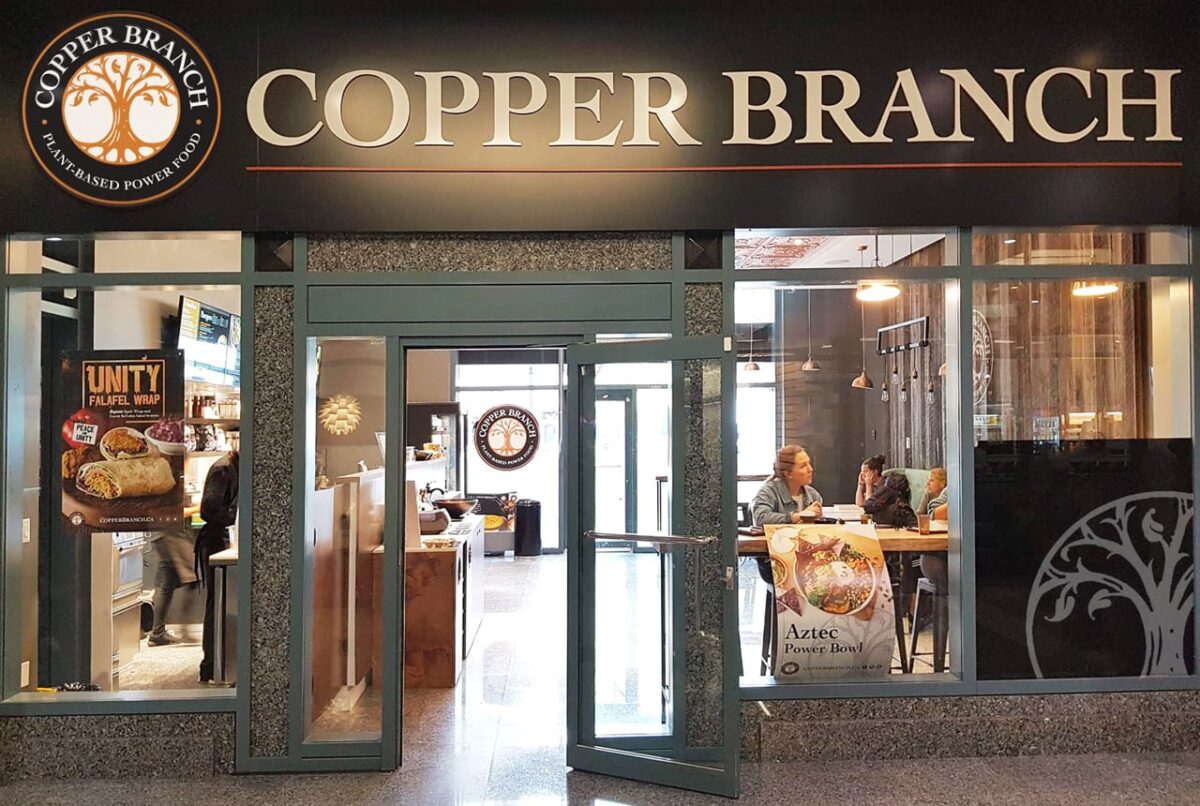
Montreal-based restaurant franchisor Foodtastic announced Thursday that it has acquired vegan QSR chain Copper Branch.
“Copper Branch is the largest Vegan restaurant brand in the world, and we are happy to welcome it into the Foodtastic Family” said Peter Mammas, President and CEO of Foodtastic. “We look forward to working with all our new franchisees and emerging through this pandemic with a revitalized leader in the plant powered restaurant space. This acquisition is consistent with our strategy of acquiring quality Canadian brands with growth potential.”
The acquisition will allow for an expansion of Copper Branch into new markets. “”This relationship will enable us to move more quickly and efficiently to bring Copper Branch’s brand to a new global customer base while driving improved operational efficiency and resources for our franchisees,” said Trish Paterson, CEO of Copper Branch.
Foodtastic says that it is looking to aggressively grow its brand in Canada as well as Internationally. Over 40 new locations expected to open in the next 36 months. Foodtastic is the franchisor of multiple restaurant concepts including, Second Cup, Au Coq, La Belle et La Boeuf, Monza, Carlos & Pepe’s, Souvlaki Bar, Nickels, Rotisseries Benny, Chocolato, Big Rig, Bacaro, Rotisserie Joliette, Tommy Café, Gatto Matto , La Chambre and L’Gros Luxe. Foodtastic has over 370 restaurants and $390 million in annual sales.
Tony Flanz of brokerage Think Retail is a point of contact for Foodtastic real estate leasing.
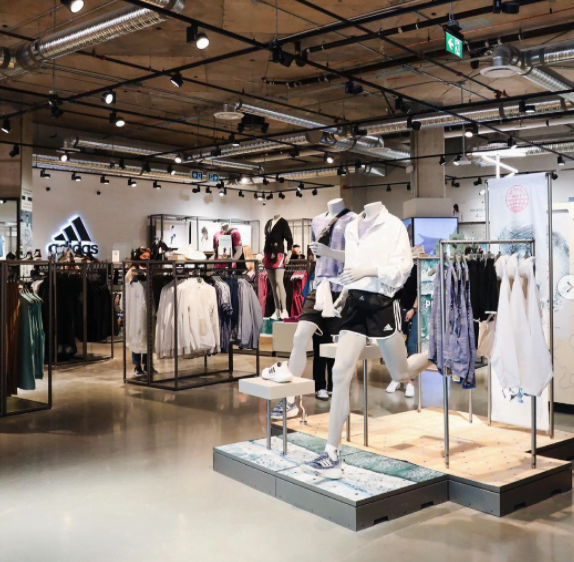
Adidas Opens Highly-Experiential Store at The Amazing Brentwood Near Vancouver
Adidas at The Amazing Brentwood (Photo: @the.amazing.brentwood)
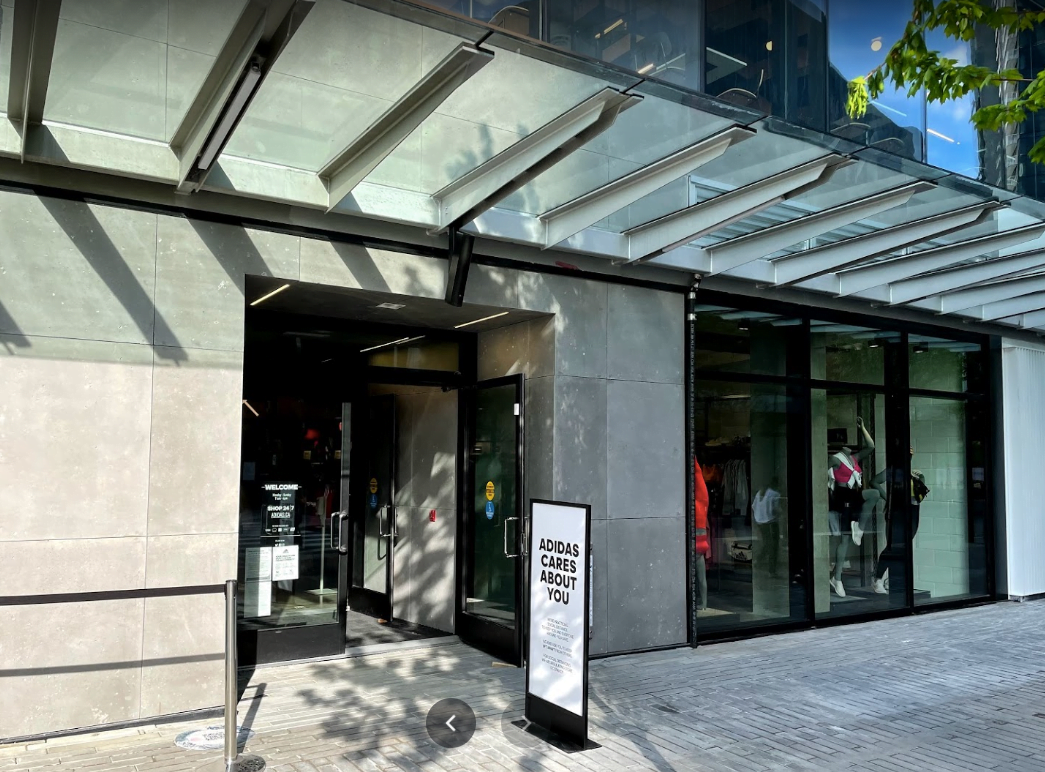
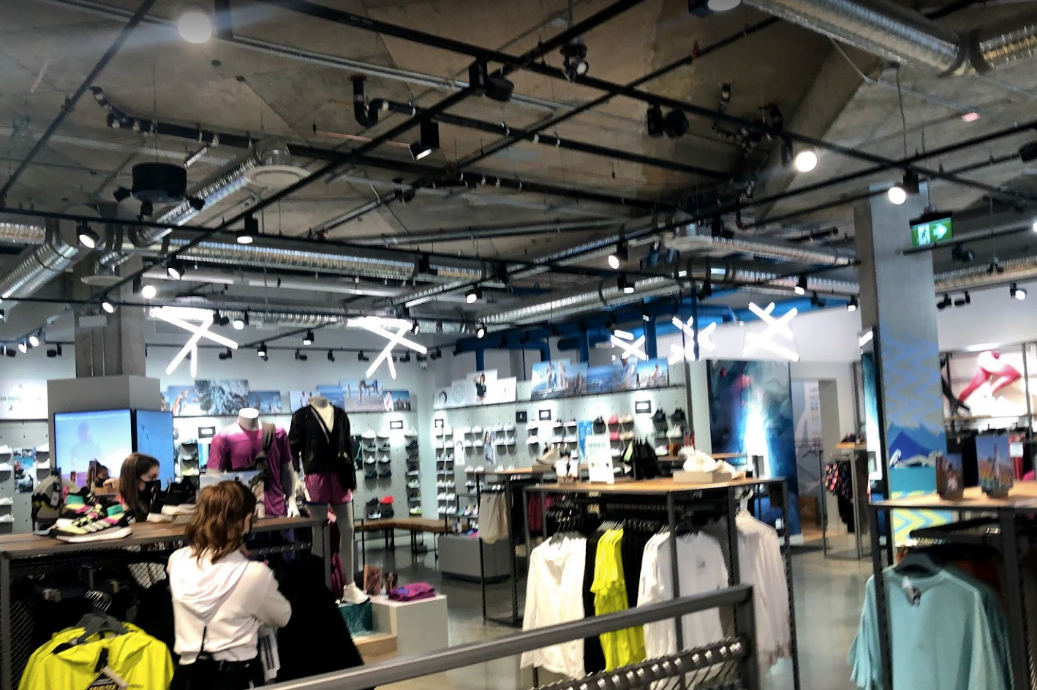
Sportswear retailer Adidas has opened a new store in North Burnaby’s The Amazing Brentwood. The store was designed and installed by construction specialist JacTy and features key elements such as a bottle refill staton wall which incorporates ocean topography made from glossy acrylic pieces and encourages the use of reusable water bottles.
Additionally, all vinyl used for in-store graphics in the fitting rooms, the lounge, and on columns is made from a PVC-free material and all decorative wood furniture is FSC Certified, meaning the timber used to produce the furniture came from a forest which has been evaluated and certified as being managed according to the correct social, economic, and environmental standards.
Adidas storefront via Google
Inside the Adidas store, image via Google
Despite the chaos associated with COVID-19, The Amazing Brentwood has managed to attract some big players to its mall over the past year, including Sporting Life and Nike.
Adidas operates stores and outlets across Canada in major markets and also has wholesale accounts in various retailers. Adidas is starting to pull out of multi-brand retailers in favour of its own stores, as has been the case for many brands. This trend is picking up during the pandemic.
Division Twelve Furnishings Opening Toronto Showroom at Keilhauer
Photo: Division Twelve
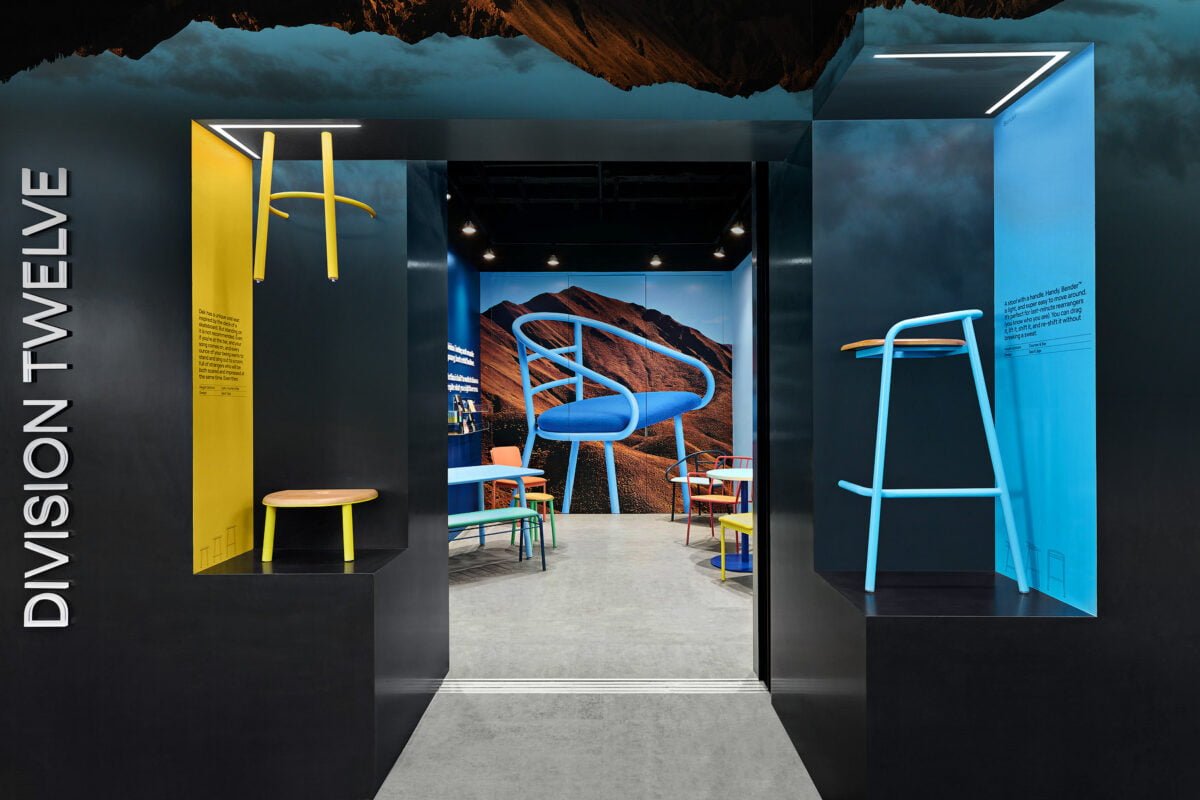
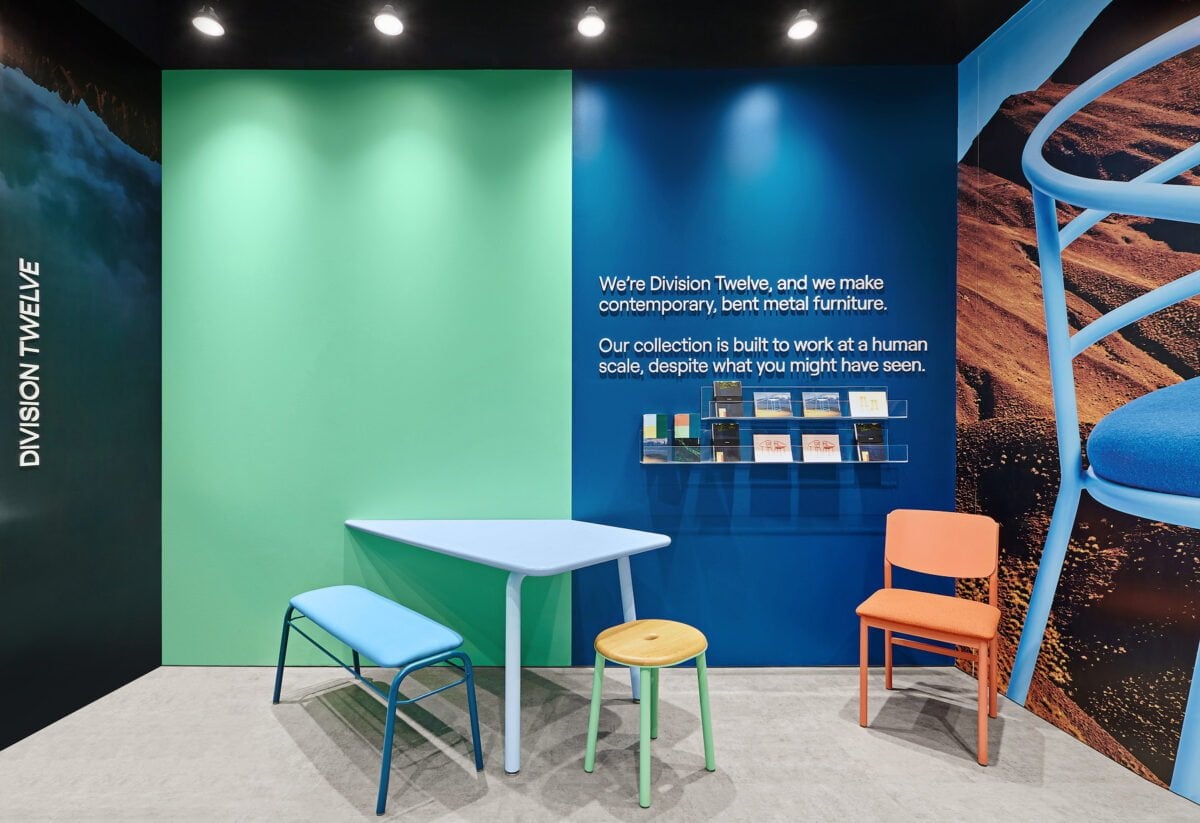
Toronto-based furniture manufacturer Division Twelve is opening a 600 square foot shop-in-shop this fall at Keilhauer at 1450 Birchmount Road. The Toronto space will feature a dedicated wall-mounted vignette with two furniture drops, anchored with the brand story in the back. The overall design will incorporate custom graphics that will present the company’s expansive 20+ colour offering.
Division Twelve’s first showroom is now open at Chicago’s Merchandise Mart, and a location in New York City at 200 Lexington Avenue will open this fall. All three locations were designed by Toronto-based Figure3.
Photo via Figure3
Photo via Figure3
“Reflecting the brand personality, our goal was to create a delightful and memorable experience for visitors,” says Mardi Najafi, Director of Retail Design for Figure3. “Working with the small showroom footprint, we utilized the space efficiently to display the furniture in a playful and inspiring way; an Instagrammable environment to attract attention across all channels.”
The former Jack Astors on John Street in Toronto - Photo by Dustin Fuhs
The extension of the Stay-at-Home Order in Ontario until at least June 2 is another crippling blow to small businesses across the province that have been devastated in the past year due to the COVID-19 pandemic.
On Thursday, the Ontario government, in consultation with the Chief Medical Officer of Health, announced the decision, adding that all public health and workplace safety measures under the provincewide emergency brake will also remain in effect.
“While we are seeing positive trends as a result of the public health measures put in place, we cannot afford to let up yet,” said Premier Doug Ford in a statement. “We must stay vigilant to ensure our ICU numbers stay down and our hospital capacity is protected. If we stay the course for the next two weeks, and continue vaccinating record number of Ontarians every day, we can begin looking forward to July and August and having the summer that everyone deserves.”
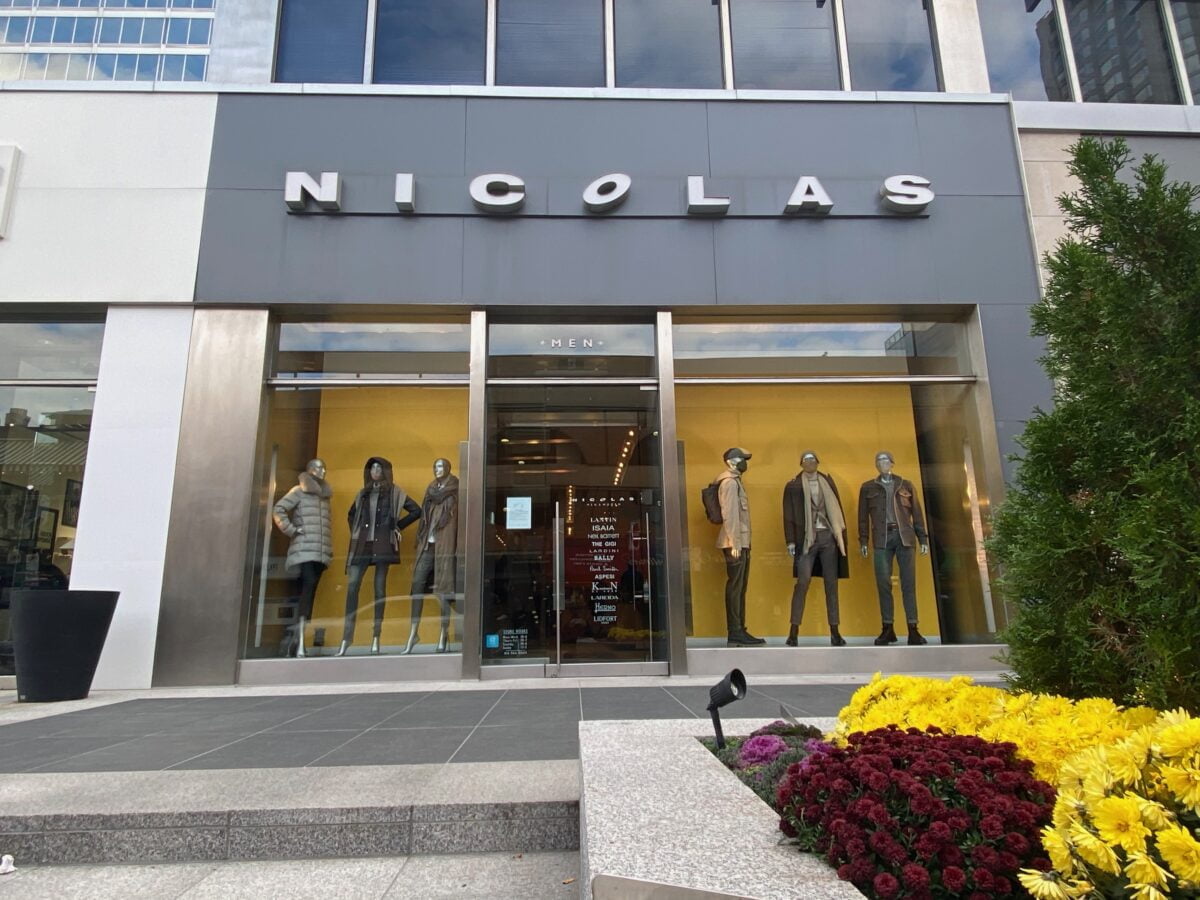
NICOLAS STORE ON CUMBERLAND STREET IN YORKVILLE, TORONTO. PHOTO: CRAIG PATTERSON
Nicolas Kalatzis, owner of multi-brand luxury retailer Nicolas which opened in 1991 and is located in the heart of Yorkville, said Toronto has been the most penalized city in North America throughout this pandemic.
“Today’s announcement is disgusting for two reasons. The government was very slow rolling everything out as far as vaccines go and the other problem they’re going to have is with landlords attempting to foreclose on businesses that have no chance,” he said.
“This is a business I’m in. It’s killing me financially to be closed. And the problem is the landlords are after all the money they made in 20, 30 years of very good times. They don’t give a crap that things are slow now. They want full rent. I find that absolutely outrageous and very unsympathetic. Not all landlords but most of them.
“If an A-class retailer with an extensive history can’t pay full rent, how are the others going to do it? And if a landlord kicks a tenant out, who’s going to take the space?”
“The smart landlords want to keep their tenants. They’ve got to play it smart. It’s a two-edged sword. I know they’ve got to survive but if I was a landlord I’d be happy to accept either percentage rent at this time or the tenant can pay me (the maintenance) to keep the lights on.”
Queen Street West (May 2021) – Photo by Dustin Fuhs
The Canadian Federation of Independent Business said that only 25 per cent of Ontario businesses are at normal revenues while bills continue to pile up and the latest lockdown extension comes without any additional financial supports for shuttered small businesses.
“The Ontario Small Business Support Grant should be immediately reinstated with a third payment and a broad expansion of eligibility. Every business affected by stay-at-home orders should have access to financial help, including dry cleaners, contractors, and caterers, just to name a few,” said the national organization in a statement. “It is further disappointing that despite significant expansions to rapid testing availability for small businesses, the government continues to favour blanket shutdowns and full closures. Rapid tests should be another tool to get closed businesses open sooner and safely.
“While there is reason for optimism that this really will be the last stay-at-home order extension, we have yet to see a comprehensive reopening plan. Waiting until at least early June to see a plan will be too late. Businesses need to know now exactly when and how they will be able to reopen to customers, and what metrics the Ontario government will use to further relax restrictions. We urge the government to follow Saskatchewan and make a reopening plan public immediately.”
Photo: Julie Kwiecinski
Julie Kwiecinski, the CFIB director of provincial affairs for Ontario, said the extension is “another crippling blow to businesses that are in Ontario.”
“We expected that the government would recognize that small businesses have done so much already for the greater good by staying closed and so in addition to saying that the stay-at-home order was extended that they would announce a third round of funding for the Ontario Small Business Support Grant in recognition of the struggles that these businesses are going through, through no fault of their own,” she said.
“It’s not that they made a bad decision. The government said you must be closed. The second point that is kind of troubling for us is the government refuses to think outside of vaccinations when there are other tools they can be looking towards to get businesses open safely and faster. I’m talking about rapid testing.
Toronto Eaton Centre (May 2021) – Photo by Dustin Fuhs
“Right now in Ontario there are some programs where you can get free tests or tests at a very, very small cost, but the problem is those tests are geared at essential businesses. So the businesses that are allowed to stay open, letting them stay open, so they don’t have to worry about getting closed if they have five cases or more. We’re saying why not take that rapid testing model and apply it to small retailers that right now in Ontario are confined to only curbside pickup and delivery. Why not put in place a system where it incentivizes them? If you want to stay open, you have to put in this program of rapid testing so your asymptomatic employees if they have COVID the tests will catch it and maybe put in a capacity restriction at the same time.”
She said the CFIB members are saying how are they supposed to stay open when their average debt is $208,000.
Rocco Rossi, President and CEO of the Ontario Chamber of Commerce, said the organization from the beginning has been saying “transparency and clear communication from the Government of Ontario are critical for on-going public confidence during this time.
“We have also continued to ask for more notice when public health measures change. The frustration from business owners has been palpable as they try to decide whether or not to invest in the necessary health and safety supplies, rehiring, inventory and planning required to reopen their operations,” he said.
Linkedin: Rocco Rossi
“The same type of transparency needs to be applied to communications around AstraZeneca. It is still unclear when Ontarians who received a first dose will receive their second shot.”
The Chamber is calling on the province to help restore public and business confidence in the government’s management of the COVID-19 crisis by providing Ontarians with clarity on:
Evidence-based metrics for reopening, namely thresholds related to daily case counts, capacity within our healthcare system, and how rapidly the virus is spreading. For instance, Ontario’s Chief Medical Officer said he would like to see the number of new daily COVID-19 cases for Ontario “well below” 1,000 before easing public health restrictions. Will this be the threshold for reopening?
When and how Ontarians who received their first dose of the AstraZeneca vaccine will receive their second dose, or at least when that decision will be made and what information it will be based on.
How public health measures will adapt when the majority of Ontarians will have received their first vaccine dose. For instance, other jurisdictions like Saskatchewan have provided a clear plan and roadmap for what can open and when, accompanied by an expected timeline.
Linkedin: Karl Littler
“We fully appreciate the need to be nimble and agile in responding to a crisis that is evolving rapidly; however, this flexibility should not preclude the government from providing Ontarians with a clear understanding about the key metrics and thresholds for a measured, safe, and carefully calibrated reopening plan,” added Rossi.
Karl Littler, Senior Vice President, Public Affairs at the Retail Council of Canada, said at 197 days and counting for some of the non-essential retailers in Ontario it’s exceedingly frustrating and challenging on a financial level.
lululemon on Queen Street – Photo by Dustin Fuhs
“We continue to believe that strict capacity limits are a much more sensible approach to retail than this kind of accordion approach where you’re open, you’re shut, you’re open, you’re shut. We continue to maintain that,” said Littler.
“For those who are running on fumes, an additional two weeks is an exceedingly difficult pill to swallow but I guess at this stage we want to make sure that this doesn’t drag on any further than the frame that we’re now in.
“Anybody who has been closed for the better part of half a year over the last year is going to be experiencing extreme strain on the financial side and little cash on hand obviously. A lot of entities are dealing with inventory that is now sort of unseasonal. They reinvested in another round of inventory. There’s a risk of obsolescence.”
Pilot Coffee Roasters in Ossington – Photo by Dustin Fuhs
James Rilett, Restaurants Canada Vice President, Central Canada, said the organization knew the extension was coming but was hoping it wouldn’t.
“It’s just another blow to an already staggering industry. We were hoping that instead of extending the lockdown they would allow some patio dining. Unfortunately we didn’t get that either. Just bad news all around and we’re disappointed that it continues.
“To that end, this protracted shutdown is a lot longer than they ever said it would be. The funding models they originally set out in the budget didn’t perceive such a lengthy lockdown. So we believe they should revisit the funding and increase the amount of funds available to restaurants that have to be closed this long.”
James Rilett (Photo Restaurants Canada)
Last August, the organization conducted a survey and Rilett said it estimated about 10 per cent of establishments had already closed.
“I think there’s a large number that are basically shut down but because they can’t be open anyway they’re not admitting it. Or they just haven’t gone through all the numbers and they’re simply not paying bills at this point,” he said.
“We think we won’t really have a good idea of who is shut down until the reopening and we’ll just have to see who doesn’t reopen basically. It’s a tough thing. It’s very hard to track.”
When the pandemic struck, virtually every industry had to adapt. As an essential part of daily life, grocery stores didn’t have to close their doors. But they did have to change to facilitate safe shopping. Some of these changes will have lasting effects on Canadian food retail.
As more people receive vaccinations and COVID-19 fades, some regulations and practices will go with it. While grocery stores won’t emphasize social distancing and mask enforcement in the future, they’ll maintain some practices. Some adaptations of the COVID era will long outlast the pandemic itself.
Here are six of the most significant ways the pandemic has forever changed Canadian grocery retail.
1. Online Ordering
Perhaps the most significant lasting change to come to Canadian grocery stores is online shopping. Unlike other retail sectors, the grocery industry hadn’t fully accepted e-commerce before the pandemic. Now, the industry has embraced it, and it’s too convenient a tool to forsake post-COVID-19.
In Q4 2020, Sobeys reported a 241% rise in e-commerce sales compared to 2019. As people grow more comfortable shopping in-person again, these sales will decline, but they won’t disappear. Now that many people are used to employing these services, they’ll continue to do so.
Grocery delivery or curbside pickup is convenient and efficient on top of being safe. Consumers with busy schedules will keep using online services for these advantages. This demand will fuel Canadian grocery chains to sustain their e-commerce services well into the future.
2. Robotics Adoption
Many industries relied on robotics before the pandemic, but not grocery stores. With capacity restrictions and higher cleanliness requirements, though, major food retailers turned to automation for help. Now that these stores have already invested in robotics and seen its potential, they’ll continue to use it.
Robots can clean aisles while workers focus on other tasks, like helping customers find what they need. Loblaw has taken a different approach by deploying autonomous delivery vehicles to automate grocery deliveries. No matter the specifics, robots help grocery stores expand what their workforce can do at once.
3. Fewer Trips but Higher Spending
Consumers reported going to stores less often throughout the pandemic, yet grocery spending didn’t fall. Generally speaking, people started visiting the grocery store less frequently but would buy more while there. This method of shopping can save customers money in the long run, and now that they know that, grocery stores can capitalize on it.
Many retail companies across the globe already embraced this business model before the pandemic. Wholesale retailers, for example, can offer reduced shipping rates because of their high volume. Now that similar buying habits have made their way into the grocery industry, stores can do the same.
Wholesale or bulk grocery delivery will become increasingly common in the post-COVID world. As more people realize how this can save them money, more will buy this way.
4. Touch-Free Checkout
Shared high-touch surfaces fell out of fashion amid the pandemic due to health concerns. Even when COVID-19 fades, people may still have lingering fears about how easily germs can spread in traditional checkout processes. Consequently, the Canadian grocery industry will continue to add more touch-free checkout options.
Touch-free solutions like paying with smartphone apps or an Amazon Go-style system are convenient as well as safe. Tech-loving, digital-native consumers will also appreciate the novelty of these options. Touch-free checkout won’t likely replace traditional methods for a while, but they will become increasingly popular.
5. Supply Chain Resiliency
COVID-19 revealed how fragile the food supply chain is. Canada’s reliance on large, consolidated suppliers, for example, led to substantial disruptions amid the pandemic. The nation’s beef processing capacity fell by roughly 40% when COVID-19 struck just two Alberta beef-packing centres.
Post-COVID grocery supply chains will look different. Companies will source products from a more distributed network to prevent future disruptions. Similarly, more grocery stores will turn to technology to enable real-time tracking, providing more visibility.
These changes will come with high initial investments. As a result, prices could rise for a while after grocery stores first start changing their supply chains. After some time, though, the resiliency and flexibility benefits will make up for this investment.
6. Declining Peak Hours
Many sectors embraced remote work amid the pandemic and will continue to rely on it afterward. While grocery store workers can’t work remotely, the industry will still experience lingering changes from the work-from-home revolution. Most notably, times that were once peak grocery shopping hours will start to decline as consumers have more flexible schedules.
Before COVID-19, grocery stores, like many retailers, saw significant traffic hikes on weekends when most people were free to shop. Now that more workers have more flexibility, they’ll shop throughout the workweek to avoid crowds. This more evenly spread traffic will help grocery workers help customers without rushing or feeling stressed.
COVID-19 Will Have Lasting Effects on the Grocery Industry
The pandemic has been remarkably disruptive for Canadian grocery retailers, but not all of these changes are negative. Grocery stores will emerge stronger from COVID-19, having learned some crucial lessons about efficiency, resiliency, and customer service.
Devin Partida is a writer and blogger, as well as the Editor-in-Chief of ReHack.com
Post-COVID grocery stores will be more convenient for customers and more profitable for owners. While these changes were uneasy at first, the industry will be better off in the long run because of them.
110 Bloor Street West in Toronto, May 2021. Photo: Craig Patterson
The 110 Bloor Street West commercial podium is an anchor to the luxury stretch of Bloor Street West in Toronto. The mixed-use building was built in 1980 and we recently found a photo showcasing a much different looking building 40 years ago.
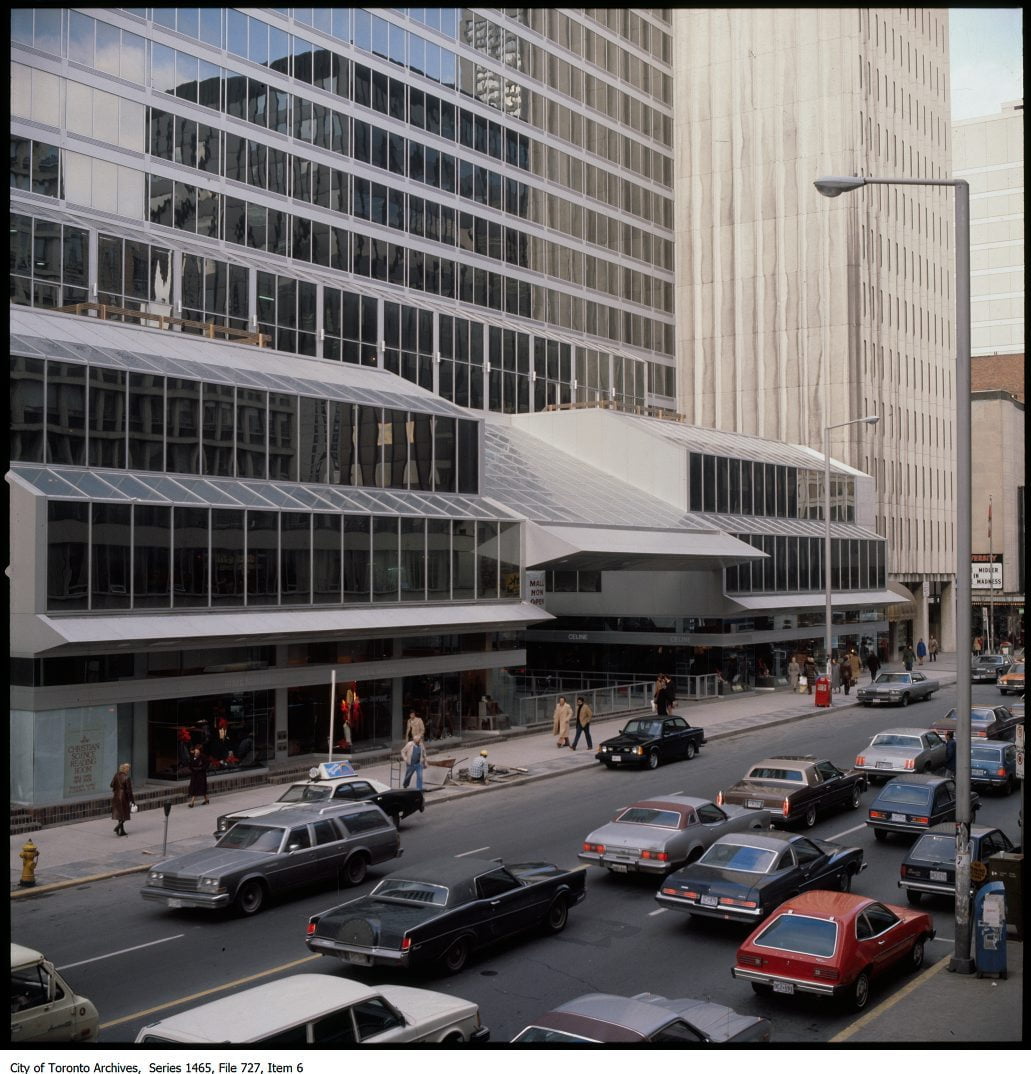
A photo from the City of Toronto Archives, below, shows a considerably different 110 Bloor Street West in the 1980s which included a spaceship-like awning over what was at the time a retail mall. The main floor and basement featured retail stores and services/offices were located on the second and third floors. Above them all is a condominium apartment building housing 156 units.
Cooper Consultants developed 110 Bloor which spans more than 200 feet along Bloor’s luxury run. To the right of 110 Bloor in the photo is an office building that would eventually be redeveloped to become the current 102 Bloor St. W. condominium tower, and the former University Theatre is next to it. Real estate firm ProWinko Canada Inc. bought the 110 Bloor commercial podium in 2008.
A Celine boutique can be seen prominently in the 1980s photo on the street level of the 110 Bloor complex. The Berg family, who also owned luxury multi-brand retailer Ira Berg, opened the first standalone Celine boutique in North America at that location. The 110 Bloor Celine boutique had clothing, bags, accessories, footwear and other items such as silk scarves. The space was designed by Robert Meiklejohn Associates.
Close-up of the Celine boutique at 110 Bloor in the 1980s. Photo: City of Toronto ArchivesClick image for interactive Google Map
Ira Berg partnered with Louis Vuitton to open the first Vuitton storefront at 110 Bloor in 1983, and the Celine store was eventually converted to a storefront for luxury brand Genny. The Ira Berg/Vuitton partnership lasted for 10 years. Ira Berg went bankrupt in 1996 and closed its stores in Toronto and Calgary.
Various retailers occupied the 110 Bloor retail podium in its early years. French women’s fashion brand Rodier Paris had a store at 110 Bloor, as did footwear retailer Boutique Quinto and fashion retailer The Irish Shop. Other tenants listed in a directory in 1985 included the Coffee Mill restaurant, Amy’s Convenience, the Christian Science Reading Room and Sketchley Cleaners. The concourse level housed a tailor, lottery booth, beauty salon and Delorean Jewellers.
Multi-brand luxury retailer Marc Laurent operated at 110 Bloor in the 1980s. It began as a standalone 1,000 square foot boutique space which it soon converted for Italian luxury brand Byblos with areas for men and women’s fashions. With that, Marc Laurent expanded its multi-brand business into the basement level of 110 Bloor with a 5,000 square foot space. Marc Laurent was a high-fashion retailer for men and women with brands such as Claude Montana, Cerutti 1881, Luciano Soprani, Thierry Mugler and many others. The company was owned by the late Harry Bendayan and supported in a management and buying capacity by Nicolas Kalatzis who now runs iconic retailer Nicolas on Cumberland Street as well as Jeff Colt who is now General Manager of PYA Importer.
A phone directory from 1990 noted that Genny and Corbo shoes were tenants in the podium that year.
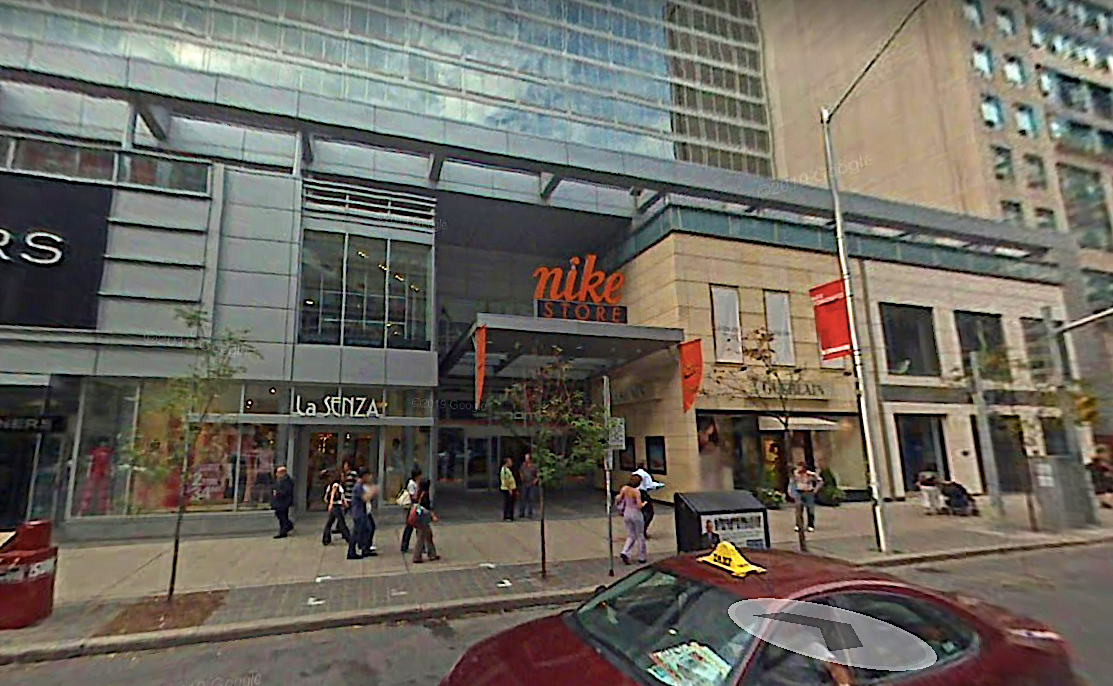
110 Bloor West in 2007 showing La Senza, Nike, Guerlain and Plaza Escada which spanned 13,000 sf over two levels. Image: Google Street View
In 1998, Nike opened a 20,000 square foot Niketown flagship store over two levels at the rear of 110 Bloor while a Chapters book store opened with a Bloor-facing entrance spanning much of the second and third levels of the podium. In the early 2000s, beauty brand Guerlain opened a location as did women’s fashion brand Escada. In 2005 the Chapters book store was converted to off-price retailer Winners.
Recent tenants that shut at 110 Bloor include Calvin Klein underwear, Browns Shoes and J. Crew. A Brooks Brothers store still occupies space facing Bloor Street although it has been shut due to lockdowns.
The retail podium of 110 Bloor Street West will be seeing substantial changes that will include an impressively updated physical appearance as well as opportunities for new tenants. Renderings of the renovated commercial podium at 110 Bloor show a dynamic facade with dark metal finishes and a gold patterned public art piece directly above the updated retail facades. We featured a story on the redevelopment of 110 Bloor in September of 2020.
The area is now filled with luxury brand stores. To the west of 110 Bloor are storefronts for Gucci, St. John, Burberry, Tiffany & Co. and Louis Vuitton. To the east of 110 Bloor are flagship storefronts for Zegna and Hermes. Across the street are flagship locations for brands such as Prada, Dior, MCM and others.
Retail Insider has been locating historical photos and will periodically report on Canadian retail history using these visuals.
If anyone has more information of interest about 110 Bloor Street West that we could add to this story, feel free to reach out to craig@retail-insider.com.
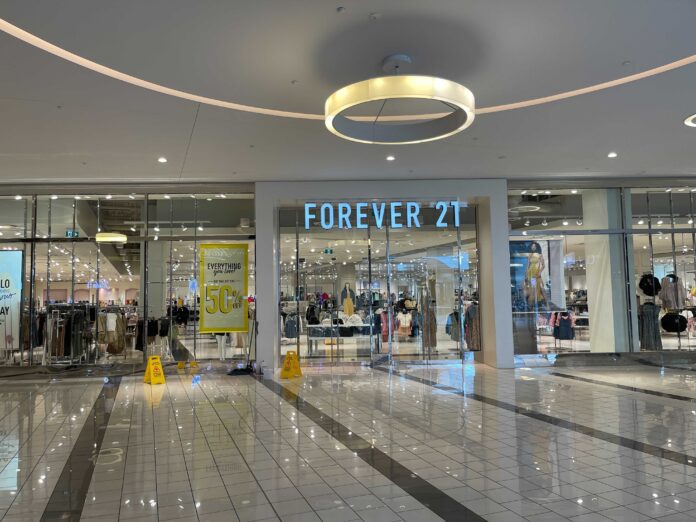
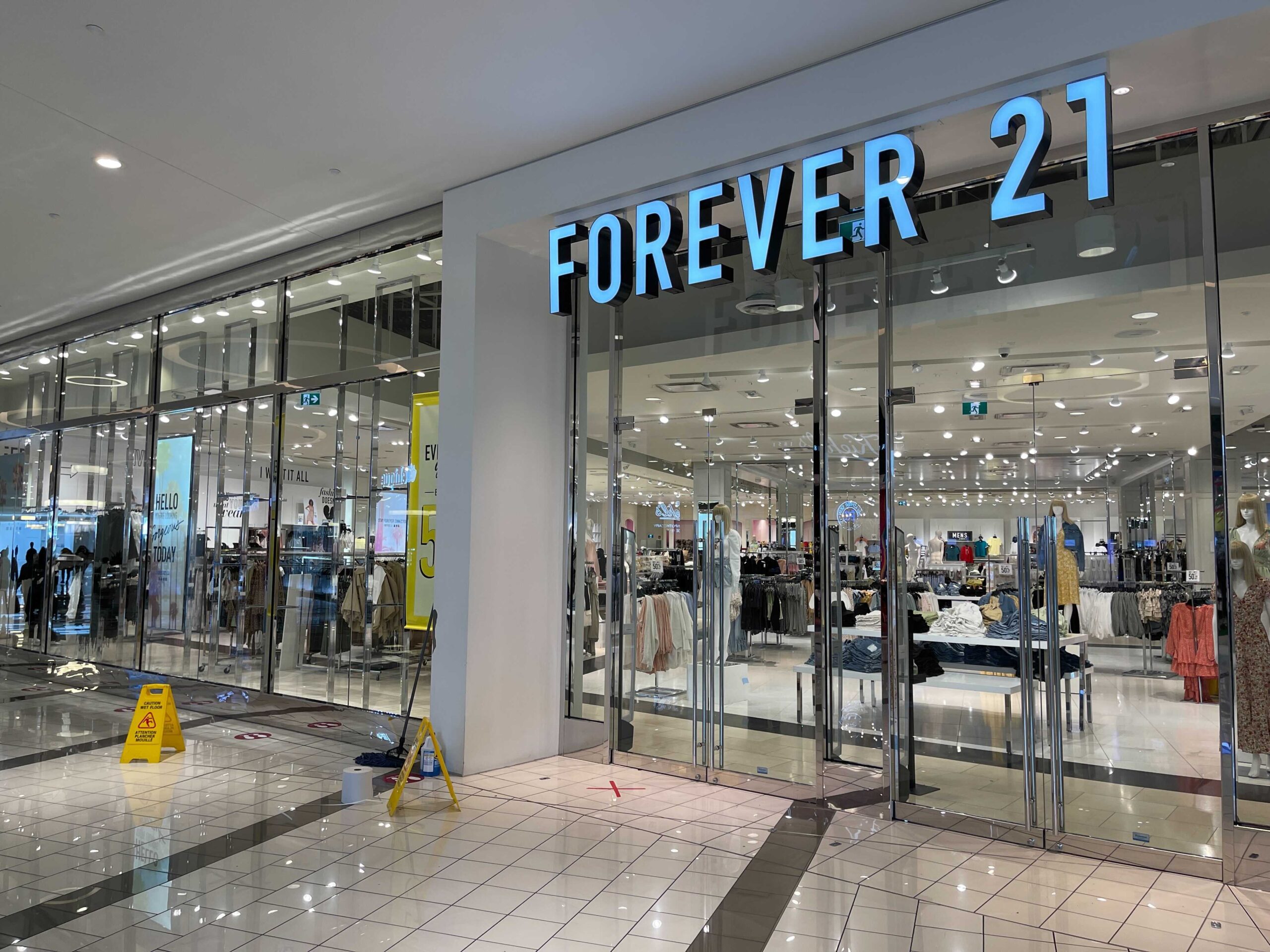
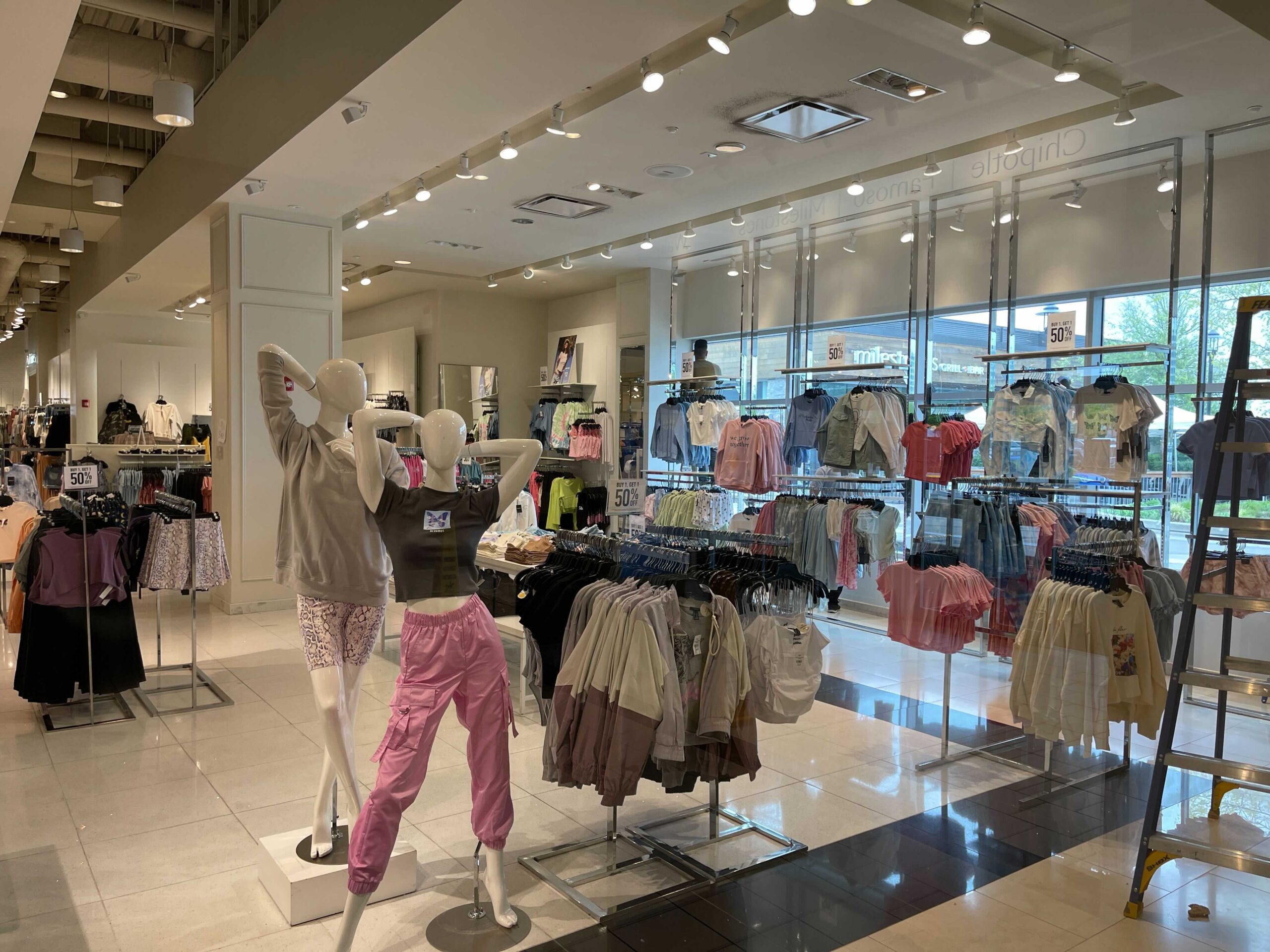
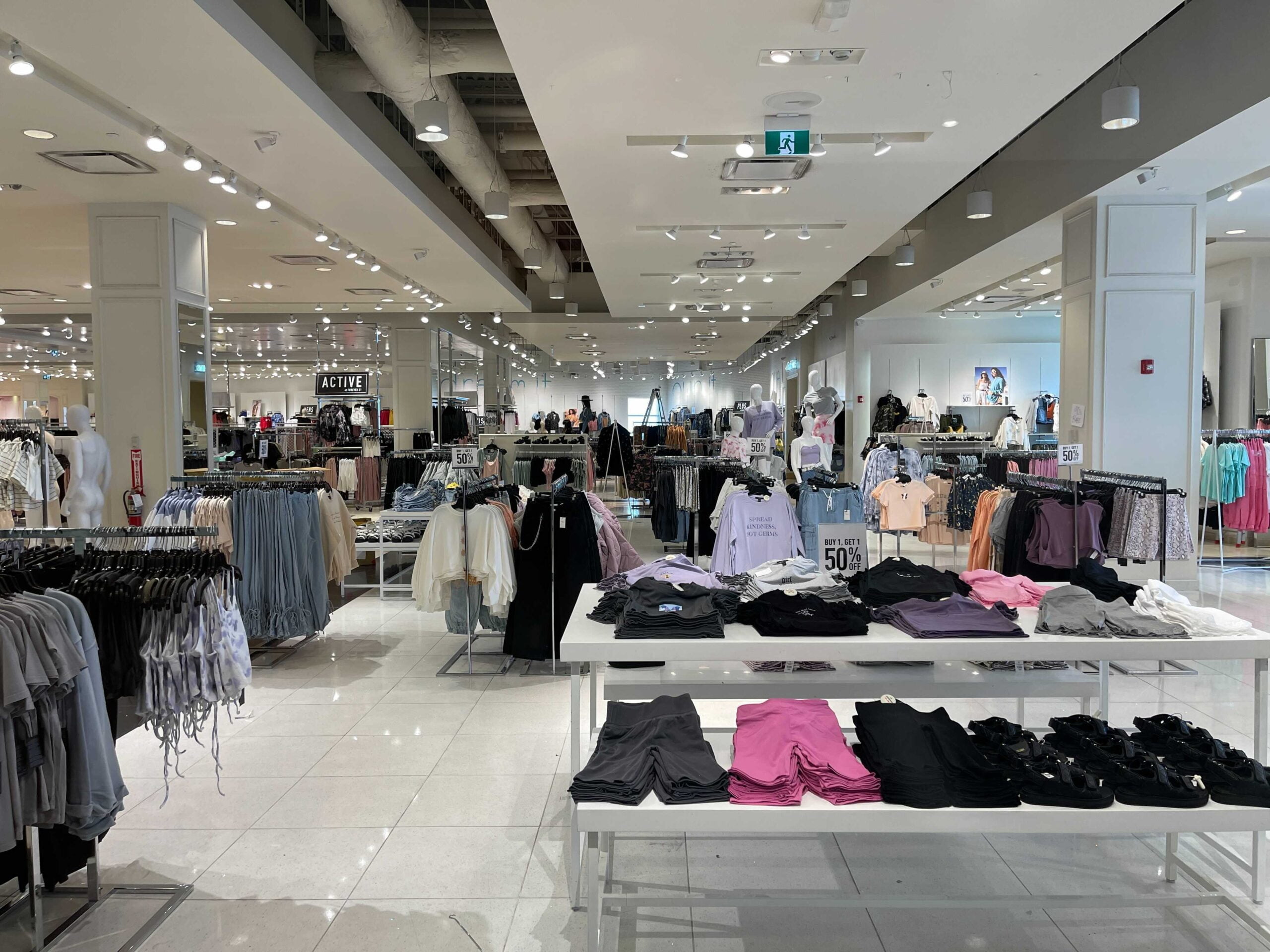
Toronto-based YM Inc. is leading the Forever 21 expansion after establishing a partnership last year that included announcing a new Forever 21 e-commerce site for the Canadian market that launched in early 2020. YM Inc. acquired many of Forever 21’s leases after the retailer exited Canada, and subsequently opened stores under various banners in the former Forever 21 locations including Urban Planet, Urban Behaviour and Stitches.
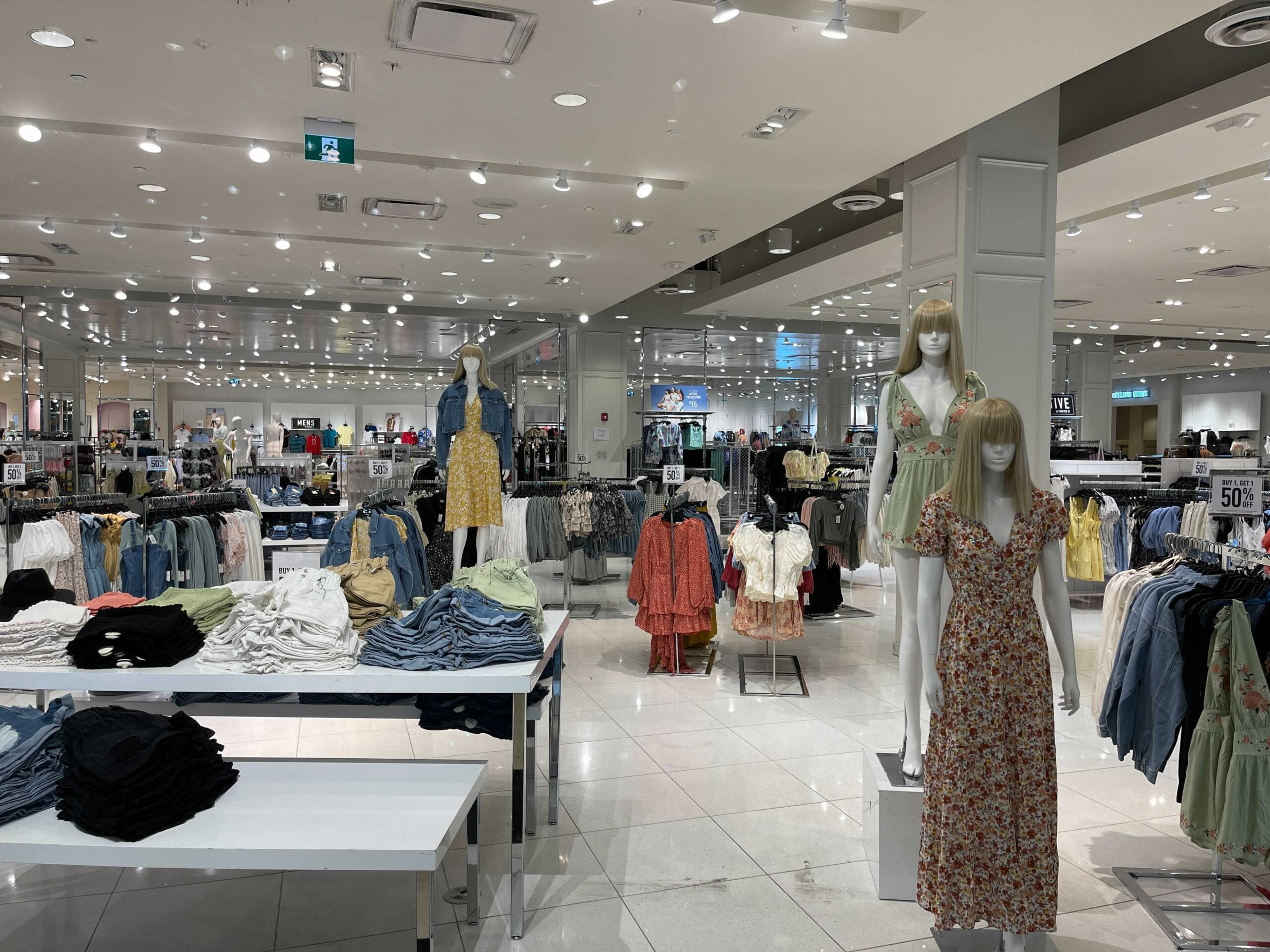
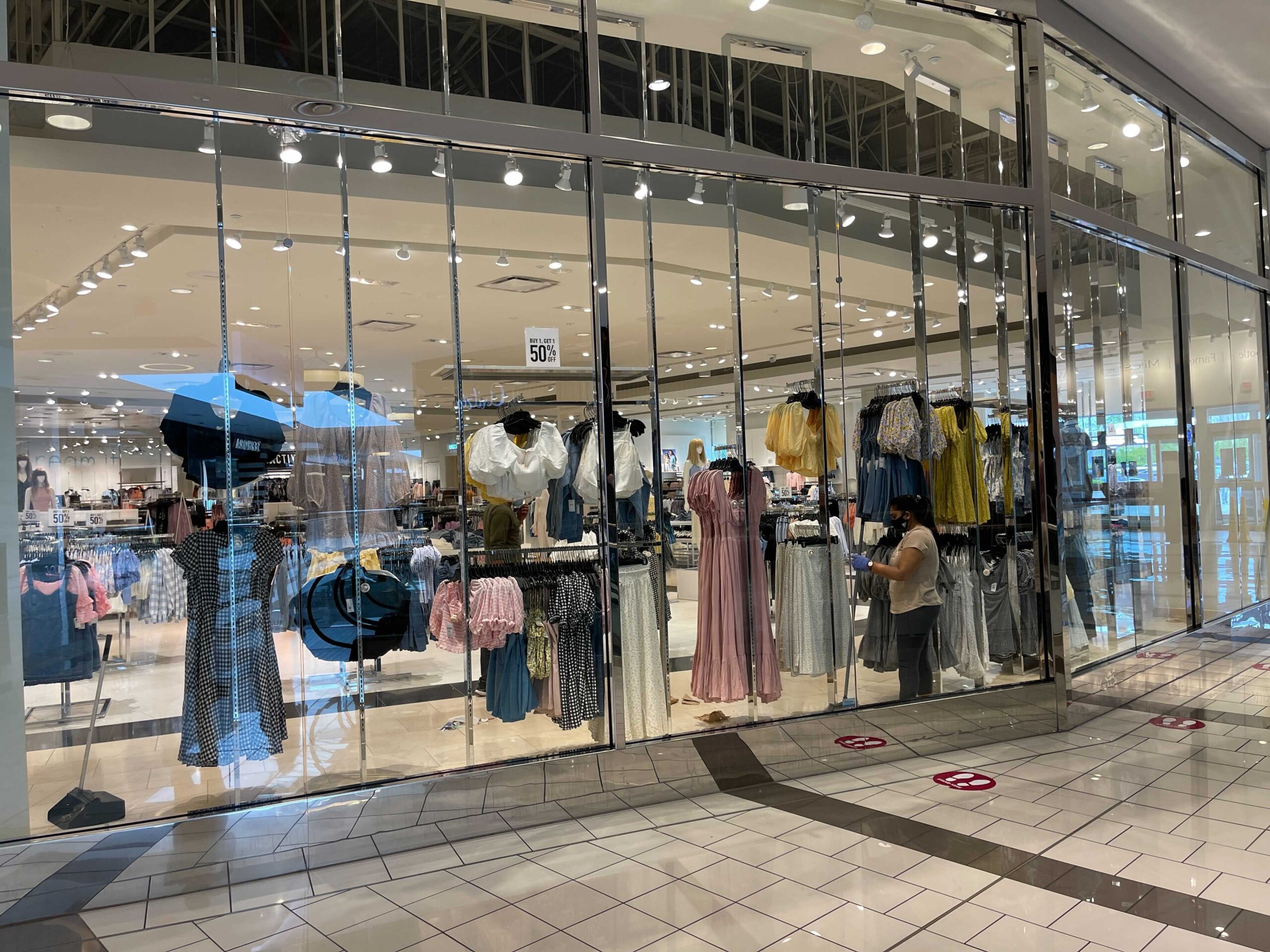
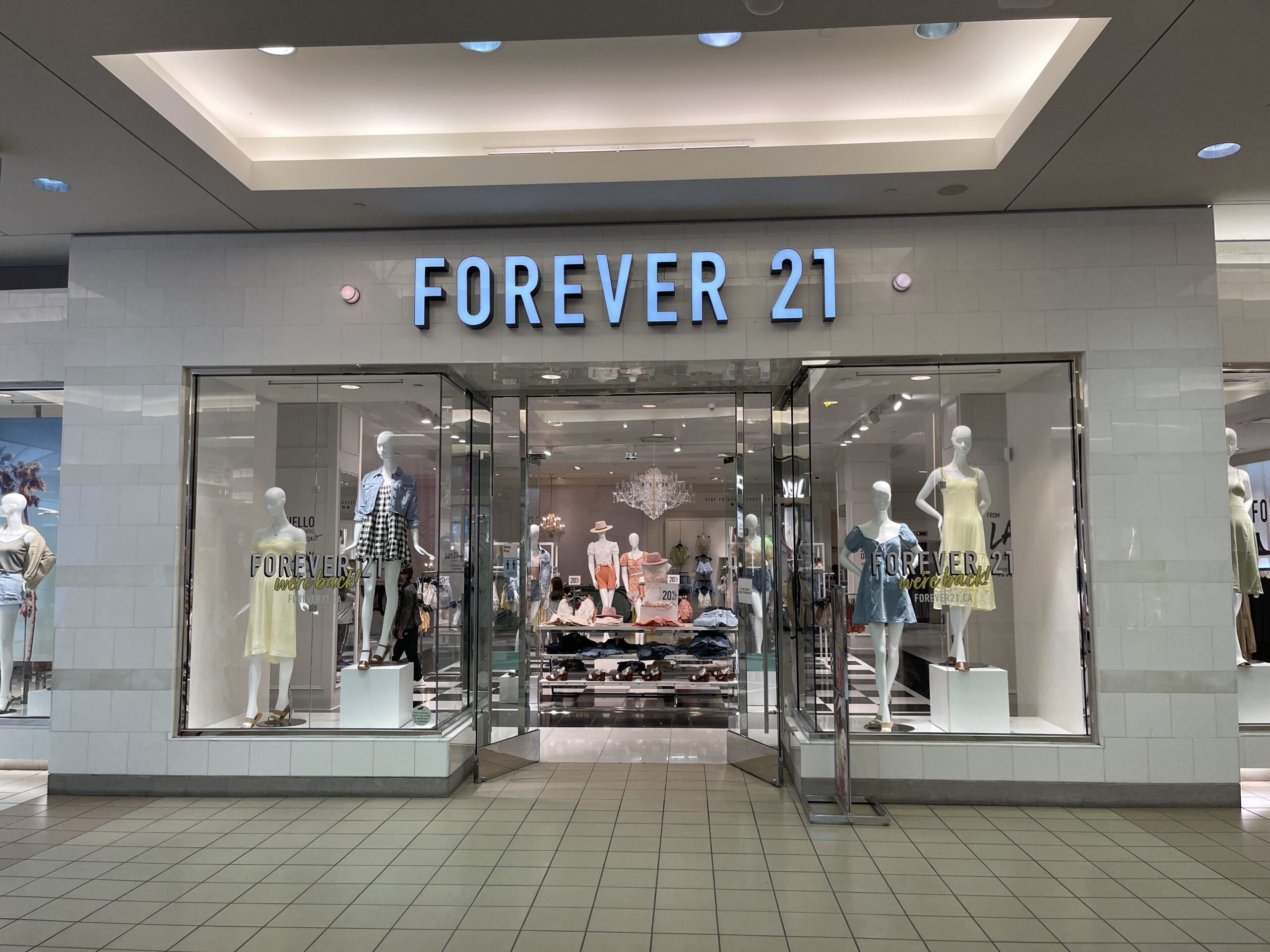
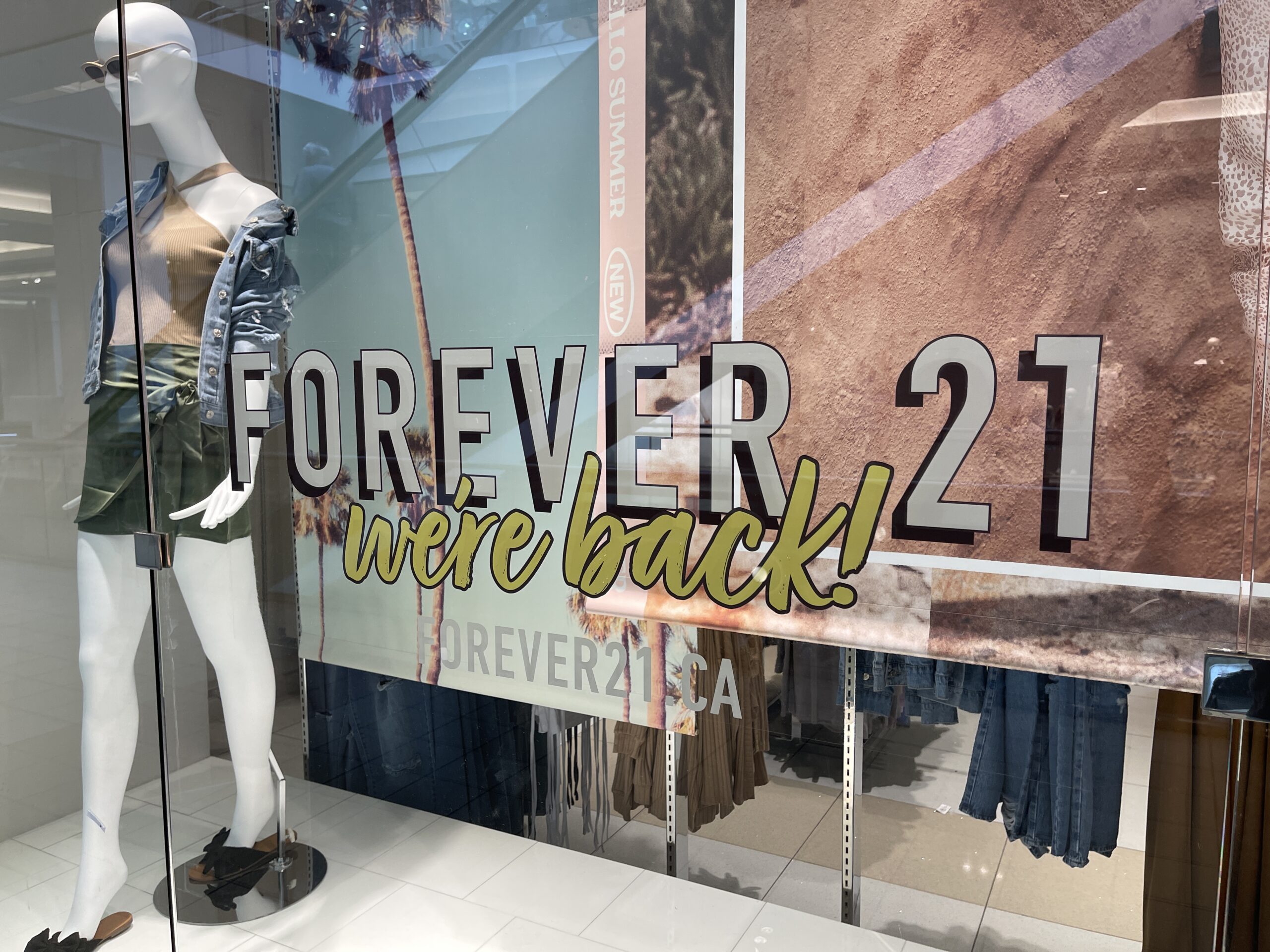
Many of the Forever 21 stores saw few changes to the retail spaces following the shuttering of the original chain. Some of the former Forever 21 locations are being converted back to the original banner as the brand again re-enters Canada.
Photos by Lee Rivett
1 of 5
Forever 21 at Guildford Town Centre - Photo by Lee Rivett
Forever 21 at Guildford Town Centre
Forever 21 at Guildford Town Centre - Photo by Lee Rivett
Forever 21 at Guildford Town Centre
Forever 21 at Guildford Town Centre - Photo by Lee Rivett
Forever 21 at Guildford Town Centre
Forever 21 at Guildford Town Centre - Photo by Lee Rivett
Forever 21 at Guildford Town Centre
Forever 21 at Guildford Town Centre - Photo by Lee Rivett
Forever 21 at Guildford Town Centre
At Guildford Town Centre in Surrey, Forever 21 recently opened a bright new store in a space that was most recently occupied by YM-owned ‘Thriftys by Bluenotes’. The Forever 21 store spans about 22,400 square feet according to mall lease plans. The store’s design is similar to the former Forever 21 stores that once operated throughout Canada.
Forever 21 at Metropolis at Metrotown (July 2021). Photo: Lee Rivett.
Forever 21 signage at Metropolis at Metrotown (July 2021). Photo: Lee Rivett.
Has anyone figured out how Forever21 apparently became un-bankrupt in the middle of the pandemic? pic.twitter.com/9wymsX513q
The Canadian Forever 21 website has not yet been updated to include newly opened physical store locations. Several Forever 21 stores have opened this month including at Metropolis at Metrotown near Vancouver. That store spans two levels including 6,600 square feet on the mall’s main level and 18,200 square feet on the lower level.
At the Kingsway Mall in Edmonton, Forever 21 recently opened a new two-level storefront in the same space where Forever 21 once operated. The 13,400 square foot space faces onto the mall’s food court.
Thrifty’s by Bluenotes at Guildford Mall (Dec 2020) Photos by Lee Rivett
1 of 2
Thrifty’s by Bluenotes at Guildford Mall (Dec 2020) Photo by Lee Rivett
Thrifty’s by Bluenotes at Guildford Mall (Dec 2020) Photo by Lee Rivett
A 17,400 square foot Forever 21 will open soon at Devonshire Mall in Windsor Ontario. The province is in lockdowns likely into June which means the store’s opening will be delayed.
In Quebec City this week, Forever 21 opened at Laurier Quebec and the mall’s website has not yet been updated with the location.
More Forever 21 locations for Canada will be coming and it’s not yet certain how many YM will open this year. Getting new shipments of product is said to be a challenge which means that the new store rollout may be delayed in some markets.
Sources told Retail Insider in the winter that YM had been in negotiations to lease the former 17,000 square foot Gap store space at 60 Bloor Street West (corner of Bay Street) in Toronto and the deal is said to have ultimately not been signed. Another major retailer is said to have secured the lease for that space.
Former Gap store on Bloor Street West – Photo by Craig Patterson (January 14 2021)
Forever 21 closed all of its 44 Canadian stores in November of 2019 after its US-based parent company filed for bankruptcy. In total, about 900,000 square feet was vacated, with much of it being scooped up by YM Inc. as temporary leases for its own banners.
We’ll follow up on this story as Forever 21 continues to open stores across the country.
The COVID-19 global pandemic has resulted in many shifts, changes and accelerated trends that have altered our contemporary ways of doing things. It’s resulted in a significant spike in e-commerce activity, propelling the evolution of merchant omnichannel strategies and the digitization of the retail environment. This proliferation is challenging most businesses, requiring them to develop and enhance digital means by which to better communicate with and serve their customers. In fact, according to Marshall Berkin, Vice-President, Industry Solutions at TELUS, they are improvements that will be critical in the success of any organization going forward.
“More than ever, consumers are looking for an easy, touchless and seamless service experience to complement their changing shopping habits,” he says. “And for customer service teams dealing with legacy contact solutions, they are challenged by the massive increase in calls, chats and message volumes. Digital comfortability is increasing and online shopping behaviours are here to stay, it’s no longer about digitizing your business, but how to create a digital business. This needs to be an organization’s priority for brand appeal and long-term success.”
Enhanced customer engagement
Berkin recognizes the challenges that are inherent in the task at hand, but also points out that undergoing upgrades to traditional contact centres could serve as the catalyst in helping businesses transform the customer service experience they provide while heightening the level and quality of engagement with their brands.
“Having a customer-first mindset and providing great customer service is at the heart of growing any business,” he asserts. “And this is the thesis around an omnichannel approach to upgrading the traditional contact centre. At its core, omnichannel customer service is all about interacting with customers through a unified experience across all channels. The advantages can be seen through the lens of the customer, the employee and the business. In short, an upgraded contact centre can help increase customer satisfaction through smoother interactions, create a greater level of efficiency and effectiveness for communications, and optimize the workforce, enabling greater employee productivity and engagement.”
Contact centre of the future
In order to help retailers and other businesses make these improvements, TELUS has developed and introduced its TELUS Business Connect Contact Centre in partnership with RingCentral. This powerful customer interaction management suite enables businesses to increase customer satisfaction while saving significant expenses through increased agent efficiency. It’s a system that provides full omnichannel capabilities and a means for customers to reach out to companies on their channel of choice, and empowering businesses with the tools to ensure personalized and efficient service.
Berkin further describes the benefits of the TELUS Business Connect Contact Centre as holistic in nature, saying that it is an investment in the future of retail with the use of data integration to understand the customer and drive meaningful business outcomes.
“As companies go digital, the future ‘contact centres’ become a massive source of valuable data to help businesses truly understand their customers,” he points out. “Everything about the TELUS Business Connect Contact Centre is solutions driven. At TELUS, we have understood that different businesses are in different stages of their transformation. We’re not just bringing products and services to the table. We take the time to truly understand their vision and how their systems and applications work and inter-operate as part of that larger technology ecosystem; and provide solutions based on data to fit where they want to be today and where they may be headed tomorrow.”
By leveraging the expertise of an experienced partner like TELUS, the implementation and rollout of technology improvements don’t need to be daunting and can be made considerably easier with a single vendor relationship.
“TELUS also provides support in the migration process as an extension of your IT team and can help you design your full IT strategy. This enables companies to focus on running their operations and not having to worry about the day-to-day complexities. And, because different businesses have differing technology requirements, the advantage of our managed services model at TELUS is the predictability and flexibility of costs to adapt to your company’s financial needs.”
Connectivity and increased flexibility
From a technical perspective, because the TELUS Business Connect Contact Centre leverages the power of application programming interface (API) technology, all platforms are connected in a single landscape, allowing greater agent and supervisor efficiency and aiding with improved customer relationships. In addition, because all communications and interactions are managed from a single dashboard, supervisor and agent activities are more closely linked, creating efficient infrastructure for rapid communication and reporting. What’s more, because the TELUS management suite provides real-time data and analytics, businesses are armed with the insights and means to enable better decision-making and more personalized engagement, helping them stand apart from competitors.
Beyond the obvious advantages of upgrading the traditional contact centre, the fact that TELUS’ solution and services are cloud-based add another layer of value and purpose onto its offering. It allows businesses the power to more easily provide the right information to their customers at the right time, using their preferred vehicle of communication. However, perhaps the greatest benefit of a cloud-based communication solution, says Berkin, is its far-reaching accessibility, which provides flexibility to companies and their operations.
“The true value of a cloud-based solution is the fact that agents can do their work from anywhere,” he says. “Because of the ‘plug in anywhere’ functionality of the systems, as long as agents have a device that has been authorized for work, they can connect over the internet and log into their calling portal from anywhere. This enables access to a global talent pool and their ability to incent highly skilled agents who want to work from home. In addition, the cloud tools also provide supervisors with the means to effectively manage schedules and the performance of agents.”
Transforming the experience
Though cloud-based solutions have been in the market and supporting business needs for some time, it seems that it’s real potential is only now beginning to be leveraged to its fullest. Today, they are critical in enabling retailers to bridge the gaps between the physical and online world toward the creation of a truly seamless omnichannel experience. They are helping businesses meet the demands associated with accelerated online consumer activity while satisfying their evolving preferences and digital behaviour. And, according to Berkin, it is digital behaviour, and a need to properly support it, that is only likely to intensify going forward.
“Digital transformation isn’t a trend or a buzz phrase. It’s here to stay and we are seeing changes in shopping behaviours as a result. Consumers and retailers are beginning to look beyond the pandemic, adhering to trends that have emerged or strengthened. They’re realizing that retail will become predominantly digital with brick-and-mortar stores becoming limited with smaller footprints. And there’s also a shift in focusing on direct-to-consumer micro storefronts with ecommerce distribution. Combining all of this with the potential of artificial intelligence, Big Data and continuously self-service technologies, the sky is truly the limit with respect to the possibilities to enhance customer experience and take engagement to the next level. Through the capabilities of cloud, when the infrastructure and workplace transition has been put in place, the adaptability of these technologies and tools will continue to become more efficient, feasible and rapid, allowing retailers to quickly implement and execute their digital and omnichannel communication strategies.”
Interested in upgrading your contact centre?
For those interested in learning more about the benefits of a cloud-based technology solution and the TELUS Business Connect Contact Centre, TELUS is hosting its ‘Retail Revolution – an omnichannel approach for the modern consumer’ webinar on Wednesday, May 26. A panel discussion, moderated by Patrick Watson, Senior Research Analyst at Cavell Group, and featuring Danita Belcher, VP Contact Centre Sales Worldwide at RingCentral, Marshall Berkin, VP Industry Solutions at TELUS, and Craig Patterson, Retail Analyst and Consultant and Founder and Editor-in-Chief of Retail Insider, will explore post-pandemic consumer behaviour, the importance of creating a seamless omnichannel journey and how upgrading the traditional contact centre can help retailers position themselves for future success.