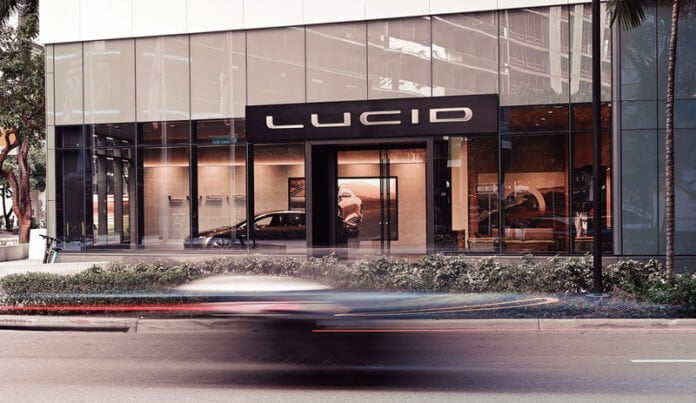
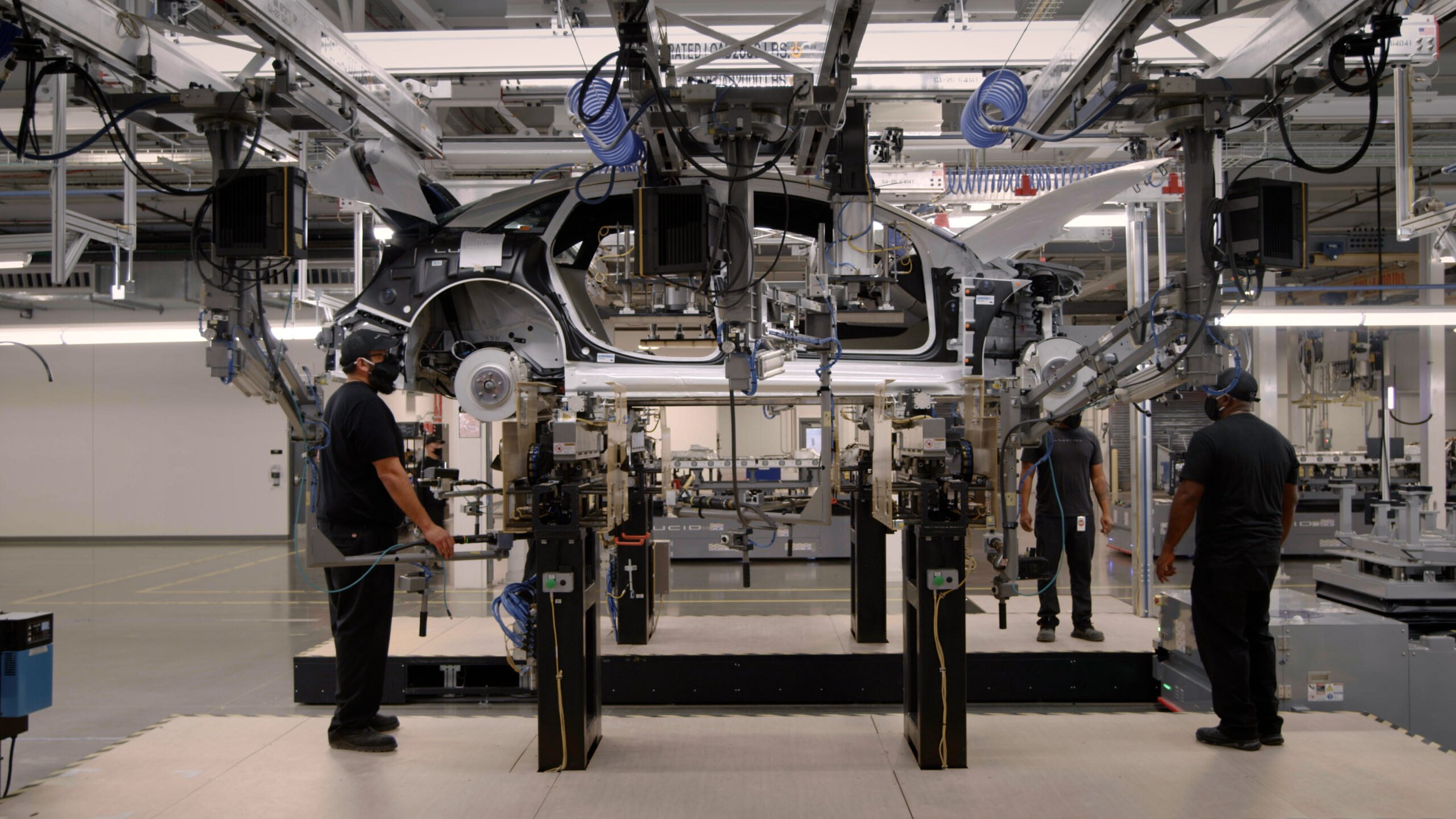
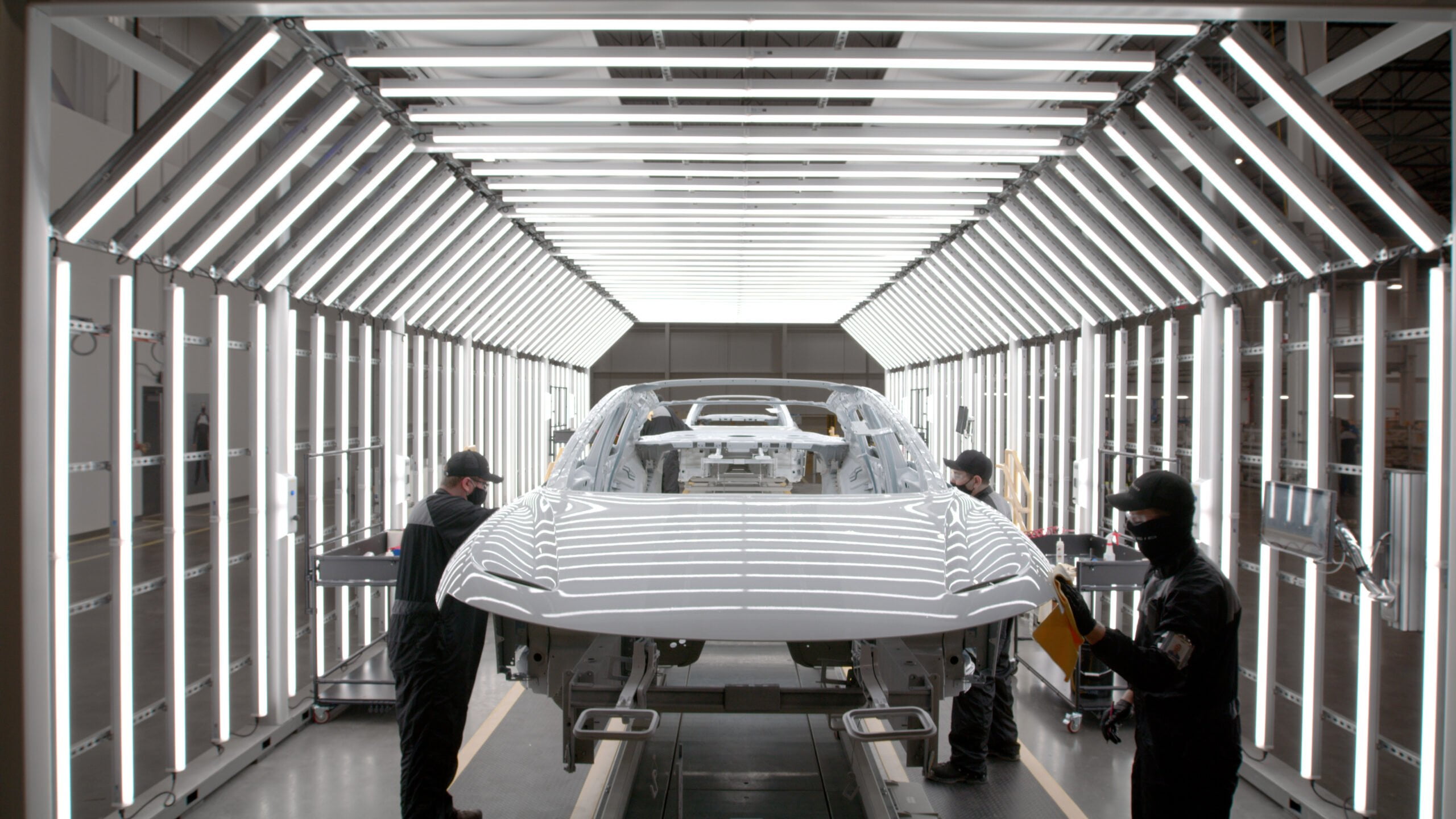
US-based electric car brand Lucid Motors will open its first showroom in Canada this year in Vancouver. Lucid will disrupt the automotive market in Canada at a time when other electric car manufacturers are also expanding retail operations in this country.
Lucid Motors is a new luxury electric vehicle company based in Newark California. The design of the Lucid Air, the company’s first vehicle, is said to have been influenced by the state of California. The interior of the Lucid Air including its colours, materials and finishes, is said to be inspired by the diversity of landscapes and geography of the state creating a “post luxury” aesthetic, according to the company.
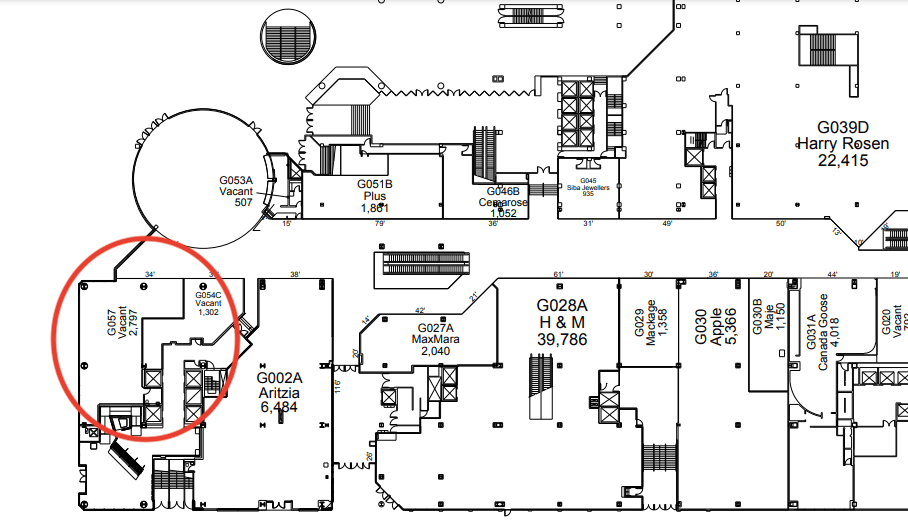
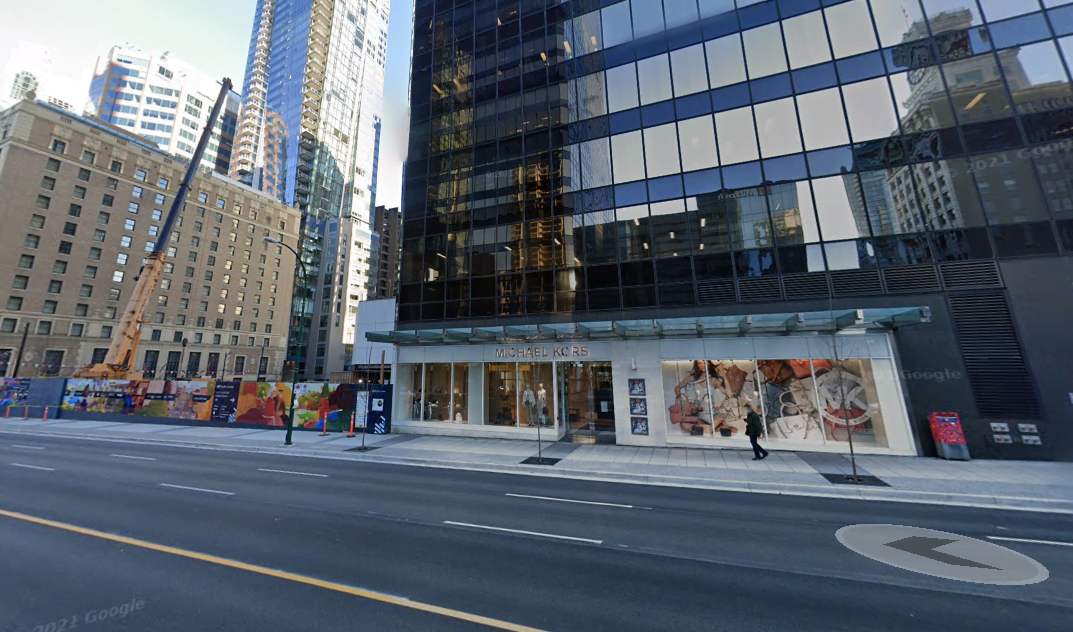
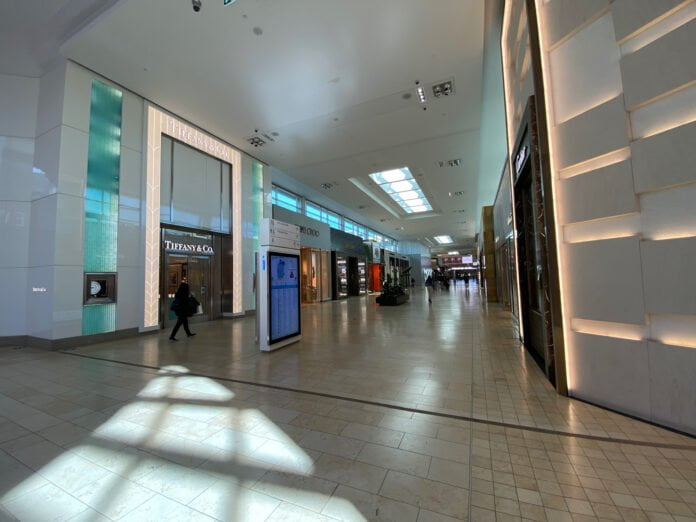
The Vancouver Lucid showroom will open at CF Pacific Centre in a retail space recently vacated by fashion brand Michael Kors. The storefront is located at street-level facing onto W. Georgia Street, allowing for vehicle access directly into the showroom. Michael Kors recently vacated its 2,800 square foot space at CF Pacific Centre as did footwear brand Stuart Weitzman which had a 1,300 square foot space next to it. An Apple flagship store is under construction across from Lucid’s new storefront.
Montreal-based construction firm SAJO is building the Vancouver Lucid showroom.
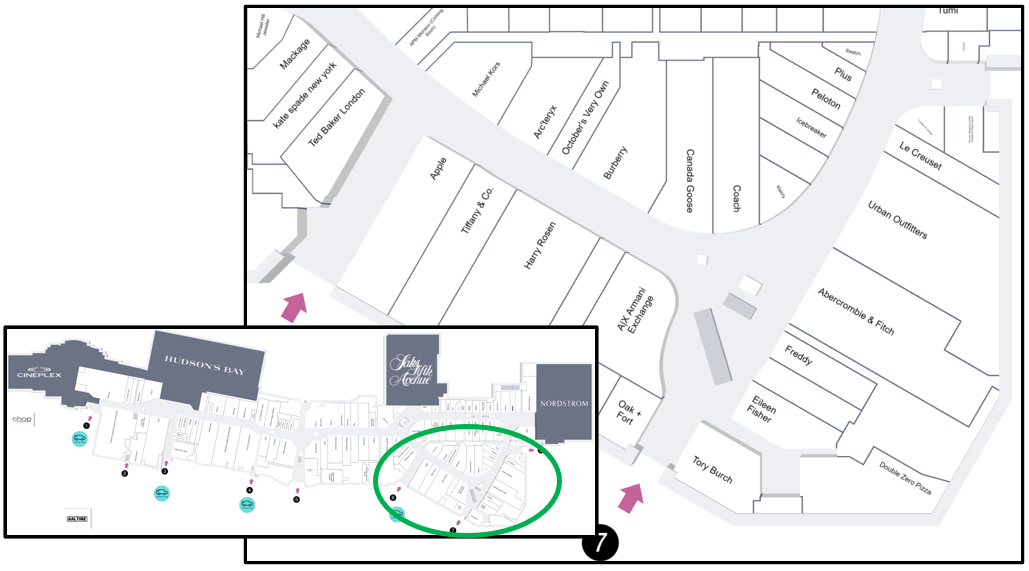
CF Pacific Centre lease plan via Cadillac Fairview The former Michael Kors store at CF Pacific Centre facing onto W. Georgia Street in December 2020. An Apple flagship is under construction beside it. Image via Google Maps.
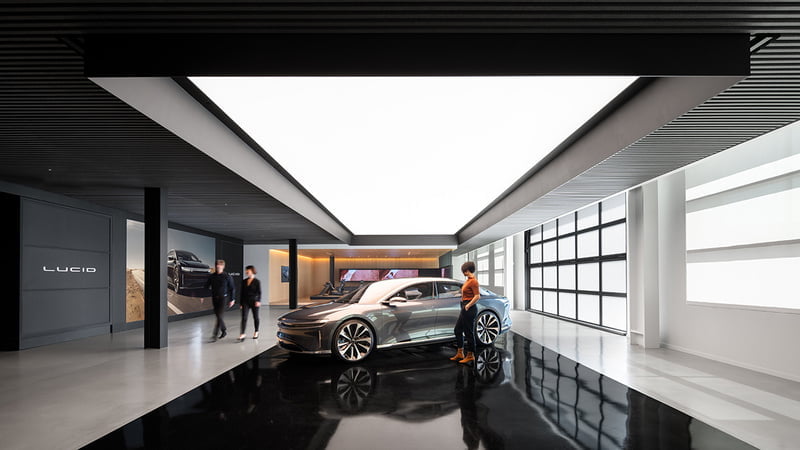
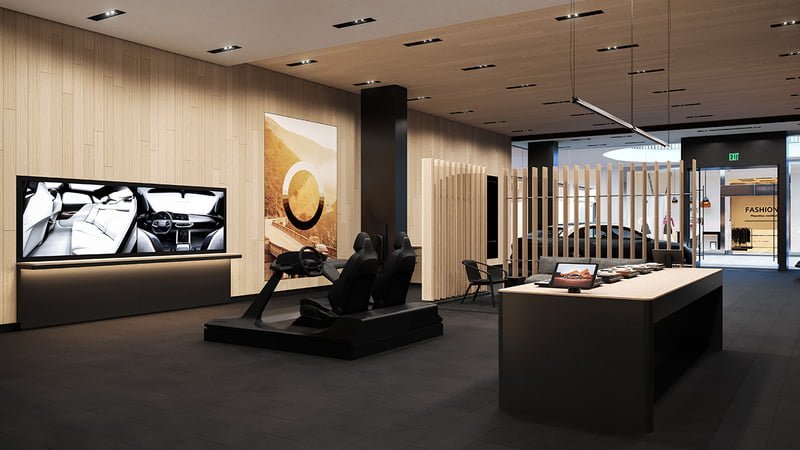
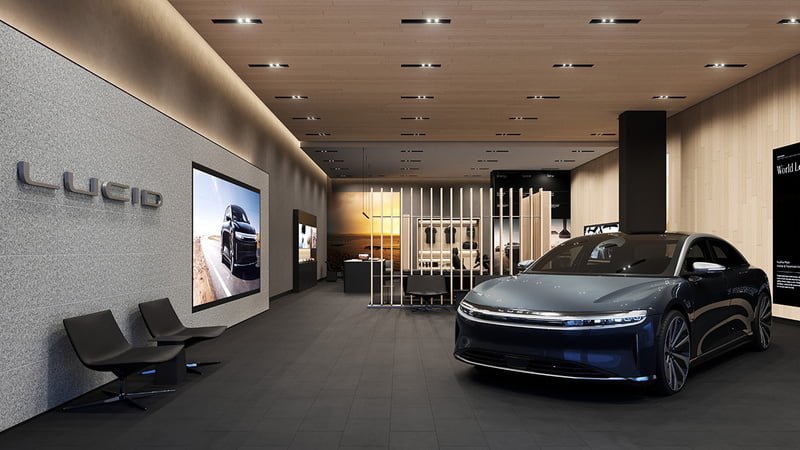
The Vancouver Lucid showroom will offer visitors the opportunity to see the new Lucid Air in person, including its technology, exterior finishes and interior materials. Because Lucid showrooms often only have one vehicle on display, a virtual reality experience will be offered where visitors can see different models, colours and interiors. Visitors will be able to put two cars side-by-side to compare different colour and trim options, for example. Technology from online gaming will be used as part of the virtual reality experience which will boast high-quality graphics.
The Vancouver showroom’s design will also reflect the aesthetic of the brand — the company’s Director of Color, Materials and Finishes says that the goal with the design of Lucid’s studio’s is to “create a luxury space that one would feel equally comfortable in wearing either business or beach attire.”
Competitor Tesla recently shut its downtown Vancouver location at 929 Robson Street. Another electric car manufacturer, Volvo-owned Polestar, will soon open a showroom at 833 Seymour Street just a short distance from CF Pacific Centre.
Tesla continues to operate its Vancouver showrooms in the Fairview area south of the downtown core as well as at the Park Royal Shopping Centre across Lion’s Gate Bridge from the downtown peninsula. Hyundai-owned electric car brand Genesis Motors also has a presence in the Vancouver market on Boundary Road, and the brand had been opening urban format showrooms prior to the pandemic.
Images: Lucid Motors
1 of 3
Image: Lucid Motors
Image: Lucid Motors
Image: Lucid Motors
Vancouver is said to be the top market for electric vehicle ownership in North America, making Lucid’s move into the Vancouver market an intelligent one. Last year, 9.2% of all vehicle sales in British Columbia were electric — up from just 4% in 2018. Trailing British Columbia is Quebec where almost 7% of cars sold are electric, followed by 2% of Ontario vehicles. The Montreal market could very well be Lucid’s next target for a showroom as 7.8% of cars sold in the city last year were electric.
Lucid Motors currently has six Studio locations open in the United States, including four in California and two in South Florida. The company told Retail Insider in a statement that it anticipates having 20 Lucid Studios open in the US and Canada by the end of 2021. The locations for Lucid’s US showrooms include a mix of upscale shopping centres as well as standalone units in trendy locations.
Lucid Air’s entry price is USD $77,400 before rebates and prices quickly escalate. The Lucid Air Touring style is priced from USD $95,000, the Air Grand Touring style starts at USD $139,000, and the Air Dream Edition is priced from USD $169,000. The base Lucid Air will have 480 horsepower and an estimated range of 653 kilometres. The Air will include a three-inch curved cockpit display, an advanced driver-assist system called DreamDrive, PurLuxe animal-free upholstery trim, and one of the largest front trunks of any electric sedan. Lucid is collaborating with Amazon to build in compatibility with Amazon’s voice assistant Alexa which will allow drivers to use the voice assistant for navigation, phone calls, media streaming, smart home control, and other activities while driving.
Photo: Lucid
1 of 4
Photo: Lucid
Photo: Lucid
Photo: Lucid
Photo: Lucid
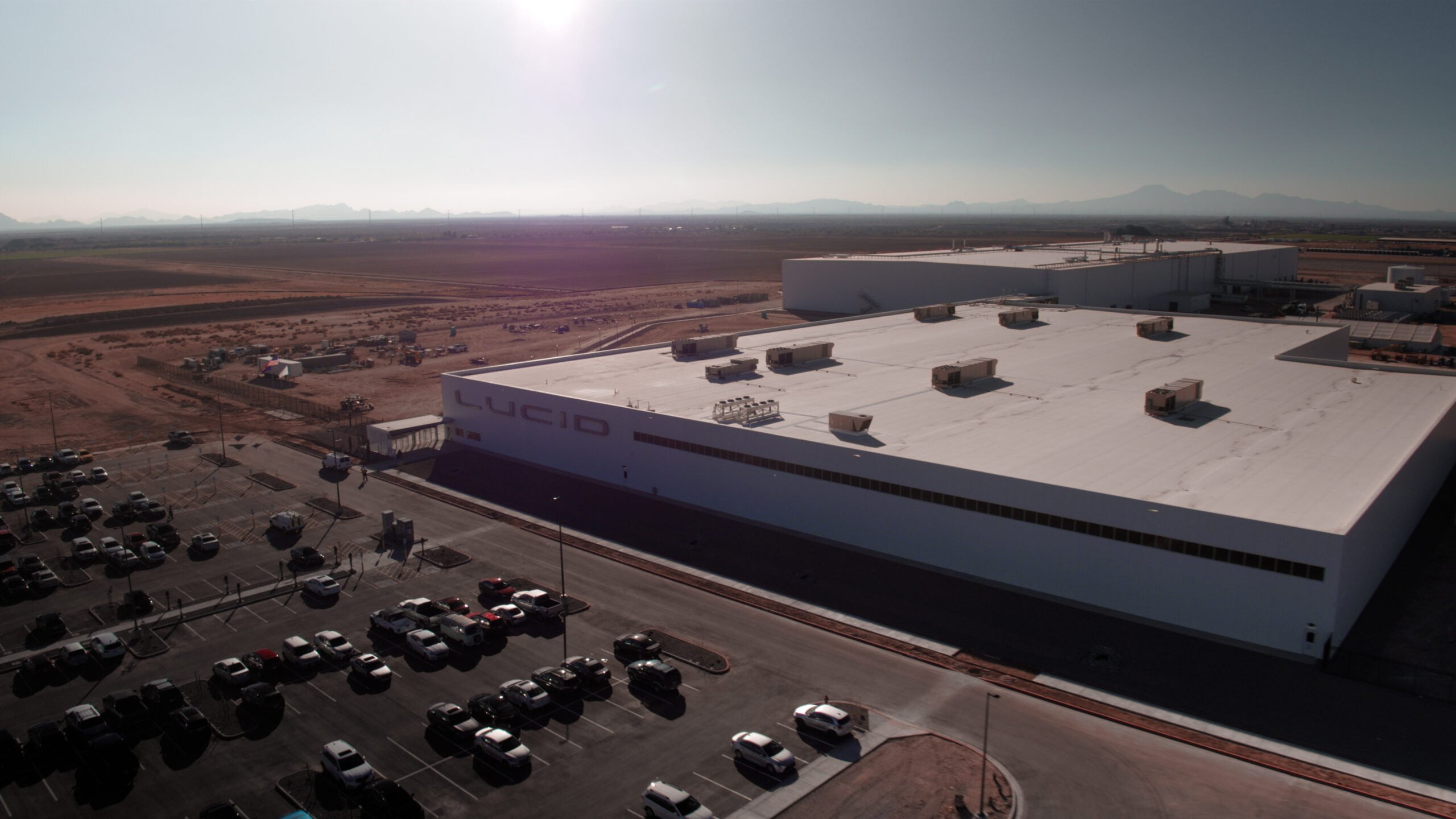
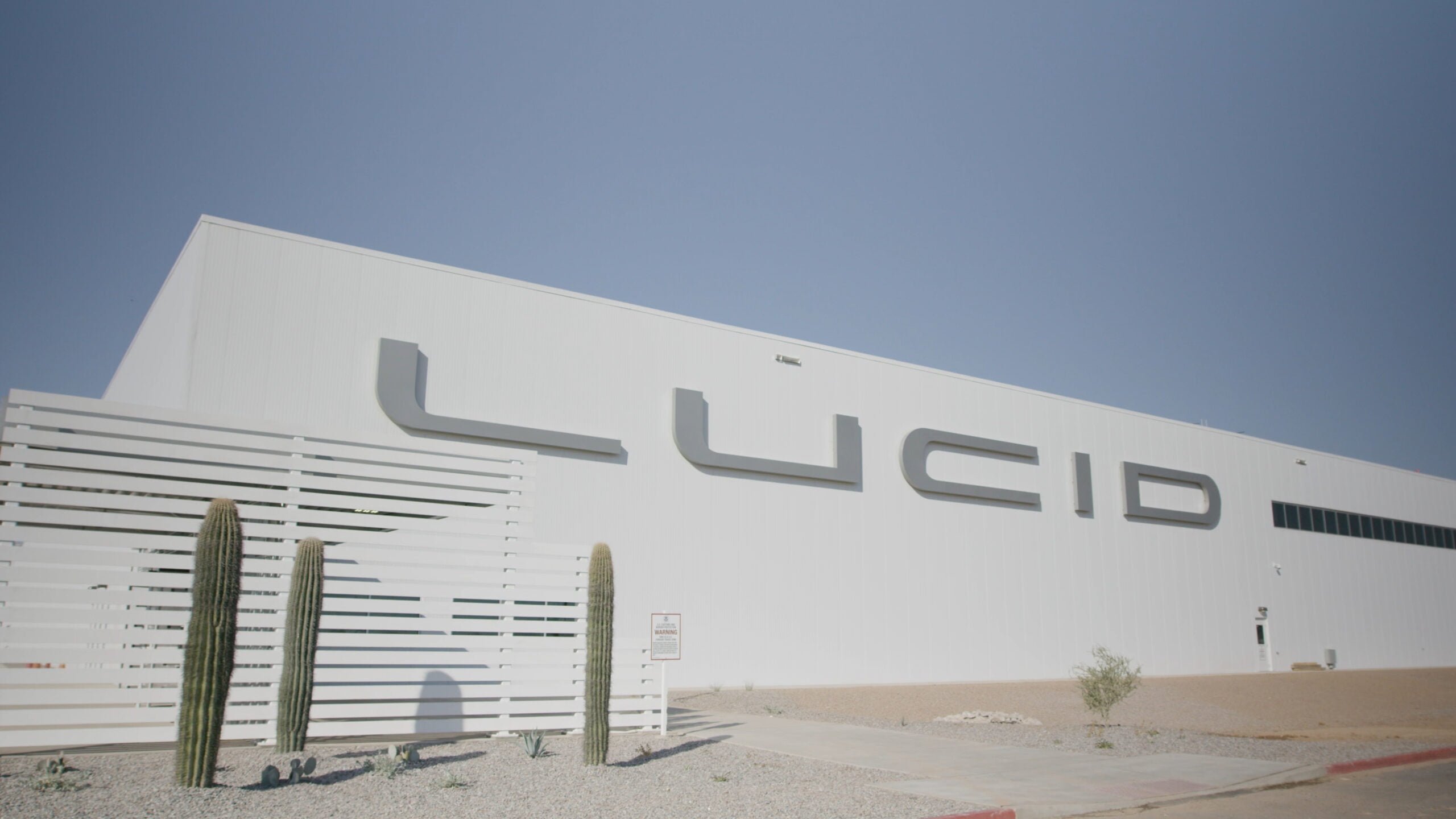
In 2016, Lucid Motors announced the planned construction of a $700 million manufacturing plant in Casa Grande Arizona that will soon employ 2,000 workers. In February of this year, Lucid Motors announced a deal valued at USD $11.75 billion to merge with Churchill Capital Corp IV, a publicly traded special-purpose acquisition company. CEO Rawlinson announced Lucid’s intention to produce its Project Gravity SUV by 2023, then offer a competitor to Tesla’s Model 3 by 2024 or 2025.
Formerly named Atieva, the company was founded in 2007 and rebranded as Lucid Motors in 2016. The original company was focused on building electric vehicle batteries and powertrains for other vehicle manufacturers. Some of Lucid’s 500 employees as of 2016 had previously worked at other car companies such as Tesla and Mazda, including CEO Peter Rawlinson who was the former VP of Engineering at Tesla, and Vice-President Derek Jenkins who was the former Head of Design at Mazda North America Operations.
Canadian luxury apparel retailers during 2020 continued in some cases to open new stores and/or upgrade their existing ones. However as many are aware, last year was a disastrous period for Canadian luxury apparel retailing.
Bain and Co. reported that, worldwide, luxury apparel retail sales during 2020 decreased 30%. In Canada during 2020, the picture was almost as bleak. Some numbers to consider:
Total non-U.S. tourist visits to Canada decreased 85.6%. Tourist visits from China, Hong Kong and Japan decreased. respectively by 87%, 82% and 87% which had a significant impact on luxury spending.
Luxury retail store closures, especially in Ontario, reduced store traffic and sales.
The number of Canadian individuals with a net worth between US$5 and US$30 million decreased by 4.0% vs. increasing by 7.9% in the U.S.
Canadian Luxury Apparel Sales Significantly Decline In 2020
While Canadian luxury apparel e-commerce sales more than doubled last year, or in the case of Harry Rosen grew by more than three times, the increase was not nearly enough to offset the decrease in luxury apparel brick and mortar sales. Trendex, using the before mentioned inputs, along with additional information, estimates that Canadian luxury apparel sales decreased 27.9% in 2020 to C$2.14 billion. Luxury apparel sales will certainly increase in 2021, however it is too early to forecast the segment’s growth.
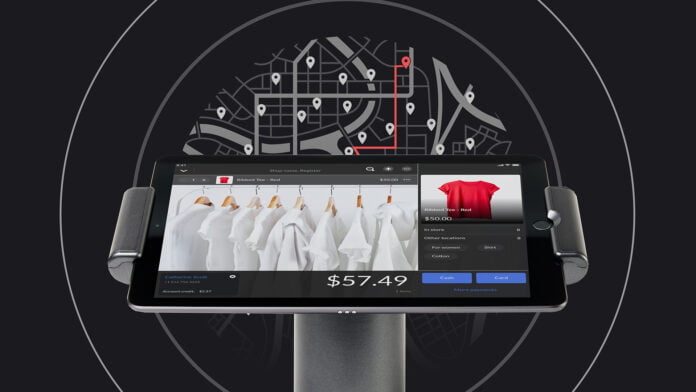
Montreal-based Lightspeed, a leading provider of cloud-based, omnichannel commerce platforms, announced this week that it will integrate Google tools directly into its platform to help independent businesses as they reopen with a goal of expanding in-store capacity. The integration will allow independent retailers to manage various Google tools directly in their Lightspeed commerce platform at no additional cost.
New data from Google suggests that consumers are interested in shopping local with many starting their journey online. Remarkably, searches for “local” + “business(es)” have grown by more than 80% year over year, including searches such as “local businesses near me” and “support local businesses.” Furthermore, searches for “who has” + “in stock” have grown by more than 8,000% year over year, including searches such as “who has gym equipment in stock.”
The Lightspeed and Google collaboration integrates three crucial tools directly into the Lightspeed platform: Google Local Inventory Ads, Google Smart Shopping Campaigns, and Google My Business. The integration includes:
Google Local Inventory Ads: Retailers can reach local customers with local inventory ads, from directly within the Lightspeed platform. These ads help nearby shoppers know what they have in stock, driving more visits to their physical shop.
Google Smart Shopping Campaigns: Today’s consumers are shopping across platforms and devices, online and offline, seamlessly. With Smart Shopping campaigns, products are eligible to show up across all of Google’s properties and reach users wherever, and whenever, they’re searching or consuming content.
Google My Business: Lightspeed customers can get and manage a professional Google My Business listing straight from Lightspeed’s commerce platform. Retailers can keep customers up to date with their latest information, whether it’s store hours or COVID-19 safety protocols in place.
Enabling access to these digital tools directly within the Lightspeed platform strategically aligns with Lightspeed’s goal to simplify entrepreneurship and level the playing field for independent merchants. Combined with the Lightspeed Supplier Network, the integration creates a seamless path for local retailers to scale their omnichannel businesses.
“We know that so much of business today starts with a Google search,” said Lightspeed CEO Dax Dasilva, “By combining forces, Lightspeed and Google are eliminating the pain points that prevent SMBs from effectively promoting their products online to the communities who prefer to shop local, providing them a springboard to simplify and scale their businesses as they prepare for the welcomed return of in-store shopping.”
“Small and medium sized businesses have been hit the hardest during the pandemic, but globally we’ve seen a rallying cry to support them,” says Sabrina Geremia, VP & Country Director, Google Canada. “Customers are shopping both online and in-store and expect a seamless shopping experience between both. As we look towards recovery, this integration with Lightspeed will provide a scalable solution for Lightspeed merchants of all sizes looking to reach customers in this new omnichannel reality”
Google My Business and Local Inventory Ad integrations are currently available to all Lightspeed retail customers. Lightspeed’s Smart Shopping Campaign capability will become available in the coming months.
The Weekly: Special Edition 30 with Mario Toneguzzi
An off-schedule podcast discussion with Retail Insider journalist Mario Toneguzzi who was just named one of the world’s top 10 business journalists. Craig and Mario discuss how he became a journalist and what he’s seeing in Canadian retail during the pandemic through his interviews with top business leaders.
The Weekly podcast by Retail Insider Canada is available on Apple Podcasts, Stitcher, TuneIn, or through our dedicated RSS feed for Overcast and other podcast players.
Subscribe, Rate, and Review our Retail Insider Podcast!
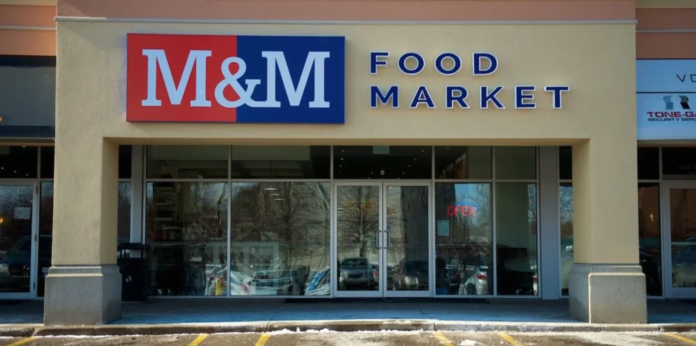
In response to the COVID-19 pandemic and the changing needs of consumers, M&M Food Market is now offering same-day grocery delivery to residents of southern Ontario with plans to roll out the concept to the rest of the country in the near future.
Andy O’Brien, the company’s CEO, said the delivery concept will start in select locations in Toronto, Milton, Cambridge, and Guelph.
Andy O’Brien
“M&M has always offered online ecommerce. We’ve been offering it for 11 years where people could go online and order— click and collect and pick it up in store. The natural evolution of that has been to provide consumers, our customers, with what they want. They wanted originally to come in store. Then they wanted to shop online,” said O’Brien.
“Then they wanted not to come into the store but actually put in their trunk at curbside and the natural extension to that was perhaps we should offer a delivery service. We started originally about a year ago maybe a year and a half ago with Instacart to start offering a delivery service, which took off really well. Which gave us the insight that there is definitely a need and our customers want a delivery service.
“So now we’re testing our own delivery . . . with the vision to within the next six months that M&M will be offering its own delivery service to our customers across the country.”
O’Brien said the goal is to provide delivery service within about an hour.
“Right now we offer an hour service. You order and you can pick up in an hour,” he said.
“The difference between Instacart and our own delivery service is really important. Instacart is a marketplace. It has all these other brands. We can’t offer our sale prices. We have a rewards, loyalty, program. We can’t offer that. As well, we can’t offer our branded delivery service.
1 of 3
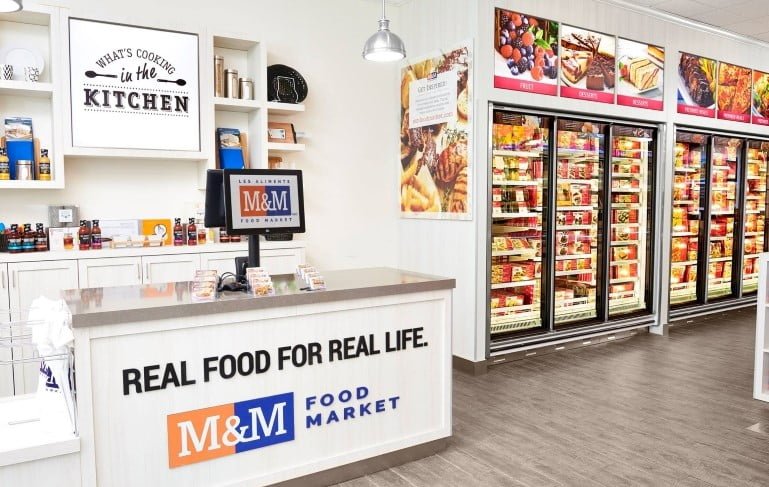
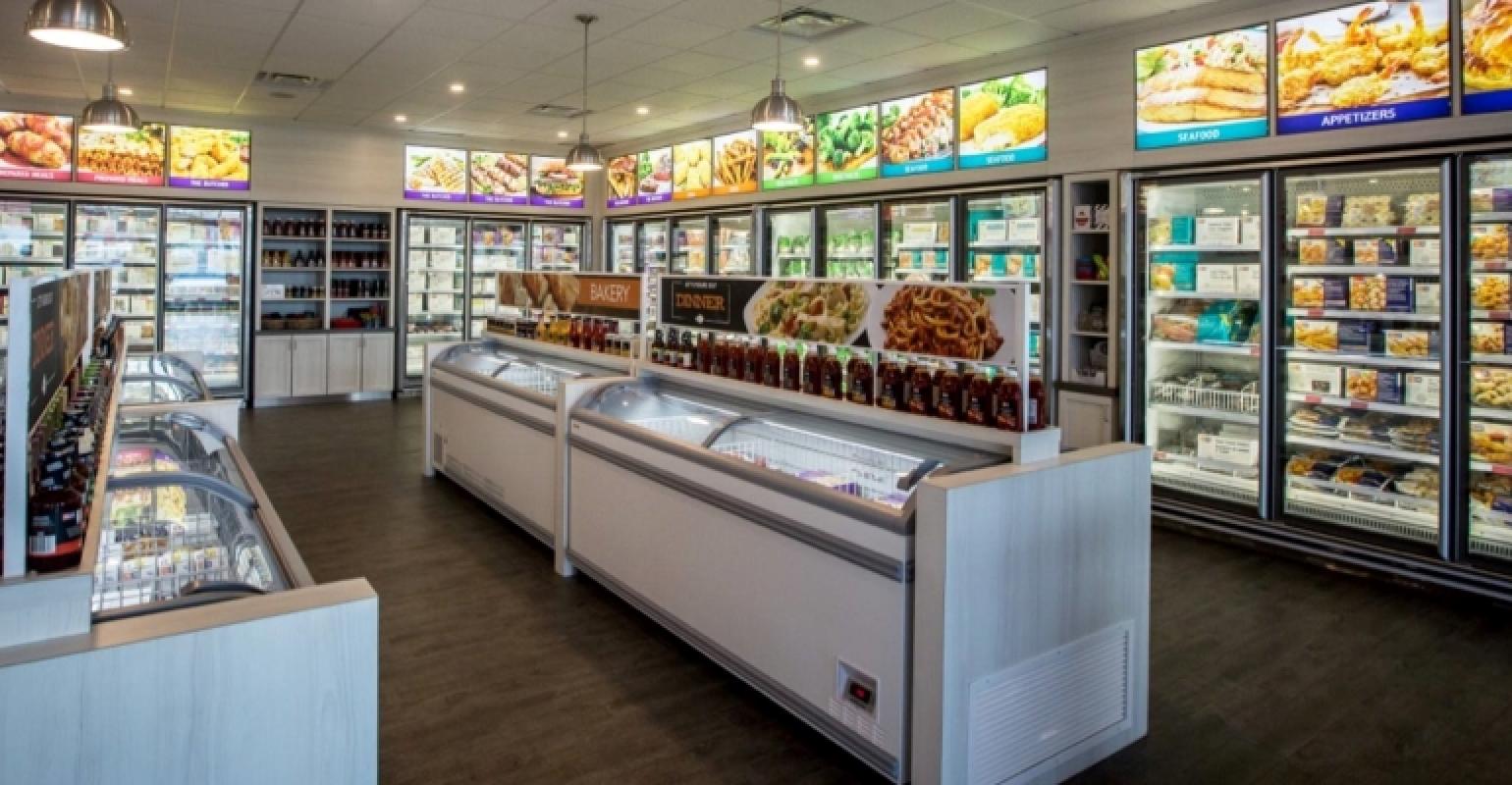
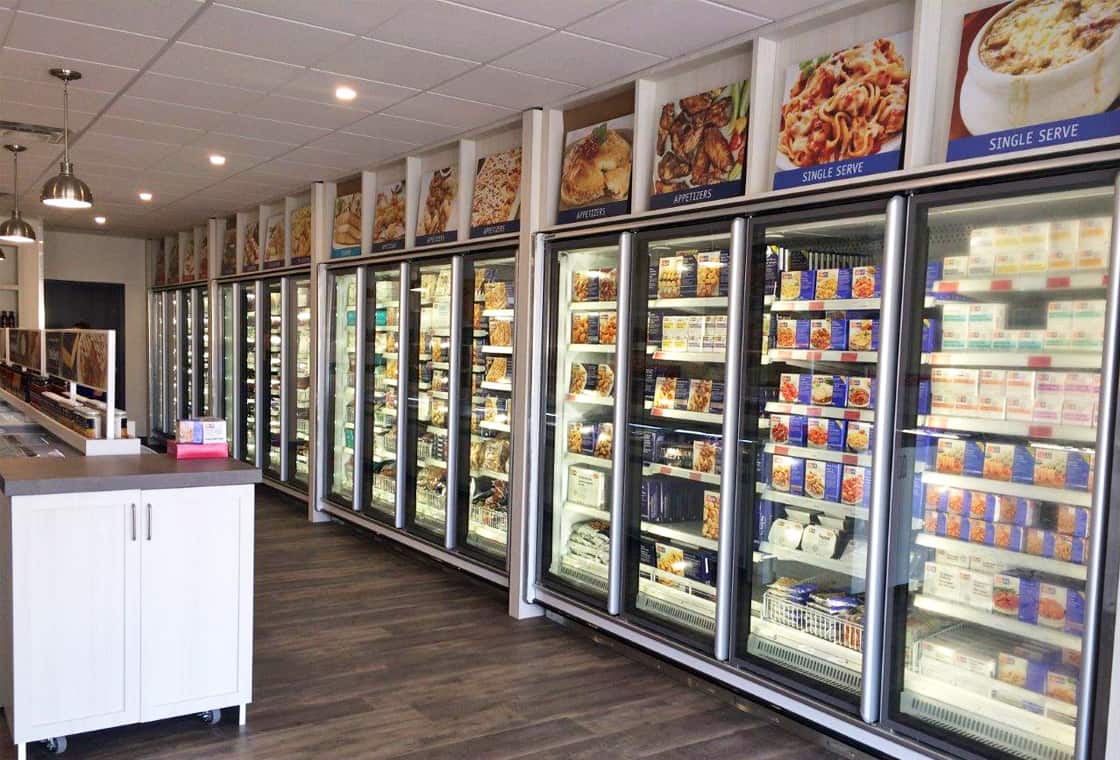
Interior of M&M Food Market. Photo: M&M Food Market
Interior of M&M Food Market. Photo: M&M Food Market
Interior of M&M Food Market. Photo: M&M Food Market
“Our customers have really come to know that when you come into an M&M it’s a one-on-one service. Our meal advisors know our customers and we help them with their meals. We thought it would be way better as a branded experience to actually deliver the food right to our customers.”
O’Brien said the company will be launching a new website some time this summer which will allow customers to be able to decide if they want to pick up the food at a curbside or have it delivered to their homes. It will include the rewards program and all the specials.
During the pandemic with more people staying at home, they are also eating more at home.
“It’s really changed over the last 14 months. At the very beginning when everybody was asked to stay home, I think there was a bit of panic. Of course, back in March and April there was and we all know from our research that the average consumer has a repertoire of about eight to 10 meals. So when you think of 21 meals a week at home, after two months, people were pretty bored with what they were eating,” said O’Brien.
“So they started coming into our stores and saying okay what else do you have. I can’t keep feeding my kids chicken fingers every day. I’m tired of eating the same meal twice a week. We were all offering significant changes to their meal decisions by putting together meals for them. And over the course over the next six to eight months, consumers became very comfortable being at home.
“And they started going back into the kitchen and making food, realizing they can make some really good food at home and M&M has a lot to offer to make it simple and it’s a lot cheaper than going out to a restaurant. And it’s a lot safer. So we saw change from kind of panic of having to be home to really enjoying it and enjoying getting back to the kitchen. It’s been a massive change in terms of the consumer. And the perspective on frozen has changed. They look at it as a very safe, reliable, convenient, always available for you, always flash frozen at the height of perfection. It became a trusted segment in the food business and obviously M&M is a very trusted frozen brand.”
O’Brien said the company is continuing to look at new store openings with an eye of penetrating the urban markets such as Toronto, Vancouver, Montreal, and maybe Calgary and Edmonton as well.
“We’re really strong in the suburbs. We’re not very strong yet in the urban market and research has shown us that Millennials are really open to a frozen product and really love to assemble cook which is what we offer and very, very keen on delivery as we’ve seen with Uber Eats and Skip The Dishes. We’re testing that now in Toronto and it’s going really well,” he said.
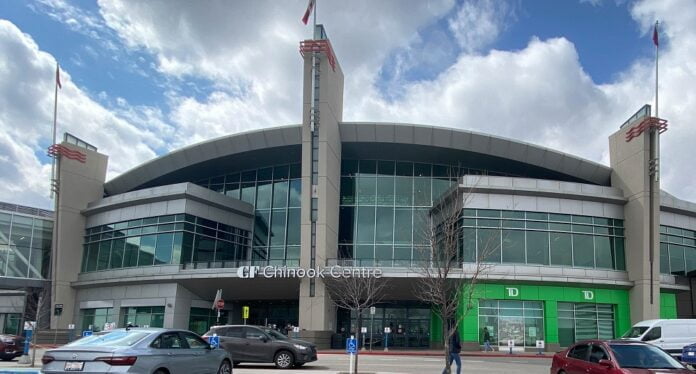
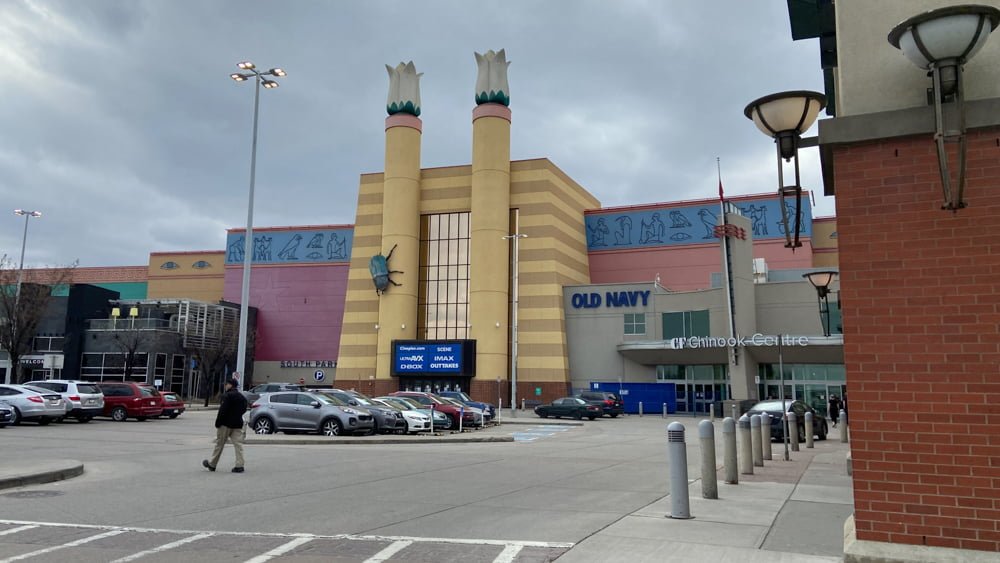
Main Entrance at CF Chinook Centre in Calgary. Photo: Jessica Finch.
Retail Insider continues its Photo Tour series of Canadian malls to provide a glimpse into shopping centres which may be less frequented lately due to the COVID-19 pandemic.
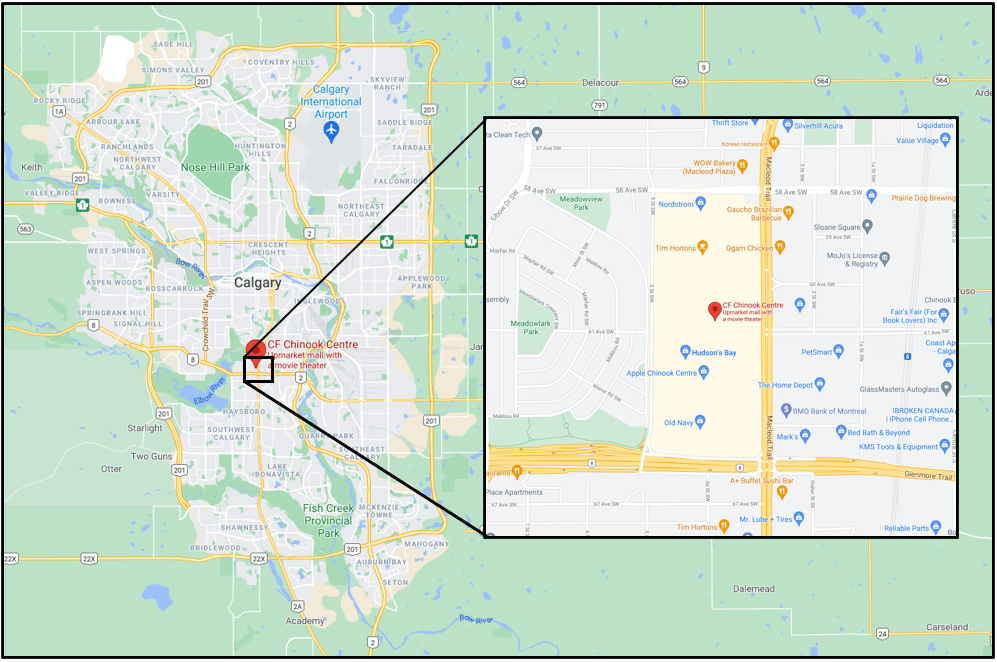
Google Map of Calgary with CF Chinook Centre Mall circled. Photo: Google Map with highlight by Retail Insider
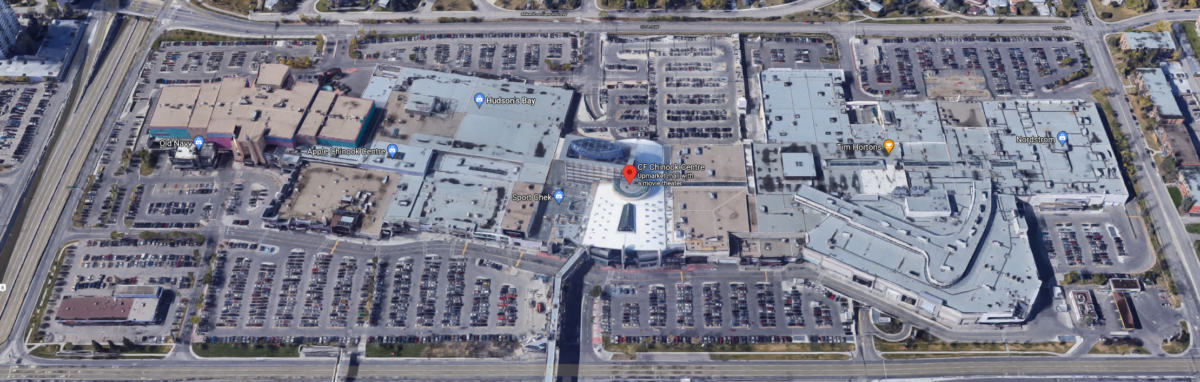
Google Satellite Map of CF Chinook Centre in Calgary. Photo: Google Maps
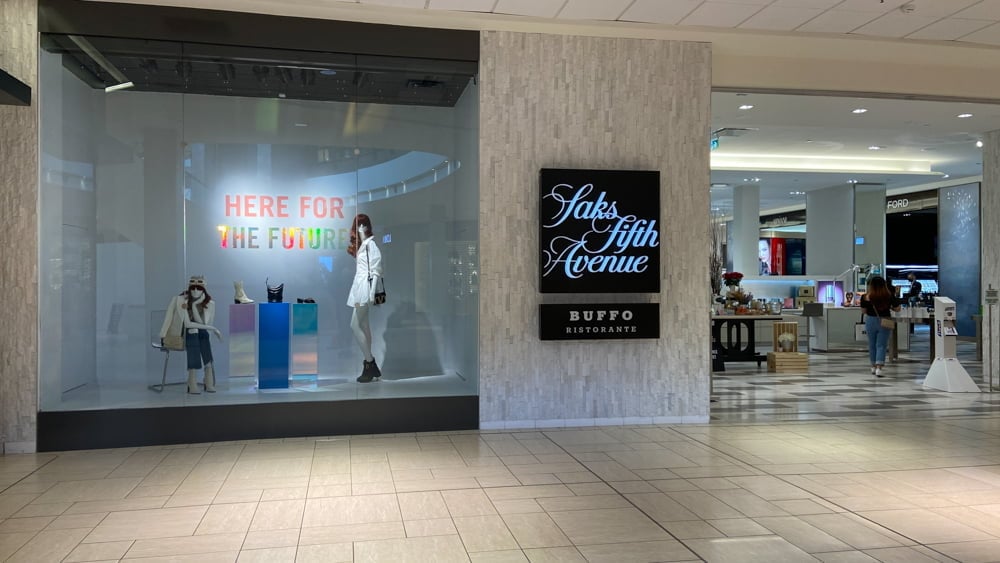
CF Chinook Centre is an indoor shopping centre with approximately 217 retail stores over 1.38 million square feet of retail floor space. For the vehicular-inclined, the shopping centre has 5,500 parking spots and the centre is a 10 minute walk from the Chinook Ctrain light rail station. The shopping centre’s three retail anchors include Hudson’s Bay, Nordstrom which opened in the fall of 2014 and Saks Fifth Avenue which opened in early 2018.
History of CF Chinook Centre Mall
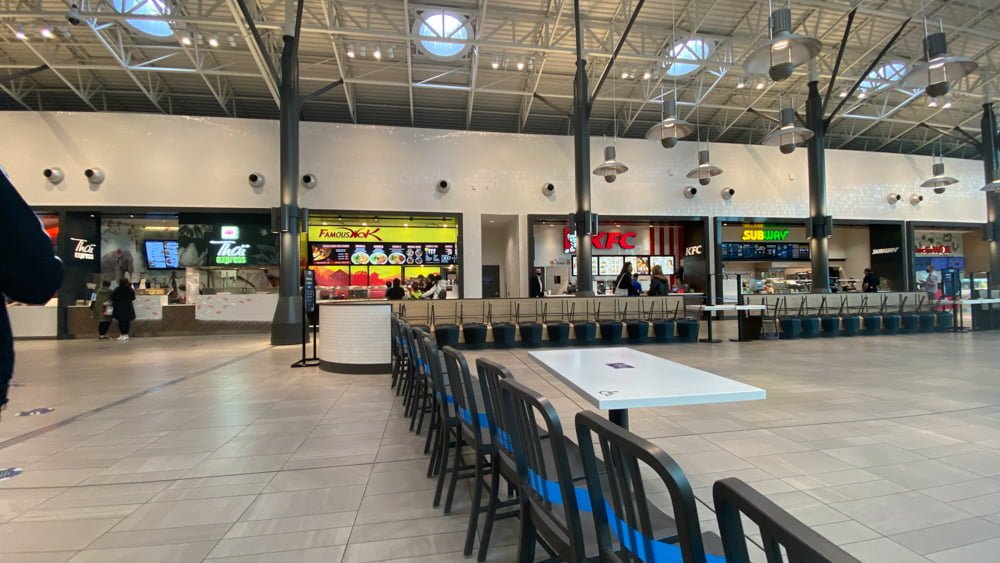
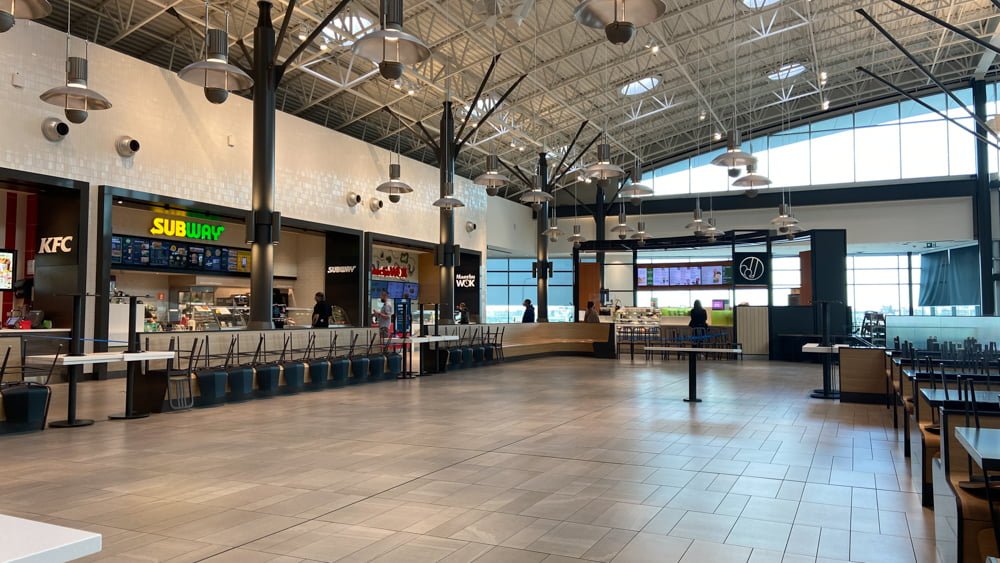
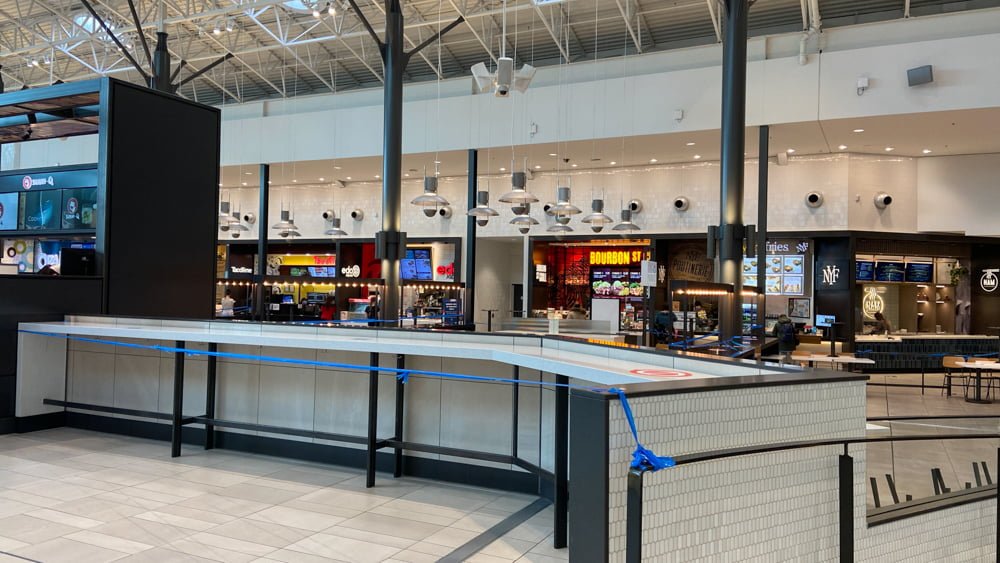
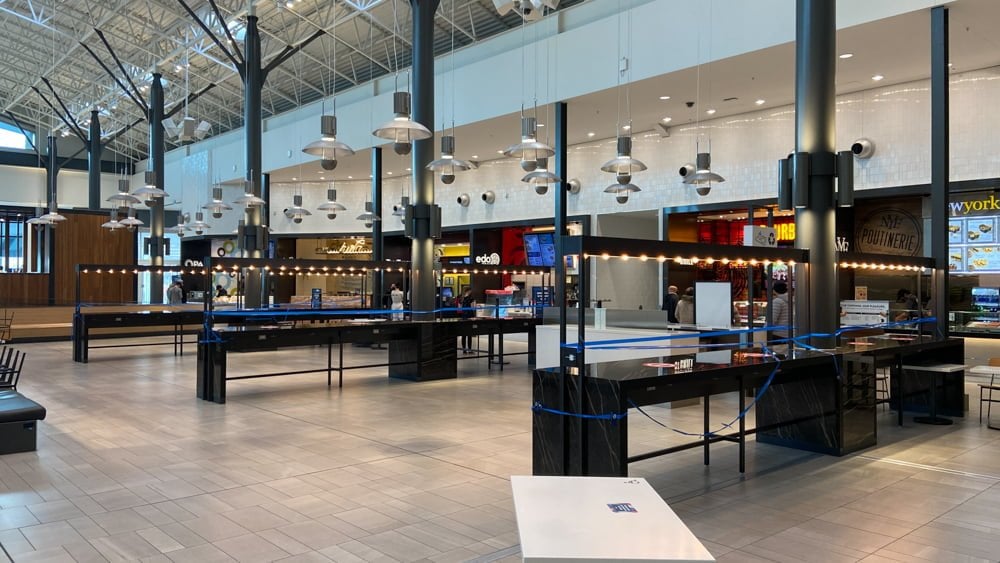
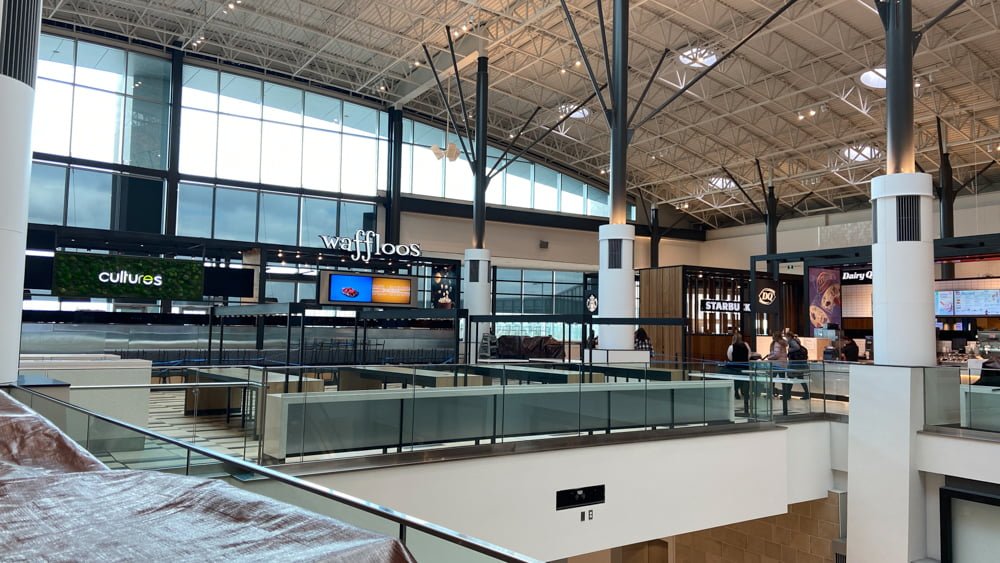
Initially built in 1960, the mall has gone through a number of expansions and renovations. A competing mall was built across the street in the 1960s and both merged after coming under common ownership in 1974. A new wing was added in the 1980s for specialty retailers, the entire complex was rebuilt in three phases in 2000, and an expansion adding 180,000 square feet opened in 2010. CF Chinook Centre recently completed a major $101 million redevelopment project that included the new 61 Avenue S.W. pedestrian bridge, the $17 million revitalization of the centre’s Dining Hall to include 835 seats and feature 20 dining retailers (by GH+A Design), and the south property redevelopment. The centre, which featured 45 stores on opening day, now offers more than 250 stores and services.
Breaking Up CF Chinook Centre
In order to make this photo tour manageable, the shopping centre needed to be divided by each floor/level as well as into additional zones.
Lower Level Tour Zones at CF Chinook Centre
The lower level at CF Chinook Centre is very long, stretching north-south in direction with a loop on the northern end.
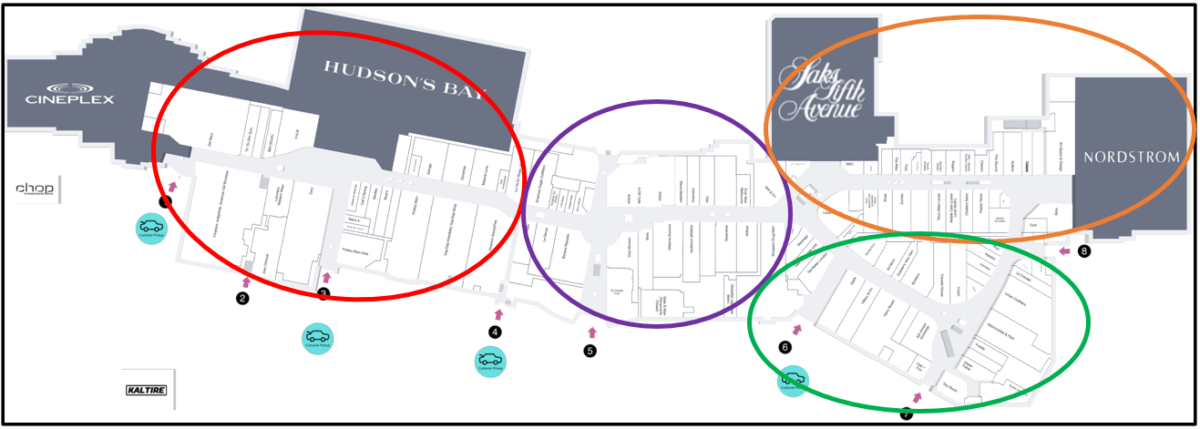
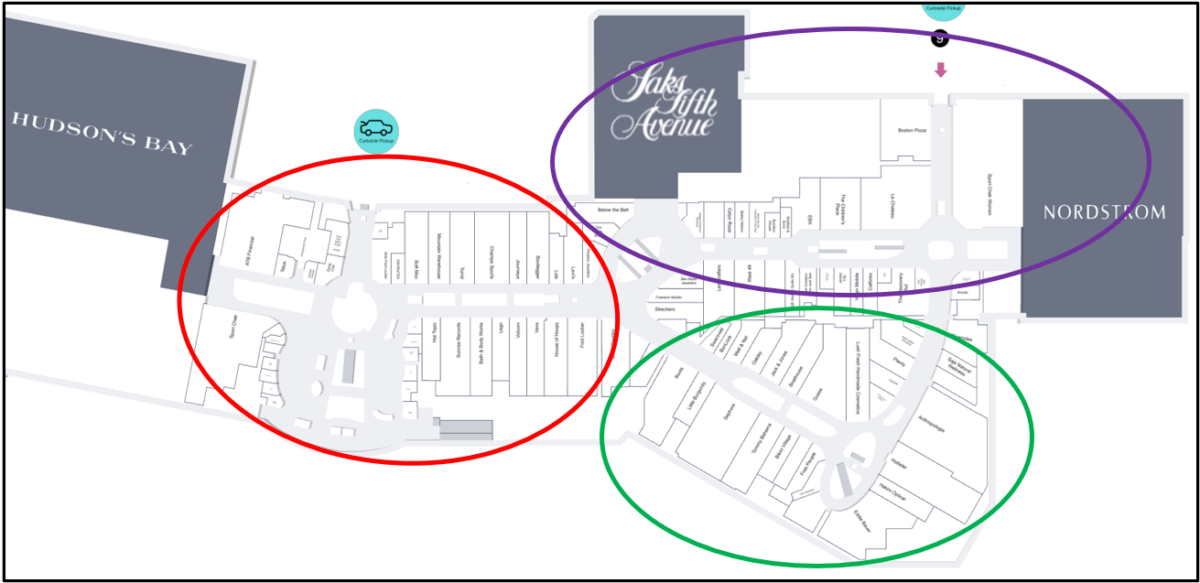
Lower level of CF Chinook Centre tour zones. Photo: CF Chinook Mall map with zones overlaid by Retail Insider
The tour zones for CF Chinook Centre’s lower level include:
South End (highlighted in Red)
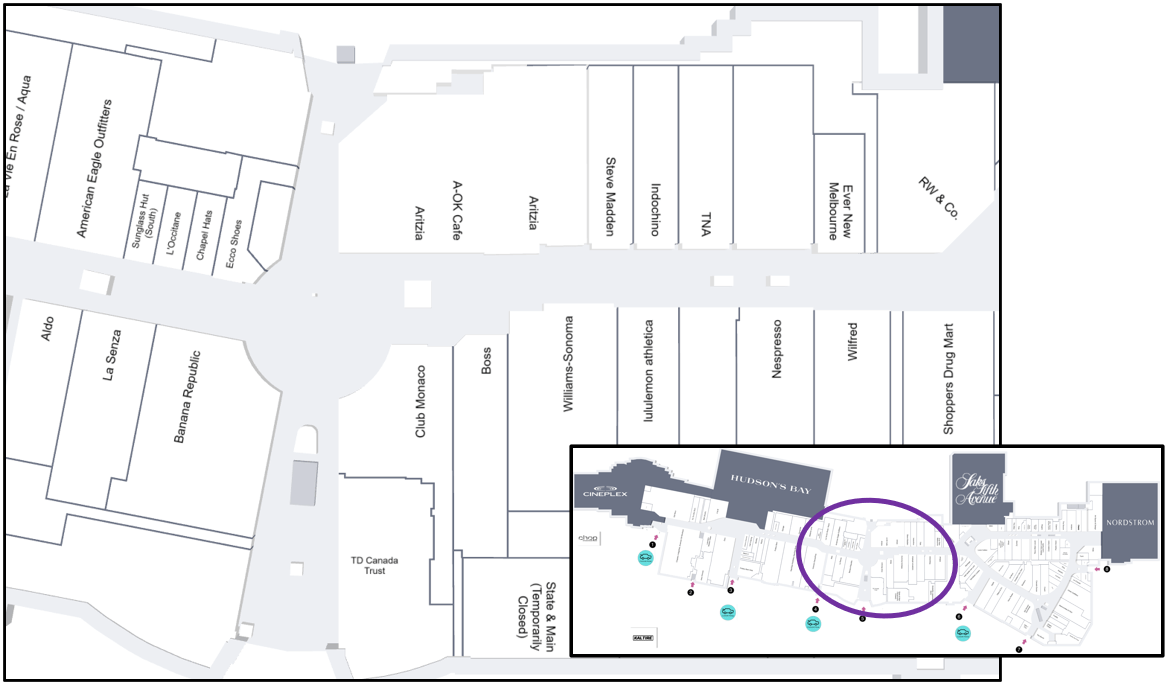
Central Zone (highlighted in Purple)
Northwest End (highlighted in Orange)
Northeast End (highlighted in Green)
Upper Level Tour Zones at CF Chinook Centre
The upper level at CF Chinook Centre does not stretch as long as the lower level and it is home to a substantial food court and various retail stores.
Upper level of CF Chinook Centre tour zones. Photo: CF Chinook Mall map with zones overlaid by Retail Insider
The tour zones for CF Chinook Centre’s upper level include:
Food Court and Central Zone (highlighted in Red)
Northwest End (highlighted in Purple)
Northeast End (highlighted in Green)
Retail Profile of CF Chinook Centre’s Lower Level
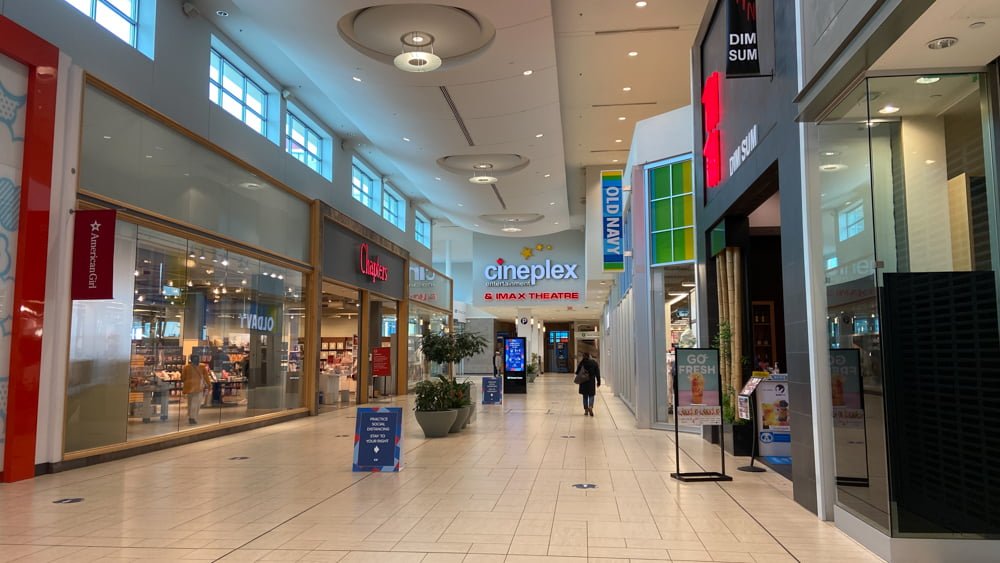
The lower level is the largest retail runway for CF Chinook Centre. A non-retail anchor, Cineplex, is on the south end of the shopping centre and continues to the retail loop on its north end.
South End of CF Chinook Centre’s Lower Level
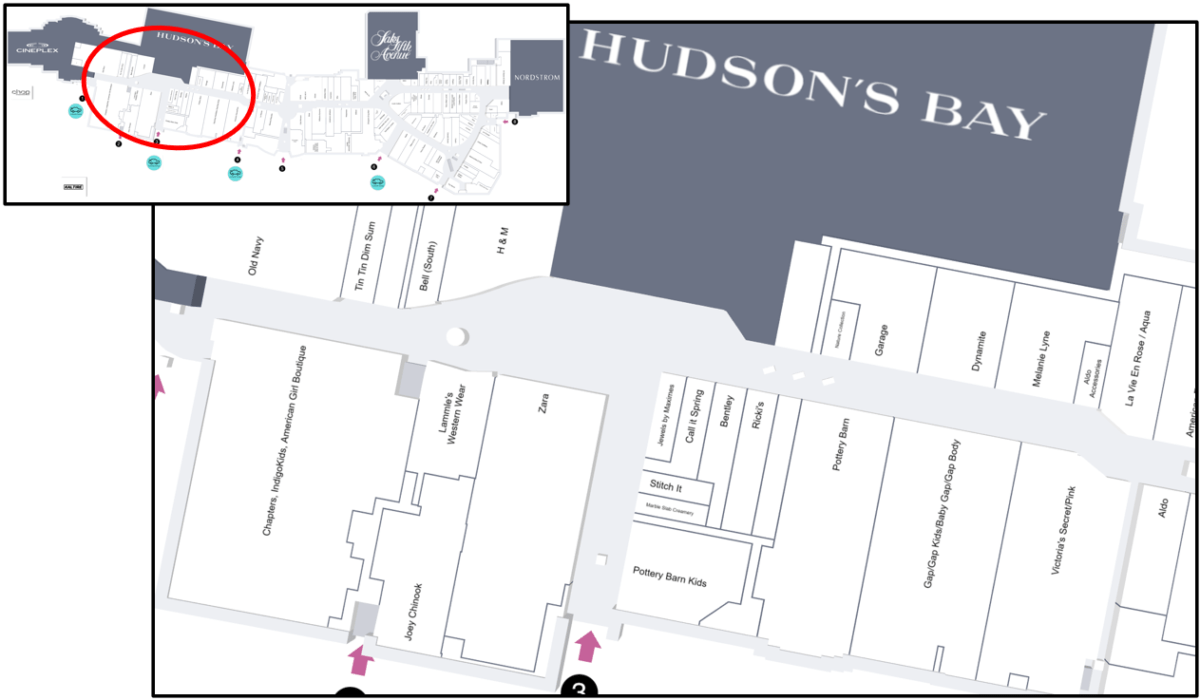
South end of CF Chinook Centre on the lower level. Photo: CF Chinook Mall map with zones overlaid by Retail Insider
The uncontested major tenant on the south end of CF Chinook Centre is Hudson’s Bay. It comes in at 206,514 square feet of retail space stretching across two levels. The store has the most comprehensive selection of designer brands of any Hudson’s Bay store in Alberta.
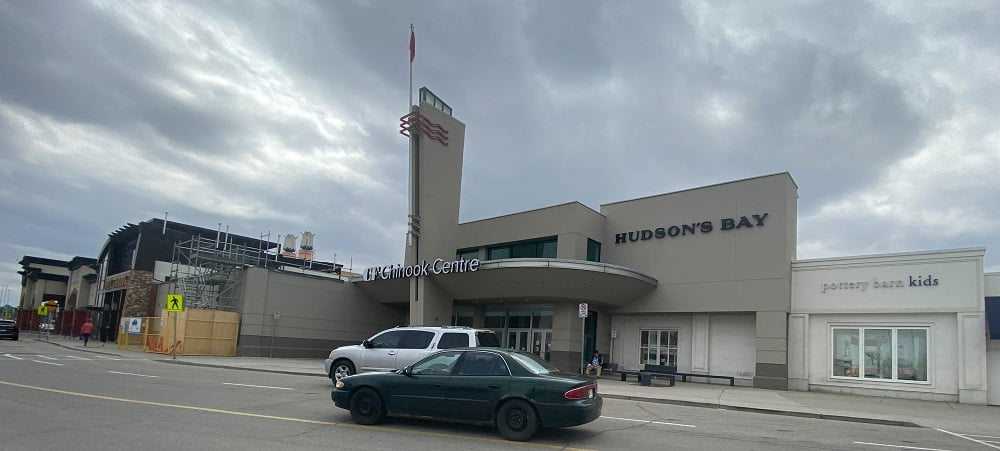
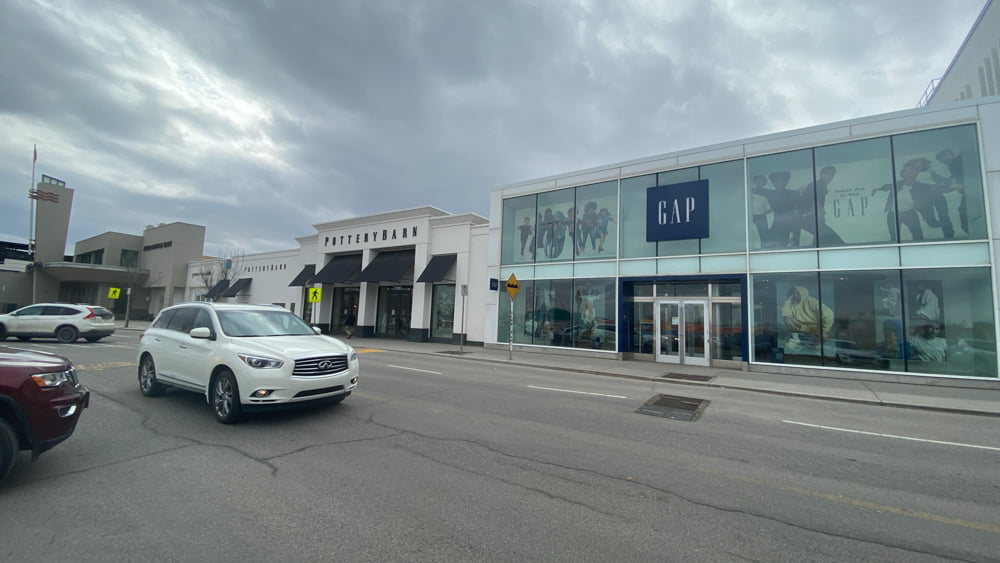
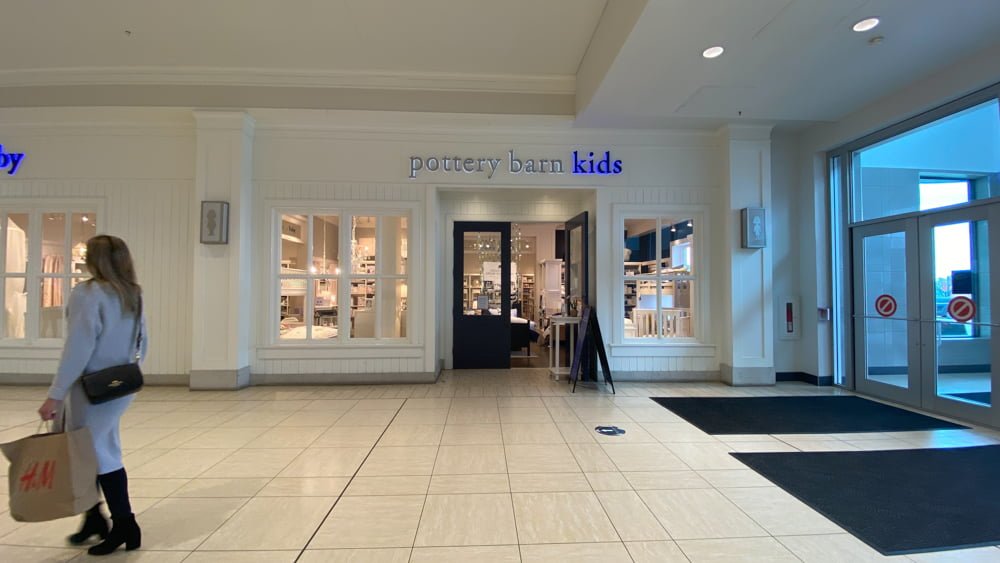
East exterior promoting Hudson’s Bay near Pottery Barn Kids at CF Chinook Centre. Photo: Jessica Finch
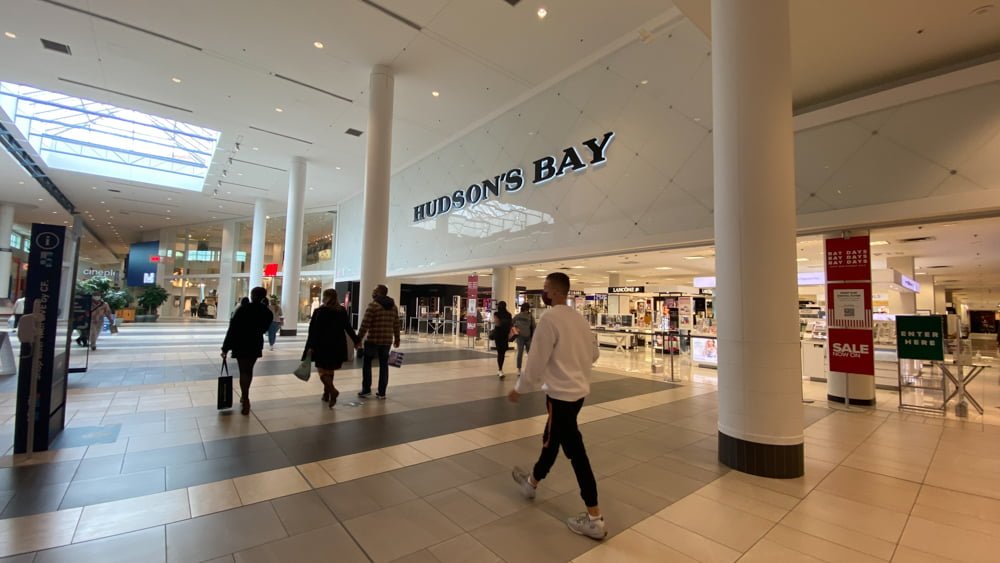
Hudson’s Bay on CF Chinook Centre’s lower level. Photo: Jessica Finch
Select CF Chinook retailers previously featured in Retail Insider include:
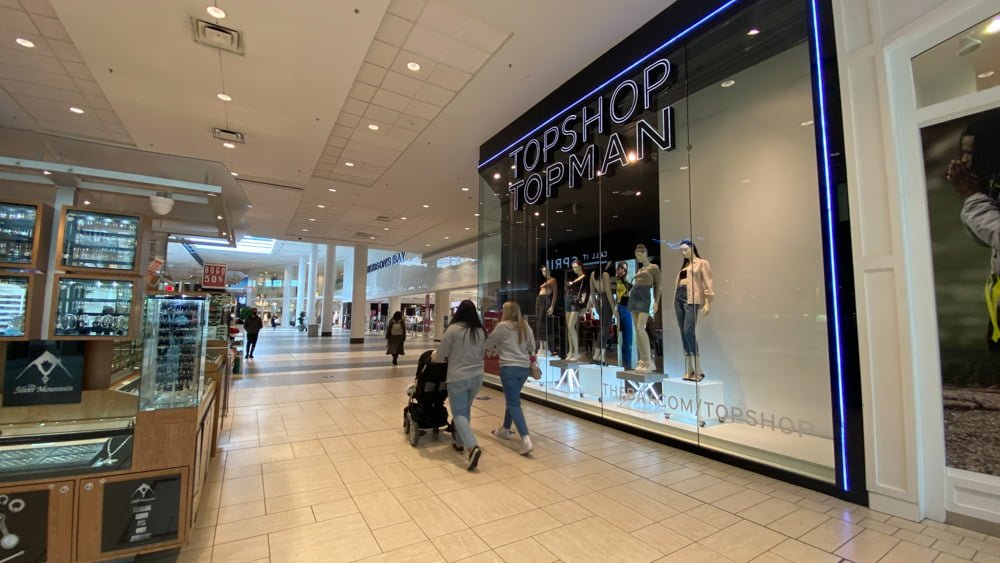
TopShop: The British multinational fashion retailer, purchased by ASOS in February 2021, opened the 15,000-square-foot store in CF Chinook Centre in November 2013, located adjacent to its franchise owner, Hudson’s Bay. Retail Insider will be discussing the future of TopShop Canada this month in an article.
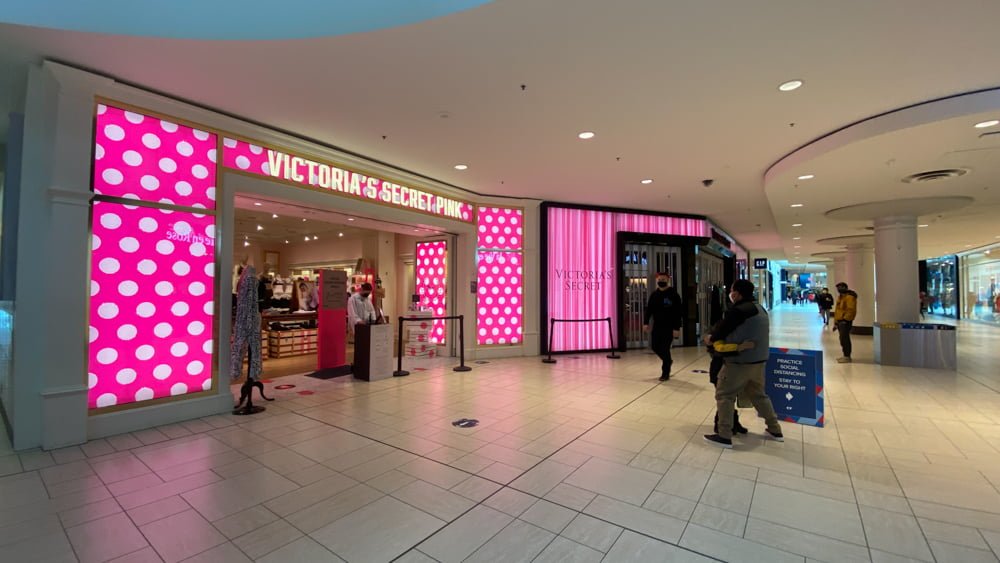
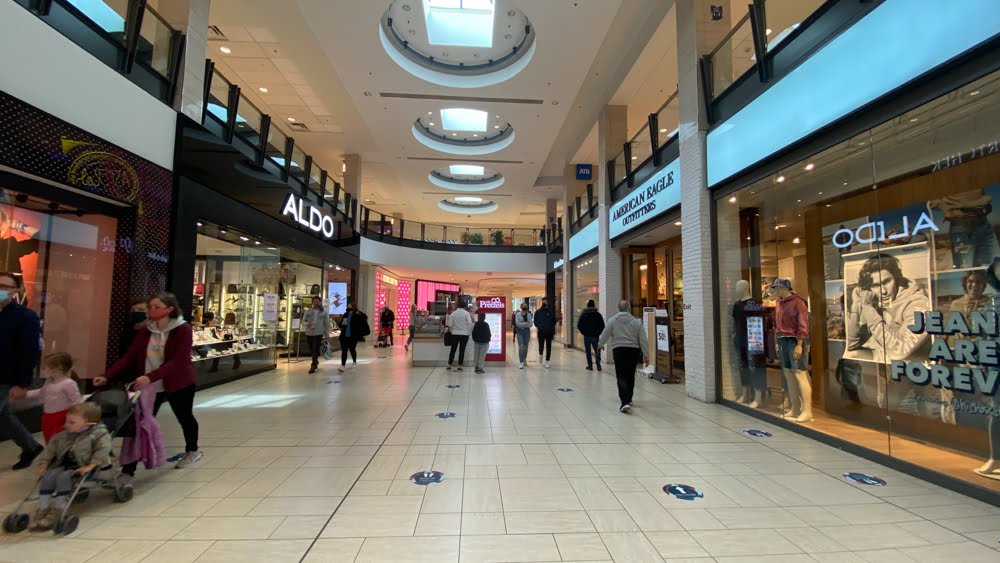
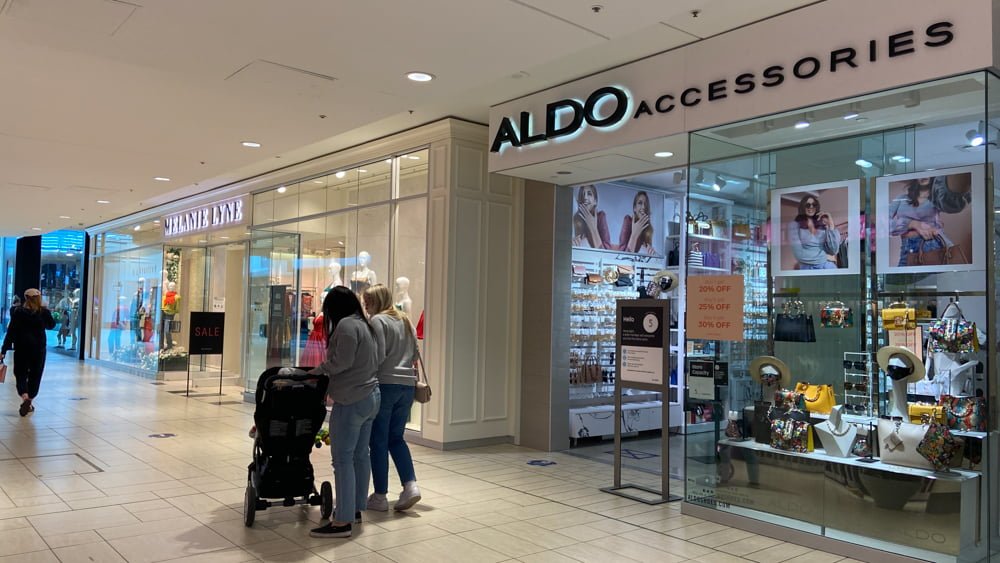
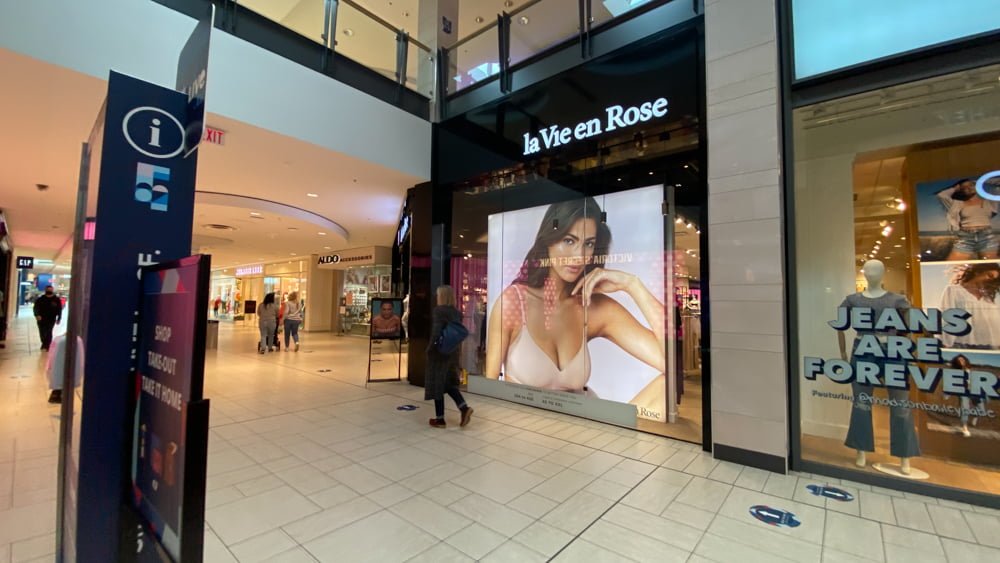
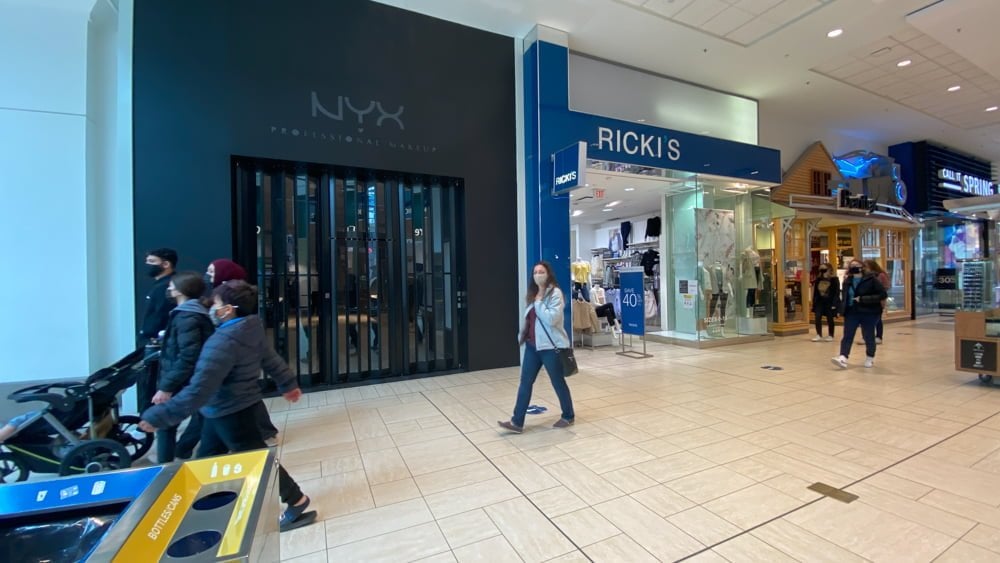
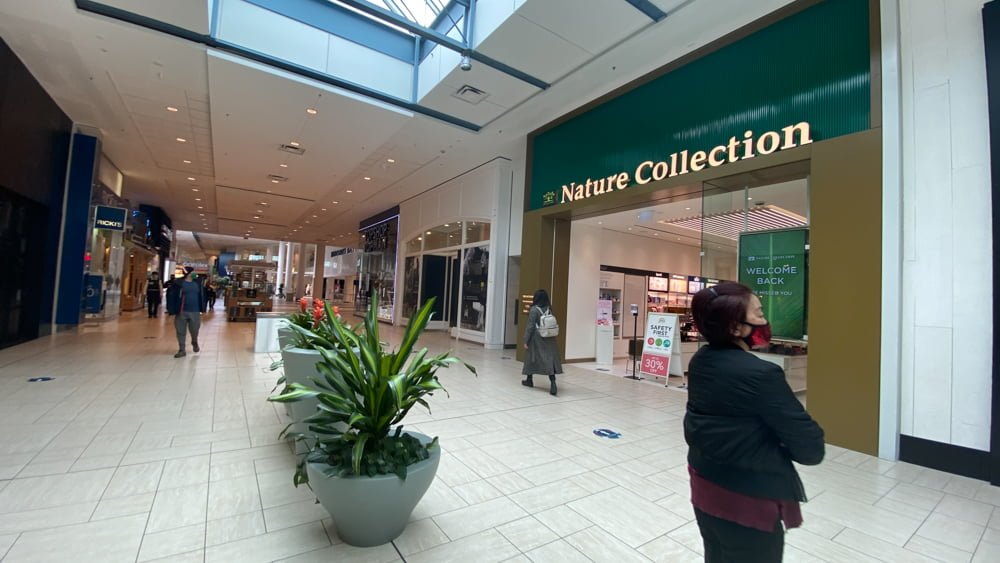
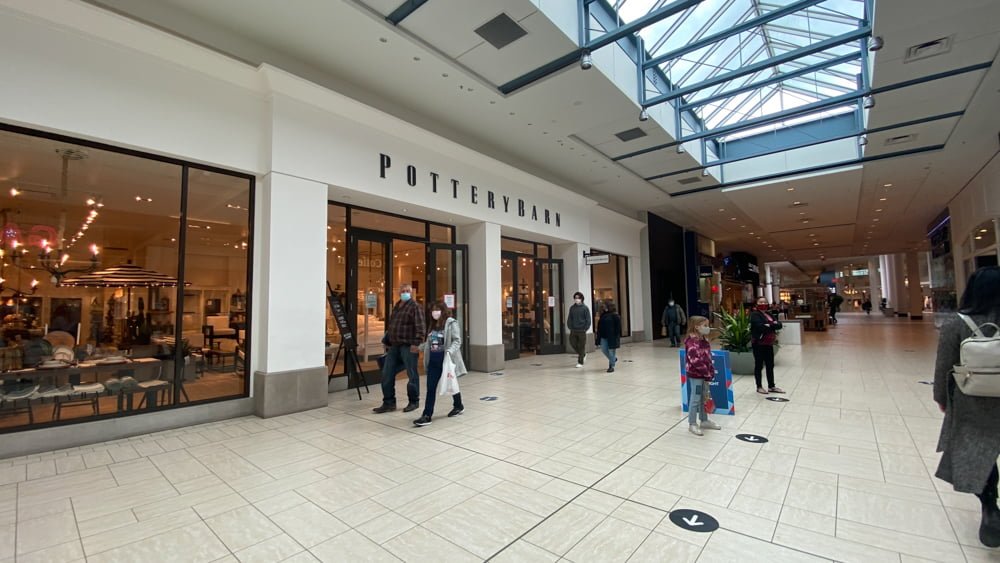
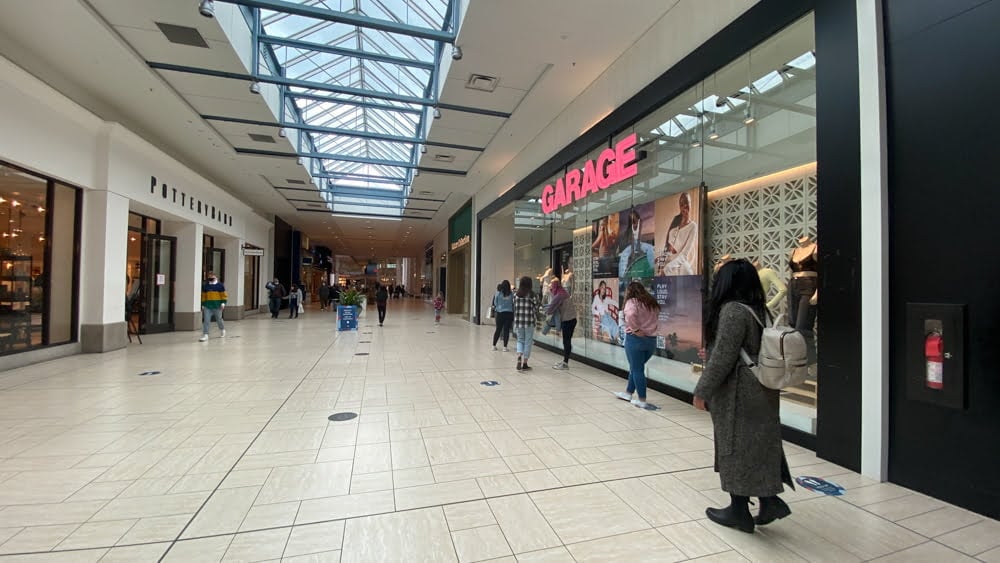
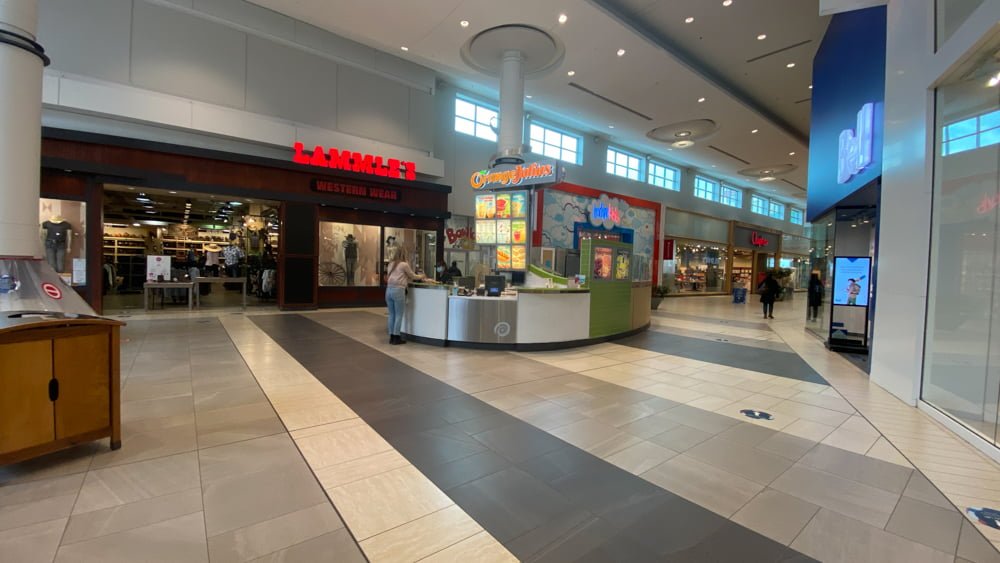
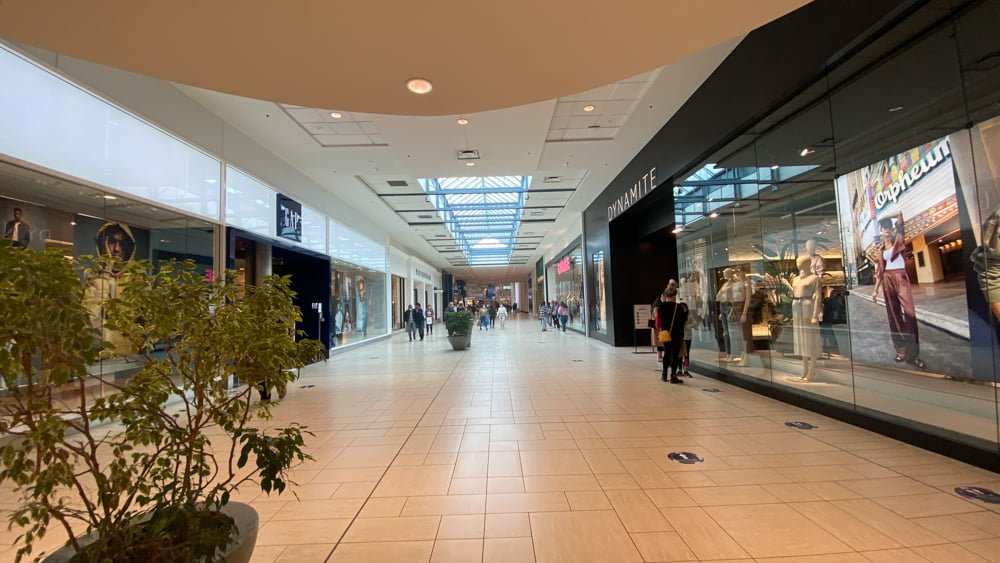
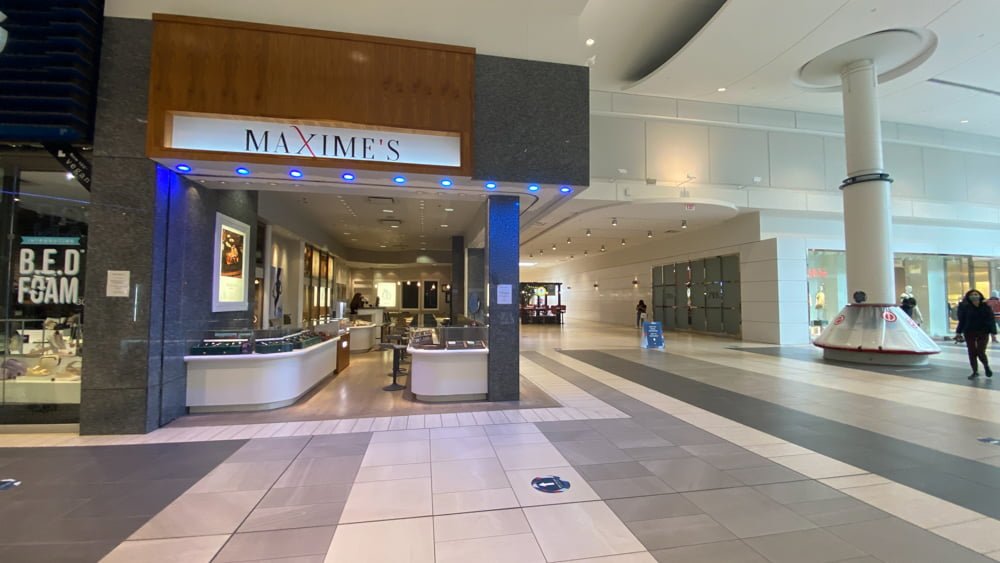
Other select retailers in the south end of the mall’s lower level include Old Navy, H&M, Lammie’s Western Wear, Zara, Pottery Barn, Jewels by Maximes, Call It Spring, Bentley, Ricki’s, The Gap, Nature Collection, Garage, Dynamite, Melanie Lyne, Aldo, and la Vie En Rose.
East exterior of Pottery Barn and The GAP at CF Chinook Centre. Photo: Jessica Finch
Other select CF Chinook Centre retailers on the south end of the lower level
1 of 13
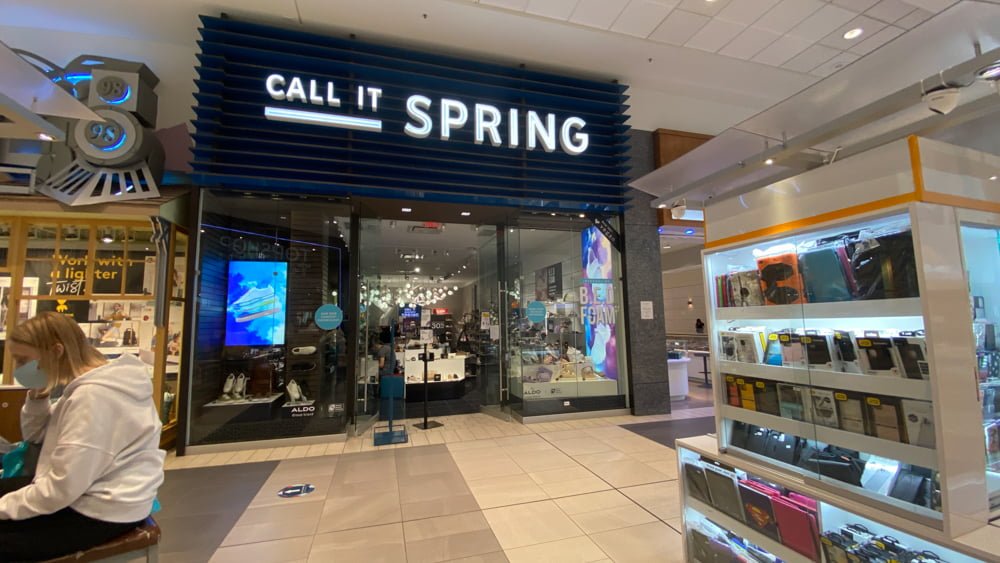
Call It Spring on CF Chinook Centre's lower level. Photo: Jessica Finch
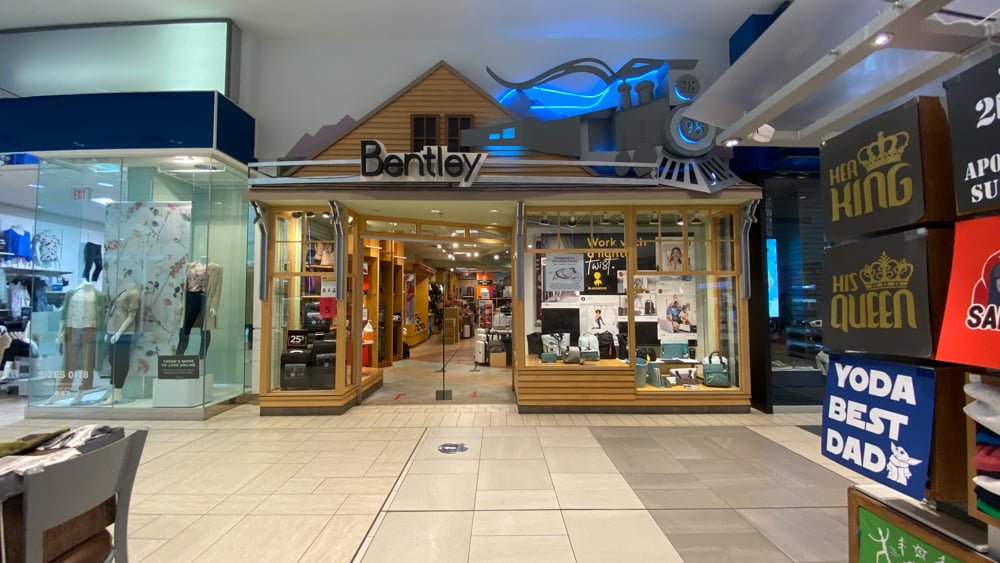
Bentley on CF Chinook Centre's lower level. Photo: Jessica Finch
Aldo and American Eagle Outfitters on CF Chinook Centre's lower level. Photo: Jessica Finch
Melanie Lyne and Aldo Accessories on CF Chinook Centre's lower level. Photo: Jessica Finch
le Vie en Rose on CF Chinook Centre's lower level. Photo: Jessica Finch
Former NYX Cosmetics location next to Ricki's on CF Chinook Centre's lower level. Photo: Jessica Finch
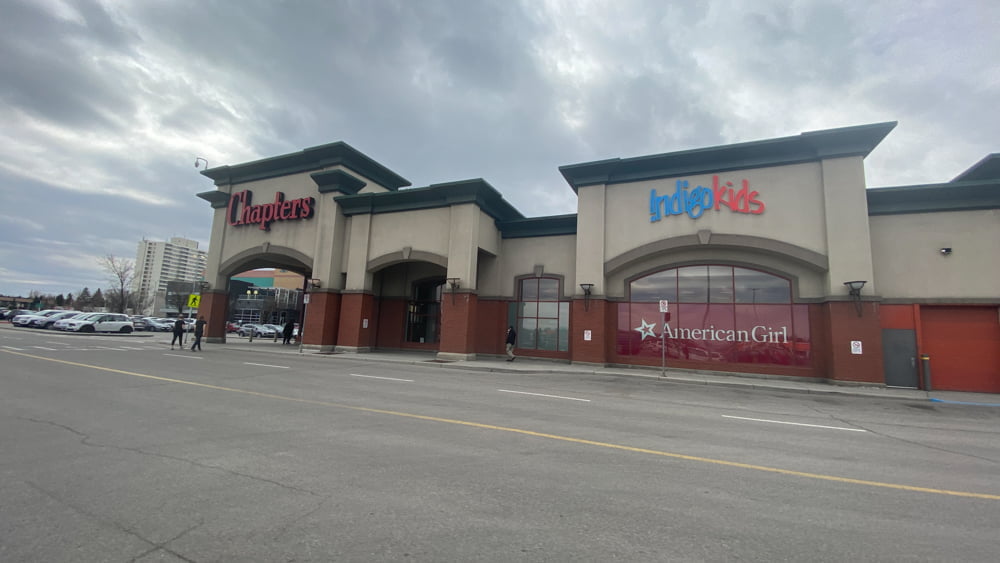
South building extension hosting Cineplex and Old Navy at CF Chinook Centre. Photo: Jessica Finch
Central Zone of CF Chinook Centre’s Lower Level
Central zone of CF Chinook Centre on the lower level. Photo: CF Chinook Mall map with zones overlaid by Retail Insider
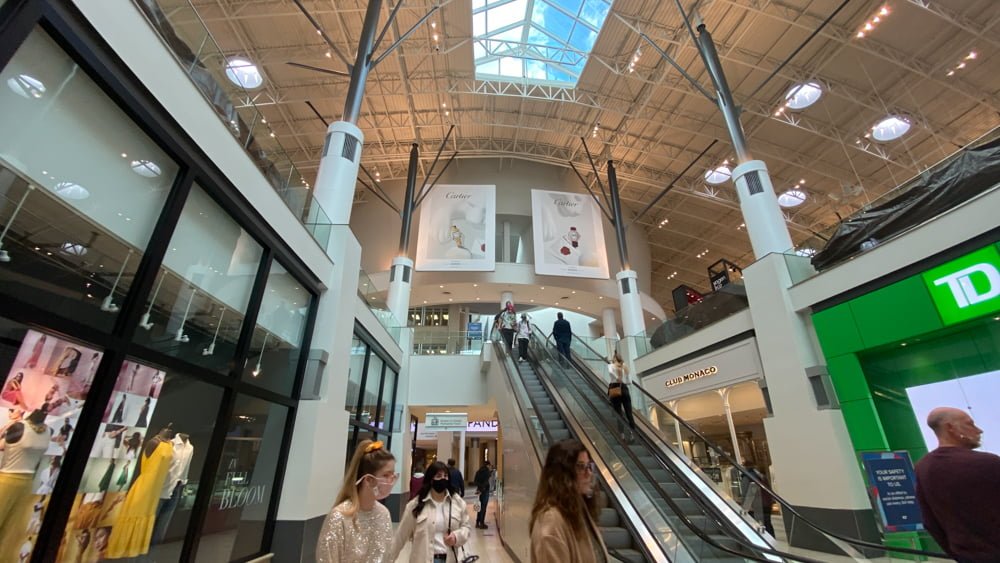
Centre escalators from lower level at CF Chinook Centre. Photo: Jessica Finch
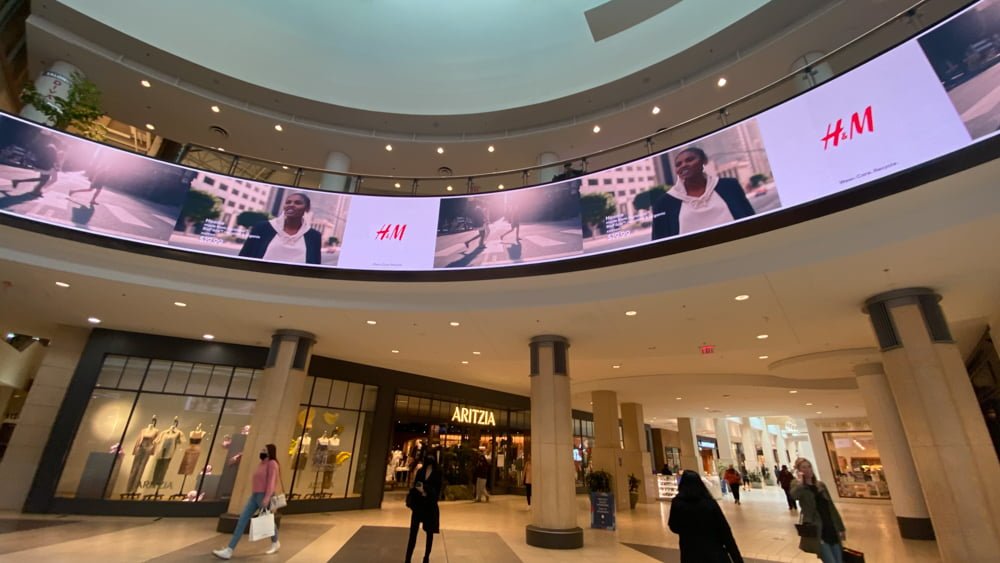
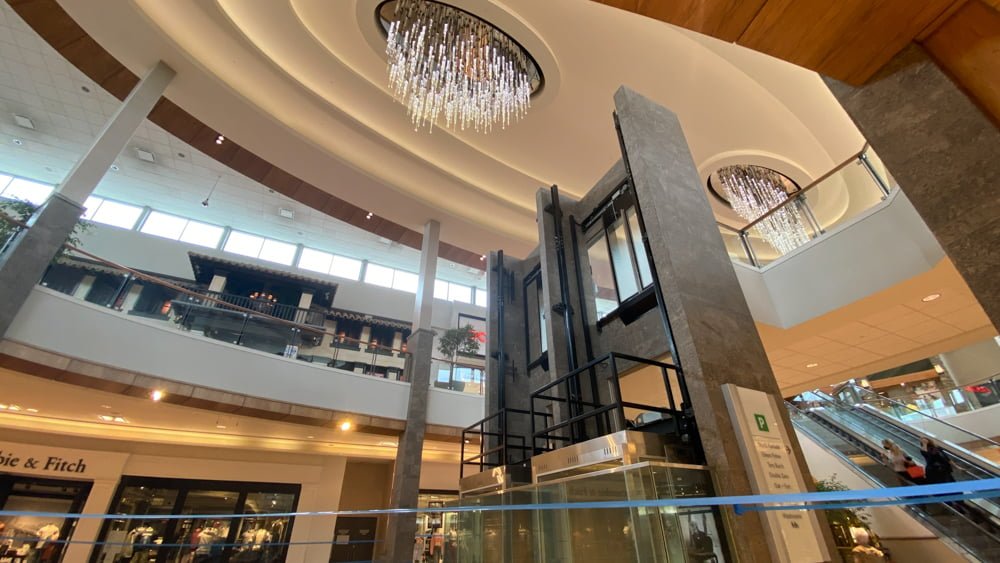
The main attraction for this section of the lower level is the main entrance from the east as well as the circular viewpoint that allows visitors to look upwards to the second level. Before we head up to the second level, the tour proceeded around the escalators to continue on the lower level behind the escalators.
Centre view point from lower level looking upward to upper level at CF Chinook Centre
1 of 2
Centre view point from the lower level looking upward to the upper level at CF Chinook Centre. Photo: Jessica Finch
Centre view point from the lower level looking upward to the upper level at CF Chinook Centre. Photo: Jessica Finch
Select CF Chinook retailers previously featured in Retail Insider include:
Featured retailers on CF Chinook Centre's lower level in the central zone
1 of 3
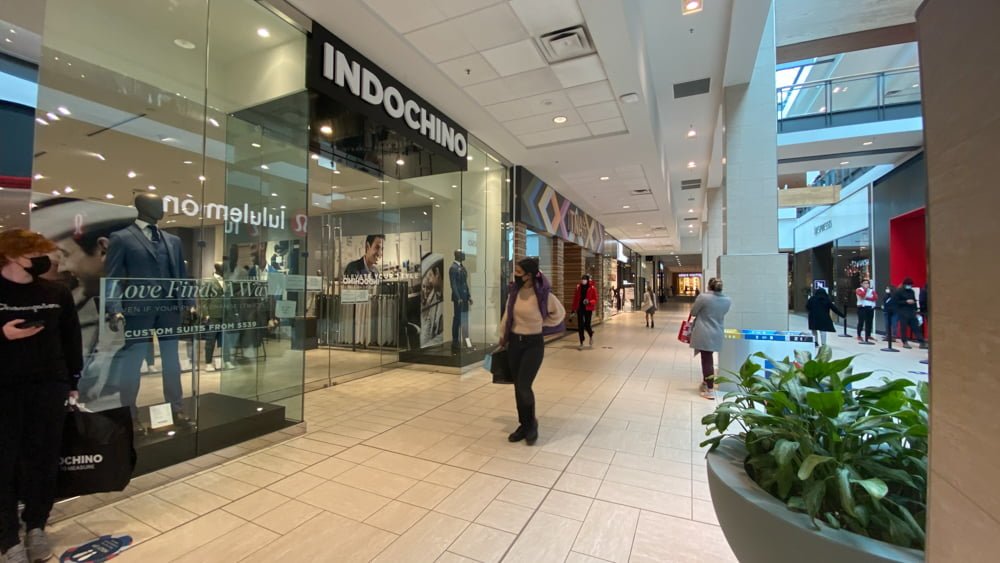
INDOCHINO on the lower level at CF Chinook Centre. Photo: Jessica Finch
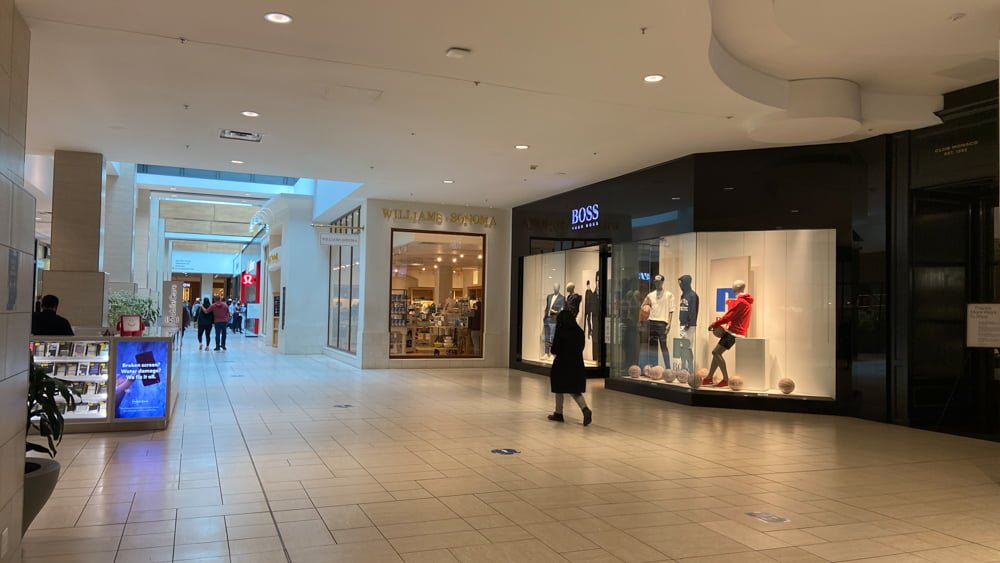
HUGO BOSS and Williams and Sonoma on the lower level at CF Chinook Centre. Photo: Jessica Finch
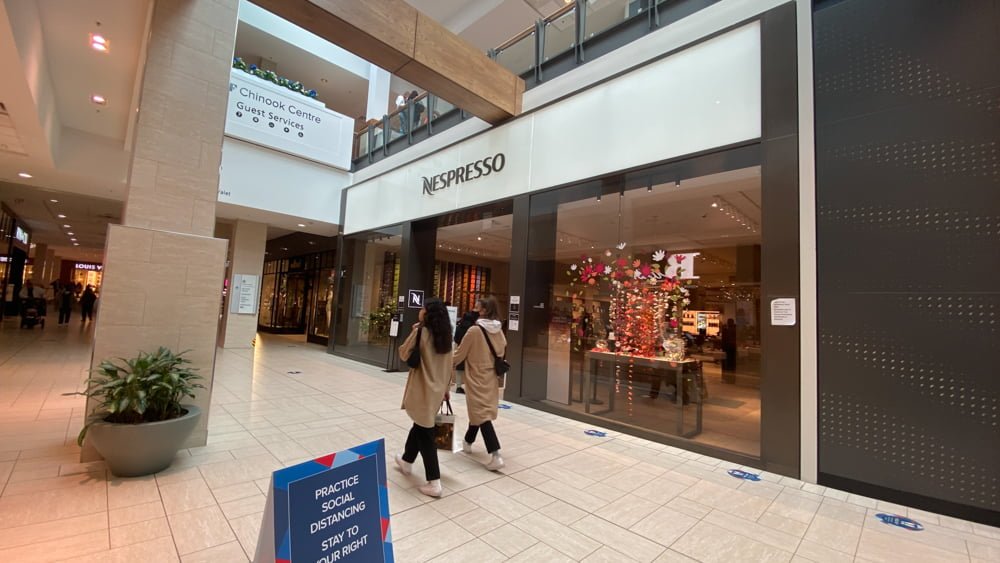
Nespresso on the lower level at CF Chinook Centre. Photo: Jessica Finch
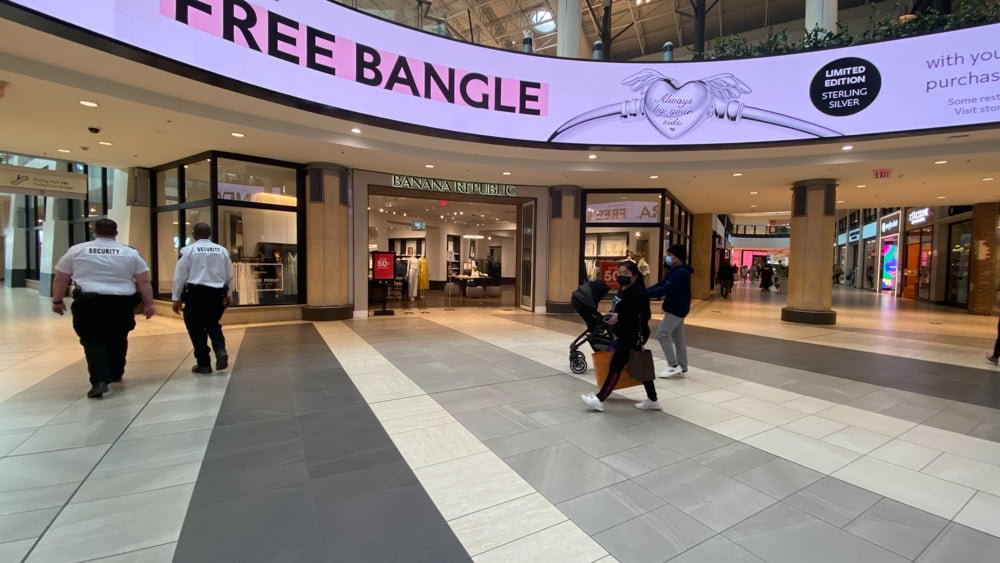
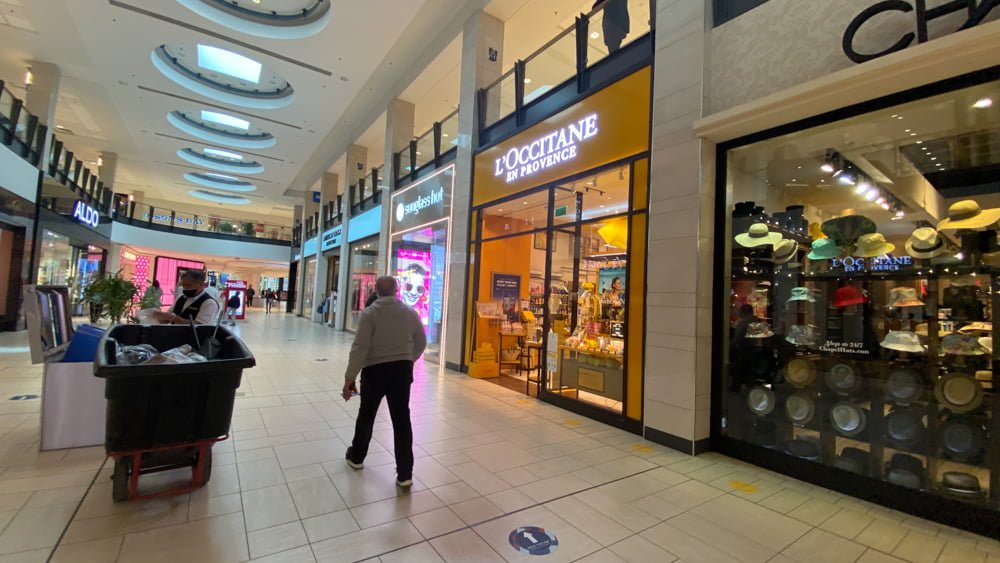
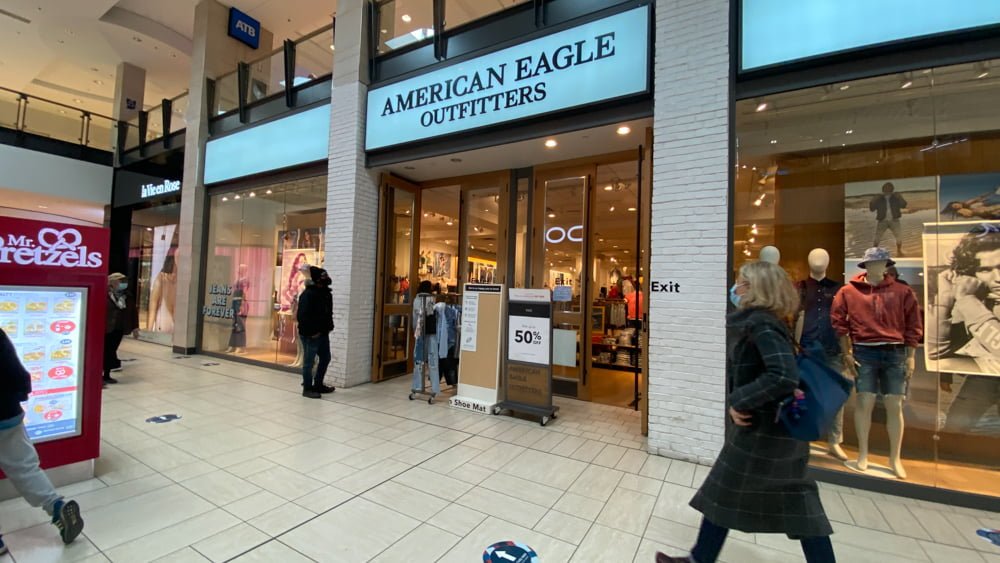
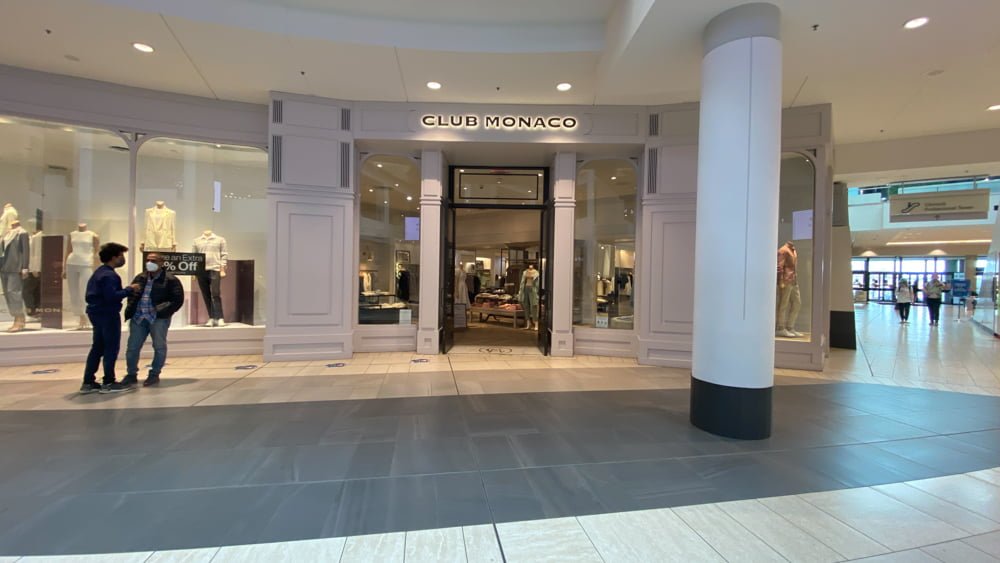
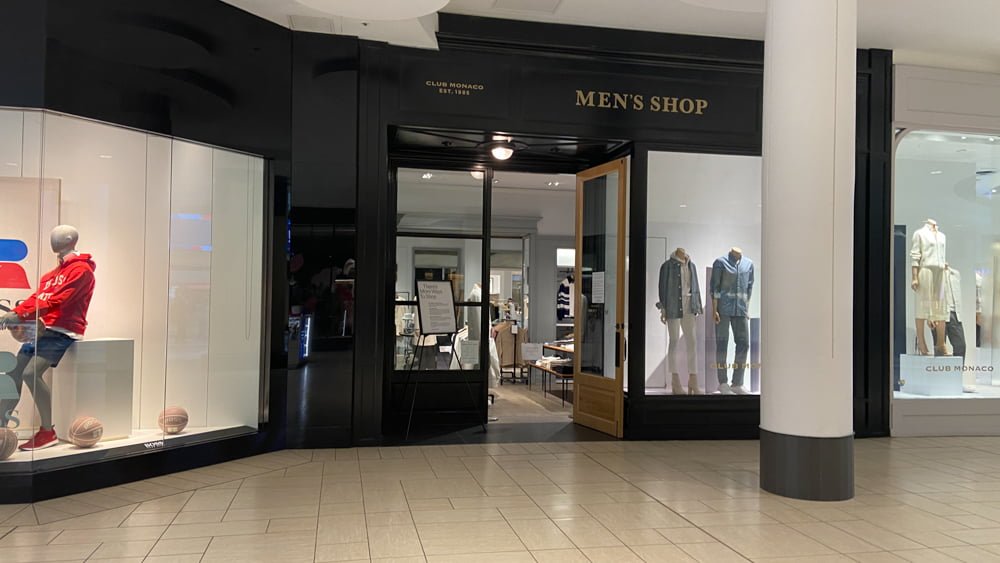
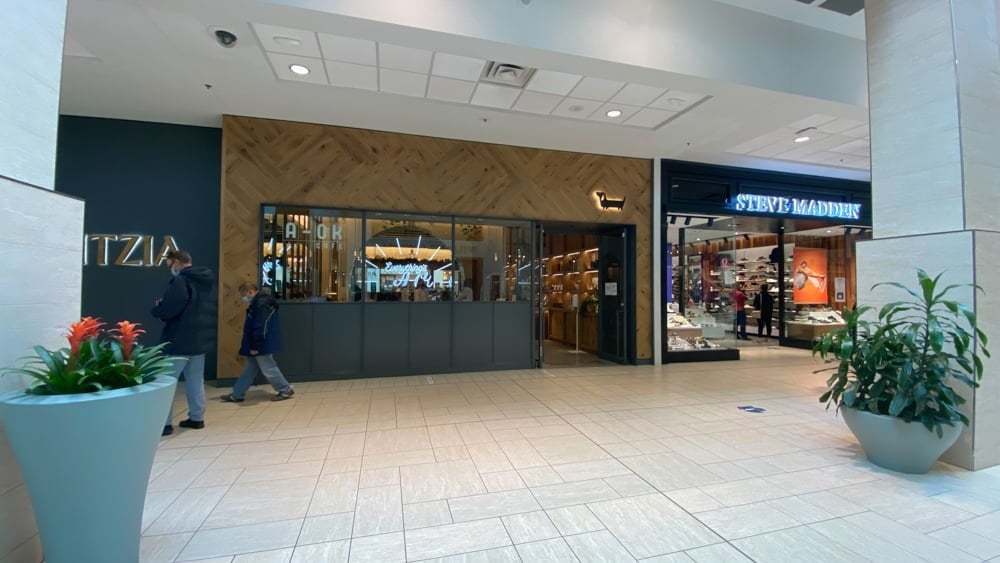
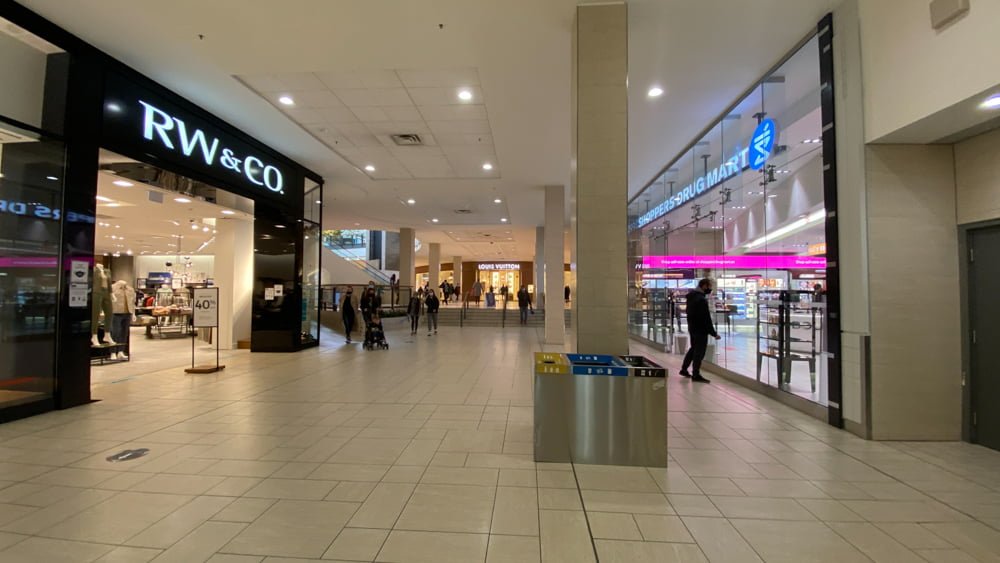
Other select retailers in the centre zone of the mall on the lower level include American Eagle Outfitters, La Senza, Banana Republic, Sunglass Hut, L’Occitane, Chapel Hats, Ecco Shoes, Purdy’s Chocolatier, Club Monaco, Williams-Sonoma, Lululemon, Wilfred, Shoppers Drug Mart, Aritzia, Steve Madden, TNA, Ever New Melbourne, and RW&CO.
Other select CF Chinook Centre retailers on the central zone of the lower level
1 of 14
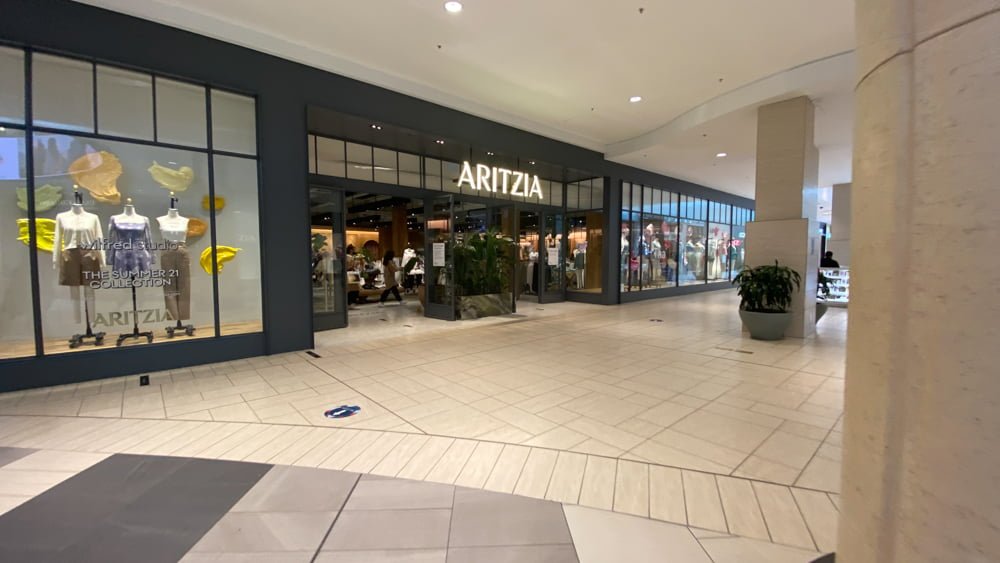
Aritzia on the lower level at CF Chinook Centre. Photo: Jessica Finch
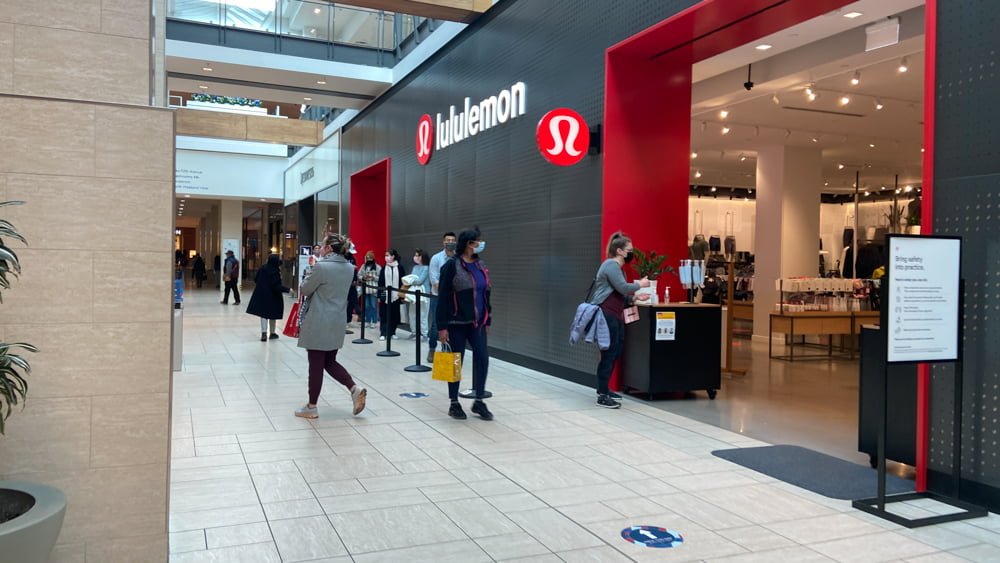
Lululemon on the lower level at CF Chinook Centre. Photo: Jessica Finch
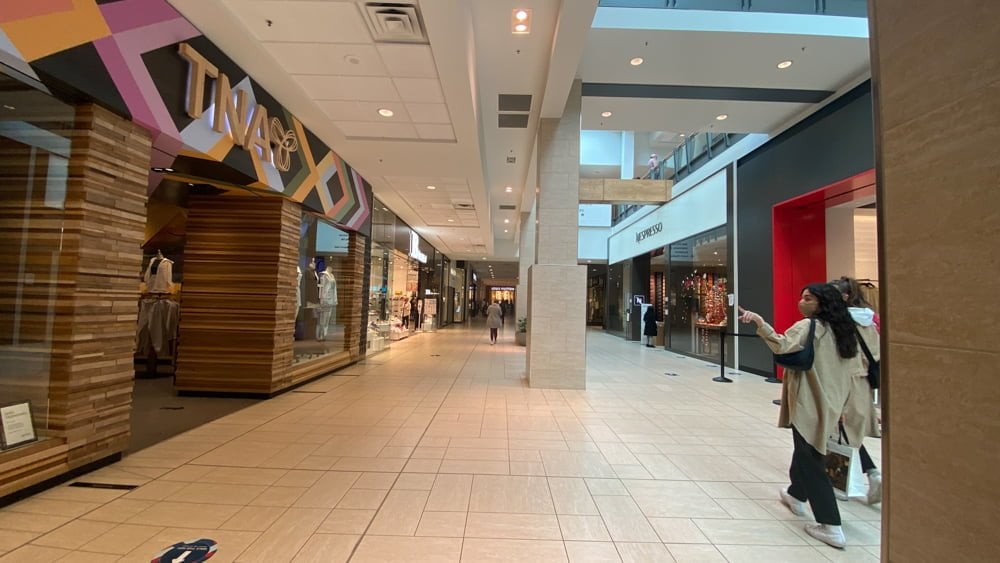
TNA on the lower level at CF Chinook Centre. Photo: Jessica Finch
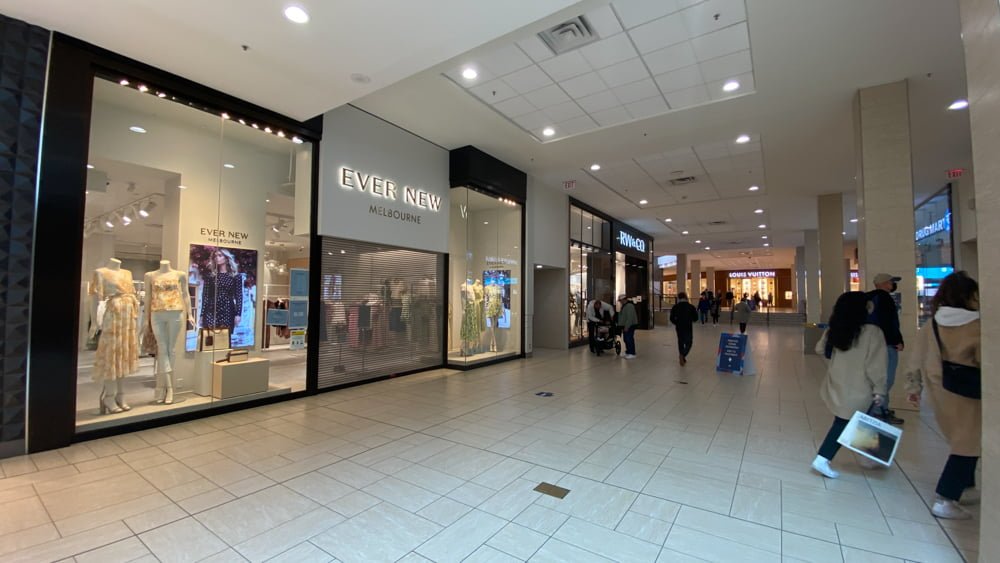
Ever New on the lower level at CF Chinook Centre. Photo: Jessica Finch
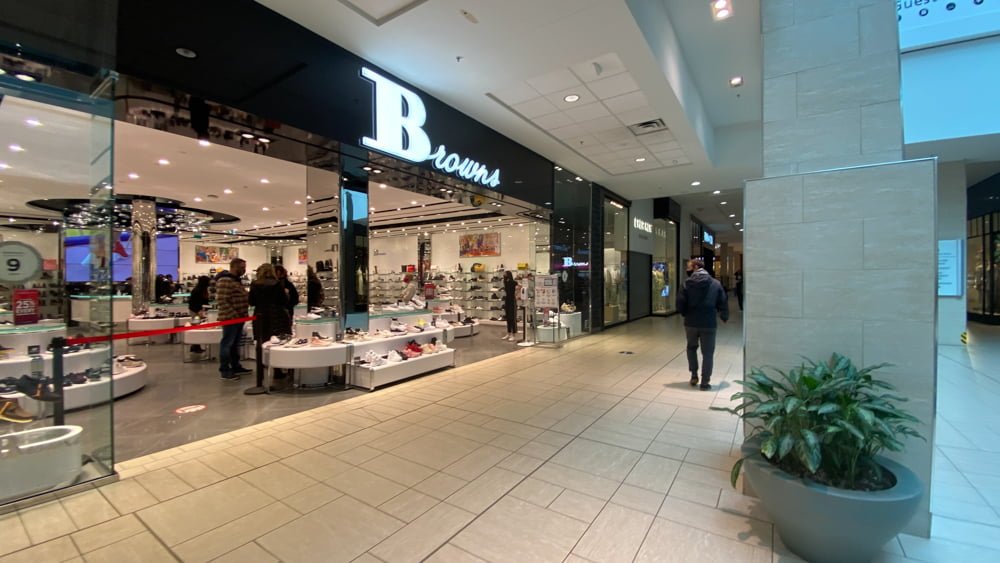
Browns Shoes on the lower level at CF Chinook Centre. Photo: Jessica Finch
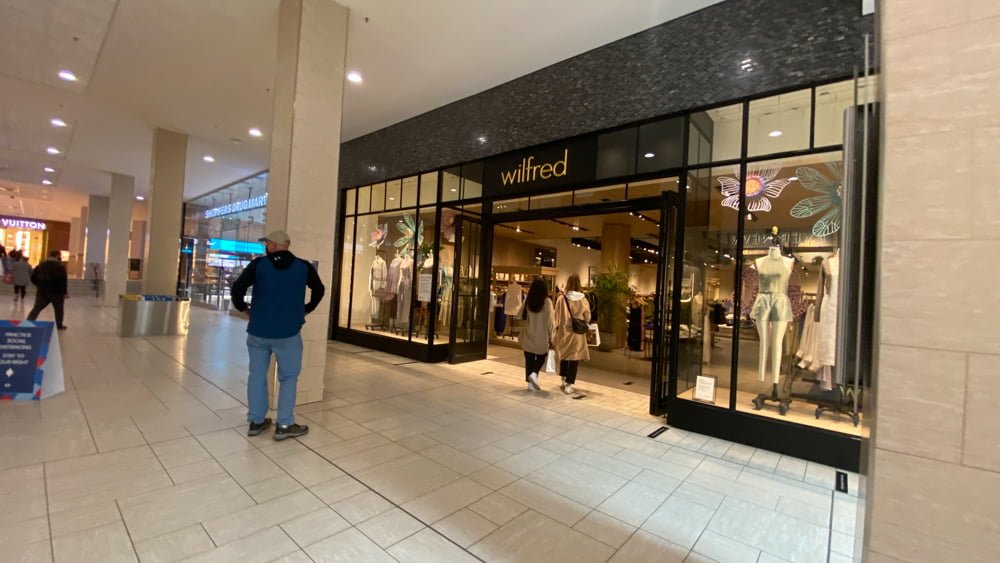
Wilfred on the lower level at CF Chinook Centre. Photo: Jessica Finch
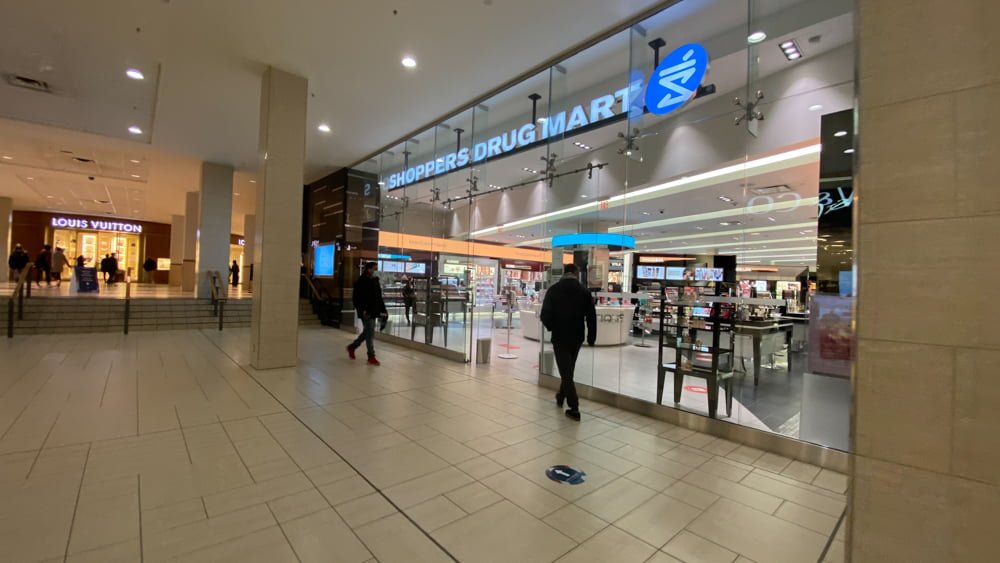
Shoppers Drug Mart on the lower level at CF Chinook Centre. Photo: Jessica Finch
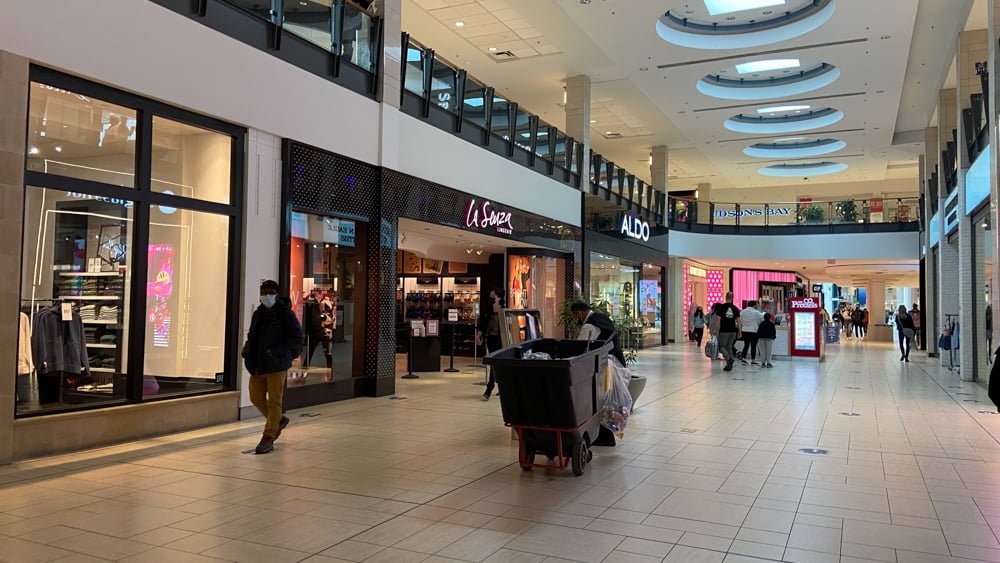
La Senza on the lower level at CF Chinook Centre. Photo: Jessica Finch
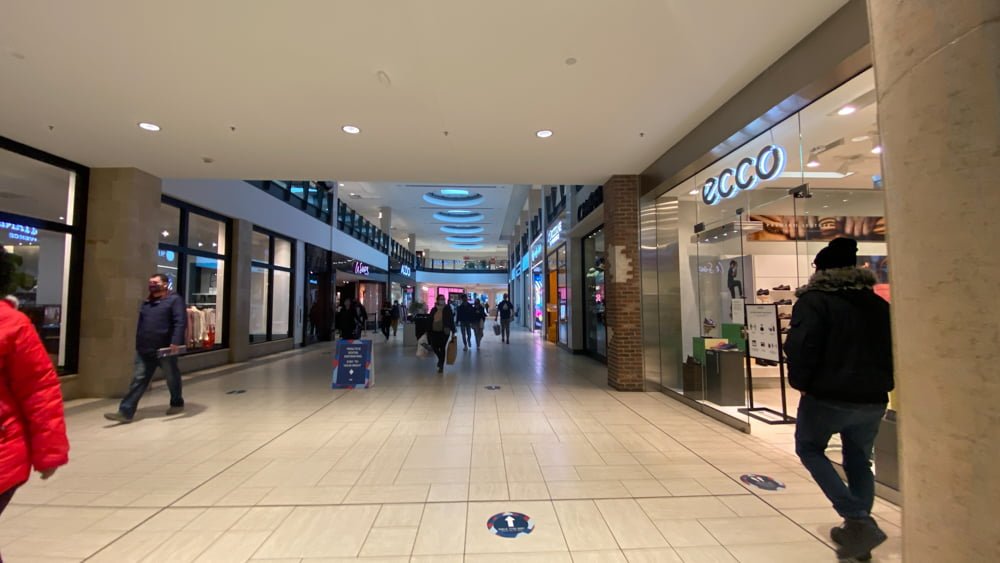
ECCO Shoes on the lower level at CF Chinook Centre. Photo: Jessica Finch
L'Occitane on the lower level at CF Chinook Centre. Photo: Jessica Finch
American Eagle on the lower level at CF Chinook Centre. Photo: Jessica Finch
Club Monaco on the lower level at CF Chinook Centre. Photo: Jessica Finch
Club Monaco Men's on the lower level at CF Chinook Centre. Photo: Jessica Finch
Steve Madden on the lower level at CF Chinook Centre. Photo: Jessica Finch
Between RW&Co. and Shoppers before entering the northwest end on CF Chinook Centre’s lower level. Photo: Jessica Finch
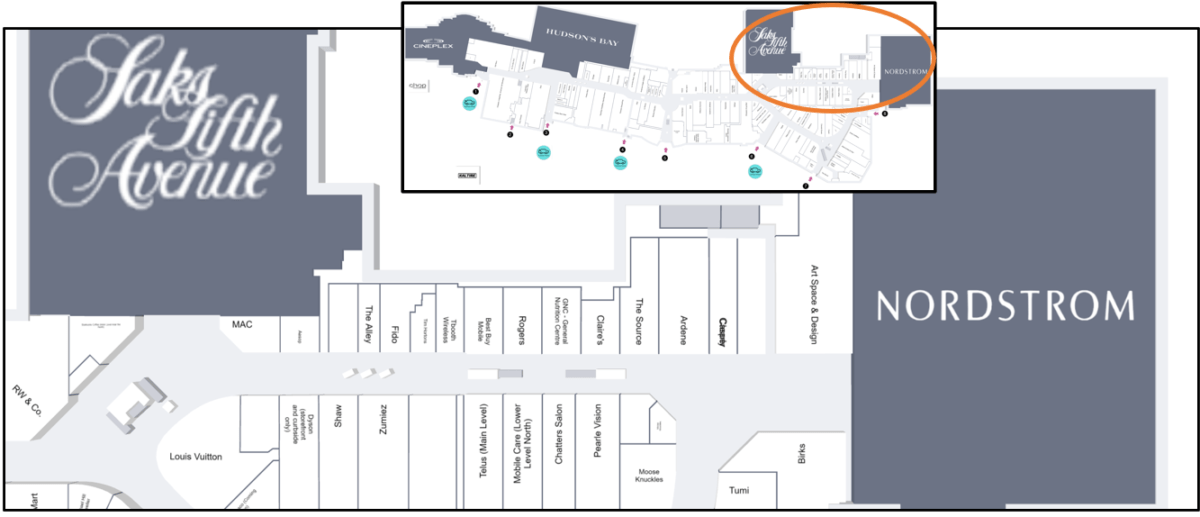
Northwest End of CF Chinook Centre’s Lower Level
Northwest end of CF Chinook Centre on the lower level. Photo: CF Chinook Mall map with zones overlaid by Retail Insider
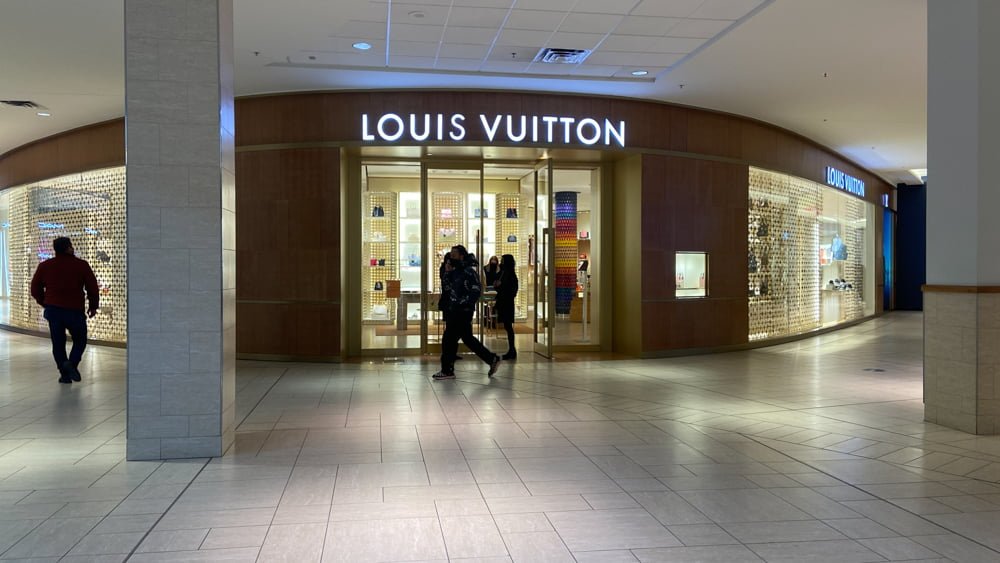
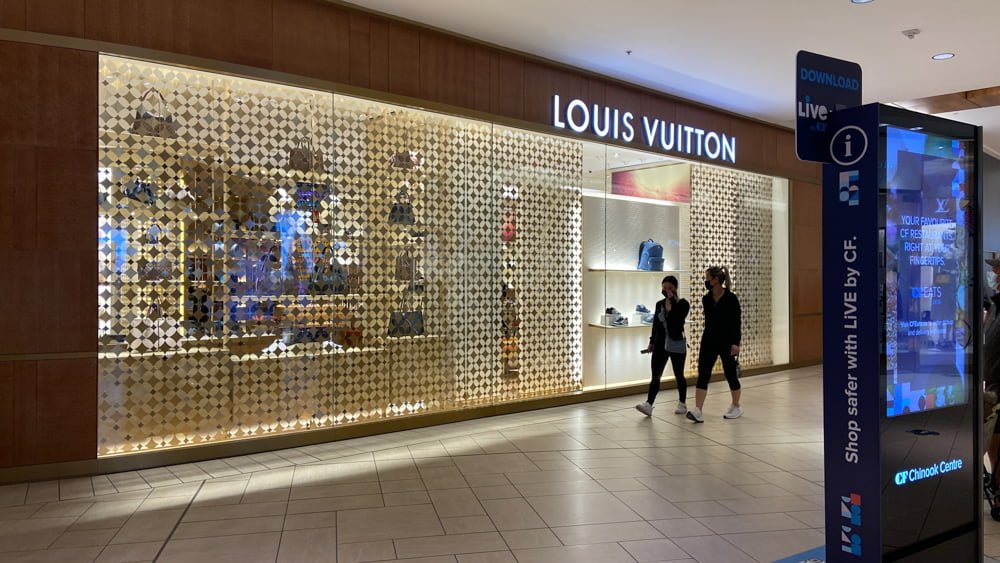
Louis Vuitton on lower level of CF Chinook Centre. Photo: Jessica Finch
Louis Vuitton on lower level of CF Chinook Centre. Photo: Jessica Finch
Featured retailers on CF Chinook Centre's lower level in the northwest section
1 of 6
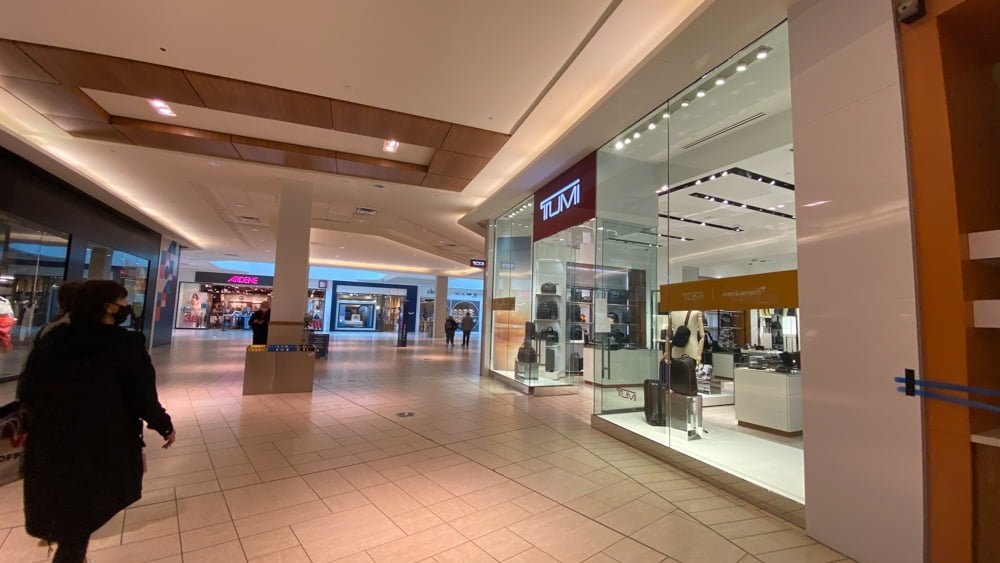
TUMI on the lower level of CF Chinook Centre. Photo: Jessica Finch
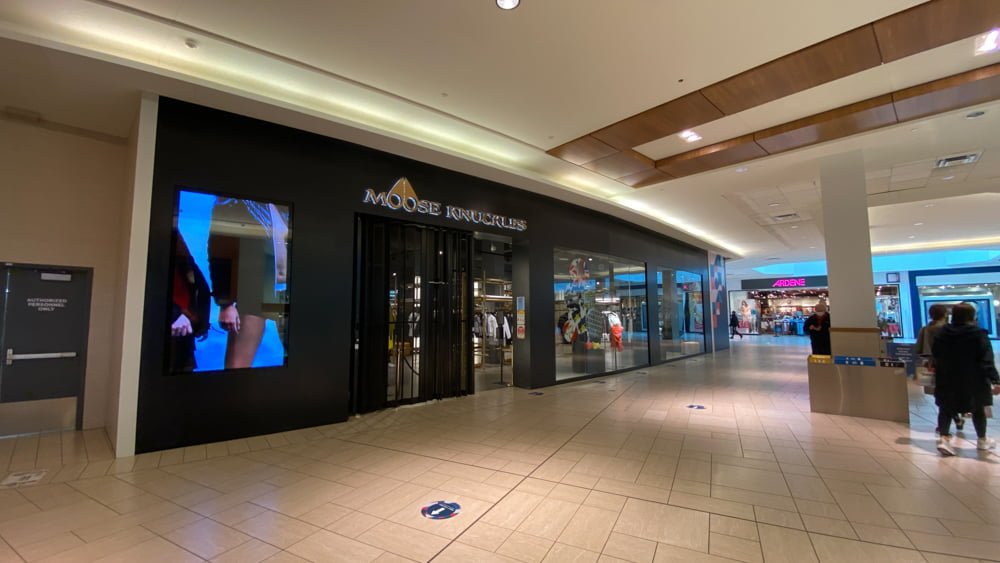
Moose Knuckles on the lower level of CF Chinook Centre. Photo: Jessica Finch
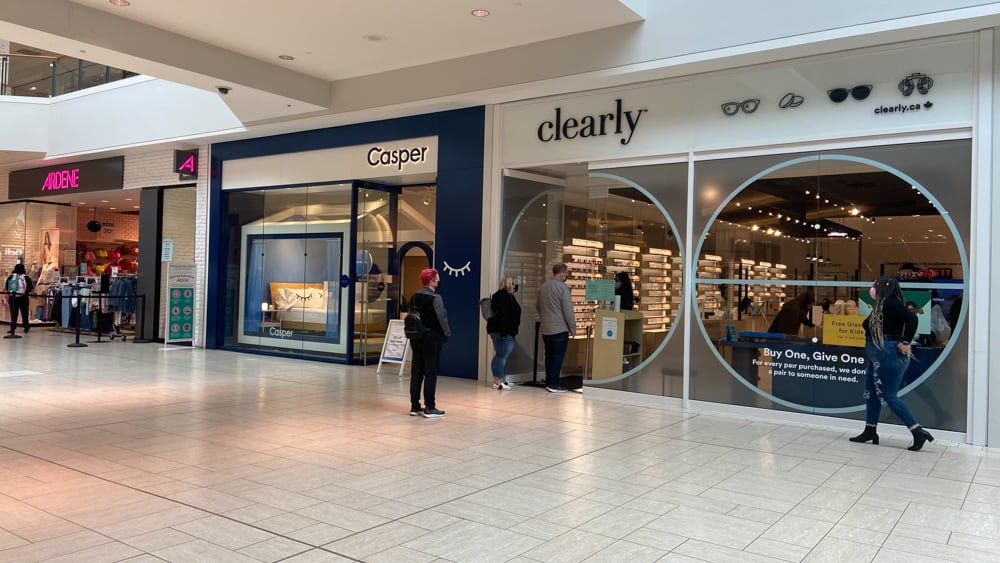
Casper and Clearly on the lower level of CF Chinook Centre. Photo: Jessica Finch
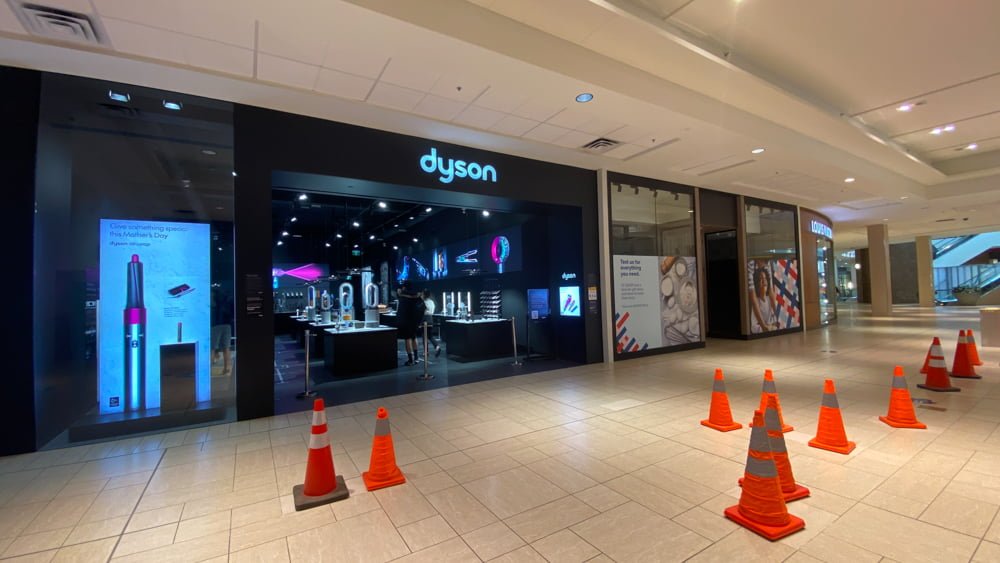
Dyson on the lower level of CF Chinook Centre. Photo: Jessica Finch
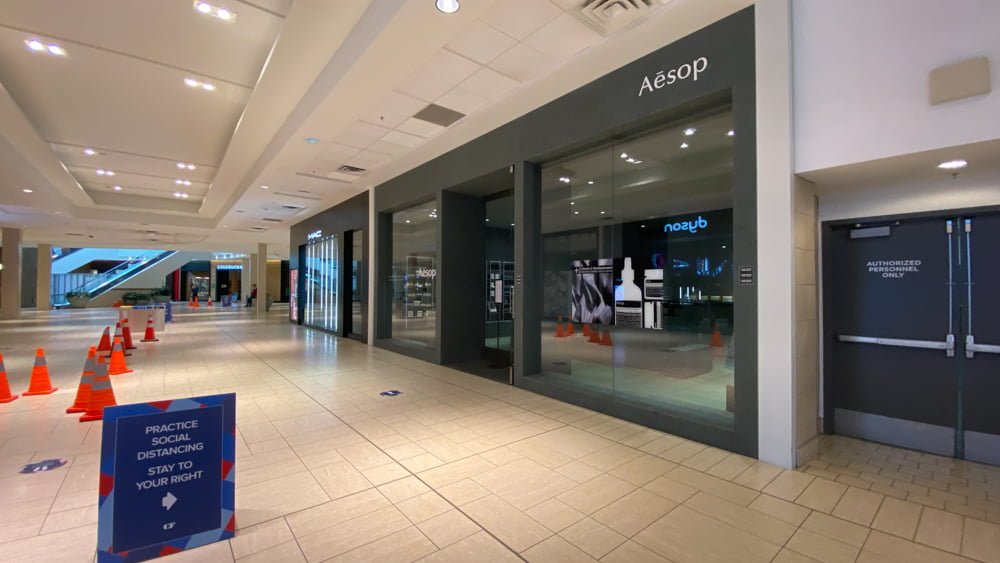
Aesop on the lower level of CF Chinook Centre. Photo: Jessica Finch
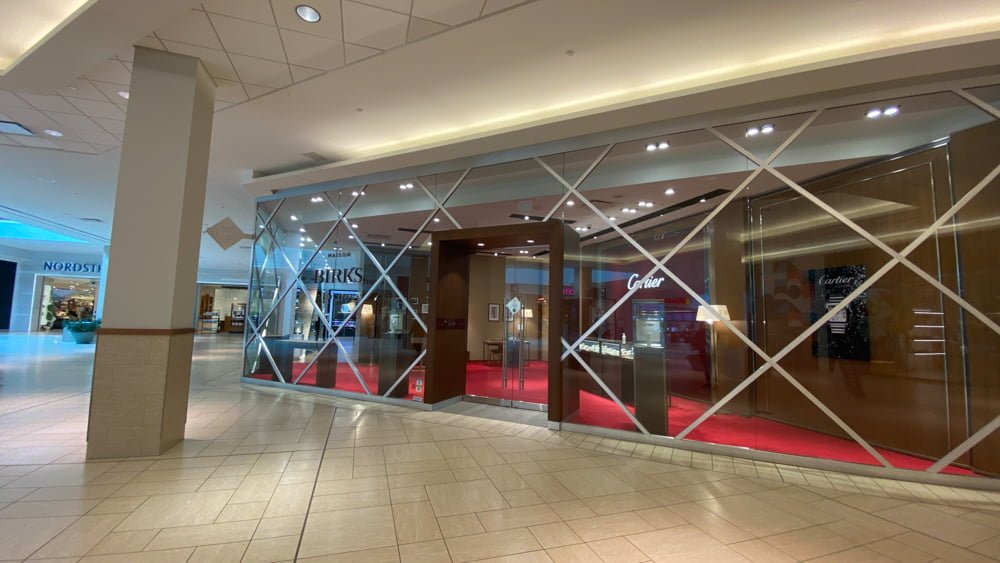
Maison Birks on the lower level of CF Chinook Centre. Photo: Jessica Finch
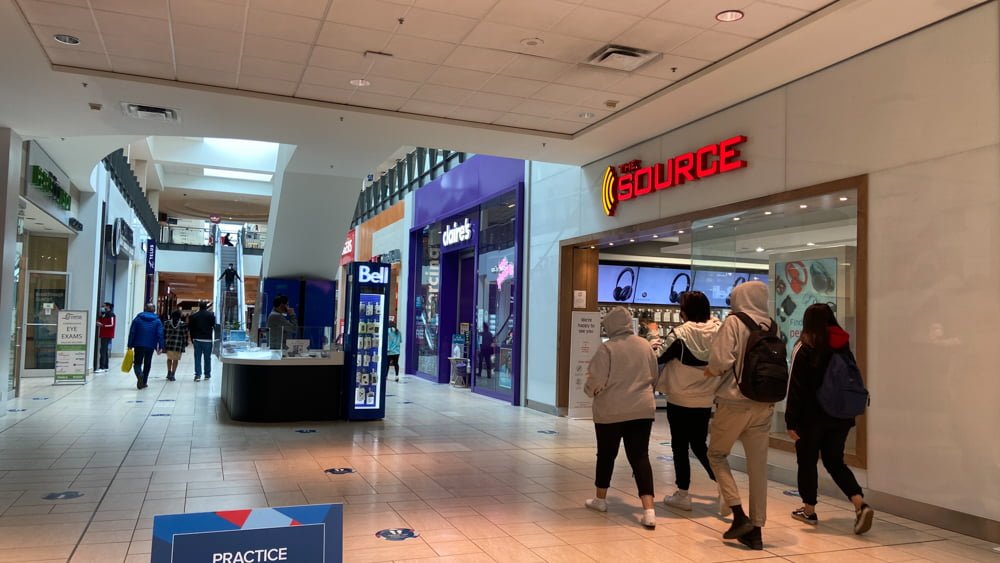
Other retailers include MAC Cosmetics, The Alley, GNC (General Nutrition Centre), Claire’s, The Source, Ardene, and Zumiez.
Other select CF Chinook Centre retailers on the northwest end of the lower level
1 of 10
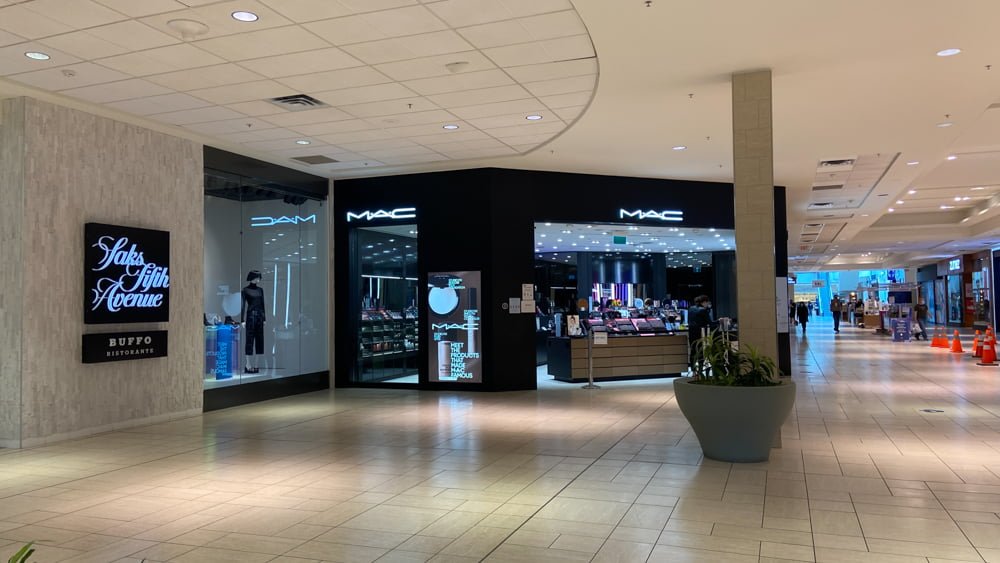
MAC Cosmetics next to Saks Fifth Avenue on the lower level of CF Chinook Centre. Photo: Jessica Finch
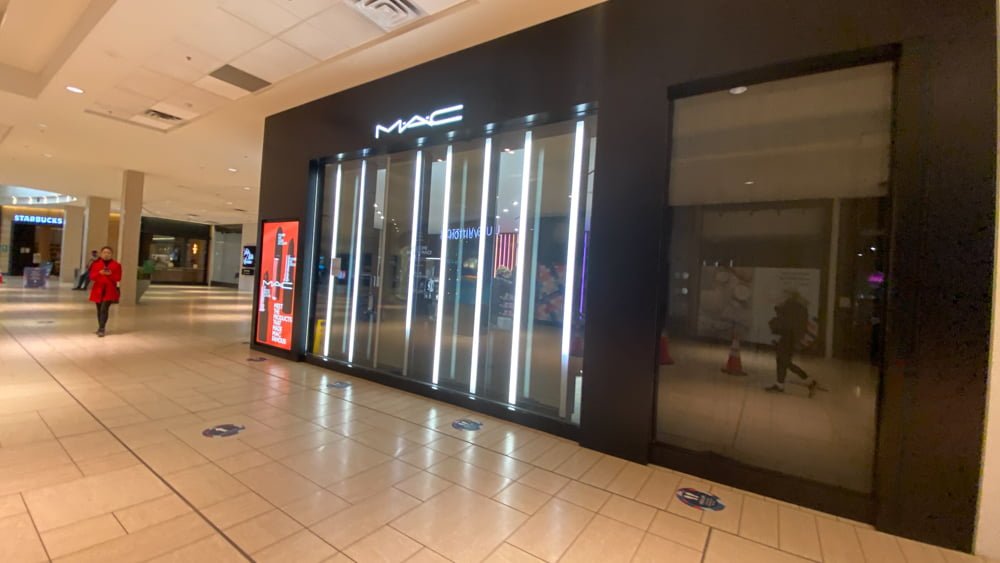
MAC Cosmetics on the lower level of CF Chinook Centre. Photo: Jessica Finch
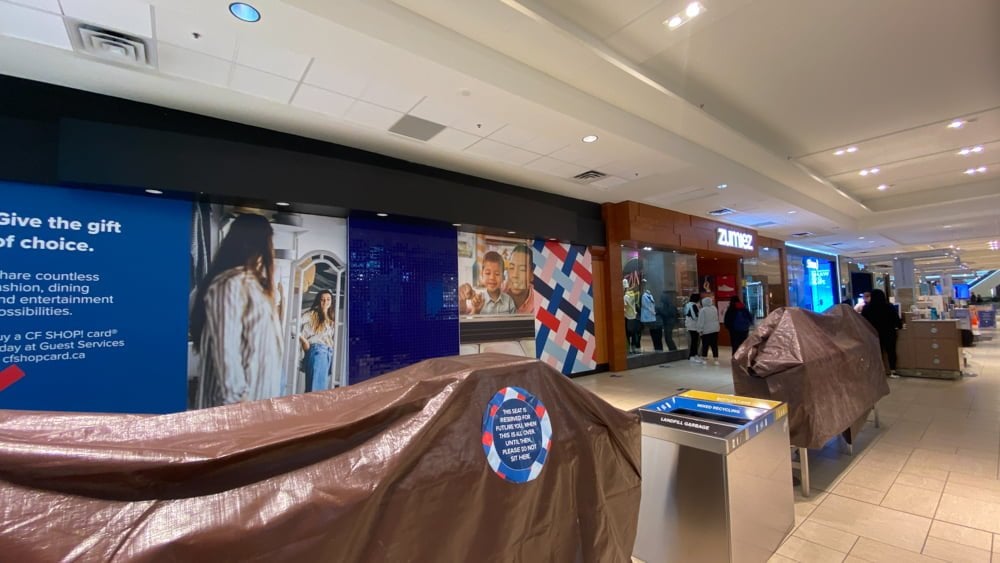
Zumiez on the lower level of CF Chinook Centre. Photo: Jessica Finch
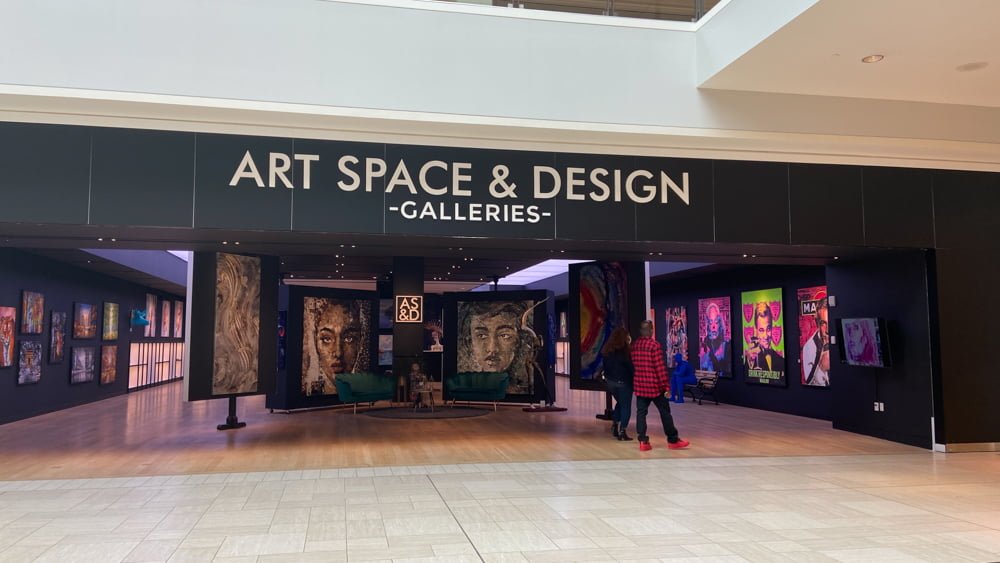
Art Space & Design Galleries on the lower level of CF Chinook Centre. Photo: Jessica Finch
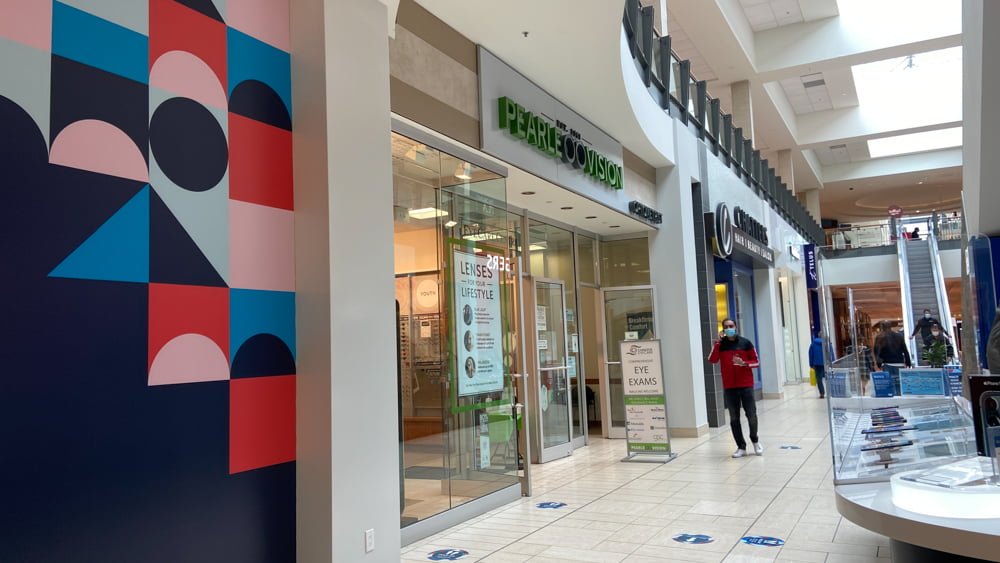
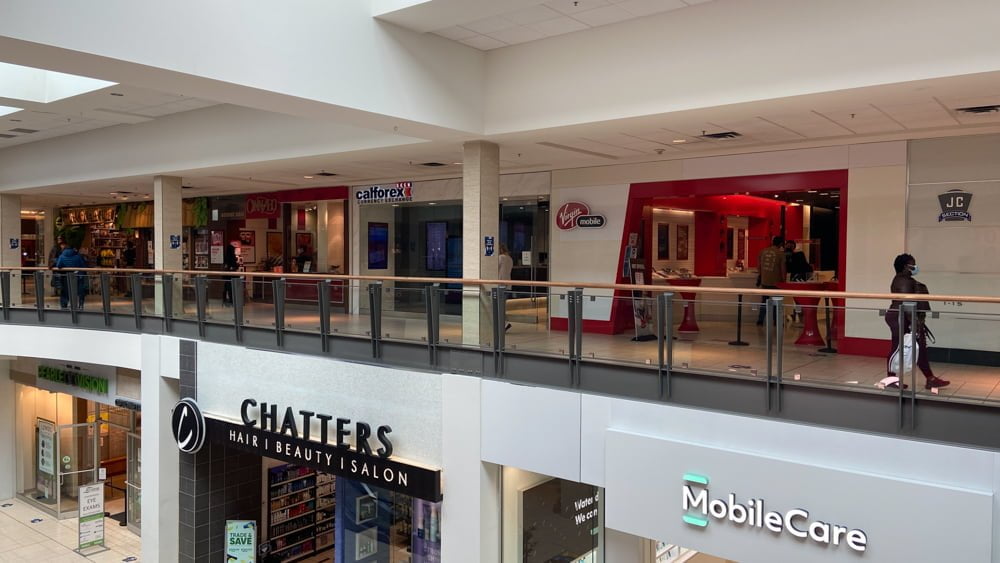
Pearl Vision on the lower level of CF Chinook Centre. Photo: Jessica Finch
Pearl Vision on the lower level of CF Chinook Centre. Photo: Jessica Finch
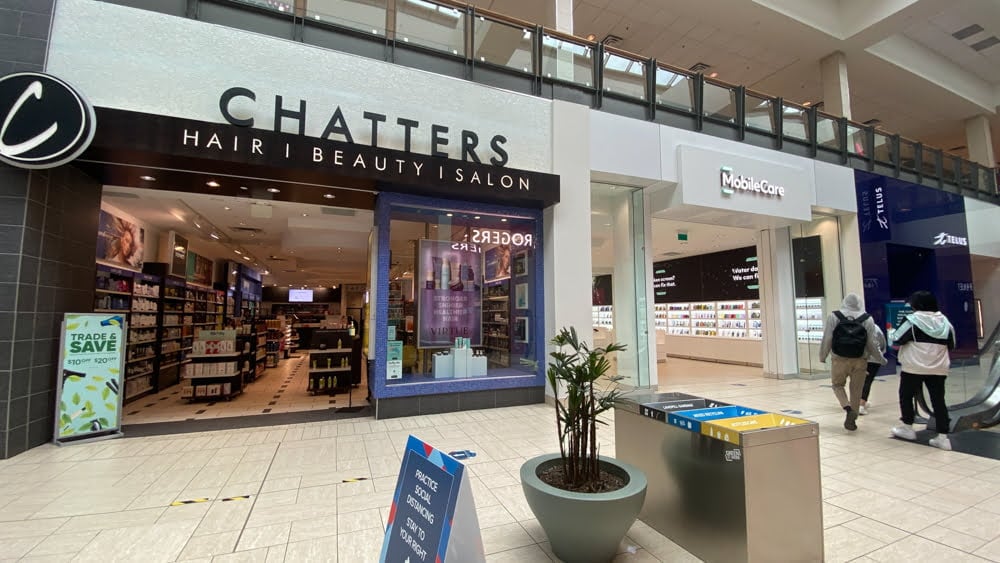
Chatters on the lower level of CF Chinook Centre. Photo: Jessica Finch
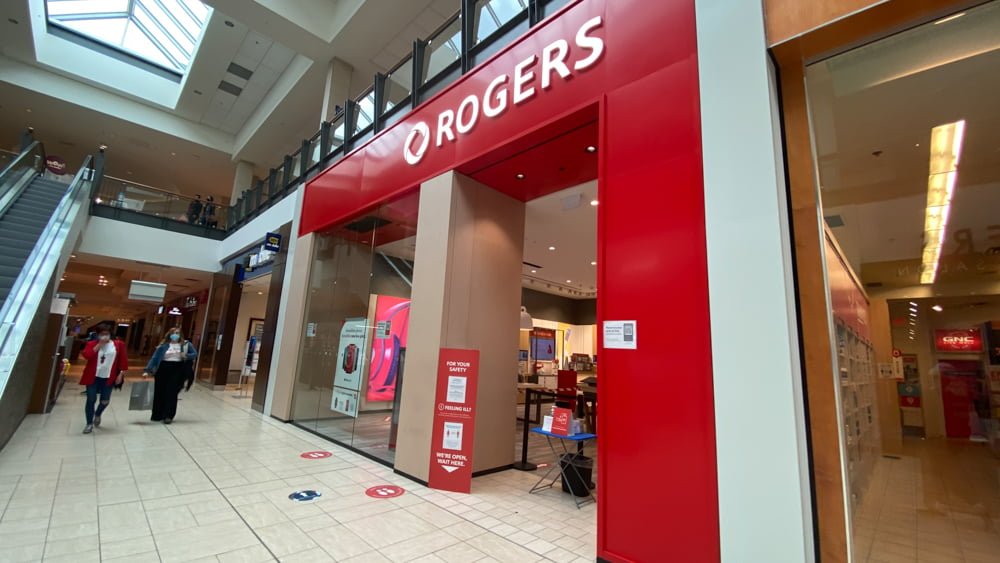
Rogers on the lower level of CF Chinook Centre. Photo: Jessica Finch
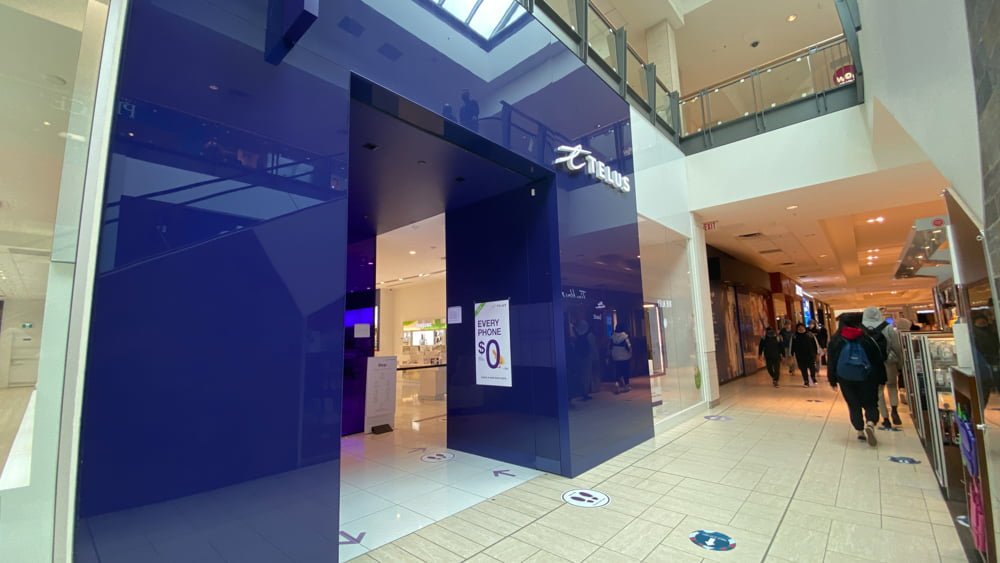
TELUS on the lower level of CF Chinook Centre. Photo: Jessica Finch
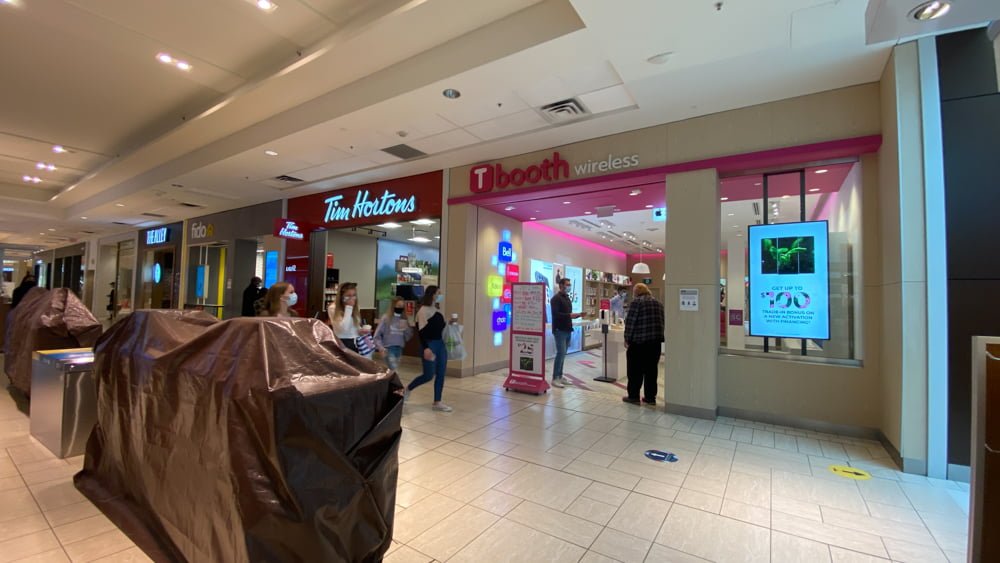
Fido, Tim Hortons ,and Tbooth Wireless on the lower level of CF Chinook Centre. Photo: Jessica Finch
Northeast End of Chinook Centre’s Lower Level
Northeast end of CF Chinook Centre on the lower level. Photo: CF Chinook Mall map with zones overlaid by Retail Insider
The northeast side of the retail loop on the north end doesn’t have any retail anchors over 10,000 square feet in size. Select CF Chinook retailers previously featured in Retail Insider include:
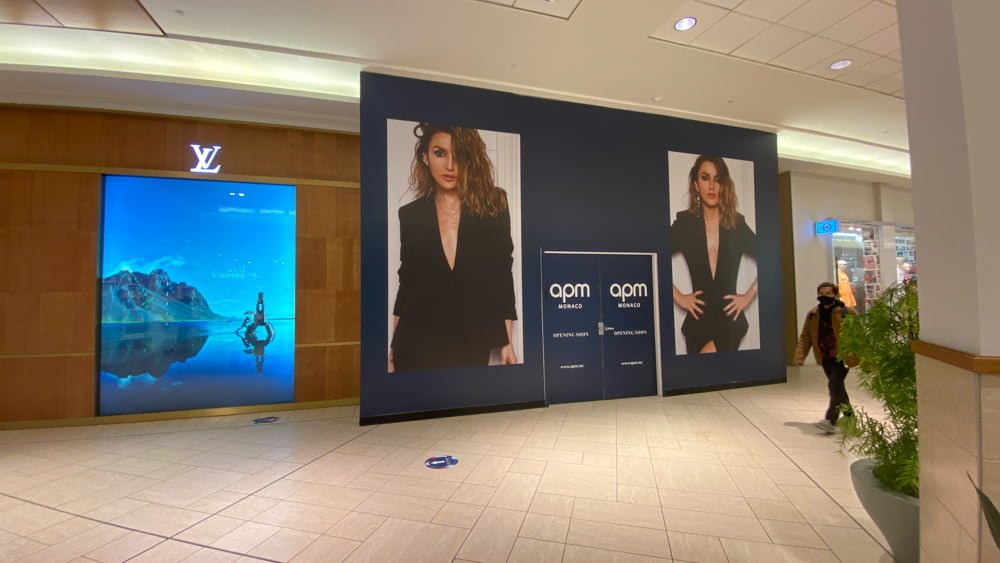
‘Opening Soon’ signage for APM Monaco on lower level of CF Chinook Centre. Photo: Jessica Finch
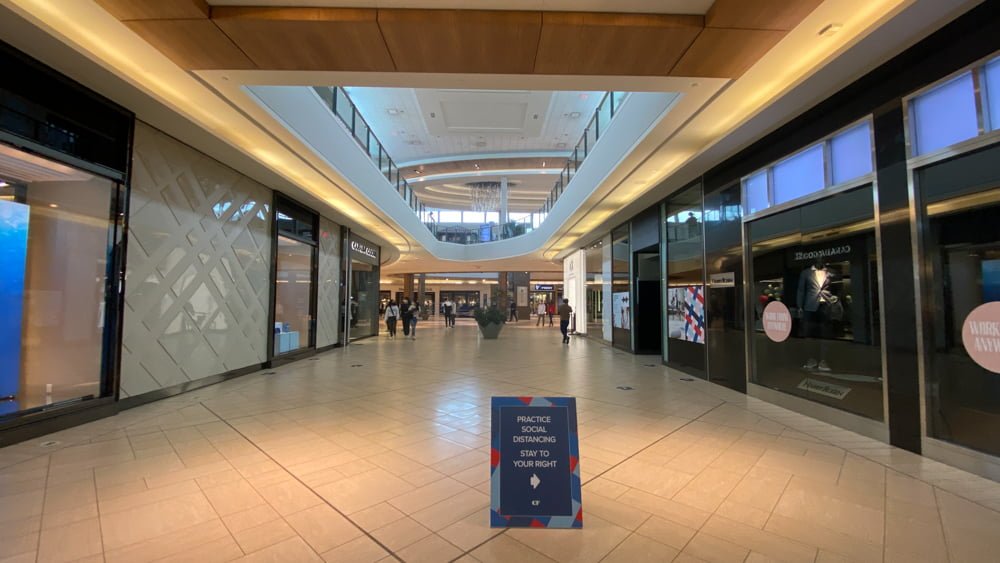
Architectural feature in the northeast section of the lower level at CF Chinook Centre. Photo: Jessica Finch
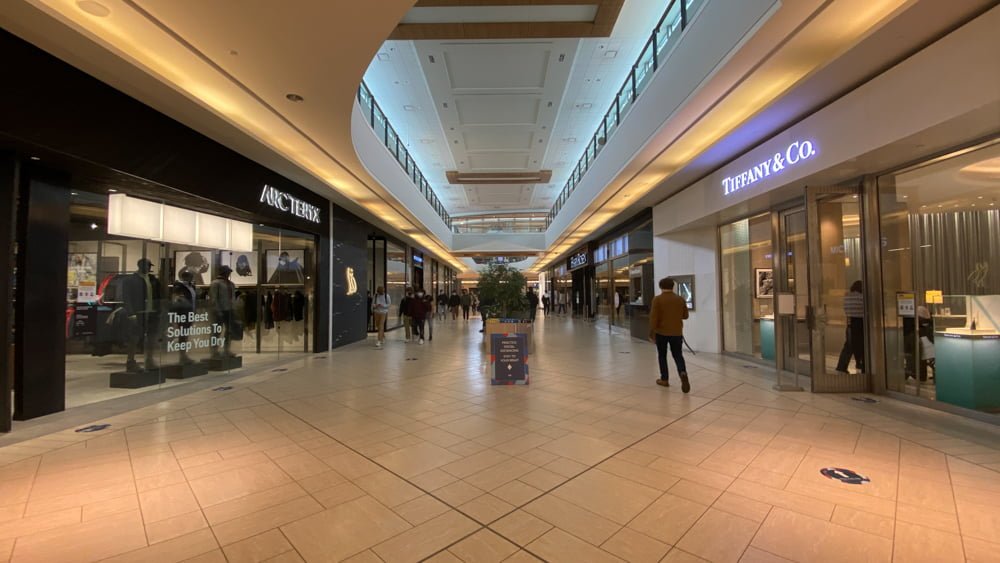
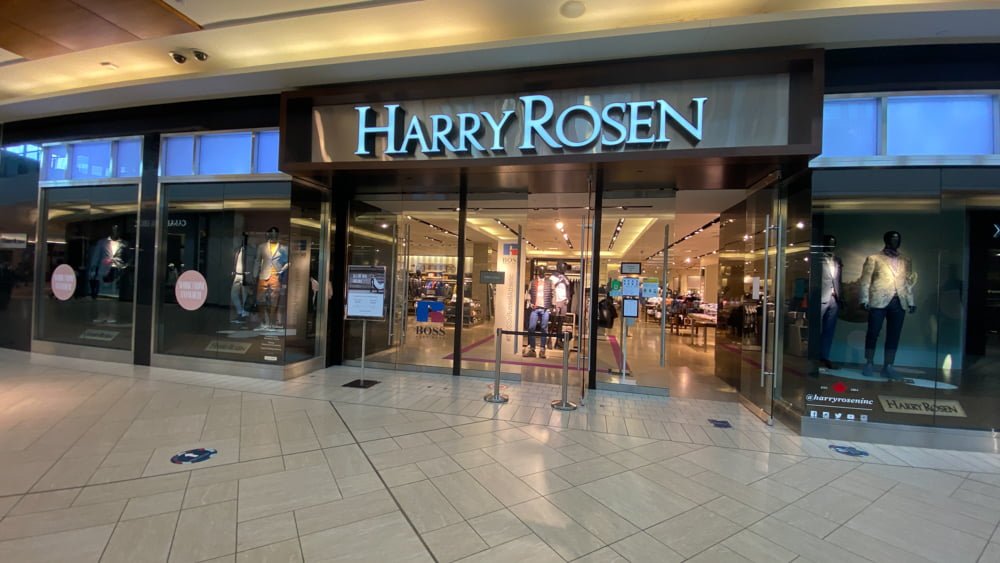
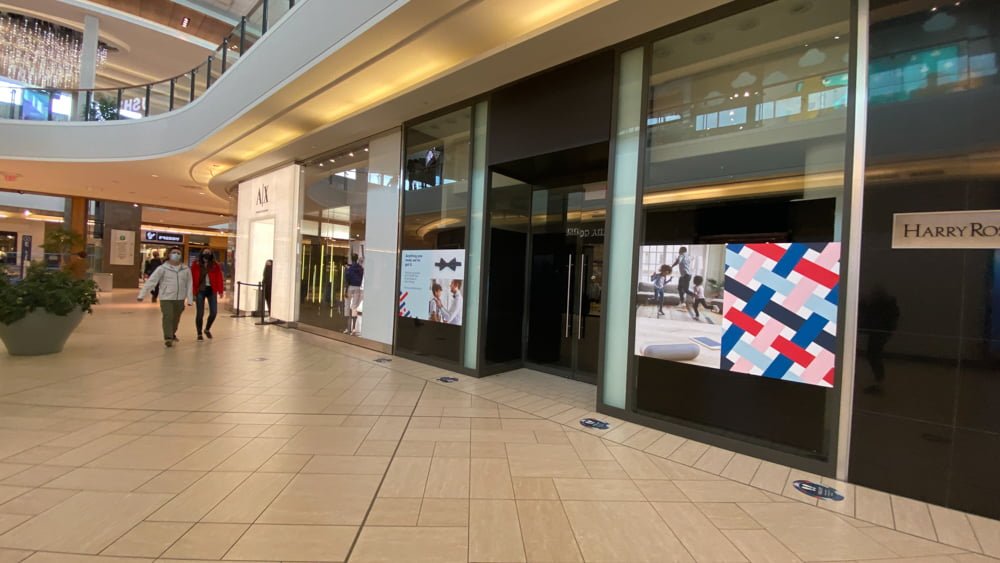
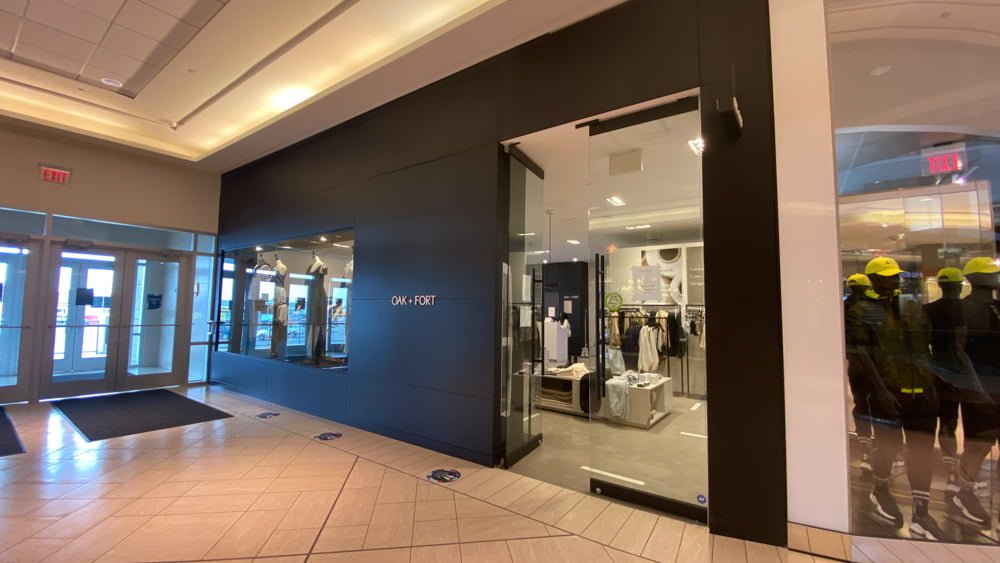
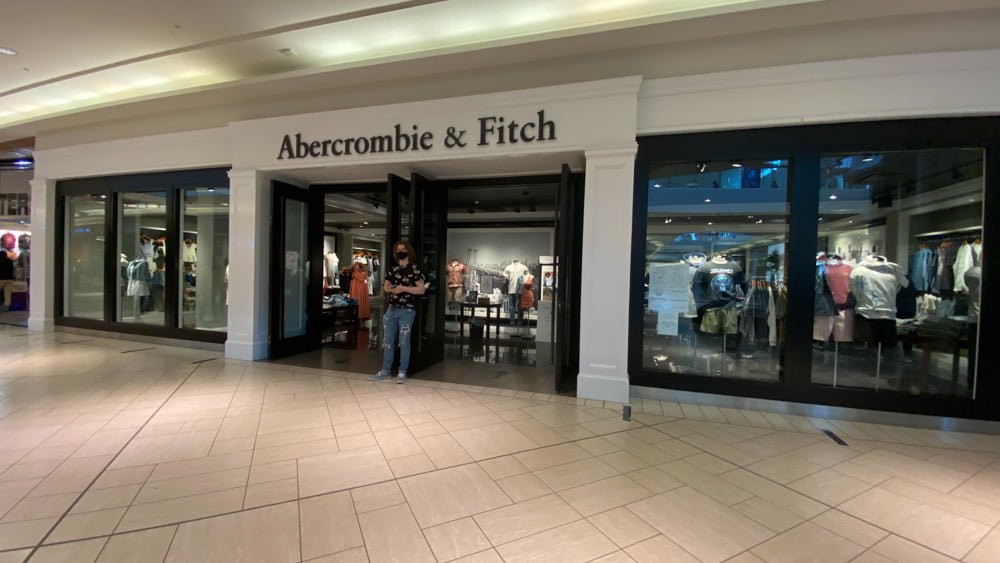
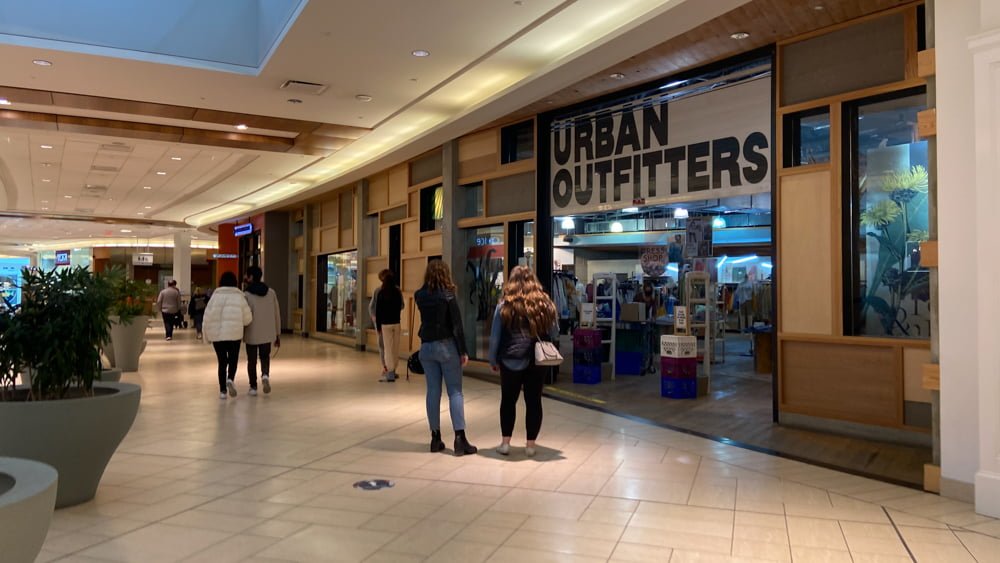
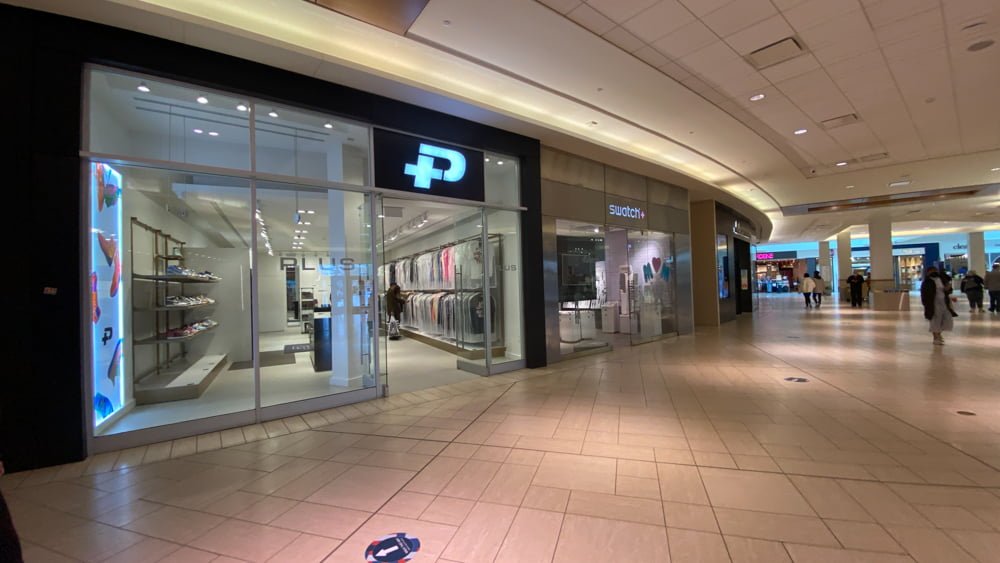
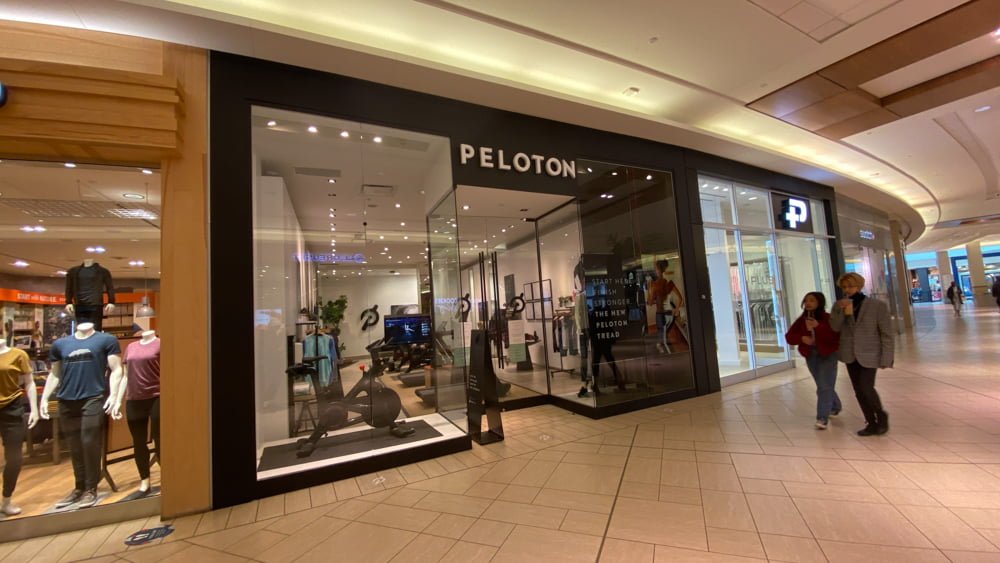
Other retailers include Mackage, Apple, Tiffany & Co., Harry Rosen, A|X Armani Exchange, Oak + Fort, Freddy, Abercrombie & Fitch, Urban Outfitters, Plus, Peloton, Icebreaker, Kiehl’s, Coach, Burberry, October’s Very Own, Arc’teryx, and Michael Kors. This would be considered the most upscale section of CF Chinook Centre overall.
Other select retailers on CF Chinook Centre's northeast end of the lower level
1 of 15
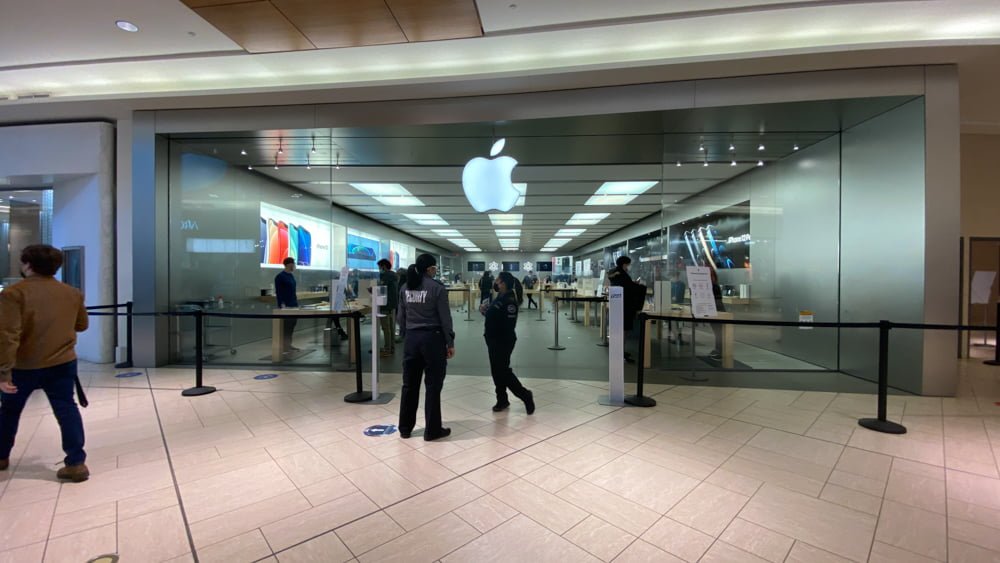
Apple on lower level of CF Chinook Centre. Photo: Jessica Finch
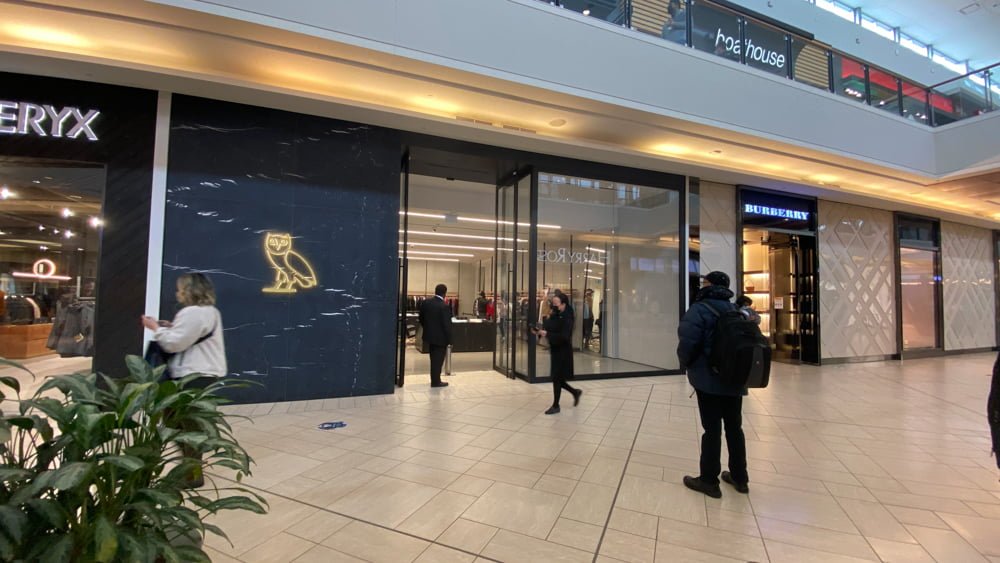
October's Very Own (OVO) and Burberry on lower level of CF Chinook Centre. Photo: Jessica Finch
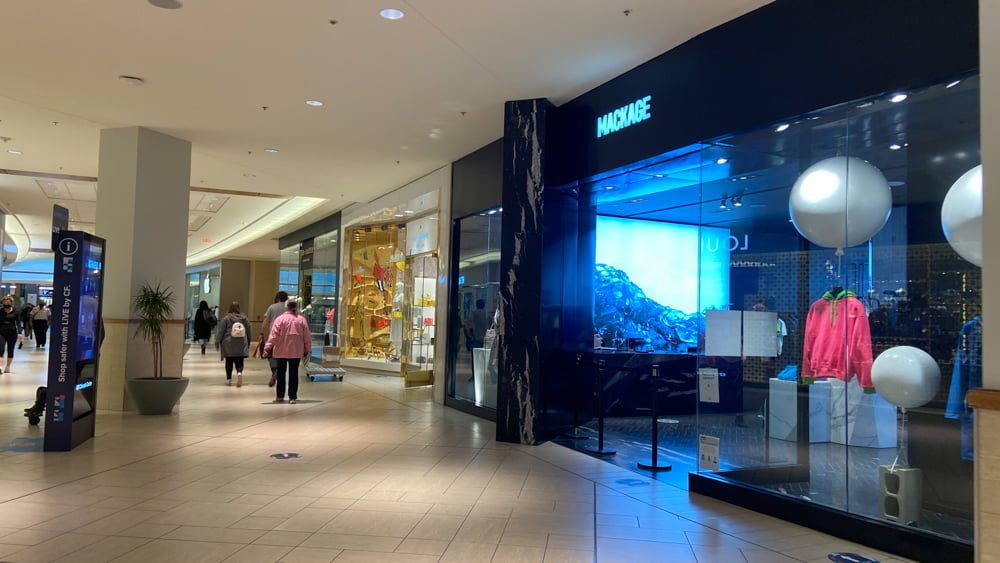
Mackage on lower level of CF Chinook Centre. Photo: Jessica Finch
Arc'teryx and Tiffany & Co. on lower level of CF Chinook Centre. Photo: Jessica Finch
Harry Rosen on lower level of CF Chinook Centre. Photo: Jessica Finch
Armani Exchange on lower level of CF Chinook Centre. Photo: Jessica Finch
Oak + Fort on lower level of CF Chinook Centre. Photo: Jessica Finch
Abercrombie & Fitch on lower level of CF Chinook Centre. Photo: Jessica Finch
Urban Outfitters on lower level of CF Chinook Centre. Photo: Jessica Finch
Plus and Swatch on lower level of CF Chinook Centre. Photo: Jessica Finch
Peloton on lower level of CF Chinook Centre. Photo: Jessica Finch
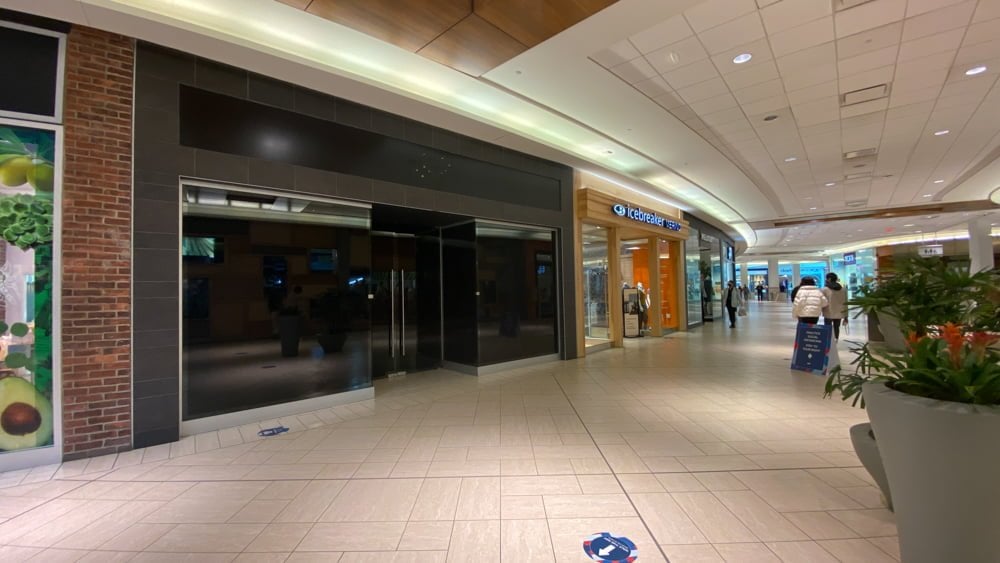
Icebreaker on lower level of CF Chinook Centre. Photo: Jessica Finch
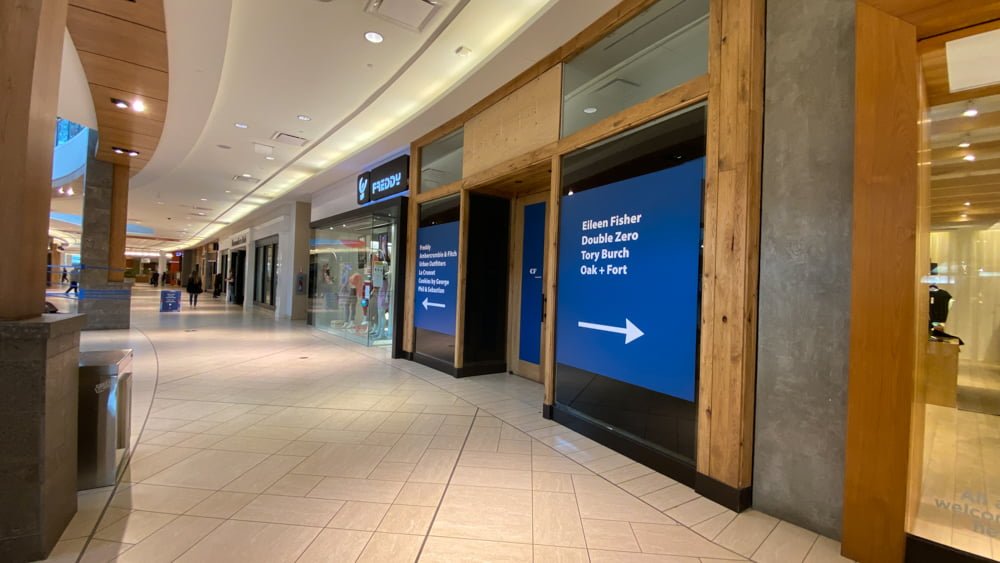
Freddy on lower level of CF Chinook Centre. Photo: Jessica Finch
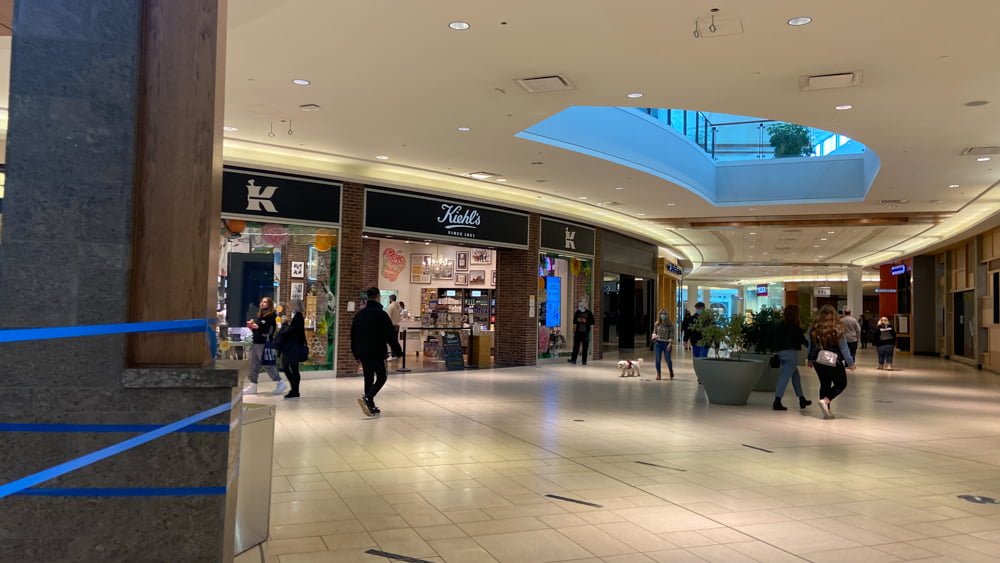
Kiehl's on lower level of CF Chinook Centre. Photo: Jessica Finch
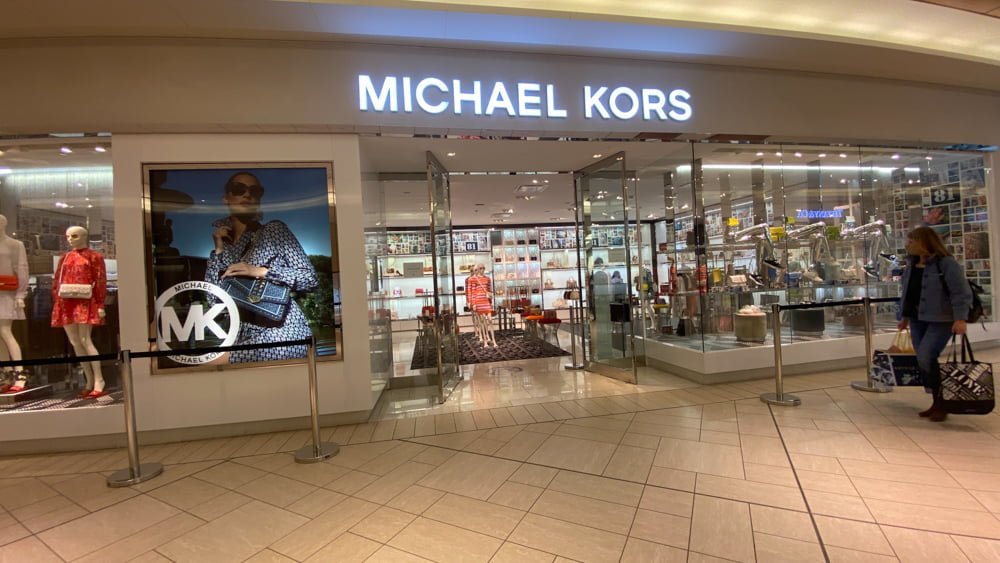
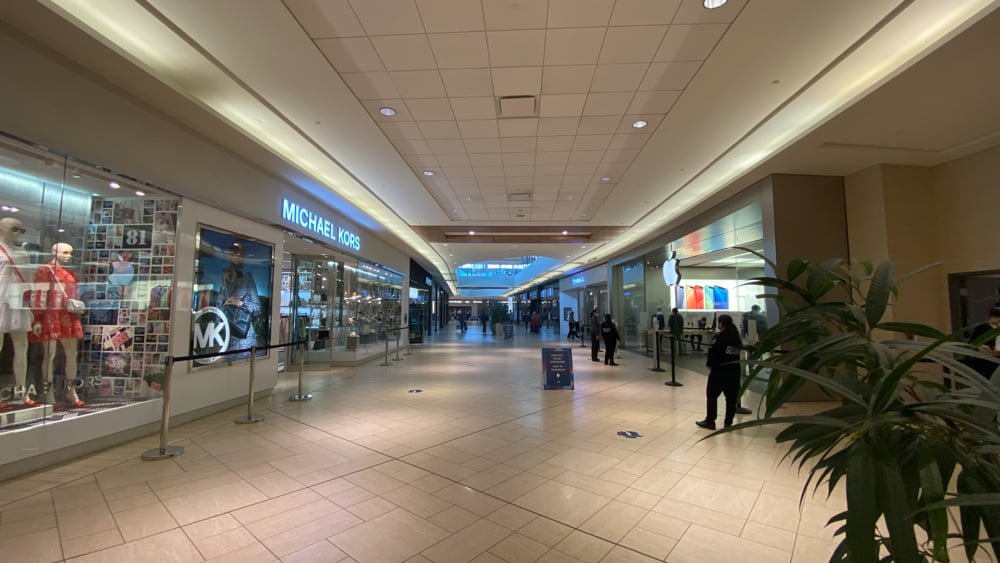
Michael Kors on lower level of CF Chinook Centre. Photo: Jessica Finch
Michael Kors and Apple on lower level of CF Chinook Centre. Photo: Jessica Finch
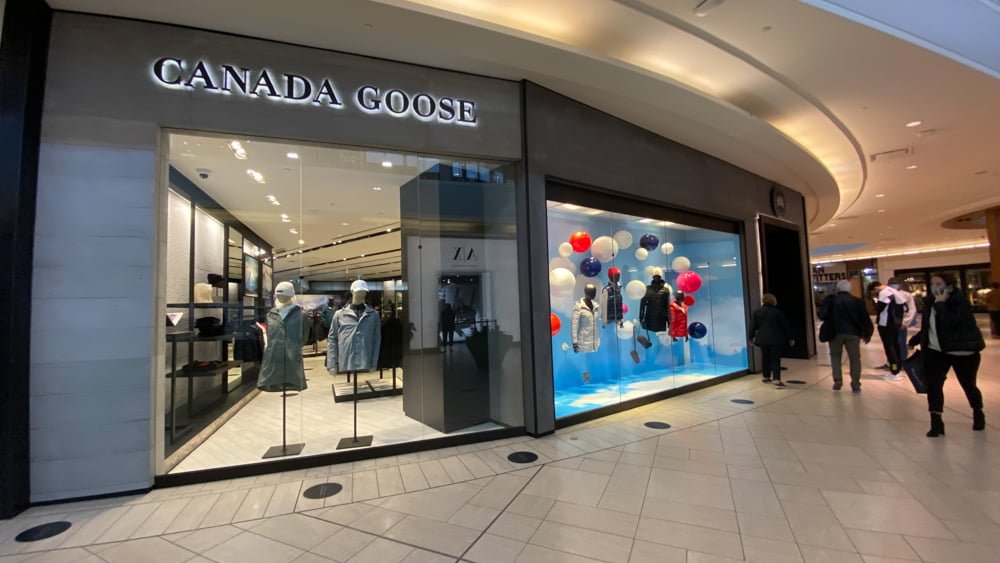
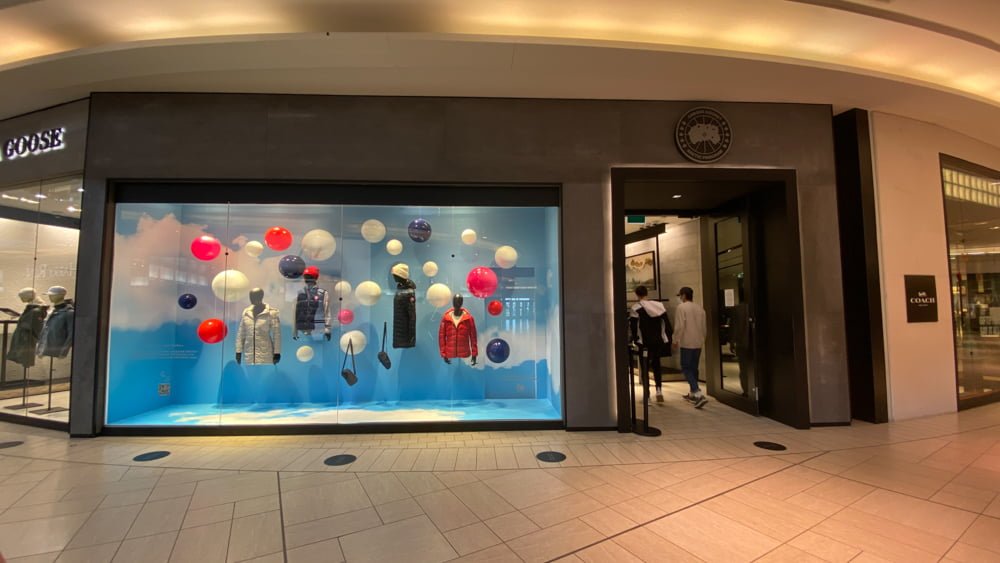
Canada Goose, Harry Rosen, and Armani Exchange on lower level of CF Chinook Centre. Photo: Jessica Finch
Retail Profile of CF Chinook Centre’s Upper Level
The upper level is home to CF Chinook Centre’s renovated food court and is accessible from parking to the west. While there isn’t any additional retail anchors on this level, all of them have a second floor which we won’t go into detail a second time.
Central Zone and Food Court on CF Chinook Centre’s Upper Level
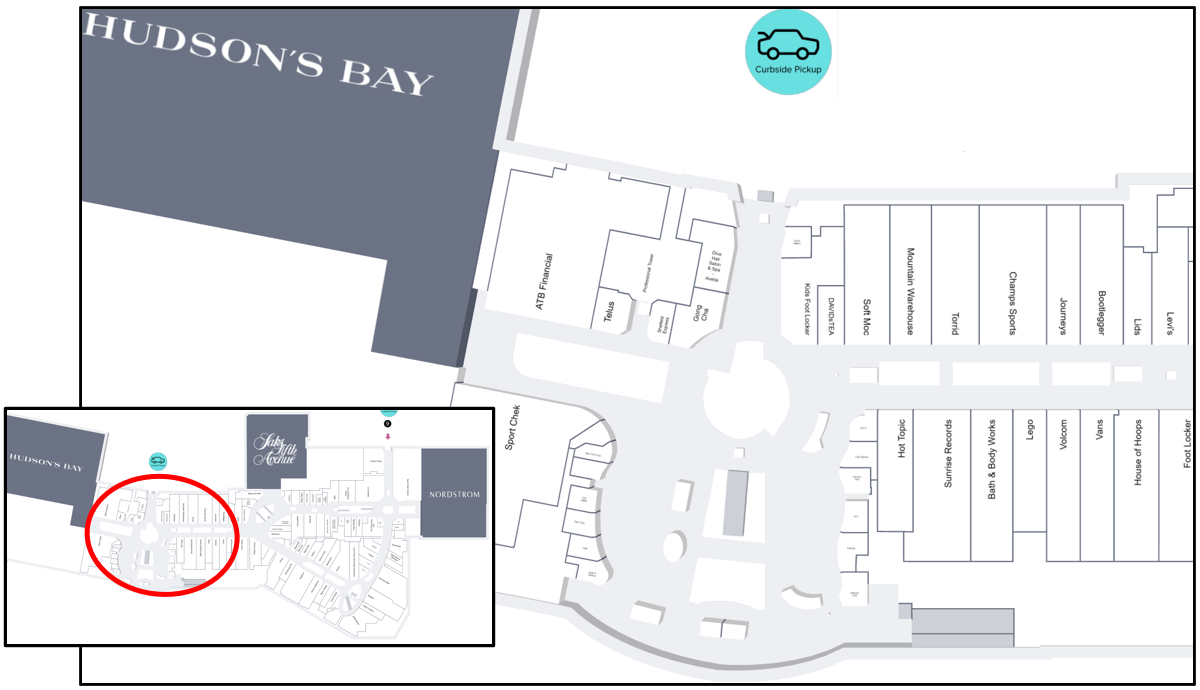
Central zone and food court at CF Chinook Centre on the upper level. Photo: CF Chinook Mall map with zones overlaid by Retail Insider
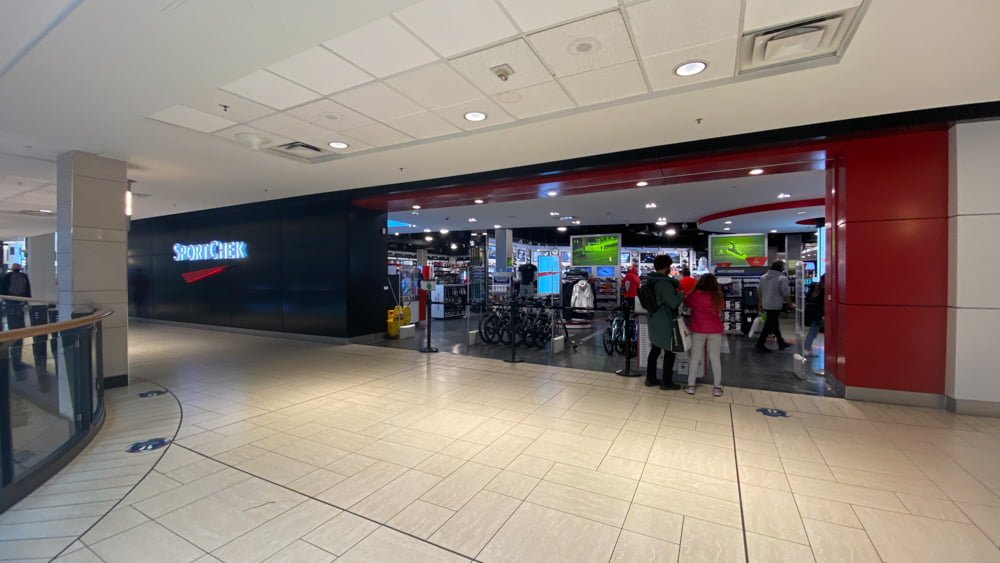
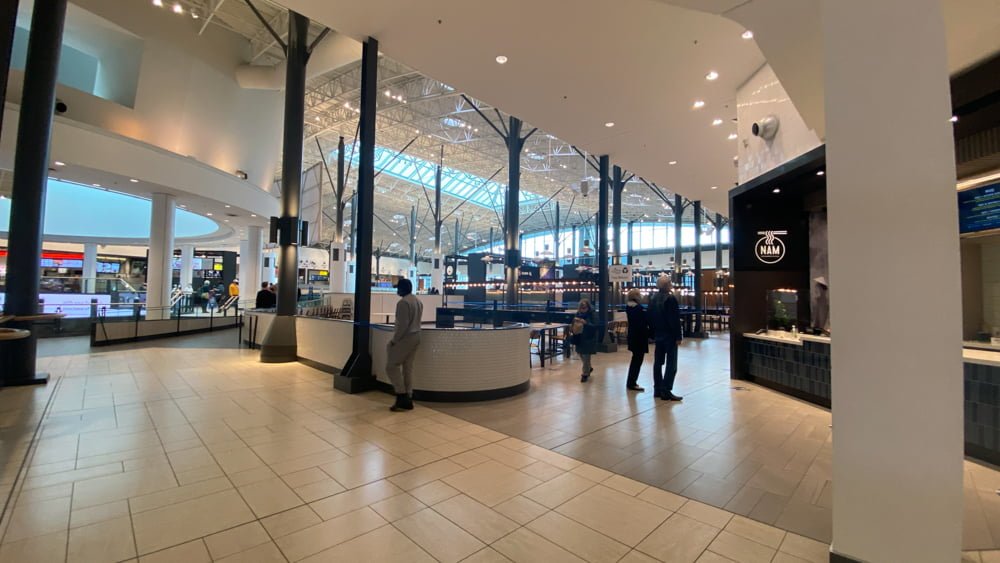
Hudson’s Bay is the main anchor for the central zone which is across from Sport Chek — however, the food court is the main attraction for this section of the shopping centre.
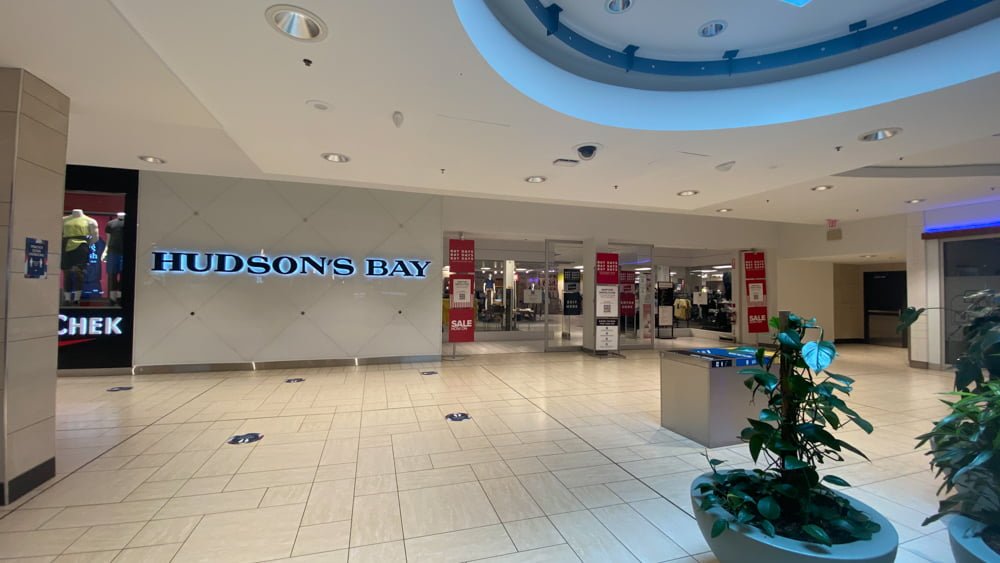
Hudson’s Bay entrance on upper level in CF Chinook Centre. Photo: Jessica Finch
Sport Chek on upper level in CF Chinook Centre. Photo: Jessica Finch
Cafeteria at CF Chinook Centre. Photo: Jessica Finch
Cafeteria at CF Chinook Centre.
1 of 5
Cafeteria at CF Chinook Centre. Photo: Jessica Finch
Cafeteria at CF Chinook Centre. Photo: Jessica Finch
Cafeteria at CF Chinook Centre. Photo: Jessica Finch
Cafeteria at CF Chinook Centre. Photo: Jessica Finch
Cafeteria at CF Chinook Centre. Photo: Jessica Finch
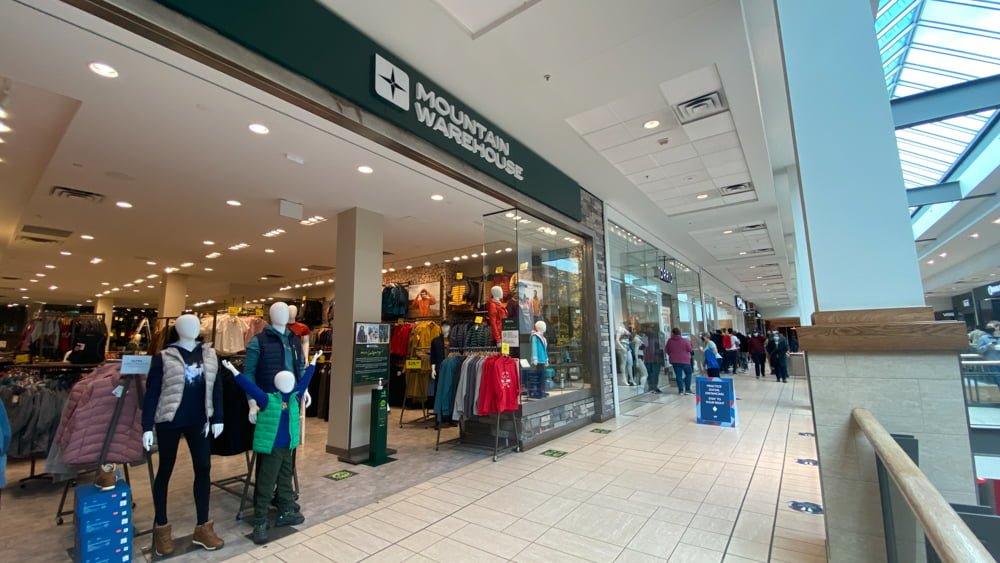
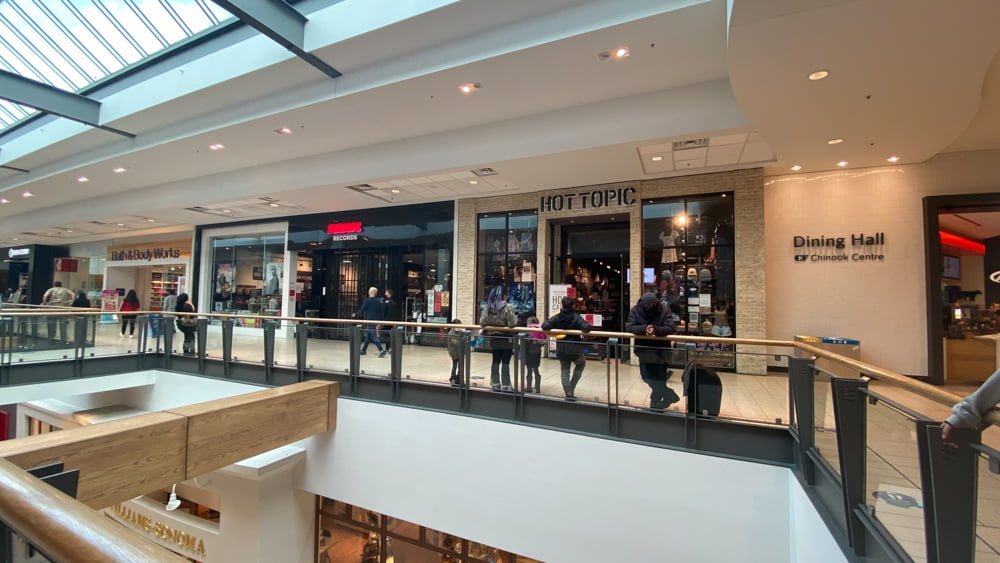
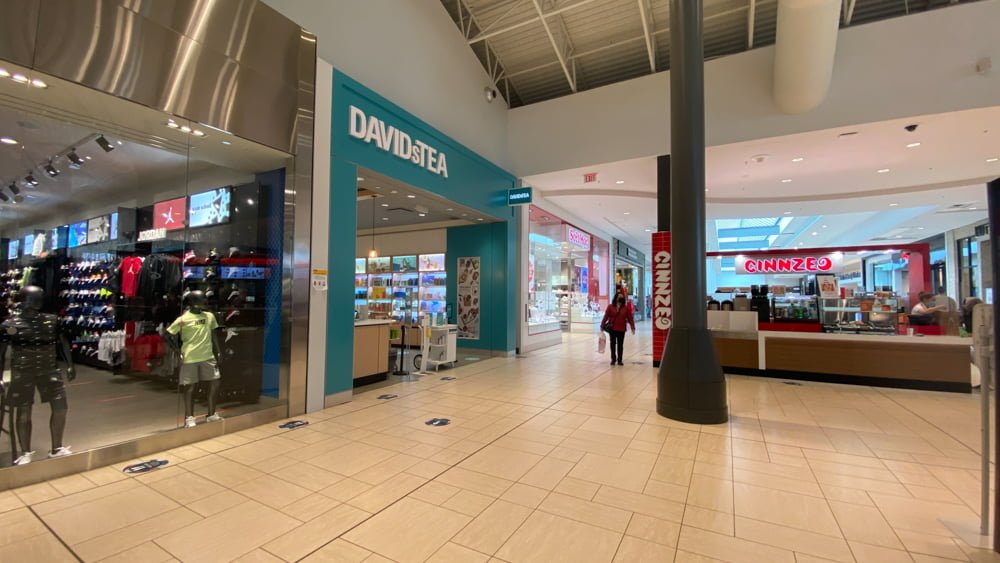
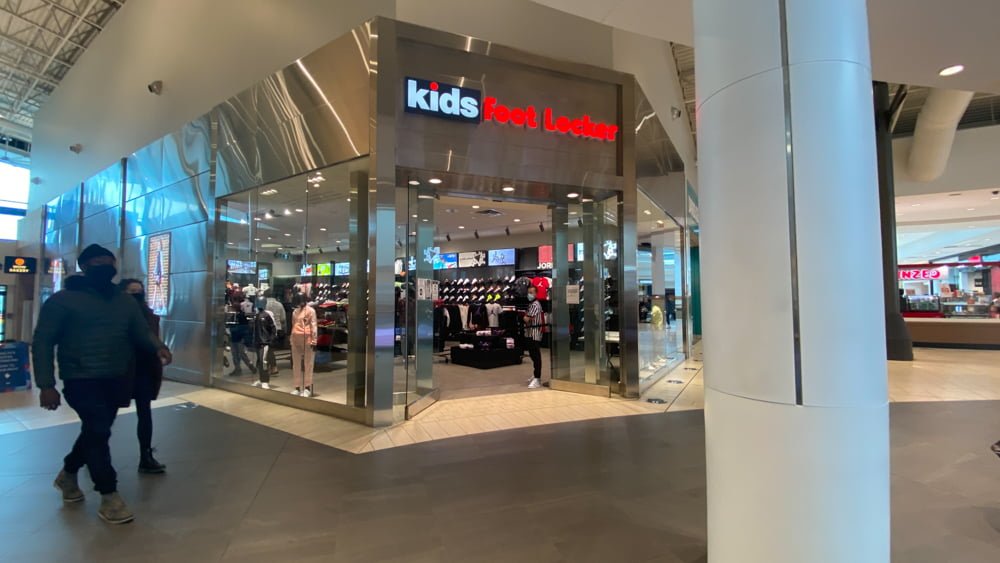
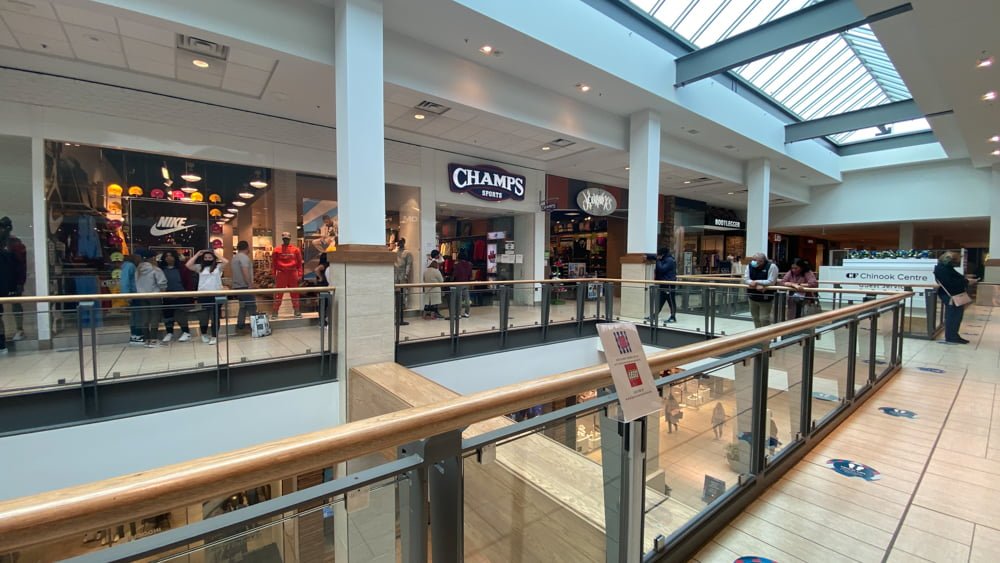
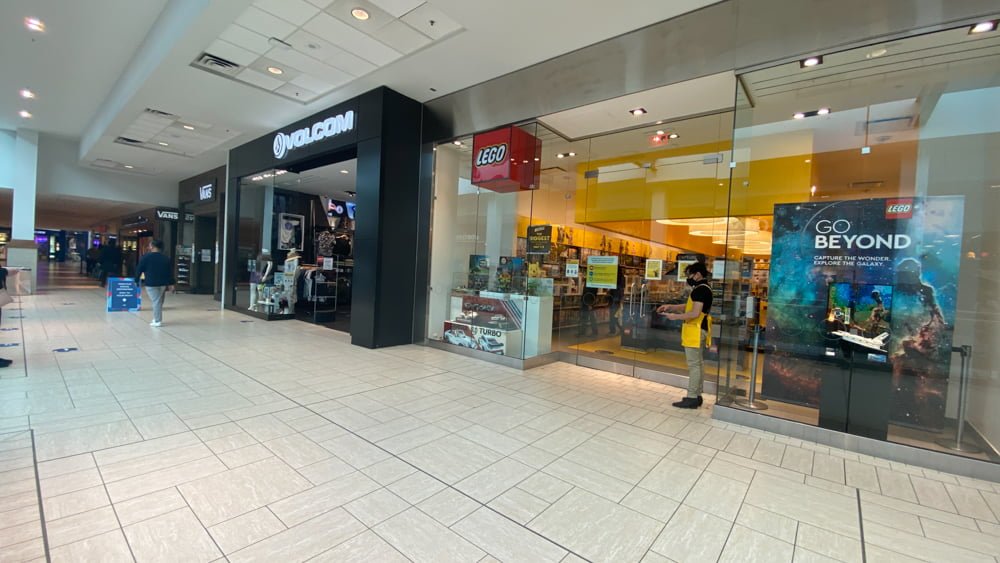
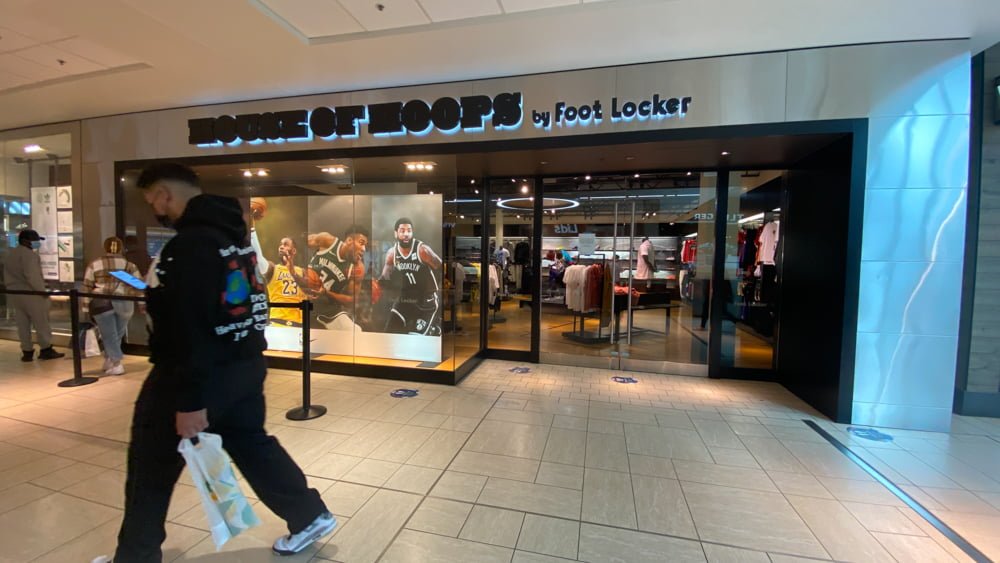
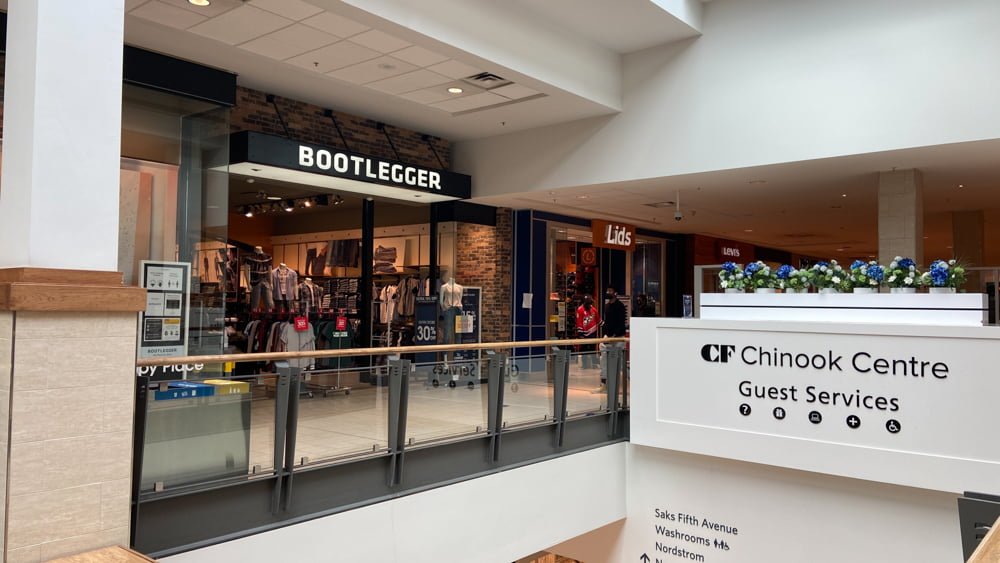
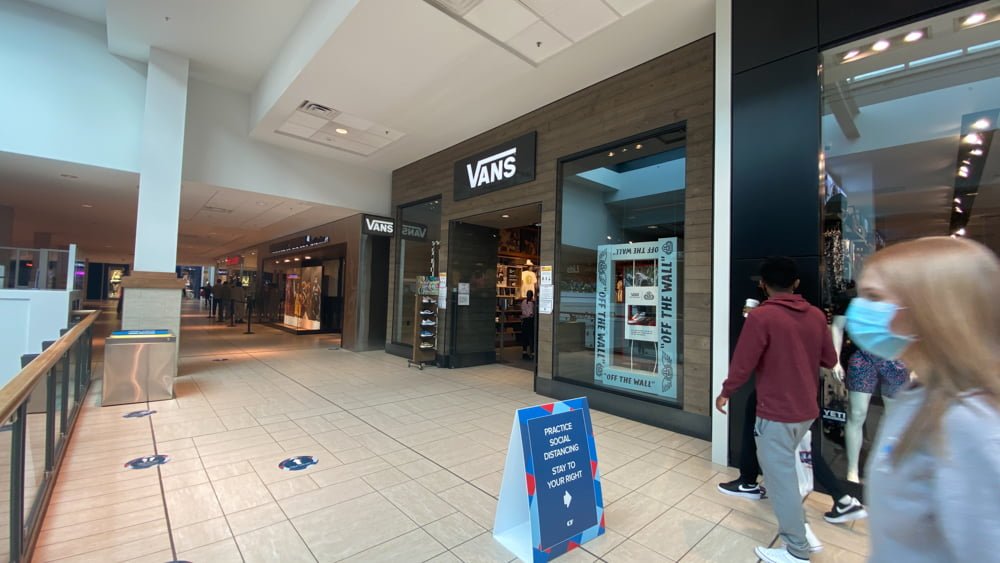
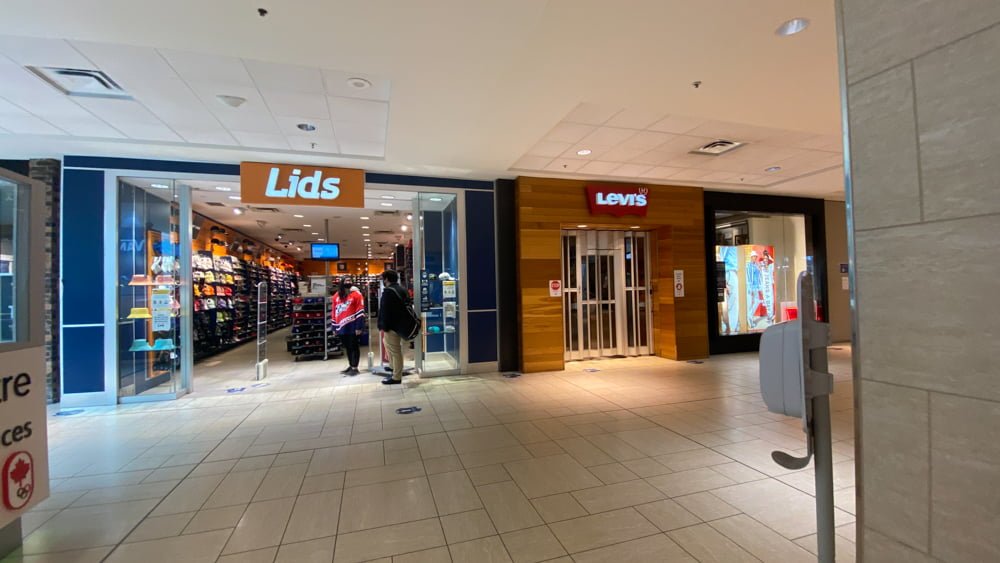
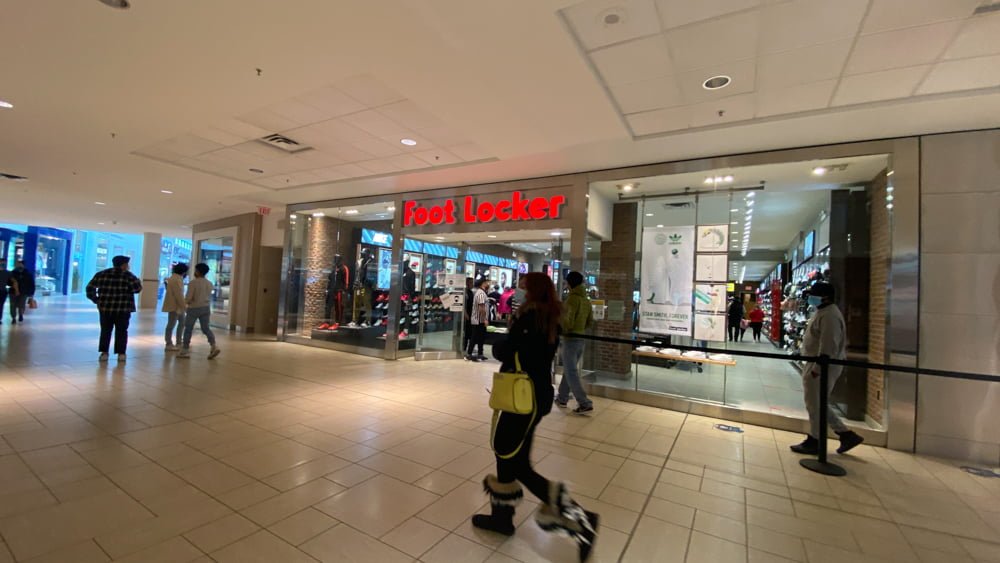
Other retailers include Sport Chek, Foot Locker Kids, DavidsTea, Soft Moc, Mountain Warehouse, Torrid, HotTopic, Sunrise Records, Bath & Body Works, Lego, Volcom, Vans, Champs Sports, Journeys, Bootlegger, Lids, Levi’s, and House of Hoops.
Other select CF Chinook Centre retailers in the central zone of the upper level
1 of 12
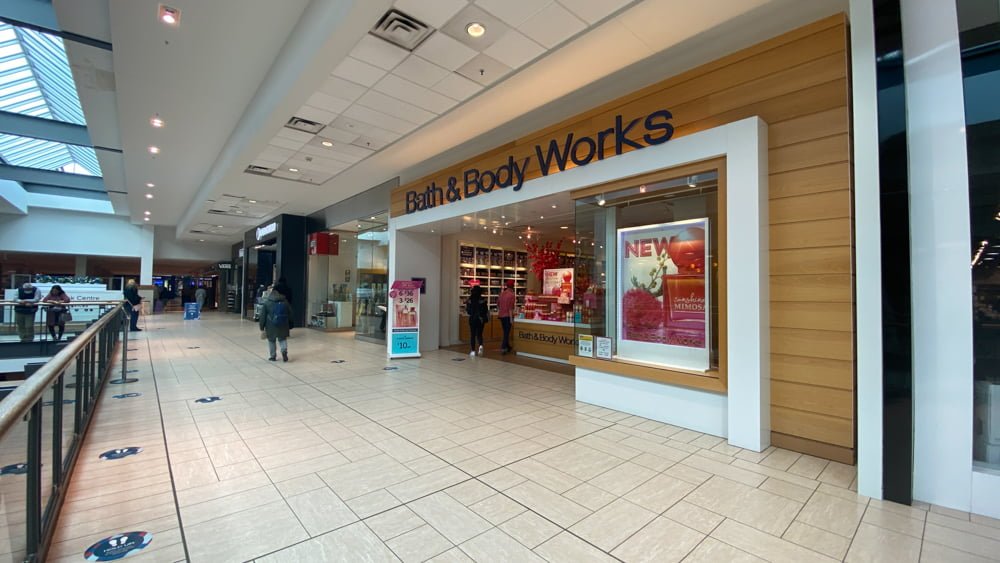
Bath & Body Works in central zone of CF Chinook Centre. Photo: Jessica Finch
Mountain Warehouse in central zone of CF Chinook Centre. Photo: Jessica Finch
Sunrise Records and Hot Topic in central zone of CF Chinook Centre. Photo: Jessica Finch
DavidsTea in central zone of CF Chinook Centre. Photo: Jessica Finch
Kids Foot Locker in central zone of CF Chinook Centre. Photo: Jessica Finch
Champs Sports in central zone of CF Chinook Centre. Photo: Jessica Finch
Volcom and Lego in central zone of CF Chinook Centre. Photo: Jessica Finch
House of Hoops in central zone of CF Chinook Centre. Photo: Jessica Finch
Bootlegger in central zone of CF Chinook Centre. Photo: Jessica Finch
Vans in central zone of CF Chinook Centre. Photo: Jessica Finch
Lids in central zone of CF Chinook Centre. Photo: Jessica Finch
Foot Locker in central zone of CF Chinook Centre. Photo: Jessica Finch
Northwest End of CF Chinook Centre’s Upper Level
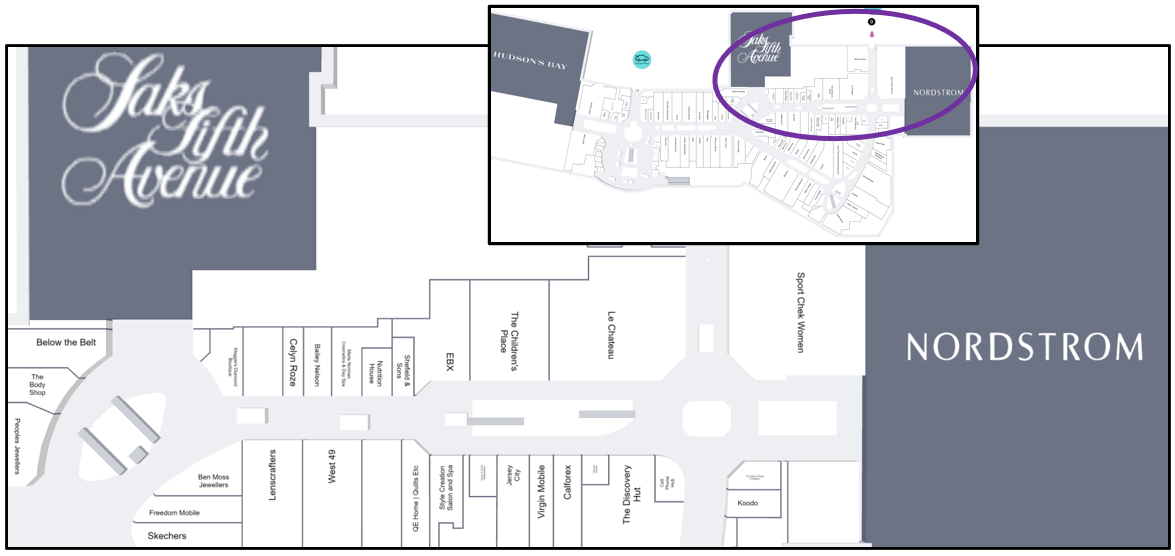
Northwest end of CF Chinook Centre on the upper level. Photo: CF Chinook Mall map with zones overlaid by Retail Insider
The retail loop on the north end of the shopping centre has the second level entrances for both Saks Fifth Avenue and Nordstrom.
Second level of anchor tenants on north end of CF Chinook Centre
1 of 2
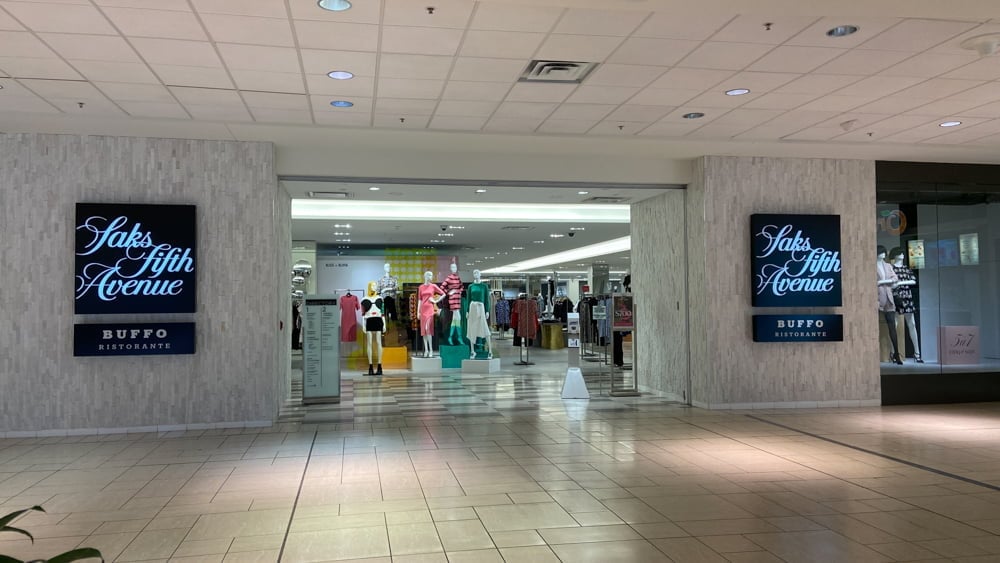
Saks Fifth Avenue entrance on second level of CF Chinook Centre, April 2021. Photo: Jessica Finch
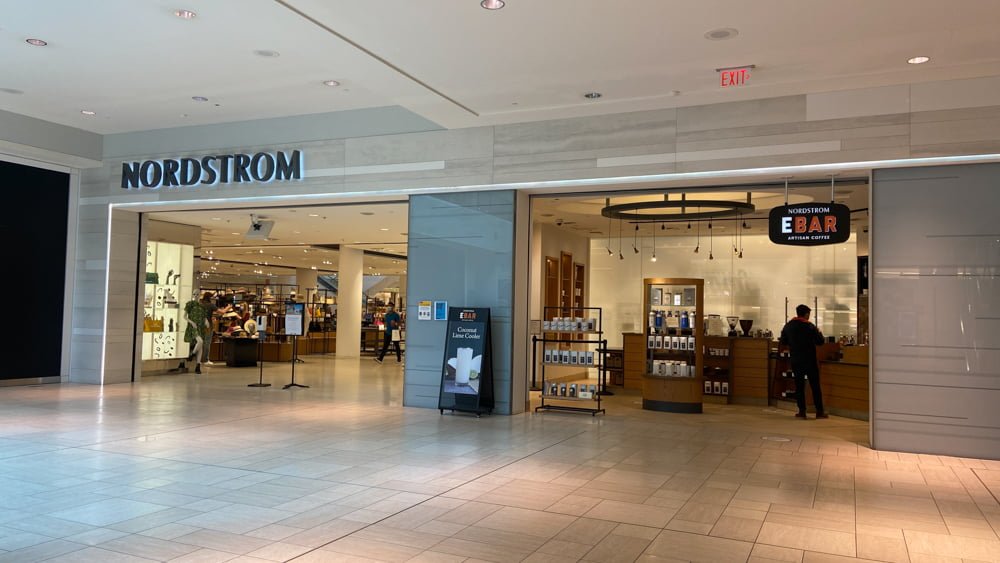
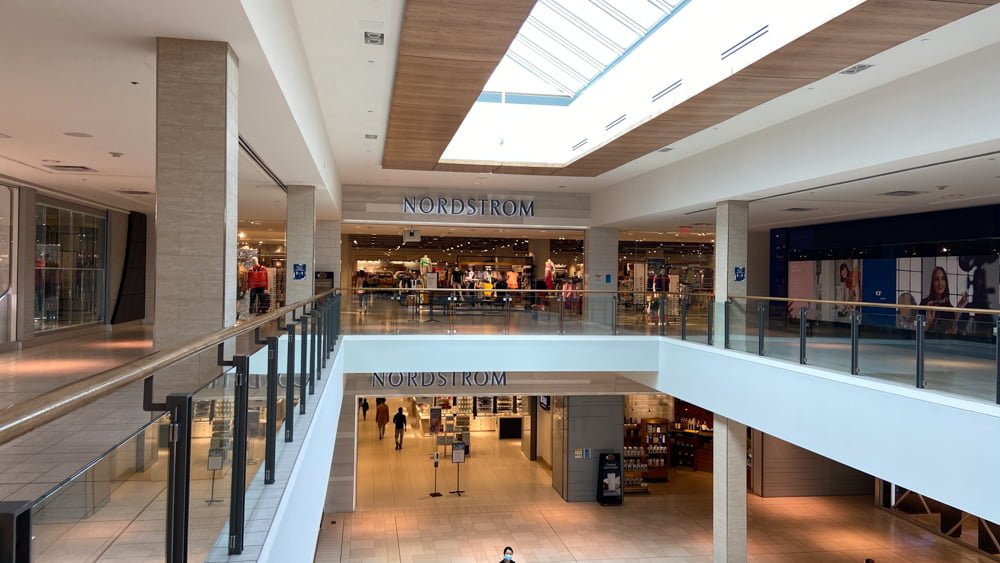
Nordstrom entrances (upper and lower levels) seen from second level of CF Chinook Centre. Photo: Jessica Finch
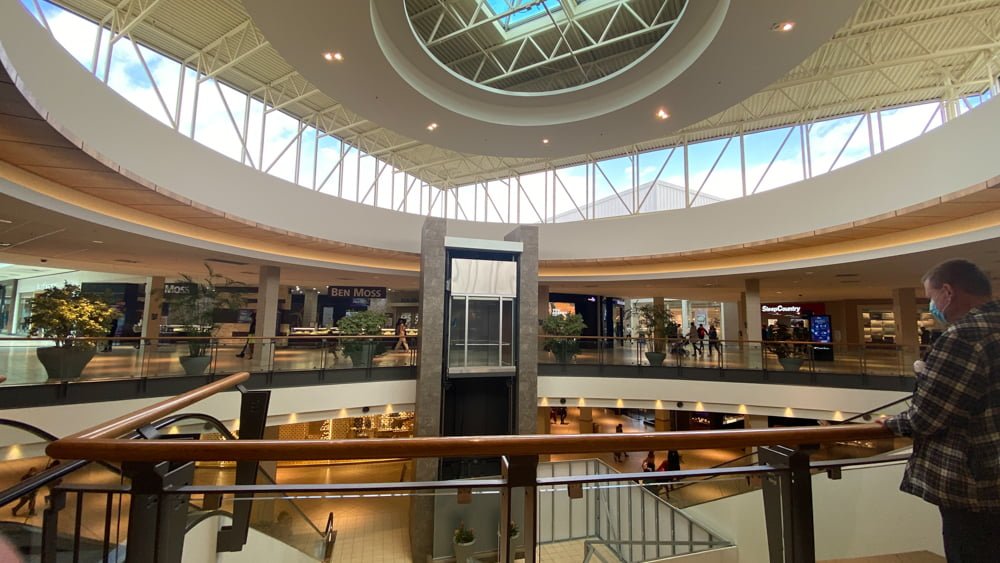
Architectural feature in the northwest section of the upper level at CF Chinook Centre. Photo: Jessica Finch
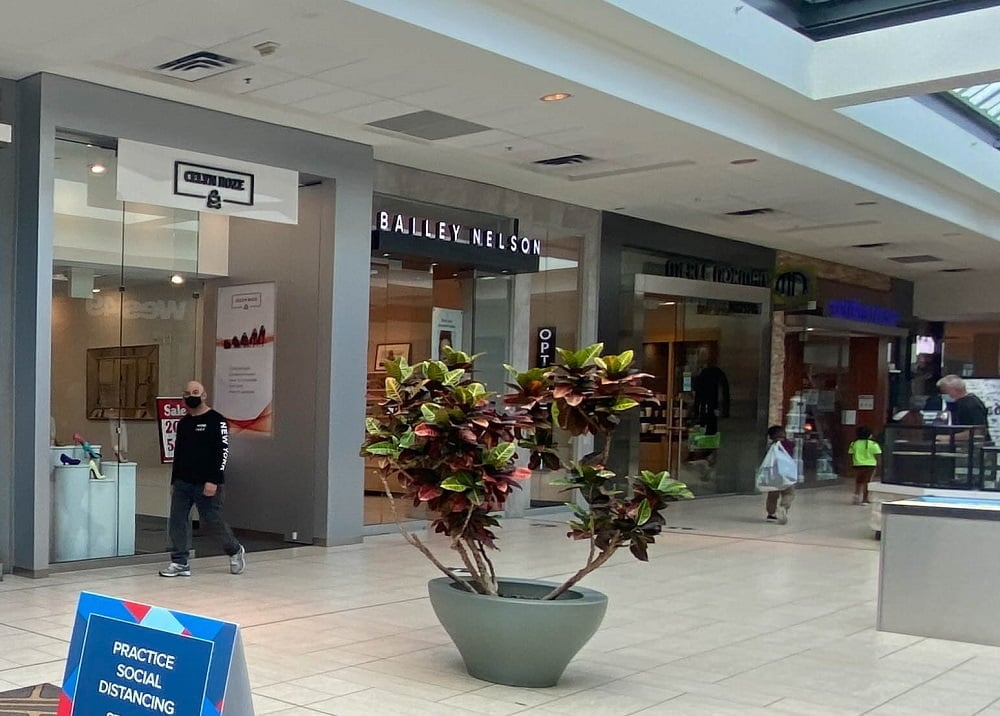
Select CF Chinook retailers previously featured in Retail Insider include:
Celyn Roze, Bailey Nelson, and Merle Norman at CF Chinook Centre. Photo: Jessica Finch
1 of 2
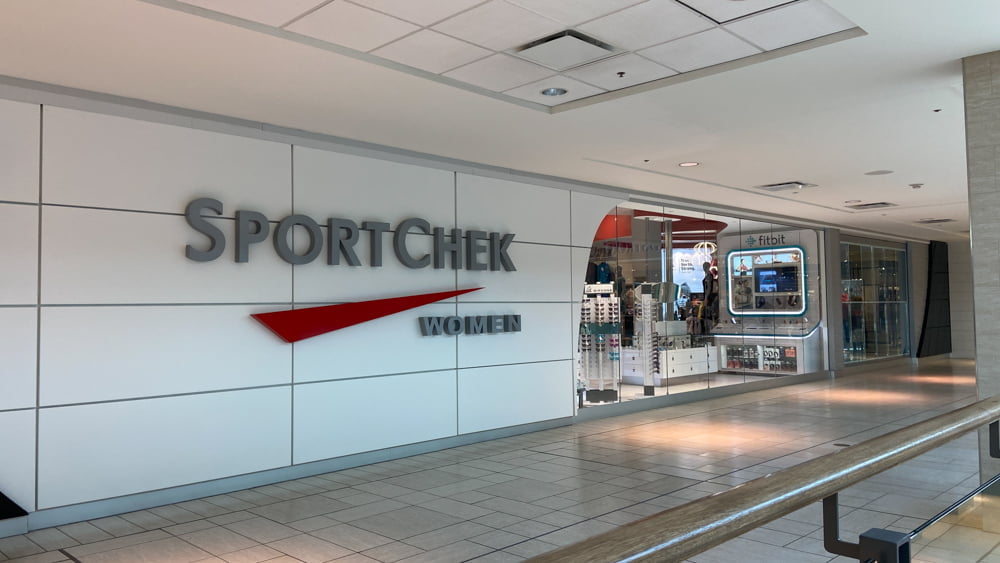
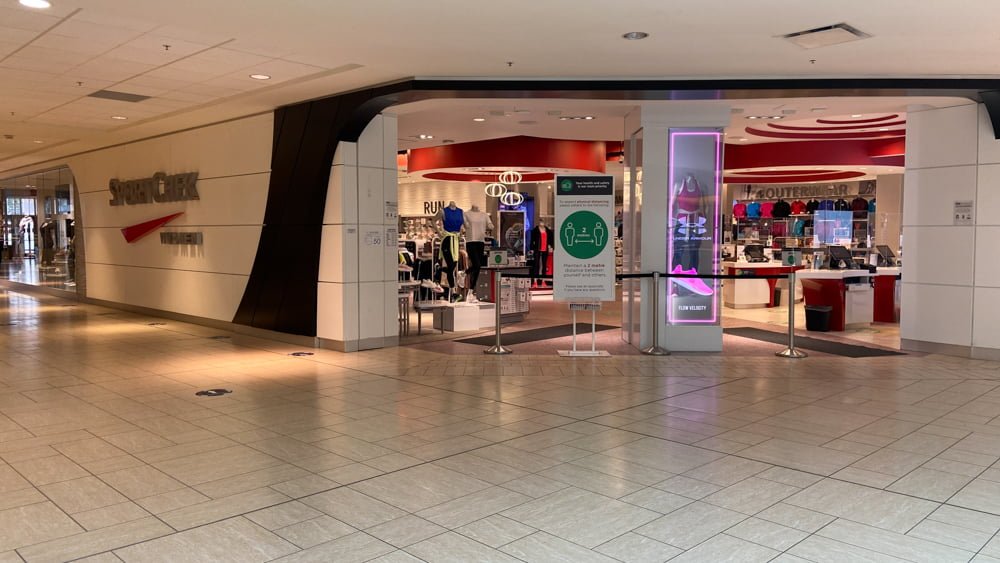
SportCheck Women at CF Chinook Centre. Photo: Jessica Finch
SportCheck Women at CF Chinook Centre. Photo: Jessica Finch
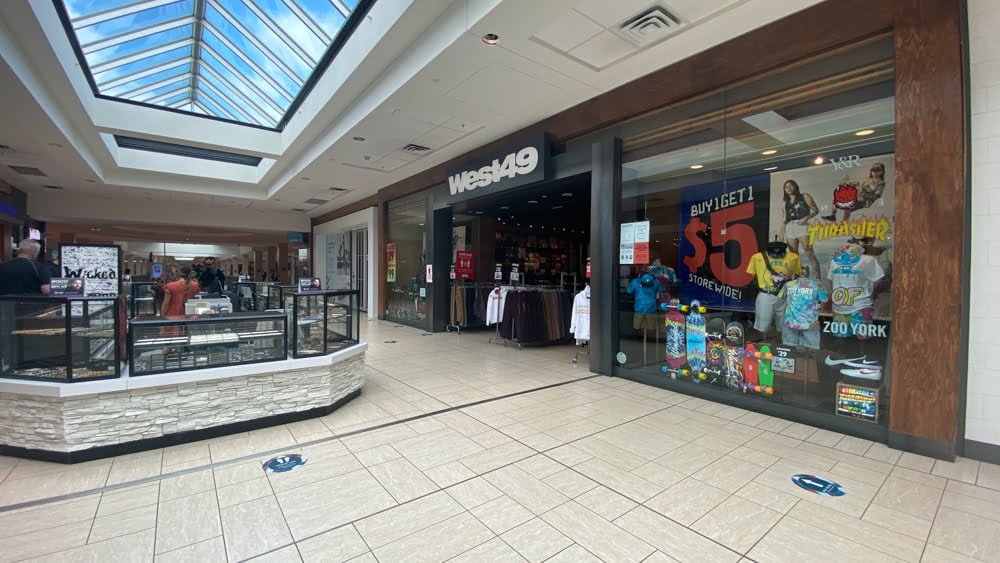
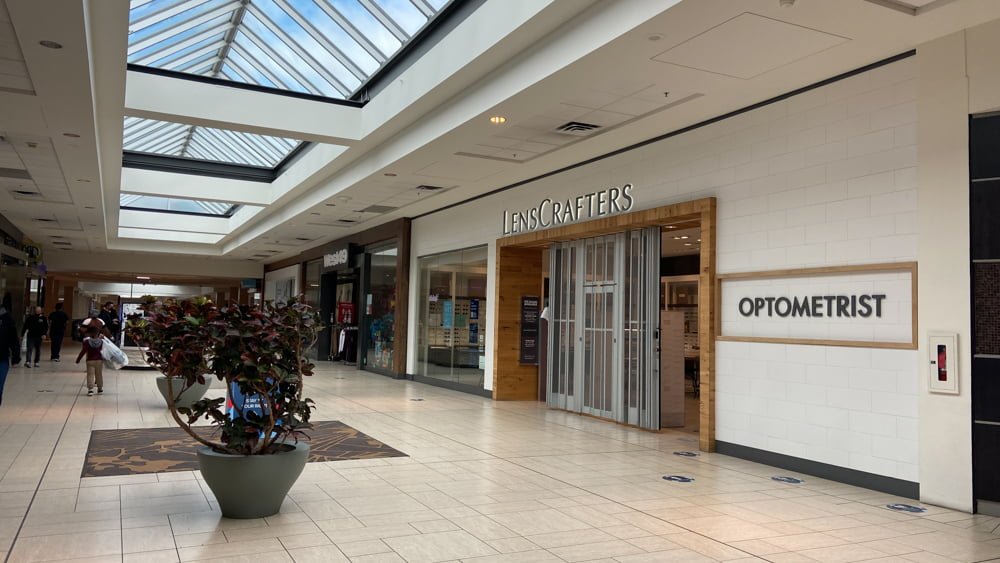
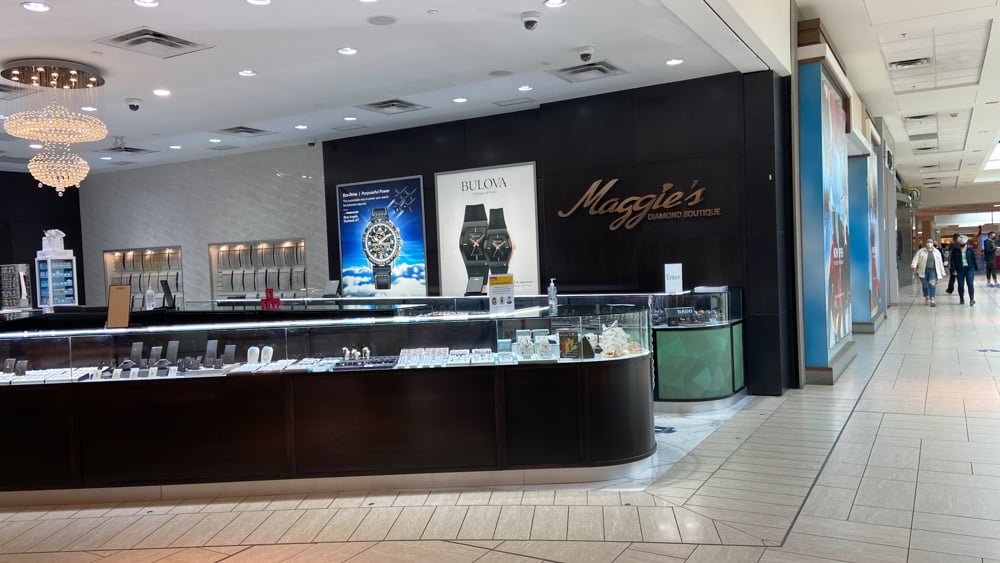
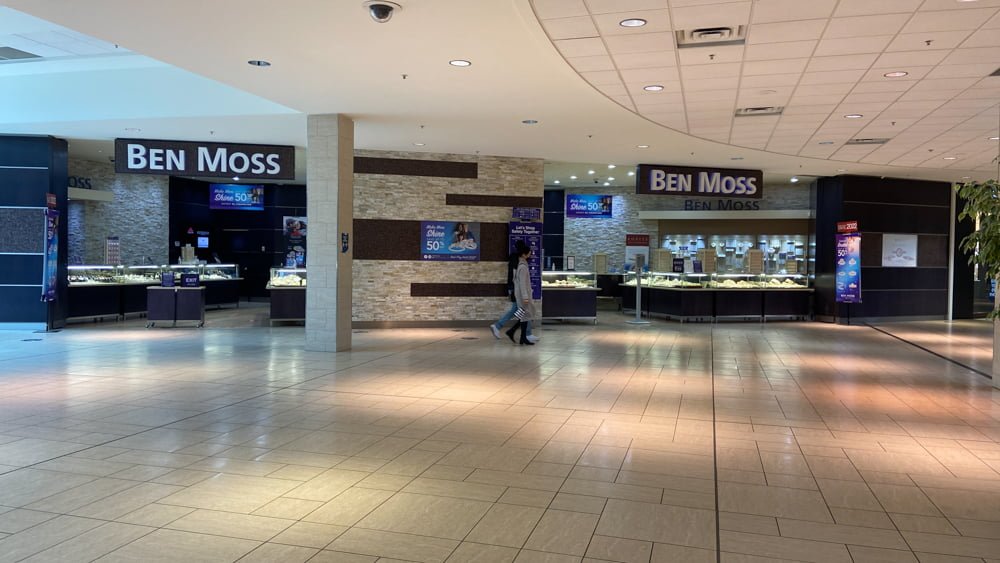
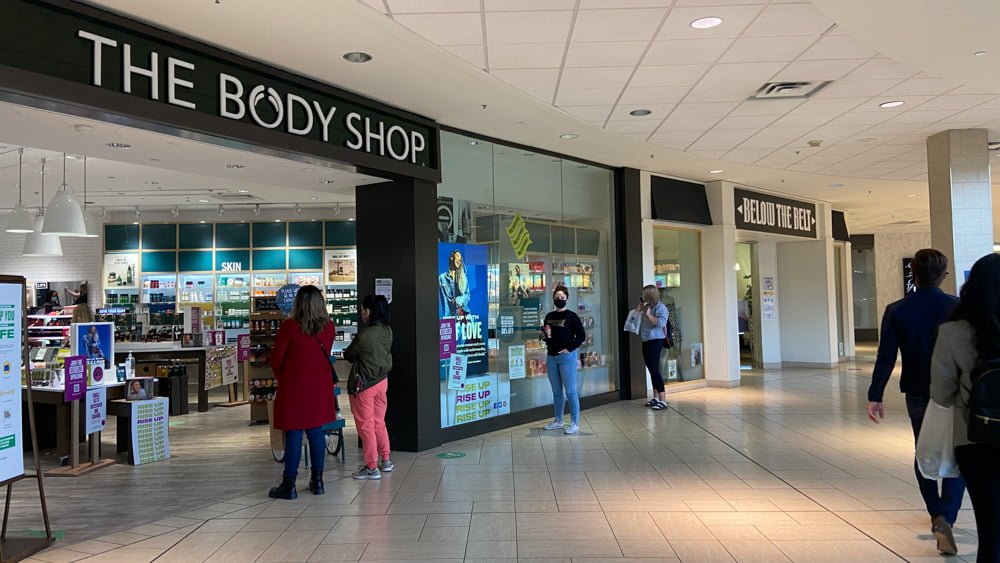
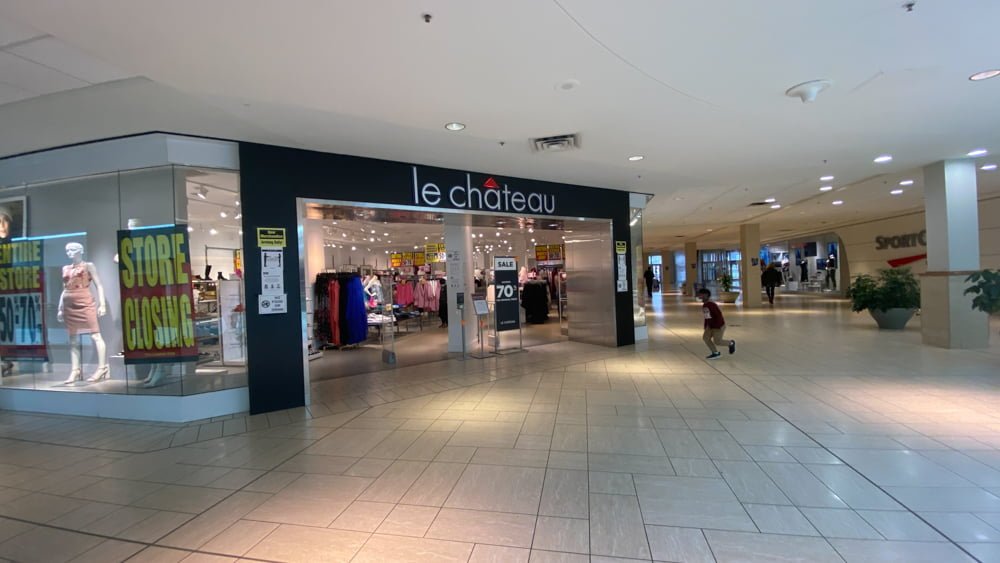
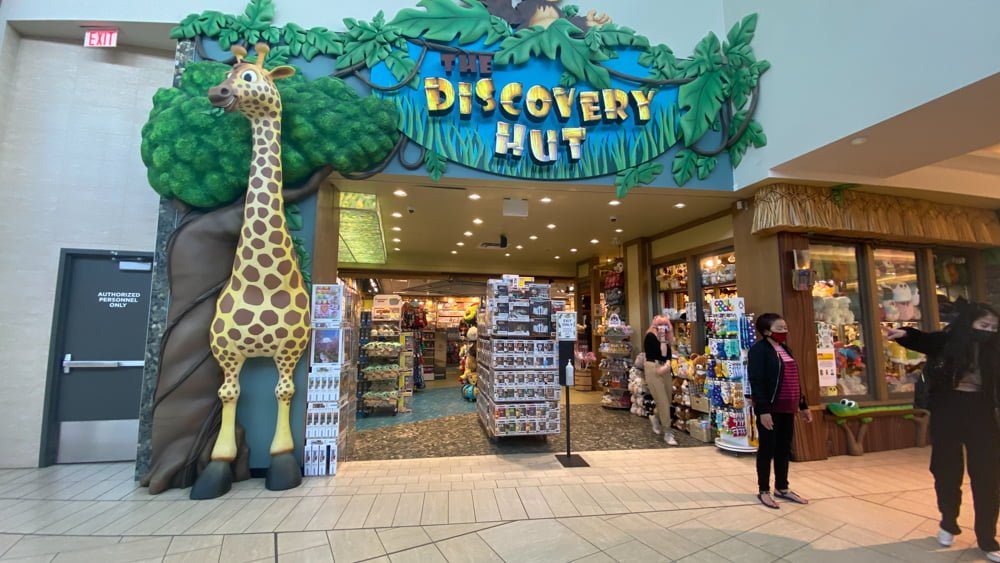
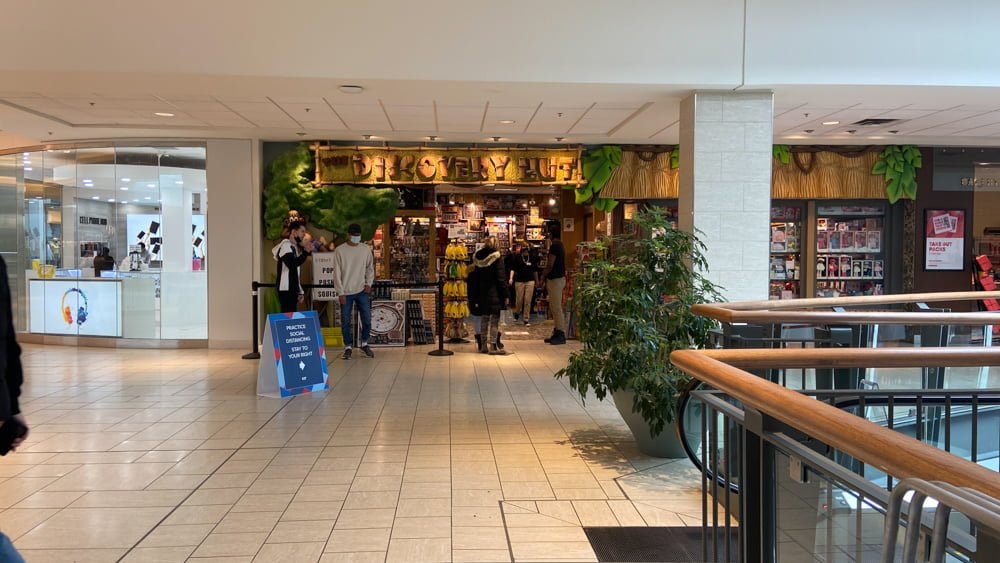
Other retailers include The Body Shop, Below the Belt, Skechers, Ben Moss Jewellers, Maggie’s Diamond Boutique, West 49, Nutrition House, QE Home, Shefield & Sons, EBX, The Children’s Place, Jersey City, Le Chateau, and The Discovery Hut.
Other select CF Chinook Centre retailers on the northwest side of the upper level
1 of 14
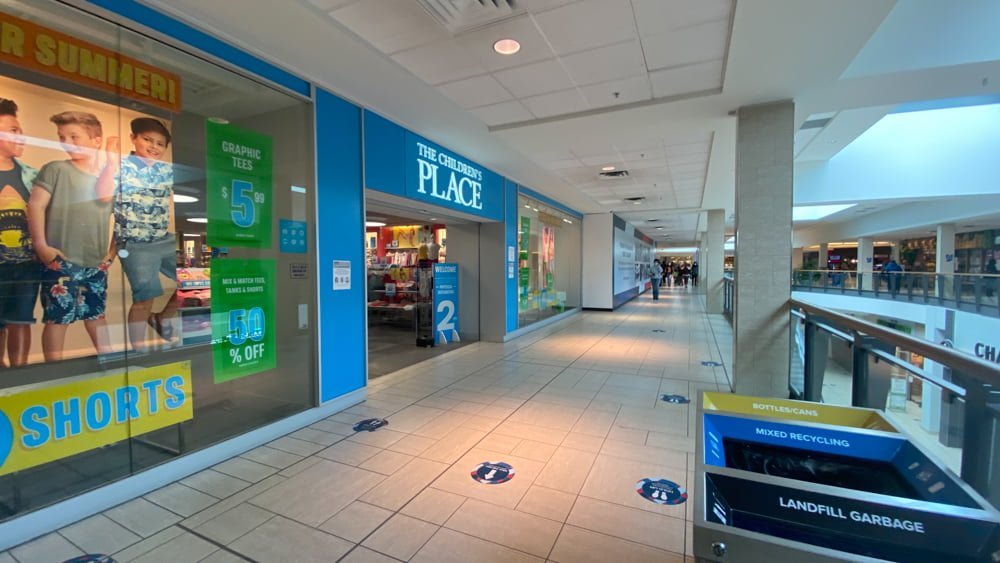
The Children's Place at CF Chinook Centre. Photo: Jessica Finch
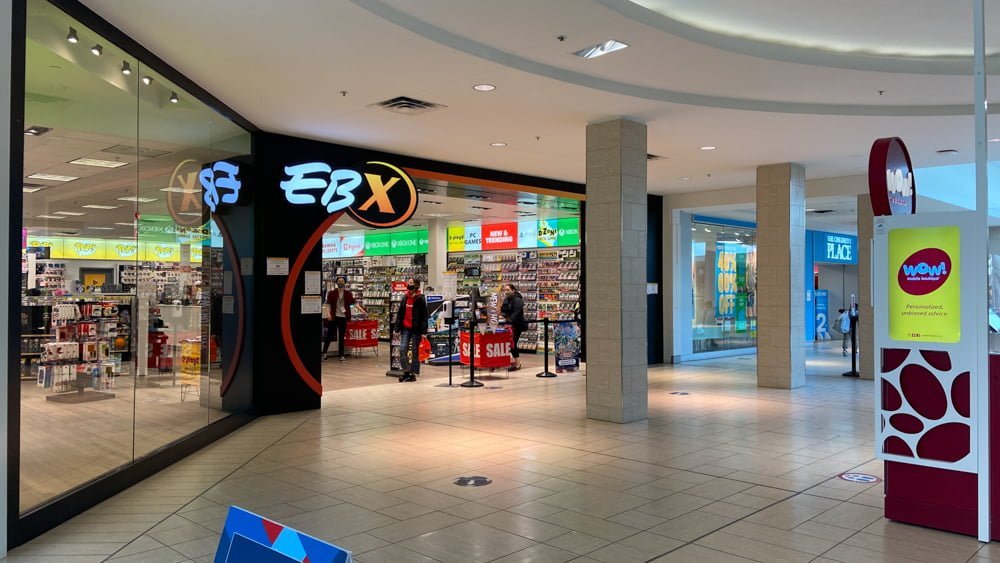
EBX at CF Chinook Centre. Photo: Jessica Finch
West49 at CF Chinook Centre. Photo: Jessica Finch
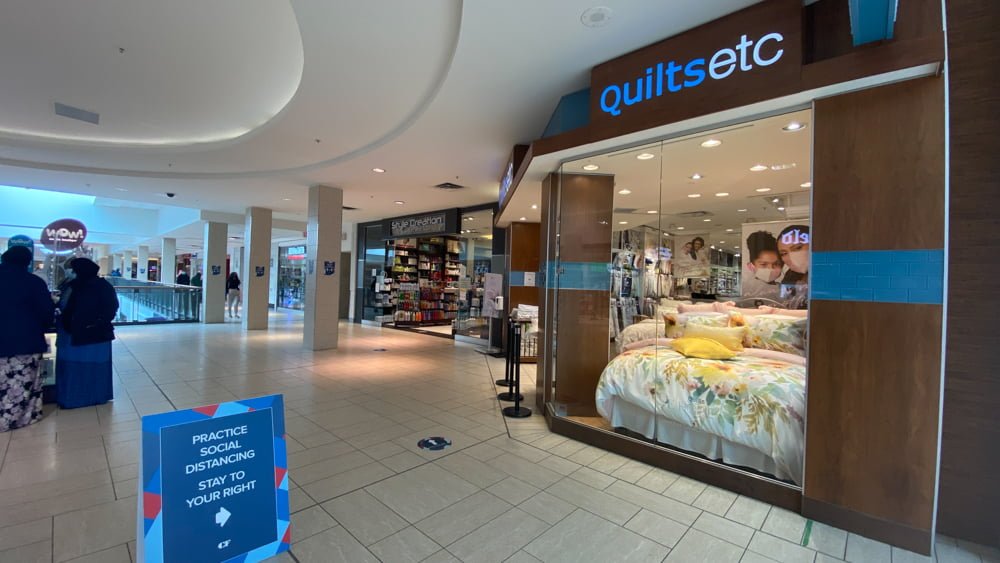
Quits Etc. at CF Chinook Centre. Photo: Jessica Finch
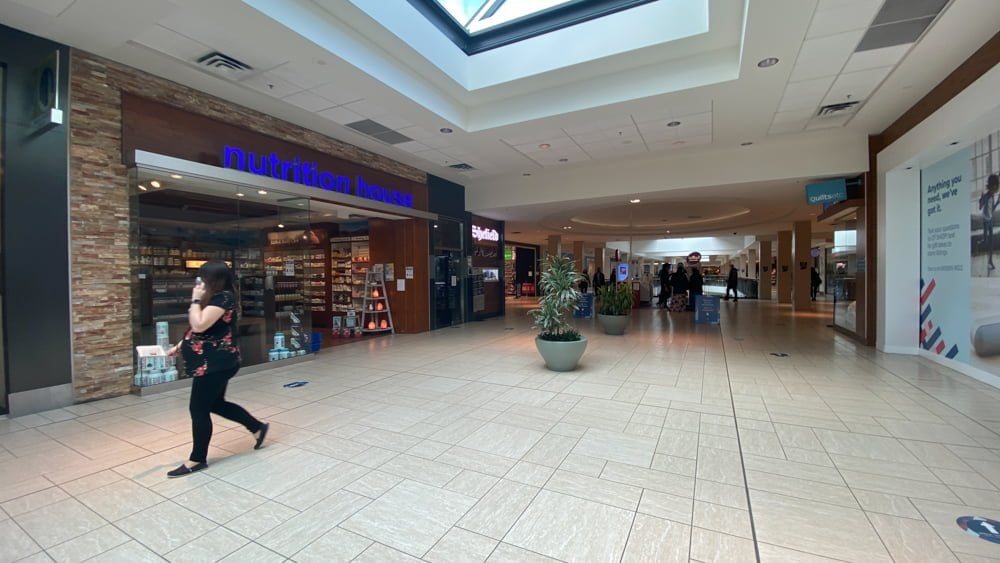
Nutrition House at CF Chinook Centre. Photo: Jessica Finch
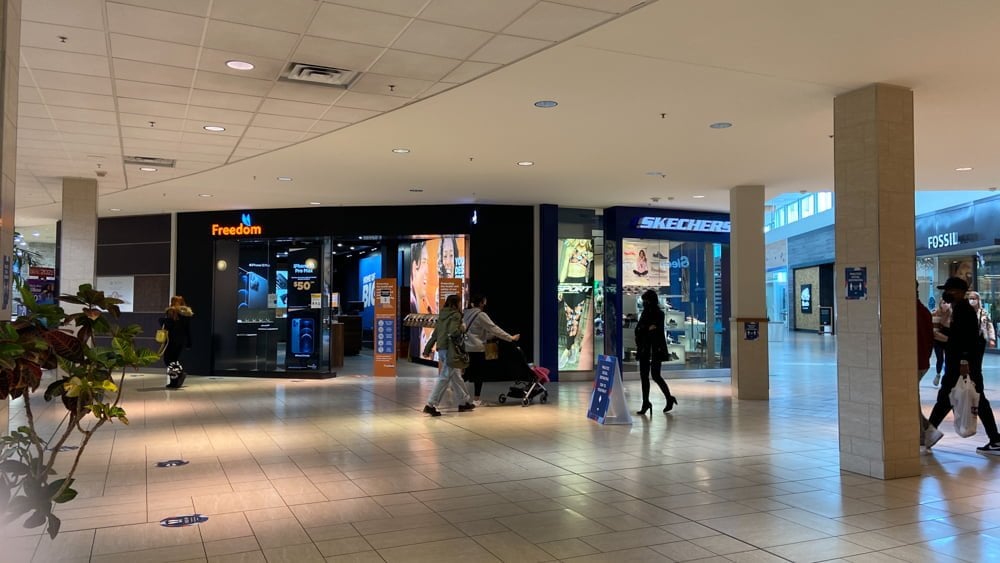
Freedom Mobile and Sketchers at CF Chinook Centre. Photo: Jessica Finch
LensCrafters at CF Chinook Centre. Photo: Jessica Finch
Maggie's Jewellery at CF Chinook Centre. Photo: Jessica Finch
Ben Moss Jewellery at CF Chinook Centre. Photo: Jessica Finch
The Body Shop at CF Chinook Centre. Photo: Jessica Finch
Le Chateau at CF Chinook Centre. Photo: Jessica Finch
Discovery Hut at CF Chinook Centre. Photo: Jessica Finch
Discovery Hut at CF Chinook Centre. Photo: Jessica Finch
Mobility dealers at CF Chinook Centre. Photo: Jessica Finch
Northwest interior of Chinook Centre. Photo: Jessica Finch
Northeast End of CF Chinook Centre’s Upper Level
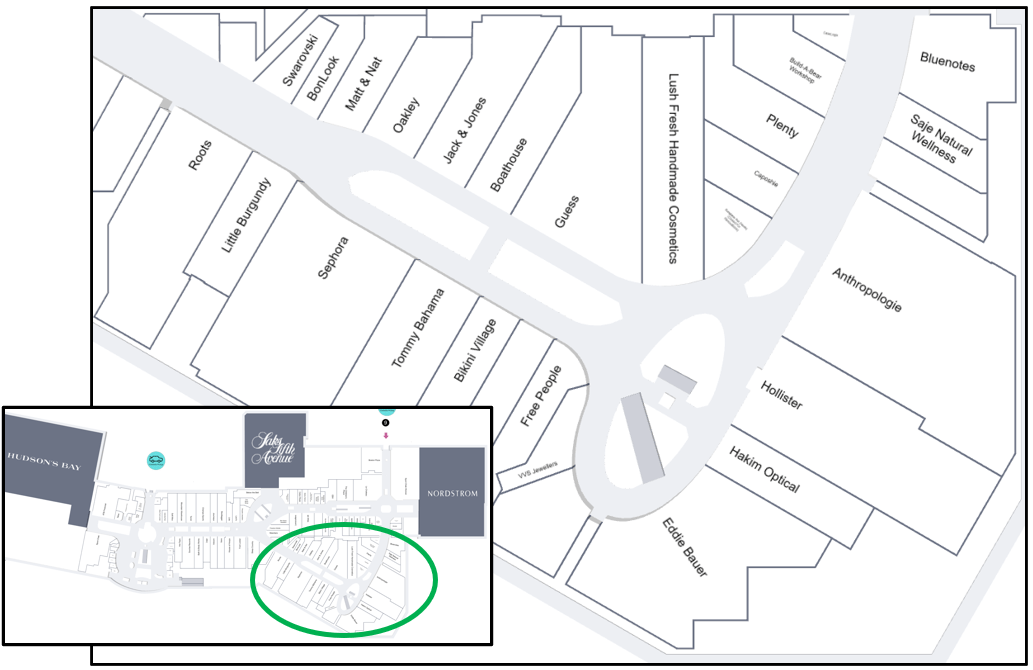
Northeast end of CF Chinook Centre on the upper level. Photo: CF Chinook Mall map with zones overlaid by Retail Insider
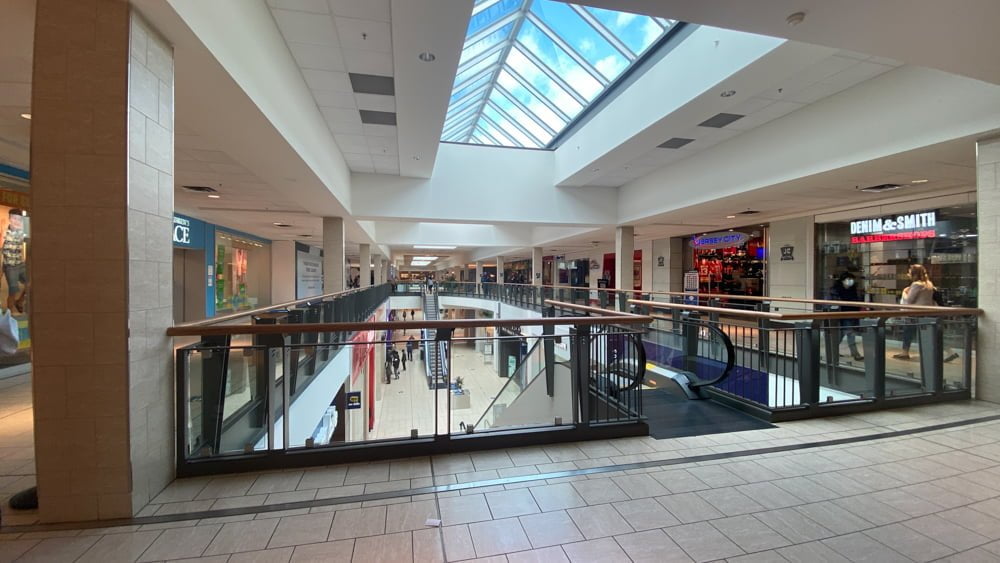
Select CF Chinook retailers previously featured in Retail Insider include:
Featured Retailers in CF Chinook Centre North East section
1 of 7
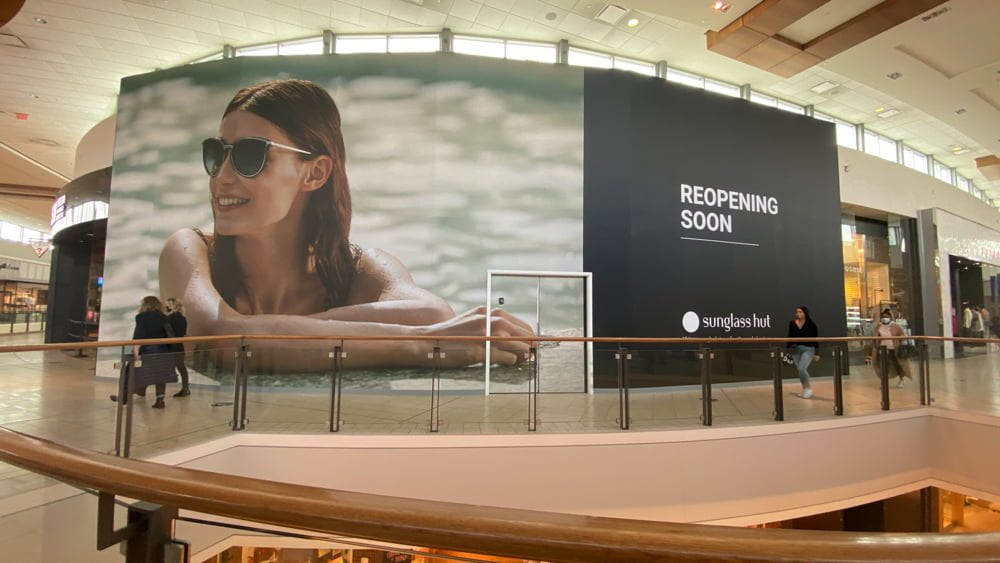
While onsite, we noticed the 1,077 square foot Sunglass Hut was currently under renovation and reopening soon.
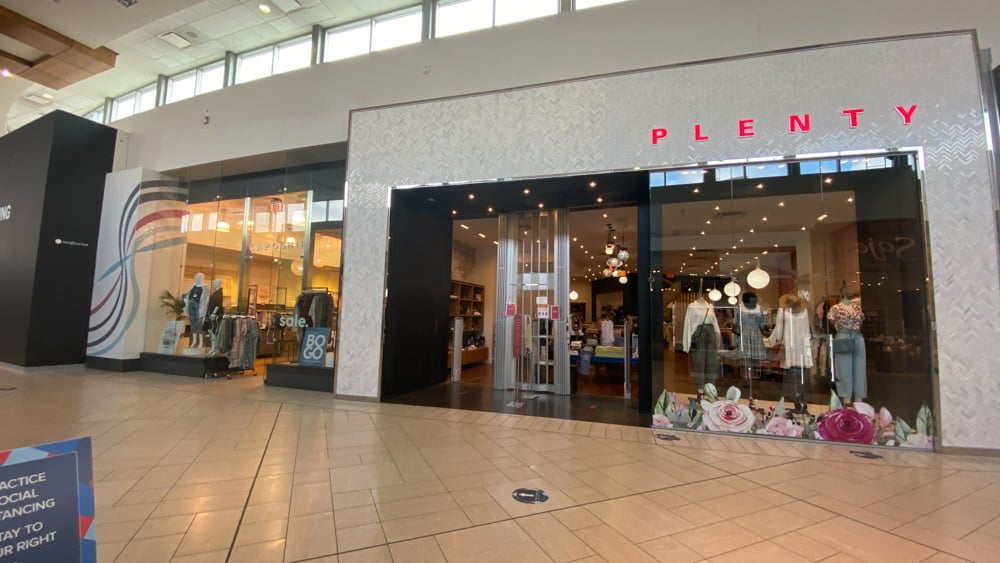
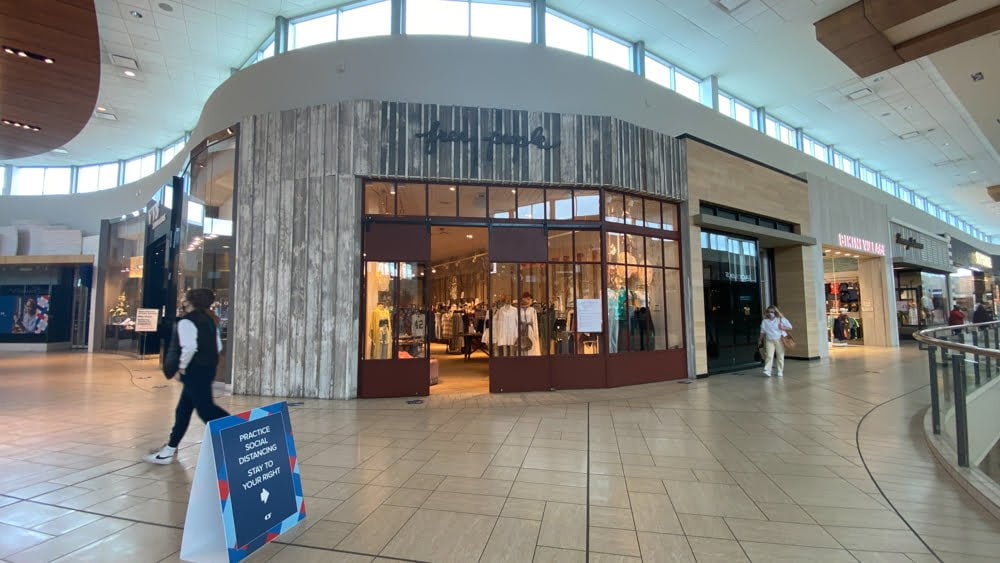
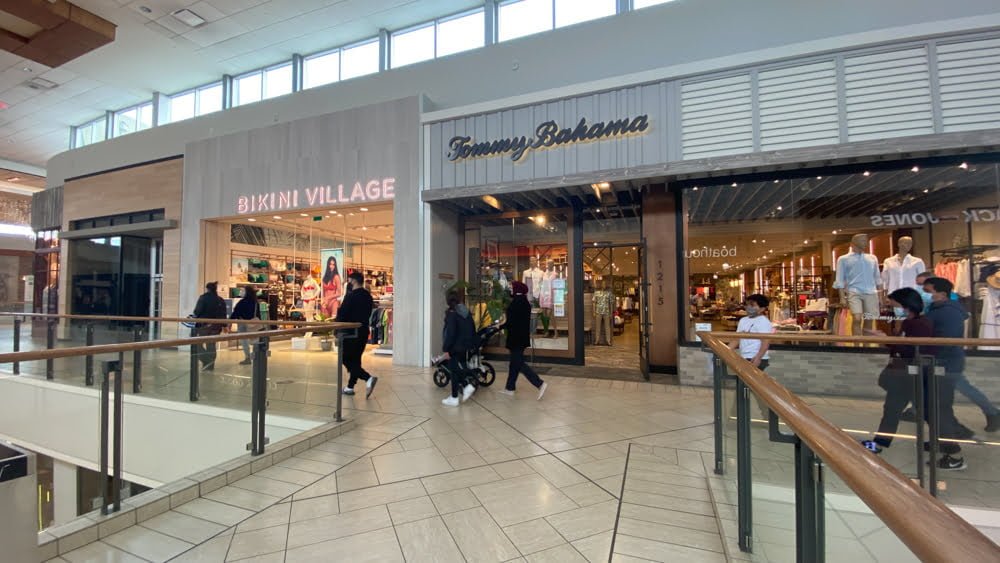
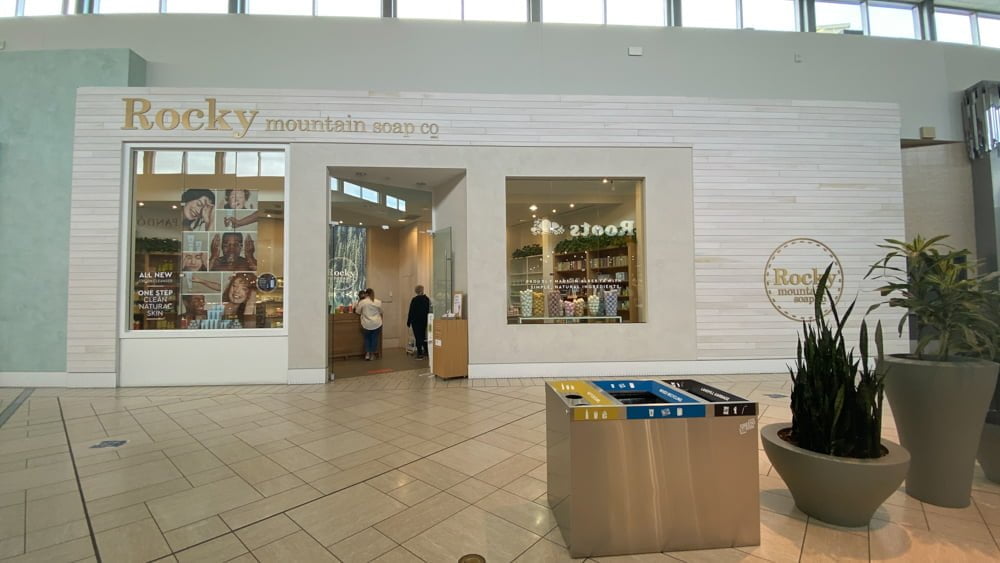
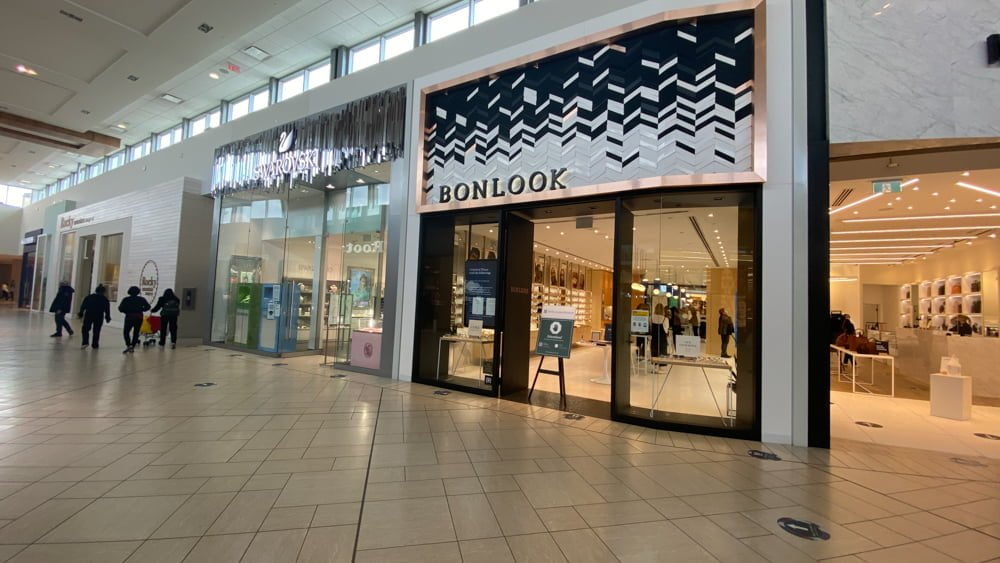
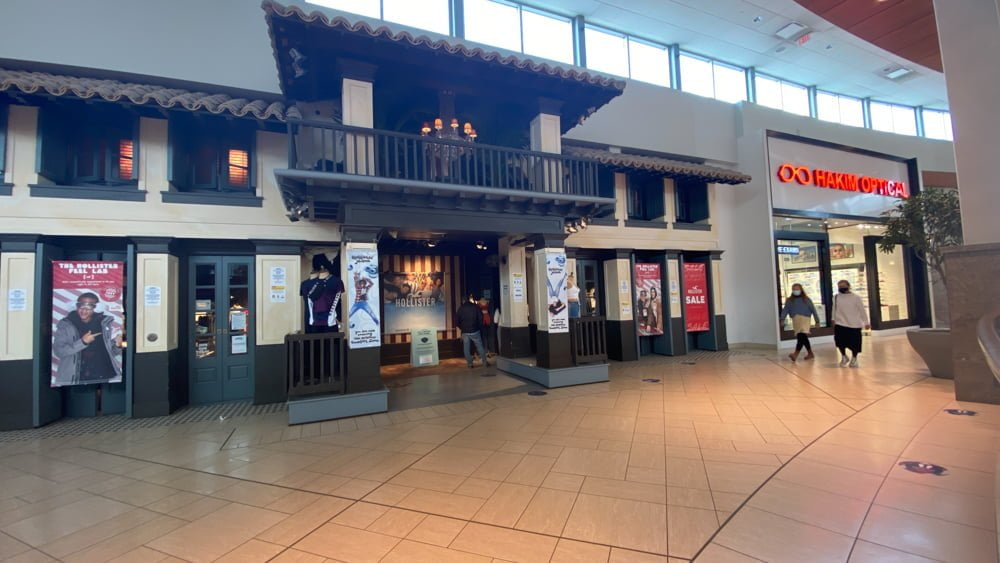
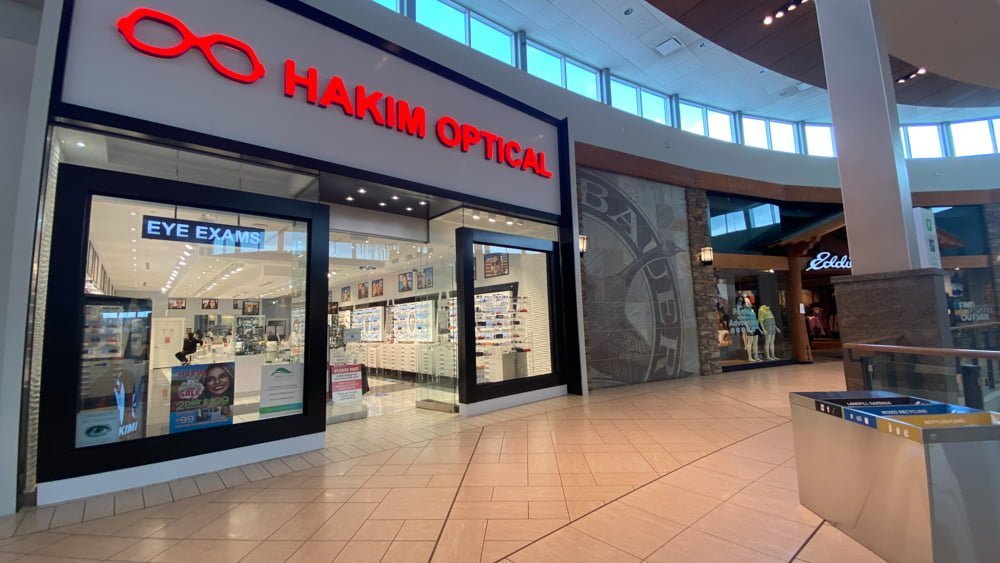
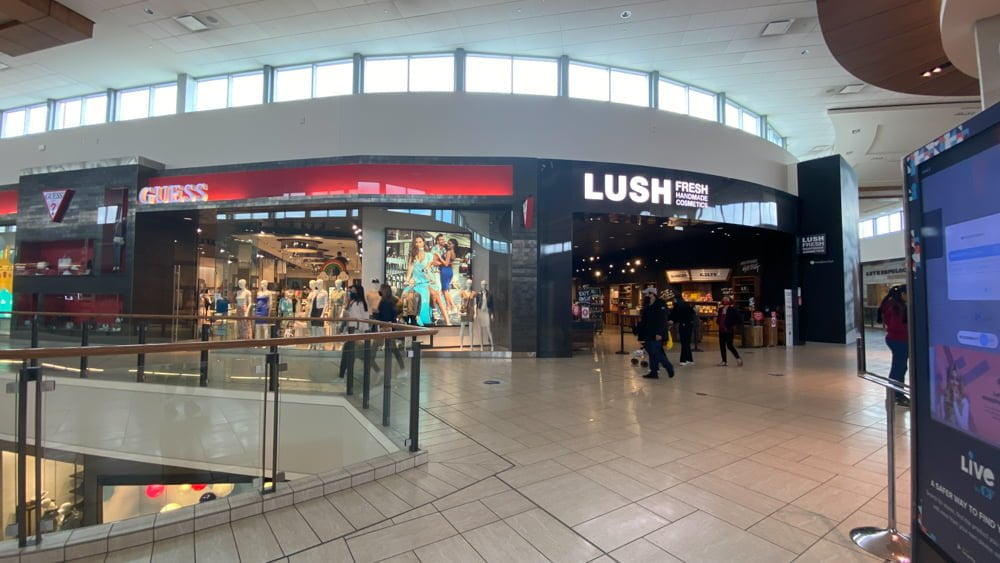
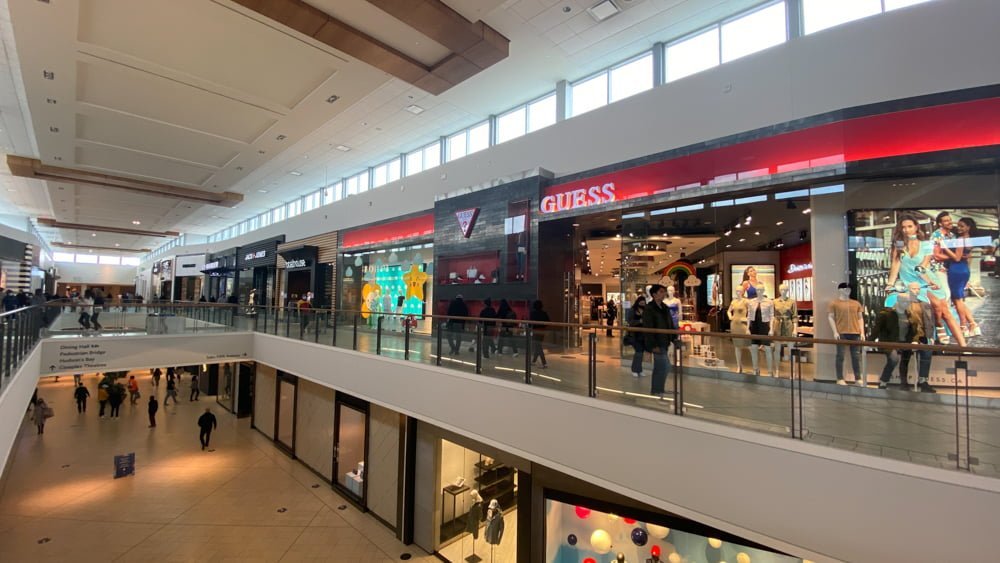
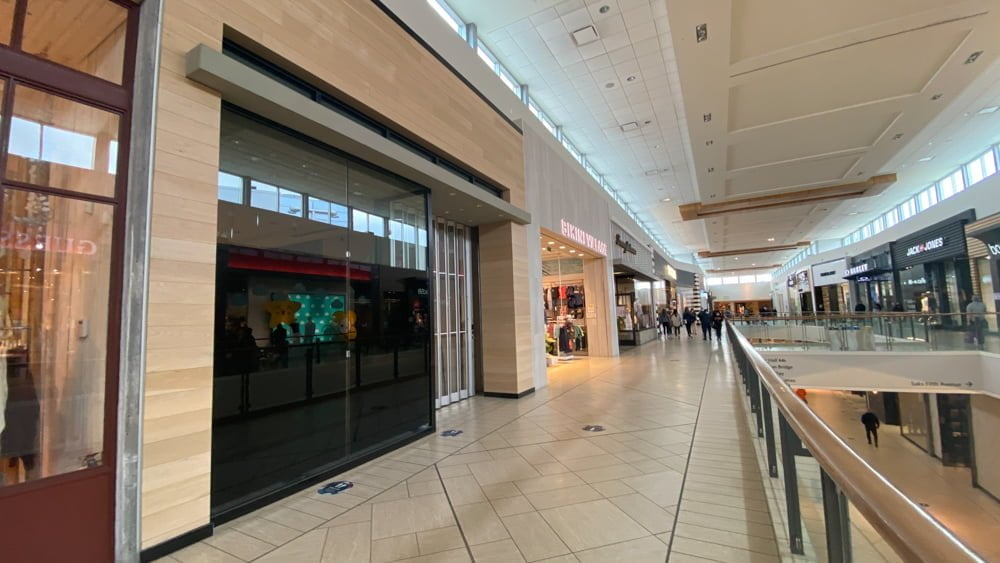
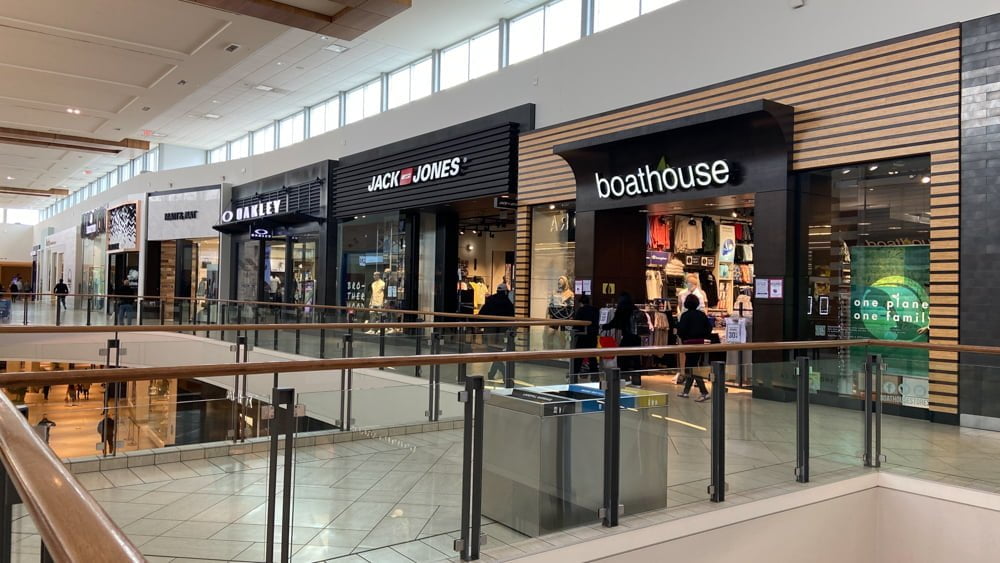
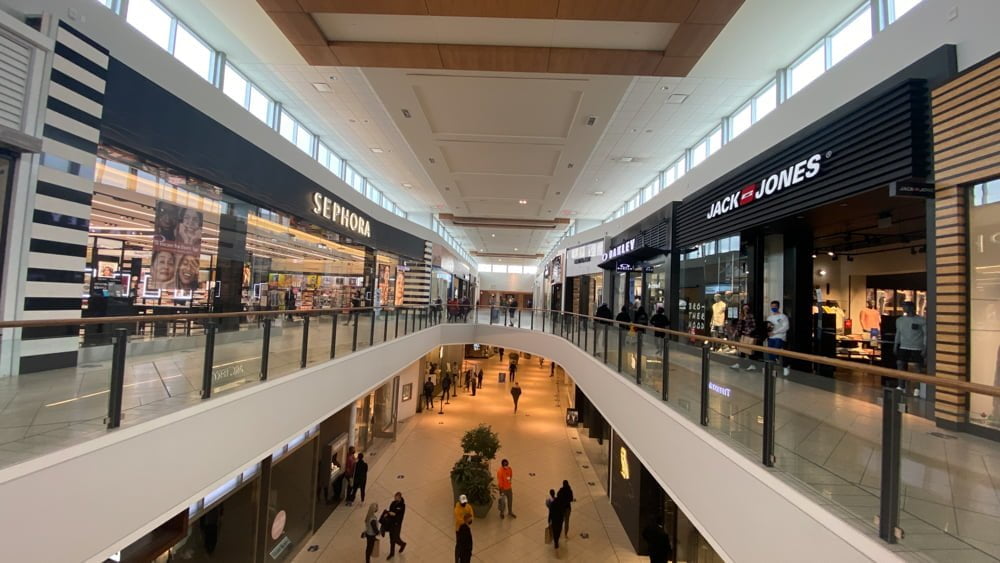
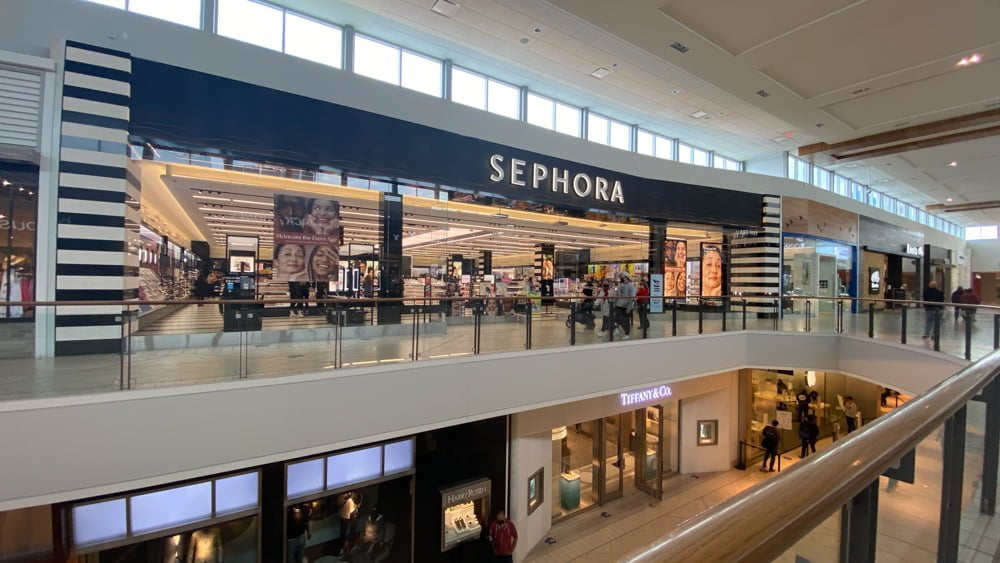
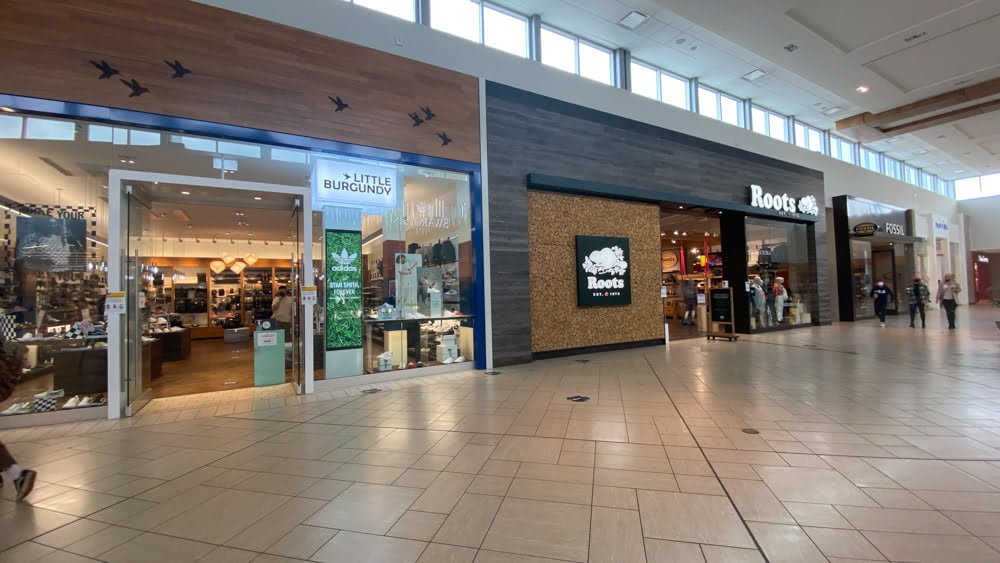
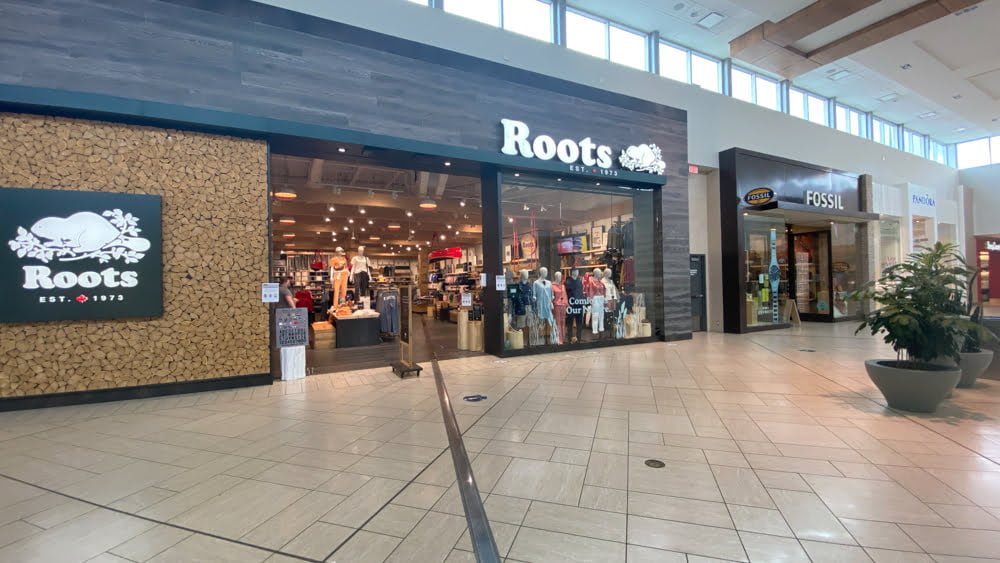
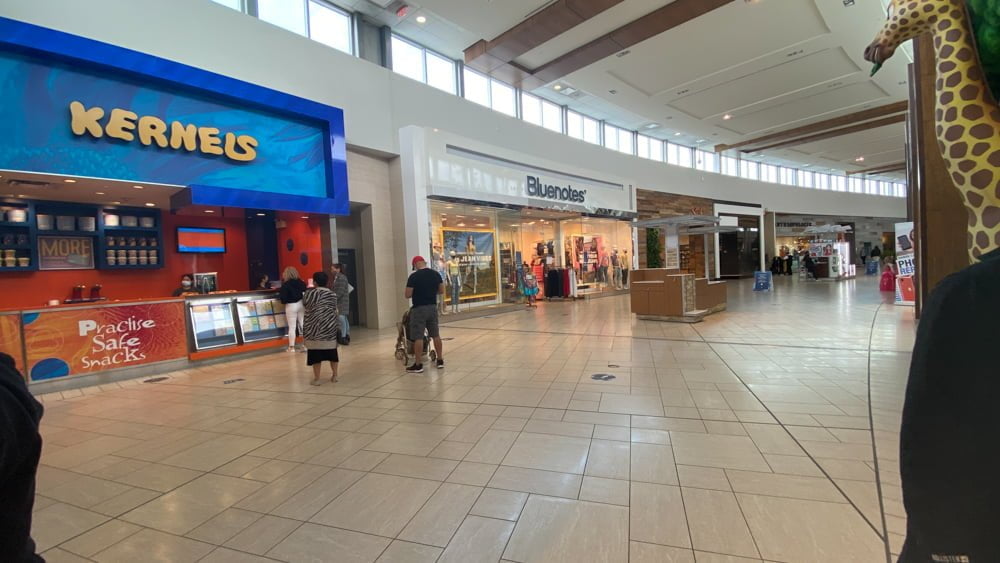
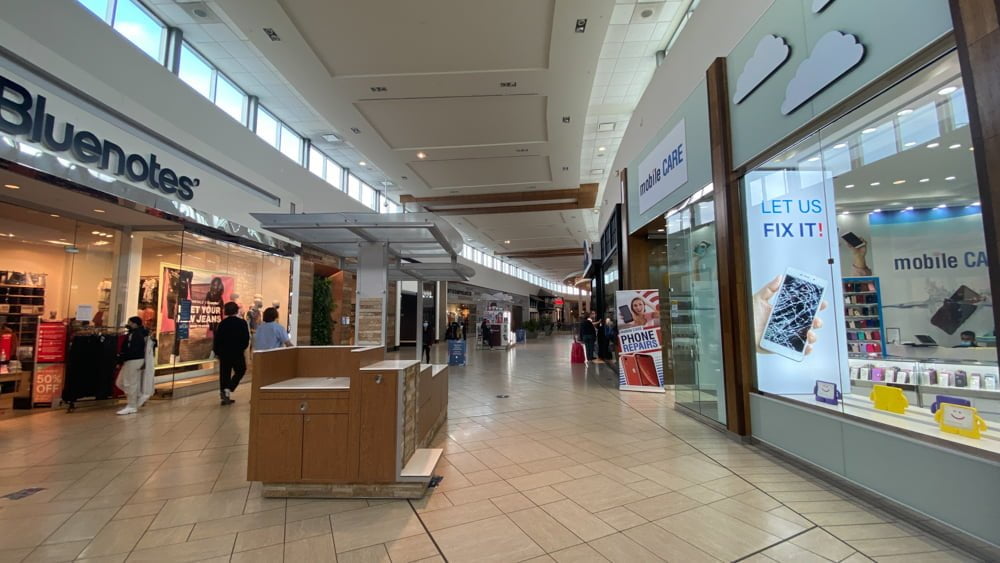
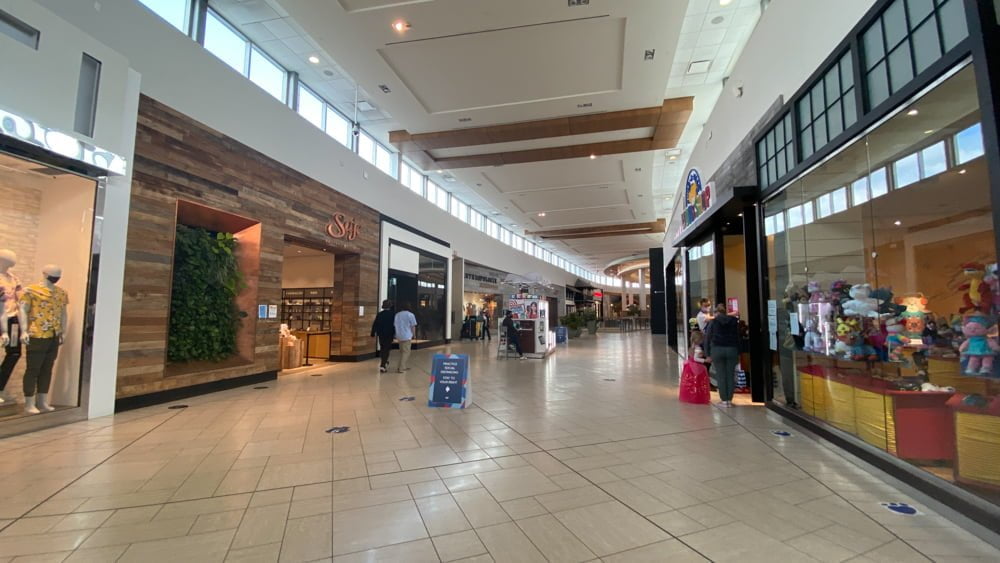
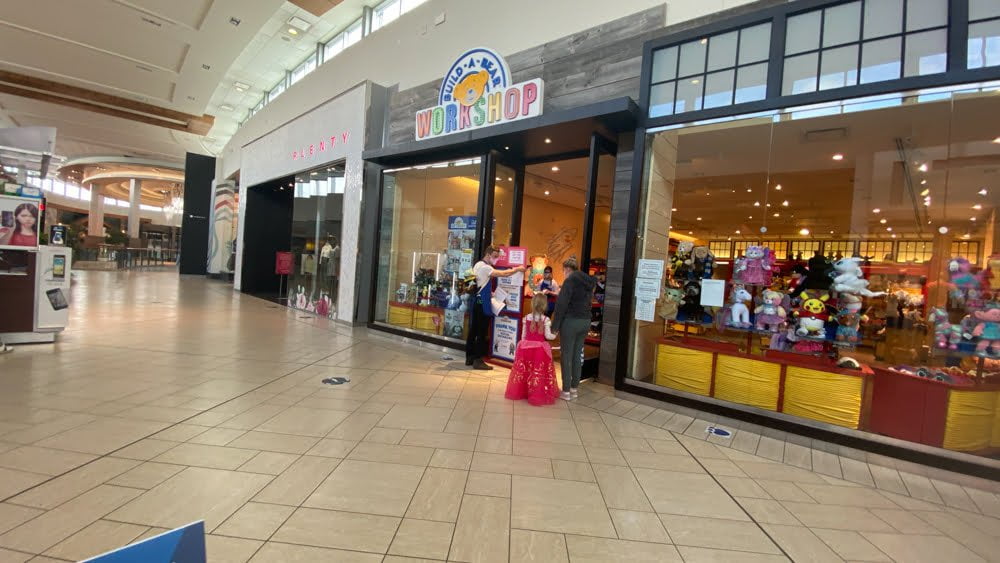
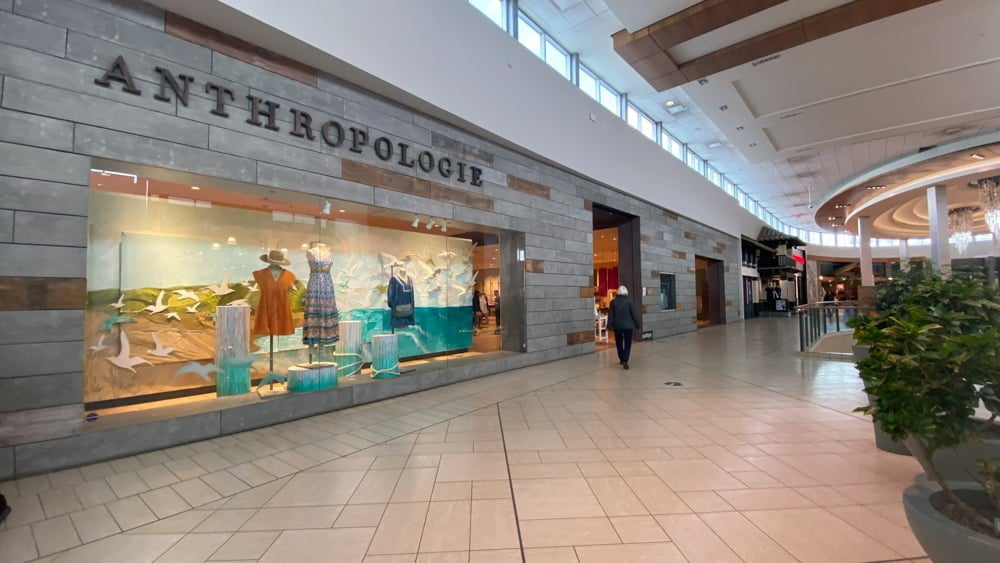
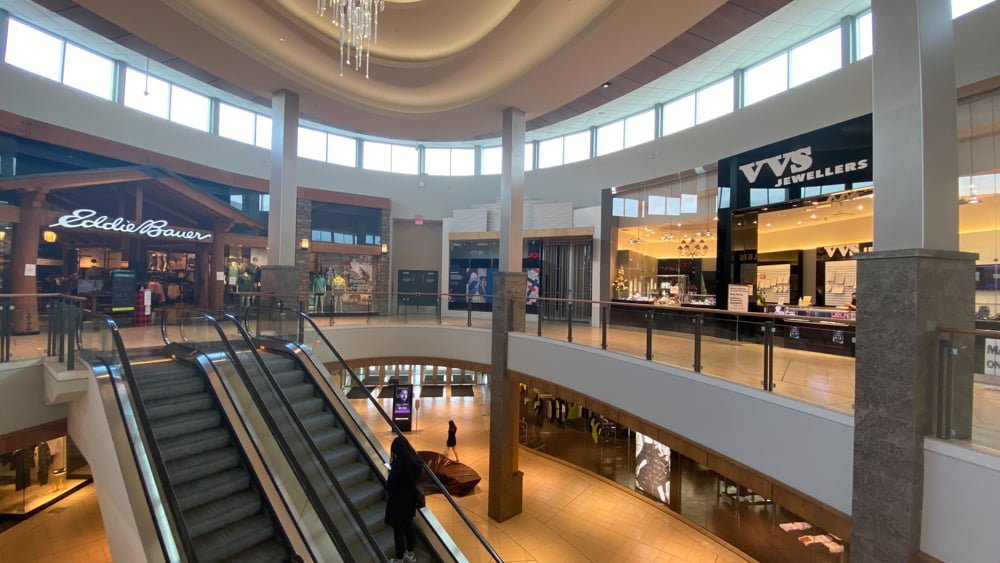
Select retailers include Roots, Swarovski, Little Burgundy, Oakley, Sephora, Jack & Jones, Boathouse, Guess, VVS Jewellers, Eddie Bauer, Hakim Optical, Hollister, Anthropologie, LUSH Cosmetics, Caposhie, Build-A-Bear Workshop, Saje Natural Wellness, Bluenotes and CaseLogix.
Other select retailers in CF Chinook Centre's North East Section
1 of 15
We had a very interesting photo walk around CF Chinook Centre Mall in southern Calgary and we hope you enjoyed coming along with us. Don’t forget to check out our other retail photo tours over the past few months. Thank you for taking this tour with us.
Discover More Related Retail Photo Tours From Retail Insider:
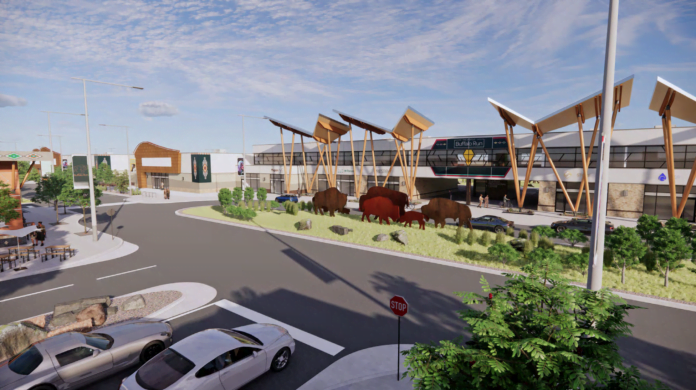
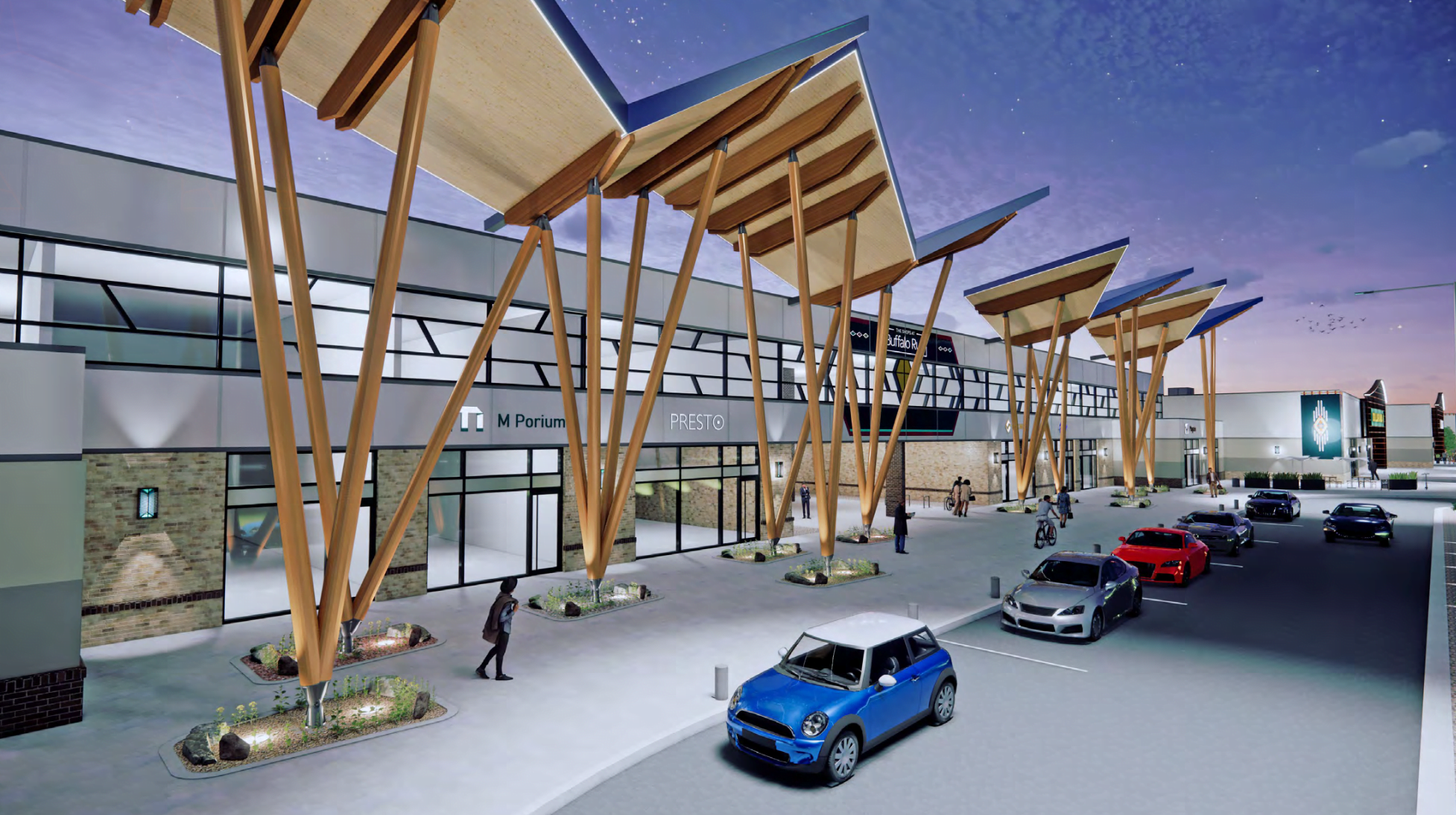
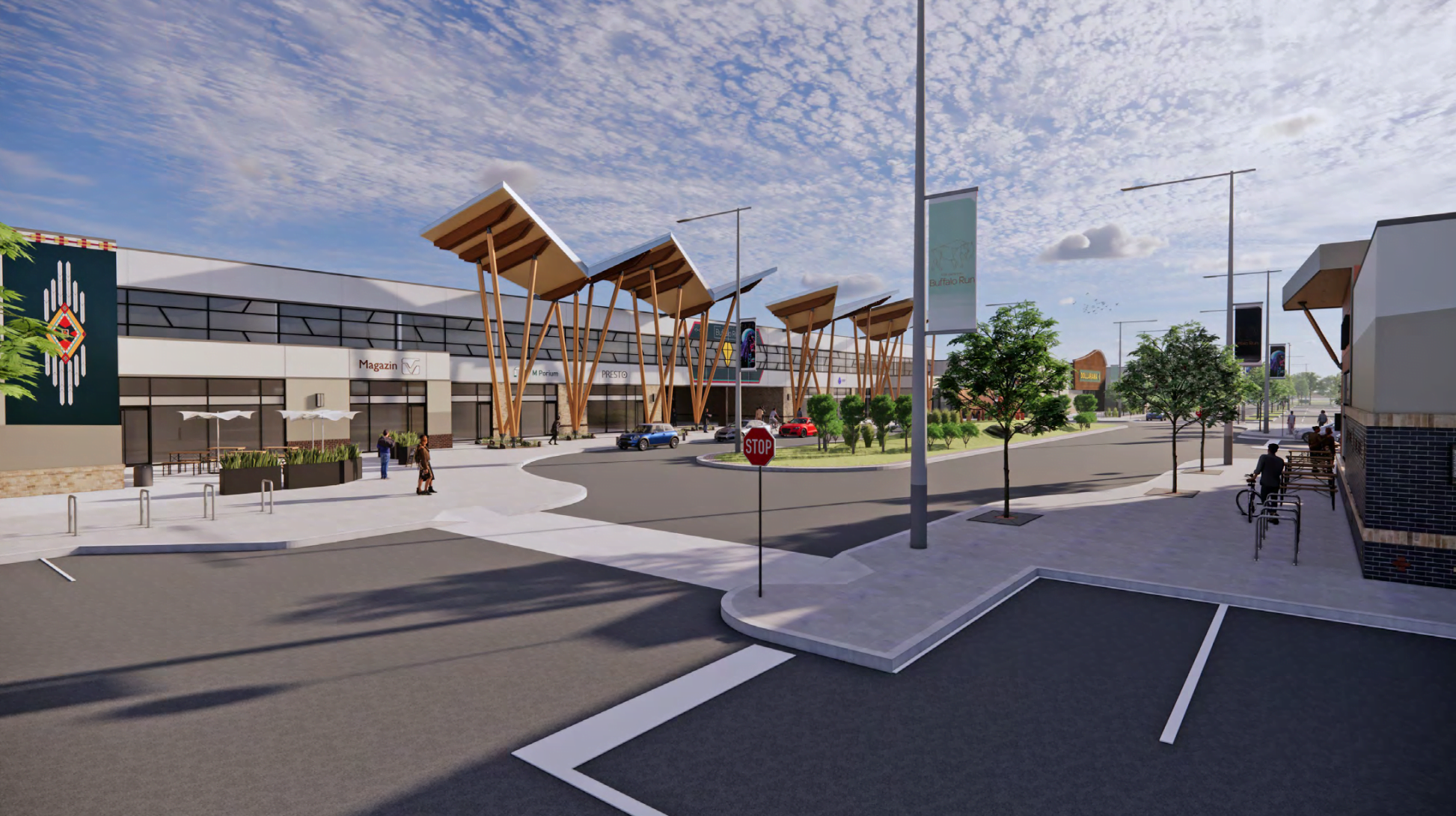
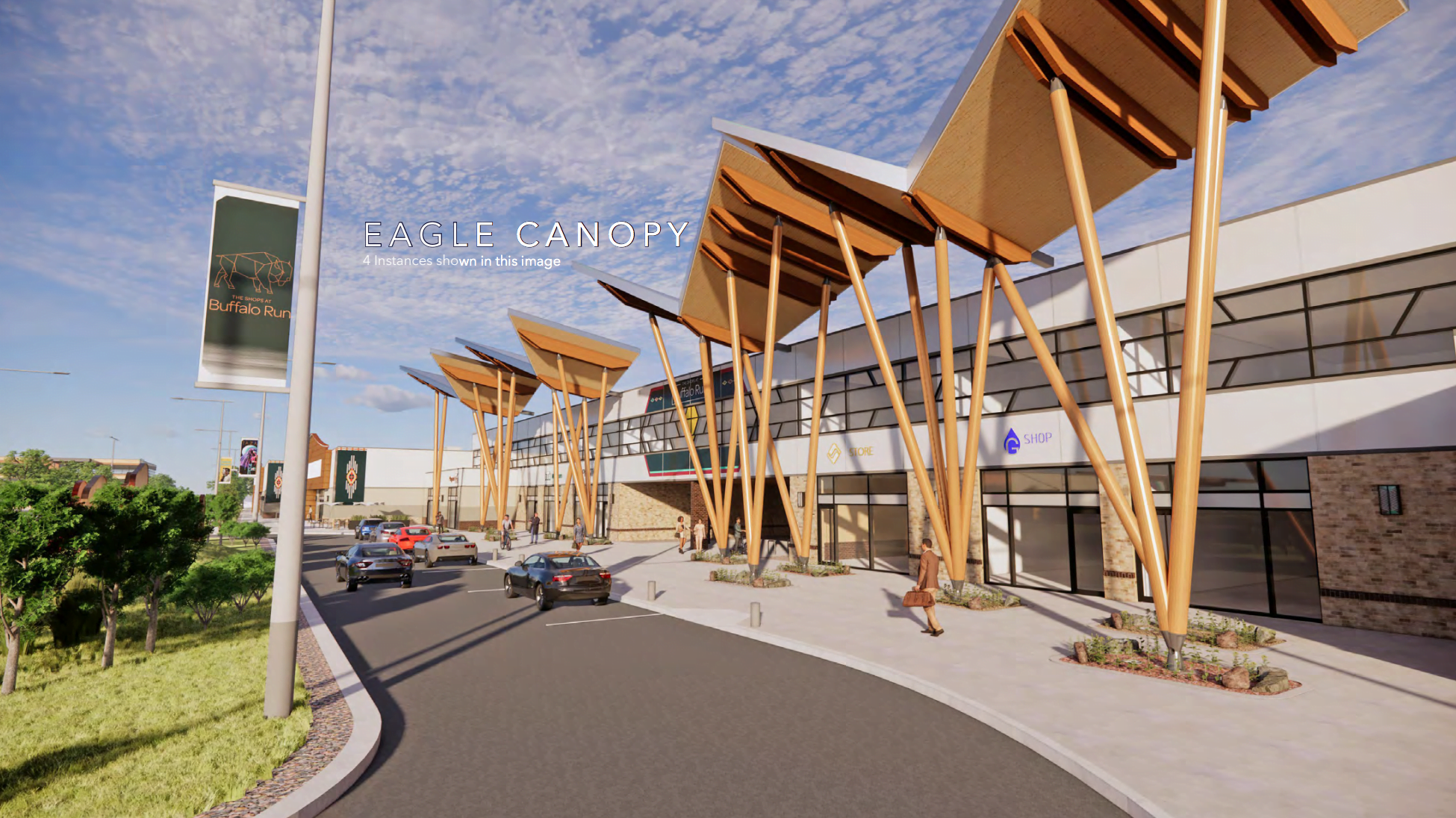
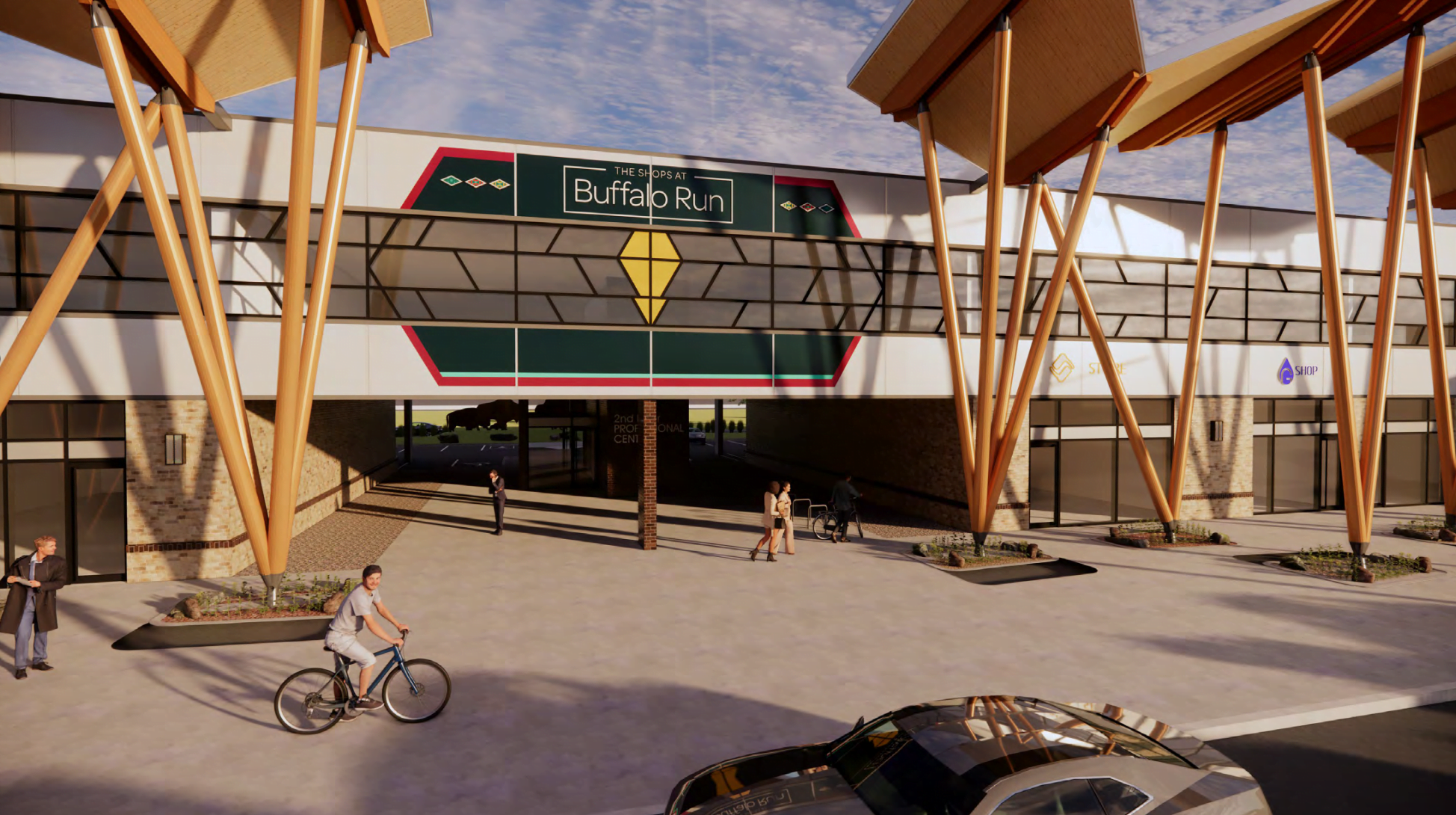
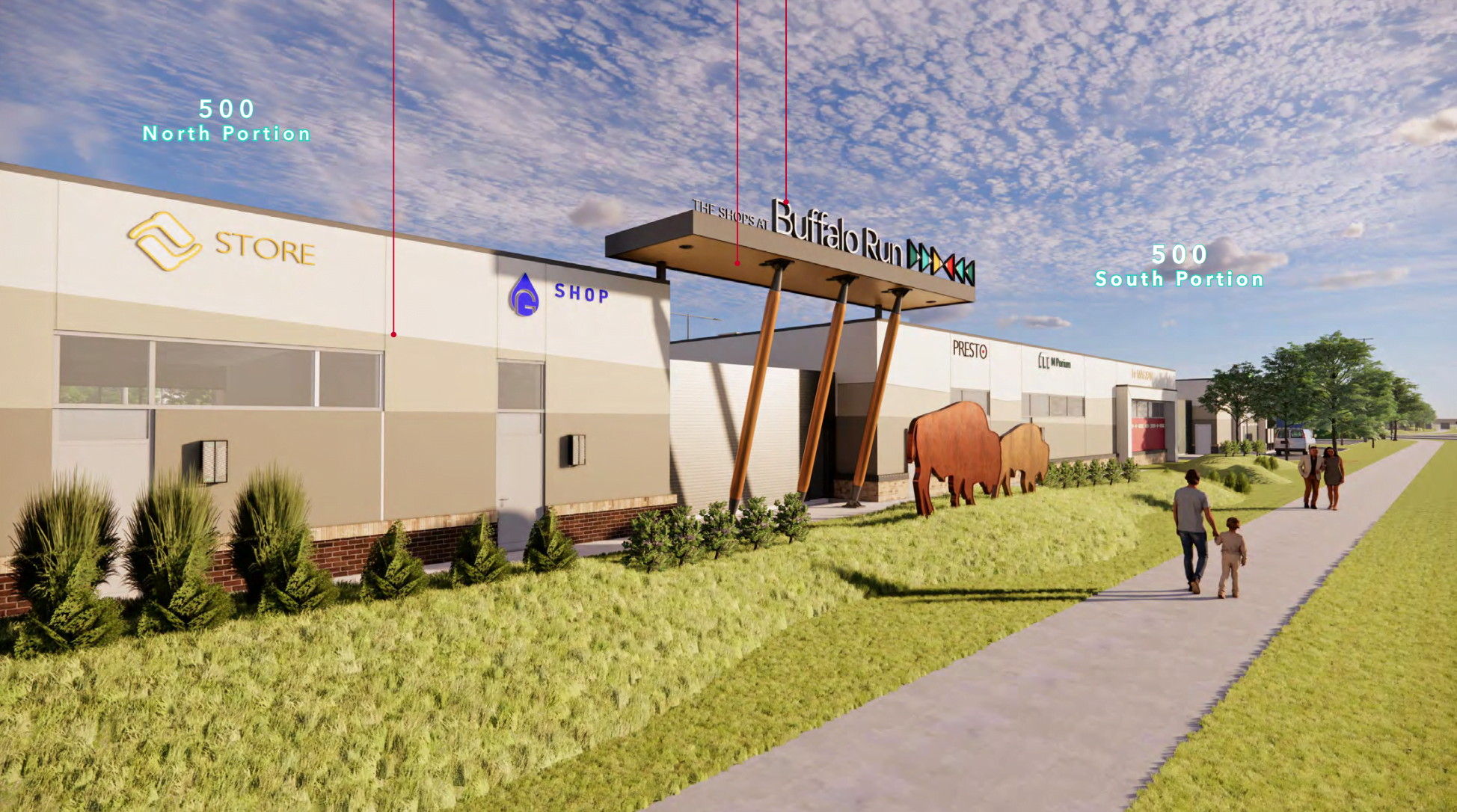
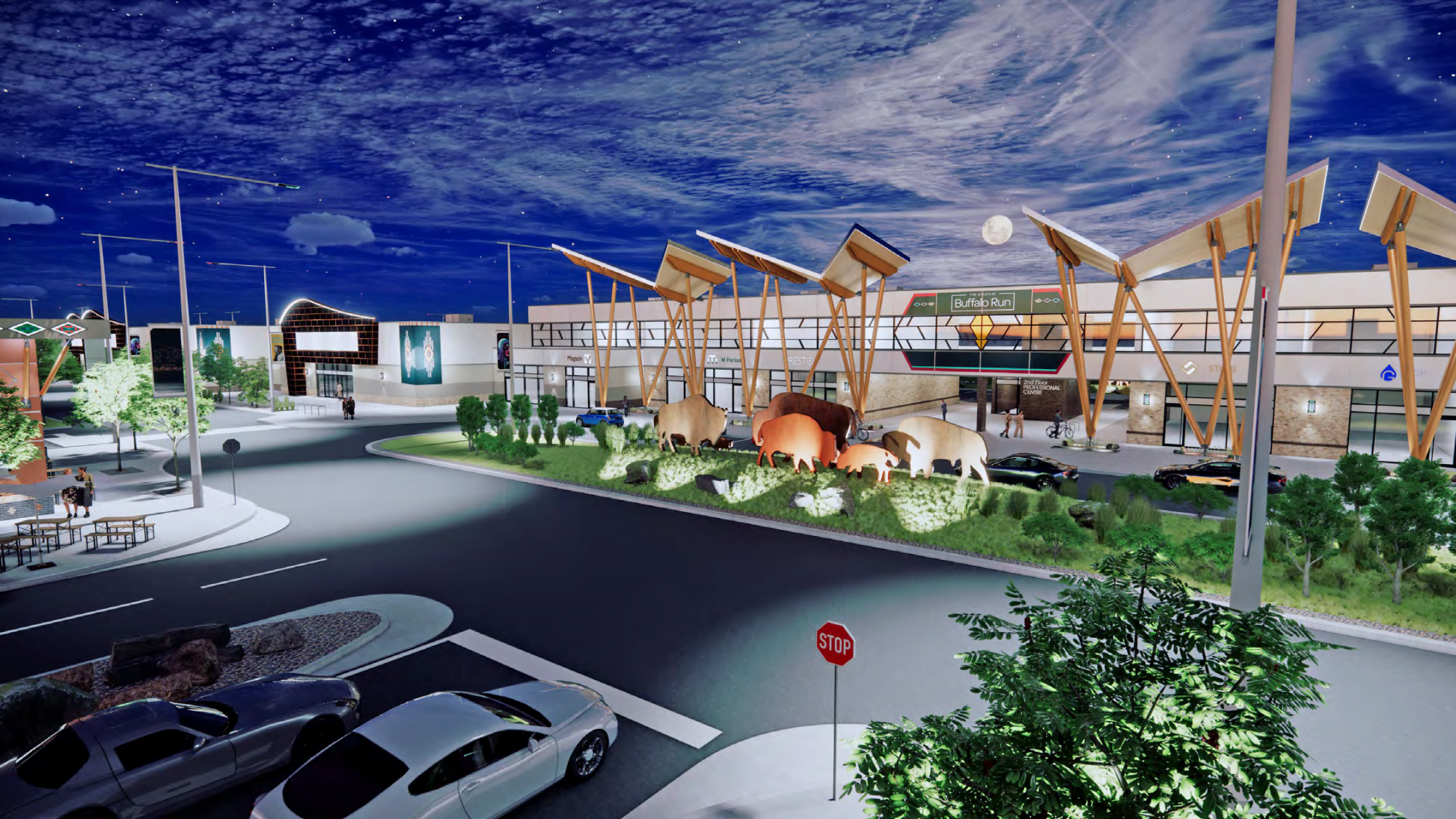
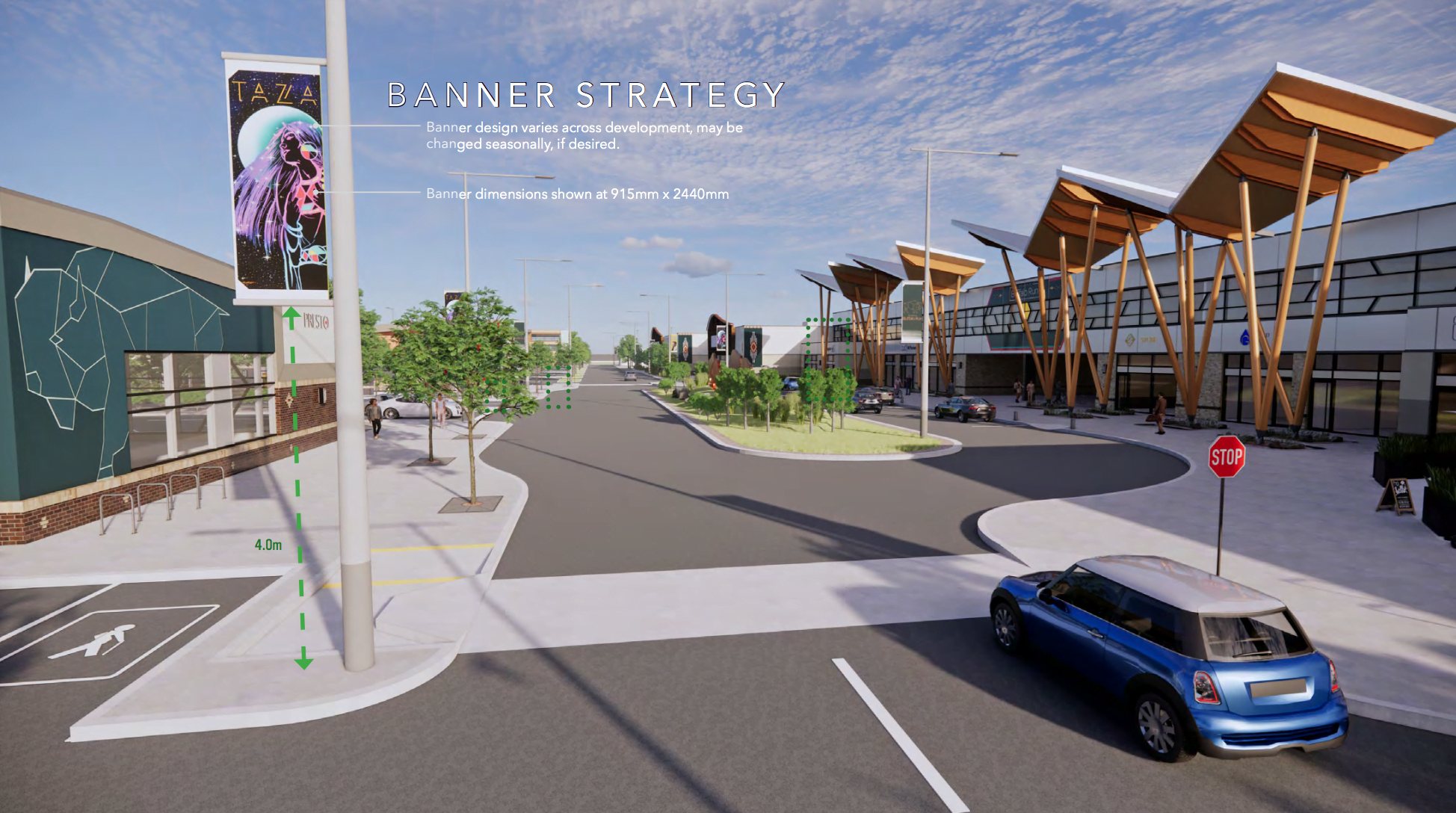
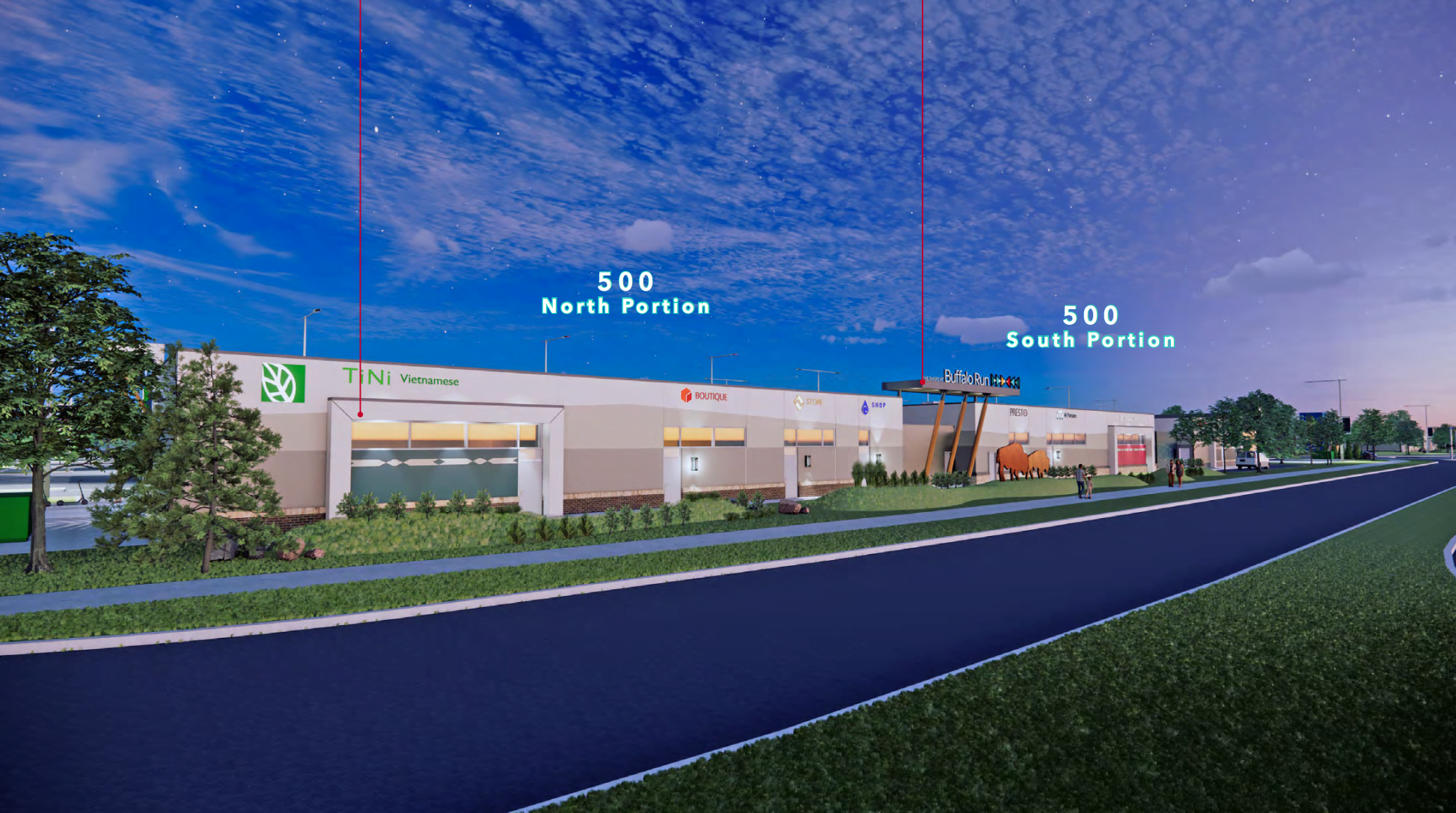
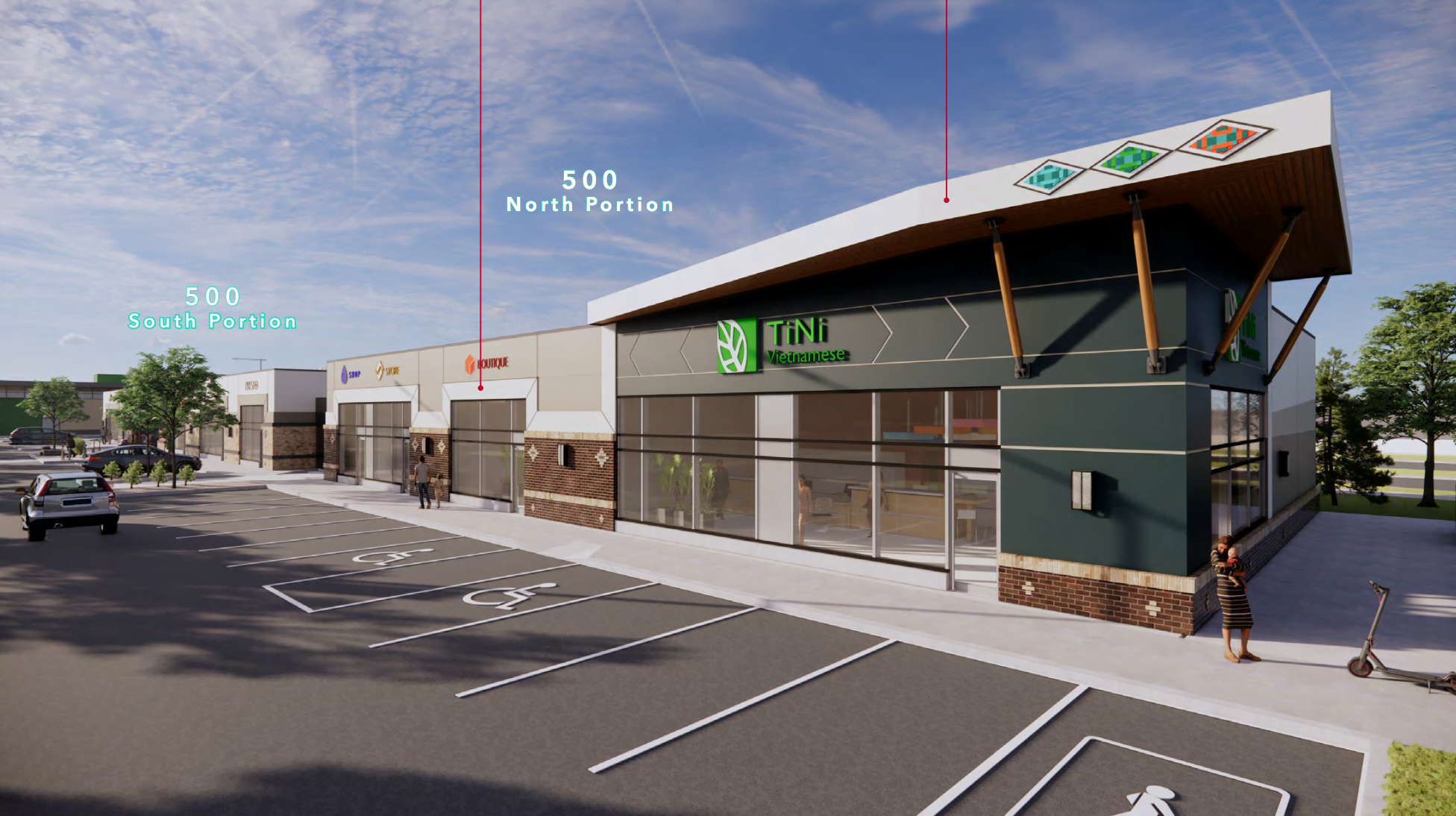
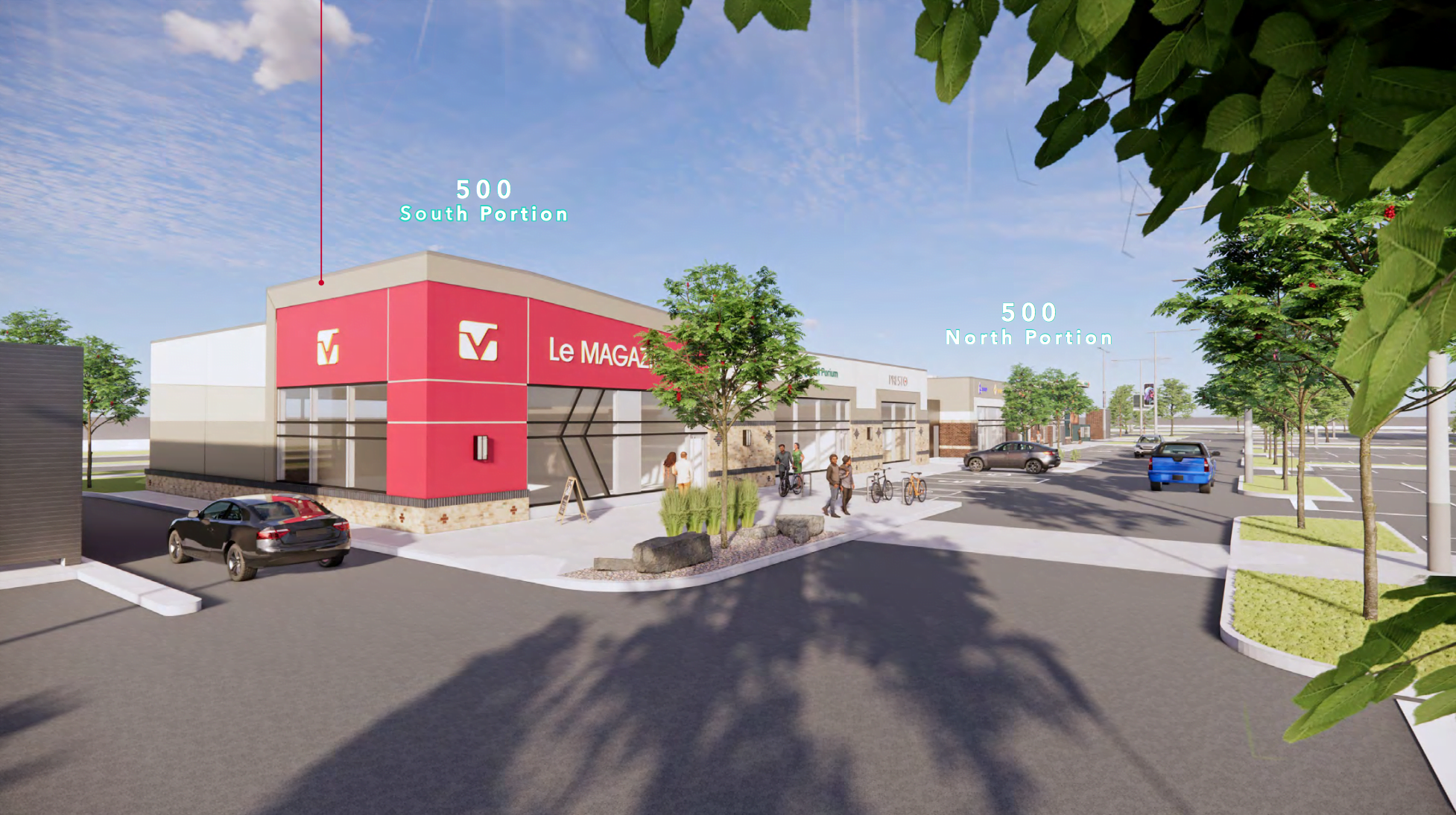
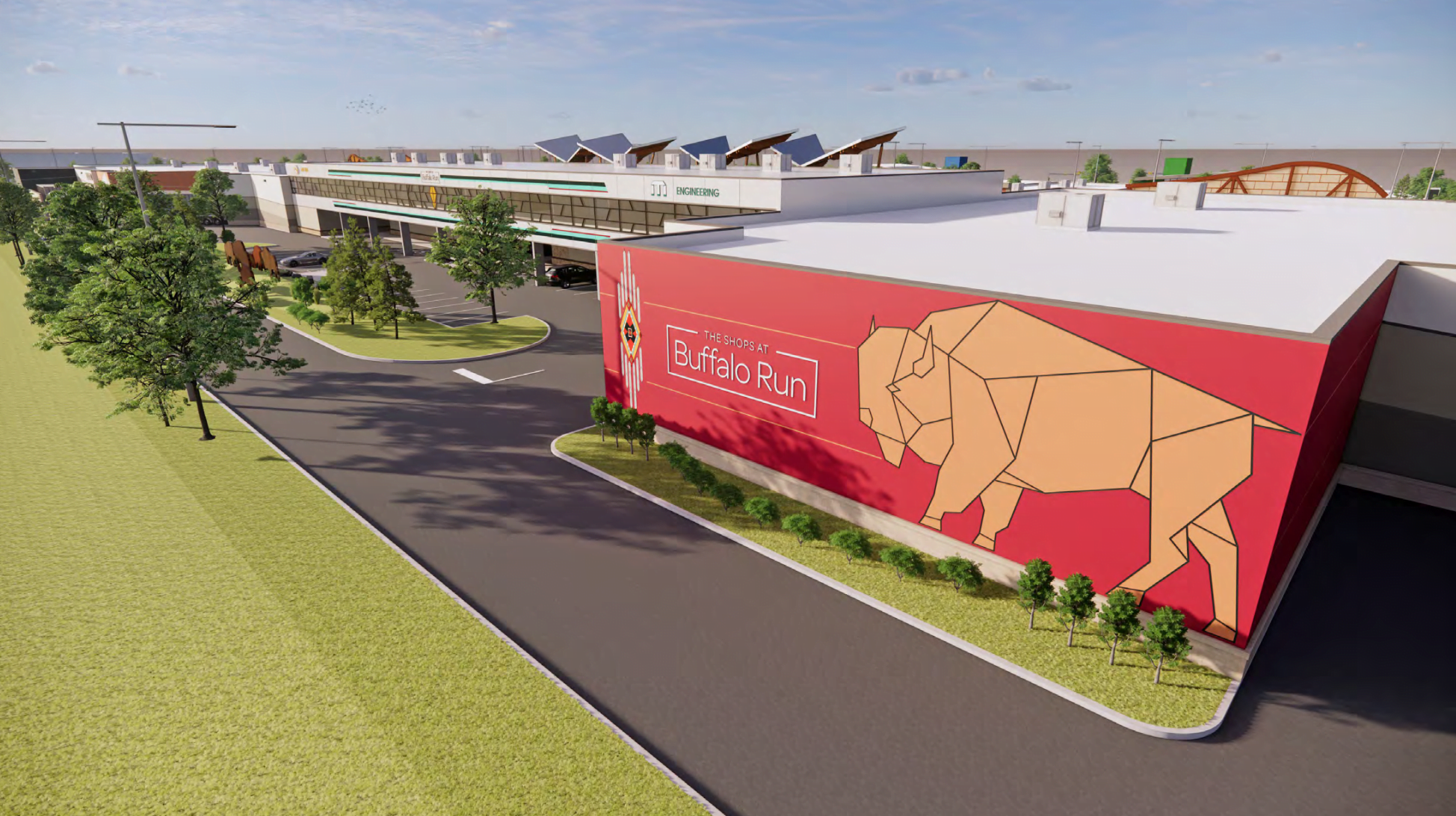
One of the centrepieces of the development is the unique The Shops at Buffalo Run in the Taza Exchange section of the overall project.
Recently, officials announced the first round of businesses that will make up the unique tenant mix at The Shops at Buffalo Run with the following tenants confirmed:
Tim Hortons
BMO
Dollarama
Lavish Nails
Buffalo Run Dental
HAPPY CUP
Complete Health Chiropractic & Massage
TiNi Vietnamese
BarBurrito
Bryce Starlight
Bryce Starlight, the VP of Development for Taza, said the retail development is currently in for development permit approval with the intention of construction starting in June of this year.
“We’re expecting openings in 2022. Most likely in Q3-Q4,” he said.
Total square footage for The Shops will be just under 260,000 square feet and there will eventually be between 35 to 40 individual tenants “including the potential for a 20,000-square-foot professional office, and that would be in addition to (The Shops)”.
The Shops will be located near the Costco store which opened in August 2020. Starlight said Costco has been “phenomenal”. It was the first Costco on a First Nation in North America.
“From a business standpoint, just from my conversations with Costco, it’s been very well received and at the end of the day even from an overall relationship standpoint it’s been phenomenal. Just a great working relationship with the community, with the Nation. They’ve been amazing tenants even above and beyond the fact that they’re just a phenomenal retailer,” said Starlight.
1 of 6
Central Eagle Canopy. Rendering: Taza Development Corp
Central Eagle Canopy. Rendering: Taza Development Corp
Central Eagle Canopy. Rendering: Taza Development Corp
West facade at Central Spine location. Rendering: Taza Development Corp
View from the rear facade from the north west. Rendering: Taza Development Corp
Street level view of Central Plaza and Eagle Canopies. Rendering: Taza Development Corp
“The Shops will be a mix between high-visibility retail, mid-box retailers, and out parcels with your standard smaller retailers. It will be a mix of everything from QSR to sit down restaurants. Your 1,200-to-1,500-square-foot retailers, professional office uses, as well as aesthetic uses like nails, hair, personal care.”
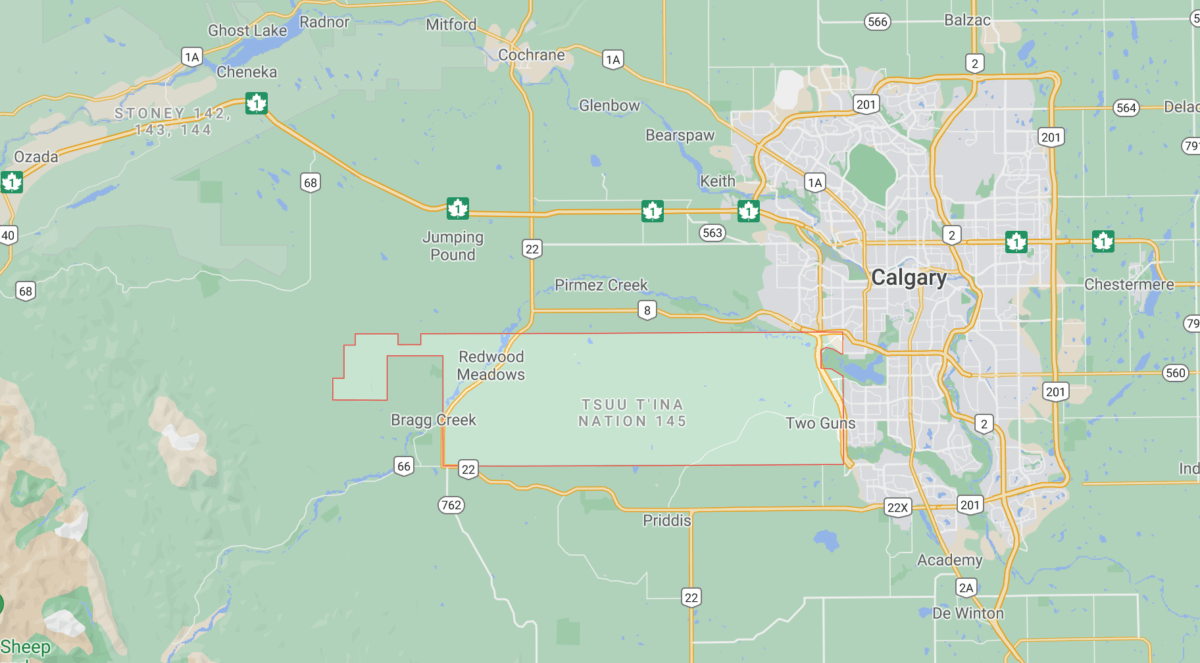
Starlight said the Nation is confident about the retail success of the project, partly because of the under-serviced nature of southwest Calgary.
Also The Shops will be easily accessible through main roadways such as the Ring Road.
“Secondly, the approval process that’s been implemented by the Nation is very business friendly. So it allows for a quick speed to business. It ensures that the rules of how people are applying are very consistent and very transparent. We have a lot of quicker approval processes. Similar to what you would see in other municipal districts like Rocky View and Foothills County where it’s a 90 or 120 day turnaround time,” he said.
“And really we use common sense as it relates to the variances and just understanding what the overall goal is for the Nation, for the development, and making sure that the uses fit within that use.”
1 of 5
Central Eagle Canopy. Rendering: Taza Development Corp
View from the rear facade from the north west. Rendering: Taza Development Corp
View from the east of north east corner tower. Rendering: Taza Development Corp
View from the east of south east corner tower. Rendering: Taza Development Corp
East facade showing feature mural. Rendering: Taza Development Corp
Starlight said the Nation also has a very competitive tax rate which is attractive for businesses.
The overall Taza development is located on about 1,200 acres of Tsuut’ina land. It consists of three unique, but related development Villages — Taza Park, Taza Crossing, and Taza Exchange — that are integrated through a comprehensive framework of Tsuut’ina and City of Calgary infrastructure. The Villages are physically connected via Tsuut’ina Trail, which is part of the Southwest Calgary Ring Road.
“We’ve got another development upcoming at Taza Park. We’re looking to actually make some tenant announcements over the next couple of months here on that site as well,” said Starlight. “That’s going to be more auto oriented. But we’re looking at some additional retail offerings up in that area as well.”
Starlight said the Taza development is looking to draw innovation, technology and health care uses to the site. Also, there is a housing component that could eventually see 8,000 to 9,000 multi-residential units.
The Tsuut’ina Nation was established in 1877 by the signing of Treaty 7, which predates the incorporation of the city of Calgary in 1894 and the establishment of the Province of Alberta in 1905. Tsuut’ina has a fully independent culture and a long history of progression and innovation. Tsuut’ina is governed by a Chief and Council and operates its own Administration, Business, and Service programs, including Tosguna (Police), the Tsuut’ina Fire Department, Public Works, and Civic Services.