As part of Retail Insider Reports, this Q3 2026 Health & Beauty Report analyzes Q3 2026 developments in Canadian health, beauty, pharmacy, and wellness retail. Drawing on Retail Insider coverage, industry research, company disclosures, government data, and broader market signals, it identifies key dynamics shaping retailers, brands, pharmacy operators, and consumers. These reports are designed to deliver executive-level insights across major retail sectors and can be accessed through the Retail Insider Report Hub.
This report examines Canadian health, beauty, cosmetics, pharmacy, wellness, and personal care retail, including retailers, brands, store formats, consumer trends, and market developments.
Report Contents
- Executive Summary
- Retail Insider Coverage
- Pharmacy Services Outpace the Front Store
- Shoppers Tests More Reasons to Visit the Front Store
- Pharmacy Networks Find Different Routes to Scale
- National Retail Partners Give Beauty Brands Immediate Reach
- Standalone Stores Offer Greater Brand Control
- Products Are Being Combined With More Reasons to Visit
- Digital Health Faces the Same Credibility Test
- Capital Supports the Brands Behind the Shelves
- Broader Industry Coverage
- Editor’s Take & Outlook
- Representative Articles
- More From Retail Insider
Executive Summary
Canadian health and beauty retail entered the third quarter of 2026 with strong sales growth, expanding pharmacy services and continued investment in beauty and wellness formats. Health and personal care retailers generated $6.68 billion in seasonally adjusted sales in July, according to Statistics Canada, up 12.2% from a year earlier. Constant-dollar sales increased 10.7%, while July sales edged down slightly from June.
At Shoppers Drug Mart and Pharmaprix, pharmacy and healthcare-services comparable sales increased 7.5% during Loblaw’s second quarter, compared with 1.3% growth in the front store. The same pattern appeared in the first quarter, when the respective increases were 6.7% and 1.0%.
Beauty remained another source of strength. Canadian prestige beauty sales reached $2.2 billion in the first half of 2026, up 6%, according to Circana. International brands are using retailers including Sephora and Shoppers Drug Mart to achieve broad Canadian distribution, while companies including Aesop and Adopt Parfums continue investing in standalone stores.
Other retailers are combining products with consultation, food, services and curated assortments. Those strategies are developing as consumers scrutinize efficacy, value and the credibility of wellness claims.
The next evidence will come from what happens after the launches and openings: repeat purchasing, service utilization and the economics of the formats being expanded. Canadian health and beauty retail remained one of the stronger areas of consumer spending entering Q3 2026, supported by pharmacy demand, beauty sales and continued investment in physical and digital retail.
Several themes emerged during the quarter:
- Health and personal care retail sales were 12.2% higher year-over-year in July and 10.7% higher in constant dollars, although sales declined slightly from June.
- Pharmacy and healthcare services continued to materially outpace front-store growth at Shoppers Drug Mart, supported by prescription demand, healthcare services and centralized prescription infrastructure.
- Pharmacy operators are expanding through acquisitions, affiliations and new construction, representing different forms of network growth.
- Sephora and Shoppers Drug Mart are providing beauty brands with broad Canadian distribution, while standalone stores give brands greater control over presentation and service.
- Retailers including Healthy Planet and Living Beauty are combining merchandise with additional services and purchase occasions.
- Consumers remain attentive to price, efficacy and credibility, with research showing widespread verification of wellness claims before purchase.
Distribution, store openings and service expansion show where companies are investing. Repeat purchases, service use and store-level performance will show how those investments are working.
Retail Insider Coverage
Pharmacy Services Outpace the Front Store
Shoppers Drug Mart and Pharmaprix recorded pharmacy and healthcare-services comparable-sales growth of 7.5% in Loblaw’s second quarter. Same-store prescription volumes increased 3.4%, while front-store comparable sales grew 1.3%, supported by beauty and over-the-counter products. The difference followed the same pattern seen in the first quarter, when pharmacy and healthcare-services comparable sales increased 6.7% and front-store sales grew 1.0%.
The service expansion is supported by infrastructure outside individual stores. Seven Central Pharmacy Services facilities support more than 1,110 pharmacies and process approximately 70 million prescriptions annually, moving portions of routine prescription processing away from individual locations. That can create additional capacity for pharmacists to provide medication reviews, vaccinations and other permitted healthcare services. The opportunity varies by province because pharmacist scope and public funding are not uniform across Canada.
Ontario expanded pharmacists’ scope again in July 2026, adding additional minor ailments and vaccine administration. Loblaw has separately reported that nearly five million Canadians received clinical care through Shoppers Drug Mart or Loblaw Pharmacy during 2024, including vaccinations, medication reviews and minor-ailment assessments. The drugstore is increasingly functioning as both a retail location and a healthcare-delivery point, with the service side currently producing considerably stronger comparable-sales growth.
Shoppers Tests More Reasons to Visit the Front Store
Loblaw is also experimenting with ways to increase the everyday relevance of the rest of Shoppers Drug Mart. Buy-online-pickup-in-store capability had reached 500 locations when management reported second-quarter results. A lower-priced food-assortment pilot had been completed at 17 stores, with another 11 underway.
Loblaw had not disclosed a sales uplift from the food test or announced a broader rollout schedule. It remains an experiment rather than evidence of a new national format.
Beauty continues to provide another source of demand, with prestige cosmetics among the stronger front-store categories identified by Loblaw. Pharmacy and healthcare services are already generating measurable comparable-sales growth, while food and digital initiatives are being tested as ways to broaden front-store relevance.
Pharmacy Networks Find Different Routes to Scale
Neighbourly Pharmacy acquired seven pharmacies across the Prairies and Central Canada during the period, bringing its network to 332 locations. The transactions increased Neighbourly’s scale through existing pharmacies rather than adding seven new pharmacies to the Canadian market.
Empire separately agreed to acquire nine Morelli’s pharmacies operating within Longo’s stores in Ontario. The locations are expected to become Longo’s Pharmacy and be integrated into Sobeys’ pharmacy operations following completion of the transaction and required approvals.
Independent pharmacies are also gaining scale through affiliation. Pharmacy Brands Canada reported exceeding 300 banner-affiliated locations, including more than 50 Ontario additions over two years. Participating owners retain control of their businesses while gaining access to purchasing, marketing, clinical and operational support.
New construction offers another route. A Montoni development in Mascouche, Quebec, is planned to include a nearly 15,700-square-foot Jean Coutu-affiliated pharmacy alongside a Super C grocery store. The pharmacy is expected to include a substantial cosmetics department, prescription pickup lockers and digital ordering.
Acquisition, affiliation and new construction can all extend a pharmacy network, but only new locations directly increase the physical supply of pharmacies.
National Retail Partners Give Beauty Brands Immediate Reach
Canadian prestige beauty sales were already growing when several international brands expanded their distribution during Q3. British clinical skincare brand Medik8 launched across all 147 Sephora Canada stores in August, with dedicated brand gondolas in 75 locations. The company retained its Canadian direct-to-consumer business.
Naturium expanded through Sephora Canada stores and online in September, building on existing Canadian availability. Being Frenshe chose Shoppers Drug Mart for its first international market, gaining access to an established national pharmacy and beauty network without first constructing a standalone Canadian store base.
Fragrance added further distribution activity. Sephora became the exclusive Canadian retailer for Khloé Kardashian’s fragrance portfolio, while Squishmallows fragrances also expanded through the retailer.
Broader category data illustrate the importance of availability. NIQ reported Canadian K-beauty sales of approximately $164 million in 2025, up 57%, with expanded availability identified as an important growth driver. Amazon and Sephora together accounted for nearly 40% of Canadian K-beauty spending.
K-beauty represents one segment of the market, but the data show how quickly demand can develop as products gain broader distribution.
For international beauty brands, an established retailer can provide national physical and digital reach without the capital and time required to build a large direct store network. Initial distribution still needs to translate into sell-through and replenishment.
Standalone Stores Offer Greater Brand Control
Direct retail continues to develop alongside national distribution partnerships. Aesop began work on an approximately 1,741-square-foot boutique at CF Richmond Centre during the quarter. Retail Insider identified 17 operating Aesop signature stores across Canada at the time, with Richmond planned as the eighteenth and the sixth in Metro Vancouver. The network gives Aesop direct control over consultation, product testing and presentation across both neighbourhood streets and selected shopping centres.
French fragrance retailer Adopt Parfums is pursuing a smaller format. The company had six Quebec stores and was seeking five additional locations for 2027, primarily in regional Quebec shopping centres, with Ottawa also under consideration. Ideal spaces range from approximately 500 to 850 square feet, supporting an assortment built around accessible fragrance pricing and multiple purchases.
National distribution provides reach through an existing retail network. Standalone stores provide greater control over the environment in which customers encounter a brand, while smaller formats can reduce the space required to build a direct network.
Products Are Being Combined With More Reasons to Visit
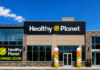
Healthy Planet opened its 45th Ontario location at 2529 Yonge Street in Toronto during the quarter. The two-storey store combines fresh food and grocery with supplements, beauty and sports nutrition, while Healthy Planet Kitchen adds prepared meals, smoothies and coffee.
Those categories create different purchase occasions within the same store. Grocery, prepared food and beverages can potentially increase visit frequency between purchases of supplements or beauty products, although the new location’s performance will need to be measured over time.
Living Beauty offers another model at its Toronto flagship on Dupont Street, combining beauty retail with spa services, consultations and events. The company reported a 51% return rate for services and a 40% return rate for products following the store’s launch. While company-reported, the figures provide an early measure of repeat behaviour across both parts of the business.
Supernatural’s Yorkville concept places approximately 800 square feet of retail within a broader wellness destination. Its assortment spans wellness, beauty, sleep, recovery and performance, with curation positioned as part of the retail proposition. The formats differ considerably, but each adds something around the merchandise itself, whether another purchase occasion, professional service or a more tightly filtered assortment.
Digital Health Faces the Same Credibility Test
PC Health launched PC Chat in September as a free Canadian-focused health-information and navigation service, with optional connections to users’ digital pharmacy profiles. The company says the service can provide health information and help users navigate healthcare options, but does not diagnose, treat or replace healthcare professionals.
Adoption and patient-outcome results had not been disclosed during the reporting period. The launch extends Loblaw’s health offering beyond transactions and physical pharmacy locations. Its longer-term relevance will depend on consumer use and whether the tool adds practical value within the broader pharmacy relationship.
Capital Supports the Brands Behind the Shelves
Investment continued behind the retail activity. Jamieson Wellness agreed to be acquired by Kirin in a transaction valuing the Canadian company at approximately $2.5 billion including debt. The deal remained subject to shareholder, court and regulatory approvals during the reporting period and was expected to close in the fourth quarter.
Organic Traditions raised US$10.5 million to support expansion from a Canadian distribution base exceeding 6,000 stores. The financing is intended to support U.S. growth, e-commerce, product innovation and infrastructure.
Healthy Planet’s $1-million Homegrown Grant provides selected Canadian brands with media value through its stores and e-commerce channels. The program provides promotional exposure rather than $1 million in cash financing.
Cost pressures remain part of the outlook. CHFA has identified potential trade-related exposure involving specialized ingredients, functional nutrition products, packaging and other inputs. The effects vary by sourcing and product classification, and the impact on Canadian pricing and availability remained uncertain during the quarter.
Broader Industry Coverage
Health and Personal Care Retail Enters Q3 With Strong Growth
Statistics Canada’s July results provide a useful measure of the sector entering the quarter. Seasonally adjusted sales at health and personal care retailers reached approximately $6.68 billion, up 12.2% from July 2025. Constant-dollar sales increased 10.7%, indicating substantial volume growth. The monthly comparison was softer. Current-dollar sales declined 0.1% from June, while constant-dollar sales decreased 0.3%. The category remained well above year-earlier levels without showing uninterrupted month-to-month expansion.
Beauty also remained resilient despite financial pressure on Canadian households. Circana reported $2.2 billion in Canadian prestige beauty sales during the first half of 2026, up 6% from the previous year. Hair was the fastest-growing major category at 23%, followed by skincare at 6% and makeup at 4%, while fragrance increased 1%.
Performance varied considerably within those categories. Masstige facial skincare grew 22% through June, while hair serum sales increased 91%. Circana pointed to efficacy, wellness benefits and accessible pricing as factors influencing purchases.
The results show continued consumer spending in health and beauty alongside greater selectivity in where that money is going.
More Choice Makes Credibility More Valuable
The expansion of wellness assortment comes as consumers increasingly scrutinize the claims attached to products. Research released by the Canadian Health Food Association, based on a Leger survey of 1,506 Canadian adults conducted in late 2025, found that 53% trusted wellness product claims to some degree. Only 5% strongly trusted them.
Three-quarters said they verify wellness claims or certifications using outside sources before purchasing. Scientific evidence, ingredient transparency and endorsements from qualified health professionals were among the factors supporting trust. The research also found that 20% of respondents said their trust had declined over the preceding two to three years. Among that group, 63% cited overuse of terms such as “natural” and “clean.”
That percentage applies specifically to respondents reporting declining trust, not to Canadians overall. The findings give additional context to the consultation and curation appearing in retail formats. Pharmacists provide regulated healthcare expertise, beauty retailers offer advisors and product education, and specialized wellness retailers are using assortment selection as part of their proposition.
None of those approaches establishes the efficacy of an individual product. They do give retailers ways to help customers navigate increasingly crowded categories.
Strong Spending Does Not Eliminate the Value Question
Canadian consumers continue spending on health and beauty while remaining selective about price and product performance. Circana’s first-half beauty research pointed to continued spending despite financial pressure on households, with efficacy and accessible value influencing purchasing. Masstige facial skincare grew 22% through June, considerably faster than the broader skincare category.
The CHFA research similarly found quality, effectiveness and price among the considerations influencing wellness purchases. Several strategies visible during the quarter fit that environment. Shoppers is testing lower-priced food in selected stores, Adopt Parfums is expanding an accessible fragrance concept, and Naturium’s positioning emphasizes effective skincare at attainable price points.
Strong category sales therefore do not imply weak price sensitivity. Retailers and brands still have to demonstrate what consumers are receiving for the money.
Editor’s Take & Outlook
Outlook: Repeat Behaviour Is the Next Test
The final quarter will provide additional evidence on several strategies now underway. At pharmacies, subsequent results will show whether healthcare services continue to materially outpace front-store growth and how expanded pharmacist scope affects service utilization across different provinces.
For beauty brands, distribution through Sephora and Shoppers establishes availability. Sales, replenishment and continued retailer support will provide better evidence of Canadian demand. Aesop’s continued Canadian expansion and Adopt Parfums’ search for additional locations will provide another measure of demand for direct beauty retail.
Healthy Planet and Living Beauty offer different tests of whether broader assortments and additional services translate into greater visit frequency and repeat purchasing.
Consumer spending remains the common variable. July’s health and personal-care sales provide a strong year-over-year starting point, while beauty and wellness research shows consumers simultaneously scrutinizing price, efficacy and product claims. Store counts and distribution show where companies are investing. Repeat purchasing, service utilization and store-level economics will show which strategies are creating durable Canadian businesses.
Editor’s Take
One of the more important developments in Canadian health and beauty retail is occurring behind the headline sales growth. Pharmacy is moving further into healthcare delivery. Beauty brands can obtain national Canadian distribution without building extensive store networks. Retailers are also adding services, food, consultation and curation around products consumers can often purchase through multiple channels.
That changes what the physical retailer needs to contribute. For a pharmacy, it can be access to healthcare services. For a beauty store, it can be testing, advice and brand experience. For a wellness retailer, it can be a carefully selected assortment in a category where consumers increasingly question product claims.
Price remains part of that equation. Strong category growth can coexist with increased scrutiny of value, particularly when consumers are choosing among large numbers of products making similar promises. The next stage will be visible in behaviour after the initial visit: prescriptions and services used again, products replenished, customers returning and new formats producing sustainable economics.
Those measures will tell us considerably more about the direction of Canadian health and beauty retail than the number of launches announced during any single quarter.
Representative Articles
- Shoppers Drug Mart Expands Pharmacy Care as Loblaw Tests Lower-Priced Food Offer — Jul 30, 2026
- Neighbourly Pharmacy continues to grow, acquiring 7 more pharmacies — Aug 6, 2026
- Empire to acquire nine Morelli’s pharmacies in Ontario — Aug 20, 2026
- Medik8 to launch in all Sephora Canada stores as part of North American expansion — Jul 24, 2026
- Naturium expands Sephora presence in Canada and Mexico — Sep 21, 2026
- Aesop Expands Canadian Store Network with New CF Richmond Centre Location — Jul 30, 2026
- Adopt Parfums plans five new stores as Canadian expansion continues — Sep 22, 2026
- Healthy Planet expands to Yonge and Eglinton with 45th Ontario location — Aug 20, 2026
- Living Beauty sees spectacular growth since launching flagship store a year ago — Jul 7, 2026
- Supernatural brings longevity wellness to retail space with new Yorkville concept — Sep 18, 2026
- Canadian Consumers Increasingly Verify Wellness Claims Before Buying: CHFA Study — Jul 29, 2026
- Natural, organic and wellness sector facing growing pressure from tariffs — Sep 24, 2026
- Pharmacy Brands Canada Grows to more than 300 Locations in Canada — Sep 28, 2026
- Healthy Planet launches $1M grant for emerging Canadian health and wellness brands — Sep 23, 2026
- Khloé Kardashian fragrance portfolio expands into Sephora in U.S. and Canada — Sep 15, 2026
- PC Health launches new “Built in Canada for Canadians” AI-powered health chat — Sep 14, 2026
- MONTONI partners with Super C and Jean Coutu to develop new retail complex in Mascouche, Quebec — Sep 1, 2026
- Squishmallows fragrances expand into Canada through Sephora — Aug 14, 2026
- Being Frenshe expands into Canada with Shoppers Drug Mart launch — Aug 11, 2026
- Jamieson Wellness enters into definitive agreement to be acquired by Kirin in C$2.5 billion transaction — Aug 7, 2026
- Organic Traditions Secures $10.5M to Accelerate U.S. Expansion — Jul 23, 2026