

For more than eight decades, Palliser Furniture occupied a rare position in Canadian retail.
The Winnipeg-based manufacturer grew into one of the country’s best-known furniture brands, supplied retailers across North America and became one of the few furniture makers recognized by consumers from coast to coast. Founded in 1944 by the DeFehr family, the company built a reputation for upholstered furniture, leather seating, recliners and motion furniture while establishing long-standing relationships with furniture retailers across Canada.
That era has now come to an end.
Palliser was acquired by MotoMotion in a transaction completed May 29, ending more than 80 years of family ownership and marking one of the most significant developments in Canada’s furniture industry in recent years. The acquisition places a historic Canadian manufacturer under new ownership at a time when retailers, manufacturers and consumers are paying renewed attention to Canadian-made products.
The transaction also follows a challenging period for the company, with some retailers seeking greater clarity on outstanding customer orders, product availability and the future direction of the Palliser brand.
A Company Built Through Retail Relationships
Palliser’s growth was closely tied to independent furniture retailers.
Across Canada, dealers carried Palliser products for decades, helping establish the company as a major presence in the upholstered furniture category. Many retailers viewed the company as a dependable Canadian supplier with a broad product assortment that appealed to a wide range of consumers.
At its height, Palliser employed roughly 2,000 people and was widely regarded as one of North America’s leading manufacturers of made-to-order leather furniture. The company became particularly associated with motion seating, recliners, home theatre seating and customized upholstery programs that helped differentiate it from many competitors.
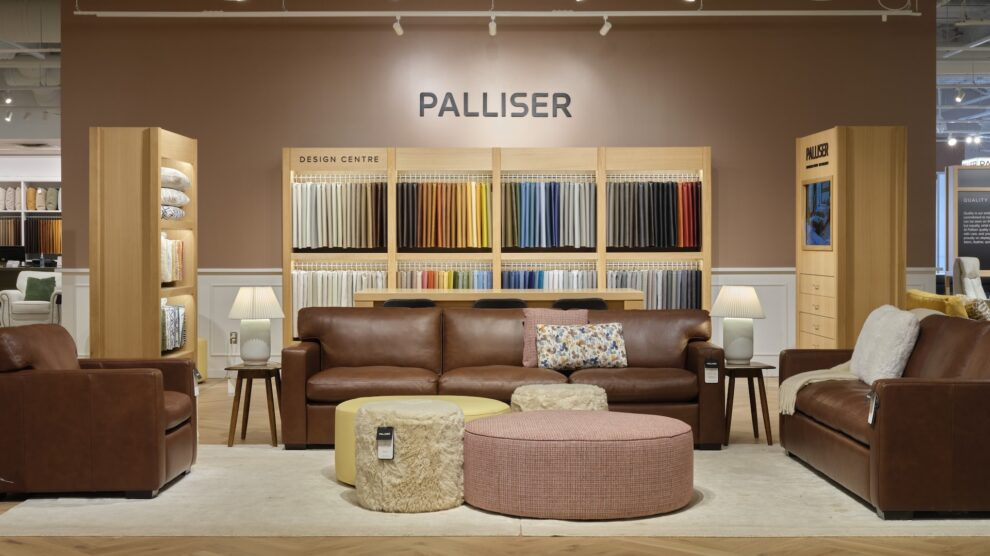
The company also developed Palliser Studio concepts with select dealers, creating dedicated branded spaces within furniture stores and further strengthening its retail presence.
That history helps explain why the acquisition has attracted attention throughout the industry. Canada has seen its domestic furniture manufacturing base shrink over several decades as producers faced rising costs, import competition, labour pressures and changing trade conditions. While many manufacturers reduced their footprint or disappeared altogether, Palliser remained one of the country’s largest and most visible furniture companies.
Its sale therefore carries significance beyond a single corporate transaction. It reflects broader changes taking place across North American manufacturing and raises questions about the future of Canadian furniture production.
Warning Signs Emerged Before the Acquisition
Industry sources told Retail Insider that delivery delays, communication challenges and uncertainty surrounding order status had become increasingly noticeable in the months leading up to the acquisition.
For furniture retailers, those issues can quickly affect customers. Many products are sold on a made-to-order basis, with delivery timelines often extending weeks or months. When suppliers encounter disruptions, retailers are frequently left managing customer expectations while waiting for updated information.
Some dealers have been seeking clarity regarding outstanding customer orders, future production timelines and the level of support available under the company’s new ownership structure.
Earlier this year, industry reports indicated that Palliser had experienced liquidity challenges that affected supplier payments and disrupted raw material flows, contributing to production and delivery delays.
Industry sources also pointed to leadership changes and broader operational challenges in recent years as factors that may have complicated the company’s ability to navigate a difficult market. While tariffs and trade pressures played a role in the company’s recent challenges, sources familiar with the sector said some of Palliser’s issues appeared to predate the most recent tariff pressures.
The acquisition is therefore being viewed through two lenses. The first is the long-term significance of an iconic Canadian manufacturer changing hands. The second is the practical reality facing retailers who are focused on customer orders, inventory planning and the stability of a major supplier.
Anti-Dumping History Adds Another Layer
The ownership change also carries an unusual trade-policy dimension.
Palliser was among the Canadian manufacturers that pushed for anti-dumping measures on upholstered domestic seating imported from China and Vietnam. The case led to duties intended to protect Canadian manufacturers from lower-priced imports that were found to be injuring domestic producers.
That history makes the company’s sale to MotoMotion especially notable within the furniture industry. Palliser had been one of the Canadian manufacturers seeking protection from Asian imports, and it is now owned by a China-headquartered company with deep roots in furniture components and motion technology.
It reflects how complicated the furniture business has become. Canadian manufacturers have relied on trade remedies to protect domestic production while also operating within global supply chains involving components, materials and offshore manufacturing. Palliser’s acquisition sits directly within that tension.
Manitoba Connection Remains Significant
The sale carries particular significance in Manitoba, where Palliser’s history has been deeply intertwined with the province’s manufacturing sector.
In August 2025, the Manitoba government approved a $15 million loan guarantee connected to Lexington Real Estate Holdings Ltd., a company controlled by Arthur DeFehr, whose family founded Palliser. The support was intended to help protect manufacturing jobs during a period of economic and trade-related pressure.
Several months later, Palliser announced layoffs and manufacturing adjustments as it responded to tariff pressures and changing production needs.
The company’s headquarters, leadership and manufacturing heritage have been tied to Winnipeg for generations, making the acquisition especially notable within the province.
EQ3 Remains Separate
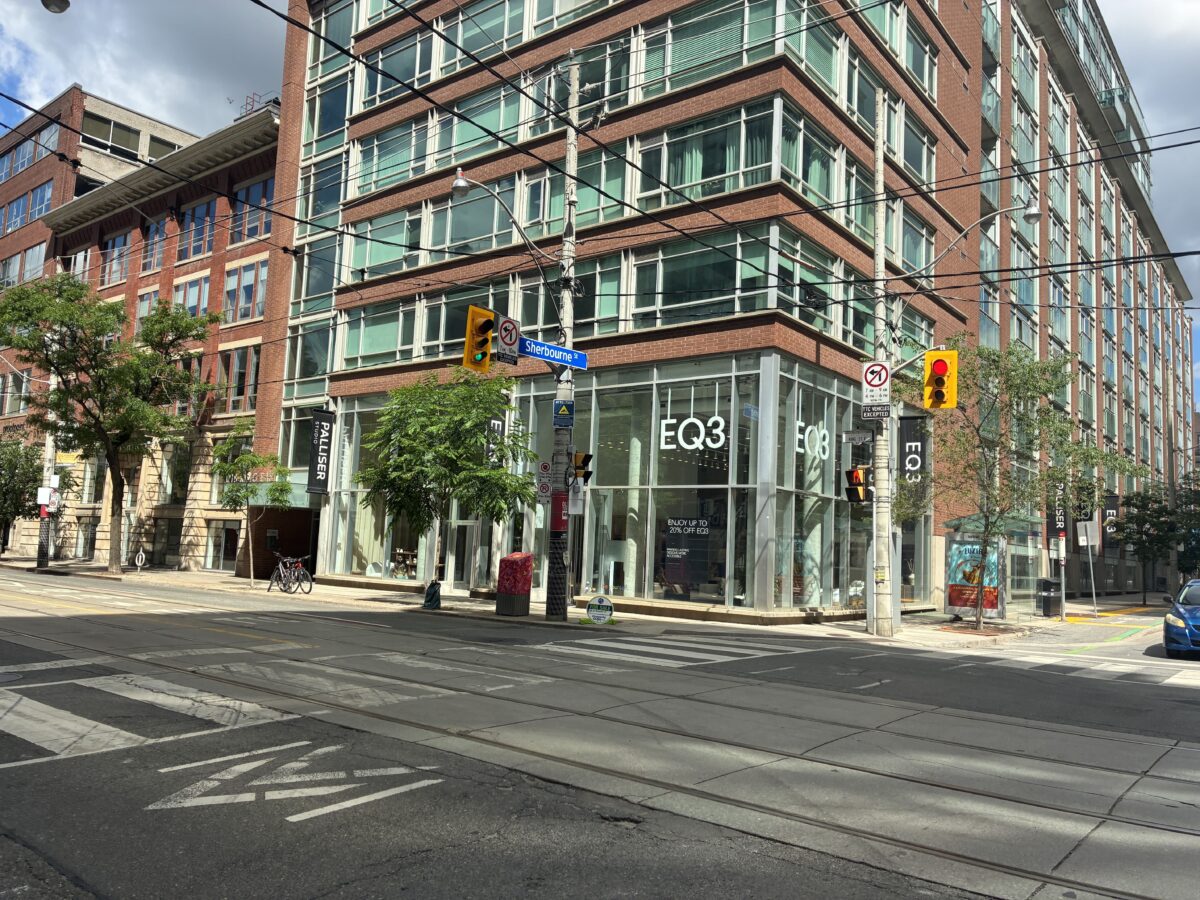
One point of confusion following the acquisition has involved EQ3, which remains a separate business and was not included in the MotoMotion transaction.
While Palliser and EQ3 share historical connections through the DeFehr family, EQ3 continues to operate independently.
Public reports have also indicated that Winnipeg will remain an important centre for product development, design, sales, marketing and customer service functions associated with the Palliser brand.
What remains less clear is how Palliser’s manufacturing footprint may evolve under MotoMotion ownership. The company has operated production facilities in both Canada and Mexico, and retailers will be watching closely for any changes that could affect lead times, product availability, warranty support and dealer services.
A Global Industry Meets a Canadian Legacy Brand
MotoMotion’s acquisition of Palliser reflects the increasingly global nature of the furniture business. The company has been a long-time supplier of motion mechanisms and related components used in reclining furniture, giving it an established relationship with Palliser prior to the acquisition. The transaction gives MotoMotion control of a recognized North American brand with a long history, established dealer relationships and significant market presence.
For retailers, however, the focus remains less on ownership structures and more on operational questions. Dealers want to know how existing orders will be handled, what future production will look like and how the company plans to support its retail partners moving forward.
Those questions are likely to shape perceptions of the acquisition far more than the transaction itself.
What the Sale Says About Canadian Furniture Manufacturing
The Palliser story arrives at a moment when many consumers are actively seeking Canadian-made products.
Furniture retailers across the country have reported increased interest in domestic manufacturing, particularly as trade tensions and economic uncertainty have encouraged some shoppers to look closer to home.
At the same time, manufacturing furniture at scale in Canada has become increasingly difficult. Companies face higher labour costs, rising material costs, skilled labour shortages and intense competition from imported products.
That tension sits at the centre of Palliser’s story.
The sale illustrates the pressures facing even long-established manufacturers and highlights how global supply chains continue to reshape industries that were once dominated by domestic producers.
For retailers, the immediate concerns are operational. For the broader industry, the transaction raises a larger question about the future of Canadian manufacturing and the role that Canadian-owned brands will play in an increasingly global marketplace.
Looking Ahead
The next chapter for Palliser will be watched closely by retailers, suppliers, employees and customers.
If MotoMotion can strengthen operations, improve communication and stabilize production, the acquisition could provide Palliser with additional resources and long-term support. If uncertainty continues, retailers may look to diversify their supplier relationships and shift business toward other manufacturers.
Regardless of how the transition unfolds, the sale marks a historic moment for Canadian furniture manufacturing.
For more than 80 years, Palliser was one of the country’s most recognizable furniture companies. The brand remains in place, but its future will now be written under new ownership.
Retail Insider contacted Palliser seeking comment regarding the acquisition, manufacturing operations, outstanding dealer orders and retailer concerns. No response was received by publication deadline.










Almost all of the current Palliser employees in Winnipeg and Mexico have been laid off. I almost every article out there there is no mention of the very SUCCESSFULL Encore Performance Seating. That division was also in the agreement. All the highly knowledgeable people of that division have been laid off as well. As the old saying goes “ you can replace the people but you can’t replace the passion”
My Order was placed 5 February 2026 the store said 4 months and that did not happen they are giving me a new date October really hope I am not getting played with I love palisser I am hoping quality is still of the same