Empire Co. Ltd. is making a significant bet on the future of discount grocery retailing in Canada.
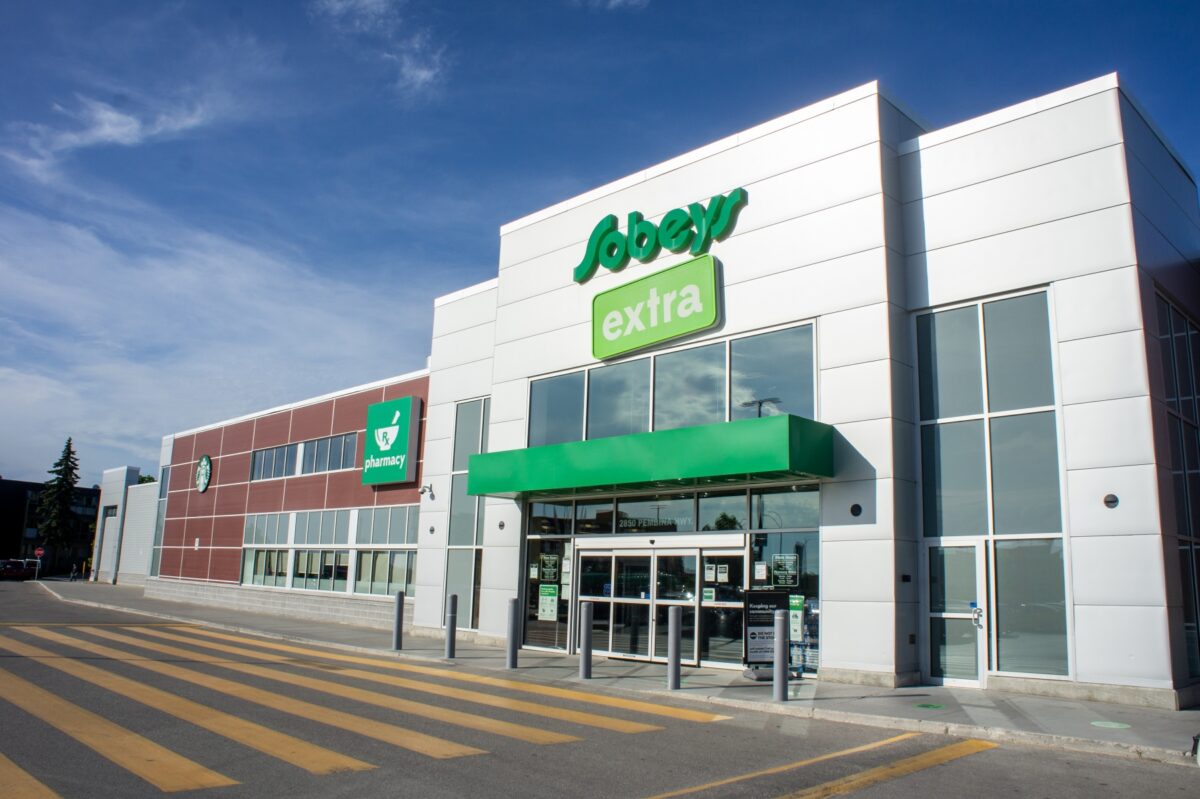
The parent company of Sobeys, Safeway, FreshCo, Farm Boy and IGA plans to open 70 new stores over the next three years, with more than three-quarters of those locations expected to operate under discount banners. The move comes as Canada’s major grocers continue to invest heavily in discount formats, reflecting a consumer environment where price remains a major factor in purchasing decisions.
The expansion plan, announced alongside the company’s fourth-quarter and fiscal 2026 results, provides one of the clearest indications yet of the direction President and Chief Executive Officer Pierre St-Laurent intends to take the company as it enters a new phase of expansion.
“We have a lot of room to grow in discount, without cannibalization of our network,” St-Laurent said during the company’s earnings conference call.
Empire plans to open more than 20 stores during fiscal 2027 alone. The company also expects to complete approximately 90 real estate projects annually through a combination of new stores, renovations and conversions, representing a roughly 25 per cent increase compared with recent years.
The focus on discount retail is particularly notable because it mirrors broader developments across the Canadian grocery sector. Loblaw Companies Ltd. continues to invest heavily in No Frills and Maxi, while Metro Inc. has expanded Food Basics and Super C. Across the industry, major grocery operators are increasingly directing investment toward formats that appeal to shoppers looking for lower prices and strong promotional offerings.

FreshCo and Mayrand Highlight the Strategy
Much of Empire’s planned expansion is expected to come through FreshCo, the company’s discount grocery banner.
FreshCo now operates more than 160 stores across Ontario and Western Canada and recently entered Atlantic Canada, where Empire opened three locations during fiscal 2026. Management believes there is still considerable room for expansion across multiple regions, particularly in markets where discount grocery remains underrepresented within its network.
The emphasis on FreshCo reflects a broader shift in the grocery industry. While conventional banners continue to play an important role, retailers increasingly see opportunities in formats that appeal to shoppers seeking competitive pricing, strong promotional programs and private-label products.
Empire’s recent acquisition of Québec-based Mayrand further reinforces that direction.
Mayrand operates four wholesale food stores in the Greater Montréal area and serves both consumers and foodservice customers. While relatively small compared with Empire’s core grocery business, the acquisition gives the company an entry point into Québec’s discount wholesale market.
Management indicated the business was attractive because of its expansion potential and limited overlap with existing banners.
Together, FreshCo and Mayrand illustrate how Empire is broadening its reach across multiple value-oriented retail segments rather than relying exclusively on traditional supermarket expansion.
Consumers Continue to Watch Their Spending
Empire’s expansion plans are being rolled out against a backdrop of continued consumer caution.
Although food inflation has moderated compared with the peak levels seen in recent years, management said shoppers remain highly engaged with promotions, loyalty offers and value-focused products.
At the same time, the company reported relatively stable customer behaviour during the fourth quarter. Basket sizes increased, shopping trips remained steady and sales growth was recorded across both discount and conventional banners.
That stability may be encouraging for grocers. While consumers continue to watch their spending, grocery remains one of the most resilient retail categories because it serves everyday needs.
Empire has also continued pushing back against supplier requests for fuel-related surcharges, arguing that additional increases would ultimately be passed on to shoppers.
“We know many customers remain stretched,” St-Laurent said.
The company’s ability to maintain sales growth while emphasizing competitive pricing suggests management believes consumers will continue looking for ways to manage household budgets even as broader inflation pressures ease.
Strong Results Support Expansion Plans
Empire’s confidence in expanding its store network is supported by solid financial performance.
Fourth-quarter sales increased 2.2 per cent to $7.8 billion, while same-store sales rose 1.5 per cent. Net earnings climbed to $212 million, or 94 cents per share, compared with $173 million, or 74 cents per share, a year earlier.
The company reported sales increases across both discount and conventional grocery banners. For fiscal 2026, adjusted earnings per share increased 8.7 per cent. Management also highlighted continued progress in controlling operating costs and improving efficiency across the business.
Empire increased its quarterly dividend by 10.2 per cent and said it expects adjusted earnings per share growth in fiscal 2027 to be at the high end of its long-term target range.
Those results provide the company with flexibility to invest in new stores, technology initiatives and other strategic priorities while continuing to return capital to shareholders.
Pharmacy Becomes a Strategic Priority
While Empire’s discount expansion is attracting much of the attention, another theme emerged repeatedly during the company’s earnings call: pharmacy.
For years, Empire’s strategy centred on strengthening its grocery operations through store investments, supply chain improvements and digital initiatives. Management now appears increasingly focused on pharmacy as an additional platform for expansion.
The company currently operates more than 400 pharmacies through a combination of Lawtons Drug Stores and pharmacy locations within grocery stores. According to St-Laurent, the business received relatively limited strategic attention over the past several years as Empire focused on improving its core grocery operations.
That is beginning to change. Earlier this year, Empire elevated pharmacy leadership within the organization and signalled plans to devote greater resources to the business. Management sees opportunities to improve performance within the existing network, add pharmacies to new grocery developments and pursue selective acquisitions where appropriate.
“We see meaningful opportunity in that business,” St-Laurent said.
The company is also looking to extract greater value from investments already made in central-fill pharmacy operations. By automating portions of prescription processing, central-fill facilities can improve efficiency while allowing pharmacists to spend more time serving patients and providing healthcare services.
The emphasis on pharmacy reflects a broader trend across food retail. Grocers increasingly view pharmacies as a way to deepen customer relationships, increase shopping frequency and diversify revenue streams beyond traditional food sales.
For Empire, pharmacy appears poised to become an increasingly important component of its long-term strategy alongside discount grocery and wholesale food retailing.
Repositioning E-Commerce for Profitability
Empire is also continuing to refine its approach to online grocery.
Earlier this year, the company closed its Alberta customer fulfilment centres following a strategic review of its e-commerce operations. The move came after Empire recorded a significant impairment related to its online grocery business and shifted its focus toward improving profitability.
The impact was visible in fourth-quarter results, with online sales growth slowing compared with some competitors.
Management, however, argued that the closures were part of a broader effort to improve the economics of the business rather than a retreat from e-commerce.
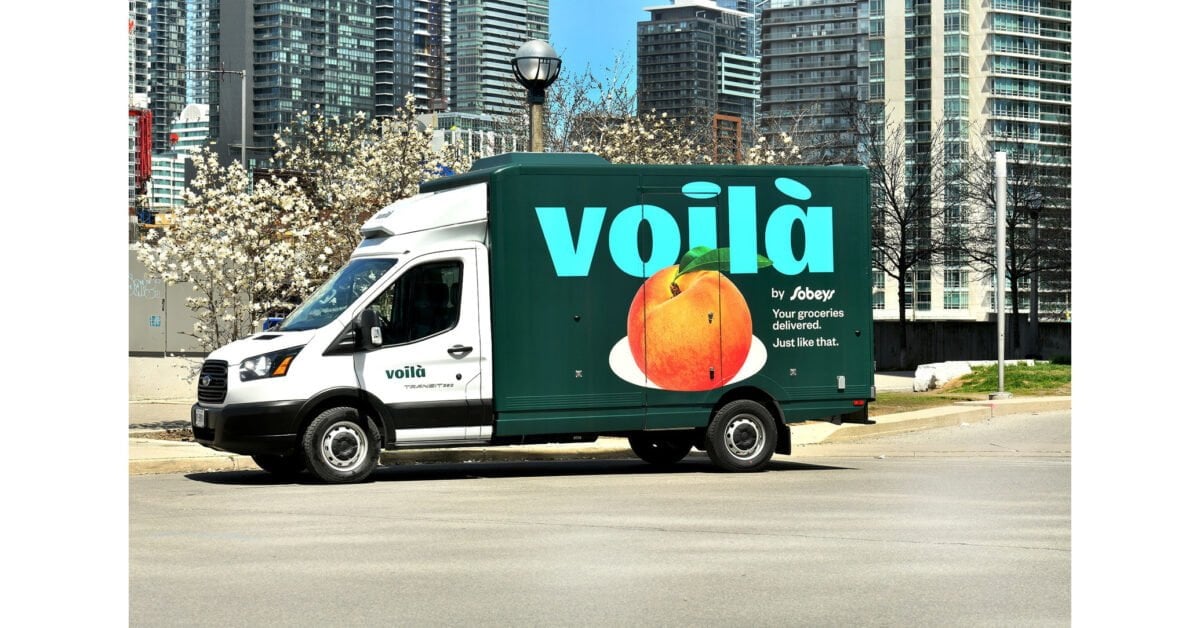
Partnerships with third-party providers including DoorDash, Instacart and Uber Eats are expected to play a larger role going forward. Empire said the national rollout of DoorDash has already produced encouraging results, while additional initiatives are expected later this year.
The shift reflects a growing recognition across the grocery industry that online growth alone is no longer enough. Retailers are increasingly focused on building digital businesses that can generate sustainable returns while complementing their physical store networks.
For Empire, e-commerce remains part of the strategy, but management appears determined to ensure future expansion comes with stronger economics than in the past.
A New Phase of Expansion
Empire’s latest results provide a snapshot of a company entering a different phase of its evolution.
Over the past decade, management focused heavily on strengthening the business through store renovations, supply chain modernization, digital investments and operational improvements. Those efforts helped improve profitability and establish a stronger foundation for future expansion.
Now, the conversation appears to be shifting. Rather than focusing primarily on transformation initiatives, Empire is increasingly talking about expansion. The company’s plans call for dozens of new stores, continued investment in discount grocery, expansion in pharmacy and a more disciplined approach to e-commerce. At the same time, the acquisition of Mayrand signals a willingness to pursue opportunities in adjacent retail segments when they align with the company’s broader strategy.
The common thread running through each of those initiatives is an emphasis on everyday essentials. Grocery, pharmacy and wholesale food distribution remain categories that consumers rely on regardless of broader economic conditions, even as spending patterns shift.
That approach reflects the reality of today’s retail environment. While inflation has eased and consumer confidence has improved from recent lows, price remains an important consideration for many Canadian households. Retail analyst and Agri-Food Analytics Lab Director Dr. Sylvain Charlebois has previously noted that grocery remains among the strongest segments of Canadian retail even as some discretionary retail categories face softer demand.
Empire’s decision to direct more than three-quarters of its planned store expansion toward discount banners suggests management believes those trends are likely to persist for years to come.
For the Canadian grocery industry, that may be the most important takeaway from the quarter. The competition for price-conscious shoppers is not slowing down. If anything, the country’s largest grocery retailers are committing more capital and resources to winning that customer.
Empire’s latest expansion plans indicate the company intends to be an active participant in that race.