Executives with the International Council of Shopping Centers have sent letters to Prime Minister Justin Trudeau and Alberta Premier Jason Kenney urging swift government action to meet a growing crisis for the retail industry in this country.
“Your provincial retailers need assistance now from the provincial and municipal levels to help guarantee their survival and ensure there is a market left to serve the community post crisis,” wrote John Morrison, ICSC Vice Chairman, and Tom McGee, ICSC President & CEO, in a letter to Kenney.
“We believe that your government can be helpful in areas of corporate taxation, sales tax deferments as well as other areas under your jurisdiction. Municipalities can also play a major role in extending a lifeline to retailers by reducing utility rates, and local taxes during this difficult period. We would ask that your office reach out to municipalities in your province and ask them to support their local shopping centres and retailers and assist them in this time of need as we rebuild our communities and economic centres of life.”

In an interview with Retail Insider, Michael Kehoe, Lead Ambassador in Canada for the New-York based ICSC, said all levels of government across Canada need to recognize the retail real estate industry and the integral role it plays in the social, civic and economic vibrancy of communities across the country.
“Canadian shopping centres generate nearly $25.5 billion of taxes for all levels of government. Most retailers and shopping centres in Canada are not only engaged in a health crisis but a financial crisis as well forcing many to close and lay off their staff. 1.7 million Canadians are employed in shopping centres across the country. Retail and food service sales and the resulting income have stopped or been reduced but many of the expenses continue such as rent, utilities, payroll and payroll taxes, corporate taxes as well as payments to municipalities for property and business taxes,” said Kehoe, a veteran of more than 40 years in the industry and broker/owner of Fairfield Commercial Real Estate in Calgary.
“Nearly 70 per cent of shopping centre tenants are small businesses that employ less than 10 people and many retailers and restaurants across the country are concerned that they may not survive. Canadian consumer real estate landlords are assisting their tenants where possible but who is going to give relief to the landlords? Perhaps their banks or their lenders? Everyone in the transactional chain should be assisting to help each other at this critical time.
“They must work together in the short term to avoid jeopardizing the entire consumer real estate industry causing long-term damage, rampant unemployment and irreparable harm to the retail sector and communities across our country. Canadian retailers and restauranteurs need assistance now from the federal, provincial and municipal levels of government to help guarantee their survival and ensure there is a market left to serve the community post crisis.”
In the letter to Premier Kenney, the ICSC executives said many retailers are concerned they may not survive because of the bills they have to pay rent, utilities, payroll and payroll taxes, corporate taxes as well as payments to municipalities for property and business taxes.
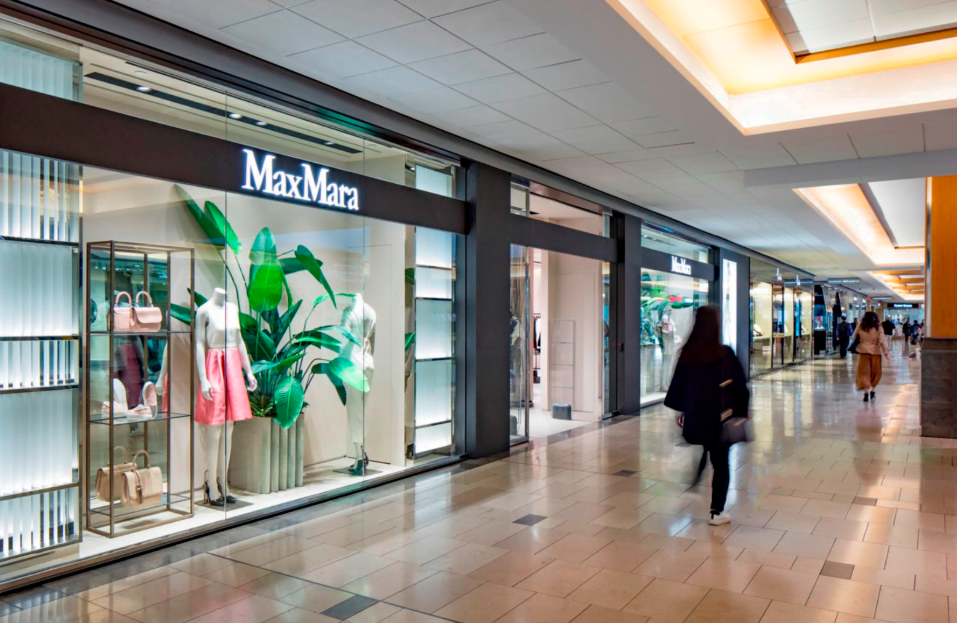
“This is a grave concern to ICSC as Canadian shopping centres and retailers provide needed employment and pay substantial taxes at all levels of government. Many landlords have already been able to assist their tenants, but others are unable to do so due to their own particular financial circumstances,” said the letter.
“Our collective action is required now. At ICSC, our mission is to ensure the retail real estate industry is broadly recognized for the integral role it plays in the social, civic and economic vibrancy of communities across the globe. Founded in 1957, today we are a 70,000-member network joined together in one vibrant global community.”
In the letter to the Prime Minister, the ICSC said the majority of the estimated $737 billion of consumer activity generated by the retail, food-and-beverage, entertainment and consumer service industries occurs within Canada’s shopping centres, with nearly one out of seven Canadian jobs retail related.
“The long-term strength of the shopping centre industry is critical to the economic, civic, and social viability of communities across the country,” it said.

“Federal, provincial, and local government and health officials are implementing unprecedented steps to limit the risk of COVID-19 community spread. Canada’s shopping centre owners, developers, and tenants applaud the efforts that are taking place and stand ready to support the nation as we confront this public health crisis. Many of our member companies have already begun supporting local and national efforts with many more ready to assist immediately.
“The necessary public health and safety actions being taken have required retailers, restaurants, gyms, and other service providers to close. These closures are placing an insurmountable strain on our members, and we believe federal government action is urgently needed. In the most immediate term, we believe the federal government should guarantee or directly pay for business interruption coverage for retailers, restaurants and other tenants as well as landlords. This will allow these businesses to continue to pay their employees and suppliers.”
Without ensuring the stability of its tenant base, the repayment of secured and unsecured debt underlying the shopping centre industry will be at risk, said the letter.
“This will jeopardize the entire industry and cause long-term damage to financial markets, rampant unemployment and irreparable harm to communities across our country. As the ramifications of the crisis become clearer in the near term, the industry will require further federal support associated with outstanding debt obligations as well as tax and regulatory relief.”