

The grocery market in Canada has changed a lot. Grocery shoppers have evolved into dedicated bargain hunters, as revealed by a comprehensive survey conducted by Dalhousie University and Caddle. This survey delves into Canadian grocery shopping habits, highlighting a pronounced shift towards discount-driven consumerism, accentuated using technology to secure savings.
The findings provide nuanced insights into the changing landscape of grocery shopping, marked by a 32% increase in shopping frequency since 2018, a strong inclination towards discounts, and the strategic use of food-saving apps. The average Canadian now visits the grocery store 7.20 times a month, up from 5.43 in 2018, signifying a notable change in shopping behaviour.
In the face of economic uncertainties, 62.2% of consumers are willing to switch their primary grocery store for better deals, with 29.8% choosing stores based solely on discount offerings. This discernment extends to expiring products, where a 50% discount would entice 47.3% of shoppers, showcasing a strong preference for substantial savings.
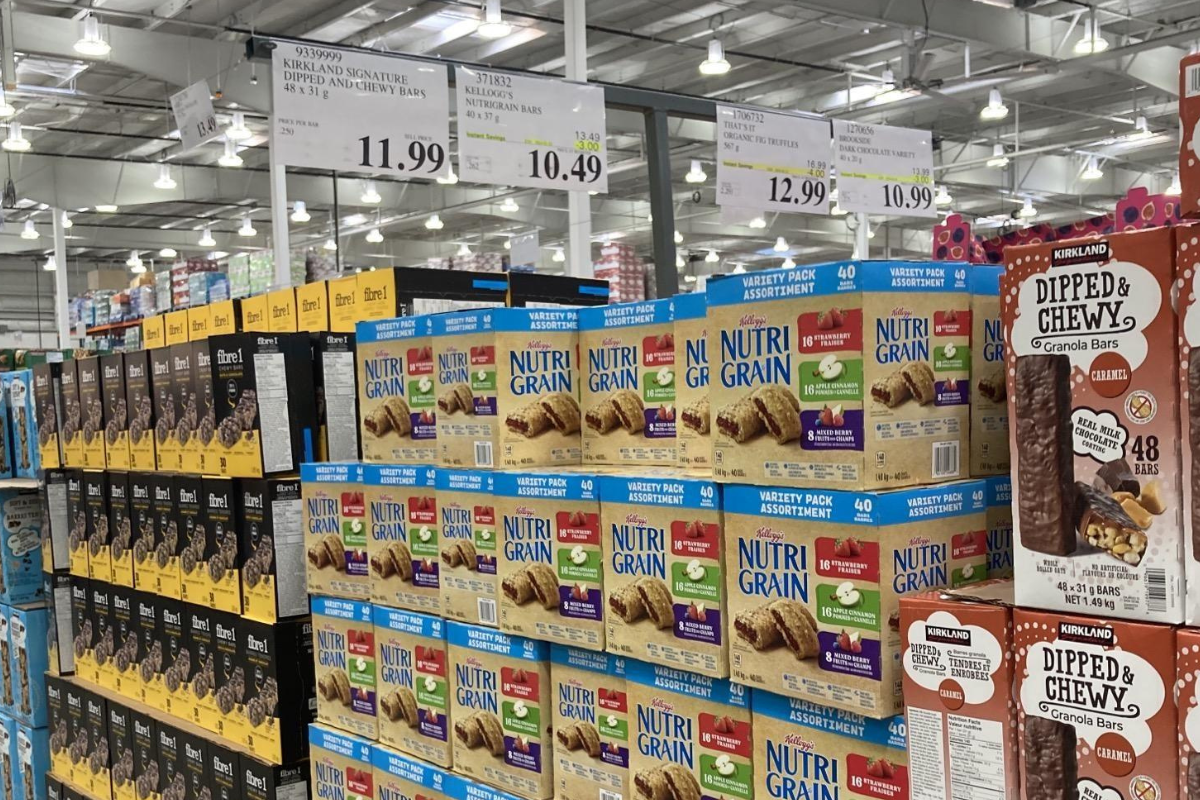
The Loblaw 50% discount flip-flop earlier this year on expiring foods raised concerns for many. Discounts on expiring or clearance items captivate consumers, with 59.2% actively seeking such deals. The survey reveals that 57.9% of purchases are influenced by familiarity with the product, while 57.2% are swayed by the magnitude of the discount. Flyers, mobile apps, and in-store signage play pivotal roles in alerting consumers to these discounts, with fresh produce and meat products topping the list of most-purchased discounted items. Consumers expect to be incentivized when buying expiring food at the grocery store, with 50% being the preferred benchmark for interest.
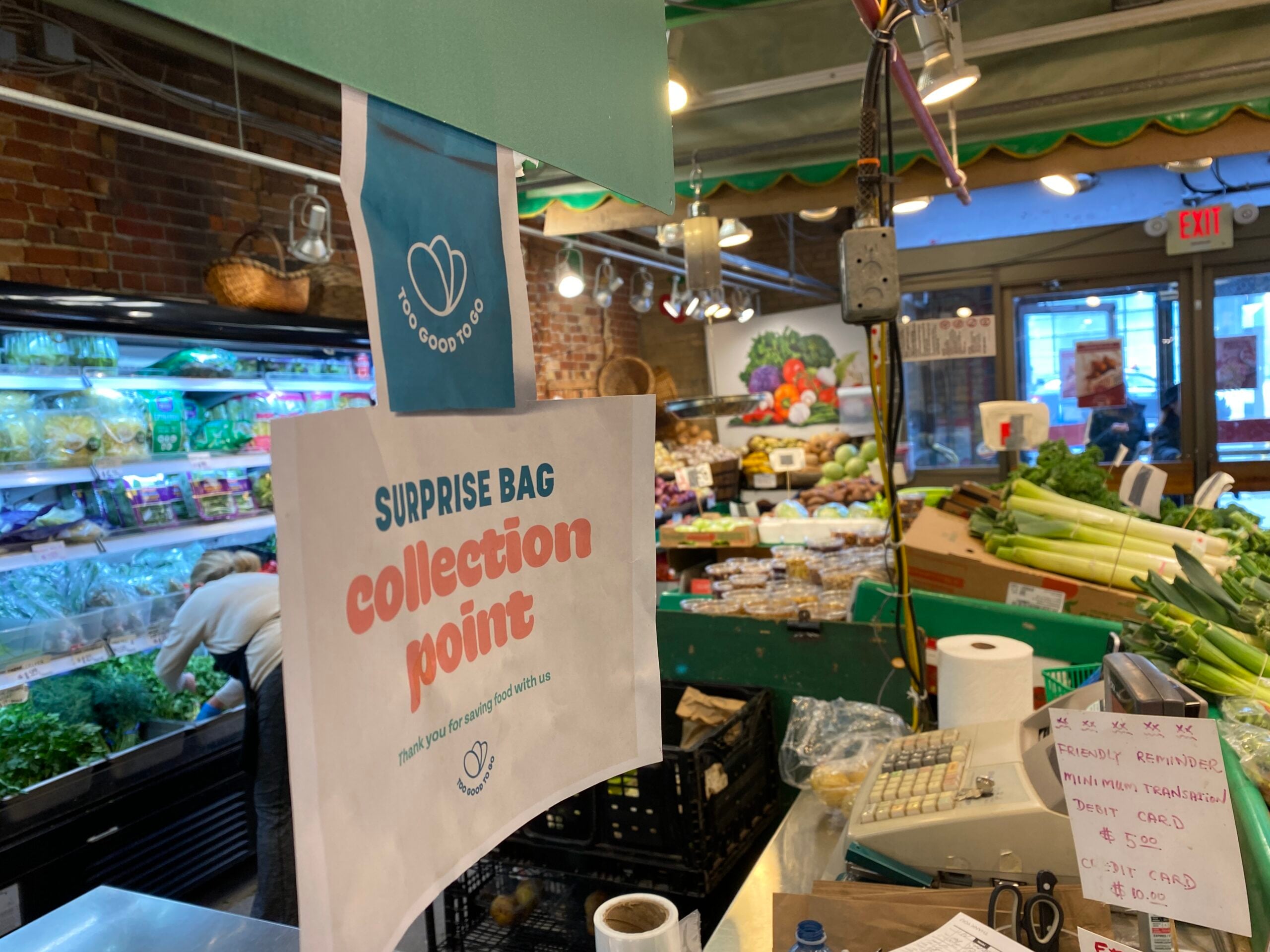
The survey also sheds light on the growing use of food-saving apps, such as FlashFood, Food Hero, and Too Good To Go. Despite a 57.6% non-use rate, these apps have garnered overwhelming approval from current users, with 95.1% recommending them. They cater to the desire to save money, with 73.2% citing it as a primary motivation, and contribute to waste reduction, an important consideration for 39.5% of users. Among app users, preferences for discounted items diverge from in-store choices, favouring baked goods, fresh produce, meat, and ready-to-eat items, indicating a distinct market for app-based food rescuing.
Saving food through apps is slowly gaining popularity, but the process still needs refinement. Buying expiring foods online means purchasing based on a picture or a mystery bag filled with potentially unwanted items. Over time, the interface of these apps will need to evolve to become more attractive to consumers who are still unsure.
Interestingly, Canadians view Loblaw, Walmart, Costco, Metro, and Giant Tiger as grocers offering substantial discounts, in that order. Surprisingly, Sobeys, the second-largest grocer, did not make the top 5 in the survey.
Given these findings, grocery retailers need to adapt by emphasizing percentage discounts and loyalty rewards, enhancing promotion visibility through varied channels, and forging proactive partnerships with food-saving apps. Such strategies aim to align with consumer preferences for savings and sustainability, potentially boosting customer loyalty and market share in a competitive industry.
The modern grocery landscape is marked by a robust appetite for discounts, shaping consumer behaviours and store preferences. The burgeoning popularity of food-saving apps underscores a shifting consumer mindset towards sustainable and cost-effective grocery shopping practices.
In essence, the survey offers a rigorous look into the preferences and behaviours shaping the future of grocery shopping in Canada. Sustained higher food inflation has programmed us to be discount seekers, and that may last a while. As the industry grapples with these trends, the strategic integration of discounts and technology emerges as a key avenue for retailers to meet evolving consumer demands while fostering sustainability.










Since I mostly shop on foot, or during transfers on public transit, I’ve not switched stores. The biggest change in the past few years is that I now order non-perishables online and have them delivered. I still shop for quality and freshness before price but often stock up when there’s a sale. Almost always have.
Most grocery stores are full of aisle upon aisle of overly-packaged, over-processed junk. Large packages of perishables result in too much food waste. If there were more little shops and farmers markets nearby, like those that existed in my former neighbourhood, the big chains wouldn’t be getting my money at all.
I agree with Brenda it sucks that the little guys have been pushed out or bought out. I used to support Quality Foods because they closed for holidays and gave their employees the time off. They were great at supporting their communities and now Jimmy Paterson has just made them into a Save On