A proposed restructuring agreement that would have handed the Hudson’s Bay Company’s senior lenders increased control over its restructuring process has been rejected by an Ontario court, marking a pivotal and potentially perilous turn in the future of Canada’s oldest retailer.
Justice Peter J. Osborne of the Ontario Superior Court ruled Saturday that the agreement, negotiated between Hudson’s Bay and lenders Bank of America N.A., Pathlight Capital LP, and Restore Capital LLC, was “neither necessary nor appropriate.” His decision raises the real possibility that lenders could now push Hudson’s Bay into receivership, a process in which control of the company’s assets is handed to a third party to repay debts.

“The court ruling speaks volumes. It’s unusual to see a Saturday decision, but this case is moving at an extraordinary pace,” said retail strategist Carl Boutet in an interview. “It shows just how high the stakes are right now.”
Agreement Would Have Handed Power to Lenders
The rejected “restructuring support agreement” would have required Hudson’s Bay to operate under a strict weekly budget during its ongoing liquidation sales and to seek lender approval for any transaction involving the sale of parts of its business. These provisions, the lenders argued, were necessary to protect their financial interests, given that the Bay is liquidating inventory over which the lenders hold security.
“We are not looking to pick fights,” said Linc Rogers, counsel for Restore Capital, during court proceedings last week. “We are looking to resolve issues.”
However, landlords and other stakeholders strongly opposed the agreement, arguing it gave lenders disproportionate power over the future of the company, especially in decisions related to potential buyers or restructuring.
“They aren’t incentivized to restructure. They are incentivized to liquidate,” argued David Bish, lawyer for landlord Cadillac Fairview, which owns 16 Bay properties.
Justice Osborne ultimately sided with those concerns, ruling that the agreement would have granted lenders rights “to the exclusion of other stakeholders,” while also lacking sufficient transparency and oversight from the court.
Judge Places Faith in the CCAA Process
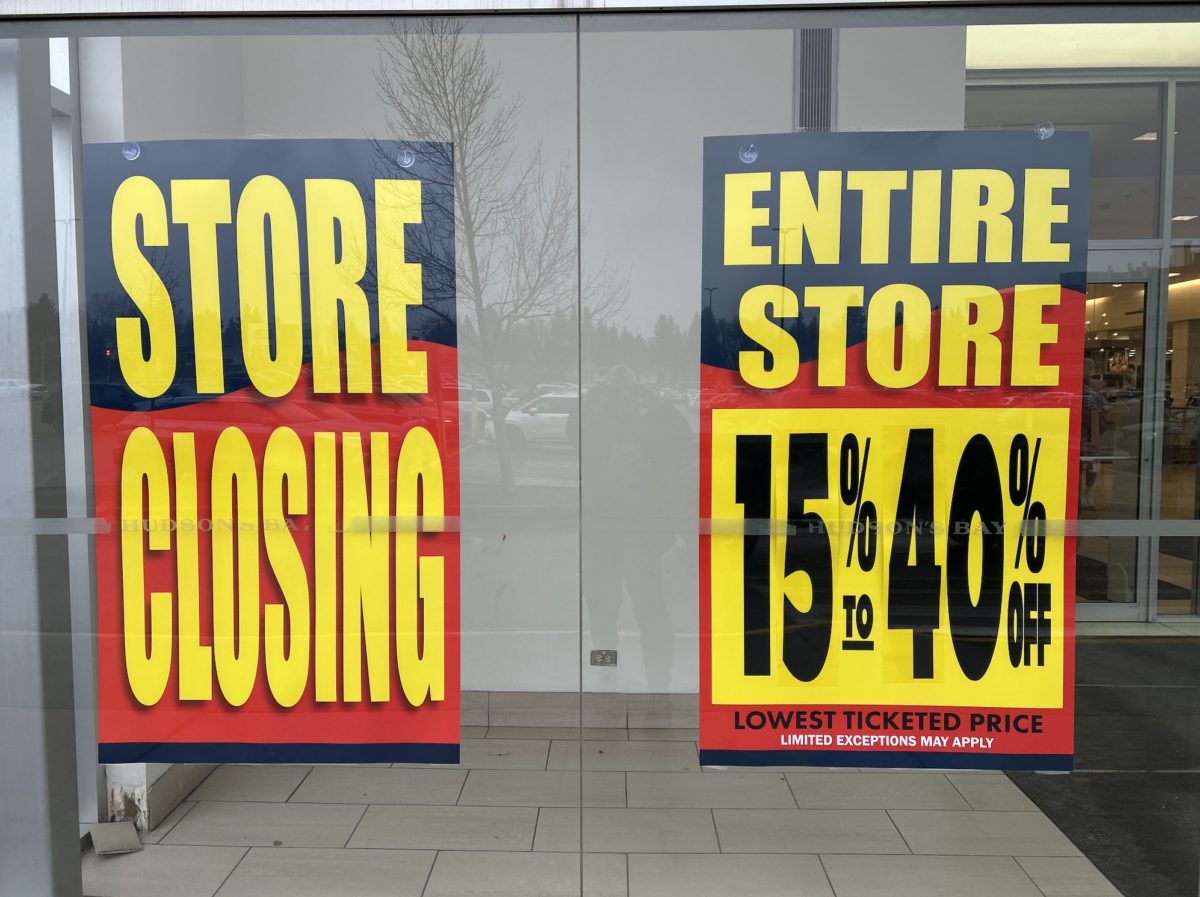
Hudson’s Bay filed for creditor protection under the Companies’ Creditors Arrangement Act (CCAA) on March 7. Under this legal framework, the company received court approval to liquidate the majority of its stores — including 74 Hudson’s Bay locations, two Saks Fifth Avenue, and 13 Saks Off Fifth stores. Just six Bay stores remain temporarily spared from closure as the company explores potential restructuring or sale options.
In his ruling, Justice Osborne emphasized that the CCAA process already includes court oversight and the role of an independent monitor, which collectively serve to balance lender rights with those of landlords, suppliers, employees, and other stakeholders.
“The monitor is there to ensure that assets are used appropriately, and that should give comfort to the lenders,” Osborne wrote in his decision.
Carl Boutet echoed this assessment. “The judge is putting a lot of faith in the monitor to ensure the process is equitable,” he said. “That monitor is the referee here. And the court made it clear they believe that’s enough — for now.”
Risk of Receivership Now Looms
The rejection of the agreement significantly raises the possibility that Hudson’s Bay’s senior lenders may now seek to place the company into receivership — a more aggressive step that would transfer full operational control to a third party and likely accelerate liquidation of all remaining assets, including the six stores currently excluded.
“It’s a high-stakes standoff,” Boutet explained. “If lenders decide they’re uncomfortable with the current setup, they can pull the trigger on receivership at any time. The judge acknowledged that risk but said, essentially, ‘We’ll cross that bridge when we get there.’”
The coming days are seen as critical. April 7 looms as a deadline to determine the fate of the six remaining Hudson’s Bay locations. Without a buyer or investor stepping forward, they too may be folded into the liquidation process.
“We’re ending this week with more uncertainty than ever,” Boutet said. “The court might have tried to buy more time, but ironically, this decision could end up shortening the timeline if the lenders lose patience.”
Employees and Suppliers in Limbo
While courtroom debate has largely focused on lenders and landlords, little has been said about the fate of the retailer’s thousands of employees and suppliers. The CCAA filing affects more than 9,300 workers, many of whom are now in the process of being let go as store closures begin.
On Friday, Hudson’s Bay terminated nearly 200 corporate employees — the first wave of cuts since the creditor protection process began. But clarity remains elusive on the status of in-store employees at liquidating locations.
“We still don’t know how many of those 9,400 retail employees have been re-hired by liquidators or let go,” said Boutet. “It’s a massive question mark — and a painful one for those affected.”
Suppliers, too, remain in the dark. Many are owed money from the Bay and face the likelihood of steep losses in the restructuring or liquidation process.
“There’s very little talk about suppliers or employees. The focus is on assets, debts, and control,” Boutet noted. “But these are people’s livelihoods we’re talking about.”
Will Hudson’s Bay Survive?
The fate of Hudson’s Bay as a retail chain hangs in the balance. While the court has allowed the retailer more breathing room by rejecting the restructuring agreement, industry observers are skeptical that this will lead to a viable turnaround.
“I don’t have renewed hope for a future Hudson’s Bay chain,” Boutet said. “Even if you carve out the six remaining stores, there’s too much debt and the store formats are too large for what’s needed today.”
Boutet pointed to the lack of successful private equity rescues of struggling retailers in recent years.
“The market for distressed retailers is saturated,” he said. “Unless a real estate play is involved, it’s hard to see a buyer stepping up.”
A Shifting Power Struggle
The court’s decision has further complicated an already tangled web of interests. Lenders, landlords, employees, and suppliers are all vying to influence the outcome, while Hudson’s Bay itself remains caught in the middle.
“We’re seeing this constant shift in the balance of power,” Boutet said. “And each shift seems to make the retailer’s future more precarious.”
He also noted a surprising twist: landlords, some of whom were previously frustrated with the Bay, have now emerged as defenders of its ability to control its own fate — or at least avoid lender domination.
“It’s a bizarre alliance,” he said. “But perhaps it’s also pragmatic. Landlords are trying to preserve value and avoid complete liquidation.”
What Happens Next?
With the court having declined to approve the restructuring deal, all eyes are now on Hudson’s Bay’s lenders. They could move as early as this week to request receivership — a move the court has said it will consider if and when it happens.
Alternatively, lenders may choose to wait until April 7, at which point the remaining six stores could be included in the liquidation process.
“That’s the sword hanging over everyone’s head right now,” said Boutet. “Will lenders make a move, or will they wait to see how this plays out?”
For now, Hudson’s Bay is continuing liquidation sales, with steep discounts in stores that have become busy, if somber, destinations for bargain hunters. But the deeper issues — the future of the brand, the fate of its workers, and the impact on Canadian retail — remain unresolved.
“It’s a tragic endgame for an iconic retailer,” Boutet said. “And the next chapter will be written very soon.”